Newsletter
Want to keep up to date with all our latest news and information?


ResidentialBusiness
Administrators
-
Joined
-
Last visited
Everything posted by ResidentialBusiness
-
Brazilian meat giant JBS came a step closer Friday to its long-held goal of trading its shares on the New York Stock Exchange. The company’s minority shareholders voted to approve the company’s plan to list its shares both in Sao Paulo and New York, casting aside opposition from environmental groups, U.S. lawmakers and others who noted JBS’ record of corruption, monopolistic behavior and environmental destruction. JBS Global CEO Gilberto Tomazoni said the outcome showed shareholders were confident in the benefits a dual listing would bring. The company said before the vote that listing shares in the U.S. would boost its global profile and attract new investors. JBS said it expected to begin trading on the New York Stock Exchange on June 12. The U.S. Securities and Exchange Commission granted the company’s request to list its shares in New York late last month. JBS is one of the world’s largest food companies, with more than 250 production facilities in 17 countries. Half of its annual revenue comes from the U.S., where it has more than 72,000 employees. It’s America’s top beef producer and it’s second-largest producer of poultry and pork. JBS’s plan—which has been in the works for years—has generated significant pushback. Last fall, 20 environmental organizations—including Mighty Earth, Greenpeace and Rainforest Action Network—signed an open letter to JBS investors opposing the listing, saying it would put the climate at greater risk. Glass Lewis, an influential independent investor advisory firm, was also among those recommending that shareholders reject the plan. In its report, Glass Lewis said the recent return of brothers Joesley and Wesley Batista to the JBS board should concern investors. The brothers, who are the sons of JBS’ founder, were briefly jailed in Brazil in 2017 on bribery and corruption charges. “In our view, the involvement of the company and of Joesley and Wesley Batista in multiple high-profile scandals has tarnished the company’s reputation, undermining stakeholder trust and posing a significant risk to its competitive position,” Glass Lewis said. Glass Lewis also objected to the company’s plan for dual share classes, which would give the Batistas and other controlling shareholders more voting power. In its response to Glass Lewis’ report, JBS said it has established more stringent controls and anti-corruption training at the company in recent years. It also said a U.S. listing would ensure more oversight from U.S. authorities. “We believe this transaction will increase our visibility in global markets, attract new investors and further strengthen our position as a global food industry leader,” Tomazoni said in a statement last month when the company announced Friday’s vote. Many U.S. lawmakers also aren’t convinced JBS belongs on the New York Stock Exchange. In a letter sent last week to JBS, U.S. Sen. Elizabeth Warren, a Massachusetts Democrat, noted that Pilgrim’s Pride—a U.S. company owned by JBS—was the largest single donor to President Donald The President’s inaugural committee, with a $5 million gift. The SEC’s approval came just weeks after that donation, Warren said. “I am concerned Pilgrim’s Pride may have made its contribution to the inaugural fund to curry favor with the The President administration,” Warren wrote in the letter, which asked the company why the donation was made. In a statement, JBS said it has a “long bipartisan history of participating in the civic process.” Warren was also among a bipartisan group of 15 U.S. senators who sent a letter to the SEC in January 2024 urging the agency to reject a U.S. listing for JBS. The senators, a diverse group that rarely agrees on policy, included Republicans Marco Rubio of Florida and Josh Hawley of Missouri, Democrat Cory Booker of New Jersey and Independent Bernie Sanders of Vermont. The letter noted that in 2020, J&F Investments, a controlling shareholder of JBS that is owned by the Batista family, pleaded guilty to bribery charges in U.S. federal court and agreed to pay fines of $256 million. It also said Pilgrim’s Pride pleaded guilty to price-fixing charges in 2021. And it said U.S. Senate investigations found that JBS is “turning a blind eye” to rainforest destruction in the Amazon by its suppliers. “Approval of JBS’ proposed listing would subject U.S. investors to risk from a company with a history of blatant, systemic corruption, and further entrench its monopoly power and embolden its monopoly practices,” the letter said. —Dee-Ann Durbin, AP business writer View the full article

-
Iran and the United States prepared for a fifth round of negotiations over Tehran’s rapidly advancing nuclear program Friday in Rome, with enrichment emerging as the key issue. U.S. officials up to President Donald The President insist Iran cannot continue to enrich uranium at all in any deal that could see sanctions lifted on Tehran’s struggling economy. Iran’s Foreign Minister Abbas Araghchi early Friday insisted online that no enrichment would mean “we do NOT have a deal.” “Figuring out the path to a deal is not rocket science,” Araghchi wrote on the social platform X. “Time to decide.” The U.S. will be again represented in the talks by Mideast envoy Steve Witkoff and Michael Anton, the State Department’s policy planning director. Oman’s Foreign Minister Badr al-Busaidi is mediating the negotiations as the sultanate on the Arabian Peninsula has been a trusted interlocutor by both Tehran and Washington in the talks. A car carrying Araghchi arrived at the Omani Embassy in Rome’s Camilluccia neighborhood around 12:30 p.m. Witkoff had yet to be seen, but the embassy previously served as the site of another round of talks. Enrichment remains key in negotiations The talks seek to limit Iran’s nuclear program in exchange for the lifting of some of the crushing economic sanctions the U.S. has imposed on the Islamic Republic, closing in on half a century of enmity. The President has repeatedly threatened to unleash airstrikes targeting Iran’s program if a deal isn’t reached. Iranian officials increasingly warn they could pursue a nuclear weapon with their stockpile of uranium enriched to near weapons-grade levels. “Iran almost certainly is not producing nuclear weapons, but Iran has undertaken activities in recent years that better position it to produce them, if it chooses to do so,” a new report from the U.S. Defense Intelligence Agency said. “These actions reduce the time required to produce sufficient weapons-grade uranium for a first nuclear device to probably less than one week.” However, it likely still would take Iran months to make a working bomb, experts say. Enrichment remains the key point of contention. Witkoff at one point suggested Iran could enrich uranium at 3.67%, then later began saying all Iranian enrichment must stop. That position on the American side has hardened over time. Asked about the negotiations, State Department spokesperson Tammy Bruce said “we believe that we are going to succeed” in the talks and on Washington’s push for no enrichment. “The Iranians are at that table, so they also understand what our position is, and they continue to go,” Bruce said Thursday. One idea floated so far that might allow Iran to stop enrichment in the Islamic Republic but maintain a supply of uranium could be a consortium in the Mideast backed by regional countries and the U.S. There also are multiple countries and the International Atomic Energy Agency offering low-enriched uranium that can be used for peaceful purposes by countries. However, Iran’s Foreign Ministry has maintained enrichment must continue within the country’s borders and a similar fuel-swap proposal failed to gain traction in negotiations in 2010. Meanwhile, Israel has threatened to strike Iran’s nuclear facilities on their own if it feels threatened, further complicating tensions in the Mideast already spiked by the Israel-Hamas war in the Gaza Strip. Araghchi warned Thursday that Iran would take “special measures” to defend its nuclear facilities if Israel continues to threaten them, while also warning the U.S. it would view it as being complicit in any Israeli attack. Authorities allowed a group of Iranian students to form a human chain Thursday at its underground enrichment site at Fordo, an area with incredibly tight security built into a mountain to defend against possible airstrikes. Talks come as U.S. pressure on Iran increases Yet despite the tough talk from Iran, the Islamic Republic needs a deal. Its internal politics are inflamed over the mandatory hijab, or headscarf, with women still ignoring the law on the streets of Tehran. Rumors also persist over the government potentially increasing the cost of subsidized gasoline in the country, which has sparked nationwide protests in the past. Iran’s rial currency plunged to over one million to a U.S. dollar in April. The currency has improved with the talks, however, something Tehran hopes will continue as a further collapse in the rial could spark further economic unrest. Meanwhile, its self-described “Axis of Resistance” sits in tatters after Iran’s regional allies in the region have faced repeated attacks by Israel during its war against Hamas in the Gaza Strip. The collapse of Syrian President Bashar Assad’s government during a rebel advance in December also stripped Iran of a key ally. The The President administration also has continued to levy new sanctions on Iran, including this week, which saw the U.S. specifically target any sale of sodium perchlorate to the Islamic Republic. Iran reportedly received that chemical in shipments from China at its Shahid Rajaei port near Bandar Abbas. A major, unexplained explosion there killed dozens and wounded over 1,000 others in April during one round of the talks. Gambrell reported from Dubai, United Arab Emirates. Associated Press writer Nasser Karimi in Tehran, Iran, contributed to this report. —Jon Gambrell and Giada Zampano, Associated Press View the full article

-
Shopping has always been a battle. Companies work hard to convince you that their product is better, while also trying to ensure you pay the highest possible price for your purchase. That’s fair enough, and most of us are accustomed to researching everything we buy to make sure we’re not being ripped off. But modern technology has changed the game. Companies have been hoovering up information about us for years now, and that means they have a pretty good idea about our shopping habits—including what we’re willing to pay for specific products and services, something called Individualized Consumer Data (ICD). New tools like artificial intelligence are now making it very, very easy for companies to engage in what’s known as surveillance pricing. What is surveillance pricing?As its most basic, surveillance pricing is when companies put together a profile of you and your shopping habits, then adjust prices specifically for you. A basic example would be shopping for a television: Two people go to Amazon to look at the same television. One person sees a price of $499, while the other sees $599—for the exact same television, at the exact same moment. The discrepancy is due to their different spending habits and other information that Amazon has gathered about them—their ICD—that tells the company that one person would be willing to spend that extra $100, and the other wouldn’t. Companies create those profiles by scraping an incredibly large volume of information about you from a wide variety of sources. Internet cookies, your shopping history, your IP address (and the geographic and demographic information it provides), are just the basics—the profiling goes much deeper. Even behaviors like how far you scroll when searching for products or what you leave in your shopping cart and never buy contribute to a detailed picture of who you are as a consumer. You might be thinking that most of your personal and financial information is protected to some extent by privacy laws and policies, and you would be right. A lot of this stuff is anonymized. But the sheer amount of information that you leak when you go online—not just cookies and IP addresses, but the browser you use, the plugins you have installed, your time zone, screen size, devices, even system fonts on your computer—can be collected to create a detailed “fingerprint” of your online life. Combined with data gathered from loyalty apps and other sources, this means that an “anonymous” profile of you can be reliably created and identified. In other words, companies may not know that it’s you shopping for that TV, but they know that a unique consumer with specific habits is shopping for one, and thus they can tweak their pricing as needed very effectively. The signs to look out forWhat’s fun about surveillance pricing is how hard it is to tell it’s happening. After all, you surf to a site to buy something, you see a price, you assume that’s just the price that’s been calculated. How can you know that someone else will see a higher or lower price? It’s not easy. You can look for a few subtle signs and try a few experiments if you suspect you’re running into surveillance pricing: Changed prices. If you go back to a specific website regularly and notice that the price changes, it might be because you’re using a different device or because some other aspect of your online fingerprint has changed. Or it might be because your ICD tells the company that you always visit multiple times looking for a lower price. Inconsistent pricing. If you know someone who is shopping for the same item on the same platform and they’re getting different pricing, that’s a potential clue. Reactive advertising. Even if you haven’t noticed price changes, seeing ads that are narrowly targeted to you can be a sign that ICD is being collected and used on you. For example, if web searches or comments on your social media channels seem to inspire related ads, there’s a good chance that your online fingerprint is specific enough to be used for surveillance pricing. Defending against surveillance pricingSurveillance pricing is harmful to consumers because it means you wind up paying more for items simply because of where you live or other extraneous factors—it’s inherently unfair. Defending against it, however, can be challenging—there are basically four strategies you can employ against surveillance pricing, and none of them are magic bullets. Comparison shopThe simplest way to combat suspected surveillance pricing is to shop around for items at different stores—including physical locations, if possible—to get a clear idea of what the “normal” price should be. This can be time-consuming and not always effective, as different online platforms may all use similar surveillance techniques against you. Another aspect of this is to engage your friends and family who live in different areas and use different devices (Android phones versus iPhones, for example). A news station recently had several people from around the country check the prices of different products online, and found prices swung by several hundred dollars depending on location and other factors. If you can ask people who live in different areas to check prices, you can at least determine if you’re getting an okay deal, comparatively. Use a VPNOne of the most common pieces of advice whenever pricing issues come up is to use a Virtual Private Network (VPN) to mask your location—you’ve probably seen this advice in conjunction with finding the lowest airline prices for trips. It seems to make sense: If retailers are charging more for people living in affluent zip codes, changing your reported location should defend against that. I tried this, using a VPN to change my IP address to locations in Mexico, the Netherlands, Japan, and different areas of the U.S., and actually saw no price changes whatsoever. One reason this might not work is because your IP address and associated location are just one piece of your online fingerprint, and companies can still track you when you mask it (your browser gives away a lot of information—you can see just how much at this site). Another reason this might not work as well as you expect is because companies can pretty easily tell that you’re using a VPN because the IP addresses they assign their users are used over and over again, often by several people at the same time. This creates patterns that allow companies to flag those IP addresses as VPNs. However, that doesn’t mean that using a VPN is pointless in the fight against surveillance pricing. If you routinely surf the net behind a VPN and combine that with other steps like incognito browsing, regularly clearing cookies from your browser, and deleting your internet history, you deny trackers a wealth of information about you, which can help cloak your identity, making it harder to create that online fingerprint. Avoid loyalty appsLoyalty apps that offer coupons and discounts to regular shoppers are, of course, data vacuums that make it very easy to create a profile about you and your shopping habits. For a few measly discounts, you’re basically giving companies everything they could possibly need to track and profile you—and they can (and do) sell that information to other retailers. If you want to make it harder for them to use surveillance pricing against you, giving up those little perks is probably necessary. Use different devicesThe final piece of advice for defeating surveillance pricing is the one thing that did actually make a difference when I tested it. I randomly searched Amazon for a 65-inch TV made by TCL. On my desktop browser, it was listed at $469.95. When I switched to my phone, it was suddenly $479.00. Less than $10 isn’t a huge difference, but changing devices was the only strategy that yielded any results at all for me, and indicates that checking prices on different devices is an effective strategy for ensuring you’re getting the best possible price despite what your profile might say about your shopping habits. Of course, all of this checking and device-swapping takes time and effort, so you have to consider whether the money you might save by getting around surveillance pricing is worth the time you put into it. Using a VPN with an incognito browser regularly is probably the best passive strategy you can employ to frustrate attempts to profile you without making it into a second job. Last year the Federal Trade Commission opened an investigation into surveillance pricing, which could lead to new rules and enforcement to end the practice, and several states have some kind of legislation to regulate or ban the practice in the works. But until those become reality, keep your eyes open. View the full article
-
There’s a quiet transformation underway in how we eat. It’s not being led by chefs, influencers, or climate activists. It’s being driven by a new class of pharmaceuticals that are changing the way millions of people relate to food itself. GLP-1 drugs like Ozempic and Wegovy work by altering hunger signals in the brain. These medications don’t just help people feel full sooner. They are reshaping consumption patterns across the board. When hunger changes, everything from portion sizes to snacking habits and flavor preferences follows. This is fueling a broader redefinition of how we think about protein. What used to be a food category mostly associated with muscle-building or dieting is now at the center of a cultural and metabolic shift. We’re entering a new phase where people are eating less but expecting more from what they do eat. That’s why protein is showing up in unexpected places—pasta sauces, pancake mixes, condiments, even mustard. Yes, protein mustard. Some of this feels like marketing gone rogue. (How much seasoning do I need to eat before it impacts my protein intake?) But the underlying trend is real. People want smaller portions with higher impact. This shift disrupts the conventional thinking that indulgent foods (hamburgers, ice cream, chocolate) must inherently lack nutritional value, while healthier options (kale salads or plain tofu) can’t offer true enjoyment. GLP-1 breaks down this barrier, emphasizing the need for indulgence and nutrition to coexist. This shift is especially visible in the snack aisle. A recent Wall Street Journal article spotlighted how protein-rich snacks are rising in popularity as consumers seek satiety and nutrition in smaller formats. This isn’t about indulgence anymore. It’s about optimization. At the same time, the definition of protein itself is evolving. New formats are emerging, from refined plant-based offerings to fermentation-derived and cultivated proteins. At Aleph Farms, the cultivated meat company I lead, we designed a product that is right-sized for the GLP market. Our first Aleph Cut is called a “Petit Steak,” which is smaller and thinner. These aren’t just replacements for conventional meat. They are recalibrations, designed for consumers who want fewer bites, but better ones. Even pharmaceutical companies are taking notice. Novo Nordisk, maker of Ozempic and Wegovy, recently funded research into less-processed plant proteins at the University of Copenhagen. It’s a strong signal that food innovation is starting to orbit around a new gravitational center: changed appetites. For the food industry, this isn’t just about cutting portion sizes or slapping “high protein” on a label. It’s about rethinking what protein can mean when hunger looks different. Can it be lighter and still satisfying? Can it be more sustainable without losing its emotional resonance? Can it become something people seek out, not for fullness, but for fulfillment? In the GLP-1 era, people aren’t eating to feel full. They’re eating to feel nourished, energized, and in control. So the real question isn’t “how much protein does this product contain?” It’s “how does this protein earn its place?” View the full article

-
With millions of drivers preparing to hit the road for Memorial Day weekend, gas prices have remained stable nationwide, providing welcome news for travelers. According to AAA, the national average for a gallon of regular gasoline holds at $3.19, unchanged from the previous week and significantly lower than one year ago, when prices stood at $3.61. AAA reported on May 22 that current prices represent the lowest Memorial Day average since 2021, when the national average was $3.04 per gallon. Experts attribute the stability to a supply surplus in the crude oil market, with production outpacing demand. The latest data from the Energy Information Administration (EIA) shows a slight decline in gasoline demand, dropping from 8.79 million barrels per day (b/d) last week to 8.64 million b/d. Meanwhile, domestic gasoline supply rose to 225.5 million barrels, up from 224.7 million, and production also climbed, averaging 9.6 million b/d last week. While pump prices have remained mostly flat this year, AAA noted this steadiness is unusual compared to previous years. This trend, they say, is being driven by current oil market dynamics. At the close of Wednesday’s trading session, West Texas Intermediate (WTI) crude oil fell 46 cents, settling at $61.57 per barrel. Crude inventories rose by 1.3 million barrels, reaching 443.2 million barrels, which is still 6% below the five-year average for this time of year. Gas prices vary significantly by state. The most expensive gasoline markets in the U.S. are: California – $4.87 Hawaii – $4.49 Washington – $4.38 Oregon – $3.99 Nevada – $3.93 Alaska – $3.64 Illinois – $3.44 Arizona – $3.37 Idaho – $3.32 Pennsylvania – $3.31 Meanwhile, the least expensive states for gasoline include: Mississippi – $2.66 Louisiana – $2.71 Alabama – $2.74 Tennessee – $2.77 Texas – $2.78 Arkansas – $2.80 South Carolina – $2.81 Oklahoma – $2.81 Kentucky – $2.85 Missouri – $2.87 Electric vehicle (EV) drivers also saw stable prices. The national average per kilowatt hour (kWh) at public EV charging stations held at 36 cents over the past week. AAA provided a breakdown of EV charging costs across states, showing continued disparities. The most expensive states for public EV charging per kWh are: Alaska – 51¢ West Virginia – 49¢ Tennessee – 48¢ Hawaii – 46¢ Montana – 45¢ Louisiana – 44¢ New Hampshire – 42¢ South Carolina – 42¢ Arkansas – 42¢ Kentucky – 42¢ The least expensive states for EV charging include: Kansas – 25¢ Missouri – 27¢ Maryland – 28¢ Delaware – 29¢ Nebraska – 30¢ Utah – 30¢ Iowa – 32¢ Massachusetts – 32¢ New Mexico – 33¢ District of Columbia – 33¢ This article, "Gas Prices Steady Ahead of Memorial Day Weekend, Offering Relief to Holiday Travelers" was first published on Small Business Trends View the full article
-
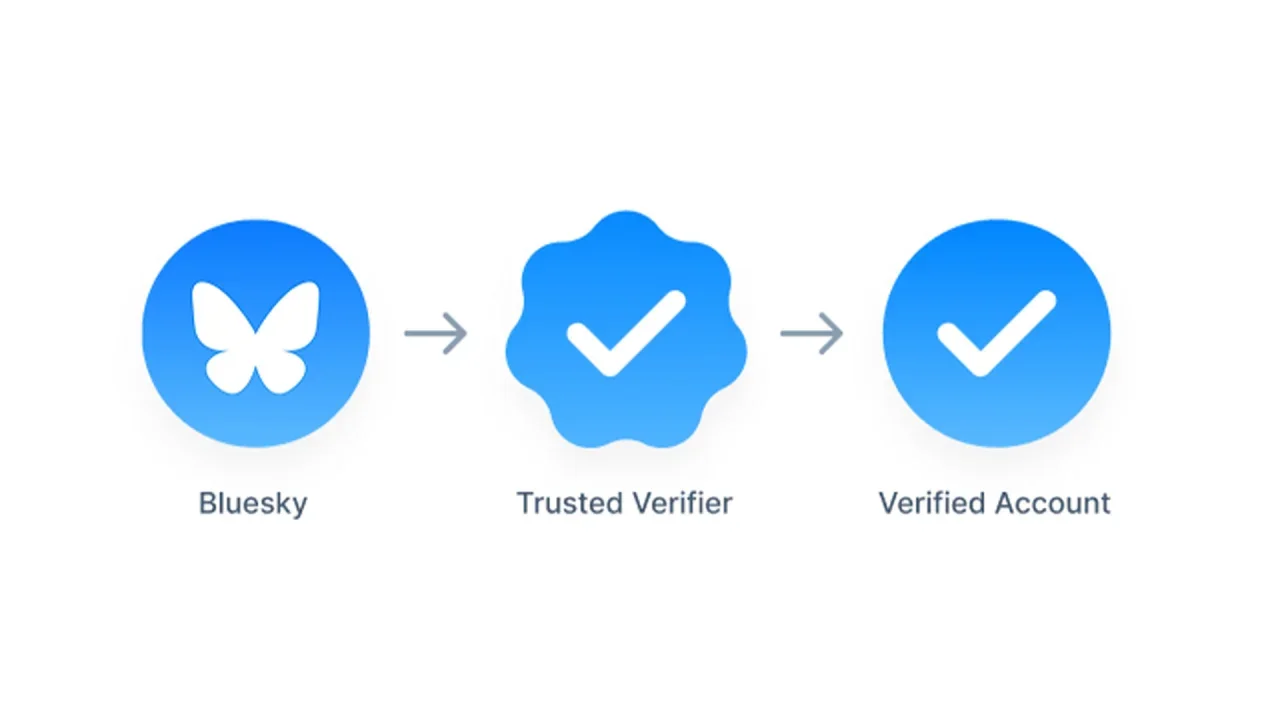
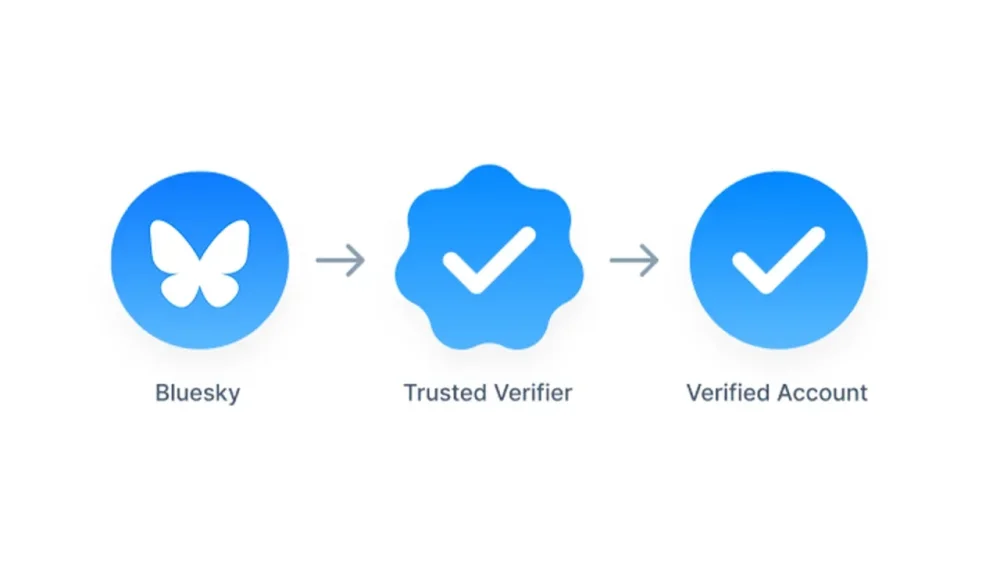
Blue-check verification is nothing new in the world of social media, but Bluesky is only now making it available to any “notable” accounts. The social media company has launched an application that allows users to apply for this authentication and receive a blue check. Bluesky first launched a form of verification in 2023 that required users to put a domain as their handle. For example, a brand or magazine could show its validity by using its official website as an identifier. Meanwhile, individuals who worked for the company could then make their usernames @name.wesbite.com. According to Bluesky, over 270,000 accounts took part in this option over its first two years. It wasn’t until this April that Bluesky hopped on the train of its competitors and started offering blue checks—and very selectively. Most notably, it introduced a process allowing approved organizations to become Trusted Verifiers and give their employees a blue check. These users receive a scalloped blue check indicating their “trusted” status. That brings us to the present day, when Bluesky’s safety account announced, “We’re expanding our roll-out. Notable and authentic accounts can apply for verification or to become a Trusted Verifier via the form linked in our blog.” How can I apply for Bluesky verification? The application is available here and includes questions about what category the account falls under (such as a public figure or elected official) and what proof is available regarding its status. Accounts not selected for verification won’t receive a response from the company, however, they can still pursue the domain option. Bluesky’s usership exploded following a mass exodus from X after the presidential election—tripling in size since its pre-November numbers to over 36 million users at the time of publication. X’s owner, Elon Musk, had already begun offering paid verification, removing the validity of such designations on the site by not making it clear who’s legit and who shelled out. His financial and vocal support of now President The President pushed more users to delete their accounts and migrate to Bluesky. View the full article
-
Police are dragged into investigating petty incidents, undermining trust in our freedom to express opinionsView the full article
-
We may earn a commission from links on this page. Deal pricing and availability subject to change after time of publication. If you want to begin coding—either for a career shift, a hobby, or just to better understand your favorite apps—this bundle is worth a look. You can get Microsoft Visual Studio Professional 2022 bundled with the Learn to Code Certification course pack currently on sale for $55.97—a steep markdown from its original $1,999 price tag. The standout here is that you’re not just getting a license for Visual Studio, which is already a powerhouse development environment, but also lifetime access to more than 60 hours of beginner-to-advanced coding instruction. Visual Studio Pro 2022 itself is widely used in professional environments. It’s built for serious dev work—think C#, Python, .NET, and more. You get tools like IntelliCode for AI-assisted coding suggestions, built-in Git support, debugging, and advanced testing features useful whether you're building a small app or working on enterprise-level projects. Normally, licenses for just the IDE can get expensive, so getting it bundled with a full curriculum covering JavaScript, React, Python, CSS, and more is the kind of package that feels designed for someone starting out with ambition or a side hustle in mind. That said, this is a very Microsoft-centric deal. If you’re aiming to become a Mac-based developer or work heavily with Xcode and iOS projects, this probably won’t be your best fit. The same goes if you’re already deep into development and just looking for a few advanced certifications—some of the coursework may feel too foundational. But if you’ve been stuck in tutorial limbo, this bundle provides structure, software, and real-world tools at a reasonable price. For under $60, it’s hard to beat the value, especially for learners who want both a development platform and a guided roadmap in one place. View the full article
-
You may not have heard of Anthropic CEO Dario Amodei, but he’s one of a handful of people responsible for the current AI boom. As VP of Research at OpenAI, Amodei helped discover the scaling laws that project how much smarter an AI gets when given increasing amounts of computing power. He holds PhDs in physics and neuroscience and is probably a genius. Amodei, who left OpenAI in 2021 to found Anthropic, which claims to be a more safety-conscious AI company and is now valued at $61 billion after closing its latest funding round, spoke at Anthropic’s developer day in San Francisco Thursday. He’s quirky, refreshingly frank, and often funny. Here are some of his spicier quips. On the science and art of training state-of-the-art AI models: “There is this somewhat superstitious process of model development; it somehow comes together all at the last minute . . . There’s that alchemy that happens at the very last. It doesn’t make any sense. The training process is uniform. You would think that it doesn’t work that way, that it’s all a rational process, but it’s absolutely not.” On the speed at which AI models are moving toward equaling or exceeding human intelligence in a broad range of tasks. “It’s only going to be a year or two until these things are basically going to be peers to us.” On how it feels to be immersed in an accelerating process of creating progressively smarter models. “It’s like being on a spaceship headed away from earth and experiencing larger and larger time dilation constants.” On whether Amodei, who is a neuroscientist, has been inspired by the human brain to create better AI models. “It’s not like I’ve found this thing from the hypothalamus that we can use for making models. It’s all been pretty much from scratch.” On when he thinks the world will see the first billion-dollar company with one employee. “2026” On whether people haven’t yet reckoned with the changing economics of software development brought about by new AI coding agents. He says new agents, like Claude Code, will shorten development time and lower the cost of creating new software. “I think the world is going to be very different when these things can be made on an ad hoc, one-off basis in a few seconds for less than a dollar.” On what Anthropic is doing to stop AI models from hallucinating facts or making mistakes. “It’s really amazing that somehow human beings have managed to never have been mistaken. No one ever makes anything up. I’ve never seen anybody on TV, never seen politicians say things that aren’t true.” On the predicament where people create new companies based on ideas that aren’t yet supported by current AI models. Amodei says it’s good to struggle with the creation of the company until the AI becomes available. “Hitting your head against the wall can actually sometimes be useful.” On what he’s most excited about in the next five years. “I hope that in five years we will have vanquished a lot of the diseases that now exist.” View the full article

-
The top female loan originator in the mortgage industry logged $186.5 million in dollar volume over the course of 2024. View the full article

-
More than a fifth of all EU goods exports are to the US marketView the full article
-
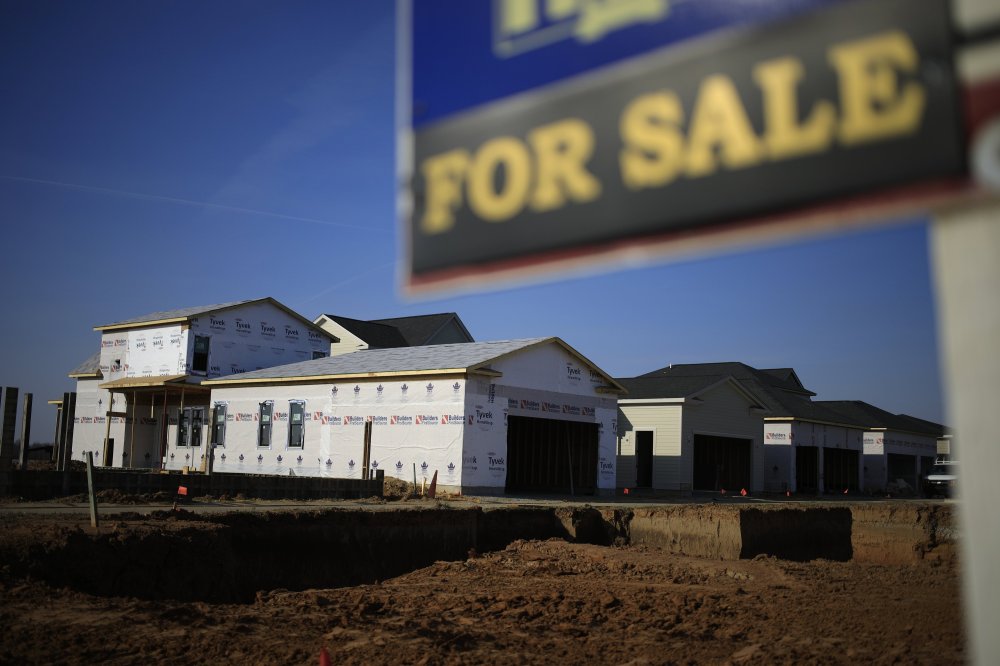
Purchases of new single-family homes increased 11% last month to a 743,000 annual rate, the highest level since February 2022, according to government data. View the full article
-
The euro should be developed more as a haven asset for times of market stressView the full article
-
We may earn a commission from links on this page. Deal pricing and availability subject to change after time of publication. If you want to level up your home security, the Arlo Essential 2K Outdoor Camera is now 50% off. For $49.99, this indoor and outdoor camera features high-definition footage, thanks to its 2K video resolution, allowing you to get a clear view of license plates, faces, and more. It also provides peace of mind with nighttime surveillance, featuring an integrated spotlight for color night vision that operates in low-light conditions. Arlo Essential 2K Outdoor Camera $49.99 at Amazon $99.99 Save $50.00 Get Deal Get Deal $49.99 at Amazon $99.99 Save $50.00 A motion detection feature works in real-time and sends notifications to your connected device, keeping you up to date on any alerts. The motion detection feature is rated highly, as is the video quality, which reviewers describe as sharp and crisp. A two-way mic and speaker allow you to listen and speak to visitors through the camera using the Arlo app, where you can also switch between modes such as “Home” or “Away.” It works seamlessly with most smart home systems, including Alexa, Apple, Google Assistant, IFTTT, and SmartThings. While it’s advertised for outdoor usage, it can also be used indoors. But unlike the Arlo indoor camera, its IP65 water-resistant design makes it durable and allows it to withstand various weather conditions, including rain or extreme temperatures. That said, it may experience issues or lag in extremely cold conditions, but this is a common issue with most outdoor cameras. Amazon reviewers appreciate the ease of installation, which is completely wireless and comes with all installation tools included. The camera uses a rechargeable battery, offering flexibility in placement. Still, there are a few drawbacks. Some features are locked behind a monthly membership, and there are mixed reviews regarding the battery life, with some individuals stating that it drains quickly. Based on the location where you install it, it may be inconvenient to take it down for frequent recharging. At full price, having features locked behind a monthly membership might not be worth the cost. Still, given the 50% discount, the camera’s performance and reliability make it a smart choice for those seeking a versatile outdoor security solution. View the full article
-
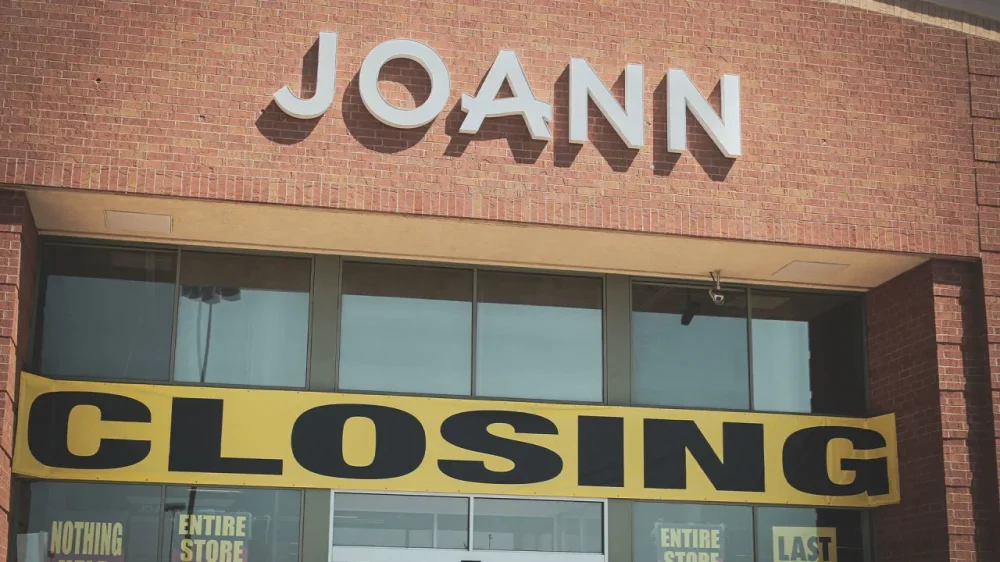
Fans of Joann have one last chance to grab fistfuls of fabric, yarn, and other critical sewing supplies before the ill-fated retailer closes for good—but time is running out. The beloved brand, which has been winding down operations after seeking Chapter 11 bankruptcy protection for a second time, will close its last remaining stores at the end of May, meaning this is the last full weekend that they will be open for business. A spokesperson for GA Group, the asset firm that took control of Joann in February, shared the list of locations with Fast Company. It includes 444 stores in 45 states. At the time of its bankruptcy filing, Joann had roughly 800 locations, but hundreds of those stores closed in April, as Fast Company previously reported. Among the remaining stores, California has the most, with around 40 locations left. New York, Michigan, Texas, and Florida, and Arizona also have relatively large shares of stores on the list. Why did Joann fabrics unravel? Founded in 1943, Joann Inc. grew into a craft superstore with hundreds of locations in the ensuing decades as a publicly traded company. By the late 1990s, it was the country’s largest fabric and crafts retailer. The company was taken private in 2011 by private equity firm Leonard Green & Partners for around $1.6 billion, only to go public again a decade later as the COVID-19 pandemic was fueling a resurgence of crafting and other at-home activities. But those good times didn’t last, and the company eventually succumbed to a number of factors that have battered many physical retail chains in recent years, including high inflation and the broader shift to online shopping. When it filed for bankruptcy in January, it reported nearly $616 million in debt obligations. The remaining Joann stores have been holding going-out-of-business sales. According to GA Group, all stores will be closed by Saturday, May 31. You can find the full list below. Alaska Nugget Mall, Juneau Alabama Mobile Festival Centre, Mobile Riverchase Promenade, Hoover Huntsville Plaza, Huntsville Arkansas Spring Creek Centre, Fayetteville Arizona Santan Village Marketplace, Gilbert Santa Fe Square, Mesa Alameda Crossing, Avondale Riverview Mall, Bullhead City East Broadway Blvd, Tucson Buckhorn Plaza, Mesa The Riverview at Dobson, Mesa Queen Creek Marketplace, Queen Creek North Valley S/C, Peoria South Riordan Ranch Road, Flagstaff Ahwatukee Foothills Towne Center, Phoenix Desert Ridge Market Place, Phoenix Village At The Boulder, Prescott California Arden Square, Sacramento Park & Shop, Concord Safeway SC, San Jose Clovis Crossing Shopping Center, Clovis Conejo Valley Plaza, Thousand Oaks Buena Park Promenade, Buena Park Town Center Square, Rancho Cucamonga Towne House Plaza, Huntington Beach Orange Park Plaza, Orange Point Loma Plaza, San Diego Porter Ranch Town Center, Northridge Fletcher Hills Town & Country, El Cajon Centre Point Village, Santa Clarita Skypark Plaza, Chico Sunrise Village Shopping Center, Citrus Heights Vacaville Commons, Vacaville Stadium Center, Manteca Freestanding (Former Circuit City), Santa Maria Westridge Center, Salinas Santa Susana Plaza, Simi Valley Westridge Plaza, La Habra High Desert Gateway, Hesperia Von Karmen Plaza, Irvine Former Ralph’s Market, Laguna Niguel Village West Shopping Center, Hemet Commons At Temecula, Temecula Freestanding, Redding Elk Grove Marketplace, Elk Grove Fairway Commons, Roseville Monte Vista Crossing, Turlock Greenhouse Marketplace, San Leandro Sequoia Plaza, Visalia Pride Center, Woodland Hills Riverside Woodman Plaza, Sherman Oaks Del Amo Fashion Center, Torrance Orange Tree Marketplace, Redlands Monterey Marketplace II, Rancho Mirage Foothill Ranch Towne Center South, Foothill Ranch Camino Town & Country S/C, Oceanside Grand Plaza, San Marcos Park West Place, Stockton River Park Plaza, Fresno Colorado Southwest Commons, Littleton Freestanding, Former Circuit City, Lakewood Yosemite Park Mall, Centennial Mesa Mall, Grand Junction The Marketplace at Centerra, Loveland Thunderbird Plaza, Fort Collins Westminster City Center, Westminster First & Main Town Center, Colorado Springs Aurora City Square, Aurora Saddle Rock Village, Aurora Connecticut Ames S/C, Norwich Berlin Turnpike, Newington Freshwater Plaza, Enfield Shop Rite Plaza, Southington Plaza At Buckland Hills, Manchester Torrington Plaza, Torrington Delaware Christiana Town Center, Newark Centre At Dover, Dover Florida Plaza At Citrus Park, Tampa St Johns Town Center Jacksonville Volusia Plaza, Daytona Beach Tyrone Corners SC, Saint Petersburg Shady Oaks Shopping Center, Ocala 23rd Street Plaza, Panama City The Shoppes at Naples Center, Naples Argyle S/C, Jacksonville Square One Shopping Center, Jensen Beach Brantley Square, Altamonte Springs Village Crossroads, Lady Lake Merchants Crossing S/C, Fort Myers South Plaza, Fort Myers Shoppes at University Center, Bradenton Tradewinds S/C, Pensacola Colonial Landing, Orlando Shops At Avenue O, Winter Haven Capitol Plaza, Tallahassee Curlew Crossing, Dunedin The Landings, Sarasota Target At Kissimmee West, Kissimmee Village Market Place, Tavares Village of Amelia, Yulee Georgia Suburban Plaza, Decatur Lakeshore Marketplace, Gainesville North Point Commons, Alpharetta Freestanding, Athens Columbus Park Crossing, Columbus Freestanding, Kennesaw Iowa Metro North Shopping Center, Ankeny Lindale Mall, Cedar Rapids Crossroads Commons, Waterloo Plaza 20, Dubuque Valley Court Shopping Center, Clive Village S/C, Davenport Iowa City Marketplace, Iowa City Idaho Karcher Mall, Nampa Pocatello Square, Pocatello Federal Way Plaza, Boise American Plaza, Twin Falls Illinois State Street Market, Rockford Town & Country SC, Arlington Heights Freestanding Building, Moline Freestanding, Algonquin Naper West Plaza, Naperville Countryside Plaza, Countryside Lake View Plaza, Orland Park Bloomington Commons, Bloomington The Shoppes At Geneva Commons, Geneva Riverfront Plaza, Chicago Former Circuit City, Springfield Commerce Plaza, Fairview Heights Marketplace at Vernon Hills, Vernon Hills Bloomingdale Court, Bloomingdale Chestnut Court, Darien Metro S/C, Peoria Indiana Waterford North, Clarksville Honey Creek Commons, Terre Haute Greenbriar Shopping Center, Indianapolis Kokomo Shopping Center, Kokomo Northwest Plaza, Muncie Merrillville Plaza, Merrillville Whitehall Plaza, Bloomington Sagamore @ 26 Shopping Center, Lafayette Wilshire Plaza, Mishawaka Avon Town Square, Avon The Shoppes Of Schererville, Schererville Shoe Carnival Towne Centre, Evansville Greenwood Pavilion, Greenwood Castle Glen Plaza, Indianapolis Market Centre, Goshen JOANN Plaza, Fort Wayne Kansas Crosswinds Commons, Topeka West 63Rd Street, Shawnee North Rock Road, Wichita Overland Park S/C, Overland Park Westgate Market, Wichita Kentucky Houston Lakes, Florence Shelbyville Road Plaza, Louisville Crossroads SC, Lexington Louisiana Siegen Lane Marketplace, Baton Rouge Ambassador Row, Lafayette Wilshire Plaza, Metairie Massachusetts Middlesex Commons, Burlington Shaw’s Plaza, Raynham Broadway Shopping Center, Saugus Middleton Market Place, Middleton Walpole Mall, East Walpole Hanover Commons, Hanover Ann & Hope Plaza, Seekonk Westford Valley Mkt, Westford Milford Plaza, Milford Old Shrewsbury Village, Shrewsbury North Attleboro Marketplace, North Attleboro Dalton Ave Plaza, Pittsfield Worcester Road, Natick Maryland Westminster S/C, Westminster Columbia Crossing, Columbia Perring Plaza, Parkville South End S/C, Hagerstown Frederick County S/C, Frederick Maine Jfk Mall, Waterville Stillwater Avenue, Bangor Pine Tree S/C, Portland Topsham Fair Mall, Topsham Michigan Toys “R” Us Plaza, Portage Former Best Buy, Comstock Park Indian Hills Plaza, Mount Pleasant White Lake Market Place, White Lake Freestanding (Former Circuit City), Roseville Westland Shopping Center, Lansing The Crossings At Taylor, Taylor Scottdale Plaza, Benton Harbor Lake Crossings, Norton Shores Northwest Plaza, Midland The Auburn Mile, Auburn Hills Hampton Plaza, Rochester Hills Frandor S/C, Lansing Century Center, Grandville East Bay Plaza, Traverse City Genesee Commons S/C, Flint Madison Place S/C, Madison Heights Brighton Mall, Brighton The Shoppes At Centerpoint, Grand Rapids Saginaw Square, Saginaw West Oaks II, Novi Shelby Town Center, Shelby Township New Towne Centre, Canton Wisner Street Plaza, Jackson Valley View Center S/C, Ypsilanti Minnesota Riverdale Village, Coon Rapids Madison East Mall, Mankato Elk Park Center, Elk River Viking Plaza Mall, Alexandria Birch Run Station, Maplewood Westgate Mall, Brainerd Bonaventure Plaza, Minnetonka Apple Valley Square, Apple Valley Crossroads of Roseville, Roseville Division Street Plaza, Saint Cloud Arbor Lakes S/C, Maple Grove Yorktown Mall, Edina Rochester Marketplace, Rochester Tamarack Village, Woodbury Missouri Rockbridge Shopping Center, Columbia Central Plaza, Ballwin Platte Purchase Plaza, Kansas City Former Circuit City, Saint Louis Northpark Mall, Joplin Primrose Market Place, Springfield Bolger Square, Independence Mid Rivers, St Peters Montana Brookstone Square, Kalispell Market Place, Billings Gallatin Valley Mall, Bozeman Holiday Village, Missoula Holiday Village Mall, Great Falls North Carolina Carolina Pavilions, Charlotte Overlook Village, Asheville The Falls Centre, Raleigh University Centre, Wilmington Oak Creek Village S/C, Durham Cross Creek Plaza, Fayetteville Morganton Heights, Morganton The Shoppes On Market, Greensboro North Dakota Columbia Junction Mall Grand Forks Town & Country S/C Minot TJ Maxx Plaza Fargo Nebraska East Park Plaza Lincoln Baker Square Omaha New Hampshire Newington Park Newington Capitol S/C Concord Nashua Mall Plaza Nashua New Jersey Colonia Plaza, Colonia Mercer On One, Lawrenceville Shrewsbury Plaza, Shrewsbury Deptford Plaza, Deptford Riverdale Crossing, Riverdale Festival At Hamilton S/C, Mays Landing Freestanding (Former Comp USA), Paramus 1379 Hooper Avenue, Toms River Centerton Square, Mount Laurel Garden State Pavillion, Cherry Hill Roxbury Mall, Succasunna New Mexico Cottonwood West Shopping Center Albuquerque Plaza Farmington Farmington Nevada Best In The West S/C Las Vegas Peckham Square Reno Sunmark Plaza Henderson New York JOANN Plaza, Williamsville Salisbury Plaza, Westbury McKinley Milestrip Plaza, Blasdell Marketfair North, Clay Queensbury Plaza, Queensbury New Hartford S/C, New Hartford Towne Center At Fayetteville, Fayetteville Southern Tier Crossing, Horseheads Wegmans Plaza, Penfield Burlington Plaza, Amherst Roseland Center, Canandaigua Fairview Plaza, Hudson Sayville Plaza, Bohemia Parkway Plaza, Vestal Southtown Plaza, Rochester Northway Mall, Albany Midway Plaza, Scarsdale Ohio Beavercreek Towne Centre, Fairborn Reynolds Plaza, Toledo Colerain Towne Center, Cincinnati Taylor Square S/C, Reynoldsburg Easton Square, Columbus Golden Gate, Mayfield Heights Shops @ Boardman Park, Youngstown Acme Plaza, Akron Arbor Square, Mason Medina Grande Shoppes, Medina Freestanding (frm Circuit City), Toledo Eastgate Crossing, Cincinnati Athens Mall, Athens The Festival At Sawmill, Dublin Southland S/C, Middleburg Heights Erie Commons, Mentor Miami Valley Crossing, Piqua Midway Market Square, Elyria Hyde Park Plaza, Cincinnati Lincoln Village Plaza, Columbus Springfield S/C, Mansfield Great Northern S/C, North Olmsted Belden Parke Crossing, North Canton Darrow Road, Hudson South Towne Centre, Dayton Oklahoma Rockwell Plaza, Oklahoma City Union Plaza, Tulsa Champtions Centre, Norman Oregon Former Salvation Army, Clackamas Molalla Avenue, Oregon City Bi-Mart Plaza, Albany Corvallis Crossing, Corvallis Grants Pass Shopping Center, Grants Pass Gresham Town Fair, Gresham Lancaster Mall, Salem Freestanding, Eugene Crossroads at Orenco Station, Hillsboro Pioneer Crossing, Bend Roseburg Marketplace, Roseburg Mohawk Market Place, Springfield Tigard Shopping Plaza, Tigard Sw 4Th Ave, Ontario Pennsylvania Montgomery Commons S/C, North Wales Cranberry Mall, Cranberry Twp Robinson Town Centre, Pittsburgh Ashbridge Square, Downingtown South York Crossing, York Quakertown Plaza, Quakertown Dickson City Crossing, Dickson City Creekview Center, Warrington Ross Towne Center, Pittsburgh Greengate Centre, Greensburg Former Borders, Reading Colonial Commons, Harrisburg Boulevard Plaza, Philadelphia The Court At Oxford Valley, Fairless Hills West Side Mall, Edwardsville Macarthur Towne Center, Whitehall William Penn Hwy, Monroeville Pittsburgh Mills, Tarentum Parkview Plaza, Lancaster West Shore Plaza, Lemoyne Rhode Island Marketplace Center, Warwick South Carolina Seaboard Commons, Myrtle Beach Fountain S/C, West Columbia Westgate Crossing, Spartanburg South Dakota Plaza 41 (Former Holz Haus), Sioux Falls Tennessee Towne Centre, Murfreesboro Shops of Forest Hill, Germantown Providence Marketplace, Mount Juliet Village Of Rivergate, Madison Hamilton Village, Chattanooga Cool Springs Market, Franklin The Centre at Deane Hill, Knoxville Texas Tejas Center, Bryan Baybrook Village, Webster Colony Square, Sugar Land Midlothian Towne Crossing, Midlothian Towne Center, Mc Kinney Rockridge Plaza, Lubbock Meyerland Plaza, Houston The Village at Cumberland Park, Tyler The Pavillions, San Antonio Price Plaza, Katy Central Texas Marketplace, Waco Dowlen Town Center, Beaumont Witte Plaza, Houston Deerbrook Marketplace, Humble Hulen Fashion Center, Fort Worth East Mockingbird Lane, Dallas Village At Collin Creek, Plano Shops At Soncy, Amarillo Yarbrough Plaza, El Paso Southpark Meadows, Austin Bandera Pointe, San Antonio Willowchase Center, Houston University Oaks, Round Rock Woodlands Home Center, Spring Lakepointe Towne Crossing , Lewisville South Frisco Village, Frisco Rayzor Ranch, Denton Shops at Arbor Walk, Austin Ridgemar Town Square, Fort Worth Utah Freestanding (Former Albertsons), Tooele Cotton Mill Shopping Center, Washington Northgate Shopping Center, Spanish Fork Clinton Towne Center, Clinton South Main Street, Logan Renaissance Square, Cedar City Gardner Towne Center, Vernal Centerville Marketplace, Centerville Draper Retail Center, Draper Family Center at Riverdale, Riverdale Virgina Prince William Square, Woodbridge Tower Shopping Center, Roanoke Millwood Pike, Winchester Cosner’s Corner, Fredericksburg Westchester Commons, Midlothian Sugarland Crossing, Sterling Fairfax Towne Center, Fairfax Hilltop Plaza, Virginia Beach Rio Hill SC, Charlottesville Crossways Shopping Center, Chesapeake Vermont Commerce Square, South Burlington Washington Mount Vernon Plaza, Mount Vernon Target Place Plaza, Olympia Five Mile S/C, Spokane Market Pointe I, Spokane Valley Sunset Square, Bellingham Lynnwood Center, Lynnwood Pavilions Centre, Federal Way Boulevard Centre, Tacoma Aurora Ave North, Shoreline Columbia Center, Kennewick Tieton Village S/C, Yakima East 29Th Avenue, Spokane Totem Pole, Vancouver Gateway Shopping Center, Arlington High Point S/C, Port Orchard Silverdale Plaza, Silverdale Southcenter Parkway, Tukwila Orchards Market Center, Vancouver Wisconsin Koeller Plaza, Oshkosh North Pointe Centre, Menomonee Falls Oak Pointe Plaza, Eau Claire Deer Trace Shopping Center, Sheboygan Falls Regency Mall, Racine Marketplace at Janesville, Janesville Crossing Meadows Plaza, Onalaska Market Place SC, Wisconsin Dells Fox River Valley SC, Appleton Brookfield Fashion Center, Brookfield East Town Plaza, Madison Geneva Commons, Lake Geneva Rib Mountain Drive, Wausau Bayside Market Place, Green Bay Greenfield Fashion Center, Greenfield Westland Plaza, Madison Fletcher Square, Dunbar Wyoming Frontier Mall, Cheyenne View the full article
-
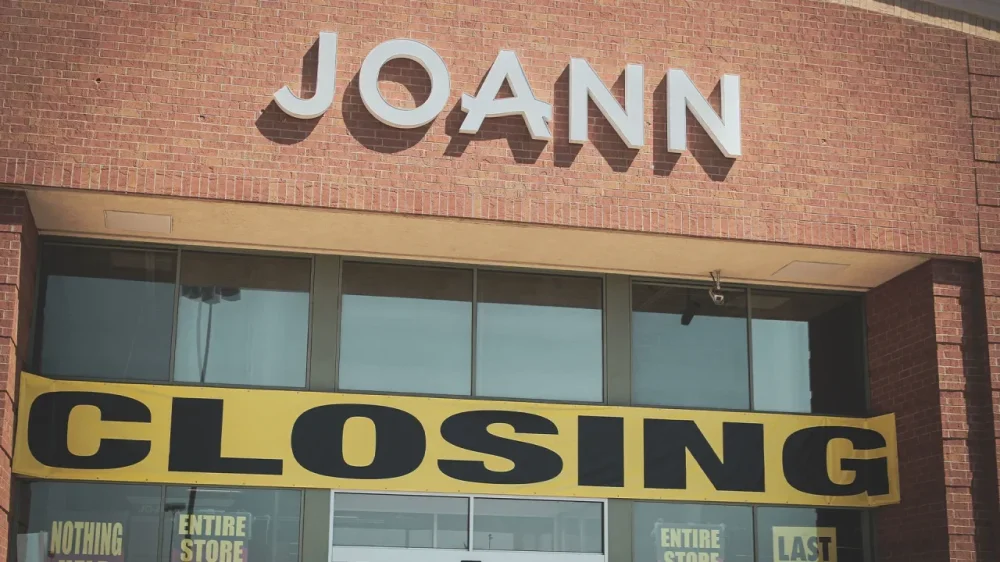
Fans of Joann have one last chance to grab fistfuls of fabric, yarn, and other critical sewing supplies before the ill-fated retailer closes for good—but time is running out. The beloved brand, which has been winding down operations after seeking Chapter 11 bankruptcy protection for a second time, will close its last remaining stores at the end of May, meaning this is the last full weekend that they will be open for business. A spokesperson for GA Group, the asset firm that took control of Joann in February, shared the list of locations with Fast Company. It includes 444 stores in 45 states. At the time of its bankruptcy filing, Joann had roughly 800 locations, but hundreds of those stores closed in April, as Fast Company previously reported. Among the remaining stores, California has the most, with around 40 locations left. New York, Michigan, Texas, and Florida, and Arizona also have relatively large shares of stores on the list. Why did Joann fabrics unravel? Founded in 1943, Joann Inc. grew into a craft superstore with hundreds of locations in the ensuing decades as a publicly traded company. By the late 1990s, it was the country’s largest fabric and crafts retailer. The company was taken private in 2011 by private equity firm Leonard Green & Partners for around $1.6 billion, only to go public again a decade later as the COVID-19 pandemic was fueling a resurgence of crafting and other at-home activities. But those good times didn’t last, and the company eventually succumbed to a number of factors that have battered many physical retail chains in recent years, including high inflation and the broader shift to online shopping. When it filed for bankruptcy in January, it reported nearly $616 million in debt obligations. The remaining Joann stores have been holding going-out-of-business sales. According to GA Group, all stores will be closed by Saturday, May 31. You can find the full list below. Alaska Nugget Mall, Juneau Alabama Mobile Festival Centre, Mobile Riverchase Promenade, Hoover Huntsville Plaza, Huntsville Arkansas Spring Creek Centre, Fayetteville Arizona Santan Village Marketplace, Gilbert Santa Fe Square, Mesa Alameda Crossing, Avondale Riverview Mall, Bullhead City East Broadway Blvd, Tucson Buckhorn Plaza, Mesa The Riverview at Dobson, Mesa Queen Creek Marketplace, Queen Creek North Valley S/C, Peoria South Riordan Ranch Road, Flagstaff Ahwatukee Foothills Towne Center, Phoenix Desert Ridge Market Place, Phoenix Village At The Boulder, Prescott California Arden Square, Sacramento Park & Shop, Concord Safeway SC, San Jose Clovis Crossing Shopping Center, Clovis Conejo Valley Plaza, Thousand Oaks Buena Park Promenade, Buena Park Town Center Square, Rancho Cucamonga Towne House Plaza, Huntington Beach Orange Park Plaza, Orange Point Loma Plaza, San Diego Porter Ranch Town Center, Northridge Fletcher Hills Town & Country, El Cajon Centre Point Village, Santa Clarita Skypark Plaza, Chico Sunrise Village Shopping Center, Citrus Heights Vacaville Commons, Vacaville Stadium Center, Manteca Freestanding (Former Circuit City), Santa Maria Westridge Center, Salinas Santa Susana Plaza, Simi Valley Westridge Plaza, La Habra High Desert Gateway, Hesperia Von Karmen Plaza, Irvine Former Ralph’s Market, Laguna Niguel Village West Shopping Center, Hemet Commons At Temecula, Temecula Freestanding, Redding Elk Grove Marketplace, Elk Grove Fairway Commons, Roseville Monte Vista Crossing, Turlock Greenhouse Marketplace, San Leandro Sequoia Plaza, Visalia Pride Center, Woodland Hills Riverside Woodman Plaza, Sherman Oaks Del Amo Fashion Center, Torrance Orange Tree Marketplace, Redlands Monterey Marketplace II, Rancho Mirage Foothill Ranch Towne Center South, Foothill Ranch Camino Town & Country S/C, Oceanside Grand Plaza, San Marcos Park West Place, Stockton River Park Plaza, Fresno Colorado Southwest Commons, Littleton Freestanding, Former Circuit City, Lakewood Yosemite Park Mall, Centennial Mesa Mall, Grand Junction The Marketplace at Centerra, Loveland Thunderbird Plaza, Fort Collins Westminster City Center, Westminster First & Main Town Center, Colorado Springs Aurora City Square, Aurora Saddle Rock Village, Aurora Connecticut Ames S/C, Norwich Berlin Turnpike, Newington Freshwater Plaza, Enfield Shop Rite Plaza, Southington Plaza At Buckland Hills, Manchester Torrington Plaza, Torrington Delaware Christiana Town Center, Newark Centre At Dover, Dover Florida Plaza At Citrus Park, Tampa St Johns Town Center Jacksonville Volusia Plaza, Daytona Beach Tyrone Corners SC, Saint Petersburg Shady Oaks Shopping Center, Ocala 23rd Street Plaza, Panama City The Shoppes at Naples Center, Naples Argyle S/C, Jacksonville Square One Shopping Center, Jensen Beach Brantley Square, Altamonte Springs Village Crossroads, Lady Lake Merchants Crossing S/C, Fort Myers South Plaza, Fort Myers Shoppes at University Center, Bradenton Tradewinds S/C, Pensacola Colonial Landing, Orlando Shops At Avenue O, Winter Haven Capitol Plaza, Tallahassee Curlew Crossing, Dunedin The Landings, Sarasota Target At Kissimmee West, Kissimmee Village Market Place, Tavares Village of Amelia, Yulee Georgia Suburban Plaza, Decatur Lakeshore Marketplace, Gainesville North Point Commons, Alpharetta Freestanding, Athens Columbus Park Crossing, Columbus Freestanding, Kennesaw Iowa Metro North Shopping Center, Ankeny Lindale Mall, Cedar Rapids Crossroads Commons, Waterloo Plaza 20, Dubuque Valley Court Shopping Center, Clive Village S/C, Davenport Iowa City Marketplace, Iowa City Idaho Karcher Mall, Nampa Pocatello Square, Pocatello Federal Way Plaza, Boise American Plaza, Twin Falls Illinois State Street Market, Rockford Town & Country SC, Arlington Heights Freestanding Building, Moline Freestanding, Algonquin Naper West Plaza, Naperville Countryside Plaza, Countryside Lake View Plaza, Orland Park Bloomington Commons, Bloomington The Shoppes At Geneva Commons, Geneva Riverfront Plaza, Chicago Former Circuit City, Springfield Commerce Plaza, Fairview Heights Marketplace at Vernon Hills, Vernon Hills Bloomingdale Court, Bloomingdale Chestnut Court, Darien Metro S/C, Peoria Indiana Waterford North, Clarksville Honey Creek Commons, Terre Haute Greenbriar Shopping Center, Indianapolis Kokomo Shopping Center, Kokomo Northwest Plaza, Muncie Merrillville Plaza, Merrillville Whitehall Plaza, Bloomington Sagamore @ 26 Shopping Center, Lafayette Wilshire Plaza, Mishawaka Avon Town Square, Avon The Shoppes Of Schererville, Schererville Shoe Carnival Towne Centre, Evansville Greenwood Pavilion, Greenwood Castle Glen Plaza, Indianapolis Market Centre, Goshen JOANN Plaza, Fort Wayne Kansas Crosswinds Commons, Topeka West 63Rd Street, Shawnee North Rock Road, Wichita Overland Park S/C, Overland Park Westgate Market, Wichita Kentucky Houston Lakes, Florence Shelbyville Road Plaza, Louisville Crossroads SC, Lexington Louisiana Siegen Lane Marketplace, Baton Rouge Ambassador Row, Lafayette Wilshire Plaza, Metairie Massachusetts Middlesex Commons, Burlington Shaw’s Plaza, Raynham Broadway Shopping Center, Saugus Middleton Market Place, Middleton Walpole Mall, East Walpole Hanover Commons, Hanover Ann & Hope Plaza, Seekonk Westford Valley Mkt, Westford Milford Plaza, Milford Old Shrewsbury Village, Shrewsbury North Attleboro Marketplace, North Attleboro Dalton Ave Plaza, Pittsfield Worcester Road, Natick Maryland Westminster S/C, Westminster Columbia Crossing, Columbia Perring Plaza, Parkville South End S/C, Hagerstown Frederick County S/C, Frederick Maine Jfk Mall, Waterville Stillwater Avenue, Bangor Pine Tree S/C, Portland Topsham Fair Mall, Topsham Michigan Toys “R” Us Plaza, Portage Former Best Buy, Comstock Park Indian Hills Plaza, Mount Pleasant White Lake Market Place, White Lake Freestanding (Former Circuit City), Roseville Westland Shopping Center, Lansing The Crossings At Taylor, Taylor Scottdale Plaza, Benton Harbor Lake Crossings, Norton Shores Northwest Plaza, Midland The Auburn Mile, Auburn Hills Hampton Plaza, Rochester Hills Frandor S/C, Lansing Century Center, Grandville East Bay Plaza, Traverse City Genesee Commons S/C, Flint Madison Place S/C, Madison Heights Brighton Mall, Brighton The Shoppes At Centerpoint, Grand Rapids Saginaw Square, Saginaw West Oaks II, Novi Shelby Town Center, Shelby Township New Towne Centre, Canton Wisner Street Plaza, Jackson Valley View Center S/C, Ypsilanti Minnesota Riverdale Village, Coon Rapids Madison East Mall, Mankato Elk Park Center, Elk River Viking Plaza Mall, Alexandria Birch Run Station, Maplewood Westgate Mall, Brainerd Bonaventure Plaza, Minnetonka Apple Valley Square, Apple Valley Crossroads of Roseville, Roseville Division Street Plaza, Saint Cloud Arbor Lakes S/C, Maple Grove Yorktown Mall, Edina Rochester Marketplace, Rochester Tamarack Village, Woodbury Missouri Rockbridge Shopping Center, Columbia Central Plaza, Ballwin Platte Purchase Plaza, Kansas City Former Circuit City, Saint Louis Northpark Mall, Joplin Primrose Market Place, Springfield Bolger Square, Independence Mid Rivers, St Peters Montana Brookstone Square, Kalispell Market Place, Billings Gallatin Valley Mall, Bozeman Holiday Village, Missoula Holiday Village Mall, Great Falls North Carolina Carolina Pavilions, Charlotte Overlook Village, Asheville The Falls Centre, Raleigh University Centre, Wilmington Oak Creek Village S/C, Durham Cross Creek Plaza, Fayetteville Morganton Heights, Morganton The Shoppes On Market, Greensboro North Dakota Columbia Junction Mall Grand Forks Town & Country S/C Minot TJ Maxx Plaza Fargo Nebraska East Park Plaza Lincoln Baker Square Omaha New Hampshire Newington Park Newington Capitol S/C Concord Nashua Mall Plaza Nashua New Jersey Colonia Plaza, Colonia Mercer On One, Lawrenceville Shrewsbury Plaza, Shrewsbury Deptford Plaza, Deptford Riverdale Crossing, Riverdale Festival At Hamilton S/C, Mays Landing Freestanding (Former Comp USA), Paramus 1379 Hooper Avenue, Toms River Centerton Square, Mount Laurel Garden State Pavillion, Cherry Hill Roxbury Mall, Succasunna New Mexico Cottonwood West Shopping Center Albuquerque Plaza Farmington Farmington Nevada Best In The West S/C Las Vegas Peckham Square Reno Sunmark Plaza Henderson New York JOANN Plaza, Williamsville Salisbury Plaza, Westbury McKinley Milestrip Plaza, Blasdell Marketfair North, Clay Queensbury Plaza, Queensbury New Hartford S/C, New Hartford Towne Center At Fayetteville, Fayetteville Southern Tier Crossing, Horseheads Wegmans Plaza, Penfield Burlington Plaza, Amherst Roseland Center, Canandaigua Fairview Plaza, Hudson Sayville Plaza, Bohemia Parkway Plaza, Vestal Southtown Plaza, Rochester Northway Mall, Albany Midway Plaza, Scarsdale Ohio Beavercreek Towne Centre, Fairborn Reynolds Plaza, Toledo Colerain Towne Center, Cincinnati Taylor Square S/C, Reynoldsburg Easton Square, Columbus Golden Gate, Mayfield Heights Shops @ Boardman Park, Youngstown Acme Plaza, Akron Arbor Square, Mason Medina Grande Shoppes, Medina Freestanding (frm Circuit City), Toledo Eastgate Crossing, Cincinnati Athens Mall, Athens The Festival At Sawmill, Dublin Southland S/C, Middleburg Heights Erie Commons, Mentor Miami Valley Crossing, Piqua Midway Market Square, Elyria Hyde Park Plaza, Cincinnati Lincoln Village Plaza, Columbus Springfield S/C, Mansfield Great Northern S/C, North Olmsted Belden Parke Crossing, North Canton Darrow Road, Hudson South Towne Centre, Dayton Oklahoma Rockwell Plaza, Oklahoma City Union Plaza, Tulsa Champtions Centre, Norman Oregon Former Salvation Army, Clackamas Molalla Avenue, Oregon City Bi-Mart Plaza, Albany Corvallis Crossing, Corvallis Grants Pass Shopping Center, Grants Pass Gresham Town Fair, Gresham Lancaster Mall, Salem Freestanding, Eugene Crossroads at Orenco Station, Hillsboro Pioneer Crossing, Bend Roseburg Marketplace, Roseburg Mohawk Market Place, Springfield Tigard Shopping Plaza, Tigard Sw 4Th Ave, Ontario Pennsylvania Montgomery Commons S/C, North Wales Cranberry Mall, Cranberry Twp Robinson Town Centre, Pittsburgh Ashbridge Square, Downingtown South York Crossing, York Quakertown Plaza, Quakertown Dickson City Crossing, Dickson City Creekview Center, Warrington Ross Towne Center, Pittsburgh Greengate Centre, Greensburg Former Borders, Reading Colonial Commons, Harrisburg Boulevard Plaza, Philadelphia The Court At Oxford Valley, Fairless Hills West Side Mall, Edwardsville Macarthur Towne Center, Whitehall William Penn Hwy, Monroeville Pittsburgh Mills, Tarentum Parkview Plaza, Lancaster West Shore Plaza, Lemoyne Rhode Island Marketplace Center, Warwick South Carolina Seaboard Commons, Myrtle Beach Fountain S/C, West Columbia Westgate Crossing, Spartanburg South Dakota Plaza 41 (Former Holz Haus), Sioux Falls Tennessee Towne Centre, Murfreesboro Shops of Forest Hill, Germantown Providence Marketplace, Mount Juliet Village Of Rivergate, Madison Hamilton Village, Chattanooga Cool Springs Market, Franklin The Centre at Deane Hill, Knoxville Texas Tejas Center, Bryan Baybrook Village, Webster Colony Square, Sugar Land Midlothian Towne Crossing, Midlothian Towne Center, Mc Kinney Rockridge Plaza, Lubbock Meyerland Plaza, Houston The Village at Cumberland Park, Tyler The Pavillions, San Antonio Price Plaza, Katy Central Texas Marketplace, Waco Dowlen Town Center, Beaumont Witte Plaza, Houston Deerbrook Marketplace, Humble Hulen Fashion Center, Fort Worth East Mockingbird Lane, Dallas Village At Collin Creek, Plano Shops At Soncy, Amarillo Yarbrough Plaza, El Paso Southpark Meadows, Austin Bandera Pointe, San Antonio Willowchase Center, Houston University Oaks, Round Rock Woodlands Home Center, Spring Lakepointe Towne Crossing , Lewisville South Frisco Village, Frisco Rayzor Ranch, Denton Shops at Arbor Walk, Austin Ridgemar Town Square, Fort Worth Utah Freestanding (Former Albertsons), Tooele Cotton Mill Shopping Center, Washington Northgate Shopping Center, Spanish Fork Clinton Towne Center, Clinton South Main Street, Logan Renaissance Square, Cedar City Gardner Towne Center, Vernal Centerville Marketplace, Centerville Draper Retail Center, Draper Family Center at Riverdale, Riverdale Virgina Prince William Square, Woodbridge Tower Shopping Center, Roanoke Millwood Pike, Winchester Cosner’s Corner, Fredericksburg Westchester Commons, Midlothian Sugarland Crossing, Sterling Fairfax Towne Center, Fairfax Hilltop Plaza, Virginia Beach Rio Hill SC, Charlottesville Crossways Shopping Center, Chesapeake Vermont Commerce Square, South Burlington Washington Mount Vernon Plaza, Mount Vernon Target Place Plaza, Olympia Five Mile S/C, Spokane Market Pointe I, Spokane Valley Sunset Square, Bellingham Lynnwood Center, Lynnwood Pavilions Centre, Federal Way Boulevard Centre, Tacoma Aurora Ave North, Shoreline Columbia Center, Kennewick Tieton Village S/C, Yakima East 29Th Avenue, Spokane Totem Pole, Vancouver Gateway Shopping Center, Arlington High Point S/C, Port Orchard Silverdale Plaza, Silverdale Southcenter Parkway, Tukwila Orchards Market Center, Vancouver Wisconsin Koeller Plaza, Oshkosh North Pointe Centre, Menomonee Falls Oak Pointe Plaza, Eau Claire Deer Trace Shopping Center, Sheboygan Falls Regency Mall, Racine Marketplace at Janesville, Janesville Crossing Meadows Plaza, Onalaska Market Place SC, Wisconsin Dells Fox River Valley SC, Appleton Brookfield Fashion Center, Brookfield East Town Plaza, Madison Geneva Commons, Lake Geneva Rib Mountain Drive, Wausau Bayside Market Place, Green Bay Greenfield Fashion Center, Greenfield Westland Plaza, Madison Fletcher Square, Dunbar Wyoming Frontier Mall, Cheyenne View the full article
-
Saltbox, the Atlanta-based co-warehousing and logistics company, announced the launch of its new Access Plan on May 22, 2025, aiming to lower the barrier of entry for small and emerging product-based businesses looking for flexible logistics and workspace solutions. The Access Plan is a new, low-cost membership tier that allows entrepreneurs to work onsite at any Saltbox location and access key logistics services without the commitment of leasing a dedicated warehouse suite. With this plan, Saltbox seeks to broaden its reach and empower a wider range of business owners, including solopreneurs, ecommerce startups, and early-stage brands. “At Saltbox, our mission is to remove barriers to entrepreneurship,” said Olivia Mariani, Vice President of Marketing at Saltbox. “The Access Plan reflects that mission by giving rising business owners a way to plug into our community, gain access to key logistics services, and grow their product-based business without the need for a warehouse space.” Members of the Access Plan will benefit from a range of services and amenities across Saltbox’s nationwide network of locations. These include: Saltbox-managed freight receiving and onsite carrier pickups Use of open coworking desks, packing stations, and photo studios On-site logistics support provided by Saltbox staff Access to discounted shipping rates through the Parsel app Member pricing for additional services like pick & pack and storage Invitations to exclusive member programming and community events The ability to upgrade to a dedicated warehouse suite as the business grows The company positions the Access Plan as an ideal option for entrepreneurs who are outgrowing home-based operations and are seeking professional environments that offer flexibility and scalability. With no requirement for private warehouse space, this plan is intended to serve as a gateway to Saltbox’s broader offerings. The Access Plan is now available at all Saltbox locations. The company says it’s especially suited for ecommerce brands needing logistical support, workspace, and a collaborative community as they build and expand. To learn more about the Access Plan, interested business owners can visit saltbox.com/access-plans. This article, "Saltbox Introduces Access Plan to Make Logistics More Accessible for Product-Based Entrepreneurs" was first published on Small Business Trends View the full article
-
Banning foreign students from US universities will hurt the economy and slow innovationView the full article
-
While it doesn't have quite the same prominence as ChatGPT or Google Gemini, the Claude AI bot developed by Anthropic continues to improve and innovate. Brand new Claude 4 models are now available, promising upgrades in coding, reasoning, precision, and the ability to manage long-running tasks independently. There are two new models, Claude Opus 4 and Claude Sonnet 4, and Anthropic says they're both "setting new standards" for what you can expect from AI. Coding is a big focus, and the models are said to have achieved the highest scores to date on two widely used AI coding benchmarking tools, SWE-bench and Terminal-bench. Claude 4 models can actually work for hours on projects without any user input, Anthropic says. The updated models are better at handling more steps across more complex tasks, debugging their own work, and solving tricky problems along the way. They should also follow user instructions more exactly, and create end results that look better and work more reliably. Anthropic quotes partners such as GitHub, Cursor, and Rakuten in explaining how much of a step forward these models are. Away from code generation and analysis, the models also bring with them extended thinking, the ability to work on multiple tasks in parallel, and improved memory. They're better at integrating web searches as needed, and to check for supporting information and make sure they're on the right track with their answers. New AI model launches usually come with benchmark charts showing improvements—and this one is no different. Credit: Anthropic Also new are "thinking summaries" that give more insight into how Claude 4 has reached its conclusions, and an "extended thinking" feature, launching in beta, that lets you force the AI bot to take more time mulling over its responses. Anthropic is now making its Claude Code suite of tools available more generally as well, another step towards agentic AI that can work autonomously, without continuous help from flesh and blood users. In a demo video, Claude 4 models are shown compiling research papers from the web, putting together an online ordering system, and extracting information from documents to create actionable tasks. Claude 4 is available now (but you'll need to pay for the more advanced model)The Claude Sonnet 4 model, which is faster and doesn't have quite the same capacity in terms of thinking, coding, and memory, is available now to all Claude users. The more advanced Claude Opus 4, which also includes extra tools and integrations, is available to users on any of Anthropic's paid subscriptions. The path to releasing these Claude 4 models wasn't all smooth: Anthropic says its safety advice partner warned against releasing earlier versions of the models because of their tendency to "'scheme' and deceive." Those issues have now been worked out, apparently, but it's a reminder that as AI models get increasingly powerful, they also need to come with improved guardrails and safety features attached. The new models are available inside Claude now. Credit: Lifehacker I'm not really a coder, so I can't comment with any real authority on the primary upgrades included with Claude 4, but I have been able to test out the extended reasoning and thinking capabilities of Claude Sonnet 4 and Claude Opus 4. These capabilities aren't easy to quantify or measure, but all the responses I got were well written and well presented, and as far as I could tell provided accurate information, with online citations. To be honest, I'm always a bit stuck when it comes to how to make full use of AI chatbots and their latest upgrades. They can definitely save time when running certain web searches and researching topics online, but I don't fully trust the results, or AI's ability to decide what is relevant and what isn't—I'd still much rather do the reading and summarizing myself, even if it's slower. There's a new Extended Thinking Mode you can make use of. Credit: Lifehacker Maybe I need to start a coding project and see how far I can get on vibes alone. I did ask Claude Opus 4 to build me a simple HTML time tracker I could run in a browser tab, to make sure I wasn't spending too much time distracted during the day. It did the job in a couple of minutes, and produced something that worked well, closely matching the instructions I gave. While it functioned fine, Claude 4 reported a couple of errors along the way, which of course I didn't understand—I guess I can ask the AI about them. Anthropic isn't the only AI company with new models to tout. At Google I/O 2025 earlier this week, the company unveiled improved coding assistance and thought summaries in Gemini, following on from the announcement of its best AI models yet a few weeks ago. OpenAI, meanwhile, has been testing its GPT-4.5 model since February, touting improvements in coding and problem solving. View the full article
-
The Chinese government said Friday that the The President administration’s move to ban international students from Harvard would harm America’s international standing, as anxious students and parents overseas fretted over what would come next. Among the two largest parts of the international student community in Harvard are Chinese and Indian students. The university enrolled 6,703 international students across all of its schools in 2024, according to the school’s data, with 1,203 of those from China and 788 from India. The The President administration’s move, announced Thursday, was a hot topic on Chinese social media. State broadcaster CCTV questioned whether the U.S. would remain a top destination for foreign students, noting Harvard was already suing the U.S. government in court. “But with the long litigation period, thousands of international students may have trouble waiting,” the CCTV commentary said. It went on to say that it becomes necessary for international students to consider other options “when policy uncertainty becomes the norm.” Educational cooperation with the U.S. is mutually beneficial and China opposes its politicization, Foreign Ministry spokesperson Mao Ning said at a daily briefing in Beijing. “The relevant actions by the U.S. side will only damage its own image and international credibility,” she said. She added that China would firmly protect the rights and interests of Chinese students and scholars abroad but she didn’t offer any details on how it would do so in this situation. Indian authorities say they currently assessing the impact of the U.S. order on Indian students who are already enrolled with Harvard, as well as those aspiring to study there in future, but have not issued any statements of criticism. Chinese students in U.S. previous point of tension The issue of Chinese students studying overseas has long been a point of tension in the relationship with the United States. During The President’s first term, China’s Ministry of Education warned students about rising rejections rates and shorter terms for visas in the U.S. Last year, the Chinese foreign ministry protested that a number of Chinese students had been interrogated and sent home upon arrival at U.S. airports. Chinese state media has long played up gun violence in the U.S. and portrayed America as a dangerous place. Some Chinese students are opting to study in the U.K. or other countries rather than the U.S. Meanwhile, two universities in Hong Kong extended invites to affected students. The Hong Kong University of Science and Technology said it would welcome international students already at Harvard and those who have been admitted in a statement Friday. City University in Hong Kong did as well without mentioning Harvard by name. Some people in China joked online about having the university open a branch in the northeastern Chinese city of Harbin, whose name shares the same character as Harvard’s name in Chinese. Wait and see Mumbai-based higher education and career advisory firm, ReachIvy, is receiving anxious queries from aspirants and their parents about the impact of The President administration’s latest move. The company’s founder, Vibha Kagzi, herself an alumnus of the Harvard Business School, said they were advising students to keep calm, and wait to see how the situation unfolds as legal challenges were underway. “Harvard will surely fight back,” she said, adding that the situation remains fluid. Kagzi, while recalling her days from 2010 at Harvard, said the U.S. was then welcoming international students and its immigration policies supported educational aspirants. “Indian students should stay hopeful. Universities value global talent and are exploring all options to ensure continuity in admission and learning,” she said. Associated Press writer Kanis Leung in Hong Kong and AP researcher Shihuan Chen contributed. Roy reported from New Delhi. —Huizhong Wu and Rajesh Roy, Associated Press View the full article

-
Key Takeaways Growing Opportunity: Organic agriculture is a thriving business opportunity fueled by consumer demand for sustainability and health-promoting products.Diverse Business Ideas: Entrepreneurs can explore various avenues such as organic farming, fertilizer production, food delivery services, and participating in farmers’ markets or Community Supported Agriculture (CSA).Market Research Importance: Conducting thorough market research is vital to identify target audiences and refine business strategies for effectively meeting consumer preferences.Compliance and Certification: Understanding USDA certification and related regulations is crucial for establishing a compliant and successful organic agriculture business.Digital Marketing Strategies: Utilizing SEO, social media, and e-commerce platforms are essential for reaching wider audiences and differentiating your brand in a competitive market.Financial Management: Monitoring cash flow, maintaining a budget, and analyzing profit margins are critical for the long-term financial health and sustainability of your organic agriculture venture. In a world increasingly focused on sustainability and health, organic agriculture is more than just a trend—it’s a thriving business opportunity. If you’re passionate about farming and want to make a positive impact, exploring organic agriculture business ideas could be your next big move. Whether you’re a seasoned farmer or just starting out, there are countless ways to dive into this growing market. From organic produce to eco-friendly products, the options are diverse and promising. You can tap into local farmers’ markets or even launch an online store. With consumers seeking healthier choices, now’s the perfect time to cultivate your passion for organic farming and turn it into a successful venture. Get ready to discover innovative ideas that can help you grow both your business and the planet. Overview of Organic Agriculture Organic agriculture emphasizes environmentally sustainable practices and avoids synthetic fertilizers and pesticides. This approach cultivates healthy crops while improving soil fertility and biodiversity. The demand for organic products has surged, driven by consumers seeking healthier food options and sustainable practices. Launching an organic agriculture business involves several key steps. Conducting thorough market research helps identify your target audience and understand their preferences. Developing a solid business plan clarifies your vision, including operational strategies and financial projections. Consider funding options such as loans, angel investors, or crowdfunding to secure initial capital. Selecting the right legal structure is crucial for your business. You might opt for a sole proprietorship, partnership, LLC, or corporation, each with distinct implications for taxes and liability. Consulting with a legal advisor ensures compliance with local regulations and helps you navigate necessary permits and licenses. Branding your organic farm or product effectively differentiates you in the market. Use digital marketing strategies like SEO, social media, and email marketing to reach wider audiences. Building a compelling online presence through a professional website or e-commerce platform enhances customer acquisition and sales. Innovation in product development can set your business apart. Exploring collaborations with local farmers or businesses can expand your offerings. Additionally, networking within the organic agriculture community offers mentorship opportunities and valuable insights. Monitoring cash flow and maintaining a budget are crucial for your business’s financial health. Regularly analyzing profit margins helps you make informed decisions about pricing and expenses. Establishing clear business goals and growth strategies will position your organic agriculture venture for long-term success. Benefits of Organic Agriculture Organic agriculture offers significant advantages for small business entrepreneurs looking to enter this growing market. You can tap into a consumer base increasingly interested in sustainability and health while operating environmentally responsible ventures. Environmental Impact Organic agriculture promotes sustainable practices that positively affect the environment. You avoid synthetic pesticides and fertilizers, which means reduced soil and water contamination. Healthier ecosystems emerge as native plants thrive, supporting biodiversity. By implementing crop rotation and organic farming techniques, you help improve soil fertility and retain moisture. These sustainable practices not only help the planet but also attract eco-conscious consumers eager for organic products. Health Benefits Organic products often provide numerous health benefits. Without chemical additives, you can offer consumers fresher, nutrient-rich foods. Studies indicate organic produce typically contains higher levels of antioxidants and beneficial compounds. Consumers also experience fewer pesticide residues, leading to increased safety in food consumption. As you market your products, emphasizing these benefits can improve customer acquisition and enhance your brand’s reputation. Healthy eating aligns directly with the growing trend toward wellness, allowing you to engage with a target audience that prioritizes their health and well-being. Top Organic Agriculture Business Ideas Explore diverse opportunities within the organic agriculture sector. These ideas cater to your entrepreneurial spirit while meeting the growing consumer demand for healthy, sustainable choices. Organic Farming Organic farming emphasizes cultivating crops, fruits, and vegetables without synthetic fertilizers or pesticides. It meets a high consumer demand, driven by health consciousness. Initial investment varies from $5,000 to $50,000, depending on factors like the scale of your operation and resources such as organic seeds and irrigation systems. The global organic food market is projected to grow at a CAGR of 8-10%, presenting a lucrative growth strategy. Profit margins typically range from 15% to 30%. Consider business models like organic produce farms, dairy farms, or livestock farms to align with your interests. Organic Fertilizer Production Organic fertilizer production involves creating natural fertilizers from compost, animal waste, or plant matter. This sustainable business idea capitalizes on the increasing demand for eco-friendly farming solutions. You’ll need a solid business plan to navigate initial setup costs, which may involve purchasing machinery, raw materials, and obtaining necessary permits. Target your audience by highlighting the benefits of using organic fertilizers over synthetic options, focusing on soil health and crop yield improvements. Organic Food Delivery Service Organic food delivery services offer fresh, locally sourced produce directly to customers’ doors. Start by researching your local market to gauge demand for convenient organic food options. Building a website or utilizing e-commerce platforms can streamline sales. Incorporate digital marketing tactics, such as SEO and social media, to effectively reach your target audience. Consider subscription models that encourage customer retention and build a consistent revenue stream. Farmers’ Markets and Community Supported Agriculture (CSA) Participating in farmers’ markets is an excellent way to establish a local customer base for your organic products. Set up booths to showcase your offerings while networking with other entrepreneurs. Community Supported Agriculture (CSA) involves selling memberships to consumers who receive a weekly share of fresh produce. This model enhances customer acquisition and builds strong relationships with your community. Utilize effective branding and marketing strategies to highlight the freshness and quality of your organic products, ensuring you stand out from competitors. Challenges in Organic Agriculture Business Operating in the organic agriculture space presents distinct challenges that you should consider. Understanding these challenges helps you develop strategies to mitigate risks and improve your chances of success. Certification and Regulations Navigating certification and regulations in organic agriculture is complex. The USDA regulates organic labeling, requiring compliance with strict standards. Achieving and maintaining certification involves thorough documentation and adherence to organic practices. Establishing a solid business plan that outlines compliance steps is essential. Consider working with a legal advisor to ensure your business structure, be it an LLC or sole proprietorship, meets all regulatory requirements. Licensing, permits, and ongoing inspections require meticulous attention to detail to prevent disruptions in your operations. Market Competition Facing increasing market competition can be daunting. The organic sector’s growth spurred interest from numerous entrepreneurs, which intensifies competition for customers. Conducting comprehensive market research allows you to identify your target audience and define your unique selling proposition. Emphasizing branding and effective digital marketing strategies, such as SEO and social media, differentiates your products from competitors. Additionally, developing a growth strategy focusing on customer acquisition through innovative pricing and loyalty programs enhances your position in the market. Monitoring competitors’ activities helps you stay ahead in the dynamic organic agriculture landscape. Understanding and effectively addressing these challenges establishes a strong foundation for your organic agriculture venture. Prioritizing compliance and competitive strategies positions your business for sustainable success. Conclusion Embracing organic agriculture offers you a unique opportunity to align your passion for farming with the growing demand for sustainable practices. As you explore various business ideas within this sector, remember that innovation and effective marketing will set you apart in a competitive market. Focus on building strong relationships within the organic community and keep an eye on consumer trends to stay ahead. By prioritizing compliance and sustainability, you can create a thriving business that not only meets market needs but also contributes to a healthier planet. Your journey into organic agriculture can lead to both personal fulfillment and a positive impact on your community. Frequently Asked Questions What is organic agriculture? Organic agriculture is a farming method that emphasizes environmental sustainability by avoiding synthetic fertilizers and pesticides. It focuses on techniques that promote healthy crops and improve soil fertility, resulting in more nutritious food and reduced environmental impact. Why should I consider starting an organic agriculture business? Starting an organic agriculture business allows you to tap into the growing consumer demand for healthier, sustainably-produced foods. Additionally, it supports environmental well-being and provides a fulfilling opportunity for those passionate about farming. What are some business ideas in organic agriculture? Some popular organic agriculture business ideas include organic farming, producing organic fertilizers, offering organic food delivery services, participating in farmers’ markets, and establishing Community Supported Agriculture (CSA) programs. How do I get started with an organic agriculture business? Begin by conducting thorough market research to understand demand. Then, develop a solid business plan that includes compliance steps, funding options, and a clear target audience. Consulting with a legal advisor is also essential for navigating regulations. What are the challenges of starting an organic agriculture business? Challenges include navigating USDA certification regulations, competition in the market, and the need for thorough documentation. Additionally, maintaining compliance and developing a unique selling proposition can be complex but crucial for success. How can I effectively market my organic products? Implement effective branding strategies and utilize digital marketing approaches such as social media advertising and search engine optimization. Innovation and customer engagement, through loyalty programs and clear communication of benefits, can also enhance your market presence. What are the potential profits from an organic agriculture venture? Profit margins can vary significantly based on the business model and market demand. Generally, organic products can command premium prices due to their perceived health benefits, but initial investments and operational costs should be carefully planned to ensure profitability. How do I choose the right legal structure for my business? Selecting the appropriate legal structure, such as sole proprietorship, partnership, or LLC, is crucial for your business’s success. Each structure has different implications for liability, taxes, and revenue sharing, so it’s advisable to consult with a legal expert before finalizing your choice. Image Via Envato This article, "Innovative Organic Agriculture Business Ideas for Sustainable Entrepreneurs" was first published on Small Business Trends View the full article
-
It's always storm season somewhere, and recent disasters in the South and Midwest have left significant damage in their wake. Unfortunately, scammers strike when people are vulnerable. Some seemingly helpful individuals and organizations may be what the Better Business Bureau calls "storm chasers"—fraudsters who target homeowners impacted by severe weather or a natural disaster that causes damage and necessitates major repairs. How storm recovery scams workPost-storm home improvement scams can play out in a number of ways, but they usually start with an unsolicited phone call or knock on your door from a "contractor" offering to repair your home quickly and on the cheap. They may say that they are doing work for your neighbors and have leftover materials and extra time and can offer you a deal. They may pressure you to pay upfront so they can begin immediately. They may tell you that you can submit the bill to your homeowners insurance for reimbursement or persuade you to sign over your claim payment to them. More than likely, none of this is true. These fake contractors will take your money and run, sometimes without doing any work at all. Or they'll do such shoddy repairs that you'll end up paying again to have it done right. This isn't the only way in which people attempt to take advantage of post-storm recovery efforts. Scammers will set up fake donation sites and collect money that'll never be distributed to the cause or community they claim to represent. Some bad actors may even impersonate FEMA personnel or other first responders to gain unchecked access to disaster areas and, as a result, your property and any belongings (including documents containing personal information) left behind. Watch out for storm recovery scam red flagsWhen you're trying to rebuild your home and your life after a storm, it may be hard to turn down help that's offered—but as always, if it sounds too good to be true, it probably is. There are a number of red flags that you might be dealing with a scam contractor: They demand cash or prepaid debit cards or payment via peer-to-peer apps. They promise a huge discount but are vague about the final price. They pressure you to make a decision on the spot. They request payment up front. They claim to have leftover materials to offer for cheap. They refuse to provide a contract. They say you're responsible for pulling permits. They try to avoid inspections. The best way to avoid this scam is to not act out of urgency or emotion. Take the time to do your due diligence: Check the contractor's license and insurance, and request a written estimate and contract. Get several estimates for the job, even if it takes time. Don't pay the full fee until the work is finished to the contract specs. If damage is the result of a storm or weather event, do not pass go until you've contacted your homeowners insurance company. You should begin the claims process as soon as you can and document everything as thoroughly as possible. Taking any other action before making this call could compromise what your policy covers. Finally, you should take steps to secure high-value belongings and sensitive documents so they're not easily exposed in the event of a disaster, and always research organizations before you donate. View the full article