Newsletter
Want to keep up to date with all our latest news and information?


ResidentialBusiness
Administrators
-
Joined
-
Last visited
Everything posted by ResidentialBusiness
-
“Meta profits, kids pay the price,” was the message delivered by dozens of grieving families at the doors of Meta’s Manhattan office on Thursday. Forty-five families traveled from across the U.S. and as far as the United Kingdom to hold a vigil outside the East Village headquarters of Meta, the parent company of Facebook and Instagram. Holding photos of their children, they spoke about lives lost to cyberbullying, sextortion scams, and suicide-glorifying content—calling on Meta to take immediate action to protect children on its platforms. On a pile of rose bouquets, the families and demonstrators placed an open letter addressed to Mark Zuckerberg. Signed by more than 11,000 individuals and 18 safety organizations, the letter urges Meta to “end the algorithmic promotion of dangerous content to children under 18, including explicit and sexualizing content, racism and hate speech, content promoting disordered eating or self-harm, dangerous viral challenges, and content promoting drugs and alcohol.” The letter also calls for concrete steps to “prevent nefarious actors including sexual predators, sextortionists, and drug dealers from finding, meeting, and grooming children and teens across all Meta platforms,” along with faster, more transparent responses to reports of harmful content or behavior. The vigil was organized by Heat Initiative, ParentsTogether Action, and Design It for Us. Among those in attendance was Tammy Rodriguez, a mother from Connecticut, whose 11-year-old daughter died by suicide after becoming addicted to Instagram and later being groomed by men on another platform. In an effort to understand her daughter’s experience, Rodriguez created a fake Instagram account as a 12-year-old. “Within weeks the whole algorithm changed, I would never have received that on my own, just suicide content, self-harm content,” Rodriguez said, per ABC 7. Mary Rodee, another mother who lost her 15-year-old son in 2021, shared that he was coerced into sending intimate photos by a sextortion scammer on Facebook. “My kid is dead. I have nothing else to lose,” Rodee said at the vigil, according to Bloomberg. “Like so many other families, I’ve been trying to meet with Mark Zuckerberg for years on this issue, but he refuses. We’re all here to show that we’re willing to do whatever it takes.” “We know parents are concerned about their teens’ having unsafe or inappropriate experiences online,” a Meta spokesperson told Fast Company. “It’s why we significantly changed the Instagram experience for teens with Teen Accounts, which were designed to address parents’ top concerns. Teen Accounts have built-in protections that limit who can contact teens and the content they see, and 94% of parents say these are helpful. We’ve also developed safety features to help prevent abuse, like warning teens when they’re chatting to someone in another country, and recently worked with Childhelp to launch a first-of-its kind online safety curriculum, helping middle schoolers recognize potential online harm and know where to go for help.” View the full article

-
Chancellor and Treasury secretary hold their first formal talks in WashingtonView the full article
-
UK food delivery group valued at £7.6bn in London listing four years agoView the full article
-
Key Takeaways Definition of Secret Santa: A festive gift exchange tradition that fosters camaraderie among friends, family, and coworkers by maintaining anonymity during the gift-giving process. Benefits for Businesses: Participating in Secret Santa enhances employee engagement, boosts morale, improves communication skills, and contributes to a positive workplace culture. Setting Guidelines: Establishing a budget and clear rules is essential for a smooth Secret Santa experience, ensuring fairness and inclusivity among participants. Encouraging Thoughtful Gifting: Suggesting personalized gift ideas and themes can enhance the gifting experience and ensure employees feel valued and heard. Historical Context: Understanding the rich history and evolution of Secret Santa can deepen appreciation for its role in modern workplace celebrations. Building Relationships: Engaging in Secret Santa strengthens relationships among employees, leading to improved communication, better teamwork, and enhanced overall performance. The holiday season brings a sense of joy and excitement, and one of the most beloved traditions is Secret Santa. If you’ve ever wondered what this festive practice is all about, you’re in for a treat. Secret Santa adds a delightful twist to gift-giving, encouraging camaraderie and surprise among friends, family, or coworkers. What Is Secret Santa? Secret Santa is a fun and engaging gift exchange tradition often embraced by small businesses. This practice allows employees to foster camaraderie and teamwork while getting into the festive spirit. Participants draw names from a hat to determine who will give a gift to whom, maintaining anonymity throughout the process until the gift is revealed. Incorporating Secret Santa into your workplace can boost morale, enhance communication skills, and contribute to employee development. It encourages collaboration among team members, promoting a positive work environment. When planning a Secret Santa event, establish a budget to ensure fairness and inclusivity across all participants. Setting clear expectations and deadlines for gift preparation helps manage workflow, ensuring a smooth experience for everyone involved. Secret Santa supports your business goals by enhancing employee engagement and satisfaction. It can be a strategic planning tool to boost productivity and strengthen business relationships among your team. By prioritizing fun and interaction, you strengthen your workplace culture, paving the way for improved performance reviews and team dynamics. History of Secret Santa Secret Santa’s rich history adds depth to this beloved tradition, making it a meaningful part of holiday celebrations. Understanding its origins and evolution can enhance your appreciation for this unique gift-giving practice in your small business or team environment. Origins of the Tradition The origins of Secret Santa trace back to various gift-giving customs across cultures, closely linked to festive celebrations. Evidence suggests that similar practices existed in Europe as early as the 19th century. The tradition often centers around anonymity, fostering a sense of mystery and excitement, which makes it particularly engaging for small business teams. By drawing names randomly, you create excitement and strengthen workplace bonds among employees, enhancing communication skills and teamwork. How It Evolved Over Time Over time, Secret Santa evolved from a simple gathering tradition into a structured activity embraced by many organizations. This transformation reflects a growing emphasis on employee engagement within businesses. As companies recognized the value of teamwork and collaboration, Secret Santa became a tool for enhancing morale and fostering company culture. Modern workplaces often encourage participants to provide wish lists, facilitating better decision-making for gift-givers while ensuring that employees feel valued and heard. By implementing a clear budget for Secret Santa, small businesses can promote financial planning, ensuring this festive event aligns with organizational goals and operational efficiency. How Secret Santa Works Secret Santa fosters team bonding and increases morale in small businesses during the festive season. Here’s how to implement this engaging tradition effectively. Setting the Rules Establish clear guidelines to ensure everyone understands the expectations. Set a budget limit for gifts, typically ranging from $10 to $30. Define the timeframe for gift exchanges, aiming for a date before the holiday break. When determining participants, opt for a drawing method, where each employee randomly selects another team member’s name. Encourage participation by allowing team members to anonymously express preferences to assist their Secret Santa in gift selection. Gift-Giving Guidelines Implement gift-giving guidelines to promote thoughtful gifting and enhance employee satisfaction. Suggest personalized items, such as gift cards, books, or office supplies that align with individual interests. Encourage creativity while ensuring that the gifts remain within the budget. Remind participants to maintain anonymity until the final reveal to build excitement. Consider incorporating a theme, such as ‘homemade gifts’ or ‘local items,’ to strengthen collaboration and support local businesses, which aligns with your overall business strategy and community engagement efforts. By establishing well-defined rules and guidelines, you enhance the Secret Santa experience, contributing to improved team morale and a sense of belonging within your small business. Benefits of Participating in Secret Santa Participating in Secret Santa offers numerous advantages for small businesses during the holiday season. Engaging in this tradition strengthens bonds among employees, enhances the holiday spirit, and promotes a collaborative culture that supports your business’s overall goals. Strengthening Relationships Strengthening relationships within your team leads to improved communication skills and collaboration. Participating in Secret Santa fosters a sense of camaraderie, allowing employees to learn about one another’s interests and preferences. This personal connection not only enhances workplace morale but also contributes to effective team management and performance reviews. Building relationships through shared experiences can also aid in conflict resolution, as colleagues become more empathetic towards each other. Enhancing Holiday Spirit Enhancing the holiday spirit within your small business boosts productivity and employee satisfaction. Secret Santa introduces fun and excitement, breaking the routine in office workflows. A lively atmosphere encourages creativity and teamwork, aligning with your business strategies and objectives. As employees engage in gift exchange, they foster a positive work environment that retains talent and attracts new talent through a strong employer brand. This festive interaction ultimately supports your business growth and operational efficiency, proving that a joyful workplace translates into better overall performance. Conclusion Secret Santa brings a unique blend of joy and connection to the holiday season. By participating in this tradition, you not only enhance your workplace culture but also strengthen bonds with your colleagues. The excitement of anonymity and thoughtful gift-giving fosters a sense of community that can lead to improved teamwork and morale. Implementing Secret Santa with clear guidelines and a set budget ensures everyone enjoys the experience. This festive practice goes beyond just exchanging gifts; it cultivates an environment where employees feel valued and engaged. Embrace the spirit of Secret Santa this season and watch as it transforms your workplace into a more connected and productive space. Frequently Asked Questions What is Secret Santa? Secret Santa is a holiday gift exchange tradition where participants anonymously give and receive gifts. Typically, individuals draw names to determine who they will gift, fostering surprise and camaraderie among friends, family, or coworkers. How did Secret Santa originate? The origins of Secret Santa trace back to various gift-giving customs in Europe during the 19th century. It evolved from simple gatherings into a structured activity, emphasizing anonymity and strengthening social bonds. Why is Secret Santa popular in small businesses? Secret Santa enhances teamwork and boosts morale among employees in small businesses. It promotes employee engagement, helps build relationships, and creates a festive atmosphere that contributes to a positive workplace culture. What are some rules for implementing Secret Santa? When implementing Secret Santa, establish clear rules such as budget limits (usually $10 to $30), a timeframe for gift exchanges, and guidelines for anonymity. Participants should draw names randomly and may express gift preferences. https://www.youtube.com/watch?v=gZh5utgq3c0 What benefits does Secret Santa offer to employees? Participating in Secret Santa strengthens team relationships, enhances the holiday spirit, and promotes collaboration. It improves workplace morale, aids in conflict resolution, and fosters a positive work environment, ultimately supporting talent retention. How can organizations enhance the Secret Santa experience? Organizations can enhance the Secret Santa experience by incorporating themes like ‘homemade gifts’ or ‘local items,’ encouraging thoughtful gifting. Providing wish lists and maintaining clear communication further promote engagement and ensure employees feel valued. Image Via Envato This article, "Discover What is Secret Santa: A Fun Tradition for Joyful Gift-Giving" was first published on Small Business Trends View the full article
-
We may earn a commission from links on this page. Following a tariff-induced delay, retailers officially kicked off Nintendo Switch 2 preorders on Thursday. I could tell you that preorders went smoothly across all stores, and that there was plenty of stock for everyone who wanted one of Nintendo's new consoles. I could tell you that, but I'd be lying. The Switch 2's preorder launch was never going to be seamless: The console has eight years of hype built up around it, and fans want their chance to secure the first Nintendo console to play games in 4K. Even still, the preorder situation was rough: There were endless digital queues, error screens, and, in Best Buy's case, even a late start. You might have emerged from that chaos victorious—but if you're reading this article, chances are that fate had other plans for you. At the moment, Switch 2 stock is pretty depleted. If you search online, you'll likely see a number of "Sold Out" or "Unavailable" alerts where the "Buy Now" button should be. However, just because stores no longer have Switch 2 units to reserve for you at this time, that doesn't mean they'll be out for good. Successfully preordering a Switch 2 might just come down to being in the right place at the right time—something you can plan for, if you're savvy. Tracking Switch 2 restocking There are four main retailers offering Switch 2 preorders in the U.S., and none of them have consistent units in stock as of this writing. However, they all offer some hope for customers looking for a chance to reserve a console: restock notifications. Walmart, Target, GameStop, and Best Buy all have sign-up options on their websites to opt into restock alerts. These vary depending on the site: Walmart and Target require you to log into your associated accounts in order to enroll in notifications. GameStop offers email alerts, as does Best Buy—though the latter only seems to offer general Switch 2 news via email, rather than alerts for individual product restocks. I have all of the various product pages linked below. To maximize your chances, sign up for alerts for all, but if you know you only want the console or that you'd prefer the Mario Kart World bundle (so, you know, you actually have something to play on June 5) stick to those: Walmart (console only) Walmart (Mario Kart World bundle) Target (console only) Target (Mario Kart World bundle) GameStop (console only) GameStop (Mario Kart World bundle) Best Buy You could also use a dedicated website for tracking Switch 2 restocks. There are tons of websites out there for this purpose, including RestockTracker, HotStock, and NowInStock. Register for Nintendo's offerNintendo is selling Switch 2 units as well, but isn't offering preorders. Instead, you can "register your interest" to buy a Switch 2 from the company. In order to qualify, you need a Nintendo Account with at least 50 hours of game play—as of April 2. It's an odd requirement, but it's designed to prevent scalpers from snatching up all the Switch 2s. (Nintendo doesn't want you to make multiple Nintendo Accounts this month and register each.) Once you register your interest, Nintendo places you on a list on a first-come, first-serve basis. Since you're a bit late to the game, you might be low on this list, but that's okay: Many of the customers who sign up might be fighting for preorders at other stores too, and if they get it, they may reject Nintendo's invitation—bumping your place up in line. At this time, Nintendo says deliveries might roll past June 5, as well as invitations themselves. Still, it's a great backup in case you're not successful preordering at the other stores. View the full article
-
Post-Brexit ‘reset’ talks intensify ahead of crucial summit next monthView the full article
-
Several people involved in the war crimes case against Netanyahu and Gallant have received notices View the full article
-
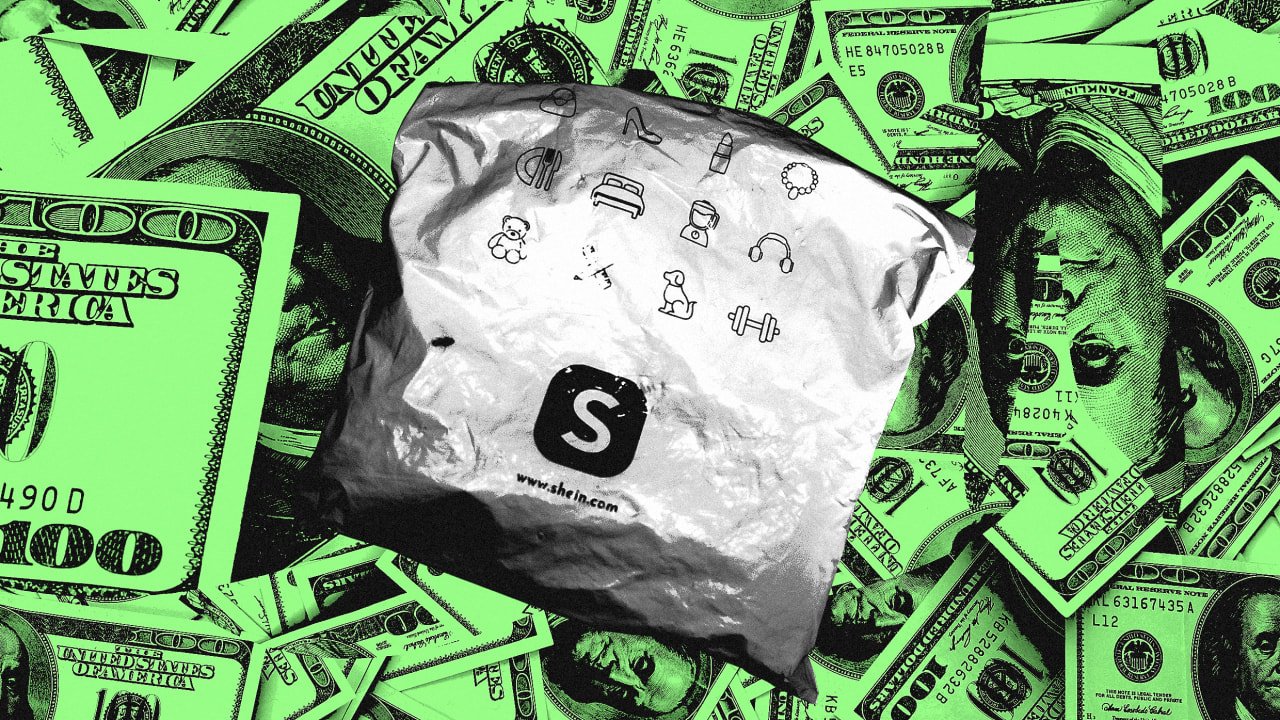
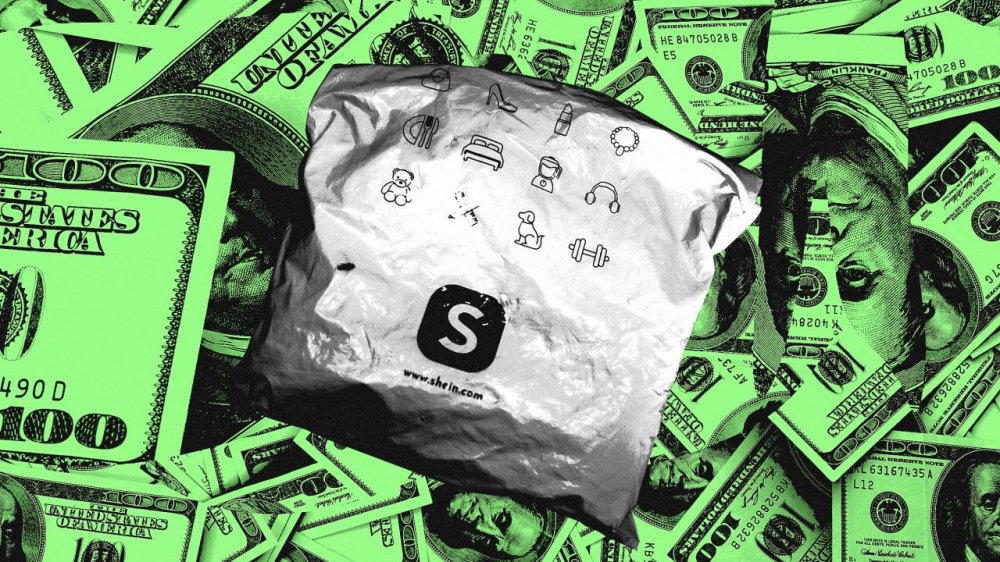
Starting today, shopping on Shein and Temu is going from dirt cheap to slightly less dirt cheap. In updates to U.S. customers last week, the rival retailers shared similar announcements that their pricing would go up beginning on April 25, citing rising operating expenses from “global trade rules and tariffs.” The retailers even encouraged shoppers to get one last order in before it was too late: “Until April 25, prices will stay the same, so you can shop now at today’s rates,” Temu wrote in its announcement. “We’ve stocked up and stand ready to make sure your orders arrive smoothly during this time.” By this morning, that shopping window had passed. Here’s what we know so far about the price hikes, and how they might impact your favorite TikTok influencer’s next haul: Why is this happening now? This update from Shein and Temu doesn’t exactly come as a surprise. Since early February, President The President’s new tariff policies made it clear that neither company’s business model could survive unchanged for long. Both Shein and Temu operate by using labor in Chinese factories to manufacture ultracheap goods and ship them abroad. But unlike other companies with a similar manufacturing strategy–like Gap or H&M—Shein and Temu cut the middleman of stocking in U.S. warehouses by shipping goods directly from China to shoppers’ doors. This strategy has historically allowed them to take advantage of a tax code loophole called de minimis, which allows all packages under $800 to ship into the U.S. duty-free. In early April, The President signed an executive order that’s set to end the de minimis loophole starting on May 2. That means that Shein and Temu’s packages—part of a total of four million low-value packages that arrive in the U.S. every day—will no longer be exempt from duties. For companies relying on Chinese-made goods, that’s an especially heavy financial burden, given that The President also recently slapped a 145% tariff on most products made in China. As experts predicted back in February, Shein and Temu are unable to absorb the major costs associated with The President nixing the de minimis loophole. Now, they’ve been forced to forfeit some of their competitive advantage by offloading costs onto consumers. How will this affect pricing? So far, it’s not entirely clear what those added consumer costs will look like. Neither Shein nor Temu provided specific price hike rates or an idea of how shipping might be affected, and it’s not immediately evident whether markups are the same across the board or variable based on items. Pricing on Shein and Temu is difficult to navigate at the best of times, given that both sites rely on a nightmarish UX of constant promotions, markdowns, and discount codes to obscure the actual cost of individual items and make them appear even cheaper than they already are. To get some sense of how costs have increased, Fast Company took a look through TikToks that track Shein orders from earlier this week (when customers were flocking to place their last orders) and compared them to prices on the sites today. On Tuesday, creator Chiara Aceto made a video showing followers “what to add to your Shein cart before you place that order on April 25th.” In the TikTok, she recommends a $21.59 yellow two-piece set, a $17.86 pair of heels, and an $8.79 sparkly tank top, among other items. Those pieces are now $44.71, $22.90, and $17.69, respectively, with both the set and the tank top nearly doubling in price. Other pieces, like a relatively pricey ($63.80) knockoff Miu Miu handbag only went up by about $1, while still others, like a Stanley cup dupe, have gone down slightly in price. Aceto followed up with another video on Wednesday sharing her favorite bags on the site. Most of the bags are hovering around the same prices today, while a few have shot up considerably, like one Prada dupe that was $36.85 and is now $56.20. Overall, nearly all of the items mentioned by Aceto in the two TikToks are at least slightly more expensive today than they were earlier in the week—though, given that Shein’s prices are known to fluctuate on a regular basis, it’s difficult to tell how much of the change can be attributed to tariff price hikes, and how much is just par for the course. Nevertheless, customers appear to be noticing a difference today. In a video posted on Wednesday, creator @lifeoqhi0js, who is a Shein ambassador, also warned followers to get their orders in before April 25. Several commenters under the video reported seeing prices go up this morning, including one user who wrote that their cart had increased by $60 overnight, and another who asked, “why did a $3 shirt go up to $11?” Shein and Temu’s futures are currently looking relatively bleak, given that their business models revolve almost entirely around offering the lowest possible prices compared to competitors. To be clear, both retailers’ prices are still unbelievably cheap. But for consumers, the difference between a $3 T-shirt and an $11 T-shirt might be enough to abandon a $700 Shein haul in favor of investing in fewer pieces that will last a bit longer. View the full article
-
The IMF chief warns of a ‘new and major test’ as it cuts growth projections on the back of the The President administration’s tariffsView the full article
-
Moves comes as music-streaming service chases greater profitability as its stock has soared higherView the full article
-
Extreme hunger intensifies as Israeli politicians rebuff calls to allow supplies into shattered enclaveView the full article
-
Key Takeaways Enhanced Brand Visibility: Sponsoring events allows for strategic brand exposure through banners, posters, and media coverage, significantly increasing brand recognition.Direct Customer Engagement: Event sponsorship facilitates face-to-face interactions, fostering relationships that build trust and credibility with your target audience.Long-Term Brand Loyalty: By aligning your business with community values through sponsorship, you can create memorable experiences that enhance customer loyalty and encourage repeat business.Valuable Networking Opportunities: Sponsorship opens doors to connect with industry leaders and potential partners, leading to collaborative opportunities that drive business growth.Significant Return on Investment (ROI): The benefits of event sponsorship often lead to increased sales and higher customer retention rates, making it a financially sound investment for small businesses.Cost-Effectiveness: Compared to traditional advertising, event sponsorship offers a more budget-friendly way to enhance visibility and engage with audiences without large marketing expenditures. Sponsoring an event can be a game-changer for your brand. It’s not just about putting your logo on a banner; it’s about creating meaningful connections with your target audience. When you step into the role of a sponsor, you open doors to new opportunities and elevate your brand’s visibility in a crowded marketplace. Imagine the impact of aligning your business with an event that resonates with your values and mission. You’ll not only gain exposure but also foster goodwill and trust among potential customers. As you explore the benefits of event sponsorship, you’ll discover how it can enhance your reputation, drive customer engagement, and ultimately lead to increased sales. Let’s dive into the compelling reasons why becoming a sponsor is worth considering for your business growth. Overview of Event Sponsorship Event sponsorship offers small businesses a strategic avenue for brand visibility and community engagement. You connect directly with your target audience by associating your brand with events that resonate with your business values. Event sponsorship enhances your marketing strategy through increased exposure, as your logo appears on promotional materials and during the event. You build goodwill and foster trust when consumers see your brand supporting local initiatives. Participation in events boosts customer acquisition and retention by showcasing your products or services. Engaging with potential customers face-to-face facilitates personal connections that drive brand loyalty. https://www.youtube.com/watch?v=hGB7AN326Zc Moreover, sponsorship can generate valuable networking opportunities. You develop partnerships with other businesses, enhancing your operational efficiency. This collaboration can lead to shared resources, ideas, and innovations that contribute to your business growth. Additionally, event sponsorship can improve your leadership visibility within the community. When you take on a sponsorship role, it demonstrates commitment and leadership, further solidifying your brand identity. This visibility can open doors for new project management opportunities and strategic partnerships that align with your business goals. Direct Benefits of Sponsoring an Event Sponsoring an event yields significant advantages for small businesses, enhancing visibility and engagement with your target audience. Increased Brand Visibility Sponsorship provides valuable brand exposure through strategic placements. You can display your logo on banners, posters, and promotional materials, increasing recognition before, during, and after the event. Media coverage amplifies your reach, with press mentions and social media promotions highlighting your involvement. Utilize your marketing strategy to promote your sponsorship across various channels, such as email campaigns and social media engagement. This approach not only drives traffic to the event but also attracts potential customers, expanding your brand’s footprint in the community. Direct Customer Engagement Sponsoring an event fosters direct interaction with your audience, cultivating relationships that enhance customer engagement. You can showcase your products or services through interactive booths and demonstrations, providing firsthand experiences that resonate with attendees. Face-to-face interactions allow for meaningful conversations, building trust and establishing credibility. These engagements create opportunities for collecting customer feedback, which is crucial for improving your offerings and enhancing customer retention. Participating in events positions your small business as a leader in your niche, ultimately contributing to long-term business growth and customer loyalty. Long-Term Advantages Sponsoring an event provides key long-term advantages that can drive your small business’s growth and reputation. Enhanced Brand Loyalty Sponsoring events enhances brand loyalty by creating memorable experiences for your target audience. By aligning your business with events that resonate with community values, you foster strong connections. Customers appreciate brands that contribute to their interests, leading to increased brand loyalty and repeat business. Engagement during the event allows for effective communication skills, enabling you to address customer feedback directly and strengthen relationships. Networking Opportunities Sponsoring an event also opens valuable networking opportunities. You gain access to industry leaders, potential partners, and like-minded businesses, enhancing your operational efficiency through strategic collaborations. These connections can lead to innovative project management opportunities and productivity gains, ultimately driving your business goals. Engaging with attendees can also yield insights into customer preferences, informing your marketing strategy and supporting customer acquisition efforts. Financial Implications Sponsoring an event involves various financial investments that can lead to significant benefits for your small business. Return on Investment Return on investment (ROI) from event sponsorship can be substantial. To calculate ROI, consider both direct and indirect benefits. Direct returns include increased sales and new customer acquisition from event interactions. Indirect benefits come from brand visibility and enhanced reputation. For instance, 58% of companies report that event sponsorship has positively impacted their customer engagement, leading to higher customer retention rates. Prioritizing a targeted marketing strategy during the event amplifies these returns, as you connect with your audience effectively. Cost-Effectiveness Cost-effectiveness is a key consideration for small businesses. Event sponsorship often requires budgeting for sponsorship fees, marketing expenses, and logistical costs. Typically, these costs range from 40-60% of your total investment. However, the benefits often outweigh these expenses. Leveraging sponsorship allows for an increase in brand exposure without the need for extensive advertising budgets. You integrate your products or services into a community-focused event, enhancing your visibility while minimizing traditional marketing costs. Focusing on effective resource allocation and team management ensures your investment translates into measurable results, ultimately supporting your business growth objectives. Conclusion Sponsoring an event can be a game-changer for your brand. It’s not just about visibility; it’s about creating lasting connections with your audience. By aligning with events that resonate with your values, you can enhance your reputation and foster customer loyalty. The face-to-face interactions at these events allow you to engage directly with potential customers, gathering valuable feedback and insights. This personal touch can set you apart from competitors and position your brand as a trusted leader in your niche. Investing in event sponsorship also opens doors to networking opportunities that can drive innovation and operational efficiency. As you consider your marketing strategies, remember that the benefits of sponsorship extend far beyond the event itself, laying the groundwork for long-term growth and success. Frequently Asked Questions What are the main benefits of sponsoring an event for a brand? Sponsoring an event helps brands increase visibility, foster goodwill, and build trust with potential customers. It creates opportunities for meaningful connections and enhances a brand’s reputation, which can lead to increased sales and customer engagement. How can small businesses benefit from event sponsorship? Small businesses can gain significant brand visibility and community engagement by sponsoring events. This involvement allows them to showcase products, interact directly with customers, and support local initiatives, ultimately leading to increased customer loyalty and retention. Does event sponsorship improve customer engagement? Yes, event sponsorship allows for direct customer interactions, which enhance engagement. Through displays, demonstrations, and face-to-face conversations, businesses can build credibility, gather feedback, and create memorable experiences that resonate with their target audience. What is the return on investment (ROI) for event sponsorship? Event sponsorship can yield significant ROI, as businesses often see increased sales and new customer acquisition. While upfront costs can be high, the benefits, including improved brand visibility and customer loyalty, usually outweigh these expenses. How do companies market their sponsorships effectively? Companies can market their sponsorships by promoting their involvement across various channels, including social media, email, and on-site signage. This strategy helps drive traffic to the event and attracts potential customers, maximizing outreach efforts. Image Via Envato This article, "Unlocking the Benefits of Sponsoring an Event for Your Brand’s Growth and Visibility" was first published on Small Business Trends View the full article
-
We may earn a commission from links on this page. Deal pricing and availability subject to change after time of publication. Apple's MacBook Air laptops have been offering incredible value since the M1 dropped in price in 2024, and that hasn't changed with the lightweight laptop's most recent generation. Right now, every model of the 2025 M4 MacBook Air lineup is discounted up to $150, according to price tracking tools. While we don't condone panic buying because of tariffs, there are some sensible tech purchases you can make if you were planning on buying them anyway. Laptops are definitely one of them. RAM: 16GB, Storage: 256GB, Operating System: Mac OS MacBook Air 13-inch (M4, 2025) $899.00 at Amazon /images/amazon-prime.svg $999.00 Save $100.00 Get Deal Get Deal $899.00 at Amazon /images/amazon-prime.svg $999.00 Save $100.00 RAM: 16GB, Storage: 512GB, Operating System: Mac OS MacBook Air 13-inch (M4, 2025) $1,099.00 at Amazon /images/amazon-prime.svg $1,199.00 Save $100.00 Get Deal Get Deal $1,099.00 at Amazon /images/amazon-prime.svg $1,199.00 Save $100.00 RAM: 24GB, Storage: 512GB, Operating System: Mac OS MacBook Air 13-inch (M4, 2025) $1,269.00 at Amazon /images/amazon-prime.svg $1,399.00 Save $130.00 Get Deal Get Deal $1,269.00 at Amazon /images/amazon-prime.svg $1,399.00 Save $130.00 RAM: 16GB, Storage: 256GB, Operating System: Mac OS MacBook Air 15-inch (M4, 2025) $1,099.00 at Amazon /images/amazon-prime.svg $1,199.00 Save $100.00 Get Deal Get Deal $1,099.00 at Amazon /images/amazon-prime.svg $1,199.00 Save $100.00 RAM: 16GB, Storage: 512GB, Operating System: Mac OS MacBook Air 15-inch (M4, 2025) $1,279.00 at Amazon /images/amazon-prime.svg $1,399.00 Save $120.00 Get Deal Get Deal $1,279.00 at Amazon /images/amazon-prime.svg $1,399.00 Save $120.00 RAM: 24GB, Storage: 512GB, Operating System: Mac OS MacBook Air 15-inch (M4, 2025) $1,449.00 at Amazon /images/amazon-prime.svg $1,599.00 Save $150.00 Get Deal Get Deal $1,449.00 at Amazon /images/amazon-prime.svg $1,599.00 Save $150.00 SEE 3 MORE With 16GB of RAM for even the most basic MacBook Air, you'll be able to take on intensive applications and projects now and for many years to come. The most basic MacBook Air comes with a 13.6-inch "Liquid Retina" display, with a resolution of 2,560 by 1,664, a P3 wide color gamut, and a maximum brightness of 500 nits. You'll also get an excellent backlit keyboard with Touch ID, Wi-Fi 6E support, and great speakers and microphones. Apple also decided to bring back MagSafe charging with this laptop. All of the laptops come with a 12MP camera with Center Stage. You might've first seen this feature on iPads and on the M4 MacBook Pro, which follows your face as you move around the frame during video calls. The two USB-C ports are Thunderbolt 4, meaning you can extend to up to two 6K external monitors if you buy the equipment separately. If you're feeling FOMO because you were considering the MacBook Pro, take Senior Tech Editor Jake Peterson's advice and get the MacBook Air instead, since it offers a much better value than the Pro. With these discounts, it really is the best MacBook for most people. View the full article
-
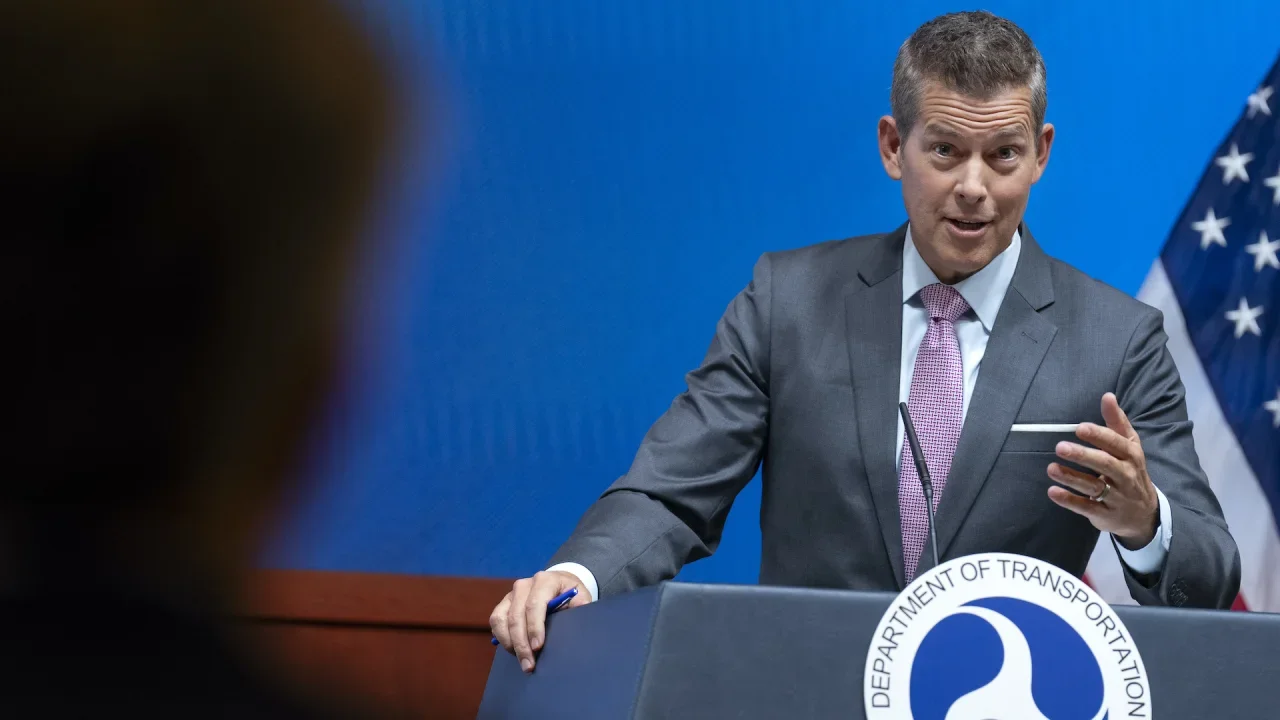
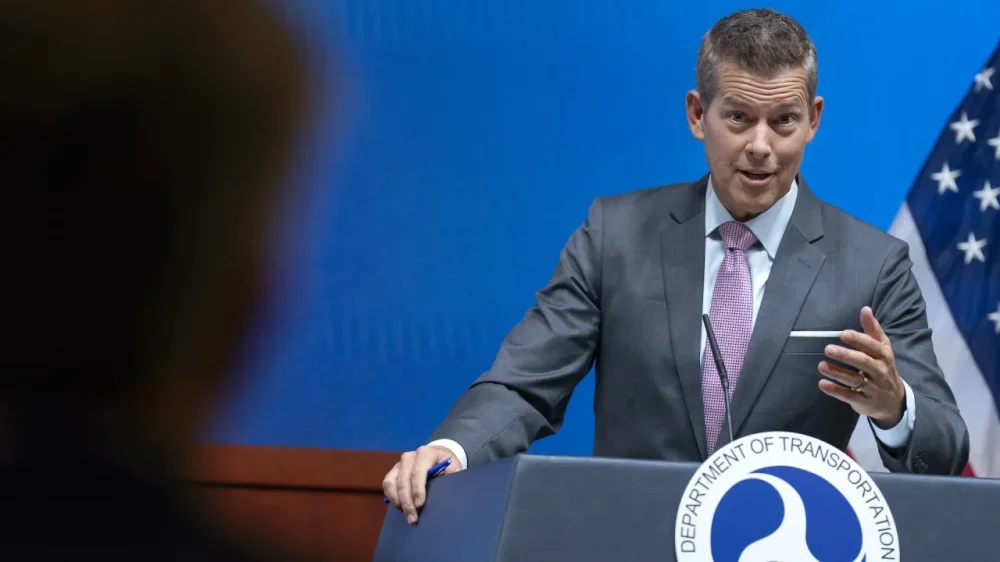
The The President administration is loosening rules to help U.S. automakers like Elon Musk’s Tesla develop self-driving cars so they can take on Chinese rivals. U.S. companies developing self-driving cars will be allowed exemptions from certain federal safety rules for testing purposes, the Transportation Department said Thursday. The department also said it will streamline crash reporting requirements involving self-driving software that Musk has criticized as onerous and will move toward a single set of national rules for the technology to replace a patchwork of state regulations. “We’re in a race with China to out-innovate, and the stakes couldn’t be higher,” said Transportation Secretary Sean Duffy in a statement. “Our new framework will slash red tape and move us closer to a single national standard.” The new exemption procedures will allow U.S. automakers to apply to skip certain safety rules for self-driving vehicles if they are used only for research, demonstrations and other noncommercial purposes. The exemptions were in place previously for foreign, imported vehicles whose home country rules may be different than those in the U.S. The decision comes a day after Musk confirmed on a conference call with Tesla investors that the electric vehicle maker will begin a rollout of self-driving Tesla taxis in Austin in June. It’s not clear how the exemptions from National Traffic Safety Administration rules will affect Tesla specifically. The company has pinned its future on complete automation of its cars, but it is facing stiff competition now from rivals, especially China automaker BYD. The crash reporting rule being changed has drawn criticism from Musk as too burdensome and unfair. Tesla has reported many of the total crashes under the rule in part because it is the biggest seller of partial self-driving vehicles in the U.S. Traffic safety watchdogs had feared that the The President administration would eliminate the reporting rule. The transportation statement Thursday said reporting will be loosened to “remove unnecessary and duplicative” requirements but that the obligation to report crashes will remain. —Bernard Condon, AP business writer View the full article
-
The billionaire property investor has been tasked with securing peace in Ukraine and the Middle EastView the full article
-
I thought it was just me, a non-native English speaker, who loved watching everything with subtitles on. But clearly, it's not. Based on a recent survey, more than 50% of US viewers watch content with the subtitles on. And there are many reasons why. Sometimes you want to watch something on a low volume in bed, and sometimes it's just too hard to understand what a character is saying. Or, you could be watching with cheap TV speakers that make your audio hard to hear. Netflix is starting to understand this, and so for people who don't necessarily need to see sound effects in their subtitles, is adding a new dialogue-only subtitles mode. This mode removes text-descriptions for sound effects, speakers, and more. And don't worry: The CC or Closed Captions option will still be there, so you can pick that if you need subtitles for more than just dialogue. It will tell you when a song is playing, when someone makes some noise, or even if there's a change in setting. How to switch to dialogue-only subtitles on NetflixThis will be a gradual rollout, and Netflix is starting with the latest (and final) season of You, as well as the Tom Hardy film Havoc. We don't yet know if Netflix will go on to roll out dialogue-only subs for all existing content, but the company is promising that every new Netflix Original, in every language, will have dialogue-only subtitles. So Netflix isn't limiting this to only English. For example, you'll find dialogue-only subtitles in German as well. Credit: Netflix To switch over to dialogue only subs, start streaming your supported content, and then head over to the Subtitles section. Here, choose English (or your language of choice) in the Audio section, and then select English in the Subtitles section as well. To maintain subs for more than just dialogue, choose English (CC). And that's all there is to it. You're now watching with subtitles that only show the dialogue. It's just you and the characters. View the full article
-
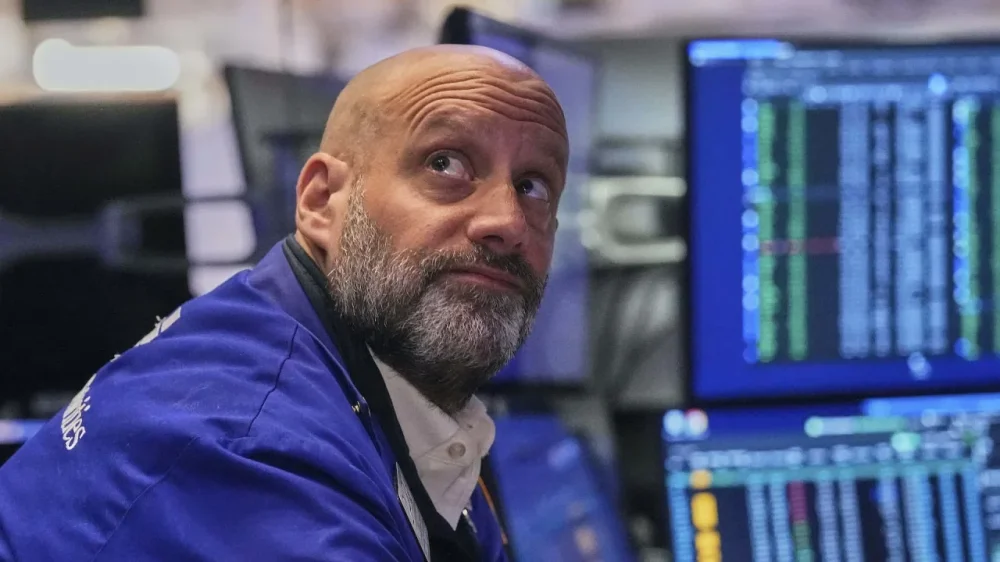
Wall Street’s big three-day rally is running out of steam, and U.S. stocks are drifting in mixed trading Friday as they near the end of another roller-coaster week. The S&P 500 was 0.1% lower in midday trading, as nearly three out of every four stocks fell within the index. The Dow Jones Industrial Average was down 237 points, or 0.6%, as of 11:30 a.m. Eastern time, while the Nasdaq composite was 0.3% higher thanks to gains for a handful of influential Big Tech stocks. Intel weighed on the market after the chip company said it’s seeing “elevated uncertainty across the industry” and gave a forecast for upcoming revenue and profit that fell short of analysts’ expectations. Its stock fell 6.8% even though its results for the beginning of the year topped expectations. Eastman Chemical fell 5.9% after it gave a forecast for profit this spring that fell short of analysts’ expectations. CEO Mark Costa said that the “macroeconomic uncertainty that defined the last several years has only increased” and that future demand for its products “is unclear given the magnitude and scope of tariffs.” Skechers U.S.A., the shoe and apparel company, pulled its financial forecasts for the year due to “macroeconomic uncertainty stemming from global trade policies” even though it just reported a record quarter of revenue at $2.41 billion. Its stock fell 4.3%. They’re the latest companies to say the uncertainty created by President Donald The President’s trade war is making it difficult to give financial forecasts for the upcoming year. Stocks had rallied earlier in the week on signals that The President may be softening his approach on tariffs and his criticism of the Federal Reserve, which had earlier shaken markets. The hope is that if The President rolls back some of his stiff tariffs, he could avert a recession that many investors see as otherwise likely because of his trade war. But The President’s on-again-off-again tariffs may nevertheless be pushing households and businesses to alter their spending and freeze plans for long-term investment because of how quickly conditions can change, sometimes seemingly by the hour. “Business owners scrambling to figure out their supply chains and exposure to tariffs is more than just a distraction,” according to Brian Jacobsen, chief economist at Annex Wealth Management. “It could be an existential threat, especially for smaller businesses that don’t have the scale or resources to have the same supply chain flexibility as larger firms.” Helping to keep Wall Street’s losses in check was Alphabet, which rose 2.2%. Google’s parent company reported late Thursday that its profit soared 50% in the first quarter, more than analysts expected. Alphabet is one of the biggest companies on Wall Street in terms of size, and that gives its stock’s movements extra influence on the S&P 500 and other indexes. Another market heavyweight, Nvidia, also helped push the S&P 500 index upward after the chip company rose 2.2% In stock markets abroad, indexes rose modestly across much of Europe following more mixed movements in Asia. Tokyo’s Nikkei 225 jumped 1.9%, but stocks in Shanghai slipped 0.1%. In the bond market, Treasury yields eased some more, and the yield on the 10-year Treasury fell to 4.28% from 4.32% late Thursday. It’s been generally falling since approaching 4.50% earlier this month in a surprising rise that had suggested investors worldwide may be losing faith in the U.S. bond market’s reputation as a safe place to park cash. Yields have dropped as several reports on the U.S. economy have come in weaker than expected, raising expectations that the Federal Reserve may cut interest rates later this year to support growth. A report on Friday morning said sentiment among U.S. consumers sank in April, though not by as much as economists expected. The survey from the University of Michigan said its measure of expectations for coming conditions has dropped 32% since January for the steepest three-month percentage decline seen since the 1990 recession. The value of the U.S. dollar meanwhile strengthened against the euro and other rival currencies. It’s been recovering some of its sharp, unexpected losses from earlier this month that rattled investors. —Stan Choe, AP business writer AP Writers Jiang Junzhe and Matt Ott contributed. View the full article
-
The lender's parent also said it is actively in preparation to move forward on plans to unlock equity value in 2025, with a Newrez spinoff among its options. View the full article
-
In a move that should surprise no one, Meta—the parent company of Facebook, Instagram, and Threads—wants to monetize its websites. Threads, which launched two years ago, had somehow mostly avoided showing ads until now, only allowing a limited number to certain users in the US and Japan. But the site has become quite popular since then, so now, it's time for it to start contributing to the family business. Instagram head Adam Mosseri announced this update in a Threads post this week, which reads, "Ads are rolling out more broadly on Threads today, and our goal is still for them to enhance your overall experience. We’re closely monitoring and will continue listening to your feedback as we scale." The post is quite clear in signaling the end of ad-free Threads, although it might take some time to fully ramp up in all markets. As your feed starts to fill up with companies vying for your attention, you can probably expect an experience similar to how ads on Instagram or Facebook, as the ads currently on the site clearly indicate that they're sponsored and do use your data to try to increase their relevance to you. But it's not all bad news: Threads is getting a few new features, too. The one I like the most is a better way to compose a new post. Threads will now show a + button in the bottom-right corner of the site, which you can click anytime to start creating a new post. Previously, the compose window was located at the top of the feed, which isn't as easy to access if you've been scrolling for a bit. The update lets you compose and make a new post without losing your position in the timeline. Credit: Pranay Parab I'm also excited to start using the ability to copy a post as an image, which lets you screenshot any post on Threads to share elsewhere. Yes, you can easily use the built-in screenshot tool on your device, but I really like it when services ship the ability to copy screenshots to the clipboard. It's just a lot easier and faster. To use this feature, hit the Share button below any post and select Copy as image. Threads will let you choose a dark or a light theme for the image, along with its aspect ratio. There's also a button to show or hide the post's metrics, which lets you hide like and share counts if you want. Threads on the web also has a new way to access the Tweetdeck-style multi-column view. Click the multi-column button to the right of the feed and select which of your feeds you'd like to see in a multi-column layout. In the normal view, meanwhile, Threads has added two new buttons, Liked and Saved, to its main menu (the two-lines icon). This makes it easier for you to access posts you've liked or bookmarked. The web app also now has tabs for your custom feeds at the top. This was previously available as a drop-down menu, but the tabbed layout makes custom feeds easier to access. Additionally, the company is testing a way to import your followers from other services, starting with X (formerly Twitter). Once this rolls out broadly, you may find it easier to bring people over from services not owned by Meta. Finally, Threads itself has moved to a new domain—Threads.com. When the service launched, it did so on Threads.net because Meta didn't own the .com domain. That appears to have changed now. View the full article
-
A Wisconsin judge is accused of helping a man evade arrest by immigration authorities View the full article
-
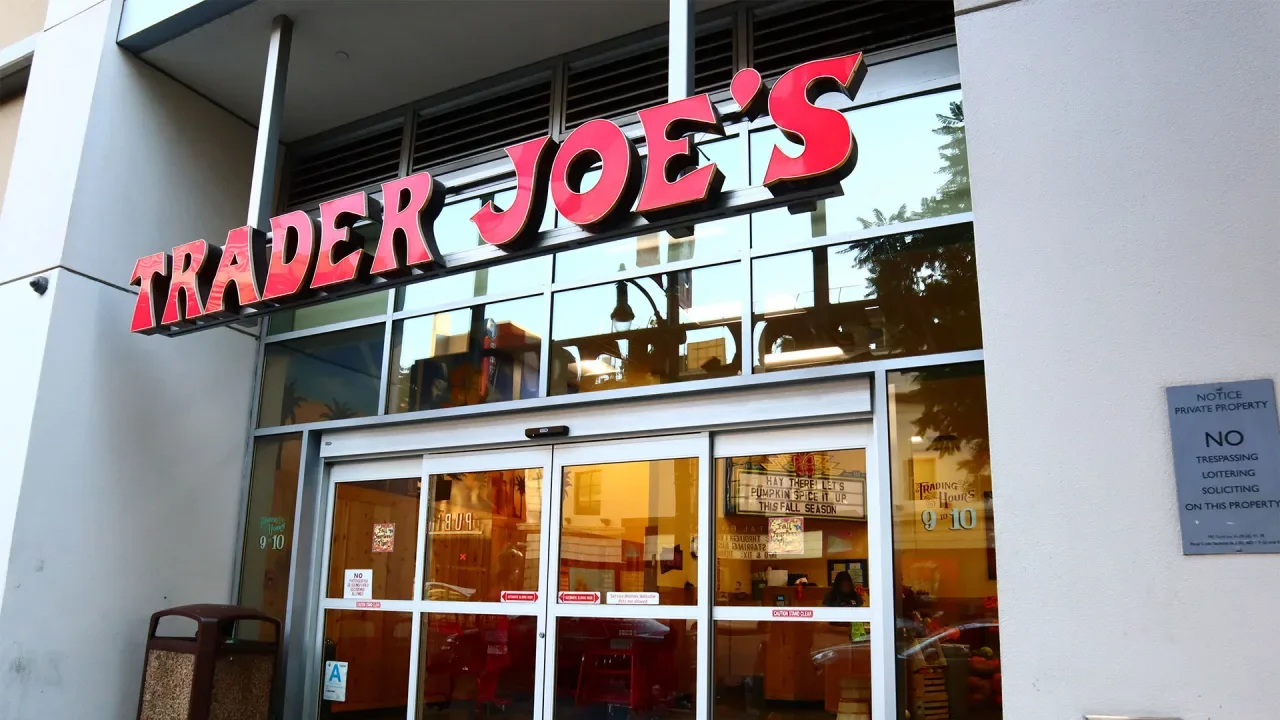
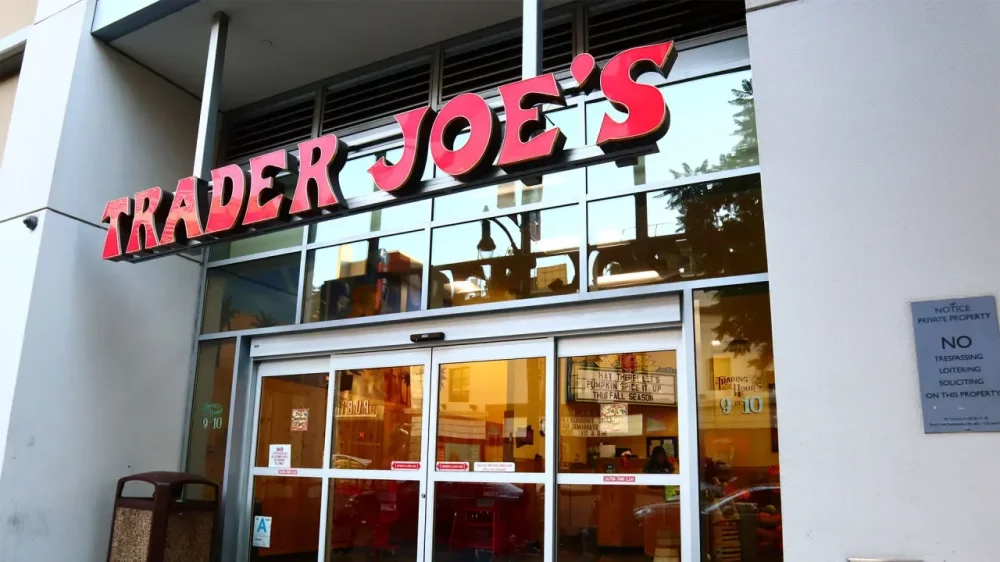
This year has so far been a pretty brutal one when it comes to store closures. Hundreds of retail stores have already shuttered due to everything from cost-cutting to bankruptcies. Major store closures so far in 2025 have included Rite Aid, Forever 21, Joann, Party City, Kohl’s, and Big Lots. But one major store chain seems to be bucking the trend by opening new locations. That store is the popular grocery chain Trader Joe’s. Despite some controversies and questionable alleged business practices as reported earlier this year by Fast Company, the chain is still beloved by many diehard adherents. And now it seems like Trader Joe’s is capitalizing on that popularity by opening at least 22 new stores in the near future. The chain currently has 581 stores spanning 42 states and Washington, D.C., according to USA Today. But soon 13 of those states and D.C. will be adding additional stores. (For context, Chain Store Age reported back in March 2024 that Trader Joe’s had “more than 500” locations.) Here’s the full list of Trader Joe’s’ new stores that are opening, according to data from the company’s “opening soon” tool on its store locator website. Fast Company reached out to Trader Joe’s to confirm the accuracy of the store locator figure and ask if any additional store openings are being planned. We will update this story if we hear back. Alabama Hoover, AL 35244 California Northridge, CA 91325 Sherman Oaks, CA 91423 (Sherman Oaks 2) Tarzana, CA 91356 Tracy, CA 95304 Yucaipa, CA 92399 Colorado Westminster, CO 80031 Louisiana New Orleans, LA 70119 (Mid-City) Massachusetts Boston, MA 02132 (West Roxbury) Maryland Rockville, MD 20850 (Town Square) New Jersey Iselin, NJ 08830 (Woodbridge) New York Glenmont, NY 12077 Staten Island, NY 10309 (Tottenville) Oklahoma Oklahoma City, OK 73132 (Northwest) Pennsylvania Berwyn, PA 19312 Exton, PA 73132 South Carolina Myrtle Beach, SC 29588 Texas McKinney, TX 75070 (West) San Antonio, TX 78230 (Northwest) Washington Bellingham, WA 98226 (Bellingham – North) Washington, D.C. Washington, D.C. 20015 (Friendship Heights) Washington, D.C. 20017 (Brookland) Retail store closures could hit 15,000 in 2025 Despite Trader Joe’s’ expansion, America is expected to lose thousands of retail stores in 2025. According to a January report from Coresight Research, the U.S. could see up to 15,000 retail stores close this year. The cost of inflation and the increasing preference of consumers to shop online are reported to be two of the biggest factors influencing retail store closures in 2025. Of course, keep in mind that Coresight’s report was conducted before President Donald The President unleashed his tariffs on the world in April. It is likely that the increased cost of importing goods into the United States, which is borne by the retail chains that import the goods, could have a negative economic impact on some of those chains. If that happens, it’s possible that even more retailers might decide to close stores to cut costs. For now, only time will tell. View the full article
-
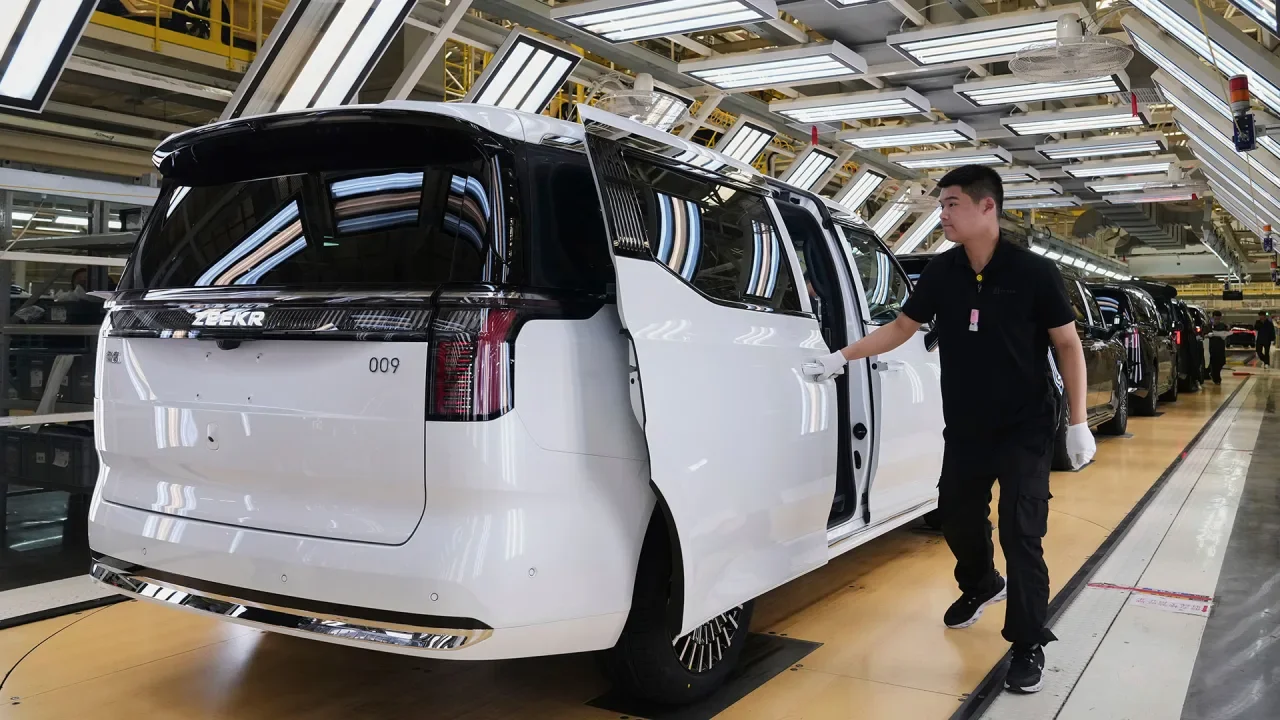
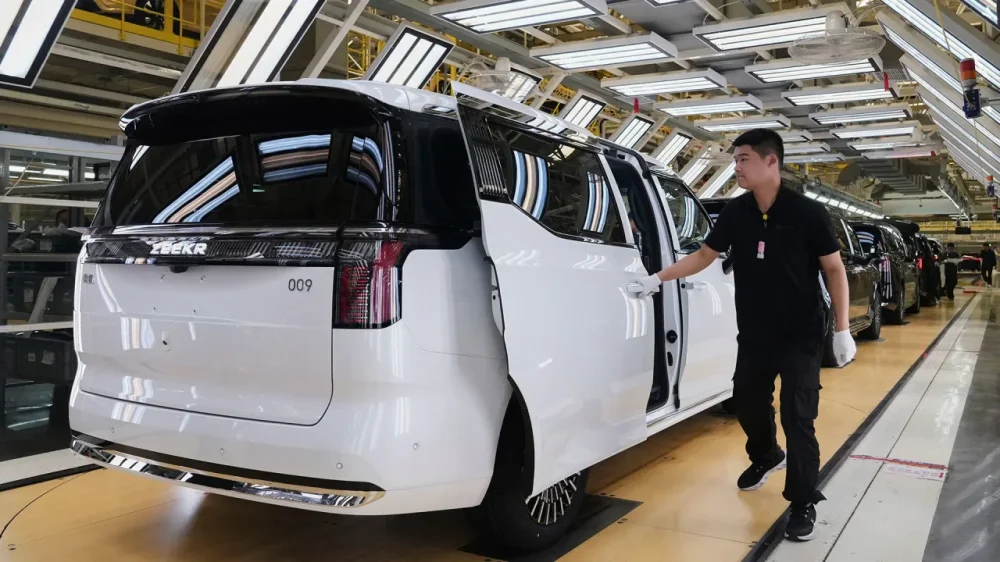
The world’s auto industry is getting a shake-up from Chinese automakers that are quickly expanding across the globe, offering relatively affordable electric vehicles designed to wow car buyers with sleek designs and the latest high-tech interiors. Companies like BYD, Great Wall, Geely, and Chery Automobile are reaching outward as they build the scale they need to survive cutthroat competition in their home market. These generally are not state-run giants like SAIC, BAIC, and Guangzhou Automotive. The founder of Geely started out making refrigerators. BYD first built up its expertise in battery technology, now its biggest advantage as the world’s largest-selling EV maker. Some others are technology companies allied with automakers to offer autonomous driving. Here are some of the key players: Great Wall Motors Great Wall Motors, with the Haval, Wey, Ora, Poer, and Tank brands, is banking on overseas sales to keep growing after seeing its sales inside China fall by nearly 15% last year, even as the company’s net profit jumped more than 80%. The company has factories in Russia, Thailand and Brazil, where it is challenging Toyota’s popular Hilux pickup truck with its GWM Poer, a hybrid pickup of its own. Another mainstay is the Haval H6, a hybrid sports SUV. Great Wall has smoothed its transition to overseas production by buying factories of other automakers. In Thailand, it took over a factory formerly operated by General Motors Corp. In Brazil, it purchased a former Mercedes-Benz plant. “It is essential for volume to be big, otherwise the cost of production is too high,” Great Wall’s chairman, Wei Jianjun, said in a media huddle at the show. Wei, who also goes by the name Jack Wey, was born in Beijing but moved to nearby Hebei, home of the Great Wall. He led the company’s transition from vehicle modification to automaking, becoming China’s biggest maker of pickup trucks and a leading SUV maker. The company has a joint venture for EVs with BMW. Chery State-owned Chery Automobile says it was the first Chinese automaker to export overseas. It has sold more than 15 million of its Chery, Exeed, Omoda, and Jetour models overseas, mostly in the developing world and emerging markets, including Turkey and Ukraine. Chery reported selling 2.6 million vehicles overseas last year and is aiming for 3 million in 2025. It’s quickly expanding overseas production, setting up factories in Russia and Spain. It is expanding rapidly in Latin America. Chery’s tie-up with EV-maker Visionary Vehicles aimed to sell in North America but has not yet achieved that goal. The company has a 50-50 joint venture with Jaguar Land Rover, which is a subsidiary of Tata Motors of India that makes Jaguars and Land Rovers in China. It also collaborates with Huawei Technologies and e-commerce giant Alibaba. Chery still sells far more fuel-engine cars than EVs. Its battery electric vehicle company, Chery New Energy, makes minivehicles like the eQ1, or Small Ant, and the QQ Ice Cream. Its mainstays are the Tiggo lineup of SUVs and its Arrizo sedans. BYD BYD made more electric vehicles last year than Tesla, selling 3.52 million EVs in China, up 28% from a year earlier. Its strength in plug-in hybrids has helped as Chinese increasingly opt for the fallback of a fuel engine. The company, based in southern China’s Shenzhen, recently announced an ultra-fast EV charging system it says can provide a full charge for its latest EVs within five to eight minutes, about as long as a fill-up. It plans to build more than 4,000 of the new charging stations across China. The Chinese company started out making batteries and has been refining its battery and energy storage technology while building an auto empire that is expanding outside China. While BYD’s fanciest, latest premium models are expected to sell for up to about $40,000, it also makes much less expensive EVs including the Seagull, which sells for around $12,000 in China. BYD barely nudged ahead of Tesla in production of battery-powered EVs in 2024, making 1,777,965 compared with Tesla’s 1,773,443. Geely Geely Auto is perhaps the most famous Chinese automaker that many people have never heard of. The privately held company was founded as a refrigerator-maker by businessman Li Shufu in 1997 in eastern China’s Taizhou, which early on became a hub of private industry. Li began making strategic overseas acquisitions early on, buying Sweden’s Volvo Car Co. from Ford Motor in 2010. Geely’s purchase of a 49.9% stake in Malaysia’s Proton gave it a 51% stake in luxury sports car brand Lotus. It formed a 50-50 joint venture to make Smart city cars with Germany’s Daimler AG. It also works with Renault SA of France on powertrains and owns a stake in Aston Martin Lagonda. In March, it launched sales of its Geely EX5 SUVs in Australia and New Zealand, adding to its global reach. Geely also owns New York Stock Exchange-listed Zeekr Intelligent Technology Holding, which makes a premium EV brand. Geely and Volvo own Swedish automaker Polestar, which has struggled in the U.S. market. Wuling China’s second-best selling EV brand is Wuling, a joint venture of Shanghai’s SAIC Motor, General Motors and Guangxi Auto. It sold more than 673,000 EVs in China and has a market share of only 6% compared with BYD’s nearly one-third share. Tesla came in third at 659,000 cars sold. Apart from its Baojun sedans and vans, Wuling mainly makes engines, commercial vehicles and special purpose vehicles like mini-EVs and golf carts. Others Other major Chinese brands of EVs include Nio, Xpeng, Li Auto and Leap Motor. State-run giants like Dongfeng Motor Group, which has an alliance with Nissan Motor Corp., and Changan Automobile, a partner with Japan’s Mazda Motor Corp. and with Ford Motor Co., are also quickly expanding EV sales. But the industry is fast-changing and competition in the home market is tough. That’s a key reason why the biggest automakers have focused attention on expanding into global markets. —Elaine Kurtenbach, AP Business Writer View the full article
-
Key Takeaways Lucrative Opportunity: Car rental franchises present an appealing business venture amid the growing demand for flexible transportation options in the booming travel industry. Franchise Structure: Entrepreneurs benefit from a proven franchise model that includes brand recognition, operational support, and training, which are vital for success. Financial Independence: Owning a car rental franchise can lead to financial freedom, with established brands potentially generating higher revenue due to customer trust. Market Competition: The car rental industry is competitive, requiring franchisees to differentiate their services through innovative offerings and excellent customer service to succeed. Critical Considerations: Key factors such as location selection and understanding franchise agreement terms are essential for franchise success and profitability. Support and Resources: Taking advantage of franchisor support, including training, marketing strategies, and operational manuals, is crucial for effective management and growth in the car rental sector. Thinking about diving into the world of car rental franchises? You’re not alone. With the travel industry booming and more people seeking flexible transportation options, car rental franchises offer a lucrative opportunity for entrepreneurs. It’s a chance to tap into a market that thrives on convenience and accessibility. Overview of Car Rental Franchise A car rental franchise offers a viable small business opportunity within the growing franchise industry. Entrepreneurs can tap into a robust market driven by the increasing demand for flexible transportation solutions. Car rental franchises provide you with a structured franchise model, enabling you to leverage an established brand’s recognition and support network. When entering this space, you’ll sign a franchise agreement outlining your rights and responsibilities as a franchisee. This includes understanding royalty fees, initial investment requirements, and ongoing franchise fees. A well-prepared franchise disclosure document (FDD) will provide essential information about the business, including financial performance and obligations. Franchise training plays a crucial role in your success. It equips you with the skills needed to operate your business effectively. Additionally, the franchisor typically offers comprehensive franchise support, covering operations manuals, marketing strategies, and compliance guidelines. For multi-unit franchising, consider the advantages of owning multiple units under an exclusive territory, which can enhance profitability. Conduct franchise research to identify the best options for your specific goals. Analyzing location and market conditions can optimize your chances of success. Engaging with franchise consultants can provide insight into franchising trends and the metrics important for franchise growth. Participating in franchise expos can enhance your understanding of potential opportunities and franchise recruitment practices. This immersive experience can help you network with other franchisees and franchisors, facilitating valuable relationships that contribute to overall franchise success. Benefits of Owning a Car Rental Franchise Owning a car rental franchise offers numerous advantages that can lead to entrepreneurial success. This section explores key benefits that contribute to the appeal of this franchise opportunity. Financial Independence Owning a car rental franchise provides the potential for financial independence through a structured franchise model. Reputable brands often generate higher revenue due to established customer trust and loyalty. You can access financial resources and support from franchisors, which can facilitate franchise financing. Initial investment requirements vary, but many franchises offer options that suit different budgets, making this a versatile small business option. Brand Recognition Brand recognition significantly enhances your credibility and customer familiarity. Operating under a well-known name attracts more customers who value trust and reliability. This brand association can lead to increased revenue, while also easing the challenges of franchise marketing. The franchise system provides the tools and resources necessary for effective promotion and marketing strategies. By leveraging the power of an established brand, you position your franchise for growth and success in a competitive market. Challenges Faced by Car Rental Franchises Car rental franchises encounter several challenges that can impact profitability and growth. Understanding these obstacles helps you navigate the competitive landscape effectively. Market Competition The car rental industry is intensely competitive. Market saturation, driven by new entrants and expanding existing franchises, creates downward pressure on pricing. You face slimmer profit margins, making innovation essential to distinguish your franchise from others. The dominance of major players like Enterprise Holdings, Avis Budget Group, and Hertz Global Holdings adds to the challenge, as their scale allows for aggressive pricing discipline. Competing smaller franchisees must focus on unique offerings or customer service to carve out a niche in this crowded marketplace. Maintenance and Management Maintaining a reliable fleet is crucial for your car rental business. Effective fleet management requires regular maintenance, ensuring vehicles are available and safe for customers. You must implement a comprehensive operations manual that outlines maintenance schedules and protocols. Effective management encompasses tracking vehicle utilization and managing costs related to maintenance and repairs. Neglecting regular upkeep can lead to increased downtime, negatively impacting customer satisfaction and reducing repeat business. Establishing strong vendor relationships for maintenance services, along with a robust franchise training program, can enhance operational efficiency and franchise compliance. Key Considerations Before Starting a Car Rental Franchise Starting a car rental franchise requires careful assessment of various factors to ensure success in the competitive franchise industry. Here are essential considerations to help you navigate this opportunity. Location Selection Location plays a pivotal role in your franchise success. Evaluate areas with high demand for car rental services, such as those near airports, train stations, and tourist attractions. These spots offer significant foot traffic and interest from travelers. Conduct a thorough location analysis to identify proximity to major roads, public transport access, and sufficient parking space. Choosing an ideal location can drive franchise growth and establish a strong customer base. Franchise Agreement Terms Understanding the franchise agreement terms is crucial before signing any legal documents. Review franchise disclosure documents, which contain essential information about fees, operational guidelines, and your responsibilities as a franchisee. Pay attention to the initial investment required, including franchise fees that can range significantly based on the franchisor. Know the royalty fees associated with the franchise model, as these can impact your profitability. Ensure clarity about territory and any exclusive territory rights, which can affect competition in your market. Familiarize yourself with support and training provisions within the franchise operations manual to understand how the franchisor will assist you in building a successful business. Conclusion Owning a car rental franchise offers an exciting opportunity to tap into a growing market. With the right research and planning you can position yourself for success in a competitive landscape. Emphasizing brand recognition and customer trust can significantly enhance your business’s appeal. Understanding the challenges and opportunities within this industry will empower you to make informed decisions. By focusing on strategic location selection and effective fleet management you can create a thriving venture that meets the needs of today’s travelers. With dedication and the right support you can turn your car rental franchise into a profitable business that stands out in the market. Frequently Asked Questions What is a car rental franchise? A car rental franchise is a business model that allows entrepreneurs to operate a car rental service under an established brand. Franchisees benefit from brand recognition, support systems, and a structured operational framework, helping them compete in the growing travel and mobility marketplace. Why is the car rental industry growing? The car rental industry is growing due to increasing travel demand and the need for flexible transportation options. With more travelers seeking convenient mobility solutions, car rental franchises are capitalizing on this trend to meet customer needs and generate revenue. What are the benefits of owning a car rental franchise? Owning a car rental franchise offers financial independence, brand recognition, and access to proven marketing strategies. Franchisees benefit from established customer trust, which can lead to higher revenue and a more manageable entry into a competitive market. What challenges do car rental franchises face? Car rental franchises face challenges such as market competition, pricing pressures from major players, fleet management, and the need for innovation. Effective operational practices and strong vendor relationships are essential to overcoming these obstacles and building a successful franchise. How do I choose the right car rental franchise? Choosing the right car rental franchise requires thorough research. Consider factors like brand reputation, location demand, franchise fees, and support systems. Participating in franchise expos can also provide valuable insights and networking opportunities. What should I know about the franchise agreement? Understanding the franchise agreement is crucial. It outlines fees, operational guidelines, and the level of support provided. Carefully review these terms to ensure clarity and prepare yourself for a successful business operation before signing. How important is location for a car rental franchise? Location is vital for a car rental franchise’s success. Opt for areas with high demand, like those near airports or tourist attractions, to attract more customers and establish a strong market presence, leading to greater profitability. What kind of training and support can I expect? Franchise training and support vary by brand but often include initial training programs, ongoing operational support, and marketing assistance. This framework is essential for helping franchisees navigate their business and ensuring successful implementation of best practices. Image Via Envato This article, "Unlocking Success with a Car Rental Franchise: Your Guide to Thriving in the Travel Industry" was first published on Small Business Trends View the full article