Newsletter
Want to keep up to date with all our latest news and information?


ResidentialBusiness
Administrators
-
Joined
-
Last visited
Everything posted by ResidentialBusiness
-
Versions of the bill were introduced in the House and Senate, raising odds that a national trigger lead ban could be near. View the full article
-
Software updates are great when they make features better, but that doesn't always happen. Case in point: a recent Google Pixel update that's brought in a flurry of complaints. One of the least popular changes altered how Pixels handle the Do Not Disturb feature. Previously, you could swipe down from the top of your Pixel's screen and press the Do Not Disturb button in quick settings to toggle it on or off. The March 2025 update changed that, forcing you to make multiple taps to activate or deactivate Do Not Disturb on your Google Pixel smartphone. Plenty of Google Pixel users took to Reddit to complain about this change. Fortunately, there are easy ways to fix this behavior. Restore one-tap Do Not Disturb to your Google Pixel smartphoneThe easiest way to bring back the old Do No Disturb button is by downloading an app. Simple DND lets you do exactly what the old button used to. Once you install the app and give it the required permissions, simply tap the Add Tile button to send a quick Do Not Disturb toggle back to your Pixel's quick settings pane. Once the tile is there, you can rearrange it as you see fit. Just swipe down from the top of your Pixel's screen and select the pencil icon to edit and reorder your quick settings tiles. You can use this to move the new Do Not Disturb button to your preferred location. This app was developed by someone who faced the exact same problem after the update, and doesn't do anything other than restoring the old Do Not Disturb button. The other alternative is to add a Do Not Disturb button to the lock screen and access it from there. This will require you to give up one of the two shortcuts on your lock screen and replace it with Do Not Disturb. You can change this by going to your Pixel phone's Settings app and navigating to Display > Lock screen > Shortcuts. Now select one of the shortcuts and pick Do Not Disturb to add it there. In the meantime, if you want Google to bring back the old, one-tap button, you can send your feedback to the company. On your Pixel, go to Settings > Tips & support > Send feedback. Be sure to describe the problem in detail so that the person reading it can understand the issue and pass it on to the relevant team accordingly. View the full article
-
He Weidong was the number-two officer in the People’s Liberation Army and a member of the Communist party’s PolitburoView the full article
-
Be careful what you share with ChatGPT these days: It'll remember everything you say. That's because OpenAI is rolling out a new update to ChatGPT's memory that allows the bot to access the contents of all of your previous chats. The idea is that by pulling from your past conversations, ChatGPT will be able to offer more relevant results to your questions, queries, and overall discussions. Sam Altman, CEO of OpenAI, announced the changes on X, touting the usefulness of AI systems that know everything about you: This Tweet is currently unavailable. It might be loading or has been removed. ChatGPT's memory feature is a little over a year old at this point, but its function has been much more limited than the update OpenAI is rolling out today. ChatGPT could remember preferences or requests of yours—perhaps you have a favorite formatting style for summaries, or a nickname you want the bot to call you—and carry those memories along from chat to chat. However, it wasn't perfect, and couldn't naturally pull from past conversations, as a feature like "memory" might imply. Previously, the bot stored those data points in a bank of "saved memories." You could access this memory bank at any time and see what the bot had stored based on your conversations. It's a bit weird to see these entries when you didn't specifically ask ChatGPT to remember something for you—as if you found out a new friend was jotting down "useful facts" about you from past conversations. It's weird. As this feature is rolling out now, it isn't clear yet how it will affect these saved memories. In all likelihood, they'll disappear, as there's no need for a bank of specific memories when ChatGPT can simply pull from everything you've ever said to the bot. I don't personally use ChatGPT all that much outside testing new features to cover here, so I can't say whether I find this feature particularly useful or not. I can imagine how it might be helpful to be able to reference something you told the bot in a past conversation, especially without needing to establish the bot actually remembers that fact first, but I also don't love the idea of a chatbot "remembering" everything I've ever told it. Maybe that's because I'm not sold on the idea of generative AI as a personal assistant, or maybe it's because I'm sick of tech companies scooping so much of my data. We'll just have to see how useful this expanded memory turns out to be as users get their hands on it. This feature will roll out first to ChatGPT Plus and Pro subscribers, but there's no word at this time as to when free users can expect to try it out. Users in the U.K., EU, Iceland, Liechtenstein, Norway, and Switzerland will need to wait to use the feature as well, as local laws force extra reviews before it can launch. (Maybe all countries should force AI companies through extra reviews before shipping features.) How to disable ChatGPT's memoryIf you, like me, have reservations about your chatbot accessing every word of your past conversations, there is a way to disable this memory feature. I don't have the new feature yet, so it's possible this might change slightly. But at the moment, you can head to Settings > Personalization > Memory, then disable the toggle next to Reference saved memories. If you want to keep the memory feature on, but don't want ChatGPT to remember one chat in particular, you can launch a "temporary chat" to make sure the conversation is quarantined. (Just know OpenAI may still hold onto the transcript for up to 30 days.) View the full article
-
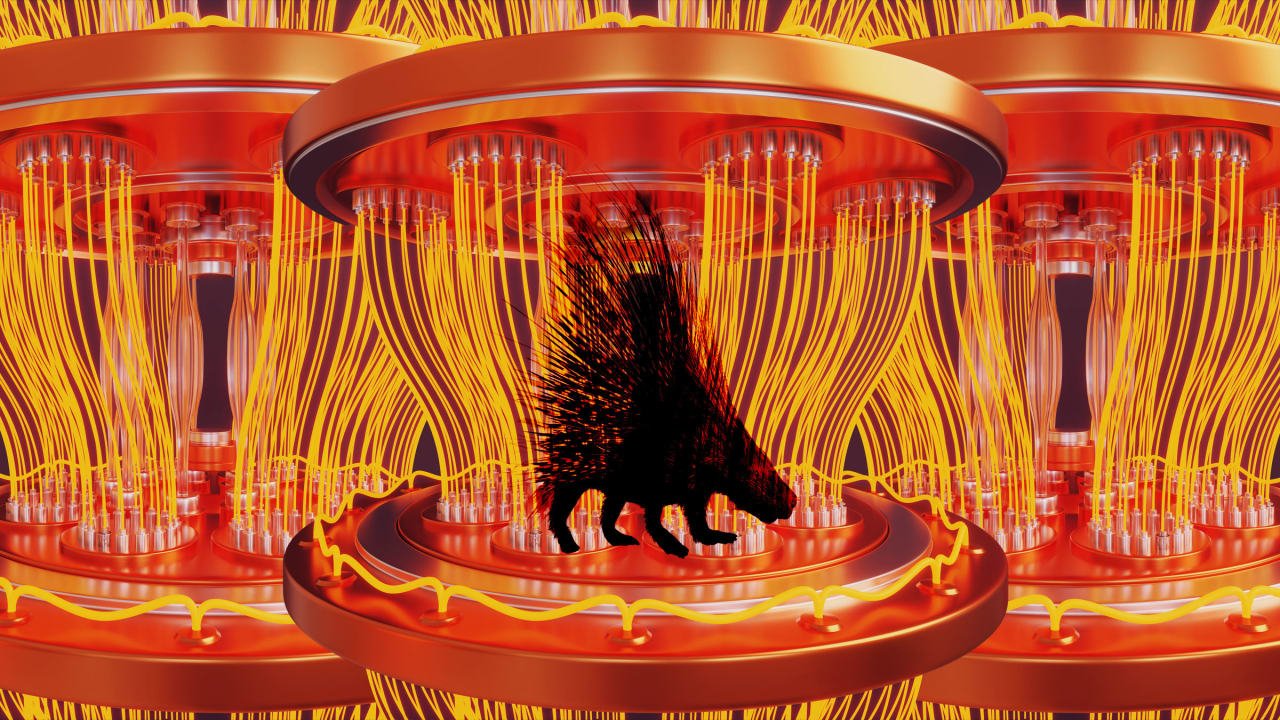
Nokia Bell Labs has a long, storied history—producing Nobel Prize winners, creating innovative new technologies, and bolstering critical infrastructure that underlies most of the devices we all use every day. This week, it held a special event at its Murray Hill, New Jersey campus to celebrate its 100th anniversary, and it featured appearances by politicians like New Jersey Governor Phil Murphy, business leaders, and even a robot named “Porcupine.” The expansive campus houses a number of laboratories where, over the past century, numerous groundbreaking discoveries and inventions have been made or perfected, including cell phones, transistors, and solar cells. Nokia acquired Bell Labs in 2016 when it purchased Alcatel-Lucent. The vast complex is mostly empty now, as it was built for a time when thousands of workers would fill its labs and offices. As a part of the anniversary celebrations, Fast Company was able to get a behind-the-scenes tour of the complex, and several of the projects and laboratories that are working on new and advancing technologies—labs that are typically shut away from the public eye. Despite Bell Labs’ relatively small in-office workforce, there are still researchers and scientists toiling away on numerous projects, which include augmenting undersea data cable technology, creating real-time AI platforms to increase mining operations, and new tech related to telecommunications devices and arrays. This is all largely tech that flies under the public’s radar, but is critical for supporting cell phones and wireless internet works. For example, because of the work that’s been done at Bell Labs and other facilities over the past couple of decades, much of our wireless and telecom infrastructure was able to handle the surge in demand due to the pandemic, when much of work and schooling was done remotely. “If the pandemic had occurred a decade earlier,” one researcher said, “it would have crippled us.” There was also a demonstration related to Nokia’s ongoing “Industrial GPT” research, which includes training robots to understand and react to voice commands. One demonstration even included a robot named “Porcupine” that has the ability to find specific containers in a warehouse-like setting or figure out if inventory is missing, and how to replace it. The company is also hard at work on quantum computing projects, which have massive potential, if ever fully realized. Michael Eggleston, a physicist and Research Group Leader at Nokia, says that despite what some business leaders say, quantum computers “are real, and they’re here.” However, there are many different types that can be used for different aims. “Whether or not the technology converges—that’s the big question,” he says. In effect, Eggleston and others are working on perfecting the underlying quantum technology before bringing quantum computing products and services to the market, where they stand to exponentially increase computing power across the board—something that could potentially dwarf the changes AI tech has recently brought to the world. The event also served as something of a swan song for the Bell Labs complex, as Nokia is preparing to transplant its labs and researchers to the new HELIX complex in nearby New Brunswick. That move is planned to be completed by 2028. View the full article

-
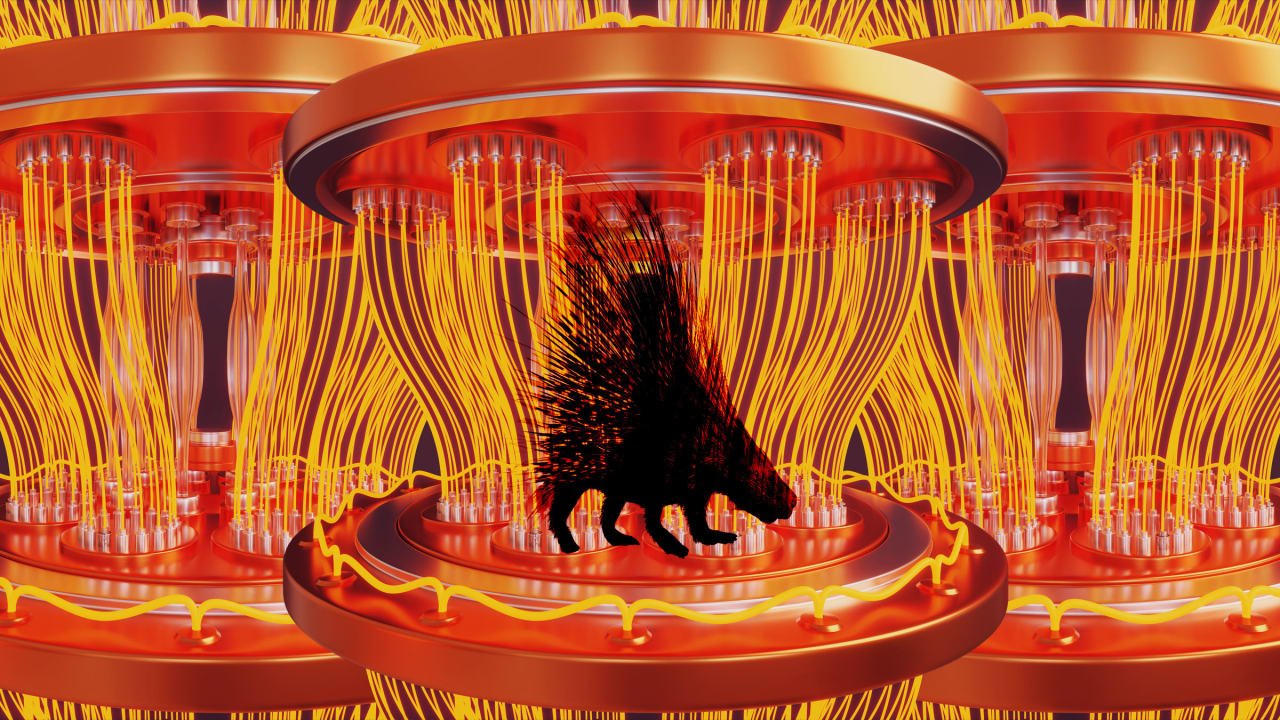
Nokia Bell Labs has a long, storied history of producing Nobel Prize winners, creating innovative new technologies, and bolstering critical infrastructure that underlies most of the devices we all use every day. This week, it held a special event at its Murray Hill, New Jersey campus to celebrate its 100th anniversary, featuring appearances by politicians like New Jersey Governor Phil Murphy, business leaders, and even a robot named “Porcupine.” Fast Company was able to get a behind-the-scenes tour of the complex, and several of the projects and laboratories that are working on new and advancing technologies—labs that are typically shut away from the public eye. Nokia acquired Bell Labs in 2016 when it purchased Alcatel-Lucent. The vast complex is mostly empty now, as it was built for a time when thousands of workers would fill its labs and offices. The expansive campus houses a number of laboratories where, over the past century, numerous groundbreaking discoveries and inventions have been made or perfected, including cell phones, transistors, and solar cells. Despite Bell Labs’ relatively small in-office workforce, there are still researchers and scientists toiling away on numerous projects, which include augmenting undersea data cable technology, creating real-time AI platforms to increase mining operations, and new tech related to telecommunications devices and arrays. This is all largely tech that flies under the public’s radar, but is critical for supporting cell phones and wireless internet works. For example, because of the work that’s been done at Bell Labs and other facilities over the past couple of decades, much of our wireless and telecom infrastructure was able to handle the surge in demand due to the COVID-19 pandemic, when much of work and schooling was done remotely. “If the pandemic had occurred a decade earlier,” one researcher said, “it would have crippled us.” There was also a demonstration related to Nokia’s ongoing “Industrial GPT” research, which includes training robots to understand and react to voice commands. One demonstration even included a robot named “Porcupine” that has the ability to find specific containers in a warehouse-like setting, or figure out if inventory is missing and how to replace it. The company is also hard at work on quantum computing projects, which have massive potential, if ever fully realized. Michael Eggleston, a physicist and research group leader at Nokia, says that despite what some business leaders say, quantum computers “are real, and they’re here.” However, there are many different types that can be used for different aims. “Whether or not the technology converges—that’s the big question,” he says. Eggleston and others are working on perfecting the underlying quantum technology before bringing quantum computing products and services to the market, where they stand to exponentially increase computing power across the board—something that could potentially dwarf the changes AI tech has recently brought to the world. The event also served as something of a swan song for the Bell Labs complex, as Nokia is preparing to transplant its labs and researchers to the new HELIX complex in nearby New Brunswick. That move is planned to be completed by 2028. View the full article

-
Equities, dollar and oil slide as scale of US levies on Chinese imports deepens recession fearsView the full article
-
European Commission president tells FT she wants ‘balanced’ deal but could hit US services in retaliationView the full article
-
We may earn a commission from links on this page. Let's talk about one of the most confusing terms you’ll see on your fitness tracker—specifically your Apple Watch. Next to REM sleep, which you’ve probably heard of, and “deep” sleep, which feels self explanatory, there’s “core” sleep. And if you Google what core sleep means, you’ll get a definition that is entirely opposite from how Apple uses the term. So let’s break it down. On an Apple Watch, "core sleep" is another name for light sleep, which scientists also call stages N1-N2. It is not a type of deep sleep, and has no relation to REM. But in the scientific literature, "core sleep" is not a sleep stage at all. It can refer to a portion of the night that includes both deep and light sleep stages. There are a few other definitions, which I'll go into below. But first, since you're probably here because you saw that term in Apple Health, let's talk about how Apple uses it. "Core sleep" in the Apple Watch is the same as light sleepLet me give you a straightforward explanation of what you’re seeing when you look at your Apple sleep data. Your Apple Watch tries to guess, mainly through your movements, when you’re in each stage of sleep. (To truly know your sleep stages would require a sleep study with more sophisticated equipment, like an electroencephalogram. The watch is just doing its best with the data it has.) Apple says its watch can tell the difference between four different states: Awake Light (“core”) sleep Deep sleep REM sleep These categories roughly correspond to the sleep stages that neuroscientists can observe with polysomnography, which involves hooking you up to an electroencephalogram, or EEG. (That’s the thing where they attach wires to your head). Scientists recognize three stages of non-REM sleep, with the third being described as deep sleep. That means stages 1 and 2, which are sometimes called “light” sleep, are being labeled as “core” sleep by your wearable. In other words: Apple's definition of "core sleep" is identical to scientists' definition of "light sleep." It is otherwise known as N2 sleep. (More on that in a minute.) So why didn’t Apple use the same wording as everyone else? The company says in a document on its sleep stage algorithm that it was worried people would misunderstand the term "light sleep" if it called it that. The label Core was chosen to avoid possible unintended implications of the term light, because the N2 stage is predominant (often making up more than 50 percent of a night’s sleep), normal, and an important aspect of sleep physiology, containing sleep spindles and K-complexes. In other words, Apple thought we might assume that "light" sleep is less important than "deep" sleep, so it chose a new, important-sounding name to use in place of "light." A chart on the same page lays it out: non-REM stages 1 and 2 fall under the Apple category of “core” sleep, while stage 3 is “deep” sleep. That’s how Apple defined it in testing: If an EEG said a person was in stage 2 when the watch said they were in “core,” that was counted as a success for the algorithm. What are the known sleep stages, and where does core sleep fit in?Let’s back up to consider what was known about sleep stages before Apple started renaming them. The current scientific understanding, which is based on brain wave patterns that can be read with an EEG, includes these stages: Non-REM stage 1 (N1) N1 only lasts a few minutes. You’re breathing normally. Your body is beginning to relax, and your brain waves start to look different than they do when you’re awake. This would be considered part of your “light” sleep. The Apple Watch considers this to be part of your core sleep stage. Non-REM stage 2 (N2)Also usually considered “light” sleep, N2 makes up about half of your sleep time. This stage includes spikes of brain activity called sleep spindles, and distinctive brainwave patterns called K complexes. (These are what the Apple document mentioned above.) This stage of sleep is thought to be when we consolidate our memories. Fun fact: if you grind your teeth in your sleep, it will mostly be in this stage. This stage makes up most of what Apple reports as your core sleep. Non-REM stage 3 (N3) N3 is often called “deep” sleep, and this stage accounts for about a quarter of your night. It has the slowest brain waves, so it’s sometimes called “slow wave sleep.” It’s hard to wake someone up from this stage, and if you succeed, they’ll be groggy for a little while afterward. This is the stage where the most body repair tends to happen, including muscle recovery, bone growth in children, and immune system strengthening. As we age, we spend less time in N3 and more time in N2. (There was an older classification that split off the deepest sleep into its own stage, calling it non-REM stage 4, but currently that deepest portion is just considered part of stage 3.) REM sleepREM sleep is so named because this is where we have Rapid Eye Movement. Your body is temporarily paralyzed, except for the eyes and your breathing muscles. This is the stage best known for dreaming (although dreams can occur in other stages as well). The brain waves of a person in REM sleep look very similar to those of a person who is awake, which is why some sleep-tracking apps show blocks of REM as occurring near the top of the graph, near wakefulness. We don’t usually enter REM sleep until we’ve been through the other stages, and we cycle through these stages all night. Usually REM sleep is fairly short during the beginning of the night, and gets longer with each cycle. How much core sleep do I need? Using Apple's definition, in which core sleep is the same as light sleep, it's normal for almost half of your sleep to be core sleep. Sleep scientists give an approximate breakdown (although the exact numbers may vary from person to person, and your needs aren't always the same every night): N1 (very light sleep): About 5% of the total (just a few minutes) N2 (light or "core" sleep): About 45%, so just under four hours if you normally sleep for eight hours N3 (deep sleep): About 25%, so about two hours if you normally sleep for eight hours REM: About 25%, so also about two hours. How to get more core sleepIf your Apple watch says you're getting less core sleep than what I mentioned above, you might wonder how you can get more core (or light) sleep. Before you take any action, though, you should know that wearables aren't very good at knowing exactly what stage of sleep you are in. They're usually (but not always!) pretty good at telling when you are asleep versus awake, so they can be useful for knowing whether you slept six hours or eight. But I wouldn't make any changes to my routine based on the specific sleep stage numbers. The algorithm can easily miscategorize some of your light sleep as deep sleep, or vice versa. That said, the best way to get more core sleep is to get more and better sleep in general. Start with this basic sleep hygiene checklist. Among the most important items: Give yourself a bedtime routine with at least 30 minutes of wind-down time where you try to do something relaxing. Have a consistent wake-up time. Don't look at screens right before bed. Keep your bedroom dark and cool. Don't have alcohol or caffeine in the evenings. Improving your sleep overall will improve all your sleep stages, whether your Apple Watch can tell them apart or not. Other ways people use the term “core sleep”I really wish Apple had chosen another term, because the phrase “core sleep” has been used in other ways. It either doesn’t refer to a sleep stage at all, or if it is associated with sleep stages, it’s used to refer to deep sleep stages. In the 1980s, sleep scientist James Horne proposed that your first few sleep cycles (taking up maybe the first five hours of the night) constitute the “core” sleep we all need to function. The rest of the night is “optional” sleep, which ideally we’d still get every night, but it’s not a big deal to miss out from time to time. He described this idea in a 1988 book called Why We Sleep (no relation to the 2017 book by another author) but you can see his earlier paper on the topic here. He uses the terms “obligatory” and “facultative” sleep in that paper, and switched to the core/optional terminology later. You’ll also find people using the phrase “core sleep” to refer to everything but light sleep. For example, this paper on how sleep changes as we age compares their findings in terms of sleep stages with Horne’s definition of core sleep. In doing so, they describe core sleep as mainly consisting of deep sleep stages N3-N4 (in other words, N3 as described above). From there, somehow the internet has gotten the idea that N3 and REM are considered “core” sleep. I don’t know how that happened, and I don’t see it when I search the scientific literature. I have seen it on “what is core sleep?” junk articles on the websites of companies selling weighted blankets and melatonin gummies. For one final, contradictory definition, the phrase “core sleep” is also used by people who are into polyphasic sleep. This is the idea that you can replace a full night’s sleep with several naps during the day, something that biohacker types keep trying to make happen, even though it never pans out. They use the term pretty straightforwardly: If you have a nighttime nap that is longer than your other naps, that’s your “core sleep.” Honestly, that’s a fair use of the word. I'll allow it. So, to wrap up: Core sleep, if you’re a napper, is the longest block of sleep you get during a day. Core sleep, to scientists who study sleep deprivation, is a hypothesis about which part of a night’s sleep is the most important. But if you’re just here because you were wondering what Apple Health or your Apple Watch's sleep app means by "core sleep," it means stages N1-N2, or light sleep. View the full article
-
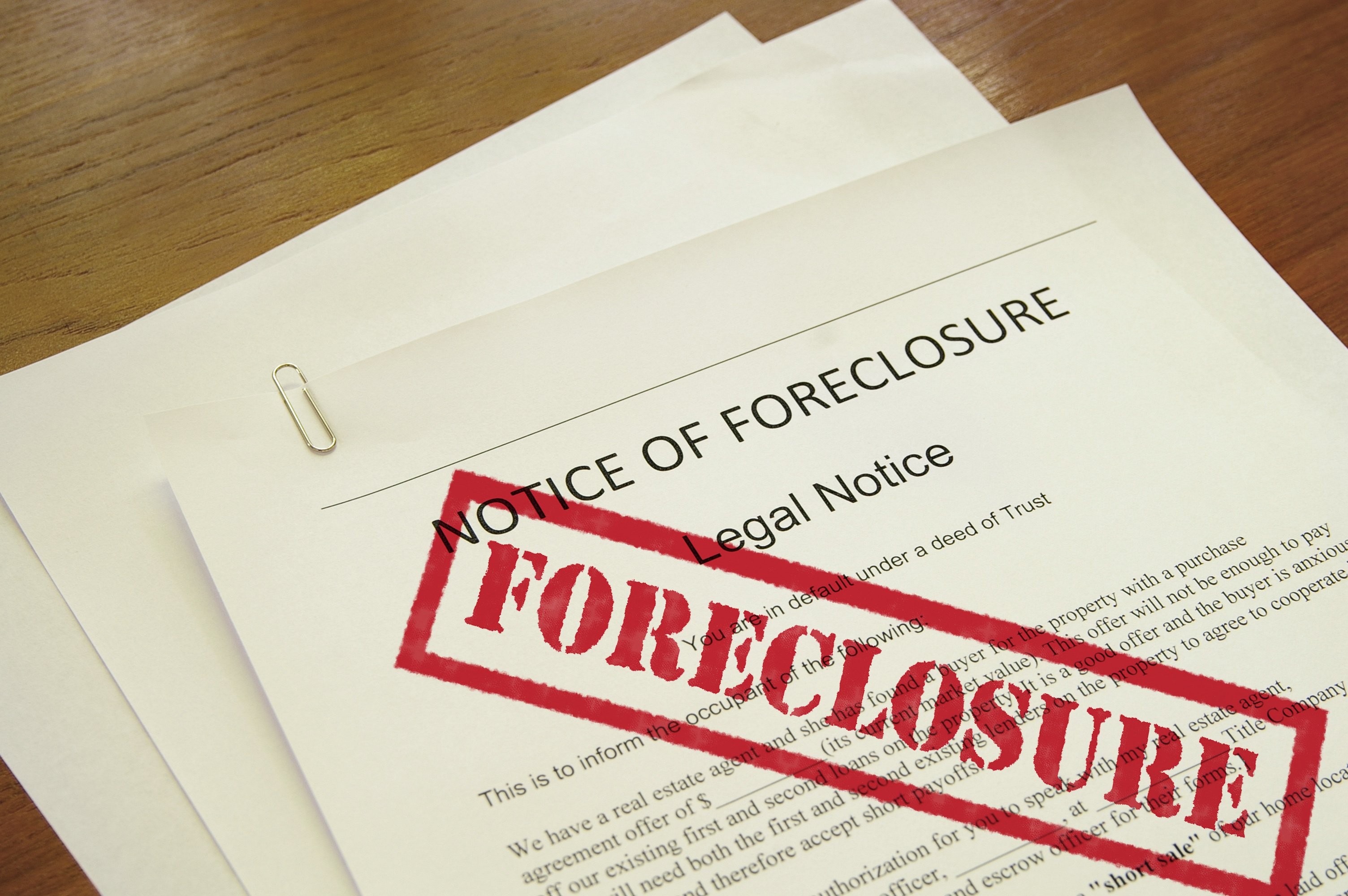
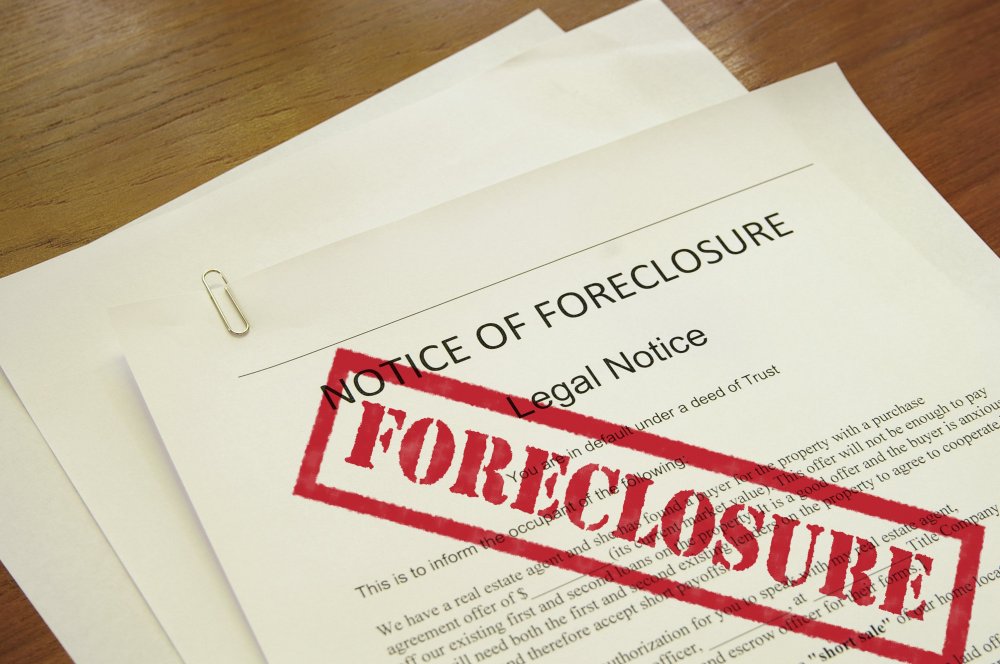
The latest foreclosure report adds to evidence from housing research groups that economic difficulties are beginning to impact a rising number of homeowners. View the full article
-
DeLory joined Equity Prime Mortgage from Carrington and helped to transition the Atlanta-based mortgage lender into a wholesale-only originator. View the full article

-
The YouTube TV app has been disappearing for some Roku users. Luckily, if you are among those affected, there are a few fixes you can try for this issue. Starting this week, several users on both Reddit and Roku's forums have separately reported issues opening the YouTube TV app or even locating it on their Roku devices. Those who tried reinstalling the YouTube TV app were able to see an Open App button, but pressing it simply resulted in an error. What's worse is that the issues seem isolated to Roku, with users of devices like the Google TV Streamer 4K not issuing the same complaints. Luckily, this issue only seems to be impacting people with dedicated Roku devices and not smart TVs with Roku streaming built-in. Here's how you can try to bring back YouTube TV if it's disappeared from your Roku. Fix disappearing YouTube TV app on RokuRoku has acknowledged the problem and provided a temporary solution while it investigates. To restart using the YouTube TV app on your Roku, try manually updating the device. Follow these steps: Press the Home button on the remote. Select Settings. Click System. Go to Software update. Hit Check Now to start a manual update. Once the software update is complete, Roku says you might be able to see the YouTube TV app on your Roku device, but it's not guaranteed. If you're still experiencing the problem, some Reddit users have also proposed just accessing YouTube TV from the standard YouTube app instead, which you can find on the very bottom-left of the app's interface. This little hiccup comes at a bad time for both Roku and YouTube. Recently, Roku has been in the news for experimenting with a new way to force users to watch ads, while YouTube TV's pricing has also been going up quite a bit. So maybe the real solution to this issue is to just stop using YouTube TV. OK, we jest, but while the app has gotten a facelift, the service may not always offer value for your money if the content you need isn't on it. View the full article
-
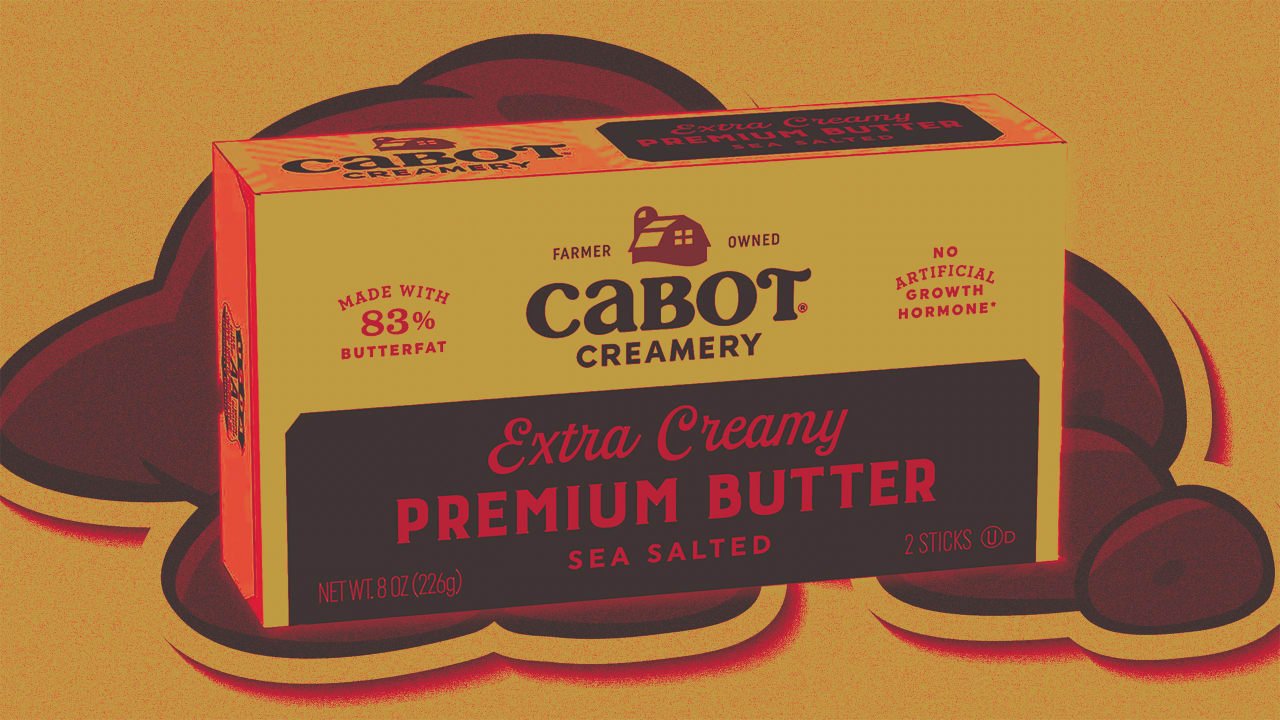
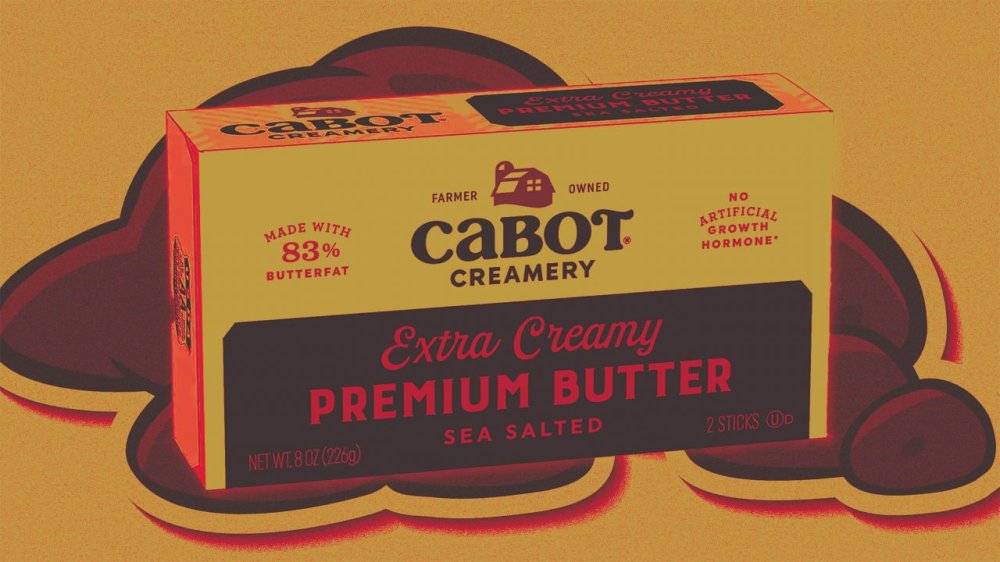
Another day, another recall. It if seems like there have been a number of recalls recently, you’re not imagining it. In the last month alone, there has been a recall for particular brands of soup, sparkling water, and vegetables. This time, it’s for butter. What’s happened? Agri-Mark, the maker of Cabot Creamery dairy products, conducted a voluntary recall for a single lot of its Extra Creamy Premium Butter, Sea Salted, totaling 1,700 pounds in 189 cases. Testing revealed an elevated level of coliform bacteria. The recall was initiated on March 26. Coliform bacteria often are considered indicators of fecal contamination. The U.S. Food and Drug Administration (FDA) has classified this as a Class III recall, which means the products are not likely to cause adverse health consequences. There have been no reported complaints or illnesses related to this product. “Agri-Mark successfully recovered 99.5% of the lot of the recalled product before it was sold to consumers,” the company said in a statement Wednesday. “A small amount—17 retail packages (8.5 lbs.)—was sold to consumers in Vermont,” where the company is based. Agri-Mark added that it has identified the cause and taken the appropriate internal actions to address it. No other products were affected. What states are affected? The recalled butter was distributed in seven states: Arkansas, Connecticut, Maine, New Hampshire, New York, Pennsylvania, and Vermont. What product is being recalled? Cabot Creamery 8 oz. Extra Creamy Premium Butter, Sea Salted Best by date: Sept. 9, 2025 UPC: 0 78354 62038 0 Impacted lot code: 090925-055 Item Number: 2038 What should I do if I have the recalled product? First, do not eat a recalled food—even when the product in question is being recalled as a precaution, according to Foodsafety.gov. The company stated that “there have been a variety of news reports that are incomplete and have dramatically misrepresented this recall with respect to the risk it posed to consumers.” Consumers who have any concerns or questions about this product can contact Cabot Creamery, 888-792-2268 (weekdays, 9:30 a.m.– 5 p.m. ET) or via email here. View the full article
-
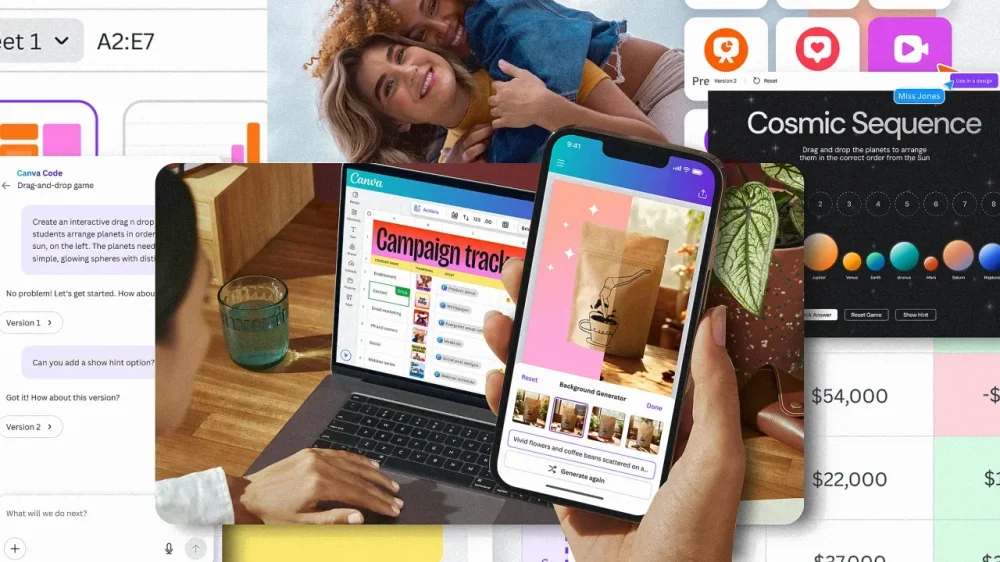
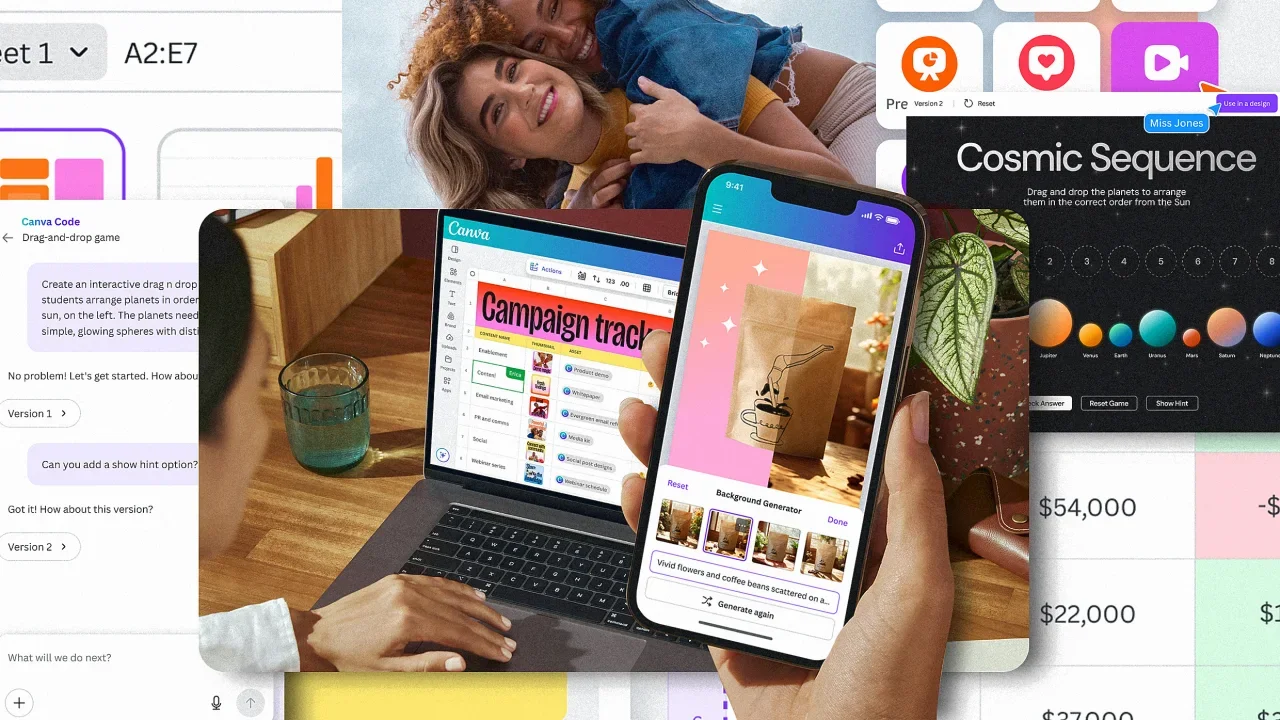
Last year, when Canva used a rap song to promote its new suite of products for businesses, the reaction online was about what you’d expect. “Call 911 I’m having a cringe overdose.” “This is Lin-Manuel Miranda’s fault.” The performance at Canva’s annual summit, Canva Create (Disclosure: Fast Company is a Create media partner), reminded many of corporate musical escapades of the past, like Bank of America’s adaptation of U2’s “One” back in 2006, or Randi Zuckerberg’s Twisted Sister-inspired ode to crypto in 2022. But for Canva, it drove attention and traffic to the brand. More than 50 million people saw the rap battle within 48 hours, which boosted social media chatter about Canva Enterprise by 2,500%. Co-founder and COO Cliff Obrecht said at the time, “Haters gonna hate.” Today at Canva’s fourth Canva Create event at Los Angeles’ SoFi Stadium, the company doubled down on that confidence and rolled out another musical number. This time, to help unveil Visual Suite 2.0, which the company says is its biggest product launch since its founding in 2012. This year, the brand went for a Broadway-style tune that unspools the tale of how Canva used more than a billion pieces of user feedback to bring 45 of the most-asked-for updates to its products. The cast featured 42 performers including creator Tom McGovern, design influencer Roger Coles (who starred in last year’s performance), and a special appearance by Canva Design Advisory Board member Jessica Hische. There’s also 12 members of the Singers of Soul choir and an additional 12 members of the LA Marching Band. The lyrics of the song are inspired by and quoted directly from customer requests and feedback. And in case you missed any of the promised platform upgrades live, the song will be available on Spotify. Many cringe-happy observers will be quick to ask why Canva chose to put its message to music again. But the move illustrates the importance of self-awareness, and how crucial it is if you don’t want to be sloshed around by the tides of pop cultural trends, and instead.. ahem.. dance to your own tune. Community rap lessons Last year, more than 3,500 people attended Create, while millions of others tuned in to watch remotely, including at watch parties in cities from Tokyo to Delhi. It features 100 different speakers across 60 different stages. With more than 230 million monthly users, Canva has a large, attentive audience for its content. CMO Zach Kitschke says the event is the company’s biggest moment of the year for bringing its community together. Kitschke has observed over the years how big swings can cut through the noise of so much marketing. “It’s been a principle of our marketing, really since we launched, that people will remember these heightened experiences or moments,” he says. “Over 90% of our traffic is driven by brand and word-of-mouth these days, and that has come from a fostering of community. With the rap, it could have been a very, very boring topic that no one took note of, but learned you can change the conversation in a matter of minutes by creating a moment out of something like that.” What was often left out in the discourse around the rap last year, was that the idea came from Canva user and community member Roger Coles. At a time when more brands are looking to their hardcore fans and customers for how to connect with culture, Canva did just that. And that’s why it struck up the band again. Kitschke says that community runs through everything the brand does. “That means including them in our commercials, and putting them up on stage at events like this,” he says. “It’s not just marketing, but it’s an acknowledgement. And it’s a really special way to bring people into the fold.” View the full article

-
A recent letter addressed to the FHFA fueled a consumer advocacy group to look at salaries, which have been criticized as not aligned to the system's purpose. View the full article

-
You probably know zero exercise is not enough and that going for a walk every day is generally a good thing. And if you’re training for a marathon, you’ll be on your feet for a couple hours of hard workouts every week. But what is the benchmark for a human being just trying to squeeze enough healthy exercise into their life? Any amount of exercise is better than none, but 30 minutes of exercise (like brisk walking) five days a week will meet the guidelines. The official guidelines, though, are given in weekly minutes, and you get extra credit for vigorous exercise like running. Some watches and apps will track this for you, as in Fitbit's "active zone minutes" or Garmin's "intensity minutes." Below, I'll break down the different levels of guidelines, starting with 150 weekly minutes, and then we'll get into what counts as exercise. The basics: 150 minutes of cardio and two days of strength training every weekFortunately, all the major public health organizations are in agreement. The World Health Organization, the Centers for Disease Control and Prevention, and the American Heart Association are all on board with the following guidelines for aerobic exercise: At least 150 minutes per week of moderate intensity (cardio) exercise like walking or easy jogging, or 75 minutes per week of vigorous exercise like running, or a combination. (If you can easily meet that, more is better.) At least two days per week of muscle strengthening activity, like lifting weights or doing other strength training like pushups, resistance band exercises, or even heavy manual labor like shoveling. A previous edition of the guidelines said that you need to do your cardio for a minimum of 10 minutes at a time for it to count, but the current recommendation is to get it in however you can, even if that includes some shorter bursts here and there. If that's too easy, level up to 300 minutesIf you’re pretty athletic, the above won’t sound like much. Good news! The WHO has set a secondary goal for folks like you. It’s simple: just do double the above. So you can aim for 300 minutes of moderate cardio, or 150 minutes per week of vigorous activity. Here's what that might look like: An intense, hour-long martial arts class three times a week (60 x 3 = 180, but this is vigorous cardio, so the minutes count double) Go on a 45-minute after-dinner walk every day (45 x 7 = 315 minutes of moderate cardio) Commute by bike to work, 20 minutes each way (40 minutes per day x 5 days per week = 200 minutes moderate cardio) and play recreational league soccer for two matches per week (50 minutes each game, for some combination of moderate and vigorous cardio, definitely puts us over 300). What do "moderate" and "vigorous" exercise mean?Walking at a purposeful pace counts as "moderate" cardio, and jogging counts as "vigorous." I have a detailed breakdown here of what exercises count as moderate versus vigorous. The distinction is not based on heart rate or effort level, but rather on a scientific metric called METs that relates to how much energy and oxygen the exercise takes. Moderate exercise is anything that scores between 3 and 6 METs, and vigorous exercise is 6+ METs. That said, you can estimate by effort level. When you're doing moderate exercise, you'll be a little bit sweatier or breathing a little harder than when you're at rest, but you can do it continuously without feeling tired. It may not even feel like a workout. Here are some examples of moderate cardio: A brisk walk Commuting or doing errands by bike, on relatively flat ground Using a spin bike or other cardio machines like the elliptical, at a low intensity, steady pace Housework and light yard work, like washing windows or mowing the lawn with a power mower By contrast, vigorous exercise includes activities where you're working hard and breathing hard. You might still be able to keep up a conversation, but it's not likely to feel easy. Vigorous exercise also includes the really hard stuff where you might not be able to keep it up very long. This could include: Running fast Bicycling uphill Pushing yourself to finish a Crossfit WOD with a good time Swimming laps Playing a game of soccer or basketball Tougher housework and yard work, like chopping wood or using a push mower Can I combine moderate and vigorous cardio? You can mix and match these two intensities. The math is simple if you think about 150 minutes as your target and consider every minute of vigorous cardio counting double. Here are some examples: A 20 minute brisk walk every weekday morning (20 minutes x 5 days = 100 minutes moderate cardio) plus a 30-minute spin class that has you working pretty hard (30 minutes counted double is 60; add that to the 100 and you're at 160 minutes). An hour of hiking, three days a week (60 minutes x 3 sessions = 180 minutes moderate cardio) Three 30-minute jogs (30 minutes x 3 = 90 minutes moderate cardio) plus a workout with 10 minutes easy jogging for a warmup and then 20 minutes of hard running, followed by a cooldown of another 10 minutes easy. (20 minutes vigorous x 2 is equivalent to 40 minutes moderate cardio, plus we can add the warmup and cooldown for another 20 moderate minutes). That gives you 150 total. Go for a 30-minute easy bike ride on Monday. Try a 45-minute water aerobics class on Wednesday. Take a short hike on Saturday. Mow the lawn for an hour on Saturday. (30 + 45 + 30 + 60 = 165 moderate cardio) How much strength training do you need?So far we’ve been talking about aerobic exercise, which is the kind where you’re continuously moving (or, perhaps, doing quick work/rest intervals) and your heart rate is up. But there are other important forms of exercise, too. The WHO and other organizations recommend two days per week of “high intensity muscle strengthening activity,” which includes anything where you’re thinking in terms of sets and reps. (Three sets of eight to 10 reps is a good structure to start.) That activity can be anything that challenges your muscles, and where the last rep is a lot harder than the first. This could include lifting weights, or resistance band exercises, or bodyweight exercises like push-ups. So if you run three days per week and have time for more exercise, don’t just fit in extra runs; try adding two days in the weight room. The strength training recommendations are for two days per week, per muscle group. If you like to work your upper body and lower body separately, that would mean two upper body days and two lower body days. If you prefer workouts that work all your muscles on the same day, you only need to do two of those full-body workouts per week (at minimum). Can you get too much exercise?What about an upper limit on how much exercise you get? There isn’t one, from a public health point of view. More is better. (And even if you are doing less than the recommendations, anything is better than nothing.) That said, it is always possible for you, as an individual, to do more exercise than your body is ready for. Don’t jump from a life of occasional strolling to a marathon training plan. (And if you are on that marathon training plan and you’re feeling worn down, take a break already.) View the full article
-
Lawyers for French football captain unveil raft of actions in escalation of dispute with former clubView the full article
-
Every folder on macOS looks the same—a boring blue representation of a paper file. That makes browsing a folder full of folders harder than it needs to be because everything looks identical. Unless, that is, you use custom icons for your most-used folders. You can do that pretty easily, but the feature is a little bit hidden. And yes, this means you can use something silly for your folder icon. But it can also be practical. Having an important folder a different color than the rest, or all of your folders different colors depending on functionality, makes it easier to find and click on what you're looking for. And the process isn't difficult. First things first: you need to find the image you want to use as an icon. I recommend going to macOSicons.com, which has thousands of icons sized just right. You can search for any color and find folder icons matching it. You can also search for random objects or applications and find icons. Find the images you want to use and click Download to get an .icns file which you can assign to any folder you like. Alternatively, you can just search the web for whatever image you want, right-click the image, and click Copy Image (note that you cannot click "Copy Image URL"—you need to copy the image itself). Next, right-click the folder you want to change the icon for and click Get Info to pull up a window with information about the file. You will see a folder icon in the top-left corner of that window (not the one in the window's toolbar). If you downloaded an .icns file, simply drag it to this icon in this panel—after a few moments the folder icon will be replaced. If you copied an image from your browser, simply click the icon in the panel—you'll see that it is highlighted. Now use the keyboard shortcut CMD-V and the folder icon will be replaced with the image you copied. Want to switch back to the default folder icon? Open the Get Info* panel, click the icon, then press the Delete key. The icon will go back to the default. It's worth noting that this isn't limited to folders. We've talked about changing Mac app icons before, and you can also edit how external hard drives look. This can make it easier to figure out which drive is plugged in at a glance, especially if you find an icon that resembles the drive itself. Easily make your own macOS icons Credit: Justin Pot Finding an icon online is perfectly fine, but it's pretty simple to design your own folder icons, too. You could copy the default icon, paste it into an image editor, and change it to look however you like. If you don't have those skills, though, or would prefer something faster, Fancy Folders is a free application that can do the work for you. This app lets you choose any color you want for your folder. It also lets you add an icon—this can be an image, if you want, or you can just type text. Choose which folder you want to browser, click Save folder icon, and the icon will change. Y View the full article
-
Key Takeaways Growth Projections: The restaurant industry is expected to reach $1.5 trillion in sales by 2025, showcasing strong post-pandemic recovery and sustainable growth. Economic Impact: Restaurants contribute significantly to local economies, generating over $899 billion in annual sales and providing approximately 15.6 million jobs in the U.S. Local Marketing Strategy: Emphasizing local marketing, including SEO and community engagement, is essential for attracting nearby customers and enhancing brand visibility. Sustainability and Customer Loyalty: Adopting sustainable practices and implementing customer loyalty programs can improve your restaurant’s brand image and encourage repeat business. Labor Challenges: Rising labor costs and shortages are significant challenges in the industry, necessitating effective recruitment strategies and community involvement to attract qualified staff. Technology and Dining Trends: Embracing technology in dining experiences, such as online ordering and off-premises dining, is crucial for meeting evolving consumer demands and enhancing customer convenience. The restaurant industry is a vibrant and ever-evolving sector that plays a crucial role in the economy. With millions of establishments worldwide, it’s a landscape filled with opportunities and challenges. Understanding the latest industry statistics can help you navigate this dynamic world, whether you’re a seasoned restaurateur or a food enthusiast looking to explore trends. Overview of the Restaurant Industry The restaurant industry plays a crucial role in the economy, comprising a wide array of establishments that cater to different tastes and preferences. Understanding the current landscape is essential for small business owners looking to thrive in this competitive space. Key Trends in the Restaurant Sector Emphasis on Local Marketing: Restaurants increasingly leverage local marketing strategies to attract nearby customers. Utilizing local SEO, you can optimize your online presence to appear in local search results. Online Engagement: Social media marketing through platforms like Facebook and Instagram enhances community engagement. Your restaurant can showcase dishes, share promotions, and interact with customers in real-time. Influencer Marketing: Partnering with local influencers provides exposure to wider audiences. Utilizing local influencer partnerships can boost brand awareness and drive customer visits. Sustainability Practices: Many restaurants are adopting sustainable practices. Highlighting green initiatives not only attracts eco-conscious diners but also improves your brand image. Customer Loyalty Programs: Implementing loyalty programs encourages repeat business. You can utilize local coupons and promotions to reward frequent visitors and enhance customer retention. Economic Impact of Restaurants The restaurant industry contributes significantly to the local economy. In the U.S., it generates over $899 billion in sales annually and employs approximately 15.6 million people. Job Creation: Restaurants provide employment opportunities across various roles, supporting local families. Community Engagement: By sponsoring local events and partnerships, your restaurant fosters community involvement and strengthens ties to the neighborhood. Investment in Local Areas: Restaurants stimulate local economies by purchasing from local suppliers and participating in local advertising. This investment supports the ecosystem of small businesses. Tax Contributions: Restaurants contribute to local and state tax revenue, funding essential community services and infrastructure. By understanding these trends and the economic impact, you can develop effective marketing strategies tailored to your target market while reinforcing your restaurant’s position within the community. Types of Restaurants Understanding the different types of restaurants helps you identify your target market and develop effective marketing strategies. Here’s a look at key categories within the restaurant industry. Quick Service Restaurants (QSR) Quick Service Restaurants, or QSRs, focus on serving fast, consistent meals with minimal service. These establishments often utilize counter service or drive-thru options. Popular examples include McDonald’s, Burger King, and Taco Bell. In the QSR segment, local marketing strategies play a vital role. Implementing techniques like location-based ads, Google My Business optimization, and local promotions can significantly enhance your visibility. Engaging with your community through local events and partnerships fosters a loyal customer base, while offering incentives like loyalty programs ensures customer retention. Full-Service Restaurants Full-Service Restaurants provide a comprehensive dining experience, featuring wait staff and a diverse menu. These establishments range from casual dining to fine dining, aiming to create a memorable experience for patrons. For full-service operators, cultivating an online presence through social media platforms like Instagram and Facebook is crucial. Utilizing tools such as Yelp for customer reviews and local listings improves your local SEO efforts. Additionally, grassroots marketing methods, including community involvement and sponsorship opportunities, help strengthen your connection with the local market. Effective email marketing campaigns and direct mail efforts can drive customer engagement, ensuring your restaurant thrives in a competitive sector. Understanding these categories allows you to tailor your marketing strategies effectively, ensuring you attract and retain patrons in the evolving restaurant landscape. Current Restaurant Industry Statistics Understanding the current statistics in the restaurant industry helps you navigate opportunities effectively. Familiarity with these trends enhances your marketing strategy and strengthens community engagement. Revenue Statistics The restaurant industry is poised to reach $1.5 trillion in sales by 2025. This figure highlights a substantial increase from the $997 billion projected for 2023, showcasing the industry’s robust recovery since the pandemic. Notably, the sector surpassed $1 trillion in sales for the first time in 2024, indicating a trend towards growth. Menu price increases, which hit nearly 9% in March 2023, have played a significant role in this revenue spike but have cooled to around 3.6% recently. Addressing menu pricing effectively may boost your profitability while attracting local customers through promotions and local search strategies. Employment and Job Creation By 2025, the restaurant industry is expected to add approximately 200,000 new jobs, bringing total employment to 15.9 million in the U.S. This positions restaurants as the second-largest private-sector employer, making effective recruitment crucial for your establishment. Implementing community involvement initiatives can enhance your reputation as an employer, leading to stronger word of mouth and attracting talent through local partnerships. Utilizing platforms like Google My Business helps ensure your job listings reach the right target market in your area. Additionally, engaging in grassroots marketing through local events and sponsorships can increase awareness of job opportunities within your restaurant, fostering community ties and customer loyalty. Challenges Facing the Restaurant Industry The restaurant industry faces significant challenges that can impact your operations. Key concerns include rising costs and labor shortages. Rising Costs and Inflation Rising costs significantly affect your bottom line. Food and drink inflation reached 12.2% as of September 2023, increasing menu expenses. In response, many restaurant operators raised menu prices by nearly 9% in March 2023, although this increase has settled around 3% since then. Adjusting local marketing strategies, such as offering local coupons or targeted promotions, can help mitigate the impact of these rising costs. You can enhance profitability even in a tight market through effective cost management and customer retention strategies, like loyalty programs that encourage repeat business. Labor Shortages Labor shortages pose a major hurdle for restaurant operators, with reports indicating a 10% monthly increase in labor costs since 2021. Finding and retaining qualified staff can strain operations and customer service. Adopting grassroots marketing tactics, such as community involvement or hosting local events, can bolster your employer brand, making your restaurant a more attractive option for potential employees. Additionally, leveraging local listings and online reviews can enhance your visibility, drawing in both customers and well-qualified candidates. Future Predictions for the Restaurant Industry The restaurant industry is on track for substantial growth, creating exciting opportunities for small businesses. Keeping an eye on key trends ensures you stay ahead in this dynamic landscape. Expected Growth Rates The restaurant sector is set to reach $1.5 trillion in sales by 2025, up from the $997 billion forecast for 2023. Sales growth exceeds 4% in 2025, reflecting the industry’s recovery post-pandemic. The sector is also expected to create around 200,000 new jobs, increasing total employment to 15.9 million, making it the second-largest private employer in the nation. You can leverage these growth rates through targeted local marketing strategies, such as local coupons, which can help attract more customers to your restaurant. Technology Influence on Dining Trends Technology is reshaping dining experiences. Off-premises dining, including delivery, curbside pickup, and drive-thru, has grown significantly. Small businesses can leverage technologies like online ordering systems and apps to enhance customer convenience. Building a robust online presence on platforms like Google My Business, Yelp, and social media marketing tools such as Facebook Ads and Instagram for business is vital. Engage with your audience through local events and influencer partnerships, fostering community involvement and brand awareness. Utilizing geotargeting and location-based ads can attract nearby customers effectively. Combining these strategies with loyalty programs can enhance customer retention, ensuring your restaurant remains a favorite in your community. By adapting to these trends, your small business can thrive amid the evolving demands of today’s consumers. Conclusion The restaurant industry stands at a pivotal point with immense growth potential and evolving challenges. By staying updated on key statistics and trends you can navigate this dynamic landscape effectively. Embracing local marketing strategies and leveraging technology will not only enhance your visibility but also foster customer loyalty. As you look ahead consider how the projected growth and job creation can impact your business. Adapting to rising costs and labor shortages through community engagement and innovative marketing will be crucial for success. With the right strategies in place your restaurant can thrive in an ever-changing environment. Frequently Asked Questions What is the impact of the restaurant industry on the economy? The restaurant industry significantly contributes over $899 billion in annual sales and employs approximately 15.6 million people in the U.S. It supports local economies through job creation, community engagement, and tax contributions, reinforcing its vital role within communities. What are some key trends in the restaurant sector? Current trends include the importance of local marketing strategies, active engagement on social media, influencer partnerships, and a focus on sustainability. Customer loyalty programs also play a crucial role in encouraging repeat business. How can restaurants effectively market themselves? Restaurants should implement local marketing techniques, strengthen their online presence, and engage with the community through grassroots efforts. Utilizing social media and developing loyalty programs can enhance visibility and customer retention. What challenges does the restaurant industry face? The industry faces rising costs and labor shortages. Food inflation has led to increased menu prices, while competition for labor has contributed to rising employment costs. Businesses are encouraged to adjust marketing strategies and engage local communities to address these challenges. How is the restaurant sector expected to grow in the future? The restaurant sector is projected to reach $1.5 trillion in sales by 2025 and add around 200,000 new jobs. Technology advancements, such as online ordering and delivery, are also anticipated to shape the future of dining experiences. What types of restaurants are there? Restaurants can be categorized into various types, including Quick Service Restaurants (QSRs), which focus on fast food with minimal service, and Full-Service Restaurants, which offer a more comprehensive dining experience. Understanding these categories helps in targeting specific markets effectively. How can restaurants build customer loyalty? Implementing customer loyalty programs and engaging with the local community through meaningful interactions can help foster loyalty. Personalized marketing strategies, promotions, and consistent quality service further encourage repeat visits from patrons. Image Via Envato This article, "Essential Restaurant Industry Statistics for Understanding Trends and Growth" was first published on Small Business Trends View the full article
-
Key Takeaways Growth Projections: The restaurant industry is expected to reach $1.5 trillion in sales by 2025, showcasing strong post-pandemic recovery and sustainable growth. Economic Impact: Restaurants contribute significantly to local economies, generating over $899 billion in annual sales and providing approximately 15.6 million jobs in the U.S. Local Marketing Strategy: Emphasizing local marketing, including SEO and community engagement, is essential for attracting nearby customers and enhancing brand visibility. Sustainability and Customer Loyalty: Adopting sustainable practices and implementing customer loyalty programs can improve your restaurant’s brand image and encourage repeat business. Labor Challenges: Rising labor costs and shortages are significant challenges in the industry, necessitating effective recruitment strategies and community involvement to attract qualified staff. Technology and Dining Trends: Embracing technology in dining experiences, such as online ordering and off-premises dining, is crucial for meeting evolving consumer demands and enhancing customer convenience. The restaurant industry is a vibrant and ever-evolving sector that plays a crucial role in the economy. With millions of establishments worldwide, it’s a landscape filled with opportunities and challenges. Understanding the latest industry statistics can help you navigate this dynamic world, whether you’re a seasoned restaurateur or a food enthusiast looking to explore trends. Overview of the Restaurant Industry The restaurant industry plays a crucial role in the economy, comprising a wide array of establishments that cater to different tastes and preferences. Understanding the current landscape is essential for small business owners looking to thrive in this competitive space. Key Trends in the Restaurant Sector Emphasis on Local Marketing: Restaurants increasingly leverage local marketing strategies to attract nearby customers. Utilizing local SEO, you can optimize your online presence to appear in local search results. Online Engagement: Social media marketing through platforms like Facebook and Instagram enhances community engagement. Your restaurant can showcase dishes, share promotions, and interact with customers in real-time. Influencer Marketing: Partnering with local influencers provides exposure to wider audiences. Utilizing local influencer partnerships can boost brand awareness and drive customer visits. Sustainability Practices: Many restaurants are adopting sustainable practices. Highlighting green initiatives not only attracts eco-conscious diners but also improves your brand image. Customer Loyalty Programs: Implementing loyalty programs encourages repeat business. You can utilize local coupons and promotions to reward frequent visitors and enhance customer retention. Economic Impact of Restaurants The restaurant industry contributes significantly to the local economy. In the U.S., it generates over $899 billion in sales annually and employs approximately 15.6 million people. Job Creation: Restaurants provide employment opportunities across various roles, supporting local families. Community Engagement: By sponsoring local events and partnerships, your restaurant fosters community involvement and strengthens ties to the neighborhood. Investment in Local Areas: Restaurants stimulate local economies by purchasing from local suppliers and participating in local advertising. This investment supports the ecosystem of small businesses. Tax Contributions: Restaurants contribute to local and state tax revenue, funding essential community services and infrastructure. By understanding these trends and the economic impact, you can develop effective marketing strategies tailored to your target market while reinforcing your restaurant’s position within the community. Types of Restaurants Understanding the different types of restaurants helps you identify your target market and develop effective marketing strategies. Here’s a look at key categories within the restaurant industry. Quick Service Restaurants (QSR) Quick Service Restaurants, or QSRs, focus on serving fast, consistent meals with minimal service. These establishments often utilize counter service or drive-thru options. Popular examples include McDonald’s, Burger King, and Taco Bell. In the QSR segment, local marketing strategies play a vital role. Implementing techniques like location-based ads, Google My Business optimization, and local promotions can significantly enhance your visibility. Engaging with your community through local events and partnerships fosters a loyal customer base, while offering incentives like loyalty programs ensures customer retention. Full-Service Restaurants Full-Service Restaurants provide a comprehensive dining experience, featuring wait staff and a diverse menu. These establishments range from casual dining to fine dining, aiming to create a memorable experience for patrons. For full-service operators, cultivating an online presence through social media platforms like Instagram and Facebook is crucial. Utilizing tools such as Yelp for customer reviews and local listings improves your local SEO efforts. Additionally, grassroots marketing methods, including community involvement and sponsorship opportunities, help strengthen your connection with the local market. Effective email marketing campaigns and direct mail efforts can drive customer engagement, ensuring your restaurant thrives in a competitive sector. Understanding these categories allows you to tailor your marketing strategies effectively, ensuring you attract and retain patrons in the evolving restaurant landscape. Current Restaurant Industry Statistics Understanding the current statistics in the restaurant industry helps you navigate opportunities effectively. Familiarity with these trends enhances your marketing strategy and strengthens community engagement. Revenue Statistics The restaurant industry is poised to reach $1.5 trillion in sales by 2025. This figure highlights a substantial increase from the $997 billion projected for 2023, showcasing the industry’s robust recovery since the pandemic. Notably, the sector surpassed $1 trillion in sales for the first time in 2024, indicating a trend towards growth. Menu price increases, which hit nearly 9% in March 2023, have played a significant role in this revenue spike but have cooled to around 3.6% recently. Addressing menu pricing effectively may boost your profitability while attracting local customers through promotions and local search strategies. Employment and Job Creation By 2025, the restaurant industry is expected to add approximately 200,000 new jobs, bringing total employment to 15.9 million in the U.S. This positions restaurants as the second-largest private-sector employer, making effective recruitment crucial for your establishment. Implementing community involvement initiatives can enhance your reputation as an employer, leading to stronger word of mouth and attracting talent through local partnerships. Utilizing platforms like Google My Business helps ensure your job listings reach the right target market in your area. Additionally, engaging in grassroots marketing through local events and sponsorships can increase awareness of job opportunities within your restaurant, fostering community ties and customer loyalty. Challenges Facing the Restaurant Industry The restaurant industry faces significant challenges that can impact your operations. Key concerns include rising costs and labor shortages. Rising Costs and Inflation Rising costs significantly affect your bottom line. Food and drink inflation reached 12.2% as of September 2023, increasing menu expenses. In response, many restaurant operators raised menu prices by nearly 9% in March 2023, although this increase has settled around 3% since then. Adjusting local marketing strategies, such as offering local coupons or targeted promotions, can help mitigate the impact of these rising costs. You can enhance profitability even in a tight market through effective cost management and customer retention strategies, like loyalty programs that encourage repeat business. Labor Shortages Labor shortages pose a major hurdle for restaurant operators, with reports indicating a 10% monthly increase in labor costs since 2021. Finding and retaining qualified staff can strain operations and customer service. Adopting grassroots marketing tactics, such as community involvement or hosting local events, can bolster your employer brand, making your restaurant a more attractive option for potential employees. Additionally, leveraging local listings and online reviews can enhance your visibility, drawing in both customers and well-qualified candidates. Future Predictions for the Restaurant Industry The restaurant industry is on track for substantial growth, creating exciting opportunities for small businesses. Keeping an eye on key trends ensures you stay ahead in this dynamic landscape. Expected Growth Rates The restaurant sector is set to reach $1.5 trillion in sales by 2025, up from the $997 billion forecast for 2023. Sales growth exceeds 4% in 2025, reflecting the industry’s recovery post-pandemic. The sector is also expected to create around 200,000 new jobs, increasing total employment to 15.9 million, making it the second-largest private employer in the nation. You can leverage these growth rates through targeted local marketing strategies, such as local coupons, which can help attract more customers to your restaurant. Technology Influence on Dining Trends Technology is reshaping dining experiences. Off-premises dining, including delivery, curbside pickup, and drive-thru, has grown significantly. Small businesses can leverage technologies like online ordering systems and apps to enhance customer convenience. Building a robust online presence on platforms like Google My Business, Yelp, and social media marketing tools such as Facebook Ads and Instagram for business is vital. Engage with your audience through local events and influencer partnerships, fostering community involvement and brand awareness. Utilizing geotargeting and location-based ads can attract nearby customers effectively. Combining these strategies with loyalty programs can enhance customer retention, ensuring your restaurant remains a favorite in your community. By adapting to these trends, your small business can thrive amid the evolving demands of today’s consumers. Conclusion The restaurant industry stands at a pivotal point with immense growth potential and evolving challenges. By staying updated on key statistics and trends you can navigate this dynamic landscape effectively. Embracing local marketing strategies and leveraging technology will not only enhance your visibility but also foster customer loyalty. As you look ahead consider how the projected growth and job creation can impact your business. Adapting to rising costs and labor shortages through community engagement and innovative marketing will be crucial for success. With the right strategies in place your restaurant can thrive in an ever-changing environment. Frequently Asked Questions What is the impact of the restaurant industry on the economy? The restaurant industry significantly contributes over $899 billion in annual sales and employs approximately 15.6 million people in the U.S. It supports local economies through job creation, community engagement, and tax contributions, reinforcing its vital role within communities. What are some key trends in the restaurant sector? Current trends include the importance of local marketing strategies, active engagement on social media, influencer partnerships, and a focus on sustainability. Customer loyalty programs also play a crucial role in encouraging repeat business. How can restaurants effectively market themselves? Restaurants should implement local marketing techniques, strengthen their online presence, and engage with the community through grassroots efforts. Utilizing social media and developing loyalty programs can enhance visibility and customer retention. What challenges does the restaurant industry face? The industry faces rising costs and labor shortages. Food inflation has led to increased menu prices, while competition for labor has contributed to rising employment costs. Businesses are encouraged to adjust marketing strategies and engage local communities to address these challenges. How is the restaurant sector expected to grow in the future? The restaurant sector is projected to reach $1.5 trillion in sales by 2025 and add around 200,000 new jobs. Technology advancements, such as online ordering and delivery, are also anticipated to shape the future of dining experiences. What types of restaurants are there? Restaurants can be categorized into various types, including Quick Service Restaurants (QSRs), which focus on fast food with minimal service, and Full-Service Restaurants, which offer a more comprehensive dining experience. Understanding these categories helps in targeting specific markets effectively. How can restaurants build customer loyalty? Implementing customer loyalty programs and engaging with the local community through meaningful interactions can help foster loyalty. Personalized marketing strategies, promotions, and consistent quality service further encourage repeat visits from patrons. Image Via Envato This article, "Essential Restaurant Industry Statistics for Understanding Trends and Growth" was first published on Small Business Trends View the full article
-
Regular guidance from executives on the near-term path of profit just got more elusiveView the full article
-
Deputy governor Sarah Breeden says it is too soon to untangle inflationary implications stemming from trade barriersView the full article
-
One of the biggest culprits is the CFPB's qualified mortgage rule and the ever-expanding debt-to-income ratios allowed under it, writes a co-director of the AEI Housing Center. View the full article

-
Olivia Walch is an investigator in the Department of Neurology at the University of Michigan and CEO of a tech start-up called Arcascope. Her research has been featured on CNN, NPR, and in The Atlantic, among other outlets. Beyond sleep research, she coedited Political Geometry, a book on the mathematics of gerrymandering, and published comics with The Nib and Silver Sprocket. She is also the cartoonist of Imogen Quest, a webcomic that won her the “America’s Next Great Cartoonist” prize from the Washington Post. What’s the big idea? If you are dancing and can’t catch the beat, you are not dancing well. In this way, if your sleep doesn’t follow a regular pattern that matches your biological beat, then you are not sleeping well. To find the beat your body is wired to cycle through and not just step along with it but groove with that beat, it’s important to develop an intuition about how your circadian rhythms work to shape overall health. Below, Olivia shares five key insights from her new book, Sleep Groove: Why Your Body’s Clock Is So Messed Up and What To Do About It. Listen to the audio version—read by Olivia herself—in the Next Big Idea App. 1. Sleep is like your heartbeat; rhythm is central to health. Even if both beat 60 times a minute, you wouldn’t say an arrhythmic heartbeat was as healthy as a regular one. Yet, we do this all the time when it comes to sleep. We think that as long as we get eight hours a night on average—even if one night you go to bed at 8 p.m. and the next you stay up until 2 a.m.—the rhythm doesn’t matter. Except it totally does. A recent study found sleep regularity (how much your sleep schedule on one day resembles your sleep on the next day) to be a better predictor of mortality than sleep duration. Every day, a new study comes out linking sleep irregularity to hypertension, diabetes, cardiovascular disease, you name it. Sleep regularity correlates with all these things because it correlates with circadian health. Specifically, when you have regular sleep, the signals you send to your body’s circadian clock are very rhythmic. When you give your clock rhythmic inputs, then it is more confident about when daytime is and when nighttime is, and it does a better job scheduling things that happen during the day, at night, and at all the times in between. One of those things is making you feel sleepy at bedtime, but other things include metabolism, DNA repair, and immune response. In general, you do better when your body does those things confidently at the right times versus muddling through them at all hours because of mixed signals. 2. Circadian rhythms are like being on a swing. The same input can give you wildly different outputs depending on when it’s delivered. When I say being on a swing, I mean a classic playground-style swing. In this analogy, that rhythm (swinging back and forth) is a stand-in for your circadian rhythms. The input, when you’re on a swing, is a push in the forward, outgoing direction. Biologically, that push in the outward direction can be anything that affects your clock’s sense of time. The biggest influence on your body’s sense of time is light exposure, but meal timing and exercise can also affect what time your body thinks it is. Let’s go with light exposure since it’s the primary signal your clock pays attention to. Getting light exposure when your body expects it, during the day, is like a push in the forward direction when you’re heading forward. It helps reinforce your rhythm; it helps you get to a higher amplitude swing. But that same forward push when you’re on the backswing actively messes up your rhythm. You don’t want someone to give you a forward shove when you’re swinging backward. Similarly, when you’re entering your biological night, you don’t want a burst of light exposure—you want to continue in the dark. Just like how a forward push is good at some times, that burst of light exposure is critical for health only when you get it during your biological day. “When you’re entering your biological night, you don’t want a burst of light exposure.” This is both a simple point—if I get light during the middle of the night, it will confuse my brain and throw off my rhythms—and a hard one to internalize. We’re not primed to understand how the same thing can go from good to bad to good again as time passes. We don’t think of anything being more rhythmic as making us healthier. I chose the title Sleep Groove because groove—along with “getting in the swing of things”—is a concept that explicitly ties rhythmicity to positive outcomes. I think our way of understanding health writ large will change once we begin to think of not just sleep but all aspects of health, in terms of how much they’re grooving. 3. Circadian rhythms are like walking. Circadian rhythms are robust, stretchy, able to entrain, and can be more or less in a groove. Let’s say I gave you a yellow shoe and a black shoe, and I told you to walk on a sidewalk with alternating yellow tiles and black tiles, with your yellow shoe hitting yellow tiles and black shoe hitting black tiles. If the tiles were well sized for your legs (not too long, not too short), you’d be able to adapt your stride to match this yellow-on-yellow, black-on-black pattern. This process of adapting your rhythms (your gait) to match the environment (the sidewalk) is something circadian scientists call entrainment. You’re able to stretch or shrink your walking pattern to match the size of the tiles, which is what I mean by stretchy. If I randomly put a puddle on the sidewalk that you had to step around, you could do that, throwing off your walking pattern temporarily, and then falling back into the pattern once you were around the puddle—which is what I mean by robust. Your body’s clock is the same. For circadian rhythms, it’s not the color of tile your body is adapting to but the light exposure you get. Your natural day length—how often your circadian rhythms would repeat if you were cut off from all signals, like light and food timing—is probably a little longer than 24 hours, but your circadian clock adapts to match the lighting patterns in your environment the same way you can adapt how long your stride is on a sidewalk. Or at least it tries to. Imagine I take that original sidewalk and change it so you’ve got a yellow tile, followed by a black tile, and then a shorter grayish tile that looks halfway between yellow and black. Step with the yellow foot on the yellow tile and the black foot on the black tile, I tell you, except now it’s kind of hard to do. You can still manage it, but you’re not taking strides of an even size with a consistent tempo. You’ve gone from walking in an easy, effortless groove to stepping. When we give our brains ambiguous day/night signals, our circadian clocks struggle to keep a rhythm going. It’s one of the reasons why Daylight Savings Time, which moves the light later in the day, is so disruptive to sleep and health. 4. Your sleep system is like a water cooler. “Listen,” you might be saying, “this is all very well and good, but my problem is that I wake up in the middle of the night and can’t fall back asleep. What do multi-day patterns of light and dark have to do with me waking up on Tuesday at 3:40 am?” You’ve probably been to a barbecue before, gone up to a water cooler to fill your glass, and noticed, as you’re pouring, that the level’s getting low. If it drops too low and falls below the level of the tap, your flow of water is going to stop. So, you tilt the water cooler toward you to keep the flow going and get a nice, long, uninterrupted pour. “Your circadian clock tilts your system in favor of sleep during your biological night, allowing you to sleep longer than you would without the tilt.” This is exactly what your circadian clock does during your biological night. Think of your sleep system as governed by two things: how “hungry” for sleep you are (how full your cooler is) and how much your circadian clock is promoting sleep (how tilted your water cooler is). Sleeping is when you drain the water cooler, and if your water level (sleep hunger) falls below the level of the tap, you wake up. Your circadian clock tilts your system in favor of sleep during your biological night, allowing you to sleep longer than you would without the tilt. It also tilts away from sleep at some times. If you’ve ever tried to scoot your bedtime up a few hours and been unable to do it, it could be because your circadian clock is tilting your sleep water cooler away from you, making it so that even though you’re pretty full of water (sleep hunger), the level is below the tap and you can’t fall asleep. If you wake up in the middle of the night and can’t fall asleep again, here are three reasons why that might happen: You might have gone to sleep earlier than your clock expected. The tilt is still coming; it’s just late. If you stay in the dark and wait for it to hit, you might be able to fall back asleep. You might have gone to sleep later than your clock expected. The tilt could have come and gone already. In this case, it could be tough to fall back asleep, even if you try to wait. Try going to bed earlier the next day. Maybe you tilted at the right time, but it wasn’t a big enough tilt. It was a shallow, barely-there tilt. That can happen to older people or those who have lower amplitude rhythms. The theoretical way to boost amplitude is to get really bright light during the day and the darkest dark at night, at the same time every day. If you think you might not have enough of a circadian tilt to your sleep at night, send your brain clear, unambiguous day/night signals for at least two weeks and see what happens to your sleep. 5. Circadian rhythms are like an audio recording slowed way, way down. We don’t understand how much of our health is rhythmic because the rhythms happen on a timescale too slow for us to really notice. But rhythms are fundamental to how our bodies work, even if we don’t always consciously register them. Let’s bring it back to the heartbeat analogy. If you were performing chest compressions on someone in cardiac arrest, you wouldn’t do one push, sit back, and decide you’ve done everything you could. We intuitively understand that rescuing a heartbeat means giving it a clear rhythm of inputs to lock onto. The same goes for your sleep. To rescue a grooveless sleep rhythm, there’s no one-time hack. You need to fundamentally change how you think about light, activity, and food to center rhythmicity. If you give your body enough time to find the beat, you’ll notice differences not only in how you sleep but also how you feel. To listen to the audio version read by author Olivia Walch, download the Next Big Idea App today: This article originally appeared in Next Big Idea Club magazine and is reprinted with permission. View the full article

-
Don’t let Canva’s rainbow gradients fool you. The Aussies are relentless, and their global conquest through easy-to-use design software continues as they set their sights on markets owned by Adobe and Microsoft. Even after a controversial price increase last year, growth is still explosive. Canva has added 50 million active users over the past 12 months, bringing its total to 230 million, with $3 billion in annual revenue. But despite this success, Canva decided it was time for a redesign. And it’s launching what the company considers its biggest overhaul since the app launched in 2012. It includes a Teams-crushing approach to file collaboration, a powerful AI-fueled spreadsheet reminiscent of Notion, and the ability to spin up about any project with an AI prompt—including code. The file-juggling redesignAt the core of the updates, Canva has reimagined the project interface of its entire Visual Suite. Whereas you used to pick what you wanted to do on a single track—like make a website or design a T-shirt—Canva has been using AI automation to blur the bounds between projects, turning a document into a slide deck, for some time. Now, the interface supports this behavior by default. Your canvas sits center screen, and just below it, Canva has added a bar that contains any and all permutations of what else your project can be. So you can be working on a document above, but have thumbnails with decks, social media posts, and other variations below. You just hit a little “plus” sign and determine what sort of template you’d like to add on next, and AI can take the first steps to translate what you already have to this new type of media. All of these media projects can be edited with your colleagues in real time. But conceptually speaking, this UI is also a real time file management system. Instead of digging through a Microsoft Teams directory to find your social media plan for the Q4 strategy doc, those items just sit side by side, editable and interdependent, on the front end. Print, digital, physical brand assets can all live in the same spot, and a brief, pitch, and budget can live side-by-side. As cofounder Melanie Perkins explains, the interface unifies, not just “creation and consumption” but also “context and communication.” “Something our enterprise clients were really excited about was the idea that you’d often have different specialties working in different places and in different tools,” she says. But now, “your team can literally get on the same page.” Canva SheetsNo doubt, Canva is developing a lot of these tools for marketers and social media managers. But while the company has made a lot of progress on unifying brand assets, it has only supported simple tables for data management. Canva Sheets is their full blown response to Excel, loaded with AI capabilities reminiscent of Notion. Everything can be programmed in plain language. You can type “list restaurants in Milwaukee and their addresses and use an emoji to signify the type of food they sell,” and propagate an organized spreadsheet with all of this information. You can also import data sets of your own (HubSpot, Statista, Snowflake, and Google Analytics at launch—with custom API integration coming down the line), then visualize them. Canva teases how its data visualization can parse insights on ad spend and ROI, even though it doesn’t formally integrate with ad platforms at this time. The other thing Sheets is used for is batch content creation, which is a big part of the appeal to AI for marketers. You can take all of your pieces of media on a spreadsheet, each housed in their own cell, and translate them to another language with a button press. But more than any of these examples, spreadsheets will let Canva dig into more complex computational and organizational tasks. “This is going to be a really foundational piece moving forward for our future ambitions,” says Perkins. Canva CodeThen on the most experimental arm of Canva’s updates, it’s introducing Canva Code. While most LLMs will attempt to produce code for you these days, Canva has already tightly integrated such capabilities into the rest of the Canva Suite. Starting from a prompt box on top of Canva’s site, you can already type in whatever you’d like to create, like, “poster for Malibu B&B” to automatically generate a first draft. But with Canva Code, you can now type in interactive features—like “build me a math quiz to practice multiplication with lots of dinosaurs” or “make me a map of flights from Chicago to Tokyo.” Canva will start coding these visions in a process that can take a minute or two. When attempting to make my map, I asked for a generic “flight tracker to Tokyo,” and the system generated a somewhat abstract ribbon for the map, with arcs flying into the city. (I could have been more specific.) Then below that, the Canva generated interactive tables listing flight times complete with sortable buttons. It listed if the airports were operational, and listed percentages of flights that were running on time. Assuming you like this, a big button labeled “use in a design” will take this code and put into your Canva projects. With a few more taps, you can publish it to the web. The integration is impressive. Without trying it myself, it’s hard to know the limits of the system’s actual coding ability. But Canva is trying to set expectations at a reasonable level with its own prompting in the UI—mortgage calculators, quizzes, and other simple concepts work well, I’m told. “It’s not going to build the entirety of the Canva application, for example, but we think it’ll get better and better over time as well,” says Perkins, in what she frames as a longer term strategy to the company. “It’s really bringing that interactivity, connectivity, and that dynamic content . . . Until today, [Canva] was ending at quite static content, and now all of a sudden, people can bring [in] very rich interactive experiences.” The updates demonstrate that Canva is still not slowing down on its trajectory, and it’s expanding its capabilities to ensure users can make just about anything within its interface. Or as Perkins puts it, “the company is picking off” the features it believes will offer “the biggest unlock for our community” year after year. The challenges now are just how well Canva can actually execute these features, and whether or not they can truly protect operational simplicity with so many disparate tools. View the full article