Newsletter
Want to keep up to date with all our latest news and information?


ResidentialBusiness
Administrators
-
Joined
-
Last visited
Everything posted by ResidentialBusiness
-
Automated stores run by global companies such as NewCold have become critical in keeping supermarkets stockedView the full article
-
The effect of the provision would be reversed pending ministerial sign-off, a Treasury official said View the full article
-
Disclosure suggests Big Four firm has lost state-owned and finance sector clientsView the full article
-
Bloc’s 50 spending programmes to be lumped into 3 funds, according to paperView the full article
-
Lawyers, bankers and many other professionals are now using chatbots to communicate, some without company oversight View the full article
-
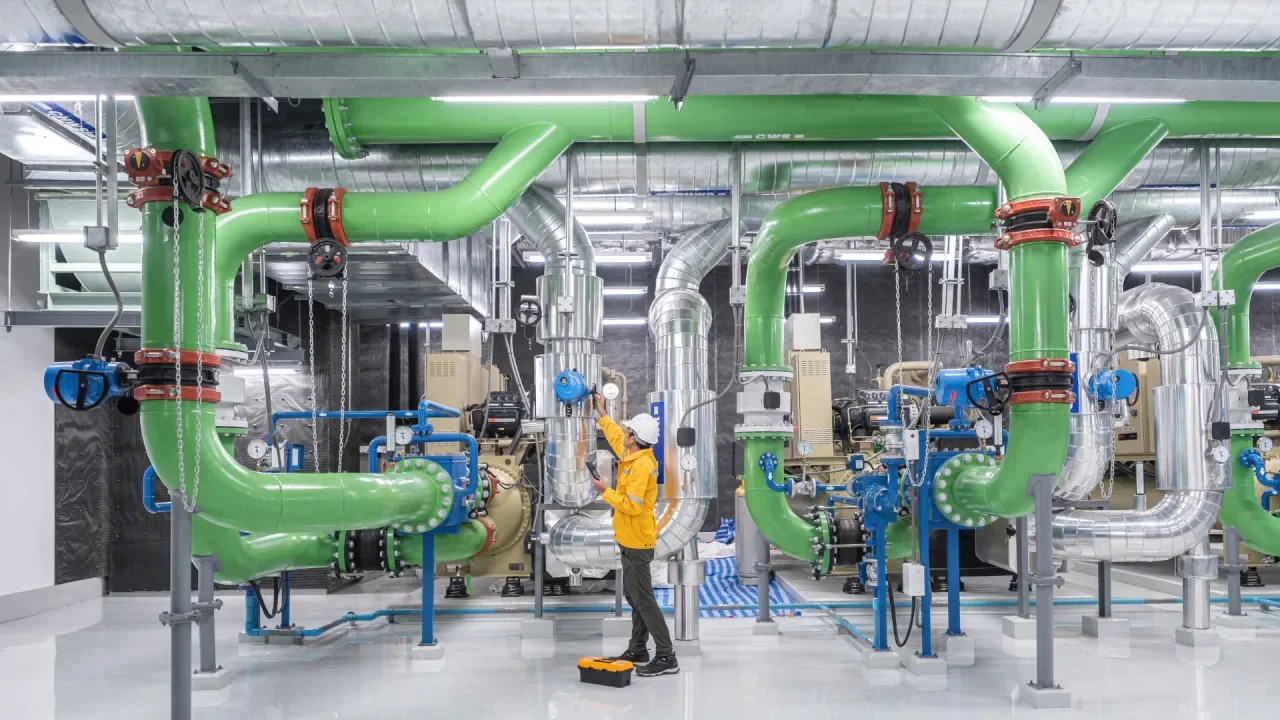
It’s no surprise that artificial intelligence is transforming the way we learn, but it also has the potential to add a sprinkling of magic to on-the-job training. Turning the ordinary into the extraordinary is especially beneficial in the skilled trades. We’re already seeing social media inspire the next generation of tradespeople, and AI-based learning programs can help attract, develop, and retain young talent. In the U.S., hiring for skilled roles, including electricians, industrial machinery workers, plumbers, and HVAC technicians, could be more than 20 times the projected annual increase in new jobs from 2022 to 2032. The current pipeline of skilled trades training can’t keep up with the demand for workers, and a significant percentage of high school students interested in training programs find themselves on a waiting list. Employer investments in training and upskilling programs are critical in closing the labor gap. AI training requires a foundational knowledge We have already seen that AI is effective for advanced learning. It synthesizes information, translates it, and creates more personalized learning experiences. However, leveraging AI’s power hinges on one critical ingredient—a strong digital foundation. This is where many employers will fall short. They have traditionally relied on job shadowing, the occasional in-person classroom training, or limited online compliance training. Further, there is a common misconception that skilled workers will be able to learn in the field with an AI-enabled device as their primary means of information. These devices are useful for troubleshooting or serving as a quick reference tool, but they should only be used in conjunction with substantive foundational knowledge. The cognitive load while working makes it incredibly challenging to learn efficiently and effectively. Imagine being in a setting with safety risks, noise, and multiple distractions competing for your attention. At the same time, you’re supposed to be taking in new information, acting on it, and retaining it. But, if that AI-supported in-the-field training was combined with a robust AI-driven digital foundational program, that’s where the magic starts to happen. The most effective training takes place when employees have time to internalize the material, reflect on it, and review it. The need to pair AI with people A digital foundation that combines strategic assessments, core course material, bite-size learning, and digital simulations with real-world scenarios can provide the hands-on learning that is essential in the skilled trades. What’s more, all of this can be done in a safe, controlled environment. AI can communicate big ideas and take on the role of mentor, highlighting what is important, assessing skills, offering support, and providing insights into strengths and weaknesses. AI can serve as a personal learning guide, but it can’t provide emotional support and won’t replace people. Instead, great teachers will use AI along with digital learning to make their emotional interaction more useful. AI is advancing at a rapid pace, and many CEOs are asking themselves what their organization should be doing with AI and when to jump in. The answer is to jump in now. The consequences of not adopting digital learning will only get more severe the longer they wait. Learning is essential for every role and at every age, from the Gen Zers who are increasingly skipping college to existing employees requesting upskilling tailored to their specific needs. A digital foundation is the magic—or missing ingredient—that lays the groundwork for CEOs to address labor shortages, reduce risk, and increase operational efficiency within their workforce. Doug Donovan is founder and CEO of Interplay Learning. View the full article

-
Former MPC hawk Mann said a half-point cut in interest rates had been needed last week to ‘cut through the noise’View the full article
-
In today’s evolving workforce, a growing number of individuals are embracing a new identity: the sidepreneur. These are people who, in addition to their traditional jobs, are launching entrepreneurial ventures on the side. They’re not just taking on additional work—they’re creating new opportunities to pursue passions, build wealth, and gain control over their financial futures. From moonlighting chefs to weekend photographers, tech consultants by day, and digital creators by night, sidepreneurs are the embodiment of resilience, adaptability, and entrepreneurial spirit. The rise of sidepreneurs isn’t just a reaction to economic pressures; it’s a reflection of how modern workers are redefining what it means to have a career. This movement is a natural response to a shifting economic landscape—one where workers are increasingly turning their skills and passions into new revenue streams. For many, this dual-pronged approach offers not only financial security but also a sense of fulfillment and independence. Who are the sideprepreners? Kiva’s 2024 U.S. Impact Performance Report revealed that 43% of Kiva borrowers who are U.S. small business owners indicate that their business is a second job or venture. And recent findings from Deputy’s 2024 State of Hourly Work Report reveal that 27% of U.S. hourly workers now hold two or more jobs, with Gen X leading at 33%, followed by millennials, Gen Z, and boomers. Looking at this from both angles it is clear: The sidepreneur movement is real. This movement reflects a broader, structural change. As financial pressures and the desire for flexibility grow, workers of all ages are embracing a multi-job lifestyle, redefining work norms, and creating a diverse labor landscape. The growth of the sidepreneur movement is supported by the ever-growing gig economy, advances in technology, and an overall shift toward improved mental health and wellbeing. A side business often allows people to blend their passions with professional pursuits, but to succeed they need support. To succeed, sidepreneurs need access to capital With unpredictable income and mounting responsibilities, many sidepreneurs struggle to access capital, especially when financial systems remain geared toward traditional credit metrics. Approximately 26 million adults in the U.S. (nearly 10%) are considered “credit invisible,” lacking the credit history to secure traditional financing. Maria Cortes, founder of Tucson-based, Latina and woman-owned brand Di Luna Candles, is an example of that. In 2020, she turned a hobby into a business, all while she was as an essential worker at a bank. “From the start, my mother taught me to be independent, responsible, and to always have a growth mindset,” she told Kiva. In order to pursue her dreams, Maria needed capital, which is usually challenging to come by for small startups. This is where Kiva steps in. Kiva’s microlending platform provides vital financial access to sidepreneurs, who often lack traditional banking resources. Maria received a $5,000 zero-percent interest, zero-fee Kiva loan in July 2022. “Being able to get that capital [from Kiva] was the start of it all,” Maria shared. “My first year, I made about $15,000. My second year, after getting the Kiva loan, I grew that total by about 400%. The third year, I grew it about another 190%.” Maria’s story isn’t just a testament to growth; it’s an illustration of how accessible financing can unlock new pathways to economic opportunity and to power sidepreneurs to succeed. Her story illustrates what Kiva has seen from thousands of borrowers: 83% report improved business success since receiving their loans, and 62% believe Kiva has enhanced their chances of achieving their primary business goals. Additionally, 80% have improved their confidence in managing finances, and 65% report increased revenues. Maria has since opened a Di Luna Candles + Goods storefront in Tucson and is running her thriving business full-time. Navigate the challenges of sidepreneurship While sidepreneurship offers financial opportunities and creative outlets, it’s not without challenges. Modern-day realities of high costs of living, stagnant wages, and limitations such as access to healthcare often create an environment where innovators must turn to sidepreneurship, in lieu of pursuing their business goals full-time. According to Deputy’s research, nearly 41% of hourly workers live paycheck-to-paycheck, making the balancing act of multiple jobs even more taxing. Sidepreneurs are reshaping the workforce, and businesses need to get ready for this generational shift. Businesses that offer flexibility, supportive work environments, and training will do much better in attracting this emerging sidepreneur workforce. Embrace the sidepreneur workforce The rise of sidepreneurs signals a profound shift in the workforce—one that forward-thinking leaders cannot afford to ignore. These part-time innovators embody resilience, adaptability, and untapped potential, offering businesses a unique opportunity to engage a motivated, entrepreneurial talent pool. By investing in tools, resources, and policies that empower sidepreneurs—whether through flexible work arrangements, financial access, or professional development—businesses can fuel this growing movement and reap the rewards of a more diverse and dynamic workforce. Businesses can foster an economy where part-time entrepreneurs can grow into full-time business owners. Supporting sidepreneurs isn’t just good for workers; it’s a strategic advantage for businesses looking to thrive in the future economy. Vishal Ghotge is CEO of Kiva. Silvija Martincevic is CEO of Deputy and board member of Kiva. View the full article
-
US president says move will ‘mean a lot more business for America’View the full article
-
When the news first broke, I was appalled three times after hearing about the death of UnitedHealthcare CEO Brian Thompson. First, that this man was gunned down in the streets and his killer was at large. Second, when I learned that UnitedHealthcare rejects 33% of its claims, over five times that of competitors like Kaiser Permanente, which has a 6% claims rejection rate. Lastly, what shocked me most was seeing some people in a comedy Facebook group I’m in celebrating his death. One post featured a meme saying, “I hope he dies,” in response to news that he was shot. I get it, late-stage capitalism is brutal and unfeeling. The instinct to not care about those who seem to care so little for us is understandable. But here’s where the irony hits me: The people dancing on Thompson’s grave are vilifying someone for doing the very job our system incentivized him to do. CEOs of public companies are hired to maximize profits, not to act as moral arbiters. Would I like to see more ethically-driven leadership? Absolutely. But I’d wager that some of those grave dancers would reject just as many claims if it meant trading bank accounts with Thompson. That’s the laziness of this so-called revolution. The same people electing the same congresspeople who do nothing to fix our broken healthcare system are directing their rage at a single individual for being a disappointing product of the systems we voted for. A rigged system, or a reflection of us? Day after day, I hear complaints about the rigged system of the stock market. And let me be clear: I don’t disagree. The deck is often stacked against retail investors. But the complaints often miss a critical point: Finance is the highest-stakes game in the world. Do we complain about the inequalities of flying coach while others enjoy first class? Why, then, do we lament trades transported in different routing classes? Here’s what’s more frustrating: Many of these same critics entrust their money to brokers who openly prioritize hedge funds—their real customers—over retail traders. Remember the trading halts during the meme stock frenzy? That’s the price of free trades. For the past 14 years, I’ve dedicated myself to creating tools that level the playing field for retail investors. Tools that are transparent, data-driven, and free. These tools rely on live options markets to work. You know what undermines this transparency? The push for 24-hour trading. While it may sound futuristic, it primarily benefits institutional players, whose algorithms thrive in low-liquidity environments. These systems don’t sleep, they’re robots designed to manipulate prices during hours when there’s less liquidity, making price discovery harder for everyone else. At the end of the day, this push isn’t about empowering retail investors, it’s about maximizing control for those already at the top. Pick up your shovel I taught myself accounting as a teenager to land my first hedge fund job. I’ve spent years building a platform designed to empower everyday people. At times, I’ve had no money in my bank account and had to move back in with my parents. If you want change, real change, it starts with effort, not excuses. Voting in leaders who care about healthcare reform is a start. Refusing to give your dollars and attention to companies that exploit you is another. But let’s stop pretending that cynicism and complaining are substitutes for action. The death of Brian Thompson is not a revolution, even if you think his sons deserve to lose their father. And perhaps even if more billionaires deserve to die, that is not going to solve the systemic problems that will just replace those billionaires with other billionaires. Real change requires picking up your shovel and holding your elected officials accountable—not dancing on graves. A final thought If we truly want to revolutionize our systems, it starts with us—our choices, our votes, and our willingness to confront uncomfortable truths and come up with ideas that actually fix them. Until then, the lazy revolution will remain just that: lazy. George Kailas is CEO at Prospero.Ai. View the full article

-
In the span of three plays in the second quarter of the most-watched event on television, Kansas City Chiefs quarterback Patrick Mahomes was sacked multiple times before launching the football soaring through midair—only for it to be intercepted and returned for a touchdown by his opponent, the Philadelphia Eagles. And as that series of unfortunate events unfolded for the Chiefs at Super Bowl LIX, it seemed America rejoiced. As one X user wrote before the big game: “The amount of people I know who will be rooting for the Eagles simply because they don’t want the Chiefs to win is a beautiful thing. Hate conquers all.” Hate conquering all certainly seemed to be the storyline of Sunday’s spectacle. The Eagles handily destroyed the Chiefs, a team whose successful season has been muddied by overexposure and controversy. And during the halftime show, Kendrick Lamar publicly embarrassed his rapping peer Drake, an artist that much of the country has turned against. From the game itself to the diss-filled halftime show, people who love to hate enjoyed their evening as “schadenfreude” defined much of the night. The word schadenfreude has its roots in German—schaden meaning harm, freude meaning joy, and schadenfreude then meaning happiness found in the misfortune of others. And Americans have certainly embraced the act in recent years: Schadenfreude’s popularity has grown exponentially since the start of the millennium, according to Google’s word-use tracker. The Super Bowl was no exception. A three-peat denied The Chiefs might have been “the most hated team in the NFL” when the Super Bowl aired. It seemed much of America wasn’t necessarily rooting for the Eagles to win, but rather against any happiness for Kansas City. After Philadelphia’s victory, one X user celebrated: “THE GREAT EVIL HAS BEEN DEFEATED.” The dynasty-in-progress had won the last two Super Bowls, and this year they became the first team in NFL history to make a third consecutive Super Bowl after winning the first two. Had they won Sunday’s game, they would have been the first team in NFL history to “three-peat” (win three times in a row). But many viewers didn’t want to see that happen. The Chiefs’ unpopularity is in part due to perceived referee favoring. Many of the Chiefs’ victories this season have been decided by questionable, game-changing referee calls. And although the NFL commissioner vehemently denied any “rigging” allegations, that didn’t stop fans from making them. After one questionable playoff win, even rapper Lil Wayne declared to his 34 million X followers that he hates “the cheating azz Chiefs”. The cheating allegations may not have any merit, as data shows the Chiefs don’t receive nearly as much help from referees as many assume. But haters have found other reasons to dislike the team; New York Magazine columnist Jake Nevins wrote that although the Chiefs may not be cheaters, they are “boring and swagless, smug and exasperating.” As Super Bowl LIX progressed and the Chiefs struggled to put anything together offensively, the delight at the loss only grew. Statistically, Mahomes had one of the worst quarterback games in Super Bowl history. Fans in Philadelphia responded by gleefully burning a puppet of Kermit the Frog—a character many have said sounds exactly like Mahomes—in a bizarre sort of effigy. Ultimately, the Chiefs lost in an even more embarrassing manner than the final 40–22 score suggests. And broadcasters knew that would make many viewers very happy. Nick Wright, a talk-show host known for his obsession with the Chiefs, posted Monday morning that his eventual broadcast about the loss would be “undoubtedly delightful for everyone but me.” And the joyfully hateful comments followed: One user responded, “can’t wait to hear you cry today,” and another said, “you deserve it.” Pop star Taylor Swift, too, had her turn in the haters’ spotlight: The Super Bowl stadium erupted into raucous boos after she popped up on the jumbotron. Since the singer began dating Chiefs tight end Travis Kelce in late 2023, the NFL has faced criticism for featuring too much footage of Swift during its game broadcasts. (But, maybe Swift shouldn’t feel too bad: Eagles fans have also famously booed Santa Claus.) A winning diss track CNN claimed that “Drake lost worse than the Chiefs” at Super Bowl LIX. And based on Kendrick Lamar’s spite-fueled halftime show, that may be true. When the NFL announced that Lamar would be headlining this year’s halftime show, many immediately knew the centerpiece of the performance would be the critically beloved (and now Grammy-winning) diss track of Drake: “Not Like Us.” The feud between the two rappers has been ongoing since 2013. And on the largest stage of all, with millions of eyes and ears on him, Lamar took the opportunity to spotlight rumors that his rapping rival has a tendency to date younger women. During the show, Lamar rapped: “Say Drake, I hear you like ‘em young,” and told viewers, “hide your little sister from him.” His diss track also includes a lyric calling Drake a “pedophile,” and while Lamar didn’t say the word out loud during his performance, the audience gladly did it for him, yelling and cheering. The world noticed this joyous hate on full display. As one X user put it: “A whole stadium calling you a pedophile during the Super Bowl has to be rock bottom, right?” And the diss wasn’t limited to the lyrics. Lamar also brought on tennis star Serena Williams as a guest for the halftime show, who performed a “crip walk” dance during “Not Like Us.” Williams and Drake were rumored to have briefly dated in 2011 and 2015, and Drake has publicly dissed the athlete in two of his songs. The audience—and social media—went wild. But as the “hater-bowl” concluded, there were many victories to celebrate genuinely, not spitefully. Eagles quarterback Jalen Hurts overcame the odds to win his first Super Bowl after losing to Patrick Mahomes two years ago. Philadelphia’s running back Saquon Barkley also won his first Super Bowl after a tumultuous departure from the New York Giants. And before the game even started, the broadcast began with a moving tribute to victims of the New Year’s Day terrorist attack in New Orleans, with two survivors taking the field as honorary captains. View the full article

-
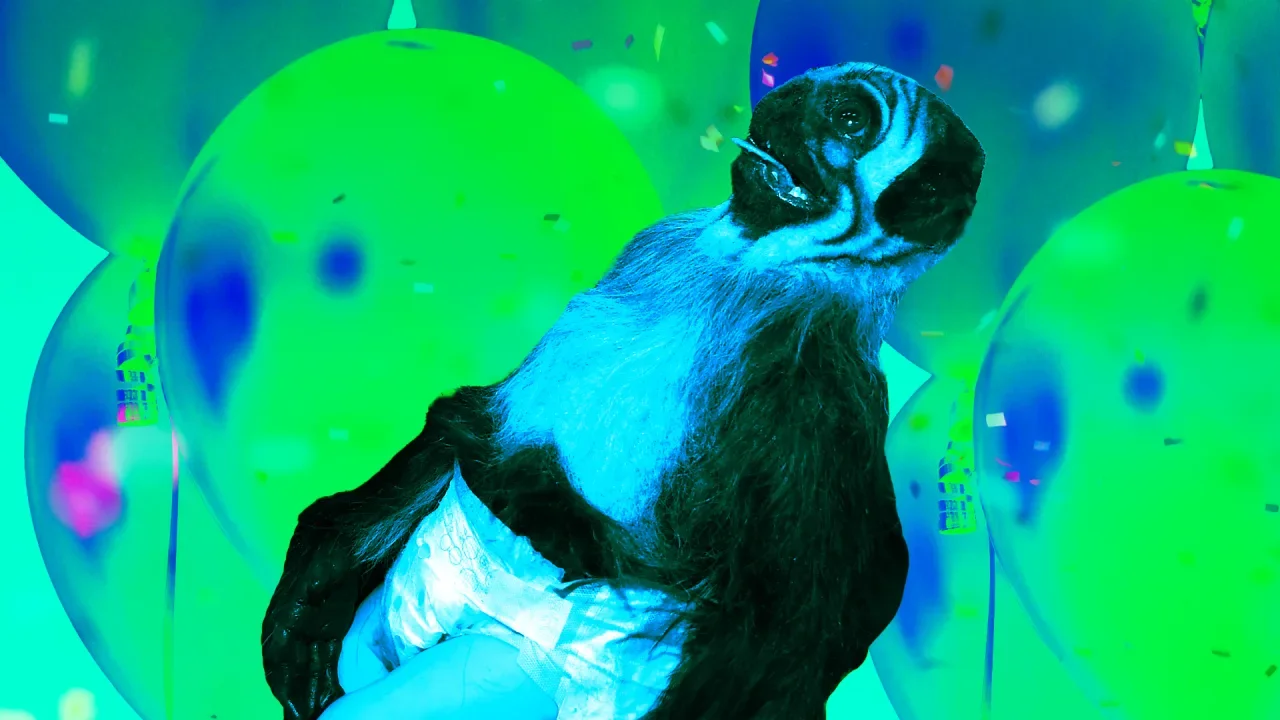
Everyone has a favorite moment from Super Bowl LIX. Eagles fans likely will long cherish the decisive victory over the Chiefs. Some will discuss Kendrick Lamar’s game-changing halftime show. Me? I was happy to see Puppy Monkey Baby again. The former Mountain Dew mascot, which made its disturbing debut in 2016 and was widely hated by pretty much everyone, was part of DoorDash’s 2025 Super Bowl commercial, a spot that crammed in more corporate mascots than anyone thought possible. For some reason, that stirred some nostalgic feelings in me and I took to Facebook to post “I, for one, am THRILLED to see the return of Puppy Monkey Baby!!!” That’s when things got weird. I made the post, basically, to amuse myself. A short while later, during a less interesting commercial break, I decided to see if any of my friends were equally excited about the weirdest of all possible mascots. (They were, for the most part, not.) However, I had received a notification from Meta saying I could manage invites to friends on and off Facebook by creating an event – and it had taken the liberty of choosing the time, date and informational copy for this event, which it dubbed “Puppy Monkey Baby Returns!” “The wait is over!,” the page read. “Puppy Monkey Baby is back and better than ever! Join us for a fun-filled evening of laughter, joy, and excitement as we celebrate the return of our beloved Puppy Monkey Baby. With special performances, giveaways, and surprises, this is an event you won’t want to miss!” “This preview,” it added in small print at the bottom, “was generated by AI.” Ah. Yes. Of course it was. On the one hand, this made sense. Puppy Monkey Baby looks like something an AI system would generate when it’s in the midst of a hallucinogenic fever dream. And perhaps keywords like “baby” and “thrilled” led the system to think I was about to become a father and wanted to celebrate. But where in the heck did it get the idea there would be special performances? And giveaways? Not only was I learning about a party I hadn’t planned for a nightmare-fuel corporate mascot, but I had to offer prizes to people who came? When Fast Company contacted Meta, a spokesperson for the company confirmed that it was a new feature. “This feature can help people create events directly from their Facebook posts through AI suggestions,” said a Meta spokesperson. “You can choose to either edit or disregard a suggested event and provide feedback on the quality of the AI-generated suggestion, which helps us improve the experience.” Meta has said in the past that its AI systems are still a work in progress. The company, on Monday, was expected to begin carrying out a series of company-wide layoffs, reducing its headcount by as much as 5% as it prepares to spend $60 billion on AI development in 2025. One upside, I suppose, is that at least Facebook didn’t automatically invite any of my friends to this non-existent party, which was scheduled for 5:00 p.m. the next day. (Good thing, too! The time it gave me to prepare would have meant a menu largely made up of leftover buffalo dip and some cold pizza.) I looked online to see if I could find if anyone else had seen their posts seemingly transformed into an invite. There weren’t many (and none, that I could find, whose mystery invites revolved around Puppy Monkey Baby), but I wasn’t entirely alone. One user’s political post in January saw him getting the strange notification about managing invites for friends. Invites are kind-of, sort-of hot once again, following the introduction of Apple’s Invite app for iCloud+ subscribers. Meta has never been shy to clone features of other tech companies (i.e. Instagram Stories, which had many of the same characteristics as Snap, and Reels, which is presented as an alternative to TikTok). That said, there’s no evidence that Meta is looking to extend its invite or event segment beyond its current walls. Meta’s in a fight with Google, Microsoft, X, OpenAI and more for supremacy of this burgeoning market and is looking for ways to incorporate it into people’s lives. This misfire, though, should serve as a warning to Meta and those other companies. Sometimes it’s best to make sure your experiments are locked in the lab when you’re still working on them. Otherwise, well, you could end up with a different sort of Puppy Monkey Baby. View the full article

-
Administration will grant no exclusions to any products, officials say, raising risk of trade warView the full article
-
HP recently unveiled a new lineup of AI-powered business PCs and workstations designed to enhance productivity and streamline high-performance workflows. The latest devices, including the HP EliteBook Ultra G1i, HP ZBook Ultra G1a, and HP Z2 Mini G1a, integrate advanced AI capabilities aimed at professionals across industries. HP’s latest EliteBook Ultra G1i introduces AI-enhanced collaboration and performance features, targeting business leaders who require seamless computing experiences. Equipped with Intel Core Ultra 5 and 7 processors, the device boasts up to 48 TOPS of NPU performance to accelerate local AI workloads, enabling faster presentation creation, email personalization, and multitasking across power-intensive applications. The EliteBook X G1i and EliteBook X Flip G1i models offer additional flexibility for professionals working in dynamic environments. The EliteBook X Flip converts between laptop, tablet, and tent modes, featuring an OLED display and HP Rechargeable Active Pen support for enhanced creativity. Security and efficiency remain key priorities, with built-in HP Wolf Security and HP AI Companion, which allows users to personalize PC settings and optimize workflows. HP has also expanded its workstation lineup with the HP ZBook Ultra G1a and HP Z2 Mini G1a, built for professionals managing resource-intensive tasks such as 3D design, graphics rendering, and AI modeling. The ZBook Ultra G1a is the world’s most powerful 14-inch mobile workstation, featuring an AMD Ryzen AI Max PRO processor, 16 desktop-class CPU cores, and up to 128GB of unified memory architecture. Designed for on-the-go performance, it offers a long-lasting battery and AI-enhanced privacy features. For professionals needing compact yet powerful hardware, the Z2 Mini G1a delivers high-density computing with a small footprint, making it suitable for desk setups, rack-mounted installations, and mobile deployments. It features AMD Ryzen AI Max PRO processing power, 96GB of GPU-assignable RAM, and an internal power supply for seamless workstation integration. HP Thunderbolt 4 G6 Docks: Smarter Connectivity HP is introducing the world’s first docks with proximity activation, allowing professionals to automatically power on their PCs upon approach. The HP Thunderbolt 4 G6 Docks offer high-speed connectivity, remote manageability, and secure device protection through HP Wolf Security. The docks are available in three configurations, with power delivery ranging from 100W for mainstream workers to 280W for high-performance users. Availability and Pricing HP EliteBook Ultra G1i – Available later this month, starting at $2,019 HP EliteBook X G1i – Available in February, starting at $1,999 HP EliteBook X Flip G1i – Available in February, starting at $2,249 HP ZBook Ultra G1a – Available in spring 2025 (pricing TBA) HP Z2 Mini G1a – Available in spring 2025 (pricing TBA) HP Thunderbolt 4 G6 Docks – Available in April (pricing TBA) Poly Voyager Legend 30 & 50 Series Headsets – Available later this month, starting at $101.95 HP 400 Quiet Wireless Mouse – Available in May, priced at $29.99 Image: HP This article, "HP Expands AI-Powered Product Line with New EliteBook and Z Series Workstations" was first published on Small Business Trends View the full article
-
The National Weather Service has issued a winter storm watch from Tuesday morning until Wednesday morning, as back-to-back winter storms are predicted to affect much of the nation this week. A total of three winter storms will bring snow, ice, and rain to more than 40 states, with 29 million Americans facing a winter alert in the Central Plains, the Midwest, the Ohio Valley, and the Mid-Atlantic regions. Winter Storm Harlow is expected to bring ice and snow Tuesday morning into Wednesday to the Ohio Valley, spreading east to the Mid-Atlantic, according to the Weather Channel. This first storm will start in the Central Plains and bring rain and ice to Oklahoma and Arkansas and moderate snow from Kentucky to Maryland, per NBC News. The mid-Atlantic (Washington, D.C. and Baltimore) may get 3 to 6 inches of snow, Philadelphia may get 2 to 3 inches, and New York City around an inch. Winter Storm Iliana is forecast to bring even more wintery mix from Wednesday into Thursday to the Plains and Midwest including Denver, Kansas City, and Oklahoma City, and across the Northeast on Thursday, according to the Weather Channel. This second storm should bring light snow to Colorado, then moderate to heavy snow from Kansas to Michigan, with the heaviest snowfall predicted for Chicago, “anywhere between 4 and 8 inches of snow,” NBC Chicago meteorologist Alicia Roman said. The storm will then travel north, exiting to Canada, and along the way, bringing snow to Boston and the rest of New England, and turning to rain down the coast to Raleigh, North Carolina, per NBC News. Both storms combined are expected to result in large snow totals, and could cause flooding in the South, according to ABC News. A third storm is set to impact California later in the week, bringing heavy rains and high elevation snows, possibly resulting in flash flooding, with the threat of mudslides “across the burn scars of Southern California” on Thursday, according to the National Oceanic and Atmospheric Administration (NOAA). View the full article

-
A group of investors led by Elon Musk has given OpenAI an unsolicited offer of $97.4 billion to buy the nonprofit part of OpenAI. An attorney for the group submitted the bid to OpenAI Monday, the Wall Street Journal reports. Per the Journal, the other investors in the group include Valor Equity Partners, Baron Capital, Atreides Management, Vy Capital, and 8VC, a venture firm led by Palantir cofounder Joe Lonsdale. Ari Emanuel, CEO of sports and entertainment company Endeavor, is also backing the offer through his investment fund. OpenAI uses a hybrid business structure that consists of a nonprofit parent entity (OpenAI, Inc.) and a for-profit subsidiary (OpenAI LP, referred to as a “capped-profit” company). In part because of the extraordinary high costs of inventing and training AI models, OpenAI created a for-profit subsidiary in 2019 that has let it raise billions from Microsoft and others. Altman is now in the process of turning the subsidiary into a traditional company and spinning out the nonprofit. The nonprofit would, however, own equity in the new for-profit. (Neither OpenAI nor Musk immediately responded to Fast Company’s requests for comment.) The situation may seem familiar to OpenAI board member Bret Taylor, who was chairman of Twitter’s board of directors when Musk bid for, then bought, the company in October 2022. Taylor left Twitter soon after, along with most of the board. The unsolicited bid ratchets up Musk’s ongoing battle with OpenAI and its CEO Sam Altman. Musk, who cofounded OpenAI with Altman and others in 2015 (and now leads the Department of Government Efficiency), has already filed two lawsuits against OpenAI complaining that the company has deviated from its original nonprofit mission and is now prioritizing profit over public benefit. In the second lawsuit, filed in November 2024, OpenAI’s backer Microsoft was named as a defendant. Musk and the other investors could conceivably end up owning a large share of the for-profit AI. Musk’s AI company, xAI, has said that it’s building large language models that are less constrained by political correctness and more focused on objective truth. OpenAI, meanwhile, has been focused on developing frontier models that achieve artificial general intelligence (AGI), or AI systems that can do most “economically valuable” tasks better than humans. OpenAI’s for-profit arm is growing quickly. Altman is currently in discussions with the Japanese investment bank, SoftBank Group, which may invest up to $40 billion in the AI company, upping its value to about $300 billion. View the full article

-
ASUS has introduced the Cobble SSD enclosure, a high-speed, durable external storage solution designed for gamers, professionals, and content creators. Featuring a USB-C 3.2 Gen 2×1 interface with transfer speeds up to 10Gbps, support for M.2 NVMe PCIe and SATA SSDs, and an IP55-rated water- and dust-resistant chassis, ASUS Cobble delivers both performance and protection. The 2024 Good Design award-winning ASUS Cobble SSD enclosure incorporates a cobblestone-inspired design, available in black or gray, with scratch-resistant speckle-painted surfaces. Its metallic chassis and heat-resistant coating offer stability in demanding conditions, while its compact size ensures portability. Designed for rugged environments, ASUS Cobble features IP55-rated protection against dust and water exposure, safeguarding data from spills, dirt, and debris. Its aluminum-alloy construction and built-in thermal pad enhance heat dissipation, preventing SSD overheating and extending lifespan. With a USB-C 3.2 Gen 2×1 interface, ASUS Cobble achieves transfer speeds of up to 10Gbps for PCIe SSDs and 6Gbps for SATA SSDs, allowing for rapid data access and storage. The tool-free Q-Latch and screwless-lock cover enable easy SSD installation without extra tools. ASUS Cobble is fully compatible with Windows 11, macOS, mobile devices, and gaming consoles, including ROG Ally, PlayStation 5, and Xbox, making it a versatile option for users managing large files or gaming libraries. Technical Specifications Interface: USB 3.2 Gen 2 Type-C (backward compatible with USB 3.2 Gen 1 and USB 2.0) SSD Compatibility: M.2 NVMe PCIe & SATA SSDs (22×42, 22×60, 22x80mm) Transfer Speeds: Up to 10Gbps (PCIe) / 6Gbps (SATA) Dimensions: 128.96 x 44.35 x 16.63mm Weight: 92±2 grams Temperature Range: 0–40°C (operation) / -40–60°C (storage) Water & Dust Resistance: IP55 certified ASUS Cobble SSD Enclosure is now available for purchase. For more details, visit ASUS official website. Image: Asus This article, "ASUS Unveils Cobble SSD Enclosure with High-Speed USB-C and Rugged Design" was first published on Small Business Trends View the full article
-
When Nvidia introduced the free Nvidia Broadcast app in 2020, it promised to use the AI capabilities of RTX GPUs to boost the video and sound quality of users' recordings, presuming they had the right hardware. This could be useful when a laptop’s built-in webcam and microphones may not capture the best looking footage or the richest audio, and could potentially help streamers get by with a cheaper setup. With version 2.0 of the Nvidia Broadcast app, released at the tail end of January, the capabilities are stepping up even higher...perhaps a little too close to the sun. In Nvidia Broadcast 2.0, microphones still have options for noise removal and room echo removal, but there’s now also a studio voice effect in beta that “enhances the quality of your mic to simulate a high end recording studio.” For video, the app can still make tweaks to your background (replacing, blurring, or essentially green-screening it), remove noise from grainy footage, zoom in and automatically keep you in frame, and strangely enough, make it look like your eyes are looking at the camera. But new with the update is virtual lighting, to better highlight you in your video. Some of these new features call for powerful GPUs. Studio voice, video noise removal, and virtual key light all call for a “high-end GPU” and aren’t recommended for use while gaming or using other GPU-intensive applications. All features require RTX hardware, meaning you’ll need at least an RTX 2060 or above to try them, but for the features that require a “high-end GPU,” Nvidia says an RTX 4080, 5080, or higher is “required.” That said, I was able to run both features on an RTX 4060 mobile GPU. Nvidia Broadcast in actionThe idea behind these AI features is cool, but how well they actually work is still in question. For one thing, they may really be as demanding as Nvidia says. Running either the virtual key light or studio voice feature on my RTX 4060-powered laptop showed the GPU was absolutely slammed by the process. Nvidia’s built-in GPU Utilization monitor was showing red, with the RTX 4060 all but maxed out and the performance overlay showing it drawing 60 watts. My laptop’s fans even ramped up as if I were gaming at full throttle. So just from an economics standpoint, these features are costly no matter how you look at them. You’ll need to have powerful hardware to run them, and then run that hardware hard. Plan on using these features on a desktop computer or with your laptop plugged in. Then there’s the even more crucial matter of how they really look and sound. Let’s start with video. Credit: Mark Knapp The eye contact tool, despite being available before Broadcast 2.0, has now come out of beta. But I’m not convinced it should have. Sure, enabling it makes it look like I’m staring into the camera in video footage. But in my testing, it invariably gave me big blue eyes that made me look like a White Walker right out of Game of Thrones. For reference, I do not have blue eyes. Even when I was making eye contact with the camera, Nvidia Broadcast still insisted on editing my eyes and making them blue. Credit: Mark Knapp The virtual key light did what it said. It created artificial lighting to boost brightness on me without bumping up the brightness on the whole video. The results failed to impress me, though. With it enabled, I simply look like I’ve gone radioactive. The lighting is very unnatural. As for the audio, at first blush, it sounds fairly impressive. The mics on my laptop are not very good. Even in a quiet room, they put out audio that has me sounding far away and slightly muffled. With studio voice enabled, my voice ends up much fuller and clearer sounding. But listening closely, there’s an odd digitization going on. It’s hard to characterize, but it doesn’t sound like it’s really my voice. It sounds more like a recording of my voice was used in a voice cloner, and then that repeated everything I said. It’s all just a little stilted and quavering. Listen below: The studio voice feature also can’t save the mic from a bad recording environment. Testing in a small room with a box fan running at full blast, the audio was a dramatic improvement in clarity compared to the raw recording from the microphones, but it was still audibly processed, and the efforts to subdue the background noise made my voice sound especially odd. If you have a half-decent microphone, studio voice might even make it worse. I made additional test recordings using the built-in boom mic on the Audeze Maxwell headset with it directly wired into my laptop. In both a quiet and loud room, it provided a loud, clear, and full recording of my voice without studio voice enabled. In both cases, turning on studio voice then introduced hard-to-miss digitization that not only made the audio sound worse but also made it harder to comprehend. Can Nvidia AI replace a proper streaming setup?Given the hardware requirements, performance demands, and quality of the results, the stars really need to align for these newer Nvidia Broadcast features to feel truly worthwhile. If you have an Nvidia-powered system, by all means, play with the tool. Some of the features can come in handy, like the auto-framing one. But I wouldn’t recommend shelling out for a new Nvidia GPU just so you can save money on audio and video recording gear, especially if you want to get anywhere close to professional quality. And don’t forget that the power draw of the GPU trying to run these features will add up over time. The audio quality I got from studio voice — perhaps limited by the RTX 4060 in my system — wasn’t something I’d want to share with any kind of audience on a regular basis, and it paled in comparison to the quality I could get just from having a headset with a boom mic. I’ve tested a lot of gaming headsets, and even very cheap wired headsets with a boom mic are leagues better than what I heard from studio voice. The eye contact feature failed to be anything other than unsettling, and I don’t think it’s going to fool anyone into believing you’re actually making eye contact with them. And the virtual key light, much like studio voice, doesn’t appear to be a quality substitute for a real key light, especially when affordable LED lights are a dime a dozen. View the full article
-
Bid complicates CEO Sam Altman’s plans to turn artificial intelligence group into for-profit companyView the full article
-
This week's biggest event was the Super Bowl. While the game was a snore-fest reminiscent of the lopsided Super Bowl blowouts of the past, the halftime show was nothing like the performances of 1980s Super Bowl favorites "Up with People." If you compare the two performances (and you should), you'll see how far we have come as a society. Kendrick's jeans win the Super Bowl Super Bowl 2025 may have been more of beatdown than an exciting football game, but luckily Kendrick Lamar was around at halftime to provide some much needed drama. From "Uncle" Samuel L. Jackson providing a preemptive critique of the show from "mainstream" America, to Serena Williams crip walking for more total yards than the Kansas City offense, to the copious Drake-baiting, plus some provocative, timely questions about what "America" means anyway, all of it performed in front of the sitting president himself, it was a lot. But even still, Kendrick's jeans stole the show. Debates over jean length and style have been vital part of youth culture since forever, and K Dot's choice of washed, boot-cut jeans—flares, even—marks a turning point. For the last few years, kids have been wearing huge, Jnco style jeans dug up from the mid-1990s, often accented with some chrome studs, but Kendricks "loose fit on top; wild at the ankles" style is destined to be the must-wear cut for the foreseeable future. Hopefully kids will take note that Kendrick's jeans are the right length, and not do that "so long it's draggin on the ground" thing that was popular the last time people wore bell-bottoms. As for the future of jeans, look for the return of skinny jeans; it is inevitable. "What's a father?" memes take over the internetOnline wags recently rediscovered an old clip of an interview with deceased rapper XXXTentacion, and they have been turning out hilarious memes using it on X, TikTok, and everywhere else ever since. The original video was released in 2022 by TheFader. In it, XXX is asked “Do you have any relationship with your father?” He responds "What’s that? What’s a father?" and there's something so performativly poignant about it—so real-but-so-fake—that the moment defines cringe. This Tweet is currently unavailable. It might be loading or has been removed. The internet piled on after the initial post on X, with the consensus that XXX was corny. Then there were attempts to recreate the clip as accurately as possible: And lots of memes where XXXTentacion fails to understand other simple things, like showers and jobs. What does "reheating your own nachos" mean?"Reheating nachos" or "reheating your own nachos" is an evocative piece of slang that comes from online fandom and amateur cultural critics. It is used to refer to performers and/or artists, and it means something like "trying to recapture what was good about previous work." It's usually meant as negative criticism—nachos are generally not nearly as delicious when reheated—but it's possible to successfully reheat your own nachos too. For instance, many fans of Lady Gaga regard her new single "Abracadabra" as reheated nachos—it's got the same electronic beats, wordplay, and catchy chorus of her best work—but it's regarded as awesome by many, leading to the suggestion that she made the new nachos as delicious as the old ones and/or created new nachos from her old recipes. Like a good nacho cheese pull, it's possible to stretch this concept pretty far. What does "boombayah" mean? The slang term "boombayah" is a euphemism for having sex, sometimes phrased like "doing the boombayah." It's used mostly online, often to defeat censorship algorithms, so it's not the kind of word you're likely to hear said aloud. The word originated with K-Pop band BlackPink's 2016 song of the same name but has only recently caught on widely, first within the fandom of Squid Game (thanks to this video), from whence it spread to everyone else. Everyone hates "Influencer Smurf" Few things engender as passionate a reaction as reboots of beloved childhood media. When the new version of the old thing is done well, people absolutely love it, like the reaction to the recent Super Mario Bros. movie. But when it's done poorly, the vitriol is off-the-charts. So it is with the upcoming Smurfs movie. The plot, in which the Smurfs have to enter the real world for some reason, is seen as lazy, obvious, and also the same as the story for the quite poor 2011 live action Smurfs movie. But there's a special hatred for one character in the trailer: Influencer Smurf. His line in the trailer ("Smash that subscribe button!") and his smug look are seen as the worst kind of pandering, and a desperate bid to create modern relevance in the most obvious way possible. "Influencer Smurf will lead to a catastrophic event in July," sums up one Reddit poster. On the positive side of The Smurfs reactions, people like the casting of John Goodman as Papa Smurf. So there's at least something nice to say. There's also the fact that Smurfs were never anything but horrible, and people only liked Smurfs in the first place because they were 5 years old. A new generations of 5-year-olds is primed to fall in love this summer when The Smurfs is released. Again. Viral video of the week: Doug's winter party This week's viral video is so wholesome you can't help but love it. Taken by a Ring doorbell cam, Doug's Winter Party documents 85 year-old Doug visiting his neighbor Michelle to invite her and her family to his party. "Hi, I'm Doug across the street over here," Doug says. "This is an invite to a party on February 15. I didn’t want to leave it in the mailbox.” That would be fairly cute—maybe a five on a 10-point adorability scale—but Michelle follows with a video showing off the paper invitation, where Doug writes the party is from "4 p.m. until the cops arrive." That shoots it up to 11. An invitation to Doug's winter party is now the most coveted ticket in the world (or on the internet, anyway), with many angling for a spot on Doug's guest list and trying to impress with the dance moves they'll bring. We can all only hope that no weird strangers actually show up. Nobody wants that, least of all Doug. View the full article
-
We may earn a commission from links on this page. Everyone has their opinion on how to make a perfectly boiled egg—is it boiled from a cold start, hot start, steamed, pressure-cooked, or sous vide? This argument will rage all the more feverishly as periodic cooking enters the fray. According to science, periodic cooking yields the perfect boiled egg. The test required two pots of water at different temperatures, a two-minute timer, a notepad, and 32 minutes of uninterrupted focus. I must admit, the results were fantastic—but I’d never do it again. The special thing about eggs is that you have two substances: the egg white and the egg yolk, one encapsulating the other. As this study details, since those two components have different compositions, they require different cooking temperatures to reach perfection. But unless you literally cook them separately, how are you supposed to cook each part to a different temperature without overcooking the white? Why, with the periodic cooking method, of course. What is periodic cooking?Periodic cooking in regards to boiled eggs is a process where the cooking temperature alternates, in this case from boiling water (212°F) to warm water (86°F), over the course of 32 minutes until the white and the yolk proteins cook to their individual state of perfection. No overcooked rubbery whites or dusty yolks. Instead, a yolk that is just-gelled across the entire orb, and a white that is set, but not gummy. Credit: Allie Chanthorn Reinmann The group of scientists who conducted this experiment had a controlled environment, spectroscopy, and tasting experts at their disposal to settle on the most perfectly texture egg. Then they wrote up instructions on how to do the periodic cooking method at home. So I tried it out, of course. How to make the perfect boiled eggSet up two pots of water. Bring the smaller one up to boiling. This pot will be boiling for the entire time. Fill a second, larger pot up about halfway with warm water. Credit: Allie Chanthorn Reinmann Once these pots are at the right temperature, put the egg into the boiling water for two minutes, then take it out with a slotted spoon and drop it into the warm water for two minutes. You’ll do this cycle a total of eight times, which ends up being 32 minutes. If you want to try this method at home, here are some helpful tips: You’ll need a thermometer. A probe thermometer (I used the Thermapen One) or a low temperature clip-on thermometer. To me, 86°F water feels just pleasantly warm to someone who has cold hands. Credit: Allie Chanthorn Reinmann Use a big pot for the warm water. When the hot egg plunges in a few times, it won’t change the temperature of a great pool of water as much as a small one. Still, keep a cup of cold water close by if you have to cool it down, and take the temperature every time the hot egg goes in. Have a kettle of hot water nearby. Since you’ll be boiling that smaller pot of water for a half hour, be prepared for the water level to decrease. If you see the egg poking above the surface, top up the boiling water when the egg is in the warm water pot. Keep a notepad. Eight back-and-forths is a trap: You’re definitely going to forget what round you’re on unless you keep a tally. I did a tally mark every time I put the egg in the warm water, signaling the completion of one cycle. Is the perfect boiled egg worth it? Credit: Allie Chanthorn Reinmann As much as I enjoyed testing out this method of egg cookery, no, it is not worth it. Between the set-up, the amount of space needed, the attention required, and the length of time, the final result did not rock my world. And seeing as I usually crush boiled eggs on toast, the subtle differences are lost. I made three eggs so I could taste them all side by side. Crucially, the instructions from Science News do not indicate if the egg should be a fridge-cold or room temperature egg, so I did both. As a control, I made a steamed egg the way I normally do to get a set yolk. The cold egg and the room temperature egg produced similar results, which I think is good news if you want to do this at home. The fridge-cold egg had a noticeable barely-set ring of white around the yolk, while the room temperature egg did not have this. Judging from the results, I’d say the Science News article wants us to use room temp eggs. The yolk of the periodically cooked egg was markedly different from other boiled egg yolks I’ve eaten. So if you’re a big yolk connoisseur, you may like this. It’s velvety and has a consistent texture throughout. Traditional-method boiling yields egg yolks that have a less cooked center and become more cooked closer to the white. The white was delicate and easy to bite through, but I don’t think boiling produces very rubbery whites anyway, so the difference is rather subtle. I only noticed because I tasted the eggs side by side. Since “perfect” is in the belly of the beholder, I’ll likely be sticking with my usual fried and scrambled. View the full article
-
We may earn a commission from links on this page. Americans are predicted to spend a whopping 2.5 billion dollars on flowers this Valentine’s day. If you are one of the people who are considering such a gift to your paramour, you may want to stop for a moment and consider your beloved’s beloved: Many popular flower choices are toxic for dogs and cats. Here's what to know before you choose your bouquet so you won’t have to apologize for a vet visit later. Flowers that aren't safe for petsFirst, consider whether your intended recipient has a cat or dog (or both), as they can have different reactions. For instance, lilies, a common Valentine’s Day choice, can be lethal to cats, even in very small amounts, including the plant itself and even the water it sits in. Lilies can cause kidney failure, which is often fatal. Lilies are dangerous to dogs, as well, causing gastrointestinal distress, but they don't carry the same risk for dogs as they do for cats. Tulips and daffodils, both bright and colorful enough to attract your pet, are toxic to dogs and cats. Both cause gastrointestinal distress, and while tulips usually result in vomiting and drooling, daffodils can be even dangerous: Ingesting the bulb of a daffodil can cause heart issues in animals. Fragrance is another reason some flowers are popular in bouquets: Hyacinth has a strong perfume and beautiful shape, but when ingested by dogs and cats, they cause severe drooling, vomiting, and tremors. Peonies, which are gorgeously ruffled and scented cause vomiting and diarrhea in dogs. Chrysanthemums, giant showy flowers which you might know as mums, are toxic to dogs, causing gastrointestinal issues, and incoordination. Tall, spiky flowers make for a dramatic and unique bouquet, but beware: Gladioli are toxic to both cats and dogs, causing drooling, lethargy, and diarrhea. Foxgloves are even more dangerous, causing cardiac arrhythmias and cardiac failure. Also out? Amaryllis (gastrointestinal distress, lethargy, and tremors), poinsettia (skin and eye irritation, vomiting, and drooling) and peace lily (vomiting, drooling, and difficulty swallowing). These flowers are safe for pet householdsIf you’re determined to order flowers, there are still plenty of choices that are safer for pets. Roses, though perhaps unoriginal, are non-toxic for cats and dogs—and florists usually de-thorn the roses, so even that risk is gone. Instead of tulips, consider gerbera daisies, which are bright, colorful, and safe for pets. Skip the daffodils and go for sunflowers. These giant blooms are like sunshine in flower form and are non-toxic for pets and people. The sunflower center becomes sunflower seeds, and you can even grill or cook the sunflower heart. If you want to be a bit more unique in your flower choices, snapdragons, a spiky flower alternative to foxglove and gladiolas, are safe and come in a wild array of colors. Want something scented like peonies? Try stock: This blandly named flower is deeply perfumed and has beautiful blooms along a single stalk. Freesia is also scented and has a beautiful shape of blooms on an arced stem, a bit like an orchid. If you’re looking for the impact of a chrysanthemum, ask for zinnias. They grow into similar shapes and petal structures with the same color and size impact. If you want a flower no one else will have that is fantastical and whimsical, celosia is non-toxic to pets and comes in both plume and cockscomb shapes. Of course, if you want to impress a pet parent on Valentine’s Day, you might consider ditching real flowers altogether and going right to bribery of the most important person in their life. View the full article
-
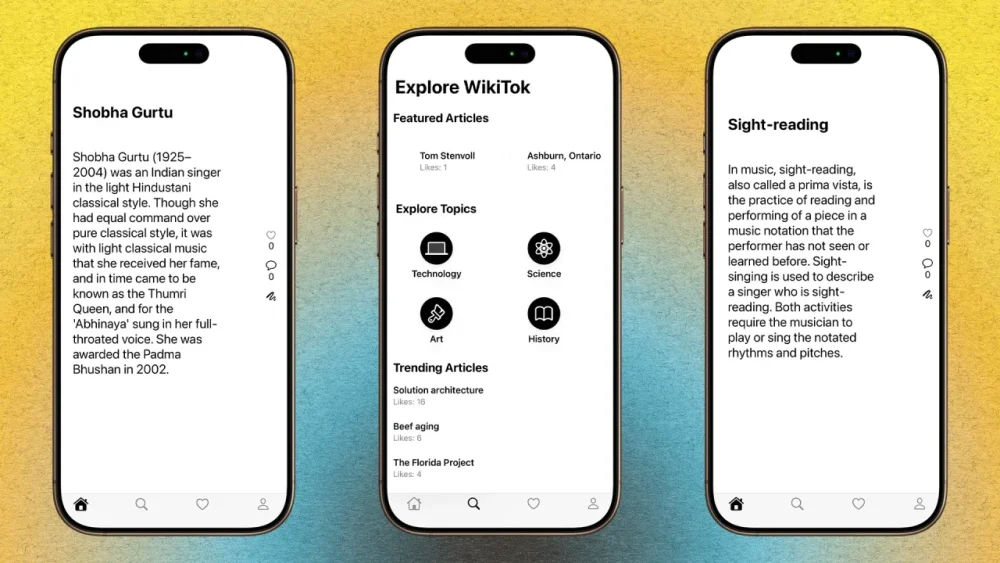
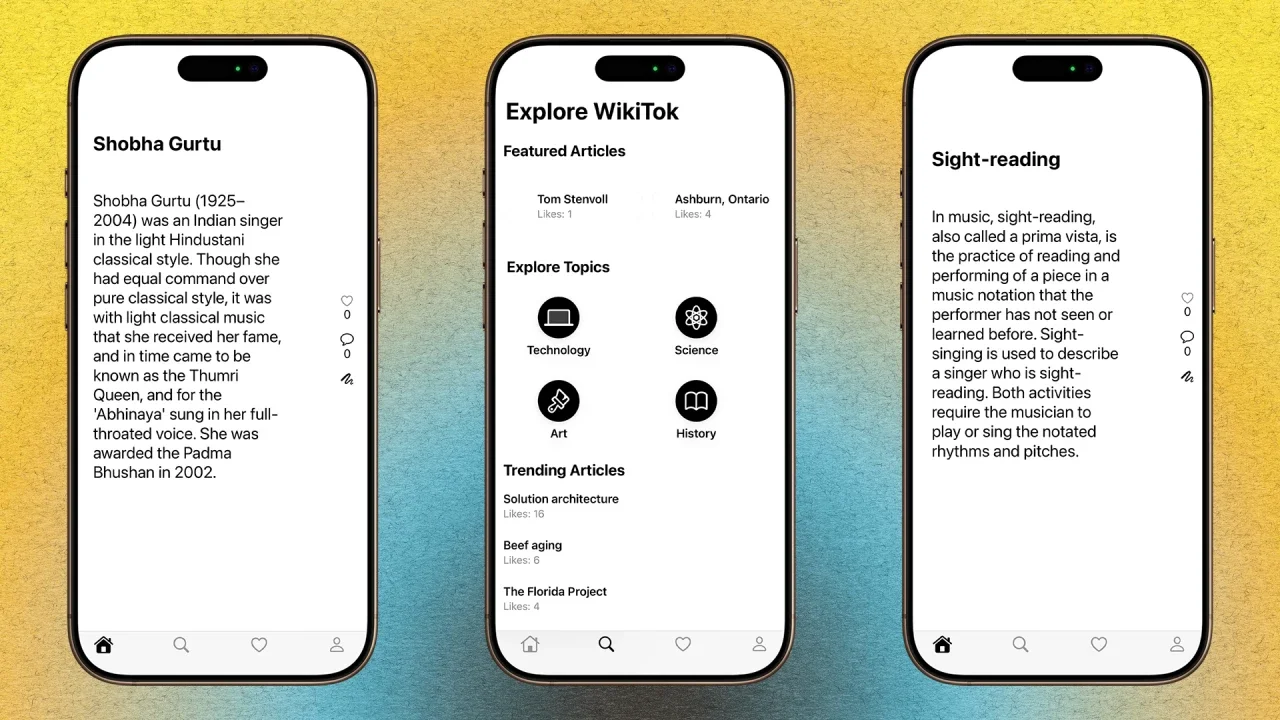
“Insane project idea: all of wikipedia on a single, scrollable page,” Patina Systems founder Tyler Angert posted on X earlier this month. “Even better, an infinitely scrolling Wikipedia page based on whatever you are interested in next?” replied Bloomberg Beta VC James Cham. “WikiTok,” added Angert. insane project idea: all of wikipedia on a single, scrollable page — Tyler Angert (@tylerangert) February 3, 2025 New York-based app developer Isaac Gemal stumbled across the discussion the following evening. Within two hours, WikiTok was live. If you’re the type to instinctively pull up Wikipedia to fact-check anything and everything, this app is made for you. WikiTok users can swipe through an endless stream of Wikipedia article stubs, discovering random facts and interesting information along the way. “Damn this is really cool, much better for the brain,” one X user posted. “The rabbit hole we didn’t know we needed. knowledge discovery powered by attention span instead of search terms. finally, a productive way to waste time,” another added. Free from invasive tracking and endless notifications, this app offers the closest thing to guilt-free scrolling. Instead of feeding you content based on an algorithm, it delivers a truly random selection of Wikipedia articles, pulled straight from the Wikipedia API and displayed in a TikTok-style interface. Each entry appears with an image from the corresponding article, and if something catches your interest, a simple tap on “Read More” opens the full Wikipedia page in your browser. Gemal made the code for WikiTok available on GitHub, allowing anyone to modify or contribute to the project. Currently, the web app supports 14 languages, article previews, and sharing capabilities across both desktop and mobile browsers. As the community grows, new features are expected to roll in as contributors get involved. The app is currently algorithm-free and Gemal plans to keep it that way. “I have had plenty of people message me and even make issues on my GitHub asking for some insane crazy WikiTok algorithm,” Gemal told Ars Technica. “And I had to put my foot down and say something along the lines that we’re already ruled by ruthless, opaque algorithms in our everyday life; why can’t we just have one little corner in the world without them?” One little corner, in other words, without doomscrolling. View the full article