ResidentialBusiness
Administrators
-
Joined
-
Last visited
Everything posted by ResidentialBusiness
-
Tariffs, trade wars and plans for big tax cuts could all rattle investors in US Treasuries, but it’s a resilient market with few alternativesView the full article
-
Chair of coalition on secure technology says Whitehall needs to take risk of cyber attacks ‘more seriously’ View the full article
-
Italian lender is one of the few large western banks still remaining in the countryView the full article
-
Ministers want financial firepower targeted at areas highlighted in industrial strategyView the full article
-
Mathias Döpfner says many Europeans had ‘intentionally misunderstood’ the US vice-president’s speech that caused widespread horrorView the full article
-
The president’s conviction that US currency strength gives trading partners an unfair advantage is well known View the full article
-
Labour will damage growth and innovation by curbing independent regulation of the rail networkView the full article
-
FT documentary investigates rise in cases of Russian soldiers executing Ukrainian POWsView the full article
-
The FT investigates the rise in cases of Russian soldiers executing Ukrainian prisoners of warView the full article
-
Ignition has introduced AutoPricing, a first-to-market suite of pricing automation tools designed to help professional services businesses streamline price increases at scale. The new capabilities allow businesses to automate bulk price adjustments, providing greater control over revenue growth while improving long-term cash flow and profitability. The latest AutoPricing feature enables businesses to increase prices across multiple clients simultaneously, eliminating the manual burden of individual price updates. The tool integrates directly into proposal editing and renewals, giving businesses an immediate view of additional revenue generated from price adjustments. “Too many businesses hesitate to raise prices because the process is cumbersome and the conversations are awkward—ultimately leaving revenue on the table,” said Greg Strickland, CEO of Ignition. “At Ignition, we believe pricing should be a strategic growth driver, not a source of stress. With AutoPricing, we’re empowering businesses to easily adjust their fees to improve profitability and confidently charge what they’re worth. This allows them to focus on smarter pricing, rather than cutting costs or chasing client volume.” A recent Ignition pricing benchmark found that over half of U.S. accounting firms plan to increase fees by 5 to 10 percent in 2025, primarily in response to rising costs. Small and midsize businesses (SMBs) are expected to follow suit, often turning to accountants for pricing and cash flow guidance. Despite this trend, many service-based businesses lack the tools to adjust pricing effectively and consistently. Ignition’s AutoPricing suite automates client renewals, helping businesses implement pricing changes seamlessly within a single platform. Key Features of AutoPricing The AutoPricing update includes: Bulk price adjustments across multiple client contracts, simplifying renewals and ensuring pricing consistency. Automated percentage-based increases applied across all clients or specific segments. Customizable price adjustments for select clients using an interactive pricing wizard. Pre-built email templates to notify clients of price changes, eliminating difficult pricing conversations. The new AutoPricing capabilities expand on Ignition’s existing automated pricing tools, which have already helped businesses increase prices by an average of eight percent, generating $8.7 million in additional revenue. Future Developments Ignition plans to further invest in smart AutoPricing capabilities, including AI-driven pricing intelligence and real-time insights, to help service-based businesses price confidently and competitively. The new AutoPricing feature is now available to Ignition customers. This article, "Ignition Launches AutoPricing to Automate Price Increases for Service-Based Businesses" was first published on Small Business Trends View the full article
-
Ignition has introduced AutoPricing, a first-to-market suite of pricing automation tools designed to help professional services businesses streamline price increases at scale. The new capabilities allow businesses to automate bulk price adjustments, providing greater control over revenue growth while improving long-term cash flow and profitability. The latest AutoPricing feature enables businesses to increase prices across multiple clients simultaneously, eliminating the manual burden of individual price updates. The tool integrates directly into proposal editing and renewals, giving businesses an immediate view of additional revenue generated from price adjustments. “Too many businesses hesitate to raise prices because the process is cumbersome and the conversations are awkward—ultimately leaving revenue on the table,” said Greg Strickland, CEO of Ignition. “At Ignition, we believe pricing should be a strategic growth driver, not a source of stress. With AutoPricing, we’re empowering businesses to easily adjust their fees to improve profitability and confidently charge what they’re worth. This allows them to focus on smarter pricing, rather than cutting costs or chasing client volume.” A recent Ignition pricing benchmark found that over half of U.S. accounting firms plan to increase fees by 5 to 10 percent in 2025, primarily in response to rising costs. Small and midsize businesses (SMBs) are expected to follow suit, often turning to accountants for pricing and cash flow guidance. Despite this trend, many service-based businesses lack the tools to adjust pricing effectively and consistently. Ignition’s AutoPricing suite automates client renewals, helping businesses implement pricing changes seamlessly within a single platform. Key Features of AutoPricing The AutoPricing update includes: Bulk price adjustments across multiple client contracts, simplifying renewals and ensuring pricing consistency. Automated percentage-based increases applied across all clients or specific segments. Customizable price adjustments for select clients using an interactive pricing wizard. Pre-built email templates to notify clients of price changes, eliminating difficult pricing conversations. The new AutoPricing capabilities expand on Ignition’s existing automated pricing tools, which have already helped businesses increase prices by an average of eight percent, generating $8.7 million in additional revenue. Future Developments Ignition plans to further invest in smart AutoPricing capabilities, including AI-driven pricing intelligence and real-time insights, to help service-based businesses price confidently and competitively. The new AutoPricing feature is now available to Ignition customers. This article, "Ignition Launches AutoPricing to Automate Price Increases for Service-Based Businesses" was first published on Small Business Trends View the full article
-
Learn the ins and outs of using sitemaps to improve content discovery and indexing. The post How To Use XML Sitemaps To Boost SEO appeared first on Search Engine Journal. View the full article
-
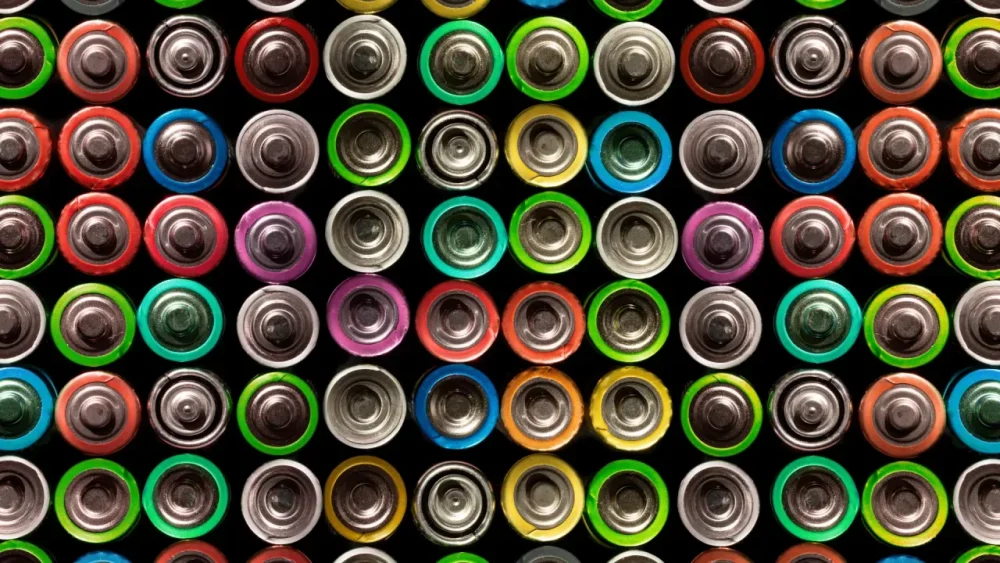
The Fast Company Impact Council is a private membership community of influential leaders, experts, executives, and entrepreneurs who share their insights with our audience. Members pay annual membership dues for access to peer learning and thought leadership opportunities, events and more. Virgin lithium mining is a focal point for the U.S. and is necessary for the nation’s growth in the critical minerals market. Yet, there is another primary source to secure key battery materials (lithium, nickel, cobalt, and manganese), and that is recycling end-of-life and scrap batteries. Domestic sourcing is crucial to expanding our manufacturing efforts, and it’s imperative that recycling and mining complement one another if we want to succeed in our supply chain stabilization efforts. Currently, the U.S. produces black mass (the output recycling lithium-ion batteries metals that can be put back into the supply chain). We will have a large supply of this material in the next few years that will be readily available to the domestic market. What’s also important is that we’ll have increased refining capacity to extract critical materials contained in the domestically available black mass to enable cathode producers to manufacture cathode powder for cell manufacturers. The global critical minerals industry is on a growth trajectory, and there is a tremendous opportunity to recover these metals within our borders and reuse them to produce new materials including energy storage systems, technological advancements, consumer products, and defense applications. Now is the time to strengthen the U.S.’s critical materials strategy and global competitiveness with a focus on key factors: Accelerating access to domestically sourced critical minerals Becoming a leading critical minerals producer Committing to increased raw battery material manufacturing in the U.S. Global impact Battery recycling refinement industry challenges are similar to other growth industries, with a lot of new entrants not fully understanding the investments needed for market success. The key is experience and understanding this complex web of interconnectedness that streamlines the workflow to offer useable domestic material. Other factors such as inflated material acquisition costs will need to be reset much lower for the industry to succeed. And with today’s metal prices on the London Metal Exchange, expectations should focus on a return on invested capital to produce these critical minerals. Enabling domestic sourcing that prioritizes onshore capabilities in the critical materials space, with a specific focus on refinement, is the path to stability. Once these materials are within our border, we need to keep them here. We can achieve this through a closed-loop system. When consumers and original equipment manufacturers have a battery at end-of-life or scrap, they should coordinate with a certified recycler to safely transport, sort, disassemble, process, and extract critical materials into battery-grade salts to be put back into domestic supply chains. By activating this proven model at a larger scale, we can increase access and capacity domestically, however it has to be profitable. Becoming a critical minerals production leader would enhance the new administration’s commitment to U.S. manufacturing, national security, global competitiveness, and strengthening our supply chains. Onshore manufacturing To ensure there is sustainable investment throughout the critical minerals supply chain, the entire supply chain needs a profitable business model that can deliver a return on the required investment. Also, the U.S. can be a leading critical minerals producer and powerhouse by onshoring manufacturing to further the national defense stockpile sources, reducing the nation’s mineral reliance on foreign entities of concern and supporting the priority of accelerated access to domestically sourced critical minerals. By recycling and recovering these materials, we can start to enhance our supply chains in the short term, ultimately working towards ensuring that the U.S. secures critical materials for long-term viability. David Klanecky is CEO and president of Cirba Solutions. View the full article
-
Plans raise ‘significant’ security concerns for financial services industry, says WashingtonView the full article
-
The Fast Company Impact Council is a private membership community of influential leaders, experts, executives, and entrepreneurs who share their insights with our audience. Members pay annual membership dues for access to peer learning and thought leadership opportunities, events and more. Healthcare navigation was supposed to be the ultimate guide—a GPS for the healthcare maze. Instead it’s more like an old paper map with half the roads missing. What was meant to simplify care has become just another layer of complexity, dressed up as concierge support but too often steering people based on cost, not quality. At a time when AI, telehealth, and integrated care models are merging and transforming how people experience healthcare, navigation as we know it is becoming obsolete. The rise—and fall—of Navigation 1.0 Navigation started with a clear, patient-first mission: Remove barriers to care. The concept was pioneered by doctors to improve cancer outcomes for underserved patients who struggled with delays in diagnosis and treatment. The original vision was simple: Get people to high-quality care, faster. But then the industry lost the plot. As digital health took off, the market became flooded with big vision “front doors”—slick apps that promised convenience but ultimately led nowhere. These platforms were entryways without hallways—flashy introductions to healthcare that failed to connect people to integrated clinical expertise or personalized support. Instead of providing a pathway to better health, they left people stranded. Then insurers stepped in. They highjacked “navigation,” repackaging it as a cost-control tool rather than an independent, patient-first service. The incentives—and the experience—were not the same. Instead of guiding people to the best possible care, insurer-led navigation steered them toward lower-cost providers with little regard for quality or fit. What should have been an unbiased clinical advocate became just another mechanism for network steering. The result? People aren’t just underserved; some are actively led away from quality care, facing more barriers, more frustration, and worse outcomes. Navigation was supposed to help people get to and through the system, but instead, it became a roadblock. Let’s not forget, we’ve seen this before. Like with the first wave of telehealth, Navigation 1.0 has become an add-on to a fragmented system rather than a real solution. And just like Telehealth 1.0, too many navigation services are now commodity, or more specifically low-value check-the-box offerings—utilization management in disguise. What comes next: A more integrated, person-centric model If Navigation 1.0 is dying, what replaces it? A smarter, all-in-one healthcare model—one that doesn’t just point people in a direction, but actually gets them the right care at the right time—proactively, ongoing, and when called upon. Navigation was always meant to simplify healthcare, but that only happens when clinical expertise, advocacy, and technology work together and are deeply integrated to eliminate friction, improve access, and drive better health outcomes. Here’s what that looks like: Advocacy, not just guidance People don’t need another app—they need someone in their corner. True advocacy means: Fighting billing errors and helping people understand and resolve insurance denials. Connecting people with high-quality doctors, not just network-preferred ones. Helping people navigate treatment decisions and medication costs. It’s not about pointing people in the right direction; it’s about walking beside them. AI + EQ: Smarter, more empathetic care AI assistants and guides are hot topics, but technology alone isn’t enough. What people want is AI + EQ = the efficiency of AI-driven experiences combined with real human expertise and empathy. In healthcare, AI should either free up humans to focus on tasks that only humans can accomplish, or provide guidance to humans to help them perform uniquely human roles more effectively. If a system isn’t human-centered, it’s just another version of the problem. At this point in the game, integration can’t be vision Navigation without deep clinical expertise, system-wide connectivity, and personalized visibility into an individual’s benefits, history, and preferences is about as useful as a tour guide who’s never been to the city—helpful on the surface, but not when you drill down for trusted, known, and proven guidance. For navigation to be effective, it must provide direct access to clinical expertise as part of an integrated team—not just for finding a doctor. It should go even further to holistically support people across mental and physical health, administrative, financial, and social needs. It must include addressing the unexpected too, such as medication support, in-home care, and a broad range of social determinants of health issues. Smarter, cost-conscious care (not just the latest trend) The GLP-1 drug boom (Ozempic, Wegovy) is a case study in why smarter healthcare decision making matters. These drugs are breakthrough treatments for diabetes and weight loss—but they’re also so expensive that if prescribed indiscriminately, they could bankrupt the system and individuals too. That’s why Navigation 2.0 must be evidence-based, guiding people toward treatments that work, are clinically appropriate, and are informed by a person’s benefits and based on what a person can afford short term and ongoing. Better healthcare isn’t just about access; it’s about making smart, data-driven decisions with and for people. The future: Personalized all-in-one healthcare Navigation 1.0 was about helping people wayfind. The next era is about creating a fully connected, advocacy-driven experience that actually improves health, lowers costs, and removes complexity. At Included Health, we call this personalized, all-in-one healthcare. It’s not just a replacement for navigation—it’s a new category altogether, one that finally delivers on the original promise of making healthcare simpler, better, and more human. Healthcare navigation, as it exists today, is dying. RIP. Owen Tripp is cofounder and CEO of Included Health. View the full article

-
Recommendation to vote against activist investor’s resolution comes as weak iron ore prices hit mining group’s earningsView the full article
-
With Apple finally killing the Home button in today’s iPhone 16e announcement, the company’s phones have now all adopted the same general look: boring. Apple’s latest budget phone might have a bigger battery and surprising power for a follow-up to the iPhone SE, but anyone looking for something that breaks the mold will have to wait for the iPhone 17. That’s because Apple’s next lineup of phones finally seems to be doing something different with the iPhone’s design. For the first time since the Dynamic Island was introduced on the iPhone 14 Pro, it looks like you might finally be able to tell if someone has a new iPhone from a simple glance. Is the iPhone 17 getting a camera bar?According to leaks from YouTuber Jon Prosser, the iPhone 17 might be taking cues from Google, making for a significant change to its design. Notably, it’ll supposedly be ditching its camera bump for a full-on camera bar. In a video posted to YouTube over the weekend, the leaker posted renders of what the iPhone 17 Pro might look like, based on information from a number of unnamed sources, as well as a model he has supposedly seen. In the render, the iPhone’s camera lenses appear to be laid out in a similar triangular fashion as on current iPhones, but the bump housing them is now extended across almost the entire phone’s back. The flash, LiDAR, and mic are also now sitting opposite the lenses, on the other side of the extended bump. If true, the new iPhone would definitely need a new case, but it would also be aping Google’s Pixel series of phones, which adopted a “camera bar” back in 2021 that looks suspiciously similar to this leak. Reviews, including my own, haven’t always been kind to the camera bar, which can stick out of an otherwise slick looking phone like a sore thumb, so it’s not clear at first why Apple would make this change. Some social media users have speculated that Apple might use the camera bar’s extra space to add a small display to the phone’s back to aid in taking selfies or seeing information from widgets, but these are just guesses for now. This Tweet is currently unavailable. It might be loading or has been removed. Granted, that’s the nature of leaks in general. While Prosser claims to have seen the phone, other sources are more split on the camera bar idea. Most notably, Bloomberg’s Mark Gurman, who has his own sources within Apple, insinuated that Prosser’s renders appear to be based on a fake CAD design from January. Leaker Majin Bu had already shown this CAD to designers, who said it was likely not real. Prosser, however, isn't the only one predicting a camera bar for the iPhone 17. Both supply chain analysis from technology publication The Information and assertions from Chinese leaker Digital Chat Station have hinted at a pill-shaped camera bump, which would be similar in design to the Pixel camera bar. Both rumors have issues, though, which has led to doubt from other known leakers including Instant Digital and Ice Universe. Most notably, a pill-shaped camera bar would interfere with how the iPhone currently captures spatial video, while Prosser’s design would put the flash and LiDAR far away from the camera lenses, which could impact their usefulness. Whatever camera layout the iPhone 17 gets, there is more to be excited about with this phone, even if it may not be as immediately visually interesting. The iPhone 17 AirAlongside its base iPhone 17 and two iPhone 17 Pro models (the typical Pro and Pro Max), the iPhone 17 is rumored to introduce a new, lighter version of the phone called the iPhone 17 Air. The new model would take the place of an iPhone 17 Plus, although it wouldn’t be directly comparable. Rumors of an iPhone 17 Air started in November with Korean social media account yeux1122 and have since been repeated by Apple analyst Jeff Pu (via MacRumors), The Information, and Bloomberg’s Mark Gurman. Supposedly, the phone would roughly be between 5mm and 6mm thick, depending on which source you go with, which would still make it far thinner than Apple’s current thinnest phone, the 6.9mm iPhone 6. As for how big the phone would be, despite it not having the “Plus” branding, it will supposedly be a little taller than the 17 Pro and a little shorter than the Pro Max, with specifics again depending on which rumor you go with. The Information also claimed a camera bar will be present on the Air, reporting it will be pill-shaped with a centered camera. It’s possible this is where the iPhone 17 line’s camera bar rumors began, so I wouldn’t be surprised to see the Pro models skip the camera bar while the Air has one, but nobody seems to know for sure. It would make sense, though, as a way for the Air to save some thickness. Additionally, Prosser also has a render of an Air with a pill-shaped camera bar, although his model places the lens closer to the edge of the phone, once again far away from the flash and microphone. The standard iPhone 17While the iPhone 17 Pro and Air models might bring some new excitement to Apple’s traditional candy bar layout, current rumors put the base iPhone 17 about where you’d expect based on the past few models. No camera bar is currently rumored for this phone, although MacRumors is speculating, based on the iPhone 17 Pro’s expected size, that it might get a slightly bigger screen at 6.3-inches as opposed to 6.1-inches. Instant Digital also claims that the base iPhone 17 will get an improved OLED panel, which will allow it to hit higher frame rates using Apple’s ProMotion feature. The usual improvementsIn addition to new design quirks, the iPhone 17 series is also expected to get the usual lineup of improvements. The Pro models will likely upgrade from the A18 chip to an A19 chip, while the base model will possibly stick with the A18 chip instead. Similarly, we might see camera specs increase, with Jeff Pu (via MacRumors) expecting all iPhone 17 models to have a 24MP selfie camera, up from 12MP across the iPhone 16 line. Apple analyst Ming-Chi Kuo is also expecting the iPhone 17’s Pro models to upgrade all lenses to 48MP next year, which would improve the 12MP telephoto lenses from the current batch. A report from The Information also points to a potential mechanical aperture on at least one model, which would let users control how much light their lens sees, while Chinese site MyDrivers speculates that the entire lineup will use a vapor chamber for improved cooling. These would indicate entirely new directions for Apple, and should probably be taken with a grain of salt. There’s also one potential downgrade in store, with The Information's analysis pointing to the possibility that Apple might return to an aluminum frame for its Pro models rather than the current titanium frame. This could reduce cost, but might also make the phones slightly heavier. Price and release dateA report from the Wall Street Journal estimates that Apple will price the iPhone 17 Air somewhere between the base 17 and the 17 Pro models, but aside from that, cost is still up in the air. The base iPhone 16 costs $799 while the Pro costs $999 and the Pro Max costs $1,199, so expect to pay at least as much for these upgrades—although with tariffs inbound for Chinese parts manufacturers, there could be a slight price bump. As for a release date, Apple usually launches new iPhone series in September, so expect the iPhone 17 line to debut sometime this fall. View the full article
-
Searching for a job can feel like a full time job itself. It’s easy to feel defeated when it feels like you’re sending your resume out into the void and hearing nothing back the majority of the time. Maybe you’re graduating soon, or making a career pivot, or jumping back into the workforce after some time away—the job hunt humbles us all. An action plan is key to turning your overwhelming job search into a much more manageable process—both in terms of your sanity and to increase your chances of getting hired. Personally, I love a good spreadsheet. Whether or not you’re Team Spreadsheet, you should create some form of a career search action plan. Why you need an action plan for your job huntYour career search action plan is an organization tool to keep all the elements of your job hunt in one place. This not only helps you stay on top of action items, but also visually represents your progress when you need a motivational boost after getting ghosted by Indeed.com. I've made a template you can use here. Your action plan will be catered to your specific career search, but there are three main steps to get started: Goal setting and preparation Tracking progress Evaluating and self check-ins So, let's get into some of the specific action plan items. Goal setting and preparationThe first steps are always the hardest. When your career search is getting started, here are some concrete things you can do in the first major section of your action plan. List out career goals. What are you looking for in your next position? Research the types of roles you’re interested in, taking note of the qualifications you need to highlight in your application. Identify key words to add to your resume (which you should tailor to each job posting, no matter what). Search for new contacts. Spend some time on LinkedIn, Twitter, and company websites to try and find anyone who could potentially aid your search, whether that’s by their insight and expertise or their ability to put you in touch with someone else who’s hiring. Clean up your social media presence, if need be. Create and update an online portfolio or website for yourself, if applicable. Tracking your progressThis tracker is the meat of your action plan. With sites like Indeed and LinkedIn, it’s easy to send off application after application without much thought. To stay on top of all the different openings out there, get creative with all the ways you monitor your job search process. Organize links to job postings. Compile all the positions you’re considering, working on, or have applied to all in one place. Visualize this list with color-coded columns for your application status, interest level, potential contacts for the position, and a space for general notes about the position. Compile a master list of contacts. Don’t hold back here: Brainstorm a list of family friends, former coworkers, HR managers, people in your dream job who you found on LinkedIn, and general networking opportunities as described in step four above. Not every person you reach out to will want to talk, and not every person you talk to will lead you to a job. Still, you never know what opportunities might come along from getting the conversation started. Prepare for interviews. Schedule out any interviews you get and map out strategies to prep for them. Make a checklist for interview prep: Research the company, your interviewer, and script answers to common interview questions. Evaluating and self check-insOne of the biggest mental roadblocks to any job search is keeping up the momentum. Whenever things lag, and it feels like the job market is hopeless, this tab is where you can check in on your progress. Follow up with anyone you networked with. Be reasonable—don’t keep nudging the same people over and over every week. Consider learning new skills or doing volunteer work to pad your resume while you search for a permanent role. Analyze your goals and identify what you might need to adjust going forward. Write down what you are willing to compromise and what is non-negotiable for you. This might lead to applying to different kinds of positions, which could give your career search another surge of motivation. For most of us, finding a new job is a daunting and disheartening slog. Your career search action plan is an organization tool that is as important mentally as it is professionally. And if you find yourself staring at a long list of rejected applications, you can always delete this spreadsheet and start fresh. View the full article
-
Howard Lutnick's influence in housing today is primarily tied to tariffs but his firm also had a storied past in mortgages and was hit hard by the 9/11 attacks. View the full article

-
The $300 million strong team brings with it two top producers in the state. View the full article

-
We may earn a commission from links on this page. Over the years, I've accumulated dozens of makeup brushes, which means I’ve also spent far too much time cleaning them. Dirty brushes can screw up your glam, but can also cause breakouts and distribute bacteria and whatever else lurks in your makeup bag across your skin. In worst-case scenarios, you could even get an infection. Cleaning them regularly—every seven to 10 days—is important, but so, too, is doing it right. Some cleaning methods are ineffective and others are downright bad for the brush. Here's what to know about cleaning not only your brushes, but your sponges. How I clean my makeup brushesThere are loads of tutorials all over TikTok, YouTube, and Instagram, showing how influencers and makeup gurus clean their brushes, but a lot of them are full of bad information. For instance, using oil is a no-no; it’s extremely difficult to remove from bristles, which can make the brushes less effective and cause breakouts on certain skin types. I’ve also seen loads of videos where users are fully submerging their brush heads in soapy water. Again, no: Eventually, that can damage the glue, too. I am fortunate enough to be friends with a real-life professional makeup artist and model, Rachel DeFluri, and for years, I have followed her advice instead of tips from self-proclaimed online gurus. First, I start with a basic rinse to get the most obvious, external makeup off, filling a small bowl with micellar water and swirl each brush tip around in there. Ever since DeFluri told me to use micellar water to clean makeup brushes, I've loved it because, just as it somehow removes makeup from your skin with ease, it does the same thing here—very gently and easily. If you don’t have any, just run the brush tips under a faucet. Regular water will take a little longer, but the powders and liquids on the outer parts of the brush will eventually come off, leaving you to deal with the stuff that's really deep inside. DeFluri adds that micellar water can be used if you're in a rush and don't have time for any other steps: "Simply soak a cotton pad or towel with micellar water and wipe your brushes clean. While this won’t fully disinfect, it’s a great option for spot cleaning between deep washes." She also points out that if you are in a hurry and are sure your brushes are made of synthetic fibers, you can do this same technique with 70% isopropyl alcohol by applying it to a pad or rag and gently running it over the brush head. She cautions that while it "breaks down stubborn product buildup and kills bacteria on contact" and is great for disinfecting, "it can be drying over time, so use it sparingly." Only swirl the tips so the glue inside the brush doesn't get wet. At the end, your micellar water should look dirty, like the picture on the right. Credit: Lindsey Ellefson If you're not in a rush and want to do a full deep-clean, you move on to the next step. I refill that same bowl with plain, clean water and add a few drops of gentle dish soap (though you can also use baby shampoo). Avoid using anything else, like hand soap. Some bloggers have recommended Dove body wash in the past, too, but that contains some conditioning agents that can, over time, coat your bristles with a film. Our goal here is to strip everything from the bristles, not add anything to them, so plain dish soap is your best bet. The gentler and plainer, the better. Plus, according to DeFluri, it works the same whether you're cleaning synthetic or natural bristles, so you don't have to play any guessing games. Swirl your brush tips in there again, this time massaging them with your hands to “scrub” them. Any time the water gets too dirty, toss it and refill the bowl. Eventually, each brush will stop releasing powders and liquids and, when run back under the faucet, the water coming from them will be clear. A lot of influencers recommend using a bumpy silicone mat as a scrubber during the cleaning process, but those are specialty products that aren’t really necessary. They’re convenient, yes, but run the spectrum of costliness ($5 for a simple one at Ulta, $37 for the big one on Amazon) and don’t do much more than a good massage with your fingers can do. Their greatest benefit is that, by running your brushes over them, you get a lot of water out, but you can do that yourself by gently squeezing the bristles over your cleaning bowl or sink. My little hack is that I use my silicone dish sponge, the one I rave about for general cleaning, and it functions just as well as the specialty mats I've tried, plus I can use it for my dishes and cleaning the kitchen. Best of all, this multi-purpose wonder comes in a two-pack for just $9. Massage the product out of each brush with a mat or by hand, then carefully lay them out to dry. Credit: Lindsey Ellefson When the water runs perfectly clear through them, it’s time to fully dry your brushes. Lay them flat on a paper towel or a microfiber cloth. (I recommend the cloth because you'll actually need about seven paper towels stacked up to catch all the water that comes out over time.) A tip DeFluri is really serious about is this one: Don’t splay the bristles out unnaturally to dry them because they’ll dry that way and be difficult to use afterward. Instead, gently shape the bristles back into whatever shape they were before and let them air dry. I usually leave mine at least overnight and come back a few times to flip them over. Whatever you do, do not dry them upright in a container; this will affect the glue on the bristles, as the water will run down. You can even dry them while they hang upside down, but I don't have the space or mechanics necessary for that. If you figure out a way to affix a bunch of handles so the brushes are airborne, you let me know. Drying them flat is perfectly fine, but rotating them periodically so the bristles don’t flatten on one side is a smart move. How to clean a makeup spongeMakeup sponges, which had a popularity boom around 2016 but are still a staple in most makeup kits, are much easier to clean than brushes, since you can fully submerge them in water with no problem. You can do it in micellar water first and then switch to your soap-and-water mixture, or just go straight to the soap and water. (A lot of makeup sponge brands sell their own cleanser, but baby shampoo is just as good.) Submerge the sponge and massage it with your hands, squishing it around until you see makeup start to come out into the water. If it’s really, really dirty, let it sit in that soapy water for 10 minutes or so. Take it out and put some soap directly onto the wet sponge, working it into a lather. Run the sponge under a faucet to rinse it and don’t stop until the water runs clear. To dry the sponge, prop it up, if you can, and let it air dry. It can air dry flat, but you’ll want to turn it over a few times. Let it dry overnight to make sure there are no wet spots deep inside that could get mildewy. When you think it’s dry, give it a good squeeze to make sure you don’t feel any dampness. Don’t put it back in the drawer or its container until it’s fully dry. View the full article
-
We may earn a commission from links on this page. Before you can lift a loaded barbell, you have to find a bar and load some plates onto it. At some gyms, there’s only one type of bar, and it weighs 45 pounds, and that’s all you need to know. But that’s not the only type out there, and if your gym has different bars of different shapes and weights, it’s possible to get confused. Check end of the bar firstIf you’re wondering about what kind of bar you're looking at or what it weighs, always check the end of it. Sometimes you’ll find a label with a brand name, a description of what the bar is, and its weight. For example, this one has a little endcap that says “The Rogue Ohio Deadlift Bar. 27mm. 20kg.” Now you know that it weighs 44 pounds (20kg) and that it’s got a 27mm wide handle, just over an inch, which is slightly thinner than a typical power bar. Great! Problem solved. But on many bars, all you’ll see at the end is a rusty bolt, so we need to look for other clues. If the bar is seven feet long, it probably weighs 44 or 45 pounds. (How to know if it's seven feet long? Stand it on end, and compare to your own height. If you're six feet tall and it's about a foot taller, that's the kind I'm thinking of.) If you’re suspicious, though, trust no one. I’ve heard bystanders say “oh yeah, that one’s 55 pounds” for everything from a standard 45-pound bar to a monster of a 69-pound trap bar. There’s a simple way to find out how much any bar weighs: weigh it. Almost every gym has a bathroom scale kicking around somewhere, so you can weigh yourself holding the barbell, and then weigh yourself without it and subtract your own weight. (Ask the front desk staff for help if carrying it around to weigh it would be awkward. They may either know the weight, or may be able to help you wrangle it onto a scale.) That said, these are the most common bars you’re likely to encounter: Standard 44- and 45-pound barsThere are a few different kinds of bars in the 45-pound family, but I’m lumping them together because they are about the same size and weight, and can be used interchangeably for many lifts. Some are 44 pounds (because that's 20 kilograms, and 20-kilogram bars are standard in international competition), and some are 45 pounds (which are basically the same thing, but more American). Honestly: don’t worry about the difference. A 20 kilo bar loaded with two 45-pound plates is technically 134 pounds, but everybody in the gym will say it's 135 and you might as well go along with it. These 45(ish) pound bars are the most common ones you'll see in the gym. They are seven feet long, with the part you hold about an inch in diameter and the parts where the weight plates go about two inches in diameter. This type is sometimes called an "Olympic" bar to distinguish it from the "standard" bars that used to be common, and which you can still buy as home gym equipment. (Ironically, "standard" bars with their one-inch sleeves are no longer standard. But the name has stuck.) Within this category, there are a few different types of 44- and 45-pound bars: Men’s Olympic bars are 20kg (about 44 pounds) for the men’s bar, and 7.2 feet long. The sleeves (the wider parts on the ends) spin easily. If you load them up with plenty of weight, you will see that they tend to flex or bounce easily. These are designed with the two Olympic lifts in mind, the snatch and the clean and jerk. But you can use them for any lift you like, so you’ll still find them at gyms where nobody does any Olympic lifts. Cap Barbell THE BEAST Olympic Bar | For Weightlifting and Power Lifting, THE BEAST - Black/Chrome, No Center Knurl, 7' Olympic, (OBIS-86B) New Version $124.70 at Amazon /images/amazon-prime.svg $149.99 Save $25.29 Shop Now Shop Now $124.70 at Amazon /images/amazon-prime.svg $149.99 Save $25.29 Power bars, used for squat, bench, deadlift, and the like, are the same size and shape as men’s Olympic bars. They tend to be stiffer (thus not bending or bouncing as much when they're loaded heavy) and the collars will probably not spin as easily. If they’re not 44 pounds, they’ll be 45. Deadlift bars may be a bit longer than a typical power bar, and may be thinner and more whippy. They are usually still 45 pounds. Squat bars are a wild card here. Normally, the bar in a squat rack will be a regular power bar. But sometimes, it will be a specialized squat bar that is thicker and stiffer, and that may weigh 50 pounds, or sometimes 55 or more. Women’s Olympic barsWomen’s bars are lighter and slightly thinner than men’s Olympic bars, but they are also noticeably shorter—about eight inches shorter. They weigh 15kg, or 33 pounds. METIS Women’s 33LBS Olympic Barbell [6.6FT] - Complies with IWF Standards | Ideal for Beginners & Female Lifters $159.99 at Amazon Shop Now Shop Now $159.99 at Amazon Women’s Olympic bars exist for women to use when competing in the snatch and clean and jerk. They have two main advantages over a men’s bar (if you are an average sized woman): They are thinner, making them easier to grip, especially with the hook grip that Oly lifters typically use. They are “whippier,” so that the bar doesn’t require quite as much weight on it for it to be able to flex and bounce. This matters in Olympic lifting (for example, when you use the bounce to help you as you’re standing up from a clean) and means basically nothing for other lifts. Because they’re specialized for Olympic lifting, you’re only likely to see these bars in Olympic weightlifting gyms and in Crossfit gyms (and similar "functional fitness" spaces). You're not too likely to see these bars in your average commercial gym. In weightlifting and Crossfit gyms, you may also find lighter "technique bars" or "training bars" (often 5kg or 10kg, so 11 or 22 pounds) that exist to give you something lighter to work with if you’re not ready for a full size bar. They are usually the same dimensions as a women's Olympic bar, and are used by kids and beginners learning the lifts. Again, you're not likely to see these outside of an Olympic weightlifting gym, but you never know. They'll be clearly marked on the endcap, and usually shouldn't be loaded past about 50 pounds total. Curl bars and shorty barsAll of the bars I discussed above are what you might call "full size" barbells. But there are also shorter bars meant for lighter lifts, often four or five feet long. They might be called a "shorty" bar, or just a "5 foot bar" or maybe, in a nod to one of their common uses, a "curl bar." (But not an EZ-curl bar, which I'll discuss in the next section.) These shorter bars are used for exercises like barbell curls where you aren't going to be using a ton of weight, so you don't need a full size barbell. A five-foot bar is a lot easier to manage, especially if you're carrying it around a crowded gym or storing it in a small space in your home gym. That said, I wouldn't buy a shorty as your only bar for a home gym, since they don't fit in standard squat racks, and don't have enough room on the sleeves to load much weight. Curl bars are often, but not always, 25 pounds. Check for a label or weigh one to be sure. Olympic Barbell Curl Bar EZ Bar 4/5/6/7 FT Barbell Bar 300/400/500/600 Weight Capacity Strength Training Bar for Home Gym $69.99 at Amazon /images/amazon-prime.svg Get Deal Get Deal $69.99 at Amazon /images/amazon-prime.svg EZ-curl barsThese are the wiggly ones. They’re used like curl bars, for exercises that use smallish amounts of weight. Their handles are designed so that you can choose the position that’s most comfortable for your wrists. They may be 25 pounds or less; this one is 15 pounds. Elevens EZ Bar Curl Barbell 4ft-22LB 330LBS Capacity Olympic Bearing Barbell (330LB-Sliver), 47 inches (A-YD04001) $42.99 at Amazon /images/amazon-prime.svg $59.99 Save $17.00 Shop Now Shop Now $42.99 at Amazon /images/amazon-prime.svg $59.99 Save $17.00 Trap bars and other oddly shaped thingsThere are a variety of other bars out there, in odd shapes and varying weights. One is the trap bar or hex bar, a hexagon big enough that you stand inside of it. (It’s mainly used for trap bar deadlifts, where your hands are at your sides and you don’t have to worry about whether you’re going to smack the bar into your shins.) Some trap bars are 45 pounds, but some are more and some are less. CAP Barbell Olympic Trap Bar, Hex Bar, Shrug Bar, Deadlift Bar, Black $58.00 at Amazon /images/amazon-prime.svg $89.99 Save $31.99 Shop Now Shop Now $58.00 at Amazon /images/amazon-prime.svg $89.99 Save $31.99 There are also football bars, also called Swiss bars or multi-grip bars, that allow you to use a neutral grip for bench press or other pressing movements. Sometimes they’re 45 pounds, but again, sometimes they aren’t. You may also find safety squat bars, cambered bars, and other specialty items depending on your gym. Unusual bars aren’t standardized, so the weight is just whatever it ended up being when the bar’s maker welded all the parts together. Axles, which are two-inch-thick bars used in strongman competition, can vary wildly—some are made from a lightweight hollow pipe, and may only be 20 pounds or so. Others are made from solid metal and may be around 80 pounds. As always, when in doubt, weigh it. View the full article
-
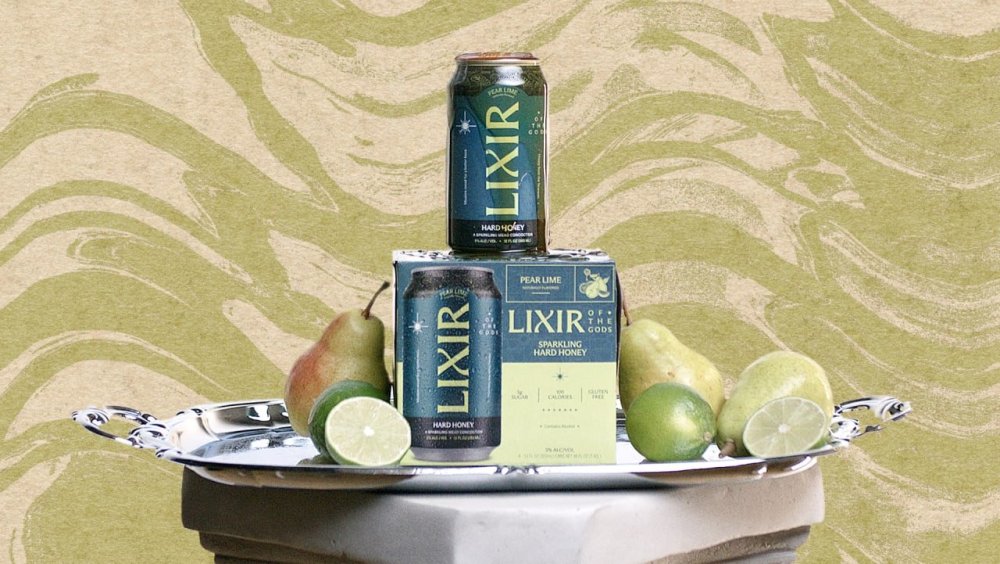
When he was a teenager, Collin McKenna’s interest in changing the food system led him to move from Colorado to Hawaii for high school. It was on that school’s regenerative farm that the now 30-year-old has entrepreneur discovered mead—the sweet, fermented honey beverage often referred to as “honey wine.” His first taste of alcohol was mead made by Hawaiian locals. With his 10-month-old brand LIXIR—a sparkling ready-to-drink mead brand he’s billing as “hard honey”—McKenna wants to make the ancient beverage accessible while turning LIXIR into just the second Regenerative Organic Certified (ROC) alcoholic beverage brand. “So many different cultures made different variations of it. But we wanted to reimagine mead for a modern consumer,” McKenna says. Making Mead Accessible One of McKenna’s first moves when starting Lixir was trademarking the term “hard honey,” papering over the knowledge gap around mead—one of the world’s oldest alcoholic beverages, but whose popularity fell as beer and wine became easier to produce on industrial scale. But mead has been having a resurgence. Fortune Business Insights data reveals that the mead market was about $533.3 million in 2023, and is projected to nearly triple by 2032. “There’s a lot of education behind trying to explain mead and where it comes from,” McKenna says. “As soon as we came up with the idea of hard honey, people were like, ‘I get it.’” With a concept in mind, in 2021, McKenna approached Frank Golbeck, founder of Oceanside, California’s Golden Coast Mead, to begin developing the formula for his hard honey. Since 2010, Golbeck has been focused on modern mead with a regenerative approach. He saw McKenna’s ethos and vision, and although his small factory had limited space, was willing to begin a partnership. Golbeck says mead represents “the synthesis of ecology, creativity and history coming together. Honey is this expensive product that is hard to make. Then to turn it into an alcohol that is similarly hard to make—and to do it well, consistently—has escaped people for generations.” The pair ultimately created a proprietary process for formulating a 5% ABV modern mead that’s less sweet and, unlike the traditional drink, slightly carbonated. LIXIR comes in three varieties: Pear Lime, Cherry Grapefruit, and Mango Orange. “There are so many different honey options—flowers and places where they forage—and they can make such different mead,” McKenna says. “We went through countless renditions of just trying to make the base. It was at least a yearlong process.” Since April, Lixir has debuted at Total Wine & More in its SoCal region as well as Jimbo’s natural grocery stores in San Diego, among several other small retailers and upscale restaurants and hotels. This Spring, it will also begin rolling out in Mother’s Market stores in Southern California regions. McKenna has raised more than $650,000 in funding, about half of its current goal amid a crowdfunding round. Jack Sinclair, CEO of Sprouts Farmers Market, is an advisor and investor in Lixir. [Photo: Courtesy of Lixir] Lixir’s regenerative approach Lixir’s branding helps make mead something a casual shopper might buy, but McKenna still has to solve for how to explain to buyers that their purchase is funding responsible farming. A survey out of Purdue University’s Department of Agriculture found that more than 70% of U.S. consumers are slightly or not at all familiar with the term “regenerative agriculture.” McKenna and Golbeck knew that their regenerative goals would rely on sourcing, so they decided to make Lixir with honey sourced from a Brazilian farm in the Atlantic Rainforest that pulls double duty as a nature and bee preserve. McKenna says Lixir is already a regenerative organic product, but has yet to receive certification from the Regenerative Organic Alliance—something no bee farm or honey brand has managed to achieve. McKenna and Golbeck say that’s because the ROA requires a three-mile forage radius to certify farms, something the founders view as impractical because bees fly far and wide. They have been working with groups like the Regenerative Apiculture Working Group, which focuses on promoting a regenerative honey ecosystem, to make changes to the requirements. “It’s so complicated,” McKenna says adds. “We’ve been chipping away for 10 years.” Though the ROA has certified a handful of beverage brands—among them Harmless Harvest coconut water and Guayaki yerba mate—LIXIR would become just the second alcoholic beverage brand with ROC status (outdoor lifestyle brand Patagonia’s beer and wine operation has received the certification). McKenna is hopeful ROC status could come within the next five years. “We want to educate people in the best way possible by creating a product that everybody can enjoy and have fun with,” McKenna says. “We want to be the brand behind the movement.” View the full article
-
Reality TV contributed to heightened demand for fixer-uppers and DIY projects, but today's economics are altering consumers' home buying considerations. View the full article

-
Rest is a crucial part of strength training. Depending on the exercise and your goals, you may find yourself resting 30 seconds, or one minute, or three to five minutes. So what do you actually do during that time? Let’s talk about your options, both in terms of training effectiveness and gym etiquette. Literally do nothingAs awkward as it may feel at first, this is the best option for most people, most of the time. Actually rest. Don’t stretch, don’t work a different muscle; just allow your body to recover. Some gyms will have stools, benches, or folding chairs near the platforms where people are lifting heavy (and thus need the longest rests). I’m mostly thinking of powerlifting and weightlifting gyms, but I’ve been to big-box gyms like Crunch that provide seating as well. And impromptu seats are common in many other places—who hasn’t sat on a plyo box or some other convenient surface? Do choresThere are plenty of little actions that you take at the gym (or should take) that are not explicitly exercise. The rest between sets is the perfect time to do these little maintenance tasks. Things like: Change the weights to what you’ll need for your next set. Write down what you just lifted in your notebook or lifting app. If you took a video, watch it to give yourself feedback for the next set. Trim that video so that you (or your coach, or your friends) don’t have to watch all 20 seconds of you fumbling with the camera and adjusting your belt before you actually lift. Have a drink of water and, if needed, a snack. Clean up after yourself! Rack any plates and dumbbells you aren’t using. Start warming up for your next exerciseDuring the last few sets of an exercise, it’s time to start thinking about what you’ll do next. This could mean grabbing the equipment you’ll need or changing your shoes, but it's also an excellent opportunity to start warming up—especially if it’s an exercise that can benefit from a little gentle mobility work. Let’s say you have a few sets of squats left, but after that you’ll do some overhead press. You probably want to warm up your shoulders with some mobility work so that you won’t be so tight when you hit that nice stable overhead position. Or maybe it’s the other way around, and you’re pressing, but next you’ll do squats. It’s a great time to start doing some ankle mobility work so that you’ll be able to comfortably hit a deeper squat. Walk (or dance)When the weights are routine, I sit and chill. When they get heavy, I need to pace. (At weightlifting competitions, I not only stake out a warmup platform, I also pick out a walking path that I can pace between attempts.) Or if you’re more of a cheerful, high-energy person, maybe you just want to dance. You’ll see this most often from people who lift at home, or at a chummy small gym where an impromptu dance party might occur between friends. (Alone in my garage gym, I’ve been known to put on some good karaoke songs and sing along, with or without dancing.) The idea is not to get some extra cardio or get your steps in, but just to stay busy and loose and have fun—or, if you’re nervous about a big lift, to keep your head. At a busy commercial gym, make sure not to walk too far away, and consider leaving your water bottle or gym bag on your equipment to let people know it’s still taken. Read or scroll your phoneI promise that it is actually OK to look at your phone between sets. You’re probably doing it anyway. There’s your lifting app, your videos that you took to check your squat form—and, yes, your usual texting and social media stuff. The risk you’re taking here is that you’ll get distracted and rest too long. From your own point of view, a 10-minute rest between sets may interfere with your next set, making you mentally and physically unprepared. It can also lengthen your workout; sticking to the minimum necessary rest times will get you in and out of the gym a lot faster. From others’ perspective, a person who sits on a machine for 10 minutes scrolling is committing an unforgivable sin in gym etiquette. Don’t take longer rests than you need, if you’re holding up equipment. (That said, if you’re polite to others who approach, and you accept requests to “work in” (take turns) while you scroll, you’re morally in the clear.) For your own sake, set a timer when you do anything that might distract you between sets. I like how I can program rest times into a Garmin watch workout, but Hevy also has a timer, and you can always use a regular ol’ timer from your watch or phone. Another tip: Be mindful about what you’re doing on your phone. Now is not the time to get into an argument on the internet, or check your work email and see what will be waiting for you back at the office. It is a good time to play little games on your phone, or read an ebook, or put together your next great workout playlist. Superset (sparingly) I’m leaving this option for last because I don’t want it to be your go-to. Just because you can do one exercise while resting for another, doesn’t mean you should. Why not? If you really want to give squats your full energy, for example, don’t do pull-ups on the squat rack in between. You’ll fatigue yourself more than you realize, and you won’t do your best on those squats. But supersets can be great if you’re willing to sacrifice a little weight for a lot of time. They’re best for exercises where the exact weight doesn’t matter—you can pair bicep curls with tricep extensions, or pull-ups with dips (so long as you’re a person who can bang out multiple reps of each with ease). To do a superset, you just do a set of the first exercise, then a set of the second, then rest a short time (if needed at all), and repeat. I have a list of the best superset pairs here—usually you’ll want to do opposing muscles, like a push exercise with a pull exercise. View the full article