Newsletter
Want to keep up to date with all our latest news and information?


ResidentialBusiness
Administrators
-
Joined
-
Last visited
Everything posted by ResidentialBusiness
-
Americans are skipping restaurant dinners, delaying car purchases, and scouring for grocery deals. Amid tariff anxiety and broader stress over affordability, consumer confidence has dropped to levels not seen in over a decade, according to The Conference Board, a business think tank. At this point, it’s wealthier consumers who are powering the bulk of spending in the U.S. economy. So what explains the success of Erewhon’s US$22 smoothie? The Los Angeles grocery chain selling these fancy concoctions is doing so well, it opened three new stores in 2025—its biggest expansion since 2011. The chain reportedly generates $1,800 to $2,500 in sales per square foot, up to five times what a typical U.S. supermarket earns. These aren’t ordinary blended drinks; they include ingredients such as high-grade sea moss gel, adaptogenic mushrooms and collagen peptides. Often they come with a celebrity’s name attached. It’s all part of the broader boom in the U.S. specialty food market, which has surpassed $219 billion—up nearly 150% in a decade, according to the Specialty Food Association. That far outpaces the roughly 47% growth seen in overall U.S. grocery sales over the same period. Independent retail data from the market research firm Circana also confirms this growth: Even as inflation-weary consumers have traded down to store brands in many categories, premium and specialty products held up and even grew their dollar share of the market through 2025. On TikTok, creators who once filmed designer-bag hauls now post $12 tinned fish boards. Craft chocolate bars that cost $8–$12 are being marketed as, without irony, “self-care.” So if consumers are this anxious, why are they still splurging? In fact, these aren’t contradictions—they’re two expressions of the same psychological reaction. When people feel life is out of control, they reach for something small, expensive, and signaling virtue. This is the real reason premium food is booming while some traditional luxury brands struggle, say consumer psychologists. We are professors of consumer behavior and marketing who study how people make purchasing decisions amid economic uncertainty, and ask what explains the gap between how consumers feel and how they actually spend. Our work points to a consistent finding: When people feel they’ve lost control over the big things, they seek it in the small ones. A quick detour through the makeup drawer Economists have seen this before. In 2001, Estée Lauder Chairman Leonard Lauder coined the term the “lipstick index” after he saw that lipstick sales rose 11% following the Sept. 11 attacks. When big luxuries feel out of reach, consumers find a small substitute. A $60 lipstick is extravagant for a cosmetic, but next to the Hermès handbag it psychologically replaces, it feels like a bargain. Then, as now, people seek agency wherever they can find it. Consumer psychologists call this “compensatory consumption”: buying things to feel in control when life feels out of control. While even beauty sales are softening, that impulse hasn’t disappeared. It has just found better hosts—such as food. In many ways, food is an ideal product for this compensation. It’s experiential—something you taste, smell and savor. It’s also emotional—carrying associations with comfort, care and home. And it’s visible, because if you’re on social media, what you eat is now as public as what you wear. Premium food isn’t just eaten—it’s filmed, posted, and performed. Most importantly, it’s still relatively accessible. Twenty-two dollars may be an absurd price for a drink, but it’s cheap compared with a $400 wellness retreat. Indulgence with a side of virtue Here is what separates this moment from Lauder’s lipstick index. That example was purely about pleasure, as consumers sought indulgence as consolation. Today’s premium food purchases carry an additional layer: They are coded as virtuous. An Erewhon smoothie isn’t just a treat. It’s organic, superfood-enriched, and wellness-aligned. By the same logic, a $20 bottle of single-estate olive oil isn’t just cooking fat; it’s a commitment to craft and health. Premium tinned fish isn’t convenience food; it’s sustainably sourced protein caught in the wild with packaging beautiful enough to display. This “virtue coding” does the most important psychological work in the sales transaction: It transforms indulgence into self-investment. You’re not splurging during a downturn; you’re doing something for your health. You’re not being frivolous; you’re supporting small producers. Research shows that people need reasons to justify pleasurable purchases, especially during financial anxiety—and premium food is powerful because the justification is built into the product. The organic label, the sustainability story, the wellness framing—they all dissolve guilt before it even kicks in. Consumed in the kitchen and again on the feed There’s a reason this trend is accelerating now. Many premium food purchases are consumed twice—once physically and once digitally. The Erewhon smoothie purchase isn’t really about the drink; it can be as much about the content as the drink. The tinned fish board is plated for Instagram before anyone takes a bite. Social media doesn’t just amplify the trend; it completes it. When you post a photo or video of the smoothie, you’re broadcasting that you value wellness, quality and intentionality. In a cultural moment when flaunting a designer bag feels tone-deaf, food provides perfect cover. It’s the safest flex there is. It’s no surprise that one YouTube video of an Erewhon haul by food creator @KarissaEats has drawn over 14 million views. All of this raises a fair question: Does the growing focus on the “K-shaped economy” explain this boom? As many economists see it, low- and middle-income shoppers are increasingly pulling back, as they face an affordability squeeze from health care to housing and education. But wealthier consumers are picking up the slack and then some, splurging on luxury and powering gross domestic product growth. In this scenario, premium food thrives because it’s still affordable for the people who are doing fine, even as everyone else cuts back. That’s partly true. But this explanation doesn’t account for another shift—why affluent consumers are foregoing splurges on items like designer handbags in favor of premium groceries. This is why the virtue framing matters so much. If the question was purely about having money to spend, traditional luxury would be booming as well. It isn’t. A case in point is LVMH, the conglomerate behind Louis Vuitton and Dior, which saw its fashion division’s profits decline 13% across all of 2025. Even consumers who are flush with disposable income need psychological permission to spend during anxious times. The premium food phenomenon is about why food has become the thing they choose—not about who can afford to splurge. And when a smoothie becomes a status symbol, it tells us something about economic security more broadly. Food prices have climbed nearly 30% since 2019, outpacing 23% for overall consumer prices, according to the Bureau of Labor Statistics. For a family stretching a tight grocery budget, $22 isn’t a smoothie. It’s dinner. The need for control, the desire for identity, the comfort of virtue permission—these are universal. A single mother working two jobs feels the same craving for agency as the influencer filming her grocery haul. It’s just that the purchases that satisfy those needs are increasingly constrained by price. The justification only works if you can afford your indulgence. What’s really in the cart The next time you’re in a grocery store and you reach for something a little more expensive than what you might need, you should pause—not to put it back, but to think about what you’re actually reaching for. Chances are it isn’t really about the product. It’s about the feeling of choosing something when the world feels out of hand. A $22 smoothie is never just a smoothie. It’s what people seek out when they need permission to feel OK. Yuanyuan (Gina) Cui is an assistant professor of marketing at Coastal Carolina University. Patrick van Esch is an associate professor of marketing at Coastal Carolina University. This article is republished from The Conversation under a Creative Commons license. Read the original article. View the full article

-
If you’ve missed the April 15th tax deadline, don’t worry—there are steps you can take to file your taxes. First, gather all important documents, such as W-2s and 1099s, and complete IRS Form 1040 for your late submission. Remember, if you owe taxes, it’s vital to include payment with your return to reduce potential penalties. Curious about how to manage your tax obligations effectively? Consider your options for extensions and penalties. Key Takeaways File your late tax return using IRS Form 1040, ensuring the correct address is used for submission. If you owe taxes, include payment with your return to minimize penalties and interest. Consider requesting a penalty waiver if you have a clean filing history or can demonstrate reasonable cause. Utilize IRS Form 4868 to request an extension if you anticipate needing more time for filing. Contact the IRS or use online resources for assistance with late filings and understanding potential penalties. Understanding the April 15th Deadline Grasping the April 15th deadline is essential for anyone who wants to avoid penalties and guarantee compliance with tax laws. This date marks the end of the tax season for the previous year’s income. If you owe taxes and file after April 15, you could face penalties of 5% per month on unpaid taxes, which could reach up to 25%. Nevertheless, you can request an extension to file until October 15, but you must do this using IRS Form 4868 by the April 15th deadline. You might wonder how much it costs to do an extension; fortunately, filing for an extension is free. If you’re thinking, “Can I file taxes after April 15th?” the answer is yes, but only on paper forms, as e-filing is no longer available. What Happens if You Miss the Deadline Missing the April 15th tax filing deadline can lead to a series of consequences, especially if you owe taxes. You’ll likely incur a late-filing penalty of 5% per month on any unpaid taxes, capped at 25%. If you’re expecting a refund, there’s no penalty for late filing, but your refund will be delayed until you submit your return. The IRS allows you to file late without penalties for up to three years if you’re due a refund, but after that, any unclaimed refunds are forfeited. Furthermore, late payment penalties of 0.5% per month apply to unpaid taxes, increasing to 1% if you don’t pay within 10 days of receiving a notice. To minimize accruing penalties and interest, it’s vital to file your return as soon as possible, regardless of whether you owe taxes or are due a refund. Filing for an Extension If you’re finding yourself in need of more time to file your taxes, you can request an extension by submitting IRS Form 4868 before the April 15 deadline. This form grants you an automatic extension until October 15 for filing your tax return. Nevertheless, keep in mind that this extension doesn’t give you more time to pay any taxes owed; you still need to make estimated tax payments by April 15 to avoid penalties. Even if you owe taxes, you can still receive an extension, but failing to pay by the original due date will lead to interest and penalties. If you can’t file by the October 15 deadline, you may have to submit a paper return since e-filing is only available until that date. Additionally, taxpayers in federally declared disaster areas might qualify for automatic extensions beyond typical deadlines without needing to file Form 4868. How to Submit Your Late Tax Return When you’re ready to submit your late tax return, start by gathering all necessary documents, like your W-2s or 1099s, to guarantee accurate reporting of your income. Decide whether you’ll file electronically or by mail; if you missed the e-filing deadline, you’ll need to complete a paper IRS Form 1040. Finally, if you owe taxes, it’s wise to contemplate setting up a payment plan with the IRS to help manage your tax obligations effectively. Gather Necessary Documents Filing your late tax return requires careful preparation, and gathering all necessary documents is a vital first step. Start by collecting your W-2s, 1099s, and any other income statements to guarantee accurate reporting of your earnings. Keep last year’s tax return handy to assist you in filling out your current return and identifying any carryover deductions or credits. Don’t forget to gather relevant receipts for deductions, like mortgage interest, charitable contributions, and medical expenses, as these can help maximize your potential refund or minimize what you owe. Finally, make sure you have your Social Security number and any dependents’ information available, as this is critical for correctly completing your tax return, especially if using tax software or a preparer. Choose Submission Method Though you may have missed the April 15 deadline, it’s still possible to submit your late tax return effectively. You can file by mailing a paper form, as electronic filing is no longer available after the deadline. Make sure to send your return to the correct IRS address based on your state to avoid delays. If you need to amend a previous return, use IRS Form 1040-X. Furthermore, if you owe taxes, include your payment with your return to reduce penalties. Here’s a quick reference table: Submission Method Details Mail Paper Form Send to appropriate IRS address Use 1040-X For amending previous returns Include Payment Minimize penalties Check for Relief Eligibility for penalty relief Pay Any Owed Taxes Submitting your late tax return quickly is crucial if you owe taxes to the IRS. To minimize additional penalties and interest, file your return as soon as possible. Use IRS Form 1040 and make sure to include all required documentation to avoid delays. Remember, penalties accrue at 5% per month on unpaid taxes, reaching a maximum of 25%. Regarding payment, you can opt for electronic funds withdrawal, IRS Direct Pay, or credit/debit card payments through authorized processors, keeping in mind that fees may apply for card use. If you can’t pay the full amount, consider setting up an installment agreement using IRS Form 9465 to manage your payments over time. Penalties and Interest for Late Filing When you file your taxes late, you might face significant penalties and interest that can quickly add up. The IRS charges a 5% penalty on unpaid taxes for each month you’re late, capping at 25%, and if you delay filing beyond 60 days, a minimum penalty kicks in. Furthermore, interest on unpaid amounts starts accruing immediately after the deadline, compounding daily, making timely payment essential to minimize financial repercussions. Penalty Rates Explained Filing your taxes after the April 15th deadline can lead to significant penalties and interest charges, which you should be aware of to avoid further financial strain. The IRS imposes a 5% penalty per month on unpaid taxes for late filing, capping at 25%. If you file your return more than 60 days late, the penalty is either $525 or 100% of your tax owed, whichever is less. For late payments, a 0.5% monthly penalty applies, increasing to 1% if unpaid after 10 days of notice. It’s vital to note that no penalties or interest accrue if you’re due a refund, regardless of how late your return is filed. Stay informed to minimize your costs effectively. https://www.youtube.com/watch?v=s1EvavyAOmU Interest Accrual Details Comprehending interest accrual on unpaid taxes is key to grasping the full financial implications of filing late. The IRS penalizes late filers with a 5% penalty per month, capping at 25% of the total owed. If your return is over 60 days late, expect a minimum penalty of $525 or 100% of the tax owed. Furthermore, late payments incur a 0.5% penalty monthly, spiking to 1% after 10 days of notice. Interest on any unpaid taxes and penalties starts accruing daily after the deadline. Fortunately, if you have a refund due, you won’t face any penalties or interest. Type of Charge Rate Late Filing Penalty 5% per month (max 25%) Minimum Late Penalty $525 or 100% of tax owed Late Payment Penalty 0.5% per month (1% after 10 days) Interest Accrual Compounds daily Steps to Take After Missing the Deadline Missing the April 15 tax deadline can feel intimidating, but taking swift action is crucial to minimize penalties and interest. First, file your tax return as soon as possible; the late-filing penalty starts at 5% of unpaid taxes per month, capped at 25%. If you owe taxes, paying them quickly reduces the interest that begins to accrue immediately after the deadline. You might qualify for a penalty waiver if you have a clean filing history or can show “reasonable cause” for the delay, even though interest on unpaid amounts will still apply. If you can’t pay your taxes in full, consider setting up a payment plan with the IRS, as options vary based on your owed amount and financial situation. Paying Your Taxes: Options Available After addressing the immediate steps to take if you’ve missed the tax deadline, it’s important to explore the various options available for paying your taxes. You have several methods at your disposal to make this process smoother: Electronic Funds Withdrawal: Pay taxes during e-filing. Direct Pay: Transfer funds directly from your bank account without fees. Credit or Debit Cards: Use authorized processors, but be aware of associated fees. Checks or Money Orders: Mail payments to the IRS, which incur no fees—just verify you use the correct address. Payment Plans: If you can’t pay in full, consider short-term or long-term plans by submitting IRS Form 9465. What to Do if You Can’t Pay Your Taxes If you find yourself unable to pay your taxes, it’s crucial to understand your options to avoid escalating penalties and interest. You can request an installment agreement using IRS Form 9465, allowing you to make monthly payments over time. Alternatively, should you be able to pay within 120 days, a short-term payment plan might be suitable, helping you avoid additional costs. Paying as much as possible as soon as you can will minimize interest accruing from the due date. If your financial situation is dire, you may qualify for an Offer in Compromise (OIC), enabling you to negotiate a reduced payment. Remember, filing your return on time, even though you can’t pay in full, helps avoid the higher late-filing penalty. Option Description Timeframe Installment Agreement Monthly payments over time Flexible Short-Term Payment Plan Pay owed taxes within 120 days 120 days Offer in Compromise (OIC) Negotiate a reduced payment based on ability to pay Varies How Late Filing Affects Your Tax Refund Filing your taxes after April 15th can impact your refund in several ways. Although you won’t face penalties if you’re owed a refund, your money will be delayed, and the IRS typically processes these refunds within 21 days of e-filing. Nevertheless, if you wait too long to file, you risk losing your refund altogether, as claims must be made within three years of the original due date. Penalties for Late Filing Late filing can lead to significant penalties that affect your overall tax situation. If you owe money and file late, you’ll incur a penalty of 5% per month on the unpaid taxes, capped at 25%. Furthermore, if your return is over 60 days late, you could face a minimum penalty of $525 or 100% of the tax owed. Interest on any unpaid taxes starts accruing immediately after the deadline. Although you won’t incur penalties if you’re due a refund, your refund will be delayed. It’s crucial to file your tax return as soon as possible to minimize further penalties and interest. Filing late costs you money. Penalties can accumulate quickly. Interest starts immediately. Refunds will be delayed. Timely filing helps avoid stress. Impact on Refund Timing When you submit your tax return after the April 15 deadline, you won’t face penalties if you’re expecting a refund, but it can considerably delay the processing of that refund. The IRS prioritizes timely submissions, so late filings often experience significant delays. Although you have up to three years to file for a refund without penalties, waiting too long can mean missing out on potential interest earnings that start accruing 45 days after the due date. If you owe taxes and file late, any refund will be applied to your outstanding balance, further delaying any remaining refund amount. Comprehending these factors can help you better manage your expectations regarding your tax refund timing. Requesting a Penalty Waiver Though tax season typically ends on April 15th, circumstances can arise that prevent you from filing on time, leading to potential penalties. If you find yourself in this situation, you might qualify for a penalty waiver from the IRS. Here’s what you need to know: The IRS may waive penalties for first-time offenders with a clean filing history. You must demonstrate “reasonable cause,” such as unavoidable circumstances preventing timely filing. Supporting documentation may be required, showing evidence of your situation. Although penalties can be waived, keep in mind that interest on unpaid taxes will still accrue. Act quickly to file your return and request a waiver, as penalties continue to accumulate until your return is filed and taxes are paid. Setting up a Payment Plan With the IRS If you owe taxes after missing the April 15 deadline, setting up a payment plan with the IRS can help you manage your debt more effectively. You’ll need to complete IRS Form 9465 to apply, and depending on the amount owed, you may qualify for either a short-term or long-term plan. It’s important to stay current with your payments to avoid penalties and interest, so comprehending the eligibility requirements and application steps is vital. Eligibility for Payment Plans Many taxpayers find themselves in need of a payment plan when they owe money to the IRS but can’t pay it all at once. To qualify for a streamlined payment plan, you must owe $50,000 or less in combined tax, penalties, and interest. Here are a few key points to contemplate: You can set up a payment plan using IRS Form 9465, available online, by mail, or by phone. The IRS charges a setup fee, varying by how you establish the plan. You’ll need to file future tax returns on time. Payments must be made on time to maintain good standing. If payments are unaffordable, think about requesting an Offer in Compromise. Application Process Steps Setting up a payment plan with the IRS is a practical option for taxpayers who find themselves unable to pay their tax bill in full by the deadline. To begin, complete Form 9465, which allows for monthly payments based on your balance. You can apply online if you owe $50,000 or less in total tax, penalties, and interest. Here’s a quick overview of the types of plans available and their fees: Type of Plan Duration Fee Short-term Up to 120 days $0-$31 Long-term Up to 72 months $0-$107 Remember to file future tax returns on time and pay any new taxes owed to avoid defaulting. The Importance of Filing Even if You Expect a Refund Filing your tax return, even after the April 15 deadline, is essential if you expect a refund, as it triggers the process to reclaim your overpaid taxes. If you don’t file, you could miss out on money that’s rightfully yours. You have up to three years from the original deadline to file for a refund, but after that, you forfeit it. During this time, the IRS won’t penalize you for late filing when expecting a refund, but it’s still necessary to initiate your claim. Here are some reasons why you should file: It starts the refund process, getting your money back sooner. Late filings may lead to longer wait times because of backlogs. It helps maintain good standing with the IRS. Unfiled returns can cause complications down the line. Filing protects your right to claim the refund you deserve. Filing Back Taxes: What You Need to Know If you’ve missed the April 15 deadline and need to address your tax situation, comprehension of how to file back taxes is significant. You can still file your tax return and claim a refund within three years, avoiding penalties. Nonetheless, if you owe taxes, it’s essential to file as soon as possible to minimize accruing penalties and interest, which can add up to 5% per month on unpaid amounts, capped at 25%. To file back taxes, complete the necessary tax forms for each year you’re addressing, available on the IRS website or through tax software. Payment of any owed amounts is equally important, as the IRS imposes a 0.5% late payment penalty per month. If you have a clean filing history or can show a “reasonable cause” for your delay, consider applying for a penalty waiver, even though interest on unpaid taxes remains non-negotiable. Resources for Assistance With Late Tax Filing Steering through the intricacies of late tax filing can be intimidating, but several resources are available to help you through the process. Whether you’re unsure about penalties or need specific guidance, these options can make a significant difference: IRS Interactive Tax Assistant: Use this tool on the IRS website for guidance on late filing options and penalties. Direct IRS Contact: Call 1-800-829-1040 for personalized assistance regarding your unique situation. VITA and TCE Programs: Access free tax help if you meet eligibility criteria through these programs. Online Tax Software: Utilize platforms that offer built-in support for late filings and penalty calculations. IRS Website Resources: Find detailed information on filing back taxes and requesting penalty relief if applicable. Frequently Asked Questions Can I Still File My Taxes After April 15? Yes, you can still file your taxes after April 15. Nevertheless, if you owe taxes, you might face penalties and interest. It’s important to file as soon as possible to minimize these costs. Keep in mind that if you’re expecting a refund, there are no penalties for late filing, and you can claim your refund within three years of the due date. How Can I File an Income Tax Return After the Due Date? To file your income tax return after the due date, you’ll need to complete a paper return and mail it to the IRS. If you’re expecting a refund, there’s no penalty for late filing, but you must file within three years to claim it. If you owe taxes, file quickly to minimize penalties and interest. Consider requesting a penalty waiver if you have a good filing history or a valid reason for the delay. Can I Submit a Tax Return After the Deadline? Yes, you can submit a tax return after the deadline. If you owe taxes, be aware that penalties and interest apply, starting at 5% per month. Nevertheless, if you expect a refund, there are no penalties for late filing, but you must claim it within three years. To minimize penalties, file your return as soon as possible, regardless of whether you can’t pay the full amount owed. After October 15th, only paper forms are accepted. What Happens if I Do a Late Tax Return? If you file a late tax return, you’ll likely face penalties and interest on any unpaid taxes. The penalty is 5% of the unpaid amount for each month late, capping at 25%. If you’re over 60 days late, the minimum penalty is $525 or 100% of the tax owed. Interest accumulates immediately, increasing your overall debt. To avoid further complications, it’s best to file as soon as possible and consider a payment plan if needed. Conclusion Filing taxes after April 15th can be manageable if you follow the right steps. Gather your documents, complete IRS Form 1040, and submit your return by mail. Remember to include any payments owed to reduce penalties. Consider applying for a penalty waiver or setting up a payment plan if necessary. Regardless of whether you expect a refund, it’s important to file to avoid complications. Utilize available resources for guidance to guarantee you meet your tax obligations effectively. Image via Google Gemini and ArtSmart This article, "How to File Taxes After April 15th" was first published on Small Business Trends View the full article
-
Bank set to join select list of corporate partners ahead of 2028 Games in Los Angeles View the full article
-
"Wildfire risk is not just an occasional catastrophe, but a recurring cost embedded in the state's economy," said the report issued this week by the California Earthquake Authority. View the full article
-
If you’re considering entering the senior care industry, exploring top franchise opportunities can be a strategic move. Franchises like Home Instead Senior Care and HomeWell Care Services offer diverse services and support systems for new business owners. Assisting Hands Home Care and Senior Helpers focus on client well-being and companionship, whereas Right at Home provides extensive franchisee backing. Comprehending each option’s unique offerings is essential for making an informed decision about your future in this growing sector. Key Takeaways Home Instead Senior Care: Offers personalized non-medical care, extensive franchise support, and specializes in Alzheimer’s care with over 1,200 global units. HomeWell Care Services: Features accessible startup costs and personalized programs, providing comprehensive training and ongoing business coaching for franchisees. Assisting Hands Home Care: Delivers a mix of medical and non-medical services, maintaining high-quality standards with prescreened assistants and robust franchise support. Senior Helpers: Focuses on companion care and Alzheimer’s support, with over 300 locations, emphasizing tailored care plans and community involvement. Right at Home: Provides customizable non-medical in-home care, recognized for comprehensive franchisee support, with a minimum investment of $150,000 required. Home Instead Senior Care When you consider entering the senior care franchise market, Home Instead Senior Care stands out as a leading option due to its established reputation and broad support system. Founded in 1995, it operates over 1,200 franchise units globally, specializing in personalized non-medical care for seniors. As a prospective franchisee, you’ll receive thorough training and ongoing support, equipping you to deliver high-quality home health care services. Home Instead focuses on specialized offerings like Alzheimer’s care, companionship, and daily assistance, addressing seniors’ unique needs. With a robust marketing support system and award-winning resources, you’ll improve your ability to attract clients. The competitive investment range makes it one of the most profitable senior care franchises, providing valuable home care franchise opportunities. HomeWell Care Services HomeWell Care Services is a prominent player in the non-medical home care sector, with over 120 franchises across the United States. This home care services franchise offers excellent home health care franchise opportunities, catering to seniors through personalized programs like fall prevention and post-hospital recovery. With a minimum cash requirement of $49,950, it stands as an accessible option for those exploring senior care franchise for sale. Franchisees benefit from extensive training and marketing tools, positioning them among the best BrightStar Care franchises. Ongoing support, including operations guidance and business coaching, guarantees your success in this rewarding field. Assisting Hands Home Care Assisting Hands Home Care, founded in 2006, stands out in the senior care franchise environment by offering a blend of medical and non-medical services. With about 200 units across the U.S., this elderly care franchise focuses on balancing client well-being with their independence. By maintaining a prescreened pool of assistants, Assisting Hands guarantees high-quality service, meeting the growing demand for personalized in-home care solutions. As one of the best home care franchises, it provides franchisees thorough training and ongoing support, equipping them for success in the competitive senior care market. Tapping into healthcare franchise opportunities, Assisting Hands offers a solid choice for those seeking a top-rated home care franchise in the broadening home care industry. Senior Helpers Senior Helpers, established in 2002, has carved out a significant niche in the senior care industry with its extensive in-home services. As a home care franchise, it offers a variety of senior care business opportunities, making it one of the best senior care franchises available. Here’s what you can expect: Thorough companion care for daily activities. Specialized support for Alzheimer’s and dementia patients. Personalized care plans customized to individual needs. With over 300 locations nationwide, Senior Helpers emphasizes community engagement, encouraging loyalty among families seeking care. The investment to start a Senior Helpers franchise typically ranges from $100,000 to $150,000, aligning with those exploring home healthcare franchise opportunities. It’s a solid choice among the top home health care franchises. Right at Home Right at Home stands out as a leading franchise in the senior care industry, having been established in 1995. With over 500 locations worldwide, it offers non-medical in-home care services for seniors and adults with disabilities. This franchise requires a minimum cash investment of $150,000 and operates in numerous states, making it a viable option among home health care franchises for sale. Right at Home is recognized as one of the best home healthcare franchises, focusing on franchisee support through thorough training in HR, marketing, and compliance. The customizable business model allows you to cater to local market needs, positioning it among the top BrightStar Care franchises and one of the 10 best senior care franchises to own. Frequently Asked Questions What Are the Top Senior Care Franchises? The top senior care franchises include Visiting Angels, known for its personalized services, and SYNERGY HomeCare, recognized as the fastest-growing company in the sector. HomeWell Franchising offers a full-service model, whereas Right at Home emphasizes meaningful career opportunities. Amada Senior Care focuses on in-home care and long-term insurance advocacy. Each franchise has different investment requirements, allowing you to choose based on your budget and business goals. What Is the Highest Paying Franchise to Own? The highest paying franchise to own typically offers diversified services and established brand recognition. Successful franchisees often see revenues exceeding $1 million annually. Industries like senior care, particularly with companies such as Visiting Angels and Right at Home, demonstrate strong financial performance and return on investment. As demand for services continues to rise, especially with an aging population, these franchises present a lucrative opportunity for investors seeking stability and growth in their business endeavors. Is a Senior Care Franchise Profitable? Yes, a senior care franchise can be profitable. The industry’s growth is driven by the increasing demand for home care services, with nearly 12 million people in the U.S. currently receiving care. Investment costs vary, making it accessible for many. Established IBM brands provide support that boosts success rates, as independent businesses often struggle. Plus, opportunities for multi-unit ownership can lead to higher returns, enhancing your potential profitability in this growing market. How Much Does It Cost to Open a Seniors Helping Seniors Franchise? To open a Seniors Helping Seniors franchise, you’ll need an initial investment between $50,000 and $100,000. This amount covers the franchise fee and other startup costs. You must furthermore have at least $50,000 in liquid capital to manage early operational expenses. In addition, you’ll pay ongoing royalty fees of 5% of your gross sales, which helps support the brand. Thorough training and ongoing support are included to help you succeed in this market. Conclusion In conclusion, exploring these top senior care franchise opportunities can help you find a suitable business venture in a quickly growing industry. Each franchise—Home Instead Senior Care, HomeWell Care Services, Assisting Hands Home Care, Senior Helpers, and Right at Home—offers distinct services and support systems customized to meet diverse needs. By considering factors like training, investment levels, and specializations, you can make an informed decision that aligns with your entrepreneurial goals in the senior care sector. Image via Google Gemini This article, "Explore Top 5 Senior Care Franchise Opportunities" was first published on Small Business Trends View the full article
-
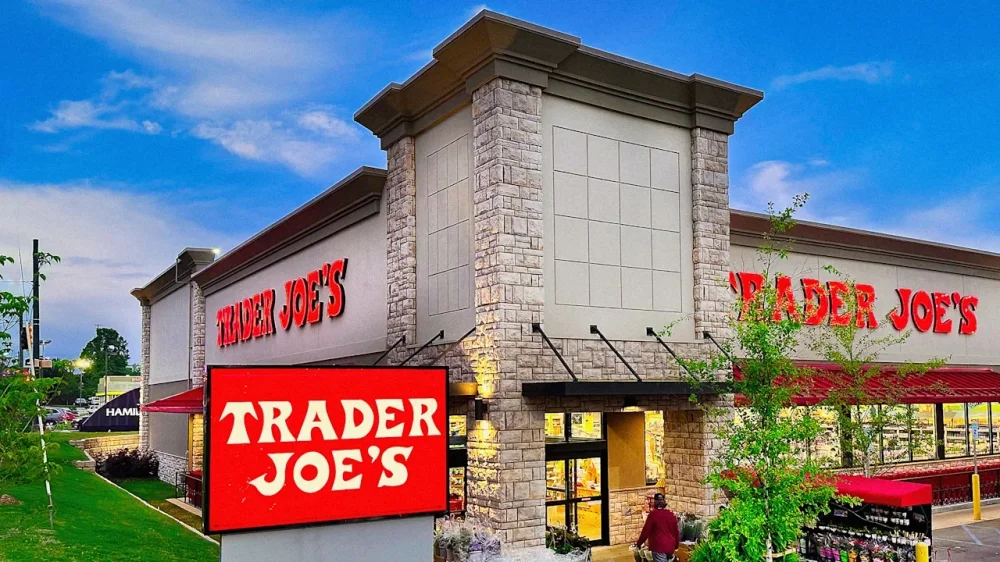
It’s about to get a bit easier to find a Trader Joe’s near you. The grocer just announced it will open 18 new stores across 12 states, including multiple locations in a handful of states, over the next several months. Trader Joe’s announced the new locations with a series of “Coming Soon!” announcements. Currently, the chain is in 42 states, leaving only a handful of states, including Alaska, Hawaii, Mississippi, Montana, North Dakota, South Dakota, West Virginia, and Wyoming, without a Trader Joe’s store. The latest cluster of openings will include locations in Arizona, California, Florida, Georgia, Illinois, Kansas, Louisiana, Massachusetts, New Jersey, Texas, Utah, and Washington. The expansion is just the latest set of new store openings for Trader Joe’s, as the chain has already announced eight new locations earlier this year. That was after it opened around 30 new stores in 2025, bringing its total to over 600 stores in the U.S. On a recent episode of the “Inside Trader Joe’s” podcast, TJ’s marketing executives Tara Miller and Matt Sloan opened up about how the company decides on new locations sites, explaining that population density, traffic patterns, which may dictate how easy it is to get to the location, and ample parking, are all factors in the decision-making process. “We’re adding lots of stores,” Miller explained. “Even though we’re a company that’s been in business for close to 60 years at this point, we are growing.” The executive added that, while the brand is opening many new stores, it’s a process that doesn’t “happen overnight,” but is done carefully and with a lot of intention. “We’re growing at a pace that we can sustain,” Miller added. The latest batch of stores slated to open this year includes the following locations: 2150 E Broadway Blvd., Tucson, Arizona 2457 Golden Hill Rd., Paso Robles, California 6336 E Santa Ana Canyon Rd., Anaheim Hills, California 1444 North Alafaya Trail, Orlando, Florida 8111 S Dixie Hwy., West Palm Beach, Florida 1000 Medley Blvd., Johns Creek, Georgia 1930 US-34, Oswego, Illinois 8700 Shawnee Mission Pkwy., Merriam, Kansas 3377 U.S. Hwy. 190, Mandeville, Louisiana 2428 Napoleon Ave., New Orleans, Louisiana 1710 Camellia Blvd., Lafayette, Louisiana 34 Walkers Brook Dr., Reading, Massachusetts 471 Mt Pleasant Ave., West Orange, New Jersey 8101 Eldorado Pkwy., McKinney, Texas 4850 W 13400 South Herriman, Utah 14035 NE Woodinville Duvall Rd., Woodinville, Washington 13414 E Sprague Ave., Spokane Valley, Washington 401 NE Northgate Way, Seattle, Washington View the full article
-
Oracle and Oracle NetSuite have unveiled a new solution tailored for the restaurant industry: Oracle NetSuite Restaurant Operations. This cutting-edge platform aims to enhance operational efficiency and profitability for restaurants by streamlining critical back-office functions. With the increasing pressure on restaurant owners to optimize costs while delivering exceptional customer experiences, this new offering integrates key operational aspects into a single, AI-powered system. The centralized platform combines inventory management, procurement, scheduling, production, and cash management. By consolidating these essential functions, Restaurant Operations provides real-time visibility and actionable insights. This resource is particularly valuable for small to medium-sized restaurant owners who often juggle many tasks with limited resources. Alex Alt, Oracle’s executive vice president and general manager of Commercial Cloud Applications, emphasized the urgency for restaurant leaders to push for operational efficiencies. “Restaurant and hospitality leaders are under pressure to drive operational efficiencies and do more with less, while delivering an exceptional customer experience,” he stated. The AI-driven nature of this platform aims to empower restaurant operators to unlock rapid innovation while maintaining cost-effectiveness. Restaurant Operations is designed to cater to a wide range of establishments, from single-location startups to expansive global franchises. The platform is built upon over 25 years of industry experience in hospitality and restaurant financial best practices. This foundational knowledge equips restaurants with the flexible and scalable tools necessary for navigating today’s competitive landscape. One of the standout features of Restaurant Operations is its enhanced user interface, which boosts both accuracy and speed. Notably, its embedded AI toolsets automate repetitive tasks, allowing staff to focus on higher-value activities. For instance, AI-driven analysis helps identify trends and make predictions in critical areas such as inventory management—an essential function that can significantly impact a restaurant’s bottom line. Brian Chess, Oracle NetSuite’s senior vice president of AI, noted, “Restaurants have traditionally relied on a patchwork of systems to manage inventory, purchasing, finance, and other critical processes.” The new solution eliminates this fragmentation by integrating operational and financial data into a unified platform. This consolidation provides real-time visibility into performance across multiple locations, thus simplifying decision-making and reducing operational complexity. For small business owners in the restaurant sector, the practical applications of Oracle NetSuite Restaurant Operations are clear. From having a single source for tracking key performance indicators (KPIs) to receiving tailored insights for better inventory control, the platform aims to enhance day-to-day operations substantially. It allows restaurant owners to spend less time managing disparate systems and more time focusing on delivering positive customer experiences and driving sales. While the advantages are compelling, small business owners should also consider potential challenges. Transitioning from multiple existing systems to a unified platform may require upfront investment and a learning curve for staff. Moreover, the implementation may necessitate adjustments in current processes, which could temporarily disrupt operations. However, the long-term benefits of improved efficiency and data visibility often outweigh these initial hurdles. Oracle NetSuite Restaurant Operations will be available globally within the next 12 months, with support for localization in over 110 countries, 190 currencies, and 27 languages. This extensive reach signifies Oracle’s commitment to catering to restaurants of all sizes, empowering them with tools to stay competitive in an ever-evolving market. As the restaurant industry continues grappling with rising operational costs and customer expectations, tools like Oracle NetSuite Restaurant Operations could be pivotal for small business owners aiming to thrive. This ambitious solution not only promotes efficiency but also fosters an environment conducive to growth and sustainability. For more details on this new offering, visit the original announcement here: Oracle NetSuite Restaurant Operations. Image via Google Gemini This article, "Oracle Unveils AI-Driven Solution to Streamline Restaurant Operations" was first published on Small Business Trends View the full article
-
Every major browser puts a thin strip of tabs at the top of the window. It's great, until you open dozens of tabs, and all you can really see are little website favicons. A better way exists—placing tabs vertically in a sidebar—but browsers have been resisting it for years. Arc was the first mainstream browser that pioneered a sidebar-based navigation system, and since then it has propagated to Chrome, Edge, Firefox, and Arc's spiritual successor, Zen browser. If you're using one of these browsers, I highly recommend making the switch. Why vertical tabs make more sense So much wasted space on the left and right. Credit: Khamosh Pathak Most websites are customized for a vertical reading experience, while laptops and desktops have widescreen displays. When you read articles on a website like Lifehacker, there's quite a lot of white space on the left and the right, while that vertical space is actually at a premium. Depending on your display size, your tabs might end up crunched along the top of the display, space that would otherwise be available for viewing the site in question. Moving the tab bar to a sidebar means you've freed up some useful space up top, with the added advantage of being able to see the names of all your tabs—even if you have 30 tabs open at once. How to enable vertical tabs in Google Chrome Credit: Khamosh Pathak Chrome was the last major browser to add support for vertical tabs, introducing the feature in April 2026. To enable vertical tabs in Chrome, update to the latest version, then go to Settings > Appearance > Tab strip position and switch to Side. All of your tabs will be shifted to a new vertical bar on the left. The URL bar with extensions will move to the top, and a lot of Chrome's interface will disappear. Chrome also offers a compact mode. You can click the Collapse Tabs icon at the top of the vertical sidebar to only show the website favicons as tabs to save even more space (hovering over a tab will show the tab title). You can still create tab groups from the top of the sidebar, and there's also a handy button to search between the tabs. Pinned tabs show up at the top in their own separate section, too. How to enable vertical tabs in Firefox Credit: Khamosh Pathak Firefox has a sidebar that lets you add features like an AI chatbot, browser history, and quick access to tabs from other devices. Firefox also lets you move the sidebar to the right-hand side if you wish. To enable vertical tabs here, go to Settings > General > Browser Layout > Vertical Tabs (and make sure that Show sidebar is enabled). When the sidebar is open, click the Customize Sidebar button to customize the shortcuts—including the ability to remove all the Firefox features and AI chatbot shortcuts. There's also a compact mode here that only shows the favicons, but reveals the entire sidebar when you hover on it. Use the Expand sidebar on hover feature to switch to this mode. How to enable vertical tabs in EdgeTo enable vertical tabs in Microsoft Edge, go to Settings > Appearance > Tab Actions > Show vertical tabs. Once set, you'll be able to toggle the sidebar from the toolbar up top. Because Edge is based on Chromium, the vertical sidebar works much like the one in Chrome. Pinned tabs show up top, and you can collapse the sidebar for a compact mode. Zen Browser has vertical tabs by default Credit: Justin Pot If you are in favor of vertical tabs, you really should consider using the Zen browser. Currently in beta, it's a spiritual successor to Arc (RIP) that is based on Firefox instead of Chromium, with a focus on privacy and speed. But what's particularly relevant for this piece is that Zen Browser uses a sidebar interface by default. Zen uses workspaces to divide up your work, personal life, or projects. Each space can have its own pinned tabs and its own workspace. You can add tabs to the "Essentials" space that stay the same no matter what. There's also a compact mode that hides the entire sidebar unless you hover on the edge of the window. To know more, take a look at our detailed guide on the Zen browser. View the full article
-
The business district in London’s Docklands demonstrates what innovation and invention can achieveView the full article
-
I've been on Threads since it first launched in 2023, and throughout my experience, I've learned a few hacks to save time (and sanity) on the platform. If you're a regular Threads user, you should try these methods to reduce unwanted content from your feed, speed up searches, and customize the app to your liking. Use these tools to download videos from ThreadsLike most of my social media feeds, my Threads feed is also full of cat videos. When I see one I like, I sometimes download the video to watch later. As you may know, Threads doesn't support media downloads, which means that you'll need to rely on third-party tools to download videos from the app. You can try Threads Downloader on Android, or the Threads Download shortcut on iPhone. Using the Android app is simple enough: Just copy the Threads link and paste it in the app. On the iPhone however, you'll have to download two other free apps: a-Shell mini and Scriptable to let the shortcut do its thing. After the shortcut is set up, you can hold the share button under any Threads post, and select the "Threads Download" shortcut from the share sheet to start the download. Use the Tweetdeck style multi-column layout on desktop Credit: Pranay Parab I loved Tweetdeck's multi-column layout for Twitter back in the day, so I could keep an eye on different streams of information in a single view. Without additional clicks, I could see my feed, notifications, mentions, DMs, and so on. Threads also has a similar multi-column layout on desktop, if you, like me, prefer that view. Just log in to Threads on desktop and click the three-dots button in the top-right corner of your feed. Select Add as column, then use the drop-down menu at the top of the feed to switch to a different view such as Activity, For you, Following, Mentions, etc. Once you've added a few columns, click the three-dots icon in the top-right corner of any feed, and select Auto-update to let the feed load new posts or activity in real time. Switch your default feed to see posts only from accounts you followI dislike Threads' algorithmic default feed because it shows posts that I don't care much for. Luckily, you can easily change the default feed to posts from only people you follow. To do this, open the Threads app on your phone, and tap the two-lines button in the top-left corner. Press the pencil icon, drag Following to the top, and select Done. This will show posts from people you follow whenever you open Threads. Create custom feeds to focus on specific topicsThreads supports creating your own feeds too, in case you want to focus on posts around specific topics or posts from certain people. For instance, you can create a feed full of cat videos, or a feed exclusive to marathon training. Once you open Threads, swipe right to reveal the Feeds page, and hit the + button up top to create a new feed. Add a name for the feed, choose if you want it visible to the public, and then tap Add profiles or topics to start customizing it. You can add keywords (e.g. NYC marathon), certain profiles, or select topics in Threads, and all of them will appear in this feed. It's also a way to follow certain people's posts without following their accounts. Stop Meta from suggesting your posts on Facebook and InstagramIf your account is public, Threads automatically suggests some of your posts to people on Instagram and Facebook. I think this kind of a feature is great for brands and influencers, but not so much for people who'd rather not share their ramblings on Threads with friends and family on other platforms. You can turn this off by going to a page buried in the app's settings. Tap the profile icon in the bottom-right corner of the app, then select the two-line menu in the top-right corner of the profile page. Next, go to Privacy > Suggesting posts on other apps and turn it off for both Instagram and Facebook. Block some Threads notifications without disabling all alertsSending countless junk notifications is par for the course for any app owned by Meta. I've countered this problem by disabling all notifications for Threads and most other Meta apps, but I understand that it's not ideal for everyone—especially if you don't want to miss DMs. You can turn off some types of junk notifications, such as posts "suggested" for you and follow suggestions, in Threads. Go to your profile on Threads, hit the two-line menu button in the top-right corner, and select Notifications. Go to From Threads and disable everything. Then head to Following and followers and disable account suggestions, and Pre-followed user joined Threads. You can also go to the Threads and replies settings page, and disable junk notifications such as Insights, Weekly insights, Views, First thread, and Updates from posts with links. Enable Fediverse to follow Mastodon users on Threads Credit: Pranay Parab Threads has Fediverse integration, which means you can let Mastodon users see your posts and follow your account. This isn't necessary if you have accounts in both apps, but it's good for those who are exclusive to Threads and want their Mastodon friends to see their posts. To enable this, go to Threads settings > Account > Fediverse sharing, and follow the on-screen prompts. Stop others from reusing your mediaPeople on Threads can reuse your photos and videos in their posts, if your account is public. You can disable this by going to Threads settings > Account > Media, and disabling Media reuse. It won't stop users from screenshotting your content, of course, but it will put up a roadblock that might help prevent this reuse. Use this trick to search Threads fasterThe Threads app has a search button (magnifying glass icon) in the top-right corner of the app. When you tap this, you'll see the search page, with follow suggestions, trending topics, and other content that Meta keeps adding. To actually search for stuff, you need to tap the search bar and type your query. There's a way to speed up your searches in Threads, though: Just tap and hold the search button, and Threads will immediately open the search page with the keyboard open. This way, you can reduce the extra tap to start searching on Threads. Hide your online statusThreads also reveals whether you're online to people who follow you. If that makes you uncomfortable, you can hide your online status from others. Go to Threads settings > Privacy > Online status, and select No one. View the full article
-
Social media has been abuzz in recent days about America’s new, upcoming automatic military draft registration system. And it’s no surprise why. America is engaged in a war with Iran, and many worry the conflict, which is currently on pause due to a fragile ceasefire agreement, could spill over into a situation where American boots are deployed on the ground. This has left many wondering whether the news of the new automatic draft registration system and the conflict in Iran are linked. Here’s what you need to know. Are Americans about to be drafted? First things first, let’s get the question that is on top of many young men’s minds right now out of the way: No, there are no signs America is about to start instituting a military draft, despite the upcoming automatic military draft registration system. America hasn’t had a draft since February 1973, when it was engaged in full-scale conflict in the Vietnam War. It didn’t even attempt to restart the draft during the first or second Gulf Wars, nor after the attacks of September 11. And despite the ongoing conflict in Iran, even if boots were to be put on the ground, it is very unlikely a draft would return. This is because America already has one of the largest militaries in the world, so currently it doesn’t need any soldiers who don’t already want to be there. According to USAFacts.org, there were 2.81 million service members in the U.S. military in 2025, of whom 1.33 million were active-duty members. So why is America initiating an automatic military draft registration system? The news that has everyone talking is that, come this December, the federal government will roll out an automatic military draft registration system. This means those eligible to serve will be automatically enrolled in the Selective Service. However, while this new initiative will be nationwide, it’s not much different than what already exists. As noted by CNN, 46 U.S. states and territories already have an automatic military draft registration system. The new measure will simply make automatic military-draft registration uniform across the country. But why is the U.S. doing this now? Given the conflict in Iran, it’s natural for many to assume that the new national automatic military draft registration system is a response to the conflict. But that’s not actually the case. As a matter of fact, the new measure was passed by Congress last year. The measure was included in the annual defense policy bill, which was supported by both Republicans and Democrats. That bill is called the National Defense Authorization Act for Fiscal Year 2026, and it was signed into law by President The President in December—well before the war in Iran broke out. For years, lawmakers have talked about the benefits of automatic draft registration, which primarily come down to two main things: money and ease. As reported by ABC News, in 2024, Representative Chrissy Houlahan noted that automatic registration “saves taxpayers significant money and makes it easier for these men to follow the law and register with the Selective Service.” Who will be automatically registered for the draft? According to the National Defense Authorization Act for Fiscal Year 2026, “Except as otherwise provided in this title, every male citizen of the United States, and every other male person residing in the United States, between the ages of eighteen and twenty-six, shall be automatically registered under this Act by the Director of the Selective Service System.” So, in short, if you are a male in the United States aged 18-26, you will be automatically registered for the draft. And this doesn’t just include US citizens. The Selective Service System (SSS) says that immigrants and dual-national U.S. citizens must register, along with other cohorts. However, this is no different than what was already required. Currently, all men ages 18-26 must register for the draft. The new rules mean the registration will now simply be automatic across the country. How will I be automatically registered for the draft? The Selective Service System has not announced how exactly eligible men will be automatically registered. Currently, the agency states that it will use “federal data sources” to identify who should be automatically registered for the draft. This would presumably include data such as Social Security numbers, student loan information, passport information, and more. When will automatic registration start? By the end of the year. The Selective Service System says it “will implement the change by December 2026, resulting in a streamlined registration process and corresponding workforce realignment.” View the full article

-
You may know that Reddit can be a treasure trove of useful information and opinion, and that RSS (Really Simple Syndication) is a clean and straightforward way to keep up with what's happening on the web—but you might not be aware that you can combine both Reddit and RSS in numerous ways. Reddit actually has a variety of RSS integrations built in, so you can point your RSS reader straight to your subreddits of choice and keep up with the latest posts. The usual benefits of RSS apply: You get an uncluttered, customizable interface, free from ads and other extras, and which you can work through at your own pace. If you're new to RSS, we've previously picked out a selection of the best clients to get you started, as well as spotlighting our favorites. These RSS apps give you rolling, chronological feeds of whatever websites (including Reddit) you point them towards, and they let you take in what you want to read at your own pace. Getting started with Reddit and RSS Feedly comes with Reddit integration built in. Credit: Lifehacker You can turn any subreddit into a feed for your RSS app by adding ".rss" to the end of it—so, for example, reddit.com/r/technology/ would become reddit.com/r/technology/.rss. That will give you a simple, reverse chronological feed of posts from the subreddit, with the newest submissions appearing at the top. The same goes for comments in a subreddit, and for user feeds: All you need to do is add ".rss" to the end of the URL. If you wanted to see all the comments happening in the tech subreddit, for example, reddit.com/r/technology/comments/.rss would be the feed to plug into your RSS reader of choice. You can use the ".rss" trick with a lot of Reddit URLs, but you don't always put it in the same place. If you want to keep tabs on a particular search term, for example, you can use a URL such as reddit.com/search.rss?q=lifehacker&sort=new for your RSS reader. That will return all the posts matching "Lifehacker" recently added to Reddit. These feeds work in the same way to any other RSS feed you add to your client—you can search through them, bookmark them, and follow the links to read the post in full on Reddit (including its full selection of embedded media and comments). Some RSS readers come with features specifically for Reddit. For example, Feedly is one of the best clients out there, and when you click the Follow Sources link in the Feedly web interface you'll see a Reddit tab—click this to add subreddits and searches directly, with no URL tricks required. Customizing your Reddit RSS feeds You can customize your Reddit RSS feeds in a variety of ways. Credit: Lifehacker Keep on digging and you'll find there are a few more tricks you can do with RSS and Reddit. As pointed out by Robin Spielmann, you can use a few variables in your URLs: "sort" to sort the posts, "t" to pick when the posts are from, and "limit" to restrict how many posts get pulled through. For example, plug reddit.com/r/technology/top/.rss?sort=top&t=day&limit=10 into your RSS reader to get the top posts from the technology subreddit today, with the number capped at 10. Bear in mind, though, that might give you some duplicates, if a post stays at the top for a while (depending on your RSS settings). Want to combine different feeds together, that's also possible: Adding reddit.com/r/dataisbeautiful+explainlikeimfive/top/.rss?sort=top&t=day&limit=5 will get you the top five posts from both r/dataisbeautiful and r/explainlikeimfive combined. It's a useful way of keeping in touch with what's happening on Reddit without necessarily trawling through everything on your go-to subreddits. Some experimentation may be necessary, as Reddit's RSS support has tended to shift over the years. Adding reddit.com/hot/.rss to an RSS reader, for instance, seems to pull in some of the hot and trending posts from the platform's front page, but quite a lot more besides. There are further steps you can take if you want to customize this further. IFTTT (If This Then That) lets you build custom Reddit feeds and then turn them into RSS feeds, while the Upvote RSS tool enables Reddit feeds to be customized by keywords, timings, upvotes, and more—though you will need your own PHP server to set it up on. View the full article
-
If you’re considering starting a business, forming a Limited Liability Company (LLC) could be a smart choice. An LLC provides a separate legal identity for your business, which means your personal assets are usually protected from business debts. Moreover, LLCs benefit from pass-through taxation, allowing profits to be reported on your personal tax return, avoiding double taxation. With fewer compliance requirements and a flexible management structure, an LLC might be the ideal fit for your entrepreneurial goals. But what else should you know? Key Takeaways Provides personal liability protection, shielding owners from business debts and legal obligations. Offers tax advantages through pass-through taxation, avoiding double taxation on profits. Features a flexible management structure, allowing members to choose between member-managed or manager-managed operations. Simplifies compliance requirements with fewer regulations compared to corporations, reducing administrative burdens. Allows easy transfer of financial interests, ensuring business continuity during changes in membership. What Is a Limited Liability Company (LLC)? A Limited Liability Company (LLC) is a unique business structure that merges the liability protection of a corporation with the tax advantages of a partnership. Fundamentally, it shields you from personal liability for business debts and obligations. There are various types of limited liability company structures, accommodating both single-member and multi-member ownership, which adds flexibility. To establish an LLC, you must file “Articles of Organization” with your state and often create an operating agreement that clarifies limited liability company management and profit-sharing arrangements. This structure additionally benefits from pass-through taxation, allowing profits and losses to be reported on your personal tax returns, thereby avoiding double taxation. Separate Legal Identity Establishing a separate legal identity is one of the core advantages of forming an LLC. This structure allows you to define a limited company in business, meaning it can enter contracts, own property, and file lawsuits independently of its members. Fundamentally, an LLC becomes its own legal entity, which is vital for protecting you and other liability company members from personal liability for business debts. Creditors can only pursue the LLC’s assets, not your personal belongings. Moreover, an LLC can continue to exist beyond changes in ownership, ensuring stability in your operations. By filing Articles of Organization with the state, you officially establish this separate legal identity, making it easier to access funding and investment opportunities under your company’s name. Limited Liability Protection Limited liability protection is one of the key advantages of forming an LLC, as it safeguards your personal assets from business debts and legal liabilities. This means that if your LLC faces financial trouble, creditors can only pursue the company’s assets, not your home or savings. Personal Asset Protection When you form an LLC, you gain an vital layer of protection for your personal assets, ensuring that your home, savings, and other belongings remain safeguarded from business liabilities. This limited liability protection means that LLC members are typically not personally responsible for the company LLC’s debts. In the event of a lawsuit or financial obligations, creditors can only pursue the assets owned by the LLC itself, not your personal belongings. This separation helps limit your financial risk to your investment in the LLC, promoting peace of mind. Nevertheless, it’s important to maintain proper business practices; engaging in fraudulent activities or personally guaranteeing loans can compromise this personal asset protection. Business Debt Isolation Forming an LLC provides a significant advantage by isolating business debt from your personal finances, which can be vital for entrepreneurs and small business owners. This limited liability protection guarantees that as an LLC member, you’re only responsible for debts up to your investment in the company. Whether you choose a single member vs multi member LLC, this structure shields your personal assets from creditors in case of financial loss or lawsuits. Nevertheless, keep in mind that proper management is fundamental; failure to comply with legal formalities can lead to courts piercing the corporate veil. The table below summarizes the key aspects of business debt isolation. Aspect Single Member LLC Multi Member LLC Liability Limited to investment Shared among members Personal Asset Protection Strong protection Strong protection Management Complexity Simpler management Collaborative management Legal Liability Limitation One of the vital advantages of forming an LLC is the legal liability limitation it offers, which protects your personal assets from business-related risks. When you establish an LLC, your personal belongings, like your home and savings, are typically shielded from the debts and liabilities of the business. Members are only liable for the amount they invest in the company limited company, ensuring creditors can only pursue the LLC’s assets. Nevertheless, this protection can be compromised if members personally guarantee loans or engage in fraudulent activities. To maximize these benefits, having a well-drafted LLC agreement is necessary. Comprehending why get an LLC can help you appreciate the long-term security it provides for your personal finances and business continuity. Tax Flexibility How does tax flexibility improve the appeal of forming an LLC? An LLC offers you the option to choose your tax classification, whether as a sole proprietorship, partnership, S corporation, or C corporation, based on what suits your financial situation best. This flexibility helps you avoid double taxation, as LLCs typically benefit from pass-through taxation, meaning profits and losses are reported on your personal tax return. If your business incurs losses, you can deduct those on your personal return, potentially lowering your overall tax burden. Furthermore, selecting corporate taxation allows you to retain earnings within the LLC, promoting growth without immediate tax implications. Perpetual Existence As many business structures face dissolution upon changes in ownership, LLCs benefit from perpetual existence, allowing them to operate indefinitely. This means that your LLC can continue its operations regardless of member turnover, ensuring business continuity and stability. Such permanence is essential for long-term planning and investments. In many states, your LLC can keep functioning even after the last member departs, facilitating seamless shifts in ownership. Perpetual existence is typically outlined in the articles of organization, clarifying the LLC’s duration and operational framework. This characteristic sets LLCs apart from other business structures, such as partnerships, which may dissolve with a member’s exit. Flexible Management Structure One of the standout features of an LLC is its flexible management structure, which lets you choose between member-managed or manager-managed formats. If you prefer a hands-on approach, a member-managed setup allows all members to take part in decision-making. Conversely, going with a manager-managed structure lets designated managers handle daily operations, freeing you to focus on broader strategic goals. Member or Manager Control When forming an LLC, you have the advantage of a flexible management structure that allows you to customize how your business operates. You can choose between different management styles based on your needs: Member-Managed LLC: All members participate in decision-making. Manager-Managed LLC: Specific individuals are appointed to oversee daily operations. Inclusion of Non-Member Managers: You can appoint managers who aren’t members. Customizable Operating Agreement: Define roles, voting rights, and profit distribution clearly. This flexibility accommodates various ownership scenarios, whether you have a few or many owners. Tailored Operating Agreements Customized operating agreements are a key component of an LLC’s flexible management structure, allowing members to define how their business will operate according to specific needs. You can choose between member-managed or manager-managed setups, customizing the decision-making processes, voting rights, and responsibilities of each member. This clarity reduces potential conflicts among owners, promoting a smoother operational flow. Furthermore, these agreements can include unique profit distribution methods that don’t necessarily align with ownership percentages, offering greater flexibility in financial arrangements. They likewise govern the process for adding or removing members, ensuring business continuity. Pass-Through Taxation Pass-through taxation offers a significant advantage for LLC members by allowing them to report the company’s profits and losses directly on their personal tax returns. This avoids the double taxation faced by C-corporations, making it a more straightforward option for many. Here are some key benefits: LLCs don’t pay federal income tax at the corporate level, simplifying tax compliance. Members can take advantage of potential tax deductions and credits available to individuals. The IRS permits LLCs to choose their taxation method, including sole proprietorship, partnership, or S-corporation. Pass-through taxation can lower the effective tax rate, especially in states without individual income tax. Fewer Compliance Requirements Forming an LLC can greatly reduce the compliance burden that often accompanies running a business. Unlike corporations, LLCs typically don’t need to hold annual meetings or maintain detailed corporate minutes, which simplifies management. Most states don’t require LLCs to file annual reports, or if they do, the requirements are usually less stringent than those for corporations. Moreover, LLCs aren’t subjected to the same rigorous regulatory compliance, eliminating the need for specific governance structures and extensive reporting obligations. This simplicity allows you to operate your business without extensive formalities, easing the administrative workload. With less paperwork and regulatory oversight, you can focus more on your operations and growth instead of struggling with complex compliance issues. Free Transferability of Financial Interests When you form an LLC, you gain the benefit of easily transferring financial interests, which allows for flexibility in ownership. This transfer typically happens without restrictions except if your operating agreement states otherwise, making it easier for members to buy or sell their stakes. Nevertheless, keep in mind that any changes in management rights usually require the consent of the other members, helping to maintain control within the existing ownership group. Membership Interest Transferability Have you ever wondered how easily you can transfer your financial interest in an LLC? Membership interest transferability is one of the key benefits of forming an LLC. Generally, you can transfer your financial rights without needing unanimous consent, except your operating agreement states otherwise. Here are some key points to reflect upon: Free Transferability: Members can sell or assign financial interests easily. Management Rights: Approval from remaining members is required for management transfers. Charging Order Protection: Creditors can claim financial interests but can’t interfere with management. Business Continuity: The LLC can continue operating even if a member exits or passes away. This flexibility improves investment opportunities while maintaining business stability. Consent for Management Changes Whereas transferring financial interests in an LLC can be done with relative ease, changes in management typically require unanimous consent from all remaining members. This requirement guarantees that control over the management structure remains intact, allowing members to maintain a cohesive vision for the business. Although you can transfer your financial stake without needing others’ approval, management rights are a different matter. The LLC’s operating agreement often outlines specific terms and conditions regarding these transfers, providing clarity and structure. This balance of free financial interest transfer and controlled management decisions promotes strategic growth and investment opportunities, allowing you to adapt while safeguarding the operational authority essential to the LLC’s success. Charging Order Protection Charging order protection serves as a crucial safeguard for members of an LLC, ensuring that personal creditors can merely access a member’s financial rights, such as distributions, but not their management rights. This protection keeps control over the LLC safe from personal creditors and offers significant benefits: Limited Access: Personal creditors can’t force the sale of a member’s interest. Stability: Management and operations remain unaffected by personal debt issues. Exclusive Remedy: In many jurisdictions, charging orders are the only option for creditors. Free Transferability: Members can assign financial rights easily, enhancing investment liquidity. These features not only protect individual interests but additionally promote flexibility in financial planning and investment strategies within the LLC structure. Examples of Well-Known LLCs Limited Liability Companies (LLCs) have gained popularity across various industries, and several well-known brands have embraced this business structure to improve their operational efficiency and legal protections. Here are a few notable examples: Company Description Patagonia An outdoor apparel company focusing on environmental responsibility during enjoying LLC benefits. Warby Parker An innovative eyewear brand that values flexibility in management and protects its members. FCA US Chrysler’s automotive arm, illustrating the LLC structure’s effectiveness in the auto industry. These companies leverage the advantages of LLCs, such as limited liability and pass-through taxation, which helps them attract investment and navigate regulatory challenges effectively. The versatility and appeal of LLCs continue to attract diverse businesses across various sectors. Frequently Asked Questions What Is the Main Benefit of Forming an LLC? The main benefit of forming an LLC is the limited liability protection it provides. This means your personal assets, like your home or savings, are typically safe from business debts and legal issues incurred by the LLC. Furthermore, LLCs offer flexible management structures and pass-through taxation, which can simplify your finances. With less paperwork and compliance compared to corporations, forming an LLC can be a more efficient and cost-effective choice for your business. Does LLC Pay Less Taxes? Yes, an LLC can pay less in taxes, primarily because of pass-through taxation. This means profits aren’t taxed at the corporate level, avoiding double taxation. Instead, they pass directly to you, the member, and are taxed only on your personal return. You can likewise choose your tax structure, allowing for potential savings. Furthermore, you can deduct business expenses, further lowering your taxable income, which may lead to a reduced overall tax burden. How to Take Advantage of Having an LLC? To take advantage of having an LLC, you should first guarantee you understand its structure and benefits. Use pass-through taxation to simplify your tax reporting, as profits and losses appear on your personal return. Leverage operational flexibility by choosing a management structure that fits your needs. Furthermore, create an extensive operating agreement to clarify roles and procedures, which helps prevent disputes and streamlines decision-making for smoother business operations. Conclusion In conclusion, forming an LLC provides significant advantages for business owners. With limited liability protection, you safeguard your personal assets whilst enjoying tax flexibility through pass-through taxation. The fewer compliance requirements and the ability to create a customized operating agreement improve operational efficiency. Furthermore, the perpetual existence of an LLC allows for continuity beyond the owner’s involvement. Overall, these benefits make an LLC a strategic choice for those looking to establish a secure and adaptable business structure. Image via Google Gemini and ArtSmart This article, "Key Benefits of Forming a Company LLC" was first published on Small Business Trends View the full article
-
In operating reviews and boardrooms, I keep seeing the same pattern: leadership asks for rigor, teams deliver the numbers, and promising AI efforts get judged as underperforming before the organization has actually learned what it takes to make them real. Then someone pulls the plug, scales back the investment, or lets the initiative quietly expire. Sometimes they’re right. But often, they’ve just used the wrong test. The problem isn’t that leaders care about measurement. Strong measurement discipline is exactly what separates organizations that scale AI from those that accumulate pilots. The problem is that many leaders are applying a mature-business scorecard to work that isn’t mature yet—and the result is a predictable misread. The scorecard mismatch Think about how most established businesses evaluate success: ROI within a defined window, cost takeout, headcount efficiency. These are sensible metrics for stable operations. Used too early on emerging AI work, they don’t create discipline. They create false negatives. AI initiatives don’t mature on the same timeline as a product refresh or a cost-reduction program. The first value often surfaces as faster decisions, reduced rework, or improved data quality—not as a line item in next quarter’s P&L. Workflow redesign—the real work of integrating AI into how people actually operate—is slow, disruptive, and invisible to traditional financial reporting until it isn’t. When leaders demand conventional ROI on a one-to-three year horizon, teams respond rationally: they optimize for what’s measurable. They chase near-term efficiency wins, avoid the messier work of process redesign, and build pilots designed to survive a financial review rather than to learn something. It’s not bad faith. It’s a logical response to the incentives the scorecard creates. The result is what’s now being called “proof-of-concept fatigue”—organizations running dozens of AI experiments, few of which ever reach production. Gartner predicts 30% of generative AI projects will be abandoned after proof of concept by end of 2025. That’s not primarily a technology failure rate. It’s a measurement failure rate. Four forms of value that fall off the scorecard When organizations apply legacy metrics to AI work, four things consistently disappear from the frame. Learning value. Early AI initiatives should be generating organizational knowledge—about which processes are actually AI-ready, where the data problems are, which teams can absorb change and which can’t. None of that appears on a standard ROI dashboard. If learning isn’t being tracked, it isn’t being valued. Eventually, it stops happening. Adoption reality. A model that performs well in a controlled pilot and fails at the point of deployment isn’t a technology problem. It’s a measurement design problem—the pilot criteria didn’t include the humans who would actually use it. Healthcare is full of examples: AI tools evaluated on administrative metrics that then crater when clinicians encounter them in real workflows. The benchmark omitted the most important variable. Workflow value. McKinsey research identifies workflow redesign—not model accuracy—as the single largest driver of AI’s EBIT impact. But workflow redesign is expensive and disruptive. When leaders measure AI against near-term efficiency targets, teams have every incentive to skip it. The faster path to a defensible number is a narrow pilot that proves almost nothing about whether AI can actually change how the business operates. Capability value. Organizations that get compounding returns from AI develop internal judgment over time—about where AI helps, where it doesn’t, how to integrate it without losing human accountability. That doesn’t show up in year-one cost savings. It shows up years later as a competitive advantage. MIT Sloan research found that organizations updating their KPIs to reflect how AI creates value were three times more likely to see meaningful financial benefit than those that didn’t. The metric change came before the financial gain. Metrics are not neutral This is the part that often gets lost in conversations about measurement rigor: the metrics you choose signal what you actually value. When leadership sets traditional ROI as the primary standard for an AI initiative, they’re not just creating a framework. They’re telling the team what matters. And if what matters is a short-term number, teams will build for that. You get the outcome your scorecard rewards—which may have nothing to do with the transformation you said you wanted. Over 40% of companies report struggling to define or measure the impact of their AI initiatives, and less than half are using AI-specific KPIs at all. That’s not a data problem. It’s a leadership problem. If the people setting the measurement standard haven’t updated their thinking about what early-stage AI value looks like, no amount of analytical capability downstream will fix it. The questions worth sitting with I’m not arguing against measurement. I’m arguing for measurement that fits the stage of the work. A few questions: Are the metrics you’re applying to this initiative the same ones you’d use to evaluate a mature business line? If so, why? What would you need to see in year one to know you’re building toward something real—even if traditional ROI isn’t visible yet? Is your team optimizing for learning, or for a number that will survive a budget review? The goal isn’t softer standards. It’s smarter ones. There’s a real difference between an initiative generating genuine learning and building toward scale, and one producing theater for a quarterly review. Good measurement tells those two things apart. The wrong scorecard doesn’t just misread AI value. It trains the organization to produce less of it. View the full article

-
We may earn a commission from links on this page. Calling it a step towards "super intelligence," Meta announced it is releasing Muse Spark, an overhauled and improved AI. This "natively multimodal reasoning model" goes way beyond a chatbot, and it will soon live in your glasses and your social feeds. It's available now in the Meta AI app, with plans to roll out with a smart glasses update in the next few weeks. Ray-Ban Meta (Gen 2), Headliner, Matte Black | Smart AI Glasses for Men, Women — 2x Battery Life — 3K Ultra HD Resolution — 12 MP Ultra-Wide Camera, Audio, Video — Clear Lenses — Wearable Technology $379.00 at Amazon Get Deal Get Deal $379.00 at Amazon Instead of a one-size-fits-all approach, there are three levels to Muse Spark's "thinking," and users will be able control how deep the intelligence goes. Instant Mode: For quick questions and everyday chats. Thinking Mode: This mode is designed to solve more complex problems, so if you need some help with math, science, or logic, this is the mode. Contemplating Mode: Muse Sparks' highest level engages multiple AI agents that work in parallel and collaborate to complete complex, multi-step tasks. Meta says Muse Spark's performance compares to or exceeds their Llama 4 Maverick model while using over an order of magnitude less computing power. That means, theoretically, high-level reasoning without excessive server use. While Muse Sparks will be accessible in a variety of places, it seems like Muse Spark's ground-up integration of visual material is made for smart glasses. Here are some of the ways Ray-Ban Meta and Oakley Meta users will be able to use the new AI. AI is now integrated across different tools One of the Muse Spark main improvements over Meta's previous model is the way the new AI will integrate visual information across different tools. So, theoretically, you could point your glasses at a mess of wires and electronic boxes and say "how do I hook up this home theater system?" Or get step-by-step coaching on assembling a piece of IKEA furniture without opening the booklet. The AI would read the instructions and make sure you're not screwing anything in upside down. Muse Sparks will have health reasoning capabilities Meta said its Meta Superintelligence Lab collaborated with over 1,000 physicians to develop the AI's health reasoning capabilities. Users will be able to do things like generate an interactive display that unpacks the nutritional information about food, and maps out what muscles are activated during a workout. But how will it actually perform? All of the above is "in theory." Artificial intelligence hasn't always lived up to its hype, even when it's being hyped in front of a massive audience. It's one thing to perform well in laboratory benchmark tests, but how the tech works in the real world, where lighting is spotty, wi-fi is slow, and furniture instructions can be extremely complicated, is the real challenge. While I haven't dug deeply into the tech, I did give it a quick test by turning on "thinking" mode and sending Meta AI the below picture of a random assortment of audio gear: Credit: Stephen Johnson It not only correctly identified everything in the picture, it gave me a couple different options for possible ways to hook it together, and told me (correctly) what cords I needs. So I look forward to having it on my glasses. If you want to test it yourself, Muse Spark is already running on meta.ai and the Meta AI app, and smart glasses firmware and social media integrations are expected to follow shortly. View the full article
-
Comprehending when you start paying taxes is essential, especially for minors. In the U.S., if you earn more than $14,600 in 2024 from work or over $1,300 from investments, you need to file a tax return. Furthermore, if you’re self-employed and make over $400, you must report that income too. Knowing these thresholds can impact your financial future, but there’s more to take into account regarding tax obligations for young earners. What else should you know? Key Takeaways Minors must file taxes if earned income exceeds $14,600 or unearned income surpasses $1,300 in 2024. Self-employed minors must file if they earn over $400 from side jobs, regardless of total income. Tax filing is required for all minors receiving W-2 income, irrespective of their age. Parents can report a child’s unearned income on their tax return using Form 8814, which can affect the child’s tax rate. Understanding tax obligations early helps minors manage their finances responsibly and avoid penalties. Understanding Tax Obligations for Minors When do minors need to start paying taxes? Comprehending tax obligations for minors is vital, especially if you’re earning money. In 2024, a minor must file a tax return if their earned income exceeds $14,600. This applies regardless of age. If you have unearned income, like interest or dividends, you’ll need to file if it surpasses $1,300. Furthermore, if you’re self-employed and earn over $400 from side jobs or freelance work, you must as well file. It’s important to note that all minors should file their own tax returns for W-2 income, as this can’t be reported on their parents’ returns. Parents can choose to report a child’s unearned income using Form 8814, but it may impact their tax bracket. Income Thresholds for Filing Taxes Grasping income thresholds for filing taxes is crucial for anyone earning money, including minors. For the tax year 2024, if you’re a single filer, you’ll need to file a tax return if your gross income reaches $14,600 or more. As a dependent child, if your earned income exceeds $14,600 or your unearned income surpasses $1,300, you’re required to file. Furthermore, if your combined earned and unearned income goes beyond $1,300, you must likewise file. If you’re self-employed and earn over $400, you need to submit a tax return, regardless of your total income. These minimum income thresholds vary according to your filing status, with married couples filing jointly needing to file if their combined income is $29,200 or more, assuming both are under 65. Recognizing these thresholds helps clarify when do you start paying taxes and guarantees you meet your tax obligations. When Do Teens Have to File Taxes? If you’re a teen earning money, it’s important to know when you need to file taxes. In 2024, you’ll have to file if your earned income exceeds $14,600 or if you make over $400 from self-employment. Regardless of whether your income is below these thresholds, filing might still help you claim refunds on any taxes that were withheld. Income Threshold Requirements Grasping the income threshold requirements is essential for teens and their guardians, as these guidelines determine when a tax return must be filed. So, when do you have to start paying taxes? Here are some key points to reflect on: If a dependent child’s earned income exceeds $14,600, they must file a tax return. A dependent child with unearned income over $1,300, like interest or dividends, is likewise required to file. If you earn over $400 from self-employment, you must file a return too. Self-Employment Tax Rules Comprehending the self-employment tax rules is crucial for teens who earn income through various activities, like babysitting or lawn mowing. If you earn more than $400 from self-employment, you must file a tax return because of the self-employment tax requirements. This tax consists of Social Security and Medicare taxes, separate from federal income taxes. For the tax year 2024, if your total earned income exceeds $14,600, you’re required to file a return irrespective of your dependency status. Keep track of your earnings, as you can deduct certain business expenses from your taxable income. Even though you don’t meet the income thresholds, filing may benefit you, as you might qualify for tax refunds on withheld taxes. Filing Benefits for Minors Comprehending when and why minors should file taxes is essential for managing their finances responsibly. If you’re wondering, “does my 17 year old need to file taxes?” or “does my 16 year old need to file taxes?”, here are some key points to take into account: A minor must file if earned income exceeds $14,600 in 2024. For unearned income, like interest or dividends, the threshold is $1,300. Self-employed minors need to file if they earn over $400 from side gigs. Even if a minor’s income falls below these limits, filing a return can still be beneficial to claim refunds on withheld taxes. Requirements for Earned and Unearned Income When it pertains to grasping the requirements for earned and unearned income, it’s vital to recognize the thresholds set by the IRS that determine whether a child must file a tax return. For the tax year 2024, if a child’s earned income exceeds $14,600, they’ll need to file. Similarly, if their unearned income, like interest or dividends, surpasses $1,300, a tax return is likewise required. Self-employed minors must file if their earnings exceed $400, regardless of age. If you’re wondering what age do you start paying taxes, keep in mind that even a 16-year-old must file taxes if their total income—earned and unearned—exceeds $1,300. Consequently, it’s vital to assess both types of income to guarantee compliance with IRS regulations. Grasping these requirements can help you navigate your tax obligations effectively. Reporting Child Income on Tax Returns Comprehending how to report child income on tax returns is vital for parents and guardians, especially in instances where a child earns income that meets the filing thresholds. You might wonder, do 16 year olds have to file taxes? The answer is yes if they earn over $14,600 in 2024 or have unearned income exceeding $1,300. Here are key points to remember: A child’s W-2 income must be reported on their own tax return. Parents can report a dependent child’s unearned income on their tax return using IRS Form 8814, but this could affect the parent’s tax bracket. For minors earning over $400 from self-employment, they’ll need to file a tax return and pay self-employment tax. Understanding how old you have to be to pay taxes is significant, as even young earners have responsibilities regarding reporting income. Self-Employment Taxes for Minors If you’re a minor earning more than $400 from self-employment activities like babysitting or mowing lawns, you need to file a tax return and pay self-employment tax. This tax, which is separate from federal income tax, currently stands at 15.3% and covers both Social Security and Medicare taxes. Even as a dependent, you’re responsible for reporting your earnings, so keeping accurate records of your income and expenses is crucial for proper tax filing. Self-Employment Income Threshold Comprehending the self-employment income threshold is vital for minors who engage in various earning activities, as it determines their tax obligations. If you’re earning more than $400 from self-employment in a tax year, you must file a tax return, regardless of age. So, does a 15-year-old have to file taxes? Yes, if they cross that threshold. Here are some key points: Self-employment income includes earnings from babysitting, lawn mowing, or freelance work. The self-employment tax rate is 15.3%, covering Social Security and Medicare taxes. Even as a dependent, you’re responsible for paying self-employment tax if your earnings exceed $400. Understanding these rules is vital for 16-year-olds and beyond to manage their financial responsibilities effectively. Tax Filing Requirements Grasping your tax filing requirements is essential regarding self-employment income, especially for minors. If you’re a minor earning over $400 from activities like babysitting or lawn mowing, you must file a tax return. So, can a 17-year-old file taxes? Yes, they can, and it’s important to understand that self-employment tax applies to them just like it does for adults. Do 17-year-olds have to file taxes? Absolutely, if their self-employment income exceeds that $400 threshold. You’ll need to use IRS Form 1040 to report your earnings, and remember, those earnings are subject to both income tax and self-employment tax, which fund Social Security and Medicare. Be sure to take into account job-related deductions to lower your taxable income. Frequently Asked Questions Do You Have to Start Paying Taxes at 18? Yes, you can start paying taxes at 18 if your income exceeds certain thresholds. For instance, if you earn more than $14,600 from a job, you’re required to file a tax return. If you have unearned income, like interest or dividends, exceeding $1,300, you must likewise file. Furthermore, if you’re self-employed and make over $400 from freelance work, you’ll need to file too. Filing can likewise help you claim potential tax refunds. Does a 16 Year Old File Taxes? Yes, a 16-year-old does need to file taxes if they earn above certain thresholds. If you earn more than $14,600 from jobs or self-employment in 2024, you must file a return. For unearned income, like interest or dividends, the threshold is $1,300. Furthermore, if you earn over $400 from self-employment, you’re required to file. Filing could even lead to refunds from taxes withheld, so it’s worth considering. What Age Do Most People Start Paying Taxes? Most people start paying taxes as soon as they earn income that exceeds certain thresholds. For 2024, single filers under 65 must file if they earn above $14,600. Minors typically pay taxes when their earned income surpasses this amount, whereas unearned income limits are set at $1,300. If you’re self-employed and earn over $400, you must file, regardless of your age, ensuring you meet tax obligations early on. What Is the Minimum Age to Pay Income Tax? There isn’t a specific minimum age for paying income tax; it depends on your income rather than your age. If you earn more than $14,600 in 2024, you’ll need to file a tax return. For unearned income, the threshold is $1,300, and if you’re self-employed and make over $400, you’ll likewise need to file. Dependency status doesn’t exempt you from these obligations if you meet the income criteria. Conclusion Comprehending your tax obligations as a minor is crucial for financial literacy. If you earn over $14,600 in 2024 or unearned income exceeds $1,300, you’ll need to file a tax return. Furthermore, if you’re self-employed and make over $400, the same rule applies. Being aware of these thresholds will help you stay compliant with tax regulations during setting a strong foundation for your future financial responsibilities. Always consult a tax professional for personalized advice. Image via Google Gemini and ArtSmart This article, "At What Age Do You Start Paying Taxes?" was first published on Small Business Trends View the full article
-
Humanity is always aspiring to stretch itself to achieve new goals, including exploring new frontiers. The Artemis II crew accomplished this, traveling 252,000 miles away from Earth, the farthest any human has ever been before, breaking the Apollo 13 record. The four brave individuals are set to return Friday, splashing down off the coast of California, near San Diego. Here’s everything you need to know about the landing, including how to tune in. How did the Artemis get its name? The name Artemis is a throwback to the first NASA moon missions. Apollo 11 saw Neil Armstrong and Buzz Aldrin take giant leaps for mankind on the surface of the moon on July 20, 1969. Artemis is the twin sister of Apollo in Greek mythology, so the moniker reflects the hope that it will follow in the previous big footsteps. Artemis II’s goal is to test the Space Launch System rocket and Orion spacecraft with people on board. (No moon landings just yet.) The roughly 10-day mission circled the moon to test the systems so Artemis III can eventually land on the lunar surface. All about the Artemis II crew The head honcho of the Artemis II crew is commander Reid Wiseman. This isn’t his first rodeo in space as he has already logged 165 days on the International Space Station. At the wheel is Victor J. Glover Jr. who serves as the mission’s pilot. This father of four hails from Pomona, California, and previously served as a U.S. Navy captain. He first joined NASA in 2013. It’s fair to say that mission specialist Christina Koch has been dreaming of the Artemis mission since attending Space Camp in her youth. Now she’s in their Hall of Fame. She made history by serving as a flight engineer for a 328-day space mission, the longest single spaceflight by a woman. Canada is even getting in on the action with mission specialist Jeremy Hansen. As a member of the Canadian Space Agency, he became the first non-American to orbit the moon. A brief summary of the Artemis II mission so far This was no April Fools: The Orion spacecraft blasted off on April 1 from the Kennedy Space Center on Merritt Island, Florida. It spent about 25 hours circling the Earth before leaving the atmosphere. Six days into the mission, the crew reached the moon. It spent seven hours circling the orb seeing parts of it no one has ever laid eyes on before. On Tuesday, April 7, the crew began making their way back home. When will the Orion splash down? It is believed the Orion will land off the coast of San Diego in the waters of the Pacific Ocean on Friday, April 10, at around 8:07 p.m. ET. This is a dangerous portion of the mission. The Orion will enter the Earth’s atmosphere at an extremely fast clip, with a velocity around 33 times faster than the speed of sound. Orion’s service module has to detach to make room for the parachutes that will slow down the craft. Thankfully, the heat shield will protect the astronauts from the high temperatures reached. After the big splash, the crew will be taken aboard the USS John P. Murtha for medical evaluation and then transported to NASA’s Johnson Space Center in Houston, Texas. How can I watch or stream the splashdown live? To catch all the exciting action, head to NASA’s official channel on YouTube. You can also watch it on NASA+ or via the NASA app, which are both free services. Coverage begins at 6:30 p.m. ET on all platforms. Until then, you can follow the Orion’s trajectory with NASA’s official tracking tool. View the full article

-
A 21.2% spike in the price of gasoline was the biggest contributor to a 0.9% increase in the Consumer Price Index in March, according to a Friday report from the Bureau of Labor Statistics. The agency said other price increases were largely contained. View the full article
-
We may earn a commission from links on this page. Deal pricing and availability subject to change after time of publication. The Hisense 85QD7QF Smart TV has dropped to $797.96 (originally $1,299.99) on Amazon—its lowest price yet, according to price trackers. That kind of discount makes an 85-inch screen feel a lot more attainable than it usually is. The 85QD7QF is large enough to anchor a living room, and while it comes with free delivery to your room, you will need to handle setup yourself. CNET also named it one of the best 85-inch TVs to buy in 2026, which gives you an idea of how it stacks up. 85" Hisense QD7 Series TV $797.96 at Amazon $1,299.99 Save $502.03 Get Deal Get Deal $797.96 at Amazon $1,299.99 Save $502.03 In use, the size is the first thing you notice, but the panel does more than just go big. It uses Mini-LED backlighting with full-array local dimming, which helps create better contrast than standard LED TVs—bright scenes hold up well and darker scenes show more detail without looking washed out. And its QLED layer adds a bit more color richness, so sports and movies look lively without feeling oversaturated. That said, this is still a budget-friendly large TV, so while local dimming helps, it does not match the precision you get from higher-end Mini-LED or OLED TVs, so you may still notice some blooming in high-contrast scenes. That aside, it handles motion well, with a native 144Hz refresh rate that keeps fast action smooth, and it pairs with features like AMD FreeSync Premium and variable refresh rate support to reduce stutter, especially if you’re connecting a console or PC. You’ll also find that the 85QD7QF supports Dolby Vision for HDR content, and there’s Dolby Atmos to give the built-in audio a bit more presence than basic TV speakers, though it still does not replace a dedicated soundbar. The Fire TV interface is also easy to navigate (and should feel familiar if you’ve used an Amazon streaming device)—it puts apps front and center, but it can feel busy at times, especially if you prefer a cleaner layout. This isn’t a top-tier performer by any means, but for under $800, you get a very large screen that works well for everyday viewing, sports, and gaming. Our Best Editor-Vetted Tech Deals Right Now Apple AirPods Pro 3 Noise Cancelling Heart Rate Wireless Earbuds — $224.00 (List Price $249.00) Apple iPad 11" 128GB A16 WiFi Tablet (Blue, 2025) — $319.99 (List Price $349.00) Apple Watch Series 11 (GPS, 42mm, S/M Black Sport Band) — $329.00 (List Price $399.00) Fire TV Stick 4K Plus Streaming Player With Remote (2025 Model) — $29.99 (List Price $49.99) Amazon Fire TV Soundbar — $99.99 (List Price $119.99) Deals are selected by our commerce team View the full article
-
Steam cleaning should be a low-risk activity, but that hasn’t been the case for some owners of Bissell’s Steam Shot products. Michigan-based Bissell Homecare has recalled about 1.7 million of its Steam Shot OmniReach and Steam Shot Omni Steam Cleaners with attachments. The recall follows reports of the attachments coming undone and creating a burn hazard, according to an announcement from the United States Consumer Product Safety Commission (CPSC). Another 96,000 or so units sold in Canada have also been recalled. Of the 206 reports of malfunctioning products, 161 accounts have included notice of minor burn injuries. In one case, someone reported a second-degree burn. Where and when was the product sold? The Bissell steam cleaners were sold in the U.S. and Canada at Target, Walmart, and a number of other stores nationwide. They were also available on the websites of Bissell, Amazon, and HSN, among others. The sales occurred between October 2024 and March 2026. Each item sold for between $9 and $55. According to Bissell, a range of model numbers are included in the recall: 4155 4155L 4155W 4155G 4155D 4155J 4155Y 4155P 4171 4171L 4171W 4171F 4171B 4171C 4171D 4171H 4171J 4171X The products come in green, gray, white, blue, and dark blue. Across the different models, accessories include a nozzle, grout brush, flat scraping tool, extension hose, and more. How dangerous is this product? Almost all of the burn injuries reported so far have been minor, except one case of second degree burn. Of course, no one wants to get any sort of burn. This product is dangerous and should not be used with the attachments. What should I do if I have this product? Again, don’t use this product with the attachments, even if they have been working well for you. Immediately unplug the product and find the model number on the back of the machine. If your product is affected, then gather all affected attachments and put them in the trash. Then, take a clear photo of them in the trash. Bissell outlines each of these steps with detailed pictures on its website. You can request free new attachments here. View the full article