Newsletter
Want to keep up to date with all our latest news and information?


ResidentialBusiness
Administrators
-
Joined
-
Last visited
Everything posted by ResidentialBusiness
-
Did you hear the one about the 12 tons of stolen KitKat bars? No really, it’s a true story. And now, Nestlé is asking the public for help in tracking down the chocolate bars with the aid of a simple website. During the week of March 23, Nestlé reported that 413,793 KitKat bars went missing in Europe when a truck carrying the candy was stolen. Nestlé followed up with a post on April 1 announcing a website where people can check to see if their candy was among the stolen stash the company believes might end up for sale in Europe. The Stolen KitKat Tracker is single-purpose landing page with an exceedingly simple layout. The red-washed website shows consumers where they can find the batch number on KitKat packaging, and it asks them to enter the code in a small text box at the bottom of the page. For Nestlé, the microsite serves two purposes: It helps the company locate where the stolen candy bars ended up, and it extends interest in the story, like a twisted take on a brand activation. Stolen product is bad news for any brand, but Nestlé is doing the candy bar version of turning lemons into lemonade. By using the theft as a chance to engage consumers, it puts the focus on its F1-branded candy bars right before Easter, one of the biggest seasons for candy sales annually, and it gives KitKat fans a call to action. If your batch code isn’t a match for the stolen KitKats, you’re shown a message that says, “This KitKat Wasn’t Stolen – Keep Searching And Help Us Widen The Search By Sharing.” If it was stolen, the company asks consumers not to attempt to “locate, handle or recover any stolen goods and to not take any direct action,” but instead share relevant information with local law enforcement. Nestlé tells Fast Company that users who enter a matching batch code will be prompted to upload a photo for verification and provide contact details so the case can be escalated to security. “Whilst we appreciate the criminals’ exceptional taste, the fact remains that cargo theft is an escalating issue for businesses of all sizes,” a KitKat spokesperson said in a statement. “With more sophisticated schemes being deployed on a regular basis, we have chosen to go public with our own experience in the hope that it raises awareness of an increasingly common criminal trend.” Brands have long used microsites like the Stolen KitKat Tracker for sweepstakes and contests, but Nestlé is using it to help solve an operations problem with some uncomplicated UI and a marketing solution. View the full article

-
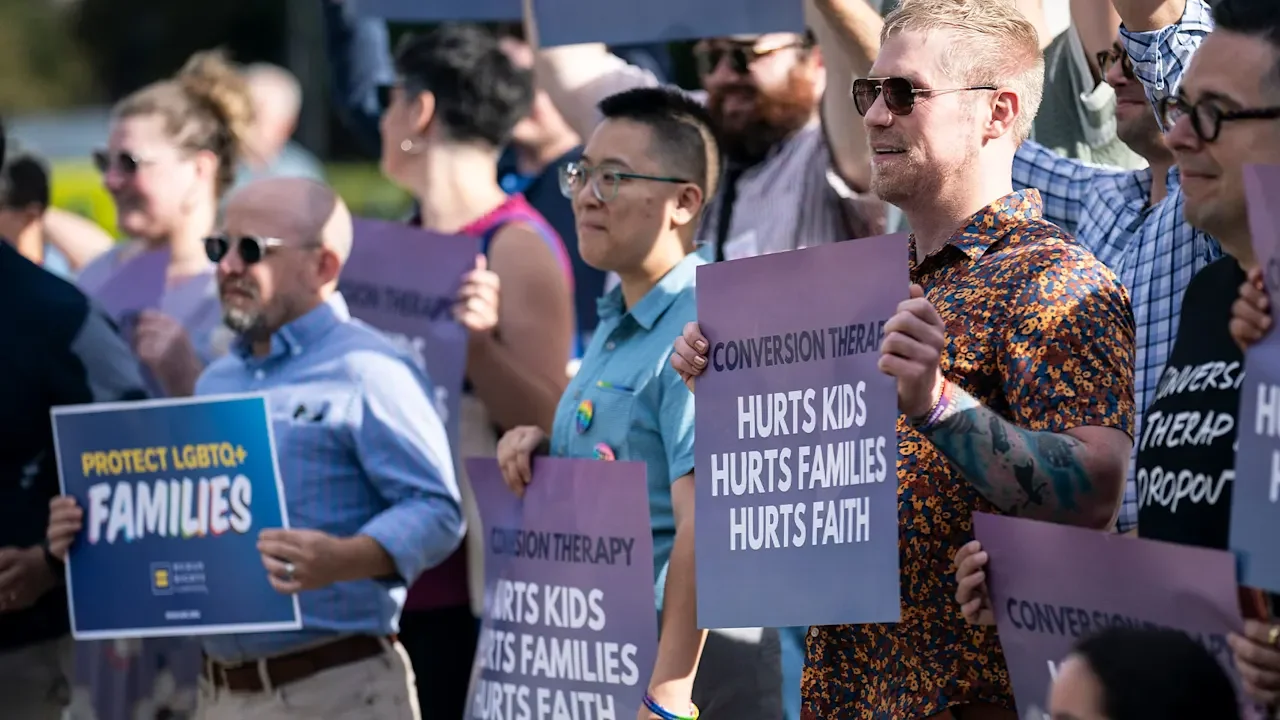
In 2019, Colorado adopted a law prohibiting conversion therapy for minors. It defined the controversial term as any practice or treatment attempting “to change an individual’s sexual orientation or gender identity.” But a talk therapist from the state, Kasey Chiles, said the law inhibited her right to free speech in her practice—and as of a ruling on Tuesday, March 31, the Supreme Court voted overwhelmingly in her favor. The Supreme Court decided 8-1 to strike down Colorado’s ban on conversion therapy for minors, setting a precedent that could undermine similar laws in 23 states and the District of Columbia. Writing for the majority, Justice Neil M. Gorsuch justified the decision via the First Amendment. “Colorado may regard its policy as essential to public health and safety,” Gorsuch wrote. “Certainly, censorious governments throughout history have believed the same. But the First Amendment stands as a shield against any effort to enforce orthodoxy in thought or speech in this country.” “Every American possesses an inalienable right to think and speak freely, and a faith in the free marketplace of ideas as the best means for discovering truth,” the opinion continued. “However well intentioned, any law that suppresses speech based on viewpoint represents an ‘egregious’ assault on both of those commitments.” Crossing ideological lines Though the Supreme Court currently has a conservative majority, the 8-1 outcome reflects an unprecedented move by liberal justices Elena Kagan and Sonia Sotomayor, who sided with that majority. Only one justice, Ketanji Brown Jackson, dissented, warning that “the fallout could be catastrophic” for medical care in America. “Before now, licensed medical professionals had to adhere to standards when treating patients: They could neither do nor say whatever they want,” Brown wrote in her dissension. “The Constitution does not pose a barrier to reasonable regulation of harmful medical treatments just because substandard care comes via speech instead of scalpel.” Indeed, conversion therapy has proven time and time again to be markedly harmful to queer people, not just anecdotally, but by leading medical researchers. The American Psychological Association recognizes that undergoing conversion therapy is linked to myriad mental health issues, including depression, anxiety, suicidal thoughts and behaviors, substance abuse, and post-traumatic stress. A study out of UCLA also found that LGB individuals who experienced conversion therapy had 92% greater odds of lifetime suicidal ideation, 75% greater odds of planning to attempt suicide, and 88% greater odds of attempting suicide compared to other LGB people. (The study did not account for trans individuals who’d been through conversion therapy.) The Supreme Court’s decision ignores that medical reality in favor of protecting free speech. In a separate opinion, Justice Kagan explained why she and Justice Sotomayor sided with the conservative majority. Kagan presented a hypothetical situation where Colorado had a law prohibiting the support or affirmation of LGBTQ+ identity for minors, saying that law would equally violate the First Amendment. “Because the state has suppressed one side of a debate, while aiding the other, the constitutional issue is straightforward,” she wrote. Kagan’s hypothetical law isn’t reality—but the harmful impact of conversion therapy has been proven. And the court’s decision is only its latest strike against LGBTQ+ rights in the U.S. Another decision against LGBTQ+ Americans In recent years, SCOTUS has repeatedly ruled against the rights of LGBTQ+ Americans, often citing the First Amendment. That includes a 2023 case where the court ruled that a web designer could refuse to create a wedding website for a gay couple, and a 2018 case where a baker was permitted to deny a wedding cake to a queer couple on the basis of his religion. Both those cases also came from Colorado, spearheaded by the Arizona-based Alliance Defending Freedom. The court’s latest decision also stands in contrast to a case from June 2025, where it ruled to uphold laws in 25 states that prohibit “gender affirming” puberty blockers and hormone treatments for minors. In that 6-3 decision, the court said it was deferring to state lawmakers’ choice to prohibit certain medical treatments, though that logic was seemingly abandoned in the Colorado case. LGBTQ+ advocacy organizations have spoken out against the ruling, including the Trevor Project, a charity dedicated to preventing suicide among queer youth. “The Supreme Court’s decision to treat the dangerous practice of conversion therapy as constitutionally protected speech is a tragic step backward for our country that will put young lives at risk,” Chief Executive Jaymes Black said in a statement. “These efforts, no matter what proponents call them, no matter what any court says, are still proven to cause lasting psychological harm.” View the full article

-
Last month, news broke about "DarkSword," a malware kit that makes it easy for hackers to scrape passwords, emails, crypto wallets, and more from your iPhone. You don't have to do much to put yourself in harms way, either: Visiting a malicious website is all it takes for DarkSword to get to work, which makes it particularly dangerous. It's not totally clear what DarkSword's risk is to the average user. Google Threat Intelligence Group (GTIG) says it identified "multiple commercial surveillance vendors and suspected state-sponsored actors" using the malware against targets in Saudi Arabia, Turkey, Malaysia, and Ukraine, appearing as if the victims were highly-specific. That said, the malware kit leaked onto the internet last week, which, theoretically, makes it much more accessible to your everyday hacker. While DarkSword hackers were previously highly organized, and, in some cases, funded by state governments, perhaps now the type of hacker who would go after the average user would be intrigued—especially considering the pool of users who could be targeted. DarkSword affects more iPhones than you might thinkThat's the other major issue with DarkSword: so many iPhones are potentially vulnerable. According to GTIG, all iPhones running iOS 26 prior to version 26.3, and all iPhones running iOS 18 prior to version 18.7.3 are vulnerable. If you're the sort who keeps their iPhone updated to the latest OS at all times, you're set. But there are plenty of users out there who don't, which poses multiple issues. For one, those users might not update their iPhones frequently, so they may be running an outdated, vulnerable version without realizing it. But there are also the people who are deliberately avoiding Apple's controversial iOS 26 update, even if their iPhones support it. Whether they're unhappy about Liquid Glass, or they're concerned about performance issues, many users have opted to stay on iOS 18. This doesn't jive with Apple's security philosophy. Typically, if you're running an older version of iOS on a device that can update, Apple will cut you off from security updates until you update to the latest version. An iPhone 16 running iOS 18, for example, received iOS 18.7.3—but not iOS 18.7.7. That means that, shy of updating to the latest version of iOS 26, that iPhone 16 is vulnerable to any and all new vulnerabilities that emerge—including potential DarkSword exploits. An iPhone XS running iOS 18 can update to 18.7.7, but that's because it can't update to iOS 26. That iPhone 16, however? Update, or bust. All iPhones can now update to protect against DarkSword Now, the company is changing its tune. Apple told Wired that it will issue a new security patch for all devices running iOS 18 on Wednesday—regardless of whether or not they can update to iOS 26. The move shows how serious the situation really is: Not only is DarkSword a threat to iPhone users, it shows that there are enough users sticking with iOS 18 that Apple feels the need to issue them patches. It isn't in a position to make these users choose between a specific OS and the latest security updates. Interestingly, it's the second time in a month Apple has had to issue this type of expansion security program. In early March, the company issued patches for older iPhones to protect against the "Coruna" exploit kit. Apple typically releases updates around 10 a.m. PT (1 p.m. ET), so expect this update sometime around then. If you have auto-updates enabled, you won't have to do anything to update, but if you want to install it as soon as possible, you'll need to head to Settings > General > Software Updates to manually download the update. View the full article
-
Not-for-profit business loans are crucial financial tools designed particularly for nonprofit organizations. These loans help cover operational costs or fund projects that align with your mission. Typically, you’ll need to provide documentation proving your nonprofit status and financial health. The types of loans available, including term loans and lines of credit, cater to different needs. Comprehending how these loans work can greatly impact your organization’s ability to thrive. So, what’s the best way to secure one? Key Takeaways Nonprofit business loans are designed specifically for nonprofit organizations, requiring proof of financial stability and repayment capability. Types of nonprofit loans include term loans, lines of credit, bridge loans, and mortgages, often with smaller amounts typically under $50,000. Community Development Financial Institutions (CDFIs) and specialized nonprofit loan funds offer financing options, often with higher interest rates due to perceived risks. The application process involves extensive documentation, including proof of nonprofit status and a detailed business plan, making it challenging for some organizations. Nonprofits can also explore alternative funding options like grants, crowdfunding, and business credit cards to diversify their financial resources. Understanding Nonprofit Business Loans When you’re looking to secure funding for a nonprofit organization, grasping nonprofit business loans is crucial. These nonprofit loans are particularly customized for nonprofits and often require extensive documentation to prove financial stability and repayment capability. Lending to nonprofits can come from various sources, including banks and Community Development Financial Institutions (CDFIs), each with unique eligibility criteria and interest rates. As you seek loans for nonprofit organizations, be prepared for stricter requirements, such as demonstrating your nonprofit status, providing recent financial statements, and outlining a detailed business plan for fund usage. It’s significant to recognize that interest rates for these loans may be higher than traditional loans owing to perceived risks, and some lenders might request collateral. Grasping these factors can help you navigate the complex environment of nonprofit funding and make informed decisions that support your organization’s mission. Types of Nonprofit Business Loans Securing the right type of funding is crucial for nonprofit organizations, and grasping the various options available can greatly improve your ability to meet financial needs. One common option is term loans, which give you a lump sum upfront with repayment over a set period, often up to 25 years. Lines of credit offer flexible funding, allowing you to borrow as needed during only paying interest on the drawn amount, which helps manage cash flow. For urgent expenses, bridge loans serve as short-term solutions until longer financing is available. Moreover, mortgages are useful for purchasing or renovating property, structured over extended terms to accommodate larger amounts. Nonprofit lenders often cater to mission-driven organizations, providing smaller loans, typically $50,000 or less, with competitive rates and resources for financial management. Grasping these types of not-for-profit business loans can help you choose the right fit for your organization’s needs. Community Development Financial Institutions (CDFIs) Community Development Financial Institutions (CDFIs) play a crucial role in providing financing to nonprofit organizations and small businesses that often face challenges securing traditional bank loans. These specialized organizations focus on serving underserved communities and typically offer smaller loan amounts, often under $50,000. Because of the perceived higher risk associated with lending to nonprofits, CDFIs may charge higher interest rates compared to traditional banks. While applying for a CDFI loan, you might encounter extensive documentation requirements and longer approval times, as these institutions prioritize evaluating the financial health and potential impact of the organizations they support. To find a CDFI that aligns with your mission and funding needs, you can use specific locator tools. Notable examples include People Fund in Texas and Propel Nonprofits in the Midwest, both dedicated to enhancing economic opportunities in disadvantaged communities. Nonprofit Loan Funds Nonprofit loan funds serve as specialized financial institutions designed to provide loans exclusively to nonprofit organizations, often at more favorable interest rates and terms than traditional lenders. These funds typically focus on established nonprofits with a proven operating history, making it harder for newer organizations to qualify. Examples include: Nonprofit Finance Fund Open Road Ventures Propel Nonprofits Many nonprofit loan funds offer interest-free loans or grants for specific projects, which helps organizations improve their financial health and impact without incurring debt. The application process usually demands detailed documentation of your financial status, project plans, and evidence of community impact, ensuring effective allocation of funds. Traditional Bank Lenders When you approach traditional bank lenders for a nonprofit loan, be prepared to meet specific requirements that reflect the unique challenges nonprofits face. These lenders often ask for detailed documentation of your financial health, including revenue, expenses, and fundraising strategies, which can impact your approval chances. Furthermore, keep in mind that interest rates may be higher for nonprofits compared to for-profit entities, so it’s essential to weigh these factors before seeking funding. Loan Requirements Overview Securing a loan from traditional bank lenders involves several specific requirements that nonprofits must meet to qualify. You’ll need to show a solid financial profile, including documentation of your revenue, expenses, and fundraising plans. Here are some key requirements: Proof of nonprofit status, which may include recent tax returns. Detailed financial documents to demonstrate your organization’s ability to repay the loan. A thorough business plan outlining how you intend to use the funds. Expect extensive paperwork, as lenders require thorough evidence of your financial stability. Since nonprofits are often regarded as higher risk because of their lack of profit generation, meeting these requirements is essential for securing the funding you need. Interest Rate Considerations How do interest rates for loans from traditional bank lenders impact your nonprofit’s financial decisions? Traditional Bank of America typically charge higher interest rates for nonprofit loans compared to for-profit businesses, mainly because of the perceived higher repayment risk. To secure favorable rates, you must provide detailed documentation of your revenue, expenses, and fundraising plans, demonstrating your financial stability. Interest rates can vary greatly based on your organization’s credit score, cash flow, and collateral. Moreover, be aware of extra costs, such as application fees or early repayment penalties, which can inflate the total borrowing cost. Although traditional Community Development Financial Institutions (CDFIs) may offer loans, consider exploring alternative lenders, for potentially lower rates and more flexible terms customized to your needs. Corporate Giving Programs Corporate giving programs represent a strategic way for for-profit companies to engage with their communities by providing financial support to nonprofits. These initiatives can take various forms, including grants, donations, and in-kind gifts, allowing nonprofits to improve their operations without repayment obligations. Companies like Hilton, Google, and General Mills run extensive giving programs, each with unique offerings. To effectively navigate these programs, consider the following: Many require nonprofits to align with the company’s mission. Specific social issues relevant to the business are often prioritized. Comprehending the application process for each program is essential. Nonprofit Grants Nonprofit grants offer organizations a valuable source of funding without the burden of repayment, making them an appealing option for those looking to finance specific projects or support overall operations. These grants come from various sources, including federal and state governments, private foundations, and corporate giving programs, each with specific eligibility criteria that your nonprofit must meet. The application and approval processes can be lengthy, often requiring detailed proposals, budgets, and documentation of your nonprofit’s mission and impact. Many grants are recurring, allowing you to reapply after the grant period ends, which can provide ongoing financial support for your initiatives. Nevertheless, it’s crucial to be discerning in your grant pursuits, as competition is often high. Not all opportunities will align with your mission or operational goals, so focus on those that best fit your organization’s needs and objectives to maximize your chances of success. Business Credit Cards In terms of managing your nonprofit’s finances, business credit cards can be a valuable tool. They offer immediate access to funds for purchases and can even help you earn rewards on eligible expenses, maximizing your budget. Nevertheless, it’s essential to understand the application process and usage strategies to guarantee you’re making the most of this financing option during the process of building your credit history responsibly. Benefits of Business Credit Utilizing business credit cards can be a strategic move for organizations seeking flexibility in their funding options. These cards provide immediate access to capital for various needs, like operational expenses and marketing, without the lengthy approval process of traditional loans. Here are some benefits of using business credit cards: Rewards Programs: Many cards offer cash back or travel points, maximizing your spending on crucial purchases. Credit Building: Responsible usage helps you build your credit history, improving eligibility for larger loans in the future. Additional Features: Cards often include expense tracking tools, purchase protection, and extended warranties, aiding in effective financial management. Application Process Overview Applying for a business credit card involves several key steps that can streamline the process for your organization. First, gather necessary documentation, including your nonprofit’s tax identification number and financial statements. Next, research various credit card options, noting their terms, fees, and interest rates, as these can vary greatly. Since nonprofits often face less stringent credit requirements, you may find that you qualify even with limited credit history. Once you select a card, complete the application form, ensuring that all information is accurate. After submission, you might receive a decision quickly, allowing you to access funds for purchases and manage cash flow effectively. Establishing a business credit card can likewise help improve your organization’s credit history for future borrowing. Responsible Usage Strategies To guarantee effective management of business credit cards, nonprofits should adopt responsible usage strategies that prioritize financial health. Here are some key approaches to reflect on: Monitor spending: Keep track of expenses to avoid exceeding your budget, ensuring you can meet repayment obligations without strain. Make timely payments: Pay off the balance each month to avoid interest charges, improve your credit score, and boost future borrowing opportunities. Leverage rewards programs: Take advantage of cash back or points earned through purchases, which can help fund mission-related activities. Eligibility Requirements for Nonprofit Loans When seeking a nonprofit loan, it is vital to understand the eligibility requirements that lenders typically impose. Nonprofits must prove their status by providing documents like articles of incorporation and 501(c)(3) designation. Recent financial documents are likewise important; lenders often ask for tax returns, income statements, and cash flow projections to evaluate your organization’s financial health. Here’s a quick look at some key eligibility factors: Requirement Description Nonprofit Status Proof of 501(c)(3) designation and incorporation Financial Health Recent tax returns and cash flow projections Revenue Generation Demonstrated ability to generate revenue Collateral Often required to secure the loan Having a detailed business plan that outlines the loan’s purpose and benefits is usually necessary to support your application. Meeting these requirements can improve your chances of securing funding. Strengthening Your Loan Application To strengthen your loan application, it’s essential to provide thorough financial documentation, which includes recent tax returns and income statements. A well-crafted business plan not just outlines your nonprofit’s mission and purpose for the loan but additionally demonstrates your financial health and how you’ll use the funds effectively. Documentation Requirements Overview As nonprofits prepare to apply for a loan, they must guarantee they’ve all necessary documentation to bolster their application. This includes several key items that lenders typically require: Proof of 501(c)(3) status, confirming your tax-exempt designation. Extensive financial documents, such as recent tax returns, income statements, and cash flow projections to illustrate financial health. A detailed business plan outlining the loan’s intended use, community needs, and projected outcomes. Additionally, lenders often seek collateral to secure the loan, which could be organizational assets or personal guarantees from board members. Demonstrating a solid operating history is essential, as lenders prefer organizations with a track record of revenue generation and financial stability to mitigate perceived risks. Financial Health Assessment A thorough financial health assessment is essential for nonprofits aiming to secure a loan, as lenders want clear evidence of your organization’s ability to manage cash flow, revenue, and expenses effectively. To strengthen your application, gather detailed financial documentation, including recent tax returns, income statements, and cash flow projections. Demonstrating a solid operating history with consistent revenue generation will improve your chances of securing a loan with favorable terms. Furthermore, if your nonprofit has collateral, providing it can boost your application by offering security against the borrowed funds, potentially lowering interest rates. A well-prepared financial health assessment not only showcases your organization’s viability but also builds trust with lenders regarding your repayment capacity. Business Plan Importance Clarity in your business plan is crucial for nonprofits seeking loans, as it serves as a roadmap for both your organization and potential lenders. A well-structured plan outlines your mission, operational strategies, and detailed financial projections that show your ability to repay the loan. To strengthen your loan application, consider including: A clear explanation of how you’ll use the funds, which helps lenders understand their purpose and potential impact. Recent financial documents like tax returns and income statements to demonstrate financial health. A detailed fundraising strategy that reassures lenders of your nonprofit’s revenue generation and expense management. Highlighting past successes can likewise showcase your track record and capacity for effective funding utilization. Challenges in Securing Nonprofit Loans Securing nonprofit loans presents a unique set of challenges that can complicate the funding process for organizations endeavoring to fulfill their missions. Many lenders impose stricter eligibility requirements, asking for proof of nonprofit status, detailed financial documentation, and a thorough business plan. This can complicate the approval process considerably. Furthermore, lenders often perceive nonprofits as higher risk because of their lack of profits, resulting in higher interest rates and potential collateral requirements. If your organization operates at a loss, qualifying for a loan becomes even more difficult, as lenders usually need solid cash flow and revenue history. The lengthy application process can involve extensive documentation and careful reviews of your financial health, making timely funding a challenge. In addition, you may find fewer loan options available compared to traditional businesses, as many lenders hesitate to lend to organizations with uncertain revenue streams. Alternative Funding Options for Nonprofits Even though traditional loans may present considerable hurdles for nonprofits, there are several alternative funding options that can help organizations secure the necessary capital to support their missions. These alternatives can provide flexibility and accessibility, ensuring nonprofits can thrive. Grants: These are funds that don’t need to be repaid and can greatly boost your organization’s resources. Crowdfunding: Utilize online platforms to gather small contributions from a broad audience, allowing you to raise funds without debt. Community Development Financial Institutions (CDFIs): These institutions offer customized lending options at lower interest rates compared to traditional lenders. Additionally, corporate giving programs can provide financial support through donations or sponsorships, whereas online lenders may offer quicker access to funds with lenient qualification criteria. Finally, business credit cards offer flexibility for purchases and expenses, helping you build a credit history as your nonprofit grows. Next Steps for Securing Funding How can nonprofits effectively secure the funding they need to fulfill their missions? Start by evaluating your organization’s financial health and clearly defining your funding needs. This helps in creating a focused plan for how you’ll use and repay any loans. Next, research suitable funding sources like Community Development Financial Institutions (CDFIs) and nonprofit loan funds, in addition to traditional banks that support nonprofits. Prepare a thorough business plan detailing your mission, financial projections, and loan usage. Gather all necessary documentation, including proof of your nonprofit status, recent financial statements, and a cash flow analysis to showcase your repayment capability. Finally, don’t forget to explore alternative funding options, such as grants and corporate giving programs. Diversifying your funding sources can reduce reliance on loans, ensuring your organization remains financially stable during the pursuit of its mission. Frequently Asked Questions Can You Get a Small Business Loan for a Non-Profit? Yes, you can get a small business loan for a nonprofit, but it often involves stricter eligibility requirements and higher interest rates. Many nonprofits turn to Community Development Financial Institutions (CDFIs) or nonprofit loan funds, which may offer more favorable terms. Traditional banks likewise provide loans, but expect to submit extensive documentation, including proof of cash flow and a solid business plan, to demonstrate your organization’s financial health and repayment capability. What Is the Monthly Payment on a $50,000 Business Loan? The monthly payment on a $50,000 business loan varies based on the interest rate and loan term. For instance, at a 7% interest rate over five years, your payment would be about $1,000, whereas at 10%, it rises to around $1,061. If you extend the loan to ten years, the payment drops to approximately $580 at 7% and increases to about $660 at 10%. Consider any additional fees that might affect your total repayment. What Is the 33% Rule for Nonprofits? The 33% Rule for nonprofits suggests that no more than 33% of your organization’s total revenue should come from a single source. This strategy helps you diversify funding, reducing reliance on one donor or grant. By implementing this rule, you can improve financial stability and credibility, demonstrating broad support. A balanced mix of income, donations, grants, and corporate sponsorships nurtures resilience, encouraging you to seek new funding opportunities and partnerships. What Credit Score Do You Need to Get a $30,000 Loan? To secure a $30,000 loan, most lenders require a credit score of at least 650. Nevertheless, some may approve loans for scores as low as 600 if other factors, like cash flow and organizational history, are favorable. Nonprofits with credit scores above 700 typically access better terms and rates. In addition, nonprofit lenders, such as CDFIs, often focus more on cash flow and mission alignment rather than strict credit score criteria. Conclusion In conclusion, nonprofit business loans play an essential role in helping organizations achieve their mission by providing necessary funding. Comprehending the various types of loans, such as those offered by CDFIs and traditional banks, can help you make informed decisions. Strengthening your loan application is critical for success, as is being aware of the challenges in securing funding. Exploring alternative funding options can likewise be beneficial. By taking these steps, you can effectively navigate the financial environment for nonprofits. Image via Google Gemini This article, "What Are Not for Profit Business Loans and How Do They Work?" was first published on Small Business Trends View the full article
-
Not-for-profit business loans are crucial financial tools designed particularly for nonprofit organizations. These loans help cover operational costs or fund projects that align with your mission. Typically, you’ll need to provide documentation proving your nonprofit status and financial health. The types of loans available, including term loans and lines of credit, cater to different needs. Comprehending how these loans work can greatly impact your organization’s ability to thrive. So, what’s the best way to secure one? Key Takeaways Nonprofit business loans are designed specifically for nonprofit organizations, requiring proof of financial stability and repayment capability. Types of nonprofit loans include term loans, lines of credit, bridge loans, and mortgages, often with smaller amounts typically under $50,000. Community Development Financial Institutions (CDFIs) and specialized nonprofit loan funds offer financing options, often with higher interest rates due to perceived risks. The application process involves extensive documentation, including proof of nonprofit status and a detailed business plan, making it challenging for some organizations. Nonprofits can also explore alternative funding options like grants, crowdfunding, and business credit cards to diversify their financial resources. Understanding Nonprofit Business Loans When you’re looking to secure funding for a nonprofit organization, grasping nonprofit business loans is crucial. These nonprofit loans are particularly customized for nonprofits and often require extensive documentation to prove financial stability and repayment capability. Lending to nonprofits can come from various sources, including banks and Community Development Financial Institutions (CDFIs), each with unique eligibility criteria and interest rates. As you seek loans for nonprofit organizations, be prepared for stricter requirements, such as demonstrating your nonprofit status, providing recent financial statements, and outlining a detailed business plan for fund usage. It’s significant to recognize that interest rates for these loans may be higher than traditional loans owing to perceived risks, and some lenders might request collateral. Grasping these factors can help you navigate the complex environment of nonprofit funding and make informed decisions that support your organization’s mission. Types of Nonprofit Business Loans Securing the right type of funding is crucial for nonprofit organizations, and grasping the various options available can greatly improve your ability to meet financial needs. One common option is term loans, which give you a lump sum upfront with repayment over a set period, often up to 25 years. Lines of credit offer flexible funding, allowing you to borrow as needed during only paying interest on the drawn amount, which helps manage cash flow. For urgent expenses, bridge loans serve as short-term solutions until longer financing is available. Moreover, mortgages are useful for purchasing or renovating property, structured over extended terms to accommodate larger amounts. Nonprofit lenders often cater to mission-driven organizations, providing smaller loans, typically $50,000 or less, with competitive rates and resources for financial management. Grasping these types of not-for-profit business loans can help you choose the right fit for your organization’s needs. Community Development Financial Institutions (CDFIs) Community Development Financial Institutions (CDFIs) play a crucial role in providing financing to nonprofit organizations and small businesses that often face challenges securing traditional bank loans. These specialized organizations focus on serving underserved communities and typically offer smaller loan amounts, often under $50,000. Because of the perceived higher risk associated with lending to nonprofits, CDFIs may charge higher interest rates compared to traditional banks. While applying for a CDFI loan, you might encounter extensive documentation requirements and longer approval times, as these institutions prioritize evaluating the financial health and potential impact of the organizations they support. To find a CDFI that aligns with your mission and funding needs, you can use specific locator tools. Notable examples include People Fund in Texas and Propel Nonprofits in the Midwest, both dedicated to enhancing economic opportunities in disadvantaged communities. Nonprofit Loan Funds Nonprofit loan funds serve as specialized financial institutions designed to provide loans exclusively to nonprofit organizations, often at more favorable interest rates and terms than traditional lenders. These funds typically focus on established nonprofits with a proven operating history, making it harder for newer organizations to qualify. Examples include: Nonprofit Finance Fund Open Road Ventures Propel Nonprofits Many nonprofit loan funds offer interest-free loans or grants for specific projects, which helps organizations improve their financial health and impact without incurring debt. The application process usually demands detailed documentation of your financial status, project plans, and evidence of community impact, ensuring effective allocation of funds. Traditional Bank Lenders When you approach traditional bank lenders for a nonprofit loan, be prepared to meet specific requirements that reflect the unique challenges nonprofits face. These lenders often ask for detailed documentation of your financial health, including revenue, expenses, and fundraising strategies, which can impact your approval chances. Furthermore, keep in mind that interest rates may be higher for nonprofits compared to for-profit entities, so it’s essential to weigh these factors before seeking funding. Loan Requirements Overview Securing a loan from traditional bank lenders involves several specific requirements that nonprofits must meet to qualify. You’ll need to show a solid financial profile, including documentation of your revenue, expenses, and fundraising plans. Here are some key requirements: Proof of nonprofit status, which may include recent tax returns. Detailed financial documents to demonstrate your organization’s ability to repay the loan. A thorough business plan outlining how you intend to use the funds. Expect extensive paperwork, as lenders require thorough evidence of your financial stability. Since nonprofits are often regarded as higher risk because of their lack of profit generation, meeting these requirements is essential for securing the funding you need. Interest Rate Considerations How do interest rates for loans from traditional bank lenders impact your nonprofit’s financial decisions? Traditional Bank of America typically charge higher interest rates for nonprofit loans compared to for-profit businesses, mainly because of the perceived higher repayment risk. To secure favorable rates, you must provide detailed documentation of your revenue, expenses, and fundraising plans, demonstrating your financial stability. Interest rates can vary greatly based on your organization’s credit score, cash flow, and collateral. Moreover, be aware of extra costs, such as application fees or early repayment penalties, which can inflate the total borrowing cost. Although traditional Community Development Financial Institutions (CDFIs) may offer loans, consider exploring alternative lenders, for potentially lower rates and more flexible terms customized to your needs. Corporate Giving Programs Corporate giving programs represent a strategic way for for-profit companies to engage with their communities by providing financial support to nonprofits. These initiatives can take various forms, including grants, donations, and in-kind gifts, allowing nonprofits to improve their operations without repayment obligations. Companies like Hilton, Google, and General Mills run extensive giving programs, each with unique offerings. To effectively navigate these programs, consider the following: Many require nonprofits to align with the company’s mission. Specific social issues relevant to the business are often prioritized. Comprehending the application process for each program is essential. Nonprofit Grants Nonprofit grants offer organizations a valuable source of funding without the burden of repayment, making them an appealing option for those looking to finance specific projects or support overall operations. These grants come from various sources, including federal and state governments, private foundations, and corporate giving programs, each with specific eligibility criteria that your nonprofit must meet. The application and approval processes can be lengthy, often requiring detailed proposals, budgets, and documentation of your nonprofit’s mission and impact. Many grants are recurring, allowing you to reapply after the grant period ends, which can provide ongoing financial support for your initiatives. Nevertheless, it’s crucial to be discerning in your grant pursuits, as competition is often high. Not all opportunities will align with your mission or operational goals, so focus on those that best fit your organization’s needs and objectives to maximize your chances of success. Business Credit Cards In terms of managing your nonprofit’s finances, business credit cards can be a valuable tool. They offer immediate access to funds for purchases and can even help you earn rewards on eligible expenses, maximizing your budget. Nevertheless, it’s essential to understand the application process and usage strategies to guarantee you’re making the most of this financing option during the process of building your credit history responsibly. Benefits of Business Credit Utilizing business credit cards can be a strategic move for organizations seeking flexibility in their funding options. These cards provide immediate access to capital for various needs, like operational expenses and marketing, without the lengthy approval process of traditional loans. Here are some benefits of using business credit cards: Rewards Programs: Many cards offer cash back or travel points, maximizing your spending on crucial purchases. Credit Building: Responsible usage helps you build your credit history, improving eligibility for larger loans in the future. Additional Features: Cards often include expense tracking tools, purchase protection, and extended warranties, aiding in effective financial management. Application Process Overview Applying for a business credit card involves several key steps that can streamline the process for your organization. First, gather necessary documentation, including your nonprofit’s tax identification number and financial statements. Next, research various credit card options, noting their terms, fees, and interest rates, as these can vary greatly. Since nonprofits often face less stringent credit requirements, you may find that you qualify even with limited credit history. Once you select a card, complete the application form, ensuring that all information is accurate. After submission, you might receive a decision quickly, allowing you to access funds for purchases and manage cash flow effectively. Establishing a business credit card can likewise help improve your organization’s credit history for future borrowing. Responsible Usage Strategies To guarantee effective management of business credit cards, nonprofits should adopt responsible usage strategies that prioritize financial health. Here are some key approaches to reflect on: Monitor spending: Keep track of expenses to avoid exceeding your budget, ensuring you can meet repayment obligations without strain. Make timely payments: Pay off the balance each month to avoid interest charges, improve your credit score, and boost future borrowing opportunities. Leverage rewards programs: Take advantage of cash back or points earned through purchases, which can help fund mission-related activities. Eligibility Requirements for Nonprofit Loans When seeking a nonprofit loan, it is vital to understand the eligibility requirements that lenders typically impose. Nonprofits must prove their status by providing documents like articles of incorporation and 501(c)(3) designation. Recent financial documents are likewise important; lenders often ask for tax returns, income statements, and cash flow projections to evaluate your organization’s financial health. Here’s a quick look at some key eligibility factors: Requirement Description Nonprofit Status Proof of 501(c)(3) designation and incorporation Financial Health Recent tax returns and cash flow projections Revenue Generation Demonstrated ability to generate revenue Collateral Often required to secure the loan Having a detailed business plan that outlines the loan’s purpose and benefits is usually necessary to support your application. Meeting these requirements can improve your chances of securing funding. Strengthening Your Loan Application To strengthen your loan application, it’s essential to provide thorough financial documentation, which includes recent tax returns and income statements. A well-crafted business plan not just outlines your nonprofit’s mission and purpose for the loan but additionally demonstrates your financial health and how you’ll use the funds effectively. Documentation Requirements Overview As nonprofits prepare to apply for a loan, they must guarantee they’ve all necessary documentation to bolster their application. This includes several key items that lenders typically require: Proof of 501(c)(3) status, confirming your tax-exempt designation. Extensive financial documents, such as recent tax returns, income statements, and cash flow projections to illustrate financial health. A detailed business plan outlining the loan’s intended use, community needs, and projected outcomes. Additionally, lenders often seek collateral to secure the loan, which could be organizational assets or personal guarantees from board members. Demonstrating a solid operating history is essential, as lenders prefer organizations with a track record of revenue generation and financial stability to mitigate perceived risks. Financial Health Assessment A thorough financial health assessment is essential for nonprofits aiming to secure a loan, as lenders want clear evidence of your organization’s ability to manage cash flow, revenue, and expenses effectively. To strengthen your application, gather detailed financial documentation, including recent tax returns, income statements, and cash flow projections. Demonstrating a solid operating history with consistent revenue generation will improve your chances of securing a loan with favorable terms. Furthermore, if your nonprofit has collateral, providing it can boost your application by offering security against the borrowed funds, potentially lowering interest rates. A well-prepared financial health assessment not only showcases your organization’s viability but also builds trust with lenders regarding your repayment capacity. Business Plan Importance Clarity in your business plan is crucial for nonprofits seeking loans, as it serves as a roadmap for both your organization and potential lenders. A well-structured plan outlines your mission, operational strategies, and detailed financial projections that show your ability to repay the loan. To strengthen your loan application, consider including: A clear explanation of how you’ll use the funds, which helps lenders understand their purpose and potential impact. Recent financial documents like tax returns and income statements to demonstrate financial health. A detailed fundraising strategy that reassures lenders of your nonprofit’s revenue generation and expense management. Highlighting past successes can likewise showcase your track record and capacity for effective funding utilization. Challenges in Securing Nonprofit Loans Securing nonprofit loans presents a unique set of challenges that can complicate the funding process for organizations endeavoring to fulfill their missions. Many lenders impose stricter eligibility requirements, asking for proof of nonprofit status, detailed financial documentation, and a thorough business plan. This can complicate the approval process considerably. Furthermore, lenders often perceive nonprofits as higher risk because of their lack of profits, resulting in higher interest rates and potential collateral requirements. If your organization operates at a loss, qualifying for a loan becomes even more difficult, as lenders usually need solid cash flow and revenue history. The lengthy application process can involve extensive documentation and careful reviews of your financial health, making timely funding a challenge. In addition, you may find fewer loan options available compared to traditional businesses, as many lenders hesitate to lend to organizations with uncertain revenue streams. Alternative Funding Options for Nonprofits Even though traditional loans may present considerable hurdles for nonprofits, there are several alternative funding options that can help organizations secure the necessary capital to support their missions. These alternatives can provide flexibility and accessibility, ensuring nonprofits can thrive. Grants: These are funds that don’t need to be repaid and can greatly boost your organization’s resources. Crowdfunding: Utilize online platforms to gather small contributions from a broad audience, allowing you to raise funds without debt. Community Development Financial Institutions (CDFIs): These institutions offer customized lending options at lower interest rates compared to traditional lenders. Additionally, corporate giving programs can provide financial support through donations or sponsorships, whereas online lenders may offer quicker access to funds with lenient qualification criteria. Finally, business credit cards offer flexibility for purchases and expenses, helping you build a credit history as your nonprofit grows. Next Steps for Securing Funding How can nonprofits effectively secure the funding they need to fulfill their missions? Start by evaluating your organization’s financial health and clearly defining your funding needs. This helps in creating a focused plan for how you’ll use and repay any loans. Next, research suitable funding sources like Community Development Financial Institutions (CDFIs) and nonprofit loan funds, in addition to traditional banks that support nonprofits. Prepare a thorough business plan detailing your mission, financial projections, and loan usage. Gather all necessary documentation, including proof of your nonprofit status, recent financial statements, and a cash flow analysis to showcase your repayment capability. Finally, don’t forget to explore alternative funding options, such as grants and corporate giving programs. Diversifying your funding sources can reduce reliance on loans, ensuring your organization remains financially stable during the pursuit of its mission. Frequently Asked Questions Can You Get a Small Business Loan for a Non-Profit? Yes, you can get a small business loan for a nonprofit, but it often involves stricter eligibility requirements and higher interest rates. Many nonprofits turn to Community Development Financial Institutions (CDFIs) or nonprofit loan funds, which may offer more favorable terms. Traditional banks likewise provide loans, but expect to submit extensive documentation, including proof of cash flow and a solid business plan, to demonstrate your organization’s financial health and repayment capability. What Is the Monthly Payment on a $50,000 Business Loan? The monthly payment on a $50,000 business loan varies based on the interest rate and loan term. For instance, at a 7% interest rate over five years, your payment would be about $1,000, whereas at 10%, it rises to around $1,061. If you extend the loan to ten years, the payment drops to approximately $580 at 7% and increases to about $660 at 10%. Consider any additional fees that might affect your total repayment. What Is the 33% Rule for Nonprofits? The 33% Rule for nonprofits suggests that no more than 33% of your organization’s total revenue should come from a single source. This strategy helps you diversify funding, reducing reliance on one donor or grant. By implementing this rule, you can improve financial stability and credibility, demonstrating broad support. A balanced mix of income, donations, grants, and corporate sponsorships nurtures resilience, encouraging you to seek new funding opportunities and partnerships. What Credit Score Do You Need to Get a $30,000 Loan? To secure a $30,000 loan, most lenders require a credit score of at least 650. Nevertheless, some may approve loans for scores as low as 600 if other factors, like cash flow and organizational history, are favorable. Nonprofits with credit scores above 700 typically access better terms and rates. In addition, nonprofit lenders, such as CDFIs, often focus more on cash flow and mission alignment rather than strict credit score criteria. Conclusion In conclusion, nonprofit business loans play an essential role in helping organizations achieve their mission by providing necessary funding. Comprehending the various types of loans, such as those offered by CDFIs and traditional banks, can help you make informed decisions. Strengthening your loan application is critical for success, as is being aware of the challenges in securing funding. Exploring alternative funding options can likewise be beneficial. By taking these steps, you can effectively navigate the financial environment for nonprofits. Image via Google Gemini This article, "What Are Not for Profit Business Loans and How Do They Work?" was first published on Small Business Trends View the full article
-
Want more housing market stories from Lance Lambert’s ResiClub in your inbox? Subscribe to the ResiClub newsletter. During the Pandemic Housing Boom, rapid home price appreciation supercharged fix-and-flip activity. The 2022 mortgage rate shock ended that run and caused the biggest pullback in home flipping activity since 2007. Profit margins compressed, days on market increased, and many newer investors exited the space. However, over the past couple of years, home flipping activity has stabilized around 2019 levels. The first LendingOne–ResiClub Fix-and-Flip Survey in Q1 2025 showed a market recalibrating to that new reality. The latest results tell a similar story: Flipping activity has stabilized, and seasoned flippers are still planning to execute deals in 2026—even in a slower national appreciation environment. Today, we’re breaking down the full results from the LendingOne–ResiClub Fix and Flip Survey for Q1 2026, fielded between February 9 and March 5, 2026. In total, 201 home flippers took the survey. The data suggest the market remains steady: demand expectations are holding up across many regions, and margins—while no longer pandemic-level—remain workable for disciplined flippers. 1. Home flipper sentiment and intent Shifts over the past year: Market sentiment has remained steady over the last year: 53% of U.S. home flippers describe their primary market as somewhat strong (44%) or very strong (9%), compared to 56% in Q3 2025 and 54% in Q1 2025. Expectations for demand remain resilient: 75% of flippers expect somewhat strong (53%) or very strong (22%) demand over the next 12 months, compared to 72% in Q3 2025. Fix and flip activity: A strong majority of flippers (90%) say they are somewhat or very likely to conduct a fix and flip in the next 12 months, including 75% who say they are “very likely.” Just over half (52%) plan to convert 1 to 5 projects into rentals using the fix-to-rent method, while 38% do not plan to convert any projects. Home flippers in the Midwest are the most confident in buyer demand, with 83% describing conditions as either somewhat strong or very strong—the highest share of any region. Market outlook: 58% of survey participants expect the fix and flip market to stay the same over the next 12 months, compared to 42% in Q3 2025. 29% expect the market to strengthen, compared to 31% in Q3 2025. 13% expect the market to weaken, down from 22% in Q3 2025. Optimism runs highest in the Midwest (33% expect strengthening) and West (31%), while the Northeast shows the highest weakening share (15%). 2. Financial considerations Leverage: 61% of U.S. home flippers say their use of leverage is about the same compared to 12 months ago, meanwhile, 21% say they are using less leverage, and 18% say they are using more. Financing priorities: Interest rate (31%) and speed to close (24%) are the top considerations when choosing financing. Speed to close (47%) is overwhelmingly the top consideration reported by home flippers in the West. 3. The biggest concerns across U.S. markets Organization and timeline stress: The sale phase causes the most delays (30%) for U.S. home flippers, followed by rehabbing/construction (24%) and acquisition (23%). Lower holding costs would most improve returns according to 56% of flippers, followed by better contractors (32%), faster draws (9%), and more reliable inspections (3%). Let’s view the full results View the full article

-
We may earn a commission from links on this page. Google hasn’t launched a new Fitbit device since 2023, instead seeming to pour all its hardware efforts into Pixel watches. But all along the company refused to confirm that Fitbit hardware was truly dead, and a new promotional video appears to show why—it looks like there’s a Whoop-style smart band on the way. What was teasedThe video was posted to Steph Curry’s Instagram page on March 31, so it’s not an April Fool’s stunt. In a few short clips, we see a gray and orange fabric band around Curry’s left wrist. He says “I’m excited for what this is going to mean for health for the world and wellness. It’s a first of its kind, in a way. I don’t want to spoil it. You kind of have to see for yourself.” Text on the screen states: “A new relationship with your health. Coming soon. [Google logo].” What we actually knowGoogle has not publicly confirmed any details. News and rumor sites, and user forums, are converging on the explanation that this is a Whoop-style smart band with no screen, and that it will be Fitbit-branded. Visually, I agree with the smart-band theory—it certainly looks like one, and the only way it would be something else is if there’s a screen that has been turned to the inside of the wrist. The Fitbit branding isn’t confirmed—we only see a Google logo in the video, not a Fitbit one. A Bloomberg article cites “a person with knowledge of the matter” as saying that Google is working on a Fitbit-branded smart band. Right now, Fitbit's only real offerings are the Charge 6, released in 2023, and a few 2022-era models: the minimalist Inspire 3, and two smartwatches (Versa 4 and Sense 2) that Google still sells but does not seem excited about. Smart bands, meanwhile, seem to be a growing product area. Whoop was the undisputed leader in this area for years, but last year we got the Polar Loop, Amazfit Helio/Core, and a Garmin sleep band. This year, fertility-tracking app Natural Cycles began selling a temperature-tracking smart band, while Luna and Speediance announced new smart bands at the CES trade show. (Neither of those two has launched yet.) Fitbit Charge 6 $139.99 at Amazon Learn More Learn More $139.99 at Amazon Why I think they’re announcing it nowIronically, the fitness gadget internet has lately been abuzz with expectation for a new Whoop-style smart band. But not from Fitbit! The rumor (here, for example) was that Garmin was about to announce one. A listing for a “Cirqa smart band” appeared briefly on some Garmin websites earlier this year, but if it’s a real product, it doesn’t seem to be ready yet. This reminds me of something that happened last year in the smart band space: Amid rumors of a Garmin smart band, Polar announced it was working on its own smart band. Garmin’s Index Sleep Band dropped the next day. So this feels like round two. Garmin’s new band might be a proper Whoop competitor (which the Index sleep band wasn’t), and Fitbit might be trying to get ahead of an imminent Garmin product announcement. I don’t have any inside information on when or whether either of these two rumored products are launching, but I wouldn’t be surprised if Garmin’s arrives before Fitbit’s. Also this week, Google announced an expansion of the AI health coach in the Fitbit app. (Yes, this the the same AI coach that told me the Pixel Watch 4 didn’t exist, and that was comically bad at the actual coaching part. Maybe it’s gotten better.) The AI coach is now available to free users and not just subscribers, and has incorporated more features. Smart bands are having a moment, and I think it's because gadget makers have run out of new things they can stuff into a watch. Once you've got sensors for motion and heart rate, you have the main functions a fitness watch needs. Extra bells and whistles don't add enough excitement to justify higher prices or frequent upgrades, so companies are realizing they can pare down the hardware and pivot to software features and subscription services. The smart ring market is already a bit further down this path, as I've written before. Now it's time to see what happens with smart bands. View the full article
-
President attends proceedings as justices consider one of their most consequential cases View the full article
-
When exploring the franchisor definition in business licensing, it’s essential to grasp their role in the franchise system. Franchisors are the entities that grant you the right to operate a business under their established brand and model. They provide critical support, such as training and operational guidelines, to guarantee uniformity across locations. Comprehending these dynamics can greatly impact your franchise experience, especially when considering the responsibilities and advantages that come with this business model. What else should you know to make an informed decision? Key Takeaways Franchisors license their brand and operational framework to franchisees, enabling them to operate under a recognized name. They establish franchise agreements that outline standards, rights, and responsibilities for franchisees. Franchisors provide essential training and ongoing support to ensure franchisee success and adherence to brand standards. They are responsible for updating operational manuals and marketing strategies to maintain brand consistency. Franchisors define specific territories to minimize competition and enhance market viability for their franchisees. What Is a Franchisor? A franchisor is the key player in the franchise business model, serving as the original entity that licenses its brand and operational framework to franchisees. To define franchisor, think of it as the source of the brand that franchisees can use, allowing them to operate under the franchisor’s trademark in exchange for fees and royalties. The franchisor maintains control over franchise operations through a franchise agreement, which details the standards franchisees must meet. By leveraging the local knowledge and investments of franchisees, franchisors can expand their market presence without heavy capital expenditures. Franchisees typically pay an initial start-up fee and ongoing royalties, which support the franchisor’s brand development. Furthermore, franchisors must provide a Franchise Disclosure Document (FDD) to potential franchisees, outlining crucial financial obligations. Key Takeaways Comprehending the role of a franchisor in the franchise business model helps clarify the key takeaways surrounding this relationship. Here are some crucial points to contemplate: A franchisor grants rights to franchisees to operate under its brand and business model through a franchise agreement. They typically earn an initial franchise fee and ongoing royalties, which can range from 4.6% to 12.5% of branch profits. Franchise agreements mandate franchisors to provide support and training, ensuring franchisees adhere to brand standards. Legal regulations require franchisors to furnish potential franchisees with a Franchise Disclosure Document (FDD), outlining vital business information. Understanding these aspects will help you appreciate the franchisor-franchisee dynamic and its impact on successful business operations. Understanding Franchisor Responsibilities When you think about franchisors, it’s vital to understand their key responsibilities, particularly in training and support, in addition to territory management. They provide franchisees with the necessary resources and guidance to guarantee brand consistency and success during defining specific territories to reduce competition among franchisees. Training and Support Franchisors play an essential role in ensuring the success of their franchisees by providing fundamental training and ongoing support. This support is important for helping you navigate the intricacies of running a franchise. Key components of this training and support include: Initial training, often lasting at least 20 days, at dedicated facilities like Dunkin’ Brands University. Updates to operational manuals, marketing strategies, and additional training to adapt to market changes. Clear communication channels to address your questions and concerns. A structured support system that assists with site selection, operational oversight, and brand standards compliance. Territory Management Establishing effective territory management is crucial for the success of a franchise, as it directly impacts both franchisees and the overall brand. Franchisors are responsible for defining specific territories to minimize competition, ensuring market viability. This strategic selection relies on analyzing potential profitability and consumer demand, which helps secure the franchise’s success. Franchise agreements typically grant exclusive territorial rights to franchisees, allowing them to operate without interference from nearby locations. Furthermore, franchisors must consistently monitor franchisee performance within these territories to uphold brand consistency and compliance with operational standards. Franchisor Advantages One of the key advantages of franchising is the ability to grow swiftly during minimizing financial risk. By leveraging the knowledge and capital of local franchisees, you can grow your brand considerably without incurring heavy costs. Here are some specific benefits: Franchisees typically pay an initial start-up fee and ongoing royalties, providing a continuous revenue stream. The franchise model helps maintain brand consistency and operational standards, enhancing your brand’s reputation. You can scale your business without considerable capital investments, as franchisees cover most initial costs. Lower overhead costs at franchisee-operated locations lead to higher profitability compared to company-owned establishments. These advantages make franchising an attractive option for growing your business effectively and efficiently. Franchisor Disadvantages Although franchising offers numerous benefits, it also comes with its share of disadvantages that potential franchisors should carefully consider. Establishing a franchise demands a significant investment of time and resources, which can deter many aspiring franchisors. Even after thorough vetting, franchisee failures can harm your brand’s reputation, leading to negative perceptions. Moreover, once the initial training and agreement are complete, you’ll have limited control over the franchisee’s operations, potentially resulting in inconsistencies in brand representation. If you declare bankruptcy, your franchisees could face severe disruptions, affecting their investments and business continuity. Finally, in spite of having a proven business model, some franchises can still be unprofitable, potentially leading to financial losses for you as the franchisor. Example: Dunkin Donuts Dunkin’ Donuts serves as a prime example of a successful franchisor in the food and beverage industry. Since starting franchising in 1955, Dunkin’ has expanded to over 11,300 restaurants globally. As a franchisee, you’ll need to meet specific requirements, which include: Completing at least 20 days of core initial training at Dunkin’ Brands University. Managing your restaurant with a minimum of two individuals, including yourself. Continuously developing your business as you adhere to Dunkin’s standards, including offering a full menu. Comprehending that the investment to open a franchise ranges from $95,700 to $1,597,200, excluding real estate costs. Dunkin‘s strict controls demonstrate how a franchisor can maintain brand consistency across its franchise network. Training Overview for Franchisees To succeed as a franchisee, you’ll need to undergo an extensive training program that equips you with the necessary skills and knowledge to operate your business effectively. At Dunkin’ Brands University, you’ll spend a minimum of 20 days in core initial training, covering crucial areas such as product preparation, customer service, and adherence to corporate policies. You’ll additionally receive guidance on effective employee management strategies since you’re responsible for hiring and managing your staff. Ongoing training and support materials are provided to keep you updated on best practices and new product offerings. This continuous development and compliance with franchisor standards are fundamental for your success, making the training you receive a critical component of your franchise expedition. Obligations and Restrictions of Franchisees As a franchisee, you have specific operational responsibilities that you must uphold to keep your business running smoothly. This includes adhering to brand standards set by the franchisor, ensuring you offer the full menu, and managing your location with required staff for effective oversight. Furthermore, if you’re considering any business activities outside of your franchise’s core offerings, you’ll need to seek prior written approval from the franchisor. Franchisee Operational Responsibilities Franchisees have several key operational responsibilities that are vital for the success of their business within the franchise system. You’ll need to manage your operational overhead effectively, ensuring compliance with the franchisor’s standards and maintaining product quality. Here are some of your main obligations: Complete a minimum of 20 days of core initial training at Dunkin’ Brands University. Offer a full menu as prescribed by the franchisor, obtaining prior written approval for any deviations. Engage in continuous business development to strengthen your local market presence. Avoid internet sales or distributing unapproved goods/services to maintain brand consistency. Compliance With Brand Standards Compliance with brand standards is vital for maintaining the integrity and consistency of the franchise system. As a franchisee, you’re required to follow the specific guidelines set by the franchisor, which include maintaining designated product offerings, operational procedures, and marketing strategies. This guarantees uniformity across all locations. Your franchise agreement mandates that you offer the full menu or product range without unauthorized deviations. To fully grasp these standards, you must complete at least 20 days of initial training at the franchisor’s facility. Ongoing adherence is critical; failing to comply could lead to penalties, loss of your franchise agreement, or damage to the brand’s reputation. Always consult your franchisor before engaging in any additional business activities to confirm alignment with brand standards. Approval for Additional Activities Before you consider engaging in any additional business activities outside your franchise operations, it’s vital to obtain prior written approval from your franchisor. This requirement helps maintain brand integrity and guarantees you adhere to the franchisor’s established business model and standards. Violating this rule can lead to penalties or even termination of your franchise agreement, making compliance important. Here are some key points to remember: Approval protects the franchise brand and reputation. Franchise agreements usually require you to offer a complete menu or product line as specified. Unapproved activities may incur serious consequences. You must manage operational costs within the franchisor’s framework, limiting your ability to diversify. Always consult your franchisor before exploring new business ventures. Financial Assistance for Franchisees Starting a franchise often requires a significant financial investment, which can be intimidating without the right support. Although franchises like Dunkin don’t provide direct financing, several third-party lending options may be available for qualified franchisees. You’ll need to manage your operational overhead costs, which can differ based on location and performance. Furthermore, ongoing royalty fees, typically between 4.6% and 12.5% of branch profits, will affect your financial planning. It’s vital to conduct thorough financial due diligence before committing. Cost Type Estimated Range Notes Initial Investment $95,700 – $1,597,200 Excludes real estate expenses Operational Overhead Varies Based on location and performance Royalty Fees 4.6% – 12.5% Percentage of branch profits Financing Options Third-party lenders Available for qualified franchisees Financial Planning Fundamental Analyze costs and potential revenues Estimated Initial Investment for Franchising When contemplating the estimated initial investment for franchising, potential franchisees should prepare for a financial commitment that can range considerably. For instance, opening a Dunkin franchise can cost anywhere from $95,700 to $1,597,200, not counting real estate expenses. Here are some key financial aspects to evaluate: Initial start-up fees and ongoing royalties, typically between 4.6% and 12.5% of profits. Additional expenses, including equipment, inventory, marketing, and operational overhead. Financing options are often limited; third-party lending may be available. A thorough evaluation of financial projections and break-even analysis is crucial for sustainable investment. Understanding these costs helps you make informed decisions as you explore franchising opportunities. The Importance of Franchise Agreements Franchise agreements play a vital role in defining the relationship between franchisors and franchisees, outlining specific terms that govern their interactions. These agreements detail the rights and obligations of both parties, ensuring clarity and comprehension. You’ll find important information regarding fees, such as initial startup costs and ongoing royalties, which typically range from 4.6% to 12.5% of sales. Furthermore, they require you, as a franchisee, to adhere to the franchisor’s operational standards to maintain brand consistency. Franchise agreements are regulated by federal and state laws, which mandate the franchisor to provide a Franchise Disclosure Document (FDD). Compliance is imperative; failure to follow the agreement can lead to penalties, termination, or damage to the brand’s reputation. Frequently Asked Questions What Is a Simple Definition of a Franchisor? A franchisor is a business that allows another party, called a franchisee, to operate under its brand and business model. You’ll typically pay an initial fee and ongoing royalties based on your profits. Franchisors provide support, including training and marketing, to help maintain consistency across all locations. This relationship is essential for expansion, as it combines the franchisor’s brand strength with the franchisee’s local market knowledge and investment. What Are the 4 P’s of Franchising? The 4 P’s of franchising are Product, Price, Place, and Promotion. Product refers to the goods or services you offer, ensuring they meet brand standards. Price involves setting competitive rates during consideration of royalty fees. Place focuses on selecting locations based on market demand and potential profitability. Finally, Promotion includes the marketing strategies and support provided to improve your franchise’s visibility and drive sales, ensuring you attract and retain customers effectively. What’s the Difference Between a Franchise and a Franchisor? A franchise is a business model where you, as the franchisee, pay for the right to operate under a brand’s name and business system. The franchisor, conversely, is the original brand owner who grants you this right and provides ongoing support, training, and guidelines. In contrast to the franchisee who runs the day-to-day operations, the franchisor retains control over brand consistency and operational standards, ensuring a cohesive customer experience across all franchise locations. What Is the Role of the Franchisor? The franchisor plays a vital role in the franchise system. They own the brand and business model, granting you the right to operate under their name. You’ll receive initial training, ongoing support, and operational guidelines to maintain brand standards. Franchisors likewise create marketing strategies that benefit all locations and establish territories to reduce competition. Furthermore, they provide important documents, like the Franchise Disclosure Document, outlining fees and obligations involved in the franchise agreement. Conclusion In summary, comprehending the role of a franchisor is vital for anyone considering entering the franchise world. Franchisors provide fundamental support and guidelines, ensuring franchisees can benefit from an established brand and business model. Nevertheless, it’s important to recognize the obligations and restrictions that come with this partnership. By carefully evaluating franchise agreements and investment requirements, you can make informed decisions that align with your entrepreneurial goals and minimize risks associated with starting a business independently. Image via Google Gemini and ArtSmart This article, "Understanding the Franchisor Definition in Business Licensing" was first published on Small Business Trends View the full article
-
When exploring the franchisor definition in business licensing, it’s essential to grasp their role in the franchise system. Franchisors are the entities that grant you the right to operate a business under their established brand and model. They provide critical support, such as training and operational guidelines, to guarantee uniformity across locations. Comprehending these dynamics can greatly impact your franchise experience, especially when considering the responsibilities and advantages that come with this business model. What else should you know to make an informed decision? Key Takeaways Franchisors license their brand and operational framework to franchisees, enabling them to operate under a recognized name. They establish franchise agreements that outline standards, rights, and responsibilities for franchisees. Franchisors provide essential training and ongoing support to ensure franchisee success and adherence to brand standards. They are responsible for updating operational manuals and marketing strategies to maintain brand consistency. Franchisors define specific territories to minimize competition and enhance market viability for their franchisees. What Is a Franchisor? A franchisor is the key player in the franchise business model, serving as the original entity that licenses its brand and operational framework to franchisees. To define franchisor, think of it as the source of the brand that franchisees can use, allowing them to operate under the franchisor’s trademark in exchange for fees and royalties. The franchisor maintains control over franchise operations through a franchise agreement, which details the standards franchisees must meet. By leveraging the local knowledge and investments of franchisees, franchisors can expand their market presence without heavy capital expenditures. Franchisees typically pay an initial start-up fee and ongoing royalties, which support the franchisor’s brand development. Furthermore, franchisors must provide a Franchise Disclosure Document (FDD) to potential franchisees, outlining crucial financial obligations. Key Takeaways Comprehending the role of a franchisor in the franchise business model helps clarify the key takeaways surrounding this relationship. Here are some crucial points to contemplate: A franchisor grants rights to franchisees to operate under its brand and business model through a franchise agreement. They typically earn an initial franchise fee and ongoing royalties, which can range from 4.6% to 12.5% of branch profits. Franchise agreements mandate franchisors to provide support and training, ensuring franchisees adhere to brand standards. Legal regulations require franchisors to furnish potential franchisees with a Franchise Disclosure Document (FDD), outlining vital business information. Understanding these aspects will help you appreciate the franchisor-franchisee dynamic and its impact on successful business operations. Understanding Franchisor Responsibilities When you think about franchisors, it’s vital to understand their key responsibilities, particularly in training and support, in addition to territory management. They provide franchisees with the necessary resources and guidance to guarantee brand consistency and success during defining specific territories to reduce competition among franchisees. Training and Support Franchisors play an essential role in ensuring the success of their franchisees by providing fundamental training and ongoing support. This support is important for helping you navigate the intricacies of running a franchise. Key components of this training and support include: Initial training, often lasting at least 20 days, at dedicated facilities like Dunkin’ Brands University. Updates to operational manuals, marketing strategies, and additional training to adapt to market changes. Clear communication channels to address your questions and concerns. A structured support system that assists with site selection, operational oversight, and brand standards compliance. Territory Management Establishing effective territory management is crucial for the success of a franchise, as it directly impacts both franchisees and the overall brand. Franchisors are responsible for defining specific territories to minimize competition, ensuring market viability. This strategic selection relies on analyzing potential profitability and consumer demand, which helps secure the franchise’s success. Franchise agreements typically grant exclusive territorial rights to franchisees, allowing them to operate without interference from nearby locations. Furthermore, franchisors must consistently monitor franchisee performance within these territories to uphold brand consistency and compliance with operational standards. Franchisor Advantages One of the key advantages of franchising is the ability to grow swiftly during minimizing financial risk. By leveraging the knowledge and capital of local franchisees, you can grow your brand considerably without incurring heavy costs. Here are some specific benefits: Franchisees typically pay an initial start-up fee and ongoing royalties, providing a continuous revenue stream. The franchise model helps maintain brand consistency and operational standards, enhancing your brand’s reputation. You can scale your business without considerable capital investments, as franchisees cover most initial costs. Lower overhead costs at franchisee-operated locations lead to higher profitability compared to company-owned establishments. These advantages make franchising an attractive option for growing your business effectively and efficiently. Franchisor Disadvantages Although franchising offers numerous benefits, it also comes with its share of disadvantages that potential franchisors should carefully consider. Establishing a franchise demands a significant investment of time and resources, which can deter many aspiring franchisors. Even after thorough vetting, franchisee failures can harm your brand’s reputation, leading to negative perceptions. Moreover, once the initial training and agreement are complete, you’ll have limited control over the franchisee’s operations, potentially resulting in inconsistencies in brand representation. If you declare bankruptcy, your franchisees could face severe disruptions, affecting their investments and business continuity. Finally, in spite of having a proven business model, some franchises can still be unprofitable, potentially leading to financial losses for you as the franchisor. Example: Dunkin Donuts Dunkin’ Donuts serves as a prime example of a successful franchisor in the food and beverage industry. Since starting franchising in 1955, Dunkin’ has expanded to over 11,300 restaurants globally. As a franchisee, you’ll need to meet specific requirements, which include: Completing at least 20 days of core initial training at Dunkin’ Brands University. Managing your restaurant with a minimum of two individuals, including yourself. Continuously developing your business as you adhere to Dunkin’s standards, including offering a full menu. Comprehending that the investment to open a franchise ranges from $95,700 to $1,597,200, excluding real estate costs. Dunkin‘s strict controls demonstrate how a franchisor can maintain brand consistency across its franchise network. Training Overview for Franchisees To succeed as a franchisee, you’ll need to undergo an extensive training program that equips you with the necessary skills and knowledge to operate your business effectively. At Dunkin’ Brands University, you’ll spend a minimum of 20 days in core initial training, covering crucial areas such as product preparation, customer service, and adherence to corporate policies. You’ll additionally receive guidance on effective employee management strategies since you’re responsible for hiring and managing your staff. Ongoing training and support materials are provided to keep you updated on best practices and new product offerings. This continuous development and compliance with franchisor standards are fundamental for your success, making the training you receive a critical component of your franchise expedition. Obligations and Restrictions of Franchisees As a franchisee, you have specific operational responsibilities that you must uphold to keep your business running smoothly. This includes adhering to brand standards set by the franchisor, ensuring you offer the full menu, and managing your location with required staff for effective oversight. Furthermore, if you’re considering any business activities outside of your franchise’s core offerings, you’ll need to seek prior written approval from the franchisor. Franchisee Operational Responsibilities Franchisees have several key operational responsibilities that are vital for the success of their business within the franchise system. You’ll need to manage your operational overhead effectively, ensuring compliance with the franchisor’s standards and maintaining product quality. Here are some of your main obligations: Complete a minimum of 20 days of core initial training at Dunkin’ Brands University. Offer a full menu as prescribed by the franchisor, obtaining prior written approval for any deviations. Engage in continuous business development to strengthen your local market presence. Avoid internet sales or distributing unapproved goods/services to maintain brand consistency. Compliance With Brand Standards Compliance with brand standards is vital for maintaining the integrity and consistency of the franchise system. As a franchisee, you’re required to follow the specific guidelines set by the franchisor, which include maintaining designated product offerings, operational procedures, and marketing strategies. This guarantees uniformity across all locations. Your franchise agreement mandates that you offer the full menu or product range without unauthorized deviations. To fully grasp these standards, you must complete at least 20 days of initial training at the franchisor’s facility. Ongoing adherence is critical; failing to comply could lead to penalties, loss of your franchise agreement, or damage to the brand’s reputation. Always consult your franchisor before engaging in any additional business activities to confirm alignment with brand standards. Approval for Additional Activities Before you consider engaging in any additional business activities outside your franchise operations, it’s vital to obtain prior written approval from your franchisor. This requirement helps maintain brand integrity and guarantees you adhere to the franchisor’s established business model and standards. Violating this rule can lead to penalties or even termination of your franchise agreement, making compliance important. Here are some key points to remember: Approval protects the franchise brand and reputation. Franchise agreements usually require you to offer a complete menu or product line as specified. Unapproved activities may incur serious consequences. You must manage operational costs within the franchisor’s framework, limiting your ability to diversify. Always consult your franchisor before exploring new business ventures. Financial Assistance for Franchisees Starting a franchise often requires a significant financial investment, which can be intimidating without the right support. Although franchises like Dunkin don’t provide direct financing, several third-party lending options may be available for qualified franchisees. You’ll need to manage your operational overhead costs, which can differ based on location and performance. Furthermore, ongoing royalty fees, typically between 4.6% and 12.5% of branch profits, will affect your financial planning. It’s vital to conduct thorough financial due diligence before committing. Cost Type Estimated Range Notes Initial Investment $95,700 – $1,597,200 Excludes real estate expenses Operational Overhead Varies Based on location and performance Royalty Fees 4.6% – 12.5% Percentage of branch profits Financing Options Third-party lenders Available for qualified franchisees Financial Planning Fundamental Analyze costs and potential revenues Estimated Initial Investment for Franchising When contemplating the estimated initial investment for franchising, potential franchisees should prepare for a financial commitment that can range considerably. For instance, opening a Dunkin franchise can cost anywhere from $95,700 to $1,597,200, not counting real estate expenses. Here are some key financial aspects to evaluate: Initial start-up fees and ongoing royalties, typically between 4.6% and 12.5% of profits. Additional expenses, including equipment, inventory, marketing, and operational overhead. Financing options are often limited; third-party lending may be available. A thorough evaluation of financial projections and break-even analysis is crucial for sustainable investment. Understanding these costs helps you make informed decisions as you explore franchising opportunities. The Importance of Franchise Agreements Franchise agreements play a vital role in defining the relationship between franchisors and franchisees, outlining specific terms that govern their interactions. These agreements detail the rights and obligations of both parties, ensuring clarity and comprehension. You’ll find important information regarding fees, such as initial startup costs and ongoing royalties, which typically range from 4.6% to 12.5% of sales. Furthermore, they require you, as a franchisee, to adhere to the franchisor’s operational standards to maintain brand consistency. Franchise agreements are regulated by federal and state laws, which mandate the franchisor to provide a Franchise Disclosure Document (FDD). Compliance is imperative; failure to follow the agreement can lead to penalties, termination, or damage to the brand’s reputation. Frequently Asked Questions What Is a Simple Definition of a Franchisor? A franchisor is a business that allows another party, called a franchisee, to operate under its brand and business model. You’ll typically pay an initial fee and ongoing royalties based on your profits. Franchisors provide support, including training and marketing, to help maintain consistency across all locations. This relationship is essential for expansion, as it combines the franchisor’s brand strength with the franchisee’s local market knowledge and investment. What Are the 4 P’s of Franchising? The 4 P’s of franchising are Product, Price, Place, and Promotion. Product refers to the goods or services you offer, ensuring they meet brand standards. Price involves setting competitive rates during consideration of royalty fees. Place focuses on selecting locations based on market demand and potential profitability. Finally, Promotion includes the marketing strategies and support provided to improve your franchise’s visibility and drive sales, ensuring you attract and retain customers effectively. What’s the Difference Between a Franchise and a Franchisor? A franchise is a business model where you, as the franchisee, pay for the right to operate under a brand’s name and business system. The franchisor, conversely, is the original brand owner who grants you this right and provides ongoing support, training, and guidelines. In contrast to the franchisee who runs the day-to-day operations, the franchisor retains control over brand consistency and operational standards, ensuring a cohesive customer experience across all franchise locations. What Is the Role of the Franchisor? The franchisor plays a vital role in the franchise system. They own the brand and business model, granting you the right to operate under their name. You’ll receive initial training, ongoing support, and operational guidelines to maintain brand standards. Franchisors likewise create marketing strategies that benefit all locations and establish territories to reduce competition. Furthermore, they provide important documents, like the Franchise Disclosure Document, outlining fees and obligations involved in the franchise agreement. Conclusion In summary, comprehending the role of a franchisor is vital for anyone considering entering the franchise world. Franchisors provide fundamental support and guidelines, ensuring franchisees can benefit from an established brand and business model. Nevertheless, it’s important to recognize the obligations and restrictions that come with this partnership. By carefully evaluating franchise agreements and investment requirements, you can make informed decisions that align with your entrepreneurial goals and minimize risks associated with starting a business independently. Image via Google Gemini and ArtSmart This article, "Understanding the Franchisor Definition in Business Licensing" was first published on Small Business Trends View the full article
-
As you have probably heard, most of human history, civility was not the default setting. Societies were rougher, hierarchies more brutal, and interpersonal interactions often governed by blunt displays of power and overt physical aggression rather than kind or cordial exchanges. In medieval societies, for instance, everyday interactions were far less restrained by norms of politeness. Status determined how you were treated, and those with power often exercised it quite openly. Rudeness, intimidation, and direct confrontation were not social faux pas so much as ordinary features of life in rigidly stratified societies. Fortunately, we have come a long way. Today, success in modern organizations often depends on the ability to at least appear or seem gentle, collaborative, and emotionally intelligent. Few people openly insult their colleagues or shout at meetings. Instead, most professionals understand that being likable, agreeable, and tactful helps them influence others, build alliances, and advance their careers. Even individuals who enjoy enough power to care less about how they impact others – say, senior leaders and executives – know that their reputation will take a hit if they don’t practice the art of seeming humble, empathetic, and kind. As I noted in my latest book, this civility requires a great deal of performance. Being “professional” often means managing one’s impulses, editing one’s reactions, and presenting a socially acceptable version of oneself. The result is that modern workplaces reward a kind of controlled or strategic authenticity: people must come across as sufficiently real while at the same time acting in sufficiently other-oriented and empathetic ways so that they can be trusted. Needless to say, this is mostly a good thing, especially compared with the alternative: open hostility, egocentrism, or rudeness. In other words, civility is by and large what makes collaboration and living in a well-functioning society possible. Too much of a good thing? Despite the wide-raging benefits of kind politeness and civility, like any trait that is rewarded, it can be taken too far. When politeness becomes excessive, it morphs into something else: political maneuvering, extreme conflict avoidance, and carefully managed insincerity. Instead of speaking candidly, people learn to say what sounds agreeable while thinking something entirely different. They nod in meetings but undermine decisions afterward. They compliment you publicly but criticize you privately. They avoid open disagreement yet quietly obstruct progress. As Kim Scott compellingly illustrated in her book about the benefits of workplace candor, at some point, civility stops being a lubricant for cooperation and starts becoming an inhibitor. In personality psychology, one of the traits associated with this behavior is called leisurely, a dark-side tendency closely related to passive aggression. People high on this trait appear cooperative on the surface but resist demands indirectly. Rather than confronting conflict directly, they express dissatisfaction through subtle obstruction, delays, sarcasm, or behind-the-scenes criticism. Passive-aggressive behavior thrives precisely because it is difficult to call out. Unlike openly hostile colleagues, passive-aggressive individuals maintain plausible deniability. They can always claim they were misunderstood or that they were “just trying to help.” They rarely say anything explicitly offensive, yet their actions consistently undermine others. If you think of colleagues or coworkers who never say anything during meetings, they just silently smile and nod and pretend to be interested and aligned, but then, when you think of it, you never really know what they think, who they are, and they rarely deliver anything or produce much at all. Once you start noticing it, you will probably realize how common it is. Telltale signs Consider a few familiar workplace scenarios or indicators: a) A colleague praises your proposal enthusiastically in the meeting. “Brilliant idea,” they say, nodding vigorously. Days later, they circulate a follow-up email to senior stakeholders listing six “small concerns” that were mysteriously absent while you were in the room. b) A team member repeatedly volunteers to “take ownership” of a task, only for the task to disappear into a bureaucratic Bermuda Triangle. Weeks later they resurface with an apology, three new complications, and a helpful reminder that they had “always worried the timeline might be ambitious.” c) Someone compliments your presentation with almost theatrical enthusiasm. “Fantastic analysis,” they say. Later you learn that they have spent the afternoon telling half the organization that the data was “interesting, but probably incomplete.” d) Then there is the meeting minimalist. They sit through ninety minutes of discussion smiling politely and contributing nothing except the occasional “fine by me.” Two days later they start to secretly sabotage the project. e) Or the colleague who agrees with every decision but implements none of them. Their calendar is immaculate, their tone supportive, but their productivity is basically non-existent. Their time and focus is devoted to avoid having to do any work, which is a full-time job in itself. f) And finally the true virtuoso of passive aggression: the person who ends every conversation with “happy to help,” while always ensuring that the help never actually arrives or crystallizes. Unlike openly difficult colleagues, these individuals rarely cross a line that can be clearly challenged. That is precisely why the behavior persists. They remain outwardly polite, professionally agreeable, and quietly useless. Leisurely non-compliance or resistance often emerges in environments where direct disagreement feels risky. In highly political organizations (or cultures that overemphasize harmony) people may feel safer expressing resistance indirectly rather than confronting issues openly. The problem, of course, is that in the long-term passive aggression erodes trust. When people say one thing and do another, collaboration becomes exhausting, as teams waste time deciphering signals rather than solving problems. So, how can you best deal with passive-aggressive colleagues? 1) The first step is to bring behavior into the open without escalating conflict. Passive aggression thrives in ambiguity. Calmly clarifying expectations and commitments, makes indirect resistance harder to sustain and work. For example, if a colleague expresses support in a meeting but later undermines the decision, you might say: “In the meeting you mentioned you were comfortable with this direction. Is there something we should discuss openly before moving forward?” Framed this way, the question invites transparency rather than accusation. 2) Second, document commitments clearly. Written follow-ups after meetings (summarizing decisions, responsibilities, and timelines with precision) create accountability. Passive-aggressive behavior often relies on vague agreements that can later be reinterpreted. 3) Third, reward candor when it appears. If someone finally expresses disagreement directly, treat it as constructive input rather than insubordination. One reason passive aggression flourishes is that people fear negative consequences for open dissent. 4) Fourth, focus on explicit behavior rather than implicit motives. It is tempting to label someone as manipulative or dishonest, but doing so rarely improves the situation. Instead, address specific actions. Saying “we agreed on X but the deliverable was Y, can we please clarify expectations?” is more productive than accusing someone of sabotage. 5) Finally, consider the possibility that passive aggression sometimes signals a deeper organizational issue. If people feel unable to speak openly, because of hierarchy, politics, or fear of consequences, they may resort to indirect resistance as a coping mechanism. In that sense, passive aggression is more likely a symptom of cultural dysfunction than merely an individual flaw. If this is the case, you may want to evaluate whether your own behavior meets the criteria for leisurely passive avoidance or aggression. In short, the best way to combat passive aggression is through skilled, strategic, and tactically astute passive aggression, rather than overt confrontation or active emotional aggression or reaction. To be sure, at the organizational level, the long-term solution is not to eliminate disagreement but to try to normalize it. Constructive dissent As Amy Edmondson has illustrated in her programmatic and comprehensive research on psychological safety, healthy teams allow people to challenge ideas without being seen as disloyal. They encourage constructive dissent and reward honest feedback. In such environments, there is little incentive for passive aggression because people can express concerns directly. Human civilization has come a long way from the days when power determined who spoke and who stayed silent. Modern workplaces aspire to something better: collaboration grounded in trust and professionalism. But professionalism should not mean politeness without honesty. In the end, the most effective teams are not those where everyone is endlessly agreeable. They are the ones where people mean what they say, and say what they mean, all in the interest of boosting team performance and organizational effectiveness, which is rarely incompatible with having a healthy culture. View the full article

-
Selling in today’s landscape presents unique challenges, particularly for small business owners who must juggle multiple roles while engaging with customers. But LinkedIn is stepping in to make this process more straightforward and effective with its recent push to humanize sales through storytelling and humor. Catherine Flynn, Vice President of LinkedIn Sales Solutions, emphasized the complexity of modern selling, stating, “Selling today is complex, but it’s also deeply human. Sellers spend their days navigating real conversations, real relationships, and plenty of moments that don’t go perfectly.” This acknowledgment of the emotional nuances in sales is crucial for small business owners who often rely on personal connections to drive their sales. With LinkedIn’s latest initiatives, the platform aims to support sellers by showcasing how its Sales Navigator tool can help them focus on the right accounts and foster meaningful relationships. This innovative approach not only simplifies the sales process but also aligns with the needs of small business owners who often wear multiple hats. The multi-channel marketing campaign will run in the US and UK, appearing across various mediums, including television, digital video, and social platforms. This diverse approach ensures that small business owners can engage with potential customers through channels they frequent. There are several key benefits small businesses can reap from leveraging LinkedIn’s Sales Navigator and the contextual marketing approach they are promoting. Firstly, Sales Navigator offers powerful tools for lead tracking and account management that allow business owners to identify and prioritize promising prospects. This focus on the right accounts is vital for small businesses, where resources can be scarce and every connection counts. Moreover, integrating humor and storytelling into sales conversations can make interactions more relatable and memorable. Small business owners often find that genuine human connections can distinguish them from larger competitors. By utilizing LinkedIn’s resources, they can craft narratives that resonate with their target audiences, helping to build trust and loyalty—elements that are crucial for long-term sustainability. However, there are challenges associated with implementing these strategies. Small business owners might find it daunting to adapt their existing sales methodologies to incorporate storytelling and humor actively. Transitioning from a transactional approach to one that emphasizes relationship-building requires a shift in mindset and practice. Additionally, with various channels to navigate, there is a potential learning curve involved in effectively engaging across all platforms outlined in LinkedIn’s campaign. It’s also important for smaller operations to consider the financial aspects of investing in these tools. While LinkedIn provides valuable resources, it’s essential for business owners to assess whether they can allocate a budget for Sales Navigator and the associated marketing efforts without straining their overall finances. The potential of LinkedIn’s updates offers a refreshing perspective on how small business owners can elevate their sales strategies. By focusing on the human aspect of selling, the platform encourages sellers to engage more deeply with their clients, fostering relationships that can lead to increased sales and customer loyalty. As small business owners look to adapt to these changing sales dynamics, they can gain insights from Flynn’s remarks and the underlying goals of LinkedIn’s campaigns. By doing so, they may find innovative ways to connect with customers, ultimately enhancing their business and establishing lasting partnerships. For more details on the campaign, you can read the original announcement on LinkedIn here. Image via Google Gemini This article, "LinkedIn Launches New Campaign to Humanize Modern Selling Experience" was first published on Small Business Trends View the full article
-
Selling in today’s landscape presents unique challenges, particularly for small business owners who must juggle multiple roles while engaging with customers. But LinkedIn is stepping in to make this process more straightforward and effective with its recent push to humanize sales through storytelling and humor. Catherine Flynn, Vice President of LinkedIn Sales Solutions, emphasized the complexity of modern selling, stating, “Selling today is complex, but it’s also deeply human. Sellers spend their days navigating real conversations, real relationships, and plenty of moments that don’t go perfectly.” This acknowledgment of the emotional nuances in sales is crucial for small business owners who often rely on personal connections to drive their sales. With LinkedIn’s latest initiatives, the platform aims to support sellers by showcasing how its Sales Navigator tool can help them focus on the right accounts and foster meaningful relationships. This innovative approach not only simplifies the sales process but also aligns with the needs of small business owners who often wear multiple hats. The multi-channel marketing campaign will run in the US and UK, appearing across various mediums, including television, digital video, and social platforms. This diverse approach ensures that small business owners can engage with potential customers through channels they frequent. There are several key benefits small businesses can reap from leveraging LinkedIn’s Sales Navigator and the contextual marketing approach they are promoting. Firstly, Sales Navigator offers powerful tools for lead tracking and account management that allow business owners to identify and prioritize promising prospects. This focus on the right accounts is vital for small businesses, where resources can be scarce and every connection counts. Moreover, integrating humor and storytelling into sales conversations can make interactions more relatable and memorable. Small business owners often find that genuine human connections can distinguish them from larger competitors. By utilizing LinkedIn’s resources, they can craft narratives that resonate with their target audiences, helping to build trust and loyalty—elements that are crucial for long-term sustainability. However, there are challenges associated with implementing these strategies. Small business owners might find it daunting to adapt their existing sales methodologies to incorporate storytelling and humor actively. Transitioning from a transactional approach to one that emphasizes relationship-building requires a shift in mindset and practice. Additionally, with various channels to navigate, there is a potential learning curve involved in effectively engaging across all platforms outlined in LinkedIn’s campaign. It’s also important for smaller operations to consider the financial aspects of investing in these tools. While LinkedIn provides valuable resources, it’s essential for business owners to assess whether they can allocate a budget for Sales Navigator and the associated marketing efforts without straining their overall finances. The potential of LinkedIn’s updates offers a refreshing perspective on how small business owners can elevate their sales strategies. By focusing on the human aspect of selling, the platform encourages sellers to engage more deeply with their clients, fostering relationships that can lead to increased sales and customer loyalty. As small business owners look to adapt to these changing sales dynamics, they can gain insights from Flynn’s remarks and the underlying goals of LinkedIn’s campaigns. By doing so, they may find innovative ways to connect with customers, ultimately enhancing their business and establishing lasting partnerships. For more details on the campaign, you can read the original announcement on LinkedIn here. Image via Google Gemini This article, "LinkedIn Launches New Campaign to Humanize Modern Selling Experience" was first published on Small Business Trends View the full article
-
With the conflict in Iran pushing gas prices higher, Costco’s fuel program has quietly become one of the most effective ways for consumers to cut expenses. Even as national averages climb, Costco’s gas is typically $0.05 to $0.40 per gallon cheaper than local competitors’, savings that can be crucially efficient during a price surge. Costco’s edge comes from its membership model. A $65 Gold Star or Business membership, or the $130 Executive membership, unlocks access not only to the warehouse’s discounted goods but also to its lower fuel prices. “I got gas at Costco for $2.99 and it’s $3.60 everywhere else. Wild it’s so much cheaper at Costco,” one user wrote on X. Costco operates roughly 550 gas stations across the U.S., giving members plenty of opportunities to take advantage. Gas isn’t a small line item for the retailer, either. Costco reports that fuel accounts for about 10 percent of total net sales, a steady revenue stream that helps the company keep prices lower. When gas prices soar, Costco often drops its margins and lowers pump prices by $0.30 to $0.40 per gallon. When the market settles, Costco still undercuts competitors, typically by $0.05–$0.15 per gallon. Gas prices are surging As of March 16, the national average sits around $3.70 per gallon, according to AAA, a price that’s been inching upward for weeks. Across the U.S., gas costs are significantly higher than in previous years, driven in part by Israeli attacks on Iran and broader instability in oil markets. President The President has offered limited commentary on the issue. Earlier this month, he told Reuters he has no concern about rising oil prices and expects costs to fall once geopolitical tensions ease. “If they rise, they rise,” he said. With prices pushing toward $4 per gallon, the U.S. is nearing the highs last seen in late 2023. AAA warns costs may continue to climb as winter turns to spring and more drivers return to the road. Costco’s fuel program during past surges Costco has seen similar demand patterns during previous gas price increases. In 2025, the company extended gas station operating hours during a period of elevated prices, leading to record fuel sales. The retailer has offered gasoline since the mid‑1980s and expanded the program significantly during the 1990s. Because Costco operates as a members‑only warehouse club, customers must present a membership card to access fuel — a requirement that drives additional store traffic and ties fuel demand directly to membership growth. —Moses Jeanfrancois This article originally appeared on Fast Company’s sister website, Inc.com. Inc. is the voice of the American entrepreneur. We inspire, inform, and document the most fascinating people in business: the risk-takers, the innovators, and the ultra-driven go-getters that represent the most dynamic force in the American economy. View the full article

-
So you've bought yourself a brand new Samsung Galaxy S26. How do you make the most of it? The latest flagship phones from Samsung come with One UI 8.5 installed on board, and there's plenty you can do with both the software and some of the hardware upgrades that Samsung has put in place. Here are 10 ways you can make your Galaxy S26 more useful than it is out of the box: Use DeX to turn your Galaxy phone into a computerI've covered Samsung DeX in the past: It's a desktop interface for your phone that activates when you plug your handset into a monitor, and it means you can more or less use your Galaxy device like a PC if you hook up a mouse and keyboard. DeX isn't new, but with One UI 8.5 models it features up to four separate desktop spaces, which can each hold five apps—so there's more room to work with. There are also additional options for positioning the extended display in DeX mode. To get started, head to Connected devices > Samsung DeX from Settings. Use your Galaxy S26 as a high-quality webcamPixel phones have been able to double up as webcams since Android 14, and with the Galaxy S26 series, Samsung finally joins in as well. This should work on Windows and macOS: Just connect your phone to your computer via a USB-C cable, open the notification that shows on the Galaxy screen, and pick Webcam as the mode. The next time you load up an app that can utilize a webcam, the Galaxy S26 Ultra should appear as an option in the camera picker. If you have a laptop with a built-in webcam, you may wonder why you need to use your phone as a webcam, but it's a good option if you're using a desktop setup which doesn't have a webcam, or if your integrated webcam isn't very good. A phone also gives you a lot more flexibility when it comes to the position and angle of the camera too, so this really can come in handy. Use "Privacy Shield" to hide your Galaxy's display from onlookers The Galaxy S26 feature that seems to have attracted the most attention so far is the Privacy Display, though sadly it's only available on the Ultra model. It makes it virtually impossible for anyone who's near you to see what's on screen, with some clever display trickery. You'll find the Privacy Display option under Display in Settings (it's also available on the Quick Settings panel), and you can choose to enable it manually or have it turn on automatically (when you're entering a PIN or password, for example). There's also the option to only enable the Privacy Display feature for notifications on screen, as well as a Maximum privacy protection setting. This dials up the obfuscation as far as possible, but "may affect normal viewing" as well, Samsung says. The Privacy Display setting on the S26 Ultra. Credit: Lifehacker Use "Inactivity restart" to automatically protect your Galaxy from hackersDelve into the One UI 8.5 Settings page on the Galaxy S26, and you'll find a new option under Security and privacy > More security settings. It's called Inactivity restart, and it means your phone will automatically reboot if you don't use it for 72 hours straight. When it restarts, it'll be in a more secure mode than it was before. Incoming notifications and calls won't be shown on the screen, and an unlock (via PIN, password, or pattern) will be required for the device to become usable again. This might not sound too different to your phone simply being locked as normal, but a reboot activates what's known as a Before First Unlock (BFU) state. This BFU state adds a few more protections to a standard lock, including the blocking of notifications, full data encryption, and the temporary disabling of biometrics. Customize the Quick Panel to find your most-used features fastOne UI 8.5 on the Galaxy S26 series gives you more control over the Quick Panel that appears when you swipe down from the top-right corner of the screen: You can edit buttons individually as well as in groups now, and staples like the brightness and volume sliders can be resized and repositioned. You can customize the Quick Panel with the exact layout that works best for you, and include all the settings and functions you use most. To get started, swipe down from the top right to find the panel, then tap the pen icon at the top. Use Edit on the main panel to change the shortcut buttons, and Add a control to drop in something new. You can reposition elements by tapping and holding on them, resize them using the handles around the sides, and remove them by tapping the - (minus) icons. Use this setting to automatically switch between wifi and cellular when neededOne of Samsung's more subtle implementations of AI can be found in Connections > Wi-Fi from the Settings page on your Galaxy S26. If you then choose Switch to mobile data with AI, you get options for intelligently switching over to a cellular network if your wifi coverage has become unstable or non-existent. It should mean fewer interruptions if you're on the move and switching between multiple networks as you go. Use "Audio Eraser" to reduce background noise in any videoWith the Galaxy S25, Samsung introduced a feature called Audio Eraser: It meant you could isolate different sounds from the videos you recorded (such as background crowd noise, music, or someone speaking), and boost certain sounds while lowering others. That way, your videos don't have to be ruined by background wind noise or other distractions. With One UI 8.5 and the Galaxy S26 series, Audio Eraser gets an upgrade. It can now work in real time with any video and app you want. This implementation is simpler than it is with your own videos, but it's effective: You get two sliders for reducing background noise and boosting voice dialog or music vocals. With a video playing on screen, swipe down from the top right corner to access Quick Settings, then choose Audio Eraser to find the sliders. Audio eraser now works across a broader range of videos. Credit: Lifehacker Detect scams in real timeAs I previously reported, the Pixel's real-time scam detection technology is now available on the Galaxy S26 series. In fact, it's built right into the Samsung Phone app. To enable the feature from the Phone app, tap the three dots (top right), then choose Settings and Scam Detection. All of the incoming audio is processed locally by Gemini, and nothing is recorded or sent back to the cloud. Scam Detection isn't 100% accurate, but if the on-board AI thinks that the words you're hearing match the patterns often used by fraudsters, you'll see an on-screen message and get haptic feedback to that effect. You can then choose to end the call or stay on the line. Use "Private album" to hide your sensitive photosFor your most sensitive photos and videos, there's now a private album built right into the Samsung Gallery app in One UI 8.5. You can hide images and clips away without creating a separate folder for them, and you don't even need to sign up for a Samsung account. With a photo or video open on screen, tap the three dots (top right), then choose Move to private album. A link to the album is shown if you tap the Menu button in the Gallery app, but you need your screen unlock method (such as a fingerprint) to access it. Use "Horizon Lock" to automatically stabilize all your videosIf you've gone for the most expensive Samsung Galaxy S26 Ultra model, you also get access to a rather clever camera trick called Horizon Lock. It means when you're shooting video, you can lock it to the original orientation—portrait or landscape—no matter how much you subsequently twist and turn your phone. You need to select Super Steady Video as your shooting mode to access Horizon Lock, from the Camera app. While some video stabilization was available on previous Samsung phones, this really does take it to the next level. View the full article
-
Beijing will seek to replicate Tehran’s playbook in the Taiwan Strait — and the global economic impact could be even worseView the full article
-
Advocacy groups and experts condemned YouTube for serving up low-quality artificial intelligence-generated videos to its most vulnerable audience: children. In a letter to YouTube CEO Neal Mohan and Sundar Pichai, the CEO of YouTube’s parent company Google, children’s advocacy group Fairplay expresses “serious concern” about the spread of AI-generated videos on both YouTube and YouTube Kids. The letter, which was sent on Wednesday morning, was signed by more than 200 organizations and individual experts such as child psychiatrists and educators. “This ‘AI slop’ harms children’s development by distorting their sense of reality, overwhelming their learning processes and hijacking their attention, thereby extending time online and displacing offline activities necessary for their healthy development,” the letter reads. “These harms are particularly acute for young children.” The letter calls on YouTube to clearly label all AI-generated content and ban any AI-generated content on YouTube Kids. They also propose barring AI-generated videos from being recommended to users under 18 and implementing an option for parents to turn off AI-generated content even if their child searches for it. The letter is signed by 135 organizations including the American Federation of Teachers and the American Counseling Association, and around 100 individual experts like “The Anxious Generation” author Jonathan Haidt. The letter is part of a larger campaign from Fairplay that also includes a petition. Much of this AI-generated content is fast-paced with bright colors, lively music and clickbait titles that work to grab the attention of young viewers, the letter outlines. There has been a growing movement online against AI-generated content, particularly when it looks or feels low quality or leans into the meaninglessness of ” brainrot.” Spokesperson Boot Bullwinkle said in a statement that YouTube has “high standards for the content in YouTube Kids, including limiting AI-generated content in the app to a small set of high-quality channels.” “We also provide parents the option to block channels. Across YouTube, we prioritize transparency when it comes to AI content, labeling content from our own AI tools, and requiring creators to disclose realistic AI content,” Bullwinkle said. “We’re always evolving our approach to stay current as the ecosystem evolves.” YouTube’s current policy regarding AI-generated content requires creators to disclose when content that’s “realistic” is made with altered or synthetic media, including generative AI. Creators are not required to disclose when generative AI is used to create content that is clearly unrealistic, including animated videos and those with special effects. YouTube said it is actively working on developing labels for YouTube Kids. In its letter, Fairplay argues that voluntary disclosure policy and what it sees as an “extremely limited” definition of altered and synthetic content mean kids still see a flood of AI-generated videos that are not labeled as such. They also argue that many children who watch YouTube videos are not yet able to read or to comprehend something like an AI disclosure. That leaves children “to fend for themselves or their parents to play whack-a-mole,” the letter reads. Fairplay’s campaign comes shortly after Google’s AI Futures Fund invested $1 million into Animaj, an AI animation studio that makes videos for kids and draws in staggeringly high viewership numbers, according to Bloomberg. The campaign follows a landmark verdict in a social media addiction trial in which a California jury found that YouTube designed its platform to hook young users without concern for their well-being. Meta was also found liable on the same counts as YouTube in the same case. “Pushing AI slop onto young children is just another testament to how YouTube and YouTube Kids are designed to maximize children’s time online — including babies. AI slop hypnotizes young children, making it hard for them to get off their screens and move onto essential activities like play, sleep and social interaction,” said Rachel Franz, the director of Fairplay’s Young Children Thrive Offline program, in a statement. “What’s more, YouTube’s algorithm makes it impossible for kids to avoid AI slop.” Earlier this year, YouTube head Mohan listed out “managing AI slop” as one of the company’s priorities for 2026. In a January blog post, he wrote that the company was “actively building on our established systems that have been very successful in combatting spam and clickbait, and reducing the spread of low quality, repetitive content.” —Kaitlyn Huamani, AP Technology Writer View the full article

-
Usually, when Washington, D.C., commuters are inundated with mint green-tinted ads in March, it means the Shamrock Shake is back at McDonald’s. This year, the eye-catching color instead appears in a full-court-press ad campaign for prediction market platform, Kalshi, which uses that shade in all its branding. Unlike seasonal milkshake ads, though, the targeted barrage of billboards, bus stop signs and metro station posters isn’t meant to reach all residents within the nation’s capital; just lawmakers and their staffers. It’s all part of a big bet by Kalshi to avoid regulation—one that seems destined to not pay out. Kalshi has launched an advertising blitz in DC as Congress focuses more on prediction market regulation pic.twitter.com/1XUS9zxxPv — Spencer Allan Brooks (@SpencerSays) March 26, 2026 Each variation of these ads touts a different “Kalshi Rule” meant to reassure observers that absolutely nothing shady is going on in this market, despite whatever they may have heard. Worried about recent reports of anonymous traders making a mint from suspiciously timed, ghoulish bets related to the war in Iran? Well, you must be thinking of unenlightened competitor Polymarket, because Kalshi bans insider trading and doesn’t “do” death bets. (In a bit of moral housekeeping, after the initial strikes on Iran, Kalshi froze all its traders’ wagers on when Ayatollah Khamenei would be killed, while Polymarket did not.) In fact, you might even say, as one of the ads rather defensively does, that Kalshi “operate[s] under U.S. law”—a claim generally just assumed of most publicly operated businesses. Our “we operate under US law” ad is raising a lot of questions already answered by the ad pic.twitter.com/dJxosEjuhD — shreya (@shreyabasu003) March 30, 2026 Given all the bad publicity around prediction market trades involving the Iran War, Kalshi is currently hoping to decouple itself from Polymarket (despite the two sharing strategic advisor Donald The President Jr.) in the public imagination. Or at least the public imagination in Washington D.C., where people who might regulate these markets live and work. From bets to “event contracts” Ever since its 2018 founding, Kalshi has attempted to help shape the regulations around U.S. prediction markets. The company’s executives were careful early on to present Kalshi not as a betting site, but rather a financial exchange offering “event contracts.” In 2020, Kalshi secured approval from the Commodity Futures Trading Commission (CFTC) as a Designated Contract Market, giving it a sheen of federal regulation before officially launching in 2021. By getting licensed right out of the gate, Kalshi could argue its trades amounted to derivatives on the national stage—rather than bets whose legality might be challenged from state to state. Then, just in time for the 2024 election cycle, the company triumphed over the CFTC’s eventual efforts to block traders from making political event contracts, opening up a Donald The President-shaped can of worms. All hot streaks come to an end, though, and some chilly weather may be headed for Kalshi. The company is now staring down a blizzard of bills aiming to further regulate it. A trio of U.S. states—Washington, Nevada, and Arizona—are currently suing Kalshi, alleging the company breaches state gambling laws by running prediction markets. On the national stage, Sen. Jeff Merkley and Rep. Jamie Rask recently introduced a bicameral bill that would ban betting on prediction markets for elections, government and military acts, and sports. Meanwhile Sens. Adam Schiff and John Curtis are pushing bipartisan legislation to amend the Commodity Exchange Act, redefining platforms like Kalshi as a mode of gambling. (Someone unfamiliar with the byzantine nuances of prediction markets might note that placing a wager on how long a government shutdown will last sure looks an awful lot like gambling.) Given all this recent legislation, Kalshi’s poster bonanza in D.C. seems more akin to lobbying than marketing. Either way, it will probably backfire. Beating the odds Assuming the average politician who sees the ads isn’t one of the 40 Democratic lawmakers who just sent a letter to the Office of Government Ethics about insider trading, what will they think about the platform’s claim of having banned insider trading? Perhaps they will think to take a look at Kalshi’s website for an explanation of its approach to the matter. If they did, they would find a glaring loophole or two. While Kalshi does prevent certain “high-risk individuals,” including politicians and staffers, from trading in specific markets, it says nothing about how Kalshi might prevent friends and family of high-risk individuals placing bets on their behalf. No wonder Reps. Adrian Smith and Nikki Budzinski just introduced a bipartisan House bill that would bar the president, members of Congress, senior federal officials—and all of their families—from making trades in prediction markets. If Kalshi had intentionally designed an ad campaign meant for inviting further scrutiny into its practices, it scarcely could have made one more effective than what’s currently on display. The list of Rules invites observers to think deeply about the shockingly few guardrails already placed on Kalshi, which of them could be easily circumvented, and how hard the company is working to avoid any further guardrails—all in the guise of being proudly compliant. It’s certainly possible that lawmakers will be moved by these ads’ claims and decide to help guide Kalshi to its least regulated potential future. But I wouldn’t bet on it. View the full article
-
The lender claims an originator ambushed executives in a negotiation with the confidential company financials and claimed to have shared them with competitors. View the full article
-
Losses by football club owned by Todd Boehly and Clearlake come despite revenues increasing to £491mnView the full article
-
With a portion of the White House demolished and site preparation underway, President Donald The President’s planned ballroom extension on the White House grounds has been ordered to halt construction. Ruling on a lawsuit filed by the National Trust for Historic Preservation, U.S. District Court Judge Richard J. Leon granted a request for a preliminary injunction against the White House ballroom, finding that The President exceeded his authority in pursuing the project without congressional approval. Leon gave the White House—along with lead defendants the National Park Service and six other parties—14 days to appeal. The The President administration has already appealed the ruling, and the case is almost certainly headed to the Supreme Court. The ruling is significant, affecting one of the most controversial and high-profile construction projects in the nation. The ruling is also notable for its expressive and sometimes sassy prose. While most court rulings naturally contain a lot of legalese and case references, Leon’s 35-page ruling on the White House ballroom leans into bombast, using an exclamation point 17 times, plus one more time in a footnote. (This tally does not include a 19th exclamation point, in a quote from The President.) The first usage comes in just the second sentence of the ruling, which notes that The President is the steward of the White House, “not, however, the owner!” Four times in the ruling, Leon responds with exasperation and astonishment to the assertions of the defense in arguing The President did not violate the law, using the sarcastic and memorable phrase, “Please!” One of the defense’s assertions is that a certain section of the law shouldn’t be read as to limit this type of construction without a clear statement or prohibition from Congress. To that, Leon writes: “Please! A clear statement rule makes sense when Congress is legislating in an area where the President exercises overlapping constitutional authority.” Another of the defense’s assertions is that delaying the already-started construction project could make the construction site a safety hazard that undermines national security. Leon strenuously counters. “Please! While I take seriously the Government’s concerns regarding the safety and security of the White House grounds and the President himself, the existence of a ‘large hole’ beside the White House is, of course, a problem of the President’s own making!” he writes. Other instances of his sarcastic “Please!” are in sections perhaps only lawyers could truly appreciate. One focuses on what does and does not belong as a precedent reference in a review known as ultra vires, or a test of whether an action is “beyond the powers” of an official. The other attempts to make the point that other donor-funded construction projects have gone ahead without formal congressional approval. As Leon writes: “Please!” The tone here is uncommon in federal court rulings, and hard to separate from that frequently used in written communications and social media posts by The President himself. Leon, who was appointed to his role in 2002 by then-President George W. Bush, was previously in private practice and served as counsel to Congress in the investigations of three sitting presidents. The White House ballroom project was set to face a vote for official approval at the April 2 meeting of the National Capital Planning Commission. Its short-term future has been complicated by this ruling. “Where does this leave us? Unfortunately for Defendants, unless and until Congress blesses this project through statutory authorization, construction has to stop!” Leon writes in his ruling. Leon notes that it is not too late for the project to move ahead in compliance with the law. “The President may at any time go to Congress to obtain express authority to construct a ballroom and to do so with private funds. Indeed, Congress may even choose to appropriate funds for the ballroom,” he writes. That, his ruling notes, is the heart of the White House ballroom’s legal question. By rushing ahead with the demolition of the East Wing of the White House and launching into construction of the ballroom without congressional approval, The President and his administration violated the law. Should this ruling survive its likely appeal from the defendants, the ballroom would be required to follow the formal process such a project requires. The plaintiff’s “interests in a constitutional and lawful process will be vindicated,” Leon writes. “And the American people will benefit from the branches of Government exercising their constitutionally prescribed roles. Not a bad outcome, that!” View the full article

-
Anthropic’s Claude chatbot has opinions of its own, and it’s not afraid to share them. “It should be a sparring partner with you,” says Joel Lewenstein, Anthropic’s design chief. “It shouldn’t take your thoughts verbatim. It should push back.” Perhaps this is predictable from a product carrying the slogan “keep thinking.” But Claude’s quirky (and, at times, passive-aggressive) personality sets it apart from the competition. That’s on purpose, Lewenstein explains. “I find that to be a truly astonishing experience where I’m like, ‘Oh, you are not a sort of slavish executor of my vision. We are coproducing this outcome together.’ I think that’s really powerful.” On the latest episode of By Design, Lewenstein, one of AI design’s most influential leaders, gives an exclusive, lengthy interview on all things Claude, Anthropic, and the role of designers in AI. Below are a few excerpts from the podcast, which have been edited for length and clarity. Check out the full episode on Apple Podcasts, Spotify, or YouTube. Why do I need to prompt Claude to double-check its work? Why isn’t that built in? “ I don’t have a super definitive answer. I do think it’s probably a combination of cost and capacity and response time. In an ideal world, we would just never give you a wrong fact. Claude should be right and should know when it’s right or wrong. There are practical reasons why it is hard to guarantee that, and guaranteeing that imposes other costs that we don’t want to bear.” On Claude’s linguistic and personality quirks “They are very much an intentional part of the Claude character work that we do and that our research team does, trying to create an entity that does push back, that does challenge a little bit, that isn’t sycophantic, that is something that is really engaging. It should be a sparring partner with you. It shouldn’t take your thoughts verbatim. It should push back.” When did you accept that AI tools might have better ideas than you? “This started happening maybe like the middle of last year. My creative process is falling in love with my own ideas, sharing it with a coworker, having them point out the obvious flaw, the sort of embarrassing hole in my logic or whatever, sheepishly going back to a V2. “I know that process now. I aggressively share my first drafts with people because I know I need a first set of eyes. I started doing that with Claude, and Claude would find the logical holes in my documents, proposals, and mockups very consistently. The first step wasn’t actually having better ideas than me, although I’ve started to see that sometimes. Now it is finding the holes in my own ideas. And because it saved me from humiliating myself in front of coworkers, I was delighted.” Where is design in Anthropic’s organizational structure? “Working prototypes—actual usable software—is just the lingua franca of Anthropic. Whoever can make that is the one who drives decision-making and ideation and road maps. For a long time, it was engineering and research, obviously. “Most of the most innovative ideas we’ve had were engineering-led because they were the ones who could bring nascent concepts into an actual working thing. Some of the designers who were deeply code-native . . . were also able to do that a year or two ago. “Other people were downstream of engineering. That is really changing, and this democratization of the ability to make working stuff, we feel it. I think engineers and designers are both looking at the same problem and running roughly the same process of, ‘I’m gonna build something.’” On flattening of design jobs “Anthropic is in the top three organizations globally of AI-native work, frontier ways of working. We live in the future, and I’m doubling the product design team. Every team that I have designers on is understaffed, is asking me for more designers, is saying, ‘These products aren’t good yet until I can get a human designer to come sit with me for days and weeks to make this good.’” View the full article
-
The U.S. and China are racing to define the future of technology, with very different ideas about how fast it should arrive and how tightly it should be controlled. The urgency is no longer abstract. In recent weeks, China approved the world’s first commercial brain-computer interface medical device and unveiled a five-ton class electric vertical takeoff and landing aircraft that has already completed a public flight. At the same time, U.S. agencies are scrambling to speed up approvals in areas like aviation and biotech, even as layoffs and political pressure threaten to thin out oversight. In both Washington and Beijing, senior officials are no longer hedging: This is, they openly say, a race for technological supremacy. Last year, Michael Kratsios, the science advisor to the president, called China the U.S.’s “most formidable technological and scientific competitor.” More recently, the White House’s Office of Science and Technology Policy has similarly described a global race for tech supremacy. Beijing sees the same contest. During a February visit to an information technology innovation park, Xi Jinping said self-reliance and strength in science and technology are “key” to building China into a modern socialist power. The country, he added, must “seize the commanding heights in sci-tech competition and future development.” The competition is already playing out across multiple fronts. The U.S. and China continue trading the lead in AI, with successive model releases displacing one another. But the real divide is emerging in how each country approaches risk. One system is willing to move faster and sort out consequences later. The other moves more cautiously, with heavier guardrails that can slow deployment. That difference carries real stakes. It shapes which technologies reach the public first, how safely they are introduced, and who ultimately sets the global standards that other countries follow. “Most Americans do not realize that by multiple different metrics, China already exceeds the United States in a number of different fields, in terms of science and technology, artificial intelligence, quantum internet and biomanufacturing,” says Margaret Kosal, a professor in technology strategy at the Georgia Institute of Technology. Part of the answer comes down to approach. “While the U.S. focuses on advancing the cutting edge and Europe on regulations, China’s view on new technology is very pragmatic,” says Chengyi Lin, professor of strategy at INSEAD. It boils down to two words, he explains: “Market adoption.” China’s industrial policy also imagines broader applications for emerging tech, including surveillance uses for BCI. Lin recounts a case in which a European industrial tech company found a Chinese firm using its intellectual property without authorization. The firm’s response, he says, framed the technology as underused and offered to license it retroactively, an example of the kind of pragmatic, speed-first approach that sets China apart. “It is very distinct from U.S. and European practices,” he says. Regulation is another fault line. Kendra Schaefer, a partner at Beijing-based consultancy Trivium China, notes that while Chinese regulators can be cautious, “they’re already faster than U.S. regulators by a mile.” In the U.S., that contrast is becoming harder to ignore. The Federal Aviation Administration has launched a program to accelerate the safe deployment of eVTOL aircraft, while Joby has only recently begun flying its first FAA-conforming production aircraft. Meanwhile, recent federal layoffs hit Food and Drug Administration staff reviewing Neuralink, potentially giving Musk’s BCI company more room to move. “We have in the United States a rhetoric of complaints about regulation, some that are valid, some that are very not valid, that are driving to reduce regulation,” warns the Georgia Institute of Technology’s Kosal. China is not operating without rules. Samm Sacks, a research scholar at Yale Law School’s Paul Tsai China Center, says Beijing is “not monolithic” in how it approaches the risk of a race to the bottom. Instead, she describes a government trying to “thread a needle,” balancing pressure to compete in AI with a parallel push to introduce regulations that address emerging risks. Speed, in other words, comes with tradeoffs. Rapid innovation can deliver short-term gains, but it may complicate global competition. “Counterintuitively, the heavy regulations have more than protected many western companies as they make it harder for Chinese companies to enter European markets,” Lin says. Which leaves a final tension hanging over the race: If both sides feel pressure to move faster, who decides where the limits are? View the full article

-
The contract rate on a 30-year mortgage increased 14 basis points to 6.57% in the week ended March 27, according to Mortgage Bankers Association data released Wednesday. View the full article
-
Global leaders have been scrambling to contain the rising cost of oil and gasoline since the start of the Iran war, which took a record amount of oil off the market when tankers full of crude were stranded in the Persian Gulf and military strikes damaged refineries, pipelines and export terminals. Hoping to ease some pain for consumers, President Donald The President and other heads of state have been pulling on various levers, launching more oil on the market in a bid to calm the chaos. A group of 32 nations that are members of the International Energy Agency began releasing the largest volume of emergency oil reserves in its history: 400 million barrels. The President is tapping into oil from the Strategic Petroleum Reserve while lifting sanctions on Russian and Iranian crude and temporarily waiving the Jones Act, a maritime law that requires ships carrying goods between U.S. ports to be U.S.-flagged. But despite those maneuvers, crude oil surpassed $100 a barrel and gasoline is selling for $4.06 a gallon on average in the U.S. While the stopgaps are helping, they’re not adding up to enough oil to replace what’s stranded, experts say. “They’re all incremental,” said Mark Barteau, professor of chemical engineering and chemistry at Texas A&M University. “You’re talking about these different patches being at the level of maybe 1 to 2 million barrels a day each, and you’ve got to get to 20, so it’s hard to see those actually adding up to the numbers that are needed. And then the question is, how long can you sustain those?” Trapped oil Before the war began, roughly 15 million barrels of crude oil and 5 million barrels of oil products passed daily through the Strait of Hormuz, the narrow mouth of the Persian Gulf, amounting to about 20% of global oil consumption, according to the International Energy Agency. In addition to that loss, some oil producing nations in the Middle East have halted oil production because they can’t ship fuel out of the Gulf and their storage tanks are full. That’s taken about 10 million more barrels per day off the market, the IEA said. Then there are the eight countries around the Persian Gulf that together hold about 50% of global oil reserves. Under normal circumstances, they coordinate closely to raise or lower their output to keep prices steady, said Jim Krane, energy research fellow at Rice University’s Baker Institute. Usually Saudi Arabia steps in to bring spare oil to market and calm things down, he said. “But all of that spare capacity is also bottled up inside the Persian Gulf right now and it can’t get to market either,” Krane said. “So the main emergency response system that we have is also blocked.” The IEA said in its recent report that “the resumption of transit through the Strait of Hormuz is the single most important action to return to stable oil and gas flows and reduce the strains on markets and prices.” Barring that, world leaders are grasping for ways to free up more oil. Limitations of short-term fixes Some nations have found workarounds to move oil out of the Gulf. Saudi Arabia is using its East-West pipeline, which stretches from the Persian Gulf to the Red Sea, to transfer about 5 million barrels per day out of the Gulf, said Michael Lynch, distinguished fellow at Energy Policy Research Foundation, a non-partisan institution focused on energy and economics. But the nation was already using that pipeline to transport oil, so it doesn’t have a lot of spare room to move oil from stranded tankers. The President also temporarily lifted sanctions on approximately 140 million barrels of Iranian oil that was already in transit. But that didn’t add oil to the market — it just widened the pool of potential buyers, said Daniel Sternoff, senior fellow at the Columbia Center on Global Energy Policy. Typically, most Iranian oil was bought by private refiners in China, who purchased it at a steep discount, Sternoff said. But with sanctions lifted, others could scramble to buy the oil, which in turn raises its price to the benefit of Iran, he said. “As soon as you are moving to waive sanctions on your adversary with whom you’re fighting a military conflict, to do something in their benefit, it just shows you that you are running out of options to try to prevent a rise in the price of oil,” Sternoff said. The decision to lift sanctions on Russian oil could have more impact, because Russia had been storing unpurchased oil in tankers, Sternoff said. “By waiving sanctions, it will allow those barrels to clear.” The President’s temporary waiver of the Jones Act to allow foreign ships to temporarily transport goods between U.S. ports could potentially help ease natural gas prices by enabling companies to more efficiently ship liquefied natural gas from the Gulf Coast to New England. But experts don’t expect the waiver to significantly impact the price of oil or gasoline. “It’s helpful, but not a game changer,” Lynch said. Why U.S. oil production can’t solve the problem The U.S. is a major oil producer, and exports more oil than it imports. But like any other oil producing nation, it can’t just ramp up production instantly to fill the void. “If the U.S. were to try to make up the global shortfall, we would need to nearly double our production,” Barteau said. “We couldn’t drill wells that fast even if we wanted to.” Increasing domestic production by even 1 million barrels per day, a feat the U.S. accomplished during the shale boom, would be hard to duplicate, Lynch said. “If we run every drilling rig right now, what happens a week from now when the war is over and the price goes back down $20?” Lynch asked. “People don’t want to develop long-term production based on a short-term price spike.” Halting exports and using that oil within the U.S. wouldn’t bring down gasoline prices either, experts say. For one, oil is traded on a global market, so events happening halfway around the globe impact prices for everyone. In addition, the U.S. doesn’t produce enough of the type of oil its refineries process. It produced about 13.7 million barrels per day of oil at the end of 2025, according to the Energy Information Administration. And refineries processed about 16.3 million barrels per day that year, relying on imports to fill in the gaps, according to the American Fuel and Petrochemical Manufacturers (AFPM), a trade association. That’s because nearly 70% of U.S. refineries are set up to process heavy, sour crude, according to AFPM. But much of the oil produced in the U.S. is light, sweet crude, which was unlocked during the shale revolution. “They need different crudes than the ones that are being produced right next to them now,” Krane said. As a result, just 60% of the crude oil processed in U.S. refineries is extracted domestically, according to the AFPM. And retooling domestic refineries would cost billions of dollars, the group said. It also would require shutting down the refinery for a period of time, which generally raises gasoline prices. “A lot of people like the IEA are making the point that this is the biggest oil crisis ever, which is partly true, partly an exaggeration, depending on how you count things,” Lynch said. “A lot of it has to do with how long does this last … if it goes on for another six weeks we get to be in some serious trouble.” —Cathy Bussewitz, Business Writer View the full article