Newsletter
Want to keep up to date with all our latest news and information?


ResidentialBusiness
Administrators
-
Joined
-
Last visited
Everything posted by ResidentialBusiness
-
Mutual of Omaha, Finance of America and Longbridge Financial rank at the top of HECM endorsements over the past 12 months, Reverse Market Insight reported. View the full article
-
A US hedge fund is said to hold about £200 million ($268 million) of mortgage-backed facilities tied to the failed UK company and has declined comment. View the full article
-
Starmer says HMS Dragon will sail to island following drone attack on runway at RAF baseView the full article
-
Anthropic is taking steps to make it easier to switch to Claude. While the AI chatbot app is popular among developers and vibecoders, it's also been infamous for keeping its more advanced features behind a paywall (and for rate-limiting free users). But now, Claude is finally catching up to ChatGPT and bringing its memory feature to free users. The move follows Claude overtaking ChatGPT in the App Store to become the #1 most downloaded free app in the U.S., so the timing makes sense. As for what could have caused the sudden interest in the app, OpenAI recently announced that it will be working with the U.S. Department of Defense (unofficially titled the Department of War), a day after Anthropic CEO Dario Amodei expressed concern about unrestricted AI use by governments. Alongside the new free memory feature, Claude is also introducing a free import tool to help you bring your AI context along with you when moving from other chatbots. Technically, it's more of a guided prompt to feed into other bots, but the idea is that it can help new users avoid blank-slate syndrome. Within 24 hours of using the tool, Claude will theoretically know all the personal details you've previously shared with the chatbots you're importing from, including special instructions, your career, and your ongoing projects, making it easier to converse with Claude. How to enable memory in Claude for freeWhile Claude's memory feature is available for free for all users, it's not enabled by default. Let's fix that. Open the Claude website or the app, click the Profile icon, and go to Settings. Here, in the Capabilities section, you'll see a new Memory section up top. Enable the Generate memory from chat history feature. Now, Claude will automatically start remembering key details about your life as you share them. According to Anthropic, Claude "will automatically summarize your conversations and create a synthesis of key insights across your chat history (not including chats in projects). This synthesis is updated every 24 hours and provides context for every new standalone conversation." Say you're a dentist and you ask Claude for dental implants research; it will know that you're learning about implants the next time you ask a related question. Credit: Khamosh Pathak Of course, this does mean that Claude will start remembering your personal data, too, or at least your personal context. Claude does offer a couple of ways to get around this. If you try to disable memory (from the same menu where you enabled it), you'll see two other options. For a less severe workaround, you can use the Pause memory option to stop the chatbot from creating new memories while keeping its current memories intact. Or, you can choose the Reset memory option to permanently delete all memories, including project-specific memories. That way, you can manually dump what Claude knows about you every once in a while. Credit: Khamosh Pathak While you're in the Memory settings, you can also use the new Import feature. Click the Start Import button to bring up the new menu. Up top, you'll see a prompt that you'll have to copy. After that, paste it into ChatGPT or Gemini to snag your memories from these bots. You'll get your results in a Markdown file. Back in Claude, paste the Markdown file into the textbox below the prompt you copied and click Add to memory. Claude will synthesize it, and it will add its data to its memory file. View the full article
-
Modified images of strikes circulate as fighting intensifies across the Middle EastView the full article
-
US and Israeli strikes against an expansive list of targets cause heavy damage in residential areas and civilian casualtiesView the full article
-
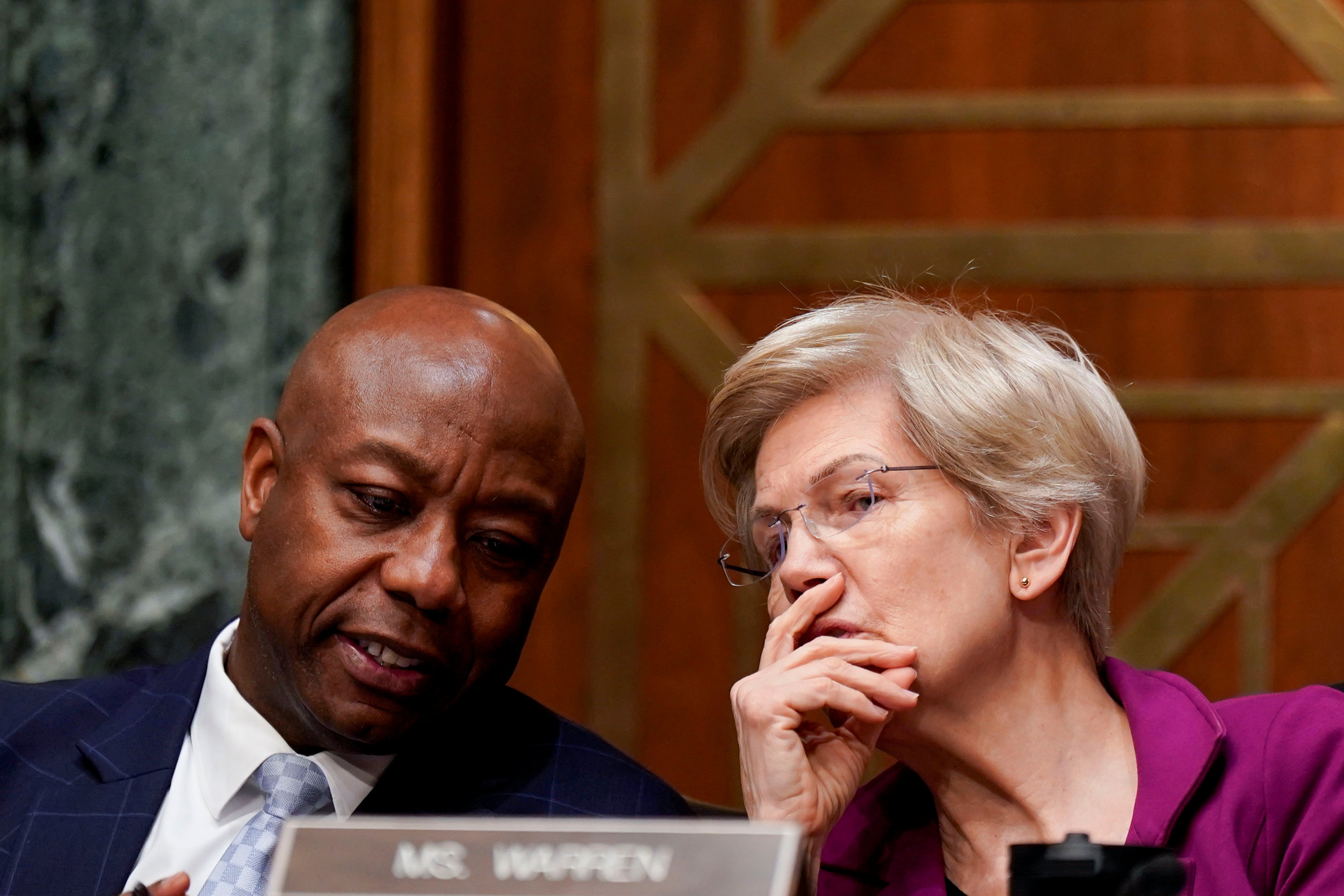
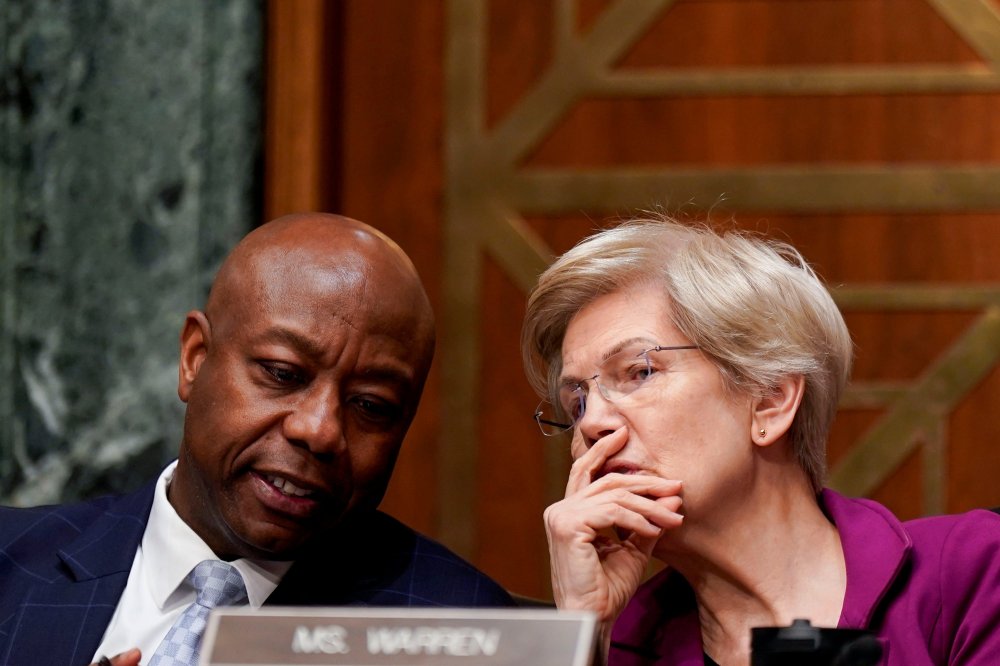
Sens. Tim Scott, R-S.C., and Elizabeth Warren, D-Mass., released new legislative language Monday night that includes a ban on institutional investors' purchase of single family homes and a temporary ban on the Federal Reserve issuing a Central Bank Digital Currency. View the full article
-
A note to corporations everywhere: Asking politely for the internet to stop making fun of you often has the opposite effect. Microsoft may have just learned that lesson the hard way, after it accidentally helped a not-so-nice nickname go viral. As Microsoft’s AI assistant Copilot is integrated into features across the company’s products—from its controversial Recall feature, to a dedicated AI button on Windows keyboards—it’s catching more and more flak, including a new term coined just to clown on Copilot: “Microslop,” a portmanteau of “Microsoft” and “AI slop.” The word was flying freely on Microsoft’s official Copilot Discord server, until users noticed a new filter had gone into effect. On March 1, Windows Latest reported that users’ messages were being blocked if they contained “Microslop,” instead garnering a message from server moderators reading, “Your message contain phrase that is inappropriate.” Microsoft is tired of 'Microslop,' and it's now blocking 'Microslop' comments in Copilot's official Discord server 😂 pic.twitter.com/OR2FFU69h8 — Windows Latest (@WindowsLatest) March 1, 2026 But a small slap on the wrist wasn’t about to stop an army of “sloppers,” as one user described themselves. Instead, Discord users brainstormed workarounds for the filter, like swapping one letter for a number—“Microsl0p,” with a zero instead of a one, was a popular choice—or inventing new terms that conveyed the same message. “Sloppysoft” and “MicroStop No-Pilot” were among the new pitches (not quite as catchy, but they get the point across). Things on Discord got even more dire when Microsoft locked the server after the backlash, blocking users from viewing the chat history and sending new messages. News of the “Microslop” filter quickly broke containment, spreading across social media and creating plenty of new fans of the word, who immediately added it to their lexicons. “Keep saying Microslop it seems to make them very upset,” one poster quipped. MICROSLOP MICROSLOP MICROSLOP MICROSLOP MICROSLOP MICROSLOP MICROSLOP MICROSLOP MICROSLOP MICROSLOP MICROSLOP MICROSLOP MICROSLOP MICROSLOP MICROSLOP MICROSLOP MICROSLOP MICROSLOP MICROSLOP MICROSLOP MICROSLOP MICROSLOP MICROSLOP MICROSLOP MICROSLOP MICROSLOP MICROSLOP MICROSLOP https://t.co/7mGjY2a9cQ — The Act Man (@TheActMan_YT) March 3, 2026 pic.twitter.com/EsSTKkMTOW — RΛSTΞRIZΞD DΩΩM (@rasterized_doom) March 1, 2026 Keep saying Microslop it seems to make them very upset 🤭 https://t.co/IijcFSqVPl — Is this a 3D model? (@IsThisA3DModel) March 2, 2026 Folks were quick to point out a phenomenon that Microsoft apparently forgot: the Streisand effect. Named for Barbra Streisand, whose attempts to bury a photo of her mansion only drew more attention to the picture, the Streisand effect describes when attempts to censor information instead encourage interest in it. If Microsoft had let “Microslop” slide, the term might have lived and died on Discord—but now, it’s going viral across social media instead. You're not going to win this one Microslop. https://t.co/XLlHTgcMJA pic.twitter.com/xLxgW67LN7 — Reid Southen (@Rahll) March 2, 2026 But was the filter made to protect Microsoft’s ego, or simply to keep the server spam-free? Microsoft claims the latter. In a statement to Fast Company, a spokesperson for Microsoft explained that the filter was meant to block a targeted spam campaign on the server, not to outright ban the term permanently. “The Copilot Discord channel has recently been targeted by spammers attempting to disrupt and overwhelm the space with harmful content not related to Copilot,” the spokesperson said. “Initially, this spam consisted of walls of text, so we added temporary filters for select terms to slow this activity.” “We have since made the decision to temporarily lock down the server while we work to implement stronger safeguards to protect users from this harmful spam and help ensure the server remains a safe, usable space for the community,” added the spokesperson. View the full article

-
Costs at the pump exceed level at the end of the Biden administrationView the full article
-
As small businesses continue to navigate the complex landscape of artificial intelligence (AI), recent developments between Intel and SambaNova offer fresh insights into enhancing AI capabilities. This strategic collaboration aims to provide efficient AI inference solutions that could potentially transform how small enterprises leverage technology. The partnership centers around building high-performance AI systems using Intel® Xeon® processors, a familiar name in the tech community. This could be particularly beneficial for small businesses looking to implement AI solutions without the need for hefty investments in new infrastructure. With AI workloads diversifying, the push for heterogeneous infrastructure—integrating various compute, memory, and networking systems—has accelerated. By synchronizing SambaNova’s expertise in AI infrastructure with Intel’s reliable hardware, small business owners may see a credible pathway to robust AI applications. For many organizations, AI can feel like a daunting task, laden with uncertainties about implementation and cost. SambaNova’s approach to AI workload may very well offer a chance to simplify that process, particularly for AI-native companies and model providers. “For customers with AI workloads well-suited to SambaNova’s approach, the combination of Intel CPUs and SambaNova’s AI platform can provide a compelling rack-level inference option,” says an Intel representative. This indicates that using these combined technologies can facilitate smoother and faster AI operations. Small businesses might find the potential for improved scalability very appealing. As operations streamline, teams can more easily adapt to increasing data influx or customer demands. The collaboration is also promising cost-effective solutions tailored to fit a variety of budgets—important for small business owners who need to stretch every dollar. While the announcement highlights the immediate benefits, small business owners should also keep an eye on some challenges that could arise with this development. For instance, integrating new technologies typically requires not only financial investment but also a commitment to training staff and altering existing processes. The collaboration does not shift Intel away from its ongoing investments in its GPU capabilities either—implying that businesses will need to stay updated as additional frameworks develop. Intel’s continued roadmap for competition in the AI space reinforces that small businesses will have access to ongoing improvements and innovation. However, the rapidly evolving nature of technology means small businesses must be agile and prepared to adapt quickly. This combination of Intel’s established products and SambaNova’s innovative approach could yield a powerful toolkit, but business owners will have to invest time in assessing their specific needs and workflows. The multi-year strategy discussed also aligns with Intel’s vision for edge-to-cloud engagements, indicating they are focused not just on data centers but on providing comprehensive solutions that suite various business sizes and types. This could translate to more tailored offerings for small enterprises, which is often overlooked in the broader tech landscape. As AI continues to evolve, small business owners equipped with the right solutions will be better positioned to harness its power. By leveraging the combined strengths of Intel and SambaNova, businesses may not only unlock efficiencies within their operations but also open new avenues for growth and innovation. For more details on this collaboration, you can visit the original press release here. As these developments unfold, it will be crucial for small business owners to stay informed and ready to embrace the opportunities that powerful AI infrastructure presents. Image via Google Gemini This article, "Intel and SambaNova Join Forces to Transform AI Inference Solutions" was first published on Small Business Trends View the full article
-
After nearly two years of pretrial motions, opening arguments are expected to begin Tuesday in the Justice Department’s lawsuit against Live Nation. The case could have dramatic ramifications for the live events business—though that outcome is far from guaranteed. The government alleges that the parent company of Ticketmaster has a chokehold on the concert ticket market, hurting both fans and artists. Live Nation denies that claim, arguing the market is broad and competitive, despite what the Justice Department contends. The fight has been brewing for far longer than two years. Fans have voiced frustration since the 2010 merger between Live Nation and Ticketmaster, when live entertainment prices began climbing steadily. Here’s what you need to know about the trial. What is the Justice Department claiming? The Justice Department initially argued that Live Nation held a monopoly across multiple parts of the live music industry. The company generates revenue from fans through ticket sales and from artists through venue rentals—arrangements that allegedly locked performers into using Ticketmaster to sell tickets. Last month, however, Judge Arun Subramanian dismissed the concert booking monopoly charges. As a result, the trial will focus more narrowly on claims that the company violated the Sherman Antitrust Act by forcing artists who use its venues to also use its promotional services, and by requiring other venues to sign exclusive contracts with Ticketmaster. Live Nation denies the charges. “Calling Ticketmaster a monopoly may be a PR win for the DOJ in the short term, but it will lose in court because it ignores the basic economics of live entertainment,” the company wrote in a statement on its website, “such as the fact that the bulk of service fees go to venues, and that competition has steadily eroded Ticketmaster’s market share and profit margin.” Could Ticketmaster and Live Nation be split up? Technically, yes. Realistically, probably not. While the DOJ is seeking a breakup, courts rarely force companies to split apart. That step is typically taken only when a judge is convinced no other remedy can address the harm. Should the government prevail, a more likely outcome is that Live Nation would be barred from continuing certain business practices deemed anticompetitive. Could this result in lower ticket prices? That’s a bigger question. One of the biggest complaints from fans is the fees that are added to ticket prices. If the Justice Department is successful in abolishing Live Nation’s exclusive agreements with venues, that might impact prices, but there’s no guarantee. Live Nation, for its part, says the case “won’t solve the issues fans care about relating to ticket prices, service fees, and access to in-demand shows.” The company maintains that ticket prices are set by venues and artists. Is Taylor Swift expected to testify in the trial? Sorry, Swifties: Taylor Swift is not listed among the expected witnesses, even though The Eras Tour ticket fiasco helped propel this case into the spotlight. The overwhelming demand for tickets and the meltdown of Ticketmaster’s site left many fans empty-handed and intensified scrutiny of Live Nation—particularly after it delayed its general sale event. Fans were furious and directed their ire at the company, prompting greater government attention. Kid Rock could be a potential witness against Live Nation, though. And othe rpotential witnesses include Minnesota Timberwolves CEO Matthew Caldwell, Roc Nation CEO Desiree Perez, Live Nation Entertainment CEO Michael Rapino and Mumford & Sons keyboardist Ben Lovett When is a decision likely? The trial is expected to last around six weeks. It’s a jury trial, so once the panel finishes deliberating, a verdict will be reached on whether Live Nation violated antitrust laws. If the government wins, the judge will determine the penalties, a process that could take additional time. Should Live Nation lose, it can, of course, appeal the verdict, which would delay any court-ordered changes. And the parties could settle the case before it gets to the jury. Could I get a refund for previous ticket purchases? That depends on the states. If Live Nation loses, several states plan to seek financial penalties. The amounts vary. Michigan, for example, caps civil antitrust penalties at $50,000 per violation. In Florida, penalties can reach as high as $1 million. Even if Live Nation loses, however, consumers shouldn’t expect to see any sort of refund for quite some time—and any payout would likely be modest. View the full article

-
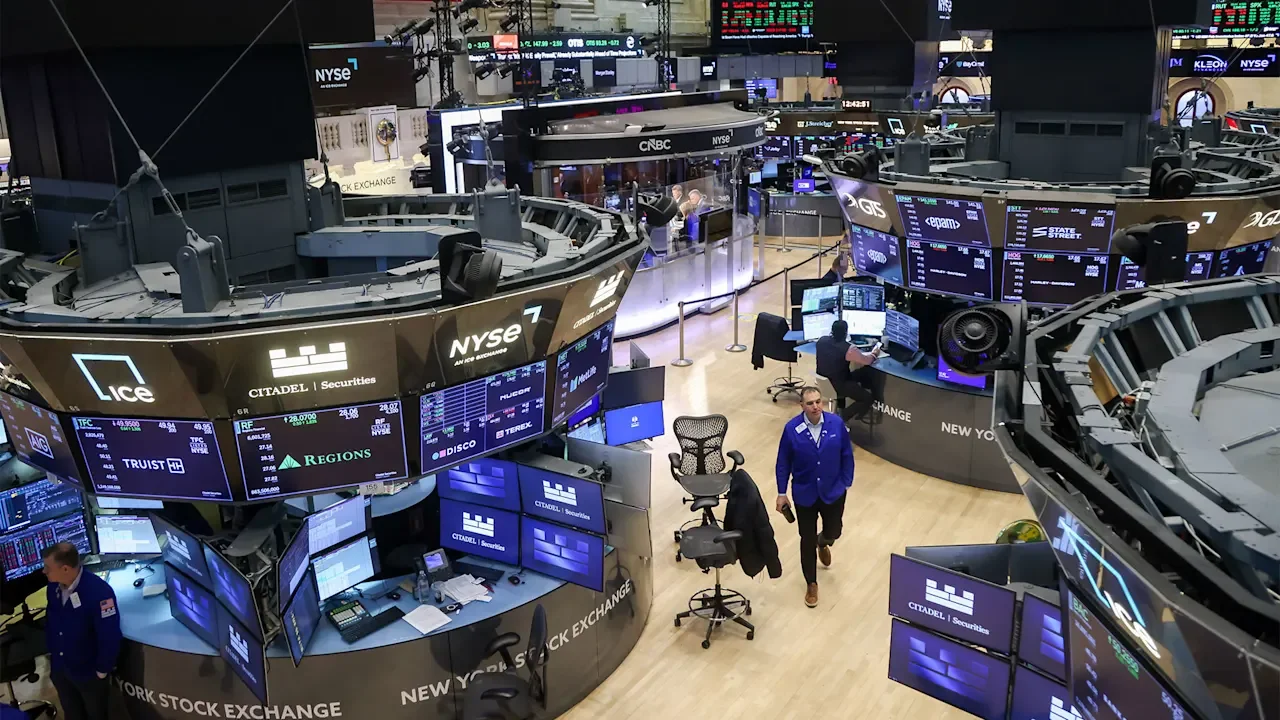
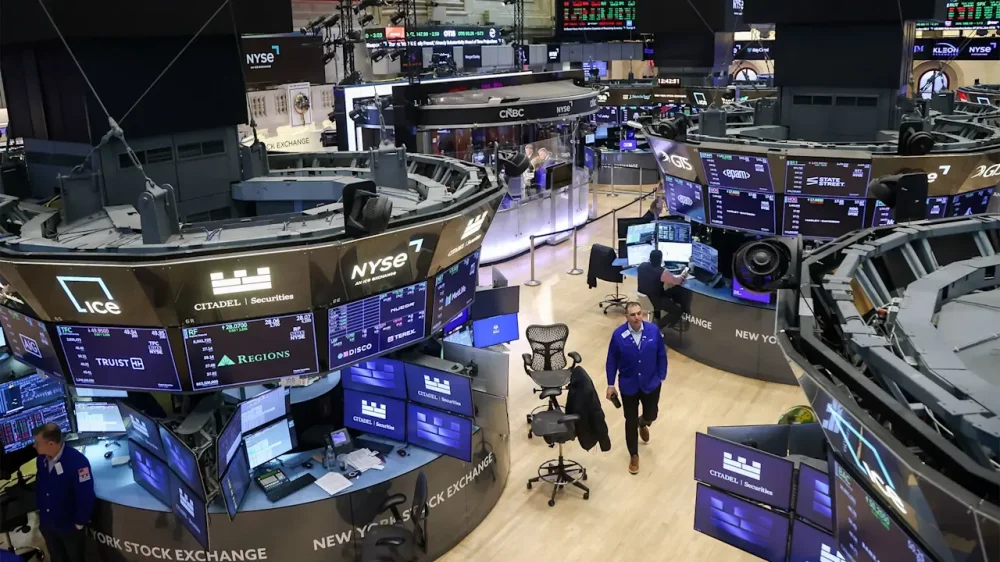
America’s three major stock markets, the Dow, Nasdaq, and S&P, are all down sharply in morning trading as of this writing. The wave of red across investors’ monitors is primarily due to one major factor: uncertainty around how far the Iran conflict will travel and how long it will last. Here’s what you need to know about how markets are reacting. What happened? Over the weekend, President Donald The President ordered strikes on Iran, during which the country’s supreme leader, Ayatollah Ali Khamenei, was killed. The death of Iran’s leader and the ongoing conflict in Iran will have significant consequences for the region as a whole for years to come. Yet what those consequences will be is so far unknown. And it’s that uncertainty that is causing stock markets in the United States to fall significantly today, especially after Iran’s Revolutionary Guard Corps announced that the Strait of Hormuz is closed. The Strait of Hormuz is one of the most critical supply routes in the world, with around a fifth of all oil passing through it. Any blockage of the strait could have severe consequences for the global energy trade, and thus the global economy. On top of this, it is looking increasingly likely that the conflict against Iran could go on for some time, with The President not ruling out that US soldiers may need to be put on the ground in Iran. Stock markets sink as Iran uncertainty rises Given all the uncertainty surrounding Iran and oil trade routes, it’s little surprise the markets are reacting negatively at this time. Currently, the Dow, Nasdaq, and S&P are all down significantly: Dow: down 2.5% to $47,669 Nasdaq: down 2.5% to $22,179 S&P 500: down 2.4% to $6,715 Given that stocks and the markets they trade on are historically volatile in the wake of significant geopolitical events, it’s no shock that all three major markets are down. But with today’s fall, it also means that all three major markets are now in the red for the year. As of the time of this writing, the Dow Jones Industrial Average is now down 0.7% for 2026, the NASDAQ Composite is now down 4.4% for the year, and the S&P 500 is down 1.7% since the year began. Crypto and gold fall, too Of course, it’s not just the stock markets that are falling. Major digital currencies are also down as of the time of this writing. Over the past 24 hours, most household name tokens have fallen, including: Bitcoin: down 2.3% to around $67,200 Ethereum: down 3.9% to around $1,952 BNB: down 2.7% to around $626 XRP: down 3.2% to around $1.35 As with the stock markets, it’s little surprise that crypto markets are on the decline today. If there is an asset even more volitile that stocks, it’s cryptocurrencies. And when investors are uncertain, they tend to exit higher-risk assets like crypto to park any gains in “safe haven” assets like gold, which are historically less volatile than securities. However, even gold is having a bad day today. As of the time of this writing, gold has fallen over 4.8% to $5,052. That is a dramatic drop for the precious metal, especially on a day when investor jitters are high. Usually, nervous investors seek gold and other safe-haven assets, such as bonds. One reason gold could be down, however, is due to profit-taking. Gold has had a good run in 2026 so far, rising from around the $4,440 mark in early January to above $5,300 on the first of March. Where gold, crypto, and stocks go from here is anyone’s guess, and the longer uncertainty remains around Iran, the longer that guessing game is likely to persist. View the full article
-
Two months ago, a state administrative judge in California determined that Tesla broke the law by misleading consumers. The argument: Tesla led them to believe that its cars had real self-driving capabilities, calling them “Autopilot” and “Full Self-Driving” (commonly known as FSD). The issue is that Teslas can’t really drive by themselves; they still require drivers to remain constantly vigilant to prevent catastrophe. The verdict prompted the California Department of Motor Vehicles to threaten a temporary suspension of Tesla’s manufacturing and sales licenses. Two months after the ruling, on February 13, Tesla’s attorneys filed a complaint alleging the state “wrongfully and baselessly” labeled it a false advertiser, brazenly arguing that “it was impossible” to buy or use the “auto-pilot” software “without seeing clear and repeated statements that they do not make the vehicle autonomous.” Yet, their fine-print defense clashes with Musk’s failed promises and stunts, such as when he took his hands off the wheel on CBS’s 60 Minutes in 2018 and proudly declared he was “not doing anything.” Or when he showed fake, staged videos of Autopilot in action. Four days after Tesla’s complaint, California’s DMV backed off its shutdown threats when the company agreed to clean up its marketing, rebranding the $99-a-month subscription to “Full Self-Driving (Supervised)”. Now CNBC reports that Tesla is suing anyway to completely reverse the ruling. Musk is demanding the right to use his futuristic language to sell cars— determined false by the courts—while simultaneously relying on its owners’ manuals to shift the blame to drivers the second the system fails. The move prompted the DMV to declare it will “defend the Administrative Law Judge’s findings and decision in court” to protect the public. Dillon Angulo Long trail of bodies Tesla’s new legal gambit to defend its autonomous driving fantasy clashes with the brutal reality of a deficient technology. Tesla cars still only have a Level 2 autonomy—a mechanism designed to handle basic steering and speed—out of four levels (the fourth is true full autonomy, which so far only Chinese manufacturer BYD has been able to achieve while parking). According to the Tesla accident tracking site Tesla Deaths, in the decade after the release of Autopilot in October 2015 there have been at least 65 fatalities connected to Tesla’s Autopilot system. Of those, an April 2024 NHTSA report investigated and verified 29 fatal crashes. The common thread in these tragedies is a catastrophic failure of the Level 2 advanced driver assistance system to recognize stationary objects or crossing vehicles. In May 2016, Joshua Brown died in Florida when the system failed to notice the white side of an 18-wheeler against a bright sky, leading the National Transportation Safety Board to conclude the software permitted “prolonged disengagement from the driving task.” Incidents continued over the years, culminating in a landmark August 2025 federal jury verdict where Tesla was found 33% liable and ordered to pay $243 million after a 2019 crash in Key Largo, where the driver admitted, “I trusted the technology too much.” While Tesla continues to beta-test its software on public roads with deadly consequences, international competitors are quietly delivering the autonomous future Musk has been promising for a decade. Chinese automaker BYD recently deployed its ‘God’s Eye’ intelligent driving system over-the-air to more than one million cars, introducing a Level 4 autonomous parking feature that allows a vehicle to navigate a lot, find a spot, and park completely unattended. Unlike Tesla’s stubborn reliance on cameras alone, BYD utilizes a robust sensor architecture that includes up to 12 cameras, 12 ultrasonic sensors with 0.4-inch accuracy, millimeter-wave radars, and even lidar on higher trims. BYD is so confident in this technology that it issued a blanket guarantee to cover any damages if the system makes a mistake. They are not the only ones. Volvo, who uses Waymo’s self-driving system, also covers any damages. Tesla, on the other hand, deflects blame to the driver. Failure after failure Musk has been predicting the imminent arrival of FSD every year for over a decade now. The gap between his grand vision and Tesla’s actual engineering output has become a chasm of broken promises and delayed timelines. So much so that I’m beginning to think that, in his head, FSD must mean Full Self-Delusion. Musk promised a steering-wheel-free Cybercab by 2026, but January came and he changed the tune to “before 2027,” saying it was going to be extremely hard to produce them in big numbers. He also claimed that autonomy will begin moving the financial needle by mid-2026 and that the company’s humanoid Optimus robots will soon hit a production rate of one million units per year. Reality tells a drastically different story, with executives warning Musk that the profitability for the robotaxi venture would be “very, very hard outside the U.S.” It’s a reality check that is reflected in the data. According to the latest stats, Waymo’s autonomous cabs currently manage a staggering 17,311 miles between disengagements, while Tesla’s Full Self-Driving struggles to hit just 489 miles before a human has to intervene. Despite these internal warnings and external failures, Musk refuses to change course or adopt better hardware. He famously dismissed lidar—a crucial technology that uses pulsed laser light to map the environment in three dimensions, much like a bat uses echolocation to navigate in the dark—as a “crutch” and a “loser’s technology.” Instead, he opted to strip ultrasonic sensors from Tesla vehicles entirely, a cost-cutting move that has resulted in owners reporting persistent errors with basic parking assist features, particularly when rain, snow, or low light blinds the camera lenses. Tesla seems to be trying to change the narrative and manipulate public perception with words, but the public is increasingly not buying the propaganda. Tesla sales continue to tank quarter after quarter due to stale design, lack of innovation, and Musk’s personal brand failure. While the courts will ultimately decide if the automaker can continue advertising its flawed experimental program by dressing it up in the costume of a fully self-driving machine, the public has spoken. View the full article

-
In terms of operations funding for nonprofits, comprehension of the seven crucial sources can make a significant difference. Individual donations form the backbone of support, whereas foundation and government grants require detailed proposals. Corporate sponsorships can offer both financial and in-kind assistance. Special events not just raise funds but additionally boost community involvement. Exploring membership programs and online crowdfunding can further expand your reach. Each avenue has unique benefits that can sustain your organization’s mission. So, what strategies will you consider? Key Takeaways Individual donations are the backbone of operations funding, accounting for over two-thirds of charitable contributions in the U.S. Foundation grants provide targeted funding but require detailed proposals and strong relationships with program officers for success. Government grants offer various funding types aligned with public policy goals and necessitate thorough documentation for accountability. Corporate sponsorships provide financial support and in-kind services, emphasizing mutual benefits and strong partnerships for effective funding. Special events and fundraising activities generate revenue while fostering connections, making them vital for ongoing operations funding. Individual Donations Individual donations play a significant role in the funding environment for nonprofits, as they account for over two-thirds of all charitable contributions in the U.S. To effectively encourage individual giving, focus on building authentic relationships with donors through compelling storytelling. This approach not only nurtures loyalty but also increases long-term support. Consider donor segmentation, which allows you to tailor communications and engagement strategies to different donor groups, enhancing your fundraising efforts. Offering diverse giving options, like one-time donations, monthly recurring gifts, and planned giving, can attract a broader range of individual donors. Moreover, prioritize donor stewardship by sending prompt thank-yous and impact reports, reinforcing accountability and encouraging ongoing contributions. While individual donations are essential, you can explore grants for small businesses as another funding avenue. Grasping how to get grant money for business can complement your fundraising strategy, providing further resources for your nonprofit’s operations. Foundation Grants Foundation grants serve as a crucial funding source for nonprofits, offering structured financial support aligned with specific missions such as education, health, or the arts. These grants often require detailed proposals and rigorous reporting to guarantee accountability. Here are some key points to contemplate: Notable foundations, like the Bill & Melinda Gates Foundation and the Ford Foundation, provide significant operational grants. Comprehending a foundation’s priorities and building relationships with program officers can boost your chances of securing funding opportunities. Many foundations accept unsolicited proposals, making it easier for nonprofits to seek operational support. Collaborative proposals involving multiple organizations can improve applications by showcasing broader impact and shared resources. Government Grants Government grants offer various funding types that can support your nonprofit’s initiatives, aligning with public policy goals at multiple levels. Comprehending the application process is essential, as it often involves strict compliance and reporting requirements to guarantee transparency. Types of Government Grants Various types of government grants serve as vital funding sources for nonprofits aiming to address community needs and align with public policy objectives. These grants provide significant support for operations, enabling organizations to implement effective programs. Here are some common types of government grants you might consider: Federal Grants: Offered by agencies like the Department of Health and Human Services. State Grants: Funded by state governments to meet local community needs. Local Grants: Provided by municipalities to support grassroots initiatives. Project-Specific Grants: Focused on funding particular programs or services. Understanding these options is important for securing doc grants and ensuring sustainable funding for operations. Application Process Overview Maneuvering the application process for government grants can seem intimidating, especially since it often requires submitting detailed proposals that clearly outline your program’s goals, methods, and budget. Government grants are awarded by federal, state, and local agencies to support programs that meet public policy objectives and community needs. To improve your chances of success, focus on well-defined programs that address specific community issues. Maintaining thorough documentation is essential, as government grants typically have strict accountability standards. Furthermore, developing relationships with program officers can provide valuable insights into the application process, making it easier to navigate. Compliance and Reporting Requirements During maneuvering the terrain of government grants, comprehending compliance and reporting requirements is vital for your project’s success. You’ll need to provide detailed updates on fund usage, ensuring accountability and transparency. Adhering to regulations set by federal, state, and local agencies is mandatory, including specific formats and deadlines for reports. Submit a final report detailing expenditures and project impacts. Maintain thorough documentation of all expenses and activities. Be aware that audits may verify compliance with grant conditions. Understand that failing to meet these requirements can result in penalties, including funding loss. Corporate Sponsorships and Partnerships Corporate sponsorships and partnerships serve as fundamental funding sources for nonprofits, offering both financial support and in-kind services that align with businesses’ corporate social responsibility initiatives. To attract these partnerships, you need to effectively communicate the mutual benefits involved. Present compelling business cases that emphasize value beyond donations, such as increased community engagement and improved brand loyalty. Consider developing tiered sponsorship packages, which can appeal to a broader range of corporate partners by providing varying levels of visibility and engagement opportunities that cater to different budgets. Building strong relationships with local businesses is crucial; leveraging your board members’ networks can facilitate warmer introductions, increasing your chances of securing sponsorships. Finally, deliver regular impact reports to corporate partners. This transparency builds trust and demonstrates your accountability, which is fundamental for cultivating long-term partnerships and opening doors for future funding opportunities. Special Events and Fundraising Activities How can special events and fundraising activities effectively boost your nonprofit’s financial health and community engagement? These initiatives can generate significant revenue as they nurture connections with supporters and raising awareness for your mission. By organizing events like galas, golf tournaments, or online campaigns, you can appeal to various donor demographics and adapt to shifting engagement trends. Set clear financial goals and create a detailed budget. Secure sponsorships early to improve credibility and attract more attendees. Align the event with your organizational brand to maximize participation. Follow up with attendees and sponsors to build long-term relationships. Membership Programs Building on the foundation established by special events and fundraising activities, membership programs represent a strategic way for nonprofits to secure ongoing financial support in addition to nurturing a dedicated community of supporters. By offering regular contributions in exchange for benefits, these programs create a predictable revenue stream that strengthens financial stability. Implementing tiered membership levels can encourage higher contributions, guaranteeing accessibility for a diverse donor base. Engaging members through exclusive content, events, or merchandise cultivates a sense of community and belonging, which is vital for increasing donor retention rates. To maintain this engagement, effective communication of member benefits is fundamental. Organizations often survey members to confirm that the benefits align with their needs and expectations. Online Crowdfunding and Digital Fundraising Online crowdfunding and digital fundraising have become essential tools for nonprofits seeking to expand their reach and secure financial support. Platforms like Kickstarter and GoFundMe allow you to raise small amounts from a large audience, offering quick solutions for specific needs. To maximize your fundraising efforts, consider these key strategies: Utilize social media and email marketing to broaden your audience. Craft compelling stories that resonate and evoke emotional responses. Incorporate video content to showcase your mission and impact effectively. Factor in platform fees, which typically range from 3% to 10%, to guarantee you maximize net revenue. Research indicates that campaigns with strong storytelling and clear goals are more likely to succeed, as they encourage sharing within supporters’ networks. Frequently Asked Questions What Are the Three Sources of Funding? The three primary sources of funding for nonprofits are individual donations, foundation grants, and government grants. Individual donations make up the largest portion, representing over two-thirds of U.S. charitable contributions. Foundation grants involve structured awards from various foundations and often require detailed proposals. Government grants come from federal, state, and local agencies, supporting projects aligned with public policy. Each source plays a crucial role in ensuring a nonprofit’s financial health and sustainability. What Is the 33% Rule for Nonprofits? The 33% Rule for nonprofits suggests that no more than 33% of your budget should go toward overhead and administrative costs. This guideline emphasizes the importance of directing funds toward programmatic activities, ensuring your organization maintains operational efficiency and effectiveness. Funders often use this rule to assess your financial health, impacting their willingness to support you. Although it’s a helpful benchmark, communicating the need for some overhead is equally essential for your organization’s growth. What Are the Needs for Operating Funds? You need operating funds to cover vital day-to-day expenses like payroll, utilities, and rent. These costs typically account for 70-80% of your nonprofit’s budget. Without adequate funding, retaining staff becomes challenging, leading to high turnover and burnout. This instability can undermine program effectiveness. Operating funds in addition enable you to adapt to unforeseen challenges and invest in infrastructure, which is key for sustaining and broadening your organization’s mission and impact within the community. What Is the Best Source of Funding for a Business? The best source of funding for your business depends on its growth stage. If you’re a startup, personal savings or support from family and friends can be essential. Established businesses often turn to bank loans or venture capital for larger investments. Crowdfunding platforms like Kickstarter can additionally provide alternative funding options for various projects. In the end, evaluate your business needs, growth potential, and funding sources to determine the best fit for your situation. Conclusion In summary, securing operations funding for your nonprofit requires a multifaceted approach. By broadening your income sources—through individual donations, grants, corporate partnerships, special events, and digital fundraising—you can create a sustainable financial base. Each avenue offers unique benefits and challenges, so it’s crucial to tailor your strategies to your organization’s strengths and community needs. By effectively engaging donors and stakeholders, you can improve your organization’s impact and guarantee long-term viability in fulfilling your mission. Image via Google Gemini and ArtSmart This article, "7 Essential Sources for Operations Funding" was first published on Small Business Trends View the full article
-
UK chancellor’s short speech aimed at projecting economic credibility to voters and investorsView the full article
-
Manchester City Council asks Democracy Volunteers for report detailing ‘claims and any evidence’ over Gorton and Denton poll allegationsView the full article
-
Crude has surged as flows through Strait of Hormuz dry up, but so far reaction is muted compared with past oil shocks View the full article
-
Starting a franchise company requires careful planning and execution. First, you’ll want to assess your business’s readiness for franchising, ensuring it’s profitable and scalable. Next, developing a compliant Franchise Disclosure Document (FDD) is essential for legal protections. You’ll additionally need to create a detailed operations manual and a solid sales strategy to attract potential franchisees. Comprehending these steps will set a strong foundation, but there’s much more to contemplate as you move forward. Key Takeaways Assess your business’s profitability and operational systems to ensure they are replicable for franchisees. Develop a comprehensive Franchise Disclosure Document (FDD) that complies with legal requirements and includes necessary disclosures. Define your franchise model, including the type (single-unit, multi-unit, etc.) and establish clear financial structures for investment and royalties. Create a strategic franchise sales plan targeting ideal franchisee characteristics and outlining marketing initiatives. Prepare a detailed business plan that includes startup costs, funding requirements, and revenue projections to secure financing. Understanding Franchising: What You Need to Know When you consider starting a franchise company, it’s vital to comprehend the fundamentals of franchising, as this business model can greatly impact your growth potential. Franchising involves a franchisor licensing their brand and operational systems to franchisees, allowing them to operate under an established brand. This arrangement usually requires franchisees to pay royalties, typically 4-8% of their revenues, which supports the brand’s marketing and infrastructure. To learn how to create a franchise, familiarize yourself with legal requirements, including the Franchise Disclosure Document (FDD), which outlines 23 key disclosure items. This document informs prospective franchisees about their rights and obligations. Grasping these elements is significant as you commence on your path to start a franchise company successfully. Assessing Your Business Readiness for Franchising Evaluating your business readiness for franchising is an essential step in the process to expand your brand through this model. Start by reviewing your profitability and operational systems; they need to be replicable for franchisees. Analyze market demand for your product or service to guarantee sufficient interest exists for multiple locations. Consider your willingness to give up some control, as franchisees will manage their own sites within your guidelines. It’s likewise important to evaluate your brand’s scalability and how well it can maintain quality across locations, which is critical for customer trust. Finally, confirm you’re prepared to provide ongoing training and support to franchisees, as their success directly impacts the overall success of your franchise system. Developing a Compliant Franchise Disclosure Document (FDD) Developing a compliant Franchise Disclosure Document (FDD) is fundamental to ensuring your franchise meets legal requirements and attracts potential franchisees. The FDD includes 23 specific disclosure items that provide critical information about your franchise system, such as fees, obligations, and the franchise agreement. You must deliver the FDD to prospective franchisees at least 14 days before they sign any agreements or make payments, giving them ample time to review it. If you’re franchising in multiple states, you’ll need to include state-specific addendums and modifications, so consulting legal assistance is imperative. Remember to update the FDD annually to reflect any changes in your franchise system, as failure to comply can lead to legal penalties and hinder franchise sales. Creating Your Franchise Model and Structure Creating a solid franchise model and structure is a crucial step in building a successful franchise system. You should start by defining your franchise type, whether it’s a single-unit, multi-unit, area development, or master franchise, as each has unique rights and responsibilities. Next, develop a thorough operations manual, covering procedures, training, marketing, and quality standards, typically ranging from 100-300 pages. Don’t forget to establish a clear financial structure detailing initial investments and ongoing royalty fees, usually between 4-8% of revenues. Protecting your intellectual property is vital, so register trademarks with the USPTO to safeguard your brand identity. Finally, make sure your Franchise Disclosure Document (FDD) is prepared and updated annually to comply with federal and state laws. Crafting Your Franchise Operations Manual An effective franchise operations manual is vital for guaranteeing consistency and efficiency across all franchise locations. This manual typically ranges from 100 to 300 pages, detailing procedures, training, marketing, and quality standards. It should clearly outline your brand’s purpose, goals, and operational standards. Section Content Overview Importance Operational Protocols Daily operations and procedures Guarantees consistency across franchises Customer Service Guidelines Interaction standards Improves customer satisfaction Compliance Requirements Legal and regulatory standards Maintains brand integrity Regular updates are significant to reflect changes in business practices or regulations. A well-crafted manual aids franchisees in maintaining brand standards and serves as a valuable training resource for new staff, improving overall franchise performance. Establishing a Franchise Sales Strategy To establish a successful franchise sales strategy, you need to start by identifying your target market, focusing on the characteristics that make an ideal franchisee. Next, allocate your budget wisely to support your sales efforts and guarantee you’re equipped to attract the right candidates. Finally, develop a strong value proposition that clearly communicates what sets your franchise apart from the competition, making it easier for potential franchisees to see the benefits of joining your brand. Target Market Identification How can you effectively identify your target market when establishing a franchise sales strategy? Start by evaluating potential franchisees on their financial capability, entrepreneurial experience, and alignment with your brand values. Conduct market research to uncover demographic trends and local business climates that could influence your selections. Set specific sales goals for the next 6 to 12 months and outline the ideal characteristics of your prospective franchisees. Utilize franchise validation by engaging with current franchisees to gain insights into their needs. Finally, differentiate your offering with a compelling value proposition to attract suitable candidates. Characteristics Importance Financial Capability Guarantees sustainability Entrepreneurial Experience Increases success rates Brand Alignment Strengthens brand identity Market Research Informs strategic decisions Budget Allocation Strategy When establishing a budget allocation strategy for your franchise sales, it’s essential to take into account various components that will influence your overall success. Start by allocating funds for marketing initiatives, franchise development, and ongoing support, typically ranging from $18,500 to $84,500, depending on service providers. Set clear franchise sales goals for the next 6 to 12 months to guide your budget and track progress. Identify the ideal characteristics of prospective franchisees, tailoring your marketing strategies to attract them, and guarantee your budget reflects these demographics. Consider investing in a franchise sales website and promotional materials that clearly convey your brand story. Regularly review and adjust your budget based on sales performance and market conditions to stay aligned with your goals. Value Proposition Development Developing a strong value proposition is key to establishing an effective franchise sales strategy. It sets your franchise apart from competitors by clearly outlining unique benefits, such as proprietary products or exceptional support systems. Identifying the ideal prospective franchisee characteristics—like motivation, financial capability, and brand alignment—is crucial for enhancing unit-level economics. Your franchise development budget, ranging from $18,500 to $84,500, should cover marketing initiatives, sales websites, and public relations to attract potential franchisees effectively. Establish clear sales goals for the next 6 to 12 months, using metrics like leads generated and franchise agreements signed to measure success. Avoid common marketing mistakes, such as diluted brand messaging, to create a compelling sales narrative that resonates with your audience. Selecting the Right Franchise Location Selecting the right franchise location is crucial for the success of your business, as it directly impacts customer traffic and overall profitability. Start by analyzing traffic patterns and demographics in potential areas using tools like Esri’s Business Analyst and Placer.ai. Confirm the location aligns with your customer acquisition strategies. Familiarize yourself with the territory parameters in the Franchise Disclosure Document (FDD) to avoid conflicts with existing franchisees. Engage with your franchisor for guidance, as they often have established criteria for ideal locations. Before committing, obtain franchisor approval to verify the site meets brand standards and operational requirements. Moreover, consider the proximity to complementary businesses, as this can improve customer traffic and create a supportive business environment around your franchise. Securing Funding for Your Franchise When you’re looking to secure funding for your franchise, preparing a solid business plan is crucial. This plan should clearly outline your initial investment needs, including franchise fees, equipment, and working capital, as lenders will expect this documentation for loan approval. Furthermore, consider various financing options, such as bank loans and SBA loans, to guarantee you have the necessary funds to launch your franchise successfully. Funding Options Available Securing funding for your franchise is a vital step in the startup process, and comprehending the various options available can greatly boost your chances of success. Franchise startup costs typically range from $50,000 to $100,000, so you’ll need a solid financial plan. You can explore traditional bank loans, Small Business Administration (SBA) loans, or Home Equity Lines of Credit (HELOC) to finance your venture. Each option has different requirements and benefits. Moreover, it’s important to maintain cash reserves for initial operating expenses, as new franchises often take 2-3 years to reach the break-even point. Presenting a well-structured business plan can improve your chances of securing financing by clearly outlining your investment breakdown and revenue projections. Preparing Business Plan A well-prepared business plan serves as a cornerstone for securing funding for your franchise. It provides potential investors and lenders with a clear overview of the opportunity, market analysis, and operational strategies. Make certain to include a detailed financial projections section, covering initial investment costs, revenue forecasts, cash flow statements, and a break-even analysis. Here’s a simple table to outline vital components: Component Details Funding Requirements Specify the amount needed Intended Use of Funds Explain how funds will be utilized Revenue Forecasts Project expected income Cash Flow Statements Show cash inflow and outflow Break-even Analysis Determine when profits will begin Regularly update your plan to reflect market changes and guarantee alignment with growth objectives. Legal Considerations in Franchising Comprehending the legal factors in franchising is crucial for anyone looking to start a franchise company. You’ll need to navigate various laws and guarantee compliance. Here are key points to contemplate: Franchise Disclosure Document (FDD): You must prepare an FDD containing 23 mandatory disclosure items and provide it to prospective franchisees at least 14 days before they sign agreements or make payments. Legal Assistance: Seek help from legal experts to prepare the FDD and franchise agreements, as laws can be complex and vary by state. State Registration: Fourteen states require FDD registration before selling franchises, each with unique requirements and fees. Proper Classification: Misclassifying a franchise as a licensing agreement can lead to severe legal issues, so guarantee adherence to legal standards. Building a Support Network for Your Franchise After addressing the legal considerations that come with starting a franchise, it’s important to recognize the role of a strong support network in your franchise’s success. Engaging with organizations like the International Franchise Association can provide valuable networking opportunities and resources. Collaborating with a licensed franchise attorney helps you navigate legal intricacies and prepare crucial documents, such as the Franchise Disclosure Document (FDD). Building relationships with existing franchisees offers insights into best practices and challenges, creating a supportive community. Networking at franchise events and conferences allows you to share experiences and learn from industry experts. Finally, utilizing online franchise portals connects you with potential franchisees and industry influencers, broadening your outreach and visibility within the franchise ecosystem. Frequently Asked Questions How Do I Start My Own Franchise? To start your own franchise, first assess your business’s readiness by analyzing profitability and market demand. Create a Franchise Disclosure Document (FDD) that outlines fees and obligations, ensuring it complies with legal requirements. Register your FDD in states that mandate it, then develop an operations manual to guide franchisees. Finally, prepare for initial investments, which typically range from $50,000 to $100,000, ensuring you have the resources needed for successful franchise operations. What Are the 4 P’s of Franchising? The 4 P’s of franchising are essential for success. First, Product guarantees that you offer a consistent, high-quality core item across all locations, building customer trust. Next, Process involves standardized systems for operations and marketing, which promote uniformity. People emphasizes the importance of having a well-trained team to maintain brand integrity. Finally, Profit highlights the need for a sustainable financial model that benefits both you and your franchisees through effective cost management. What Is the 7 Day Rule for Franchise? The 7-Day Rule requires franchisors to provide you with the Franchise Disclosure Document (FDD) and related agreements at least seven days before you sign any contracts or make payments. This rule guarantees you have ample time to review significant details about your potential investment, including obligations, fees, and risks. Noncompliance can lead to serious legal penalties for the franchisor, emphasizing the importance of adhering to this regulation for your protection. Why Is It Only $10,000 to Open a Chick-Fil-A? Opening a Chick-Fil-A franchise costs only $10,000 because of the company’s unique business model. Chick-Fil-A covers most startup expenses, such as equipment and training, greatly lowering your financial burden. Even though the initial fee is low, franchisees pay a 15% royalty on sales, which includes marketing support. The selection process emphasizes candidates’ alignment with the brand’s values and customer service standards, ensuring you’re committed to the company’s operational excellence. Conclusion Starting a franchise company requires careful planning and execution. By evaluating your business’s readiness, developing a compliant Franchise Disclosure Document, and creating a solid operational framework, you set the foundation for success. Securing funding and comprehending legal requirements are essential, as is building a strong support network for franchisees. Regularly reviewing performance metrics and adjusting strategies will help maintain brand standards and encourage growth. With diligence and strategic planning, you can establish a thriving franchise business. Image via Google Gemini This article, "How to Start a Franchise Company – A Step-by-Step Guide" was first published on Small Business Trends View the full article
-
We may earn a commission from links on this page. Deal pricing and availability subject to change after time of publication. If you’re starting a home tool set or looking to graduate from a beginner set of hand tools to expand the variety of DIY projects you can tackle, a quality set of wrenches and drivers is key. Everyone who does DIY and home repair projects knows that a comprehensive set of bits and sockets will save you hours of aggravation while you’re working. This 104-piece Craftsman tool set is a good investment because it has a variety of sockets, ratchets, and driver tips. CRAFTSMAN 104Pc Mechanic Tool Set (CMMT45104) $79.98 at Amazon $164.00 Save $84.02 Get Deal Get Deal $79.98 at Amazon $164.00 Save $84.02 What comes in the boxThis Craftsman 104-piece mechanics tool set comes with a 3/8-inch ratchet, a 1/4-inch ratchet, a hand driver handle, 48 standard sockets, 12 deep sockets, 16 Allen wrenches, two extension bits, a corner adapter, 22 driver bits, and a classic red Craftsman tool box. The ratchets are low profile, allowing them to be used in tight spaces. The sockets come in SAE sizes 5/32-inch through 1/2-inch and metric sizes 4 mm through 21 mm. The bits include flat head, Phillip’s head, Robert’s bits, and star tip. The tool box comes with drawer organizers so there’s a spot for every tool. The driver handle and the ratchets are all standard sizes, so you’ll be able to use them with other sockets and bits or replacements if you lose any parts. Hand tools can be expensive, and getting a set that includes a wide range of bits and sockets will save you trips to the hardware store while you’re working on a project because it allows you to tackle a variety of fastener types from screws to bolts. This set has 104 pieces, and it’s 51% off at $79.98, making each tool less than $1 apiece. As a bonus, this set comes with the classic red Craftsman tool box, which on its own can cost between $50 and $75. Why I recommend Craftsman toolsCraftsman is known for the lifetime warranty on their hand tools, and everything in this tool set is covered by that besides the tool box and the drawer inserts. Although their tools are often covered by a warranty, I have only used it once on a 20-year-old ratchet that finally slipped its gears; most of the time, you’ll be free from the hassle of even needing to get a replacement. In addition to the warranty, Craftsman tools are known for being durable. I had a mechanics tool set very similar to this one that I got as a teenager, and I still have most of the tools that came with it, save for a few that went missing over the years. I’ve used the sockets for car repair, to fix a heat pump, to assemble carts with wheels, and on a variety of construction projects, and I’ve had very few issues with them. Craftsman tools have a good reputation for durability and the sets that come in the red portable tool boxes are a classic for home DIY shops. Having a simple and efficient way to pack up your tools when you’re working on an outdoor project or away from home will make your tool set much more accessible, and you’ll use it more if you can quickly grab it and go. Our Best Editor-Vetted Tech Deals Right Now Apple AirPods 4 Active Noise Cancelling Wireless Earbuds — $119.00 (List Price $179.00) Samsung Galaxy S26, Unlocked Android Smartphone + $100 Gift Card, 512GB, Powerful Processor, Galaxy AI, Immersive Viewing, Durable Battery, 2026, Black — $899.99 (List Price $1,199.99) Samsung Galaxy Buds 4 Pro AI Noise Cancelling 2.0 Wireless Earbuds (Black) + $30 Amazon Gift Card — $249.99 (List Price $279.99) Google Pixel 10a 128GB 6.3" Unlocked Smartphone + $100 Gift Card — $499.00 (List Price $599.00) Apple iPad 11" 128GB A16 WiFi Tablet (Blue, 2025) — $329.00 (List Price $349.00) Apple Watch Series 11 [GPS 46mm] Smartwatch with Jet Black Aluminum Case with Black Sport Band - M/L. Sleep Score, Fitness Tracker, Health Monitoring, Always-On Display, Water Resistant — $329.00 (List Price $429.00) Amazon Fire TV Soundbar — $99.99 (List Price $119.99) Deals are selected by our commerce team View the full article
-
China’s progress in building a modern economy, evident in its kung-fu fighting robots and self-parking cars, is hitting limits as a downturn in its housing industry drags on, small businesses suffer and young people struggle to find jobs. The gap between Chinese leader Xi Jinping’s high-tech, artificial intelligence-driven ambitions and the hard realities of slowing growth is the backdrop for the annual meeting of the country’s largely ceremonial national legislature, the National People’s Congress, which begins Thursday. During the meetings, which draw about 3,000 deputies to Beijing, top leaders will outline China’s annual target for growth and the congress will endorse a five-year blueprint of policy priorities until 2030. “What we’ll see is the trade-off between whether it’s going to be industry and tech, or looking after domestic demand,” said Alexander Davey, an analyst at the Mercator Institute for China Studies. “These are the two priorities that are juggling for Xi Jinping right now.” China’s economy is losing momentum In a city in southern China’s Guangdong, families were cutting back on big purchases during last month’s Lunar New Year holidays. Even for auspicious houseplants like orchids, used as a symbol of abundance and prosperity, prices were slashed by as much as 40% from last year. The penny pinching has small business owners complaining about hard times. China reported it reached “around 5%” economic growth in 2025, but economists question some official data. The relatively robust pace of growth was supported by strong manufacturing as exports surged, despite U.S. President Donald The President’s tariff hikes and other disruptions to trade. “Hitting the 2025 growth target is hardly reassuring as the Chinese economy is losing growth momentum, with rising imbalances and enormous structural problems being papered over by a surge in export-driven growth,” Eswar Prasad, a professor of economics and trade policy at Cornell University, told The Associated Press in emailed comments. Property slump persists A downturn in China’s housing market began several years ago and piecemeal efforts to revive the industry have made only fitful progress. Dozens of property developers defaulted on their debts as authorities cracked down on excessive borrowing. With overall home prices down 20% or more from 2021, a recovery remains elusive. The meltdown in one of the country’s biggest industries eliminated hundreds of thousands of jobs and with 12.7 million graduates entering the job market this year, more than 16% of young Chinese are unemployed. Some just are giving up and opting out of the rat race, or “lying flat.” Families whose main assets are their homes have grown cautious about spending, weakening consumer demand and confounding longstanding efforts to shift the economy to greater reliance on domestic investment. The congress may bring some fresh moves to beef up social welfare and other support, measures economists say are overdue and necessary for sustained, steady growth. China sticks to exports Reliance on exports is what help keeps China’s economy buzzing, at least for now. China recorded a $1.2 trillion trade surplus in 2025, as exports kept its factories humming. Despite the China-U.S. trade war, it has been shipping more to regions including Europe and Latin America. But it’s facing pushback from its trading partners. Under leader Xi, China has prioritized developing advanced technologies such as AI, robotics, computer chips, electric vehicles and renewable energy. Massive state support has companies churning out more EVs, TVs, solar panels and other products than China and its trading partners need. “To achieve those goals, the government is going to have to continue to provide subsidies and preferential support for high-tech and strategic industries,” said Leah Fahy, a China economist at Capital Economics. “(That) will, in turn, continue to fuel overcapacity.” In a recent report, the International Monetary Fund urged China to cut massive state subsidies and other support for industries that many Western countries say give its companies an unfair advantage over foreign rivals. At the same time, social welfare and other areas of the economy lag behind. The focus on what the ruling Communist Party has dubbed “high quality development” is bound to continue under the five-year plan for 2026-2030 that lawmakers are due to endorse at the congress. Over the past few decades, China’s transformation into a manufacturing superpower was underpinned by booming construction of homes, office buildings, roads, ports and railways. But tech supply chains are narrower, providing fewer jobs. So the trickle down effect is much weaker, said Lynn Song, chief economist for Greater China at ING Bank. “If anything, the more successful the so-called future industries become, the more they will draw resources away from the traditional sectors that still provide the bulk of employment and livelihoods for most people,” said Henry Gao, a professor of law at Singapore Management University. Xi is expected to consolidate more power The annual congress is an impressive show. Thousands of delegates fill the Great Hall of the People in central Beijing. A military band performs and delegates from various ethnic groups attend in traditional clothing. For all the pomp, the meeting is largely a set piece. The congress lasts only one week and its near-unanimous votes on the final day formalize decisions made ahead of time by party leaders. It’s a show of unity reaffirming the polices and direction they have set. Increasingly that leadership has centered on one person, Xi, who has consolidated power since taking the helm in 2012. Now 72, he is one of modern China’s most powerful leaders. Some analysts think Xi will emulate Mao Zedong, the revolutionary leader who founded communist China, and rule for life. Annual reports presented at the congress are replete with references to the party’s crucial role, “with Comrade Xi Jinping at its core.” Xi’s military purge is under the spotlight After ascending to power, Xi doubled down on longstanding anti-corruption campaigns, forcing many officials to step down to face investigation and prosecution, including top military brass. Days before the congress opened, the national legislature removed nine military officers from its ranks, widening a years long military purge. Last month, Gen. Zhang Youxia, the highest ranking military member just below Xi, was ousted over suspected disciplinary violations. Xi’s actions may weaken China’s military readiness in coming years, but he is also ensuring the force would be more politically reliable in the longer run, a report by Center for Strategic and International Studies think tank suggested. The anti-corruption drives have eradicated potential political rivals, and his iron grasp on power makes it much less likely other officials will challenge his vision to build China into a self-sufficient tech leader and 21st-century global power. AP Business Writer Elaine Kurtenbach contributed. —Chan Ho-Him and Ken Moritsugu, Associated Press View the full article

-
In a year of tremendous uncertainty, one of the few constants has been the swift uptick in gold and silver prices. Both metals have reached record high after record high as investors turn to safe-haven assets. Yet, as war escalates across the Middle East, the prices of silver and gold are currently falling. Most notably, silver fell over 11% on Tuesday and is down over 7% to about $82.50 per ounce at the time of publication. That’s more than a 5% drop over the last five days and close to 3% down for the past month. Silver’s all-time high price came on January 29, with a whopping $129.64 per ounce. Even with the significant drop from that peak, silver is still over 161% up year-over-year (YOY) and more than 16% up for 2026. Meanwhile, gold is down over 3% on Tuesday to about $5,145 per ounce at the time of publication. Its record-high of $5,594.82 coincided with silver’s best price. Why are silver and gold prices dropping? Both metals, especially gold, rose on Monday following the weekend’s attacks in the Middle East. But factors such as a stronger U.S. dollar and the potential for rising interest rates have dampened the appeal of non-yielding assets, like silver. Profit-taking is also likely at play for silver—the metal’s worth has been volatile since its peak in January. View the full article

-
Apple is continuing to announce new products ahead of its big March 4 event. Yesterday, it was the iPhone 17e and M4 iPad Air. Today, it's all about the Mac. Apple made a number of announcements: a new M5 MacBook Air, M5 Pro and M5 Max MacBook Pros, and new Studio Display options for anyone who wants to take out a mortgage on their external displays. All of these new products will be available preorder tomorrow, and go on sale March 11. M5 MacBook AirThis first announcement isn't all that exciting, but it does make sense for Apple. The company is now shipping MacBook Airs with the M5 chip, following the M5 MacBook Pro it launched in October. That doesn't come with any real design or feature changes: These are largely the same 13 and 15-inch MacBook Airs you can buy with M4. However, you do get Apple's latest-gen chip, which comes with performance upgrades. M5 comes with a 10-core CPU and four "super" cores and six efficiency cores, up to a 10-core GPU, a 16-core neural engine for AI processing, and 153GB/s memory bandwidth. Apple says that M5 can process AI tasks up to four times faster than M4, and comes with 28% more memory bandwidth. While those are the direct comparisons with M4, many of Apple's stats in its press release compare the M5 to M1, likely for two reasons. The year-over-year gains between chips aren't huge, and, because of that, people tend to hold onto M-series Macs for a long time. Apple is likely trying to target M1 MacBook Air users who might be starting to think about an upgrade. The biggest change aside from M5 is the starting storage amount: The M5 MacBook Air now comes with 512GB of storage in the base model, so 256GB is no longer an option. That's good news, as the latter can run out fast, but it does mean the MacBook Air now starts at $1,099, rather than the $999 the machine has been known for. You can configure the new Airs with up to 4TB of storage, too, if you need it, though any storage you get is going to be faster than previous MacBook Airs. Apple says the new SSDs are 2x faster in regard to both read and write speeds. The M5 chip also supports Wi-Fi 7 and Bluetooth 6, which is an upgrade over M4's support for Wi-Fi 6E and Bluetooth 5.3. Apple is shipping the new Airs with a 40W "Dynamic Power Adapter" that can charge up to 60W. M5 Pro and M5 Max MacBook ProsIf you're looking for the fastest MacBooks money can buy, turn your attention to the MacBook Pros. This is bigger news than the MacBook Air, as Apple already shipped products with the M5 chip. Now, the company is debuting M5 Pro and M5 Max for the first time in the new MacBook Pros—though, once again, these chips are really the only thing new about these machines. Still, that's a big deal, if you take Apple at its word. The company says that M5 Pro and M5 Max have the world's fastest CPU Core ("using shipping competitive systems and select industry-standard benchmarks"), and are built using Apple's new "Fusion Architecture." That means these chips combine two dies on one chip, with a CPU up to 18 cores and a GPU up to 20 cores (M5 Pro) or 40 cores (M5 Max). M5 Pro can be configured with up to 64GB of RAM and 4TB of storage, while M5 Max can go up to 128GB of RAM and 8TB of storage. The name of the game for Apple here is AI processing. The company says that M5 Pro can generate AI images 3.7 times faster than M4 Pro, and process LLM prompts 3.9 times faster. Meanwhile, M5 Max can generate AI images 3.8 times faster than M4 Max, and LLM prompt processing is four times faster. The gains are even larger when compared to M1 Pro and M1 Max, of course, which Apple highlights for similar reasons to the M5 MacBook Air: M1 Pro and M1 Max MacBook Pro owners are holding onto their laptops. As with the M5 MacBook Air, Apple is doubling the read/write speeds of the SSDs in these MacBook Pros. The base model M5 Pro MacBook Pro now comes with a 1TB SSD, while the M5 Max comes with 2TB. It also comes with Wi-Fi 7 and Bluetooth 6 support. Those upgrades come at an increased base cost, however: The 14-inch M5 Pro MacBook Pro now starts at $2,199, while the 16-inch MacBook Pro with M5 Pro starts at $2,699—$200 more than before. Studio Display and Studio Display XDRApple also announced refreshes to its external displays—Studio Display and Studio Display XDR. The Studio Display refresh is rather minor: It now comes with a 12MP Center Stage camera, with some image enhancements and support for Desk View—Apple's feature that lets you show off your desk with just the webcam. It also has improved microphones and speakers, and Thunderbolt 5 support. But the display itself is much the same as the previous model, and still starts at $1,599. If you want features like a high refresh rate 120Hz display, you'll need to look to the Studio Display XDR. This display packs Apple's "pro" features: It comes with a 27-inch 5K display with mini-LED, and can reach 1,000 nits of brightness (2,000 nits in HDR). Those features come at a cost, however: $3,299, to be exact. View the full article