Newsletter
Want to keep up to date with all our latest news and information?


ResidentialBusiness
Administrators
-
Joined
-
Last visited
Everything posted by ResidentialBusiness
-
Over the years, Apple Music has improved its algorithmic playlists. There's now an AI DJ, and you can use ChatGPT to generate playlists. With iOS 26.4, which is currently in beta, Apple wants you to make playlists with its own AI tech. The upcoming update includes a feature called "Playlist Playground," which lets you generate AI playlists directly in the Apple Music app—as long as you're running iOS 26.4. How to download and install iOS 26.4I do not recommend installing and running beta versions of iOS on your primary iPhone. Beta software is unfinished, which means you could run into bugs and glitches that may impact how you use your iPhone, or even result in data loss. If you're itching to try out new features, it's best to ensure that you've taken a complete backup of your iPhone first. That way, you can always revert to an older installation in case something goes wrong. Even so, it's safer to run test software on a backup iPhone as opposed to your daily driver. With that said, if you're sure you want to go ahead and install iOS 26.4 right now, you can go to Settings > General > Software Update on your iPhone. Select Beta Updates > iOS 26 Developer Beta. Now, go back to the Software Update page and wait until you see iOS 26.4 Beta 1 appear. You can now download and install the update to try this new Apple Music feature. How to create AI-generated playlists in Apple MusicOnce you're on iOS 26.4, you can open the Music app to get started with this feature. Tap the Library tab in the bottom bar, and then select the New Playlist button in the top-right corner. You should see the Playlist Playground feature here. (Note that this feature may not appear on devices that don't support Apple Intelligence, or if your Apple Account is from a region where Apple has restricted the rollout of AI features.) Once you activate the feature, you'll be able to generate playlists with AI. From here, you tell the AI what you want to listen to. You could get specific, with certain artists, songs, or genres, or ask for playlists that encompass a certain idea of mood. Apple has some pre-written prompts to get you started, such as "hip-hop party songs," but you can use your own text prompts too. AI-generated playlists have 25 songs by default, and you do have the option to customize the playlist further after it's created. You'll also be able to edit the title, cover image, and the description of AI-generated playlists. These playlists can be shared with others or displayed on your Apple Music profile, just like other playlists you create on the streaming service. It's similar in concept to other AI playlist generators on platforms like Spotify or YouTube Music. Try AI-generated playlists without installing iOS 26.4While Apple Music's Playlist Playground feature is a good start, it's not yet available to those of us who are unwilling to install developer beta versions of iOS 26. If that's you, there are other options out there for AI generated Apple Music playlists. There's the aforementioned ChatGPT integration, of course, but you could also use a third-party app, like PlaylistAI. It has many prompts for you to get started with, and can even generate playlists from music festival posters. The app does prompt you to get a subscription, but you can skip that prompt and use the free tier to generate a playlist quickly. View the full article
-
Personal documents including passports belonging to hundreds of attendees of ADFW found onlineView the full article
-
We may earn a commission from links on this page. Deal pricing and availability subject to change after time of publication. The Anker Prime 20,000mAh 200W Power Bank is built for the moments when your phone is at 3%, your laptop is at 8%, and there is no outlet in sight. Right now, it is selling for $79.99 on Woot, down from its listed $139.99. That is a $60 drop, or about 43% off. The same model is also $79.99 refurbished on Amazon, so this price puts a new unit on par with what you would normally pay for a refurb. Also, it comes with a two-year manufacturer's limited warranty. Shipping is free for Amazon Prime members, while others pay $6, and this deal runs for 11 more days or until it sells out. Anker Prime 20,000mAh 200W Power Bank $79.99 $139.99 Save $60.00 Get Deal Get Deal $79.99 $139.99 Save $60.00 This is a high-output power bank meant for more than topping off a phone. It has two USB-C ports and one USB-A port, with a combined 200W total output. Each USB-C port can deliver up to 100W on its own, which is enough to charge two devices at full speed—Anker says it can boost an iPhone 16 Pro to 30% in 15 minutes. In practice, its 20,000mAh capacity translates to roughly three to four full smartphone charges or a significant recharge for a light laptop. Its digital display shows remaining battery percentage along with real-time input and output, so you can see exactly how much power is flowing in or out. When the battery itself runs low, it supports 100W input over USB-C and can recharge in about 1 hour and 15 minutes, provided you use a compatible high-wattage charger. As for its portability, at 4.9 by 2.1 by 1.9 inches, it is compact for the power it offers, but it is still heavier than basic 10,000mAh banks. This makes more sense in a backpack than in a pocket. That said, it does not support app control, which may matter if you want deeper monitoring. For frequent travelers, remote workers, or anyone charging multiple devices at once, the performance matches the current price. For casual use, it may have more capacity and output than you actually need. Our Best Editor-Vetted Tech Deals Right Now Apple AirPods 4 Active Noise Cancelling Wireless Earbuds — $139.99 (List Price $179.00) Apple iPad 11" 128GB A16 WiFi Tablet (Blue, 2025) — $329.00 (List Price $349.00) Apple Watch Series 11 (GPS, 42mm, S/M Black Sport Band) — $369.00 (List Price $399.00) Amazon Fire TV Stick 4K Plus — $29.99 (List Price $49.99) Bose QuietComfort Noise Cancelling Wireless Headphones — $229.00 (List Price $349.00) Samsung Galaxy Tab A9+ 64GB Wi-Fi 11" Tablet (Silver) — $139.99 (List Price $219.99) Deals are selected by our commerce team View the full article
-
Restaurant operators have been automating customer service processes for years. Implementing kiosks, self-checkout, and mobile ordering has helped margins and cut labor costs. But now there’s a problem. Friendliness scores dropped 12 points in just one year. Thirty-three percent of customers actively avoid restaurants that feel too automated. And AI is about to flood the market. Here’s the choice operators face: double down on customer-facing automation and watch friendliness scores keep falling or use AI differently. It’s time to stop automating what customers value and instead start automating what they don’t see. Smart operators recognize that having AI take orders is not the win. The win is using AI to orchestrate back-of-house operations. That includes tasks like: Making sure your kitchen doesn’t run out of the appetizer everyone wants on Friday night. Triggering loyalty promos when inventory starts piling up. Adjusting labor schedules in real time when online orders spike. That’s AI as a conductor, coordinating information across your tech stack so your staff can focus on what drives loyalty, making guests feel seen. THE NEXT AI REVOLUTION There IS a consumer-facing AI revolution coming. Just not the one operators expect. It’s not in the dining room. It’s on phones, in cars, and through smart speakers. Half of consumers already use AI-powered search for buying decisions. Soon they’ll place orders directly through ChatGPT or voice assistants or their car dashboard. Before long, customers will say, “Hey Siri, order our usual from [Restaurant]” while they are driving. Soon they will be able to order a pizza from the ad they see while watching a game. This isn’t science fiction. The infrastructure is already in everyone’s pockets and living rooms. So now you’ve got a new front door. Great. Except most operators can’t even walk through it. Why? Because their tech stack is a mess: POS doesn’t talk to inventory. The loyalty platform won’t integrate with voice ordering. Menu data is scattered. Operators deploying chatbots to replace hostesses? They’re building on sand. The ones investing in integrated platforms that let AI coordinate inventory, labor, loyalty, and ordering? They’re building the foundation. When voice ordering becomes default, operators can capture more market share. 3 AUTOMATION STRATEGIES Successful automation requires going back to the basics. 1. Audit your tech stack. Look for integration gaps. If your systems can’t share data, you’re not ready. 2. Stop automating guest interactions. Kill pilot programs. Instead, shift the budget to technology that supports operational intelligence, such as predictive inventory, dynamic scheduling, loyalty engines that learn. 3. Clean up your menu data. Make it structured with consistent item names, modifiers, and rules that machines can understand. Make it API-ready, so other systems can reliably query what’s available and order it correctly. When voice ordering goes mainstream in 2026, restaurants that can’t be found by AI agents will be invisible. Simple as that. Here’s what it comes down to. AI isn’t replacing your people. It’s making them better. And it’s making sure you show up when someone says “order pizza” to their car. Miss that, and you’re invisible. Savneet Singh is the president and CEO of PAR Technology Corp. View the full article

-
With iOS 18, Apple introduced a feature that allowed you to set a charge limit on your iPhone. The goal was to extend the lifespan of the battery, by limiting how often you fully charge it up. Batteries age with each full charging cycle, so by preventing your battery from charging to 100% every time you keep it plugged in, you can slow down that aging process, which means your device will last longer in between charges. Now, that same feature is coming to your Mac. Apple is currently testing the feature as part of macOS 26.4, which means you'll soon be able to ask macOS to stop charging your laptop once the battery level hits a specific charge level. This feature is great for anyone that keeps their MacBook plugged in all the time while working: It'll allow you to ask your MacBook to stop charging when the battery is at 80%, or at any charge level up to 100%. Battery optimization is nothing new for macOS Credit: Pranay Parab To be clear, your MacBook ships with a battery optimization feature already, which is enabled by default. This feature automatically slows down your MacBook's charging speed once the charge level reaches 80%. Based on your past usage habits, macOS waits to continue charging your MacBook until it thinks you'll need to use the laptop again. So, if you plug in your MacBook at night, and you typically take it off the charger at 8 a.m., it might keep your MacBook at 80% until 7 a.m., then charge the extra 20% over the following hour. You can check if it's enabled by clicking the Apple logo in the top-left corner of your Mac's screen, and going to System Settings > Battery. Click the i button next to Battery Health and you'll see that Optimized Battery Charging is enabled. But this is all automated, based on how you use your MacBook. What makes this new charging feature different is that you set the charge limit manually. That way, if you work with your MacBook plugged in all day, it doesn't need to charge to 100% whenever it thinks it should. Instead, you can keep it at any charge limit between 80% and 100%. How to enable charge limit on your MacBookThis new feature is available with macOS 26.4, which is currently available in the Developer Beta channel for Mac updates. I strongly recommend against installing this on your primary MacBook, as issues with the beta could mean losing data or bricking your laptop. Unless Apple decides to pull the feature, it should ship to everyone with the general release of macOS 26.4. If you have a spare MacBook where you've installed macOS 26.4 beta, you can go to System Settings > Battery, where you'll see the "Charge Limit" feature listed under Battery Health. Here, you can manually limit the maximum charging level between 80% and 100%. Third-party battery management apps are betterWhile Apple's methods to reduce battery aging are good enough for most people, you can do a lot more with third-party battery management apps. Those apps will allow you to do more than just set a charge limit. For instance, you can start charging the Mac when the battery hits 50% and stop charging when it's at 80%, or stop charging if the battery is too hot. View the full article
-
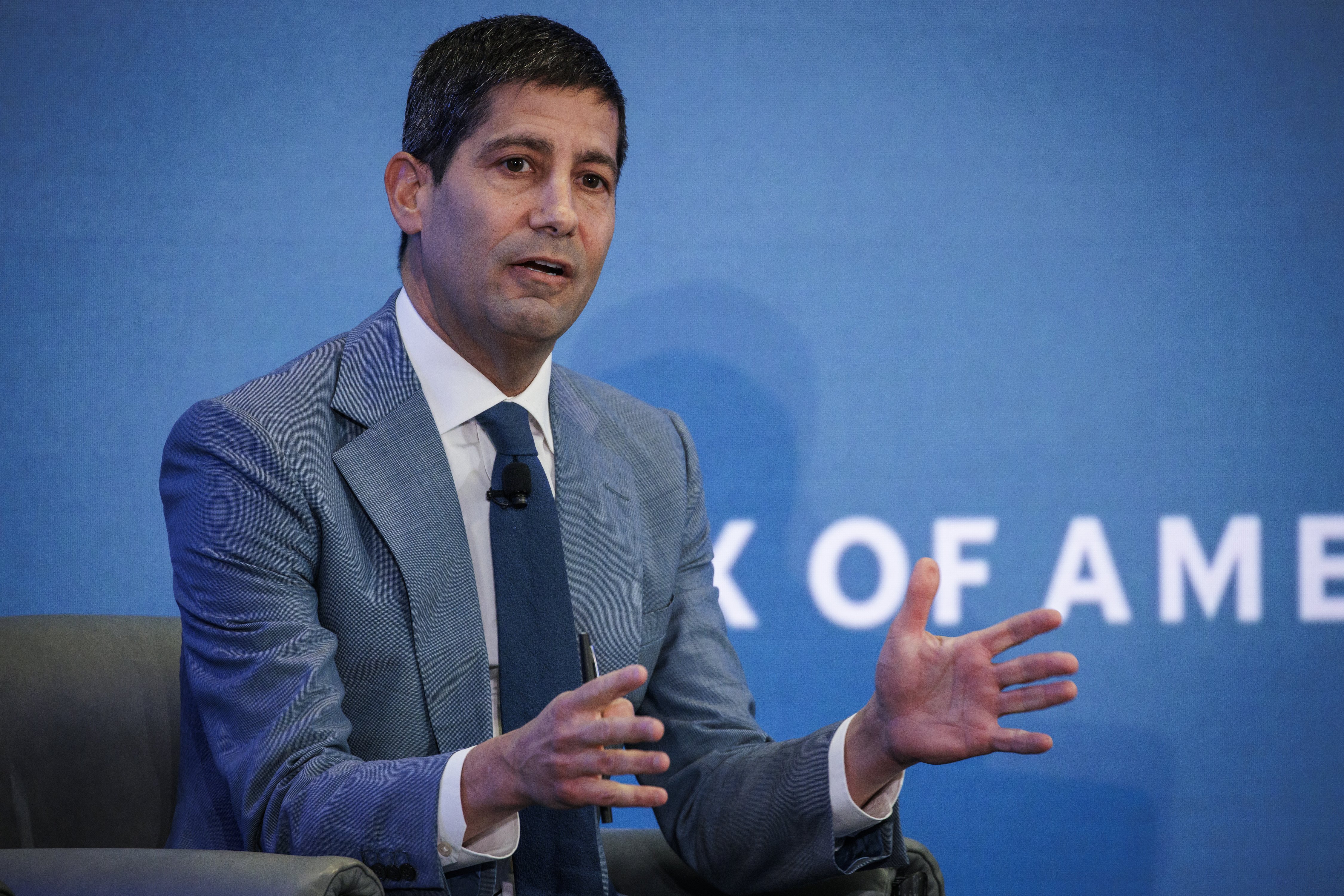
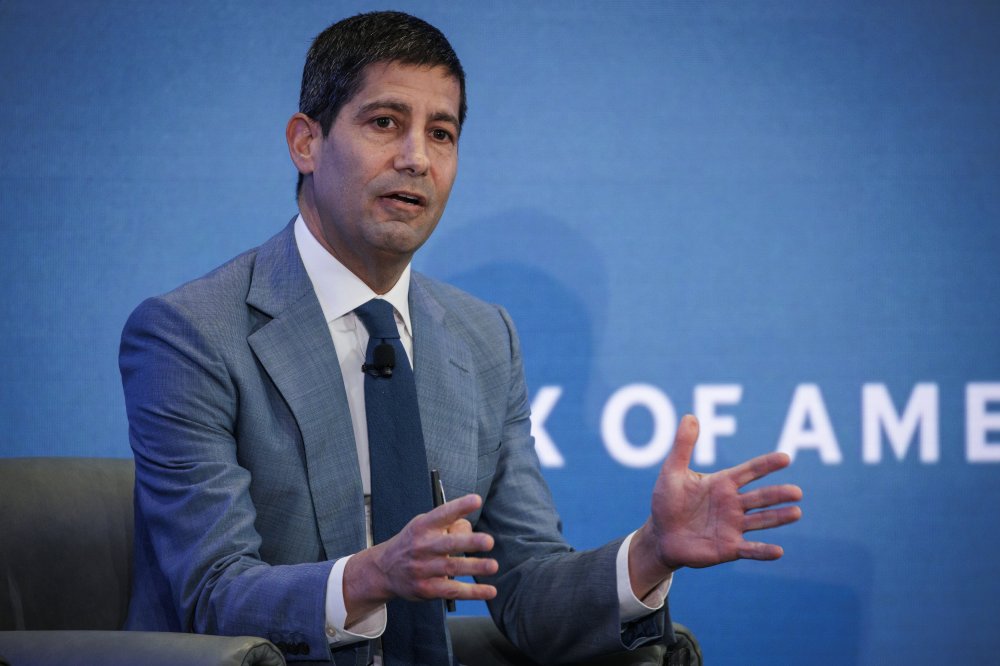
Federal Reserve Chair nominee Kevin Warsh has several paths toward reducing the central bank's $6.6 trillion balance sheet but the process will be costly and lengthy, Wall Street strategists say. View the full article
-
Large and mega investors accounted for 5.8% of all single family-home purchases in December, up from 4.8% at the same time last year, according to Cotality. View the full article
-
Company veteran Austin Niemiec is running the wholesale arm after the departures of Fawaz, a prominent broker advocate, and general manager Dan Sogorka. View the full article

-
We may earn a commission from links on this page. Impeccable period vibes are a highlight of Ponies, the Peacock spy show starring Emilia Clarke and Haley Lu Richardson. They play a couple of housewives living in Moscow with their CIA agent husbands, at least until their spouses are killed under mysterious circumstances. In order to get to the bottom of things, the two convince the Moscow station chief that they could be useful as agents themselves. He figures, hey—who'd ever suspect a couple of secretaries? You can stream Ponies on Peacock, and then stream these stories of other unexpected spies. The Americans (2013 – 2018) Set during the Cold War 1980s, and created by former CIA officer Joe Weisberg, Americans follows Soviet KGB intelligence agents Elizabeth (Keri Russell) and Philip Jennings (Matthew Rhys), living lives as an American couple in the DC metro area—and raising their American-born children. The critically acclaimed (and popular) show makes much of its period setting and a central conflict that places two spies in the heart of suburban America, even as they're tasked with undermining the Reagan-era government under which their children will grow up. Stream The Americans on Disney+ and Hulu. The Americans (2013 – 2018) at Disney+ Learn More Learn More at Disney+ Kleo (2022 – ) With this German import, we have a Cold War-era spy thriller punctuated by moments of very dark comedy. Jella Haase stars as Kleo Straub, a ruthless East German Stasi assassin who was framed for treason a couple of years before the series kicks off in 1989, and who's now free to pursue brutal revenge. Sven Petzold (Dimitrij Schaad), meanwhile, is the hapless police officer who's linked Kleo to a murder he'd been investigating, and pursues her before discovering that he's in way, way over his head. Stream Kleo on Netflix. Kleo (2022 – ) at Netflix Learn More Learn More at Netflix Black Doves (2024 – ) This genre-bender has been something of a hit for Netflix—enough to have earned a second-season renewal. Keira Knightley stars as Helen Webb, wife of the Secretary of State for Defence of the U.K., and a secret spy in the employ of the mercenary spy organization of the title. She learns from her handler (Sarah Lancashire) that her lover has been killed, thus potentially blowing her cover, but luckily she has a hitman bestie (Ben Whislaw) to help her out. It's all deliberately pulpy, with a tongue-in-cheek self-awareness that lightens the tone. Stream Black Doves on Netflix. Black Doves (2024 – ) at Netflix Learn More Learn More at Netflix Homeland (2011 – 2020) The series begins with CIA case officer Carrie Mathison (Claire Danes) coming to suspect that that decorated Marine Corps scout sniper Nicholas Brody (Damian Lewis), recently rescued from an al-Qaeda compound, has been turned and is planning a terrorist attack on the United States. As she's been diagnosed with bipolar disorder, her superiors don't give Mathison's suspicions much credence, kicking off a cat-and-mouse/is-he-or-isn't he? game between the two. Both leads won Emmys for their performances, and the series took the Outstanding Drama prize in its first year. Stream Homeland on Hulu and Netflix. Homeland (2011 – 2020) at Hulu Learn More Learn More at Hulu The Sympathizer (2024)A stellar miniseries with a reminder that boys can be spies, too. Based (kinda) on a true story, the show stars Hoa Xuande as the Captain (we know him only by that title), a member of the South Vietnamese army during the run-up to the Fall of Saigon in 1975. Except that he has a pretty big secret: He's a spy for the communist north, and, when he's evacuated to the United States, it's as a double agent. His new life in sunny Southern California gets very complicated as he struggles with his old loyalties and his new life. With touches of dark comedy, great performances and some absolutely brilliant direction from showrunner Park Chan-wook (Oldboy, No Other Choice), this is an impressively unconventional period spy story. Stream The Sympathizer on HBO Max. The Sympathizer (2024) at HBO Max Learn More Learn More at HBO Max The Recruit (2022 – 2025) A bit of fun in the "unlikely spy" genre, this one stars Noah Centineo as Owen Hendricks, a nobody-in-particular young lawyer at the CIA who comes across an extortion threat from a former CIA asset in some otherwise boring paperwork. The discovery triggers a series of fast-paced, globetrotting adventures for which Hendricks is generally unprepared—always knowing more than he should, but not nearly enough to keep him out of trouble. It's an adventure show more than a thriller, mostly, and a fair bit of fun for it. Stream The Recruit on Netflix. The Recruit (2022 – 2025) at Netflix Learn More Learn More at Netflix Killing Eve (2018 – 2022) Sandra Oh and Jodie Comer star as the two halves that form one of television's great cat-and-mouse narratives, with Oh as Eve Polastri, a bored MI5 analyst who becomes obsessed with hunting down the brutal and notorious assassin known only as Villanelle. It starts as a professional compulsion before it becomes personal: Eve and Villanelle begin toying with each other, and it soon becomes clear that the fascination goes both ways—like Ponies, it's the rare spy drama with two women out in front. Stream Killing Eve on Prime Video, Paramount+, Britbox, Tubi, and Netflix. Killing Eve (2018 – 2022) at Prime Video Learn More Learn More at Prime Video Mr. & Mrs. Smith (2024 – ) One-upping the Brad Pitt/Angelina Jolie movie on which it's based, Mr. & Mrs. Smith stars Donald Glover and Maya Erskine as a couple of spies tasked to pose as a married couple while coordinating (and sometimes competing against one another) on missions. Smartly, each episode takes on a standalone mission in a different location, while complicating the relationship between the two and gradually upping the stakes until the season finale, which sees them pitted against each other. The show has been renewed for season two, but it's been delayed, and it's unclear if Glover and Erskine will be returning, or if we'll be getting a new Mr. & Mrs. Stream Mr. & Mrs. Smith on Prime Video. Mr. & Mrs. Smith (2024 – ) at Prime Video Learn More Learn More at Prime Video The Day of the Jackal (2024 – ) Cinematic in scope, this new adaptation of the Frederick Forsyth novel is buoyed by brilliant casting: Eddie Redmayne plays the Jackal, a steely international assassin pursued by MI6 operative Bianca Pullman, played by Lashana Lynch (putting her experience as the new 007 in No Time to Die to good use). I'm not sure there's anything here we haven't seen in countless other spy thrillers (including, of course, the 1973 and 1997 film adaptations), but the performances and production values are top-notch, with each episode playing out like a tense mini-movie. Stream The Day of the Jackal on Peacock. The Day of the Jackal (2024 – ) at Peacock Learn More Learn More at Peacock Down Cemetery Road (2025 – ) Splitting the difference between spy and detective genres, this show (from the works of Mick Herron, writer of the more specifically spy-centric Slow Horses novels), this one starts out as a murder mystery and builds to a rather massive government conspiracy. Emma Thompson stars as hard-living, hard-drinking private investigator Zoë Boehm, hired by Ruth Wilson's Sarah Trafford, a married art restorer whom nobody takes seriously (including and especially her husband)—even when she becomes invested in the fate of a young girl whose family is killed in a gas explosion (allegedly) down the street. The girl, whose parents were killed, disappears into the system and no one really seems to care until Sarah hires Zoë and her husband to look into it. Turns out both women are in way over their heads, as the missing girl points to a much broader conspiracy. Thompson and Wilson are a brilliantly mismatched pair, and their performances are more than worth the price of admission. Stream Down Cemetery Road on Apple TV+. Down Cemetery Road (2025 – ) at Apple TV+ Learn More Learn More at Apple TV+ View the full article
-
Nothing is certain, they say, but death and taxes. But a new idea from Meta could add social media to that list. The tech giant was granted a patent in December that would allow it to simulate a user via artificial intelligence when he or she is absent from the social network for extended periods, including, “for example, when the user takes a long break or if the user is deceased.” The patent covers a bot that could simulate your activity across Meta’s products, including Facebook, Instagram, and Threads—making posts, leaving comments, and interacting with other users. It could even, potentially, communicate directly with people via chats or video calls, the patent reads. Andrew Bosworth, Meta’s chief technology officer, is listed as the primary inventor, and the patent was first filed in November 2023. A Meta spokesperson tells Fast Company the company has “no plans to move forward with this example.” Withdrawing from a social media platform can affect “the user experience of several users,” the patent reads. “The impact on the users is much more severe and permanent if that user is deceased and can never return to the social networking platform.” Creepy? Sure seems it. Unprecedented? Not as much as you might think. In 2021, Microsoft obtained a patent for a chatbot that would let you “talk” with dead people, both loved ones and celebrities. Like Meta, Microsoft said it had no plans to use the technology—and Tim O’Brien, Microsoft’s general manager of AI programs at the time, said in a social media post he agreed it was “disturbing.” Meanwhile, startups like Eternos and HereAfter AI let people create a “digital twin” that can engage with loved ones after they have passed away. Meta first publicly discussed the concept of a chatbot for the dead about two-and-a-half years ago, when founder Mark Zuckerberg, in an interview with podcaster Lex Fridman (in the Metaverse, of course), said, “If someone has lost a loved one and is grieving, there may be ways in which being able to interact or relive certain memories could be helpful.” Zuckerberg did note, however, that the technology could become “unhealthy”. Meta’s take on a post-mortem chatbot would analyze “user-specific” data, including posts, voice messages, chats, comments, and likes, to build a sense of who the person was. It would amalgamate that data into a digital persona designed to mimic the user’s activity. The bot would identify that any responses were not actually generated by the user, the patent says, but rather were the result of a simulation. Now, there are some hurdles Meta doesn’t mention in the patent. What people say in a direct message to a close friend or loved one isn’t necessarily meant for wider consumption. Picture, for instance, one spouse venting to the other about how frustrated they were with their child after some “terrible twos” or teenage incident—only for that child to later be told by the bot how much they annoyed their now-dead loved one. After all, AI has yet to grasp social niceties, or when silence or a white lie is better than the truth. Presently, when someone dies, Meta offers several options for survivors. The page can be permanently removed (assuming you have the necessary paperwork, such as a death certificate), or it can be turned into a memorial, where people can read past posts and leave messages of their own. As unpleasant as the topic is, Meta has good reason to think about death. One study predicts that by 2050, the number of dead users on Facebook will outnumber the living. By 2100, there could be more than 4.9 billion dead profiles on the platform. View the full article

-
An index of market conditions from the National Association of Home Builders and Wells Fargo, in which below 50 means more builders see conditions as poor than good, edged down in February to 36, the lowest level since September. View the full article

-
Treasuries rallied and broke key levels, but stubborn 5-year resistance still caps momentum and rate-cut expectations remain unchanged, the CEO of IF Securities writes. View the full article

-
When you’re exploring options for business loans, knowing the right private lenders can make all the difference. Each lender offers unique benefits customized to various needs, such as covering ongoing expenses, supporting startups, or financing equipment. For instance, Bluevine provides quick lines of credit, whereas Fora Financial caters to those with bad credit. Comprehending these differences can help you choose the best fit for your situation, but what’s crucial to take into account before making a decision? Key Takeaways Bluevine offers lines of credit up to $250,000 with quick funding and flexible repayment terms, ideal for established businesses. Fora Financial provides loans from $5,000 to $1.5 million, requiring a minimum credit score of 570 and flexible repayment options. Fundbox specializes in startup funding up to $250,000, with a streamlined application process and no prepayment penalties. Taycor Financial focuses on equipment financing, offering loans up to $500,000 with fast approvals and flexible lease terms. OnDeck provides loans up to $250,000 with same-day funding for smaller amounts, requiring a minimum credit score of 625. Best for Covering Ongoing Expenses: Bluevine When you’re looking for a reliable way to cover ongoing business expenses, Bluevine stands out as a top option. As one of the leading private business lenders, it offers lines of credit up to $250,000, providing you with the flexibility needed to manage cash flow effectively. With quick funding times, you can access cash within one to three business days after approval, ensuring you won’t face unnecessary delays. Bluevine’s interest rates start at 4.66%, and there are no monthly fees or overdraft charges, making it a cost-effective choice among private lenders for business loans. To qualify, your business must be an LLC or corporation with at least 12 months of operation and a minimum monthly revenue of $10,000. The repayment terms are structured over 12 or 24 weeks, allowing you to maintain control over your finances as you address ongoing expenses. Best for Bad Credit Borrowers: Fora Financial If you’re a business owner with bad credit, Fora Financial could be a solid option for you. They offer loan amounts between $5,000 and $1.5 million, with a minimum credit score requirement of just 570, making it easier for you to qualify. Plus, their application process is straightforward and designed for quick funding, ensuring you have the flexibility you need to manage repayment. Loan Amounts Offered Fora Financial stands out as a valuable option for businesses seeking loans, particularly those with less-than-perfect credit. They offer loan amounts ranging from $5,000 to $1.5 million, making it suitable for various business sizes. This flexibility allows you to secure funds for different needs, whether it’s working capital or equipment financing. Here are some key points about loan amounts offered by Fora Financial: Loans range from $5,000 to $1.5 million. Minimum credit score requirement is just 570. Funds can be used for diverse business purposes. Interest rates start at 13.00%, reflecting the associated risks. This range of loan amounts can help your business grow, even though your credit isn’t stellar. Eligibility Requirements Securing a loan from Fora Financial is particularly accessible for those with bad credit, thanks to its lenient eligibility requirements. To qualify, you’ll need a minimum credit score of just 570, making it a viable option for many borrowers. Fora Financial offers loan amounts ranging from $5,000 to $1.5 million, allowing you to choose based on your business needs. Moreover, you must demonstrate a minimum annual revenue of $240,000 to be eligible for funding. Although interest rates start at 13%, which may be higher than traditional lenders, this structure accommodates individuals with lower credit scores. The streamlined application process guarantees you can secure funding quickly, making Fora Financial suitable for urgent financial situations. Repayment Terms Flexibility When considering financing options, you’ll find that repayment terms play a crucial role in managing your business’s cash flow. Fora Financial stands out for its flexible repayment options, making it an excellent choice for bad credit borrowers. They offer loans ranging from $5,000 to $1.5 million, with interest rates starting at 13.00%. Key features include: Minimum credit score requirement of 570 High annual revenue requirement of $240,000 Quick funding for immediate capital access Customized repayment terms to fit your business needs These factors make Fora Financial particularly accessible for businesses that might struggle with traditional loan qualifications, allowing you to focus on growth without financial strain. Best for Startup Companies: Fundbox If you’re launching a startup and need quick access to funds, Fundbox might be your best option. With a streamlined funding process, you can often get approved in minutes and see cash in your account within a few days. Plus, their flexible qualification criteria make it easier for new businesses to secure up to $250,000, catering to various financial needs. Fast Funding Process For startup companies seeking quick financial support, Fundbox stands out as a premier choice due to its fast funding process. With funding amounts up to $250,000, you can expect a streamlined application that focuses on your cash flow. This process allows you to access funds typically within 1 to 3 business days after approval. Here are some key points to reflect on: There’s no need for origination fees, making it cost-effective. You won’t face prepayment penalties, giving you flexibility. A minimum personal credit score of 600 is required, which is attainable for many. Your business must have been operational for at least six months with an annual revenue of at least $100,000. This makes Fundbox an accessible option for startups. Flexible Qualification Criteria Many startups find themselves facing challenges when seeking financial support, but Fundbox offers a revitalizing approach with its flexible qualification criteria. Unlike traditional lenders, Fundbox focuses on your business cash flow instead of credit scores, requiring a minimum personal credit score of just 600. You can access up to $250,000, with funding typically available within one business day of approval. To qualify, your business must be operational for at least six months and have an annual revenue of $100,000 or more. Fundbox also features no prepayment penalties or origination fees, making it a cost-effective choice for new businesses. Moreover, its Insights feature provides cash flow predictions, helping you manage finances more effectively. Best for Financing Equipment: Taycor Financial When you need to finance equipment for your business, Taycor Financial stands out as a strong option owing to its specialized focus on equipment financing. They offer loans up to $500,000 with flexible terms ranging from 24 to 60 months. This adaptability allows you to select a payment schedule that best suits your cash flow needs. Here are some key features of Taycor Financial: Fast Approval: Many loans are approved within 24 hours, ensuring quick access to funds. Flexible Payments: Choose between monthly, quarterly, or annual payment options. Accessible Financing: A minimum credit score of 600 makes it easier for businesses with varied credit histories to qualify. Leasing Options: Taycor provides various leasing options, including fair market value leases and $1 buyout leases, catering to different financial strategies. With these advantages, Taycor Financial is an excellent choice for your equipment financing needs. Best for Fast Funding: OnDeck If you’re looking for quick access to cash, OnDeck might be the ideal solution for your business financing needs. Known for its rapid funding capabilities, OnDeck offers same-day funding for loans under $100,000, allowing you to access cash when it matters most. They provide loans up to $250,000 with terms typically lasting up to 12 months, which is perfect for short-term financing. To qualify, you need a minimum credit score of 625, annual revenue of at least $100,000, and at least 12 months in business. Although interest rates start at 32.72%, the speed of funding can outweigh traditional options. Plus, OnDeck offers prepayment and loyalty rewards, incentivizing early repayment and ongoing relationships. Feature Details Loan Amounts Up to $250,000 Funding Speed Same-day for loans < $100K Minimum Credit Score 625 Interest Rates Starting at 32.72% Best for Financing Large Purchases: Ibusiness Funding For businesses looking to finance large purchases, iBusiness Funding stands out as a strong option, offering online term loans up to $500,000 with repayment terms that can extend to 60 months. This flexibility makes it ideal for significant investments such as equipment or inventory. Here are some key features of iBusiness Funding: Minimum credit score: You’ll need a credit score of at least 640 to qualify. Annual revenue requirement: Your business must generate a minimum annual revenue of $50,000. Quick funding: Once approved, you could receive your funds the same day. User-friendly application: The streamlined process requires minimal documentation, making it accessible for busy business owners. Pros and Cons of Private Business Loans Private business loans can be an appealing option for many entrepreneurs, especially those who may not qualify for traditional bank financing. One major advantage is the easier qualification criteria, making these loans accessible for startups and businesses with poor credit. Furthermore, you can often expect faster funding, with approvals and disbursements occurring within 1 to 3 business days, which is ideal for urgent needs. However, there are downsides. Interest rates on private loans tend to be higher, reflecting the increased risk and flexibility they offer. Although private lenders often provide more flexible terms, it’s important to be cautious of hidden fees and less transparent repayment terms, which can complicate your financial planning. Frequently Asked Questions Which Private Bank Is Best for a Business Loan? Choosing the best private JPMorgan Chase for a business loan depends on your specific needs. Consider lenders that offer flexible qualification criteria, especially if you have bad credit. Look for competitive interest rates, ranging from 7% to over 40%, and quick funding options that allow for decisions within days. Make certain the lender has a strong reputation and transparent pricing to avoid hidden fees, which can complicate your borrowing experience. Evaluate all these factors before making a decision. What Are the Best Business Loan Lenders? When exploring the best business loan lenders, consider options like Bluevine for flexible lines of credit, Fundbox for cash flow financing, or OnDeck for quick funding. If you have bad credit, Fora Financial offers accessible loans, whereas Lendio connects you to various lenders for customized options. Each lender has different requirements, such as credit scores and revenue levels, so assess your financial situation to find the best fit for your needs. What Are the Four Types of Private Lenders? The four types of private lenders include individual investors, lending firms, organized investor groups, and peer-to-peer platforms. Individual investors often provide personal funds for business ventures, whereas lending firms focus on structured loans. Organized investor groups pool resources to back various businesses, and peer-to-peer platforms connect borrowers with multiple lenders for lower costs. Each type offers unique benefits, such as flexible terms, quicker approval processes, and options customized to specific business needs. How Hard Is It to Get a $400,000 Business Loan? Securing a $400,000 business loan can be quite challenging. You’ll typically need a solid credit score, often between 620 and 640, along with annual revenues of at least $100,000 to $250,000. Most lenders prefer businesses to be operational for 1 to 2 years, making it tough for startups. Moreover, you may need to provide collateral, which can greatly influence your chances of approval and the interest rates you receive. Conclusion In summary, choosing the right private lender for your business loan can greatly impact your financial strategy. Each of the lenders mentioned offers unique benefits customized to various needs, whether you’re covering ongoing expenses, seeking startup funding, or financing equipment. By evaluating your specific requirements and considering factors like loan amounts, repayment flexibility, and approval speed, you can make an informed decision. This strategic approach can help you secure the funding necessary for your business’s growth and success. Image via Google Gemini and ArtSmart This article, "7 Top Private Lenders for Business Loans to Consider" was first published on Small Business Trends View the full article
-
When you’re exploring options for business loans, knowing the right private lenders can make all the difference. Each lender offers unique benefits customized to various needs, such as covering ongoing expenses, supporting startups, or financing equipment. For instance, Bluevine provides quick lines of credit, whereas Fora Financial caters to those with bad credit. Comprehending these differences can help you choose the best fit for your situation, but what’s crucial to take into account before making a decision? Key Takeaways Bluevine offers lines of credit up to $250,000 with quick funding and flexible repayment terms, ideal for established businesses. Fora Financial provides loans from $5,000 to $1.5 million, requiring a minimum credit score of 570 and flexible repayment options. Fundbox specializes in startup funding up to $250,000, with a streamlined application process and no prepayment penalties. Taycor Financial focuses on equipment financing, offering loans up to $500,000 with fast approvals and flexible lease terms. OnDeck provides loans up to $250,000 with same-day funding for smaller amounts, requiring a minimum credit score of 625. Best for Covering Ongoing Expenses: Bluevine When you’re looking for a reliable way to cover ongoing business expenses, Bluevine stands out as a top option. As one of the leading private business lenders, it offers lines of credit up to $250,000, providing you with the flexibility needed to manage cash flow effectively. With quick funding times, you can access cash within one to three business days after approval, ensuring you won’t face unnecessary delays. Bluevine’s interest rates start at 4.66%, and there are no monthly fees or overdraft charges, making it a cost-effective choice among private lenders for business loans. To qualify, your business must be an LLC or corporation with at least 12 months of operation and a minimum monthly revenue of $10,000. The repayment terms are structured over 12 or 24 weeks, allowing you to maintain control over your finances as you address ongoing expenses. Best for Bad Credit Borrowers: Fora Financial If you’re a business owner with bad credit, Fora Financial could be a solid option for you. They offer loan amounts between $5,000 and $1.5 million, with a minimum credit score requirement of just 570, making it easier for you to qualify. Plus, their application process is straightforward and designed for quick funding, ensuring you have the flexibility you need to manage repayment. Loan Amounts Offered Fora Financial stands out as a valuable option for businesses seeking loans, particularly those with less-than-perfect credit. They offer loan amounts ranging from $5,000 to $1.5 million, making it suitable for various business sizes. This flexibility allows you to secure funds for different needs, whether it’s working capital or equipment financing. Here are some key points about loan amounts offered by Fora Financial: Loans range from $5,000 to $1.5 million. Minimum credit score requirement is just 570. Funds can be used for diverse business purposes. Interest rates start at 13.00%, reflecting the associated risks. This range of loan amounts can help your business grow, even though your credit isn’t stellar. Eligibility Requirements Securing a loan from Fora Financial is particularly accessible for those with bad credit, thanks to its lenient eligibility requirements. To qualify, you’ll need a minimum credit score of just 570, making it a viable option for many borrowers. Fora Financial offers loan amounts ranging from $5,000 to $1.5 million, allowing you to choose based on your business needs. Moreover, you must demonstrate a minimum annual revenue of $240,000 to be eligible for funding. Although interest rates start at 13%, which may be higher than traditional lenders, this structure accommodates individuals with lower credit scores. The streamlined application process guarantees you can secure funding quickly, making Fora Financial suitable for urgent financial situations. Repayment Terms Flexibility When considering financing options, you’ll find that repayment terms play a crucial role in managing your business’s cash flow. Fora Financial stands out for its flexible repayment options, making it an excellent choice for bad credit borrowers. They offer loans ranging from $5,000 to $1.5 million, with interest rates starting at 13.00%. Key features include: Minimum credit score requirement of 570 High annual revenue requirement of $240,000 Quick funding for immediate capital access Customized repayment terms to fit your business needs These factors make Fora Financial particularly accessible for businesses that might struggle with traditional loan qualifications, allowing you to focus on growth without financial strain. Best for Startup Companies: Fundbox If you’re launching a startup and need quick access to funds, Fundbox might be your best option. With a streamlined funding process, you can often get approved in minutes and see cash in your account within a few days. Plus, their flexible qualification criteria make it easier for new businesses to secure up to $250,000, catering to various financial needs. Fast Funding Process For startup companies seeking quick financial support, Fundbox stands out as a premier choice due to its fast funding process. With funding amounts up to $250,000, you can expect a streamlined application that focuses on your cash flow. This process allows you to access funds typically within 1 to 3 business days after approval. Here are some key points to reflect on: There’s no need for origination fees, making it cost-effective. You won’t face prepayment penalties, giving you flexibility. A minimum personal credit score of 600 is required, which is attainable for many. Your business must have been operational for at least six months with an annual revenue of at least $100,000. This makes Fundbox an accessible option for startups. Flexible Qualification Criteria Many startups find themselves facing challenges when seeking financial support, but Fundbox offers a revitalizing approach with its flexible qualification criteria. Unlike traditional lenders, Fundbox focuses on your business cash flow instead of credit scores, requiring a minimum personal credit score of just 600. You can access up to $250,000, with funding typically available within one business day of approval. To qualify, your business must be operational for at least six months and have an annual revenue of $100,000 or more. Fundbox also features no prepayment penalties or origination fees, making it a cost-effective choice for new businesses. Moreover, its Insights feature provides cash flow predictions, helping you manage finances more effectively. Best for Financing Equipment: Taycor Financial When you need to finance equipment for your business, Taycor Financial stands out as a strong option owing to its specialized focus on equipment financing. They offer loans up to $500,000 with flexible terms ranging from 24 to 60 months. This adaptability allows you to select a payment schedule that best suits your cash flow needs. Here are some key features of Taycor Financial: Fast Approval: Many loans are approved within 24 hours, ensuring quick access to funds. Flexible Payments: Choose between monthly, quarterly, or annual payment options. Accessible Financing: A minimum credit score of 600 makes it easier for businesses with varied credit histories to qualify. Leasing Options: Taycor provides various leasing options, including fair market value leases and $1 buyout leases, catering to different financial strategies. With these advantages, Taycor Financial is an excellent choice for your equipment financing needs. Best for Fast Funding: OnDeck If you’re looking for quick access to cash, OnDeck might be the ideal solution for your business financing needs. Known for its rapid funding capabilities, OnDeck offers same-day funding for loans under $100,000, allowing you to access cash when it matters most. They provide loans up to $250,000 with terms typically lasting up to 12 months, which is perfect for short-term financing. To qualify, you need a minimum credit score of 625, annual revenue of at least $100,000, and at least 12 months in business. Although interest rates start at 32.72%, the speed of funding can outweigh traditional options. Plus, OnDeck offers prepayment and loyalty rewards, incentivizing early repayment and ongoing relationships. Feature Details Loan Amounts Up to $250,000 Funding Speed Same-day for loans < $100K Minimum Credit Score 625 Interest Rates Starting at 32.72% Best for Financing Large Purchases: Ibusiness Funding For businesses looking to finance large purchases, iBusiness Funding stands out as a strong option, offering online term loans up to $500,000 with repayment terms that can extend to 60 months. This flexibility makes it ideal for significant investments such as equipment or inventory. Here are some key features of iBusiness Funding: Minimum credit score: You’ll need a credit score of at least 640 to qualify. Annual revenue requirement: Your business must generate a minimum annual revenue of $50,000. Quick funding: Once approved, you could receive your funds the same day. User-friendly application: The streamlined process requires minimal documentation, making it accessible for busy business owners. Pros and Cons of Private Business Loans Private business loans can be an appealing option for many entrepreneurs, especially those who may not qualify for traditional bank financing. One major advantage is the easier qualification criteria, making these loans accessible for startups and businesses with poor credit. Furthermore, you can often expect faster funding, with approvals and disbursements occurring within 1 to 3 business days, which is ideal for urgent needs. However, there are downsides. Interest rates on private loans tend to be higher, reflecting the increased risk and flexibility they offer. Although private lenders often provide more flexible terms, it’s important to be cautious of hidden fees and less transparent repayment terms, which can complicate your financial planning. Frequently Asked Questions Which Private Bank Is Best for a Business Loan? Choosing the best private JPMorgan Chase for a business loan depends on your specific needs. Consider lenders that offer flexible qualification criteria, especially if you have bad credit. Look for competitive interest rates, ranging from 7% to over 40%, and quick funding options that allow for decisions within days. Make certain the lender has a strong reputation and transparent pricing to avoid hidden fees, which can complicate your borrowing experience. Evaluate all these factors before making a decision. What Are the Best Business Loan Lenders? When exploring the best business loan lenders, consider options like Bluevine for flexible lines of credit, Fundbox for cash flow financing, or OnDeck for quick funding. If you have bad credit, Fora Financial offers accessible loans, whereas Lendio connects you to various lenders for customized options. Each lender has different requirements, such as credit scores and revenue levels, so assess your financial situation to find the best fit for your needs. What Are the Four Types of Private Lenders? The four types of private lenders include individual investors, lending firms, organized investor groups, and peer-to-peer platforms. Individual investors often provide personal funds for business ventures, whereas lending firms focus on structured loans. Organized investor groups pool resources to back various businesses, and peer-to-peer platforms connect borrowers with multiple lenders for lower costs. Each type offers unique benefits, such as flexible terms, quicker approval processes, and options customized to specific business needs. How Hard Is It to Get a $400,000 Business Loan? Securing a $400,000 business loan can be quite challenging. You’ll typically need a solid credit score, often between 620 and 640, along with annual revenues of at least $100,000 to $250,000. Most lenders prefer businesses to be operational for 1 to 2 years, making it tough for startups. Moreover, you may need to provide collateral, which can greatly influence your chances of approval and the interest rates you receive. Conclusion In summary, choosing the right private lender for your business loan can greatly impact your financial strategy. Each of the lenders mentioned offers unique benefits customized to various needs, whether you’re covering ongoing expenses, seeking startup funding, or financing equipment. By evaluating your specific requirements and considering factors like loan amounts, repayment flexibility, and approval speed, you can make an informed decision. This strategic approach can help you secure the funding necessary for your business’s growth and success. Image via Google Gemini and ArtSmart This article, "7 Top Private Lenders for Business Loans to Consider" was first published on Small Business Trends View the full article
-
While OpenAI is pushing ads on its free users, DuckDuckGo's Duck.ai portal is going a different way. Duck.ai is a privacy-first AI chatbot that doesn't use your data for training, but still gives you AI answers using popular models, including those from OpenAI. The data privacy feature goes beyond as well. DuckDuckGo removes all private metadata (like your location and IP address) before prompting the AI model, and it doesn't share anything about you or your device. Your questions, as well as DuckDuckGo's answers, are never used for AI training. Since its launch in 2024, the portal has only offered a chatbot interface, but now, DuckDuckGo has added a voice mode as well. With voice chat, instead of reading through long and meandering answers, the AI replies in short, to-the-point snippets that are relevant to your query. Duck.ai's take on the feature is competing with those from companies like OpenAI and Google, and it's free—though expanded limits are offered for DuckDuckGo subscribers. How Duck.ai's voice chat works Credit: Khamosh Pathak Duck.ai's voice chat is opt-in, not mandatory. In fact, you can even use it without a DuckDuckGo account. To try it, head to the Duck.ai portal, then from the sidebar, choose the voice chat option and enable it for your account. Now, when you click the "New Voice Chat" button in the sidebar, Duck.ai's bot will appear. You can start speaking, and the bot will reply to you. Just like ChatGPT or Gemini, this is a continuous voice chat, so you don't need to perform any action to ask follow-up questions. You can also interrupt the AI answer to add clarifications or to ask more questions. While the text prompts let you choose the models (including OpenAI's ChatGPT 5-mini), it's not clear exactly what powers voice chat. DuckDuckGo says that it uses an OpenAI model, but doesn't specify which one it is. When it comes to AI voice chats, ChatGPT is still the kingOf course, the real question is how Duck.ai's voice chat holds up against Gemini and ChatGPT. For general knowledge questions, Duck.ai holds its own, but it falters when it comes to the latest news. I asked all three services the same questions, and while some responses were similar, ChatGPT's voice mode offers the best overall user experience by far. I tested the voice chat features using three different kinds of questions. First, I asked about the upcoming Samsung S26 series; second, we talked about the Roman Empire; and lastly, I asked for some advice on how to get started with coding. When it comes to asking questions about news, like Samsung's S26 release, DuckDuckGo's limitations are immediately evident. It sometimes flat out refuses to answer, saying its knowledge cutoff is 2023. Other times, it gives vague responses about the upcoming event, suggesting I check news sites for the latest information. When pressed for details, like when the event is or the rumors surrounding it, it goes back to its cut-off period excuse. Credit: Khamosh Pathak ChatGPT's app, however, gave me a detailed response with all the latest rumors, as well as articles to read for additional information—basically, what you'd expect from an AI assistant. Gemini Live provided shorter responses than ChatGPT, though they were accurate. I was able to get Gemini to give me more details in the regular text mode, which reads aloud results if you ask questions using the Mic button, but this defeats the back-and-forth purpose of a voice mode. Samsung Event rumors according to ChatGPT Voice (Left) and Gemini Live (Right). Credit: Khamosh Pathak Duck.ai didn't fare much better when I asked about the Roman Empire. I asked for a brief overview of the subject, before cutting it off to just ask who the last emperor was. It answered correctly (Romulus Augustulus), and its overview was fine, but lacked details about the transitionary period and exact dates. Duck.ai's reponse to Roman History question. Credit: Khamosh Pathak Again, ChatGPT gave me a much more detailed answer (as demonstrated by the screenshot below). Gemini Live's answer, however, was devoid of any real dates, or meaning. Mic mode offered more details, but Google's voice mode was quite limited. History of Roman Empire in Gemini (Left) vs ChatGPT Voice (Right) Credit: Khamosh Pathak Duck.ai performed better when I asked it about learning how to code. It followed a very similar script to ChatGPT and Gemini, suggesting I learn Python, even offering the same sources for learning (e.g. freeCodeCamp and Harvard CS50 courses). Duck.ai Response to coding question. Credit: Khamosh Pathak Gemini Live was the outlier here, though, asking follow-up questions about what I'd like to build or practice. It then changed its answers based on my project ideas (switching from Python to JavaScript as the first language I should learn to build web projects). ChatGPT provided an overview, again focusing on Python, and elaborated on the language's barrier to entry when I asked for more information. Intro to programming languages in Gemini (Left and Middle) vs ChatGPT Voice (Right). Credit: Khamosh Pathak Duck.ai's voice chat feature is a mixed bag. It can be fast, doesn't use any personal information, and lets you interrupt it. But its limited knowledge base and its inability to give detailed answers are what make it tough to recommend. For the smoothest voice mode experience, ChatGPT is still the king. While DuckDuckGo has the advantage for privacy, you could always use ChatGPT while logged out or in temporary mode to limit the data you share with OpenAI. View the full article
-
The new year has so far not been kind to the share price of Big Tech stocks, particularly the so-called Magnificent 7. These seven companies—Alphabet, Amazon, Apple, Meta, Microsoft, Nvidia, and Tesla—are America’s tech crown jewels. Combined, they have their hands in the hottest areas of tech, including artificial intelligence, mobile computing, chipmaking, and transportation. Yet all of these tech companies have seen their share prices decline since the beginning of the year. Here are some possible reasons why. The Magnificent 7 is seeing red in 2026 As of this writing, there isn’t a single Magnificent 7 stock in the green for 2026. Their year-to-date returns are as follows: Alphabet Inc. (Nasdaq: GOOG): down 3.3% Amazon.com, Inc. (Nasdaq: AMZN): down 13.5% Apple Inc. (Nasdaq: AAPL): down 4.8% Meta Platforms, Inc. (Nasdaq: META) down 2.7% Microsoft Corporation (Nasdaq: MSFT): down 17.4 % Nvidia Corporation (Nasdaq: NVDA): down 1.6% Tesla, Inc. (Nasdaq: TSLA): down 8.2% While all seven companies have their own strengths (Amazon, e-commerce; Nvidia, AI chips; Apple, smartphones, etc.), they share one thread: they are traded on the already tech-heavy Nasdaq. And given the massive market caps of these companies, all seven have an outsized impact on the Nasdaq as a whole. Keeping that in mind, it’s little surprise that the NASDAQ Composite itself is down over 3% year to date as well. The question is why? Here are two of the most likely reasons. AI capex spend is immense In the business world, capex refers to a company’s capital expenditure—how much money a business spends on building out assets in order to grow its business, and thus its finances. Capex is why the phrase “you have to spend money to make money” exists. But while it has been normal for decades for tech giants to spend billions in capex per year, lately capital expenditures are exploding—reaching highs never seen before. The Motley Fool estimated that in 2025, the Magnificent 7 spent about $400 billion on AI-related capex. In 2026, that number is set to grow by around 70% to reach $680 billion. That is a staggering sum of money on a technology that no tech company has found a way to make a profit from yet. What many investors have begun to increasingly worry about is that if the ever-present threat of an AI bubble does materialize, the Magnificent 7 companies, particularly those that have had massive capital expenditures on the technology, like Amazon, Alphabet, and Microsoft, might not ever see a return on that investment. Economic and global uncertainty abounds Outside the immediate fears of overzealous AI capex and an AI bubble, the Magnificent 7 are also vulnerable to broader economic and geopolitical uncertainties. President The President’s penchant for announcing tariffs out of the blue has harmed relations with America’s closest economic allies and trading partners—and caused massive uncertainty for businesses. These tariffs have also raised the costs of goods for American consumers. When prices rise, and incomes don’t, people tend to cut back on spending, which slows the economy. And when the economy slows—or people worry it will—investors tend to sell off riskier investments, or investments where they’ve already made a good return, to protect their profits. While shares of Magnificent 7 companies have delivered massive returns over the last decade, they are also highly volatile. And this volatility, when combined with broader market uncertainty, generally causes investor apprehension, leading to further selloffs. Of course, there’s no guarantee where Mag 7 stocks go from here. If AI bulls are right and we are on the cusp of unprecedented AI prosperity, it’s reasonable to assume that the fall in Mag 7 stocks at the start of 2026 has so far just been a temporary anomaly, and AI-related stocks like those in the Mag 7 will be seeing plenty of green in the years ahead. However, if the AI bubble does indeed burst and takes the broader economy down with it, 2026 year-to-date declines in Mag 7 stock prices so far could seem relatively minor compared to what is yet to come. View the full article

-
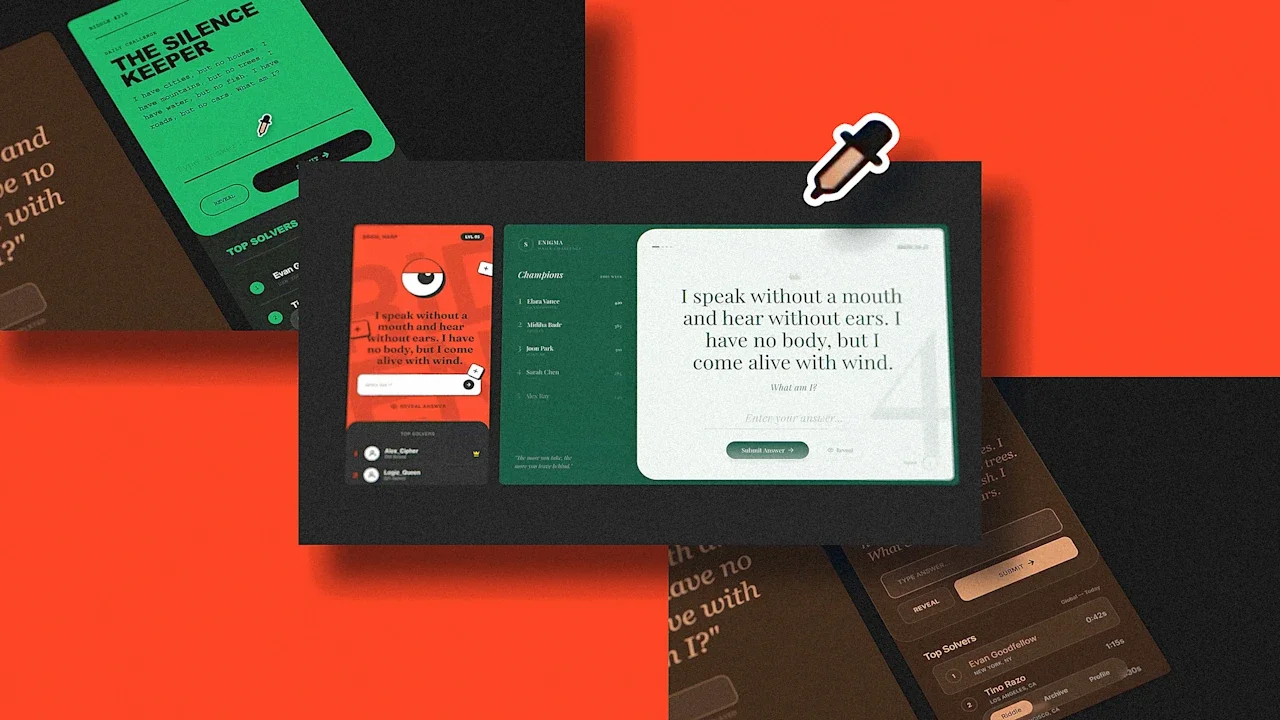
Variant, a generative design tool that promises endless UI exploration, recently introduced a feature most creative people and designers have used for decades: the eyedropper. In Variant, the tool picks vibes: It lets you click on one AI-generated interface and inject its aesthetic DNA—typography, spatial relationships, and color palettes—into another. After so much hype around “vibecoding” and its text-based imprecision, seeing a familiar, direct manipulation tool applied to generative AI feels great. The new AI modality takes a nice step to close the gap between the impenetrable ways of large language model black boxes and the tools designers actually use with their eyes and hands. Adopting a universally understood tool to control AI in any way other than words is exactly the kind of innovation the sector needs now. It’s just too bad that Variant itself is the vessel for it. The tool’s underlying AI engine suffers from a distinct lack of differentiation. Everything it makes looks flat and same-y, so the new style absorb-and-drop tool is not really that useful. Yes, the transformed UI changes, but the results already looked very similar anyway (except for the color palettes). That said, the implementation is cute. When you click on a previously generated UI, the eyedropper animates the design as it is sucking its soul. You then move the eyedropper, click on another generated UI, and the new style spills over it, rearranging it to match the source. It’s a satisfying bit of UI theater, an illusion broken by the fact that you have to wait a little to see the results, as the AI works it all out. The problem is the little variance in Variant. You can’t “eyedrop” a bitmap image or a Figma project and tell the AI, “make this new app UI look like this.” Currently, Variant’s eyedropper feels like trying to paint in Photoshop when your palette only contains five shades of beige. A for effort That’s too bad, considering the eyedropper is one of the most resilient and powerful metaphors in computing history. The concept dates back to SuperPaint in 1973, which introduced the ability to sample hue values from a digital canvas. While MacPaint popularized digital painting tools in 1984, it was Adobe Photoshop 1.0 in 1990 that locked the eyedropper icon as the standard for color sampling. Then, in 1996, Adobe Illustrator 6.0 evolved the tool into a style thief. It allowed designers to absorb entire sets of attributes—stroke weights, fill patterns, and effects—and inject them into other objects. Now Variant is effectively trying to take this to its UI design arsenal. The difference is that Adobe’s tools offered precision. You knew exactly what you were getting. With Variant, you are making a visual suggestion to a probabilistic engine and hoping for the best. But it is a good change that highlights why we need more tools like this eyedropper and fewer text prompts. Unlike the latest generation of multi-modal video generative AIs, the lack of precision in vibecoding tools is unnerving to me. It reminds me of an exercise I did in communication design class, back in college: A professor made us play a game where one student built a shape with Tangram pieces and had to verbally describe to a partner how to reproduce it with another Tangram set. It was impossible to match it. We are humans, orders of magnitude better semantic engines than any AI, and even we fail at describing visuals with words. We need interfaces that allow for direct, exact manipulation, not just crossing fingers and hoping for the best. Variant’s eyedropper shows us the way. Generative AI tool makers, more of this, please. Stop forcing designers to talk to the machine, and let us show what we want. We made a tool that lets you absorb the vibe of anything you point it at and apply it to your designs It's absurd and it just works Style Dropper, now available in @variantui pic.twitter.com/B3eXDntYtw — Ben South (@bnj) February 10, 2026 View the full article

-
Today’s hustle culture has turned burnout into something we either brag about or shamefully hide. Instagram is packed with videos of employees clocking out at 8 pm only to go home and wrap up their day. We joke about living on caffeine and a constant influx of notifications. And so, when we finally hit a The post Burnout symptoms aren’t a personal failure. They’re a warning system. appeared first on RescueTime Blog. View the full article
-
When it comes to EVs, a bigger battery isn’t always better. Ford Motor Company is making that bet as part of its effort to manufacture a new suite of more affordable electric vehicles—beginning with a $30,000-starting-price mid-size electric truck set to launch in 2027. To get more out of a smaller battery, Ford has had to reimagine every step of its manufacturing process. It has scrapped the typical assembly line process in favor of what the automaker calls its “Ford Universal EV Platform,” and simplified every part of its EV, from the miles of wiring inside the electric system to the number of parts that make up its frame. And it’s had to rethink the battery itself, to make it both more efficient and less expensive to produce. Ford credits many of those innovations to the team from Auto Motive Power, an EV charging startup Ford acquired back in 2023. Ford Bounties to increase efficiency Batteries are a massive challenge to designing affordable, efficient EVs. The battery makes up at least 25% of an EV’s total weight and around 40% of its total cost. In recent years, EV batteries have kept getting bigger. A bigger battery can add miles to an EV’s range, but that also means adding more weight, which makes an EV less efficient, and potentially more difficult to handle. It also means more production costs, which could make that EV more expensive. To make more affordable EVs, then, Ford has rethought every part of its EV in service of that battery. Every engineer, whether working on the vehicle’s aerodynamics or its interior ergonomics, uses metrics that Ford calls “bounties” to weigh design tradeoffs in terms of how they affect the vehicle’s range and battery costs. Alan Clarke That has led to a “system-level optimization that the team has done to turn over every rock to find dollars of cost and watts of efficiency,” says Alan Clarke, executive director of Ford’s Advanced EV Development department. Ford removed 4,000 feet of wiring from its Universal EV Platform, for example, shaving off 22 pounds compared to the wiring used in Ford’s first-gen electric SUV. While the Ford Maverick has 146 structural parts in its frame, Ford’s forthcoming midsized EV will have just two parts, thanks to a lighter and simpler “unicasting” process. A more efficient battery Besides the design tradeoffs it made, Ford also redesigned its battery to make it both smaller and more efficient. That can translate to a better range and charging experience for customers, too. “The pipe of electrons coming out of the wall is always the same for every customer,” Clarke says. “But how many miles that translates into is directly defined by efficiency of the power electronics and efficiency of the vehicle.” In its forthcoming midsized EV, Ford will use lithium-iron-phosphate, or LFP, batteries. With no nickel or cobalt, these batteries—which are common in Chinese EVs—use less expensive chemical ingredients than lithium ion and other battery types. How efficient an EV battery is depends largely on its software, and that’s where the team from Auto Motive Power comes in. An EV battery pack is composed of multiple cells, and “the performance of that battery pack is limited by your worst cell,” Clarke explains. Battery cells are sensitive to temperature, voltage, and other conditions around them. “You want to buy [an EV] from whatever company understands their batteries the best, thermally manages them the best from a software standpoint, can measure where they are and balance them and charge them at the rates that don’t deteriorate them,” he adds. Algorithms can monitor a battery’s voltage, temperature, and regenerative braking in order to maximize the vehicle’s energy use. Software controls how an EV takes energy out of its battery and puts it into the vehicle’s drive unit. And it also allows the automaker to optimize a battery in real time, responding to the driver’s behaviors and real-world data to reduce battery degradation and protect its lifespan. “Each customer has different ways of utilizing batteries,” explains Anil Paryani, formerly the CEO of Auto Motive Power and now an executive director of engineering at Ford. “In Arizona, they might have different heat challenges . . . so we have user-optimized controls to minimize those trade offs,” he says. Sometimes customers just have different charging behaviors. For example, Paryani says that his mom lives in a condo, and so she almost exclusively uses fast chargers, which can negatively impact an EV’s battery life. “What do we have to do to avoid [battery] deterioration?” he says. “We are addressing that with our software.” Ford is making its battery cells at its BlueOval Battery Park in Michigan. Akshaya Srinivasan Staying a startup inside Ford Auto Motive Power was founded in 2017, and was previously a supplier to Ford before it was acquired by the automaker in 2023. At the time, the team was still operating as a “very scrappy” startup, Paryani says. Becoming part of a $56 billion automaker could have drastically changed that, but they were able to maintain that startup energy. Executives decided to keep the team “walled off,” Paryani says, “so that we can take design risks that I don’t think traditional auto companies would ever think of taking.” Big companies like Ford can often get caught up in “analysis paralysis,” Clarke admits, while startups are known for failing fast. Paryani and his team held on to that ethos, while taking advantage of Ford’s resources, like access to its EV development center. “[Through] all of the different things that Anil’s team have tried, we’ve learned so much about different materials, interaction between different devices, that we wouldn’t have,” Clarke says. “Or in order to learn it, we probably would have spent two years building models and realizing it wasn’t a good idea.” Paryani’s team, instead, tried out multiple ideas quickly through prototypes. This work is crucial to developing better EVs, which are ultimately still an early technology. “Internal combustion engine vehicles have had 120 years of maturation, of engineering work, of optimization, of innovation, that have gone into them,” Clarke says. EVs, by contrast, are in “inning one—or maybe inning two.” View the full article

-
I have always found it annoying to search for anything in Apple's Messages app. Admittedly, things have gotten better in recent years, especially as Messages allows you to use search filters now, but my biggest complaint still stands: searching in Messages can be both slow and complicated, particularly if you just want to find a specific text. If you have the same experience, I have good news: I've found a workaround that offers a massive improvement to Apple's built-in search function. The problem with searching in MessagesFor most people, the easiest way to search for texts on an iPhone involves opening the Messages app, tapping the search bar near the base of the screen, and typing in what you're looking for. You'll receive a variety of results, but that's the problem: It's too much information. When I search for a person's name, for example, Messages in iOS 26 shows a list of four chats where the name is mentioned, followed by two chat threads, pinned chats, shared notes, links, photos, locations, and documents. This is great when I want a more in-depth search, but when I'm just looking for a specific message, these extra details just get in the way. The fastest way to search for texts in iOS 26That's where our hack comes in. First, open the Shortcuts app on your iPhone, then install the Search and Open Messages shortcut. This shortcuts takes advantage of actions released in iOS 26, which allow you to look for text messages and open them in a single tap. Once the shortcut is installed, you can run it from the Shortcuts app, or add it to your iPhone's Home Screen for easier access. The shortcut will prompt you to type what you want to search for, and almost instantly, it'll list all the chats containing those words. In some cases, it even highlights the exact sentence containing those words. It'll find keywords in images you share, as well: These appears as "blank" entries in the search results, but if you tap through, you'll see the image the search identified. The moment you tap a result, the shortcut instantly takes you to the relevant part of the chat, and doesn't make you scroll through hundreds of results to find the right one. This is the kind of functionality Apple needs to add directly to Messages. But, for now, this shortcut workaround will have to do. View the full article
-
When considering franchise investments, it’s essential to understand the various factors that influence franchise prices. Initial franchise fees can differ greatly, whereas ongoing royalty percentages usually range from 6% to 10%. Franchisor support and training can impact your success, and market demand, economic conditions, and competition likewise play important roles. Brand strength and geographic location further affect costs. By examining these elements closely, you can better navigate the intricacies of franchise pricing. What might surprise you is how these factors interact with each other. Key Takeaways Initial franchise fees vary significantly, ranging from $10,000 to $50,000, influenced by the brand and industry type. Ongoing royalty percentages typically range from 6% to 10% of gross sales, impacting overall profitability. The strength of the brand plays a crucial role, with established brands often commanding higher franchise fees. Geographic location affects franchise prices, with urban areas generally having higher costs due to increased market potential. Market demand and economic conditions, such as disposable income and consumer trends, significantly influence franchise pricing strategies. Initial Franchise Fees and Startup Costs When considering a franchise opportunity, comprehension of initial franchise fees and startup costs is vital, as these expenses can vary widely. Typically, initial franchise fees range from $10,000 to $50,000, depending on the brand and industry. Startup costs can additionally differ greatly; low-cost franchises may require under $50,000, whereas high-investment options can exceed $1 million. Beyond the franchise cost, you’ll need to account for additional expenses such as equipment, inventory, legal fees, marketing, and training. These costs can markedly impact your initial investment. Moreover, unforeseen expenses like higher operating costs or mandatory upgrades may arise, influencing your overall profitability. Industry type plays a pivotal role too; food franchises usually demand larger investments compared to service-based businesses. Ongoing Royalty Percentages Ongoing royalty percentages typically fall between 6% and 10% of your gross sales, and grasping these fees is vital for your franchise’s financial health. These royalties considerably contribute to the franchisor’s revenue, enabling them to fund marketing, training, and operational support for franchisees. Depending on your franchise’s industry, these percentages may vary; for instance, service-based franchises often have lower royalty rates than food franchises. Evaluating these ongoing fees is important, as they directly impact your profitability and cash flow over time. Moreover, comprehending the structure of these royalties, including whether they cover extra services or marketing fees, can help you plan effectively. Remarkably, a Chick-fil-A operator salary reflects the financial dynamics influenced by these ongoing percentages. Financial Performance of Existing Franchises When you’re evaluating the financial performance of existing franchises, you’ll want to take into account key factors like profitability of current locations, historical revenue trends, and return on investment. These metrics not only provide insight into how well the franchise is doing but furthermore play a vital role in determining franchise pricing and potential success for new franchisees. Comprehending these aspects can help you make informed decisions about entering a franchise system and evaluating its long-term viability. Profitability of Current Locations The profitability of current franchise locations serves as a significant benchmark for prospective franchisees, as it provides a clear picture of the potential financial returns on investment. Comprehending how much money do Chick-fil-A owners make is fundamental, as their success can highlight the profitability of the franchise. Here are three key factors to reflect on: Average royalty fees typically range from 6-10% of gross sales, impacting overall financial health. Franchise disclosure documents (FDDs) reveal average sales and profit margins, aiding in investment assessments. A strong brand presence correlates with higher profitability, attracting more customers. Additionally, successful franchises typically break even within 2.5-3 years, making the evaluation of existing profitability critical for informed decision-making. Historical Revenue Trends Grasping historical revenue trends is essential for evaluating the financial performance of existing franchises. Successful franchise systems typically break even within 2.5 to 3 years, indicating a positive cash flow trajectory. The average royalty fee, ranging from 6 to 10% of gross sales, is crucial for the franchisor’s financial health and ongoing support for franchisees. In their first year, many franchises invest 20 to 30% of their total budget in marketing and brand development, considerably boosting revenue. Remarkably, around 90% of franchise systems achieve profitability, highlighting their financial potential compared to independent startups. If you’re considering how much it’s to own a Chick-fil-A, these revenue trends can provide valuable insights into its financial viability and growth prospects. Return on Investment Grasping the return on investment (ROI) is crucial for anyone considering entering the franchise world, especially after reviewing historical revenue trends. To understand how ROI impacts franchise prices, consider these key factors: Franchisees expect a minimum ROI after accounting for fees and expenses, typically achieving it within 2.5 to 3 years. The difference between pre-franchise fee returns and acceptable benchmarks influences the maximum fees franchisors can charge. Financial modeling of unit performance helps assess typical outcomes, affecting franchisee recruitment and system health. Additionally, factors like industry type, geographic location, and the franchisor’s brand strength greatly influence the financial performance and ROI of existing franchises, ultimately shaping the overall environment of franchise prices. Franchisor Support and Training When considering a franchise opportunity, comprehension of the support and training offered by the franchisor is crucial for your success. Franchisors typically provide thorough training programs lasting from a few days to several weeks, ensuring you grasp operational procedures and business management. Ongoing support often includes marketing assistance and troubleshooting, enhancing your ability to thrive. The quality of this training greatly impacts franchise performance; strong support systems correlate with higher profitability and lower failure rates. Many franchisors offer specialized training in areas like sales techniques and customer service. Furthermore, you’ll gain access to a network of experienced franchisees for mentorship, providing valuable insights to navigate early challenges. This support is fundamental, especially when considering the franchise for Chick-fil-A cost. Market Demand for the Franchise Concept Grasping the market demand for a franchise concept is crucial for evaluating its potential profitability. Factors influencing this demand include: Consumer Trends: A growing interest in health and wellness franchises reflects changing preferences regarding healthier living. Economic Conditions: Rising disposable incomes and low unemployment rates boost demand in sectors like food and retail, leading to increased franchise prices. Industry Competition: High competition raises franchise prices as potential franchisees seek established brands. For instance, you’re likely curious about how much does a Chick-fil-A franchise make. Comprehending these dynamics helps you gauge if investing in a franchise aligns with market trends, eventually impacting its value and potential returns. Competitive Landscape in the Target Market Comprehending the competitive terrain in your target market is vital for setting appropriate franchise prices. If you’re in a saturated market, you might need to lower fees to attract franchisees. Urban areas typically face higher competition, impacting your pricing strategy. It’s fundamental to analyze your competitors’ pricing models to stay competitive during offering value. Consumer preferences likewise drive price fluctuations, which can either inflate or deflate your franchise fees. Strong brands, like Chick-fil-A, can justify higher fees because of better recognition and customer loyalty. Recognizing these factors can guide your pricing decisions effectively. Factor Impact on Franchise Prices Market Saturation May lower fees Geographic Location Affects pricing strategies Competitor Pricing Models Influences your pricing Brand Strength Justifies higher fees Economic Conditions and Trends Comprehending economic conditions and trends is crucial for determining franchise prices, as these factors can greatly impact your financial strategies. Here are three key elements to ponder: Inflation Rates: Higher inflation can increase operational costs, leading to higher franchise fees. Employment Rates: A robust job market boosts disposable income, enhancing consumer spending and demand for franchises. Geographic Disparities: Urban areas often command higher franchise prices owing to greater market potential compared to rural regions. For instance, the average Chick-fil-A owner salary can be greatly affected by these trends, reflecting broader economic conditions. Frequently Asked Questions What Are the 4 P’s of Franchising? The 4 P’s of franchising are Product, Price, Place, and Promotion. Product refers to what you offer, ensuring it meets market demand. Price involves setting competitive fees and royalties to attract franchisees while remaining profitable. Place relates to choosing strategic locations based on demographics and competition. Finally, Promotion encompasses your marketing strategies to build brand awareness and drive consumer interest, essential for the success and growth of your franchise. Why Does It Only Cost $10k to Own a Chick-Fil-A Franchise? Owning a Chick-Fil-A franchise costs only $10,000 primarily because of the company’s unique business model. Chick-Fil-A covers most startup costs, such as equipment and construction, which can exceed $1 million. This structure allows you to focus on operations without hefty initial investments. Although you must invest your own capital, you don’t own the physical assets, reducing financial risk. The company’s thorough training and support further improve your chances of achieving profitability quickly. What Factors Contribute to the High Cost of Maintaining a Franchise? Maintaining a franchise can be costly because of several factors. You’ll face ongoing operational expenses like staff salaries and technology fees, which can reach $100,000 annually. Furthermore, royalty fees between 6% to 10% of gross sales greatly impact your profitability. Marketing contributions and hidden costs, such as training and local advertising, can further strain your budget. It’s crucial to plan for these expenses to make certain your franchise remains financially viable over time. What Are the 4 R’s of Franchising? The 4 R’s of franchising are Rights, Responsibilities, Revenue, and Relationships. Rights grant you legal permission to operate under the franchisor’s brand. Responsibilities involve adhering to operational standards and fulfilling financial obligations. Revenue encompasses the initial fees and ongoing royalties you’ll pay, in addition to the profits you can expect. Finally, Relationships emphasize the importance of communication and trust between you and the franchisor, which can greatly influence your franchise’s success. Conclusion In conclusion, grasping the key factors that influence franchise prices can help you make informed decisions. Initial fees, ongoing royalties, and franchisor support all play significant roles in your investment. Furthermore, the financial performance of existing franchises, market demand, competitive dynamics, and economic conditions further shape pricing strategies. By considering these elements, you can better assess the true cost of a franchise and its potential for success in your chosen market. Image via Google Gemini and ArtSmart This article, "7 Key Factors Affecting Franchise Prices" was first published on Small Business Trends View the full article
-
When considering franchise investments, it’s essential to understand the various factors that influence franchise prices. Initial franchise fees can differ greatly, whereas ongoing royalty percentages usually range from 6% to 10%. Franchisor support and training can impact your success, and market demand, economic conditions, and competition likewise play important roles. Brand strength and geographic location further affect costs. By examining these elements closely, you can better navigate the intricacies of franchise pricing. What might surprise you is how these factors interact with each other. Key Takeaways Initial franchise fees vary significantly, ranging from $10,000 to $50,000, influenced by the brand and industry type. Ongoing royalty percentages typically range from 6% to 10% of gross sales, impacting overall profitability. The strength of the brand plays a crucial role, with established brands often commanding higher franchise fees. Geographic location affects franchise prices, with urban areas generally having higher costs due to increased market potential. Market demand and economic conditions, such as disposable income and consumer trends, significantly influence franchise pricing strategies. Initial Franchise Fees and Startup Costs When considering a franchise opportunity, comprehension of initial franchise fees and startup costs is vital, as these expenses can vary widely. Typically, initial franchise fees range from $10,000 to $50,000, depending on the brand and industry. Startup costs can additionally differ greatly; low-cost franchises may require under $50,000, whereas high-investment options can exceed $1 million. Beyond the franchise cost, you’ll need to account for additional expenses such as equipment, inventory, legal fees, marketing, and training. These costs can markedly impact your initial investment. Moreover, unforeseen expenses like higher operating costs or mandatory upgrades may arise, influencing your overall profitability. Industry type plays a pivotal role too; food franchises usually demand larger investments compared to service-based businesses. Ongoing Royalty Percentages Ongoing royalty percentages typically fall between 6% and 10% of your gross sales, and grasping these fees is vital for your franchise’s financial health. These royalties considerably contribute to the franchisor’s revenue, enabling them to fund marketing, training, and operational support for franchisees. Depending on your franchise’s industry, these percentages may vary; for instance, service-based franchises often have lower royalty rates than food franchises. Evaluating these ongoing fees is important, as they directly impact your profitability and cash flow over time. Moreover, comprehending the structure of these royalties, including whether they cover extra services or marketing fees, can help you plan effectively. Remarkably, a Chick-fil-A operator salary reflects the financial dynamics influenced by these ongoing percentages. Financial Performance of Existing Franchises When you’re evaluating the financial performance of existing franchises, you’ll want to take into account key factors like profitability of current locations, historical revenue trends, and return on investment. These metrics not only provide insight into how well the franchise is doing but furthermore play a vital role in determining franchise pricing and potential success for new franchisees. Comprehending these aspects can help you make informed decisions about entering a franchise system and evaluating its long-term viability. Profitability of Current Locations The profitability of current franchise locations serves as a significant benchmark for prospective franchisees, as it provides a clear picture of the potential financial returns on investment. Comprehending how much money do Chick-fil-A owners make is fundamental, as their success can highlight the profitability of the franchise. Here are three key factors to reflect on: Average royalty fees typically range from 6-10% of gross sales, impacting overall financial health. Franchise disclosure documents (FDDs) reveal average sales and profit margins, aiding in investment assessments. A strong brand presence correlates with higher profitability, attracting more customers. Additionally, successful franchises typically break even within 2.5-3 years, making the evaluation of existing profitability critical for informed decision-making. Historical Revenue Trends Grasping historical revenue trends is essential for evaluating the financial performance of existing franchises. Successful franchise systems typically break even within 2.5 to 3 years, indicating a positive cash flow trajectory. The average royalty fee, ranging from 6 to 10% of gross sales, is crucial for the franchisor’s financial health and ongoing support for franchisees. In their first year, many franchises invest 20 to 30% of their total budget in marketing and brand development, considerably boosting revenue. Remarkably, around 90% of franchise systems achieve profitability, highlighting their financial potential compared to independent startups. If you’re considering how much it’s to own a Chick-fil-A, these revenue trends can provide valuable insights into its financial viability and growth prospects. Return on Investment Grasping the return on investment (ROI) is crucial for anyone considering entering the franchise world, especially after reviewing historical revenue trends. To understand how ROI impacts franchise prices, consider these key factors: Franchisees expect a minimum ROI after accounting for fees and expenses, typically achieving it within 2.5 to 3 years. The difference between pre-franchise fee returns and acceptable benchmarks influences the maximum fees franchisors can charge. Financial modeling of unit performance helps assess typical outcomes, affecting franchisee recruitment and system health. Additionally, factors like industry type, geographic location, and the franchisor’s brand strength greatly influence the financial performance and ROI of existing franchises, ultimately shaping the overall environment of franchise prices. Franchisor Support and Training When considering a franchise opportunity, comprehension of the support and training offered by the franchisor is crucial for your success. Franchisors typically provide thorough training programs lasting from a few days to several weeks, ensuring you grasp operational procedures and business management. Ongoing support often includes marketing assistance and troubleshooting, enhancing your ability to thrive. The quality of this training greatly impacts franchise performance; strong support systems correlate with higher profitability and lower failure rates. Many franchisors offer specialized training in areas like sales techniques and customer service. Furthermore, you’ll gain access to a network of experienced franchisees for mentorship, providing valuable insights to navigate early challenges. This support is fundamental, especially when considering the franchise for Chick-fil-A cost. Market Demand for the Franchise Concept Grasping the market demand for a franchise concept is crucial for evaluating its potential profitability. Factors influencing this demand include: Consumer Trends: A growing interest in health and wellness franchises reflects changing preferences regarding healthier living. Economic Conditions: Rising disposable incomes and low unemployment rates boost demand in sectors like food and retail, leading to increased franchise prices. Industry Competition: High competition raises franchise prices as potential franchisees seek established brands. For instance, you’re likely curious about how much does a Chick-fil-A franchise make. Comprehending these dynamics helps you gauge if investing in a franchise aligns with market trends, eventually impacting its value and potential returns. Competitive Landscape in the Target Market Comprehending the competitive terrain in your target market is vital for setting appropriate franchise prices. If you’re in a saturated market, you might need to lower fees to attract franchisees. Urban areas typically face higher competition, impacting your pricing strategy. It’s fundamental to analyze your competitors’ pricing models to stay competitive during offering value. Consumer preferences likewise drive price fluctuations, which can either inflate or deflate your franchise fees. Strong brands, like Chick-fil-A, can justify higher fees because of better recognition and customer loyalty. Recognizing these factors can guide your pricing decisions effectively. Factor Impact on Franchise Prices Market Saturation May lower fees Geographic Location Affects pricing strategies Competitor Pricing Models Influences your pricing Brand Strength Justifies higher fees Economic Conditions and Trends Comprehending economic conditions and trends is crucial for determining franchise prices, as these factors can greatly impact your financial strategies. Here are three key elements to ponder: Inflation Rates: Higher inflation can increase operational costs, leading to higher franchise fees. Employment Rates: A robust job market boosts disposable income, enhancing consumer spending and demand for franchises. Geographic Disparities: Urban areas often command higher franchise prices owing to greater market potential compared to rural regions. For instance, the average Chick-fil-A owner salary can be greatly affected by these trends, reflecting broader economic conditions. Frequently Asked Questions What Are the 4 P’s of Franchising? The 4 P’s of franchising are Product, Price, Place, and Promotion. Product refers to what you offer, ensuring it meets market demand. Price involves setting competitive fees and royalties to attract franchisees while remaining profitable. Place relates to choosing strategic locations based on demographics and competition. Finally, Promotion encompasses your marketing strategies to build brand awareness and drive consumer interest, essential for the success and growth of your franchise. Why Does It Only Cost $10k to Own a Chick-Fil-A Franchise? Owning a Chick-Fil-A franchise costs only $10,000 primarily because of the company’s unique business model. Chick-Fil-A covers most startup costs, such as equipment and construction, which can exceed $1 million. This structure allows you to focus on operations without hefty initial investments. Although you must invest your own capital, you don’t own the physical assets, reducing financial risk. The company’s thorough training and support further improve your chances of achieving profitability quickly. What Factors Contribute to the High Cost of Maintaining a Franchise? Maintaining a franchise can be costly because of several factors. You’ll face ongoing operational expenses like staff salaries and technology fees, which can reach $100,000 annually. Furthermore, royalty fees between 6% to 10% of gross sales greatly impact your profitability. Marketing contributions and hidden costs, such as training and local advertising, can further strain your budget. It’s crucial to plan for these expenses to make certain your franchise remains financially viable over time. What Are the 4 R’s of Franchising? The 4 R’s of franchising are Rights, Responsibilities, Revenue, and Relationships. Rights grant you legal permission to operate under the franchisor’s brand. Responsibilities involve adhering to operational standards and fulfilling financial obligations. Revenue encompasses the initial fees and ongoing royalties you’ll pay, in addition to the profits you can expect. Finally, Relationships emphasize the importance of communication and trust between you and the franchisor, which can greatly influence your franchise’s success. Conclusion In conclusion, grasping the key factors that influence franchise prices can help you make informed decisions. Initial fees, ongoing royalties, and franchisor support all play significant roles in your investment. Furthermore, the financial performance of existing franchises, market demand, competitive dynamics, and economic conditions further shape pricing strategies. By considering these elements, you can better assess the true cost of a franchise and its potential for success in your chosen market. Image via Google Gemini and ArtSmart This article, "7 Key Factors Affecting Franchise Prices" was first published on Small Business Trends View the full article
-
There's little worse than losing an hour or two of hard work, just by clicking on the wrong button or pressing the wrong key in Microsoft Word—a mistake that sees your well-crafted document (or a sizable portion of it) disappear before your eyes. A slip of the fingers isn't the only way you can potentially lose work, either. Maybe you just have the misfortune to be busy at your computer when a power outage happens—taking your desktop, Microsoft Word, and your unsaved work along with it. However, before you begin all over again, there are some tricks you can try to bring your work back. Use Undo (Ctrl+Z or Cmd+Z) Word keeps an undo history. Credit: Lifehacker Sometimes, all you need is the undo command—hit Ctrl+Z (Windows) or Cmd+Z (macOS) to undo your last action in Word. It might be enough to restore that table you accidentally deleted, or bring back that huge block of text you moved to the clipboard and have since lost track of. This won't save you from a power outage, and it doesn't include all actions (it won't bring back a file you've closed, for example). However, it'll work a lot of the time when you've made a mistake, and Word always keeps a record of your last 100 actions in the app, so you can go back a fair way. There's also an undo button up in the top left corner of the Word interface: Click on this to undo the last action, or click the arrow next to it to see a list of previous actions and choose where you want to go back to. To the right of the undo button is the redo button, which works the same way but in the opposite direction. Open previous file versions Accessing previous versions in Word. Credit: Lifehacker Word also has a file version history feature you can utilize to bring back lost work: It essentially saves past versions of your document at regular intervals, so you can go back in time, and even all the way back to the file's creation. It's like a super undo, which works between app restarts as well. In Word for Windows, you can find these older incarnations of your document by heading to File > Info > Version History. If you're using Word on macOS, it's File > Browse Version History. A new sidebar opens on the right, showing all the available previous versions, and the date and time they were saved. There is a caveat to this, though, which is you have to have your document saved in the cloud (in OneDrive) for this to work. If you're working with a local file that's only saved on your computer and you try and access version history, you'll be prompted to save it to OneDrive instead (which will turn on version history). Find unsaved documents on your system Unsaved documents are sometimes still available. Credit: Lifehacker Word actually saves files temporarily to your computer every so often, so if the program crashes without warning, you should see an autorecovery dialog pop up the next time you load Word, asking if you want to recover the old file. If not, you can see partially saved files by clicking Click File > Info > Manage Document > Recover Unsaved Documents. That's only for Windows, however—if you're on macOS, you're relying on the auto-recovery process. Word for both Windows and macOS lets you set how often auto-recovery files are saved: Head to File > Options > Save (Windows) or Word > Preferences > Save (macOS). The default is every 10 minutes, but you can adjust this if needed. If you're still not seeing your file, you can try checking the temporary cache folder manually. On Windows, check "C:\Users\\AppData\Roaming\Microsoft\Word" or "C:\Users\\AppData\Local\Microsoft\Office\UnsavedFiles." On macOS try "/Users//Library/Containers/com.Microsoft/Data/Library/Preferences/AutoRecovery"—adding in your own username where relevant. Save your work to the cloud OneDrive gives you various extra options—including AutoSave. Credit: Lifehacker These days, Microsoft Word will tend to push you to save your work in OneDrive in the cloud. There are multiple benefits for this, including the version history feature mentioned above, and the option to collaborate on documents with other people. It also enables another handy feature: AutoSave. This is exactly what it sounds like, and means that every time something is changed in your document, it quickly syncs to the cloud. You'll see the AutoSave button in the top left hand corner enabled when it's active, and the document name at the top of the app window will indicate when saves are in progress. Should Word or your PC crash, your work should be safe. AutoSave is enabled by default for files saved to OneDrive, but you can customize this behavior by heading to File > Options > Save on Windows) or Word > Preferences > Save on macOS. View the full article
-
Anderson Cooper, who has reported for CBS’ “60 Minutes” for the past two decades in addition to hosting a weeknight news program on CNN, said Monday that he’s leaving the CBS broadcast to spend more time with his family. His decision comes at a time of turmoil at “60 Minutes.” Cooper appeared on the show Sunday night, introducing a brief piece on filmmaker Ken Burns. It’s not likely to be his last time on the show; he’s expected to finish the current broadcast season, which ends in May. “Being a correspondent at ’60 Minutes’ has been one of the great honors of my career,” Cooper said in a statement. “I got to tell amazing stories, and work with some of the best producers, editors and camera crew in the business. For nearly 20 years, I’ve been able to balance my jobs and CNN and CBS, but I have little kids now and I want to spend as much time with them as possible, while they still want to spend time with me.” Cooper’s exit from what remains the most prestigious show in television news is sure to raise questions about whether it had anything to do with the leadership of Bari Weiss, editor-in-chief of CBS News since last fall. Cooper’s spokesperson said Monday he had no additional comment. He has contributed stories to “60 Minutes” since the 2006-2007 television season in a unique job-sharing arrangement with CNN. His prime-time cable news show, “Anderson Cooper 360,” has aired since 2003. In a statement, CBS News praised Cooper for his two decades of work. “We’re grateful to him for dedicating so much of his life to this broadcast, and understand the importance of spending more time with family,” CBS said. “’60 Minutes’ will be here if he ever wants to return.” His exit comes at a time of unease at the Sunday night newsmagazine known for its ticking stopwatch. At Weiss’ direction, the show in December held off at the last minute showing a report from correspondent Sharyn Alfonsi about the The President administration’s immigration policy. She said a greater effort was needed to get an interview with administration officials, while Alfonsi complained privately that the decision was political in nature. The story aired a month later with additional administration comments, but no on-camera interviews. President Donald The President sued “60 Minutes” for how it handled an interview with his 2024 election opponent, Kamala Harris. Much to the consternation of many at the broadcast, CBS’s parent company Paramount Global settled with The President out-of-court. Cooper’s exit from CBS was first reported by the online news site Breaker. David Bauder writes about the intersection of media and entertainment for the AP. Follow him at http://x.com/dbauder and https://bsky.app/profile/dbauder.bsky.social. —David Bauder, AP Media Writer View the full article

-
This week we're taking a look at some hyper-specific cultures within the larger youth culture. They run the gamut from the truly disturbing Looksmaxxing community, to the strange world of hardcore audiophiles, to the nostalgic domain of the bebot girls. What's a bebot girl? I'm glad you asked! What is a "Bebot Girl"?TikTok is being taken over by Bebot Girls. "Bebot" is Filipino slang from the 2010s that means "babe" or "baddie." The bebot girl trend is posting videos of the transformation from a regular person to a bebot, that is, a Filipino baddy from the 1990s. This is usually accomplished through period-appropriate makeup like heavy bronzer, frosty inner eyes, and striking metallic eyeshadow. It looks like this: and this: The trend started with TikToker @bellepauleen posting this video, which revived the term. The bebot anthem and soundtrack to the these videos is Black Eyed Peas 2005 song "Bebot." Bebot girls seems like part of the same nostalgia trend that brought us Millennial Optimism and nostalgia for 2016, but with a huge dose of Filipino pride. If you want to watch bedot girl videos all day, check out the hashtag. Who is Clavicular?This week in people who are famous to your children but not you, we have Clavicular. His real name is Braden Peters, he was born in 2005, and he is the world's most famous looksmaxxer. Looksmaxxing (as you can read in my Gen Z and Gen A slang glossary) is maximizing one’s physical attractiveness through personal grooming, working out, and dressing stylishly. That doesn't sound terrible in theory, but in practice, looksmaxxing is nihilistic vanity. To the Looksmaxxer, there's a single standard for male attractiveness: basically being a lantern-jawed white dude. And there is nothing more important than looks. Being smart, cool, interesting, good-hearted, talented etc. does not matter; the only quality that is worthwhile is how you look. Looksmaxxers are insanely obsessive about defining what makes a person attractive. They measure their canthal tilt (the angle of the eyes), obsess over their maxilla (upper jaw), and know their exact biacromial width (the span of the clavicle.) Clavicular's is 19.5 inches, hence the name. Clavicular's fame comes from his Kick channel, where he films himself rating other people's looks, walking around being handsome, giving advice to his followers on how they can "ascend," (become more attractive) and going on dates. As expected, he does sell an online course. To achieve his look, Clav says he's been injecting himself with testosterone since he was 14, takes steroids regularly, and smashed his cheekbones with a hammer so they would grow more prominent. There are rumors that he takes meth to keep his weight down too. Although he describes himself as apolitical, Clavicular's associates include right-wing influencers Nick Fuentes, Sneako, Andrew Tate, and more. He says the n-word all the time. So all this is very bad, and it's all growing in popularity among boys of the brainrot generation. So be warned, I guess: Young boys are not OK. What is a "Big John machine"?While niche communities like Looksmaxxers are depressing, many young people are into much less dire interest groups, like audiophiles. Within that community, audio equipment is sometimes referred to as "Big John machines," because people are demonstrating their ridiculously expensive audio set-ups by playing a Geoff Castelucci cover of Jimmy Dean's 1961 novelty hit "Big Bad John." It started with a post on Reddit's audiophile subreddit, describing the original song as "an interesting example of how good audio systems can bring out more life in a recording." So people started posting videos of extremely exotic and expensive systems playing the song. Like this system with $2 million speakers: Then people started posting their own systems playing the song. Or just middle-of-the-road gear. Then people started posting the cheapest gear that can play "Big Bad John," like this: and this: Viral video of the week: The Leaf TestRecently, TikTokers Toni & Austin posted the following 11-second video, dubbed "The Leaf Test." In it, Toni says, "I found a leaf," and Austin responds "It's beautiful, just like you." She sighs. He panics, presumably having said the wrong thing. It's mildly funny, but it went viral in a huge way—over 18 million views— for maybe the wrong reasons. Despite it being very, very clear that the clip is a joke, the video's comment section is full of anger, with people saying things like, "Dump her ungrateful ass," "He deserves someone better," and "Can we normalize not doing test on our boyfriends he gave a perfect and valid answer and how are we still gonna get upset??" People started making response videos: It spread off TikTok. Reddit got extra mad about the leaf test. I don't know if there's any way to measure this, but the internet has made people way less able to understand when someone is being ironic or sarcastic, whether it's misinterpreted written posts on Threads or joke videos on TikTok. The internet seems to have made people less likely to moderate their responses; people are fast on the trigger. View the full article