Newsletter
Want to keep up to date with all our latest news and information?


ResidentialBusiness
Administrators
-
Joined
-
Last visited
Everything posted by ResidentialBusiness
-
Foreign minister says both sides ready to work towards a potential agreementView the full article
-
Today marks the start of the Year of the Fire Horse, which in Chinese tradition is all about action, boldness, and taking on new challenges. And what better way to celebrate a year that should be full of red hot, blazing energy than with a hand-crafted cowboy hat from Stetson? The color? Red, of course. The company, started by John Batterson Stetson in 1865, invented the cowboy hat. Today, it’s still known for embracing the spirit of the West with its quality hats, boots, and outerwear. And to mark the year of intensity, which hasn’t happened in 60 years, the brand is partnering with Gold House to turn an iconic cultural item—the cowboy hat—into a modern-day crown fit for 2026. A good year to celebrate and support Asian-Pacific founders The partnership is all for a good cause, too. The one-of-a-kind hat, handcrafted in Texas, will be auctioned off (specific details about the auction are forthcoming), with all funds going directly to the Gold House Foundation in order to further the nonprofit’s work in supporting Asian-Pacific culture and entrepreneurs. “Celebrating while redefining our most storied beliefs, symbols, and rituals is core to Gold House,” Bing Chen, CEO of Gold House, said in a statement shared with Fast Company. “We are honored to partner with Stetson—an originator—to re-honor who created and who gets to wear the United States’ most pronounced crown—the cowboy hat—for the Year of the Fire Horse.” Given that this year is also America’s 250th birthday, celebrating Asian-Pacific culture makes sense. While history often fails to mention it, America’s pivotal Transcontinental Railroad was primarily built by Chinese laborers. Its construction inevitably led to the Gold Rush of the late 1840s and early 1850s that kick-started America’s economic boom. The Stetson-Gold House hat is mostly bright red, but it features a gold horse and gold trim meant to honor those contributions. While cowboy culture and fashion will forever be relevant in America, this partnership is a timely reminder that it’s also ever-important to revisit our country’s true history, especially the pieces and people who are far too often left out of history books. Hats off to that. View the full article

-
For the past decade—and really, for its entire 84-year history—the laundry detergent brand Tide has been trying to simplify the process of doing of laundry. From its original all-in-one powder to 1980s-era liquid soap to the 2012 introduction of the packet-based Tide Pod, the brand and its parent company Procter and Gamble have regularly reformulated the core product to accommodate the seemingly simple but highly diverse act of washing one’s clothes. “There are 55 unique steps we’ve identified in the laundry process,” says Marchoe Northern, president of North America fabric care at Procter and Gamble. “Our job is to continue to think about ways to solve today’s modern need challenges.” That’s why Tide has spent the last 10 years creating a new kind of detergent product in the form of a fabric-like tile called Tide evo. Developed to streamline the way people add detergent to their laundry load, Tide’s new tile format requires little more than dropping a pre-dosed tile or two into a washing machine. The Tide tile is a new form factor, but not just for novelty’s sake. The tile was developed by a team of 15 PhD-level chemists and engineers to eliminate the need for any fillers or non-cleaning ingredients. Unlike typical powder or sheet detergents that rely on fillers and liquid soaps that are dissolved in water, Tide evo is a 100% concentration of cleaning ingredients like surfactants, enzymes, alkalinity builders, and polymers. Detergent designed for four senses It took the company a decade to figure out how to do this, using a proprietary approach to spin these cleaning ingredients into fibers that can be woven together. Each Tide evo tile is made up of more than 15 miles of these fibers, which gradually dissolve when added to water. In contrast to other detergents that have plastic packaging and weights that increase shipping-related emissions, Tide evo is lightweight and comes in a fully recyclable box. The tile is safe to touch, and in more than two years of market research Tide conducted among consumers in Colorado Spings, Colorado, the company found that people wanted to do more than just touch them. “Typically, people pick up a tile, they kind of flex it to see if it’ll break or crumble, and then they put it up to their nose to smell it,” says Northern. Leaning into consumers’ sensorial inclination, Northern explains that the company designed the tile itself to be a visually appealing diamond, and engineered its recyclable paperboard box to make an audible click when it’s closed. “This actually engages four of your five senses,” she says. The fifth sense, taste, is one Tide definitely does not want to engage. In 2018, the brand had a major PR catastrophe on its hands when people on the internet created the “Tide Pod challenge,” daring each other to eat the candy-colored detergent pods. This proved incredibly dangerous. Many people were hospitalized, and there have been incidences where the ingestion of detergent pods has led to death. The Tide evo is comparably visually simple, with its diamond shape, a monotone color, and a pliable, fabric-like feel. A sample box sent by the company pops open to reveal two neat rows of eight tiles, with no other adornment or packaging. Picking up a tile, it feels like a dense sponge. It is as unappetizing as a fuzzy piece of felt. Chemically, though, the tile mimics the innovative function of the Tide Pod, which separated its stain removal, whitening, and brightening capabilities into the capsule’s multicolored chambers, allowing them to be deployed at different times during the wash cycle. Tide evo does this through its six layers, which are made up of woven fibers of surfactants, and embedded with cleaning ingredients formulated to perform different tasks, from breaking down stains to whitening to removing odors. “This is really first-of-its-kind technology,” says Jennifer Ahoni, Tide’s scientific communications director and principal scientist. On a recent video call, Ahoni offered a science class demonstration of the tile in action. She placed a single layer of the Tide tile on top of a beaker and began slightly soaking it with a stream of water from a squeeze bottle. Within a few seconds, the tile began to dissolve, eventually opening up a hole in the center and leaving a pool of soapy water below. In another beaker, she fully dissolved a single layer of a tile into water with a few twirls of a tweezer before dropping in a small piece of polyester-cotton fiber that had been soaked with bright orange chili oil. Almost immediately small globs of the orange oil can be seen lifting out of the fabric and rising up to the surface of the soapy water like the inside of a lava lamp. “What you’re seeing here is that concentration. When you’re taking out the extras, the fillers, the water, and just focusing on the cleaning technologies, you can get this instant activation which translates to instant clean,” she says. Getting to this point has required a large but undisclosed investment. Procter and Gamble has filed 50 different patents related to the product, from the tile itself to the manufacturing process required to produce it. None of the company’s existing facilities were capable of producing the tiles as they’ve been developed, so an entirely new plant had to be built in Alexandria, Louisiana. But Northern says the time and expense will all be worth it. “We have high degrees of confidence because it’s arguably our most tested product before launch,” she says. Internal projections forecast annual sales to reach up to $500 million. Tide evo will officially be hitting stores across the U.S. in April. View the full article

-
Anthropic's Claude is an AI bot that keeps up a steady pace when it comes to pushing out new features, and the latest upgrade of note sees three useful features make their way down to free users, having previously been exclusive to the paid-for plans. If you're choosing between AIs and comparing the features available on the free plans, then there's now more of a case to be made for choosing Claude over a competitor like ChatGPT or Gemini for your next batch of AI tasks. The three new features now available to free users on Claude are file creation, external plug-ins called Connectors, and bundles of instructions called Skills. Here's how you can make use of them. File creation in ClaudeClaude's file creation capabilities let you create Word documents, PowerPoint slideshows, Excel spreadsheets, and PDFs from right inside a conversation. You can either supply the bot with all text, data, and other information you want included, get Claude to invent everything itself, or something in between. For example, if you've got a long list of names and scores, Claude can put them into a spreadsheet for you. If you've got a series of images, Claude can combine them into a PDF and describe them. You can get it to analyze and visualize data, produce presentations based on reports, and create summary documents. A simple prompt can create a file in Claude. Credit: Lifehacker To enable file creation for your account, click your profile icon (bottom left) in Claude on the web, then select Settings > Capabilities and enable Code execution and file creation. With that done, you just have to prompt Claude with the type of file you want to make and what you want included, supplying any information as needed (or telling the AI where to find it online). As usual with these AI bots, the more detail and specificity you can provide, the better—the end result is then more likely to be closer to what you were aiming for. I got it to quickly come up with the results of a fictional sports day race, and produce a spreadsheet from it. While it's not the most demanding of tasks, Claude completed it correctly. Claude ConnectorsConnectors can hook Claude up to a variety of other apps, sites, and services: So if you want to get it to design something for you in Canva, or manage your messages in Slack, or find some travel deals on Trivago, then Claude can do that for you. The full list of current Connectors gives you some idea of what's possible. To get to the Connectors from the Claude prompt box, click the small + (plus) icon in the lower left corner, then choose Add connectors. You can search through Connectors by name, and filter them by type and category. When you select one you like, you'll need to supply your account credentials and give Claude permission to access your account. Use Connectors to connect Claude to other apps. Credit: Lifehacker Your Connectors of choice are then available from the same sub-menu in the prompt box: You can add more plug-ins and remove existing ones from there. You can either select an app, or specify the name of it in your prompt and Claude should understand what you mean. You can ask for outputs, run searches, and communicate through your connected services. Connectors can give Claude some handy extra talents. With the Canvas Connector, for example, I was able to create a basic bit of artwork for a birthday party flyer—something that the AI wouldn't have been able to do on its own. I find that access was spotty, however, perhaps a sign of a lot of free users now making use of these tools. Claude SkillsWith Skills, you can "teach Claude how to complete specific tasks in a repeatable way" (in the words of the official support document). In old-school computer talk, they might be referred to as macros: batches of set instructions that Claude can repeat whenever you need something doing in a particular way. Templates are a good example, whether they're for emails or documents. Rather than just getting Claude to write an email for you, you can set down some basic parameters for the job that include guidelines on tone, length, and style, as well as crucial bits of information (such as your contact details) that always need to be included. You've got three options for creating Skills. Credit: Lifehacker Click your account profile icon (bottom left) in Claude on the web, then choose Settings > Capabilities and click Add under Skills to get started. You can create a Skill through a Claude conversation, by writing out the instructions, or by uploading a Skills file (which is handy for including extra items such as code snippets, as described here). I took the Create with Claude route to put together a basic way of summarizing PDF reports, with specific guidelines on how many paragraphs and headings to use, and the tone of voice to apply. In the future, rather than typing out those instructions every time I need something summarized, I can just invoke the Skill. View the full article
-
The Rev. Jesse L. Jackson, a protege of the Rev. Martin Luther King Jr. and two-time presidential candidate who led the Civil Rights Movement for decades after the revered leader’s assassination, died Tuesday. He was 84. As a young organizer in Chicago, Jackson was called to meet with King at the Lorraine Motel in Memphis shortly before King was killed and he publicly positioned himself thereafter as King’s successor. Jackson led a lifetime of crusades in the United States and abroad, advocating for the poor and underrepresented on issues from voting rights and job opportunities to education and health care. He scored diplomatic victories with world leaders, and through his Rainbow/PUSH Coalition, he channeled cries for Black pride and self-determination into corporate boardrooms, pressuring executives to make America a more open and equitable society. And when he declared, “I am Somebody,” in a poem he often repeated, he sought to reach people of all colors. “I may be poor, but I am Somebody; I may be young; but I am Somebody; I may be on welfare, but I am Somebody,” Jackson intoned. It was a message he took literally and personally, having risen from obscurity in the segregated South to become America’s best-known civil rights activist since King. Santita Jackson confirmed that her father died at home in Chicago, surrounded by family. “Our father was a servant leader — not only to our family, but to the oppressed, the voiceless, and the overlooked around the world,” the Jackson family said in a statement posted online. “We shared him with the world, and in return, the world became part of our extended family.” Fellow civil rights activist the Rev. Al Sharpton said his mentor “was not simply a civil rights leader; he was a movement unto himself.” “He taught me that protest must have purpose, that faith must have feet, and that justice is not seasonal, it is daily work,” Sharpton wrote in a statement, adding that Jackson taught “trying is as important as triumph. That you do not wait for the dream to come true; you work to make it real.” Despite profound health challenges in his final years including a rare neurological disorder that affected his ability to move and speak, Jackson continued protesting against racial injustice into the era of Black Lives Matter. In 2024, he appeared at the Democratic National Convention in Chicago and at a City Council meeting to show support for a resolution backing a ceasefire in the Israel-Hamas war. “Even if we win,” he told marchers in Minneapolis before the officer whose knee kept George Floyd from breathing was convicted of murder, “it’s relief, not victory. They’re still killing our people. Stop the violence, save the children. Keep hope alive.” Calls to action, delivered in a memorable voice Jackson’s voice, infused with the stirring cadences and powerful insistence of the Black church, demanded attention. On the campaign trail and elsewhere, he used rhyming and slogans such as: “Hope not dope” and “If my mind can conceive it and my heart can believe it then I can achieve it,” to deliver his messages. Jackson had his share of critics, both within and outside of the Black community. Some considered him a grandstander, too eager to seek out the spotlight. Looking back on his life and legacy, Jackson told The Associated Press in 2011 that he felt blessed to be able to continue the service of other leaders before him and to lay a foundation for those to come. “A part of our life’s work was to tear down walls and build bridges, and in a half century of work, we’ve basically torn down walls,” Jackson said. “Sometimes when you tear down walls, you’re scarred by falling debris, but your mission is to open up holes so others behind you can run through.” In his final months, as he received 24-hour care, he lost his ability to speak, communicating with family and visitors by holding their hands and squeezing. “I get very emotional knowing that these speeches belong to the ages now,” his son, Jesse Jackson Jr., told the AP in October. A student athlete drawn to the Civil Rights Movement Jesse Louis Jackson was born on Oct. 8, 1941, in Greenville, South Carolina, the son of high school student Helen Burns and Noah Louis Robinson, a married man who lived next door. Jackson was later adopted by Charles Henry Jackson, who married his mother. Jackson was a star quarterback on the football team at Sterling High School in Greenville, and accepted a football scholarship from the University of Illinois. But after he reportedly was told Black people couldn’t play quarterback, he transferred to North Carolina A&T in Greensboro, where he became the first-string quarterback, an honor student in sociology and economics, and student body president. Arriving on the historically Black campus in 1960 just months after students there launched sit-ins at a whites-only diner, Jackson immersed himself in the blossoming Civil Rights Movement. By 1965, he joined the voting rights march King led from Selma to Montgomery, Alabama. King dispatched him to Chicago to launch Operation Breadbasket, a Southern Christian Leadership Conference effort to pressure companies to hire Black workers. Jackson called his time with King “a phenomenal four years of work.” Jackson was with King on April 4, 1968, when the civil rights leader was slain at the Lorraine Motel in Memphis, Tennessee. Jackson’s account of the assassination was that King died in his arms. With his flair for the dramatic, Jackson wore a turtleneck he said was soaked with King’s blood for two days, including at a King memorial service held by the Chicago City Council, where he said: “I come here with a heavy heart because on my chest is the stain of blood from Dr. King’s head.” However, several King aides, including speechwriter Alfred Duckett, questioned whether Jackson could have gotten King’s blood on his clothing. There are no images of Jackson in pictures taken shortly after the assassination. In 1971, Jackson broke with the Southern Christian Leadership Conference to form Operation PUSH, originally named People United to Save Humanity. The organization based on Chicago’s South Side declared a sweeping mission, from diversifying workforces to registering voters in communities of color nationwide. Using lawsuits and threats of boycotts, Jackson pressured top corporations to spend millions and publicly commit to diversifying their workforces. The constant campaigns often left his wife, Jacqueline Lavinia Brown, the college sweetheart he married in 1963, taking the lead in raising their five children: Santita Jackson, Yusef DuBois Jackson, Jacqueline Lavinia Jackson Jr., and two future members of Congress, U.S. Rep. Jonathan Luther Jackson and Jesse L. Jackson Jr., who resigned in 2012 but is seeking reelection in the 2026 midterms. The elder Jackson, who was ordained as a Baptist minister in 1968 and earned his Master of Divinity in 2000, also acknowledged fathering a child, Ashley Jackson, with one of his employees at Rainbow/PUSH, Karen L. Stanford. He said he understood what it means to be born out of wedlock and supported her emotionally and financially. Presidential aspirations fall short but help ‘keep hope alive’ Despite once telling a Black audience he would not run for president “because white people are incapable of appreciating me,” Jackson ran twice and did better than any Black politician had before President Barack Obama, winning 13 primaries and caucuses for the Democratic nomination in 1988, four years after his first failed attempt. His successes left supporters chanting another Jackson slogan, “Keep Hope Alive.” “I was able to run for the presidency twice and redefine what was possible; it raised the lid for women and other people of color,” he told the AP. “Part of my job was to sow seeds of the possibilities.” U.S. Rep. John Lewis said during a 1988 C-SPAN interview that Jackson’s two runs for the Democratic nomination “opened some doors that some minority person will be able to walk through and become president.” Jackson also pushed for cultural change, joining calls by NAACP members and other movement leaders in the late 1980s to identify Black people in the United States as African Americans. “To be called African Americans has cultural integrity — it puts us in our proper historical context,” Jackson said at the time. “Every ethnic group in this country has a reference to some base, some historical cultural base. African Americans have hit that level of cultural maturity.” Jackson’s words sometimes got him in trouble. In 1984, he apologized for what he thought were private comments to a reporter, calling New York City “Hymietown,” a derogatory reference to its large Jewish population. And in 2008, he made headlines when he complained that Obama was “talking down to Black people” in comments captured by a microphone he didn’t know was on during a break in a television taping. Still, when Jackson joined the jubilant crowd in Chicago’s Grant Park to greet Obama that election night, he had tears streaming down his face. “I wish for a moment that Dr. King or (slain civil rights leader) Medgar Evers … could’ve just been there for 30 seconds to see the fruits of their labor,” he told the AP years later. “I became overwhelmed. It was the joy and the journey.” Exerting influence on events at home and abroad Jackson also had influence abroad, meeting world leaders and scoring diplomatic victories, including the release of Navy Lt. Robert Goodman from Syria in 1984, as well as the 1990 release of more than 700 foreign women and children held after Iraq’s invasion of Kuwait. In 1999, he won the freedom of three Americans imprisoned by Yugoslav President Slobodan Milosevic. In 2000, President Bill Clinton awarded Jackson the Presidential Medal of Freedom, the country’s highest civilian honor. “Citizens have the right to do something or do nothing,” Jackson said, before heading to Syria. “We choose to do something.” In 2021, Jackson joined the parents of Ahmaud Arbery inside the Georgia courtroom where three white men were convicted of killing the young Black jogger. In 2022, he hand-delivered a letter to the U.S. Attorney’s Office in Chicago, calling for federal charges against former Chicago Police Officer Jason Van Dyke in the 2014 killing of Black teenager Laquan McDonald. Jackson, who stepped down as president of Rainbow/PUSH in July 2023, disclosed in 2017 that he had sought treatment for Parkinson’s, but he continued to make public appearances even as the disease made it more difficult for listeners to understand him. Earlier this year doctors confirmed a diagnosis of progressive supranuclear palsy, a life-threatening neurological disorder. He was admitted to a hospital in November. During the coronavirus pandemic, he and his wife survived being hospitalized with COVID-19. Jackson was vaccinated early, urging Black people in particular to get protected, given their higher risks for bad outcomes. “It’s America’s unfinished business — we’re free, but not equal,” Jackson told the AP. “There’s a reality check that has been brought by the coronavirus, that exposes the weakness and the opportunity.” Former Associated Press writer Karen Hawkins, who left The Associated Press in 2012, contributed to this report. Associated Press writers Amy Forliti in Minneapolis and Aaron Morrison in New York contributed. —Sophia Tareen, Associated Press View the full article

-
When you think about customer service, consider its direct impact on your business’s success. Effective customer service not only retains customers but likewise encourages their loyalty, which is essential for sustainable growth. By addressing concerns and personalizing interactions, you can improve your brand’s reputation considerably. This discussion will explore various aspects of customer service, highlighting key benefits and strategies that can help your business thrive in a competitive market. Let’s examine how these elements come together. Key Takeaways Exceptional customer service builds trust and loyalty, leading to repeat business and reduced customer acquisition costs. Satisfied customers are more likely to recommend your business, enhancing brand reputation and attracting new clients. Good service can significantly increase customer spending, driving revenue growth and improving average order values. Retaining existing customers is more cost-effective than acquiring new ones, with high-quality service boosting retention rates. Happy employees provide better customer service, resulting in positive interactions that enhance overall customer experience and satisfaction. Understanding Customer Service Customer service is a fundamental component of any business, as it encompasses the assistance and support offered to customers throughout their purchasing experience. The customer service definition includes the guidance provided before, during, and after a purchase, ensuring that clients feel valued and supported. This support serves as the primary point of contact for customers, where representatives work diligently to address concerns swiftly and effectively. Streamlined service processes are essential for resolving issues efficiently, whereas effective follow-up is critical when transferring inquiries to other departments. A strong focus on customer service greatly influences customer perceptions of your company and its products, ultimately impacting overall satisfaction levels. The Importance of Customer Service Customer service plays an essential role in building trust and loyalty among your customers, which can lead to repeat business and lower acquisition costs. By enhancing your brand’s reputation through positive interactions, you not just attract new customers but additionally retain existing ones who are likely to recommend your services. In the end, effective customer service drives revenue growth, making it a critical component of any successful business strategy. Building Trust and Loyalty When businesses prioritize excellent service, they not merely improve customer satisfaction but furthermore cultivate trust and loyalty among their clientele. The importance of customer care is evident, as 70% of repeat sales come from customers who feel valued. Honest communication boosts confidence, with 97% of loyal customers likely to recommend your business. High-quality service nurtures loyalty, with 89% of customers likely to repurchase after a positive experience. Retaining existing customers is likewise more cost-effective than acquiring new ones, which can be 5 to 25 times pricier. Customer Experience Impact on Loyalty Positive Interaction 89% Likely to Repurchase Honest Communication 97% Likely to Recommend Friendly Service 73% Remain Loyal Enhancing Brand Reputation Building on the foundation of trust and loyalty, enhancing brand reputation plays a pivotal role in a business’s long-term success. Exceptional customer service considerably contributes to this reputation, with 81% of people trusting recommendations from friends and family. When customers experience good service, 89% are likely to repurchase, linking customer satisfaction directly to brand loyalty. Loyal customers, nurtured through excellent service, have a 97% chance of giving positive recommendations, further improving public perception. Companies prioritizing customer service see a direct correlation between customer satisfaction and reputation, as satisfied customers often leave authentic reviews. In the end, a strong reputation founded on great customer service leads to competitive advantages, increasing customer retention and market share. Driving Revenue Growth Excellent customer service can greatly drive revenue growth, making it a crucial aspect of any successful business strategy. The importance of customer support is evident, as good service can lead to a 140% increase in customer spending. When customers experience excellent service, about 89% are likely to repurchase, directly impacting your revenue. Furthermore, loyal customers often share their positive experiences, providing free advertising that boosts sales. Retaining existing customers is more cost-effective, as acquiring new ones can be 5 to 25 times more expensive. Personalized interactions can further improve loyalty, with a 42% increase in customers willing to pay a premium. In the end, a strong focus on customer service is critical for sustainable revenue growth. Retaining Your Customers Retaining your customers is crucial for any business, especially since keeping existing clients is much more cost-effective than acquiring new ones, costing five to twenty-five times more. Approximately 70% of repeat sales come from existing customers, underscoring the importance of client service in driving revenue. Fast and effective customer support can prevent 68% of customers from leaving because of poor treatment, highlighting the need for responsive assistance. When you provide good customer service, your retention rate can soar to 89%, as satisfied customers are more likely to repurchase. In addition, loyal customers often become brand advocates, with 97% willing to recommend your business based on their positive experiences. Encouraging Customer Loyalty To encourage customer loyalty, it’s crucial to build trust and rapport with your clients. By implementing personalized engagement strategies, you can create memorable experiences that make customers feel valued. Furthermore, reward and incentive programs can further strengthen their commitment to your brand, making them more likely to return and recommend your services to others. Building Trust and Rapport Building trust and rapport with customers is vital for encouraging loyalty, as strong relationships can greatly impact your business’s bottom line. The importance of guest service can’t be overstated; excellent customer service can increase repeat sales by about 70% for existing customers, compared to just 5-20% for new ones. Honest communication about products and pricing builds confidence, making customers 89% more likely to repurchase after a positive experience. Additionally, loyal customers, who develop through strong rapport, have a 97% chance of providing positive recommendations, enhancing your brand’s reputation. Even negative interactions can become opportunities for loyalty, as effective conflict resolution can turn dissatisfied customers into brand advocates, solidifying the trust necessary for long-term success. Personalized Engagement Strategies Strong relationships with customers create a foundation for loyalty, but how you engage with them on a personal level can greatly improve that bond. Personalized engagement strategies, like customized communications and recommendations, can drive a 140% increase in customer spending based on past positive experiences. When customers receive personalized service, they’re 42% more likely to pay a premium for friendly interactions. Furthermore, 89% of customers are likely to repurchase after a positive service experience, showcasing the impact of effective customer service definition and examples. By utilizing customer feedback to create personalized experiences, you boost overall satisfaction, leading to long-term relationships. Reward and Incentive Programs Reward and incentive programs play a vital role in nurturing customer loyalty by encouraging repeat business and improving overall engagement. By implementing these programs, you can greatly boost retention, as acquiring new customers is 5 to 25 times more expensive than keeping existing ones. Customers who engage in rewards programs often spend 140% more after positive interactions, highlighting the benefits of customer service in this situation. Personalized discounts that align with customer preferences can further strengthen loyalty, as 73% of consumers view customer experience as critical in their buying decisions. Moreover, loyal customers are 97% more likely to recommend your brand, creating organic growth and free advertising, making rewards programs a smart investment for your business. Building a Strong Culture and Reputation Establishing a positive company culture is essential for improving customer experience, as it greatly influences how customers perceive your brand. When your customer service department prioritizes employee well-being, you create a positive work environment that reflects in the quality of service provided. Research shows that 73% of consumers consider customer experience a key factor in their purchasing decisions, which emphasizes the need for a strong company culture. Having a clear brand identity and defined values helps differentiate your business from competitors, promoting customer loyalty and advocacy. Positive interactions with your staff can boost your brand’s reputation, as 97% of loyal customers are likely to recommend your services to others. Moreover, implementing rewards programs and discounts strengthens customer loyalty, encouraging repeat purchases. By focusing on these elements, you not only build a solid reputation but also create lasting relationships with your customers. Generating Referrals Positive customer experiences play a crucial role in generating referrals, as satisfied customers are more likely to recommend your brand to others. In fact, loyal customers who enjoy their interactions with your business are 97% likely to provide referrals to friends and family, which can greatly boost your customer acquisition through word-of-mouth marketing. The importance of customer service is evident here; 81% of consumers trust recommendations from family and friends over traditional advertising, making referrals a formidable tool for growth. When you provide excellent customer service, you not only promote satisfaction but also encourage positive online reviews. Approximately 92% of consumers read reviews before purchasing, further illustrating how critical customer service is to your reputation. Furthermore, customers who’ve great experiences are likely to share them, with 72% discussing their positive experiences with at least six others, amplifying your brand’s exposure and enhancing potential referrals. Boosting Sales When customers receive timely and effective support, they’re less likely to abandon their online purchases, which can greatly boost sales. By providing excellent customer care, you can prevent up to 52% of potential cart abandonments, directly improving your sales opportunities. Satisfied customers tend to spend more; positive experiences can increase their spending by nearly 140%. With around 68% of customers leaving a business because of poor treatment, the benefits of customer care become clear—it’s crucial for retaining your sales. Engaging with existing customers through personalized service not merely nurtures loyalty but can also reveal cross-sell opportunities, further increasing revenue. Moreover, happy customers often share their experiences through word-of-mouth, acting as a significant marketing tool that drives new sales and elevates your brand reputation. As a result, investing in customer service is a strategic move that can lead to substantial financial benefits for your business. Upselling Products When you focus on effective communication techniques, your chances of successfully upselling products increase greatly. Customized recommendations can guide your customers toward complementary items they may have overlooked, enhancing their overall experience. Effective Communication Techniques Effective communication techniques are crucial for successful upselling in customer service. By comprehending customer needs and preferences, you can greatly improve your upselling efforts. Here are some effective strategies: Ask open-ended questions to identify what customers truly want. Use empathy and product knowledge to make relevant suggestions. Leverage data from past purchases to tailor your offers. When you skillfully apply these techniques, you increase the likelihood of conversion by up to 30%. Moreover, providing a rewards program can cultivate loyalty, as 89% of customers are more likely to return after a positive experience. Tailored Recommendations Strategies Customized recommendations are a potent strategy for enhancing upselling efforts in customer service. By integrating customer service with CRM systems, you can access order histories, allowing for personalized suggestions that resonate with existing customers. Since current customers are 60-70% more likely to buy again, leveraging these relationships can greatly boost your sales. Upselling during interactions can increase average order values by up to 30%, especially when you personalize offers based on previous purchases and preferences. Furthermore, 42% of customers are willing to pay a premium for friendly, personalized service. Utilizing customer feedback from service interactions helps you better understand their needs, paving the way for relevant upselling opportunities, aligning perfectly with the customer service definition. Improving Employee Happiness Improving employee happiness is crucial for improving customer service outcomes and driving overall business success. Happy employees are 73% more likely to provide exceptional customer service, which boosts customer satisfaction and loyalty. A positive work environment helps reduce stress and burnout, greatly improving morale and productivity among your customer service team. Consider these key factors for improving employee happiness: Continuous training and recognition boost confidence and job satisfaction. Providing tools and resources empowers agents, allowing them to handle more interactions effectively. An engaged workforce can lead to a 21% increase in profitability, showcasing the importance of customer service. When your employees feel valued and supported, they’re more likely to deliver outstanding service, eventually benefiting your business. Prioritizing employee happiness not just improves service delivery but also creates a thriving workplace culture that contributes to long-term success. Staying Competitive in the Marketplace In today’s competitive marketplace, delivering exceptional customer service is crucial if you want to stand out from your rivals. Why is customer service important? It’s simple: excellent service can lead to a 70% likelihood of repeat sales from existing customers. When your business is known for great service, you attract more customers and retain the ones you have, enhancing your brand reputation and giving you a competitive edge. Furthermore, prioritizing customer experience can result in a 140% increase in spending from satisfied customers, helping you stay ahead. Remember, 89% of customers are likely to repurchase after a positive service experience, highlighting the need for a loyal customer base. By focusing on customer service, you not only meet expectations but exceed them, ensuring you remain a strong contender in your industry. With such significant benefits, it’s clear that investing in customer service is crucial for lasting success. Proactive Customer Engagement Proactive customer engagement plays a significant role in improving the overall customer experience by anticipating potential issues and addressing them before they escalate. When you focus on this approach, you’re not just solving problems; you’re building a strong foundation for customer loyalty. This is what great customer service means. It increases the likelihood of repeat sales from existing customers up to 70%. By actively seeking customer feedback, you can identify strengths and weaknesses in your service. Implementing support centers and detailed FAQs minimizes customer effort, boosting satisfaction scores. With proactive outreach, you reduce incoming inquiries and improve customer effort scores, making interactions smoother. Brands that excel in this area cultivate loyalty and positive word-of-mouth, with 89% of customers likely to repurchase after a good service experience. Gathering and Analyzing Feedback Gathering and analyzing feedback is essential for businesses aiming to improve their customer service. By using surveys and focus groups, you can pinpoint strengths and weaknesses in your offerings, allowing targeted improvements that boost customer satisfaction and retention. Anonymous feedback mechanisms encourage honest responses, leading to accurate insights into customer perceptions. Feedback Method Benefits Key Metrics Surveys Identify strengths and weaknesses Customer Satisfaction (CSAT) Focus Groups Gain deeper insights Net Promoter Score (NPS) Anonymous Feedback Encourage honest responses Customer Effort Score (CES) Regularly evaluating customer satisfaction metrics provides actionable insights that drive strategic decisions. Proactive engagement in soliciting feedback can prevent issues from escalating, eventually enhancing what customer service means for your business and nurturing long-term loyalty. Providing Effective Training Effective training is crucial for enhancing customer service skills among employees, as it directly impacts their ability to interact positively with customers. When you invest in effective training, you reap several advantages of customer care that can lead to improved outcomes for your business. Ongoing training keeps staff updated on new products and service best practices, enhancing their effectiveness. Well-trained employees are 73% more likely to create positive customer interactions, boosting loyalty and retention. A structured training schedule nurtures confidence, resulting in better service quality and customer satisfaction. Furthermore, continuous improvement in training helps identify weaknesses and empowers agents to handle inquiries more efficiently. Personalized coaching can greatly improve agent performance, raising customer satisfaction scores and encouraging brand advocacy. Essentially, effective training is a cornerstone of exceptional customer service, contributing to a better overall customer experience. Real-World Examples of Good Customer Service In relation to customer service, real-world examples can provide valuable insights into effective practices that lead to success. Companies like Amazon exemplify the best definition of customer service by leveraging customer feedback to innovate their offerings, resulting in high satisfaction and loyalty rates. Research shows that 89% of customers are likely to repurchase after experiencing good service, underscoring the link between exceptional support and increased sales. Zappos stands out with its free shipping and 365-day return policy, encouraging a loyal customer base. Starbucks personalizes experiences through its rewards program, achieving a 24% increase in retention and spending. The Ritz-Carlton empowers employees to spend up to $2,000 to resolve issues on the spot, showcasing the effectiveness of proactive customer service in enhancing satisfaction and brand reputation. These examples highlight how good customer service can transform customer relationships and drive business success. Frequently Asked Questions What Are the Benefits of Good Customer Service to a Business? Good customer service offers numerous benefits to your business. It increases customer retention, as satisfied customers are likely to return, which is often more cost-effective than acquiring new ones. By providing excellent service, you can boost repeat purchases, leading to higher sales. In addition, loyal customers tend to refer others, enhancing your brand’s reputation. In the end, strong customer service can give you a competitive advantage, as it encourages recommendations and strengthens customer loyalty. What Are the 5 Most Important Things in Customer Service? In customer service, five important elements stand out. First, effective communication guarantees clarity and comprehension. Second, responsiveness to inquiries and issues promotes customer satisfaction. Third, product knowledge allows you to provide accurate information, enhancing trust. Fourth, empathy helps you connect with customers on a personal level, nurturing loyalty. Ultimately, consistency in service reinforces reliability, encouraging repeat business. What Is the 3 Key of Customer Service? The three key elements of customer service are responsiveness, empathy, and communication. Responsiveness guarantees you address inquiries swiftly, which can improve customer retention. Empathy allows you to understand customer emotions and needs, nurturing trust and loyalty. Effective communication assures clarity about your products and services, boosting customer confidence. What Are the Key Benefits of Customer Experience to Our Business? The key benefits of customer experience to your business include increased customer retention, as satisfied customers are more likely to return. A strong customer experience improves your brand’s reputation, leading to positive recommendations that attract new clients. Happy customers tend to spend more, boosting your revenue considerably. Furthermore, investing in excellent customer service creates long-term relationships, which reduces competition and cultivates loyalty, ultimately driving consistent growth for your business. Conclusion In summary, effective customer service is vital for your business’s success. By prioritizing customer satisfaction, you improve retention and loyalty, leading to increased revenue and a strong reputation. Proactively engaging with customers and gathering feedback allows you to identify areas for improvement, whereas providing effective training guarantees your team delivers exceptional service. In the end, investing in customer service cultivates long-term relationships that contribute to sustained growth and profitability, making it a pivotal aspect of any successful business strategy. Image via Google Gemini and ArtSmart This article, "Key Benefits of Customer Service for Your Business" was first published on Small Business Trends View the full article
-
Recruiting, for beginners, involves grasping how to identify and attract the right candidates for job openings in an organization. It starts with creating clear job descriptions and sourcing candidates through various channels. As you progress, you’ll learn to conduct interviews that assess both qualifications and cultural fit. Acquiring effective communication and organization is vital, but there’s much more to explore in the recruitment process, including strategies and metrics that can improve your approach. Key Takeaways Recruiting is the process of attracting, interviewing, selecting, and onboarding candidates for job openings in an organization. It involves analyzing job roles to create clear descriptions of responsibilities and expectations. Effective candidate sourcing includes promoting from within, posting jobs online, and using social media and university connections. Screening and interviewing assess candidates’ qualifications and cultural fit, often using structured methods for fairness. Recruitment metrics, like time to fill and offer acceptance rates, help evaluate and improve the recruitment process. Understanding Recruitment and Its Importance When you think about recruitment, it’s critical to recognize its pivotal role in shaping an organization’s workforce. Recruitment is defined as the process of identifying, attracting, interviewing, selecting, and onboarding employees to fill specific job vacancies. So, what does recruiting mean? It involves not just filling positions but ensuring that the right candidates are chosen to improve organizational success and employee performance. Comprehending recruitment means appreciating the strategies used to create detailed job descriptions, advertise openings, and maintain clear communication with candidates throughout their expedition. Effective recruitment strategies aim to hire the best candidates on time and within budget, which is fundamental. Moreover, metrics like time to fill and offer acceptance rates help evaluate recruitment effectiveness, ensuring that talent acquisition is efficient. Staying informed about trends, such as the growing use of AI and the focus on candidate experience, is crucial for adapting to the evolving hiring environment. The Recruitment Process: Key Steps When you start the recruitment process, the first step is analyzing the job to create a clear description that outlines responsibilities and expectations. Next, you’ll need to source candidates using various methods, such as job boards and social media, to attract a wide range of applicants. After that, you’ll screen and interview candidates to determine who best fits the qualifications and culture of your organization. Job Analysis and Description To effectively recruit the right candidates, comprehension of job analysis and creating accurate job descriptions are vital steps in the recruitment process. Job analysis involves systematically gathering information about a job’s responsibilities, required skills, and working conditions. This process helps you understand what does recruit mean regarding aligning candidates with your organizational goals. A well-crafted job description outlines key duties, qualifications, and expectations, serving as a significant tool for attracting suitable candidates. It should reflect not merely the fundamental functions but also your company culture and values. Regularly updating job descriptions as roles evolve improves the recruitment process, ensuring potential candidates clearly understand the position and its requirements, simplifying recruitment for everyone involved. Candidate Sourcing Methods Comprehending job analysis and crafting precise job descriptions sets the foundation for effective candidate sourcing methods. To attract the right talent, you’ll want to use various strategies. Consider promoting from within your organization, posting jobs online, or reaching out via social media. Recognizing your ideal candidate’s skills and cultural fit is essential. An applicant tracking system (ATS) can help manage applications and track the effectiveness of your sourcing channels. Engaging with local universities and professional organizations can similarly enrich your talent pool. Finally, implementing a diverse recruitment strategy will lead to a more inclusive workforce. Sourcing Method Description Internal Promotions Promoting existing employees for new roles. Online Job Postings Posting vacancies on job boards and websites. Social Media Outreach Leveraging platforms like LinkedIn for sourcing. University Engagement Tapping into fresh talent from local institutions. Screening and Interviewing Process The screening and interviewing process is an essential component of recruitment, serving as a bridge between sourcing candidates and making a final hiring decision. First, you’ll review resumes and applications to identify candidates who meet the basic qualifications outlined in the job description. Those who pass this screening stage are typically invited for interviews, where you’ll assess their skills, experience, and cultural fit. Using structured interviews, which follow predetermined questions, guarantees consistency and fairness. Furthermore, you may conduct assessments like skills evaluations or personality tests to further gauge compatibility. Effective communication during this process is critical, as it provides candidates with timely feedback and helps maintain a positive candidate experience, reflecting well on your organization. Types of Recruiting Explained Comprehending the various types of recruiting is vital for anyone looking to fill job vacancies effectively. Here are five key types to take into account: Internal Recruiting: This focuses on promoting or transferring existing employees, often improving morale and retention. External Recruiting: By seeking candidates from outside the organization, you gain access to a broader range of specialized skills and fresh perspectives. Online Recruiting: Utilizing digital platforms like job boards and social media helps you reach potential candidates efficiently and effectively. Referral Recruitment: Encouraging current employees to recommend candidates from their networks often leads to higher-quality hires because of pre-existing trust. Diversity Recruitment: This approach aims to create a more inclusive workforce by intentionally seeking candidates from underrepresented backgrounds, which can improve company culture and performance. Understanding these types helps you tailor your recruiting efforts to meet organizational needs. Effective Recruiting Strategies When you aim to improve your recruitment efforts, implementing effective strategies is essential for attracting the right candidates. Start by clearly defining job roles and responsibilities. This clarity helps you draw in candidates who align with your organization’s needs and culture. Utilize a variety of sourcing channels, like job boards, social media, and employee referrals, to augment the diversity and quality of your candidate pool. Consider implementing an applicant tracking system (ATS) to streamline the recruitment process, manage applications, and track candidate communications efficiently. Moreover, cultivating a positive candidate experience is key; provide timely feedback and maintain clear communication to boost your company’s reputation and increase offer acceptance rates. Lastly, regularly analyze recruitment metrics, such as time to fill and first-year attrition rates. This practice allows you to refine your strategies and improve hiring outcomes over time, ensuring you attract the best talent for your organization. Essential Recruitment Metrics When you’re recruiting, tracking crucial metrics can greatly improve your process. Key metrics like application completion rate, offer acceptance rate, and time to fill provide valuable insights into how well your recruitment strategies are working. Comprehending these numbers not merely helps you assess the effectiveness of your hiring methods but likewise guides improvements to attract the right candidates for your organization. Key Recruitment Metrics Comprehending key recruitment metrics is crucial for optimizing your hiring process and making informed decisions. By tracking these metrics, you can improve efficiency and attract top talent. Here are four important metrics to monitor: Application Completion Rate: Measures the percentage of candidates who finish the application process, helping identify barriers. Applicants per Opening: Tracks the number of candidates for each job vacancy, offering insights into recruitment effectiveness. Offer Acceptance Rate: Reflects the percentage of job offers accepted, indicating job attractiveness. Time to Fill: Measures the duration taken to fill a vacancy, allowing you to assess recruitment efficiency. Importance of Metrics Comprehending the importance of metrics in recruitment can greatly improve your hiring strategy. Metrics provide clear insights into your recruitment process, allowing you to make informed decisions. Here are some crucial metrics to evaluate: Metric Description Importance Application Completion Rate Measures the percentage of applicants who finish the application process Gauges job posting effectiveness Applicants per Opening Tracks the number of candidates applying for each vacancy Indicates job competitiveness and market demand Time to Fill Measures the duration from job opening to offer acceptance Assesses recruitment efficiency Skills Needed for Successful Recruitment Successful recruitment hinges on a blend of important skills that recruiters must conquer to effectively connect with candidates and fulfill organizational needs. Here are four fundamental skills to develop: Communication Skills: You need to convey job expectations clearly and engage candidates throughout the recruitment process. Listening Skills: Grasping the organization’s needs and candidates’ aspirations will help guarantee a better fit for both parties. Technological Proficiency: Familiarity with applicant tracking systems (ATS) streamlines the recruitment process, making it easier to manage candidate data efficiently. Organizational Skills: You’ll juggle multiple tasks, from scheduling interviews to screening applicants and maintaining communication with stakeholders. Additionally, cultural awareness is crucial for promoting diversity and inclusivity, attracting a wider range of qualified candidates who align with the company’s values. Conquering these skills will greatly improve your effectiveness as a recruiter. Frequently Asked Questions What Is the Simple Definition of Recruitment? Recruitment is the process of finding and hiring the right candidates for job openings within an organization. You identify potential candidates, attract them through job postings, and evaluate their qualifications through interviews. The goal is to select individuals who best fit the company’s needs. Recruitment can happen internally, using current employees, or externally, seeking new talent. This process is essential, as it directly influences your organization’s overall performance and success. What Are the Basics of Recruitment? Recruitment basics involve identifying job needs, creating clear job descriptions, and attracting suitable candidates. You’ll use various methods, like internal promotions, external searches, and online platforms, to find talent. The process includes screening resumes, conducting interviews, and evaluating candidates to guarantee a good fit. It’s crucial to maintain a positive experience for applicants during tracking metrics, such as time to fill and offer acceptance rates, to improve your recruitment efforts. What Does Recruiting Mean in a Job? Recruiting in a job context involves identifying and selecting candidates for specific roles within an organization. You analyze job requirements, create descriptions, and advertise vacancies. After attracting applicants, you screen resumes, conduct interviews, and evaluate candidates to find the best fit for the company’s needs and culture. Effective recruiting measures metrics like time to fill and offer acceptance rates, often utilizing technology like applicant tracking systems to improve efficiency and candidate experience. What Are the 5 C’s of Recruitment? The 5 C’s of recruitment are vital criteria for evaluating candidates. First, you assess Character, focusing on integrity and ethics. Next, you look at Competence, ensuring candidates possess the required skills and experience. Then, evaluate Compatibility, considering how well they fit into team dynamics. Commitment follows, gauging their dedication to the role and organization. Finally, Cultural Fit examines alignment with the company’s values, which is critical for long-term success and employee satisfaction. Conclusion In summary, recruiting for beginners involves acquiring the fundamental steps of identifying and selecting candidates. By grasping the recruitment process, utilizing effective strategies, and tracking crucial metrics, you can improve your efforts in finding the right talent. Developing key skills, such as communication and organization, will further support your success in this field. In the end, focusing on these elements will help you contribute to your organization’s growth and guarantee that you attract candidates who align with its values and goals. Image via Google Gemini and ArtSmart This article, "What Does Recruiting Mean for Beginners?" was first published on Small Business Trends View the full article
-
This should come as a shock to very few people, but Krispy Kreme doughnuts, which typically needs very little reason to give away its doughnuts, is giving away free doughnuts today. This time, the free doughnut giveaway is in honor of Fat Tuesday 2026. But there’s a catch. Here’s what you need to know. What is Fat Tuesday? Today (Tuesday, February 17) is Fat Tuesday, otherwise known as Mardi Gras. The holiday always falls on the final Tuesday before the Christian holy day of Ash Wednesday, which is the beginning of the Lent observance period. Traditionally, Christians refrain from eating certain foods during Lent, particularly rich and fatty ones. As a result, the Tuesday before the Lenten fasting period began has historically been a day when followers binged on sweet and fatty foods—their last chance to do so for over a month. This Tuesday thus became known as Fat Tuesday. Why is Krispy Kreme giving away doughnuts on Fat Tuesday? The ubiquitous doughnut chain never seems to miss an opportunity to give away free doughnuts. While this practice may appear anathema to a profitable business model, Krispy Kreme knows that giving away a few doughnuts will likely spur customers to spend more in-store than the chain is losing by giving away carefully formulated dough that costs it just a few cents each. After all, who can eat just one glazed doughnuts and not want to wash it down with a cup of (high-margin) coffee? What is Krispy Kreme giving away on Fat Tuesday 2026? Participating Krispy Kreme doughnuts locations will be giving away a free original glazed doughnut to those who go to their shops today. However, there’s a catch. How can I get my free doughnut on Fat Tuesday? In order to get the free doughnut, you’ll need to wear beads, the traditional accessory that people adorn themselves with during Mardi Gras celebrations. As Krispy Kreme notes on its website, “Bring your celebration spirit, and your shiniest beads, to a Krispy Kreme shop near you for a FREE Original Glazed doughnut per guest.” The offer is available to those who physically enter a participating Krispy Kreme store or use its drive-through. Unfortunately, the offer isn’t available for online orders. A disclaimer on Krispy Kreme’s website also notes that the offer is valid for today only and “while supplies last.” View the full article

-
Hospital intensive care units are notoriously noisy, with medical equipment emitting alarms, beeps, and other alerts designed to grab the attention of overextended healthcare workers. That constant barrage can lead to what experts call alarm fatigue, causing stress and exhaustion for doctors and nurses who must distinguish between routine signals and those indicating a patient is in urgent distress. Patients, too, often struggle to rest amid the cacophony, even though sleep is critical to recovery. To Ophir Ronen, a serial tech entrepreneur who sold his IT alert-handling startup Event Enrichment HQ to PagerDuty, the problem sounded familiar. Ronen first encountered the ICU alarm issue while volunteering in search and rescue, and he realized that although “alarm fatigue” has been widely discussed in scientific literature, no one had yet developed a comprehensive solution. “I thought to myself, ‘wow, we certainly experienced the problem of alarm fatigue in operations and enterprise IT—I wonder if it’s the same pattern,’” he says. Betting the problem might have a similar fix, Ronen founded CalmWave in 2022, with early backing from the Allen Institute for AI’s incubator program. The startup aims to help hospitals silence unnecessary alarms, prioritize those that truly demand action, and build datasets that make it easier for computers to tell the difference. Like other complex IT operations, Ronen found that critical information in hospitals is siloed across at least two systems: electronic medical records (EMR), which track diagnoses and treatments, and networks of sensors and monitoring systems that log vital signs and trigger alarms. Those monitoring data points typically never make it into EMR systems, which aren’t designed to handle that volume of information, Ronen says. CalmWave’s technology integrates both streams. The system presents staff with a unified view of patient vital signs alongside treatment timelines, such as medication administration, reducing the need to toggle between records to assess a patient’s status. Drawing on its accumulated data, CalmWave can also recommend how to adjust alarm thresholds for specific patients, backed by clinical evidence explaining its reasoning. That might mean widening acceptable ranges to reduce unnecessary noise or tightening thresholds to catch problems earlier, according to Ronen. “We don’t just reduce alarms,” he says. “We restructure which alarms fire when and why, giving the nurses the clinical evidence of why this makes sense.” While the system is based on machine learning, it’s not powered by large-language models or other similarly inscrutable generative AI tools, Ronen emphasizes. That’s helped win acceptance from even skeptical medical professionals, and the technology is currently deployed in 14 hospitals. The company has also raised money from a number of investors, including in a follow-on round announced last June that brought in $4.4 million from Third Prime, Bonfire Ventures, Catalyst by Wellstar, and Silver Circle. An early pilot study with Wellstar Health System found CalmWave’s system could lead to a 58% reduction in non-actionable alarms—reducing clinician interruptions and cutting by approximately 10 hours the time the average patient is exposed to alarms. On Tuesday, the company announced a new feature called Recovery State, designed to help hospitals identify patterns suggesting a patient may be ready for transfer or discharge from the ICU. Like its alarm-configuration tools, Recovery State draws on data from monitoring systems and EMRs, matching patient profiles to recovery patterns while leaving final decisions to clinicians. CalmWave hopes to roll out the feature this year. Ideally, Ronen says, it will help move patients out of stressful ICUs—and potentially out of the hospital—sooner, freeing up resources and reducing costs. More broadly, he argues, it offers hospitals a way to measure when patients are improving, not just when they are deteriorating. “Healthcare has always known how to detect when things go wrong,” he says. “What it’s never had is an objective, continuous way to confirm when things are going right.” View the full article

-
Files show Andrew Mountbatten-Windsor exchanged messages about secret plan with sex offender Jeffrey EpsteinView the full article
-
Netflix grants weeklong waiver to rival bidder in high-stakes battle for controlView the full article
-
An ugly legal dispute between two San Diego credit unions offers a warning about what can go wrong when careful relationship-building doesn't precede a marriage. View the full article

-
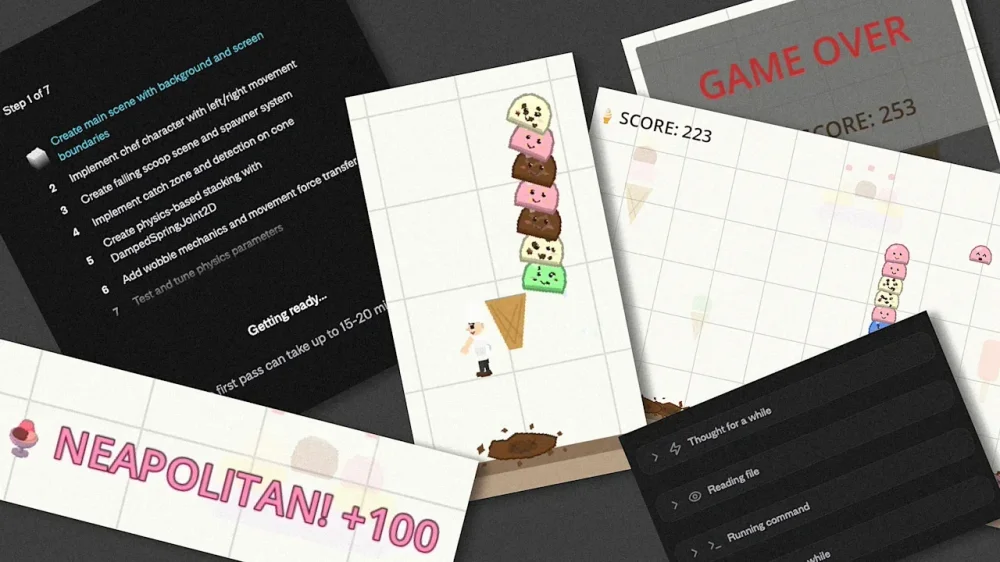
Too many years ago, I remember slotting a 3.5-inch disk into my PC. With my allowance, I’d bought $5 video game design software from a catalog. And as I looked at the terminal, lost without some familiar GUI . . . my coding efforts died. Game design became an abstract concept even as I became a game journalist—a topic sketched in notebooks, theoretically discussed, critically observed. That was, until I loaded Moonlake AI. With $30 million in funding from investors including Nvidia, AIX, Google’s Chief Scientist Jeff Dean, and YouTube founder Steve Chen, the 15-person startup founded by two Stanford PhD students dreams of building complete games—from first person shooters to 2D puzzles—via a single, one-shot prompt. Yes, vibe-coding apps like Claude Code and Replit make it possible to build games, too, but Moonlake is purpose-built for the task. It will never ask you to copy a snippet of code, offers templates to start with if you’d like, and has straightforward paths to bring in your own assets, too. It remembers your vision and constantly works to improve it alongside you. For a $40/mo subscription (though you can technically try the platform for free), you type what you want to play, and presto, it’s coded, bug tested, and appears into existence. Sun Fan-YunSharon Lee Launching to the public in beta today, the Moonlake AI team knows they aren’t a one-shot game generator yet—while I was playtesting my first draft game in minutes, it took hours of going back and forth with the machine to polish it much further. And in fact, the longer term goals for Moonlake AI stretch well beyond the lofty goal of vibe-coding video games. Their larger plan isn’t just to build Moonlake to be more capable, but to leverage the process of video game design itself to build a frontier AI model for the world. Building my game in Moonlake AI Am I the only one who, staring at the prompt, facing this machine that can do anything, suddenly can’t think of doing anything? It was this lack of creativity that sunk me the first time I’d taken Moonlake for a test-drive. I couldn’t come up with anything unique, so I suggested a 3D dungeon crawler. Despite having no original ideas, I walked through my vision in a multi-paragraph, explicit prompt. It felt too taxing to the system, too grand in scope, and too out of touch with what I imagined. My prompt was realized as one big broken room filled with pill shaped characters and no simple way forward. When I recount this story to Moonlake AI cofounder Sun Fun-Yun, he suggested starting smaller. Focusing on smaller interactions and building from there. (Even though he shared a few single-shot projects that he’d made in one day, including this Centipede clone and postapocalyptic simulator). So I did the human work, and racked my brain for days before landing on a new concept: A miniature chef runs back and forth with a giant ice cream cone, catching falling scoops of ice cream. They stack and get harder and harder to balance. From here, I could pursue all sorts of game loops, depending on what felt fun about it (maybe you got points for each scoop, maybe some flavor combinations introduced bonuses, maybe ice cream scoops you didn’t catch got in the way). But for now, I focused on this simple introduction. I typed this request into the prompt on the left side of the interface. And much like ChatGPT, Moonlake got to work, praising me for my brilliant creative idea, and then breaking down the tasks that would need to be taken to bringing it to life. Moonlake offered me an estimate of 15–20 minutes to finish the job. Then it launched: Faster than I could possibly parse, the system created and worked through a checklist of to-dos. It needed to create graphic meshes, wobble mechanics, and sprites for my graphics. It researched topics it didn’t readily understand. A mix of plain language explanations, and then hundreds of lines of code, populated into the chatbox, expanding and then consolidating away from my eyes. I was impressed by the decisions it made on its own, not just breaking down necessary tasks for a minimum viable product, but introducing a bouncy animation when the ice cream hit the cone (a detail I figured I’d add in a polishing pass later). The system even said it was loading the game, and testing it—spotting and squashing a few bugs—before that magical button appeared in the big center box making up most of the UI: Play Game. The moment reminded me of the first time I tried gen AI; this actually worked! Sort of! My first draft felt something out of the early PC gaming era. My chef was too big, cone was too small. And the ice creams wouldn’t stack. But gosh, it got so much right about my simple pitch. The core vision was there. Ice cream fell at just the right pace from the sky. The scale of the entire scene felt right. The controls were all mapped without me needing to explain which key should do what. My chef . . . was something of a white blob stuck to a cone. He needed work. But Moonlake even did a decent job of creating a white tile kitchen background, with subtle sundaes printed upon it like murals. From there, I began lecturing the machine to fix the ice cream so it stacked. That created other issues. Ice cream started stacking, but would fall with any movement. Negotiating the feel led me to try all sorts of new prompts, and even as it failed and failed again, I started recognizing how the AI was translating ideas like stickiness into its own annotated code. Hours of casual updates in a tab in my browser followed. Fixing the physics of the scoops was vexing. I ended up in a loop of not quite solved problems. But I also asked for a new chef, this one with a proper, giant hat, with little sweat marks poking out every time he changed directions. This entire idea, Moonlake nailed out of the gate. My exact preferred aesthetic? No. But it captured the vibe. I found myself pleased, but also realizing that polishing this experience into something that felt delightful would take a lot of work. Another day? A week? It was tough to tell. The next morning, in a final ditch effort (I did have an article to file!), I decided to add a bunch of my lingering requests in one final push just to see what Moonlake could do. I wanted big multiplier scoring, a Kawaii graphic upgrade, and a few more fixes to my vexing scoop physics. It was unfair to request all these updates at once, and almost sure to break something. Fifteen minutes of coding followed, while I grabbed a coffee. What I returned to? Largely my brief! A few new issues around ice cream slippage! A game over screen I didn’t ask for! But, at last, a true game—built for about 950 of my 1,500 monthly credits—and published for you to try with a button press. (Moonlake is still determining pricing on extra credits.) Creating the frontier model Like a lot of AI companies, Moonlake is only charging customers its cost of computing—which is why the base subscription comes with a limited amount of credits to run the AI. Everyone believes that cost should go over time, which could either widen Moonlake’s margins on subscriptions, or simply be reinvested to make the platform more capable. But only when I ask how Moonlake trained its model do I really learn how it all works, and to some extent, why this video game generator even exists as a business. Moonlake is an ever-growing AI model. However, it’s also really a video game building agent that takes your task and coordinates it with several specialized third party AI models that might handle anything from physics to asset generation. And it’s also growing into something even more ambitious as a result of sitting on top of so much existing AI power. “Ours is an orchestrator that learns to fuse these modalities together,” says Fan-Yun. “And over time, our model can actually be more and more capable and incorporate other models’ capabilities into our own.” But that’s only the start of the strategy. As you vibecode in Moonlake, you are creating your own video game. You are also training Moonlake’s own frontier model—what falls into a very hyped segment of “world models” or what Moonlake qualifies as “multimodal models”—that don’t just rearrange words and concepts LLMs, but have a deep understanding of what the world is, how it works, and how all of its surfaces and touchpoints respond to inputs across physical space. That means when I correct Moonlake, saying an ice cream scoop should stack and stick atop another scoop of ice cream, it effectively learns that scoops of ice cream stick atop one another. Multiply that across millions of highly specific user requests, and as Moonlake AI cofounder Sharon Lee explains, game design could provide a perfect training loop to feed countless data points about how we expect the world to work into these world models. No, many or even most games don’t operate on real world physics which would translate 1:1 in some simulation. But in some cases they do, and Moonlake could extract such real physics for their own simulations. Furthermore, the founders believe the aforementioned causal relationships it’s mapping will still add a clarity to world models that’s otherwise hard to pin down. “There’s a gap between large language models today and semantics they understand, versus actually building [a] world out,” says Lee. And they believe that gap can be closed with more, intentional data. Today, researchers are trying to get these world inputs by renting Airbnbs and scanning the rooms with lasers, but that is relatively static information that is hard to scale. AI can also analyze videos to draw conclusions, but those lack the sharpness of human contextualization. As for video games? “If you train a model on just a lot of Fortnite data, you know that you’re not going to really generalize to real world data,” says Lee. “[Our] data will just scale exponentially compared to hand curated data or collected data.” Even Google’s Genie AI can generate a slew of amazing 3D worlds with some interactivity, but the interactions they afford are superficial at best. “I think the difference is sort of observing the world as it is, versus observing and understanding the world with causality,” says Fan-Yun. And so causality is what Moonlake is after. Gaming is a task for V1 of Moonlake’s model because the user feedback loop can teach it so much, but in the future, the team imagines applying a more mature version of this model to other fields. They see opportunities to train the next generation of robotics or improving driverless cars. Lee says they’ve even fielded calls from manufacturing companies, that imagine understanding the human side of the equation could help identify human factors issues in product design and assembly line production. The challenge, of course, is building Moonlake well enough that it produces games up to the standards of gamers, and that it continues investing in the product, so that people can restyle the entire graphics package with a button press, or easily export these games to sell on PC, iOS, or any other platform they would like. These ideas are all on the road map. But for now, Moonlake AI offers an accessible trip into the vibe-coding era, all through the lens of fun. View the full article
-
Senior jobs for Jenrick, Braverman, Yusuf and Tice as Farage hopes to convince voters that his party is ready for powerView the full article
-
Europe’s largest economy faces steeper demographic decline than previously estimated, says IfoView the full article
-
When you’re designing customer feedback surveys, it’s crucial to look at effective examples that can guide your approach. Various companies have adopted unique methods to gather insights, from HubSpot‘s mixed-scale questions to Miro‘s unobtrusive surveys. These examples illustrate how different formats can boost engagement and yield valuable data. Comprehending these strategies can greatly improve your survey design. What specific elements will you incorporate to meet your feedback goals? Key Takeaways HubSpot’s survey combines a 1-7 scale with open-ended questions for both quantitative and qualitative insights. Userpilot’s NPS survey uses a 0-10 scale, followed by a question to gather actionable customer sentiment. Slack’s overall customer satisfaction survey emphasizes brevity with multiple-choice questions for quick analysis. Jira’s in-app survey utilizes an emoji rating scale for immediate feedback after feature engagement, enhancing user experience. Miro’s passive survey allows for unobtrusive, continuous feedback through simple rating systems, ensuring consistent customer engagement. HubSpot’s Customer Satisfaction Score Survey HubSpot’s Customer Satisfaction Score Survey is an effective tool for measuring customer satisfaction through a straightforward 1-7 point scale. This simplicity encourages higher response rates, making it easy for you to collect data after significant interactions. If you’re wondering how to ask feedback from a client, consider timing your survey right after a key service experience—this guarantees the feedback is relevant and fresh. While the numerical ratings provide valuable quantitative insights, you might want to improve your surveys by learning how to ask for feedback from customers through open-ended questions. Nevertheless, HubSpot’s model demonstrates that a focused, quick survey can still yield actionable results. By examining customer feedback survey examples, you can see how this concise format balances simplicity with the need for useful insights, making it a solid choice for businesses aiming to improve their customer satisfaction metrics. Userpilot’S NPS Survey With a Follow-Up Question When you’re looking to measure customer loyalty effectively, Userpilot’s NPS survey stands out for its simplicity and effectiveness. This survey asks customers to rate their likelihood of recommending the product on a scale from 0 to 10. What sets it apart is the follow-up question that invites respondents to explain their rating, allowing you to gather qualitative insights. Here are some key benefits of Userpilot’s approach: Two-part structure: It not only gauges customer sentiment but likewise gathers actionable feedback for improvement. High response rates: The survey’s simplicity encourages customers to participate without feeling overwhelmed. Commitment to improvement: Userpilot uses this feedback to understand customer needs better and refine product offerings. Slack’s Overall Customer Satisfaction Survey Example How effectively can a company gauge customer satisfaction? Slack’s Overall Customer Satisfaction Survey provides a clear example of how to achieve this. The survey is designed to collect feedback at various touchpoints, ensuring that you receive timely insights about your experiences with the platform. Primarily utilizing multiple-choice questions, it simplifies responses and facilitates quick data analysis, making it user-friendly for you and other respondents. By sending these surveys regularly, Slack can assess overall satisfaction and pinpoint areas needing improvement in service and features. The survey emphasizes brevity, respecting your time, which encourages higher completion rates thanks to its straightforward format. The feedback gathered informs product development and helps maintain strong relationships by effectively addressing user concerns. This systematic approach not only improves user experience but additionally contributes to the continuous evolution of Slack’s offerings, ensuring alignment with customer expectations. Jira’s Customer Satisfaction Survey Regarding a New Issue Jira’s Customer Satisfaction Survey offers a contextual in-app experience that captures your feedback right after you engage with a new feature. Using a straightforward emoji rating scale, it allows you to quickly express your satisfaction without lengthy explanations, making the process efficient. This streamlined user experience not just encourages more responses but likewise helps the development team identify specific areas for improvement based on your insights. Contextual In-App Survey To effectively gather user feedback on new features, contextual in-app surveys like the Customer Satisfaction Survey provide a timely and relevant method for collecting insights immediately after users interact with specific functionalities. This guarantees you receive feedback right when it matters most, leading to actionable outcomes. The survey uses a quick emoji-based scoring system, making it easy for you to express satisfaction levels. Feedback is gathered in real-time, allowing for swift identification of user sentiment and potential issues. The non-intrusive design integrates seamlessly into the user interface, maximizing participation rates without disrupting your experience. Emoji Rating Scale The emoji rating scale in the Customer Satisfaction Survey offers a visually engaging and straightforward method for users to share their opinions on new features in Jira. By using emojis, the survey simplifies the feedback process, allowing you to quickly express your feelings without having to write detailed responses. This playful and informal approach encourages higher response rates compared to traditional numerical scales. Integrating the emoji rating scale immediately after your interaction with new features helps Jira capture timely feedback, making it more relevant. This context allows the company to identify pain points and areas needing improvement, ultimately driving continuous improvements to their product based on your sentiments, ensuring your experience is prioritized and refined. Streamlined User Experience How can a streamlined user experience improve your interaction with new features? Jira’s Customer Satisfaction Survey is aimed at improving your feedback process. By making it quick and user-friendly, you can share your thoughts immediately after using a new feature. This survey employs an emoji-based scoring system, which simplifies your feedback and makes it more engaging. The survey triggers contextually, appearing right after you engage with specific features. It captures real-time user sentiment, allowing for immediate improvements. Integrating the survey seamlessly into the interface minimizes disruption, maximizing response rates. Miro’s Passive Customer Satisfaction Survey Example As many companies struggle to gather meaningful customer feedback, Miro’s passive customer satisfaction survey stands out as an effective solution that integrates smoothly into its user interface. This survey is always accessible, allowing you to provide feedback without disrupting your workflow, which greatly increases participation. Its simple and intuitive design encourages quick responses, often using emoji or star rating systems for ease of use. Miro continuously collects feedback in real-time as you interact with the platform, leading to more immediate and relevant data. This approach helps Miro maintain a pulse on customer satisfaction levels and identify areas for improvement. Postfity’s New Feature Survey What if you could provide valuable feedback on new features without interrupting your workflow? Postfity’s New Feature Survey does just that with its non-intrusive slideout format. This design encourages user engagement as you’re actively using the platform. Here’s how it works: It focuses on newly released features, gathering targeted insights on their effectiveness and user satisfaction. The survey combines quantitative and qualitative questions, allowing you to give numeric ratings and detailed comments. Its visually appealing and user-friendly layout improves participation, making it easy for you to share your thoughts. Wise’s Transactional NPS Survey Following the trend of innovative feedback mechanisms, Wise’s Transactional NPS Survey presents a timely approach to gauging customer satisfaction right after a transaction. By sending the survey immediately post-purchase, Wise effectively captures customer sentiment at a critical touchpoint. The survey employs a straightforward 0-10 scale, asking customers how likely they’re to recommend Wise to others, yielding clear, quantifiable data. Additionally, the survey includes an open-ended follow-up question, allowing customers to provide qualitative insights into their experiences. This combination of quantitative and qualitative feedback enriches the data collected, offering a deeper comprehension of customer sentiments. The concise format of the survey respects customers’ time, encouraging higher response rates and ensuring the feedback is relevant and timely. Frequently Asked Questions What Are Some Good Customer Service Survey Questions? Good customer service survey questions often include a satisfaction rating scale from 1 to 10, helping you quantify experiences. You might ask about the responsiveness of your customer service team on a scale from 1 to 5, which gauges effectiveness. Open-ended questions like, “What can we do to improve?” invite specific feedback. Furthermore, inquiring about the likelihood of recommending your service can measure customer loyalty, whereas questions on self-service resources identify areas needing support. What Are 5 Good Survey Questions? To create effective survey questions, consider these five examples: First, ask, “How satisfied are you with our service?” using a Likert scale. Second, include a multiple-choice question like, “Which product features do you value most?” Third, inquire, “What improvements would you suggest for our service?” as an open-ended question. Fourth, implement a Net Promoter Score (NPS) question: “On a scale of 0 to 10, how likely are you to recommend us?” Finally, ask, “What is your preferred communication method?” What Is an Example of a Customer Survey? A customer survey typically gathers feedback about a product or service. For example, you might encounter a Net Promoter Score (NPS) survey that asks you to rate your likelihood of recommending a service on a scale from 0 to 10. Following that, it may prompt you to explain your rating, allowing for more in-depth insights. This format helps companies understand customer loyalty and identify areas needing improvement, ultimately improving their offerings. What Are the 3 C’s of Customer Satisfaction? The 3 C’s of customer satisfaction are Clarity, Consistency, and Connection. Clarity guarantees you communicate product details and expectations clearly, reducing confusion. Consistency focuses on delivering the same quality experience at every customer touchpoint, which builds trust in your brand. Connection involves creating emotional engagement with customers, nurturing loyalty and advocacy. When you implement these principles effectively, you can expect improved customer satisfaction, higher retention rates, and positive word-of-mouth referrals. Conclusion Incorporating effective customer feedback surveys is crucial for gathering valuable insights. By examining successful examples like HubSpot, Userpilot, and Slack, you can identify key elements that improve engagement and clarity. Utilizing varied formats, such as scales, open-ended questions, and in-app prompts, allows you to capture diverse customer sentiments. In the end, designing your survey with these strategies in mind can lead to more meaningful feedback, helping you enhance your offerings and better meet customer needs. Image via Google Gemini This article, "7 Effective Examples of Customer Feedback Surveys to Inspire Your Design" was first published on Small Business Trends View the full article
-
EU probes platform for sales tactics and offering illegal productsView the full article
-
But America’s Democratic voters will be a much tougher sell for the California governor than foreignersView the full article
-
Originators of the clean energy loans will have to follow stricter lending laws, a move that program administrators say will hike costs and reduce funding. View the full article

-
Some vendors' voice agents have quoted "outrageously low" interest rates to consumers, among other potential violations, according to one expert. View the full article

-
If you stop by the “as-is” section at one of Ikea’s U.S. stores, you might now find a vintage table from the 1980s. The company recently started accepting older products in its Buy Back & Resell program, which gives customers store credit for bringing back used items, and then offers them for sale to other customers. Since launching as a pilot in the U.S. five years ago, the program—still the only one of its kind at a major furniture retailer—has steadily expanded, underscoring the demand for circular options. The program “is our opportunity to bring our products back into the store from our customers to keep them out of landfill,” says Mardi Ditze, sustainability manager for Ikea U.S. U.S. stores recently started taking back 700 additional SKUs through the program, from vintage furniture to glassware. Last year, customers brought back 14,700 products, growing from 8,000 in 2023. Most resold within 48 to 72 hours. The brand’s resale program is also growing globally. Ingka Group, the largest Ikea franchise that operates stores in 31 countries, sourced nearly 690,000 used Ikea products for resale last year. Part of the appeal, especially in the current economy, is the fact that the secondhand products have a built-in discount. “We’ve always had a focus on creating value for money for customers, and this strengthens our low-price offer,” says Karen Pflug, chief sustainability officer for Ingka Group. “Our research shows that even though we feel we’re affordable, it can still be a barrier for some people. So the secondhand offers a whole new level of affordability.” Selling secondhand products doesn’t cannibalize the company’s sales of new products. Instead, it’s helping bring in some new customers who are looking for lower-priced options. Customers who bring in their own used products to resell typically spend more than the value of the voucher that they get for the return. “Our experience has been that when a customer comes and successfully has a buyback resale transaction, has a store credit in their hand, they are likely thinking about what their next purchase is going to be,” says Ditze. “That transaction could happen as soon as that day, and that gift card gets applied to the purchase that they were thinking about doing.” Ikea also offers a peer-to-peer resale option in a handful of countries, with plans to expand this year. Customers who want to resell something scan their product with Ikea’s app, and then automatically get price recommendations, measurements, descriptions, assembly instructions, and professional product photos for their listing, helping remove some of the friction of posting an ad yourself on another platform like eBay or Facebook Marketplace. Sellers also get either cash or a 15% digital refund card that they can use at Ikea. The work is part of Ikea’s larger effort to become a circular company, meaning that it keeps products and materials in use as long as possible, shifts to recycled and renewable materials, and eliminates waste throughout the supply chain. Inter Ikea, the part of the brand that handles design, is also beginning to redesign products for longevity. The classic Billy bookcase, for example, now has more resilient materials and snap-in attachments instead of nails in the back, so it can be disassembled and reassembled more quickly—and more easily be resold and moved. Ikea has also long offered free parts to repair products if a screw is lost, and sofa covers to help furniture stay in use longer if it gets a stain. Some stores in Europe have tested repair programs for resold items. Ikea is actively finding new recycling options for when products do wear out completely—or if they can’t easily be resold because of hygiene reasons. The company invested in a mattress recycling startup, for example, which can harvest parts from springs to foam for use in new mattresses. And by 2030, Ikea is aiming for a third of the wood in its products to be recycled. “One part of it is creating a closed-loop circular stream for ourselves because of resource materials coming in,” says Pflug. “But the other is just doing the right thing from a circular economy point of view.” On the resale front, Ikea is tapping into momentum that already existed. In Europe, Pflug says that Ikea products make up around 9% of the secondhand furniture market. But the company’s efforts could help nudge more people to take the time to give items a second life rather than throwing them out. Other brands could follow the same approach. “Customers already see the value of our products but also the value of secondhand furniture in general, and are doing it themselves,” says Pflug. “So if you want to have a part of that conversation and a part of that market, you have to make sure you’re being accessible and affordable and removing the barriers and pain points for people to do it. I think that’s when you’ll then get the demand.” View the full article

-
Gabriela Flax spent the first part of her career working in tech as a product manager. And while every day was different and varied, there were aspects of it that were causing her burnout. “I’ve always really enjoyed the product marketing aspect of my work,” she says. “I really like talking to end-users about ‘Hey, this is how this thing helps you’ and how to articulate that.” However, she wasn’t able to work on it as much as she would have liked. At the same time, Flax was in her 20s, living in London, and had stopped drinking alcohol. She began posting her journey in social media, talking about bars and places that were non-alcohol related. Flax recalls, “The more and more I did that, I started having brands reaching out to me saying, Hey, we’d love to partner with you. We have this event coming up—would you come and speak about what it’s like living in London in your 20s and not drinking?” By weekends and nights, Flax was organizing events and creating a lot of user-generated content for brands. She was able to exercise her creative muscle and passion for marketing, all while getting paid for it. Eventually, she left her tech job to pursue what is now commonly known as a portfolio career: where individuals make a living from multiple projects and streams of income. Today, she continues to do events and marketing for non-alcoholic beverage brands, alongside her career-coaching business, Pivot School. Making money through multiple means is not a new thing. But in a landscape where side-hustles, gig work, and freelance contracts have become the norm and at times necessary, Flax’s career trajectory is becoming more and more common. A solution to burnout Flax pursued a portfolio career because she felt burned out in her full-time tech job. The same can be said for Anna MacKenzie, who had the same feeling about being a founder. After spending a career in beauty and tech, MacKenzie cofounded a successful, award-winning podcast and events business. But as a “multi-passionate generalist,” MacKenzie eventually felt burned out. “When you’re a founder, you have to pour absolutely everything into a brand and business,” she says. “I really felt this desire to do multiple things. The reason that I pivoted into a portfolio career, which I didn’t have the language for at the time, was that I was looking for something that was halfway between being an employee and being a founder.” A portfolio career, MacKenzie explains, allows her to maintain the freedom and flexibility and control of her earning potential. However, unlike being a founder, it didn’t require “the responsibility of building a brand, building a business, and having contractors or a team.” Today, MacKenzie’s work setup spans advising early-stage beauty startups on how to get into major retailers like Sephora, mentoring, and selling digital products that guide people in building these types of careers. She also does fractional work for tech companies, which is when a high-level professional provides their expertise to a company and joins a team on a temporary, contract, or project basis. This is slightly different than a consultant, who typically plays more of an advisory role and isn’t often embedded in a team. But as Fast Company covered in a previous story about this trend, pursuing it can have the trappings of hustle culture. Rice University management professor Scott Sonenshein said that self-employed portfolio careerists can have trouble setting boundaries when it comes to workload. He explained, “You might feel like you always need to be working because there’s more incremental money to be earned for taking on additional gigs, as opposed to what you might be doing if you were working full-time for a traditional employer.” Being able to maintain a sense of control For Tracie Sponenberg, preventing burnout is about being intentional with her schedule and work environment. The former HR executive coach, keynote speaker, and consultant is having what she calls “one of the busiest months of her life.” Yet she feels nowhere close to burning out. For a few days, she can take a trip to South Carolina and work while overlooking the ocean. Things like that, she explains, “really help.” Like Flax, Sponenberg experienced burnout during her corporate career (in Sponenberg’s case, in the aftermath of the pandemic). But since she’s been on her own, she’s been able to stay away from it. The decision to do this work, she explains, “and whether I succeed or fail is on me.” That sense of control, Sponenberg says, is what makes that feel like “huge relief” rather than a heavy burden. For Flax, that sense of control has been extremely crucial to sustaining a portfolio career. She is aware that what hers looks like right now can change and evolve in the future. “I think that’s the fun part,” she says. “If one piece works today, because you’re the one who is in charge of it, you also have the capacity to turn that part of the engine off.” If there are certain activities that no longer resonate, she explains, “I don’t have to ask permission for someone to stop doing that.” Engineering a form of stability Like any entrepreneurial venture, pursuing a this kind of employment does come with risks. For MacKenzie, this was familiar territory as a founder. But when she decided to pivot into a portfolio career, she landed a lucrative contract, thanks to her extensive network that she’d built during her corporate career and previous business. Because of that, she was able to take her time to experiment and explore with what she wanted to do next. Having that kind of financial security without the stability of a full-time job is something that MacKenzie continues to prioritize. “To this day, I’ve always had one reliable income stream. Whether that’s a client or a product, I know we’ll bring in enough revenue to cover my life,” she says. Having this structure in place can also help prevent individuals from putting themselves in a position where they’re constantly selling, which can be a recipe for burnout. While Flax asserts that no contract roles are perfectly safe, being a freelancer where you’re having to pitch your services every single day is quite different from being a contractor with two fractional jobs who do a little bit of writing on the side. What it takes to succeed For some, this can also be a temporary arrangement. It can also be a way to build a career around a lifestyle change. MacKenzie believes that it’s a structure that new parents can benefit from, especially for those who are highly skilled. “There’s an inherent flexibility in terms of how you design and structure your career,” she says. She also believes that it’s a strategic way for people to scale their careers outside of just client work. But it’s not an arrangement that is suitable for everyone, at least for the long term. Flax says that she has seen many different archetypes try out portfolio careers. And in that time, she’s seen those with similar personality types and motivations both thrive and struggle. The willingness to improve your risk tolerance One of the key things that she believes will be crucial is one’s appetite for risk. You need to be someone who “finds the process of instability as something that they can gamify [and] conquer,” Flax explains. When people tell her that they want to pursue this path, she encourages them go ahead only if “not doing so will eat away at you.” In many instances, this also requires you to put yourself out there, network, and build your personal brand. “If that’s not a line of activity that you’re willing to go down, it’s not impossible, but it’s going to make it harder,” she says. If you don’t have a high tolerance for risk but still want to go down this path, Flax says, “you’ve got to want to strengthen that muscle.” And that can start when you’re still in your corporate job. Maybe you volunteer for a project that has the potential to fail big. Or perhaps you look for micro examples in your personal life where you can get more exposure to risks. Alternatively, you can just take the jump and see how you react. Flax suggests, however, having a backup plan you can return to if you do decide that it isn’t for you. Self-awareness and sustainability Ultimately, maintaining a portfolio career for the long term requires a good sense of self-awareness. Sponenberg, for example, knows what she’s good at (and what’s she’s not). When she started her business, she knew that cold calling and traditional business development wasn’t her forte. “What I do know how to do is help people and be really useful and offer advice,” she explains. And due to her multi-decade HR career in manufacturing and distribution, companies came to her for help. So she worked hard to be the go-to person for them anytime they had a people issue. Flax also says that understanding your working style and tailoring your portfolio career around that is also important. This type of structure, she says is “great for people who are multi-hyphenates, who have so different interests and want to exercise those different parts. But be very conscious if context switching is going to cause you whiplash,” she says. Flax recommends that at the start, you should be very conscious about how many components you introduce. This way, “you don’t feel overwhelmed by the ecosystem that you’ve built yourself,” she explains. “It can have two pieces to it that scratch very different parts of your brain,” she says. “It doesn’t need to look like a web.” Accepting that it’s not for everyone And if it turns out that it’s not something you’re able (or want) to sustain, Flax asserts that there’s no shame in going back to a nine-to-five. “It is so okay to have a corporate job that pays your bills that you enjoy, ” she says. “I think there’s a bit of an anti-corporate or anti nine-to-five or anti-traditional work rhetoric that’s going on right now, largely driven by the freelance portfolio career self-employment world. It is not for everyone, and that is so okay.” “It is one of the many ways to think about work. It is not the only way. My personal opinion is that yes, we are moving more towards a decentralized type of work. Having a portfolio career may, in the long term or the medium term, serve you well in that way. But I don’t think in our lifetime, there’s a reality in which no one has a corporate job anymore.” View the full article