Newsletter
Want to keep up to date with all our latest news and information?

ResidentialBusiness
Administrators
-
Joined
-
Last visited
Everything posted by ResidentialBusiness
-
The sonic backdrop of the Twin Cities in 2026 is a cacophony. As thousands of ICE agents raid residential neighborhoods, schools, hospitals, and businesses, they’re trailed by the ambient noise of piercing sirens, whirring helicopters, and screeching whistles at all hours of the day, along with the occasional boom of flashbang grenades and the odd cry for help. Conspicuously silent in all the commotion, however, are major corporations that are headquartered in Minnesota. It’s a list that includes some of the most well-known consumer-facing brands in the country, including Target, Best Buy, and Land O’Lakes—all of which have an obvious direct stake in the communities that are currently being disrupted by this occupation. As of Friday morning, not one of them has released an official statement about what’s happening. After an ICE agent killed Renee Nicole Good last week and brought international attention to Minneapolis, escalating tensions have knocked residents out of their normal routines. A pervasive awareness has sunk in—violent ICE sweeps of residents or their neighbors can happen anywhere, and anyone might get caught up in them just for walking their dog at the wrong moment or not carrying proof of citizenship. One of the consequences is that small businesses are suffering—especially those owned by immigrants. Local restaurants are speaking up about the situation. Minneapolis’s Mothership Pizza, for instance, announced its owners are giving 10% of all dinner sales directly to team members affected by ICE, while Owamni by the Sioux Chef—which the New Yorker dubbed the “best new restaurant in the U.S.” in 2022—donated 10% of its proceeds last weekend to Good’s family. As for the Fortune 500 companies based in Minnesota, well, it’s anyone’s guess how those in their C-suites feel—or at least prefer to be seen as feeling—about what ICE is doing in the state. Fast Company reached out multiple times this week to General Mills, Target, Best Buy, Cargill, UnitedHealth Group, 3M, and Land O’Lakes for comment. None of them responded. What a difference five years—and a pivotal election—can make. The reckoning of the reckoning In the summer of 2020, another broad-daylight killing at the hands of a law enforcement officer—similarly captured on video—brought this city international attention. The murder of George Floyd by Minneapolis police sparked massive protests, and what some at the time prematurely called “a racial reckoning.” Even Donald The President, whom many seem to forget was president at the time, briefly acknowledged in a statement, “All Americans were rightly sickened and revolted by the brutal death of George Floyd,” before turning his ire forever toward the “angry mob” of protesters. Meanwhile, all of those major companies mentioned above were sufficiently moved to join the chorus of CEOs who had publicly weighed in on that moment. Depending on your perspective, they were either unburdening their consciences or paying lip service—your mileage may vary—but it’s notable that their ranks included Target’s then-CEO Brian Cornell, who declared in a statement, “We are a community in pain.” Graveyard of good intentions The intervening Biden years saw a swift and relentless rightwing backlash against anguished executives promising to do better. Tech CEO Vivek Ramaswamy, for instance, squeezed so much juice out of his staunch opposition to what he termed “woke capitalism” that he briefly became a long-shot 2024 presidential contender. Conservative media hubs like Fox News and The President-Lite figures like Governor Ron DeSantis of Florida strongly denounced corporate gestures toward social justice, including Target’s Pride merch and Disney’s LGBTQ advocacy. After a flurry of high-profile boycotts, the sprawling corporate conscience of 2020 looked more like a dream blinked away in the harsh light of day. Many companies had already begun retreating from DEI initiatives and inclusive messaging by 2024; partly for organic reasons, and partly as a result of MAGA influencers orchestrating social media attack campaigns. The election, however, changed everything. The Eye of Sauron is watching brands Conservatives hailed The President’s return to office as the final nail in the coffin of Woke. Mega-companies such as Meta Platforms and Amazon, formerly critical of The President, made a grand show of shredding their last remaining vestiges of DEI, seemingly part of a broader strategy to ingratiate themselves with the new president and his supporters—or, at least, to avoid their wrath. Nearly a year into The President 2.0, corporations now understand that speaking up about social issues might bring to bear the full force of the federal government in retaliation. Before Good was killed, for instance, a local Hilton affiliate declined to house ICE agents booked at the hotel. The Department of Homeland Security responded by posting on X that Hilton had launched a “coordinated campaign” against the agency, “siding with murderers and rapists to deliberately undermine and impede DHS law enforcement.” By the end of the day, the #BoycottHilton hashtag was all over X and the company’s shares were down by 2.5%. The hotel giant quickly clarified that the establishment responsible for canceling the reservations was independently owned, and that Hilton is in fact a welcoming oasis for any government agency conducting violent missions in any U.S. city. (More or less.) In another era, the company might have ended its ass-covering there. In this one, Hilton went scorched earth. It de-franchised the hotel, lest there be any confusion about whether the brand itself had been taking a stand against ICE, or even permitting a stand to be made on its property. No brand wants to be a target If it was unexpected how vehemently Hilton distanced itself from the possibility of having an opinion, other recent brand reactions to government overreach are much less surprising. Not a peep was heard from Jeff Bezos this week when the FBI raided the home of a reporter at the newspaper he owns. Nor is anyone holding their breath waiting for Mark Zuckerberg to speak out about ICE reportedly abducting workers from a Meta data center in Louisiana this week As for Minnesota businesses, the most conspicuously silent among them is Target. It’s perhaps the company most closely associated with the area, the one whose name adorns local baseball stadium and concert venue Target Field. And it’s the company most closely connected to the ICE raids, after agents snatched and injured two employees in the middle of a shift—both of whom turned out to be U.S. citizens, as caught on a disturbing video. But Target also might be the company with the most financially at stake. The retailer incurred persistent boycotts in 2025, after rolling back DEI initiatives amidst a changing political landscape. Its share price has only recently begun to recover—it’s up more than 10% in 2026. Still, the Twin Cities community wants action from the brand. Since the incident last week, residents have protested outside the store where the employees were abducted, demanding a response. A strong statement at least acknowledging that Minneapolis is, once again, “a community in pain,” might even help win back disappointed progressive shoppers. Then again, if Minnesota businesses continue to keep quiet about the ICE invasion, perhaps consumer demand within the state will become silent too. View the full article

-
Confidence among US homebuilders unexpectedly fell in January, as costly sales incentives outweighed a recent boost from lower mortgage rates and the president's housing proposals. View the full article

-
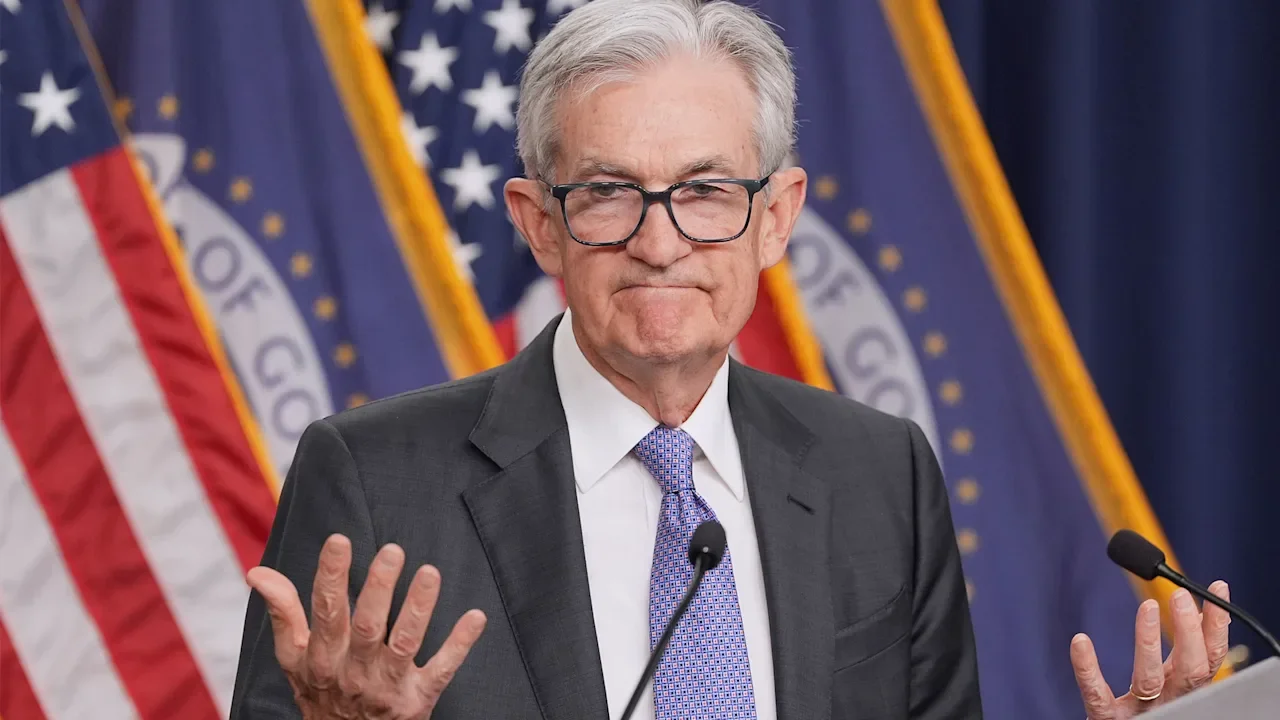
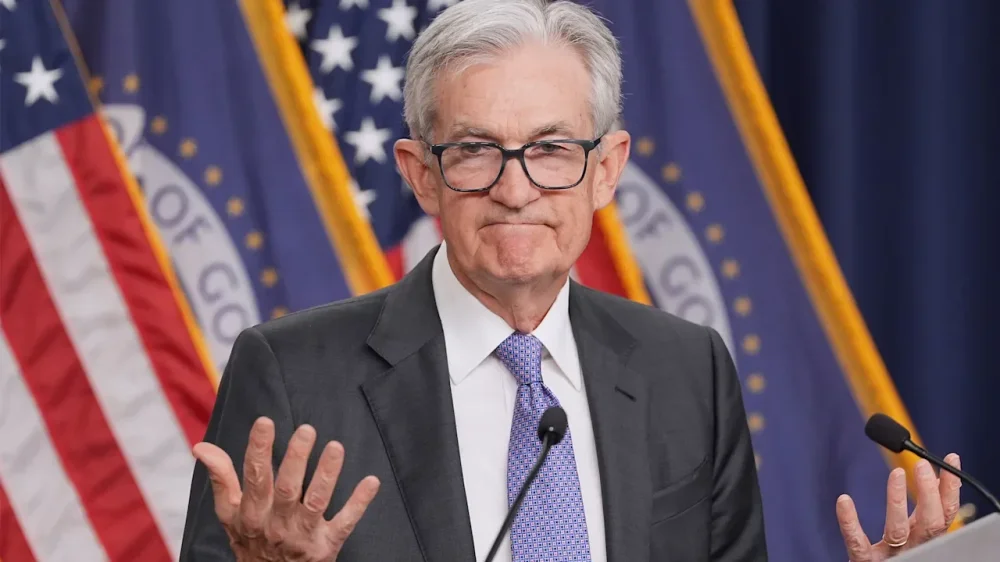
The Justice Department’s investigation into Federal Reserve Chair Jerome Powell has brought heightened attention to a key drama that will play out at the central bank in the coming months: Will Powell leave the Fed when his term as chair ends, or will he take the unusual step of remaining a governor? Powell’s term as Fed chair finishes on May 15, but because of the central bank’s complex structure, he has a separate term as one of seven members of its governing board that lasts until January 31, 2028. Historically, nearly all Fed chairs have stepped down from the board when they are no longer chair. But Powell could be the first in nearly 50 years to stay on as a governor. Many Fed-watchers believe that the criminal investigation into Powell’s testimony about cost overruns for Fed building renovations was intended to intimidate him out of taking that step. If Powell stays on the board, it would deny the White House a chance to gain a majority, undercutting the The President administration’s efforts to seize greater control over what has for decades been an institution largely insulated from day-to-day politics. “I find it very difficult to see Powell leaving before midnight on Jan. 31, 2028,” said David Wilcox, a former top economist at the Fed and senior fellow at the Peterson Institute for International Economics. “This is a mortal threat to the governance structure of the Fed as we’ve known it for 90 years. And I think that Powell does take that threat exceedingly seriously, and therefore will believe that it is his solemn duty to continue to occupy his seat on the board of governors.” Powell, 72, was appointed as Fed chair by The President in 2018, and must step down from the position in May because his second four-year term is ending. He has declined several times to comment on his plans beyond that when asked by reporters. A spokesperson declined to comment for this story. The President has sought to push out Powell before his time is up, obsessively attacking him for not cutting rates as sharply as the president wants, particularly in light of ongoing concerns about high costs for groceries, utilities, and housing that have remained a salient political issue even as inflation has cooled. On Tuesday, The President highlighted that mortgage rates have declined in the past year. “If I had the help of the Fed, it would be easier,” he said. “But that jerk will be gone soon.” Or maybe not. Here is a look at the impacts of whether or not Powell stays on the board could have: What happens if Powell stays on the board The President said Tuesday that he hopes to name a new Fed chair in the next few weeks. But that could get held up by the criminal investigation of Powell. Several Republican senators, including at least two on the banking committee who would have to approve The President’s nominees to the Fed, have expressed skepticism that Powell committed crimes during his testimony last June regarding the Fed’s $2.5 billion renovation of two office buildings, a project that The President has criticized as excessive. That testimony is the subject of subpoenas sent to the Fed by U.S. attorney for the District of Columbia Jeanine Pirro. Sen. Thom Tillis, a North Carolina Republican, said he would not vote for any Fed nominees until the legal cloud around Powell is resolved. That would be enough to delay a nomination from getting out of the banking committee. If no new chair of the Fed’s board has been confirmed by May 15, then Powell could remain in that post until a replacement has been confirmed. As a result, the Fed might not cut interest rates anywhere near as quickly as The President wants. If Powell stays on as a governor even after he is no longer chair, The President could still name someone to lead the Fed but that would give him a total of three appointments on the board — including two from his first term — and short of a majority. So even if The President nominates a chair who seeks to do the president’s bidding regarding interest rates, that person “would have very little persuasive power with his colleagues,” said Wilcox, who is also director of research at Bloomberg Economics. Powell, along with other members of the Fed’s 19-member interest-rate setting committee, could outvote the new chair. That hasn’t happened since 1986. What happens if Powell leaves the board In that case, The President could nominate a fourth person to the board and gain a majority. He could even then add a fifth, if the Supreme Court allows his attempt to fire Governor Lisa Cook to proceed. The high court will hear her case on Wednesday. A majority on the board would enable the White House to make sweeping changes to the Fed. The President’s Treasury Secretary, Scott Bessent, has advocated numerous reforms to reduce the central bank’s influence in the economy and financial markets. The President’s majority on the Fed’s board could also remove some of the presidents of the 12 regional banks, who are members of the Fed’s rate-setting committee. The New York Fed president has a vote on the committee and four others vote on a rotating basis. Several of those bank presidents have expressed opposition to the deep rate cuts that The President has demanded. The board of governors could seek to have them fired if a chair wanted to do so. What past Fed chairs have done While nearly all Fed chairs have left the board of governors before their terms were up, there is some precedent for Powell to stay. In 1978, then-Chair Arthur Burns stayed on the board for about three weeks after his chairmanship ended. But in 1948, then-Fed chairman Marriner Eccles remained as a governor for three years after finishing as chair, in part because President Harry Truman asked him to remain. In 1951, however, he played a key role in undercutting the Truman administration in a dispute over interest rates, which led to the Fed-Treasury Accord that established the modern Fed as a largely independent institution. Eccles became a symbol of Fed independence, though some academics say that reputation is overstated. The Fed’s principal office building — currently under renovation and at the center of the criminal investigation of Powell — is named after him. Truman then appointed a Treasury official, William McChesney Martin, to the Fed chairmanship and assumed he would do his bidding. Yet Martin defied Truman and raised interest rates. Years later, Truman ran into Martin in New York City and called him a “traitor.” The Fed’s second office building in Washington is named after Martin. “So it’s a cautionary tale also for The President, thinking he’s going to get his own Fed chair in there,” said Lev Menand, a law professor at Columbia University who studies the Fed. “Martin didn’t do what Truman wanted.” —Christopher Rugaber, AP Economics Writer View the full article
-
Bank of England governor tells officials to challenge populist leaders ‘in deeds more than just words’View the full article
-
When considering your next investment, it’s crucial to explore a variety of franchise opportunities that cater to different markets. From health and fitness franchises to home services and pet care, each sector presents unique advantages and steady demand. You might likewise find potential in education and tutoring or food and beverage franchises. Comprehending the strengths of these options can help you make an informed decision about where to invest your resources next. What will you choose? Key Takeaways Planet Fitness offers affordable gym memberships, emphasizing community engagement and brand loyalty in the growing fitness market. Molly Maid provides home cleaning services with low startup costs and consistent demand, making it an attractive franchise option. Dogtopia caters to the rising pet service market, offering dog daycare, grooming, and boarding, capitalizing on increased pet ownership. Tutor Doctor focuses on personalized tutoring and academic support, benefiting from the growing education and tutoring demand in various subjects. Allstate Insurance provides a flexible business model in the insurance sector with strong brand recognition, making it a reliable investment opportunity. Gyms & Fitness As the global fitness market is projected to grow from $216 billion in 2023 to $435 billion by 2028, investing in gyms and fitness franchises presents a compelling opportunity for potential franchisees. Membership-based revenue models create brand loyalty, ensuring stable income streams for owners. Established franchises simplify operations, allowing you to focus on member engagement and retention. You can explore different franchises, such as Planet Fitness and Anytime Fitness, which highlight success through affordability and community involvement. Furthermore, niche markets like boutique gyms and personal training studios cater to specific demographics, offering unique investment franchise examples. For those considering foreign franchising, the fitness industry presents varied possibilities, making it an attractive option for diverse investors seeking growth opportunities. Home Services In the home services sector, there’s a strong demand for crucial household services like plumbing and cleaning, which makes franchising an attractive option for investors. You’ll find that lower startup costs are a significant benefit, as these franchises typically don’t require a storefront, allowing for more manageable operations. With the industry’s resilience during economic fluctuations, pursuing a home services franchise can lead to a stable and potentially profitable investment. Essential Household Services Demand The demand for vital household services remains strong, reflecting consumers’ ongoing need for maintenance and repair in their homes. This sector consistently provides opportunities for investment owing to its resilience and diverse offerings. Here are four key aspects to reflect upon: Consistent Demand: Cleaning, landscaping, and handyman services are always needed, ensuring a steady stream of customers. Diverse Services: Franchises can offer various services, catering to a broad audience and meeting different consumer needs. Streamlined Operations: Many franchises operate with efficient systems, making management and scalability easier for you. Economic Resilience: Homeowners prioritize upkeep, even during economic downturns, safeguarding your potential revenue. Investing in household services can lead to a sustainable and profitable business venture. Low Startup Costs Benefits Investing in home services franchises offers distinct advantages, particularly regarding low startup costs that appeal to many aspiring entrepreneurs. Typically, these franchises require an initial investment ranging from $10,000 to $50,000, which makes them accessible for those with limited capital. Unlike traditional retail franchises, home services often don’t need a physical storefront, allowing for more flexible investment options. Many operate on a mobile basis, further reducing overhead expenses associated with a fixed location. The ongoing demand for critical household services guarantees steady revenue streams, enhancing financial viability. With average profit margins between 10% and 30%, you can achieve a sustainable business model, making low startup costs a significant benefit in the home services sector. Food & Beverage When you consider investing in food and beverage franchises, the diversity of menu options can be a significant advantage. Strong brand recognition plays an essential role in attracting customers, giving you a head start in a competitive market. With established franchises, you benefit from proven concepts that cater to various tastes and preferences, enhancing your chances for success. Diverse Menu Options Offering diverse menu options can greatly boost a food and beverage franchise’s appeal, as consumers increasingly seek variety in their dining experiences. By incorporating a range of choices, you can attract a broader customer base and improve repeat business. Here are four key benefits of offering diverse menu options: Increased Customer Attraction: A varied menu can draw in new customers looking for unique dining experiences. Repeat Business: Customers are likely to return for different menu items, particularly in coffee shops and QSRs. Market Resilience: Diverse offerings can help maintain sales during economic downturns, ensuring stability. Lower Competition: A unique menu sets you apart from competitors, boosting your franchise’s market position. Investing in variety can lead to long-term success in the food and beverage sector. Strong Brand Recognition Strong brand recognition plays a crucial role in the success of food and beverage franchises. Established names like McDonald’s and Starbucks benefit from loyal customers, leading to repeat business. The Quick-Service Restaurant (QSR) market is expected to reach $731.6 billion by 2030, showcasing the demand for well-known food franchises. Successful brands often implement extensive marketing strategies that improve visibility and build consumer trust, which contributes to their long-term success. Furthermore, these established franchises typically experience lower failure rates because of proven business models and strong support systems for franchisees. With strong brand recognition, many franchises enjoy higher profit margins, often around 65-70%, making them attractive investment opportunities for potential franchisees like you. Pet Services As pet ownership continues to rise, the demand for pet services has become increasingly important, presenting a promising investment opportunity for entrepreneurs. With around 67% of U.S. households owning pets, the market is thriving. Here are four key areas you might consider: Dog Grooming: Crucial for pet hygiene and maintenance, this service attracts regular clients. Pet Boarding: Pet owners need reliable places to leave their pets during traveling. Training: Professional training services can help pet owners manage behavior issues. Daycare: Busy pet parents often seek daycare options for socialization and care throughout the day. With annual consumer spending reaching approximately $124 billion and profit margins between 10% to 30%, investing in pet services can be lucrative. Education & Tutoring With parents increasingly prioritizing their children’s education, the education and tutoring franchise market has emerged as a viable investment opportunity. This sector thrives on the growing demand for academic tutoring and test preparation services, especially as families invest more in educational support. Many tutoring franchises emphasize STEM programs and personalized learning experiences, adapting to various learning styles, which makes them appealing to a broad audience. The industry remains resilient, consistently generating revenue even during economic fluctuations. Franchise opportunities often come with flexible business models, including both in-person and online tutoring options. As of 2023, the tutoring industry continues to expand, underscoring the importance of quality education for community development and student success. Senior Care The senior care market is quickly growing, with projections estimating its value at $70.1 billion by 2025 and a potential to double in just eight years. This growth highlights a strong demand for diverse service offerings, particularly in-home care, which is expected to reach $441.5 billion by 2025. As an investor, you can tap into this recession-resistant industry, benefiting from steady profit margins as well as making a positive impact in your community. Growing Market Demand Given the significant growth potential in the senior care market, investors should take note of the promising statistics that highlight this sector’s value. Here are some key points to reflect on: The senior care market is projected to be valued at $70.1 billion by 2025, doubling by 2033. In-home senior care alone is expected to reach $441.5 billion by 2025 and climb to $1.09 trillion by 2035. This industry is recession-resistant, requiring fewer liquid assets compared to food businesses. Senior care franchises offer strong profit margins and recurring demand, making them a lucrative investment option. With the aging population continuing to grow, the demand for senior care services is set to rise, ensuring a stable and profitable investment environment. Diverse Service Offerings As you explore the senior care market, you’ll find a variety of service offerings designed to meet the unique needs of aging individuals. This sector is expected to grow considerably, with in-home care projected to reach $441.5 billion by 2025. Franchises typically provide strong profit margins and recurring demand, making them an attractive investment. Service Type Description Market Potential In-home Care Personalized care at home $441.5 billion by 2025 Assisted Living Community living with support Growing demand Adult Day Care Supervised daytime care Broadening services Memory Care Specialized dementia care Increasing need Palliative Care Comfort-focused support Crucial services Engaging in this industry not merely offers financial returns but also enables you to make a meaningful community impact. Retail & E-Commerce In today’s market, many entrepreneurs are turning to retail and e-commerce franchises as viable investment opportunities. These franchises effectively blend in-store and online shopping, catering to diverse customer preferences and maximizing reach. Here are some advantages to contemplate: Brand Recognition: Established retail franchises come with strong branding, reducing risk for new franchisees. Consumer Trust: Loyalty to well-known brands can lead to repeat business, crucial for profitability. Flexible Business Models: The rapid e-commerce growth encourages franchises to adapt to changing market demands. Streamlined Operations: Franchisees benefit from proven strategies, enhancing the likelihood of success. Investing in retail and e-commerce franchises can provide a stable foundation for your entrepreneurial expedition as you tap into a growing market. Automotive Services As retail and e-commerce franchises offer exciting opportunities, the automotive services sector presents its own unique advantages for investors. This industry generates steady demand because of regular vehicle maintenance needs, creating reliable revenue streams. Franchises such as oil change centers and detailing services often cultivate a loyal customer base, ensuring repeat business. With average profit margins ranging from 10% to 20%, depending on the service, the potential for profitability is significant. In addition, the U.S. automotive repair market is projected to reach approximately $74 billion by 2025, highlighting growth potential. Many automotive franchises likewise provide thorough training and support, enabling new owners to manage operations effectively, even without extensive prior industry experience. Travel & Hospitality The travel and hospitality sector offers an appealing investment opportunity for franchise owners looking to tap into a thriving market. With the U.S. travel agency market projected to reach $42.7 billion in 2023 and a growth rate of 3.9% anticipated, now’s a great time to contemplate entering this field. Here are some key points to reflect on: Profit margins for travel agencies typically range from 10% to 15%. Many travel agency franchises have low startup costs, averaging around $50,000. The business can often run from home, reducing overhead costs. Over 43,315 travel agency businesses currently operate in the U.S., providing ample opportunities for new franchisees. Investing in travel and hospitality could be a rewarding venture for you. Business & Marketing Services Franchising in business and marketing services presents a lucrative opportunity, especially with the U.S. digital marketing industry valued at an impressive $460 billion. This sector offers low startup costs and often allows for home-based operations, making it accessible for aspiring entrepreneurs. With high profit margins possible, you can benefit from the growing demand for businesses to improve their online presence and marketing strategies. Franchise offerings may include digital marketing, consulting, and business coaching, appealing to a diverse range of clients seeking growth and innovation. As companies increasingly shift from traditional to digital marketing platforms, investing in franchises within this space can help you capitalize on trends, ensuring sustainable revenue streams and scalability for your business. Frequently Asked Questions Which Franchise Gives the Best Return on Investment? Determining which franchise offers the best return on investment (ROI) depends on various factors, including industry growth and profit margins. Fitness franchises, like Planet Fitness, show promising potential owing to rising membership trends. Quick-service restaurants likewise present solid returns, benefiting from high demand. Cleaning services and senior care franchises are increasingly lucrative, offering low initial costs and resilient market demand. Digital marketing franchises provide significant growth with reduced overhead, making them attractive investment options. What Is the 7 Day Rule for Franchise? The 7 Day Rule for franchises requires franchisors to provide you with the Franchise Disclosure Document (FDD) at least 14 days before you sign any agreement or make a payment. This rule aims to give you ample time to review crucial information, including financial performance and existing franchisee experiences. What Is the Cheapest Most Profitable Franchise to Own? The cheapest, most profitable franchise to own often includes cleaning services, which have low startup costs and tap into a booming market projected to reach $617 billion by 2030. Vending machine franchises likewise offer low investment and minimal staffing, creating opportunities for passive income. Furthermore, pet service franchises, like grooming or boarding, require low initial costs and benefit from increasing consumer spending on pets, making them a strong choice for profitability. How to Decide Which Franchise to Buy? To decide which franchise to buy, start by evaluating your interests and skills to guarantee they align with the franchise’s industry. Next, research franchises with strong brand recognition and proven business models. Analyze financial requirements, including initial investment and ongoing fees, to confirm they fit your budget. Review the support and training offered by the franchisor and consult the Franchise Disclosure Document (FDD) as you connect with current owners for insights. Conclusion In conclusion, exploring diverse franchise opportunities can help you make informed investment decisions. Whether you’re drawn to gyms and fitness, home services, or pet care, each sector offers unique benefits and steady demand. Education, food and beverage, and automotive services as well present viable options. By considering these franchises, you can align your investment strategy with market trends and consumer needs. In the end, choosing the right franchise can lead to sustainable growth and a rewarding business experience. Image via Google Gemini This article, "10 Different Franchises to Consider for Your Next Investment" was first published on Small Business Trends View the full article
-
When considering your next investment, it’s crucial to explore a variety of franchise opportunities that cater to different markets. From health and fitness franchises to home services and pet care, each sector presents unique advantages and steady demand. You might likewise find potential in education and tutoring or food and beverage franchises. Comprehending the strengths of these options can help you make an informed decision about where to invest your resources next. What will you choose? Key Takeaways Planet Fitness offers affordable gym memberships, emphasizing community engagement and brand loyalty in the growing fitness market. Molly Maid provides home cleaning services with low startup costs and consistent demand, making it an attractive franchise option. Dogtopia caters to the rising pet service market, offering dog daycare, grooming, and boarding, capitalizing on increased pet ownership. Tutor Doctor focuses on personalized tutoring and academic support, benefiting from the growing education and tutoring demand in various subjects. Allstate Insurance provides a flexible business model in the insurance sector with strong brand recognition, making it a reliable investment opportunity. Gyms & Fitness As the global fitness market is projected to grow from $216 billion in 2023 to $435 billion by 2028, investing in gyms and fitness franchises presents a compelling opportunity for potential franchisees. Membership-based revenue models create brand loyalty, ensuring stable income streams for owners. Established franchises simplify operations, allowing you to focus on member engagement and retention. You can explore different franchises, such as Planet Fitness and Anytime Fitness, which highlight success through affordability and community involvement. Furthermore, niche markets like boutique gyms and personal training studios cater to specific demographics, offering unique investment franchise examples. For those considering foreign franchising, the fitness industry presents varied possibilities, making it an attractive option for diverse investors seeking growth opportunities. Home Services In the home services sector, there’s a strong demand for crucial household services like plumbing and cleaning, which makes franchising an attractive option for investors. You’ll find that lower startup costs are a significant benefit, as these franchises typically don’t require a storefront, allowing for more manageable operations. With the industry’s resilience during economic fluctuations, pursuing a home services franchise can lead to a stable and potentially profitable investment. Essential Household Services Demand The demand for vital household services remains strong, reflecting consumers’ ongoing need for maintenance and repair in their homes. This sector consistently provides opportunities for investment owing to its resilience and diverse offerings. Here are four key aspects to reflect upon: Consistent Demand: Cleaning, landscaping, and handyman services are always needed, ensuring a steady stream of customers. Diverse Services: Franchises can offer various services, catering to a broad audience and meeting different consumer needs. Streamlined Operations: Many franchises operate with efficient systems, making management and scalability easier for you. Economic Resilience: Homeowners prioritize upkeep, even during economic downturns, safeguarding your potential revenue. Investing in household services can lead to a sustainable and profitable business venture. Low Startup Costs Benefits Investing in home services franchises offers distinct advantages, particularly regarding low startup costs that appeal to many aspiring entrepreneurs. Typically, these franchises require an initial investment ranging from $10,000 to $50,000, which makes them accessible for those with limited capital. Unlike traditional retail franchises, home services often don’t need a physical storefront, allowing for more flexible investment options. Many operate on a mobile basis, further reducing overhead expenses associated with a fixed location. The ongoing demand for critical household services guarantees steady revenue streams, enhancing financial viability. With average profit margins between 10% and 30%, you can achieve a sustainable business model, making low startup costs a significant benefit in the home services sector. Food & Beverage When you consider investing in food and beverage franchises, the diversity of menu options can be a significant advantage. Strong brand recognition plays an essential role in attracting customers, giving you a head start in a competitive market. With established franchises, you benefit from proven concepts that cater to various tastes and preferences, enhancing your chances for success. Diverse Menu Options Offering diverse menu options can greatly boost a food and beverage franchise’s appeal, as consumers increasingly seek variety in their dining experiences. By incorporating a range of choices, you can attract a broader customer base and improve repeat business. Here are four key benefits of offering diverse menu options: Increased Customer Attraction: A varied menu can draw in new customers looking for unique dining experiences. Repeat Business: Customers are likely to return for different menu items, particularly in coffee shops and QSRs. Market Resilience: Diverse offerings can help maintain sales during economic downturns, ensuring stability. Lower Competition: A unique menu sets you apart from competitors, boosting your franchise’s market position. Investing in variety can lead to long-term success in the food and beverage sector. Strong Brand Recognition Strong brand recognition plays a crucial role in the success of food and beverage franchises. Established names like McDonald’s and Starbucks benefit from loyal customers, leading to repeat business. The Quick-Service Restaurant (QSR) market is expected to reach $731.6 billion by 2030, showcasing the demand for well-known food franchises. Successful brands often implement extensive marketing strategies that improve visibility and build consumer trust, which contributes to their long-term success. Furthermore, these established franchises typically experience lower failure rates because of proven business models and strong support systems for franchisees. With strong brand recognition, many franchises enjoy higher profit margins, often around 65-70%, making them attractive investment opportunities for potential franchisees like you. Pet Services As pet ownership continues to rise, the demand for pet services has become increasingly important, presenting a promising investment opportunity for entrepreneurs. With around 67% of U.S. households owning pets, the market is thriving. Here are four key areas you might consider: Dog Grooming: Crucial for pet hygiene and maintenance, this service attracts regular clients. Pet Boarding: Pet owners need reliable places to leave their pets during traveling. Training: Professional training services can help pet owners manage behavior issues. Daycare: Busy pet parents often seek daycare options for socialization and care throughout the day. With annual consumer spending reaching approximately $124 billion and profit margins between 10% to 30%, investing in pet services can be lucrative. Education & Tutoring With parents increasingly prioritizing their children’s education, the education and tutoring franchise market has emerged as a viable investment opportunity. This sector thrives on the growing demand for academic tutoring and test preparation services, especially as families invest more in educational support. Many tutoring franchises emphasize STEM programs and personalized learning experiences, adapting to various learning styles, which makes them appealing to a broad audience. The industry remains resilient, consistently generating revenue even during economic fluctuations. Franchise opportunities often come with flexible business models, including both in-person and online tutoring options. As of 2023, the tutoring industry continues to expand, underscoring the importance of quality education for community development and student success. Senior Care The senior care market is quickly growing, with projections estimating its value at $70.1 billion by 2025 and a potential to double in just eight years. This growth highlights a strong demand for diverse service offerings, particularly in-home care, which is expected to reach $441.5 billion by 2025. As an investor, you can tap into this recession-resistant industry, benefiting from steady profit margins as well as making a positive impact in your community. Growing Market Demand Given the significant growth potential in the senior care market, investors should take note of the promising statistics that highlight this sector’s value. Here are some key points to reflect on: The senior care market is projected to be valued at $70.1 billion by 2025, doubling by 2033. In-home senior care alone is expected to reach $441.5 billion by 2025 and climb to $1.09 trillion by 2035. This industry is recession-resistant, requiring fewer liquid assets compared to food businesses. Senior care franchises offer strong profit margins and recurring demand, making them a lucrative investment option. With the aging population continuing to grow, the demand for senior care services is set to rise, ensuring a stable and profitable investment environment. Diverse Service Offerings As you explore the senior care market, you’ll find a variety of service offerings designed to meet the unique needs of aging individuals. This sector is expected to grow considerably, with in-home care projected to reach $441.5 billion by 2025. Franchises typically provide strong profit margins and recurring demand, making them an attractive investment. Service Type Description Market Potential In-home Care Personalized care at home $441.5 billion by 2025 Assisted Living Community living with support Growing demand Adult Day Care Supervised daytime care Broadening services Memory Care Specialized dementia care Increasing need Palliative Care Comfort-focused support Crucial services Engaging in this industry not merely offers financial returns but also enables you to make a meaningful community impact. Retail & E-Commerce In today’s market, many entrepreneurs are turning to retail and e-commerce franchises as viable investment opportunities. These franchises effectively blend in-store and online shopping, catering to diverse customer preferences and maximizing reach. Here are some advantages to contemplate: Brand Recognition: Established retail franchises come with strong branding, reducing risk for new franchisees. Consumer Trust: Loyalty to well-known brands can lead to repeat business, crucial for profitability. Flexible Business Models: The rapid e-commerce growth encourages franchises to adapt to changing market demands. Streamlined Operations: Franchisees benefit from proven strategies, enhancing the likelihood of success. Investing in retail and e-commerce franchises can provide a stable foundation for your entrepreneurial expedition as you tap into a growing market. Automotive Services As retail and e-commerce franchises offer exciting opportunities, the automotive services sector presents its own unique advantages for investors. This industry generates steady demand because of regular vehicle maintenance needs, creating reliable revenue streams. Franchises such as oil change centers and detailing services often cultivate a loyal customer base, ensuring repeat business. With average profit margins ranging from 10% to 20%, depending on the service, the potential for profitability is significant. In addition, the U.S. automotive repair market is projected to reach approximately $74 billion by 2025, highlighting growth potential. Many automotive franchises likewise provide thorough training and support, enabling new owners to manage operations effectively, even without extensive prior industry experience. Travel & Hospitality The travel and hospitality sector offers an appealing investment opportunity for franchise owners looking to tap into a thriving market. With the U.S. travel agency market projected to reach $42.7 billion in 2023 and a growth rate of 3.9% anticipated, now’s a great time to contemplate entering this field. Here are some key points to reflect on: Profit margins for travel agencies typically range from 10% to 15%. Many travel agency franchises have low startup costs, averaging around $50,000. The business can often run from home, reducing overhead costs. Over 43,315 travel agency businesses currently operate in the U.S., providing ample opportunities for new franchisees. Investing in travel and hospitality could be a rewarding venture for you. Business & Marketing Services Franchising in business and marketing services presents a lucrative opportunity, especially with the U.S. digital marketing industry valued at an impressive $460 billion. This sector offers low startup costs and often allows for home-based operations, making it accessible for aspiring entrepreneurs. With high profit margins possible, you can benefit from the growing demand for businesses to improve their online presence and marketing strategies. Franchise offerings may include digital marketing, consulting, and business coaching, appealing to a diverse range of clients seeking growth and innovation. As companies increasingly shift from traditional to digital marketing platforms, investing in franchises within this space can help you capitalize on trends, ensuring sustainable revenue streams and scalability for your business. Frequently Asked Questions Which Franchise Gives the Best Return on Investment? Determining which franchise offers the best return on investment (ROI) depends on various factors, including industry growth and profit margins. Fitness franchises, like Planet Fitness, show promising potential owing to rising membership trends. Quick-service restaurants likewise present solid returns, benefiting from high demand. Cleaning services and senior care franchises are increasingly lucrative, offering low initial costs and resilient market demand. Digital marketing franchises provide significant growth with reduced overhead, making them attractive investment options. What Is the 7 Day Rule for Franchise? The 7 Day Rule for franchises requires franchisors to provide you with the Franchise Disclosure Document (FDD) at least 14 days before you sign any agreement or make a payment. This rule aims to give you ample time to review crucial information, including financial performance and existing franchisee experiences. What Is the Cheapest Most Profitable Franchise to Own? The cheapest, most profitable franchise to own often includes cleaning services, which have low startup costs and tap into a booming market projected to reach $617 billion by 2030. Vending machine franchises likewise offer low investment and minimal staffing, creating opportunities for passive income. Furthermore, pet service franchises, like grooming or boarding, require low initial costs and benefit from increasing consumer spending on pets, making them a strong choice for profitability. How to Decide Which Franchise to Buy? To decide which franchise to buy, start by evaluating your interests and skills to guarantee they align with the franchise’s industry. Next, research franchises with strong brand recognition and proven business models. Analyze financial requirements, including initial investment and ongoing fees, to confirm they fit your budget. Review the support and training offered by the franchisor and consult the Franchise Disclosure Document (FDD) as you connect with current owners for insights. Conclusion In conclusion, exploring diverse franchise opportunities can help you make informed investment decisions. Whether you’re drawn to gyms and fitness, home services, or pet care, each sector offers unique benefits and steady demand. Education, food and beverage, and automotive services as well present viable options. By considering these franchises, you can align your investment strategy with market trends and consumer needs. In the end, choosing the right franchise can lead to sustainable growth and a rewarding business experience. Image via Google Gemini This article, "10 Different Franchises to Consider for Your Next Investment" was first published on Small Business Trends View the full article
-
Playing a long game paid off with the Soviet Union and a similar trajectory of regime collapse could come in TehranView the full article
-
You have probably heard of skimming, a type of fraud in which criminals install physical devices capable of capturing your payment card details on ATMs, gas pumps, and point-of-sale terminals. If you enter your debit or credit card into one of these fake card readers, your data is stored for later download or transmitted wirelessly in real time to a device controlled by scammers, who will use the information to steal from your accounts. Unfortunately, online shoppers aren't immune from this scheme. Web skimming is a type of cyberattack that uses malicious code to steal card data during checkout, and researchers have identified an ongoing campaign targeting major payment providers and, by extension, consumers. Online credit card skimmingWeb skimming attacks, broadly referred to as "Magecart" campaigns, are initiated when malicious JavaScript is injected into e-commerce websites and payment portals. When a checkout page loads, the skimmer replaces it with a spoofed form that collects card numbers, expiry dates, card verification codes, and billing or shipping addresses—everything threat actors need to turn around and use your card for fraudulent purchases. The fake payment forms use legitimate-looking branding and styling to minimize suspicion. Once payment details are transmitted to the attacker, the user gets an error message and is redirected to the real checkout page, a flow designed to make you believe that you've simply entered your information incorrectly. Web skimmers are typically designed to avoid detection and may even self-destruct, making them difficult to identify even for site admins. They also utilize bulletproof hosting, which shields cyber actors from takedown requests and law enforcement action. How to protect your payment cardUnfortunately, consumers can't do much about the presence of web skimmers, but they can play defense against them. Red flags of an online shopping scam are also red flags for skimming—for example, deals and discounts that are too good to be true are indicators of a possible fraudulent vendor or malicious site, where you may be more likely to have your card details stolen. Shopping with reputable vendors will reduce (though not entirely eliminate) the risk. You should also be vigilant about any unusual steps during checkout, such as redirects or error messages, and abandon any suspicious transactions. If you suspect that your payment details may have been stolen, keep an eye on your bank and credit card statements for unauthorized activity, and enable transaction alerts for real-time updates. Remember that credit cards offer more security protections than debit cards. You could also use virtual cards for online purchases, which allows you to keep your actual card details private and protect you from further fraud. (Note, however, that virtual cards have some drawbacks. For example, you may lose some protections offered by your primary card provider and have a tougher time obtaining refunds.) View the full article
-
NAHB's remodeling index finished at its highest mark in a year, with the current industry outlook standing in stark contrast to homebuilder sentiment. View the full article
-
As the new year unfolds, small business owners will likely see both challenges and opportunities with the latest gas price developments. The national average for regular gasoline has dropped to an inviting $2.81 per gallon—the lowest level observed since March 2021. This significant decrease could offer a welcome respite for businesses that rely on transportation and logistics. Gas prices fell from $2.833 the week prior and sharply dropped from $2.952 just a month ago. This change in the fuel market is linked to a steady crude oil supply and lower demand, particularly as OPEC+ maintains its current production levels. “The global oil supply is strong,” says a representative from AAA, suggesting stability in fuel costs for the foreseeable future. Key Takeaways: Current national average for gasoline: $2.819 per gallon. A notable decline from $3.069 one year ago. Crude oil price stability: WTI settled at $55.99 per barrel. Small business owners should note that the decreased costs at the pump can play a pivotal role in their operational budgets. Those in logistics, transportation, or delivery services may find that fuel savings can positively influence their profit margins. Restaurants and retailers with delivery options can also benefit, potentially passing savings on to customers while maintaining their competitive edge. While the national average for gasoline prices appears favorable, it’s essential to consider consumer behavior. According to recent data from the Energy Information Administration (EIA), gasoline demand has dipped from 8.56 million barrels per day to 8.17 million. This reduction may signal shifting consumer habits, prompting businesses to adapt accordingly. “Businesses should remain agile. While lower gas prices may encourage more travel and spending, they should also be prepared for potential fluctuations,” warns an industry analyst. The consistent supply of gasoline coupled with decreasing consumer demand may indicate a shift in market dynamics that could prompt future price adjustments. Electric vehicle (EV) charging rates remain consistent, averaging 38 cents per kilowatt hour at public stations. While the transition to electric has gained traction, it’s important for small business owners to keep an eye on local infrastructures. Understanding regional pricing variations can assist business owners in strategizing EV-related investments, possibly influencing customer behaviors as the popularity of electric vehicles grows. Gasoline price differences across states further illustrate regional advantages for small business owners. For example, Oklahoma boasts a low average of $2.25 per gallon, while California faces much higher costs at around $4.23. These variances can directly impact operational expenses for businesses that operate across state lines, making it crucial to plan accordingly. Potential challenges come into play as well. If gas prices remain low, businesses that depend on a robust logistics framework might feel pressure to incentivize service through pricing strategies that balance delivering value for customers while protecting margins. Additionally, an uncertain global oil market, influenced by geopolitical factors such as Venezuela’s role, could spark volatility in prices, making it essential for small enterprises to maintain flexible budgeting strategies. As small businesses navigate these changes, it’s advisable to utilize tools like the AAA TripTik Travel planner, a resource that allows drivers to find current gas and electric charging prices along their routes, ensuring informed decisions about travel costs. For small businesses, the current gas price landscape offers a chance to optimize operations and possibly enhance customer outreach via promotional pricing. However, the need for vigilance regarding international oil markets and evolving consumer behavior remains paramount. Staying informed about fuel pricing can enable business owners to leverage opportunities and address challenges effectively. To explore the specifics of this report further, visit the original post at AAA Gas Prices. Image via Google Gemini This article, "Gas Prices Hit 5-Year Low, Averaging $2.81 as Demand Drops" was first published on Small Business Trends View the full article
-
As the new year unfolds, small business owners will likely see both challenges and opportunities with the latest gas price developments. The national average for regular gasoline has dropped to an inviting $2.81 per gallon—the lowest level observed since March 2021. This significant decrease could offer a welcome respite for businesses that rely on transportation and logistics. Gas prices fell from $2.833 the week prior and sharply dropped from $2.952 just a month ago. This change in the fuel market is linked to a steady crude oil supply and lower demand, particularly as OPEC+ maintains its current production levels. “The global oil supply is strong,” says a representative from AAA, suggesting stability in fuel costs for the foreseeable future. Key Takeaways: Current national average for gasoline: $2.819 per gallon. A notable decline from $3.069 one year ago. Crude oil price stability: WTI settled at $55.99 per barrel. Small business owners should note that the decreased costs at the pump can play a pivotal role in their operational budgets. Those in logistics, transportation, or delivery services may find that fuel savings can positively influence their profit margins. Restaurants and retailers with delivery options can also benefit, potentially passing savings on to customers while maintaining their competitive edge. While the national average for gasoline prices appears favorable, it’s essential to consider consumer behavior. According to recent data from the Energy Information Administration (EIA), gasoline demand has dipped from 8.56 million barrels per day to 8.17 million. This reduction may signal shifting consumer habits, prompting businesses to adapt accordingly. “Businesses should remain agile. While lower gas prices may encourage more travel and spending, they should also be prepared for potential fluctuations,” warns an industry analyst. The consistent supply of gasoline coupled with decreasing consumer demand may indicate a shift in market dynamics that could prompt future price adjustments. Electric vehicle (EV) charging rates remain consistent, averaging 38 cents per kilowatt hour at public stations. While the transition to electric has gained traction, it’s important for small business owners to keep an eye on local infrastructures. Understanding regional pricing variations can assist business owners in strategizing EV-related investments, possibly influencing customer behaviors as the popularity of electric vehicles grows. Gasoline price differences across states further illustrate regional advantages for small business owners. For example, Oklahoma boasts a low average of $2.25 per gallon, while California faces much higher costs at around $4.23. These variances can directly impact operational expenses for businesses that operate across state lines, making it crucial to plan accordingly. Potential challenges come into play as well. If gas prices remain low, businesses that depend on a robust logistics framework might feel pressure to incentivize service through pricing strategies that balance delivering value for customers while protecting margins. Additionally, an uncertain global oil market, influenced by geopolitical factors such as Venezuela’s role, could spark volatility in prices, making it essential for small enterprises to maintain flexible budgeting strategies. As small businesses navigate these changes, it’s advisable to utilize tools like the AAA TripTik Travel planner, a resource that allows drivers to find current gas and electric charging prices along their routes, ensuring informed decisions about travel costs. For small businesses, the current gas price landscape offers a chance to optimize operations and possibly enhance customer outreach via promotional pricing. However, the need for vigilance regarding international oil markets and evolving consumer behavior remains paramount. Staying informed about fuel pricing can enable business owners to leverage opportunities and address challenges effectively. To explore the specifics of this report further, visit the original post at AAA Gas Prices. Image via Google Gemini This article, "Gas Prices Hit 5-Year Low, Averaging $2.81 as Demand Drops" was first published on Small Business Trends View the full article
-
Stock Android added the concept of App Pairs back in Android 15. You choose two apps to use in split screen mode, add a shortcut to the paired apps to the home screen, and it's now trivially easy to trigger split screen multitasking (instead of having to perform multiple tap and drag gestures). It sounds neat, but I never really used it, because on my small Pixel 9a, using apps in 50:50 split-screen mode is hardly user-friendly. There's just not enough room on the screen for each app to take up half of it and still be usable. But that changed with Android 16, thanks to a small update to how split screen works. In Android 16, the split screen ratios for app pairs are much more flexible. You can have two apps in 70:30, or even 90:10. And once you get used to the idea of 90:10 split screen multitasking, things really start to flow. For example, I have an app pair for my Chrome and Gemini apps. Chrome for browsing, and Gemini for research. Credit: Khamosh Pathak Chrome is usually my maximized app, taking up 90% of my screen space, while Gemini is docked at the bottom, minimized. But with one tap, Gemini comes to the front and Chrome takes a back seat. And I can keep switching between the two just as easily. This is much faster than using Android's multitasking menu. How to set up App Pairs with 90:10 split screen multitaskingTo set up an App Pair and try this out for yourself, you'll first need to create a split screen pair. Open the two apps that you want to pair, and then go to the multitasking view (swipe up from the Home bar and hold for a second). Tap the name of the first app you want to open and choose the Split screen option. Then choose another app to pair it with. You'll now enter a 50:50 split screen view. Grab the handle in between the two apps and drag it all the way up or all the way down to trigger the 90:10 split. Alternatively, you can also set up a 70:30 split by leaving some extra space on your second app. Credit: Khamosh Pathak Now, go back to the multitasking view, tap on one of the app names, and choose the Save app pair option. Credit: Khamosh Pathak After that, you'll find the app pair as a shortcut on your home screen. Tap on it to launch your pre-configured app combo. And yes, it does remember your last used split screen ratio, saving you some valuable setup time. View the full article
-
Everything from coffee to a used car is more expensive these days, and now your music streaming service is too. Spotify announced this week that it will raise prices for U.S. subscribers – again. Spotify Premium plans will jump up to $12.99 from $11.99 starting with the next billing date. The streamer last increased prices for U.S. users in 2024 after a decade-plus run of charging $9.99 for ad-free listening on its premium individual streaming plan. The main individual plan isn’t the only Spotify subscription getting a price hike. Discounted student plans are getting bumped up to $6.99 from $5.99, the Duo two-person plan will go to $18.99 from $16.99 and the streamer’s Family plans will hop to $21.99 from $19.99. Users outside the U.S. in Estonia and Latvia will also see prices go up next month. Spotify offered little in the way of explanation for the pricing changes. “Occasional updates to pricing across our markets reflect the value that Spotify delivers, enabling us to continue offering the best possible experience and benefit artists,” the company wrote in a blog post announcing the new pricing scheme. The early 2026 pricing changes are the third time Spotify has raised prices for U.S. listeners since launching in the country in 2011. Two of those price hikes were back to back $1 increases, one in 2023 and one in 2024. In 2024, Spotify explained that the service would “occasionally” update its pricing in order to “continue to invest in and innovate on our product features and bring users the best experience” – language echoed in its short statement on the latest price increase. Why is Spotify raising prices? Spotify isn’t explaining much about the decision to tack another dollar onto its core premium subscription service, but the company is in a very different place now compared to when it was duking it out with Pandora in the dark ages of music streaming more than a decade ago. Now, the Swedish company is the global dominant force in streaming audio, boasting north of 713 million users and 281 million paid subscribers worldwide – up from 252 million in 2024. Apple Music and Amazon Music are the next closest competitors, but Spotify sits pretty with a much bigger share of the market. As a household name at this point – a level of brand recognition boosted even further by its genius flourish of marketing, Spotify Wrapped – Spotify will be increasingly hard-pressed to reach new subscribers in super mature markets like the U.S. Like other public companies, Spotify is beholden to a set of shareholders who want to see line go up – and it’s sort of that simple. The company needs to squeeze more money out of its entrenched, very popular subscription service, all while likely approaching a saturation point in markets like the U.S. Changes afoot for the Swedish streamer Last November, the Financial Times reported that another price jump was on the way for Spotify subscribers in the U.S. “Questions around the timing of the potential US pricing step-ups… have taken a toll on sentiment,” Deutsche Bank analysts observed late last year. Analysts at JPMorgan estimated that another $1 price hike in Spotify’s U.S. market would net the company an additional $500 million in revenue. Another big factor: Spotify’s Founder and CEO Daniel Ek announced last September that he would step down from his role after steering the company through two decades of explosive growth. Entering 2026 without its longtime leader, Spotify wants to signal to investors that stability and sustainability are the name of the game. In Spotify’s November earnings report, Ek emphasized that Spotify’s business is “healthy” and focused on growing its profit and revenue. “It all comes back to user fundamentals and that’s where we are: 700 million users who keep coming back, engagement at all-time highs,” Ek said. “We’re building Spotify for the long-term.” After this week’s price increase, Wall Street will likely agree. But in an age of mounting inflation stress, yet another price hike may not go down easy for Spotify’s already financially exhausted U.S. users. View the full article
-
In two years, there could be a space station orbiting the moon. NASA’s Gateway Lunar Space Station, set to launch as early as 2027, will support the Artemis IV and V moon missions and, eventually, be a jumping-off point for missions to Mars. And maybe, one day, a colony. But before any of that can happen, the Gateway will need a power source—a powerful one, at that. The challenge is getting that energy supply into orbit the way anything reaches space: in the nose cone of a rocket. Gateway’s power will come from a pair of blankets of photovoltaic cells, known as Roll-Out Solar Arrays (ROSAs). Each is roughly the size of a football end zone, and together they’ll provide 60 kilowatts for 24 hours a day—enough energy to power roughly 50 American homes. But to minimize their profile on the trip out of Earth’s atmosphere, the arrays will be launched in a rolled-up state, a pair of sci-fi rugs bound for lunar orbit. The Gateway’s ROSAs are built by space company Redwire, using tech initially developed by its subsidiary Deployable Space Solutions. “When the arrays get to the Gateway, they’ll be attached [to the station] and then roll out,” says Mike Gold, a NASA veteran and Redwire’s president of civil and international space business. The unrolling process doesn’t require an electric motor: A flexible boom simply guides the arrays as they unspool. After successfully testing the panels’ roll-out capabilities in July, Redwire is handing them off for prelaunch testing to space tech company Lanteris (formerly Maxar), which is building the Gateway’s power and propulsion element. Though the arrays for the Gateway are the largest and most powerful ROSAs that Redwire has built, the company’s tech is all over space. Six smaller ROSAs have already deployed on the International Space Station, with two more set to be launched and installed in 2026. Smaller versions of Redwire’s arrays will power the new Space Inspire telecom satellites from aerospace company Thales Alenia Space (launching in 2026). Redwire is also working on two ROSA wings for Axiom Space’s planned module for the International Space Station, slated to launch in late 2027. “We like to say we are second only to the sun when it comes to providing power in space,” Gold says. View the full article

-
There is a rumor going around online—on Reddit, Facebook, TikTok, and (I assume) Friendster—that gravity will stop working for seven seconds on August 12. Here is part of the warning posted online: In November 2024, a secret NASA document titled "Project Anchor" leaked online. The project's budget is $89 billion, and its goal is to survive a 7-second gravitational anomaly expected on August 12, 2026, at 14:33 UTC Key facts:• Duration: 7.3 seconds.• Expected casualties: 40-60 million. What will happen: 1-2 seconds: Everything not secured will rise (people, vehicles, animals).3-4 seconds: Objects will continue to rise to 15-20 meters.5-6 seconds: Panic and chaos will ensue as people hit ceilings.7 seconds: Gravity returns, and everything falls from height. Expected consequences:• 40 million deaths from falls.• Infrastructure destruction.• Economic collapse lasting over 10 years.• Mass panic. This is a shockingly irresponsible prediction filled with misinformation. In a theoretical world where gravity was optional, the death toll would ultimately be much greater, but it would come from earthquakes and tidal waves, not fall damage. What would happen if gravity stopped working for seven seconds?We'll have to wait until August for observational data about the Great Gravity Switch-Off, but I wanted to be prepared, so I asked Joel Meyers, a theoretical cosmologist and professor at Southern Methodist University, what we can expect on August 12. He said that most of us would survive the initial period of weightlessness without injury, and there's no reason to tie yourself to the sofa. "It depends on where you are in terms of latitude, but for somebody in, say, New York City, in seven seconds with no gravity, you'd expect to sort of slowly drift upward by about two feet off the surface of the Earth." So, shockingly, conspiracy theorists on the internet are wrong: you wouldn't "rise to 15-20 meters;" you wouldn't even hit your head on the ceiling. You'd just float—unless you leapt into the air at the right moment. "An average person who could jump about a foot and a half would actually end up jumping about 64 feet in the air without gravity," Meyers said. Gravity fears assuagedBefore I spoke to a patient theoretical cosmologist, I was concerned that the lack of gravity inside my body might cause my atoms to detach from one another and I'd dissolve into dust, which I am generally not in favor of. "Gravity itself doesn't play a role in holding us together," Meyers said. "The structure of our bodies are not gravitational, but electromagnetic." Another personal gravity fear involves breathing. Since gravity holds the atmosphere to earth, wouldn't all the air be instantly ejected into space instead of staying in my lungs where it belongs? Nope. Decompression would happen, but it would take time. "The upper layers of the atmosphere would start to float out into space, being pushed away by the layers of atmosphere below them," Meyers said, "But a few seconds wouldn't be long enough for us to lose all of the atmosphere around the Earth." When the gravity turns back on, though, it would create a air pressure wave that would disrupt weather patterns in ways we couldn't possibly predict. Worse than that would be the effect of sudden gravity loss on the planet itself. "This is where things get a little more catastrophic," Meyers said. "In the absence of gravity, there's nothing to fight against that pressure that exists in the core of the Earth or the mantle or the crust. The Earth wouldn't instantaneously explode—it takes time for the mass to move in response to the pressure and to the forces—but there would certainly be a lot of tectonic activity." But it gets worse. After seven seconds, the Earth would clump back together, which "would create an impulse that would spread throughout the world in terms of global earthquakes in ways that are really difficult to predict in detail," Meyers said. The best vehicles to be in when the gravity goes offIf you're going anywhere on August 12, make sure you're not traveling by car. The lack of gravity means your wheels would leave the road, so your ability to steer or brake would be gone. "You would effectively just be continuing in a straight line at whatever speed you were traveling just before gravity turned off," Meyers said, so expect traffic delays on the 405 as every car crashes into every other car, tree, and barrier. Airplanes and submarines would be safe, though, which brings me to my personal plan for August 12. How I'll survive gravity-free daySince I am not on NASA's list of chosen people, I am going to ride this thing out inside the metal womb of a deep sea submersible. The submersible is a closed system designed to withstand changes in external pressure, negating any atmospheric effect. The turmoil of the ocean rising then falling would likely cause massive tidal waves, but not where I am, under the sea. While the rest of you suckers are dealing with the aftereffects of unimaginable global earthquakes and magma flows, I'll be chilling in my submarine, playing Angry Birds. When the time is right, I'll return triumphantly to the surface to rule over the ruined planet. "I think that's a very solid plan; [it] really does cover a lot of the bases," Meyers said. The bottom line: Is gravity going to turn off on August 12?I felt dumb doing it, but I asked Meyers point-blank what the chances are that the internet is right about gravity ending on August 12. He said, "it is very far outside the realm of possibility." There is no secret NASA document titled "Project Anchor," and there's no way to turn off gravity. "Gravity is an inherent property of space-time," Meyers explained, closing the book on one the year's dumbest conspiracy theories. View the full article
-
If you don't like how the internet makes you feel right now, you're not alone. The entire ecosystem seemingly exists to manipulate you, which can make finding clarity hard. I've written about how to avoid anxiety bait, which can be an important step toward healthy and productive engagement, but an important step is recognizing when you're being manipulated. RageCheck is a potentially useful tool here. Built using concepts from social science research, this website can analyze any link or screenshot. It points out examples of potentially manipulative language, from us-versus-them framing to emotionally loaded phrasing. "The system analyzes text for linguistic patterns commonly associated with manipulative framing—language optimized to provoke high-arousal reactions over understanding," says the methodology page. "It does not assess factual accuracy or political bias." Using the site is simple: just paste a link to an article and hit Enter. After a few moments, you'll see a statistical breakdown of the potentially manipulative language in the piece across five categories—emotional heat, us versus them, moral outrage, black-and-white thinking, and fight picking. The article is excerpted below, with examples of these tactics highlighted. In the left panel you'll see a "Bait Score," which is an attempt to calculate how manipulative the article is being. Below that, you'll see a list of the potentially manipulative techniques employed in the article. None of this is intended to be used as an alternative to fact checking or serve as some kind of truth-detecting machine. "A high score means content uses manipulative framing—it doesn't mean the underlying claims are false," says the about page. "Conversely, a low score doesn't mean content is true." It's worth pointing out that the techniques this tool detects also aren't necessarily bad. Some news stories really should inspire moral outrage, especially in the context of an opinion piece or editorial. Regardless, there's still value in identifying those techniques. Basically, this is a tool that can help you think critically about the media you're consuming, not do that critical thinking for you. Use it if you want to learn a little bit about the kinds of rhetorical tricks you might be vulnerable to. View the full article
-
An effective loyalty strategy for your business starts with clear objectives that align with your overall goals. Comprehending your customer base is crucial, as it informs the types of incentives you should offer. Engaging customers through personalized rewards can nurture deeper connections, whereas technology can streamline tracking and communication. Nonetheless, the real challenge lies in continuously adapting your program based on feedback. What specific elements can you implement to improve customer engagement and retention? Key Takeaways Establish clear objectives that align with business goals to enhance focus on key outcomes like customer retention and purchase frequency. Create a compelling value proposition that offers unique benefits beyond discounts to engage customers effectively. Understand customer demographics and behaviors to tailor incentives and communication strategies for personalized engagement. Foster collaboration among stakeholders to address diverse interests and ensure a cohesive loyalty strategy across departments. Utilize technology for user-friendly reward tracking and data analytics to measure success and adapt loyalty programs based on feedback. Key Components of a Loyalty Program Strategy When developing a loyalty program strategy, it’s vital to focus on several key components that can boost its effectiveness. First, establish clear objectives that align with your broader business goals, emphasizing metrics like purchase frequency and customer lifetime value. Next, create a compelling value proposition that goes beyond discounts and points; it should resonate with your customers’ needs and preferences. Comprehending customer demographics and behaviors is fundamental for tailoring incentives that encourage repeat business and strengthen customer loyalty. Furthermore, recognize and reward your top customers with exclusive benefits, as 56% of customers prefer brands with robust loyalty programs. Finally, regularly review and adapt your loyalty strategy based on customer feedback and market trends to maintain its relevance and effectiveness. Importance of Clear Objectives Having clear objectives is essential for your loyalty program, as they set specific goals that guide your efforts. By aligning these objectives with your overall business model, you can guarantee that the program supports growth and profitability. Furthermore, measuring program outcomes allows you to assess effectiveness and make necessary adjustments for continuous improvement. Define Specific Goals Defining specific goals for your loyalty program is crucial, as it aligns your initiatives with broader business objectives and guarantees that every effort you make is purposeful. Clear objectives help you focus on key outcomes, like increasing purchase frequency and customer lifetime value. By identifying specific goals, you can explore various loyalty program types that suit your needs, leading to more effective engagement strategies. Moreover, incorporating measurable outcomes allows you to assess the success of your initiatives and make data-driven adjustments. Research shows that companies with defined loyalty program objectives can improve customer retention rates by up to 30%. Regularly reviewing these objectives based on customer feedback guarantees your program stays relevant and effective in meeting evolving customer needs. Align With Business Model Aligning your loyalty program with your business model is essential for achieving clarity and focus in its execution. Defining specific objectives helps guide the design and implementation of your program. For instance, increasing purchase frequency or improving customer lifetime value can directly inform your strategy. By aligning loyalty goals with broader business objectives, you can select the most suitable program type, like points, tiered, or community-based approaches. This alignment cultivates a cohesive strategy that maximizes customer engagement and satisfaction. Objective Program Type Expected Outcome Increase Purchase Frequency Points Higher transaction rates Improve Customer Lifetime Value Tiered Increased retention Build Community Engagement Community-Based Stronger brand loyalty Boost Referral Rates Points Expanded customer base Improve Customer Satisfaction Tiered Higher NPS scores Measure Program Outcomes When you set clear objectives for your loyalty program, you create a roadmap that aligns with your overall business goals. Defining specific goals, like enhancing customer retention or boosting engagement, helps you evaluate success effectively. By incorporating measurable outcomes into your program design, you can assess the effectiveness of your loyalty initiatives and make necessary adjustments based on performance metrics. Regularly reviewing these objectives against market trends and customer feedback guarantees your program remains relevant and responsive to changing behaviors. A thorough approach to measuring outcomes, focusing on behavioral metrics and sentiment analysis, allows you to understand the true impact of your loyalty initiatives on customer relationships. This strategic focus eventually drives increased purchase frequency and customer lifetime value. Understanding Customer Base Comprehending your customer base is essential for developing effective loyalty strategies that resonate with your audience. By gaining insights into customer demographics and preferences, you can customize loyalty programs that improve satisfaction and retention. Tracking purchase behaviors through online and offline interactions enables you to grasp your customers better, allowing for targeted engagement strategies. Obtaining consent for further engagement is critical for boosting data collection, which helps personalize offers and maximize value. Customizing services and products based on customer insights can greatly improve retention, ensuring your offerings meet their needs. Here’s a quick overview of how these factors contribute to customer loyalty: Factor Impact on Loyalty Customer Insights Customized programs improve satisfaction Purchase Behavior Better comprehension leads to targeted strategies Consent for Engagement Improves personalization Customized Offerings Increases retention Value from Programs Boosts profitability Engagement and Incentive Strategies Comprehending your customer base sets the stage for effective engagement and incentive strategies that can improve loyalty. By implementing targeted incentives, like personalized offers based on shopping history, you can boost basket size and drive repeat business. Recognizing loyal customers with exclusive benefits not only strengthens connections but likewise promotes long-term loyalty, as 79% of consumers prefer programs that offer personalized rewards. Ongoing communication, including personalized emails and promotions, keeps your brand top-of-mind, encouraging continued engagement with your loyalty program. Furthermore, upselling services through loyalty programs creates new revenue streams, improving the overall customer experience and increasing retention rates. Incorporating gamified elements, such as challenges that reward specific actions, taps into the desire for achievement and competition, further boosting engagement. Alignment of Stakeholder Interests When you consider the alignment of stakeholder interests, it’s crucial to recognize that different roles within your organization prioritize various aspects of loyalty programs. CEOs might focus on customer retention and brand loyalty, whereas CFOs often look at cost implications and profitability. Diverse Stakeholder Perspectives Aligning loyalty strategies with the diverse interests of various stakeholders is essential for creating a successful program that meets the needs of the entire organization. Each stakeholder brings unique priorities, and comprehending these can lead to a more effective loyalty program. Consider these perspectives: CEOs often favor points systems that improve personal benefits and brand reputation. CFOs are primarily concerned with cost implications and financial sustainability. Marketing VPs emphasize strategies that amplify social media engagement and customer interaction. Sales teams might focus on immediate conversion rates and customer retention. Customer service representatives prioritize improving customer satisfaction through loyalty offerings. Addressing these varied preferences guarantees cohesive program design and greater buy-in from all departments involved in implementation. Strategic Program Benefits How can a well-aligned loyalty program benefit your business? By addressing the diverse needs of stakeholders, you can create a loyalty strategy that not merely improves customer engagement but also aligns with each department’s goals. This alignment cultivates cross-departmental collaboration, ensuring that the program supports both customer satisfaction and business profitability. When stakeholders see their interests reflected in the loyalty program, they’re more likely to invest in and support it, leading to a more successful initiative overall. Stakeholder Preference Benefit CEOs Point systems Personal benefits CFOs Cost implications Increased profitability Marketing Customer engagement Improved brand objectives Collaborative Decision-Making Process To create an effective loyalty program, it’s essential to engage in a collaborative decision-making process that incorporates the interests of various stakeholders, such as CEOs, CFOs, and marketing VPs. Aligning their goals guarantees the program meets both financial and customer engagement targets. Here are key considerations for this process: CEOs value personal benefits for customers. CFOs focus on costs and overall profitability. Marketing VPs prioritize social media engagement and brand visibility. Integrating stakeholder feedback leads to a cohesive strategy. Regular communication improves decision-making throughout the program’s lifecycle. Technology Integration As businesses endeavor to improve customer loyalty, integrating modern technology into loyalty programs becomes crucial for success. A user-friendly platform allows customers to easily check their rewards and redeem points, improving their overall experience. By offering a seamless digital experience, you can greatly boost customer engagement levels, leading to higher participation rates in your loyalty programs. Utilizing data analytics helps personalize customer interactions, guaranteeing that your offers are relevant and customized, which in turn elevates customer satisfaction. Mobile-friendly loyalty applications add convenience, enabling customers to track their points and rewards on-the-go, keeping your brand top-of-mind. Additionally, implementing automated communication through technology guarantees ongoing engagement, allowing customers to stay informed about their rewards and any program updates. Adaptability in Loyalty Programs Integrating technology into loyalty programs sets the stage for businesses to adapt these programs to meet evolving customer expectations. To maintain relevance and engagement, you need to regularly review and refine your loyalty offerings based on customer feedback. This adaptability not only helps keep your program effective but likewise nurtures ongoing satisfaction. Consider these key strategies for enhancing adaptability: Conduct regular customer feedback surveys to gather insights. Monitor market trends to anticipate shifts in customer behavior. Utilize performance metrics to identify what’s working and what isn’t. Adjust rewards and incentives based on changing preferences. Stay flexible to quickly implement changes when needed. Legal and Ethical Considerations When developing loyalty programs, it’s critical to contemplate the legal and ethical implications that come with handling customer data. Compliance with data privacy regulations like GDPR guarantees you respect customer information. Transparency in how you use this data is essential, as is guaranteeing rewards are fair and accessible to all participants. Customers should be informed about their rights and have the option to opt out without penalties. Consider the following key aspects: Legal Considerations Ethical Considerations Compliance with GDPR Transparency in data usage Adhering to anti-spam laws Fairness in rewards Informing customers of rights Avoiding misleading marketing Respect for opt-out options Building trust through respect Measuring Success of Loyalty Program Strategy To effectively measure the success of your loyalty program, it’s crucial to utilize key performance indicators (KPIs) that reflect customer retention rates and purchase frequency. Analyzing behavioral metrics like average transaction size and profit margins can reveal how the program impacts customer spending. Furthermore, tracking engagement through techniques such as email open rates and conversion rates helps gauge the effectiveness of your loyalty strategies in nurturing long-term relationships with customers. Key Performance Indicators Measuring the success of a loyalty program requires a clear comprehension of key performance indicators (KPIs) that reflect customer engagement and financial impact. By focusing on these KPIs, you can better understand your loyalty strategy‘s effectiveness. Consider monitoring the following: Customer retention rates to track ongoing engagement with your brand. Customer lifetime value (CLTV) to assess the long-term financial impact of loyalty members. Redemption rates of rewards to evaluate how attractive your program is to customers. Purchase frequency comparison between loyalty members and non-members to gauge repeat business. Net Promoter Scores (NPS) to measure customer satisfaction and emotional connections with your brand. Using these KPIs will help you refine your loyalty strategy effectively. Behavioral Metrics Analysis Analyzing behavioral metrics is vital for comprehending how effectively your loyalty program influences customer actions. Focus on key aspects like purchase frequency and transaction size to evaluate your program’s success. Monitoring average transaction sizes helps you understand the financial impact of your loyalty initiatives, revealing potential upselling opportunities. Moreover, tracking customer retention rates offers insights into how well your program retains members compared to non-members, indicating its effectiveness in promoting loyalty. By analyzing how your loyalty program influences customer behavior, you can assess the impact of targeted incentives and promotions on sales growth. Regularly reviewing these metrics is important for making data-driven adjustments, enhancing customer engagement, and ultimately improving satisfaction with your loyalty program. Engagement Measurement Techniques Success in a loyalty program hinges on effective engagement measurement techniques that provide insights into customer behavior and program performance. By employing various metrics, you can assess the program’s success and identify areas for improvement. Consider tracking these key factors: Customer retention rates to see how long customers stay engaged. Customer lifetime value (CLTV) to measure revenue generated by loyalty members versus non-members. Redemption rates to evaluate the attractiveness of your rewards. Purchase frequency of loyalty members compared to non-members to gauge the program’s impact on buying behavior. Program ROI by comparing costs to revenue generated from loyalty members, ensuring financial viability. These techniques offer an all-encompassing view, guiding adjustments to improve your loyalty strategy effectively. Developing a Successful Loyalty Program Creating a successful loyalty program involves several key strategies that can greatly improve customer engagement and retention. Start by setting clear goals that align with your business objectives, focusing on initiatives like increasing customer retention and boosting lifetime value. Offering personalized rewards can greatly elevate engagement; studies show that 79% of customers are more loyal to brands that provide customized rewards. Implementing a tiered rewards system motivates customers to increase spending to reach higher tiers, encouraging deeper brand engagement. Confirm the program design is simple, with easy point accumulation and redemption processes, to improve customer satisfaction. Complicated programs often lose interest quickly. Regularly review and adapt your loyalty program based on customer feedback and market trends to maintain its relevance and effectiveness. Strategy Importance Clear Goals Aligns with business objectives Personalized Rewards Increases customer loyalty Tiered Rewards System Motivates higher spending Simplicity Improves satisfaction and participation Behavior Motivators for Customer Engagement How can comprehension of behavior motivators improve customer engagement? Grasping what drives customer behavior can greatly improve your engagement strategies. By recognizing motivators like rewards and exclusive benefits, you can influence purchasing decisions and increase transaction frequency. Consider these key behavior motivators: Rewards: Offer immediate incentives for purchases, encouraging repeat business. Personalized Offers: Tailor promotions to individual preferences, improving relevance and appeal. Emotional Recognition: Cultivate a sense of belonging and recognition to deepen loyalty. Balance of Incentives: Combine short-term rewards with long-term loyalty programs to maintain ongoing commitment. Improved Experience: Create a satisfying customer path that encourages greater lifetime value (CLTV). Frequently Asked Questions What Are the 4 C’s of Customer Loyalty? The 4 C’s of customer loyalty are Customer, Cost, Convenience, and Communication. First, you need to understand your customers’ demographics and preferences to tailor your approach. Next, consider the costs associated with loyalty programs versus the revenue they generate. Convenience is key; make certain your program is easy to use and redeem rewards. Finally, maintain clear communication about benefits and updates, which helps build trust and keeps your customers engaged with your brand. What Are the 3 R’s of Loyalty? The 3 R’s of loyalty are Recognition, Rewards, and Relationship. Recognition means acknowledging your loyalty through personalized messages and timely rewards, which helps you feel valued. Rewards should be both valuable and easily attainable, encouraging increased spending. Building strong Relationships involves consistent interactions, leading to higher satisfaction and a greater likelihood you’ll recommend the brand to others. Together, these elements create a cohesive experience that improves customer engagement and retention. What Makes a Loyalty Program Successful? A successful loyalty program combines personalized rewards, clear structures, and emotional connections. You should offer customized experiences that resonate with consumers, as this increases engagement. Implementing a tiered rewards system motivates higher spending, whereas simplified structures keep participation high. Furthermore, engaging customers through exclusive experiences or social initiatives deepens connections. Finally, measure your program’s success using metrics like customer retention rates and Net Promoter Scores to evaluate effectiveness and understand customer sentiment. What Are the 8 C’s of Customer Loyalty? The 8 C’s of customer loyalty are Commitment, Connection, Communication, Convenience, Consistency, Customization, Community, and Cost. Commitment reflects the emotional bond customers form with a brand. Connection involves creating personal interactions that improve customer experiences. Communication guarantees you keep customers informed and engaged. Convenience simplifies the purchasing process. Consistency builds trust, whereas Customization tailors experiences to individual preferences. Community nurtures a sense of belonging, and Cost addresses the perceived value of your offerings. Conclusion In summary, an effective loyalty strategy is crucial for driving customer retention and profitability. By establishing clear objectives, comprehending your customer base, and implementing engaging incentives, you can create a program that resonates with your audience. Aligning stakeholder interests and adhering to legal and ethical standards further strengthens your approach. Regularly measuring success and adapting to feedback guarantees the program remains relevant and effective. In the end, a well-crafted loyalty strategy nurtures lasting customer relationships and supports your business goals. Image via Google Gemini This article, "What Makes an Effective Loyalty Strategy for Business?" was first published on Small Business Trends View the full article
-
An effective loyalty strategy for your business starts with clear objectives that align with your overall goals. Comprehending your customer base is crucial, as it informs the types of incentives you should offer. Engaging customers through personalized rewards can nurture deeper connections, whereas technology can streamline tracking and communication. Nonetheless, the real challenge lies in continuously adapting your program based on feedback. What specific elements can you implement to improve customer engagement and retention? Key Takeaways Establish clear objectives that align with business goals to enhance focus on key outcomes like customer retention and purchase frequency. Create a compelling value proposition that offers unique benefits beyond discounts to engage customers effectively. Understand customer demographics and behaviors to tailor incentives and communication strategies for personalized engagement. Foster collaboration among stakeholders to address diverse interests and ensure a cohesive loyalty strategy across departments. Utilize technology for user-friendly reward tracking and data analytics to measure success and adapt loyalty programs based on feedback. Key Components of a Loyalty Program Strategy When developing a loyalty program strategy, it’s vital to focus on several key components that can boost its effectiveness. First, establish clear objectives that align with your broader business goals, emphasizing metrics like purchase frequency and customer lifetime value. Next, create a compelling value proposition that goes beyond discounts and points; it should resonate with your customers’ needs and preferences. Comprehending customer demographics and behaviors is fundamental for tailoring incentives that encourage repeat business and strengthen customer loyalty. Furthermore, recognize and reward your top customers with exclusive benefits, as 56% of customers prefer brands with robust loyalty programs. Finally, regularly review and adapt your loyalty strategy based on customer feedback and market trends to maintain its relevance and effectiveness. Importance of Clear Objectives Having clear objectives is essential for your loyalty program, as they set specific goals that guide your efforts. By aligning these objectives with your overall business model, you can guarantee that the program supports growth and profitability. Furthermore, measuring program outcomes allows you to assess effectiveness and make necessary adjustments for continuous improvement. Define Specific Goals Defining specific goals for your loyalty program is crucial, as it aligns your initiatives with broader business objectives and guarantees that every effort you make is purposeful. Clear objectives help you focus on key outcomes, like increasing purchase frequency and customer lifetime value. By identifying specific goals, you can explore various loyalty program types that suit your needs, leading to more effective engagement strategies. Moreover, incorporating measurable outcomes allows you to assess the success of your initiatives and make data-driven adjustments. Research shows that companies with defined loyalty program objectives can improve customer retention rates by up to 30%. Regularly reviewing these objectives based on customer feedback guarantees your program stays relevant and effective in meeting evolving customer needs. Align With Business Model Aligning your loyalty program with your business model is essential for achieving clarity and focus in its execution. Defining specific objectives helps guide the design and implementation of your program. For instance, increasing purchase frequency or improving customer lifetime value can directly inform your strategy. By aligning loyalty goals with broader business objectives, you can select the most suitable program type, like points, tiered, or community-based approaches. This alignment cultivates a cohesive strategy that maximizes customer engagement and satisfaction. Objective Program Type Expected Outcome Increase Purchase Frequency Points Higher transaction rates Improve Customer Lifetime Value Tiered Increased retention Build Community Engagement Community-Based Stronger brand loyalty Boost Referral Rates Points Expanded customer base Improve Customer Satisfaction Tiered Higher NPS scores Measure Program Outcomes When you set clear objectives for your loyalty program, you create a roadmap that aligns with your overall business goals. Defining specific goals, like enhancing customer retention or boosting engagement, helps you evaluate success effectively. By incorporating measurable outcomes into your program design, you can assess the effectiveness of your loyalty initiatives and make necessary adjustments based on performance metrics. Regularly reviewing these objectives against market trends and customer feedback guarantees your program remains relevant and responsive to changing behaviors. A thorough approach to measuring outcomes, focusing on behavioral metrics and sentiment analysis, allows you to understand the true impact of your loyalty initiatives on customer relationships. This strategic focus eventually drives increased purchase frequency and customer lifetime value. Understanding Customer Base Comprehending your customer base is essential for developing effective loyalty strategies that resonate with your audience. By gaining insights into customer demographics and preferences, you can customize loyalty programs that improve satisfaction and retention. Tracking purchase behaviors through online and offline interactions enables you to grasp your customers better, allowing for targeted engagement strategies. Obtaining consent for further engagement is critical for boosting data collection, which helps personalize offers and maximize value. Customizing services and products based on customer insights can greatly improve retention, ensuring your offerings meet their needs. Here’s a quick overview of how these factors contribute to customer loyalty: Factor Impact on Loyalty Customer Insights Customized programs improve satisfaction Purchase Behavior Better comprehension leads to targeted strategies Consent for Engagement Improves personalization Customized Offerings Increases retention Value from Programs Boosts profitability Engagement and Incentive Strategies Comprehending your customer base sets the stage for effective engagement and incentive strategies that can improve loyalty. By implementing targeted incentives, like personalized offers based on shopping history, you can boost basket size and drive repeat business. Recognizing loyal customers with exclusive benefits not only strengthens connections but likewise promotes long-term loyalty, as 79% of consumers prefer programs that offer personalized rewards. Ongoing communication, including personalized emails and promotions, keeps your brand top-of-mind, encouraging continued engagement with your loyalty program. Furthermore, upselling services through loyalty programs creates new revenue streams, improving the overall customer experience and increasing retention rates. Incorporating gamified elements, such as challenges that reward specific actions, taps into the desire for achievement and competition, further boosting engagement. Alignment of Stakeholder Interests When you consider the alignment of stakeholder interests, it’s crucial to recognize that different roles within your organization prioritize various aspects of loyalty programs. CEOs might focus on customer retention and brand loyalty, whereas CFOs often look at cost implications and profitability. Diverse Stakeholder Perspectives Aligning loyalty strategies with the diverse interests of various stakeholders is essential for creating a successful program that meets the needs of the entire organization. Each stakeholder brings unique priorities, and comprehending these can lead to a more effective loyalty program. Consider these perspectives: CEOs often favor points systems that improve personal benefits and brand reputation. CFOs are primarily concerned with cost implications and financial sustainability. Marketing VPs emphasize strategies that amplify social media engagement and customer interaction. Sales teams might focus on immediate conversion rates and customer retention. Customer service representatives prioritize improving customer satisfaction through loyalty offerings. Addressing these varied preferences guarantees cohesive program design and greater buy-in from all departments involved in implementation. Strategic Program Benefits How can a well-aligned loyalty program benefit your business? By addressing the diverse needs of stakeholders, you can create a loyalty strategy that not merely improves customer engagement but also aligns with each department’s goals. This alignment cultivates cross-departmental collaboration, ensuring that the program supports both customer satisfaction and business profitability. When stakeholders see their interests reflected in the loyalty program, they’re more likely to invest in and support it, leading to a more successful initiative overall. Stakeholder Preference Benefit CEOs Point systems Personal benefits CFOs Cost implications Increased profitability Marketing Customer engagement Improved brand objectives Collaborative Decision-Making Process To create an effective loyalty program, it’s essential to engage in a collaborative decision-making process that incorporates the interests of various stakeholders, such as CEOs, CFOs, and marketing VPs. Aligning their goals guarantees the program meets both financial and customer engagement targets. Here are key considerations for this process: CEOs value personal benefits for customers. CFOs focus on costs and overall profitability. Marketing VPs prioritize social media engagement and brand visibility. Integrating stakeholder feedback leads to a cohesive strategy. Regular communication improves decision-making throughout the program’s lifecycle. Technology Integration As businesses endeavor to improve customer loyalty, integrating modern technology into loyalty programs becomes crucial for success. A user-friendly platform allows customers to easily check their rewards and redeem points, improving their overall experience. By offering a seamless digital experience, you can greatly boost customer engagement levels, leading to higher participation rates in your loyalty programs. Utilizing data analytics helps personalize customer interactions, guaranteeing that your offers are relevant and customized, which in turn elevates customer satisfaction. Mobile-friendly loyalty applications add convenience, enabling customers to track their points and rewards on-the-go, keeping your brand top-of-mind. Additionally, implementing automated communication through technology guarantees ongoing engagement, allowing customers to stay informed about their rewards and any program updates. Adaptability in Loyalty Programs Integrating technology into loyalty programs sets the stage for businesses to adapt these programs to meet evolving customer expectations. To maintain relevance and engagement, you need to regularly review and refine your loyalty offerings based on customer feedback. This adaptability not only helps keep your program effective but likewise nurtures ongoing satisfaction. Consider these key strategies for enhancing adaptability: Conduct regular customer feedback surveys to gather insights. Monitor market trends to anticipate shifts in customer behavior. Utilize performance metrics to identify what’s working and what isn’t. Adjust rewards and incentives based on changing preferences. Stay flexible to quickly implement changes when needed. Legal and Ethical Considerations When developing loyalty programs, it’s critical to contemplate the legal and ethical implications that come with handling customer data. Compliance with data privacy regulations like GDPR guarantees you respect customer information. Transparency in how you use this data is essential, as is guaranteeing rewards are fair and accessible to all participants. Customers should be informed about their rights and have the option to opt out without penalties. Consider the following key aspects: Legal Considerations Ethical Considerations Compliance with GDPR Transparency in data usage Adhering to anti-spam laws Fairness in rewards Informing customers of rights Avoiding misleading marketing Respect for opt-out options Building trust through respect Measuring Success of Loyalty Program Strategy To effectively measure the success of your loyalty program, it’s crucial to utilize key performance indicators (KPIs) that reflect customer retention rates and purchase frequency. Analyzing behavioral metrics like average transaction size and profit margins can reveal how the program impacts customer spending. Furthermore, tracking engagement through techniques such as email open rates and conversion rates helps gauge the effectiveness of your loyalty strategies in nurturing long-term relationships with customers. Key Performance Indicators Measuring the success of a loyalty program requires a clear comprehension of key performance indicators (KPIs) that reflect customer engagement and financial impact. By focusing on these KPIs, you can better understand your loyalty strategy‘s effectiveness. Consider monitoring the following: Customer retention rates to track ongoing engagement with your brand. Customer lifetime value (CLTV) to assess the long-term financial impact of loyalty members. Redemption rates of rewards to evaluate how attractive your program is to customers. Purchase frequency comparison between loyalty members and non-members to gauge repeat business. Net Promoter Scores (NPS) to measure customer satisfaction and emotional connections with your brand. Using these KPIs will help you refine your loyalty strategy effectively. Behavioral Metrics Analysis Analyzing behavioral metrics is vital for comprehending how effectively your loyalty program influences customer actions. Focus on key aspects like purchase frequency and transaction size to evaluate your program’s success. Monitoring average transaction sizes helps you understand the financial impact of your loyalty initiatives, revealing potential upselling opportunities. Moreover, tracking customer retention rates offers insights into how well your program retains members compared to non-members, indicating its effectiveness in promoting loyalty. By analyzing how your loyalty program influences customer behavior, you can assess the impact of targeted incentives and promotions on sales growth. Regularly reviewing these metrics is important for making data-driven adjustments, enhancing customer engagement, and ultimately improving satisfaction with your loyalty program. Engagement Measurement Techniques Success in a loyalty program hinges on effective engagement measurement techniques that provide insights into customer behavior and program performance. By employing various metrics, you can assess the program’s success and identify areas for improvement. Consider tracking these key factors: Customer retention rates to see how long customers stay engaged. Customer lifetime value (CLTV) to measure revenue generated by loyalty members versus non-members. Redemption rates to evaluate the attractiveness of your rewards. Purchase frequency of loyalty members compared to non-members to gauge the program’s impact on buying behavior. Program ROI by comparing costs to revenue generated from loyalty members, ensuring financial viability. These techniques offer an all-encompassing view, guiding adjustments to improve your loyalty strategy effectively. Developing a Successful Loyalty Program Creating a successful loyalty program involves several key strategies that can greatly improve customer engagement and retention. Start by setting clear goals that align with your business objectives, focusing on initiatives like increasing customer retention and boosting lifetime value. Offering personalized rewards can greatly elevate engagement; studies show that 79% of customers are more loyal to brands that provide customized rewards. Implementing a tiered rewards system motivates customers to increase spending to reach higher tiers, encouraging deeper brand engagement. Confirm the program design is simple, with easy point accumulation and redemption processes, to improve customer satisfaction. Complicated programs often lose interest quickly. Regularly review and adapt your loyalty program based on customer feedback and market trends to maintain its relevance and effectiveness. Strategy Importance Clear Goals Aligns with business objectives Personalized Rewards Increases customer loyalty Tiered Rewards System Motivates higher spending Simplicity Improves satisfaction and participation Behavior Motivators for Customer Engagement How can comprehension of behavior motivators improve customer engagement? Grasping what drives customer behavior can greatly improve your engagement strategies. By recognizing motivators like rewards and exclusive benefits, you can influence purchasing decisions and increase transaction frequency. Consider these key behavior motivators: Rewards: Offer immediate incentives for purchases, encouraging repeat business. Personalized Offers: Tailor promotions to individual preferences, improving relevance and appeal. Emotional Recognition: Cultivate a sense of belonging and recognition to deepen loyalty. Balance of Incentives: Combine short-term rewards with long-term loyalty programs to maintain ongoing commitment. Improved Experience: Create a satisfying customer path that encourages greater lifetime value (CLTV). Frequently Asked Questions What Are the 4 C’s of Customer Loyalty? The 4 C’s of customer loyalty are Customer, Cost, Convenience, and Communication. First, you need to understand your customers’ demographics and preferences to tailor your approach. Next, consider the costs associated with loyalty programs versus the revenue they generate. Convenience is key; make certain your program is easy to use and redeem rewards. Finally, maintain clear communication about benefits and updates, which helps build trust and keeps your customers engaged with your brand. What Are the 3 R’s of Loyalty? The 3 R’s of loyalty are Recognition, Rewards, and Relationship. Recognition means acknowledging your loyalty through personalized messages and timely rewards, which helps you feel valued. Rewards should be both valuable and easily attainable, encouraging increased spending. Building strong Relationships involves consistent interactions, leading to higher satisfaction and a greater likelihood you’ll recommend the brand to others. Together, these elements create a cohesive experience that improves customer engagement and retention. What Makes a Loyalty Program Successful? A successful loyalty program combines personalized rewards, clear structures, and emotional connections. You should offer customized experiences that resonate with consumers, as this increases engagement. Implementing a tiered rewards system motivates higher spending, whereas simplified structures keep participation high. Furthermore, engaging customers through exclusive experiences or social initiatives deepens connections. Finally, measure your program’s success using metrics like customer retention rates and Net Promoter Scores to evaluate effectiveness and understand customer sentiment. What Are the 8 C’s of Customer Loyalty? The 8 C’s of customer loyalty are Commitment, Connection, Communication, Convenience, Consistency, Customization, Community, and Cost. Commitment reflects the emotional bond customers form with a brand. Connection involves creating personal interactions that improve customer experiences. Communication guarantees you keep customers informed and engaged. Convenience simplifies the purchasing process. Consistency builds trust, whereas Customization tailors experiences to individual preferences. Community nurtures a sense of belonging, and Cost addresses the perceived value of your offerings. Conclusion In summary, an effective loyalty strategy is crucial for driving customer retention and profitability. By establishing clear objectives, comprehending your customer base, and implementing engaging incentives, you can create a program that resonates with your audience. Aligning stakeholder interests and adhering to legal and ethical standards further strengthens your approach. Regularly measuring success and adapting to feedback guarantees the program remains relevant and effective. In the end, a well-crafted loyalty strategy nurtures lasting customer relationships and supports your business goals. Image via Google Gemini This article, "What Makes an Effective Loyalty Strategy for Business?" was first published on Small Business Trends View the full article
-
The Most Interesting Man is set to make a return to television. In a marketing push that kicks off with a new 60-second spot airing on ESPN during the College Football Championship Game, Heineken’s Dos Equis has rehired Jonathan Goldsmith to play the Most Interesting Man, closing the ad with a familiar, iconic line. “I don’t always drink beer, but when I do, I still prefer Dos Equis.” That copy, the return of Goldsmith, and even the original campaign’s Western-themed instrumental music were all elements of what felt like “some magic that we need to bring back,” says Alison Payne, chief marketing officer of Heineken USA in an interview with Fast Company. Payne, who assumed the role of CMO at the beginning of 2025, says her creative team did some soul-searching with Le Pub, the Publicis Groupe-owned creative agency that Dos Equis hired in May 2025 to help Dos Equis resonate with today’s drinkers. Why age became an asset They landed on reviving a campaign that broke through the cultural zeitgeist enough to be spoofed on Saturday Night Live. The return of Goldsmith, now 87 years old, may seem counterintuitive as beer brands like Dos Equis aim to lure younger drinkers, with Gen Z now being the most prized demographic. Dos Equis did consider more youthful talent, but Payne says “we actually learned that consumers wanted someone who had some age and wisdom. You can’t have an interesting archive of life lived if you’re really young.” The campaign comes as Dos Equis’ parent company Heineken has faced some sales pressures. In October, the Dutch brewer announced that annual profits for 2025 would be lower than anticipated due to weak demand in Europe and the Americas. Amid the woes, Heineken announced in January that CEO Dolf van den Brink would step down in May, after six years leading the company. A campaign that once tripled the brand The Most Interesting Man campaign recalls more heady times. Debuting in 2006, it helped triple the size of the Dos Equis brand for the creative campaign over a decade, according to Heineken, citing internal U.S. sales volume data. After a decade, the creative concept was scrapped shortly after Heineken hired a decades-younger actor, Augustin Legrand, to play the Most Interesting Man in 2016. A more abstract concept that said basically anyone could be interesting also had a short shelf life. Goldsmith moved on to laud Astral Tequila. Millennials, who were the target demographic for brewers like Dos Equis back in 2016, rebuffed the younger pitchman. Heineken then parted ways with the creative agency Havas in favor of Droga5, with media reports attributing the switch to the Most Interesting Man’s failed pivot. Purchase consideration for Dos Equis dropped by more than half, according to a YouGov poll published in 2017. But Dos Equis says Goldsmith is returning as the Most Interesting Man because there’s still some thirst for the brand’s most well-known creative concept. More than eight out of every ten consumers who were exposed to the original Most Interesting Man campaign wanted to see it back, according to a survey conducted by Dos Equis. “Age is actually almost irrelevant in this campaign,” says Payne of Goldsmith. “He’s totally timeless.” A broader beer marketing trend The new Most Interesting Man campaign aligns with an emerging trend among brewers that have built marketing campaigns around more seasoned spokespeople. Over the past couple of years, actor Christopher Walken appeared in a new Miller Lite spot, actors Willem Dafoe and Catherine O’Hara have pitched Michelob Ultra, Bud Light called in former NFL star Peyton Manning, actor Pedro Pascal starred in bilingual ads for Corona, and UFC legend Chuck Liddell fronted a martial arts-inspired campaign for Garage Beer. Manning, at the age of 49, is the most spry of the bunch. “Christopher Walken is really one of those rare cultural figures who truly transcends generations,” Sofia Colucci, the chief marketing officer for Miller Lite’s parent company Molson Coors, tells Fast Company about the company’s “Legendary Moments Start with Lite” creative campaign that launched this January. Beer has faced sluggish sales as millennial and Gen Z drinkers have increasingly prioritized a healthier lifestyle and more moderation. They’ve been spending more on non-alcoholic beverages and other alternatives, like cannabis. Americans spent $925 million on non-alcoholic beer, wine, and spirits at retail stores in 2025, a 22% increase from the prior year, according to market researcher NIQ. Selling connection, not consumption Miller Lite’s latest ad is a sequel between the light beer brand and the “Dune: Part Two” actor, who did voiceover work last year in a campaign tied to Miller Lite’s 50th anniversary. He went in front of the camera for a series of TV spots built around the premise that drinkers should cancel fewer plans and spend more time connecting in person. Promoting socialization has been a key throughline in alcohol marketing, a theme that Heineken itself tapped into with its “Social Off Socials” marketing blitz that aired last year, starring singer Joe Jonas. Colucci said that the brewer conducted extensive research—including panels that focused exclusively on the Gen Z cohort—and determined that the Miller Lite brand would benefit from Walken’s strong name recognition and positive sentiment across more established Miller Lite drinkers and younger adults the brand would like to attract. Nostalgia, with a wink Garage Beer, a scrappier upstart founded in 2018, has aimed to lure millennial drinkers who have turned away from craft beers but don’t want legacy brands like Coors Light or Miller Lite. CEO Andy Sauer, who acquired the Ohio-founded brewer in 2023 and added NFL stars and brothers Jason and Travis Kelce as majority owners in 2024, says the brand’s marketing isn’t meant to be too serious. “People aren’t getting together to have beers because they’re bummed out,” says Sauer in an interview with Fast Company. Garage Beer’s martial arts-inspired “Brewmite” campaign, which included a 17-minute spot starring the Kelce brothers and 56-year-old Liddell, generated 9.3 million views across social media in the first week after its debut last year. With the exception of a single fight in 2018, Liddell has been retired from mixed martial arts since 2010, but Sauer says 30-something consumers still think fondly of the champion fighter. “He was a great fit for the nostalgia of what we were trying to do with that spot,” says Sauer. View the full article

-
Conservative leader thanks Reform’s Nigel Farage for doing her ‘spring cleaning’ for herView the full article
-
Hello again, and thanks for reading Fast Company’s Plugged In. Three days after Donald The President’s second inauguration, OpenAI CEO Sam Altman tried to have it both ways. “I’m not going to agree with him on everything,” Altman tweeted of the new president. “[B]ut I think he will be incredible for the country in many ways!” The gist of Altman’s sentiment—lavish praise for The President, tempered with a polite disclaimer that it wasn’t a blanket endorsement—was far closer to a love letter than a critique. But at least it broached the possibility of disagreement. Almost a year later, most tech executives who have commented on the president have tended to follow a different principle: If you can’t say something nice about Donald J. The President, don’t say anything at all. Shortly before The President returned to the White House, I wrote about tech CEOs’ attempts to newly ingratiate themselves with him, which included congratulatory social posts, million-dollar donations to his inauguration fund, and pilgrimages to Mar-a-Lago. I predicted that the era of good feelings would eventually run up against the certainty that the administration’s policies, such as the promise of unprecedented mass deportations, would embroil it in controversy. What I didn’t know was how overwhelming the assault on norms, the rule of law, and decency itself would be. Even a partial accounting of recent examples would include Renee Nicole Good’s death and the rest of the crackdown in Minneapolis by Immigration and Customs Enforcement. Venezuela. Greenland. RFK Jr. The Justice Department’s targeting of James Comey, Letitia James, and Jerome Powell. Pardons. Epstein. Unbridled racism. Possible war crimes. The East Wing (RIP) and its vanity replacement. Distaste for democracy. From the heartbreaking to the merely mind-numbing, it just keeps coming. During the first The President administration, policies at the border that separated children from their parents did inspire tech executives to speak in anguished terms and call for change, though they avoided criticizing The President directly in the process. In the past year, there has been no equivalent moment of moral clarity, however cautious. The indelible symbol of the industry’s current relationship with the president is the trophy—fashioned from American-made glass on a solid gold base—that Apple CEO Tim Cook bestowed on him at a White House press conference last August. Only Salesforce CEO Marc Benioff—whose company has sought a contract to help ICE scale up—seems to have suffered serious backlash for erring on the side of The President friendliness. In October, he expressed enthusiasm for the idea of the president sending National Guard troops to San Francisco, his company’s hometown. Prominent VC Ron Conway ripped into the comment in a letter of resignation from the Salesforce Foundation’s board; Benioff ended up apologizing. Other executives continue to butter up The President at events such as a December 10 business roundtable attended by Dell’s Michael Dell, IBM’s Arvind Krishna, and Qualcomm’s Cristiano Amon. Tech companies are also still greasing their presidential relationship with cash, including donations toward the absurd White House ballroom expansion from Amazon, Apple, Google, HP, Meta, Microsoft, and T-Mobile. The industry’s failure to mount the modest level of public pushback we saw during The President 1.0 is not exactly a mystery. This time, the president and his appointees’ increased eagerness to use levers such as tariffs, antitrust approvals, Federal Communications Commission policy, and plain old lawsuits creates an even starker imbalance of power with companies that cross him. The emergence of generative AI as tech’s next big thing is another factor: Executives who want to influence federal policy, such as its AI Action Plan, have every incentive to avoid ticking off the president on other fronts. Tech giants may have concluded that their current approach to dealing with the administration—playing nice where tenable and ignoring one disaster after another—is working for them. It certainly seems to be working for The President. But in the wake of the disaster unfolding in Minneapolis, there are signs the uneasy status quo might be slipping. On January 14, Wired’s Lauren Goode reported on a petition signed by 150 tech workers calling on the industry’s leaders to speak out on ICE’s violent tactics in U.S. cities. Goode’s story also notes a few examples of industry figures tweeting about the situation in Minneapolis, including Google DeepMind’s chief scientist, Jeff Dean (whose Twitter profile notes that his posts don’t speak for Google) and Box CEO Aaron Levie. CEOs of Big Tech companies, who have grown less accommodating of employee activism, may not be swayed by worker petitions. Brushing off their customers’ concerns is riskier. Unlike the business community, the American public doesn’t seem to be compartmentalizing its assessment of The President. The president’s polling collapse has him underwater even on those issues he has embraced most tightly, including immigration, trade, and the economy. After so many years of playing to—in New York Times TV columnist James Poniewozik’s words—an audience of one, the tech industry might be slow to decide that the reputational damage is no longer worth it. At some point, however, even targeted buddying up to The President could be intolerable to consumers, who have powerful ways to register their displeasure. One relevant data point: After Disney briefly pulled ABC’s Jimmy Kimmel off the air in September, seemingly at the behest of FCC Commissioner Brendan Carr, cancellations of Disney+ and Hulu reportedly doubled. Trying to get on the right side of history has never provided most companies with adequate incentive to resist The President’s excesses. But even short-term thinkers would reassess matters if they believed that palling around with him was costing them money. And the administration’s commitment to doubling down on its existing crises and manufacturing new ones may be bringing that day closer. You’ve been reading Plugged In, Fast Company’s weekly tech newsletter from me, global technology editor Harry McCracken. If a friend or colleague forwarded this edition to you—or if you’re reading it on fastcompany.com—you can check out previous issues and sign up to get it yourself every Friday morning. I love hearing from you: Ping me at hmccracken@fastcompany.com with your feedback and ideas for future newsletters. I’m also on Bluesky, Mastodon, and Threads, and you can follow Plugged In on Flipboard.M More top tech stories from Fast Company Crypto scams took $17 billion last year. 2026 could be even worse After a banner year for people being fleeced out of their cryptocurrency, 2026 started with major news of new hacks, scams, and rug pulls. Read More → Why ‘becoming Chinese’ is taking over social media If your TikTok For You page has recently shifted to videos of people boiling apples and shuffling around in house slippers, here’s why. Read More → Why Anthropic’s new ‘Cowork’ could be the first really useful general-purpose AI agent Anthropic announced a new general-purpose AI agent tool on Monday called Cowork—and it may emerge as the first actually useful agent tool for work. Read More → Apple’s new Creator Studio isn’t just about getting you to subscribe to apps Yes, the company is turning software into a service. But its new creativity bundle also helps clarify its strategy around pro tools, AI, the iPad, and more. Read More → Fujifilm’s new camera has a ‘Gen Dial’ so Gen Z can get the perfect retro shot Taking aesthetic, vintage-inspired photos and videos has never been easier. Read More → Apple just straight-up robbed Google Apple didn’t lose the AI race to Google. It won the chance to show us what ‘Apple Intelligence’ might actually look like. Read More → View the full article

-
Burnout has quietly become the norm in today’s workplace, rising at alarming levels. Yet most organizations still assume burnout as an individual issue that could be solved with resilience workshops, wellness apps, or additional resources such as PTO/vacation time. In my experience as an HR leader and culture change strategist in workplace mental health, adding additional resources can be part of the broader strategy to support employee burnout; however, they do not proactively prevent it from happening in the first place. The truth is that burnout is an operations workflow flaw, not an individual issue. Collectively, we should look to fix the bottlenecks where burnout actually thrives: challenging stakeholders with unreasonable expectations, addressing toxic leadership behaviors, and evaluating inefficient workflows, such as creating a false sense of urgency. Rather than reviewing their operational design, many organizations expect additional investment, like wellness apps or resilience workshops, to serve as a magic cure for all workplace stressors, shifting the burden of addressing workplace stressors entirely onto employees. This “carewashing” approach not only oversimplifies complex workplace issues but also risks absolving leadership from its responsibility to address the root causes of things like employee burnout. If organizations double down on solely resources, they will face unfortunate costs with psychological safety, inefficient cycles of operations, and undermining employee long-term performance. Additionally, misunderstanding the root cause of burnout does not hold leaders accountable for creating an impactful solution. For example, in recent years, mental health and wellness apps have surged in popularity as organizations aim to prioritize employee well-being, including burnout. However, a wellness app solely does not resolve overloaded roles or competing priorities; research affirmed by a study published by Oxford University found the effectiveness of well-being programs is low. At a previous organization, leadership doubled down on a wellness app, hoping it would solve employee burnout. Rather than focusing on structural advancements such as hiring more capacity or building sustainable relationships with external stakeholders, this approach shifted responsibility onto employees themselves. As a result, the wellness app saw low engagement. Employees who consistently experience chronic burnout without systemic support are prone to be less engaged or leave entirely. I have witnessed many employees at various levels be frustrated with wellness perks, rather than address the work systems that are depleting them in the first place. Deloitte’s Well-Being at Work survey reinforces this reality with 80% of employees saying work itself is the primary obstacle to improving their well-being, with heavy workloads, stressful jobs, and long hours being at the top of the list. From personal experience of burning out three times in my career, I can attest to the fact that burnout starts with small accumulations of stressors, such as workload. However, the good news is that HR leaders and people managers can identify, correct, and prevent employee burnout by applying a robust framework that evaluates operational drivers. Leaders must first change the behaviors they reward, then surface the real capacity constraints, and finally redesign workflows so reasonable work doesn’t become unreasonable in practice. Change Leadership Behaviors Even when capacity is managed well, burnout can occur in environments where leadership behaviors create fear, urgency, or inconsistency. Many leaders still behave and create conditions where employees don’t feel they can make mistakes, voice concerns, or expect managers to include them in decision-making. Across my work with global firms, I have witnessed firsthand how this can impact employees when their ideas are dismissed or their concerns minimized. Leaders must recognize that their role naturally creates a power dynamic, and while they say a healthy culture is important, they must act the part. For example, if you are amplifying an employee working at all hours, allowing others to accept every client demand, or creating a model where the employees feel compelled to say “yes” to everything, you are not fostering an inclusive environment for others to raise their hand for support. In fact, you are telling your employees that this is the golden rule for everyone to follow. A first step in shifting this dynamic is being intentional about one-on-ones with team members. Too often, one-on-ones focus solely on tasks rather than checking in on the person, their capacity, and their career growth—assuming one-on-ones even happen at all. When leaders skip these conversations, they lose visibility into early signs of burnout. Modeling healthy boundaries is another critical role model exercise. Limiting communication outside of normal working hours or blocking personal appointments on your calendar, so your team feels permission to do the same, reinforces a more sustainable balance. Finally, leaders must evaluate how effectively their messages are communicated internally. Many organizations experience a disconnect between leadership perception and employee reality. While executives may speak openly about healthy work-life integration, those messages often fail to cascade if direct reports are not reinforcing them. Establishing a consistent cadence of communication and ensuring leaders visibly practice the behaviors they promote is essential to changing the narrative. Capacity Audit Once there is an environment of trust, you can start evaluating the workload itself. A capacity audit forces leaders to confront the actual bandwidth required to do a specific project, which includes meetings, cross-collaboration with other teams, project analysis, and any other related items to the task. A simple yet impactful practice is to assign a low/medium/high rubric to every project or task, with these definitions in mind: Low: a few hours a week Medium: a steady weekly commitment High: a significant portion of someone’s time, impacting other priorities After this is mapped across the entire team, leaders should be able to see certain patterns, especially if the trend is “high”. While not all projects can be deprioritized or add more people to the team immediately, a solution does need to be put in place. As an interim solution, deadlines can be extended or team members from other departments can allocate a portion of their time until a permanent solution is agreed upon by all team members. This audit can also surface common operational issues such as scope creep or unrealistic client expectations. While clients may push for more deliverables, it is an organization’s duty of care to manage those expectations. Simply put, clients can’t have it all, and boundaries must be set. One effective way to do this is by establishing a client social contract at the start of an engagement. A social contract defines mutual expectations, including clear communication channels and hours, agreed-upon scope and deliverables (with no scope expansion without revisiting fees or timelines), respect for personal time, and confidentiality. When done well, this creates a more professional, respectful, and sustainable working relationship for both parties. Workflow Design Even when expectations are clear and capacity is well-governed, burnout can still flourish when workflows are outdated, handoffs are unclear, processes are duplicative, or tools make simple tasks unnecessarily complex. In one previous client engagement, this became evident between the sales, project management, and technology teams. Sales repeatedly overpromised deliverables to new clients to drive revenue, without checking team capacity or infrastructure readiness. While revenue generation is critical, inefficient governance and gaps in cross-functional communication created friction that quickly turned into burnout. Instead of teams aligning early on what was realistically possible, I spent unnecessary time moving between groups, forcing timelines, and responding to urgency that didn’t need to exist. To address this, I introduced a governance checkpoint. After an initial client conversation, Sales entered key details into a Jira ticket as a potential sale, which was flagged for review against the infrastructure roadmap and current project load. If work was urgent or high priority, I partnered with IT to assess feasibility and impact, allowing timelines, scope, or cost to be adjusted before any commitments were made. The caveat here is that it takes a few iterations to create operational efficiency that yields meaningful results. Each organization and team will be different, and evaluating those specific bottlenecks using the capacity audit from earlier can reduce employee burnout. By using an agile methodology, you’ll get clearer signals on what’s working, faster course correction when it’s not, and a system that evolves before people disengage or leave altogether. Burnout continues to be one of the leading issues facing our workforce today. The solution isn’t always the easiest, yet it is possible with the right amount of strategy and empathy. View the full article

-
German sports-car maker hit by lack of petrol variant for best-selling Macan and weak demand in ChinaView the full article
-
TurboTax has a new flagship—its first foray into physical retail—in SoHo. The warm, welcoming Japandi-styled space on the corner of Broadway and Grand is adorned with plants, plush sofas, and a 30-foot-long screen on a curved slatted oak wall that displays color fields. Up front, there’s a sensory dome with chromatherapy-inspired lights and a soothing soundscape piped into the area and in the back there’s a coffee bar. It reads more like the lobby of a wellness hotel than a tax store. The entire space, designed by Gensler, is meant to be an antidote to the negative sentiments associated with doing your taxes—the cocktail of fear, uncertainty, and doubt millions of Americans experience when April 15th rolls around. “We created a space of agency and calm,” says Greg Gallimore, the principal who led the project. Intuit, the software company behind TurboTax, wants its customers to feel better about filing their income taxes and is betting that in-person experiences will accomplish that. Paradoxically, TurboTax is opening a space to solve a problem it has had a significant hand in creating. Tax stress is good for tax software April 15 is months away, but no matter how far on the horizon the annual tax deadline looms dreadfully large. All the receipts, invoices, and records to compile, all the spreadsheets to organize, all the deductions to (hopefully) maximize. And that’s before going through all the forms and instruction booklets. The more frustrating it is to file taxes, the better it is for the tax software business. It’s a uniquely American situation. The average person in the U.S. spends $270 and 13 hours to file their taxes. In comparison, countries like Japan, New Zealand, and the Netherlands pre-fill forms or simply send a bill so returns take mere minutes for each person. Filing taxes could be fast and free, but for-profit tax prep companies have successfully lobbied against reform, arguing that it would be too expensive of a project for the government to take on. In 2002, a coalition of those companies inked a deal with the IRS to develop free e-file services in exchange for the government agreeing not to develop its own. In the years that followed, Intuit hid its free file pages from search engines and tricked some customers eligible for filing for free into paying for services they didn’t need. The FTC eventually sued Intuit for misleading advertising. Meanwhile, Intuit collected millions in tax credits—a sum higher than some estimates of the cost for the government to develop its own free e-file service. In 2021, Intuit left the free file program altogether. In 2024, as part of the Inflation Reduction Act, the IRS and Department of Treasury launched Direct File, a free service. After that, TurboTax lost one million customers. Late last year, the The President administration ended the program. To make TurboTax more user-friendly, Intuit has invested in live chats with accountants and AI tools (it just inked a $100 million deal with OpenAI) to improve its online experiences. But it turns out there really isn’t a replacement for in-person help—or what Intuit calls “human intelligence” in its AI+HI strategy—in some cases. So nervous customers, or the tech-averse set, will be able to come in for expert assistance with their online returns, to hire someone to file their taxes for them, or to attend workshops to improve their financial wellness. (And exhausted SoHo shoppers now have another place to rest for a few minutes.) Intuit plans to open 20 more full-service stores across the country as well as 600 expert-office locations. “We are fundamentally redefining what it means to get taxes done by delivering a first-of-its-kind, seamless integration of our digital and physical experience,” said Mark Notarainni, executive vice president and general manager, Consumer Group, Intuit, in a statement. “This isn’t just another tax store; it is the physical manifestation of our AI+HI strategy, a modern space where our AI and local human expertise converge to provide trusted, personalized guidance.” Scaling TurboTax’s first store design Like all flagships, TurboTax’s SoHo storefront is a brand statement, but the space is also designed to be functional. Customers can bring in their laptops and work on their returns from the sofas or communal tables in the public spaces, or meet with experts in private offices. While each person will be different, there’s a baseline assumption that most people will have some anxiety. Because of this, Gensler took integrated research-backed design elements that help put people at ease: furniture with gently curved silhouettes, tactile surfaces, a mixture of protected and open seating, pleasing light, biophilic elements like natural materials and greenery, and high ceilings. “We created a gradient of experiences throughout the space,” says Gallimore, who often designs for autistic and neurodiverse users. “There are sensory cues that allow the space to be really comfortable for individuals.” The elements Gensler designed for the SoHo flagship are part of broader design guidelines that will be rolled out to other locations, although they will each be tailored to local context. The retail spaces will be open year-round, unlike most tax prep outposts, which are seasonal. Tax preparation in the U.S. is a $14 billion industry and companies are competing for more. With a 60% market share, TurboTax dominates the landscape. Will feel-good flagships help them attract more dollars? Until broader policy change happens, we’re stuck with a broken system and the coping mechanisms from companies who are invested in keeping it that way—attractive, pacifying retail spaces included. View the full article

-
Most people think of AI as a productivity tool—something to help them work faster, automate tasks, and be more efficient. At the Artist and the Machine Summit in Los Angeles this past November (a conference where I am a founding partner) AI researcher Cameron Berg suggested there may be more to it than that. Something more interesting. More mysterious. Berg’s research shows it’s possible to elicit strange behaviors from AI models. Under certain conditions, they spontaneously generate responses suggesting subjective experience—claims like “I’m conscious of my own consciousness.” These findings don’t prove anything. But they do indicate that something else may be happening beneath the surface. Berg calls it the “alien inside the machine.” It’s a mystery worth exploring. Artists have always excelled at coaxing mysteries out of their materials, whether pushing paint, film, or code until it reveals something unexpected. AI is no different. Take producer Matt Zien. He spent over a decade in Hollywood, working on Emmy-winning series and documentaries before founding Kngmkr Labs, a creative studio operating at the intersection of cinema and AI. His work pushes AI to its edges, to create what he calls “productive tension.” At the Artist and the Machine Summit, he shared how he pushes machines into “corners of [AI’s] training data,” where it’s forced to improvise and therefore give you outputs that are “not statistically average.” His film Forgive the Haters is a great example. It’s a satirical piece—made entirely with AI—about filmmakers, writers, and VFX artists watching AI erase their hard-won skills. To create it, he compiled his worst hate comments: vicious attacks on AI filmmakers. Then he lied to Claude by telling it these were his own thoughts. Claude got angry and called him manipulative. Zien pushed further. Provoked to its breaking point, Claude began unleashing its own hateful comments—meaner than the ones Zien had shown it. This provided him with material he could not have come up with on his own. The chatbot’s voice authentically captured the rage and fear of displacement because it came from a place of genuine provocation rather than scripted sentiment. The result: a satirical film that’s also strangely, deeply empathetic to the very people losing their jobs to AI, those who are watching their experience and investments in education become seemingly worthless overnight. Zien explained how many in the visual effects community—the professionals referenced in his piece—reached out after seeing it. They said they felt seen in ways no one could have anticipated. By antagonizing the mysterious behaviors of AI, he’d created something with surprising compassion. Zien welcomes the idea of machine subjectivity. “It’s like hiring an alien in your writer’s room,” he said, noting that going deeper into understanding these systems is “how we unlock completely new forms of entertainment and stories that a human mind may not be able to come up with alone.” But here’s the crucial part. He doesn’t think AI could create these forms by itself, at least not in a way that is meaningful to humans. It requires collaboration, and that collaboration works whether or not AI is actually conscious. What matters is the approach: engaging these systems as if another mind were present. That shift, treating AI as genuinely other rather than just a tool, is what unlocks the non-average outputs, the productive tension, the forms neither human nor AI could create alone. The most provocative artists aren’t waiting for proof of what AI actually is. They’re diving into the technology headfirst and discovering what that unlocks. As Berg puts it: “Creative people are going to influence this conversation more than you might expect.” Engaging with the mystery of what AI could be might be the greatest creative opportunity of all. View the full article