Newsletter
Want to keep up to date with all our latest news and information?


ResidentialBusiness
Administrators
-
Joined
-
Last visited
Everything posted by ResidentialBusiness
-
World’s largest asset manager drew in almost $700bn from clients in 2025View the full article
-
Some European countries are sending soldiers to the Arctic island after Donald The President intensified threats to take control View the full article
-
For most people, leaving Apple after two decades would mean stepping away from sleek design and obsessive detail. For Xander Soren, it simply meant translating those principles into a different medium and bottling them. During his 20-plus years at Apple, Soren helped shape some of the company’s most culture-defining products and creative tools. He was the original product manager for iTunes, worked on the launch of the iPod, led the development of GarageBand, and oversaw features like iPhone ringtones that became ubiquitous parts of Apple’s ecosystem. His career spanned Apple’s rebirth into a design-led powerhouse, a period in which he absorbed the philosophy of simplicity, emotional resonance, and uncompromising craft that defined the company’s second act. Soren is now the mind behind a radical wine venture years in the making, developing a high-end Pinot Noir crafted specifically to pair with Japanese cuisine. After decades spent building products at Silicon Valley speed, he chose to pursue a more contemplative set of passions such as wine, Japanese culture, and Japanese food, while building a business that is deliberately small, design forward, and personal. He produces just 600 to 800 cases per vintage, sometimes fewer than 100 cases of a single wine. It is a boutique operation with a big vision, rooted not in scale but in intention. A Lifelong Connection to Apple and Japan Ask Soren where this all began and he traces it back to two childhood obsessions, the Mac and Japan. “My Apple journey probably started as a kid. I had the original Mac in 1984 that I was totally obsessed with. I was an Apple fan boy as a kid, and I followed the company . . . and I really was drawn to a lot of things with Japanese culture.” When he eventually joined Apple, that thread only deepened. “When I came to Apple, Steve [Jobs] had just been back as CEO for a little over three years . . . the first job I had was the iTunes product manager, the original iTunes product manager. So talk about throwing into the deep end . . . My first project that I worked on was the original iPod launch, which wound up changing the company.” At Apple, Soren was steeped in design-first thinking. Now, it is inseparable from his winemaking. A Pinot Noir Built for the Japanese Table Soren’s wines are crafted from conception to blending to shine with Japanese cuisine. He focuses on cooler appellations, especially the Santa Rita Hills, where unique terroir produces fruit capable of Burgundy-level nuance. He sources from historic sites including La Encantada, Sanford & Benedict, Sierra Mar, and Olivet Lane, as well as Yuki Vineyard on the Sonoma Coast, owned by Japanese producer Akiko Freeman. Why Pinot? “I think I agree with a lot of the sommelier and chef community, where people feel the Pinot Noir is one of the most versatile food pairing wines,” Soren says. Santa Rita Hills fruit, in particular, clicked. “They always say it has a saline sea spray, Nori, umami . . . flavors,” he says, flavors tailor-made for sukiyaki, wagyu, tempura, or even raw tuna. “You can drink Pinot Noir with raw tuna.” The wines are deliberately high acid, bright, lower in alcohol, and built with balance in mind, attributes essential for delicate, complex dishes. Minimal Intervention, Maximum Precision Soren’s winemaker is Shalini Sekhar, a rising star who has earned 2015’s Winemaker of the Year (San Francisco International Wine Competition) and the San Francisco Chronicle’s 2019 Winemaker to Watch. Her résumé spans Williams Selyem, Stag’s Leap, her own Ottavino label, and a portfolio of boutique producers. At Xander Soren Wines, Sekhar leads a nonintrusive, labor-intensive approach. Not only vineyard blocks but individual clones are fermented and aged separately in carefully selected French oak before final blending. Production is small because the process demands it. Soren describes their partnership this way: “I consider myself more of a creative director and then Shalini is this masterful, award-winning winemaker.” Blending is their meeting point. “We both of us sit down, we try a whole bunch of different blends. It’s always done blind. [We ask] what do you think, A versus B?” Design as Experience: Boxes, Logos, and the Apple Touch Soren’s Apple design background is unmistakable the moment you unbox a bottle of Xander Soren wine. The packaging is deliberately minimalist, tactile, and engineered to create a moment of anticipation, much like peeling back the lid of a new Mac or iPhone. “It started with wanting the unboxing experience to be something very special . . . made out of this beautiful but simple cardboard, which I felt like was more eco-friendly,” Soren says. The idea for the packaging crystallized when he encountered a sake package he found almost impossibly elegant, with clean lines, restrained materials, and boxes that opened with gentle friction to reveal their contents with quiet ceremony. It felt Japanese in its simplicity, but also familiar in a way he could not place. When he tracked down the designers, he got his answer. “They told me, very coincidentally, that the sake box that I fell in love with was inspired by the original iPhone packaging. So it kind of felt like this full circle thing.” For Soren, the connection was not just aesthetic. Both Apple and traditional Japanese design value containers that elevate the object inside rather than distract from it. His wine packaging follows the same logic, using understated materials, intentional geometry, and nothing extraneous. The experience begins before the cork is pulled. And that attention to micro-details is central to his brand. “Small, little, tiny things are important,” he says. The box, like the wine, is not meant to shout. It is designed to reveal itself slowly through weight, texture, proportion, and subtle precision that reflects both Soren’s Apple lineage and his reverence for Japanese craft. After decades building software at breathtaking velocity, Soren had to adjust to a new rhythm when it came to wine. When shifting something like the vineyard a wine is made from or adjusting the blend, “We won’t really know the impact of that decision for four or five years,” he explains. A bit slower than an iPod launch. That patience guides his small scale. The brand currently makes around 800 cases of wine each year. A Logo of Symbolism and Storytelling Soren’s logo blends Japanese symbolism with deeply personal references. Inspired by the traditional Kamon crests used by Samurai families, the mark embraces simplicity and iconic geometry. At its center sits an X-shaped Phacelia wildflower, chosen for its four petals that echo his own name, while the circular form subtly nods to elements of music, evoking the look of a speaker, a reel-to-reel tape, or even vintage vinyl inserts. His father, industrial designer Leon Soren, contributed a final touch by breaking the top edge of the outer ring to mimic the silhouette of a Japanese temple roof. The result is a layered emblem meant to unfold slowly, rewarding close study and reflecting the Japanese appreciation for small, intentional details that reveal themselves over time. Silicon Valley’s Quiet Migration Into Wine Soren is not the first tech veteran to trade circuits for cellars. Silicon Valley has a long, often understated history of executives who eventually find their way into vineyards. One of the earliest and most influential examples is Oracle cofounder Bob Miner, whose family transformed rugged hillside land in Napa into Oakville Ranch, now considered one of the valley’s most respected mountain estates. Miner’s approach was a precursor to today’s tech-to-wine ethos, centered on small-lot production, meticulous farming, and a belief that great wine begins with great design in the vineyard. Former Intel executive Dave House followed a similar path with House Family Vineyards in the Santa Cruz Mountains, where he built a boutique operation focused on Pinot Noir, Chardonnay, and Cabernet Sauvignon. His shift from high-performance computing to high-elevation viticulture mirrors a familiar pattern among tech leaders seeking a more tactile, craft-driven second act. Even the tech world’s biggest names have dipped into wine. Tesla’s Elon Musk previously owned Ellison Vineyards in Napa, although he never developed it into a consumer-facing label. Jeff Bezos of Amazon owns a sprawling estate in Napa’s Atlas Peak AVA, an ultra-premium site whose wines are not released under a public brand. Both illustrate the tech sector’s fascination with wine, which often becomes an alternate industry where engineering instincts meet agricultural patience. Soren admits that he still thinks like a product designer, even if the products now grow on vines. In tech, momentum is everything. In wine, momentum is measured in rains, ripeness, and the passing of seasons. Soren seems content with that reversal. It’s not the speed that matters anymore, but the satisfaction of work that unfolds on its own clock. View the full article

-
Nick Ephgrave will leave the role in March saying ‘time is right to hang up the handcuffs’ after decades of public serviceView the full article
-
Yesterday, customers of Verizon Communications across the country picked up their phones only to discover that they had no service. Calls, texts, and the internet simply didn’t work. Verizon now says the underlying issue has been resolved. But just what caused it, and will Verizon compensate customers for the outage? Here’s what you need to know. What happened? On Wednesday, a little after noon ET, customers around the country began taking to social media to report that they had lost Verizon service on their phones. Calls and texts could not be made or received, and internet access was nonexistent. Many iPhone owners on Verizon’s network saw the “SOS” icon in their menu bar, meaning no network was available, and any communication was limited to satellite connectivity. Over the course of a few hours, Verizon posted several social media messages saying it was aware of the issue and had teams working on the ground to fix it. But it wasn’t until around 10 p.m. ET that Verizon said the issue had been fixed. “The outage has been resolved,” Verizon said in a post on X. “If customers are still having an issue, we encourage them to restart their devices to reconnect to the network.” What caused the outage? Right now, Verizon hasn’t disclosed what exactly caused its network to go down for so many hours. Fast Company has reached out to the company for comment. What is known is that many Verizon users on social media who have multiple phones on Verizon’s network reported that not all of their phones lost service yesterday. Many customers have reported that only their phones with Verizon eSIMs lost service, while their phones with physical Verizon SIMs remained active. However, there is so far no evidence that the disruption was directly linked to eSIMs or that only eSIM users were affected. The massive outage also comes just a few months after Verizon conducted the largest layoffs in its history. In November, the company announced it would begin laying off 13,000 workers. In a memo to staff at the time, Verizon CEO Dan Schulman said the layoffs were needed “to address the complexity and friction that slow us down and frustrate our customers.” It is unknown whether the workforce reductions had any impact on Verizon’s outage or the company’s ability to resolve it in a timely manner. Will customers be compensated? Verizon’s outage lasted about 10 hours, severely straining people’s ability to work and communicate for a significant period, leading to understandable outrage from its customers. In a post on X, Verizon said that “account credits” will be provided to those customers affected and that customers will be contacted directly. However, it has not provided more details about the compensation, including how much the credits will be worth and whether they will be automatic or if customers will need to apply for them. We’ve asked the company for additional details and will update this story if we hear back. Free donuts and snarky competitors To every problem, there is usually some kind of silver lining. Or, in this case, sugary lining. As the Verizon outage quickly became the thing that everyone on social media was talking about yesterday, donut giant Krispy Kreme decided to get in on the action by announcing it was giving away free donuts due to the outage. “SOS got you down?” the company posted on its Instagram account. “We can hear you now…” the post went on, in a reference to Verizon’s famous “Can you hear me now?” slogan. The donut chain then announced customers could come by between 5 p.m. and 7 p.m. yesterday for a free original glazed donut, “because some days need a sweet backup plan you can rely on.” And it wasn’t just Krispy Kreme getting in on the Verizon outage action. Verizon’s competitors, AT&T and T-Mobile, decided to jump in on the free-donut action and leave their own snarky comments on Krispy Kreme’s post. “T-Mobile members out here texting everybody they know,” the official T-Mobile account commented in response to the free donut offer. As for AT&T, the company’s official IG account commented, “Def not us this time, we’ll sit this one out and enjoy the donuts,” alluding to its own nationwide outage, which occurred in February 2024. How has Verizon’s stock reacted to the outage? The incident has not seemed to impact the company’s stock price (NYSE: VZ). Shares rose more than 2% yesterday and were roughly flat on Thursday in premarket trading. View the full article

-
In regard to boosting sales, upselling and cross-selling are two fundamental techniques that can greatly influence your bottom line. Upselling encourages customers to contemplate a higher-priced version of a product they’re interested in, whereas cross-selling suggests complementary items that improve the original purchase. Both strategies not just increase revenue but likewise enhance customer satisfaction by providing more value. Comprehending how to effectively implement these techniques can transform your sales approach, so let’s explore their nuances further. Key Takeaways Upselling encourages customers to purchase a more expensive version of a product, increasing overall transaction value. Cross-selling recommends complementary products or services to enhance the customer experience and boost sales volume. Upselling focuses on higher-margin items, while cross-selling aims to increase average transaction value with relevant add-ons. Both strategies can significantly improve revenue; effective upselling can increase order values by 10-30%, and effective cross-selling can boost revenue by 20%. Understanding the differences between upselling and cross-selling is essential for maximizing sales and customer satisfaction. What Is Cross-Selling? Cross-selling is a strategic sales technique that focuses on offering additional products or services that complement a customer’s initial purchase. Unlike upselling, which encourages customers to buy a more expensive version of a product, cross-selling improves their experience by suggesting relevant add-ons. For instance, if you’re buying a laptop, you might be offered accessories like a carrying case or software. This approach not just increases the average transaction value but also helps meet more of your needs, nurturing customer loyalty. Research shows that effective cross-selling can boost revenue by 20% and profits by 30%. To succeed, businesses must understand customer preferences and utilize targeted marketing techniques to present relevant suggestions. By doing so, they create a seamless shopping experience, demonstrating the key difference between upselling and cross selling. Essentially, cross-selling enriches your purchase and makes it more satisfying as it drives business growth. What Is Upselling? Upselling is a key sales strategy that encourages customers to opt for a more expensive or improved version of a product they’re already considering, finally increasing the overall transaction value. For instance, when you’re looking at smartphones, you might be prompted to choose a higher-tier model with better features instead of a basic one. This technique can greatly boost revenue; studies show that effective upselling can increase average order value by 10-30%. It’s especially influential in industries like technology and luxury goods, where customers often seek premium options for increased value. To succeed at upselling, it’s crucial to understand customer preferences and communicate the benefits of higher-tier options effectively. Key Differences Between Cross-Selling and Upselling Although both strategies aim to boost sales, grasping the key differences between cross-selling and upselling is vital for maximizing revenue. Cross-selling involves recommending complementary products, like suggesting a phone case when a customer buys a smartphone. Conversely, upselling encourages customers to purchase a more expensive or upgraded version of the same product, such as promoting a higher-tier smartphone model. Whereas upselling focuses on increasing the order value through higher-margin items, cross-selling aims to boost sales volume by adding related items to the purchase. Research shows that effective cross-selling can increase revenue by 20% and profits by 30%, whereas upselling can improve average order values through premium options. Furthermore, cross-selling often requires a deeper awareness of customer needs, whereas upselling builds on existing customer interest. By recognizing these differences, you can effectively implement both strategies to improve the customer’s purchasing experience and drive sales growth. Effective Strategies for Cross-Selling Implementing effective strategies for cross-selling can greatly improve your sales performance and customer satisfaction. Start by identifying related products that genuinely add value to the customer’s purchase. This alignment increases the chances of a successful sale. Utilize customer data and insights to tailor your recommendations, ensuring they match customer preferences and needs. After a purchase, consider sending targeted email campaigns to introduce complementary products, leveraging the established relationship with the customer. Training your sales associates is crucial; they should recognize satisfied customers and discern their potential needs without appearing pushy. This approach promotes a positive customer experience. When implemented correctly, successful cross-selling can lead to a revenue boost of 20% and profits by 30%, markedly impacting your business’s bottom line. By focusing on these strategies, you can improve both sales outcomes and customer loyalty effectively. Effective Strategies for Upselling When considering how to improve your sales strategy, effective upselling can play a pivotal role in increasing your average order value. To implement successful upselling tactics, consider the following strategies: Use comparison charts to highlight premium product benefits. Offer tiered options, like “Good, Better, Best,” to simplify decision-making. Encourage upgrades at checkout by suggesting additional features. Time your upselling efforts strategically, presenting options just before payment confirmation. Personalize recommendations using customer data to align with individual preferences. Frequently Asked Questions What Is Upselling and Cross-Selling With an Example? Upselling and cross-selling are sales techniques to improve customer purchases. For instance, if you’re buying a laptop, the salesperson might suggest a model with better specifications—this is upselling. On the other hand, if you purchase that laptop, you might be offered a protective case or software, which is cross-selling. Both methods aim to increase your total spending during the process of providing you with products that better meet your needs or complement your initial purchase. What Is an Example of Cross-Selling? An example of cross-selling occurs when you purchase a laptop and the retailer suggests a laptop bag or software that improves your experience. This strategy aims to provide you with complementary items that augment your primary purchase. For instance, if you buy a camera, the salesperson might recommend extra lenses or a memory card. What Is an Example of Upselling? An example of upselling occurs when you’re purchasing a smartphone and the salesperson suggests a premium model with improved features, like a superior camera or extra storage. This tactic emphasizes the added value of the higher-priced item, making it more appealing. In restaurants, you might be encouraged to order a larger portion or a dish with premium ingredients. Such strategies can greatly boost a business’s revenue by increasing the average order value. What Is Cross-Selling in Simple Terms? Cross-selling’s about suggesting additional products or services that complement what you’re already buying. For instance, if you’re purchasing a laptop, you might be offered a mouse or software that improves its functionality. This technique aims to elevate your overall experience as well as increasing the seller’s revenue. Conclusion In conclusion, comprehending upselling and cross-selling can greatly improve your sales strategy. By encouraging customers to opt for more expensive products or recommending complementary items, you can increase transaction values and enhance customer satisfaction. Implementing effective techniques for both strategies allows you to better meet customer needs as you boost revenue. Whether you’re in retail, service, or e-commerce, mastering these approaches is crucial for maximizing your sales potential and nurturing long-term customer relationships. Image via Google Gemini This article, "What Are Upselling and Cross Selling?" was first published on Small Business Trends View the full article
-
In regard to boosting sales, upselling and cross-selling are two fundamental techniques that can greatly influence your bottom line. Upselling encourages customers to contemplate a higher-priced version of a product they’re interested in, whereas cross-selling suggests complementary items that improve the original purchase. Both strategies not just increase revenue but likewise enhance customer satisfaction by providing more value. Comprehending how to effectively implement these techniques can transform your sales approach, so let’s explore their nuances further. Key Takeaways Upselling encourages customers to purchase a more expensive version of a product, increasing overall transaction value. Cross-selling recommends complementary products or services to enhance the customer experience and boost sales volume. Upselling focuses on higher-margin items, while cross-selling aims to increase average transaction value with relevant add-ons. Both strategies can significantly improve revenue; effective upselling can increase order values by 10-30%, and effective cross-selling can boost revenue by 20%. Understanding the differences between upselling and cross-selling is essential for maximizing sales and customer satisfaction. What Is Cross-Selling? Cross-selling is a strategic sales technique that focuses on offering additional products or services that complement a customer’s initial purchase. Unlike upselling, which encourages customers to buy a more expensive version of a product, cross-selling improves their experience by suggesting relevant add-ons. For instance, if you’re buying a laptop, you might be offered accessories like a carrying case or software. This approach not just increases the average transaction value but also helps meet more of your needs, nurturing customer loyalty. Research shows that effective cross-selling can boost revenue by 20% and profits by 30%. To succeed, businesses must understand customer preferences and utilize targeted marketing techniques to present relevant suggestions. By doing so, they create a seamless shopping experience, demonstrating the key difference between upselling and cross selling. Essentially, cross-selling enriches your purchase and makes it more satisfying as it drives business growth. What Is Upselling? Upselling is a key sales strategy that encourages customers to opt for a more expensive or improved version of a product they’re already considering, finally increasing the overall transaction value. For instance, when you’re looking at smartphones, you might be prompted to choose a higher-tier model with better features instead of a basic one. This technique can greatly boost revenue; studies show that effective upselling can increase average order value by 10-30%. It’s especially influential in industries like technology and luxury goods, where customers often seek premium options for increased value. To succeed at upselling, it’s crucial to understand customer preferences and communicate the benefits of higher-tier options effectively. Key Differences Between Cross-Selling and Upselling Although both strategies aim to boost sales, grasping the key differences between cross-selling and upselling is vital for maximizing revenue. Cross-selling involves recommending complementary products, like suggesting a phone case when a customer buys a smartphone. Conversely, upselling encourages customers to purchase a more expensive or upgraded version of the same product, such as promoting a higher-tier smartphone model. Whereas upselling focuses on increasing the order value through higher-margin items, cross-selling aims to boost sales volume by adding related items to the purchase. Research shows that effective cross-selling can increase revenue by 20% and profits by 30%, whereas upselling can improve average order values through premium options. Furthermore, cross-selling often requires a deeper awareness of customer needs, whereas upselling builds on existing customer interest. By recognizing these differences, you can effectively implement both strategies to improve the customer’s purchasing experience and drive sales growth. Effective Strategies for Cross-Selling Implementing effective strategies for cross-selling can greatly improve your sales performance and customer satisfaction. Start by identifying related products that genuinely add value to the customer’s purchase. This alignment increases the chances of a successful sale. Utilize customer data and insights to tailor your recommendations, ensuring they match customer preferences and needs. After a purchase, consider sending targeted email campaigns to introduce complementary products, leveraging the established relationship with the customer. Training your sales associates is crucial; they should recognize satisfied customers and discern their potential needs without appearing pushy. This approach promotes a positive customer experience. When implemented correctly, successful cross-selling can lead to a revenue boost of 20% and profits by 30%, markedly impacting your business’s bottom line. By focusing on these strategies, you can improve both sales outcomes and customer loyalty effectively. Effective Strategies for Upselling When considering how to improve your sales strategy, effective upselling can play a pivotal role in increasing your average order value. To implement successful upselling tactics, consider the following strategies: Use comparison charts to highlight premium product benefits. Offer tiered options, like “Good, Better, Best,” to simplify decision-making. Encourage upgrades at checkout by suggesting additional features. Time your upselling efforts strategically, presenting options just before payment confirmation. Personalize recommendations using customer data to align with individual preferences. Frequently Asked Questions What Is Upselling and Cross-Selling With an Example? Upselling and cross-selling are sales techniques to improve customer purchases. For instance, if you’re buying a laptop, the salesperson might suggest a model with better specifications—this is upselling. On the other hand, if you purchase that laptop, you might be offered a protective case or software, which is cross-selling. Both methods aim to increase your total spending during the process of providing you with products that better meet your needs or complement your initial purchase. What Is an Example of Cross-Selling? An example of cross-selling occurs when you purchase a laptop and the retailer suggests a laptop bag or software that improves your experience. This strategy aims to provide you with complementary items that augment your primary purchase. For instance, if you buy a camera, the salesperson might recommend extra lenses or a memory card. What Is an Example of Upselling? An example of upselling occurs when you’re purchasing a smartphone and the salesperson suggests a premium model with improved features, like a superior camera or extra storage. This tactic emphasizes the added value of the higher-priced item, making it more appealing. In restaurants, you might be encouraged to order a larger portion or a dish with premium ingredients. Such strategies can greatly boost a business’s revenue by increasing the average order value. What Is Cross-Selling in Simple Terms? Cross-selling’s about suggesting additional products or services that complement what you’re already buying. For instance, if you’re purchasing a laptop, you might be offered a mouse or software that improves its functionality. This technique aims to elevate your overall experience as well as increasing the seller’s revenue. Conclusion In conclusion, comprehending upselling and cross-selling can greatly improve your sales strategy. By encouraging customers to opt for more expensive products or recommending complementary items, you can increase transaction values and enhance customer satisfaction. Implementing effective techniques for both strategies allows you to better meet customer needs as you boost revenue. Whether you’re in retail, service, or e-commerce, mastering these approaches is crucial for maximizing your sales potential and nurturing long-term customer relationships. Image via Google Gemini This article, "What Are Upselling and Cross Selling?" was first published on Small Business Trends View the full article
-
Say what you will about AI (and I've said plenty) but the progress in transcription and speech-to-text software is genuinely impressive. Whereas before such software was either clumsy or expensive, there are now all kinds of great open source tools that work well. Which brings me to Pipit, a free Mac dictation app that works offline, meaning it's totally private. Even more interesting, it can be used to do more than just transcribe speech—it can launch apps, toggle settings, and even launch a web search or query an AI service. The first time you open the application, it will ask for permission to use your microphone before downloading the Parakeet model for offline transcription. Once everything is set up you can use the application by pressing and holding the Option key, then talking—the application will record what you say, turn that into text, and paste the text into the currently active text field. I've been trying this for a couple of days and find that the transcriptions are generally pretty accurate, complete with punctuation. There is optional post-processing, which can turn unstructured speech into a properly formatted document, but using that requires an OpenRouter API key. The settings window lets you change the trigger key, choose an input device, and toggle the menu bar icon. There's also a tool for transcribing audio files, complete with speaker identification. Just drag over a file and you get a transcription. The uploads screen for Pipit, allowing you to transcribe audio files. Credit: Justin Pot Finally, on the Enhance tab, you can enable the Quick Actions feature. This allows you to verbally tell your computer what to do and see it happen. To use this, start transcription as normal, but say something like "open Safari" to open an app or "ask Claude" followed by a question to launch a conversation with that AI assistant in your browser. It's a little gimmicky, granted, but I enjoyed using it. The voice commands you can use with Pipit, as seen in the settings. Credit: Justin Pot It's excellent that tools like this are broadly free now, and Pipit has an interesting collection of features. View the full article
-
The surprise departure deprives Farage of some Westminster theatre and gives the Tories a chance to reclaim groundView the full article
-
Moves of US military personnel and aircraft carrier keep region on edgeView the full article
-
Democratic history is a timeline of states acting to curb over-mighty figures, from kings to business tycoonsView the full article
-
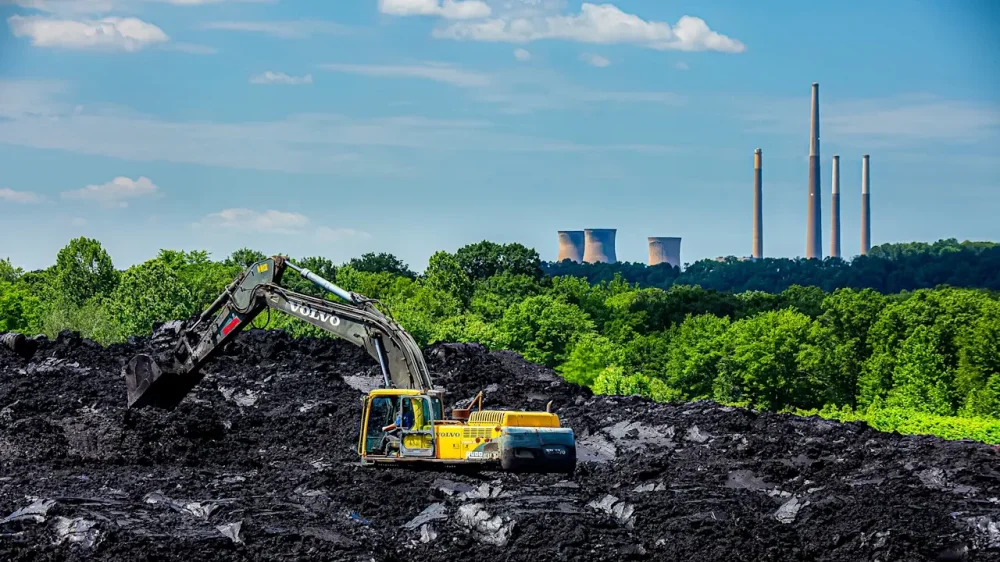
As the September evening inched along, the line of residents waiting their turn for the microphone held steady. Filing down the auditorium aisles at the Indiana University of Pennsylvania, they were armed with questions about a new gas plant slated for their community. Sitting quietly in the audience was John Dudash. For decades, he’s lived in Homer City, a southwestern Pennsylvania town that was once home to the largest coal-fired power plant in the state. The plant, which shares its name with the town, closed nearly three years ago after years of financial distress. Dudash, 89, has lived in the shadow of its smokestacks—said to be the tallest in the country before they were demolished—for much of his life. At its peak, the Homer City power plant employed hundreds of people and could deploy about 2 gigawatts of energy, enough to power 2 million homes. Join our email list to get the stories that mainstream news is overlooking. Sign up for Capital & Main’s newsletter. It was also a major source of air pollution, spewing sulfur dioxide and mercury, both of which pose serious health risks. Today, Dudash wonders if the pollution might have exacerbated the lung issues that claimed his wife’s life six years ago. The proposed gas plant, expected to be up and running in 2027, will replace the old coal-fired power station, but with more than double the energy output—4.5 gigawatts of energy. The new plant also will have the potential to emit 17.5 million tons of planet-heating greenhouse gasses per year, the equivalent of putting millions of cars on the road. And it will serve a new purpose: Rather than primarily sending electrons to the regional grid to power homes or businesses, the new power plant will exist mainly to feed data centers planned on the site. As the hearing wore on that September night, Dudash, a conservationist, did not stand to speak; instead, he sat quietly, taking mental notes. The next morning, he emailed two staffers at the Pennsylvania Department of Environmental Protection. “First of all, the project will not be stopped,” he began, with resignation. He went on to offer a few caveats—among them, advice about air monitoring. His letter reached the agency alongside more than 550 comments on a key air permit for the proposed plant, a testament to the project’s complexity. After the permit was approved November 18, Dudash’s prediction began to look remarkably accurate—though the Homer City plant still has about a dozen additional permits awaiting approval before the project can be completed, including one that would impact several acres of wetlands and hundreds of feet of a local stream. Though it is among many energy sites popping up to power the artificial intelligence boom across Pennsylvania, the Homer City facility is unique for its size, its advertised economic potential—the owners have promised the project will generate more than 10,000 construction-related jobs—and for its likely environmental impact. It has earned the backing of President Donald The President, who called it “the largest plant of its kind in the world,” a distinction its owners could not verify. There was a buzz in town in late October when Jared Kushner, The President’s son-in-law, visited, though it was unclear what drew him to Homer City. “I don’t really trust the people who are coming in to build and run the place,” Dudash said. “I do not agree with the artificial intelligence portion of it.” “They’re going to have to sacrifice the environment for these jobs,” he added. “In Appalachia, we’ve been doing that for years.” When the old plant sputtered to a close in 2023, it left the surrounding community—which was built on the local abundance of coal—in search of an economic lifeline. Now the data center boom sweeping the country brings promise of such a rebirth for communities like Homer City, though this promise is one that some experts say may be less than billed. And, it comes with risks. The new power plant will be much larger than its predecessor and is permitted to emit more than twice as much of some pollutants as its predecessor did. The data center, or centers, it powers would also consume a tremendous amount of water—perhaps more than its host townships can spare, some fear. Artificial intelligence requires vast amounts of electricity and has the potential to offer a lifeline to the fossil fuel industry. Though some in the community are sanguine about the promise of jobs, experts say the reality for many living around data centers may fall short. Some are left wondering exactly who the new plant is for—them or some faraway tech companies. The Homer City project is far from alone in its emergence: The nonprofit Fractracker has identified 39 planned data centers in the works across Pennsylvania. Tech companies like Microsoft and Amazon are moving in, alongside others intrigued by the state’s rich legacy of power production, deep natural gas reserves and generous subsidies. In July, Republican Senator Dave McCormick, from eastern Pennsylvania, held a conference in Pittsburgh during which companies announced more than $90 billion in data center investments and related energy infrastructure. This tech boom largely has bipartisan support, including from Governor Josh Shapiro, a Democrat who said at a June press conference that he is committed to “ensuring the future of AI runs right through Pennsylvania.” Legislators in Harrisburg, meanwhile, are introducing bills that would both spur the burgeoning industry and give it guardrails. The extent to which the Homer City facility’s owners have lobbied for supportive legislation is not clear. The company’s lobbying registration with the Pennsylvania Department of State goes back only to January 2025. It has, however, spent at the local level. In November, for instance, the company gave a community nonprofit $25,000 for a holiday food drive. It also urged state utility regulators, who are drafting a policy on data centers, to issue one that does not saddle data centers with costs that might “push” them out of state. Meanwhile, communities are pushing back and the environmental nonprofit Food & Water Watch recently called for a nationwide moratorium on new data center construction. More than 200 other groups later joined them in making such a plea to Congress. On the ground in Homer City, a coalition of neighbors have formed Concerned Residents of Western Pennsylvania to oppose the project. The Homer City proposal is the brainchild of the same private equity owners that closed the plant in 2023—after years of financial difficulty and two bankruptcies. Two firms own close to 90% of the plant, with New York City-based Knighthead Capital Management holding the vast majority of that. It’s part of a wave of private equity investment in the data center industry. In March, the owners, operating under an LLC called Homer City Redevelopment, toppled the plant’s signature smokestacks. A few weeks later, they announced that the plant would reopen with a data center customer, or suite of customers, to be announced as soon as 2026. Critics fear the new plant will require a lot more water than its predecessor. The supercomputers that data centers house whirr away around the clock, and need to be routinely cooled down. Some data center companies have introduced recycled water into their systems. Homer City Redevelopment has not said if their data center clients will be among them. In 2014, U.S. data centers used 21.2 billion liters of water, enough to fill nearly 9,000 Olympic-size swimming pools. That number tripled by 2023, with the vast majority of the water consumed by “hyperscale,” or large, facilities like Homer City. In states like Colorado, where water use has, for decades, been meticulously planned and negotiated, data centers are threatening to strain such finely tuned systems. Dudash, the longtime Homer City resident, is concerned about a similar fate. “I’m not sure how they’re going to handle the water,” he told Capital & Main after the September hearing. The power plant has, since 1968, been allotted an uncapped amount of water from Two Lick Reservoir, a 5-billion-gallon, dammed-off portion of a creek that the plant’s former owners built explicitly for its use. The power plant shares the water with a utility that serves two local communities—Indiana borough and the broader White Township—as part of a 1988 drought management plan to prevent and respond to catastrophic weather conditions. The borough of Homer City gets its water from Yellow Creek, a tributary of Two Lick Creek, which serves the reservoir and picks up the slack in the event of a drought. “Should the Two Lick Creek Reservoir be emptied, [the water utility] would not be able to provide sufficient water to protect public health and safety in their service area,” the drought management plan reads. In 1985, the delicate system between Two Lick and Yellow Creek was strained when the then-Homer City plant drew so much water from the reservoir that it led to a drought. “Had a significant rainfall not occurred . . . the reservoir may have faced total depletion,” the drought management plan reads. A report from the Pennsylvania Department of Environmental Protection shows that the water utility drawing from Two Lick has, in recent years, routinely used nearly half its allotted amount. But critics fear that allocation could be at risk once a data center opens and starts drawing water. Robin Gorman, a spokesperson for Homer City Redevelopment, told Capital & Main that it plans to leave cooling and water-use decisions to its data center clients, making it unclear how much water will be needed to keep all the computers running, or where that water would come from. Rob Nymick, Homer City’s former borough manager, who serves as manager of the Central Indiana County Water Authority, told Capital & Main that he is confident local municipalities can share water resources with the planned gas plant. But the data centers could be a different story. “I do know that data centers do require a tremendous amount of water,” Nymick said. “That’s something we probably cannot provide.” Nymick said that community officials are operating with “limited knowledge,” and that during the handful of meetings they have held with Homer City Redevelopment, “The only thing that they wanted to discuss is the actual power plant.” Eric Barker, who grew up in Homer City, attended the September hearing with restrained optimism. “The power plant was a source of pride and is a source of pride for the community,” he said. “There’s not too many large employers in Indiana County,” he added. But he found little comfort at the September hearing. The Department of Environmental Protection “seemed woefully, woefully, comically underprepared,” Barker said, citing a response he received to a question about the types of pollutants that would increase under the new Homer City proposal, compared to what was emitted by the old plant. Barker was told the agency would look into it and get back to him. “Some questions and concerns were raised at the public meeting regarding the plan approval about matters beyond the limited scope of the meeting,” said Pennsylvania Department of Environmental Protection spokesperson Tom Decker in a statement. “Interested parties are encouraged to look to the DEP’s extensive website, including its community page dedicated to the Homer City project, for resources addressing such questions and concerns.” Despite the questions that followed, the department, on the whole, signaled satisfaction with the Homer City plant’s air permit application at the hearing. “What’s being proposed is what we consider state-of-the-art emission controls,” said Dave Balog, environmental engineering manager at the department’s northwest regional office. Environmental nonprofits Citizens for Pennsylvania’s Future, Clean Air Council, the Sierra Club and Earthjustice countered in a 44-page comment on a draft of the key air permit that the application does not incorporate the best tools for mitigating pollutants such as ammonia, which is known to cause respiratory issues and other health risks. The Department of Environmental Protection agreed with Homer City Redevelopment’s analyses of its best available technology, and the permit was granted. * * * As Homer City’s smokestacks imploded and fell to the ground last March, leaving only a gray cloud, Dudash wondered what particulates might be in the dusty mix. While there were rumors in town that asbestos might be among them, the Department of Environmental Protection told Capital & Main that the site was inspected for the substance before it was demolished and none was found. Still, coal dust, fly ash, and silica particulates are all possible during such implosions, an agency representative said. In the months since, residents have complained of repeated blasts from the site rattling their houses. As of January, the blasts occurred daily. But the particulates that drift from the old plant during the blasts may pale in comparison to the carbon dioxide emissions the new power plant is predicted to release. The key air permit the Department of Environmental Protection issued to the facility allows it to release up to 17.5 million tons of the heat-trapping gas, like carbon dioxide, per year—the equivalent of putting 3.6 million gas-powered vehicles on the road annually. In 2010, according to federal data, the plant emitted just over 11 million tons of greenhouse gasses. In 2023, when it was operating at a fraction of its capacity, it emitted 1.3 million. In their comment to regulators, the nonprofit environmental groups said that the carbon dioxide emissions would be triple those of any polluting facility in the state, representing 6% of Pennsylvania’s total emissions. The new plant will emit sulfur oxides and nitrogen oxides, two classes of respiratory irritants, but at rates lower than the old plant. The nonprofit Clean Air Council condemned regulators’ issuance of the air permit, calling it a “death sentence.” Along with PennFuture and the Sierra Club, the Council appealed the permit in December. The owners said the emissions from the new plant will result in a 35% to 40% reduction in carbon dioxide compared to the old plant, but the calculation does not account for the new plant’s larger size. Instead, it is per-megawatt hour, meaning per unit of energy generated. Natural gas is less emissions-intensive than coal when burned, but because the Homer City plant will generate more than double the energy of its predecessor, its overall emissions profile is expected to be higher. As the state grapples with extreme weather events such as flooding due to global warming, locking in carbon emissions is the wrong direction to go, the environmental nonprofits argue. On an annual basis, the plant will be permitted to emit hundreds of tons of respiratory irritants like particulate matter and nitrogen oxides, and dozens of tons of formaldehyde, a carcinogen. It will also emit health-harming compounds like toluene, xylene, and ethylbenzene. Additional emissions are likely to come from the natural gas drilling that will be required to power the site. In 2024, Nymick told Capital & Main that the borough was struggling to find a new economic engine. “We’re fighting for our survival,” he said at the time. Data center industry advocates contend that the data center gold rush will be a boon for communities like Homer City, where boarded-up storefronts line the main street. “For every one job in a data center, six jobs are supported elsewhere in the economy,” said Dan Diorio, vice president of state policy for the Data Center Coalition, an industry trade group, at a hearing in the state Capitol in October. Sean O’Leary, senior researcher at the nonprofit think tank the Ohio River Valley Institute, said the reality isn’t that rosy. The average data center employs as few as 10 people and as many as 110, per his own calculations based in part on data from the Bureau of Labor Statistics. The computers inside them can generally run on their own with limited maintenance. Even in a rural county like Indiana, O’Leary said, “One hundred is a rounding error. It just doesn’t matter. It doesn’t matter if they’re paid $200,000 a year. It’s not enough to make a significant change in the status of the local economy.” In a recent report on the data center boom in natural gas economies in Appalachia, O’Leary said gas-powered data centers represent the combination of “three non-labor-intensive industries”—fracking, power plants and data centers. “Stacking [them] on top of each other does not alter the underlying dynamic which ties them together.” Ron Airhart, a former coal miner and executive assistant to the secretary-treasurer of the United Mine Workers of America, is more optimistic about the economic potential of the new Homer City facility. Still, he concedes that it will never be what the old plant was. “Yes, building a gas fired power plant is going to create a lot of construction jobs, there’s no doubt about that,” he said. “But once it’s done, how many actual employees are you going to have working there?” He quickly added, “But, I’m glad they are doing something with the old power plant there.” Gorman told Capital & Main that Homer City Redevelopment and its construction partner, Kiewit, are planning to hire from local unions and building trades. They foresee 10,000 construction jobs. They also anticipate the site will create 1,000 “direct and indirect” permanent jobs, including those hired at the facility itself and those brought aboard for supportive positions, such as suppliers. “From start to finish, the Homer City Energy Campus will be developed in partnership with skilled local craftsmen and will bring quality, good-paying jobs back to the Homer City community,” Gorman said. O’Leary said the jobs numbers such as those projected by the Data Center Coalition are inflated, similar to the employment projections made before the fracking boom in rural Appalachia. He said such projections are a detriment to communities, in part because taxpayers shoulder the cost of subsidies to attract the industry to the state, such as a sales and use tax exemption for data centers that Pennsylvania codified in 2021. Shapiro has estimated that the credit will expand to about $50 million per year for the next five years. Local residents are also burdened with rising utility bills. The surging demand for electricity is straining the region’s power supplies, increasing what utilities pay for electricity. New power plants coming onto the grid must install transmission equipment, the costs of which they share with consumers. These economic factors, in sum, could outweigh the benefits of the new jobs the data center creates, O’Leary said. Earlier this year, the grid operator for the region that encompasses Pennsylvania, PJM, saw electricity prices surge by roughly 1,000% from two years ago. Some of that cost is expected to be passed on to customers. “We have a problem, and that problem is real, and it is exponential electricity load growth causing exponential price increases for consumers,” said Patrick Cicero, former consumer advocate for the state of Pennsylvania and now an attorney for the Pennsylvania Utility Law Project, at the October hearing in Harrisburg. “In the context of Grandma versus Google,” Cicero said, referring to older residents faced with high bills, “Grandma should win every day. That should be the policy statement of the Commonwealth of Pennsylvania.” Federal and state lawmakers are still determining how and whether to regulate the additional costs that data centers pass onto consumers, including for fees associated with transmission throughout the grid. A bill that would create such a process while establishing renewable energy mandates for data centers is now being weighed by Pennsylvania representatives. Dennis Wamsted, energy analyst at the Institute for Energy Economics and Financial Analysis, predicts such costs add complications for data centers, and has argued that their demand as a whole is overblown. Supply chain delays spurred by surging demand for turbines, including those that Homer City will be using, could also create additional costs and lag times, he said. “If there is an AI bubble and it bursts,” he said, “you would have built all this capacity that wasn’t needed.” Homer City’s owners said the plant is better positioned than others in the industry since it isn’t starting from scratch. “Much of the critical infrastructure for the project is already in place from the legacy Homer City coal plant, including transmission lines connected to the PJM and NYISO power grids, substations and water access,” Gorman, the spokesperson, said. Communities on the front lines of these projects would be the first hurt by a project that fails to materialize. But in Homer City, it’s clear that there’s an appetite for the promise of a new, job-producing industry, regardless of hurdles. At the September hearing, many in the crowd wore neon shirts with union logos—a signal of the region’s fierce pride in its industrial past, and deep thirst for an economic boon. After an evening peppered with skepticism over the plant, Shawn Steffee, a business agent at the International Brotherhood of Boilermakers, stepped to the microphone. “Everybody speaking about jobs,” he cried, “there will be jobs, and there will be local jobs.” As he walked away, the room filled with applause—the loudest of the night. —By Audrey Carleton View the full article
-
High Court rules watchdog is within its rights to cap cross-border interchange feesView the full article
-
Criticism is most strident challenge to central bank’s decision announced last monthView the full article
-
Conservative leader Kemi Badenoch removes former leadership rival as she battles to stem losses to ReformView the full article
-
A brand ambassador program is a strategic approach that enlists enthusiastic individuals to represent a brand, promoting its values and products. These ambassadors actively engage with consumers by sharing content, personal experiences, and insights. This initiative not only enhances brand visibility but additionally cultivates loyalty among customers. Comprehending the roles, benefits, and recruitment strategies involved in such programs can greatly impact a brand’s growth. So, how do you effectively implement and measure the success of a brand ambassador program? Key Takeaways A brand ambassador program recruits passionate individuals to authentically promote a brand and engage with consumers. Ambassadors create content, share personal experiences, and foster trust to enhance brand visibility and loyalty. Recruitment focuses on loyal customers, knowledgeable employees, and influencers aligned with brand values. Training includes communication skills, fundraising techniques, and hands-on activities to empower ambassadors effectively. Success is measured through engagement metrics, reach, and feedback, guiding future marketing efforts. Definition of a Brand Ambassador Program A brand ambassador program is a strategic marketing initiative that utilizes enthusiastic individuals to represent and promote a brand’s values and products. These brand ambassadors can be loyal customers, employees, or influencers who genuinely believe in the brand. They engage in word-of-mouth promotion and social media interactions, enhancing the brand’s credibility. Successful ambassador programs cultivate authentic connections between the brand and its audience, as ambassadors typically share products they love. To effectively implement a brand ambassador program, you need a structured plan and clear communication channels. Management tools are crucial for tracking engagement and performance metrics, ensuring the program’s success. Roles and Responsibilities of Brand Ambassadors As a brand ambassador, your role centers on creating authentic connections that resonate with your audience. You’ll promote the brand’s values by generating engaging content that reflects its mission and improves its reputation. Creating Authentic Connections Though many companies recognize the value of brand ambassadors, comprehending their roles and responsibilities in creating authentic connections is vital for maximizing their impact. Brand ambassadors promote a company’s values through authentic engagement on social media and at community events. They generate buzz around campaigns by sharing personal experiences and encouraging their networks to participate. Furthermore, ambassadors engage in community activities, which strengthens the brand’s credibility. Here’s a quick overview of their key responsibilities: Role Description Importance Promote Brand Values Share personal experiences and stories Builds trust and connection Generate Feedback Provide insights from their networks Helps adapt strategies Manage Fundraising Efforts Organize and promote fundraising campaigns Drives financial support Promoting Brand Values Brand ambassadors play a pivotal role in promoting a company’s values and mission through their authentic engagement with various audiences. In brand ambassador programs, these individuals share their genuine experiences on social media, blogs, and at community events, effectively helping to humanize the brand. By participating in fundraising activities and community outreach, they strengthen ties as they spread awareness of brand initiatives. Brand ambassadors additionally provide valuable feedback from their networks, enabling brands to adapt strategies that better resonate with their audience. They promote specific campaigns, utilizing personal networks to boost visibility and credibility. Through ambassador programs for clothing, you’ll find opportunities that align with your values, allowing you to contribute meaningfully to a brand’s mission. Generating Engaging Content How do brand ambassadors generate engaging content that resonates with their audience? They create authentic posts through social media, blogs, and videos, showcasing their real experiences with the brand. This approach not only improves relatability but additionally builds trust among potential customers. Here are some ways brand ambassadors contribute: Highlighting product features in relatable scenarios Sharing behind-the-scenes insights during events Engaging in creative challenges that encourage community participation Benefits of a Brand Ambassador Program A brand ambassador program offers several key benefits that can greatly improve your organization’s impact. By building trust through authentic endorsements, you increase brand visibility and credibility among potential supporters. Moreover, these programs create opportunities for genuine engagement, allowing you to expand your market reach as you cultivate lasting connections within your community. Enhanced Brand Trust When consumers seek recommendations, they often turn to friends and family, trusting their insights far more than traditional advertisements. Brand ambassador programs leverage these authentic relationships, improving brand trust considerably. Here’s how brand ambassadors contribute to brand credibility: Their genuine experiences resonate, making recommendations relatable. Content they create is perceived as authentic, leading to higher engagement. They nurture loyalty by humanizing the brand, creating a trustworthy image. With 84% of consumers trusting referrals from people they know, these ambassadors amplify consumer trust effectively. By promoting products they genuinely use and love, brand ambassadors nurture a sense of authenticity that not only improves brand credibility but additionally encourages deeper connections with potential customers. This strategy is essential for building lasting relationships. Increased Market Reach Even though traditional marketing strategies often struggle to resonate with consumers, brand ambassador programs offer a potent solution by tapping into authentic relationships and personal networks. These programs enable companies looking for brand ambassadors to reach target demographics that are often hard to connect with through conventional methods. With 92% of consumers trusting peer recommendations, utilizing enthusiastic ambassadors can improve market penetration and increase sales. Furthermore, user-generated content from brand ambassadors is 79% more trusted than traditional advertising, further broadening your reach. Ambassador Examples Benefits Application Process Social Media Influencers Increased Brand Awareness Brand Ambassador Application Local Community Leaders Higher Conversion Rates How to Find Brand Ambassadors Industry Experts Improved Customer Loyalty Program Enrollment Guidelines Micro-Influencers Community Building Ambassador Recruitment Tips Enthusiastic Customers Authentic Engagement Selection Criteria Authentic Engagement Opportunities Engaging with brand ambassadors creates authentic opportunities for connection that traditional advertising often fails to achieve. Brand ambassador programs utilize individuals who genuinely love your brand, nurturing trust among consumers. Research indicates that 84% of people trust referrals from those they know, making brand ambassadors essential for broadening your reach. Here are some authentic engagement benefits: Personal stories shared during events create relatable experiences. Content produced by brand ambassadors feels more trustworthy and engaging. Long-term relationships with customers lead to increased loyalty. With brand ambassadors desired, you can develop a robust community around your brand. As you explore brand ambassador requirements and the brand ambassador application process, consider how Nike companies with brand ambassador programs improve their credibility and connection with audiences. How to Recruit Brand Ambassadors To successfully recruit brand ambassadors, it’s crucial to begin by defining the ideal ambassador persona for your brand. Focus on qualities like relevance, credibility, and alignment with your values. Engaging loyal customers, knowledgeable employees, and influencers can provide a solid foundation. To entice potential ambassadors, consider offering product samples or exclusive discounts. Here’s a quick overview of key recruitment strategies: Strategy Details Define Persona Identify qualities that resonate with your brand. Engage Loyal Customers Tap into your existing customer base for candidates. Offer Incentives Use samples or discounts to attract interest. Promote Diversity Guarantee a mix of ambassadors to broaden your reach. Training and Supporting Your Ambassadors Training brand ambassadors is vital for ensuring they effectively represent your organization and engage with their networks. To achieve this, provide thorough training materials and personalized support that cover fundamental topics such as your nonprofit’s mission, communication skills, and fundraising techniques. Furthermore, consider incorporating: Hands-on activities like organizing events Strategies for impactful community outreach Regular feedback loops to improve learning Engaging ambassadors in targeted training helps them gain practical experience, nurturing a deeper connection with your mission. Regular check-ins allow ambassadors to share challenges and successes, promoting continuous improvement and motivation. In addition, recognizing the diversity among your ambassadors enriches the program and helps reach a broader audience, making it vital to tailor training to leverage different perspectives. Engaging With Your Ambassador Community Building a strong connection with your ambassador community is key to maintaining their enthusiasm and commitment throughout the program. Engaging with your ambassador community starts with clear communication channels that facilitate interaction and motivation. Regular onboarding sessions help set expectations and instill brand values, ensuring ambassadors understand their roles in promoting your brand effectively. Consider activation campaigns that transform loyal customers into active ambassadors; these can encourage participation in tasks aligned with your brand’s goals. Utilizing gamification through reward points or exclusive discounts keeps the ambassador program dynamic, nurturing higher participation levels. Consistent feedback and recognition of contributions from your ambassadors create a sense of community, strengthening relationships and promoting loyalty. You might additionally consider utilizing brand ambassador management software or a brand ambassador platform to streamline these processes. With effective strategies in place, ambassador programs for small influencers can thrive, enhancing brand advocacy. Selecting Rewards and Incentives for Ambassadors When selecting rewards and incentives for your brand ambassadors, consider a mix of options that motivate engagement and improve loyalty. Offering exclusive discounts, free products, or cash commissions can keep ambassadors active, whereas gamifying the system with points for tasks adds an element of fun. It’s likewise important to measure the effectiveness of these incentives, as customized rewards can greatly boost participation and enhance brand promotion. Types of Rewards Offered Selecting the right types of rewards for brand ambassadors is crucial, as these incentives can particularly influence their motivation and engagement levels. Brand ambassador programs often include a variety of rewards to keep ambassadors enthusiastic about their roles. Consider offering: Exclusive discounts on products Free products to promote and review Cash commissions linked to sales These types of rewards not solely incentivize ambassadors but additionally encourage them to create authentic user-generated content. Tiered rewards can motivate ambassadors to complete more complex tasks, whereas gamifying the experience by allowing points for completed tasks can boost engagement. For fitness brand ambassadors, these incentives can greatly improve their commitment to brand ambassadorship applications, leading to greater results. Motivating Ambassador Engagement To effectively motivate brand ambassadors, it’s important to choose the right rewards and incentives that resonate with their interests and goals. Offering a variety of options, like reward points, exclusive discounts, or cash commissions, can greatly boost their enthusiasm to promote your brand. Gamifying the experience by providing reward points for completed tasks encourages ongoing engagement, creating a dynamic community. Higher-value rewards for creative contributions can further improve participation and impact. Exclusive discounts appeal to ambassadors while motivating them to share your brand with their followers, broadening your reach. Furthermore, regular recognition and appreciation of their efforts can strengthen loyalty and commitment, nurturing a passionate advocate community within your ambassador programs. Measuring Incentive Effectiveness How can you effectively measure the impact of rewards and incentives on your brand ambassadors? First, consider the types of incentives that resonate most with your ambassadors. You might find that: Exclusive discounts motivate ambassadors to promote your brand. Gift cards offer immediate gratification and encourage participation. Cash commissions reward significant contributions and boost engagement. Next, use performance metrics to assess how these rewards influence ambassador engagement. Regularly analyze participation rates and the quality of content generated to verify your incentives are effective. Gamifying tasks can also improve motivation, increasing activity by up to 25%. By aligning rewards with your ambassadors’ preferences, you can optimize your brand ambassador programs, driving better results and nurturing a more engaged ambassador community. Measuring the Success of Your Ambassador Program Measuring the success of your ambassador program is crucial, as it provides insights into how effectively your ambassadors are promoting your brand. Start by tracking engagement metrics like likes, shares, comments, and overall interactions to assess their promotional effectiveness. Analyzing reach and impressions offers visibility into your brand message, helping you gauge the program’s impact on brand awareness. Utilizing UTM codes allows you to monitor website traffic driven by ambassador activities, enabling you to evaluate conversion rates for actions such as donations, sign-ups, or event registrations. Social media analytics tools, like Hootsuite and Google Analytics, can quantify the program’s success by providing detailed data on audience engagement and behavior. Finally, collecting direct feedback through surveys improves your comprehension of the ambassador program’s effectiveness, highlighting areas for improvement and encouraging continuous optimization. Key Performance Indicators (KPIs) to Track Comprehending how to evaluate your brand ambassador program leads naturally to identifying the key performance indicators (KPIs) that will provide concrete data on its effectiveness. Tracking these KPIs helps you understand the impact of your ambassadors on your brand. Engagement rates: Measure interactions like likes, shares, and comments to gauge ambassador effectiveness. Conversions: Monitor sign-ups, donations, or sales linked to ambassador efforts, providing insights into your return on investment. Brand sentiment: Use surveys and social listening tools to assess public perception and overall brand image. Additionally, analyzing audience demographics reveals who engages with your content, enabling targeted marketing strategies. To streamline this process, utilize reporting tools such as Google Analytics and social media analytics platforms. These tools will help you effectively measure and analyze the success of your ambassador programs, ensuring you’re making data-driven decisions for future efforts. Examples of Successful Brand Ambassador Programs Successful brand ambassador programs illustrate how effective partnerships can improve a brand’s visibility and engagement. For instance, Nike‘s “Nike+” program enlists passionate runners as examples of brand ambassadors, promoting products through community events and social media, which boosts loyalty and awareness. Coca-Cola‘s “Coca-Cola Ambassador” program leverages employees and loyal customers, sharing authentic experiences that strengthen community ties and brand image. Similarly, Glossier uses everyday customers as “Glossier Reps,” who promote products on social media, creating a lively community and driving sales. Red Bull‘s “Wings Team” consists of ambassadors involved in extreme sports, producing authentic content that resonates with their audience. Finally, the non-profit charity: water employs ambassadors advocating for clean water initiatives, greatly increasing awareness and donations. These companies with ambassador programs show how Nike, Adidas, and Apple that need ambassadors can effectively connect with their target markets. Consider applying for a brand ambassador application if you’re interested in participating in such initiatives. Why Organizations Should Consider a Brand Ambassador Program Organizations looking to improve their marketing strategies should seriously consider implementing a brand ambassador program, especially since these initiatives can lead to significant benefits. By leveraging passionate individuals, you can create authentic connections that resonate with consumers. Here are some reasons to develop brand programs: Improved Trust: 84% of consumers trust recommendations from people they know, making ambassadors crucial for credibility. Expanded Reach: A dedicated community of brand ambassadors can amplify your message far beyond traditional paid ambassador programs. Valuable Content: Ambassadors generate user content that boosts relatability and influences purchasing decisions. For companies seeking brand ambassadors, a well-structured brand ambassador application can help identify the right individuals. In the end, implementing a brand ambassador program nurtures stronger consumer relationships, increases loyalty, and creates a self-sustaining cycle of promotion, which is critical for long-term brand success. Frequently Asked Questions How Do Brand Ambassador Programs Work? Brand ambassador programs function by engaging enthusiastic individuals who genuinely support a brand. These ambassadors promote the brand through social media and word-of-mouth, sharing their authentic experiences. You’ll often find them rewarded with perks or compensation, enhancing their motivation. A program manager oversees the initiative, ensuring clear communication and expectations. Performance metrics, like community growth and engagement, are tracked to evaluate and optimize the effectiveness of ambassador activities, driving brand awareness and loyalty. How Does a Brand Ambassador Get Paid? As a brand ambassador, you can get paid through various methods. Typically, brands offer cash payments, gift cards, or free products based on your agreement. You might likewise earn commissions for sales made through your referral links or discount codes. Some programs provide performance bonuses for achieving milestones, like referral targets. Payment structures can differ, ranging from flat-rate payments per post to tiered systems based on your influence and reach. What Qualifies You to Be a Brand Ambassador? To qualify as a brand ambassador, you should embody the company’s values and effectively communicate its mission. Loyal customers with enthusiasm for the brand often excel, as their authenticity promotes trust. Engaged employees can likewise shine, leveraging their insider knowledge and networks. Strong communication skills are crucial, allowing you to articulate the brand’s message clearly across various platforms. A personal connection to the brand improves your credibility and relatability, making you an ideal representative. How Many Followers Do You Need to Be a Brand Ambassador? You don’t need a specific number of followers to become a brand ambassador, but having 10,000 to 20,000 is often ideal for meaningful engagement. Nevertheless, smaller accounts with 1,000 to 5,000 followers can still be effective, especially if they boast high engagement rates and a niche audience. Brands value the quality and alignment of your audience with their mission more than just follower count, focusing on your ability to positively influence them. Conclusion In summary, a brand ambassador program is a strategic approach that leverages passionate individuals to improve brand visibility and consumer engagement. By clearly defining roles, providing training, and measuring success through specific KPIs, organizations can effectively utilize ambassadors to promote their values. The recruitment process is essential, as it guarantees the right individuals align with the brand’s mission. In the end, implementing such a program can lead to increased loyalty, awareness, and growth for your brand. Image via Google Gemini and ArtSmart This article, "What Is a Brand Ambassador Program and How Does It Work?" was first published on Small Business Trends View the full article
-
A brand ambassador program is a strategic approach that enlists enthusiastic individuals to represent a brand, promoting its values and products. These ambassadors actively engage with consumers by sharing content, personal experiences, and insights. This initiative not only enhances brand visibility but additionally cultivates loyalty among customers. Comprehending the roles, benefits, and recruitment strategies involved in such programs can greatly impact a brand’s growth. So, how do you effectively implement and measure the success of a brand ambassador program? Key Takeaways A brand ambassador program recruits passionate individuals to authentically promote a brand and engage with consumers. Ambassadors create content, share personal experiences, and foster trust to enhance brand visibility and loyalty. Recruitment focuses on loyal customers, knowledgeable employees, and influencers aligned with brand values. Training includes communication skills, fundraising techniques, and hands-on activities to empower ambassadors effectively. Success is measured through engagement metrics, reach, and feedback, guiding future marketing efforts. Definition of a Brand Ambassador Program A brand ambassador program is a strategic marketing initiative that utilizes enthusiastic individuals to represent and promote a brand’s values and products. These brand ambassadors can be loyal customers, employees, or influencers who genuinely believe in the brand. They engage in word-of-mouth promotion and social media interactions, enhancing the brand’s credibility. Successful ambassador programs cultivate authentic connections between the brand and its audience, as ambassadors typically share products they love. To effectively implement a brand ambassador program, you need a structured plan and clear communication channels. Management tools are crucial for tracking engagement and performance metrics, ensuring the program’s success. Roles and Responsibilities of Brand Ambassadors As a brand ambassador, your role centers on creating authentic connections that resonate with your audience. You’ll promote the brand’s values by generating engaging content that reflects its mission and improves its reputation. Creating Authentic Connections Though many companies recognize the value of brand ambassadors, comprehending their roles and responsibilities in creating authentic connections is vital for maximizing their impact. Brand ambassadors promote a company’s values through authentic engagement on social media and at community events. They generate buzz around campaigns by sharing personal experiences and encouraging their networks to participate. Furthermore, ambassadors engage in community activities, which strengthens the brand’s credibility. Here’s a quick overview of their key responsibilities: Role Description Importance Promote Brand Values Share personal experiences and stories Builds trust and connection Generate Feedback Provide insights from their networks Helps adapt strategies Manage Fundraising Efforts Organize and promote fundraising campaigns Drives financial support Promoting Brand Values Brand ambassadors play a pivotal role in promoting a company’s values and mission through their authentic engagement with various audiences. In brand ambassador programs, these individuals share their genuine experiences on social media, blogs, and at community events, effectively helping to humanize the brand. By participating in fundraising activities and community outreach, they strengthen ties as they spread awareness of brand initiatives. Brand ambassadors additionally provide valuable feedback from their networks, enabling brands to adapt strategies that better resonate with their audience. They promote specific campaigns, utilizing personal networks to boost visibility and credibility. Through ambassador programs for clothing, you’ll find opportunities that align with your values, allowing you to contribute meaningfully to a brand’s mission. Generating Engaging Content How do brand ambassadors generate engaging content that resonates with their audience? They create authentic posts through social media, blogs, and videos, showcasing their real experiences with the brand. This approach not only improves relatability but additionally builds trust among potential customers. Here are some ways brand ambassadors contribute: Highlighting product features in relatable scenarios Sharing behind-the-scenes insights during events Engaging in creative challenges that encourage community participation Benefits of a Brand Ambassador Program A brand ambassador program offers several key benefits that can greatly improve your organization’s impact. By building trust through authentic endorsements, you increase brand visibility and credibility among potential supporters. Moreover, these programs create opportunities for genuine engagement, allowing you to expand your market reach as you cultivate lasting connections within your community. Enhanced Brand Trust When consumers seek recommendations, they often turn to friends and family, trusting their insights far more than traditional advertisements. Brand ambassador programs leverage these authentic relationships, improving brand trust considerably. Here’s how brand ambassadors contribute to brand credibility: Their genuine experiences resonate, making recommendations relatable. Content they create is perceived as authentic, leading to higher engagement. They nurture loyalty by humanizing the brand, creating a trustworthy image. With 84% of consumers trusting referrals from people they know, these ambassadors amplify consumer trust effectively. By promoting products they genuinely use and love, brand ambassadors nurture a sense of authenticity that not only improves brand credibility but additionally encourages deeper connections with potential customers. This strategy is essential for building lasting relationships. Increased Market Reach Even though traditional marketing strategies often struggle to resonate with consumers, brand ambassador programs offer a potent solution by tapping into authentic relationships and personal networks. These programs enable companies looking for brand ambassadors to reach target demographics that are often hard to connect with through conventional methods. With 92% of consumers trusting peer recommendations, utilizing enthusiastic ambassadors can improve market penetration and increase sales. Furthermore, user-generated content from brand ambassadors is 79% more trusted than traditional advertising, further broadening your reach. Ambassador Examples Benefits Application Process Social Media Influencers Increased Brand Awareness Brand Ambassador Application Local Community Leaders Higher Conversion Rates How to Find Brand Ambassadors Industry Experts Improved Customer Loyalty Program Enrollment Guidelines Micro-Influencers Community Building Ambassador Recruitment Tips Enthusiastic Customers Authentic Engagement Selection Criteria Authentic Engagement Opportunities Engaging with brand ambassadors creates authentic opportunities for connection that traditional advertising often fails to achieve. Brand ambassador programs utilize individuals who genuinely love your brand, nurturing trust among consumers. Research indicates that 84% of people trust referrals from those they know, making brand ambassadors essential for broadening your reach. Here are some authentic engagement benefits: Personal stories shared during events create relatable experiences. Content produced by brand ambassadors feels more trustworthy and engaging. Long-term relationships with customers lead to increased loyalty. With brand ambassadors desired, you can develop a robust community around your brand. As you explore brand ambassador requirements and the brand ambassador application process, consider how Nike companies with brand ambassador programs improve their credibility and connection with audiences. How to Recruit Brand Ambassadors To successfully recruit brand ambassadors, it’s crucial to begin by defining the ideal ambassador persona for your brand. Focus on qualities like relevance, credibility, and alignment with your values. Engaging loyal customers, knowledgeable employees, and influencers can provide a solid foundation. To entice potential ambassadors, consider offering product samples or exclusive discounts. Here’s a quick overview of key recruitment strategies: Strategy Details Define Persona Identify qualities that resonate with your brand. Engage Loyal Customers Tap into your existing customer base for candidates. Offer Incentives Use samples or discounts to attract interest. Promote Diversity Guarantee a mix of ambassadors to broaden your reach. Training and Supporting Your Ambassadors Training brand ambassadors is vital for ensuring they effectively represent your organization and engage with their networks. To achieve this, provide thorough training materials and personalized support that cover fundamental topics such as your nonprofit’s mission, communication skills, and fundraising techniques. Furthermore, consider incorporating: Hands-on activities like organizing events Strategies for impactful community outreach Regular feedback loops to improve learning Engaging ambassadors in targeted training helps them gain practical experience, nurturing a deeper connection with your mission. Regular check-ins allow ambassadors to share challenges and successes, promoting continuous improvement and motivation. In addition, recognizing the diversity among your ambassadors enriches the program and helps reach a broader audience, making it vital to tailor training to leverage different perspectives. Engaging With Your Ambassador Community Building a strong connection with your ambassador community is key to maintaining their enthusiasm and commitment throughout the program. Engaging with your ambassador community starts with clear communication channels that facilitate interaction and motivation. Regular onboarding sessions help set expectations and instill brand values, ensuring ambassadors understand their roles in promoting your brand effectively. Consider activation campaigns that transform loyal customers into active ambassadors; these can encourage participation in tasks aligned with your brand’s goals. Utilizing gamification through reward points or exclusive discounts keeps the ambassador program dynamic, nurturing higher participation levels. Consistent feedback and recognition of contributions from your ambassadors create a sense of community, strengthening relationships and promoting loyalty. You might additionally consider utilizing brand ambassador management software or a brand ambassador platform to streamline these processes. With effective strategies in place, ambassador programs for small influencers can thrive, enhancing brand advocacy. Selecting Rewards and Incentives for Ambassadors When selecting rewards and incentives for your brand ambassadors, consider a mix of options that motivate engagement and improve loyalty. Offering exclusive discounts, free products, or cash commissions can keep ambassadors active, whereas gamifying the system with points for tasks adds an element of fun. It’s likewise important to measure the effectiveness of these incentives, as customized rewards can greatly boost participation and enhance brand promotion. Types of Rewards Offered Selecting the right types of rewards for brand ambassadors is crucial, as these incentives can particularly influence their motivation and engagement levels. Brand ambassador programs often include a variety of rewards to keep ambassadors enthusiastic about their roles. Consider offering: Exclusive discounts on products Free products to promote and review Cash commissions linked to sales These types of rewards not solely incentivize ambassadors but additionally encourage them to create authentic user-generated content. Tiered rewards can motivate ambassadors to complete more complex tasks, whereas gamifying the experience by allowing points for completed tasks can boost engagement. For fitness brand ambassadors, these incentives can greatly improve their commitment to brand ambassadorship applications, leading to greater results. Motivating Ambassador Engagement To effectively motivate brand ambassadors, it’s important to choose the right rewards and incentives that resonate with their interests and goals. Offering a variety of options, like reward points, exclusive discounts, or cash commissions, can greatly boost their enthusiasm to promote your brand. Gamifying the experience by providing reward points for completed tasks encourages ongoing engagement, creating a dynamic community. Higher-value rewards for creative contributions can further improve participation and impact. Exclusive discounts appeal to ambassadors while motivating them to share your brand with their followers, broadening your reach. Furthermore, regular recognition and appreciation of their efforts can strengthen loyalty and commitment, nurturing a passionate advocate community within your ambassador programs. Measuring Incentive Effectiveness How can you effectively measure the impact of rewards and incentives on your brand ambassadors? First, consider the types of incentives that resonate most with your ambassadors. You might find that: Exclusive discounts motivate ambassadors to promote your brand. Gift cards offer immediate gratification and encourage participation. Cash commissions reward significant contributions and boost engagement. Next, use performance metrics to assess how these rewards influence ambassador engagement. Regularly analyze participation rates and the quality of content generated to verify your incentives are effective. Gamifying tasks can also improve motivation, increasing activity by up to 25%. By aligning rewards with your ambassadors’ preferences, you can optimize your brand ambassador programs, driving better results and nurturing a more engaged ambassador community. Measuring the Success of Your Ambassador Program Measuring the success of your ambassador program is crucial, as it provides insights into how effectively your ambassadors are promoting your brand. Start by tracking engagement metrics like likes, shares, comments, and overall interactions to assess their promotional effectiveness. Analyzing reach and impressions offers visibility into your brand message, helping you gauge the program’s impact on brand awareness. Utilizing UTM codes allows you to monitor website traffic driven by ambassador activities, enabling you to evaluate conversion rates for actions such as donations, sign-ups, or event registrations. Social media analytics tools, like Hootsuite and Google Analytics, can quantify the program’s success by providing detailed data on audience engagement and behavior. Finally, collecting direct feedback through surveys improves your comprehension of the ambassador program’s effectiveness, highlighting areas for improvement and encouraging continuous optimization. Key Performance Indicators (KPIs) to Track Comprehending how to evaluate your brand ambassador program leads naturally to identifying the key performance indicators (KPIs) that will provide concrete data on its effectiveness. Tracking these KPIs helps you understand the impact of your ambassadors on your brand. Engagement rates: Measure interactions like likes, shares, and comments to gauge ambassador effectiveness. Conversions: Monitor sign-ups, donations, or sales linked to ambassador efforts, providing insights into your return on investment. Brand sentiment: Use surveys and social listening tools to assess public perception and overall brand image. Additionally, analyzing audience demographics reveals who engages with your content, enabling targeted marketing strategies. To streamline this process, utilize reporting tools such as Google Analytics and social media analytics platforms. These tools will help you effectively measure and analyze the success of your ambassador programs, ensuring you’re making data-driven decisions for future efforts. Examples of Successful Brand Ambassador Programs Successful brand ambassador programs illustrate how effective partnerships can improve a brand’s visibility and engagement. For instance, Nike‘s “Nike+” program enlists passionate runners as examples of brand ambassadors, promoting products through community events and social media, which boosts loyalty and awareness. Coca-Cola‘s “Coca-Cola Ambassador” program leverages employees and loyal customers, sharing authentic experiences that strengthen community ties and brand image. Similarly, Glossier uses everyday customers as “Glossier Reps,” who promote products on social media, creating a lively community and driving sales. Red Bull‘s “Wings Team” consists of ambassadors involved in extreme sports, producing authentic content that resonates with their audience. Finally, the non-profit charity: water employs ambassadors advocating for clean water initiatives, greatly increasing awareness and donations. These companies with ambassador programs show how Nike, Adidas, and Apple that need ambassadors can effectively connect with their target markets. Consider applying for a brand ambassador application if you’re interested in participating in such initiatives. Why Organizations Should Consider a Brand Ambassador Program Organizations looking to improve their marketing strategies should seriously consider implementing a brand ambassador program, especially since these initiatives can lead to significant benefits. By leveraging passionate individuals, you can create authentic connections that resonate with consumers. Here are some reasons to develop brand programs: Improved Trust: 84% of consumers trust recommendations from people they know, making ambassadors crucial for credibility. Expanded Reach: A dedicated community of brand ambassadors can amplify your message far beyond traditional paid ambassador programs. Valuable Content: Ambassadors generate user content that boosts relatability and influences purchasing decisions. For companies seeking brand ambassadors, a well-structured brand ambassador application can help identify the right individuals. In the end, implementing a brand ambassador program nurtures stronger consumer relationships, increases loyalty, and creates a self-sustaining cycle of promotion, which is critical for long-term brand success. Frequently Asked Questions How Do Brand Ambassador Programs Work? Brand ambassador programs function by engaging enthusiastic individuals who genuinely support a brand. These ambassadors promote the brand through social media and word-of-mouth, sharing their authentic experiences. You’ll often find them rewarded with perks or compensation, enhancing their motivation. A program manager oversees the initiative, ensuring clear communication and expectations. Performance metrics, like community growth and engagement, are tracked to evaluate and optimize the effectiveness of ambassador activities, driving brand awareness and loyalty. How Does a Brand Ambassador Get Paid? As a brand ambassador, you can get paid through various methods. Typically, brands offer cash payments, gift cards, or free products based on your agreement. You might likewise earn commissions for sales made through your referral links or discount codes. Some programs provide performance bonuses for achieving milestones, like referral targets. Payment structures can differ, ranging from flat-rate payments per post to tiered systems based on your influence and reach. What Qualifies You to Be a Brand Ambassador? To qualify as a brand ambassador, you should embody the company’s values and effectively communicate its mission. Loyal customers with enthusiasm for the brand often excel, as their authenticity promotes trust. Engaged employees can likewise shine, leveraging their insider knowledge and networks. Strong communication skills are crucial, allowing you to articulate the brand’s message clearly across various platforms. A personal connection to the brand improves your credibility and relatability, making you an ideal representative. How Many Followers Do You Need to Be a Brand Ambassador? You don’t need a specific number of followers to become a brand ambassador, but having 10,000 to 20,000 is often ideal for meaningful engagement. Nevertheless, smaller accounts with 1,000 to 5,000 followers can still be effective, especially if they boast high engagement rates and a niche audience. Brands value the quality and alignment of your audience with their mission more than just follower count, focusing on your ability to positively influence them. Conclusion In summary, a brand ambassador program is a strategic approach that leverages passionate individuals to improve brand visibility and consumer engagement. By clearly defining roles, providing training, and measuring success through specific KPIs, organizations can effectively utilize ambassadors to promote their values. The recruitment process is essential, as it guarantees the right individuals align with the brand’s mission. In the end, implementing such a program can lead to increased loyalty, awareness, and growth for your brand. Image via Google Gemini and ArtSmart This article, "What Is a Brand Ambassador Program and How Does It Work?" was first published on Small Business Trends View the full article
-
United Wholesale Mortgage sees this branding partnership as an opportunity to recruit workers in its home market in the Detroit area, CMO Sarah DeCiantis said. View the full article

-
Nearly 500 buildings designed by Wright were built during his lifetime, but almost 15% of those have been demolished or lost through neglect, according to the Frank Lloyd Wright Building Conservancy, an organization that works to preserve the famed architect’s work Now, a new logo for the organization serves as a reminder of how important it is to protect architectural history. Designed by the studio Order, the Conservancy’s new logo features a missing square that’s meant to represent the void when one of Wright’s buildings is lost or neglected. The Conservancy’s previous logo was a representation of the Lark Administration Building in Buffalo, New York, which was demolished in 1950. But Order hoped to design a new system for the group that could evolve and move forward. “Though this building’s story is, of course, important, our goal was to expand what the identity could capture by bringing in the full breadth of their community,” says Garrett Corcoran, a design director at Order. The new logo is a four-by-four square grid that references one Wright’s visual signatures, a red square. Wright used the shape as his own “stamp of approval” on designs, letters, and buildings, and the shape has been used widely in logos for groups associated with his work, like the Frank Lloyd Wright Foundation and the Frank Lloyd Wright Trust. That widespread use, though, was the reason Order initially explored logo approaches that were slightly different, “to help identify the Conservancy within the landscape,” Corcoran tells Fast Company. That approach didn’t last long, though. “There was an undeniable truth the square brought when representing Frank Lloyd Wright,” Corcoran says. “Ultimately we came back to it as a foundation we could illustrate through as opposed to a crutch to lean on, embracing it but adapting it to make it the Conservancy’s own.” Instead of one square, the logo has 15, plus another made from the negative space where the single missing square should be. By representing a missing building abstractly instead of just depicting one outright, the new logo unlocks plenty of new graphic possibilities. It’s a simple form that works well at small scale, and it also tells a story. “When even one building is threatened, the urgency of our mission becomes clearer,” Conservancy executive director Barbara Gordon said in a statement. “Each and every one of Wright’s built works showcases ideas that inspire, and the Conservancy exists to protect them all, ensuring the ideas they embody will impact the future. Our new identity was built to passionately communicate this.” The typeface used in the identity is a customized version of Reply, a geometric sans serif inspired by Wright’s favored font, the typewriter version of Intertype Vogue. The versatile color palette comes with multiple shades to give graphics a sense of depth and light. The new logo forms the basis of a larger design system for the organization that uses squares, grids, and block-like shapes for graphics and representations of Wright’s buildings, and the negative space can also be used as a window to show images of his architecture in the opening. For the group’s twice-a-year magazine SaveWright, Order designed an alternate version of the logo that fills in the blank space with a colored square, emphasizing our power to save now what one day could be lost. Rather than getting boxed in by the square, the Conservancy’s new logo manages to reinterpret a well-worn symbol for the celebrated American architect in a new way. View the full article

-
What shape could buildings take in 2026? Fast Company asked architects from some of the top firms working around the world what they thought about the look of architecture in 2026. Of course, a building designed in 2026 almost certainly will not be completed in 2026, and construction timelines are notoriously fluid. But according to experts, there are some overarching trends in architectural design that could put a clear 2026 stamp on buildings designed this year, whenever they officially open. Here’s the question we put to a panel of designers and leaders in architecture: When they finally get built, what will buildings designed in 2026 look like, and what will be the biggest factors determining their design? Integrated design After years of spectacle and brand-driven architecture, there’s an appetite, especially in New York, for buildings that feel integrated and inevitable rather than singular and expressive. Architecture that values experience and usefulness over heroic form will (hopefully) produce buildings that are calm, proportioned, and materially grounded. —Trent Tesch, principal, KPF Complexity rethought People need to ask more of their buildings. Our built world can and should fulfill our purposes in more targeted, uniquely tailored ways. Buildings will do more to meet the needs of people beyond the walls, in their communities, and be more inclusive on multiple fronts. Our built spaces will say something about who we are collectively and represent the best qualities of our society. They can do more to make people feel safe, to be responsive to climate specificities, to challenge the very perceptions of what a building should be while also being beautiful in unexpected ways. That is what the best buildings of the future will look like and achieve. Rather than design being complex for complexity’s sake, rich and complex buildings will emerge out of solving for this multiplicity of conditions, perspectives, and needs we face societally. —David Polzin, executive director of design, CannonDesign Situational design At the scale of our work at PAU, something built next year was designed starting in 2020 or 2021. This is why architecture is not like fashion or software—it simply cannot be produced in time to reflect a zeitgeist. PAU’s work is “situational” in the sense that it is a mirror and window into the places and prerogatives in which each project is situated. So it is as much about where, why, and for whom as it is about when. That said, there are material advancements occurring that will allow us to use, for example, more sustainable concrete and other greener materials in the coming years. —Vishaan Chakrabarti, founder, PAU Architecture goes organic The buildings of 2026 will be softer and more organic—with more natural, low carbon materials than any generation of contemporary buildings before them. —Colin Koop, partner, SOM Building trust As someone deeply engaged in design leadership for an international practice, I see 2026 as a pivotal moment for architecture—a true point of inflection. We are all confronting the profound and unavoidable emergence of artificial intelligence, which will transform how we work, think, and live; that transformation is real and consequential. But for me, the pressing issue shaping my approach to the built environment today is not technological. It is the state of our social fabric. We are designing at a moment of intense fragmentation: fraying civic trust, weakened institutions, and a growing sense of disconnection between people, between communities, and between society and nature. In that context, the most meaningful architecture of 2026 is not defined by a particular aesthetic, but by its intent and agency. We at Ennead have long believed that architecture is a civic and cultural act, and that our creative energies need to increasingly carry responsibility in addition to program and performance, beyond aesthetics and form. I believe our buildings are being asked to act as anchors of trust—places that reaffirm the value of science, education, culture, and public life. Design in our contemporary society should prioritize openness and steadiness, reinforce institutions as places of collective knowledge and shared values, create environments that encourage community, inspire hope, and embody optimism. Design should become an act of reassurance: that knowledge matters, that culture endures, and that the public realm is still worth investing in. This shift requires architects to think deeply about human behavior, psychology, and social dynamics, and to see architecture as a long-term contributor to the historical record, not just a response to a brief. If architecture can engage these issues not in an esoteric way, but as an active participant in the global ethos, then I believe the built environment can play a meaningful role—however modest—in helping to heal some of the fractures we are living with today. —Thomas J. Wong, design partner, Ennead Architects Multipurpose architecture Buildings designed in 2026 will reflect a growing pressure on new development of all types to serve more and growing needs. We expect architecture to become more multipurpose and adaptive, shaped by embodied carbon and material limits, life-cycle performance, climate resilience, and long-term value. The most compelling projects will not announce themselves through form alone; spatial delight and invention is key. There is a basic need for joy and inspiration in the places that we can create to ease daily life. In many cases, the most radical choice will be to build with less, reuse even more, and design in ways that encourage change by others. —Claire Weisz, founding principal, WXY architecture + urban design View the full article

-
Fifty minutes into a training session at a gym in lower Manhattan, I’m doing burpees and clean-and-jerks while Beyond Meat CEO Ethan Brown—all 6 feet, 5 inches of him—is bear-crawling into pushups, then slamming a medicine ball to the ground from overhead. I was lured to this TMPL gym off Astor Place because Brown is a lifelong fitness nut, and he’d shoehorned this workout in on Monday morning between arriving from L.A. the night before and departing again that afternoon. But Brown also wanted me to experience Beyond’s radical new launch, its first product that is not a savory meal option, the way a target customer would: post-workout, desperate for a functional recovery drink. After Brown’s trainers—known as Coach K and Dom—put me through multiple rounds of kettlebell squat jumps and casually suggested that I add another 40 clean-and-jerk reps with just the bar to, you know, tighten my form, I was ready to chug anything liquid and cold. The product Brown handed me was from Beyond’s new line of drinks, called Immerse—for the way he says its ingredients “immerse the consumer in the remarkable nutrition of plants.” They come in 12-ounce cans that are sold in two protein strengths (10 and 20 grams) and three lightly carbonated flavors: lemon-lime, peach-mango, and orange-clementine. Starting today, they’re available on the Beyond Test Kitchen site for $29.95 for a 12-pack of the lower-protein version and $34.95 for a 12-pack of the higher-protein version, with retail rollout coming soon. Each can delivers seven grams of fiber, plus electrolytes, and a full day’s worth of vitamin C. The protein comes from yellow peas, though Brown says that Beyond plans to add other plant proteins next, such as fava beans. How Beyond went liquid Immerse represents the second category departure in six months for Beyond—a notable pivot for a company that has been battered by changing consumer tastes. Last July, Beyond broke from its 17-year history as a meat-substitute pioneer to relaunch as a complete-protein brand, dropping “Meat” from its name and introducing Ground, a versatile Swiss Army knife of plant proteins designed to work in any dish, any time. The shift into functional beverages extends that same philosophy: plant proteins liberated from the center of the dinner plate. “The idea is to unlock what’s in plants and minerals, and get that to consumers in a form they’ll use,” he explains, “instead of trying to represent them as something else.” Immerse is the first ready-to-drink product to combine protein, fiber, and electrolytes in such a high formulation, and the company hints these beverages are the opening salvo in a broader line of functional products, saying that some are in the works. Beyond has been flirting with the beverage category for longer than you’d think, ever since Brown tried making a plant-protein water back in the 2010s. But he says the recovery-drink idea was born out of personal need. Brown is obsessive about plant protein, generally consuming it at every meal, and often in between. For years, he drank post-workout protein shakes, and to these he would add a scoop of psyllium husk, for fiber. But the formulation filled him up. “I wanted to feel light,” Brown says. And the science just wasn’t there yet; he recalls jugs of early prototypes he kept under his desk and protein that kept separating. Back then, perfecting a beverage line wasn’t mission-critical for Beyond anyway. Worth billions at the time, the company was the darling of Silicon Valley, beloved by Hollywood stars, Wall Street, and seemingly every fast-food chain on the planet. But then alt-meats’ novelty started to wane, and the pandemic drove up input and distribution costs, making these products feel like more of a splurge to price-conscious shoppers. By 2024, Beyond’s market cap had slid to $500 million. Around that time, the recovery-drink concept reemerged. Brown would visit his son at the University of Missouri, where he was playing guard on the school’s basketball team, and swing by the locker room, where he’d see three separate types of recovery drinks being offered to players: electrolytes for hydration, cherry juice for antioxidants, Core Power-brand shakes for protein. That was . . . a lot of liquid? Brown wondered, Why not one drink that could achieve all three? In Beyond’s early attempts, sediment settled at the bottom of cans. The advances that the company made in solubility “were the big thing,” Brown explains. Now, “you can drink 20 grams of protein and 7 grams of fiber, and it feels like a regular liquid.” In the process, Beyond scientists also worked to minimize calories and keep fat at zero. (A comparable 12 ounces of a Core Power chocolate shake contains 22 grams of protein, but has 50% more calories and almost 3 grams of saturated fat, and raises cholesterol rather than lowering it the way soluble fiber does.) It turned out that the sports nutrition space could reward Beyond’s scientific strengths—protein density, nutritional optimization—rather than punishing it. And Brown’s excitement is now fixating on a nutrient that isn’t even protein. It’s a different ingredient in Immerse, a tapioca fiber derived from the cassava plant. It helps lower LDL cholesterol, feeds good gut bacteria, regulates blood sugar response, and triggers satiety hormones including PYY and—you guessed it—GLP-1. Brown is doubly excited, because he says research suggests that if eaten together, the combination of this fiber and the psyllium husk he adds to his own protein shakes (and uses in the Beyond Ground products) can synergistically deliver both immediate and long-term improvements to gut and heart health. The FDA says that tapioca fiber may help reduce heart disease risk as part of a low-fat, low-cholesterol diet. Beyond contends the Immerse drinks are therefore great for muscle recovery, gut health, immunity, and people with lactose intolerance. The power of plants Were these drinks great for me? After my workout at TMPL, no magic was going to fix my stiff back, neck, and legs. But as far as the high fiber goes—equal to three cups of spinach, or half a can of black beans—I was an interesting test case. As a type 1 diabetic, I wear a continuous glucose monitor in my arm that records my blood sugar 24/7. A “perfect” glucose is 100 milligrams per deciliter of blood, though even non-diabetics routinely swing between 70 and 140 during the day. The night after trying Immerse, mine traced a straight line between 90 and 110. Causation, or coincidence? It’s impossible to say with a sample size of one. But the functional properties designed for athletic recovery have established ancillary benefits, like steadying metabolic responses. The new drink line “also takes us outside of what’s become a very political thing,” Brown adds, moving past the science to address Beyond’s deeper corporate strategy, one that bypasses the culture-war baggage attached to putting protein “at the center of the plate.” Beyond, along with the company’s top rival, Impossible Foods, and other alt-meat proponents, say the multibillion-dollar beef industry has spent years secretly and not-so-secretly smearing alt-meats as unhealthy, ultra-processed, and too fake. The results have been brutal. Beyond’s own sales dropped by nearly 5% in 2024, and then by another projected 14% for 2025. Shares, which peaked above $230 after its 2019 IPO, slid to penny-stock levels before meme traders staged a 1,300% rally in October that evaporated within days. The company has restructured debt and cut staff while working to stabilize its finances. Meanwhile, demand for animal proteins helped JBS and Cargill post record revenue and a 44% profit increase despite the highest-ever beef prices and worst cattle shortage in years. Impossible’s CEO Peter McGuinness has even threatened to stick actual beef into the Impossible Burger. Then, days before TMPL’s trainers kicked our butts, Health Secretary Robert F. Kennedy Jr. flipped the national food guidelines upside down—going all-in on red meat and full-fat milk while demoting whole grains, but still advising Americans to, somehow, reduce their intake of saturated fat. The The President administration immediately described it as “the most significant change in federal nutrition guidance in the history of our nation,” and commemorated the move by announcing it would sell RFK-autographed food posters for $400 from a government-run website. For years, Beyond has supported work being done by Stanford Medicine researcher Christopher Gardner to evaluate a plant-based diet’s effects on cardiovascular health. Gardner is of the 20 nutrition experts the federal government has tapped to review evidence for the new dietary recommendations. Last week, Gardner said that the The President guidelines “go against decades and decades of evidence and research.” Brown, like many Americans, feels like we are living in Upside-Down World. But he’s not deterred from pushing plants. After all, the new pyramid does put peas at the very top—even if they’re shown in a bag labeled “frozen.” What excites Brown, despite the chaos, is that the past few years have helped him refocus on what plants can do that meat cannot. Much of Beyond’s past was invested in making plants emulate meat—in ways previous generations would have thought impossible. Now he’s highlighting plants’ distinct nutritional advantages, including their fiber content, something essential to human health that animal products lack. Plants also deliver protein in a lower-calorie format. Immerse packs 20 grams of protein into just 100 calories, a 20% protein-to-calorie ratio. David protein bars swept America last year, hitting $100 million in sales, because they deliver 28 grams of protein for every 150 calories, an 18.7% ratio. Watching Brown power through his final set at TMPL—a guy who had five knee surgeries by his 20s and just took the Beyond corporate team on a grueling hike to celebrate the Immerse launch—you see how much thought he has put into obsessing over making his body perform. It’s hard not to wonder if the company is catching up to its founder. He jokes that this time, critics looking for ingredients to attack will have to target the water in the cans: “They’ll have to say, ‘There’s too much H2O in that water!’” View the full article
-
Let’s do a thought exercise. If the role of the chief marketing officer is to oversee marketing and the role of the chief operating officer is to oversee operations, while the chief financial officer’s responsibility is to safeguard the organization’s finances, then what’s the responsibility of the chief executive officer? Surely, it’s more than overseeing executions or leading executives, yet the “CEO” naming convention doesn’t give much insight as to what the role is or what it’s responsible for. This gets even more convoluted when an organization has both a CEO and a president. Who’s responsible for what? Clearly, a president presides over the organization or nation state—it’s right there in its etymology. But, perhaps, the “CEO” nomenclature needs a bit more clarity. After over 200 in-depth CEO interviews at the Yale School of Management’s Program on Stakeholder Innovation and Management since 2020, Jon Iwata has an interesting take on the matter. According to Iwata, the former IBM senior vice president and chief brand officer and now lecturer at Yale, the job of the CEO involves the challenge of “refounding” the company. That is, the founder started the organization for a reason, be it a year or a century ago, with a thesis about the business and why it exists beyond the category. Simon Sinek refers to this as a company’s “why;” I like to think of it as the company’s conviction. It’s what they believe and are willing to stand for, even if it means losing business. I find conviction to be much more action-oriented because your organization can have a “why” but veer away from it in the face of inconvenience. However, you can’t be convicted if you aren’t willing to stand for it. Through this lens of refounding, the CEO’s job is to maintain the integrity of the founder’s intended conviction and align it to a holistic operating system within the organization. That operating system, of course, is culture. Like any culture, the ideology of a company’s conviction informs the way the organization see’s the world and how it engages in it. Over time, as an organization grows and each incremental team member grows further and further away from the founder and their intentions. Consider a start-up with five employees. It’s likely that the sixth employee gets to spend a substantial amount of time with the founder and hear her preach the gospel of the organization’s conviction. The sixth-hundred employee, on the other hand, after the company’s 50th year of operation, not so much. Therefore, there must be a vehicle to evangelize the enduring convictions of the organization. That’s the responsibility of the CEO. This isn’t merely a matter of proximity; it’s also a factor of context. Take the fictional start-up that grows into a multinational organization sixty years later. Over the course of those decades, the world around the organization changes substantially, which exerts force on how the organization behaves. Societal norms shift. Social expectations evolve. New technologies bloom. The result of these changes subsequently require change from the organization as well. For instance, there was once a time when child labor was considered acceptable, but society changed (thankfully), which necessitated a corresponding organizational change. While these adjustments happen outside the organization, it’s incumbent on its leadership to not merely blow in the wind of change but also stay anchored in its conviction, negotiating the tension between the present (today’s context) and the past (the founder’s intention). The founder constructed the organization’s point of view of the world in a world that no longer exists. Therefore, as the world around the organization changes and evolves, so, too, must the organization. What does the organization believe and what does that mean today? It’s the CEO’s responsibility to not only regurgitate the convictions of the organization but also recontextualize them for a contemporary world. Like the United States of America was founded 250 years ago on a conviction and a set of policies articulated in the Constitution, these ideas had to be recontextualized for a modern day. Hence, why we have amendments. The same goes for organizations. This is the job of the CEO, to reenvision the founding beliefs of the organization in a contemporary context and imbed this refounding conviction into the operating system of the organization—its culture. So, perhaps, a more apt title for the CEO would be the chief envisioning officer, the leader whose responsibility is to envision the founder’s intentions in today’s world and activate the company to behave accordingly. This isn’t merely a grammatical subversion, but an entire paradigm shift. Hear more about the idea of “refounding” in our conversation with Jon Iwata on our latest episode of the FROM THE CULTURE podcast. View the full article

-
A year after President The President took office, clean energy is still growing in the U.S. In 2025, nearly all new power added to the grid came from solar, wind, and batteries. In September, for example, solar made up 98% of new capacity. And in 2026, the U.S. Energy Administration projects that all net new generating capacity will come from renewable energy and batteries. That’s despite obvious policy challenges. On his first day in office, after declaring an “energy emergency,” The President paused permitting for some wind projects and promised to boost fossil fuels. A few months later, the administration ordered an offshore wind project to stop construction; other stop-work orders followed. In July, The President signed the One Big Beautiful Bill Act, which phased out a longstanding tax credit for building clean energy projects. The EPA ended the Solar for All program, designed to bring solar power to low-income homes and reduce electric bills. After a memo from the Department of Interior that effectively paused permitting for wind and solar projects on public land, the DOI cancelled a massive solar project in Nevada that would have powered 2 million homes. The administration also pulled grants for R&D on new clean energy tech. Some states and developers have fought back and won lawsuits, but the attacks keep coming. Revolution Wind, a large offshore wind farm that’s under construction off the coast of Rhode Island and nearly complete, was issued a stop-work order in August by the The President administration; a preliminary injunction from a judge in September let the work continue, but a second stop-work order came again in December. This week, the developer got another preliminary injunction to continue construction. Unsurprisingly, the policy uncertainty has hurt clean energy businesses. “We saw some smaller companies go under because financing became challenging,” says Sean Gallagher, senior vice president of policy at the Solar Energy Industries Association. Offshore wind developments are struggling to survive the administration’s repeated attacks. By some estimates, as much as 117 gigawatts of solar and battery storage projects—enough to power nearly 100 million homes—are at risk of not coming online in the next couple of years because of new challenges in getting federal permits. But at the same time, many clean energy developers are fully booked with new projects. The demand from data centers is “unabated,” says Jim Spencer, president and CEO of Exus Renewables North America. “As much as we can deliver, they’re buying it.” Last week, the company closed a $400 million credit facility to build out new solar and wind projects—$150 million more than it initially expected to get from banks. Like other developers, Exus is rushing to begin new solar and wind projects before July, the deadline to still be able to qualify for the tax credit. Projects also need to be completed by 2030 to qualify. To grandfather in developments that are still in the planning stage, Exus and others are buying equipment like solar panels earmarked for specific projects. Ending the credits is creating a temporary surge in new clean energy projects. “Particularly after the bill was enacted, you saw a lot of activity as people tried to accelerate projects to take advantage of the tax credits that were remaining,” says SEIA’s Spencer. An analysis from S&P Global suggests that the deadline could boost new solar capacity in 2030 by 35% compared to what would have happened otherwise. Still, “while a surge in the near term is likely, how long that tail lasts and to what degree is still highly uncertain,” says Mike O’Boyle, policy team director at Energy Innovation, a nonpartisan energy and climate think tank. Developers are also looking for ways to cut costs and make projects economic without the tax credit. “In two years, we’re going to be living in a different environment,” Spencer says. “Okay. “And I think that there’s a lot of creative minds working on how to ensure that that growth continues.” It’s also theoretically possible that the political environment will shift in elections in 2026 and 2028 and that incentives could be put in place again. Some large companies have slowed investment, but say that they still have a long-term commitment to renewable energy in the U.S. Engie, a France-based electric utility company that has invested between $2-4 billion in the U.S. in recent years, told Fast Company in a statement that its current investment strategy is more selective. “We expect materially lower annual investment in response to continued permitting, trade and policy uncertainty which impact large long-term investment in wind, solar and battery projects,” the company said. But long term, it sees “strong opportunity” driven by the driven by rising electricity demand from data centers and AI. That enormous demand is one more argument for the The President administration to support renewable growth. “Energy prices are going up, despite rhetoric from the administration,” Spencer says. “And the rise in energy prices is directly tied to policies that the administration’s implementing. They have the ability to enable, rather than restrict, addition of new supply to the grid, which would reduce prices and improve customers’ lives.” View the full article

-
The fiercest space race is not about getting back to the moon—it’s about allowing you to post a TikTok or watch Netflix on your phone anywhere around the globe, from the Atacama Salt Flats to the Khongor sand dunes in the Gobi Desert. To make this happen, two distinct design philosophies are at war, as companies build out the infrastructure needed to ensure every phone on the planet is permanently connected to the internet. On one side is Elon Musk’s SpaceX/Starlink and the copycat companies that have followed in Starlink’s wake. Their approach is to invade space with tens of thousands of small satellites, creating a network of objects that blanket low Earth orbit. On the other side is a small Texas-based company called AST SpaceMobile, which believes it can provide better service with fewer than 100 gigantic satellites in space. Both companies—along with Amazon and a handful of Chinese organizations—want to dominate worldwide wireless communications. The satellite constellation with the fastest service, widest coverage, best compatibility with 5G cellphones, and lowest operational costs will own how we communicate for years to come. Which approach prevails will have serious impact not only on the future of the internet but also the health of our planet. A new space race era Musk set off a new space race with his desire to rule low Earth orbit. SpaceX, which owns Starlink, launched its first satellite in 2019, providing broadband internet access to anyone with a large Starlink antenna and modem on the ground. Since then, it has put more than 9,000 satellites into orbit. The company projects it will eventually have a constellation of 34,000 satellites. After Starlink’s initial launch, competitors followed suit, including Jeff Bezos and his Project Kuiper—now called Amazon Leo—and the Chinese, whose plans include two large satellite constellations. But there’s a fundamental problem with this mega-constellation design: Musk’s plan for space internet is a flawed, wasteful, and dangerous game of orbital Russian roulette. Scientists worry that Starlink’s projected 34,000-satellite constellation will cause irreparable damage to the atmosphere. A large-scale constellation also dramatically increases the possibility of a space collision that could start a catastrophic chain reaction, destroying orbital networks that are crucial for our survival as a species. Jonathan McDowell, an astrophysicist and spaceflight historian at the Harvard-Smithsonian Center for Astrophysics, has been documenting satellite launches in his newsletter, Jonathan’s Space Report. He believes there may be other, better ways to achieve global coverage via satellites—if we need to be doing it at all. “I do personally have a preference for smaller numbers of larger satellites,” he tells Fast Company. “One of the reasons is the risk of space collisions. If you have 10 times as many satellites, you have 100 times as many close misses. So from that point of view alone, consolidating on a smaller number of satellites seems wiser.” A more efficient alternative That’s where Musk’s biggest competitor comes into play. AST SpaceMobile has developed a direct-to-cell technology that utilizes large satellites called BlueBirds. These machines use thousands of antennas to deliver broadband coverage directly to standard mobile phones, says the company’s president, Scott Wisniewski. “This approach is remarkably efficient: We can achieve global coverage with approximately 90 satellites, not thousands or even tens of thousands required by other systems,” Wisniewski writes in an email. McDowell agrees that AST SpaceMobile’s approach is more efficient and less wasteful. The key is its satellites’ size and sophistication. AST’s first generation of commercial satellite, the BlueBird 1-5, unfolds into a massive 693-square-foot array in space. Today, the company has five operational BlueBird 1-5 satellites in orbit, but its ambitions are much bigger. On December 24, 2025, AST launched the first of its next-generation satellites from India—called Block 2—and this one broke records. The BlueBird 6 has a surface of almost 2,400 square feet, making it the largest single satellite in low Earth orbit. The company plans to launch up to 60 more by the end of 2026. “This large surface area is essential for gathering faint signals from standard, unmodified mobile phones on the ground,” Wisniewski explains. It is essentially a single, extremely powerful and sensitive cell tower in the sky, capable of serving a huge geographical area. This design philosophy directly addresses the two greatest threats posed by the mega-constellation model. First, with only about 90 Block 2 satellites needed for global coverage, the sheer volume of material being launched and deorbited is orders of magnitude less than the tens of thousands planned by Starlink and others. With a 7- to 10-year lifespan, AST SpaceMobile’s satellites are designed to last longer than Starklink’s satellites, which have a lifespan of about 5 years. This combination of factors drastically reduces the potential for atmospheric pollution. Additionally, a smaller number of satellites dramatically lowers the risk of orbital collisions. “Fewer satellites in orbit inherently reduces the probability of collisions and the creation of space debris, promoting a more sustainable orbital environment,” Wisniewski says. It is a solution built on precision engineering rather than brute numerical force, a testament to a different way of thinking about the problem. As McDowell puts it, from a space traffic point of view, “Fewer, bigger satellites is probably better.” It is a design choice that prioritizes sustainability and risk mitigation. A reckless, brute-force plan The core idea behind Starlink’s direct-to-cell service is one of brute force. It is the digital equivalent of carpet-bombing: Saturate low Earth orbit with tens of thousands of relatively small, cheap, and disposable satellites. Each one acts like a tiny cell tower in the sky, talking to the phone in your pocket. Because they are in a low orbit, the lag is minimal, and the signal is strong enough for a standard phone. It’s a simple concept, but its elegance is deceptive. In reality, it has the elegance of a sledgehammer. Starlink’s model relies on a constant cycle of replacement. The satellites are programmed to fall back to Earth after about five years, burning up on reentry. This is where the first major problem arises. “When they burn up, they don’t just vanish,” McDowell explains. “They turn into dust, alumina dust, aluminum oxide particles. These particles are very good at destroying ozone.” The long-term effect of depositing tons of this material into the upper atmosphere every single day is a terrifying unknown. We are, in effect, conducting an uncontrolled experiment on the protective layers of our own planet. McDowell notes that while a single rocket launch causes temporary, localized ozone damage, the continuous reentry of thousands of satellites creates a persistent, global problem that has never been studied on this scale. SpaceX aggressively dismissed these concerns in 2021 in a legal battle with Viasat, a rival space internet service for home, business, and military use. Its legal defense directly attacked the scientific premise that burning satellites create harmful amounts of aluminum oxide. SpaceX has been ignoring warnings about potential ozone depletion since 2024. However, the company has tried to address light pollution. When faced with an outcry from the astronomy community about its satellites’ brightness, it iterated on the design. First came DarkSat, an experimental coating that proved ineffective. Then came VisorSat, a deployable sunshade that blocked light from reflecting off the brightest parts of the satellite. McDowell tells me that now SpaceX is using a dielectric mirror film that reflects less light back to Earth. “They have made a significant effort to reduce the brightness, and the newer Starlinks are substantially fainter than the early ones,” McDowell says. “But they are still bright enough to be a problem for the big survey telescopes like the Vera Rubin Observatory.” These mitigation efforts, while commendable, address only one symptom of the problem—light pollution—and do nothing to solve the more fundamental issues of atmospheric pollution and orbital crowding. The problem is compounded by the fact that everyone is now copying the SpaceX model. Amazon’s Project Leo plans to launch more than 3,200 satellites. Beijing and some Chinese companies are planning two separate mega-constellations, Guowang and G60 Starlink, totaling nearly 26,000 satellites. “We’re just at the beginning of this . . . so that gets very worrying because now it’s not just one company, it’s a whole bunch of companies,” McDowell warns. To add to his worries, just this week the Chinese government has applied for launch permits for 200,000 satellites. To be clear, AST SpaceMobile’s approach is not without its own controversies. The sheer size of the company’s satellites makes them incredibly bright in the night sky, a significant source of frustration for ground-based astronomers. McDowell confirms that when it launched in 2022, AST’s prototype satellite, BlueWalker 3, became “one of the top 10 brightest objects in the night sky for a while.” “It’s a serious issue, and we are working directly with the astronomy community to mitigate our impact,” Wisniewski says. The company is exploring solutions like anti-reflective coatings and operational adjustments to minimize the time its satellites are at maximum brightness. However, McDowell is not aware of anyone working with AST SpaceMobile, and the company didn’t provide any specifics. According to McDowell, the size and brightness is a trade-off he believes is reasonable. “Although the BlueBirds are scary bright, there aren’t that many. So I kind of prefer that approach,” he says. “As long as they don’t turn around then and say, ‘Actually, we need 30,000 of these as well.’” A game of orbital Russian roulette Beyond the environmental concerns lies an even more immediate existential threat: Kessler Syndrome. Popularized by the movie Gravity, it is a scenario that keeps space experts like McDowell up at night. The theory, proposed by NASA scientist Donald Kessler in 1978, describes a domino effect where a collision between two objects in orbit creates a cloud of debris. Each piece of that debris then becomes a projectile that can cause another collision, creating even more debris, until low Earth orbit becomes an impassable minefield of hypervelocity shrapnel. “The more satellites you have, the more the chance of a collision,” McDowell states plainly. “And the problem is once you have the first collision, the debris from that is now threatening all the other satellites.” SpaceX has engineered a highly automated collision avoidance system for Starlink, and McDowell acknowledges its sophistication. The company’s satellites constantly monitor their trajectories and can autonomously fire their thrusters to dodge potential impacts. “They do thousands of maneuvers a month,” he says, which is a testament to both the system’s capability and the terrifyingly crowded environment it operates in. In total, Starlink satellites have performed 50,000 evasive maneuvers since 2019. But while SpaceX claims that its satellites are 100% safe, the facts tell us that they are not foolproof. “Even with a 99% success rate for deorbiting, a 1% failure rate on a 30,000-satellite constellation means you’re adding 300 dead, multi-hundred-kilogram satellites to orbit every five years,” McDowell says. That’s 300 uncontrollable bullets waiting to start the Kessler Syndrome. A catastrophic chain reaction could, in a matter of hours or days, wipe out the essential satellite networks that underpin modern civilization. This isn’t just about losing your GPS navigation on the way to a new restaurant. It’s about the collapse of global finance, weather forecasting, communications, and critical military and disaster-response systems. We are talking about a technological regression of decades, a scenario McDowell finds increasingly plausible as more mega-constellations are launched. It’s a high-stakes gamble with civilization’s essential infrastructure. There’s also a direct-hit danger for people on the ground. A few Starlink satellites have already failed in orbit, becoming uncontrollable space junk that fell back to Earth. There’s at least one report of a piece of a satellite hitting a building in Canada. The latest reported incident took place on December 17, 2025, when a Starlink satellite experienced an anomaly, losing communication and causing a propulsion tank vent, rapid orbital decay, and the release of debris in low Earth orbit. In a 2023 report to congress, the Federal Aviation Administration said there’s a real risk of falling Starlink debris injuring or killing someone by 2035. Space junk is also a problem for rockets. In early November, three taikonauts returned after being stranded on China’s Tiangong space station for nine days. They couldn’t use the spaceship that was going to take them to Earth—the Chengdou-20—because it had been struck by orbital debris. The China Manned Space Agency said its astronauts found “tiny cracks” in a small window of their Shenzhou-20 spacecraft. The hit was not fatal, but things could have gone very wrong. The Chinese, however, seem undeterred. Beijing will be launching hundreds of thousands of satellites that mirror Starlink’s design, contributing to the problem and increasing the risk to themselves and everyone else. Why AST SpaceMobile could win Right now, Starlink doesn’t provide direct-to-cell broadband; instead, it provides only text and limited data connections. This low-speed connectivity requires a line of sight with the satellite, as SpaceX states on its site. Starlink, despite its leading market position in the internet satellite business, is still playing catch-up on the direct-to-cell front, and it may never be able to close the gap with AST. Musk’s company has two big strikes against it. First is the hardware in orbit. To provide broadband to phones it needs a next-generation Starlink V3 satellite, which doesn’t exist yet. SpaceX has no reliable way to launch it, anyway. At an estimated 4,400 pounds, the V3 satellite is too big and heavy for the workhorse Falcon 9 rocket to deploy in economically viable numbers. The entire business model for Starlink V3 hinges on the success of Starship, Musk’s next-generation, super-heavy-lift launch vehicle. But Starship remains in development, having yet to achieve the consistent operational launch cadence required to deploy and maintain a constellation of thousands of V3 satellites. But even if SpaceX manages to finish Starship and Starlink V3 satellites on time, there’s a second, even bigger hardware problem: The broadband connectivity won’t work unless the cellphone has a special modem chip. Yes, my space cadets, you will need to buy a new phone to enjoy Starlink connectivity, while AST works with any current, unmodified phone. None of these new Starlink-enabled phones exist or have been announced yet. According to SpaceX CEO Gwynne Shotwell, the company is now working on this chip. “We’re working with chip manufacturers to get the proper chips in phones,” she told the audience at World Space Business Week in Paris back in September. Expecting phone manufacturers to incorporate Starlink’s proprietary modem in their phones feels like a tall order. Especially when manufacturers like Apple have their own direct cell-to-space plans. It seems unlikely that Tim Cook will tie his company’s crown jewel to Musk’s whims. Or make the phones even more expensive. However, that doesn’t matter, because even if Musk had 15,000 V3 satellites and the Starships ready to launch, the problem will remain the same: You will need phones with Starlink modems in them for broadband. And the line-of-sight problem will persist. The broadband works only when the phone can “look” at the satellites in the sky. This is why Musk’s promised direct-to-cell broadband timeline is speculative. In fact, while he said it would be ready in 2026, according to SpaceX, testing of the first phones equipped with Starlink chips is scheduled for this year, with an aim to complete its V3 direct-to-cell satellite constellation in 2027. It is a promise built on a promise, a technological if dependent on a logistical when. Meanwhile, AST SpaceMobile is preparing to launch new operational satellites on existing rockets. AST SpaceMobile has already proven its technology works, with six working satellites now transmitting at typical 5G speeds directly to regular phones. This doesn’t mean that it has a guaranteed win against Starlink or any of its competitors. While it has the capital to execute its plan—with the backing of investors like AT&T, Alphabet, Rakuten, Vanguard, BlackRock, and Mexican magnate Carlos Slim, who owns the largest telecom operator in Latin America—and superior technology, it needs to execute dozens of launches. This confidence in the technology explains why the stock has skyrocketed 333% in a year, but the doubts about potential execution problems also explain why the stock experiences wild swings. With every news of a launch or a delay of a launch, the stock can swing 10% or 20% up and down. That’s why the market treats AST as a high-risk, high-reward battleground. It can be a trillion-dollar business or explode on the launchpad if the company doesn’t put all those satellites up in 2026. The coup de grâce This technological and philosophical divergence has not gone unnoticed by Elon Musk. Seeing a direct threat to his ambitions, he has engaged in a campaign to undermine AST SpaceMobile with baseless accusations, claiming that its satellites are a danger in low Earth orbit because of their size. At the same time, Musk is battling his own problems in low Earth orbit. China has already denounced two near misses with Starlink satellites that triggered its space station to perform emergency evasive maneuvers. On January 2, SpaceX was forced to move 4,000 satellites to a lower orbit after new research by Chinese scientists highlighted the company’s recklessness and the very real risk of collision. Moreover, Musk desperately tried to stop the Federal Communications Commission from granting AST access to the necessary spectrum—the range of radio frequencies it needs for its satellites to connect with cellphones on Earth—claiming it would be “catastrophic” for his service because the powerful signals from AST’s large satellites could interfere with Starlink’s user terminals. In response, AST SpaceMobile asserts that its system is designed to coexist with other networks and operates fully within the internationally agreed-upon limits established to prevent such interference. The FCC agreed and allowed AST to use the spectrum. And that move, if every logistical aspect executes to plan, gives AST an absolute slam dunk against Musk. Think of the radio spectrum as a giant highway in the sky with a limited number of lanes. Carrying data back and forth, AST’s trucks have the rights to travel through a huge number of these lanes thanks to partners like AT&T and Verizon—roughly 35 MHz of what the industry calls the “golden low-band spectrum.” It also acquired an extra 45 Mhz low-band spectrum from a bankrupted communications company called Ligado. That’s a massive 80 MHz. And remember the company’s patented magic sauce we mentioned earlier? That’s AST’s secret weapon to make this highway work: a chip that glues the different radio bands together into one massive pipe, capable of delivering peak speeds of 120 megabits per second to phones (comparable to your typical 5G connection). SpaceX and its partner T-Mobile have very few lanes available right now: only 5 MHz. That’s like comparing an 80-lane superhighway to a 5-lane street. To try to fix that, Musk has spent $17 billion to acquire 50 more lanes: 50 MHz of S-band spectrum from another bankrupt communications company, EchoStar. The problem is that physics dictates that higher-frequency radio waves, those that SpaceX is operating on, do not penetrate solid objects as effectively as lower-frequency waves. That’s why Starlink’s space-to-cell service will require line of sight to work. Meanwhile, AST claims its system will work indoors and outdoors, penetrating buildings in a similar way to a regular cell signal. Wisniewski claims that a phone will connect through “one wall” and work through your car’s roof because of two factors: It uses a low-frequency radio connection, and its satellites are big enough to “listen” and “talk” to the phones on the ground, even behind obstacles. This scenario has yet to be proven by AST or a third party. Only line-of-sight broadband with regular phones has been tested successfully. However, if it works inside cars and buildings like Wisniewski claims, the user experience will be seamless. A phone will have service where it didn’t before, delivered through an existing provider like AT&T or Vodafone. Should we really do this? But what if we’re looking at this cell-to-space race the wrong way? “I hear from friends who go hiking in faraway places, look up at the sky, and say, ‘Wow, you just never see an empty sky anymore,’” McDowell tells me with a hint of sadness and worry. Musk, Bezos, Wisniewski, the Europeans, and the Chinese would argue that we need ubiquitous cheap internet everywhere in the world, for civilian and military applications. Sure, there’s a lot of money to be made and there’s a genuine need to serve communities in remote places without having to invest in ground infrastructure. But do we really need to stream TikTok from space? “I don’t necessarily have a position on that,” McDowell says. “My position is that even if that’s the case, it shouldn’t be just the U.S. that decides that. It should be decided by all of the countries in the world, because they’re all affected whether they’re space powers or not.” He’s right. And if we all decide that we do need this, we should also all agree on the best solution to minimize the impact on humanity. The smarter solution. The most technologically advanced. View the full article

-
The lender claims the ransomware gang behind a breach provided proof it deleted compromised customer information, and it hasn't appeared on the dark web since. View the full article