Newsletter
Want to keep up to date with all our latest news and information?


ResidentialBusiness
Administrators
-
Joined
-
Last visited
Everything posted by ResidentialBusiness
-
We may earn a commission from links on this page. Once you start down the path of DIY, you'll soon realize that any time you find yourself wishing someone had created a tool to serve a specific purpose, someone probably has—no matter how narrow the use case. Case in point: The cordless blower/inflator. This tool is exactly what it sounds like. Shaped like a power drill, it simply...blows air (though sort of like a handheld leaf blower, these tools typically come with an array of nozzles to give you a bit of precision with the flow of your forced air). You might think this sounds like a tool you’ll never actually need, because you have lungs. But I'm here to convince you that you're wrong: A cordless blower will absolutely be one of the most useful tools you ever acquire. Makita XSA01Z Brushless Cordless High Speed Blower/Inflator $174.99 at Amazon $183.81 Save $8.82 Shop Now Shop Now $174.99 at Amazon $183.81 Save $8.82 One tool, many usesHandheld blowers have a lot of uses that make every DIY job you do a little bit easier and faster: Cleaning. Probably the most common use case for a blower is to quickly clean a work area by blowing away dust, sawdust, clippings, shavings, and other small debris. You can use a blower to quickly clear off a workbench, blow dust out of keyboards, engines, or anywhere else. This is also really useful if you have a tight spot where you can’t fit a tool—the blower can clean it out in a jiffy. It’s also useful for a quick cleanup on outdoor furniture or even my deck—while you might want an actual leaf blower for full-scale yard cleanup, a handheld blower can do an adequate, quickie cleanup on demand. Shortening drying times. If you’re waiting on something to dry out before you can move on to the next stage of your project, a blower can speed up that drying time considerably. Cooling other tools down. There’s nothing more irritating than an overheating tool that forces you to stop and wait for it to return to a safe operating temperature. A blower can speed up that process, acting as a high-powered fan with a very precise, narrow blast of air to cool down hot components. Redirecting dust and debris. When working inside, you often want to use a vacuum to collect dust as you work, but outside, a small, handheld blower can be more convenient. Using it to redirect dust and debris away from you as you work can keep grit out of your eyes and your workspace clean as you go. Inflating stuff. These blowers come with attachments that not only allow you to be as narrow or wide with your airstream as needed, but also fit into standard nozzles. Need to inflate an air mattress, pool ball, or anything else? The blower will make short work of it. Once I started using a blower while I worked, I found myself reaching for it constantly just to keep my workspace clear of dust, and then I started grabbing it literally any time a blast of air seemed helpful. You might not think you need a blower in your tool chest, but you probably do. Choosing a blowerMost cordless blowers are similar in terms of shape and function. The two from major brands you’ll come across most are Milwaukee’s M18 18V Brushless Cordless Precision Blower and Makita’s 18V LXT Brushless Cordless High Speed Blower/Inflator. They’re both solid tools, but I prefer the Makita because, in my experience, its battery life is much better (the Milwaukee has a bit more power, but I’ve never had a scenario where I needed more power). The Makita tends to last 45 minutes to an hour on a single charge, but when I borrowed a Milwaukee it died about a half hour into the job. Obviously, this will depend on a lot of variables, including what you’re using it for, but the Makita wins for me because every time I grabbed it there was enough charge left to finish the job. View the full article
-
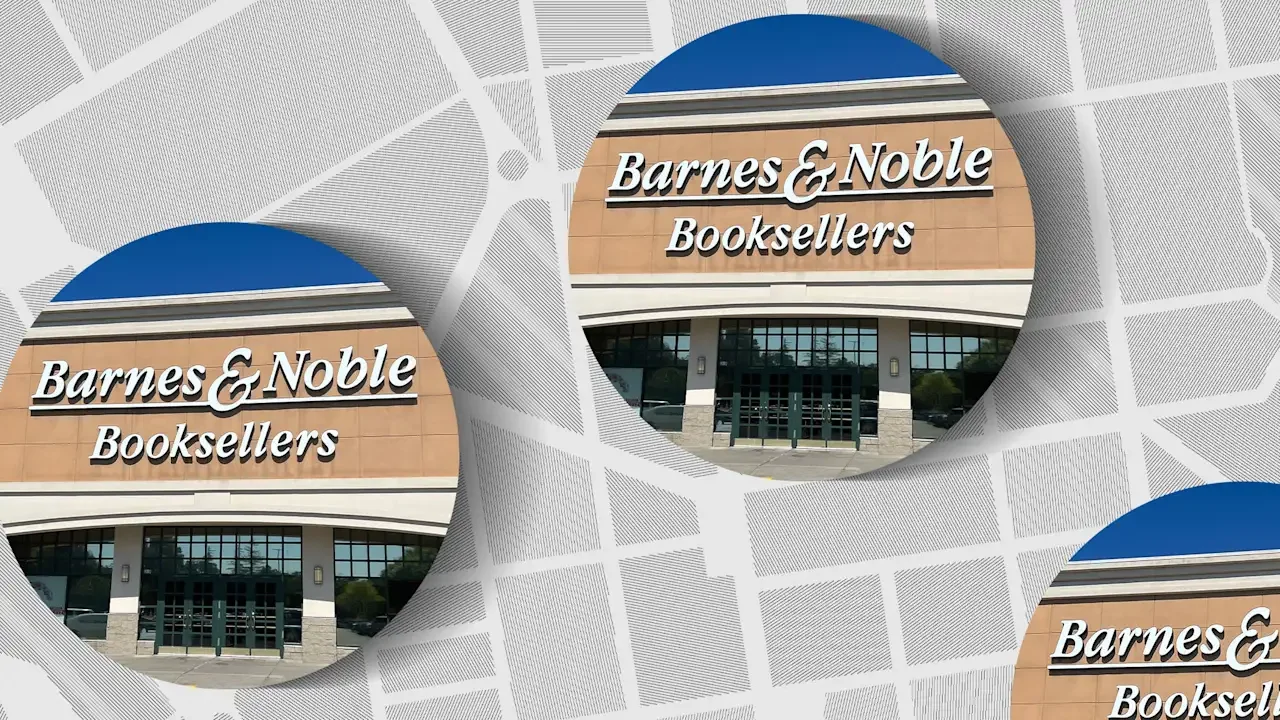
Barnes & Noble is on a roll, and it’s not slowing down in 2026. The bookstore has confirmed plans to open 60 new locations across the country in 2026. For Barnes & Noble, the move is part of a major comeback that’s been years in the works. After the company saw a sales peak in 2008, it spent a decade watching sales dwindle as customers moved to other retailers (especially digital booksellers like Amazon), ultimately leading the retailer to shutter 150 stores. In 2019, the company was acquired by the UK’s Elliott Advisors and taken private. But since 2023, Barnes & Noble has annually added dozens of new locations across the U.S. A post-pandemic boom in the bookstore economy and an influx of new readers from online communities like TikTok’s #BookTok have helped the store crawl its way back to bookselling dominance—and this latest announcement shows that the growth is more than a passing fad. The retailer’s latest expansion plans were reported earlier by USA Today. Where will the new Barnes & Noble locations be? In a statement to Fast Company, a Barnes & Noble spokesperson confirmed that the company is looking to add 60 new stores before June 2026 across 10 locations, though the representative declined to share specific addresses or opening dates. The locations include bookstores in the following states and districts: Ohio Texas Florida Illinois Colorado Washington State California Virgina Georgia D.C. How #BookTok made reading cool This new expansion plan is on par with Barnes & Noble’s annual growth levels over the past few years. In 2023, it opened around 30 new stores, followed by 61 in 2024. According to the spokesperson, 2025 was the company’s most impressive year yet, notching an additional 67 stores. Barnes & Noble’s newfound success is part of a larger return to the stacks—and return to reading as a hobby, more generally—powered, in large part, by readers on TikTok. As younger communities discover popular reads through their #BookTok recommendations, everyone from retailers to libraries are seeing a rise in readership. Back in February, a Barnes & Noble spokesperson told Fast Company, “Since the rise of BookTok during the pandemic, bookstores have seen a significant surge in popularity, especially among young people. Our stores have become popular social spots, offering an experience that online shopping simply can’t match.” BookTok’s popularity is having ripple effects in other areas, too. Some public institutions, like the Milwaukee Public Library and Columbus Metropolitan Library, are riding this wave by building their own presences directly on TikTok. And companies like the book tracking app Goodreads and publisher Harlequin have both recently adopted new branding that’s designed to appeal to the TikTok crowd. While BookTok’s effect on booksellers and libraries might’ve initially seemed like a brief phase, Barnes & Noble’s consistent expansion and strong sales appear to signal that reading is officially cool—and profitable—again. View the full article

-
The inventory slowdown came as properties sold for 1.6% below asking prices, with some sellers opting to remove their listings altogether, according to Redfin. View the full article
-
If you’ve sold equity in your company at some point, you’re probably used to keeping track of your cap table and knowing which shareholders have how big of a stake. But how would you feel about the U.S. government taking a sizable chunk of your business too? That’s the increasingly common reality for a growing number of U.S. companies, a new analysis by The New York Times finds—and for all the chatter over the summer about the feds moving to own almost 10 percent of Intel, computer chips aren’t the only sector seeing increased governmental involvement. Instead, it’s the minerals, metals, and mining industry that comes up again and again in the Times’ breakdown of where the The President administration is making money moves. Included on that list are investments made by the Department of Defense ($400 million in the mining company MP Materials; $35.6 million in Trilogy Metals; $80 million in mineral refiner ReElement Technologies; $620 million in rare earth magnet manufacturer Vulcan Elements) as well as the departments of Commerce (another $50 million in Vulcan Elements) and Energy ($182 million in deferred debt service with Lithium Americas). That’s not to mention the government’s “golden share” in U.S. Steel, its option to take a future 8 percent stake in the nuclear power company Westinghouse, or of course, the 9.9 percent stake in Intel, priced at $8.9 billion, that came out of the deal this summer. The companies in which The President is pushing for federal investment tend to be those deemed vital to national security, which is no surprise when you look at the sectors being prioritized: metals and mining, nuclear power, semiconductors. “If business-as-usual policies worked, America would not be reliant on foreign countries for critical minerals, semiconductors, and other products that are key for our national and economic security,” an administration spokesperson said. Still, it’s an unusual move by the typically free market-focused Republicans, with the Times estimating that over $10 billion in taxpayer money has already been dedicated to these investments (with more expected to be on the way). “Some officials are hopeful the equity stakes will generate a windfall for taxpayers, but the likelihood of that is unclear,” the report reads. “Many of the companies are facing financial headwinds, and some could take years to become profitable.” Critics have also raised concerns that these investments could create room for corruption and backroom dealings. The Times analysis did not look at stakes taken by the government’s Development Finance Corporation, which more typically invests in private firms. —Brian Contreras This article originally appeared on Fast Company’s sister publication, Inc. Inc. is the voice of the American entrepreneur. We inspire, inform, and document the most fascinating people in business: the risk-takers, the innovators, and the ultra-driven go-getters that represent the most dynamic force in the American economy. View the full article

-
Gold and silver prices rose to record highs in early trading on Monday, spurred on by a confluence of a few different political events and economic factors, including tensions over the U.S. seizing of possibly another oil tanker from Venezuela, speculation of future Federal Reserve rate cuts, overall economy insecurity, and bets on U.S. monetary policy in 2026. In 2025, gold has surged by nearly 70%, according to Bloomberg. Here’s what to know. What happened today? At the time of this writing, in midday trading on December 22, gold bullion (GC=F) was up over 1.9% to $4,472.20 and silver (SI=F) was up about 3.4%, heading toward $70 an ounce, making both headed for highest levels since 1979, per Bloomberg. How did the Fed rate cut affect gold and silver prices? Earlier this month, the Federal Reserve cut interest rates by 25 basis points, the third cut in 2025, driving federal rates to their lowest in three years and pointing to possible further cuts in the year ahead. Historically, gold prices have risen following U.S. Federal Reserve interest rate cuts, with notable gains of 31% in 2000, 39% in 2007, and and 26% in 2019 (all within 24 months). That’s because those rate cuts are often an attempt to jump-start slowing economic growth, and gold is considered a safe haven in times of economic uncertainty. In this case, gold became more appealing as bonds and other fixed-income investments yielded lower investments, according to Investopedia. Will gold hit $5,000 an ounce in 2026? Now the question is, will gold break the $5,000-an-ounce threshold next year? Nobody can say for sure, but as the bullion inches upward, Goldman Sachs is predicting gold will hit $4,900 an ounce by December 2026, and oil prices will decline to a low mid-year. View the full article

-
We may earn a commission from links on this page. Who knew that, here in the mid 2020s, a show involving gays in the military (even a relatively pro-army one) would prove its own relevance by drawing a fierce, angry denunciation from the current administration—a response strong enough that it maybe, just maybe, got the show cancelled in spite of high viewership and buzz. But then again, given the precariousness of the streaming landscape, it's best to treat everything like a miniseries these days. Based on a memoir from Greg Cope White, the Netflix series stars Miles Heizer as Cameron Cope, a closeted gay teen who follows his bestie into the Army in the era before "Don't ask, don't tell," and well before serving in the open was a possibility. With no second season coming, it might be tough to figure out what to watch next. I have some suggestions—though given that there aren't a ton of "gay kid joins the army" shows out there, I'm focusing on queer coming-of-age stories in general, not strictly ones that are military-themed. (Growing up queer is kinda like a boot camp all its own.) We Are Who We Are (2020) Director Luca Guadagnino (Challengers, Queer) created this series about two American teenagers, Fraser (Jack Dylan Grazer) and Caitlin (Jordan Kristine Seamón), living with their families on a U.S. military base in Chioggia, Italy. Fraser's two moms are both in the army (something that would have been impossible in the 1990 of Boots, and may be again before long), but he's new to base life. Caitlin, on the other hand, has lived in Chioggia for years with her conservative father. Over the course of a summer, the two gradually bond over their mutual feelings of isolation, as well as their explorations of gender and sexuality. Stream We Are Who We Are on HBO Max. We Are Who We Are (2020) at HBO Max Learn More Learn More at HBO Max Overcompensating (2025 – ) Comedian Benito Skinner plays himself, sort of, in this buzzy comedy that sees a former high school jock facing his freshman year in college while desperately trying to convince himself and everyone else that he's as straight as they come (relatable, except for the jock part). Much of the appeal is in its deft blending of tones: It's a frequently raunchy college comedy, but it's simultaneously a sweet coming-of-age story about accepting yourself without worrying about what everyone else thinks. The cast includes Adam DiMarco (The White Lotus) and Rish Shah (Ms. Marvel) and, just as impressively, it's a streaming show with queer characters that's actually been renewed. Stream Overcompensating on Prime Video. Overcompensating (2025 – ) at Prime Video Learn More Learn More at Prime Video Heated Rivalry (2025 – ) Shane Hollander (Hudson Williams) and Ilya Rozanov (Connor Storrie) are professional ice hockey players who compete on rival teams, the Montreal Metros and the Boston Raiders. Even as their public relationship remains contentious over a period of years, the two develop a casual (at least at first) sexual relationship that grows increasingly sweaty, ice notwithstanding. Not to be outdone, this buzzy show also traces the similarly complicated relationship between an American team captain and a smoothie barista. Tonally, its sex-filled fun isn't much of a match for Boots, but it's of the increasingly few shows with gay lead characters to succeed on streaming. Oh, and it's also been renewed for a second season. Stream Heated Rivalry on HBO Max. Heated Rivalry (2025 – ) at HBO Max Learn More Learn More at HBO Max Blood & Water (2020 – ) This top-tier teen drama stars Ama Qamata as Puleng Khumalo, a teenage girl who’s lived her entire life in the shadow of a sister that was taken as a baby by human traffickers; Puleng’s parents even hold a birthday celebration for the sister each year. When invited to a party by popular Fikile Bhele (Khosi Ngema), a student at an elite school in Cape Town, Puleng can’t help noticing their similarities. Steeped in the story of her sister, Puleng transfers to the school to get to the bottom of things. There’s plenty of juicy high school drama and family secrets, but the show is elevated by its unexpected dramatic heft and a multitude of queer characters and storylines. Stream Blood & Water on Netflix. Blood & Water (2020 – ) at Netflix Learn More Learn More at Netflix Young Royals (2021 – 2024) Steamy soap Young Royals follows Wilhelm (Edvin Ryding), the fictional prince of Sweden, as he embarks on a romance with another student, Simon Eriksson (Omar Rudberg), at their elite boarding school (it's not exactly boot camp, but it's all relative). While possessed of all the addictive qualities of the teen drama genre, Young Royals takes itself a bit more seriously than some, and feels remarkably fresh in its commitment to casting age-appropriate actors in all the key roles. Stream Young Royals on Netflix. Young Royals at Netflix Learn More Learn More at Netflix Fellow Travelers (2023) Though it's about middle-aged men (Matt Bomer and Jonathan Bailey) in the 1950s, I'm comfortable calling this one a loose match since, like Boots, it's a period piece set a against a backdrop of era-specific brands of queer existence, beginning amid the McCarthy-inspired Lavender Panic and runs through to the AIDS crisis of the 1980s. Bomer and Bailey generate real sparks (and offer up intense, if not particularly graphic, sex scenes) as they portray decades in the lives of a closeted couple—one a State Department official and the other an idealistic congressional staffer. Stream Fellow Travelers on Paramount+. Fellow Travelers (2023) at Paramount+ Learn More Learn More at Paramount+ Elite (2018 – 2024) Elite follows a group of working-class friends who wind up with scholarships to Las Encinas, a fictional private school that is, in the show’s universe, the most exclusive in Spain (again, not exactly boot camp, but here we are). What they find there is snobbery, for sure, but also mystery, murder, and lots and lots of sex (among character of various sexual orientations and numerical groupings). The smart but wonderfully trashy show ran for an impressive eight seasons, with Indian and South African variations (Class and Blood & Water, mentioned above) also streaming. Stream Elite on Netflix. Elite (2018 – 2024) at Netflix Learn More Learn More at Netflix Heartstopper (2022 – ) The repressed, closeted yearning of Boots is all well and good, but Heartstopper is the affirming coming-of-age/queer teen love story that we all kinda need right about now. While it never soft-peddles the dangers of homophobia, it likewise doesn’t wallow in tragedy. Kit Connor and Joe Locke deliver sensitive (and often very funny) performances in a show that’s nearly all smiles without feeling treacly. Stream Heartstopper on Netflix. Heartstopper (2022 – ) at Netflix Learn More Learn More at Netflix First Day (2020 – 2022) This Australian import stars Evie Macdonald as Hannah Bradford, a generally confident 12-year-old whose interests include school politics and taekwondo. She's also, as the series begins, getting a fresh start at a new school while transitioning, presenting herself as female for the first time. She immediately makes new friends, but also faces a bully from her old school who holds her secret over her head just as Hannah is starting to come into her own identity. And if that doesn't sound like a boot camp of its own. First Day skews quite a bit younger than other shows on this list, but it's nevertheless a solid coming-of-age drama about finding meaning and identity. Stream First Day on Hulu. First Day (2020 – 2022) at Hulu Learn More Learn More at Hulu It's a Sin (2021) Another period drama set within relatively recent memory, Russell T. Davies' It's a Sin revisits the 1980s through the story of a group of friends living in London during the height of the HIV/AIDS crisis. The miniseries brings an impressive cast to bear on a story that tracks them through the early days of queer liberation through the developing menace of a disease that no one in the broader world was willing to talk about, much less do anything about. Davies (Queer as Folk, Doctor Who) has told queer stories before, but none quite so powerful or affecting. Stream It's a Sin. It's a Sin (2021) at HBO Max Learn More Learn More at HBO Max View the full article
-
The white dome of Boudhanath rises like a silent guardian over the chaotic sprawl of Nepal’s capital, Kathmandu, crowned by a golden spire that pierces the sky. Painted on each of the spire’s four sides are the benevolent eyes of the Buddha — wide, calm, and unblinking — said to see all that unfolds below. Those eyes have served as a symbol of sanctuary for generations of Tibetans fleeing the Chinese crackdown in their homeland. But today, Tibetan refugees are also watched by far more malevolent eyes: Thousands of CCTV cameras from China, perched on street corners and rooftops to monitor every movement below. This intense surveillance has stifled the once-vibrant Free Tibet movement that had resonated around the world. Nepal is just one of at least 150 countries to which Chinese companies are supplying surveillance technology, from cameras in Vietnam to censorship firewalls in Pakistan to citywide monitoring systems in Kenya. This technology is now a key part of China’s push for global influence, as it provides cash-strapped governments cost-effective, if invasive, forms of policing — turning algorithms and data into a force multiplier for control. The irony at the heart of this digital authoritarianism is that the surveillance tools China exports are based on technology developed in its greatest rival, the United States, despite warnings that Chinese firms would buy, copy, or outright steal American designs, an investigation by The Associated Press has found. For decades, Silicon Valley firms often yielded to Beijing’s demands: Give us your technology and we will give you access to our market. Although tensions fester between Washington and Beijing, the links between American tech and Chinese surveillance continue today. For example, Amazon Web Services offers cloud services to Chinese tech giants like Hikvision and Dahua, assisting them in their overseas push. Both are on the U.S. Commerce Department’s Entity List for national security and human-rights concerns, which means transactions with them are not illegal but subject to strict restrictions. AWS told AP it adheres to ethical codes of conduct, complies with U.S. law, and does not itself offer surveillance infrastructure. Dahua said they conduct due diligence to prevent abuse of their products. Hikvision said the same, and that they “categorically reject any suggestion that the company is involved in or complicit in repression.” Chinese technology firms now offer a complete suite of telecommunications, surveillance, and digital infrastructure, with few restrictions on who they sell to or how they’re used. China pitches itself as a global security model with low crime rates, contrasting its record with the United States, said Sheena Greitens, a political scientist at the University of Texas at Austin. “It’s got a set of solutions that it’s happy to share with the world that nobody else can offer,” she said. “(But) they’re certainly exporting the tools and techniques that are very important to authoritarian rule.” The AP investigation was based on thousands of Nepali government procurement documents, corporate marketing material, leaked government and corporate documents, and interviews with more than 40 people, including Tibetan refugees and Nepali, American, and Chinese engineers, executives, experts and officials. While thousands of Tibetans once fled to Nepal every year, the number is now down to the single digits, according to Tibetan officials in Nepal. In a statement to AP, the Tibetan government in exile cited tight border controls, Nepal’s warming ties with China and “unprecedented surveillance” as reasons for the drastic plunge. A 2021 internal Nepali government report, obtained by AP, revealed that China has even built surveillance systems within Nepal and in some areas of the border buffer zone where construction is banned by bilateral agreements. In a statement to AP, the Chinese Ministry of Foreign Affairs denied coercing Western companies to hand over technology or working with Nepal to surveil Tibetans, calling it a “sheer fabrication driven by ulterior motives.” “Attempts to use Tibet-related issues to interfere in China’s internal affairs, smear China’s image, and poison the atmosphere of China-Nepal cooperation will never succeed,” the statement said. The Nepali government and the Chinese-controlled Tibetan authorities did not respond to requests for comment. Under pressure, many Tibetans are responding the only way they can: Leaving. The Tibetan population in Nepal has plunged from over 20,000 to half that or less today. Former activist Sonam Tashi gave up protesting years ago. Now 49, today he’s just a father trying to get his 10-year-old son out — before the net pulls tighter. The boy was born in Nepal but has no document proving he is either a refugee or a citizen, a result of Chinese pressure. Tashi described how those considered likely to protest are picked up in advance around key dates — like March 10, which marks the 1959 Tibetan uprising, or July 6, the Dalai Lama’s birthday. In 2018, Nepal’s police magazine confirmed that it was building predictive policing, which allows officers to watch people’s movements, identify in advance who they think will protest, and arrest them preemptively. “There are cameras everywhere,” Tashi said, sitting on a bus winding toward the Indian border. “There is no future.” ‘They gave us all the hardware’ After China crushed a Tibetan uprising in 1959, thousands fled across the Himalayas to Nepal, carrying only what they could: Religious paintings, prayer wheels, and the weight of families left behind. Their exodus, led by the charismatic Dalai Lama, captured the American imagination, with Hollywood films and actor Richard Gere’s congressional appeals putting Tibet in the spotlight. Washington trod a careful line, defending the rights and religious freedom of Tibetans without recognizing independence. Today, the future of the Free Tibet movement is in question. Without refugee cards that grant basic rights, Tibetans in Nepal can no longer open bank accounts, work legally, or leave the country. Cameras are now everywhere in Kathmandu, perched on traffic lights and swiveling from temple eaves. Most link back to a four-story brick building just a few blocks down from the Chinese embassy, where officers watch the country in real time. The building hums with the low breath of cooling fans. Inside, a wall of monitors blinks with feeds from border towns, busy markets and clogged traffic crossings. Officers in crisp blue uniforms and red caps sit in the glow, scanning scenes. Beneath the screens, a photo published in a Nepali daily shows, a sign in English and Chinese reads: “With the compliments of the Ministry of Public Security of China.” Their reach is vast. Operators can track a motorbike weaving through the capital, follow a protest as it forms, or patch an alert directly to patrol radios. Many cameras are equipped with night vision facial recognition and AI tracking — able to pick a single face out of a festival crowd or lock onto a figure until it disappears indoors. The system not only sees but is learning to remember, storing patterns of movement, building a record of lives lived under its gaze. A 34-year-old Tibetan cafe owner in the city watched the city change in quiet horror. “Now you can only be Tibetan in private,” he said. He and other Tibetans in Nepal spoke to AP anonymously, fearing retaliation. The first cameras in Boudhanath were installed in 2012, officially to deter crime. But after a Tibetan monk doused himself in petrol and set himself ablaze in front of the stupa in 2013, police added 35 night vision cameras around it. The Chinese embassy in Kathmandu worked closely with the police, said Rupak Shrestha, a professor at Simon Fraser University in Canada who studied surveillance in Nepal. He said the police received special training to use the new cameras, identify potential symbols associated with the Free Tibet movement, and anticipate dissent. In 2013, a team of Nepal Police officers crossed the northern border into Tibet for a seemingly straightforward mission: Collect police radios from Chinese authorities in Zhangmu, a remote border town, about 120 kilometers (75 miles) from Kathmandu. A truck was loaded with equipment and a few handshakes later, they were driving back to Kathmandu. The radios — made by the partly state-owned Chinese firm Hytera — looked like walkie-talkies but ran on a digital trunking system, a scaled-down mobile network for police use. Officers could talk privately, coordinate across districts, even patch into public phone lines. The entire system — radios, relay towers, software — was a $5.5 million gift from China. “They didn’t give us the money,” recalled a retired Nepali officer who made the trip. “They gave all the hardware. All Chinese.” He remembered not the border guards but the tech — sleek, reliable, and far ahead of anything they’d used before. He spoke on condition of anonymity to describe sensitive internal discussions. He said Nepal had initially considered buying the technology from the U.S. and only wanted to deploy the system in its two biggest cities. Hytera was a fraction of the cost and performed comparably, but China also wanted coverage near the border with Tibet. Nepal acquiesced. They installed the technology in Sindhupalchowk, a border district with a key road to China used by Tibetan refugees. “We understood their mindset,” the retired officer said. “A secure border.” A police envoy from the Chinese embassy began making regular visits to the Nepal Police headquarters. He’d chat over coffee, flip through brochures from Chinese companies. “He’d say, ‘You want anything?’” the retired officer recalled. China began donating tens of millions in police aid and surveillance equipment, including a new school for Nepal’s Armed Police Force. Hundreds of Nepali police traveled to China for training on policing and border control, according to Chinese government posts. Ahead of a summit of South Asian leaders in 2014, among the goods on offer were ones from Uniview, China’s pitch for an all-seeing eye. The company was the Chinese surveillance business of what was then Hewlett Packard, or HP, before it was spun off in a 2011 deal. Since 2012, Uniview has been selling mass surveillance solutions to the Tibetan police, such as a command center, and developed cameras that track ethnicities such as Uyghurs and Tibetans. Uniview installed cameras in Kathmandu for Nepal’s first “safe city” project in 2016. It started with the city’s roads, then went up across the capital — in tourist areas, religious sites, high-security zones like Parliament and the prime minister’s home. The cameras didn’t just record. Some could follow people automatically as they moved. Others were designed to use less data, making it easier to store and review footage. Hewlett Packard Enterprise, or HPE, a successor company to HP that sells security solutions, has no ownership in Uniview and declined to comment. Hytera and Uniview did not respond to requests for comment. Nearly all the cameras installed in Nepal are now made by Chinese companies like Hikvision, Dahua, and Uniview, and many come bundled with facial recognition and AI tracking software. Hikvision’s website and marketing materials advertise camera systems in Nepal linked via Hik-Connect and HikCentral Connect, cloud products that rely on Amazon Web Services. Hikvision sells to the Nepali police and government, and a template for Nepali tenders indicates CCTV cameras procured for the government are required to support Hik-Connect. In return for Beijing’s support, top Nepali officials have thanked China repeatedly over the years, promising never to allow “anti-China activities” on Nepali territory. The Nepali police head offices aren’t far from the now-forlorn Tibetan reception center, which used to shelter tired, hungry Tibetans fleeing across the border. The building is nearly empty. The gates are locked. Those who do escape, like Namkyi, arrested at 15 for protesting Chinese rule, often have to wait for weeks confined indoors until they’re smuggled out again to the Tibetan capital in exile in India. Silence has become survival. “They know they are being watched,” she said. “Even though we are free, the surveillance cameras mean we’re actually living in a big prison.” From clients to competitors From the start, U.S. companies eager for China’s vast markets exchanged technology for entry. Many were required to start joint ventures and research operations in China as a precondition for being allowed in. Dozens, if not hundreds, complied, transferring valuable know-how and expertise — even in sensitive areas like encryption or policing. Little by little, Chinese companies chipped away at the lead of American tech companies by luring talent, obtaining research, and sometimes plain copying their hardware and software. The flow of technology continued, even as U.S. officials openly accused China of economic espionage and pressuring American companies for their technology. “China is by far the most egregious actor when it comes to forced technology transfer,” Robert D. Atkinson, then-president of a think tank focused on innovation, warned Congress in a 2012 hearing. American tech resistance came to a final, definitive end later that year with Edward Snowden’s revelations that U.S. intelligence was exploiting American technology to spy on Beijing. Spooked, the Chinese government told Western firms they risked being kicked out unless they handed over their technology and provided security guarantees. After companies like HP and IBM agreed, their former partners became their fiercest global competitors — and unlike American firms, they faced few questions about the way their technology was being used. Companies like Huawei, Hikvision, and Dahua have now become global behemoths that sell surveillance systems and gear all over the world. American technology was key to this: – Uniview, the Chinese AI-powered CCTV camera supplier, supplied the first phase of Nepal’s safe city project in 2016, installing cameras in Kathmandu. Uniview was carved out of California-based HP’s China surveillance video business. – Hytera provided data infrastructure for the Nepali police, such as walkie-talkies and digital trunking technology, which enables real-time communication. Earlier this year, Hytera acknowledged stealing technology from U.S. company Motorola in a plea agreement, and had acquired German, British, Spanish, and American tech businesses in their growth phase. – Hikvision and Dahua, China’s two largest surveillance camera suppliers, sell many of the cameras now in Nepal. They partnered with Intel and Nvidia to add AI capabilities to surveillance cameras. Those ties ended after U.S. sanctions in 2019, but AWS continues to sell cloud services to both companies, which remains legal under what some lawmakers call a loophole. AWS has advertised to Chinese companies expanding overseas, including at a policing expo in 2023. – Chinese tech giant Huawei has become one of the world’s leading sellers of surveillance systems, wiring more than 200 cities with sensors. In Nepal, they supplied telecom gear and high-capacity servers at an international airport. Over the years, the company benefited from partnerships with American companies like IBM, and has been dogged by allegations of theft — including copying code from Cisco routers wholesale, a case which Huawei settled out of court in 2004. Huawei said it provides “general-purpose” products “based on recognized industry standards.” Intel has said it adheres to all laws and regulations where it operates, and cannot control end use of its products. Nvidia has said it does not make surveillance systems or work with police in China at present. IBM and Cisco declined to comment. Policing gear maker Motorola Solutions, a successor company to Motorola after it split, did not respond to requests for comment. U.S. technology transfer to Chinese firms has mostly stopped after growing controversy and a slew of sanctions in the past decade. But industry insiders say it’s too late: China, once a tech backwater, is now among the biggest exporters of surveillance technologies on earth. Few realized “the U.S. shouldn’t be selling the software to China because they might copy it, they might use it for these types of surveillance and bad stuff,” said Charles Mok, a Hong Kong IT entrepreneur and former lawmaker now living in exile as a research scholar at Stanford. “Nobody was quick enough to realize this could happen.” ‘The great big eye in the sky’ Inside a 15th-century monastery in Lo Manthang in Nepal’s Mustang district, light slants through wooden slats, catching motes of dust and the faded faces of bodhisattvas. Crumpled notes of Chinese currency lie at the feet of deities in the walled city along the Tibetan border. Here, shops stock Chinese instant noodles and cars with Chinese plates rumble down mountain roads. A gleaming white observation dome just inside Chinese territory looms over the city. Visible from 15 kilometers (9 miles) away, it’s trained on the district that has long been a refuge for Tibetans, including a guerrilla base in the 1960s. The dome is just one node in China’s vast 1,389-kilometer (863-mile) border network with Nepal — a “Great Wall of Steel” of fences, sensors, and AI-powered drones. Chinese forces have barred ethnic Tibetans from accessing traditional pastures and performing sacred rites. They have pressured residents of Lo Manthang to remove photos of the Dalai Lama from shops. And a “China-Nepal joint command mechanism” meets several times a month on border patrols and repatriations, according to a post by the Chinese-run Tibetan government. The result is that the once-porous frontier is now effectively sealed, and China’s digital dragnet reaches deep into the lives of those who live near it. In April 2024, Rapke Lama was chatting with a friend across the border on WeChat when he received an invitation to meet. He set out from his village and crossed into Tibet — only to be arrested almost immediately. Lama believes his WeChat exchange was monitored; Chinese police appeared with unsettling precision, as if they knew where to look. After accusing him — wrongly, he maintains — of helping Tibetans flee into Nepal, the police seized his phone, which had photos of the Dalai Lama and Tibetan music. Then came months in a Lhasa prison, where isolation and inadequate medical care hollowed him out. Lama did not return to Nepal until May 2025, gaunt and shaken. He later said he entered Tibet to harvest caterpillar fungus, valued in traditional Chinese medicine. Another friend who crossed the border remains in custody. “Even now, I’m scared,” Lama says. He wears masks when wandering the streets, he says, “because of that lingering fear.” The Chinese observation dome is a giant symbol of the same fear, towering over the border. “It’s the great big eye in the sky,” said a 73-year-old Tibetan hotel owner in Nepal, who spotted the installation during a trip near the border last year. “For Tibetan refugees, Nepal has become a second China.” __ Associated Press journalists Niranjan Shrestha and Binaj Gurubacharya in Kathmandu, Manish Swarup and Rishi Lekhi in New Delhi, Ashwini Bhatia in Dharamshala, India, and David Goldman in Washington contributed to this report. —Aniruddha Ghosal and Dake Kang, Associated Press View the full article

-
We may earn a commission from links on this page. One of the often unspoken truths of being a tech reviewer is you get to test out, recommend—and sometimes even keep!—gadgets that you would never buy for yourself, because you can't justify what they cost. This is why I tend to spend large portions of my reviews talking about price: I love a cutting edge gadget as much as the next nerd, but I have two kids and I live in the most expensive city in America. As much as I admire the Boox Palma 2 Pro, my budget doesn't really have room for a niche $400 e-reader. That's why the Xteink X4 e-reader, a minimalist 4.3-inch e-reader, is my tech upgrade of 2025: Here's a device that has no delusions of grandeur. It doesn't want to replace your phone. It doesn't want to serve up the smoothest screen tech. It doesn't want to run games or apps or seamlessly sync with you phone. It just wants to be a tiny, inexpensive e-reader that works just well enough, and is small enough to carry with you anywhere. Xteink X4 E-Reader $69.00 at Xteink Shop Now Shop Now $69.00 at Xteink The simplicity is the pointAs I make clear in my review, the Xteink X4 can in no way compete with the Palma 2 Pro (or your average Kindle, for that matter). It has an underpowered processor and no screen light. Due to digital rights management, you probably won't be able to use it to read all the Kindle books you already own (though that's really Amazon's fault). It's kind of a pain to load it up with e-books, and once you get them on there, they might not look great, as the current software can't even display paragraph indents or italics. But it also costs less than $50, and once it's all set up, it fulfills the exact same function as a pricier device: It allows me to easily carry my library around with me so I can read a book instead of staring at my phone. But because it's so very tiny—around 25% smaller and thinner than my iPhone 14—it does this better than any other device I've tried. A great communityMore than just functional, though, the Xteink X4 is fun—though admittedly, a lot of that comes from the vibrant community that has sprung up around it online. It has only been available for a few months, but it already has its own active subreddit, filled with geeky users helping each other out with FAQs, troubleshooting, and crowd-sourced galleries of screensaver images. They developed tools and shortcuts to get around the device's limited functionality, from a Calibre plugin that will optimize your EPUB files for the Xteink X4, to an online tool that will automatically convert them into much prettier image files. A few different folks are even working on entirely new firmware to replace the merely functional native software. You don't have to tinker with the Xteink X4—it's perfectly usable out of the box, once you get used to quirks like navigating its slightly confusing menus with its slightly unintuitive physical buttons—but it's fun to be engaged with a bunch of other folks who are excited about making it work better. In their outsized devotion to a niche device, these folks are bringing back the spirit of the old internet, powered by a sense of community rather than an all-knowing algorithm. Like the current retro appeal of cassette tapes, the Xteink X4 makes everything better by being a little bit worse. View the full article
-
American trade policy is geared towards re-industrialisation — and it’s workingView the full article
-
In a strategic development for digital marketing, YouTube recently announced the upcoming discontinuation of its Demand Gen program by December 2025. While the news might seem alarming at first glance, it holds essential insights for small business owners looking to maximize their online presence. Demand Gen has been instrumental in building brand awareness and driving conversions. With 68% of conversions stemming from users who didn’t previously engage with the brand, the program enabled businesses to reach untapped audiences while they were streaming, scrolling, or shopping. YouTube’s approach transformed digital marketing for small businesses by introducing a dynamic way to connect with potential customers at various stages of their buying journey. As small business owners evaluate the implications of this change, the primary benefit lies in the invaluable insights gained from the Demand Gen experience. The program significantly contributed to advertisers’ ability to reach new demographics. Leveraging video content in unique ways, it allowed brands to showcase their offerings in an engaging manner, often increasing viewer engagement and brand recall. YouTube’s announcement also echoes a broader trend in the digital advertising landscape, where real-time insights are becoming increasingly crucial. According to YouTube, “Demand Gen conversions came from users who did not see the brand’s traditional ads.” This statistic showcases an evolving consumer behavior landscape, emphasizing the importance of innovative marketing strategies. For small business owners, the takeaway is clear: even as Demand Gen faces a sunset, the lessons learned are invaluable. Businesses must pivot quickly and consider alternative strategies to maintain their reach and engagement. Content marketing that focuses on creating compelling narratives can fill the void left by the program. Engaging video content, tutorials, and behind-the-scenes looks can foster a strong connection with audiences. As the digital space evolves, small businesses also need to stay vigilant about potential challenges. With the discontinuation of Demand Gen, owners might find themselves needing to adapt quickly. The transition away from this program may disrupt campaigns built around its unique capabilities. Additionally, smaller organizations, which typically operate with tighter budgets, may face difficulties finding equally effective alternatives within the same price point. Despite these challenges, opportunities abound for those ready to innovate. Small businesses can tap into other forms of advertising available on YouTube, including traditional ads, influencer partnerships, and interactive content that drives engagement. Building a solid strategy that blends different advertising formats will be key in maintaining visibility across the platform. To successfully transition, small business owners should evaluate their current marketing strategies and explore new ways to reach target audiences. Incorporating data analytics into campaigns will be vital. Understanding audience behavior and preferences can help tailor messages that resonate, therefore ensuring engagement even without the Demand Gen framework. YouTube acknowledges the changing tides in consumer engagement, stating, “as audiences continue to evolve, we must also adapt,” signifying the need for flexibility in marketing efforts. Emphasizing creativity, business owners should look beyond conventional formats. Interactive videos, shoppable ads, and viewer polls can enhance user experience while delivering crucial brand messages. The cessation of Demand Gen may seem daunting, yet it also presents a moment for small businesses to reevaluate their marketing tactics. The digital landscape is ripe for innovation, where boutique strategies can yield significant results. Collaborating with digital marketers and content creators may yield a fresh approach, blending storytelling with promotional strategies effectively. As they navigate this transition, small business owners should monitor performance metrics closely and remain adaptable to changes in consumer behavior. By doing so, they not only mitigate potential challenges but position themselves for ongoing success in the digital marketing arena. For more insights on YouTube’s announcement and the future of digital marketing, refer to the original press release here. Image via Google Gemini This article, "YouTube Unveils Demand Gen: Reach New Audiences While They Stream" was first published on Small Business Trends View the full article
-
We may earn a commission from links on this page. Deal pricing and availability subject to change after time of publication. Though the Kindle Scribe is already on its third generation, the first-generation model still has a place for anyone looking to nab one of these note-taking e-readers for less. Released in 2022, the original Kindle Scribe is still relevant in 2025 simply for its price. Right now, the 16GB version of the 2022 Scribe with the Premium Pen is discounted to $221.99 (originally $369.99), the lowest price this reader has seen since its release, according to price-tracking tools, and a great opportunity to snatch one for a bargain. The newer 2024 version is also seeing a decent discount, with the 32GB version of the 2024 Scribe going for $279.99 (originally $419.99). Kindle Scribe (16 GB) the first Kindle for reading, writing, journaling and sketching - with a 10.2” 300 ppi Paperwhite display, includes Premium Pen $221.99 at Amazon $369.99 Save $148.00 Get Deal Get Deal $221.99 at Amazon $369.99 Save $148.00 That said, if you are considering the 2024 version, there's not much reason to upgrade—the main difference is that the 2024 version tablet itself is shorter, narrower, and slimmer, but not by much (you can even still use the same case). The 2024 version's new screen also has texture, which will add some resistance when you're writing on it for a more natural feel. The gap between the screen and the outer casing is also smaller. But that's where the differences end. Otherwise, you'll get the same book format compatibility, the same 15.3 oz weight, the same glare-free 300 ppi front-lit display screen, and the same 12-week battery life. Both tablets run the same software. Still, if you don't own a Scribe at all and are considering getting one, the 2022 version is the most affordable option at the current price point—it's over 50% cheaper than the new 2025 model. Apple AirPods Pro 3 Noise Cancelling Heart Rate Wireless Earbuds — $199.00 (List Price $249.00) Sony WH-1000XM5 — $248.00 (List Price $399.99) Samsung Galaxy Tab A9+ 10.9" 64GB Wi-Fi Tablet (Graphite) — $139.99 (List Price $219.99) Apple Watch Series 11 [GPS 46mm] Smartwatch with Jet Black Aluminum Case with Black Sport Band - M/L. Sleep Score, Fitness Tracker, Health Monitoring, Always-On Display, Water Resistant — $329.00 (List Price $429.00) Blink Outdoor 4 1080p 3-Camera Kit With Sync Module Core — $74.99 (List Price $189.99) Amazon Fire TV Stick 4K Plus — $29.99 (List Price $49.99) Meta Quest 3 512GB Mixed Reality VR Headset with Controllers — $499.00 (List Price $499.00) Deals are selected by our commerce team View the full article
-
Just when you think you’ve wrapped your mind around computers that can put your dog in front of the Eiffel Tower or chatbots that act like your best friend (or lover), the AI behemoths surprise you with a fully AI-powered TikTok or the ability to virtually bring back your dead relatives. I’ve worked in the AI space for 15 years. I served as an early beta tester for OpenAI in 2020, when I predicted that a little model called GPT-3 had world-changing potential. It was later released as something called “ChatGPT”–perhaps you’ve heard of it? I’ve also called several big AI trends correctly, including the rise of video generators and the “AI Wars” between Google and OpenAI. Based on my experience, here are my six AI predictions for 2026 and beyond. 1. OpenAI goes garlic In late 2025, Google’s Gemini model started to gain ground on OpenAI and its GPT-5.1 system. That apparently really irked Sam Altman and the OpenAI team. Altman reportedly called a “code red,” directing staff to focus all their efforts on besting Google. Rumor had it they were developing a new, fully re-trained thinking model, codenamed Garlic. When OpenAI did a surprise drop of a new GPT-5.2 model in mid December, lots of people thought it might be Garlic coming to market. Based on my own testing, it’s not. Or at least, it’s not the complete model. GPT-5.2 is indeed better than the previous model. It’s faster and more efficient, and makes fewer errors. It’s also notably better at scientific tasks, and practical ones like coding. But now it appears there will be a second new OpenAI release, which I expect to come out in January. That’s most likely the full Garlic model. This new model, I predict, will have a new knowledge cutoff sometime in 2025, a broader context window, and much better image generation capabilities. It will also be faster and more efficient to run, especially on “thinking” tasks. 2. Google’s Gemini continues its march toward domination Whenever it finally arrives, Garlic will enter the world with plenty of competition. Google was very slow to roll up to the generative AI table. For a company that’s been working in deep learning for decades and has some of the most intelligent people in the world working for it, that felt like a big miss. Google had reportedly developed its own ChatGPT years before OpenAI, but chickened out on releasing it. In the beginning of the AI race, that allowed OpenAI to very loudly and publicly eat Google’s lunch. The history of science, though, is littered with examples where early innovators weren’t the ones who successfully commercialized a new technology. Just ask Joseph Swan, the true inventor of the lightbulb. You’ve never heard of him. But you do know Thomas Edison, who made the lightbulb a widely available technology—and did a great job promoting his invention (and himself) in the process. Historically, first-mover advantage has proven surprisingly inconsequential in the tech space. And now that Google has woken up to the importance of AI, they’re aggressively building out their Gemini model and integrating it into almost all their products, including their core search experience. Google has more data, more resources (including its own custom AI chips), more people, and a much broader reach than OpenAI. In 2026, Google will continue to throw its weight around in generative AI. Gemini will go from being an also-ran to one of the most powerful models on the market. Because it will be broadly integrated into products that normal people use on a day-to-day basis, it will immediately have an audience in the billions. The struggle now isn’t for newer companies like OpenAI to create the best product. It’s to create a product better than Google’s. That will be very hard in 2026 and beyond. 3. Chatbots become therapy (and a bit more) Users have already realized that ChatGPT can take the place of a human therapist. In a recent poll by the Economist, 25% of people reported turning to chatbots for mental health support. As cases of AI psychosis and alleged suicides demonstrate, this can go very badly. But for people who can’t afford any kind of psychological support—or simply don’t have access to it in their language or country—using chatbots as cheap therapists is incredibly appealing. Without directly saying so, OpenAI has implied that they’re moving ChatGPT further into this space, with improvements to how the bot handles sensitive medical and mental health conversations. This could be a huge boon for mental health. Many people appear more comfortable discussing their problems with an unthinking bot than with a human. The fact that a session with ChatGPT doesn’t cost $300 per hour is also a big plus! ChatGPT’s capabilities will expand in other ways, too. A rumored “adult mode” will arrive in 2026, allowing ChatGPT to write risqué material. Prepare yourself for a wave of frenzied op-eds about how people are turning to these newly salacious for relationships instead of fellow humans. 4. AI-generated videos take over—and not just on Sora OpenAI’s AI-powered Sora video generator is incredibly powerful, and their Sora-based social network is incredibly fun to use. In 2026 and beyond, expect to see the reach and importance of AI-generated vertical video accelerate. Vertical video is the perfect format for AI. The clips tend to be short, which caters to AI’s ability to generate about 10 seconds of reliable video before things go off the rails. They also tend to be grabby and compelling. Again, AI excels at making videos of things like people falling into wedding cakes or having heated arguments with their roommates. In 2026, expect the reach of AI-powered social networks like Sora to grow dramatically. The biggest growth, though, will come from these videos migrating off the Sora platform and onto other social media. Already, my Facebook Reels feed is dominated by clearly AI-generated videos of things like a cat saving her kittens from a flood or grandmothers fighting grizzly bears. In 2026, AI videos won’t stay put. They’ll travel into every vertical video space on the web—from TikTok to Nextdoor—further blurring the lines between what’s real and what’s imagined. 5. Electricity becomes the limiting factor I have friends who build data centers for a living. They tell me the only thing stopping them from building more data centers is finding enough electrical power to keep up with AI’s demands. Some companies are reportedly even going nuclear, building or recommissioning fully functional reactors to power their electricity-hungry AI chips. The need for more electrical power for AI will start to limit the tech’s growth in 2026. It will also rub up against society’s other needs. In 2026, I expect a populist backlash against the fact that data centers’ voracious energy demands are raising electricity rates for everyday people. Ultimately, the deficiencies of today’s grid–strained as it is by the rise of AI–will drive innovative, new models that are good for everybody. Cheap solar power at midday may be redirected toward data centers, for example, or stored in giant batteries to keep servers running overnight. This demand will create a huge market for green technologies, ultimately benefiting the planet and everyone on it. 6. AI invades the real world No, the robot uprising isn’t here just yet. But AI is increasingly invading the real world. Self-driving cars were once a novelty. In 2026, usage will explode, with Zoox, Waymo and their competitors–including entrants from China–serving more cities. The rise of self-driving vehicles and other physical manifestations of AI technology will surprise people. You’ll blink, and one day it will feel like nearly every car on the road is self-driving—as it currently does in my home city of San Francisco. I expect to see other experiments with physical AI in 2026, from robot baristas to caregiving machines, and plenty of military AI tech, too. Again, though, the self-driving car blitz coming in 2026 will be the most profound and surprising (to everyday people, anyway) implementation of the technology. It will arrive far sooner than you think. A pat on the back So that’s what I anticipate for the year ahead. As someone who’s been in the AI space for a long time, I’ve missed some things. But I also wrote, two years before ChatGPT, that “OpenAI and its founders could easily make billions (and likely challenge the advertising and content recommendation engines of rivals like Google) by throwing caution to the wind and throwing open the doors to GPT-3 to all comers.” I still pat myself on the back for that one. How will my 2026 predictions shape up? Ask me in a year! View the full article

-
When Spike Jonze's movie Her dropped back in 2013, I thought it was a great work of total fiction. Who would actually befriend an AI bot, let alone fall in love with them? Fast forward 12 years, and I couldn't have been more wrong. Not only do people love chatting with AI bots, they are actually developing deep connections with them. I still don't get it, but I can't deny it: People like these chatbots a lot. Part of what people like about conversations with generative AI is the "personality" of each bot—or, at least, its perceived personality. After all, ChatGPT isn't a monolith: You can adjust the bot to sound wildly different than it does on someone else's app, which raises some questions for me regarding these curated companions. But I digress: This article isn't necessarily a critique of how people are attaching themselves to ChatGPT; rather, I'm sharing the news that OpenAI is now giving you more control over how the bot sounds and responds in your conversations. Curate your perfect AI companion On Friday, OpenAI announced new controls for ChaGPT's "Personalization." In a post on X, the company revealed that users can now adjust their chatbot's "characteristics," or, in other words, its overall personality. These are adjustments to the personality types that OpenAI has already let you choose from, which include one of eight options: "Default" (preset style and tone); "Professional" (polished and precise); "Friendly" (warm and chatty); "Candid" (direct and encouraging); "Quirky" (playful and imaginative); "Efficient" (concise and plain); "Nerdy" (exploratory and enthusiastic); and "Cynical" (critical and sarcastic). But no matter which of these personalities you pick, you now have four "characteristics" to adjust to fine-tune the overall experience. There's "Warm," "Enthusiastic," "Headers & Lists," and "Emoji," with the option to have more or less of each, or the default amount, as OpenAI sees fit. For Warm, you can either have ChatGPT be friendlier and more personable, or more professional and factual. With Enthusiastic, you can choose the bot to have more energy and excitement, or be calmer and more neutral. "Headers & Lists" lets you choose between clear formatting and lists, or more paragraphs. And, of course, you can control whether ChatGPT uses more emoji, or fewer, depending on your sense of fun and joy. As usual, you can take advantage of custom instructions to guide ChatGPT's personality in a direction you like, especially when the presets don't give you those options. For example, if you'd like ChatGPT to talk to you like a pirate, or if you want it to end every response with a certain catchphrase, here's your chance to influence the bot. I'm really not someone who uses ChatGPT outside of testing it for coverage, so I can't speak to whether these additional controls are useful. But if you want to try making your version of ChatGPT your ideal "AI companion," the controls are at your disposal. You'll find these options wherever you access ChatGPT. You can either access it from Settings > Personalization, or from the Personalization shortcut in the ChatGPT menu. View the full article
-
When you’re considering a commercial mortgage, it’s crucial to evaluate your options carefully. Lenders like Lendio offer connections to multiple funding sources, whereas RCN Capital provides flexible loan terms. U.S. Bank thrives in commercial real estate and SBA loans, and 1West accommodates borrowers with varying credit. Comprehending these lenders can help you make informed decisions. Let’s explore each option in detail to find the right fit for your investment needs. Key Takeaways Lendio connects borrowers with over 75 lenders, offering a quick online application process without affecting credit scores. RCN Capital specializes in non-owner-occupied properties, providing flexible terms and no upfront fees during preapproval. U.S. Bank offers competitive rates for CRE and SBA loans but requires established business qualifications and lacks an online application option. 1West has no minimum gross sales requirement and provides access to over 50 lenders, accommodating those with less-than-perfect credit. SBG Funding focuses on short-term SBA 7(a) financing with no prepayment penalties, catering to applicants with strong cash flow. Lendio: Best Overall for Multiple Options When you’re seeking commercial mortgage options, Lendio stands out as the best overall choice for multiple financing solutions. Acting as a marketplace, Lendio connects you with over 75 commercial mortgage lenders, simplifying the loan application process. You can complete the online application in under 15 minutes, and it won’t impact your credit score. Lendio offers a wide variety of commercial loan types, allowing you to compare options customized to your specific needs. As Lendio maintains general minimum qualification standards, it provides flexibility, accommodating various borrower profiles. Moreover, if you have questions or need assistance, Lendio’s support team is available via phone and email, ensuring you have guidance throughout your financing process, making it a reliable commercial mortgage broker. RCN Capital: Flexible Loan Terms RCN Capital stands out in the commercial mortgage arena by offering flexible loan terms customized to meet a variety of financing needs. They provide some of the lowest starting interest rates and longest repayment terms, ensuring you can find a solution that fits your budget. Furthermore, RCN specializes in loans backed by non-owner-occupied and commercial properties, which can cater to diverse projects, such as: Fix and flip projects Long-term rental investments New construction developments Other commercial ventures Moreover, RCN Capital doesn’t charge upfront lender fees during the preapproval or approval stages, though third-party costs may apply. With an easy online application process, you can conveniently initiate your loan request and explore your options with confidence. U.S. Bank: Best for CRE or SBA Loan Options If you’re considering a loan for commercial real estate or a small business, U.S. Bank offers competitive rates that could suit your needs. Nevertheless, keep in mind that their strict qualification criteria typically favor established businesses with good credit and solid financials. Whereas their flexible underwriting might accommodate various borrower profiles, you’ll need to schedule an appointment or make a call to discuss your options, as they don’t have an online application process. Competitive Rates Offered U.S. Bank stands out for its competitive rates on both Commercial Real Estate (CRE) and Small Business Administration (SBA) loans, making it a prime choice for borrowers. Here’s what you can expect: Favorable Financing: Attractive rates help you manage costs effectively. Quick Funding Decisions: As an SBA Preferred Lender, U.S. Bank accelerates the loan process. Flexible Terms: Options cater to various property types, accommodating diverse business needs. Personalized Assistance: Although online applications aren’t available, you’ll receive customized support through in-person or phone consultations. These features enable you to make informed decisions as you steer through the financing environment, ensuring you find a solution that best fits your business objectives. U.S. Bank’s competitive offerings improve your chances of securing the funding you need. Strict Qualification Criteria When considering U.S. Bank for your commercial mortgage needs, be prepared for strict qualification criteria. The bank typically requires borrowers to demonstrate good credit and a robust financial profile, which guarantees a lower risk for them. As an SBA Preferred Lender, U.S. Bank can expedite funding decisions, benefiting those who need quicker access to capital. Nevertheless, it’s essential to acknowledge that there’s no online application process; you’ll need to schedule an appointment or call to discuss your options. Although the bank maintains strict guidelines, some flexibility in underwriting may exist for specific programs, allowing you to explore customized solutions that meet your unique financial situation. 1West: Flexible Credit Requirements When you consider financing options with 1West, you’ll find a loan marketplace that connects you with over 50 lenders, giving you the flexibility to choose what suits your needs. There’s no minimum gross sales requirement, which opens up opportunities for businesses seeking funds for purchasing, renovating, or broadening commercial properties. Plus, with interest-only payment options available, you can manage your monthly costs more effectively, even though your credit isn’t perfect. Loan Marketplace Advantages In the competitive terrain of commercial mortgage lending, 1West stands out by offering a loan marketplace that caters to a diverse range of borrowers, particularly those with flexible credit requirements. By connecting you with over 50 lenders, 1West guarantees you have many financing options available. Key advantages of this marketplace include: No minimum gross sales: This allows more businesses to qualify for loans. Diverse loan purposes: You can secure funding for purchasing, renovating, or broadening properties. Interest-only payment options: These can help reduce your monthly costs and improve cash flow management. Accessibility for borrowers with less-than-perfect credit: This feature opens doors to funding that might otherwise be unavailable. With these benefits, 1West simplifies the borrowing process for you. Varied Property Financing Options Varied property financing options are essential for businesses looking to adapt to their unique needs and circumstances. 1West offers a range of loans that cater to different objectives, whether you’re purchasing a new commercial property, renovating an existing one, or broadening your operations. As a loan marketplace, 1West connects you with over 50 lenders, ensuring flexible credit requirements. You won’t face minimum gross sales requirements, making it easier for various businesses to qualify. This accessibility is particularly beneficial for those with less-than-perfect credit, enhancing your financing opportunities. Loans can be used for different purposes, including expansions or upgrades, giving you the freedom to choose the best option for your business’s growth and development. Interest-Only Payment Flexibility How can interest-only payment options benefit your commercial financing strategy? 1West provides borrowers with the flexibility to choose interest-only payments during the initial repayment period, significantly reducing monthly expenses. This arrangement can be particularly advantageous for businesses looking to manage cash flow effectively. Here are key benefits of interest-only payment options: Lower monthly payments allow for better budget management. Flexibility to utilize saved funds for other business investments. No minimum gross sales requirement broadens eligibility for various businesses. Suitable for purchasing, renovating, or enlarging commercial properties. SBG Funding: Best for Short-Term SBA 7(a) Funding SBG Funding stands out as a premier option for those seeking short-term SBA 7(a) financing, particularly as it offers loan amounts that can reach up to $10 million, considerably higher than typical limits. This flexibility allows you to address various business needs, whether you’re acquiring real estate or covering working capital. One of the advantages of SBG is that there are no prepayment penalties, giving you the freedom to pay off or refinance your loan early without incurring extra costs. Their qualification criteria are likewise accommodating, focusing on applicants with strong cash flow and profitability, which improves your chances of approval. Plus, the online application process is efficient, taking less than 10 minutes to complete, making it accessible for you. JPMorgan Chase: Experienced Investors Recommended In regard to commercial mortgage lending, JPMorgan Chase is often recommended by experienced investors for its extensive range of financing options customized for various property types and investment needs. Here are some key reasons why you might consider them: They offer multifamily lending with loans from $500,000 to over $25 million for apartment buildings. Commercial mortgage lending starts at $1 million, particularly for stabilized industrial and retail properties. Small business financing options begin at $50,000, making them accessible for diverse business needs. Their strong reputation and expertise in the commercial mortgage sector are especially beneficial for larger transactions. Keep in mind that financing availability may be limited to certain states and markets, so checking regional lending options is crucial. How to Choose the Best Commercial Real Estate Lenders Choosing the best commercial real estate lender can greatly influence your financing experience and overall investment success. Start by prioritizing competitive pricing and flexible terms, as these directly affect your total financing costs. Evaluate the lender’s qualification criteria, including credit score and revenue requirements, to guarantee you meet their standards. Next, compare loan amounts and terms from various lenders to find a solution that aligns with your project’s size and goals. Don’t forget to reflect on associated costs like down payments and origination fees, which can vary considerably and impact your budget. Finally, research each lender’s reputation and customer service reviews to ensure you receive reliable support throughout the application and funding process. Frequently Asked Questions Which Bank Is Best for a Commercial Property Loan? When choosing a bank for a commercial property loan, consider your specific needs. JPMorgan Chase offers diverse financing options, whereas Bank of America specializes in SBA loans and veteran rewards. If competitive rates are a priority, U.S. Bank might be a fit, though they’ve stricter qualification criteria. Wells Fargo provides various loan types, and Lendio can simplify your search by connecting you with multiple lenders to compare options effectively. What Type of Loan Is Best for Commercial Property? The best type of loan for commercial property depends on your goals. If you’re purchasing, a traditional commercial mortgage might suit you. For renovations, consider an SBA loan, which can offer favorable terms. If you need quick funding, a bridge loan can provide short-term financing. Keep in mind that interest rates vary between 4% and 11%, influenced by your creditworthiness, and loan terms can range from 12 months to 30 years. Who Are the Big 6 Mortgage Lenders? The Big 6 mortgage lenders are the major players in the commercial mortgage market. They include JPMorgan Chase, Wells Fargo, Bank of America, Citigroup, Goldman Sachs, and U.S. Bank. Each lender offers various products customized to different property types and borrower needs. For example, JPMorgan Chase specializes in multifamily loans, whereas Wells Fargo is known for strong commercial and multifamily support. Comprehending these lenders can help you choose the right financing option for your needs. What Is a Good Interest Rate for a Commercial Loan? A good interest rate for a commercial loan usually falls between 4% and 11%. If you have a strong credit profile, you might secure rates closer to 4%. Nonetheless, if your financial situation is riskier, expect higher rates. Loan terms matter; shorter loans typically offer lower rates. Furthermore, fixed-rate loans provide stability, whereas variable rates can change with market conditions, impacting your overall borrowing costs considerably. Always assess your options carefully. Conclusion In conclusion, when selecting a commercial mortgage lender, consider your specific needs and financial situation. Lendio offers diverse options, whereas RCN Capital provides flexibility. U.S. Bank is ideal for CRE and SBA loans, and 1West accommodates various credit scores. If you need short-term funding, SBG Funding is a strong choice, and JPMorgan Chase is suited for larger investments. Carefully evaluate these lenders to find the best fit for your investment goals and financing requirements. Image via Google Gemini This article, "7 Top Commercial Mortgage Lenders to Consider" was first published on Small Business Trends View the full article
-
It is none of our business if strangers choose to display their private affairs at a Coldplay concertView the full article
-
The author of The Art of the Deal always likes to claim he’s a big winner when it comes to any business arrangement he makes. And in some ways, Donald The President appears to have won big by finalizing a deal that will see Oracle, Silver Lake, and MGX take part-ownership of a new joint venture designed to oversee operations in the United States of TikTok, the wildly popular social video appl. But dig into the details and you’ll see that what The President’s White House is keen to present as a big win for national security looks more like a standard business deal—or more cynically, a shakedown. Concerns around TikTok first bubbled up at the end of The President’s first term, when the 45th president, running unsuccessfully for re-election in 2020, presented the app, owned by the Chinese tech champion ByteDance, as a national-security concern. On both sides of the aisle, China hawks worry that TikTok’s algorithm could be used to catalyze opposition to the American way of life, and indoctrinate U.S. teens into Chinese ways of thinking—or nudge public opinion to be more favorable to the Chinese regime. The President tried unsuccessfully to ban the app outright from the United States, a gambit that didn’t stand up in court. He has continued to try and alter its ownership even as he appears to have changed tack about whether the platform ought to be banned outright. The President has claimed that TikTok’s purported Chinese links still gave him pause, but that he was willing to allow the app to continue existing in the U.S. provided that it was brought under American control. With this finalized deal, even that’s not guaranteed—which could suggest this is little more than a shakedown and carve-out to ensure the U.S. capitalizes on the only non-American social network that has managed to gain a mass global foothold in the last 20 years. “The leaked details of this deal seem to imply that the public debate and concerns were a red herring,” says Catalina Goanta, associate professor in private law and technology at Utrecht University. The U.S. “just wanted in on a profitable business model that has been growing faster and with more potential than any of its competitors,” she argues. The terms of the agreement suggest that the joint venture will own between 45%and 50% of the new U.S.-Tiktok entity (reports differ on the precise percentages involved). Around one-third of the entity will be owned by ByteDance’s current investors, with the remainder—an estimated 20% or so—still under ByteDances control. The deal is due to close by January 22. Others are equally uncertain that the deal matches up to what The President claimed was the core concern. “Will the sale enrich the new investors or protect American interests?” asks Hussein Kanji, founder of Hoxton Ventures. “Let’s see if the algorithm changes in the new leadership to support a particular political viewpoint.” So far, there’s no suggestion that the app’s algorithm will change in any way, beyond being fed U.S. user data to “ensure the content is free from outside manipulation,” said an internal memo sent by TikTok CEO Shou Chew to staff last week. That isn’t significantly different from what already happens, except it draws slightly stronger fences around U.S-only users. The terms of the deal are believed to adopt the current TikTok algorithm, while the storage of user data within the United States will remain within the country and overseen by a local partner. In this case, that partner will be Oracle, under terms similar to those TikTok has already instigated elsewhere voluntarily, including in Europe (U.K. cybersecurity firm NCC Group oversees data access) where TikTok has built dedicated data centers for local users. ByteDance will reportedly still have control of the app’s ecommerce, advertising, and marketing arms, all of which are core components of the business. In short, basically nothing has changed, except several U.S. firms get a part of the new company—and presumably, a share of its income. It’s no surprise, then, that China has nodded the deal through: Little changes for them, except for homegrown champion ByteDance losing a proportion of its income from the app. “Chinese state media sees this deal as a win for China, and it emphasized retaining ‘global connectivity’, which can also affect what kind of content is seen from outside of the U.S.,” says Goanta. Of course, the app could still change. It certainly would be easier to do so when U.S. companies control the data, the algorithm, and any decisions are overseen by a U.S. board. But it’d be highly unusual—some might say self-defeating—for TikTok in the United States to try and diverge from what made its global product successful. Instead, it looks like a classic The President deal: Plenty of sound and fury, and a whole lot of hyperbole to justify very few changes that actually address the underlying issue that caused the brouhaha in the first place. The deal allows the president to portray action on a politically potent issue while avoiding a total ban that could alienate younger voters or provoke corporate backlash. For China, the arrangement shows it can be flexible without surrendering, allowing ByteDance to preserve that global reach for its flagship app. But as often happens under The President’s America First policy, American entities get a cut of the deal—whether they’re deserving of it or not. View the full article
-
If you’re considering investing in a franchise, now’s a great time to explore your options. With a variety of franchises available, you can find opportunities that suit different budgets and interests. From low-cost education franchises like Kumon to high-profit food brands like Dunkin’ Donuts, the choices are diverse. Furthermore, service-oriented franchises in plumbing and cleaning continue to show steady demand. Comprehending the key factors and steps involved will help you make an informed decision. Key Takeaways Consider low startup cost franchises like Kumon ($2,000) or Ace Hardware ($5,000) for budget-conscious entrepreneurs. High profit potential franchises such as Dunkin’ Donuts and Chick-Fil-A offer lucrative revenue models despite higher initial fees. Popular food franchises like Jersey Mike’s and McDonald’s attract customers due to their established brand recognition and proven business models. Service-oriented franchises in plumbing and cleaning sectors have steady demand, lower failure rates, and strong growth potential. Evaluate franchisee support, training programs, and brand reputation to ensure a successful investment decision. Top Franchises With Low Startup Costs If you’re looking to invest in a franchise without breaking the bank, there are several options with low startup costs that can be appealing to new entrepreneurs. For instance, Kumon offers a franchise fee as low as $2,000, making it a great entry point. Anytime Fitness ranges from $3,150 to $42,500, with manageable monthly fees around $700, whereas Ace Hardware charges only $5,000 and has no royalty fees. These can be excellent choices for those exploring b2b franchise opportunities. If you’re interested in a food franchise under 50k, consider Jersey Mike’s with an initial fee of $18,500. High Profit Potential Franchises When considering franchises with high profit potential, it’s essential to evaluate both the initial investment and the ongoing costs associated with each option. Here’s a breakdown of some franchises that stand out for their profitability: Franchise Initial Franchise Fee Dunkin’ Donuts $40,000 – $90,000 Anytime Fitness $3,150 – $42,500 Supercuts $39,500 Ace Hardware $5,000 (waived for veterans) Dunkin’ Donuts offers high profit margins with low ongoing costs. Anytime Fitness provides low startup costs, making it attractive in the health sector. Supercuts and Ace Hardware likewise present solid opportunities. What are some franchises you might consider? Chick-Fil-A features a unique profit-sharing model that can lead to substantial earnings, further enhancing your investment options. Popular Food and Beverage Franchises As you explore franchise opportunities with high profit potential, popular food and beverage franchises stand out due to their established brand recognition and proven business models. Dunkin’ Donuts offers a franchise fee between $40,000 and $90,000, known for high profit margins and low long-term costs. Chick-Fil-A requires only a $10,000 initial fee, but franchisees share 50% of the pre-tax margin with the corporation, reflecting a unique profit-sharing model. Jersey Mike’s has an initial fee of $18,500, with startup costs ranging from $140,000 to $750,000, indicating profitability potential in the sandwich sector. McDonald’s leads the industry, providing extensive operational support, but demands a significant investment that varies by location, showcasing its strong market presence. Service-Oriented Franchise Opportunities When you consider franchise opportunities, service-oriented businesses are worth a look since they meet crucial household needs. With sectors like plumbing, cleaning, and maintenance experiencing high demand, these franchises can offer steady revenue streams. Plus, many of them come with thorough training and support, making it easier for you to succeed in a competitive market. Essential Household Services In today’s market, investing in fundamental household services can be a smart move for aspiring entrepreneurs seeking stability and growth. The home services sector, which includes plumbing, cleaning, and maintenance, is thriving because of increased homeownership and demand for reliable service providers. Franchises like Mr. Rooter are recognized for their strong growth potential and support systems. Here are some benefits of investing in vital household services: High demand for consistent service offerings Extensive training programs for franchisees Ongoing operational support to manage your business Lower failure rates and higher profitability High Demand Opportunities Service-oriented franchises are becoming increasingly attractive to investors due to their consistent demand and low failure rates. With rising homeownership, services like home maintenance and cleaning are in high demand, making these franchises a solid investment. Critical services such as plumbing and electrical work likewise see steady demand, as consumers prefer professional assistance for household needs. Franchise Type Key Benefits Home Maintenance High demand, recurring revenue Cleaning Services Low overhead, scalable Critical Repairs Vital service, high trust Many of these franchises offer thorough training and ongoing support, equipping you to meet customer needs effectively. The growing trend of consumers prioritizing convenience positions these franchises for long-term success. Retail Franchises Worth Considering When considering retail franchises, you’ll find that established brands often come with strong market demand and proven business models. These franchises benefit from brand recognition, which helps you attract customers more easily. With various investment options available, you can choose a franchise that fits your budget during receiving the support necessary to succeed. Established Brand Recognition Established retail franchises present a compelling opportunity for potential franchisees, as their strong brand recognition often translates into customer loyalty and trust. Investing in a well-known franchise can improve your chances of success in a competitive market. Consider the following benefits: Established Customer Base: Brands like Dunkin’ Donuts attract diverse customers through extensive marketing strategies. Comprehensive Support: Franchises often provide training and ongoing marketing assistance, aiding your success. Proven Business Models: Companies like McDonald’s offer operational support that has been effective over time. Increased Foot Traffic: Familiar brands like Kumon draw more customers, boosting your profitability in high-demand areas. Choosing a franchise with established brand recognition can greatly influence your potential for success. 2. Strong Market Demand Retail franchises are thriving in today’s market, driven by strong consumer demand for reliable products and services. Many retail franchises consistently rank high on the Franchise 500 list, a clear indicator of robust market performance. The home services sector, in particular, is experiencing increased demand because of rising homeownership and a growing reliance on dependable service providers. You’ll find numerous franchise opportunities, especially with established brands that offer thorough training programs and ongoing support. Economic trends and seasonal fluctuations impact consumer spending, making strategic planning crucial for success. Franchises that adapt to shifts in consumer behavior, such as integrating eco-friendly practices and technology, are well-positioned for growth in the changing retail terrain. 3. Proven Business Models During exploring franchise opportunities, you’ll find that many successful retail franchises operate on proven business models that offer franchisees a solid foundation for success. Brands like Dunkin’ Donuts and Jersey Mike’s exemplify this, providing you with established recognition and loyal customers. Here are some key points to evaluate: Initial franchise fees vary, ranging from $18,500 for Jersey Mike’s to $90,000 for Dunkin’ Donuts. High profit margins are common, with Dunkin’ benefiting from low long-term costs owing to manageable royalty fees of 2-6%. Extensive support is often provided, including training, marketing assistance, and operational guidance. The retail sector shows strong performance, driven by consumer demand for convenience, indicating sustainable growth potential. These factors make retail franchises a compelling investment option. Emerging Industry Franchises Emerging industry franchises are quickly becoming a focal point for investors seeking opportunities in sectors that align with modern consumer values. These franchises thrive in health and wellness, technology integration, and eco-friendly services, reflecting current trends. Health-focused franchises like fitness centers are booming owing to rising health consciousness. Meanwhile, tech-driven franchises capitalize on digital transformation, meeting the increasing demand for online services. Eco-friendly franchises attract consumers prioritizing sustainability, offering green products and services. Sector Characteristics Growth Potential Health & Wellness Fitness centers, organic foods High owing to health trends Technology Integration Digital marketing, e-commerce Significant in digital era Eco-Friendly Services Green products and services Rising interest in sustainability The adaptability of these franchises makes them attractive investment opportunities. Established Franchises With Strong Support Systems Franchises with established brands often stand out due to their robust support systems, which play a crucial role in the success of new franchisees. These systems provide the necessary tools and guidance to help you thrive in a competitive marketplace. Extensive training programs guarantee you have the skills needed to operate successfully from day one. Ongoing assistance addresses operational challenges and marketing strategies, keeping you on track. Strong peer networking allows you to connect with other franchise owners for shared insights and experiences. Established brands, like Dunkin’ Donuts and McDonald’s, offer marketing support that leverages brand recognition to attract customers. With these advantages, you can improve your profitability and achieve long-term success in your franchise venture. Franchises With Proven Business Models When you’re considering franchises with proven business models, established brand recognition plays a key role in your potential success. Brands like McDonald’s and Dunkin’ Donuts not only attract loyal customers but additionally provide thorough training programs that prepare you for running your franchise effectively. These elements, combined with a track record of revenue growth and low failure rates, make such franchises a smart choice for new owners looking for stability and support. Established Brand Recognition Established brand recognition plays a crucial role in the success of franchises, as it allows franchisees to tap into a loyal customer base right from the start. When you choose a franchise with an established reputation, you benefit from proven business models that improve operational consistency and minimize risks. Some key advantages include: Higher initial sales potential from brands like McDonald’s and Dunkin’ Donuts. Lower marketing costs owing to existing consumer trust, as seen with Chick-Fil-A. Strong franchisor support, exemplified by franchises like Kumon, which aids in maneuvering challenges. Operational guidance, ensuring you’re equipped to manage your franchise effectively. Comprehensive Training Programs One of the key factors that can set a successful franchise apart is its thorough training program. Extensive training equips you with the operational knowledge and skills needed for effective business management. Many top franchises don’t just stop at initial training; they offer ongoing education and resources to keep you updated with industry best practices and operational improvements. Structured training schedules often encompass critical areas like marketing, customer service, and financial management, which facilitate your success as a franchisee. High levels of franchisee satisfaction frequently correlate with the quality of these programs, as effective training boosts operational efficiency and profitability. Franchises with established training frameworks typically enjoy lower failure rates, making you better prepared to navigate challenges and seize growth opportunities. Key Factors to Consider When Buying a Franchise Buying a franchise involves careful consideration of several key factors that can greatly impact your investment’s success. To make an informed decision, you should evaluate the following: Financial Performance: Assess initial investment costs, ongoing fees, and potential returns to guarantee viability. Franchisee Support: Look for extensive training, ongoing assistance, and marketing resources that improve long-term success. Brand Reputation: Research the franchise’s market presence, as established brands with consumer trust often yield higher sales. Owner Satisfaction: Analyze metrics from franchise surveys; high satisfaction correlates with profitability and indicates a supportive culture. Steps to Get Started With Franchising Starting your expedition into franchising involves a series of strategic steps that lay the groundwork for your future business. First, research various franchises that match your interests and financial capacity, focusing on their support systems and training programs. Next, complete the application process to meet the franchisor’s qualifications, including financial requirements. Explore financing options like SBA loans or franchisor financing to cover your initial investment, which can range from $10,000 to several hundred thousand dollars. Carefully review the Franchise Disclosure Document (FDD) for vital information about financial performance and operational requirements. Finally, attend the franchisor’s training program to acquire the fundamental knowledge and skills you’ll need to successfully operate your franchise before launching your business. Frequently Asked Questions Which Franchise Is Most Profitable? When evaluating which franchise is most profitable, consider factors like initial investment, ongoing costs, and market demand. Food and beverage franchises, such as Dunkin’ Donuts, typically offer high profit margins but require significant startup fees. Conversely, businesses like Anytime Fitness or Kumon have low initial costs and steady revenue streams. In the end, your choice should align with your interests and financial goals, ensuring you assess each franchise’s potential profitability thoroughly. What Is the Cheapest Most Profitable Franchise to Own? When considering the cheapest and most profitable franchise, Kumon stands out with its low franchise fee of just $2,000 and high profit margins from affordable ongoing fees per student. Anytime Fitness likewise offers a reasonable franchise fee, ranging from $3,150 to $42,500, at the same time providing low monthly expenses. Furthermore, Ace Hardware’s low franchise fee of $5,000 and no royalty fees can yield strong profitability. Evaluating these options can help you identify a suitable investment. What Franchise Can I Buy for $10,000? If you’re looking to invest around $10,000 in a franchise, consider options like Kumon, which has a low franchise fee of $2,000. Ace Hardware likewise appeals, with a $5,000 fee and no ongoing royalties, especially for veterans. Furthermore, many mobile or home-based service franchises operate with startup costs under $10,000. Exploring emerging franchises can reveal even more opportunities that fit your budget and market interests, allowing for a potentially profitable investment. Why Is It Only $10,000 to Open a Chick-Fil-A? Chick-Fil-A’s initial franchise fee is only $10,000 because of its unique business model. This low fee attracts many potential franchisees in spite of the higher operational and real estate investments required, which can range considerably. The company retains a 15% royalty on sales, but extensive training and support help franchisees succeed. Furthermore, Chick-Fil-A emphasizes community involvement and customer service, nurturing strong brand loyalty that can lead to rapid profitability for your franchise. Conclusion In conclusion, exploring franchise opportunities can lead to rewarding business ventures. By considering factors such as startup costs, profit potential, and support systems, you can make informed decisions. Whether you lean in the direction of food and beverage, retail, or service-oriented franchises, each option has unique advantages. Taking the time to research and understand the franchise environment will set you on a path to successful entrepreneurship, ensuring you choose a franchise that aligns with your goals and resources. Image via Google Gemini This article, "10 Franchises to Buy Right Now" was first published on Small Business Trends View the full article
-
I've been getting relentless Instagram ads for AI-powered home gyms lately. You've probably seen them, too—sleek wall-mounted screens with impossibly toned instructors, testimonials promising "the future of fitness," and before-and-after transformations that make it all look effortless. The smart home gym equipment market is booming. According to Business Wire, the industry was valued at $3.2 billion in 2024 and is projected to reach $4 billion by 2030. The numbers show plenty of people are investing in fitness technology that offers personalized, convenient, and effective home workouts. Fitness is yet another way to feed the AI beast, transforming boring old equipment into highly sophisticated systems capable of delivering real-time feedback, tracking performance, and adjusting workouts to each user's needs. It all sounds impressive—revolutionary, even. But here's the thing about fitness trends: It takes a lot more than the latest technology to make them stick. After months of watching these ads follow me around the internet, I got curious enough to actually dig into what these things are and whether they're worth the hype, and if the math really adds up for most people. Fitness trends rarely have staying powerWhatever your fitness goal is, the way to get it done is going to be time-tested and probably not too glamorous. Look at Tae Bo, Zumba, shake weights, even the world of Crossfit—most fitness fads don't have staying power once the novelty wears off. Sure, exercise science evolves, but not nearly as fast as whatever trendy gadget cycles through the cultural zeitgeist. In this way, we see “fitness” get reduced to a consumer product—something to be purchased, used briefly, and then tossed aside when something shinier comes along. In 2025, spin classes are out, while Pilates and strength training are in, and that Bowflex is probably collecting dust in your mom’s basement. In fact, in 2024 both Bowflex and American Home Fitness, two companies that bet big on the home fitness boom, filed for bankruptcy. In more recent history, Peloton once seemed unstoppable. Now, Peloton's revenue declined 2.8% in 2024 to $2.71 billion, marking its third consecutive year of declining revenue. What was once a cultural phenomenon now struggles to retain members and justify its premium pricing. For something to stick in fitness, three questions matter: Is it affordable? Does it work? Will you personally keep coming back to it? AI home gyms might work, and you might keep coming back, but that first question is where things get complicated. What exactly is an AI home gym?AI home gyms are digital fitness systems that combine hardware with software to create a personalized workout experience at home. The most well-known is probably Tonal, but there's also Tempo, Speediance, Amp, and others. Here's how they typically work: Tonal, for instance, is a wall-mounted unit about the size of a large TV that uses electromagnetic resistance instead of traditional weights. You pull cables attached to adjustable arms, and the system can provide up to 200 pounds of resistance digitally. Built-in cameras and sensors track your movements, and the AI adjusts the weight in real-time based on your form and performance. A screen displays instructors leading classes, tracks your reps and sets, and the system learns your strength patterns over time to suggest when you should increase weight or modify exercises. Other systems work differently—Tempo uses free weights with 3D sensors that watch your form, while some use smart cables or connected dumbbells—but the core promise is the same: sophisticated technology that monitors your workout, corrects your form, tracks your progress, and adapts to your fitness level, all from your living room. The benefits of an AI-powered home gymSmart home gyms do offer legitimate benefits, including compact convenience, personalization, time savings, structured workouts, and potentially better injury prevention through form monitoring. And for many, devices like Tonal, Amp, and others are here to stay. “As a professional home gym equipment tester,” says Jose Guevara of ShreddedDad, “I've seen more of these continue to pop up not only in full training stations, but also in specific equipment, like cable machines, dumbbells, and sometimes a combination of both. They'll never have the longevity of weight plates or barbells, but there is an audience for them." According to Guevera, these systems appeal to "those people who need guidance and want a done-for-you system where they can choose on-demand workouts where they can just follow along and not have to think about what to do for their workout.” There is an audience for these products, just as there's an audience for Peloton bikes and high-end boutique fitness studios. But to me, the relevant question isn't whether they work for some people—it's whether they're the revolutionary solution to home fitness they're marketed as, or just another expensive piece of equipment that most people will use enthusiastically for a few months before the novelty wears off. Still, another Tonal user told me that comparing these AI systems to a Bowflex machine from the 1990s is like comparing a surgical robot to using a rusty scalpel. But this analogy assumes your body is a machine where the logic of “endless innovation” holds up. A smart gym isn’t exactly a medical solution. It's an accessory, a luxury good that depends on who can afford it. I don’t think the problem with working out at home has never been that we lacked sophisticated enough technology. The problem is that working out is hard, consistency is harder, and no amount of AI can fundamentally change that human reality. There are some things you just can’t hack. Running the numbers on an AI home gymThere are hefty upfront costs for these products. Take Tonal, one of the leading AI home gym systems. It's around $4,300 for the unit itself, $295+ for mandatory professional installation, plus bundled smart accessories. Then comes the recurring monthly membership fee of around $60 for full access to classes and features. All told, you're looking at roughly $5,300 in the first year, followed by $720 annually for the subscription. Compare that to traditional gym memberships. According to a 2023 report, the average monthly cost of a gym membership is $58, which works out to about $696 per year. Budget options like Planet Fitness run as low as $15 to $23 per month, or $180 to $276 annually. Even mid-tier gyms like LA Fitness typically cost $40 to 56 per month. So, to break even on a Tonal, compared to a mid-range gym membership at $50/month: Year 1: Tonal costs $5,300. A gym membership costs $600. You're already $4,700 in the hole. Year 2: You pay $720 for Tonal's subscription. The gym still costs $600. You're now $4,820 behind. Year 3: Another $720 vs. $600. Now you're $4,940 in deficit. By Year 5: You've spent $8,180 on Tonal versus $3,000 at a gym. It would take roughly eight years of consistent use before Tonal becomes cost-competitive with a traditional gym membership. Eight years. That's assuming the hardware doesn't malfunction, the company doesn't go under (remember, Bowflex and Peloton couldn't sustain their models), and you actually use it consistently for nearly a decade. And the subscription costs are real. Unlike traditional weights that work whether or not you're paying a monthly fee, many digital fitness products require a subscription as long as you want to access workouts. "I've seen some of these companies also go out of business," Guevara says, "so if that happens, you're stuck with a product that doesn't function if their software is not kept up with." We've watched other companies’ subscription traps effectively brick your hardware. Now, proponents will argue that you save on commute time and costs. Fair enough. But for the Tonal investment to be "worth it" financially, you'd need to use it at least three to four times per week for those eight years straight. If you weren’t driving to a gym you pay $50/month for, are you sure you’ll consistently use your smart gym for years and years once the novelty wears off? There’s another unspoken cost to at-home convenience, akin to people who struggle with WFH setups: the absence of gym culture. Don’t underestimate the power of casual human interaction, personal trainers who can physically adjust your form, accountability from workout buddies, the ritual of leaving your house to exercise, or maybe even the silent camaraderie of shared suffering. If you’re like me, that separation between home and workout space is a major psychological boost. The bottom lineThe best exercise is the one you'll actually keep doing. If you run the numbers and a Tonal makes sense for your budget and workout habits, great. Personally, as AI creeps into every other corner of my life, I find a lot of comfort in my workouts as a rare screen-free activity. My gripe with AI home gyms is when they’re marketed as must-have solutions, instead of what they are: luxury goods, something available only to those with disposable income and spare square footage. On a grand scale, given their current costs, AI home gyms look like a passing trend to me. And two years from now, when the next fitness innovation promises to finally solve at-home workouts, I bet someone will write this same article all over again. View the full article
-
As many families are preparing to gather for the holidays, influenza (flu) cases are spiking across the country. According to the latest data from the Centers for Disease Control and Prevention (CDC), positive test results have reached the highest levels seen so far this season. The most frequently reported influenza virus this season is the influenza A H3N2 virus. Last week, Fast Company reported on a new mutated strain of influenza A H3N2, known as the subclade K flu variant, which emerged after multiple mutations. Here’s what you need to know. Recent data shows positive cases are spiking According to CDC data for the week ending December 13, 14.8% of samples tested positive for influenza. This is the highest level of positive cases so far this season. A total of 927 influenza viruses were reported by public health laboratories. Of those, 911 were influenza A and 16 were influenza B. Of the 706 influenza A viruses that were subtyped, 89.9% were influenza A H3N2. For the week ending December 13, states with the highest flu activity include: Colorado Louisiana New Jersey New York Rhode Island Tracking data from the New York State Department of Health shows cases at their highest for the season, with over 5,300 hospitalizations so far. In New York City, flu cases have spiked significantly. Holiday season means data will lag this week Unfortunately, the CDC won’t provide further updates on the spread of the virus until the very end of the year. Data reporting will be delayed due to the Christmas holiday. According to the CDC, data for the week ending December 20 will be posted on December 30. What are symptoms of the flu? Typical symptoms of the flu vary from mild to severe. The CDC says these are the main symptoms to watch out for: fever or feeling feverish/chills cough sore throat runny or stuffy nose muscle or body aches headaches fatigue (tiredness) possible vomiting and diarrhea (more common in children than adults) The agency notes that not everyone with the flu gets a fever. Total flu illnesses reach 4.6 million nationwide So far this season, the CDC estimates that at least 4.6 million flu illnesses have occurred. The agency estimates that there have been 49,000 hospitalizations and 1,900 deaths from the flu. If you’re feeling sick this holiday season, you should limit contact with others. The CDC recommends that everyone 6 months of age and older who has not yet been vaccinated this season receive an annual influenza vaccine. Approximately 130 million doses of the influenza vaccine have been distributed in the U.S. this season. View the full article

-
SoftBank Group is racing to close a $22.5 billion funding commitment to OpenAI by year-end through an array of cash-raising schemes, including a sale of some investments, and could tap its undrawn margin loans borrowed against its valuable ownership in chip firm Arm Holdings, sources said. The “all-in” bet on OpenAI is among the biggest yet by SoftBank CEO Masayoshi Son, as the Japanese billionaire seeks to improve his firm’s position in the race for artificial intelligence. To come up with the money, Son has already sold SoftBank’s entire $5.8 billion stake in AI chip leader Nvidia, offloaded $4.8 billion of its T-Mobile US stake, and slashed staff. Son has slowed most other dealmaking at SoftBank’s Vision Fund to a crawl, and any deal above $50 million now requires his explicit approval, two of the sources told Reuters. Son’s firm is working to take public its payments app operator, PayPay. The initial public offering, originally expected this month, was pushed back due to the 43-day-long U.S. government shutdown, which ended in November. PayPay’s market debut, likely to raise more than $20 billion, is now expected in the first quarter of next year, according to one direct source and another person familiar with the efforts. The Japanese conglomerate is also looking to cash out some of its holdings in Didi Global, the operator of China’s dominant ride-hailing platform, which is looking to list its shares in Hong Kong after a regulatory crackdown forced it to delist in the U.S. in 2021, a source with direct knowledge said. Investment managers at SoftBank’s Vision Fund are being directed toward the OpenAI deal, two of the above sources said. SoftBank’s scramble to marshal funds offers a window into the strain faced even by the world’s biggest dealmakers as they scramble to finance ambitious AI data center projects worth hundreds of billions of dollars. SoftBank declined to comment. SOFTBANK HAS OPTIONS OpenAI has not yet received the remaining funding, but expects the money to come in by the end of 2025, as stipulated in the contract, sources said. SoftBank has multiple sources of capital it could tap, including margin loans, cash on its balance sheet, stakes in listed companies, and corporate bonds or bridge loans, sources said. Son has strong reasons to draw on a range of funding mechanisms to fulfill those obligations. SoftBank secured a deal to invest in OpenAI at a $300 billion valuation in April. Since then, the valuation of OpenAI has risen dramatically and the company is in talks to raise additional funding from investors, including Amazon, tripling its valuation to close to $900 billion, one of the sources added, which would give SoftBank a significant paper gain once the transaction is completed. A major pool of capital for SoftBank is its undrawn capacity of margin loans borrowed against its ownership of British semiconductor and software design company Arm Holdings. SoftBank recently expanded its margin loan capacity by $6.5 billion, bringing the total undrawn capacity to $11.5 billion. Arm’s stock has since tripled from its IPO price, providing SoftBank with additional collateral headroom to expand its borrowing capacity. SoftBank reported parent-level cash of 4.2 trillion yen ($27.16 billion) as of September 30. The group still owns about 4% of T-Mobile US, remaining the wireless carrier’s second-largest shareholder, a stake worth roughly $11 billion at the end of September, according to LSEG data. Despite investing at a less active pace, it has continued to back AI startups such as Sierra and Skild AI. OPENAI NEEDS THE MONEY Both OpenAI and SoftBank are investors in Stargate, a $500 billion initiative to build AI data centers for training and inference that executives say is crucial to the U.S. government’s ambitions to keep ahead of China in AI. The rush to build data centers has also prompted tech giants including Meta Platforms to commit unprecedented sums to these buildouts – which need chips, power, cooling, and servers – and they have brought in deep-pocketed partners to spread the risk. Their hefty capital outlays have sparked concerns about what happens if the investments fail to bring commensurate returns, raising the specter of an “AI bubble” bursting. SoftBank promised in April to invest up to $30 billion in OpenAI – $10 billion of which the startup would receive the same month. The rest of the payment was contingent on the AI startup transitioning to a for-profit corporation by the end of the year, an ambitious feat that OpenAI achieved in October. The new funding is crucial for covering OpenAI’s rising costs to train and run its AI models as competition from Alphabet’s Google ratchets up. OpenAI CEO Sam Altman told employees recently that the company is now entering a “code red” phase to improve ChatGPT — delaying other product rollouts to fend off the momentum behind Google’s Gemini. In October, Altman said OpenAI aimed to build 30 gigawatts of computing capacity for $1.4 trillion. He said he ultimately wants OpenAI to add 1 gigawatt of compute every week – an enormous target given that each gigawatt currently comes with a capital cost of more than $40 billion. (Reporting by Echo Wang in New York, Krystal Hu and Deepa Seetharaman in San Francisco and Miho Uranaka in Tokyo; Editing by Sayantani Ghosh and Matthew Lewis) —Echo Wang, Miho Uranaka and Krystal Hu, Reuters View the full article
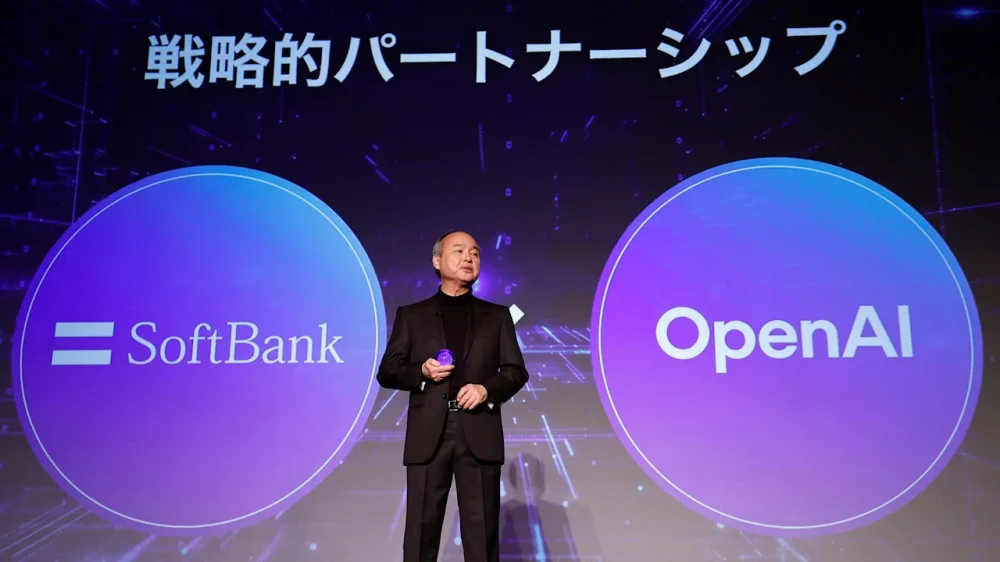
-
Shares in Ørsted, the world’s largest offshore wind developer, fell by more than 14% after announcementView the full article
-
As artificial intelligence (AI) continues to redefine the business landscape, small business owners may wonder how they can effectively harness its power to drive growth. A recent checklist released by a leading Chief Information Officer (CIO) outlines five critical steps that can help businesses maximize their return on investment (ROI) from AI technologies. The checklist provides a roadmap for small business owners who may feel overwhelmed by the rapid pace of AI advancements. It emphasizes that a structured approach can lead to significant improvements in efficiency and productivity, ultimately translating to a better bottom line. Key takeaways from the CIO’s checklist include the importance of aligning AI initiatives with business goals, assessing current capabilities, educating the team, measuring success, and continuously refining processes. Each of these steps contributes to fostering a more strategic adoption of AI in business operations. Aligning AI initiatives with overarching business goals is the first step. This alignment ensures that any AI tool implemented serves a clear purpose and addresses specific challenges within the organization. Small business owners can ask themselves: “What do we hope to achieve with AI?” This question sets the stage for meaningful integration. Next, assessing current capabilities is crucial. Understanding existing resources, technical skills, and infrastructure allows business owners to identify gaps and opportunities. Acknowledging these areas helps businesses determine what kind of AI solution they need and whether it’s feasible to develop in-house or source externally. Education plays a vital role as well. The checklist emphasizes the need to invest in training for team members on how to effectively leverage AI tools. This not only enhances team capability but also fosters a culture of innovation. For small businesses with limited resources, free or low-cost training options are often available online and can equip teams with necessary skills. Measurement of success is another key focus. Establishing clear KPIs (Key Performance Indicators) allows businesses to evaluate the performance of their AI initiatives. Gathering and analyzing data related to these KPIs can reveal whether AI is driving the anticipated benefits and where adjustments might be necessary. Finally, continuous refinement suggests that adopting AI is not a one-time effort but an ongoing process. Small business owners should be prepared to iterate their strategies based on real-world results. Regular reviews and adjustments can lead to improved efficiency and ensure that AI tools are being used to their fullest potential, thereby maximizing ROI. However, while these strategies present clear benefits, small business owners should also be aware of potential challenges. For instance, understanding AI technology and its best applications may require more financial investment up front, which can be a barrier for smaller companies. Additionally, the risk of failing to implement AI correctly may lead to wasted resources or missed opportunities. Moreover, as AI systems become more widespread, business owners must remain cognizant of data privacy and ethical considerations. Ensuring compliance with relevant regulations is paramount, as is understanding the implications of using AI in customer interactions. This checklist not only provides a practical framework for small businesses to engage with AI but also highlights that pursuing innovation requires careful planning and consideration. For owners ready to adopt AI or improve upon existing strategies, the checklist serves as a vital tool. “By following a structured approach, business owners can demystify AI and harness its potential to drive their businesses forward,” said the CIO, underscoring the value of the checklist. For further details and insights, business owners can refer to the original article at CIO. Embracing this transformative technology may lead to significant enhancements in small business operations, making it an essential area to explore in today’s competitive landscape. Image via Google Gemini This article, "CIOA Unveils 5-Key Checklist for Maximizing AI Returns" was first published on Small Business Trends View the full article