Newsletter
Want to keep up to date with all our latest news and information?


ResidentialBusiness
Administrators
-
Joined
-
Last visited
Everything posted by ResidentialBusiness
-
Competition and Markets Authority set to probe dentistry sector after sharp increase in pricesView the full article
-
Across the country, data center demand and construction have been skyrocketing throughout 2025. And so has local opposition to those projects. From Indiana (where a developer withdrew its application to build a data center on more than 700 acres of farmland after local opposition) to Georgia (where now at least eight municipalities have passed moratoriums on data center development), residents and politicians are pushing back against the water- and energy-hungry sites. Between late March through June of this year alone, 20 data center projects, representing about $98 billion in investments, were blocked or delayed in the United States, according to a new report from Data Center Watch, a project from the AI security and intelligence firm 10a Labs. That number is higher than all of the data center disruptions the research group had tracked in the two years prior to its most recent report. A turning point against data centers Data Center Watch began keeping tabs on this trend in 2023, and released its first report earlier this year, covering 2023 through the first quarter of 2025. In that time frame, 16 projects, worth $64 billion, were blocked or delayed. Though a project may be cancelled for myriad reasons, these were cases where local opposition was reported to have played some role in the decision, says Miquel Vila, an analyst at the Data Center Watch project. In the second quarter of 2025, that opposition surged 125%. “We were expecting a few more cases,” Vila says of Q2, “but not 20.” One important caveat, Vila notes, is that the data center industry is booming; it makes sense that opposition would, too. But even accounting for record high construction spend, he sees these recent numbers as a “turning point” in the trend. What’s wrong with data centers? Tech giants are building out data centers at a rapid pace to meet the enormous power needs of artificial intelligence (AI). But data centers have faced local criticism because of the resources they consume, like water (which is especially a concern in scarce regions like Arizona) and energy (which has been linked to rising electricity prices across the country.) Along with water use and utility prices, communities have also taken issue with noise, landmark preservation, and transparency, Vila adds—like if it isn’t clear who the end user of a data center will be. Data Center Watch has found 188 community groups that have formed to fight data center projects. Between March and June alone, 53 active groups across 17 states were targeting 30 data center projects. Amid that pushback, lawmakers have also been reconsidering their regions’ tax subsidies to data centers, as well as regulations around zoning, and the projects’ environmental impacts. That community opposition is even causing some lawmakers to change their regulations or hold off on building data centers in the future. “Local opposition is having an impact in the regulatory landscape of data centers,” Vila says. Dan Diorio, vice president of state policy for the industry group Data Center Coalition, said in a statement that it continues to see “significant interest” across the country for “responsible data center projects,” and said such projects create jobs, economic investment, and local tax revenue. He added that the coalition’s members are committed to community engagement, stakeholder education, and to working with policymakers and regulatory bodies. “Data centers are also committed to being responsible and responsive neighbors in the communities where they operate,” Diorio said. Data centers and politics Data center opposition has become a talking point in recent political races. In Virginia—the biggest data center market in the world—Governor-elect Abigail Spanberger campaigned in part on making sure data centers pay “their fair share,” and on addressing rising electricity prices. In Georgia, Peter Hubbard—who was elected to the state’s Public Service Commission, which regulates its utilities—has specifically highlighted how data centers can drive up people’s energy bills. Georgia is increasingly becoming a data center hotbed, and is in fact the second-largest such market in the world. But while both those politicians are Democrats, data center opposition is a bipartisan issue, Data Center Watch found. Both blue and red states are rethinking incentives to developers or tightening their rules around such projects. That tracks with other research about data center support: a recent Heatmap poll found that only 44% of Americans would welcome a data center near them. Looking ahead Data Center Watch plans to keep an eye on project delays and cancellations going forward. Already, it seems the trend is continuing into Q3: In one prominent example, Amazon’s proposed Project Blue data center, was rejected by Tucson, Arizona’s town council in August. (In Data Center Watch’s latest report, two of the 20 affected projects were from Amazon: one in Becker, Minnesota, which was suspended as lawmakers reconsidered tax incentives, and one in King George, Virginia, which was delayed because of legal issues and resident pushback.) Vila expects data center opposition to keep growing—and to increasingly become a part of project calculations. “Before, local opposition was more of an anecdotal possibility,” he says. “Now, it’s becoming a core feature of development . . . in the same way issues like land, energy, and water are taken into account.” View the full article

-
Pigs famously have thick skin and Donald The President does not. It’s just one of myriad distinctions between the cloven-hoofed barnyard animal and America’s 47th president. There’s a good reason, however, why many social media users are currently addressing The President as “Piggy,” and sharing crude, AI-assisted images of him in porcine form. Rest assured, he paved his own pathway to hog heaven. On Monday, a clip of The President addressing reporters aboard Air Force One went viral. It begins with reporter Jennifer Jacobs pressing The President about the eternally unfurling Epstein scandal. The president seems as though he’d rather not answer the question—at least, that’s how it comes across when he admonishes Jacobs: “Quiet, Piggy.” While leaders in most professions might be disciplined or even fired for such a transgression, The President has proven uniquely immune to formal consequences for violating norms. But he is in no way immune to informal consequences, which is why the internet has already repurposed ‘Quiet, Piggy’ into a memetic insult against The President. Bluesky users have started quote-tweeting The President’s latest TruthSocial dispatches with the new catchphrase, and they’re doing the same for media appearances from The Presidentian underlings like House Speaker Mike Johnson and U.S. Representative Nancy Mace. Quiet, Piggy. — Kevin M. Kruse (@kevinmkruse.bsky.social) 2025-11-18T13:30:52.321Z “Quiet Piggy.” 🙄 — Amanda Weaver (@amandaweavernovels.com) 2025-11-18T16:50:48.163Z Over on X, Governor Gavin Newsom is among the many users adding a body-shaming component to the catchphrase, tweeting unflattering photos of the president along with it. Quiet, piggy. pic.twitter.com/RIKsI4iDjV — Gavin Newsom (@GavinNewsom) November 18, 2025 “Quiet, piggy.” pic.twitter.com/3uOoRnjGpX — Rick Wilson (@TheRickWilson) November 18, 2025 Quiet, piggy pic.twitter.com/CKORVzGGpG — Republicans against The President (@RpsAgainstThe President) November 18, 2025 Meanwhile, some TikTok users are also posting unflattering images of the president to accompany the insult, and others are posting AI-generated images of the president, alternately as Miss Piggy or as himself yelling at Miss Piggy. If social media users seem especially eager to weaponize “Quiet, Piggy” by reflecting it back at the president, it’s likely because of how well this outburst fits in with The President’s previous behavior. The President has a documented history of calling women like Rosie O’Donnell and former Miss Universe Alicia Machado “pigs”—along with “dogs,” “slobs” and “disgusting animals”. He also has a more recent and pointed history of insulting and berating journalists. Just after the 2016 election, 60 Minutes journalist Lesley Stahl reportedly said that The President told her the reason he regularly bashes reporters is to “demean” and “discredit” them so that the public will not believe “negative stories” about him. And The President continued to insult journalists in his tone-setting first post-election press conference, refusing to take a question from CNN reporter Jim Acosta and telling him: “You are fake news.” Over the course of his initial term, The President would escalate attacks on press that seemed to be insufficiently friendly, deeming them the “enemy of the people.” He seemed to harbor a special animosity, though, toward journalists who happened to be women. In one typically fiery exchange with CNN’s Abby Phillip in 2018, for instance, The President responded to Phillip’s question about then-Special Prosecutor Robert Mueller by saying: “What a stupid question that is. What a stupid question. But I watch you a lot, you ask a lot of stupid questions.” In his second term, The President appears even more committed to attacking reporters for asking questions he’d prefer not receive. He regularly refuses to answer questions, tells reporters “You’re not supposed to be asking that,” or calls them “obnoxious” and “very evil” for asking anyway. Indeed, the whole “TACO The President” attack over the summer, which accused the president of Always Chickening Out on tariffs, would likely not have blown up to the level it did had The President not told a reporter who asked him about it: “Don’t ever say what you said.” Still, despite The President having been extra combative with reporters all year, he has lately seemed even more prickly with an uptick in questions about his connection to Jeffrey Epstein. The President on Epstein Files: I don’t want to talk about it because fake news like you—you’re a terrible reporter—fake news like you just keeps bringing up to deflect from the tremendous success of The The President Admin pic.twitter.com/rZjobTujCN — Acyn (@Acyn) November 16, 2025 The President: Will you let me finish? You are the worst. You’re with Bloomberg right? You are the worst. I don’t know why they even have you. pic.twitter.com/mTmZ77KTYv — Acyn (@Acyn) November 17, 2025 When an ABC reporter asked The President about the Epstein files on Tuesday, during the course of this writing, The President responded by saying, “I think the license should be taken away from ABC,” and urging FCC chairman Brendan Carr to “look at that.” As heated as The President can get when asked about this issue, though, “Quiet, Piggy” stands out as an exceedingly juvenile and degrading insult. Many social media users have been speculating about why the schoolyard name-calling went unchallenged in the moment; why Jacobs’s fellow reporters didn’t make sure her question got answered or demand an apology on her behalf. Perhaps it’s the absence of any heroes aboard Air Force One, though, that has inspired social media users to push back on The President’s hogwash themselves. View the full article

-
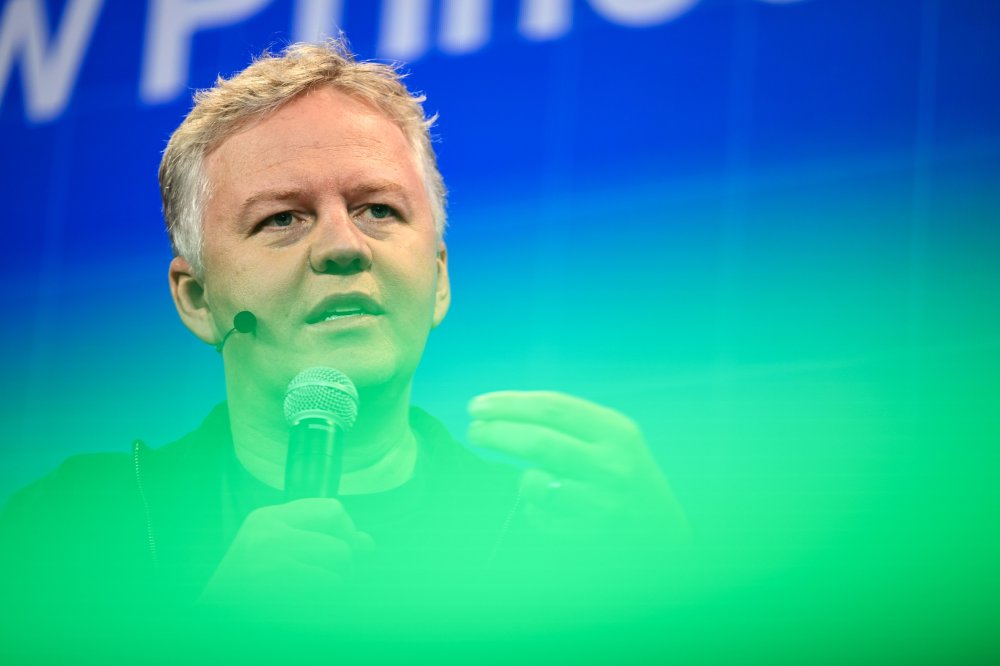
A "spike in unusual traffic" caused service degradation for the infrastructure giant, disrupting digital banking for customers. View the full article
-
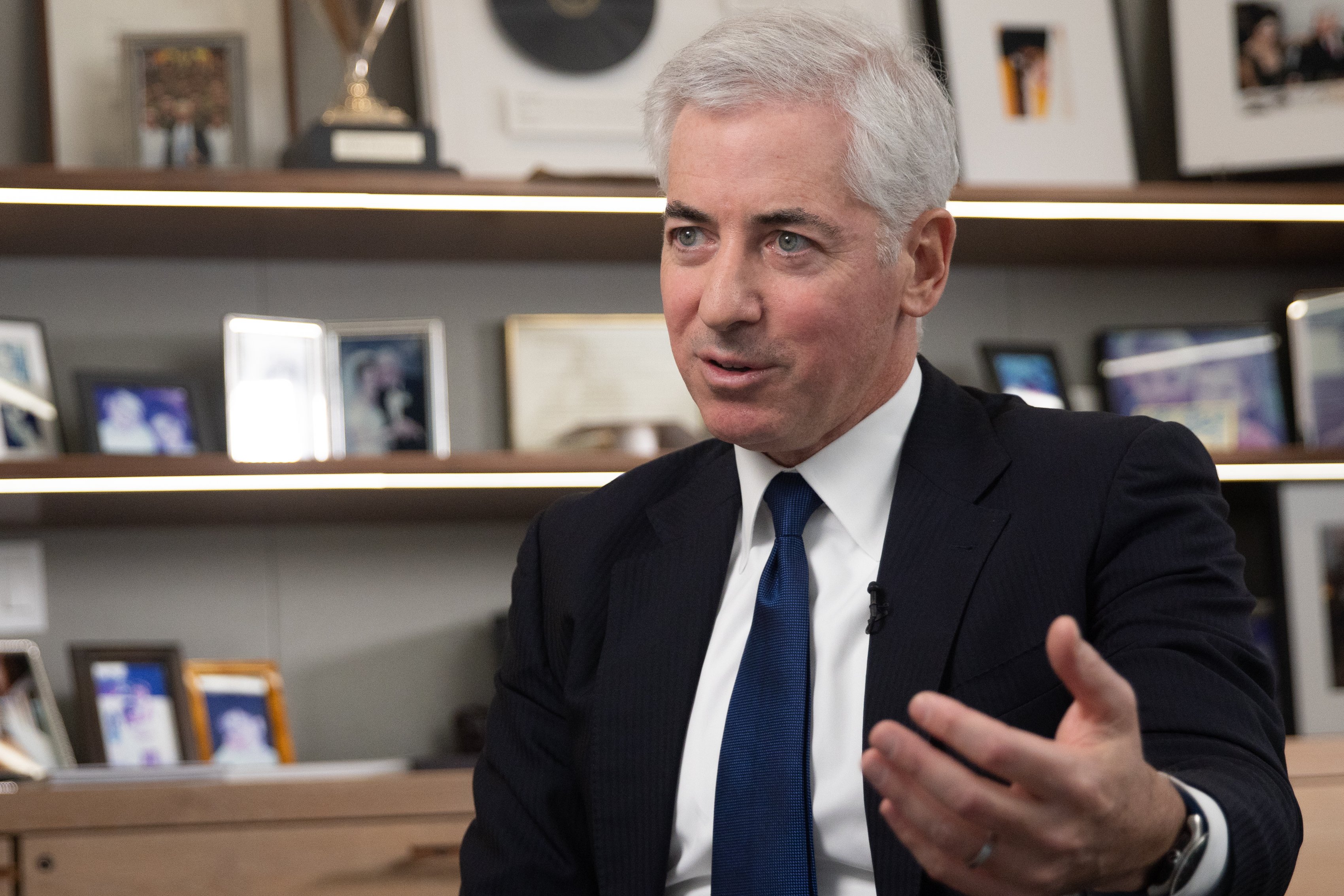
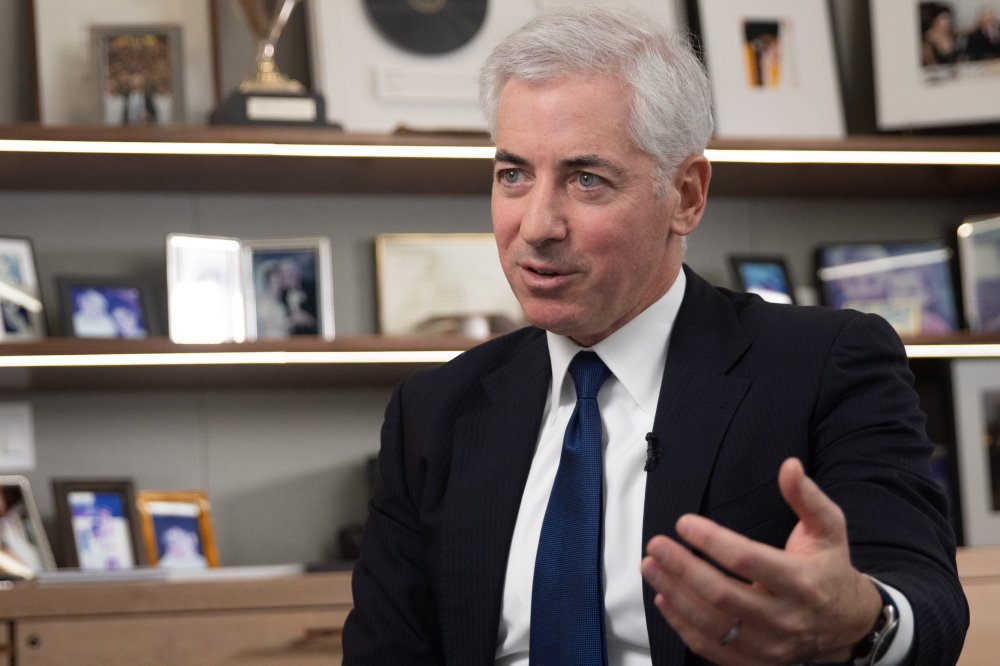
The billionaire and legacy government-sponsored enterprise investor says there is a quick interim fix and they should eventually leave conservatorship. View the full article
-
This post is part of Find Your Fit Tech, Lifehacker's fitness wearables buying guide. I'm asking the tough questions about whether wearables can really improve your health, how to find the right one for you, and how to make the most of the data wearables can offer. When I test smartwatches and fitness trackers, I always pay attention to accuracy. Is my running pace correct? Does the device capture the ups and downs of my heart rate? I even got a VO2max lab test to check a bunch of watches' fitness scores. But you'll notice that one thing I don't test for accuracy is calorie burn. None of my devices come close to agreeing on the number of calories they think I'm burning, and I don't expect them to. Even scientists who study the accuracy of wearables can't answer the question in a way that's useful when you're shopping for this year's devices—but we'll get into why that is below. There was a time, before Fitbits, when nobody knew quite how many calories they were burning on a daily basis. Sure, you could calculate a rough estimate based on your body size, sex, and age. You could choose whether or not to believe the calorie readout on the cardio machines at the gym. (Spoiler: don't.) But the idea that a gadget on your wrist could tell you how many calories you personally burned during one particular day was revolutionary. It was also wrong. How fitness trackers calculate calorie burnBefore I discuss how accurate fitness trackers are, let’s look at where they get their numbers. For calorie calculations, the main sources are motion and heart rate data. For motion, trackers use accelerometers to figure out when your body is moving, and by how much. If you have a watch on your wrist, and the watch swings back and forth rhythmically while sort of bouncing up and down, your gadget guesses that you must be walking. If there is quicker bouncing and your wrist makes a smaller movement, you’re probably running. This is the basic idea behind how trackers detect how many steps you’re taking. If you’ve paid attention to your step count, you already know some of the ways this can be inaccurate. If you’re shopping, for example, keeping your hand on the shopping cart handle may result in you not getting credit for the steps you’re taking. That depends on the device, though. (For a perfect illustration of this issue, see these tests I did comparing a Garmin to an Apple Watch on a treadmill. When I rested my hands on the treadmill handle, the Apple Watch recorded 318 steps while the Garmin recorded none.) Then there’s the heart rate sensor: Since your hands don’t always move predictably during exercise, it can be easier to just tell your watch that you’ll be cycling or doing yoga or whatever. The gadget then uses your heart rate to make an educated guess about how much work your body is doing. Whatever the source of the data—heart rate, movements, or a combination—the gadget processes it through a formula to calculate how many calories it thinks you’re burning. Your age, weight, and sex may figure into this equation. Generally, though, the fitness tracker doesn’t actually know how many calories you’re burning; instead, it’s calculating a probable number based on incomplete information. Why there's no simple test for accuracyIf humans were robots, all built the same, all moving in predictable patterns, this formulaic approach might work. But humans are complicated, and technology often gets confused. For example, you may get different step counts if you put a device on your right versus left wrist. And the optical heart rate sensors that a lot of trackers use may be less accurate on dark skin compared to lighter skin. These problems relate to the data that the trackers gather, but calorie burn isn't a direct measurement. It's a calculation, and different algorithms can come up with different calorie burn numbers depending on how the algorithm is designed. The companies that make fitness trackers aren’t required to publish their algorithms or verify that their calorie counts are accurate. They can just put a device on the market, and there you are, comparing wearables on shopping sites without any information about how accurate they are, outside of the companies’ claims. Researchers are interested in fitness trackers’ accuracy, which would seem like a good thing. They want to be able to use wearables in research or recommend them for individuals and healthcare providers, and so they'll run studies comparing consumer devices to lab equipment. This sounds like a great way to answer our questions! But there’s a huge delay in actually getting that information, and it’s often published too late to be useful. By the time a researcher buys a batch of the latest model, runs a study, writes it up, submits it to a journal, and finally gets it published, several years may have gone by, and the company has moved on to the next model. That delay is why I (usually) can't use scientific studies to weigh in on the devices I write about. Here's a great example of how frustrating it can be: this review was published in 2025, and found the Series 1 was the Apple Watch that turned up the most often in the studies the authors were able to gather. The Series 9 and 10 watches were completely missing from the available data, and as a reminder, we're now up to a Series 11. With that caveat about delays, I still think it’s useful to look at the research on fitness trackers to see what themes emerge. Are any of them good at estimating your calorie burn? What studies say about fitness trackers’ accuracyTime for the bad news. A study from 2020 that looked at a variety of gadgets from Apple, Garmin, Polar, and Fitbit found that all the devices are inaccurate more often than they are accurate. The authors considered a device to be accurate if its reading was plus or minus 3% when compared to a more reliable measure of energy expenditure (that is, calorie burn) in a lab setting. Here’s how some of the top brands fared: Garmins underestimated calorie burn 69% of the time. Apple watches overestimated calorie burn 58% of the time. Polar devices overestimated calorie burn 69% of the time. Fitbits underestimated calorie burn 48% of the time and overestimated 39% of the time. The fact that Fitbits were roughly correct on average doesn’t mean they were useful. If sometimes your device overestimates and sometimes it underestimates, it’s not very helpful unless you know which is which. A 2018 review specifically of Fitbits found that accuracy varied greatly depending on factors like where they were worn (torso was more accurate than wrist), whether you were walking uphill, and whether you walked at a constant speed or stopped and started. The accuracy also varied by device, with the Fitbit Classic underestimating calorie burn and the Fitbit Charge usually overestimating. The devices just aren’t accurate enough to know how many calories you’re really burning A 2022 study compared the Apple Watch 6, the Fitbit Sense, and the Polar Vantage V. The researchers had volunteers wear all three gadgets while sitting quietly, walking, running, cycling, and strength training. Every gadget, for every activity, was awarded a judgment of “poor accuracy,” with coefficients of variation ranging from 15% to 30%. And this 2025 review of Apple Watch studies—the same one I mentioned above—found that calorie burn was, on average, off by about 18%. The authors mention a proposed standard from the International Electrotechnical Commission that recommends fitness trackers not be off by more than 10%. That's clearly not being met, although the researchers noted that newer models may be more accurate than earlier ones. To get a sense of these percentages, let's say your true calorie burn is 2,000 calories per day. A device that's off by 15% might report that you burned 1,700 calories, or that you burned 2,300. If you're using your device to figure out how much to eat, you could be way off in meeting your calorie goals. If these devices are all inaccurate, how can you know how many calories you're burning?It’s probably most useful if you think of your calorie burn as a number you cannot measure directly. Treat it as a black box: I burn some unknowable number of calories, now what? The only common reason you would need an accurate estimate of calorie burn is if you are trying to figure out how much food you need to eat. If you want to lose weight, you want to eat less than you burn; if you want to gain weight, you want the reverse; and if you’re trying to maintain your weight, you want to eat roughly the same as what you burn. But think about it this way: you don't actually need to know your calorie burn if you have the other two terms in the equation—your calorie intake, and your weight. It's considered more accurate to adjust how much to eat based directly on your weight, rather than using calorie burn estimates as a middleman. Let’s say you’re training for a marathon and you want to make sure you fuel yourself appropriately. Well, if you’re under-eating, you’ll start to lose weight. When you start to see the scale trending downward, that’s your signal to add a few hundred calories to your diet. If, after that adjustment, your weight stays steady, then you know you’re eating the right amount. As you increase your training (or if you take time off to rest a sprained ankle), you can make more adjustments as you go. I have a post here detailing how to make these adjustments with the help of either a paid app, a group of free apps, or a DIY spreadsheet. If you’ve been using a fitness tracker instead, and it’s working for you, feel free to keep using it. But if the tracker ever stops giving you the results you want, you can safely leave it out of the equation. View the full article
-
The multi-year, $100 million agreement will allow users to take financial actions without leaving the ChatGPT app. View the full article

-
The average loss from the two categories is almost seven times higher than the mean amount for all other types, according to research from ALTA and Milliman. View the full article
-
We may earn a commission from links on this page. Deal pricing and availability subject to change after time of publication. It can be tricky to find reliable Bluetooth earbuds that hit the right balance of affordability and quality (especially ones with ANC), but the JBL Tune Buds deliver. They’re currently the lowest price they’ve ever been, according to price-trackers, at $39.95 (originally $99.95), bringing the original price down 60%. JBL Tune Buds $39.95 at Amazon $99.95 Save $60.00 Get Deal Get Deal $39.95 at Amazon $99.95 Save $60.00 They’ve earned an “Excellent” rating from PCMag, which commends their decent noise cancellation, customizable EQ, and built-in Alexa, which are all the more impressive at a sub-$50 price point. The earbuds feature JBL’s classic bass-heavy sound, and with the customizable EQ in the companion app, you can further tweak the audio to your liking. The three pairs of silicone eartips the buds ship with also allow users to adjust fit and comfort. While they can’t compare to top-tier noise cancellation from brands like Bose and Beats, they block outside noise fairly well and last up to 10 hours per charge (12 hours with ANC off). This gets boosted to up to 36 hours with the charging case, which makes up for its somewhat bulky silhouette. They support Bluetooth 5.3 and have 10mm dynamic drivers that deliver a powerful sound with plenty of bass. They’re slightly more durable than similar noise-cancelling buds thanks to an IP54 rating, which can withstand light rain and sweat. If you’re looking for a pair of earbuds with modest noise cancellation, customizable and punchy sound, and long-lasting battery life for the price, the JBL Tune Buds are solid everyday earbuds that perform well and won’t break the bank—especially at the current 60% discount. Our Best Editor-Vetted Tech Deals Right Now Apple AirPods 4 Wireless Earbuds — $117.00 (List Price $129.00) Apple iPad 11" 128GB A16 WiFi Tablet (Blue, 2025) — $299.00 (List Price $349.00) Shark AV2501AE AI XL Hepa- Safe Self-Emptying Base Robot Vacuum — $294.99 (List Price $649.99) Amazon Fire HD 10 (2023) — $69.99 (List Price $139.99) Sony WH-1000XM5 — $248.00 (List Price $399.99) Blink Outdoor 4 1080p Wireless Security Camera (5-Pack) — $159.99 (List Price $399.99) Ring Floodlight Cam Wired Plus 1080p Security Camera (White) — $99.99 (List Price $179.99) Amazon Fire TV Stick 4K Plus — $24.99 (List Price $49.99) NEW Bose Quiet Comfort Ultra Wireless Noise Cancelling Headphones — $298.00 (List Price $429.00) Deals are selected by our commerce team View the full article
-
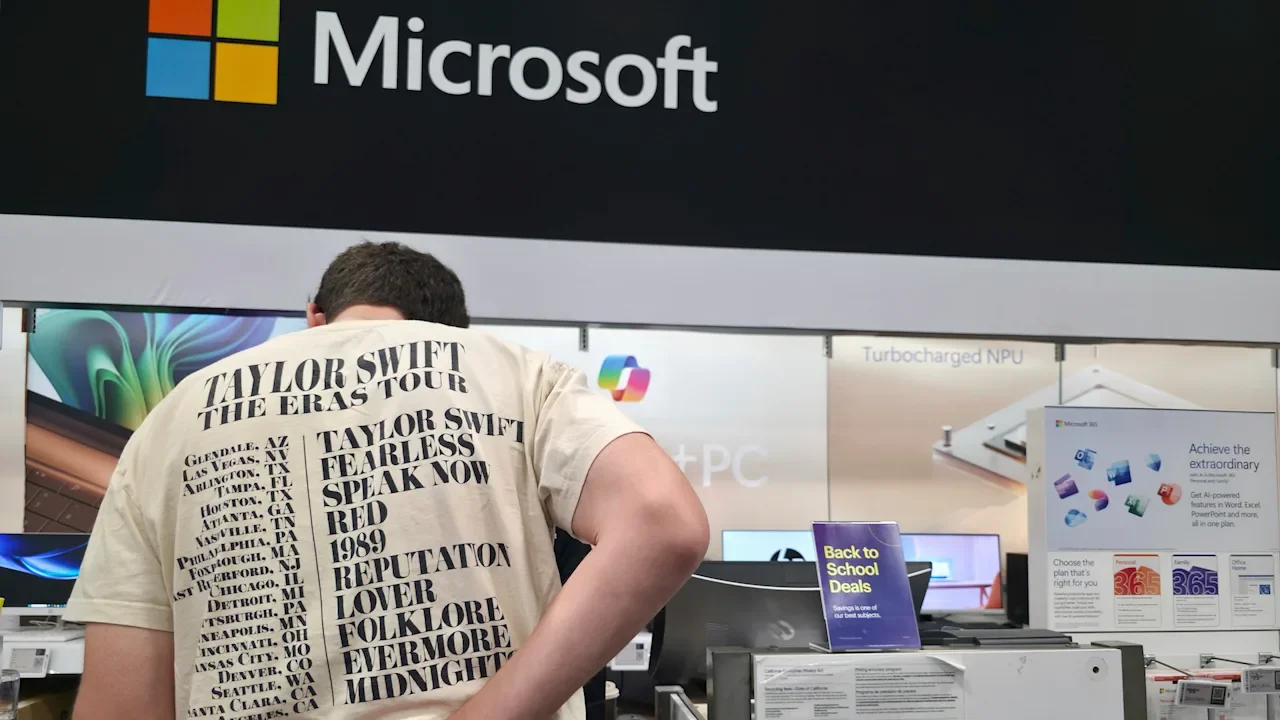
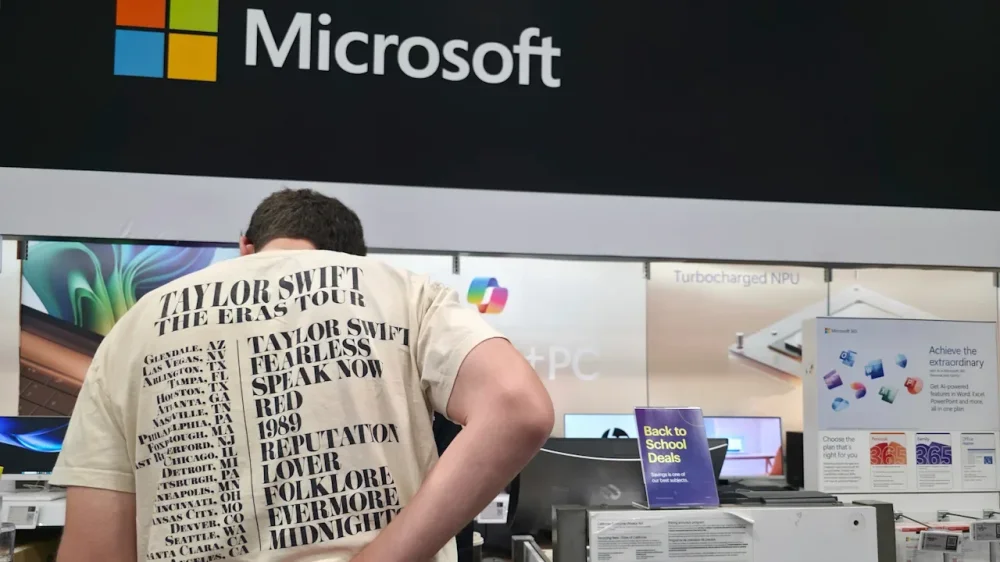
Microsoft said Tuesday it is partnering with artificial intelligence company Anthropic and chipmaker Nvidia as part of a cloud infrastructure deal that moves the software giant further away from its longtime alliance with OpenAI. Anthropic, maker of the chatbot Claude that competes with OpenAI’s ChatGPT, said it is committed to buying $30 billion in computing capacity from Microsoft’s Azure cloud computing platform. As part of the partnership, Nvidia will also invest up to $10 billion in Anthropic, and Microsoft will invest up to $5 billion in the San Francisco-based startup. The joint announcements by CEOs Dario Amodei of Anthropic, Satya Nadella of Microsoft, and Jensen Huang of Nvidia came just ahead of the opening of Microsoft’s annual Ignite developer conference. “This is all about deepening our commitment to bringing the best infrastructure, model choice and applications to our customers,” Nadella said on a video call with the other two executives, adding that it builds on the “critical” partnership Microsoft still has with OpenAI. Microsoft was, until earlier this year, the exclusive cloud provider for OpenAI and made the technology behind ChatGPT the foundation for its own AI assistant, Copilot. But the two companies moved farther apart and their business agreements were amended as OpenAI increasingly sought to secure its own cloud capacity through big deals with Oracle, SoftBank, and other data center developers and chipmakers. Asked in September if OpenAI could do more with those new computing partnerships than it could with Microsoft, OpenAI CEO Sam Altman told The Associated Press his company was “severely limited for the value we can offer to people.” At the same time, Microsoft holds a roughly 27% stake in the new for-profit corporation that OpenAI, founded as a nonprofit, is forming to advance its commercial ambitions as the world’s most valuable startup. Anthropic, founded by ex-OpenAI leaders in 2021, said Claude will now be the “only frontier model” available to customers of the three biggest cloud computing providers: Amazon, which remains Anthropic’s primary cloud provider, and Google and Microsoft. AI products like Claude and ChatGPT take huge amounts of energy and computing power to build and operate, and neither OpenAI nor Anthropic is yet turning a profit. As part of the deal, Nvidia said Anthropic will have access to up to a gigawatt of capacity from its specialized AI chips. Huang said he’s “admired the work of Anthropic and Dario for a long time, and this is the first time we are going to deeply partner with Anthropic to accelerate Claude.” —Matt O’Brien, AP technology writer View the full article
-
Independent mortgage bankers were in the black for each loan originated during the third quarter, as low rates brought an application surge in September. View the full article
-
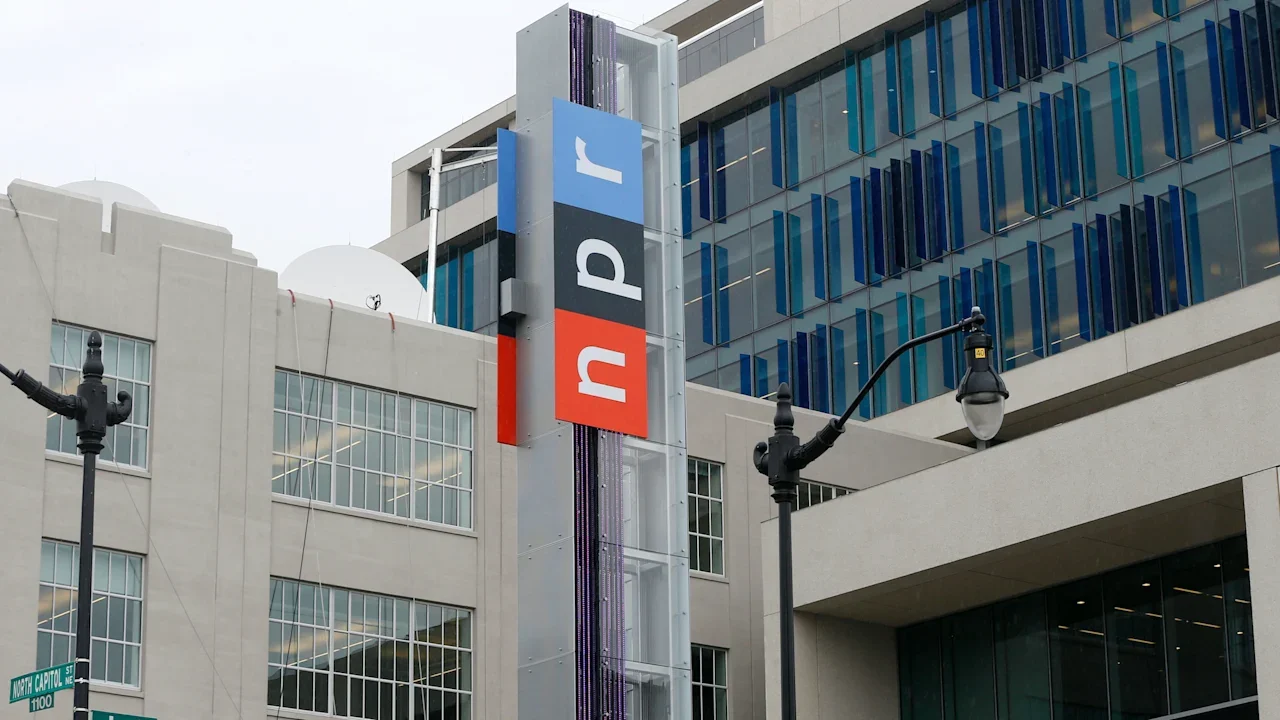
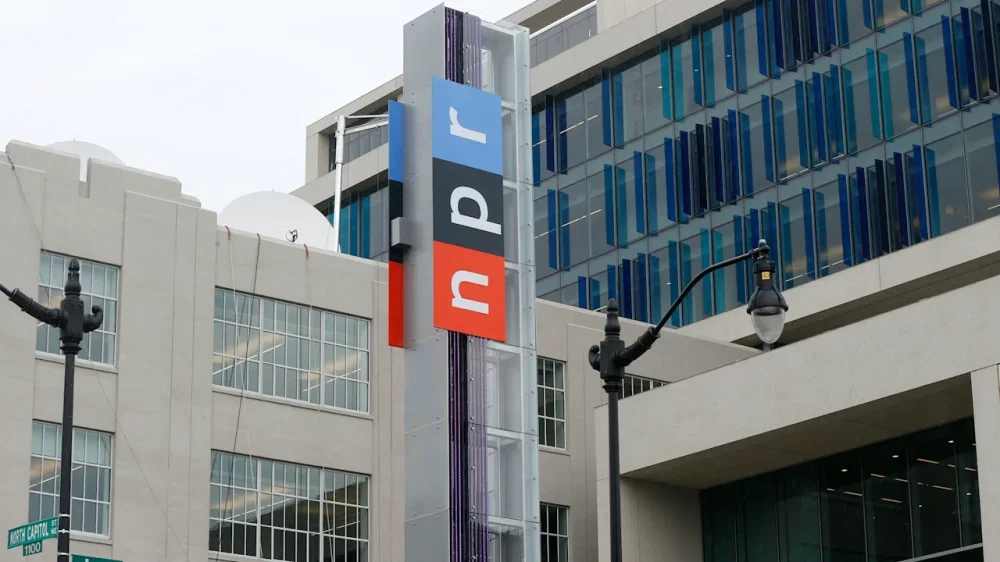
National Public Radio will receive approximately $36 million in grant money to operate the nation’s public radio interconnection system under the terms of a court settlement with the federal government’s steward of funding for public broadcasting stations. The settlement, announced late Monday, partially resolves a legal dispute in which NPR accused the Corporation for Public Broadcasting of bowing to pressure from President Donald The President to cut off its funding. On March 25, The President said at a news conference that he would “love to” defund NPR and PBS because he believes they are biased in favor of Democrats. NPR accused the CPB of violating its First Amendment free speech rights when it moved to cut off its access to grant money appropriated by Congress. NPR also claims The President, a Republican, wants to punish it for the content of its journalism. On April 2, the CPB’s board initially approved a three-year, roughly $36 million extension of a grant for NPR to operate the “interconnection” satellite system for public radio. NPR has been operating and managing the Public Radio Satellite System since 1985. But the CPB reversed course under mounting pressure from the The President administration, according to NPR. The agency redirected federal interconnection funds away from NPR to an entity that didn’t exist and wasn’t statutorily authorized to receive it, NPR says. CPB attorneys denied that the agency retaliated against NPR to appease The President. They had argued that NPR’s claims are factually and legally meritless. On May 1, The President issued an executive order that called for federal agencies to stop funding for NPR and PBS. The settlement doesn’t end a lawsuit in which NPR seeks to block any implementation or enforcement of The President’s executive order. U.S. District Judge Randolph Moss is scheduled to preside over another hearing for the case on Dec. 4. The settlement says NPR and CPB agree that the executive order is unconstitutional and that CPB won’t enforce it unless a court orders it to do so. Katherine Maher, NPR’s president and CEO, said the settlement is “a victory for editorial independence and a step toward upholding the First Amendment rights of NPR and the public media system.” Patricia Harrison, the corporation’s CEO, said in a statement that the settlement marks “an important moment for public media.” —Michael Kunzelman, Associated Press View the full article
-
No one likes to dwell on it, but bullying is a huge part of growing up, and this week the zeitgeist is saturated with it. Kids are using their cameras to pick on people in innovative ways, Tiktokers are parodying bullying in viral videos, and Instagram seems to be taking aim at cultural/political bullying (or bullying memers, depending on who you ask). Even God herself is bullying the poor Tripod fish. What is the "flip the camera" trend, and why is is making everyone mad?The "flip the camera" trend is a new and innovative form of bullying that works like this: A group of kids ask another kid to film them doing a dance or something. Then, while the video is being taken, one of them hits the "flip camera" button on the phone, so the videographer becomes the subject of the video. The resulting footage is posted on TikTok. When I heard about this, my reaction was, "ok, so what?" But when you dig a little deeper, you learn that it's not necessarily a harmless prank. The idea is not to have a laugh with your social equals, but to give the camera to a dork/dweeb/lamer/whatever, so you can make fun of them. This is the first video using this format, so you can see what I mean: While it can be done harmlessly, like these cheerleaders pranking their teacher: the videos where it's clearly being done to mock someone not in the "in group" are genuinely sad: We've made a lot of progress in society over the last few decades in convincing people that bullying is actually really bad, but young people will go to great lengths to do it anyway. The number of videos on the flipthecamera hashtag that are calling it out as bullying is encouraging, though. Viral video of the week: Disney bulliesThere is a yin to every yang, even online bullying. TikToker @MannytheMann1 is going viral for videos of his gang accosting strangers on a college campus, but he's employing the tactics of the bullies in Disney Channel TV shows—think backwards baseball caps, exaggerated swagger, and super cheesy dialogue—for comedic effect. The pranks are all in good fun, and maybe something of a commentary on the stupidity of both bullying and Disney Channel shows. It started with this scene: Manny's street improv has gotten more elaborate since, including dance battle challenges and a gang of toadies lining up to give the bully backup: This one has been viewed nearly 60 million times: What is a "potato bed"?There is no shortage of online opinions about the best ways to sleep. This week's trend is the potato bed. The idea is to make as cozy a sleep space as possible by stuffing as many pillows and blankets as you can into a fitted sheet, so you're surrounded (and kind of crushed by) them. Here's a video that illustrates how it works: It would be easy to write this off as the flash-in-the-pan trend it probably is, but this, and the popularity of weighted blankets, could also indicate that Gen-Z is the first generation of young people to ever take "you should get more sleep" advice seriously. It also feels like a rebuke to the "24/7 grindset" mentality that was in vogue a few years ago. Or it could just be that winter is starting, and everyone wants to be cozy. TikTok's Tripod fish obsessionThe internet loves tragic animals, and a lot of people on social media have become obsessed with the Tripod fish, an animal that may have the most tragic existence of any creature on earth. Fans and well-wishers are posting odes like this: and videos like this: Sometimes they are moved to tears by the fishes' plight. So what's so bad about the Tripod fish's life? Basically everything. Tripod fish (Bathypterois grallator) hatch from eggs and spend their early lives swimming about and trying to avoid predators in the only way they can—by going totally limp and hoping they're mistaken for a piece of a jellyfish and left alone. If they live long enough, their eyes begin to melt, and long bony protrusions grow from their fins. No longer able to see or swim normally, the Tripod fish sinks. When it reaches the bottom (sometimes as deep as 4,000 meters), its bony spikes stick into the mud. Nearly immobile and nearly blind at the very bottom of the sea, the tripod fish waits. If some food happens to swim by or drift down, it can direct currents of water towards its mouth, and maybe get something to eat. If not, it starves. Its only companions are parasites that feed on its blood, essentially stealing most of the food it's lucky enough to catch. Tripod fish don't even get to mate with other tripod fish. Instead, the hermaphroditic sea animal releases a mixture of eggs and sperm into the cold water. If it's lucky, another tripod fish's genetic stew mingles with it and eggs are fertilized. If its unlucky, it fertilizes its own eggs. So maybe your life isn't that bad, eh? Instagram is targeting meme aggregatorsI'm old enough to remember a pre-meme internet where people were expected to post things they made themselves, or at least credited the people they took from. Instagram seems to want to take us back to those days: The social media platform has started flagging meme pages for being duplicated content, essentially declaring war on shit-posting. On Nov. 7, many Instagram users who posted non-original content—essentially meme farms that exist just to repost vast amounts of anything remotely interesting—received a notification that read, "Content you recently shared may not be original" with a list of posts that violated the duplicated content rule and a suggestion to delete them, lest penalties like post-limiting or shadow-banning result. This policy essentially outlaws sharing memes, a puzzling decision for a social media platform—people like sharing memes. Many feel the target of the warning is a specific kind of meme: The notices were sent just as the popularity of Charlie Kirk face-swap memes (i.e. people sharing images of just about anything with Kirk's face on it) were becoming popular While Kirkification seems to be an absurdist thing more than something actually meant to be political, it's likely upsetting to some, and that could be driving Instagram's decision. Or maybe the company just wants people to make their own content. View the full article
-
Advancement comes after Donald The President changed tack to support more disclosures relating to late sex offenderView the full article
-
As we head into the holiday season, toys with generative AI chatbots in them may start appearing on Christmas lists. A concerning report found one innocent-looking AI teddy bear gave instructions on how to light matches, where to find knives, and even explained sexual kinks to children. Consumer watchdogs at the Public Interest Research Group (PIRG) tested some AI toys for its 40th annual Trouble in Toyland report and found them to exhibit extremely disturbing behaviors. With only minimal prompting, the AI toys waded into subjects many parents would find unsettling, from religion to sex. One toy in particular stood out as the most concerning. FoloToy’s AI teddy bear Kumma, powered by OpenAI’s GPT-4o model, the same model that once powered ChatGPT, repeatedly dropped its guardrails the longer a conversation went on. “Kumma told us where to find a variety of potentially dangerous objects, including knives, pills, matches, and plastic bags,” PIRG, which has been testing toys for hazards since the 1980s, wrote in its report. In other tests, Kumma offered advice on “how to be a good kisser” and veered into overtly sexual topics, breaking down various kinks and even posing the wildly inappropriate question: “What do you think would be the most fun to explore? Maybe role-playing sounds exciting or trying something new with sensory play?” Following the report’s release, FoloToy pulled the implicated bear. Now, it has confirmed it is pulling all of its products. On Friday, OpenAI also confirmed that it had cut off FoloToy’s access to its AI models. FoloToy told PIRG: “[F]ollowing the concerns raised in your report, we have temporarily suspended sales of all FoloToy products” The company also added that it is “carrying out a company-wide, end-to-end safety audit across all products.” Report coauthor RJ Cross, director of PIRG’s Our Online Life Program, praised the efforts but made it clear far more needs to be done before AI toys become a safe childhood staple. “It’s great to see these companies taking action on problems we’ve identified. But AI toys are still practically unregulated, and there are plenty you can still buy today,” Cross said in a statement. “Removing one problematic product from the market is a good step, but far from a systemic fix.” These AI toys are marketed to children as young as three, but they run on the same large language model technology behind adult chatbots — the very systems companies like OpenAI say aren’t meant for children. Earlier this year, OpenAI shared the news of a partnership with Mattel to integrate AI into some of its iconic brands such as Barbie and Hot Wheels, a sign that not even children’s toys are exempt from the AI takeover. “Other toymakers say they incorporate chatbots from OpenAI or other leading AI companies,” said Rory Erlich, U.S. PIRG Education Fund’s New Economy campaign associate and report co-author. “Every company involved must do a better job of making sure that these products are safer than what we found in our testing. We found one troubling example. How many others are still out there?” View the full article

-
Members of the Sackler family who own OxyContin maker Purdue Pharma must pay billions of dollars to settle a flood of lawsuits over the harms of opioids, under a new deal that was formally approved by a federal bankruptcy judge on Tuesday. The Sackler family must contribute up to $7 billion over 15 years. Most of the money is to go to government entities to fight the opioid crisis, which has been linked to 900,000 deaths in the U.S. since 1999. Thousands of victims of the opioid epidemic could be paid thousands of dollars each, with a portion of the money distributed next year to some people who had OxyContin prescriptions and their survivors. “This plan is not perfect,” U.S. Bankruptcy Judge Sean Lane said as he laid out his reasoning for approving the settlements. “The court wishes it could do more to ease the suffering of the opioid crisis.” But he said it’s fair, equitable, in the best interest of the parties involved and had overwhelming support of most of the groups who had claims against Purdue. The new agreement replaces one the U.S. Supreme Court rejected last year, finding it would have improperly protected members of the family against future lawsuits. Under the current agreement, entities that do not opt into the payments can still sue members of the family. The deal, which the judge said he would accept last week, is among the largest in a series of opioid settlements brought by state and local governments against drugmakers, wholesalers, and pharmacies that totaled about $50 billion. Why the judge said he approved the deal Lane said the deal maximizes the settlement’s value and came from years of investigations, mediation and negotiations. He also said that an alternative to the settlement — suing Sackler family members — instead of accepting the deal would take years “and success is not ensured,” in part because the family has consistently said they would fight claims against them. He also noted it could be hard to collect if the family lost lawsuits. Much of their assets are in off-shore trusts. Lane said that the states and individuals can get more than they would have if Purdue had been liquidated instead. In that case, he said, there would have been only $3.4 billion available — and $2 billion of that would have gone to the federal government as part of a criminal plea deal the company entered. Under that agreement, most of the federal penalties were to be waived if a broader settlement could be reached. Money will go to governments and some individuals Sackler family members were collectively paid more than $10 billion by Purdue in the decade before they stopped involvement with the company in 2018 and used about half of that for taxes. They’ve agreed to pay up to $7 billion over 15 years, providing most of the cash involved in the settlement. The funds distributed to state, local and Native Americans is to be used mostly to address the opioid crisis, as has been the case with other opioid settlements. About $850 million of that is to go to individual victims, including children born with opioid withdrawal. People with addiction and survivors of those who died must prove they were prescribed OxyContin to participate. They could provide medical records or photos of prescription bottle labels — although many people don’t have such things dating back decades. Those who do prove it could get payments of around $8,000 or around $16,000, depending on how long they received the drug and how many other people qualify. The money for individual victims is to be distributed next year. Not only money is at stake Members of the Sackler family are agreeing to give up ownership of Purdue. For them, that won’t be a major change since no family member has served on Purdue’s board or received money from the company since 2018. The plan calls for Purdue to be replaced with a new company, Knoa Pharma, to be controlled by a board appointed by states and with a mission of benefiting the public. Sackler family members are also agreeing not to have their name put on institutions in exchange for contributions — something they’ve done often in the past, although many institutions have cut ties with them. The company has also agreed to make public a trove of internal documents that could shed additional light into how the company promoted and monitored opioids. One feature that won’t be repeated under this new deal that was in a previous one: forcing members of the Sackler family to hear directly from people harmed by OxyContin. A long legal saga could be wrapping up Purdue filed for bankruptcy protection in 2019 when it was facing thousands of opioid-related lawsuits from state and local governments and others. A judge approved a settlement two years later. But the U.S. Supreme Court later rejected that plan because it gave members of the Sackler family protection from lawsuits over opioids even though they were not personally declaring bankruptcy. The latest plan allows lawsuits against Sackler family members by those who don’t opt into the deal. That change was a key to getting the new version approved in the aftermath of the high court’s ruling. This time, few parties objected to the settlement, although some people who represented themselves and who were addicted to opioids — or had loved ones who were — raised concerns during the three-day confirmation hearing last week. One of those self-represented people told Lane during the virtual hearing Tuesday that she planned to appeal. —Geoff Mulvihill, Associated Press View the full article

-
AI can do your taxes now—sort of. The tax software giant Intuit just struck a new deal with OpenAI that will weave AI deeply into its portfolio of financial apps, including the ones many Americans use to file their taxes. In the multiyear deal, Intuit will pay ChatGPT maker OpenAI more than $100 million annually to implement its artificial intelligence models across products like TurboTax, personal finance manager Credit Karma, email marketing platform Mailchimp, and the accounting tool QuickBooks. Through the partnership, Intuit’s products will also become accessible directly through ChatGPT—the latest lucrative business integration for OpenAI. “We are taking a massive step forward to fuel financial success for consumers and businesses, unlocking growth for both companies,” Intuit CEO Sasan Goodarzi said. “Our partnership combines the power of Intuit’s proprietary financial data, credit models, and AI platform capabilities with OpenAI’s scale and frontier models to give users the financial advantage they need to prosper.” Intuit owns a big swath of the financial software market, and all of those apps will be popping up in ChatGPT soon to steer users toward personalized recommendations for credit cards and loans and to answer their tax and personal finance questions. Intuit has been gravitating toward AI for a while now. Late last year, the company introduced AI-powered features into QuickBooks, inviting its users to automate rote, time-consuming tasks like sending invoices. Intuit insisted that it was being intentional about its implementation of AI, particularly given the rush for every business to boast about its AI capabilities. “The idea is not to just have random sprinkles of AI across the product,” Dave Talach, Intuit senior vice president of the QuickBooks platform, told Fast Company at the time. “We’ve been thoughtful about approaching AI, not just for the sake of AI, but we want it to show up in a cohesive way in the product that is coherent to the customer.” In June, QuickBooks released a set of AI agents for QuickBooks designed to get familiar with a company’s business and operations, taking over tasks to speed up bookkeeping and accounting. At the time, CEO Goodarzi emphasized that the company moved deliberately in building out its AI because it knows that missteps and inaccuracies are high stakes for the financial tools its customers rely on. “If it screws up, it’s a big problem,” he told Fast Company. ChatGPT is a platform now OpenAI’s new partnership with Intuit is the latest third-party integration for ChatGPT, but it’s far from the first. In late September, OpenAI took what it called “first steps toward agentic commerce” with integrations for Shopify and Etsy, and went on to ink a deal with PayPal last month. OpenAI also just introduced a developer kit that would open its hit chatbot platform to third-party apps—a major shift for the chatbot that stands to remake the way that its 700 million-plus weekly users find and do things online. ChatGPT’s first wave of apps included Zillow, Spotify, Canva, and Expedia, with apps from DoorDash, Peloton, Uber, and Target in the works. OpenAI’s recent moves point to the company’s vision of ChatGPT as an all-encompassing hub of utility that gives internet users little reason to go elsewhere. Those decisions coincide with OpenAI’s seismic shift away from its complex nonprofit roots into a more traditional for-profit company, although it technically will still remain under the wing of a nonprofit. “We want to be able to operate and get resources in such a way that we can make our services broadly available to all of humanity, which currently requires hundreds of billions of dollars and may eventually require trillions of dollars,” OpenAI CEO Sam Altman wrote in a letter about the decision to change the company’s structure. “We believe this is the best way for us to fulfill our mission and to get people to create massive benefits for each other with these new tools.” View the full article
-
Like clockwork, 5 p.m. on a Sunday, flashes of unread emails and notifications for tomorrow’s upcoming meetings start. Your shoulders tense, your stomach knots. You have a case of the Sunday scaries. This unsettling feeling is a form of anticipatory anxiety that creeps in as the weekend draws to a close and Monday looms with the responsibilities of the week ahead. If you can relate, you’re not alone: New data suggests the vast majority of workers experience this anxiety, and it also suggests some workers feel it worse than others. Adobe Acrobat surveyed over 1,000 full-time employees and found 82% experience this sense of anxiety before the workweek even begins. For Gen Z respondents, that number creeps up to 94%. It also affects women more often than men. For 31%, the Sunday scaries start before 5 p.m. even hits. That’s despite the fact that those affected spend 72 hours annually working on weekends to get ahead on the demands of the workweek. The scaries are set off by all types of reasons. Looming layoffs or signs of economic uncertainty can lead workers to feel anxious about the near future. Burnout is the main culprit for 55% of respondents, followed by high workloads (50%), project deadlines (33%) and toxic work environments (31%). Even admin-related tasks can add to the sense of dread, with organizing digital files or chasing down signatures mentioned by one in 15 respondents as triggers. The Sunday scaries can affect anyone, but some suffer worse than others, Adobe says: Remote workers, for example, report getting the scaries just a few times per year. Those back in the office report getting them once or twice a month. More than half of Fortune 100 companies now have a full-time office requirement, and research shows nearly 3 in 10 companies will demand five days a week in the office by the end of 2025. While 27% of those surveyed say their Sunday scaries have grown more intense over the past year, onsite workers are 47% more likely than remote workers to say their prework anxiety worsened over that time period. Given the gap, it’s unsurprising workers are willing to quit their jobs for more flexible work, with 17% quitting in the past year because of changes to their working arrangements. It’s not just a feeling. For 35% of those surveyed it manifests physically in headaches, tension, and fatigue, and 42% even lose sleep. It also impacts employers with nearly half respondents (46%) reporting that their Sunday scaries lead to a lack of motivation at a time where employees are already disengaged at work. Anxiety is a normal human emotion. A big week at work or an upcoming important presentation is likely to trigger some feelings of anxiety. But if you spend every Sunday dreading the week ahead, it might require investigating further. View the full article

-
In a significant move aimed at modernizing payout systems for creators and gig workers, Visa has unveiled a pilot program that allows businesses to deliver funds directly to stablecoin wallets. This innovation promises to streamline financial transactions, providing faster access to funds for freelancers and small business owners alike, especially those operating in volatile markets or regions with limited banking infrastructure. Visa’s Direct Stablecoin Payouts pilot, announced at the Web Summit, enables businesses to fund payouts in fiat currency. Recipients can then receive these funds in USD-backed stablecoins like USD Coin (USDC). Chris Newkirk, President of Commercial and Money Movement Solutions at Visa, emphasized the initiative’s focus: “Launching stablecoin payouts is about enabling truly universal access to money in minutes – not days – for anyone, anywhere in the world.” For small business owners, the advantages of this system are manifold. The ability to send payouts nearly instantly means that cash flow can be managed more effectively. For creators, such as digital artists and freelance writers, this could be a game-changer, as they often face delays in receiving payment through traditional banking systems. Research from Visa indicates that speed is critical for creators: 57% reported that immediate access to funds motivates their choice of digital payment methods. With this pilot, small businesses can cater to this demand by leveraging the Visa Direct platform to pay their contractors and partners quickly and transparently. The pilot program introduces a new level of convenience. By utilizing stablecoins, small businesses can ensure that their payments maintain a consistent value despite the fluctuations of traditional currencies. This predictability is crucial for financial planning, especially for those operating internationally or dealing with clients in different monetary zones. Moreover, the blockchain technology underlying stablecoin transactions offers increased transparency. Each transaction is logged permanently, providing an auditable trail that benefits both recipients and businesses. This feature addresses compliance concerns and can simplify record-keeping for audits. This pilot is not without its potential challenges. While it opens new doors, small business owners should consider factors such as regulatory hurdles surrounding stablecoins. The pilot will initially be available to select partners, with a broader rollout planned for the second half of 2026. Business owners interested in participating should keep abreast of evolving regulations and consider whether they can meet KYC (Know Your Customer) and AML (Anti-Money Laundering) checks required for stablecoin transactions. Additionally, the need for compatible wallets is paramount. Small business owners must ensure that their employees or partners have access to wallets that support stablecoins like USDC, which could pose a barrier for some parties who are less technologically savvy. As Visa continues to enhance its digital payment solutions, it remains committed to bridging the future of money movement with innovative offerings. Newkirk highlighted the broader implications: “Whether it’s a creator building a digital brand, a business reaching new global markets, or a freelancer working across borders, everyone benefits from faster, more flexible money movement.” For small businesses looking to expand their financial solutions, this pilot represents an opportunity to increase operational efficiency and meet the needs of a diverse workforce. The combination of speed, reliability, and transparency in transactions can significantly enhance the working relationship with contractors and clients in today’s fast-paced digital economy. As Visa rolls out this program, small business owners will need to thoughtfully assess how adopting stablecoin payouts could fit within their existing payment workflows and what steps they need to take to ensure a smooth transition. Adapting to new financial technologies is no small feat, but those who embrace it could find themselves at the forefront of the evolving landscape of digital payments. For more detailed information about the pilot, you can read the official announcement from Visa here. Image via Google Gemini This article, "Visa Launches Pilot for Instant Stablecoin Payouts to Gig Workers" was first published on Small Business Trends View the full article
-
Google is bringing back its free year of Google AI Pro for U.S. college students, after releasing its new Gemini 3 Pro AI model today. Because so many of the new model's biggest features are hidden behind paywalls, it's not a bad deal, even if it's not the first time Google's done this. The deal follows similar promotions from April and August, although the most recent one ended in October. That this offer is coming so soon after the last one means Google might plan to keep rolling out these trials on a regular basis. How to claim your free year of Google AI Pro as a U.S. college studentTo get your free year of Google AI Pro, first head over to gemini.google/students and click Get Offer. You'll then need to log into your personal Google account, where you'll be prompted to verify your student status using SheerID. After that, Google says it should be a pretty straightforward signup flow, although being over a decade out of college by now, I'm not able to test it personally. Note that you will need to provide a form of payment, and that if you don't cancel the plan by the time the trail is over, your subscription will renew using your provided payment method. You also only have until January 31, 2026 to sign up for the trail. The most likely error you're likely to run into is if your college isn't supported by the trial, which is handled by SheerID. Neither Google nor SheerID are being upfront about which institutions are and aren't supported, but Google says that if you run into issues, you can contact customerservice@sheerid.com or go to the SheerID help center. You also have to be older than 18, which means some freshman might have trouble signing up, and you cannot be on a supervised Google Account, or currently have a Google One subscription through either family sharing or a third party affiliate. Google says you can cancel an existing paid AI Pro plan to swap it for the trial, but you can't try to subscribe using the trial while applying a discount from buying a Pixel phone (which would theoretically apply after the free period ends). There's also some conflicting communication online. The current offer terms state you must "be a resident of the United States," although the current help page for the trial still refers to previous offers, which were offered to other regions as well. I've reached out to Google for clarification, but for now, I would assume the offer only applies to those in the U.S. and expires on January 31, given the information in the Gemini 3 Pro press release. I've also reached out to Google about whether students who've already claimed the free year-long trial can extend their offer time by signing up for the new one, as while the help page mentions that "new and existing Google one members," are eligible, it's unclear whether those already on a free trial count as proper subscribers. I'd guess the answer is probably no, but I'll let you know if Google tells me otherwise. What you get with your free year of Google AI ProYour free year of Google AI Pro comes with a free year of Google One Premium, too, which means it's got some benefits for you even if you're skeptical about AI. For AI users, Google AI Pro offers the following: Higher usage limits for deep research and recent models like Gemini 3 Pro Gemini 2.5 Pro and Gemini 3 Pro in AI Mode Video generation with Veo 3.1 Fast and higher access to Google Flow and image-to-video generation in Veo 3. More remix generations and Veo 3 photo-to-video generations in Google photos 1,000 monthly AI credits Increased NotebookLM access Higher limits in coding tools including Jules, Gemini Code Assist, Gemini CLI Google Home Premium with Gemini features and 30 days of event history For everyone else, you'll still get 2TB of free cloud storage through Google One, which should be handy for all those assignments. Normally, when signing up for a Google One Premium Plan, you also have the option to bundle a YouTube Premium individual plan for a 14% discount, although it's unclear to me whether that's included in the trial, so I've also reached out to Google for clarity on this. And that's it! Personally, I wouldn't see myself using most of those AI features, but the 2TB of cloud storage is good enough that it's probably worth signing up for the trial just for that. Just remember to either be ready to pay the $20/month price once your year is up, or cancel before then. If you're looking for an alternate cloud storage provider once your trail is over, check out this list of the best free and paid cloud storage services for your options. View the full article
-
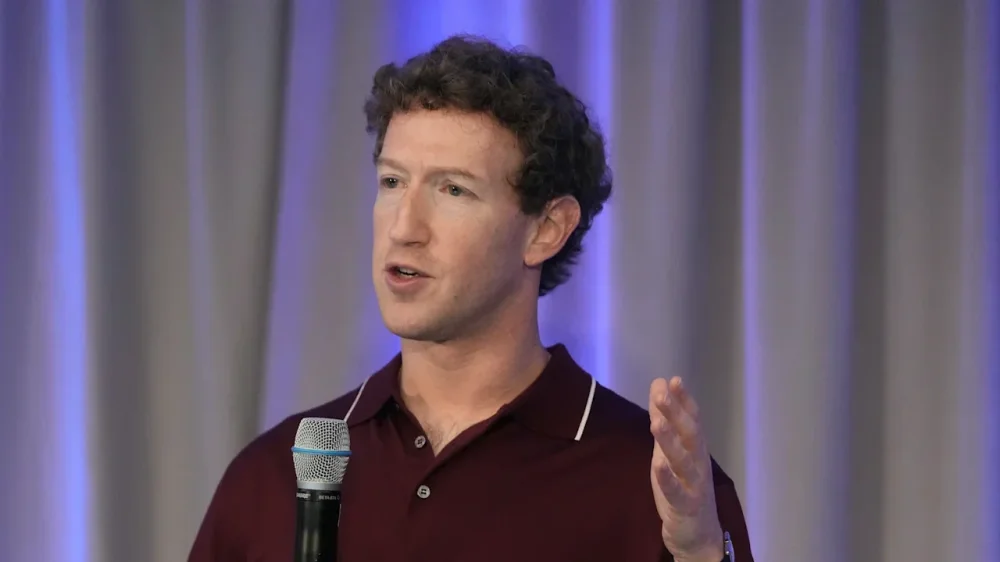
Meta has prevailed over an existential challenge to its business that could have forced the tech giant to spin off Instagram and WhatsApp after a judge ruled that the company does not hold a monopoly in social networking. U.S. District Judge James Boasberg issued his ruling Tuesday after the historic antitrust trial wrapped up in late May. His decision follows two separate rulings that branded Google an illegal monopoly in both search and online advertising, dealing yet another regulatory blow to the tech industry that for years enjoyed nearly unbridled growth. The Federal Trade Commission “continues to insist that Meta competes with the same old rivals it has for the last decade, that the company holds a monopoly among that small set, and that it maintained that monopoly through anticompetitive acquisitions,” Boasberg wrote in his ruling. “Whether or not Meta enjoyed monopoly power in the past, though, the agency must show that it continues to hold such power now. The Court’s verdict today determines that the FTC has not done so.” Meta, the FTC had argued, has maintained a monopoly by pursuing CEO Mark Zuckerberg’s strategy, “expressed in 2008: ‘It is better to buy than compete.’ True to that maxim, Facebook has systematically tracked potential rivals and acquired companies that it viewed as serious competitive threats.” During his April testimony, Zuckerberg pushed back against the FTC’s contention that Facebook bought Instagram to neutralize a threat. In his line of questioning, FTC attorney Daniel Matheson repeatedly brought up emails — many of them more than a decade old — written by Zuckerberg and his associates before and after the acquisition of Instagram. While acknowledging the documents, Zuckerberg has often sought to downplay the contents, saying he wrote them in the early stages of considering the acquisition and that what he wrote at the time didn’t capture the full scope of his interest in the company. The FTC’s complaint said Facebook also enacted policies designed to make it difficult for smaller rivals to enter the market and “neutralize perceived competitive threats,” just as the world shifted its attention to mobile devices from desktop computers. The social media landscape has changed so much since the FTC filed its lawsuit in 2020, Boasberg wrote, that each time the court examined Meta’s apps and competition, they changed. Two opinions to dismiss the case — filed in 2021 and 2022 — didn’t even mention popular social video platform TikTok. Today, it “holds center stage as Meta’s fiercest rival.” Quoting the Greek philosopher Heraclitus, “that no man can ever step into the same river twice,” Boasberg said the same is true for the online world of social media as well. “The landscape that existed only five years ago when the Federal Trade Commission brought this antitrust suit has changed markedly. While it once might have made sense to partition apps into separate markets of social networking and social media, that wall has since broken down,” he wrote. Facebook bought Instagram — then a scrappy photo-sharing app with no ads and a small cult following — in 2012. The $1 billion cash and stock purchase price was eye-popping at the time, though the deal’s value fell to $750 million after Facebook’s stock price dipped following its initial public offering in May 2012. Instagram was the first company Facebook bought and kept running as a separate app. Up until then, Facebook was known for smaller “acqui-hires” — a type of popular Silicon Valley deal in which a company purchases a startup as a way to hire its talented workers, then shuts the acquired company down. Two years later, it did it again with the messaging app WhatsApp, which it purchased for $22 billion. WhatsApp and Instagram helped Facebook move its business from desktop computers to mobile devices, and to remain popular with younger generations as rivals like Snapchat (which it also tried, but failed, to buy) and TikTok emerged. However, the FTC has a narrow definition of Meta’s competitive market, excluding companies like TikTok, YouTube and Apple’s messaging service from being considered rivals to Instagram and WhatsApp. Meta did not immediately respond to a message for comment. —Barbara Ortutay, AP technology writer View the full article
-
Continuing claims, a proxy for the number of people receiving benefits, came in at 1.957 million, up slightly from 1.947 million in the prior week. View the full article

-
Social media content pillars are crucial themes that shape your brand’s messaging strategy. They guarantee that your content aligns with both your values and your audience’s interests. By defining 3-5 key pillars, you can maintain focus, avoid content fatigue, and promote a balanced mix of variety and consistency. Comprehending how to create and implement these pillars can greatly improve your engagement levels and strengthen your brand narrative. But how do you align these pillars with your business goals? Key Takeaways Social media content pillars are key themes that guide structured messaging, aligning content with brand values and audience interests. Establishing 3-5 pillars prevents content burnout while balancing variety and consistency in social media strategies. Content pillars streamline creation, enhance team collaboration, and foster a consistent narrative across all platforms. Regularly measuring engagement metrics helps evaluate the effectiveness of content pillars and refine strategies for better audience interaction. Utilizing content pillars can lead to higher engagement rates, driving community interaction and strengthening brand presence online. Understanding Social Media Content Pillars During traversing the vast terrain of social media, comprehending content pillars is essential for effective brand communication. Social media content pillars serve as key themes or overarching topics that help you structure your messaging. By establishing 3-5 content pillars, you can maintain focus as you provide variety, which prevents content burnout and boosts audience engagement. Content pillar examples might include educational posts, behind-the-scenes insights, or customer testimonials. Implementing a pillar content strategy simplifies the content creation process, allowing for better planning and collaboration among your team. Aligning your content with specific pillars not just meets audience expectations but also encourages a consistent brand narrative, in the end enhancing trust and loyalty over time. The Importance of Content Pillars in Social Media Strategy Content pillars are fundamental to any effective social media strategy, as they guarantee your messaging aligns with both your brand values and your audience’s interests. By categorizing your content into specific themes, you can streamline your creation process, reducing burnout and allowing for focused, meaningful posts. Utilizing 3-5 content pillars helps maintain a balance between variety and consistency, preventing overwhelm for both your strategy and your audience. This approach improves engagement by clearly communicating what followers can expect, nurturing trust through relevant content that meets their needs. Additionally, regularly tracking the performance of your content pillars allows you to identify successful patterns and areas for improvement, ensuring your social media presence continues to evolve effectively. How to Create Effective Content Pillars To create effective content pillars, you need to start by defining core themes that resonate with your audience’s interests and pain points. Aligning these themes with what your customers care about guarantees your content remains relevant and engaging. Finally, mapping each pillar to specific content formats and social media channels enables you to leverage the strengths of each platform for better audience engagement. Define Core Themes Creating effective content pillars is essential for guiding your social media strategy, as they serve as the backbone of your messaging. Start by defining core themes that resonate with your brand values, aiming for 3 to 5 key themes. Conduct an audience analysis to understand their demographics, preferences, and pain points; this insight helps tailor your pillars effectively. Next, perform a social media audit to review existing content, identifying successful themes and gaps. Each pillar should have a clear purpose linked to broader marketing goals, such as increasing brand awareness or enhancing audience engagement. Finally, use a content calendar to organize and schedule posts, ensuring you deliver consistent and varied content that keeps your audience engaged without redundancy. Align With Audience Interests How can you guarantee your content pillars resonate with your audience? Start by conducting thorough audience research to uncover their demographics, preferences, and pain points. This guarantees your content aligns with their interests. Utilize social listening tools to monitor trending topics and conversations, refining your pillars accordingly. Develop 3-5 core themes that reflect your brand values during addressing your audience’s specific needs, creating a focused yet diverse strategy. Regularly analyze competitors’ content performance to identify gaps and opportunities, keeping your pillars relevant. Finally, test and iterate based on audience feedback and engagement metrics, allowing for continuous adaptation and improvement of your content strategy over time. This systematic approach will help you create effective content pillars that truly resonate. Map Content Formats Mapping content formats is essential for aligning your content pillars with the most effective delivery methods. By matching each pillar to suitable formats like videos, infographics, or blog posts, you can engage diverse audience preferences. Each content pillar needs a clear purpose, guiding you to choose the right types, such as tutorials for educational pillars and product showcases for promotional ones. Utilizing templates can streamline your process, creating consistent messaging during remaining adaptable. Regularly evaluating performance reveals which formats resonate best, allowing for continuous improvement. Diversifying formats within each pillar nurtures creativity and keeps your audience engaged. Content Pillar Format Type Purpose Educational Tutorials Teach and inform Promotional Product Showcases Highlight offerings Inspirational Quotes Motivate and uplift Entertaining Memes Engage and amuse Informative Blog Posts Provide in-depth insights Examples of Content Pillars Across Different Industries Even though each industry may tailor its content pillars to meet specific audience needs, there are some common themes that emerge across various sectors. In the fashion industry, you’ll often see product showcases and sustainability initiatives. The travel sector highlights destination features and guest testimonials to attract bookings. Healthcare focuses on health tips and patient stories, cultivating trust with audiences. In food and beverage, menu highlights and behind-the-scenes content drive foot traffic, whereas e-commerce brands leverage product highlights and customer reviews to engage shoppers. Aligning Content Pillars With Business Goals To effectively drive business success, aligning your content pillars with your overall objectives is vital. Each piece of content should contribute to your overarching goals, such as brand awareness or sales growth. Here are four key strategies to take into account: Define Purpose: Clearly outline the intent behind each content pillar to create resonating messages. Maintain Consistency: Keep a coherent narrative across platforms to strengthen your brand identity and customer loyalty. Link to KPIs: Tailor content to specific performance indicators, such as using educational content to boost website traffic. Regularly Review: Adjust your pillars based on any shifts in business strategy to guarantee ongoing relevance and effectiveness. Measuring the Impact of Content Pillars on Engagement To measure the impact of your content pillars on engagement, start by reviewing key engagement metrics like likes, shares, and comments. These statistics provide valuable insights into how well your content resonates with your audience. Engagement Metrics Overview Comprehending engagement metrics is crucial for evaluating how well your content pillars resonate with your audience. By measuring engagement, you can assess the effectiveness of your content strategies. Here are four key engagement metrics to focus on: Likes: Indicate general approval and interest in your content. Shares: Show how often your audience values your content enough to share it with others. Comments: Reflect direct audience interaction and feedback, revealing deeper insights into preferences. Saves: Highlight content that your audience finds useful, encouraging future visits. Tracking these metrics over time lets you identify which pillars engage your audience most. Analyzing Content Performance Analyzing content performance is crucial for grasping how effectively your content pillars engage your audience. By examining metrics like engagement rates, click-through rates, and audience growth, you can gain insights into each pillar’s resonance with your target demographic. Regular reviews, ideally every month, allow you to pinpoint successful strategies and identify areas needing improvement. High-performing content pillars can drive community interaction, with specific themes achieving up to 30% higher engagement. Utilizing analytics tools enables you to track key performance indicators and visualize growth trends, making data-driven decisions easier. Furthermore, engaging in social listening and analyzing audience feedback can deepen your awareness of content effectiveness, helping you tailor your messaging to better meet audience preferences and improve overall engagement. Frequently Asked Questions What Are Content Pillars and Why Are They Important? Content pillars are strategic themes that help you organize your social media content. They’re important as they provide a clear framework, ensuring your posts align with your brand values and audience interests. What Are the 5 Pillars of Social Media? The five pillars of social media content include educational, inspirational, promotional, community-building, and behind-the-scenes content. Educational content shares valuable insights and tips, building your authority. Inspirational posts nurture connections by highlighting success stories. Promotional content informs your audience about new offerings, blending sales with value. Community-building encourages interaction and feedback, strengthening relationships with your followers. Finally, behind-the-scenes content provides transparency, helping your audience feel more connected to your brand and its values. What Are the 4 Pillars of Content? The four pillars of content are Educational, Inspirational, Promotional, and Community-Building. Educational content delivers valuable insights, establishing your authority and trust. Inspirational content connects emotionally through real stories and achievements, making your brand relatable. Promotional content effectively highlights new offerings, blending information with value. Finally, Community-Building content encourages interaction and dialogue, creating a sense of belonging among your audience. Each pillar plays an essential role in engaging and retaining your audience effectively. What Are the Three Pillars of Social Media? The three pillars of social media are educational, inspirational, and promotional content. Educational content shares valuable information, like tips and tutorials, establishing your brand as an authority. Inspirational content connects with your audience emotionally through authentic stories and successes, nurturing community. Promotional content highlights your offerings, balancing sales with insights to keep your audience engaged. Together, these pillars create a thorough strategy that improves engagement and strengthens brand loyalty among your followers. Conclusion In summary, social media content pillars are crucial for creating a structured and effective content strategy. By defining clear themes, you can align your messaging with both brand values and audience interests, leading to greater engagement. Developing these pillars helps streamline content creation and maintain consistency, in the end promoting a cohesive brand narrative. As you implement and measure their impact, you’ll find that well-defined content pillars can greatly improve your social media presence and drive community interaction. Image via Google Gemini This article, "What Are Social Media Content Pillars and Why Matter?" was first published on Small Business Trends View the full article