Newsletter
Want to keep up to date with all our latest news and information?


ResidentialBusiness
Administrators
-
Joined
-
Last visited
Everything posted by ResidentialBusiness
-
Sale represents first big restructuring move by chief executive Luca de MeoView the full article
-
Meta is rolling out a new Facebook feature that the company says will help users share more photos—but which could also be used to help train its AI. The opt-in feature allows Facebook’s AI to access your phone’s camera roll in order to find photos it finds “shareworthy,” and to suggest edits using its AI tools. Users can then decide if they want to share the images or not. “With your permission and the help of AI, our new feature enables Facebook to automatically surface hidden gems – those memorable moments that get lost among screenshots, receipts, and random snaps – and edit them to save or share,” Meta said in its announcement explaining the new feature on Friday. The platform will also suggest “fun edits” for users to share. The new feature has been rolled out in the US and Canada, and Meta aims to roll it out in additional countries soon. What are users opting into? Meta’s latest feature announcement says that for users who opt in, the feature makes photo sharing suggestions that “are private to you,” and that nothing will be shared unless you agree. Meta also said Facebook won’t “use media from your camera roll to improve AI at Meta”—unless you use its AI to edit or upload the photos. Fast Company reached out to Meta for comment but did not hear back by the time of publication. Meta already gathers Facebook user data to train its AI. In a 2023 announcement, Meta said it could use any user data shared on Facebook or Instagram to train its AI. “Generative AI models take a large amount of data to effectively train, so a combination of sources are used for training, including information that’s publicly available online, licensed data and information from Meta’s products and services,” the company said at the time. “Publicly shared posts from Instagram and Facebook – including photos and text – were part of the data used to train the generative AI models underlying the features.” Meta’s terms also state that “your interactions with AI features can be used to train AI models. Examples include messages to AI chats, questions you ask and images you ask Meta AI to imagine for you.” This is also not the first time Meta has asked users permission to look at their camera rolls. In June, Facebook began asking users for access to their phone’s camera roll to automatically suggest AI-edited versions of their photos, including images they had not posted for public viewing. Users who wanted to use the feature were prompted to opt-in to “cloud processing,” allowing Facebook access to their camera roll, as well as opting in to Meta’s Terms of Service, which includes agreeing to allow its AI to “retain and use that information to provide more personalized Outputs.” At the time, Meta told The Verge that it was not currently using those photos to train its AI models. Fast Company has previously written about how hard Meta has made it for Instagram users to opt out of AI training. Users who want to opt out have to answer a series of questions and explain why they don’t want the app to use their data. Requests are then subject to a review process, which suggests the company can decide whether to honor the request. Meta noted in its Friday announcement that users can manage or disable the new AI photo feature at any time in Facebook’s camera roll settings. View the full article

-
BoE governor was speaking as central bankers debate rising trade barriers including from Donald The President’s policiesView the full article
-
In a rapidly evolving digital landscape, small business owners are constantly seeking innovative solutions to enhance efficiency and drive growth. Google has stepped up to the plate with its latest offering, Gemini Enterprise, a powerful AI-driven conversational platform designed to integrate seamlessly into the modern workplace. This new tool aims to revolutionize how businesses access information, streamline workflows, and leverage data to improve decision-making. Gemini Enterprise is built on the understanding that effective business transformation requires more than basic chatbots. These outdated models often provide limited functionality, failing to meet the complex needs of today’s companies. “True business transformation in the era of AI must go beyond simple chatbots,” said Sundar Pichai, CEO of Google. This sentiment captures the essence of Gemini Enterprise, which aims to create a comprehensive and integrated platform that centralizes company data, tools, and personnel in a secure environment. Equipped with sophisticated Gemini models, this platform enables employees to engage in meaningful conversations with their company’s various documents and applications. Imagine a scenario where your team can ask the AI questions about internal reports, access customer data, or retrieve onboarding materials—all in real-time and with contextual relevance. For small business owners, this functionality translates into significant time savings and enhanced productivity. Key takeaways for small businesses include: Enhanced Data Access: Employees can chat directly with their company databases and applications, allowing for quicker data retrieval and analysis. Versatile AI Agents: Gemini Enterprise includes tools for creating customized AI agents, alongside a suite of pre-built agents that can jumpstart workflows. Integrated Workflows: With all tools and data centralized, teams can work more cohesively, which could lead to improved collaboration and innovation. Beyond individual productivity, the platform also supports broader organizational goals. By harnessing AI, small businesses can make more informed decisions, identify emerging trends, and respond swiftly to market changes. As Pichai noted, “It brings the full power of Google AI to every employee for every workflow,” emphasizing the democratization of high-tech resources for all levels of staff. However, implementing Gemini Enterprise isn’t without its challenges. For smaller firms, resources and technology adoption can be significant hurdles. Transitioning to a new platform will require time for training and adaptation among employees, which can temporarily disrupt workflows. Furthermore, as with any AI-related solution, ensuring data privacy and security remains a top priority. Small business owners must be diligent in understanding how their data will be managed and whether they have the infrastructure to support such an advanced tool. Small business owners might also need to consider the costs associated with the implementation of Gemini Enterprise. While the platform promises significant returns through boosted efficiency, budgeting for the initial rollout and any necessary upgrades will be crucial for sustained financial health. In closing, Google’s Gemini Enterprise presents small business owners with an exciting opportunity to enhance operational efficiency through AI. By integrating vast amounts of data and allowing for immediate, contextual interactions, it empowers teams to work smarter and respond to challenges with agility. However, careful consideration must be given to the practical aspects of implementation, particularly in cost and training. As the small business landscape becomes increasingly competitive, embracing tools like Gemini Enterprise could be key to securing a competitive edge. To learn more, visit the original post at Google Cloud. Image via Gemini This article, "Google Gemini Launches AI Platform for Seamless Business Transformation" was first published on Small Business Trends View the full article
-
In a rapidly evolving digital landscape, small business owners are constantly seeking innovative solutions to enhance efficiency and drive growth. Google has stepped up to the plate with its latest offering, Gemini Enterprise, a powerful AI-driven conversational platform designed to integrate seamlessly into the modern workplace. This new tool aims to revolutionize how businesses access information, streamline workflows, and leverage data to improve decision-making. Gemini Enterprise is built on the understanding that effective business transformation requires more than basic chatbots. These outdated models often provide limited functionality, failing to meet the complex needs of today’s companies. “True business transformation in the era of AI must go beyond simple chatbots,” said Sundar Pichai, CEO of Google. This sentiment captures the essence of Gemini Enterprise, which aims to create a comprehensive and integrated platform that centralizes company data, tools, and personnel in a secure environment. Equipped with sophisticated Gemini models, this platform enables employees to engage in meaningful conversations with their company’s various documents and applications. Imagine a scenario where your team can ask the AI questions about internal reports, access customer data, or retrieve onboarding materials—all in real-time and with contextual relevance. For small business owners, this functionality translates into significant time savings and enhanced productivity. Key takeaways for small businesses include: Enhanced Data Access: Employees can chat directly with their company databases and applications, allowing for quicker data retrieval and analysis. Versatile AI Agents: Gemini Enterprise includes tools for creating customized AI agents, alongside a suite of pre-built agents that can jumpstart workflows. Integrated Workflows: With all tools and data centralized, teams can work more cohesively, which could lead to improved collaboration and innovation. Beyond individual productivity, the platform also supports broader organizational goals. By harnessing AI, small businesses can make more informed decisions, identify emerging trends, and respond swiftly to market changes. As Pichai noted, “It brings the full power of Google AI to every employee for every workflow,” emphasizing the democratization of high-tech resources for all levels of staff. However, implementing Gemini Enterprise isn’t without its challenges. For smaller firms, resources and technology adoption can be significant hurdles. Transitioning to a new platform will require time for training and adaptation among employees, which can temporarily disrupt workflows. Furthermore, as with any AI-related solution, ensuring data privacy and security remains a top priority. Small business owners must be diligent in understanding how their data will be managed and whether they have the infrastructure to support such an advanced tool. Small business owners might also need to consider the costs associated with the implementation of Gemini Enterprise. While the platform promises significant returns through boosted efficiency, budgeting for the initial rollout and any necessary upgrades will be crucial for sustained financial health. In closing, Google’s Gemini Enterprise presents small business owners with an exciting opportunity to enhance operational efficiency through AI. By integrating vast amounts of data and allowing for immediate, contextual interactions, it empowers teams to work smarter and respond to challenges with agility. However, careful consideration must be given to the practical aspects of implementation, particularly in cost and training. As the small business landscape becomes increasingly competitive, embracing tools like Gemini Enterprise could be key to securing a competitive edge. To learn more, visit the original post at Google Cloud. Image via Gemini This article, "Google Gemini Launches AI Platform for Seamless Business Transformation" was first published on Small Business Trends View the full article
-
Zendesk, a recognized leader in AI-powered customer service solutions, has recently unveiled significant advancements in its Resolution Platform, aimed at revolutionizing service efficiency for businesses. As customer interactions grow in complexity and volume, the company is responding with powerful new tools designed to streamline operations and enhance user experience. Tom Eggemeier, CEO of Zendesk, emphasized the urgency for businesses to meet rising customer expectations. “Today’s customers want more than just quick responses—they expect issues fully resolved,” he stated. This shift in customer demand has prompted Zendesk to enhance its offerings, providing small businesses the opportunity to leverage advanced AI technology for better service outcomes. The Resolution Platform now features upgraded capabilities that facilitate efficient problem resolution, allowing teams to handle up to 5 billion issues annually. The innovative AI Agents on this platform significantly outperform traditional systems by effectively managing intricate, multi-step problems through advanced integrations. Small business owners can particularly benefit from the new developments in the platform, which include: Voice AI Agents: These fully autonomous agents are designed to engage in natural conversations and resolve issues without escalating them to human agents. By automating this process, businesses can free up team members to focus on more complex tasks, enhancing overall productivity. Real-time Collaboration Features: The addition of Video Calling and Screen Sharing capabilities allows agents to assist customers in real time, addressing concerns more empathetically. This can become an invaluable asset for businesses that thrive on customer relationships. Comprehensive IT Asset Management: The platform’s integration with IT Asset Management offers businesses visibility into their hardware, enabling faster IT resolutions. For small businesses with limited IT resources, this feature can significantly reduce downtime. Advanced Workflow Automation: With tools like the Action Builder and App Builder, even non-technical users can create workflows and deploy custom apps. These tools not only simplify processes but also promote innovation within the organization. Deeper Insights: The acquisition of HyperArc allows Zendesk to provide advanced analytics, giving businesses insights into customer behavior and service trends. Understanding these dynamics can empower small business owners to make data-driven decisions that enhance customer satisfaction. While these features present exciting opportunities, small business owners should also be aware of potential challenges. Implementing an AI-first solution may require a shift in company culture, particularly in how employees view technology in their roles. Training staff to effectively use new tools, ensuring data security, and managing customer expectations regarding automated service can pose hurdles. Additionally, as Zendesk promotes its platform as a scalable solution, small businesses should consider their growth trajectory. Investing in these capabilities is a commitment that could reshape customer service operations, but it also requires ensuring that the infrastructure is in place to support such growth. Sudhir Rajagopal, Research Director at IDC, noted how Zendesk’s innovations translate into measurable benefits. “The combination of AI Agents with an integrated platform covering Contact Centers and Employee Service offers more than just innovation; it drives tangible business results,” he said. Overall, Zendesk’s advancements can help small businesses navigate the increasingly complex landscape of customer service. Owners looking to improve efficiency and deepen customer relationships may find that embracing these AI-driven tools not only enhances their operational capabilities but also aligns them with evolving consumer expectations. For more information on these new offerings, small business owners can visit Zendesk’s official announcements page at Zendesk. This article, "Zendesk Boosts AI Innovation to Transform Customer Service Experience" was first published on Small Business Trends View the full article
-
Zendesk, a recognized leader in AI-powered customer service solutions, has recently unveiled significant advancements in its Resolution Platform, aimed at revolutionizing service efficiency for businesses. As customer interactions grow in complexity and volume, the company is responding with powerful new tools designed to streamline operations and enhance user experience. Tom Eggemeier, CEO of Zendesk, emphasized the urgency for businesses to meet rising customer expectations. “Today’s customers want more than just quick responses—they expect issues fully resolved,” he stated. This shift in customer demand has prompted Zendesk to enhance its offerings, providing small businesses the opportunity to leverage advanced AI technology for better service outcomes. The Resolution Platform now features upgraded capabilities that facilitate efficient problem resolution, allowing teams to handle up to 5 billion issues annually. The innovative AI Agents on this platform significantly outperform traditional systems by effectively managing intricate, multi-step problems through advanced integrations. Small business owners can particularly benefit from the new developments in the platform, which include: Voice AI Agents: These fully autonomous agents are designed to engage in natural conversations and resolve issues without escalating them to human agents. By automating this process, businesses can free up team members to focus on more complex tasks, enhancing overall productivity. Real-time Collaboration Features: The addition of Video Calling and Screen Sharing capabilities allows agents to assist customers in real time, addressing concerns more empathetically. This can become an invaluable asset for businesses that thrive on customer relationships. Comprehensive IT Asset Management: The platform’s integration with IT Asset Management offers businesses visibility into their hardware, enabling faster IT resolutions. For small businesses with limited IT resources, this feature can significantly reduce downtime. Advanced Workflow Automation: With tools like the Action Builder and App Builder, even non-technical users can create workflows and deploy custom apps. These tools not only simplify processes but also promote innovation within the organization. Deeper Insights: The acquisition of HyperArc allows Zendesk to provide advanced analytics, giving businesses insights into customer behavior and service trends. Understanding these dynamics can empower small business owners to make data-driven decisions that enhance customer satisfaction. While these features present exciting opportunities, small business owners should also be aware of potential challenges. Implementing an AI-first solution may require a shift in company culture, particularly in how employees view technology in their roles. Training staff to effectively use new tools, ensuring data security, and managing customer expectations regarding automated service can pose hurdles. Additionally, as Zendesk promotes its platform as a scalable solution, small businesses should consider their growth trajectory. Investing in these capabilities is a commitment that could reshape customer service operations, but it also requires ensuring that the infrastructure is in place to support such growth. Sudhir Rajagopal, Research Director at IDC, noted how Zendesk’s innovations translate into measurable benefits. “The combination of AI Agents with an integrated platform covering Contact Centers and Employee Service offers more than just innovation; it drives tangible business results,” he said. Overall, Zendesk’s advancements can help small businesses navigate the increasingly complex landscape of customer service. Owners looking to improve efficiency and deepen customer relationships may find that embracing these AI-driven tools not only enhances their operational capabilities but also aligns them with evolving consumer expectations. For more information on these new offerings, small business owners can visit Zendesk’s official announcements page at Zendesk. This article, "Zendesk Boosts AI Innovation to Transform Customer Service Experience" was first published on Small Business Trends View the full article
-
Your pantry, your portfolio, even your flight plans all made headlines this week. The FDA turned everyone’s favorite spice into a hazard warning, while the world’s wealthiest got a new credit card that skips the whole Social Security number thing. Washington’s still stuck in neutral—though a few lucky borrowers are finally seeing their student loans disappear—and airports are feeling the fallout. Meanwhile, Bitcoin’s on a downward spiral, gold’s having a moment, and the housing market’s math still doesn’t add up no matter how many times you punch the calculator. Retailers, at least, seem to be thriving in chaos. Walmart doubled down on AI, cutting a deal with OpenAI so shoppers can chat their way through checkout, then followed up with plans to blanket its supply chain in smart sensors. Over in the cultural corner, major news outlets refused to play ball with the Pentagon’s new press rules, and the Boy Scouts—now Scouting America—rolled out merit badges in AI and cybersecurity. If that sounds like a lot, it is. The throughline? Whether it’s your cinnamon or your shopping list, everything familiar is getting rewired in real time. Here’s a look at what made headlines this week. FDA widens ground cinnamon warning over elevated lead The FDA expanded its list of ground cinnamon products to avoid, citing testing that found elevated lead levels and urging consumers to discard affected items. Sixteen products now sit on the list, spanning multiple distributors and retailers with specific lots and best-by dates. No illnesses are confirmed, but the agency warns long-term exposure can harm children’s development, and the list has grown through multiple updates since July 2024. A premium no-SSN card takes aim at AmEx Platinum’s turf Fintech startup Karta unveiled a $300-annual-fee premium card for affluent non-residents with U.S. assets—no Social Security number required. Perks mirror marquee travel cards (lounges, events, protections), and the product is managed via WhatsApp with AI-assisted service. Backed by $5.4 million in seed funding and 22 banking partners, Karta is targeting customers hit by steep foreign card fees and the wind-down of AmEx’s International Dollar Card. IBR student-loan forgiveness resumes for eligible borrowers Notices are landing in inboxes for borrowers on the Income-Based Repayment student loan plans who’ve hit 20- or 25-year payment thresholds. The move restarts discharges paused in July amid systems updates and litigation fallout. It’s not a new program—just the promised IBR relief catching up—so borrowers should keep paying until they receive official confirmation. Scouting America adds AI and cybersecurity merit badges Scouting America introduced new badges covering machine learning basics, prompt communication, deepfake awareness, and cybersecurity concepts this week. The goal is to marry traditional “be prepared” ethos with digital-age fluency. It’s also a retention play as membership has fallen from historic peaks, with newer badges designed to meet kids where they live—online. Flight delays mount as shutdown enters week three A mix of bad weather and shutdown-related staffing strain produced tens of thousands of flight delays across the long weekend. Trade groups say flying remains safe, but chokepoints at Northeast hubs added to traveler frustration. With Congress still gridlocked, operational unpredictability remains the near-term baseline. Bitcoin swoons while gold shines After notching an all-time high earlier this month, Bitcoin slid to a four-month low this week as investors rotated toward gold. Macro jitters—from tariffs talk to the federal shutdown—pressed risk appetite. The move highlights crypto’s evolving “safe-haven” narrative: sometimes it benefits from stress, sometimes the old haven still wins. Zillow: “Unrealistic” rate cuts needed for affordability Back-of-the-envelope modeling suggests the average 30-year mortgage would need to drop to ~4.43% to make a median home affordable to a median-income buyer (assuming 20% down). In several coastal markets, even 0% rates wouldn’t fix the math given taxes, insurance, and upkeep. Zillow’s takeaway: don’t bank on rates—or prices—bailing out budgets soon. Walmart to enable ChatGPT checkout with OpenAI Walmart announced an “agentic commerce” tie-up so shoppers can purchase via natural language directly in ChatGPT. The integration leans on OpenAI’s Instant Checkout and Agentic Commerce Protocol, pitching fewer clicks and more personalization. Investors liked the direction of travel, framing it as an on-ramp to AI-assisted shopping at mass scale. Major outlets reject Pentagon press rules Major news outlets including The New York Times, AP, and Fox News have said they won’t sign the Defense Department’s new required policy governing access and information requests, leading them to leave the Penagon this week. Newsrooms argue the rules impact routine reporting and set a troubling precedent; the government says they’re common-sense procedures. The standoff raises practical questions about credentialing and transparency. Walmart rolls out ambient IoT sensors across supply chain In a parallel modernization push, Walmart plans millions of battery-free sensors on pallets to track inventory across 4,600 stores and 40+ distribution centers, expanding nationwide in 2026. The data will feed Walmart’s AI systems to improve accuracy, cold-chain compliance, and on-shelf availability. It’s a scale bet that visibility equals velocity—and profit. View the full article

-
Jonathan Gray says private capital group has put risks from the technology ‘top of our list’ when evaluating dealsView the full article
-
Objective of US mission has shifted from fighting drug traffickers to regime changeView the full article
-
You’ve probably heard of House of Highlights—even if you’re not a sports fan, it’s hard to miss, whether on YouTube or scrolling through your social feeds. What started as a college dorm Instagram account has grown over 11 years into the #1 sports media brand on the platform, boasting 100 million followers and billions of monthly views. Today, House of Highlights is a multi-platform sports media powerhouse, producing creator-led content and original series that rival traditional TV. Drew Muller, vice president and general manager at House of Highlights, spoke with Yasmin Gagne and Joshua Christensen on the Most Innovative Companies podcast about growth strategies, creator partnerships, and how the company balances viral moments with long-form storytelling. How did House of Highlights start? [The genesis of the project came from] a guy named Omar Raja in his college dorm room. The idea was: “I’m not seeing the highlights that I want on the platforms where I’m spending time.” Seems like kind of table stakes now that you see the proliferation of highlights basically everywhere you look on social media. But back then it really was a novel idea. And the Bleacher Report leadership at the time [. . .] led the acquisition of bringing in this Instagram account into the sports world and saying, “this account is doing something interesting—it’s speaking with young people, it’s overperforming in ways that seem to not map to what typical sports companies are doing.” [It was ultimately a credit to Bleacher Report] who let House of Highlights incubate as a startup within the larger company, allowing it space to grow and preserve its unique voice. From there, the idea was: let’s figure out if we can make this into a multi-platform media company that can stand on its own and be incremental to what Bleacher Report was already doing. So how do we make this differentiated and give fans a reason to want to follow both accounts? How do you make sure House of Highlights keeps its own voice and identity? A lot of it maps down to a steadfast commitment to voice and clarity of who we are and who we’re not. A lot of it is due to the organizational structure where House of Highlights is able to maintain operational and strategy independence. We have our own go-to-market strategy, we have our own assets and content strategy and logos and identities and even fonts. But it does take a day-in and day-out focus to balance the two, because we do eat from the same pool of sports rights and sometimes resources. You moved from Instagram highlights to hour-long programming. What were the conversations like around developing long-form content? When we first started to make original content, it was almost out of necessity creator-led. We were a small scrappy team, and in many instances we couldn’t afford to pay huge athletes. There were creators that were starting to blow up on Instagram and YouTube, but were nowhere near the scale we’re talking about today. We were able to form big partnerships with creators that are now household names [like] Supreme Dreams, and Mark Phillips. All of it tied back to sports, youth culture, and putting an entertaining lens on what it is to be a sports fan or to experience sports with your friends in a group chat. The most value that we’ve gotten from building habitual long-form viewership is making sure that an hour or two-hour-long video has a clear path to short form [because] we have massive amounts of short-form expertise and scale, and people are expecting that from us. How has House of Highlights’ approach to creator deals evolved? [When looking at the creator’s growth chart, we want to be] where they’re starting to take off, but before they get to the point where they’re a household name and they’re the cream of the crop, not to say we don’t still want to work with them at that point, but typically that’s when they’re getting overpaid by some of the legacy companies. [We] built a lot of the formats that have been replicated by many of the big leagues and some of the big media companies. [Creators] know they’re not just showing up for an appearance fee or to check a box. We’re trying to build special content together and special franchises and IP that can scale. House of Highlights, as we’ve discussed, is publishing across multiple platforms. How do you approach content programming across those platforms that all reward different types of content and cadence? [On YouTube], you’re going to see full game recaps for folks that maybe aren’t in the cable bundle and aren’t watching two- to three-hour games—they typically come to House of Highlights YouTube for a 10- to 15-minute recap of that game. On TikTok, because of how the For You Page operates, you can publish more, and those videos will find their homes without taking up all of someone’s feed. On Instagram, if someone follows House of Highlights and we’re publishing a hundred times a day, it will feel like that in your feed. Under-34 sports fans are watching less and less live cable sports events—[so how] can we build an appointment viewing experience for that fandom? From an advertising perspective, obviously that is super valuable, and it’s increasingly hard to reach that audience at scale. What’s next for House of Highlights? We’ve got three events left in our Creator League season. We’ve got a basketball knockout five on five, and then a championship series. That’ll carry us through the end of November. Based on the numbers that we’re seeing, we’re excited about what the championship could look like. And then honestly, the growth of our Fans versus Haters series and where that overarching brand can go in terms of debate style content for a younger audience. [At the end of the day, a lot of it] comes down to our focus on YouTube and how we’re making House of Highlights a broadcast channel. View the full article

-
Marwan Barghouti, whom Palestinian admirers have called their ‘Mandela’, not part of Gaza deal swapView the full article
-
Want more housing market stories from Lance Lambert’s ResiClub in your inbox? Subscribe to the ResiClub newsletter. In early October, a post on X by FreightWaves founder and CEO Craig Fuller caught my attention: Speaking with a home builder last night (Chattanooga, TN): High-demand in the low-end of the market (<$300k), as people are looking to upgrade from renting. Can't build enough. Almost no demand in middle market ($300k-700k), as it tends to be the upgrade market and the buyers… — Craig Fuller 🛩🚛🚂⚓️ (@FreightAlley) October 4, 2025 While Fuller’s narrative rings true in some pockets of the country, it isn’t the case everywhere. The dynamics he describes—strong demand at the low end, softness in the middle—reflect certain regional realities, but not necessarily what’s unfolding across the broader Southeast housing market. According to my reporting and research, there’s currently a lot of variation by price tier. Several Southeast homebuilders have told me they’ve actually seen greater softening in the entry-level segment over the past year—the very segment many builders have been chasing. Some rolled out smaller floor plans or trimmed square footage to entice priced-out homebuyers, but those efforts are now meeting slower demand. Meanwhile, the higher tiers have held up better. Part of that cooling stems from simple oversupply and stretched affordability. Builders across the Southeast ramped up production of smaller, sub-$350,000 homes in 2023 and early 2024. But elevated insurance premiums, rising property taxes, and household budget fatigue have since taken a toll, especially in Florida and parts of Georgia. This month, I launched the ResiClub Terminal—a new platform that includes analysis by home-price tier: lower-tier (5th to 35th percentile), middle-tier (35th to 65th percentile), and upper-tier (65th to 95th percentile) homes, all broken out by market. That tiered data confirms what Southeast builders are reporting: The lower end of the market has shown the greatest weakness over the past year across much of the region. Lower-tier home price year-over-year change 👇 Upper-tier home price year-over-year change 👇 Within the ResiClub Terminal, ResiClub PRO members can click on individual markets to see this data down to a local level. For example: Lower-tier home prices are down 7.5% year over year in DeKalb County, Georgia. Upper-tier home prices are down 0.9% year over year in DeKalb County, Georgia. When you zoom out and look at this on a nationally aggregated basis, the upper-tier, middle-tier, and lower-tier stats are all pretty close. Upper tier: -0.1% Middle tier: +0.2% Lower tier: +0.6% The fact that current housing market dynamics by price tier are nearly identical on a nationally aggregated basis—despite significant underlying variation—is a reminder that it’s important for housing stakeholders to have accurate, localized information. View the full article

-
It’s human nature to wait until the last minute rather than plan ahead—perhaps especially when it comes to retirement planning. There’s always plenty of other excellent uses for your money, until suddenly you’re staring at an underfunded 401(k) with only a few years left before you’ll need it. This is why president George W. Bush passed legislation in 2001 that (among other things) allowed for catch-up contributions among workers who were 50 or older. This gave older workers a chance to beef up their 401(k) accounts while they were typically at the peak of their earning years and let them continue to take advantage of making pre-tax contributions. Other than increasing the amount of money 50+ workers can contribute, the basics of catch-up contributions have remained virtually the same for the past two decades—until now. As of calendar year 2027, the SECURE 2.0 Act eliminates the catch-up contribution tax break for 50+ workers earning $145,000 or more. Here’s what you need to know about how this change may affect your retirement planning. Current contribution and catch-up limits As of 2025, workers may contribute up to $23,500 pre-tax to their 401(k) or other defined contribution workplace retirement plan. Workers over the age of 50 may put aside an additional $7,500 in catch-up contributions, for a total of $31,000, pre-tax. And any workers between the ages of 60 and 63 may make an $11,250 super catch-up contribution, for a total contribution limit of $34,750 in pre-tax dollars. The ability to make these contributions pre-tax means 50+ workers get to reduce their tax burden for the current year by over $30,000, a huge tax benefit. Same catch-up contributions, different tax breaks But after December 31, 2026, the IRS will require you to make catch-up contributions with after-tax money if you earned $145,000 or more from your current employer in the previous year. In other words, if you’re over 50 and earn more than $145k in 2026, you’ll have to put in any 2027 catch-up contributions as after-tax Roth contributions. This change does not affect regular contributions at all. Even if you are a high earning 50-something, every dollar of your regular contributions will be pre-tax (unless you choose otherwise). It is only the catch-up contributions that must be categorized as Roth contributions for high earning individuals. Roth ain’t so bad, once you get used to it There’s a very good reason why Uncle Sam made 401(k) plans tax-deferred: we’re much more likely to contribute money to our futures if we can get a tax break today. But the thing about this kind of upfront tax-break is that taxes will come due eventually. You will have to pay regular income taxes on 401(k) withdrawals in retirement. Roth contributions, on the other hand, are made with money that has already been taxed. While that makes things a bit more expensive today, it can be a boon for your future self because the money grows and can be withdrawn tax-free in retirement. (This is why I personally recommend having at least some money set aside in a Roth account. Investing in a Roth retirement account means you have a tax-free source of cash that won’t affect your Social Security benefits or other taxable income if you need access to a big chunk of money. For example, if you have a health issue in retirement, you can pull money from your Roth account without affecting the tax-balanced fixed income you’re living on.) In addition, Roth 401(k) plans don’t require you to take required minimum distributions (RMDs) as of age 73, unlike traditional 401(k)s. That means you can let your money continue to grow in your Roth 401(k) past your 73rd birthday. While potentially losing the tax break on catch-up contributions is not ideal, especially if you’ve been counting on it, there are some real benefits to having money in a Roth account for retirement. How many workers will this really affect? There is still time before the new rules go into effect, but it does raise an interesting question: just how widespread an issue will this be? To start, only about 8.37% of individual workers earned $145,000 or more in 2024. As of 2025, there are an estimated 124.37 million Americans over the age of 50. If we assume 8.37% of 124.37 million 50+ Americans are earning $145k or more, that leaves us with 10,410,154 affected workers. However, not everyone contributes to a 401(k) plan or other defined contribution plan. According to 2025 research by Gallup, only 66% of Americans over age 50 have money invested in a 401(k) plan, 403(b) plan, or IRA, either on their own, or jointly with a spouse. If we assume that only 66% of workers earning over $145,000 are investing in a defined benefit plan, that leaves us with 6,870,701 potentially affected individuals. That said, even if you’re not among the 6.8 million workers who might face this problem, you still may want to consider making Roth contributions. If your 401(k) plan doesn’t offer Roth contributions as an option, you can always open a Roth IRA on your own to take advantage of the same benefits. Whether you’re under the age of 50 or earning less than $145,000, or both, you can still benefit from the upsides of a Roth. Preparing for good problems The upcoming changes to catch-up contribution rules can feel like having the rug pulled out from under you, but there’s still time to get ready for the shift. It’s also a good idea to remember that if you’re required to make Roth 401(k) catch-up contributions, it’s because you’re otherwise in pretty great financial shape. That’s because you: Could afford to max out your 401(k) annual contribution that was more than $23,500 for the year Earned at least $145,000 in 2026 And still had money left over that you could contribute to your retirement account. Though it may affect your tax strategy now, the new rules will also give you access to a Roth account that will grow tax-free and will be available for tax-free withdrawals without any RMDs. The change also brings the benefits of Roth 401(k) plans into the spotlight, and may encourage more plan participants to make Roth contributions, even if the new rules don’t affect them. All in all, the new rules may be a pain in the neck to plan for, but they’re mostly a net benefit. View the full article

-
Israel accuses the militant group of transferring the remains of 18 hostages too slowlyView the full article
-
I was thrilled this week when Apple issued a press release announcing that its original film, F1 The Movie, starring Brad Pitt, would make its streaming debut on the company’s video service December 12. But it wasn’t the news about the movie that excited me. Rather, it was a small line at the end of the press release that quietly announced something else: “Apple TV+ is now simply Apple TV, with a vibrant new identity.” The “+” branding on Apple TV+ always bugged me. Whenever I looked at it, I thought, “Apple TV plus what?” Apple News offers a free base version and a paid version that gets you more content, called “Apple News+,” which makes sense. But there’s never been a free version of Apple’s video streaming service, so what was the “+” signifying? The “+” branding had also grown increasingly tiresome over the years, as nearly every streaming service added the mathematical operator onto its name. Mercifully, Apple has now decided to subtract the plus. Here’s the why, and how the company could go further toward to ending branding’s most tiresome scourge. The company didn’t invent the “+”, but it embraced it like no other Until this week, Apple had been leaning hard into the “+” branding for years—nearly as hard as it did to the much more iconic “i” branding in the early 2000s. Apple debuted its first “+” branding all the way back in October 2011 with its AppleCare+ extended warranty program, which covered accidental damage to a user’s iPhone. It used an alphabetic version of the nomenclature with the iPhone 6 “Plus” model in 2014. But it wasn’t until 2019 that Apple began to go hog wild on “+”. That year, Apple debuted the Apple News+ news subscription service and the Apple TV+ video streaming service. A year later, in 2020, Apple debuted the Apple Fitness+ workout streaming service, and a year after that, the company added its latest “+” service, iCloud+. Yet Apple wasn’t the first tech or media company to tack “+” onto a product. The earliest I can remember is NBC Universal’s and News Corp’s “Hulu Plus” back in 2010, and then, several months before Apple debuted AppleCare+ in 2011, Google came out with its now-defunct social network Google+. The next major company to embrace the “+” was Disney, with ESPN+ in 2018. However, the “+” really went viral in the final months of 2019. In September of that year, BET launched BET+. Two months later, Apple TV+ and the streaming giant Disney+ arrived. In the years that followed, we got more: Discovery+, Paramount+, AMC+, the short-lived CNN+, and more. But it was Apple, with its no fewer than five “+” products, that was the clear cross-bearer—sorry, plus-bearer—for the techno-media industries. Apple explains why it killed off the Apple TV “+” Apple’s announcement to drop the “+” from Apple TV+ this week came out of the blue. However, shortly after the abrupt name change, the company explained its reasoning. In an appearance on The Town podcast (via 9to5Mac), Apple’s senior vice president of Services, Eddy Cue, who oversees products including Apple Music, Apple News, and the newly named Apple TV, spoke about the subtraction of the “+”. Cue revealed that the company originally named its streaming service “Apple TV+” simply because Apple had used the “+” mark in its other subscription services, such as Apple News+ and iCloud+. “But we do that when we have a free service and then there’s a paid version,” Cue acknowledged, noting the distinction between Apple TV and the company’s other paid services. “We stayed consistent because of it,” Cue continued, admitting, “but we all called it Apple TV, and we said, given where we are today [with the service’s brand awareness], it’s a great time to [ditch the “+”], so let’s just do it.” Apple shows no signs of entirely abandoning the “+” My colleague, Grace Snelling, spoke to several branding experts the wake of the Apple TV service rebrand. They all seem to agree that Apple made the right move in dropping the +. As Snelling noted, in the early days of the streaming wars that began in 2019, the “+” addendum attached to a name served as an easy identifier, indicating that the product being sold was a streaming service. However, now that the symbol has become ubiquitous, it has lost some of its branding power. As Cue pointed out, the Apple TV streaming service brand is now strong enough that the “+” is no longer needed. Yet while Apple has now subtracted the “+” from Apple TV, the company remains firmly on the “+” side of the equation. Four of its products still carry the mathematical moniker: Apple News+, iCloud+, Apple Fitness+, and AppleCare+. Here, the + makes more sense than it ever did on Apple TV, since it signifies additional features. Cue’s comments suggest that Apple has no intention of eliminating the “+” from the rest of this product lineup. Still, it’s worth noting that the removal of “+” from Apple TV’s name isn’t the first time in 2025 that Apple has eliminated the symbol from one of its products. In September, Apple replaced the iPhone Plus model in its smartphone lineup with the new iPhone Air. View the full article

-
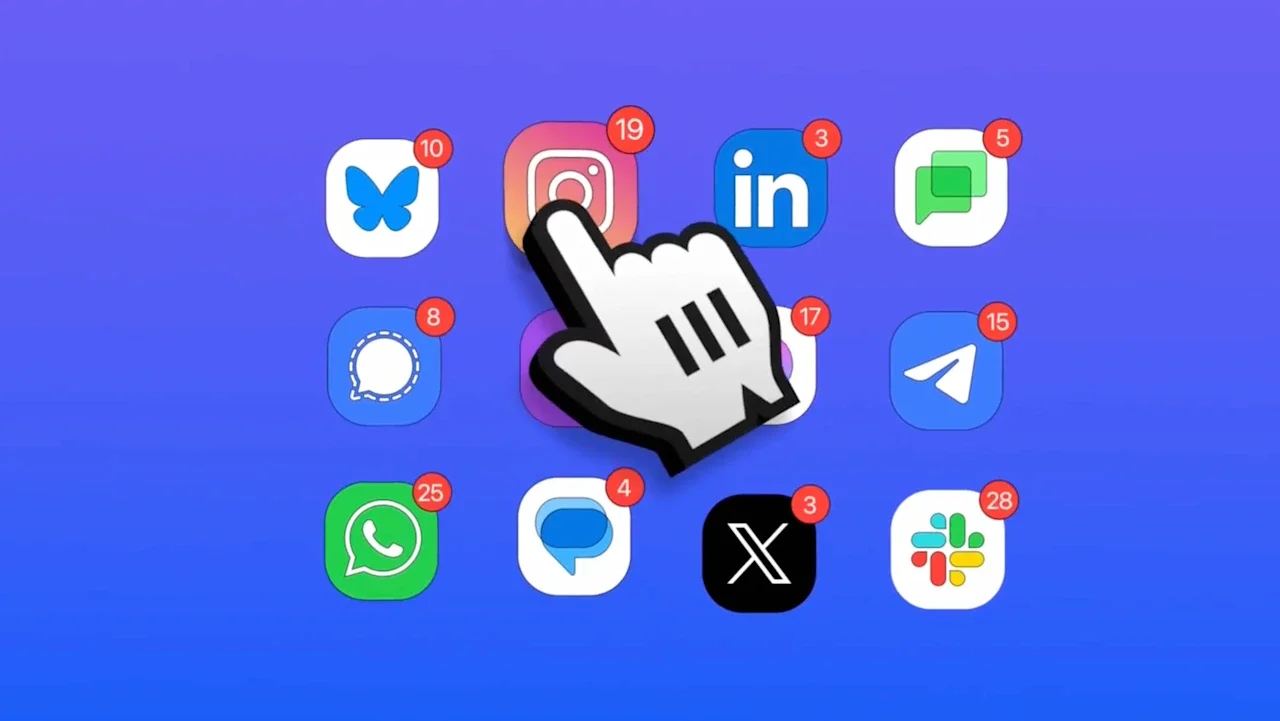
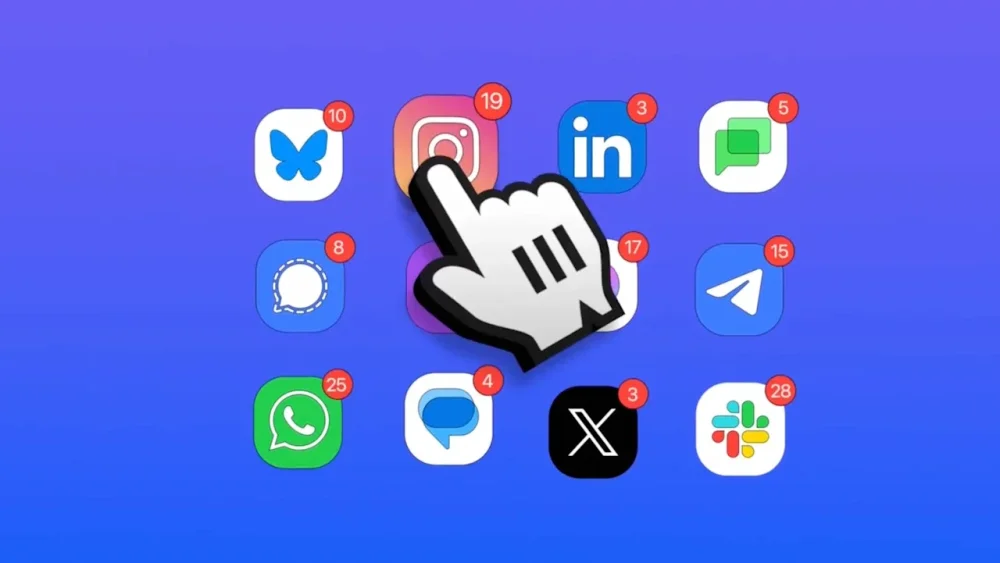
I like chatting with my friends—who doesn’t?—but I don’t always know where to find them. There are simply too many apps. Some of my friends text, others use WhatsApp, while others yet insist on using Discord or the DM feature in whatever random social network they prefer. It’s a mess, and it can mean keeping several tabs open all day just to keep the conversations flowing. It makes you wish some application could combine all of your conversations into one place. This is a dream that used to be reality. Applications like Trillian, Pidgin, and Adium all combined instant messaging services like AIM, MSN, and ICQ in one handy interface. Over time, though, messaging services got more protective of their APIs, and these sorts of all-in-one portals slowly stopped working. The dream, it seems, is dead. Or is it? This tip originally appeared in the free Cool Tools newsletter from The Intelligence. Get the next issue in your inbox and get ready to discover all sorts of awesome tech treasures! Messaging, minus the mess Time to meet—or maybe just remember—an exceptional app that takes all of your messages and puts them in a single streamlined interface for easy, ongoing access. The app is called Beeper. It can connect to all the major messaging platforms: Google Messages, WhatsApp, Instagram, Telegram, Google Chat, Facebook Messenger, Signal, LinkedIn, X, Discord, and Slack. ➜ It’s one application for all of your conversations no matter where they might be happening. ⌚ Installing Beeper is quick—a minute or two, tops, but adding in all of your messaging services could take longer, depending on how many different things you’re connecting. Now, if Beeper rings a bell, there’s probably a reason. You may recall a controversy around Beeper a few years back involving Apple. The application was initially launched as a way for Android users to send “blue bubble” messages to Apple users—a feature Apple then worked diligently to shut down. (These days, Beeper can connect to iMessage only via its desktop Mac version.) In the time since then, the program’s been acquired by Automattic, the same company behind WordPress and Tumblr, and given both new resources and a new reason for existing. If you have an Android phone, you can use it to manage your text messages alongside messages from other applications (something that, as an iPhone user myself, makes switching to Android a tempting option). And no matter what type of phone you’re using, combining several little-used messaging apps into one that you keep open—on your phone and/or computer—is in and of itself worthwhile. I hardly ever open LinkedIn or Facebook, for instance, and yet I never miss any messages on either platform with Beeper in the mix. I’ve personally been using Beeper for years, and I love that it creates a single inbox for all of my ongoing conversations across any applications. Before this tool, I would constantly see a notification, intend to respond, and then never get around to it because the message came in via an application I don’t check often. That doesn’t happen anymore. I honestly believe Beeper makes me better at keeping in touch. I also like that you can archive messages, allowing you to create a sort of “inbox zero” for text messages. If I see something I intend to respond to later, I simply leave it un-archived in my inbox—the same as I do with emails—then power through my messages whenever I have a minute. There are a bunch of other nice features beyond that. On the desktop computer front, Beeper’s keyboard shortcuts—including a built-in command bar—mean I can jump between conversations without ever touching my mouse. I could go on, but you get the idea. Beeper is just a well-put-together piece of software that solves a common problem. It takes a little bit of fidgeting to get going at first, but the results are 100% worth it. Beeper runs on Android, iPhone, iPad, ChromeOS, macOS, Windows, and Linux—so basically, everything. The service offers a free version that supports up to five accounts on different messaging services, which is probably plenty for most people. If you need to connect to more than that, you’ll have to spring for a paid subscription, starting at $10 a month (or $100 a year). Many of Beeper’s integrations run in the cloud, meaning an encrypted copy of your messages does get stored by the company. The privacy policy is pretty solid, though, and there are no ads or data monetization built into the application. It’s funded entirely by subscribers. Treat yourself to all sorts of brain-boosting goodies like this with the free Cool Tools newsletter—starting with an instant introduction to an incredible audio app that’ll tune up your days in truly delightful ways. View the full article
-
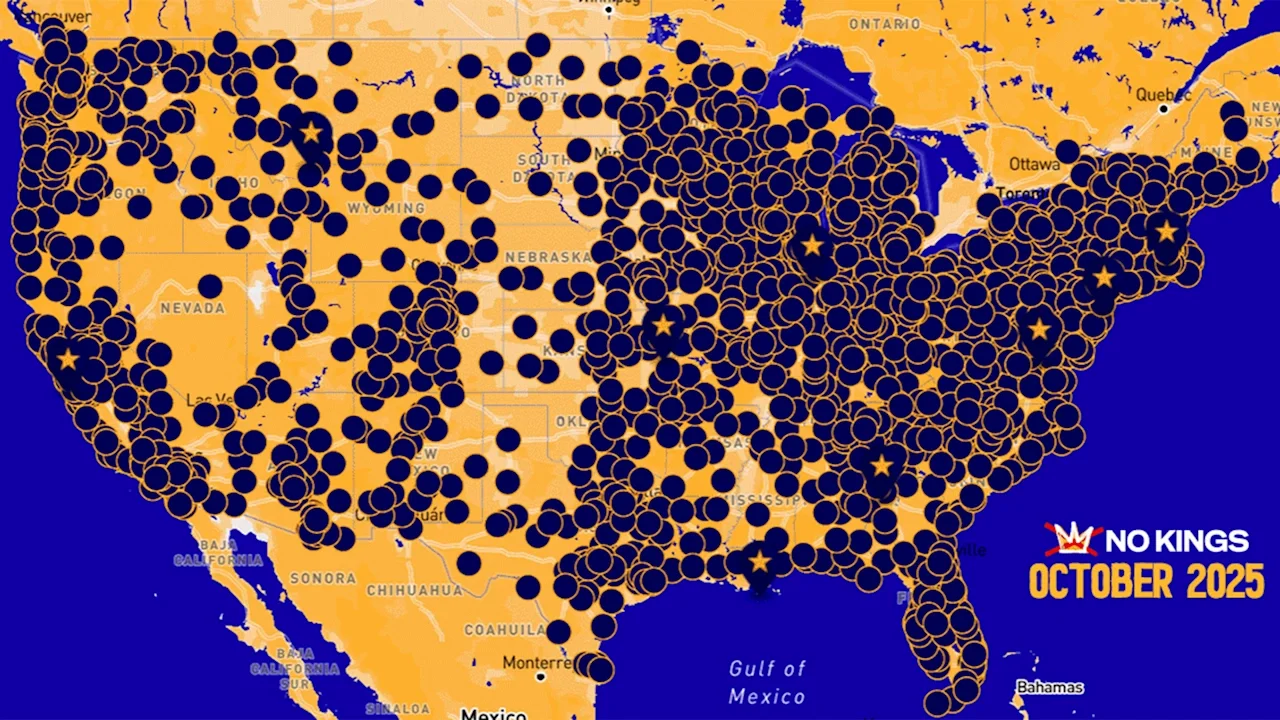
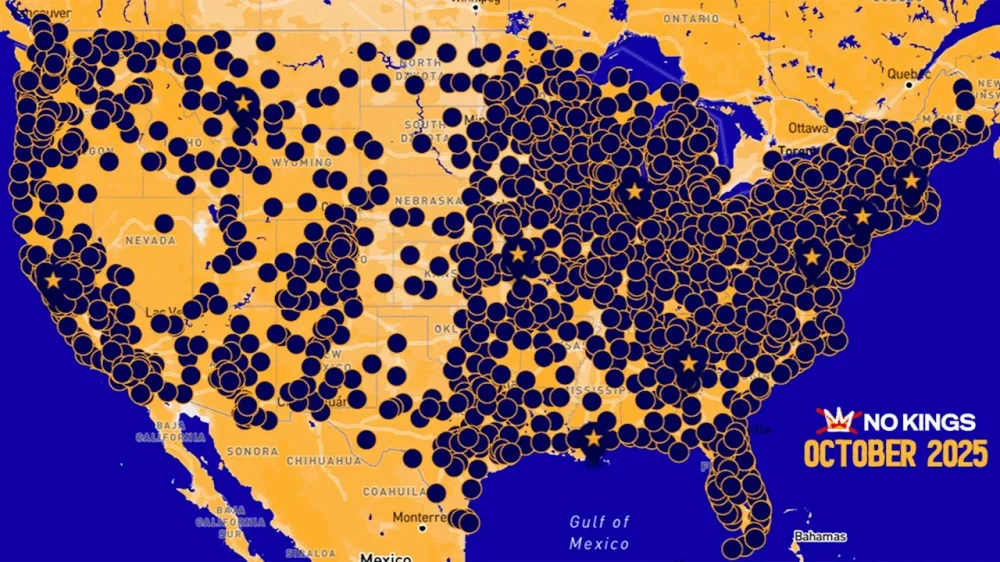
More than 2,700 “No Kings” anti-The President protests and community events are scheduled to take place today, Saturday, October 18, in all 50 states and the District of Columbia. And a majority of those events are in small and medium-size towns, as the grassroots pro-democracy movement spreads to all corners of the country. This latest protest comes amid a federal government shutdown and as The President has deployed National Guard troops to an increasing number of American cities. The event is organized by Indivisible, a progressive grassroots movement, and a coalition of more than 20 partners that includes the American Civil Liberties Union (ACLU), the American Federation of Teachers (AFT), 50501, and MoveOn. It builds on the momentum of the first “No Kings Day” protest on June 14—and today’s event is expected to exceed that day’s turnout of 5 million people. “We are anticipating the largest turnout in Washington, D.C.; Chicago; NYC; Boston; Atlanta; New Orleans; San Francisco; Kansas City; Honolulu; and Bozeman, Montana,” the “No Kings” organizers said in a statement emailed to Fast Company. While organizers are anticipating the largest gatherings in major cities, which may grab most of the headlines, a majority of the events are actually taking place in rural, small, and midsize towns. This map shows a complete list of locations for the “No Kings” events in each state scheduled nationwide. (A core principle of the protests is nonviolence, and the No Kings.org website also provides training in de-escalation.) Fast Company has rounded up some of the events taking place in lesser-known cities, which form the backbone of the “No Kings” movement today. Here are six of them below. Bryson City, North Carolina In Bryson City (population 1,500), attendees are gathering for a public protest on Main Street. Burns, Oregon No Kings Harney County is gathering in Burns (pop. 2,700) “in peace and solidarity to voice our opposition to government overreach, and our support for the First Amendment . . . and all those oppressed by the MAGA regime.” Storm Lake, Iowa Protestors in Storm Lake (pop. 12,000) are “once again standing up to say, ‘NO KINGS IN AMERICA’” at the town sign, as they did for the first “No Kings” event in June. Traverse City, Michigan The Traverse City (pop. 16,000) event is being held at the Grand Traverse County Civic Center, and it will include speakers, live music, and a demonstration. Attendees are encouraged to bring items to donate to local food banks. Maryville, Tennessee Organizers in Maryville (pop. 32,000) are encouraging local participants to “dress to honor democracy,” by wearing costumes celebrating American icons like Uncle Sam, the Statue of Liberty, and historical heroes who defended democracy. Manitowoc, Wisconsin Manitowoc (pop. 35,000) is holding a rally and food drive in Washington Park, the site of the town’s first county fair in 1859, that will include a performance by the Raging Grannies of Madison, a social justice organization of older women with chapters in eight countries. View the full article
-
When Starbucks announced that it would phase out its mobile-order pickup-only locations beginning in 2026, it raised a question: Why abandon a format seemingly built for speed and efficiency? As Starbucks CEO Brian Niccol explained in an earnings call, the pickup-only stores have a “transactional” feel, lacking “the warmth and human connection that defines our brand.” While Niccol also touted the mobile-order options at its traditional coffee shops, I see Starbucks’s move as an attempt to return to its roots as a “third place”—a destination between home and work where people can gather and connect. But this sort of pivot comes with trade-offs, and it creates interesting market opportunities for competitors. As a marketing professor and a coffee connoisseur, I’m offering this analysis to go with your morning cup of joe. The two types of coffee shop patrons In general, coffee shops attract two distinct customer segments. The first are what I call “stay-and-savor” customers—people who mostly use the site as a place to meet others or work. Their primary interest is in the space, not the mocha or muffins. The second are “grab-and-go” customers—people who want a consistent product, delivered efficiently. They don’t linger at the store, so the place is less important to them than convenience, speed, and product quality. Think of the morning rush at your local coffee joint. Starbucks’s pickup-only stores, branded as Starbucks PICK UP, cater to grab-and-go customers. If you don’t live in a busy area, you might never have heard of the brand: There are fewer than 100 Starbucks PICK UPs, many in densely packed cities. In contrast, there are about 17,000 sit-in Starbucks stores across the United States. That means the company’s plan will affect just 0.5% of its locations. That’s not very much. So why does this change have me a little, well, steamed up? Back to the third place, whether you like it or not As I said before, I see this move as part of an effort to emphasize “stay-and-savor” customers over their “grab-and-go” counterparts. Indeed, Niccol’s recent earnings call presentation claimed that Starbucks is “prioritizing warmth, connection, and community.” Starbucks also published a document stating its “principles for upholding the third place,” and its commitment seems to be more than just rhetorical. The problem is that coffee shops aren’t like regular restaurants in terms of menu prices and customer spending. “Stay-and-savor” customers are costly to serve for coffee shops, and may generate insufficient revenue, making them less profitable. That could be bad for the bottom line. The change could also have unintended consequences for workers and customers. For example, pickup-only stores allow employees to focus on food and beverage preparation, with less pressure to engage in small talk in the hopes of generating warmth and tips. Indeed, much academic research has shown that restaurant workers who serve customers report more emotional labor and stress and worse morale and well-being than those who don’t. In contrast, Starbucks rivals such as Dunkin’ and the Chinese new entrant Luckin Coffee have embraced the grab-and-go customers. These rivals provide space for seating, but they don’t elevate their positioning as if their baristas are serving warmth, connection, and community. Starbucks CEO Niccol has described the plan as a “sunsetting.” I’d watch out for Dunkin’ and Luckin Coffee and, of course, Starbucks’s financials in 2026, to determine whether the Starbucks sun sets or rises. Vivek Astvansh is an associate professor of quantitative marketing and analytics at McGill University. This article is republished from The Conversation under a Creative Commons license. Read the original article. View the full article

-
As the market bubble builds, research shows progress in spotting investors who produce fundamental value View the full article
-
We’ve all heard it: For decades, it’s been a crux of career advice. Keep every door open. Stay on good terms. Never fully walk away. Don’t burn that bridge. But that advice was followed during a different time and for workplaces that were designed to keep you in line, not further your career. In today’s fast-moving workforce, clinging to outdated relationships, toxic workplaces, or unfair structures isn’t loyalty. It’s self-sabotaging. It’s time to rethink what was once considered the norm. Sometimes burning a bridge isn’t reckless. It’s strategic. It’s the first step toward building something better in your career. Why “Don’t Burn Bridges” No Longer Works The original phrase came from the military: destroy the bridge behind you so you can’t retreat. In modern work life, it’s been turned into “never cut ties,” even if those ties are choking your growth. The reason for this advice? To protect the system, not you. To make sure you don’t disrupt the corporate hierarchy, question what was once considered normal, or hold higher powers accountable. But when you’re trauma-bonded to bad bosses, toxic workplaces and colleagues, or exploitative industries, staying connected keeps you stuck. It prevents advancement. It robs you of the energy you need to move forward. Let’s be clear: walking away is complicated. Here are five ways to burn bridges and do it in a way that’s bold, healthy, and future-career focused: 1. Walk away, with both feet. If you’re constantly keeping one foot in the past and one in the present, you’ll never fully be able to march toward your future. When you make the decision to break free from a place or a person holding you back, you must commit to the ending. Any ambivalence will send mixed messages to what you no longer want in your life and to yourself. Stop meeting your former toxic boss for coffee. Don’t “like” and comment on posts by the person who mistreated you. Block the number in your phone that sends a shiver down your spine every time you see it pop up. Cut the cord. 2. Stand for your boundaries. Create, communicate, and comply with the boundaries that you need and require that those who you allow in your life do the same. Writer, broadcaster, and podcaster Emma Gannon is known for saying, “The only people who get upset when you start setting boundaries are the ones who benefited from you not having them.” You will be met with resistance because you are no longer allowing others to mistreat you. Don’t take that pushback as a sign to retreat. It’s working. This is what it looks like. Decide where you will spend your time and energy and who with. Is the monthly networking dinner you signed up for still serving you? What about the subscription to the organization that no longer feels aligned? It’s time to stop feeding the people and places that no longer support the life you’re designing. Cancel what’s not adding value. 3. Protect yourself. Who is the version inside of you who wasn’t—or isn’t—safe? Now, go to them and tell them that you know a way out. Lead them there, hand in hand, and don’t stop until you get to the other side. So much of growth is about knowing better and then, doing better. You now have the power to rewrite your story. Make sure you’re the main character in this edition. Do you remember what it felt like to be in the midst of your career chaos? It’s time to hold that emotion again and release it. Write a letter to that version of yourself acknowledging, honoring, and validating the experience. Tell them what you’re doing differently now so that it will never happen again. So much of healing and moving forward is dependent upon witnessing what was. And getting those feelings out of your body onto paper is a powerful tool in the process. 4. Build your own bridge. We spend a lot of time running to the next thing. Preparing for the next challenge. Rushing to achieve the next milestone. It’s a perfect recipe for never enjoying anything you’ve worked for. Stop. Look around. This was your goal at one point in time. And even if it’s not exactly the way you want it to be, you have achieved so much. Stand at the peak of your in-between. Look to the left at where—and who—you’ve been. Look to the right at where you’re going, at who you’re meant to be. Thank them, the you of this moment. They deserve to be celebrated. Share what you’re doing with people you trust. Yes, they can hold you accountable, but they will also be there to celebrate these important steps you’re taking: burning the bridges to a past that no longer serves you; building a bridge to a future that is ready to fulfill you. You can’t do it alone. Surround yourself with the people who want to see you win. 5. Walk to the other side. Your new bridge is built. The decaying and diseased bridges are burned. All the planning and strategizing and vision boarding in the world means nothing unless you take action. Rewiring the conditioning inside of you that tells you “don’t burn bridges” takes effort, determination, and commitment. But the act of making a different choice—of reprogramming an operating system that at one point brought you safety, success, and solace—takes conviction. You must commit to this shift and start changing your daily habits if you want to realize this new life for yourself. No one else will do it for you. It is up to you. This is our way forward: New system. New rules. New path. Let’s stop asking others for directions to places they’ve never been. Let’s stop taking directions from others to places they’ll never go. Let’s build our own bridges. On our own terms. I’ve gone back too many times—to people and places in my career that have burned me; I’ve put my hand into the fire again and again thinking that maybe, this time, it won’t be so hot. I’ve slipped back while climbing my way out of quicksand because giving in felt so much easier. I even taught myself that it actually felt good. When we always keep one foot behind, wedged inside this mythical “door” that must remain open indefinitely, we never fully move forward. It’s time. Close the door. Walk away. Burn the bridge. Build a new bridge. Cross it. “Burning bridges” isn’t self-destructive. It’s an act of self-preservation. And you will always be worth saving. View the full article

-
Asset managers keen to expand into fast-growing market View the full article
-
The conservatism of the Office for Budget Responsibility means the current framework is a hindrance to growthView the full article
-
Behaviour by those watching their children in junior sports events is getting out of controlView the full article
-
UK’s largest wealth manager has staged a turnaround and is attempting to attract advisers despite scrapping perks and feesView the full article