ResidentialBusiness
Administrators
-
Joined
-
Last visited
Everything posted by ResidentialBusiness
-
 Six trade groups warned the administration layoffs and funding freezes could dampen lending, threatening the administration's goal of economic growth. View the full article
-
E-commerce continues to eat up ever-increasing share of the U.S. retail market: Americans bought more than $3.3 billion of items online every day in the second quarter of last year, according to U.S. Census Bureau data. Online retail’s share of spending is increasing with every year that passes. Traditionally, that’s meant typing a term or phrase into a search bar and clicking through to a shopping basket. But the AI revolution is poised to swamp online retail, too, with agentic AI set to shop on behalf of customers. The e-commerce sector is rapidly preparing for what’s about to come—an influx of non-human customers acting on behalf of humans. “We avoid hype around technology, but AI agentic shopping could bring huge changes to retail if it is widely adopted,” says Clare Walsh, director of education at the Institute of Analytics, a professional body for data analytics experts. The usually staid professional organization is full-throated in its belief that agentic AI shopping could change society. “AI-empowered agentic shoppers—robots that learn your shopping needs and preferences and then shop for you—have the potential to be as disruptive for e-commerce as moving bricks and mortar retail online,” Walsh says. Those within the retail sector are equally enamored with the concept of AI’s arrival. “For many years now, eCommerce shopping experiences have consisted of a search bar and a long list of item responses,” Doug McMillon, CEO of Walmart, said in a statement announcing his retailer’s partnership with OpenAI to enable shoppers to buy things directly through ChatGPT with the aid of AI agents. “That is about to change.” The early data suggests that the reality is matching the hype. AI-driven traffic to retail sites was up 4,700% in the U.S. in the last 12 months, according to Visa. “The future isn’t coming, it’s already checking out,” says Rubail Birwadker, global head of growth at the credit-card company. Shoppers want AI to help them, according to Birwadker, who points to research that 85% of shoppers say AI agents improved their experience. Separate research, provided to Fast Company by consumer insights company GWI, suggests one in five people are comfortable receiving product recommendations from AI agents. Data from consultancy Kearney indicates 60% of consumers plan to use AI agents to shop in the next year. But ensuring those shopping interactions are secure is trickier. Investment in cleaner data In mid-October, Visa launched its Trusted Agent Protocol (TAP), a framework that would allow AI agents to share and access data that would ensure it can protect against fraud and bot activity. “This enables merchants to avoid blocking legitimate transactions and degrading user experience,” says Birwadker. For now, TAP applies only to the Visa network. But having established it across their payments system, the massive payment processing giant intends on broadening its use. “Enabling agents to safely and securely act on a consumer’s behalf requires an open ecosystem-wide approach and we will look to extend Trusted Agent Protocol to be compatible with other payment networks and methods in future phases,” says Birwadker. The behind-the-scenes transfer of data is where most within the e-commerce sector are rushing to catch up to what they predict is coming with the advent of agentic AI shoppers, says Robin Anderson, head of product management at Tribe Payments, a global paytech company. “We’re seeing investment in cleaner data, faster checkouts, stronger fraud controls and tighter integrations between systems,” he says. “This is because an AI agent will make a buying decision in seconds, and if there’s friction—a payment fails, a price isn’t clear—the sale’s gone.” Anderson believes “the arrival of AI shopping agents is going to change e-commerce in quite a fundamental way.” An agent-to-agent future The future of shopping is agent-to-agent, agrees Bernadette Nixon, CEO of Algolia, an AI search company. “The transaction will happen on the back end,” she says. It won’t be a series of blue links. It won’t be a product listing page or a product detail page. It’ll be the transaction.” And for that reason, it needs to be seamless. That requires accurate data—which means public data scraping won’t suffice. “Just scraping brands or retailers’ websites doesn’t yield the necessary information to provide a good user experience,” she says, “because they don’t have accurate pricing. They don’t have accurate inventory.” Protocols and the companies behind them are therefore crucial. Visa is far from the only company in the space: online payments company Stripe has its own Agentic Commerce Protocol, an open standard developed in conjunction with OpenAI. It all opens up new opportunities for businesses, says Daniel Ruhman, CEO and co-founder of Brazilian fintech Cumbuca, where early AI agent adoption has run ahead of other countries. “You could ask ChatGPT or Claude to ‘find me a handbag,’ navigate checkout pages, and have your agent handle the payment for you, all with your consent,” he says. That’s standard, but agentic AI could go further. “Through this, agents can even access your financial data to offer spending insights or advice,” he says, “what we call ‘agentic open finance, where an AI agent connects to your bank account—with your permission—to help you understand and manage your money.” View the full article

-
For better or worse, nothing defines iOS 26 quite so much as Liquid Glass. Apple's distinct new design language has been met with praise and criticism, with some users enjoying the refreshed look, and others bemoaning the UI's issues with visibility and consistency. It seems Apple was similarly of two minds on the update, having toyed around with the exact look of Liquid Glass throughout the iOS 26 beta testing period. The company seemed to be having trouble settling on a specific balance between the design's glassy effect, which can look really cool, and its overall readability. If buttons are too clear, for example, they'll let in more of the background elements, which can make it more difficult to see them. But by reducing the glass effect too much by adding a tint to the icon and menu backgrounds, Apple risks loses the charm of the design entirely. (Some critics have dubbed it "Frosted Glass" by comparison.) While Apple is seemingly still continuing to tweak Liquid Glass, it appears the company has decided that part of the problem is down to user preference. So rather than stick with one look for the design, Apple is now working on a setting that lets you choose whether Liquid Glass looks more clear, or more tinted. To be clear, or not to be clearThis new setting first appeared in the fourth beta for iOS 26.1, as well as iPadOS 26.1 and macOS 26.1, which Apple released on Monday, Oct. 20. The toggle, which beta testers can find in Settings > Display and Brightness (iOS and iPadOS) or System Settings > Appearance on the Mac (macOS), gives users a simple choice in how Liquid Glass looks across their particular system: "Clear," which is more transparent, and is in-line with Liquid Glass' original intent; or "Tinted," which increases the opacity of menus and windows. You'll likely be able to read these elements better, but you won't see as much of the background shining through. This Tweet is currently unavailable. It might be loading or has been removed. Giving tester what they asked for (sort of)During the pre-release beta testing period, some users called on Apple to add a Liquid Glass "slider" to iOS, iPadOS, and macOS. The idea was to allow users to fine-tune how Liquid Glass looks. Apple seems to have taken a different approach, offering only two levels of transparency with the new control. While a slider (or more transparency options, at least) would be great, what we're getting is better than nothing for users who prefer a more opaque Liquid Glass appearance. iOS 26.1 is still in beta testing, so it isn't clear (no pun intended) whether this feature will in fact make it to the official update, and if it does, whether it'll still work the same way. How to fix Liquid Glass right nowBut even without this dedicated settings page, there is something you can do to "undo" Liquid Glass: By kicking on the "Reduce Transparency" feature in Accessibility settings, you can achieve a similar look to choosing the new "Tinted" option. My guess, however, is that "Tinted" will achieve a more visually pleasing look, as it is something Apple deliberately implemented to work with the design of Liquid Glass, while reduce Transparency is simply a blanket effect that turns down transparency effects across iOS, iPadOS, or macOS. View the full article
-
The Federal Reserve’s influence on the economy is immense, and often misunderstood. President of the San Francisco Fed Mary Daly gives an exclusive, firsthand look into the central bank’s daily decision-making, explaining how the Fed’s policies, at both the regional and national level, ripple through society. From housing prices to immigration’s impact on labor, Daly weighs the major factors shaping the U.S. economy. As political and market pressures mount, she reflects on what it means to lead with discipline and data, and what every business leader can learn from the Fed’s balancing act. This is an abridged transcript of an interview from Rapid Response, hosted by the former editor-in-chief of Fast Company Bob Safian. From the team behind the Masters of Scale podcast, Rapid Response features candid conversations with today’s top business leaders navigating real-time challenges. Subscribe to Rapid Response wherever you get your podcasts to ensure you never miss an episode. You run one of the Fed’s 12 regional banks. Your district covers nine Western states, plus Guam, American Samoa, The Mariana Islands. Can you briefly describe the role of your office, and how it relates to the Fed overall? When we hear Fed Chair Jerome Powell announcing a change in interest rates, are you feeding into that? How does all this work? In 1913, when the Fed was formed, there was a decision that we shouldn’t be Washington-centered. That having a presence in Washington with the Board of Governors was important, but having 12 regional reserve banks was equally important so that we could balance out the decisions about the economy across the country, not just in DC. So I lead one of the 12 reserve banks, and those reserve banks do feed into monetary policy. We go to each and every FOMC meeting. We are rotating on votes, but we’re always participating. We’re thinking about how our districts with the lived experience in the economy is and how that matters when we make monetary policy. Monetary policy, the misnomer is it’s all about numbers and markets, but it’s actually about people and lived economy experiences throughout the nation. And so that’s the role of reserve banks, in addition to managing all the operational duties that our teams have, including making sure you have cash when you need it, that your bank can get it and distribute it, making sure the banking system is safe and sound. You’ve said there’s no politics in the Fed. You’re not funded by the federal government, so a shutdown doesn’t affect you, but everybody tries to influence you guys, policymakers, the White House, investors. How do you keep that politics and that pressure out of what you do? The founding of the Federal Reserve 1913 had two elements to it that I think have been durable over time and led the way for central banking across the globe. First was that you had to have a regional voice and the second was that you had to be independent. Because monetary policy is made for the longer run and the decisions we make on where to put cash depots and how to distribute our supervision, that’s all got to be done no matter what administration is in place. So to be durable, especially on the monetary policy part, Congress said let’s make these individuals independent of political persuasion and really thinking about the goals we gave them, and in our case, it’s price stability and full employment, making sure inflation is at 2%, making sure that the economy is not producing lots of unemployment or running so hot, so un-sustainably that inflation should go up. So those are the goals we have. You asked how do you maintain that? How do you not get influenced? Ultimately, who we work for is the American people. Of course, individuals have points of view and we have to consider those because otherwise we’d just be in an echo chamber. But there’s a difference in listening to understand and listening to be persuaded. And when the President tries to remove a Fed Governor, as President The President has done with Lisa Cook, how distracting is that from It’s really not distracting from the task at hand. Let me just speak about myself. We’re fiduciary stewards of public trust and public responsibilities, and so that’s where I have to attend. Now, I think about not just what’s right in front of me, but ensuring that the American people have a stable and healthy economy over the long term and that the independence of the Fed is preserved not just for the next two months or two weeks, but in fact over the time period, passing that baton to the next generation of leaders. There’s been so much disruption this year in 2025. Are there particular economic indicators that you are most focused on right now? So I think about it as a three-legged stool. So the first component is the public data, the things we get from the government, the things that we get on a regular basis. They’re very, very important, but they’re only one part of our overall data collection. We also get data from the private sector. One of the more critical components of that three-legged stool, which is underappreciated in my opinion, is the time that the reserve bank Presidents in particular spend talking to people, to CEOs, small, medium and large businesses, to community members, civic leaders, unions and workers thinking about not just what were they doing last week, but what are they doing going forward. So right now, I’m very focused on that third leg. And the reason is because when you get to a point where the economy is changing, you have to rely on people who are telling you not what they were doing last week, but what they are doing next week, the next month, the next quarter and ultimately, the next year. And we take that valuable information back to the FOMC meeting. It’s really a robust process and one that I think is critical at these moments. Obviously, the economy is always changing to some extent, but it certainly feels like we’re at a certain kind of inflection point. I know you’ve rated the sentiment of your region as cautiously optimistic, which is a little incongruous with an economy that seems like it’s moving to something we’re not quite sure where it’s going to go. Can you address that disconnect and maybe explain how and where you see the economy moving? Absolutely. So there is quite a bit of uncertainty still, not as high as earlier in the year. The uncertainty really spiked after April 2nd, after Liberation Day. There was just so much uncertainty people didn’t know if they were going to be able to buy their smartphone or if they should buy it right away or if they should wait. Consumers were uncertain. Businesses were uncertain about what’s this going to mean. But at this point, I think those things have settled, and the economy weathered that fairly well. The unemployment rate has gone up a little bit, but not that much. Inflation has gradually come down except in the tariffed sectors. So the only places where you see prices rising are in the ones directly affected by tariffs. And so people think of that increasingly as a one time price level adjustment and then they’ll be okay. Another thing that I think is important is pick a basket of goods that you like to purchase. Put them in a cart at one of your favorite online retailers and then check what has happened to that basket of goods over time. And what you’re seeing is that while certain items have gone up, other ones are being deeply discounted, so people feel like they’re not losing the kind of ground they lost in the big inflation rise after the pandemic. So I think that gives people some confidence. Recession indicators were quite high and rising earlier in the year and now they’re not really predicting it at all. Consumer sentiment has gone back up after falling, business sentiment has gone back up after falling. So I think that’s where I get the cautious optimism. I was at University of Utah a couple weeks ago and the students are optimistic, and I was really encouraged by that because that generation is like a bellwether. They see that if they learn these new skills, AI, et cetera, they can really make a dent in the economy. So what is the new economy going to look like? The truth is no one knows, but we do know what the elements will be. Certainly, artificial intelligence is making its way. Is it going to be transformative? Is this going to be the new steam engine or electricity? I don’t know. But it is making a contribution to people’s ability to do things faster, better, cheaper and hopefully, will also make a contribution to us doing things that we never imagined were possible. View the full article

-
We may earn a commission from links on this page. Deal pricing and availability subject to change after time of publication. The holiday season sales are around the corner, and Best Buy is the first of the major retailers to formally announce their plans. Much like their other big sales, Best Buy is having multiple events. This year, Best Buy is having six sales that you can take advantage of starting on Halloween and leading up to Christmas. Here are the details. What are Best Buy's holiday sale events?You can think of the holiday Sale Events as multiple sales spanning Black Friday, Cyber Monday, and Christmas. All six events take place in store, in app, and online. Each one will be slightly different. What sales is Best Buy having this Holiday season?Best Buy has announced the following evetns: Doorbusters: On Oct. 31, the "DoorBOOsters" event will take place with tech deals. New doorbusters every Friday: Then, every Friday of the holiday season (leading up to Dec. 24) will have new deals on select tech. Early Black Friday sale: The early Black Friday sale will start on Oct. 31 and run until Nov. 19. This will lead up to their best sale. Black Friday sale: Best Buy says this will be their main sale, starting on Thursday, Nov. 20 and running until Nov. 29 with deals on "computing, gaming, home theater, wearables, and more." Cyber Sunday and Monday: Best Buy is extending Cyber Monday to two days and says you can find deals going up to 50% off select tech. Last-minute savings: Their Christmas sale will run from Dec. 15 until Dec. 24. What deals can you expect during the Holiday Sale Events?Best Buy says they'll have deals and in-store demos on Meta Ray-Ban Display; XXL TVs; Copilot+ PCs; small appliance sales from Shark, Ninja, Dyson, Breville; and more. Best Buy says they will also have their usual price-match guarantee, so if the price of something you bought from Best Buy goes down to a lower price during the holiday season, they’ll match it. They're also extending store hours, which will vary by location. Do you need to be a member to shop Best Buy's holiday sales?While you don't need a Best Buy membership to shop deals, members can get better savings. It is free to sign up for a My Best Buy membership, which will give you free shipping, but if you join one of its paid subscriptions (My Best Buy Plus for $49.99 per year or My Best Buy Total for $179.99 per year), you'll get faster free shipping, exclusive prices and deals, an extended 60-day return window on most products, and access to select sales. Paid members will also earn extra rewards. View the full article
-
With no end in sight for the political standoff that shuttered the federal government, funding for some key programs is drying up. More than 40 million Americans may not see their food stamps issued next month, as the government shutdown extends into its third full week. Some states have begun warning their residents of the looming threat to the Supplemental Nutrition Assistance Program, better known as SNAP. “Because Republicans in Washington D.C., failed to pass a federal budget, causing the federal government shutdown, November 2025 SNAP benefits cannot be paid,” a notification on Pennsylvania’s SNAP info page reads. New York Governor Kathy Hochul demanded that the federal government release funds for SNAP recipients, accusing the The President administration of deliberately enacting “a cruel, senseless and politically motivated punishment” that could be avoided. “I’m outraged that Washington Republicans are deliberately withholding federal funding from millions of New Yorkers who rely on SNAP to put food on the table,” Hochul said in a press release, highlighting the three million New Yorkers who stand to be affected by a SNAP shortfall. Ronald Ward, the acting associate administrator of SNAP, warned states in a letter that the program was only funded through October, Axios reported earlier this month. That budget shortfall could leave 42 million people without the benefits they rely on, beginning in November. The letter cautioned states to hold off on distributing funds to SNAP recipients’ EBT cards “until further notice.” Blame game The federal shutdown has turned into a heated blame game, even compared to past shutdown standoffs. At the end of September, Democrats refused to support a bill to fund the federal government, seizing on the rare opportunity for political leverage to demand an extension to the tax credits that reduce the cost of health insurance for millions of Americans. Democrats have also called for Republicans to roll back Medicaid cuts from the “Big Beautiful Bill” that passed in July. Because Republicans can’t hit the 60 vote threshold needed to fund the government without Democrats, the shutdown is a stalemate unless one side backs down. The The President administration has taken extraordinary measures to associate the shutdown with his political opposition, even ordering airports to play a video of Secretary of Homeland Security Kristi Noem blaming Democrats for shutdown-related travel delays. Many airports refused to air the video, citing policies against displaying political content. Noem isn’t the only member of The President’s cabinet to spread that messaging. “Democrats are putting free healthcare for illegal aliens and their political agenda ahead of food security for American families,” Agriculture Secretary Brooke Rollins said on X, blaming what she referred to as the “Democrat shutdown.” During the shutdown, some government websites are displaying unusually partisan messages. The USDA’s website is currently topped by a banner noting that it won’t be updated and blaming “the Radical Left Democrat shutdown.” “President The President has made it clear he wants to keep the government open and support those who feed, fuel, and clothe the American people,” the message reads. Selective funding Most of the federal government is shuttered in light of the political standoff, but the The President administration is finding ways to fund its own political priorities. The President ordered the Pentagon and the White House to use “all available funds” to pay active-duty members of the military, avoiding the political fallout of servicemembers missing paychecks. The White House also opted to fund the Special Supplemental Nutrition Program for Women, Infants and Children, better known as WIC, using money collected from tariffs. “The The President White House will not allow impoverished mothers and their babies to go hungry because of the Democrats’ political games,” White House Press Secretary Karoline Leavitt told Axios. The Democrats are so cruel in their continual votes to shut down the government that they forced the WIC program for the most vulnerable women and children to run out this week. Thankfully, President The President and the White House have identified a creative solution to transfer… https://t.co/tj9Xt7f4yQ — Karoline Leavitt (@PressSec) October 7, 2025 The President went around Congress to allocate those funds, but Congress also has the ability to selectively dole out cash for programs that would otherwise have their funding cut off during a federal shutdown. Still, the food stamps program may not be a priority for Republicans given the party’s willingness to slash SNAP dramatically to fund tax cuts and defense spending in the massive bill that passed this summer. The federal shutdown’s short-term hit to SNAP could be devastating for Americans who rely on the program to put food on the table, but lasting changes to the program mean fewer Americans will be eligible for food assistance when the spigot of federal funds does eventually open back up. View the full article

-
Hannah Alsark says that Adobe’s top clients—the owners of some of the most protected, most valuable brands and IP in the world—had a stark message for the company regarding Firefly, its generative AI engine: They wanted more, and they wanted better. “They told us they actually needed models that understood all their products, all their brands, their creative direction,” says Alsark, Adobe’s VP of GenAI New Business Ventures. “They have characters, they have particular motion styles, and they needed us to train on that.” Firefly—which uses prompts to create assets across all Adobe’s vector, bitmap, and motion apps—couldn’t do this because it doesn’t understand brands at the IP level. “We consider that a feature, not a bug,” Alsark tells me. Firefly is a generic engine, but Adobe’s top clients need to create millions of assets for dozens of different platforms and marketing media, all of them conforming to their own strict IP rules and brand books. This is why the company has built a new consultancy arm for Fortune 2000 companies to develop bespoke AI models that could craft hundreds of thousands of images, illustrations, and videos that conform strictly to their IP and creative guidelines. Its name: Adobe AI Foundry. The million-asset problem The move comes as a direct response to a mathematical nightmare facing every major brand. Alsark calls it the “combinatorics math problem”. A company with just eight products that wants to market them across 15 channels in 35 languages with a few refreshes a year is already looking at creating half a million individual assets. “With social, we know we’re doing probably three refreshes a week,” she explains. “So the real numbers are in the millions and millions and millions.” Before now, that scale was simply impossible. Time, budgets, and human resources are all finite. “The only unlock here is responsible AI,” Alsark insists. This crushing demand from the attention economy is precisely why Adobe’s biggest clients, companies like The Home Depot and Walt Disney Imagineering, came to them. They needed an industrial-scale solution, but one that respected their most valuable asset—their intellectual property. Adobe’s public Firefly model was a start, but it was designed to be IP-agnostic. While brands applauded this safety-first approach, they needed an AI that could learn their world—their characters, their color palettes, their unique aesthetic. Last year’s self-serve “Custom Models” were a step in that direction, allowing companies to train the AI on a single concept, like a specific style or shape. But clients wanted more. They wanted the whole kingdom, not just one castle. A bespoke AI partnership Adobe AI Foundry isn’t a piece of software you buy off the shelf; it’s a deep, consultative partnership that feels more like hiring a boutique division of AI experts from Accenture or IBM than licensing a tool. Adobe targets the Fortune 2000, a customer base where it already has deep roots through its Creative Cloud and marketing software suites. “You actually get a team of allocated experts from Adobe,” Alsark says, listing “applied scientists, engineers, [and] creative workflow experts.” These teams work directly with a client to build a unique generative AI model from the ground up, trained exclusively on that company’s private data and assets. The process is intensive and can take a couple of months just to get the first results. It begins with use-case discovery, where Adobe’s team identifies the core business problem, whether it’s creating seasonal ad campaigns for a retailer like Amazon Fresh or generating limitless variations of a hero image for a beauty brand like MAC. Then comes the heavy lifting. Adobe’s engineers “surgically reopen” their foundational Firefly models to retrain them on the client’s proprietary IP, a process involving billions of parameters. After months of training and untold GPU cycles and consumed watts, the final model inherits all the world knowledge of the base Firefly engine but is then overfitted to speak the client’s brand language fluently and exclusively. The output is locked down; it belongs to the client and will never be mixed with another company’s data. The trust factor The entire proposition hinges on two things Adobe believes it alone can offer at this scale: commercial safety and seamless integration. The company has been careful to build its foundational models on licensed Adobe Stock data, shielding its clients from the copyright nightmares that have plagued other AI models. Foundry extends that protection by creating a secure vault for a brand’s own IP. This focus on safety and its existing enterprise presence is Adobe’s strategic moat against competitors like Canva, which is also aggressively pursuing the corporate market. When I bring up the competition, Alsark doesn’t seem to be concerned. She claims that clients came to Adobe after experimenting with everything from startups to hyperscalers because they trust Adobe to understand the entire creativity landscape. “They are already deeply into our creative tools. We’re in their marketing stack, and we are enterprise-grade,” she says. The ability to plug a custom, brand-aware AI model directly into the Photoshop, Illustrator, and After Effects workflows that a company’s creative teams already live in is a killer advantage. Molly Battin, the CMO at The Home Depot, an early Foundry customer, calls it “an exciting step forward in embracing cutting-edge technologies to deepen customer engagement.” For an old guy like me, tired of seeing Silicon Valley promising revolutions every other week, this feels different. The initial AI craze, as I called it in my chat with Alsark, is still about public-facing tools that felt like creative toys. For most of us, anyway. Adobe AI Foundry represents the next, far more serious phase: AI is being forged into a bespoke, industrial-grade weapon for the world’s biggest brands. It’s no longer about a single person creating a wild image or helping with a creative roadblock; it’s about a corporation generating a million on-brand assets before lunch. It’s less of a craze and more of a quiet, brutally efficient corporate takeover of the creative process. View the full article

-
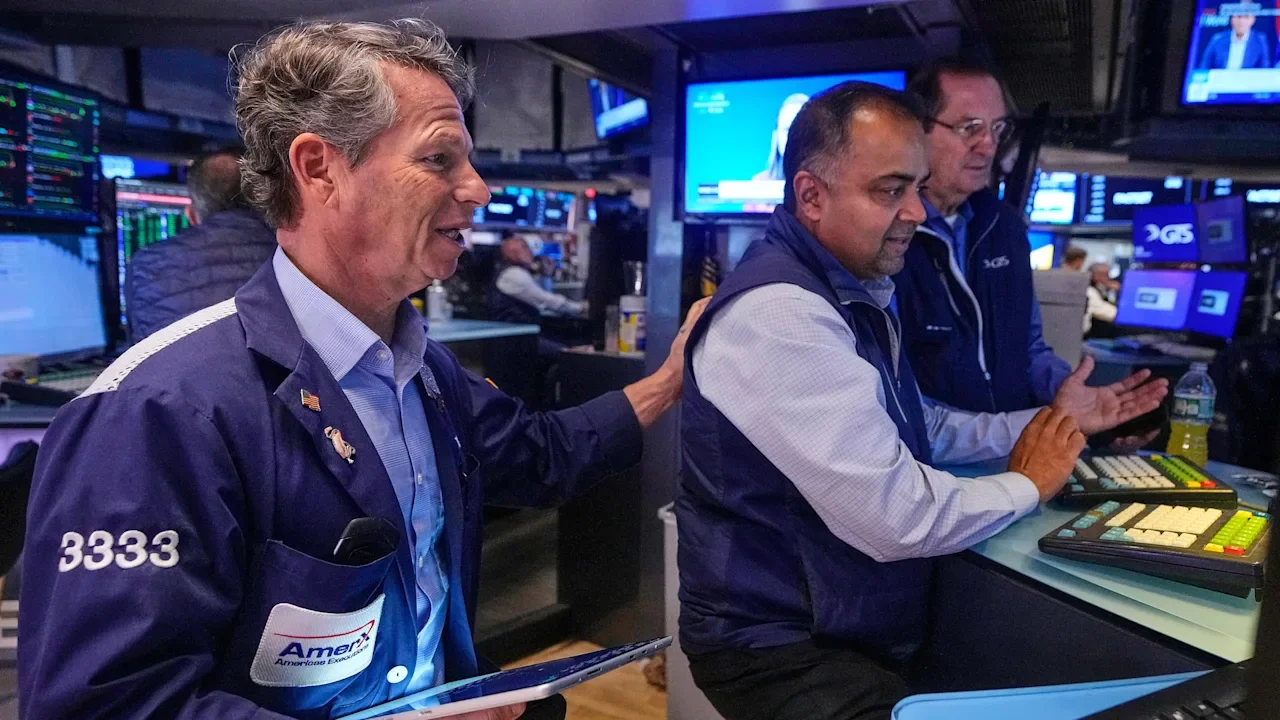
Stocks are climbing on Wall Street Monday and pulling near their records following last week’s roller-coaster ride. The S&P 500 rose 1% and got back within 0.4% of its all-time high set earlier this month. The Dow Jones Industrial Average was up 358 points, or 0.8%, and the Nasdaq composite was 1.4% higher just before noon Eastern time. Cleveland-Cliffs helped lead the way with a jump of 24% after the steel company’s CEO, Lourenco Goncalves, said it would provide details soon about a potential deal with a major global steel producer that could mean bigger profits. He also said Cleveland-Cliffs has potentially found rare earths at sites in Michigan and Minnesota. Such materials have thrust into the global spotlight after China put curbs on the export of its own rare earths, a move that President Donald The President earlier this month characterized as hostile. The President’s ensuing threat of higher tariffs on China triggered big swings for Wall Street, but the concerns eased a bit after The President said such high tax rates are unsustainable. Another source of worry for Wall Street, from the banking industry, also appears to be easing. Stocks of smaller and midsized banks climbed Monday, recovering some of their losses after a couple raised alarm bells last week by warning about potentially bad loans they’ve made. The disclosures had raised questions about whether the growing list of problems is just a collection of one-offs or a signal of something larger threatening the entire industry. Zions Bancorp. rose 2.5% following its 5.1% drop last week. It will report its latest quarterly earnings after trading ends for the day, and scrutiny will be high after it said it’s charging off $50 million of loans where it found “apparent misrepresentations and contractual defaults” by the borrowers. This will be a heavier week for corporate earnings reports generally. Big names delivering their latest results will include Coca-Cola on Tuesday, Tesla on Wednesday and Procter & Gamble on Friday. The pressure is on companies to show that their profits are growing because they need to justify the big gains their stock prices have made. The S&P 500 is still near its all-time high, which was set earlier this month following a torrid 35% run from a low in April. Delivering bigger profits is one of the easiest ways for companies to quiet criticism that stock prices have gone too high. The other is for stock prices to fall. Corporate profit reports have also taken on more importance because they’re offering windows into the strength of the U.S. economy when the U.S. government’s shutdown has delayed many important economic updates. That’s making the job of the Federal Reserve more difficult, as it tries to decide whether high inflation or the slowing job market is the bigger problem for the economy. Fed officials have indicated they’re likely to cut interest rates a few more times through next year in order to give the economy a boost. But that could be a mistake if inflation worsens because low interest rates can push prices even higher. On Friday, the U.S. government will issue an update for inflation during September. The report was supposed to arrive earlier in month, and the Social Security Administration needs the numbers to calculate cost-of-living adjustments for beneficiaries. But the government said, “No other releases will be rescheduled or produced until the resumption of regular government services.” In the bond market, Treasury yields held relatively steady. The yield on the 10-year Treasury eased to 3.99% from 4.02% late Friday. Treasury yields have been falling recently, and lower yields help make stock prices look less expensive by encouraging some investors to buy stocks when they otherwise would have bought bonds. On Wall Street, Amazon’s stock held up despite a widespread outage for its cloud computing service that caused disruption for internet users around the world early Monday. Amazon’s stock rose 0.8%. In stock markets abroad, indexes rose across much of Europe and Asia. Japan’s Nikkei 225 jumped 3.4%, after its governing Liberal Democrats found a new coalition partner, securing support for its leader Sanae Takaichi to become the country’s first female prime minister. Investors expect Takaichi to push for low interest rates, higher government spending and other policies that could help the market. Indexes rose 2.4% in Hong Kong and 0.6% in Shanghai after China reported its economy grew at a 4.8% annual pace in the last quarter, supported by relatively strong exports as companies increased shipments markets other than the U.S. Still, it was the slowest pace in a year. The world’s second-largest economy is still struggling to emerge from a prolonged downturn in its property market and to encourage consumers and businesses to spend more. —Stan Choe, AP business writer AP Business Writers David McHugh and Elaine Kurtenbach contributed. View the full article
-
President Donald The President and Australian Prime Minister Anthony Albanese signed a critical-minerals deal at the White House on Monday as the U.S. eyes the continent’s rich rare-earth resources when China is imposing tougher rules on exporting its own critical minerals abroad. The two leaders described the agreement as an $8.5 billion deal between the allies. The President said it had been negotiated over several months. “Today’s agreement on critical minerals and rare earths, is just taking” the U.S. and Australia’s relationship “to the next level,” Albanese added. This month, Beijing announced that it will require foreign companies to get approval from the Chinese government to export magnets containing even trace amounts of rare-earth materials that originated from China or were produced with Chinese technology. The President’s Republican administration says this gives China broad power over the global economy by controlling the tech supply chain. “Australia is really, really going to be helpful in the effort to take the global economy and make it less risky, less exposed to the kind of rare earth extortion that we’re seeing from the Chinese,” Kevin Hassett, the director of the White House’s National Economic Council, told reporters on Monday morning ahead of The President’s meeting with Albanese. Hassett noted that Australia has one of the best mining economies in the world, while praising its refiners and its abundance of rare earth resources. Among the Australian officials accompanying Albanese are ministers overseeing resources and industry and science, and Australia has dozens of critical minerals sought by the U.S. The prime minister’s visit comes just before The President is planning to meet with Chinese President Xi Jinping in South Korea later this month. For Albanese’s part, the prime minister said ahead of his visit that the two leaders will have a chance to deepen their countries’ ties on trade and defense. Another expected topic of discussion is AUKUS, a security pact with Australia, the U.S. and the United Kingdom that was signed during U.S. President Joe Biden’s Democratic administration. The President has not indicated publicly whether he would want to keep AUKUS intact, and the Pentagon is reviewing the agreement. “Australia and the United States have stood shoulder-to-shoulder in every major conflict for over a century,” Albanese said ahead of the meeting. “I look forward to a positive and constructive meeting with President The President at the White House.” The center-left Albanese was reelected in May and suggested shortly after his win that his party increased its majority by not modeling itself on The Presidentism. “Australians have chosen to face global challenges the Australian way, looking after each other while building for the future,” Albanese told supporters during his victory speech. —Seung Min Kim and Aamer Madhani, Associated Press View the full article

-
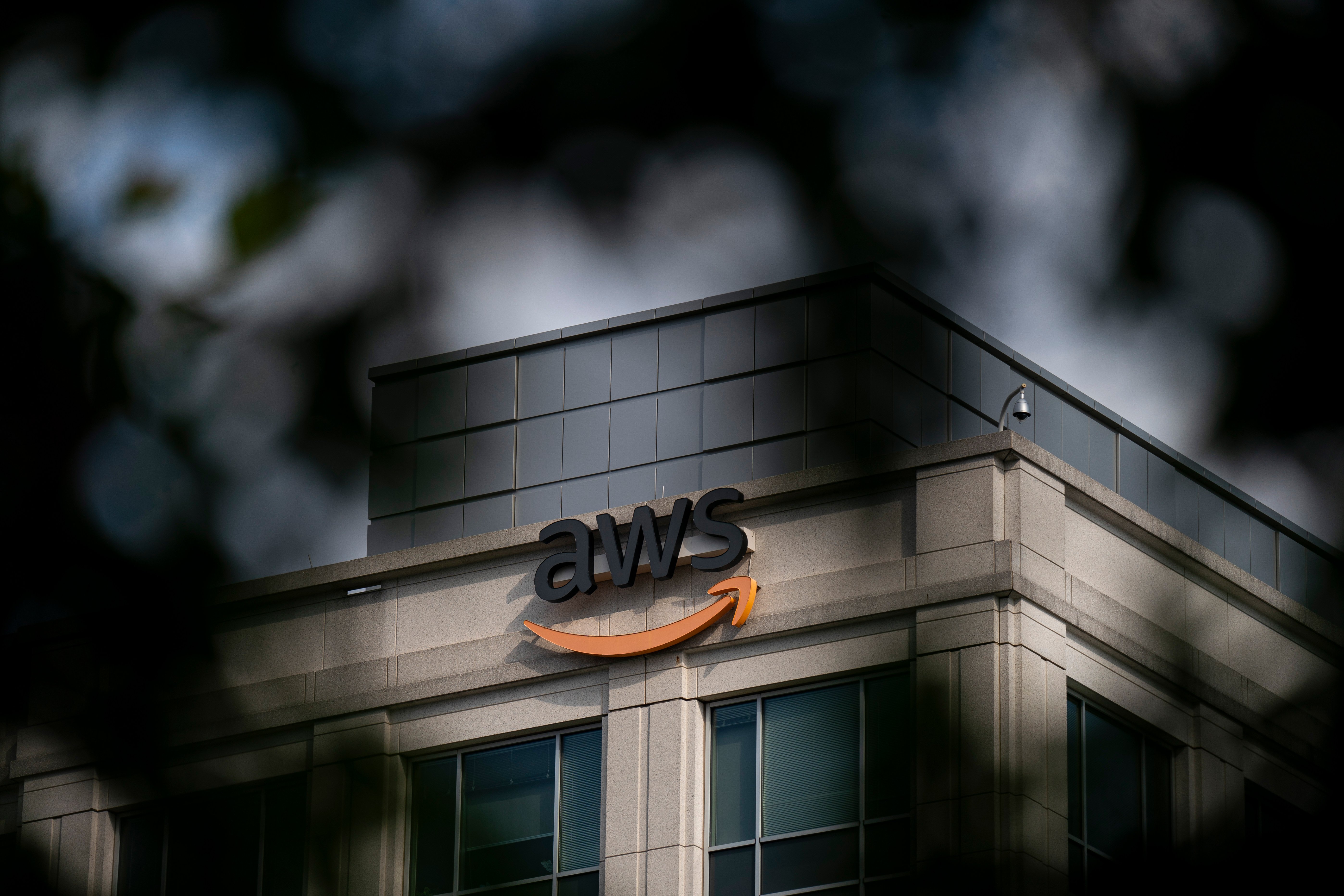
A failure at an Amazon Web Services data center in Virginia caused widespread outages, hitting services at several banks and fintechs. View the full article
-
If you use the X app on iPhone, there’s a good chance any links you open today will look different than they did yesterday. That’s because the platform is trying to up engagement on posts with links in them, by keeping the like, comment, repost, favorite, and share buttons active in a new footer even when you click through to an outside article. When you click on a link in X, it doesn’t actually navigate away from the app, but instead uses a special version of either Chrome (on Android) or Safari (on iPhone) to open the article within X. That hasn’t changed. But what has is that, on iPhone, you’ll now continue to see interactable elements at the bottom of the page, with buttons you can press to engage directly with X while reading. Also, when you first access a link or scroll up, you’ll even see part of the original social media post that drove you there above those buttons. These elements will remain even if you click another link in the article you’re reading. It’s a small change despite maybe looking a little busy, but it points to a potential fix for a major problem. According to X head of product Nikita Bier, the idea is to try to increase traffic for posts with links in them, by making it easier for users to engage with them even after clicking through. This Tweet is currently unavailable. It might be loading or has been removed. A lot of controversy has been made about X posts that include links getting less traffic than those that don’t, especially after the platform was acquired by current owner Elon Musk. While the site hasn’t admitted to it directly, SEO experts have recently started warning users to avoid putting links in their traffic, claiming that X now deprioritizes posts with links on them, as they keep people away from their timelines. Musk has also made comments that some have accused of implying this to be the case. Bier, however, refuted this while debuting the new interface for opening links on iOS, instead saying “links are not deboosted,” and implying that the lack of interactable timeline elements on them simply leads to less engagement naturally, something the new change is trying to fix. For instance, the old method of opening links could potentially draw you away from the site and interrupt any intention you had to reply to the original social media post or share it to your own audience. Bier said this is what led to posts getting lower reach, and that the new footer should help them “get better signal.” But at the same time, it’s clear that the new approach has benefits for X as well, since it gives users easier avenues to navigate away from external articles and back to their timelines, where they can drive engagement on other posts and see ads. But regardless of whether X manually deprioritizes posts with links, or if the motivations for the change are selfish, the fact that changes like this are even being made means the platform might finally start trying to make linking in posts more viable. That could be a huge boon for users like myself, who have historically used X (and Twitter before it) to help drive traffic to our posts. Whatever the reason this stopped working, it would be helpful for those who rely on it if it were fixed. That said, there’s a chance you might not be seeing the new interface at all, or that if you are, you might not like it. Luckily, if that sounds like you, you’re not out of options. X Links only look different on iPhone, for nowIn the post announcing the change, Bier mentioned that the “new link experience” is only in testing, and that it’s only on iOS at the moment. That means that, while I do currently see it on posts I’m opening with my iPhone 15 Pro, you might not. On my Pixel 10, I’m still getting the old interface, and even on iPhone, it doesn’t seem to be affecting all users. My husband, for instance, is not seeing the footer on his iPhone 17 Pro. That’s great news if you don’t like the look of the new footer, although if you would like to try it out, I unfortunately don’t have much advice at the moment. It seems only some users have access to it right now. However, if you are seeing the new footer but you would prefer not to, there are two steps you can take to get rid of it. How to open X links without the new footer Credit: Michelle Ehrhardt The change to how X links work is server-side, so downgrading your app or avoiding an update won’t save you here. Instead, to get rid of the footer from links you open in X, you’ll need to first open the link, then hit the three-dots button just above the footer on the right-hand side. From there, you’ve got two options. First, to open the page with its formatting intact but no footer, tap “Open in browser.” This will open the link in your default browser, but also take you to that browser’s app instead, meaning you’ll have to find your way back to the X app if you want to keep scrolling once you’re done reading. To stay in the X app, you can take advantage of Safari’s reader mode, which will still be available to you even if Chrome or another app is your default browser. In the same three-dot menu, simply tap “Show Reader” instead, and you’ll see a plain version of the link with all website formatting stripped out, including the X app’s new footer, all without having to move to a new app. To return to the normal view, just tap the X button in the top left corner. Then, to go back to your X timeline, either grab the footer and scroll up, or tap the X button just above the footer on the left-hand side. View the full article
-
Get ready to hurry up and wait. As delays and cancellations continue to pile up at the nation’s busiest airports during the weeks-long government shutdown, some travelers who have been anticipating extra headaches are hedging their bets with extra insurance protections. According to data shared with Fast Company from the price comparison service InsureMyTrip, 10% of travel insurance policies purchased in September and into October have included “cancel for any reason” (CFAR) coverage. That’s the highest percentage of the year so far and above the average of 8% seen from January through August, InsureMyTrip says. The additional protection, which can increase your insurance costs by upwards of 50%, according to NerdWallet, can be a kind of safety net for travelers who are willing and able to spend the extra cash. Travel delays are among the most visible impacts of prolonged government shutdowns, adding increased uncertainty and chaos as air traffic controllers who are being forced to work for partial or no pay call in sick or take leave. Over the weekend, the Federal Aviation Administration (FAA) confirmed that staffing shortages were causing delays at airports in Dallas, Chicago, Atlanta, and Newark, according to Reuters. With no end in sight to the political impasse that led to the shutdown, the problem is likely to get worse as thousands of air traffic controllers are expected to miss their paychecks at the end of this month. A hedge against government dysfunction Travel disruptions caused by government regulations are not covered under standard insurance plans, according to InsureMyTrip. Additionally, travelers who had planned to visit one of America’s national parks—which are only partially open or have reduced services during the shutdown—might find they have little recourse under a standard plan. CFAR coverage offers more protection against the unexpected—or against the expected, depending on your level of confidence in our government’s ability to function the way it’s supposed to. The increased interest in CFAR coverage tracks with a recent report from the trade publication Insurance Business, which cited consumers seeking extra protections in a perpetually uncertain world. According to InsureMyTrip, travelers who opt for that extra coverage can be reimbursed up to 75% of their trip’s non-refundable costs, provided they cancel 48 hours before they actually leave. Would-be fliers may be considering doing just that. Data from flight tracking service FlightAware shows that delays and cancellations into, within, and out of U.S. airports spiked again this weekend, with some 7,806 delays on Sunday alone. America’s tourism industry was already facing headwinds before the shutdown, with the U.S. Travel Association expecting total inbound spending to fall 3.2% to $173 billion in 2025, its first decline since 2020. Still, domestic leisure travel had been a bright spot. It’s expected to grow 1.9% to $895 billion this year, according to the association’s fall travel update. Whether or not it hits that number might yet depend on a number of possible outcomes, including the most unlikely of all: elected officials doing their jobs. View the full article

-
Inventory control management is an essential process that involves overseeing your inventory from purchasing to storage and reordering. It’s important due to the fact that it helps you maintain ideal stock levels, reducing costs related to overstocking and stockouts. Effective inventory control can improve your profitability and operational efficiency, ensuring products are available to meet customer demand. Comprehending its key components and challenges can help you implement better strategies, leading to improved overall performance in your business. How do you currently manage your inventory? Key Takeaways Inventory control management oversees inventory through purchasing, storage, tracking, and reordering to optimize stock levels and minimize costs. It enhances profitability and operational efficiency, reducing risks of overstocking and stockouts that can lead to financial losses. Accurate demand forecasting and technology integration improve inventory visibility, ensuring timely stock replenishment and minimizing discrepancies. Effective inventory control safeguards capital by reducing inventory shrinkage and improving customer loyalty through consistent product availability. The retail sector incurs significant costs due to poor inventory management, highlighting the financial importance of effective inventory control practices. What Is Inventory Control Management? Inventory control management is a crucial aspect of business operations that involves the careful oversight of inventory across various stages, including purchasing, storage, tracking, and reordering. This process guarantees peak stock levels that meet organizational demands while minimizing costs related to overstocking and stockouts. Effective inventory control procedures improve visibility and organization throughout the inventory lifecycle, setting it apart from broader inventory management activities. By employing warehouse inventory control methods, such as manual systems, inventory management software, and barcode systems, you can boost the efficiency and accuracy of your inventory tracking. In the end, inventory control management directly impacts your financial health, aligning inventory levels with sales timelines to increase working capital and profitability, and potentially saving significant amounts. The Importance of Inventory Control Grasping the significance of inventory control is key to enhancing your business’s profitability and efficiency. By implementing effective cost reduction strategies, you can minimize the risks of overstocking and stockouts, which often lead to lost sales and diminished customer loyalty. Furthermore, improving operational efficiency through systematic inventory management not only safeguards your capital but also mitigates potential financial losses associated with inventory shrinkage. Cost Reduction Strategies Effective cost reduction strategies hinge on the principles of robust inventory control, which can lead to significant financial savings for businesses. By managing inventory effectively, you can reduce costs associated with overstocking and stockouts, which collectively cost the retail sector around $112 billion annually. Maintaining ideal inventory levels minimizes holding costs, freeing capital for other investments. Implementing inventory management systems can likewise lower labor costs and reduce time spent on stock handling. Real-time inventory tracking enables quick responses to shifts in customer demand, preventing lost sales and ensuring satisfaction, as 62% of customers stop buying after poor service because of out-of-stock items. Balancing stock levels prevents spoilage and obsolescence, protecting against financial losses from unsold inventory. Operational Efficiency Improvement Maintaining ideal stock levels directly impacts operational efficiency, as businesses can avoid the pitfalls of overstocking and stockouts. Effective inventory control management is essential for ensuring smooth operations and customer satisfaction. Here are some key benefits: Reduces costs associated with unsold goods and spoilage Improves cash flow by freeing up working capital for growth Enhances customer satisfaction by minimizing stockouts Enables quicker responses to fluctuations in demand Balances supply and demand efficiently Risk Mitigation Techniques Even though you might think that inventory control is just about keeping track of stock, it’s actually a crucial component in risk mitigation for any business. Effective inventory control minimizes stockouts, which can lead to lost sales; in fact, 62% of customers will stop doing business with you because of poor stock availability. Implementing sound inventory techniques reduces financial losses from overstocking, preventing spoilage or obsolescence. With accurate inventory records, you can combat inventory shrinkage, which costs retailers an average of $112 billion annually. Additionally, utilizing real-time tracking systems improves operational efficiency and reduces errors, allowing you to respond swiftly to market changes and maintain peak stock levels in line with customer demand. Key Components of Inventory Control Inventory control involves several key components that are essential for managing stock effectively and meeting customer demand. Comprehending these components can streamline your operations and improve profitability. Accurate demand forecasting helps reduce stockouts and excess inventory. Integration of technology, like inventory management software, optimizes tracking across locations. Regular inventory audits and reconciliations identify discrepancies and reduce shrinkage. Establishing reorder points guarantees you have sufficient stock during demand spikes. Maintaining safety stock levels protects against unexpected fluctuations. Challenges in Inventory Control In terms of inventory control, balancing supply and demand is a constant challenge you face, as stockouts can lead to lost sales whereas overstocking incurs unnecessary costs. Furthermore, maintaining accurate data is vital; discrepancies can create financial strain and disrupt your operations. Finally, managing costs effectively requires you to take into account storage and transportation expenses, which can quickly escalate without proper inventory oversight. Balancing Supply and Demand Balancing supply and demand presents a significant challenge for businesses, especially in today’s fast-paced retail environment. Without effective management, you risk losing customers and capital. Here are key considerations: Insufficient stock can lead to missed sales; 62% of customers abandon retailers because of poor availability. Overstocking ties up capital and may result in financial losses from unsold goods. Just in Time (JIT) strategies synchronize inventory with actual demand, minimizing excess. Real-time inventory tracking helps you respond quickly to demand fluctuations. Failing to balance supply and demand can cause customer loyalty loss, with 1 in 100 choosing competitors when items are out of stock. Data Accuracy Issues Effective inventory management doesn’t just hinge on balancing supply and demand; it likewise heavily relies on the accuracy of the data that drives your decisions. Data accuracy issues can lead to significant stock discrepancies, contributing to retail shrinkage, which averages about $112 billion annually because of inventory record errors. Inaccurate data often results in overstocking or stockouts, risking missed sales and customer loyalty, as 62% of customers may stop buying from a company after encountering out-of-stock items. Manual tracking methods increase human error, complicating forecasting and decision-making. Furthermore, systems lacking integration with sales and supply chain data fail to reflect real-time stock changes. Regular audits and reconciliations are essential to guarantee your inventory records align with actual stock levels. Cost Management Challenges Cost management challenges in inventory control are vital for maintaining a healthy business operation, as these issues can directly affect your bottom line. Addressing these challenges is important to avoid financial pitfalls. Consider the following: Balancing stock levels to prevent overstock and stockouts. Inaccurate inventory data leading to operational inefficiencies. Managing working capital to maintain cash flow. Mitigating inventory shrinkage, which costs retailers $112 billion annually. Handling excess inventory, which can result in spoilage or obsolescence expenses. Failing to effectively manage these aspects can tie up to 30% of your capital in unsold goods or lead to an average of 30% wasted inventory. Recognizing and addressing these challenges is vital for your business’s financial health. Benefits of Effective Inventory Management When you implement effective inventory management, you’re not just keeping track of stock; you’re also minimizing losses and boosting your bottom line. By accurately tracking inventory, you can greatly reduce shrinkage, which costs retailers around $112 billion annually. Preventing stockouts is equally essential, as 62% of customers will stop doing business with companies that consistently run out of items. Optimizing inventory levels helps avoid the financial pitfalls of overstocking, which can lead to spoilage or obsolescence. In addition, a well-managed inventory system improves operational efficiency, enhancing warehouse productivity and reducing carrying costs. With real-time visibility of stock levels, you can make informed decisions, allowing your business to adapt swiftly to changes in customer demand, ultimately increasing profitability. Types of Inventory Control Systems Several types of inventory control systems exist, each designed to meet the varying needs of businesses, from small retailers to large enterprises. Comprehending these systems can help you choose the right one for your operations: Manual Systems: Simple and ideal for small businesses with limited inventory. Automated Systems: Utilize software to streamline tracking and reduce human error. Stock Cards: Track unit prices, sales prices, and inventory counts for detailed insights. Barcode Systems: Improve tracking efficiency and boost stock accuracy. Inventory Management Software: Automates tasks like ordering and reporting, reducing stockouts and overstock situations. Choosing the right system guarantees effective management, accurate records, and peak inventory performance customized to your business needs. Inventory Control Methods Effective inventory control methods are vital for businesses seeking to maintain ideal stock levels and improve operational efficiency. You can choose between manual systems, ideal for small businesses, and advanced options like inventory management software that automates tracking and reporting. Stock cards offer a more detailed way to monitor unit prices, sales prices, and inventory counts for each product. Barcode systems streamline inventory management, allowing for quick tracking and reducing human error. Conducting periodic inventory counts is important for verifying records and aligning stock levels with actual counts. Moreover, techniques such as Just in Time (JIT) and Economic Order Quantity (EOQ) help optimize inventory by matching orders with demand, ultimately minimizing holding costs and supporting better financial health. Inventory Control Techniques Inventory control techniques play a crucial role in managing stock effectively and maximizing business operations. By employing these methods, you can boost efficiency and guarantee accuracy in your inventory management. Here are some key techniques: Just in Time (JIT): Aligns inventory arrival with production needs to minimize waste. Economic Order Quantity (EOQ): Calculates the ideal order size for cost efficiency. Barcode Systems: Facilitates efficient tracking, improving accuracy and speeding up audits. Periodic Inventory Counts: Regularly reconciles physical counts with records to spot discrepancies. FIFO and LIFO: Manages inventory turnover strategically, reducing spoilage and maximizing stock levels. Utilizing these techniques can greatly improve your inventory management processes and help you make informed decisions for your business. Best Practices for Inventory Control With a solid comprehension of various inventory control techniques, you can now focus on implementing best practices that improve the overall efficiency of your inventory management system. Start by implementing barcode systems for streamlined tracking, which reduces human error. Regular audits and periodic inventory counts help maintain accuracy, guaranteeing alignment between physical stock and records. Setting stock threshold levels prevents stockouts and overstock situations, keeping costs minimal. Utilize inventory optimization tools for better demand forecasting, allowing proactive adjustments to stock levels. Finally, train your staff on inventory management systems to guarantee consistent application of best practices throughout your organization. Best Practice Benefit Implement Barcode Systems Streamlines tracking, reduces errors Regular Audits Maintains accuracy, identifies discrepancies Set Stock Threshold Levels Prevents stockouts and overstock The Role of Technology in Inventory Control Technology’s impact on inventory control is significant, as it automates tracking processes, reducing human error and improving efficiency. By utilizing real-time data, you can monitor stock levels more effectively and respond to supply chain changes quickly. Integrating these tools with your inventory management system boosts overall operations, ensuring you maintain ideal stock levels as you minimize costs. Automation in Inventory Management As businesses endeavor for greater efficiency in their operations, automating inventory management has emerged as a crucial strategy that can transform how you control stock levels. Automation boosts efficiency and accuracy through several key features: Integration of real-time tracking systems reduces human error. Streamlined processes like order placement and reporting cut labor costs. Technologies such as barcode scanning and RFID improve inventory count accuracy to over 99%. Predictive analytics help forecast demand, avoiding stockouts and overstock situations. Companies can see inventory turnover improvements of 20-30%, increasing profitability. Real-Time Data Tracking Effective inventory management relies heavily on real-time data tracking, which plays a crucial role in improving operational efficiency. With this technology, you can continuously monitor inventory levels, allowing for immediate adjustments to stock orders and reducing the risk of stockouts or overstock situations. Utilizing barcode systems and inventory management software streamlines tracking, increasing accuracy and minimizing human error. Real-time data helps you analyze trends and customer demand, leading to informed purchasing decisions and optimized stock levels. Implementing these systems can improve order fulfillment rates by up to 30%, boosting customer satisfaction. Benefit Description Impact Continuous Monitoring Track inventory levels in real-time Reduce stockouts Increased Accuracy Minimize human error in data entry Improve decision-making Demand Analysis Analyze customer trends Optimize stock levels Improved Visibility Respond proactively to supply chain changes Improve supply chain resilience Customer Satisfaction Higher order fulfillment rates Retain customers Integration With Supply Chain Integrating inventory control with your supply chain is essential for achieving efficiency and responsiveness in today’s fast-paced market. By leveraging technology, you can improve your operations and meet customer demands effectively. Here are key benefits of this integration: Real-time data tracking for accurate inventory management Automation using barcode and RFID technology to reduce errors Advanced analytics and machine learning to predict demand fluctuations Cloud-based solutions for seamless access to inventory data Significant cost savings, as seen with companies like Walmart These elements work together to streamline processes, minimize delays, and enhance overall responsiveness. Managing Customer Demand Through Inventory Control When businesses effectively manage inventory control, they can better align their stock levels with customer demand, ensuring that products are available when shoppers need them. Effective inventory management prevents missed sales opportunities caused by insufficient stock, which is vital since 62% of customers stop shopping with retailers after encountering out-of-stock items. In convenience stores, stockouts can mean losing 1 in every 100 customers, highlighting the need for accurate tracking. Furthermore, managing demand helps avoid overstock situations that can lead to financial losses and reduced cash flow. Real-time inventory tracking allows businesses to respond swiftly to changing customer needs, ensuring the right products are on hand when required, eventually improving customer satisfaction and retention. Maintaining Supply Chain Efficiency Maintaining supply chain efficiency is vital for businesses aiming to optimize their operations and minimize costs. Effective inventory control management plays a critical role in this process by ensuring adequate inventory levels at every stage. Here’s how you can improve supply chain efficiency: Synchronize inventory with customer demand to avoid stockouts. Prevent excess stock to reduce storage costs and spoilage risks. Implement regular inventory tracking for timely procurement and replenishment. Integrate inventory control with supply chain management for thorough oversight. Reduce bottlenecks by monitoring inventory movements effectively. Strategies for Avoiding Overstock To avoid overstock, you need to monitor sales trends closely and implement stock thresholds that align with your business needs. By keeping an eye on what’s selling and what isn’t, you can make informed decisions about how much inventory to keep on hand. Setting these limits helps prevent excess stock that can lead to financial losses and inefficiencies. Monitor Sales Trends Monitoring sales trends is essential for any business aiming to avoid overstock situations effectively. By regularly analyzing these trends, you can identify peak demand periods and seasonal fluctuations, allowing for timely inventory adjustments. Here are some strategies to take into account: Implement sales forecasting models to improve prediction accuracy. Monitor sales velocity to spot slow-moving items that can be discounted or bundled. Utilize real-time data analytics tools for immediate stock level adjustments. Establish reorder points based on historical sales data to guarantee timely replenishment. Track seasonal trends to align inventory levels with expected demand. Implement Stock Thresholds Establishing stock thresholds is crucial for maintaining a balanced inventory system that minimizes the risk of overstock. By setting minimum and maximum inventory levels for each product, you guarantee that stock remains balanced and prevents excess. This practice helps reduce financial losses linked to unsold goods, particularly for perishable items that may spoil or become obsolete. Regularly reviewing and adjusting these thresholds based on sales data and demand forecasts keeps your inventory optimized, leading to increased sales and improved cash flow. Effectively utilizing stock thresholds improves your inventory turnover rates, allowing you to respond better to customer demand without carrying unnecessary stock. Clear thresholds additionally streamline reordering processes, boosting efficiency and reducing the costs of emergency restocking. Enhancing Overall Inventory Quality Enhancing overall inventory quality is crucial for businesses aiming to maintain product integrity and customer satisfaction. By implementing effective inventory control practices, you can greatly improve the quality of your inventory. Consider the following strategies: Minimize damage through careful handling and storage. Conduct regular audits and quality checks for perishable items. Utilize barcodes, QR codes, or RFID technology for accurate tracking. Monitor real-time inventory data to identify quality issues swiftly. Focus on quality management to cultivate customer loyalty. Frequently Asked Questions What Is Inventory Control and Why Is It Important? Inventory control is the systematic management of stock levels, ensuring you have the right amount of products available without excess or shortage. It’s vital since it prevents stockouts that can lead to lost sales and dissatisfied customers. By effectively managing inventory, you minimize holding costs and optimize cash flow, allowing for better financial planning. When integrated with supply chain operations, it improves efficiency and boosts overall profitability, contributing to your business’s success. What Is the Importance of Inventory Management? Inventory management’s importance lies in its ability to minimize losses and optimize cash flow. By aligning stock levels with sales forecasts, you prevent overstocking and stockouts, which can lead to financial strain and customer dissatisfaction. Effective management additionally improves operational efficiency, allowing you to adapt to market changes quickly. In the end, maintaining proper inventory levels helps protect your profits, retain customer loyalty, and support your business’s growth in a competitive environment. What Are the Three Main Objectives of Inventory Control? The three main objectives of inventory control are to maintain ideal stock levels, minimize holding costs, and prevent stockouts. By keeping just enough inventory, you can meet customer demand without tying up too much capital. Reducing holding costs—like storage and insurance—frees up resources for other business needs. Finally, preventing stockouts guarantees a smooth customer experience, as many customers won’t return if they face frequent unavailability of products. What Is Inventory Management in Simple Words? Inventory management is the process of tracking and controlling the flow of goods within your organization. It involves managing raw materials, work-in-progress, and finished products. By overseeing these elements, you can guarantee that you meet customer demand as you minimize costs. Effective inventory management helps prevent stockouts and overstock situations, improving profitability. Utilizing software tools can automate tasks like stock level tracking and reorder alerts, enhancing overall efficiency and accuracy in your operations. Conclusion In conclusion, effective inventory control management is vital for businesses aiming to optimize stock levels, meet customer demand, and minimize costs. By comprehending its key components and addressing challenges, you can improve operational efficiency and profitability. Implementing strategies to avoid overstock and maintain supply chain effectiveness further elevates inventory quality. In the end, mastering inventory control not merely safeguards financial resources but additionally boosts overall performance, making it a fundamental aspect of any successful business strategy. Image Via Envato This article, "What Is Inventory Control Management and Why Is It Important?" was first published on Small Business Trends View the full article
-
Inventory control management is an essential process that involves overseeing your inventory from purchasing to storage and reordering. It’s important due to the fact that it helps you maintain ideal stock levels, reducing costs related to overstocking and stockouts. Effective inventory control can improve your profitability and operational efficiency, ensuring products are available to meet customer demand. Comprehending its key components and challenges can help you implement better strategies, leading to improved overall performance in your business. How do you currently manage your inventory? Key Takeaways Inventory control management oversees inventory through purchasing, storage, tracking, and reordering to optimize stock levels and minimize costs. It enhances profitability and operational efficiency, reducing risks of overstocking and stockouts that can lead to financial losses. Accurate demand forecasting and technology integration improve inventory visibility, ensuring timely stock replenishment and minimizing discrepancies. Effective inventory control safeguards capital by reducing inventory shrinkage and improving customer loyalty through consistent product availability. The retail sector incurs significant costs due to poor inventory management, highlighting the financial importance of effective inventory control practices. What Is Inventory Control Management? Inventory control management is a crucial aspect of business operations that involves the careful oversight of inventory across various stages, including purchasing, storage, tracking, and reordering. This process guarantees peak stock levels that meet organizational demands while minimizing costs related to overstocking and stockouts. Effective inventory control procedures improve visibility and organization throughout the inventory lifecycle, setting it apart from broader inventory management activities. By employing warehouse inventory control methods, such as manual systems, inventory management software, and barcode systems, you can boost the efficiency and accuracy of your inventory tracking. In the end, inventory control management directly impacts your financial health, aligning inventory levels with sales timelines to increase working capital and profitability, and potentially saving significant amounts. The Importance of Inventory Control Grasping the significance of inventory control is key to enhancing your business’s profitability and efficiency. By implementing effective cost reduction strategies, you can minimize the risks of overstocking and stockouts, which often lead to lost sales and diminished customer loyalty. Furthermore, improving operational efficiency through systematic inventory management not only safeguards your capital but also mitigates potential financial losses associated with inventory shrinkage. Cost Reduction Strategies Effective cost reduction strategies hinge on the principles of robust inventory control, which can lead to significant financial savings for businesses. By managing inventory effectively, you can reduce costs associated with overstocking and stockouts, which collectively cost the retail sector around $112 billion annually. Maintaining ideal inventory levels minimizes holding costs, freeing capital for other investments. Implementing inventory management systems can likewise lower labor costs and reduce time spent on stock handling. Real-time inventory tracking enables quick responses to shifts in customer demand, preventing lost sales and ensuring satisfaction, as 62% of customers stop buying after poor service because of out-of-stock items. Balancing stock levels prevents spoilage and obsolescence, protecting against financial losses from unsold inventory. Operational Efficiency Improvement Maintaining ideal stock levels directly impacts operational efficiency, as businesses can avoid the pitfalls of overstocking and stockouts. Effective inventory control management is essential for ensuring smooth operations and customer satisfaction. Here are some key benefits: Reduces costs associated with unsold goods and spoilage Improves cash flow by freeing up working capital for growth Enhances customer satisfaction by minimizing stockouts Enables quicker responses to fluctuations in demand Balances supply and demand efficiently Risk Mitigation Techniques Even though you might think that inventory control is just about keeping track of stock, it’s actually a crucial component in risk mitigation for any business. Effective inventory control minimizes stockouts, which can lead to lost sales; in fact, 62% of customers will stop doing business with you because of poor stock availability. Implementing sound inventory techniques reduces financial losses from overstocking, preventing spoilage or obsolescence. With accurate inventory records, you can combat inventory shrinkage, which costs retailers an average of $112 billion annually. Additionally, utilizing real-time tracking systems improves operational efficiency and reduces errors, allowing you to respond swiftly to market changes and maintain peak stock levels in line with customer demand. Key Components of Inventory Control Inventory control involves several key components that are essential for managing stock effectively and meeting customer demand. Comprehending these components can streamline your operations and improve profitability. Accurate demand forecasting helps reduce stockouts and excess inventory. Integration of technology, like inventory management software, optimizes tracking across locations. Regular inventory audits and reconciliations identify discrepancies and reduce shrinkage. Establishing reorder points guarantees you have sufficient stock during demand spikes. Maintaining safety stock levels protects against unexpected fluctuations. Challenges in Inventory Control In terms of inventory control, balancing supply and demand is a constant challenge you face, as stockouts can lead to lost sales whereas overstocking incurs unnecessary costs. Furthermore, maintaining accurate data is vital; discrepancies can create financial strain and disrupt your operations. Finally, managing costs effectively requires you to take into account storage and transportation expenses, which can quickly escalate without proper inventory oversight. Balancing Supply and Demand Balancing supply and demand presents a significant challenge for businesses, especially in today’s fast-paced retail environment. Without effective management, you risk losing customers and capital. Here are key considerations: Insufficient stock can lead to missed sales; 62% of customers abandon retailers because of poor availability. Overstocking ties up capital and may result in financial losses from unsold goods. Just in Time (JIT) strategies synchronize inventory with actual demand, minimizing excess. Real-time inventory tracking helps you respond quickly to demand fluctuations. Failing to balance supply and demand can cause customer loyalty loss, with 1 in 100 choosing competitors when items are out of stock. Data Accuracy Issues Effective inventory management doesn’t just hinge on balancing supply and demand; it likewise heavily relies on the accuracy of the data that drives your decisions. Data accuracy issues can lead to significant stock discrepancies, contributing to retail shrinkage, which averages about $112 billion annually because of inventory record errors. Inaccurate data often results in overstocking or stockouts, risking missed sales and customer loyalty, as 62% of customers may stop buying from a company after encountering out-of-stock items. Manual tracking methods increase human error, complicating forecasting and decision-making. Furthermore, systems lacking integration with sales and supply chain data fail to reflect real-time stock changes. Regular audits and reconciliations are essential to guarantee your inventory records align with actual stock levels. Cost Management Challenges Cost management challenges in inventory control are vital for maintaining a healthy business operation, as these issues can directly affect your bottom line. Addressing these challenges is important to avoid financial pitfalls. Consider the following: Balancing stock levels to prevent overstock and stockouts. Inaccurate inventory data leading to operational inefficiencies. Managing working capital to maintain cash flow. Mitigating inventory shrinkage, which costs retailers $112 billion annually. Handling excess inventory, which can result in spoilage or obsolescence expenses. Failing to effectively manage these aspects can tie up to 30% of your capital in unsold goods or lead to an average of 30% wasted inventory. Recognizing and addressing these challenges is vital for your business’s financial health. Benefits of Effective Inventory Management When you implement effective inventory management, you’re not just keeping track of stock; you’re also minimizing losses and boosting your bottom line. By accurately tracking inventory, you can greatly reduce shrinkage, which costs retailers around $112 billion annually. Preventing stockouts is equally essential, as 62% of customers will stop doing business with companies that consistently run out of items. Optimizing inventory levels helps avoid the financial pitfalls of overstocking, which can lead to spoilage or obsolescence. In addition, a well-managed inventory system improves operational efficiency, enhancing warehouse productivity and reducing carrying costs. With real-time visibility of stock levels, you can make informed decisions, allowing your business to adapt swiftly to changes in customer demand, ultimately increasing profitability. Types of Inventory Control Systems Several types of inventory control systems exist, each designed to meet the varying needs of businesses, from small retailers to large enterprises. Comprehending these systems can help you choose the right one for your operations: Manual Systems: Simple and ideal for small businesses with limited inventory. Automated Systems: Utilize software to streamline tracking and reduce human error. Stock Cards: Track unit prices, sales prices, and inventory counts for detailed insights. Barcode Systems: Improve tracking efficiency and boost stock accuracy. Inventory Management Software: Automates tasks like ordering and reporting, reducing stockouts and overstock situations. Choosing the right system guarantees effective management, accurate records, and peak inventory performance customized to your business needs. Inventory Control Methods Effective inventory control methods are vital for businesses seeking to maintain ideal stock levels and improve operational efficiency. You can choose between manual systems, ideal for small businesses, and advanced options like inventory management software that automates tracking and reporting. Stock cards offer a more detailed way to monitor unit prices, sales prices, and inventory counts for each product. Barcode systems streamline inventory management, allowing for quick tracking and reducing human error. Conducting periodic inventory counts is important for verifying records and aligning stock levels with actual counts. Moreover, techniques such as Just in Time (JIT) and Economic Order Quantity (EOQ) help optimize inventory by matching orders with demand, ultimately minimizing holding costs and supporting better financial health. Inventory Control Techniques Inventory control techniques play a crucial role in managing stock effectively and maximizing business operations. By employing these methods, you can boost efficiency and guarantee accuracy in your inventory management. Here are some key techniques: Just in Time (JIT): Aligns inventory arrival with production needs to minimize waste. Economic Order Quantity (EOQ): Calculates the ideal order size for cost efficiency. Barcode Systems: Facilitates efficient tracking, improving accuracy and speeding up audits. Periodic Inventory Counts: Regularly reconciles physical counts with records to spot discrepancies. FIFO and LIFO: Manages inventory turnover strategically, reducing spoilage and maximizing stock levels. Utilizing these techniques can greatly improve your inventory management processes and help you make informed decisions for your business. Best Practices for Inventory Control With a solid comprehension of various inventory control techniques, you can now focus on implementing best practices that improve the overall efficiency of your inventory management system. Start by implementing barcode systems for streamlined tracking, which reduces human error. Regular audits and periodic inventory counts help maintain accuracy, guaranteeing alignment between physical stock and records. Setting stock threshold levels prevents stockouts and overstock situations, keeping costs minimal. Utilize inventory optimization tools for better demand forecasting, allowing proactive adjustments to stock levels. Finally, train your staff on inventory management systems to guarantee consistent application of best practices throughout your organization. Best Practice Benefit Implement Barcode Systems Streamlines tracking, reduces errors Regular Audits Maintains accuracy, identifies discrepancies Set Stock Threshold Levels Prevents stockouts and overstock The Role of Technology in Inventory Control Technology’s impact on inventory control is significant, as it automates tracking processes, reducing human error and improving efficiency. By utilizing real-time data, you can monitor stock levels more effectively and respond to supply chain changes quickly. Integrating these tools with your inventory management system boosts overall operations, ensuring you maintain ideal stock levels as you minimize costs. Automation in Inventory Management As businesses endeavor for greater efficiency in their operations, automating inventory management has emerged as a crucial strategy that can transform how you control stock levels. Automation boosts efficiency and accuracy through several key features: Integration of real-time tracking systems reduces human error. Streamlined processes like order placement and reporting cut labor costs. Technologies such as barcode scanning and RFID improve inventory count accuracy to over 99%. Predictive analytics help forecast demand, avoiding stockouts and overstock situations. Companies can see inventory turnover improvements of 20-30%, increasing profitability. Real-Time Data Tracking Effective inventory management relies heavily on real-time data tracking, which plays a crucial role in improving operational efficiency. With this technology, you can continuously monitor inventory levels, allowing for immediate adjustments to stock orders and reducing the risk of stockouts or overstock situations. Utilizing barcode systems and inventory management software streamlines tracking, increasing accuracy and minimizing human error. Real-time data helps you analyze trends and customer demand, leading to informed purchasing decisions and optimized stock levels. Implementing these systems can improve order fulfillment rates by up to 30%, boosting customer satisfaction. Benefit Description Impact Continuous Monitoring Track inventory levels in real-time Reduce stockouts Increased Accuracy Minimize human error in data entry Improve decision-making Demand Analysis Analyze customer trends Optimize stock levels Improved Visibility Respond proactively to supply chain changes Improve supply chain resilience Customer Satisfaction Higher order fulfillment rates Retain customers Integration With Supply Chain Integrating inventory control with your supply chain is essential for achieving efficiency and responsiveness in today’s fast-paced market. By leveraging technology, you can improve your operations and meet customer demands effectively. Here are key benefits of this integration: Real-time data tracking for accurate inventory management Automation using barcode and RFID technology to reduce errors Advanced analytics and machine learning to predict demand fluctuations Cloud-based solutions for seamless access to inventory data Significant cost savings, as seen with companies like Walmart These elements work together to streamline processes, minimize delays, and enhance overall responsiveness. Managing Customer Demand Through Inventory Control When businesses effectively manage inventory control, they can better align their stock levels with customer demand, ensuring that products are available when shoppers need them. Effective inventory management prevents missed sales opportunities caused by insufficient stock, which is vital since 62% of customers stop shopping with retailers after encountering out-of-stock items. In convenience stores, stockouts can mean losing 1 in every 100 customers, highlighting the need for accurate tracking. Furthermore, managing demand helps avoid overstock situations that can lead to financial losses and reduced cash flow. Real-time inventory tracking allows businesses to respond swiftly to changing customer needs, ensuring the right products are on hand when required, eventually improving customer satisfaction and retention. Maintaining Supply Chain Efficiency Maintaining supply chain efficiency is vital for businesses aiming to optimize their operations and minimize costs. Effective inventory control management plays a critical role in this process by ensuring adequate inventory levels at every stage. Here’s how you can improve supply chain efficiency: Synchronize inventory with customer demand to avoid stockouts. Prevent excess stock to reduce storage costs and spoilage risks. Implement regular inventory tracking for timely procurement and replenishment. Integrate inventory control with supply chain management for thorough oversight. Reduce bottlenecks by monitoring inventory movements effectively. Strategies for Avoiding Overstock To avoid overstock, you need to monitor sales trends closely and implement stock thresholds that align with your business needs. By keeping an eye on what’s selling and what isn’t, you can make informed decisions about how much inventory to keep on hand. Setting these limits helps prevent excess stock that can lead to financial losses and inefficiencies. Monitor Sales Trends Monitoring sales trends is essential for any business aiming to avoid overstock situations effectively. By regularly analyzing these trends, you can identify peak demand periods and seasonal fluctuations, allowing for timely inventory adjustments. Here are some strategies to take into account: Implement sales forecasting models to improve prediction accuracy. Monitor sales velocity to spot slow-moving items that can be discounted or bundled. Utilize real-time data analytics tools for immediate stock level adjustments. Establish reorder points based on historical sales data to guarantee timely replenishment. Track seasonal trends to align inventory levels with expected demand. Implement Stock Thresholds Establishing stock thresholds is crucial for maintaining a balanced inventory system that minimizes the risk of overstock. By setting minimum and maximum inventory levels for each product, you guarantee that stock remains balanced and prevents excess. This practice helps reduce financial losses linked to unsold goods, particularly for perishable items that may spoil or become obsolete. Regularly reviewing and adjusting these thresholds based on sales data and demand forecasts keeps your inventory optimized, leading to increased sales and improved cash flow. Effectively utilizing stock thresholds improves your inventory turnover rates, allowing you to respond better to customer demand without carrying unnecessary stock. Clear thresholds additionally streamline reordering processes, boosting efficiency and reducing the costs of emergency restocking. Enhancing Overall Inventory Quality Enhancing overall inventory quality is crucial for businesses aiming to maintain product integrity and customer satisfaction. By implementing effective inventory control practices, you can greatly improve the quality of your inventory. Consider the following strategies: Minimize damage through careful handling and storage. Conduct regular audits and quality checks for perishable items. Utilize barcodes, QR codes, or RFID technology for accurate tracking. Monitor real-time inventory data to identify quality issues swiftly. Focus on quality management to cultivate customer loyalty. Frequently Asked Questions What Is Inventory Control and Why Is It Important? Inventory control is the systematic management of stock levels, ensuring you have the right amount of products available without excess or shortage. It’s vital since it prevents stockouts that can lead to lost sales and dissatisfied customers. By effectively managing inventory, you minimize holding costs and optimize cash flow, allowing for better financial planning. When integrated with supply chain operations, it improves efficiency and boosts overall profitability, contributing to your business’s success. What Is the Importance of Inventory Management? Inventory management’s importance lies in its ability to minimize losses and optimize cash flow. By aligning stock levels with sales forecasts, you prevent overstocking and stockouts, which can lead to financial strain and customer dissatisfaction. Effective management additionally improves operational efficiency, allowing you to adapt to market changes quickly. In the end, maintaining proper inventory levels helps protect your profits, retain customer loyalty, and support your business’s growth in a competitive environment. What Are the Three Main Objectives of Inventory Control? The three main objectives of inventory control are to maintain ideal stock levels, minimize holding costs, and prevent stockouts. By keeping just enough inventory, you can meet customer demand without tying up too much capital. Reducing holding costs—like storage and insurance—frees up resources for other business needs. Finally, preventing stockouts guarantees a smooth customer experience, as many customers won’t return if they face frequent unavailability of products. What Is Inventory Management in Simple Words? Inventory management is the process of tracking and controlling the flow of goods within your organization. It involves managing raw materials, work-in-progress, and finished products. By overseeing these elements, you can guarantee that you meet customer demand as you minimize costs. Effective inventory management helps prevent stockouts and overstock situations, improving profitability. Utilizing software tools can automate tasks like stock level tracking and reorder alerts, enhancing overall efficiency and accuracy in your operations. Conclusion In conclusion, effective inventory control management is vital for businesses aiming to optimize stock levels, meet customer demand, and minimize costs. By comprehending its key components and addressing challenges, you can improve operational efficiency and profitability. Implementing strategies to avoid overstock and maintain supply chain effectiveness further elevates inventory quality. In the end, mastering inventory control not merely safeguards financial resources but additionally boosts overall performance, making it a fundamental aspect of any successful business strategy. Image Via Envato This article, "What Is Inventory Control Management and Why Is It Important?" was first published on Small Business Trends View the full article
-
President Donald The President responded to this weekend’s massive ‘No Kings’ protests with an AI-generated video of him in a fighter jet, dropping what appears to be sewage (or poop) on American protesters, and told reporters on Sunday that the nearly 7 million people who attended the nationwide rallies “are not representative of the people of our country.” “The regime can’t decide if this was a violent insurrection or if it was such a bust that it never happened, but regardless, The President is clearly pissed,” Ezra Levin, co-executive director of the protest’s organizing group, Indivisible, said in a statement emailed to Fast Company. In that 19-second video, which The President posted on Truth Social, the president of the United States is pictured riding in the cockpit of a fighter plane, wearing a crown, in what appears to be a nod to the movie Top Gun as its iconic “Danger Zone” song by Kenny Loggins plays in the background. Loggins requested his music be removed immediately, according to Rolling Stone. “This is an unauthorized use of my performance of ‘Danger Zone,’” Loggins said in a statement. “Nobody asked me for my permission, which I would have denied . . . I can’t imagine why anybody would want their music used or associated with something created with the sole purpose of dividing us.” Meanwhile, Vice President JD Vance took to Bluesky in what also appeared to be an attempt to mock the protests, posting a black-and-white AI-generated meme of The President wearing a crown and pulling out a shiny sword, as former House Speaker and current U.S. representative Nancy Pelosi and other Democrats bend down on one knee to him. (Some critics have said The President and Vance’s posts only prove the protesters’ point that he is, in fact, acting like a King.) It’s not the first time this administration has used generative AI to mock Democrats. Amid the government shutdown, The President posted a deepfake video on Truth Social with doctored audio of Senate minority leader Chuck Schumer saying, “nobody likes Democrats, we have no voters because of our woke, trans b-shit,” and standing next to House minority leader Hakeem Jeffries, who had a fake mustache and was wearing a fake sombrero. And according to NBC News, The President has posted dozens of such AI-generated videos to his Truth Social account since the beginning of his second term, half of which appeared in August and September. Those videos came from other accounts and were then promoted by The President. Looking back even further, to his campaign, The President also posted on Truth Social a fake AI-generated image of musician Taylor Swift endorsing him for president along with other such “Swifties for The President” memes. The original image depicted Swift as Uncle Sam, and read, “Taylor wants you to vote for Joe Biden.” The singer said The President’s meme inspired her to endorse Kamala Harris for president. View the full article

-
How to create dynamic and sustainable work world during times of changeAI disruption, federal layoffs, and constant economic shifts has many freelancers asking: How do I stay relevant and financially stable when everything keeps changing? The answer is building what I call a “Fluid Career” — staying versatile, connected, and ready to pivot. To make your career more fluid is to first see yourself as your own employer (you are the boss!) and to distribute your time investments across different contexts to diversify where you create value. Here are five practices that will help your freelance business become more adaptable to weather whatever comes next. Be ruthless with your time Maintaining multiple projects with totally different people and logic makes time management essential for your success and your sanity. The upside is you have dynamism and variety, the downside is that you can easily get overwhelmed if you’re not intentional with your time. You need to be really honest about which activities support your current goals so that you don’t take on more than you have capacity for. Which means you have to let go of the idea that you can do everything. (You can’t.) Action: Sit down and create a list of how you’ve been spending your time for the past month. Write a mission statement for this work chapter (What's your main objective? What would feel most satisfying?). Then update your to-do list against that mission statement and let go of anything that doesn’t support it. Water your relationship network We know that networking matters but we tend to do it in spurts, usually when we’re actively looking for work. If you stay open to new opportunities, and trust that you never know where a new connection might lead, you’ll have pathways to new collaborations and places to contribute. Beyond just reaching out, starting up an actual joint side project can help deepen relationships and lead to paid work opportunities. Action: Set two weekly calendar reminders: one to reach out to a new connection, one to send a warming note to an existing one. Then actually do it. Action: Brainstorm three collaboration ideas and who your dream team would be for each.Tend to your financial house With income constantly in flux, you need more financial diligence than the average W-2 employee. A Fluid Career doesn’t mean you’re signing yourself up for a stressful relationship with money, but it will require consistent attention until you get to a position of steady abundance. Action: Set up a weekly financial check in to review recent income and expenses and tend to any outstanding admin (i.e. sending invoices or follow up pokes). Action: Do a monthly finance review where you project income for the next 3 months, determine what additional income you need, and assess how much time you have available for new work.Sharpen your skills In the same way that Instagram once turned everyone into a better photographer and recent computer science graduates are struggling to find entry level engineering jobs, we don’t know how new technologies will disrupt which skills are valued next. No job is 100% AI proof. So, take a little time to be upset by this, and then get proactive about adding new skills to your repertoire that will help you remain in service (and therefore paid) as the landscape shifts. Action: Conduct a listening tour where you ask people in your field, including hiring managers and people who are more experienced than you, what they see as a differentiating capability or quality for someone in your position. How would they recommend you stand out? Action: Identify a new skill set that appeals to you and feels like something people will pay for even with automation. What skills feel distinctly human-made and human-valued?Keep your portfolio current You never know when someone is going to ask you for your website, LinkedIn, portfolio, or resume. Keeping these updated means that you don’t have to scramble in order to be responsive to a new opportunity. Start keeping a log of recent projects with images, links, and resources so you're not hunting for materials later. Action: Create a document that will house a list of all the projects you haven't yet added to your job sites. Fill it out now with recent work, bookmark it, and set a monthly reminder to update it. This might feel like a lot of new habits. Remember, you don’t have to do this all at once. Start small and then build. To get you in motion: choose one action from this list to do this week. Make your way through the list one week at a time and check in to see if it’s making you feel more sturdy about your work. Once you’ve made your work more fluid, you’ll spend less time getting in motion because you’ll already be in motion. And that adaptive state is key to creating a career that can weather the changes ahead. View the full article
-
How to create dynamic and sustainable work world during times of changeAI disruption, federal layoffs, and constant economic shifts has many freelancers asking: How do I stay relevant and financially stable when everything keeps changing? The answer is building what I call a “Fluid Career” — staying versatile, connected, and ready to pivot. To make your career more fluid is to first see yourself as your own employer (you are the boss!) and to distribute your time investments across different contexts to diversify where you create value. Here are five practices that will help your freelance business become more adaptable to weather whatever comes next. Be ruthless with your time Maintaining multiple projects with totally different people and logic makes time management essential for your success and your sanity. The upside is you have dynamism and variety, the downside is that you can easily get overwhelmed if you’re not intentional with your time. You need to be really honest about which activities support your current goals so that you don’t take on more than you have capacity for. Which means you have to let go of the idea that you can do everything. (You can’t.) Action: Sit down and create a list of how you’ve been spending your time for the past month. Write a mission statement for this work chapter (What's your main objective? What would feel most satisfying?). Then update your to-do list against that mission statement and let go of anything that doesn’t support it. Water your relationship network We know that networking matters but we tend to do it in spurts, usually when we’re actively looking for work. If you stay open to new opportunities, and trust that you never know where a new connection might lead, you’ll have pathways to new collaborations and places to contribute. Beyond just reaching out, starting up an actual joint side project can help deepen relationships and lead to paid work opportunities. Action: Set two weekly calendar reminders: one to reach out to a new connection, one to send a warming note to an existing one. Then actually do it. Action: Brainstorm three collaboration ideas and who your dream team would be for each.Tend to your financial house With income constantly in flux, you need more financial diligence than the average W-2 employee. A Fluid Career doesn’t mean you’re signing yourself up for a stressful relationship with money, but it will require consistent attention until you get to a position of steady abundance. Action: Set up a weekly financial check in to review recent income and expenses and tend to any outstanding admin (i.e. sending invoices or follow up pokes). Action: Do a monthly finance review where you project income for the next 3 months, determine what additional income you need, and assess how much time you have available for new work.Sharpen your skills In the same way that Instagram once turned everyone into a better photographer and recent computer science graduates are struggling to find entry level engineering jobs, we don’t know how new technologies will disrupt which skills are valued next. No job is 100% AI proof. So, take a little time to be upset by this, and then get proactive about adding new skills to your repertoire that will help you remain in service (and therefore paid) as the landscape shifts. Action: Conduct a listening tour where you ask people in your field, including hiring managers and people who are more experienced than you, what they see as a differentiating capability or quality for someone in your position. How would they recommend you stand out? Action: Identify a new skill set that appeals to you and feels like something people will pay for even with automation. What skills feel distinctly human-made and human-valued?Keep your portfolio current You never know when someone is going to ask you for your website, LinkedIn, portfolio, or resume. Keeping these updated means that you don’t have to scramble in order to be responsive to a new opportunity. Start keeping a log of recent projects with images, links, and resources so you're not hunting for materials later. Action: Create a document that will house a list of all the projects you haven't yet added to your job sites. Fill it out now with recent work, bookmark it, and set a monthly reminder to update it. This might feel like a lot of new habits. Remember, you don’t have to do this all at once. Start small and then build. To get you in motion: choose one action from this list to do this week. Make your way through the list one week at a time and check in to see if it’s making you feel more sturdy about your work. Once you’ve made your work more fluid, you’ll spend less time getting in motion because you’ll already be in motion. And that adaptive state is key to creating a career that can weather the changes ahead. View the full article
-
Dutch spy chiefs cite concerns about The President administration’s ‘politicisation’ of servicesView the full article
-
Artificial intelligence may be the future of work, but for many small businesses, adopting it has been easier said than done. Zoho is looking to change that with new, no-cost AI upgrades built directly into its Collaboration, Customer Experience, and Human Resources software. These updates mark another step in Zoho’s broader strategy to make “agentic” AI — software that acts autonomously to complete tasks — accessible to organizations of all sizes. The company says the enhancements are designed to eliminate major barriers that have slowed AI adoption, such as high costs, fragmented tools, and a steep learning curve. For small business owners, the updates could mean a practical edge in areas where efficiency and talent matter most — recruiting, collaboration, and customer service. In the Human Resources category, Zoho Recruit received a wave of new features aimed at helping small teams find and hire the right talent faster. The new Candidate Matches and Job Matches tools use Zoho’s Zia AI engine to analyze resumes, job descriptions, and candidate profiles to identify ideal fits automatically. Recruiters can also use AI-Assisted Assessment Generation to instantly create custom tests — complete with questions, answers, and scoring weights — tailored to specific roles. Additional features like the Sourcing Bot and Screening Bot further automate parts of the hiring pipeline by engaging applicants through Zoho’s Career Site or Candidate Portal, asking relevant questions, and even collecting feedback. Meanwhile, AI Assist helps recruiters write job descriptions and candidate emails, while ensuring content is optimized for search engines — a small but meaningful boost for companies trying to stand out in competitive hiring markets. The following table provides a detailed overview of each new AI-powered feature added to Zoho Recruit, along with its description and the regions where it’s currently available. ApplicationFeatureFeature DescriptionAvailabilityAvailable Territories Zoho Recruit Sourcing BotAutomates candidate application process across both Career Site and Candidate PortalAvailableUS, EU, IN, AU, CA, SA Screening BotAsks candidates relevant questions based on screening evaluation criteria and instantly shows test results and collects candidate feedbackAvailableUS, EU, IN, AU, CA, SA Candidate MatchesUses AI tools to analyze resumes, job descriptions, and applications, identifying best matchesAvailableAll Territories Job MatchesEvaluates candidate resume and application to suggest job openings that best fit their backgroundAvailableAll Teritories AI AssistFacilitates recruiters writing job descriptions, crafting email, ensure SEO friendliness and more AvailableUS, EU, IN, AU, JP, CA, SA, UAE Profile SummaryHelps overcome challenge of reviewing resumes that can be lengthy, inconsistent and overly briefAvailableUS, EU, IN, AU, CA, UAE AI-Assisted Assessment GenerationGenerates complete assessments of candidates including questions, answers and scoring weights tailored to specific jobs and requirementsAvailableUS, EU, IN, AU, JP, CA, SA, UAE Zia Native LLM AdoptionZia LLM integrated into RecruitAvailableUS, EU, IN, AU, JP, CA, SA, UAE All of these tools are powered by Zoho’s native large language model (Zia LLM) and are available at no additional cost to existing users with paid plans. For small business HR managers juggling multiple hats, these kinds of built-in automations could free up hours each week. Instead of parsing through hundreds of resumes or drafting repetitive correspondence, they can focus on interviews, culture fit, and onboarding — the human elements that truly drive retention. Still, like any new AI system, the updates will likely require some adjustment. Companies that depend on highly personalized hiring may need to fine-tune AI recommendations to ensure they align with company culture and diversity goals. There’s also the ongoing question of data privacy, especially as AI tools analyze sensitive candidate information. But Zoho’s approach — integrating AI directly into existing workflows rather than introducing separate tools — could help lower those adoption barriers. It also reflects a growing trend across the software industry: moving from simple “AI add-ons” to deeply embedded, task-oriented agents that work alongside users. For small businesses that have held back on adopting AI due to cost or complexity, Zoho’s latest release presents an opportunity to test these capabilities without financial risk. As AI becomes a core part of everyday business software, early exposure to tools like Zia’s agentic features could help SMBs build confidence and capability before their larger competitors pull ahead. This article, "Zoho Recruit Brings Agentic AI Tools to Streamline Hiring and Collaboration" was first published on Small Business Trends View the full article
-
Artificial intelligence may be the future of work, but for many small businesses, adopting it has been easier said than done. Zoho is looking to change that with new, no-cost AI upgrades built directly into its Collaboration, Customer Experience, and Human Resources software. These updates mark another step in Zoho’s broader strategy to make “agentic” AI — software that acts autonomously to complete tasks — accessible to organizations of all sizes. The company says the enhancements are designed to eliminate major barriers that have slowed AI adoption, such as high costs, fragmented tools, and a steep learning curve. For small business owners, the updates could mean a practical edge in areas where efficiency and talent matter most — recruiting, collaboration, and customer service. In the Human Resources category, Zoho Recruit received a wave of new features aimed at helping small teams find and hire the right talent faster. The new Candidate Matches and Job Matches tools use Zoho’s Zia AI engine to analyze resumes, job descriptions, and candidate profiles to identify ideal fits automatically. Recruiters can also use AI-Assisted Assessment Generation to instantly create custom tests — complete with questions, answers, and scoring weights — tailored to specific roles. Additional features like the Sourcing Bot and Screening Bot further automate parts of the hiring pipeline by engaging applicants through Zoho’s Career Site or Candidate Portal, asking relevant questions, and even collecting feedback. Meanwhile, AI Assist helps recruiters write job descriptions and candidate emails, while ensuring content is optimized for search engines — a small but meaningful boost for companies trying to stand out in competitive hiring markets. The following table provides a detailed overview of each new AI-powered feature added to Zoho Recruit, along with its description and the regions where it’s currently available. ApplicationFeatureFeature DescriptionAvailabilityAvailable Territories Zoho Recruit Sourcing BotAutomates candidate application process across both Career Site and Candidate PortalAvailableUS, EU, IN, AU, CA, SA Screening BotAsks candidates relevant questions based on screening evaluation criteria and instantly shows test results and collects candidate feedbackAvailableUS, EU, IN, AU, CA, SA Candidate MatchesUses AI tools to analyze resumes, job descriptions, and applications, identifying best matchesAvailableAll Territories Job MatchesEvaluates candidate resume and application to suggest job openings that best fit their backgroundAvailableAll Teritories AI AssistFacilitates recruiters writing job descriptions, crafting email, ensure SEO friendliness and more AvailableUS, EU, IN, AU, JP, CA, SA, UAE Profile SummaryHelps overcome challenge of reviewing resumes that can be lengthy, inconsistent and overly briefAvailableUS, EU, IN, AU, CA, UAE AI-Assisted Assessment GenerationGenerates complete assessments of candidates including questions, answers and scoring weights tailored to specific jobs and requirementsAvailableUS, EU, IN, AU, JP, CA, SA, UAE Zia Native LLM AdoptionZia LLM integrated into RecruitAvailableUS, EU, IN, AU, JP, CA, SA, UAE All of these tools are powered by Zoho’s native large language model (Zia LLM) and are available at no additional cost to existing users with paid plans. For small business HR managers juggling multiple hats, these kinds of built-in automations could free up hours each week. Instead of parsing through hundreds of resumes or drafting repetitive correspondence, they can focus on interviews, culture fit, and onboarding — the human elements that truly drive retention. Still, like any new AI system, the updates will likely require some adjustment. Companies that depend on highly personalized hiring may need to fine-tune AI recommendations to ensure they align with company culture and diversity goals. There’s also the ongoing question of data privacy, especially as AI tools analyze sensitive candidate information. But Zoho’s approach — integrating AI directly into existing workflows rather than introducing separate tools — could help lower those adoption barriers. It also reflects a growing trend across the software industry: moving from simple “AI add-ons” to deeply embedded, task-oriented agents that work alongside users. For small businesses that have held back on adopting AI due to cost or complexity, Zoho’s latest release presents an opportunity to test these capabilities without financial risk. As AI becomes a core part of everyday business software, early exposure to tools like Zia’s agentic features could help SMBs build confidence and capability before their larger competitors pull ahead. This article, "Zoho Recruit Brings Agentic AI Tools to Streamline Hiring and Collaboration" was first published on Small Business Trends View the full article
-
We may earn a commission from links on this page. The Apple Watch’s hypertension notifications may soon have a competitor. Oura, maker of smart rings, is planning to pursue FDA clearance for their own warning feature for high blood pressure. Oura members can sign up for a study soon in the Oura app. Hypertension, or high blood pressure, can lead to problems with your heart and blood vessels over time. That’s why medical professionals measure it at office visits and why people who have high blood pressure may take medications or use diet and exercise to try to control it. What Oura is planning for its blood pressure featureOura said in a press release that the feature will be called a “blood pressure profile” and will only require the Oura ring itself, no blood pressure cuff needed. The app will not report your actual blood pressure, but it will let users know if they nave “no signs,” “moderate signs,” or “major signs” of hypertension. People who register major signs would be advised to follow up with a medical professional. How to join Oura’s blood pressure studyOura says that it has received approval from an institutional review board (IRB) to do a study with Oura members. (They have not named the institution they’re partnering with.) Oura says that people who sign up for the study will be asked to fill out a questionnaire about their family history, medications, and lifestyle habits. Oura will use these answers along with data from the Oura ring. You can read more about the study on Oura’s website here. Oura says the study is now available in the Oura Labs section of the app. (I don't see it in mine, but I have to assume it will be there soon.) To find Oura Labs, tap the menu icon in the top left corner of the app, then tap Oura Labs. This screen shows experimental features and has links to studies that members can sign up for. Members who are eligible for the study include those who are 22 or older, based in the U.S., using the English language version of the app, and using a gen 3 or 4 Oura ring. Members who are pregnant, less than 12 weeks postpartum, or who have cardiac implants like pacemakers are not eligible for the study. View the full article
-
Apple stock just soared to an all-time high, and it might be thanks to the new iPhone 17. On October 20, Apple shares (NASDAQ: AAPL) surged to more than $264 apiece, topping out their last peak at $258.10 in December 2024. As of this writing, the company is trading up 8% since the start of the year and more than 11% year-over-year. The spike appears to be a reaction to a study published today by the technology market research firm Counterpoint. According to the report, the iPhone 17 series has outsold the iPhone 16 series by 14% in its first 10 days of availability in the U.S. and China. While the numbers are not yet official (Apple is expected to share more details in its fourth-quarter earnings report on October 30), investors appear to be optimistic about the company’s current trajectory. Why is Apple stock soaring? The iPhone 17 series, which was unveiled on September 9 and debuted for purchase 10 days later, is one of the company’s most significant product launches of the past several years. It includes the base model iPhone 17, iPhone 17 Pro, iPhone 17 Pro Max, and the new iPhone Air, Apple’s skinniest iPhone ever. Several key software and hardware updates have been made across the iPhone 17 suite. These include ProMotion, which offers smoother on-screen motion through a higher refresh rate; a 48-megapixel ultrawide camera; increased storage and charging speeds; an improved chip; and a sturdier glass called Ceramic Shield 2. Counterpoint’s report found that, so far, the iPhone 17 base model is driving the launch’s success in the U.S. and China, with sell-out up nearly one-third compared to the iPhone 16 series launch in 2024. This model is performing particularly well in China. “The base model iPhone 17 is very compelling to consumers, offering great value for money,” Mengmeng Zhang, a senior analyst at Counterpoint, said in a press release. “A better chip, improved display, higher base storage, selfie camera upgrade—all for the same price as last year’s iPhone 16.” In the U.S., the iPhone 17 Pro Max is the model that’s seen the highest spike in demand, a trend that Counterpoint’s analysts attribute to deals offered by T-Mobile, AT&T, and Verizon. Reached by Fast Company, Counterpoint declined to share specific sales numbers from the iPhone 17 series thus far. In a note to clients on October 20, Loop Capital senior analyst Ananda Baruah cautioned clients that today’s share spike is “baking in some degree of outperformance from AAPL’s iPhone 17 family of products.” Still, he added, “we believe there remains material upside to Street expectations through CY2027.” View the full article

-
A reader writes: I often bake for my office. I just bring in the baked goods and leave them in the kitchen. I don’t solicit compliments and I don’t directly offer them to people, either. The only compliment I need is seeing an empty tray at the end of the day. I don’t even know who tried the baked goods and I don’t seek to find out. The baked goods generally go over well and I get thank-you’s and compliments, but I also get a handful of people coming over to thank me for bringing in baked goods but explaining that they can’t eat them for whatever reason — allergies, diet, whatever. This bothers me a lot and I don’t know if I’m justified. A generous reading is that they are trying to thank an act of generosity even if they couldn’t partake in it, but it rubs me the wrong way. One reason is, I don’t want to hear about my coworkers’ food issues. I have my own. The other is it seems to be negating what I did and making it about themselves. The other is that it interrupts my work for no reason. I always want to say, “I don’t care if you don’t eat the pastries!” I’d rather receive silence than an empty compliment! Is there anything I can do other than nod and say “thanks”? But what am I even thanking them for? Yeah, people should just pass up the baked goods without comment; they don’t need to report to you whether they ate them or not, or why they couldn’t. If this were food being provided by your office, that would be different. In that case, they’d have standing to talk to whoever coordinated the food and ask that a more inclusive variety of treats be offered so they weren’t regularly being left out. But you’re just a coworker who likes to bake. They don’t have standing to ask you to change what you’re making or to stop bringing it in (if either of those is the subtext of the comments, which is possible). That said, I’m curious about how often you’re bringing in treats. If it’s multiple times a week, I could see people feeling like … well, not that you’re obligated to provide them with treats tailored to their needs, because you’re not, but still feeling like, man, that’s a lot of times to walk into the kitchen and find out that once again there’s a plate of brownies they can’t eat. As for what to say when it happens: you said you feel like you’re supposed to say “thanks” but that doesn’t really make sense as a response. You could say, “Sorry you couldn’t eat them!” or “Yeah, I love to bake but I know it won’t be for everyone” or “Just needed to get them out of my kitchen” or “Hey, while you’re in there can I ask you about WorkTopic?” But I don’t think there’s a magic way to stop the interruptions from happening in the first place. And I bet you’re also getting interrupted by people who want to say the food was delicious or to thank you for making it. If the interruptions really bother you, you’re probably better off just not bringing in food as often — because it’s the kind of thing that will lead to conversations/interruptions about it. The post coworkers always tell me when they don’t eat my baked goods appeared first on Ask a Manager. View the full article
-
CEOs would be wise to avoid staking too much on the US president’s pet projectsView the full article
-
If the response to potential outages is that companies try to build in more slack, then there will be obvious beneficiariesView the full article