ResidentialBusiness
Administrators
-
Joined
-
Last visited
Everything posted by ResidentialBusiness
-
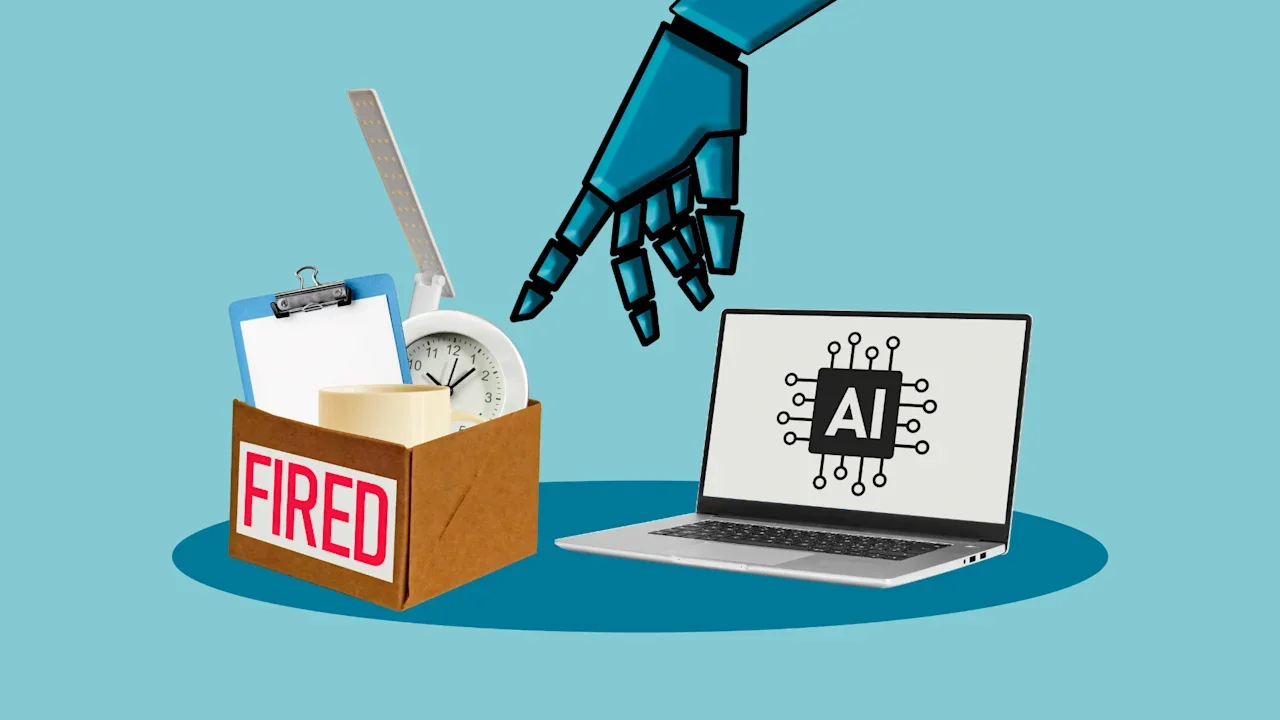
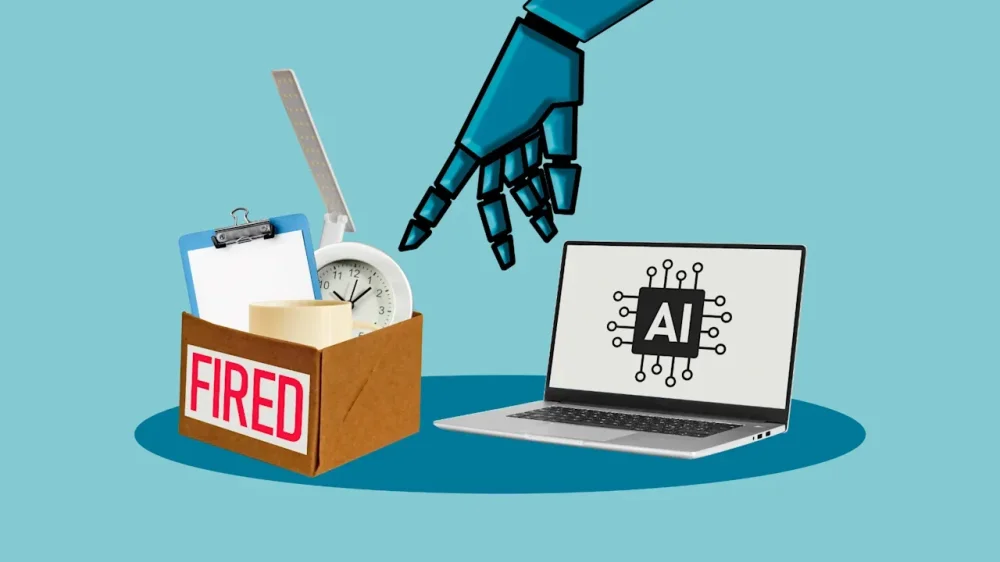
In October 2024, I wrote that the tech industry was entering an era of silent firing. Jobs were not being eliminated overnight, but subtly reshaped in ways that encouraged attrition, as companies quietly prepared for large-scale automation. At the time, this was largely a warning. With age, it looks more like a pattern. Amazon’s January 2026 announcement of 16,000 layoffs brings corporate staff reductions to roughly 10% of its workforce. Publicly, leadership has been careful to separate these cuts from artificial intelligence. As CEO Andy Jassy put it after earlier reductions, “the announcement that we made…was not really financially driven, and it’s not even really AI-driven, not right now at least.” Yet in parallel, Jassy has been explicit about the role AI is already playing across the company, stating that “in virtually every corner of the company, we’re using generative AI to make customers’ lives better and easier,” and that new AI-driven agents are “coming, and coming fast.” The tension between these two statements highlights a growing accountability gap: AI is framed as transformative when speaking to investors, but incidental when explaining workforce reductions. A NEW MODEL IS NEEDED AFTER AI INVESTMENTS Let’s look at the case of Meta (Facebook). They will either have to trim other expenses significantly or start charging users. Meta’s current global average annual revenue per user sits at roughly $13–14. On the higher earning side are the U.S. and Canada, at around $68 per user. Seeing as Meta’s fastest user growth markets are in Asia-Pacific and developing countries, that $13-14 figure is more likely to go down rather than up. Consider Meta’s commitment to spend $600 billion on infrastructure by 2028. Divide this by 3 billion Facebook users, and they would need to squeeze an additional $200 per year from each user just to break even on this investment alone. Said differently, they would have to ~15x their annual revenue per user to match this spend. This does not factor in their aggressive acquisitions in the AI space, which adds to payroll and layoff costs post-acquisition. The math is simple: Meta will need to find new revenue sources from a user base already inundated with ads. Or more likely, the most obvious target is to cut expenses, with headcount made redundant by their own AI investments. We are seeing evidence of this accelerating towards a head: Meta is planning to track employees’ clicks and keystrokes to train AI. This seems like the exact step you would take before fully automating jobs and firing workers. S&P RISES WHEN JOB POSTINGS FALL What is notable is how early this shift appeared in the data. Since the launch of ChatGPT in October 2022, job postings have decreased by one-third, while the S&P has risen by 75%. This presents an eerie reversal of historical norms, where periods of market expansion have traditionally been driven by hiring, not job cuts. We still have not yet reached widespread AI deployment, yet hiring behavior has already adjusted! This suggests we are still in the first phase. Companies are cutting staff while simultaneously insisting that AI is not the cause. That framing may hold for now, but it becomes harder to maintain as automation capabilities expand and productivity gains become more visible. From here, there are two likely paths. One is continued workforce reduction as AI replaces more tasks. The other is accelerated monetization. OpenAI’s recent move toward introducing ads into its free product hints at a future where users trade experience quality for profitability. Either way, the pressure to justify massive AI investment is only increasing. We already see cracks forming on spend: OpenAI lowered its $1.4 trillion spending forecast to $600 billion. This is no longer a theoretical problem; it is already here. Programmer employment fell 27.5% from 2023 to 2025. In 2023, KPMG cut its new graduate hiring by 29%, while Deloitte Australia decreased hiring by about 18% that year. In the U.S., entry-level job postings declined about 35% between January 2023 and fall 2025. A 2025 IDC/Deel survey found that 66% of global enterprises plan to cut or slow down entry-level hiring, due to AI. HONESTY MATTERS This is not an argument against AI. It is an argument for honesty, responsibility, and structure. As these changes continue to unfold, leadership must clearly explain how automation is reshaping work and put real frameworks in place to manage that transition. Without accountability and action taken soon, we risk drifting toward a dismal future where efficiency accelerates, trust erodes, and leaders continue to speak out of both sides of their mouths. These companies have a real responsibility to be far more honest about what’s coming. They need to do this so our economic systems can start preparing for the impending job losses, understand what kinds of positions will be eliminated, and determine what retraining might work well for this new job market. Either these organizations need to think about expanded responsibility for large-scale job cuts, or the government does. If everyone is going to act surprised when this happens, the magnitude of the impact will be much worse. George Kailas is CEO of Prospero.ai. View the full article
-
Want more housing market stories from Lance Lambert’s ResiClub in your inbox? Subscribe to the ResiClub newsletter. There was a five-week window this spring during which four different U.S. homebuilders—one of them publicly traded, Tri Pointe Homes—were acquired by Japanese firms. At the time, ResiClub estimated that, once those deals close, Japanese firms would control more than 5.5% of the U.S. single-family homebuilding market. This wave of Japanese firms buying U.S. homebuilders isn’t just a 2026 phenomenon—it’s been building for a decade. According to new construction analytics firm Zonda: Back in 2015, Japanese firms owned U.S. homebuilders that accounted for around 0.2% of the U.S. single-family homebuilding market. By 2025, Japanese firms owned U.S. homebuilders that accounted for around 4.7% of the U.S. single-family homebuilding market. Why are Japanese firms making such a large bet on U.S. housing? At a high level, the answer is demographic and structural. Japan’s domestic population is shrinking and aging (fast!), limiting long-term housing growth and risking a sharp contraction for Japanese homebuilding firms like Daiwa House, Sekisui House, and Sumitomo Forestry. The United States, by contrast, continues to experience population growth and household formation—particularly in the Sunbelt markets where many big U.S. homebuilders operate. For Japanese firms seeking stable, long-duration growth, U.S. homebuilding offers scale and better demographic tailwinds. There’s also a strategic element. The U.S. homebuilding industry remains fragmented beyond the top few public builders, creating opportunities for well-capitalized global players to roll up regional operators while preserving local brands and management teams. Both Sumitomo Forestry and Sekisui House say they prioritize locally led operations, supported by centralized capital and global expertise—a structure designed to preserve builder culture while providing financial and operational backing. Another factor is that many Japanese conglomerates have access to lower borrowing costs, which, in theory, gives them an advantage when buying companies abroad. Japan has had extremely low interest rates for decades due to persistent low inflation and slow growth. For much of the past decade, the Bank of Japan kept short-term policy rates at or below 0%. Zonda chief economist Ali Wolf tells ResiClub: “Japanese homebuilders are bringing a distinctly long-term perspective to the U.S. housing market, shaped by demographic challenges at home and opportunity abroad. Their growing footprint reflects confidence in U.S. housing demand, including World Bank projections for 25-plus years of domestic population growth. The Japanese players are not just adding capital but also introducing new approaches to scale, efficiency, and construction that could meaningfully reshape the industry over time.” This spring alone, four U.S. homebuilders were acquired by Japanese firms, including Japan-based Sumitomo Forestry’s $4.5 billion purchase of public homebuilder Tri Pointe Homes (February 13); Stanley Martin Homes (owned by Japan-based Daiwa House) agreeing to acquire United Homes Group (February 23); Japan-based Iida Group Holdings subsidiary Hajime Construction agreeing to acquire a majority equity interest in Utah-based homebuilder Wright Homes (March 10); and Trumark Homes (majority owned by Japan-based Daiwa House since 2020) agreeing to acquire Seattle metro–based homebuilder JK Monarch (March 20). Below is a summary of most of the major U.S. homebuilder acquisitions by Japanese firms over the past decade. Daiwa House: Japan-based Daiwa House has quietly built one of the most geographically diversified U.S. homebuilding footprints among Japanese builders. It entered the U.S. market in 2017 with its acquisition of Stanley Martin Homes, followed by the purchase of Trumark Homes (67th-largest U.S. homebuilder) in 2020. In September 2021, Daiwa House completed its acquisition of CastleRock Communities (49th-largest U.S. homebuilder), giving it a strong presence in Sunbelt markets in Arizona, Tennessee, and Texas. In February 2026, Stanley Martin announced a $221 million acquisition of United Homes Group, followed in March 2026 by Trumark announcing its acquisition of JK Monarch. Sumitomo Forestry: For Sumitomo Forestry—a Japan-based forestry, timber, and homebuilding company—its Tri Pointe Homes acquisition last month meaningfully accelerates its U.S. expansion goals, including its stated target of delivering 23,000 homes annually in the U.S. by 2030. In 2016, Sumitomo Forestry became the majority owner of DRB Group (America’s 20th-largest homebuilder). In April 2025, Brightland Homes (America’s 24th-largest homebuilder—which Sumitomo Forestry acquired a majority stake of in 2016) consolidated into DRB Group. Sekisui House: Japan-based homebuilder Sekisui House, operating in the U.S. under SH Residential Holdings (America’s sixth-largest homebuilder), has also been on a multiyear U.S. homebuilder buying spree. Since 2017, Sekisui House has acquired homebuilders Woodside Homes, Chesmar Homes, Holt Homes, and Hubble Homes. In April 2024, Sekisui House really shook up the industry when it acquired M.D.C. Holdings (Richmond American Homes) for a staggering $4.9 billion. Sekisui House has also expanded into the U.S. with its homegrown Japanese builder brand, Shawood. View the full article

-
Chief executive József Váradi claims carriers are ‘operating based on political pressure’ in highly unusual criticismView the full article
-
If you want to secure business credit, comprehending the process is essential. Start by registering your business and obtaining an Employer Identification Number (EIN). Then, get a DUNS number from Dun & Bradstreet. These steps lay the foundation for building your business credit profile. As you move forward, you’ll need to know how to establish credit accounts and maintain a positive payment history, which can greatly influence your creditworthiness. What’s next? Key Takeaways Register your business with an Employer Identification Number (EIN) to separate personal and business finances and establish a credit profile. Obtain a DUNS number from Dun & Bradstreet to enhance your business credit report and meet lender requirements. Open a business bank account in your company’s name to facilitate financial tracking and compliance with lending standards. Establish credit accounts with vendors that report to credit bureaus and make timely payments to build a positive credit history. Monitor your business credit score regularly and maintain a low credit utilization ratio to improve your creditworthiness. Understanding Business Credit Comprehending business credit is essential for any entrepreneur looking to secure financing or establish credibility in the marketplace. Business credit refers particularly to the credit score of a business, which creditors use to assess creditworthiness. Unlike personal credit, business credit is tied to the entity itself and reflects business-related expenses and payment history. Your business credit score, typically ranging from 300 to 850, is influenced by factors such as payment history, credit utilization, time in operation, and overall financial health. To establish a business credit profile, you need to register with business credit bureaus, like Dun & Bradstreet, and obtain a D-U-N-S Number, a unique identifier for your business. A healthy business credit score not only improves your chances of securing loans but also boosts relationships with vendors and suppliers, allowing for better payment terms and increased purchasing capacity. Therefore, comprehending business credit is vital for long-term success. Importance of Business Credit Grasping the significance of business credit is crucial for any entrepreneur aiming to nurture growth and stability in their company. The importance of business credit can’t be overstated, as it lays the foundation for your firm’s long-term financial health. A robust business credit history not only improves your credibility with lenders and suppliers but also positions your business favorably for financing opportunities and partnerships. When you establish strong business credit, it instills confidence in lenders, making it easier to secure loans with favorable terms. This is particularly important for managing unexpected financial demands, ensuring you can handle cash flow and operational expenses effectively. Furthermore, a solid business credit profile helps build trust with stakeholders, promoting improved vendor relationships and increased customer loyalty. By prioritizing business credit, you’re not merely preparing for the future; you’re actively investing in the sustainability of your business. Differences Between Personal and Business Credit Grasping the distinctions between personal and business credit is crucial for anyone aiming to manage their finances effectively. Personal credit relies on your individual financial history, whereas business credit is linked to a company’s financial activities. Personal credit scores range from 300 to 850, similar to business credit scores, which can likewise follow this range, including the FICO SBSS score. The impact of these scores differs; business credit affects your company’s ability to secure funding for operational needs, whereas personal credit influences your borrowing capacity for personal expenses. Business credit scoring assesses factors like cash flow, revenue, and the length of time the business has operated. Significantly, for new businesses, assessments often include the owner’s personal credit score. Comprehending these differences helps you make informed decisions about financing your business and managing your credit effectively. Measurement of Business Credit Score Comprehending how your business credit score is assessed is essential for securing financing. The FICO Small Business Scoring Service evaluates your score based on several factors, including your personal credit score, cash flow, and outstanding liens, with scores ranging from 300 to 850. FICO SBSS Overview The FICO Small Business Scoring Service (SBSS) plays a crucial role in determining the creditworthiness of small businesses, providing a score that ranges from 300 to 850. A higher score indicates a lower financial risk, which lenders prefer. Your SBSS score is influenced by multiple factors, including your business credit reports, the personal credit score of the owner, cash flow, revenue, and how long your business has been operating. Lenders often use this score to evaluate loan applications, requiring a minimum score of 155 for Small Business Administration (SBA) loans. Furthermore, any outstanding liens and your overall financial health are considered, affecting your chances of securing financing. Monitoring your SBSS score can improve your funding opportunities. Credit Factors Evaluation Evaluating the factors that contribute to your business credit score is crucial for comprehending how lenders assess your financial health. The FICO Small Business Scoring Service (SBSS) scores range from 300 to 850 and consider aspects like personal credit, cash flow, and revenue. To qualify for SBA loans, you need a minimum score of 155. Here’s a breakdown of key factors: Factor Description Impact on Score Time in Business Longer operating history improves credibility Positive Outstanding Liens Any unpaid debts can lower your score Negative Financial Behavior Consistent payments improve your score Positive Regularly check your business credit score through services like Dun & Bradstreet to stay informed. Steps to Build Business Credit Building business credit is a crucial step for any entrepreneur aiming to secure financing and establish credibility in the marketplace. To learn how to build business credit effectively, start by developing a positive relationship with a business banker. They can provide valuable insights and opportunities customized to your needs. Next, establish credit accounts in your business’s name with vendors that report to credit bureaus; this will help build a strong credit history. Make certain to make timely payments on all debts to maintain a positive credit record, avoiding late fees that can harm your score. Additionally, create a diverse mix of credit accounts, like loans and credit cards, to improve your credit profile. Finally, regularly monitor your business credit reports from agencies sucha s Dun & Bradstreet, Experian, and Equifax to verify accuracy and address discrepancies without delay. Get Personal Credit History in Order When you’re starting a business, your personal credit history plays an essential role in securing loans and favorable financing terms. A strong credit score, typically above 700, can greatly improve your chances of approval. To get your credit in order, consider checking your reports for inaccuracies and utilizing resources from the Consumer Financial Protection Bureau to guide your improvement efforts. Importance of Personal Credit Personal credit plays a pivotal role in your ability to secure funding for your business, as lenders often assess your personal credit score to determine loan eligibility. A strong personal credit score is crucial since new businesses frequently rely on the owner’s credit history to secure financing. Factors like payment history, credit utilization, and the length of your credit history greatly influence your score, establishing trust with lenders. To improve your chances of obtaining a loan, you should monitor your personal credit reports regularly. You can check these for free from Experian, Equifax, and TransUnion, helping you identify inaccuracies. Comprehending how to check business credit is likewise fundamental, as it reflects on your overall financial standing when seeking business funding. Tips for Improvement Having an organized personal credit history can greatly improve your chances of obtaining business credit. A strong personal credit score not only reflects your creditworthiness but also reassures lenders when evaluating your business financing applications. To improve your credit, focus on timely payments, reducing your credit card balances, and avoiding new hard inquiries. Here are some tips to get your personal credit history in order: Action Goal Benefit Pay bills on time 100% payment history Boosts credit score Reduce balances Keep below 30% utilization Improves credit utilization Limit new inquiries Fewer than 2 per year Protects your credit score Check your report Identify errors Guarantee accuracy Diversify credit types Mix of credit accounts Improves credit profile Follow these steps to learn how to build company credit effectively. Impact on Business Loans Even though your business’s financial health is crucial for securing loans, lenders often look to your personal credit history as a key indicator of creditworthiness. New businesses frequently rely on the owner’s personal credit score for loan eligibility, meaning a score below 650 can greatly hinder your chances. To improve your prospects, focus on maintaining a healthy personal credit score, ideally above 700, as it can improve your business’s credibility and access to favorable loan terms. The Consumer Financial Protection Bureau (CFPB) offers resources for raising your personal credit score, helping you better understand how to obtain business credit. Avoid late payments, high credit utilization, and recent derogatory marks to guarantee lenders view your financial reliability positively. Register Business With an EIN To establish your business effectively, registering for an Employer Identification Number (EIN) is indispensable. This unique nine-digit number, assigned by the IRS, is fundamental for tax reporting and identifying your business entity. Applying for an EIN is free, and you can do it online through the IRS website, where most applications are processed instantly. Having an EIN is necessary for various business activities, such as opening a business bank account, hiring employees, and filing tax returns. Significantly, it helps separate your personal and business finances, which is critical for establishing your company credit history. By applying for an EIN right after registering your business entity, you lay the groundwork for building your business credit profile. This step not only boosts your credibility but additionally opens doors to greater financial opportunities in the future. Register Business for a DUNS Number Registering your business for a DUNS number is a vital step in building your business credit profile. This unique nine-digit identifier, issued by Dun & Bradstreet, is fundamental for establishing credibility with lenders and suppliers and is often required for government contracts. The application process is straightforward and free, requiring basic information about your business, so don’t overlook this important opportunity to improve your financial standing. Importance of DUNS Number A DUNS number is an essential asset for any business aiming to establish a solid credit profile and gain credibility with creditors and suppliers. Here’s why obtaining a DUNS number is important: Unique Identifier: It’s a unique nine-digit identifier that distinguishes your business from others. Access to Funding: Many lenders and government agencies require a DUNS number when you apply for loans, contracts, or grants. Creditworthiness Assessment: It contributes to your business credit report, which lenders use to evaluate your creditworthiness. Separation of Credit Profiles: A DUNS number helps separate your personal and business credit profiles, encouraging trust with financial institutions. Investing time in obtaining your DUNS number is a foundational step for your business’s financial health. Application Process Steps Obtaining a DUNS number involves a straightforward application process that can substantially improve your business’s credibility. To register, visit the Dun & Bradstreet website and complete the free online application. This process typically takes 1-2 business days for processing. You’ll need to provide basic information, including your business’s legal name, address, and type of structure, such as LLC or corporation. A DUNS number is vital for establishing a business credit profile, as it’s required for various applications, including government contracts and loans. After obtaining your DUNS number, make sure you keep your registration updated with accurate information to maintain a strong business credit profile. This is important for effectively learning how to establish business credit. Benefits of Registration Although you may be focused on growing your business, registering for a DUNS number can provide significant benefits that improve your credibility and financial opportunities. Here are some key advantages: Unique Identifier: Your DUNS number serves as a unique identifier, important for establishing your business credit profile. Access to Funding: It opens doors to government contracts and loans, essential for financing your growth. Credibility Boost: Vendors and lenders recognize your business in the global marketplace, enhancing your reputation. Improved Business Credit Rating: With a DUNS number, lenders can evaluate your creditworthiness more effectively, leading to better access to credit and financing options. Registering is free and can be completed online, making it a critical step for your business. Open a Business Bank Account When you decide to open a business bank account, you’re taking a crucial step in establishing your company as a distinct financial entity. This account should be opened in your business’s legal name and linked to your Employer Identification Number (EIN). Doing so guarantees proper identification and compliance with tax obligations. Utilizing a dedicated business credit account helps build a track record of healthy spending habits, which is beneficial for future credit applications. Keeping your personal and business finances separate improves your credibility with lenders and suppliers, eventually raising your business credit scores. Here’s a quick comparison of account features: Feature Business Bank Account Legal Name Requirement Must match business name EIN Link Required for tax compliance Financial Tracking Simplifies record-keeping Researching and selecting the right bank can likewise provide access to favorable loan options customized to your business needs. Monitor Business Credit Establishing a dedicated business bank account is just the beginning of building your business credit profile. To effectively monitor business credit, follow these steps: Regularly check your business credit reports from major bureaus like Dun & Bradstreet, Experian Business, and Equifax Business. This guarantees accuracy and helps you spot discrepancies that could harm your score. Utilize credit monitoring services that alert you to significant changes in your business credit profile. Staying informed can help you catch potential risks or fraud early. Monitor your business credit utilization ratio and keep it below 30%. This illustrates responsible credit management and positively influences your credit score. Schedule routine reviews of your credit reports at least once a year. Addressing inaccuracies quickly is vital, as errors can lead to reduced creditworthiness and financing opportunities. Enhancing Creditworthiness Enhancing your business creditworthiness is essential for securing favorable financing options and establishing a strong reputation with lenders and suppliers. To achieve this, start by making timely payments on all debts, as this positively influences your credit scores and builds a reliable payment history. Diversifying your credit mix is also significant; consider incorporating various credit accounts, like business credit cards and vendor accounts, to demonstrate financial responsibility. Furthermore, regularly monitor your business credit reports from major bureaus such as Dun & Bradstreet, Experian, and Equifax. This helps you address any discrepancies that might negatively impact your score. Managing your credit utilization ratio is equally important—keep it below 30% by maintaining low credit card balances. By following these steps, you’ll be well on your way to enhancing creditworthiness and answering the question, “How can I build business credit?” Building Credit Relationships With Vendors Building strong credit relationships with vendors is a strategic step in improving your business credit profile. Establishing trade credit accounts with suppliers who report to business credit bureaus helps you build a positive credit history. Here are some effective ways to strengthen those relationships: Identify Relevant Suppliers: Research vendors that align with your business lines, like office supplies or shipping services, and confirm they report payment information to credit bureaus. Make Timely Payments: Always pay your vendor accounts on time to boost your business credit score and cultivate trust. Request Higher Credit Limits: As your credit improves, don’t hesitate to ask for increased credit limits, which can improve your credit utilization ratio. Communicate Regularly: Maintain good rapport with vendors by addressing payment issues quickly and keeping lines of communication open for better credit terms. Role of Business Bankers in Credit Development Business bankers serve as crucial partners in your expedition to establish and improve business credit. They guide you through the process, making certain you understand the necessary steps to boost your business credit score. By providing customized financial plans aligned with your goals, they help you improve creditworthiness and prepare for future financing needs. A business banker can offer insights into the most suitable credit products, including trade credit accounts and business credit cards that align with your specific needs. Building a strong relationship with them opens doors to valuable resources, networking opportunities, and industry knowledge that facilitate credit development. Moreover, business bankers assist in monitoring and managing your credit profile, giving you updates and alerts on changes that could impact your creditworthiness. This proactive approach guarantees you’re always informed and ready to take the next steps in securing business credit. Frequently Asked Questions How Do I Establish Business Credit for the First Time? To establish business credit for the first time, register your business as a legal entity, like an LLC or corporation. Get an Employer Identification Number (EIN) from the IRS, then apply for a DUNS number through Dun & Bradstreet. Open a dedicated business bank account using your EIN. Finally, apply for a business credit card that reports to credit bureaus, and make certain you make timely payments to build a positive credit history. What Are the 5 C’s of Business Credit? The 5 C’s of business credit are crucial for comprehending your creditworthiness. First, there’s Capacity, which assesses your ability to repay loans based on cash flow and revenue. Next, Capital reflects your investment in the business, showcasing your commitment. Collateral consists of assets securing the loan, offering lenders protection. Conditions refer to economic factors that may impact your business, whereas Character evaluates your credit history and reliability as a borrower. What Is the 2 2 2 Credit Rule? The 2 2 2 Credit Rule is a guideline for building business credit. You should establish two trade lines with vendors who report to credit bureaus, maintain two credit accounts, and guarantee you make timely payments for at least two consecutive months. This mix of credit accounts demonstrates responsible management and boosts your credit score. Following this rule can markedly strengthen your business’s credit profile and improve future financing opportunities. How to Start an LLC and Get Business Credit? To start an LLC, choose a unique name and file the Articles of Organization with your state’s Secretary of State, usually for a fee. Next, get an Employer Identification Number (EIN) from the IRS online for free. Open a business bank account to separate finances. Then, register for a DUNS number to create a credit profile and establish vendor accounts that report to credit bureaus, ensuring timely payments to build your credit history. Conclusion To conclude, building business credit is a crucial process for establishing financial credibility and securing better terms with lenders and vendors. By taking the necessary steps, such as obtaining an EIN, a DUNS number, and maintaining timely payments, you can improve your creditworthiness. Regularly monitoring your business credit reports and cultivating relationships with financial institutions will further support your credit development. With these strategies, you’ll position your business for growth and financial stability in a competitive market. Image via Google Gemini This article, "A Step-by-Step Guide to Obtain Business Credit" was first published on Small Business Trends View the full article
-
If you want to secure business credit, comprehending the process is essential. Start by registering your business and obtaining an Employer Identification Number (EIN). Then, get a DUNS number from Dun & Bradstreet. These steps lay the foundation for building your business credit profile. As you move forward, you’ll need to know how to establish credit accounts and maintain a positive payment history, which can greatly influence your creditworthiness. What’s next? Key Takeaways Register your business with an Employer Identification Number (EIN) to separate personal and business finances and establish a credit profile. Obtain a DUNS number from Dun & Bradstreet to enhance your business credit report and meet lender requirements. Open a business bank account in your company’s name to facilitate financial tracking and compliance with lending standards. Establish credit accounts with vendors that report to credit bureaus and make timely payments to build a positive credit history. Monitor your business credit score regularly and maintain a low credit utilization ratio to improve your creditworthiness. Understanding Business Credit Comprehending business credit is essential for any entrepreneur looking to secure financing or establish credibility in the marketplace. Business credit refers particularly to the credit score of a business, which creditors use to assess creditworthiness. Unlike personal credit, business credit is tied to the entity itself and reflects business-related expenses and payment history. Your business credit score, typically ranging from 300 to 850, is influenced by factors such as payment history, credit utilization, time in operation, and overall financial health. To establish a business credit profile, you need to register with business credit bureaus, like Dun & Bradstreet, and obtain a D-U-N-S Number, a unique identifier for your business. A healthy business credit score not only improves your chances of securing loans but also boosts relationships with vendors and suppliers, allowing for better payment terms and increased purchasing capacity. Therefore, comprehending business credit is vital for long-term success. Importance of Business Credit Grasping the significance of business credit is crucial for any entrepreneur aiming to nurture growth and stability in their company. The importance of business credit can’t be overstated, as it lays the foundation for your firm’s long-term financial health. A robust business credit history not only improves your credibility with lenders and suppliers but also positions your business favorably for financing opportunities and partnerships. When you establish strong business credit, it instills confidence in lenders, making it easier to secure loans with favorable terms. This is particularly important for managing unexpected financial demands, ensuring you can handle cash flow and operational expenses effectively. Furthermore, a solid business credit profile helps build trust with stakeholders, promoting improved vendor relationships and increased customer loyalty. By prioritizing business credit, you’re not merely preparing for the future; you’re actively investing in the sustainability of your business. Differences Between Personal and Business Credit Grasping the distinctions between personal and business credit is crucial for anyone aiming to manage their finances effectively. Personal credit relies on your individual financial history, whereas business credit is linked to a company’s financial activities. Personal credit scores range from 300 to 850, similar to business credit scores, which can likewise follow this range, including the FICO SBSS score. The impact of these scores differs; business credit affects your company’s ability to secure funding for operational needs, whereas personal credit influences your borrowing capacity for personal expenses. Business credit scoring assesses factors like cash flow, revenue, and the length of time the business has operated. Significantly, for new businesses, assessments often include the owner’s personal credit score. Comprehending these differences helps you make informed decisions about financing your business and managing your credit effectively. Measurement of Business Credit Score Comprehending how your business credit score is assessed is essential for securing financing. The FICO Small Business Scoring Service evaluates your score based on several factors, including your personal credit score, cash flow, and outstanding liens, with scores ranging from 300 to 850. FICO SBSS Overview The FICO Small Business Scoring Service (SBSS) plays a crucial role in determining the creditworthiness of small businesses, providing a score that ranges from 300 to 850. A higher score indicates a lower financial risk, which lenders prefer. Your SBSS score is influenced by multiple factors, including your business credit reports, the personal credit score of the owner, cash flow, revenue, and how long your business has been operating. Lenders often use this score to evaluate loan applications, requiring a minimum score of 155 for Small Business Administration (SBA) loans. Furthermore, any outstanding liens and your overall financial health are considered, affecting your chances of securing financing. Monitoring your SBSS score can improve your funding opportunities. Credit Factors Evaluation Evaluating the factors that contribute to your business credit score is crucial for comprehending how lenders assess your financial health. The FICO Small Business Scoring Service (SBSS) scores range from 300 to 850 and consider aspects like personal credit, cash flow, and revenue. To qualify for SBA loans, you need a minimum score of 155. Here’s a breakdown of key factors: Factor Description Impact on Score Time in Business Longer operating history improves credibility Positive Outstanding Liens Any unpaid debts can lower your score Negative Financial Behavior Consistent payments improve your score Positive Regularly check your business credit score through services like Dun & Bradstreet to stay informed. Steps to Build Business Credit Building business credit is a crucial step for any entrepreneur aiming to secure financing and establish credibility in the marketplace. To learn how to build business credit effectively, start by developing a positive relationship with a business banker. They can provide valuable insights and opportunities customized to your needs. Next, establish credit accounts in your business’s name with vendors that report to credit bureaus; this will help build a strong credit history. Make certain to make timely payments on all debts to maintain a positive credit record, avoiding late fees that can harm your score. Additionally, create a diverse mix of credit accounts, like loans and credit cards, to improve your credit profile. Finally, regularly monitor your business credit reports from agencies sucha s Dun & Bradstreet, Experian, and Equifax to verify accuracy and address discrepancies without delay. Get Personal Credit History in Order When you’re starting a business, your personal credit history plays an essential role in securing loans and favorable financing terms. A strong credit score, typically above 700, can greatly improve your chances of approval. To get your credit in order, consider checking your reports for inaccuracies and utilizing resources from the Consumer Financial Protection Bureau to guide your improvement efforts. Importance of Personal Credit Personal credit plays a pivotal role in your ability to secure funding for your business, as lenders often assess your personal credit score to determine loan eligibility. A strong personal credit score is crucial since new businesses frequently rely on the owner’s credit history to secure financing. Factors like payment history, credit utilization, and the length of your credit history greatly influence your score, establishing trust with lenders. To improve your chances of obtaining a loan, you should monitor your personal credit reports regularly. You can check these for free from Experian, Equifax, and TransUnion, helping you identify inaccuracies. Comprehending how to check business credit is likewise fundamental, as it reflects on your overall financial standing when seeking business funding. Tips for Improvement Having an organized personal credit history can greatly improve your chances of obtaining business credit. A strong personal credit score not only reflects your creditworthiness but also reassures lenders when evaluating your business financing applications. To improve your credit, focus on timely payments, reducing your credit card balances, and avoiding new hard inquiries. Here are some tips to get your personal credit history in order: Action Goal Benefit Pay bills on time 100% payment history Boosts credit score Reduce balances Keep below 30% utilization Improves credit utilization Limit new inquiries Fewer than 2 per year Protects your credit score Check your report Identify errors Guarantee accuracy Diversify credit types Mix of credit accounts Improves credit profile Follow these steps to learn how to build company credit effectively. Impact on Business Loans Even though your business’s financial health is crucial for securing loans, lenders often look to your personal credit history as a key indicator of creditworthiness. New businesses frequently rely on the owner’s personal credit score for loan eligibility, meaning a score below 650 can greatly hinder your chances. To improve your prospects, focus on maintaining a healthy personal credit score, ideally above 700, as it can improve your business’s credibility and access to favorable loan terms. The Consumer Financial Protection Bureau (CFPB) offers resources for raising your personal credit score, helping you better understand how to obtain business credit. Avoid late payments, high credit utilization, and recent derogatory marks to guarantee lenders view your financial reliability positively. Register Business With an EIN To establish your business effectively, registering for an Employer Identification Number (EIN) is indispensable. This unique nine-digit number, assigned by the IRS, is fundamental for tax reporting and identifying your business entity. Applying for an EIN is free, and you can do it online through the IRS website, where most applications are processed instantly. Having an EIN is necessary for various business activities, such as opening a business bank account, hiring employees, and filing tax returns. Significantly, it helps separate your personal and business finances, which is critical for establishing your company credit history. By applying for an EIN right after registering your business entity, you lay the groundwork for building your business credit profile. This step not only boosts your credibility but additionally opens doors to greater financial opportunities in the future. Register Business for a DUNS Number Registering your business for a DUNS number is a vital step in building your business credit profile. This unique nine-digit identifier, issued by Dun & Bradstreet, is fundamental for establishing credibility with lenders and suppliers and is often required for government contracts. The application process is straightforward and free, requiring basic information about your business, so don’t overlook this important opportunity to improve your financial standing. Importance of DUNS Number A DUNS number is an essential asset for any business aiming to establish a solid credit profile and gain credibility with creditors and suppliers. Here’s why obtaining a DUNS number is important: Unique Identifier: It’s a unique nine-digit identifier that distinguishes your business from others. Access to Funding: Many lenders and government agencies require a DUNS number when you apply for loans, contracts, or grants. Creditworthiness Assessment: It contributes to your business credit report, which lenders use to evaluate your creditworthiness. Separation of Credit Profiles: A DUNS number helps separate your personal and business credit profiles, encouraging trust with financial institutions. Investing time in obtaining your DUNS number is a foundational step for your business’s financial health. Application Process Steps Obtaining a DUNS number involves a straightforward application process that can substantially improve your business’s credibility. To register, visit the Dun & Bradstreet website and complete the free online application. This process typically takes 1-2 business days for processing. You’ll need to provide basic information, including your business’s legal name, address, and type of structure, such as LLC or corporation. A DUNS number is vital for establishing a business credit profile, as it’s required for various applications, including government contracts and loans. After obtaining your DUNS number, make sure you keep your registration updated with accurate information to maintain a strong business credit profile. This is important for effectively learning how to establish business credit. Benefits of Registration Although you may be focused on growing your business, registering for a DUNS number can provide significant benefits that improve your credibility and financial opportunities. Here are some key advantages: Unique Identifier: Your DUNS number serves as a unique identifier, important for establishing your business credit profile. Access to Funding: It opens doors to government contracts and loans, essential for financing your growth. Credibility Boost: Vendors and lenders recognize your business in the global marketplace, enhancing your reputation. Improved Business Credit Rating: With a DUNS number, lenders can evaluate your creditworthiness more effectively, leading to better access to credit and financing options. Registering is free and can be completed online, making it a critical step for your business. Open a Business Bank Account When you decide to open a business bank account, you’re taking a crucial step in establishing your company as a distinct financial entity. This account should be opened in your business’s legal name and linked to your Employer Identification Number (EIN). Doing so guarantees proper identification and compliance with tax obligations. Utilizing a dedicated business credit account helps build a track record of healthy spending habits, which is beneficial for future credit applications. Keeping your personal and business finances separate improves your credibility with lenders and suppliers, eventually raising your business credit scores. Here’s a quick comparison of account features: Feature Business Bank Account Legal Name Requirement Must match business name EIN Link Required for tax compliance Financial Tracking Simplifies record-keeping Researching and selecting the right bank can likewise provide access to favorable loan options customized to your business needs. Monitor Business Credit Establishing a dedicated business bank account is just the beginning of building your business credit profile. To effectively monitor business credit, follow these steps: Regularly check your business credit reports from major bureaus like Dun & Bradstreet, Experian Business, and Equifax Business. This guarantees accuracy and helps you spot discrepancies that could harm your score. Utilize credit monitoring services that alert you to significant changes in your business credit profile. Staying informed can help you catch potential risks or fraud early. Monitor your business credit utilization ratio and keep it below 30%. This illustrates responsible credit management and positively influences your credit score. Schedule routine reviews of your credit reports at least once a year. Addressing inaccuracies quickly is vital, as errors can lead to reduced creditworthiness and financing opportunities. Enhancing Creditworthiness Enhancing your business creditworthiness is essential for securing favorable financing options and establishing a strong reputation with lenders and suppliers. To achieve this, start by making timely payments on all debts, as this positively influences your credit scores and builds a reliable payment history. Diversifying your credit mix is also significant; consider incorporating various credit accounts, like business credit cards and vendor accounts, to demonstrate financial responsibility. Furthermore, regularly monitor your business credit reports from major bureaus such as Dun & Bradstreet, Experian, and Equifax. This helps you address any discrepancies that might negatively impact your score. Managing your credit utilization ratio is equally important—keep it below 30% by maintaining low credit card balances. By following these steps, you’ll be well on your way to enhancing creditworthiness and answering the question, “How can I build business credit?” Building Credit Relationships With Vendors Building strong credit relationships with vendors is a strategic step in improving your business credit profile. Establishing trade credit accounts with suppliers who report to business credit bureaus helps you build a positive credit history. Here are some effective ways to strengthen those relationships: Identify Relevant Suppliers: Research vendors that align with your business lines, like office supplies or shipping services, and confirm they report payment information to credit bureaus. Make Timely Payments: Always pay your vendor accounts on time to boost your business credit score and cultivate trust. Request Higher Credit Limits: As your credit improves, don’t hesitate to ask for increased credit limits, which can improve your credit utilization ratio. Communicate Regularly: Maintain good rapport with vendors by addressing payment issues quickly and keeping lines of communication open for better credit terms. Role of Business Bankers in Credit Development Business bankers serve as crucial partners in your expedition to establish and improve business credit. They guide you through the process, making certain you understand the necessary steps to boost your business credit score. By providing customized financial plans aligned with your goals, they help you improve creditworthiness and prepare for future financing needs. A business banker can offer insights into the most suitable credit products, including trade credit accounts and business credit cards that align with your specific needs. Building a strong relationship with them opens doors to valuable resources, networking opportunities, and industry knowledge that facilitate credit development. Moreover, business bankers assist in monitoring and managing your credit profile, giving you updates and alerts on changes that could impact your creditworthiness. This proactive approach guarantees you’re always informed and ready to take the next steps in securing business credit. Frequently Asked Questions How Do I Establish Business Credit for the First Time? To establish business credit for the first time, register your business as a legal entity, like an LLC or corporation. Get an Employer Identification Number (EIN) from the IRS, then apply for a DUNS number through Dun & Bradstreet. Open a dedicated business bank account using your EIN. Finally, apply for a business credit card that reports to credit bureaus, and make certain you make timely payments to build a positive credit history. What Are the 5 C’s of Business Credit? The 5 C’s of business credit are crucial for comprehending your creditworthiness. First, there’s Capacity, which assesses your ability to repay loans based on cash flow and revenue. Next, Capital reflects your investment in the business, showcasing your commitment. Collateral consists of assets securing the loan, offering lenders protection. Conditions refer to economic factors that may impact your business, whereas Character evaluates your credit history and reliability as a borrower. What Is the 2 2 2 Credit Rule? The 2 2 2 Credit Rule is a guideline for building business credit. You should establish two trade lines with vendors who report to credit bureaus, maintain two credit accounts, and guarantee you make timely payments for at least two consecutive months. This mix of credit accounts demonstrates responsible management and boosts your credit score. Following this rule can markedly strengthen your business’s credit profile and improve future financing opportunities. How to Start an LLC and Get Business Credit? To start an LLC, choose a unique name and file the Articles of Organization with your state’s Secretary of State, usually for a fee. Next, get an Employer Identification Number (EIN) from the IRS online for free. Open a business bank account to separate finances. Then, register for a DUNS number to create a credit profile and establish vendor accounts that report to credit bureaus, ensuring timely payments to build your credit history. Conclusion To conclude, building business credit is a crucial process for establishing financial credibility and securing better terms with lenders and vendors. By taking the necessary steps, such as obtaining an EIN, a DUNS number, and maintaining timely payments, you can improve your creditworthiness. Regularly monitoring your business credit reports and cultivating relationships with financial institutions will further support your credit development. With these strategies, you’ll position your business for growth and financial stability in a competitive market. Image via Google Gemini This article, "A Step-by-Step Guide to Obtain Business Credit" was first published on Small Business Trends View the full article
-
Ties with the US need mending, but Britain must nurture other alliances tooView the full article
-
After a few months of job hunting, I drastically reduced my time on TikTok and Instagram. LinkedIn became my preferred social media app, less for entertainment and more for anything that looked like it might turn into a paycheck. A couple of weeks ago, I stepped away from the search and fired up Threads, hoping to find something lighter. I didn’t. Instead, I stumbled upon a job posting that was trending for all of the wrong reasons. The post sought a remote full-time creative strategist to join a Charlotte-based baby product retailer. The role sits at the content, branding, and social media crossroads, word to Bone Thugs-N-Harmony. “You need to be sharp, fast, and actually understand what makes people stop scrolling and buy,” the since-deleted post read. “This is . . . not a sit-back-and-brainstorm role.” At face value, it read like a dope opportunity for someone willing to roll up their sleeves and market the hell out of some burping cushions. That is, until you consider the proposed salary: $55,000. Yes, 55,000 American dollars. For a mid-to-senior level marketing gig. Yikes. Talk about a recession indicator. Threads tore it to shreds. And I understood the outrage. Some called the poster—who happened to be a Black woman—exploitative. Others said the salary was fair for some regions. One of my former colleagues jumped in with constructive criticism, suggesting that the startup biz owner reconfigure the role into a fractional executive or part-time contracted gig. And then, of course, there were jokes, with people mocking the post with a flood of quips and ridiculous pseudo-listings. (One of my faves: “Hey Congress, there’s a creative strategist role available since you don’t seem to want to do your current job.”) I hated to see a Black woman dogpiled while major corporations are out here lowballing employees worse than Facebook Marketplace negotiations. But she stood on (small) business. She said she made the same salary after getting her master’s degree and insisted lots of people would happily take the role, benefits and all, with room to grow. Her inbox, she added, was already full. Anyone who disapproved was free to get the hell on and keep scrolling. Once I was done procrastinating, I got reflective. It’s been more than six months since I’ve had a full-time role. Should I be laughing a little less and tweaking my resume to drop into this business owner’s DMs? Is it time to start considering jobs like this for less than half of what I used to make? Is this what my search has come to? This time last year, I wouldn’t have even entertained the idea. I would’ve ki-ki’d, shaken my head, maybe forwarded the thread to a group chat, and kept it moving. But somewhere between week eight and week twenty-something of job hunting, those same dealbreakers get fuzzy, especially as bills stack and the fridge gets less crowded. It’s not always a conscious shift. You don’t sit down and decide to lower your standards. It happens gradually. A listing you would’ve ignored starts to feel worth a second look. A salary that once felt disrespectful starts to feel doable after some lifestyle adjustments. But there’s a cost to that mental shift. You’re not just reevaluating the jobs you’re willing to take; you’re reevaluating yourself. I recently interviewed for a junior temp role. I was overqualified, and I could feel it in real time. Now I’m waiting on a decision, my pride hanging in the balance. The question that lingers is whether I’m being flexible—or just lowballing my damn self. View the full article

-
Atlanticist leader says ill-prepared war is hurting Europe’s largest economy View the full article
-
Small business owners are feeling the pinch, as the NFIB Small Business Optimism Index dropped 3.0 points in March to 95.8, putting it below the historical average of 98.0. This decline is significant, especially since the last time the index slipped beneath this benchmark was in April 2025. The recent data also revealed a troubling increase in uncertainty—rising 4 points to 92, well above its historical average of 68. “The 20% Small Business Deduction and other supportive small business tax provisions in the Working Families Tax Cut Act have had many positives for small business owners,” said NFIB Chief Economist Bill Dunkelberg. “However, the dramatic spike in oil prices has spooked consumers and owners alike. Small business owners are having to absorb those higher input costs and pass them along to their customers.” Several key findings paint a concerning picture for small business owners. The frequency of positive profit trends plummeted by 11 points from February, landing at a net negative 25%, significantly contributing to the index’s decline. Likewise, expectations for better business conditions fell 7 points to a net 11%, marking the third consecutive monthly decrease and hitting the lowest point since October 2024. In March, the Employment Index slightly decreased from 103.5 to 101.6, indicating a notable shift in labor market conditions, despite remaining above both the 2025 average of 101.2 and the historical average of 100. Meanwhile, both planned and actual labor compensation saw decreases, with a net 33% reporting wage increases—down 1 point from February. Furthermore, only a net 18% plan to raise compensation in the next three months, the lowest level since July 2025. Investment in capital appears to be waning, with only 16% of small business owners planning to make capital outlays in the next six months, down 2 points from February—the lowest rate since November 2009. A concerning 5% reported higher nominal sales in the past three months, marking a 6-point decline from February and indicating a break in a string of four months of improvement. Inventory management also shows signs of stress, as the net percent of owners planning inventory investments fell to a net negative 5%, the lowest level since May 2024. Compounding these issues, 62% of small business owners reported supply chain disruptions, up 3 points from February, with varying degrees of impact reported. On the pricing front, March’s data reflected actual price increases, which picked up following three months of declines. The net percent of owners raising average selling prices rose 1 point to 25%, well above the historical average. However, planned price increases fell 4 points to 24%, indicating cautiousness among owners. Looking at the overall health of their businesses, only 13% rated it as excellent (up 1 point), whereas 51% considered it good (down 4 points). This presents a mixed outlook on stability within the small business landscape. Dunkelberg emphasized the need for vigilance: “While the tax provisions provide some relief, external factors like rising oil prices and supply chain disruptions pose significant challenges.” As small business owners navigate these turbulent waters, they may want to closely monitor their operational costs, assess their pricing strategies in light of increased input prices, and consider proactive measures to manage wage policies and capital investment decisions. With the current environment exhibiting increased uncertainty, staying informed and agile can make a significant difference in maintaining stability and fostering growth. For further details, visit the original release at NFIB. Image via Google Gemini This article, "Small Business Optimism Sinks Below Historical Average Amid Rising Costs" was first published on Small Business Trends View the full article
-
Small business owners are feeling the pinch, as the NFIB Small Business Optimism Index dropped 3.0 points in March to 95.8, putting it below the historical average of 98.0. This decline is significant, especially since the last time the index slipped beneath this benchmark was in April 2025. The recent data also revealed a troubling increase in uncertainty—rising 4 points to 92, well above its historical average of 68. “The 20% Small Business Deduction and other supportive small business tax provisions in the Working Families Tax Cut Act have had many positives for small business owners,” said NFIB Chief Economist Bill Dunkelberg. “However, the dramatic spike in oil prices has spooked consumers and owners alike. Small business owners are having to absorb those higher input costs and pass them along to their customers.” Several key findings paint a concerning picture for small business owners. The frequency of positive profit trends plummeted by 11 points from February, landing at a net negative 25%, significantly contributing to the index’s decline. Likewise, expectations for better business conditions fell 7 points to a net 11%, marking the third consecutive monthly decrease and hitting the lowest point since October 2024. In March, the Employment Index slightly decreased from 103.5 to 101.6, indicating a notable shift in labor market conditions, despite remaining above both the 2025 average of 101.2 and the historical average of 100. Meanwhile, both planned and actual labor compensation saw decreases, with a net 33% reporting wage increases—down 1 point from February. Furthermore, only a net 18% plan to raise compensation in the next three months, the lowest level since July 2025. Investment in capital appears to be waning, with only 16% of small business owners planning to make capital outlays in the next six months, down 2 points from February—the lowest rate since November 2009. A concerning 5% reported higher nominal sales in the past three months, marking a 6-point decline from February and indicating a break in a string of four months of improvement. Inventory management also shows signs of stress, as the net percent of owners planning inventory investments fell to a net negative 5%, the lowest level since May 2024. Compounding these issues, 62% of small business owners reported supply chain disruptions, up 3 points from February, with varying degrees of impact reported. On the pricing front, March’s data reflected actual price increases, which picked up following three months of declines. The net percent of owners raising average selling prices rose 1 point to 25%, well above the historical average. However, planned price increases fell 4 points to 24%, indicating cautiousness among owners. Looking at the overall health of their businesses, only 13% rated it as excellent (up 1 point), whereas 51% considered it good (down 4 points). This presents a mixed outlook on stability within the small business landscape. Dunkelberg emphasized the need for vigilance: “While the tax provisions provide some relief, external factors like rising oil prices and supply chain disruptions pose significant challenges.” As small business owners navigate these turbulent waters, they may want to closely monitor their operational costs, assess their pricing strategies in light of increased input prices, and consider proactive measures to manage wage policies and capital investment decisions. With the current environment exhibiting increased uncertainty, staying informed and agile can make a significant difference in maintaining stability and fostering growth. For further details, visit the original release at NFIB. Image via Google Gemini This article, "Small Business Optimism Sinks Below Historical Average Amid Rising Costs" was first published on Small Business Trends View the full article
-
The office, which follows the state's criminalization of the white-collar fraud, will flag suspicious property filings and improve data-sharing across agencies. View the full article
-
Hard money equipment lenders focus on the auction value of the equipment you’re looking to finance, rather than your credit history. This means if you have a minimum credit score of 550 and relevant financial documents, you can quickly secure funds, often within days. The approval process evaluates the equipment’s value to determine your loan amount, typically covering 60% to 70% of its worth. Comprehending how this financing method works can help you make informed decisions about your capital needs. Key Takeaways Hard money equipment lenders assess the auction value of equipment rather than borrower credit history to determine loan approval. A minimum credit score of 550 is required, along with financial documentation for loan qualification. Loan amounts are based on a loan-to-value ratio of 60% to 70% of the equipment’s value. The funding process is expedited, often providing access to funds within days of approval. Interest rates range from 9% to 15%, with shorter repayment terms compared to traditional financing options. Understanding Hard Money Equipment Loans Comprehending hard money equipment loans can be crucial for businesses looking to secure financing. These loans focus on the auction value of your equipment and machinery, making them a viable option for purchasing, refinancing, or engaging in sale-leaseback transactions. Hard money equipment lenders typically cater to companies facing recent credit or cash flow challenges, granting quick access to funds without the strict requirements of traditional financing. To qualify, a minimum credit score of 550 is usually needed, with the equipment’s value being the main consideration. The application process involves evaluating the equipment, submitting financial documents, and reviewing your repayment capability based on that value. Overall, these loans provide flexible financing customized to your specific needs. How Hard Money Equipment Loans Function When you apply for a hard money equipment loan, the approval process mainly assesses the value of the equipment you’re financing rather than your credit history. Typically, you’ll need a minimum credit score of 550, along with some financial documentation, to demonstrate your ability to repay. Once approved, you can access funds quickly, often within days, with repayment terms based on a loan-to-value ratio of 60% to 70% of the equipment’s assessed value. Loan Approval Process How does the loan approval process for hard money equipment loans work? It begins with evaluating your equipment’s auction value to determine the maximum loan amount. Unlike traditional loans, hard money loan lenders focus more on the equipment’s value than your credit score. You’ll need to submit financial documentation for verification, but a minimum credit score of 550 is often sufficient, allowing businesses with recent cash flow issues to qualify based on equipment value. The evaluation looks at the asset’s worth and your business’s revenue-generating ability, enabling quicker decisions. The process can be completed in days. Funds are disbursed without delay. Less stringent approval criteria. Emphasis on equipment value over personal credit. Funding and Repayment Terms Comprehending the funding and repayment terms of hard money equipment loans is essential for any business considering this financing option. These loans are secured by the auction value of the equipment, allowing you to leverage existing assets for funding. Typically, you’ll need a minimum credit score of 550 and some financial documentation to demonstrate repayment capability. The loan approval process is streamlined, focusing on collateral rather than creditworthiness. Once approved, you can expect quick access to funds, often disbursed shortly after. Repayment terms usually feature higher interest rates reflecting increased risk, with shorter repayment periods compared to traditional loans. This structure makes hard money loans accessible, especially for businesses in urgent need of capital. Key Features of Hard Money Equipment Lending Key features of hard money equipment lending make it a practical option for businesses seeking quick access to capital. Unlike traditional financing, hard money lenders meaning focuses on the auction value of the equipment rather than a lengthy credit history or extensive documentation. Here are some key aspects to contemplate: Accessible Credit Requirements: Minimum credit score of 550, making it easier for businesses with credit challenges. Streamlined Application Process: Focuses on equipment value and repayment ability, reducing paperwork. Flexible Financing Options: Can be used for purchasing, refinancing, or sale-leaseback transactions. Expedited Funding: Loans can be approved and disbursed within days, catering to urgent capital needs. These features collectively provide a swift and efficient path to funding for your business. Qualification Criteria for Hard Money Equipment Loans When seeking hard money equipment loans, comprehension of the qualification criteria is crucial for securing the necessary funding. You typically need a minimum credit score of 550, though some hard money lenders may be flexible based on your equipment’s auction value. Usually, financing can cover up to 70% of this value. Lenders will additionally require financial documentation, such as proof of income, to verify your repayment ability. This lending type focuses on the equipment’s collateral value rather than your overall creditworthiness, making it suitable for businesses with recent credit issues. Qualification Criteria Details Minimum Credit Score 550 (flexible for high-value equipment) Loan-to-Value Ratio Up to 70% of auction value Required Documentation Proof of income/cash flow The Application Process for Hard Money Equipment Loans To secure a hard money equipment loan, you’ll start by evaluating the value of your equipment and machinery, which helps determine the potential loan amounts based on its auction value. The application process is straightforward and focuses on the hard money meaning—loans secured by the value of the asset rather than your credit score. You’ll need to provide: Proof of income for financial verification Detailed information about the equipment being financed An evaluation of the equipment’s auction value A minimum credit score of 550+ Once submitted, the lender reviews your application, primarily analyzing your repayment capability through the auction value. If approved, you can expect funds to be disbursed quickly, usually within a few days. Benefits of Using Hard Money Equipment Lenders Using hard money equipment lenders offers you quick access to funds, often within just a few days, which is crucial if you’re facing cash flow challenges. These lenders focus on the value of your equipment rather than your credit score, allowing you to leverage existing assets for financing. Furthermore, the flexible financing options available can help you purchase new equipment, refinance existing loans, or engage in sale-leaseback arrangements customized to your business needs. Quick Access to Funds Hard money equipment lenders offer businesses a fast and efficient way to access the funds they need, especially in urgent situations. You can often expect to receive a hard cash loan within days, allowing you to act quickly. By leveraging the auction value of your existing equipment, you can secure immediate capital with minimal requirements. Quick approval processes streamline funding timelines Less stringent qualification criteria benefit those with credit issues Minimal financial documentation speeds up applications Funds can be used for purchasing, refinancing, or sale-leaseback of equipment This flexibility helps you regain working capital swiftly, enabling you to focus on crucial projects without delay. Flexible Financing Options Many businesses find themselves in situations where immediate financing for equipment is necessary, and hard money equipment lenders offer a variety of flexible options to meet those needs. These lenders provide quick access to funds, often disbursing loans within days, which is essential for urgent purchases. Unlike traditional financing, they assess loan amounts based on the auction value of the equipment rather than your credit score, making it easier for those with credit challenges to qualify. Flexible repayment terms are customized to match the equipment’s value, helping you manage cash flow effectively. By using existing equipment as collateral, you can regain working capital and invest in growth opportunities. Furthermore, hard money personal loans typically require a minimum credit score of 550+, broadening access for many borrowers. Potential Risks of Hard Money Equipment Financing When considering hard money equipment financing, it’s important to recognize the potential risks that come with this type of loan. Although hard money lenders can provide quick access to funds, several factors may lead to financial challenges. Higher interest rates, often between 9% and 15%, greatly increase the total borrowing cost. Loan approval relies on equipment auction values, exposing you to market fluctuations. Short repayment terms can strain cash flow, especially if your business struggles to generate revenue. In case of default, lenders can seize your equipment, risking your operational capability. Understanding these risks can help you make informed decisions about whether hard money equipment financing aligns with your business needs and financial situation. Comparison With Traditional Equipment Financing When comparing hard money equipment loans to traditional financing, you’ll notice key differences in approval criteria and interest rates. Hard money lenders focus on the auction value of the equipment, allowing for quicker approvals, often within days, whereas traditional financing emphasizes your creditworthiness, which can slow down the process. Furthermore, hard money loans usually come with higher interest rates because of their riskier nature, whereas traditional loans often offer lower rates and longer repayment terms, which can ease your financial burden over time. Approval Criteria Differences Though traditional equipment financing often hinges on a borrower’s creditworthiness and financial history, hard money equipment lenders take a different approach by primarily evaluating the equipment’s value as collateral. This results in notable differences in approval criteria: Minimum credit score for hard money loans is typically 550+, in contrast to traditional financing which often demands higher scores. Approval can be secured within days with hard money lenders, differing from weeks or even months for traditional routes. Documentation is less stringent, focusing on the equipment’s value instead of extensive financial statements. Hard money lenders assess the potential resale value of the equipment, unlike traditional lenders who may require proof of consistent cash flow. These differences make hard money loans a faster, more accessible option for equipment financing. Interest Rate Comparison Interest rates for hard money equipment loans differ considerably from those associated with traditional equipment financing, impacting your overall cost and financial strategy. Hard money lenders typically charge interest rates ranging from 10% to 15%, markedly higher than the 4% to 8% offered by traditional lenders. This discrepancy arises due to hard money lenders focusing on the auction value of the equipment rather than your creditworthiness. Furthermore, traditional financing often provides longer repayment terms of three to seven years, whereas hard money loans usually require repayment in under two years. Even though hard money loans can be more accessible for businesses with poor credit, the faster approval and funding timelines may come with increased interest costs compared to traditional financing options. Alternative Funding Options for Equipment Purchases Exploring alternative funding options for equipment purchases can be essential for businesses seeking flexibility and quick access to capital. As hard money lenders provide rapid financing based on equipment value, other options can likewise be beneficial: Equipment Leasing: Allows businesses to use equipment without purchasing it outright, preserving cash flow. SBA Loans: These government-backed loans offer favorable terms but may take longer to process. Vendor Financing: Some suppliers offer financing options directly, which can simplify the purchase process. Crowdfunding: A modern approach to raise funds by gathering small amounts from many investors, ideal for startups. Tips for Choosing the Right Hard Money Equipment Lender When considering hard money equipment lenders, it’s important to focus on several key factors that can greatly influence your financing experience. First, look for lenders who specialize in hard money equipment loans, as they understand your unique needs. Next, compare interest rates and terms from multiple lenders to secure the best deal, since rates can vary widely in this market. Furthermore, check the lender’s credit score requirements; some hard money LendingHome offer more flexible terms, accommodating businesses with credit challenges. Evaluate the lender’s reputation by reading reviews and seeking recommendations from others. Finally, verify the lender conducts a thorough assessment of your equipment’s auction value, as this will directly affect how much you can borrow and the terms you receive. Frequently Asked Questions How Does a Hard Money Lender Work? A hard money lender focuses on the value of your equipment rather than your credit score. You can leverage your machinery to secure quick funding. The process is straightforward; you submit minimal documentation, and the lender evaluates the auction value of your assets. Typically, you can access a percentage of that value as a loan. This option is ideal for businesses needing urgent capital without the lengthy approval processes of traditional financing. How Hard Is It to Get Equipment Financing? Getting equipment financing can be relatively straightforward, especially if you’re facing credit challenges. Many lenders require a minimum credit score of 550, making it accessible for businesses in need. The financing amount typically hinges on the auction value of the equipment, allowing you to leverage your assets. The application process usually involves submitting financial documents and evaluating your equipment’s value, which can lead to quicker approvals compared to traditional loans. What Credit Score Is Needed for Hard Money Loan? For a hard money loan, you typically need a minimum credit score of 550. This requirement allows businesses with credit challenges to access funding. Unlike traditional loans, hard money lenders focus more on the value of the equipment being used as collateral rather than your credit history. Are Hard Money Loans a Good Idea? Hard money loans can be a good idea for businesses needing quick cash, especially if traditional financing isn’t an option. Nevertheless, they come with higher interest rates, typically between 9% and 15%, and are secured by equipment value. You can usually borrow 60% to 70% of your equipment’s auction value. Although they offer fast funding, it’s essential to manage repayment effectively, as these loans should be viewed as a short-term solution. Conclusion In conclusion, hard money equipment lenders offer a streamlined financing option focused on the equipment’s value rather than your credit history. With quick access to funds and flexible terms, these loans can meet urgent capital needs effectively. Nevertheless, it’s crucial to weigh the potential risks and compare them with traditional financing methods. By comprehending the application process and qualification criteria, you can make informed decisions and choose the right lender to support your business’s equipment needs. Image via Google Gemini and ArtSmart This article, "How Do Hard Money Equipment Lenders Work?" was first published on Small Business Trends View the full article
-
Hard money equipment lenders focus on the auction value of the equipment you’re looking to finance, rather than your credit history. This means if you have a minimum credit score of 550 and relevant financial documents, you can quickly secure funds, often within days. The approval process evaluates the equipment’s value to determine your loan amount, typically covering 60% to 70% of its worth. Comprehending how this financing method works can help you make informed decisions about your capital needs. Key Takeaways Hard money equipment lenders assess the auction value of equipment rather than borrower credit history to determine loan approval. A minimum credit score of 550 is required, along with financial documentation for loan qualification. Loan amounts are based on a loan-to-value ratio of 60% to 70% of the equipment’s value. The funding process is expedited, often providing access to funds within days of approval. Interest rates range from 9% to 15%, with shorter repayment terms compared to traditional financing options. Understanding Hard Money Equipment Loans Comprehending hard money equipment loans can be crucial for businesses looking to secure financing. These loans focus on the auction value of your equipment and machinery, making them a viable option for purchasing, refinancing, or engaging in sale-leaseback transactions. Hard money equipment lenders typically cater to companies facing recent credit or cash flow challenges, granting quick access to funds without the strict requirements of traditional financing. To qualify, a minimum credit score of 550 is usually needed, with the equipment’s value being the main consideration. The application process involves evaluating the equipment, submitting financial documents, and reviewing your repayment capability based on that value. Overall, these loans provide flexible financing customized to your specific needs. How Hard Money Equipment Loans Function When you apply for a hard money equipment loan, the approval process mainly assesses the value of the equipment you’re financing rather than your credit history. Typically, you’ll need a minimum credit score of 550, along with some financial documentation, to demonstrate your ability to repay. Once approved, you can access funds quickly, often within days, with repayment terms based on a loan-to-value ratio of 60% to 70% of the equipment’s assessed value. Loan Approval Process How does the loan approval process for hard money equipment loans work? It begins with evaluating your equipment’s auction value to determine the maximum loan amount. Unlike traditional loans, hard money loan lenders focus more on the equipment’s value than your credit score. You’ll need to submit financial documentation for verification, but a minimum credit score of 550 is often sufficient, allowing businesses with recent cash flow issues to qualify based on equipment value. The evaluation looks at the asset’s worth and your business’s revenue-generating ability, enabling quicker decisions. The process can be completed in days. Funds are disbursed without delay. Less stringent approval criteria. Emphasis on equipment value over personal credit. Funding and Repayment Terms Comprehending the funding and repayment terms of hard money equipment loans is essential for any business considering this financing option. These loans are secured by the auction value of the equipment, allowing you to leverage existing assets for funding. Typically, you’ll need a minimum credit score of 550 and some financial documentation to demonstrate repayment capability. The loan approval process is streamlined, focusing on collateral rather than creditworthiness. Once approved, you can expect quick access to funds, often disbursed shortly after. Repayment terms usually feature higher interest rates reflecting increased risk, with shorter repayment periods compared to traditional loans. This structure makes hard money loans accessible, especially for businesses in urgent need of capital. Key Features of Hard Money Equipment Lending Key features of hard money equipment lending make it a practical option for businesses seeking quick access to capital. Unlike traditional financing, hard money lenders meaning focuses on the auction value of the equipment rather than a lengthy credit history or extensive documentation. Here are some key aspects to contemplate: Accessible Credit Requirements: Minimum credit score of 550, making it easier for businesses with credit challenges. Streamlined Application Process: Focuses on equipment value and repayment ability, reducing paperwork. Flexible Financing Options: Can be used for purchasing, refinancing, or sale-leaseback transactions. Expedited Funding: Loans can be approved and disbursed within days, catering to urgent capital needs. These features collectively provide a swift and efficient path to funding for your business. Qualification Criteria for Hard Money Equipment Loans When seeking hard money equipment loans, comprehension of the qualification criteria is crucial for securing the necessary funding. You typically need a minimum credit score of 550, though some hard money lenders may be flexible based on your equipment’s auction value. Usually, financing can cover up to 70% of this value. Lenders will additionally require financial documentation, such as proof of income, to verify your repayment ability. This lending type focuses on the equipment’s collateral value rather than your overall creditworthiness, making it suitable for businesses with recent credit issues. Qualification Criteria Details Minimum Credit Score 550 (flexible for high-value equipment) Loan-to-Value Ratio Up to 70% of auction value Required Documentation Proof of income/cash flow The Application Process for Hard Money Equipment Loans To secure a hard money equipment loan, you’ll start by evaluating the value of your equipment and machinery, which helps determine the potential loan amounts based on its auction value. The application process is straightforward and focuses on the hard money meaning—loans secured by the value of the asset rather than your credit score. You’ll need to provide: Proof of income for financial verification Detailed information about the equipment being financed An evaluation of the equipment’s auction value A minimum credit score of 550+ Once submitted, the lender reviews your application, primarily analyzing your repayment capability through the auction value. If approved, you can expect funds to be disbursed quickly, usually within a few days. Benefits of Using Hard Money Equipment Lenders Using hard money equipment lenders offers you quick access to funds, often within just a few days, which is crucial if you’re facing cash flow challenges. These lenders focus on the value of your equipment rather than your credit score, allowing you to leverage existing assets for financing. Furthermore, the flexible financing options available can help you purchase new equipment, refinance existing loans, or engage in sale-leaseback arrangements customized to your business needs. Quick Access to Funds Hard money equipment lenders offer businesses a fast and efficient way to access the funds they need, especially in urgent situations. You can often expect to receive a hard cash loan within days, allowing you to act quickly. By leveraging the auction value of your existing equipment, you can secure immediate capital with minimal requirements. Quick approval processes streamline funding timelines Less stringent qualification criteria benefit those with credit issues Minimal financial documentation speeds up applications Funds can be used for purchasing, refinancing, or sale-leaseback of equipment This flexibility helps you regain working capital swiftly, enabling you to focus on crucial projects without delay. Flexible Financing Options Many businesses find themselves in situations where immediate financing for equipment is necessary, and hard money equipment lenders offer a variety of flexible options to meet those needs. These lenders provide quick access to funds, often disbursing loans within days, which is essential for urgent purchases. Unlike traditional financing, they assess loan amounts based on the auction value of the equipment rather than your credit score, making it easier for those with credit challenges to qualify. Flexible repayment terms are customized to match the equipment’s value, helping you manage cash flow effectively. By using existing equipment as collateral, you can regain working capital and invest in growth opportunities. Furthermore, hard money personal loans typically require a minimum credit score of 550+, broadening access for many borrowers. Potential Risks of Hard Money Equipment Financing When considering hard money equipment financing, it’s important to recognize the potential risks that come with this type of loan. Although hard money lenders can provide quick access to funds, several factors may lead to financial challenges. Higher interest rates, often between 9% and 15%, greatly increase the total borrowing cost. Loan approval relies on equipment auction values, exposing you to market fluctuations. Short repayment terms can strain cash flow, especially if your business struggles to generate revenue. In case of default, lenders can seize your equipment, risking your operational capability. Understanding these risks can help you make informed decisions about whether hard money equipment financing aligns with your business needs and financial situation. Comparison With Traditional Equipment Financing When comparing hard money equipment loans to traditional financing, you’ll notice key differences in approval criteria and interest rates. Hard money lenders focus on the auction value of the equipment, allowing for quicker approvals, often within days, whereas traditional financing emphasizes your creditworthiness, which can slow down the process. Furthermore, hard money loans usually come with higher interest rates because of their riskier nature, whereas traditional loans often offer lower rates and longer repayment terms, which can ease your financial burden over time. Approval Criteria Differences Though traditional equipment financing often hinges on a borrower’s creditworthiness and financial history, hard money equipment lenders take a different approach by primarily evaluating the equipment’s value as collateral. This results in notable differences in approval criteria: Minimum credit score for hard money loans is typically 550+, in contrast to traditional financing which often demands higher scores. Approval can be secured within days with hard money lenders, differing from weeks or even months for traditional routes. Documentation is less stringent, focusing on the equipment’s value instead of extensive financial statements. Hard money lenders assess the potential resale value of the equipment, unlike traditional lenders who may require proof of consistent cash flow. These differences make hard money loans a faster, more accessible option for equipment financing. Interest Rate Comparison Interest rates for hard money equipment loans differ considerably from those associated with traditional equipment financing, impacting your overall cost and financial strategy. Hard money lenders typically charge interest rates ranging from 10% to 15%, markedly higher than the 4% to 8% offered by traditional lenders. This discrepancy arises due to hard money lenders focusing on the auction value of the equipment rather than your creditworthiness. Furthermore, traditional financing often provides longer repayment terms of three to seven years, whereas hard money loans usually require repayment in under two years. Even though hard money loans can be more accessible for businesses with poor credit, the faster approval and funding timelines may come with increased interest costs compared to traditional financing options. Alternative Funding Options for Equipment Purchases Exploring alternative funding options for equipment purchases can be essential for businesses seeking flexibility and quick access to capital. As hard money lenders provide rapid financing based on equipment value, other options can likewise be beneficial: Equipment Leasing: Allows businesses to use equipment without purchasing it outright, preserving cash flow. SBA Loans: These government-backed loans offer favorable terms but may take longer to process. Vendor Financing: Some suppliers offer financing options directly, which can simplify the purchase process. Crowdfunding: A modern approach to raise funds by gathering small amounts from many investors, ideal for startups. Tips for Choosing the Right Hard Money Equipment Lender When considering hard money equipment lenders, it’s important to focus on several key factors that can greatly influence your financing experience. First, look for lenders who specialize in hard money equipment loans, as they understand your unique needs. Next, compare interest rates and terms from multiple lenders to secure the best deal, since rates can vary widely in this market. Furthermore, check the lender’s credit score requirements; some hard money LendingHome offer more flexible terms, accommodating businesses with credit challenges. Evaluate the lender’s reputation by reading reviews and seeking recommendations from others. Finally, verify the lender conducts a thorough assessment of your equipment’s auction value, as this will directly affect how much you can borrow and the terms you receive. Frequently Asked Questions How Does a Hard Money Lender Work? A hard money lender focuses on the value of your equipment rather than your credit score. You can leverage your machinery to secure quick funding. The process is straightforward; you submit minimal documentation, and the lender evaluates the auction value of your assets. Typically, you can access a percentage of that value as a loan. This option is ideal for businesses needing urgent capital without the lengthy approval processes of traditional financing. How Hard Is It to Get Equipment Financing? Getting equipment financing can be relatively straightforward, especially if you’re facing credit challenges. Many lenders require a minimum credit score of 550, making it accessible for businesses in need. The financing amount typically hinges on the auction value of the equipment, allowing you to leverage your assets. The application process usually involves submitting financial documents and evaluating your equipment’s value, which can lead to quicker approvals compared to traditional loans. What Credit Score Is Needed for Hard Money Loan? For a hard money loan, you typically need a minimum credit score of 550. This requirement allows businesses with credit challenges to access funding. Unlike traditional loans, hard money lenders focus more on the value of the equipment being used as collateral rather than your credit history. Are Hard Money Loans a Good Idea? Hard money loans can be a good idea for businesses needing quick cash, especially if traditional financing isn’t an option. Nevertheless, they come with higher interest rates, typically between 9% and 15%, and are secured by equipment value. You can usually borrow 60% to 70% of your equipment’s auction value. Although they offer fast funding, it’s essential to manage repayment effectively, as these loans should be viewed as a short-term solution. Conclusion In conclusion, hard money equipment lenders offer a streamlined financing option focused on the equipment’s value rather than your credit history. With quick access to funds and flexible terms, these loans can meet urgent capital needs effectively. Nevertheless, it’s crucial to weigh the potential risks and compare them with traditional financing methods. By comprehending the application process and qualification criteria, you can make informed decisions and choose the right lender to support your business’s equipment needs. Image via Google Gemini and ArtSmart This article, "How Do Hard Money Equipment Lenders Work?" was first published on Small Business Trends View the full article
-
Still have a bottle of sunscreen in your bathroom closet from last year? While you might assume you need toss is out and buy a new one, sunscreen actually lasts longer than you think. Check the expiration date (if there is one)—but you’ve got three years from the date of purchase to use it up. How to know if your sunscreen has expiredThis advice comes straight from the FDA, which asks sunscreen makers to put an expiration date on their product showing when it will stop providing the level of protection shown on the label. If there’s no date, that means testing showed it should be good for a full three years after purchase. (This is a longstanding rule that is not related to the current administration—it's been in place for years.) Sunscreen that is older than that may have lost its potency, but then again, maybe not. Because it’s a bit of a gamble, the FDA recommends tossing sunscreen that is past the three-year mark or past its expiration date. If there’s no expiration date, but you can remember buying it last year, or even two years ago, it’s still likely to be as good as new. If you find a bottle in your closet and you have no idea when you bought it, they recommend tossing it to be safe. How to make your sunscreen last the full three yearsExpired sunscreen may not look or feel any different from fresh, but if it does look different, that may mean it's gone bad prematurely. Sunscreen needs to stay in its original formulation to remain effective. For example, if it initially had the protective chemicals evenly suspended in the lotion but has since separated, it's not going to be as effective anymore. If you squeeze the bottle and what you get is a separated goo and liquid, it's probably not good anymore. The way you store sunscreen can affect how long it lasts. The FDA recommends, ironically, that we keep sunscreen bottles out of the sun. Extreme heat could cause the product to deteriorate early, so they suggest you leave your sunscreen in the shade or wrap it in towels when you’re at the beach. You can also put it in a cooler to be extra safe. View the full article
-
For years, leaders have treated transformation as a question of strategy and technology. Do we have the right plan? The right tools? The right talent? Most leadership teams think they have a speed problem. They don’t. They have a friction problem. Not the obvious kinds, like failed systems or bad strategy. Friction is quieter, far more pervasive, and seems innocuous. But friction, the invisible drag embedded in how organizations structure work, make decisions, and align teams, is becoming a material leadership risk. And as organizations push harder for agility, that friction comes with serious costs. WHERE WORK SLOWS DOWN Friction rarely shows up as a dramatic failure. It’s a leaky pipe that causes major damage one drop at a time: well-intentioned people doing well-intentioned work that simply doesn’t add up. Consider these common scenarios: A sales team chasing deals in a market segment that leadership decided wasn’t a priority six months ago—but never clearly shut down or communicated. Marketing isn’t supporting it; product isn’t building it, but pipeline reports still reward it. A pricing decision that requires input from finance, product, and sales. Everyone weighs in. No one owns it. What should take two days takes two weeks. By then, the opportunity is gone. A project review that starts with five people and ends with 20 on the weekly call. More updates, more slides, more discussion, but less progress. No one is doing anything wrong, but the misalignment erodes win rates, wastes spend, and diffuses energy. Multiplied across functions and geographies, and the cumulative impact is enormous. This is what makes friction so dangerous. It hides in plain sight, embedded in everyday decisions and activities that seem reasonable in isolation but disconnected in aggregate. IT’S COORDINATION, NOT CAPABILITY When execution falls short, leaders often assume a talent gap. But more often, the issue is clarity and misalignment. Misalignment between product, sales, and finance can lead organizations to invest in initiatives that never meaningfully move the business. Even areas like training, typically seen as universally positive, can become sources of friction when content is mistimed, irrelevant to current priorities, or disconnected from real work. The problem isn’t always that organizations lack talent or effort. It’s that their systems for aligning that effort are breaking down under complexity. 3 REASONS DECISIONS STALL Decision-making sits at the center of organizational friction, and it’s where many companies struggle most. Three issues tend to surface repeatedly. 1. Unclear decision rights. When it’s not obvious what decisions should be made at which level, everything escalates. In the pursuit of zero risk, organizations create bottlenecks that grind progress to a halt. 2. Confusion between operational and financial decisions. Teams often get stuck optimizing financials for precision when speed and execution quality matter most. This delays action in the name of perfect information. 3. A lack of alignment between strategy and decision-making. When leaders aren’t aligned on core principles, every decision becomes a debate, and consistency breaks down. The result is predictable: slower execution, diluted accountability, and mounting frustration. THE REAL COST OF FRICTION While the financial cost of friction is significant, the more damaging impact is on organizational culture. Employees stop caring as much. Not because they’re unmotivated, but because they can’t see how their work actually moves anything forward. Over time, this erodes trust. People begin to question whether their efforts matter, whether leadership is aligned, and whether the organization can execute its ambitions. That’s when friction stops being an operational issue and becomes a leadership one. THE POWER OF SUBTRACTION The most effective leaders are ruthless about simplification. They don’t add clarity by adding more. They add clarity by removing things. They focus the organization on a defined set of critical priorities and ensure that every activity ladders back to them. They continuously challenge processes, cutting them back to their essentials. They resist the temptation to expand meetings, reports, and governance structures that create the illusion of control while obscuring accountability. Just as importantly, they stay close to the work. They listen to what’s happening on the ground to find out where projects stall, where decisions lag, and where effort is wasted. This helps leaders identify friction points quickly and address them directly. A reliable signal that an initiative is in trouble is when meetings grow, decks get longer, and no one can answer who owns the outcome. At senior levels, friction often comes down to trust. When leaders don’t trust others to deliver, they insert themselves into decisions. That slows everything down. MOVE FASTER BY DOING LESS In an era defined by constant transformation, the instinct is often to do more: launch more initiatives, adopt more tools, and pursue more opportunities. But the organizations that move fastest are often the ones that do less. They make clear choices about where to compete and where not to. They align relentlessly around a few priorities, and they design their operating models to reduce friction, not create it. In today’s environment, success doesn’t come from doing more. It comes from removing what’s in the way. Increasingly, those barriers aren’t visible on an org chart or a roadmap. They’re embedded in how work happens every day. Steve Holdridge is the president and COO at Dayforce. View the full article

-
If you’ve been avoiding giving feedback to someone on your team, you’re not alone. You’re in good company. Well . . . common company, at least. Most managers aren’t avoiding feedback because they don’t care. It’s because it feels awkward and uncomfortable, and they’re hoping things will somehow get better on their own. Spoiler alert: they almost never do. I’ve seen this from multiple angles—as an employee, a manager, an employment lawyer, and someone who spent years in HR—and the cost of avoiding feedback is almost always higher than the cost of the conversation you didn’t want to have. What Happens When You Keep Waiting On the legal side, this pattern shows up constantly. A manager is finally ready to address a performance issue, but the history tells a different story: it’s been going on far longer than it should have, it was never documented, and in many cases the employee has no idea, since their reviews painted a neutral (or even glowing) picture. Because no one wanted that awkward conversation. So now you’ve got a real problem, a paper trail that says there wasn’t one, and a situation that’s a lot harder—and riskier—to untangle. That’s the employment lawyer view. Then there’s the human view. You know what people write in Glassdoor reviews when they’ve been let go for performance? Not “my manager gave me too much feedback.” More like: No one ever told me where I stood until the day I was fired. I had no idea I wasn’t meeting expectations until it was too late. My manager was never honest with me. Avoiding feedback doesn’t protect your employees, nor your organization. It just keeps people in the dark so they can’t improve, and gets you frustrated. Why We Avoid It (Be Honest With Yourself) If you’ve been holding back feedback, there’s probably a reason. It’s worth understanding it—and owning it. This might sound familiar: “I haven’t said anything because I think they’d just get upset—and it wouldn’t change anything anyway. I like them as a person, and it’s hard to even describe exactly what’s wrong. It’s just . . . not good. I keep thinking it’ll improve. And every time I think about bringing it up, something more urgent comes along and I tell myself I’ll do it next week.” If this is indeed familiar, it’s not to guilt you. It’s a very human response to a situation you (like most managers) probably weren’t trained for. But keeping that script in your head doesn’t help you—or them. At some point, you need to have an actual conversation. Use Pause-Consider-Act to Rethink Avoiding Feedback The Pause-Consider-Act framework is especially helpful when it comes to feedback, because the default habit (avoid-delay-hope) might feel easier in the moment, but it costs you more over time. Pause. Before your next one-on-one, or before another week goes by, stop and ask yourself: What feedback have I been holding back giving? You can’t address what you haven’t acknowledged. Consider. Think about what’s actually holding you back. Is it the reaction? The relationship? Not knowing what to say? Those aren’t excuses, they’re useful signals. Also ask yourself: If your boss had feedback for you but avoided sharing it to protect your feelings, would you want that? Probably not. You’d want the conversation, just delivered in a way that invites your perspective and supports your growth. Act. Have the conversation. Share what you’ve observed, ask for their perspective, and work through next steps together. You can’t control exactly how it will go, but you can choose to start, and do it in a way that’s more likely to lead to a productive outcome. A Simple Way to Start the Conversation You don’t need a script. But if you’ve been avoiding this long enough that it feels awkward to bring up now, here’s a simple way to start: “I want to be more intentional about giving you real feedback—not just on individual projects, but also what will help you grow in your career. I’ve been thinking about [the specific issue], and I want to talk through it with you.” That’s it. You’ve opened the conversation. And if part of what’s holding you back is that it’s been going on way too long, you can (and should) own that too: “I should have said something sooner. I didn’t, and that’s on me. But I don’t want to keep going without talking about it.” That kind of honesty doesn’t make you look weak. It shows your team that you’re willing to be direct, take responsibility, and have the conversations that actually matter. The Real Cost of Staying Quiet Feedback isn’t just about telling someone how they’re doing. It’s about building trust. When employees don’t get clear, honest feedback, they start filling in the blanks themselves—and they don’t always get it right. Some team members assume everything’s great and feel blindsided when they find out it’s not. Others can tell something’s off, but don’t know what, and start to get in their head while you’re both stuck and unsure how to reset. Neither outcome is what you want as a leader. The managers I’ve seen struggle most with giving feedback aren’t bad leaders. They’re managers who care – but who confuse avoiding discomfort with avoiding harm. Being direct isn’t the opposite of being kind. You can hold someone accountable and still be fully in their corner. In fact, that’s what the best managers do. So, if you’ve been waiting for the “right” moment to have that feedback conversation, this is it—your nudge and a place to start. Not because it’ll be easy, but because choosing to do it anyway is what makes you the kind of manager your team actually needs. View the full article

-
In the fast-paced world of consumer packaged goods (CPG), innovation has become one of the most overused—and misunderstood—terms in our vocabulary. Walking the halls of Expo West this year, the sheer scale of innovation on display is staggering. Every aisle promises a new solution to our food system’s woes—higher protein, added fiber, or the latest superfood infusion. Yet a troubling question persists: How much of this is actual food innovation, and how much is marketing dressed up as engineering? The modern CPG landscape excels at generating hype but often fails to create lasting value. Brands appear overnight, fueled by venture capital and massive marketing spends, only to disappear a few years later. In fact, research suggests that 70% to 85% of new food and beverage CPG products fail within their first few years. From my perspective, this volatility frequently stems from a lack of true technological and operational know-how. Many emerging brands rely almost entirely on co-manufacturing. While this approach lowers the barrier to entry, it also means these brands don’t own the underlying technology or research and development (R&D). Innovation in this context becomes cosmetic—tweaking formulas to chase trends—rather than structural: advancing the way we produce, consume, and think about food. Walking Expo West, I saw dozens of brands promising incremental health benefits, yet most relied on the same co-manufactured base formula with minor modifications. In contrast, a handful of purpose-driven brands stood out by demonstrating real control over their ingredients and supply chains, producing minimally processed foods with measurable environmental benefits. When marketing drives the engine more than science, brands remain trapped in a cycle of hype that prioritizes what’s viral over what’s vital. 3 PRINCIPLES TO MOVE THE INDUSTRY FORWARD If the food industry wants to move toward real, sustainable innovation, it must embrace three core principles: 1. Put R&D-led, sustainable innovation at the center: True innovation starts with R&D efforts grounded in sustainability—both environmental and economic. This means designing products and processes that reduce waste, protect biodiversity, and support the long-term resilience of the food system, while also creating durable business models. Owning key parts of the value chain can enable this, but the goal is not control for its own sake. It’s about building the technical and scientific expertise needed to create minimally processed, nutritionally sound foods that genuinely improve how people eat. 2. Purpose over pivot: U.S. retail and finance systems often reward novelty over endurance, leaving consumers confused, underserved, and pulled by headlines and politics toward options that aren’t always as healthy as the packaging suggests. Sustainable innovation requires brands to stay rooted in their core purpose rather than chasing fleeting trends or hot ingredients. It means tackling systemic challenges—food waste, biodiversity, circularity, and the protein transition—rather than simply adding the next “+1” ingredient. 3. Streamline the value chain: Heavy intermediation adds cost, complexity, and inefficiency, ultimately hurting both consumers and producers. By supporting brands that combine purpose with technological expertise, the industry can create more direct, efficient pathways from sustainable production to the grocery bag. This evolution prioritizes long-term value over short-term shelf appeal. FINAL THOUGHTS The food industry stands at a crossroads. It can continue manufacturing hype—or it can invest in the R&D, supply chain integration, and technological rigor required to deliver real, accessible, and sustainable food. For brands aiming to thrive in the next decade, the future is not in the next viral trend. It’s in the lab, in the field, in the kitchen, and in a commitment to genuine innovation. Carlo Stocco is the managing director of Andriani/Felicia North America. View the full article

-
Below, Amy Leneker shares five key insights from her new book, Cheers to Monday: The Surprisingly Simple Method to Lead and Live with Less Stress and More Joy. Amy is founder and CEO of the Center for Joyful Work. She has helped more than 100,000 leaders and teams, including those at Fortune 100 companies, lead with less stress and more joy. With more than 25 years of leadership experience, including a decade in the C-suite, she has studied leadership at Yale, neuroscience at the NeuroLeadership Institute, and stress resilience at Harvard Medical School. She leads the annual national workforce study, The State of Stress and Joy at Work, and hosts the Less Stress, More Joy with Amy Leneker podcast. What’s the big idea? Our jobs feel so overwhelming because stress is built into how work is designed. Once you learn to recognize and respond to different kinds of stress—and stop blaming yourself—you can feel better and perform better at the same time. Listen to the audio version of this Book Bite—read by Amy herself—in the Next Big Idea App, or buy the book. 1. Work isn’t working. If you’ve ever woken up on a Monday exhausted—or spent Sunday night bracing yourself for the week ahead—you are not the problem. The problem is work. And more specifically, the problem is how stress has been built into the structure of modern work. Workforce stress is rising, engagement is falling, and well-being is declining. The global cost is estimated at $8.9 trillion annually. But beyond the economic impact is something more personal: we are paying with our physical, mental, and emotional health. I burned out in a terrible, horrible, no good, very bad way. Twice. That experience led me to conduct a national workforce study and more than 150 interviews and focus groups with leaders and teams across industries. I discovered that stress is systematically undermining success, and joy is part of the solution. Stress isn’t the price of success; it’s the thief that steals it. People are not broken. The way work is designed is broken. Yet many organizations still treat stress as a personal resilience problem instead of a work-design issue. No amount of time management training can compensate for a system that produces stress faster than people can recover. 2. Humans and organizations both have stress stories. If we want to change our relationship with stress, we have to take a real, honest look at the role it plays in our work and lives. We all carry beliefs about stress—what it means, why it shows up, and how we are supposed to respond to it. Some of these stories were handed down by families or workplaces. Others we wrote ourselves. “These stories operate quietly in the background, shaping our choices without our awareness.” Many of them are outdated. They tell us that stress is weakness, pushing through is strength, and everyone else is handling it better. These stories operate quietly in the background, shaping our choices without our awareness. Organizations carry stress stories, too. Cultural narratives determine what gets praised, what gets normalized, and what people feel safe saying out loud. If stress is treated as a badge of honor, people will hide their struggles. If it is treated as a signal, people can respond to it effectively. Changing our relationship with stress begins by examining the stories driving it. 3. Start using the Stress Ruler. When you’re not sure where to begin with stress, start with the Stress Ruler. It’s a simple Likert scale based on one question: On a scale of 0 to 10, how challenging has your stress been? I modeled it after one used by the U.S. Department of Veterans Affairs because it gets three important things right that many other stress scales miss: It leaves the word challenging undefined because what’s challenging for one person may not be for another. Two people can experience the same organizational shake-up and have completely different internal responses. The scale makes room for that reality. It doesn’t impose a timeline. It doesn’t ask about the past week or month. Stress doesn’t arrive on a schedule, and it doesn’t always resolve on one either. By avoiding artificial time frames, the Stress Ruler captures what needs attention. It doesn’t separate work stress from life stress. It treats you as a whole human being. What’s happening at home affects your work, and what’s happening at work follows you home. The Stress Ruler honors that integration. Its power is in its simplicity. What is often left invisible becomes visible. Once stress is visible, it can be addressed. 4. There are five kinds of work stress. The majority of leaders and teams I work with make the mistake of believing that there is only one type of work stress. However, there are five primary sources of workplace stress: Schedule stress comes from too much to do and not enough time. Suspense stress builds while waiting for an uncertain decision, deadline, or difficult conversation. Social stress stems from tension and unresolved conflict in relationships. Sudden stress hits without warning in the form of urgent requests or last-minute changes. System stress is embedded in the structures, processes, and culture of the organization. When we fail to distinguish between these sources, we treat symptoms instead of causes. Naming the type of stress changes the solution. 5. The Un-Stressing Method™ is a simple way to reduce stress and restore joy. This is where my three-step Un-Stressing Method™ comes in. In my national workforce study, 96 percent of working Americans said using these three steps would help them manage work stress more effectively. See stress differently. Grab a pen, some sticky notes, and write down your stressors (one per sticky note). Then, for each stressor, ask yourself two questions: Is this important right now? Do I have control? Imagine a simple 2×2 matrix: important vs. not important, and within your control vs. outside your control. Place each stressor into the box where it belongs. Sort stress into actionable categories. When you can name the kind of stress you’re experiencing, you can start taking meaningful action. Using the five types of work stress, write the number(s) of the type(s) of stress on each sticky note. Solve stress without spinning. Now that you’ve identified and sorted your stressors, you can use the matrix to inform your next move: acknowledge the stressor and move on, accept it without fixing it, ask for help, or act on the next right thing. After you’ve gone through the three steps, celebrate the shift! Because reducing stress isn’t just a wellness strategy, it’s a joy strategy. In my research, 79 percent of working Americans say joy is essential to doing their best work, yet more than half report feeling far less joy than they want. That gap affects productivity, engagement, and retention. “Reducing stress isn’t just a wellness strategy, it’s a joy strategy.” Joy is not toxic positivity. It is not pretending everything is fine. In fact, pressure to “just stay positive” increases stress. Real joy tells the truth about what is hard and still creates the conditions for progress. At work, joy is grounded in three things: meaning in what we do, mattering in our relationships, and the momentum that comes from making progress. Think of it as a simple equation: less stress + more joy – toxic positivity = the joyful rebellion against stress and burnout. Enjoy our full library of Book Bites—read by the authors!—in the Next Big Idea app. This article originally appeared in Next Big Idea Club magazine and is reprinted with permission. View the full article

-
Over 560 employees sign open letter to Sundar Pichai following the Pentagon’s clash with AnthropicView the full article
-
We may earn a commission from links on this page. Deal pricing and availability subject to change after time of publication. A novel solution for connecting to the internet on the go, the TP-Link Roam 7 travel router is down to $98.99 (originally $139.99), which is its lowest price ever, according to price trackers. This is not a full-size home router but, as the name suggests, a compact travel companion that measures roughly the size of a paperback book, with foldable antennas so it slips easily into a bag. TP-Link Roam 7 BE3600 Wi-Fi 7 Portable Travel Router $98.99 at Amazon $139.99 Save $41.00 Get Deal Get Deal $98.99 at Amazon $139.99 Save $41.00 The idea of the Roam 7 is simple: You use it to take one internet connection and turn it into your own controlled network, whether you’re in a hotel, at an airport, or anywhere else. It is more about convenience than chasing top speeds—you can run it as a standard router, connect it to public Wi-Fi and create your own private network, or use USB tethering to share your phone’s internet. It supports Ethernet input, USB modems, and even using it as a range extender or wireless client. That flexibility comes in handy when you’re juggling a laptop, phone, and maybe a tablet on unreliable networks. Setup is straightforward through the TP-Link Tether app: Scan a QR code, choose your connection type, and you’re online in a few minutes. On the hardware side, you get a 2.5 Gbps WAN port, a 1 Gbps LAN port, and a USB 3.0 port for storage or tethering. It runs on 5V/3A power over USB-C, so a basic power bank can keep it going. That makes it practical for travel or outdoor use. As convenient as it is for travel, this isn't a good choice for your permanent home network. Even with Wi-Fi 7, it doesn’t deliver the same coverage or sustained speeds as a larger router. The 5 GHz band can hit high theoretical numbers, but real-world performance depends heavily on your connection and setup. USB tethering, for example, can feel slower than using your phone directly. It also leaves out features like automatic band steering, so you may end up managing networks yourself. Still, if you travel often or need a portable network hub for multiple devices, it holds up pretty well. Our Best Editor-Vetted Tech Deals Right Now Apple AirPods 4 Active Noise Cancelling Wireless Earbuds — $148.99 (List Price $179.00) Apple Watch Series 11 [GPS 46mm] Smartwatch with Jet Black Aluminum Case with Black Sport Band - M/L. Sleep Score, Fitness Tracker, Health Monitoring, Always-On Display, Water Resistant — $329.00 (List Price $429.00) Apple iPad 11" 128GB A16 WiFi Tablet (Blue, 2025) — $319.97 (List Price $349.00) Fire TV Stick 4K Plus Streaming Player With Remote (2025 Model) — $29.99 (List Price $49.99) Fitbit Versa 4 Fitness Smartwatch (Black) — $149.95 (List Price $199.95) Deals are selected by our commerce team View the full article
-
Scan the headlines and you couldn’t blame anyone for thinking AI portends the consulting profession’s imminent demise. Yes, artificial intelligence is automating large portions of knowledge work, but AI is only one of many forces creating the perfect storm currently bearing down on Big Consulting’s long-standing business model. Higher interest rates and macroeconomic volatility tightened professional services budgets, forcing executives to scrutinize consulting spend. And clients themselves are demanding something very different from the firms they hire. They now expect a return from every dollar. They don’t just want strategy, nor do they want PowerPoint decks, banks of data or the research that used to be a core value prop of legacy consulting firms. LLMs can get you that in a matter of seconds. Leaders need actionable solutions customized to their business and hands-on implementation from experienced professionals with specialization and relevant expertise. These converging pressures and transformative shifts are taking a wrecking ball to the legacy consulting firms’ pyramid model, and they’re struggling to adapt. The warning signs are clear. Major consulting firms have frozen starting salaries for new hires. The Wall Street Journal reported that McKinsey reduced its workforce by over 11%, citing AI’s influence on how projects are staffed and delivered. Some observers argue that the industry, and the legacy firms that have long dominated it, will simply evolve. A Harvard Business Review analysis suggested that consulting firms may move away from the traditional pyramid toward leaner structures built around smaller groups of experienced professionals. That prediction may be broadly correct. Major firms are already being forced to reevaluate how they operate. However, what the public commentary underestimates is how difficult that transformation will be, how long it will take, and what competitive opportunities it creates. Crumbling pyramid The pyramid is more than an org chart. It is the financial engine of the consulting business model. Partners sit at the top of the pyramid, primarily selling the work. Managers are in the middle overseeing engagements. And teams of junior consultants handle the research, analysis, and slide preparation. But why would a client pay $300-500 an hour for junior work that machines can generate instantly and at higher quality? According to a Harvard Business School study, AI can complete tasks 25% faster, and at 40% higher quality compared to human performance. Those productivity gains will only continue to grow. The pyramid structure works only when firms can continuously expand the base of junior consultants beneath it. When growth slows, or when technology reduces the need for that base, the model becomes much harder to sustain. Even the industry’s largest firms are still working out what this shift means in practice. McKinsey CEO Bob Sternfels recently said the firm now operates with roughly 25,000 AI agents working alongside its consultants. But focusing on the number of agents may reveal more uncertainty than transformation. If AI were fundamentally improving consulting work, firms would likely emphasize gains in productivity, decision quality, or client outcomes—not simply how many digital workers they have deployed. The model cannot hold This is where the economic model starts to unravel. This is where executives begin to question the premium price tag of a Big Consulting partnership. Junior consultants generate the billable hours that support high margins while also forming the proving ground for future partners. As AI removes that layer, some large firms may evolve toward “diamond” structures, with fewer entry-level staff and a greater concentration of experienced professionals in the middle of the organization. More experienced means more expensive. And, more experienced consultants are hard to retain if their expertise isn’t being properly utilized—big firms reliant on the pyramid model don’t currently have the structure or culture to sustainably support some of their best people. For organizations employing tens of thousands of consultants globally, restructuring will require fundamental changes to hiring, pricing, and career development infrastructure. The cost of this shift is difficult to calculate, but it could require hundreds of millions of dollars of ongoing investment for each legacy firm. Even if large firms are able to successfully evolve into a diamond model, they still might not be able to meet the demands of today’s clients. Companies across industries are rethinking why they hire consultants in the first place. Largely due to the power of generative AI tools, companies increasingly bring early-stage strategy work in-house, work that used to represent the bulk of consultancy projects. Now, clients are shifting from advice to implementation and measurable outcomes. Companies expect “show me, don’t tell me” consulting. They want people who can execute solutions, not just recommend them. They also want specialists who have solved the exact problem before, rather than teams of junior generalists learning on the job. And, they want results faster. Speed to impact has become one of the most important factors in evaluating consulting engagements. For the largest strategy firms and the Big Four advisory practices, meeting these shifting client demands will mean fundamentally changing their talent model– a massive hill to climb. Their cradle-to-grave model, which involves recruiting young analysts and developing them internally over many years, has long made it difficult to integrate experienced operators from outside Big Consulting. And, the large firms do not give long-term employees the opportunity to implement solutions directly, but that’s what clients want now: people who can turn strategy into execution. Who will survive and how? As this perfect storm brews and transformative pressures push down on Big Consulting, the question becomes: what does the future of professional services firms look like? Which model can weather the storm? Boutique advisory firms are already experimenting with the “obelisk model”, where smaller teams of senior experts leverage AI tools to dramatically increase productivity and fully eliminate the need for junior consultants. Another model gaining traction is platform-based consulting networks that assemble specialized experts on demand. Instead of deploying large permanent teams, these organizations match companies with professionals who have direct experience and specialization needed to do the work, offering expertise, speed, and flexibility. The global consulting industry represents over $400 billion in annual spending. For much of its history, its advantage came from controlling access to expertise and analysis. But the market is evolving quickly. For legacy consulting firms, adapting to this environment will take not just money, but time. Transforming those institutions into flexible networks will involve years of change. In the meantime, quicker, more nimble organizations built outside of the pyramid model from the ground up may be able to seize the moment. Artificial intelligence may be reshaping how consulting firms work, but it’s the clients that will ultimately decide which firms survive the shift. The firms that succeed in the next decade won’t be the ones with the most AI tools. They’ll be the ones who prioritize delivering speed, expertise, and measurable value. View the full article

-
If you’re looking to strengthen your comprehension of small business accounting, consider exploring these seven fundamental books. Each title offers unique insights, from Mike Piper’s straightforward “Accounting Made Simple,” which lays a solid foundation, to Mike Michalowicz‘s “Profit First,” which challenges traditional cash management approaches. These resources can improve your financial literacy and decision-making skills. Grasping these concepts is vital for your business’s success, and each book provides valuable takeaways that can greatly influence your operations. Key Takeaways “Accounting Made Simple” offers a clear and concise introduction to essential accounting principles for beginners and small business owners. “The Accounting Game” engages readers through interactive learning, using a lemonade stand metaphor to simplify complex concepts. “Financial Intelligence for Entrepreneurs” provides practical insights on financial statements, empowering entrepreneurs to make informed business decisions. “Profit First” introduces a unique cash management approach that prioritizes profit, offering actionable tips for financial discipline. “Bookkeeping for Small Business” simplifies bookkeeping and tax preparation processes, making accounting accessible for small business owners. Accounting Made Simple” by Mike Piper “Accounting Made Simple” by Mike Piper is an important resource for anyone looking to navigate the domain of accounting without feeling overwhelmed. This book stands out among the best accounting books for its straightforward approach, especially designed for beginners and small business owners. It breaks down complex concepts into easy-to-understand language, covering vital topics such as financial statements, the accounting equation, and GAAP principles. You’ll appreciate how it simplifies debits and credits as it introduces key financial reports and budgeting techniques. With its concise 100-page format, it serves as an effective quick reference guide. Positive reviews highlight its clarity and practicality, making it valuable for anyone wanting to grasp fundamental accounting principles quickly and efficiently. The Accounting Game” by Darrell Mullis and Judith Orloff “The Accounting Game” by Darrell Mullis and Judith Orloff presents a unique approach to learning fundamental accounting principles through the engaging metaphor of a lemonade stand. This book is an excellent choice among accounting books for beginners, as it covers crucial topics like assets, liabilities, and income statements using interactive exercises. The lemonade stand framework helps you visualize these concepts in a practical context, making it easier to grasp complex ideas. With a Goodreads rating of 4.2/5, it’s praised for its approachable style and effectiveness. The interactive approach not just aids retention but also encourages active engagement with the material, catering to various learning styles. Financial Intelligence for Entrepreneurs” by Karen Berman and Joe Knight Grasping financial statements can feel overwhelming, especially for entrepreneurs who aren’t trained in accounting. “Financial Intelligence for Entrepreneurs” by Karen Berman and Joe Knight addresses this challenge by breaking down fundamental financial concepts into manageable parts. This book offers practical guidance on maneuvering balance sheets, income statements, and cash flow statements, which are crucial for evaluating your business’s financial health. It emphasizes the significance of financial intelligence for entrepreneurs, enabling you to interpret data effectively for better decision-making. By demystifying financial concepts, Berman and Knight empower you to improve operational efficiency and drive growth. If you’re looking for valuable accounting business books, this one is a must-read for entrepreneurs aiming to enhance their strategic planning and profitability. Profit First” by Mike Michalowicz Comprehending how to manage finances is crucial for any entrepreneur looking to build a successful business. “Profit First” by Mike Michalowicz offers a transformative approach that shifts the traditional mindset about profit in business operations. This book introduces a revolutionary cash management system that prioritizes profit, urging you to allocate funds into profit accounts first. By following Michalowicz’s method, you can convert your business from a “cash-eating monster” into a “money-making machine.” The book outlines a straightforward method with separate accounts for income, profit, owner’s pay, taxes, and operating expenses, promoting financial discipline. With practical tips and real-world examples, “Profit First” is one of the best books for small business owners seeking sustainable financial growth. Bookkeeping for Small Business” by Martin J. Kallman Effective bookkeeping is fundamental for small business success, and “Bookkeeping for Small Business” by Martin J. Kallman serves as a key resource. This thorough guide is customized for small business owners like you, offering practical tips for tracking income and expenses effectively. Kallman emphasizes preparing for taxes, as he simplifies bookkeeping intricacies that are crucial for financial management. The book covers key topics, including double-entry bookkeeping, financial reports, and cash flow management, equipping you with the tools needed to make informed financial decisions. With real-world examples and actionable advice, it makes complex accounting concepts accessible, empowering you to take control of your financial health, which contributes to the sustainability and growth of your business. Accounting All-in-One For Dummies” by Michael Taillard, Joseph Kraynak, and Kenneth W. Boyd “Accounting All-in-One For Dummies” serves as a thorough resource that covers vital accounting topics, making it ideal for both newcomers and those revitalizing their skills. With sections on financial and managerial accounting, along with business planning, this book provides a well-rounded grasp of the field. Its practical examples and clear explanations make complex concepts more accessible, especially for small business owners who may lack extensive accounting experience. Comprehensive Resource Overview Steering through the intricacies of small business accounting can be intimidating, but Accounting All-in-One For Dummies by Michael Taillard, Joseph Kraynak, and Kenneth W. Boyd serves as a valuable resource. This book is one of the good accounting books for beginners, covering fundamental topics like financial accounting, managerial accounting, and business planning. You’ll find clear explanations and practical examples that simplify complex concepts, making it easier for you to grasp the material. The guide’s structure allows you to read it cover-to-cover or focus on specific sections that meet your immediate needs. Published in 2022, this updated edition incorporates the latest accounting standards, ensuring you’re well-equipped with current knowledge in today’s evolving financial environment. Beginner-Friendly Learning Approach Grasping accounting can seem intimidating, especially for those just starting out in business. “Accounting All-in-One For Dummies” offers a beginner-friendly learning approach that simplifies complex financial concepts. This resource stands out as one of the best books for small business owners by covering a wide range of topics, including financial accounting, managerial accounting, and business planning. It provides practical examples and clear explanations of crucial topics like financial statements and budgeting, ensuring you build a solid foundation in accounting. With its structured format, the book encourages you to make informed business decisions confidently. Topic Description Benefits Financial Accounting Basics of financial statements Learn to track business finances Managerial Accounting Internal decision-making processes Improve operational efficiency Business Planning Creating effective business strategies Improve long-term success The Lean CFO” by Nicholas S. Katko In the domain of financial management, The Lean CFO by Nicholas S. Katko stands out as one of the best accounting textbooks for those seeking efficiency in finance. This book explores how lean management principles can improve financial processes, allowing you to reduce waste and optimize operations. Katko provides practical strategies that CFOs and finance professionals can implement to align financial activities with overall business goals. Through case studies and real-world examples, you’ll see how applying lean principles can lead to significant cost savings and enhanced financial performance. It’s particularly valuable for entrepreneurs and CFOs aiming to streamline financial processes and cultivate a culture of continuous improvement within their organizations, making it a must-read for your financial toolkit. Frequently Asked Questions What Accounting Books Focus on Small Businesses? If you’re searching for accounting books focused on small businesses, consider Accounting Made Simple by Mike Piper, which simplifies key concepts. *Bookkeeping for Small Business* by Martin J. Kallman offers practical tips on income tracking. For comprehension of financial statements, try Financial Intelligence for Entrepreneurs by Karen Berman and Joe Knight. Furthermore, Profit First by Mike Michalowicz provides cash management strategies, whereas The Accounting Game by Darrell Mullis and Judith Orloff makes learning fun through engaging metaphors. What Books Should Accountants Read? As an accountant, you should consider reading “Accounting Made Simple” by Mike Piper for a solid foundation in accounting principles. “Financial Intelligence for Entrepreneurs” by Berman and Knight offers insights into financial statements, vital for decision-making. Furthermore, Profit First by Mike Michalowicz introduces a unique cash management system focused on profitability. Finally, “Accounting All-in-One For Dummies” provides a thorough overview, covering fundamental topics that every accountant should understand for effective practice. How Do I Learn Bookkeeping for My Small Business? To learn bookkeeping for your small business, start with Accounting Made Simple by Mike Piper for foundational concepts. Consider *The Accounting Game* by Darrell Mullis for hands-on practice. *Bookkeeping for Small Business* by Martin Kallman offers practical tips customized to entrepreneurs. Furthermore, Financial Intelligence for Entrepreneurs helps you grasp balance sheets and cash flow. Online courses can further improve your skills, making bookkeeping more interactive and applicable to your business needs. What Accounting Is Required for a Small Business? For your small business, you’ll need to maintain accurate financial records, tracking income, expenses, and cash flow. Crucial accounting includes preparing profit and loss statements, balance sheets, and cash flow statements. You should adopt a reliable bookkeeping system to streamline financial management. Familiarizing yourself with accounting principles, like double-entry bookkeeping, helps prevent errors. Furthermore, utilizing accounting software can improve efficiency and guarantee compliance with legal and tax obligations, allowing you to focus on growth. Conclusion By exploring these seven crucial accounting books, you’ll gain valuable insights that can greatly improve your financial management skills. Each title offers unique approaches, from foundational principles in Accounting Made Simple to innovative cash flow strategies in Profit First. Whether you’re looking to understand financial statements or enhance your bookkeeping practices, these resources equip you with the knowledge needed for informed decision-making. Investing time in these books can lead to sustainable growth for your small business. Image via Google Gemini This article, "7 Essential Small Business Accounting Books to Read" was first published on Small Business Trends View the full article
-
If you’re looking to strengthen your comprehension of small business accounting, consider exploring these seven fundamental books. Each title offers unique insights, from Mike Piper’s straightforward “Accounting Made Simple,” which lays a solid foundation, to Mike Michalowicz‘s “Profit First,” which challenges traditional cash management approaches. These resources can improve your financial literacy and decision-making skills. Grasping these concepts is vital for your business’s success, and each book provides valuable takeaways that can greatly influence your operations. Key Takeaways “Accounting Made Simple” offers a clear and concise introduction to essential accounting principles for beginners and small business owners. “The Accounting Game” engages readers through interactive learning, using a lemonade stand metaphor to simplify complex concepts. “Financial Intelligence for Entrepreneurs” provides practical insights on financial statements, empowering entrepreneurs to make informed business decisions. “Profit First” introduces a unique cash management approach that prioritizes profit, offering actionable tips for financial discipline. “Bookkeeping for Small Business” simplifies bookkeeping and tax preparation processes, making accounting accessible for small business owners. Accounting Made Simple” by Mike Piper “Accounting Made Simple” by Mike Piper is an important resource for anyone looking to navigate the domain of accounting without feeling overwhelmed. This book stands out among the best accounting books for its straightforward approach, especially designed for beginners and small business owners. It breaks down complex concepts into easy-to-understand language, covering vital topics such as financial statements, the accounting equation, and GAAP principles. You’ll appreciate how it simplifies debits and credits as it introduces key financial reports and budgeting techniques. With its concise 100-page format, it serves as an effective quick reference guide. Positive reviews highlight its clarity and practicality, making it valuable for anyone wanting to grasp fundamental accounting principles quickly and efficiently. The Accounting Game” by Darrell Mullis and Judith Orloff “The Accounting Game” by Darrell Mullis and Judith Orloff presents a unique approach to learning fundamental accounting principles through the engaging metaphor of a lemonade stand. This book is an excellent choice among accounting books for beginners, as it covers crucial topics like assets, liabilities, and income statements using interactive exercises. The lemonade stand framework helps you visualize these concepts in a practical context, making it easier to grasp complex ideas. With a Goodreads rating of 4.2/5, it’s praised for its approachable style and effectiveness. The interactive approach not just aids retention but also encourages active engagement with the material, catering to various learning styles. Financial Intelligence for Entrepreneurs” by Karen Berman and Joe Knight Grasping financial statements can feel overwhelming, especially for entrepreneurs who aren’t trained in accounting. “Financial Intelligence for Entrepreneurs” by Karen Berman and Joe Knight addresses this challenge by breaking down fundamental financial concepts into manageable parts. This book offers practical guidance on maneuvering balance sheets, income statements, and cash flow statements, which are crucial for evaluating your business’s financial health. It emphasizes the significance of financial intelligence for entrepreneurs, enabling you to interpret data effectively for better decision-making. By demystifying financial concepts, Berman and Knight empower you to improve operational efficiency and drive growth. If you’re looking for valuable accounting business books, this one is a must-read for entrepreneurs aiming to enhance their strategic planning and profitability. Profit First” by Mike Michalowicz Comprehending how to manage finances is crucial for any entrepreneur looking to build a successful business. “Profit First” by Mike Michalowicz offers a transformative approach that shifts the traditional mindset about profit in business operations. This book introduces a revolutionary cash management system that prioritizes profit, urging you to allocate funds into profit accounts first. By following Michalowicz’s method, you can convert your business from a “cash-eating monster” into a “money-making machine.” The book outlines a straightforward method with separate accounts for income, profit, owner’s pay, taxes, and operating expenses, promoting financial discipline. With practical tips and real-world examples, “Profit First” is one of the best books for small business owners seeking sustainable financial growth. Bookkeeping for Small Business” by Martin J. Kallman Effective bookkeeping is fundamental for small business success, and “Bookkeeping for Small Business” by Martin J. Kallman serves as a key resource. This thorough guide is customized for small business owners like you, offering practical tips for tracking income and expenses effectively. Kallman emphasizes preparing for taxes, as he simplifies bookkeeping intricacies that are crucial for financial management. The book covers key topics, including double-entry bookkeeping, financial reports, and cash flow management, equipping you with the tools needed to make informed financial decisions. With real-world examples and actionable advice, it makes complex accounting concepts accessible, empowering you to take control of your financial health, which contributes to the sustainability and growth of your business. Accounting All-in-One For Dummies” by Michael Taillard, Joseph Kraynak, and Kenneth W. Boyd “Accounting All-in-One For Dummies” serves as a thorough resource that covers vital accounting topics, making it ideal for both newcomers and those revitalizing their skills. With sections on financial and managerial accounting, along with business planning, this book provides a well-rounded grasp of the field. Its practical examples and clear explanations make complex concepts more accessible, especially for small business owners who may lack extensive accounting experience. Comprehensive Resource Overview Steering through the intricacies of small business accounting can be intimidating, but Accounting All-in-One For Dummies by Michael Taillard, Joseph Kraynak, and Kenneth W. Boyd serves as a valuable resource. This book is one of the good accounting books for beginners, covering fundamental topics like financial accounting, managerial accounting, and business planning. You’ll find clear explanations and practical examples that simplify complex concepts, making it easier for you to grasp the material. The guide’s structure allows you to read it cover-to-cover or focus on specific sections that meet your immediate needs. Published in 2022, this updated edition incorporates the latest accounting standards, ensuring you’re well-equipped with current knowledge in today’s evolving financial environment. Beginner-Friendly Learning Approach Grasping accounting can seem intimidating, especially for those just starting out in business. “Accounting All-in-One For Dummies” offers a beginner-friendly learning approach that simplifies complex financial concepts. This resource stands out as one of the best books for small business owners by covering a wide range of topics, including financial accounting, managerial accounting, and business planning. It provides practical examples and clear explanations of crucial topics like financial statements and budgeting, ensuring you build a solid foundation in accounting. With its structured format, the book encourages you to make informed business decisions confidently. Topic Description Benefits Financial Accounting Basics of financial statements Learn to track business finances Managerial Accounting Internal decision-making processes Improve operational efficiency Business Planning Creating effective business strategies Improve long-term success The Lean CFO” by Nicholas S. Katko In the domain of financial management, The Lean CFO by Nicholas S. Katko stands out as one of the best accounting textbooks for those seeking efficiency in finance. This book explores how lean management principles can improve financial processes, allowing you to reduce waste and optimize operations. Katko provides practical strategies that CFOs and finance professionals can implement to align financial activities with overall business goals. Through case studies and real-world examples, you’ll see how applying lean principles can lead to significant cost savings and enhanced financial performance. It’s particularly valuable for entrepreneurs and CFOs aiming to streamline financial processes and cultivate a culture of continuous improvement within their organizations, making it a must-read for your financial toolkit. Frequently Asked Questions What Accounting Books Focus on Small Businesses? If you’re searching for accounting books focused on small businesses, consider Accounting Made Simple by Mike Piper, which simplifies key concepts. *Bookkeeping for Small Business* by Martin J. Kallman offers practical tips on income tracking. For comprehension of financial statements, try Financial Intelligence for Entrepreneurs by Karen Berman and Joe Knight. Furthermore, Profit First by Mike Michalowicz provides cash management strategies, whereas The Accounting Game by Darrell Mullis and Judith Orloff makes learning fun through engaging metaphors. What Books Should Accountants Read? As an accountant, you should consider reading “Accounting Made Simple” by Mike Piper for a solid foundation in accounting principles. “Financial Intelligence for Entrepreneurs” by Berman and Knight offers insights into financial statements, vital for decision-making. Furthermore, Profit First by Mike Michalowicz introduces a unique cash management system focused on profitability. Finally, “Accounting All-in-One For Dummies” provides a thorough overview, covering fundamental topics that every accountant should understand for effective practice. How Do I Learn Bookkeeping for My Small Business? To learn bookkeeping for your small business, start with Accounting Made Simple by Mike Piper for foundational concepts. Consider *The Accounting Game* by Darrell Mullis for hands-on practice. *Bookkeeping for Small Business* by Martin Kallman offers practical tips customized to entrepreneurs. Furthermore, Financial Intelligence for Entrepreneurs helps you grasp balance sheets and cash flow. Online courses can further improve your skills, making bookkeeping more interactive and applicable to your business needs. What Accounting Is Required for a Small Business? For your small business, you’ll need to maintain accurate financial records, tracking income, expenses, and cash flow. Crucial accounting includes preparing profit and loss statements, balance sheets, and cash flow statements. You should adopt a reliable bookkeeping system to streamline financial management. Familiarizing yourself with accounting principles, like double-entry bookkeeping, helps prevent errors. Furthermore, utilizing accounting software can improve efficiency and guarantee compliance with legal and tax obligations, allowing you to focus on growth. Conclusion By exploring these seven crucial accounting books, you’ll gain valuable insights that can greatly improve your financial management skills. Each title offers unique approaches, from foundational principles in Accounting Made Simple to innovative cash flow strategies in Profit First. Whether you’re looking to understand financial statements or enhance your bookkeeping practices, these resources equip you with the knowledge needed for informed decision-making. Investing time in these books can lead to sustainable growth for your small business. Image via Google Gemini This article, "7 Essential Small Business Accounting Books to Read" was first published on Small Business Trends View the full article
-
There are many generative AI apps and services out there, but ask most people what "AI" means to them, and they'll likely say "ChatGPT." As of this article, the chatbot remains the most-downloaded free app on both the iOS App Store and the Google Play Store, beating out competitors like Claude, Gemini, and Meta AI. But it's one thing to download a free AI program; it's another entirely to buy a phone built around that AI. What would a ChatGPT phone look like?On Monday, analyst Ming-Chi Kuo made headlines by reporting that OpenAI might be working on its own smartphone. As part of this process, Kuo says OpenAI may be collaborating with MediaTek, Qualcomm, and Luxshare—major players in different elements of smartphone manufacturing. MediaTek and Qualcomm would be responsible for manufacturing OpenAI's smartphone chip, while Luxshare may help design and develop the smartphone itself. The report suggests OpenAI may have a different take on the smartphone concept with this product. Unlike iPhones and Androids, which largely run on individual apps, OpenAI's phone may rely on AI to accomplish similar tasks. Agentic AI is currently all the rage, so it would make sense for OpenAI's goal to be for its AI to perform tasks and functions on behalf of the user. Instead of a notation app, maybe you'd ask the AI to dictate and store your thoughts away until you need them again; perhaps the "Phone" app would be replaced by an AI that could connect you to whomever you'd like to speak to; even a traditional web browser could look like ChatGPT retrieving the sites and information you're interested in. Replacing apps with agentic AI would require an enormous amount of processing. Kuo thinks that OpenAI's plan is to develop two different types of models: one that runs on-device, perhaps to handle simpler requests, and one that runs in the cloud, maybe to handle more demanding tasks and functions. These models could work together to monitor the user at all times, and understand the user's context when they issue new requests. When would OpenAI roll out its own phone?This is still an early discussion, according to Kuo. OpenAI may not finalize plans with these companies until the end of this year, or by Q1 of 2027. As such, ChatGPT phones may not start mass production until 2028. That's not to say that OpenAI will wait two years to unveil any products at all. The company has previously stated that it will announce a device in the latter half of this year, perhaps the product ex-Apple designer Jony Ive is developing for OpenAI. Rumors suggest this device could be earbuds that would, of course, work with ChatGPT. While OpenAI has been open about its plans to develop actual devices in concert with its AI services, this report from Kuo is the first real indication yet that the company is working on an iPhone and Android competitor. That might make sense from OpenAI's view: Right now, the vast majority of ChatGPT users are running these apps on their smartphones, so why not disrupt that market with a phone designed by ChatGPT's makers? It also seems like evidence that, despite the push for smart glasses and subtle wearables, OpenAI still considers the smartphone the definitive device for the foreseeable future. The issue as I see it, however, is that the smartphone is definitive because of its current systems and designs. People like their iPhones, and they like their Androids, not just because they can run ChatGPT, but because they can run all of their other daily apps as well. They're not buying a phone because of ChatGPT: they're installing ChatGPT on the device they already use. You're not going to convince someone who relies on iMessage, FaceTime, and Apple Maps to switch to a phone that revolves around ChatGPT, just as you won't budge a customer who uses Google Messages, Google Meet, or Google Maps—not to mention all the other apps and games that they may use every day. I don't think we're going to be using iPhones and Androids until the end of time: Something is going to disrupt the status quo, and convince people to move on to the next big thing. I just seriously doubt that thing is going to be a "ChatGPT Phone." Disclosure: Lifehacker’s parent company, Ziff Davis, filed a lawsuit against OpenAI in April 2025, alleging it infringed Ziff Davis copyrights in training and operating its AI systems. View the full article
-
Oracle recently launched its Fusion Agentic Applications, a suite designed to enhance finance and supply chain operations through advanced AI capabilities. These innovative tools enable small business owners to automate decision-making and streamline operations within their existing workflows, promising improved efficiency and notable cost savings. Small business owners often face the daunting task of managing multiple processes with limited resources. According to Oracle’s Executive Vice President of Applications Development, Steve Miranda, “Finance and supply chain teams are under constant pressure to close faster, respond to disruptions sooner, and deliver more with the same resources.” Traditional manual follow-ups and handoffs can occupy valuable time, making it difficult to adapt promptly to changing business conditions. The newly introduced Fusion Agentic Applications aim to address these challenges by transitioning from reactive productivity to a proactive operational model. Each application operates under a secure framework, leveraging unified enterprise data and workflows to autonomously progress routine tasks while flagging exceptions that require human intervention. This reduces the need for manual oversight, allowing teams to focus on higher-value strategic initiatives. Key Takeaways Improved Efficiency: Small businesses can expect faster cash collection and fewer operational delays, as the applications are designed to automate routine tasks and enhance data-driven decisions. Enhanced Financial Accuracy: Features such as the Claims Settlement Workspace help finance teams improve cash accuracy and expedite claim processes, crucial for businesses that rely heavily on timely payments. Streamlined Operations: The Logistics Execution Command Center, for instance, minimizes fulfillment disruptions by consolidating functions within a single interface, promoting quicker problem resolution. Practical Applications Among the twelve new applications now available, several stand out for their practical relevance to small businesses: Claims Settlement Workspace: This application allows finance teams to accelerate the claims process, improving working capital and reducing cash cycle times. By automating these efforts, small businesses can achieve greater financial accuracy. Collectors Workspace: Intended to enhance cash flow management, this tool automates collections, helping firms lower their days sales outstanding (DSO) and convert more promises to pay into actual payments. Sales Order Command Center: A centralized hub that empowers customer service teams to manage sales order exceptions, respond quickly to queries, and streamline cancellations and returns, transforming what was once a labor-intensive process into a more efficient one. Even operations teams can benefit. For example, the Warehouse Operations Workspace offers warehouse personnel critical insights into stock levels and order status, allowing for faster decision-making and improved operational efficiency. Potential Challenges While the advantages are compelling, small business owners should also consider potential challenges. Transitioning to AI-driven applications requires some level of technological investment and staff training. The initial setup may demand time to integrate into current systems. There may also be a learning curve as employees adapt to new workflows established by the automated applications. As Miranda notes, these tools help teams operate with “greater confidence,” but effective implementation is essential for realizing these benefits. In addition, small businesses must evaluate how these applications fit into their unique operational landscape. They will need to consider factors such as existing technology, workforce capabilities, and the impact on customer interaction. It’s crucial for small business owners to weigh these factors before deciding to adopt new technologies fully. Conclusion Oracle’s Fusion Agentic Applications represent a substantial leap forward in automating finance and supply chain processes for small businesses. The tools promise to reduce operational friction and enhance efficiency, tackling the everyday challenges that small firms often face. If small business owners can navigate the initial adjustments and training, the potential for improved workflows, reduced costs, and increased cash flow could be transformative. For more information, you can read the original press release here. Image via Google Gemini This article, "Oracle Launches AI-Driven Applications to Transform Finance and Supply Chain" was first published on Small Business Trends View the full article