Newsletter
Want to keep up to date with all our latest news and information?


ResidentialBusiness
Administrators
-
Joined
-
Last visited
Everything posted by ResidentialBusiness
-
Snap Inc. announced that Snap Map, its real-time location-sharing feature within Snapchat, has reached over 400 million monthly active users. The platform enables users to connect with friends, explore local hotspots, and discover new experiences in their physical surroundings. “Snap Map is unique in that it enables Snapchatters to stay connected to their world, whether they’re using it to meet up with friends they see nearby or to discover new places and experiences around them,” the company stated. “Unlike other digital maps, our Map is about more than getting directions from Point A to Point B, it enables Snapchatters to stay connected, in real time, to their physical world.” According to Snap, more than 400 million users open the Snap Map each month to make plans, stay informed, and engage with their local environment. The company emphasized the tool’s role in helping users gather with friends in person, discover new locations, and feel more connected to their communities. In addition to its core features, Snap Map also offers opportunities for businesses through Promoted Places. “With Snapchat’s Promoted Places, businesses can show up where Snapchatters are already exploring — making it easier than ever to drive IRL visits, discover new customers, or just show up in the moments that matter,” Snap stated. The company expressed optimism about continued growth and the evolving role Snap Map plays in bridging digital and physical interactions. “As our community continues to grow, we’re even more excited about Snap Map and the way it has helped Snapchatters gather with friends in person, find new places they love, or maybe just feel a little more connected,” Snap added. Image: Snap This article, "Snap Map Surpasses 400 Million Monthly Active Users" was first published on Small Business Trends View the full article
-
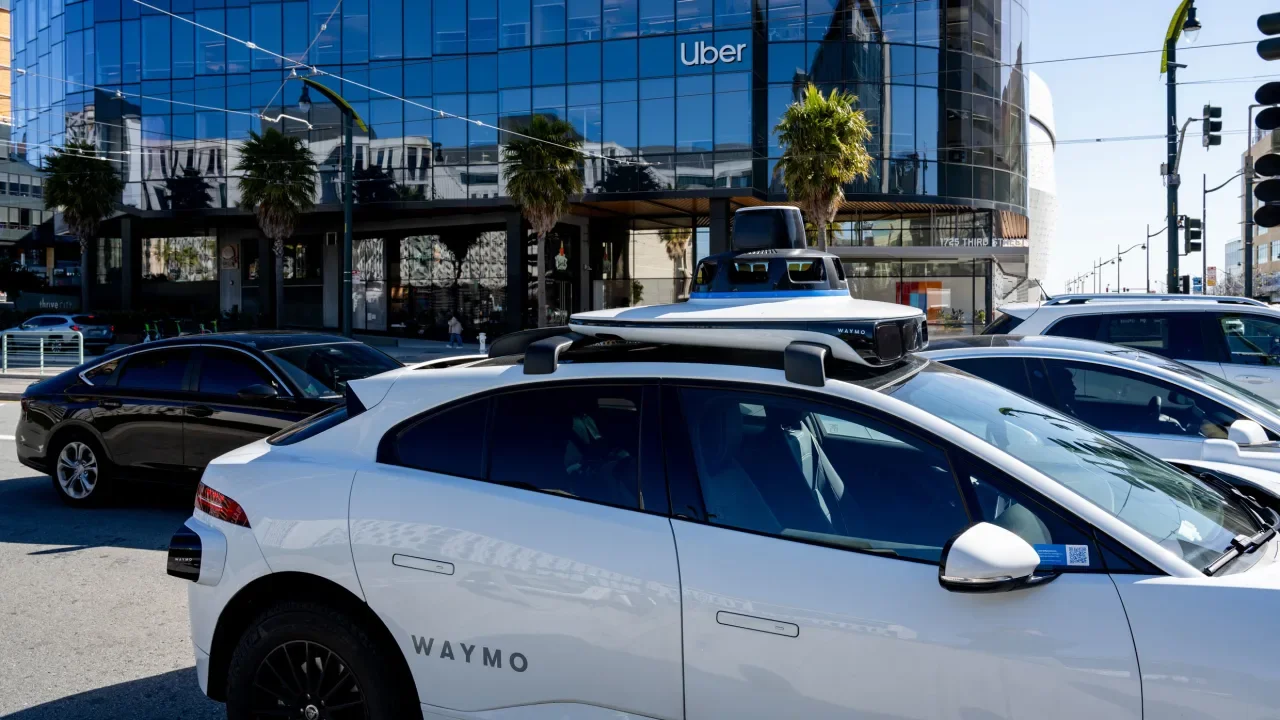
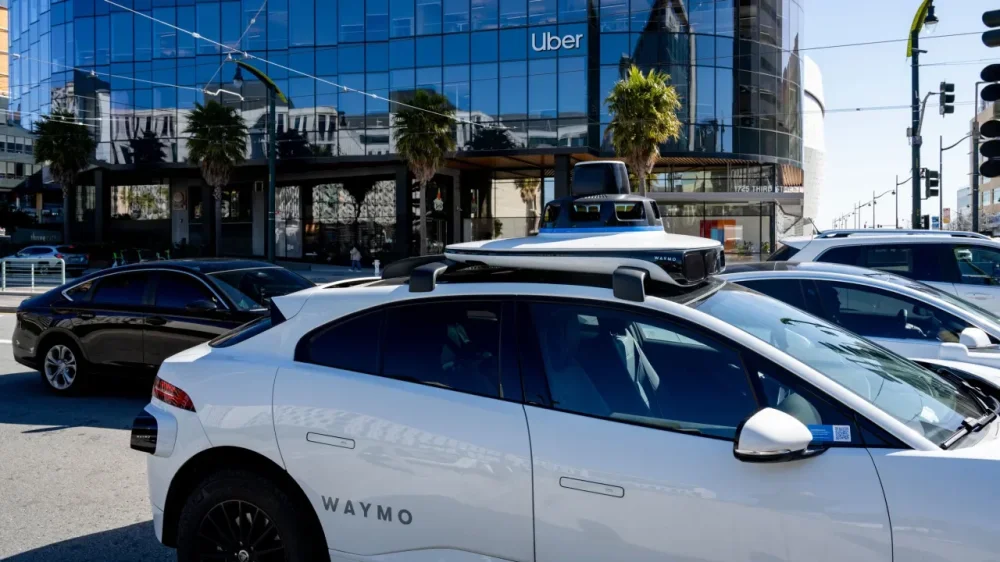
Uber CEO Dara Khosrowshahi is enthusiastic about the company’s pilot with Waymo. In Q1 prepared remarks, he said the launch in Austin has “exceeded our expectations,” noting that the 100 self-driving vehicles there were busier than 99% of the city’s human drivers. The strong performance has Uber looking ahead to its next Waymo rollout in Atlanta. But Waymo isn’t Uber’s only autonomous partner. Just hours before Khosrowshahi’s comments were released, Uber announced an expanded deal with WeRide, a global rival to Waymo. WeRide’s robotaxis will soon launch in 15 new cities outside the U.S. and China. While Waymo may be Uber’s marquee U.S. partner, the rideshare giant is making it clear it won’t rely on just one self-driving tech provider. Uber’s expanding self-driving deals In the United States, Waymo remains the dominant force in robotaxis, especially since Cruise has shuttered. Waymo’s autonomous vehicles are already operating in Austin and are set to launch in Atlanta. “Waymo’s safety record and rider experience coupled with Uber’s scale and reliability in the market have ensured that these vehicles are extremely busy,” CEO Dara Khosrowshahi noted in his Q1 remarks. But the Uber-Waymo relationship hasn’t been without friction. When Waymo announced a Miami expansion without Uber in December, Uber’s stock took a hit. In response, the company unveiled new American partnerships, first with Volkswagen in April and then with May Mobility in June. (Uber declined to comment for this story.) Meanwhile, Uber’s international self-driving investments are accelerating. Just ahead of Khosrowshahi’s remarks, the company announced an expanded partnership with WeRide, the Chinese robotaxi firm already operating with Uber in Abu Dhabi. The new agreement covers 15 additional cities—intentionally outside both the U.S. and China—and includes a $100 million investment. The same week, Uber announced an expanded deal with Pony.ai, another Chinese autonomous vehicle company. While the agreement excludes operations in China and the U.S., it significantly broadens their collaboration across the Middle East. Just days earlier, Uber also announced a new partnership with Momenta for deployment across Europe. To date, Uber has inked deals with 18 self-driving companies. Waymo may still be Uber’s biggest U.S. bet, but globally, the ride-hailing giant is hedging those bets fast. Who should lead the robotaxi revolution? Not long ago, Uber was hoping to produce robotaxis, and not just commission them. The company invested over $1 billion into their own self-driving technology. But in 2020, it pulled the plug, selling its autonomous vehicle unit to Aurora, where CEO Dara Khosrowshahi now sits on the board. Uber isn’t alone among American companies that failed to crack autonomous driving. Lyft also abandoned its self-driving ambitions. Cruise, General Motors’ robotaxi division, effectively shut down after one of its vehicles dragged a pedestrian about 20 feet. Tesla continues to hype its Full Self-Driving (FSD) software, but Elon Musk’s promised robotaxi still hasn’t arrived. That leaves Waymo as the leading—if not the only—American contender in the robotaxi race. Meanwhile, Chinese firms like WeRide, Pony.ai, and Momenta are rapidly expanding. Uber is poised to play a major role in this growing global market, serving autonomous rides to its loyal user base. For now, Uber isn’t picking just one horse—it’s betting on the entire field. View the full article
-
Key Takeaways Assess Your Reasons: Evaluate your motivations for deleting your Twitter account, whether it’s for privacy, reduced social media usage, or a shift in focus to other platforms. Back Up Your Data: Before proceeding with deletion, ensure you back up any important data, as recovering it post-deletion is impossible. Understand the Deletion Process: Familiarize yourself with the straightforward steps to deactivate your account from the Twitter settings menu on both desktop and mobile. 30-Day Reactivation Period: Remember that after deactivation, Twitter holds your account data for 30 days, allowing you time to reconsider and reactivate if desired. Focus on Alternative Platforms: Consider redirecting your social media strategies to platforms better suited for your business goals, such as Instagram, Facebook, or LinkedIn. Impact on Social Media Strategy: Deleting your Twitter account can refocus your efforts on more productive platforms, optimizing your social media marketing for better results. Thinking about deleting your Twitter account? You’re not alone. Many users decide to take a break or move on entirely from social media for various reasons, whether it’s to reclaim your time or to focus on mental well-being. Whatever your motivation, knowing how to navigate the deletion process is key. In this guide, you’ll discover the steps to permanently delete your Twitter account with ease. From backing up your data to understanding what happens after deletion, we’ll cover everything you need to know. Say goodbye to your Twitter presence and take control of your online life today. Overview of Twitter Account Deletion Deleting your Twitter account involves specific steps, reflecting your decision to manage your online presence. A permanent deletion means removing your tweets, followers, and the account itself. Before proceeding, ensure you’ve backed up valuable data, as recovery isn’t possible once the process is complete. Consider these points regarding your Twitter account: Purpose: Identify why you wish to delete the account. If it’s due to social media fatigue or the need to focus on platforms that better align with your small business goals, this step makes sense. Engagement: Assess your current Twitter engagement. If your efforts on Twitter aren’t contributing to your social media strategy, focusing on platforms like Instagram or Facebook may yield better results. Alternative Platforms: Explore alternatives that might suit your brand voice and customer interaction goals. Platforms such as LinkedIn, TikTok, or Instagram offer unique features tailored to different audience targeting strategies. Social Media Strategy: If optimizing your social media presence is a priority, prioritize platforms where you can maximize brand awareness and organic growth through community management and content creation. Following these considerations helps ensure that deleting your Twitter account aligns with your overall social media marketing efforts. Reasons to Delete Your Twitter Account Deleting your Twitter account can offer several benefits, especially for small businesses evaluating their social media strategy. Consider these key reasons that align with your business goals. Privacy Concerns Privacy issues often lead users to consider deletion. Twitter’s data privacy policies sometimes raise concerns about how your information is used and shared. For small businesses, protecting customer data remains a top priority. By deleting your account, you can mitigate risks related to data breaches and unauthorized access, ensuring customer information stays secure. Reducing Social Media Usage Reducing time spent on social media platforms can enhance productivity. Twitter engagement requires constant monitoring and content creation, which can distract from core business activities. By stepping back from Twitter, you can focus on other platforms like Facebook, Instagram, or LinkedIn, where your efforts might drive more organic reach and brand awareness. Evaluating your overall social media usage can help you prioritize platforms that deliver higher ROI and better align with your target audience. Steps to Delete Your Twitter Account Deleting your Twitter account involves a few straightforward steps. Follow this guide to ensure your social media strategy remains effective for your small business. Accessing Account Settings Log in to your Twitter account at the twitter.com website. Click on the “More” button located on the left sidebar, then select “Settings and privacy” from the dropdown menu. Alternatively, tap on your profile picture at the top right corner, then choose “Settings and privacy.” For mobile, open the Twitter app, tap your profile picture in the top-left corner, then select “Settings and privacy.” Initiating the Deletion Process Navigate to the “Your account” section within “Settings and privacy.” Click on “Deactivate your account” located at the bottom of this section. On mobile, select “Your account,” then tap “Deactivate your account.” Confirming the Deletion Review the information provided about deactivation, ensuring you understand the implications for your data and Twitter engagement. Click or tap on the confirmation link to finalize the deactivation process. Remember, once you deactivate, Twitter retains your information for 30 days, allowing for potential reactivation if desired. After this, it deletes your account permanently. Opting to delete your Twitter account can refocus your social media engagement on platforms better suited for your business goals, like Instagram, Facebook, or LinkedIn. What Happens After Deleting Your Account When you delete your Twitter account, specific actions take place regarding your data and online presence. Understanding these outcomes helps ensure your social media strategy aligns with your business goals. Data Retention Policy Twitter retains your account information for 30 days following deactivation. During this period, you can reactivate your account using your login credentials if you change your mind. After 30 days, Twitter permanently deletes your data, including tweets, followers, and direct messages. Make sure to evaluate if other platforms, like Facebook or Instagram, suit your social media marketing needs better during this timeframe. Reactivating Your Account If you decide to return to Twitter, reactivation is straightforward. Log in to your account within the 30-day window following deactivation. Your data will be restored, including followers and tweets, allowing you to regain your previous Twitter engagement quickly. If you’re considering a revised social media strategy upon reactivation, utilize tools for social media optimization to enhance brand consistency and engagement rate across all platforms. Conclusion Deciding to delete your Twitter account is a significant step towards reclaiming your time and mental well-being. By following the outlined steps, you can ensure a smooth deletion process while considering the implications for your online presence. Remember that you have a 30-day window to reactivate your account if you change your mind. This period allows you to reassess your social media strategy and explore other platforms that might better serve your needs. Taking control of your digital life is empowering. Whether you choose to step away permanently or just need a break, make sure your decision aligns with your personal or business goals. Embrace the opportunity to focus on what truly matters to you. Frequently Asked Questions Why would someone want to delete their Twitter account? Many users consider deleting their Twitter accounts to reclaim their time, improve mental well-being, and reduce social media engagement. For businesses, it may stem from privacy concerns and the need to focus on more effective platforms for their audience. How do I permanently delete my Twitter account? To permanently delete your Twitter account, go to your account settings, select “Deactivate your account,” follow the prompts, and confirm the deletion. Remember, your data will be retained for 30 days in case you change your mind. What happens after I delete my Twitter account? Once you delete your Twitter account, all your data, including tweets and followers, will be permanently deleted after 30 days. If you reactivate within this period, you can restore your account and all associated data. Can I recover my Twitter account after deleting it? Yes, you can recover your Twitter account within 30 days of deactivation. Simply log back into your account to reactivate it. After 30 days, account recovery is not possible, and all data will be lost. What are the alternatives to Twitter for businesses? Businesses may consider platforms like Facebook, Instagram, or LinkedIn depending on their target audience. These platforms can provide better returns on investment and may align more closely with specific business goals. Image Via Envato This article, "The Ultimate Guide on How to Delete Your Twitter Account Effectively" was first published on Small Business Trends View the full article
-
Donald The President claims credit for agreement after ‘long night of talks’View the full article
-
Fight is underscoring scrambled political alliances surrounding Biden-era Inflation Reduction ActView the full article
-
Meeting between He Lifeng and Scott Bessent comes a day after Donald The President said he was open to cutting tariffsView the full article
-
Treasury to begin consultation as UK chancellor looks to encourage savers to invest in domestic stocks View the full article
-
When India banned TikTok in 2020, YouTube responded by launching a short-form video feature with a similar user experience in the country. Less than a year later, that feature rolled out globally as YouTube Shorts, which allows creators to post 180-second-long swipeable vertical content. Today, YouTube Shorts has roughly 1.5 billion users and receives an average of 70 billion daily views. With TikTok’s future in limbo in the U.S.—a much-delayed ban is set to take effect on June 19—Shorts is hoping that TikTok’s audience of almost 2 billion people will see it as a compelling alternative. YouTube is already the second-most visited site in the world, and the platform has spent years building a strong creator ecosystem. YouTube Shorts product lead Todd Sherman came on the Most Innovative Companies Podcast to talk working with creators, tweaking the Shorts algorithm, and competing with TikTok. It’s been five years since you launched YouTube Shorts in India. Why did you create the product, and why launch it in India first? I worked at Twitter when we had Vine and I recognized it as the beginning of something. Even though Vine didn’t continue forward, and other apps took its place, none quite had the same vibe. At YouTube, we wanted to get into short-form video. We felt like it was going to give a whole new generation of creators a voice and would also be really fun to watch short videos between moments throughout the day. India was an important proving ground. There’s a long tail of Android devices there and a lot of them are lower-end. There’s a massive group of creative people [there], and it has a really big population, so we wanted to plant a stake in that market. Around five years ago, as YouTube Shorts launched, TikTok took off in the Unites States. How did you think about that product as you were developing Shorts? A lot of people started paying attention to short form video when TikTok started to get scale. [But] I had been paying attention to it since Vine, and pushing for us to make progress there even before TikTok was a mainstream name. It’s interesting to take inventory of how short-form video evolved. At first it was just squarish videos with no algorithm and a really basic camera where you just held your finger on the screen to record segments. Then Dubsmash and Musical.ly really embraced the remix of the sound. They added the audio pivot page where you could see all of the other videos that were using that sound, but there still really weren’t great algorithms. What [TikTok developer and eventual Musical.ly acquirer] ByteDance did is they were applying machine learning algorithms to short-form video in a way that none of the other ones had been. I think the most impressive thing about the rise of TikTok is really their algorithm and how effective they are at finding videos that you want to watch, [while] also supporting creator growth. There’s always two sides to the algorithm. It’s how easy is it to get started and [get viewers] inspired, but then also how good is it at serving viewer needs? That continues to be a really bright spot for them. Something that is a huge commitment for us is improving the algorithm over time. Does the Shorts algorithm operate the same way as the longer YouTube one? There’s many things that are different in short form because you watch so many more of them. So you approach the amount of diversity across hundreds of videos across different topics or creators differently than if you’re serving people 10 or 15 videos a day that are longer form. In short form, you can proactively introduce people to new things more easily, because the cost of being wrong is a lot lower. Do Shorts viewers often click through to watch longer videos from creators they like? That’s one way that happens. We also try to understand these videos through technology. We try to know how videos are related, even if one is short or one is long. We feed these [videos] into what we call an embedding space that [has] a higher dimensional video understanding capability. And so that means a short video can sit in this spot [where] it shares space with longer videos. Because of that, we say to ourselves, here’s all the videos that you enjoy about training dogs, and maybe [some of them are] short videos. Because we have that understanding, we can start to recommend longer videos related to that. Does that work across categories? I like dance videos that are short. I might not actually longer dance videos. Longer ones tend to be more about choreography and I have zero hopes of ever dancing in any respectable way. So from a personalized point of view, I only like one and not the other, whereas for dog training or science videos, I may like both. So the algorithm is personalized. Last year, Shorts went from being one-minute long to three-minutes long. Why did you make that decision? We’re always listening to creators. Sometimes when people are telling a story, it just feels like they’re hitting against this wall. I would go to creator events and ask them what is on their wishlist. Especially amongst people that have this narrative-style storytelling where they’re scripting and there’s a dialogue, they were asking if they could get a little breathing room. It led us to say, we think that we can expand this while still preserving the shorter side of videos. Around a minute and 45 seconds-long, videos tends to be more narrative style, where you have beginning, middle, and end. We want all those stories to be told on YouTube. You recently changed the way views are counted on the platform. Why is that? On long-form YouTube, most engagement comes from people explicitly selecting a video. They’re tapping or they’re clicking and then they’re watching. The vast majority of engagement is explicit. When we started auto-playing things, we asked ourselves, when should we count it as a view? Should it just be immediately? No, we think we should basically approximate it to be equivalent to when somebody clicked or tapped. So we started adding watch time thresholds. Then we inherited that for Shorts. But when we looked at Shorts and what people were telling us, they were telling us they expect it to start counting views [as soon as] they see the video. [We would] talk to new creators, and they’re like, I got zero views—no one saw my video. Actually, that wasn’t true. A lot of people liked their video, but no one watched the video up to the threshold that we define as a view. Within short-form content, most engagement is not coming from explicitly selecting a specific video. It’s coming from people swiping in the feed. So it’s a bit of a redefinition of view. We made the decision [to count all views as views no matter the threshold] because the fundamentals of the product are that when people view your video, they’re just sort of swiping into it. What are your conversations like with Shorts creators? The scale of Shorts is now that we sort of have to segment creators to kind of talk about them. [Some] long-form creators are effectively production studios with teams. When you think about how they like to use Shorts, they love it as either kind of a creative outlet to try something new. They use it as a testing ground for new ideas. And if something pops off there, then maybe they’ll go and invest 80 hours making a longer video. Who are your favorite creators to follow? I really like Nile Red. He’s this chemist. We watch a lot of his shorts in the living room because he does these little science experiments, and I have little kids. We recently watched one where he tried to make coffee end to end. I’ve also been getting into cooking videos. I don’t know how to cook well, but there’s something I love about watching people quickly prepare a meal. Ian Fujimoto has great storytelling and a great personality. There’s also Nick Suarez who has a channel The Nick of Time where they involve their family in internet trends. View the full article

-
The commercial jingle will never die. The classic advertising device’s longevity is as impressive as it is surprising. Despite just about everything else in the advertising industry changing over the past two decades, it remains one of the few core tools many marketers still rely on. It’s why when you read, “Liberty, Liberty, Liberty” you’ll be singing the Liberty Mutual tune in your head. Kraft Heinz CMO Todd Kaplan knows this. He also knows that in order to really make a jingle stick, it helps if you enlist legendary artists to sing it. Which is why this week, the company’s Lunchables brand dropped its reimagined version of the 2002 Buckwheat Boyz brainworm “Peanut Butter Jelly Time,” featuring Lil Jon and Twista. This is what Kaplan calls “marketing that happens,” and it’s part of a broader strategy across the company to find innovative ways to play with culture that actually impact the business. It’s a strategy that has been led by Heinz, whose “It Has To Be Heinz” work launched in 2023 has helped that brand grow by 6% and boost sales by $600 million. Now the company is looking for ways to scale that impact across all of its brands. Passion Points “Consumers are overwhelmed with messaging and all sorts of advertising all day, so you can’t just approach marketing as advertising, says Kaplan, who joined Kraft Heinz last year after a 17-year run at PepsiCo, finishing as CMO of the Pepsi brand. “When an ad comes on your TV, you’re typically looking at your phone. When a pre-roll ad hits you on YouTube, you hit the skip button. When an email from a company comes into your email box, it goes right to spam. Just because the marketing message was delivered doesn’t mean it was received, in terms of people’s engagement. So it’s about trying to find ways to prioritize high engagement moments, especially through passion points like sports, music and entertainment, for people to care more.” The company’s marketing is on a roll. Just in the past month or so, it’s launched a Kool-Aid collaboration with Nike, seen that brand become a major (and hilarious) plot point on Seth Rogen’s Apple TV show The Studio. It tapped into March Madness with Ore-Ida by capitalizing on BYU’s run to the Sweet 16 with leading scorer Richie Saunders, the great-grandson of the brand’s founder. Just in time for Mother’s Day, this week’s Kraft Mac & Cheese dropped the “Forever Macaroni Necklace.” The brand knew about the generations-long tradition of little kids making macaroni necklaces for their moms, and took it to the next 14-carat level. These are more than just one-off projects, but part of a coordinated effort to get our attention—and affection—by combining the brand names we already know with unexpected forays into culture. “We talk about this idea of being culture in versus brand out,” says Kaplan. “A lot of brand advertising comes down to, ‘My brand stands for x, and I’m trying to do Y,’ as opposed to really listening to culture, bringing it in, and finding those logical connection points.” Here’s how Kaplan plans to keep it rolling. Beyond awareness Take a peek inside the kitchen cupboards and fridges of about 94% of American households, and you’ll find a Kraft Heinz product. “If every house has one of our brands within an arm’s reach, this isn’t about brand awareness and telling people what we are,” says Kaplan. “It’s telling people about why we matter and how we can connect with them.” Which brings us to mustard. On Kendrick Lamar’s hit 2024 album GNX, the track “tv off” featured Lamar yelling “MUSTAAAAARD” to shout out his producer Dijon McFarlane, also known as Mustard. Brands, of course, jumped on the moment. Heinz went a step further and teased a collab with Mustard during the Grammys on February 3rd, which will see a limited edition mustard flavor and packaging collab with the “Not Like Us” producer dropping this summer. “A condiment and culture? That’s a new idea for people,” says Kaplan. “We have the opportunity to find and tell these really rich and interesting stories, because you already have the starting point of people knowing who your brand is. They have a contextual use case for the product. So how can you build upon that in a really interesting way? That’s what’s quite exciting.” Agency and In-House Kraft Heinz brands work with a laundry list of agencies, perhaps most notably (and awarded) in recent years has been the relationship between Heinz Ketchup and creative shop Rethink . But one constant has also been the presence of Kraft Heinz’s in-house creative team called The Kitchen, which is behind work like the Mac & Cheese necklace and Heinz x DJ Mustard collab. “Historically, the marketing industry, with agencies and clients, had this level of formality and, candidly, I don’t love how transactional a lot of it feels, where agencies pitch, clients buy, agencies sell,” says Kaplan. Instead, he prefers that all parties involved work as much as possible as co-conspirators in service to the brand. For The Kitchen, that means really embedding inside each individual brand. “They’ve done a phenomenal job of really embracing this kind of real-time speed, rather than acting like an agency, waiting for the next brief,” he says. “Now the brands have a person from The Kitchen in the flow and in the right conversation. So you’re in the formal business review, and you’re in the creative discussion, and you’re not playing catch up.” Ultimately, it’s that mix of traditional agency relationships, in-house teams, and the commitment to culture that has fueled Kraft Heinz brands’ work. That commitment comes with risk and reward. “You need to lean into the imperfections of the cultural moments,” he says. “You have to hop on it when you have to hop on it, or you might miss it. But also know that it’s not a strategy to just wait for the next cultural moment either. You want to create those moments as well. So it’s a balance.” View the full article

-
After a five year reprieve, the U.S. Department of Education (ED) is coming for defaulted federal student loans. The ED has not collected on defaulted loans since all payments on federal student loans were paused as part of the Covid-19 emergency relief effort in 2020. Student loan payments resumed on September 1, 2023 for all 42.7 million federal student loan borrowers. The majority of borrowers resumed monthly payments at that time and have loans in good standing. However, some 5 million borrowers have not made a payment for more than 270 days, meaning their loans are currently in default. The ED refrained from collecting on defaulted loans until earlier this week. Nearly 5 million more borrowers are currently delinquent, meaning they have missed at least one payment and owe a past due amount. If these borrowers don’t repay the past due amount or otherwise make their federal loans current, we may see upwards of 10 million borrowers–almost one-quarter of all federal borrowers–default on their federal student loans before the end of this year. Unfortunately, the government has called in the heavies to enforce collections on defaulted loans. The good news is that the Department of Education won’t send a leg-breaker named Eyeball to shake down borrowers for missing payments. The bad news is that government collections garnish your paycheck or Treasury payments instead of menacing you in a dark alley. Whether you’re in good standing, delinquent, or in default on your student loans, it’s important to understand what to expect from federal student loan collections. Here’s what you need to know. Garnishment hasn’t started yet If you’ve only seen the headlines about collections restarting for defaulted loans, you might assume that as of May 5, 2025, borrowers in default were already seeing money lifted from their paychecks and Treasury payments. But even though we have a WWE Secretary of Education, the ED can’t pull a heel-turn without any warning. According to Adam Minsky, an attorney who focuses on helping student loan borrowers and their families, “it was only the Treasury Offset Program (TOP) that began this week.” In other words, as of May 5, TOP began the process of identifying borrowers in default so they can be notified of the government’s intent to offset, aka garnish. As of Wednesday, May 7, TOP has sent initial notices to 195,000 federal student loan borrowers. “But borrowers have a 65-day window to respond to the notices before any offset actually begins,” Minsky says. This means any borrower in default still has time to avoid garnishment even if they have already received a notice. Challenges facing borrowers in default Although no one is facing an immediate threat of garnishment, it can still take time to go from default to good standing, especially considering the logistics of federal student loan repayment. To start, interest has been accruing on all defaulted loans since September 2023, increasing the total debt burden for borrowers in default. Additionally, many federal student loans have been transferred from one servicer to another, leaving many borrowers confused as to who they need to pay. Finally, Minsky also warns borrowers about Uncle Sam’s long memory. “Unlike most other types of consumer debt, federal student loans do not have a statute of limitations,” he says. “That means they don’t expire, and the government can pursue defaulted federal student loan borrowers even if the loans are many years old.” So maybe you should let go of your plan to grow a mustache and go on the lam instead of dealing with your defaulted loan. However, there are some concrete strategies borrowers can use to get out of default. Returning your loan to good standing Jenny Twomey, manager of external communications at private lending company Earnest, wants to reassure borrowers that they can take control of their defaulted student loans. She recommends following these steps to return their loans to good standing: Find your federal student loan servicer The first thing you should do is figure out exactly who your current loan servicer is. And if you’re embarrassed that you don’t know, Twomey wants to assure you that you’re in good company. “It’s common for people to not know who is servicing their loan,” she says. In addition to the giant game of hot potato that MOHELA, Aidvantage, and Nelnet seem to be playing with federal student loans, borrowers can lose touch with their loan servicer after moving, changing their email address, losing their password, or otherwise focusing on other stuff over the course of five tumultuous years. There are a couple of ways to find your loan servicer: Check your Federal Student Aid account. “There should be a section called ‘My Loan Servicers’ on your dashboard and that has your servicer information for you,” Twomey says.To log into this account, you will need your email, phone number, or FSA ID username. If you’ve forgotten your login, the Federal Student Aid site offers several methods for accessing or recovering your account. Call or email the Federal Student Aid Information Center. You can contact this information center at customerservice@studentaid.gov or 1-800-4-FED-AID (1-800-433-3243) Refer to your original loan documents. “Your original loan documents will have your servicers listed,” says Twomey. “That will tell you who your servicer was to begin with.” Look at your credit report. “Something that’s not common knowledge is that your servicers are listed on your credit report as well,” says Twomey. “You’re entitled to a free copy of your annual credit report each year at AnnualCreditReport.com.” Pulling up your credit report to find your servicers will let you cross two financial tasks off your to-do list: find your servicer and review your credit report for errors. Check your federal student loan terms Once you’ve found your servicer, you will need to find all the details of your loan, including your current loan balance your interest rate the length of your repayment period the monthly payment These terms can come as a surprise to borrowers, even if they haven’t missed a payment. Twomey says that a recent Earnest survey found that “graduates expect to pay off their student loans in an average of 6 years, but the actual average repayment period is 20 years.” Knowing these terms allows you to make a plan for returning your loan to good standing. Explore your options with your servicer Minsky explains that loan servicers may offer a number of options for avoiding collections. You can contact your servicer to determine which of these potential strategies might work best for your financial situation. Just remember that each strategy has benefits and drawbacks, and not all of these options will work for every borrower. Switch to an income-driven repayment If your loan is delinquent, meaning your payment is less than 270 days past due, you may be able to ask your servicer to switch you to an income-driven repayment (IDR) plan. Your monthly payment on an IDR is based on your income and family size, meaning your payment may be as low as $0 per month. When you apply for IDR, your servicer may put your loan on administrative forbearance while your application is processed. Just remember that borrowers already in default can’t apply for IDR. Student loan discharge: There are some specific situations where borrowers can have their loans discharged, meaning they are no longer obligated to repay the loan. If your school closed or lost its accreditation, if you have become totally and permanently disabled, or if you meet certain requirements when declaring bankruptcy, you may be eligible for loan discharge. Loan rehabilitation: Under this option, your loan servicer will set a monthly payment amount equal to either 10% or 15% of your annual discretionary income, divided by 12. You must make 9 payments of this amount within 20 days of the due date over 10 consecutive months, which will return your loan to good standing. You may only take advantage of loan rehabilitation once. Up to 20% of each payment may be applied to collection fees, but these fees are not capitalized if you complete the rehabilitation. Loan payoff: Paying off your loan in full will get you out of default, but most borrowers don’t have 10s of thousands of dollars lying around for that purpose. That leaves two options for paying off a defaulted loan: consolidation and refinancing.Federal Direct Loan Consolidation allows you to combine multiple federal student loans into a single loan. While consolidation will not reduce your interest rate, it can potentially lower your monthly payments and it will make all of your federal loans current. You have to make three consecutive payments on a defaulted loan before you can apply for consolidation and you can’t consolidate a defaulted loan that is already being collected through garnishment. This means any borrower who has already received a notice of garnishment from the ED has a limited window to qualify for consolidation. Private refinancing is when you borrow a new loan to pay off your federal student loan. While well-qualified borrowers may be able to get a private loan with low interest rates and favorable terms, borrowers with a defaulted federal loan are unlikely to be considered “well-qualified.” Applying with a co-signer may help a struggling borrower qualify for a low-cost private loan, but it can be difficult to find a willing co-signer. Additionally, refinancing your federal loans with a private loan means losing federal borrower protections. Take the heat off your defaulted student loans The federal government may have restarted involuntary collections of defaulted student loans, but that doesn’t mean you’re doomed to see your wages, tax refunds, and Social Security benefits garnished. To start, the Treasury Offset Program just started notifying borrowers of the intent to garnish this week. Borrowers have 65 days to respond before any money is withheld from their payments, meaning there is time to correct a defaulted loan. Even if you have lost or forgotten your servicer information, you can find it by logging onto studentaid.gov, contacting the federal student aid information center, checking your original loan documents, or even looking at your credit report. Once you have found your loan servicer, check your loan balance, interest rate, repayment term, and monthly payment. With that information in hand, contact your servicer to discuss what options are available for returning your loan to good standing–including income driven repayment, loan discharge, loan rehabilitation, consolidation, or refinancing. The gears of federal student loan collections grind slowly–which means you can get ahead of them before your wages or Treasury payments are at risk. View the full article

-
Booking travel has become a bit of a game—especially if you want to get the best possible prices and avoid getting ripped off. That’s because hotels and airlines have developed the lovely habit of futzing around endlessly with their rates. Depending on when, exactly, you go to book the room or flight you want, you might end up being charged way more than if you waited a few days or even hours for prices to drop. The problem is that it’s damn-near impossible to figure out the logic behind it and know the right time to buy. And who among us has the time or energy to stay on top of that and keep checking back at all hours with the hope of magically stumbling onto a magnificent deal? Well, my fellow savings-seeker, we’ve officially got a better way. It’s a completely free-to-use service, with no downloads or installations involved. In fact, it’s right in front of your face—just waiting to be found. Be the first to find all sorts of little-known tech treasures with my free Cool Tools newsletter from The Intelligence. One useful new discovery in your inbox every Wednesday! Your travel-planning deal-seeker Our tool in question is actually just a website—one you might’ve even visited before. But it’s got a simple-seeming new switch that massively boosts its usefulness and transforms what it’s able to accomplish. ➜ The tool is none other than Google’s hotel search site. The site has long been a handy way to compare hotel prices and reviews for any given date and location—and now, as of this month, it sports a single subtle switch that can save you serious money. The switch automatically tracks prices on any specific dates and destinations you’re considering. Once you flip it into the active position, Google will send you updates via email anytime prices drop with any hotels that match your parameters—so that way, you’ll instantly know the second savings become available and you can zip over to complete your purchase right at that most optimal moment. ⌚ You’ll need about 20 seconds to get things going. ✅ Just head to google.com/hotels in any browser, on any device, and look for the newly added “Track hotel prices” options within the search area at the top of the screen—after you’ve put in a location and dates. If you aren’t seeing the switch right away, try clicking or tapping on a specific hotel in the results—or try performing a different search and then coming back to your original search after. It can be a little finicky at first, but once the switch shows up once, it seems to stick around even as you change the specific parameters you’re searching for. Google offers a similar switch on its flight search site, too, by the way. There, you have to start a new search—then the switch will show up once you’ve selected specific flights. Either way, once you flip the switch, Google will email you alerts to let you know anytime prices change. (You will need to be signed into Google during the initial search, for obvious reasons—or it won’t know your email address and be able to send you those updates!) Notably, you still end up making your purchase through the actual hotel or airline—or, if you so choose, a third-party reseller. Google itself doesn’t handle any transactions or payments; it just scans all sorts of sources for the best possible prices, then links you out to the appropriate place whenever you’re ready to buy. ⭐ Bonus tip: If you own an Android device, combine this site with the “app”-creating advice I shared in a recent issue of my Android Intelligence newsletter for a powerful one-two punch of on-demand efficiency! Google’s hotel search site and flight search site are both available on the web—no apps or downloads required. The services, including their price-tracking systems, are completely free to use. And they follow Google’s standard privacy practices, in which no personal data is ever sold or shared with any third parties. Ready for more life-enhancing excellence? Check out my free Cool Tools newsletter for an instant introduction to an exceptional audio app that’ll tune up your days—and another off-the-beaten-path gem every Wednesday! View the full article

-
HMRC has stopped demanding ridesharing company pay VAT on the full cost of rides after legal setback in related matterView the full article
-
For well over a decade now, consumers have been used to new iPhones coming out in the fall, like clockwork. However, according to a series of reports, Apple may be planning to change its iPhone release schedule drastically. The change could significantly impact when you can buy your next preferred model of the iPhone. It could also provide Apple with several key advantages in an increasingly competitive smartphone landscape. A staggered iPhone release Apple released the original iPhone on June 29, 2007. For the following three years, Apple released a new iPhone every June or July. But in 2011, Apple altered its iPhone release window, shifting to a fall launch date for the iPhone 4s. Since that date, Apple’s new family of latest and greatest iPhones has launched every fall, with the exception of the iPhone SE (which was historically not considered part of the latest iPhone family) and this year’s iPhone SE replacement, the iPhone 16e. Yet, according to two reports this week—one from The Information and one from respected TF International Securities analyst Ming-Chi Kuo—2025 is the last year that Apple will launch an entirely new iPhone family of entry-level and premium phones in unison in the fall. Instead, beginning in 2026, Apple will move to a biannual iPhone release schedule, which will see the pricier “premium” iPhone models launch in the fall, and the cheaper “entry-level” and “budget” iPhone models in the first half of the following year. You can still expect to see Apple launch the new iPhone 17 family in full this fall: most likely the entry-level iPhone 17 and the premium iPhone 17 Slim/Air (the exact name of the new, thin iPhone is uncertain at this point), iPhone 17 Pro, and iPhone 17 Pro Max. But this will be the last year Apple releases entry-level and premium family members at the same time. (The budget iPhone 17e is expected to debut in Spring 2026 as is usual for the budget model). Starting in 2026, though, things will change. Apple will launch the premium iPhone 18 series models, including the iPhone 18 Pro, iPhone 18 Pro Max, and iPhone 18 Slim/Air, along with a new foldable iPhone 18 in the fall. However, the entry-level iPhone 18 and budget iPhone 18e won’t be released until approximately six months later, in the spring of 2027. This new staggered release schedule is sure to irritate some consumers, particularly those who enjoy buying the entry-level new iPhone model every September. However, the change will benefit Apple in several ways. Chinese competition The Information was the first to report on Apple’s planned release schedule changes, followed a few days later by a report from TF International Securities analyst Ming-Chi Kuo. Kuo suggested that one of the main reasons Apple was shaking up the iPhone schedule was to give the company an advantage in China, which is Apple’s second-largest market after the U.S. According to Kuo, Apple is facing intense competition in China, and since many smartphone manufacturers now release phones in China in the first half of the year, this leaves Apple at a disadvantage. Traditionally, when competitors launch their new phones in the first half of the year, Apple is selling a phone that is already six months old. That’s not great optics from a marketing perspective. By moving the iPhone’s entry-level and budget “e” versions launch to the first half of the year, Apple can market new phones while its competitors are doing the same. This benefits Apple not only in China but also around the world. Springtime has historically been one of Apple’s slower sales periods because the company does not usually have a major new flagship iPhone product launch at that time. However, by launching the entry-level version of the latest flagship iPhone series in the spring, Apple can boost its sales during this period. Compelling consumers to buy pricier models Having a fresh new flagship phone on the market isn’t the only advantage Apple can gain from staggering its newest iPhone family launch across two different points during the year. The strategy may also encourage consumers who desire the latest iPhone to upgrade to the premium model instead of waiting another six months for the entry-level model to be released. For example, someone who really wants a new iPhone 18 in 2026 will need to opt to purchase one of the premium iPhone 18 models, which is expected to include the iPhone 18 Pro, iPhone 18 Pro Max, iPhone 18 Slim/Air, and foldable iPhone 18. They won’t have the option to buy the cheaper iPhone 18 or iPhone 18e until around six months later, in 2027. Delaying the less expensive models by six months may compel some consumers to opt for the pricier premium ones instead, ultimately benefiting Apple’s bottom line. Easing manufacturing bottlenecks Finally, Apple could also benefit from a manufacturing perspective if it shifts to a biannual iPhone release schedule, as The Information pointed out (via MacRumors). Currently, Apple’s manufacturing partners around the world—but primarily in China—must bring on tens of thousands of workers every summer to assemble iPhones for the fall launch. Bottlenecks can easily occur in the manufacturing chain if enough workers aren’t available. However, if Apple staggers its iPhone rollout throughout the year, Chinese manufacturers may not need to staff up at the levels traditionally required. As a result, it is less likely that labor shortages will impact iPhone launch dates and availability. This may help Apple mitigate some manufacturing risk, which could otherwise delay product launches and thus hurt sales. 2025: The last year for a unified iPhone family launch? Of course, it should be noted that Apple hasn’t confirmed plans to transition to a biannual iPhone release schedule in 2026—and the company will likely not announce anything until it unveils the new premium models that fall. Still, the move does make a lot of sense for the company from both a marketing and financial perspective. Given that The Information and Kuo both have good track records when it comes to reporting on Apple’s supply chain plans, the change seems more likely than not. What that means for consumers is that 2025 is probably the last year that Apple will launch the full family of the newest iPhones simultaneously, marking the end of an era of sorts for the iPhone. View the full article

-
Andrew Hoffman is a professor at the University of Michigan’s Ross School of Business. He has been writing and teaching about business and environmental issues for almost 30 years, having published 18 books and over 100 articles. His work has been covered by the New York Times, Scientific American, Time, The Wall Street Journal, The Atlantic, and NPR. What’s the big idea? We need to rethink business education. If we keep producing business graduates who care only about making their wallets fatter and exploiting a broken system, then we’re doomed. It’s urgent that we reshape how we teach business in higher education so that we create a different kind of business leader. We can alter business for the better and fix the market by changing the graduates we produce that go on to run those businesses. Below, Andrew shares five key insights from his new book, Business School and the Noble Purpose of the Market: Correcting the Systemic Failures of Shareholder Capitalism. Listen to the audio version—read by Andrew himself—in the Next Big Idea App. 1. Shareholder capitalism is broken Today’s version of capitalism is shareholder capitalism. It doesn’t work anymore for the purposes for which it was designed. I’m not saying we need to throw it out, but we must amend it. We need to fix it. There are many key concerns in the market, but two stand out in particular: climate change and income inequality. The market, as presently structured, is unable to address them. If we don’t change course, we will not solve them. While some people conveniently call these problems “externalities” or “unintended consequences,” they’re actually products of the system. In its current design, the market creates these problems, and the consequences could be catastrophic. We already see the cost of climate change and rising home insurance rates nationwide. We watched in horror as the Los Angeles fires raged, and they have now led to insurance issues. The total cost of climate change could reach as high as $22 trillion by 2100 if we do not do something soon. It’s best to think of climate change not as an environmental issue, but as a system’s breakdown. To fix a system’s breakdown, you must fix the system that caused it. That system is today’s variant of capitalism. 2. Shareholder capitalism is failing business education Today’s business schools were designed for a world that no longer exists: a world fixated on 50-year-old notions of shareholder primacy and a “greed is good” mentality. Outdated ideas and models about the world and society have been ossified into the standard curriculum. We need to change how we teach business. Simply adding an elective on climate change or income inequality while the curriculum remains focused on models that worsen these problems won’t work. We must change the entire pedagogy, the entire curriculum. 3. It’s time to rethink capitalism, business, and the market Surveys show that young people, Gen Z, and millennials are becoming increasingly disenfranchised with capitalism. It’s not hard to understand why, considering the debt load they carry and the difficulty they have in getting financially on their feet. They worked hard to get their degrees, and now they’re struggling. But when I ask my business school students, “What is capitalism?” they either don’t know or take it as given. We need to help students understand that capitalism is a set of human-made institutions. If it doesn’t work, we need to amend it to serve the needs of present-day humans. We need to teach students how to be stewards of capitalism so that they recognize their role in making sure that the domain in which they practice their craft works properly. Shareholder capitalism is starting to groan, creak, and collapse under its own weight. “Students are blown away when they learn about Nordic capitalism, which offers a massive social safety net.” Unfortunately, all business students and almost all business faculty today are only familiar with one type of capitalism: today’s shareholder capitalism, which arose in the 1970s and 1980s. They don’t understand the capitalism that came before, in the 1940s, 50s, and 60s. Back then, it was managerial capitalism. Business education must help graduates find their voice to become part of a conversation about which capitalism will replace shareholder capitalism. We can teach people that there are multiple variants of capitalism around the world. I do this in one of my classes. Students are blown away when they learn about Nordic capitalism, which offers a massive social safety net. American capitalism—shareholder capitalism—is just one variant. It’s very different from Nordic capitalism. It’s very different from Chinese capitalism. It’s important to understand what makes capitalism work. What is its essence? How do we keep that and improve it? What is the purpose of firms? I could walk up to any American and ask them to finish this sentence: The purpose of corporations is to—? And their answer will be “make money for the shareholder.” Economically, that is true. Economists have clung to the idea that companies are there to make money for shareholders, but legally. this stands on shaky ground. If you want to sue a corporate executive because they didn’t make shareholders more money, you will have to go through the Good Business Rule, which says that they acted in good faith with loyalty and due care. The American Law Institute says the company can be designed for any purpose. Even Sam Alito, a conservative Supreme Court justice in the Hobby Lobby decision, said the same thing. Companies can be designed to do other things besides making money for shareholders. If a company fixates on shareholder value, it forces them to fixate on short-term thinking. Look at what Boeing is going through right now. They used to be a company that made the finest quality airplanes in the world, but after their merger with McDonnell Douglas, they started focusing on quarterly returns instead of their craft. What if we go back to what Peter Drucker said in the mid-1900s? That the purpose of the corporation is to identify and serve a market. How much money it makes is a measure of how well it does so. That changes the order of things and makes for much healthier companies. 4. The relationship between business and government The question of government’s relationship to the market today has boiled down to simplistic dualities: conservative versus liberal, socialism versus capitalism, more versus less. We need to start thinking about what the right level of government in the market is. That’s particularly true today as we see our country moving more and more into the land of industrial policy. In the Biden administration, we had the Inflation Reduction Act and CHIPS, which are very much the government trying to steer the market in a certain direction. Already in the The President administration, we have a heavy reliance on tariffs, which is also a form of industrial policy as it is an attempt to protect domestic industries. “Too many of my students think that all lobbying is corrupt.” We can also start thinking about the role of business in policymaking. Too many of my students think that all lobbying is corrupt, when in fact, business has a strong role to play in making good policy. Few business schools have a course on lobbying, and fewer still have a course on constructive lobbying, meaning lobbying for public good rather than individual gamesmanship. 5. The need for a new kind of business school We need to fundamentally rethink business school and what it teaches. We must stop teaching outdated models and ideas, such as that the firm’s purpose is to make money for shareholders. We must think about government less as an intrusion on the free market and more as an arbiter of it properly functioning. We must stop promoting the unrealistic idea that unlimited economic growth is possible. We must stop teaching that the environment is an unlimited source of materials and an unlimited sink for waste. We must stop teaching that efficiency is always good. I have a colleague who says that we worship at the altar of efficiency if it lowers costs. For example, we have auto plants here in Michigan and it may be efficient to move them to another country, but what about the people left behind? Why don’t we factor that into equations as well? Classic business school teaches that people are inherently selfish. We teach that technology can solve all our problems. Just make a new product or widget, and we’ll get rich, solve the climate crisis, and live happily ever after. It is not that simple. We must be much more imaginative to change our society beyond techno-solutions. Once we remove and replace outmoded ideas, we need to refill the curriculum with more attention to the whole student. “We must be much more imaginative to change our society beyond techno-solutions.” Research has shown that people who apply to business school typically score higher on the traits of narcissism, psychopathy, and Machiavellianism. Research also shows that a business school education amplifies these traits. Graduates tend to be more selfish and self-monitoring than when they enrolled. I see that every spring when graduation time is coming near, and people are looking at salary offers. They measure their worth by how much money they make as compared to everybody else. It’s an awful way to imprint students, but there is also evidence that today’s students are starting to ask questions. They’re starting to push back on the curriculum and challenge the idea that business school is merely there to help them make more money, irrespective of who they are as a person. The challenge for business school is trying to take that mentality, cultivate it, and guide students to consider management as a calling. We need to move people away from the idea of their career as simply a pursuit for private personal gain and toward the vocation that is based on a higher professional and moral purpose. Then we can have an economy that serves everybody. It’s a challenge to bring the entire student to the education process and teach not just the heads, but their hearts. To teach not just the how of business, but also why they are doing this. This involves cultivating the virtues of wisdom, character, and purpose. The market is the most powerful institution on Earth. Business is the most powerful entity within it. Business creates the buildings that we live and work in, the food we eat, the clothes we wear, the forms of mobility we enjoy, and the healthcare system that keeps us alive. All these things come from the market. The market has done wonderful things but it is starting to stutter. To adjust it, there’s an urgent need to nurture a new breed of business leaders who view business not only as a means for profitability, but also as a vehicle to serve society. This article originally appeared in Next Big Idea Club magazine and is reprinted with permission. View the full article

-
The really big risks to the dollar remain US geopolitical and policy errors View the full article
-
As people go abroad more, nationalism has surgedView the full article
-
Successful British sports, like our top companies, need support to stay and bolster growth View the full article
-
Indian leader Narendra Modi and Pakistan’s army chief Asim Munir both believe they are fighting a just war against a sworn enemyView the full article
-
Big institutional money managers said to trim US exposure on concerns over policymaking View the full article
-
Key Takeaways Freelance skills are increasingly valuable in today’s job market, offering flexibility and opportunities for income enhancement.Essential skills for freelancers include communication, time management, and self-discipline, which are critical for successful project completion and client satisfaction.Industry-specific technical skills such as AI, machine learning, and cybersecurity can significantly enhance a freelancer’s employability and project success.Building an attractive online portfolio and leveraging testimonials are key strategies for marketing oneself as a freelancer.Effective networking through industry events, social media, and professional groups can lead to valuable connections and job opportunities.Utilizing freelance marketplaces allows freelancers to showcase their skills and attract clients from small businesses looking for specialized assistance. In today’s fast-paced world, freelance skills are more valuable than ever. Whether you’re looking to escape the 9-to-5 grind or simply want to supplement your income, mastering the right skills can set you apart in a competitive market. From digital marketing to graphic design, the options are endless, and the demand is high. You might be wondering which skills are worth your time and effort. It’s essential to focus on areas that align with your interests and the needs of potential clients. By honing these skills, you’ll not only enhance your employability but also unlock the freedom and flexibility that come with freelancing. Let’s dive into the key freelance skills that can help you thrive in this dynamic landscape. Overview of Freelance Skills Freelance skills play a crucial role in today’s job market, especially for small businesses looking to optimize their operations. When hiring freelancers, understanding specific skill sets becomes essential to meet various staffing requirements without the commitment of full-time employment. Skills such as digital marketing, graphic design, and web development stand out for their versatility and demand. You can enhance your business by employing freelancers who possess critical skills like content creation and social media management. These skills not only drive growth but also help build a strong workforce that adapts quickly to changing project needs. Effective collaboration with freelancers allows for strategic workforce planning while reducing labor costs associated with traditional hiring. Utilizing platforms that focus on recruitment strategies can streamline your hiring process. By crafting clear job descriptions, you can attract the right talent pool, which leads to better candidate screening and employee retention. Recruitment software helps track job postings and manage interviews efficiently, ensuring you connect with the best job candidates for your specific needs. Investing in freelancer relationships fosters employee satisfaction and motivation, enhancing your workplace culture. Keeping communication open with your freelancers improves engagement and contributes to employee wellness. Tracking performance reviews and feedback from remote workforce members ensures that every party benefits from the arrangement. Overall, leveraging freelance skills in your small business can significantly impact your operations. It provides flexibility and access to specialized skills that contribute to your business’s success in an increasingly competitive market. Essential Freelance Skills In the dynamic landscape of small business staffing, possessing essential freelance skills can enhance your recruitment strategy and improve overall operations. The following skills support effective collaboration, employee retention, and team building. Communication Skills Effective communication forms the backbone of successful freelance relationships. Clear communication promotes transparency, ensures expectations are met, and helps negotiate project details. Whether it’s using digital platforms for project updates or drafting concise job descriptions, strong communication skills foster a positive workplace culture and enhance employee engagement. Time Management Good time management plays a critical role in meeting deadlines and maximizing productivity. Freelancers must prioritize tasks effectively to ensure timely project completion, which directly influences client satisfaction. With structured time management, you can better assess your staffing requirements, leading to efficient workflows and less staff turnover. Self-Discipline Self-discipline allows freelancers to stay focused and motivated amidst distractions. This skill supports consistent performance, enabling freelancers to meet project deadlines without direct supervision. In a small business context, promoting self-discipline among your remote workforce can enhance employee satisfaction and contribute to their professional growth. By providing clear expectations and performance reviews, you encourage a culture of accountability and employee wellness. Technical Skills for Freelancers Freelancers bring valuable technical skills to the table, enhancing small business staffing solutions and operational efficiency. Ensuring these skills align with your needs can lead to better outcomes for your recruitment strategy. Industry-Specific Skills Industry-specific skills stand out in the competitive job market. For example, freelancers proficient in artificial intelligence (AI) and machine learning (ML) contribute significantly to tasks like predictive analytics and fraud detection. You’ll find that candidates skilled in Python, R, TensorFlow, and data science can elevate your projects. Cybersecurity expertise also plays a critical role; freelancers can design and test software for vulnerabilities, helping you manage employee relations and compliance challenges. Familiarity with web development and search engine optimization (SEO) further enhances freelancers’ potential to boost your online presence and drive traffic to your business. Software Proficiency Software proficiency is essential for freelancers, impacting performance and productivity. Advanced skills in essential tools streamline the hiring process and improve candidate screening. For instance, freelancers skilled in project management software enhance team collaboration, while those familiar with HR tools can assist in onboarding and employee development. Familiarity with recent recruitment software helps small businesses manage job postings and staff scheduling effectively. Your freelancers’ ability to navigate these tools directly influences employee management and retention, ensuring that your workforce remains engaged and productive. Marketing Yourself as a Freelancer Marketing yourself effectively as a freelancer enhances your visibility and attracts potential clients. Focusing on targeted strategies streamlines your branding efforts and positions you for success. Building an Online Portfolio Creating an online portfolio serves as a vital tool in showcasing your talent. Curate Your Best Work: Select a few standout projects, demonstrating the skill set that aligns with your target clients. If you’re new, mock projects can illustrate your capabilities effectively. Professional Design: Ensure your portfolio features a clean and organized layout. Highlight your niche, whether it’s digital marketing, graphic design, or another area relevant to small business staffing needs. Testimonials and Reviews: Incorporate positive feedback from previous clients to build trust. Client testimonials, even from low-cost gigs, enhance your credibility and showcase your ability to deliver results. Networking Strategies Effective networking expands your reach and connects you with potential clients and collaborators. Attend Industry Events: Engage in trade shows, webinars, and local meetups related to your niche. Networking opportunities with small business owners can lead to valuable referrals. Utilize Social Media: Platforms like LinkedIn or Instagram allow you to showcase your portfolio while connecting with other professionals. Share insights relevant to small business hiring trends to position yourself as a knowledgeable resource. Join Professional Groups: Become active in online forums or local organizations that focus on freelance careers or small business management. Forums provide opportunities to meet potential clients and network with peers. Leverage Online Platforms: Use freelance marketplaces to find job postings that match your skill set. Create a profile highlighting your expertise in areas like employee management or recruitment strategies to attract small business clients seeking temporary or part-time staff. By effectively building your online footprint and utilizing networking strategies, you increase your competitive edge in the dynamic freelance job market. Conclusion Embracing freelance skills opens up a world of opportunities for you. Whether you’re looking to break free from the traditional job market or simply add to your income, mastering the right skills can set you apart. By focusing on areas that align with your passions and market demands, you can enhance your employability and flexibility. Building a strong online presence and networking effectively are crucial steps in attracting clients and growing your freelance career. As you navigate this vibrant landscape, remember that continuous learning and adaptation are key. With the right skills and strategies, you’re well on your way to thriving in the freelance economy. Frequently Asked Questions What are freelance skills? Freelance skills refer to a set of specialized abilities that individuals utilize to provide services independently, often on a contract basis. Popular freelance skills include digital marketing, graphic design, web development, content creation, and social media management. Mastering these skills can help freelancers attract clients and succeed in a competitive market. Why are freelance skills important? Freelance skills are crucial as they offer individuals flexibility and opportunities to earn income outside traditional employment. With businesses increasingly relying on freelancers, these skills can enhance employability and meet client needs effectively, making them valuable in today’s job market. How can I identify the right freelance skills for me? To identify the right freelance skills, consider your personal interests, strengths, and market demand. Research trending skills like digital marketing or web development, and think about what you enjoy and excel at. This alignment will help you thrive as a freelancer. How can I market myself as a freelancer? Marketing yourself involves creating a strong online presence. Build an impressive portfolio showcasing your best work, use social media for visibility, and network within professional groups or at industry events. Consistent branding and client testimonials also enhance credibility and attract potential clients. What role do technical skills play in freelancing? Technical skills significantly enhance a freelancer’s value by enabling them to tackle industry-specific challenges. Skills in AI, machine learning, cybersecurity, and software proficiency can elevate project quality and operational efficiency, making freelancers more competitive in a demanding market. How can collaboration with freelancers benefit businesses? Businesses can benefit from collaborating with freelancers by optimizing operations without the long-term commitment of full-time employees. Freelancers provide specialized skills on a flexible basis, which can lead to cost savings and improved project outcomes through effective strategic workforce planning. Why is building an online portfolio important? An online portfolio is essential for freelancers as it showcases their skills and projects to potential clients. It allows you to present your best work, highlight your unique style, and build credibility through client testimonials, making it easier for clients to trust and hire you. What networking strategies should freelancers use? Freelancers should leverage several networking strategies, including attending industry events, engaging on social media, and joining professional groups. Utilizing online platforms to connect with potential clients and collaborations fosters relationships that can lead to more opportunities and increased visibility. Image Via Envato This article, "Essential Freelance Skills to Succeed and Thrive in Today’s Job Market" was first published on Small Business Trends View the full article
-
Tensions between the two nuclear-armed neighbours have escalated closer to a full-scale warView the full article
-
Key Takeaways Diverse Startup Opportunities: Explore innovative startup ideas in technology, sustainability, and niche markets to meet evolving consumer demands in 2023. Focus on HealthTech and E-Commerce: Health and wellness applications, as well as e-commerce platforms offering personalized experiences, are key sectors for entrepreneurs. Niche Market Potential: Cater to specific audience needs with unique offerings like AI-powered solutions and eco-friendly products to differentiate your business. Market Research Importance: Conduct thorough market research and competitive analysis to validate startup ideas and refine your unique selling proposition. Funding Strategies: Assess various funding options including SBA loans, angel investors, crowdfunding, and bootstrapping to secure capital for your startup. Adapt to Remote Work Trends: Develop services that facilitate remote work and virtual collaboration as businesses increasingly adopt flexible work models. Are you ready to dive into the exciting world of startups? With innovation driving change at lightning speed, there’s never been a better time to explore fresh ideas that can transform industries and even your own life. Whether you’re an aspiring entrepreneur or just curious about the startup landscape, discovering the right idea could be your ticket to success. Best Startup Ideas for 2023 Explore innovative startup concepts that cater to evolving markets in 2023. Entrepreneurs can leverage technology and sustainability to create profitable ventures. Technology-Driven Startup Ideas Remote Work Solutions: With the rise of remote work, platforms that facilitate collaboration and improve productivity gain traction. Consider developing tools for project management, virtual team-building, or communication. AI-Powered Services: Artificial intelligence offers numerous opportunities. Startups focusing on AI applications in customer service, personalized marketing, or data analytics stand to attract significant funding. HealthTech Applications: Health-conscious consumers increasingly seek solutions for better wellness. Apps offering telehealth services, fitness tracking, or mental health resources can meet this demand. E-Commerce Innovations: Online businesses thrive, especially those providing niche products or personalized shopping experiences. Build a unique website or leverage social media for marketing to reach your target audience effectively. Cybersecurity Solutions: As digital threats grow, businesses seek ways to protect their data. Launching cybersecurity services tailored to small businesses can establish a strong customer base. Sustainable and Eco-Friendly Startup Ideas Green Products: Startups that offer eco-friendly products, such as biodegradable packaging or sustainable home goods, attract environmentally conscious consumers. Focus on branding and transparency to appeal to your audience. Renewable Energy Solutions: Businesses centered on solar energy and other renewables tap into a growing market. Offer installation services, consulting, or energy management solutions to maximize your impact. Waste Reduction Services: Services aimed at minimizing waste, such as composting or recycling initiatives, find support in communities prioritizing sustainability. Establish partnerships with local businesses to enhance your reach. Sustainable Fashion: Eco-conscious fashion brands that use sustainable materials and ethical production methods resonate with today’s consumers. Develop a business plan that highlights your unique selling points in branding and marketing. Urban Farming: Urban agriculture can address food security while promoting sustainability. Launching hydroponic farms or community-supported agriculture (CSA) initiatives provides fresh produce to local consumers. These startup ideas align with current trends, providing avenues for growth and success. Identify the concepts that resonate with your skills and passions to create impactful ventures. Niche Market Opportunities Niche markets present unique startup ideas that cater to specific needs, offering potential for differentiation and profitability. Below are several innovative concepts you can consider to capitalize on these opportunities. Custom AI Employees from Documentation This concept involves creating custom AI agents using documentation from top performers. These agents function as intelligent workforces, streamlining operations and enhancing productivity. By analyzing successful employee performance data, you can replicate expertise, reducing training time and operational costs. As you explore this business idea, consider how to structure your offering and market it effectively to attract small businesses looking for scalable solutions. AI Compute Sharing Platform An AI compute sharing platform allows companies to rent idle AI compute resources, addressing underutilized infrastructure. This marketplace connects businesses with excess computing power to others in need, optimizing resource use and generating revenue. When launching this startup, conduct thorough market research to identify target audiences and ensure your platform meets their demands. Consider various funding options such as venture capital and angel investors to support your growth strategy. Chrome Extension Revival Agent A Chrome extension revival agent identifies profitable Chrome extensions, modernizes them for compatibility with Manifest V3, and sells them at a premium. This venture addresses compatibility challenges arising from Chrome updates, making it appealing to developers and businesses reliant on these tools. When creating your business plan, focus on strengthening your brand and marketing your offering effectively to reach potential buyers within the tech community. Utilize digital marketing strategies to enhance visibility and drive customer acquisition. Health and Wellness Startup Ideas Health and wellness innovations cater to a growing market focused on physical and mental well-being. Consider launching businesses that provide nutritional coaching, fitness apps, or mental health support platforms. Conduct market research to understand specific audience needs, then develop a compelling business model that offers valuable services. Partner with healthcare professionals to build credibility, and leverage social media and content marketing to engage your target market. Remote Work and Virtual Services Startup Ideas Remote work solutions are increasingly vital as businesses transition to flexible work environments. Consider offering services such as virtual assistant platforms, remote team-building tools, or project management software. Identify gaps in the current market by reviewing existing solutions, and create a product that addresses specific pain points for remote teams. Your growth strategy could include collaborations with other tech providers or utilizing crowdfunding to launch your offerings effectively. By focusing on these niche market opportunities, you can create impactful startups that address the specific needs of your target audience, paving the way for sustainable business growth and success. Tips for Evaluating Startup Ideas Evaluating startup ideas requires strategic planning and in-depth analysis. Focus on understanding your market and competition to ensure your business concept thrives. Market Research Strategies Conduct thorough market research to identify your target audience and assess market viability. Gather demographic information such as age, gender, location, and income levels to create a clear picture of potential customers. Use surveys and interviews to uncover buying behaviors and preferences. Analyzing trends will help you forecast future demands. Utilize digital tools for SEO optimization to enhance visibility and attract your target audience through effective marketing strategies. Assessing Competition Analyze your competition to understand the landscape of your chosen market. Identify direct and indirect competitors, assessing their strengths and weaknesses. Consider their business models, pricing strategies, and customer service approaches. This insight helps in refining your unique selling proposition (USP) and informs your branding efforts. Keep track of competitors’ innovations and marketing tactics to identify gaps you can exploit, keeping your startup competitive and relevant. Funding Options for Startups Funding is crucial for launching and scaling your startup. You can choose from several options, each with unique benefits and requirements. SBA Loans The Small Business Administration (SBA) provides several loan programs designed to support startups. SBA Microloans: Obtain up to $50,000 for working capital, supplies, furniture, equipment, and machinery. These loans come from nonprofit lending organizations and often require participation in training and planning activities. 7(a) Loans: Apply for versatile, government-backed loans for working capital, equipment, or real estate. These loans offer up to $5 million at competitive interest rates. Requirements include strong financial documentation, a credit score of 680 or higher, and a clear repayment plan. Angel Investors Consider approaching angel investors who provide funding in exchange for equity or convertible debt. Angel investors often offer mentorship and industry connections, enhancing your startup’s growth opportunities. Crowdfunding Utilize crowdfunding platforms to raise capital. Present your business idea directly to potential backers, allowing them to contribute small amounts of money. This method fosters community engagement and can generate a customer base before launching. Venture Capital Seek venture capital firms if targeting high-growth sectors. These firms invest significant amounts in exchange for equity and typically involve stringent selection processes. Prepare a solid business plan and a compelling pitch to attract their interest. Business Grants Explore available business grants from various organizations, including government agencies and private foundations. Grants can provide non-repayable funds but often come with specific objectives, so ensure your business aligns with the grant’s mission. Bootstrapping Consider bootstrapping as a funding option. This method involves using your own personal savings and reinvesting profits back into the business. While it requires financial discipline, it allows for more control and avoids debt. Each funding option carries distinct advantages and potential challenges. Evaluate your business model and growth strategy to choose the best funding approach for your startup. Conclusion Exploring startup ideas opens up a world of possibilities for you as an entrepreneur. By tapping into innovative concepts and aligning them with your passions and skills, you can create a venture that not only stands out but also meets market demands. Remember to conduct thorough research and assess your competition to refine your approach. With the right planning and funding strategy, you can turn your startup vision into a successful reality. Embrace the journey ahead and let your creativity and determination guide you toward building something impactful. Frequently Asked Questions What are the current trends in the startup world? The startup world is witnessing rapid innovation, especially in technology and sustainability. Key trends include remote work solutions, HealthTech applications, AI services, e-commerce innovations, and eco-friendly products. Entrepreneurs are encouraged to align their ideas with these trends for better market fit. How can I find the right startup idea? Identifying the right startup idea involves leveraging your skills and passions. Consider exploring emerging markets, niche needs, and current trends. Conduct market research to evaluate demographics and customer preferences, ensuring a strong connection to your proposed concept. What niche markets should I consider? Niche markets offer unique opportunities for differentiation and profitability. Consider ideas such as AI-driven custom employees, health and wellness services, sustainable fashion, or urban farming. These concepts cater to specific audience needs, making them more attractive for targeted growth. What steps should I take to evaluate my startup idea? To evaluate your startup idea, start with market research to understand target demographics. Analyze competitors to identify unique selling propositions and stay updated on market trends. This strategic planning is crucial for refining your concept and enhancing its viability. What funding options are available for startups? Funding options include SBA loans, angel investors, crowdfunding, venture capital, business grants, and bootstrapping. Each source has its benefits and drawbacks, so choose based on your business model and growth strategy to secure the necessary capital for your startup. Image Via Envato This article, "Innovative Startup Ideas to Inspire Your Next Big Venture" was first published on Small Business Trends View the full article