Newsletter
Want to keep up to date with all our latest news and information?


ResidentialBusiness
Administrators
-
Joined
-
Last visited
Everything posted by ResidentialBusiness
-
May's sky watching calendar includes planetary viewing, prime stargazing, and a meteor shower peak, so you have plenty of reasons to head outside and look up this month. Here's what's coming to the night sky. May 3: Mars and MoonThe first quarter moon this month will appear right next to Mars on the evening of May 3. Look toward the western sky in the first half of the night. You may also be able to see the Beehive Cluster (Messier 44), a cluster of 1,000 stars that's around 600 light years away, lit up by the glow of the Red Planet. May 5: Eta Aquarid peakThe Eta Aquarid meteor shower has been active since mid-April, but it will peak on the night of May 5–6. This event results from the Earth passing through debris left behind by Halley's Comet (which is also responsible for the Orionids in October). The shower is best viewed in the Southern Hemisphere, but in the north, viewers may still see 10–30 meteors per hour. According to Space.com, the best time to catch the Eta Aquarid peak is between 2 a.m. and dawn local time. As always, you'll want to choose a location that's as dark and free of light pollution as possible, and give your eyes at least 30 minutes to adjust. May 12: Flower MoonMay's full moon is known as the Flower Moon, and it will occur on May 12. Like April's Pink Moon, the Flower Moon is a micromoon: 5% smaller and 10% dimmer than a regular full moon because it takes place at the farthest point from Earth. Planetary events in MayPlanet pairs in May include Venus and Saturn, which can be seen close together, low in the eastern sky, early in the morning toward the beginning of the month. In the evening, look west a few hours after sunset to see Mars and Jupiter. For stargazers, the Corona Borealis will be visible all month in the eastern sky during the first half of the night. Dark skies on the night of May 26 (thanks to the new moon) may be especially good for locating constellations. You may also be able to catch two globular clusters—densely packed stars—on May 11 and May 28, when Messier 5 and Messier 4 will be favorably located. View the full article
-
Atlantic Trust Mortgage was recently dealt another legal blow after a federal judge in Michigan refused to dismiss UWM's All-In lawsuit against the brokerage. View the full article

-
Key Takeaways Lighting Transforms Atmosphere: The right lighting significantly enhances your bar’s ambiance, setting the mood for gatherings and celebrations.Blend Function and Aesthetics: Effective bar lighting solutions should merge functionality with visual appeal to create inviting spaces that encourage conversation.Explore Ambient and Task Lighting: Utilize warm-toned pendant lights and wall sconces for ambiance, while implementing task lighting options for clarity in work areas, such as under-cabinet lights.Choose Your Style Wisely: Popular bar lighting styles like modern minimalist and rustic charm can draw in customers and enhance the overall experience.DIY Options for Personal Touch: Consider unique DIY projects, such as hanging mason jar lights or wine bottle pendants, to create personalized and budget-friendly lighting solutions.Impact on Customer Experience: Creative lighting not only beautifies the space but also plays a crucial role in attracting customers and improving their experience in your bar. Transforming your bar space can be as simple as changing the lighting. The right lighting not only enhances the atmosphere but also sets the mood for gatherings and celebrations. Whether you’re hosting friends for a casual evening or throwing an elaborate party, the lighting you choose can make all the difference. From sleek pendant lights to colorful LED strips, there are countless bar lighting ideas to explore. You’ll want to consider both functionality and aesthetics to create an inviting space that encourages conversation and enjoyment. Let’s dive into some creative lighting solutions that will elevate your bar experience and impress your guests. Creative Bar Lighting Ideas Choosing the right lighting significantly impacts your bar’s atmosphere and your small business’s success. Creative lighting solutions can attract customers and enhance their experience. Ambient Lighting Options Consider warm-toned pendant lights to create an inviting space. These lights can hang low above the bar or tables, encouraging conversations. Incorporate dimmable fixtures to adjust brightness based on the time of day, from vibrant evenings to relaxing late nights. Using wall sconces can also add an elegant touch and highlight specific areas, like artwork or drink specials. Additionally, string lights create a festive vibe and are cost-effective for small businesses, perfect for outdoor patios and indoor spaces. Task Lighting Solutions Focus on functionality with task lighting that emphasizes specific areas, such as the bar top for mixing drinks or shelving for showcasing bottles. Use under-cabinet lighting to illuminate your display, making it easier for customers to see available options. Adjustable spotlights can target drink menus or specials, drawing attention where it’s needed most. Ensure that any work areas are well-lit, maintaining practicality for staff while enhancing the guest experience. With the right task lighting, you ensure efficiency in operations while creating a visually appealing environment for patrons. Popular Bar Lighting Styles Selecting the appropriate lighting style can elevate your bar’s ambiance and attract customers. Here are two popular styles that can enhance your establishment’s appeal. Modern Minimalist Designs Modern minimalist designs feature clean lines and functional lighting solutions. Use sleek pendant lights made of metal or glass to create a sophisticated look. LED strip lights under shelves can add subtle brightness while showcasing your beverage selection. Adjustable spotlights provide flexibility, allowing you to highlight specific areas without cluttering the space. This style suits small business owners who prefer an uncluttered, contemporary atmosphere that encourages social interaction. Rustic Charm Concepts Rustic charm concepts blend warmth with a welcoming vibe, perfect for bars aiming to create a cozy environment. Incorporate barn-style pendant lights or wrought iron fixtures to evoke an inviting ambiance. Wall sconces with Edison bulbs add a vintage touch, enhancing the rustic feel. String lights draped across the ceiling contribute to a relaxed atmosphere, helping patrons feel comfortable and at home. This style is especially appealing to retail and storefront owners looking to create a unique, charming experience for their guests. Choosing The Right Fixtures Selecting the right fixtures significantly impacts your bar’s atmosphere. The fixtures you choose serve both functional and aesthetic purposes, attracting customers to your small business. Pendant Lights Pendant lights offer versatility and style. You can opt for sleek, modern designs to create a sophisticated look or choose colorful options to energize your space. Place pendant lights above the bar area to provide essential task lighting for mixing drinks. When positioned correctly, they enhance visibility while adding a visual focal point, encouraging patrons to gather. Consider coordinating the finishes with your bar decor to create a cohesive appearance. Wall Sconces Wall sconces provide an elegant lighting solution that adds warmth to your bar environment. These fixtures can highlight artwork or architectural features, creating visual interest. You can choose from various styles, including vintage, contemporary, or industrial, to match your bar’s theme. Installing wall sconces at varying heights adds depth to your lighting design, creating a layered effect that enhances the overall ambiance. For small businesses, using wall sconces can impress guests and contribute to a welcoming atmosphere. DIY Bar Lighting Projects Creating unique lighting solutions can enhance your bar’s ambiance while staying within budget. These DIY bar lighting projects offer both creativity and functionality, ideal for small business owners seeking to attract customers. Hanging Mason Jar Lights Construct hanging lights using mason jars. Insert LED bulbs into the jars, suspend them from your ceiling with decorative wire or rope, and create a rustic charm that suits any bar theme. Reclaimed Wood Bar LED Strips Attach LED strip lights to the underside of reclaimed wood shelves. This non-intrusive technique provides task lighting while showcasing drink bottles, giving your bar a modern yet cozy look. Wine Bottle Pendant Lights Transform wine bottles into pendant lights. Remove the bottom of the bottle, insert a light kit, and hang them above your bar area. This idea adds a personalized touch and might resonate with your clientele. Under-Counter Lights Install under-counter lights to illuminate the space beneath your bar. Using easy-to-install LED strips enhances visibility for both staff and customers, allowing for an inviting environment. Color-Changing LED Bulbs Incorporate color-changing LED bulbs into your lighting fixtures. Customize the mood according to different events or times, switching from vibrant hues for parties to soft ambers for quiet evenings. Sconce Lighting with Custom Shades Opt for wall sconces with custom shades. Design shades that reflect your bar’s theme, enhancing aesthetic appeal while providing ambient lighting that warms your space. Consider these DIY projects to create effective lighting solutions that not only elevate your bar’s atmosphere but also provide visual interest for your storefront. Engaging lighting encourages social interaction and draws in customers, significantly impacting the success of your small business. Conclusion Choosing the right bar lighting can truly transform your space and elevate the overall experience for your guests. Whether you opt for sleek modern designs or rustic charm, the right fixtures not only enhance ambiance but also serve functional purposes. Consider incorporating DIY projects to add a personal touch while staying within budget. Customizable options like color-changing LED bulbs and unique wall sconces can make your bar stand out. With thoughtful lighting choices, you can create an inviting atmosphere that encourages social interaction and keeps patrons coming back. Your bar’s success starts with the right lighting—so get creative and let your space shine. Frequently Asked Questions How can lighting transform a bar space? Lighting plays a crucial role in setting the mood and enhancing the atmosphere of a bar. By choosing the right lighting fixtures, such as pendant lights or LED strips, you can create an inviting environment that encourages conversation and enjoyment among guests. What are some creative bar lighting solutions? Creative lighting solutions for bars include using warm-toned pendant lights, dimmable fixtures, wall sconces, and string lights. These options can significantly improve the ambiance, adding elegance and a festive vibe to the space, while also catering to various customer preferences. What types of lighting should be used for functionality in a bar? Task lighting is essential for functionality in a bar, focusing on well-lit areas for mixing drinks and showcasing bottles. Solutions like under-cabinet lighting and adjustable spotlights enhance visibility and draw attention to special menus, ensuring operational efficiency. What are popular bar lighting styles? Popular bar lighting styles include modern minimalist designs with sleek lines and rustic charm featuring barn-style pendant lights and vintage bulbs. These styles appeal to different customer preferences, allowing bar owners to create distinct experiences that promote social interaction and comfort. Why are pendant lights recommended for bar areas? Pendant lights are ideal for bar areas as they provide essential task lighting and enhance visibility. Placing them above the bar creates a focal point while adding style and sophistication to the overall design of the space. How can wall sconces enhance a bar’s atmosphere? Wall sconces add elegance and warmth to a bar’s atmosphere. With various styles available, they contribute visual interest and can be installed at different heights to create a layered effect, making the environment more welcoming for guests. What DIY lighting projects can improve a bar’s ambiance? DIY bar lighting projects include hanging mason jar lights, using reclaimed wood for LED strips, and converting wine bottles into pendant lights. These budget-friendly options enhance the atmosphere and encourage social interaction, positively impacting a small business’s success. How can color-changing LED bulbs be used in bars? Color-changing LED bulbs can customize the mood for different events in a bar. By adjusting colors, owners can create various atmospheres, making the space more versatile and appealing to customers throughout different times and occasions. Image Via Envato This article, "Creative Bar Lighting Ideas to Transform Your Space and Elevate the Atmosphere" was first published on Small Business Trends View the full article
-
Key Takeaways Lighting Transforms Atmosphere: The right lighting significantly enhances your bar’s ambiance, setting the mood for gatherings and celebrations.Blend Function and Aesthetics: Effective bar lighting solutions should merge functionality with visual appeal to create inviting spaces that encourage conversation.Explore Ambient and Task Lighting: Utilize warm-toned pendant lights and wall sconces for ambiance, while implementing task lighting options for clarity in work areas, such as under-cabinet lights.Choose Your Style Wisely: Popular bar lighting styles like modern minimalist and rustic charm can draw in customers and enhance the overall experience.DIY Options for Personal Touch: Consider unique DIY projects, such as hanging mason jar lights or wine bottle pendants, to create personalized and budget-friendly lighting solutions.Impact on Customer Experience: Creative lighting not only beautifies the space but also plays a crucial role in attracting customers and improving their experience in your bar. Transforming your bar space can be as simple as changing the lighting. The right lighting not only enhances the atmosphere but also sets the mood for gatherings and celebrations. Whether you’re hosting friends for a casual evening or throwing an elaborate party, the lighting you choose can make all the difference. From sleek pendant lights to colorful LED strips, there are countless bar lighting ideas to explore. You’ll want to consider both functionality and aesthetics to create an inviting space that encourages conversation and enjoyment. Let’s dive into some creative lighting solutions that will elevate your bar experience and impress your guests. Creative Bar Lighting Ideas Choosing the right lighting significantly impacts your bar’s atmosphere and your small business’s success. Creative lighting solutions can attract customers and enhance their experience. Ambient Lighting Options Consider warm-toned pendant lights to create an inviting space. These lights can hang low above the bar or tables, encouraging conversations. Incorporate dimmable fixtures to adjust brightness based on the time of day, from vibrant evenings to relaxing late nights. Using wall sconces can also add an elegant touch and highlight specific areas, like artwork or drink specials. Additionally, string lights create a festive vibe and are cost-effective for small businesses, perfect for outdoor patios and indoor spaces. Task Lighting Solutions Focus on functionality with task lighting that emphasizes specific areas, such as the bar top for mixing drinks or shelving for showcasing bottles. Use under-cabinet lighting to illuminate your display, making it easier for customers to see available options. Adjustable spotlights can target drink menus or specials, drawing attention where it’s needed most. Ensure that any work areas are well-lit, maintaining practicality for staff while enhancing the guest experience. With the right task lighting, you ensure efficiency in operations while creating a visually appealing environment for patrons. Popular Bar Lighting Styles Selecting the appropriate lighting style can elevate your bar’s ambiance and attract customers. Here are two popular styles that can enhance your establishment’s appeal. Modern Minimalist Designs Modern minimalist designs feature clean lines and functional lighting solutions. Use sleek pendant lights made of metal or glass to create a sophisticated look. LED strip lights under shelves can add subtle brightness while showcasing your beverage selection. Adjustable spotlights provide flexibility, allowing you to highlight specific areas without cluttering the space. This style suits small business owners who prefer an uncluttered, contemporary atmosphere that encourages social interaction. Rustic Charm Concepts Rustic charm concepts blend warmth with a welcoming vibe, perfect for bars aiming to create a cozy environment. Incorporate barn-style pendant lights or wrought iron fixtures to evoke an inviting ambiance. Wall sconces with Edison bulbs add a vintage touch, enhancing the rustic feel. String lights draped across the ceiling contribute to a relaxed atmosphere, helping patrons feel comfortable and at home. This style is especially appealing to retail and storefront owners looking to create a unique, charming experience for their guests. Choosing The Right Fixtures Selecting the right fixtures significantly impacts your bar’s atmosphere. The fixtures you choose serve both functional and aesthetic purposes, attracting customers to your small business. Pendant Lights Pendant lights offer versatility and style. You can opt for sleek, modern designs to create a sophisticated look or choose colorful options to energize your space. Place pendant lights above the bar area to provide essential task lighting for mixing drinks. When positioned correctly, they enhance visibility while adding a visual focal point, encouraging patrons to gather. Consider coordinating the finishes with your bar decor to create a cohesive appearance. Wall Sconces Wall sconces provide an elegant lighting solution that adds warmth to your bar environment. These fixtures can highlight artwork or architectural features, creating visual interest. You can choose from various styles, including vintage, contemporary, or industrial, to match your bar’s theme. Installing wall sconces at varying heights adds depth to your lighting design, creating a layered effect that enhances the overall ambiance. For small businesses, using wall sconces can impress guests and contribute to a welcoming atmosphere. DIY Bar Lighting Projects Creating unique lighting solutions can enhance your bar’s ambiance while staying within budget. These DIY bar lighting projects offer both creativity and functionality, ideal for small business owners seeking to attract customers. Hanging Mason Jar Lights Construct hanging lights using mason jars. Insert LED bulbs into the jars, suspend them from your ceiling with decorative wire or rope, and create a rustic charm that suits any bar theme. Reclaimed Wood Bar LED Strips Attach LED strip lights to the underside of reclaimed wood shelves. This non-intrusive technique provides task lighting while showcasing drink bottles, giving your bar a modern yet cozy look. Wine Bottle Pendant Lights Transform wine bottles into pendant lights. Remove the bottom of the bottle, insert a light kit, and hang them above your bar area. This idea adds a personalized touch and might resonate with your clientele. Under-Counter Lights Install under-counter lights to illuminate the space beneath your bar. Using easy-to-install LED strips enhances visibility for both staff and customers, allowing for an inviting environment. Color-Changing LED Bulbs Incorporate color-changing LED bulbs into your lighting fixtures. Customize the mood according to different events or times, switching from vibrant hues for parties to soft ambers for quiet evenings. Sconce Lighting with Custom Shades Opt for wall sconces with custom shades. Design shades that reflect your bar’s theme, enhancing aesthetic appeal while providing ambient lighting that warms your space. Consider these DIY projects to create effective lighting solutions that not only elevate your bar’s atmosphere but also provide visual interest for your storefront. Engaging lighting encourages social interaction and draws in customers, significantly impacting the success of your small business. Conclusion Choosing the right bar lighting can truly transform your space and elevate the overall experience for your guests. Whether you opt for sleek modern designs or rustic charm, the right fixtures not only enhance ambiance but also serve functional purposes. Consider incorporating DIY projects to add a personal touch while staying within budget. Customizable options like color-changing LED bulbs and unique wall sconces can make your bar stand out. With thoughtful lighting choices, you can create an inviting atmosphere that encourages social interaction and keeps patrons coming back. Your bar’s success starts with the right lighting—so get creative and let your space shine. Frequently Asked Questions How can lighting transform a bar space? Lighting plays a crucial role in setting the mood and enhancing the atmosphere of a bar. By choosing the right lighting fixtures, such as pendant lights or LED strips, you can create an inviting environment that encourages conversation and enjoyment among guests. What are some creative bar lighting solutions? Creative lighting solutions for bars include using warm-toned pendant lights, dimmable fixtures, wall sconces, and string lights. These options can significantly improve the ambiance, adding elegance and a festive vibe to the space, while also catering to various customer preferences. What types of lighting should be used for functionality in a bar? Task lighting is essential for functionality in a bar, focusing on well-lit areas for mixing drinks and showcasing bottles. Solutions like under-cabinet lighting and adjustable spotlights enhance visibility and draw attention to special menus, ensuring operational efficiency. What are popular bar lighting styles? Popular bar lighting styles include modern minimalist designs with sleek lines and rustic charm featuring barn-style pendant lights and vintage bulbs. These styles appeal to different customer preferences, allowing bar owners to create distinct experiences that promote social interaction and comfort. Why are pendant lights recommended for bar areas? Pendant lights are ideal for bar areas as they provide essential task lighting and enhance visibility. Placing them above the bar creates a focal point while adding style and sophistication to the overall design of the space. How can wall sconces enhance a bar’s atmosphere? Wall sconces add elegance and warmth to a bar’s atmosphere. With various styles available, they contribute visual interest and can be installed at different heights to create a layered effect, making the environment more welcoming for guests. What DIY lighting projects can improve a bar’s ambiance? DIY bar lighting projects include hanging mason jar lights, using reclaimed wood for LED strips, and converting wine bottles into pendant lights. These budget-friendly options enhance the atmosphere and encourage social interaction, positively impacting a small business’s success. How can color-changing LED bulbs be used in bars? Color-changing LED bulbs can customize the mood for different events in a bar. By adjusting colors, owners can create various atmospheres, making the space more versatile and appealing to customers throughout different times and occasions. Image Via Envato This article, "Creative Bar Lighting Ideas to Transform Your Space and Elevate the Atmosphere" was first published on Small Business Trends View the full article
-
Gaming laptops are a great blend of portability and power, but you can usually only get one or the other at a time. Plug your laptop in and you can have top-notch graphics, but as soon as you unplug, all those polygons will drain your battery faster than you can say "Play of the game." Fortunately, there are some ways to mitigate this downside. The good news is that gaming laptop manufacturers have invested a good deal of effort into tools that will try to balance GPU performance with battery savings. Your laptop may have even come out of the box configured with some of my suggestions, but this varies widely by manufacturer, so be sure to check yours anyway. It's also important to note that battery life savings will vary widely by what type of game you play. A laptop that can last all day playing Stardew Valley will obviously die much faster while cranking through frames in games like Overwatch 2 or Marvel Rivals. Which is to say, based on what game your playing, your mileage will vary a lot. Experimentation is your friend here. Set battery-specific default optionsWindows can set different power settings when you disconnect your laptop from a power source, and this is where your tweaking should start. Here are just a few things you can adjust to start with: Switch your power mode: In the Windows Settings app, head to System > Power & battery and under "Power" you can choose from a few basic power modes. Most laptops default to Balanced, but you can switch to "Best power efficiency." In this mode, Windows will make small changes like turning off the screen sooner or limiting the CPU clock speed to save more power. Put your display to sleep faster. Your laptop's screen is one of the biggest battery drains, and every minute it's on while you're not using it is power wasted. If the default is set to around five minutes or longer, you can save a decent chunk of battery by switching this to one minute. Check your manufacturer's software: Companies like Razer, MSI, and Asus have their own software preloaded on gaming laptops that provide more settings you can fiddle with. Some settings, like switching refresh rate (more on that below) when you're on battery power aren't available in base Windows, so be sure to check what's available. The more settings you can set to automatically change while on battery, the less you have to fiddle with every time you try to play games on the go. And there are, unfortunately, still quite a few that won't change automatically. Change your display's refresh rateOne of the other ways your display drains battery is with its refresh rate. While many games can get by with 60 or even 30 frames per second (FPS), some fast-paced and competitive games can utilize FPS in the multiple hundreds. If you're not playing a game where enemies are rapidly moving around the screen, you can save a ton of power by changing the refresh rate. Importantly, "refresh rate" is distinct from a game's FPS. Most games have some kind of FPS settings that let you limit how many frames the game generates. This can save battery power because the GPU doesn't have to waste energy rendering frames you don't need. However, without changing your display's refresh rate, the screen itself will still update more times per second than you need. Search for "Display Settings" in your Start menu and select "Advanced display" towards the bottom. On this screen, you can change the refresh rate for your screen. This is a setting you'll have to change manually every time, so it might be a good idea to see if your manufacturer has a tool to automatically change refresh rate while on battery, first. Turn off the unnecessary lighting—including backlightsThe primary features that distinguish a gaming laptop are RGB LEDs, a powerful GPU, and high-quality displays, in that order. And while your device will cease spiritually being a gaming laptop the moment you turn off all the colorful lights, it will at least save a bit of power. RGB LEDs themselves aren't super power-intensive, but most manufacturers include software to choreograph lighting effects and even make your lights responsive to your games. Turning this all off won't magically give you several hours of gameplay, but the power savings aren't negligible. You can also save a little extra power by turning off your keyboard backlight, and more by dimming your display brightness. The latter will depend heavily on what type of display you have. LCD displays have a backlight that shines through color pixels, while OLED-based displays light each pixel individually. In both cases, dimming your display will save a bit of power, but how much will depend on your display. Adjust your game's graphics settingsYou spent three months' rent on a gaming laptop with an RTX 4090 inside, and I'm about to suggest you play on Medium settings? Who do I think I am? Well, all that power doesn't mean much if your laptop dies 20 minutes after you start. So, if you're not connected to a power source, maybe turn the ray-tracing off. If your games have graphics presets, try starting with the lowest settings and work your way up. Most games that have really power-hungry features like ray-tracing will automatically turn these off at lower presets, so you can get a baseline of how long your battery lasts, then slowly bump the graphics up as needed. Disable all the preloaded junkYou bought this laptop for gaming, but it's still a Windows machine. Which means it probably came preloaded with some stuff Microsoft—or the manufacturer—wants included that has nothing to do with gaming. Microsoft Teams, an application that I even found running in the background on the ROG Ally, is one example. Hit Ctrl+Shift+Escape to pull up your task manager on your laptop and take a look at what processes are running in the background. While some might be ambiguous tools your games need (you shouldn't mess with those) you probably don't need Teams or OneDrive running in the background constantly. You can also take a look at any utilities running in the system tray to find bloatware apps you don't need. Typically, gaming laptops mostly come with bundled software that is relevant to gaming, but if there's extra junk, disable it. View the full article
-
The administration is pitching a $26.7 billion reduction to the regulator's funding for rental assistance, public housing and elderly and disability housing. View the full article

-
A cardinal of the Catholic church going viral for singing John Lennon’s “Imagine” was not on this year’s bingo card. Pope Francis’s passing on Easter Monday sent shockwaves around the world, with around 250,000 visitors flooding St. Peter’s Square in the Vatican to say goodbye to the progressive Pontiff. As the Vatican readies for the conclave, speculations on who might take over the highest role in the Catholic Church is on the rise. But, on TikTok, users have already chosen its favorite contender: Filipino prelate Luis Antonio Tagle. Videos of Tagle–a liberal-leaning front runner for pope referred to as “Asian Francis”–resurfaced in the days following the pope’s passing announcement, aimed to paint the contender in a bad light. “The song’s lyrics directly contradict Catholic doctrine…is this scandal or scandalous ignorance?,” the caption of the video posted by a conservative news agency read. Various users in the comment section denounced the contender, supporting a more conservative option like Guinean prelate Robert Sarah. Yet many came to Tagle’s defense, with one user commenting “The guy sang a song about world peace. If that’s really the most dirt you can dig up on him, he’d make an excellent Pope.” Another user commented on the same video, “God forbid a pastor advocates for peace.” God save the memes Now users are taking it the extra mile, resurfacing more videos and edits and slating Tagle as the internet’s pick for the next pope. On a video featuring Tagle smiling as he sways his hands and dances in a church, commenters showed their support, saying “I want this pope please god,” “with you, Francis II,” and “I like him, he has my vote from Uruguay.” Fans have taken to edits to show their support as well, with on video titled “Tagle core,” a spin off of a TikTok trend stitching together videos to the music of Aphex Twin, features the Filipino cardinal singing, dancing, and talking in between laughs. His support has also been memefied, with users jokingly creating videos “POV” videos, imagining a future where the Vatican is filled by dramatic singing interpretations. In another video, edited in Korean-fancam style, garnered more than 299,000 likes, with thousands of users debating between Tagle and Sarah on the comments.One user commented, “me following this pope election like it’s reality TV.” Another user captured the recurring sentiment of social media users, saying “first conclave in the tik tok era i’m so happy to be alive in these historic times.” View the full article

-
Overly cautious regulations and data protection guidelines are curtailing exercises, MPs warn View the full article
-
A confluence of factors from disclosure requirements to a potential 50 per cent wealth tax is weighing on the countryView the full article
-
The President's tariffs mean the days of ultra-cheap online shopping from international retailers are coming to an end. Starting today, the long-standing exemption on import tariffs for packages valued under $800—known as the "de minimis" exemption—has been eliminated for shipments from China, a move that will dramatically impact consumers who have grown accustomed to suspiciously cheap e-commerce goods from sites like Shein and Temu. While the exemption remains in place for countries other than China, the The President administration has indicated it plans to eventually eliminate those carve-outs as well. Here's how the end of this tariff loophole will impact you, and what you can do to make the most of it. What's is the de minimis exemption, and why is it ending?Previously, packages valued under $800 entered the United States without any import duties or tariffs. This loophole allowed e-commerce platforms like Shein, Temu, and the TikTok Shop to flood the U.S. market with incredibly low-priced goods shipped directly from overseas manufacturers, bypassing traditional import taxes that domestic retailers face. The The President administration officially ended this exemption today for packages originating in China, which has thus far borne the brunt of the president's restrictive tariff policies. Without the de minimus exemption, even your $15 t-shirt or $5 phone case will now be subject to tariffs when shipped from China. How will this affect your wallet?According to Krista Li from Indiana University's Kelley School of Business, whose research focuses on online shopping behaviors, the impact will be significant: "The end of the de minimis exemption means that many low-cost goods, such as fast fashion and apparel, small electronics, home kitchen goods, toys, and beauty products, shipped directly to U.S. consumers via postal services, particularly from international e-commerce platforms such as Shein and Temu, will now be subject to a baseline tariff as high as 145%." What does that mean in practical terms? That $10 blouse from Shein could potentially cost $24.50 after tariffs. Those $15 wireless earbuds from Temu might jump to $36.75. Beyond price increasesThe changes go beyond just higher prices. Li explains that consumers should higher prices, yes—but also fewer ultra-cheap options, potentially fewer varieties, and slower delivery times as manufacturers and retailers adjust to the new cost structure. "Consumers may make fewer impulse purchases of inexpensive imported goods and be more price-conscious," according to Li. Shipping times may also increase as customs processing becomes more complex. Many international retailers are scrambling to adjust their operations, with some considering opening U.S. warehouses to mitigate the impact—though this would likely still result in higher prices to cover these new expenses. What this means for different online retailersThere are a lot of reasons you might want to curb your online shopping habit (the environment, your budget, being buried under mountains of stuff, etc.). But with the closing of the de minimis loophole, you'll need to brace yourself for a financial impact. Fast fasion sites (Shein, Temu)These platforms will likely be hit hardest, as their entire business model is built around extremely low prices achieved partly through the de minimis loophole. Expect significant price increases or potential changes to their shipping and fulfillment strategies. (Temu has already announced plans to stop shipping direct to consumers from China, and will rely instead on "locally based sellers" to fulfill orders.) Amazon and major U.S. retailersEstablished U.S. retailers may actually benefit from the change, as it levels the playing field against international competitors who previously enjoyed tax advantages. However, many Amazon Marketplace sellers source products from overseas, so certain categories may still see price increases. In response to earlier tariff changes, Amazon briefly considered displaying tariff costs separately in product pricing, though they ultimately reversed course; the White House accused the company of a politically motivated "hostile act" against the administration. Small businessesAmerican small businesses have long complained that the de minimis exemption created an unfair advantage for foreign sellers who could ship goods without tariffs. This change may help domestic sellers compete more effectively, but the main takeaway here is that U.S. consumers will bear the cost. Meanwhile, U.S. based businesses that rely on importing goods from China to resell will have to choose between lowering profit margins, charging higher prices, or sourcing goods U.S. made goods (which simply won't be possible for some sellers, as no U.S. made alternatives exist). How to minimize the impact of tariffs when shopping onlineAs prices rise on international platforms, consider these strategies to avoid taking a tariff-related hit to your wallet: Buy in bulk when possible: Consolidating purchases may help offset some shipping and processing costs. Look for U.S.-based alternatives: Many domestic retailers have been forced to become more competitive in recent years. When it comes to Shein and Temu specifically, I recommend turning to secondhand markets like Depop. Check retailer policies: Some international retailers may absorb a greater portion of the tariff costs than others in a bid to maintain market share. Be strategic about big sales: Major sale events may offer better value as retailers try to maintain volume despite the new tariffs. Stay on top of what deals are available before you check out. The bottom lineWhat's clear is the end of an era for seemingly impossibly cheap goods arriving directly from overseas, at least for the time being. But on the bright side, perhaps this hit to your wallet can be a wake-up call to curb your online shopping addiction. I mean, those impossibly low prices were impossible for a reason—the manufacturers rely on unfair wages, low-quality goods, and cutting corners. Maybe it's time to bring a little more intention to your shopping habits. Unfortunately, it won't end here either. Keep bracing yourself for impact of the ongoing trade war, and be prepared to continue to alter your personal shopping habits. As my colleagues at Mashable point out, given the tariff-related price increases we've seen so far, we can expect to see more import taxes passed on to U.S. consumers going forward. View the full article
-
President The President issued an executive order ceasing public funding for National Public Radio (NPR) and the Public Broadcasting Service (PBS) late Thursday. The order directs the Corporation for Public Broadcasting (CPB) to eliminate funding for the two news organizations, citing ideological bias. However, the question remains. Is it even possible for The President to defund PBS and NPR? According to The President, “Neither entity presents a fair, accurate, or unbiased portrayal of current events to taxpaying citizens,” the order reads. “I therefore instruct the CPB Board of Directors and all executive department and agencies to cease Federal funding for NPR and PBS.” Patricia Harrison, the President and CEO of CPB, issued a statement on the order, stating that the President of the United States cannot exert power over CPB. “CPB is not a federal executive agency subject to the President’s authority,” she said in the press release. “Congress directly authorized and funded CPB to be a nonprofit corporation wholly independent of the federal government.” The CPB was established in 1967 under the Johnson administration as a part of the Public Broadcasting Act (PBA). Within the Act, Congress explicitly forbids “any department, agency, officer, or employee of the United States to exercise any direction, supervision, or control over public telecommunications, or over the Corporation or any of its grantees or contractors” According to the history page on the CPB website, CPB registered as a nonprofit in 1968 and established PBS in 1969 as a means of connecting public television stations and distribute programming. NPR incorporated in 1970 as a public radio program service. In 1975, Congress amended the PBA to advance local programming and further protect public media from political interference. Now, both NPR and PBS are essential aspects of American media culture. PBS typically produces educational content, while NPR focuses on news and media. They cover almost 99 percent of the population, according to NPR, and are key components of local emergency and disaster warning systems. For the current fiscal year, Congress allocated $535 million for CPB, affirmed in a recent stop-gap bill passed by a Republican-controlled Congress. CPB remains fully funded by Congress through 2027. At a U.S. House oversight committee meeting in late March, leaders of both PBS and NPR spoke about the importance of providing news to Americans at no charge, according to NPR. They said that stations would feel the effects of a lack of funding the most. Most of the public funds available go to local stations, “We will challenged this Executive Order using all means available,” NPR president and CEO Katherine Maher said in a statement. “The President’s order is an affront to the First Amendment rights of NPR and locally owned and operated stations throughout America to produce and air programming that meets the needs of their communities. A much shorter statement from Paula Kerger, president and CEO of PBS, echoed the same sentiment. “The President’s blatantly unlawful Executive Order, issued in the middle of the night, threatens our ability to serve the American public with educational programming, as we have for the past 50-plus years,” she said. “We are currently exploring all options to allow PBS to continue to serve our member stations and all Americans.” View the full article
-
What are the key issues facing small businesses this year? On The Small Business Radio Show this week, I talked with Chris Shank who is the Vice President of Retail-to-Business (R2B) Sales for Verizon Business, overseeing operations across 28 states with a team of over 450 employees that generates $1,042M in annual revenue. He is responsible for driving sales and financial performance, enhancing the customer experience, fostering a strong organizational culture, and leading strategic planning efforts. These are the major issues facing every small business this year: AI Adoption Trend Analysis: AI usage among small businesses has more than doubled in the past year. This surge is driven by the recognition of AI’s potential to automate tasks, enhance customer interactions, and streamline operations. Actionable Tips: Start Small: Begin with AI tools that address specific pain points, such as customer service chatbots or inventory management systems. Educate Yourself: Invest time in understanding AI technologies and their applications. Online courses and webinars can be valuable resources. Pilot Programs: Implement pilot programs to test AI solutions on a small scale before a full rollout. Overcoming AI Fears Understanding the Fear: While some small business owners are excited about AI, others view it as a threat. This fear often stems from unfamiliarity with the technology. Actionable Tips: Focus on Benefits: Highlight how AI can save time and reduce costs, making it easier to see its value. Training and Support: Provide training sessions for employees to familiarize them with AI tools and their functionalities. Success Stories: Share case studies of similar businesses that have successfully integrated AI. Cybersecurity Essentials Alarming Statistics: Chris shared that 68% of data breaches involve a non-malicious human element, and 77% of web application attacks involve stolen credentials. These statistics underscore the importance of robust cybersecurity measures. Actionable Tips: Employee Training: Regularly train employees to recognize phishing attempts and other common cyber threats. Multi-Factor Authentication (MFA): Implement MFA to add an extra layer of security. Regular Updates: Ensure all software and systems are regularly updated to protect against vulnerabilities. SaaS Consolidation Benefits and Pitfalls: SaaS consolidation can streamline operations by reducing the number of vendors a business works with. However, it’s essential to consider the costs associated with data migration and integration. Actionable Tips: Evaluate Vendors: Assess vendor capabilities to ensure they can meet future needs without incurring additional costs. Integration Planning: Develop a detailed plan for data migration and integration to minimize disruptions. Cost-Benefit Analysis: Conduct a thorough cost-benefit analysis to determine if consolidation is the right move for your business. Evolving Role of Social Media Changing Landscape: Social media remains a vital channel for small businesses, but its use is evolving. Traditional social media marketing is declining, while social media storefronts are on the rise. Actionable Tips: Engage Customers: Use platforms like Facebook and Instagram to engage customers and conduct transactions. Content Strategy: Develop a content strategy that includes a mix of promotional and engaging content to keep your audience interested. Monitor Trends: Stay updated on social media trends to adapt your strategy accordingly. Listen to the entire interview on The Small Business Radio Show. This article, "Unlocking the Power of AI for Your Small Business" was first published on Small Business Trends View the full article
-
What are the key issues facing small businesses this year? On The Small Business Radio Show this week, I talked with Chris Shank who is the Vice President of Retail-to-Business (R2B) Sales for Verizon Business, overseeing operations across 28 states with a team of over 450 employees that generates $1,042M in annual revenue. He is responsible for driving sales and financial performance, enhancing the customer experience, fostering a strong organizational culture, and leading strategic planning efforts. These are the major issues facing every small business this year: AI Adoption Trend Analysis: AI usage among small businesses has more than doubled in the past year. This surge is driven by the recognition of AI’s potential to automate tasks, enhance customer interactions, and streamline operations. Actionable Tips: Start Small: Begin with AI tools that address specific pain points, such as customer service chatbots or inventory management systems. Educate Yourself: Invest time in understanding AI technologies and their applications. Online courses and webinars can be valuable resources. Pilot Programs: Implement pilot programs to test AI solutions on a small scale before a full rollout. Overcoming AI Fears Understanding the Fear: While some small business owners are excited about AI, others view it as a threat. This fear often stems from unfamiliarity with the technology. Actionable Tips: Focus on Benefits: Highlight how AI can save time and reduce costs, making it easier to see its value. Training and Support: Provide training sessions for employees to familiarize them with AI tools and their functionalities. Success Stories: Share case studies of similar businesses that have successfully integrated AI. Cybersecurity Essentials Alarming Statistics: Chris shared that 68% of data breaches involve a non-malicious human element, and 77% of web application attacks involve stolen credentials. These statistics underscore the importance of robust cybersecurity measures. Actionable Tips: Employee Training: Regularly train employees to recognize phishing attempts and other common cyber threats. Multi-Factor Authentication (MFA): Implement MFA to add an extra layer of security. Regular Updates: Ensure all software and systems are regularly updated to protect against vulnerabilities. SaaS Consolidation Benefits and Pitfalls: SaaS consolidation can streamline operations by reducing the number of vendors a business works with. However, it’s essential to consider the costs associated with data migration and integration. Actionable Tips: Evaluate Vendors: Assess vendor capabilities to ensure they can meet future needs without incurring additional costs. Integration Planning: Develop a detailed plan for data migration and integration to minimize disruptions. Cost-Benefit Analysis: Conduct a thorough cost-benefit analysis to determine if consolidation is the right move for your business. Evolving Role of Social Media Changing Landscape: Social media remains a vital channel for small businesses, but its use is evolving. Traditional social media marketing is declining, while social media storefronts are on the rise. Actionable Tips: Engage Customers: Use platforms like Facebook and Instagram to engage customers and conduct transactions. Content Strategy: Develop a content strategy that includes a mix of promotional and engaging content to keep your audience interested. Monitor Trends: Stay updated on social media trends to adapt your strategy accordingly. Listen to the entire interview on The Small Business Radio Show. This article, "Unlocking the Power of AI for Your Small Business" was first published on Small Business Trends View the full article
-
Half of Airbnb users in the U.S. are now using the company’s AI-powered customer service agent, CEO Brian Chesky said Thursday during an earnings call. The tool was quietly rolled out last month and is expected to be available to all U.S. users in the coming weeks. Chesky said the AI assistant has already led to a 15% drop in users needing to contact live support agents. While the technology is still in its early stages, he expects it to steadily improve. “It’s going to get significantly more personalized and agentic over the years to come,” he said following the release of Airbnb’s first-quarter earnings. Compared to other travel platforms racing to apply AI for trip planning and other complex tasks, Airbnb’s approach remains cautious. Expedia, for example, began promoting its ChatGPT-powered trip planning feature in 2023. Chesky has previously expressed a preference for a gradual rollout. During the company’s last earnings call in February, he said Airbnb would begin by applying AI to customer service and expand from there. “I don’t think it’s quite ready for prime time,” Chesky said of AI in trip planning, likening its current stage to the internet in the mid-to-late 1990s. Airbnb reported higher revenue in the first quarter, but warned investors of slowing booking growth in the current quarter, citing economic uncertainty in the travel sector. The company’s stock was relatively flat as of Friday afternoon. View the full article

-
Even though Motto Mortgage has 8% fewer open offices than a year ago, executives touted franchise renewals with owners committing to another seven years. View the full article

-
We may earn a commission from links on this page. For over a year, I have been on a quest to sell a bunch of my stuff to make room in my closet—and, in the process, earn money for more stuff. I have encountered highs, lows, and many resale apps, some of which are better than others. In addition to making me a little extra money, this endeavor has really helped me reduce my clutter, too: A lot of the popular decluttering techniques ask you to sort your items into three categories—keep, throw, and donate—but by adding the fourth category of things to sell, I've cleared major space in my closet. What's more, I do my best to use my "balance" in each app to buy any new items I want or need, helping me stick to my own version of the "one in, one out" decluttering method. After all these months and dozens of trips to the post office, here's what I've learned about buying and selling online and which apps I recommend most. A few notes on reselling clothing onlineThere are sellers on these apps who do this in a hardcore way, sourcing cool, rare, or expensive items and turning them for a profit. They treat this like a job and, in some cases, it is their job. You don’t have to be like that. Don’t worry about the profiles that feature professional-grade photos and hundreds of listings, because someone out there wants the thing you’re selling and will find it by searching for it—it won’t really matter if you’re displaying the item on a mannequin in studio lighting as long as it’s the right size and price for the buyer. Here are my tips to get you started. Don’t list something unless you’d actually want to get rid of it if it sold. That seems obvious, but this has happened to me: I’ll get a little overzealous, list something I still use, and feel sad when it gets bought sooner than I wanted it to. One safeguard I've employed is listing things I still like to wear at higher prices than they deserve. Interested buyers will still like the listings and may send offers I can consider. If someone actually buys it at the listed price, it was meant to be—and I get extra money to soothe myself through the grief of losing the item. On the other hand, don’t list something if you really want it out of the house. You can’t determine how fast something will sell, even if you undervalue it in price and promote it on the apps every day. If waiting for something to sell impedes your decluttering, consider a brick-and-mortar consignment shop if the item is truly valuable—or just donate it. I still use my items while they’re listed on my apps, but be careful if you choose to do this. If something happens to a bag, like it gets a scuff or a stain, it reduces its value and you’ll have to update the listing at the very least. Don’t try to trick people by showcasing something in perfect condition, then sending it to them in worse shape. They can send it back and this can have an impact on your seller rating. Take a lot of pictures. You don’t need fancy lighting or a backdrop, but I at least try to set my wares on a nice rug and keep other stuff out of the frame. Take pictures from a few angles, close-up photos of any damage, and a shot of the date stamp or serial number if it’s a luxury or high-end piece. Tags, defining features, and details are important to include. (If you don't do this upfront, be prepared for potential buyers to ask for them later.) Be open to offers and respond to inquiries. Most of the time, you won’t get the price you ask for, at least not in my experience, but accepting reasonable offers or being willing to lower the price will help you get the thing out of your house and the money into your account. Always search for the item you’re selling to see what other people are selling theirs for. If yours is of comparable quality, consider listing it for a little less than your competitors to get it sold faster. If you list the same thing on multiple apps, stay on top of what you're doing. A few weeks ago, I sold a wristlet that I accidentally way undervalued on one app a day after listing it for its true value on another. I lost out on good money! Plus, if something sells on one app, you need to immediately remove its listing everywhere else. Otherwise, it could "sell" again, you'll need to cancel that order, and your seller rating may take a hit. Finally, and perhaps most importantly, be wary of scams. This applies more to you if you're buying something than if you're selling, but as a general rule, never communicate with anyone off-app, let alone conduct transactions that way. These apps are reputable and well-run. Anyone claiming they're having trouble with the payment system is almost certainly lying to you. All of the apps I highlight here have quality customer service and are available to help you if you're sold a counterfeit item or encounter a buyer who is lying about the condition of the thing you sold, but you need to conduct your transactions on the app for them to be able to render service. The first app you need is VendooBefore I get into my top apps for buying and selling, I want to highlight one that has made my use of all of them much easier: Vendoo. Essentially, it's a cross-listing app that enables you to create listings for all your sellable possessions, then post them to a variety of marketplaces, including Poshmark, Vestiaire Collective, Depop, Mercari, and more. You can change prices, track sales, and stay much more organized if your goal is to get rid of as much as you can as fast as you can. Having your goods for sale across multiple platforms is helpful because, while there are a lot of shoppers who peruse multiple apps, each one also has a pretty dedicated fanbase that only uses one specific marketplace. By cross-listing, you increase your chances of a potential buyer running across your item. Another app that is really helpful is PrimeLister, but really only if you're selling on Poshmark. This one automates all of the tedious little tasks you can (and should) do to boost your sales, like sharing your listings to landing pages and the homepages of your followers, plus it gives you the option to bulk-complete tasks, like changing prices or sending out discount offers to interested buyers. Vendoo and PrimeLister both cost money—about $30 per month, depending on the services you need—but, in my experience, are worth it for boosting sales and making this process easy. The best apps to sell clothes and accessoriesEven though I only really got into selling about a year ago, I've been buying on these platforms for many, many years and made the sporadic sale here and there back in the day, too. I recommend Poshmark, Vestiaire Collective, TheRealReal, and Depop. To me, these four have the best interfaces and are easiest to use for buying and selling. Let’s go over their details. Poshmark: Best for selling pretty much anythingWhen you sell on Poshmark, you keep 80% of your sales as long as they're over $15. For anything under $15, you pay the app a fee of $2.95. On this app, buyers can offer lower prices than what you’re listing your item for and you’re free to accept or decline their offers. Declining gives you the chance to submit a counteroffer, so you may end up negotiating for a little bit, but the app always notifies you of what, exactly, you’ll make if you sell something at a certain price. The app also allows potential buyers to "like" items, enabling you to send private discount offers to all of a listing’s likers at once. Lowering the price of an item is easy, too, and you can share listings to “parties” that match your item’s description. For instance, Poshmark regularly hosts luxury bag parties, creating a landing page for shoppers looking for those, and I share my listings for bags to those parties when they’re happening. Creating a listing is very easy if you're doing it in-app, not using a third-party service like Vendoo. Upload your photos, fill out a form that includes simple details like size, brand, original price, and asking price, and you're good to go. If there’s a downside to Poshmark, it’s that you do need to be pretty active and engaged. Offers expire after 24 hours, you can only share listings to a party when the party is happening, and users expect timely responses to their comments. Credit: Lindsey Ellefson Like I said, you can put anything on here. You can sell a Louis Vuitton bag or a Nike T-shirt. Some people sell housewares and handicrafts. I’ve bought a few Diptyque candles and once offloaded a Yankees bobblehead I accidentally acquired on a trip to the Bronx. If you want an app where you can sell everything, not just a certain kind of clothing, it should be Poshmark. In my experience, selling higher-end items on Poshmark is hit or miss. Yes, I've done it, but people on there are shopping for all kinds of things. I mostly buy baseball jerseys there and save my own luxury resale browsing for other apps. Poshmark doesn't authenticate designer goods the way other dedicated luxury apps do, so buyers are less confident and more likely to lowball you to make up for their lack of faith in your wares. If you have mid-tier stuff, like Lululemon, Uggs, or Skims, Poshmark is going to be especially handy for you. All that said, Poshmark is by far my most-used resale app and I'd say I conduct over 90% of my business there. The interface is easy to navigate, the variety of listings and diverse user base lend themselves to a surprisingly high amount of sales on even the most random things, and selling is really easy. When I make a sale, Poshmark generates a QR code that I simply have to show to the people at the post office. The shipping fee is paid by the customer and includes a priority box or envelope. I don't have to print a label, buy a box, or do anything but show up at the post office. A day or two after the buyer gets the item, the money appears in my balance. Crucially, Poshmark allows you to use your sales balance to purchase things on the app, which I really love, but you can also very easily transfer it out into your bank account. Read my full Poshmark review here. Vestiaire Collective: Best for higher-end items to maximize profitsVestiaire Collective is meant for higher-end items, which usually means luxury goods, but I’ve seen it include plenty of other quality stuff, like Gymshark. Where this one shines is its authentication process. Much of the time, items you sell will be shipped straight to VC, where a staffer will authenticate them and send them out to the buyer. This extra security is great, especially for really high-ticket items, and VC has low selling fees: You pay 10% on every sale, plus a 3% payment processing fee. You don’t get charged on your first one, either, as long as it’s below $2,000. VC often runs specials, too, where where you'll pay no seller’s fees on certain brands, for example. Like Poshmark, buyers can send offers, but here, you have two days to accept, decline, or counter them, rather than one. One difference that can throw a bit of a learning curveball is that once you accept an offer, the buyer has to make the purchase. On Poshmark, a buyer who sends an offer agrees that if you accept it, their balance or card is charged. On VC, just because you accept the low price does not mean you've made the sale. The buyer then has two more days to decide if they want to go through with it. Selling on VC, in my experience, is a much slower process than other apps, especially because of the extra time required for in-person authentication. Credit: Lindsey Ellefson Overall, I love buying on here because I know I'm always getting high-quality goods, but the slow pace of sales stops me from selling on VC too often. When you make a VC sale, you don't get a handy QR code to ship the item. Rather, you have to print the label, buy a box or envelope, and ship it yourself. It takes a while for the money to get to you, given that the item has to go to VC for authentication before being sent out to the buyer. And when you do get that money, it goes into your Venmo account, not a balance that you can use to make new purchases. It's worth noting that VC is the most global app on my list. People around the world buy and sell on here, which is awesome because it really broadens the market from which you can purchase and the population to which you can sell, but not-so-awesome because global shipping certainly takes a while. If you buy, don't expect your item to come in quickly—and if you sell, don't expect your money to come in quickly. Buyers on here are looking to spend on nice stuff, so you won't get lowballed often and items that wouldn't sell on a more mid-level app get way more attention. Selling on VC requires you to measure your bags, take more specific photos of items (including ones that clearly show brand labeling), identify the material your item is made of, and wait—sometimes, in my experience, up to two or three days—for the photos to be approved by a staffer. Like I said, this is not a fast-money app, but one nice thing is that the app suggests a price for your listing based on prices similar items in similar condition have sold at, so you don't have to guess. For all the extra work you need to do on this one, it does help you out with little features like that—plus, its cut of the profit is lower than competitors', so if you're willing to put in more effort and wait a little longer, you do end up making more money. Read my full Vestiaire Collective review here. TheRealReal: Best for fancier stuff you just want out of your houseTheRealReal is only for designer, luxury items, and it operates more like a consignment store than direct selling. How much you actually make depends on your “loyalty tier” at the time of sale, so if you’re just starting out, you get 55% commission on anything sold for more than $195. If you earn $1,500 in annual net sales, you move up to a new tier and earn more. You can also just fork your goods over to TRR in exchange for site credit and let them sell as they will. I won’t lie: It’s a little confusing, so only go with this one if you have really expensive items to sell that require authentication and can still bring in a hefty chunk of cash, even with fees. I use this app almost exclusively as a buyer, not a seller. Since TRR is in charge of the prices, a lot of really nice things inevitably go on a deep discount if they don't get sold quickly. If you want a quality piece that you can wear for a little and then resell, try looking here. Credit: Lindsey Ellefson Depop: Best for getting rid of anything you have, from mall finds to more luxe itemsDepop is another site where you can sell anything. It can be fancy, it can be basic, it can be handmade—you can sell whatever. You don’t pay a listing fee, but you pay a 10% fee for everything you sell. That’s it. It’s super straightforward, and Depop helps you fill out the listing by populating suggestions based on your pictures and text inputs. This speeds up the process so you’re not spending five minutes on every listing, pulling brand names and sizes from drop-down menus. You can offer likers discounts and, like Poshmark and VC, field offers from potential buyers. Credit: Lindsey Ellefson I've had success with Depop as a seller and a buyer, but it's definitely a crowded marketplace. I think of it more like a thrift store than anything. You can find fancy things, yes, but they're not authenticated and I've seen pages and pages of very obvious fakes (and, likely, less obvious fakes I didn't bother investigating), so beware. (As a side note, if you ever need help determining if a listed luxury product is authentic, you can reach out to me. This is a fun hobby I genuinely enjoy.) Also prominent are truly basic things, like Forever 21 tops. You may not think the fast-fashion, mall-bought shirts clogging up your closet are worth trying to sell, but you'd be very surprised. Someone out there may want them, so try listing them on Depop before donating or tossing them. Set a hard deadline for yourself, though. If it doesn't sell in, say, two weeks, get rid of it another way. Again, selling is awesome, but not if it stops you from effectively decluttering. Read my full Depop review here. Best for set-it-and-forget it sales: MercariI am very new to Mercari, as it's the only app on this list I downloaded just to review and had never used before. That said, I liked what I saw! The process of listing on Mercari is especially simple, so this is a solid entry point if you're new to reselling and want to start with a more manageable experience. Tapping Sell at the bottom of the home screen brings you to a listing creation page that is notably pared down when compared to the other apps on this list. You add your photos, a title, a longer description, up to seven hashtags, a category, a brand, and a condition indicator. You have the opportunity to offer free shipping (which means you pay for it) or make the buyer pay the cost. Then, you set your listing price. That's it. Remarkably, Mercari will even handle your discounting for you, which is something you have to do manually on the other apps or else recruit a third-party service like PoshLister to manage for you. When you finish creating a listing, just toggle on "Smart Pricing," set a minimum you'd be willing to accept for the product, and do nothing else. Over time, if it doesn't sell, Mercari will incrementally lower the price until it hits that minimum you set. Of all the apps here, this one is the most hands-off from beginning to end. Credit: Lindsey Ellefson There is one downside: While all apps take a little cut of your profit in the form of seller's fees, not every app charges buyer's fees, however, which Mercari does as of January 2025: Buyers pay a "Buyer Protection Fee" of 3.6% on Mercari, and that fee is displayed as part of the final price in the item checkout section. Think of it like when you order food off Uber Eats, but only see the true cost, with fees, when you get to the very end. If you're a seller, you might want to keep that in mind and, unfortunately, lower some of your prices to make your wares more appealing in light of these price increases. You also need to keep in mind the fees you'll pay on the sale. Mercari takes a 10% cut of your earnings and, depending on whether you elected to offer "free shipping" to buyers, you'll could also have to pay around $9 for the shipping cost. Some good news is that you can spend your balance in-app, which you know I'm a big fan of. Read my full Mercari review here. Honorable mention: Rent your clothes out on PickleThis list is all about resale platforms, yes, but I have had incredible luck using Pickle, an app that allows me to rent out my accessories and clothes instead of selling them. I've only been using it for two months and few bags in my closet have already been rented multiple times. Theoretically, they can keep generating me money over and over again and I can keep using them myself, neither of which is true when you make a straight-up sale. There are three ways you can rent out your stuff on Pickle: You can arrange a meetup with a renter and hand it off in person, the renter can pay a $3 fee for a courier to transport your item to and from their location, or you can ship your goods wherever the other person is in the country. Meetups really only work in large metro areas, but with the shipping option—and because the courier system runs through established apps like Uber Eats and Doordash—Pickle works surprisingly well even in far-flung areas. During a recent interview, the app's cofounder also let me know that it's hoping to broaden the scope of Pickle's marketplace offerings soon, too, so you could rent out musical instruments, camera equipment, or whatever goods you have lying around. Credit: Lindsey Ellefson I have loved being able to put my goods to work and a few of my handbags and shoes are close to paying themselves off, so to speak. Like other apps, Pickle allows potential renters to send you an offer, which you can accept or decline, and it takes a 20% fee off your profit, but again, you get your stuff back and can rent it out again indefinitely. If you're worried about sending your possessions out, take heart knowing Pickle has a robust customer service team and care policy. If someone damages or fails to return your item, the Pickle team works with you to get you the value of the goods. That's a rarity, though, because the app has a strong community feel to it. Not only have my things always been returned in perfect condition, but they usually come with thank-you notes and, notably, one renter even sent me a thank-you gift. Pickle is really helpful if you're starting to declutter because it is comparable to a purgatory box, or a space you put something if you're not quite sure you're ready to get rid of it. You can experience what life is like without immediate access to that item and you may even find you didn't miss it. In that case, list it on one of the apps above. Notably, Pickle also allows you to sell your stuff. All you have to do is indicate an item is for sale in its rental listing. Read my full Pickle review here. View the full article
-
Justice department asks judge to force Alphabet to sell its ad exchange and publisher server tech after trial victoryView the full article
-
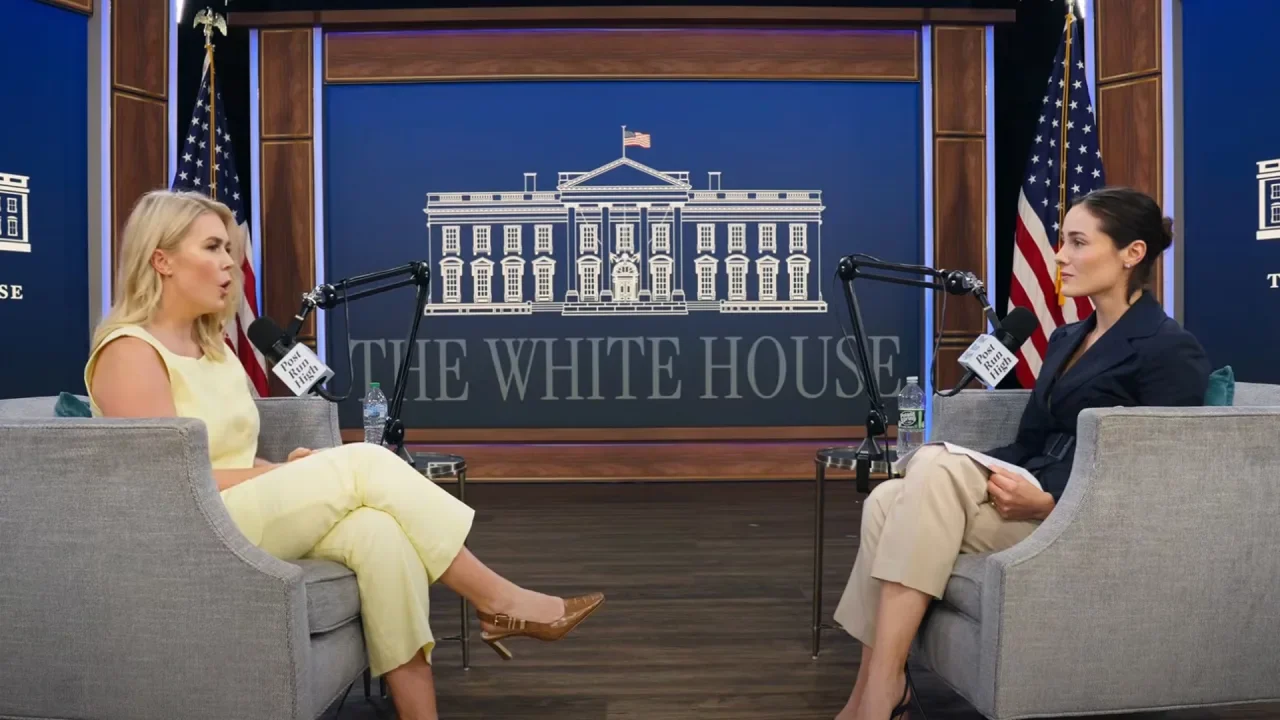
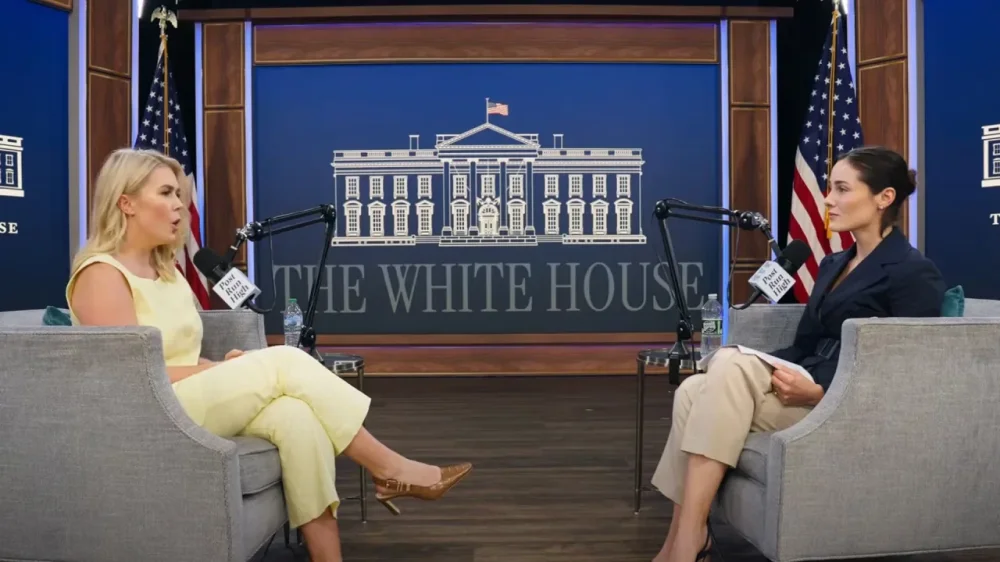
Wake up, the running influencers are fighting again. In the hot seat this week is popular running influencer Kate Mackz, facing heavy backlash over the latest guest on her running interview series: White House Press Secretary Karoline Leavitt. Mackz, who has nearly 800,000 followers on TikTok, has previously featured notable figures such as political commentator Dana Perino and biohacker-in-chief Bryan Johnson. On Wednesday, she released her newest interview with Leavitt, who declined to run any miles but did give Mackz a tour of the White House. “I can’t believe you get to wake up and be here every single day,” Mackz said as she and Leavitt took a stroll through the James S. Brady Press Briefing Room, and Leavitt’s office. Notably absent is the mention of policy or actual politics. The interview—filmed for both TikTok and Mackz’s podcast—comes as the White House intensifies its outreach to nontraditional media, including influencers and podcasters, whose impact on the 2020 election hasn’t gone unnoticed. While some view this as a savvy response to a shifting media landscape, critics note that the influencers being granted access tend to lean pro-The President—or at least avoid asking hard questions. “Truly surreal to walk through a place with so much history and meaning,” Mackz wrote in the video’s caption. Like much of American politics today, the comments section was deeply divided. Some followers praised the video. Others were less impressed. “Oh Kate, this is disappointing,” one wrote. “Read the room girl,” added another. “’The fact she wasn’t even running – you put a torch to your platform for a video that doesn’t even fit your own brand,’ a third commented. (Fast Company has reached out to Mackz for comment.) One particularly pointed comment reportedly came from Hope Walz, daughter of Democratic vice presidential candidate Tim Walz, who asked Mackz to unpin her earlier interview with her father—posted in the lead-up to the election—from the top of her page. As of this writing, the video remains pinned and has over 4.4 million views. While the comment is no longer visible, Walz posted her own video yesterday in response, where she discusses running as a political act. “You know who taught me that,” she says. “Tim Walz.” In her video, Walz highlights the privilege embedded in the running world—access to safe spaces, healthcare, and climate protections—and criticizes the current administration’s cuts to mental health funding, food banks, and environmental programs. “We should not be normalizing these people,” she says. “I’m not going to tell anyone what to do with their page, but I think it is insulting to my dad to leave a certain video pinned, especially when he stands for quite literally the opposite of what this administration is doing. You do not get to both-sides this.” View the full article
-
You probably know you don't have to pay to use Spotify, as long as you're good with ads. For a commercial-free experience, of course, you need to subscribe to Premium. If you ever tried to sign up for Spotify Premium on your iPhone, however, you might have noticed there was no way to do so—neither a "pay now" button, nor a link to subscribe elsewhere. The Apple taxThat's because Spotify didn't want 15–30% of the money you gave it going directly to Apple. That's how Apple's App Store works (and largely Google's, for that matter). Any payments you make within an app on your iPhone, Apple gets a cut—either 15% or 30%, depending on how much money the app in question has paid, or how long a subscription has been running for. Spotify and apps like it don't have to pay the Apple tax if you make your purchases outside the app: Signing up for Spotify Premium through Safari, for example, means Spotify gets 100% of the money. Apple knows this, which is why it has traditionally banned apps from linking to external sites for payments. In their view, if you want customers to pay for your services directly, you either need to go through the app and pay the fee, or hope they google it on their own. Spotify had a Premium tab in the app, even for free users, but it only let those users know those subscriptions existed, and that they needed to subscribe through their web browser if they wanted to sign up. (The app even acknowledged that it was a pain, without directly blaming Apple.) Spotify can now direct you to its own website for paymentsThat all changed this week: Judge Yvonne Gonzalez Rogers ruled that Apple cannot block developers in any way from directing their users to third-party websites to make payments, or to impose any fees on purchases made outside the app. That means that apps like Spotify can push updates to their app, which include links to their own websites for payments and subscriptions. Apple says it will comply with the ruling, but appeal it all the same. In the interim, however, it does appear the company is in compliance, as Apple did approve Spotify's latest update. If you go to the Premium tab in the app, you now see links to various subscription options. This ruling didn't come out of nowhere. It's in response to Fortnite developer Epic Games' continuous antitrust lawsuit against Apple. Judge Rogers disagreed with most of Epic's claims in a 2021 decision, but did rule that Apple needed to allow developers to direct customers to third-party payment options. Apple bent the rules here, by issuing a new fee on purchases made outside of apps, as well as rolling out messages to persuade customers away from these third-party sites. Judge Rogers was not pleased, calling out Apple executives (including CEO Tim Cook), and holding the company in civil contempt of court. Apple may also be investigated for criminal contempt. Apple might have had a particularly bad day in court, but apps like Spotify are likely quite pleased. So, expect to see more options to pay for things outside of the apps you use. Some might even charge less, now that it's easier to direct customers away from Apple's in-app purchases. Not Spotify, though: The company didn't offer in-app payments before, and still don't, so Premium still costs exactly the same. View the full article
-
Key Takeaways Importance of Cultural Competency: Cultural competency leadership is essential for fostering an inclusive environment, enhancing team dynamics, and driving innovation within diverse workplaces. Key Characteristics: Effective cultural competency leaders exhibit strong communication skills, empathy, adaptability, and a commitment to continuous learning to effectively manage diverse teams. Benefits of Diversity: Prioritizing cultural competency leads to improved team collaboration, better decision-making, enhanced employee engagement, and superior customer service, ultimately benefiting business growth. Challenges to Address: Leaders must navigate communication barriers, conflict resolution, and time management to effectively integrate diverse cultural perspectives into their operations. Strategies for Development: Engaging in training opportunities, fostering open discussions, and adapting business processes can significantly enhance a leader’s cultural competency and improve team integration. Measuring Impact: Employing assessment tools like self-evaluations, employee feedback surveys, and performance reviews helps gauge the effectiveness of cultural competency initiatives and their influence on business outcomes. In today’s diverse world, cultural competency leadership is more crucial than ever. As workplaces become melting pots of different backgrounds, effective leaders must understand and embrace this diversity. It’s not just about tolerance; it’s about actively engaging with various cultures to foster an inclusive environment where everyone feels valued. Leaders who prioritize cultural competency can drive innovation and improve team dynamics. By recognizing the unique perspectives that different cultures bring, you can enhance collaboration and boost morale. This article will explore the essential skills and strategies you need to develop as a culturally competent leader, helping you navigate the complexities of today’s global landscape. Understanding Cultural Competency Leadership Cultural competency leadership involves more than just awareness; it includes actively engaging with diverse cultures within your small business. Effective leaders harness this competency to enhance team dynamics and drive productivity. Definition and Importance Cultural competency leadership refers to the ability to understand, respect, and effectively interact with individuals from various cultural backgrounds. In today’s global marketplace, it’s crucial for small business leaders. A culturally competent leader fosters an inclusive environment that promotes collaboration and innovation. This inclusivity leads to improved employee morale and enhances customer service, driving business growth and customer retention. Key Characteristics of Cultural Competency Leaders Communication Skills: Cultural competency leaders exhibit strong communication skills, facilitating clear dialogue across diverse teams and fostering understanding. Decision-Making: They make informed decisions by considering different cultural perspectives, which enhances problem-solving and conflict resolution within teams. Empathy: Demonstrating empathy allows leaders to connect with employees on a personal level, improving employee management and retention rates. Adaptability: Culturally competent leaders adapt their management styles to meet the needs of diverse employees, increasing operational efficiency and productivity. Delegation: They effectively delegate tasks to team members based on their individual strengths and cultural contexts, optimizing workflow and employee development. Continuous Learning: A commitment to ongoing learning about different cultures helps leaders stay relevant and effective in their leadership roles. By integrating these characteristics, you can effectively lead a diverse workforce, enhancing both employee engagement and your business operations. The Role of Cultural Competency in Organizations Cultural competency plays a vital role in enhancing leadership within your small business. It involves understanding and effectively interacting with people from various cultural backgrounds, which is key to fostering an inclusive workplace. Benefits of Cultural Competency Leadership Improved team collaboration: Culturally competent leaders facilitate better teamwork by bridging cultural gaps, leading to enhanced morale and productivity. Diverse perspectives encourage innovation, driving business growth. Effective decision-making: Leaders who appreciate cultural differences make well-informed decisions, considering various viewpoints. This approach results in fairer outcomes that align with your business goals. Employee engagement: Culturally aware leaders create an environment where all employees feel valued, increasing retention rates. Engaged employees are more likely to contribute positively to your business operations. Enhanced customer service: Understanding diverse cultural backgrounds allows leaders to tailor customer interactions effectively, improving customer satisfaction and loyalty. Challenges Faced by Leaders in Diverse Environments Communication barriers: Misunderstandings can arise from different cultural communication styles. Leaders must identify these barriers and implement strategies to promote clear interactions within their teams. Conflict resolution: Cultural differences often lead to conflicts that can hinder team dynamics. Leaders should be equipped with conflict resolution skills to address these issues promptly and fairly. Adaptability: Adjusting leadership styles to suit diverse cultural expectations can be challenging. Leaders need to remain flexible and open-minded, ensuring their management strategies meet the needs of all team members. Time management: Balancing various cultural perspectives alongside day-to-day operations can strain resources. Leaders must implement effective time management techniques to ensure that all voices are heard without compromising workflow. By prioritizing cultural competency, you enhance operational efficiency and strengthen your business’s ability to adapt to the global market. Engaging with diverse cultures not only cultivates a positive work environment but also drives better outcomes for your small business. Developing Cultural Competency Skills Cultural competency plays a vital role in your leadership, especially when managing a diverse team within your small business. Enhancing these skills fosters collaboration and drives productivity. Training and Education Opportunities Seek out training programs focusing on cultural competency to bolster your leadership abilities. Workshops and webinars provide insights into cultural awareness and effective communication skills. Many organizations offer online courses designed for small business leaders. By investing in employee training, you not only enhance your team’s cultural understanding but also improve employee engagement and morale. Incorporating these learning opportunities aids your team management efforts and supports strategic planning for business growth. Practical Strategies for Leaders Implement practical strategies to develop cultural competency in your workplace. Engage Regularly: Facilitate regular discussions about diversity and cultural experiences with your team. Creating a safe space for sharing encourages open communication. Delegate Responsibilities: Use delegation wisely to encourage team members from diverse backgrounds to lead projects. This approach builds trust and promotes shared leadership. Encourage Feedback: Gather customer feedback on cultural inclusivity in your products or services. Understanding market responses aids in refining your business strategy. Adapt Processes: Tailor your business processes to accommodate various cultural perspectives. This emphasis on inclusion can enhance overall operational efficiency. By prioritizing these strategies, you’ll enhance decision-making processes and effectively manage your small business’s diverse workforce, leading to improved customer service and satisfaction. Measuring the Impact of Cultural Competency Leadership Measuring the impact of cultural competency leadership is essential for small businesses aiming to enhance operations and foster team collaboration. Effective cultural competency promotes better communication and decision-making, leading to improved employee engagement and customer service. Assessment Tools and Metrics To gauge the impact of cultural competency in leadership, you can employ various assessment tools and metrics: Self-Assessment: Utilize checklists or standardized tools for self-evaluation. These instruments focus on critical attributes such as awareness, knowledge, sensitivity, and skill in cultural interactions. The Cultural Competence and Confidence Model highlights self-appraisal as crucial for developing cultural competence. Employee Feedback Surveys: Implement surveys to collect data from your team. Analyze results to identify areas for improvement in leadership practices and team dynamics. Regular feedback fosters an environment of open communication and continuous learning. Performance Reviews: Integrate cultural competency metrics into employee performance reviews. Assess how effectively leaders communicate with and engage diverse team members, contributing to business goals and operational efficiency. Case Studies and Success Stories Numerous small businesses demonstrate the effectiveness of cultural competency leadership: Local Café: A small café implemented cultural training for staff, resulting in a 20% increase in customer satisfaction. The team learned to appreciate diverse food preferences, enhancing customer service and building stronger customer loyalty. Marketing Agency: A marketing agency focused on diversity initiated performance reviews that evaluated cultural competency. They reported a 30% improvement in collaborative project outcomes, significantly boosting productivity and team morale. Retail Store: A retail business adopted a customer feedback system to gather insights on cultural inclusivity. Consequently, they optimized inventory management based on customer preferences, leading to a 25% rise in sales and client retention. These examples illustrate the transformative effects of integrating cultural competency into leadership strategies, highlighting improved business outcomes and growth potential. Conclusion Embracing cultural competency leadership is essential for thriving in today’s diverse business landscape. By actively engaging with various cultures you can foster an inclusive environment that not only enhances team dynamics but also drives innovation. The journey toward becoming a culturally competent leader involves continuous learning and a commitment to understanding the unique perspectives of your team. Implementing practical strategies and utilizing assessment tools can help you measure your progress and adapt your approach. Ultimately the effort you put into cultivating cultural competency will not only benefit your organization but also create a positive impact on employee engagement and customer satisfaction. As you navigate the complexities of the global marketplace remember that your leadership style can pave the way for a more inclusive and successful future. Frequently Asked Questions What is cultural competency leadership? Cultural competency leadership is the ability to understand, respect, and effectively engage with individuals from diverse backgrounds. This skill is essential for creating inclusive environments that drive innovation and enhance team collaboration. Why is cultural competency important in the workplace? Cultural competency is crucial in today’s diverse workplaces as it improves team dynamics, enhances employee engagement, and fosters better customer service. Leaders who prioritize these skills can create a positive work environment that promotes growth and adaptability. What are the key characteristics of culturally competent leaders? Culturally competent leaders possess strong communication skills, empathy, adaptability, informed decision-making, effective delegation, and a commitment to continuous learning. These traits help them engage effectively with diverse teams and stakeholders. How can leaders develop cultural competency skills? Leaders can develop cultural competency by attending workshops, taking online courses, and engaging in open conversations with team members about diversity. Regularly seeking customer feedback on cultural inclusivity also helps to enhance these skills. What challenges do leaders face in diverse environments? Leaders often encounter challenges like communication barriers, conflict resolution, adaptability issues, and time management in diverse settings. Addressing these challenges requires a commitment to cultural competency and effective leadership practices. How can cultural competency positively impact a small business? Cultural competency can lead to improved team collaboration, better decision-making, enhanced employee engagement, and superior customer service. It helps small businesses adapt to the global market and strengthens their overall operational efficiency. What tools can measure cultural competency in leadership? Assessment tools like self-assessments, employee feedback surveys, and performance reviews can effectively measure cultural competency in leadership practices. These metrics help identify areas for improvement and track progress over time. Can you share examples of successful cultural competency integration? Many small businesses have successfully incorporated cultural competency into their operations, leading to tangible improvements in customer satisfaction, team collaboration, and business performance. These case studies demonstrate the real-world benefits of prioritizing cultural inclusivity. Image Via Envato This article, "Mastering Cultural Competency Leadership for Inclusive Workplace Growth" was first published on Small Business Trends View the full article
-
Key Takeaways Importance of Cultural Competency: Cultural competency leadership is essential for fostering an inclusive environment, enhancing team dynamics, and driving innovation within diverse workplaces. Key Characteristics: Effective cultural competency leaders exhibit strong communication skills, empathy, adaptability, and a commitment to continuous learning to effectively manage diverse teams. Benefits of Diversity: Prioritizing cultural competency leads to improved team collaboration, better decision-making, enhanced employee engagement, and superior customer service, ultimately benefiting business growth. Challenges to Address: Leaders must navigate communication barriers, conflict resolution, and time management to effectively integrate diverse cultural perspectives into their operations. Strategies for Development: Engaging in training opportunities, fostering open discussions, and adapting business processes can significantly enhance a leader’s cultural competency and improve team integration. Measuring Impact: Employing assessment tools like self-evaluations, employee feedback surveys, and performance reviews helps gauge the effectiveness of cultural competency initiatives and their influence on business outcomes. In today’s diverse world, cultural competency leadership is more crucial than ever. As workplaces become melting pots of different backgrounds, effective leaders must understand and embrace this diversity. It’s not just about tolerance; it’s about actively engaging with various cultures to foster an inclusive environment where everyone feels valued. Leaders who prioritize cultural competency can drive innovation and improve team dynamics. By recognizing the unique perspectives that different cultures bring, you can enhance collaboration and boost morale. This article will explore the essential skills and strategies you need to develop as a culturally competent leader, helping you navigate the complexities of today’s global landscape. Understanding Cultural Competency Leadership Cultural competency leadership involves more than just awareness; it includes actively engaging with diverse cultures within your small business. Effective leaders harness this competency to enhance team dynamics and drive productivity. Definition and Importance Cultural competency leadership refers to the ability to understand, respect, and effectively interact with individuals from various cultural backgrounds. In today’s global marketplace, it’s crucial for small business leaders. A culturally competent leader fosters an inclusive environment that promotes collaboration and innovation. This inclusivity leads to improved employee morale and enhances customer service, driving business growth and customer retention. Key Characteristics of Cultural Competency Leaders Communication Skills: Cultural competency leaders exhibit strong communication skills, facilitating clear dialogue across diverse teams and fostering understanding. Decision-Making: They make informed decisions by considering different cultural perspectives, which enhances problem-solving and conflict resolution within teams. Empathy: Demonstrating empathy allows leaders to connect with employees on a personal level, improving employee management and retention rates. Adaptability: Culturally competent leaders adapt their management styles to meet the needs of diverse employees, increasing operational efficiency and productivity. Delegation: They effectively delegate tasks to team members based on their individual strengths and cultural contexts, optimizing workflow and employee development. Continuous Learning: A commitment to ongoing learning about different cultures helps leaders stay relevant and effective in their leadership roles. By integrating these characteristics, you can effectively lead a diverse workforce, enhancing both employee engagement and your business operations. The Role of Cultural Competency in Organizations Cultural competency plays a vital role in enhancing leadership within your small business. It involves understanding and effectively interacting with people from various cultural backgrounds, which is key to fostering an inclusive workplace. Benefits of Cultural Competency Leadership Improved team collaboration: Culturally competent leaders facilitate better teamwork by bridging cultural gaps, leading to enhanced morale and productivity. Diverse perspectives encourage innovation, driving business growth. Effective decision-making: Leaders who appreciate cultural differences make well-informed decisions, considering various viewpoints. This approach results in fairer outcomes that align with your business goals. Employee engagement: Culturally aware leaders create an environment where all employees feel valued, increasing retention rates. Engaged employees are more likely to contribute positively to your business operations. Enhanced customer service: Understanding diverse cultural backgrounds allows leaders to tailor customer interactions effectively, improving customer satisfaction and loyalty. Challenges Faced by Leaders in Diverse Environments Communication barriers: Misunderstandings can arise from different cultural communication styles. Leaders must identify these barriers and implement strategies to promote clear interactions within their teams. Conflict resolution: Cultural differences often lead to conflicts that can hinder team dynamics. Leaders should be equipped with conflict resolution skills to address these issues promptly and fairly. Adaptability: Adjusting leadership styles to suit diverse cultural expectations can be challenging. Leaders need to remain flexible and open-minded, ensuring their management strategies meet the needs of all team members. Time management: Balancing various cultural perspectives alongside day-to-day operations can strain resources. Leaders must implement effective time management techniques to ensure that all voices are heard without compromising workflow. By prioritizing cultural competency, you enhance operational efficiency and strengthen your business’s ability to adapt to the global market. Engaging with diverse cultures not only cultivates a positive work environment but also drives better outcomes for your small business. Developing Cultural Competency Skills Cultural competency plays a vital role in your leadership, especially when managing a diverse team within your small business. Enhancing these skills fosters collaboration and drives productivity. Training and Education Opportunities Seek out training programs focusing on cultural competency to bolster your leadership abilities. Workshops and webinars provide insights into cultural awareness and effective communication skills. Many organizations offer online courses designed for small business leaders. By investing in employee training, you not only enhance your team’s cultural understanding but also improve employee engagement and morale. Incorporating these learning opportunities aids your team management efforts and supports strategic planning for business growth. Practical Strategies for Leaders Implement practical strategies to develop cultural competency in your workplace. Engage Regularly: Facilitate regular discussions about diversity and cultural experiences with your team. Creating a safe space for sharing encourages open communication. Delegate Responsibilities: Use delegation wisely to encourage team members from diverse backgrounds to lead projects. This approach builds trust and promotes shared leadership. Encourage Feedback: Gather customer feedback on cultural inclusivity in your products or services. Understanding market responses aids in refining your business strategy. Adapt Processes: Tailor your business processes to accommodate various cultural perspectives. This emphasis on inclusion can enhance overall operational efficiency. By prioritizing these strategies, you’ll enhance decision-making processes and effectively manage your small business’s diverse workforce, leading to improved customer service and satisfaction. Measuring the Impact of Cultural Competency Leadership Measuring the impact of cultural competency leadership is essential for small businesses aiming to enhance operations and foster team collaboration. Effective cultural competency promotes better communication and decision-making, leading to improved employee engagement and customer service. Assessment Tools and Metrics To gauge the impact of cultural competency in leadership, you can employ various assessment tools and metrics: Self-Assessment: Utilize checklists or standardized tools for self-evaluation. These instruments focus on critical attributes such as awareness, knowledge, sensitivity, and skill in cultural interactions. The Cultural Competence and Confidence Model highlights self-appraisal as crucial for developing cultural competence. Employee Feedback Surveys: Implement surveys to collect data from your team. Analyze results to identify areas for improvement in leadership practices and team dynamics. Regular feedback fosters an environment of open communication and continuous learning. Performance Reviews: Integrate cultural competency metrics into employee performance reviews. Assess how effectively leaders communicate with and engage diverse team members, contributing to business goals and operational efficiency. Case Studies and Success Stories Numerous small businesses demonstrate the effectiveness of cultural competency leadership: Local Café: A small café implemented cultural training for staff, resulting in a 20% increase in customer satisfaction. The team learned to appreciate diverse food preferences, enhancing customer service and building stronger customer loyalty. Marketing Agency: A marketing agency focused on diversity initiated performance reviews that evaluated cultural competency. They reported a 30% improvement in collaborative project outcomes, significantly boosting productivity and team morale. Retail Store: A retail business adopted a customer feedback system to gather insights on cultural inclusivity. Consequently, they optimized inventory management based on customer preferences, leading to a 25% rise in sales and client retention. These examples illustrate the transformative effects of integrating cultural competency into leadership strategies, highlighting improved business outcomes and growth potential. Conclusion Embracing cultural competency leadership is essential for thriving in today’s diverse business landscape. By actively engaging with various cultures you can foster an inclusive environment that not only enhances team dynamics but also drives innovation. The journey toward becoming a culturally competent leader involves continuous learning and a commitment to understanding the unique perspectives of your team. Implementing practical strategies and utilizing assessment tools can help you measure your progress and adapt your approach. Ultimately the effort you put into cultivating cultural competency will not only benefit your organization but also create a positive impact on employee engagement and customer satisfaction. As you navigate the complexities of the global marketplace remember that your leadership style can pave the way for a more inclusive and successful future. Frequently Asked Questions What is cultural competency leadership? Cultural competency leadership is the ability to understand, respect, and effectively engage with individuals from diverse backgrounds. This skill is essential for creating inclusive environments that drive innovation and enhance team collaboration. Why is cultural competency important in the workplace? Cultural competency is crucial in today’s diverse workplaces as it improves team dynamics, enhances employee engagement, and fosters better customer service. Leaders who prioritize these skills can create a positive work environment that promotes growth and adaptability. What are the key characteristics of culturally competent leaders? Culturally competent leaders possess strong communication skills, empathy, adaptability, informed decision-making, effective delegation, and a commitment to continuous learning. These traits help them engage effectively with diverse teams and stakeholders. How can leaders develop cultural competency skills? Leaders can develop cultural competency by attending workshops, taking online courses, and engaging in open conversations with team members about diversity. Regularly seeking customer feedback on cultural inclusivity also helps to enhance these skills. What challenges do leaders face in diverse environments? Leaders often encounter challenges like communication barriers, conflict resolution, adaptability issues, and time management in diverse settings. Addressing these challenges requires a commitment to cultural competency and effective leadership practices. How can cultural competency positively impact a small business? Cultural competency can lead to improved team collaboration, better decision-making, enhanced employee engagement, and superior customer service. It helps small businesses adapt to the global market and strengthens their overall operational efficiency. What tools can measure cultural competency in leadership? Assessment tools like self-assessments, employee feedback surveys, and performance reviews can effectively measure cultural competency in leadership practices. These metrics help identify areas for improvement and track progress over time. Can you share examples of successful cultural competency integration? Many small businesses have successfully incorporated cultural competency into their operations, leading to tangible improvements in customer satisfaction, team collaboration, and business performance. These case studies demonstrate the real-world benefits of prioritizing cultural inclusivity. Image Via Envato This article, "Mastering Cultural Competency Leadership for Inclusive Workplace Growth" was first published on Small Business Trends View the full article
-
Cheese and carbs have never been a tough sell, but if you’ve ever had a stretchy, springy bite of pão de queijo (a Brazilian cheese bread puff) then you know that this simple combination can soar to new heights. It’s the most utterly stretchy cheese puff you’ve ever known. If you haven’t had the pleasure of noshing on pão de queijo, then we should change that. Luckily, it only requires six ingredients and with the help of a blender or stand mixer, it’s nearly effortless. What is pão de queijo?While many South American countries have a version of a this cheesy bread, pão de queijo originated in Brazil. This delightful snack owes its stretchy, gummy center to tapioca flour, a starch made from the cassava root. Cheese delivers its own stretch too, but I find it plays a bigger role as the primary flavoring ingredient. So using a powerful cheese with plenty of flavor pays off in the end. Add a bit of egg, oil, and milk and you’re on your way. I first had pão de queijo in a Brazilian restaurant in Brooklyn, where the we were quickly supplied with a basket of golden brown flecked pastry balls about the size of a large egg. My friend stopped the conversation and directed my attention to the bread because this was the whole reason she brought me there. After tearing one in half—which took a long moment, due to the never-ending cheesy stretch—I understood why we had paused our discussion. This chewy, salty, crusty but soft pão de queijo demands your full attention, and deserves it. A few years later, I did have the distinct pleasure of eating pão de queijo in Brazil. It’s not uncommon to have them with breakfast, or for a café to serve a few golden spheres alongside your coffee. The ones I ate in Brazil are made in frustratingly small sizes compared to how big my appetite is for them, but not everyone is a cheese monster like I am. And in my own home, I get to make them bigger. There are two different methods that I’ve used for making pão de queijo: a blender version and a stand mixer version. (If you haven't joined the stand mixer club yet, here's what to look for when you're shopping for one.) Both recipes are delicious, so instead of choosing for you, I’ve provided them both. Pão de queijo in your blenderThis style of pão de queijo is more like a batter. It’s extremely simple: I just add all of the ingredients to my Vitamix, but you can use any other blender just as well. (If you need a fancy new blender, this one has nearly changed my life.) The oven takes care of the rest. It’s better to use a cupcake pan (or a mini cupcake pan) to shape the puffs. I used this recipe from the back of the Bob’s Red Mill Tapioca Flour package. I took the liberty of adding extra cheese before baking and included that here. Ingredients: 1 egg ¼ cup olive oil ⅔ cup milk 1 ½ cups tapioca flour ½ cup grated cheddar cheese, plus extra for topping ½ teaspoon salt 1. Blender dumpButter a cupcake pan, or mini cupcake pan, and preheat the oven to 400ºF. Add all of the ingredients to a blender. Blend on low speed to “catch” all of the ingredients and slowly increase the speed. Stop the blender and scrape the sides if you see any tapioca flour is stuck. Blend again if necessary. 2. BakePour the contents of the blender into the greased cups of a cupcake pan, or mini cupcake pan. I only fill them about halfway to three quarters full. Then top them each with a pinch of extra cheese. Bake them for about 20 minutes, or until puffed and the cheese has browned. Pão de queijo in your stand mixer Credit: Allie Chanthorn Reinmann I used this recipe from TudoGostoso which ends up with more of a dough consistency partially due to heating the tapioca with hot milk and oil before it goes in the oven. Ingredients: 500 grams tapioca flour (I used the whole bag of Bob’s Red Mill tapioca flour) 1 tablespoon salt 250 mL milk (slightly more than 1 cup) 1 to 2 eggs (the second egg is only if needed) 12 ounce shredded cheese (I used a mozzarella, parmesan, and cheddar blend) 1. Dry and wet ingredients Line a baking sheet with parchment paper. Preheat the oven to 350ºF. Add the tapioca flour and salt to the bowl of a stand mixer. In a pan or pot, add the milk and oil. Heat the liquid mixture over medium until it starts to bubble on the edges. 2. Mix the doughAdd a paddle attachment and turn the mixer on the lowest speed. Pour in the hot oil and milk mixture all at once with the mixer running. Mix until evenly incorporated and the texture is consistent and sandy. Add one egg and the cheese. If the dough is dry, add the other egg. It should feel like soft cookie dough. Mix until the dough is homogeneous and thick. 3. Form the balls Credit: Allie Chanthorn Reinmann Shape the dough into 1-inch balls. I scooped the dough onto a parchment-lined baking sheet and then rolled them in my palms to smooth out the shape. Give them an inch of space between each ball and bake them in a 350ºF oven until fully puffed and lightly browned on the bottom, about 20 to 25 minutes. Enjoy warm. View the full article
-
President Donald The President just won’t let go of his ongoing battle against Harvard. In the latest move against the Ivy League school, The President on Friday said he will revoke Harvard University’s tax-exempt status. It’s another attempt to defund Harvard, which has flat out refused to comply with the administration’s long list of demands for higher education institutions, requiring the university to make sweeping changes in order to keep its $2.2 billion in federal funding—which the administration has since frozen, prompting Harvard to sue the administration, leaving it to the courts to decide. Those demands include ending DEI on campus; taking actions aimed at ending antisemitism, including when it limits free speech; and trying to enforce or at least have a say in what professors can ultimately teach on campus. “We are going to be taking away Harvard’s Tax Exempt Status. It’s what they deserve!” The President wrote in a post on Truth Social. In response, Harvard spokesperson Jason Newton told NBC News that not only was “there was no legal basis to rescind its status,” but also revoking the university’s tax-exempt status “would endanger our ability to carry out our educational mission . . . [and] result in diminished financial aid for students, abandonment of critical medical research programs . . . [and] more broadly would have grave consequences for the future of higher education in America.” Harvard, like most major colleges and universities, is a tax-exempt organization. Trying to pull one university’s funding would likely be challenged in court, as many of The President’s executive orders have been just 100-some days into his second term. (Harvard’s federal income tax exemption as an educational institution is mandated under Section 501(c)(3) of the Internal Revenue Code of 1986, as amended. As an educational institution, Harvard is also exempt from state income tax in Massachusetts, where it is located.) Harvard’s unwillingness to back down has created a target on its back—because if one university, one law firm, or one state can stand up to The President, it could pave the way for others to do the same. For example, since Harvard boldly refused to comply with the administration’s demands earlier this month, a number of other schools have followed with some form of resistance. In the weeks following The President’s decision to try to pull nearly all of Harvard’s $2.2 billion in federal funding, 170 college presidents, including those of Princeton University and Brown University, signed a letter rebuking the administration’s “overreach.” The American Association of Colleges and Universities said in a statement, “as leaders of America’s colleges, universities, and scholarly societies, we speak with one voice against the unprecedented government overreach and political interference now endangering American higher education.” Although Harvard has a vast endowment of $53.2 billion, it relies on several other sources beyond that for its funding, and can only tap about 20% of it for discretionary spending to go toward covering the money lost by The President’s funding freeze. In fact, the majority of Harvard’s endowment has restrictions that stipulate how exactly the Ivy can spend that money. View the full article

-
Widespread local election wins raise prospect of populist party becoming Labour’s main oppositionView the full article
-
President Donald The President’s 2026 budget plan would slash non-defense domestic spending by $163 billion while increasing expenditures on national security, according to White House statements Friday. The plan shows a desire to crack down on diversity programs and initiatives to address climate change. But it doesn’t include details about what The President wants on income taxes, tariffs, entitlement programs or the budget deficit — a sign of the challenge confronting the president when he’s promising to cut taxes and repay the federal debt without doing major damage to economic growth. Budgets do not become law but serve as a touchstone for the upcoming fiscal year debates. Often considered a statement of values, this first budget since The President’s return to the White House carries the added weight of defining the Republican president’s second-term pursuits, alongside his party in Congress. House Speaker Mike Johnson, R-La., said the plan showed fiscal discipline given the problems of persistently high budget deficits. The budget released on Friday did not, in fact, include a forecast on government borrowing. “President The President’s plan ensures every federal taxpayer dollar spent is used to serve the American people, not a bloated bureaucracy or partisan pet projects,” Johnson said. Sen. Patty Murray, D-Wash., said the cuts could ultimately be more extreme than what the administration has proposed, noting that the budget doesn’t provide funding levels for programs such as Head Start. “President The President has made his priorities clear as day: he wants to outright defund programs that help working Americans while he shovels massive tax breaks at billionaires like himself and raises taxes on middle-class Americans with his reckless tariffs,” Murray said. The budget seeks to cut discretionary spending by a total of 7.6% next year, but includes a 13% increase in national security spending. The State Department and international programs would lose 84% of their money and receive $9.6 billion, a cut that reflects the existing efforts by adviser Elon Musk’s Department of Government Efficiency. The Housing and Urban Development Department would get a $33.6 billion cut, while the Health and Human Service Department would receive $33.3 trillion less and the Education Department’s spending would be reduced by $12 billion. The Defense Department would get an additional $113.3 billion and Homeland Security would receive $42.3 billion more. The IRS and FBI would lose money, while the Low Income Home Energy Assistance Program would be ended. There would be $980 million less for college students in work-study programs, as well as similarly sized cuts for adult education and instruction for learning English. The Centers for Disease Control and Prevention would lose nearly $3.6 billion under the plan, while the National Institutes of Health would face a steep cut of almost $18 billion. The budget would eliminate more than $15 billion for infrastructure-related programs tied to climate change and $1.3 billion from the National Oceanic and Atmospheric Administration. The White House budget plan arrives as The President has unilaterally imposed what could hundreds of billions of dollars in tax increases in the form of tariffs, setting off a trade war that has consumers, CEOs and foreign leaders worried about a possible economic downturn. The White House’s Office of Management and Budget, headed by Russell Vought, a chief architect of Project 2025, provided contours of a so-called skinny version of topline numbers only regarding discretionary spending. Administration officials said a fuller budget will come soon with plans to address the drivers of the annual deficit. The nation’s estimated $7 trillion-plus federal budget has been growing steadily, with annual deficits fast approaching $2 trillion and the annual interest payments on the debt almost $1 trillion. That’s thanks mostly to the spike in emergency COVID-19 pandemic spending, changes in the tax code that reduced revenues and the climbing costs of Medicare, Medicaid and other programs, largely to cover the nation’s health needs as people age. The nation’s debt load, at $36 trillion, is ballooning. Democrats are prepared to assail The President’s budget as further evidence that the Republican administration is intent on gutting government programs that Americans depend on. Congress is already deep into the slog of drafting of The President’s big bill of tax breaks, spending cuts and bolstered funds for the administration’s mass deportation effort — a package that, unlike the budget plan, would carry the force of law. But deep differences remain among the Republicans, who are trying to pass that big bill over the objections of Democrats. “We are awaiting some final calculations on a few of the tax components, and we expect to be able to complete that work on a very aggressive schedule,” Johnson said. It’s Congress, under its constitutional powers, that decides the spending plans, approves the bills that authorize federal programs and funds them through the appropriations process. Often, that system breaks down, forcing lawmakers to pass stopgap spending bills to keep the government funded and avoid federal shutdowns. Vought is also expected on Capitol Hill in the weeks ahead as the The President administration presses its case to Congress for funds. Among the more skilled conservative budget hands in Washington, Vought has charted a career toward this moment. He served during the first The President administration in the same role and, for Project 2025, wrote an extensive chapter about the remaking of the federal government. Vought has separately been preparing a $9 billion package that would gut current 2025 funding for the U.S. Agency for International Development and the Corporation for Public Broadcasting, which involves the Public Broadcasting Service and National Public Radio. The President signed an executive order late Thursday that instructs the Corporation for Public Broadcasting and federal agencies to cease funding for PBS and NPR. Vought has said that package of so-called budget rescissions would be a first of potentially more, as the The President administration tests the appetite in Congress for lawmakers to go on record and vote to roll back the money. —Lisa Mascaro and Josh Boak, Associated Press View the full article