Newsletter
Want to keep up to date with all our latest news and information?


ResidentialBusiness
Administrators
-
Joined
-
Last visited
Everything posted by ResidentialBusiness
-
Leo Robitschek says he loves gin-based martinis and negronis. Unfortunately, they don’t always love him back. “After two, that decision to have a third is usually a tricky one,” says Robitschek, who has worked in the liquor industry for more than two decades, including serving as a bar director for Manhattan hot spots Eleven Madison Park and the NoMad Hotel. To lessen the pain after a boozy night out, Robitschek joined forces with another bartender, Nick Strangeway, and the founder of the sparkling beverage brand Dry Soda, Sharelle Klaus, to launch Second Sip Gin. The London dry gin is 20% alcohol by volume (ABV), roughly half the level of most gins, and was formulated over the course of six months as “somewhere between Beefeater and Tanqueray” gins. Second Sip has a juniper forward flavor, along with angelica root, coriander, bitter orange, and licorice, so it can retain an array of botanicals that gin is known for. “Two martinis are better than one,” says Robitschek. “But hopefully, there’s no regrets in the morning.” The rise of mindful drinking Lockdowns during the COVID-19 pandemic led to a spike in alcohol consumption as Americans were stuck at home with little to do. After life returned to normal, many consumers sought to reset their relationship by participating in Dry January—avoiding booze for the full month—and giving nonalcoholic beverages a try. All this coincided with the rise of Gen Z into legal drinking age, a generation that’s drinking less than other young people before them. But industry data shows that a vast majority of adults that consume nonalcoholic drinks aren’t exactly sober. More than 90% drink alcohol, too. And often, they will alternate between alcohol and N/A brands within the same evening, a social concept called “zebra striping.” “That idea of zebra striping and the consumer having two options results in this low alcohol space in the middle,” says Kaleigh Theriault, associate director of beverage alcohol thought leadership at research firm NIQ. “They can trust that the product is going to be moderate for them and they don’t have to be as conscious about making a decision between a non-alc and a regular ABV [alcohol by volume].” Lower alcohol sales total nearly $3.6 billion annually in U.S. grocery, liquor, convenience, and other retailers tracked by NIQ, but the category is also evolving differently across beer, wine, and spirits. Within beer, there has been less appetite for low-strength alternatives because major brands like Miller Lite and Coors Light are already naturally low in alcoholic content and the N/A brands that have emerged, led by Heineken 0.0 and Athletic Brewing, taste similar to their full-strength cousins. Redefining the buzz Fabian Clark says he enjoys N/A beers, but when he worked in hospitality and ran a restaurant in London, he consistently declined to stock Seedlip and other N/A spirits he was pitched. “For me, I felt they didn’t deliver on the flavor that I was looking for,” says Clark. After his restaurant shut down due to COVID, Clark cofounded Quarter Proof in 2022, launching with a gin and later a tequila and vodka that all contain 15% ABV, a level he says allows the startup to deliver spirits that retain a similar flavor profile to the higher proof competitors. “They’re not looking to abstain, they’re looking to moderate,” Clark says of the shifting consumer mindset. “And we feel that we offer seamless moderation. As we like to say, ‘All of the buzz, none of the blur.’” Stateside, Quarter Proof is only sold in bars and restaurants in New York and Miami, but Clark is in talks with a national distributor to bring the brand to additional markets. Clark also intends to move to the U.S. before the end of the year to have a more active in-person role building up Quarter Proof. Brandon Joldersma, the CEO of N/A wine brand Surely, says that the dealcoholization techniques changed the flavor profile too much for some consumers. “You really want to taste as similar as possible,” says Joldersma. “It’s just much more difficult to do with wine than it is for beer.” With that in mind, he launched the low-alcohol wine brand Arlow last year, with varietals including sauvignon blanc, rosé, and cabernet sauvignon, all with a 6.5% ABV and fewer calories and sugar than the full-strength wines. The brand is sold online in nearly all states and has scored wholesale distribution in New York as a test market. A category without clear rules NIQ’s Theriault says there’s no set guidelines for lower proof alcohols and thus the ranges for each category aren’t yet settled. Generally, NIQ’s unofficial definitions settle on beers under 4% ABV, and most wines under 10% and spirits below 30%. This presents both a challenge and an opportunity for upstarts like Arlow and Quarter Proof. “ABV math is something that consumers don’t necessarily do when at the shelf making a purchase,” says Theriault. “And probably not while ordering a drink while at a bar.” Beyond explaining the claims about ABV and better-for-you proposition for Arlow, Joldersma says he’s fielded questions like if Arlow adds water to dilute it (they don’t). “This is a brand new category that we are introducing and there’s some education that comes with that,” says Joldersma. Some say Americans are finally playing catch-up by embracing mid-strength cocktails like the aperol and hugo spritzes. “That lighter daytime drinking moment has always been part of European culture,” says Emma Fox, global VP for St-Germain elderflower liqueur and Martini vermouth. Fox estimates that globally, the aperitif and N/A-low alcohol segment is worth $11 billion and projected to grow 6% over the next four years. Google Search volume for the hugo spritz, made with St-Germain, prosecco, and mint, spiked by 130% in 2024 from the prior year and saw content on TikTok more than triple. St-Germain launched a global ad campaign with actress Sophie Turner last year to bolster the hugo spritz during the summer, when the cocktail tends to be more popular. To bolster popularity during the colder months, the French liqueur brand has also developed après-ski pop-ups at ski resorts. A new standard for bar menus Proof Creative, which conceptualizes cocktails menus for luxury hotel clients like the Four Seasons and Ritz-Carlton, anticipates menus will soon be engineered to offer N/A, low ABV, and full strength options across every beverage category. Bobby Carey, creative director for bar consultancy Proof Creative, says the lower-proof brands are also emerging in response to some consumer pushback that the N/A brands were being sold at lofty price points on par with the full strength spirits and wines. “Why am I paying so much for a nonalcoholic drink?,” asks Carey, explaining a common gripe he’s witnessed. “If you can turn around and say, ‘This is still alcohol. It’s still giving you the same flavor.’ That’s a more winning proposition.” View the full article

-
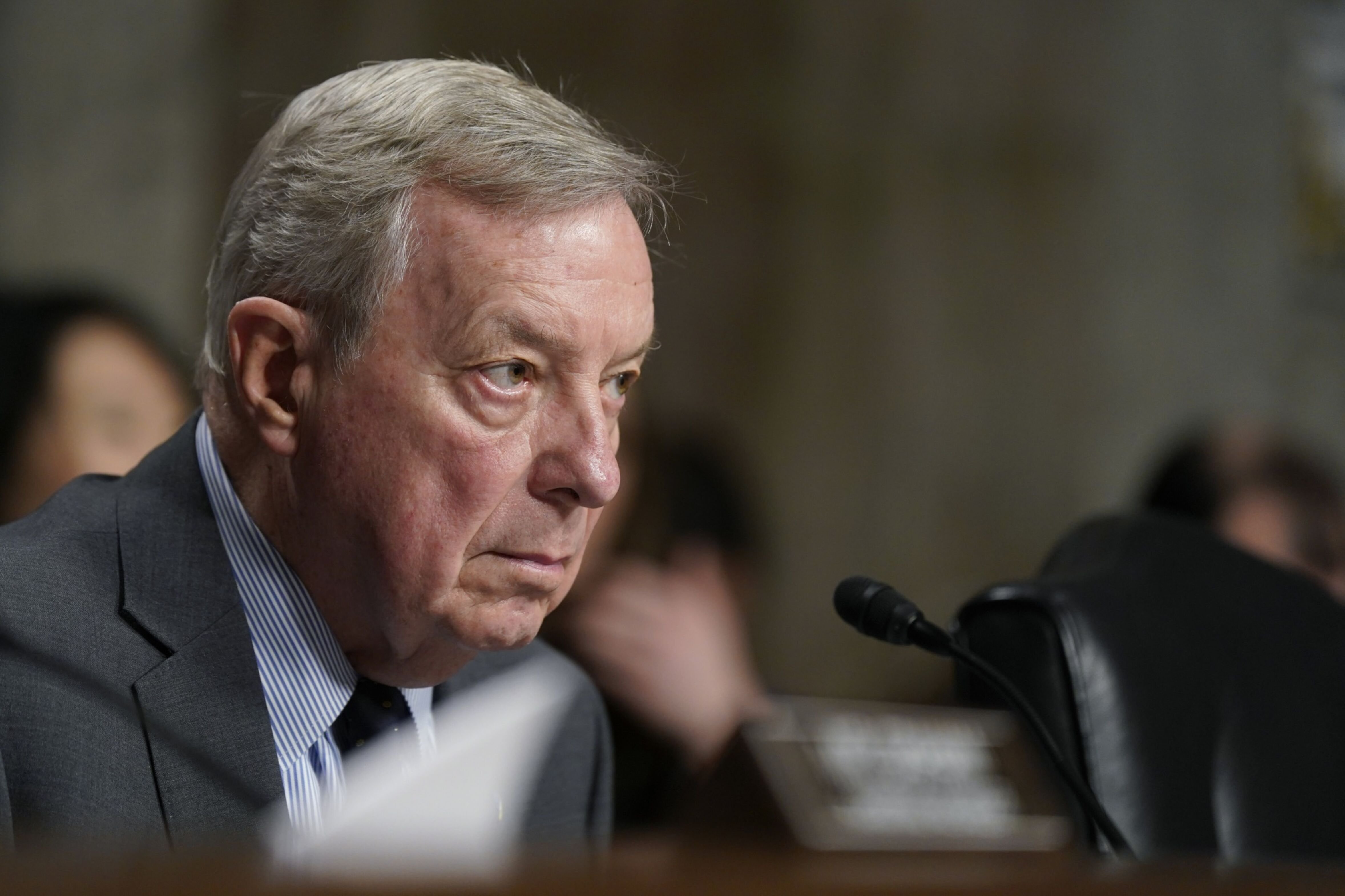
Sen. Dick Durbin, the Senate's No. 2 Democrat, announced he will not seek reelection in 2026, concluding more than four decades in Congress. The Illinois lawmaker leaves behind a notable imprint on U.S. financial policy, particularly regarding swipe fees. View the full article
-
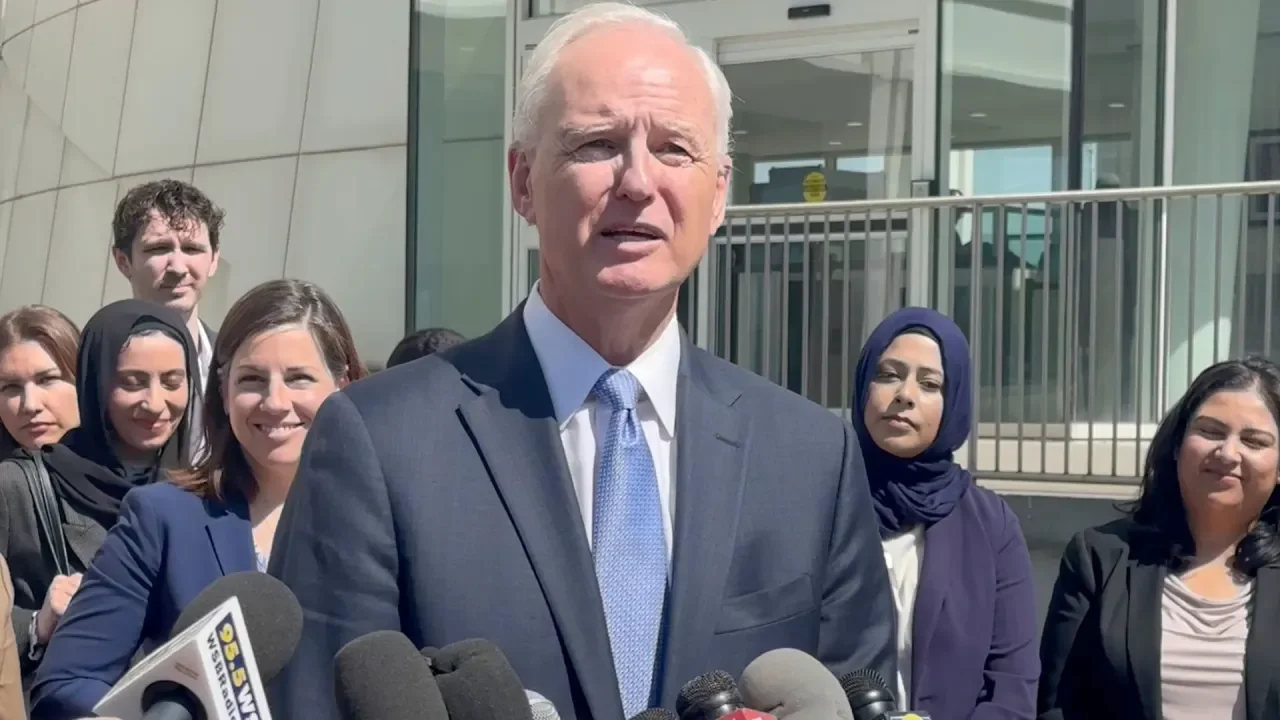
The president said he had "no intention" of firing the Federal Reserve chair and promised that tariffs against Chinese imports would be lowered "substantially." View the full article

-
Key Takeaways Definition and Concept: “Paying it forward” involves performing acts of kindness without expecting anything in return, fostering community and goodwill.Community Engagement: The practice builds stronger connections and relationships within communities, promoting a culture of kindness and generosity.Psychological Benefits: Acts of kindness benefit both the giver and the receiver, enhancing feelings of connection and fulfillment, and leading to increased customer loyalty.Real-Life Impact: Tangible acts of kindness can inspire others and create positive ripple effects, as demonstrated by remarkable stories around the world.Overcoming Misconceptions: Understanding that even small gestures count is vital, as misconceptions can limit the impact of acts of kindness.Daily Implementation: Practical actions, such as mentoring or buying coffee for a stranger, can spread goodwill and encourage a mindset of paying it forward in everyday life. Imagine a world where kindness ripples through the lives of strangers, creating a chain of goodwill that knows no bounds. The concept of “paying it forward” captures this beautiful idea, inspiring you to perform acts of kindness without expecting anything in return. It’s a simple yet profound way to make a difference, not just in someone else’s life but in your own as well. Whether it’s buying a coffee for the person behind you in line or volunteering your time to help those in need, every small gesture can spark a movement. By embracing the spirit of paying it forward, you contribute to a culture of compassion and generosity that can transform communities. Join the movement and discover how your actions can create a lasting impact. Understanding Pay It Forward Paying it forward involves performing acts of kindness without expecting anything in return. This concept builds community, fosters relationships, and encourages a spirit of generosity. Definition and Origin Paying it forward refers to the practice of doing something beneficial for someone else, often prompted by a previous act of kindness received. The term gained popularity in the early 2000s, largely due to the book by Catherine Ryan Hyde and its subsequent film adaptation. This movement emphasizes reciprocity through good deeds, encouraging individuals to extend kindness to others rather than directly repaying the original benefactor. How It Works You can implement pay it forward strategies in your small business. Start by showcasing goodwill through local events or community involvement. For instance, sponsoring a neighborhood event or partnering with local charities boosts your brand while strengthening community ties. You can also leverage social media marketing to encourage customers to share their positive experiences. Utilizing platforms like Facebook and Instagram for business allows you to promote local partnerships and community engagement through compelling content. Additionally, small gestures, such as offering loyalty programs or creating local promotions, encourage repeat customers and enhance customer retention. Word-of-mouth marketing often stems from these acts, generating organic buzz that elevates your local search presence and Google My Business listings. By integrating paying it forward within your marketing strategy, you enhance brand awareness and foster a loyal customer base, ultimately leading to greater business success. The Importance of Pay It Forward Paying it forward plays a crucial role in enhancing community engagement and fostering a culture of kindness. By embracing this philosophy, you can build stronger customer relationships and elevate your brand’s presence within the community. Social Impact The concept of pay it forward creates a chain reaction of kindness, inspiring individuals to perform good deeds for others, thereby strengthening community ties. Initiatives like International Pay It Forward Day showcase this impact, having inspired over five million acts of kindness across 70 countries. For small businesses, participating in local events and sponsorships represents a powerful strategy. Engaging in community endeavors not only boosts your visibility but also increases brand awareness through word-of-mouth referrals and positive online reviews. Psychological Benefits Paying it forward instills a sense of connection and fulfillment among individuals. When you perform acts of kindness, both the giver and the receiver experience psychological benefits, leading to stronger community ties. These initiatives can enhance customer loyalty as customers appreciate businesses that contribute positively to their neighborhoods. Incorporating local marketing techniques, such as social media marketing and grassroots marketing, helps you showcase your commitment to your community. Building an online presence through local listings and encouraging online reviews reinforces your business as a valuable community member. Real-Life Examples of Pay It Forward Paying it forward inspires communities through tangible acts of kindness. Here are some remarkable examples highlighting how individuals and groups influence others positively. Acts of Kindness in the Community Everyday gestures can significantly uplift your community. For instance, an Australian family, motivated by the Pay It Forward movement, prepared food bundles for frontline workers during the COVID-19 pandemic. This act not only supported local heroes but also enhanced community morale. You can adopt similar local marketing strategies by organizing small business events or local promotions, fostering goodwill and encouraging word of mouth. Notable Stories from Around the World Pay It Forward stories span the globe and illustrate the impact of selfless giving. One poignant example involves a stranger donating $10,000 for a woman’s liver operation. Despite the donor remaining anonymous, the woman’s gratitude exemplifies the powerful connection created by such acts. These stories resonate on social media platforms, encouraging local influencer partnerships and enhancing online presence. Sharing these narratives through local blogs or community newsletters can promote customer loyalty and highlight your commitment to community involvement. Challenges and Misconceptions Understanding the challenges and misconceptions surrounding the concept of paying it forward enhances your efforts in community engagement as a small business. Common Misunderstandings Many consumers associate paying it forward solely with grand gestures or financial donations. Some may believe that small acts, like complimenting a customer or providing an extra service, lack impact. This misconception minimizes the importance of everyday kindness, which can create a ripple effect within your target market. Emphasizing that any act contributes to goodwill helps clarify its significance in enhancing customer loyalty. Barriers to Practicing It Several barriers prevent businesses from embracing the pay-it-forward philosophy. Psychological Barriers: Research indicates that inequity aversion, the discomfort with unequal outcomes, affects willingness to give. Even when you know your kindness will encourage others, the fear of unequal reciprocation can hold you back. Social and Community Factors: Successful pay-it-forward initiatives require community support. If your local area lacks recognition of such actions, sustaining these behaviors becomes difficult. Engaging in neighborhood marketing and building local partnerships showcases the value of paying it forward to local consumers. Lack of Awareness: Many small businesses may not know how to leverage platforms like Google My Business or Yelp effectively to promote paying it forward. Incorporating grassroots marketing strategies, such as local events or sponsorships, can enhance visibility and participation. Fear of Negative Feedback: Concerns about online reviews or social media backlash can inhibit businesses from taking risks with their initiative. However, focusing on authentic customer connections can counter this fear and foster a culture of kindness. Acknowledging these challenges and misconceptions can lead to a greater understanding of how paying it forward truly benefits your small business and the broader community. How to Implement Pay It Forward in Daily Life Implementing “paying it forward” in your daily life consists of practical, straightforward actions that enrich community bonds and foster goodwill. Simple Acts You Can Do You can perform straightforward acts that make a difference. Mentoring someone in your field can help boost their skills and confidence. Paying for a stranger’s coffee at your local café can create a moment of joy and inspire them to be kinder. Offering genuine compliments to customers or coworkers enhances morale and creates a positive atmosphere. These actions can establish a culture of kindness in your small business, leading to increased customer loyalty and community engagement. Encouraging Others to Join In You can inspire others to embrace the “pay it forward” mindset by highlighting its benefits. Utilize your online presence, such as social media platforms like Facebook and Instagram for business, to showcase acts of kindness within your community. Engage with local influencers to amplify your message and create a ripple effect. Initiating local events or sponsorships can further encourage participation, fostering a network of businesses and individuals committed to supporting one another. Sharing stories of kindness through local blogs or your small business website helps motivate others. Celebrate these moments to build camaraderie and reinforce a sense of community. Conclusion Embracing the “pay it forward” philosophy can truly transform not just your life but also the lives of those around you. Every small act of kindness contributes to a larger movement of compassion and community connection. By engaging in simple gestures and encouraging others to do the same, you create a ripple effect that fosters goodwill and strengthens relationships. As you integrate this mindset into your daily routine or business practices, you’ll discover the profound impact it can have. Remember that kindness doesn’t have to be grand to be meaningful. Every small effort counts and can inspire others to follow suit. So go ahead and spread kindness today; you never know how far your actions might reach. Frequently Asked Questions What does “paying it forward” mean? “Paying it forward” refers to the practice of doing good deeds or acts of kindness for others without expecting anything in return. It promotes a cycle of generosity, encouraging individuals to spread goodwill in their communities. How did the concept of paying it forward originate? The concept gained popularity through Catherine Ryan Hyde’s book and its film adaptation, which emphasized the importance of selfless acts and their ability to initiate positive change in society. How can individuals implement paying it forward in their daily lives? Individuals can engage in simple acts such as buying coffee for a stranger, volunteering, mentoring someone, or giving genuine compliments. Small gestures can create significant impacts on both the giver and receiver. What are some benefits of paying it forward for businesses? Businesses that embrace paying it forward can enhance brand awareness, foster customer loyalty, and build stronger community relationships. Engaging in acts of kindness can improve their reputation and encourage positive customer experiences. Are there any misconceptions about paying it forward? Many people believe that paying it forward only involves grand gestures or significant financial donations. In reality, even small acts of kindness can have profound effects on individuals and communities. How can social media enhance the practice of paying it forward? Social media can amplify acts of kindness by sharing stories and inspiring others to participate. Engaging with local influencers and showcasing positive experiences can encourage a broader community to embrace this mindset. What challenges might one face while practicing paying it forward? Some challenges include psychological barriers like inequity aversion, a lack of awareness about effective strategies, and fear of negative feedback. Recognizing these barriers can help individuals and businesses navigate the path to generosity. What is International Pay It Forward Day? International Pay It Forward Day is a global initiative encouraging acts of kindness within communities. It aims to inspire millions of people to perform good deeds and recognize the value of generosity in fostering positive social connections. Can you provide an example of paying it forward in action? An example includes an Australian family who prepared food bundles for frontline workers during the COVID-19 pandemic, uplifting community morale while supporting local heroes through their acts of kindness. How can I inspire others to pay it forward? You can inspire others by sharing your own acts of kindness on social media, engaging in community events, and encouraging conversations about the benefits of generosity. Highlighting these moments can motivate others to join in and make a difference. Image Via Envato This article, "Embrace the Spirit of Generosity: How to Pay It Forward and Transform Your Community" was first published on Small Business Trends View the full article
-
Key Takeaways Definition and Concept: “Paying it forward” involves performing acts of kindness without expecting anything in return, fostering community and goodwill.Community Engagement: The practice builds stronger connections and relationships within communities, promoting a culture of kindness and generosity.Psychological Benefits: Acts of kindness benefit both the giver and the receiver, enhancing feelings of connection and fulfillment, and leading to increased customer loyalty.Real-Life Impact: Tangible acts of kindness can inspire others and create positive ripple effects, as demonstrated by remarkable stories around the world.Overcoming Misconceptions: Understanding that even small gestures count is vital, as misconceptions can limit the impact of acts of kindness.Daily Implementation: Practical actions, such as mentoring or buying coffee for a stranger, can spread goodwill and encourage a mindset of paying it forward in everyday life. Imagine a world where kindness ripples through the lives of strangers, creating a chain of goodwill that knows no bounds. The concept of “paying it forward” captures this beautiful idea, inspiring you to perform acts of kindness without expecting anything in return. It’s a simple yet profound way to make a difference, not just in someone else’s life but in your own as well. Whether it’s buying a coffee for the person behind you in line or volunteering your time to help those in need, every small gesture can spark a movement. By embracing the spirit of paying it forward, you contribute to a culture of compassion and generosity that can transform communities. Join the movement and discover how your actions can create a lasting impact. Understanding Pay It Forward Paying it forward involves performing acts of kindness without expecting anything in return. This concept builds community, fosters relationships, and encourages a spirit of generosity. Definition and Origin Paying it forward refers to the practice of doing something beneficial for someone else, often prompted by a previous act of kindness received. The term gained popularity in the early 2000s, largely due to the book by Catherine Ryan Hyde and its subsequent film adaptation. This movement emphasizes reciprocity through good deeds, encouraging individuals to extend kindness to others rather than directly repaying the original benefactor. How It Works You can implement pay it forward strategies in your small business. Start by showcasing goodwill through local events or community involvement. For instance, sponsoring a neighborhood event or partnering with local charities boosts your brand while strengthening community ties. You can also leverage social media marketing to encourage customers to share their positive experiences. Utilizing platforms like Facebook and Instagram for business allows you to promote local partnerships and community engagement through compelling content. Additionally, small gestures, such as offering loyalty programs or creating local promotions, encourage repeat customers and enhance customer retention. Word-of-mouth marketing often stems from these acts, generating organic buzz that elevates your local search presence and Google My Business listings. By integrating paying it forward within your marketing strategy, you enhance brand awareness and foster a loyal customer base, ultimately leading to greater business success. The Importance of Pay It Forward Paying it forward plays a crucial role in enhancing community engagement and fostering a culture of kindness. By embracing this philosophy, you can build stronger customer relationships and elevate your brand’s presence within the community. Social Impact The concept of pay it forward creates a chain reaction of kindness, inspiring individuals to perform good deeds for others, thereby strengthening community ties. Initiatives like International Pay It Forward Day showcase this impact, having inspired over five million acts of kindness across 70 countries. For small businesses, participating in local events and sponsorships represents a powerful strategy. Engaging in community endeavors not only boosts your visibility but also increases brand awareness through word-of-mouth referrals and positive online reviews. Psychological Benefits Paying it forward instills a sense of connection and fulfillment among individuals. When you perform acts of kindness, both the giver and the receiver experience psychological benefits, leading to stronger community ties. These initiatives can enhance customer loyalty as customers appreciate businesses that contribute positively to their neighborhoods. Incorporating local marketing techniques, such as social media marketing and grassroots marketing, helps you showcase your commitment to your community. Building an online presence through local listings and encouraging online reviews reinforces your business as a valuable community member. Real-Life Examples of Pay It Forward Paying it forward inspires communities through tangible acts of kindness. Here are some remarkable examples highlighting how individuals and groups influence others positively. Acts of Kindness in the Community Everyday gestures can significantly uplift your community. For instance, an Australian family, motivated by the Pay It Forward movement, prepared food bundles for frontline workers during the COVID-19 pandemic. This act not only supported local heroes but also enhanced community morale. You can adopt similar local marketing strategies by organizing small business events or local promotions, fostering goodwill and encouraging word of mouth. Notable Stories from Around the World Pay It Forward stories span the globe and illustrate the impact of selfless giving. One poignant example involves a stranger donating $10,000 for a woman’s liver operation. Despite the donor remaining anonymous, the woman’s gratitude exemplifies the powerful connection created by such acts. These stories resonate on social media platforms, encouraging local influencer partnerships and enhancing online presence. Sharing these narratives through local blogs or community newsletters can promote customer loyalty and highlight your commitment to community involvement. Challenges and Misconceptions Understanding the challenges and misconceptions surrounding the concept of paying it forward enhances your efforts in community engagement as a small business. Common Misunderstandings Many consumers associate paying it forward solely with grand gestures or financial donations. Some may believe that small acts, like complimenting a customer or providing an extra service, lack impact. This misconception minimizes the importance of everyday kindness, which can create a ripple effect within your target market. Emphasizing that any act contributes to goodwill helps clarify its significance in enhancing customer loyalty. Barriers to Practicing It Several barriers prevent businesses from embracing the pay-it-forward philosophy. Psychological Barriers: Research indicates that inequity aversion, the discomfort with unequal outcomes, affects willingness to give. Even when you know your kindness will encourage others, the fear of unequal reciprocation can hold you back. Social and Community Factors: Successful pay-it-forward initiatives require community support. If your local area lacks recognition of such actions, sustaining these behaviors becomes difficult. Engaging in neighborhood marketing and building local partnerships showcases the value of paying it forward to local consumers. Lack of Awareness: Many small businesses may not know how to leverage platforms like Google My Business or Yelp effectively to promote paying it forward. Incorporating grassroots marketing strategies, such as local events or sponsorships, can enhance visibility and participation. Fear of Negative Feedback: Concerns about online reviews or social media backlash can inhibit businesses from taking risks with their initiative. However, focusing on authentic customer connections can counter this fear and foster a culture of kindness. Acknowledging these challenges and misconceptions can lead to a greater understanding of how paying it forward truly benefits your small business and the broader community. How to Implement Pay It Forward in Daily Life Implementing “paying it forward” in your daily life consists of practical, straightforward actions that enrich community bonds and foster goodwill. Simple Acts You Can Do You can perform straightforward acts that make a difference. Mentoring someone in your field can help boost their skills and confidence. Paying for a stranger’s coffee at your local café can create a moment of joy and inspire them to be kinder. Offering genuine compliments to customers or coworkers enhances morale and creates a positive atmosphere. These actions can establish a culture of kindness in your small business, leading to increased customer loyalty and community engagement. Encouraging Others to Join In You can inspire others to embrace the “pay it forward” mindset by highlighting its benefits. Utilize your online presence, such as social media platforms like Facebook and Instagram for business, to showcase acts of kindness within your community. Engage with local influencers to amplify your message and create a ripple effect. Initiating local events or sponsorships can further encourage participation, fostering a network of businesses and individuals committed to supporting one another. Sharing stories of kindness through local blogs or your small business website helps motivate others. Celebrate these moments to build camaraderie and reinforce a sense of community. Conclusion Embracing the “pay it forward” philosophy can truly transform not just your life but also the lives of those around you. Every small act of kindness contributes to a larger movement of compassion and community connection. By engaging in simple gestures and encouraging others to do the same, you create a ripple effect that fosters goodwill and strengthens relationships. As you integrate this mindset into your daily routine or business practices, you’ll discover the profound impact it can have. Remember that kindness doesn’t have to be grand to be meaningful. Every small effort counts and can inspire others to follow suit. So go ahead and spread kindness today; you never know how far your actions might reach. Frequently Asked Questions What does “paying it forward” mean? “Paying it forward” refers to the practice of doing good deeds or acts of kindness for others without expecting anything in return. It promotes a cycle of generosity, encouraging individuals to spread goodwill in their communities. How did the concept of paying it forward originate? The concept gained popularity through Catherine Ryan Hyde’s book and its film adaptation, which emphasized the importance of selfless acts and their ability to initiate positive change in society. How can individuals implement paying it forward in their daily lives? Individuals can engage in simple acts such as buying coffee for a stranger, volunteering, mentoring someone, or giving genuine compliments. Small gestures can create significant impacts on both the giver and receiver. What are some benefits of paying it forward for businesses? Businesses that embrace paying it forward can enhance brand awareness, foster customer loyalty, and build stronger community relationships. Engaging in acts of kindness can improve their reputation and encourage positive customer experiences. Are there any misconceptions about paying it forward? Many people believe that paying it forward only involves grand gestures or significant financial donations. In reality, even small acts of kindness can have profound effects on individuals and communities. How can social media enhance the practice of paying it forward? Social media can amplify acts of kindness by sharing stories and inspiring others to participate. Engaging with local influencers and showcasing positive experiences can encourage a broader community to embrace this mindset. What challenges might one face while practicing paying it forward? Some challenges include psychological barriers like inequity aversion, a lack of awareness about effective strategies, and fear of negative feedback. Recognizing these barriers can help individuals and businesses navigate the path to generosity. What is International Pay It Forward Day? International Pay It Forward Day is a global initiative encouraging acts of kindness within communities. It aims to inspire millions of people to perform good deeds and recognize the value of generosity in fostering positive social connections. Can you provide an example of paying it forward in action? An example includes an Australian family who prepared food bundles for frontline workers during the COVID-19 pandemic, uplifting community morale while supporting local heroes through their acts of kindness. How can I inspire others to pay it forward? You can inspire others by sharing your own acts of kindness on social media, engaging in community events, and encouraging conversations about the benefits of generosity. Highlighting these moments can motivate others to join in and make a difference. Image Via Envato This article, "Embrace the Spirit of Generosity: How to Pay It Forward and Transform Your Community" was first published on Small Business Trends View the full article
-
Chancellor says a deal ‘can be done’ with Washington but insists Britain will not lower food or auto standards View the full article
-
Review part of package of measures aimed at guarding against Chinese products being diverted to BritainView the full article
-
The US lender told the FT it was shutting its Spanish Costa del Sol office as part of a strategy to ‘simplify the firm’View the full article
-
A bold new building at Spelman College in Atlanta is all about breaking down barriers. Designed by the architecture firm Studio Gang, the Center for Innovation and the Arts is the new home for collaboration between students of science, technology, art, and performance at the historically Black women’s liberal arts college. It will provide a new space where Spelman’s programs in dance, documentary filmmaking, photography, theater and performance, and music can tap into emerging technologies from the worlds of science and computer science. Studio Gang founder, Jeanne Gang, says the primary goals of the project were to help the college better connect its programs and events with the broader community, and to help its robust arts and science programs have more opportunity to overlap and intersect. “Our job was to make sure that there’s fluid connections between them,” Gang says. The four-story building is a mashup of labs, studios, and collaboration areas, with a publicly accessible performance hall on the ground floor, and college-only learning spaces above. There are design spaces, a recording studio, galleries, faculty offices, and a tech-filled Innovation Lab for experimentation and prototyping. All this is built around a central atrium that’s lit from above by a large skylight and either visibly or physically accessible from nearly every other space in the building. This central space, known as the Forum, is meant to be used for events, gatherings, exhibitions, and, most often, design critiques for students studying a range of creative disciplines. “Even if you’re not walking right through the middle of the crit space, you’re always circulating around it,” Gang says. “So it’s a way of giving character to this space where these interactions happen.” Giving so much of the building over to a central atrium was a decision informed by Gang’s own design school experience, as a student, as a professor, and as a seasoned designer with several university buildings in her firm’s portfolio. “People are comfortable staying in their silos,” she says. “How can you make it natural for people that are from different disciplines to interact?” That thinking extends to Spelman’s expansion beyond its campus gates. Located directly adjacent to the campus, the Center for Innovation and the Arts was intended from the start to be a way for the college to spread its impact past its historical edge. After the project had to pause for a few years during the pandemic, this aspiration felt even more relevant. Gang says that during the early research her firm did for this project, they found a smattering of small art galleries in the surrounding Westside neighborhood. By the time the project picked back up a few years ago, those had grown and more had followed. “It has really developed into a more full neighborhood,” she says. “It made sense to us for this project to be a center.” It also stands out. The 84,000-square-foot building is a large square peeking out through the neighborhood’s tree cover, and bordering on a popular public plaza. Gang says the building was designed to counter Atlanta’s heat, with its upper floors forming a shaded canopy over the ground floor, creating what she calls a “porch-like” feeling. The rest of the building is wrapped with a slitted facade of sun shades that resemble a woven basket—a notable departure from the traditional brick buildings that make up much of Spelman’s campus. The baffles are specifically tuned to block sunlight and glare from each part of the building, with a tighter weave on the south and southwest. “They’re very functional but also makes it feel more friendly,” Gang says. “It’s not a hard exterior of solid brick, and this lets it be more in the environment, breathing.” All of which helps the building foster connections with the surrounding neighborhood. But the main users will be the students of the college, and Gang says the fluidity of the spaces inside were essential elements of designing a building so focused on collaboration and innovation. “The building creates the relationships that you’re going to have with other people, other creators, and your own work,” she says, “so it’s really important to get it right.” View the full article

-
We may earn a commission from links on this page. The descriptor “science fiction and fantasy” serves as an umbrella term for fantastical stories all the time, but if you look closer, the genres each contain multitudes. A sci-fi/fantasy movie might be an alien invasion blockbuster; a bloody sword-and-sorcery epic; or a quiet, reflective fable. What these movies all have in common is the imagination to think outside of the world we can see from the window. Here are 30 of the best you can stream on Netflix right now. Dungeons & Dragons: Honor Among Thieves (2023) I wasn't expecting much from this adaptation of a game with an impenetrable mythology, and which had previously garnered a string of fairly dismal adaptations. Happily, it turns out to be unexpectedly delightful: funny, action-packed, and respectful of the franchise without getting bogged down by decades of lore. Chris Pine stars as bard Edgin Darvis, imprisoned after a heist gone wrong but hoping to be reunited with the daughter, who's since come under the influence of ambitious con artist Forge (Hugh Grant). Luckily, he's got help from Holga (Michelle Rodriguez), a barbarian with a heart of gold, who cares as much about Edgin's daughter as he does. It makes the case that IP movies don't have to be soulless. You can stream Dungeons & Dragons here. Blade Runner (1982) Back in 1982, Ridley Scott's influential Philip K. Dick adaptation painted a vision of the future back that we're still living with today (though the Cybertruck may well put the aesthetic to bed once and for all). Images of a rainy Los Angeles filled with impossibly tall skyscrapers, floating cars, and endless electronic advertisements are indelible, so much so that style nearly outweighs the substantial plot: Harrison Ford plays Rick Deckard, a Blade Runner for the LAPD charged with hunting down and "retiring" replicants, bioengineered humans who were created as workers but who've outlived their usefulness. You can stream Blade Runner here. Damsel (2024) Millie Bobby Brown (Stranger Things, Enola Holmes) is practically the face of Netflix these days. In this dark fantasy from director Juan Carlos Fresnadillo (28 Weeks Later), she plays Elodie, the titular damsel, who's been offered into an arranged marriage by her family. It doesn't sound too terrible, until she learns that it's all been part of an elaborate ritual sacrifice intended to keep a dragon from destroying the kingdom. Lucky for her, she's far more resourceful than her in-laws give her credit for. First goal: get out. Second goal? Get even. You can stream Damsel here. Paradise (2023) Time is a literal commodity on this German sci-fi dystopia. Max (Kostja Ullmann) works for the appropriately named Aeon, a tech company that buys time (as in years) from the poor to extend the lives of its wealthy and powerful clients. He's great at his job, but it doesn't matter much when his condo burns down and he's liable for the loan backed by 40 years of his wife Elana's life. Suddenly married to a senior citizen, he's determined to get his wife's time back, whatever the cost. You can stream Paradise here. Nimona (2023) Based on the graphic novel from ND Stevenson, Nimona traveled a rocky road to the screen, surviving delays, company shut-downs, the pandemic, and pressure from Disney to tone down its queer themes. Luckily, none of that drama made it into the finished product (eventually brought to streaming by Netflix). It's a heartfelt, joyful, and funny fantasy set in a futuristic world full of medieval trappings. Ballister Boldheart, alongside his boyfriend Ambrosius Goldenloin, is about to be knighted by the queen, the first commoner ever to receive the honor. It's all good, until he’s framed for the queen’s murder and forced to flee, becoming the criminal that the snobs already took him for. Luckily (or not) he’s joined by Nimona, a teenager outcast shunned for her shapeshifting powers. The two work together to clear Ballister’s name, even as Nimona has things to teach Ballister about living authentically. You can stream Nimona here. The Old Guard (2020) The comic-inspired Netflix film stars Charlize Theron as Andromache, the sometimes-leader of a group of immortal-ish individuals who are already centuries old as the film starts. They generally work as mercenaries when the cause is right, but find their group starting to splinter in the face of a new threat: Modern technology has made it harder to hide their secret, and a pharmaceutical exec has plans to capture them, figure out why they’re immortal, and then make a sellable product. The movie’s a solid blend of comic-book heroics and mercenary-movie action, with a sequel on the way. Shortly after this, director Gina Prince-Bythewood made the historical action-drama The Woman King, also on Netflix. You can stream The Old Guard here. Circle (2015) It’s alien abduction for the Squid Game generation, this one picks up in the aftermath of a mass snatching. Circle opens on 50 people waking up in a dark room. They’re on platforms from which they can’t move on pain of laser-inflicted death, and they quickly realize they’re trapped in a game with simple, specific rules: Via hand gestures, they’re meant to vote on the next person to die (if not, someone is chose at random every two minutes). It’s a sick scheme enacted by would-be invaders, but it’s also a study of our species, and reaches some not-entirely-flattering conclusions about how quickly we’ll throw each other under the bus (er, laser beam). You can stream Circle here. Godzilla Minus One (2023) Eschewing the more-is-more approach of the American Godzilla series, writer/director Takashi Yamazaki offers up this reminder that Japanese filmmakers really know their monster king. A prequel of sorts to the original 1954 film, this one finds kamikaze pilot Koichi Shikishima (Ryunosuke Kamiki) encountering Godzilla multiple times over the years following World War II. That wartime trauma, which harkens back to the original film, lends this one a kaiju-sized emotional weight. Nearly as important: the masterful, Oscar-winning visual effects make Godzilla scary again, and the action sequences have real weight and stakes. You can stream Godzilla Minus One here. Godzilla x Kong: The New Empire (2024) Where the Japanese iteration of the franchise has gone back to Godzilla's roots for a deeper, more emotionally satisfying story involving that country's nuclear terror in Godzilla Minus One (also on Netflix), the American spinoff series is doing very well for itself with a bit of counter-programming. Leaning on the wilder and more outré elements of kaiju lore, director Adam Wingard and company toss everything at the wall to see what sticks; the result is goofy, colorful, and generally a fair bit of fun—if endless giant monster fights don't give you too much of a headache. You can stream Godzilla x Kong here. The Call (2020) I love a good time travel horror movie (a specific but venerable genre that includes the likes of Timecrimes, Triangle, and Happy Death Day). This one involves Seo-yeon (Park Shin-hye) visiting her childhood home in 2019, only to discover that an old cordless phone still works (never a good sign), and connects her to Young-sook (Jeon Jong-seo), living in the house in 1999. The two bond over shared experiences, but things soon go very wrong when Seo-Yeon tells the other young woman about the future, and influences her to make changes. It's clever and disturbing, with a solid high concept. You can stream The Call here. Reversi (2024) Did I mention that I like my movies with a bit of time travel? This effective Malaysian import stars Beto Kusyairy as Akid, a police negotiator who loses his wife and son to tragedy—fortunately for Akid, though, he has a genetic propensity for time travel. But each trip to the past knocks a bit off of Akid's own lifespan, and he soon discovers that trying to rewrite history can be at least as traumatic as moving on from loss. You can stream Reversi here. Ultraman: Rising (2024) This Japanese-American co-production reboots the beloved half-century-plus franchise with help of director Shannon Tindle and co-writer Marc Haimes (both of the brilliant Kubo and the Two Strings). Professional baseball player Ken Sato returns home to Japan when he inherits the mantle of (you guessed it!) Ultraman from his retired father. The stylish animation is lovely and there plenty of family-friendly action, but it wouldn't work half as well without the emotional arc: egotistical sports star Sato needs to reconnect with his distant father, even as he becomes the unwilling parental figure to an orphaned kaiju child. You can stream Ultraman: Rising here. Conan the Barbarian (1982) It might not be exactly what prolific writer and Conan-creator Robert E. Howard had in mind but it’s a lot of fun in a shirtless, sweaty, sword-and-sorcery kind of way. It’s the movie that kicked off a pretty cool cycle of ‘80s fantasy films, and also gave Arnold Schwarzenegger his big cinematic break. A long-haired James Earl Jones also offers up his second-most-memorable villainous performance as evil sorcerer Thulsa Doom. You can stream Conan the Barbarian here. See You Yesterday (2019) See You Yesterday tricks you into thinking you’re signing on for a sci-fi romp—an early cameo from Michael J. Fox seems to underline it. As it begins, young prodigies CJ Walker (Eden Duncan Smith) and Sebastian Thomas (Dante Crichlow) develop a time machine and plan to test it by traveling back one day and scrupulously avoiding making any changes. Shortly after, the Spike Lee-produced film takes a dark turn: CJ’s older brother is shot and killed by an NYPD officer who mistakes a phone for a gun. CJ tries again and again to save him, but is frustrated as each attempt goes wrong in a new way. It’s not an entirely downbeat movie, but, in the best sci-fi tradition, the high concept at its core has more down-to-earth relevance. You can stream See You Yesterday here. The Midnight Sky (2020) There’s quite a bit derivative in this George Clooney-directed film, but it’s also quietly poignant in ways that modern science fiction rarely is. That’s a very specific mode, but refreshing in its way. Clooney plays Augustine, a scientist with a terminal condition in 2049 who’s become one of the very few remaining humans alive on Earth after some unknown event left the surface contaminated with radiation. He discovers that a mission from a moon of Jupiter is on its way back to Earth, and makes it his mission to warn them that the planet is no longer hospitable—a mission complicated by the discovery of a young girl he feels the need to protect. You can stream The Midnight Sky here. The Platform (2019) OK, the metaphor is a little heavy-handed: In a large tower, euphemistically referred to as the “Vertical Self-Management Center,” food is delivered in a shaft that stops on each floor from the top down: those near the top get to eat their fill; those at the bottom get scraps. The Spanish-language thriller is wildly violent, but inventive, and it’s not as if real-life capitalism is particularly subtle in its deprivations. You can stream The Platform here. What Happened to Monday (2017) Tommy Wirkola, director of the recent David Harbour Christmas-themed action movie Violent Night and the upcoming Spermageddon, helmed this high-concept science fiction story about the perils of overpopulation. In the near-ish future, a one-child policy sees spare kids frozen cryogenically until such time as they can be either become colonists on another planet, or until Earth finds more resources—whichever comes first. Think Children of Men, but a bit goofier. Glenn Close is in charge of enforcing the policy, while Willem Dafoe plays the grandfather of identical septuplets. He comes up with a plan to keep all the kids out of the freezer: they’ll take turns playing at being the same person (Noomi Rapace, in multiple roles). Ridiculous, but fun. You can stream What Happened to Monday here. Rebel Moon (2023) Zack Snyder, late of the entire DC cinematic universe, inspires passionate opinions all around—but his science fiction Army of the Dead followup can't be faulted for lack of ambition. It's a multi-part (currently unclear how many parts that will be) space opera that blends Snyder's distinctive visual style with Star Wars-style action. Sofia Boutella stars as a former soldier who rallies warriors from across the galaxy to join in a revolt against the imperial Motherworld on the title's out-of-the-way farming moon. You can currently catch part one (aka A Child of Fire) and part two (The Scargiver), as well as an R-rated director's cut of the first movie. You can stream Rebel Moon: A Child of Fire here. The Curse of Bridge Hollow (2022) Halloween movies are valid at any time of year, so there's no reason to hold off on this family-friendly seasonal fantasy. The Howard family has moved to the town of Bridge Hollow just in time for the holiday, and daughter Sydney (Priah Ferguson of Stranger Things) couldn't be more exited about the town's holiday spirit. Dad (Marlon Wayans), on the other hand, is all about the science and hates the spooky nonsense—mom Kelly Rowland often left to referee. The family has to try to come together, though, when Sydney accidentally frees a ghost who makes an army out of the town's decorations. Whoops! You can stream The Curse of Bridge Hollow here. Bubble (2022) From Attack on Titan and Death Note director Tetsurô Araki and an all-star creative team, Bubble finds Tokyo cut off from the rest of the world when reality-bending bubbles rain down on the city (shades of Stephen King’s Under the Dome, perhaps). Anime fans were almost certainly on the lookout for the gorgeous, parkour-infused love story, but anyone who loves animation (or great sci-fi films in general) should check it out. You can stream Bubble here. My Father’s Dragon (2022) Based on Ruth Stiles Gannett’s 1948 children’s novel of the same name, and geared toward even younger audiences than the other all-ages animated movies on this list, My Father’s Dragon still has plenty to recommend it to just about anyone—along with more emotional intelligence than many movies made for adults. In the film, a boy named Elmer (Jacob Tremblay) and his shopkeeper mother, Dela (Golshifteh Farahani) leave their tight-knit town in favor of a bigger city—though the promise of better circumstances doesn’t quickly materialize. Elmer’s patience is rewarded, though, when a talking cat invites him to take a beautiful, candy-colored adventure. The movie is from the director of the The Breadwinner, set in modern-day Afghanistan, and Cartoon Saloon, production company behind animated movies like the beautiful Irish folk tale, Wolfwalkers. You can stream My Father's Dragon here. The Wandering Earth (2019) The title isn’t a metaphor: this Chinese blockbuster is literally about what happens when the Earth goes off-course, and the people who come together to keep it from smashing into Jupiter. The whole thing begins when a rogue red giant threatens to engulf the Earth within a century, leading the nations of the world to come together around building giant engines to shove us out of the way. It’s bonkers in the best possible way, with special effects that easily outpace those of many American blockbusters. The human element here is also a plus, as the movie makes room for a broad ensemble of interesting characters, suggesting that great things (like not hitting Jupiter) happen when people work together. You can stream The Wandering Earth here. Space Sweepers (2021) It doesn’t entirely reinvent the wheel, but there’s a refreshing focus on the underclasses of the future, without edging too far into the dystopian. I’m not the first to make a comparison between Space Sweepers and Cowboy Bebop, but, given the recent and speedy failure of Netflix’s live-action version of that cartoon, it’s not going too far to say that you’ll find a better encapsulation of Bebop’s spirit of rag-tag found family and its outer space western milieu here then in the live-action show that bore its name. What this one lacks in originality, it makes up for in engaging characters and extravagant special effects. It’s also nice to see a less American-centric perspective on the future. You can stream Space Sweepers here. The Block Island Sound (2020) Strange doings are afoot on Block Island, the most obvious of which are the vast numbers of dead fish that keep washing up on shore. More alarming though is the behavior of one of the local fishermen, Tom, who keeps waking up in strange places and generally losing time. His daughter Audry (Michaela McManus) works for the Environmental Protection Agency and is sent to investigate the mass fish deaths; she brings along her daughter and reunites with brother Tom (Chris Sheffield) along the way. Together, they discover no ordinary environmental catastrophe is to blame for all the dead fish, as the film blends the family drama and the eerie local events as it builds to a fairly chilling climax. You can stream The Block Island Sound here. They Cloned Tyrone (2023) This genre mashup from debut director Juel Taylor spins plenty of plates, and mostly manages to keep them from crashing down. John Bodega stars as Fontaine, a drug dealer in a Blaxsploitation-inspired world just this side of our own. Following a showdown with one-time Pimp of the Year Slick Charles (Jamie Foxx), Fontaine is shot dead, but awakens the next day in his own bed with nothing seemingly having changed. Teaming up with Slick Charles and sex worker Yo Yo (Teyonah Parris), he dives into an unlikely web of scientific conspiracy, the gist of which you can kinda get from the title. A sci-fi genre parody shouldn’t work nearly so well, but the stellar cast and assured direction from Juel Taylor sell it. You can stream They Cloned Tyrone here. Dune: Part Two (2024) The fickle nature of streaming means that you can only watch the second part of Denis Villeneuve's Best Picture-nominated epic on Netflix, so you'll want to catch that one first, then rejoin Villeneuve and company for the conclusion (for now) of the journey, and descent, of exiled Duke Paul Atreides (Timothée Chalamet) as he joins with the Fremen of Arrakis to overturn the colonial rule of the Harkonnens—or perhaps just to restore his own power. With an epic, thoroughly cinematic scope, and tremendous performances, particularly from Zendaya as Fremen warrior Chani and Rebecca Ferguson as Paul's thoroughly relentless mother, Lady Jessica, it's a sci-fi epic like no other. You can stream Dune: Part Two here. Furiosa: A Mad Max Saga (2024) This Fury Road prequel is every bit the thrill-ride it's predecessor was, even as it slightly dials back the action in favor of a bit more emotional complexity in and around our titular ass-kicker. Anna-Taylor Joy takes over from Charlize Theron as Furiosa, born into the Green Place of Many Mothers, one of the last remaining oases in a radioactive, post-apocalyptic Australia. When she's taken by warlord Dementus (Chris Hemsworth), she winds up on a decades-long journey to get home. Even after four decades of Mad Max movies, George Miller is still innovating. You can stream Furiosa here. Okja (2017) A Korean-language sci-fi fantasy about a girl and her genetically modified pig might not sound like an easy sell, but the movie certainly attracted more much-deserved attention when its director, Bong Joon-Ho, won one of the best-justified Best Picture Oscars in recent memory for Parasite. The darkly whimsical film that challenges the norms of the American and South Korean meat industries is very much its own thing, but fans of Parasite will recognize Bong’s mix of dark comedy, action, and hard-to-ignore social commentary. You can stream Okja here. Guillermo del Toro’s Pinocchio (2022) The director’s passion project, Pinnochio had a long road to the screen, but it’s hard to argue that it wasn’t all worth it. Set in fascist Italy between the wars, and told through stunning stop-motion animation, the beautifully moving film won a well-deserved Best Animated Feature Oscar. You can stream Pinocchio here. Blame! (2017) In the future, The City grows like a virus, endlessly in all directions, humans long since having lost control of the automated systems designed to run things. Those same systems now see views humans as “illegals” to be purged, so flesh-and-blood survivors are caught between the city’s murderous defense systems and the need to find food. One group of humans, though, is on the hunt for the existence of someone with a genetic marker that they believe will allow for access to the city’s control systems—a hunt lead by Killy, a synthetic human who might have the key. You can stream Blame! here. View the full article
-
A 25 per cent drop in sales at Kering’s biggest brand underline the huge challenge faced by Gucci’s new creative directorView the full article
-
Former employees of OpenAI are asking the top law enforcement officers in California and Delaware to stop the company from shifting control of its artificial intelligence technology from a nonprofit charity to a for-profit business. They’re concerned about what happens if the ChatGPT maker fulfills its ambition to build AI that outperforms humans, but is no longer accountable to its public mission to safeguard that technology from causing grievous harms. “Ultimately, I’m worried about who owns and controls this technology once it’s created,” said Page Hedley, a former policy and ethics adviser at OpenAI, in an interview with the Associated Press. Backed by three Nobel Prize winners and other advocates and experts, Hedley and nine other ex-OpenAI workers sent a letter this week to the two state attorneys general. The coalition is asking California Attorney General Rob Bonta and Delaware Attorney General Kathy Jennings, both Democrats, to use their authority to protect OpenAI’s charitable purpose and block its planned restructuring. OpenAI is incorporated in Delaware and operates out of San Francisco. OpenAI said in response that “any changes to our existing structure would be in service of ensuring the broader public can benefit from AI.” It said its for-profit will be a public benefit corporation, similar to other AI labs like Anthropic and tech billionaire Elon Musk’s xAI, except that OpenAI will still preserve a nonprofit arm. “This structure will continue to ensure that as the for-profit succeeds and grows, so too does the nonprofit, enabling us to achieve the mission,” the company said in a statement. The letter is the second petition to state officials this month. The last came from a group of labor leaders and nonprofits focused on protecting OpenAI’s billions of dollars of charitable assets. Jennings said last fall she would “review any such transaction to ensure that the public’s interests are adequately protected.” Bonta’s office sought more information from OpenAI late last year but has said it can’t comment, even to confirm or deny if it is investigating. OpenAI’s cofounders, including current CEO Sam Altman and Musk, originally started it as a nonprofit research laboratory on a mission to safely build what’s known as artificial general intelligence, or AGI, for humanity’s benefit. Nearly a decade later, OpenAI has reported its market value as $300 billion and counts 400 million weekly users of ChatGPT, its flagship product. OpenAI already has a for-profit subsidiary but faces a number of challenges in converting its core governance structure. One is a lawsuit from Musk, who accuses the company and Altman of betraying the founding principles that led the Tesla CEO to invest in the charity. While some of the signatories of this week’s letter support Musk’s lawsuit, Hedley said others are “understandably cynical” because Musk also runs his own rival AI company. The signatories include two Nobel-winning economists, Oliver Hart and Joseph Stiglitz, as well as AI pioneers and computer scientists Geoffrey Hinton, who won last year’s Nobel Prize in physics, and Stuart Russell. “I like OpenAI’s mission to ‘ensure that artificial general intelligence benefits all of humanity,’ and I would like them to execute that mission instead of enriching their investors,” Hinton said in a statement Wednesday. “I’m happy there is an effort to hold OpenAI to its mission that does not involve Elon Musk.” Conflicts over OpenAI’s purpose have long simmered at the San Francisco institute, contributing to Musk quitting in 2018, Altman’s short-lived ouster in 2023 and other high-profile departures. Hedley, a lawyer by training, worked for OpenAI in 2017 and 2018, a time when the nonprofit was still navigating the best ways to steward the technology it wanted to build. As recently as 2023, Altman said advanced AI held promise but also warned of extraordinary risks, from drastic accidents to societal disruptions. In recent years, however, Hedley said he watched with concern as OpenAI, buoyed by the success of ChatGPT, was increasingly cutting corners on safety testing and rushing out new products to get ahead of business competitors. “The costs of those decisions will continue to go up as the technology becomes more powerful,” he said. “I think that in the new structure that OpenAI wants, the incentives to rush to make those decisions will go up and there will no longer be anybody really who can tell them not to, tell them this is not OK.” Software engineer Anish Tondwalkar, a former member of OpenAI’s technical team until last year, said an important assurance in OpenAI’s nonprofit charter is a “stop-and-assist clause” that directs OpenAI to stand down and help if another organization is nearing the achievement of better-than-human AI. “If OpenAI is allowed to become a for-profit, these safeguards, and OpenAI’s duty to the public can vanish overnight,” Tondwalkar said in a statement Wednesday. Another former worker who signed the letter puts it more bluntly. “OpenAI may one day build technology that could get us all killed,” said Nisan Stiennon, an AI engineer who worked at OpenAI from 2018 to 2020. “It is to OpenAI’s credit that it’s controlled by a nonprofit with a duty to humanity. This duty precludes giving up that control.” The Associated Press and OpenAI have a licensing and technology agreement that allows OpenAI access to part of AP’s text archives. —Matt O’Brien, AP Technology Writer View the full article

-
Reputational damage to the Fed and US assets will not be easily reversed View the full article
-
Netflix's May slate kicks off with a new comedy miniseries starring Tina Fey and Steve Carell: The Four Seasons (May 1) is an adaptation of Alan Alda's 1981 film in which three married couples take one of their quarterly weekend getaways, on which they discover that one is about to divorce. The series also features Marco Calvani, Colman Domingo, Will Forte, Erika Henningsen, and Kerri Kenney-Silver. Also on the comedy slate is black comedy series Sirens (May 22), in which Julianne Moore plays a socialite with a cult-like life of luxury. Kevin Bacon also stars. May brings the eighth and final season of adult animated sitcom Big Mouth (May 23), which includes a long list of guest stars in addition to the main cast voiced by Nick Kroll, John Mulaney, and others. Netflix is releasing several new installments of its Untold sports documentary series in May. Untold: Shooting Guards (May 6) covers the gambling dispute that led to a locker room standoff between NBA players Gilbert Arenas and Javaris Crittenton, while Untold: The Liver King (May 13) tells the story of a steroid scandal centered on fitness and "ancestral living" influencer Brian Johnson. Untold: The Fall of Favre (May 20) is an exposé on Brett Favre's controversial career. Netflix also has new sports content on F1 (F1: The Academy, May 28) and NASCAR (Full Speed, May 7). The May standup comedy lineup includes new hours from Sarah Silverman (Postmortem, May 20) and Mike Birbiglia (The Good Life, May 26) plus the coverage of Conan O'Brien's acceptance of the Mark Twain Prize for American Humor, which took place at the Kennedy Center in March. Finally, there are a handful of drama-filled original documentaries coming to the platform, including American Manhunt: Osama bin Laden (May 14), Britain and the Blitz (May 5), and Fred and Rose West: A British Horror Story (May 14). Here's everything coming to Netflix in May, and everything that's leaving. What's coming to Netflix in May 2025Available soonLosmen Bu Broto: The Series—Netflix Series Lost in Starlight—Netflix Film Mad Unicorn—Netflix Series Rhythm + Flow: Poland—Netflix Series Available May 1Angi: Fake Life, True Crime—Netflix Documentary The Biggest Fan—Netflix Film The Four Seasons—Netflix Series Airport Airport '77 Airport 1975 Ali American Gangster American Graffiti Burn After Reading Constantine Crazy, Stupid, Love. Dawn of the Dead Eat Pray Love The Equalizer 2 Hanna Home The Jerk The Lego Movie Mid90s he Mule Ocean's Eleven Ocean's Thirteen Ocean's Twelve The Paper Tigers Past Lives Sisters Starship Troopers The Sugarland Express Trainwreck Trolls Twilight The Twilight Saga: New Moon The Twilight Saga: Eclipse The Twilight Saga: Breaking Dawn: Part 1 The Twilight Saga: Breaking Dawn: Part 2 Wallace & Gromit: The Curse of the Were-Rabbit Available May 2Peninsula Train to Busan Unseen: Season 2—Netflix Series Available May 4Conan O'Brien: The Kennedy Center Mark Twain Prize for American Humor—Netflix Comedy Special Available May 5Britain and The Blitz—Netflix Documentary Mighty Monsterwheelies: Season 2—Netflix Family Available May 6The Devil's Plan: Season 2—Netflix Series Untold: Shooting Guards—Netflix Sports Film Available May 7Full Speed: Season 2—Netflix Sports Series Last Bullet—Netflix Film Available May 8Blood of Zeus: Season 3 FOREVER—Netflix Series Heart Eyes Karol G: Tomorrow was Beautiful—Netflix Documentary Available May 9A Deadly American Marriage—Netflix Documentary Bad Influence—Netflix Film Nonnas—Netflix Film The Royals—Netflix Series Available May 11ABBA: Against the Odds Available May 12Tastefully Yours—Netflix Series Available May 13All American: Season 7 Bad Thoughts—Netflix Series Untold: The Liver King—Netflix Sports Film Available May 14American Manhunt: Osama bin Laden—Netflix Documentary Fred and Rose West: A British Horror Story—Netflix Documentary Married at First Sight: Season 17 Smile Snakes and Ladders—Netflix Series Available May 15Bet—Netflix Series Love, Death & Robots: Volume 4—Netflix Series Franklin—Netflix Series Pernille: Season 5—Netflix Series Secrets We Keep—Netflix Series Thank You, Next: Season 2—Netflix Series Vini Jr.—Netflix Documentary Available May 16Dear Hongrang—Netflix Series Football Parents—Netflix Series The Quilters—Netflix Documentary Rotten Legacy—Netflix Series Available May 20Sarah Silverman: Postmortem—Netflix Comedy Special Untold: The Fall of Favre—Netflix Sports Film Available May 21Newly Rich, Newly Poor—Netflix Series Real Men—Netflix Series Sneaky Links: Dating After Dark—Netflix Series The UnXplained with William Shatner: Season 6 Available May 22Sirens—Netflix Series Tyler Perry’s She The People—Netflix Series Available May 23Air Force Elite: Thunderbirds—Netflix Documentary Big Mouth: Season 8—Netflix Series Fear Street: Prom Queen—Netflix Film Forget You Not—Netflix Series Off Track 2—Netflix Film Available May 24Our Unwritten Seoul—Netflix Series The Wild Robot Available May 26CoComelon: Season 13—Netflix Family Cold Case: The Tylenol Murders—Netflix Documentary Mike Birbiglia: The Good Life—Netflix Comedy Special Available May 28F1: The Academy—Netflix Sports Series Available May 29Dept. Q—Netflix Series Available May 30A Widow's Game—Netflix Film The Heart Knows—Netflix Film Available May 31Netflix Tudum 2025: The Live Event—Netflix Live Event What's leaving Netflix in May 2025Leaving May 1About Time Annie Apollo 13 Blade Runner: The Final Cut Dallas Buyers Club Definitely, Maybe Erin Brockovich Europa Report The Flintstones Friday The Frozen Ground Fury King Kong Maid in Manhattan Next Friday Notting Hill Out of Africa Pompeii Public Enemies Queen & Slim Schindler's List Spider-Man Spider-Man 2 Spider-Man 3 Spider-Man: Across the Spider-Verse This Is 40 Tyler Perry's I Can Do Bad All by Myself Waterworld Wedding Crashers The Whale Whiplash The Wiz You, Me and Dupree Leaving May 4Insidious: The Red Door Leaving May 5The Peanut Butter Falcon Leaving May 9The Lost City Resident Evil: Death Island Leaving May 10Rambo Rambo: Last Blood Leaving May 15The Clovehitch Killer Crossroads Madam Secretary: Seasons 1-6 Leaving May 16The Sum of All Fears Tully Leaving May 19A Simple Favor Leaving May 28Burnt Leaving May 29The Silencing View the full article
-
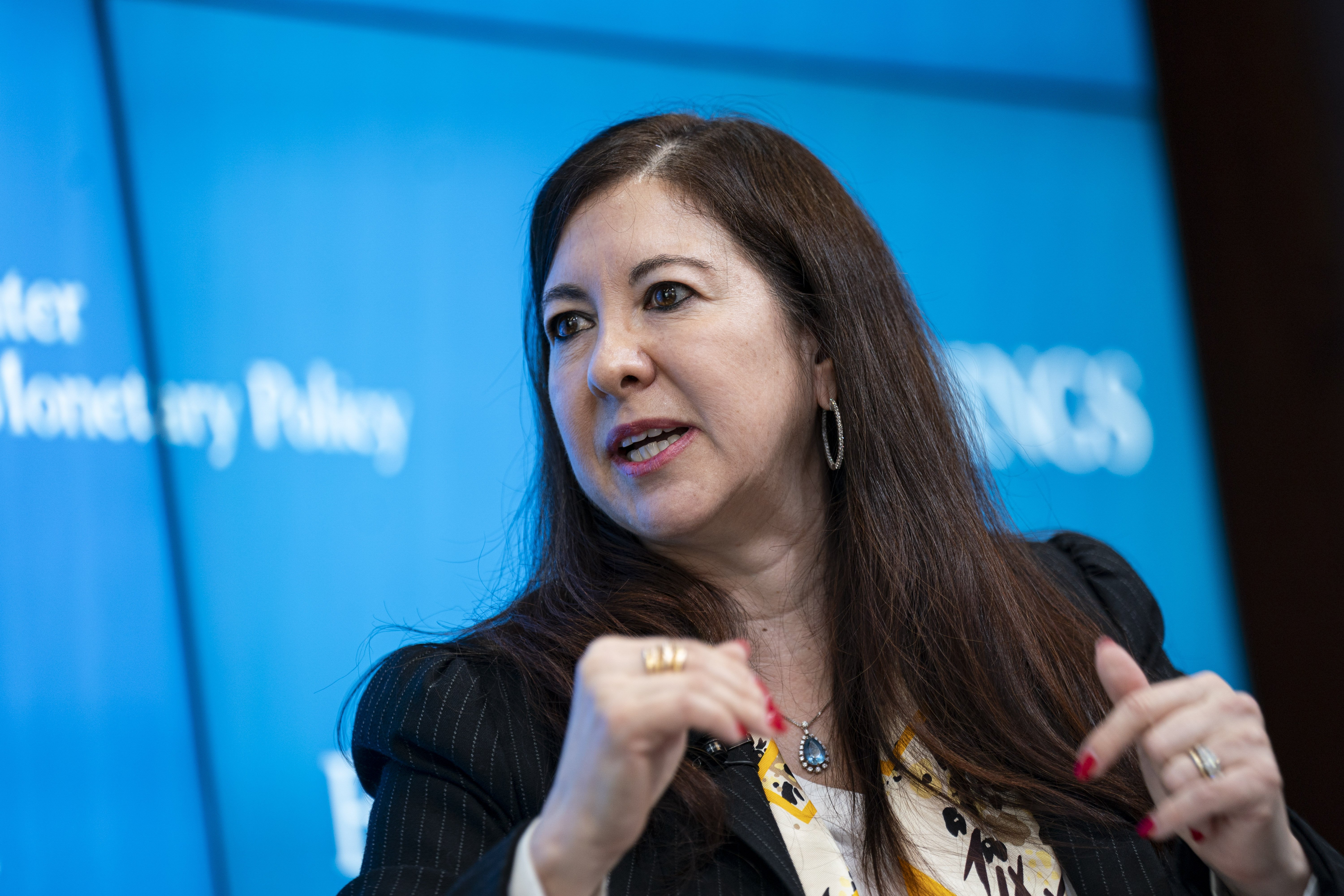
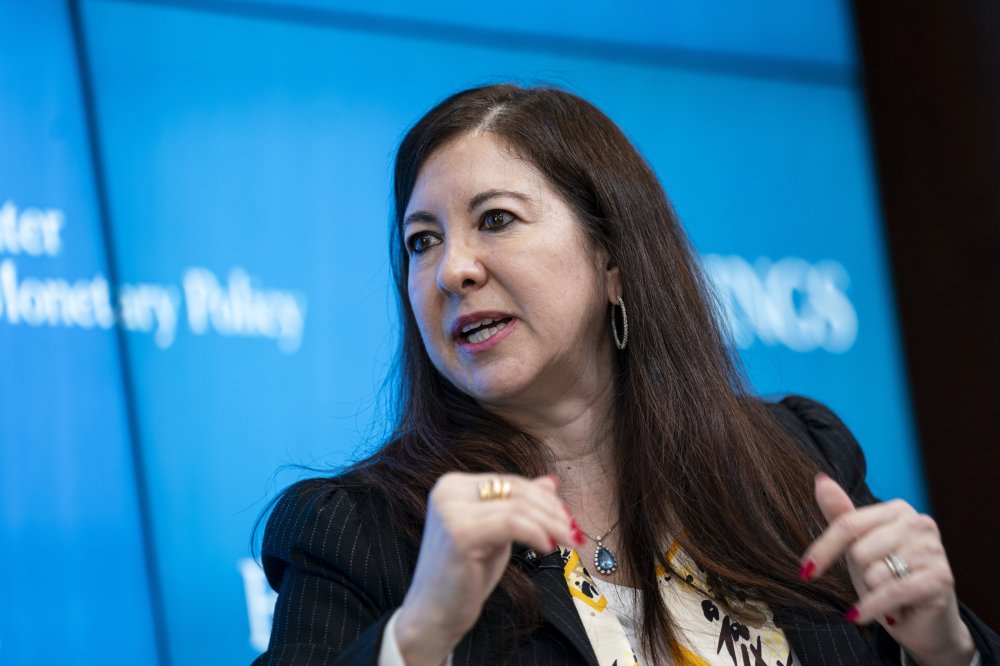
Federal Reserve Gov. Adriana Kugler said tighter monetary policy has proved to be less impactful on nonbank lenders during the post-pandemic era. View the full article
-
Key Takeaways Growing Market: The waxing franchise industry is a lucrative opportunity, driven by increasing demand for personal grooming services and self-care.Franchise Benefits: Joining a waxing franchise provides advantages like brand recognition, operational support, targeted training, and exclusive territories that enhance business success.Investment Requirements: Initial investments for waxing franchises vary, often ranging from $100,000 to $500,000, with franchise fees typically between $20,000 and $50,000.Key Steps to Launch: Success involves thorough research, understanding the franchise disclosure document, securing financing, choosing the right location, and attending franchise training.Effective Marketing Strategies: Utilize targeted marketing, social media, local SEO, and community engagement to attract customers and enhance brand visibility.Quality and Satisfaction: Maintaining high service standards and soliciting customer feedback are crucial for ensuring satisfaction and fostering long-term client relationships. Are you looking to dive into a booming business opportunity? The waxing franchise industry might just be your ticket to success. With a growing demand for personal grooming services, more entrepreneurs are turning to waxing franchises to capitalize on this trend. Owning a waxing franchise not only offers a chance to tap into a lucrative market but also allows you to provide essential services that boost confidence and enhance beauty. As people increasingly prioritize self-care, investing in a waxing franchise can be a rewarding venture both financially and personally. Overview Of Waxing Franchise The waxing franchise industry presents a promising business opportunity for small business owners. As personal grooming continues to rise in popularity, becoming a franchisee in this sector offers both financial potential and the chance to provide valuable services. What Is A Waxing Franchise? A waxing franchise is a business model where a franchisee operates a waxing salon under a franchisor’s established brand. In this arrangement, you benefit from the franchisor’s support, brand recognition, and proven operational systems. This franchise system allows you to provide hair removal services while leveraging marketing strategies and business protocols designed for success. Benefits Of Joining A Waxing Franchise Joining a waxing franchise comes with numerous benefits: Brand Recognition: You gain immediate access to a recognized brand, attracting customers who trust established names in personal care. Franchise Support: You receive ongoing assistance from the franchisor, including training, operational manuals, and marketing strategies. Franchise Training: The franchisor typically offers targeted training programs, ensuring you and your staff understand the best practices for service delivery and customer satisfaction. Exclusive Territory: Many franchisors provide an exclusive territory, reducing competition and enhancing your market position. Franchise Marketing: You leverage the franchisor’s marketing expertise, helping attract and retain customers without developing strategies from scratch. With these advantages, a waxing franchise positions you for success in a thriving industry. Popular Waxing Franchises The waxing franchise industry features a variety of successful business models that appeal to aspiring franchisees. Understanding these franchises can enhance your knowledge about potential investment opportunities in this growing market. Top Waxing Franchises In The Market European Wax Center Franchising Since: 2006 Locations: Over 888 in the USA, more than 893 globally. Initial Investment: $397,000 to $555,000. Franchise Fee: $45,000. Royalty Fee: 6.00%. Services: Provides various waxing services alongside a line of skincare, body, and brow products. Waxing the City Franchising Since: 2010 Locations: Over 133 in the USA. Initial Investment: $311,000 to $541,000. Franchise Fee: $42,500. Services: Offers exclusive waxes like “Cera Naranja” and “Cerasuave Yellow,” as well as body waxing and eyebrow treatments. Radiant Waxing Franchising Since: 2013 (formerly LunchboxWax). Locations: 64 in the USA. Comparison Of Services Offered Franchise Name Waxing Services Offered Skincare Products Additional Services European Wax Center Full body waxing, brow and bikini waxing Body and brow products Skincare treatments Waxing the City Body waxing, eyebrow treatments, exclusive waxes Extensive line Specialty products and treatments Radiant Waxing Body waxing Not specified Focus on customer experience and training Each franchise model offers unique services that cater to different customer needs. Evaluating these options helps you determine which franchise opportunity aligns with your goals, provides brand recognition, and supports your journey toward financial success in the waxing business. Starting A Waxing Franchise Starting a waxing franchise combines a strong business model with the benefits of brand recognition and support from a franchisor. Investing in this franchise opportunity allows you to tap into the growing personal grooming market while benefiting from an established franchise network. Investment Costs And Funding Options Investment costs for opening a waxing franchise can vary based on the brand and location. For instance, a Waxing The City franchise demands a total investment between $311,000 and $541,000, which includes the initial franchise fee of $42,500, along with expenses for leasehold improvements, equipment, and marketing. General estimates for other waxing franchises range from $100,000 to $500,000, where initial franchise fees typically fall between $20,000 and $50,000. Funding options are available to assist in covering these initial investment costs: Small Business Loans: Traditional loans or those from the Small Business Administration (SBA) provide avenues for financing startup expenses. Essential Steps To Launch A Waxing Franchise Launching a waxing franchise involves several essential steps to ensure compliance and success: Research: Conduct thorough franchise research, exploring different franchise models and their unique offerings. Identify brands like European Wax Center and Radiant Waxing that fit your business goals. Review Franchise Disclosure Document: Carefully review the franchise disclosure document, which provides critical information about fees, obligations, and the franchise system. Seek Franchise Financing: Evaluate and secure financing options that suit your budget and objectives. Explore loan opportunities through banks or SBA. Select Your Location: Perform a location analysis to identify the best territory for your franchise. Strong foot traffic and demographics play crucial roles in success. Complete the Franchise Agreement: Finalize and sign the franchise agreement, understanding the royalty fees and terms of operation. Attend Franchise Training: Participate in franchise training to familiarize yourself with franchise operations, customer service standards, and marketing strategies provided by the franchisor. Launch Marketing Initiatives: Develop a franchise marketing plan that aligns with the brand’s guidelines, promoting your new waxing salon effectively to your target audience. By following these steps, you position your waxing franchise for growth and profitability while adhering to brand standards and maximizing opportunities in the franchise industry. Success Tips For Waxing Franchise Owners Success in the waxing franchise industry hinges on several strategic elements. Focus on these key areas to enhance your franchise operations. Marketing Strategies For Your Franchise Implement a targeted franchise marketing strategy that aligns with your brand identity. Utilize social media platforms to promote special offers, customer testimonials, and educational content about waxing benefits. Leverage local SEO to enhance online visibility for your salon in the designated exclusive territory. Attend franchise expos and community events to build brand recognition and foster relationships. Consider email marketing for reaching existing customers with promotions and updates, ensuring they remain engaged with your franchise. Maintaining Quality And Customer Satisfaction Prioritize maintaining high standards for service quality to ensure customer satisfaction. Regularly review the franchise operations manual for the latest procedures and customer service protocols. Provide ongoing franchise training for your staff to ensure consistency and professionalism in client interactions. Solicit feedback through customer surveys to identify areas for improvement, reinforcing a culture of excellence. Adhere to franchise compliance guidelines to uphold the franchisor’s brand reputation, crucial for client retention and franchise growth. Conclusion Investing in a waxing franchise offers a unique opportunity to tap into the booming personal grooming market. With the right franchise model you can enjoy brand recognition and ongoing support that sets you up for success. By focusing on quality service and effective marketing strategies you’ll not only attract customers but also build a loyal client base. The combination of financial potential and personal fulfillment makes this venture an appealing choice for aspiring entrepreneurs. As you consider this path remember that thorough research and strategic planning are key to thriving in the waxing industry. Embrace the journey and watch your business flourish. Frequently Asked Questions What is a waxing franchise? A waxing franchise is a business model where an individual (the franchisee) operates a waxing salon under a franchisor’s established brand. This arrangement provides brand recognition, training, and support, making it easier for franchisees to succeed in the growing personal grooming market. Why invest in a waxing franchise? Investing in a waxing franchise offers a promising financial opportunity due to the increasing demand for personal grooming services. Franchisees benefit from established brands, support, and marketing strategies that enhance their chances for success while contributing to clients’ self-care and confidence. What are the costs associated with opening a waxing franchise? The initial investment costs for opening a waxing franchise can range from $100,000 to $541,000. These costs depend on factors like the brand, location, and required equipment. It’s essential to review the franchise disclosure document for detailed financial expectations. What financing options are available for a waxing franchise? Aspiring franchisees can explore various financing options, including small business loans, personal savings, and investment partners. It’s crucial to assess both personal finances and potential funding sources to secure adequate capital for starting the franchise. What are some popular waxing franchises? Popular waxing franchises include European Wax Center, Waxing the City, and Radiant Waxing. Each brand offers unique services, franchise fees, and investment costs, helping potential franchisees choose opportunities that align with their goals and market needs. How can I ensure success in my waxing franchise? To succeed in a waxing franchise, focus on targeted marketing strategies, maintain high service quality, and prioritize customer satisfaction. Ongoing staff training, community engagement, and adherence to franchise standards are vital in building a loyal customer base and brand reputation. What steps should I follow to start a waxing franchise? Starting a waxing franchise involves several key steps: conduct thorough research, review the franchise disclosure document, secure financing, choose a prime location, complete the franchise agreement, attend training, and launch marketing initiatives to attract clients. Image Via Envato This article, "Unlocking Success: The Benefits of Investing in a Waxing Franchise Business" was first published on Small Business Trends View the full article
-
Key Takeaways Growing Market: The waxing franchise industry is a lucrative opportunity, driven by increasing demand for personal grooming services and self-care.Franchise Benefits: Joining a waxing franchise provides advantages like brand recognition, operational support, targeted training, and exclusive territories that enhance business success.Investment Requirements: Initial investments for waxing franchises vary, often ranging from $100,000 to $500,000, with franchise fees typically between $20,000 and $50,000.Key Steps to Launch: Success involves thorough research, understanding the franchise disclosure document, securing financing, choosing the right location, and attending franchise training.Effective Marketing Strategies: Utilize targeted marketing, social media, local SEO, and community engagement to attract customers and enhance brand visibility.Quality and Satisfaction: Maintaining high service standards and soliciting customer feedback are crucial for ensuring satisfaction and fostering long-term client relationships. Are you looking to dive into a booming business opportunity? The waxing franchise industry might just be your ticket to success. With a growing demand for personal grooming services, more entrepreneurs are turning to waxing franchises to capitalize on this trend. Owning a waxing franchise not only offers a chance to tap into a lucrative market but also allows you to provide essential services that boost confidence and enhance beauty. As people increasingly prioritize self-care, investing in a waxing franchise can be a rewarding venture both financially and personally. Overview Of Waxing Franchise The waxing franchise industry presents a promising business opportunity for small business owners. As personal grooming continues to rise in popularity, becoming a franchisee in this sector offers both financial potential and the chance to provide valuable services. What Is A Waxing Franchise? A waxing franchise is a business model where a franchisee operates a waxing salon under a franchisor’s established brand. In this arrangement, you benefit from the franchisor’s support, brand recognition, and proven operational systems. This franchise system allows you to provide hair removal services while leveraging marketing strategies and business protocols designed for success. Benefits Of Joining A Waxing Franchise Joining a waxing franchise comes with numerous benefits: Brand Recognition: You gain immediate access to a recognized brand, attracting customers who trust established names in personal care. Franchise Support: You receive ongoing assistance from the franchisor, including training, operational manuals, and marketing strategies. Franchise Training: The franchisor typically offers targeted training programs, ensuring you and your staff understand the best practices for service delivery and customer satisfaction. Exclusive Territory: Many franchisors provide an exclusive territory, reducing competition and enhancing your market position. Franchise Marketing: You leverage the franchisor’s marketing expertise, helping attract and retain customers without developing strategies from scratch. With these advantages, a waxing franchise positions you for success in a thriving industry. Popular Waxing Franchises The waxing franchise industry features a variety of successful business models that appeal to aspiring franchisees. Understanding these franchises can enhance your knowledge about potential investment opportunities in this growing market. Top Waxing Franchises In The Market European Wax Center Franchising Since: 2006 Locations: Over 888 in the USA, more than 893 globally. Initial Investment: $397,000 to $555,000. Franchise Fee: $45,000. Royalty Fee: 6.00%. Services: Provides various waxing services alongside a line of skincare, body, and brow products. Waxing the City Franchising Since: 2010 Locations: Over 133 in the USA. Initial Investment: $311,000 to $541,000. Franchise Fee: $42,500. Services: Offers exclusive waxes like “Cera Naranja” and “Cerasuave Yellow,” as well as body waxing and eyebrow treatments. Radiant Waxing Franchising Since: 2013 (formerly LunchboxWax). Locations: 64 in the USA. Comparison Of Services Offered Franchise Name Waxing Services Offered Skincare Products Additional Services European Wax Center Full body waxing, brow and bikini waxing Body and brow products Skincare treatments Waxing the City Body waxing, eyebrow treatments, exclusive waxes Extensive line Specialty products and treatments Radiant Waxing Body waxing Not specified Focus on customer experience and training Each franchise model offers unique services that cater to different customer needs. Evaluating these options helps you determine which franchise opportunity aligns with your goals, provides brand recognition, and supports your journey toward financial success in the waxing business. Starting A Waxing Franchise Starting a waxing franchise combines a strong business model with the benefits of brand recognition and support from a franchisor. Investing in this franchise opportunity allows you to tap into the growing personal grooming market while benefiting from an established franchise network. Investment Costs And Funding Options Investment costs for opening a waxing franchise can vary based on the brand and location. For instance, a Waxing The City franchise demands a total investment between $311,000 and $541,000, which includes the initial franchise fee of $42,500, along with expenses for leasehold improvements, equipment, and marketing. General estimates for other waxing franchises range from $100,000 to $500,000, where initial franchise fees typically fall between $20,000 and $50,000. Funding options are available to assist in covering these initial investment costs: Small Business Loans: Traditional loans or those from the Small Business Administration (SBA) provide avenues for financing startup expenses. Essential Steps To Launch A Waxing Franchise Launching a waxing franchise involves several essential steps to ensure compliance and success: Research: Conduct thorough franchise research, exploring different franchise models and their unique offerings. Identify brands like European Wax Center and Radiant Waxing that fit your business goals. Review Franchise Disclosure Document: Carefully review the franchise disclosure document, which provides critical information about fees, obligations, and the franchise system. Seek Franchise Financing: Evaluate and secure financing options that suit your budget and objectives. Explore loan opportunities through banks or SBA. Select Your Location: Perform a location analysis to identify the best territory for your franchise. Strong foot traffic and demographics play crucial roles in success. Complete the Franchise Agreement: Finalize and sign the franchise agreement, understanding the royalty fees and terms of operation. Attend Franchise Training: Participate in franchise training to familiarize yourself with franchise operations, customer service standards, and marketing strategies provided by the franchisor. Launch Marketing Initiatives: Develop a franchise marketing plan that aligns with the brand’s guidelines, promoting your new waxing salon effectively to your target audience. By following these steps, you position your waxing franchise for growth and profitability while adhering to brand standards and maximizing opportunities in the franchise industry. Success Tips For Waxing Franchise Owners Success in the waxing franchise industry hinges on several strategic elements. Focus on these key areas to enhance your franchise operations. Marketing Strategies For Your Franchise Implement a targeted franchise marketing strategy that aligns with your brand identity. Utilize social media platforms to promote special offers, customer testimonials, and educational content about waxing benefits. Leverage local SEO to enhance online visibility for your salon in the designated exclusive territory. Attend franchise expos and community events to build brand recognition and foster relationships. Consider email marketing for reaching existing customers with promotions and updates, ensuring they remain engaged with your franchise. Maintaining Quality And Customer Satisfaction Prioritize maintaining high standards for service quality to ensure customer satisfaction. Regularly review the franchise operations manual for the latest procedures and customer service protocols. Provide ongoing franchise training for your staff to ensure consistency and professionalism in client interactions. Solicit feedback through customer surveys to identify areas for improvement, reinforcing a culture of excellence. Adhere to franchise compliance guidelines to uphold the franchisor’s brand reputation, crucial for client retention and franchise growth. Conclusion Investing in a waxing franchise offers a unique opportunity to tap into the booming personal grooming market. With the right franchise model you can enjoy brand recognition and ongoing support that sets you up for success. By focusing on quality service and effective marketing strategies you’ll not only attract customers but also build a loyal client base. The combination of financial potential and personal fulfillment makes this venture an appealing choice for aspiring entrepreneurs. As you consider this path remember that thorough research and strategic planning are key to thriving in the waxing industry. Embrace the journey and watch your business flourish. Frequently Asked Questions What is a waxing franchise? A waxing franchise is a business model where an individual (the franchisee) operates a waxing salon under a franchisor’s established brand. This arrangement provides brand recognition, training, and support, making it easier for franchisees to succeed in the growing personal grooming market. Why invest in a waxing franchise? Investing in a waxing franchise offers a promising financial opportunity due to the increasing demand for personal grooming services. Franchisees benefit from established brands, support, and marketing strategies that enhance their chances for success while contributing to clients’ self-care and confidence. What are the costs associated with opening a waxing franchise? The initial investment costs for opening a waxing franchise can range from $100,000 to $541,000. These costs depend on factors like the brand, location, and required equipment. It’s essential to review the franchise disclosure document for detailed financial expectations. What financing options are available for a waxing franchise? Aspiring franchisees can explore various financing options, including small business loans, personal savings, and investment partners. It’s crucial to assess both personal finances and potential funding sources to secure adequate capital for starting the franchise. What are some popular waxing franchises? Popular waxing franchises include European Wax Center, Waxing the City, and Radiant Waxing. Each brand offers unique services, franchise fees, and investment costs, helping potential franchisees choose opportunities that align with their goals and market needs. How can I ensure success in my waxing franchise? To succeed in a waxing franchise, focus on targeted marketing strategies, maintain high service quality, and prioritize customer satisfaction. Ongoing staff training, community engagement, and adherence to franchise standards are vital in building a loyal customer base and brand reputation. What steps should I follow to start a waxing franchise? Starting a waxing franchise involves several key steps: conduct thorough research, review the franchise disclosure document, secure financing, choose a prime location, complete the franchise agreement, attend training, and launch marketing initiatives to attract clients. Image Via Envato This article, "Unlocking Success: The Benefits of Investing in a Waxing Franchise Business" was first published on Small Business Trends View the full article
-
We may earn a commission from links on this page. Deal pricing and availability subject to change after time of publication. I love Kindle e-readers, and have been using them since the first Kindle Paperwhite came out in 2012. One thing I've been looking forward to since I first had one in my hands is the color version. It finally came out in November with the Kindle Colorsoft Signature Edition, which is on sale for $224.99 (originally $279.99), the lowest price it has been since its release, according to price-tracking tools. Right now, you can also get it with three months of free Kindle Unlimited (it'll auto-renew unless you cancel it), and if you're a Prime Member, you can fill it up with some free e-books. Here's what you can expect from the Colorsoft. Amazon Kindle Colorsoft Signature Edition (32 GB) $279.99 at Amazon Get Deal Get Deal $279.99 at Amazon The Kindle Colorsoft Signature Edition is exactly what it sounds like: It's a Kindle e-reader with color. It's essentially the same hardware and design as the Kindle Paperwhite Signature Edition, with the same dimensions, weight, and 32GB of storage. It also has the same features, like the automatically adjusting front light, the IPX8 rating waterproof rating, wireless charging, and an ad-free lock screen that either shows the cover for the book you're reading, or generic wallpapers. The battery life is shorter than a Paperwhite, with eight weeks compared to 12, but still plenty for most people. The seven-inch color E Ink display seems to be the industry standard 300 pixels per inch (ppi) for black-and-white content and 150ppi for color, according to PCMag's review. If you love reading comics, this is where the Colorsoft Signature Edition shines. The colors look like printed newspaper quality, and there's a feature that provides a close-up of each comic panel so you can enjoy the art and read it without having to zoom in. Although the screen doesn't get too bright (94 nits of brightness), the screen does a good job at deflecting glare. The auto light adjuster is nice if you're coming indoors and outdoors a lot. I personally love the warm and cool front-light settings, as I like to read at night and not stress my eyes before bed. Considering it's only $25 more to upgrade from the Kindle Paperwhite Signature Edition to the color version, it makes it a great deal for anyone who needs a bit more color in their life. View the full article
-
Anjan Roy was studying with friends at Missouri State University when he got an email that turned his world upside down. His legal status as an international student had been terminated, and he was suddenly at risk for deportation. “I was in literal shock, like, what the hell is this?” said Roy, a graduate student in computer science from Bangladesh. At first, he avoided going out in public, skipping classes and mostly keeping his phone turned off. A court ruling in his favor led to his status being restored this week, and he has returned to his apartment, but he is still asking his roommates to screen visitors. More than a thousand international students have faced similar disruptions in recent weeks, with their academic careers—and their lives in the U.S.—thrown into doubt in a widespread crackdown by the The President administration. Some have found a measure of success in court, with federal judges around the country issuing orders to restore students’ legal status at least temporarily. In addition to the case filed in Atlanta, where Roy is among 133 plaintiffs, judges have issued temporary restraining orders in states including New Hampshire, Wisconsin, Montana, Oregon, and Washington. Judges have denied similar requests in some other cases, saying it was not clear the loss of status would cause irreparable harm. International students challenge grounds for their status revocation Secretary of State Marco Rubio said last month the State Department was revoking visas held by visitors who were acting counter to national interests, including some who protested Israel’s war in Gaza and those who face criminal charges. But many affected students said they have been involved only in minor infractions, or it’s unclear altogether why they were targeted. The attorney for Roy and his fellow plaintiffs, Charles Kuck, argued the government did not have legal grounds to terminate the students’ status. He speculated in court last week the government is trying to encourage these students to self-deport, saying “the pressure on these students is overwhelming.” He said some asked him if it was safe to leave their homes to get food, and others worried they wouldn’t receive a degree after years of work or feared their chances of a career in the U.S. were shot. “I think the hope is they’ll just leave,” Kuck said. “The reality is these kids are invested.” An attorney for the government, R. David Powell, argued the students did not suffer significant harm because they could transfer their academic credits or find jobs in another country. At least 1,100 students at 174 colleges, universities and university systems have had their visas revoked or their legal status terminated since late March, according to an Associated Press review of university statements, correspondence with school officials and court records. The AP is working to confirm reports of hundreds more students who are caught up in the crackdown. In a lawsuit filed Monday by four people on student visas at the University of Iowa, attorneys detail the “mental and financial suffering” they’ve experienced. One graduate student, from India, “cannot sleep and is having difficulty breathing and eating,” the lawsuit reads. He has stopped going to school, doing research or working as a teaching assistant. Another student, a Chinese undergraduate who expected to graduate this December, said his revoked status has caused his depression to worsen to the point that his doctor increased his medication dosage. The student, the lawsuit says, has not left his apartment out of fear of detention. Tiny infractions made students targets for the crackdown Roy, 23, began his academic career at Missouri State in August 2024 as an undergraduate computer science student. He was active in the chess club and a fraternity and has a broad circle of friends. After graduating in December, he began work on a master’s degree in January and expects to finish in May 2026. When Roy received the university’s April 10 email on his status termination, one of his friends offered to skip class to go with him to the school’s international services office, even though they had a quiz in 45 minutes. The staff there said a database check showed his student status had been terminated, but they didn’t know why. Roy said his only brush with the law came in 2021, when he was questioned by campus security after someone called in a dispute at a university housing building. But he said an officer determined there was no evidence of any crime and no charges were filed. Roy also got an email from the U.S. embassy in Bangladesh telling him his visa had been revoked and that he could be detained at any time. It warned that if he was deported, he could be sent to a country other than his own. Roy thought about leaving the U.S. but decided to stay after talking to a lawyer. Anxious about being in his own apartment, Roy went to stay with his second cousin and her husband nearby. “They were scared someone was going to pick me up from the street and take me somewhere that they wouldn’t even know,” Roy said. He mostly stayed inside, turned off his phone unless he needed to use it, and avoided internet browsers that track user data through cookies. His professors were understanding when he told them he wouldn’t be able to come to classes for a while, he said. New doubts about students’ future in the U.S. After the judge’s order Friday, he moved back to his apartment. He learned Tuesday his status had been restored, and he plans to return to class. But he’s still nervous. He asked his two roommates, both international students, to let him know before they open the door if someone they don’t know knocks. The judge’s restoration of his legal status is temporary. Another hearing scheduled for Thursday will determine whether he keeps that status while the litigation continues. Roy chose the U.S. over other options in Canada and Australia because of the research opportunities and potential for professional connections, and he ultimately wanted to teach at an American university. But now those plans are up in the air. His parents, back in Dhaka, have been watching the news and are “freaked out,” he said. His father mentioned to him that they have family in Melbourne, Australia, including a cousin who’s an assistant professor at a university there. _ AP reporters Christopher L. Keller in Albuquerque, New Mexico, and Hannah Fingerhut in Des Moines, Iowa, contributed to this story. The Associated Press’ education coverage receives financial support from multiple private foundations. AP is solely responsible for all content. Find AP’s standards for working with philanthropies, a list of supporters and funded coverage areas at AP.org. —Kate Brumback, Associated Press View the full article
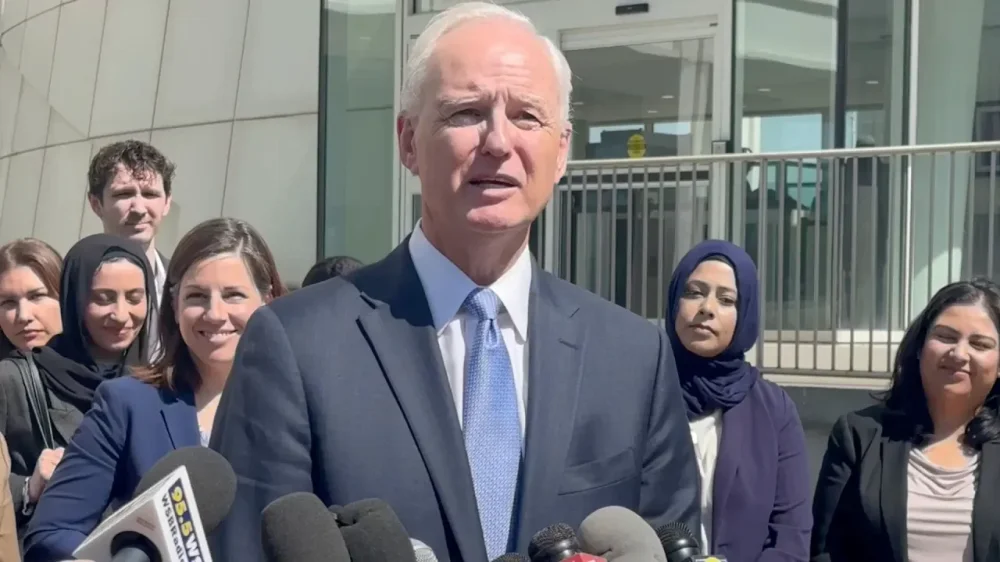
-
Long-maturity Treasury yields tumbled Wednesday as part of a broader rally in dollar-denominated risk assets, after US President Donald The President said he wasn't inclined to fire the head of the Federal Reserve and suggested tariffs on Chinese imports could drop. View the full article
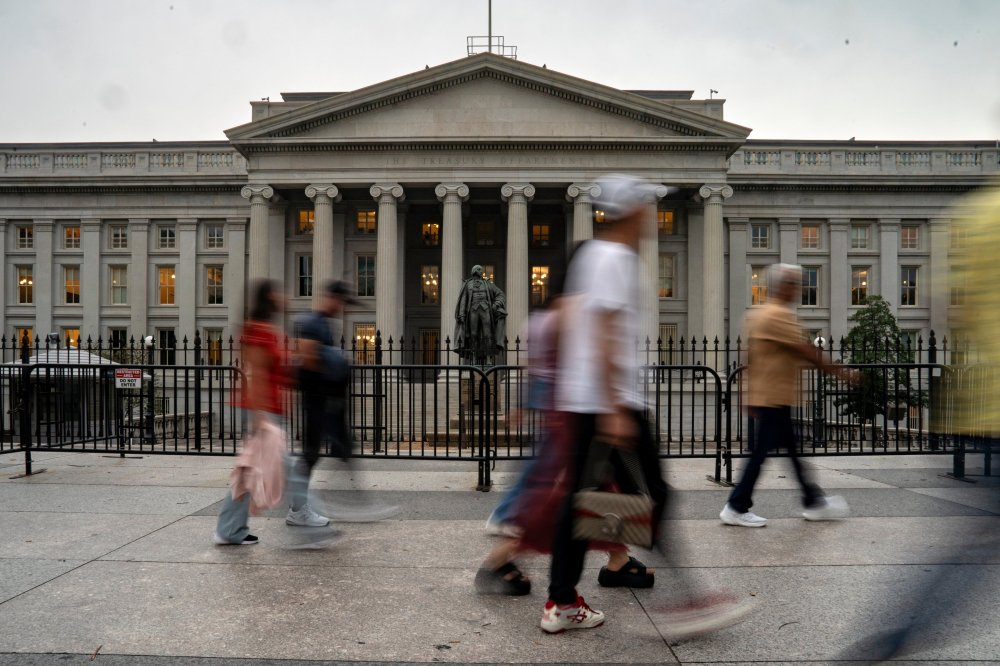
-
Max is joining the lineup of streaming platforms limiting users sharing a single subscription to those in the same household—unless you pay $7.99 per month for an "extra member" add-on. Adding an extra member to an existing streaming plan costs a little bit less than purchasing a new, separate subscription, though these users are limited to one profile and one supported device at a time. The best value for extra members typically comes with the most expensive plans. On Max, that's Premium, which costs $20.99 per month. How Max's "extra member" option stacks upMax subscribers on any plan (except Disney+/Hulu/Max bundles) can add one extra member at $7.99 per month if the plan is billed directly through WarnerMedia. Those who pay through third-party apps and mobile and TV providers are ineligible. Extra members get their own account login but only one profile and streaming via one device at a time. Extra members also have to be 18 and in the same country as the primary subscriber. As noted, the best deal is on Max's $20.99-per-month Premium plan and a decent one on Standard, which costs $16.99 per month. An entire Basic with Ads subscription at $9.99 per month is barely more than an extra member, especially if you buy a whole year upfront for $100. Plus, as 9to5Mac notes, Max often runs promos that bring subscriptions down to $2.99 per month. Other streamers with "extra member" plansMax isn't the only streamer cracking down on password sharing with extra member pricing. Netflix allows users on its Standard plan to add one member outside the account holder's household—two for those on a Premium subscription—at $6.99 per extra member per month with ads and $8.99 per extra member per month without. Netflix charges $7.99 per month for its Standard plan with ads, $17.99 per month for ad-free, and $24.99 per month for Premium subscriptions. Disney+ subscribers can also add one extra member to any Disney+ plan billed directly by Disney+ as well as bundles billed by Disney+ or Hulu. (Hulu + Live TV plans are excluded.) Fees range from $6.99 per extra member per month on Disney+ Basic to $14.99 per extra member per month for the Disney+/Hulu/ESPN+ Premium bundle. The same standalone plans cost $9.99 per month and $26.99 per month, respectively. View the full article
-
Investment bank awarded $80mn retention bonuses to David Solomon and John Waldron in JanuaryView the full article
-
Purchases of new single-family homes increased 7.4% in March to an annualized rate of 724,000, mostly driven by a surge in the South, according to government data released Wednesday. View the full article

-
Gmail already adds an Unsubscribe button to every promotional email or newsletter you receive in your inbox. That way, you can stop someone from sending you emails without first visiting their website. The service is now going one step forward, giving you a single place to manage all your subscriptions, and an option to unsubscribe from each with just a tap—kind of like the Subscriptions screen on YouTube. Manage Subscriptions is rolling out nowThere's a clear advantage to the new Manage Subscriptions feature. With it, you no longer need to go through your entire inbox to find all the newsletters, as Gmail will instead surface them for you. You'll see the names and email addresses of senders of both newsletter subscriptions and promotional emails. The feature is rolling out on Android, iOS, and on the web, but according to Google, it's going to be a gradual rollout, so it might take time to show up on your devices. For example, I can access it on Gmail's iPad app, but not on my iPhone or the web, even though they're all logged into the same account. How to easily unsubscribe to email newsletters en masseFirst, let's find a list of all your subscriptions. To do this on iPhone or Android, tap the three-lined Menu in the top left, and choose Manage Subscriptions. On the Gmail website, you'll have to click the More button to expand the sidebar options and find Manage Subscriptions. Credit: Khamosh Pathak You'll now see a list of all the people who send you newsletters, and an estimate of recently received emails. If you tap on a sender name, Gmail will show you a list of all of their recent emails. To unsubscribe from a newsletter, tap Unsubscribe on the right (the button that looks like a mail icon with a minus sign). Credit: Khamosh Pathak Gmail will then ask you for a confirmation. Just tap Unsubscribe, and you're done. Credit: Khamosh Pathak Gmail will tell you that it has unsubscribed you from the newsletter on your behalf, but that it might take a few days to stop receiving those emails. For most newsletters, the ones that have a clear-cut Unsubscribe button, this is how it will work. But in some cases, Gmail won't be able to unsubscribe automatically on your behalf. In such cases, you'll see Go to website instead, where Gmail will open the website for confirmation. But that's just one extra tap, and is still easy to do. Credit: Khamosh Pathak View the full article
-
US Treasury secretary calls for reform but stops short of pulling out of the global institutionsView the full article