Newsletter
Want to keep up to date with all our latest news and information?


ResidentialBusiness
Administrators
-
Joined
-
Last visited
Everything posted by ResidentialBusiness
-
Looking for a fast-moving car chase? Aerial acrobatics? How about a bit of fisticuffs, or a tiger straight up eating a dude? Look no further: Netflix has what you need. You can catch a high-minded thriller that uses action to underline plot, character, and message; or a hyper-stylish beat-em-up with cinematography and choreography that make art of violence; or you can just watch a lot of stuff blow up real good. No judgments! The only criteria is that the movie provides a fair share of fast-paced action thrills. Here are your best action options on Netflix right now. Carry-On (2024) Action thriller Carry-On starts off at the airport (naturally) and on Christmas Eve—I'm already tense. Taron Edgerton is TSA agent Ethan Kopek, who's blackmailed into allowing Jason Bateman to smuggle a dangerous package onto a flight (and yet I can't get through with my belt on). Having allowed the package through, Kopek is determined to stop the man (known only as The Traveller) from carrying out his devious plan. You can stream Carry-On on here. Back in Action (2025) Director Seth Gordon (Four Christmases, Horrible Bosses) does't swing for the fences with this action comedy, but there's enough fun to make up for its lack of originality. The title refers to Matt and Emily, a married couple who gave up their careers as CIA operatives in order to settle down for a quiet life in the suburbs. It's gone well for a number of years, until their identities are exposed, putting their kids are in danger. Back in Action is also a nod to stars Cameron Diaz, who hasn't been in a movie since 2014, and Jamie Foxx, acting again after his 2023 hospitalization. Neither has lost a step. You can stream Back in Action here. Damsel (2024) Millie Bobby Brown (Stranger Things, Enola Holmes) is virtually the young adult face of Netflix at this point. In her latest movie, she plays the title's damsel, Elodie, who agrees to marry a handsome prince, as young damsels did back in medieval times. Only she discovers that it's a trap, and she's actually meant to serve as a sacrifice to satisfy an ancient magical debt to a dragon. Luckily, our distressed damsel is far more resourceful than her would-be in-laws might have guessed. Angela Bassett, Robin Wright, and Shohreh Aghdashloo round out the cast of this fun action fantasy. You can stream Damsel here. RRR (2022) A fast-paced action movie should almost certainly not be as long as RRR, but there is not one single dull moment in this nearly three-hour Bollywood film. Likewise, a historical drama that touches on the national trauma brought on by the British Raj and depicting two real-life revolutionaries who died as martyrs to the cause of independence shouldn’t be this much pure fun, but somehow the context only makes it more satisfying. Find me a more thrilling moment in the movies than the bit where a truck full of wild animals is forcefully unleashed upon a sedate gathering at a British politician’s compound, or when a meet-cute between the two main characters involves wild acrobatics over and around a bridge. If American action epics insist on being this long, they could learn a thing or two or three from RRR’s refusal to ever sag. You can stream RRR here. Kill Boksoon (2023) Gil Bok-Soon (Jeon Do-yeon) is just a working single mom struggling to relate to her teenage daughter. Or, at least, that’s how it looks. It turns out that the company she works for, M. K. Ent., is in the assassination business, and Bok-Soon is their top-rated killer—she’s also in a slightly awkward relationship with one of her co-workers. It’s not a comedy, but the movie has fun playing up its parallels between a typical corporate job and Bok-Soon’s gig, while also offering up some impressively well-defined characters. What’s at least as important as all of that, though, is the plethora of spellbinding action sequences and brilliant fight choreo. You can stream Kill Boksoon here. The Equalizer 3 (2023) 2014's The Equalizer was the first of two ongoing, largely unrelated takes on the original 1980s TV series—a new CBS show starring Queen Latifah premiered in 2021 (it's also on Netflix). Given the failure ratio of reboots, finding success with two of them is no small feat, and it doesn't hurt the film series reunites Denzel Washington with Training Day director Antoine Fuqua. This third entry, probably the best of the three, finds Robert McCall taking it easy on the Amalfi coast following a close call when some new friends he's made are threatened by the Mafia-like Camorra. It doesn't break any new ground, but it's the bullet-filled equivalent of comfort food. You can stream The Equalizer 3 here. Furiosa: A Mad Max Saga (2024) It's hard to account for the box office failure of Furiosa, a movie that opened to stellar reviews and solid audience scores but still failed to make back its budget, let alone a profit—but here we are. This prequel is every bit the thrill-ride Fury Road was, even as it slightly dials back the action in favor of a bit more emotional complexity in and around our titular ass-kicker (here played by Anna Taylor-Joy as the younger version of Charlize Theron's one-armed badass). It's exactly the kind of smart, bonkers action spectacle we always say we want. You can stream Furiosa here. Sicario (2015) Before becoming our go-to director for smart, heady sci-fi with movies like Arrival and Dune(s), Denis Villeneuve helmed successful thrillers, including Prisoners and crime thriller Sicario. Emily Blunt stars as Kate Macer, an FBI agent taken with bringing down a leader in a powerful drug cartel along the Mexican border. In the process, Kate learns that the CIA's plans are legally and morally disturbing, raising questions about the extent to which the government will bend the rules to achieve its goals, and to what extent a loyal operative should follow orders. Timely. You can stream Sicario here. Conan the Barbarian (1982) The '80s fantasy movie wave saw a string of movies about sweaty, shirtless guys in loincloths battling dragons and demons, and the greatest of these was, of course, Conan the Barbarian, a brilliant vehicle for a young Arnold Schwarzenegger to show off those famous biceps. Here, Conan begins a lifelong quest of vengeance against the evil sorcerer Thulsa Doom (James Earl Jones), beset by giant snakes, cannibal orgies, and the Wheel of Pain. It's all very silly while taking itself very seriously, which is just the right approach for adapting the pulpy novels of Robert E. Howard, and kind of the sweet spot for action movies of the era. You can stream Conan the Barbarian here. Waterworld (1995) The most expensive film ever made at the time of its 1995 release, Waterworld was lost to discourse about its inability to recoup its budget—which is kinda too bad. It's not a triumph by any measure, but it's solid escapist fun with some impressive action sequences and an environmental message; it also manages to concoct a convincing vision of a world built entirely on water, even if it all feels a little too Mad Max to be truly original. Still: It's fishy fun with a memorable villain turn from Dennis Hopper. You can stream Waterworld here. Godzilla Minus One (2023) Even given the success of Hollywood's recent stabs at the franchise, the best Godzilla movies still come from Japan, a fact made crystal clear by this emotional roller-coaster, set in the aftermath of World War II. With clear-cut and inventive action set against a story involving human characters who we genuinely care about, this isn't just the best recent kaiju movie...it may be the best ever. You can stream Godzilla Minus One here. Black Hawk Down (2001) Ridley Scott's historical drama repertoire doesn't stop with the ancient world (Gladiator, Exodus Gods and Kings) or even the French Revolution (Napoleon). Here, he dramatizes what came to be called the Battle of Mogadishu, which occurred not even a decade before the film was released. In 1992, A famine-relief operation saw the U.S. and United Nations embroiled in a Somali civil war during which three American Black Hawk helicopters were shot down, two of them landing deep in hostile territory. Scott and company (including leads Josh Hartnett, Eric Bana, and Ewan McGregor) focus purely on the resulting harrowing standoff without spending a lot of time on context or character development. The film received fair criticism for that, and for turning the Somali fighters into faceless enemies, but it's hard to argue that the laser-focus on the moment-to-moment trauma of combat doesn't make for a compelling action spectacle. You can stream Black Hawk Down here. Apollo 13 (1995) Another historical drama, but one with a quite different feel, Apollo 13 comes from the directing/acting team of Ron Howard and Tom Hanks, so you know you're in for something inspirational. Telling tells the story of astronauts Jim Lovell (Hanks), Jack Swigert (Kevin Bacon), and Fred Haise (Bill Paxton) on the title's ill-fated lunar mission, the movie gets high points for technical accuracy while also maintaining tension alongside a sense of both wonder and loss as three men fight to survive while also facing the loss of their dream of the moon. You can stream Apollo 13 here. Bad Boys: Ride or Die (2024) The fourth Bad Boys movie isn't quite as good as 2020's Bad Boys for Life, from the same directing team of Adil El Arbi and Bilall Fallah, but it's still a fun action spectacle that makes clear that the modern sequels are better than their Michael Bay-helmed predecessors. Mike and Marcus (Will Smith and Martin Lawrence) are back as they learn that their captain, killed in the last film, is being framed for having drug cartel ties. Naturally, our heroes get back together to clear Conrad's name and also to blow stuff up. You can stream Ride or Die here. Smokey and the Bandit (1977) Burt Reynolds has a long way to go and a short time to get there. He's Bo "The Bandit" Darville, running point for an illegal shipment of bootleg beer (400 cases of Coors, to be precise) from Texas to Atlanta, using his cool car to draw attention from Jackie Gleason's Sheriff Buford T. Justice. He's joined along the way by Sally Field's Carrie, a runaway bride who makes a surprisingly helpful companion. The practical car action makes it a slightly more believable alternative to the Fast and the Furious films. You can stream Smokey and the Bandit here. The Guns of Navarone (1961) With plenty of action and hints of melodrama, this World War II-set adventure finds Gregory Peck, David Niven, and Anthony Quinn leading a commando unit tasked with taking out a couple of giant guns on the titular island in order to clear a path to rescue 2,000 marooned soldiers. Dogged by Nazis, the team faces the Germans on sea and land, with guns, fists, and their wits. It doesn't have much more on its mind that Nazi-punching action, and that's not a bad thing. You can stream the Guns of Navarone here. The Old Guard (2020) Greg Rucka wrote the screenplay for this adaptation of his graphic novel about a mercenary special ops team made up of impressively long-lived humans with unexplained regenerative powers. Charlize Theron leads the cynical group of warriors in a movie that effectively blends superhero tropes with military action. The lack of superpowers that don't have to do with healing helps differentiate it from Marvel and DC flicks, foregrounding skillfully choreographed fight sequences that don't feel like complete fantasy. You can stream The Old Guard here. The Harder They Fall (2021) The modern western takes on the story of real-life Black American cowboy Nat Love (played by Jonathan Majors), and he’s joined by several other characters out of actual American history, played by the likes of Idris Elba, Zazie Beetz, Regina King, and Delroy Lindo. It’s not a history lesson, but western movies have never been particularly troubled by the idea of heightening the true stories of the old American west into something like mythology. Here, young Nat Love’s parents are killed by Elba’s outlaw Rufus Buck, sending Love on a lifelong quest for revenge. This leads to a series of brilliantly exciting shoot-outs, stunts, and chases that pay tribute to the classic movies of the western genre, while also nodding to modern fight choreography and staging. You can stream The Harder They Fall here. The Night Comes for Us (2018) A sort-of successor to The Raid series (including many of the same actors), this movie from Indonesian writer/director Timo Tjahjanto (May the Devil Take You, a great horror movie also on Netflix) tells the story of a Triad member forced to fight his way out of the organization. The movie is on the bloodier end of its genre; the action is brilliant and stylized, but there’s quite a bit more realism in terms of blood and gore. The concluding fight scene is an all-time great one, if you’ve got the stomach for it. You can stream The Night Comes for Us here. Kate (2021) Though it’s lead by a French director and an American actor (Mary Elizabeth Winstead), Kate stands apart in its anime-inspired, neon-lit, new-Tokyo aesthetic. There’s nothing new here, plot-wise, but that’s beside the point. Assigned to kill a yakuza assassin by her handler (Woody Harrelson), the titular assassin discovers that she’s been poisoned and has only 24 hours to live (i.e., 24 hours to get violent revenge). Imagine if the 1940s film noir classic D.O.A. were a martial arts action movie. You can stream Kate here. Gunpowder Milkshake (2021) An appearance by Oscar-winner Michelle Yeoh doesn’t necessarily guarantee guarantee “action” (the Everything Everywhere All at Once and Crazy Rich Asians star can do it all)—but an appearance from Yeoh is guaranteed to be the icing on any action-movie cake. A modern take on classic gun-fu, this one further gilds that lily by adding in Lena Headey, Karen Gillan, Carla Gugino, and Angela Bassett(!) The cast aside, the film deals with two rival groups of assassins battling it out over the fate of a kidnapped child. You can stream Gunpowder Milkshake here. Baahubali (2015) The two Baahubali movies might not have quite the rousing political appeal of RRR (they’re all from the same director, S.S. Rajamouli)—honestly, it’s hard to beat the thrill of watching snotty colonials being eaten by tigers—but, if anything, these movies are even bigger, grander, and more operatic in their interests. Roughly inspired by the ancient Indian stories of the Mahabharata and featuring endless sweaty shirtless men (and not a few women, although more often clothed) fighting people and animals, the first film includes a 45-minute battle sequence that’s topped by the sequel. There’s just enough plot and romance to propel the action, but they’re the kinds of movies that know exactly what we’re here for, and they’re not afraid to give it to you. Baahubali: The Beginning and Baahubali: The Conclusion are both on Netflix, in English-dubbed and subtitled versions. You can stream Baahubali here. Enola Holmes (2020) Her brother Sherlock wasn’t above a bit of fisticuffs now and then, but it was his sister, Enola (Millie Bobbie Brown), we learn here, who really got to mix it up—with some help and training from their mother, Eudoria (Helena Bonham Carter). Enola uses that combat training throughout the movie in fights involving fists, guns, knives, explosives, and a moving train or two as Enola searches for her missing mum while staying a step or two ahead of big bro (Henry Cavill). The sequel is just as fun. You can stream Enola Holmes here. Outlaw King (2018) Chris Pine plays Robert the Bruce in this film that, unsurprisingly, takes plenty of liberties with the Scottish Wars of Independence of the 14th century. No matter. The film sees underdog Robert lead a guerrilla campaign against the future Edward II of England in a number of exceptionally (though believably) bloody Medieval battles. Spears and swords clash in a number of extended and expensive-looking sequences, making it look like a real-life (well, kinda) Game of Thrones. You can stream Outlaw Kings here. Beckett (2021) The film aspires to the paranoid, conspiracy-style of movies like The Parallax View, The Bourne Identity, or Enemy of the State, but the plot here is a little too thin to work on that level. Where Beckett excels, though, is in presenting a straightforward man-on-the-run action thriller. John David Washington stars as the title character, who finds himself getting chased through Greece, for reasons unclear to him, following an auto accident. Washington is fun to watch as he runs and gets shot at; the scenery is striking; and the movie does a good job of making Greece feel incredibly sinister, especially for a lead character who doesn’t know the language. You can stream Beckett here. Da 5 Bloods (2020) It feels strange to include Spike Lee’s thoughtful Vietnam War story—one that grapples with the experiences of Black American soldiers during that conflict as few (if any) movies have before. Nevertheless, part of the reason that it works as well as it does is that Lee’s film does all of that while also offering up plenty of impressively shot and choreographed action sequences. With a cast led by Delroy Lindo, Jonathan Majors, and Clarke Peters, the movie finds four aging Vietnam vets returning to that country to recover the remains of their fallen squad leader—and also to dig up the gold bars they left behind. Set in two time frames, it plays as a war movie in the past and, often, a thriller in the characters’ present, as they’re hunted by mercenaries while they hunt their lost treasure. You can stream Da 5 Bloods here. Beverly Hills Cop: Axel F (2024) Axel Foley (Eddie Murphy, of course) is back, and he kicks off the movie by hijacking a helicopter in pursuit of some criminals in Detroit. Encouraged to take some time off, he returns to Southern California just in time for his old partner (Judge Reinhold) to warn Foley that is estranged daughter (Taylour Paige), a defense attorney who went up against the wrong people, is in danger. Reinhold, John Ashton, Paul Reiser, and Bronson Pinchot all return from the original film, joined by Axel's new partner played by Joseph Gordon-Levitt. As legacy sequels go, this one's better than it has a right to be. You can stream Axel F here. View the full article
-
The The President administration's appointees have been quick to roll back misguided Biden-era initiatives, writes the Chairman of Whalen Global Advisors. View the full article

-
Weeks ahead of his death, Pope Francis dedicated this month’s prayer intention to new technologies and the hope that it can serve “every person, especially the weakest.” “How I would like for us to look less at screens and look each other in the eyes more,” Pope Francis said in a prerecorded video released April 1. “Something’s wrong if we spend more time on our cellphones than with people. The screen makes us forget that there are real people behind it who breathe, laugh, and cry.” Pope Francis died at 88 Monday morning, the Vatican announced in a statement on X, just after his appearance in St. Peter’s Square on Easter Sunday. Pope Francis, in his 12-year papacy, often stood up for the marginalized, including migrants. And the April 1 tech-focused prayer intention was no different. “It’s true, technology is the fruit of the intelligence God gave us,” he continued. “But we need to use it well. It can’t benefit only a few while excluding others. So, what should we do? We should use technology to unite, not to divide. To help the poor. To improve the lives of the sick and persons with different abilities.” The pope has voiced his concerns over technology before. Last year, he warned that artificial intelligence could lock the world order in a “technocratic paradigm.” In 2023, he spoke to participants at a workshop about how tech should be considered with its moral implications. “Use technology to care for our common home,” Pope Francis said during his April 1 intention. “To connect as brothers and sisters. It’s when we look at each other in the eyes that we discover what really matters: that we are brothers, sisters, children of the same Father. Let us pray that the use of new technologies will not replace human relationships, will respect the dignity of the person, and will help us face the crises of our times.” View the full article

-
As Big Tech kicks off its quarterly earnings season this week, the industry’s bellwether companies have been thrust into a cauldron of uncertainty and turmoil that they didn’t anticipate when Donald The President re-entered the White House nearly 100 days ago. Since President The President’s Jan. 20 inauguration, Big Tech stocks have been on a see-sawing ride that has eviscerated trillions of dollars in shareholder wealth amid an onslaught of tariffs and other potentially detrimental actions. It’s the polar opposite of what Apple CEO Tim Cook, Tesla CEO Elon Musk, Google CEO Sundar Pichai, Facebook founder Mark Zuckerberg and Amazon founder Jeff Bezos hoped for when they assembled behind The President as he was sworn in. That display of unity reflected a belief that The President’s second stint in the White House would be a refreshing change from the heavy-handed regulation of President Joe Biden’s administration while unleashing even more lucrative opportunities in artificial intelligence and deal-making. But the The President administration’s policies so far have vexed Big Tech’s “Magnificent Seven” companies — a group consisting of Apple, Microsoft, Nvidia, Amazon, Tesla, Google parent Alphabet and Facebook parent Meta Platforms. Since The President’s inauguration, the Magnificent Seven’s combined market value has plunged by $3.8 trillion, or 22%, as of April 20. The financial damage was even more severe a few days after The President’s April 2 unveiling of sweeping reciprocal tariffs that would have exacted a heavy toll on Big Tech’s supply chains in China and other key markets around the globe. A temporary freeze on the majority of the most punitive tariffs and an exemption from most of the fees on electronics coming in from China has provided some relief, but The President has made it clear the reprieve may be short-lived. That has left the specter of The President’s ongoing trade war hanging over Big Tech, whose influence extends around the world. “The mass confusion created by this constant news flow out of the White House is dizzying for the industry and investors and creating massive uncertainty and chaos for companies trying to plan their supply chain, inventory, and demand,” Wedbush Securities analyst Dan Ives said. Besides the upheaval triggered by The President’s tariffs, his administration is also in the midst of trying to prove regulators’ allegations that Meta has been running an illegal monopoly in social networking, and working to persuade a federal judge to break up Google after its search engine last year was found to be illegally abusing its power. The President also has given no indication of abandoning antitrust lawsuits filed by the Biden administration that aim to hobble Apple and Amazon. And Nvidia absorbed a significant setback last week when the The President administration banned it from selling one of its popular AI chips to China, prompting the company to record a $5.5 billion charge to account for the stockpile of processors that it intended to export to that country. Tech CEOs will get a chance to discuss the fallout from the trade war and other challenges still ahead during analyst conference calls that will be held as part of their companies’ financial reports for the January-March quarter. The ritual will kick off Tuesday when Tesla is scheduled to release its full financial report after already revealing that its first-quarter car sales dropped by 13% from the same time last year. The decline occurred against a backdrop of vandalism, widespread protests and calls for a consumer boycott amid a backlash to Musk’s high-profile role in the White House overseeing a cost-cutting purge of U.S. government agencies. After Musk discusses his strategy for reversing a decrease in Tesla’s market value since he joined The President in the White House, Google parent Alphabet Inc. is scheduled to announce its results on Thursday. Then four of the Magnificent Seven will get their turn next week: Amazon on April 29; Meta and Microsoft on April 30; and Apple on May 1. Nvidia, which operates on a fiscal year ending in January, is scheduled to wrap things up on May 28 with the release of its quarterly results. —Michael Liedtke, AP Technology Writer View the full article

-
Catherine Bracy is the Founder and CEO of TechEquity, an organization working at the intersection of tech and economic equity. The company advocates on behalf of policies that ensure people—not companies—control how technology shapes their economic futures. She was previously Code for America’s senior director of Partnerships and Ecosystem, and founded Code for All. During the 2012 election cycle, she was director of Obama for America’s Technology Field Office in San Francisco. What’s the big idea? Venture capital isn’t just funding innovation; it’s shaping what kind of innovation is possible. Right now, that system is failing us. It forces startups to sacrifice real problem-solving and innovation for the sake of chasing unsustainable growth. Our economy will be better off if we create and rely on a startup ecosystem that rewards real value rather than speculative hype. Below, Catherine shares five key insights from her new book, World Eaters: How Venture Capital is Cannibalizing the Economy. Listen to the audio version—read by Catherine herself—in the Next Big Idea App. 1. Technology isn’t the problem. Venture capital is. A few years ago, I was in a strategy session with labor advocates who were trying to get gig companies (Uber, DoorDash, and the like) to treat their workers better. It was a room full of smart, committed people with great ideas about how to create fairer wages, better protections, and a pathway for these workers to have more stability. As we talked, something clicked for me. We were strategizing ways to convince these companies to change—but at what point in their growth cycle could they have made better choices? When they were tiny startups, just trying to survive, they had no time to think about worker protections. Then, seemingly overnight, they became billion-dollar global giants—except by then, their exploitative business models were too big and too profitable to unwind. “Venture capital demands exponential growth fast.” This struck me as different from how industries used to grow. Traditionally, companies had middle stages: periods of stability where they could adjust their practices, adapt to regulations, and build systems that worked for both employees and society. But tech doesn’t work that way. Some of that has to do with software itself because it’s cheap to build, easy to scale, and can reach millions of users almost instantly. But most of it has to do with the economic incentives behind the companies—and that structure is venture capital. Venture capital demands exponential growth fast. There’s no pause button. No moment where a company can afford to step back and say, How do we do this more responsibly? In the venture model, companies aren’t built to be stable. They’re built to scale or die. As Charlie Munger said: “Show me the incentives, and I’ll show you the outcomes.” The economic outcomes we’re living with today—the erosion of worker protections, skyrocketing housing costs, and the growing concentration of wealth in fewer hands—aren’t accidents. They’re a direct result of the incentives baked into venture capital. 2. The Power Law is shaping the economy in ways you don’t see. The Power Law is a statistical principle where a few extreme values dominate the dataset. Think earthquakes: most are tiny tremors, but a few are catastrophic. Venture capital portfolios follow this same pattern. Investors spread their bets across dozens of startups, expecting just one or two to hit it big while the rest fail. These extreme successes are called unicorns in the parlance of Silicon Valley. “Think earthquakes: most are tiny tremors, but a few are catastrophic.” That might sound like a reasonable strategy since startups are risky. But here’s where it gets dangerous: As venture capital evolved, the Power Law went from being an observation of how venture capital funds look as a result of pursuing these risky companies to a guiding force for how investors should invest. In other words, instead of pursuing breakthroughs and achieving Power Law distributions as a natural result, venture capital became about pursuing Power Law distributions without any regard to the kind of company that was creating it. It doesn’t matter whether a business is solving a real problem, whether it’s good for society, or even whether it’s profitable. What matters is scale. This is why we see: Monopolistic tech giants instead of diverse, competitive markets. Growth-obsessed startups that burn through billions with no clear path to profitability. Essential services—like housing—being financialized to fit a Silicon Valley growth narrative. Venture capital started as a way to fund technological breakthroughs. But now, it’s become a system designed not to create value, but to chase billion-dollar valuations at any cost. That cost is one that the rest of us are asked to bear. 3. Venture capital destroys more value than it creates. Because venture capitalists do not know which startups will be their unicorns, they force every company they invest in to chase billion-dollar growth—whether or not it makes sense. That means: Exploiting workers to cut costs. Shipping half-baked products just to scale faster. Skirting regulations to stay ahead of slower-moving competitors. Committing fraud—or at least getting very, very close. The tragedy is that many of these companies could have been solid, sustainable businesses. But because they were forced to chase unrealistic growth, they collapsed. Great ideas get destroyed not because they weren’t good businesses, but because they weren’t venture capital businesses. Take LocalData, a startup that helped cities manage property data to increase revenue and prevent blight. It was profitable and growing. But because venture capital investors didn’t see it as a billion-dollar opportunity, they pressured the founders to pivot to a different market. The pivot failed and the company shut down. This isn’t just one company’s story. It’s the story of an entire ecosystem that rewards financial engineering over real innovation. 4. The problem isn’t the companies that venture capital funds—it’s the ones it doesn’t. If you are an entrepreneur with a great idea that doesn’t fit the venture model, you have two choices: 1) Take venture capital money and distort your business to chase growth you can’t sustain. 2) Get no funding at all. This is especially dangerous in markets like housing and clean energy, areas where we desperately need innovation but where venture capital’s demand for hypergrowth doesn’t fit. Venture capital doesn’t just fund bad businesses. It crowds out the good ones, siphoning capital away from sustainable solutions and into the next speculative bubble. If we want innovation that solves problems, we need new funding models that aren’t beholden to the Power Law. 5. It’s time for the Indie Era of Startups. When I started writing World Eaters, I thought it would be mostly about how venture capital is harming society. But as I talked to entrepreneurs trying to build differently, I realized the story was bigger than just what’s broken. There are founders who want to build companies that are profitable and sustainable—who reject the unicorn model in favor of something more resilient. There are investors experimenting with alternative funding models that reward long-term success rather than short-term hype. “We can build a startup ecosystem that rewards real value, not just speculative hype.” These are companies like Butcherbox, whose founder—who had soured on venture capital after venture capitalists killed a previous business of his—got his startup capital from a crowdfunding campaign. Butcherbox is now a $500 million per year business with the time and space to take on efforts to improve jobs in the meatpacking industry and support sustainable ranching. Now is the perfect time to help businesses like this succeed. With higher interest rates, the market is shifting. Investors can’t throw unlimited cash at money-losing businesses anymore. Companies must prove traction earlier. That means we have a window (before the next bubble inflates) to show that another way is possible. If we do it right, this could be the moment where the Indie Era of Startups begins. Entrepreneurs, investors, and policymakers don’t have to accept the Power Law as destiny. We can build a startup ecosystem that rewards real value, not just speculative hype. If we get it right, we won’t just fix tech—we’ll fix the economy. This article originally appeared in Next Big Idea Club magazine and is reprinted with permission. View the full article

-
Fresh produce is probably one of the greatest gifts we can enjoy from nature. Call me a tree-hugger, but plants are seriously incredible. I don’t have a proper garden at the moment—it’s a north-facing potted plant set-up on my balcony—but if you’ve ever grown vegetables or even flowers from seeds, you know what I mean. Plants make gigantic blooms and fruit out of dirt and sunshine. That’s magic, and we reap the benefits. In this monthly article, I'll take a look at the fruits and veggies coming into season and some recipes you can use them in. As for this month: It's been spring for a while but it finally feels like it. And after a long winter, greens and a few fruits are coming back into our markets. Why you should buy seasonal produceAny chef and serious home cook will be interested in cooking seasonally (using in-season produce for your particular locale). Using seasonal produce often comes with a cheaper price tag; it will likely be more abundant in your region; and the produce exhibits the best possible flavor profile since it doesn’t have to travel great distances to arrive at your market. When you're buying in season, you’ll possibly see a greater variety of certain items, like tender greens and fruits that don’t travel out of state well. I often see green chard on the shelves—but when rainbow chard shows up I suddenly feel like making Swiss capuns again. What’s in season right nowThe produce shelves in late February to early April are always less robust on this side of the hemisphere. But as soon as the frost ends, new fruits and veggies start to show up. For those who are growing their own food, keep up with our Home and Garden section for tips. The produce to check out right now:Asparagus Beet greens Parsnips Lettuce Radishes and their greens Rhubarb Spinach Turnips Chard Arugula Escarole Snap peas Snow peas Produce to look forward to:Apricots Strawberries Keep in mind that your particular region may be warmer or cooler—so don’t despair if it’s not quite rhubarb season for a few more weeks in your area, and if you’ve had strawberries for a week already, hooray for you! What to cook with your spring bountyYou might have noticed that the greens and root vegetables are the stars of spring. It’s a great time to pack this nutritious foliage into your savory meals before we get obsessed with fruit in a couple of months. One of my favorite things to do with leafy greens like spinach, chard, beet and radish greens, and escarole—not to mention mustard greens and kale—is to chop them up and wilt them down in a lightly oiled frying pan with some salt and garlic. Then I can use them in any number of ways, like filling omelets, stirring them into soups and stews, as a pizza topping, and mixing them into rice dishes. I adore blanched asparagus with eggs (hard boiled, scrambled, omelets—all eggs), but if you're using it as a side dish, try asparagus treated in this simple and savory way. Roast your turnips and parsnips easily in the air fryer. Bulk up your warm salads with arugula, snap peas, and leaf lettuce, and toss snow peas into savory stir fries. Rhubarb is a special stalk. It has a tart flavor and brilliant rosy color when cooked, and I do recommend cooking them or treating them in the following ways. They’re far too sour when used raw. The leaves are toxic so cut those off and compost them if they are still on your stalk. Use your rhubarb in pies, pickle them, make this rhubarb cake, or try rhubarb-infused vodka. Fresh apricots and strawberries will be on their way shortly, so keep your eyes peeled at the local farmers markets. You’ll know summer is around the corner when you see those seafoam green containers with loads of wee strawberries filled to the top. View the full article
-
After a three-day weekend, investors’ attention was trained on the stock market this morning to gauge how a new trade warning from China would impact stocks. So far, it’s not a very pretty picture—especially for some of the market’s most influential tech stocks. As of this writing, the S&P 500 is down 2.32% since last Thursday (the market closed for Good Friday), the Nasdaq Composite has slumped by 2.61%, and the Dow Jones Industrial Average is likewise down 2.30%. It’s the continuation of a trend for the three major U.S. indexes: Each has dropped in three of the four previous weeks as a result of The President’s tariffs on major trading partners, causing experts to warn that we may be entering a bear market. Major tech companies saw a brief reprieve last week, when the The President administration clarified that some electronic goods would be briefly exempt from existing reciprocal tariffs. Today, though, both the overall indexes and every member of the Magnificent Seven are back in the red. Here’s how Magnificent Seven stocks are faring at the time of this writing: Alphabet Inc. (Nasdaq: GOOG): down 2.26% Amazon.com, Inc. (Nasdaq: AMZN): down 3.42% Apple Inc. (Nasdaq: AAPL): down 2.77% Meta Platforms, Inc. (Nasdaq: META): down 3.29% Microsoft Corporation (Nasdaq: MSFT): down 2.05% NVIDIA Corporation (Nasdaq: NVDA): down 5.49% Tesla, Inc. (Nasdaq: TSLA): down 6.86% Why are tech stocks and markets falling? There are two main factors that experts believe are driving the decline. First, President The President has spent the last week openly criticizing and calling for the immediate firing of Federal Reserve Chair Jerome Powell. The Fed is the central banking system of the United States, and it has long upheld an independence from politics that most economists feel is essential to the reserve functioning effectively. However, experts are concerned that, should The President follow through on firing Powell, the move could represent the end of an independent Fed and send stocks into a tailspin. Second, on Monday night, China issued an official warning against any countries striking deals with the U.S. at its expense. The warning came in response to a Bloomberg report that the The President administration planned to pressure other nations to cut down on trade with China in order to negotiate their own tariff exemptions with the U.S. In response, China’s Commerce Ministry said in a statement that it would “take countermeasures in a resolute and reciprocal manner.” Currently, the The President administration has levied a whopping 145% tariff on Chinese imports, leading China to enforce 125% duties on U.S. goods. For most tech companies, strained trade relations with China have major ripple effects across operations. Most Apple products, for example, are manufactured in China, while many products sold on Amazon are made there as well, and Nvidia chips are manufactured in Taiwan. Likewise, Tesla relies heavily on parts made in China. Later this week, investors are due to get a more overarching sense of how The President’s tariff whiplash has impacted major tech companies, as big names including Tesla, Alphabet, Intel, and IBM are set to share their first-quarter earnings reports. View the full article

-
Shin Bet head claims premier asked him to target domestic opponents and sought support in future constitutional clashes View the full article
-
The Centennial State may become first in the nation to require retailers to warn consumers that burning fossil fuels “releases air pollutants and greenhouse gases, known by the state of Colorado to be linked to significant health impacts and global heating.” The warning is the linchpin of a bill—HB25-1277—that narrowly passed the state House on April 2 and is scheduled to be heard in the Senate’s Transportation & Energy Committee this week. Its Democratic sponsors say the bill will raise awareness among consumers that combusting gas in their vehicles creates pollutants that harm their health and trap heat in the atmosphere, leading to more intense and extreme weather, wildfires, and drought. The groundbreaking measure would require retailers to place warning labels printed in black ink on a white background in English and Spanish in no smaller than 16-point type on fuel pumps and “in a conspicuous location” near displays offering petroleum-based goods for sale. Proponents compare the stickers to warnings labels on cigarettes that scientific evidence found motivated consumers to reconsider the health impacts of smoking. The labeling bill is backed by environmental groups, including 350 Colorado and the Sierra Club, and opposed by gas stations, chambers of commerce, and energy trade associations. About 136 lobbyist registrations were filed with the secretary of state in the position of support, opposition, or monitoring—a benchmark of the measure’s divisiveness. “The bill, as you’ve heard, seeks to drive systemic change and to help us meet our greenhouse gas emission goals,” state Rep. Junie Joseph (D-Boulder), a sponsor, testified at a House Energy & Environment Committee hearing on March 6. “Colorado is actively working to reduce emissions to comply with the Clean Air Act and state climate targets.” Colorado is on track to meet greenhouse gas emissions reductions of 26% by 2025 and 50% by 2030, over 2005 levels—albeit a year late for each period mandated under state law, according to a November report compiled by the Colorado Department of Public Health and Environment and the Colorado Energy Office. Yet the state is woefully behind in its compliance with federal air quality standards. Emissions from energy industry operations and gas-powered vehicles are the main drivers of the nine-county metropolitan Denver region’s failure to clean up its air over the last two decades. The state’s largest cities rank among the 25 worst in the nation for lung-damaging ozone pollution. Several days before the labeling bill passed the House, the state’s health department said it planned to ask the U.S. Environmental Protection Agency to downgrade its air quality for the second time in a year. The request is intended to give regulators more time to draw up a plan to reduce pollutants that cause a toxic haze that blurs the Rocky Mountains from May to September. Colorado repeatedly touts its “nation-leading” greenhouse gas emissions reduction laws targeting oil and gas production, as well as requirements that utilities transition from fossil fuels to renewable energy. Yet to make long-term progress toward a state mandate to cut emissions 100% by 2050, officials need residents to drive less and carpool and take public transit more. The bill’s sponsors cited a first-in-the-nation labeling law in the city of Cambridge, Massachusetts, as proof such initiatives work. The Cambridge City Council enacted its greenhouse gas label law in 2020. City inspectors affix about 116 bright yellow stickers that read: “Warning. Burning Gasoline, Diesel, and Ethanol has major consequences on human health and on the environment including contributing to climate change” in pump bays at 19 gas stations annually, along with inspection stickers, Jeremy Warnick, a city spokesman, wrote in an email. Early research into the impacts of Cambridge’s labeling law suggest that peer pressure that results from one person seeing a label on a gas pump and telling friends about it at a party can indeed motivate people to reconsider their transportation choices. A measure instituted in Sweden in 2021 that requires labels depicting each fuel grade’s impact on the climate to be installed on gas pumps produced similar results. The warning stickers communicate to people as they’re pumping gas that others in their community acknowledge petroleum products create emissions that are warming the planet, said Gregg Sparkman, an assistant professor of psychology and neuroscience at Boston College. Sparkman’s research found Americans function in a state of “pluralistic ignorance,” essentially “walking around thinking others don’t care about climate change.” A study he co-authored in Nature in 2022 found that most Americans “underestimate the prevalence of support for climate change mitigation policies.” While 66% to 80% of people approve of such measures, Americans estimate the prevalence to be between 37% and 43%, on average, data showed. Warning labels can cut through this apathy, he said. “These signs chip away at the mirage—they become one of hopefully many signals that an increasing number of Americans regard this as an emergency that requires urgent action out of government, citizens and everybody,” he said. In Colorado, gas station owners, as well as representatives of retail trade organizations and the American Petroleum Institute, among others, testified against the labeling bill at the three-hour March 6 House energy committee hearing, calling the legislation an “unfunded mandate” that would “shame consumers” and target retailers with “exorbitant fines.” Some warned it would make gas prices rise. The law would require convenience stores to design, buy, and affix the labels and to keep them in good condition. If a consumer reported a defaced decal to the state Attorney General’s Office, a store owner could face a $20,000 penalty per violation—standard for violations under the Consumer Protection Act. An amendment added on the House floor would provide retailers with 45 days to fix a problem with a label. “The gas pump itself is already cluttered with words, numbers, prices, colors, buttons, and payment mechanisms,” Angie Howes, a lobbyist representing Kum & Go, which owns Maverik convenience stores, testified at the committee hearing. “The message will likely be lost in the noise and we question the impact of such a label toward the proponents’ goals.” Republican and Democratic committee members alike expressed concern about the fines, asking bill sponsors to consider reducing them. The Colorado Department of Public Health and Environment, or CDPHE, also opposed the measure, citing the state’s efforts to make it easier and cheaper for Coloradoans to reduce their energy use by taking advantage of electric vehicle and heat pump subsidies, among other voluntary measures. Colorado is already first in the nation in market share of new EVs, Lindsay Ellis, the agency’s director of legislative affairs, testified. “This bill presupposes that awareness alone is an effective strategy for changing behavior and does so at the liability and expense of small businesses like gas stations,” she said. “We should continue to focus on solutions with measurable emissions reductions to improve air quality.” Gov. Jared Polis also appears dubious of the measure’s ability to effect long-term change. When contacted by Capital & Main for comment, spokesperson Eric Maruyama cited legislative and administrative strategies that have “cut hundreds of millions of metric tons of cumulative greenhouse gas emissions since 2010.” “Like CDPHE, Governor Polis is committed to protecting Colorado’s clean air and reducing pollution through proven strategies that are good for the environment, good for consumers, and that empower Colorado businesses and individuals to take meaningful action that improves public health,” Maruyama wrote in an email. “Governor Polis is skeptical of labeling requirements and will review any legislation that reaches his desk.” Doctors and scientists who testified at the House energy committee hearing on March 6 disagreed. “I take care of children living in some of the most polluted zip codes in the country, and I can tell you firsthand that burning fossil fuels is making them sick,” Dr. Clare Burchenal, a Denver pediatrician, told the committee. “Warning labels can connect the abstract threat of a climate emergency with fossil fuel use in the here and now—my patients and their families have a right to know how the products they’re using are impacting their health.” — Jennifer Oldham, Capital & Main This piece was originally published by Capital & Main, which reports from California on economic, political, and social issues. View the full article

-
Key Takeaways Affordable Franchise Options: There are numerous franchises available for under $10,000, making entrepreneurship accessible without a substantial financial burden.Service and Retail Franchises: Opportunities exist in both service-based and retail sectors, with low initial investment requirements that benefit from brand recognition and ongoing support.Lower Financial Risk: Investing less than $10,000 reduces financial risk, allowing for more manageable business operations and better cash flow management.Essential Documentation: Familiarize yourself with key documents such as the franchise agreement and franchise disclosure document (FDD) to understand your obligations and the potential for success.Strong Support Systems: Many affordable franchises come with robust training and operational support, increasing the likelihood of a successful franchise launch.Importance of Research: Conduct thorough research on potential franchises, focusing on brand reputation, market presence, and the experiences of current franchisees for informed decision-making. If you’ve ever dreamed of owning your own business but thought it was out of reach, you’re not alone. Many aspiring entrepreneurs believe that starting a franchise requires a hefty investment. The good news? There are plenty of franchises available for under $10,000 that can help you kickstart your journey without breaking the bank. These affordable opportunities offer you the chance to tap into established brands while minimizing financial risk. Whether you’re looking for a side hustle or a full-time venture, you can find a franchise that fits your budget and lifestyle. Let’s explore some of the best options that can pave the way for your entrepreneurial success. Overview of Franchises Under 10k Franchising offers a viable path for small business owners to enter the market with a lower initial investment. You can explore numerous franchise opportunities available for under $10,000, making entrepreneurship accessible. Affordable franchises come with several advantages that attract aspiring franchisees. Established brands associated with these franchises benefit from brand recognition, which enhances your potential for profit. Many franchisors provide franchise training and ongoing support, ensuring you understand the franchise model and can operate effectively. Key elements of franchises under $10K include: Initial Investment: Many franchises under $10,000 offer lower franchise fees, allowing you to start your business without substantial financial strain. Franchise Agreement: Each franchise opportunity includes a franchise agreement outlining your rights and obligations as a franchisee. Franchise Disclosure Document: This essential document provides insights into franchise operations and expected performance metrics, helping you make informed decisions. Franchise Support: Ongoing training and support from the franchisor can set you up for success, ensuring you stay compliant with franchise laws and regulations. Exclusive Territory: Some franchises offer exclusive territories, minimizing competition and maximizing your sales potential. Engaging in franchise research can help you identify various franchise systems that fit your goals and lifestyle. With the right franchise marketing strategy and a solid understanding of franchise compliance, you can successfully navigate the franchise industry. Consider participating in franchise expos or consulting franchise consultants to gain deeper insights into potential franchising trends and opportunities for growth. Types of Franchises Under 10k Franchises under $10,000 offer a range of opportunities for aspiring entrepreneurs. These types of franchises require minimal initial investment and provide access to established brands, support systems, and training resources. Service-Based Franchises Service-based franchises often present some of the most accessible options for small business ventures. These franchises typically focus on delivering services rather than products, resulting in lower startup costs. Examples include: Financial Services: Franchises focusing on tax preparation and financial consulting allow you to operate with minimal overhead. Many finance franchise systems enable work from home or a small office, reducing location-related expenses. Vending Machine Ownership: By purchasing and managing vending machines, you can enter the franchise world with a small investment. Initial expenses generally cover the cost of the machines, inventory, and maintenance, making this a low-cost choice. These service-based franchises often benefit from the strong support provided by the franchisor. You’ll find training programs, marketing assistance, and franchise operations manuals essential to your success. Retail Franchises Retail franchises are another viable option for you if you’re aiming to invest under $10,000. Although more common in higher investment ranges, several retail franchises maintain affordable entry points. Examples include: Mobile Retail Franchises: Vendors selling products from mobile units have relatively low investment requirements compared to traditional retail. This model allows you to reach customers in various locations without the expense of a brick-and-mortar storefront. Pop-Up Shops: Many franchises designed around temporary retail locations require less capital. This flexible approach can be ideal for testing markets and generating brand recognition quickly. When entering a retail franchise agreement, ensure you fully understand the franchise disclosure document and any ongoing royalty fees. These factors can impact your initial investment and long-term profitability. Both service-based and retail franchises offer unique opportunities in the franchise industry. Each franchise model allows you to leverage brand recognition and support, driving potential growth for your small business. Advantages of Investing in Low-Cost Franchises Investing in low-cost franchises presents several significant advantages, particularly for small business entrepreneurs looking to enter the franchise industry without substantial upfront costs. Low Initial Investment Lower initial investments give you access to numerous franchise opportunities. For example, franchises like Java Dave’s Coffee, Corvus Janitorial Systems, and SlipDoctors require investments from $499.95 to $3,495. This affordability means you can start your franchise business with reduced financial pressure. With the remaining capital, you can allocate funds for essential aspects like marketing, franchise training, and operational expenses, ensuring effective franchise management from the onset. Less Financial Risk Less financial risk accompanies low-cost franchises. By investing under $10,000, you minimize potential losses, allowing you to navigate the complexities of franchising more comfortably. The decreased risk can lead to greater franchise success, letting you focus on building brand recognition and expanding your franchise network. This stability supports better cash flow management, making it easier to meet ongoing obligations, such as royalty fees and other franchise fees, as your business grows. Popular Franchises Under 10k Several franchise opportunities exist for under $10,000, making it easier for you to start a small business. Below are two notable franchises that provide affordable entry points and strong support systems. Franchise A: Steak ‘n Shake Initial Investment: $10,000 Ownership: You can operate an existing Steak ‘n Shake restaurant with a 50% ownership stake in profits. Requirements: Full-time, hands-on operation and completion of an extensive training program are essential. Ongoing Costs: Higher ongoing costs may arise due to the lower upfront pricing model. Support: You benefit from robust franchise support, including training and operational guidance from the franchisor. Franchise B: Chick-fil-A Initial Investment: $10,000 Ownership: The corporate office retains most profits, yet franchisees can earn between $150,000 and $250,000 annually. Requirements: The franchise agreement demands exclusivity, often requiring years of U.S. experience to qualify. Choosing a franchise under $10,000 allows you to join established brands with strong training and support systems, promoting better franchise growth potential. Considerations Before Investing Investing in a franchise under $10,000 requires careful evaluation of several important aspects. Understanding these factors equips you for a successful venture in the franchise industry. Researching the Franchise Research helps you identify the right franchise opportunity. Look for franchises that align with your interests and skill set. Assess the franchise’s history, brand recognition, and market presence. Review the franchise disclosure document (FDD) to understand the initial investment, franchise fees, and any ongoing royalty fees. Attend franchise expos to connect with franchisors and gain insights into their franchise systems. Investigate current franchisees’ experiences, focusing on support and franchise training provided. A comprehensive analysis enables you to gauge the potential for franchise growth and success. Understanding the Commitment Understanding your commitment is essential for making an informed decision. Franchise agreements outline your rights and obligations as a franchisee. Expect to invest time in training and adhere to the franchisor’s operational guidelines. Some franchises offer exclusive territories, protecting your market space from competition. Be aware of the responsibilities involved, including ongoing franchise marketing efforts and compliance with franchise regulations. Evaluate your financing options to ensure you can sustain initial expenses while managing day-to-day operations. Knowing these factors builds a solid foundation for your small business franchise journey. Conclusion Exploring franchises under $10,000 opens up exciting opportunities for aspiring entrepreneurs. With lower financial barriers you can tap into established brands that offer invaluable support and training. These affordable options allow you to focus on growth without overwhelming financial pressure. By understanding the different franchise models available and conducting thorough research you can find the right fit for your skills and interests. The potential for success increases when you choose a franchise that aligns with your goals. Take the time to evaluate your options and consider the benefits of low-cost franchises as you embark on your entrepreneurial journey. Frequently Asked Questions What are affordable franchise options available for under $10,000? Many franchises require an initial investment of less than $10,000, including options like Java Dave’s Coffee and Corvus Janitorial Systems. These franchises offer low financial risk while providing structure and support from established brands. Why should I consider a franchise for under $10,000? Franchises under $10,000 provide a lower financial barrier to entry, making entrepreneurship accessible. They also offer ongoing support from franchisors, which can enhance your chances of success by ensuring you have training and marketing assistance. What types of franchises are available under $10,000? Franchises under $10,000 can be categorized into service-based franchises, like vending machine ownership, and retail franchises, such as mobile retail and pop-up shops. Each offers unique opportunities and often comes with necessary support. What is a Franchise Disclosure Document (FDD)? A Franchise Disclosure Document (FDD) is a legal document that provides insights into a franchise’s operations, financial performance, and more. It helps potential franchisees understand their rights and obligations before committing to a franchise. How important is ongoing support from franchisors? Ongoing support from franchisors is crucial as it includes training and marketing assistance, helping franchisees establish and grow their business. This support can significantly reduce the risks associated with running a franchise. How can I start researching franchises? To start researching franchises under $10,000, consider exploring online resources, attending franchise expos, or consulting with franchise experts. This research can help you identify options that align with your goals and lifestyle. Are there risks associated with low-cost franchises? While low-cost franchises have less financial risk, it’s important to evaluate each opportunity thoroughly. Understand the operational commitments, ongoing fees, and market presence to ensure you make an informed decision. Can I participate in franchise events? Yes, participating in franchise expos or events can be beneficial. They provide an opportunity to network, gain insights, and learn about current trends and various franchise systems available under $10,000. Image Via Envato This article, "Affordable Franchises Under 10k: Unlock Your Entrepreneurial Dreams Today" was first published on Small Business Trends View the full article
-
China on Monday warned other countries against making trade deals with the United States to China’s detriment. Governments including those of Taiwan, Japan and South Korea have begun negotiations with Washington after President Donald The President announced sweeping tariffs against almost all of America’s trading partners on April 2. The import taxes were quickly paused against most countries after markets panicked, but he increased his already steep tariffs against China. “China firmly opposes any party reaching a deal at the expense of China’s interests,” China’s Commerce Ministry said in a statement. “If this happens, China will never accept it and will resolutely take countermeasures in a reciprocal manner. China is determined and capable of safeguarding its own rights and interests.” U.S. Treasury Secretary Scott Bessent said earlier this month the countries currently negotiating trade deals with the U.S. should “approach China as a group” together with Washington. The U.S. tariffs against other countries are economic bullying, the ministry said in the statement attributed to an unnamed spokesperson. “Appeasement cannot bring peace, and compromise cannot win respect,” it added. “For one’s own temporary selfish interests, sacrificing the interests of others in exchange for so-called exemptions is like seeking the skin from a tiger. It will ultimately only fail on both ends and harm others without benefiting themselves.” China said it’s open to talks with Washington but no meetings have been announced. The President made China the target of his steepest tariffs, imposing several rounds of tariffs totaling 145% duties on Chinese imports. Beijing has retaliated with tariffs of 125% on U.S. imports. The tariffs have spooked exporters and stalled shipments, while threatening to drag on the global economy. —Associated Press View the full article

-
We may earn a commission from links on this page. Deal pricing and availability subject to change after time of publication. Ever since Apple released the latest Apple Watch Series 10 earlier in September, it has been steadily dropping in price; it's currently sitting at $299 (originally $399) after a $100 drop, matching the lowest price yet, according to price-tracking tools. This price is for the 42mm case, 130 to 180mm size bands, in black, denim, and rose-gold case colors. The bigger 46mm case is down to $329 (originally $429), also its lowest price after a $100 discount. Memory Storage Capacity: 64 GB, Connectivity Technology: GPS, Screen Size: 42 Millimeters Apple Watch Series 10 [GPS 42mm case] $299.00 at Amazon /images/amazon-prime.svg $399.00 Save $100.00 Get Deal Get Deal $299.00 at Amazon /images/amazon-prime.svg $399.00 Save $100.00 Memory Storage Capacity: 64 GB, Connectivity Technology: GPS, Screen Size: 46 Millimeters Apple Watch Series 10 [GPS 46mm case] $411.91 at Amazon /images/amazon-prime.svg Get Deal Get Deal $411.91 at Amazon /images/amazon-prime.svg SEE -1 MORE The Apple Watch Series 10 is the best Apple Watch for most people and a great replacement if you're still wearing the more budget SE, according to Lifehacker associate tech editor Michelle Ehrhardt's review. There are also some key upgrades from the Apple Watch 9, although they're less noticeable than previous Apple Watch upgrades. If you're curious to know how it compares to other flagship smartwatches, you can check out our head-to-head comparison post here. Some of the first things you'll notice on the Series 10 are a thinner case and a bigger OLED screen (either 1.6 inches or 1.8 inches, depending on which model you get). Unlike the Series 9, which could only take calls on the speaker, the Series 10 has audio playback, meaning you can listen to podcasts or Spotify on its speakers. The sleep features were also improved, with a notification that gets triggered by sleep apnea symptoms. There are also new depth and water temperature sensors that automatically turn on when you go underwater, a feature that used to be unique to the more premium Apple Watch Ultra series. Of course, you get the Vitals App with the Watch OS 11, which gives you your energy score based on many health metrics. The battery will last you anywhere between 18 and 36 hours, depending on your use. You still get the same fitness features, heart rate monitor, and sleep tracker from previous models—but still no blood oxygen sensor. View the full article
-
Klaus Schwab, founder of the World Economic Forum, whose annual gathering of business and political leaders in the Swiss mountain resort of Davos became a symbol of globalisation, has resigned as chair of its trustees. The Geneva-based WEF made the announcement on Monday after revealing earlier this month that the 87-year-old Schwab, who for decades has been the face of the Davos get-together, would be stepping down, without giving a firm timeline. “Following my recent announcement, and as I enter my 88th year, I have decided to step down from the position of Chair and as a member of the Board of Trustees, with immediate effect,” Schwab said in a statement released by the WEF. The forum did not say why he was quitting. The WEF board said in the statement it had accepted Schwab’s resignation at an extraordinary meeting on April 20, with Vice Chairman Peter Brabeck-Letmathe serving as interim chairman while the search for a new chair began. The German-born Schwab established the WEF in 1971 with the aim of creating a forum for policymakers and top corporate executives to tackle major global issues. The village of Davos gradually became a fixture on the international calendar in January when political leaders, CEOs and celebrities got together in discreet, neutral Switzerland to discuss the agenda for the coming year. CRITICISM Widely regarded as a cheerleader for globalisation, the WEF’s Davos gathering has in recent years drawn criticism from opponents on both left and right as an elitist talking shop detached from lives of ordinary people. Headquartered above Lake Geneva at the other end of Switzerland from Davos, the WEF has also had to cope with negative reports about its internal culture. The Wall Street Journal last year said the WEF’s board was working with a law firm to investigate its workplace culture, after the newspaper reported allegations of harassment and discrimination at the forum. The WEF denied the allegations. Shaken by the 2007-2009 global financial crisis, the WEF has also been buffeted by geopolitical tensions since the 2022 Russian invasion of Ukraine and more protectionist U.S. trade policies. Some analysts see it as an institution in decline. Schwab anticipated globalisation would come under fire long before Donald The President first won the U.S. presidency and Britain voted to leave the European Union in 2016, events which analysts attributed to discontent with the prevailing economic order. “A mounting backlash against (globalisation’s) effects, especially in the industrial democracies, is threatening a very disruptive impact on economic activity and social stability in many countries,” Schwab and his colleague Claude Smadja jointly wrote in an opinion piece in 1996. “The mood in these democracies is one of helplessness and anxiety, which helps explain the rise of a new brand of populist politicians.” —Dave Graham, Reuters View the full article

-
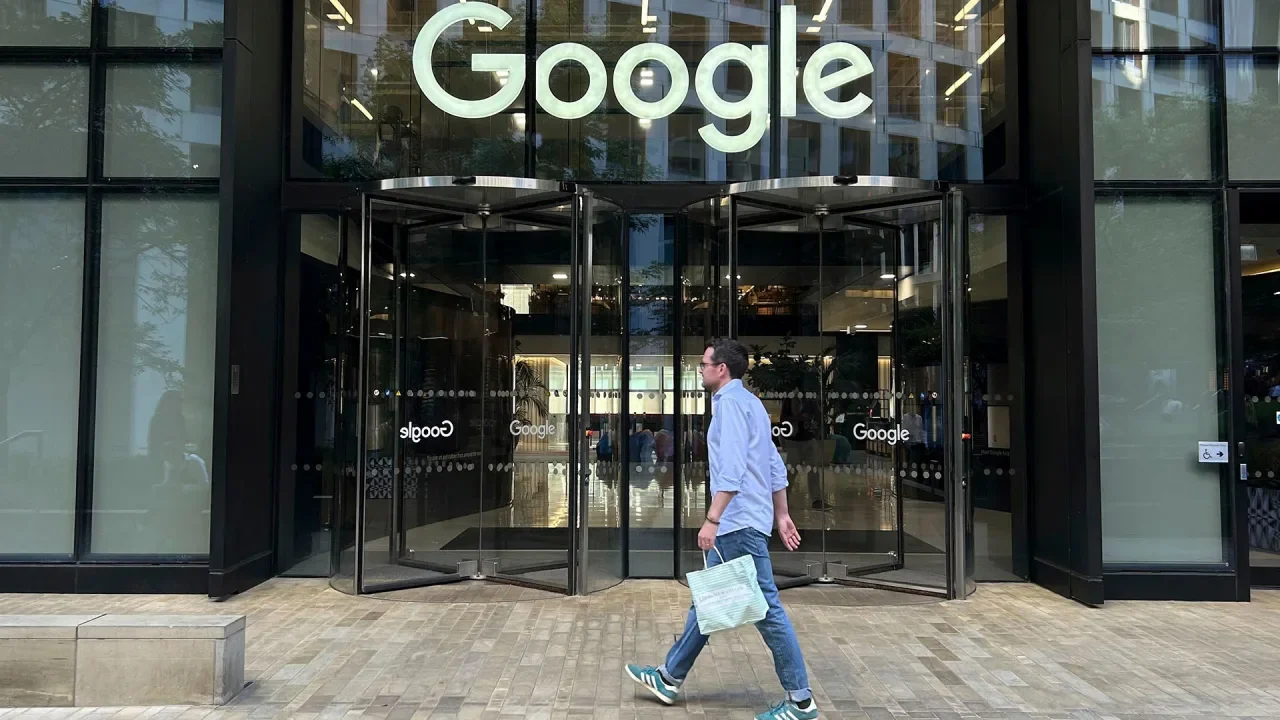
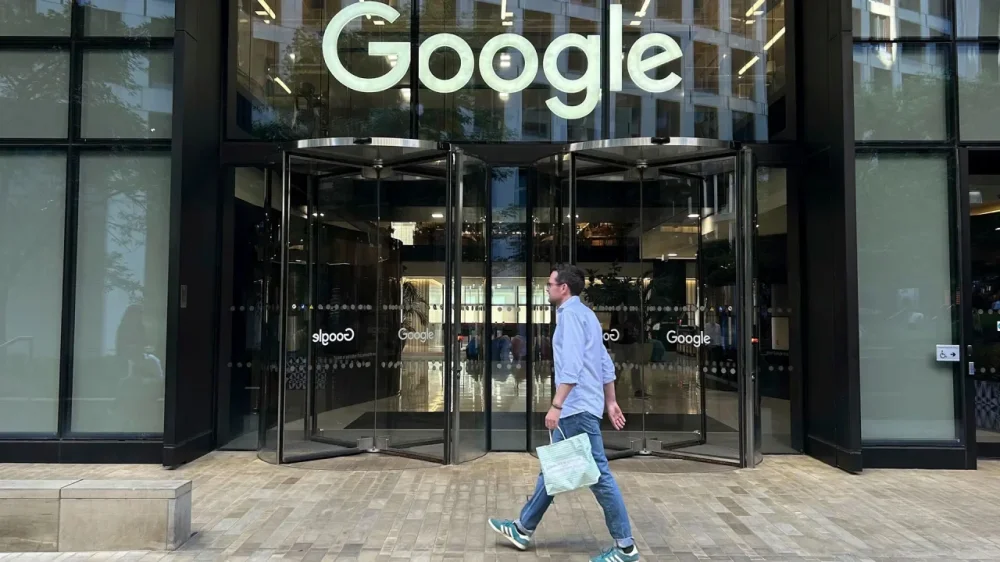
Google will confront an existential threat Monday as the U.S. government tries to break up the company as punishment for turning its revolutionary search engine into a ruthless monopoly. The drama will unfold in a Washington courtroom during the next three weeks during hearings that will determine how the company should be penalized for operating an illegal monopoly in search. The proceedings, known in legal parlance as a “remedy hearing,” feature a parade of witnesses that includes Google CEO Sundar Pichai. The U.S. Department of Justice is asking a federal judge to order a radical shake-up that would ban Google from striking the multibillion dollar deals with Apple and other tech companies that shield its search engine from competition, share its repository of valuable user data with rivals and force a sale of its popular Chrome browser. The moment of reckoning comes four-and-half-years after the Justice Department filed a landmark lawsuit alleging Google’s search engine had been abusing its power as the internet’s main gateway to stifle competition and innovation for more than a decade. After the case finally went to trial in 2023, a federal judge last year ruled Google had been making anti-competitive deals to lock in its search engine as the go-to place for digital information on the iPhone, personal computers and other widely used devices, including those running on its own Android software. That landmark ruling by U.S. District Judge Amit Mehta sets up a high-stakes drama that will determine the penalties for Google’s misconduct in a search market that it has defined since Larry Page and Sergey Brin founded the company in a Silicon Valley garage in 1998. Since that austere start, Google has expanded far beyond search to become a powerhouse in email, digital mapping, online video, web browsing, smartphone software and data centers. Seizing upon its victory in the search case, the Justice Department is now setting out to prove that radical steps must be taken to rein in Google and its corporate parent, Alphabet Inc. “Google’s illegal conduct has created an economic goliath, one that wreaks havoc over the marketplace to ensure that — no matter what occurs — Google always wins,” the Justice Department argued in documents outlining its proposed penalties. “The American people thus are forced to accept the unbridled demands and shifting, ideological preferences of an economic leviathan in return for a search engine the public may enjoy.” Although the proposed penalties were originally made under President Joe Biden’s term, they are still being embraced by the Justice Department under President Donald The President, whose first administration filed the case against Google. Since the change in administrations, the Justice Department has also attempted to cast Google’s immense power as a threat to freedom, too. “The American dream is about higher values than just cheap goods and ‘free’ online services,” the Justice Department wrote in a March 7 filing with Mehta. “These values include freedom of speech, freedom of association, freedom to innovate, and freedom to compete in a market undistorted by the controlling hand of a monopolist.” Google is arguing the government’s proposed changes are unwarranted under a ruling that its search engine popularity among consumers is one of the main reasons it has become so dominant. The “unprecedented array of proposed remedies would harm consumers and innovation, as well as future competition in search and search ads in addition to numerous other adjacent markets,” Google lawyers said in a filing leading up to hearings. “They bear little or no relationship to the conduct found anticompetitive, and are contrary to the law.” Google also is sounding alarms about the proposed requirements to share online search data with rivals and the proposed sale of Chrome posing privacy and security risks. “The breadth and depth of the proposed remedies risks doing significant damage to a complex ecosystem. Some of the proposed remedies would imperil browser developers and jeopardize the digital security of millions of consumers.” The showdown over Google’s fate marks the climax of the biggest antitrust case in the U.S. since the Justice Department sued Microsoft in the late 1990s for leveraging its Windows software for personal computers to crush potential rivals. The Microsoft battle culminated in a federal judge declaring the company an illegal monopoly and ordering a partial breakup — a remedy that was eventually overturned by an appeals court. Google intends to file an appeal of Mehta’s ruling from last year that branded its search engine as an illegal monopoly but can’t do so until the remedy hearings are completed. After closing arguments are presented in late May, Mehta intends to make his decision on the remedies before Labor Day. The search case marked the first in a succession of antitrust cases that have been brought against a litany of tech giants that include Facebook and Instagram parent Meta Platforms, which is currently fighting allegations of running an illegal monopoly in social media in another Washington D.C. trial. Other antitrust cases have been brought against both Apple and Amazon, too. The Justice Department also targeted Google’s digital advertising network in a separate antitrust case that resulted last week in another federal judge’s decision that found the company was abusing its power in that market, too. That ruling means Google will be heading into another remedy hearing that could once again raise the specter of a breakup later this year or early next year. —Michael Liedtke, AP Technology Writer View the full article
-
Everyone wants privacy, but how far are you willing to go for it? For most people, the answer is "not very far." The cost of privacy is not only the knowledge it takes to navigate safely and invisibly online, but often also the inconvenience that comes with security practices practices like using VPNs, installing ad blockers and other extensions, and using a non-Chrome browser. If you go to extra lengths to protect your online privacy, we want to hear from you. And if you go to extreme lengths, we definitely want to hear from you. The first time I switched to a privacy-focused browser, I wondered why I hadn't done it sooner. I left Google Chrome after reading one of the countless stories about how Chrome is the worst browser for your data and privacy, and after importing my bookmarks and settings, I admittedly felt rather smug. I was a Brave user now, separate from the flock of sheep who gave their data away to Chrome, resigned to having their data tagged and tracked wherever they went. I also deleted my Facebook account, installed a VPN on my phone, and used Tor to browse anything I would be less than proud of. I also stopped using Google Maps. At least, I tried. As you might have guessed, few of these changes lasted long. Protecting my privacy online was one inconvenience after another. At first, I attributed my minor annoyances to a learning curve. My VPN broke certain websites, so I got in the habit of switching it on and off whenever I needed, for example. But while some decisions made life easier—I still don't miss Facebook, and browsing the internet without an ad blocker seems unthinkable now—others created accumulating obstacles. Websites wouldn't load, citing compatibility problems with my browser. Extensions were unavailable. Tech walkthroughs with friends and IT teams each invariably met the point where I would need to explain that, no, I am not on Chrome, or Firefox, or Edge. Once, I spent several days debating companies, agencies, and friends who insisted they tried calling me even though my phone never rang. Frustrated, I eventually called Verizon, and a customer service representative ran me through a series of tests and pings to identify the problem. After half an hour, my call was escalated to a higher tech support team that walked me through heavier solutions like resetting my network. Eventually, in a moment of clarity, I apologized to customer service, confessed that it was user error, and hung up the phone. I knew what the problem was, even if I couldn't explain it: I left my VPN on, and somehow it was blocking incoming calls. I turned it off, and life went back to normal. I began to feel less smug and more impractical, my decision to live a privacy-focused life having downsides I wasn't sure I was willing to accept. My breaking point came when I was on a trip and a Netflix error informed me that my browser was no longer supported. Stuck at an airport with yet another inconvenience, I got frustrated, threw in the towel, and found myself back on Chrome. Of course, my failure is my own, and there are endless reasons to push past the inconveniences to make your online privacy a standard practice. As part of our Safety Net series, I want to speak with people who take their privacy seriously enough to go to great lengths—arguably extreme ones, even—to keep your identity and privacy safe. I want us to learn what you do for privacy, what it's like to use technology the way you do, and how much convenience you sacrifice to do it. If this sounds like you, email me at jcalhoun@lifehacker.com with the subject line "Safety Net" or message me on Bluesky, and I'll get back to you if your story is selected to be featured. If it sounds like someone you know, please send them this article to share their experience. You can, of course, stay as anonymous as you'd like. View the full article
-
In the past year, I’ve worked with job seekers, HR teams, and tech leaders, navigating everything from résumé optimization to the ethics of AI in hiring. And I’ve seen a clear pattern emerge: Candidates are using AI more than ever, and sometimes in ways that backfire. The tools are smarter. The competition is fiercer. Used well, AI can be your most powerful copilot. Used poorly, it can quietly disqualify you before a human ever sees your name. Here are five of the most common AI-related job search mistakes I see, along with one bonus pitfall you may not realize you’re making. Mistake 1: Relying on AI to Write Your Entire Résumé or Cover Letter AI résumé and cover letter generators promise to help you create professional documents quickly. But these tools often generate generic content based on keywords, which can make your application blend in with the rest. Yes, with a single ChatGPT prompt, you can have a résumé draft in 30 seconds. But if you stop there, you’re hurting your chances. Remember: AI-generated résumés read like they were written by a robot, because they were. Why it’s a problem: AI can help you with structure and grammar, but it cannot capture the nuances of your personal brand or unique career story. Worse yet, you also risk having a nearly identical résumé as another applicant because you are all asking for the same keywords/skills. Solution: Use AI to improve rather than replace your writing process—for example, to check for grammar errors, suggest keywords, or guide you to quantify your impact further. But make sure to personalize the content with specific examples from your own career. Your résumé should reflect your unique journey, not just a collection of skills and accomplishments with AI-generated words in between. Mistake 2: Using AI to Apply for Jobs on Your Behalf Without Customizing Your Application AI tools like job application bots can now apply for thousands of jobs on your behalf, filling out applications and submitting résumés for you. While this may save you time, it can also lead to oversaturation and missed opportunities. Why it’s a problem: These AI tools are good at mass applications but are not great at tailoring your application to each job and company. Customization is key when it comes to standing out in this crowded job market. An AI application will often lack the personalized touch that hiring managers value, and it won’t allow you to highlight specific aspects of your experience that align with the company’s culture and needs. Solution: Use AI to help identify relevant job openings, but take the time to customize your applications. Craft a personalized cover letter and tweak your résumé to reflect the most relevant skills and experiences for each job. Even a few tailored adjustments can make a huge difference in catching a hiring manager’s eye. Mistake 3: Letting AI or Deepfakes Do the Interview for You Yes, we’ve entered that chapter. Some candidates are now using AI tools to generate real-time answers during live chat interviews and in extreme cases, deploying deepfakes to complete asynchronous video screenings. Even if you make it through the first round or get hired, consider this: What will you do on the job? Why it’s a problem: AI-driven interviews and deepfakes can make it easier for candidates to present themselves in an overly polished or dishonest way. While you might pass the screening, the real challenge comes once you’re on the job. Most companies now prohibit pasting confidential or company-specific info into public AI tools like ChatGPT. So even if you’re AI-savvy, the tools you used to land the role may not be available on the job. If you oversell your capabilities or rely on tools you won’t have access to later, you risk being fired or flagged early in onboarding. Solution: While it might be tempting to rely on AI to enhance your interview performance, remember that authenticity is now paramount. Use AI to prep, not perform. Practice interview questions, refine your examples, and improve how you tell your story using AI, but never fake it. The risk isn’t just not getting the job. It’s losing your reputation. Mistake 4: Overinflating Your Experience with AI Polish AI tools can help you highlight your accomplishments and frame your experiences more effectively, but there’s a danger in overinflating your role or contributions. While it’s tempting to use AI to embellish your résumé or cover letter, it’s important to remember that overstatement will be quickly exposed, not only in interviews, but also through informal back-channel checks. Why it’s a problem: Hiring managers often reach out to former colleagues, managers, or industry connections to gather informal insights about candidates. Even if they’re not conducting formal reference checks, these casual conversations can reveal discrepancies between your résumé and the reality of your work experience. If your claims don’t match the reality of how you were perceived in previous roles, it could harm your credibility and disqualify you immediately. Solution: Focus on being authentic and accurate when detailing your experience. Use AI to help articulate or reframe your achievements but ensure that everything you list is something you can back up with real examples. Honesty and transparency go a long way in establishing trust with hiring managers. Mistake 5: Underestimating the Power (and Liability) of Your Digital Presence AI tools may help you land interviews, but they can also scan your LinkedIn profile or social media accounts as part of the screening process. It’s not enough to just have a résumé. Your online presence is increasingly scrutinized by employers. Why it’s a problem: If your LinkedIn profile doesn’t match your résumé, at minimum, it can confuse hiring managers. AI won’t just look at your résumé. Now it’s scanning your digital presence on all platforms. If you have once posted something negative about your potential employer as a customer, it can be flagged and prevent you from landing an interview. Solution: Ensure that your LinkedIn profile is up to date, fully aligned with your résumé, and clearly highlights your relevant skills and accomplishments. Create a compelling headline and summary that clearly state what you do and what you’re looking for. Share posts that demonstrate your expertise and thought leadership. Clean up any social media posts that might paint an inaccurate or outdated picture of the current “you.” Remember, your LinkedIn is an extension of your résumé and should reflect your personal brand authentically. Bonus Mistake: Ignoring the Human Side of the Job Search Here’s the reality: Many jobs aren’t filled through cold applications. Some jobs are never even listed on job boards. They’re filled through referrals and networking. AI can’t replace genuine relationship building, and it shouldn’t. You should use AI to help you research target companies, suggest outreach messages on LinkedIn, or prep for networking calls and coffee chats. Then, go out there and attend events. On LinkedIn, you can comment thoughtfully on industry conversations and start building relationships with those who might someday become the hiring manager of your dream job. Remember, networking is expanding who you know and having a strong personal brand online expands who knows you. Both will enhance your chance of getting hired in this market. Final Thoughts: Stay Human and Stay Authentic My advice as an AI expert? Embrace AI as a tool to enhance your job search but always maintain authenticity and integrity. Let it help you shine brighter, not become a distorted version of yourself. Your skills, experience, and passion are what will ultimately land you the right job. Don’t let AI derail that by turning you into someone you’re not. View the full article

-
Party receives £100,000 from donors ahead of voting across England on May 1View the full article
-
Sponsored Post Key Takeaways APIs are essential tools for digital transformation, connecting disparate systems and enhancing efficiency within organizations.Leveraging APIs can streamline workflows, automate processes, and enable better data integration, ultimately improving customer experiences.Using both Open and Internal APIs can foster innovation, collaboration, and operational efficiency in small businesses.Despite challenges such as security and cultural resistance, a strategic approach to API implementation can greatly benefit business growth.APIs are integral in adapting to emerging technologies, allowing businesses to automate tasks and refine their offerings to meet customer demands.Embracing API-driven strategies positions small businesses to thrive in a competitive and rapidly changing digital landscape. In today’s fast-paced digital landscape, APIs are the unsung heroes driving transformation across industries. They act as bridges, connecting disparate systems and enabling seamless data flow. As businesses strive to enhance customer experiences and streamline operations, understanding the role of APIs in digital transformation becomes crucial. You might be wondering how these tools can revolutionize your organization. By leveraging APIs, you can unlock new opportunities for innovation, improve collaboration, and accelerate your digital initiatives. This article dives into the significance of APIs in the context of digital transformation and explores how they can empower your business to thrive in an increasingly interconnected world. Understanding API and Digital Transformation APIs (Application Programming Interfaces) play a crucial role in your small business’s digital transformation efforts. These interfaces allow different software systems to connect, enabling seamless data exchange and improving overall efficiency. For small businesses, this connection is vital in streamlining processes, reducing redundancy, and enhancing customer experiences. Utilizing APIs can foster innovation within your business model. With APIs, you can integrate new technologies that support product development and enhance your services. For instance, syncing your inventory management system with an e-commerce platform can automate tasks, saving time and minimizing errors. You gain a competitive edge by implementing such integrations, which simplifies customer acquisition through improved service delivery. APIs also enhance collaboration. By connecting to third-party services, you can access valuable resources and tools that support marketing initiatives, like social media or email campaigns. This access opens avenues for branding and targeting your audience more effectively, driving growth strategies. Moreover, APIs empower you to adapt quickly to market changes. When you utilize cloud-based APIs, you can scale your operations without significant upfront investments. This flexibility supports your cash flow management and allows you to focus more on your core business rather than operational challenges. Understanding the importance of APIs in your digital transformation can set the foundation for leveraging emerging technologies, improving customer service, and fostering meaningful partnerships. Embracing such technological advancements ensures your small business remains competitive and responsive in an ever-evolving marketplace. The Role of APIs in Digital Transformation APIs (Application Programming Interfaces) significantly contribute to digital transformation, particularly for small businesses. They facilitate seamless interactions between various software systems, enhancing efficiency and customer experiences. Enhancing Business Efficiency Automation of Processes: APIs automate repetitive tasks by linking different software applications. This automation reduces manual intervention, minimizes errors, and accelerates processes, which leads to substantial cost savings. Automating inventory updates in your e-commerce platform exemplifies this efficiency. Streamlining Workflows: APIs integrate cloud and on-premises systems, allowing for end-to-end workflow automation. You can manage data flow easily, enabling quicker decision-making. This streamlined approach enhances operational quality, fostering an environment conducive to innovation and business growth. Scalability: APIs empower you to scale operations effectively. By adding new services and applications without disrupting existing systems, scalability becomes achievable. This flexibility supports your business model as it adapts to changing market demands. Facilitating Data Integration APIs simplify data integration across various platforms, enhancing collaboration and data accessibility. You can connect your software tools and third-party services effortlessly, consolidating customer information, financial data, and marketing statistics. This integration promotes a cohesive strategy for customer acquisition, allowing for better-targeted email marketing and content marketing efforts. The ability to access centralized data positions your small business to make informed decisions and respond quickly to market needs. Types of APIs in Digital Transformation In the realm of digital transformation, understanding the types of APIs is essential for small businesses to enhance operations and drive growth. APIs serve as the backbone for innovation, enabling seamless communication between different systems. Open APIs Open APIs, or public APIs, provide external developers and businesses access to your services and data. These APIs foster collaboration and innovation by enabling integrations with third-party applications. For small businesses, utilizing Open APIs can simplify operations. For example, you can connect your e-commerce platform with social media apps to enhance customer acquisition strategies. Many social media platforms, like Twitter and Facebook, leverage Open APIs to facilitate interactions between their services and external applications. Monetization opportunities also exist; you can create subscription models or charge per API call to generate additional revenue streams. Internal APIs Internal APIs, or private APIs, allow your internal systems to communicate efficiently. These APIs streamline workflows within your business. By integrating various software tools, you can automate repetitive tasks and improve overall productivity. For instance, linking your inventory management system with your accounting software helps maintain accurate financial records and reduces human error. Internal APIs enhance operational efficiency while empowering employees to focus on higher-value tasks, aligning with your business goals and growth strategy. They provide a framework for innovation within your organization, allowing you to develop customized solutions that meet your specific needs. Utilizing both Open and Internal APIs can position your small business for success in today’s digital landscape, enhancing collaboration and fostering innovation while improving customer service. Challenges in Implementing APIs Implementing APIs can present various challenges that affect both technical and organizational aspects of your small business. Understanding these challenges helps you navigate the integration process more effectively. Technical Challenges Security and privacy are primary concerns when using APIs in your business operations. With rising cyber threats, you must implement security measures such as authentication, authorization, and encryption. For example, using OAuth for secure authorization and SSL certificates for data encryption protects sensitive customer information during transactions. Complexity also arises from integrating multiple systems through APIs. Navigating diverse data formats, ensuring compatibility, and maintaining consistent communication between applications can be daunting. Organizations that use various applications for sales, marketing, and customer service may struggle with standardizing data. Investing in proper training and resources can mitigate these technical hurdles. Organizational Challenges Cultural resistance within your team can hinder API implementation. If employees perceive APIs as disrupting their established workflows, they may resist adopting new processes. To counter this, foster a culture of innovation and emphasize the benefits of API integration, such as improved efficiency and better customer service. Resource allocation poses another challenge. You must balance time and budget constraints when adopting APIs. The solution often involves strategic planning to prioritize your API projects based on their potential to support your growth strategy. Collaborating with stakeholders from different departments can also ensure alignment with business goals, fostering a smoother transition to API usage. Future Trends in API and Digital Transformation APIs play a crucial role in the future of digital transformation, particularly for small businesses. They enable connections that foster innovation and enhance customer experiences. Emerging Technologies APIs integrate with emerging technologies, significantly transforming how you operate. AI-infused APIs automate tasks such as analyzing images, converting speech to text, and generating personalized recommendations. Leveraging these capabilities positions your business to boost efficiency and optimize customer service. For instance, utilizing sentiment analysis tools can help you understand customer feedback and adapt your marketing strategies accordingly. Impact on Business Models The impact of APIs on business models is profound. Treating APIs as products enables you to map user journeys, offering frictionless experiences that lead to higher customer acquisition rates. Startups and small businesses can tap into analytics-driven iteration processes to refine their offerings continuously. This strategized approach can enhance your growth strategy and solidify your market presence. Through effective API use, your business can streamline operations, reduce costs, and foster collaborations with external service providers, leading to innovative product development that aligns with customer demands. Conclusion APIs are more than just technical tools; they’re essential drivers of your digital transformation journey. By embracing APIs, you can streamline operations and enhance customer experiences while fostering innovation and collaboration. This integration not only positions your business for growth but also equips you to respond swiftly to market changes. As you navigate the complexities of API implementation, remember that overcoming challenges like security and organizational resistance is key. Cultivating a culture of innovation will help you fully realize the potential of APIs. Ultimately, leveraging these powerful connectors will empower your business to thrive in today’s interconnected landscape, ensuring you stay competitive and responsive to customer needs. Frequently Asked Questions What is the role of APIs in digital transformation for small businesses? APIs, or Application Programming Interfaces, serve as connectors between systems, enabling seamless data flow and enhancing efficiency. They streamline processes, automate tasks, and promote innovation, ultimately supporting small businesses in adapting to changing market needs. How do APIs enhance customer experiences? APIs facilitate better integration of services and systems, allowing businesses to deliver timely and personalized experiences to customers. By connecting various platforms, businesses can access and consolidate customer data, leading to improved service delivery and satisfaction. What types of APIs are important for small businesses? Small businesses should focus on two types of APIs: Open APIs, which connect external developers to services, promoting collaboration, and Internal APIs, which streamline internal workflows. Both types enhance processes and can significantly improve customer acquisition and operational efficiency. What challenges do small businesses face when implementing APIs? Small businesses often encounter challenges like security concerns, integration complexities, and cultural resistance. Ensuring data protection through authentication and encryption is vital, and fostering a culture of innovation can help overcome internal resistance to API adoption. How can APIs support automation in small business operations? APIs can automate repetitive tasks by linking different software applications, minimizing errors and accelerating processes. This automation leads to cost savings and allows businesses to focus on more strategic activities, thereby enhancing overall operational efficiency. What future trends in API usage should small businesses consider? Future trends include the integration of APIs with emerging technologies like AI. Treating APIs as products will enhance customer experiences, and utilizing analytics can help small businesses refine their offerings, fostering growth and collaboration that aligns with customer demands. Image Via Envato This article, "Unlocking Business Success: The Power of API and Digital Transformation" was first published on Small Business Trends View the full article
-
We may earn a commission from links on this page. Deal pricing and availability subject to change after time of publication. You may have considered making your own videos until you actually tried to edit one and ended up staring at timelines and layers, wondering where to even start. Adobe Premiere Elements 2025 is built to simplify that chaos, and right now StackSocial is offering a 3-year license on sale for $99.99. That’s a one-time payment, not a subscription, which already feels like a win. You get AI-powered editing, mobile and web companion apps (still in beta), and access to Adobe Stock templates for titles. It’s aimed at hobbyists, content creators, and anyone who wants their vacation videos to look like a highlight reel. This version's workflow has been simplified a lot. The timeline is cleaner, the performance is snappier—especially on Macs with Apple’s M3 chips—and tools like color correction and grading presets are built-in. You can stylize titles, fix up the lighting, and string together polished transitions without digging through a maze of menus. It also helps that Adobe throws in some templates and effects to nudge beginners in the right direction. That said, if you’re planning to edit in 4K or juggle a bunch of large media files, you’ll want a more powerful system (think 32GB RAM, SSD, and decent GPU). It runs on Windows 10/11 and macOS 13/14, but if you’re still holding on to Windows 8.1 or anything older, this won’t install. Additionally, this deal is only for new users, and you’ll need to redeem the code within 30 days. You can only use it on one device, so no jumping between your desktop and laptop. And while the mobile and web versions sound handy, they’re still in beta and only available in a few languages. But if you want to go from random clips to something with titles, effects, and maybe even background music, without hiring an editor or learning Premiere Pro, this version of Elements makes a lot of sense. And for $100, it gives you three years to play around, learn the basics, and maybe even discover you enjoy editing. View the full article
-
Defence secretary alleged to have shared details of Yemen military strike in group that included family membersView the full article
-
Moments after Daniris Espinal walked into her new apartment in Brooklyn, she prayed. In ensuing nights, she would awaken and touch the walls for reassurance—finding in them a relief that turned to tears over her morning coffee. Those walls were possible through a federal program that pays rent for some 60,000 families and individuals fleeing homelessness or domestic violence. Espinal was fleeing both. But the program, Emergency Housing Vouchers, is running out of money—and quickly. Funding is expected to be used up by the end of next year, according to a letter from the U.S. Department of Housing and Urban Development and obtained by The Associated Press. That would leave tens of thousands across the country scrambling to pay their rent. It would be among the largest one-time losses of rental assistance in the U.S., analysts say, and the ensuing evictions could churn these people—after several years of rebuilding their lives—back onto the street or back into abusive relationships. “To have it stop would completely upend all the progress that they’ve made,” said Sonya Acosta, policy analyst at the Center on Budget and Policy Priorities, which researches housing assistance. “And then you multiply that by 59,000 households,” she said. The program, launched in 2021 by then-President Joe Biden as part of the pandemic-era American Rescue Plan Act, was allocated $5 billion to help pull people out of homelessness, domestic violence and human trafficking. People from San Francisco to Dallas to Tallahassee, Florida, were enrolled—among them children, seniors and veterans—with the expectation that funding would last until the end of the decade. But with the ballooning cost of rent, that $5 billion will end far faster. Last month, HUD sent letters to groups dispersing the money, advising them to “manage your EHV program with the expectation that no additional funding from HUD will be forthcoming.” The program’s future rests with Congress, which could decide to add money as it crafts the federal budget. But it’s a relatively expensive prospect at a time when Republicans, who control Congress, are dead set on cutting federal spending to afford tax cuts. Democratic Rep. Maxine Waters, who championed the program four years ago, is pushing for another $8 billion infusion. But the organizations lobbying Republican and Democratic lawmakers to reup the funding told the AP they aren’t optimistic. Four GOP lawmakers who oversee the budget negotiations did not respond to AP requests for comment. “We’ve been told it’s very much going to be an uphill fight,” said Kim Johnson, the public policy manager at the National Low Income Housing Coalition. Espinal and her two daughters, aged 4 and 19, are living on one of those vouchers in a three-bedroom apartment with an over $3,000 monthly rent—an amount extremely difficult to cover without the voucher. Four years ago, Espinal fought her way out of a marriage where her husband controlled her decisions, from seeing her family and friends to leaving the apartment to go shopping. When she spoke up, her husband said she was wrong, or in the wrong or crazy. Isolated and in the haze of postpartum depression, she didn’t know what to believe. “Every day, little by little, I started to feel not like myself,” she said. “It felt like my mind wasn’t mine.” When notices arrived in March 2021 seeking about $12,000 in back rent, it was a shock. Espinal had quit her job at her husband’s urging and he had promised to cover family expenses. Police reports documenting her husband’s bursts of anger were enough for a judge to give her custody of their daughter in 2022, Espinal said. But her future was precarious: She was alone, owed thousands of dollars in back rent and had no income to pay it or support her newborn and teenage daughters. Financial aid to prevent evictions during the pandemic kept Espinal afloat, paying her back rent and keeping the family out of shelters. But it had an expiration date. Around that time, the Emergency Housing Vouchers program was rolled out, targeting people in Espinal’s situation. A “leading cause of family homelessness is domestic violence” in New York City, said Gina Cappuccitti, director of housing access and stability services at New Destiny Housing, a nonprofit that has connected 700 domestic violence survivors to the voucher program. Espinal was one of those 700, and moved into her Brooklyn apartment in 2023. The relief went beyond finding a secure place to live, she said. “I gained my worth, my sense of peace, and I was able to rebuild my identity.” Now, she said, she’s putting aside money in case of the worst. Because, “that’s my fear, losing control of everything that I’ve worked so hard for.” —Jesse Bedayn Associated Press/Report for America View the full article

-
Falling victim to a scam is terrible, but being targeted a second time by fraudsters posing as law enforcement promising to help you recover is even worse. Scammers pretending to be from the FBI's Internet Crime Complaint Center (IC3) have been reported more than 100 times between December 2023 and February 2025, according to an April 18 public service announcement. Impersonation scams aren't new—a widespread scheme in 2022 saw scammers posing as government and law enforcement officials, for example—but this latest one doubles up on people whose money has already been stolen. How the IC3 scam worksAs the FBI's notice describes, scammers may contact fraud victims by phone, email, social media, or forum posts posing as IC3 employees. They offer to help targets recover their lost money—or claim they've already recovered it—and ask for payment or personal information, at which point victims lose money and/or data to yet another bad actor. While there are a number of variations, in one example, scammers created female profiles on social networks, joined groups for financial fraud victims, and suggested members reach out via Telegram to "Jaime Quin," the "Chief Director" of IC3, who completed the scam. How to protect yourself from the IC3 scamIf you've been a victim of fraud or identity theft, you are a potential target for the IC3 scam, and you should stay vigilant and skeptical of anyone offering to help you get your money back. IC3 employees will never contact you via phone, email, social media, apps, or forums, and they will never ask for payment (or refer you to anyone who requires payment) to recover your money. If you are contacted by someone claiming to be law enforcement or a government official over the phone or online, do not share any sensitive information, and do not send money, gift cards, or cryptocurrency to someone you do not know. You can report fraud to the actual, legitimate IC3 at www.ic3.gov. View the full article
-
Browser extensions can potentially see a lot of what you're up to on your computer—so you need to be careful when it comes to choosing which of these add-ons you install and allow to access your browser. While plenty of browser extensions out there are legit and genuinely useful, some of them aren't. Browser security analyst John Tuckner (via Ars Technica) recently posted about discovering dozens of suspect extensions that have overly broad permissions and seem to be mining browser data. These extensions are apparently being used by around six million users. Most of these extensions are unlisted in the Chrome Web Store, so users need to be directed to the exact URL to find them, and they're less visible to security scans and the wider web. They don't appear to offer much in the way of functionality, and are coded in a way that makes it difficult to ascertain their purpose. Even more worryingly, the developers of some of these extensions have been labeled as "Featured" by Google, which supposedly means they've met certain standards in terms of privacy and security. It's a reminder that even when an extension looks fine, you should still exercise plenty of caution. There's no foolproof, 100-percent-guaranteed way to spot dodgy browser extensions, but there are plenty of ways to assess their legitimacy, which I've outlined below. Keep up with the newsThere are plenty of good folk on the right side of the security and privacy fence, including John Tuckner. Stay up to date on the tech news headlines, and breaking stories across social media, and you should get a heads up about any major issues. Take the case of the Honey extension, for example, which was recently found to be deploying some shady tactics in terms of manipulating online prices. If you're checking the news, you'll know about discoveries like these. Read the reviewsReviews can be faked, and don't always provide a true indication of the quality of an extension, but they'll give you some pointers. Look for common complaints and concerns, especially those that have been posted recently. A lot of low ratings can be a big warning sign, especially if they're mentioning the extension being buggy or slow. You should also check to see if the developer has addressed any of the complaints, and given plausible explanations for them. Pay close attention to extension listings. Credit: Lifehacker Look at the developerSpeaking of developers, the details of the people behind these add-ons are always shown on the extension listings. See if there's clear evidence for what these individuals or teams do, and why they might have made an extension available for your browser. If an extension is made by a professional coder with an active social media presence and a genuine GitHub landing page, that's a good sign. If a developer link leads to a badly formatted webpage with little in the way of info, that's not so good. Check the permissionsLike the apps installed on your phone or laptop, browser extensions have permissions: You can see the permissions they're asking for on their listing pages, and after you've installed them, to check what they're trying to do. You have to make some judgment calls here in terms of what's reasonable and what isn't when it comes to permissions, but clearly an extension that snoozes inactive tabs (for example) doesn't need to read everything you're typing into your browser. You can always look up the extensions each browser has. Credit: Lifehacker Use security toolsSeveral security tools will help you spot bad extensions, such as John Tuckner's own Secure Annex: With a little help from AI, it scans through extensions looking for potential problems, though it's aimed at companies rather than individuals. For Chrome, try Chrome Extension Source Viewer (for checking code), and Under New Management (for checking who's behind an extension), plus Chrome's own Safety Check. There are plenty of other options out there, both for Chrome and for other browsers. Stay up to dateWeb browsers and operating systems are actually pretty good—though not infallible—when it comes to spotting security issues, including browser extensions that might be trying to steal data or direct you to suspicious parts of the internet. This depends on you keeping your software up to date, though: Hackers and scammers love outdated, unpatched code. Make sure you install pending updates for your browser and Windows or macOS as soon as you get notifications about them. View the full article