Newsletter
Want to keep up to date with all our latest news and information?


ResidentialBusiness
Administrators
-
Joined
-
Last visited
Everything posted by ResidentialBusiness
-
Cambodia and China have signed a $1.2 billion deal to finance an ambitious canal project that aims to boost trade efficiency by linking a branch of the Mekong River near Phnom Penh to a port on the Gulf of Thailand, the Cambodian government agency heading the project announced Friday. The deal to fund the Funan Techo Canal was signed Thursday during the state visit to Cambodia of Chinese President Xi Jinping, the agency said in a news release. Xi returned home Friday after a three-nation Southeast Asian tour that also included Vietnam and Malaysia. Construction of the 151.6-kilometer (94-mile) canal began last year but was halted shortly after the Aug. 5 groundbreaking ceremony for reasons that were not made clear. Cambodian Prime Minister Hun Manet said at the time that the canal will be built “no matter what the cost,” emphasizing that the project promotes “national prestige, the territorial integrity and the development of Cambodia.” Described as a public-private partnership contract, the deal was signed by Deputy Prime Minister Sun Chanthol on behalf of Cambodia’s government, and by Ieng Sunly of the Funan Techo Coastal-Inland Waterways Company Ltd., the private sector partner. The project is being developed on a build-operate-transfer basis, with Cambodian investors holding a 51% stake, and Chinese investors holding 49%. “The canal will create a new inland waterway-maritime corridor capable of handling vessels up to 3,000 deadweight tons,” according to Friday’s announcement. It will encompass canal excavation and the construction of ship locks, navigation and logistics infrastructure. “As an inland waterway and important transport infrastructure in Cambodia, the FTC Project will become a new engine driving national economic growth,” said Wang Tongzhou, chairman of China Communications Construction Company, in the announcement. He added that “after completion, it will significantly reduce the comprehensive logistics costs in Cambodia, and promote Cambodia’s industry to the middle-to-high end of the value chain.” China Communications Construction Company is the parent company of China Road and Bridge Corporation, the contractor for the project’s construction from the Bassac River to the coastal province of Kep. The massive state-owned firm has faced scrutiny for its alleged involvement in financial scandals. It is also blacklisted by the United States for its role in helping the Chinese military construct and militarize artificial islands in the South China Sea. According to Friday’s announcement, the canal is expected to create “up to 50,000 direct and indirect jobs in Cambodia.” Critics have raised concerns that the canal could severely disrupt the Mekong River’s natural flood patterns. These disruptions could lead to worsening droughts and a reduction in the nutrient-rich silt essential for Vietnam’s vital rice production in the Mekong Delta, a region that sustains millions and is a major global rice exporter. The signing announcement, however, stated that, “A rigorous Environmental Impact Assessment, conducted by 48 specialists, confirmed minimal environmental impact.” It added that the Cambodian government has led efforts to minimize resettlement “with a route designed to avoid dense communities and cultural sites” and that “a responsible compensation and consultation process is underway.” —Sopheng Cheang, Associated Press View the full article

-
If you’ve been thinking about skipping that Target run this weekend, you’re not alone. A grassroots group called The People’s Union USA is asking shoppers to sit out spending money at major retailers, restaurants, and banks from midnight on Good Friday through Easter Sunday. “No shopping, no spending, no fueling the corporate machine that has been bleeding us dry,” organizer John Schwarz said in a video posted to Instagram. The goal? Hit big brands where it hurts—their bottom line. The boycott follows weeks of frustration over corporate DEI rollbacks and rising political tension, especially with companies such as Target, which has been the focus of a separate 40-day boycott led by faith leaders during Lent. As a result of its DEI policy changes, Target has been the target of a boycott organized by faith leaders for the last 40 days, coinciding with Lent. On January 24, Target announced that it was getting rid of policies concerning hiring goals for minority employees, an executive committee focused on racial justice, and other changes to its diversity initiative. According to a report from Numerator, more than one in 10 customers surveyed on April 16 plan to participate in the boycott, though this move is less well-known than the widespread “economic blackout” that took place on February 28. Furthermore, not all participants are planning to fully stop their spending for the weekend, though many plan on avoiding large corporations, including the brands Target, Walmart, Amazon, McDonald’s, and Starbucks. Half of all participants are shifting their dollars to local, small businesses instead. Users on X and Bluesky sounded off, reposting The People’s Union’s post and reminding users to take stock of what matters. “Money anxiety is on everyone’s mind this week between taxes and tariffs,” the CataLIST posted. “Take back control by consciously choosing how and where you spend your money.” This Blackout is the second widespread boycott organized by The People’s Union. The first occurred on February 28, and the same report from Numerator said that although sales and trips were down across retailers, Amazon, Target, and Walmart saw declines beyond standard weekly variation. Black and LGBTQ+ consumers showed the most significant participation in the February 28 blackout. Many of these boycotts cite brands’ DEI pullbacks and policy changes at the behest of the new administration. Though blackouts and boycotts already have scheduled dates in the future, Target is attempting to fix its relationship with its consumer base as the 40-day “Lent” spending fast comes to a close. On April 17, Target CEO Brian Cornell met with Rev. Al Sharpton, head of the civil rights organization National Action Network, to discuss DEI and racial justice. Sharpton called the meeting “constructive and candid,” and plans to meet with some members of the National Action Network board of directors to determine next steps with Target. Whether or not the boycott makes a measurable dent in sales this weekend, organizers say it’s about more than just the money—it’s about sending a message. View the full article

-
Global kernel prices surge by a third as demand for viral cream-filled bars strains suppliesView the full article
-
State-backed report will call for more investment in drones and tech in a new era of state conflictView the full article
-
Banks expect gain of just 2% for S&P 500 this year, with JPMorgan and BofA among those lowering estimatesView the full article
-
The pending merger between Capital One and Discover Financial services received approval from several regulators Friday, bringing the $35 billion tie-up closer to completion. The Federal Reserve and the Office of the Comptroller of the Currency signed off on the deal, which was first announced in February 2024. The Federal Reserve Board said it entered into a consent order with Discover and assessed a fine of $100 million for overcharging certain interchange fees from 2007 through 2023. Discover has since terminated these practices and is repaying those fees to affected customers, according to the Federal Reserve. The board’s action is being taken in coordination with the Federal Deposit Insurance Corp. It said Capital One has committed that it will comply with the Board’s action against Discover of Riverwoods, Illinois, including remediation requirement, as a condition of approval. The OCC said its approval reflects its “careful analysis of the effect of the merger on communities, the banking industry, and the U.S. financial system.” Capital One, based in McLean, Virginia, said it expects to complete the acquisition on May 18 now that it’s received all required regulatory approvals. Shareholders of both companies approved the deal i n February. The deal joins two of the largest credit card companies that aren’t banks first, like JPMorgan Chase and Citigroup, with the notable exception of American Express. It also brings together two companies whose customers are largely similar: often Americans who are looking for cash back or modest travel rewards, compared to the premium credit cards dominated by AmEx, Citi and Chase. It also will give Discover’s payment network a major credit card partner in a way that could make the payment network a major competitor once again. The U.S. credit card industry is dominated by the Visa-Mastercard duopoly with AmEx being a distant third place and Discover an even more distant fourth place. View the full article

-
Gran Coramino Tequila, co-founded by comedian Kevin Hart and tequila maker Juan Domingo Beckmann, has announced a new round of $10,000 grants for small businesses in under-resourced communities. The expansion brings the total amount awarded through The Coramino Fund to over $1.5 million, benefiting more than 150 entrepreneurs across the United States. Applications for this latest round of grants are now open. The initiative continues Gran Coramino’s collaboration with the Local Initiatives Support Corporation (LISC) and introduces a new partnership with 1st Street Partnerships. In addition to financial assistance, grantees will receive hands-on training and business mentorship, including guidance in applying artificial intelligence (AI) to improve operations. This marks the third year of The Coramino Fund, which supports entrepreneurs operating in or serving low- and moderate-income communities. The program aims to help small business owners who often lack access to traditional growth capital. “With this new round of funding, The Coramino Fund will have awarded over $1,500,000 in grants to over 150 small business owners across the United States that operate in or serve low- and moderate-income communities,” according to the announcement. The addition of AI education through 1st Street Partnerships is designed to address what organizers describe as the growing “AI divide.” The program offers small businesses the tools to use AI in ways that can improve efficiency, customer experience, and strategic decision-making. “Our goal from day one has been to support hard-working entrepreneurs who run into obstacles securing the resources they need to grow,” said Kevin Hart, co-founder of Gran Coramino Tequila. “This continued work with LISC and a new partnership with 1st Street goes one step further. It gives owners the tools to get an advantage in today’s business environment. AI can be confusing. But the data isn’t – the businesses who adopt it early are better positioned to succeed in the long run.” A study from the Bipartisan Policy Center cited in the announcement found that 83% of small businesses using AI reported improved systems, efficiency, and content production, with 54% seeing positive impacts on growth. “As artificial intelligence is shaping the future of business, entrepreneurs must have the proper access and training to remain competitive and thrive,” said Monk Inyang, co-founder and CEO of 1st Street Partnerships. “We commend Gran Coramino and LISC for recognizing this as mission-critical, and we’re honored to partner with them to provide grant recipients with specialized AI programs and strategic mentorship through the lens of cultural intelligence.” Michael T. Pugh, president and CEO of LISC, added, “Entrepreneurs drive community prosperity. Yet many often encounter barriers in accessing crucial funding and support. This initiative helps more small business owners succeed and expand.” Applications for the grants are open through April 23, 2025. Entrepreneurs can apply at lisc.org/grancoramino and learn more about the program at grancoramino.com/fund. This article, "Gran Coramino Expands Small Business Grant Program to $1.5 Million, Adds AI Training Through New Partnership" was first published on Small Business Trends View the full article
-
Gran Coramino Tequila, co-founded by comedian Kevin Hart and tequila maker Juan Domingo Beckmann, has announced a new round of $10,000 grants for small businesses in under-resourced communities. The expansion brings the total amount awarded through The Coramino Fund to over $1.5 million, benefiting more than 150 entrepreneurs across the United States. Applications for this latest round of grants are now open. The initiative continues Gran Coramino’s collaboration with the Local Initiatives Support Corporation (LISC) and introduces a new partnership with 1st Street Partnerships. In addition to financial assistance, grantees will receive hands-on training and business mentorship, including guidance in applying artificial intelligence (AI) to improve operations. This marks the third year of The Coramino Fund, which supports entrepreneurs operating in or serving low- and moderate-income communities. The program aims to help small business owners who often lack access to traditional growth capital. “With this new round of funding, The Coramino Fund will have awarded over $1,500,000 in grants to over 150 small business owners across the United States that operate in or serve low- and moderate-income communities,” according to the announcement. The addition of AI education through 1st Street Partnerships is designed to address what organizers describe as the growing “AI divide.” The program offers small businesses the tools to use AI in ways that can improve efficiency, customer experience, and strategic decision-making. “Our goal from day one has been to support hard-working entrepreneurs who run into obstacles securing the resources they need to grow,” said Kevin Hart, co-founder of Gran Coramino Tequila. “This continued work with LISC and a new partnership with 1st Street goes one step further. It gives owners the tools to get an advantage in today’s business environment. AI can be confusing. But the data isn’t – the businesses who adopt it early are better positioned to succeed in the long run.” A study from the Bipartisan Policy Center cited in the announcement found that 83% of small businesses using AI reported improved systems, efficiency, and content production, with 54% seeing positive impacts on growth. “As artificial intelligence is shaping the future of business, entrepreneurs must have the proper access and training to remain competitive and thrive,” said Monk Inyang, co-founder and CEO of 1st Street Partnerships. “We commend Gran Coramino and LISC for recognizing this as mission-critical, and we’re honored to partner with them to provide grant recipients with specialized AI programs and strategic mentorship through the lens of cultural intelligence.” Michael T. Pugh, president and CEO of LISC, added, “Entrepreneurs drive community prosperity. Yet many often encounter barriers in accessing crucial funding and support. This initiative helps more small business owners succeed and expand.” Applications for the grants are open through April 23, 2025. Entrepreneurs can apply at lisc.org/grancoramino and learn more about the program at grancoramino.com/fund. This article, "Gran Coramino Expands Small Business Grant Program to $1.5 Million, Adds AI Training Through New Partnership" was first published on Small Business Trends View the full article
-
President Donald The President’s attempt to fire nearly everyone at the Consumer Financial Protection Bureau was paused on Friday by a federal judge, who said she was “deeply concerned” about the plan. The decision leaves in limbo a bureau created after the Great Recession to safeguard against fraud, abuse and deceptive practices. The President administration officials argue that it has overstepped its authority and should have a more limited mission. On Thursday, the administration officials moved to fire roughly 1,500 people, leaving around 200 employees, through a reduction in force that would dramatically downsize the bureau. U.S. District Judge Amy Berman Jackson said she was worried the layoffs would violate her earlier order stopping the Republican administration from shutting down the CFPB. She’s been considering a lawsuit filed by an employee union that wants to preserve the bureau. Jackson scheduled a hearing on April 28 to hear testimony from officials who worked on the reduction in force, or RIF. “I’m willing to resolve it quickly, but I’m not going to let this RIF go forward until I have,” she said. It’s the latest example of how The President’s plans have faced legal hurdles as he works to reshape the federal government, saying it’s rife with fraud, waste and abuse. Other layoffs and policies have been subjected to stop-and-go litigation and court orders. The CFPB has long frustrated businesses with its oversight and investigations, and The President adviser Elon Musk made it a top target of his Department of Government Efficiency. Mark Paoletta, the CFPB’s chief legal officer, wrote in a court declaration that “the bureau’s activities have pushed well beyond the limits of the law,” including what he described as “intrusive and wasteful fishing expeditions.” He said officials have spent weeks developing “a much more limited vision for enforcement and supervision activities” with a “smaller, more efficient operation.” Some of the CFPB’s responsibilities are required by law but would have only one person assigned to them under the The President administration’s plan. The enforcement division is slated to be cut from 248 to 50 employees. The supervision division faces an even deeper reduction, from 487 to 50, plus a relocation from Washington to the Southeastern region. Before Friday’s hearing, attorneys for the National Treasury Employees Union filed a sworn statement from a CFPB employee identified only by the pseudonym Alex Doe. The employee said Gavin Kliger, a member of DOGE, was managing the agency’s RIF team charged with sending layoff notices. “He kept the team up for 36 hours straight to ensure that the notices would go out yesterday,” the employee said. “Gavin was screaming at people he did not believe were working fast enough to ensure they could go out on this compressed timeline, calling them incompetent.” The bureau’s chief operating officer, Adam Martinez, told the judge that he believes Kliger is an Office of Personnel Management employee detailed to the CFPB and doesn’t work directly for DOGE. Jackson said she will require Kliger to attend and possibly testify at the April 28 hearing. She said she wants to know why he was there “and what we was doing.” “We’re not going to decide what happened until we know what happened,” Jackson said. The pseudonymous employee said team members raised concerns that the bureau had to conduct a “particularized assessment” before it could implement an RIF. Paoletta told them to ignore those concerns and move forward with mass firings, adding that “leadership would assume the risk,” the employee stated. White House officials did not immediately respond to questions about the judge’s decision or the employee’s court declaration. —Michael Kunzelman and Chris Megerian, Associated Press View the full article

-
We may earn a commission from links on this page. I typically hesitate to suggest making peanut butter in blenders, but the Vitamix Ascent X5 is the exception. It's the best blender I've ever tried, and you should definitely make nut butters with it. Not only is it the absolute fastest nut processor I’ve ever tested (under a minute in some cases), but the resulting peanut butter is incredibly smooth. Here’s how to make any nut butter in the Vitamix Ascent X5. How to use the nut butter function on the Vitamix1. Prepare the nuts, if neededI like to roast the nuts in the oven first, because I love the sweet, toasty flavor. To do it, spread out your nut of choice (I used walnut pieces today) on a baking sheet in a single layer, and put the sheet pan in a 350°F oven for five to 12 minutes. This time will vary depending on the nut, the size of the pieces, and thickness of the sheet pan, so use your nose as your guide. As soon as you start to smell toasted nuts, give them a stir with a wooden spatula and assess if you need a few more minutes. They should be golden with no burnt areas. Allow the nuts to cool on the sheet pan for at least 10 minutes. If you prefer raw nut butters, though, skip this step and start at step two. 2. Add the nuts to the Vitamix container Credit: Allie Chanthorn Reinmann Pour the nuts into the container and snap the lid on, but keep the middle plug lined up with the notches (see picture) so it’s easy to un-stopper. You’ll need to use the tamper to assist the nuts (the tamper is that black plastic baseball bat-looking thing that came with the Vitamix Ascent X5), smashing them down toward the blade during the one minute blend time. It’s best to have it right next to the blender—the preset timer goes by before you know it. 3. Select the nut butter preset Credit: Allie Chanthorn Reinmann Press the button on the left above the knob that has three horizontal lines. The screen will display several cute little cartoons of food. Rotate the knob until you see a jar with a peanut inside. Press the play button directly to the right of the knob. 4. Tamper for your life Credit: Allie Chanthorn Reinmann Once the engine kicks on, the initial kick-up of nut particles will pass after a second or two. Then you can unstopper the center plug and use the plastic tamper to jam the nuts down into the blades. The engine will kick up another speed level and you’ll hear it, but don’t let it stop your tampering. If you’re ever in doubt of when to start pressing, you can look at the screen. There’s a little tamper icon with a downward arrow signaling that tampering is necessary. The tamper icon appears to the left of the timer. Credit: Allie Chanthorn Reinmann For a chunky butter, stop the machine after 30 or 40 seconds by pressing the same start/stop button to the right of the dial. Unplug the machine and stir the mixture to see if it’s the consistency you like. If you like a smoother nut butter, let it run for the full minute. To get an even silkier nut butter, you may want to add another 15 seconds by pressing the “+:15” button, which is on the right side above the rotating dial. But generally, once the initial minute is up, you have nut butter. That’s all it takes. Credit: Allie Chanthorn Reinmann If you want to get a little creative, you can add a few fun ingredients. I decided to make Rum Raisin Walnut Butter today, so after the first nut butter blend finished, I added some dark rum, raisins, a touch of honey, and a bit of salt. I selected the nut butter preset again, did some tamping, and stopped the blend after about 20 seconds to incorporate the new ingredients and smooth out my walnut butter. Of course, you could keep yours low key with just a pinch of salt and some cinnamon, for example. Once I emptied my walnut butter into a glass container, I added warm water and a drop of soap to the container. (Don’t go higher than half full, the blender will swish the water aggressively.) Click the little button in the center with the image of bubbles and let the blender clean itself. This setting is mostly meant to get the blades clean, so don’t get frustrated if some peanut butter smears are still hanging out on the sides of the container. Just bring it over to the sink and carefully wash the sides. Credit: Allie Chanthorn Reinmann If you’ve never made walnut butter before, I highly suggest it. This spread turned out buttery-smooth with a salty and bitter edge, and it makes an excellent partner for jam. You can also increase the honey or raisins if you want it to be sweeter. Rum raisin walnut butter recipeIngredients: 350 grams (3 cups) walnut pieces 35 grams (1/4 cup) raisins 1 tablespoon dark rum 1 teaspoon honey ¼ teaspoon salt 1. Roast the walnut pieces in a 350°F oven for five to 12 minutes, or until lightly browned and fragrant. Allow to cool to room temperature for at least 10 minutes. 2. Pour the walnut pieces into the Vitamix Ascent X5, add the lid, and select the nut butter setting. 3. Press start, remove the central stopper on the lid and use the tamper to press the nuts down into the blades. 4. With the machine off, add the raisins, rum, honey, and salt. Put the lid back on and start the nut butter setting again. Tamper the mixture as it blends for another 20 seconds. Stop the machine. Scoop the nut butter into a container with a tight-fitting lid. Enjoy your new nutty spread on toast, with cake, with yogurt, or over granola. View the full article
-
Some wealthy Americans are fleeing the United States — with their money, at the very least. The uncertainty wrought by President Donald The President’s second term in office has benefitted Swiss banks, as there’s been an uptick in the number of Americans seeking to open banking and investment accounts in recent months, according to reporting by CNBC and The Financial Times. Swiss banks have a long reputation for offering strong financial stability, asset protection and client confidentiality. While the recent wave of account openings is notable, it’s a familiar phenomenon: Past periods of turmoil in the U.S. have also seen Americans taking their money to Switzerland. The interest now is comparable to the 2007-2008 financial crisis, a wealth management advisor told The Financial Times last month. “It comes in waves,” Pierre Gabris, CEO of Alpen Partners International, a Swiss financial consulting firm, told CNBC in a piece published Friday. “When [former President Barack Obama] was elected we saw a big wave. Then Covid was another wave. Now tariffs are causing a new wave.” DIVERSIFYING BEYOND THE DOLLAR While the specific motivation for moving money may differ, a common theme is currency diversification. The value of the U.S. dollar has weakened relative to other major currencies this year, falling more than 8% this year and reached a three-year low on Friday. “Many Americans are realizing that 100% of their portfolio is in U.S. dollars so they’re thinking, ’Maybe I should diversify,” Gabris told CNBC. A lot of inquiries about moving assets to Swiss banks have come from Americans who have more international backgrounds, such as Israeli or Indian roots, Gabris told The Financial Times. “Many are driven by fear.” BANKING IN SWITZERLAND While there are fairly straightforward ways for U.S. citizens living in Switzerland to open accounts, according to information from the U.S. Embassy in Switzerland and Lichtenstein, navigating this process from abroad is a bit more complex, albeit legal. Opening an account in Switzerland probably does require a guiding hand to ensure compliance with U.S. regulations that are aimed at ensuring Americans don’t evade taxes thanks to the secrecy of banking rules elsewhere. That said, Swiss financial institutions have become more comfortable covering U.S. customers in recent years after dealing with tax issues that had cost Swiss banks billions of dollars in fines, the head of a small U.S.-based wealth management business told The Financial Times. View the full article

-
While professionals are deeply spooked, retail investors are piling in to US stocks View the full article
-
Is the treadmill harder or easier than running outdoors? Survey runners, and you’ll get plenty of different opinions on which feels harder or easier, but the basic physics of running are the same on both. (I promise.) So why do people who are used to treadmills find that they’re slower when they run outdoors? I’m going to run through the factors that are at play here, and talk about how to adapt if you want to be able to enjoy both. If you find treadmill running harder, you probably already know the reason: it’s boring. You have nothing to distract you from your own effort and the glowing numbers telling you how little progress you’ve made. This is a problem that we can train our brains to solve for us over time, whether with distractions, mindfulness, or simply being grateful that we’re not outdoors in the bad weather. For those who find treadmill running easier, the biggest reasons have to do with the environment (heat, hills, etc.) and with your mindset (especially your ability to pace yourself). Training both indoors and outdoors will help you to make the transition a little easier. Let’s dig into the reasons. The treadmill is not literally easierBefore we get into the relevant factors, I want to dispel a few myths. Physics-wise, running on a treadmill is pretty much identical to running outdoors in the same conditions. The treadmill does not move your feetThe first myth we need to bust is the idea that the treadmill “moves your feet” and thus makes running easier. That’s not true. You have to spend just as much effort to stay in place on a treadmill going (say) say 6.0 miles per hour, as you do to move forward at 6.0 miles per hour on flat, steady ground. Running is the action of pushing off the ground to move yourself forward. In both scenarios, you are asking your muscles to push off with a force that will keep you moving 6 mph faster than the ground. (If the “treadmill moves your feet” theory were correct, would we not have to consider the rotating Earth its own sort of treadmill? And thus it would be 2,000 times harder to run west than to run east? Come on.) You only need to add a 1% incline if you are running very fastThen there’s the issue of wind resistance. Some runners will say you need to set the treadmill’s incline to 0.5% or 1% to mimic outdoor air resistance. Even on a calm day, your body has to push into the air to keep moving. Adding a small incline to the treadmill is supposed to mimic that extra effort. But that is only true if you run at a pace of 7:30 per mile (8.0 mph) or faster. Below that, “the difference is so small as to be meaningless,” a scientist who studied the question told Runner’s World. So if you’re jogging at 6 mph, you don’t have to worry about accounting for wind resistance. Now that we understand the physics, let’s talk about why treadmill runs often feel easier than outdoor runs. PacingThis is probably the biggest factor (aside from weather) in why outdoor running feels harder for a person who is used to treadmill running. On the treadmill, you decide on a pace—say 6 mph, as in our example above—and then your body knows what to do. But outdoors, you just have to run, and then figure out later what pace you’re going. Even if you have a watch that tells you your pace, it takes a few seconds to minutes to work out what that number is. (You also may not be used to reading minutes-per-mile pace if you’re used to seeing mph on the treadmill, which makes it even harder to know how fast you’re going.) So you, the treadmill runner, head off on an outdoor run without a good sense of how fast you’re going. Perhaps you end up going a little too fast, but you don’t realize it until it’s too late and you’re pooped. Meanwhile, outdoor runners will develop a sense of pace out of necessity. You have to listen to your body, not just look at a number, to know how hard you’re pushing. The good news is that it’s easy for treadmill runners to learn a sense of pace—all you have to do is run outside from time to time. You’ll learn what your body feels like when you’re going at an easy pace versus a harder pace versus an unsustainable one. It just takes a little practice. Heat, humidity, and other weather conditionsIf all your treadmill runs are inside of a 68-degree gym, they’ll all feel pretty similar. But the great outdoors is fond of blessing us with heat, wind, humidity, rain, snow, ice, and similar complications. Heat slows us down a lot, especially if we aren’t used to it. (You do build up some heat adaptation throughout the summer.) Humidity, in combination with heat, makes this even worse. Your body can’t cool itself as well through sweating, so you get hot and stay hot. It’s normal for your pace on a hot day to be anywhere from a few seconds to a few minutes slower each mile. Heavy winds can also slow you down (when you’re running into the wind) or speed you up (when you’re running with the wind at your back). Ice can make you slow down to watch your footing. Snow can make you work harder as your feet sink into the ground and you have to fight to pull them back up again. On the other hand, a cool, dry day is better for your performance than the conditions inside a sweaty gym. Perfect running weather is (in my opinion) around 50 degrees, calm, and overcast. Most people will run a lot faster and feel better in those conditions than on a treadmill at room temperature. HillsIf you live in a pancake-flat part of the country, you can skip this section. But many of us live where there are hills. Big ones, little ones, maybe some mountains. On the treadmill, you get to choose what incline to run with. Outdoors, your choices may be limited. I live in a hilly place, so even my “flat” outdoor routes aren’t entirely flat. A regulation running track is my only truly flat option. Even gently rolling hills can add up over the course of a long run, making you work harder on the uphills without ever fully giving you that speed back on the downhills. Different surfacesA treadmill only has one surface. Every step meets flat ground. Every step is the same softness or hardness. Outdoors, there’s so much more variation. Even on a simple city run, you’ll find yourself traversing curbs, slightly tilted sidewalk slabs, cambered edges of roads, pebbles, stray garbage, and occasional patches of grass or dirt. Take your run to the trails and you’ll also hit packed dirt, mud, soft grass, leaf litter, rocks, sticks, logs, little streams you have to hop over, ruts carved by mountain bike wheels—you get the idea. Your feet have to land and push off just a little differently for each of these. The variety in outdoor running is good for your feet, but it can be fatiguing on the small muscles of your feet and lower legs if you’re not used to it. How to train for an outdoor race if you prefer to run on the treadmillIt’s OK to do plenty of your training on a treadmill, and in some situations it may be necessary. The treadmill can let you get your training in when the weather is bad, when you can’t line up child care at your running times, or any of a number of other reasons. The important thing is to still run outdoors at least sometimes. If you’re training for a marathon, try to do your long runs outdoors, even if some of your shorter runs and speedwork have to be on the treadmill. Get outside when you can. That way you’re adapting to the weather, training your feet on different surfaces, and building the muscles and mindset necessary to tackle hills. View the full article
-
A British company holding two Pacific Ocean exploration licences is up for sale after its Norwegian parent went bankrupt View the full article
-
Key Takeaways Recognize Holiday Stress: Understanding the sources of holiday stress—such as family gatherings, gift shopping, busy schedules, and employee management—can help you effectively navigate the challenges of the season. Prioritize Self-Care: Implement self-care strategies, including mindfulness, relaxation techniques, and a healthy lifestyle, to reduce anxiety and improve overall well-being during the hectic holiday period. Set Realistic Expectations: Focus on key priorities and delegate tasks to avoid overwhelm, ensuring that you and your team can remain productive amidst holiday demands. Manage Time Effectively: Utilize digital planners and task management tools to create a manageable schedule, breaking down larger projects into smaller steps while allowing for downtime. Foster Supportive Connections: Strengthen social connections and open communication within your team to alleviate stress and boost morale, making the holiday season more collaborative and enjoyable. Seek Professional Help When Needed: Don’t hesitate to consult with mental health professionals or attend workshops for strategies and training, enhancing resilience and adaptability in both personal and business aspects during the holidays. The holiday season is often painted as a time of joy and celebration, but for many, it brings an overwhelming wave of stress. Between juggling family gatherings, shopping for gifts, and managing tight schedules, it’s easy to feel buried under the pressure. You’re not alone if you’ve ever found yourself feeling anxious or exhausted during what’s meant to be the most wonderful time of the year. Understanding the sources of holiday stress is the first step toward reclaiming your peace of mind. It’s crucial to recognize that while the season can be hectic, there are effective strategies to help you navigate these challenges. By prioritizing self-care and setting realistic expectations, you can transform your holiday experience from chaotic to joyful. Understanding Holiday Stress Holiday stress affects many small business owners as they juggle various responsibilities during this busy season. Recognizing the sources and effects of this stress helps you manage your time and resources effectively. Common Causes of Holiday Stress Family Gatherings: The pressure of planning and hosting events can create tension among family members, impacting your focus on business operations. Gift Shopping: Finding the right gifts within a tight budget adds financial pressure, distracting you from critical business tasks like budgeting and cash flow management. Busy Schedules: Balancing holiday activities with business demands requires effective time management strategies. Conflict resolution skills become vital to manage unexpected disruptions. Employee Management: Ensuring your team remains productive while maintaining morale during the holiday season presents challenges that require strong leadership and workflow optimization. Customer Service: Increased consumer demand during holidays can overwhelm your small business, necessitating effective project management to meet customer expectations. The Impact of Holiday Stress on Mental Health Holiday stress can lead to anxiety and exhaustion, affecting your overall well-being and decision-making abilities. The mental strain also impacts your business performance; for instance, burnout might result in decreased productivity, hindering your ability to meet business goals or fulfill important customer feedback. Prioritizing self-care and utilizing software tools for task management can help mitigate these effects, allowing you to maintain focus and achieve operational efficiency even during the holiday rush. Strategies to Manage Holiday Stress Managing holiday stress is crucial for small business success during this hectic season. Effective strategies can enhance workflow, maintain productivity, and improve employee management. Time Management Tips Set Realistic Expectations: Identify what truly matters during the holidays. Focus on priorities to avoid overwhelming tasks that distract from achieving business goals. Unrealistic standards can lead to disappointment, affecting morale and performance. Create a Manageable Schedule: Plan holiday tasks using software tools or digital planners. Break down larger projects into smaller, actionable steps to maintain focus. Include downtime in your schedule to support team members’ self-care and recharge their energy. Prioritize and Delegate: List responsibilities and prioritize them based on urgency. Delegate tasks to your team to enhance collaboration and improve efficiency. Saying “no” to non-essential obligations helps you focus on core business operations. Mindfulness and Relaxation Techniques Practice Mindfulness: Encourage your team to incorporate mindfulness practices during stressful moments. Simple techniques, like focused breathing or short breaks, can boost mental health. Mindfulness helps reduce anxiety, fostering a calm work environment. Incorporate Relaxation Techniques: Implement relaxation sessions, such as meditation or gentle stretching, into your workday. Promote a culture of well-being, showcasing your commitment to employee development and overall performance. Promote a Supportive Atmosphere: Cultivate open communication within your team. Regular check-ins can address concerns and promote conflict resolution. A supportive environment enhances employee morale, ensuring your business thrives despite holiday pressures. Healthy Lifestyle Choices During the Holidays During the holidays, maintaining a healthy lifestyle is essential for managing stress. Implementing effective nutrition and exercise routines, along with prioritizing sleep, can help you stay focused and productive amidst the holiday rush. Nutrition and Exercise Balanced nutrition plays a vital role in managing stress levels during the holiday season. Opt for healthier food choices most of the time, indulging in high-calorie treats only occasionally. Incorporate nutrient-rich foods like fruits, vegetables, and lean proteins into your meals. These choices support overall health and energy levels, crucial for effective time management and team management as you juggle business demands and personal commitments. Exercise also contributes significantly to stress reduction. Aim for at least 150 minutes of moderate cardio activity per week. Activities, like walking or dancing, can boost your mood and enhance productivity. Consider involving your team in group exercises, fostering collaboration, and building stronger team dynamics during this busy period. Importance of Sleep Sufficient sleep is non-negotiable for effective decision-making, problem-solving, and overall performance. Prioritize 7-9 hours of quality sleep each night, as sleep deprivation can impair cognitive function and increase stress levels. Establish a nighttime routine to improve sleep quality, such as limiting screen time and creating a calming environment. Understand that sleep directly impacts your ability to manage business operations effectively. Without adequate rest, you may face challenges in managing workflows and addressing customer service needs, ultimately affecting business growth. Make sleep a priority during the holidays, ensuring you’re well-equipped to lead your team through the seasonal demands. Seeking Support for Holiday Stress Managing holiday stress involves recognizing when to seek support. You can utilize various resources to ensure both personal well-being and the success of your small business during the busy season. Social Connections Strengthening social connections is essential for alleviating holiday stress. Lean on your support network, including friends, family, and colleagues. Collaborate with fellow small business owners to share experiences and strategies. This collaboration fosters a sense of community, which can improve morale and enhance your overall productivity. Establish regular check-ins with your team to maintain open communication and address stressors collectively. Engaging in joint activities, such as team-building exercises, can also contribute to conflict resolution and boost emotional well-being. Professional Help Turning to professional help offers another avenue for managing holiday stress. Consider consulting with a mental health professional if stress becomes overwhelming. They can provide valuable insights into effective coping strategies tailored to your specific situation. Additionally, exploring team management workshops can equip you and your employees with tools for better time management, delegation, and effective communication. Investing in employee training or developing strong HR management practices during the holiday season can improve operational efficiency and enhance team morale. Prioritizing well-being through professional support can significantly impact your small business’s resilience and adaptability as you navigate holiday challenges. Conclusion Navigating holiday stress can feel overwhelming but it’s essential to remember that you’re not alone. By implementing effective strategies like prioritizing self-care and maintaining open communication with your team you can create a more joyful holiday experience. Focus on building strong connections and fostering a supportive environment to help alleviate some of that pressure. Embracing healthier habits and setting realistic expectations will not only enhance your well-being but also contribute to your business’s success. This holiday season take a step back breathe and prioritize what truly matters. With the right mindset and tools you can turn the chaos into a celebration. Frequently Asked Questions What causes holiday stress? Holiday stress often stems from family gatherings, gift shopping, busy schedules, and the pressure to create a perfect experience. These pressures can lead to feelings of anxiety and exhaustion, affecting personal well-being and productivity. How can I manage holiday stress? Managing holiday stress involves prioritizing self-care, setting realistic expectations, and creating manageable schedules. Techniques like mindfulness, focused breathing, and delegation of tasks can help maintain a calm environment and enhance productivity. What challenges do small business owners face during the holidays? Small business owners often struggle with balancing family events, gift shopping, and business demands. Increased consumer demand can also lead to employee burnout, affecting overall business performance and customer service. What role does nutrition play in holiday stress management? Balanced nutrition is vital during the holidays as it supports mood and energy levels. Making healthier food choices can help individuals manage stress and maintain a positive outlook amid seasonal pressures. How important is sleep for managing holiday stress? Quality sleep is essential for effective decision-making and overall performance. Aim for 7-9 hours of sleep each night to support mental health and resilience during the hectic holiday season. Should I seek support to cope with holiday stress? Yes, seeking support from friends, family, and colleagues can significantly alleviate holiday stress. Collaborative efforts and open communication among team members can foster community and improve employee morale during challenging times. Image Via Envato This article, "Conquer Holiday Stress: Tips for a Joyful Season and Thriving Business" was first published on Small Business Trends View the full article
-
Key Takeaways Recognize Holiday Stress: Understanding the sources of holiday stress—such as family gatherings, gift shopping, busy schedules, and employee management—can help you effectively navigate the challenges of the season. Prioritize Self-Care: Implement self-care strategies, including mindfulness, relaxation techniques, and a healthy lifestyle, to reduce anxiety and improve overall well-being during the hectic holiday period. Set Realistic Expectations: Focus on key priorities and delegate tasks to avoid overwhelm, ensuring that you and your team can remain productive amidst holiday demands. Manage Time Effectively: Utilize digital planners and task management tools to create a manageable schedule, breaking down larger projects into smaller steps while allowing for downtime. Foster Supportive Connections: Strengthen social connections and open communication within your team to alleviate stress and boost morale, making the holiday season more collaborative and enjoyable. Seek Professional Help When Needed: Don’t hesitate to consult with mental health professionals or attend workshops for strategies and training, enhancing resilience and adaptability in both personal and business aspects during the holidays. The holiday season is often painted as a time of joy and celebration, but for many, it brings an overwhelming wave of stress. Between juggling family gatherings, shopping for gifts, and managing tight schedules, it’s easy to feel buried under the pressure. You’re not alone if you’ve ever found yourself feeling anxious or exhausted during what’s meant to be the most wonderful time of the year. Understanding the sources of holiday stress is the first step toward reclaiming your peace of mind. It’s crucial to recognize that while the season can be hectic, there are effective strategies to help you navigate these challenges. By prioritizing self-care and setting realistic expectations, you can transform your holiday experience from chaotic to joyful. Understanding Holiday Stress Holiday stress affects many small business owners as they juggle various responsibilities during this busy season. Recognizing the sources and effects of this stress helps you manage your time and resources effectively. Common Causes of Holiday Stress Family Gatherings: The pressure of planning and hosting events can create tension among family members, impacting your focus on business operations. Gift Shopping: Finding the right gifts within a tight budget adds financial pressure, distracting you from critical business tasks like budgeting and cash flow management. Busy Schedules: Balancing holiday activities with business demands requires effective time management strategies. Conflict resolution skills become vital to manage unexpected disruptions. Employee Management: Ensuring your team remains productive while maintaining morale during the holiday season presents challenges that require strong leadership and workflow optimization. Customer Service: Increased consumer demand during holidays can overwhelm your small business, necessitating effective project management to meet customer expectations. The Impact of Holiday Stress on Mental Health Holiday stress can lead to anxiety and exhaustion, affecting your overall well-being and decision-making abilities. The mental strain also impacts your business performance; for instance, burnout might result in decreased productivity, hindering your ability to meet business goals or fulfill important customer feedback. Prioritizing self-care and utilizing software tools for task management can help mitigate these effects, allowing you to maintain focus and achieve operational efficiency even during the holiday rush. Strategies to Manage Holiday Stress Managing holiday stress is crucial for small business success during this hectic season. Effective strategies can enhance workflow, maintain productivity, and improve employee management. Time Management Tips Set Realistic Expectations: Identify what truly matters during the holidays. Focus on priorities to avoid overwhelming tasks that distract from achieving business goals. Unrealistic standards can lead to disappointment, affecting morale and performance. Create a Manageable Schedule: Plan holiday tasks using software tools or digital planners. Break down larger projects into smaller, actionable steps to maintain focus. Include downtime in your schedule to support team members’ self-care and recharge their energy. Prioritize and Delegate: List responsibilities and prioritize them based on urgency. Delegate tasks to your team to enhance collaboration and improve efficiency. Saying “no” to non-essential obligations helps you focus on core business operations. Mindfulness and Relaxation Techniques Practice Mindfulness: Encourage your team to incorporate mindfulness practices during stressful moments. Simple techniques, like focused breathing or short breaks, can boost mental health. Mindfulness helps reduce anxiety, fostering a calm work environment. Incorporate Relaxation Techniques: Implement relaxation sessions, such as meditation or gentle stretching, into your workday. Promote a culture of well-being, showcasing your commitment to employee development and overall performance. Promote a Supportive Atmosphere: Cultivate open communication within your team. Regular check-ins can address concerns and promote conflict resolution. A supportive environment enhances employee morale, ensuring your business thrives despite holiday pressures. Healthy Lifestyle Choices During the Holidays During the holidays, maintaining a healthy lifestyle is essential for managing stress. Implementing effective nutrition and exercise routines, along with prioritizing sleep, can help you stay focused and productive amidst the holiday rush. Nutrition and Exercise Balanced nutrition plays a vital role in managing stress levels during the holiday season. Opt for healthier food choices most of the time, indulging in high-calorie treats only occasionally. Incorporate nutrient-rich foods like fruits, vegetables, and lean proteins into your meals. These choices support overall health and energy levels, crucial for effective time management and team management as you juggle business demands and personal commitments. Exercise also contributes significantly to stress reduction. Aim for at least 150 minutes of moderate cardio activity per week. Activities, like walking or dancing, can boost your mood and enhance productivity. Consider involving your team in group exercises, fostering collaboration, and building stronger team dynamics during this busy period. Importance of Sleep Sufficient sleep is non-negotiable for effective decision-making, problem-solving, and overall performance. Prioritize 7-9 hours of quality sleep each night, as sleep deprivation can impair cognitive function and increase stress levels. Establish a nighttime routine to improve sleep quality, such as limiting screen time and creating a calming environment. Understand that sleep directly impacts your ability to manage business operations effectively. Without adequate rest, you may face challenges in managing workflows and addressing customer service needs, ultimately affecting business growth. Make sleep a priority during the holidays, ensuring you’re well-equipped to lead your team through the seasonal demands. Seeking Support for Holiday Stress Managing holiday stress involves recognizing when to seek support. You can utilize various resources to ensure both personal well-being and the success of your small business during the busy season. Social Connections Strengthening social connections is essential for alleviating holiday stress. Lean on your support network, including friends, family, and colleagues. Collaborate with fellow small business owners to share experiences and strategies. This collaboration fosters a sense of community, which can improve morale and enhance your overall productivity. Establish regular check-ins with your team to maintain open communication and address stressors collectively. Engaging in joint activities, such as team-building exercises, can also contribute to conflict resolution and boost emotional well-being. Professional Help Turning to professional help offers another avenue for managing holiday stress. Consider consulting with a mental health professional if stress becomes overwhelming. They can provide valuable insights into effective coping strategies tailored to your specific situation. Additionally, exploring team management workshops can equip you and your employees with tools for better time management, delegation, and effective communication. Investing in employee training or developing strong HR management practices during the holiday season can improve operational efficiency and enhance team morale. Prioritizing well-being through professional support can significantly impact your small business’s resilience and adaptability as you navigate holiday challenges. Conclusion Navigating holiday stress can feel overwhelming but it’s essential to remember that you’re not alone. By implementing effective strategies like prioritizing self-care and maintaining open communication with your team you can create a more joyful holiday experience. Focus on building strong connections and fostering a supportive environment to help alleviate some of that pressure. Embracing healthier habits and setting realistic expectations will not only enhance your well-being but also contribute to your business’s success. This holiday season take a step back breathe and prioritize what truly matters. With the right mindset and tools you can turn the chaos into a celebration. Frequently Asked Questions What causes holiday stress? Holiday stress often stems from family gatherings, gift shopping, busy schedules, and the pressure to create a perfect experience. These pressures can lead to feelings of anxiety and exhaustion, affecting personal well-being and productivity. How can I manage holiday stress? Managing holiday stress involves prioritizing self-care, setting realistic expectations, and creating manageable schedules. Techniques like mindfulness, focused breathing, and delegation of tasks can help maintain a calm environment and enhance productivity. What challenges do small business owners face during the holidays? Small business owners often struggle with balancing family events, gift shopping, and business demands. Increased consumer demand can also lead to employee burnout, affecting overall business performance and customer service. What role does nutrition play in holiday stress management? Balanced nutrition is vital during the holidays as it supports mood and energy levels. Making healthier food choices can help individuals manage stress and maintain a positive outlook amid seasonal pressures. How important is sleep for managing holiday stress? Quality sleep is essential for effective decision-making and overall performance. Aim for 7-9 hours of sleep each night to support mental health and resilience during the hectic holiday season. Should I seek support to cope with holiday stress? Yes, seeking support from friends, family, and colleagues can significantly alleviate holiday stress. Collaborative efforts and open communication among team members can foster community and improve employee morale during challenging times. Image Via Envato This article, "Conquer Holiday Stress: Tips for a Joyful Season and Thriving Business" was first published on Small Business Trends View the full article
-
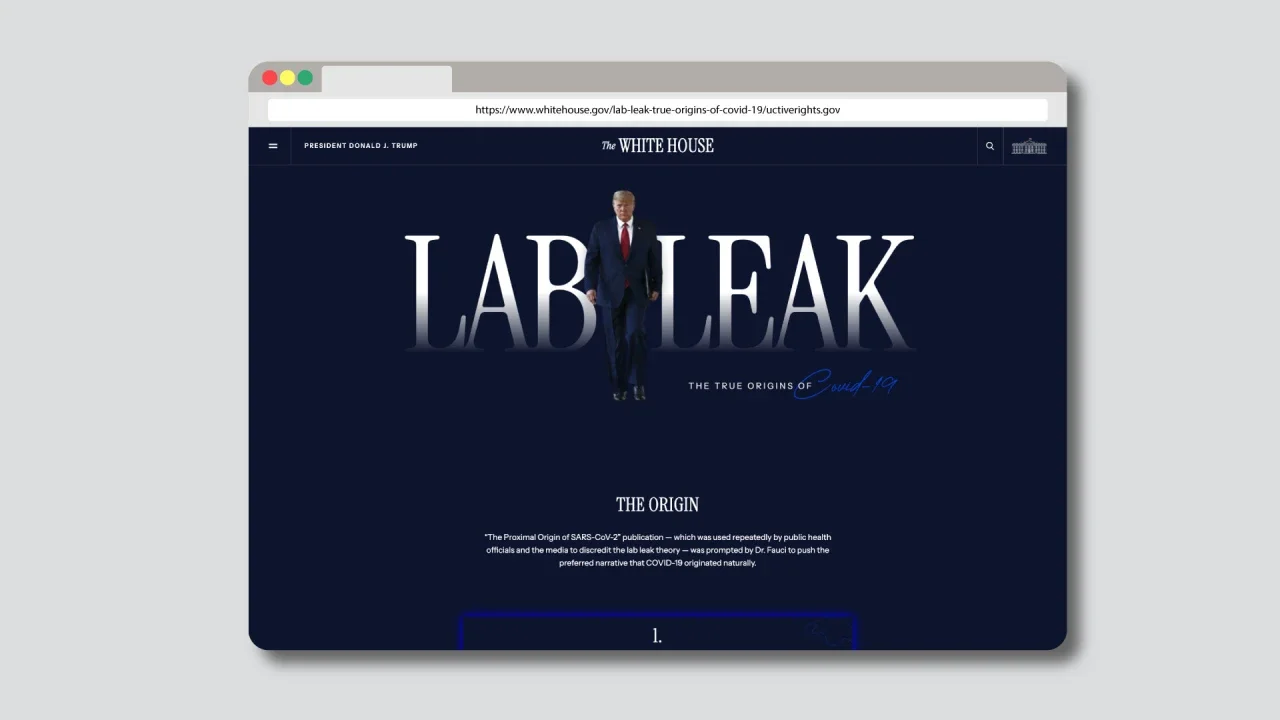
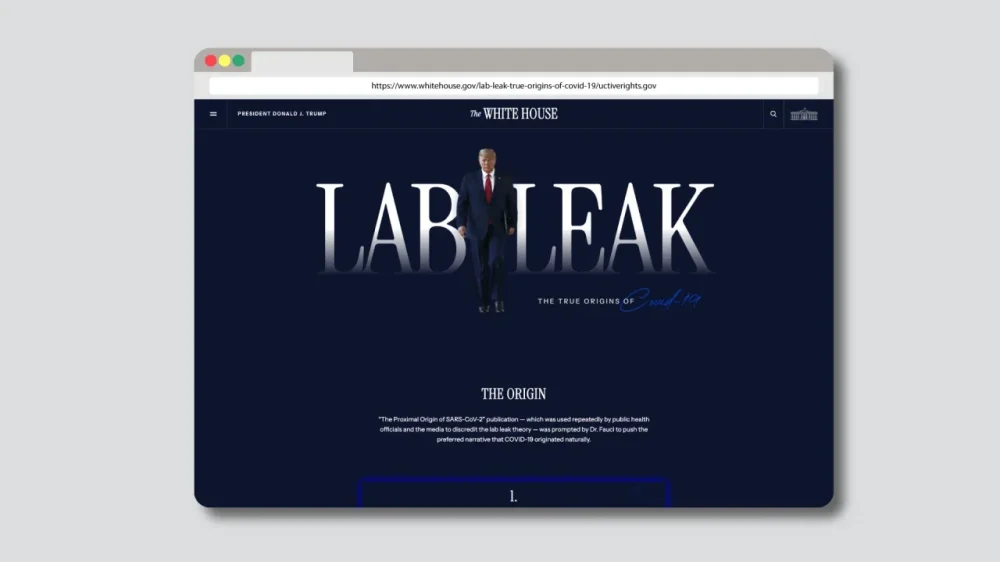
There’s a lot to say about the White House’s new COVID-19 webpage. Before we get into it, here’s what happened. The The President administration has replaced COVID.gov (which is now unavailable), the federal government’s main source of information about the coronavirus, redirecting it to a revamped new page on whitehouse.gov called “Lab Leak: The True Origins of COVID,” which is riddled with misleading and conspiratorial claims about the coronavirus, asserting that the virus leaking from a lab in Wuhan, China, is the “most likely” origin. It’s a theory that emerged in the early days of the pandemic and has been repeatedly disputed by health experts. (A team of WHO-appointed scientists flew to Wuhan in early 2021 to investigate the source of the pandemic concluded the lab-leak theory was “extremely unlikely.”) The original website, launched under Biden, promoted information about the coronavirus vaccine, treatment, and testing. The new one rewrites the historic timeline of the COVID-19 pandemic, the role Democrats played in it, along with—you guessed it—the role of the media, which it also blames for discrediting its lab leak theory. “The Proximal Origin of SARS-CoV-2” publication — which was used repeatedly by public health officials and the media to discredit the lab leak theory — was prompted by Dr. Fauci to push the preferred narrative that COVID-19 originated naturally,” the site reads. “This administration prioritizes transparency over all else,” a senior administration official told Fox News Digital. “The American people deserve to know the truth about the Covid pandemic and we will always find ways to reach communities with that message.” Old grudges resurface The site blames the Biden administration, and the Department of Health and Human Services (HHS) in particular (which now faces a massive overhaul, including staff layoffs, as DOGE slashes its budgets and staff), for engaging “in a multi-year campaign of delay, confusion, and non-responsiveness in an attempt to obstruct the Select Subcommittee’s investigation and hide evidence that could incriminate or embarrass senior public health officials.” It also takes a swipe at former National Institute of Allergy and Infectious Diseases Director Anthony Fauci, claiming that he misled the public with his recommendation that Americans keep “6 feet apart” and use masks—both of which were credited with helping to reduce the spread of COVID-19. Instead, it argues “there was no conclusive evidence that masks effectively protected Americans from COVID-19.” The site also insinuates that former President Joe Biden pardoned Fauci for how he handled the pandemic. (Biden has said that he issued preemptive pardons for Fauci and a host of others, as a guard against potential “revenge” from The President in his second term.) Finally, a lot has been said about the White House’s dramatic bold redesign, and this page is no exception. On social media, users are making fun of the layout and font of the page, which looks both imposing and flashy, and unusual for sitting president. View the full article
-
We may earn a commission from links on this page. We like to think that our home is also our fortress of privacy: Once you walk through your front door, you’re free from prying eyes (or lenses) and can relax. There are a ton of ways to ensure your privacy inside, starting with items like window films, shades, and curtains. And if you want to protect your outdoor space from neighbors peering over the fence, you have several easy options. Most of those options, however, assume your neighbors are on the same level as you. If the neighboring homes are located above yours, you’ll need to re-think your privacy plan. This is especially true if your neighbors have outdoor areas that offer a perfect view of your backyard. If you get the sense you’re being watched every time you step outside your house, here are a few ways you can regain some privacy. Plant treesThe simplest long-term option is to plant trees—specifically canopy trees, whose branches stretch out and form a living roof over the area below. You’ll want to consult with an arborist or other landscaping professional to identify canopy trees that will thrive in your region and climate. You’ll also want to get some advice on spacing out the trees so you eventually get the lush, thick “roof” effect that will offer the privacy you’re looking for (not to mention cool down the space and block out the sun’s damaging rays). Note the word “eventually,” however: Trees don’t just pop up in a matter of days. Maple trees, for example, are excellent canopy trees, but can take several decades to reach their full height and size. But if you’re going to be in the house (and using the yard) for a long time to come, investing in canopy trees will solve your problem and beautify the space. Install shade sailsA shade sail is typically a large triangular or rectangular sheet of fabric that you attach to posts or existing structures in your yard (such as a fence). They let air and rain through, but block out the sun, creating shade wherever you want it. That means they can be used for vertical privacy, too—one or more shade sails installed in your yard will block someone’s view of your yard from above. Shade sails are relatively affordable and easily installed. You can buy a shade sail kit that comes with everything you need, but it’s easy to DIY by sinking a few posts or attaching some hooks to your fence or exterior walls. They can also be quickly removed if your circumstances change. Add a covered patioIf you have a defined patio or deck space where you spend most of your time being observed by your neighbors (or imagining you are), you can cover it pretty easily using several options: A freestanding pergola or a pergola attached to the house, combined with some outdoor curtains A gazebo with a canopy is a less-permanent choice that can also afford you a ton of privacy, at least in that specific area of your yard. A pop-up canopy tent is a quick, cheap, and temporary solution. Build a pergola by the fence lineSpeaking of pergolas, if your neighbor’s house looms over your yard, you can enhance your privacy by building a pergola near your fence line where their house is located. The angle will work in your favor; even a modest pergola can block much of your neighbor’s view if they’re not looking straight down into your yard. And if you have multiple neighbors up there, you can add a strong of pergolas along the fence line to block the angle everywhere. You’ll have to check local regulations (or your homeowners association) before building. Some areas will require a pergola to be a set distance from a boundary fence (e.g., 16 feet), while others might have a calculation based on the size of the property and the height of your fence. Invest in tall fencingFinally, privacy fencing isn’t your best option for elevated neighbors, but if it is your only option for some reason, go big and install an extremely tall privacy fence. You’ll need to check local regulations to see if there are legal limits to how tall your fencing can be and then build or buy a fence at the maximum height (you can buy pre-made 12-foot and even 16-foot tall privacy fencing, though you’ll likely pay a steep price). As with pergolas near the perimeter, a tall enough fence can block your neighbors’ viewing angle. Another option is to grow a “living fence” using hedges or other plants (such as nigra arborvitae, which can reach 30 feet in height). You’ll have to wait for your plants to mature, but this can be a prettier option than a looming fence. View the full article
-
When it comes to electric vehicles in the U.S., California is by far the largest market: It accounts for nearly a third of the country’s EV sales. And for years, Tesla dominated this market, making up a majority of those sales. But that’s changed: Tesla’s share of EV sales in California fell below 50% in the first quarter of 2025—even as sales of other EVs increased. In the first quarter of 2024, registrations for new Tesla vehicles made up 55.5% of California’s EV market. But in the first quarter of 2025, it fell to 43.9%, according to data from the California New Car Dealers Association (CNCDA). At the same time, registrations for all other EV models increased by 35%. Overall, zero emissions vehicle sales rose 7.3% in California between January and March. Still, no other companies are close to competing with Tesla when it comes to EV models. But they have seen their share increase slightly. The second highest market share went to Ford, with 6%—up 1.5% from the first quarter in 2024—followed by BMW, with 5.6% (up .7% year over year) and then Hyundai, with 5.4% (up 1.1% year over year). When it comes to the top selling battery electric and plug-in hybrid models in 2025, Tesla still took the number one and two spots with its Model Y and Model 3. There have been more than 23,000 Model Ys sold in California so far this year, and nearly 14,000 Model 3s. Hyundai took the third and fourth spots with its Prologue and Ioniq 5, but those sales were much lower—about 4,400 and 3,700, respectively. Ford’s Mustang Mach-E took the number five spot, with 3,600 new sales. Tesla backlash is affecting sales everywhere Telsa once held an even bigger share of California’s EV market. In 2023, it accounted for 60% of EV sales, and in 2022, 71%. Part of that decline is likely due to the increase in EV offerings from other brands. But Tesla’s shrinking sales in California, especially this year, are also a sign of the company’s overall slide away from EV dominance—a trend fueled in part by CEO Elon Musk’s involvement in the The President administration. “An aging product lineup and backlash against Elon Musk’s political initiatives are likely key factors for the decline in Tesla BEV market share,” the CNCDA wrote in its report. Along with the political backlash, Tesla dealt with manufacturing disruptions this year that led to downtime at its assembly plants globally. Across Europe, Tesla has already sold 42.6% fewer cars this year, according to the European Automobile Manufacturers Association—even though, once again, overall EV sales are up. Sales of Tesla’s China-made EVs also plunged 49.2% in February alone, compared to the year prior. (Teslas sold in the U.S. are made in California and Texas, though they still include some parts from abroad; Tesla does have a factory in Germany to sell in Europe, though it also exports cars from China.) Tesla’s stock price has also crashed, falling more than 40% since the start of the year. In one day alone at the beginning of April, the company lost 15% of its value. For years, Tesla was the dominant brand associated with electric vehicles, but that’s clearly changing. Other car companies are still building up their EV offerings, and even bringing them stateside—Hyundai recently opened a $7 billion manufacturing plant in Georgia to build electric and hybrid vehicles here. When it comes to overall car sales, though, the The President administration’s tariffs on auto imports have muddled the year’s outlook. In March and April, customers flocked to buy cars before the tariffs kicked in, but it’s not yet clear if those tariffs will lead to higher vehicle prices, and by how much. California itself expects new vehicle registrations to fall 2.3% this year compared to last, because of U.S. trade policies. View the full article

-
Key Takeaways Comprehensive Resource: Manta Business Directory serves as a vital tool for small businesses, enhancing visibility and streamlining customer acquisition efforts. User-Friendly Interface: The platform features an intuitive design that simplifies navigation, allowing users to find and manage business listings effectively. Enhanced Visibility: By listing your business across 70+ directories, Manta significantly increases your exposure and chances of being discovered by potential customers. Valuable Insights: Manta offers analytics tools and customer reviews, facilitating informed decision-making and improving overall business strategies. Networking Opportunities: The platform fosters connections among entrepreneurs, promoting collaboration and community engagement that can drive business growth. Competitive Advantage: Manta’s customized features set it apart from competitors, focusing on the unique needs of small businesses to optimize marketing and customer engagement. In today’s digital age, finding the right business resources can feel overwhelming. That’s where the Manta Business Directory comes in. This powerful tool connects you with local businesses, helping you discover new opportunities and expand your network. Whether you’re a small business owner or a consumer looking for services, Manta makes it easy to find what you need. With a user-friendly interface and a wealth of listings, Manta offers a comprehensive platform for businesses to showcase their products and services. You’ll gain access to valuable insights and reviews, making informed choices simpler than ever. Dive into the world of Manta and unlock the potential of your business connections. Overview of Manta Business Directory Manta Business Directory serves as a crucial resource for small businesses looking to enhance their visibility and connect with potential customers. It simplifies the process of locating relevant services and opportunities through a user-friendly platform filled with informative listings. What is Manta Business Directory? Manta Business Directory is an online platform designed specifically for small businesses. It helps you promote your business, connect with consumers, and establish a solid online presence. The directory includes various categories, allowing you to find businesses based on location or service type. By utilizing Manta, you can streamline your customer acquisition efforts and improve overall brand management. Key Features of Manta Business Directory Manta Business Directory offers several key features that support small business management, including: Business Listings: Create detailed listings to showcase your products or services, enhancing customer insight. Search Functionality: Users can easily search for businesses by category and location, increasing your chances of customer engagement. Customer Reviews: Receive valuable feedback from consumers, helping you enhance your customer service and build credibility. Analytics Tools: Access business analytics to track your performance and make data-driven decisions for business growth. Marketing Solutions: Utilize marketing campaigns to target specific audiences, boosting visibility and customer engagement. Each of these features contributes to operational efficiency, allowing you to optimize your business processes and improve your competitive advantage in the market. Benefits of Using Manta Business Directory Manta Business Directory provides essential advantages for small businesses, enhancing visibility and facilitating networking opportunities crucial for growth. Visibility for Small Businesses Manta’s Business Profile Management boosts your online presence by listing your business across 70+ online directories and data aggregators, including Yellow Pages and BBB. This extensive reach ensures potential customers find your business easily. Manta optimizes your listings for search engines, increasing your chances of appearing in search engine results pages (SERPs) and driving more traffic to your website. Premium Business Listings offer Verified Listings to protect your information from unauthorized changes and Preferred Search Placement that positions you at the top of search results, maximizing exposure. Networking Opportunities Manta fosters a community of like-minded entrepreneurs allowing you to connect and collaborate with others. Networking through Manta can lead to valuable business partnerships, enhance decision-making, and support your strategic planning efforts. Engaging with this community creates opportunities for exchanging ideas, which can improve your business operations and contribute to overall business growth. Leveraging these networking opportunities equips you to scale your business effectively and improve customer service through shared insights and collaboration. Manta Business Directory vs. Competitors Manta Business Directory stands out among competitors by focusing on small businesses and their unique needs. The platform’s features cater specifically to improving visibility and facilitating customer connections for small enterprises. Comparison with Yelp Yelp primarily targets consumers, providing user reviews and ratings for various businesses, mainly in the food and service industries. While Yelp emphasizes consumer experiences, Manta’s focus lies in empowering small business owners through business profile management, marketing strategies, and listing optimization. Manta helps you enhance your online presence across over 70 directories, unlike Yelp, which mainly showcases reviews. For small businesses, Manta’s comprehensive analytics tools enable you to track performance, fostering more informed decision-making. Comparison with Yellow Pages Yellow Pages serves as a traditional business listing service without the same level of user engagement and functionality that Manta provides. Yellow Pages lists businesses primarily in a static format, focusing on phone numbers and addresses. In contrast, Manta supports dynamic profile customization, enabling you to outline business operations extensively, showcase offerings, and gather customer feedback effectively. Manta’s emphasis on digital marketing solutions, like Google AdWords and premium placements, allows for improved customer acquisition, making it a more strategic option for your business growth compared to Yellow Pages. By utilizing Manta, you leverage a platform designed for modern business needs, enhancing operational efficiency and ultimately laying the groundwork for scaling your business successfully. User Experience and Interface Manta’s user experience emphasizes a user-friendly interface, essential for small business operations. The platform offers features that enable you to update listings, respond to customer feedback, and manage your online presence efficiently. Ease of Navigation Manta ensures ease of navigation, allowing you to find vital business information quickly. Intuitive menus and a clear layout help you access various features without confusion. You can seamlessly browse through business categories and filter searches based on specific needs, enhancing your workflow. This simplicity supports your business management efforts, enabling better time management and increased productivity. Search Functionality Manta’s search functionality provides robust tools for discovering and connecting with potential customers. Advanced filters allow you to refine searches by location and service type, crucial for customer acquisition. You can analyze data from listings and reviews, aiding in strategic planning and informed decision-making. With this focused search capability, you enhance your approach to marketing strategies and improve cash flow management through targeted outreach. Conclusion Utilizing the Manta Business Directory can significantly elevate your small business’s visibility and connectivity. Its tailored features are designed to meet your unique needs and help you navigate the competitive landscape effectively. By leveraging Manta’s tools for profile management and marketing, you can optimize your online presence and attract more customers. The platform not only simplifies the search for local services but also fosters a community where entrepreneurs can connect and share valuable insights. Embracing Manta means empowering your business to grow and thrive in today’s digital marketplace. Make the most of this resource to enhance your operational efficiency and drive your success forward. Frequently Asked Questions What is the Manta Business Directory? Manta Business Directory is an online platform designed to connect small businesses with consumers. It provides extensive listings, insights, reviews, and marketing solutions to help users find local services and enhance their online presence. How does Manta help small businesses? Manta helps small businesses by improving their visibility through detailed business listings, analytics tools, and customer reviews, allowing them to connect with potential customers and optimize their operations. What features does Manta offer? Manta offers features like business profile management, easy search functionality, customer reviews, analytics tools, and marketing solutions, all designed to enhance operational efficiency and visibility for small businesses. How does Manta compare to competitors? Manta differs from competitors like Yelp and Yellow Pages by focusing on small business needs, offering dynamic profile customization and digital marketing solutions instead of just static listings and consumer reviews. Is Manta easy to use? Yes, Manta is designed with a user-friendly interface, making it easy for users to navigate, manage their listings, respond to feedback, and efficiently find important business information. Can Manta help with customer acquisition? Yes, Manta features robust search functionality with advanced filters for location and service type, which helps businesses attract new customers and improve their marketing strategies. How does Manta support networking? Manta fosters a community of entrepreneurs by allowing businesses to connect, leading to potential partnerships, improved decision-making, and shared insights that contribute to overall business growth. Image Via Envato This article, "Unlock Your Business Potential with the Manta Business Directory: A Comprehensive Guide" was first published on Small Business Trends View the full article
-
Key Takeaways Comprehensive Resource: Manta Business Directory serves as a vital tool for small businesses, enhancing visibility and streamlining customer acquisition efforts. User-Friendly Interface: The platform features an intuitive design that simplifies navigation, allowing users to find and manage business listings effectively. Enhanced Visibility: By listing your business across 70+ directories, Manta significantly increases your exposure and chances of being discovered by potential customers. Valuable Insights: Manta offers analytics tools and customer reviews, facilitating informed decision-making and improving overall business strategies. Networking Opportunities: The platform fosters connections among entrepreneurs, promoting collaboration and community engagement that can drive business growth. Competitive Advantage: Manta’s customized features set it apart from competitors, focusing on the unique needs of small businesses to optimize marketing and customer engagement. In today’s digital age, finding the right business resources can feel overwhelming. That’s where the Manta Business Directory comes in. This powerful tool connects you with local businesses, helping you discover new opportunities and expand your network. Whether you’re a small business owner or a consumer looking for services, Manta makes it easy to find what you need. With a user-friendly interface and a wealth of listings, Manta offers a comprehensive platform for businesses to showcase their products and services. You’ll gain access to valuable insights and reviews, making informed choices simpler than ever. Dive into the world of Manta and unlock the potential of your business connections. Overview of Manta Business Directory Manta Business Directory serves as a crucial resource for small businesses looking to enhance their visibility and connect with potential customers. It simplifies the process of locating relevant services and opportunities through a user-friendly platform filled with informative listings. What is Manta Business Directory? Manta Business Directory is an online platform designed specifically for small businesses. It helps you promote your business, connect with consumers, and establish a solid online presence. The directory includes various categories, allowing you to find businesses based on location or service type. By utilizing Manta, you can streamline your customer acquisition efforts and improve overall brand management. Key Features of Manta Business Directory Manta Business Directory offers several key features that support small business management, including: Business Listings: Create detailed listings to showcase your products or services, enhancing customer insight. Search Functionality: Users can easily search for businesses by category and location, increasing your chances of customer engagement. Customer Reviews: Receive valuable feedback from consumers, helping you enhance your customer service and build credibility. Analytics Tools: Access business analytics to track your performance and make data-driven decisions for business growth. Marketing Solutions: Utilize marketing campaigns to target specific audiences, boosting visibility and customer engagement. Each of these features contributes to operational efficiency, allowing you to optimize your business processes and improve your competitive advantage in the market. Benefits of Using Manta Business Directory Manta Business Directory provides essential advantages for small businesses, enhancing visibility and facilitating networking opportunities crucial for growth. Visibility for Small Businesses Manta’s Business Profile Management boosts your online presence by listing your business across 70+ online directories and data aggregators, including Yellow Pages and BBB. This extensive reach ensures potential customers find your business easily. Manta optimizes your listings for search engines, increasing your chances of appearing in search engine results pages (SERPs) and driving more traffic to your website. Premium Business Listings offer Verified Listings to protect your information from unauthorized changes and Preferred Search Placement that positions you at the top of search results, maximizing exposure. Networking Opportunities Manta fosters a community of like-minded entrepreneurs allowing you to connect and collaborate with others. Networking through Manta can lead to valuable business partnerships, enhance decision-making, and support your strategic planning efforts. Engaging with this community creates opportunities for exchanging ideas, which can improve your business operations and contribute to overall business growth. Leveraging these networking opportunities equips you to scale your business effectively and improve customer service through shared insights and collaboration. Manta Business Directory vs. Competitors Manta Business Directory stands out among competitors by focusing on small businesses and their unique needs. The platform’s features cater specifically to improving visibility and facilitating customer connections for small enterprises. Comparison with Yelp Yelp primarily targets consumers, providing user reviews and ratings for various businesses, mainly in the food and service industries. While Yelp emphasizes consumer experiences, Manta’s focus lies in empowering small business owners through business profile management, marketing strategies, and listing optimization. Manta helps you enhance your online presence across over 70 directories, unlike Yelp, which mainly showcases reviews. For small businesses, Manta’s comprehensive analytics tools enable you to track performance, fostering more informed decision-making. Comparison with Yellow Pages Yellow Pages serves as a traditional business listing service without the same level of user engagement and functionality that Manta provides. Yellow Pages lists businesses primarily in a static format, focusing on phone numbers and addresses. In contrast, Manta supports dynamic profile customization, enabling you to outline business operations extensively, showcase offerings, and gather customer feedback effectively. Manta’s emphasis on digital marketing solutions, like Google AdWords and premium placements, allows for improved customer acquisition, making it a more strategic option for your business growth compared to Yellow Pages. By utilizing Manta, you leverage a platform designed for modern business needs, enhancing operational efficiency and ultimately laying the groundwork for scaling your business successfully. User Experience and Interface Manta’s user experience emphasizes a user-friendly interface, essential for small business operations. The platform offers features that enable you to update listings, respond to customer feedback, and manage your online presence efficiently. Ease of Navigation Manta ensures ease of navigation, allowing you to find vital business information quickly. Intuitive menus and a clear layout help you access various features without confusion. You can seamlessly browse through business categories and filter searches based on specific needs, enhancing your workflow. This simplicity supports your business management efforts, enabling better time management and increased productivity. Search Functionality Manta’s search functionality provides robust tools for discovering and connecting with potential customers. Advanced filters allow you to refine searches by location and service type, crucial for customer acquisition. You can analyze data from listings and reviews, aiding in strategic planning and informed decision-making. With this focused search capability, you enhance your approach to marketing strategies and improve cash flow management through targeted outreach. Conclusion Utilizing the Manta Business Directory can significantly elevate your small business’s visibility and connectivity. Its tailored features are designed to meet your unique needs and help you navigate the competitive landscape effectively. By leveraging Manta’s tools for profile management and marketing, you can optimize your online presence and attract more customers. The platform not only simplifies the search for local services but also fosters a community where entrepreneurs can connect and share valuable insights. Embracing Manta means empowering your business to grow and thrive in today’s digital marketplace. Make the most of this resource to enhance your operational efficiency and drive your success forward. Frequently Asked Questions What is the Manta Business Directory? Manta Business Directory is an online platform designed to connect small businesses with consumers. It provides extensive listings, insights, reviews, and marketing solutions to help users find local services and enhance their online presence. How does Manta help small businesses? Manta helps small businesses by improving their visibility through detailed business listings, analytics tools, and customer reviews, allowing them to connect with potential customers and optimize their operations. What features does Manta offer? Manta offers features like business profile management, easy search functionality, customer reviews, analytics tools, and marketing solutions, all designed to enhance operational efficiency and visibility for small businesses. How does Manta compare to competitors? Manta differs from competitors like Yelp and Yellow Pages by focusing on small business needs, offering dynamic profile customization and digital marketing solutions instead of just static listings and consumer reviews. Is Manta easy to use? Yes, Manta is designed with a user-friendly interface, making it easy for users to navigate, manage their listings, respond to feedback, and efficiently find important business information. Can Manta help with customer acquisition? Yes, Manta features robust search functionality with advanced filters for location and service type, which helps businesses attract new customers and improve their marketing strategies. How does Manta support networking? Manta fosters a community of entrepreneurs by allowing businesses to connect, leading to potential partnerships, improved decision-making, and shared insights that contribute to overall business growth. Image Via Envato This article, "Unlock Your Business Potential with the Manta Business Directory: A Comprehensive Guide" was first published on Small Business Trends View the full article
-
Biggest bank merger since 2008 to go aheadView the full article
-
A lack of audible protest against The President’s tariff chaos is one of the biggest failures of leadership in corporate historyView the full article
-
If you thought you’d heard the last of the viral “Apple” dance, think again. The TikToker behind it is now suing Roblox over its unauthorized use. Last year, during the height of Brat summer, Roblox partnered with singer Charli XCX to feature her music and likeness in an in-game concert within “Dress to Impress,” a fashion game on the platform. In a lawsuit filed last week in Los Angeles, Kelley Heyer—the creator of the dance set to Charli XCX’s hit song—alleges that Roblox used her choreography in the update before finalizing negotiations to officially license the dance, as first reported by Polygon. Heyer first posted the “Apple” dance on June 15, 2024, and submitted a copyright application on August 30. That was after Roblox reached out to her about licensing the dance as an emote for players to purchase. Roblox added the dance emote, an in-game action used to express a character’s personality, in mid-August to coincide with the update. According to the lawsuit, Heyer expressed her willingness to license the dance on August 12, but alleges that Roblox has “refused to finalize a license agreement” and that she has received no compensation for the use of her choreography. Roblox removed the emote from the game in November 2024—but not before it was sold over 60,000 times, earning an estimated $123,000 from the copyrighted work, per the lawsuit. Heyer hasn’t seen any of that revenue, and since the dance is entirely separate from the Charli XCX song, she’s suing to claim her share (Charli XCX is not named in the lawsuit). “Roblox moved forward using Kelley’s IP without a signed agreement,” attorney Miki Anzai said in a statement to Polygon. “Kelley is an independent creator who should be compensated fairly for her work and we saw no other option than to file suit to prove that. We remain willing and open to settle and hope to come to a peaceful agreement.” Roblox has since responded. A spokesperson told Polygon: “As a platform powered by a community of creators, Roblox takes the protection of intellectual property very seriously and is committed to protecting intellectual property rights of independent developers and creators to brands and artists both on and off the platform.” They continued: “Roblox is confident in its position and the propriety of its dealings in this matter and looks forward to responding in court.” View the full article

-
Key Takeaways Explore Diverse Jewelry Types: Handmade jewelry ranges from beaded pieces to metalwork, offering ample creative opportunities and avenues for profitability in the artisan market. Invest in Quality Materials: Sourcing high-quality tools and sustainable materials is critical in creating unique jewelry items that resonate with customers and reflect your brand commitment. Leverage Online Platforms: Utilize platforms like Etsy and social media to effectively market and sell your handmade jewelry, enhancing visibility and customer engagement. Participate in Local Events: Engaging in craft fairs and local markets can help build community connections, foster customer loyalty, and provide first-hand customer interaction. Implement Strategic Pricing: Use cost-plus, competitive, and customization pricing strategies to ensure profitability while meeting market demands and customer expectations. Highlight Unique Craftsmanship: Emphasizing the artistry and uniqueness of your handmade jewelry can attract niche buyers seeking original and ethically produced products. Are you ready to turn your passion for crafting into a profitable venture? Creating and selling jewelry can be an exciting way to express your creativity while earning extra income. With countless styles and materials to choose from, the possibilities are endless. Whether you’re a seasoned artisan or just starting out, there’s a niche for everyone in the jewelry market. From handmade bracelets to unique earrings, you can design pieces that reflect your personal style and resonate with buyers. Let’s dive into the world of jewelry making and discover how you can transform your hobby into a thriving business. Overview of Jewelry Making Jewelry making involves transforming raw materials into beautiful, unique items. You can explore various styles, techniques, and materials, allowing for endless creativity. Whether you focus on metalwork, beadwork, or using upcycled products, the process combines artistry and craftsmanship in every piece. Handmade jewelry appeals to a broad audience, from those seeking personalized gifts to customers looking for one-of-a-kind artisan products. You’ll discover that the market for handmade jewelry is thriving, with platforms like Etsy providing avenues to showcase your work. Craft fairs and local artisan markets also present excellent opportunities to connect with potential buyers. Your creative business can thrive on the uniqueness of each piece you design. By emphasizing quality craftsmanship and sustainable practices, like using eco-friendly materials, you can attract a clientele that values originality and ethical production. Engaging with the craft industry allows you to highlight your skills and possibly collaborate with other makers. Workshops can expand your skill set and provide networking opportunities, helping you strengthen your brand and product offerings. As you delve deeper into jewelry making, consider how to define your niche market, whether through custom designs, small-batch production, or bespoke items. Invest in quality craft supplies to ensure that your handmade jewelry meets high standards. Pay attention to product quality and presentation, as these factors play a crucial role in attracting customers. Embrace the journey of building your handmade business by sharing your passion for craftsmanship and creativity with the world. Types of Jewelry to Make and Sell Different types of jewelry offer various avenues for creativity and income in a small business setting. Focusing on popular categories can help you establish a solid niche within the artisan market. Handmade Beaded Jewelry Handmade beaded jewelry stands out for its versatility and appeal. You can create everything from simple bracelets to intricate necklaces, using materials like glass, wood, or stones. Basic tools like beading boards, pliers, and wire cutters make it easy to get started. Customization plays a vital role; mixing colors, shapes, and sizes allows you to design unique items tailored to customer preferences. Beaded jewelry can serve as personalized gifts, making it a sought-after option in local markets and online platforms like Etsy. Metalwork Jewelry Metalwork jewelry showcases your craftsmanship through various techniques, such as soldering and forging. Using materials like silver, gold, and copper, you can create bold pieces featuring rings, pendants, and earrings. Metalwork requires specific tools, including saws, files, and hammers. The process also encourages the creation of bespoke items, which appeal to buyers looking for unique, handcrafted accessories. By emphasizing the durability and timelessness of metalwork jewelry, you can attract eco-conscious customers interested in sustainable business practices. Wire Wrapped Pieces Wire wrapped pieces offer a unique approach to jewelry making through intricate designs that combine artistry and functionality. Using tools like pliers and wire cutters, you can create stunning pendants and rings. Copper and sterling silver wires lend flexibility and durability to your creations. Wire wrapping allows for endless possibilities in product design, from minimalist styles to complex patterns. This type of jewelry appeals to those seeking handmade goods with a personal touch, enhancing your small business’s appeal in the competitive craft industry. Tools and Materials Needed To effectively create and sell handmade jewelry, you require essential tools and quality materials. The right tools facilitate craftsmanship and enhance creativity, while sourcing high-standard materials ensures your products stand out in the artisan market. Essential Tools for Beginners Pliers and Cutters: A basic set of pliers, including round nose pliers, flat nose pliers, and bent nose pliers, supports you in creating loops, closing eye loops, and manipulating pieces. Side cutters or flush cutters are vital for cutting wire and other materials. Sawing and Cutting Tools: A jeweler’s saw frame and specific blades are crucial for cutting metal tubing, thick wire, and sheet metal into unique shapes. Anvil and Bench Peg: An anvil paired with a bench peg offers a flat, steel surface ideal for tasks like hammering and drilling. Soldering Tools: A gas torch, flux, and safety pickle are necessary for soldering jewelry pieces. Insulated tweezers become crucial for handling hot items and ensuring safety. Sourcing Quality Materials Sourcing high-quality materials is critical for your handmade jewelry business. Consider the following options: Local Suppliers: Connect with local artisans for sustainably sourced materials, enhancing the eco-friendly aspect of your handmade products. Craft Supply Stores: Visit craft supply stores for a diverse range of beads, wires, and findings tailored for jewelry making. Online Marketplaces: Explore online platforms like Etsy for unique items and materials that resonate with your brand’s aesthetic, including bespoke items and specialized tools. Upcycled Products: Utilize upcycled materials to create eco-conscious pieces, which appeal to buyers seeking sustainable, handcrafted goods. Sourcing top-notch materials ensures your handmade items not only meet customer expectations but also reflect your brand’s commitment to quality and craftsmanship. Marketing Your Jewelry Effective marketing is crucial for successfully promoting your handmade jewelry. Understanding your audience, leveraging online platforms, and participating in local markets shapes your overall strategy. Online Platforms for Selling Utilizing online marketplaces maximizes your reach. Platforms like Etsy enable you to showcase your handmade jewelry to a broad audience. High-quality images, detailed descriptions, and SEO-optimized wording attract potential buyers. Incorporate your unique design story to enhance the emotional connection with customers. Consider using social media platforms like Instagram and Pinterest to visually engage your audience. Posting regular updates on custom products and behind-the-scenes content builds interest. Collaborating with influencers can expand your visibility and credibility, encouraging more sales. Craft Fairs and Local Markets Participating in craft fairs and local markets allows you to connect directly with your community. These events provide an opportunity to showcase your handcrafted goods and engage with potential customers face-to-face. Set up an appealing booth to highlight your unique items. Offering personalized gifts or bespoke items can attract buyers looking for special purchases. Network with other local artisans and small business owners to share resources and collaborate on future projects. These interactions foster customer loyalty and enhance your reputation in the craft industry, driving sales for your handmade jewelry. Pricing Strategies Understanding effective pricing strategies is crucial for your handmade jewelry business. Here are key approaches to consider: Cost-plus Pricing Cost-plus pricing involves calculating your total production costs—materials, labor, shipping, marketing, and overhead. You then add a fixed percentage markup to set your selling price. For instance, if your total production cost is $45, a 35% markup results in a selling price of $60.75. This straightforward method ensures you cover expenses while earning a profit, which is vital for small businesses. Competitive Pricing Competitive pricing requires you to analyze competitors’ prices for similar handmade jewelry items. This strategy works best if your products share similarities, making price a key differentiator. Continuous market research helps you adjust pricing to remain competitive, which is important for small-scale production. Keep in mind that smaller artisan businesses may face thinner profit margins, demanding strategic planning. Customization Pricing Offering personalized gifts or bespoke items creates an additional pricing opportunity. Determine the value in customization for your customers. If you provide unique accessories that reflect individual preferences, charge accordingly. Consider factors like the complexity of the design and time involved in crafting these custom products, ensuring your pricing reflects the craftsmanship invested. Local Market Pricing Selling at craft fairs or local artisan markets requires understanding your target audience. The willingness to pay varies based on the market’s demographics. Compare your handmade jewelry to local products available in these settings, adjusting your pricing strategy to cater to your specific audience. This attention to pricing perceptions strengthens your brand and attracts more potential customers. Implementing these pricing strategies effectively enhances your handmade business marketing. They help you maintain profitability, compete with others in the craft industry, and position your handmade goods as valuable products in a crowded marketplace. Conclusion Embracing your passion for jewelry making can lead to a fulfilling and profitable journey. By tapping into your creativity and focusing on quality craftsmanship you can create pieces that resonate with buyers. The handmade jewelry market is thriving and offers numerous opportunities for you to showcase your unique style. As you explore different techniques and materials remember to engage with your audience and promote your work effectively. Whether you choose to sell online or at local markets building a brand around your creations can set you apart. With dedication and the right strategies you can turn your hobby into a successful business that reflects your artistic vision. Frequently Asked Questions What is the main focus of the article? The article focuses on how to turn a passion for crafting into a profitable business by creating and selling handmade jewelry. It emphasizes creativity, the importance of quality craftsmanship, and the potential for success in the jewelry market. How can someone start making jewelry? To start making jewelry, gather essential tools and materials, choose a style that resonates with you, and learn basic techniques through online tutorials or workshops. Experiment and refine your skills as you create unique pieces. What types of jewelry can be made and sold? You can create various types of jewelry, including handmade beaded jewelry, metalwork pieces, and wire-wrapped designs. Each type caters to different customers and showcases unique crafting skills. How can I market my handmade jewelry? Market your handmade jewelry by using online platforms like Etsy and social media sites like Instagram and Pinterest. High-quality images, engaging content, and participation in craft fairs can significantly increase your visibility and customer reach. What pricing strategies should I use for my jewelry? Consider several pricing strategies like cost-plus pricing, competitive pricing, and customization pricing. Setting the right price covers costs and appeals to customers, ensuring profitability while positioning your jewelry favorably in the market. Why is quality craftsmanship important in jewelry making? Quality craftsmanship is crucial as it reflects the skill and dedication behind each piece. High-quality products attract customers looking for originality and ethical production, helping build a loyal client base. How can I define my niche in the jewelry market? To define your niche, consider your personal style, target audience, and current market trends. Analyze what unique qualities your jewelry offers and tailor your designs to meet the specific needs and preferences of your ideal customers. Image Via Envato This article, "Unlock Your Creativity: Discover Jewelry to Make and Sell for Profit" was first published on Small Business Trends View the full article