Newsletter
Want to keep up to date with all our latest news and information?


ResidentialBusiness
Administrators
-
Joined
-
Last visited
Everything posted by ResidentialBusiness
-
Zendesk has announced that it has signed a definitive agreement to acquire Local Measure, a provider of Contact Center as a Service (CCaaS) and advanced voice solutions. The acquisition, expected to close in May 2025, aims to enhance Zendesk’s AI-powered voice capabilities and deepen its integration with Amazon Connect, Amazon Web Services’ (AWS) cloud contact center solution. Strengthening AI Voice and Enterprise CX According to Zendesk, this acquisition is part of its broader strategy to expand into larger and more complex service environments. “Voice is one of the most personal and powerful ways businesses connect with their customers and employees, and managing it at scale requires a solution that is both intelligent and adaptable,” said Tom Eggemeier, CEO of Zendesk. “By acquiring Local Measure, we are fast-tracking our ability to deliver a fully integrated, AI-powered voice solution that combines the strength of Zendesk’s platform with the flexibility, security, and scalability of Amazon Connect. This move positions Zendesk to lead in the next generation of AI-powered service.” Local Measure’s technology is designed for high-volume service environments and includes features such as AI-powered automation, sophisticated call routing, and real-time service insights. The integration of these capabilities is expected to improve customer service efficiency by unifying inbound service and outbound sales and marketing efforts. Expanding Partnership with AWS Zendesk stated that the acquisition will reinforce its partnership with AWS, leveraging Local Measure’s existing integration with Amazon Connect. “At AWS, we are focused on helping customers solve complex challenges at scale, and Amazon Connect is a critical part of that because it brings enterprise-ready capabilities that are global and AI native,” said Colleen Aubrey, senior vice president of AWS. “We are excited to work with Zendesk and Local Measure to unlock new opportunities for organizations to benefit from Amazon Connect helping them improve customer experience and operate faster, smarter, and more efficiently.” A New Era in Cloud Contact Centers Jonathan Barouch, CEO of Local Measure, emphasized that the acquisition will streamline operations for Zendesk users. “We’ve worked closely with Zendesk as a strategic partner, and this next step means faster deployment, lower complexity, and cloud-native innovation making Zendesk a fresh alternative to legacy Contact Center providers,” Barouch stated. The proposed acquisition is set to proceed under a scheme of arrangement under Australian law. Closing remains subject to customary conditions, including shareholder approval from Local Measure and regulatory and Australian Court approvals. This article, "Zendesk to Acquire Local Measure, Expanding AI-Powered Voice Capabilities" was first published on Small Business Trends View the full article
-
Zendesk has announced that it has signed a definitive agreement to acquire Local Measure, a provider of Contact Center as a Service (CCaaS) and advanced voice solutions. The acquisition, expected to close in May 2025, aims to enhance Zendesk’s AI-powered voice capabilities and deepen its integration with Amazon Connect, Amazon Web Services’ (AWS) cloud contact center solution. Strengthening AI Voice and Enterprise CX According to Zendesk, this acquisition is part of its broader strategy to expand into larger and more complex service environments. “Voice is one of the most personal and powerful ways businesses connect with their customers and employees, and managing it at scale requires a solution that is both intelligent and adaptable,” said Tom Eggemeier, CEO of Zendesk. “By acquiring Local Measure, we are fast-tracking our ability to deliver a fully integrated, AI-powered voice solution that combines the strength of Zendesk’s platform with the flexibility, security, and scalability of Amazon Connect. This move positions Zendesk to lead in the next generation of AI-powered service.” Local Measure’s technology is designed for high-volume service environments and includes features such as AI-powered automation, sophisticated call routing, and real-time service insights. The integration of these capabilities is expected to improve customer service efficiency by unifying inbound service and outbound sales and marketing efforts. Expanding Partnership with AWS Zendesk stated that the acquisition will reinforce its partnership with AWS, leveraging Local Measure’s existing integration with Amazon Connect. “At AWS, we are focused on helping customers solve complex challenges at scale, and Amazon Connect is a critical part of that because it brings enterprise-ready capabilities that are global and AI native,” said Colleen Aubrey, senior vice president of AWS. “We are excited to work with Zendesk and Local Measure to unlock new opportunities for organizations to benefit from Amazon Connect helping them improve customer experience and operate faster, smarter, and more efficiently.” A New Era in Cloud Contact Centers Jonathan Barouch, CEO of Local Measure, emphasized that the acquisition will streamline operations for Zendesk users. “We’ve worked closely with Zendesk as a strategic partner, and this next step means faster deployment, lower complexity, and cloud-native innovation making Zendesk a fresh alternative to legacy Contact Center providers,” Barouch stated. The proposed acquisition is set to proceed under a scheme of arrangement under Australian law. Closing remains subject to customary conditions, including shareholder approval from Local Measure and regulatory and Australian Court approvals. This article, "Zendesk to Acquire Local Measure, Expanding AI-Powered Voice Capabilities" was first published on Small Business Trends View the full article
-
Around 25 countries attended Saturday’s online meeting which came two weeks after London summitView the full article
-
Elite US schools including Harvard, Stanford and Princeton could see levies on investment gains raised as high as 21%View the full article
-
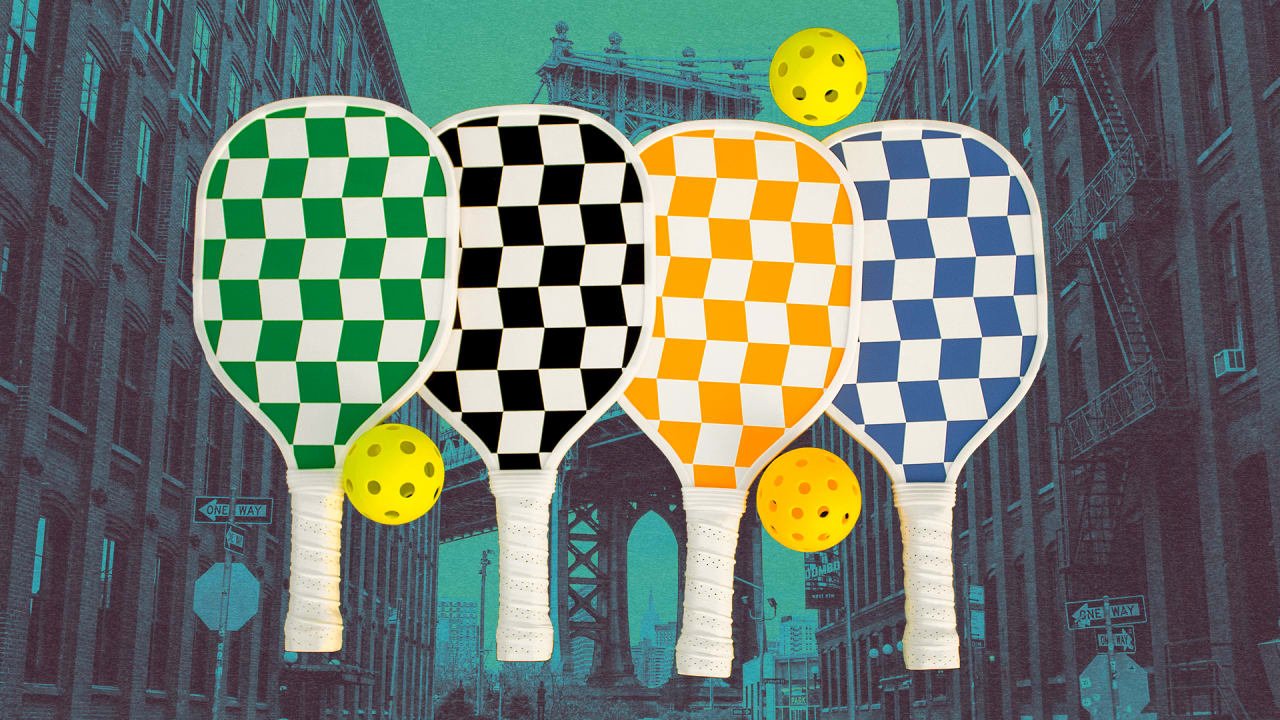
Until recently, David Friedman and his friends braved New York City parks and playgrounds to get their pickleball fix. They brought their own nets and line tape, avoided the broken glass, and adjusted to the weird bounces the ball took on cracked concrete. “We were competing with kids on scooters,” he says. Pickleheads in other cities think nothing of setting up on tennis courts, but Friedman knew better than to try that in Brooklyn. “Tennis players here will murder you,” he says. For a time, his group got their dinks in at some newly constructed handball courts, until those got too crowded. This October, Friedman did what a handful of New York City entrepreneurs have been doing lately: He opened a private pickleball facility of his own, called PKLYN, which added five bookable courts to the city’s rapidly growing total. Pickleball is America’s fastest-growing sport, as you’ve no doubt heard by now. According to the Sports and Fitness Industry Association, a trade group, participation has increased by more than 220% since 2020. As the game has swept the country in roughly counterclockwise fashion, beginning in the Pacific Northwest and arriving in the Northeast by way of the Sun Belt and Southeast, the shortage of courts has been acutely felt in densely populated New York, where indoor and outdoor space are both at a premium. That’s beginning to change, because some of those new players have become entrepreneurs focused on building new facilities. “Everyone sees that as the primary [business] opportunity,” says Eric Ho, cofounder of NYC Pickleball, an online guide to the city’s pickleball courts and player communities. [Photo: courtesy CityPickle] And it’s an opportunity that businesses large and small are seizing on. CityPickle opened New York’s first pickleball club in 2022, a four-court indoor facility in the Queens neighborhood of Long Island City. This past summer, it operated 32 courts around the city and sold a minority stake to ex-Milwaukee Bucks owner Marc Lasry’s Avenue Sports Fund. In another sign that serious investors consider the game more than a passing fad, CityPickle has expanded its partnership with the Related Companies, the real-estate developer that also owns SoulCycle and Equinox, in glamorous locations like New York’s Central Park and West Palm Beach. Life Time, the national fitness chain, has also bet big on the sport and recently built courts alongside swimming pools, fitness studios, and other amenities in its New York City locations. Meanwhile, smaller operators (especially in Long Island City, site of two recent openings) are also pinning their hopes on New York’s ongoing love of pickleball. PKLYN, which occupies a converted warehouse in the postindustrial Brooklyn neighborhood of Gowanus and charges up to $110 an hour, is aiming for more of a cool factor than most, with canned beers from nearby Threes Brewing and sandwiches by Alidoro. (Friedman, the facility’s operator and majority owner, says that two-thirds of his funding came from individuals, including local pickleball players, and that one-third was debt-financed.) [Photo: courtesy PKLYN] The courts are sleek gray and black, the exposed-bricks walls eggplant purple, and painted that shade not just for style points, either. Friedman notes that the dark colors—and the pointed absence of banners and other loud branding—make it easier to track the neon-green ball. And whereas other converted spaces around the city can feel cramped and awkward, he points out that PKLYN has abundant room between courts and 23-foot-tall ceilings that allow for real lobs. [Photo: courtesy PKLYN] Pickleball entrepreneurs in other cities have faced fewer architectural constraints. In Los Angeles, the organizers of an open-air weekend flea market have added three courts to their space on the roof of a parking garage. In Arizona, a company called Picklemall has set up in a 280-acre sports and entertainment complex. In hypercompetitive New York City, though, that kind of innovation can be harder. [Photo: courtesy PKLYN] “New York’s a pain in the ass,” says Friedman, a former real-estate lawyer. “Securing the real estate is one of the hardest parts, and being a great operator doesn’t mean you’re going to get a lease.” Though he eventually scored one, for 10 years and with a pair of five-year options—in a Brooklyn neighborhood, Gowanus, that is poised to become the next Williamsburg, no less—it wasn’t easy. Many of the landlords he approached were skeptical of leasing to a business built around a potential “fad,” he says, especially to a tenant with no track record. Those obstacles have been less of a problem for CityPickle, which has made a name for itself with seasonal courts in highly visible and heavily trafficked spots like Central Park’s Wollman Rink. The Manhattan-based company calls its 14-court complex there–which operates from April to October–the largest pickleball installation in the Northeast. (The new season begins on April 4.) It operates a total of six venues around the city, including the indoor club in Long Island City. Private courts there start at $40 an hour, whereas during peak times at Wollman Rink they go for $120. [Photo: Justin Steele/courtesy CityPickle] CityPickle has found the spotlight and some powerful partners in just two years—including Related Companies, the developer of New York City’s Hudson Yards (where CityPickle also has a showcase court) and part of the joint venture managing Wollman Rink. In November, CityPickle “activated” 13 new seasonal courts in downtown West Palm Beach, Florida, in a development built by Related ex-chairman Stephen Ross. In June, Lasry’s Avenue Sports Fund acquired a “significant minority stake” in CityPickle. Cofounder Mary Cannon says that the company’s balance sheet and operational track record have positioned it to win contracts. It’s in the licensing process with the New York City Parks Department to convert a 60,000-square-foot former construction site under the Brooklyn side of the Brooklyn Bridge into a recreational space that will include 14 pickleball courts, food trucks, and a dog run. Cannon describes it as the sort of “regenerative, place-making” project that city-dwellers crave. “Coming out of COVID, people want to connect, be social, put their phones down, move their bodies,” she says. “In five to seven years, we could see supply meeting demand in the suburban market”—but in urban areas, she sees it taking longer to fill that gap. She and Desai say they’d like to expand internationally, starting with Toronto and London. [Photo: Jane Kratochvil/courtesy CityPickle] The challenges of operating in New York City may be offset by the market for corporate events, especially as pickleball’s relaxed reputation and accessibility have made it a popular alternative to networking at bars or golf courses. “We’ve gotten good at offering top-tier events to top-tier firms,” says CityPickle cofounder Erica Desai. She adds that CityPickle’s dozens of New York City venues give it unmatched flexibility: When a Meta launch event for Threads at Wollman Rink was rained out earlier this year, CityPickle simply moved the event to its indoor facility in Industry City, Brooklyn. At around midday on a fall Monday—not exactly prime time—most of CityPickle’s Central Park courts were in use for lessons or casual play. A group of girls in uniforms from a neighborhood private school dashed on, but others were almost certainly out-of-towners. The spectacular location, with the Plaza hotel’s mansard roof just visible over the treetops, makes playing here something a visiting Texan or Arizonan would do between shopping at FAO Schwartz and catching a Broadway musical. “Pickleball tourism is a thing,” Desai says. [Photo: courtesy CityPickle] Meanwhile, on weekends, younger crowds would spread out on the courtside cabanas to drink mango “tipsy pickles,” a house variation on a margarita. When it is suggested that this sounds like a moderately more active version of the West Village brunch scene, Desai and Cannon nod in agreement. “We think of ourselves as a hospitality company. It’s about the experience, leaving people with a certain feeling,” says Desai. The feeling they’re chasing at the Life Time at PENN 1 is a bit more intense. Open since April, the 54,000-square-foot gym and health club in midtown Manhattan offers seven pickleball courts, 11 coaches, and many of the performance-enhancing perks and accoutrements enjoyed by tour-level pros. There are treadmills and Stairmasters for a pregame warm-up. There’s an app that will have a whey-protein smoothie waiting for you the minute you’re done playing. There are also stretch specialists, cryo-beds, hydromassage beds, and Normatec compression boots available for worn-out muscles. As Ryan Brister, a regional vice president of operations for Life Time, puts it: “Recovery, stretch, nutrition, all under one roof.” Life Time founder and CEO Bahram Akradi, an avid player, has vowed to make the company the national leader in pickleball courts and programming. The upscale fitness chain has more than 700 courts nationwide and aims to achieve 1,000 by the end of 2025. Akradi has also helped to engineer a faster, more durable pickleball—which was inaugurated at PENN 1 this past summer by retired tennis star (and Life Time advisor) Andre Agassi. “We want to attract, and have attracted, the best pickleball players in the area,” Brister says, adding that Life Time’s Manhattan two pickleball locations draw a younger crowd than its suburban one in nearby Westchester. This is a competitive crowd that has the will and the wealth to get better fast, he explains. Only the top-tier membership—which starts at $359 a month—includes pickleball, but it comes with unlimited pick-up or “open” group play, as well as private courts for $60 an hour. [Photo: courtesy CityPickle] The free city parks are at the other end of the cost spectrum, but according to Ho, the founder of NYC Pickleball, they have become less beginner-friendly. “On the public courts it used to be easy to hop in and learn the game. Now the lines are long and people don’t want to wait for someone who doesn’t know how to hit the ball. It’s more harrowing,” he says. His company—which he left his finance job two years ago to manage full-time—caters to new players by booking indoor basketball courts at schools and elsewhere and charging between $12 and $25 an hour for court time. Ho considers pickleball a “new third place” between work and home, and has been struck by the amount of community organizing it has elicited, in the form of WhatsApp groups, communal gear bins, and more. But he’s also watched the attitudes of New Yorkers change as more private courts have opened. “At first, everyone was like, ‘So expensive!’ But more and more people have come in, the free infrastructure is so limited, and it has become such an integral part of people’s lives—health-wise, mentally, socially,” Ho says. “Even people who are unemployed have to keep their membership! Because what else are they going to do? Pickleball keeps them sane and active. It’s worth it.” View the full article

-
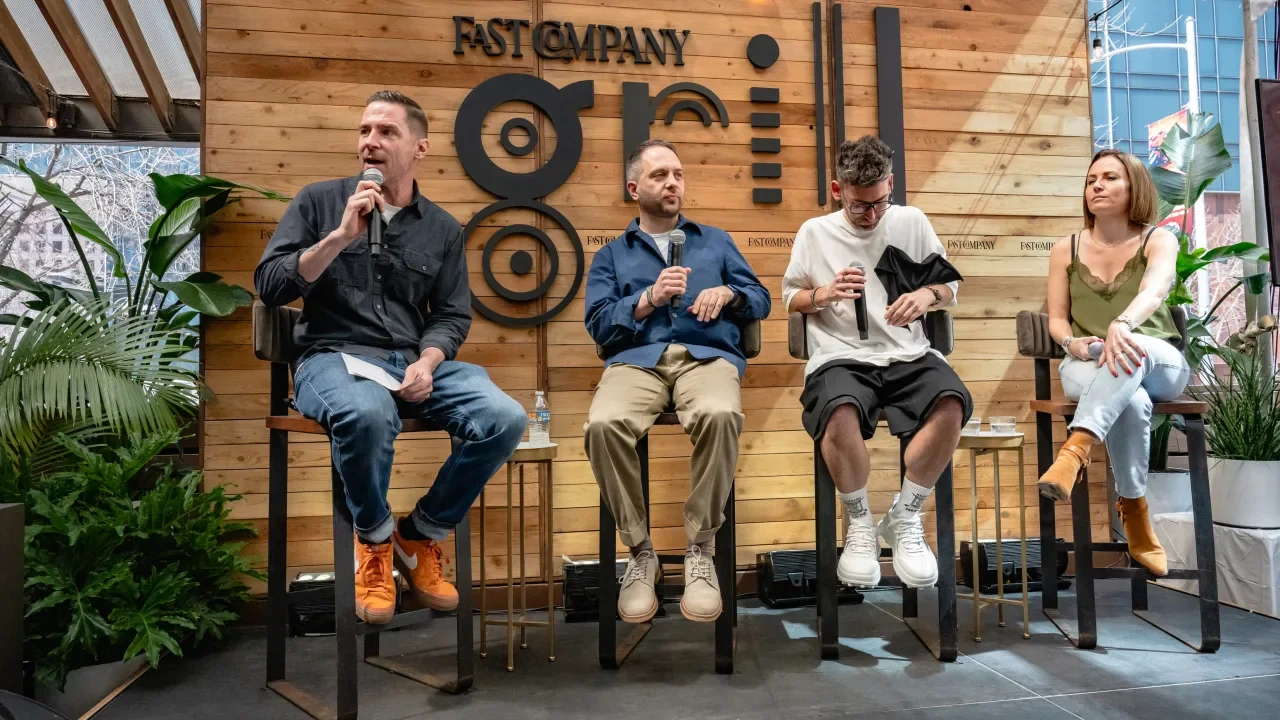
How brands reach consumers is always evolving. And at the Fast Company Grill at SXSW this past weekend, executives from Duolingo, NBCUniversal, and Creators Corp. discussed how they’re not only holding their consumers’s attention, but finding ways to embed their brands into their daily lives, primarily through branded entertainment. NBCUniversal: Find Ways to Engage Fans within an Experience When John Jelley, SVP of product and user experience at Peacock and global streaming for NBCUniversal, thinks about branded entertainment, he thinks about fandoms. From Love Island to The Traitors to Saturday Night Live, NBCUniversal has a wide array of IP with deep fandoms Jelley is looking to engage in broader ways through the company’s streaming service Peacock. In January, the company slowly began rolling out mini-games and short video clips within the Peacock app. And to Jelley, it’s been about providing casual entertainment but also leaning into the fandom these shows have attained. “I think it’s really important as well, not just to think about people coming in the game, but how are you’re going to get them to stay and feel progression. And so I think one of the things we’re thinking about is since we have these fandoms and people are kind of a little competitive, seeing where you rank against others in that fandom, Jelley said. “If the user can feel like you’re testing their knowledge and they’re themselves part of the game in a way and associated with the brand, they’re going to be much more open to playing it versus it feeling sort of somehow forced or non-organic.” Duolingo: Build your Brand with your audience Entertainment is core to language learning app Duolingo’s brand, said senior creative director James Kuczynski. Because the app is a gamified way to learn, everything revolves around “making it fun,” he said. Duolingo’s entertainment marketing plan focuses on creating brand partnerships that stand out and don’t feel boring, he noted. For example, when Squid Game’s first season launched on Netflix, Duolingo saw an increase in Korean language learning by 40%. So, with the release of season two this past December, Duolingo partnered with Netflix to launch the “Learn Korean or Else” campaign that played off of the rather aggressive tactics Duolingo’s viral mascot Duo employs to get users to stick with their lessons. “For us, it was really about tapping into that fandom—how can we help fans of a specific topic get the most out of what they love?” said Kuczynski. “And that really is the core question that we ask for every single partnership that we have. Because if we’re not adding value, then it just feels like another brand attaching themselves onto another IP.” Last year, Duolingo also made a deal with Sony Music last year to bring recordings from popular artists to the app’s music course, as well as teaming up with comic platform Webtoon for a series of digital comics featuring the app’s various characters—some of whom have become almost as popular as Duo. Case in point: the app’s angsty, emo teen Lily got her own sitcom Living with Lily in 2023. “We’ve really built our brand listening to all of our fans and followers. And I think that’s something that over the course of the last several years, we just keep leaning into,” Kuczynski said. “We’re looking for ideas that allow our fans and people on the internet to just create our brand for us. We listen to them, we lean in, and then we create content that they want to share.” Creators Corp.: Know where you Belong Over the past decade, brands have learned to “meet audiences where they are,” said Anne-Margot Rodde, founder and CEO of game studio Creators Corp., which partners with notable figures including four-time NBA champion Steph Curry, sports and comedy creators Dude Perfect, and others to create branded video games. In the gaming space, Rodde said that young audiences gravitate towards highly social games like Roblox and Fortnite—where creators can build whatever branded entertainment they want within the game. However, in creating this content, Rodde said that authenticity and recognizing what audiences want is key. “I think the place where there still needs to be improvement is really understanding the audience and understanding what works,” she said. “A lot of the time you see branded experiences where the brand is everywhere. It’s not something that the player necessarily wants to see in the game that they love and want to play.” View the full article
-
AI image editing may be all the rage, but good old-fashioned image editors are still essential. There’s a problem, though: Windows PCs, Chromebooks, and Macs don’t include exceptional image editors that go beyond the most basic editing needs. Sure, you can pay for Photoshop or hunt down another image editor—but what if you just want to do something quick? Well, then you’re left searching the web—and maybe you come across a reasonably decent online image editor, but perhaps it forces you to sign into an account or pay for a subscription. Or maybe it just doesn’t do what it promises to do in any especially impressive way. Let’s skip all that. Today’s tool is an easy, free, and completely browser-based image editor that doesn’t need any accounts or payments. You can access it from any type of device, too, and start editing images almost instantly. Psst: If you love these types of tools as much as I do, check out my free Cool Tools newsletter from The Intelligence. You’ll be the first to find all sorts of simple tech treasures! Photoshop for the rest of us Allow me to introduce you to Photopea. ➜ Photopea is a powerful tool that many of our Cool Tools newsletter readers have recommended over time. ⌚ You can get started with it in roughly 10 seconds. It’s simple: Just head to the Photopea website. (The first time you load it, you’ll want to click the “X” in the top-right corner to hide the welcome banner.) Then choose the “Open From Computer” button and select an image from your device’s storage—or, if you’re on a PC, drag and drop an image from your computer’s file manager directly onto the Photopea page. Photopea makes it easy to import files from your phone or computer. You’ll then see an image-editing interface that’ll look immediately familiar if you’ve ever used Adobe Photoshop. Photopea is packed with professional-grade tools that are normally limited to costly, complex, and at-times clunky desktop image editors. You’ll find layers, filters, a clone stamp for touch-ups, a background removal system, and even batch resizing and image-converting options. Whenever you’re made the modifications you need, click the “File” menu and select “Save” to download your final file. That’s it. Photopea looks and feels a lot like Photoshop, but it’s completely free and runs entirely in your browser. Now you’ve got a Photoshop-caliber image editor at your fingertips whenever you need it—for free, usable without signing in, and without any software installation required. What’s not to love? You can use Photopea on its website in your browser. (It’s technically compatible with both desktop and mobile browsers, but the desktop experience tends to be best. If you see a Photopea app in the Android or iOS App Store, know that it isn’t official or associated with this same site.) Photopea is free with ads. You can sign up for an account and pay $5 per month to remove the ads and get access to AI photo-editing tools, if you like, but it absolutely isn’t required. Photopea’s privacy policy says all your photos are stored on your device and never sent to any remote servers or shared in any way. Keep the geeky goodies coming with my free Cool Tools newsletter. You’ll get an instant introduction to an incredible audio app and a new off-the-beaten-path gem in your inbox every Wednesday! View the full article

-
When both my picky kids discovered they loved eggs, it was a blessed relief for meal planning. After years of trying to find dinners that everyone was happy to eat, my kids’ affinity for eggs added quiche, frittatas, and omelets to our cooking repertoire. We now go through two dozen eggs a week at chez Guy Birken. Which means I have personally been paying very close attention to spiking egg prices. My local grocery store is selling a dozen eggs for $5.99—more than two times the price of eggs as of March 2024. If you’ve been wondering why you need a second mortgage to afford your breakfast, here’s what you need to know about this price eggsplosion. Supply and demand Even if you slept through your Econ 101 class, you probably remember the law of supply and demand: When supply is low and/or demand is high, prices increase. In the case of the humble chicken egg, supply is down because of the highly pathogenic avian influenza (HPAI), aka the bird flu, while demand has remained the same, resulting in higher prices. Avian flu Since 2022, over 166 million birds have come down with this harmless-sounding malady, and over three-quarters of the affected birds are egg-laying hens. Millions of chickens have died and millions more have been culled to prevent the spread of this very contagious disease. The loss of so many chickens means there is a smaller supply of eggs, which has pushed up the price. Bird flu may be the primary driver of the eye-watering prices of a dozen eggs, but it’s not the only one. Garden-variety inflation has also affected the price of eggs. The Bureau of Labor Statistics reports that the unadjusted Consumer Price Index (CPI) was 2.8% for the year ending February 2025. This may not sound like much—and it is only 0.8% higher than the Fed’s goal of 2% inflation—but it does have an effect on the cost of getting an egg from a hen to a dairy aisle when everything from chicken feed to gasoline is more expensive. Inelastic demand When prices for many goods go up, many consumers will substitute a different product. For example, if beef prices suddenly skyrocketed, a lot of shoppers would buy pork, chicken, or tofu instead. This is known as “elasticity of demand” and it helps keep prices somewhat stable. (Elasticity of demand is also why grocery prices tend to go up much more slowly than healthcare prices, since it’s easy to substitute one protein for another and impossible to substitute one prescription drug for another.) But eggs are an inelastic product. Even when their prices spike, people still buy about the same number of eggs. There are not many appropriate substitutes for eggs in applications like baking, and eggs offer a relatively low-cost source of healthy protein, even when prices rise. Since consumers continue to purchase eggs at about the same rate they always did, prices won’t go down until the supply returns to previous levels. Will egg prices keep rising? Like many consumers, I have simply been paying the higher prices for eggs on the assumption that what goes up must eventually come down. That’s how it’s gone for every previous price spike I’ve lived through. But that is not necessarily what will happen this time around. This version of the avian flu appears to be more virulent and tenacious than other strains of the disease. The 2014–2015 bird flu outbreak disappeared after about a year, since hot weather helped kill off the virus. The current outbreak has been affecting our nation’s birds since 2022 and the change of seasons has not had a noticeable effect on ending the virus—so we may yet see scrambled eggs become a status symbol. Of course, no economist, journalist, or farmer has a crystal ball. There is no way to know for sure where egg prices are headed—and it’s not like we can stockpile eggs to prepare. Finding cheaper eggs (or egg substitutes) There are a number of options available to shoppers to keep eggs from destroying their grocery budget. (Please note: despite the current administration’s recommendation, raising backyard chickens is not feasible for most people—and introducing a heap of inexperienced urban farmers to the joys of backyard poultry could prolong the avian flu outbreak.) To start, check the local egg prices at the Pantry & Larder site Eggspensive. This site tracks the cost of a dozen eggs at every Walmart location nationwide. The Krazy Coupon Lady’s egg price comparison and egg coupons can also help you get the lowest possible price. You can also work around your egg needs for many recipes. While egg substitutes in baking are never quite perfect, using ingredients like applesauce, Greek yogurt, mashed banana, aquafaba, or vinegar + baking soda can re-create some of the specific properties eggs add to your favorite baked goods. And don’t forget that vegans like baked goods, too. (If you haven’t tried vegan baking since you broke your tooth on a carob-chip “cookie” in the 1980s, you’ll be delighted to learn that it’s come a long way.) Vegan bakers have come up with a number of delicious recipes that don’t require any eggs or egg substitutes. Dealing with eggstreme prices The price of eggs often works as a political shorthand to describe the kitchen table economic worries of the average person. But since last fall, there’s nothing metaphorical about the high price of eggs in America. The ongoing avian flu has reduced the supply of eggs, and the demand for eggs has remained inelastic. It’s possible that egg prices will continue to rise if we can’t get the bird flu under control, but that doesn’t mean you’re stuck paying through the nose for your eggs. Several websites offer price trackers and coupons for eggs, and there are a number of substitutes that can re-create eggy properties for your baking and other recipes—and dabbling with some vegan recipes can help you avoid the need for eggs altogether. View the full article

-
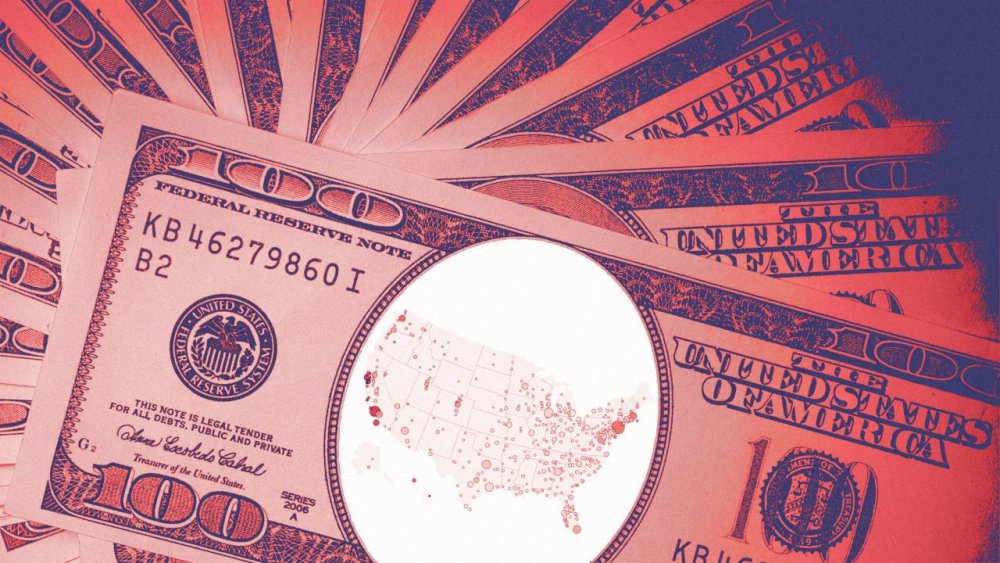
Want more housing market stories from Lance Lambert’s ResiClub in your inbox? Subscribe to the ResiClub newsletter. Here’s the annual U.S. household income needed to finance the purchase of the typical valued U.S. home: January 2020: $51,646 January 2021: $51,740 January 2022: $62,669 January 2023: $86,184 January 2024: $92,006 January 2025: $92,538 That’s a +79% shift in just 5 years. Methodology: This Zillow calculation is conservative and assumes a 20% down payment and the homebuyer spends less than 30.0% of their monthly income on the total monthly payment. This is a financed purchase, of course. For typical home value, Zillow economists used the latest Zillow Home Value Index reading. How did we get here? During the Pandemic Housing Boom, housing demand surged rapidly amid ultra-low interest rates, stimulus, and the remote work boom. Federal Reserve researchers estimate “new construction would have had to increase by roughly 300% to absorb the pandemic-era surge in demand.” Unlike housing demand, housing supply isn’t as elastic and can’t quickly ramp up like that. As a result, the heightened pandemic-era demand drained the market of active inventory and sent national home prices soaring. The typical U.S. home value measured by the Zillow Home Value Index in January 2025 ($356,776) is still a staggering +44% greater than in January 2019 ($247,106). That overheated home price growth, coupled with the ensuing mortgage rate shock, with the average 30-year fixed mortgage rate jumping up from under 3.0% to over 7.0%, has created the fastest-ever deterioration in housing affordability. This affordability squeeze has been broad-based. Below is what this analysis looked like in January 2020. Below is what this analysis looked like for January 2025. The problem, of course, is that incomes haven’t kept up. While the annual U.S. household income needed to purchase a typical U.S. home has increased by +79% between January 2020 and January 2025, average weekly earnings of U.S. workers have risen by +25%, and overall U.S. consumer inflation has grown by +23% during the same period. What’s the impact of this housing affordability deterioration? The biggest immediate impact of this affordability deterioration is that across the country, existing home sales have been constrained since mortgage rates spiked in 2022. Some of that’s the result of suppressed housing demand, but a lot of it is due to the fact that many homeowners who’d like to sell their home and buy something else simply can’t afford to do so or don’t want to part with their lower monthly payment/mortgage rate. All signs point to 2025 being another year of constrained existing home sales. View the full article
-
St. Patrick’s Day usually conjures images of partying, Catholicism, Irish nationalism and, perhaps most famously, the color green: green clothes, green shamrocks, green beer and green rivers. So my students are often surprised when I tell them that St. Patrick’s Day was once a solemn feast day when you’d be far more likely to see the color blue. In fact, there’s even a color known as St. Patrick’s blue. ‘True blue’ Historians don’t know much about St. Patrick. But they believe he was born in the fifth century as Maewyn Succat. He wasn’t Irish; rather he was born in Wales, the son of a Roman-British official. He was, however, captured by Irish pirates and enslaved in Ireland. After six years he went back to Britain but returned to Ireland as one of the missionaries to convert Irish pagans to Christianity. At some point he adopted the Latin name Patricius. In the 10th century, the first evidence of St. Patrick being a beloved figure in Ireland emerged. In the early 17th century, Luke Wadding, an Irish priest, persuaded the Catholic Church to make March 17 a feast day for St. Patrick. St. Patrick wasn’t born in Ireland, but he did missionary work there. [Photo: Wikimedia Commons, CC BY] Back then, feast days were far from raucous affairs: Catholics typically went to Mass and then had a quiet dinner at home to celebrate. Other denominations, including Anglicans and Lutherans, recognized the day as well. But any commemorations would include the color blue. The Dublin Evening Post reported that in a 1785 St. Patrick’s Day ceremony in Dublin, a group of men identifying themselves as patriots “marched in a grand procession round the garden, dressed in true blue, and carrying along with them a number of curious pageants.” Constance Markievicz, who fought in the 1916 Easter Rebellion for independence and was the first minister of labour in the Irish Free State, maintained that blue was “the old colour of Ireland.” To connect the past to the nationalist movement, she used blue as the background for the Irish Citizen Army’s flag. In 1934, Irish politician W.T. Cosgrave asserted that blue is “in perfect, traditional, national accord with our history and in close association with the most revered and venerated memory of our patron Saint.” Out with the old, in with the new Since the 12th century, Ireland had been a colony of Great Britain. Like the American Colonists who rebelled against the British crown, a group of rebels called the United Irish launched an insurrection in 1798 in a quest for independence. Led mostly by middle-class Protestants and in coordination with some Catholics, the United Irish adopted the “wearing of the green” to represent Irish nationalism and their fight against British imperialism. The rebellion failed, and the British government made Ireland part of the United Kingdom in 1801 to prevent future revolutions. The government also bestowed greater rights to Protestants over Catholics. Ireland became more sectarian over the course of the 19th century, and nationalism became more associated with Catholicism. In some ways, the two became interchangeable. With nationalism ascendant and Catholics outnumbering Protestants, green was widely embraced, particularly since it had been worn by the United Irish. Green crosses the pond Before the 1840s, most Irish immigrants to America had been Protestants, many of whom had been the descendants of Scottish settlers in Ulster and would later become known as the Scots Irish. Like those that would succeed them, they celebrated St. Patrick’s Day to commemorate their connection to Ireland. In the earliest recorded American celebration of the day, banquets toasting Ireland and St. Patrick took place in Boston in 1737. By the 1760s, annual parades were being held in New York and on the island of Montserrat to celebrate Irish culture and identity. Irish immigration to the new world increased dramatically after the Great Hunger of the 1840s, when the potato crops failed and over 1 million indigent Catholics arrived in the U.S. Facing discrimination from American Protestants who claimed they were more loyal to the pope than to the U.S., they viewed St. Patrick’s Day as a link to the history and culture of Ireland. Celebrations were a badge of pride and dignity, and they called for Irish independence to demonstrate they, too, believed in republican principles. Irish immigrants to the U.S. were eager to profess their embrace of the nation’s republican ideals. [Art: Transcendental Graphics/Getty Images] Irish nationalist groups active in the U.S. – the Fenians, Clan na Gael and, later, Irish Northern Aid – participated in these American St. Patrick’s Day parades, proudly wearing green to demonstrate their nationalism and the connection to past nationalist groups such as the United Irish. In Ireland, however, St. Patrick’s Day remained a solemn day of observance with little revelry. The Irish government didn’t recognize St. Patrick’s Day as a public holiday until 1903, and the first parade in Dublin wasn’t held until 1931. Even pubs remained closed on March 17 until 1961. Since 1922, when 26 of the 32 counties of Ireland became semi-independent, the tricolor flag of Ireland has been the official flag. Green represents the Catholics, orange represents the Protestants, and the white in the middle symbolizes peace. Yet green remains the color associated with St. Patrick’s Day and Ireland throughout the world, largely due to the Catholic diaspora and its association with nationalism. However, blue still plays a symbolic role in Ireland: Since 1945, the flag representing the president of Ireland has a gold harp with a dark blue background – the color known as St. Patrick’s blue. The Irish presidential flag flies from the car of Ireland’s president. [Photo: Artur Widak/NurPhoto via Getty Images] Bryan McGovern is a professor of history at Kennesaw State University. This article is republished from The Conversation under a Creative Commons license. Read the original article. View the full article

-
Imagine everyone around you sounds like they’re shouting underwater. That’s my world without hearing aids—a reality I’ve hidden since I was a kid. Words reach me as a cacophony of blended vowels, forcing me to piece together meaning from your lips, your expressions, your gestures. And a year ago, if you’d told me artificial intelligence would help me finally embrace this part of myself, I would’ve laughed in your face. Let me explain. In the days before social media could connect you to “others like you” with a single swipe, I was the only kid I knew who needed hearing aids. So at a young age, I made a decision to hide this at all costs. And I became an expert at it. Yet, ironically, I have built my entire career around helping others share their truth. As a Today Show producer and then a business storytelling coach, I spent years in control rooms and conference rooms, creating safe spaces for people to be vulnerable. Yet there I was perfecting my own daily disguise—strategic hair placement (never up), carefully tilted headphones to avoid control room feedback, and endless excuses for why I needed to sit in certain spots during meetings. I was the master of making others feel seen in order to share their stories while doing everything possible to hide a major part of my own. Fast-forward to 2023. Running my video storytelling company, I watched in frustration as students submitted soulless AI-generated scripts. Months of helping them connect the dots on their founder stories, only to have them feed everything into ChatGPT for perfectly polished—but utterly lifeless—final scripts. I hated this new technology. But the journalist in me couldn’t ignore one nagging question: Could we use AI to help us tell more vulnerable, more human stories? Late one night, I decided to test this idea on myself. I opened ChatGPT and typed: “I want to explore something I’ve been hiding my whole life. I wear hearing aids, and I’m exhausted from concealing them. Can you help me understand why I’m struggling to be open about this?” The AI’s response stopped me cold. Instead of the usual generic advice, it reflected back patterns in my own writing—how often I used words like “hide,” “mask,” and “cover.” AI showed me that my greatest strength as a storytelling coach was helping others embrace exactly what made them different, and that I needed to do the same for myself. Tears streamed down my face as I saw my own story in a completely new light. This unexpected moment started me on a journey to help others use AI to tell their authentic stories. But first, I used myself as the guinea pig. I began using AI as a journal—writing down my observations about my clients and students’ biggest fears, their late-night worries, their secret dreams of what their businesses could become, what triggered them on social media or in the workplace. (Anonymized, of course, to protect their privacy.) And then I ventured onto more sinister thoughts from my own entrepreneurial journey: “Am I really qualified to do this?” “What if everyone realizes I’m making this up as I go?” Then I’d ask AI to help me find moments from my own life that could build bridges to the struggles of my audience. The process was iterative, collaborative, difficult, and therapeutic. Where I once saw random life experiences that had no bearing on my current life or business hat, AI helped me spot golden threads of connection. That time I bombed a live TV segment and almost got fired? Suddenly I saw how it connected to my audience’s fear of visibility. My rocky transition from network TV to entrepreneurship? A perfect mirror for their own career pivot anxieties. That moment I was lying on my Brooklyn apartment floor with a newborn and toddler, terrified about getting let go from my “brand new fancy” startup job? It spoke directly to my audience’s fears about taking risks and making big changes. It was like having a mirror that could see past my blind spots—showing me connections I was too close to notice, patterns I was too wrapped up in to recognize, and meaning in moments I’d dismissed as just “stuff that happened.” I began weaving these AI-sparked revelations into my business storytelling, testing how this new vulnerability landed with my audience. The response was immediate. Stories I’d dismissed as “not that interesting” suddenly revealed their power through AI as “she” identified golden threads of connection I was too close to see. My storytelling library cracked wide open. I became excited to dig into some of the uncomfortable life moments with AI as my thought-provoking guide. The real breakthrough came when I started teaching this reflective approach to other business leaders. Together with AI, we excavated the deeper meanings behind their business decisions, revealing stories they never thought to tell. Together we used prompts like this: “What themes emerge in how I talk about my business journey?” “Where might I be holding back out of fear?” “How could my struggles actually help my audience?” I watched founders who’d hidden behind their logos for years finally step into the spotlight with confidence. A soap company founder revealed her real reason for leaving finance for ocean conservation. All of a sudden, her sharing about herself “wasn’t bragging” but necessary to connect to her customers. Another founder realized her obsession with building nurturing corporate cultures stemmed from losing her dad as a child. These weren’t just better marketing stories—they were moments of profound clarity. I watched as “professional facades” crumbled as they realized their personal experiences weren’t distractions from their business stories—they just needed to see those moments in another light. These transformations were so powerful that I knew I needed to make this process accessible to more people. The problem was, most AI tools weren’t built for this kind of deep, reflective storytelling work. They were designed to generate content, not unlock authentic human stories. So I built StoryPro, an AI storytelling tool specifically designed for this intersection of humanity and technology. Not to write stories for people (although it will once it feels you’ve gone deep enough), but to help them discover the stories within themselves that need to be told. It combines the pattern-recognition power of AI with prompts and frameworks I’ve developed over decades of helping people share their authentic experiences. It’s like having a storytelling coach in your pocket—one that helps you see the significance in experiences you might have overlooked and shows you how these moments could resonate with your audience. Then came my moment of truth . . . I decided it was time to tell my hearing aid story publicly for the first time ever. Using a combination of Google Notebook LLM and StoryPro, the storytelling tool I created, I began exploring my own narrative in a deeper way. I wrote a video script story about my hearing aids freely and with a clarity I had never felt before. When I finally shared the video on LinkedIn, the post went viral, generating millions of impressions. Speaking invitations and podcast appearances followed. But the real transformation wasn’t in the metrics. It was in how I finally saw myself: I internalized for the first time how my hearing loss wasn’t a weakness to hide. The past 18 months have transformed everything I thought I knew about AI and authenticity. AI isn’t here to replace our creativity—it’s a mirror, reflecting back the stories we’ve kept locked inside ourselves. It’s a tool that can help us see ourselves more clearly and find courage in our vulnerability. It can even be a partner in healing our wounded self-image. Those hearing aids I spent decades hiding? They’re now proudly visible in every video call and speaking engagement. Not because AI wrote me a perfect story, but because it helped me see the story that was there all along—and own it proudly. Want to start your own journey of discovery? Here’s a prompt that changed everything for me: “The Mirror Prompt” 1. Open your favorite AI tool and paste this: “I need your help exploring something I’ve been hesitant to share. I’ll start by sharing some of my past writing so you can understand my voice. Then I’ll tell you about something I feel called to share with my audience who are {insert a bit of info on your audience and how you serve them} but haven’t found the right way to express it. Can you help me spot patterns and connections I might be missing? Feel free to ask follow-up questions.” 2. After the AI responds, go deeper with: “Help me see this through fresh eyes—what hidden strengths might lie in what I’ve seen as weaknesses? How could this help me connect more authentically with my audience?” 3. Finally, ask for: “Show me three small ways to begin sharing this story, starting with the gentlest first step I could take today.” You might be surprised—like I was—to find yourself feeling truly seen and understood . . . yes, by AI. Sometimes the most powerful insights come from unexpected places. View the full article

-
Throughout history, when pioneers set out across uncharted territory to settle in distant lands, they carried with them only the essentials: tools, seeds and clothing. Anything else would have to come from their new environment. So they built shelter from local timber, rocks and sod; foraged for food and cultivated the soil beneath their feet; and fabricated tools from whatever they could scrounge up. It was difficult, but ultimately the successful ones made everything they needed to survive. Something similar will take place when humanity leaves Earth for destinations such as the Moon and Mars – although astronauts will face even greater challenges than, for example, the Vikings did when they reached Greenland and Newfoundland. Not only will the astronauts have limited supplies and the need to live off the land; they won’t even be able to breathe the air. Instead of axes and plows, however, today’s space pioneers will bring 3D printers. As an engineer and professor who is developing technologies to extend the human presence beyond Earth, I focus my work and research on these remarkable machines. 3D printers will make the tools, structures and habitats space pioneers need to survive in a hostile alien environment. They will enable long-term human presence on the Moon and Mars. NASA astronaut Barry Wilmore holds a 3D-printed wrench made aboard the International Space Station. [Photo: NASA] From hammers to habitats On Earth, 3D printing can fabricate, layer by layer, thousands of things, from replacement hips to hammers to homes. These devices take raw materials, such as plastic, concrete or metal, and deposit it on a computerized programmed path to build a part. It’s often called “additive manufacturing,” because you keep adding material to make the part, rather than removing material, as is done in conventional machining. Already, 3D printing in space is underway. On the International Space Station, astronauts use 3D printers to make tools and spare parts, such as ratchet wrenches, clamps and brackets. Depending on the part, printing time can take from around 30 minutes to several hours. For now, the print materials are mostly hauled up from Earth. But NASA has also begun recycling some of those materials, such as waste plastic, to make new parts with the Refabricator, an advanced 3D printer installed in 2019. Manufacturing in space You may be wondering why space explorers can’t simply bring everything they need with them. After all, that’s how the International Space Station was built decades ago – by hauling tons of prefabricated components from Earth. But that’s impractical for building habitats on other worlds. Launching materials into space is incredibly expensive. Right now, every pound launched aboard a rocket just to get to low Earth orbit costs thousands of dollars. To get materials to the Moon, NASA estimates the initial cost at around US$500,000 per pound. Still, manufacturing things in space is a challenge. In the microgravity of space, or the reduced gravity of the Moon or Mars, materials behave differently than they do on Earth. Decrease or remove gravity, and materials cool and recrystallize differently. The Moon has one-sixth the gravity of Earth; Mars, about two-fifths. Engineers and scientists are working now to adapt 3D printers to function in these conditions. Using otherworldly soil On alien worlds, rather than plastic or metal, 3D printers will use the natural resources found in these environments. But finding the right raw materials is not easy. Habitats on the Moon and Mars must protect astronauts from the lack of air, extreme temperatures, micrometeorite impacts and radiation. Regolith, the fine, dusty, sandlike particles that cover both the lunar and Martian surfaces, could be a primary ingredient to make these dwellings. Think of the regolith on both worlds as alien dirt – unlike Earth soil, it contains few nutrients, and as far as we know, no living organisms. But it might be a good raw material for 3D printing. My colleagues began researching this possibility by first examining how regular cement behaves in space. I am now joining them to develop techniques for turning regolith into a printable material and to eventually test these on the Moon. But obtaining otherworldly regolith is a problem. The regolith samples returned from the Moon during the Apollo missions in the 1960s and 70s are precious, difficult if not impossible to access for research purposes. So scientists are using regolith simulants to test ideas. Actual regolith may react quite differently than our simulants. We just don’t know. What’s more, the regolith on the Moon is very different from what’s found on Mars. Martian regolith contains iron oxide –that’s what gives it a reddish color – but Moon regolith is mostly silicates; it’s much finer and more angular. Researchers will need to learn how to use both types in a 3D printer. Applications on Earth NASA’s Moon-to-Mars Planetary Autonomous Construction Technology program, also known as MMPACT, is advancing the technology needed to print these habitats on alien worlds. Among the approaches scientists are now exploring: a regolith-based concrete made in part from surface ice; melting the regolith at high temperatures, and then using molds to form it while it’s a liquid; and sintering, which means heating the regolith with concentrated sunlight, lasers or microwaves to fuse particles together without the need for binders. Along those lines, my colleagues and I developed a Martian concrete we call MarsCrete, a material we used to 3D-print a small test structure for NASA in 2017. Then, in May 2019, using another type of special concrete, we 3D-printed a one-third scale prototype Mars habitat that could support everything astronauts would need for long-term survival, including living, sleeping, research and food-production modules. That prototype showcased the potential, and the challenges, of building housing on the red planet. But many of these technologies will benefit people on Earth too. In the same way astronauts will make sustainable products from natural resources, homebuilders could make concretes from binders and aggregates found locally, and maybe even from recycled construction debris. Engineers are already adapting the techniques that could print Martian habitats to address housing shortages here at home. Indeed, 3D-printed homes are already on the market. Meanwhile, the move continues toward establishing a human presence outside the Earth. Artemis III, now scheduled for liftoff in 2027, will be the first human Moon landing since 1972. A NASA trip to Mars could happen as early as 2035. But wherever people go, and whenever they get there, I’m certain that 3D printers will be one of the primary tools to let human beings live off alien land. Sven Bilén, Professor of Engineering Design, Electrical Engineering and Aerospace Engineering, Penn State This article is republished from The Conversation under a Creative Commons license. Read the original article. View the full article

-
If you look at a map of lightning near the Port of Singapore, you’ll notice an odd streak of intense lightning activity right over the busiest shipping lane in the world. As it turns out, the lightning really is responding to the ships, or rather the tiny particles they emit. Using data from a global lightning detection network, my colleagues and I have been studying how exhaust plumes from ships are associated with an increase in the frequency of lightning. For decades, ship emissions steadily rose as increasing global trade drove higher ship traffic. Then, in 2020, new international regulations cut ships’ sulfur emissions by 77%. Our newly published research shows how lightning over shipping lanes dropped by half almost overnight after the regulations went into effect. Shipping lanes (top image) and lightning strikes (bottom) near the Port of Singapore. [Image: Chris Wright] That unplanned experiment demonstrates how thunderstorms, which can be 10 miles tall, are sensitive to the emission of particles that are smaller than a grain of sand. The responsiveness of lightning to human pollution helps us get closer to understanding a long-standing mystery: To what extent, if any, have human emissions influenced thunderstorms? Aerosol particles can affect clouds? Aerosol particles, also known as particulate matter, are everywhere. Some are kicked up by wind or produced from biological sources, such as tropical and boreal forests. Others are generated by human industrial activity, such as transportation, agricultural burning and manufacturing. It’s hard to imagine, but in a single liter of air – about the size of a water bottle – there are tens of thousands of tiny suspended clusters of liquid or solid. In a polluted city, there can be millions of particles per liter, mostly invisible to the naked eye. These particles are a key ingredient in cloud formation. They serve as seeds, or nuclei, for water vapor to condense into cloud droplets. The more aerosol particles, the more cloud droplets. Water molecules condense around nuclei to form clouds. [Photo: David Babb/Penn State, CC BY-NC] In shallow clouds, such as the puffy-looking cumulus clouds you might see on a sunny day, having more seeds has the effect of making the cloud brighter, because the increase in droplet surface area scatters more light. In storm clouds, however, those additional droplets freeze into ice crystals, making the effects of aerosol particles on storms tricky to pin down. The freezing of cloud droplets releases latent heat and causes ice to splinter. That freezing, combined with the powerful thermodynamic instabilities that generate storms, produces a system that is very chaotic, making it difficult to isolate how any one factor is influencing them. A view from the International Space Station shows the anvils of tropical thunderstorms as warm ocean air collides with the mountains of Sumatra. [Photo: NASA Visible Earth] We can’t generate a thunderstorm in the lab. However, we can study the accidental experiment taking place in the busiest shipping corridor in the world. Ship emissions and lightning With engines that are often three stories tall and burn viscous fuel oil, ships traveling into and out of ports emit copious quantities of soot and sulfur particles. The shipping lanes near the Port of Singapore are the most highly trafficked in the world – roughly 20% of the world’s bunkering oil, used by ships, is purchased there. In order to limit toxicity to people near ports, the International Maritime Organization – a United Nations agency that oversees shipping rules and security – began regulating sulfur emissions in 2020. At the Port of Singapore, the sales of high-sulfur fuel plummeted, from nearly 100% of ship fuel before the regulation to 25% after, replaced by low-sulfur fuels. But what do shipping emissions have to do with lightning? Scientists have proposed a number of hypotheses to explain the correlation between lightning and pollution, all of which revolve around the crux of electrifying a cloud: collisions between snowflake-like ice crystals and denser chunks of ice. When the charged, lightweight ice crystals are lofted as the denser ice falls, the cloud becomes a giant capacitor, building electrical energy as the ice crystals bump past each other. Eventually, that capacitor discharges, and out shoots a lightning bolt, five times hotter than the surface of the Sun. We think that, somehow, the aerosol particles from the ships’ smokestacks are generating more ice crystals or more frequent collisions in the clouds. In our latest study, my colleagues and I describe how lightning over the shipping lane fell by about 50% after 2020. There were no other factors, such as El Niño influences or changes in thunderstorm frequency, that could explain the sudden drop in lightning activity. We concluded that the lightning activity had fallen because of the regulation. The reduction of sulfur in ship fuels meant fewer seeds for water droplet condensation and, as a result, fewer charging collisions between ice crystals. Ultimately, there have been fewer storms that are sufficiently electrified to produce a lightning stroke. What’s next? Less lightning doesn’t necessarily mean less rain or fewer storms. There is still much to learn about how humans have changed storms and how we might change them in the future, intentionally or not. Do aerosol particles actually invigorate storms in general, creating more extensive, violent vertical motion? Or are the effects of aerosols specific to the idiosyncrasies of lightning generation? Have humans altered lightning frequency globally? My colleagues and I are working to answer these questions. We hope that by understanding the effects of aerosol particles on lightning, thunderstorm precipitation and cloud development, we can better predict how the Earth’s climate will respond as human emissions continue to fluctuate. Chris Wright is a fellow in atmospheric science at the Program on Climate Change at the University of Washington. This article is republished from The Conversation under a Creative Commons license. Read the original article. View the full article

-
The 300-year-old doctrine is being tested by the excesses of digital oligarchs, says historian Fara Dabhoiwala View the full article
-
Culturally, it’s not the worst thing if Europe and America have less to do with each otherView the full article
-
Bundeswehr has a high dropout rate and the number of conscientious objectors is rising in the countryView the full article
-
Director-general Tim Davie preparing for ‘engagement’ with Foreign Office over impact View the full article
-
The chancellor’s Spring Statement is a chance to get away from the UK obsession with fiscal tightening that kills growthView the full article
-
Adobe has released its 2025 Work-Life Balance Report, providing insights into how solopreneurs and small business owners manage their professional and personal lives. The report, based on a survey of 1,018 entrepreneurs, examines the challenges and benefits of entrepreneurship, work habits, and the increasing role of AI in business operations. The report highlights that nearly three in five entrepreneurs experience a better work-life balance than they did in traditional employment. However, many still struggle to fully disconnect from work, averaging only 11 days off per year, excluding national holidays. Among surveyed Gen Z entrepreneurs, the average number of days off is slightly higher at 13. Additionally, 82 percent of entrepreneurs reported losing sleep due to work-related concerns, with financial worries being the most common cause. More than one in ten Baby Boomers cited technological changes as a source of sleeplessness, while nearly one in four Millennials said family-related concerns kept them awake at night. A growing number of entrepreneurs are turning to AI tools to streamline their workflows and improve efficiency. According to the report, nearly two in five surveyed entrepreneurs aim to save time in 2025 by adopting new AI-powered solutions. On average, entrepreneurs report saving six hours per week—equating to 310 hours per year—by using AI tools. Among the key priorities for AI adoption in 2025, respondents cited lead generation and sales identification (53 percent), automation of accounting tasks (53 percent), and streamlining data entry and processing (51 percent). Solopreneurs were found to use AI 17 percent more frequently than small business owners. The report finds that over one in five small business owners work more than 50 hours a week, compared to 28 percent of solopreneurs. Late-night work is common, with solopreneurs working past 10 p.m. an average of nine times per month, while small business owners do so seven times a month. Despite these extended hours, many entrepreneurs say that flexible work schedules enable them to spend more daytime hours with their families. However, the persistent demands of business ownership still impact overall work-life balance. Nearly half of surveyed entrepreneurs stated that financial independence was a primary reason for starting their businesses, and 79 percent reported achieving this goal. Additionally, 33 percent of solopreneurs started their businesses to enable more travel opportunities, with 67 percent successfully fulfilling that ambition. Millennial respondents were particularly focused on spending more time with family, with 79 percent reporting success in that endeavor. When asked how they would use an additional 10 hours per week, Gen Z and Gen X entrepreneurs said they would dedicate more time to loved ones, while Millennials expressed interest in hobbies. Baby Boomers indicated they would invest extra time in their health and wellness. Image: Adobe This article, "Adobe Report Highlights Work-Life Balance and AI Adoption Among Entrepreneurs" was first published on Small Business Trends View the full article
-
Adobe has released its 2025 Work-Life Balance Report, providing insights into how solopreneurs and small business owners manage their professional and personal lives. The report, based on a survey of 1,018 entrepreneurs, examines the challenges and benefits of entrepreneurship, work habits, and the increasing role of AI in business operations. The report highlights that nearly three in five entrepreneurs experience a better work-life balance than they did in traditional employment. However, many still struggle to fully disconnect from work, averaging only 11 days off per year, excluding national holidays. Among surveyed Gen Z entrepreneurs, the average number of days off is slightly higher at 13. Additionally, 82 percent of entrepreneurs reported losing sleep due to work-related concerns, with financial worries being the most common cause. More than one in ten Baby Boomers cited technological changes as a source of sleeplessness, while nearly one in four Millennials said family-related concerns kept them awake at night. A growing number of entrepreneurs are turning to AI tools to streamline their workflows and improve efficiency. According to the report, nearly two in five surveyed entrepreneurs aim to save time in 2025 by adopting new AI-powered solutions. On average, entrepreneurs report saving six hours per week—equating to 310 hours per year—by using AI tools. Among the key priorities for AI adoption in 2025, respondents cited lead generation and sales identification (53 percent), automation of accounting tasks (53 percent), and streamlining data entry and processing (51 percent). Solopreneurs were found to use AI 17 percent more frequently than small business owners. The report finds that over one in five small business owners work more than 50 hours a week, compared to 28 percent of solopreneurs. Late-night work is common, with solopreneurs working past 10 p.m. an average of nine times per month, while small business owners do so seven times a month. Despite these extended hours, many entrepreneurs say that flexible work schedules enable them to spend more daytime hours with their families. However, the persistent demands of business ownership still impact overall work-life balance. Nearly half of surveyed entrepreneurs stated that financial independence was a primary reason for starting their businesses, and 79 percent reported achieving this goal. Additionally, 33 percent of solopreneurs started their businesses to enable more travel opportunities, with 67 percent successfully fulfilling that ambition. Millennial respondents were particularly focused on spending more time with family, with 79 percent reporting success in that endeavor. When asked how they would use an additional 10 hours per week, Gen Z and Gen X entrepreneurs said they would dedicate more time to loved ones, while Millennials expressed interest in hobbies. Baby Boomers indicated they would invest extra time in their health and wellness. Image: Adobe This article, "Adobe Report Highlights Work-Life Balance and AI Adoption Among Entrepreneurs" was first published on Small Business Trends View the full article
-
With genetically modified organisms (GMOs), there’s no putting the genie back in the bottle. Since their commercial introduction in 1996, bioengineered crops have become a commercial juggernaut, utterly dominating the marketplace in the U.S. and around the world. Even the European Union—long a hotbed of anti-GMO sentiment and regulatory activity—is warming to biotech, and significantly expanding the number of GMO crops accepted for import. Now, as the technology is maturing and costs have decreased significantly, a new wave of biotech innovation—call it GMO 2.0—is in the offing. Emerging startups and established companies alike are using breakthrough technologies to drive GMOs in exciting new directions. A diverse range of new technologies promise to make agriculture more efficient and sustainable, and our food tastier and more nutritious. It also promises to help address the pressing but unanswered question of how to produce the 56% additional calories needed to feed the 10 billion people expected to populate the world in 2050, with little land left to expand cultivation and a changing climate making agriculture more challenging. Not everyone is thrilled about the new wave of bioengineered crops. Like it or not, though, GMO 2.0 is going to see an adoption curve that will rival that of first-gen biotech seeds. The potential benefits—nutritional, environmental, and above all, agronomical—will simply be too great to ignore. Avoid missteps Before we get to that point, however, we have a window of opportunity to shape the course of GMO 2.0—and avoid some of the missteps that marked the rollout of first-gen biotech crops. The core technologies behind GMO 1.0 were safe, effective, and heavily regulated—but too many breakthrough products were controlled by a few large corporations that were eager to muscle rivals aside, shout down skeptics, and amass huge profits while ignoring any potential harm caused by their products. The rise of GMO 2.0 offers us a chance to hit the reset button and ensure that the next wave of biotechnologies is developed and commercialized more transparently, more responsibly, and more equitably. If we get this right, we can make a powerful positive case for the biotech revolution—reducing the potential for a backlash, and ensuring that consumers, regulators, and other stakeholders around the world benefit from the enormous potential of GMO 2.0 crops. The 5 principles of GMO 2.0 To achieve that goal, we need to start by recognizing that GMO 2.0 isn’t fundamentally a technological breakthrough. Yes, new technologies—and the maturation of existing technologies—are making bioengineering far more accessible, and dramatically expanding and accelerating our ability to innovate. But GMO 2.0 is defined, at its core, by a shift in the values and priorities that guide us as we bring bioengineered products to market. That breaks down to five key principles: Safety: I don’t want to overstate this. The reality, after all, is that the science around whether GMOs are safe for humans is conclusively settled with broad scientific consensus. Still, next-gen innovators need to do a much better job of communicating around biotech safety, forthrightly engaging with consumers and regulators, and finding ways to win over skeptics instead of ignoring or silencing them. That means making a positive case for our technologies, frankly acknowledging any shortcomings, and clearly explaining how we’ll mitigate or manage potential risks. Transparency: GMO 2.0 advocates must seek transparency in three key areas. First, we need to explain our technology and make sure everyone understands what we’re doing and how it works. Second, we need to explain our purpose and show how bioengineering can unlock desirable traits that deliver results across the value chain. And third, we need to explain our potential impact and show how GMO 2.0 will drive resilience, growth, and improve food quality for everyone. Efficiency: To ensure that GMO 2.0 technologies meet the actual needs and wants of customers, we need efficient markets. In agriculture, that means empowering farmers and consumers to choose the traits they want in their crops and their food. First-gen biotech was largely a top-down process dictated by Big Ag, but GMO 2.0 will be powered by end users, with a host of startups, academics, and innovators using agile technologies to respond to changing demand and rapidly bring new crops and new traits to market. Deconsolidation/choice: Most GMO 1.0 products offered one-size-fits-all solutions, consolidating multiple traits into a single seed. In the GMO 2.0 era, farmers will be able to pick and choose from many different seeds, each with different traits and capabilities—or opt-out altogether—to optimize for their own unique needs. This matters at the ecosystem level all the way to the consumer. Instead of trying to dominate the marketplace, GMO 2.0 leaders will embrace transparency, build partnerships, and create solutions that dovetail with and support one another in additive ways. Optimism: To usher in a new era of GMO 2.0 technologies, we need to stop being apologetic or mealy-mouthed about what we’re trying to achieve. Climate change is real, and hunger never went away—instead of waiting for disaster to strike, we’re building technologies that will safeguard the future. It’s time to embrace the scale of our ambition and explain how important biotech will be in the years to come. Some next-wave biotech products—like purple tomatoes that contain extra antioxidants and taste great in a salad—are designed to appeal to consumers. Others are important on a global scale: drought-tolerant wheat could help secure food supplies in an era of global heating, while non-browning avocados have the potential to reduce food waste by extending shelf life and enhancing flavor and texture for consumers. By hitting the reset button now, and clearly explaining how GMO 2.0 differs from earlier iterations of biotech crops, we have a chance to redefine how farmers, regulators, and consumers think about biotechnology. Now it’s time to communicate that effectively and build a vibrant and equitable biotech marketplace where GMO 2.0 technologies can showcase their value—and deliver the benefits we need for farmers, consumers, and society as a whole. Shely Aronov is cofounder and CEO of InnerPlant. The Fast Company Impact Council is a private membership community of influential leaders, experts, executives, and entrepreneurs who share their insights with our audience. Members pay annual membership dues for access to peer learning and thought leadership opportunities, events and more. View the full article

-
Futureproofing your business requires an ability to embrace change, not just to react to it. Change is a constant, so companies that thrive in today’s landscape must be continuously adapting and innovating—changing as consumers change. Brands that truly stand the test of time understand that the core ingredients for long-term success are relevance, ease, and distinctiveness. Relevance No business, regardless of its size or sector, can consistently thrive without remaining in sync with consumers’ wants and needs, and keeping a pulse on the cultural nuances across their markets. At KFC, we have driven brand recognition and global growth by prioritizing relevance since 1952, and that starts with knowing and living our brand purpose. For instance, KFC exists to banish the bland and dial up the fingerlickin’, which to us means being bold in everything we do—adapting our menus, restaurant design, and guest experiences to deliver what consumers are craving. We use consumer insights about food formats and flavors to ensure we’re bringing bold innovation to our menus and leading food trends. KFC also builds relevance in culture wherever it’s happening—within the gaming community through PUBG or The Legend of Zelda, in partnership with celebrities like Trevor Noah and Chrissy Teigen, or through an NBA courtside appearance by Colonel Sanders. Beyond menu and culture, KFC leverages restaurant design to drive relevance, prioritizing things like sustainable furniture and seamless technology that resonate with guests. Relevancy also reaches beyond the restaurant through local initiatives including food donations, youth programs, and employability training. Ease In addition to staying relevant, brands must ensure that consumers can access and engage with the brand on their own terms—when, where, and how they want. Sephora, a premier beauty destination and global retailer, highlights the importance of validating customers and meeting them where they are. Before Sephora opened more than 3,000 locations, beauty products were primarily sold through brand-specific retailers or local drugstores, making high-end options both hard to find and out of reach for most consumers. Sephora offers retail locations in 34 countries around the world, a robust online retail store, and endless content available across social channels. But “ease” doesn’t just apply to accessing their products. Sephora promotes inclusion and aims to make it easy for every person to feel beautiful. It disrupts the prestige of beauty retail by striving to authentically celebrate consumer beauty and invites everyone in, no matter the person’s background, skills, or expertise. Their commitment to access and education makes involvement uncomplicated and effortless, especially as consumers explore new beauty products and routines. Distinctiveness As the world changes, a distinctive brand perpetuates a clear identity, allowing consumers to build familiarity and remain connected. Nike embodies this as one of the most distinctive brands of the past, present, and foreseeable future. If you close your eyes, you can instantly imagine its famed swoosh, distinguishable tagline and portrait-style imagery of iconic athletes—the brand doesn’t even need to be named for you to recognize it. This undeniable identity is one of Nike’s greatest assets, as it builds and retains loyalty, spreads favorable word-of-mouth, and fuels excitement from employees and consumers alike. And it’s so much more than its brand assets. Nike shows up for athletes in a distinct way that inspires an emotional connection to the very heart of its fan base. The brand focuses on grit, competition, resilience, and celebration, distinctively leaning into every facet of what it means to be an athlete while saying that any consumer can “just do it.” Personal evolution Just like brands that stand the test of time, I have embraced a personal growth journey that has been both transforming and evolving. I prioritize growth and learning to ensure that I’m always pushing for the consumer. I welcome change with open arms and am excited about what the future holds. Nivera Wallani is the global chief development officer of KFC. The Fast Company Impact Council is a private membership community of influential leaders, experts, executives, and entrepreneurs who share their insights with our audience. Members pay annual membership dues for access to peer learning and thought leadership opportunities, events and more. View the full article

-
Vladimir Motin accused of gross negligence manslaughter after his ship struck Stena Immaculate tanker on Monday View the full article
-
Memorable experiences guide us to value the present moment before it becomes only a memory. As the context around us continuously evolves at a rapid pace, the formation of memories comes to life through spatial awareness of the physical environment. The importance of human interaction and shared engagement in the design of immersive entertainment and sports venues, workplaces, and even homes is fundamental to making memories of a lifetime. Georges Duhamel’s 1919 French philosophical essay, The Heart’s Domain, touches on the essence of human experience and the pursuit of meaning in a rapidly changing world. He emphasizes the importance of human connection. Duhamel was a surgeon, poet, and philosopher, and his words translated into English noted, “We do not know the true value of our moments until they have undergone the test of memory. Like the images the photographer plunges into a golden bath, our sentiments take on color; and only then, after that recoil and that transfiguration, do we understand their real meaning and enjoy them in all their tranquil splendor.” Photography has evolved and we now have the ability to memorialize images physically printed or digitally, and saved to a cloud server that can be virtually accessed anytime and anywhere. Shared experiences When faced with the immediate decision to evacuate the Sunset Fire on January 8, the practical and emotional task of deciding what to take tested how we “physically save” memories. Besides our cats, computers, important documents, and overnight bags, the indecision between which physical (pre-digital) photo albums to grab became daunting. That evening it was the small details and stories of our shared experiences at home and in the community that we wanted to imprint in our minds not knowing what, if anything, would survive. We were fortunate that the fires did not ultimately reach our canyon neighborhood, but the unimaginable loss of lives, homes, schools, and businesses as a result of the Palisades and Eaton Fires has been devastating. So as communities rebuild for a resilient future, we honor the memories of the past, and value what we have in the present. Builder of dreams The physical manifestation of bringing stories to life is transformational to healing and moving forward. Walt Disney said, “Times and conditions change so rapidly that we must keep our aim constantly focused on the future.” My first memory of being at Disneyland was captured in a photograph of my family and me posing in front of Sleeping Beauty’s castle. The stone details, colored banners and scents of cotton candy illuminated the storybook backdrop. My mom, sister, and cousin were posing with great attention to my dad and his camera. My head was turned away as I could not take my eyes off the remarkable castle structure that we had just walked through. This magical place that I had only read about or seen in a movie had come to life to immerse me in the story. I had no recollection of the moment until I found this image and wondered if it was my first inspiration to become an architect—a builder of dreams. Memorable experiences transcend the past, present, and curiosity of the future. Design of memorable experiences enables shared human connections that meet people where they are, and how they are inspired to engage. Barbara Bouza is former president of Walt Disney Imagineering. The Fast Company Impact Council is a private membership community of influential leaders, experts, executives, and entrepreneurs who share their insights with our audience. Members pay annual membership dues for access to peer learning and thought leadership opportunities, events and more. View the full article

-
Democrats led by Chuck Schumer paved the way for passage of the Republican measureView the full article