Newsletter
Want to keep up to date with all our latest news and information?


ResidentialBusiness
Administrators
-
Joined
-
Last visited
Everything posted by ResidentialBusiness
-
Move comes amid signs that inflation is returning to targetView the full article
-
Tuning out the external world may be tempting but it’s the wrong strategyView the full article
-
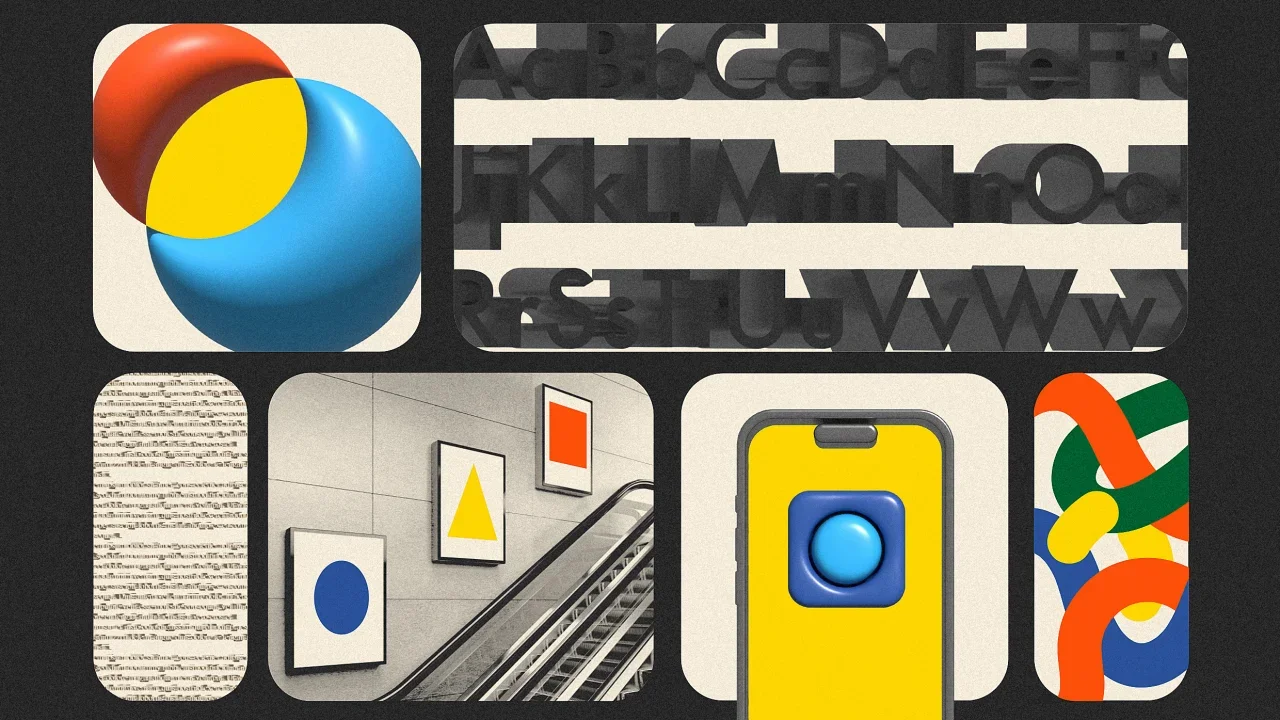
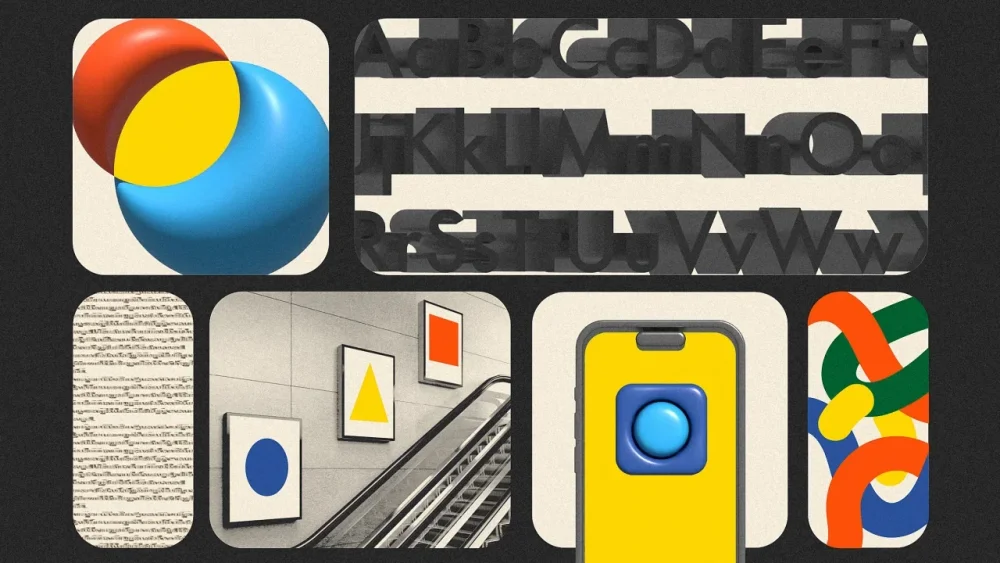
Branding is design. It’s the logos, typefaces, and design systems that bring a company to life. But it’s also strategy. A rebrand can reveal the priorities, motivations, and aspirations of a company if you look beyond the logo. In a recent conversation for FC Live, Fast Company‘s design editors Liz Stinson and Mark Wilson explored the true impact of branding through the lens of some of the biggest branding moments from the past year. If you missed the subscriber-only event, you’re in luck. You can catch the whole conversation in the video above. View the full article
-
Winning over Gen Z employees isn’t about flashy perks or trendy office spaces—it’s about leadership that actually walks the talk. This younger generation of employees has different values than their predecessors. It expects transparency, meaningful work, and a culture that values their contributions. If leaders want to earn their trust and loyalty, they need to rethink traditional management styles and embrace a more authentic, collaborative approach. From recognition and flexibility to open communication, here’s what nine leaders say it takes to lead Gen Z employees in a way that actually resonates. Provide regular recognition I’ve seen how regular recognition can be crucial in building trust and loyalty with Gen Z employees. This generation values being acknowledged for their hard work and contributions, and when leaders show appreciation, it creates a positive work culture. We make it a point to regularly highlight the achievements of our team, whether in team meetings, through internal shout-outs, or personal messages. For example, every quarter during our company meeting, our CEO publicly recognizes a few employees for their outstanding contributions, reinforcing the importance of appreciation at every level. This helps people feel seen and motivates them to keep pushing forward. One approach that has worked really well for us is encouraging employees to regularly give shout-outs to each other for going above and beyond. One such example is via our Thankful Thursdays, where everyone is welcome to give recognition to a peer. This creates a sense of community and helps build trust among employees, as they know their colleagues are supporting and appreciating their efforts. It’s not just about top-down recognition; it’s also about fostering a culture of mutual respect. It helps Gen Z employees feel that their contributions matter, which in turn builds a sense of loyalty to the company. Vivek Vaidya, Cofounder & CTO, Ketch Foster transparency and authenticity Leaders can earn trust and loyalty from Gen Z employees by fostering a culture of transparency and authenticity in communication. Gen Z values honesty regarding decision-making, company direction, and understanding how their contributions fit into the bigger picture. They are not just looking for a paycheck—they want to feel like they’re part of something meaningful, and they want to work for open and genuine leaders. A key approach I’ve found effective is holding regular, informal check-ins that focus on achievements and challenges. During these sessions, I share company updates, discuss ongoing projects, and address any issues the business may face. I also encourage team members to ask questions, provide feedback, and share ideas on overcoming obstacles. This creates a sense of inclusivity, where employees feel their opinions are valued, and trust is built through open dialogue. Transparency extends to leadership decisions. When changes or challenges arise, I make it a point to explain the reasoning behind decisions rather than just delivering the outcome. This helps employees understand the “why” behind actions, turning decisions into shared experiences rather than top-down mandates. As a result, employees feel more engaged and involved, which deepens their trust in leadership. Providing opportunities for Gen Z employees to contribute their insights in these conversations further empowers them to take ownership of their work. When their input can influence the company’s direction, they develop a greater sense of purpose and connection to the organization’s success. For example, I worked with a client who wanted to improve communication with their younger team members. We set up biweekly “listening sessions,” where leadership openly discussed company goals and challenges, and Gen Z employees were invited to provide feedback and suggest solutions. These sessions fostered candid, two-way conversations that made employees feel more informed and involved. They also brought forward valuable insights that helped the company make better decisions. This approach builds trust by showing that leadership values Gen Z employees’ perspectives and treats them as active participants in decision-making. It emphasizes authenticity, open communication, and mutual respect, which are essential for earning loyalty from this generation. When leaders are transparent, inclusive, and willing to listen, they create lasting, meaningful relationships with their teams. April Eldridge, Founder/Principal – Fractional COO & Chief of Staff, April Eldridge Consulting Empower employees from day one From day one, we empower our Gen Z employees to take ownership of their career with our “Green Room,” a structured three-day period where new hires reflect on their past experiences, current skills, and future goals before meeting with leadership to cocreate their development plan. In case you’re wondering about the name Green Room, our brand is all green, and our Operations team loves theater. The Green Room asks new hires to consider their past roles, detailing what they loved, what drove them crazy, and what opportunities/support they wished they had. Instead of corporate onboarding, we encourage honest reflection about new hires’ career trajectory and aspirations. By day three, we discuss real metrics. New hires pitch their own KPIs and qualitative goals (the actual numbers they’ll be measured by) to their supervisors. Letting new employees set their own targets is exactly the kind of trust that makes Gen Z stick around. Promises of growth just don’t cut it when it comes to building trust with your new Gen Z hires; you have to prove to your employees that there is a clear path for advancement in your organization. I’m proud to say that over 50% of our current staff started as entry-level employees or Specialists (our paid internship program). Rather than trying to force Gen Z employees into traditional models, we’ve adapted our work environment to Gen Z’s preferences. We offer true flexibility: our team can work remotely, from our New Orleans HQ, or we’ll cover coworking space costs if they want the social aspects of office life without a full-time commute. Everyone on our team is empowered to choose the workplace environment where they work best, which shows that we trust our Optimists to be able to decide for themselves. Gen Z values transparency, so we have built in opportunities to bring candid dialogue to our Gen Z employees proactively. We’ve formalized the conversation around compensation by discussing it every four months. Flynn Zaiger, CEO, Online Optimism Respect work-life balance Gen Z values flexibility and well-being as much as career growth. Leaders who respect work-life balance and mental health earn their trust. It’s not just about perks—it’s about creating a culture where they feel valued as people, not just employees. One manager I coached introduced “No-Meeting Fridays” to reduce burnout and encourage deep work. A Gen Z employee later shared that this small change helped them feel more productive and less stressed, leading them to stay with the company longer than they had planned. Small, thoughtful shifts like this show genuine care, which builds trust and loyalty. Mauro Nardocci, Marketing and Leadership Expert – The Economist Top 10 ocean Change Maker, Sounding Board Avoid micromanaging One of the most successful ways for leaders to acquire the trust and loyalty of Gen Z employees is to refrain from micromanaging them and instead give them the freedom to make decisions regarding their projects. For instance, a leader could set clear objectives and expectations at the start of the process, then schedule regular check-ins, such as once or twice a week, to provide direction and feedback, instead of constantly monitoring every detail. The flexibility to innovate, problem-solve, and think creatively is something that Gen Z employees place a high value on, and this method gives them the opportunity to do so. An example of this strategy being put into practice in the real world is a technology company that has developed a “results-only work environment” (ROWE) for its employees who are members of Generation Z. Employees were given the authority to control their own time and procedures because managers focused on outcomes rather than specific processes or the number of hours spent. Not only did this increase productivity, but it also built a sense of trust and loyalty among employees, as they felt appreciated and trusted to deliver outcomes in their own unique way. It is possible for leaders to cultivate deeper, more collaborative relationships with Gen Z employees by providing them with the room to flourish while still maintaining open lines of communication. These relationships are the driving force behind both individual and organizational success. Rejoyce Owusu, Vice President of Human Resources, Umatta Consulting Embrace reverse mentoring I’ve seen firsthand how being open to learning from Gen Z employees fosters trust and loyalty. Gen Z thrives in collaborative, mission-driven environments, and they want leaders who respect their perspectives, not just dictate from the top. One key way I’ve built trust is by embracing reverse mentoring, where our younger team members educate leadership on digital trends, AI-driven workflows, and evolving workplace values. For example, when we were refining our approach to donor engagement, a Gen Z employee suggested leveraging short-form video content on TikTok and Instagram Reels. Initially, some senior leaders were skeptical, but after listening and implementing their ideas, we saw a noticeable increase in engagement from younger donors. By showing that we trust and act on their insights, we reinforce that their voices matter. This openness has created a culture where Gen Z employees feel valued, invested in our mission, and more likely to stay long-term. Justin Wheeler, Cofounder & CEO, funraise Follow through on promises The one thing leaders need to do to earn trust and loyalty from Gen Zers is to actually follow through. Gen Z grew up watching corporations make big, flashy promises about work-life balance, diversity, mental health, and flexibility, only to see those promises fall apart the moment things got tough. They’re skeptical, and honestly? They have every reason to be. Leaders who want their trust need to prove, through consistent actions, that their words aren’t just for employer branding. They aren’t looking for perfection though, but they are looking for consistency. They know that no leader or company gets everything right 100% of the time, and that’s not the issue. The issue is when leadership claims to stand for something but fails to show up when it actually matters. They don’t expect every policy to be flawless or every workplace to be utopian, but they do expect their leaders to be honest, accountable, and willing to back up their words with real action. This is where so many companies get it wrong. They roll out polished mission statements about work-life balance, but then glorify employees who burn out working late nights. They preach mental health support, but then guilt employees for taking a sick day. They talk endlessly about diversity and inclusion, but when promotion time comes, the leadership team still looks the same. It’s not the imperfections that cause them to lose trust, it’s the hypocrisy. For Gen Z, consistency means alignment between what a company says and what it actually does. It means if a company promises flexibility, it doesn’t punish employees for using it. If it claims to care about professional growth, the company should provide real opportunities for learning and mentorship, not just vague encouragement. If it commits to inclusivity, it doesn’t just hire diverse talent but actually fosters an environment where those employees have a path to leadership. At the core of this, Gen Zers are looking for leadership they can believe in. They want to work for companies that don’t just talk about values but embed them in their culture, decisions, and daily operations. For me, that’s the real key to earning their trust and loyalty. Be the kind of leader who doesn’t just make promises but follows through, even when it’s inconvenient. They demand authenticity and consistency. And if a leader can provide that, they’ll have a team that’s truly invested in the company’s success. Stephen Greet, CEO & Cofounder, BeamJobs Adopt expertise-driven leadership As an executive leadership coach, I’ve learned that Gen Z’s trust isn’t won through traditional management tactics. Instead, it’s earned through what I call “expertise-driven leadership.” This approach combines authentic coaching with transparent mentorship. I was working with a tech company that was seeing a concerning drop in Gen Z retention. The leaders were well-intentioned, but their approach was not very collaborative. So, we made a shift. We reimagined their leadership style to focus on coaching and mentorship rather than the usual top-down management. And, wow, did it make a huge difference. Gen Z values growth, but not necessarily in climbing a hierarchical ladder. In fact, 72% of them prefer advancing through expertise, not people management. So, we introduced “expertise exchange” sessions. Senior leaders stopped simply giving orders and instead became facilitators. They opened up about their challenges, invited team members to help solve them, and made room for innovative ideas. The results were incredible: engagement shot up, turnover decreased, and trust grew stronger. This change was more than just a leadership shift; it aligned perfectly with Gen Z’s core values. Research shows that companies with a strong coaching culture see a 60% boost in employee engagement. Here’s what I’ve realized: it’s not just about adding coaching; it’s about transforming how we think about leadership altogether. From my experience, the best leaders are the ones who prioritize curiosity over control. They’ve let go of the “I know best” mindset and embraced “collaborative expertise.” While leaders bring experience to the table, they also acknowledge that their Gen Z employees bring fresh, digital-savvy perspectives that can be just as valuable. Let’s not forget: Gen Z has grown up fact-checking everything online. They can spot inauthentic leadership a mile away. That’s why transparency is critical. I’ve seen the difference it makes when leaders admit their mistakes, share challenges openly, and seek input from their teams. It creates a space where psychological safety thrives, and Gen Z feels respected and heard. The truth is, Gen Z wants leaders who act as both coaches and collaborators. They want mentorship that guides their growth but respects their autonomy. When leaders adopt this dual role, they build trust and create an environment where both sides can flourish together. Zabrina Mok, Founder, Strategic EQ Inc. Prioritize authenticity and diversity Leaders can earn trust and loyalty from Gen Z employees by prioritizing authenticity and recognizing diverse communication styles. One effective approach is fostering an environment where individuals feel safe to express themselves while maintaining healthy boundaries. For example, a leader who openly acknowledges their own learning moments—whether about workplace dynamics, social issues, or evolving industry trends—demonstrates vulnerability and growth. This creates space for Gen Z employees to do the same, which encourages collaboration, innovation, and psychological safety. Equally important is rejecting binary thinking. Trust isn’t built through rigid right-or-wrong approaches but through transparency, nuance, and action. Leaders who navigate complexity—holding space for different perspectives while addressing bias—show a real commitment to fairness and continuous improvement. When leadership embraces the full spectrum of identities, experiences, and ideas, Gen Z employees know they don’t have to fit into a predefined mold to belong and thrive. Amanda Ralston, M.Ed., BCBA, LBA, & Founder / CEO, NonBinary Solutions View the full article

-
DEI measures may be under threat, but the reality is many workers want jobs at companies that value diversity. Comparably, a platform for salary data and work culture insights, just released its list of the top 100 large companies for diversity. To compile the list, Comparably asked 30,000 employees of color to weigh in on 16 different categories, including satisfaction with leadership, compensation, and career growth opportunities. The ratings were collected between February 10, 2024 and February 10, 2025. To qualify, large companies had to employ over 500 employees and needed at least 75 employee ratings. (Comparably also published a list of top 25 small-to-midsize companies for diversity.) It’s worth noting that nearly a quarter of the companies on the list have CEOs of color, including Informatica (led by Amit Walia) and Synopsis (led by Sassine Ghazi). While tech company HubSpot is celebrating its eighth year on the list, other tech giants such as Uber and IBM didn’t make this year. Apple and Meta haven’t been on the list since 2020, and Google and Microsoft last made an appearance on the list in 2021. Here are the top 25 large companies for diversity, according to Comparably: Elsevier: New York City, NY RingCentral: Belmont, CA Informatica: Redwood City, CA ADP: Roseland, NJ Calix: San Jose, CA Teleperformance: New York City, NY Esri: Redlands, CA TaskUs: New Braunfels, TX LexisNexis Legal & Professional: New York City, NY Synopsys: Sunnyvale, CA N-able: Burlington, MA Arista Networks: Santa Clara, CA Paycom: Oklahoma City, OK Squarespace: New York City, NY Adobe: San Jose, CA Altametrics: Costa Mesa, CA Baylor Scott & White Health: Dallas, TX DataStax: Santa Clara, CA Elastic: San Francisco, CA HubSpot: Cambridge, MA Boston Consulting Group: Boston, MA Trimble: Westminster, CO Remitly: Seattle, WA Sunrun: San Francisco, CA Workday: Pleasanton, CA View the full article

-
Gina Trapani, founder of the website you're reading right now, popularized a plaintext format for to-do lists way back in 2006 (please excuse any weird formatting on that nearly 20-year-old article). Called Todo.txt, it is used by many people to this day, in part thanks to an ecosystem of applications built around the format. I recently stumbled on Calendar.txt, by author and teacher Tero Karvinen. It's a text document based on a similar philosophy—a stripped down, just-the-basics take on your overloaded calendar app. It's a concept worth considering. We're at least a decade into the "using a separate app for everything" era, and sure, a lot of those apps are pretty great. I've spent years recommending software-based tools for everything from managing tasks to making drinks, and I don't plan to stop anytime soon. But not everyone needs a bespoke app for everything they do. Productivity is personal, and everyone has different needs. I've known several highly technically competent people who still use paper day planners to track their appointments and tasks—a simple notebook is flexible in a way that no app can match. One line of text per dayI view plaintext tools like Calendar.txt in a similar light. This specific tool is about as simple as it gets: It uses one line of text for every day. You can download a pre-made file with lines for dates that stretches through the year 2033, or you can just make your own. Every line starts with the date, followed by the week number, followed by a three-letter week name. The idea is that you write your appointments after that, by simply writing the time, followed by the name of the event. Events are simply added, in order, to the line. So, for example, a line for today, with one appointment/task (me cleaning the house this afternoon) would look like this: 2025-03-06 w10 Thu 14 cleaning the house There are many shortcomings to this approach. There's no built-in tool for reminding you of events, for one thing, and there's no way to invite others to your appointment. But this simple approach might work for you. And, as todo.txt demonstrated two decades ago, there are benefits to using plaintext files. Plaintext is versatile, can be opened on any device, and your files won't disappear because some software company decides it wanted to change its priorities. If you're familiar with the command line, you can use existing tools in all kinds of interesting ways. For example, the calendar.txt documentation shows how you can use grep, a tool for searching text documents, to pull up today's appointments: grep 2025-03-06 calendar.txt You could use the same command to search for events by the day. Credit: Justin Pot Again, this approach won't seem useful to everyone—especially if you never open the command prompt—but not every tool needs to be for every user. Only you can decide which tools work best for you. View the full article
-
In a world without US security guarantees, all other priorities must give way to defenceView the full article
-
The question came innocently enough: What do you want to be when you grow up? Lindsay’s daughter, after a brief pause, looked up and confidently replied, “I want to be a client.” The simplicity of the answer hid the complexity of what she had observed: The clients always seemed to get the very best version of her mother. In her daughter’s young mind, being a client meant holding a special place—one that commands focus, care, and an unwavering commitment. As two mothers navigating full-time legal careers, that moment was not lost on either of us. It reveals a truth that is often glossed over in the narratives about working women, especially those of us balancing professional intensity with parenting. Beneath the thin veneer of “having it all,” we know all too well the quiet sacrifices and compromises that characterize our balancing act. The spotlight may be on our professional accomplishments, but in the shadows our children wait patiently for our attention, often competing with the demands of a profession that do not easily relent. The Weight of Expectation Too often the complexities of ambition, motherhood, and professional duty are distilled into stereotypes that seek to diminish rather than dignify. It’s a familiar story—the notion that a woman with power and responsibility must inevitably be lacking elsewhere. Or that her identity as a mother or partner is somehow contrary to her professional persona. These narratives, however veiled, carry weight. But let’s say what that really means. It means that the diligence and tenacity we bring to our careers and our clients are identical to the dedication we offer to our families. It means that the long hours spent advocating for clients are juxtaposed with the quiet moments at home, where the stakes are equally high, even if measured in hugs rather than verdicts. It means that, despite the portrayal of women in leadership as one-dimensional, we are more. We are multifaceted, resilient, and deeply invested in both our professions and our roles as mothers. Living with the Tension The path of a working mother demands a constant recalibration of priorities where both career and family vie for equal attention and each carries its own form of guilt. The notion of “balance” is a fallacy. At least that’s what we’ve learned from years of trying to juggle our careers and motherhood. Instead, it’s a constant series of trade-offs and compromises leading us to understand that each day is unique. There’s no neat division between “work” and “life” anymore. Mornings usually start early, working before the rest of the house wakes up. We often work with one eye on the clock, calculating the minutes until we sprint from the office to catch a school or sport event. Or days when there’s a sick child and no available caregiver, the idea of balance seems laughable. This has forced us to rethink how we define success—not by perfection but by flexibility and resilience. It’s about being okay with the days that feel like controlled chaos and accepting that sometimes one part of life will have to be put on pause for the other. When our daughters see us in action—they don’t just witness the power, grace, and poise required of our profession; they see the weight of that responsibility and the effort and dedication it takes to give both our clients and our children the best of us. The Lessons We Teach As children we dreamed of becoming lawyers, mothers, or both, imagining these roles as ultimate markers of success and happiness. Our daughters, however, have grown up watching us navigate the realities of those choices and their dreams for us are different. If a child believes happiness comes from being in a position where others give their full attention, then maybe that’s a mirror to our own internal narratives—the idea that to be happy we must be fully attended to, in control, or on the receiving end of care. But our journey has taught us that happiness, real happiness, isn’t about being a client. It’s not about receiving—it’s about the pursuit itself, the constant striving to give our best to both our careers and our children. So while our daughters might want to be “clients” today, we hope they understand, over time, that true fulfillment comes not from being at the center of attention, but from living and thriving with the tension. View the full article

-
Where there is a will (to boost military capabilities), there is a wayView the full article
-
Fila is looking to Hailey Bieber to help its struggling brand. The South Korea-based sports apparel company is today launching a 13-piece spring/summer 2025 collection made in collaboration with Bieber, who is the founder of Rhode beauty. The pieces, which include a baby tee, sweatpants, and an oversized pullover, are designed to be “wardrobe staples,” according to the company, and are now available on FILA’s website and select Urban Outfitters stores. It’s clear the Hailey Bieber x FILA Collection is geared toward athleisure rather than performance activewear based on the campaign photography, which in one photo shows Bieber spilling an iced coffee. [Photo: Fila] Fila’s North American division said last year it would downsize in the U.S., and in January it laid off 130 employees at its headquarters and warehouse in Towson, Maryland. The rise of activewear accelerated by the pandemic has been great business for athletic apparel brands like Lululemon and Alo Yoga, which catered to spendy customers with clothes for everyday wear. Fila, however, failed to make similar gains. Last year, the brand partnered with Bieber for a retro-inspired collection also designed for everyday wear. This Bieber collaboration is another push to capture share of the growing female athleisure market. The collaboration follows a marketing strategy that’s becoming more common among athletic brands looking to expand their consumer base: securing celebrity rather than performance athlete brand ambassadors. Nike took this approach most recently when it partnered with Kim Kardashian’s shapewear brand Skims on a new women’s brand called NikeSkims. (Of course, Skims also has the appeal of a $4 billion valuation.) While Fila is better known for its partnerships with athletes and tennis players, including a sponsorship announced earlier this year with New Zealand’s Lulu Sun, just like the NikeSkims deal, teaming up with Bieber gives the brand access to a celebrity who sells a lifestyle, rather than an athlete who sells performance. [Photo: Fila] “If I wouldn’t wear it, I wouldn’t put it out into the world,” Bieber says in a promotional video for the collection. Considering the popularity of tenniscore fashion last summer and fall, the Hailey Bieber x FILA Collection is well timed. The collection also includes a lightweight twill pleated skirt and oversized knit sweater meant as a modern take on a tennis classic. For Fila, the Bieber collaboration is about more than just selling clothes, it’s about defining the brand’s place in an athleisure market dominated by competitors who already cemented their place in it. By tapping a celebrity and model, the sports apparel brand could better appeal to consumers more interested in aesthetic and versatility than athletic performance. View the full article

-
Murray Auchincloss’s share awards drop sharply to £2.75mn, compared with £4.36mn in 2023View the full article
-
The L.A.-based fashion brand Lisa Says Gah just teamed up with Polly Pocket for a new limited-edition collection, and it appears to be a sign that Mattel is already gunning to recapture the marketing magic of the Barbie movie. Polly Pocket Says Gah! is an assortment of cardigans, baby tees, accessories, and PVC slingback kitten heels, all rendered in a pastel palette and topped with playful details like ruffled edges and quilted stitching. Prices range from $50 to $198. It debuts today exclusively on the Lisa Says Gah website. [Photo: Lisa Says Gah] A Polly Pocket film has been in the works with MGM since 2021, but it faced a bump in the road last July when Lena Dunham, who was going to write and direct the movie, ultimately dropped out of the project. Communications on the status of the Polly Pocket film have been quiet since then—but the movie is still in the development, Mattel confirmed to Fast Company. The studio has yet to share a release date. On the design side, the collaboration merges an ongoing interest in coquette aesthetics and Y2K nostalgia. But more broadly, it’s also harbinger that Mattel’s next blockbuster marketing campaign is launching sooner than we thought. [Photo: Lisa Says Gah] Coquette core meets ’90s nostalgia The seed for Polly Pocket Says Gah! was first planted when Mattel reached out to the fashion brand with an Instagram DM. Lisa Says Gah founder Lisa Bühler felt the partnership would be a natural fit. “Growing up in the ’90s, Polly Pocket was such a core memory—playing with those tiny outfits, mixing and matching looks—it was all about creativity and self-expression,” says Bühler. “LSG has always had Polly Pocket undertones in our playful cuts, graphic tees, and vibrant energy.” [Photo: Lisa Says Gah] The limited collection represents an evolution of the coquette core trend that emerged last winter: An aesthetic that fully embraces feminine touches like bows, ribbons, and lace. For the past year or so, this look has come to encompass a cultural movement online toward accepting the trappings of “girlhood” (e.g., “girl dinner” and “girl math”) that some women say they previously felt compelled to repress. Coquette core has enjoyed a longer-than-usual trend cycle thanks to the influence of rising stars like Sabrina Carpenter, whose Brigitte Bardot-esque look highlights soft, flirty touches and light pastels. According to Pinterest, the trend is expected to continue into 2025: per the site’s Pinterest Predicts 2025 report, searches for both “ultra-feminine,” rococo-inspired looks and “doll-like” makeup are on the rise. [Photo: Lisa Says Gah] It makes sense that the Polly Pocket Says Gah! collab would incorporate nods to coquette fashion (like heart-shaped jacket pockets and tiny ribbon bows on handbags) given that Polly Pocket was created as a line of miniature doll toys for young girls. The collection adds its own spin to the trend, though, by fusing its whimsical details with recognizable ’90s Polly Pocket IP as a nod to grown-up fans—building on a current Y2K resurgence that’s popped up everywhere from the cereal aisle to music and tech. [Photo: Lisa Says Gah] Lisa Says Gah’s life-size Polly Pockets Instead of incorporating the Polly Pocket brand’s current logo, the Lisa Says Gah collection uses the brand’s original logo, which ran from 1989 to 1998. It also takes clear inspiration from the packaging of vintage Polly Pocket toys, which recently began selling for upward of $1,000 due to a burgeoning market of collectors. In fact, one of Polly Pocket Says Gah’s signature prints is made up of various Polly Pocket compacts, a must-have portable toy in the ’90s that was meant to mimic real makeup packaging but contained a whole tiny dollhouse. “This was a true collaboration,” Bühler says, noting that Mattel provided her team with ’90s Polly Pocket images and prints from its archives for inspiration. “Our goal was to bring Polly Pocket’s tiny, magical world to life in a way that feels fresh, wearable, and true to LSG and its community.” That comes through in the apparel. Each detail of the new collection seems crafted to allow ’90s babies to dress like life-size Polly Pocket dolls. [Photo: Lisa Says Gah] The first sign of a ‘Polly Pocket’ movie Long before the Barbie movie debuted in theaters on July 21, 2023, the world had already been introduced to more than 100 Barbie-based brand tie-ins, including a signature XBox console, a line of Ruggable rugs, a Hot Wheels car, and a collection at Gap. Mattel and Universal’s wide-reaching marketing effort made the Barbie brand virtually unavoidable (and forced Fast Company to issue a moratorium on any new Barbie collabs.) It was such a smash hit that it arguably changed the way that major movie studios approach adapting recognizable IP, as in the case of 2024’s Wicked, which similarly engaged in a months-long brand collab blitz. Now it looks like Mattel is gearing up for an even more drawn-out movie marketing play. Alongside the Lisa Says Gah collab, Polly Pocket has also recently debuted collaborations with The Office, Cotton On, and Funko (the latter two also use the brand’s ’90s logo.) For now, it’s unclear whether there is a Polly Pocket summer on the horizon—but if there is, we can be sure to expect plenty more collaborations to come. View the full article

-
In a small section of Los Angeles’s Elysian Park, which spans the amount of land a single sprinkler head can water, a native plant experiment is underway that could change city parks for the better. It’s called Test Plot. Combining native plant species, volunteer gardeners, and a not insignificant amount of weeding, the experiment is trying to find a new way for urban parks to counter ecological degradation and improve climate resilience. The project launched in 2019 and is now underway in parks across California, and the approach is showing that with the right plants and the right amount of effort, parks can be brought back into sync with the natural tendencies of their environments. [Photo: Terremoto] An experiment to spur native, fire-resistant plant growth The idea came from the landscape architecture firm Terremoto, which formerly had an office just a few blocks from Elysian Park. “We saw that it was in need of some help,” says Jenny Jones, a landscape architect at Terremoto. Sections of the roughly 600-acre park were totally overrun by non-native species that crowd out more drought-tolerant, biodiverse, and fire-resilient species. The city’s overstretched parks department had been managing these issues through annual brush clearance, but the non-natives would always grow back, along with the risks they posed. “It clears for fire, but it also mows down every single native species in its path,” Jones says. “We wanted to just challenge the regime of maintenance that we were seeing in the park.” [Photo: Terremoto] In conjunction with a longstanding community group associated with the park, Terremoto approached the city about using the firm’s landscape architecture skills to try a different approach. They asked if they could run a small experiment, planting native plants and doing some active, volunteer-based gardening. The city agreed, with the stipulation that the project be temporary. [Photo: Terremoto] A way forward for more sustainable parks So in the fall of 2019 Terremoto hooked a hose to a water bib in the park, attached a sprinkler head, and started preparing a plot of land for a new kind of park planting. After a few rounds of watering and weeding, they planted dozens of one-gallon pots of native plants. Then, through regular maintenance and weeding sessions attended by a dedicated group of volunteers and enthusiasts, they simply helped the native plants thrive and stopped the non-native plants from moving back in. “We look to ecological restoration as a guide, but it’s not strict,” says Jones. “We lie somewhere between gardening and restoration.” Within three years the native plants fully established themselves, and no longer required watering, nor much weeding. This one plot, just 30 feet in diameter, proved that the park could be restored to a more sustainable and ecologically balanced state. [Photo: Terremoto] A 30-foot circle in a 600-acre park might seem like a drop in the bucket, but the idea has caught on. Terremoto expanded its Test Plot approach to other parts of Elysian Park and other parks across L.A. There are now about 15 Test Plots, including four or five that have fully established plants. By identifying degraded landscapes within parks, engaging with local groups already connected with those parks, and then asking city officials if they could temporarily intervene by adding native plants to those parks, they’ve been able to rethink planting and maintenance approaches at a larger scale. “There’s a little bit of figuring out how to pierce the bureaucracy and how to get around the otherwise really strict rules about engaging in that kind of work in public spaces,” Jones says. But in the urban context, parks departments often have to deprioritize planting and maintenance in the face of the social issues they also experience, like vandalism, drug abuse, unhoused individuals, and compromised public safety. A volunteer project like Test Plot is a welcome intervention. “[Parks departments] simply don’t have the budget to do what it takes to actually take care of a complicated urban park that faces intense urban problems,” Jones says. [Photo: Terremoto] Test pilot’s appeal for time (and budget)-strapped cities Test Plot is an appealing concept for parks who face such both budget challenges and the relentlessness of invasive species, and many across the state of California have allowed these interventions. Beyond half a dozen parks in L.A., Test Plots are adding native plants to parks in San Francisco, Berkeley, Daly City, Puente Hills, and Catalina Island. Interest in the approach has grown so much that it’s been formally spun off into a non-profit organization by the same name. Jones says the organization has received interest from parks groups across the country, including in Minnesota and Rhode Island. They are also being hired as consultants for new park projects, including a redesign of the Los Angeles River Center and Gardens that will feature an ethnobotanical garden created by the Test Plot organization. Jones says that a central element of all these Test Plots is community involvement. Volunteers are the backbone of the effort, and their ongoing engagement with the planting and weeding that Test Plot involves becomes a kind of reinforcement for the park’s vitality. “We have people come and they form a bond with their park in a way that they didn’t before,” Jones says. “A lot of people love their parks because they take their dogs on walks, it’s where they run, it’s where they walk with their friends. But there’s a whole new layer of bonding when your hands are in the soil and you are taking care of the land yourself.” View the full article

-
Kendrick Lamar. Drake. Lady Gaga. The charts of music streaming services pretty much all look the same these days, with familiar names dominating the top spots—except on up-and-coming Spotify competitor Audiomack. The current No. 1 album on Audiomack belongs to Nigeria’s Seyi Vibez, whose hypnotic Afrobeats tracks have amassed around 1.8 billion plays on the platform. Vibez is one of many African and Caribbean artists who have found breakout success on the platform. Many of them consistently draw larger audiences on Audiomack than on Spotify or Apple Music, largely due to the platform’s strong presence in local markets. “We are the most-used streaming service in a large swath of Africa,” says Audiomack cofounder Brian Zisook. “We’re No. 1 on iOS and Android in Nigeria and Ghana.” The company boasts 58 billion-plus songs streamed in Nigeria alone. Half of Audiomack’s audience of 40 million monthly listeners comes from the continent. Audiomack’s rise in West Africa was initially unintentional, but it has since become a case study in the potential of emerging markets and how smaller music platforms can thrive alongside industry giants like Spotify and Apple Music. From a mixtape hub to an Afrobeats force When Zisook and Dave Macli founded Audiomack in New York in 2012, they just wanted to make it easier for local hip-hop DJs to distribute their mixtapes. At the time, many DJs relied on questionable file-sharing sites, creating a poor experience for fans. “Those websites were strewn with pop-up [ads] and malware,” Zisook recalls. “If you downloaded a mixtape, you had to worry that you were going to crash your family computer.” Audiomack grew steadily in Western markets, but never really broke through against its much bigger competitors. All that changed seemingly overnight in 2019 when West African musicians and their fans began flocking to the service en masse. “We just took off,” Zisook says. “The growth was a hockey stick.” To adapt, Macli and Zisook hired a local team in Nigeria, gaining valuable insights into their new market. “The mistake that so many in the industry made was to view Africa as a monolith,” Zisook says. “If you are in Tanzania or Liberia, nothing is going to offend you more than only being served Nigerian, Ghanaian, or South African songs.” Betting on Africa as a growth market for music streaming is savvy, believes MIDiA Research senior music industry analyst Tatiana Cirisano. “As Western markets reach saturation, most future streaming growth will come from Global South regions, of which Africa is an important part,” she argues. “It was smart for Audiomack to position itself as a key player here.” Betting on Africa’s music boom Cirisano cautions, however, that business models that work in the West may not easily translate to emerging markets. “African countries have a lower average revenue per user than countries like the U.S. and U.K.,” she says. “Even though Africa’s impact on global music culture and consumption continues to grow, its impact on global music revenue is not matching that growth.” “It’s very difficult to monetize music in Africa,” acknowledges Zisook. “You have a young audience that has limited or no disposable income, and a lack of access to credit and debit cards. They pay for things online using gift cards. So there’s no opportunity for consistent subscriptions. There’s a lot of churn. They have hard capped data plans, and they have unreliable or no Wi-Fi.” Audiomack responded to this by striking bundling deals with local cellphone carriers. The company also integrated alternative revenue streams for musicians: Fans can become direct financial supporters of their favorite artists on the platform, and in exchange get badges and bragging rights. It’s a clever way for Audiomack to differentiate itself from the competition, Cirisano contends, noting, “The traditional streaming business doesn’t monetize fandom, or depth of engagement—it monetizes pure consumption.” Thriving alongside giants like Spotify Scaling a business works for streaming giants like Spotify, which recently reported its first full year of profitability. But it has been much more challenging for second-tier services like Tidal, which reportedly laid off 100 staffers last fall. Audiomack could provide a blueprint for these smaller services to compete with, and prosper alongside the big guys. In addition to further growing its user base in Africa, Audiomack also courts expats across Western markets. “A lot of our growth in Canada, U.K., Germany, and France is diasporic,” Zisook says. “Ghanaians in Germany, Nigerians in France.” At the same time, the company is striking licensing agreements with major labels to gain access to more of their catalogs. This attracts Western listeners familiar with hip-hop while introducing them to Seyi Vibez and other Afrobeats stars. That way, Audiomack can become a complementary service for Western audiences looking to dive deeper into different music genres. “The same folks who listen to Spotify at work might use Audiomack later in the day to more actively discover music, express their fandom, and access a catalog that is not available on mainstream streaming services,” Cirisano says. View the full article

-
Teenage YouTube users across the world will now get automatic reminders to go to bed and take a break from their screens. YouTube announced this week it was expanding such reminders to minors across the globe, ensuring they are full-screen and toggled-on by default. The feature first debuted in the U.S. seven years ago, and went automatic for minors in 2023. So-called “bedtime” notifications have grown in popularity, buoyed in large part by YouTube and TikTok. But it’s unclear how effective the notifications are in the first place. After all, YouTube users only have to click to close out the banner; on TikTok, it’s even easier to keep swiping past the text. “It will be effective for a small proportion of people, but the onus is still on the user to turn it off,” says Jon-Patrick Allem, a professor of social and behavioral sciences at Rutgers School of Public Health. “These are all cosmetic things that may work for some people, but aren’t really going to shift user behavior.” The rise of ‘stop scrolling’ signs YouTube first introduced their overuse warnings back in 2018. At first, it was a simple opt-in “take a break” notification. By 2020, YouTube revealed that they’d sent more than three billion warnings, and added a “bedtime reminder” to their suite. This is the same year that TikTok also premiered their screentime management ads, headed by popular creators like Alan Chikin Chow and Gabe Erwin. A few years later, parents amplified concerns about their children’s social media usage. More and more data flooded the web about a teen mental health crisis, with an uptick in depression and anxiety. YouTube responded in 2023 by making their “take a break” and “bedtime” reminders more prominent on the screen, and making them mandatory for all American users under 18. TikTok debuted their own “sleep reminder” and silenced push notifications for users under 18 after 10 p.m. Now, YouTube’s changes are global. In a LinkedIn post, Pedro Pina, YouTube’s head of Europe, Middle East and Africa, wrote that the program ensures teens’ “time on the platform is well spent.” (YouTube did not respond to a request for comment.) But these reminders are still just suggestions: Rutgers’s Allem says that users see them as “recommendations for best options,” advice that they’re unlikely to take. “There is no consequence if an individual acts or doesn’t act on this prompt,” he says. “It would probably be just as easy as moving on from the post like anything else you weren’t interested in. The one second that you take determining this isn’t interesting so you keep scrolling, would that really be impactful?” What does it take for us to actually log off? Beyond some limited content moderation, these warnings are the furthest major social media companies have gone to protect teens from addiction and overuse. But, in the wake of Jonathan Haidt’s The Anxious Generation and 2024’s great upheaval around internet mental health, every pundit has their own ideas for further steps. The Surgeon General recommended cigarette-style warning labels; the State of New York demanded companies tamp down on their recommendation algorithms for minors. Allem rattles off a list of changes that would be more effective at stopping social media overuse. They could mandate lock-outs for minors during nighttime hours. They could force users to pay for increased hours using their apps. Or, the apps could be redesigned all together. “There’s no natural stopping point for platforms designed with infinite scroll online,” Allem says. “We could consider default settings that were programmed to limit use, rather than allowing for unlimited use.” But none of these changers are likely to happen anytime soon. “All of this can be done quite easily,” Allem says. “It isn’t done because it will tap into and reduce growth and profit.” View the full article

-
Union Home Mortgage claims eight of its managers and an LO transitioned to American Pacific Mortgage, breaching a number of agreements. View the full article

-
As a child, Sunita Sah says she learned to be “good.” Growing up in the U.K. in the 1980s as the daughter of Indian immigrants, she was praised for being obedient and studious at home and at school. But she also experienced racial slurs and hostile stares. Sah lived in a place that didn’t always welcome differences—and her family was different. Sah had long considered her mother to be a compliant person. Quiet and deferential, her mom was the model of goodness. But one day that changed. When Sah was 7 years old, she and her mother were accosted in an alley by teenage boys, who shouted at them to “Go back home.” They were alone, vulnerable, and outnumbered. That’s when Sah’s mother did something surprising. Rather than shrink under their threats, she stood up straight and confronted them. “You think you’re clever?” she said to the boys. “You think you’re so strong. Big, tough boys, right?” Then it was the boys’ turn to shrink. They took off, and Sah and her mother continued on. Sah would come to realize that “defiance isn’t a personality trait,” she says. “We can choose.” Sah, a physician, psychologist, and professor at Cornell University’s SC Johnson School of Business, has spent much of her career studying decision-making, including how and when we choose to defy. “Defiance is not reducible to strength or weakness, courage or cowardice. It is not solely for the brave, the strong, or the extraordinary,” she writes in her new book, Defy: The Power of No in a World That Demands Yes. “We all have the capacity to be defiant.” WHY DEFIANCE IS SO DIFFICULT Defiance—the decision to act according to your own values when you’re pressured to do otherwise—may be a matter of choice, but it’s certainly not an easy one. Many people find themselves wanting to stand up for what they believe is right, but unable to access that defiance. Nearly all of us have been rewarded for compliant behavior, over and over again. We get good grades in school if we study; we get positive performance reviews at work if we support the company’s goals. Compliance is so conditioned, that for many it’s an automatic response. So when it’s time to defy and act according to our own principles, it feels unnatural. Compliance can be a good thing, but there is a dangerous side, too, Sah says. We learn quickly that we can keep earning promotions if we go along with shady business practices, or avoid retribution if we look the other way when we see a colleague being harassed. 1. WE DON’T KNOW HOW TO DEFY Even if we want to side with our own values over external pressure, we don’t always know how. If you see a colleague misleading a client, whom do you tell, and what do you say? Will it be enough to gently nudge someone to investigate the problem, or should you confront the person yourself? If we’re accustomed to complying, it’s hard to picture what defiance looks like. 2. WE WORRY ABOUT INSULTING OTHERS Another barrier is what Sah calls “insinuation anxiety,” or the fear that we may appear to insult or undermine someone if we question their decisions or behavior. Rather than speaking up, we say nothing to avoid looking insulting or insubordinate. 3. THE COST OF DEFIANCE IS SOMETIMES TOO GREAT For some, the cost of defiance is too risky. Speaking up at work can cost you your paycheck and your healthcare. We’ve seen corporate whistleblowers fired, dragged through court, and blacklisted in their industries. When the risk of defying is too great, we sometimes have to defer our defiance to another day when the costs are manageable. LEARNING HOW TO DEFY Defiance is a choice, Sah writes in her new book. Defiance is also a process. Two decades of research have shown Sah that “defiance and compliance are not binary, but rather exist on a spectrum . . . encompassing a gradation of understanding, questioning, and action.” She believes her mother had likely encountered those boys several times, perhaps defying them in small ways before putting her foot down. The difference between someone who does defy and someone who doesn’t is preparation, she explains. Surprise can force us into compliance. Defiance can be practiced in small ways. You can envision yourself in the situation and practice saying aloud what you hope you will be able to say in the moment. “The first time we speak up, we might stumble, but with repetition our voice grows more confident,” she says. Practice is good because the best time to decide whether to defy or comply is not in the heat of the moment, Sah writes. Pausing can give you time to calculate the risks of defiance and form a plan to respond. Remember: You don’t have to defy every time. If you’re caught off guard and are unable to respond as you’d like to, prepare yourself for the next opportunity. Most acts of defiance are not historic moments, nor are they necessarily memorable ones. But those small moments of defiance can help us build the muscle we need when it matters most. “The forces that lead to compliance are more complex than they might appear, but they are not insurmountable,” Sah writes. “We may not always know how to defy. But we can learn.” View the full article

-
The first thing anyone will notice about the new electric pickup from Telo Trucks is its compact form. Snubnosed and sporty, the five-seater has a bed the size of a typical pickup but an overall footprint the size of a Mini Cooper. When it goes into production next year, it will offer a radical counterpoint to the gargantuan trucks that dominate the U.S. automobile market. Today, Telo is unveiling the first drivable preproduction model of its new truck, the MT1, and Fast Company has an exclusive look at the innovations inside the truck that make its seemingly impossible size possible. [Image: Telo]The key to the Telo truck’s interior design efficiency is its focus on what’s known in the automotive world as the H point—the location of a driver’s hip inside the vehicle—which becomes the main parameter that determines the size of a car’s interior. Telo aimed to get about the same volumetric interior space as a crew cab Toyota Tacoma, the top-selling midsize pickup in the U.S. “A lot of the special sauce as to how we get five people and a 5-foot bed into the footprint of a two-door Mini Cooper is packaging, and people are the most important part,” says Jason Marks, Telo cofounder and CEO. From left: An MT1 compared with a Tacoma; a Mini Cooper [Image: Telo]Telo’s focus on the H-point ended up shaping the entire truck, inside and outside. “We knew we had the right amount of space that people were used to having. And then what the designers did within that space was they had a lot of free reign,” says Forrest North, Telo cofounder and CFO. That led to an exterior design with a short, frunkless nose, and a truck bed that can expand inward into the truck’s cab with an innovative folding midgate. That makes it big enough to haul a sheet of 4-by-8-foot plywood, giving the truck both utility and a compact size for urban settings. [Image: Telo]The interior design of Telo’s cabin space manages to compete with other trucks by repositioning how passengers sit. The driver and passenger seats were designed with an uncommon pedestal base that puts them higher up from the base of the floor. This height, and the lack of the typical twin mounting rails that sit on the floor beneath most front seats, creates more space underneath for the feet and legs of passengers in the back seat. “The way that we built the front seats, it’s almost like they’re hovering in the air,” Marks says. “The angle of your thighs moves down, your back angle wants to be slightly more upright, and so it lets you actually occupy less horizontal room, even though you occupy more vertical room.” [Image: Telo]Ditching the frunk in favor of a larger truck bed and shorter overall vehicle length meant that these front seats are positioned very close to the front of the truck. North equates it to the experience he had driving his first car, a 1975 Volkswagen bus. “One of the great things about that is you know exactly where the front of the vehicle is. Parking and moving around in urban areas is much easier,” he says. [Image: Telo]But to carve every cubic inch of waste out of the interior, the design had to account for the necessary safety features that exist in passenger vehicles, including crash structures, crumple zones, and a firewall. Having the front seats up on a pedestal cleared room beneath them for feet to swing in and out of the vehicle, which allowed those front end safety structures to sit closer to the people inside. “That had to be designed in a very surface contoured, three-dimensional way that optimized for both how you enter and exit the vehicle and how the vehicle performs,” Marks says. “So that was a big part of how we do what we do in our vehicle.” [Image: Telo]Industrial designer Yves Behar’s company Fuseproject led the truck’s design. (Behar is also an equity partner in Telo and serves as its chief creative officer and cofounder.) He says this pedestal seating approach is rare in car design, but has opened more space within the vehicle for human-centric design. “It’s a funny feature to talk about because it’s like talking about the underside of a chair. Nobody ever sees the underside of a chair, but that’s really what this design is about,” Behar says. “It’s about designing the things people can’t see to deliver more comfort, more ergonomics, and more spaciousness in what I would say is an extremely small vehicle overall.” [Image: Telo]Other space-efficient design elements are scattered throughout the cabin, from its two compact glove boxes to a smaller-than-usual center console bin to cupholders that slide out of view when not in use to a specific place to store sunglasses. “It’s actually a lot of storage but that feels more dedicated rather than just a big bin that you put all your random stuff in,” Behar says. Because it’s an electric vehicle, the Telo truck’s battery was also a big design parameter that shaped its interior design. North, who previously built the battery for the Tesla Roadster, says making the battery as thin as possible helped create more space inside the vehicle without compromising aerodynamics and range. “You want to reduce any millimeter you can from your from your roofline,” he says. For Telo, size is everything. But in contrast to most trucks out on the market today, bigger is not better, according to Behar. “What I think pickup trucks have really embraced in the past 20-plus year is this notion of massiveness and masculinity and silly bigness,” he says. “That has essentially turned pickup trucks into dangerous and less utilitarian vehicles.” View the full article

-
In the second season of Severance, there’s an unexpected character: a child supervisor named Miss Huang, who matter-of-factly explains she’s a child “because of when I was born.” Miss Huang’s deadpan response is more than just a clever quip. Like so much in the Apple TV+ series, which has broken viewership records for the streaming service, I think it reveals a devastating truth about the role of work in the 21st century. As a scholar of childhood studies, I also see historical echoes: What constitutes a “child”—and whether one gets to claim childhood at all—has always depended on when and where a person is born. An age of innocence? Americans are deeply invested in the idea of childhood as a time of innocence, with kids protected by doting adults from the harsh realities of work and making ends meet. However, French historian Philippe Ariès famously argued that childhood, as many understand it today, simply did not exist in the past. Using medieval art as one resource, Ariès pointed out that children were often portrayed as miniature adults, without special attributes, such as plump features or silly behaviors, that might mark them as fundamentally different from their older counterparts. Looking at baptism records, Ariès also discovered that many parents gave siblings the same name, and he explained this phenomenon by suggesting that devastatingly high child mortality rates prevented parents from investing the sort of love and affection in their children that’s now considered a core component of parenthood. While historians have debated many of Ariès’s specific claims, his central insight remains powerful: Our modern understanding of childhood as a distinct life stage characterized by play, protection, and freedom from adult responsibilities is a relatively recent historical development. Ariès argued that children didn’t emerge as a focus of unconditional love until the 17th century. Kids at work The belief that a child deserves a life free from the stress of the workplace came along still later. After all, if Miss Huang had been born in the 19th century, few people would question her presence in the workplace. The Industrial Revolution yielded accounts of children working 16-hour days and accorded no special protection because of their tender age and emotional vulnerability. Well into the 20th century, children younger than Miss Huang routinely worked in factories, mines, and other dangerous environments. To today’s viewers of Severance, the presence of a child supervisor in the sterile, oppressive workplace of the show’s fictional Lumon Industries feels jarring precisely because it violates the deeply held belief that children are occupants of a separate sphere, their innocence shielding them from the dog-eat-dog environs of competitive workplaces. Childhood under threat As a child worker, Miss Huang might seem like an uncanny ghost of a bygone era of childhood. But I think she’s closer to a prophet: Her role as child-boss warns viewers about what a work-obsessed future holds. Today, the ideal childhood—access to play, care, and a meaningful education—is increasingly under threat. As politicians and policymakers insist that children are the future, many of them refuse to support the intensive caregiving required to transform newborns into functioning adults. As philosopher Nancy Fraser has argued, capitalism relies on someone doing that work, while assigning it little to no monetized value. Child-rearing in the 21st century exists within a troubling paradox: Mothers provide unpaid childcare for their own children, while those who professionally care for others’ children—predominantly women of color and immigrants—receive meager compensation for this essential work. In other words, economic elites and the politicians they support say they want to cultivate future workers. But they don’t want to fund the messy, inefficient, time-consuming process that raising modern children requires. The show’s name comes from a “severance” procedure that workers undergo to separate their work memories from their personal ones. It offers a darkly comic version of work-life balance, with Lumon office workers able to completely disconnect their work selves from their personalities off the clock. Each is distinct: A character’s “innie” is the person they are at the job, and their “outtie” is who they are at home. I see this as an apt metaphor for how market capitalism seeks to separate the slow, patient work required to raise children and care for other loved ones from the cold-eyed pursuit of economic efficiency. Parents are expected to work as if they don’t have children and raise children as if they don’t work. The result is a system that makes traditional notions of childhood—with its unwieldy dependencies, its inefficient play, and its demands for attention and care—increasingly untenable. Capitalism’s ideal child Plummeting global fertility rates around the world speak to this crisis in childcare, with the U.S., Europe, South Korea, and China falling well below the birth rate required to replace the existing population. Even as Elon Musk frets about women choosing not to have children, he seems eager to restrict any government aid that would provide the time or resources that raising children requires. Accessible healthcare; affordable, healthy food; and stable housing are out of the reach of many. The current administration’s quest for what it calls “government efficiency” is poised to shred safety net programs that help millions of low-income children. In the midst of this dilemma, Miss Huang offers a surreal solution to the problems children pose in 2025. She is, in many ways, capitalism’s ideal child. Already a productive worker as a tween, she requires no parent’s time, no teacher’s patience, and no community’s resources. Like other workers and executives at Lumon, she seems to have shed the inefficient entanglements of family, love, and play. In this light, Miss Huang’s clever insistence that she is a child “because of when I was born” is darkly prophetic. In a world where every moment must be productive, where caregiving is systematically devalued, and where human relationships are subordinated to market logic, Miss Huang represents a future where childhood survives only as a date on a birth certificate. All the other attributes are economically impractical. Viewers don’t yet know if she’s severed. But at least from the perspective of the other workers in the show, Miss Huang works ceaselessly and, in doing so, proves that she is no child at all. Or rather, she is the only kind of child that America’s economic system allows to thrive. Anna Mae Duane is a professor of English at the University of Connecticut. This article is republished from The Conversation under a Creative Commons license. Read the original article. View the full article

-
Treasury select committee finds high-street bank tops list for number of systems failures since January 2023View the full article
-
Surge in demand for premium leisure will help airline group boost profits, says chief executive Ben SmithView the full article
-
One of the world’s most complex financial conglomerates is attracting scrutiny for circular flows of cash involving its global property portfolioView the full article
-
Europe’s largest economy could return to pre-pandemic growth trend View the full article
-
The public water utility cannot avoid a debt refinancing, despite the horrifying expense View the full article
-
AI data centre provider hit by blow from biggest customer ahead of the biggest tech listing this yearView the full article