Newsletter
Want to keep up to date with all our latest news and information?


ResidentialBusiness
Administrators
-
Joined
-
Last visited
Everything posted by ResidentialBusiness
-
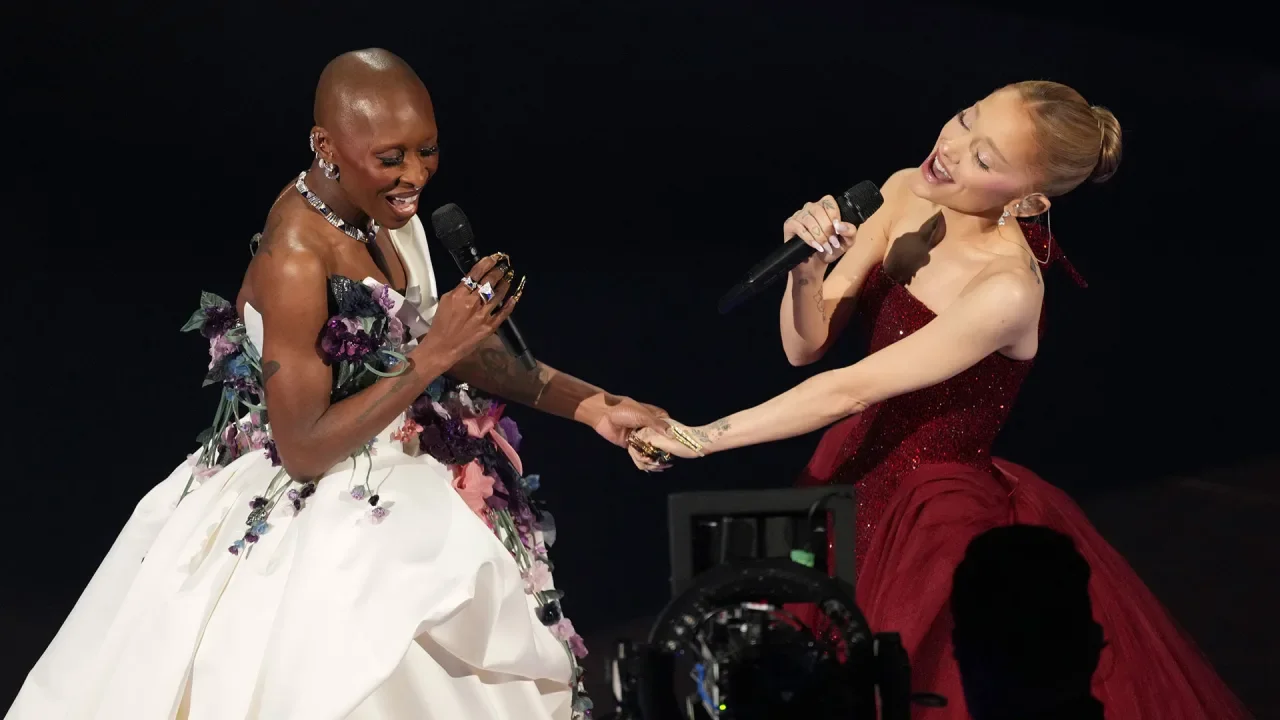
There were a lot of smiling faces at the Oscars but one had to stand out—Sean Baker saw his film Anora go home with the top film prize and he took four for himself. Its star Mikey Madison was crowned best actress. Twenty-two years after winning best actor for The Pianist, Adrien Brody won the same Oscar again for his performance as another Holocaust survivor in Brady Corbet’s The Brutalist. He somehow kept the playoff music at bay. On Sunday, firefighters who battled recent wildfires got applauded, Mick Jagger handed out the best original song Oscar, and John Lithgow was tasked with looking “slightly disappointed” when speeches ran long. One highlight was Timothée Chalamet—literally. His yellow suit got more than one comment. Here were some other telecast highlights: ‘Proud child of immigrant parents’ Zoe Saldaña was the favorite but that didn’t diminish her emotional win. After accepting the Oscar for best supporting actress for her work in Emilia Pérez, Saldaña spoke emotionally about her family and her grandmother, tearing up during her speech. “My grandmother came to this country in 1961—I am a proud child of immigrant parents,” she said. “With dreams and dignity and hard-working hands, and I am the first American of Dominican origin to accept an Academy Award, and I know I will not be the last. I hope. The fact that I’m getting an award for a role where I got to sing and speak in Spanish—my grandmother, if she were here, she would be so delighted, this is for my grandmother.” The accolade comes after Saldaña swept awards season, taking home the Golden Globe, Critics’ Choice, BAFTA, and SAG awards for playing lawyer Rita Mora Castro. A ‘Wicked’ opening Host Conan O’Brien took a back seat at the Oscars’ opening number, ceding the floor to a Wizard of Oz–themed, eight-minute musical medley led by Ariana Grande and Cynthia Erivo. Grande, in a red sparkly dress, performed a rendition of “Somewhere Over the Rainbow” from The Wizard of Oz. Then Erivo, in a white gown with floral embellishments, took the stage to sing a staggering rendition of “Home” from The Wiz. They joined up for Wicked‘s “Defying Gravity,” with Grande kissing Erivo’s ring. Wildfire-battered Los Angeles, on this night, stood in for Oz, with the graphic “We Love LA” showing after the pair were finished. The show began with a medley of film moments that used Los Angeles as a backdrop, including La La Land, Straight Outta Compton, Iron Man 2, and Mulholland Drive. Then it was O’Brien’s turn, comically pulling himself—and a missing shoe—from within the body of Demi Moore, in a take on her film The Substance. A very—maybe too—public family discussion While accepting an Emmy Award in January 2024, Kieran Culkin used his time onstage to plead with his wife for more kids. They have two, Kinsey Sioux and Wilder Wolf. “You said maybe if I win,” he said, cheekily. On Sunday, he upped the demand. Culkin from the Oscar stage repeated the story and then said that he and Jazz Charton made a deal in the parking lot at the Emmys: If he won an Oscar, she’d not only give him a third, they could plan for a fourth. They even shook on it. “I just have to say this to you, Jazz, love of my life, ye of little faith,” he said as the crowd roared. “No pressure, I love you. I’m really sorry I did this again. Now let’s get cracking on those kids, what do you say?” The moment got an echo later in the night when I’m Not A Robot director Victoria Warmerdam said she wasn’t following Culkin’s lead. “To my producer and partner in life, Trent: I’m not having your babies because of this statue,” she said after winning best live action short. 007, celebrated by women There was no James Bond movie nominated in 2024 but there was a big James Bond section at the Oscars that ate up a lot of telecast time. To honor transfer of the franchise to Amazon, three singers—Lisa, Doja Cat, and Raye—each sang a different 007 title song. Lisa sang “Live and Let Die,” Doja Cat tackled “Diamonds Are Forever,” and Raye did “Skyfall.” Amazon MGM announced Thursday that the studio has taken the creative reins of the 007 franchise after decades of family control. Longtime Bond custodians Michael G. Wilson and Barbara Broccoli said they would be stepping back. On Sunday, Halle Berry thanked them for being the “heart and soul” of Bond. The tribute began with The Substance nominee Margaret Qualley in a red gown taking to the stage to dance acrobatically with a team of male dancers to the James Bond theme. Gene Hackman honored Morgan Freeman made an understated tribute to a friend: Gene Hackman. Freeman, who starred with Hackman in two movies, kicked off the in memoriam section with a somber note about Hackman, who was found dead last week alongside his wife. “This week, our community lost a giant. And I lost a dear friend, Gene Hackman,” Freeman began in his speech. “I had the pleasure of working alongside Gene on two films, Unforgiven and Under Suspicion. Like everyone who ever shared a scene with him, I learned he was a generous performer and a man whose gifts elevated everyone’s work.” “Gene always said, ‘I don’t think about legacy. I just hope people remember me as someone who tried to do good work,'” Freeman continued. “I think I speak for us all when I say, ‘Gene, you will be remembered for that, and so much more.’ Rest in peace, my friend.” The in memoriam section would honor such luminaries as Teri Garr, Donald Sutherland, Louis Gossett Jr, Shelley Duvall, David Lynch, Bob Newhart, Gena Rowlands, Maggie Smith, and James Earl Jones. A separate section in the telecast honored Quincy Jones. How to stop the wrap-up music It has been an endless torment to winners everywhere whenever they hear the music swelling. It means one thing: Stop talking. Brody had a novel response to the playoff music Sunday. He looked sternly into the camera and said: “I’m wrapping up, please turn the music off. I’ve done this before. Thank you. It’s not my first rodeo, but I will will be brief.” It’s true. He won the Oscar in 2003 for The Pianist, memorably kissing Halle Berry at the podium. But that time he was pleading, not demanding, more time from producers. When the music started rolling during his emotional speech back then, Brody said: “One second, please. One second. Cut it out. I got one shot at this.” He added, “I didn’t say more than five names, I don’t think.” He went on for more than a minute more. For more coverage of this year’s Oscars, visit: https://apnews.com/hub/academy-awards —Mark Kennedy, AP Entertainment Writer View the full article
-
The jump, which represents an ICE Mortgage Technology survey high, reflects the past cost of natural disasters like hurricanes in the Southeast. View the full article

-
Banana Republic wants you to be ready for check in at whichever balmy, poolside escape you might venture to after months of clutching hot toddies and sloughing on heavy duty night creams. [Photo: Banana Republic] Its new White Lotus collection, made in collaboration with the hit HBO show, is a resort collection that’s about allowing its wearers to enjoy an uncomplicated spritz and shvitz in options they can pull from their suitcase while using their PTO. Banana Republic designed the mens and women’s capsule collection, available in 26 stores and online beginning March 6, with weighty high quality and ethically sourced fabrics. Prices range from $40 to $300. But more broadly, the collection also points to how the clothing company is repositioning for a new chapter of its own, as it seeks to regain relevance and elevate its brand positioning. The rebrand of Gap Inc and its subsidiaries, including Banana Republic, has been underway for over a year now. Gap hired Zac Posen as its creative director just over a year ago, and so far, he has delivered on reviving the stalling portfolio of American classics through more contemporary design, styling, and campaigns and red carpet appearances featuring true gets in terms of talent, including Tyla, Anne Hathaway, and Timothee Chalamet. Posen recently launched GapStudio, a higher end sub brand—which doubles a soft marketing strategy of elevating overall brand perception. [Photo: Banana Republic] The White Lotus collection is one prong of this repositioning strategy. A topical collaboration could also bring new customers into the store, who then shop its core collection. It aligns with the company’s approach to “fashion entertainment” concepted by Gap Inc CEO Richard Dixon, says Meena Anvary, Banana Republic’s head of marketing. “It’s just such a natural spit from a brand standpoint with our ethos and White Lotus’s: premium, the sense of discovery, adventure, exploration.” Nicole Wiesman, Banana Republic’s vice president of men’s design who led the design of the capsule, tells me she designed the 24-piece collection to mix and match, which is necessary for collections with such a limited number of pieces. (something Uniqlo’s Clare Waight Keller has echoed) The team pulled print and color inspiration from the tropical forest, architecture, and patterns of Thailand, and sought to balance modern utility, casual elements and a sense of elegance, she says. When I met with Wiesman at the chain’s Soho location on an overcast 50 degree morning, she had winterized her pull from the collection: she wore the men’s bermuda short in black with a black sweater and a pair of black Margiela Tabis. [Photo: Banana Republic] Wiesman, a fan of the show, pulled fabrics from Banana Republic’s archives in New York to design the 24-piece collection, and took inspiration from vintage military pieces due to their utility for the collection’s voluminous cargo pants and jackets, which also have reinforced patches and flat felled seams common to workwear to increase durability. (And lots of pockets, which are ideal for carrying passports, wallets, and the like when traveling—especially for men who don’t typically carry purses, she says.) The men’s collection also includes turquoise short sleeve silk button downs, crocheted polos, and grey striped linen pants. Many of the patterns, which were inspired by latticework that appears in the show’s sets, cross over to the women’s collection. The knitwear designers also interpreted the print for the knitted polos in juicy passionfruit yellow and cream. [Photo: Banana Republic] The women’s collection includes a wide leg powder pink pant, white bandeau top, silk maxi dress with a slit to “get a little leg out,” and linen mini dress, which have small fit details like back ties and elastic for ease of wear across body types. “There’s a fluidness to it,” she says of the pieces. Both the men’s bermuda short as well as the silk tops have a weighty hand feel that points to the quality of the fabrics themselves, which are 100 percent silk, european flax standard linen, and Olympias Italian cotton, which is the same the brand uses for most of its chinos, and makes the pieces easy to dress down or up, Wiesman says. All of the linens are traceable, meaning the factory has to be approved. Wiesman attributes the quality and more approachable price point of the collection, which began development about a year ago, to a few things: The company’s scale, and its longstanding close relationships with certain mills and factories. “In some cases, if we really want that quality, we take the hit,” she says. Long term, it establishes Banana Republic as a brand with a consistent sense of elevated quality. [Photo: Banana Republic] I asked Anvary and Wiesman if there was a challenge in designing a collection with appeal that’s also inspired by a show with morally complicated characters. “Our focus is really on making this collection available to everyone,” says Anvary, referring to its bridge price point, high quality fabrics and versatility. So even if some of the characters might be LBH (losers back home, cough, Gary) you can still look MOV (Moneyed on Vacation). View the full article

-
We may earn a commission from links on this page. The movies and television shows below are the best of what's coming to Hulu this month—according to me. Because I'm an expert at watching things. The best of the month is Deli Boys, a fishes-out-of-water comedy about pampered Pakistani brothers who inherit a criminal empire. Also of note: Good American Family, a series based on a very strange true story. Deli Boys, season 1 Created by Abdullah Saeed, Deli Boys is an outrageous comedy series about a pair of sheltered, pampered Pakistani American brothers whose lives are upended when their father dies, and they learn that baba's real money didn't come from the delis he owned, but from the illegal drugs he dealt. Now the sons must take over the family business, but these goofs are the furthest thing on earth from drug dealers. Starts streaming March 6. Good American Family Mark Duplass and Ellen Pompeo star as a Midwestern couple who adopt a child they believe has a rare form of dwarfism, but they start to suspect she's not actually a child, and wonder what nefarious designs she has on their family. Based on the same true stories that inspired The Orphan, Good American Family aims to go deeper than a potboiler by telling its creepy, bizarre story from multiple points of view to explore the subtleties of bias, culture, and trauma that are really behind this odd story. Starts streaming March 19. O'Dessa I don't know whether O'Dessa will be good or not, but this Hulu original is the kind of movie that takes such a huge swing, it's bound to be entertaining, even if it falls apart. It's a sci-fi rock opera in which Sadie Sink plays a farm girl who ventures out into a post-apocalyptic wasteland to save the world through song, so it's bound to be either a classic or a cult-classic. Either way, I am so on board. Starts streaming March 13. Last Take: Rust and the Story of Halyna When a movie quality camera is pointed at a shooting, you'd think it would be obvious who's to blame, but the story of Alec Baldwin killing cinematographer Halyna Hutchins on the set of the movie Rust is way more complex than that. Through interviews with people who were there, police interrogation videos, and behind-the-scenes footage from the movie set, Last Take goes beyond the sensational headlines to tell the real story of the day everything went so horrifically wrong. Starts streaming March 11. Control Freak This Hulu original horror movie stars Kelly Marie Tran as a successful motivational speaker whose life is close to perfect, until her head starts itching. The maddening itch gets worse, but not lice. It's a parasitic infection, a malevolent creature that begins to take control of her mind and body. If you're into body horror, you should definitely check out this squirmy, suspenseful flick. Starts streaming March 13. Am I Being Unreasonable? season 2 If you're looking for something unusual to watch, check out Am I Being Unreasonable? Produced by BBC, the first season of this dark comedy/thriller series earned rave reviews for its anarchic, try-everything cinematic style, its sharp writing, and its talented cast headed by Daisy May Cooper. She plays Nic, a woman stuck in an unhappy marriage whose life unravels in hilarious ways when she tells someone her darkest secret. Starts streaming March 12. Bill Burr: Drop Dead Years Bill Burr's new special showcases the honesty, anger, and wit that brought him to the top of the stand-up comedy heap. Age hasn't softened Bill at all: in this deeply personal hour of stand-up, Burr focuses on subjects like aging, death, and male sadness with his unique, don't-give-a-fuck style. Starts streaming March 14. Last month's picksA Thousand Blows Created by Steven Knight, the genius behind Peaky Blinders, this British boxing drama is made for fans of hardcore Victoriana. A Thousand Blows takes viewers to the mean streets of London in the 1880s where we follow Hezekiah (Malachi Kirby) and Alec (Francis Lovehall), two friends from Jamaica who immigrate to the UK only to find themselves fighting for their lives in the crime-ridden East End. The pair run afoul of criminal kingpin and pugilist Sugar Goodson (Stephen Graham) and find a friend in Mary Carr (Erin Doherty), head of an all-woman shoplifting gang known as the Forty Elephants. Starts streaming February 21. The Kardashians, season 6 Love 'em or hate 'em, the Kardashians are an American institution, and they're back for another season of rich people hijinks, including the potential of Khloé reuniting with her ex, Lamar Odom, a look at Kim and Khloé's summer getaway to India, and North West's Lion King tribute performance. I can't freakin' wait. (OK, I can wait.) Starts streaming February 6. SLY LIVES! (aka The Burden of Black Genius) If you don't like Sly and the Family Stone, we probably shouldn't hang out. Directed by Questlove, whose first documentary series, Summer of Soul, is a classic, SLY LIVES! investigates the life and legacy of Sly Stone through amazing archival performance footage of Sly in his prime and in-depth interviews with the people who were there. Deeper than the "wasn't Sly cool?" movie this could have been, SLY LIVES! doesn't shy away from the bigger issues surrounding his fame or gloss over the downfall of a legend. Starts streaming February 13. My Best Friend's an Animal As anyone with a loyal pet can tell you, love doesn't care what species you are. My Best Friend's an Animal is a for-the-whole-family documentary series by National Geographic that examines the bond between people and unusual, exotic pets. Expect a ton of awwwwws. Starts streaming February 5. Muslim MatchmakerHulu's original series Muslim Matchmaker is from Indian Matchmaking creator Smriti Mundhra’s Meralta Films, a company with a proven track record of creating cross-cultural, reality dating shows. The series follows the adventures of Hoda Abrahim and Yasmin Elhady, matchmakers who help Muslim Americans find romance. The focus is on traditional Muslim relationships, so this is not a show about hook-up culture; it's a show about finding the person you want to settle down with, but that doesn't mean there's a shortage of awkward first dates. Starts streaming February 11. Wicked Game: Devil in the DesertI can't find a ton of information about this Hulu original documentary series, but I'm intrigued by Wicked Game's official show description: "Hunting the mastermind of a violent abduction, authorities unravel a twisted tale of obsession during the early days of legalized pot." That's a good enough premise for me to give it a spin, for sure. Starts streaming February 4. Shoresey, season 4 I have a confession to make: I'd never heard of Shoresey before today, and I can't believe I haven't been watching this show. Why wasn't I informed? This Canadian sports comedy series is excellent and totally deserves the 100% fresh rating it has on rotten tomatoes. Shoresy follows the adventures of a Shoresy, a foul-mouthed, fan-favorite hockey player on the Sudbury Bulldogs in Sudbury, Ontario, known as the dirtiest player in the game. Hockey comedy has been funny since the original Slap Shot! Starts streaming February 26. Devil in the Family: The Fall of Ruby Franke If you're a true-crime fan and you're unfamiliar with the bizarre story of Ruby Franke, you're in for twisted treat. Franke was once a prominent mommy vlogger, but something went terribly wrong and she ended up in jail, accused of abusing her children in horrible ways. Devil in the Family promises new insight into this dark story through interviews with the Frankes' eldest children, Shari and Chad, and Ruby's husband, Kevin. Starts streaming February 27. View the full article
-
The top five lenders have an average mortgage origination volume of more than $10 billion. View the full article

-
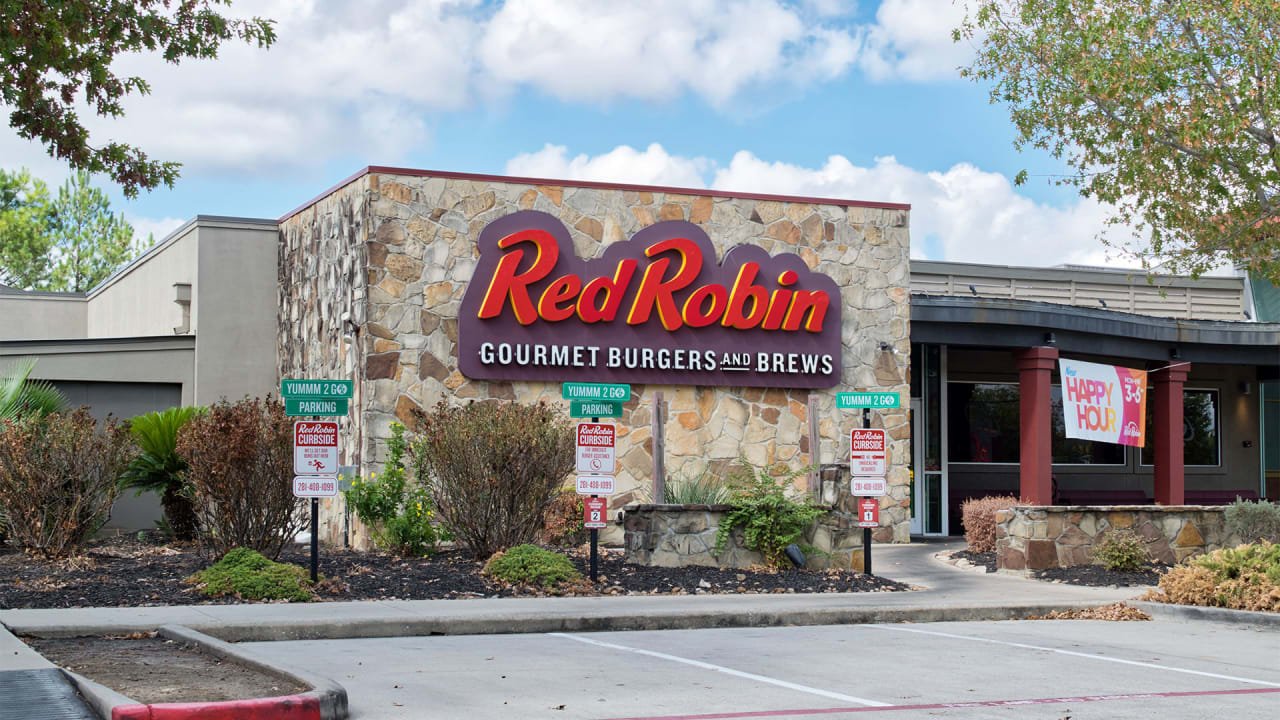
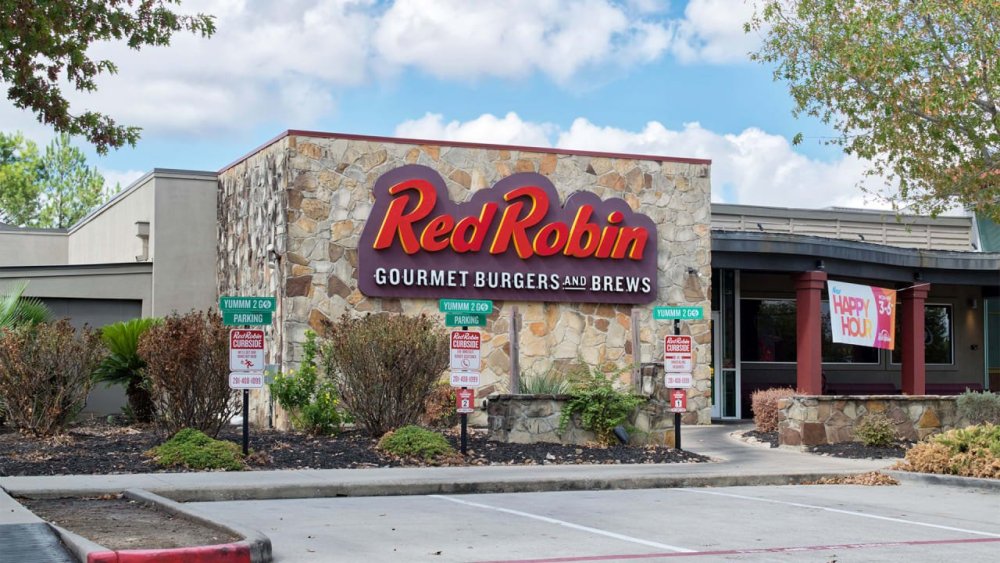
Red Robin Gourmet Burgers is looking to close up to 70 underperforming locations, representing about 14% of the 498 restaurants that were operating as of the end of last year. The company has already closed one restaurant upon lease expiration, it said in an earnings release last week, and it plans to close three additional locations within the first quarter of 2025. Most of the 70 locations are likely to close at some point in the next five years once their leases expire, Restaurant Dive reported, with as many as 15 closing this year. This decision follows a review of the company’s operations, which revealed that these sites are not meeting performance expectations. Red Robin reported a net loss of $39.7 million in the fourth quarter of fiscal 2024, a sharp decline compared to the $13.7 million loss reported in the same period of 2023. Despite this, the company reported a 19% increase in adjusted EBITDA, reflecting the success of its cost-saving measures. Highlights for Q4 and full-year 2024 Total revenues of $1.25 billion for the year, down from $1.3 billion in 2023. Q4 revenues were $285.2 million, down $23.8 million due to one fewer operating week. Comparable restaurant revenue decreased 1.2% for the year, but increased 3.4% in Q4 (1.8% including deferred loyalty revenue impact). Net loss of $77.5 million for the year, compared to a net loss of $21.2 million in 2023. Q4 net loss was $39.7 million, impacted by $32.4 million in impairment and closure costs. Adjusted EBITDA of $38.8 million for the year, down 43.7%, with a 19% increase in Q4 to $12.7 million. Lingering optimism While the closures mark a difficult chapter for the company, Red Robin’s leadership believes the actions taken will better position it for future growth and profitability. CEO G.J. Hart highlighted the significant improvements in customer traffic, with a 600-basis-point improvement from the first to the fourth quarter. The company is focusing on bringing guests back into restaurants with its “North Star” plan, which aims to boost guest experience and operational efficiency. Red Robin has restaurants in 39 U.S. states and one Canadian province, with its largest presence in California, Washington State, and Colorado. In closing underperforming locations, it would join a growing list of dining chains including Denny’s, Wendy’s, TGI Fridays, and several others that have moved to reduce their footprint in recent months. Shares of Red Robin stock (Nasdaq: RRGB) are down almost 24% in the last 12 months. View the full article
-
There’s a cat-and-mouse game between those using generative AI chatbots to produce text undetected and those trying to catch them. Many believe they know the telltale signs—though as a journalist fond of the word “delve” and prone to em-dashes, I’m not so sure. Researchers at four U.S. universities, however, have taken a more rigorous approach, identifying linguistic fingerprints that reveal which large language model (LLM) produced a given text. “All these chatbots are coming out every day, and we interact with them, but we don’t really understand the differences between them,” says Mingjie Sun, a researcher at Carnegie Mellon University and lead author of the study, which was published in Cornell University’s preprint server arXiv. “By training a machine learning classifier to do this task, and by looking at the performance of that classifier, we can then assess the difference between different LLMs.” Sun and his colleagues developed a machine learning model that analyzed the outputs of five popular LLMs, and was able to distinguish between them with 97.1% accuracy. Their machine learning model uncovered distinct verbal quirks unique to each LLM. ChatGPT’s GPT-4o model, for instance, tends to use “utilize” more than other models. DeepSeek is partial to saying “certainly.” Google’s Gemini often prefaces its conclusions with the word “essentially,” while Anthropic’s Claude overuses phrases like “according to” and “according to the text” when citing its sources. xAI’s Grok stands out as more discursive and didactic, often reminding users to “remember” key points while guiding them through arguments with “not only” and “but also.” “The writing, the word choices, the formatting are all different,” says Yida Yin, a researcher at the University of California, Berkeley, and a coauthor of the paper. These insights can help users select the best model for specific writing tasks—or aid those trying to catch AI-generated text masquerading as human work. So, remember: according to this study, if a model utilizes certain words, it’s certainly possible to identify it. View the full article

-
America has been dealing with a bird flu outbreak for some time, and now fears over possible contamination in cat food have led to a recall. Here’s what to know about the recall of cat food linked to possible bird flu contamination. What’s happened? On March 1, the U.S. Food and Drug Administration (FDA) published a recall notice relating to certain products sold by Wild Coast LLC (dba Wild Coast Raw) of Olympia, Washington. The recalled products are raw pet food for cats. The reason? The products may be contaminated with Highly Pathogenic Avian Influenza (HPAI) H5N1, better known as bird flu. The bird flu virus can live in manufactured products, including pet food that has been made with contaminated birds. The notice posted on the FDA’s website expands on a mid-February public health alert from the Washington State Department of Agriculture warning that it found the presence of HPAI in multiple cats and the same cat food they consumed. That cat food was Wild Coast LLC – Boneless Free Range Chicken Formula with lot numbers #22660 and #22664 and the Best By Date 12/2025, according to the notice. However, the notice posted on the FDA’s website on March 1 widens the list of products that could be affected. That notice is about a voluntary recall initiated by Wild Coast LLC. What cat food products are included in the recall? According to the recall notice posted on the FDA website, Wild Coast LLC’s voluntary recall covers the following: Brand name: Wild Coast Raw Product Description: Frozen Boneless Free Range Chicken Formula raw pet food for cats product. Best Buy date: 12/25 Lid numbers: #22660, #22653, #22641, #22639, #22672 and #22664 Images of the product packaging can be found here and here. The notice posted on the FDA’s website says that owners who have had the recalled pet food in their possession should remain alert for symptoms of bird flu in both their pets and other people. What are the symptoms of bird flu in pets? According to the notice on the FDA’s website, symptoms of the bird flu in pets include: fever lethargy low appetite reddened or inflamed eyes discharge from the eyes and nose difficulty breathing tremors stiff body movements seizure lack of coordination blindness The notice states that you should contact a veterinarian if you observe these symptoms in your pets. What are the symptoms of bird flu in people? According to the notice posted on the FDA’s website, symptoms of bird flu in humans include: eye redness or irritation (conjunctivitis) cough sore throat sneezing runny/stuffy nose muscle/body aches headaches fatigue fever trouble breathing seizures rash diarrhea nausea vomiting People who experience symptoms are urged to contact their local health department and healthcare provider. What do I do if I have the recalled product? You should not serve it to your pets or any other animal. Also, do not donate or sell the recalled products. Instead, you should securely dispose of it in a way so no animals, including wildlife, can consume it. You are also urged to wash your hands and thoroughly sanitize any surfaces the product or its packaging have come into contact with. Those with questions can contact Wild Coast Raw at (360) 591-3543 or email them at info@wildcoastraw.com. View the full article

-
We may earn a commission from links on this page. I've pored over Netflix's release schedule to bring you the best movies and TV shows premiering on the service this month. My must-watch of the month: The Electric State, a comedy sci-fi movie starring Millie Bobby Brown, Chris Pratt, and adorable (but maybe deadly) robots. I'm also psyched for Chaos: The Manson Murders, a new film from documentary GOAT Errol Morris (The Thin Blue Line, Mr. Death), and I'll be checking in on Everybody’s Live, a talk show hosted by John Mulaney that's streamed live. The Electric State Based on the acclaimed graphic novel by Simon Stålenhag, The Electric State is a sci-fi comedy set in a retro-future version of America in the years after a war between humans and robots nearly wiped out humanity. Most people, understandably, don't trust robots, but main character Michelle, played by Millie Bobby Brown, is traveling with a pair of mysterious 'bots, searching for her lost brother. Also on hand: a drifter named Keats, played by Chris Pratt. The Electric State's big stars and intriguing premise make it a must-watch. Starts streaming March 14. Chaos: The Manson Murders Legendary film-maker Errol Morris turns his always-revealing lens on the Manson Family murders in this provocative new documentary. Not satisfied with "official" explanations of Charles Manson's motives and strange personal charisma, Morris ties the crimes to a larger narrative involving the CIA, LSD, Jack Ruby, The Beach Boys, and who knows what else. Chaos: The Manson Murders features interviews with experts, living witnesses, and archival footage of the Manson clan, combined by a master of the craft. Starts streaming March 7. Everybody’s Live with John MulaneyNetflix is entering the talk show world with Everybody’s Live with John Mulaney, a weekly live show hosted by Mulaney, who also serves as co-showrunner, and executive producer. If his first Netflix live show, John Mulaney’s Everybody’s in LA, is the model, expect eclectic celebrity guests, phone calls with the viewing audience, and the spontaneous magic that only working live brings. At a recent press event, Mulaney promised, "We will never be relevant. We will never be your source for news. We will always be reckless. Netflix will always provide us with data that we will ignore.” Sounds promising. Starts streaming March 12. Million Dollar Secret British comedian Peter Serafinowicz hosts this Netflix reality show in which 12 cutthroat competitors travel to an opulent mansion to try to get rich. One contestant finds a million dollars in their room. They get to keep it, but only if no one else discovers their secret. The combination of exotic locations, intricate schemes, a hilarious host, and a contest with a million dollars on the line sounds like reality-show gold to me. Starts streaming March 26. With Love, Meghan Meghan Markle, the Duchess of Sussex, has her own reality show. According to Netflix, in With Love, Meghan, Markle "challenges us to pursue joy over flawlessness—to revel in the small, meaningful touches that may make a loved one’s day." Right away, Your Grace. The show features a mix of practical how-tos and conversation with guests like chef Roy Choi and Mindy Kaling that take place in Markle's kitchen, garden, and even her beehive. I love beehive talks! Starts streaming March 5. The Leopard Based on the best-selling novel by Giuseppe Tomasi di Lampedusa, The Leopard is set in late 19th century Sicily and tells the story of the redshirt army's attempt to conquer the Italian island. It's the last days of the European aristocracy, and Don Fabrizio Corbera, the Prince of Salina, realizes that his family's lives of privilege and frivolity are at their end, so he must forge new alliances and make difficult choices so they can survive in the modern world. Starts streaming March 5. Delicious This Netflix original from Germany tells the story of a wealthy family unraveling during their summer vacation in Provence. After they hit a woman with their car, the family agrees to take her on as their maid. It seems like kindness, but it's anything but: Each member of the family secretly wants something different from this beautiful young woman, leading to consequences that spin out of control and shatter the facade of their perfect lives. Starts streaming March 7. Plankton: the Movie Who doesn't love Plankton from Spongebob? This animated Netflix original finally gives the little copepod with big dreams a starring role. As you'd probably expect, Plankton is trying to destroy the world, but his plans are complicated when domestic problems inspire his sentient computer wife Karen to destroy the world without him. Don't despair, Squidward fans: favorite Spongebob characters like Patrick and Sandy will appear in Plankton: The Movie, and so will the voice actors who bring them to life. Starts streaming March 7. American Manhunt: Osama bin Laden Remember Osama Bin Laden? This suspenseful documentary tells the story of how he was tracked, caught, killed, and had his corpse dumped in the sea. Featuring rare archival footage and interviews with the CIA agents who were there, American Manhunt: Osama bin Laden gives viewers an inside look at one of the most complex and extensive manhunts in history. Starts streaming March 10. Adolescence The dramatic question at the center of four-part Netflix series Adolescence is "What would you do if your teenage son was accused of murder?" Stephen Graham plays Eddie Miller, whose 13-year-old son Jamie, played by Owen Cooper, is arrested for the murder of a teenage classmate. To illustrate the provocative premise, each episode of Adolescence is presented as a single, continuous shot, so both film nerds and drama fans should put this on their watch list. Starts streaming March 13. The Twister: Caught in the Storm Tornadoes are the most visually interesting natural disaster, and this documentary takes full advantage of their awesome cinematic power. The Twister: Caught in the Storm tells the story of the massive tornado that tore apart the town of Joplin, Missouri in 2011 through interviews with survivors and tons of harrowing footage shot by people who were right freakin' there when disaster struck. Starts streaming March 18. The Residence If you like a good whodunit, check out The Residence. Uzo Aduba plays Cordelia Cupp, a brilliant but eccentric detective tasked with solving a murder that takes place during a state dinner at the White House residence. Everyone is a suspect: the staff, the guests, maybe the president himself. With a killer on the loose in the halls of power, Cupp must navigate a complex web of politics and personalities if she's going to crack the case. Starts streaming March 20. Gold & Greed: The Hunt for Fenn's TreasureForrest Fenn was a strange old rich guy who buried a chest full of gold somewhere in the Rockies, published a poem full of cryptic clues to its location, then invited everyone on Earth to try to find it. This Netflix original documentary examines the decade-long treasure hunt that followed. As you'd probably guess, it got way out of hand: Searching for Fenn's treasure ended up costing people their families, their jobs, and even their lives. Starts streaming March 27. Survival of the Thickest, season 2 Comedian Michelle Buteau is the co-creator and star of Survival of the Thickest, an ensemble comedy that earns high praise from critics. Season 2 of Thickest finds main character Mavis Beaumont, a large and in charge fashion stylist, in Italy, rebuilding her life, chasing her dreams, looking for love, and scoring designer swag. Series regulars Tone Bell, Tasha Smith, and Marouane Zotti will return, and we'll meet new characters played by Anderson .Paak, Deon Cole, Sandra Bernhard, and more. Starts streaming March 27. The Life List If you're in the mood for a rom com, check out The Life List. Sofia Carson stars as Alex Rose, a young woman on a quest to check off all the items on a bucket list she made when she was 13. By following through on entries like "go all out in a mosh pit" and "do stand-up comedy," Rose opens her world, but one of the entries is "find true love," and you know that's gonna drive this heartfelt, emotional romantic comedy. Starts streaming March 28. Last month's picksZero Day This is the first time Robert De Niro has starred in a TV series, so Netflix is going big with Zero Day, a political drama/thriller series detailing the aftermath of a deadly cyberattack. De Niro plays respected former President George Mullen, who's heading up the investigation of an information attack that killed thousands of Americans. Mullen must navigate a world of shady tech moguls, government power brokers, and his own past if he's going to prevent a second, even deadlier cyber-disaster. Starts streaming February 20. Kinda Pregnant In this Netflix original romantic comedy, comedian Amy Schumer plays Lainy, a woman who is so jealous of her pregnant friend, she straps on a fake stomach and tells everyone she has a baby on board too. Her mountain of lies grows with her fake belly, but things get really complicated when Lainy meets the man of her dreams. If you're into Schumer's brand of comedy or just like a little frothy rom-com action, check out Kinda Pregnant. Starts streaming February 5. La Dolce Villa Just in time for Valentine's Day comes La Dolce Villa, a Netflix original rom-com set in a romantic Italian village. Scott Foley plays Eric, a businessman who's lost his mojo, who travels to Italy to stop his daughter from wasting her money restoring a crumbling villa she bought for a Euro. Along the way, he rediscovers his lust for life, laughter, beauty, and love. I bet the old Villa actually isn't such a dump after all. La Dolce Villa also stars Maia Reficco, Giuseppe Futia, and Violante Placido. Starts streaming February 13. Home Improvement, Seasons 1-8 If you're in the mood for comforting nostalgia, you could do much worse than Tim Allen's iconic late 90s/early aughts series; it's the ultimate, mildly amusing, totally mindless family sit-com. Allen plays Tim Taylor, host of home improvement show-within-a-show Tool Time and patriarch of a suburban Detroit family that has all kinds of sit-com style dilemmas. The Taylors' mix-ups and lighthearted hassles fill up eight seasons of episodes, so feel free to binge them all at once while pretending it's 2004. Starts streaming February 1. Space Jam (1996) Speaking of comforting nostalgia, 1996's cartoons-meet-basketball comedy Space Jam is coming to Netflix. The movie pairs ancient sports superstars like Michael Jordan, Larry Bird, and Charles Barkley with ancient cartoon superstars like Bugs Bunny, Yosemite Sam, and Daffy Duck, and then has them play basketball on another planet. Somehow, this weird concept works and results in a movie that's great fun and superior in every way to the recent reboot. Starts streaming February 1. Celebrity Bear Hunt In this reality show version of The Most Dangerous Game, professional survival guy Bear Grylls hunts a group of 12 celebrities in the jungles of Costa Rica. Sadly, the cast is made up of British celebrities like Shirley Ballas, Mel B., and Boris Becker, and losing contestants aren't gunned down like rabid wildebeests when Grylls catches 'em; but still, Celebrity Bear Hunt puts privileged people in uncomfortable situations (always good TV), and the scenery is beautiful. Starts streaming February 5. Grimsburg In this Fox cartoon for adults, Jon Hamm voices hardboiled detective Marvin Flute. Flute has cracked some of the most complicated and dark cases in history, and now he's returning to his home town to tackle his most puzzling mystery: his own family. Judging from the trailer, Grimsburg looks pretty funny with sharp writing and a talented voice cast, so I'm going to give this one a shot. Starts streaming February 5. Sweet Magnolias, season 4 Sweet Magnolias is the kind of feel-good, heartfelt, emotional series that never makes it past my algorithm, but enough people dig it that it's coming back for a fourth season. In season 4, The Magnolias' world is shaken and their bonds are tested by a town tragedy and a destructive storm. I don't know for sure, but I have a feeling that love and hope will ultimately save the day—it seems like that kind of program. Starts streaming February 6. The Åre Murders (Season 1) I'm not sure why icy Northern European nations make such great neo-noire murder series, but I'm glad they do. Swedish Netflix original The Åre Murders tells the story of one of Stockholm's finest, officer Hanna Ahlander, whose vacation at a ski resort in Åre is interrupted by a missing person case. A young woman has disappeared, and the understaffed local cops need Ahlander's skills to solve the mystery, but can they trust her enough to work together? Starts streaming February 6. Surviving Black Hawk Down This Netflix original documentary series tells the story of the Battle of Mogadishu made famous in Black Hawk Down. Speaking of, both that film and Surviving Black Hawk Down. were produced by Ridley Scott, who gathered survivors of the incident on both sides to tell the story of the harrowing day when two American helicopters were shot down in Somalia. If you like true-life war stories, don't miss it. Starts streaming February 10. The Witcher: Sirens of the Deep It's probably going to be more than a year until a new Witcher game comes out, but in the meantime, check out The Witcher: Sirens of the Deep, a feature-length anime movie that continues the adventures of the famous monster hunter Geralt. Based on one of the original Witcher stories, Sirens of the Deep finds Geralt at a seaside village, investigating a series of attacks. At the risk of spoiling the story, there are monsters bedeviling the town—merpeople, mankind's ancient, soggy enemy. Starts streaming February 11. Cobra Kai, season 6 – part 3This is it: the end of the Cobra Kai saga that began back in 1984 with The Karate Kid. (But since Cobra Kai never dies, it might not actually be the end.) The new version of the Karate Kid story takes place in a weird alternative universe version of the San Fernando Valley where everyone's life revolves around youth karate, and literally everyone remembers the All Valley championship of 1984. Cobra Kai's mix of campy, "remember the 80s?" nostalgia, fighting, and over-amped teen drama shouldn't be as entertaining as it is. Starts streaming February 13. Resident Alien, season 3 I don't feel like Resident Alien gets enough love. The quirky, inventive comedy sci-fi series is entering its third season, and the first two were awesome. The titular alien, played by Alan Tudyk, is no longer on a quest to destroy all mankind. With the gray aliens on the way to end humanity, Harry (or more accurately, the alien wearing Harry's skin) now wants to save the earth and thwart the invasion, all while trying to navigate the weird culture of people without blowing his cover. Starts streaming February 13. Love is Blind, season 8 It's been five years since Love is Blind launched, and to mark the anniversary, Netflix is releasing a new season of the romance-based reality show. Season 8 is set in Minneapolis and finds another crop of singles agreeing to meet and date romantic partners—and potentially get engaged—without ever seeing each other. As a life choice, waiting until the wedding to lay eyes on your fiancee seems unwise, but as a television diversion, it's top notch. Starts streaming February 14. Running Point Kate Hudson stars in this basketball-based comedy series created by the always inventive Mindy Kaling. Hudson plays Isla Gordon whose family owns storied Los Angeles basketball team, the LA Waves. When her brother is forced to step down as president, Isla takes over, setting up a classic culture-clash of a woman entering a massively male-dominated space. Will she win over skeptical players, fans, investors, and her own brothers? I'd bet on "yes," now that sports betting is allowed in the U.S. Starts streaming February 27. View the full article
-
Over the past decade, as I’ve curated this annual list of best bags, there’s been a strong focus on utility. But this year, bag designers are eager to create bags that make a statement, while also improving women’s lives with useful features. In some ways, the bag industry is coming full circle. When I first started working on this list, the bag industry was dominated by big brands like Coach and Kate Spade that were more concerned with fashion than function. But then, a new generation of direct-to-consumer brands like Dagne Dover, Cuyana, and Senreve popped up, creating bags full of features like laptop and water bottle sleeves that helped women get through busy days. In some ways, these startups changed the entire universe of bag designs. “Now, functionality is table stakes for bag designers,” says Karla Gallardo, co-founder and CEO of Cuyana. “The trick is creating a highly functional bag that’s also spectacular.” Many new bags on the market today are meant to stand out and allow the wearer to express herself. They come in architectural shapes, with interesting silhouettes. But they are all designed to get you from packed days at work to the weekend to your long flight. Here is our pick of the best work-life bags of 2025. And they all happened to be created by women-owned startups. Cuyana Mila Satchel, $798 If you’re looking for a bag that will make an impression, consider the Mila. It’s the kind of structurally gorgeous bag that will elevate your look as you go in to an important board or investor meeting. Cuyana spends many years designing bags, then testing them with customers to continue making tweaks and improvements. This particular bag is specifically designed for travelers. It has a travel sleeve that fits over luggage and importantly, it has a wide base so it can sit under the seat in front of you. And you can carry it two ways, with the wide short handles or with a strap that you can clip on. When it opens, everything is easily accessible and visible. There’s a slot for your laptop, as well as pockets for your phone and a clip for your key. You can even purchase a clutch that clips into Mila, so you can leave the big bag at home and take the smaller bag out to dinner. The whole system is designed to save you time on high-pressure days. Parker Thatch Jane, starting at $698 These days, with hybrid work, the amount we need to carry every day varies tremendously. Some days, you need to carry your laptop and files, the next day, you might just need a wallet and chapstick. Parker Thatch, a California-based label, believes your bag should magically shrink and expand depending on what you’re doing for the day. That’s precisely what it has achieved with its Jane bag. It’s made from soft, buttery leather that can fit a large laptop. But when the bag isn’t full, it collapses in an elegant way that gives you a relaxed, put together look. It comes in a wide range of colors to suit different aesthetics. The navy and espresso will fit into a more formal workplace, but you can also opt for leopard print, platinum, or camo with a red stripe if you want to go bolder. Clare V. Bateau Tote, $475 For another collapsible bag, Clare V.’s Bateau tote also has an amazing ability to transform. On the surface, it has a simple tote silhouette that can fit a laptop along with everything you might need for your workday. It has an over the shoulder strap for easy carrying. But when you don’t need to fill it up, can collapse the tote into a much smaller bag by bringing the two edges together. You can then carry it with short handles which happen to have the word “Ciao” on them, in a quirky bohemian style Clare V. is known for. This tote is very practical, but it is also fun and unique. As icing on the cake, this bag has a gorgeous texture that weaves two colors of blue together to create a checker pattern. Oleada Wavia Bag Plus, starting at $635 If you need to head to the office every day and are constantly on the road for business trips, you need a bag that will allow you to easily carry a lot of heavy items, including your laptop and documents. There are many travel brands that sell products that do the job, but they don’t look stylish. Oleada’s Wavia bag wants to be both. It has clean lines and a curved wave design, and it is packed with useful features. It can be carried as a backpack, a shoulder bag, a cross-body and a handbag. It has a luggage sleeve that allows you to put it on your rolling luggage. And even has a lock closure to keep the bag securely closed. Since the bag is designed around your laptop, it comes in two sizes: 13 inch and 16 inch. You can get it in either leather or a vegan synthetic material that comes in a wide range of colors. And importantly, no matter what material you choose, the bag is very light, weighing in at around 2 lbs. Linquist Hilma, $750 Linquist, a studio studio based in Rhode Island, creates bags that are inspired by works of art. The Hilma, for instance, is designed around by the pleasing shape of an ellipse, with an oval base and a gradually widening top. The bag is named after Hilma af Klint, a Swedish artist who was among the first abstract artists in Western art history. Her paintings are grounded in geometric shapes, exploring how these figures appear both in the body and in the natural world. The Hilma bag is big enough to get you through busy days, and it is designed to be worn for a long time. It is handmade in Rhode Island by a team of artisans, and crafted from full grain Vachetta leather that is not treated with preservatives or chemicals. Over time, the material is designed to patina as it is exposed to your hands and the elements. It comes in a wide array of colors, but because it is made in small batches, different colors are available at different times. View the full article

-
There are a few workplace topics that consistently bring out strong feelings, and performance reviews is at the top of that list. While most people would agree that it’s a good thing to have a tool to measure how employees are doing at their jobs, and a time for managers to discuss career advancement, very few seem to think that the way performance reviews are currently set up is working. In fact, a Gallup survey last year found that only 2% of human resource officers at major companies think their performance management system is working and just 22% of workers felt their review process was “fair and transparent.” One of the biggest complaints employees have about performance reviews is that they are so subjective. What it takes to be considered good at your job or eligible for a raise or promotion is often down to the opinions of just a couple of people. That means it’s a fertile ground for bias. So, if both employees and leadership think performance reviews are broken, could artificial intelligence be the magic bullet that fixes it? The new crop of startups selling AI-powered performance management tools certainly thinks so. But is it just swapping human bias for AI bias? Is something as nebulous as being “good at your job” quantifiable? And are humans ready to be evaluated by a robot? On the latest episode of The New Way We Work, I spoke to Bryan Ackerman, head of AI strategy and transformation at the management consulting firm Korn Ferry. He explained the benefits and drawbacks of using technology in both performance reviews and layoffs. Ackerman says that when considering introducing AI into performance reviews it’s important to start by asking the right questions: What is the fundamental thing we’re trying to change? There are lots of pain points with performance reviews, but AI isn’t suited to fix them all. Here’s what it can do. How AI can help the performance review process Efficiency: One of the most straightforward ways that AI can help improve the performance review process is efficiency. Ackerman notes that managers can use generative AI to help draft reviews from their notes, but it’s only good as a starting point. Since the manager still needs to edit the draft to make it meaningful, that can end up not really saving any time. On both the employees and manager side, AI is good at putting in data and quantifying it (for example sales numbers) but again, it’s subject to the quality and accessibility of that kind of data. Making reviews more understandable: One of the biggest issues with performance reviews is how subjective and arbitrary ranking systems feel. Ackerman says there’s potential for AI to help employers to standardize and be more transparent about rankings and use AI note taking apps to help serve as a jumping-off point for conversions. Assistance with career development: Ackerman thinks the most useful way that AI could help in performance reviews is by using it as a way to get reviews back to their original intention: as a career development tool. AI has the potential to help managers deliver better and more effective feedback, he says. What AI can’t help with There are pitfalls to using AI in performance reviews, Ackerman says, especially if you’re relying on it too heavily. It can give you too much data to work with, or “create more of a problem than it solves, if the data quality isn’t great,“ he says. “The question [is] are we making a manager’s life easier or harder?” Relying blindly on AI also has the potential to exacerbate the problems with performance reviews. “Is adding more data into the mix, making this process easier and more efficient and more consistent and safer and [with] less bias? Or is it just adding complexity that then the manager is somehow supposed to still make sense around?” he says. The bottom line is to not remove the human conversation and nuance from the process and instead use AI as a tool to help where it can. Listen to the full episode for more on the pros and cons of introducing AI into the review process, where he thinks things are going in the next few years, and if AI will be used in layoff decisions. You can listen and subscribe to The New Way We Work on Apple Podcasts, Google Podcasts, Stitcher, Spotify, RadioPublic, or wherever you get your podcasts. View the full article

-
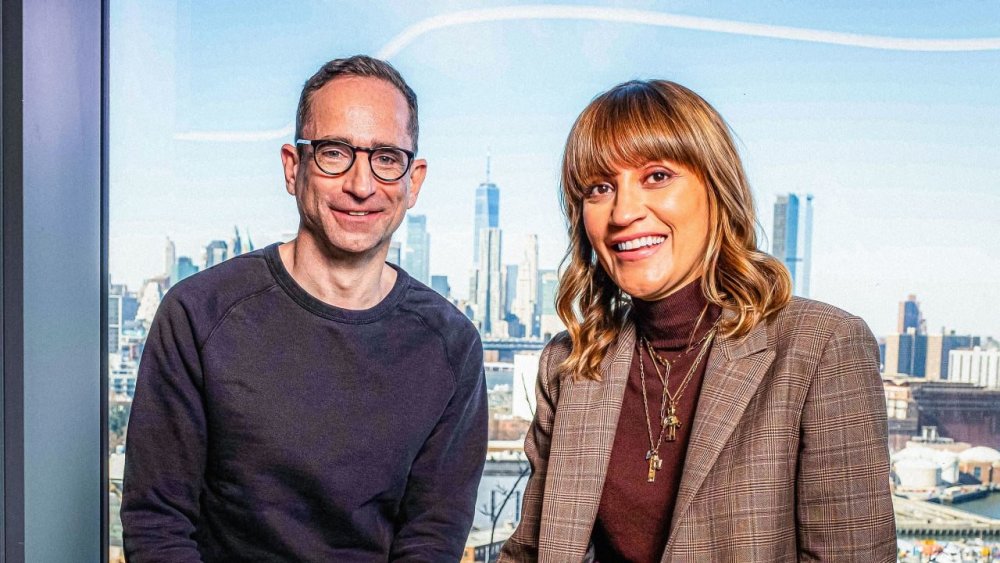
After 23 years as part of advertising and marketing services holding company IPG, creative agency R/GA bought back its independence through a new partnership between R/GA’s global management and private equity firm Truelink Capital. It marks the official announcement of a move reported by AdAge earlier this month, and after leaks about a potential sale emerged last summer. The management team leading the agency back to private business is headed by R/GA’s global CEO, Robin Forbes, and chair and global chief creative officer Tiffany Rolfe. Truelink Capital is also an investor in marketing tech companies Flipp and Ansira, as well as experiential marketing firm GES. Financial terms of the deal were not disclosed. R/GA’s current major global clients still include Google, Samsung, Moncler, TurboTax, Nike, and Eli Lilly. The move comes as IPG awaits approval of its merger with fellow public holding company Omnicom, which would create the world’s largest advertising services firm. R/GA’s new partners at Truelink have established a $50 million Innovation Fund for a boost in new skill sets and talent, as well as acquisitions for new capabilities, emerging tools, and platforms. The agency is also establishing a Strategic Advisory Council of senior marketing and technology executives to support emerging AI client transformation opportunities across multiple sectors. Forbes and Rolfe spoke exclusively to Fast Company about the deal and what it means for the agency. Both focused on the age-old industry debate between the freedom and flexibility to innovate in independence versus ultimately being a cog in a much larger publicly traded machine. “It made sense that, for the kind of company that we are, we needed to ensure we can change how we work and the model that we deliver to clients with more autonomy,” says Rolfe. “To really look at a longer horizon for how we think about our business.” R/GA made its name and reputation through its innovative work for brands during the first digital revolution, and Forbes and Rolfe say this new iteration of the agency is aiming to use that DNA to forge its future in the AI age. The company has been investing in AI-related tech for the past decade, particularly through its venture arm with companies like Reply.ai and Clarifai. “This moment is for us to really accelerate the evolution that we’ve been working on for some time of both the services that we offer, but also the way we’re doing our work,” says Forbes. A new day one It’s no secret that over the past few years, IPG’s digital agencies, including R/GA, have struggled financially. As other holding companies have done in recent years IPG has sold and consolidated many of its agency holdings. Last year, it sold once-hot agency Huge to private equity firm AEA Investors, and sold agencies Deutsch New York and Hill Holliday to Attivo Group. R/GA has faced multiple layoff rounds and executive departures in recent years, after two decades of leading in digital advertising and brand work. Among many other things, this is the shop that created Nike Plus (2006), the viral Straight Outta Compton campaign for Beats By Dre (2015), and won the Super Bowl for Reddit with a five-second ad (2021). There is no single reason that the agency was considered extraneous by IPG, but the leak of an impending sale last summer actually created a silver lining for Forbes, Rolfe, and the rest of the leadership. The process of buying back the agency could be done in public, and they could talk to clients about the implications and opportunities out in the open. The response from both its employees and clients was positive, which gave the team confidence and momentum in speaking to potential suitors. Now, Rolfe says that this is like a new day one for the agency that provides the opportunity to become a 48-year-old startup. “We have the legacy of experience and knowledge, but now we get a little bit of a refresh,” she says. “There’s this moment now where you can disrupt the idea that you have to be this big, scaled holding company size to address Fortune 500 clients. Or if you look at startups, what are many missing? What can’t they do? And I think we have enough scale but can still be agile. We have real deep experience with Fortune 500 types of scaled problems, and we can address that and build teams in a really modern agile way that allows us to address a lot of different needs.” New venture In any instance where a company embarks on a major shift like this, you will hear words like reinvention, reinvigoration, and the like. But what makes this more tangibly intriguing is the $50 million fund the agency has to work with to actually put concrete moves behind those words. Forbes says the focus of the fund is on three distinct areas. First, new hiring and training in order to upskill its talent base and augmenting its current talent with new kinds of skill sets. Second, product development in the form of blueprints or accelerators for improved and innovative work, that can result in IP and other assets. And third, building in new capabilities through acquisition. “We’re really excited about the concrete commitments to actually deploying capital in the business to accelerate this growth and this transformation mission that we’re on,” says Forbes. “It’s extra fuel to accelerate some of the things that we’ve been wanting to do, and feel are really important to do quickly.” View the full article
-
Walt Disney’s new headquarters in New York is like a city contained within a single block. By the end of this summer, around 5,000 people will work from within the stately 1.2-million-square-foot skyscraper, and the company ambitiously designed it to create a sense of flexibility and appeal for every single one of them. [Photo: Dave Burk/Disney] That’s a tall order, because the entertainment corporation’s portfolio is more diverse than ever. Today Disney’s work includes studio films and theme parks, but also broadcast news, radio, podcasts, streaming, digital media, and magazines. The media roster, largely based in New York, includes ABC News, ESPN, Hulu, and talk shows like The View, Live with Kelly and Mark, and the Tamron Hall Show. The brands were previously spread across multiple buildings in Manhattan and are now all relocating to the new building. So instead of referencing Disney’s cinematic archives (which made sense when creating a workplace for Imagineers) the design firms behind the building—SOM on architecture, Gensler on interiors, and SCAPE on the outdoor areas—looked to the core of its business in New York and designed a building that can move right alongside the fast-evolving nature of media. [Photo: Dave Burk/Disney] “Compared to Burbank and Orlando, New York Disney culture is so driven by news and sports and information as opposed to entertainment,” says Colin Koop, a partner at SOM. “The feeling of this building is meant to bring a cohesive culture across many business segments.” To that end, SOM and Gensler designed the building to be durable enough, aesthetically and functionally, to house all of its New York operations under one roof now and in the future. They created a space where everyone, no matter if they are an assistant on a radio show or a gaffer on a broadcast set or a developer on a streaming service, can do their best work. Disney has a history of flexing its ambition through architecture. The elegance of 7 Hudson Square—also known as the Robert A. Iger building—might be surprising in comparison to the company’s previous corporate image, which leaned heavily into fantasy. In the 1980s and 1990s, under the leadership of then-CEO Michael Eisner, it practically collected postmodernist buildings by the era’s heavy hitters. Remember how Michael Graves used 19-foot-tall statues of the Seven Dwarfs as columns? Or Arata Isozaki’s homage to Mickey’s ears? Disney’s corporate strategy, which involved a web of interconnected platforms centered around its films, has diversified quite a bit since the early 1990s when those buildings were commissioned (and when the media landscape was much simpler than it is now). [Photo: Dave Burk/Disney] LESS GLASS, MORE PERSONALITY For a long time, New York’s 21st-century energy-efficient buildings have shared a similar look: those ubiquitous mirror-like glass facades, like the towers in Hudson Yards and the World Trade Center. However, on the outside, Disney’s headquarters—which is sheathed in viridian terra-cotta tiles and bird safe glass—is a spiritual descendant of sophisticated, materially rich, and lustrous Art Deco designs like the peacock-green McGraw Hill building. [Photo: Dave Burk/Disney] Because of zoning and setback laws, the building actually looks like a collection of gridded towers. The 22-story structure has bronze-framed windows at street level and polished champagne brass awnings and decorative elements over its entrances—materials that “resonate with the surrounding context without replicating it,” says Colin Koop, a partner at SOM, one of the firms behind the building. There are restaurant and retail storefronts on the street level (which is rare for a corporate headquarters to have); offices, newsrooms, and a screening theater in the floors above; and three live-audience studios down below. When did the building open? While the street view of the building is important, it’s also impressive under the hood. Disney’s HQ is one of the first large-scale projects to be completed since New York passed Local Law 97, a policy that requires buildings to reduce greenhouse gas emissions. The building is all electric—the most noticeable difference between a conventional structure is there is no cooking gas for the kitchens and restaurants—and received a LEED Platinum rating thanks to a suite of features like rooftop solar panels, windows outfitted with automated daylight sensors that adjust their tint (which helps reduce heat gain), and a direct outside air system and heat pumps for ventilation, which is more energy efficient than a standard HVAC setup. [Photo: Dave Burk/Disney] “That cocktail of systems is becoming very widely adopted now,” Koop says. (A bike room with showers also helps employees choose low-carbon transit to work.) While the building is bright and light inside, windows compose less than 50% of the facade, another move that helps reduce energy use. “Every developer and broker will tell you that tenants only want a glass building,” Koop says. “I enjoy an all-glass view as much as the next person, but I do think that you can create that sense of openness in different ways.” For example, the company decided to keep conference rooms and private offices toward the core of the building, and workstations and lounges near the windows, so light is more free-flowing and equitably distributed. That energy efficiency also helps if there’s an extreme weather event that cuts off power to the building. It can run off the grid for days thanks to multiple generators on the roof—a necessary feature because of the newsrooms in the building. “There’s a tremendous amount of resiliency in this building,” Koop says. “It cannot go black ever.” [Photo: Dave Burk/Disney] CAMERA READY FOR ANYTHING The broadcast and production needs, which are the most technically complex of all the teams that will use the building, determined a significant part of the structure’s engineering. In order to achieve the vast, column-free spaces necessary for the studios located in the basement, SOM suspended the core of the sublevels, which are located beneath the nearby Holland Tunnel and subway lines, from a truss on the second storey. “This building is like an iceberg,” Koop says. Because of the site, the broadcast architecture required extensive soundproofing and vibration insulation. A band could perform in each of the three 20,000-square-foot studios at the same time and the audience wouldn’t be able to hear what’s happening in the adjacent space. The studios’ sets themselves are essentially giant LED screens, which enables producers to change up the look and feel without a full build-out. One central control studio manages the sets—a practical and resource-saving move. [Photo: Garrett Rowland/Disney] “You can get production moving faster with more variety in any form you want,” says Stephen Newbold, an architect at Gensler who specializes in design for the entertainment and media industries and spearheaded the broadcast architecture and interiors. This approach is a departure from a legacy where each show operated like “little islands” with its own studio and set of technology, Newbold adds. “We can’t do that in today’s media world. Everything’s got to connect. Everything’s got to be agile.” The design teams had to create an additional, separate entrance for the studios’ 600 daily talk show attendees as well. The audience entry point leads to waiting zones inside the building where people can queue up instead of crowding the sidewalk—another detail that helps the building remain respectful to the street life in Hudson Square, which is a growing tech district. [Photo: Dave Burk/Disney] SOM and Gensler also emphasized wide-open spaces on the newsroom floors, which, like the underground production studios, have a rather acrobatic structural support system. There, the radio station WABC and broadcast show ABC News will operate from a centralized area. “That enables us to not only deliver in today’s increasingly more complex news environment, but also equips us to evolve with future advancements in technology, new formats, and the continued transformation of our business,” says Debra OConnell, the president of ABC News Group and Disney Entertainment Networks. [Photo: Dave Burk/Disney] Shape-shifting on demand Flexibility extends elsewhere in the building. The building’s 300-seat theater can be pitch-black for film screenings, or Disney can slide open shades to let daylight in during a long lecture or meeting. Similarly, the Great Hall—a communal town-square-like space on a centralized amenity floor that includes a private Starbucks, cafeteria, Disney store, and a library—can be cleared out for events and parties. “It’s supposed to have 10 lives in every day,” says Johnathan Sandler, a principal at Gensler. The same is true for the offices, meeting rooms, and phone rooms, which are all outfitted with tools for remote conferencing. With just a change of furniture, every conference room could be an office and every office could be a conference room as the business needs change. The design team has already tested this flexibility. The ratio of phone rooms jumped 20% because of the pandemic. “The expectation now is that almost any meeting, even if it’s in person, is going to have some virtual participant joining,” Sandler says, noting that as more teams move into the building, they continue to fine-tune the mix. [Photo: Dave Burk/Disney] As in many new offices today, part of the reason for a wide array of interior spaces is to also allow people on-site to have more choice in where they work. This wasn’t the case in Disney’s New York buildings before. Meanwhile, the amenities on offer weren’t consistent, particularly for people with production roles. “It was very important to make sure that everyone, regardless of who you were or what you were doing in the building, had this really superlative experience,” Sandler says. “It doesn’t have to be just based on your function. A lot of it’s just based on your personality. The hope is really that people will treat this as a vertical campus.” [Photo: Dave Burk/Disney] View the full article

-
US payments start-up completes share sale as business rebounds after period of low customer spendingView the full article
-
Hello and welcome to Modern CEO! I’m Stephanie Mehta, CEO and chief content officer of Mansueto Ventures. Each week this newsletter explores inclusive approaches to leadership drawn from conversations with executives and entrepreneurs, and from the pages of Inc. and Fast Company. If you received this newsletter from a friend, you can sign up to get it yourself every Monday morning. When Wendy Cai-Lee launched Piermont Bank in 2019, she says she didn’t set out to build a board of directors led—and dominated—by women. “I was so focused on finding the best board to help me,” she says. Initially, her board consisted of seven directors, five of whom are women, including chairwoman Julia Gouw. In early February, Piermont added two more female directors, bringing its percentage of women occupying board seats to 78%. In comparison, women occupy about 30% of seats on Russell 3000 corporate boards, according to research from 50/50 Women on Boards. Steady as she goes Piermont’s commitment to board diversity—many directors are also multicultural—comes as many corporations and institutions are rethinking or scrapping initiatives aimed at increasing the participation of underrepresented groups in workplaces and leadership roles, including corporate boards, amid a changing legal landscape. The U.S. Supreme Court’s 2023 ruling striking down affirmative action in college admissions has had a chilling effect on workplace inclusion efforts. Late last year, a federal court struck down a Nasdaq rule that required listed firms to include at least one woman, person of color, or LGBTQ director on their boards, or explain the absence of a diverse director. Research suggests diversity can improve board effectiveness, and Cai-Lee says that her female directors have helped steer the company in positive ways. The board has supported a permanent hybrid schedule even as other financial institutions are demanding that employees return to the office full time. “We understand people have family lives, they need to buy their bus or train tickets, they need to make childcare arrangements,” Cai-Lee says. “Because we have female representation, the board was supportive from day one to have that commitment [to hybrid schedules] regardless of what happens at other banks.” The governance gauntlet To be sure, Cai-Lee is in a unique position to shape her board. Because Piermont is a new bank, Cai-Lee says she had a “blank slate” rather than inheriting legacy directors who might have fit an outmoded definition of board representation. Piermont, a digital-only bank with about $550 million in assets under management, is also a Minority Depository Institution (MDI), which means it is a federally insured institution where 51% or more of the voting stock is owned by minority individuals or which serves a minority community. And while the bank is privately held, it is also a Federal Deposit Insurance Corporation (FDIC) bank and has to meet key governance standards. Last year, the FDIC issued a consent order instructing Piermont to review two years of transactions and strengthen its compliance and internal controls. “In the last 18 months, we invested more resources in enhancing risk oversight programs and process improvements that align with regulatory needs,” she says. “We believe the fixes are behind us, and we are ready to serve our clients in a safe and sound way.” So far, Cai-Lee says Piermont hasn’t faced questions about its unabashed embrace of gender parity on its board. “We have not received any pushback from clients or customers or investors—and these are my key stakeholders—and certainly not from employees because they joined Piermont mostly because of who we are,” she says. Banking on women While Piermont’s female board representation is impressive, it is worth noting that other banks have also achieved gender parity. Eight of Citigroup’s 14 directors are women, including CEO Jane Fraser, and half of Amalgamated Bank’s directors are women, including CEO Priscilla Sims Brown and board chair Lynne Fox. Elevating more women to board chair or lead director roles—like we’re seeing at Piermont and Amalgamated Bank—may be the next frontier in board diversification. “Chairs and lead directors wield an incredible amount of influence. They create agendas, prioritize topics, and make sure all voices on the board are heard,” says Alicia Syrett, who heads up Madam Chair, a group of more than 300 women who serve as chairs or lead directors at publicly traded companies. “Encouraging more women to pursue these board leadership roles results in new perspectives on leadership, risk management, and team dynamics. Board members continuously share learnings of best practices across organizations, and increasing the number of women in board leadership roles gives us even more options and knowledge on how we can make companies and boards more successful.” What’s your board ratio? Has your company achieved gender parity on your board of directors? What difference, if any, has it made to the effectiveness of your company or board? Please send your ideas and examples to stephaniemehta@mansueto.com. Your responses may form the basis of a future newsletter. Read more: women in leadership Women who play sports are more likely to be business leaders The surge in women CEOs is no coincidence Women make up 43% of Britain’s top board rooms Meet Maggie Lena Walker, the first Black woman to charter a bank in the U.S. View the full article

-
YouTube celebrated its 20th birthday last month. Currently, users watch more than a billion hours of content on the Google-owned video platform every day. And increasingly, that content is streamed on TVs rather than smartphones. YouTube CEO Neal Mohan recently announced that YouTube’s TV viewership surpassed smartphone viewership in the United States for the first time. To understand why, we turned to Kurt Wilms, a senior director of product management who oversees the company’s living room strategy. In a recent interview on Fast Company’s Most Innovative Companies podcast, he talked about how content creators can optimize for the big screen and why so many people watch the same videos on their TV and on their phones—simultaneously. YouTube viewers now watch more hours of video on TV screens rather than their phones. What prompted that shift? When YouTube started 20 years ago, everyone said that it was going to take over TV. Then, after it launched, smartphones got really big and YouTube kind of became synonymous with mobile phone [viewing]. We’re seeing that shift back to TV now. TVs are getting more technically capable, they’re getting cheaper, and more people are cutting the cord. And YouTube, with our vast array of content creators, makes every type of content you’d want to watch. You lead the team responsible for the living room effort. What does that mean? Living room is this word we use internally at YouTube: It means the version of YouTube that you would watch on a smart tv. We design and develop the entire experience from when you first land on the homepage and you get video recommendations to searching to the player. We developed the whole experience. How do you adapt mobile-first content for a bigger screen? One of the beautiful things about YouTube for a creator is that you film and then, once you upload it to YouTube, we handle the rest for you. That being said though, some of the things we’ve been seeing are creators investing in higher technical quality of video. The portion of [videos] uploaded to YouTube in 4K is up 35% year over year. I think that’s creators noticing that their viewership is shifting to TV. The other thing I’ve heard from a lot of creators is that half a decade ago, when they were making their video and they were doing their edits, they would think, Someone’s going to watch this on a phone, so it can’t be longer than 10 minutes. Now they don’t have to worry about that anymore. Viewers love watching longer content on the TV. I read that people often play the same content on their screen and their phone simultaneously. Why is that? There’s third-party studies that basically say 80 to 90% of viewers are on their phone while they’re watching TV. YouTube’s a little unique in the TV space. Our service is interactive. You’re interacting with the creators, you’re interacting with other viewers. We have features like the YouTube comments section. One of the things that we found is that it’s quite difficult to use some of these features with a remote control. Imagine typing out a comment with your remote, for example. We invest a lot in features where you can open YouTube on your phone and it connects automatically with the content you’re watching on TV, and you can do things like share the video to your friends and read the comments at the same time. Does that change the way people consume content? Are viewers more engaged? Viewers give us two themes. One is: I want to just lean back and watch their content and chill out. The other thing we hear is that because YouTube is so interactive, we call it lean in, where people want to read the comments, like the video, and subscribe to creators or channels. So we try to make it super seamless. What is the Watch With feature you’re piloting? There’s this huge ecosystem of YouTube creators who basically make videos talking about live events while [they’re] happening. We’ve done studies where we talk to viewers—and 50% of them would rather listen to a creator talk about a live event than watch the event itself. Watch With is a feature that is going to be rolling out more broadly over the course of this year. [It makes it] so you don’t have to pull up a YouTube video on one screen with a creator and then pull up the actual video on the side or on another device. Watch With will be an experience where you can see the event and also have the commentary from your favorite creator side by side. How did you select the creators to partner with on this? There’s so many creators who make a certain content format on YouTube, but they have a side passion they want to explore. Michelle Khare, who makes challenge content on YouTube. It turns out she’s an avid road biker– and now she does Tour de France commentary. I think it’s a win-win for both the creators and the content owners because it’ll bring a lot of new viewers to this content, and maybe they’re not interested in watching [the Tour de France, for example], but they’re so tied to a creator that they’ll tune in just to see what the creator’s going to say about it. Are creators prioritizing long-form content as more viewers tune in on their TV? In general, every type of content is watched on the TV. The stuff that does really well on traditional TV also does really well on YouTube on TV, like Sports. I believe the watch time on TV for sports content has grown 30% year over year. Viewers are [also] watching over 400 million hours of podcast monthly on TV. There’s a huge transition in the podcast world happening, moving from audio-only to video. Even on TV, we have our Shorts product. You might think it’s a mobile-first format. We built a Shorts experience on the TV, and we had in mind that it would do okay. But when we turned it on, the usage skyrocketed. So we started talking to the viewers who were watching Shorts on TV, and these same concepts came up. If you want to watch short-form videos with friends and family, do you crowd around a smartphone? No. You put it on your TV, you sit on your couch, and you watch it together. How do you think about incorporating ads into the TV experience? We try really hard to make it as seamless as we can. One of the things we realized is when you’re watching longer-form content, when you’re watching a 20-minute video, you don’t want to get hit all the time with interruptions. That’s annoying. So we try to do what traditional television does, which is to, as much as possible, pod the ads together so you’re interrupted less frequently—and when you are, it’s [for] a little bit longer. That change on TV resulted in more viewership as well as more revenue. We’re also trying to do TV-first ad formats where we don’t need to interrupt you all the time. An example would be direct-response ads, where we can put an ad somewhere, and if you’re interested in it, you can scan a QR code. We launched an ad format recently called pause ads, [so after] you pause the video, when you come back, [there’s an ad for you to watch], and if you’re into it, you can scan the QR code. Who are your favorite content creators? I love watching chess. There’s this guy in New York, Gotham Chess, who does a lot of commentary. l watch a lot of soccer; I follow this team, AC Milan, and it has this U.S. player, Christian Pulisic. There’s this creator named Kush who does a lot of commentary after the games. View the full article

-
The big question remains whether Ukraine can survive without American assistanceView the full article
-
Gallup recently released new data on employee engagement, and the results are dismal. Just 3 out of every 10 employees are actively engaged—which is the lowest percentage in a decade. But despite decades of effort and investment in tackling disengagement, this persistent issue endures. If you conduct an Amazon search for books on employee engagement, you’ll get thousands of results. There are also dozens of apps and “platforms” that promise to “unleash human potential” and “help people transform,” not to mention countless, self-described “coaches” offering services related to “re-engaging” the workforce. We’ve seen the rise and fall of “perks culture,” added opportunities for hybrid and flexible work, and wage increases averaging 39% over the last 10 years—all in an attempt to fix this seemingly systemic issue. And yet, nothing’s moved the needle on engagement. Why? Despite all these efforts, we’ve missed something fundamental: Engagement doesn’t come from where or when we work or what we get for doing it. It comes from what we experience while working. Work is relationships We construct our work experience through our interpersonal relationships. The psychologist David Blustein captured this reality when he wrote the following in the Journal Of Vocational Behavior, “ . . . each decision, experience, and interaction with the working world is understood, influenced, and shaped by relationships.” Gallup’s latest data reveals that only 39% of employees think someone cares about them as people at work. Less than half say that their bosses and colleagues treat them with respect, and just 30% say their place of work encourages potential and development. Other studies from the last five years show that 30% of people feel invisible at work, 65% feel underappreciated, and close to 82% of workers say they’ve felt lonely, as reported by SHRM. This paints a clear picture: We’re not facing a “disengagement crisis”—we’re facing a mattering deficit, and more apps, surveys, perks, or pay increases won’t fix this. Only people can. People won’t care if they don’t feel cared for Mattering is the experience of feeling significant that comes from being seen, heard, and valued. It’s also a prerequisite for engagement. And engagement is when employees care about what they’re doing, how they’re doing it, and who they’re doing it with. It is the experience of feeling significant that comes from being seen, heard, and valued. But we can’t expect people to care if they don’t first feel cared for. According to the Journal of Organizational Psychology, there are three psychological states that predict engagement: psychological meaningfulness (I and what I do matter), psychological safety (I can show my true self without fear of consequences), and psychological availability (I have the physical and psychological resources I need to do my work). You can cultivate relationships to make people feel seen, supported, and valued. This is why organizations need to shift their focus from merely measuring engagement to equipping leaders with the skills to cultivate its leading indicator: mattering. Re-skill leaders so that they care Building on almost a half-decade of research on what creates a sense of mattering, psychologist Isaac Prilleltensky distinguished two ingredients necessary to feel significant. When we feel that others value us and we know how we add value to their lives. Feeling valued and adding value have a reinforcing relationship. The more we feel valued, the more we add value. When leaders value the people they lead, those people can contribute, create, and innovate, because they know someone sees them, hears them, and has their back. Relationships in which we feel cared for reinforce our worth and ability, forging our confidence to add value. When people feel like they matter to someone, they act like they matter, they “engage.” A mistake many leaders subconsciously make is to assume that people only deserve value once they add value, but the opposite is true: People need to feel valued to add value. Money, perks, programs, awards, and platforms can’t value someone. They’re inanimate objects. They can be symbols of value, but only people can value people. That’s why re-engagement begins with re-skilling leaders to care, truly see and hear others, and help them understand the difference they make every day. The essential skills to create a culture of significance So, where do we start? In research for my new book, The Power of Mattering, my team and I uncovered three critical skill sets of leaders that cultivate a sense of mattering: Noticing: This is the skill of truly seeing and hearing others. Seeing others requires you to acknowledge them and paying attention to the details, ebbs, and flows of their lives and work while offering actions to show them you’re paying attention. Hearing someone means demonstrating a real interest in the meaning and feeling behind someone’s words and inviting out their experiences and perspectives within a climate of psychological safety. Affirming: The skills of knowing, naming, and nurturing people’s gifts, showing how they and their work make a difference, giving meaningful gratitude, and providing affirming critical feedback. Needing: The skills of showing people how they and their work are indispensable and non-disposable. The good news is that mattering happens in small interactions, not grand initiatives. Addressing disengagement requires a commitment to re-learning and scaling these essential human skills. Leaders can start by making sure that they take the time to make the next person they interact with feel noticed, affirmed, and needed. View the full article

-
In today’s high-stakes business environment, stress isn’t just an individual challenge—it’s a force that shapes careers and organizations. The U.S. Department of Labor finds that 83% of workers suffer from work-related stress, and 54% say that work stress affects their home lives. In my coaching work with hundreds of professionals annually, I’ve witnessed firsthand how impossible it is to separate stress from career trajectories; they are intertwined, each influencing and shaping the other. Stress can derail even the most carefully planned career paths, yet we often treat career decisions as purely rational, despite the fact that our psychological state profoundly influences the choices we make. I’ve practically tested these insights with individuals and leadership teams. Here are five key theories that can help us make better decisions at work—and how leaders can set up their teams for success: 1. Cognitive Load Theory It’s well known that when stress increases, it causes our mental bandwidth to shrink dramatically, and it’s harder to weigh risks and rewards objectively. According to the American Psychological Association’s 2024 Work in America survey, 77% of U.S. workers experience work-related stress, with 36% reporting cognitive fatigue. I’ve seen that cognitive overload can be a recurrent theme in high-stakes professions like healthcare, finance, and emergency services. Muscle memory can’t necessarily be depended on, as each case demands fresh analysis rather than routine responses. That results in errors with vast consequences, including profound ones like death. It can also be a trend with early-career professionals who must juggle skill acquisition with performance expectations and show higher rates of burnout and worsened mental health. Example: A high-performing individual contributor, overwhelmed by multiple deadlines and an unexpected project, starts working longer hours, missing crucial meetings, and making uncharacteristic errors in financial reports, as their mental resources are depleted. What leaders can do: Think of managing cognitive load like tending a garden by creating space for growth, pruning unnecessary meetings, and protecting blocks of time for deep work. Task prioritization tools can also reduce decision fatigue and encourage breaks, allowing minds to refresh and ideas to flourish. Remember, a well-rested team will outperform an exhausted one every time. 2. Dual-Process Theory Cognitive psychologists Peter Wason and Jonathan St. B. T. Evans suggested the dual-process theory in 1974. The theory identifies two distinct thinking systems: fast, intuitive reactions and slower, analytical reasoning. Under stress, we are more likely to default to the quick-response system, bypassing careful analysis and consideration. Being mindful of stress levels helps prevent impulsive career decisions that may not align with long-term goals. Example: After receiving tough feedback during a performance review, a team leader immediately volunteers for three high-visibility projects and begins working weekends, making reactive decisions that further compound their stress. What leaders can do: If you work in a fast-growing startup with demanding client relationships or a company in volatile markets, your cultural environment may be problematic for dual-process thinking. When characterized by rapid decision cycles and high-stakes outcomes, these environments can push professionals into reactive thinking patterns. In our rush to make decisions, we often forget the power of pause. Take a look at the past quarter’s major decisions to see if you can spot patterns of reactive thinking. It can also be a good idea to help foster mentor relationships that offer fresh perspectives and openly share your journey from reactive to responsive decision-making. If teams see thoughtful choices modeled, it helps them trust their analytical minds over their impulses. 3. Affect Heuristic This psychological principle demonstrates how emotional states act as mental shortcuts in decision-making. Under stress, our emotional filters become increasingly dominant, often distorting our professional judgment. I frequently observe how bias impacts how we make decisions when fatigued and how it manifests in the daily activities of leaders. For instance, one tech leader admitted to me that they had recently realized they had been hiring people who reminded them of themselves. Tired brains naturally gravitate toward what is familiar and comfortable, yet stress-induced emotional decisions often amplify biases, leading to overlooked talent and missed opportunities. Example: A product manager, experiencing pressure from stakeholders, makes sweeping product changes based on a single negative customer review, disrupting the product roadmap and team morale. What leaders can do: Start each week with a gentle emotional temperature check of your team. Ask each person to share one word that captures their current mindset. When doing so, watch for red flags like short, clipped responses, unusual irritability, or typically vocal team members falling silent. You can also use open-ended simple questions that reveal hidden work-related stress, such as “What’s taking up the most space in your mind right now?” or “Is there anywhere that you feel stuck?” When team members default to “fine” or “okay,” go beyond surface-level responses and gently probe deeper with questions like “What does fine look like for you today?” If you notice patterns of responses hinting at exhaustion or hear words like “overwhelmed” or “drained” from multiple team members, be mindful of making major decisions. This quick emotional weather report allows you to read your team’s emotional state, meaning you get better at spotting when someone is frustrated, overwhelmed, or excited—even when it’s not explicitly stated, preventing teams from making unsound choices. 4. Self-Determination Theory The self-determination theory includes three fundamental psychological needs: autonomy, competence, and relatedness. When stress compromises these core needs, decision-making becomes reactive and short-sighted. I’ve witnessed this being especially critical in modern hybrid and remote work environments, where traditional support structures take on virtual forms. Example: Feeling isolated and disconnected, a remote worker begins to disengage from team projects, miss key deadlines, and secretly apply to competitors without making an attempt to resolve their frustrations about their current job. What leaders can do: While building a rewarding career requires self-motivation on behalf of the employee, as a leader, picture yourself as an architect of autonomy, designing spaces where people shape their work while staying connected to the larger mission. If you’re not already creating opportunities for meaningful connection in both virtual and physical realms, now is the time to do so. When people feel genuinely supported, they thrive. 5. Career Construction Theory An employee’s professional identity is the story they tell about themselves at work, whether they’re the Excel wizard or the one who always gets things done. When organizations undergo significant changes, like switching to entirely new software systems, reorganizations, or new management, these identities can suddenly feel shaky or irrelevant to your team members. Stress can also fragment these personal narratives, making maintaining a coherent career vision challenging. When you’re stressed, it’s harder to articulate your thoughts and “sell” yourself, a product, or an idea. Couple that with productivity anxiety, and you can see why there’s an organizational need to support the skill of building a personal brand. Example: During organizational restructuring, an early-career professional becomes fixated on worst-case scenarios, exhibits less diverse thinking, and finds it hard to articulate the impact of their work. What leaders can do: Research from Deloitte indicates that 40% of Gen Z employees report feeling stressed most of the time, which impacts decision-making, confidence in their career narratives, and the time and energy to upskill in their career. Yet, every career tells a story, and helping shape the narratives of those at high risk of burnout is perhaps leadership’s most subtle art. Suppose your team isn’t surpassing its potential, engagement is dipping, and you can’t name two to three of your employees’ “non-work-related” strengths. Bring in support to holistically bolster employee brands (and the companies, too). By understanding these frameworks and taking action, you can help create environments that support rational decision-making and emotional well-being. The future belongs to organizations that recognize stress management isn’t just about individual coping mechanisms—it’s about building systems that help people think clearly and choose wisely. View the full article

-
Sharing personal hardships like divorce, health issues, and family emergencies can make workplace conversations emotionally difficult and professionally complex. But given that our working lives are not getting shorter anytime soon, it’s not a question of if individuals will need to have these conversations, but when. And navigating these conversations professionally while managing emotions and privacy requires careful thought and preparation. Here are some strategies to help you handle sensitive discussions with confidence while maintaining personal boundaries. 1. Determine the purpose of sharing your news Getting clear on your reasons for sharing will help you think through your message, as well as recipients, timing, and any emotions that surface along the way. Are you sharing because the company protocol requires you to? Do you feel compelled to quell office gossip before it gets out of hand? Are you sharing because you need accommodations, or are you simply seeking understanding and support? Knowing the reason for sharing helps to clarify the following next steps. 2. Decide who needs to know (and how much) You don’t need to tell everyone at work about your situation with the same level of details. Create concentric circles of communication with your respective stakeholders. Start with primary stakeholders, which include managers and direct supervisors (and sometimes HR). These are the people who are most directly impacted in the workplace and will need to accommodate, shift, or assume responsibility. Prioritize communicating with them first. Next, you should inform your secondary stakeholders. These are colleagues, team members, and direct reports who may experience some impact. The last category are tertiary stakeholders. These are co-workers, clients, and people who may notice the shifts and changes, but your circumstances are unlikely to have any impact on their situation. It’s often best to share the information directly and personally with the primary stakeholders. But when it comes to secondary and tertiary stakeholders, you can do this in a group meeting or via a memo. You can also delegate your message to a primary stakeholder when it comes to informing secondary and tertiary stakeholders. This alleviates the stress and discomfort of doing so yourself. For example, a client on maternity leave experienced a traumatic miscarriage. She alerted her direct leader, requesting additional time off with the privacy to share the information herself when ready. Before she returned from leave, she sent an e-memo to all primary and secondary stakeholders explaining her situation and the emotional impact, while requesting sensitivity, privacy and that colleagues please not ask questions about her experience. 3. Timing and setting Timing and environment also play crucial roles when sharing sensitive information. Consider these factors: Location: If meeting others, think about a quiet, private space where you’ll have little to no interruption or distraction. Timing: Schedule conversations when both you and your audience will have ample time to discuss and process the situation without rushing. For example, a client was going through a divorce and shared concerns that the situation might impact his work performance. He had a private face-to-face conversation alerting his direct leader of the situation, which he scheduled for a late Friday afternoon. Together, they crafted a measured statement to share with his secondary stakeholders (his direct team) which his leader shared at the Monday morning team meeting, requesting discretion and privacy. They decided there was no need to loop in tertiary stakeholders unless circumstances change. 4. Prepare your ‘minimum message’ Be as clear and concise as possible when you’re sharing details by outlining your conversation points. This way, you’ll stay focused, maintain professionalism, and maintain privacy boundaries. A helpful framework includes the following steps: Identify the high-level situation (such as an illness or death in the family). Explain how it might impact your work (such as inability to work late, or distraction). Request any specific support or accommodations you’ll need (such as time off for appointments, lightening workload, extending deadlines). If you’re uncertain about what support you need, simply say, “I am unclear what my needs are and how anyone could support me right now. I will give it more thought and let you know.” Suggest your proposed plan for managing responsibilities, such as a high-level plan of who might cover needed responsibilities. If you’re not ready to devise a plan or need help, ask colleagues or leaders for assistance. In some instances, colleagues may be able to create the plan for you. Express your preferred level of confidentiality, as well as how open you are to expressions of concern and support. Some find curiosity and condolences to be comforting and supportive, while others need space. Clarifying your support needs enables your colleagues to respect them, and it takes the awkward guesswork out of how they can help. It’s not uncommon to experience sadness, anger, or even grief as a result of an unexpected crisis. Sharing difficult news can be emotionally draining. If you become emotional, allow yourself a moment to collect your thoughts and give yourself a break. Most managers and colleagues will respond with empathy and understanding to your honest emotions. Using the above framework can guide you to stay focused and professional, even if emotions surface during the conversation. Tough times are inevitable, and personal challenges impact everyone at some point. By approaching these moments with authenticity, a simple framework, and a focus on emotional well-being, you foster a compassionate workplace where support flows both ways. With thoughtful preparation, even the hardest conversations become more effective and less daunting. View the full article
-
Matt Sia is a big fan of eggs. With his daughter, he’ll make slow scrambles bathed in pricey European butter. And as executive creative director at the design and branding firm Pearlfisher, he brought that same love to an egg carton he designed for the now retired brand Consider Pastures. The regenerative farming producers created eggs with rich burnt sienna shells, and Sia designed a complementary blue package that celebrated their natural hue. To reach this reveal, the carton unfolded in a dramatic, multi-tiered story much like an Apple product, with messages like “care” and “cultivate” highlighted in gold foil. These premium eggs sold for $5. But today, as another New Yorker elbowing for eggs, that feels like a completely different era to Sia. “Now everything has gotten thrown out the window. You stand at the shelf and and everything is $10 to $12. And I’m trying to figure out what the differences are. Being in this business, I am thinking, ‘I appreciate what you’re doing, but I’m not spending that much on these eggs,‘” he says. “This is coming from someone who cares a lot about brand. And I’m like, ’fuck it.’ I want to get free range if I can find them, but I look at the price tag attached and say there’s no way I can spend that much. This pack won’t last.” Sia is all of us in the age of egg scarcity. He cares about the eggs his family is eating. But he cannot functionally care when those eggs get too expensive. The pantry staple, consumed by 90% of American households, currently costs 40% more than it did at the start of 2025. And it’s pushing the very idea of brand and consumer values to a breaking point. Egg shortages are revealing a simple truth: People never had much brand loyalty to eggs, and as prices are spiking, whatever values previously drove your egg purchasing decisions are likely to be challenged by your wallet. Consider Pastures The death of the premium egg brand Consumers traditionally choose an egg by type—conventional or speciality. Conventional buyers assume all eggs are the same, so whatever is cheap works. Specialty buyers might be coaxed toward animal welfare labels like “cage free” or “pasture raised,” or boosted nutritional attributes like omega 3s from hens fed fortified diets. “There’s a guilt. Everyone looks for different principles, different claims and qualities, and sometimes that comes down to, ‘can I afford to buy this?’ Everyone has a different degree of choice when it comes to that sort of thing,” says Sia. “The reason it feels eggs are blurred together today is that the delta between your price and principles becomes so large . . . everyone here in NY is just trying to find the cheapest eggs.” Most eggs look more or less the same, and so packaging is the vehicle for signaling a more or less premium egg brand. Ironically, the finest boutique eggs—those sold direct from small farmers—are distributed in forgettable, paper pulp cartons, often direct from the farm to the consumer. The store shelf tells a different story. Here you have a mix of cheap protective packaging—paper, styrofoam, and plastic—sold by a slew of brands that almost no consumer registers, according to data from Nielson and The American Egg Board. Instead of brand loyalty, these shoppers hunt and peck for the best ratio of price and their desired attributes like “free range.” In many cases, styrofoam signals “conventional,” so consumers are drawn right to those packs. But while the package may attract a purchase, ultimately, consumers do expect to take a peek inside to double check the merchandise. As Sia points out, eggs might be the only item at the grocery store that people regularly open to inspect to ensure they aren’t broken. (Nobody opens a pack of Tide Pods to check if they’re leaking.) As for the fate of the premium egg, for now, such an idea seems to ignore that, in an age of scarcity, all eggs have become something of a premium. People never cared that much about the brand of egg they purchased, and they are almost assuredly less concerned now. Organic Egg Scorecard The shifting identity of the egg as a brand Eggs are sold by brands, but in reality, they are a much greater brand unto themselves—one that signals a cheaper, more convenient, more ethical protein than meat. The American Egg Board is a nonprofit funded by farmers to protect and grow that brand, with the primary mission is to increase our demand for this staple. When Edward Hoffman took over as VP of marketing and communications two years ago, he charted a major strategy forward. He identified new target markets, and launched the organization’s “biggest and boldest” program ever to re-excite the market about eggs, filled with delectable recipes and information on nutrition. But into Q4 of last year, the industry’s four-year nervousness about bird flu spiked into a true crisis. “Me and my team started looking at sort of the landscape ahead, and said, ‘you know, we need to start slow-rolling some of our programming, because we do not want to come across as tone deaf to consumers,’” Hoffman recounts. What followed was not just a cessation of The American Egg Board’s plan, but a complete shift in strategy as it eyes the big egg holiday, Easter, on the horizon. Instead of positioning eggs as delectable and healthy, they are now positioning eggs as safe and frugal-friendly. The company is even amidst a new website redesign highlighting this new approach—aimed at both consumers and retailers that distribute eggs. On the safety end, they’re tamping down concerns that you can get bird flu from eggs (when cooked, they are considered safe). And on the frugal end, they’re pushing an approach to eggs that helps “maximize the carton.” “We don’t want consumers wasting a single egg during this time,” says Hoffman. The board’s new guidance comes in the form of meal planning tips, recipes, and teaching consumers things like, yes, you can freeze eggs to preserve them longer. “One example: If you really want scrambled eggs, maybe add in some other product with a cottage cheese or something, to sort of extend that carton,” says Hoffman. “And I’m perfectly comfortable [saying that]. I want to meet our consumers where they’re at because you know what, that’s what they need right now. That they are taken care of and they know that eggs have their back even when the industry is constrained.” Just Egg A moment for egg alternatives But while consumers may be settling for the types of eggs they wouldn’t have bought a year ago, many believe supply chains may continue to be challenged through 2026 given the logistics of egg production. Sometimes the store shelves are just empty. What then? For Josh Terick, the CEO of Eat Just (which makes the mung bean-derived egg substitute, Just Egg), this is the opportunity of a lifetime. “Chicken eggs feel particularly uncool and not reliable right now. And it’s not even close: much more so than the launch, this is far and away the most important moment in the last 12 years since I cofounded the company,” says Terick. “It’s not big, but it’s just a little window open . . . where often around the country right now, we’re the only egg on the shelf . . . where people are thinking, is there actually another egg other than the chicken egg?” The moment is a payoff for one of Terick’s key strategies, who has long insisted Just Egg be offered beside chicken eggs. Just Egg pops off the shelf in its yolky yellow milk carton packaging, with a modernist sans serif font meant to appeal to design-appreciative urbanites and affluent suburbs (which Eat Just considers its base) For a company that’s “not suffering” but still only doing “tens of millions” in sales, Terick recognizes the potential inflection point that may not come again. Sales are up 70% YOY, and they’re seeing a 5x increase to growth on one of their core products at a top retailer. To feed new demand, Terick has completely rebuilt his schedule since egg shortages hit, responding to retailers, restaurants, and other entities inquiring about Just Egg at all hours of the day. In the last week, he’s spoken to a top three convenience chain, a top ten restaurant chain, and the U.S. military about providing Just Egg. He then reads me an email from a North Carolina mega breakfast restaurant that asked about Just Egg concluding, “sounds weird, but we’ll try it.” Balancing the tone of Just Egg is key in this moment, and the company will be adopting a new brand slogan soon that gently pokes at the instability of the egg market: “Yo, chicken eggs, we got it from here.” They’re providing samples to NPOs, offering discounts to solitary retailers that don’t sell Just Egg, and partnering with 50 bodegas across NYC to sell Just Egg sandwiches as part of a “bird flu bailout.” “Every day, I just keep thinking, what else? What else can we be doing that we’re not doing that ten years from now, I [see when I] look back on this,” says Terick, who admits their greatest appeal to most retailers is just that they’re dependable in a time of crisis. “If you call them up, they would say, ‘you know what you can do for us, deliver on time.’” The other thing keeping Terick up at night is how the company is positioned in pricing. For years, Just Egg sold at a loss, keeping the price around $5/carton to have closer parity with regular eggs. More recently, finding himself sick of raising more money, Terick prioritized the health of his business, and now Just Egg sells at around $7 to $9 a pack, which offers Just Egg a double digit margin. But in two years, Terick believes they have a technological path to reduce the price of producing Just Egg to have parity with eggs—and he can’t help but wonder, is it worth waiting until then to lower prices, or would more be gained by doing so now? “It’s like these two things are pulling in me: One is, yeah, let’s f’ing go! Of course, this is a moment!’” says Terrick. “And then the other side is, boy, I like not spending every day trying to raise money.” Just Egg will probably reach a compromise, offering discounts like “buy one get one free” through retailers, before dropping prices in the future. In any case, Terrick and Sia are in full agreement about the future of eggs on whole. The very idea of the boutique egg seems in jeopardy in an age of scarcity. And the ultimate cost in an uncertain egg market isn’t just the price of protein, but our psychological comfort in an era when supply chains of all sorts of goods are unreliable. “What’s next after eggs, are there things we don’t consider? Grains? Bread? Milk,” muses Sia. “It can spiral. We have access to everything all the time . . . then you realize . . . [we don’t].” View the full article

-
Under the rally cry of “Altadena Is Not for Sale,” the people of the multi-racial, middle-class town of Altadena, California, are aiming to take charge of their own recovery and rebuilding from the Los Angeles Eaton fires, which killed 17 people, burned more than 14,000 acres, and destroyed over 9,000 homes and businesses. Three community organizations and the local Native American tribes reflect the various perspectives, and collective unity, on how Altadena might avoid the fate of other communities whose recovery ended up being controlled by big developers. Altadena: Not For Sale, My Tribe Rise, and Altadena Strong are three community organizations who have cohosted events to bring together the Altadena community for recovery and rebuild. The Fernandeño Tatavian band of Mission Indians, Gabrielino San Gabriel Band of Mission Indians, and the San Fernando Band of Mission Indians have been involved in mutual aid, fighting fires, and are working closely with officials to implement Indigenous fire management practices to prevent future fires. [L to R] Melissa Michelson and other Altadena: Not for Sale members set up a table at the Altadena Strong Event. [Photo: Dori Tunstall] Altadena: Not For Sale Altadena: Not For Sale states that its mission is to “help the under and non-insured to be able to stay” in Altadena and “not fall prey to predatory land speculators.” Organized by Melissa Michelson, the organization held a protest on January 18th at which they shared their list of seven demands, including the establishing a land trust, zoning regulations to prevent over development, group deals with architects and contractors, and educating residents on their rights. The organization has set up information booths at various local events to have residents order yard signs saying “Altadena: Not For Sale” to show their solidarity. “This is a project. It’s a very unfortunate situation to be in,” says Michelson. “But maybe we could build something from it and be a community that doesn’t sell out to developers and that keeps the people in place. It’s not going to be a 100% back to normal, but maybe Altadena can be revived with such strong community effort. That’s my hope.” Alphonso Browne, an Altadena: Not For Sale volunteer and 39 year resident of Altadena, lost his home of 34 years and two close neighbors to the Eaton fire [The Bowne Family Go-Fund Me]. His insurance company canceled his 20-year-old fire insurance policy just one month before the fires. “The opportunity is for us to build a stronger community bond,” says Browne. “Most of us was middle class, so the money doesn’t move us in our living. We want a very strong tight-knit community and that is what we have the opportunity to now build it.” My Tribe Rise and Altadena: Not For Sale brought community organizations and fire-affected residents together to connect, heal, and organize. [Photo: Dori Tunstall] My Tribe Rise My Tribe Rise was started in 2019 by Victor Hodgson and Heavenly Hughes to increase neighborhood peace and reduce the stigma of gang affiliation, especially in West Altadena. They are ensuring that the 18% Black and 30% Hispanic communities, who boasted a 75% home ownership rate, do not get displaced from the fires. My Tribe Rise is adapting its mutual aid network and community organizing into the cohesive infrastructure by which Altadena can lead its own recovery efforts. “When the [COVID-19] Pandemic was here, we led our community through it. And in this catastrophe, we will do the same thing,” says Hughes. “We focus on food and housing insecurities. We focus on economic development. We focus on ways and solutions to end violence in our community. And personally, I feel like the folks that are trying to steal our property, that is violence. And so, we’re going to address violence in our community.” A community-led recovery is required in Altadena because it is an unincorporated town in Los Angeles County, which means that it does not have a mayor or city hall to represent its recovery and rebuild interests. It does have a voluntary town council, but it is only advisory to Kathryn Barger, the Los Angeles County Supervisor for the 5th District, who has oversight of “portions of 20 cities, 63 unincorporated communities, 15 neighborhoods in the city of Los Angeles.” The absence of a mayor and others is seen as a positive opportunity. My Tribe Rise and Altadena: Not For Sale cohosted a community event on February 8 to bring together the various organizations, such as Altadena Strong and the LA Fires Survivor’s Committee, who are also focused on co-building a community-led recovery. “There’s an opportunity to build something long-lasting because it won’t get corrupted or muddied with profit,” says Gabriela Garcia of LA Fires Survivors. “It’s coming from a place of true care for the community.” [L to R] Tucker Davis, Gabriela Garcia, Sam Taylor, and Christine Rodriguez of LA Fire Survivors gathered at an Altadena community event. [Photo: Dori Tunstall] Altadena Strong Altadena Strong was founded by Altadena resident Freddy Sayegh, whose extended family lost seven homes and two businesses in the Eaton fires. Though driven by attachment and emotion, Altadena Strong offers a practical argument for the community to come together to decide how to spend its possible $25 billion in economic resources. On Feb. 5, Sayegh organized a community town hall meeting attended by over 200 residents, government officials, and representatives from the Red Cross, FEMA, Army Corps of Engineers, and the Small Business Administration. “Only Altadena is going to save Altadena. No one in Los Angeles or Sacramento is thinking about us,” he said in the meeting, “There are certain things that we can negotiate directly with the manufacturer. We’ll call Canada and order the wood direct. And we will order enough and have it here. We can have a bunch of architects and contractors on salary. And a team that we organize will lay concrete. It’s going to be 20 to 30 cents on the dollar. It’s the only way it’s going to work. We must get together.” Freddy Sayegh of Altadena Strong hosted over 200 Altadena home owners and renters at his community town hall. [Photo: Dori Tunstall] Collective Unity To succeed in its community-led recovery and rebuild, Altadena requires the fusion of the various community groups and Tongva tribal leaders into a council who can design and implement the plan for Altadena’s recovery and rebuild. On February 13, an virtual community meeting was called by Altadena Strong and others to form the Altadena Coalition with the goal to “form community teams, establish the largest non-profit organization dedicated to collective purchasing, negotiations, development, and revitalization, and ensure that Altadena’s future is built by its residents.” Community teams identified to be filled included leadership and strategy, volunteer coordination and community support, procurement and rebuilding logistics, fundraising and financial support, communications and public awareness, and legal, policy, and compliance. Several community members volunteered their services during the call. Community members across the different organizations recognize the challenges in aligning the competing interests within its diverse inhabitants, most of whom have been scattered across Southern California. They understand that the work is a minimum commitment of three years. And they mostly likely will not get paid, as a mayor or city council would, for doing the work. What brings them hope for success is their shared commitment to the deep heritage of the Altadena as a place where intersectionally Indigenous, Black, Hispanic, immigrant, and queer folks could build intergenerational homes for themselves and their families from life to death and life again. View the full article

-
Moscow’s spokesperson Dmitry Peskov says ‘fragmentation of the collective west has begun’View the full article
-
Kyiv’s European allies sought to project unity at London summitView the full article
-
European governments are under pressure to lift military spending View the full article