Newsletter
Want to keep up to date with all our latest news and information?


ResidentialBusiness
Administrators
-
Joined
-
Last visited
Everything posted by ResidentialBusiness
-
Results slightly exceed Wall Street expectations View the full article
-
"Don't Google yourself" is terrible advice. If there's personal information about you floating around on the web, you should be aware of it—because, despite common misconceptions, the internet is not written in ink. If your info is popping up on Google Search, you might be able to get rid of it. On Wednesday, Google announced its redesigned "Results about you" tool. This feature, first rolled out in 2023, looks out for your personal information on Google Search, including your name, phone number, email addresses, and home addresses. The tool then tries to remove any information it does find. Note that this doesn't necessarily delete that information from the website in question; rather, it affects outdated info that appears in Search. For example, you requested a site take down your address, or you edited a webpage to reflect your new phone number, but that deleted data still shows up when people search your name. Using Google's "Results about you" toolHere's how the tool works. First, head to the "Results about you" website. If this is your initial experience with Results about you, click Get started. You'll be presented with a series of pop-ups, walking you through what to expect: You share your personal info, and Google scans the web looking for that info. If Google finds that info, you can ask the company to remove it. Click Next through each pop-up, then punch in your personal information, which includes your full name, nicknames, home address, phone number, and email. For example, I included my full name, a nickname, two recent addresses, my phone number, and three email addresses. Confirm you are indeed the person who this contact info belongs to, then hit Continue. From here, you'll have the option to choose how you want to receive alerts if Google finds your information on the web. You can have Google email you, send you push notifications through the Google app, or both. Once these settings are confirmed, you're done! Google says the process usually takes a few hours, and the company will notify you when it is finished—presumably via the alert method you previously chose. Heading back to the Results about you dashboard, you'll find a "Results found" section, which will list any personal information Google happened to find in its search. There are two categories: "Results to review," which lists any data Google returns, and "Reviewed," which stores any results you've already checked out. Under Settings, you can change how Google notifies you with its results, as well as any of the data you want Google looking for. When you do ask Google to remove a piece of personal information from Search, you'll find that inquiry is added to a section beneath "Results found" called "Removal requests." Here, you'll see whether your requests are in progress, approved, denied, or undone (if you decide to undo a request). You can also send a request to remove a result from the search page itself. Just click the three dots next to any given search result, and choose "Remove this result." Then, select the reason why—likely, "It shows my personal info and I don't want it there." View the full article
-
If you’ve tried to buy or sell a house, you probably worked with a licensed real estate professional—there are more than 3 million of them in the U.S., and their advice and assistance are often invaluable. Real estate agents know the properties in their area and can help you locate them (and weed out deceptive listings) and guide you through every step of the process. A good real estate agent who has your best interests at heart is worth their commission and then some. But not everyone who has a real estate license is a good agent—or an ethical one. Sometimes the red flags around an agent are big and obvious, but sometimes real estate pros engage in subtle little scams that aren’t obvious at all. These down-low tricks aren’t always illegal, but they’re unethical—and they can cost you big time when it comes to what’s likely the biggest financial purchase in your life. If you’re looking for a real estate pro to help you with your house hunt or sale, watch out for these subtle scams. Sketchy referralsOne of the most subtly unethical things a real estate agent can do is push sketchy referrals on you. It’s normal for an agent to help you find a mortgage broker, a home inspector, or even a contractor to help you figure out if a house is a good fit for you. It crosses into unethical territory, though, if they try to insist you use their referrals or even push you to use them. You can defend yourself from this simply by getting other referrals for any services you need, especially when it comes to mortgage brokers. Real estate agents sometimes have what are called “preferred lenders,” and there can be benefits to using them (like a smoother process)—but you never have to use them. Getting a few other quotes will help you figure out if the person your agent suggests is doing right by you. Buying a listingIf you’re selling a house, you know that one of the trickiest aspects is choosing which real estate agent to work with. Agents know there’s competition for that commission, so there’s always a sales pitch. One subtle little scam some agents pull is simply telling you what you want to hear: That your house will sell for a higher price than what other property experts are telling you. It’s called “buying a listing.” They know that if they confidently assure you that your house will sell for significantly more, you’ll be enticed to sign with them. And they know that when offers come in lower than they promised they can blame the shifting market or some aspect of the property for the discrepancy—and you will probably not be willing to walk away from an offer even if it’s not as high as you were led to expect. A good way to avoid this trap is to do your own research. Get several estimates on what your property could sell for, and look for comparable properties in your area that have recently sold. If an agent comes back with a suggested listing price that is way out of line with the rest, be suspicious. SteeringIf you’re working with a real estate agent and you notice that they never show you homes in specific areas, or ignore your preferences and only show you homes in certain areas, you might be the victim of “steering.” Steering is the practice of trying to steer you into a certain neighborhood or area based entirely on some attribute like race, religion, or gender. It can be very subtle—the homes you’re seeing are in your price range and match your list of must-haves, they’re just always in the same area. Steering isn’t always obvious, either—if you’re single and your agent never seems to show you a large house in a family-oriented neighborhood despite your stated preference for just that, they might be steering you toward what they think of as a more “appropriate” property, your desires be damned. Some signs that you’re being steered include a lot of personal opinions from your agent on who should live in certain properties and a pattern of ignoring your preferences in terms of property size, type, and location. Personal propertyIf your agent sweetens a deal by helping you reduce your future tax burden with a lower official price on the home, you might think you’ve found the brilliant real estate hustler of your dreams. This is usually done by suggesting that a portion of the sales price be listed as payment for “personal property” and not the house itself. This reduces the actual price of the house, which in turn will reduce future tax payments. It’s true that it’s not uncommon to buy stuff like furniture or appliances from a seller, and these items are usually considered personal property and a separate sale. But lying about this is, of course, illegal, and opens you up to a long list of potential consequences. Lax marketingWhen you hire an agent to help sell your house, they’re not just someone to rubber-stamp paperwork and be there for open houses. They’re supposed to market your home to prospective buyers. When you sign with a real estate agent, they should detail what they’re going to do in that department—from advertising to web listings, staging, and even video brochures or virtual tours. Some agents will promise the moon when closing you as a client, then actually do very little in terms of marketing, which saves them time and money. They might still sell your home, of course, but they won’t work as hard for that commission as you expected. Your best practice is to make the marketing plan part of the contract—and then follow up to make sure the plan is being followed. Bait listingsIf you landed with your current real estate agent because you spied a listing for a house that was absolutely perfect and much cheaper than you expected—only to be told that the house had already sold—you may have been the victim of a bait listing. Bait listings are sometimes old listings that saw a lot of interest, so the agent leaves them up in order to attract latecomers, but they can also be deceptive listings designed to lure interest. Once the agent has you in their office or on the phone, they admit the listing is gone—but assure you they can find the right property for you regardless. Off-marketIf your real estate agent tells you that your house isn’t in prime condition and suggests you sell it off-market—without listing it publicly on the multiple listing service (MLS)—they might be setting you up for a subtle scam involving a property investor they already have a relationship with. Once you agree to sell off-market (because the agent has convinced you that sprucing the place up properly is prohibitively expensive), the investor magically appears, offering to buy the place as-is. You wind up selling at a discount, the investor does the sprucing up you could have done, and sells it for a profit—a profit that could have been yours. Meanwhile, the agent may have gotten away with a triple commission: From you and the investor on your home’s sale, then later when the investor sells the house again. Always be skeptical of an off-market suggestion and drill down into how it helps you to have fewer potential buyers—and get your own estimates on repairs and improvements that will make your home more marketable. The ghost buyerSketchy real estate agents sometimes invent phantom buyers when it serves them. There are usually two basic scenarios: When you’re selling your house and looking for an agent, they contact you and tell you they have an interested buyer, or your property fits the bill for someone they know of. Then they push for you to hire them as your agent. That interest buyer probably vanishes—they were just a way to get the agent’s foot in your door. When you’re buying a house and you’ve found a property you want to make an offer on, suddenly there’s another interested buyer, and you’re advised to improve your offer on the house to ensure you get the property. It’s entirely possible there is another buyer, of course, but it’s also an effective (if unethical) way of getting you to pay a higher price, with a higher commission. The best way to defend against ghost buyers is to choose your listing agent according to your needs, and not just because they rang you up out of the blue, and to know at the outset how much you’re willing to pay for a house—and commit to sticking to that. View the full article
-
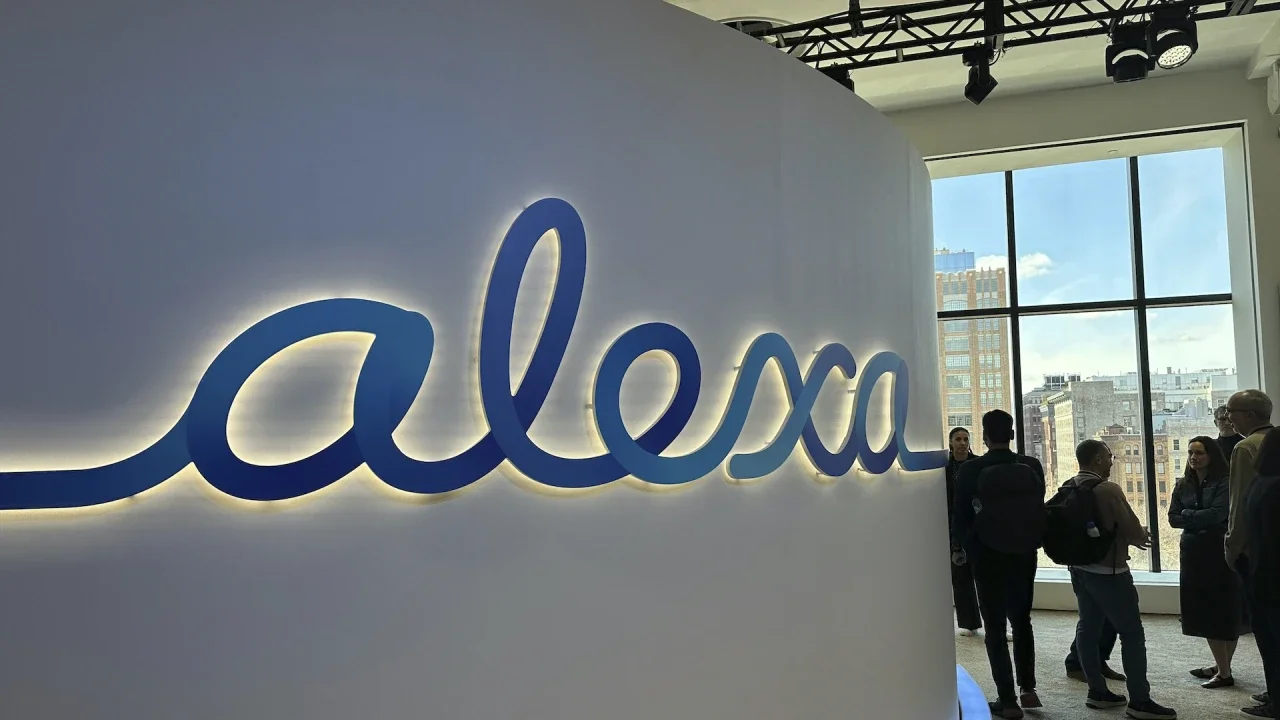
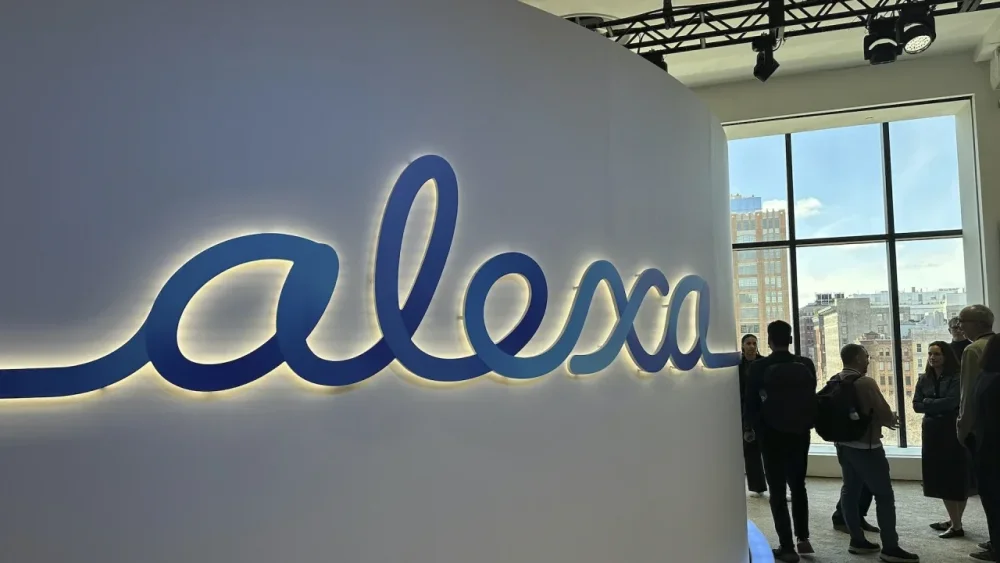
Amazon on Wednesday unveiled a generative-AI infused Alexa that it says will allow the popular voice assistant to have more personality, check a user’s tone and even plan romantic dates. But unlike before, when Alexa was offered for free on any Alexa-enabled devices, customers will have to pay Amazon a monthly fee of $19.99 for the revamped voice assistant, which it calls “Alexa+”. However, the generative-AI powered Alexa will be free for Prime members, who pay the company a monthly or annual fee for free delivery and other perks. At a media event held in New York City, Amazon executives showed off the update to the ten-year old digital assistant with the new features aimed at boosting sales and interactions with Alexa-enabled devices. The company says Alexa+ is able to have conversations with a more natural, humanlike flow and can learn more about a user — such as dietary preferences or allergies — the more it’s used. “I’m not just an assistant, I’m your new best friend in the digital world,” Alexa+ said during an onstage demo on Wednesday. At the event, Panos Panay, Amazon’s vice president of devices & services, listed off the other things the voice assistant can now do, such as create study plans, text a babysitter and call an Uber ride for a friend. He and other company executives also said Alexa can fetch videos from Ring cameras — such as checking whether a user’s dog was walked that day — and is able to remember handwritten recipes, emails and other documents shared with it. “She’s smarter than she’s ever been before, but she’s also approachable,” Panay said. Alexa is built into products such as smart speakers, Amazon’s Fire TVs and earbuds. The Seattle-based tech giant launched its popular voice assistant in 2014 alongside its first Echo device, which responds to voice commands. Panay said Amazon has sold more than 600 million Alexa-enabled devices and that user engagement grew 20% last year compared to 2023. Some market estimates have shown Alexa holds the largest market share among voice assistants. The revamped Alexa uses large language models, including some developed by Amazon and others by Anthropic, the generative AI startup the tech giant has poured billions into. Alexa+ has a “model-agnostic system,” allowing it to select the best AI model for the tasks it wants to complete, said Daniel Rausch, Amazon’s vice president for Alexa and Echo. Amazon says it will start rolling out “early access” to Alexa+ in the U.S. next month. It will then roll it out “in waves” internationally, starting with certain Echo devices. The upgraded assistant will be available across Alexa-supported devices, but some features are only built for products with screens. Amazon’s announcement came more than a year after the company teased an early version of an AI-infused Alexa at a media event held to show off new devices. At the time, Amazon had said it was working on a “speech-to-speech” model that would allow Alexa to exhibit humanlike attributes, such as laughter and phrases like “uh-huh” during conversations. During the demo on Wednesday, Amazon highlighted features it had previously kept under lid. In one exchange, Panay showed the new Alexa a video of the crowd in the room to test a feature that apparently allows it to sense the surrounding mood. Panay asked Alexa+ if the crowed “looked pumped” to which it responded the room full of journalists were “paying attention to you and excited.” Like its predecessor, Alexa+ is enabled when users say the voice assistant’s name — but executives on Wednesday said users now only have to say that wake word once before having a prolonged, back and forth exchange. Still, demonstrators would occasionally say “Alexa” again if it seemed like the voice assistant didn’t catch something. Amazon competes in the smart speaker market with other tech giants, including Apple and Google. Though it has had success in selling devices, the company’s other goal — driving Amazon purchases through Alexa — has been more challenging to pull off. Amazon has said Alexa customers have used their device to shop. However, many rely on it mostly for menial tasks, such as playing music, asking questions or checking the weather. A subscription fee for the revamped Alexa will allow the company to offset costs related to AI development and help its devices operations become more profitable. —Haleluya Hadero and Wyatte Grantham-Philips, Associated Press View the full article
-
We may earn a commission from links on this page. Making homemade bread and pizza can be greatly improved with the use of a pizza stone. I’ve used one for years, and it’s the best way to get a well-browned bottom crust. I thought I had it all figured out, until the pizza steel arrived. If you’re getting serious about cooking (and reheating) pizza at home, one of these tools should be in your oven. What’s a baking (or pizza) stone?A pizza stone is a plank or circle of ceramic or cordierite (a type of thermal shock-resistant ceramic). They’re typically between a half-inch to three-quarters of an inch thick and can range in size from nine to 20 inches across. Compared to a pizza steel, ceramic stones are relatively lightweight, which makes them easy to move around and store when they’re not in use. They can stain (especially if you’ve flubbed a few pizzas like I have), but cleaning them requires little more than a good scraping once the food bits have burnt to a crisp. I use a metal bench scraper to dislodge big chunks, and then simply wipe off the smaller particles with a damp cloth. Unfortunately, they are susceptible to cracking or breaking. The material is very brittle, so if you drop the stone or knock it with something hard it could crack. The ceramic material is also porous, which means moisture can get absorbed (that’s why I recommend a dry scrape or damp towel only after you’re finished using it). If the stone has moisture trapped inside, when it goes into a 475°F oven it can crack as the liquid rapidly evaporates. Amzdeal Pizza Stone $19.36 at Walmart $39.99 Save $20.63 Shop Now Shop Now $19.36 at Walmart $39.99 Save $20.63 Pros: Lightweight Thermal shock resistant Easy to store Easy to clean Cons: Susceptible to cracking or breaking Porous and can absorb moisture What’s a pizza steel?Pizza steels aren’t quite as widespread in popularity, but maybe you’ve seen one before. They look like the sexier version of a pizza stone; they have the same shapes, rectangular or circular, but they begin to diverge from there. A pizza steel is made of carbon steel. It’s better at conducting heat and, since it’s more dense, better at heat retention. Which means pizza steels can be effective even when relatively thin. They can range from 3/16-inch to a half-inch thick. But don’t let the thinness fool you—they’re damn heavy. Like a cast iron pan or a heavy Dutch oven, this trade off can be worth it, but it undoubtedly makes it harder to lift, carry, or situate in a low cabinet for storage when it’s not in use. Unlike the fussy pizza stone, a pizza steel is robust and relatively indestructible. Water doesn’t get trapped inside, as it’s not porous, and it doesn’t give a damn about temperature shifts. Your pizza steel can last you a lifetime of pizzas if properly cared for. That is, unless it rusts. That’s right: If you don’t ensure your pizza steel is completely dry before storing it, or if you store it with other wet things, you might be greeted with a rusty mess the next time you take it out of the cabinet. Although this sucks, it’s not the end. You can scrub off the rust with something abrasive, like steel wool, but you’ll need to re-season it with some oil. Here are other tips on getting rust off of your pizza steel. Otherwise, you can clean the pizza steel by scraping off the burnt bits with a strong spatula and washing off any grease with warm soapy water—just be sure to dry it completely. I usually dab off excess water with a paper towel (don’t scrub or bits of paper can get stuck) and toss it back into a warm oven to quickly evaporate any residual moisture. I'm a fan of the original Baking Steel. Baking Steel - The Original Ultra Conductive Pizza Stone $129.00 at Amazon /images/amazon-prime.svg Shop Now Shop Now $129.00 at Amazon /images/amazon-prime.svg Pros: Durable Thermal shock resistant Easy to clean Cons: Heavy Susceptible to rusting Larger sizes can be expensive If you’re a person who has a small kitchen, makes pizza or bread only occasionally, or has limited mobility and strength for heavy, cumbersome objects, then you might opt for a small pizza stone. If you’re okay with lifting something heavy and you know that baking pizza, bread, or burgers is something you’ll be doing weekly, then a pizza steel might be the better option for you. View the full article
-
As a big fan of background music, I was intrigued by iOS 18.4's Control Center changes. It adds a new tab called Ambient Music to Control Center's list of customizable controls. You can use this to add one of four pre-selected Apple Music playlists (or your own) to the Control Center, your lock screen, or the Action Button (provided your iPhone has one). Up until now, you could play music via the Now Playing widget in the Control Center, but dedicated controls to launch playlists were missing. This feature is different from Background Sounds, which lets you play nature sounds on your iPhone in order to help you focus better. Even though Background Sounds is useful for everyone, it was designed as an accessibility feature first, and hence it can be found in your iPhone's accessibility settings. The new iOS 18.4 Ambient Music feature, meanwhile, is linked to Apple Music. With this feature, you can choose one of four playlists that Apple's picked out for you, or pick any of your own Apple Music playlists. How to add Apple Music playlists to the Control Center Credit: Pranay Parab To check out these ambient music playlists, you're going to have to update to iOS 18.4. At time of writing, that's in the developer beta stage, which is the buggiest and most unstable of all available Apple OS releases. Be sure to back up your data before you attempt to upgrade, and ensure that you aren't trying this on your primary iPhone. Crucial apps and services may stop working at any point on beta software, so it's important to know about the risks. Once you've installed iOS 18.4, you can open the Control Center, tap and hold an empty part of the screen, and hit the Add a Control button near the bottom of the display. Scroll down until you see the Ambient Music tab and select one of the controls. Apple lets you pick one of four moods: Sleep, Chill, Productivity, and Wellbeing. In the Control Center, tap and hold any of these playlists to reveal more options. You can tap From Library to add your own playlists to any of these controls, too. You can also add these controls to your iPhone's lock screen. To do that, lock your iPhone and then use Touch ID or Face ID to unlock the device. Tap and hold the lock screen, select Customize, and tap the lock screen on the left. You can now remove either of the two controls in the bottom-left and bottom-right corners, and replace them with your playlists. View the full article
-
TJX Companies, parent company of TJ Maxx, Marshalls, and HomeGoods, among other retail brands, reported strong sales and operating results on Wednesday for the fourth quarter and fiscal year ended February 1. For Q4, TJX exceeded Wall Street’s revenue expectations, with sales of $16.35 billion. However, its revenue and earnings guidance for the coming fiscal year were below analyst expectations, according to a consensus estimate cited by CNBC. Key takeaways Here are the main points from the announcement: Q4 fiscal 2025 (13-week period): Net sales: $16.4 billion (flat compared to the prior year’s 14-week period). Consolidated comparable store sales: increased by 5%. Net income: $1.4 billion. Diluted earnings per share (EPS): $1.23, a 1% increase from the prior year’s adjusted EPS of $1.12. Growing retail footprint and store count In contrast to other retail giants that have faced recent bankruptcies and sweeping store closures or have gone out of business altogether, TJX has continued its expansion efforts, hitting a major milestone last year by opening its 5,000th store. The company increased its global store count by 131 stores during fiscal 2025, bringing its total to 5,085 stores. TJX also grew its total retail square footage by 2% year-over-year. In the United States, store counts and gross square footage increased as follows: TJ Maxx: 1,319 to 1,333 stores, square footage from 35.7M to 36.0M Marshalls: 1,197 to 1,230 stores, square footage from 33.7M to 34.4M HomeGoods: 919 to 943 stores, square footage from 21.4M to 22.1M Sierra: 95 to 117 stores, square footage from 2.0M to 2.4M Homesense: 55 to 72 stores, square footage from 1.5M “I am very proud of the performance of our hardworking Associates in 2024," CEO and president Ernie Herrman said in a statement. "We exceeded our expectations with over $56 billion in annual sales, a 4% comparable store sales increase, and a significant boost in profitability." Shares of TJX Companies (NYSE: TJX) were up around 3% in late-day trading on Wednesday after the report. View the full article

-
We may earn a commission from links on this page. Deal pricing and availability subject to change after time of publication. Samsung has been releasing Fan Edition (FE) smartphones, tablets, and earbuds for those looking for a more budget option compared to their flagship product. The Galaxy Tab S9 tablet has been Samsung's flagship tablet until the Galaxy Tab S10+ succeeded it last year. But now you can get the more budget-friendly FE version for a record-low price. The Galaxy Tab S9 FE is $297.72 (originally $449.99), a great value considering it comes with a stylus. Samsung Galaxy Tab S9 FE $279.72 at Amazon $449.99 Save $170.27 Get Deal Get Deal $279.72 at Amazon $449.99 Save $170.27 The Tab S9 FE is a great budget tablet for anyone looking to get a lot for their money. The best part is that it comes with an S Pen, which by itself retails for $94.99. The Tab S9 FE won't blow your mind with specs: It's got a 90Hz refresh rate screen with a 1,440 x 2,304 resolution, it has not an IPS LCD screen instead of AMOLED, and comes with 6GB of RAM and 128GB of storage. But it's water-resistant with an IP68 rating and includes the Android 13 software; it also includes Samsung DeX, which lets you use your tablet like a laptop (you can get the Dexnor Keyboard Case to attach it to the tablet and pair it with Samsung DeX); and it has the advantage of getting software updates, unlike most tablet competitors. Keep in mind that you can't connect it to a monitor, however, even with a USB-C video cable. At the front, you have a 12MP ultrawide camera; in the back, an 8MP. Wifi will be strong with Wi-Fi 6, and the battery life is great, offering you up to 18 hours depending on use (and it's a USB-C charger). If you're looking for a reliable tablet that will get software updates for years at a budget price and comes with a stylus, you could do worse than the Galaxy Tab S9 FE. View the full article
-
Tulsi Gabbard said move would make Americans more vulnerable to ‘cyber exploitation’ View the full article
-
Broadcaster accuses company of failing to do enough to tackle piracy, often involving its Fire Stick TV devicesView the full article
-
Lift heavy to build muscle: That’s advice you’ve probably seen in a million places, whether you're aiming to get stronger, get "toned," or simply reap the health benefits of putting on a little muscle. But how heavy is “heavy,” and how do you know if your workout qualifies? There’s no specific number of pounds that will constitute “heavy” for everyone. What’s heavy for a teenage girl picking up a dumbbell for the first time will be a lot less than what’s heavy for a pro strongman. (If you do want to compare your lifts to other people's, sites like Symmetric Strength can show where you stand—but please consider these comps as just for fun.) In basic terms, training “heavy” is shorthand for resistance training that is in a low-rep range and gets heavier over time. This is the type of training that delivers the biggest gains in terms of strength and muscle size. Training heavy is not the only way to build muscle, but it’s an effective one. Here are the questions you should ask yourself when trying to figure out whether you're training heavy enough. How many reps are you doing?Training for strength usually has you doing 1-5 reps in each set. Training for hypertrophy (bigger muscles) is often in the 8-12 range. The truth is, there isn’t much difference in results between the two methods; getting stronger gives you bigger muscles and getting bigger muscles makes you stronger. I’d say that as long as you’re doing 12 reps or fewer, you’re in an appropriate range to say you are training heavy. Once you’re doing much more than that—15, 20, 50 reps—you’re training your muscular endurance more than strength. You can build some strength this way, but it's not what you're going for when you're trying to train heavy. How hard does the set feel?Let’s say you’re doing squats in sets of eight. That could count as heavy training, but only if you’re loading the squats enough that it’s hard to do all eight of them. For some exercises and some goals, you might be aiming to train "to failure"—literally, going until you can’t do another rep. An example would be if you’re doing eight bicep curls and can’t manage a ninth. But you can also get close to failure without quite going there. For example, if you’re doing squats, a set of eight might be done at a weight that you could manage for 10 or 11 reps if you really pushed yourself. That still counts as heavy training. What doesn’t count is if you’re doing eight reps of goblet squats with a light dumbbell because it’s the only dumbbell you have, or because you’re intimidated about going up in weight. Heavy lifting is when you’re doing the appropriate rep range with a weight that is challenging within that range. Are you increasing the weight over time?The only way to keep the lift challenging as you get stronger is to keep increasing the weight. This doesn't mean you need to go heavier every time, but it does mean that you pick up a heavier weight once you've gotten a bit stronger. To use that goblet squat example, maybe squatting with a 20-pound dumbbell was challenging the first time you tried it. But a week or two later, you can probably do the same eight reps with a 25-pound dumbbell. Before long, it may make more sense to do front squats with a barbell, to make it easier to add more weight. OK, now you’re lifting heavy. But if you kept doing the same sets of eight squats with the same 20-pound dumbbell, you’re not efficiently challenging yourself to build muscle or strength—you’re just doing an exercise that keeps getting easier. That’s still good for you, because it’s still exercise, but it no longer fits the description of lifting heavy. How long are you resting between sets?This is where a lot of people go wrong, especially if they’re doing home workouts or are focused on calorie burn. You shouldn't lift heavy for the calorie burn (or heart rate zones) during the workout; you should lift heavy to build muscle, and save the cardio for another day. If you’re constantly working to keep your heart rate up, with little to no time to rest between exercises, you aren’t going to be able to train heavy. More likely you’re doing a strength/cardio hybrid such as circuit training. Crossfit “metcon” WODs (workouts of the day) often fall into this category, as do many home workout videos that bill themselves as high-intensity interval training (HIIT). They’re usually not really HIIT, but that’s a rant for another time. If you aren’t resting, that means you aren’t approaching each set of lifts with fresh, rested muscles. Reducing rest times makes the workouts feel harder, but it also means you’ll be working with less weight. That means these exercises are usually too light fit the definition of working heavy. They might still help you build strength or muscle size, but not nearly as efficiently. If you take a few minutes’ rest between exercises, then you’re lifting heavy. A typical range would be 2-4 minutes between exercises that work smaller or fewer muscles (like curls or presses) and 3-5 minutes or more between sets of big compound lifts (like squats or deadlifts). With an appropriate rest time, you’ll be able to properly lift heavy. View the full article
-
Are you ready to pay for Amazon Alexa? With the addition of AI to the assistant, Amazon thinks you are. Announced in a closed-doors meeting with press and business partners today, Amazon’s Alexa+ is bringing AI to the familiar digital assistant, plus a new $20/month price tag. The secret? If you have Prime, you’ll get access to it at no extra charge. Credit: Amazon As with standard Alexa, the assistant is built around vocal prompts, but is designed to be more conversational and personalized, and will supposedly be able to act on your behalf and integrate with partner apps including Hulu, Uber, and Xbox. It also enables new features in Amazon’s own apps, like Prime video or Ring, and should make smart home integration simpler. Amazon didn’t go over every potential use case at its event, seemingly because there are so many, but a few key ones include: More complex questions: When asking Alexa+ a question, as with other AI, you’ll be able to keep a conversation going without multiple prompts or repeating yourself in each new prompt. For instance, you could tell Alexa that one of your family members is vegetarian, and any recipe suggestions it makes for them for the rest of the conversation will take that into account. Multimodality: Alexa+ is able to use photos as input, or peruse uploaded documents and provide summaries of them. Create new routines by voice: Rather than having to set up new smart home automations through a complicated app, you’ll be able to do them verbally. For example, you could tell Alexa once to remember to turn off the lights when you close the garage door, and it'll do that from that moment onward. Jump to a specific Prime Video scene: Alexa+ will be able to use details such as scene descriptions or actor names to take you to a specific moment in a specific piece of content within Prime Video. In a press release, Amazon claims that saying something like “what’s that movie where Bradley Cooper sings a duet? Jump to that scene…” will be enough to start it playing. AI-powered Ring: People with Ring subscriptions will be able to ask Alexa+ to summarize saved footage and show you highlights, plus use “Smart Video Search” to find specific moments just by describing them to Alexa, i.e. by saying “When did I last take out the trash bins?” While that’s all set to make Alexa much more powerfuln (assuming it works) it’s also not too different from existing AI solutions. Where Alexa is set to go a step beyond is in taking action, in a way similar to what was promised by the Rabbit R1. Amazon says you could use it to order groceries, find event tickets, set up reservations, or book an Uber, among other things. Credit: Amazon That’s thanks to those partner integrations mentioned earlier. Supposedly, there are dozens of these partnerships set up and ready to go, including various news outlets like Time or The Washington Post, which should help make the assistant’s answers more accurate. As for actions, while it’s said to be hands-free, it seems like Alexa will ask for confirmation before actually making any final purchases or bookings. Similarly, Alexa+ is also set to integrate with Amazon Kids+, using AI to converse with kids using facts or interactive games and stories. Amazon promises “extra safety guardrails for younger users,” although details are still light at the moment. Credit: Amazon As is a lot about Alexa+. Amazon is promising transparency and privacy here, accessible via the Alexa Privacy dashboard, and has been surprisingly open about the technology powering Alexa+—it’s a combination of in-house models and Anthropic. But it’ll be a bit before you get to try out the upgraded assistant, with early access set for sometime next month. One surprise is that there are no new devices here, with Alexa+ instead being compatible with “almost every” shipped Echo device, although the company says that early access will come first to the Echo Show 8, 10, 15, and 21. Supposedly, the web and a new phone app will also get Alexa+, although it’s unclear when. Personally, I’ve always been a little skeptical of Alexa and its always-on microphones, and I can’t say Alexa+ is doing anything to move the needle for me. But I also haven’t seen much of it yet. I tend to be a bit more practical-minded when it comes to what I’m willing to use AI for, so we’ll see if Alexa+ can change my mind when I finally get my hands on it—its ability to automatically turn emails into calendar events does seem pretty handy, assuming you’re fine handing that data over to Amazon, and that Amazon makes it easy to do so. View the full article
-
You do not always need a lot of money to start a new business, and there are many business ideas you can pursue that do not require a large upfront investment. So, if you are considering starting a new business venture but do not have a lot of capital, there are still plenty of options available for you. Whether you’re interested in e-commerce, freelancing, or passive income ideas, there are opportunities that can be explored with minimal upfront investment. Read on to discover what kinds of businesses you can start without requiring a large investment. How Can You Start Your Own Business With No Money? If you would like to start a new business without incurring large startup costs, there are many types of businesses you can pursue. Here’s how: Identify a business idea: There are plenty of home-based businesses you can start that are low-cost initially. Doing some research on business ideas that can be operated from home will help you figure out what your options are. Conduct market research: After identifying potential businesses, you should consider doing market research to understand their demand and what customers are currently doing. Understanding the industry and customer behavior will enable you to put together a business plan that takes the existing customer base into account and potential marketing materials. Create a business plan: Once you have a great business idea, the next step is to create a business plan. What kind of skills or investments are needed? What kind of business structure would be best? What will you name the business, and how do you plan to attract the target market? You may also need to have a financial plan in place to avoid any personal liability issues. Having a plan ensures that you can start your business right from the get-go and can attract angel investors and other types of capital. Research any investments needed: There are some types of businesses you can start pretty quickly with little to no investment required. However, other types of businesses may require a business license or business insurance to get started. You can also investigate any small business loans that could help you quickly start your business for purchasing equipment or other needs. Promote your business: Once you are ready to go with your idea and have made all the investments needed, promoting your business is key! Reach out to local business communities or residents (depending on the business you offer) to let them know what service or product you are providing and market yourself to build your customer base. StepDescription 1. Identify a business idea- Research and explore home-based business ideas. - Evaluate the feasibility and potential of each idea. - Choose a business idea that aligns with your interests, skills, and market demand. - Consider the initial cost and resources required for each business idea. 2. Conduct market research- Investigate the market for your chosen business idea. - Understand customer preferences, needs, and behaviors. - Analyze competitors and identify gaps in the market. - Determine the demand for your product or service. - Use market research data to fine-tune your business plan and marketing strategies. 3. Create a business plan- Outline your business goals, objectives, and mission. - Identify the target market and define your value proposition. - Plan the business structure and legal requirements. - Determine the necessary skills and investments. - Develop a financial plan, including cost estimates and revenue projections. - Choose a suitable business name. 4. Research investments needed- Assess the financial requirements for starting the business. - Identify any licenses, permits, or insurance needed. - Explore potential funding sources, such as small business loans or angel investors. - Allocate funds for equipment, marketing, and initial operational expenses. 5. Promote your business- Develop a marketing strategy to reach your target audience. - Utilize online and offline marketing channels effectively. - Network with local business communities and potential customers. - Showcase your products or services through demos, samples, or promotions. - Build a customer base through quality service and engagement. Business Ideas You Can Start With No Money If you are ready to start your own business but not sure what you can operate with low startup costs, there are plenty of online business ideas and other types of ideas you can pursue on a shoestring budget. Landscaping Business A landscaping business can be a great idea if you are looking for a business where you can interact with many people and set your own hours. You may need a little bit of upfront capital to get the right equipment and reliable transportation to get to and from job sites. However, many people already have these items covered. And there are minimal ongoing costs to consider. Landscaping is great if you’re looking for ideas that are not home-based and where there are minimal costs to get started. Consulting Business Depending on your industry and your skills, having your own consulting business could be your next business idea. You could work with other businesses to offer your current skills and expertise on different issues. Consulting businesses require very little money upfront, especially if done online. You only need a solid internet connection and marketing materials to get started. Social Media Marketing There are many aspects of social media marketing that you can undertake as a small business. For example, you could utilize digital platforms to offer services such as social media management and building a social media presence on social media accounts for small business owners. It’s an easy business with no money required upfront, just social media experience, so it is relatively low cost to start. House-Sitting Business Another business model to consider is starting a service business such as house sitting. You can take care of homes while people are away, including keeping an eye on utilities, collecting mail, and watering plants. There are minimal startup costs required to start a housesitting business, but it can be lucrative depending on the area you are in. Freelance Writing Service-based businesses tend to be the best option if you are looking for a low-cost way to start a business. However, a freelance business idea you can consider to make extra cash could be to become a freelance writer. This could include copywriting, website writing, informational writing such as brochures, and other marketing communication, depending on what businesses require. It’s a great way to turn your current skills and expertise into a business. Dog Walking If you are a fan of dogs, why not offer dog walking services in your local neighborhood? You can start dog walking services without needing a lot of capital, and it can be an immensely useful service for your community. You may need some kind of liability insurance for this kind of business, so it’s best to research local and state regulations before starting. Start Your Own Online Store Starting your own online store is easy, but it may require some startup capital or angel investors, depending on the type of products you are trying to sell. For example, you could set up your own website and sell products such as clothing, home decor, artwork, and more. There are also many online platforms like marketplace sites that can help you get started quickly and even scale over time. Freelance Web Design There are many other types of freelance services you can pursue besides writing, such as website design if you are able to take relevant training. In addition, you can offer your services to other business owners needing a web presence, including basic sites on platforms such as Squarespace, Wix, and others. You do not need a business license to operate a website development business, so it is easy to get started and very flexible. Language Tutoring Business If you are a native English speaker or fluent in multiple languages, you have the opportunity to start a tutoring business to earn extra money online. This involves working with students of various ages and helping them develop their language skills, which includes practicing conversation and guiding them through the basics of a language. You can either establish your own tutoring business or collaborate with tutoring platforms to offer your services. Sell Online Courses Another opportunity for making money online is selling digital products such as online courses. If you have specific skills and experiences, you can start a business centered around developing and selling courses on your own website or on platforms such as Udemy. You may need to invest a small amount of capital into filming equipment, such as a high-quality camera and mic, but once the courses are filmed, you will be able to make passive income as they sell. Pet Sitting or Babysitting Another way to make extra cash is to start a pet-sitting or babysitting business. Again, this type of business may require some kind of liability insurance, business insurance, or business license, but it can be a valuable service that many customers may need, depending on your area. Virtual Assistant Services If you thrive on being organized and efficient, you can offer your services as a personal assistant or virtual assistant. For example, you could network with real estate agents, business owners, and other professionals who need assistance getting organized and keeping their schedules on track. You can balance multiple clients and build your business as a virtual assistant. More Business Idea Examples to Start With No Money If you are still thinking about what kinds of businesses you can start with no money, there are many local business ideas that you could pursue. Here are some of the best business idea examples for you to consider. Delivery services Many business owners and residents are always looking for reliable delivery options in their area. You can use your own car to make deliveries and be your own boss. You may need to get a business license and liability insurance for this kind of business, but it should be relatively easy to start. Life coach Life coaching is a service that many are seeking now, and there is a demand for online life coaches. There are certifications available for life coaching that you could take, and you would be able to connect with clients via Zoom or Skype for your sessions, so it would not require much money to start. Accounting and bookkeeping services If you are skilled at balancing the books and keeping track of financials, consider offering your services to local business owners. You can start without needing money or office space and provide a helpful skill for businesses seeking additional financial help. Podcaster If you are interested in an online business that you can start right away, you could become a podcaster. All you need to get started is a high-quality mic and audio editing software. You can create podcasts about subjects you are passionate about or create podcasts about your own experiences to guide and inspire others. Vlogger Another option to consider for an easy business to start with no money is becoming a vlogger. Many people operate successful businesses on platforms such as YouTube and Twitch by live streaming and creating vlogs. You may need to invest in equipment such as a camera or a mic, but you can get started immediately with vlogging. Data entry provider Many businesses are looking for reliable, independent contractors for simple and complex data entry tasks for various needs. These can be completed remotely, so there is no need for offices or any other equipment besides an internet connection and a computer. Translator Another option for those who speak multiple languages is to offer translation services. Translation services can be offered online or in person and can include services such as live translation, simultaneous translation, and document translation. There are many ways to start a translation business, depending on your level of skill and how much time you have with clients around the world. Personal Fitness Trainer If you’re passionate about fitness and health, starting a personal fitness training business could be an excellent fit. With the rise of virtual training sessions, you can offer services online via video calls, reducing the need for a physical location. You’ll need to be knowledgeable about fitness techniques and possibly obtain a certification, but the startup costs are minimal. Handmade Crafts Seller For individuals with a creative talent, selling handmade crafts can be a fulfilling venture. Websites like Etsy and local craft fairs offer excellent venues for showcasing and selling your creations. Whether it’s jewelry making, knitting, or woodworking, the possibilities are vast. Since the primary expenses usually involve only materials, this type of business presents a low barrier to entry, making it one of the many businesses to start with no money. Event Planning Services Event planning is another business idea that requires minimal upfront investment. If you have a knack for organization and love creating memorable experiences, you can start by offering your services for small events and gradually building your portfolio. Networking and social media can be powerful tools to attract clients. Resume Writing and Career Coaching With a good understanding of what makes a resume stand out and how to coach individuals for job interviews, you can start a resume writing and career coaching business. This service can be offered entirely online, making it a feasible option with little to no startup cost. Home Organizing Services If you have a talent for decluttering and organizing, consider starting a home organizing business. With a growing trend towards minimalism and efficient living spaces, your services can be in high demand. Start by offering your services to friends and family and use before-and-after photos to showcase your work on social media platforms. Content Creation for Social Media If you have a knack for creating engaging content, consider offering your services to businesses or personal brands looking to enhance their social media presence. This can include creating posts, graphics, or short videos. The only investment needed is your creativity and understanding of social media trends, making it a perfect business to start with no money. What Is the Easiest Business to Start With No Money? There are many businesses that you can start with very little money required. The easiest business to start with no money is a service-based venture such as virtual assistant services, freelance writing, or consulting, as no small business loans are required, and these can be offered online. Launching Your Dream Business with Zero Capital: Our Methodology Starting a business with no money might sound like a daunting task, but with the right approach and a clear set of criteria, it’s entirely possible. In guiding entrepreneurs towards starting businesses with minimal or no initial investment, we use a specific set of criteria. These criteria help in identifying opportunities that rely more on skills, creativity, and innovation than on financial resources. Each criterion is rated on a scale from 1 to 5, where 1 indicates the least importance and 5 the highest importance: Skill and Talent Utilization Importance: 5 Business ideas that leverage the individual’s existing skills, talents, or knowledge are crucial. This could include areas like digital skills, writing, coaching, or crafting. Market Demand and Scalability Importance: 4 We assess the current market demand for the proposed product or service and its potential for future growth without significant financial investment. Low Overhead and Operational Costs Importance: 5 The business should have minimal ongoing costs. This includes considering home-based businesses, digital services, or drop shipping models that don’t require a physical storefront or inventory. Digital and Online Platform Utilization Importance: 4 Leveraging online platforms and digital tools for marketing, sales, and service delivery is crucial, especially for businesses starting with no money. Networking and Community Building Importance: 3 The ability to network and build a community, which can be done virtually and without cost, can be a powerful tool for business growth and sustainability. Flexibility and Adaptability Importance: 4 Business ideas that offer flexibility and can adapt to changing market conditions or opportunities are essential, especially when operating with limited resources. Innovation and Creativity Importance: 4 Focusing on innovative and creative solutions can set a business apart and help it navigate the challenges of starting with no capital. Income Potential and Profitability Importance: 5 The potential to generate a steady income and become profitable, even on a small scale initially, is a key factor for businesses starting with no money. By applying these criteria, we aim to identify business ideas that are not only feasible without financial investment but also offer opportunities for growth, innovation, and income generation. Can You Start an Online Business With No Money? Yes, you can start a successful business with no money online. Many businesses that are service-based can be created online and do not require a significant investment upfront or a business license. What Is the Most Profitable Business Model to Start Without Capital? The most profitable business venture to start with no capital is a freelance service such as writing or being a virtual assistant. How Much Does It Cost to Start a Business? The amount of money needed to start a business will depend on the service or product being offered. Some service businesses such as landscaping, cleaning, or becoming a podcaster or Youtuber will require a small investment to get the necessary equipment. Some businesses may also require other certifications, such as business licenses or liability insurance. Other types of businesses, such as writing or consulting, do not require much money to get started. Frequently Asked Questions How Can You Start Your Own Business With No Money? To start a business without a large capital, identify a low-cost home-based business idea, conduct market research to understand demand and customer behavior, create a business plan, and explore any necessary investments. Promote your business to build a customer base. What Business Ideas Can You Start With No Money? You can start various businesses with minimal investment, such as landscaping, consulting, social media marketing, house-sitting, freelance writing, dog walking, online store, freelance web design, language tutoring, online courses, pet sitting, virtual assistant, and more. Are Service-Based Businesses Easier to Start With No Money? Yes, service-based ventures like writing, consulting, and virtual assistance require minimal investment and can be operated online, making them easier to start without significant capital. Can You Start a Profitable Business Model Without Capital? Certainly, freelance services like writing or virtual assistance present profitable business models that require little to no initial investment. These opportunities can be both lucrative and efficient. Can You Start an Online Business With No Money? Certainly, many service-based businesses can be created online without requiring substantial upfront costs or a business license, making them accessible to entrepreneurs with limited funds. What Is the Easiest Business to Start With No Money? Service-based ventures, like virtual assistant services, freelance writing, or consulting, are among the easiest businesses to start without requiring small business loans or significant capital. What Is the Most Profitable Business Model to Start Without Capital? Freelance services like writing or virtual assistance provide lucrative business models that require little to no investment, making them an excellent opportunity for individuals with limited financial resources. How Much Does It Cost to Start a Business? The initial cost to start a business varies based on the type of service or product offered. Some service businesses may require a small investment in equipment or certifications, while others require minimal capital to get started. Conclusion: Thriving Beyond Financial Boundaries The Unique Challenge of Limited Resources Opportunity in Constraints: Starting with minimal capital is a chance to showcase resourcefulness and creativity. Beyond Monetary Value: The journey’s success isn’t defined by financial capacity but by resilience and ingenuity. Entrepreneurship as a Testament to Ingenuity Value of Non-Monetary Assets: Resilience, adaptability, creativity, and a strong network are invaluable in your entrepreneurial journey. Challenges as Growth Opportunities: View every financial limitation as a catalyst for innovation and unique path-making. Leveraging Constraints for Innovation Success Stories of Limited Beginnings: Icons like Steve Jobs and Mark Zuckerberg exemplify success starting with little. Creative Problem-Solving: Limited finances drive innovative solutions and encourage the effective use of resources. The Power of Networking and Time Management Networking Necessity: Building a support system becomes crucial, offering mentorship and collaboration opportunities. Efficient Time Use: Limited funds necessitate prioritizing high-impact tasks, fostering disciplined growth. Customer-Centric Approach in Business Deep Customer Understanding: Financial limitations drive a focus on meeting customer needs precisely. Building Customer Loyalty: This tailored approach can create lasting customer relationships and set your business apart. Embracing the Entrepreneurial Spirit Refining Through Adversity: Limited resources are not a trial but an opportunity to grow stronger and more innovative. Historical Inspiration: Countless entrepreneurs have overcome financial limitations to achieve remarkable success. In summary, navigating entrepreneurship with limited financial resources is not just a journey of survival but one of profound growth and opportunity. It’s a chance to harness your full potential, utilizing every challenge as a stepping stone toward becoming a resilient, innovative, and successful entrepreneur. Your journey is a testament to the boundless power of determination and creativity, where your spirit and vision are the true determinants of success. YOU MIGHT ALSO LIKE: What is Bootstrapping in Business? 50 Low-Cost Business Ideas with High-Profit Potential 20 Types of Grants Available Where to Get a Loan for Your Small Business 45 Amazing Home-Based Business Ideas to Consider Image: Envato Elements This article, "Businesses to Start With No Money" was first published on Small Business Trends View the full article
-
Financial Conduct Authority has put firms on notice over fears that investors may be sufferingView the full article
-
Letting Beijing build largest embassy in Europe seen as inappropriate reward given its human rights recordView the full article
-
The company missed analysts' quarterly forecasts on operating earnings per share due to higher mortgage servicing rights amortization and operating expenses. View the full article
-
We may earn a commission from links on this page. There are all kinds of laws that govern the rights you have when you’re renting your home, but landlords are also pretty well-protected. You might think that anything that goes on in your apartment is their business (for better or worse), but there are actually quite a few things that simply are not their responsibility. While it’s pretty wild that they technically own your home and can make all kinds of rules about it but don’t actually have to fix certain issues, it’s worth knowing what is and is not their job when it comes to your space. Outdoor spaces are your responsibilityIf you are renting a house or are lucky enough to have scored an apartment with a backyard, be warned: Your lease may stipulate that management of those areas is your responsibility. Read it carefully and ask your landlord if you have any questions, but know that you could be the one who has to clear snow, trim the grass, clean the gutters, remove pests, and more. Small plumbing issues are also for you to handleClogs and other little plumbing issues are rarely your landlord’s responsibility. Unless it’s something really major, you’re probably on your own to get whatever is in that pipe out of it, which you should do because if your issue becomes the building’s issue, you’re likely on the hook for that, too. I recommend the FlexiSnake Drain Weasel for clogs: It extends 18 inches, has a rotating handle that makes using it easy, and it's less than $20. Regularly use this to avoid major problems down the line and only call your landlord when something is really, really wrong. For instance, my super stopped by a few months ago to fix my leaky shower—there was a problem with some valve seals that I didn't cause and couldn't fix on my own—but my stopped-up sink just a foot away? That's my problem and mine alone. Speaking of... Damage you cause is damage you fixIn most cases, if you cause damage, you have to fix it. If your wall develops a hole because of a water leak, that’s the landlord’s responsibility. If it develops a hole because you hung something too heavy, it’s yours. This can get a little confusing, so this is the category it's best to discuss with your super regardless. This week, I called mine out of exasperation because I couldn't get some marks off the higher part of my wall. I assumed they were my fault. Wrong! They were caused by a faulty radiator valve (not my fault) and were actually a sign of a deeper problem inside the wall (also not my fault), which meant the management company did have to dispatch someone to not only tear up my wall, but replace my radiator valve. They did that, but other marks caused by scratches or wall hangings were left untouched; those are my responsibility, since I put them there. This is not to say you're on your own completely. Depending on the relationship you have with your super, you can ask to borrow their tools and resources and they might even help you out. It is, after all, in their financial interest to keep it in good condition. I rent a small apartment and certainly don't have room for things like big tools or ladders, but my super lets me use his when I have to correct something that falls under the umbrella of my responsibility. More often than not, they actually come do it for me, preferring not to let me climb around on a ladder they own. Smart! Cosmetic repairs are your responsibility In that same vein, your landlord is likely not legally required to make repairs in your place that are purely cosmetic. If a crack in your bathroom tile is merely unsightly, that’s probably your problem. If a crack in the tub is causing a leak or making it unusable, it’s more likely theirs. What they are legally required to do is keep the building livable, which means you have to be warm and have access to the essentials. That's it. I know from experience that they have little to no interest in how attractive your unit actually is, as long as it's not driving the value down or visible from the outside. That said, once again, ask nicely and see if they're willing to help you out or lend you tools. Just because they aren't legally required to do something doesn't always mean they won't, especially if you can make the case that it will keep the value high. What to do if you’re unsureYou can assume your landlord doesn’t have to provide you with window screens, air conditioners, lightbulbs, and other things of that nature, but you should always reach out to them if you think there’s a chance. My apartment has a vaulted ceiling, for instance, and like I said, I don’t have a gigantic ladder lying around. My landlord comes in and changes my lightbulb when I need it, which is considerate; I just have to provide the bulb. Read your lease carefully to see what repairs are specifically highlighted as their responsibility and yours and, if you do make requests or ask for clarification, be sure to always do it in writing so you have a record of what is said. This week, after my wall catastrophe, my building manager gently reminded me that I should always err on the side of asking for help instead of assuming I have to take care of something myself. That's great advice straight from the horse's mouth. They might be willing to help you out, but you won't know unless you ask. Just keep in mind they don't have to do much beyond fix anything that makes the place unsafe or unlivable. In addition to reading over your lease, being open with your landlord, and just asking for help on the chance they'll provide it, familiarize yourself with the renter protections and laws in your specific state. The repairs above are generally accepted as the ones you're in charge of, but that might not be true where you live. Here is a handy state-by-state list that can help you get started. The more you know about your lease and the laws that apply to your personal situation, the better equipped you are to deal with leaks, holes, and other issues. View the full article
-
Meta Quest 3 users will now be able to explore detailed 3D scans of sculptures, rock formations, plant life, and other interesting objects from around the world. The 3D images, which users can virtually zoom in on or walk around, are part of a new app from Pokémon Go-maker Niantic called Into the Scaniverse. Last year, the company released the latest version of a smartphone Scaniverse app letting users create detailed images of public scenes or objects within their phones, with the ability to add public images to a shared map. Already, the map includes more than 50,000 3D scenes, including renderings of Stonehenge, ancient ruins in Europe, Japanese temples, and even a shrine to Elvis Presley, all captured with the Scaniverse app or through Niantic games like Ingress and Pokémon Go. With the new Quest app, users will be able to traverse a map of the world from a virtual hot air balloon, spotting and clicking pins on the map to explore in stereo 3D vision the sights that were scanned there. “Our goal is really to get a large collection of high-quality scans that folks can visit around the world,” says Brian McClendon, senior vice president of engineering at Niantic. “You can walk up to it and look up at it, and you get a sense of scale of these objects that sometimes photos don’t do justice.” [Image: Ninantic]Making the scans, created using a mathematical modeling technique called the Gaussian splat, available through virtual reality will hopefully also incentivize more users to go out and scan and share the world around them, similar to how the rise of Instagram motivated people to take and share photos, he says. The scanning process generally takes only a few minutes, and users can view their own scans on their phones or Quest headsets before deciding whether to share them to the public map. “This allows you to experiment with locations and try things out, and once you have what you like, you can then choose to publish to the map or not,” says McClendon. The scan library is currently growing rapidly, with more than 11,000 published since December. Users on Niantic forums and in meetups also share tips on how to capture the best scans. McClendon, who is based in Arizona, has uploaded some scans of cactus and other desert foliage that not everyone sees in person, and he’s hopeful that users continue to increase their coverage of the planet. [Animation: Ninantic]Though the scans might be most impressive in virtual reality, it’s not necessary to have a Quest to experience them, with the 3D images also accessible in the Scaniverse iPhone and Android apps or through the web. Scans taken with Niantic’s software and shared publicly are also available for developers to use in Niantic Studio, the company’s tool for building XR and 3D games and experiences. Users also share some of their favorite scans through social media like X, Theads, and Bluesky. But McClendon anticipates that the Quest app’s map view will lead to a new wave of discovery as people explore spots near them or places they’ve visited in the past. [Image: Ninantic]The app can even be used to help plan vacations, with people exploring potential sites before they travel, McClendon suggests. And ideally, when they arrive, they’ll be inspired to contribute more scans to the public collection. “The real goal is to motivate more people to create more scans,” McClendon says. View the full article

-
US president warns levies will target auto sector and be applied ‘generally’View the full article
-
Hunton Andrews Kurth explores what makes an attractive shell entity. View the full article

-
While companies can use a variety of incentive programs and bonuses, businesses with staff longevity frequently rely on a more personal touch. View the full article

-
US president’s comments come as countries prepare to sign deal on critical mineralsView the full article
-
The Academy Awards ain't everything. Sometimes the movies that win truly represent the best films of their years; sometimes they reflect a trend or a zeitgeist that winds up looking a little backward after some time has passed; sometimes they're just completely inexplicable. But let's focus on the times the Academy has awarded movies that are actually pretty good, or that at least reflect their eras enough to be interesting. Here are 25 of the best award winners currently streaming on Netflix (keeping in mind that some of the streamer's buzziest awards contenders—think The Irishman and Maestro—got lots of nominations but no wins). Barbie (2023) The pink-drunk optimism of the summer of Barbenheimer feels impossibly distant at this dark point in the. winter of 2025, so why not recapture a little of that magic by revisiting the movie that made feminism palatable to the masses for a little while (at least until it was rudely shoved back under the bed in late 2024). I shouldn't need to sell you on it: A star-making turn from Margot Robbie as Barbie, a delightfully egoless supporting turn from Ryan Gosling as her Ken, and a message of female empowerment that seemed a little trite until I realized that a lot of people apparently still haven't absorbed it. Oscar for: Best Original Song The Wonderful Story of Henry Sugar (2023) Audiences and critics had mixed reactions to Wes Anderson's other 2023 release, the feature-length Asteroid City, but there was little division over this short film, an adaptation of the Roald Dahl story, and it finally earned Anderson his first Oscar—not that he was there to collect it. Benedict Cumberbatch stars as the pseudonymous Henry Sugar, a man who uses his inherited fortune to fund his gambling habit. When he learns of a secret means of winning by seeing through the eyes of others, he comes to perceive more than he, perhaps, bargained for. It's a cute and sweet, and among one of Anderson's most visually inventive works (which saying quite a bit). And, at 40 minutes (39, actually), it never has time to wear out its welcome. Ralph Fiennes, Dev Patel, Ben Kingsley, and Richard Ayoade also star. Oscar for: Best Live Action Short Film Roma (2018) Stepping back from the cerebral science-fiction of Children of Men and Gravity, Alfonso Cuarón won his second Best Director Oscar for this semi-autobiographical drama inspired by his own childhood in Mexico City of the 1970s, in the middle of Mexico's long, violent Dirty War. Yalitza Aparicio plays Cleo Gutiérrez, a Mixtec live-in maid for an upper-middle-class couple with four children whose marriage is slowly disintegrating. When husband Antonio leaves with his mistress, wife Sophia and the pregnant Cleo bond over their unexpected situations. Cuarón is wonderfully adept at creating a sense of time and place, and the performances are indelible. Roma won Best Foreign Language Film, but was also nominated for Best Picture, and it's a far stronger work than the year's actual winner, Green Book. Oscars for: Best Director (Alfonso Cuarón), Best Foreign Language Film (Mexico), Best Cinematography (Alfonso Cuarón) Marriage Story (2020) Nominated for six Oscars, Noah Baumbach's sensitive, devastating story of a crumbling marriage feels like a modern American update of Ingmar Bergman's Scenes from a Marriage, and earns the right to be mentioned in the same company. As warring couple Nicole and Charlie Barber, Scarlett Johansson and Adam Driver give emotionally raw performances, but the real story is Laura Dern as Nicole's lawyer Nora Fanshaw; she's one of our finest actresses, with decades of excellent work, and it was high time she won her first Oscar. Driver and Johansson were also nominated, as was Baumbach for his original screenplay Oscar for: Best Supporting Actress (Laura Dern) Guillermo del Toro's Pinocchio (2022) More Oscar love for Guillermo del Toro (Pan's Labyrinth, The Shape of Water). Ho hum. Yet, as in the past, it's well-deserved. Set in Fascist Italy between the World Wars, this longtime passion project for the director boasts gorgeous stop-motion animation. More importantly, it embraces the darkness inherent in Carlo Collodi's original fantasy novel—del Toro recognizing that a children's story need be neither cloying nor condescending, and that kids recognize, as well as anyone, that sometimes the only way to the light is through the dark. The talented, but not distracting voice cast includes Ewan McGregor, Christoph Waltz, Tilda Swinton, and Cate Blanchett. Oscar for: Best Animated Feature Film All Quiet on the Western Front (2022) A second adaptation of the 1929 anti-war novel from Erich Maria Remarque, this version didn't take home Best Picture nor Best Director as the original 1930 version did, but still, All Quiet wound up being the second-most awarded film on Oscar night 2023, behind Best Picture winner Everything Everywhere All at Once. If it doesn't have quite the impact of the earlier adaptation, it's still a powerful film about the futility of war, set amid the trenches of World War I. Oscars for: Best International Feature (Germany), Best Original Score (Volker Bertelmann), Best Production Design (Christian M. Goldbeck and Ernestine Hipper), Best Cinematography (James Friend) My Octopus Teacher (2020) Filmmaker Craig Foster spent a year forming a relationship with a wild common octopus in a South African kelp forest, transferring some of the lessons learned to his relationship with his own son. If Foster could form a bond with such an alien intelligence in its own natural (and naturally dangerous) environment, surely there's hope for humanity? Maybe? Oscar for: Best Documentary Feature Ma Rainey's Black Bottom (2020) One sweaty, blues-filled afternoon in the Chicago of 1927, the great Ma Rainey (Viola Davis) shows up at the studio to make a new album. She's been contracted by white promoters, and she's fully aware that their deference to her is entirely dependent on her bankability as a singer. Over the course of the session, tensions rise and conflicts erupt, particularly between Ma Rainey and Chadwick Boseman's Levee Green. Davis earned a Best Actress nomination, and is so good that she's practically channeling the take-no-shit blues legend, while Chadwick Boseman was seen as a near-lock for a posthumous Best Actor award. Unfortunately, the Academy's notorious stinginess when it comes to Black acting seems to have won out—there's been exactly one Black Best Actress winner in 95 years of awards (Halle Berry), and only five Black acting winners overall. Oscars for: Best Costume Design (Ann Roth), Best Makeup and Hairstyling (Sergio López-Rivera, Mia Neal and Jamika Wilson) Mad Max: Fury Road (2015) While the long-awaited prequel/followup Furiosa undeservedly bombed at the box office and with Oscar voters, it in no way tarnishes the reputation of this 2015 action masterpiece. In retrospect, director George Miller's magnum opus would have been a far better Best Picture pick than the actual winner (when is the last time anyone thought about, let alone watched, The Revenant?), and it's always a good time to revisit the road rage mayhem alongside Max, Immortan Joe, the War Boys, and, of course, the Doof Warrior himself. Oscars for: Costume Design (Jenny Beavan), Film Editing (Margaret Sixel), Makeup and Hairstyling (Lesley Vanderwalt, Elka Wardega, and Damian Martin), Production Design (Colin Gibson, Lisa Thompson), Sound Editing (Mark Mangini and David White), Sound Mixing (Chris Jenkins, Gregg Rudloff, and Ben Osmo) RRR (2022) It's wild that RRR wasn't nominated in more categories, given its epic scope, sharp commentary, and crowd-pleasing style—but taking home India's first Original Song Oscar was no small feat either, especially given that the competition included numbers from the likes of Rihanna and Lady Gaga. The movie itself is a blockbuster done right, with brilliantly choreographed action sequences and rousing musical numbers buttressing a strong "f*ck colonialism" message. Hopefully Hollywood was taking notes. Oscars for: Best Original Song ("Naatu Naatu") Erin Brockovich (2000) Julia Roberts finally took home an Academy Award for her irresistible turn as the title character, a feisty small town paralegal who manages to bring a massive corporation to its knees with a lawsuit over toxic pollution. Given the rapid dissolution of government agencies like the Environmental Protection Agency and an increasingly corporate-friendly judiciary, it kinda plays like a beautiful fairytale these days, thanks in no small part to lively direction from Steven Soderbergh (who won the Oscar the same year for directing a different movie altogether—and while Traffic is a good too, spending time with Erin Brockovich is a lot more fun.) Oscars for: Best Actress (Julia Roberts) The Power of the Dog (2021) Like Brokeback Mountain, much of the press around Jane Campion's film had to do with its queer themes (gay cowboys? what's next!?), but its power lies in its deliberate, unhurried direction from Campion (a rarity these days), and also in its beautiful cinematography. Benedict Cumberbatch stars as one of two very different brothers, whose tenuous peace is shattered by the arrival of newcomers at their Montana ranch circa 1925. Oscar for: Best Director (Jane Campion) Period. End of Sentence. (2018) The short (around 25 minutes) film follows a group of women in the Indian village of Kathikera, about 50 miles from Delhi, who work to overcome centuries of shame associated with menstruation. Learning that sanitary pads can be made with local materials, local women start a factory to manufacture and sell their own pads, starting a quiet but needed revolution in menstrual health. Oscar for: Best Documentary Short Subject The Last Days (1998) In the last year of World War II and the Holocaust, the Nazis in occupied Hungary accelerated their program of deportation and extermination, even at the cost of war strategy. This documentary follows five survivors—and naturalized American citizens—traveling back to the camps they narrowly escaped. Oscar for: Best Documentary Feature The White Helmets (2016) It's easy to lose sight of documentaries dealing with war and crisis amid the many of that style that have received Oscar nominations and wins, but there are standouts even in that very particular crowd. The White Helmets documents the story of the Syrian Civil Defense, an all-volunteer group of Syrians who perform search and rescue operations in response to bombings. The real draw of this (relatively) short film is in the interludes with volunteers discussing their everyday lives, before and during the war; those moments make clear the cost of the ongoing conflict. Though seven years old, the Syrian Civil War continues, tragically, as does the work of the SCD. Oscar for: Best Documentary (Short Subject) American Factory (2019) The first film from Barack and Michelle Obama’s production company, Higher Ground Productions, goes and wins an Oscar. The film looks at an abandoned GM plant in Ohio purchased by a Chinese billionaire for his company, glass manufacturer Fuyao. The plant came to employ 2,000 American workers, but the complicated dynamic between the Chinese leadership and working-class American employers quickly points to potentially insurmountable problems. The movie takes a fly-on-the-wall approach, without any narrative beyond what we’re seeing and hearing inside the factory itself; there’s no overriding sense that there are heroes or villains here—just a lot of people trying to figure it all out. Oscar for: Best Documentary Feature Apollo 13 (1995) Ron Howard's all-star astronaut docudrama is not only a better film than the one that won Best Picture in its year (Braveheart), it's also a better picture than the one the director took home the Oscar for (A Beautiful Mind). Simultaneously heart-stopping and subdued, the true story of the aborted moon mission generates tension without going overboard on the histrionics. Oscars for: Best Film Editing (Mike Hill and Daniel Hanley), Best Sound (Rick Dior, Steve Pederson, Scott Millan and David MacMillan) The Sting (1973) Very much the kind of movie they don't make anymore, and not merely because it's a depression-era period piece. George Roy Hill, who had directed Butch Cassidy and the Sundance Kid just a few years earlier, reunited Paul Newman and Robert Redford in a similarly good-natured caper film. The two play a couple of con men with an elaborate scheme to get revenge on the crime boss who murdered their friend. The period details are as meticulously crafted as the movie's central scheme, and it's ultimately an all-time great crowd-pleaser. Oscars for: Best Picture, Best Director (George Roy Hill), Best Original Screenplay (David S. Ward), Best Art Direction (Henry Bumstead and James W. Payne), Best Costume Design (Edith Head), Best Film Editing (William Reynolds) Best Scoring (Marvin Hamlisch) Dallas Buyers Club (2013) While it's not exactly the best example of trans rep—casting a cis actor as a transwoman, and Jared Leto, no less—a more or less well-intentioned queer story with big name stars, including Matthew McConaughey in an Oscar-winning role, feels like...something anyway, given trans folks have become a major target for hate in the decade since. Set amid the AIDS crisis, this story of a struggling community fighting to survive might even remind you that better times are possible, in theory. Oscars for: Best Actor (Matthew McConaughey), Best Supporting Actor (Jared Leto) Godzilla Minus One (2023) Produced on a shoestring budget (at least by blockbuster terms), the thirty-third installment in the venerable Japanese sci-fi franchise (not counting the Hollywood entries) is both a supremely entertaining kaiju romp and a touching story about the impact of war on those "lucky" enough to survive it. And extra kudos for characterizing Godzilla as basically a giant, angry cat. Oscar for: Best Visual Effects (Takashi Yamazaki, Kiyoko Shibuya, Masaki Takahashi, and Tatsuji Nojima) Parasite (2019) The 2020 Oscars were handed out just weeks before the start of the COVID-19 pandemic, making the Best Picture win for Parasite—South Korean director Bong Joon-ho's darkly comic story of class warfare and the cruel hand of fate—feel like some kind of demarcation between "Then" (a time when a foreign film speaking truth to power could come out on top in Hollywood) and "Now." Oscars for: Best Picture, Best Director (Bong Joon-ho), Best Original Screenplay (Bong Joon-ho), Best International Film Whiplash (2014) Miles Teller plays Andrew Neiman, an ambitious and talented jazz musician in his first year at the prestigious Shaffer Conservatory in New York City. He’s come to the school with big dreams, and quickly gets noticed by the conductor of the conservatory’s studio band, Terence Fletcher (a terrifying J. K. Simmons). Fletcher is obsessive and cruel, which only feeds Neiman’s overwhelming desire to succeed. Oscars for: Best Supporting Actor (J. K. Simmons), Best Film Editing (Tom Cross), Best Sound Mixing (Craig Mann, Ben Wilkins, and Thomas Curley) Schindler's List (1993) Steven Spielberg shed his reputation as a maker of popcorn entertainments with this sobering true-life story of a German factory owner (Liam Neeson) who risked his own safety to protect Jewish workers in his employ during the darkest days of the Holocaust. It's not exactly an "entertaining" choice, but then again, it's always good to have something to point to when you need a reminder that, yes, fascism is bad. And Nazis? No good. Oscars for: Best Picture, Best Director (Steven Spielberg), Best Adapted Screenplay (Steve Zaillian), Best Cinematography (Janusz Kaminski), Best Art Direction (Allan Starski, Ewa Braun), Best Film Editing (Michael Kahn), Best Original Score (John Williams) Mank (2020) David Fincher's film about screenwriter Herman J. Mankiewicz (Gary Oldman) and the development of Citizen Kane is impressively dramatic, and even occasionally harrowing. It also did a bit better at Oscar time than the movie whose making it dramatizes: Kane received nine nominations and one win, while Mank picked up 10 nominations and won two of them. Oscars for: Best Cinematography (Erik Messerschmidt), Best Production Design (Donald Graham Burt and Jan Pascale) If Anything Happens I Love You (2020) The very short (under 15 minutes) film, with a fairly simple animation style, manages to generate more emotion than many films many times its length. The movie follows two parents, grieving the death of their daughter in a school shooting, as they find themselves growing apart in the aftermath. Oscar for: Best Animated Short Film View the full article
-
Social media, be it Twitter, Facebook or YouTube, have become the most popular platforms by hundreds of millions of users across the world. This has opened up opportunities for businesses to connect with customers, allowing them to maximize the income of their business. In addition, you can use social media sites to also make some money on the side. There are also opportunities to make money through social media without the need to sell anything. In this article, we show you things that can help you make money on social media. Why Small Businesses Should Use Social Media to Increase Income As part of a marketing strategy, social media can help your small business interact with customers. With social media sites like Facebook, Twitter, Instagram, LinkedIn, and Pinterest you can build brand awareness, increase your customer base, increase sales, and connect with current and potential customers. The following points further delve into the power of social media: You expand your reach through social media: with an estimated 4.2 billion social media users, companies are capitalizing on it. You can use Instagram or Pinterest to showcase your products or even advertise your products and services. More and more people are buying on social media: By adding ‘buy’ buttons on their social platforms to generate more sales. This is because customers can buy directly without ever leaving the social media platform they are on. Help create real connections with your brand: Through social media, you can create real human connections with your brand. With it, you can introduce your customers to your brand story as well as showcase the benefits of your products and services. Drive traffic to your website/online store: Through social media posts and ads, you can drive traffic to your website or your online store. By sharing some great content from your website to your social channels you can encourage click-throughs. Generate leads: Through social media, you can help increase lead generation by increasing interest among potential customers. Here’s a quick word from Learn from Shopify that helps you: ‘Learn How to Make Money on Instagram (Whether You Have 1K or 100K Followers).’ The Best Ways to Make Money on Social Media Before you start exploring the details of the list, here is a handy table you can reference that summarizies the most effective methods for earning money on various social media platforms. #Way to Make Money on Social MediaDescription 1Promote Your Small Business Products and ServicesUse your social media accounts to interact with your audience, promote your brand, and sell your products and services. 2Sell Digital ProductsLeverage your social media channels to sell digital products such as templates, software, eBooks, and more. 3Join Networks and Promote Affiliate ProductsExpand your reach by joining affiliate network programs and earning commission for new leads or sales from your posts. 4Sell Your Music on SoundcloudUse your creative skills to sell your original music on Soundcloud and earn from plays and audience insights. 5Collaborate with BrandsUse your unique niche and large following to collaborate with brands and influence their target audience. 6Sell Coaching ServicesOffer your unique skills and knowledge as coaching services to those interested in self-development or learning new skills. 7YouTube Partner ProgramUnlock your YouTube channel's earning potential by joining the YouTube Partner Program and earning from ads on your content. 8Sell Rights to Your ImagesLeverage your social media account to sell rights to your digital artwork or photographs. 9Join Influencer NetworksUse your influence to market products for brands in an authentic way and earn income from sponsored posts and paid social sharing opportunities. 10Run a Facebook GroupCreate and manage a Facebook group to reach your target audience and build a community around common interests or goals. 11Manage a Social Media Account for Another BusinessUse your social media management skills to help other businesses in their social media outreach and earn an income from it. 12Charge for Sponsored PostsCreate sponsored content for companies and brands in need of social proof to market their goods and services. 13Advertise as a Blog Content WriterUse social media advertising to offer your services as a blog content writer. 14Become an InfluencerBuild a reputation for your knowledge and expertise on a specific topic, become an influencer, and earn from promoting products for brands. There is a lot of money to be made through employing social media business ideas. People are making a living without selling a single product. Those who have a large social following can use their profiles to get paid by brands, sell their knowledge, offer consultations, and more. Below are some ways where you can learn how to make money on social media. Promote your Small Business Products and Services on Social Media Social media accounts can help you interact with others by sharing and creating content through communities. With it, you can promote your brand and business, tell customers about your goods and services, find out what customers think of your business, attract new customers, and build stronger relationships with existing customers. Promoting your business through social media platforms is cost-effective. You can use it to promote and drive traffic to your online store and also supplement sales to your brick and mortar sales. Sell Digital Products Using Your Social Media Channels Besides promoting your business social media can be used to sell digital products as well. A nifty way to make money is through selling digital products simply through social media. Unlike websites, social media platforms are designed to help you sell digital products with little fanfare within just a few minutes. Plus, if the product you sell is digital you don’t have to worry about shipping or even inventory. With digital products such as templates, software, eBooks, photography, music and so you can sell them an unlimited number of times with little effort. Join Networks and Promote Affiliate Products You can also expand your reach to potential customers by joining networks and making money through affiliate marketing. Through affiliate marketing, you can earn money by just adding tracked affiliate links to the text of your social media content. By joining affiliate network programs, you stand to get paid in commissions for new leads or sales you bring when visitors click on the links. Sell Your Music on Soundcloud If you are creatively inclined you can sell your music through SoundCloud. Here you can sell your original music through SoundCloud if you sign up on the platform’s SoundCloud Pro or Pro Unlimited subscriptions. You get unlimited upload time, get paid for your plays, access to advanced audience insights, and more. Collaborate with Brands Social proof is the new word of mouth, more and more consumers today trust influencers over paid advertisements. Thanks to their huge following, bloggers today can talk directly to a company’s target audience. From posting product reviews to hosting video tutorials, bloggers have the power to influence large segments of consumers. If you have a unique niche, you can showcase your expertise to make your blog stand out while also collaborating with brands that might be tied to your niche in the process. Brands will benefit as their customers yearn for honest messages that speak to them from a user’s perspective. Earn Money Through Selling Coaching Services If you have a unique set of skills or are passionate about something, perhaps you can offer coaching services. Many people are looking for self-development or learning new skills. You can tap into this demand if you have a specific niche that is of value to other people. Make Money with the YouTube Partner Program Through blogging, you can unlock your YouTube channel’s earning potential as well. By joining the YouTube Partner Program (YPP) you not only get a strong platform but also access YouTube’s resources and features which includes getting access to ads being served on your content. However, you will need to keep in mind that you will need to get lots of views and clicks on YouTube to make meaningful revenues from your content. Sell Rights to the Images on Your Social Media Accounts If you have some great pictures or digital artwork of yours that people are interested in purchasing then you can use social media account to connect with people interested in purchasing your creations. Join Influencer Networks There are many ways to make money on social media. Sponsored posts are just one way that bloggers can earn an income from their blogs. Brands today are looking for influencers to market their products to their followers in an authentic way. Here, influencer networks are a great way to start with sponsored posts and paid social sharing opportunities. If you are early on in your blogging experience, it might be easier for you to start with using influencer marketing, which are third-party agencies that will do the hard work for you. These networks serve as intermediaries, connecting you with brands without requiring direct contact. This can create opportunities for you and provide valuable experience with sponsored posts, which you can showcase on your blogger resume. Influencers or bloggers can register to collaborate with a network, and brands associated with that network can access analytics for campaigns conducted within that group of influencers. Some networks might demand exclusive collaboration. Some examples of influencer networks include: izea CreatorIQ Upfluence AspireIQ Linqia Run a Facebook Group Facebook offers you a huge reach complements to its over 2 billion active monthly users. By creating Facebook groups of your own can be an inexpensive and effective way to reach your target audience. It helps you build a community around common interests or goals and drive can even help drive traffic to your blog or website. Manage a Social Media Account for Another Business In today’s marketplace, no business can ignore the importance of social media in achieving success. If you are a successful blogger who creates content that attracts a large audience, you can leverage this to assist other businesses with their social media outreach. By utilizing your skills, you can earn a decent income on the side by providing social media management services, with potential earnings ranging from $14 to $35 per hour. Charge for Sponsored Posts Companies and brands are ever more looking for social proof to market their goods and services. You can help them achieve these by producing sponsored content. This could be by way of product reviews, promotions, or backlinks to a sponsor’s website, but always remember to let your audience know that you are offering paid content. In terms of payment, several factors can play out, including your reach, your niche, and whether your posts include images, videos, and audio. Advertise as a Blog Content Writer You can also offer your services as a blogger by opting for social media advertising as well. For example, Google and Facebook ads offer an inexpensive option to get your targeted advertisement for your marketing needs as a blogger. Become an Influencer You can also try your hand as an influencer. An influencer is someone who has the skill set to influence people’s purchasing decisions through his or her authority, knowledge, or relationship with his or her audience. social media Influencers are people who have built a reputation for their knowledge and expertise on a specific topic and offer regular posts. Brands are more than willing to pay social media influencers as they help create trends and encourage their followers to buy products they promote. Top Tips to Get More Social Media Followers and Drive Sales It can be difficult to gather a huge following. As a blogger, you can only monetize your content when you have a huge following. When done right, you can easily generate a good following and build a reputation of a captivated audience. Below are some tips to get more social media followers and drive sales. Choose a Specific Niche and Target Audience Your blog’s success depends on you finding your passion and creating compelling content. Not only that your niche should not have too much competition as your blog will need to compete against highly rated sites. You should also avoid focusing on a smaller niche with little or no demand, as it will impact your potential following. Look to strike a balance between an overdone niche and one with little room for growth. Choose a subject that you are knowledgeable about and one that people can take insights from. Here you will also need to get an accurate picture of your target audience are whether in terms of age, level of knowledge of the subject matter, and other factors to make an impact. Focus on a Single Social Media Platform To start, you will need to focus your content on a single social media channel or risk not capturing the right amount of followers to make your blog worth looking into. You will need to identify your target readers and then identify the social networks that they prefer. If your blog post is geared more towards professionals and businesses, you might want to consider using LinkedIn. If your target followers are more visual you may sway towards Instagram or Pinterest. Increase Engagement Rates Part of increasing your fan base is to get more engaged followers. Make sure that your content is important enough or interesting enough that people share, link to, like, and even comment on it. Make sure to reply to comments as well as collaborate with other content creators Build Trust Building trust takes time. For readers, it is the little things that get them to trust you. It falls on your track record of creating useful content that serves them, and the consistency and reliability of your content. Offer Free Products Nothing attracts people more than free stuff. Offer up promotional coupons, free templates, how-to guides, and other useful stuff to integrate yourself with your audience. Create Content Regularly to Build a Social Media Presence You must consistently create content that your audience finds valuable. Establish a content production calendar and ensure that you produce content regularly and reliably. Use the Right Hashtags Hashtags are important as it helps direct more followers to your blog. Posts with hashtags have higher rates of engagement. Makes sure that the hashtags are funny, interesting, easily recalled, and in good taste. Provide Valuable Content Never forget that readers come to you because you offer them something that they need. So create content that is of value to your reader and an easy way to do this is to think from your readers’ perspective. Use Analytics to Understand Your Audience Use social media analytics to understand your audience. Through it, you get insights on who your followers are to tweak your content to align with their needs. Also, use Search Engine Optimization (SEO) technics to maximize your audience and income with ad sales. Have a Social Media Strategy You will need a social media strategy to help drive more traffic to your own website or blog. If done right a huge bulk of your readers can come from social media networks as such formulate a social media strategy that helps boosts your traffic. What social media platforms can you make money on? Twitter: You can earn money by ghostwriting tweets for individuals or brands looking to keep their accounts active, engaging in affiliate marketing by promoting products for a commission, selling your own products directly to your followers, or acting as an influencer where brands compensate you for promoting their products or services. Instagram: On this platform, you can learn how to make money on social media by collaborating with brands as an influencer, promoting affiliate links in your posts or bio to earn a percentage of the sales generated, or generating income from ads shown on your IGTV videos—this option is available to users with a significant follower count. Pinterest: On Pinterest, you can make money by promoting a brand’s pins to your followers, promoting affiliate products within the platform where you’ll earn a commission on any sales, or selling your own products directly to users who discover your pins. Facebook: You can make money on Facebook by promoting other brands through sponsored posts or your own Facebook page, engaging in affiliate marketing where you get a percentage of any sales made through your affiliate links, or selling your own products directly to your followers through a Facebook shop. LinkedIn: On LinkedIn, you can earn money by running advertisements for brands as part of their marketing strategies, incorporating affiliate links into your posts or articles, and directly selling your own products or services to fellow professionals within your network. YouTube: You can monetize this platform by posting video content and earning ad revenue once you reach a certain number of subscribers and watch hours, engaging in affiliate marketing by promoting products in your videos for a commission, making sponsored posts where brands pay you to feature their products, or collaborating with brands on video content. TikTok: On TikTok, you can make money through brand partnerships, live stream gifts, the TikTok Creator Fund, affiliate marketing, or selling your own products or services. TikTok also provides an opportunity for influencers to get paid for sponsored posts. Snapchat: Snapchat offers opportunities for monetization through Snapchat’s partner program, where creators can earn a share of the revenue from ads shown in their stories. Influencers can also make money by partnering with brands for sponsored posts. Reddit: While it may not be as conventional as other platforms, you can still learn how to make money on social media through Reddit by promoting a brand, engaging in affiliate marketing, or directing traffic to your own website or product. Keep in mind that Reddit has stringent rules regarding self-promotion, so it’s crucial to provide valuable content and adhere to community guidelines. Twitch: On Twitch, users can earn money by becoming a Twitch Partner or Affiliate, which allows them to earn a share of the revenue from ads shown on their streams. Users can also receive direct donations from their viewers, get a cut from the sale of games promoted on their page, or earn money from sponsored streams. How many followers do you need on social media to make money? To start monetizing from your social media, you will need to have a huge following. For example, with Instagram, you need a minimum of 5,000 Instagram followers and 308 sponsored posts a year to generate $100,000. Youtubers will need at least 1,000 subscribers and 4,000 watch hours in the past year to start earning. With Facebook, you will need to have at least 10,000 followers and 30,000 +1 minute views. Image: Depositphotos This article, "How to Make Money on Social Media: Tips for Small Businesses" was first published on Small Business Trends View the full article