Newsletter
Want to keep up to date with all our latest news and information?


ResidentialBusiness
Administrators
-
Joined
-
Last visited
Everything posted by ResidentialBusiness
-
At the same time builders and lenders report contracting credit on offer, sentiment in the residential construction industry improved in the latter half of 2024. View the full article

-
The president of the union for department employees claims 50% of HUD's workforce will be cut, and government contracts were being scrutinized. View the full article

-
We may earn a commission from links on this page. The problem with Netflix's algorithmic recommendations is that it creates an entertainment echo chamber where viewers' tastes are confirmed instead of challenged. Right now, there's probably a TV series languishing in Netflix's back catalog that would blow your mind, if only you knew about it. But it's probably not in English. Netflix has a huge catalog of excellent foreign-language shows, so many that finding a place to start can be daunting. As Lifehacker's expert on "what's good on TV," I've put together a list of the best of the best "not in English" Netflix series, listed in order of Rotten Tomatoes review aggregation score. If you can deal with subtitles, I bet you'll find your new favorite show somewhere below. Marianne (France, 2019) I'm starting this list with Marianne, maybe my favorite TV show of all time. I love horror, but I've seen so much of it that I'm rarely actually spooked by anything anymore. French series Marianne, though, legitimately creeped me out. A deeply unsettling series about a horror writer whose nightmares come true, Marianne carefully builds an atmosphere of dread that's practically suffocating at times, then releases the pressure valve with gruesome, Grand Guignol set pieces at exactly the right time. It's horror for grown-ups, and it's really good. Rotten Tomatoes score: 100% Extraordinary Attorney Woo (Korea, 2022) K-drama Extraordinary Attorney Woo is a legal show like no other. Park Eun-bin plays the title character, Woo Young-woo, a woman with autism who made herself into a legal savant by memorizing seemingly all of Korea's laws. Extraordinary Attorney Woo's heroine is a fully fleshed out character—she's a woman who has autism, not "autism personified"—and the show is as much about the different cases she tries each week as it is about her navigating a world she doesn't fit into. Rotten Tomatoes score: 100% Money Heist (Spain, 2017) This brilliant, stylish, crime thriller begins with some heavy Tarantino influence, but it's a bait-and-switch. Money Heist's gang of misfits are cool, but they aren't badass anti-heroes. They're complicated, conflicted, damaged people who make bad decisions for good reasons, and good decisions for bad ones. Their audacious plan to rob Spain's national mint of billions of Euros may seem like an Oceans' Eleven lark at first, but it's soon revealed as a desperate criminal act that blows up and spins farther out of control than anyone predicted. Rotten Tomatoes score: 100% The Chestnut Man (Denmark, 2021) At its worst, "Nordic noir" transplants tired police procedural tropes to Northern European countries, and you end up with NCIS with parkas. At its best, though, Nordic noir is like The Chestnut Man, a grisly, gloomy series that combines serial killing, political corruption, and ancient, unspeakable pagan rituals into something unique, cliche-free, and perfect for binging. If you like the vibe of the first season of True Detective, check out The Chestnut Man. Rotten Tomatoes score: 100% Cassandra (Germany, 2025) Just the premise of this German sci-fi series should be enough for most people to watch it. In Cassandra, a typical suburban family moves into an isolated house that was built in the 1980s and was meant to be the "home of the future." The massive old computers in the basement still work and the dusty household robot still clanks around, but something is very wrong with this house. If you're like me, and you feel like you're being haunted by both the past and computers, Cassandra will resonate deeply. Rotten Tomatoes score: 100% Delicious in Dungeon (Japan, 2024) Along with traditional foreign series, there's a ton of anime on Netflix too; enough that the specialized genre deserves a separate list (stay tuned). I put Delicious in Dungeon here to represent all anime, and because I really like it. It's good entry-level cartoon, a fantasy series influenced by Dungeons and Dragons, video games, and food, in which a group of intrepid adventurers eat their way through a monster-packed dungeon to save their friend. It's a weird combo, but it's held together by well-drawn characters, beautiful art, and lore that's as rich as espagnole. Rotten Tomatoes score: 100% Dear Child (Germany, 2023) I went into Dear Child cold, without knowing anything about it, and the first couple of episodes are so mysterious and dread-inducing, I wasn't sure if it was going in a dark science fiction direction, or if it was more of a supernatural horror show. Turns out, it's neither. Dear Child is a thriller based on real life, and its carefully paced, visually stunning depiction of captivity, torture, and brainwashing is way scarier than any made-up monsters. Germans really have a unique understanding of how authoritarian control degrades the human soul; go figure. Rotten Tomatoes score: 100% Squid Game (Korea, 2021) You can't make a list of Netflix's best foreign shows and not include Korean sensation Squid Game. I defy anyone to watch the first episode of this show and not keep going. Set in a near-future dystopia where rich people convince ordinary people compete in deadly versions of childhood games for a fortune, Squid Game provides pointed commentary on capitalism's corruption of culture and is somehow is fun to watch at the same time. It's brutal, addictive, fearless, darkly funny, and wildly original. Squid Game definitely earned its nearly universal approval among critics and viewers. Rotten Tomatoes score: 95% Kleo (Germany, 2022) This stylish, action-packed period thriller takes place in the days after the fall of the Berlin Wall. Jella Haase plays the title character, an imprisoned Stasi agent with an unusual skill set that includes making poison from a pufferfish and kicking serious ass. With the Cold War over, Kleo is released with all the other political prisoners and sets out for vengeance upon the spooks and government functionaries who ruined her life. If you like slick-as-hell action that isn't stupid, check out Kleo. Rotten Tomatoes score: 92% All of Us are Dead (Korea, 2022) Imagine The Breakfast Club, Parasite, and Train to Busan had a three-way baby and you have some idea of what All of Us are Dead is like. This Korean zombie epic is set at Hyosan High School, where regularly scheduled classes (and teenage romance, popularity jockeying, bullying, shenanigans, etc.) are briefly interrupted by an invasion of fast, deadly zombies. All of Us are Dead hits all the undead invasion notes perfectly—it's brutal, violent, and action-packed—but it stands out from the pack by featuring characters you care about and thoughtful social commentary on youth and society, without ever devolving into "Heart-to-Heart Talk of the Dead" territory, like the later seasons of The Walking Dead. Rotten Tomatoes score: 89% How to Sell Drugs Online (Fast) (Germany, 2019) Based loosely on a true story, How to Sell Drugs Online (Fast) tells the story of Moritz Zimmerman, a high school nerd who dreams of becoming a tech mogul and sticking it to the popular kids one day. So, like the title says, Moritz starts selling drugs online (fast) which expands his social circle, but creates exponentially expanding dangers in the form of cops, drug-dealers, and other crime-show complications. Fast, funny, and addictive, How to Sell Drugs Online (Fast) is perfect binge-TV. There's no score from Rotten Tomatoes, but trust me. Rotten Tomatoes Score: None Tabula Rasa (Belgium, 2017) Intense Belgian mind-fuck Tabula Rasa is criminally under seen—It doesn't have enough online reviews to even have a Rotten Tomatoes rating—but it's amazing. Main character Kai lost her memory after a car accident. She lives in a perpetual, confusing present in which her mind seems to "fill in the blanks" of her life with horrifying hallucinations. Or maybe her house is haunted. Or maybe she's a killer who murdered a young man like the police think. Maybe someone else is setting her up for something. Maybe none of this is real. Tabula Rasa's "what is even happening?" plot holds up through the final twist, and its grotesque imagery is fascinating. This is a true hidden gem. Rotten Tomato Score: None View the full article
-
Industry lobbies for requirements on reporting of transactions in financial markets to be slimmed downView the full article
-
Optimism at the prospect of tax cuts and lighter regulation has given way to anxiety over trade policiesView the full article
-
Scammers are getting increasingly clever about injecting apps with malware. Certainly it's nothing new that malicious apps are littered across the internet, but lately they've been popping up with alarming frequency even in theoretically safe spots like the Google Play Store and even Apple's App Store. Malware is even showing up on Steam, serving as a reminder that we all need to be careful with each and every app (or game) we choose to download onto our devices. As reported by GameRant, Valve recently removed a title called PirateFi from Steam. Created by developer Seaworth Interactive, the game was free to play, and was advertised as a survival adventure that let players fish and swim, with both single player and co-op mode. The game was only released on Feb. 6 of this year, meaning it was active on Steam for less than one week. Why the removal? Steam claims the game's developer uploaded versions of the game to Steam that included suspected malware. Steam has since removed those builds, as well as the game itself, but if you happened to play the game while these builds were active, Steam says its likely your PC was infected with malicious code. Luckily, the scope of the situation was small, relatively speaking: It appears only about 1,500 people actually downloaded the game, which is fewer than many malware scares in recent memory. Moreover, Valve reached out to affected players directly, warning them of the likely malware problem. SteamDB shared Valve's message to PirateFi players in a post on X. As part of this message, Steam is warning players they should completely reformat their PC's OS to make sure they scrub their machine of malware entirely. This Tweet is currently unavailable. It might be loading or has been removed. It seems some players who were affected were acutely aware of how malicious the game was. One negative review claimed the game emptied their Steam wallet to buy Dota 2 skins, while another claims most of their accounts were hacked after installing the game. A troubling trendStill, that this occurred at all is troubling. Usually it's safe to download apps and games from official sources like app stores—especially Steam. It's almost unheard of that a game on Valve's store would be malicious. It's even rarer than finding malicious apps on Apple's stores, which, while uncommon, do slip past the company's defenses every now and then. Do I expect more malicious games to pop up on Steam? Not necessarily. In fact, Steam might bolster its security even more following this event. Still, these kinds of situations are a good reminder that, truly, you can never be too careful online. What to do if you played PirateFi If you installed PirateFi on your PC, you should delete it as soon as possible. Steam recommends running an antivirus scan of your machine to root out any potential malware, and to look for any new software you don't recognize: Malware tends to install new programs and files to run in the background, so make sure to uninstall anything you know you didn't install yourself. You may want to consider changing passwords on your accounts, as well. While regularly changing passwords isn't necessary, this malware may have obtained the passwords of your accounts, which puts your accounts at risk. To be extra secure, you may want to reformat your PC entirely—though this is obviously the most intensive solution. Again, encountering malware on Steam is quite rare, but it's still worth exercising caution whenever downloading new titles on the store. Make sure to inspect the pages for new games before installing them: Look at the images and the description to see if the game is delivering on what's being advertised. Importantly, check reviews: If there are too many negative ratings, or too few ratings at all, it might be best to skip the title altogether. View the full article
-
Running a sushi bar is a tricky business. Keeping your sushi rolls fresh and tasty while showcasing them in an appetizing way can make or break your customer experience. The right sushi display case can play a pivotal role in achieving this balance, ensuring you serve the freshest food every time. What is a Sushi Display Case? A sushi display case is essential in any sushi bar, café, or restaurant. They’re specifically designed to maintain food-safe temperatures while beautifully showcasing your sushi and sashimi rolls. Often featuring curved glass fronts and a lighted inside, these refrigerated sushi display cases allow your customers to browse your selection, amplifying their dining experience easily. The Importance of Sushi Display Cases in the Food Industry Refrigerated sushi display cases are much more than an aesthetic addition. They create a visual feast for customers, enhancing the appeal of your counter display. They help maintain the best-tasting, freshest food by effectively chilling your sushi. This ensures your sushi bars are synonymous with quality, propelling repeat customers. What to Look for in Sushi Display Cases When recommending sushi display cases, we consider several key criteria to ensure that our suggested products are efficient, reliable, and capable of enhancing the sushi’s presentation while preserving its freshness. Below is our assessment process, along with an importance scale for each criterion: Temperature Control and Consistency: Importance: 9/10 Precise temperature regulation is vital for keeping sushi at the optimal temperature, preserving its freshness and quality. Visibility and Lighting: Importance: 8/10 The case should offer clear visibility of the sushi, ideally with appealing lighting to enhance the presentation and attract customers. Size and Capacity: Importance: 8/10 The case size should match the establishment’s sushi volume, ensuring adequate display space without overcrowding. Humidity Control: Importance: 9/10 Proper humidity levels are crucial to prevent sushi from drying out or becoming too moist. Design and Aesthetics: Importance: 7/10 A visually appealing design that matches the restaurant’s decor can improve the overall dining experience. Ease of Cleaning and Maintenance: Importance: 8/10 The sushi display case should be designed for easy cleaning and maintenance, featuring accessible parts and surfaces to promote hygiene and extend its lifespan. Durability and Material Quality: Importance: 8/10 High-quality materials that withstand regular use and wear are important for the longevity of the case. Energy Efficiency: Importance: 7/10 Energy-efficient models are beneficial for reducing operational costs and are better for the environment. Safety Features: Importance: 7/10 Features such as tempered glass and secure closures are important for safety and compliance with health regulations. Price and Value for Money: Importance: 7/10 We evaluate the cost in relation to the features, efficiency, and overall quality of the sushi display case. Brand Reputation and Customer Support: Importance: 6/10 We consider the brand’s track record in quality and reliability, along with customer service and warranty terms. Our aim is to recommend sushi display cases that meet the needs of food establishments in preserving and showcasing sushi effectively while maintaining quality and customer appeal. Sushi Display Cases – Top Picks for Your Small Business Hoshizaki 47″ Curved Glass Refrigerated Sushi Case Key Features: Curved front glass design Rear-to-side condenser airflow NSF approved thermometer Spacious 5.6-inch plate space on top Self-contained refrigeration unit R600a Refrigerant Dimensions: 47.2″ x 13.6″ x 11″ (WxDxH) Net Capacity: 1.48 cu. ft. Hoshizaki 47″ Curved Glass Refrigerated Sushi Case Buy on Ebay Everest Curved Glass Refrigerated Sushi Case Key Features: Capacity: 2 cubic ft with 4 trays High-density foamed-in-place polyurethane insulated cabinet Left-mounted self-contained condensing unit in black-coated steel Pre-wired and ready with NEMA 5-15P plug Equipped with eco-friendly R290 refrigerant Everest Curved Glass Refrigerated Sushi Case Buy on Amazon Cooler Depot Refrigerated Countertop Sushi Case Key Features: Dimensions: L53″ x D17″ x H10.5″ Temperature range of 32°F to 53.6°F. 52L capacity Built-in digital temperature control Energy-efficient LED lighting Sleek design with a black-colored body and curved, tempered glass front Cooler Depot Refrigerated Countertop Sushi Case Buy on Amazon Turbo Air 46″ Refrigerated Sushi Display Case Key Features: Hydrocarbon refrigerants (R-290) for energy conservation and environmental friendliness LED interior lighting that is energy-efficient and provides clarity and brightness Digital temperature display and control to maintain precise, constant temperatures An ambient temperature range of 50°F ~ 80°F, saturation temperature 39°F Stainless steel solid food plates and inclined bottom for better drainage Low-E coated, tempered glass doors on the chef’s side with durable plastic handles Side mount compressor that simplifies servicing without needing to move the case Auto defrost and a hot gas loop & wicking pad for optimal food preservation Turbo Air 46″ Refrigerated Sushi Display Case Buy on Ebay Omcan USA 44″ Refrigerated Sushi Case Key Features: 1.55 cubic foot capacity: This model is designed to hold four 1/3 GN pans, offering plenty of room to showcase a diverse selection of sushi options. Internal LED illumination is featured at the top of the case to enhance the presentation The flat front glass and sliding rear doors offer excellent product visibility and easy access to food service. Uses R134a refrigerant, ensuring efficient cooling. Power specification of 160 watts, ensuring energy-efficient operation. Self-contained refrigeration allows for a simple and easy installation process Omcan USA 44″ Refrigerated Sushi Case Buy on Ebay Turbo Air 70″ Refrigerated Sushi Case Key Features: Hydrocarbon refrigerants (R-290) comply with the DOE’s Energy Conservation Standards and the EPA’s SNAP Program. Energy-efficient LED lighting illuminates your sushi offerings with brightness and clarity. Digital temperature display and control Straight front glass and slightly inclined bottom for maximum product visibility and better drainage Stainless steel solid food plates Low-E coated, tempered glass doors on the chef’s side Side mount compressor Auto Defrost, Hot Gas Loop & Wicking Pad Element Lux LED Open Sign Buy on Ebay Hoshizaki 83″ Curved Glass Refrigerated Sushi Display Key Features: LED lights ensure a perfectly illuminated display Curved front glass design enhances visibility and makes the product more appealing to customers. Condenser airflow is designed to enter from the back and exit from the side, contributing to efficient cooling performance. Large diameter 1-inch drains at the front Larger front-to-back interior: The unit has an 11-inch depth, providing ample space to display a variety of items. Self-contained refrigeration unit Solid food plates with radius groove Hoshizaki 83″ Curved Glass Refrigerated Sushi Display Buy on Ebay Turbo Air 59″ Refrigerated Sushi Display Case Key Features: Hydrocarbon Refrigerants (R-290) Maintains temperatures between 35°F ~ 41°F, which is ideal for sushi preservation. The ambient temperature range is between 50°F and 80°F, with a saturation temperature of 39°F. Features a curved front glass which is angled downwards to enhance visibility. The side-mounted compressor can be serviced without having to move the unit. Stainless steel exterior Practical Design Elements, including a slightly inclined bottom for better drainage and a 1” diameter drain hole with plastic cover. Stainless steel solid food plates are also included. The self-contained refrigeration unit is easy to install and requires minimal maintenance. Turbo Air 59″ Refrigerated Sushi Display Case Buy on Ebay How to Maintain Your Refrigerated Sushi Cases Refrigerated sushi cases aren’t cheap, so making sure yours is running its best is very important. Here are a few tips to help: Regular Cleaning and Maintenance Regular cleaning is essential for any food display or storage equipment. Make sure to regularly wipe down your sushi case and refrigerator to prevent the build-up of mold or bacteria. Temperature Monitoring Consistently monitor the temperature of your sushi refrigerator and display case. This is important to ensure that your sushi is always kept at safe temperatures. Handling Common Issues Like any appliance, your sushi display case and refrigerator may encounter some issues. From temperature fluctuations to glass fogging, it’s crucial to handle these promptly to keep your sushi at its freshest. Frequently Asked Questions Check out these FAQs for more handy info! How often should I clean my sushi display case? It’s advisable to clean it at least once a week; however, if your establishment experiences high traffic, more frequent cleaning may be necessary. Maintaining cleanliness is crucial not only for health and safety regulations but also for prolonging the lifespan of your equipment. What is the ideal temperature for a sushi refrigerator? The ideal temperature is usually between 33°F and 41°F (0.5°C – 5°C). It’s important to keep raw fish products chilled at this range to prevent the growth of harmful bacteria, maintaining the freshness and safety of your sushi. What is the best material for a refrigerated sushi display case? The best material for a sushi display case is typically stainless steel, particularly for the interior. Stainless steel is durable, easy to clean, and effectively maintains cold temperatures. For the display front, tempered glass is a great option as it offers excellent visibility, is scratch-resistant, and is easy to clean. How do I choose the right size for my sushi display case and refrigerator? When choosing the right size for your sushi display case and refrigerator, you should consider the volume of sushi you plan to sell daily, the available space in your establishment, and the layout of your counter. It’s important to choose a size that can accommodate your product volume without crowding while fitting comfortably in your space. Finding the right display case for your business is not merely about keeping your food fresh. It’s about showcasing your food in the best possible light, captivating your customers, and enticing them to buy. By carefully considering the factors we’ve discussed, you’ll be well-equipped to make a decision that benefits both your business and your customers. YOU MIGHT ALSO LIKE: Sandwich Prep Table: The Top Picks for Your Business What’s the Best Commercial Refrigerator for Your Business Commercial Soft Serve Ice Cream Machine: The Options for Your Business Deli Case: Picks a Cut Above the Rest for Your Business Commercial Refrigerators: Top Picks to Keep Your Stock Fresh and Profitable Image: eBay, Amazon This article, "Sushi Display Case: Choices for Your Business" was first published on Small Business Trends View the full article
-
This is a world in which no one can ‘price’ peace any moreView the full article
-
Consumer and employees groups are seeking a restraining order against CFPB acting Director Russell Vought, arguing that he was unlawfully installed and has "no power to direct" the bureau. View the full article

-
Discover the best photo booth app for elevating your small business’s event and promotional efforts. In today’s digital-dominated era, photo booth apps serve as invaluable tools, merging entertainment with marketing to create memorable experiences. This article will guide you through the top photo booth apps, each designed to make your business stand out at any gathering or campaign. Best App for 360 Photo Booth: Touchpix Touchpix is the ultimate 360 photo booth app, offering a comprehensive solution for event professionals. It seamlessly integrates iPhone, iPad, Android, GoPro 7-11, and DSLR cameras, making it a versatile choice. With over 60 advanced video and photo effects, customizable templates, and built-in internet-free sharing, Touchpix sets itself apart. Pricing is simple, offering a range of options from weekly to yearly subscriptions to meet various needs. Whether you’re seeking a dynamic 360 photo booth experience or efficient event management, Touchpix delivers a user-friendly interface and robust features. Make your events truly exciting with Touchpix’s innovative photo booth app. Best iPad Photo Booth App: Booth.Events Booth.Events stand out as the best iPad photo booth app, offering ease of use and versatility. With support for Canon, Nikon, and Sony cameras, it caters to professionals and businesses seeking a reliable solution. This app allows customization of every aspect, from branding to capture types, making it adaptable to various event requirements. The testimonials from satisfied users speak to its quality and user-friendliness. Booth. Events offer robust features at a competitive cost, making it an attractive choice for those in the photo booth business. Whether it’s for marketing events or entertainment, Booth. Events deliver the tools for success without compromising on quality or ease of use. More Top Photo Booth Apps for Businesses Let’s explore more fantastic photo booth apps to enhance your business events and keep your audience entertained and engaged. Simple Booth App Simple Booth offers user-friendly photo booth solutions for events, with features like custom branding and social sharing. Salsa Booth Salsa Booth by Photo Booth Supply Co. is a powerful software designed for event professionals looking to create engaging photo experiences. Snappic Snappic provides a versatile photo booth platform with social integration, filters, and branding options for creating memorable event experiences. Mini Photobooth Mini Photobooth offers iOS users the ultimate event photobooth. Customize layouts and countdowns, print or share photos, and explore 60+ templates, fonts, and stickers for creative fun. LumaBooth LumaBooth, developed by DSLR Booth, is an all-in-one photo booth app that offers a range of features, including social sharing, customizable templates, and sophisticated editing tools. Darkroom Booth Darkroom Booth offers professional-grade photo booth software with customizable templates, green screen support, and social sharing features. Pocketbooth Pocketbooth is a mobile app that turns your iPhone into a classic photo booth, allowing fun photo sessions with vintage effects. App NameDescriptionNotable Features Simple Booth AppUser-friendly photo booth solutions for events.- Custom branding - Social sharing Salsa BoothPowerful software designed for event professionals.- Engaging photo experiences SnappicVersatile photo booth platform for memorable event experiences.- Social integration - Filters - Branding options Mini PhotoboothiOS app offering the ultimate event photobooth.- Customize layouts & countdowns - Print or share photos - 60+ templates, fonts, and stickers LumaBoothComprehensive photo booth app by DSLR Booth.- Social sharing - Custom templates - Advanced editing tools My Photobooth AppVersatile solution for unique photo booth experiences.- Customization options - Instant sharing capabilities Darkroom BoothProfessional-grade photo booth software.- Customizable templates - Green screen support - Social sharing features PocketboothMobile app that turns your iPhone into a classic photo booth.- Fun photo sessions - Vintage effects Choosing the Best Photo Booth App for Your Event: Our Methodology Photo booths have transformed from a simple attraction at events into digitized and mobile experiences thanks to apps. Whether you’re hosting a wedding, a corporate event, or a casual gathering, the best photo booth app can capture memories in a fun and engaging way. To help you select the ideal one, we used the following criteria, rated on a scale of importance from one to ten, with ten being the most important: Variety of Features and Effects (Importance Scale: 9/10) Wide range of filters, stickers, and special effects. Options for customization include adding text or drawing. Ease of Use (Importance Scale: 10/10) User-friendly interface. Quick setup and intuitive navigation. Quality of Images (Importance Scale: 9/10) High-resolution output for clear, crisp photos. Good color balance and image enhancement features. Sharing Capabilities (Importance Scale: 8/10) Easy sharing options to social media platforms. Options to send photos via email or text. Customization Options (Importance Scale: 7/10) Ability to customize backgrounds and templates. Options for branding for business events. Speed and Performance (Importance Scale: 8/10) Fast photo processing and minimal lag. Reliable performance during continuous use. Compatibility with Devices (Importance Scale: 7/10) Compatibility with various smartphones and tablets. Cross-platform support for wider accessibility. Cost and Pricing Plans (Importance Scale: 6/10) Affordable pricing with transparent costs. Free version or trial available for initial testing. Customer Support and Updates (Importance Scale: 6/10) Accessible customer support for troubleshooting. Regular updates for new features and bug fixes. Privacy and Security (Importance Scale: 7/10) Assurance of data privacy and security. Clear policies on data usage and storage. Using the above criteria as a roadmap, we’ve delved into the myriad of photo booth apps available. Our aim is to recommend apps that not only capture memories but also amplify the fun factor, ensuring your event is memorable for all the right reasons. Types of Photo Both Apps 360 Photo Booth Apps: The immersive experience offered by 360 photo booths is gaining popularity among businesses. These booths capture moments from every angle, providing a unique and memorable experience for customers. Companies looking to create a lasting impression at events and promotions may find 360 photo booths an excellent choice. iPad Photo Booths: Using iPad photo booth apps comes with numerous benefits. Their portability enables you to set up the booth in any location, providing greater flexibility. With a user-friendly interface and a wide range of apps available, iPads are an excellent option for businesses seeking a straightforward and effective photo booth solution. https://youtube.com/watch?v=iebEEsZjUq0%3Fsi%3DZaakrvpBgWkC-lO2 Why Every Small Business Needs a Photo Booth App In today’s digital age, small businesses must adapt to new ways of engaging customers. Photo booth apps have emerged as powerful tools for enhancing brand image, increasing customer engagement, and promoting products or services. The Role of Photo Booths in Modern Business Modern digital photo booths are now taking the place of traditional ones. These digital booths provide interactive features, instant sharing options, and customization possibilities that were once unimaginable with classic photo booths. This transition signifies a significant shift in the way businesses approach marketing and customer interaction. Everyone, from traditional retail business owners to those focusing on mobile business ideas, may benefit from this technology. Mini Photobooth Solutions for Small Events Mini photobooths offer a cost-effective way to add fun and engagement to small events. Their compact size makes them a perfect fit for limited spaces. These scaled-down versions still deliver the joy of capturing memories and sharing moments without breaking the bank or overcrowding your event. Integrating Photo Booths with Social Media In the age of social media, integrating photo booths with platforms like Facebook, Instagram, and Twitter is a game-changer. The best photo booth apps offer seamless connectivity, allowing users to share their pictures and experiences with their online communities instantly. This integration enhances engagement and expands your reach effortlessly. Using Analytics and Insights from Photo Booth Apps Photo booth apps aren’t just about fun snapshots. They’re valuable tools for data collection. By analyzing user interactions, demographics, and photo-sharing patterns, businesses gain insights to refine their marketing strategies. Harnessing this data empowers you to make informed decisions, boosting your marketing effectiveness. Enhancing Customer Experience with Personalization One of the key strengths of photo booth apps is their ability to personalize the user experience. Businesses can leverage this by: Customizing photo templates by incorporating the company’s logo and details specific to the event to enhance brand identity. Offering themed photo filters and effects tailored to the nature of the event or season, adding a fun and memorable twist to the customer’s experience. Utilizing photo booth data to personalize follow-up marketing efforts, sending tailored offers or messages to participants based on their interaction with the booth. Leveraging User-Generated Content Photos captured at your business events can serve as a compelling type of user-generated content (UGC). Motivate your customers to post their photos on social media using a designated hashtag associated with your brand or event. This not only extends the reach of your marketing efforts but also provides authentic content that can be repurposed for future promotional campaigns. Boosting Social Media Engagement Integrate your photo booth app with social media platforms to make sharing effortless. This direct integration can significantly increase your event’s visibility online and encourage engagement from those who couldn’t attend in person. Highlighting the best customer photos on your business’s social media pages can further enhance engagement and foster a sense of community around your brand. Networking and Lead Generation Photo booth apps can be an excellent tool for networking and lead generation. By requiring users to provide their email addresses or connect a social media account to access and share their photos, businesses can collect valuable contact information. This information can be utilized for future marketing initiatives, including email campaigns, special offers, and newsletters, which will enhance ongoing engagement and conversion. Creating Memorable Brand Experiences Ultimately, the goal of incorporating a photo booth app into your business strategy is to create memorable brand experiences. Whether it’s a launch party, a promotional event, or a customer appreciation day, the fun and interactive nature of photo booths make them an ideal addition. They not only provide entertainment but also enhance brand recall, making your business stand out in the minds of customers long after the event has ended. Implementing Feedback Loops Utilize the interactive nature of photo booths as an opportunity to gather feedback from your customers. This can be done through quick surveys on the photo booth app post-photo session or by analyzing the types of photos and interactions most common among your guests. This feedback is invaluable for improving future events, products, and customer experiences. By exploring these strategies and understanding the broader applications of photo booth apps, small businesses can significantly benefit from their investment in this digital tool. Whether it’s through enhanced customer engagement, increased brand visibility, or the generation of valuable marketing content, photo booth apps offer a multifaceted solution to modern marketing challenges. FAQs: Best Photo Booth App How do photo booth apps boost engagement at events? Photo booth apps create an engaging and interactive experience for event attendees, motivating them to take pictures and share them on social media, which in turn enhances brand visibility. Are there free photo booth apps for businesses? Yes, photo booth apps like TinyBooth are free. Businesses can start with a basic photobooth app like TinyBooth to test the waters before investing in premium options. How secure are photo booth apps? Photo booth apps should prioritize user data security. Look for apps with robust encryption, data privacy policies, and user authentication features to ensure a secure experience. What varies in photo strip quality across apps? Photo strip quality depends on factors like image resolution, printing options, and customization features offered by different apps. Choosing the right app ensures high-quality prints for your business. What’s the cost to start a photo booth business? The cost to start a photo booth business varies widely depending on factors like photography equipment, software, marketing, and location. There are also photo booth franchise opportunities that may cost a bit extra due to the support and brand recognition provided. On average, it can range from a few thousand to tens of thousands of dollars. However, photo booths can be among the most profitable vending machines to operate. Image: Envato Elements This article, "The Best Photo Booth App Options for Small Businesses" was first published on Small Business Trends View the full article
-
I gave up wearing an Apple Watch about three marathons ago. Fitness watches are fantastic tools for most runners, but they're not for me—especially when I'm not training for a specific race. It turns out that, for me, there's a distinct freedom in running without a training plan. After years of following structured programs with specific paces, distances, and workout types, I've learned to appreciate the art of intuitive running—letting my body guide the way rather than my watch. The joy of watchless runningThe decision to ditch my running watch was a conscious one. No more obsessing over pace, distance, or heart rate. Instead, I've developed a deeper connection with my body's natural rhythms and signals. I measure my runs less in miles or minutes, and more in landmarks, breath patterns, and perceived effort. My body has become my most reliable metric. How to run without a training planWithout digital data, I focus on three key indicators: Pay attention to your breathing patternMy breath has become my personal speedometer. A "good" pace means breathing through my nose or maintaining a comfortable conversation. When I want to push slightly, I'll let myself breathe harder but never to the point of not being able to string together a few words. This natural governor keeps me honest about my effort level. Listen to your body's feedbackI pay attention to how my feet strike the ground, whether my shoulders are relaxed, and if my form feels fluid. These physical cues tell me more about my running quality than any GPS watch could. When my footfalls feel light and my posture stays tall, I know I'm moving well. Pay attention to your recovery signalsPerhaps most importantly, I listen to how my body feels the day after a run. Mild muscle fatigue is fine, but any hint of joint pain or excessive tiredness means I need to dial back. This attention to recovery has helped me avoid injuries more effectively than when I was following strict training plans. The advantages of a "slow and steady" approachWithout a race deadline looming, I can truly embrace the "slow and steady" approach to my running. I'm not building toward a specific event; I'm building a sustainable running practice. This means: Taking genuine easy days (most days are easy days) Gradually increasing distance by feel rather than forced progression Respecting recovery as much as the running itself Adding intensity only when my body feels particularly springy and willing The benefits of intuitive runningThis more intuitive approach has transformed my relationship with running. Gone is the pressure to hit certain paces or weekly mileage targets. Instead, each run becomes an opportunity to tune into my body's capabilities on that particular day. This isn't just about my hippie mentality—it's a true fitness hack for me. I've found myself more consistent than ever, partly because I'm not burning out from trying to stick to an arbitrary schedule. Some days I run longer, others shorter. Some days I find myself naturally picking up the pace, while others I'm content to move at what feels like a whisper. Don't get me wrong. I know there's a time for intensity and diligence—I've run six marathons, after all. but it's perfect for maintaining fitness and joy in running. I'm building a base that will serve me well when I do decide to train for another marathon. More importantly, I'm cultivating a sustainable practice that I can maintain for years to come. The beauty of running lies in its simplicity. No gadgets, no complicated workouts—just me, my breath, and the road ahead. It's a reminder that sometimes, less structure leads to more consistency, and paying attention to our bodies can be more valuable than any data point a watch could provide. View the full article
-
Poor economic data and flatlining growth are threatening to erode the chancellor’s £9.9bn margin of errorView the full article
-
In most cases, you have to be invited to a Franchise Discovery Day. And, if you are invited to attend a discovery day, get ready. Things are about to get serious. You are about to enter an exciting step in your goal to become a franchise owner. By the time franchise discovery day rolls around, you have pretty much decided which franchise opportunity you are going to focus all of your energy on. Once you’ve done that, you’re a lot closer to franchise ownership. What is Franchise Discovery Day? Franchise Discovery Day is a planned event at a franchisor’s headquarters, limited to “qualified” candidates for franchise ownership. Discovery day is the day that you as the prospective franchisee travel to the home office to meet the franchise team members in person and ask questions. Franchise discovery day has a structured agenda including group presentations, meetings and a tour. Discovery day is an opportunity for the franchisor and franchisee to get to know each other. You get to meet key executives and solidify your impression. Not just anybody can attend franchise discovery days. You must meet the franchisor’s desired qualifications in terms of skills and finances. Only candidates who have been through every stage of the franchise exploration process with the franchise representatives get an invite. When Does a Prospective Franchisee Get Invited to Discovery Day? Most franchisors don’t extend invitations to franchise discovery days until their candidates have gone through several specific steps in the process. By the point of getting an invitation to Franchise Discovery Day, you have done a good job with your franchise business selections. You’ve made sure that the opportunities you’ve looked into are easily within your budget, and you have identified the most profitable franchises. You’ve done a stellar job with your franchise research. As a candidate for potential franchise ownership, you typically go through the following steps prior to franchise discovery days: Complete an application — Most franchisors ask prospective franchisees to formally apply. This includes providing confidential financial information (see why). Undergo a credit check — The franchisor checks the candidate’s credit history and usually performs a background check, too. Review the disclosure document — Before an invitation to attend, you will receive the Franchise Disclosure Document (FDD). Franchisors must present this document to franchise buyers before they legally can buy the franchise opportunity. The 23 items listed include company financials, executive backgrounds, and more. Begin review of the franchise agreement — Franchisors are required to attach to the disclosure document a sample of the franchise agreement. You have the opportunity to review rights and responsibilities in advance. Conduct due diligence — Before attending franchise discovery day you dig around for other information, including talking with and asking questions to franchisees. As part of your due diligence, you ask questions – lots of them. And remember, you will be an entrepreneur. So, you start to formulate a business plan based on what you learn. Along the way, it’s the job of the franchisor representative to answer questions that prospective franchisees like you may have about the franchise system. The franchisor development representatives must feel confident that a prospect has a good understanding of the franchise business model and the requirements. Prospects are carefully vetted to ensure they are a good fit for the franchise program and know what their roles and responsibilities would be in the operation of it. Only Serious Prospects Should Attend If you meet the criteria identified above, and you do get an invitation to headquarters, should you go? The answer to that question depends on how serious you are about becoming an owner of the franchise in question. When my clients ask me if they should attend a franchise discovery day that they’ve been invited to, I tell them to only go if they’ve made the commitment to buy the franchise. That’s because by the time discovery day rolls around, the candidate has done his or her homework. You should know just about all there is to know about the opportunity. At this point, you need no more research. You will incur out-of-pocket travel expenses. You also have to invest some time. The event typically takes place over 1 to 2 days. Allow extra time as needed for travel, depending on the distance. Before going, you should have a pretty good idea of your franchise financing plans. This includes knowing you can come up with the capital for the franchise fee and initial investment. You should have a franchise attorney standing by to look the contract over. In fact, the actual franchise agreement may be sent home with the candidate on franchise discovery day or a few days later. That’s right: the actual contract. That’s why only serious franchise candidates should pay a visit to headquarters … candidates who are just about ready to take the leap. What Happens at Discovery Day? Franchise discovery days allow you to see the franchising operation in action. Each franchisor handles the day differently. Typically, here is what happens on franchise discovery day: Tours — Most franchisors include a tour of the franchise company offices. Some include a tour of a warehouse, if there is one. Group presentations — Expect formal presentations to immerse you into the brand system. Come prepared with a list of additional questions to ask franchisors so you can get answers. “Meet the team” opportunity — You’ll spend some time in different departments with support staff members you will be working with — including finance, operations, training, marketing and the sales team. You will meet the management team; this may include the CEO, founder and other personnel. Franchisee meetings — Some franchises bring in franchisees to talk with prospects. Visits to nearby operations — You may have an opportunity to visit a nearby operation. Reception or dinner — In the evening there may be a reception of some kind if it’s a large event. Or it could mean going out to dinner. Many franchisors hold multi-participant events with a number of people just like you who all are evaluating franchise opportunities. Or you may be the only potential franchisee attending the franchise discovery day. What is the Result of Discovery Day? When you attend the franchisor’s discovery day, you’re going to notice a difference in the way your franchise development representative is communicating with you. Things may start to feel a little more sales than they have been during your past interactions. Remember, your rep is part of the franchise sales process. He or she could be feeling close to making a sale — and a commission. But two things need to happen before that sale can take place: The franchisor executive team needs to feel that you’d be a good franchisee and, if so, formally approve you. If they do so, your franchise representative will call you a day or two after your visit. The rep will tell you they would love to have you as a franchisee. The second decision will, of course, be yours — The Decision to become a franchisee. Your discovery day will fly by. Absorb as much as you can. Get a feel for the company culture. Then, go back home and sit on things for a couple of days. Bring the contract to your franchise attorney. If everything looks good, you’ll have a decision to make. You’ll know what to do. Image: Depositphotos This article, "What to Expect At Franchise Discovery Day" was first published on Small Business Trends View the full article
-
Package handlers are critical to logistics and distribution. They have a variety of responsibilities, including sorting packages based on their destination’s size, type and delivery route. They can be involved in the physical aspects of the job, like loading and unloading packages and quality control. Package handlers ensure deliveries arrive on time and compliance with safety and regulatory standards is met. What Do Package Handlers Do? Package handlers play a critical role in the logistics and supply chain operations. Their duties extend beyond merely moving packages; they are instrumental in ensuring the efficiency and safety of the package transportation process. Here’s an expanded overview of their responsibilities: Operate Material Handling Equipment: Package handlers are skilled in using various material handling equipment to facilitate the movement of goods. This includes: Hand Trucks: Utilized for moving smaller loads within a facility, enhancing mobility and reducing physical strain on the handler. Pallet Jacks: Essential for transporting palletized goods, these tools help in moving heavier loads with ease, ensuring stability and safety. Forklifts: For larger and heavier items, forklifts are indispensable in warehouses and distribution centers, allowing for the stacking and retrieval of goods from different heights. Unload and Load Vehicles: They are responsible for efficiently unloading goods from incoming vehicles and loading them onto outgoing ones. This involves: Inspecting Goods: Checking for any damage or discrepancies upon arrival and before dispatch to ensure quality control. Optimizing Space: Arrange packages within the vehicle in a strategic manner to maximize space usage, maintain stability during transit, and avoid damage. Inventory Management: Some package handlers are also involved in inventory management tasks, which include: Stock Audits: Participating in periodic inventory checks to verify stock levels, identify discrepancies, and update inventory records accordingly. Inventory Organization: Ensuring that goods are properly organized within the warehouse or facility, making it easier to locate items when needed and maintaining a tidy workspace. Ensure Safety and Compliance: Package handlers must adhere to safety protocols and regulatory compliance standards to prevent injuries and accidents. This includes: Following Safety Procedures: Using personal protective equipment (PPE), adhering to safe lifting techniques, and following guidelines for operating equipment. Hazard Identification: Recognizing potential hazards in the workplace and taking appropriate measures to mitigate risks. Collaborate with Team Members: Effective communication and collaboration are essential since package handlers frequently coordinate with other warehouse personnel, drivers, and management to maintain smooth operations. Documentation and Record-Keeping: Completing necessary paperwork related to shipping and receiving, tracking inventory movements, and maintaining records for accountability and traceability. Basically, package handlers are integral to the logistics sector, ensuring the smooth and efficient flow of goods from origin to destination. Their multifaceted role requires a blend of physical skill, attention to detail, and the ability to work effectively in a fast-paced environment. The Importance of Package Handlers in the Logistics Chain Package handlers oversee deliveries for logistics and distribution networks. They optimize operational workflows and minimize delays by scanning and tracking packages at different warehouse or facility transition points. Crafting the Perfect Package Handler Job Description Is your small business looking to hire one of these employees? You need to put together an excellent job description. A good job description will outline the qualifications, required skills, and responsibilities. Usually, a good candidate has a high school diploma or equivalent and a basic proficiency with scanning equipment and technology. Generally, they should be able to lift about 50 pounds. Differences and Overlaps: Package Handlers, Warehouse Workers, and Material Moving Machine Operators A package handler has responsibilities that include: Sorting packages and categorizing them by destination, size and priority. Safely load and unload from different vehicles using techniques and equipment to prevent damage. Package handlers should also be able to use barcode scanners and other tracking systems. The package handler job description includes walking, bending, and lifting. Candidates are often asked to work different shifts, including weekends and nights. A job description for a general warehouse worker has similarities and differences. These employees are tasked with receiving, counting, and managing inventory and picking and preparing packaging orders for shipments. They should be able to operate various warehouse tools like pallet jacks and forklifts. One of the significant differences between the two job descriptions is that package handlers are specifically trained to handle, sort, and move packages. AspectPackage HandlersWarehouse WorkersMaterial Moving Machine Operators Primary DutiesLoading and unloading packages from delivery vehicles, sorting packages, and preparing them for shipment or distribution.Receiving, storing, and distributing materials, parts, and products within a warehouse. They may also be involved in inventory management and order fulfillment.Operating machinery such as forklifts, conveyor belts, cranes, and other equipment to move, load, and unload materials in a variety of settings. Typical Work EnvironmentDistribution centers, warehouses, and sorting facilities. Work is fast-paced and can be physically demanding.Warehouses, distribution centers, and storage facilities. The environment can be fast-paced, especially in facilities that operate around the clock.Warehouses, manufacturing plants, construction sites, and ports. The environment can vary widely depending on the industry and specific machinery operated. Necessary SkillsPhysical stamina and strength, attention to detail, ability to work in a team, time management.Physical stamina and strength, organizational skills, basic math skills for inventory, teamwork and communication skills.Mechanical skills, attention to detail, certification for operating specific machinery (e.g., forklift certification), safety awareness. Education RequirementsHigh school diploma or equivalent is often sufficient; on-the-job training is typically provided.High school diploma or equivalent is commonly required; additional training or certifications can be beneficial.High school diploma or equivalent; technical training or certifications for specific machinery (e.g., forklift, crane operation) may be required. Career Advancement OpportunitiesWith experience, package handlers can move into supervisory roles, or transition into other logistics and supply chain roles.Opportunities to advance to supervisor or manager positions, or specialize in areas like inventory management or logistics planning.Potential to advance to supervisory or managerial positions, or specialize in operating more complex machinery. Some operators may pursue certifications in multiple types of equipment to enhance job prospects. Key Qualities and Qualifications for a Package Handler A good package handler has the following qualities: Physical stamina and strength are essential because package handling is demanding. It requires an employee who can move heavy items and carry and lift different items safely and effectively. A good employee also pays attention to detail. Packages need to be dispatched, handled, and sorted correctly. Errors need to be minimized They also must have the ability to be fast and efficient because accuracy is essential. Package handlers must also have good communication, teamwork, and problem-solving skills. They must also be familiar with local safety regulations, including procedures and workplace safety standards. Because these jobs are usually entry-level, a high school diploma is often all that’s needed. It demonstrates the basic mathematical and literacy skills for performing simple calculations and completing paperwork. The Hiring Process for Package Handlers Recruiting the best package handlers means understanding the skills, physical demands, and duties required. You should offer a competitive compensation package that’s above the market rate. Identifying Your Warehouse Needs Hiring the correct package handler means clarifying your warehouse needs. Shipment Volume Taking stock of your projected and current incoming and outgoing shipments will tell you how many package handlers are necessary. Processing Times The average time it takes to process a shipment is another metric. For example, if processing times are bad and delays are happening, it might be time to add more package handlers. Seasonal Differences Every industry has peaks and valleys, like retail outlets’ holiday seasons. During the spikes, you’ll often need additional staffing. There are other things to consider, such as whether your warehouse plans an expansion requiring more employees. Where to Find Skilled Package Handlers If you’re ready to grow your team and want to avoid needing to hire a family member or do all of the work yourself, here are some options: Platforms like LinkedIn, Indeed, and Monster have an extensive reach. They have a vast user base and a diverse applicant pool. Many of these have advanced filtering options that make it easy to find the best candidates. Specialized job platforms specific to industries are another option. They cater to a target audience; the candidates your small business can find on these will have the relevant skills and experience. They also offer additional resources and insights. You can also explore job fairs, community bulletin boards, and other unusual ways to promote a job opening. Some companies even explore building a team with contractors and freelancers instead of traditional employees. Interviewing and Hiring for a Package Handler Job A candidate should have a mix of soft skills and physical capabilities. Role-playing exercises can reveal their abilities to collaborate and communicate. A candidate can be tested on stacking boxes or organizing different items in a specific time frame. You can also test a candidate’s ability to find errors in lists and shipping labels. The typical hiring process should consist of several key steps: reviewing applications, conducting an initial interview, and assessing the aptitude and skills of the package handler. Develop an objective approach to guarantee that you select the most suitable candidate and reduce hiring bias. Typically, an in-person interview is conducted afterward, followed by a reference check before extending a job offer. Be sure to send an interview rejection letter to candidates who are not selected and follow up with those who are. Compensation and Benefits for Package Handlers Two big players in the industry, FedEx and UPS, pay different compensation and have benefits as part of their package handler job listings. As of this year, a FedEx package handler earns approximately $15.80 an hour, ranging between $13 and $19 per hour. FedEx offers full-time health benefits and some coverage for part-timers. UPS offers benefit packages to both part-time and full-time unionized employees. That company provides healthcare, a pension, tuition assistance, option days, and paid holidays. Onboarding and Integrating New Package Handlers A good onboarding process checks the following boxes for a package handler. Here’s a guide on how to onboard new employees in this sector: Clear job descriptions that outline expectations, responsibilities, and roles should include performance standards and safety protocols. A small business should emphasize safety right away with guidelines on any package handler job description. A formal orientation should include a welcoming session that explains the company’s values and cultures. You’ll also need to conduct comprehensive safety training. That’s followed up by hands-on training that’s job-specific. This is an excellent time to match up new hires in a mentorship program with experienced employees. Onboarding should be an ongoing process that includes regular safety workshops and safety and performance evaluations for packaging handling. https://youtube.com/watch?v=JMW-YbR0mzE%3Fsi%3DDal0LTfqiq-z32Zx FAQs: How to Hire a Package Handler Here are some answers to frequently asked questions that will help you find the right package handler. Is a high school diploma needed for a package handler job? That depends on the employer and the specific nature of the job they are hiring for. Many small businesses prioritize how a candidate can handle packages and adhere to safety protocols over education. Is health insurance typically offered to part-time package handlers? Health insurance is determined by the specific job terms. In the United States, the Affordable Health Care Act mandates that companies with 50 or more employees must provide this type of insurance to their full-time workers. There’s no mandate for extending this to part-time employees, even though some companies offer benefits to part-time package handler employees. What are important safety protocols for package handlers? Proper lifting techniques are at the top of this list on any job board. Employees should always be taught to use leg muscles instead of the back and bend at the knees. Proper lifting techniques also include teaching them to avoid twisting their backs. Personal protective equipment should consist of safety shoes, gloves, and high-visibility vests. A package handler should also receive training on hazardous materials if applicable. Equipment safety and proper training on pallet jacks, forklifts, and conveyor belts are important. Finally, these employees should be trained in emergency procedures and know the location of first aid kits and how they are used, plus the location of emergency exits and evacuation routes. What training is recommended for package handlers? Package handlers should receive training with solid information about any package handler job. An introduction to company policies and procedures and an overview of the entire process that includes sorting, loading, and unloading should be first. Safety training is important, and that includes the use of personal protective equipment as well as equipment safety and proper lifting techniques. Teamwork and communication skills are critical. That’s why these employees should be trained in effective communication with supervisors and team members. It is important for a package handler to undergo training in quality control, which emphasizes attention to detail in every aspect of package handling. Use a training plan template to streamline the process and include all these elements. What’s the typical career progression for a package handler? The Entry Level Position An entry-level package handler should be developing efficient handling techniques and working to understand the whole logistical process. That should be clear on any job board. An experienced package handler is ready to train new employees and manage a specific part of the operation. The Supervisor Package Handler Job Description Supervisory positions include team leaders or shift supervisors, overseeing other employees’ work and managing schedules. A warehouse or operations manager might require additional training because they oversee the entire operation. They have moved well beyond loading packages. Finally, a logistics distribution manager has an advanced skill set that includes a full understanding of supply chains, and advanced analytics know-how. Image: Envato Elements This article, "How to Hire a Package Handler" was first published on Small Business Trends View the full article
-
We may earn a commission from links on this page. Deal pricing and availability subject to change after time of publication. These days, there are some features that make Bluetooth speakers better than they were just a couple of years ago: USB-C for universal fast charging, hi-res audio playback for great audio quality, charging for other devices, and a built-in speakerphone. The Beats Pill speaker has all these features and more, making it a great modern speaker. It is down to $99.99 (originally $149.95), matching the lowest price it has been since its recent release, according to price-tracking tools. For less than a hundred dollars, this speaker is a steal. Beats Pill Bluetooth Speaker Maximum Output: 100 Watts, Frequency Response: 1 MHz, Connectivity: Bluetooth and USB, Audio: Mono. $99.99 at Amazon $149.95 Save $49.96 Get Deal Get Deal $99.99 at Amazon $149.95 Save $49.96 I've been trying out the Beats Pill speaker since it came out in June, and it has everything I would want in a portable speaker: a stereo sound when connected to another compatible speaker, multi-room mode to play the same music on multiple speakers, the Find My Device feature in case you misplace it, and Class 1 Bluetooth for extended range. This Beats speaker is not just for Apple users, since Android users can also connect to the Bluetooth 5.3, but it only supports AAC and SBC codecs, so there are no Android-friendly codec options that will make the audio pop out. Apple users will get the most out of the Pill, with seamless iOS compatibility for a much smoother experience. You can read about it in more detail on PCMag's "excellent" review. When it comes to battery life, you can expect around 24 hours per charge depending on your use, which is up there with other speakers of its size. The sound is the classic bright Beats sound signature, offering a balanced yet bass-heavy sound. It is rated IP67 for being dust-proof and waterproof, so it can be submerged for up to 30 minutes. The main con for this speaker is that there is no adjustable EQ on the app, but it already comes with a great sound signature. View the full article
-
High internal barriers and regulatory hurdles are far more damaging for growth than anything America might imposeView the full article
-
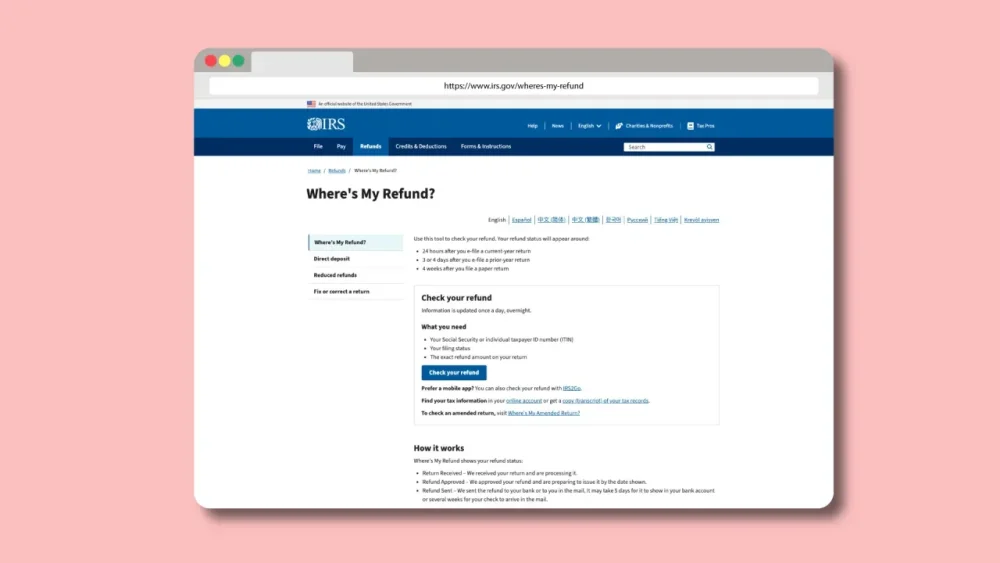
The 2025 tax season is in full swing, and the number one question most people have on their minds after filing their return is, “Where’s my tax refund?” Thankfully, the Internal Revenue Service (IRS) offers a quick and easy online tool to help you check the status of your tax refund. Here’s what you need to know about the tool as well as how long it may take to receive your refund. Check your tax refund status with the IRS’s ‘Where’s My Refund?’ tool If you’re anxious about where your refund is, there’s good news: you can check its status in just a few seconds using the “Where’s My Refund?” tool from the IRS. Checking your refund status is pretty easy. Here’s how: Go to the IRS’s “Where’s My Refund?” tool at www.irs.gov/wheres-my-refund. Click the “Check your refund” button. On the refund status page, enter your Social Security Number. Next, select the tax year you are inquiring about. Now, select your filing status for the tax year you selected in the step above. Finally, enter the exact whole dollar amount of the refund you are expecting. Click the “Submit” button. The IRS says the tool will show you one of three results: “Return Received” means the agency has received your tax return and it is still processing it. “Refund Approved” means your refund has been approved. You will also see a date that the IRS expects to issue it by. “Refund Sent” means the IRS has already issued your refund. How long until I get my IRS tax refund? After receiving word that the IRS has issued your tax refund, the next question most people want answered is, “When will I receive my tax refund?” According to tax firm Jackson Hewitt’s Chief Tax Information Officer, Mark Steber, that depends on the method by which your refund is being delivered. If your refund is being delivered by direct deposit to your bank account, you should receive it in your account between 2 to 5 business days after the treasury issues the payment. If your refund is being delivered by paper check, it should be delivered to the address on the check within about 5 to 7 business days. But as Jackson Hewitt’s Steber points out, the IRS cannot legally send the payments for some refunds out yet. That’s because of a 2015 law known as the Protecting Americans from Tax Hikes (PATH) Act. The law stipulates that if the taxpayer who files the return claims the Earned Income Tax Credit (EITC) or Additional Child Tax Credit (ACTC), the IRS must hold the refund until after February 14. The delay is designed to help the IRS detect and prevent tax return fraud. So, even if you filed your return on the first day of this tax season, if you have claimed either one of those credits, your refund will not have been sent yet. For these people, the IRS says its “Where’s My Refund?” tool “should show an updated status by February 22.” The agency further explains that it “expects most EITC/ACTC related refunds to be available in taxpayer bank accounts or on debit cards by March 3 if they chose direct deposit and there are no other issues with their tax return.” View the full article
-
Latest amendment to private members’ bill fuels concern over process underpinning legislation View the full article
-
Move to sweeten pay package comes as banks and asset managers have started to emulate private equity practicesView the full article
-
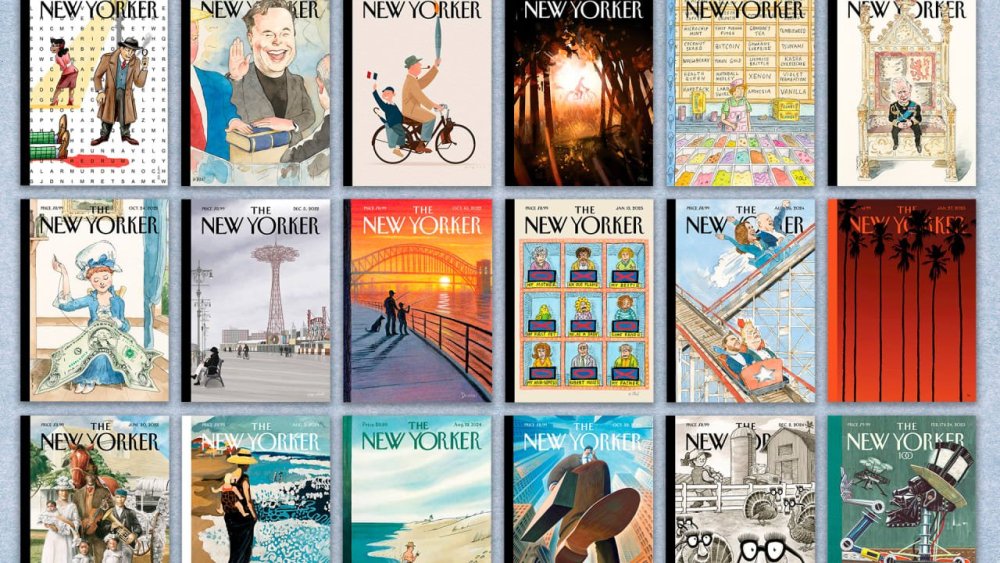
Literate in tone, far-reaching in scope, and witty to its bones, The New Yorker brought a new – and much-needed – sophistication to American journalism when it launched 100 years ago this month. As I researched the history of U.S. journalism for my book “Covering America,” I became fascinated by the magazine’s origin story and the story of its founder, Harold Ross. In a business full of characters, Ross fit right in. He never graduated from high school. With a gap-toothed smile and bristle-brush hair, he was frequently divorced and plagued by ulcers. Ross devoted his adult life to one cause: The New Yorker magazine. For the literati, by the literati Born in 1892 in Aspen, Colorado, Ross worked out west as a reporter while still a teenager. When the U.S. entered World War I, Ross enlisted. He was sent to southern France, where he quickly deserted from his Army regiment and made his way to Paris, carrying his portable Corona typewriter. He joined up with the brand-new newspaper for soldiers, Stars and Stripes, which was so desperate for anybody with training that Ross was taken on with no questions asked, even though the paper was an official Army operation. In Paris, Ross met a number of writers, including Jane Grant, who had been the first woman to work as a news reporter at The New York Times. She eventually became the first of Ross’ three wives. Harold Ross and Jane Grant in 1926. [Photo: University of Oregon Libraries] After the armistice, Ross headed to New York City and never really left. There, he started meeting other writers, and he soon joined a clique of critics, dramatists and wits who gathered at the Round Table in the Algonquin Hotel on West 44th Street in Manhattan. Over long and liquid lunches, Ross rubbed shoulders and wisecracked with some of the brightest lights in New York’s literary chandelier. The Round Table also spawned a floating poker game that involved Ross and his eventual financial backer, Raoul Fleischmann, of the famous yeast-making family. In the mid-1920s, Ross decided to launch a weekly metropolitan magazine. He could see that the magazine business was booming, but he had no intention of copying anything that already existed. He wanted to publish a magazine that spoke directly to him and his friends – young city dwellers who’d spent time in Europe and were bored by the platitudes and predictable features found in most American periodicals. First, though, Ross had to come up with a business plan. The kind of smart-set readers Ross wanted were also desirable to Manhattan’s high-end retailers, so they got on board and expressed interest in buying ads. On that basis, Ross’ poker partner Fleischmann was willing to stake him US$25,000 to start – roughly $450,000 in today’s dollars. Ross goes all in In the fall of 1924, using an office owned by Fleischmann’s family at 25 West 45th St., Ross got to work on the prospectus for his magazine: “The New Yorker will be a reflection in word and picture of metropolitan life. It will be human. Its general tenor will be one of gaiety, wit and satire, but it will be more than a jester. It will not be what is commonly called radical or highbrow. It will be what is commonly called sophisticated, in that it will assume a reasonable degree of enlightenment on the part of its readers. It will hate bunk.” The magazine, he famously added, “is not edited for the old lady in Dubuque.” In other words, The New Yorker was not going to respond to the news cycle, and it was not going to pander to middle America. Ross’ only criterion would be whether a story was interesting – with Ross the arbiter of what counted as interesting. He was putting all his chips on the long-shot idea that there were enough people who shared his interests – or could discover that they did – to support a glossy, cheeky, witty weekly. Ross almost failed. The cover of the first issue of The New Yorker, dated Feb. 21, 1925, carried no portraits of potentates or tycoons, no headlines, no come-ons. Instead, it featured a watercolor by Ross’ artist friend Rea Irvin of a dandified figure staring intently through a monocle at – of all things! – a butterfly. That image, nicknamed Eustace Tilly, became the magazine’s unoffical emblem. #OTD in 1925 ‘Eustace Tilley’ on the very first issue Cover of The New Yorker, February 21, 1925 Rea Irvin#TheNewYorkerCover #ReaIrvin #EustaceTilley pic.twitter.com/SaeEZvBILO — Ron Lacy (@LRonLacy) February 21, 2024 A magazine finds its footing Inside that first edition, a reader would find a buffet of jokes and short poems. There was a profile, reviews of plays and books, lots of gossip, and a few ads. It was not terribly impressive, feeling quite patched together, and at first the magazine struggled. When The New Yorker was just a few months old, Ross almost even lost it entirely one night in a drunken poker game at the home of Pulitzer Prize winner and Round Table regular Herbert Bayard Swope. Ross didn’t make it home until noon the next day, and when he woke, his wife found IOUs in his pockets amounting to nearly $30,000. Fleischmann, who had been at the card game but left at a decent hour, was furious. Somehow, Ross persuaded Fleischmann to pay off some of his debt and let Ross work off the rest. Just in time, The New Yorker began gaining readers, and more advertisers soon followed. Ross eventually settled up with his financial angel. A big part of the magazine’s success was Ross’ genius for spotting talent and encouraging them to develop their own voices. One of the founding editor’s key early finds was Katharine S. Angell, who became the magazine’s first fiction editor and a reliable reservoir of good sense. In 1926, Ross brought James Thurber and E.B. White aboard, and they performed a variety of chores: writing “casuals,” which were short satirical essays, cartooning, creating captions for others’ drawings, reporting Talk of the Town pieces and offering commentary. Portrait of E.B. White at work for The New Yorker Magazine circa 1955. [Photo: Bettmann/Getty Images] As The New Yorker found its footing, the writers and editors began perfecting some of its trademark features: the deep profile, ideally written about someone who was not strictly in the news but who deserved to be better known; long, deeply reported, nonfiction narratives; short stories and poetry; and, of course, the single-panel cartoons and the humor sketches. Intensely curious and obsessively correct in matters grammatical, Ross would go to any length to ensure accuracy. Writers got their drafts back from Ross covered in penciled queries demanding dates, sources and endless fact-checking. One trademark Ross query was “Who he?” During the 1930s, while the country was suffering through a relentless economic depression, The New Yorker was sometimes faulted for blithely ignoring the seriousness of the nation’s problems. In the pages of The New Yorker, life was almost always amusing, attractive and fun. The New Yorker really came into its own, both financially and editorially, during World War II. It finally found its voice, one that was curious, international, searching and, ultimately, quite serious. Ross also discovered still more writers, such as A.J. Liebling, Mollie Panter-Downes and John Hersey, who was raided from Henry Luce’s Time magazine. Together, they produced some of the best writing of the war, most notably Hersey’s landmark reporting on the use of the first atomic bomb in warfare. A crown jewel of journalism Over the past century, The New Yorker had a profound impact on American journalism. For one thing, Ross created conditions for distinctive voices to be heard. For another, The New Yorker provided encouragement and an outlet for nonacademic authority to flourish; it was a place where all those serious amateurs could write about the Dead Sea Scrolls or geology or medicine or nuclear war with no credentials other than their own ability to observe closely, think clearly and put together a good sentence. Finally, Ross must be credited with expanding the scope of journalism far beyond standard categories of crime and courts, politics and sports. In the pages of The New Yorker, readers almost never found the same content that they’d come across in other newspapers and magazines. Instead, readers of The New Yorker might find just about anything else. Christopher B. Daly is a professor emeritus of journalism at Boston University. This article is republished from The Conversation under a Creative Commons license. Read the original article. View the full article
-
As a teen, I was confused when I read a box of taco directions. I remember the step after cooking the ground beef was something like “drain off the water.” What water? It only took one time, and then I knew what water they were referring to. Cooking ground beef often results in gray, rubbery nubbins, and browning it is even harder because of that pool of liquid. Luckily, there’s an easy remedy for this problem: Cook faster, more tender ground beef with a sprinkle of baking soda. The best way to cook ground beefI have no issues making this claim: This is the best way to cook ground beef. Full stop. Baking soda is a household chemical most folks have readily available in the kitchen (and if you don’t it’s about $1.50 at the grocery store). This method requires the tiniest amount to be effective (more on that in a moment), and it results in not only beautifully browned, crisped edges on your ground beef, but those morsels are soft, juicy, and more flavorful than when they steam in their own liquid mess. I first became aware of baking soda’s cooking benefits from America’s Test Kitchen because it can speed up the cooking of tough vegetables. There’s a lot more it can do with meat—and that includes sliced or ground beef, chicken, and pork too. The way I do it is by dumping the ground meat into a large frying pan. (Crowding any ingredient, whether veggie or meat, is a surefire way to create steam and that delays browning, so give your food plenty of space.) Break up the meat with the heat off, and then sprinkle on a small amount of baking soda. America’s Test Kitchen recommends about a quarter teaspoon for every 12 ounces of meat, so for 16 ounces of beef I eyeballed a heaping quarter-teaspoon. Sprinkle the bicarb as widely as you can to cover the most meat surface as possible. It’s impossible to cover every spot, and that's okay, it'll still work wonders. Toss, flip, and stir the meat around to mix up the meat with the baking soda and let it sit for 15 minutes. When the timer is up, turn on the flame and cook as usual. What’s the difference?I cooked two batches of meat to show the difference—one with the baking soda treatment and one without. For the baking soda batch, I sprinkled it on and waited 15 minutes. Then I turned the flame onto about medium heat and started stirring and breaking up the meat as it began to cook. Not only did the meat cook quickly, but I started seeing browning within the first two minutes; a lot of the meat was still raw in areas. Browning starts very quickly in the pan with the baking soda treatment. Credit: Allie Chanthorn Reinmann The entire pan of meat was cooked in five minutes, and I crisped it for two extra minutes. There was only one moment where I could see some liquid emerge, but it was nothing you would equate to a pool. The liquid that emerges from the baking-soda-treated meat is minimal. Credit: Allie Chanthorn Reinmann For the regular ground meat, I simply started cooking it over medium heat, breaking it apart and stirring. Things were looking the same for the first minute, minus the browning. Then just before the final parts turned gray, a great puddle of liquid formed. That liquid is supposed to be inside your meat, by the way. Instead, it fills the pan before the meat can start browning and further delays that browning. That pan took an extra five minutes and the meat pieces were noticeably tough. The untreated ground beef expelled much more liquid and became tough at the end of cooking. Credit: Allie Chanthorn Reinmann Why does adding baking soda brown ground beef better?Baking soda does double duty with meat, acting both as a tenderizer and creating an environment for better browning. In regard to tenderizing, whenever meat hits a hot pan you can see it visibly contract. Whether it’s a burger or a steak, you’ve probably witnessed what appears to be shrinkage. When meat cooks, the muscle fibers contract and squeeze out liquid as a result. The more you cook it, the more liquid squeezes out. That’s why overcooked meat tastes dry. That is exactly what you’re seeing when you see that pool of liquid in a pan of ground beef. What’s left behind is hard, overdone bits of meat in the pan. Baking soda fixes this by preventing the fibers from squeezing out so much of their juices. That same article explains that bicarbonate of soda changes the pH on the meat, causing the muscle filaments (tiny strands that exist in muscle cells) to repel from each other even when they meet heat. So instead of tightening up, they stay apart. The liquid inside doesn’t have to abandon ship, and that results in juicier meat. Less liquid in the pan also means faster browning—because browning can only happen if there isn’t a ton of water or steam present. Additionally, increasing the pH with baking soda creates a more basic environment for the meat, and that is when the Maillard reaction really pops off. The Maillard reaction is what we have to thank for gorgeously browned baked goods, meats, and vegetables, and these browned areas actually create new, more complex flavors. More browning actually does mean your food is more flavorful. And while Maillard reactions can happen without baking soda, they increase with a higher pH. Isn’t it nice to know that the smallest, cheapest, most simple addition to your ground beef can have such a meaningful effect on your dinner? I find this very satisfying. Give it a try and I think you will too. View the full article