ResidentialBusiness
Administrators
-
Joined
-
Last visited
Everything posted by ResidentialBusiness
-
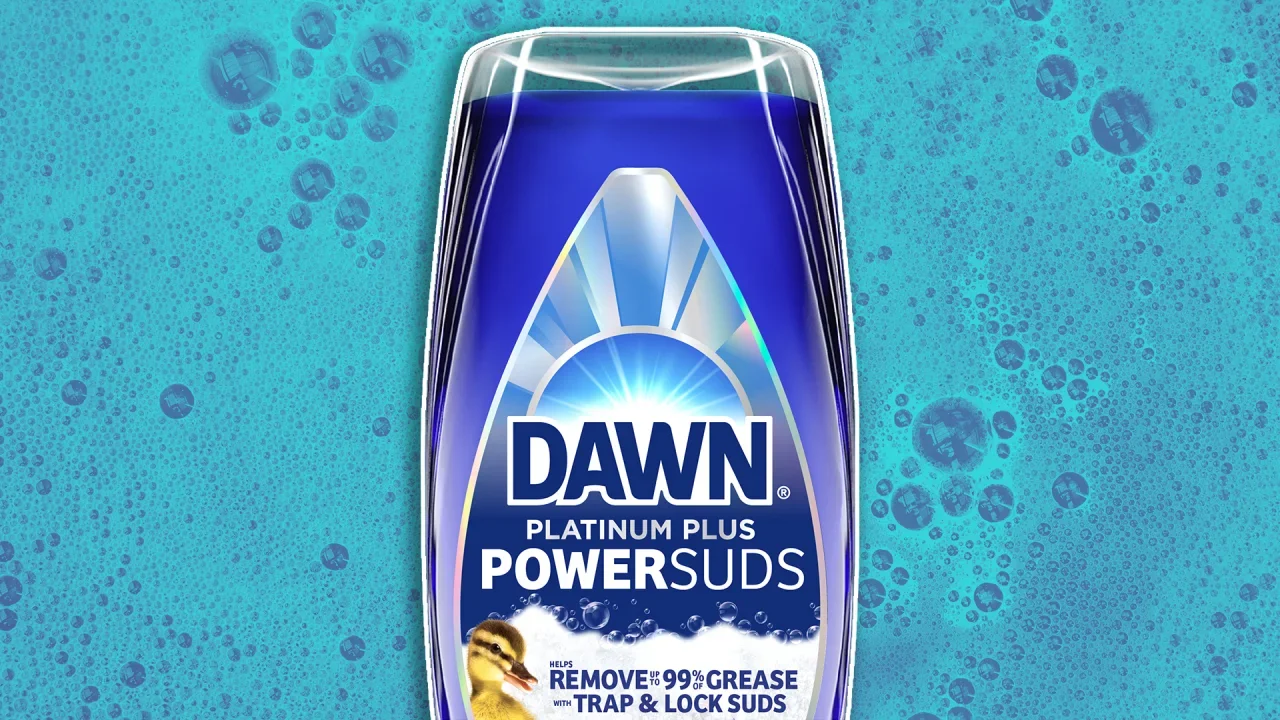
In 2017, the most consumed household food was coffee. In 2024, it was meat. That doesn’t just mean many Americans are eating more animal protein than ever. It means there are downstream effects in other products—including how our dish soap is formulated. Today, Dawn is introducing a new product called Dawn Powersuds. It has twice the suds of the old Dawn, with bubbles that promise to “stay white longer” and dishes that rinse more easily. The more interesting point is that the formulation is the direct response to cultural practices around diet that have become obsessed with protein. Back in 2017 when Dawn created most of its cleaning formulas used today, our top consumed foods were coffee, eggs, butter, oil, and milk, according to Procter & Gamble, which makes Dawn dish soap. Now, they are meat, coffee, eggs, oil, and cheese. Neither meat nor cheese was on the list less than a decade ago, but the company says that thanks to diets like keto, consumers are cooking vastly differently at home. It drove P&G to spend the last two years creating Powersuds as a response to consumer needs. “Proteins and fats we see are really on the rise,” says Angelica Matthews, P&G’s VP of North American Dish Car, whose company interviewed 10,000 people last year about their dishwashing habits. “Things like a one-pan casserole dish like a chicken cheesy bake is something we see being really popular.” Dawn PowerSuds is P&G’s new detergent is more bubbly and grease-cutting than any of its products to date, as a way to mitigate the messes of a protein-rich, fat-laden diet. The biodegradable formulation advertises two times more suds than Dawn Platinum, and its grease-trapping formula is protected by five separate patents, promising that if you stick a pan of bacon drippings into a full stack of other dishes, the oil will be encapsulated instead of coating your plates. The formula also balances this task for those of us who don’t fill a whole sink of water, and avoids being so concentrated that you can’t simply squirt it onto a single dish as many people do. [Photo: Dawn] America’s shift toward meatier, more complex diets The truth of contemporary diets is a bit more complicated than protein. According to P&G, we’re not just cooking more meat and cheese; we’re actually cooking more involved dishes across the board with “more complex soils” than just a few years ago. The company credits a shift in the food media as whetting our appetites and ambitiousness for actual cooking rather than food entertainment. “Think of being at home in the 2010s and watching Gordon Ramsay yell at people in a kitchen . . . you were maybe making a little less complex dishes yourself,” says Morgan Eberhard, principal scientist at P&G. “Now we’re seeing just more accessibility, more availability of different cooking recipes through social media—through Instagram, TikTok, and things like that.” Anyone who has cooked an ambitious meal with lots of ingredients and pans knows that it’s the dishes that can be the most daunting part of the project. Dawn calls this phenomenon the “mental load,” and points to dishwashing as the second most hated chore after cleaning the toilet. The company argues that dishes that clean more easily will reduce this mental load, thereby encouraging us to cook more at home. “If I can get a consumer with Dawn Powersuds to go from spending 30 minutes a day cleaning the dishes to 25 minutes a day cleaning the dishes, five minutes doesn’t sound like a big deal, but it really is,” says Matthews. Aside from dishes, P&G notes that Dawn is formulated to stretch outside the sink to serve as something of an all purpose cleaner. They see customers grab it for all sorts of other tasks, like wiping down cabinets, washing plastic lawn chairs, and degreasing tire rims. Cutting through soil and oil with a product always on your counter, and tested to not turn your hands into a mummy’s, has a most certain appeal. The Powersuds experience As I fill my sink with water and soap, I have to say, the new Powersuds are really something. They’re so white they almost have an almost blue tint, like freshly bleached teeth. Thirty full minutes later, I return to the sink, and the bubbles are still sitting there, confidently smelling like apple Bath & Bodyworks (a bit too strong for my taste, tbh, but clean-feeling all the same). Dawn’s obsession with the sud has driven much of the reformulation, even though its actual relationship to cleaning power is more demonstrative than functional. “The suds are more of a cue of what’s happening,” says Eberhard. “So you can think of the suds as the tip of the iceberg, and all of the the ingredients that are doing the cleaning that are breaking down the grease and tough food under the water.” As Eberhard explains, when suds dissipate on their own, you can actually agitate the water to bring them back. But when they dissipate while doing your dishes, it’s indicative that the surfactants (which break up oil) and other cleaning agents under the water are binding to food and losing cleaning power. In this sense, the longer lasting suds are an advertisement and cue of longer lasting cleaning power. They’re a bubbly data visualization. Overall, how much better the new Dawn cleans than older Dawn is hard for me to quantify. Egg stuck in a frying pan is still a pain in the butt to clean, no two ways about it. I saw a bigger jump from Dawn to Dawn Powerwash, the company’s superb spray-on degreaser, than I did from Powerwash to Powersuds. But I rarely fill a whole sink to do dishes—and my cheesy chicken casseroles are pretty rare. P&G contends its beta testers are saying they can wash all their dishes in a single sink of water, without draining and restarting. I trust that’s true. But there is a depressing twist to this innovation: meat now necessitates a frothy new solution to its own growing problem. View the full article

-
In sports, time-outs are a strategic weapon. Super Bowl teams don’t just go full speed from kickoff until the clock runs out; they pause at the right moments to regroup, recalibrate, and regain momentum. In business, the same principle applies. High-performing teams know when to stop, reassess, and make adjustments before forging ahead. Yet, in our relentless, always-on work culture, calling a time-out can feel counterintuitive. Speed is glorified. We celebrate hustle. For many, Mark Zuckerberg’s motto, “Move fast and break things,” has been the dominant approach to innovating in the digital age. And now, with AI supercharging efficiency, the obsession with speed has only intensified. But the most effective teams don’t just move fast. They move with purpose. And that requires knowing when to slow down. Slowing Down to Speed Up I often tell my teams, “We need to slow down to speed up.” It sounds paradoxical, but strategic pauses prevent wasted effort, misalignment, and burnout. A time-out recalibrates and ensures you’re moving in the right direction. Velocity, after all, is not just speed; it’s speed with direction. Without thoughtful direction, we risk climbing the ladder of success only to realize it’s leaning against the wrong wall. This is the difference between playing a finite game—focused on short-term wins—and an infinite game, where the goal is enduring growth, adaptability, and purpose. Many organizations default to the former, focusing on immediate metrics, quarterly targets, and rapid iterations. The best leaders, however, recognize that time-outs are an investment in lasting success. When to Call a Time-Out So how do you know when to pause? Here are a few critical moments: Before a Major Launch or Initiative: When we launched Glean out of stealth, we took a 10-day time-out first. We had set an aggressive timeline—less than 60 days to name and position the company, build a website, and create all external marketing materials. To ensure alignment, we held large team meetings, reinforcing our founder’s commitment to transparency and buy-in. This extra time, even though it pushed our launch back, allowed us to refine our narrative, resolve key debates, and iterate daily. It also gave us the runway to secure an exclusive interview, integrate customer quotes, and orchestrate a “rolling thunder” campaign to sustain postlaunch momentum. Far from slowing us down, this approach set the stage for Glean to become a $4.6B+ company. When You Need to Regain Control of the Game: Great sports teams use time-outs to stop an opponent’s momentum and reset their game plan. In business, if execution starts feeling reactive instead of proactive, it’s time to pause. Often this means shipping another random feature, versus solving real problems. Look internally at your company’s “why” and reset around your original motivation for solving a big problem, and how you uniquely solve it. When Leaders Need to Update Their Assumptions: When major industry shifts happen—like disruptive technological advances or regulatory changes—leaders need to take stock. A perfect example is the emergence of DeepSeek, an open-source large language model. The rapid advancement of highly capable, low-cost, and open-source AI models is forcing companies like OpenAI, Google, and Microsoft to rethink their AI strategy. For their leaders, now is the time to call a strategic time-out to ask, are we still prioritizing the right AI strategies, or do we need to pivot to a more flexible, modular approach? Ignoring change and plowing ahead can be a recipe for disaster. To Prevent Burnout and Sustain High Performance: Elite athletes don’t train at full intensity 24/7. They build in recovery time. Yet, in business, we expect people to sprint indefinitely. I learned this lesson the hard way as Evernote’s CEO. I didn’t take a meaningful break for two years, and it led to burnout and costly hiring mistakes. A well-timed pause can prevent these long-term setbacks. Making Strategic Pauses Part of Your Culture Many teams resist time-outs because they confuse activity with progress. Leaders need to reframe pauses as a competitive advantage, not a loss of momentum. Here’s how: Embed retrospectives into your cadence: Great coaches make halftime adjustments; great businesses do the same. Frequently review what’s working and what’s not, and adjust accordingly. Regular offsites, strategy refreshes, and retrospectives ensure course corrections happen before the business veers off track. This avoids an emergency reset later. Set three strategic priorities at a time: At GrowthLoop, rather than sweating over every KPI we can measure, we focus on a few vital things around our product, processes, and people that must be true for our customers and team to win. This ensures our team stays focused on what truly moves the needle. Emphasize deep work: Elite athletes don’t just train haphazardly; they work with intention. They break down their training into focused components—honing agility, refining technique, and studying game film to anticipate their next move. The best business leaders do the same. Instead of glorifying constant busyness, they prioritize deep work—uninterrupted, high-focus sessions where real breakthroughs happen. It’s not about doing more; it’s about doing what matters most with absolute focus. This more productive work prevents wasted energy and allows time for proper recovery. The Best Teams Know When to Stop John Wooden, one of the greatest basketball coaches of all time, once said: “Be quick, but don’t hurry.” It’s a lesson I remind myself of constantly. Speed alone won’t win the game—velocity will. Making strategic pauses a part of your culture and recognizing when to stop and refocus will keep everyone moving in the right direction, together. So, the next time your team is running hard but you sense a lack of alignment, don’t be afraid to call a time-out. It might be the most important play you make. View the full article

-
When you’re booking travel, scoring a ticket to a sporting event, or securing yourself a spot at some other sort of show, you’re frequently faced with the impossible-seeming task of committing to a specific seat—on the spot. It may seem simple. But, well—which is the best seat on the plane? Which areas of the arena will give you an unobscured view of the action? Is that concert seat going to be behind a speaker? And are the more expensive options really worth their cost? Today, I’m sharing some excellent tools I rely on to pick the best seat at any kind of event or activity. In addition to helping me feel confident about the quality of my selection, they often help me save some cash—since I can book some of the least expensive seats with the knowledge that they’ll offer a good view and/or experience. Hang onto these now, and the next time you’re faced with that daunting moment of needing to select a seat without first seeing it, you’ll have all the inside intel you need. Psst: If you love these types of tools as much as I do, check out my free Cool Tools newsletter from The Intelligence. You’ll be the first to find all sorts of simple tech treasures! Your new seat selecting superpowers I’ve got two especially useful tools for you in this area—both designed to help you find the right seat for different types of occasions. ➜ For selecting the best possible seat on an airplane, fire up SeatMaps. And, for choosing a seat at an event venue—a sporting event, concert, or anything else—head to A View From My Seat. Both couldn’t be much easier to use. ✈️ First, on the air travel front, just open up the SeatMaps website in whatever browser you’re using on any device. Plug in the information about your flight and select your flight number. SeatMaps will then show you a color-coded grid with all the seats on that specific type of plane, and you can dig in deeper to any given option for all sorts of helpful info—for instance: What is the exact size and width of each seat? Which seats have more legroom? Which seats can’t recline? Which seats are missing a window view? With that insight in hand, you can then figure out the right seat for you and decide if any extra fees are actually worthwhile. You’ll see seats like never before with SeatsMaps’ crowdsourced insights. ~ 🎸 Next, when you’re planning on attending an event, pull up the A View From My Seat website—or, if you’d rather, grab the app for Android or iOS. Then, just use the service’s search feature to look up any performer, venue name, sports team, or even city to find the place you need. Select “Seating Chart” and click or tap any green area to see an actual photo taken from a nearby seat in that exact location. Average people going to shows submit these, complete with a short “review” of each option. You’ll get an idea of the view and learn about any problems or obstructions you might encounter. Once you get used to selecting seats this way, you’ll never go back. ~ All that’s left is to make your choice—and now, you can do so with full confidence that you’re making a fully informed decision. SeatMaps is available only on the web. A View From My Seat will work on the web as well as via its native apps for Android and iOS. Both services are 100% free. You don’t need any accounts, and neither service asks for any manner of personal info. Ready to unearth more off-the-beaten-path tech treasures? Check out my free Cool Tools newsletter for an instant introduction to an audio app that’ll tune up your days in some delightful ways—and another little-known tech gem in your inbox every Wednesday! View the full article

-
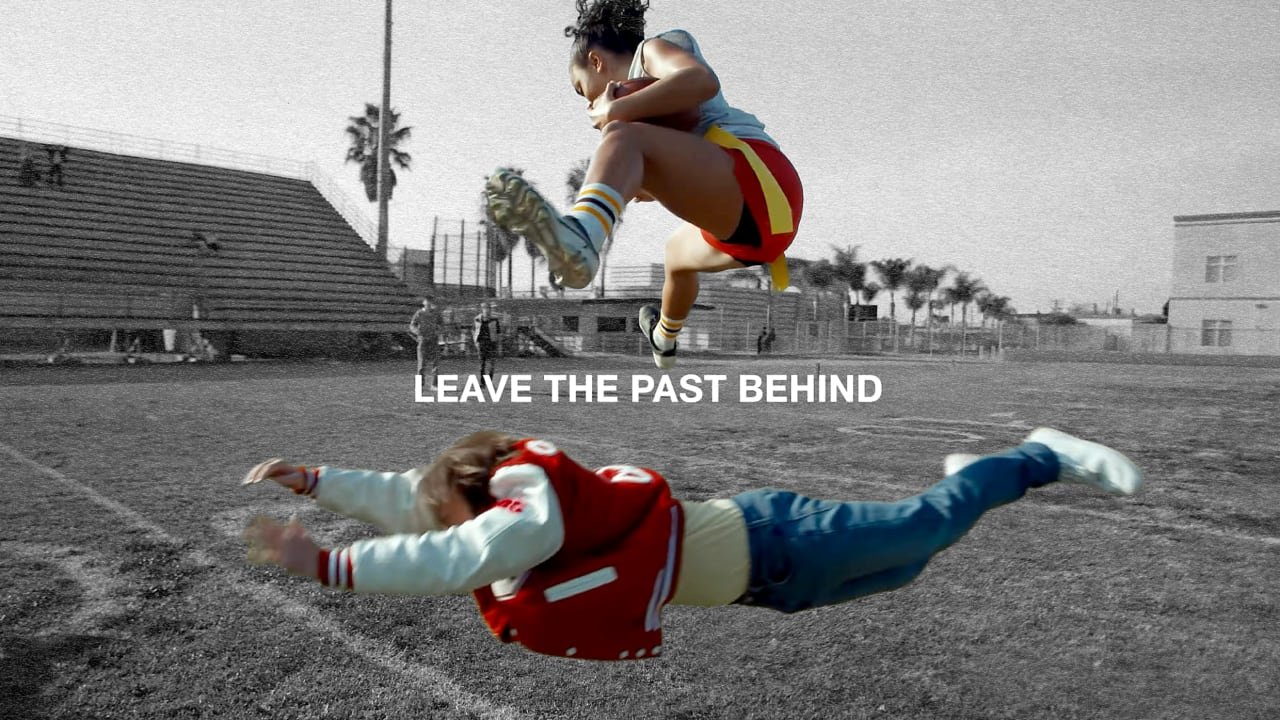
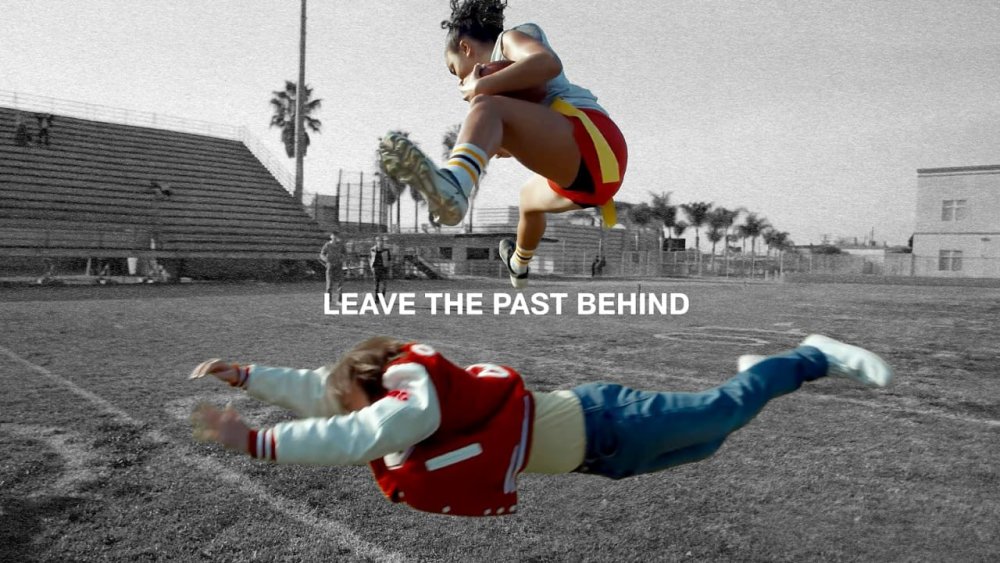
Peter Berg doesn’t need to do Super Bowl commercials. Yet the award-winning director helmed two ads during this year’s big game. First, was a fun NFL spot advocating for varsity girls flag football. And second, was water bottle brand Cirkul’s first-ever trip to the Super Bowl, starring Adam Devine. The commercial diversion comes not long after the release of Berg’s hit Netflix limited series American Primeval, which dropped on January 9, and quickly hit the top of the streamer’s ratings. In its first week, it had 1.25 billion viewing minutes. Berg has built an incredible Hollywood career, producing, writing, and directing hit films and TV series, from Friday Night Lights to Battleship, Lone Survivor, The Kingdom, Patriots Day, and more. Before he was a director, Berg was an actor, best known for his role on the drama Chicago Hope. Then in 1998, Berg directed his first feature, Very Bad Things. Over the years, in between projects, Berg has also regularly directed high-profile spots for brands. In 2011, it was an epic Call of Duty ad starring Jonah Hill called “The Vet & The N00b.” In 2019, both his Super Bowl efforts finished in the Top 5 of USA Today‘s Ad Meter: The NFL’s “100-Year Game” was the most popular spot of the night, and Verizon’s “The Coach Who Wouldn’t Be Here” clocked in at No. 5. That same year, Berg launched Film 47, a companion commercial production company to his Film 44 production company, and his unscripted production company. Glenn Cole, founder and chairman of ad agency 72andsunny, has worked with Berg on many of those commercials. Cole says Berg has a great sense of what broad audiences find most appealing, and focuses on the moments that will resonate the most. “One of the things I admire about him the most is how he maintains the respect of his peers across Hollywood,” says Cole. “He is seen as a rare authentic person in a business of bullshitters, and operates with an uncommon generosity of spirit. He is brutally honest about the work, but he is kind with the people around him which, in my experience, usually leads to creating the best work.” [Photo: Courtesy of 72andsunny] In the wake of American Primeval’s success, and the buzz of two more Super Bowl ads under his belt, I jumped on a Zoom with Berg to chat about his creative process, why he still does advertising, and how his newest project embodies how these worlds can seamlessly collide. Why Advertising After you remove the paycheck from the equation, it can be hard to understand why big name film directors still do advertising. But talk to enough of them, and it’s clear they find something else interesting about the process. Some do it in order to get in quick reps to experiment with techniques, lenses, and other hardware, all under a tight production timeline. Ads can take days, while film and TV can drag on for months. Cole says Berg works incredibly fast, translating his handheld filming style (which he dug into on his recent appearance on the SmartLess podcast) to commercial work. The style allows actors to focus on what they are doing, not where they are doing it. They don’t need to hit marks, they just need to perform. “For ‘Flag 50,‘ it allowed to us to do a three-day shoot in two days,” says Cole. “In a world where budgets are getting smaller and smaller, this is becoming more and more valuable. It’s like being in creative development while filming the shots. That can be scary, but I find it invigorating. The result is unexpected moments and performances that you can’t get from fastidious planning.” NFL chief marketing officer Tim Ellis says that the key to the types of stories Berg tells is emotion. “Every choice he makes in the creative process is about heightening the emotional journey viewers are taken along,” says Ellis. “Elevated emotion is the thing that makes any piece of work, whether it’s a film or an ad, stick with a person, and it’s why we keep turning to him for some of our biggest projects of the year.” Berg says that he’s always loved doing commercials, and they’ve helped build his problem-solving skills that translates to film and TV. But experience across different media doesn’t always translate for all directors. Berg says that he’s talked to a lot of top directors over the years, and one of the most common complaints about ads is the need for collaboration. “They’d say, ‘When I’m doing a film, it’s just kind of me. I can pretty much do whatever I want. And occasionally, you know, the boss of the studio might call and say, what the hell are you doing? But generally, you’re free to do what you want,‘” says Berg. “What I say is that if you want to do commercials, you have to understand that it’s different. You have to collaborate; you have to listen to a bunch of creatives from the agency, you have to listen to even more people. If the client wants to come onto the set and have an idea, you have to accept that. If you resist that, you will lose. It’s not possible to win that fight. You will just end up very unhappy. “One of the surprising benefits is you learn to listen to other people better because you have to. And I found that at once I learned how to kind of get over, you know, ‘Hey man, don’t tell me what to do!’ That sometimes they were suggesting actually good ideas. And it opened me up and I think made me a better collaborator in general.” [Photo: Courtesy of 72andsunny] Berg’s Creative process So, how does a guy like Berg jump from a violent, American frontier period drama, to an uplifting NFL Super Bowl ad, to now starting a film adaptation of Buzz Bissinger’s 2022 bestseller The Mosquito Bowl? For Berg, it’s not exactly a calculated process. “It’s a strange phenomenon for me,” he says. “I find that I always have a vague, abstract idea of things that I want to do. I have a book here, and I’m working on a script there, and I think I know what’s gonna happen, and I’m always usually finishing up one project, and I’m starting to think about what’s next. But I’m waiting for all the divine, supernatural deities out there to lock me in on something and I’m ready to go. And almost inevitably something comes out of nowhere. I’m not kidding, like out of nowhere.” He knew of Bissinger’s book about a 1944 football game between American Marines—many college All-Americans and future pros—on the Pacific island of Guadalcanal. But he was just finishing up American Primeval, and had other ideas of what might be next. “Then I was at dinner at a friend’s house, and his son looked at me and said, ‘You gotta do The Mosquito Bowl. I just read the book; you’re doing it,’” says Berg. “This was a 21-year-old kid. My best friend’s son. And I looked at him, and he’s smiling at me. He’s like, ‘You got to.’ And I said, ‘That’s it. I’m doing it.’ Everything just clicked.” Now even Pat McAfee (who appeared as the school principal in the NFL’s Super Bowl ad) might be involved, as Ari Emanuel declared on McAfee’s February 7th show. “I love Pat McAfee, so we’ll figure that one out,” says Berg. Worlds Collide The Mosquito Bowl is in its early stages, but it is already embodying the often serendipitous nature of how Berg’s various worlds collide. While researching the film, Berg traveled to Okinawa, Japan, to learn about the battle. He spent time with the U.S. Marine Corps stationed there, learning about what they are currently working on and the threats they’re navigating with China and Taiwan. “I think that would be a great reality show,” he says. His research also took him to the Marine Corps training base in Parris Island, South Carolina. “I actually started writing my script there, and I’m being exposed to the recruits, the ethos, the drill instructors, and kind of the magic that happens on that island,” he says. “And I’m like, ‘Well, that should be a reality show.” And then the Marines’ ad agency calls and says, ‘Hey man, we hear you’re down here. Would you be interested in doing some commercials?’ And I said, ‘Well, let’s talk.’ So you have a whole bunch of stuff going on, and I like that. That’s how my brain works. It’s not for everybody, but it’s perfect for me.” Advice and AI A lot has changed in the past 30-odd years between media fragmentation, pop culture, audience behavior, and appetite. But for Berg, some things remain the same. He sees a lot of great stuff across all the various social platforms, but also a lot of quickly consumed candy. His advice to aspiring filmmakers is simply to put in the hard work. “Turn off the noise, lock in, and watch what happens,” he says. “I’ve found that it still works and attracts all kinds of good things. If you want to get a film or series made, whatever it is, you need to carry a certain amount of passion and commitment it. If you’re really putting the work in, and you’re interested in working with brands, you have a much better chance if they believe that there’s a solid foundation in your creative endeavor.” He also sees that sort of hard-earned, creative graft as a protection against the growing use of AI in film and commercial production. “The only thing that anyone aspiring to not be replaced by AI can do is double down on their commitment to making really, really special great things,” he says. “AI cannot write a great screenplay. AI cannot really act, AI cannot direct on the same level. Probably one day it will, but there’s still power in the human experience, and that’s what you can focus on today. “Maybe the great writers and directors of tomorrow will be those who can prompt the best,” he says. “It won’t be writing and directing, it’ll be prompting. If that happens, hopefully I’ll be out on the Gold Coast of Australia with a koala bear.” View the full article
-
SEO plagiarism involves copying other sites’ content (intentionally or not). It can have serious consequences. View the full article
-
Within the dynamic and competitive landscape of side hustles, DoorDash prominently figures as a popular choice for many seeking flexible earning opportunities. The key question that often arises is, “How much money can you make with DoorDash?” This article will answer that question and more. Earnings As is the case with most side hustles, how much DoorDash drivers make depends on how much they hustle. As a service provider and subcontractor, you’ll make your own schedule and work only when you’re available. Most DoorDash drivers’ average earnings are between $15 and $25 per hour. Drivers are paid a set delivery fee, but the hourly wage can be calculated from the total of the fees and the time period that is worked. The amount you earn is influenced by your availability and the number of deliveries you can complete, particularly during busy periods. What’s more? As an independent contractor providing service for DoorDash, you have the freedom to shape your own schedule and determine your earning potential based on your availability and effort. What is DoorDash? DoorDash isn’t truly a food delivery services company. It’s a logistics company (or aggregator business) that developed software to link customers’ online orders, restaurants and drivers. It got its start with three college students in the San Francisco area, and it is one of the legit money-making apps you can use. Dashers The drivers are called Dashers, who learn of requests for deliveries via their DoorDash app. Once you download the DoorDash driver app, you’ll start earning extra cash. Loan Payments Doordash is a top choice for student loan borrowers seeking to pay off student loans or for anyone who wants to chip away at payments on personal loans. Paying off loans can greatly improve your credit score. Here’s a word from DoorDash Diaries that discusses the money-making mindset you need to adopt for delivering for Doordash: how much money can you make with doordash. How Much Does a DoorDash Driver Make? The average hourly pay is $15 to $25 per hour. How is that calculated? Minimum Payment DoorDash sets a base minimum pay per order, ranging from $2 to $10. The amount is set based on your area and also the time of day (peak hours for restaurant delivery times equals peak pay). Bonus Some orders come with a bonus, such as an additional $2. These deliveries are associated with specific clients or major events, like catered deliveries. The App You will log into the DoorDash app to indicate that you are ready to accept delivery orders. Number of Deliveries You don’t have to accept all the delivery requests. But you’ll get a bonus and earn more money if you accept more deliveries than the average dasher. Typically, you’ll get a bonus with an 80% acceptance rate. Costs When you’re calculating how much drivers make – net earnings – with DoorDash, you can’t forget your actual cost. You’ll be paying for your own gas with this side hustle, plus handling car maintenance. Modes of Delivery A DoorDash driver doesn’t have to be a driver using his or her own car – in some areas, they use a bicycle or scooter or deliver on foot. How much do DoorDash drivers make? You’ll earn high hourly wages if you make many deliveries. How to Earn Money as a DoorDash Driver Let’s get into the specifics of DoorDash, one of the gig apps that is most popular. Delivery Payouts Using the system of base pay that is offered with each delivery, doordash keeps tabs on all your work as you’re driving for Doordash. Each time you deliver a customer’s order, DoorDash adds it to your total. Your deliveries are totaled during a Monday through Sunday pay period, and you’re paid on the following Wednesday. How Are You Paid? You can be paid by direct deposit to your financial institution or bank account, or you can be paid via a DoorDash fast pay card (prepaid card) that you use as a debit card. DoorDash Driver Tips Some customer tips are paid to you in cash as you deliver. More frequently, the customer elects to add a tip at the time they pay to have someone deliver food. Either way, the tips customers pay are added to your pay as extra income. Peak Pay In the restaurant business, there are peak times such as lunch and dinner. When you drive and deliver during those peak times, your DoorDash driver earnings are higher. Bonuses and Incentives If you take more than 80% of the available deliveries, you may get a DoorDash referral bonus. You may also earn a bonus by driving and delivering during peak times. How to Get Started with DoorDash Ready to chip away at student loan debt, save for a vacation, or supplement your main income? If so, delivering food to hungry customers through an app is likely a good fit. You can choose from multiple delivery apps, but DoorDash can be an excellent choice due to its popularity and ease of use. DoorDash provides a delivery bag that helps keep restaurant orders hot (or cold). You’ll also get a DoorDash shirt (you don’t have to wear it unless you want to!). It’s easy to get started, too. Here’s a step-by-step guide on how to get started with DoorDash: Step 1: Sign Up The first step is to sign up for a DoorDash account. This involves agreeing to a background check and credit report. A valid driver’s license is a must. Step 2: Receive DoorDash Kit After you register successfully, DoorDash will send you a kit that contains a delivery bag to maintain the proper temperature for the food items, as well as a branded DoorDash shirt. While wearing the shirt is optional, it could contribute to a more professional appearance. Step 3: Install DoorDash App Next, you will need to install the DoorDash app on your smartphone. The app is available for both iPhone and Android devices. Step 4: Availability Indication You can indicate your availability for deliveries by turning on the app. This will notify the system that you’re ready to accept delivery orders. Step 5: Choose and Make Deliveries Use the app to view available deliveries near you and accept the ones that suit your schedule and location. Make sure to be prompt and professional in picking up and delivering the orders. This will enhance your chances of getting positive reviews from restaurants and customers, which could lead to more opportunities in the future. Comparison Table Here’s a comparison table that illustrates the sequential steps you’ll need to follow to start working as a DoorDash driver. This table serves as a convenient quick-reference guide, highlighting the crucial steps from signing up to successfully making deliveries. It also emphasizes the importance of professionalism in gaining positive reviews, which can play a significant role in your success as a DoorDash driver. StepDescription 1. Sign UpRegister an account, agree to a background check, credit report, and provide a valid driver's license. 2. Receive DoorDash KitGet the DoorDash kit that includes a delivery bag and a DoorDash shirt. 3. Install DoorDash AppDownload and install the DoorDash app on your iPhone or Android device. 4. Availability IndicationTurn on the app when you're ready to start accepting deliveries. 5. Choose and Make DeliveriesUse the app to accept deliveries, ensure prompt and professional service for positive reviews. Maximizing Earnings as a DoorDash Driver To optimize your earnings with DoorDash, consider the following strategies: Strategic Scheduling: While flexibility is a key advantage of driving for DoorDash, strategically choosing your working hours can significantly impact your income. Peak times, such as lunch (11 am to 2 pm) and dinner (5 pm to 9 pm), often see higher demand and can boost your earnings. Additionally, working on weekends and holidays, when demand is high, can be more lucrative. Efficient Routing: Maximizing the number of deliveries per hour can increase your earnings. Using navigation apps to find the fastest routes and planning your pick-ups and drop-offs can save time and allow for more deliveries. Maintaining High Ratings: Customer satisfaction plays a crucial role in your success as a Dasher. High ratings can lead to more frequent and higher-paying delivery opportunities. Ensuring timely deliveries, being courteous, and handling orders carefully can help maintain high ratings. Taking Advantage of Promotions: DoorDash occasionally offers promotions and challenges that can boost earnings. These may include extra pay for completing a certain number of deliveries within a set timeframe or bonus pay for working during specific hours. Reducing Expenses: Since expenses like gas and vehicle maintenance can eat into your profits, finding ways to reduce these costs is crucial. Regular vehicle maintenance, using fuel-efficient driving methods, and planning routes to minimize mileage can help lower expenses. Understanding the Impact of Location The location where you decide to dash can greatly influence your earnings. Urban and city areas generally have a higher demand and provide more delivery opportunities than rural regions. Moreover, working in wealthier neighborhoods may enhance your likelihood of receiving larger tips. If you’re wondering, how much money can you make with doordash? The Role of Customer Tips Tips from customers can make a substantial difference in your total earnings. Although you cannot control how much a customer tips, providing excellent service can encourage more generous tips. Some Dashers find that a friendly greeting and ensuring orders are correct and well-handled can positively influence tipping. Seasonal Variations in Earnings It’s important to note that earnings with DoorDash can vary seasonally. During colder months or bad weather, more people tend to order in, potentially increasing demand for deliveries. However, this can also mean more challenging driving conditions, so it’s important to balance the potential for higher earnings with safety considerations. When Does DoorDash Pay? How often will you get the extra cash? DoorDash makes weekly rather than monthly payments. DoorDash totals your deliveries from Monday through Sunday, and DoorDash pays the following Wednesday. DoorDash will add your base pay and customer tip totals. Business Expenses DoorDash Drivers Should Consider While being a DoorDash driver can be a lucrative side hustle, it’s important to remember that there are costs associated with the job. Here are some of the key expenses to consider when evaluating potential earnings: Distance, MPG, and Fuel Costs: Your net profit can be significantly affected by factors such as fuel costs and the efficiency of your vehicle. City driving can further decrease your miles per gallon (MPG), leading to higher fuel costs. Keeping diligent records of your mileage can allow for deductions on fuel costs when filing a Schedule C, though it’s important to note that you cannot deduct mileage expenses if you qualify for the standard deduction. Vehicle Maintenance: Aside from fuel costs, wear and tear on your vehicle is an unavoidable expense as a DoorDash driver. Regular maintenance, such as oil changes and tire replacement, will need to be factored into your overall costs. Additionally, potential repairs due to increased use of your vehicle should also be taken into consideration. Income and Self-Employment Taxes: As a DoorDash independent contractor, you will receive a 1099 form, which means you are responsible for paying federal, state, and local income taxes on your earnings. Furthermore, self-employment tax—which includes contributions to Medicare and Social Security—adds an extra 15.3% to your earnings. Insurance Costs: Depending on your personal car insurance policy, delivering food might not be covered, and you may need to get additional coverage. Some insurance companies offer a rideshare insurance policy that can be added to your existing coverage. Always check with your insurance company to ensure you’re adequately covered. Smartphone and Data Usage: As a DoorDash driver, you’ll be using the DoorDash app extensively, which means you’ll need a reliable smartphone and potentially a large data plan. The cost of upgrading your phone or data plan, as well as any potential repair or replacement costs, should be factored into your overall expenses. Understanding these expenses can help you more accurately calculate your potential earnings and ensure that your experience as a DoorDash driver is financially beneficial. Conclusion: Maximizing Earnings as a DoorDash Driver Understanding DoorDash Earnings: Income Factors: Earnings depend on your dedication, availability, and number of deliveries. Average Pay: Most drivers earn between $15 to $25 per hour. Delivery Fees & Hours: Wages are based on these factors, with more deliveries leading to higher earnings. DoorDash’s Role in the Gig Economy: A Logistics Platform: Connects online orders, restaurants, and drivers. Opportunity for Flexibility: Ideal for paying off loans or managing personal finances. Being a Dasher: Flexible Work: Choose your hours and method of delivery (car, bike, scooter, walking). Income Components: Base pay, bonuses, and delivery volume affect earnings. Startup Process: Sign up, pass background checks, and receive a delivery kit. Financial Considerations: Weekly Payments: Earnings are calculated weekly via direct deposit or DoorDash prepaid card. Boost from Tips & Peak Pay: Customer tips and peak hour pay can increase income. Expenses to Factor In: Fuel, vehicle maintenance, taxes, insurance, and smartphone use. Strategies for Increased Earnings: Peak Time Management: Work during busy hours for higher pay. Expense Tracking: Monitor and manage costs to maximize net earnings. Quality Service: Deliver excellent service for more tips and better opportunities. Becoming a DoorDash driver provides a flexible opportunity to earn money, but it demands careful planning and attention to different factors to optimize your earnings. By recognizing peak delivery times, controlling your expenses, and delivering outstanding service, you can increase your earning potential. Keep in mind that succeeding in this position depends not only on the number of hours you work but also on how effectively you utilize those hours. Additionally, if you’re wondering how much money you can make with doordash, it’s important to consider these strategies. Image: Depositphotos This article, "How Much Money Can You Make with DoorDash? A Fair Assessment" was first published on Small Business Trends View the full article
-
Within the dynamic and competitive landscape of side hustles, DoorDash prominently figures as a popular choice for many seeking flexible earning opportunities. The key question that often arises is, “How much money can you make with DoorDash?” This article will answer that question and more. Earnings As is the case with most side hustles, how much DoorDash drivers make depends on how much they hustle. As a service provider and subcontractor, you’ll make your own schedule and work only when you’re available. Most DoorDash drivers’ average earnings are between $15 and $25 per hour. Drivers are paid a set delivery fee, but the hourly wage can be calculated from the total of the fees and the time period that is worked. The amount you earn is influenced by your availability and the number of deliveries you can complete, particularly during busy periods. What’s more? As an independent contractor providing service for DoorDash, you have the freedom to shape your own schedule and determine your earning potential based on your availability and effort. What is DoorDash? DoorDash isn’t truly a food delivery services company. It’s a logistics company (or aggregator business) that developed software to link customers’ online orders, restaurants and drivers. It got its start with three college students in the San Francisco area, and it is one of the legit money-making apps you can use. Dashers The drivers are called Dashers, who learn of requests for deliveries via their DoorDash app. Once you download the DoorDash driver app, you’ll start earning extra cash. Loan Payments Doordash is a top choice for student loan borrowers seeking to pay off student loans or for anyone who wants to chip away at payments on personal loans. Paying off loans can greatly improve your credit score. Here’s a word from DoorDash Diaries that discusses the money-making mindset you need to adopt for delivering for Doordash: how much money can you make with doordash. How Much Does a DoorDash Driver Make? The average hourly pay is $15 to $25 per hour. How is that calculated? Minimum Payment DoorDash sets a base minimum pay per order, ranging from $2 to $10. The amount is set based on your area and also the time of day (peak hours for restaurant delivery times equals peak pay). Bonus Some orders come with a bonus, such as an additional $2. These deliveries are associated with specific clients or major events, like catered deliveries. The App You will log into the DoorDash app to indicate that you are ready to accept delivery orders. Number of Deliveries You don’t have to accept all the delivery requests. But you’ll get a bonus and earn more money if you accept more deliveries than the average dasher. Typically, you’ll get a bonus with an 80% acceptance rate. Costs When you’re calculating how much drivers make – net earnings – with DoorDash, you can’t forget your actual cost. You’ll be paying for your own gas with this side hustle, plus handling car maintenance. Modes of Delivery A DoorDash driver doesn’t have to be a driver using his or her own car – in some areas, they use a bicycle or scooter or deliver on foot. How much do DoorDash drivers make? You’ll earn high hourly wages if you make many deliveries. How to Earn Money as a DoorDash Driver Let’s get into the specifics of DoorDash, one of the gig apps that is most popular. Delivery Payouts Using the system of base pay that is offered with each delivery, doordash keeps tabs on all your work as you’re driving for Doordash. Each time you deliver a customer’s order, DoorDash adds it to your total. Your deliveries are totaled during a Monday through Sunday pay period, and you’re paid on the following Wednesday. How Are You Paid? You can be paid by direct deposit to your financial institution or bank account, or you can be paid via a DoorDash fast pay card (prepaid card) that you use as a debit card. DoorDash Driver Tips Some customer tips are paid to you in cash as you deliver. More frequently, the customer elects to add a tip at the time they pay to have someone deliver food. Either way, the tips customers pay are added to your pay as extra income. Peak Pay In the restaurant business, there are peak times such as lunch and dinner. When you drive and deliver during those peak times, your DoorDash driver earnings are higher. Bonuses and Incentives If you take more than 80% of the available deliveries, you may get a DoorDash referral bonus. You may also earn a bonus by driving and delivering during peak times. How to Get Started with DoorDash Ready to chip away at student loan debt, save for a vacation, or supplement your main income? If so, delivering food to hungry customers through an app is likely a good fit. You can choose from multiple delivery apps, but DoorDash can be an excellent choice due to its popularity and ease of use. DoorDash provides a delivery bag that helps keep restaurant orders hot (or cold). You’ll also get a DoorDash shirt (you don’t have to wear it unless you want to!). It’s easy to get started, too. Here’s a step-by-step guide on how to get started with DoorDash: Step 1: Sign Up The first step is to sign up for a DoorDash account. This involves agreeing to a background check and credit report. A valid driver’s license is a must. Step 2: Receive DoorDash Kit After you register successfully, DoorDash will send you a kit that contains a delivery bag to maintain the proper temperature for the food items, as well as a branded DoorDash shirt. While wearing the shirt is optional, it could contribute to a more professional appearance. Step 3: Install DoorDash App Next, you will need to install the DoorDash app on your smartphone. The app is available for both iPhone and Android devices. Step 4: Availability Indication You can indicate your availability for deliveries by turning on the app. This will notify the system that you’re ready to accept delivery orders. Step 5: Choose and Make Deliveries Use the app to view available deliveries near you and accept the ones that suit your schedule and location. Make sure to be prompt and professional in picking up and delivering the orders. This will enhance your chances of getting positive reviews from restaurants and customers, which could lead to more opportunities in the future. Comparison Table Here’s a comparison table that illustrates the sequential steps you’ll need to follow to start working as a DoorDash driver. This table serves as a convenient quick-reference guide, highlighting the crucial steps from signing up to successfully making deliveries. It also emphasizes the importance of professionalism in gaining positive reviews, which can play a significant role in your success as a DoorDash driver. StepDescription 1. Sign UpRegister an account, agree to a background check, credit report, and provide a valid driver's license. 2. Receive DoorDash KitGet the DoorDash kit that includes a delivery bag and a DoorDash shirt. 3. Install DoorDash AppDownload and install the DoorDash app on your iPhone or Android device. 4. Availability IndicationTurn on the app when you're ready to start accepting deliveries. 5. Choose and Make DeliveriesUse the app to accept deliveries, ensure prompt and professional service for positive reviews. Maximizing Earnings as a DoorDash Driver To optimize your earnings with DoorDash, consider the following strategies: Strategic Scheduling: While flexibility is a key advantage of driving for DoorDash, strategically choosing your working hours can significantly impact your income. Peak times, such as lunch (11 am to 2 pm) and dinner (5 pm to 9 pm), often see higher demand and can boost your earnings. Additionally, working on weekends and holidays, when demand is high, can be more lucrative. Efficient Routing: Maximizing the number of deliveries per hour can increase your earnings. Using navigation apps to find the fastest routes and planning your pick-ups and drop-offs can save time and allow for more deliveries. Maintaining High Ratings: Customer satisfaction plays a crucial role in your success as a Dasher. High ratings can lead to more frequent and higher-paying delivery opportunities. Ensuring timely deliveries, being courteous, and handling orders carefully can help maintain high ratings. Taking Advantage of Promotions: DoorDash occasionally offers promotions and challenges that can boost earnings. These may include extra pay for completing a certain number of deliveries within a set timeframe or bonus pay for working during specific hours. Reducing Expenses: Since expenses like gas and vehicle maintenance can eat into your profits, finding ways to reduce these costs is crucial. Regular vehicle maintenance, using fuel-efficient driving methods, and planning routes to minimize mileage can help lower expenses. Understanding the Impact of Location The location where you decide to dash can greatly influence your earnings. Urban and city areas generally have a higher demand and provide more delivery opportunities than rural regions. Moreover, working in wealthier neighborhoods may enhance your likelihood of receiving larger tips. If you’re wondering, how much money can you make with doordash? The Role of Customer Tips Tips from customers can make a substantial difference in your total earnings. Although you cannot control how much a customer tips, providing excellent service can encourage more generous tips. Some Dashers find that a friendly greeting and ensuring orders are correct and well-handled can positively influence tipping. Seasonal Variations in Earnings It’s important to note that earnings with DoorDash can vary seasonally. During colder months or bad weather, more people tend to order in, potentially increasing demand for deliveries. However, this can also mean more challenging driving conditions, so it’s important to balance the potential for higher earnings with safety considerations. When Does DoorDash Pay? How often will you get the extra cash? DoorDash makes weekly rather than monthly payments. DoorDash totals your deliveries from Monday through Sunday, and DoorDash pays the following Wednesday. DoorDash will add your base pay and customer tip totals. Business Expenses DoorDash Drivers Should Consider While being a DoorDash driver can be a lucrative side hustle, it’s important to remember that there are costs associated with the job. Here are some of the key expenses to consider when evaluating potential earnings: Distance, MPG, and Fuel Costs: Your net profit can be significantly affected by factors such as fuel costs and the efficiency of your vehicle. City driving can further decrease your miles per gallon (MPG), leading to higher fuel costs. Keeping diligent records of your mileage can allow for deductions on fuel costs when filing a Schedule C, though it’s important to note that you cannot deduct mileage expenses if you qualify for the standard deduction. Vehicle Maintenance: Aside from fuel costs, wear and tear on your vehicle is an unavoidable expense as a DoorDash driver. Regular maintenance, such as oil changes and tire replacement, will need to be factored into your overall costs. Additionally, potential repairs due to increased use of your vehicle should also be taken into consideration. Income and Self-Employment Taxes: As a DoorDash independent contractor, you will receive a 1099 form, which means you are responsible for paying federal, state, and local income taxes on your earnings. Furthermore, self-employment tax—which includes contributions to Medicare and Social Security—adds an extra 15.3% to your earnings. Insurance Costs: Depending on your personal car insurance policy, delivering food might not be covered, and you may need to get additional coverage. Some insurance companies offer a rideshare insurance policy that can be added to your existing coverage. Always check with your insurance company to ensure you’re adequately covered. Smartphone and Data Usage: As a DoorDash driver, you’ll be using the DoorDash app extensively, which means you’ll need a reliable smartphone and potentially a large data plan. The cost of upgrading your phone or data plan, as well as any potential repair or replacement costs, should be factored into your overall expenses. Understanding these expenses can help you more accurately calculate your potential earnings and ensure that your experience as a DoorDash driver is financially beneficial. Conclusion: Maximizing Earnings as a DoorDash Driver Understanding DoorDash Earnings: Income Factors: Earnings depend on your dedication, availability, and number of deliveries. Average Pay: Most drivers earn between $15 to $25 per hour. Delivery Fees & Hours: Wages are based on these factors, with more deliveries leading to higher earnings. DoorDash’s Role in the Gig Economy: A Logistics Platform: Connects online orders, restaurants, and drivers. Opportunity for Flexibility: Ideal for paying off loans or managing personal finances. Being a Dasher: Flexible Work: Choose your hours and method of delivery (car, bike, scooter, walking). Income Components: Base pay, bonuses, and delivery volume affect earnings. Startup Process: Sign up, pass background checks, and receive a delivery kit. Financial Considerations: Weekly Payments: Earnings are calculated weekly via direct deposit or DoorDash prepaid card. Boost from Tips & Peak Pay: Customer tips and peak hour pay can increase income. Expenses to Factor In: Fuel, vehicle maintenance, taxes, insurance, and smartphone use. Strategies for Increased Earnings: Peak Time Management: Work during busy hours for higher pay. Expense Tracking: Monitor and manage costs to maximize net earnings. Quality Service: Deliver excellent service for more tips and better opportunities. Becoming a DoorDash driver provides a flexible opportunity to earn money, but it demands careful planning and attention to different factors to optimize your earnings. By recognizing peak delivery times, controlling your expenses, and delivering outstanding service, you can increase your earning potential. Keep in mind that succeeding in this position depends not only on the number of hours you work but also on how effectively you utilize those hours. Additionally, if you’re wondering how much money you can make with doordash, it’s important to consider these strategies. Image: Depositphotos This article, "How Much Money Can You Make with DoorDash? A Fair Assessment" was first published on Small Business Trends View the full article
-
Google's Rich Results tool may not be reliable for debugging structured data The post Why Google’s Rich Results Tool Can Be Misleading appeared first on Search Engine Journal. View the full article
-
HTTPS encrypts your site‘s data with an SSL certificate, and HTTP doesn‘t. Learn how to secure your site. View the full article
-
If you’re having a farewell party for a beloved colleague, don’t cry too hard into your cake. There’s a decent chance they’ll be back. According to a Harvard Business Review study, 28% of “new hires” were “boomerang hires,” the term for someone who’d resigned within the last three years only to return. Mindi Cox, chief people officer for O.C. Tanner, provider of employee recognition and reward solutions, falls into the boomerang employee category herself. As a hiring manager, she’s also done her fair share of hiring former employees, too. “People often leave a job because there’s an opportunity that’s too good to turn down, or they have a life season, like I had, and need to step away from work,” she says. “The same employees might become homesick for a culture that they’ve left and have discovered that maybe the grass wasn’t as green as they thought. Or that the priority of the pay, or the title, or the opportunity they were chasing didn’t outweigh their coworker relationships or the care that they felt in a previous workplace. There’s all kinds of reasons people move around and return, but I think [boomerang employees] are an overlooked workforce.” What boomerangs bring back Having an employee boomerang is a good sign for the company, says Angela Jackson, author of The Win-Win Workplace: How Thriving Employees Drive Bottom-Line Success. “Sometimes, the right people step off for a while to grow, gain new skills, and return even stronger, bringing fresh perspectives, external best practices, and a renewed commitment to the company’s mission,” she says. “Their return signals to current employees that the company is a place worth coming back to, reinforcing a culture of mutual respect and growth.” Returning can bring benefits to the company, the first of which is much simpler onboarding, says Carolyn Walker, global HR director at Tenth Revolution Group, a tech talent provider. “Someone familiar with the business is far more likely to hit the ground running and know the nuances and quirks that can otherwise take time to get up to speed with,” she says. “Plus, in those vital first few months where a new recruit is forming an opinion, good or bad, about you, a boomerang employee is far less likely to form a negative impression.” Boomerang employees also return with fresh perspectives, says Nathaalie Carey, chief human resources officer at the logistics real estate company Prologis. “Having gained new skills and experiences elsewhere can strengthen your teams,” she says. And boomerangs send an encouraging message to employees. “We have a client that welcomes boomerangs back with a special pin that goes on their badge,” says Cox. “It can break the ice for someone who may not know their career story. They might say, ‘I see that you left and came back. Tell me about that.’ Sometimes boomerangs are your best evangelists about all the reasons to stay.” Leaving and returning also means they solved the “what ifs” about leaving, adds Cox. “We never want to say, ‘Don’t talk about your experience,’” she says. “They’re back, which means your company is the better spot for them.” Leaving the Door Open Since boomerangs can bring value back to your organization, it’s important to stay in touch. Depending on how closely you may have worked with them, Carey recommends touchpoints by personal email or text or through professional networking, such as trade organizations or digital tools like LinkedIn. “Many times, employees who leave tend to stay in the same industry, meaning there are plenty of opportunities to stay connected and provide value to one another, whether it’s for knowledge sharing, forging partnerships, or working together,” she says. Companies can also maintain formal alumni networks, such as creating a LinkedIn group. Jackson says a great example is the consulting firm McKinsey, with thousands of members worldwide. “They actively stay connected with former employees through the McKinsey Alumni Center, which offers networking events, job boards, thought leadership content, and even investment opportunities in alumni-led startups,” she says. Exit interviews are an important tool for nurturing a boomerang employee. Cox asks her recruiters to be mindful of people they were sad to see go. If there is an open position, they reach out, saying “We have this position and immediately thought of you. It may be something you wish was in your growth path but just wasn’t open at the time. Before we hire for this, we want to put it on your radar.” Always be supportive of an employee who leaves to further their career, says Cox. “Too often employees will say, ‘I thought you’d be upset with me,’” she says. “People want to know that they’re cheered on as people. […] We want them to know that we’re interested in them as individuals.” Beware of the Drawbacks Rehiring isn’t always a win-win, says Jackson. “Just because someone was a great fit in the past doesn’t mean they’re the right fit for the future,” she says. “Nostalgia can cloud judgment. Companies should focus on whether a returning employee adds new value, not just whether they were once successful in the role.” There’s also a risk of perceived unfairness. “If a boomerang hire comes back at a higher salary or with special treatment, it can send the message that loyalty is undervalued,” says Jackson. The best boomerang employee hiring strategies focus on mutualistic relationships where the benefits for both sides are clear, says Jackson. “Companies should be clear about how their culture, expectations, and priorities have changed. And returning employees should bring fresh insights, not just familiarity. A great rehire isn’t just picking up where they left off; they’re leveling up.” The main thing for employers to do is to have a culture that people will get homesick for, says Cox. “Invite them to decide, this is the best place for me,” she says. “If they don’t stay, at least be somewhere that they’ll miss that will bring them back.” View the full article

-
If it weren’t for the white lines on the grass, you would be forgiven to think this building is a perfectly quiet hotel surrounded by a field of grass in the middle of the Norwegian forest. After all, most soccer training grounds are ugly structures whose sole purpose is to provide infrastructure for people to kick a ball around. But this isn’t just a place to kick a ball. These facilities, designed by the internationally renowned architecture firm Snøhetta, aim to redefine the very concept of a training ground, transforming it into a vibrant hub for the entire football community. “Our approach to sustainability is deeply rooted in a holistic perspective that considers environmental impact and fosters community and inclusion,” says Frank Denis Foray, Snøhetta senior architect and project leader, about the philosophy behind the proposal for the Norwegian National Football team’s (NFF) stunning new training grounds. [Photo: Courtesy of Snøhetta] Snøhetta, known for its ability to seamlessly blend architecture with nature, has conceived of two proposals for the NFF, located in the Norwegian cities of Asker and Ski, just outside of Oslo. Both designs pay homage to Norway’s rich Nordic heritage, drawing inspiration from traditional architectural forms like the Long House, a communal dwelling central to Old Norse villages. “Over a thousand years ago, the Long House was the heart of the community—a gathering place where people from all walks of life, from kings to farmers, young and old, came together to share stories, experiences, and traditions,” Foray tells me over email. “This enduring spirit of unity and togetherness is at the core of our design, ensuring that the new facility is not just a sports venue but a meeting place for the whole football community.” [Photo: Courtesy of Snøhetta] The Asker ground’s renderings reveal three large terraced fields set over a gentle slope. At the top, a two-level glass and wooden structure appears to grow organically from the land. On the last level’s grass roof, a large circular opening gives light to a giant tree that dominates a courtyard, allowing gentle sunlight and shade to get into the inner space of the building. The terraced fields are joined by large steps that serve as bleachers for spectators and allow people to move up and down with ease. The Ski ground’s renders show the soccer fields on a level ground, flanked by a large long building that gently curves, made in renewable wood. Solar panels adorn the roofs, feeding the facility. Snøhetta says that beyond the pretty and soul-calming zen, the grounds have been designed to be functional, state-of-the-art spaces for athletes of all levels. Foray explains that the facility will be a “public space catering to athletes of all levels and backgrounds, from juniors to the elite, creating a new home for NFF that encourages sharing, inclusivity, and connection.” Beyond these training centers, the facilities also incorporate administrative offices, a sports high school, and external offices for the Norwegian Football Association, consolidating the NFF’s operations into a single, cohesive campus. [Photo: Courtesy of Snøhetta] The collaboration between Snøhetta and the NFF is not new. The firm previously worked with the federation on renovations to the interior of Ullevaal Stadium in Oslo, the national stadium. Completed in 2022, this project included upgrades to the player’s dressing rooms, tunnel, and other key areas. As Snøhetta describes it, the stadium’s revamped facilities were “designed as a journey through the emotions of a football player,” incorporating elements of Norwegian football history and fostering a sense of team unity. This prior experience laid the groundwork for the current training ground project. “Our collaboration with the Norwegian Football Association (NFF) stemmed from previous work we had done for them,” Foray says. “They approached us with three potential sites for a new facility. Our task was to analyze and refine the options to identify the most suitable location.” Through a detailed evaluation process and creative workshops, Snøhetta worked with the NFF to narrow the choices down to the two most promising locations: Asker and Ski. [Photo: Courtesy of Snøhetta] While the Asker proposal remains in the conceptual stage, the Ski facility is moving forward. “The Ski facility is progressing steadily, with the first phase of the new regulatory plan already in motion,” Foray tells me. While some details are still being finalized, the NFF anticipates the project will be completed within the next five years. These training grounds promise to be more than just a place where athletes hone their skills. They are envisioned as a symbol of unity, a celebration of Norwegian heritage, and a testament to the power of thoughtful, sustainable design. It doesn’t hurt that they may just be the most beautiful football training grounds you’ll ever see. View the full article

-
At risk of stating the obvious, farming is physically challenging work that takes a toll on the human body. Over the years, we have turned to various forms of technology to amplify the efforts of a single person, starting with a single plow behind a mule or ox, progressing to a motorized tractor, 700+ horsepower combine harvesters, and now robotic weeders and autonomous flying drones that handle a range of tasks. But what about the human body? Is it destined simply to be replaced by machines? The fact is that people remain a weak link in modern farming. According to some sources, agriculture is considered the most hazardous occupation globally. Work-related musculoskeletal disorders (WMSDs) accounting for 93% of occupational injuries. And of these, lower-back pain is the most frequent, with shoulder injuries coming in second. Exoskeletons for the Assist Exoskeletons are devices that are worn on the body to augment the natural capabilities of a human worker. Once confined to the world of science fiction—who can forget Ripley’s exoskeleton-enhanced final battle in the movie Aliens—these have now become practical for use in many industries. There are two major categories of “exos” (as they are known in the industry): powered and passive. Powered exos use motors to provide additional force for certain actions, such as lifting objects or wielding heavy tools overhead. These tend to be complex—and expensive—bits of machinery that require recharging and regular maintenance. While these may be suited for specific manufacturing tasks, they are typically beyond what farmers typically need or can afford for the foreseeable future. Passive exos are the other class of devices. These take the energy created from one motion—such as bending over—and then release that energy to the wearer for the opposite motion, such as lifting an item from the ground to waist level. These passive devices do not require the expensive motors, wiring, batteries, and sensors found in powered exos. Instead, they use a variety of materials to store and release energy: springs, torsion bars, gas pistons, elastic bands, and flexible beams. Some designs rely on a rigid frame while others are made from fabric and other flexible materials. According to some sources, current passive exos can cost from $2,500 to more than $14,000, depending on design and which parts of the body are supported. Designs vary based on the type of targeted task. For example, lifting boxes of produce could require one sort of assistance, while reaching overhead to harvest fruit could require something different. But can they actually help farmers and farmworkers? The Benefits Many studies have shown clear benefits from wearing exos in other industries such as warehouse work and manufacturing. According to Karl Zelik, associate professor of biomedical engineering at Vanderbilt University, one longitudinal study of warehouse workers tracked more than 281,000 hours of work while wearing exos. Historical data would predict 10.5 back strain injuries over that period, but the study revealed that there were none. Not as much research has been done in farm settings, but the existing studies point to clear benefits. For example, one test of an upper limb exo in orchard management tasks reduced muscle activity by up to 40%. Reduced muscle activity results in less fatigue and strain, which in turn lowers the risk of injury. Another study gave a back support exo to farmers for their daily operations and several of the subjects cited increased productivity by reducing fatigue. Many of the subjects also reported feeling more protected when shoveling. In some cases, the exo helped them maintain proper posture when lifting, which can reduce the risk of lower back injuries. Sarah Ballini-Ross is co-owner of Rossallini Farm in Oregon; she and her husband sometimes use exoskeletons in the work on their diversified operation. She is also an expert in exo technology and founder of Evolving Innovation, a consulting firm that provides safety technology and ergonomic solutions services. Ballini-Ross said that fatigue reduction is an important factor in their use of exos. “A lot of the farmwork really involves that repetitive lifting from ground to waist level, so my exo is the first thing I grab when it comes to doing hay.” Other tasks where she wears it is “on inventory days when we unload a couple of tons of 50- to 70-pound boxes.” Not a Cure-All In spite of the benefits, exos are not the solution for every case. Not all passive exos are the same, and each has its own advantages and disadvantages. Some exos can restrict movement to enforce proper lifting posture, which can reduce injury. However, other designs might not have this feature, which means that the worker could place themselves in an awkward or dangerous position that could lead to injury. For example, the same feature that enforces proper posture when lifting might restrict movement that requires rotating the body, such as when shoveling. A warehouse worker is likely to do a similar task over and over all day, but a farmworker often has to rapidly switch from one task to another. Even passive exos can be bulky and awkward to maneuver in during daily activities. Farmers in one study cited the fact that they can make it difficult to get in and out of the cab of tractors and other farm machinery. And having to take the exo on and off throughout the day can take up significant time. Most passive exos have at least some fabric, but this fabric can get soiled—especially from sweat on hot days or during strenuous activities—which can make them unpleasant to wear. Most also include Velcro-style hook-and-loop fasteners. These fasteners make it easy to adjust the fit of the device for workers of different sizes, and to accommodate the presence of layers of clothing. But those hooks and loops can also grab foreign materials, impairing their functionality and appearance. Ballini-Ross noted, “I use my exo when trimming the hooves of our sheep, and hair and straw gets stuck in the fabric. So when I take my exo to a presentation or a conference, I have to think twice because maybe I’m bringing a little too much of the farm with me.” Obstacles to Adoption Education may be the biggest barrier to more widespread adoption of exos in agriculture; many farmers simply aren’t aware of the products and their potential benefits. Close behind comes the question of expense. Even passive exos can be costly, and unlike heavy farm equipment, the manufacturers are not set up to provide payment plans or other terms to ease the financial strain. But the problems go beyond those two obvious factors. For example, many farms rely on a transient workforce. A small farm does not have the resources to stock a full range of exos to meet the needs of different body sizes. Furthermore, different tasks could require different exo designs. Harvesting or weeding some low-growing crops require bending and stooping, which needs a different type of support than lifting boxes of produce or shoveling. In addition, a farmworker’s needs vary with the season. Providing exos for these workers for just a week or two may not be feasible. Another part of the problem is that the exo industry has not yet focused on the needs of agricultural workers. The low-hanging fruit is in other industries, such as warehouse logistics, construction, and manufacturing. These applications have narrowly defined tasks with lots of repetition, and often involve large corporations with the capital to invest in new technology. To really be embraced in agriculture, exo manufacturers would need to create exos that are modified for farm work. For example, one study found that a typical exo requires adjustable straps that go around the thighs. This design blocks access to pants pockets where farmworkers keep tools such as pruning clippers where they can reach them easily. But with little demand for agricultural exos, companies have little financial incentive to design around these problems. While exoskeletons have proven their value in terms of reducing workloads and related injuries for some farming tasks, significant obstacles remain. But as farmers become more aware of the benefits, as the costs continue to come down, and as manufacturers respond more to the specific needs of agricultural tasks, we can likely expect to see more exos down on the farm. — Alfred Poor, Ambrook Research This article was originally published by Ambrook Research, an editorially independent publication backed by Ambrook, a company making sustainability profitable in natural resource industries, starting by providing accounting and financial management software for farmers. View the full article

-
The private mortgage insurers reported just 5% less business versus the third quarter and 33% more new insurance written over the fourth quarter 2023. View the full article
-
Check out the 36 companies that made our list of the Best Mortgage Companies to Work For. View the full article
-
Promote your site using free and low-cost tactics like on-page SEO, social media, and email marketing. View the full article
-
Struggling utility to borrow from top-ranked creditorsView the full article
-
China hawk was thwarted in president’s first term but is now putting his vision of US trade protectionism into action View the full article
-
A Master Franchise happens when an investor goes all in. These franchisees pay big money to develop business opportunities in a specific territory. They recruit new franchisees, train them, and offer support. Master franchise opportunities cover a number of new businesses over a specific period. Here’s some more good information on this franchising opportunity. What Is a Master Franchise Company? A Master Franchise Company, often known as a Master Franchisee, is a firm or individual that purchases the rights to sub-franchise within a certain territory. Essentially, they act as a mini-franchisor for a specific region, territory, or country. This model allows the primary franchisor, often based in another country, to expand its brand internationally without needing to manage individual franchise units in that foreign territory. The master franchisee is responsible for developing the brand in the specified area. This includes recruiting new franchisees, providing training, and offering continuous support. Due to the responsibilities and investments required, obtaining a master franchise usually necessitates significant financial resources. As you might expect, there’s a master franchise system they need to navigate. A great resource is Franchise Update Media. What Is the Difference Between a Franchise and a Master Franchise? Territorial Rights: A master franchisee gains the exclusive rights to develop a brand within a specific large territory, such as an entire country or a significant region within a country. In contrast, a standard franchisee typically operates within a much more limited territory or just one location. Level of Responsibility: While individual franchisees are mainly concerned with running their particular unit or units efficiently, master franchisees are responsible for the overall growth, development, and support of the brand in their designated territory. They are, in essence, responsible for establishing the franchise network within that area. Investment and Potential Returns: The initial investment for a master franchise is considerably higher than that of a single franchise unit because of the extensive territorial rights and potential returns. However, master franchisees also stand to earn revenue from the franchise fees and ongoing royalties paid by the sub-franchisees they recruit. Operational Scope: A regular franchisee focuses on the day-to-day operations of their unit, ensuring profitability, adherence to brand standards, and customer satisfaction. In contrast, a master franchisee, while they might operate their own units, is also deeply involved in strategic planning, marketing at a regional level, recruitment of new franchisees, and providing support to these franchisees. In summary, although both franchise and master franchise models function under the main franchisor’s umbrella, they significantly differ in terms of scope, responsibility, investment, and potential returns. Comparison Between Master Franchise and Regular Franchise The complexities of franchising can sometimes be challenging to navigate. The table below provides a clear comparison between Master Franchise and Regular Franchise, highlighting their distinct features and responsibilities. Features/ResponsibilitiesMaster FranchiseRegular Franchise Territorial ScopeNational/InternationalSpecific Territory Investment SizeSignificant Capital NeededLesser Capital RoleRecruit and Support FranchiseesOperate a Single Unit Income SourcePercentage from sub-franchisee fees, royalties, etc.Profits from their specific unit Responsibility LevelHigh (area development)Focused on single business unit Operational FreedomSupervise & ControlLimited to own business Relationship with FranchisorMiddle person between franchisor & franchiseeDirectly with franchisor Brand Ambassador RoleIn a new territory/countryIn a specific location Master Franchise vs. Direct Franchising: Choosing the Right Path When considering expansion, franchisors face a strategic decision between adopting a master franchise model or pursuing direct franchising. Each approach has its advantages and challenges, making it important to choose the path that best aligns with the franchisor’s expansion goals, resources, and desired level of control. Master franchising offers rapid international or regional expansion with reduced operational complexities for the franchisor. By delegating the responsibilities of recruiting, training, and supporting franchisees to a master franchisee, franchisors can leverage local knowledge and expertise, potentially leading to faster market penetration. However, this model requires relinquishing a degree of control over how the brand is developed and managed in the master franchisee’s territory. Direct franchising enables franchisors to exercise greater control over their brand and operations, ensuring uniformity among all franchise units. However, this method can demand more resources, as it requires the franchisor to directly oversee the recruitment, training, and support of each franchisee. While direct franchising offers greater control, it may result in slower expansion, especially in unfamiliar markets. The choice between master franchising and direct franchising depends on the franchisor’s capacity to manage overseas operations, their appetite for risk, and their long-term strategic objectives. A careful assessment of these factors, possibly with the help of franchising consultants, can guide franchisors in selecting the most suitable expansion path. What Are the Advantages of Master Franchises? A master franchisee needs to take on extra roles to support sub-franchisees. It’s more work to support franchisees but there are lots of advantages when the marketplace cooperates. Like the following: It’s An Investment Decision Based on A Proven Business Model. A master franchisor gets the benefit of an established brand. You’ll be moving into new territory, but with a name that’s recognized and a business model that works. You’re taking advantage of a proven system. Metrics covering areas like own unit economics are visible. You’ll Receive an Exclusive Territory. This is a common condition in most master franchise agreements. A master franchisee purchases this exclusivity. Additionally, expanding internationally can lead to savings on labor and regulatory costs. You Get Control. The master franchisee is empowered to supervise. You have your own business. But at the same time, you’re the middle person between the franchisor and the franchisees you recruit. You Get The Benefit of Established Intellectual Property and Branding. The brand is more than likely already established in a certain territory. You get to use it as per the master franchise agreement. You are also able to take advantage of the already-established intellectual property. You Get New Profits. With master franchising, you’ll get a percentage of the initial franchise fee. Plus, you’ll also get a slice of ongoing royalties. And you can add that to what you’re making from a master franchisee’s existing business. Who Makes an Ideal Master Franchisee? A master franchisee needs to have the following traits to be successful. Remember, any kind of franchise ownership requires hard work too. To run a particular territory, you’ll need to have these characteristics. These are distinct from other forms of franchising. A Business Background. This is a little different than unit franchising. A master franchisee needs to work with several different sub-franchise companies. Decisiveness and confidence are important for these types of area developers. A Passion for The Brand. The master franchisee is the brand ambassador in another location or country. These people need to be leaders to inspire multi-unit franchisees by training and supporting them. The Ability to Grow The Business. The franchise brand needs to be considered. However, good candidates have enough capital to be able to sustain a venture for 3 to 5 years. Confidence. Master franchisees need to be able to achieve specific goals over a certain time frame. They need to project a positive confident attitude for themselves and the other franchisees. And they need the soft skills to deal with sub-franchisees and local employees. They Need To Be Decisive. Franchise systems of this nature can be quite challenging. Candidates must possess the ability to make both difficult and straightforward decisions. They act as ambassadors for a well-known brand, navigating an infrastructure abroad. How Do You Start a Master Franchise? A Master franchisee usually has some experience in marketing and sales. A large percentage of successful people have an existing infrastructure and business. Starting one depends on a successful franchisor–franchisee relationship. This means that as a franchisor, you will first need to open and manage several of your own stores. Once you have done that, you can begin offering franchise rights to subfranchisees. Following this, you’ll sign a master franchise license, which grants you the right to operate in a larger territory. There are some other options once you get comfortable. For example, you can make a motivated employee a mini franchisor. The Financial Commitment to Master Franchising Master franchising involves a significant financial commitment, often much larger than that required for a traditional franchise agreement. As a master franchisee, you’re not just investing in a single franchise unit; you’re investing in the right to develop an entire territory or region. This indicates that the initial master franchise fee can be significant, as it represents the opportunity for considerable income from sub-franchise fees and royalties. Beyond the initial fee, master franchisees need to account for the capital necessary to establish the franchise brand in their territory. This investment encompasses marketing efforts to attract sub-franchisees, developing training programs, and potentially opening pilot locations to demonstrate the business model. The financial commitment also extends to ongoing support for your sub-franchisees, which can include marketing assistance, operational guidance, and continuous training programs. It’s crucial for potential master franchisees to conduct a thorough financial analysis before entering into an agreement. This analysis should account for the initial investment, estimated operational costs, and a realistic projection of revenue streams from sub-franchising activities. Understanding the financial model of master franchising is key to ensuring a profitable and sustainable business venture. Navigating Legal Considerations and Agreements The legal framework of master franchising is intricate, involving multiple layers of agreements that define the relationship between the franchisor, master franchisee, and sub-franchisees. The master franchise agreement is the cornerstone document, outlining the rights and obligations of the master franchisee, including territory rights, exclusivity clauses, and the responsibilities for recruiting and supporting sub-franchisees. Key legal considerations for master franchisees include understanding the scope of their territorial rights, the terms under which they can recruit sub-franchisees, and the mechanisms for dispute resolution outlined in the agreement. Additionally, master franchisees must ensure they are in compliance with local laws and regulations governing franchising activities, which can vary significantly from one jurisdiction to another. Seeking experienced legal counsel is essential for navigating these legal complexities. A lawyer specialized in franchise law can help master franchisees understand their contractual obligations, negotiate favorable terms, and ensure compliance with applicable franchising regulations. This legal guidance is invaluable in avoiding potential pitfalls and ensuring the long-term success of the master franchising operation. How Much Do Master Franchisees Make? The income potential for a master franchisee can be significant, but it varies greatly based on several factors, including the brand, territory, market conditions, and the master franchisee’s efforts in recruitment and support. Here’s a breakdown: Initial Franchise Fees: Master franchisees earn a portion of the initial franchise fee for every new sub-franchisee they bring on board. For example, if the initial fee for a sub-franchise is $50,000, the master franchisee might retain a portion (e.g., 50%) or $25,000, with the balance going to the main franchisor. Ongoing Royalty Fees: After the initial setup, sub-franchisees typically pay ongoing royalty fees based on their revenue or profit. The master franchisee collects these fees and then shares a portion with the main franchisor. So, if a sub-franchisee pays a 6% royalty fee on their sales, the master franchisee might keep half of that and pass the other half to the franchisor. Real Estate Fees: If the franchising model involves real estate, the master franchisee might earn fees or a percentage of rent from sub-franchisees that lease properties controlled or managed by the master franchisee. Training Fees: Often, the master franchisee is responsible for training new sub-franchisees in their territory. They can earn fees for conducting this training. Supply Chain Profits: In some models, master franchisees may also profit from selling equipment, products, or services to the sub-franchisees. Volume and Scale: The real potential for significant earnings as a master franchisee comes from volume. The more successful sub-franchisees they can recruit, train, and support, the greater their earning potential. It’s a multiplier effect. Economic Conditions: The economic health of the region or country they oversee can influence earnings. Economic downturns can lead to fewer new franchise sales and lower sales volumes for existing sub-franchisees. Brand Strength: The attractiveness of the brand and its proven track record can greatly affect the master franchisee’s ability to sell new franchises and the success rate of those franchises. While there’s no fixed income for master franchisees, the potential earnings can be substantial, especially in large or rapidly growing markets. However, it’s essential to understand that there’s also risk involved. The initial investment can be substantial, and success depends on the master franchisee’s skills, efforts, market conditions, and the strength and appeal of the brand. What Is a Master Franchising Fee? This is the fee that the master franchisee pays in the beginning to the parent company. The master franchise fee is similar to other franchise fees that need to be paid. The FTC regulates the whole system nationwide. Usually, these fees are not negotiable because of the rules from the Federal Trade Commission which govern them. These are different depending on the franchisor. What’s the Difference Between a Master Franchise Agreement and an Area Development Agreement? It’s important to know the difference between these. There is a difference between a master franchise agreement and an area development agreement. First and foremost is the cost to the franchisor. Area developers don’t pay high investment fees. But at the same time, they don’t get a lot of the sub-franchise revenue. The other big difference is who is responsible for developing regions directly in most cases that’s the area developer. Support and training are offered by the franchisor. These developers help out because they are required to open some locations in a certain timeframe and in a certain territory. The agreements cover different responsibilities. The area representatives who work under that agreement don’t have any arrangement with the franchisees. Their focus is more on being an area developer. Image: Envato Elements This article, "What Is a Master Franchise?" was first published on Small Business Trends View the full article
-
A Master Franchise happens when an investor goes all in. These franchisees pay big money to develop business opportunities in a specific territory. They recruit new franchisees, train them, and offer support. Master franchise opportunities cover a number of new businesses over a specific period. Here’s some more good information on this franchising opportunity. What Is a Master Franchise Company? A Master Franchise Company, often known as a Master Franchisee, is a firm or individual that purchases the rights to sub-franchise within a certain territory. Essentially, they act as a mini-franchisor for a specific region, territory, or country. This model allows the primary franchisor, often based in another country, to expand its brand internationally without needing to manage individual franchise units in that foreign territory. The master franchisee is responsible for developing the brand in the specified area. This includes recruiting new franchisees, providing training, and offering continuous support. Due to the responsibilities and investments required, obtaining a master franchise usually necessitates significant financial resources. As you might expect, there’s a master franchise system they need to navigate. A great resource is Franchise Update Media. What Is the Difference Between a Franchise and a Master Franchise? Territorial Rights: A master franchisee gains the exclusive rights to develop a brand within a specific large territory, such as an entire country or a significant region within a country. In contrast, a standard franchisee typically operates within a much more limited territory or just one location. Level of Responsibility: While individual franchisees are mainly concerned with running their particular unit or units efficiently, master franchisees are responsible for the overall growth, development, and support of the brand in their designated territory. They are, in essence, responsible for establishing the franchise network within that area. Investment and Potential Returns: The initial investment for a master franchise is considerably higher than that of a single franchise unit because of the extensive territorial rights and potential returns. However, master franchisees also stand to earn revenue from the franchise fees and ongoing royalties paid by the sub-franchisees they recruit. Operational Scope: A regular franchisee focuses on the day-to-day operations of their unit, ensuring profitability, adherence to brand standards, and customer satisfaction. In contrast, a master franchisee, while they might operate their own units, is also deeply involved in strategic planning, marketing at a regional level, recruitment of new franchisees, and providing support to these franchisees. In summary, although both franchise and master franchise models function under the main franchisor’s umbrella, they significantly differ in terms of scope, responsibility, investment, and potential returns. Comparison Between Master Franchise and Regular Franchise The complexities of franchising can sometimes be challenging to navigate. The table below provides a clear comparison between Master Franchise and Regular Franchise, highlighting their distinct features and responsibilities. Features/ResponsibilitiesMaster FranchiseRegular Franchise Territorial ScopeNational/InternationalSpecific Territory Investment SizeSignificant Capital NeededLesser Capital RoleRecruit and Support FranchiseesOperate a Single Unit Income SourcePercentage from sub-franchisee fees, royalties, etc.Profits from their specific unit Responsibility LevelHigh (area development)Focused on single business unit Operational FreedomSupervise & ControlLimited to own business Relationship with FranchisorMiddle person between franchisor & franchiseeDirectly with franchisor Brand Ambassador RoleIn a new territory/countryIn a specific location Master Franchise vs. Direct Franchising: Choosing the Right Path When considering expansion, franchisors face a strategic decision between adopting a master franchise model or pursuing direct franchising. Each approach has its advantages and challenges, making it important to choose the path that best aligns with the franchisor’s expansion goals, resources, and desired level of control. Master franchising offers rapid international or regional expansion with reduced operational complexities for the franchisor. By delegating the responsibilities of recruiting, training, and supporting franchisees to a master franchisee, franchisors can leverage local knowledge and expertise, potentially leading to faster market penetration. However, this model requires relinquishing a degree of control over how the brand is developed and managed in the master franchisee’s territory. Direct franchising enables franchisors to exercise greater control over their brand and operations, ensuring uniformity among all franchise units. However, this method can demand more resources, as it requires the franchisor to directly oversee the recruitment, training, and support of each franchisee. While direct franchising offers greater control, it may result in slower expansion, especially in unfamiliar markets. The choice between master franchising and direct franchising depends on the franchisor’s capacity to manage overseas operations, their appetite for risk, and their long-term strategic objectives. A careful assessment of these factors, possibly with the help of franchising consultants, can guide franchisors in selecting the most suitable expansion path. What Are the Advantages of Master Franchises? A master franchisee needs to take on extra roles to support sub-franchisees. It’s more work to support franchisees but there are lots of advantages when the marketplace cooperates. Like the following: It’s An Investment Decision Based on A Proven Business Model. A master franchisor gets the benefit of an established brand. You’ll be moving into new territory, but with a name that’s recognized and a business model that works. You’re taking advantage of a proven system. Metrics covering areas like own unit economics are visible. You’ll Receive an Exclusive Territory. This is a common condition in most master franchise agreements. A master franchisee purchases this exclusivity. Additionally, expanding internationally can lead to savings on labor and regulatory costs. You Get Control. The master franchisee is empowered to supervise. You have your own business. But at the same time, you’re the middle person between the franchisor and the franchisees you recruit. You Get The Benefit of Established Intellectual Property and Branding. The brand is more than likely already established in a certain territory. You get to use it as per the master franchise agreement. You are also able to take advantage of the already-established intellectual property. You Get New Profits. With master franchising, you’ll get a percentage of the initial franchise fee. Plus, you’ll also get a slice of ongoing royalties. And you can add that to what you’re making from a master franchisee’s existing business. Who Makes an Ideal Master Franchisee? A master franchisee needs to have the following traits to be successful. Remember, any kind of franchise ownership requires hard work too. To run a particular territory, you’ll need to have these characteristics. These are distinct from other forms of franchising. A Business Background. This is a little different than unit franchising. A master franchisee needs to work with several different sub-franchise companies. Decisiveness and confidence are important for these types of area developers. A Passion for The Brand. The master franchisee is the brand ambassador in another location or country. These people need to be leaders to inspire multi-unit franchisees by training and supporting them. The Ability to Grow The Business. The franchise brand needs to be considered. However, good candidates have enough capital to be able to sustain a venture for 3 to 5 years. Confidence. Master franchisees need to be able to achieve specific goals over a certain time frame. They need to project a positive confident attitude for themselves and the other franchisees. And they need the soft skills to deal with sub-franchisees and local employees. They Need To Be Decisive. Franchise systems of this nature can be quite challenging. Candidates must possess the ability to make both difficult and straightforward decisions. They act as ambassadors for a well-known brand, navigating an infrastructure abroad. How Do You Start a Master Franchise? A Master franchisee usually has some experience in marketing and sales. A large percentage of successful people have an existing infrastructure and business. Starting one depends on a successful franchisor–franchisee relationship. This means that as a franchisor, you will first need to open and manage several of your own stores. Once you have done that, you can begin offering franchise rights to subfranchisees. Following this, you’ll sign a master franchise license, which grants you the right to operate in a larger territory. There are some other options once you get comfortable. For example, you can make a motivated employee a mini franchisor. The Financial Commitment to Master Franchising Master franchising involves a significant financial commitment, often much larger than that required for a traditional franchise agreement. As a master franchisee, you’re not just investing in a single franchise unit; you’re investing in the right to develop an entire territory or region. This indicates that the initial master franchise fee can be significant, as it represents the opportunity for considerable income from sub-franchise fees and royalties. Beyond the initial fee, master franchisees need to account for the capital necessary to establish the franchise brand in their territory. This investment encompasses marketing efforts to attract sub-franchisees, developing training programs, and potentially opening pilot locations to demonstrate the business model. The financial commitment also extends to ongoing support for your sub-franchisees, which can include marketing assistance, operational guidance, and continuous training programs. It’s crucial for potential master franchisees to conduct a thorough financial analysis before entering into an agreement. This analysis should account for the initial investment, estimated operational costs, and a realistic projection of revenue streams from sub-franchising activities. Understanding the financial model of master franchising is key to ensuring a profitable and sustainable business venture. Navigating Legal Considerations and Agreements The legal framework of master franchising is intricate, involving multiple layers of agreements that define the relationship between the franchisor, master franchisee, and sub-franchisees. The master franchise agreement is the cornerstone document, outlining the rights and obligations of the master franchisee, including territory rights, exclusivity clauses, and the responsibilities for recruiting and supporting sub-franchisees. Key legal considerations for master franchisees include understanding the scope of their territorial rights, the terms under which they can recruit sub-franchisees, and the mechanisms for dispute resolution outlined in the agreement. Additionally, master franchisees must ensure they are in compliance with local laws and regulations governing franchising activities, which can vary significantly from one jurisdiction to another. Seeking experienced legal counsel is essential for navigating these legal complexities. A lawyer specialized in franchise law can help master franchisees understand their contractual obligations, negotiate favorable terms, and ensure compliance with applicable franchising regulations. This legal guidance is invaluable in avoiding potential pitfalls and ensuring the long-term success of the master franchising operation. How Much Do Master Franchisees Make? The income potential for a master franchisee can be significant, but it varies greatly based on several factors, including the brand, territory, market conditions, and the master franchisee’s efforts in recruitment and support. Here’s a breakdown: Initial Franchise Fees: Master franchisees earn a portion of the initial franchise fee for every new sub-franchisee they bring on board. For example, if the initial fee for a sub-franchise is $50,000, the master franchisee might retain a portion (e.g., 50%) or $25,000, with the balance going to the main franchisor. Ongoing Royalty Fees: After the initial setup, sub-franchisees typically pay ongoing royalty fees based on their revenue or profit. The master franchisee collects these fees and then shares a portion with the main franchisor. So, if a sub-franchisee pays a 6% royalty fee on their sales, the master franchisee might keep half of that and pass the other half to the franchisor. Real Estate Fees: If the franchising model involves real estate, the master franchisee might earn fees or a percentage of rent from sub-franchisees that lease properties controlled or managed by the master franchisee. Training Fees: Often, the master franchisee is responsible for training new sub-franchisees in their territory. They can earn fees for conducting this training. Supply Chain Profits: In some models, master franchisees may also profit from selling equipment, products, or services to the sub-franchisees. Volume and Scale: The real potential for significant earnings as a master franchisee comes from volume. The more successful sub-franchisees they can recruit, train, and support, the greater their earning potential. It’s a multiplier effect. Economic Conditions: The economic health of the region or country they oversee can influence earnings. Economic downturns can lead to fewer new franchise sales and lower sales volumes for existing sub-franchisees. Brand Strength: The attractiveness of the brand and its proven track record can greatly affect the master franchisee’s ability to sell new franchises and the success rate of those franchises. While there’s no fixed income for master franchisees, the potential earnings can be substantial, especially in large or rapidly growing markets. However, it’s essential to understand that there’s also risk involved. The initial investment can be substantial, and success depends on the master franchisee’s skills, efforts, market conditions, and the strength and appeal of the brand. What Is a Master Franchising Fee? This is the fee that the master franchisee pays in the beginning to the parent company. The master franchise fee is similar to other franchise fees that need to be paid. The FTC regulates the whole system nationwide. Usually, these fees are not negotiable because of the rules from the Federal Trade Commission which govern them. These are different depending on the franchisor. What’s the Difference Between a Master Franchise Agreement and an Area Development Agreement? It’s important to know the difference between these. There is a difference between a master franchise agreement and an area development agreement. First and foremost is the cost to the franchisor. Area developers don’t pay high investment fees. But at the same time, they don’t get a lot of the sub-franchise revenue. The other big difference is who is responsible for developing regions directly in most cases that’s the area developer. Support and training are offered by the franchisor. These developers help out because they are required to open some locations in a certain timeframe and in a certain territory. The agreements cover different responsibilities. The area representatives who work under that agreement don’t have any arrangement with the franchisees. Their focus is more on being an area developer. Image: Envato Elements This article, "What Is a Master Franchise?" was first published on Small Business Trends View the full article
-
Average weekly earnings rise 5.9%View the full article
-
Kai Cenat is launching a “streaming university.” Cenat announced his plans during a February 13 stream, explaining how he wants to help streamers both big and small learn from his success. “I’m going to rent out a university over a course of a weekend. It will be streaming university. Okay? I’m going to rent it out,” Cenat said during his Twitch stream. “I’m going to put out enrolls and applications of people to enroll into the university, no matter if you’re big, no matter if you’re a small streamer, you can stream the entire weekend.” Cenat will install himself as school principal. Just like a real university, there will be dorms; unlike a real university, there are plans for major influencers to act as instructors. Cenat said during his February 13 stream that wants the likes of MrBeast and Mark Rober involved. “In terms of the classes and sh*t, for example, I would love to do some sh*t where, science, Mark Rober is the professor for that day, and he’s doing crazy experiments for everybody’s stream,” he said. “Say there is a financial class, MrBeast in that motherf**ker.” While anyone is welcome to apply, that doesn’t mean admission is guaranteed. But those denied the first time round are welcome to re-enroll for next semester, Cenat said. While some online commenters were excited for the chance to learn from one of the most-followed Twitch streamers, others were dubious. “Two-day crash course on how to break the internet and your sleep schedule.. . . . ” one person posted on X. “So just a more expensive clown college?” wrote another. Over the last few years, Cenat has become renowned for his record-breaking streams on Twitch and YouTube that reach millions of viewers. Cenat The 23-year-old ranked No. 24 on Forbes’s list of the top-earning creators in 2024, with estimated earnings of $8.5 million. The live-streaming space has been seeing significant growth in recent years, both in the format itself and the number of people tuning in. In the last quarter of 2024, live-streaming viewership reached 8.5 billion hours watched, a 12% year-over-year increase, as reported by marketing firm Stream Hatchet. Who needs four years of college and tens of thousands of dollars worth of debt? View the full article

-
This post was written by Alison Green and published on Ask a Manager. It’s five answers to five questions. Here we go… 1. What if hiring a spouse is truly the best choice? I know that having a manager supervising their partner is fraught with peril — I have read enough AAM to have some great examples! But if the partner is truly the best candidate, are there guardrails you recommend? This is in a church context, and the minister’s partner is supremely qualified to be our music director. They are both being totally up-front about it, looking at alternate supervisory roles (could have a board member be the partner’s supervisor?), checking with the denomination for policy recommendations, etc. I am on the board and the hiring committee and looking for guidance. There has also a suggestion that the partner be supervised by our volunteer HR committee. This seems awful. Even if these volunteers are completely qualified as supervisors, there will be disagreements and possibly unclear chain of authority. I keep thinking of cartoons about things designed by committee. You shouldn’t hire the partner at all. Even if they’re the best candidate, hiring the minister’s partner is way too fraught! What if the person needs to be fired? Can everyone involved be 100% sure the situation won’t be dragged out in painful ways while everyone tries to avoid firing the minister’s partner? Can everyone involved be 100% sure that firing the partner won’t cause issues between the board and the minister? To say nothing of all the other issues that can come up with you hire a top person’s partner to work in the same organization? There are other candidates who don’t come with those issues. The partner is not the only music director in the world. But if you go forward with it anyway, definitely don’t have them managed by committee; that’s a recipe for ensuring they’ll receive either inadequate feedback or no feedback, issues are unlikely to be addressed in a timely manner, and they won’t have a single point person for guidance and support, and it would be unfair to them as an employee. It’ll also highlight the special nature of their situation to other employees, compounding the discomfort that’s likely to already be there. This is a bad idea all around. 2. My new coworker told me to “slow down” I recently received some feedback that I don’t know how to interpret. My coworker told me I needed to “slow down” and that “I didn’t need to prove myself because I was already on the team.” I feel like I did something wrong, but I’m not sure what. I’m getting mixed messages here because my boss told me she wanted me trained on all practice areas by April, so I’ve been busting my butt trying to learn everything. I don’t think I’ve been making any mistakes in my work, I’ve been asking good questions, and trying to take initiative on some projects. I’m not sure if this has anything to do with it, but I transitioned into this role in local government after several months of being unemployed and coming off of 8+ years in corporate roles. I’m scared to lose this job because I really enjoy it and my teammates, but “slowing down” is not really something I’m used to. Well, it’s possible that your coworker told you to slow down because you’re moving at a speed that’s out of sync with their culture and are at risk of making mistakes, overlooking important context, or alienating team members … but it’s also possible they told you that because they’re threatened by you and/or worry about being outshined. I don’t know which of those it is, but your boss will probably know and this is a good conversation to have with her. At a minimum you should sit down with her and ask for her sense of how things are going … and ideally as part of that you would share the feedback you heard and ask if she agrees with it (and maybe whether it points to any context on the team that you should be taking into account). 3. Applicant lied on resume; should I tell her boss? I am a director and recently received a resume from an employee at a partner organization. Our industry is small, and it’s common for employees to move between organizations. However, after reviewing her resume, I am certain she is misrepresenting her job duties. I am friends with the director of her current organization and recently spoke with her about this employee. She has caused significant disruption within her current organization, including issues with a program we collaborate on. The duties she listed on her resume are not ones she was responsible for. I know this because we worked with different employees on these projects. Additionally, she included several responsibilities that, according to her director, were not part of her role and even led to disciplinary action. Normally, I would not disclose to another organization that their employee is job searching. However, I also feel a sense of responsibility to inform my colleague that this employee is falsifying job duties under their name. If the situation were reversed, I would want to know. Should I tell her? No. The appropriate consequence for lying on her resume is for you not to interview or hire her; it’s not to have her job search outed to her current employer. 4. Should I tell companies I’m interviewing with that I might be suing the government? I was just fired by DOGE. I was not a probationary employee, and there is reason to believe the firing was due to political considerations and therefore illegal. I’ve been told that I may be a strong lead plaintiff for one of the class-action lawsuits that are being teed up. I am considering participating in one, for the sake of helping my fellow feds and preventing DOGE from destroying the government. In the meantime, I also need to find another job outside government. Do I disclose to potential employers that if they hire me I could end up suing the government while working for them? It could impact them in three ways: (1) I would need to take time off at various points to spend on the lawsuit; (2) I could end up in the news, and my current employer would probably be mentioned in news reports, which would be viewed as a negative by some people reading those reports; (3) if the company does work for the government, a lawsuit by one of their employees could prevent them from winning new contracts. Does the answer change if the company I’m applying to work for prefers to fly under the radar and generally tries to avoid press coverage? My instinct is that, to protect my own interests, either I shouldn’t mention it at all until I’m hired, or I shouldn’t mention it until after I have an offer in hand. But this feels icky. For people who don’t know what’s going on: Probationary employees in the federal government are being fired and are having it documented as being for “performance reasons” even when they’ve had glowing performance reviews and even when their managers oppose the firing. A slew of letters doing this to people went out on Saturday night (of all times). This is not only profoundly shitty from a human standpoint — being told you’re being fired for performance when your work has been good — but it will have practical ramifications too, since if they apply for another federal job in the future, this will come up during the background check. Anyway, you definitely shouldn’t disclose the lawsuit/potential lawsuit until you have an offer, at the earliest — at which point you could maybe frame it as, “I want to let you know about this in case it’s something that you foresee causing issues.” But I’m not even convinced you should disclose it at that point; I see a stronger argument for not disclosing it at all, until and unless something specifically related to it comes up. 5. How to treat a coworker who’s struggling at work and has been moved into a different job One of my coworkers who has been on my team has been transferred to a different role in the organization as a final Hail Mary before being fired if she doesn’t shape up. It’s going to be awkward going forward because not only are we hiring for her old position, I am moving into her old desk. I will still see her daily and I’m wondering if it’s better to just pretend there’s nothing wrong and say nothing except pleasantries when I see her, or if congratulate her on her “new role” as if I don’t know why it’s happened (even though I have known for weeks and have been part of the decision-making around moving her). She has directly been told this is her last stop at our organization. Hoping for some professional guidance! Treat her the way you would treat anyone who had just made an internal move that hadn’t been forced on them. You don’t need to congratulate her on the new job if you think that would be awkward, but otherwise try to mentally frame her in your head the exact same way you would anyone else who had simply changed roles. (Which means that you don’t need to feel weird or apologetic about having her old desk either.) View the full article
-
Guy Hands’ Annington, Just Eat Takeaway and Tennet among borrowers under pressure from investors over asset salesView the full article
-
Despite a fragmented landscape, industry momentum has been rising since Russia invaded UkraineView the full article
-
Decades of under-investment in military has left region isolated in US-Russia negotiations, says Rheinmetall chiefView the full article