Newsletter
Want to keep up to date with all our latest news and information?


ResidentialBusiness
Administrators
-
Joined
-
Last visited
Everything posted by ResidentialBusiness
-
Boosting team morale is crucial for a productive work environment, and there are several effective activities you can implement. Consider starting with an Inspirational Quotes Activity to motivate your team, or try a Pet a Pet session for a fun bonding experience. For remote employees, Virtual Bingo is an engaging option. These are just a few ideas, and exploring the full list can reveal even more strategies to improve team spirit and collaboration. Key Takeaways Engage in Virtual Bingo to boost interaction and camaraderie among remote employees while creating a fun and competitive atmosphere. Organize a Pet a Pet session to reduce workplace stress and foster connections through shared stories and experiences about pets. Host a Board Games Night to encourage collaboration and healthy competition, promoting social interaction among team members in a relaxed setting. Participate in a City Hunt to enhance teamwork and problem-solving skills while exploring surroundings and completing collaborative challenges. Schedule In-Person and Virtual Happy Hours to create a relaxed atmosphere for employees to socialize and strengthen relationships outside of work. Inspirational Quotes Activity One effective way to improve team morale is through the Inspirational Quotes Activity, where team members create and share motivational quotes. This activity is one of the best team building activities for restaurant staff, as it cultivates a positive atmosphere and encourages collaboration. By dedicating 30 to 45 minutes, you can engage everyone, whether in the office or working remotely. After creating quotes, display them in common areas like break rooms to keep inspiration alive. This simple yet impactful exercise greatly boosts employee engagement, and with 91% of engaged employees reporting reduced stress, it contributes to a more productive workplace. Virtual Bingo Virtual Bingo is an engaging team-building activity that can effectively improve interaction among remote employees, making it especially beneficial for medium to large teams. This high-energy game promotes team bonding and engagement, creating a fun and competitive atmosphere that elevates morale and camaraderie. Typically lasting around one hour, you can easily customize the game to include company-related themes or trivia that resonate with your team members. By encouraging friendly competition, Virtual Bingo alleviates feelings of isolation often experienced by remote workers, helping to boost overall workplace morale. Implementing this activity can greatly improve employee engagement levels, making it a valuable tool for your team-building efforts. Consider organizing a session to experience its positive impact firsthand. Video Game Room Setting up a video game room in your office can effectively improve teamwork through cooperative gameplay. By engaging in games like Mario Kart or team-based challenges, you encourage collaboration and friendly competition, which cultivates stronger bonds among colleagues. These sessions not just provide a break from daily tasks but additionally contribute to improved communication and morale in the workplace. Cooperative Gameplay Benefits During engaging in cooperative gameplay might seem like just a fun break from the daily grind, the benefits it brings to team dynamics are significant. Organizing in-office video game sessions encourages teamwork as players collaborate in games like Nintendo‘s Mario Kart, nurturing communication and strategy development. This cooperative gameplay promotes friendly competition, strengthening relationships among team members and enhancing workplace dynamics. Engaging in video games likewise serves as a stress-relief mechanism, allowing employees to unwind and recharge, which can lead to improved productivity. These game sessions are suitable for small to medium-sized groups, making them inclusive and accommodating various team sizes. Research shows that team bonding through gaming can increase engagement levels, as employees feel more connected and invested in their workplace relationships. Fostering Team Bonding Creating a dedicated video game room in the workplace can greatly improve team bonding and collaboration. Organizing in-office video game sessions promotes teamwork by encouraging employees to engage in cooperative gameplay, such as Mario Kart. This improves communication skills and builds camaraderie. A video game room provides a relaxed environment for employees to unwind, alleviating work-related stress and boosting morale. Friendly competition creates excitement and motivation, leading to improved engagement and productivity. Typically suitable for small to medium-sized groups, these activities last between 1 to 2 hours, offering a structured break from regular tasks. Activity Type Duration Benefits Cooperative Gameplay 1-2 hours Improves communication Friendly Competition 1-2 hours Boosts motivation Team Challenges 1-2 hours Promotes teamwork Pet a Pet “Pet a Pet” offers a unique opportunity for you and your colleagues to share stories and experiences about your pets, whether in person or through video calls. This activity not just cultivates connection among team members but likewise encourages personal storytelling, which can strengthen workplace relationships. Shared Pet Stories Engaging in shared pet stories can considerably improve team dynamics, as it allows employees to connect over common interests beyond their work responsibilities. This activity not just nurtures a relaxed atmosphere but additionally promotes camaraderie within the team. Here are some benefits of sharing pet stories: Builds connections: Employees discover mutual interests, creating stronger relationships. Reduces stress: Discussing pets helps alleviate workplace tension, contributing to a more positive environment. Enhances morale: The lighthearted nature of pet stories boosts overall team spirit. Encourages participation: This inclusive activity appeals to both in-office and remote team members, making it versatile. Virtual and In-Person Whether you’re in the office or working remotely, the “Pet a Pet” activity offers a unique opportunity for team members to connect over their shared love for animals. This engaging activity allows you to share stories and photographs of your pets, nurturing camaraderie in a relaxed setting. It can easily be conducted in-person or through video calls, making it suitable for both in-office and remote teams. Typically lasting about 45 minutes to an hour, this event provides a fun break from routine work tasks. Discussions about pets often lead to shared experiences, enhancing team bonding and improving workplace relationships. Connection Through Pets Connecting through pets can greatly improve team dynamics, making the “Pet a Pet” activity an ideal choice for cultivating relationships among colleagues. This engaging activity typically lasts about 45 minutes to 1 hour, which makes it easy to fit into your workday. Whether your team is in-office or remote, it promotes inclusivity and participation. Consider these benefits of sharing pet stories: Cultivates personal connections among team members. Creates a relaxed atmosphere for open communication. Reduces stress and anxiety, enhancing overall morale. Encourages participation, regardless of the work environment. Board Games Night Board Games Night can be an excellent way to promote teamwork and build stronger relationships among your colleagues. This event encourages healthy competition, encouraging collaboration as team members engage in popular games like Settlers of Catan or Ticket to Ride. Ideal for medium-sized in-office groups, it provides a relaxed atmosphere for social interaction and strengthens bonds outside of daily work tasks. Lasting from 1 to 3 hours, Board Games Night fits various schedules while allowing ample time for engagement. Additionally, it serves as a platform for employees to share personal interests and strategies, which can lead to improved communication and camaraderie within the team. Ultimately, this activity improves employee morale and contributes to a more cohesive work environment. Trivia Time Trivia Time can be an excellent way to engage team members and strengthen workplace relationships, as it encourages friendly competition and collaboration. This interactive game typically lasts about 30 minutes to 1 hour, making it suitable for small to medium-sized hybrid teams. You can customize trivia questions to spotlight fun facts about your company and its employees, reinforcing a sense of belonging. Consider these ideas to improve the experience: Incorporate themed trivia related to industry knowledge or pop culture. Use questions that promote knowledge sharing among participants. Encourage teams to work together, nurturing collaboration. Create a leaderboard to track scores and add excitement. City Hunt A City Hunt offers a dynamic way for teams to bond during their local environment, as it encourages employees to work together in a fun and engaging setting. This unique scavenger hunt experience improves teamwork and engagement by prompting you to navigate your surroundings and complete various challenges. As you collaborate to find specific items or landmarks, you’ll cultivate problem-solving skills and strengthen connections with your colleagues. City Hunts can be customized to include company-related tasks, promoting a deeper connection to your workplace as well as encouraging exploration. Typically lasting from one to several hours, this activity combines physical activity with social interaction, greatly boosting team morale and leading to stronger bonds among team members. Amazing Race The Amazing Race is an engaging team-building activity that challenges you to collaborate effectively as you tackle various tasks and obstacles. It improves your creative problem-solving skills as you work with your team to navigate checkpoints and complete challenges. Team Collaboration Challenge As teams participate in a Team Collaboration Challenge inspired by the Amazing Race, they engage in a series of tasks that require both problem-solving and teamwork. This activity encourages collaboration, improving communication and trust among participants. Teams often compete against each other, promoting a healthy sense of competition that boosts workplace engagement. Key benefits of the challenge include: Diverse Tasks: Incorporating both physical and mental challenges caters to various skill sets. Inclusivity: Tailoring tasks guarantees all team members can contribute effectively. Company Alignment: Challenges can reflect company values and objectives, reinforcing culture. Morale Boost: Fun and engaging activities greatly improve team dynamics and overall morale. Engaging in this challenge can lead to improved teamwork and productivity. Creative Problem-Solving Skills When teams engage in Amazing Race-style activities, they not just face exciting challenges but likewise develop vital creative problem-solving skills. These activities require you to navigate various tasks that demand innovative thinking and collaboration. As you encounter real-time decision-making scenarios, your ability to think on your feet and adapt to unexpected situations improves considerably. Teams benefit from utilizing diverse skill sets, encouraging members to leverage their strengths as they brainstorm collectively to find efficient solutions. This format cultivates healthy competition, motivating you to strategize quickly and outperform your peers. Additionally, engaging in these dynamic challenges can improve communication and trust among team members, both of which are fundamental for effective problem-solving in the workplace. Dance Class Dance classes offer an innovative approach to team building, allowing employees to engage in physical activity that promotes overall well-being and reduces stress. These classes not only improve morale but also cultivate teamwork and collaboration as participants learn to move together. Here are some key benefits: Improves physical health: Regular movement helps reduce stress and boosts overall well-being. Boosts teamwork: Learning synchronized steps encourages collaboration among team members. Breaks down barriers: Dance serves as a fun icebreaker, facilitating better communication. Stimulates creativity: Physical movement can improve brain function, boosting productivity at work. Tailoring dance classes to various skill levels guarantees inclusivity, making it an enjoyable experience for all employees, regardless of their dancing ability. In-Person and Virtual Happy Hours In-person and virtual happy hours serve as excellent opportunities for employees to relax and socialize outside of the typical work environment. These gatherings create a relaxed atmosphere where you can unwind and build connections with your colleagues, enhancing team bonding and morale. By engaging in casual conversations, you strengthen relationships, which can lead to improved collaboration and productivity at work. Consider organizing happy hours with fun themes or activities, like trivia or games, to keep everyone engaged and cultivate a sense of community. Virtual happy hours are especially valuable for remote teams, ensuring all employees feel included and valued, regardless of location. Research indicates that participating in such social events often results in higher job satisfaction and increased loyalty to the organization. Frequently Asked Questions What Games at Work Boost Morale? To boost morale at work, consider incorporating trivia games, which encourage teamwork and healthy competition. Icebreaker games like “Two Truths and a Lie” can effectively break communication barriers and cultivate connections. Scavenger hunts promote strategic thinking and collaboration, enhancing overall team dynamics. Furthermore, friendly competitions such as chair races or paper airplane contests energize employees and relieve stress. These activities create an engaging atmosphere, leading to improved relationships and higher productivity in the workplace. How to Boost Morale in a Team? To boost morale in your team, consider implementing regular activities that promote engagement and connection. You can organize team lunches, themed dress days, or even virtual games like trivia. Sharing inspirational quotes can additionally uplift spirits. Encourage open communication and recognition of achievements, as acknowledging hard work improves motivation. Creating a supportive environment where employees feel valued will lead to increased productivity, lower absenteeism, and a stronger sense of camaraderie among team members. What Are Some Fun Team Building Activities? To encourage collaboration and improve teamwork, consider activities like escape rooms, where you’ll solve puzzles under time constraints, promoting trust. Team lunches encourage informal discussions, strengthening bonds. Trivia games create a competitive yet engaging atmosphere, as well as scavenger hunts require strategic planning and communication. Icebreaker games, such as “Two Truths and a Lie,” help ease tension and support personal connections. Each of these activities can effectively improve team dynamics and overall productivity. How to Get 100% Team Morale? To achieve 100% team morale, focus on promoting open communication and celebrating individual contributions regularly. Implement monthly recognition programs to highlight achievements, and encourage team lunches to build relationships. Prioritize employee wellness through flexible work options and outdoor activities, which can improve mental well-being. Furthermore, consider introducing icebreaker games to strengthen trust among team members. These strategies can create a more connected and motivated workplace, in the end leading to higher overall morale. Conclusion Incorporating team-building activities can greatly improve workplace morale. Options like the Inspirational Quotes Activity and Virtual Bingo offer engaging ways for team members to connect, whether they’re remote or in the office. Activities such as Board Games Night and the Amazing Race promote teamwork and friendly competition. By selecting a mix of physical, social, and interactive experiences, you can create an inclusive environment that encourages collaboration and strengthens relationships among colleagues, ultimately boosting overall workplace satisfaction. Image via Google Gemini and ArtSmart This article, "10 Fun Team Building Ideas to Boost Morale" was first published on Small Business Trends View the full article
-
A Federal Housing Finance Agency report suggests it should have more authority over companies that work with Fannie Mae and Freddie Mac. View the full article

-
If you’re looking to leave the United States for greener pastures, that process is about to get a whole lot cheaper. Starting next month, the cost of renouncing your U.S. citizenship will go down dramatically—a boon for people already shouldering the burden of paying for a major overseas move. Those wishing to formally shed their American citizenship are required to obtain a form called a Certificate of Loss of Nationality (CLN), and right now it comes with a whopping $2,350 fee. In April, that fee will drop by 80%, to $450, according to a final rule recently published in the Federal Register. The State Department says the change is designed to “help alleviate the cost burden for those individuals who decide to request CLN services,” and will bring the fee in line with what it was prior to a price hike in 2015. “A $450 fee is a significant decrease from the current fee that, when adjusted for inflation, represents less of a financial burden than the same fee did when it was first adopted in 2010,” the State Department wrote. People seeking a safe haven from the current political chaos in the U.S. aren’t the only ones who might need a Certificate of Loss of Nationality. American citizens already living abroad might want to officially renounce their citizenship to avoid filing taxes in the U.S., particularly if they’ve never lived there or don’t plan on moving back. Like other paperwork gauntlets associated with American citizenship, obtaining the certificate needed to seal the deal can take many months or more. That process is complicated by a backlog of appointment requests and a steady rise in how many people are now moving out of the U.S. – with some looking to give up their U.S. citizenship for good. More people are leaving the U.S. Last year, more people moved out of the U.S. than into it, a phenomenon that hasn’t happened in almost a century. The U.S. experienced a loss of around 150,000 people in 2025, a number that factors in the roughly 2.6 million people who moved into the country during the same time period. Just two years prior, more than twice that many people were immigrating into the U.S. The Department of Homeland Security said in January that 675,000 people were deported from the U.S. last year, but also noted that 2.2 million were so-called “self-deportations”; however, both numbers are difficult to verify. President Donald The President may be walking back his rhetoric around mass deportation ahead of the midterm elections, but it’s not yet clear that this administration plans to ease off on immigration enforcement. The The President administration’s aggressive, scattershot immigration policies can account for some of the country’s dwindling numbers, but more American citizens are decamping of their own accord, too. As The Wall Street Journal reports, Americans are moving to almost every corner of Europe in record numbers. Americans are flooding into countries like Ireland, Portugal, Spain, and Germany to live and work, leaving the U.S. behind. Nearly half of Americans have considered moving abroad, according to a Harris poll published last year. With cost-of-living woes ongoing and the U.S. diving headlong into an unpopular war, it’s unlikely those numbers will tip back toward the states any time soon. View the full article

-
Finally, some good news for renters: Housing rental market concessions are at their highest level in over a decade, as lower demand and higher supply drive landlords to compete for prospective tenants by offering all sorts of incentives and freebies. Let’s take a look at the numbers. In January, 16.6% of stabilized apartments in the U.S. were offering some type of concession, one point higher than the previous month, and the highest since over a decade ago in 2014, according to RealPage Market Analytics as reported by CNBC. What is a rent concession? Rent concessions are generally one-time incentives, freebies, or perks, such as free rent for a few months, free parking, or waiving a security deposit. They are a way to attract tenants by reducing the short-term cost of housing when signing a lease, but not actually lowering the rent price, according to Redfin. Landlords tend to offer these types of perks when demand for rentals is low, flat, or even falling, as it is in some regions now, the real estate brokerage platform said. In January, the average concession added up to five weeks of free rent, per CNBC. Gift cards are also popular. U.S. median rent hits four-year low At the same time that concessions are up, rents hit a four-year low, with national median rents at $1,667 in February, down 1.7% compared to a year ago. That’s the lowest level recorded since March 2022, according to Realtor.com’s February Rental Report, which was published on Tuesday. However, the median rent still remain high in a few key markets, such as: California ($2,895), Hawaii ($2,869), Massachusetts ($2,595), and New York ($2,592). “The persistent softness we’re seeing is increasingly translating into real savings for renters who, for a long time, felt the market was out of reach,” chief economist at Realtor.com Danielle Hale said. View the full article

-
Ireland’s economic footprint in the United States is growing again. Irish companies are planning at least $6.1 billion in new investments in the U.S., expanding across industries including technology, manufacturing, and food and nutrition. The spending push, unfolding as the U.S. ramps up infrastructure for artificial intelligence and other energy-intensive technologies, reflects a deepening economic relationship between the two countries. The move was also touted in advance of the annual St. Patrick’s Day visit by Micheál Martin, Ireland’s taoiseach, or prime minister, to the White House, after calls by President The President for foreign trading partners to invest in the United States. Ireland’s longstanding ties to the United States—and the millions of Americans who claim Irish heritage—are a regular feature of mid-March political rhetoric. While The President has pointed to Irish business investment and the number of U.S. presidents with Irish ancestry, New York Mayor Zohran Mamdani used a St. Patrick’s Day speech to highlight Ireland’s role in labor organizing and anti-colonial solidarity movements. But Ireland’s economic ties to the United States extend well beyond political symbolism. Ireland is already the fifth-largest source of foreign direct investment in the country, with the top 10 Irish companies employing more than 125,000 people in the United States, according to Enterprise Ireland, the Irish government’s business development arm. “That speaks to their level of confidence in the U.S. market and the size of the growth opportunity,” says Enterprise Ireland CEO Jenny Melia. In recent years, Irish businesses have been investing in particular in the U.S. data center boom, drawing on decades of relationships with major American tech firms that run European operations from Ireland. The Emerald Isle has also developed experience hosting data centers and managing their effect on the electrical grid and other resources—but also faces increased opposition to further build-outs at home due to those very impacts. “Irish companies have really honed and perfected their skillset and talent in those areas over the last 20 [to] 30 years, and in fact, have led out on data center builds right across Ireland and right across Europe,” Melia says. Now, they’re increasingly turning their eyes to the United States, where Irish companies and a growing number of American employees are working to produce a variety of infrastructure, tools, and materials to fuel the growth in data centers, driven in part by the rush of investment into artificial intelligence. “It’s really supply and demand,” says David Maher, senior vice president at Limerick-based H&MV Engineering. “And it’s providing really good opportunity at the moment.” H&MV builds infrastructure that connects big energy consumers like data centers, as well as generating facilities like solar power sites, to utilities and the broader electrical grid. It’s seen revenue rise to more than $1 billion per year, and in January announced the acquisition of Amarillo, Texas-based Cooke Power Services. Maher says demand for the company’s expertise will extend beyond the immediate data center boom as utilities continue deploying technologies like renewables and battery storage. That outlook is echoed by other Irish companies expanding into the United States, who also point to the need to continually revamp existing data centers to support new technology and improve efficiency. “I don’t see this as a short-term industry—it’s only just starting,” says Orla Good, commercial director at Portwest, a Westport, Ireland-based company that’s among the leading makers of protective workwear. “Once, I’m sure, the capacity has been built, there will be retrofitting on some of the older data centers in order to catch them up technology-wise with the newer ones.” Portwest operates a distribution center in Kentucky, managing logistics around gear like innovative lightweight arc-protection wear that can safeguard workers from electricity while reducing heat risk. The company invested $4.4 million in the 71,000-square-foot site and plans to open a second site in Nevada this year, and it anticipates U.S. headcount to rise from just over 100 today to more than 200 within the next two years. Irish companies like Portwest didn’t arrive at their technical expertise by happenstance, Good says. “Ireland is very strong historically on adapting to new ways of working, innovative in the form of creative ideas and problem solving, and we have a strong heritage of STEM in our education system,” she says. And that culture is a good fit for collaboration with American businesses, says Enterprise Ireland’s Melia. “I often say we love to find a problem and then we love to solve it,” she says. “And I think that mixes really well with the go-and-get-up attitude that we see in the United States.” Other Ireland-based companies are also contributing to the infrastructure needed to get new data centers up and running—and existing ones revamped—while employing increasing numbers of workers in the United States. “There’s a huge volume of work coming down the road,” says J.J. O’Hara, CEO of Irish construction innovation center Future Cast. “Every one of the data centers that was built 10 years or older, is going to have to be retrofitted.” Electrical equipment maker CEL Critical Power in 2025 invested more than $40 million in a new 400,000-square-foot manufacturing plant in Williamsburg, Virginia, and building material giant Kingspan expanded sites in multiple states in 2025, with additional expansions targeted for 2026. The company employs about 2,700 people across 17 states. Irish companies are also delivering technologies that can make building and operating data centers and other structures more efficient. Ireland’s Midland Steel last year signed an exclusive deal with Nucor, the largest U.S. steel producer, to license its FasterFix rebar technology, which can make build times dramatically faster and work with Nucor’s existing steel recycling systems to cut waste. Evercam, which makes technology to monitor construction sites with cameras and drones and verify that what is being built matches plans created in building information modeling (BIM) software, recently announced plans to expand in North America. Operating across multiple continents helps Evercam innovate, says managing director Nick Leysath, allowing the company to share practices and research across different markets. “The advantage of operating globally is really being able to knowledge share across these markets,” he says, which can include transposing data protection policies from Europe and the Middle East to the United States and doing U.S.-based R&D informed by partnerships with robotics and AI startups. Years of workplace ties—and the extensive cultural connections between the United States and Ireland, particularly visible around St. Patrick’s Day—makes cross-Atlantic collaboration easy, Melia says. “It’s a perfect mix of a heritage and business culture across our two countries,” she says. View the full article

-
The Strait of Hormuz is a small strip of water connecting the Persian Gulf to the world’s oceans, and it has become a big problem for the global economy. On a typical day, ships carrying about a fifth of the world’s oil sail out of the Gulf through the narrow passageway. But the war with Iran means it’s effectively closed, hemming in more than 90% of that crude and refined products, according to the International Energy Agency. The Islamic Republic has vowed to block the region’s oil exports, saying it would not allow “even a single liter” to be shipped to its enemies. The snarls have sent oil prices above $100 per barrel and threatened a surge of painful inflation for the global economy if the blockage lasts a long time. “The scale of what is at stake cannot be overstated,” said Hakan Kaya, senior portfolio manager at investment management firm Neuberger Berman. Some energy analysts believe oil prices could jump to $150 per barrel if the strait remains closed for weeks and conditions worsen. That would mean even higher gasoline prices for drivers worldwide, undercutting household budgets already pressured by high inflation. It would also raise costs for businesses, which could in turn raise prices for customers. “One way or the other, we will soon get the Hormuz Strait OPEN, SAFE, and FREE!” President Donald The President said in a posting on his social media network Saturday. Here’s what to know about the strait and the widening Iran war. A key waterway for global shipping The Strait of Hormuz is a bending waterway, about 33 kilometers (21 miles) wide at its narrowest point. It connects the Persian Gulf to the Gulf of Oman. From there, ships can then travel to the rest of the world. While Iran and Oman have their territorial waters in the strait, it’s viewed as an international waterway all ships can ply. The UAE, home to the skyscraper-studded city of Dubai, also sits near the waterway. The strait long has been important for trade The Strait of Hormuz through history has been important for trade, with ceramics, ivory, silk and textiles moving from China through the region. In the modern era, it is the route for supertankers carrying oil and gas from Saudi Arabia, Kuwait, Iraq, Qatar, Bahrain, the UAE and Iran. The vast majority of it goes to markets in Asia, including Iran’s top oil customer, China. While there are pipelines in Saudi Arabia and the UAE that can avoid the passage, the U.S. Energy Information Administration says “most volumes that transit the strait have no alternative means of exiting the region.” Threats to the route have caused global energy prices to spike before, like in June during the Israel-Iran war. Mounting attacks The United Kingdom Maritime Trade Operations center, run by the British military, says it has received 21 reports of incidents affecting vessels in and around the Persian Gulf, Strait of Hormuz and Gulf of Oman as of Tuesday. It lists 16 attacks and five others as “suspicious activity,” involving tankers, tugs, cargo and other vessels. The waterway is effectively shut The strait is effectively closed as Iran targets energy infrastructure and traffic through the strait. Previously, Iran temporarily shut down parts of the strait in mid-February for what it said was a military drill. In past times of tension and conflict, Iran has at times harassed shipping though the narrows, and during the 1980s Iran-Iraq war, both sides attacked tankers and other vessels, using naval mines to completely shut down traffic at points. But Iran up until now not carried out repeated threats to close the waterway altogether since then, even during last year’s 12-day war when Israel and the U.S. bombarded Iran’s key nuclear and military sites. The U.S. is rolling out ship reinsurance in the region through the U.S. International Development Finance Corp., a government agency that partners with the private sector to back global investment projects, in an effort to get ships moving through the strait again. Political risk insurance is a type of coverage intended to protect firms against financial losses caused by unstable political conditions, government actions, or violence. Marine insurers had been canceling or raising rates for insurance in the region. The U.S. reinsurance facility will insure losses up to approximately $20 billion on a rolling basis, according to the International Development Finance Corp., focusing on insuring cargo and physical damage to a ship’s structure and operating machinery to start. The President said that, if necessary, the U.S. Navy would escort oil tankers through the strait, though that has yet to happen. On Wednesday, The President’s Energy Secretary Chris Wright briefly posted on social media that the U.S. Navy had escorted a tanker through the strait, but he later deleted the false claim. The initial posting and walk back helped send oil prices and stock markets swinging sharply, showing how the singular focus of markets is on getting ships through the strait again. Some traffic is getting through. A vessel-tracker said Tuesday that 15 ships moved through the Strait of Hormuz in the past three days. MarineTraffic, which tracks positions of ships globally, said they included eight bulk vessels, five tankers and two Liquified Petroleum Gas carriers. Rejection from NATO The President said NATO and most other allies have rejected his calls to help secure the Strait of Hormuz as Iran war rages on. The President fumed in a post on social media that the U.S. is not getting support “despite the fact that almost every Country strongly agreed with what we are doing, and that Iran cannot” be allowed to secure a nuclear weapon. “I am not surprised by their action, however, because I always considered NATO, where we spend Hundreds of Billions of Dollars per year protecting these same Countries, to be a one way street,” The President added. “We will protect them, but they will do nothing for us, in particular, in a time of need.” Global shippers suspend operations Global shippers have issued service alerts saying they have suspended operations in the area. “Those ships that got stuck in the Gulf are not going anywhere,” said Tom Goldsby, logistics chairman in the Supply Chain Management Department at the University of Tennessee. “There’s also a whole host of ships that were heading into the Gulf to replace them, and of course they’re anchored or going elsewhere now.” The effort to free up oil As the Strait of Hormuz remains at a standstill, a group representing many of the world’s wealthiest countries said it will release the largest volume of emergency oil reserves in its history. The International Energy Agency said it will make 400 million barrels of oil available from its members’ emergency reserves, which is more than double the 182.7 million barrels that the IEA’s 32 member countries released in 2022 in response to Russia’s full-scale invasion of Ukraine. But while such moves can replenish some of the oil supplies blocked in the Persian Gulf, they do so only for the short term. For a longer-term fix, analysts say the Strait of Hormuz needs to clear. The White House is also looking into waiving Jones Act requirements. The 1920s law is often blamed for making gas more expensive. It requires goods shipped between U.S. ports to be moved on U.S.-flagged vessels, and is designed to protect the American shipbuilding sector. —Jon Gambrell and Mae Anderson, Associated Press Associated Press writers Cara Anna, Stan Choe, Collin Binkley, and Aamer Madhani contributed to this report. View the full article

-
Bloc will not budge on granting UK greater access to its markets unless Labour accepts greater obligations, say industry analystsView the full article
-
We may earn a commission from links on this page. Remember when two-day shipping seemed novel? "Wow—I can order this item on Amazon on Monday, and get it Wednesday? That's amazing!" Now, orders are coming next day, sometimes as early as 4 a.m. I'm all for convenience, but how much faster do deliveries really need to get? The answer, apparently, is much faster. On Tuesday, Amazon announced two new delivery options for customers in "a growing number of cities and towns:" For over 90,000 products on Amazon's store, the company will let you choose to get the item in three hours or less. For those in select areas, you'll even have the option to get it as soon as one hour. For these new delivery options, Amazon is focusing on items you might expect to find at your local grocery store. That includes "everyday essentials," like pantry, cleaning, health, and beauty products, as well as over-the-counter meds. The items expand beyond these too, to include electronics, toys, clothes, accessories, and even home and garden supplies. If a product is eligible for one-hour or three-three delivery, you'll see that advertised next to the item's name. You can also search for products that can be delivered in one or three hours, as well as browse the existing "Same-Day Store" to find items that can be sent this fast. Amazon says one-hour delivery is available to customers in "hundreds" of cities and towns in the U.S., including the following: Los Angeles, Chicago, Oklahoma City, Nashville, Houston, Washington, D.C., as well as smaller cities like Des Moines, Iowa; Boise, Idaho; and American Fork, Utah. Three-hour delivery is more widespread, available in over 2,000 cities and towns, including large, mid-size, and small cities, and their suburbs. Amazon didn't name many of these, but did list suburbs like Cornwall, Pa.; Harrah, Okla.; and Arabi, La. You can check if your area supports these new delivery windows from Amazon's site here. These new delivery times aren't free, however. For standard customers, one-hour delivery is $19.99, while three-hour delivery is $14.99. If you have Prime, you get a decent discount: $9.99 for one-hour delivery, and $4.99 for three-hour delivery. Amazon is rolling out these changes ahead of its Big Spring Sale, which starts March 25 and runs through the 31st. Perhaps the company is banking that certain customers will want to get their discounted items as quickly as possible—even if it requires paying a hefty fee for that expedited delivery. Our Best Editor-Vetted Tech Deals Right Now Apple AirPods 4 Active Noise Cancelling Wireless Earbuds — $148.99 (List Price $179.00) Apple iPad 11" 128GB A16 WiFi Tablet (Blue, 2025) — $329.00 (List Price $349.00) Sony WH1000XM6- Best Wireless Noise Canceling Headphones — $398.00 (List Price $459.99) Apple Watch Series 11 (GPS, 42mm, S/M Black Sport Band) — $299.00 (List Price $399.00) Amazon Fire TV Stick 4K Plus — $24.99 (List Price $49.99) Blink Video Doorbell Wireless (Newest Model) + Sync Module Core — $35.99 (List Price $69.99) Ring Indoor Cam Plus (2025) — $39.99 (List Price $59.99) Deals are selected by our commerce team View the full article
-
The private investment firm Oksenholt Capital Management holds over 1 million shares of the government-sponsored enterprises' stock, but said that's a small portion of its total portfolio. View the full article

-
RATE 2026-J1 has a seasoned probability of default of 6.4% and 1.3% on the 'AAA' and 'B' rating stress levels, respectively. View the full article

-
We may earn a commission from links on this page. Nearly one decade after its release, the Switch's core design is still pretty ingenious: You can play games of all kinds, including graphically-demanding AAA titles, both on your TV as well as on the go. Of course, the console wouldn't work well if it ran out of battery 30 minutes after playing Skyrim or Tears of the Kingdom, so Nintendo reduces the performance of many games to preserve battery life. The original Switch has a 720p display anyway, so you don't really notice the downgrade in resolution, and any hit frame rates is justified by, well, the fact you're playing Skyrim out of the house. The Switch 2 carries over this design "tradition," if you will, only more so: The upgraded hardware now supports games with higher resolution and higher frame rates, but you can only run games in 4K when connected to your TV. (The dock even has a fan built into it to keep the console cool.) When playing in handheld, the resolution drops to a maximum of 1080p—not a big deal, when the display is also 1080p. Nintendo Switch 2 $659.99 at Amazon $699.99 Save $40.00 Get Deal Get Deal $659.99 at Amazon $699.99 Save $40.00 The issue, however, comes when you run Switch 1 games in handheld mode on Switch 2. While those games will run at their full 1080p resolution in docked mode, they'll drop down to their more limited performance modes when in handheld—even on Nintendo's more powerful console. While the overall effect won't be any different when playing on a Switch 1 versus a Switch 2, it's a shame, since the latter could theoretically handle those older games at their "docked" settings. “Handheld Mode Boost” runs Switch 1 games at full resolutionNintendo, it seems, finally has a solution. In the company's latest system update for Switch 2 (version 22.0.0), Nintendo added a new setting called "Handheld Mode Boost." According to the update's release notes, Handheld Mode Boost will run "compatible Switch software as if in TV Mode." In other words, Switch 1 games will run in their full resolution when playing in handheld mode on Switch 2. Take, for example, Tears of the Kingdom. That game can run at 900p when docked (even 1080p Zelda is too much for the Switch 1 to handle in docked mode), but drops down to 720p in handheld mode. But now, you'll be able to play it as it runs on your TV, but on your Switch 2's screen instead. That'll be the case for many games—at least, the ones that are "compatible." Nintendo didn't specify which titles those might in its release notes, so this could be a case-by-case basis. Now, this isn't going to make every Switch 1 game suddenly Switch 2-level. Remember: The Switch 1 is running old hardware, even by 2017 standards. Even in docked mode, the best you can hope for is 1080p at 60 fps, and that's for less-demanding titles. The more intense the game, the lower the frame rate, and, potentially, the lower the resolution. Again, both open-world Zeldas on Switch run at a maximum of 900p at 30 fps. If you want to experience those games in a higher resolution (1080p at 60 fps), you'll need to fork up the $10 each for Nintendo's Switch 2 upgrades. But for games that don't have official Switch 2 upgrades, or for gamers who don't want to spend extra money to upgrade games they already own, this new setting is quite useful. Just be prepared for some glitches or oddities: Nintendo says that the effect of this mode will vary based on the game itself. Since this is emulating TV mode, the touch screen may not work, and your Joy-Con 2 controllers will be interpreted as a Switch 2 Pro controller. You can still use other controllers, but you'll need to detach them from the Switch 2 first. How to enable "Handheld Mode Boost"To play your compatible Switch 1 games in their full resolution, you'll need to manually activate this feature. First, make sure your Switch 2 is running version 22.0.0 or newer. You can check from Settings > System > System Update. Next, under Settings > System, choose "Nintendo Switch Software Handling." Now, tap the toggle next to "Handheld Mode Boost." View the full article
-
A year ago, Buffy the Vampire Slayer fans were rejoicing. The beloved ‘90s series was finally getting a follow-up, thanks to the announcement of a sequel series coming to Hulu. But that excitement has turned to outrage as of March 14, when star Sarah Michelle Gellar announced on social media that Buffy wasn’t coming back from the dead after all. The reboot series, titled Buffy: New Sunnydale, would see Gellar reprise her role as the titular teenage vampire hunter, now all grown up and mentoring a new slayer, played by Ryan Kiera Armstrong. Oscar winner Chloé Zhao was set to direct and executive produce after pitching the project to Gellar four years ago. The team had already filmed a pilot for the series. But on Friday, March 13, both Zhao and Gellar received unexpected phone calls telling them the project had been canceled. Gellar was caught off-guard: She was just stepping on stage for the premiere of her new movie, Ready or Not 2: Here I Come, at the SXSW Film & TV Festival when the news came through. “Let me tell you, nobody saw this coming,” Gellar said in an interview with People. That includes the head of Searchlight Pictures, the studio behind both Buffy: New Sunnydale as a co-producer and Ready or Not 2. “I got the call as we were stepping onto stage for the premiere of their own movie,” Gellar continued. The timing was equally poor for Zhao, who was just days away from heading to the Academy Awards as a Best Director nominee for Hamnet. “For them to call us on the Friday of what should have been Chloé’s victory lap for an incredible film, and my world premiere of something that I worked very hard for is . . .” Gellar said, trailing off. “That says something.” Why would Hulu pull the plug so abruptly? Gellar attributed the cancellation to a single Hulu executive, who she did not name. “We had an executive on our show who was not only not a fan of the original, but was proud to constantly remind us that he had never seen the entirety of the series and how it wasn’t for him,” she said. “That’s very hard when you’re taking a property that is as beloved as Buffy, not just to the world, but to me and Chloé. So that tells you the uphill battle that we had been fighting since day one, when your executive is literally proud to tell you that he didn’t watch it,” Gellar added. Buffy fans were predictably devastated by the switch-up. After Gellar broke the news with an Instagram video the next morning, they mourned and raged in her comments section. “This has absolutely ruined my year,” one fan wrote. “Someone needs to pick up this pilot and save it!!” pleaded another. Gellar said the fan response proves the irony of working with that unnamed Hulu executive. “The fans, they were the only reason we were doing this show in the first place,” she says. “We were doing it because everybody loves it. So how do you do a show that’s beloved with someone that doesn’t love it?” Hulu did not respond to Fast Company’s request for comment, but outlets including Deadline report that Disney Television Group President Craig Erwich is likely the executive in question, citing sources close to the project. On the red carpet for Sunday night’s Academy Awards, Zhao also responded to the reboot’s cancellation. “Our priority for Sarah and for us has always been to be truthful to the show, to be truthful to our fans,” Zhao said. “So, things happen for a reason, and we keep our hearts open and we welcome the mystery. And what this might lead us to.” Gellar also said she hopes fans don’t let the cancellation affect their memory of the original series. “Buffy is timeless,” she said. “And the one thing I do want all these fans to know is that legacy is still there and this doesn’t diminish it. It doesn’t change it. That legacy is still there—for them.” View the full article

-
Students using AI to cheat on homework or tests is a source of much discussion. But some scholars argue the greater risk of students using AI is that they will simply not learn. Approximately 90% of 1,100 U.S. students surveyed at two-year and four-year colleges in 2025 reported using generative AI for everything from drafting assignments to clarifying complex concepts. But when students use AI as a tutor or study partner, not as an immediate answer generator, does it make it easier or harder for them to learn? We are economists who tried to answer this question by designing an AI tool using ChatGPT’s custom GPT feature, with the web access of the chatbot disabled. We named the tool Macro Buddy and trained it to guide some students at one of our undergraduate macroeconomics classes at the University of Wisconsin, La Crosse, through their reasoning rather than giving them direct answers. We found in our research, conducted in spring 2025, that students who used Macro Buddy, alongside peer discussion, earned higher exam scores than students who worked alone, without this AI tutor. Meet your new tutor One of our macroeconomics courses enrolled 140 undergraduate students, mostly in their first or second year of college, divided across four sections. Students’ course materials, assignments and exams were identical across all four sections. Students were generally not allowed to use AI tools or collaborate with classmates during exams. Students took all tests in person and were not allowed to reference any notes or other materials during the exam. As a result, exam scores reflected what students understood and could explain on their own—without the help of AI or any other outside source. After all students took their first exam, we randomly assigned the four class sections to take on a different study format. We prompted one group of students to work individually, without Macro Buddy; another group of students worked in groups, without Macro Buddy; a third group of students worked individually, with Macro Buddy; and a fourth group of students worked in groups, with Macro Buddy. We wanted to compare how different study approaches—working alone, working with classmates, using Macro Buddy or combining both—altered how well students did on exams. Macro Buddy’s skills We trained Macro Buddy with the help of lecture transcripts, slides and homework questions specifically from this macroeconomics course. Macro Buddy had internet access turned off, so it relied only on the instructor’s course materials. Macro Buddy was designed to act like a tutor, not an answer machine. Instead of giving students complete solutions, Macro Buddy asked follow-up questions meant to guide students toward an answer. For example, if a student asked why lower prices might increase consumers’ spending, Macro Buddy would not offer a quick, full explanation. It might instead ask what happens to people’s purchasing power when prices fall. The student would then have to connect the concepts and explain their reasoning, in their own words, step by step. This distinction between explaining an idea and receiving a finished answer matters. An AI tool that simply delivers answers can allow students to skip thinking through a problem. One study found that when college students rely on a chatbot as a crutch, they perform worse when they no longer have access to it. A tool that asks questions requires students to do the work themselves, even while receiving guidance. This is the very process that makes learning stick. What happened to students’ learning The one group of students that continued working individually, without AI, served as our control group. The other three groups changed how they studied: One began working in groups without AI, one worked individually with Macro Buddy, and the last group combined group work with Macro Buddy. All of the students’ average scores declined when they took their second exam, across all four study groups. By the third exam, however, differences across sections became clearer. Students who used both Macro Buddy and group discussion earned the highest average scores. Students who used Macro Buddy alone also scored higher than those who worked alone without Macro Buddy. Students who worked in groups without Macro Buddy showed smaller improvements, when compared to the students in other groups. The third exam happened several weeks after we introduced the new study formats. By that point, students in the combined group may have grown more comfortable using Macro Buddy to test their understanding, while also explaining ideas to classmates. Working with peers meant having to articulate reasoning clearly and respond to questions, which can deepen understanding over time. Why this matters Some critics of AI worry that students will rely on AI to do the hardest parts of learning for them. This reflects a fear that students may stop practicing the skills that build expertise. Students become experts in their fields while struggling with confusing material, revising explanations and seeing whether they truly understand an idea. Our experiment suggests erosion of learning when using AI is not inevitable. We found that when AI is designed as a tutor that asks questions instead of simply giving answers—and when students are also required to explain their reasoning to classmates—the technology can support learning rather than replace it. Most students today use general-purpose chatbots that are not designed as tutors. They type in a question and receive a response. But our findings suggest that even small design choices, such as building an AI chatbot with guiding questions, can shape how students engage with the material. Peer discussion also adds something to the learning process that AI cannot provide: social accountability and exposure to alternative reasoning. Together, these practices encourage students to think through problems more actively. The evidence from our experiment highlights a practical distinction: AI can be used to replace thinking, or it can be used to support it. The impact may depend less on the technology itself and more on how it is structured and integrated into learning. Saharnaz Babaei-Balderlou is a teaching assistant professor of economics at the University of Wisconsin-La Crosse. Shishir Shakya is an assistant professor of economics at Appalachian State University. This article is republished from The Conversation under a Creative Commons license. Read the original article. View the full article

-
Jack Satt also tells court that financier’s statements to FCA ‘did not align with my understanding’ View the full article
-
Americans 70 years or older held 26% of the United States' $48 trillion in real estate wealth in the third quarter of last year, Redfin said. View the full article
-
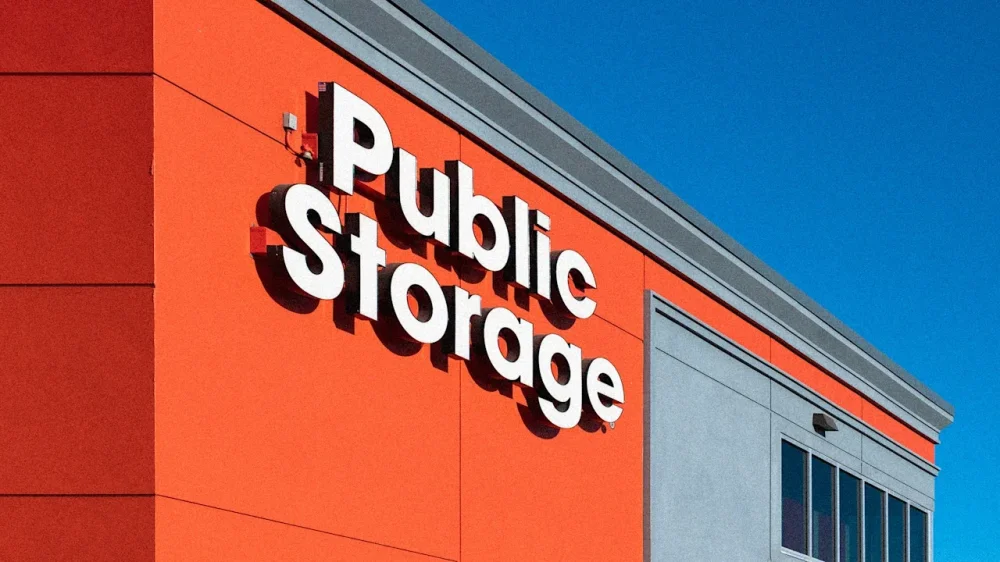
America’s leading public storage provider, Public Storage (NYSE: PSA), has announced plans to acquire one of its main competitors, National Storage Affiliates Trust (NYSE: NSA), further solidifying its position as the dominant storage provider in the country. Here’s what you need to know about the proposed merger, and how the news is affecting the companies’ stock prices. What’s happened? Yesterday, Public Storage announced plans to acquire one of its main competitors, National Storage Affiliates. As of December 31, Public Storage operated 3,533 self-storage facilities across 40 states. As of the same date, National Storage Affiliates Trust operated 1,063 self-storage properties across 37 states and Puerto Rico. As noted by the Associated Press, National Storage Affiliates is currently the fourth-largest storage provider by market cap. After Public Storage’s first-place position, competitors Extra Space Storage and CubeSmart take second and third place. Under the terms of the proposed merger, the storage assets of the first- and fourth-largest storage companies will combine, making Public Storage’s dominance in the public storage sector even more pronounced. Public Storage’s incoming CEO, Tom Boyle, said that the deal will allow the company “to strategically and accretively expand our platform with assets that are highly complementary with our portfolio, deepen our significant market presence, and enhance our long-term per share growth profile.” According to the terms of the deal, National Storage Affiliates shareholders “will receive 0.14 of a share of PSA common stock or partnership units for each NSA share or unit they own.” As of the time of this writing, Public Storage has a market cap of around $51 billion, while National Storage Affiliates’ market cap sits around $6 billion. Public Storage says that after the merger is complete, the combined company is expected to have aorund a market cap of around $57 billion and a “total enterprise value of approximately $77 billion.” How have PSA and NSA stock reacted? When Public Storage announced the proposed merger yesterday, the company’s stock price closed down about 2.7% to just below $290 per share. But while PSA shares were down on the news, NSA shares soared. As of yesterday’s closing price, NSA shares surged more than 30%, closing at above $40 each. Currently, in early morning trading today, PSA shares have recouped some losses, gaining about 1% to $292.70 as of the time of this writing. NASA shares are also up slightly, gaining about 1.2% to $40.74. Year-to-date, PSA shares have climbed more than 13%, and NSA shares have risen 45%. Over the past 12 months, PSA shares are down about 2.2%, and NSA shares are up around 9.8% What happens next? The boards of both Public Storage and National Storage Affiliates have already “unanimously approved the transaction,” according to the company. The deal is currently expected to close in the third quarter of 2026. However, that closure is still subject to regulatory approvals as well as the approval of National Storage Affiliates’ equity holders. View the full article
-
Étienne Davignon, 93, is the only surviving former official accused in connection to Patrice Lumumba’s deathView the full article
-
Elon Musk and Tesla want to call their autonomous robotaxi service Cybercabs, a name that would seem to fit snugly with the company’s line of “Cyber” products. But an obscure French beverage wholesaler, run by someone who appears to be a devoted Musk fan, could ruin those plans. UniBev, based in Ajaccio, France, beat Tesla to filing for the trademark for Cybercab. Last week, Musk’s company struck back, filing a 167-page complaint with the U.S. Patent and Trademark Office that called UniBev “a bad faith trademark squatter, who started as a Tesla fan.” UniBev has until April 19 to respond to the complaint. Should the issue go to trial, a decision could be delayed until 2027. That would put Tesla in a bind, since it expects to begin production on the vehicles in April, with sales planned to launch before the end of the year. Tesla has also submitted trademark filings for “Cybercar” and “Cybervehicle,” which could allow it to bypass regulatory requirements in some cities tied to the word “cab.” There are no indications, however, that it plans to step back from the Cybercab name. Tesla did not reply to Fast Company‘s request for comment. Ironically, Tesla shoulders much of the blame for the dispute. It publicly announced the Cybercab name on April 23, 2024, during an earnings call. At the time, though, no one at the company had filed for a trademark. That gave UniBev co-owner, and Tesla shareholder, Jean-Louis Lentali an opening to file a trademark application in France on April 29. (Tesla did not apply for the trademark until October.) Under international trademark law, Lentali’s application was given priority. At the moment, UniBev holds rights to the Cybercab trademark in the United States and internationally. Tesla, in its complaint, cited UniBev’s long history of registering patents and trademarks referencing the automaker and speculating about products tied to it. Those include French rights to the names Cyber Diner, Cybervan, and XCab, as well as U.S. rights to Teslaquila and Teslaquila Hard Seltzer. Tesla, it is worth noting, holds trademarks for CyberBeast (for vehicles), CyberBeer (for beverages), CyberHammer (for “exercise equipment”), CyberVessel (for drinkware), and CyberWhistle (for toys). It has released products tied to all of those trademarks. The company did not go so far as to call UniBev and Lentali trolls, but it clearly suggested as much. “The United States trademark system exists to protect legitimate commercial actors and consumers, rather than to reward those who seek to exploit the registration process for improper purposes,” the complaint reads. “Allowing the Bad Faith Application to register would undermine this purpose.” UniBev, it added, filed the application without any intention of launching a vehicle in the United States. To date, the company has not made any vehicles or demonstrated the capacity to do so. (Founded in 2022, UniBev has worked exclusively on the B2B side of the beverage industry.) Musk has repeatedly pointed to the Cybercab as a major part of Tesla’s future. (He has also emphasized the Optimus humanoid robots.) As with many of his announcements, however, he was in retrospect overly optimistic about the go-to-market timeline. Many of Musk’s products, both cars and rockets, have been delayed multiple times, often by years. The Cybertruck, initially promised for 2019, did not reach buyers’ garages until late 2023. In 2019, Musk said the Cybercab (then described as self-driving robotaxis) would launch in 2022. That timeline slipped to 2023. He finally revealed the design in 2024 and later promised an arrival date of 2026, with a price “under $30,000” and rider costs of about 20 cents per mile. The vehicles, he said, would turn parking lots into parks. In January, however, he acknowledged that production rates for both the Cybercab and Optimus “will be agonizingly slow.” Year to date, Tesla’s stock is down more than 9%. View the full article

-
The Federal Open Market Committee is widely expected to keep interest rates steady when it concludes its regular meeting tomorrow, but rising uncertainty about inflation in the wake of the Iran war is clouding the monetary policy outlook. View the full article

-
Incredibly, when you think about it, US-based venture capital has remained structurally unchanged for half a century. The well known model revolves around the 10-year fund lifecycle, the 2-and-20 fee structure, and the relentless push for growth and outsized returns. Decisions are made in mysterious ways and are known to be full of bias against founders who don’t fit a certain mold. But even as rivers of investment flow into anything touching AI, there may yet be an ironic twist to come. Venture investing involves optionality and power laws. Very few investments will generate any returns at all, but the sector is premised on the idea that within any portfolio there will be just a few startups that will enjoy a spectacular exit, through an initial public offering or by being acquired by a deep-pocketed established firm. VC’s are betting on their ability to sniff out the rare winners amidst a sea of potential startups. But in many ways, it’s a terrible business—by some accounts 95% of the industry’s total returns are generated by less than 5% of its firms. Nonetheless, venture capital is firmly planted in the economy and in the public consciousness as the way that innovations get funded and businesses grow. For many entrepreneurs taking venture capital money is seen as a badge of honor and a financial boost for quick growth. Nonetheless, there are any number of complaints that founders have with regard to their investors, ranging from misguided expectations to unwanted advice to egregiously unfair business practices with respect to the equity and control that the firms extract. So why turn to a venture capitalist? Mainly because there were issues that no founder could address on their own or with capital that was ready to hand. The logic of venture capital was always premised on scarcity. Capital was scarce. Technical talent was scarce. The infrastructure to build, test, and distribute a technology product was scarce. VCs existed to bridge those gaps—to provide the resources a promising team needed before the market could prove them right. In exchange, they took equity, board seats, and influence over strategy. It was a reasonable bargain, forged in the conditions of the 1970s and refined through the personal computer, internet, and mobile revolutions. AI is dismantling every one of those scarcities. The collapsing cost of creation Consider what it actually costs to start a technology company today. A founder who five years ago needed $2 million and eighteen months to build a minimum viable product can now do it alone in six weeks for the cost of a few cloud subscriptions. Tools like Cursor, Lovable, and Replit, powered by large language models, have compressed the software development cycle so dramatically that technical co-founders—long considered mandatory—are increasingly optional. One solo founder, Maor Shlomo, built an AI startup called Base44 entirely alone, reached 300,000 users and $3.5 million in annual recurring revenue, and sold it to Wix for $80 million in cash—in six months. That is not an outlier story. It is an emerging template. Indeed, 80% of companies that go public do so without venture funding. More than half of successful startup exits last year were achieved by solo founders. The minimum viable team for building a significant technology business has dropped to one. When the cost of creation falls this far, the fundamental value proposition of a venture capitalist—we will give you the money to build in exchange for a commitment to give us your first born—starts to lose its grip. You do not need the money any more to get to a first product, a real user base, or even meaningful revenue. What you need money for is distribution, sales, and scale. And those needs arrive much later in the company’s life, at which point the founder’s negotiating leverage has increased dramatically. Capital at the extremes Where investment dollars are flowing in the economy resembles a barbell. At one end, an unprecedented concentration of capital in a handful of AI infrastructure companies—OpenAI, Anthropic, xAI, Databricks—that require the kind of compute investment that resembles project finance more than traditional venture backing. These are not startups in any meaningful sense; they are capital infrastructure projects, and they are absorbing the majority of venture dollars. 41% of all VC money invested in 2025 went to just 10 startups, according to Pitchbook. At the other end are thousands of small, capital-efficient AI application businesses that need very little money and generate meaningful returns quickly. Cursor reached $500 million in annual recurring revenue with fewer than 50 employees, and is now up to about $2 billion. Midjourney, the AI image generation company, crossed $200 million in revenue with roughly 40 people and has taken no venture funding at all. A 28 person startup called Gamma’s founder, Grant Lee, actively rejects invitations from potential VC’s. These businesses do not need—and in many cases do not want—a VC on their cap table and their board The middle is collapsing. The classic venture model of Series A, B, and C rounds funding a startup’s progression from idea to scale is becoming less relevant for a growing category of businesses. AI-powered companies are reaching profitability earlier, growing faster, and requiring less capital at each stage. Industry analysts report that AI startups are reaching $1 million in annual revenue up to four months faster than comparable SaaS companies were reaching the same milestone just a few years ago. The gatekeeper premium There is a deeper challenge for venture capital, one that goes beyond deal economics. For decades, VCs served as gatekeepers to a network of resources that founders couldn’t access on their own: introductions to enterprise customers, relationships with talent recruiters, connections to co-investors, and the credibility signal of a prominent firm’s backing. That access premium justified the equity cost. AI is eroding that premium too. Machine learning tools can now identify potential customers, analyze competitive landscapes, surface talent, and predict market opportunities faster than any junior associate. Founders can use AI to understand their own metrics deeply, identify the right investors for their stage, and run their own due diligence on potential partners. The information asymmetry that once made VCs indispensable—they knew things founders didn’t—is flattening. Some prominent investors have acknowledged this openly, arguing that the future of venture will involve smaller teams using better tools rather than massive platforms with armies of analysts and associates. The VC firm of 2030 will look less like a financial intermediary and more like a high-powered advisory network, one that adds value through judgment and relationships in conditions of genuine uncertainty rather than through capital deployment and information advantages. What survives None of this means venture capital disappears. The frontier AI companies—the ones building and training foundational models—require capital at a scale that no bootstrapped founder can self-fund. Anthropic’s most recent funding round was $30 billion and valued the company at $380 billion. These investments look less like early-stage venture and more like the kind of patient, infrastructure capital that once built railroads and power grids. They will continue to attract large allocations. And there will always be categories of business where scale still confers advantage—where network effects, regulatory moats, or capital-intensive physical infrastructure mean that a well-funded incumbent can overwhelm a lean competitor. In those sectors, the traditional venture model retains its logic. But the universe of businesses where that logic applies is shrinking. Every year, more categories of valuable economic activity become accessible to small, capital-light teams with AI leverage. Every year, the assumption that you need millions of dollars and a VC’s blessing to build something significant becomes less defensible. The last venture capitalists will not be the ones who ran out of money. They will be the ones who ran out of founders who needed them. View the full article

-
Joe Kent is first high-profile resignation over conflict he claims ‘serves no benefit to the American people’ View the full article
-
UK chancellor’s reforms include allowing local areas to keep some proceeds from higher income tax receiptsView the full article
-
When you’re looking to finance owner-occupied commercial real estate, comprehending your options is vital. You’ll find conventional loans, SBA 504 and 7a loans, and both fixed and adjustable rate loans among your choices. Each option has unique down payment requirements and terms that can suit various financial situations. Exploring these avenues can pave the way for property ownership and business growth, but knowing which option fits your needs best is fundamental. Let’s break down these financing choices. Key Takeaways Conventional loans require a 20% down payment and are suitable for purchasing, improving, or refinancing owner-occupied properties. SBA 504 loans offer down payments as low as 10%, financing both real estate and essential equipment for businesses. SBA 7a loans allow for various uses, including real estate purchase, with down payments starting at 15% and amounts up to $5 million. Adjustable rate loans provide lower initial rates but may fluctuate, requiring careful financial assessment and planning. Fixed rate loans offer stable interest rates and predictable payments, making them ideal for long-term financial stability. Conventional Owner-Occupied Commercial Real Estate Loans When you’re considering financing for your business’s real estate needs, conventional owner-occupied commercial real estate loans can be a viable option. These loans typically require a down payment of around 20% of the property value, which is often lower than the 25% or more needed for investment property loans. You can use these loans to purchase, improve, or refinance properties primarily occupied by your business, ensuring at least 51% of the space is designated for operations. Conventional loans offer both fixed and adjustable interest rates, providing flexibility to match your financial strategy. Loan terms usually range from 5 to 25 years, letting you choose a repayment schedule that aligns with your cash flow. Nevertheless, be prepared to submit thorough financial documentation, including personal and business tax returns, financial statements, and proof of liquidity for your down payment, as approval often hinges on these factors. SBA 504 Loans SBA 504 Loans offer a structured way for businesses to finance the purchase or improvement of owner-occupied commercial real estate. With down payments as low as 10% and the potential to cover up to 90% of project costs, these loans provide a valuable opportunity for eligible borrowers. You’ll find that the fixed interest rates and long terms make budgeting simpler, but comprehending the specific eligibility requirements is essential for securing this financing option. Loan Structure Overview For businesses looking to finance owner-occupied commercial real estate, comprehension of the structure of SBA 504 loans can be crucial. These loans provide long-term capital financing with a down payment as low as 10%. The typical structure involves a partnership between a Certified Development Company (CDC) and a bank, where the CDC finances up to 40% of the project cost, whereas the bank covers the remaining 50%. SBA 504 loans offer fixed interest rates, ensuring stability in monthly payments, with terms ranging from 10 to 25 years for the real estate component. Furthermore, you can use these loans to finance major equipment and machinery vital for your business operations, making them a versatile option for growth and expansion. Eligibility and Requirements Qualifying for an SBA 504 loan involves meeting specific eligibility requirements that confirm the financing primarily supports business operations. To be eligible, your business must occupy at least 51% of the property being financed. Furthermore, the properties eligible for these loans include land, buildings, and improvements, along with certain equipment. Here’s a quick overview of key eligibility criteria: Requirement Details Property Occupancy At least 51% must be owner-occupied Loan Amount Up to $5 million, with exceptions Property Types Land, buildings, improvements, equipment Down Payment As low as 10% Repayment Terms 10 to 25 years These criteria confirm that the financing effectively supports your business operations. Benefits for Businesses Comprehending the advantages of SBA 504 Loans can greatly impact your business’s financial strategy. These loans allow you to finance up to 90% of the total project cost, considerably reducing the capital needed to purchase or improve owner-occupied commercial real estate. With down payments as low as 10%, they’re accessible for small businesses that often face challenges with larger conventional loan requirements. In addition, SBA 504 Loans offer long-term fixed interest rates, ensuring predictable monthly payments and shielding you from market fluctuations. With terms extending up to 25 years, you can improve cash flow and financial stability. Eligible expenses include not just property purchases but also construction, renovation, and equipment costs, facilitating thorough business growth investments. SBA 7a Loans SBA 7a Loans serve as a versatile financing solution for businesses looking to invest in owner-occupied commercial real estate. These loans offer flexible financing options, allowing you to make down payments as low as 15% and enjoy terms of up to 25 years. You can use an SBA 7a Loan for various purposes, such as purchasing or refinancing real estate, acquiring equipment, or funding working capital. With loan amounts reaching up to $5 million, this program caters to both small and medium-sized businesses. Backed by the Small Business Administration, SBA 7a Loans reduce risks for lenders, which often leads to more favorable loan terms for you. You’ll find competitive interest rates, with both fixed and variable options available based on your lender and loan structure. This makes the SBA 7a a robust choice for financing your commercial real estate needs, providing the support you need to grow your business. Adjustable Rate Loans When considering financing options for commercial real estate, adjustable rate loans can be an appealing choice due to their typically lower initial interest rates. These loans often result in reduced monthly payments at the start, making them attractive for budgeting purposes. Nevertheless, it’s vital to understand that after the initial fixed period, the interest rates may fluctuate based on market conditions, potentially leading to higher payments down the line. Many adjustable rate loans come with caps that limit how much the interest rate can increase during each adjustment period, providing some protection against steep rises. Typical adjustment periods can vary, commonly occurring every 1, 3, or 5 years. Before opting for this type of loan, you should carefully assess your financial situation and consider market trends, as adjustable rate loans can introduce uncertainty into long-term budgeting and cash flow management. Fixed Rate Loans Fixed rate loans are an excellent option for those seeking predictability in their commercial real estate financing. With a fixed rate loan, you secure a stable interest rate throughout the loan term, ensuring consistent monthly payments and shielding yourself from market fluctuations. Typically, these loans require a down payment ranging from 10% to 25% of the property’s value, depending on your financial profile and the lender’s criteria. You can choose from various term lengths, often spanning from 3 to 10 years, allowing you to align the loan duration with your business plans. This type of financing is particularly attractive for long-term financial planning, as locking in an interest rate can lead to substantial savings over the loan’s life. As an owner of owner-occupied commercial real estate, you can utilize fixed rate loans for property purchases, renovations, or refinancing existing debt, enhancing your financial stability and growth potential. Refinancing Options Refinancing options for owner-occupied commercial real estate play a crucial role in optimizing your financial strategy, especially if you’ve seen improvements in your credit score since your original loan. You can consider various refinancing avenues, including conventional loans, SBA 504 loans, and SBA 7(a) loans. These typically require down payments ranging from 10% to 25%, depending on the lender and loan type. Refinancing allows you to secure lower interest rates, which can lead to reduced monthly payments and overall financing costs. Moreover, many lenders offer programs that let you access equity built in your property, which can be useful for further business investments or debt consolidation. Keep in mind that the refinancing process requires documentation similar to your original loan application, such as personal and business tax returns, financial statements, and proof of income. Lenders will also assess the property’s condition and market value to confirm its continued worth. Local Lender Benefits Local lenders offer several advantages that can greatly benefit businesses seeking financing for owner-occupied commercial real estate. One key benefit is their ability to make quicker decisions, allowing you to secure financing more efficiently than you might with larger, national banks. Their familiarity with local market dynamics means they can provide customized loan options that particularly meet your business’s needs. Furthermore, local lenders typically maintain direct communication channels, ensuring responsive customer service throughout the loan application and approval process. They often provide competitive rates and flexible terms, making them a great choice for small businesses. Moreover, local lending institutions emphasize building long-term relationships with clients, creating a supportive environment for your ongoing business growth and development. By choosing a local lender, you’re not just securing financing; you’re also partnering with a financial institution that understands your community and is invested in your success. Frequently Asked Questions What Are the 5 Cs of Commercial Lending? The 5 Cs of commercial lending are crucial factors lenders evaluate when considering a loan application. They include Character, which looks at your credit history; Capacity, evaluating your ability to repay based on income; Capital, determining your investment in the project; Collateral, which involves the assets securing the loan; and Conditions, focusing on the economic environment and loan terms. Comprehending these elements can help you strengthen your application and improve your chances of approval. What Is the 2% Rule in Commercial Real Estate? The 2% Rule in commercial real estate suggests that a property’s annual rent should be at least 2% of its purchase price. For instance, if you buy a property for $1 million, it should generate a minimum of $20,000 in annual rent. This guideline helps you quickly assess the investment’s viability, especially for single-tenant properties. Nevertheless, it’s best to combine this rule with other financial metrics for a thorough evaluation. What Is Owner Occupied Commercial Financing? Owner-occupied commercial financing is a type of loan particularly for businesses that occupy at least 51% of a property. These loans often have lower down payment requirements, typically ranging from 10% to 20%, compared to investment properties. Lenders assess your business’s financial health and the property’s condition when determining loan terms and approval. This financing can additionally fund renovations, enhancing both property value and operational efficiency for your business. What Is the 3-3-3 Rule in Real Estate? The 3-3-3 rule in real estate helps you assess a property’s value and potential by examining three key factors over a three-year horizon. First, analyze the location, focusing on market conditions and growth prospects. Next, evaluate the property’s condition through inspections to anticipate maintenance costs and repairs. Finally, consider financing options, including loan types and interest rates, which can greatly impact your investment strategy and the property’s long-term viability. Conclusion In conclusion, exploring financing options for owner-occupied commercial real estate is crucial for making informed decisions. Whether you choose conventional loans, SBA 504 or 7a loans, or opt for fixed or adjustable rate loans, each option has unique benefits customized to your needs. Refinancing can further improve your financial strategy, and working with local lenders can provide personalized support. By comprehending these avenues, you can effectively secure the funding necessary for property ownership and business growth. Image via Google Gemini and ArtSmart This article, "7 Key Financing Options for Owner Occupied Commercial Real Estate" was first published on Small Business Trends View the full article
-
We may earn a commission from links on this page. Deal pricing and availability subject to change after time of publication. Sony doesn't know how to name earbuds, but it sure knows how to build them. The WF-100XM5 buds were my favorite wireless earbuds last year, and they've since been supplanted by the Sony WF-1000XM6 buds. Generally, whenever Sony releases a new version of its flagship earbuds, you can generally trust they will be the best your money can buy until the next iteration rolls around—and right now, you can get the WF-1000XM6 buds at a discount for the first time. They're $298 (originally $329.99), the lowest price since the recent release, according to price tracking tools. Bluetooth in-Ear Headphones, with Studio-Quality Sound, Up to 24 Hours of Battery Life, Black Sony WF-1000XM6 The Best Truly Wireless Noise Cancelling Earbuds (2026 Model) $298.00 at Amazon $329.99 Save $31.99 Get Deal Get Deal $298.00 at Amazon $329.99 Save $31.99 Bluetooth in-Ear Headphones, with Studio-Quality Sound, Up to 24 Hours of Battery Life, Platinum Silver Sony WF-1000XM6 The Best Truly Wireless Noise Cancelling Earbuds (2026 Model) $298.00 at Amazon $329.99 Save $31.99 Get Deal Get Deal $298.00 at Amazon $329.99 Save $31.99 SEE -1 MORE The Sony WF-1000XM6 earbuds are a direct competitor with the Bose QuietComfort Ultra (2nd Gen), both outstanding options we have reviewed here in Lifehacker. The Bose are better suited for those looking for simplicity, user-friendliness, and comfort, while the Sonys are best for audiophiles looking to tweak and customize their experience exactly how they like it, with more options and features. The Sony WF-1000XM6 earbuds are my favorite for pure listening enjoyment. Yes, they are comfortable and have amazing ANC, but the audio quality, especially when you tweak the EQ and are able to listen to audio in LC3 and Sony’s own LDAC codecs, is the best in the market for Bluetooth earbuds. As you can read in Lifehacker's review, Sony has improved the microphone count and quality, making calls, ANC, and transparency mode sound clear and more responsive to noise in your environment. As far as battery life, you can get eight hours when listening with just the buds, and 24 hours from the charging case. If you're an Apple user, I think the AirPods Pro 3 are a better option since they're cheaper and better suited for iPhones. If you're not, these Sony buds are my top recommendation—provided you want the best audio quality from Bluetooth earbuds you can find—and the current price is the lowest I've seen yet (and I don't expect them to go much lower in 2026). Our Best Editor-Vetted Tech Deals Right Now Apple AirPods 4 Active Noise Cancelling Wireless Earbuds — $148.99 (List Price $179.00) Apple iPad 11" 128GB A16 WiFi Tablet (Blue, 2025) — $329.00 (List Price $349.00) Sony WH1000XM6- Best Wireless Noise Canceling Headphones — $398.00 (List Price $459.99) Apple Watch Series 11 (GPS, 42mm, S/M Black Sport Band) — $299.00 (List Price $399.00) Amazon Fire TV Stick 4K Plus — $24.99 (List Price $49.99) Blink Video Doorbell Wireless (Newest Model) + Sync Module Core — $35.99 (List Price $69.99) Ring Indoor Cam Plus (2025) — $39.99 (List Price $59.99) Deals are selected by our commerce team View the full article