Newsletter
Want to keep up to date with all our latest news and information?


ResidentialBusiness
Administrators
-
Joined
-
Last visited
Everything posted by ResidentialBusiness
-
If you’re traveling soon, some grueling wait times at the airport may be in your future thanks to a partial government shutdown. But to make matters even more complicated, the Transportation Security Administration (TSA) is not currently updating its sites during the partial shutdown, meaning fliers can’t easily check TSA wait times before heading to the airport. “Due to the lapse in federal funding, this website will not be actively managed,” the Department of Homeland Security, which manages TSA, wrote in a Feb. 17 statement. “This website was last updated on February 17, 2026 and will not be updated until after funding is enacted. As such, information on this website may not be up to date.” Why is the TSA not updating its site? While TSA sites, which includes the MyTSA mobile app, can’t currently be relied upon, airports are facing another major issue due to the lapse in funding: staff shortages. Two weeks ago, TSA employees received only partial paychecks. And now, about 50,000 airport security employees are working for free. As many are choosing to stay home, a number of airports simply don’t have enough employees. That, coupled with a surge in jetsetting Spring Breakers, has made for some very long lines. Over the weekend ABC News reported, airports like Houston’s Hobby Airport, George Bush International Airport, New Orleans International Airport in Louisiana, Hartsfield-Jackson International in Atlanta, Georgia, and Charlotte Douglas International Airport in North Carolina, all were plagued by excessively long wait times. How can fliers check wait times without TSA sites? Even though wait times aren’t being updated on the TSA website, there are still some other ways to prepare to head to the airport. Checking the actual airport’s website can be a good place to start, as most U.S. airports frequently update their sites with travel advisories, wait time updates, and other pertinent information. TSAWaitTimes.com is another helpful resource, as it provides travelers with up-to-date information on TSA wait times. In addition, the site features a list of the airports with the current longest wait times, shows a map of current airport delays, and enables travelers to search for any airport. Currently, a message on the site reads: “Due to the ongoing government shutdown, travelers should anticipate longer security lines and potential flight delays. Please plan to arrive at the airport 30–60 minutes earlier than usual. Pack light if possible, download your airline’s app, and keep your phone charged to stay informed of real-time updates and communications.” Another popular site is FlightAware, a comprehensive real-time tracking tool, which gives travelers both arrival and departure times on all U.S. flights. The site also features a list of all current airport delays “within, into, or out of the United States” to help fliers get where they need to be on time. When will TSA sites be up and running? As the shutdown continues, no announcements have been made about when funding for TSA will return or when TSA will begin actively updating its sites. However, some airline executives are making pleas to Congress, pressing for lawmakers to reach a deal as soon as possible. “More than 2.7 million people cleared through TSA yesterday, but too many had to wait in extraordinarily long—and painfully slow—lines at checkpoints,” said Chris Sununu, president and CEO of the Airlines for America trade group, in a statement to AP News on Monday. Sununu continued, “It’s unacceptable to have wait times of 2 or 3 hours. And it’s unacceptable that TSA officers will have $0 in their paychecks this week.” View the full article

-
The U.S. Department of Transportation has approved eight pilot programs across 26 states that will allow eVTOL (electric vertical takeoff and landing) aircraft to begin real-world testing. The program will permit air taxi service in select cities, while data collected from participating companies will help the FAA develop regulations to scale the technology while keeping urban airspace safe. “This is a defining moment for American innovation,” said JoeBen Bevirt, founder and CEO of Joby Aviation in a statement. “Instead of just reading about the future of flight, communities across America are going to be able to see it in the skies above their own cities this year.” Pilot programs will take place in areas approved by the Departments of Transportation in Texas, Utah, Pennsylvania, Louisiana, Florida, and North Carolina, several of which cover multiple states. Additional pilots will be run by the Port Authority of New York and New Jersey and the City of Albuquerque. eVTOL craft (or flying cars, in plainspeak) have been the stuff of science fiction dreams for years. The aircraft can take off and land much like helicopters, meaning no runway is required. They offer the hope of avoiding gridlock and rush hour congestion as well as the dream of getting to and from places at a much quicker pace. From Chitty Chitty Bang Bang to Back to the Future, generations have grown up believing they were only a few years away. In recent years, major corporations have invested hundreds of millions of dollars in the technology in hopes of finally turning that vision into reality. Toyota, for instance, spent $500 million to buy into Joby in October 2024. Delta Air Lines is also an investor, putting $80 million into Joby. United, meanwhile, invested $10 million in Archer Aviation and $15 million in Eve Air Mobility in 2022. Beyond the reduced stress they promise, flying cars are designed to be quieter than traditional aircraft, or even air-conditioning units. Because they are electric, they could also help reduce carbon emissions. In addition, they hold the potential to be valuable tools for emergency response providers. In its announcement, the DOT outlined several potential uses beyond passenger transport, including cargo and logistics networks, emergency medical response operations, and offshore transportation. “These partnerships will help us better understand how to safely and efficiently integrate these aircraft into the National Airspace System,” said FAA Deputy Administrator Chris Rocheleau. “The program will provide valuable operational experience that will inform the standards needed to enable safe Advanced Air Mobility operations. We appreciate the strong interest reflected in the many proposals we received.” Beyond Joby and Archer, companies including Beta, Electra, Elroy Air, Wisk, Ampaire, and Reliable Robotics will participate in the pilot program. With the prospect of wider operations on the horizon, competition among major players in the sector has intensified. Four months ago, Joby sued Archer for trade secret theft, alleging that a former Joby employee took proprietary information with him when he joined Archer. Archer, on Monday, filed a countersuit against Joby, claiming the company, which was founded in 2009 in California, defrauded the U.S. government by concealing its “deep ties” to China and relying on a Chinese manufacturing subsidiary for critical components. Alex Spiro, an attorney for Joby, tells Fast Company the company “doesn’t respond to nonsense.” “Archer’s ludicrous and defamatory claims are nothing more than an irresponsible attempt to distract from Joby’s trade secret theft lawsuit proceeding against Archer,” he says. “Joby is a U.S.-headquartered company that operates with strict compliance across its supply chain, and the company has been fully transparent with the U.S. Government about its operations. Joby has no ties to the Chinese Communist Party and has not received grants or subsidies from Chinese authorities.” View the full article

-
Sales of previously occupied U.S. homes picked up in February from the previous month as home shoppers took advantage of easing mortgage rates and a modest increase in properties on the market heading into the spring homebuying season. Existing home sales rose 1.7% last month from January to a seasonally adjusted annual rate of 4.09 million units, the National Association of Realtors said Tuesday. Sales fell 1.4% compared with February last year, with every region except the South posting lower sales versus a year earlier. The latest sales figure topped the 3.84 million pace economists were expecting, according to FactSet. “Good momentum, but nonetheless sales are still below one year ago,” Lawrence Yun, NAR’s chief economist, said during a conference call. Home prices continued to rise last month, albeit more slowly. The national median sales price increased 0.3% in February from a year earlier to $398,000, an all-time high for any February on data going back to 1999, NAR said. Home prices have risen on an annual basis for 32 months in a row. The latest sales trends follow a dismal January, when existing home sales posted their biggest monthly decline in nearly four years and the slowest annualized sales pace in more than two years, although NAR has since revised January’s sales data modestly higher. The U.S. housing market has been in a slump dating back to 2022, when mortgage rates began to climb from pandemic-era lows. Sales of previously occupied U.S. homes remained stuck last year at 30-year lows. Sales have been hovering close to a 4-million annual pace now going back to 2023. That’s well short of the 5.2-million annual pace that’s historically been the norm. A sharp run-up in home prices, especially in the early years of this decade, and a chronic shortage of homes nationally worsened by years of below-average home construction have left many aspiring homeowners priced out of the market. At the same time, mortgage rates have been trending lower, boosting the purchasing power for home shoppers who can afford to buy at current rates. The average rate on a 30-year mortgage dropped two weeks ago to just under 6% for the first time since late 2022, according to mortgage buyer Freddie Mac. First-time buyers were among those who took advantage last month of easing mortgage rates. They made up 34% of all home purchases in February, matching the highest level in the last five years, Yun said. However, the 10-year Treasury yield, which lenders use to price home loans, has climbed following the spike in oil prices since the Iran war started, which could lead to higher mortgage rates just as the spring homebuying season gets going. “Despite mortgage rates falling below 6% briefly, international conflict has sent them higher in recent days,” Lisa Sturtevant, chief economist at Bright MLS, said in an email. “If the conflict with Iran is limited, the housing market could rebound quickly. However, a prolonged conflict could stall home sales activity this spring.” Affordability remains a challenge for many aspiring homeowners, especially first-time buyers who don’t have equity from an existing home to put toward a new home purchase. Uncertainty over the economy and a job market increasingly showing signs of strain is also keeping many would-be buyers on the sidelines, economists say. Those who can afford to buy are benefiting from more properties on the market, although home inventory levels remain well below historical norms. There were 1.29 million unsold homes at the end of February, up 2.4% from January and up 4.9% from February last year, NAR said. That’s still well short of the roughly 2 million homes for sale that was typical before the COVID-19 pandemic. February’s month-end inventory translates to a 3.8-month supply at the current sales pace. Traditionally, a 5- to 6-month supply is considered a balanced market between buyers and sellers. “We really do need more inventory to show up,” Yun said, noting that if it doesn’t improve come spring, and more buyers jump into the market, it could push up home prices. —Alex Veiga, AP business writer View the full article

-
Budget airline’s CEO says crisis is ‘more manageable’ than others after forecasting €50mn hit to its bottom lineView the full article
-
Issuance of around $60bn expected on Tuesday as companies take advantage of calmer marketsView the full article
-
When seeking a commercial loan for your business, you’ll need to meet specific requirements that lenders typically expect. A solid business plan, detailed financial documents, and evidence of cash flow are essential. Furthermore, maintaining a strong credit history and possibly providing collateral can greatly influence your chances of approval. Comprehending these elements can help you navigate the lending process more effectively, but there are more nuances to reflect upon as you prepare your application. Key Takeaways A strong business plan detailing growth potential and clear fund usage is essential for loan qualification. Provide three years of financial statements, including balance sheets and income statements, to demonstrate business health. Maintain a strong credit history with a score of 700 or higher, ensuring timely debt payments and responsible credit utilization. Offer collateral to secure the loan, which can lead to more favorable terms and lower interest rates. Present detailed cash flow and revenue projections to showcase financial stability and future earning potential. Understanding Commercial Loans Grasping commercial loans is vital for any business looking to finance significant expenses, and they often involve larger sums than personal loans. So, what’s a commercial loan? It’s a financial product designed to support business needs, like expansion, equipment purchases, or covering operating costs. To qualify, you’ll need to meet commercial lending requirements, which include demonstrating financial health through a strong credit history and detailed financial statements. Additionally, having a clear business plan outlining your growth potential is fundamental. Interest rates are adjusted to your risk profile, and repayment periods can range from months to several years. Sometimes, lenders may require collateral to secure better terms. When applying, you’ll meet with loan officers and submit key documents like tax returns and your business plan for assessment. With the right preparation, you can navigate this process effectively and secure the funding needed for your business success. Importance of a Solid Business Plan A solid business plan is crucial for outlining clear growth objectives, which helps lenders understand your vision for the future. Accurate financial projections within the plan demonstrate your business’s potential to generate returns and repay the loan. Clear Growth Objectives Clear growth objectives are essential for any business seeking commercial lending, as they form the foundation of a solid business plan. When you outline clear goals, you help lenders evaluate the potential return on investment and overall viability of your business. A well-structured plan should highlight your unique value proposition, showing how you stand apart from competitors and positioning yourself in the market. Lenders want a detailed overview of how you’ll use the requested funds to support specific growth initiatives, like expansion or purchasing equipment. Not only does having clear objectives improve your chances of loan approval, but it furthermore serves as a strategic roadmap, guiding your decision-making and resource allocation for future success. Financial Projections Accuracy During the development of a solid business plan, ensuring the accuracy of your financial projections is vital for demonstrating your company’s potential to lenders. Your projections should clearly outline expected revenue, expenses, and cash flow, showcasing the likelihood of profitability and growth. Accurate financial forecasts enable lenders to assess your business’s repayment ability and overall financial health, which is important for securing favorable loan terms. Furthermore, including detailed assumptions and justifications can improve your credibility, giving lenders clear insights into your operating environment and market conditions. Regularly updating these projections reflects your adaptability to market changes, further strengthening your case for obtaining a commercial loan. Realistic, data-backed forecasts increase your chances of gaining lender confidence and loan approval. Required Financial Documentation When applying for a commercial loan, you’ll need to gather vital financial documentation to support your request. This typically includes three years of balance sheets and income statements, along with recent interim financial statements to showcase your business’s current health. Furthermore, business tax returns are critical for demonstrating profitability and compliance, providing lenders with a thorough view of your financial standing. Financial Statements Overview To secure a commercial loan, you’ll need to present a thorough overview of your financial statements, which serve as fundamental documentation for lenders evaluating your business’s financial health. Typically, lenders require three years of balance sheets and income statements to assess your operational performance. In addition, recent interim financials are critical, as they provide an up-to-date view of your company’s current status. While business tax returns will be covered in the next section, they too help illustrate your profitability. Moreover, lenders may ask for personal financial statements and tax returns from business owners to evaluate financial stability and risk. All-encompassing documentation is pivotal for loan approval, offering insights into your cash flow, revenue trends, and overall financial management. Business Tax Returns Business tax returns play a key role in the loan application process, providing lenders with important financial data that reflects your company’s profitability and overall health. Typically, lenders require the last three years of tax returns, which help them assess revenue trends and evaluate your cash flow for loan repayment potential. Accurate and timely submission is critical; discrepancies or missing information can delay your loan approval. Lenders often request tax returns for all types of business entities, including sole proprietorships, partnerships, and corporations, to gain a thorough view of your fiscal responsibilities. Consistent growth in reported income can improve your business’s credibility and enhance your chances of securing favorable loan terms, making it necessary to present strong tax documentation. The Role of Collateral Collateral plays a crucial role in commercial lending by providing security for lenders against potential borrower defaults. When you pledge an asset as collateral, lenders can seize it if you fail to repay the loan. Common types of collateral include real estate, equipment, inventory, and vehicles, all of which should hold enough value to cover the loan amount. Moreover, if your business lacks an established credit history, lenders might ask for personal guarantees, using your personal assets to further mitigate risk. Having collateral can likewise lead to more favorable loan terms, like lower interest rates and longer repayment periods, thanks to the reduced risk for lenders. Here’s a quick overview of collateral types: Type of Collateral Description Typical Value Requirement Real Estate Land and buildings High Equipment Machinery and tools Medium to high Inventory Goods for sale Variable Vehicles Cars or trucks Medium Personal Guarantee Owner’s personal assets Variable Maintaining a Strong Credit History Since lenders closely examine your credit history when considering loan applications, maintaining a strong credit profile is vital for securing favorable terms. A credit score of 700 or higher is typically viewed as favorable, increasing your chances of loan approval and lowering interest rates. To achieve this, it’s important to utilize credit responsibly; aim to keep your credit utilization below 30% and make timely payments on all debts. Regularly reviewing your credit reports can help you spot inaccuracies and address any errors without delay, which is fundamental for a healthy credit profile. Consistently repaying debts on time not just boosts your credit score but likewise builds trust with lenders, enhancing your prospects for future financing. Assessment of Cash Flow When evaluating cash flow, you need to understand its importance in determining your business’s ability to meet debt obligations. Lenders often look at historical, current, and projected cash flow statements to evaluate whether your business can sustain operations and service new debt. Importance of Cash Flow Comprehending cash flow is essential for any business seeking financing, as it directly reflects your ability to meet financial obligations and service debt. Lenders assess your cash flow through historical, current, and projected cash flow statements, looking for a positive trend over time. A healthy cash flow signals financial stability, making your business more attractive to lenders and increasing the likelihood of securing favorable loan terms. To calculate your cash flow, subtract cash outflows (expenses) from cash inflows (revenue). Regular fluctuations in cash flow may raise concerns about operational efficiency. Furthermore, maintaining a cash reserve acts as a buffer during unexpected expenses, enhancing your creditworthiness when approaching lenders for loans. Cash Flow Projections Comprehending cash flow projections is crucial for evaluating your business’s financial health and its ability to meet obligations, particularly when seeking loans. These projections require detailed analysis of expected cash inflows and outflows, usually on a monthly basis for the first year and quarterly thereafter. A robust cash flow projection accounts for seasonal revenue fluctuations, anticipated expenses, and planned investments, ensuring a realistic forecast. Lenders prefer to see a positive cash flow trend, where inflows consistently exceed outflows, demonstrating your ability to service debt. To strengthen your projections, back them up with historical financial data and a clear explanation of your assumptions. Regular updates to cash flow projections can help you identify potential shortfalls early, allowing for timely adjustments. Revenue Projections and Their Importance Grasping revenue projections is essential for both borrowers and lenders in the commercial lending process, as these estimates offer a glimpse into a business’s potential future earnings. Accurate revenue projections typically span three to five years and should be grounded in historical financial data and thorough market analysis. Lenders favor consistent growth rates in these projections, ideally mirroring industry trends and realistic sales forecasts, which indicate stability and potential for expansion. A well-structured revenue projection includes assumptions regarding market conditions, pricing strategies, and customer acquisition, providing an all-encompassing view of expected performance. Presenting detailed revenue projections alongside a solid business plan can greatly improve your chances of securing favorable loan terms. This approach demonstrates your preparedness and strategic planning, reassuring lenders of your ability to meet repayment obligations. In the end, sound revenue projections not just reflect your business’s potential but also play an important role in building lender confidence. Avoiding Simultaneous Loan Applications When you’re considering applying for a commercial loan, it’s crucial to avoid submitting multiple applications at the same time. Doing so can negatively impact your credit score, as lenders might interpret these simultaneous requests as a sign of financial distress. Each application triggers a hard inquiry on your credit report, which can reduce your score temporarily, making it tougher to secure favorable loan terms. Instead, take the time to thoroughly assess your funding needs and focus on one loan application at a time. This approach not only increases your chances of approval but additionally allows you to present a well-prepared application, showcasing your business strategy and financial stability. Engaging With a Loan Officer Engaging with a loan officer is a vital step in securing a commercial loan, as it allows you to clearly outline your business goals and financial needs. Typically, this starts with a meeting where you’ll discuss how a loan can address your specific requirements. Loan officers will ask for critical documents, such as your financial statements, tax returns, and a detailed business plan, to evaluate your eligibility and repayment capability. They’ll likewise assess your creditworthiness, which includes your credit history, to determine the interest rates and terms available. A personalized approach from loan officers, especially those familiar with the local market, can help customize the loan structure to fit your objectives. Throughout the application process, loan officers provide guidance and support, ensuring you understand all terms and conditions laid out in the loan agreement, finally helping you make informed decisions for your business. Tailoring Your Loan Application Tailoring your loan application is essential for clearly communicating your business’s objectives and how the funding will facilitate growth. Start by crafting a compelling business plan that outlines how the loan will support your goals and generate returns. Make sure you provide accurate financial documentation, including three years of balance sheets, income statements, and tax returns, to demonstrate your financial health and ability to repay. Highlight your unique value proposition and competitive advantages to show lenders what sets you apart in the industry. Furthermore, a thorough explanation of your cash flow management and revenue cycles can alleviate lenders’ concerns about your repayment capacity. It’s also wise to anticipate and address potential questions or concerns within your application, as this proactive approach strengthens your case for approval and can lead to more favorable loan terms. Building Long-Term Relationships With Lenders Building long-term relationships with lenders is essential for your business’s financial stability and growth. Consistent communication is key; regularly updating lenders on your financial performance and operational changes cultivates trust and transparency. Establishing a strong credit history by making timely repayments shows responsibility and improves your credibility, making it easier to secure favorable loan terms in the future. Engage with lenders during the planning stages of projects to develop customized financial solutions that align with both your needs and their risk criteria. Demonstrating stability through well-prepared financial statements and a clear business plan signals your diligence in managing financial health. Moreover, participating in lender-sponsored events or networking opportunities can help you build rapport, nurturing a sense of partnership that may benefit future financing endeavors. Frequently Asked Questions What Are the 4 Cs of Commercial Lending? The 4 Cs of commercial lending are Character, Capacity, Capital, and Collateral. Character evaluates your credit history and reliability in managing debt. Capacity measures your ability to repay the loan, often through financial statements and cash flow analysis. Capital reflects your equity in the business, showing your financial commitment. Finally, Collateral involves assets you can pledge to secure the loan, providing lenders protection if you default. Comprehending these elements is essential for securing funding. What Are the 5 Cs of Commercial Lending? The five Cs of commercial lending are character, capacity, capital, collateral, and conditions. Lenders assess your character through your credit history, which reflects your reliability. Capacity evaluates your ability to repay, often through financial statements and cash flow. Capital refers to your investment in the business, showing commitment. Collateral involves assets you can offer to secure the loan. Finally, conditions consider external factors that might impact your repayment ability, like market trends. What Are the Three Cs of Commercial Lending? The three Cs of commercial lending are Character, Capacity, and Capital. Character reflects your credit history and reliability, often assessed through credit scores. Capacity measures your ability to repay based on cash flow and financial statements, ensuring you can handle debt without strain. Capital represents your equity investment in the business, showcasing your financial commitment through personal assets or cash reserves. Lenders evaluate these factors to make informed loan decisions. What Are the Requirements for a Business Loan? To secure a business loan, you’ll need a solid credit history, as it indicates your reliability in repaying debts. You must furthermore provide detailed financial statements, including three years of balance sheets and income statements, to prove your financial health. A thorough business plan outlining the loan’s purpose and your growth strategy is crucial. In addition, accurate documentation like tax returns and collateral may be required to guarantee loan approval. Conclusion In summary, comprehending key commercial lending requirements is crucial for securing financing for your business. A solid business plan, accurate financial documentation, and a good credit history greatly improve your chances of approval. Be prepared with collateral and maintain open communication with lenders. Avoid applying for multiple loans simultaneously to keep your credit score intact. By tailoring your application and nurturing long-term relationships with lenders, you can enhance your potential for favorable loan terms and successful financing outcomes. Image via Google Gemini and ArtSmart This article, "Key Commercial Lending Requirements for Your Business" was first published on Small Business Trends View the full article
-
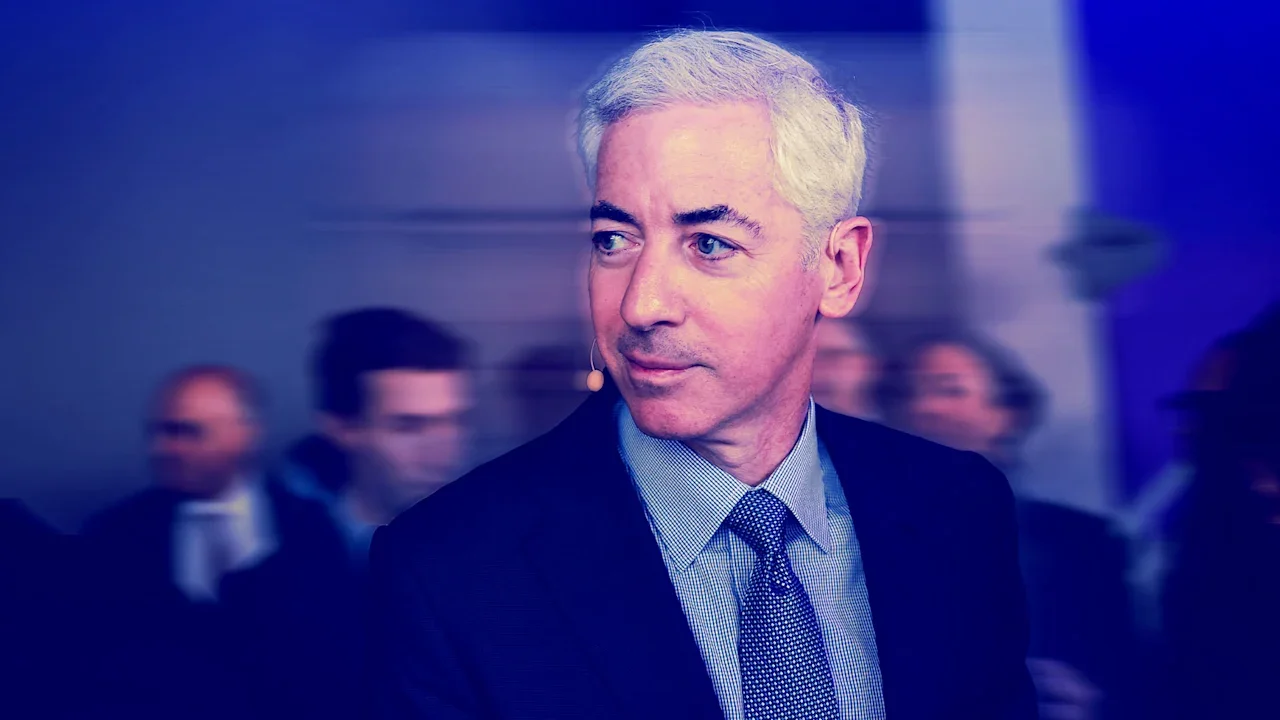
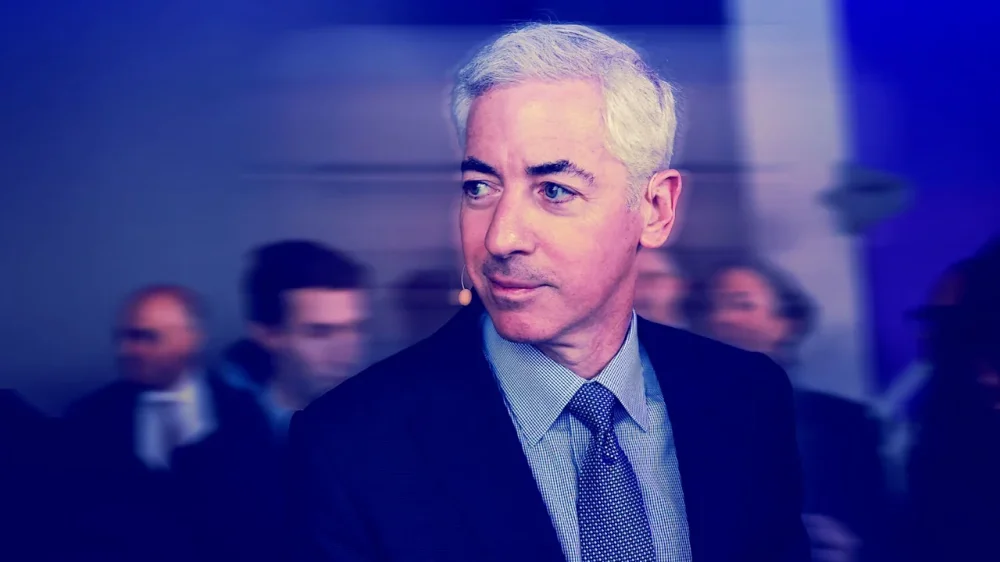
Billionaire investor Bill Ackman is planning to take his Pershing Square management company (PS) public. But in doing so, Ackman is taking an unusual route: He is also starting a new fund, Pershing Square USA (PSUS), and if you want to get in on the Pershing Square management company’s initial public offering (IPO), the only way to do so is to buy shares in the new fund first. Here’s what you need to know about Pershing Square’s IPO: Pershing’s combined IPO When announcing its intention to go public, Pershing Square Inc. also announced that it will launch a new fund called Pershing Square USA (PSUS), and investors in the new fund will receive a set number of shares in Pershing Square Inc. (PS). As the company noted in its IPO announcement: “The PSUS Shares are being offered at a price of $50.00 per PSUS Share, and investors in the PSUS IPO will receive, for no additional consideration, 20 PSI Shares for every 100 PSUS Shares purchased.” This, of course, doesn’t mean that PS shares will be unavailable for purchase forever. Rather, if you want to get in on them for the IPO, your only way to do so is to buy shares in PSUS. But once both entities begin trading on the stock exchange, anyone will be able to buy shares in PS and PSUS directly. What are Pershing Square’s biggest holdings? Pershing Square, the management company run by Ackman, owns significant holdings in a number of major U.S. companies. Under Pershing Square Holdings, Ltd, the hedge fund owned shares in several companies between January 1, 2025, and December 31, 2025, according to its S-1 filing with the Securities and Exchange Commission (SEC). Those companies included: Alphabet Inc. Uber Technologies, Inc. Amazon.com, Inc. Meta Platforms, Inc. Nike, Inc. Chipotle Mexican Grill, Inc. When is Pershing Square’s IPO? Pershing Square USA, Ltd.’s and Pershing Square Inc.’s initial public offering date has not been determined yet. It is likely that shares in both companies will go public on the same day. What is Pershing Square’s stock ticker? Pershing Square USA, Ltd. will trade under the stock ticker “PSUS.” Pershing Square Inc. will trade under the stock ticker “PS.” What market will Pershing Square’s shares trade on? Both PSUS and PS shares will trade on the New York Stock Exchange (NYSE). What is the IPO share price of PSUS and PS? The initial public offering price for PSUS shares will be $50. For every 100 PSUS shares investors buy during its IPO, they will get 20 shares in PS. How much will PSUS raise in the IPO? Pershing Square says it is aiming for PSUS to raise between $5 billion and $10 billion. View the full article
-
The oil markets are rattled. Iran’s closure of the Strait of Hormuz—through which a fifth of the world’s oil flows—have sent prices toward $90 a barrel, with Qatar’s energy minister warning they could hit $150 within weeks. Energy analysts are invoking “the mother of all disaster scenarios.” Commentators are drawing comparisons to the 1970s. The mood is grim. But here is an uncomfortable question worth contemplating: What if expensive oil is not a catastrophe, but an inflection point that finally aligns economic incentives to address critical issues that decision-makers in the global economy have been ignoring for decades? That is the argument that economic historian Carlota Perez has been making for years. And right now, with oil shocks back on the front page and the energy transition stalling under political headwinds, her framework urgently deserves renewed attention. Technology revolutions and their discontents Perez, whose landmark work Technological Revolutions and Financial Capital traces the long waves of capitalist development from the Industrial Revolution to the digital age, argues that we are living through a pivotal transition. Each great technological revolution—steam power, railways, steel, automobiles, information technology—follows a predictable arc: an installation period of financial speculation and infrastructure-building, followed by a deployment period in which society learns to use the new technology productively and broadly, with a dramatic reduction in income inequality and shared prosperity as a result. We are, she argues, at exactly that inflection point with digital and green technologies. The installation phase—the dot-com boom, the shale revolution, the explosion of platform companies—is behind us. What comes next, if societies make the right choices, is a potential “golden age” of broad-based prosperity, grounded not in the extraction of physical materials but in the creation of knowledge, services, and sustainable production. The catch? Getting from here to there requires making the old paradigm less attractive. And that is precisely where expensive oil comes in. When high prices are the point For Perez, the relative price of energy and materials is a steering mechanism for the entire economy. Cheap oil has historically facilitated mass production, long supply chains, suburban sprawl, disposable goods, planned obsolescence and carbon-intensive industry. It has made the incumbent model—stuff-intensive, energy-hungry, globally fragmented—far more economically competitive against alternatives. Expensive oil changes that calculus. It accelerates the relative attractiveness of dematerialized products and services: software over hardware, streaming over shipping, local services over global supply chains, energy efficiency over energy consumption. It makes renewable energy, which has near-zero marginal fuel costs, look dramatically better against fossil alternatives. It incentivizes the kind of circular economy thinking—repair, reuse, and redesign—that the green transition requires. Perez is explicit that she is not celebrating energy poverty or global supply disruptions. She is arguing that a world of persistently higher resource costs is more likely to generate the innovation incentives, the policy seriousness, and the investment reallocation needed to build a fundamentally different kind of economy—one that employs more people in high-value services, invests in intangible assets, and goes easier on the physical environment. The irony playing out right now The Atlantic’s Roge Karma has noted a bittersweet irony in the current moment: no president has done more to throttle clean energy development than Donald The President, yet the oil shock his Middle East policy may be triggering could inadvertently accelerate the energy transition more than any amount of climate regulation would have. Columbia’s Jason Bordoff agrees: prolonged oil crises have historically been the most reliable forcing functions for energy diversification. This is exactly what Perez would predict. Market signals, when they become undeniable, do what policy debates often cannot: they change behavior at scale. The 1973 oil shock sparked the first serious wave of energy efficiency innovation. The 1979 crisis accelerated it. Both produced more lasting change in energy consumption patterns than any amount of exhortation. The difference now is that the alternatives are genuinely ready. Solar, wind, and battery storage have achieved cost curves that were unimaginable even a decade ago. Digital tools enable service-based business models at scale. The knowledge economy infrastructure—broadband, cloud computing, remote work capability—exists. What has been missing is urgency. The dematerialization dividend Perez’s vision for a green golden age is not a story of austerity. It is a story of transformation—from an economy organized around the production and movement of physical things to one organized around knowledge, care, creativity, and sustainability. In this model, employment grows in services: healthcare, education, software, design, arts, and personal services that are inherently local, relatively low in energy intensity, and high in human value. Manufacturing does not disappear, but it becomes cleaner, more automated, more circular. Supply chains shorten. Urban environments become more livable. The pressure on ecosystems from extraction and waste declines. None of this is automatic. Perez is clear that the transition to a golden age has never happened without deliberate policy choices—about financial regulation, industrial strategy, and the distribution of productivity gains. The installation phase always ends in a speculative crash and a moment of reckoning. We have had ours, arguably more than once. The question is whether the crisis of the moment becomes the impetus for genuine transformation, or simply another disruption to be muddled through. What business leaders should take from this For executives and strategists, the Perez lens suggests a reframe. The instinct when oil prices spike is to treat it as a cost problem: hedge the exposure, cut the energy-intensive activities, lobby for relief. That is the wrong frame if the signal is structural rather than cyclical. The right question is: what business models become more viable in a world of persistently expensive physical inputs? Which of our activities depend on cheap energy in ways we have never fully noticed? Where are the opportunities in dematerialization—in selling outcomes rather than products, in building local rather than global, in investing in human capability rather than physical throughput? Companies that used the 1970s oil shock to rethink their operations—Japanese automakers being the canonical example—did not merely survive the crisis. They redefined their industries. The companies that treated it as a temporary inconvenience found themselves structurally disadvantaged for decades. The uncomfortable conclusion None of this is to minimize the real human costs of energy price spikes. Households and small businesses that cannot easily absorb higher energy costs need support. Transition assistance is a genuine policy imperative. And geopolitical instability in the Middle East carries risks that go well beyond energy markets. But for those thinking about the longer arc—about what kind of economy we are building and how we get there—the current moment may look, in retrospect, less like a disaster and more like an inflection point. A moment when the costs of the old model finally became undeniable, and the alternatives were finally ready. View the full article

-
PHH Mortgage's new name comes after a recent sale of reverse lending assets and also arrives less than two years after Onity Group itself rebranded. View the full article
-
Fresh off a historic 40-point performance in the finals of the Unrivaled season, WNBA player Kelsey Plum is taking a different shot: an AI twin. Fans can now voice call with a digital version of the Los Angeles Sparks star. Plum announced the twin on her personal Instagram account on March 6, asking her AI self for advice on her ponytail and coffee versus energy drink. Plum is the first professional female athlete to launch a verified AI digital twin. It’s a move that’s earning plaudits as a way for women in sports to take control of their image and expand their reach. “The opportunity to have a twin that can connect with fans, with young people, people that love basketball, people that are just interested in sports. The range is endless,” Plum says. “It’s where we are in society, and I think you are either gonna get with it or get lost.” Collaboration With Talk2Me Plum created the twin in partnership with Talk2Me, an AI communications company that creates verified digital humans. CEO Randy Adams considers himself to be on the leading (or bleeding) edge of innovation like this often. He’s a self-described serial entrepreneur—coinventor of Adobe PDF, cofounder of digital comedy brand Funny or Die, and now working on digital AI twins. “[Kelsey has] moved things from a business standpoint. She’s moved things first from a cultural standpoint,” he says. “We need to find people who are willing to take the risk to go out there and do this. And she’s been willing to do it. And we’re very honored that she is.” From a technical standpoint, the goal is to get the personality right based on what the celebrity wants. For Plum, that means interacting with fans when she can’t. “In the arena, I can only talk to so many people, so many fans at one time, and so I think the next best thing would then be to log on and have a one-on-one conversation,” Plum says. “I think it’s just a great opportunity to reach more people and obviously, too, we’re gonna be able to see what people are asking and wanna see, and we’ll be able to grow from there.” Maximizing reach Athletes finding ways to connect with fans off the court isn’t new. OK Tomorrow founder and CEO Nilesh Ashra is an expert on the intersection of AI and creativity. He says a move like this is helpful for celebrities like Plum because they’re looking for ways to maximize their reach. “Old world was they write a book. Recently, new world was create a coaching program,” he says. “Brand-new world is a digital twin.” And it is a bit of a brand-new world. Because Plum is one of the first to step into this kind of AI digitization, she admits there might be learning curves with some of the twin’s responses. Those potential distortions are where Ashra hesitates. “I think there is a benefit to interactivity. I think the risks are on unexpected behavior,” he says. “All AI models are nondeterministic. You actually don’t know how they’re going to respond until they’re in that context.” He’s not the only skeptic. Since Plum’s Instagram launch, commenters haven’t been shy about voicing their concerns about this use of AI. Some words of caution “Big fan here in cybersecurity . . . please, you’re teaching it, it’s learning every second and personal interactions add specifity to you besides what it’s gathered about you from the cloud, the IoT, etc.,” one Instagram user wrote. Many of the comments are from users expressing their support for Plum as an individual and player but opposing the use of AI due to environmental and cybersecurity concerns. Others are supportive. “I’ll just do your post exit interview with your AI twin, I’ll let you know what the feedback is,” Unrivaled CEO Alex Bazzell joked. Plum knows the twin isn’t a replacement for her. She’s passionate about mental health and connecting young people with community. But while she’s taking care of business on the court, she wants her AI version to connect with fans in the meantime. “I just think it gives a way . . . to connect, and that’s a cool thing,” Plum says. “Obviously, we use basketball . . . but I think using a twin in and outside of a basketball lane is something that will be special for people.” View the full article

-
Ministers try to win over sceptical public by potentially excluding children and some personal dataView the full article
-
A succession of US foreign policy choices has destabilised the oil industryView the full article
-
The steady encroachment of email into all moments of life has been quiet but formidable. A quick glance during a first date. Surreptitiously tapping out a reply during a wedding ceremony. Some even admit to refreshing their inbox at a funeral. Often it’s not the infinite scroll on social media that triggers the nervous phone-glancing. It’s the inbox. More than half of professionals check work email outside regular working hours, according to a recent study published by ZeroBounce, surveying 1,157 professionals in the United States and Europe last month. Nearly 3 in 4 professionals feel pressure to respond to emails off the clock, with that pressure intensifying among top earners. The creep of off-the-clock email is unsurprising given the average knowledge worker gets hit with 117 emails and 153 chat messages a day. And they check email on average 15 times daily. Roughly 80% of respondents admit to checking work email in at least one personal moment. If you receive a reply out of hours, there is a high likelihood it was typed out on the toilet. More than half of respondents, 53%, say they’ve checked their work email in the bathroom. Over a third report, 38%, checking email in bed next to their partner or 33% admit refreshing their inbox during important personal events. Nearly one in five respondents, 18%, admit to checking work email at a funeral, while others have done so at a wedding or, worse, while driving. High earners are the worst culprits. Men are also more likely than women to be distracted by their inbox in public settings, for example while attending a funeral or during a romantic dinner. Women, on the other hand, are more likely to check their email in personal moments, including whilst lying next to a partner in bed or in the car driving. Email alone consumes over a quarter of the average professional’s workweek. The line between work and personal time has never been blurrier with email intrusions now seen as an inevitable part of the job. Most workers, 74%, feel pressure to reply quickly, even when they’re off the clock. Only 11% say they never experience that pressure, according to ZeroBounce. “I get around 1,000 emails a day, and I rarely go more than a few hours without checking my inbox, even when I’m off,” says Liviu Tanase, founder and CEO of ZeroBounce. “Some of that is urgency, but a lot of it is responsibility and the fear of missing something that matters. There’s also the anticipation of what I might come back to if I disconnect completely.” Constant access may work out great for employers, but this digital tether takes an emotional and physical toll. In a 2018 paper published in the Academy of Management, those who checked their emails most, whether male or female, experienced the greatest stress and reported the lowest scores for well-being. It can sometimes make us forget to breathe. Productivity experts have long recommended limiting the number of times you check email. In the relentless pursuit of Inbox Zero, constant email access both stresses everyone out while mostly accomplishing little. Even the last defence, the OOO, is often ineffectual against the impulse to “keep on top of things”. Only 29% of respondents say their most recent out-of-office message clearly stated they wouldn’t be checking email. Instead, according to the recent ZeroBounce survey, 20% used vague language like “limited access,” while 14% explicitly said they’d be checking occasionally. Notably, 26% don’t bother with an out-of-office message at all, either because they’re always available or setting that boundary still feels uncomfortable. The incessant follow-ups, the noncrucial questions, the bulk-CCing—what they don’t want you to know? Most of it isn’t all that important in the first place. View the full article

-
Contract closings increased 1.7% to a 4.09 million annualized rate, according to National Association of Realtors data released Tuesday. View the full article
-
The offering marks a fresh attempt by Ackman to bring his long-term investment strategy to a broader base of investors, with a vision inspired by Warren Buffett's Berkshire Hathaway Inc. View the full article

-
Whatever your take on humanity, it is hard to deny one fact: we are, as a species, more hypocritical than we think, and tend to display a curious tendency for holding strong moral principles on one hand, and disregarding them without much guilt or awareness on the other. Unlike humans, a penguin does not preach fidelity in the morning and download Tinder by lunch. A meerkat on guard does not issue a memo on teamwork before sneaking off duty. A wolf does not publish a servant-leadership manifesto before stealing the kill. Across history, human moral systems have shared a curious pattern: the stricter the rulebook, the richer the archive of exceptions. Religions preach chastity and accumulate scandals, empires proclaim justice and practice conquest, corporations enshrine “values” and reward results at any cost. The problem is not that moral codes are useless. It is that they are aspirational reminders, not accurate descriptions, let alone regulators, of human behavior. This does not mean morality is pointless. It means it is political, social, and psychological. Moral systems are our best attempt at creating coordination tools. They tell groups what behavior to reward and punish. They create identity and belonging. But they also create loopholes, status games, and rationalizations. As Oscar Wilde (half) joked, “I can resist everything except temptation.” He was mocking Victorian hypocrisy, but the joke lands because it is universal. Strong rules make transgression more visible, more tempting, and sometimes more creative. The lesson for leaders is uncomfortable. As Alison Taylor shows in her brilliant book on business ethics, the louder an organization proclaims its values, the more scrutiny it deserves. Integrity is not measured by mission statements, sermons, or training modules. It is measured by incentives, peer judgments, and what happens when nobody is watching. Put plainly: moral codes are easy to write, hard to live, and endlessly adaptable when power or profit is at stake. Cutting corners A perfect example of this tension is the almost universal command to “be nice” or “do good.” Every major moral system treats prosocial behavior as a foundational rule. Christianity elevates charity and turning the other cheek. Islam centers zakat and the duty of generosity. Judaism embeds tzedakah as an ethical obligation. Buddhism praises compassion as a path to enlightenment. Secular humanism celebrates kindness as the glue of social trust. In short, niceness is civilization’s default setting. Yet there is no shortage of cases where breaking that rule pays off, especially when everyone else keeps following it. If your competitors are honest, cutting corners is profitable. If your colleagues are cooperative, taking credit is rewarded. If your peers are polite, being assertive looks like leadership. Morality works best as a collective norm, but incentives often reward individual deviation. Do nice guys finish last? Organizational psychology has documented this uncomfortable reality for years. Timothy Judge and colleagues asked the wonderfully blunt question, “Do nice guys finish last?” Their work showed that agreeableness, the Big Five trait capturing kindness, trust, and cooperativeness, is either weakly related or even negatively related to income and career advancement in many contexts. In another meta-analysis on leadership and personality, Judge found that agreeableness is positively related to leadership effectiveness once someone is in charge, but negatively related to leadership emergence. In other words, agreeable people make better leaders, but disagreeable people are more likely to become leaders. Add to this the literature on the so-called dark side traits. Narcissism predicts confidence and visibility. Machiavellianism predicts political skill. Subclinical psychopathy predicts risk tolerance and emotional detachment. None of these traits is desirable in excess, but moderate levels can help individuals navigate competitive hierarchies. As I argued in Why Do So Many Incompetent Men Become Leaders?, narcissistic overconfidence tends to beat competence when selection processes reward self-promotion over actual talent and integrity. Evolutionary psychology offers a deeper explanation. Human groups survive through cooperation, but individuals can gain short term advantages by free riding on others’ goodwill. If everyone contributes to the public good except you, you still benefit. This creates a permanent tension between what is good for the individual and what is good for the group. Altruism evolves through mechanisms like kin selection, reciprocity, and group selection, but so do strategies for exploiting altruists. Moral systems try to suppress free riding through norms and punishment, yet the incentives never fully disappear. Noble and naive So the injunction to “be nice” is both noble and naïve. It keeps societies functioning, but it does not guarantee personal success. The hidden career cost of excessive agreeableness is that systems reward those who are just cooperative enough to belong, and just selfish enough to win. The challenge for leaders is not to abandon morality, but to align incentives so that doing good is also good business. Otherwise, the nicest people keep doing the right thing while the boldest rule breakers keep getting promoted. In fact, the very purpose of leadership, especially at the institutional and societal level, is to regulate the natural tension between our desire to get ahead of others, with our need to get along with them. There is another wrinkle. Even niceness itself can be gamed. Societies that genuinely reward kindness often become vulnerable to those who merely perform it. In my book Don’t Be Yourself, I argued that our cultural obsession with authenticity reflects a collective fatigue with impostors who signal virtue without practicing it. When voters swing toward aggressive, combative outsiders, it is often less because they admire rudeness than because they have lost trust in polished insiders whose niceness felt rehearsed rather than real. Still, humans are ultimately pragmatic. Most of us prefer a colleague who is politely insincere to one who is sincerely hostile, at least when we are on the receiving end of their behavior. Courtesy lubricates the wheels of cooperation. Emotional labor, as author Rose Hackman shows, can be an underrated professional skill. But there is a limit. If politeness becomes flattery, if kindness becomes manipulation, if authenticity is replaced by theatrical virtue, reputations collapse. People are remarkably sensitive to exaggeration, ingratiation, and inconsistency, and once labeled a phony, it is hard to recover. Balancing act The real balancing act is therefore subtle. You need enough kindness to be trusted, enough honesty to be credible, enough self-interest to survive, and enough integrity (including the smallest possible gap between what you say and what you do) to be predictable and safe in the eyes of others. Above all, people want to know what you will do when incentives change. They may forgive flaws, bluntness, or even occasional selfishness if they believe, on balance, that you have their interests in mind. What they rarely forgive is the opposite: being showered with pleasant words while quietly feeling exposed to betrayal. Trust, in other words, is less about being perfectly nice and more about being reliably decent. And that, as both moral philosophy and organizational psychology keep reminding us, is harder than it sounds. View the full article

-
When considering business ownership, it’s crucial to understand the differences between franchise and corporate ownership. In a franchise model, you operate under an established brand, benefiting from its recognition as you make local decisions. Conversely, corporate ownership involves centralized control, where uniform policies are enforced across locations. Each model has unique financial implications and operational structures, which can greatly impact your investment and day-to-day management. So, which ownership style aligns better with your goals? Key Takeaways Franchise ownership allows individual franchisees to manage locations under a brand, while corporate ownership involves centralized control by the corporation and its shareholders. Franchisees pay fees and royalties, retaining a portion of profits, while corporate-owned businesses keep all profits generated. Franchise owners have flexibility in local decision-making but must follow franchisor guidelines, whereas corporate managers enforce uniform policies across locations. Establishing a franchise is simpler with a contract, while corporate formation is complex and requires extensive legal documentation. Employee benefits are often more extensive in corporate stores, while franchisees may offer limited employee resources and training tailored to local needs. Definition of Franchise Vs Company-Owned Business When considering the terrain of business ownership, it’s essential to understand the key differences between a franchise and a company-owned business. A franchise allows you to purchase the rights to operate under an established brand name, following the franchisor’s guidelines. In comparison, a company-owned business operates independently with full control over branding and operations. The primary difference between franchise and corporate ownership lies in profit-sharing; franchise owners pay initial fees and ongoing royalties, whereas company-owned businesses keep all profits. Furthermore, the operational decisions in a franchise are often dictated by the franchisor, limiting your autonomy. Consequently, knowing the difference between franchise and chain store structures can help you make informed decisions in your entrepreneurial expedition. Ownership and Structure When you look at ownership and structure, franchises and corporations operate quite differently. In a franchise model, individual franchisees take charge of their locations, investing their resources and following the franchisor’s guidelines, whereas corporations maintain centralized control, with shareholders owning the business. This dynamic shapes everything from decision-making processes to growth strategies, highlighting the distinct paths each ownership type takes in the market. Franchise Ownership Characteristics Franchise ownership is characterized by a unique structure that allows independent franchisees to operate individual branches under the umbrella of a larger brand. You pay fees and royalties to the franchisor for the right to use the brand and its business model. Franchise agreements define the roles and responsibilities of both franchisors and franchisees, providing a clear framework for operations. With a personal financial investment in their business, franchisees often engage in more hands-on management compared to corporate managers. This model facilitates faster growth through the collective efforts of multiple franchisees, whereas still requiring adherence to the guidelines set by the franchisor. This guarantees brand consistency, allowing you to adapt strategies to local markets within established standards. Corporate Ownership Dynamics In corporate ownership, the structure is designed to facilitate centralized control and decision-making, allowing for streamlined management across multiple locations. This model contrasts sharply with franchise ownership, where individual franchisees operate independently under a brand name. Here are some key points to take into account: Shareholders invest capital, sharing profits and risks as they maintain limited liability. A board of directors oversees strategic decisions, ensuring consistency across all locations. Corporations face complex legal formations and higher operational costs than franchises. Franchisees must adhere to franchisor guidelines, limiting their operational flexibility. Ultimately, corporate ownership emphasizes uniformity and central control, whereas franchise ownership allows for more localized management, creating distinct operational dynamics between the two models. Motivation and Management Comprehending the differences in motivation and management between franchise and corporate ownership is crucial for grasping how these business models operate. Franchise owners are deeply invested in their businesses, which drives their involvement in daily operations and decision-making. Their commitment is further reinforced by ongoing royalty fees paid to the franchisor, ensuring they aim for profitability. Conversely, corporate managers usually lack a direct financial stake, often resulting in a less engaged management style. This distinction encourages a more hands-on approach for franchisees, who are accountable for their location’s performance. Franchisors support owners with training and resources, whereas corporate managers adhere to standardized policies from the board. Franchise Ownership Corporate Ownership Personal financial stake No direct financial stake Active daily involvement Less hands-on approach Ongoing royalty fees Standardized policies Support from franchisors Policies from board Control and Decision-Making Though both franchise and corporate ownership models have their unique approaches to control and decision-making, they fundamentally differ in how operational authority is structured. Franchise owners enjoy some flexibility but must follow franchisor guidelines. Corporate managers work under centralized control from the board of directors. Franchisees can adapt strategies based on local market conditions, whereas corporate branches apply uniform policies. Corporate structures enforce strict compliance, limiting local adaptability and decision-making. In franchises, individual owners make strategic choices for their locations, potentially leading to variations in quality and service. Conversely, corporate-owned businesses maintain consistent brand standards through centralized control, ensuring that every branch adheres to the same level of quality and operational directive. Legal Formation and Financial Structure When considering the legal formation and financial structure of franchises versus corporate ownership, it’s essential to recognize the significant differences in their establishment and operational frameworks. Setting up a corporation involves complex legal processes, demanding extensive documentation and legal assistance. Conversely, establishing a franchise typically just requires signing a straightforward contract with the franchisor. Franchise owners pay initial fees and ongoing royalties, whereas corporate stores retain all profits without these fees. Financial risks in corporations are shared among shareholders, whereas franchisees bear individual risks based on their specific investments. The franchise model allows quicker expansion with lower capital from the franchisor, as franchisees fund their operations independently, unlike the centralized financial management seen in corporations. Risk and Reward Steering through the terrain of risk and reward in franchise versus corporate ownership reveals distinct differences that can greatly impact your investment decisions. Franchisees often face lower financial risk because of established brand reputations. Corporate ownership can lead to higher volatility in profits, affecting shareholders. Franchisees may see quicker returns on investment, whereas corporate expansion relies on internal funding. Operational flexibility is limited for franchisees, but corporate owners control strategic decisions fully. In franchising, ongoing royalties create a steady income stream, whereas corporate profits fluctuate with market conditions. Moreover, brand reputation issues can affect all franchisees, whereas corporate ownership keeps tighter control over their brand image, which can mitigate risk but requires a careful approach to operational management. Employee Management and Training In the domain of employee management and training, franchise and corporate ownership models exhibit key differences that greatly influence operational effectiveness. Franchise owners typically manage hiring and onboarding within guidelines from the franchisor, whereas corporate stores adhere to standardized protocols. This often means corporate employees benefit from uniform training that aligns with corporate strategies, whereas franchisees might receive customized training to meet local needs. Employee benefits additionally vary; corporate stores usually offer more extensive programs, while franchise locations may have limited resources. Furthermore, franchise owners are often directly involved in daily operations, leading to a more hands-on approach to management, whereas corporate management tends to be more detached, focusing on oversight rather than direct involvement in employee activities. Growth, Scalability, and Auditing Procedures When considering growth and scalability, franchises often outpace corporate ownership because of the financial investment made by franchisees, which allows rapid expansion. Meanwhile, franchisors benefit from reduced financial risk and local market insights. Corporate models face challenges in scaling since they rely solely on internal funds. Furthermore, both systems employ auditing processes to guarantee compliance, yet their approaches differ. Franchisors implement specific guidelines for franchise audits, whereas corporate audits maintain a standardized format. Franchise Growth Advantages Franchise growth advantages stem from a well-structured model that encourages rapid expansion and scalability. With franchisees investing their own capital, you reduce the financial burden on yourself as a franchisor. This model not only fosters growth but also allows for adaptability to local market preferences. Independent operators improve customer engagement and satisfaction. Ongoing royalty fees provide a steady income stream for financial stability. Clear auditing procedures guarantee compliance with brand standards. Standardized audit instructions promote consistency across the franchise network. Corporate Expansion Challenges Though corporate expansion can offer advantages such as complete control over branding and operations, it also presents significant challenges in growth, scalability, and auditing procedures. Unlike franchising, corporate expansion typically moves at a slower pace, as it relies on internal funding for new locations, requiring substantial capital investment. Managing growth becomes complex, demanding a robust infrastructure to oversee multiple sites, which can increase operational costs. All startup and operational expenses fall squarely on the corporation, potentially leading to financial strain. As auditing procedures are centralized and designed to guarantee consistency across locations, follow-up audits may be necessary if previous audits uncover issues. This emphasizes the need for maintaining uniform operational standards throughout the entire corporate structure. Auditing Processes Comparison Auditing processes play a crucial role in both franchise and corporate ownership models, as they guarantee compliance and maintain quality across locations. Grasping these differences can help you navigate the intricacies of each model: Franchise audits follow specific franchisor instructions to guarantee brand compliance. Corporate audits are scheduled by the parent company, emphasizing uniformity across locations. Follow-up audits are common in franchises when previous issues arise. Both auditing processes are essential for quality control and effective policy implementation. Marketing and Advertising In the realm of marketing and advertising, the distinction between franchise and corporate ownership greatly impacts strategy and execution. Franchise stores benefit from the marketing support of their parent company, gaining access to brand recognition and consolidated advertising campaigns. Nevertheless, as a franchisee, you’ll have limited control over marketing materials, which are typically dictated by the franchisor to guarantee brand consistency. You may additionally need approval for any localized campaigns. Conversely, corporate-owned locations enjoy more freedom, allowing for a centralized and cohesive advertising approach. Corporate stores often have access to more extensive marketing resources owing to centralized funding, whereas franchisees might allocate part of their budget to marketing fees payable to the franchisor, limiting their financial flexibility. Relationship Development and Client Success Stories Establishing strong relationships between franchisors and franchisees is essential for nurturing mutual success, as these connections can directly influence the overall health of the franchise system. Open communication and regular check-ins encourage collaboration and trust, leading to a more supportive environment. Franchisees often enjoy a familial atmosphere, enhancing personal interactions. Effective relationship development boosts franchisee satisfaction and retention. Successful franchise owners, like Sonja Nwabuoku with Young Rembrandts, showcase growth through these supportive relationships. Positive client success stories, such as Mike Doherty’s expansion with Junkluggers, illustrate the benefits of strong partnerships. Are You Ready For Business Ownership? Considering the importance of strong relationships in business, you might now wonder if you’re truly ready to commence your own ownership expedition. First, assess your financial readiness; both franchise and corporate ownership require substantial capital but differ in ongoing costs. Next, evaluate your desire for autonomy; franchise owners follow established guidelines, whereas corporate owners enjoy full control. Moreover, consider your risk tolerance; franchising offers a proven model with brand recognition, whereas corporate ownership carries higher risks. Reflect on your management style, as franchisees tend to be hands-on, whereas corporate managers may step back from daily operations. Finally, identify your long-term vision; franchising allows rapid expansion, whereas corporate ownership emphasizes consistent branding through centralized control. Frequently Asked Questions What Is the Difference Between Corporate Ownership and Franchise? Corporate ownership means you own and control all locations directly, making decisions centralized. Conversely, with franchise ownership, you operate under a parent company’s brand, following their guidelines while having some operational flexibility. Corporations face higher costs and slower growth because of reliance on internal funding. Franchises benefit from quicker expansion through franchisee investments, but you’ll pay ongoing royalties to the franchisor, sharing a portion of your profits instead of retaining all earnings. Is Chick-Fil-A a Corporate or Franchise? Chick-Fil-A operates primarily as a franchise, where individual franchisees manage restaurants under the brand’s guidelines. Nevertheless, the company retains ownership of the properties, which lowers financial risks for franchisees. You’ll pay a one-time franchise fee and ongoing royalties, typical in franchising. The approval process is selective, requiring franchisees to be actively involved in operations to guarantee alignment with the brand’s values, as corporate headquarters maintains strict oversight on quality and service. How to Tell if a Mcdonald’s Is Corporate or Franchise? To tell if a McDonald’s is corporate or franchise, look for signs indicating it’s a “company store,” which means it’s directly managed by corporate. Corporate locations follow standardized policies and menus, whereas franchisees often tailor offerings to local preferences. You might additionally notice a more formal management style in corporate stores, compared to the personalized approach from franchise owners. Checking business filings can furthermore clarify the ownership structure of a specific location. Do Franchises Have to Follow Corporate Rules? Yes, franchises have to follow corporate rules. When you invest in a franchise, you’re agreeing to adhere to the established systems and operational guidelines set by the franchisor. This guarantees brand consistency across all locations. Although you might’ve some flexibility in operations, major decisions must align with corporate standards. If you fail to comply, you risk legal disputes or even termination of your franchise agreement, highlighting the importance of following these directives. Conclusion In conclusion, comprehending the differences between franchise and corporate ownership is essential for potential business owners. Franchising offers brand recognition and operational flexibility, whereas corporate ownership provides centralized control and uniformity. Each model has distinct advantages and challenges, affecting risks, profits, and decision-making. By evaluating your goals, resources, and preferences, you can determine which ownership structure aligns best with your vision for success in the business world. Consider these factors carefully as you begin your entrepreneurial expedition. Image via Google Gemini and ArtSmart This article, "What Is the Difference Between Franchise and Corporate Ownership?" was first published on Small Business Trends View the full article
-
In the fast-paced world of construction, ensuring safety on job sites is critical not just to protect workers but also to manage costs effectively. Recognizing this pressing need, Oracle has launched the Oracle Construction and Engineering Advisor for Safety, an AI-driven solution aimed at transforming safety management in the construction industry. This cutting-edge tool promises to not only predict safety incidents but also prevent them, offering small business owners in the construction sector a practical avenue to enhance worker safety and reduce costs. At the heart of the Advisor for Safety is an industry-specific predictive model trained on data accumulated from over 10,000 project years. This extensive dataset enables construction firms, regardless of their current safety program maturity, to benefit from more accurate and timely safety predictions. For small business owners who often juggle multiple responsibilities, the solution simplifies the complexity of safety management, allowing for a proactive rather than reactive approach. Mark Webster, Oracle’s senior vice president and general manager, emphasizes the significance of this innovation: “Advisor for Safety marks a significant step forward in safety management, giving construction companies and owners the tools to predict and prevent incidents, while improving the industry’s overall efficiency and cost-effectiveness.” For small businesses, this means that they can leverage artificial intelligence to make informed decisions that prioritize worker safety without overextending their resources. Built alongside Oracle’s Aconex and Primavera Unifier Accelerator platforms, the new Observation capability makes it easier for teams at all levels—from project engineers to executives—to collect structured safety data seamlessly via mobile devices or web browsers. This streamlined process improves the quality of data collected, giving construction companies better insights into incident patterns and trends. Another important benefit is the provision of weekly risk forecasts. These forecasts identify the projects that pose the highest risks, allowing businesses to allocate resources more effectively and reduce the potential for incidents. Additionally, the system suggests actionable risk mitigation strategies, such as enhanced supervision in high-risk areas, thereby fostering a culture of safety and diligence within the organization. “By predicting safety incidents and providing actionable insights, our customers can now focus on prevention rather than reaction,” says Josh Kanner, Sr. Director of Analytics & AI at Oracle Construction and Engineering. The real-world implications are significant; some users have reported reductions in incident rates by up to 50% and cuts in workers’ compensation costs by as much as 75% in the first year of usage. Despite these promising benefits, small business owners should also be mindful of the potential challenges associated with the adoption of such advanced tools. Integrating data from various sources—such as safety observations, incident reports, payroll data, and project schedules—may require initial investment in training and technology infrastructure. Furthermore, organizations will need to ensure that their teams are well-equipped to utilize the new system effectively, which may involve a learning curve. However, Oracle’s approach to refining predictions over time by fine-tuning proprietary data addresses some of these concerns. As customers become more adept at using the Advisor for Safety, they can tailor insights to their specific environments, ultimately enhancing the program’s value and effectiveness. Overall, this new solution presents a strong opportunity for small construction firms to enhance their safety management capabilities. By transitioning to a framework that favors prediction and prevention, businesses can reinforce their commitment to worker safety while also managing costs more effectively. For more information on how the Oracle Construction and Engineering Advisor for Safety can transform your construction projects, visit the original announcement here. Image via Google Gemini This article, "Oracle Unveils AI-Driven Safety Solution to Transform Construction Sites" was first published on Small Business Trends View the full article
-
Creditors allege in filings ahead of urgent court hearing that UK mortgage provider lent to connected partiesView the full article
-
We may earn a commission from links on this page. A carnival thrill-ride that manages to evoke America's radical revolutionary history while referencing and responding to decades of cinematic rebellion, One Movie After Another is one of writer/director Paul Thomas Anderson's richest films, and somehow maybe even his most fun. Its 13 Oscar nominations put it in line with the most-honored movies ever, alongside the likes of From Here to Eternity, Mary Poppins, Who's Afraid of Virginia Woolf?, and The Fellowship of the Ring. Of course, One Battle has the slight misfortune to be running against Sinners, with its all-time high of 16 nominations. Still: not bad. With a variety of tones and styles, these 10 other movies approach radical activism and the aftermath thereof from multiple perspectives. Some of them even directly inspired Anderson in the making of One Battle. Running on Empty (1988) I'm letting Paul Thomas Anderson himself do some of the work here, as he's already suggested this one is a good match while serving as a guest programmer on TCM. No surprise, really, as this 1988 film also follows one-time members of a radical anti-war guerrilla group (played by Judd Hirsch and Christine Lahti) who've been on the run since the 1970s, sure that the past isn't done with them. Having relocated to yet another new town and with new identities, their teenage son Danny (River Phoenix) is hoping to make a life for himself, particularly when he's recognized for his musical talent by a teacher who wants to know more about him and his family. Though there's none of the action and little of the satire of One Battle, the themes are definitely similar. Rent Running on Empty from Prime Video. Running on Empty (1988) at Prime Video Learn More Learn More at Prime Video How to Blow Up a Pipeline (2022) Turning a non-fiction work into an action-thriller, How to Blow Up a Pipeline follows eight individuals committed to bombing an oil pipeline in two separate locations. The movie, like the book it is based on, makes the case that property damage isn’t the worst thing in the face of environmental catastrophe; still, the level of commitment required to carry out such an act takes a deeply personal toll. Stream How to Blow Up a Pipeline on Hulu. How to Blow Up a Pipeline at Hulu Learn More Learn More at Hulu BPM (Beats Per Minute) (2017) Set amidst the AIDS crisis in the early 1990s, BPM focuses, to some extent, on HIV-positive ACT UP activist Sean (Nahuel Pérez Biscayart) and his developing relationship with newcomer Nathan (Arnaud Valois), though the film is very much an ensemble piece in the aggregate, a fact that ties into its meaning and messaging. It explores the evolving nature of ACT UP's activism and its messy internal battles over strategy, and the how-far-is-too-far considerations that are part and parcel of every movement. Writer-director Robin Campillo and co-writer Philippe Mangeot brought their own ACT UP experiences to the film, offering up a bit of verisimilitude to the more fictional activism of One Battle. Rent BPM from Prime Video. BPM (Beats per Minute) at Prime Video Learn More Learn More at Prime Video Up Tight (1968) Stars Ruby Dee and Julian Mayfield co-wrote and starred in this film from blacklisted director Jules Dassin, adapting a 1925 novel about an informer in the wake of the Irish Civil War. The setting is Cleveland in the immediate aftermath of the assassination of Martin Luther King Jr. The narrative revolves around Tank (Mayfield), representing the complexities of Black political struggle in an era in which the non-violent Civil Rights Movement had both succeeded and failed spectacularly. Tank supported King's movement but lost his job and went to prison for defending his Black co-workers. Now released, jobless, and rootless, he sees his friends questioning his commitment to the cause—in spite of his sacrifices, a more radical, revolutionary movement is in the offing. The distrust of Tank becomes a self-fulfilling prophecy in this appropriately angry thriller. Rent Up Tight from Prime Video. Up Tight (1968) at Prime Video Learn More Learn More at Prime Video V for Vendetta (2005) Though its politics are more muddled than those in the Alan Moore/David Lloyd graphic novel it's based on, V for Vendetta works as a superhero film with more going on under the hood than most (not for nothing that it popularized the Guy Fawkes mask as a kind of all-purpose anti-establishment symbol). Hugo Weaving gives a fine lead performance, despite mostly working from behind that iconic mask, as the terrorist and/or freedom fighter working against a fascist, totalitarian regime. As much as the British original was heavily influenced by Margaret Thatcher, this 2005 film speaks to the George W. Bush era, which we currently seem to be reliving. (Fun!) Natalie Portman co-stars as Evey Hammond, an ordinary citizen radicalized by an attempted sexual assault by the police. Stream V for Vendetta on HBO Max. V for Vendetta (2005) at HBO Max Learn More Learn More at HBO Max The Company You Keep (2012) Late national treasure Robert Redford directs and stars (alongside the somewhat less-beloved Shia Shia LaBeouf) as a defense attorney with a past: for decades, "Jim Grant" has evaded the FBI for a bank robbery and murder that occurred while he was a Weather Underground militant. LaBeouf is Ben Shepard, a reporter anxious for a big story who's very willing to blow up Jim's life, but things get more complicated when he tracks down the original arresting officer (Brendan Gleeson), as well as another former Underground member (Julie Christie) who might be able to clear Jim's name. This one's about the persistence of our past choices, much like One Battle, but it also deals with the activism of the Vietnam generation, interrogating the extent to which that idealism has served any purpose. Rent The Company You Keep from Prime Video. The Company You Keep (2012) at Prime Video Learn More Learn More at Prime Video The Battle of Algiers (1966) A shockingly relevant film about the tensions between Algerian nationalists and French forces in North Africa, a conflict that erupted into a three-year war, director Gillo Pontecorvo's hyper-realistic film is thrilling on one level, but also deeply challenging. While the its morality leans slightly toward the Algerians trying to reclaim their home from the French, it's also clear that the shocking acts of violence perpetrated by the guerrilla fighters render any discussion of heroes or villains ridiculous. (Bob is seen watching Battle of Algiers at one point during One Battle, so it works on a meta level, as well.) Stream The Battle of Algiers on HBO Max or rent it from Prime Video. The Battle of Algiers (1966) at HBO Max Learn More Learn More at HBO Max Dog Day Afternoon (1975) Al Pacino and the late, great John Cazale (who was never in a bad movie) play Sonny and Sal, first-time bank robbers is this crime thriller based on a true story. Sonny is desperate for money to pay for his trans partner’s gender-reassignment surgery, so he plans the heist with friend Sal. The result is a violent debacle that leads to a standoff with police. With an eye on queer liberation, the movie tackles the failures of the counterculture while gleefully thumbing its nose at the cops. It’s a fabulous heist movie, and one of the best movies of its era, period,. Notably, it doesn’t look down on its lead character’s bisexuality, nor his marriage to a trans woman—Sonny might not be a genius, but he's a good guy. Stream Dog Day Afternoon on Tubi or rent it from Prime Video. Dog Day Afternoon (1975) at Tubi Learn More Learn More at Tubi Born in Flames (1983) I'm going furthest afield suggesting this no-budget, radical feminist faux-documentary, but it works as a bit of counter-programming. One Battle finds Bob adrift in the wake of his period of radical activism, while Born in Flames imagines that socialist idealism of previous decades bore fruit—but that there are still plenty of battles to be fought. Adele Bertei plays Isabel, who runs the pirate radio collective Radio Ragazza in an alternate, socialist United States, while Honey (just "Honey") plays Honey, the voice of the competing Phoenix Radio. In the face of increasing government oppression, the two women and the factions they represent come to see that liberation, ultimately, requires more than just talk. Stream Born in Flames on the Criterion Channel or rent it from Prime Video. Born in Flames (1983) at Prime Video Learn More Learn More at Prime Video Repo Man (1984) A Paul Thomas Anderson favorite, Repo Man matches One Battle a bit less in story terms than many of these others, but it might be the best match in terms of anarchic tone. A pitch-perfect Regan-era satire (timely, given that I'm not sure we've ever really left the Reagan era), Alex Cox's film finds the great Harry Dean Stanton recruiting Emilio Estevez's Otto Maddox into the unexpectedly wild world of automobile repossession in 1980s LA. Otto's absconding with an unusual 1964 Chevrolet Malibu puts him on the run from pretty much everyone: the government has placed a $10,000 bounty on the car, which sends every repossessor in the city after him (the Feds have a very particular reason for wanting it, and it has to do aliens—but not the usual immigrant kind). A cult essential. Rent Repo Man from Prime Video. Repo Man (1984) at Prime Video Learn More Learn More at Prime Video View the full article
-
Everything from global turmoil to inflation has caused consumers to tighten their purse strings. While many businesses have subsequently reported lower sales, some companies are still seeing significant success. On Tuesday, March 10, The Lego Group announced impressive 2025 financial results that included a 12% increase in revenue year-over-year. The privately held Danish toy company reached 83.5 billion Danish kroner (DKK), about $13.2 billion, up from 2024’s 74.3 billion DKK, about $11.6 billion. Similarly, the company’s operating and net profit rose 18% and 21% YOY, respectively. Lego also reported a 16% increase in consumer sales, a figure it primarily attributes to its “innovative” product line. Product demand was high across different market groups and for both adults and children. What is causing Lego’s success? Clearly Lego is doing something right: The company claims that it grew over twice as fast as the overall toy market in 2025. Lego launched over 860 products last year, about half of which were new. Its Star Wars, cityscape, and botanicals products were all popular, while the company also released its first items through its Formula 1 partnership—over 20 Grand Prix event activations supported the partnership. Volume was part of Lego’s success last year, with the company saying it launched its “largest portfolio to date.” But the company also has a resilient global supply chain, with six factories and five distribution centers worldwide—plus one in Virginia set to open in 2027. Each factory typically supplies from its immediate region, allowing for lower costs and tailored product offerings. “Our innovative and extensive portfolio, combined with the strength of the Lego brand and an effective operating model, drove high demand,” Lego CEO Niels B. Christiansen said in a statement. “We delivered these results by being both creative in product innovation and efficient in operations, bringing Lego play experiences to more kids than ever before.” A little nostalgia doesn’t hurt Of course, Lego is also popular with adults—many of whom might be experiencing digital fatigue or appreciate the nostalgic aspect. Lego even has a selection of products specifically designed for consumers 18 or older. Lego is also adapting, leaning—a bit—into the digital world. The company announced its Smart Play system at CES in January. The interactive technology responds to players with things such as lights, sounds, and even behavior. The entire system avoids using any apps or screens, with Lego stating that it wanted to captivate digital natives without screens. The Smart Play system doesn’t factor into Lego’s 2025 success since it launched this year. View the full article
-
The war with Iran is doing collateral damage to the world economy. The conflict is driving up energy and fertilizer prices; threatening food shortages in poor countries; destabilizing fragile states such as Pakistan; and complicating options for the inflation fighters at central banks like the Federal Reserve. Causing much of the pain: the Strait of Hormuz — through which a fifth of world’s oil passes — was effectively shut down after the U.S. and Israel launched missile strikes Feb. 28 that killed Iranian leader Ayatollah Ali Khamenei. “For a long time, the nightmare scenario that deterred the U.S. from even thinking about an attack on Iran and which got them to urge restraint on Israel was that the Iranians would close the Strait of Hormuz,” said Maurice Obstfeld, a senior fellow at the Peterson Institute for International Economics and former chief economist at the International Monetary Fund. “Now we’re in the nightmare scenario.” With a key shipping route cut off, oil prices have surged — from less than $70 a barrel on Feb. 27 to a peak of nearly $120 early Monday before settling closer to $90. They’ve taken gasoline prices with them. According to AAA, the average price of U.S. gasoline has shot up to $3.48 a gallon from just under $3 a week ago. Prices could be felt even more significantly in Asia and Europe, which are more dependent on Middle Eastern oil and gas than the United States. 20 million barrels of oil a day go missing Every 10% increase in oil prices — provided they persist for most of the year — will push up global inflation by 0.4 percentage points and reduce worldwide economic output by as much as 0.2%, said Kristalina Georgieva, managing director of the International Monetary Fund. “The Strait of Hormuz has to be reopened,” said economist Simon Johnson of the Massachusetts Institute of Technology and recipient of the 2024 Nobel memorial prize in economics. “It’s 20 million barrels of oil a day going through there. There’s no excess capacity anywhere in the world that can fill that gap.” The world economy has shown it can take a punch, absorbing blows from the Russian invasion of Ukraine four years ago and from President Donald The President’s massive and unpredictable tariffs in 2025. Many economists express hope that global commerce can stagger through the latest crisis. “The world economy has shown itself capable of shaking off significant shocks like broad U.S. tariffs, so there is room for optimism that it will prove resilient to the fallout of the war on Iran,” said Eswar Prasad, professor of trade policy at Cornell University. Timing is everything Especially if oil prices can fall back to the $70-to-$80-a-barrel range, wrote economist Neil Shearing of Capital Economics, “the world economy may absorb the shock with less disruption than many fear.” But a lot of ifs remain. “The question is how long is it going to go on?” said Johnson, also former IMF chief economist. “It’s hard to see Iran backing down now that it’s announced this new leader” – Mojtaba Khamanei. The son of the slain ayatollah is believed to be even more of a hardliner than his father. Also muddying the outlook for an end to the crisis is uncertainty about what the United States is trying to achieve. “This is all about President The President,” Johnson said. “It’s not clear when he’s going to declare victory.” Economic winners and losers For now, the war is likely to create economic winners and losers. Energy importers — most of Europe, South Korea, Taiwan, Japan, India and China — will get clobbered by higher prices, Shearing wrote in a commentary for London’s Chatham House think tank. Pakistan finds itself in an especially bleak position. The South Asian country imports 40% of its energy and relies especially heavily on liquified natural gas from Qatar, supplies of which have been cut off by the conflict. Higher energy prices will squeeze Pakistani families and damage their economy. Far from cutting interest rates to provide some relief, though, the country’s central bank will probably have to raise them instead, say economists Gareth Leather and Mark Williams of Capital Economics. That is partly because inflation remains uncomfortably high in Pakistan — and higher energy prices threaten make it worse. But oil-producing countries outside the warzone — Norway, Russia, Canada — will benefit from high oil prices without the risk of missile and drone attacks. Energy isn’t the only issue. Up to 30% of world fertilizer exports – including urea, ammonia, phosphates, and sulfur – pass through the Strait of Hormuz, according to Joseph Glauber of the International Food Policy Research Institute. Disruption in the Strait has already cut off fertilizer shipments, raising costs for farmers – and is likely pushing food prices higher. “Any countries with significant agriculture sectors, including the United States, would be vulnerable,” Obstfeld said. “The effects are going to be most devastating in low-income countries where agricultural productivity may already be challenged. Add this extra cost component and you get the prospect of significant food shortages.” Where things stand in the US The United States, now a net exporter of energy, should gain slightly overall from higher oil and gas prices. But ordinary families will feel the pain at a time when Americans are already furious about high costs ahead of November’s midterm elections. U.S. households pay an $2,500 a year, or nearly $50 a week, to fill up their cars, said Mark Mathews, chief economist at the National Retail Federation. A 20% increase in gasoline prices means an extra $10 a week out their budgets, forcing them to cut back elsewhere. “If I have to pay more for an essential, then I would reduce a discretionary item,” Mathews said. If oil prices remain around $100 a barrel, analysts at Evercore ISI calculated, the resulting higher gasoline prices will wipe out for most Americans the benefits of higher tax refunds this year arising from The President’s 2025 tax cuts. Only the top 30% would still see a gain. A quandary for central banks The Iran crisis also puts the world’s central banks in a bind. Higher energy prices feed inflation. But they also hurt the economy. So should central bankers raise rates to curb inflation — or cut them to give the economy a lift? The Fed is already divided between policymakers who think a weak American job market needs help from lower rates and those still worried that inflation remains stuck above the central bank’s 2% target. “Their minds will easily go to the 1970s,” Johnson said, when conflict in the Middle East and an Arab oil embargo sent oil prices rocketing. Central bankers are haunted by the memory that their predecessors “didn’t get it right in the 1970s. They thought it was a temporary shock. They thought they could accommodate with lower interest rates, and they ended up regretting that because inflation became much higher.” Johnson predicted that higher energy prices ignited by the war with Iran are “going to massively intensify the debate inside the Fed” and make U.S. rate cuts less likely. AP Retail Writer Anne D’Innocenzio and AP Economics Writer Christopher Rugaber contributed to this report. —Paul Wiseman, AP Economics Writer View the full article