Newsletter
Want to keep up to date with all our latest news and information?


ResidentialBusiness
Administrators
-
Joined
-
Last visited
Everything posted by ResidentialBusiness
-
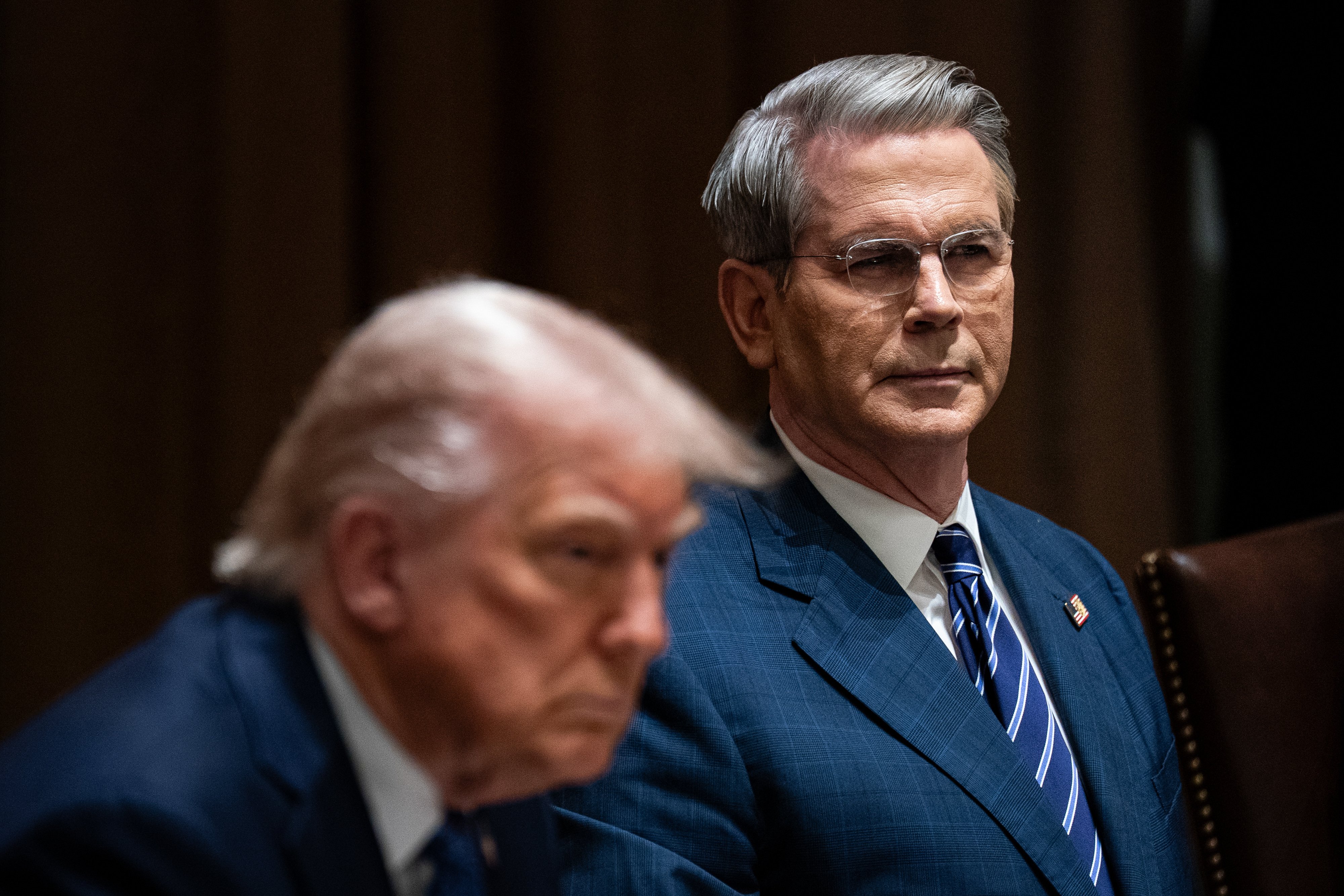
Treasury Secretary Scott Bessent said Tuesday morning that banks should focus on the sweeping deregulation the administration has enacted as the industry pushes back on President The President's proposed 10% credit card interest rate cap. View the full article
-
Greenland may be at the center of international affairs, but the crypto markets are in the red to kick off the holiday-shortened week. Tuesday morning, Bitcoin was trading at around $91,000, which was down around 4.5% over the past five days. It had been trading around $95,000, but took a tumble late Sunday evening, suddenly falling to less than $93,000, and trended downward early Tuesday. Ethereum, or ETH, followed a similar trajectory: ETH values are down almost 8% over the past five days, and are currently trading just north of $3,000. XRP did the same and, as of Tuesday morning, is down roughly 7%. In all, the crypto market is down more than 3% since Monday, per the CoinDesk 20, a crypto market index. Other markets are also seeing a slight downturn, though not as large as crypto. The S&P 500, for example, was down almost 1.5% as Tuesday’s trading commenced. As for the catalyst? Geopolitical tensions appear to be at the center of things, with President The President issuing threats of new tariffs on European countries over the weekend. That threat comes in response to The President’s desire to acquire Greenland from Denmark, which Denmark, and the rest of Europe, have balked at. Specifically, The President threatened new 10% tariffs on Denmark, Norway, Sweden, Finland, France, Germany, the Netherlands, and the United Kingdom. Those tariffs would commence on February 1. The President also said the tariffs would rise to 25% at the beginning of June if Denmark does not agree to negotiate some sort of transfer of Greenland to the U.S. European Union leaders responded Tuesday morning as the back-and-forth continues. “The European Union and the United States have agreed to a trade deal last July,” European Commission President Ursula von der Leyen said at the World Economic Forum in Davos, Switzerland. “And in politics as in business, a deal is a deal. And when friends shake hands, it must mean something.” It’s likely that as long as the testy situation continues, crypto and other markets could experience volatility. View the full article

-
The US is no longer predictable nor bound by any fundamental principles of actionView the full article
-
The Sundance Film Festival may be a little bittersweet this year. It will be familiar in some ways as it kicks off on Thursday in Park City, Utah. There will be stars, from Natalie Portman to Charli XCX, and breakout discoveries, tearjerkers, comedies, thrillers, oddities that defy categorization and maybe even a few future Oscar nominees. The pop ups and sponsors will be out in full force on Main Street. The lines to get into the 90 movies premiering across 10 days will be long and the volunteers will be endlessly helpful and cheery in subfreezing temperatures. But the country’s premier showcase for independent film is also in a time of profound transition after decades of relative stability. The festival is bidding farewell to its longtime home and forging forward without its founder, Robert Redford, who died in September. Next year, it must find its footing in another mountain town, Boulder, Colorado. Celebrating the legacy of Robert Redford and his creation It’s no surprise that legacy will be a through-line at this year’s final edition in Park City. There will be screenings of restored Sundance gems like “Little Miss Sunshine,” “Mysterious Skin,” “House Party” and “Humpday” as well as Redford’s first truly independent film, the 1969 sports drama “Downhill Racer.” Many will also pay tribute to Redford at the institute’s fundraising event, where honorees include Chloé Zhao, Ed Harris and Nia DaCosta. “Sundance has always been about showcasing and fostering independent movies in America. Without that, so many filmmakers wouldn’t have had the careers they have,” said “Mysterious Skin” filmmaker Gregg Araki. He first attended the festival in 1992 and has been back many times, including at the labs where Zhao was one of his students. Quite a few festival veterans are planning to make the trip, including “Navalny” filmmaker Daniel Roher. His first Sundance in 2022 might have been a bit unconventional (made fully remote at the last minute due to the pandemic) but ended on a high note with an Oscar. This year he’s back with two films, his narrative debut “Tuner,” and the world premiere of “The AI Doc: Or How I Became an Apocaloptimist,” which he co-directed with Charlie Tyrell. “We’re going through a weird moment in the world … There’s something that strikes me about an institution that has been evergreen, that seems so entrenched going through its own transition and rebirth,” Roher told The Associated Press. “I’m choosing to frame this year as a celebration of Sundance and the institute and a future that will ensure the festival goes on forever and ever and ever and stays the vital conduit for so many filmmakers that it has been.” Over the past four decades, countless careers have been shaped and boosted by the festival and the Institute. Three of this year’s presumed Oscar nominees — Paul Thomas Anderson, Ryan Coogler and Zhao — are among those the Institute supported early in their careers. Jay Duplass, who first came to Sundance in 2003 with his brother, Mark, with what he calls a “$3 film” said it was the place where his career was made. “I’d probably be a psychologist right now if it wasn’t for Sundance,” Duplass said. While he’s been to “probably 15 Sundances” since, it hasn’t lost its luster. In fact, when a programmer called him to tell him that his new film “See You When I See You” was selected, he cried. The film is based on a memoir in which a young comedy writer (Cooper Raiff) attempts to process the death of his sister (Kaitlyn Dever). It’s one of many films that finds humor amid grim subjects. Bold swings, comedies and Hollywood stars As always, the lineup is full of starry films as well, including Cathy Yan’s art world satire, “The Gallerist,” starring Portman, Jenna Ortega, Sterling K. Brown, Zach Galifianakis and Da’Vine Joy Randolph. The romantic drama “Carousel,” from Rachel Lambert, features Chris Pine and Jenny Slate as high school exes who rekindle their romance later in life. Araki is also bringing a new film, “I Want Your Sex,” in which Olivia Wilde plays a provocative artist (Araki described as a cross between Madonna and Robert Mapplethorpe) who takes on Cooper Hoffman as her younger muse. “It’s kind of a sex-positive love letter to Gen Z,” Araki said. “It’s a comedy. It has elements of mystery, thriller, murder — a little bit of ‘Sunset Boulevard’ … it’s fun, it’s colorful, it’s sexy. It’s a ride.” Wilde also steps behind the camera for “The Invite,” in which she stars alongside Seth Rogen as a couple whose marriage disintegrates over the course of an evening. Olivia Colman is a fisherwoman looking to make the perfect husband in “Wicker,” co-starring Alexander Skarsgård. Zoey Deutch plays a Midwestern bride-to-be seeking out her celebrity “free pass” (Jon Hamm) in the screwball comedy “Gail Daughtry and the Celebrity Sex Pass.” And Ethan Hawke and Russell Crowe lead the Depression-era crime drama “The Weight.” Pop star and noted cinephile Charli XCX will also be out and about, starring in the self-referential mockumentary “The Moment,” and appearing in “The Gallerist” and “I Want Your Sex” as well. Documentaries about celebrities and urgent subjects The 2026 festival features a robust lineup of documentaries too, which have a good track record of snagging eventual Oscar nominations and wins. There are a handful of films about famous faces, including basketball star Brittney Griner, Courtney Love, Salman Rushdie, Billie Jean King, Nelson Mandela and comedian Maria Bamford. Others delve into newsy subjects past and present, like “When A Witness Recants,” in which author Ta-Nehisi Coates revisits the case of the 1983 murder of a boy in his Baltimore middle school and learns the truth. “American Doctor” follows three professionals trying to help in Gaza. “Who Killed Alex Odeh” examines the 1985 assassination of a Palestinian American activist in Southern California. “Everybody To Kenmure Street” is about civil resistance to deportations in Glasgow in 2021. And “Silenced” tracks international human rights lawyer Jennifer Robinson in her fight against the weaponization of defamation laws against victims of gender violence. And some don’t fit into any easy category, like “The History of Concrete” in which filmmaker John Wilson takes what he learned at a “how to sell a Hallmark movie” seminar and tries to apply it to a documentary on concrete. Saying goodbye to Main Street There might be a bit of wistfulness in the air too, as everyone takes stock of the last Sundance in Park City and tries to imagine what Boulder might hold. “It feels very special to be part of the last one in Park City,” Duplass said. “It’s just a super special place where, you know there are going to be movies there with giant stars and there’s also going to be some kids there who made movies for a few thousand dollars. And they’re all going to mix.” Araki, like Redford, knew long ago that the festival had outgrown Park City. It will be strange to no longer have its iconic locations like Egyptian Theatre and Eccles and The Ray anymore, but it’s also just a place. “The legacy and the tradition of Sundance will continue no matter where it is,” Araki said. For more coverage of the 2026 Sundance Film Festival, visit: https://apnews.com/hub/sundance-film-festival —Lindsey Bahr, AP Film Writer View the full article

-
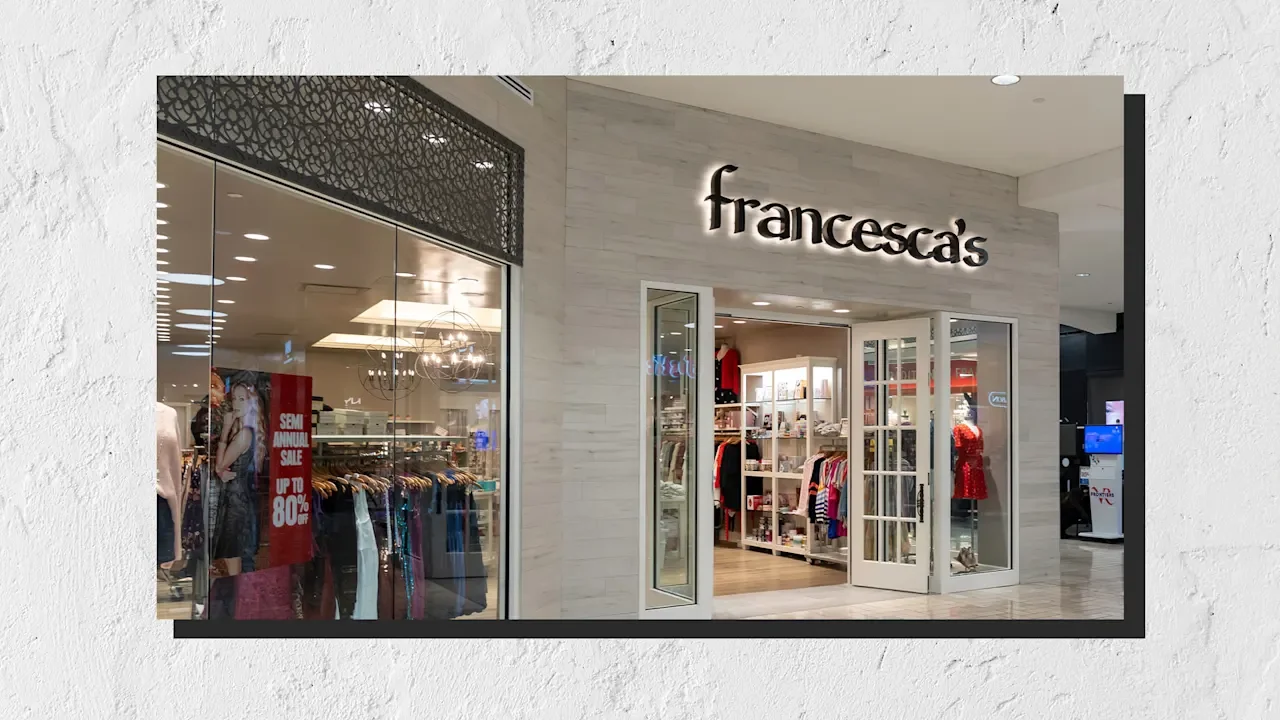
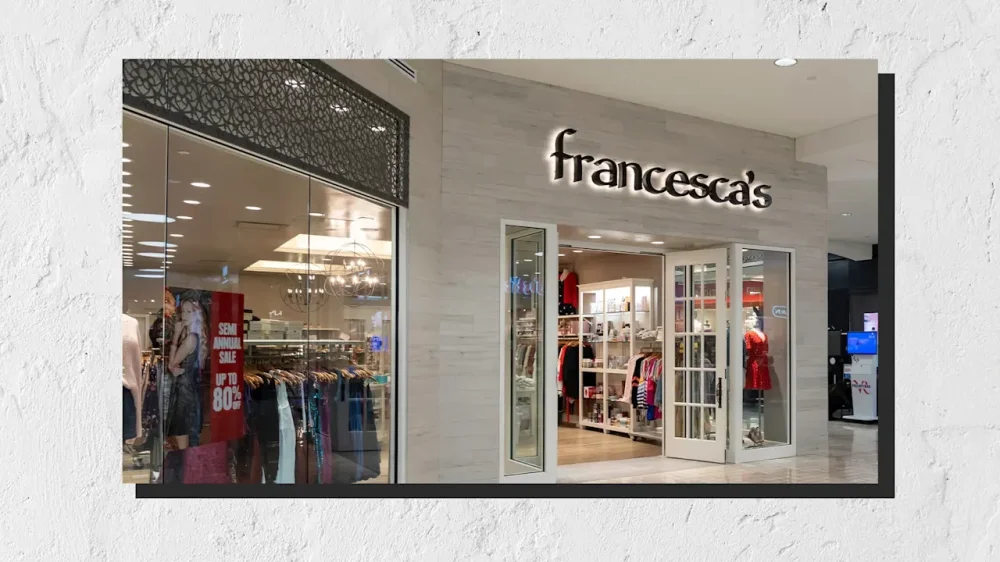
This month, American shopping malls received another nail in the coffin. Francesca’s, the women’s fashion and accessories chain, has reportedly quietly begun shutting down all its stores. Here’s what you need to know. What’s happened? The women’s fashion and accessories chain Francesca’s has reportedly begun the process of going out of business, which will involve shutting down all of its stores. The news of the closures was first reported by Women’s Wear Daily. Per that report, a customer service representative confirmed it is currently closing all its stores, with liquidation sales underway. However, the chain has not broadly announced the news. Fast Company has reached out to Francesca’s for comment. An automated recording on the company’s customer service line said all associates were busy. Emails to Francesca’s went unreturned. We’ll update this post if we hear back. The woman’s fashion chain was once ubiquitous in shopping malls across the country. Founded in 1999, the retailer rose to prominence during the early 2000s as malls were at the height of their cultural relevance just before online competitors began to reshape the shopping landscape. In 2011, Francesca’s debuted as a publicly traded company on the Nasdaq, but by 2020, the retailer was facing severe financial struggles, not helped by the onset of Covid-19 lockdowns and the decline in mall foot traffic. That year, the company filed for bankruptcy and was delisted from the Nasdaq. After exiting bankruptcy, the chain attempted a comeback, and even now its website lists 457 boutique stores in 45 states that employ more than 3,400 individuals. But Francesca’s has struggled over the past few years, incurring significant debt. One vendor told Women’s Wear Daily that Francesca’s owes approximately $250 million in unpaid invoices. What has Francesca’s said about its shutdown? As of the time of this writing, Francesca’s hasn’t made public comments about its going out of business. Currently, its website continues to operate as normal, with no mention of store closings. The only information on the website that even implies its stores are closing is its updated Return Policy page, which now states that “As of January 14, 2026, all sales are final.” It also says that gift card sales are final and gift cards won’t be returned. Employees were also reportedly blindsided by the shutdown, with a source telling Women’s Wear Daily that merchants were laid off last week “with no warning.” Which Francesca’s stores are closing? Reportedly, all of them. When stores close, they usually only keep their doors open until all their remaining inventory has been liquidated. Francesca’s shoppers looking for good deals in liquidation sales are advised to contact the store directly before heading there to confirm it is still open. When are Francesca’s stores closing? It was not immediately clear when all this will happen. As of Monday, Francesca’s was still posting on Instagram as if everything were normal, although it is being inundated with questions from users about the reported closures. Mall retailers have had a bad year Unfortunately, Francesca’s is not the only mall retailer to have faced financial struggles over the last 12 months. In the first half of 2025, fast-fashion retailer Forever 21 closed hundreds of locations in America. And in August, teen and tween fashion and accessory chain Claire’s also decided to shutter hundreds of stores. The story behind such closures is the same for many retailers involved: rising costs, consumers who are increasingly more choosy about where and what they spend their money on, and foot traffic that never fully recovered after the Covid-19 pandemic. View the full article
-
If you’re a retailer looking to source craft materials, identifying reliable wholesale suppliers is essential. Moda Fabrics + Supplies and QT Fabrics offer extensive fabric selections customized for independent shops. Checker Distributors stands out with over 125,000 items available, whereas Brewer and Tacony provide high-quality fabrics and tools. Comprehending the strengths of these suppliers can greatly impact your business. Let’s explore these top seven suppliers and discover how they can meet your crafting needs. Key Takeaways Moda Fabrics + Supplies: Specializes in quilting and sewing, supporting independent fabric shops with a diverse selection of over 160 pages of unique fabrics. Checker Distributors: Known for reliable service and an extensive product range of over 125,000 items, catering specifically to fabric store owners. Brewer: Offers high-quality fabrics from renowned designers, ensuring a comprehensive selection of crafting supplies and tools for retailers. Tacony: Provides competitive pricing on a broad selection of high-quality fabrics, with global shipping options for small retailers. QT Fabrics: Offers diverse original 100% cotton fabrics, regularly updating collections to align with trends and promote small business growth. Moda Fabrics + Supplies In relation to sourcing quality fabric for quilting and sewing, many shop owners turn to Moda Fabrics + Supplies, a company established in 1975. Known for its extensive catalog, Moda offers over 160 pages of fabric selections, collaborating with both independent and in-house designers to guarantee a unique variety. This commitment to craftsmanship makes them a trusted partner for fabric retailers. Moda focuses exclusively on the crafter wholesale market, avoiding direct sales to consumers, which helps independent fabric shops thrive without competition. Checker Distributors When you consider Checker Distributors, you’re looking at a supplier with an extensive product range that includes over 125,000 items, catering particularly to businesses like independent fabric shops. Their partnerships with well-known brands such as Robert Kaufman and Riley Blake improve your inventory options considerably. With a trusted industry reputation built since 1948, you can count on Checker Distributors for reliable service and high-quality craft materials. Extensive Product Range Checker Distributors stands out in the craft supply market with an impressive inventory of over 125,000 items, catering to a wide range of crafting needs. You’ll find everything from quilting materials to a variety of fabrics and craft supplies, ensuring you can meet your customers’ diverse demands. This distributor is particularly known for popular fabric brands like Robert Kaufman and Riley Blake, which are vital for independent shop owners. With such a vast selection, you can easily source the materials needed for various crafting projects. Checker Distributors additionally provides easy access to high-quality products, which is fundamental for retailers aiming to maintain a competitive edge. Their extensive inventory supports your business and improves your offerings to customers. Trusted Industry Reputation With decades of experience in the industry, Checker Distributors has established itself as a trusted partner for craft retailers and independent shop owners. Founded in 1948, it’s one of the oldest fabric distributors, showcasing extensive reliability. You’ll find over 125,000 products, including quilting, fabric, and various craft supplies, making it a thorough resource for your inventory needs. They offer popular fabric brands like Robert Kaufman and Riley Blake, ensuring you have access to a diverse selection. As a family-owned business, Checker Distributors has built a solid reputation for excellent service and support, particularly for independent retailers and online shops. Their established presence in the fabric industry reinforces their status as a reliable source for quality craft materials. Brewer Since 1914, Brewer has solidified its reputation as a reliable supplier in the fabric industry, providing a wide array of crafting supplies, sewing machines, and patterns. Their extensive collection features high-quality fabrics from renowned designers like Kaffe Fassett and Tula Pink, catering to various crafting needs. You’ll appreciate Brewer’s user-friendly website, which offers easy access to fabric prices, helping you plan effective pricing strategies for your business. As a one-stop-shop supplier, Brewer suits both independent retailers and online sellers seeking quality materials. High-quality fabrics from Dior All-encompassing selection of crafting supplies and tools Efficient online platform for price access and planning With over a century of experience, Brewer remains a trustworthy choice in the crafting community. Tacony Established in 1946, Tacony has grown from a company focused on selling sewing machines into a thorough wholesale fabric supplier. This family-owned business understands the unique needs of small retailers and offers global shipping, ensuring that fabric stores have access to a wide variety of options. Tacony has developed its own sewing brand, Tacony Sewing Central, which improves its portfolio for craft and sewing enthusiasts. With decades of experience, Tacony has built a solid reputation in the fabric industry. They provide competitive pricing and a broad selection of high-quality fabrics, catering particularly to independent shop owners and online retailers. Whether you’re looking for cottons, blends, or specialty fabrics, Tacony is a reliable choice for your wholesale needs. QT Fabrics When you’re looking for diverse fabric designs, QT Fabrics stands out as a reliable supplier with a rich history dating back to 1807. They offer a wide range of patterns through collaborations with talented designers, ensuring you have access to the latest styles. Plus, their global supply capabilities mean that you can source high-quality fabrics no matter where your business is situated. Diverse Fabric Designs Offered QT Fabrics stands out in the wholesale fabric market by offering an extensive selection of diverse fabric designs that cater to a wide range of customer preferences. With a rich history dating back to 1807, QT Fabrics combines tradition with innovation. Their fabrics are created by both in-house designers and licensed artists, ensuring you have a multitude of choices. Regular updates to their inventory keep your options fresh and appealing. Unique patterns and prints suitable for various projects High-quality materials that improve durability Seasonal collections that reflect current trends This commitment to variety and quality makes QT Fabrics a trusted partner for independent retailers looking to stock their stores with premium fabric options. Global Supply Capabilities With over two centuries of experience in the wholesale fabric industry, QT Fabrics has developed robust global supply capabilities that effectively meet the needs of retailers around the world. Their extensive expertise in fabric sourcing guarantees that independent retailers have consistent inventory availability. QT Fabrics collaborates with both in-house designers and licensors, regularly updating their diverse range of fabric designs to cater to various market preferences. This commitment to quality and innovation positions QT Fabrics as a valuable partner for businesses looking to improve their fabric selections. Feature Description Benefit Global Reach Supplies stores worldwide Reliable inventory availability Diverse Designs Regularly updated patterns Caters to different market needs Quality Assurance Commitment to high standards Boosts customer satisfaction Island Batik Island Batik stands out in the fabric industry, offering a remarkable selection of high-quality cotton and rayon batik fabrics that draw inspiration from Indonesian culture. Established in 1998, Island Batik features over 1,500 unique designs, guaranteeing you find something perfect for your quilting and sewing projects. The company collaborates with various designers to provide a diverse range of fabrics while maintaining a commitment to sustainability and ethical practices in production. Exclusive distribution through wholesale channels supports independent fabric shops. Global reach guarantees a reliable inventory of culturally-inspired materials. A focus on high-quality craftsmanship assures durability and beauty in your creations. With Island Batik, you can confidently choose fabrics that improve your projects as you support ethical practices. Benartex Benartex has established itself as a prominent player in the fabric market since its founding in 1980, providing a diverse array of original 100% cotton fabrics designed by renowned artists such as Nancy Halvorsen and Amanda Murphy. The company focuses on supporting independent retailers, steering clear of large chain stores to help small businesses thrive with unique inventory options. By regularly refreshing its fabric collections, Benartex keeps its offerings fresh and aligned with current trends in the quilting and crafting communities. Known for its commitment to quality, the supplier delivers beautifully designed fabrics that cater to the diverse needs of fabric store owners and crafters alike. With a strong reputation, Benartex is a reliable partner for improving fabric store inventory quality. Frequently Asked Questions What Are the Best Crafting Supplies for Beginners? To start crafting, you’ll need some crucial supplies. Begin with scissors, glue, and various paper types, which you can find at stores like Michaels. Consider adding a cutting mat and craft knife for precision cutting, available on Amazon. Explore craft kits designed for beginners, often found at Target, which provide guided projects. Don’t forget versatile materials like washi tape and acrylic paints, easily accessible at craft supply stores for diverse creative projects. What Are Arts and Crafts Supplies? Arts and crafts supplies include a variety of materials and tools crucial for creative projects. These can range from fabrics, paints, and papers to adhesives and embellishments. Common items you might use are yarn, beads, markers, scissors, and sewing notions. By categorizing supplies based on project types, like scrapbooking or knitting, you can easily find what you need for your DIY endeavors, making your crafting experience more efficient and enjoyable. What Do You Need for Crafts? For crafting, you need a variety of materials customized to your projects. Crucial supplies include paper for scrapbooking, beads and wires for jewelry, and paints or canvases for artwork. Quality tools, such as scissors, cutting mats, and sewing machines, improve precision. Don’t forget embellishments like ribbons, buttons, and stickers to personalize your creations. By having these items on hand, you’ll be well-equipped to tackle a range of crafting projects efficiently. Conclusion In conclusion, partnering with reputable wholesale suppliers like Moda Fabrics + Supplies, Checker Distributors, and others can greatly improve your craft business. Each supplier offers unique advantages, from extensive fabric selections to high-quality tools. By establishing strong relationships with these suppliers, you can guarantee a steady supply of materials, which is essential for meeting customer demands and staying competitive. Consider exploring these options to support your retail needs and cultivate growth within the crafting community. Image via Google Gemini and ArtSmart This article, "Top 7 Wholesale Suppliers You Need to Know for Craft Materials" was first published on Small Business Trends View the full article
-
If you’re a retailer looking to source craft materials, identifying reliable wholesale suppliers is essential. Moda Fabrics + Supplies and QT Fabrics offer extensive fabric selections customized for independent shops. Checker Distributors stands out with over 125,000 items available, whereas Brewer and Tacony provide high-quality fabrics and tools. Comprehending the strengths of these suppliers can greatly impact your business. Let’s explore these top seven suppliers and discover how they can meet your crafting needs. Key Takeaways Moda Fabrics + Supplies: Specializes in quilting and sewing, supporting independent fabric shops with a diverse selection of over 160 pages of unique fabrics. Checker Distributors: Known for reliable service and an extensive product range of over 125,000 items, catering specifically to fabric store owners. Brewer: Offers high-quality fabrics from renowned designers, ensuring a comprehensive selection of crafting supplies and tools for retailers. Tacony: Provides competitive pricing on a broad selection of high-quality fabrics, with global shipping options for small retailers. QT Fabrics: Offers diverse original 100% cotton fabrics, regularly updating collections to align with trends and promote small business growth. Moda Fabrics + Supplies In relation to sourcing quality fabric for quilting and sewing, many shop owners turn to Moda Fabrics + Supplies, a company established in 1975. Known for its extensive catalog, Moda offers over 160 pages of fabric selections, collaborating with both independent and in-house designers to guarantee a unique variety. This commitment to craftsmanship makes them a trusted partner for fabric retailers. Moda focuses exclusively on the crafter wholesale market, avoiding direct sales to consumers, which helps independent fabric shops thrive without competition. Checker Distributors When you consider Checker Distributors, you’re looking at a supplier with an extensive product range that includes over 125,000 items, catering particularly to businesses like independent fabric shops. Their partnerships with well-known brands such as Robert Kaufman and Riley Blake improve your inventory options considerably. With a trusted industry reputation built since 1948, you can count on Checker Distributors for reliable service and high-quality craft materials. Extensive Product Range Checker Distributors stands out in the craft supply market with an impressive inventory of over 125,000 items, catering to a wide range of crafting needs. You’ll find everything from quilting materials to a variety of fabrics and craft supplies, ensuring you can meet your customers’ diverse demands. This distributor is particularly known for popular fabric brands like Robert Kaufman and Riley Blake, which are vital for independent shop owners. With such a vast selection, you can easily source the materials needed for various crafting projects. Checker Distributors additionally provides easy access to high-quality products, which is fundamental for retailers aiming to maintain a competitive edge. Their extensive inventory supports your business and improves your offerings to customers. Trusted Industry Reputation With decades of experience in the industry, Checker Distributors has established itself as a trusted partner for craft retailers and independent shop owners. Founded in 1948, it’s one of the oldest fabric distributors, showcasing extensive reliability. You’ll find over 125,000 products, including quilting, fabric, and various craft supplies, making it a thorough resource for your inventory needs. They offer popular fabric brands like Robert Kaufman and Riley Blake, ensuring you have access to a diverse selection. As a family-owned business, Checker Distributors has built a solid reputation for excellent service and support, particularly for independent retailers and online shops. Their established presence in the fabric industry reinforces their status as a reliable source for quality craft materials. Brewer Since 1914, Brewer has solidified its reputation as a reliable supplier in the fabric industry, providing a wide array of crafting supplies, sewing machines, and patterns. Their extensive collection features high-quality fabrics from renowned designers like Kaffe Fassett and Tula Pink, catering to various crafting needs. You’ll appreciate Brewer’s user-friendly website, which offers easy access to fabric prices, helping you plan effective pricing strategies for your business. As a one-stop-shop supplier, Brewer suits both independent retailers and online sellers seeking quality materials. High-quality fabrics from Dior All-encompassing selection of crafting supplies and tools Efficient online platform for price access and planning With over a century of experience, Brewer remains a trustworthy choice in the crafting community. Tacony Established in 1946, Tacony has grown from a company focused on selling sewing machines into a thorough wholesale fabric supplier. This family-owned business understands the unique needs of small retailers and offers global shipping, ensuring that fabric stores have access to a wide variety of options. Tacony has developed its own sewing brand, Tacony Sewing Central, which improves its portfolio for craft and sewing enthusiasts. With decades of experience, Tacony has built a solid reputation in the fabric industry. They provide competitive pricing and a broad selection of high-quality fabrics, catering particularly to independent shop owners and online retailers. Whether you’re looking for cottons, blends, or specialty fabrics, Tacony is a reliable choice for your wholesale needs. QT Fabrics When you’re looking for diverse fabric designs, QT Fabrics stands out as a reliable supplier with a rich history dating back to 1807. They offer a wide range of patterns through collaborations with talented designers, ensuring you have access to the latest styles. Plus, their global supply capabilities mean that you can source high-quality fabrics no matter where your business is situated. Diverse Fabric Designs Offered QT Fabrics stands out in the wholesale fabric market by offering an extensive selection of diverse fabric designs that cater to a wide range of customer preferences. With a rich history dating back to 1807, QT Fabrics combines tradition with innovation. Their fabrics are created by both in-house designers and licensed artists, ensuring you have a multitude of choices. Regular updates to their inventory keep your options fresh and appealing. Unique patterns and prints suitable for various projects High-quality materials that improve durability Seasonal collections that reflect current trends This commitment to variety and quality makes QT Fabrics a trusted partner for independent retailers looking to stock their stores with premium fabric options. Global Supply Capabilities With over two centuries of experience in the wholesale fabric industry, QT Fabrics has developed robust global supply capabilities that effectively meet the needs of retailers around the world. Their extensive expertise in fabric sourcing guarantees that independent retailers have consistent inventory availability. QT Fabrics collaborates with both in-house designers and licensors, regularly updating their diverse range of fabric designs to cater to various market preferences. This commitment to quality and innovation positions QT Fabrics as a valuable partner for businesses looking to improve their fabric selections. Feature Description Benefit Global Reach Supplies stores worldwide Reliable inventory availability Diverse Designs Regularly updated patterns Caters to different market needs Quality Assurance Commitment to high standards Boosts customer satisfaction Island Batik Island Batik stands out in the fabric industry, offering a remarkable selection of high-quality cotton and rayon batik fabrics that draw inspiration from Indonesian culture. Established in 1998, Island Batik features over 1,500 unique designs, guaranteeing you find something perfect for your quilting and sewing projects. The company collaborates with various designers to provide a diverse range of fabrics while maintaining a commitment to sustainability and ethical practices in production. Exclusive distribution through wholesale channels supports independent fabric shops. Global reach guarantees a reliable inventory of culturally-inspired materials. A focus on high-quality craftsmanship assures durability and beauty in your creations. With Island Batik, you can confidently choose fabrics that improve your projects as you support ethical practices. Benartex Benartex has established itself as a prominent player in the fabric market since its founding in 1980, providing a diverse array of original 100% cotton fabrics designed by renowned artists such as Nancy Halvorsen and Amanda Murphy. The company focuses on supporting independent retailers, steering clear of large chain stores to help small businesses thrive with unique inventory options. By regularly refreshing its fabric collections, Benartex keeps its offerings fresh and aligned with current trends in the quilting and crafting communities. Known for its commitment to quality, the supplier delivers beautifully designed fabrics that cater to the diverse needs of fabric store owners and crafters alike. With a strong reputation, Benartex is a reliable partner for improving fabric store inventory quality. Frequently Asked Questions What Are the Best Crafting Supplies for Beginners? To start crafting, you’ll need some crucial supplies. Begin with scissors, glue, and various paper types, which you can find at stores like Michaels. Consider adding a cutting mat and craft knife for precision cutting, available on Amazon. Explore craft kits designed for beginners, often found at Target, which provide guided projects. Don’t forget versatile materials like washi tape and acrylic paints, easily accessible at craft supply stores for diverse creative projects. What Are Arts and Crafts Supplies? Arts and crafts supplies include a variety of materials and tools crucial for creative projects. These can range from fabrics, paints, and papers to adhesives and embellishments. Common items you might use are yarn, beads, markers, scissors, and sewing notions. By categorizing supplies based on project types, like scrapbooking or knitting, you can easily find what you need for your DIY endeavors, making your crafting experience more efficient and enjoyable. What Do You Need for Crafts? For crafting, you need a variety of materials customized to your projects. Crucial supplies include paper for scrapbooking, beads and wires for jewelry, and paints or canvases for artwork. Quality tools, such as scissors, cutting mats, and sewing machines, improve precision. Don’t forget embellishments like ribbons, buttons, and stickers to personalize your creations. By having these items on hand, you’ll be well-equipped to tackle a range of crafting projects efficiently. Conclusion In conclusion, partnering with reputable wholesale suppliers like Moda Fabrics + Supplies, Checker Distributors, and others can greatly improve your craft business. Each supplier offers unique advantages, from extensive fabric selections to high-quality tools. By establishing strong relationships with these suppliers, you can guarantee a steady supply of materials, which is essential for meeting customer demands and staying competitive. Consider exploring these options to support your retail needs and cultivate growth within the crafting community. Image via Google Gemini and ArtSmart This article, "Top 7 Wholesale Suppliers You Need to Know for Craft Materials" was first published on Small Business Trends View the full article
-
The CEO job description has remained remarkably stable for decades—but the times they are a’changin’. That stability persisted through wave after wave of technological change. The internet, mobile, cloud computing—each transformed business operations, but none fundamentally altered the CEO’s core responsibilities. Strategy, culture, resource allocation, organizational design—the essential functions remained constant even as the tools improved. AI is different. It isn’t just a tool that executes; it is also a system that makes choices. It makes judgments about customers, employees, and strategy. And this means that when you deploy AI, you’re not just installing software. You are importing a decision-maker with its own values into your organization. That changes what it means to be the CEO—the person who is ultimately responsible for how the organization thinks and acts. Four competencies will be central to CEOs who want to thrive in this new reality. 1. Chief AI Orchestrator Effective CEOs do not simply delegate AI to the CTO and then just forget about it. They actively orchestrate their organization’s innovation portfolio—a curated collection of initiatives that balances transformational ambition with incremental wins. This means excelling in three areas. Vision setting: articulating how AI aligns with organizational purpose. When employees understand why AI matters beyond cost savings, adoption accelerates and resistance diminishes. Boundary setting: defining where AI should and shouldn’t operate. Which decisions require human judgment? Which processes can be automated? If a CEO wants to remain in control of the organization’s actions and culture, they must draw these lines deliberately rather than allowing them to emerge by default, depending on what kind of product the AI labs ship. Cultural transformation: personally modeling the mindset shift AI requires. When the CEO publicly shares their own AI learning journey—including their mistakes—it fosters an organizational culture that legitimates the kind of experimentation needed to adopt and adapt this new technology to the company’s needs. Organizations stumble when they become intoxicated by grand visions while neglecting smaller victories—and they also fail when they ignore the big picture and get lost in the weeds. The key, as always, is balance. CEOs must operate on both macro and micro levels simultaneously. They need to be just as comfortable asking how AI might reshape their entire industry as they are asking how AI helps a product team ship improvements next month. 2. Business Philosopher AI systems make choices about what is true, what matters, and what is allowed. When you deploy AI, you are importing an entire philosophy into your organizational decision-making. This creates three types of misalignment risk. Ethical misalignment occurs when AI absorbs values that are at odds with your organization’s stated principles. Amazon developed a hiring algorithm trained on years of historical data. The system mirrored those years of data perfectly—and systematically discriminated against women. It translated past discrimination into automated future decisions. Epistemic misalignment emerges when AI systems apply different standards for determining truth than your organization would under other circumstances. A healthcare AI that privileges peer-reviewed studies over clinical experience embodies a specific stance about formal knowledge versus practitioner wisdom. These architectural decisions, made by engineers who may never meet your team, become constraints your organization lives with. Strategic misalignment happens when algorithmic tactics undermine broader organizational goals. An algorithm designed to maximize ad views might place advertisements alongside any high-engagement content—including content that damages brand safety. The AI-ready CEO must develop philosophical literacy—the ability to recognize when AI outputs reflect built-in value systems and to evaluate how those value systems align with organizational purpose and culture. 3. Paradox Navigator “The test of a first-rate intelligence,” wrote the novelist F. Scott Fitzgerald, “is the ability to hold two opposed ideas in the mind at the same time, and still retain the ability to function.” The hybrid reality of human-AI business demands exactly this. Every significant decision now involves navigating tensions that must be managed: personalization versus privacy, automation versus authenticity, speed versus reflection. Most leaders instinctively try to resolve these tensions—pick a side, optimize for one value, move on. That’s a mistake. Fully prioritize efficiency over employment, and you lose the institutional knowledge that drives innovation. Fully prioritize privacy over personalization, and competitors who found the balance take your customers. The tensions don’t go away because you chose a side; they resurface as consequences. Traditional leadership resolved contradictions. The new CEO holds them in creative tension, responding not with “either/or” but “both/and.” And this creates opportunity. For example, At Moderna, AI helped design the COVID vaccine in just 42 days. AI created mRNA sequences, scientists tested them, AI analyzed the results. Neither could have succeeded alone—the breakthrough emerged from holding human intuition and algorithmic analysis in productive tension. 4. Ecosystem Steward The three competencies above focus on your organization. This one looks beyond it. Every CEO faces pressure to use AI for cost-cutting through automation. The math looks obvious: automate tasks, reduce headcount, boost margins. But there’s a collective action problem hiding in plain sight. When every company simultaneously eliminates jobs to boost efficiency, they collectively undermine the purchasing power that sustains their markets. You can’t sell products to people your industry laid off—or to communities where mass unemployment has cratered demand. Unlike previous technological disruptions, AI can hollow out employment faster than new opportunities emerge—over quarters, not decades. Gartner predicts that by 2026, 20% of organizations will use AI to eliminate more than half their middle management roles. And CEOs who think “our layoffs won’t matter in the grand scheme” are making a serious error—individual rationality creates collective destruction. Companies that resist the race to the bottom gain three competitive advantages: Talent magnetism: Top performers increasingly choose employers who demonstrate responsibility. When your industry races to eliminate humans, being the company that augments rather than replaces becomes a recruiting superpower. Knowledge retention: Institutional memory—the kind that knows why that process exists, which client relationships are fragile, what the last restructuring actually broke—lives in people. Fire them and you’re training AI on an organization that no longer understands itself. Relationship preservation: Customer relationships that took decades to build can’t be replicated by chatbots. Companies keeping humans in the loop preserve connections that their automated competitors are quietly severing. The ecosystem steward sees beyond their own company’s efficiency gains to the systemic risk that executives are creating together. Four Moves for Tomorrow Adopt a portfolio approach: Balance quick wins (1-3 months), strategic bets (3-12 months), and moonshots (12+ months). The high pilot failure rate—42% of companies scrapped most AI projects this year—punishes all-in bets. Stress-test for values alignment: Before deployment, ask three questions. What does the data say? How will stakeholders feel? Should we do this? Run red-team exercises to surface hidden philosophical boundaries. Protect human judgment deliberately: Schedule regular no-AI problem-solving sessions. Maintain decision logs documenting AI overrides. Watch for dangerous dependency creeping in. Model the second-order effects: Before announcing automation-driven layoffs, ask: What happens if every company in our industry does this simultaneously? Map the impact on customer purchasing power, talent availability, and supplier stability. The CEO who sees only their own efficiency gains is optimizing for an economy that won’t exist. The Stakes Have Changed No board will hire a CEO who can’t read a balance sheet. We’re approaching the point where they won’t hire someone who can’t articulate an AI strategy—not because AI is fashionable, but because it’s becoming inseparable from strategy itself. The job description has changed. Orchestrating an AI portfolio, detecting values misalignment, navigating paradox—these aren’t optional upgrades for the technically curious. They’re becoming as fundamental to leadership as financial literacy. But you can master all three and still fail. If you optimize your way into an economy that can no longer sustain your business—if your industry collectively eliminates the customers, talent, and communities it depends on—no amount of AI fluency will save you. The companies that thrive won’t just be the ones that deploy AI best. They’ll be the ones whose leaders understood that the race means nothing if you destroy the track. View the full article

-
When Netflix isn't spending its time trying to acquire Warner Bros. Discovery, it seems the company is actually adding new features to its subscription service. Netflix is always adding new shows and movies, which is what most users are looking for in the platform, but that's not all you can expect from your account. In fact, Netflix is now rolling out an interactive experience for its live competition shows, allowing subscribers to cast votes in real-time. Live voting comes to Star SearchNetflix announced the change in a press release on Tuesday, and also revealed the first show to officially run with real-time voting: Star Search. Netflix is bringing back the American Idol precursor tonight at 9 p.m. ET (6 p.m. PT), and will allow viewers to choose which contestant they like best alongside "millions of others." Netflix says it first tested the feature with the show Dinner Time Live with David Chang, and "learned firsthand how members appreciated the seamless and integrated ways they could participate in the series." I don't think you need a focus group to know that people like sharing their opinions on things, but then, I'm not a Netflix exec. The company clarified in its press release that only live events will work with real-time voting. If you watch a show after it airs, you won't be able to cast your vote—which, obviously, makes sense. The show doesn't really need to know who you'd pick as a winner after the winner has already been chosen—though Netflix could always use the extra user data, I'm sure. Star Search is the only show at this time that supports this feature, but Netflix says more real-time voting shows are on the way. How to vote in live Netflix events Credit: Netflix Netflix says that when you watch a live event, you'll be able to vote when watching on TV or a streaming device. You won't be able to vote if you're watching in a web browser, nor will you be able to vote if you rewind, pause, or tune-in late. When you join a live program, make sure you do so on a smart TV, supported streaming device (such as Apple TV, Fire TV, or Roku), or the Netflix mobile app. If you want to watch in a web browser, you can still vote on your phone at the same time. Netflix will prompt you when it's time to vote. You'll see a 1–5 star rating appear on the screen. Click on tap on the star level you want for each performer. Note that each profile only has one chance to vote per performance, so you can't issue another vote after you cast one—you'll just need to wait until the next performance. View the full article
-
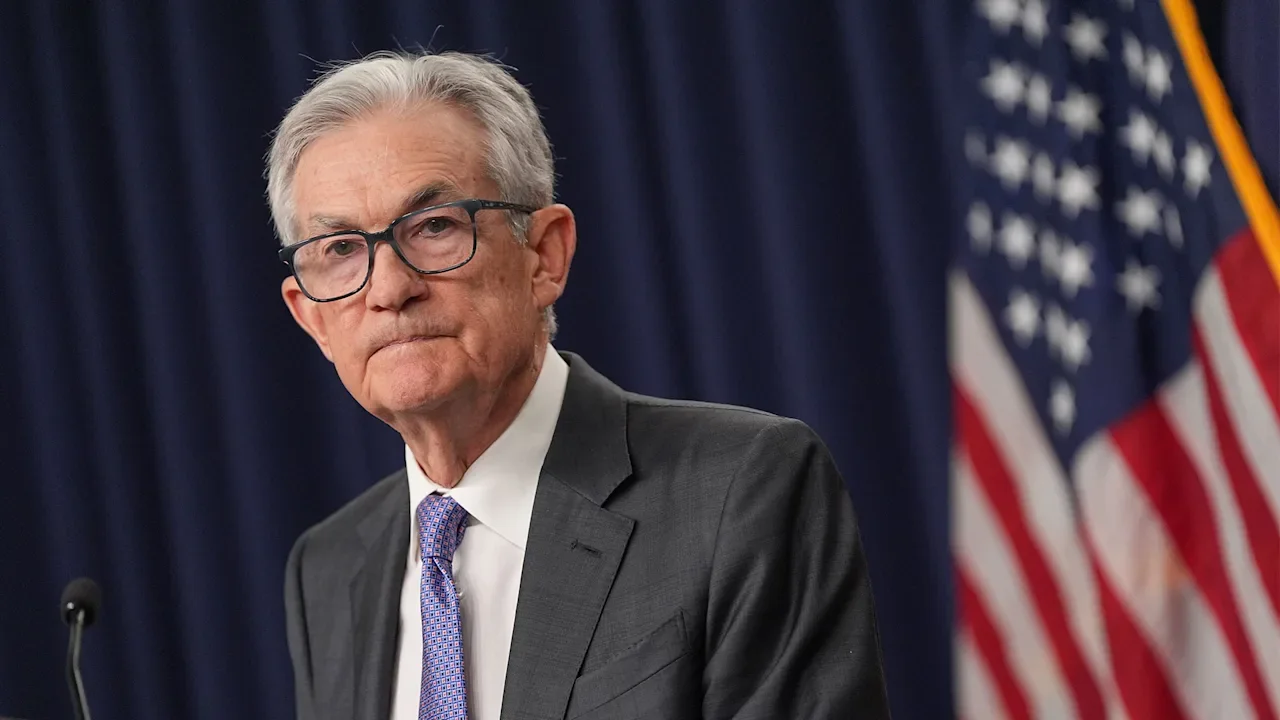
Treasuries sold off sharply after reports Danish pension funds are exiting, steepening the yield curve as stocks fell and gold surged, according to the CEO of IF Securities. View the full article

-
Franchising can seem like an attractive option for growth, but it comes with significant disadvantages for franchisors. You might face issues like loss of brand control, where franchisees don’t follow standards, leading to inconsistencies. Legal disputes can arise, and the costs to set up a franchise system can be substantial. Comprehending these challenges is crucial for anyone considering this business model, as they can impact your brand and overall success in ways you may not expect. Key Takeaways Franchisees may not consistently adhere to brand standards, leading to service quality variations and potential damage to the brand’s reputation. Legal disputes over contract terms and compliance can result in costly litigation and liability issues for franchisors. Initial investment and ongoing costs, such as training and marketing, can impose a significant financial burden on new franchisors. The performance of franchisees directly affects franchisor revenue, with poor sales leading to reduced royalty income and brand damage. High turnover rates among franchisees can disrupt brand stability, complicating compliance with operational standards and brand consistency. Loss of Brand Control When you decide to franchise your business, one significant challenge you might face is the loss of brand control, which can occur as franchisees operate independently. A disadvantage of franchising to the franchisee is that they may not strictly adhere to your established brand standards and operational guidelines. This deviation can lead to inconsistencies in service quality and product offerings, ultimately diminishing your brand’s overall reputation. As a franchisor, you might find it difficult to monitor compliance, requiring significant resources to guarantee all franchisees maintain expected quality levels. Furthermore, negative publicity from poorly managed locations can adversely impact the entire brand, affecting franchisee sales and profitability. These challenges highlight some key disadvantages of franchising to the franchisor. Legal Disputes and Compliance Issues Legal disputes and compliance issues are common challenges that franchisors face, often stemming from misunderstandings or disagreements with franchisees. Conflicts can arise over contract terms, operational guidelines, or even royalty payments, leading to costly litigation and potential reputational damage. Moreover, franchisors bear the responsibility of guaranteeing compliance with federal and state regulations. Failing to meet requirements, such as those outlined in the Franchise Disclosure Document (FDD), can result in legal penalties and loss of franchise rights. Managing franchisee compliance adds complexity, as you must verify all franchisees adhere to brand standards and legal obligations, which may require significant monitoring and support. In addition, legal claims can emerge from franchisee misconduct, exposing you to liability issues that could distract from your business growth. Initial Investment and Setup Costs Establishing a franchise system involves significant initial investment and setup costs that can create financial strain for franchisors. These costs can quickly add up, including legal fees for drafting franchise agreements, developing training programs, and creating marketing materials. Furthermore, extensive training and support systems are vital to maintain brand standards, further increasing expenses. Here’s a breakdown of some common initial costs: Expense Type Estimated Cost Range Legal Fees $5,000 – $15,000 Training Program Development $10,000 – $30,000 Marketing Campaigns $5,000 – $20,000 Operations Manual Development $2,000 – $10,000 Compliance Costs $3,000 – $8,000 While franchise fees can help recover some costs, the financial burden can still be significant, especially for new brands. Dependence on Franchisee Performance Although franchisors often envision a thriving network of successful franchisees, their financial well-being largely hinges on the performance of these individual operators. If franchisees struggle to generate sales, the franchisor’s revenue from royalty payments diminishes. Poor performance can likewise harm the brand’s reputation, leading to customer dissatisfaction and a negative perception of the franchise overall. When franchisees fail to maintain operational efficiency or provide consistent customer service, it jeopardizes brand integrity across all locations. Furthermore, if franchisees don’t adhere to established guidelines, franchisors may struggle to maintain operational standards and brand consistency. High franchisee turnover can further disrupt brand stability, as new owners often need time and resources to reach the performance levels of their predecessors. Challenges in Franchisee Management Managing franchisees can be quite challenging, especially when compliance issues arise and communication gaps emerge. You’ll find that franchisees often have different levels of dedication and operational skills, which can lead to inconsistencies in brand performance. These challenges require you to invest time and resources to guarantee that all franchisees adhere to your brand standards during maintaining effective communication to support their success. Franchisee Compliance Issues Franchisee compliance issues pose significant challenges for franchisors, as they often arise when franchisees deviate from established brand standards. This deviation can lead to inconsistencies in customer experience and potentially damage your brand’s reputation. You may additionally face increased legal risks and financial penalties if franchisees fail to comply with local regulations or franchise agreements, complicating your management efforts. Regular monitoring and auditing of franchisee operations are crucial to guarantee adherence to guidelines, but this can be resource-intensive. Misalignment between your expectations and franchisee execution may create conflicts, resulting in disputes that detract from overall brand performance. In addition, training and support mightn’t always suffice, requiring ongoing engagement to reinforce operational standards effectively. Communication Gaps Challenge Though effective communication is vital for the success of any franchise system, gaps in communication between franchisors and franchisees can create significant challenges. Misinterpretations regarding operational standards often arise, leading to inconsistencies in brand quality across locations. If you don’t establish effective communication channels, important updates or policy changes may not reach franchisees swiftly, negatively impacting their performance. Franchisees might feel isolated and unsupported, resulting in decreased motivation and engagement. Poor communication can as well cause misalignment in expectations, leading to conflicts that complicate management. In addition, inadequate feedback loops prevent you from grasping franchisee challenges, limiting your ability to provide critical support and resources necessary for their success. Addressing these gaps is vital for maintaining a cohesive franchise network. Market Saturation and Competition When multiple franchise locations crowd a specific area, market saturation can become a significant issue for franchisors. This situation often leads to increased competition among franchisees, which can negatively impact profitability and brand identity. Here are some key concerns: Dilution of brand identity: Consumers may see little difference between nearby locations, leading to reduced customer loyalty. Profitability challenges: Franchisees may face declining sales as competition drives prices down. Quality control issues: Maintaining brand standards can become difficult as franchisees aggressively vie for the same customers. To mitigate the risks of saturation, franchisors should implement clear territorial agreements and carefully evaluate the number of franchise units in a given market, ensuring a balanced approach to expansion. Complexity of Franchise Agreements Maneuvering through the complexity of franchise agreements can be intimidating for franchisors, especially since these documents are often lengthy and filled with intricate legal language. You’ll need to invest time in careful legal review to guarantee compliance with federal and state regulations, which can be costly. The agreements include detailed terms about fees, operational guidelines, and performance expectations, so it’s crucial to communicate these clearly to avoid misunderstandings. Ambiguities can lead to legal disputes, potentially damaging your brand’s reputation. Regular updates are necessary to reflect changes in laws and market conditions, adding administrative burdens. This complexity can likewise deter potential franchisees, as they might feel overwhelmed by the obligations they’d be signing up for, hindering your expansion efforts. Frequently Asked Questions What Are the Disadvantages of Franchising to the Franchisor? Franchising has several disadvantages for you as a franchisor. You might lose complete brand control, as franchisees often don’t adhere to established standards, leading to inconsistencies. Managing franchisee relationships can be challenging, with potential conflicts arising from differing priorities. The initial investment to set up a franchise system can be significant, redirecting resources from your core business. Furthermore, you face increased compliance responsibilities that require careful management to avoid penalties. Which of the Following Is a Disadvantage of Franchising to the Franchisor? One major disadvantage of franchising for you as a franchisor is the potential loss of brand control. Franchisees may not strictly follow your established brand standards, leading to inconsistencies in customer experience across different locations. This inconsistency can harm your brand’s reputation and affect customer loyalty. Furthermore, managing franchisee relationships demands considerable time and resources, making it challenging to guarantee compliance with your brand’s objectives and standards. What Are the 5 Advantages and 6 Disadvantages of Franchise? When considering franchising, you’ll find several advantages and disadvantages. Advantages include brand expansion, reduced risk, access to capital, operational support, and local market knowledge from franchisees. Nevertheless, disadvantages involve potential loss of brand control, legal disputes with franchisees, the burden of initial investment, steering through regulatory compliance, and challenges in managing franchisee relationships. Weighing these factors helps you determine if franchising aligns with your business goals and resources. What Problems Might Arise Between a Franchise and a Franchisor? You might encounter several problems as a franchisor. Franchisees often struggle to maintain brand standards, leading to inconsistent customer experiences. Legal disputes can arise from disagreements over franchise agreements. Managing relationships with multiple franchisees can become complex and time-consuming. Furthermore, poor communication from you can result in franchisee dissatisfaction. Finally, imbalanced agreements may cultivate resentment, causing conflicts over profit-sharing and operational decisions that could disrupt the franchise network. Conclusion In summary, whereas franchising can offer growth potential, it furthermore comes with significant disadvantages for franchisors. Loss of brand control, legal disputes, and high initial costs can create challenges that affect overall success. Dependence on franchisee performance and issues with franchisee management can further complicate operations. In addition, market saturation and the complexity of franchise agreements can hinder expansion efforts. Comprehending these disadvantages is essential for franchisors to make informed decisions about their franchise systems. Image via Google Gemini This article, "7 Key Disadvantages of Franchising for Franchisors" was first published on Small Business Trends View the full article
-
Franchising can seem like an attractive option for growth, but it comes with significant disadvantages for franchisors. You might face issues like loss of brand control, where franchisees don’t follow standards, leading to inconsistencies. Legal disputes can arise, and the costs to set up a franchise system can be substantial. Comprehending these challenges is crucial for anyone considering this business model, as they can impact your brand and overall success in ways you may not expect. Key Takeaways Franchisees may not consistently adhere to brand standards, leading to service quality variations and potential damage to the brand’s reputation. Legal disputes over contract terms and compliance can result in costly litigation and liability issues for franchisors. Initial investment and ongoing costs, such as training and marketing, can impose a significant financial burden on new franchisors. The performance of franchisees directly affects franchisor revenue, with poor sales leading to reduced royalty income and brand damage. High turnover rates among franchisees can disrupt brand stability, complicating compliance with operational standards and brand consistency. Loss of Brand Control When you decide to franchise your business, one significant challenge you might face is the loss of brand control, which can occur as franchisees operate independently. A disadvantage of franchising to the franchisee is that they may not strictly adhere to your established brand standards and operational guidelines. This deviation can lead to inconsistencies in service quality and product offerings, ultimately diminishing your brand’s overall reputation. As a franchisor, you might find it difficult to monitor compliance, requiring significant resources to guarantee all franchisees maintain expected quality levels. Furthermore, negative publicity from poorly managed locations can adversely impact the entire brand, affecting franchisee sales and profitability. These challenges highlight some key disadvantages of franchising to the franchisor. Legal Disputes and Compliance Issues Legal disputes and compliance issues are common challenges that franchisors face, often stemming from misunderstandings or disagreements with franchisees. Conflicts can arise over contract terms, operational guidelines, or even royalty payments, leading to costly litigation and potential reputational damage. Moreover, franchisors bear the responsibility of guaranteeing compliance with federal and state regulations. Failing to meet requirements, such as those outlined in the Franchise Disclosure Document (FDD), can result in legal penalties and loss of franchise rights. Managing franchisee compliance adds complexity, as you must verify all franchisees adhere to brand standards and legal obligations, which may require significant monitoring and support. In addition, legal claims can emerge from franchisee misconduct, exposing you to liability issues that could distract from your business growth. Initial Investment and Setup Costs Establishing a franchise system involves significant initial investment and setup costs that can create financial strain for franchisors. These costs can quickly add up, including legal fees for drafting franchise agreements, developing training programs, and creating marketing materials. Furthermore, extensive training and support systems are vital to maintain brand standards, further increasing expenses. Here’s a breakdown of some common initial costs: Expense Type Estimated Cost Range Legal Fees $5,000 – $15,000 Training Program Development $10,000 – $30,000 Marketing Campaigns $5,000 – $20,000 Operations Manual Development $2,000 – $10,000 Compliance Costs $3,000 – $8,000 While franchise fees can help recover some costs, the financial burden can still be significant, especially for new brands. Dependence on Franchisee Performance Although franchisors often envision a thriving network of successful franchisees, their financial well-being largely hinges on the performance of these individual operators. If franchisees struggle to generate sales, the franchisor’s revenue from royalty payments diminishes. Poor performance can likewise harm the brand’s reputation, leading to customer dissatisfaction and a negative perception of the franchise overall. When franchisees fail to maintain operational efficiency or provide consistent customer service, it jeopardizes brand integrity across all locations. Furthermore, if franchisees don’t adhere to established guidelines, franchisors may struggle to maintain operational standards and brand consistency. High franchisee turnover can further disrupt brand stability, as new owners often need time and resources to reach the performance levels of their predecessors. Challenges in Franchisee Management Managing franchisees can be quite challenging, especially when compliance issues arise and communication gaps emerge. You’ll find that franchisees often have different levels of dedication and operational skills, which can lead to inconsistencies in brand performance. These challenges require you to invest time and resources to guarantee that all franchisees adhere to your brand standards during maintaining effective communication to support their success. Franchisee Compliance Issues Franchisee compliance issues pose significant challenges for franchisors, as they often arise when franchisees deviate from established brand standards. This deviation can lead to inconsistencies in customer experience and potentially damage your brand’s reputation. You may additionally face increased legal risks and financial penalties if franchisees fail to comply with local regulations or franchise agreements, complicating your management efforts. Regular monitoring and auditing of franchisee operations are crucial to guarantee adherence to guidelines, but this can be resource-intensive. Misalignment between your expectations and franchisee execution may create conflicts, resulting in disputes that detract from overall brand performance. In addition, training and support mightn’t always suffice, requiring ongoing engagement to reinforce operational standards effectively. Communication Gaps Challenge Though effective communication is vital for the success of any franchise system, gaps in communication between franchisors and franchisees can create significant challenges. Misinterpretations regarding operational standards often arise, leading to inconsistencies in brand quality across locations. If you don’t establish effective communication channels, important updates or policy changes may not reach franchisees swiftly, negatively impacting their performance. Franchisees might feel isolated and unsupported, resulting in decreased motivation and engagement. Poor communication can as well cause misalignment in expectations, leading to conflicts that complicate management. In addition, inadequate feedback loops prevent you from grasping franchisee challenges, limiting your ability to provide critical support and resources necessary for their success. Addressing these gaps is vital for maintaining a cohesive franchise network. Market Saturation and Competition When multiple franchise locations crowd a specific area, market saturation can become a significant issue for franchisors. This situation often leads to increased competition among franchisees, which can negatively impact profitability and brand identity. Here are some key concerns: Dilution of brand identity: Consumers may see little difference between nearby locations, leading to reduced customer loyalty. Profitability challenges: Franchisees may face declining sales as competition drives prices down. Quality control issues: Maintaining brand standards can become difficult as franchisees aggressively vie for the same customers. To mitigate the risks of saturation, franchisors should implement clear territorial agreements and carefully evaluate the number of franchise units in a given market, ensuring a balanced approach to expansion. Complexity of Franchise Agreements Maneuvering through the complexity of franchise agreements can be intimidating for franchisors, especially since these documents are often lengthy and filled with intricate legal language. You’ll need to invest time in careful legal review to guarantee compliance with federal and state regulations, which can be costly. The agreements include detailed terms about fees, operational guidelines, and performance expectations, so it’s crucial to communicate these clearly to avoid misunderstandings. Ambiguities can lead to legal disputes, potentially damaging your brand’s reputation. Regular updates are necessary to reflect changes in laws and market conditions, adding administrative burdens. This complexity can likewise deter potential franchisees, as they might feel overwhelmed by the obligations they’d be signing up for, hindering your expansion efforts. Frequently Asked Questions What Are the Disadvantages of Franchising to the Franchisor? Franchising has several disadvantages for you as a franchisor. You might lose complete brand control, as franchisees often don’t adhere to established standards, leading to inconsistencies. Managing franchisee relationships can be challenging, with potential conflicts arising from differing priorities. The initial investment to set up a franchise system can be significant, redirecting resources from your core business. Furthermore, you face increased compliance responsibilities that require careful management to avoid penalties. Which of the Following Is a Disadvantage of Franchising to the Franchisor? One major disadvantage of franchising for you as a franchisor is the potential loss of brand control. Franchisees may not strictly follow your established brand standards, leading to inconsistencies in customer experience across different locations. This inconsistency can harm your brand’s reputation and affect customer loyalty. Furthermore, managing franchisee relationships demands considerable time and resources, making it challenging to guarantee compliance with your brand’s objectives and standards. What Are the 5 Advantages and 6 Disadvantages of Franchise? When considering franchising, you’ll find several advantages and disadvantages. Advantages include brand expansion, reduced risk, access to capital, operational support, and local market knowledge from franchisees. Nevertheless, disadvantages involve potential loss of brand control, legal disputes with franchisees, the burden of initial investment, steering through regulatory compliance, and challenges in managing franchisee relationships. Weighing these factors helps you determine if franchising aligns with your business goals and resources. What Problems Might Arise Between a Franchise and a Franchisor? You might encounter several problems as a franchisor. Franchisees often struggle to maintain brand standards, leading to inconsistent customer experiences. Legal disputes can arise from disagreements over franchise agreements. Managing relationships with multiple franchisees can become complex and time-consuming. Furthermore, poor communication from you can result in franchisee dissatisfaction. Finally, imbalanced agreements may cultivate resentment, causing conflicts over profit-sharing and operational decisions that could disrupt the franchise network. Conclusion In summary, whereas franchising can offer growth potential, it furthermore comes with significant disadvantages for franchisors. Loss of brand control, legal disputes, and high initial costs can create challenges that affect overall success. Dependence on franchisee performance and issues with franchisee management can further complicate operations. In addition, market saturation and the complexity of franchise agreements can hinder expansion efforts. Comprehending these disadvantages is essential for franchisors to make informed decisions about their franchise systems. Image via Google Gemini This article, "7 Key Disadvantages of Franchising for Franchisors" was first published on Small Business Trends View the full article
-
Want to be wealthier? Get married. According to a study published in Journal of Sociology, the net worth of a married person grows approximately 75 percent more during their thirties, forties, and fifties than the net worth of an unmarried person. (That’s per person in the relationship, not per couple.) Want to make a higher income, and feel more satisfied with your job? Get married. A Washington University in St. Louis study found that people with relatively prudent and reliable partners tend to perform better at work, earning more promotions, making more money, and feeling more satisfied with their jobs. What the researchers call “partner conscientiousness” predicts future job satisfaction, income, and likelihood of promotion (even after factoring in the participants’ original level of conscientiousness). According to the researchers, “conscientious” partners perform more household tasks, exhibit more pragmatic behaviors that their spouses are likely to emulate, and promote a more satisfying home life, all of which enables their spouse to focus more on work. As one researcher said, “These results demonstrate that the dispositional characteristics of the person one marries influence important aspects of one’s professional life.” Or in non-researcher-speak, a good partner sets a good example and helps create an environment where you can be a better you. Other data backs up the above findings. A 2021 Census Bureau report found that married adults tend to earn substantially more than unmarried adults, and have three times the net worth. A 2021 Bureau of Labor Statistics survey found that married couples spend about $10,000 less per person than unmarried people. Making more and spending less? Great formula for a higher net worth. That’s why deciding whom to marry is one of the most important decisions you’ll make where your overall happiness, career prospects, and financial success are concerned. Clearly, you have to choose the right person to spend your life with. But just as clearly, you have to choose to be the kind of partner they deserve to spend their life with. For example, a study published in Journal of Physical Activity and Health found that people in romantic relationships exercise less than people who are single, especially where moderate to vigorous physical activity (running, lifting weights, cycling, etc.) is concerned. Why? Become a couple and you’re more likely to do couples things: eat meals together, watch TV together, hang out together. Over time, “Let’s go to the gym” is much less likely to top the list, even if you consistently exercised before you became a couple. As the researchers write: For those with a partner, current (exercise) levels are substantially lower when the partner is present than when the partner is absent. When partners spend leisure-time activities apart, their (exercise) levels are higher than those of individuals without a partner. The results suggest that it is not the mere existence of a romantic relationship but the current co-presence with a partner that affects physical activity behavior. Bottom line? Spending time together means you’re a lot less likely to exercise. And then there’s this. A study published in Health Psychology found that after four years in a stable relationship, people tend to gain significantly more weight than they would from the natural result of aging. A Social Science & Medicine study found that people in a long-term relationship are more likely to gain weight, and less likely to exercise. (Unsurprisingly, the study also found that when a relationship ends, people tend to lose weight and exercise more.) When time together feels short, going to the gym doesn’t sound like couples time. Granted, you’re together … but only in proximity. The researchers also speculate that feeling secure in a relationship tends to cause people to focus less on their appearance, and therefore less on healthy behaviors, like exercise and diet, that affect appearance. Which takes us back to whom you choose to marry. Clearly you shouldn’t choose your life partner on the basis of how “conscientious” they are, or whether you think they not only eat well and exercise but will continue to eat well and exercise. To paraphrase the Washington University in St. Louis researchers, marrying a conscientious partner “could sound like a recipe for a rigid and lackluster lifestyle.” But it does appear that having a conscientious and prudent partner — both in a practical sense, and in a healthy lifestyle sense — is an ingredient in the recipe for a better, more rewarding career, and for a healthier and longer life. So what should you do? Instead of expecting your partner to change some of their habits, think about what you can do to be more supportive of their goals. In a practical sense, maybe you can take on managing the finances. Or take care of more household chores, or repairs, maintenance — the things that keep your trains running on time. After all, the best way to lead is by example. Take health and fitness. You can decide to make exercising and eating better a priority, and do things to support that goal. You can take on the grocery shopping. You can cook some meals. You can fix a healthy lunch for your partner to take to work. You can choose to be the “conscientious” one. That’s the real key. Marrying the right person helps, but being the right person to have married — being supportive, encouraging, and leading by example — is the best way to help your marriage be successful, both practically and, more important, emotionally. Because the person you choose to marry matters — but what you do for your partner, and what that does for your relationship, matters most. —Inc. View the full article

-
I'm a devout Pixel user. I love stock Android, and I'm always running the latest Android beta, making Pixel basically my only choice. But there are times when I get jealous looking at all the extra tools that Samsung provides on its Galaxy phones, Edge Panel being the big one. With Edge Panel, you can swipe in from the edge of your phone and a hidden drawer reveals itself, filled with apps, system actions, and shortcuts. Given how barebones Pixel Launcher is, I've always wanted something like this. Then I found the Panels app by Fossor Coding (not to be confused with the ill-fated wallpaper app by MKBHD). In some ways, Panels is even better than Edge Panels on Samsung. It lets you use custom icon packs, there's a quick search shortcut, and you can even open floating widgets. Plus, because it's customizable, you can move the trigger point to the bottom edge of your phone instead of the side (incredibly handy for large phones), and you can add multiple columns (up to a ridiculous seven column layout). And while you can pay for Panels, all of that basic functionality is included for free. How to customize the Panels app for AndroidFirst, install the app and give it permission to display over other apps; this makes sure that the Panels launcher can work when you're using any app. Credit: Khamosh Pathak Next, tap on the View button and customize the panel. The free version limits you to 3 columns and 9 rows, which seems like plenty to me. You can upgrade to the full version to remove this limit (which is quite cheap, at just $1.50). From the Trigger section, you can customize the trigger area. If you have a larger phone, I highly recommend bringing down the trigger area towards the bottom of the screen. Now, let's customize the Panels launcher itself. Swipe in from your trigger area and hold for a second to bring up the sidebar panel. By default, you'll see some apps here already. Tap and hold on an empty area to start adding more apps. Credit: Khamosh Pathak You can choose to add any of the following items: Applications: Choose any installed app. Add your most frequently used apps here. Shortcuts: Launch actions from inside any supported apps. For example, you can create a shortcut for adding a new task in TickTick, or messaging someone on WhatsApp. App pair: Create shortcuts for launching two apps side-by-side, made even more useful after Android 16's latest 90:10 split screen update. Accessibility: Add shortcuts for system-level options like Home, Back, Notifications, Screenshot, and more. System preferences: Quick access to frequently used settings like media volume, cellular data, airplane mode, Wi-Fi, and a lot more. Website: You can add any website as a quick shortcut here. Floating widget: This is a hidden gem. You can add widgets that open in a floating window above everything else. You can trigger widgets for news, weather, or sports updates. They can hover over everything else for a few seconds, before you dismiss them out of the way. Folder: If you have too many quick app options, organize them in folders instead. Contact: Add any contact here as an icon. Press and hold to quickly call, message, or email them. Quick Search: Another useful hack. The Quick Search panel brings up a fast search for all installed apps. Go over each option and choose what you'd like to add to your sidebar launcher. Me, I'm a simple man, so my focus is mostly on my most frequently used apps, shortcuts for common actions, and quick access to some system level functionality. One swipe gesture: Lastly, here's a pro tip. While you can open apps in Panels by swiping, lifting your thumb, and selecting, you can also do it without taking your thumb off the screen. Once you swipe in from the edge and the Panels sidebar opens up, don't let go. You can keep moving your thumb to highlight any app or shortcut (the icon that's in focus will get bigger). Then simply let go over your selection to launch it. Overall, Panels is a pretty robust app. Once you have your personalized setup, you can launch apps, shortcuts, or widgets, with just a swipe, no matter which app you're using. View the full article
-
President Donald The President plans to use a key address Wednesday to try to convince Americans he can make housing more affordable, but he’s picked a strange backdrop for the speech: a Swiss mountain town where ski chalets for vacations cost a cool $4.4 million. On the anniversary of his inauguration, The President is flying to the World Economic Forum in Davos — an annual gathering of the global elite — where he may see many of the billionaires he has surrounded himself with during his first year back in the White House. The President had campaigned on lowering the cost of living, painting himself as a populist while serving fries at a McDonald’s drive-thru. But in office, his public schedules suggest he’s traded the Golden Arches for a gilded age, devoting more time to cavorting with the wealthy than talking directly to his working-class base. “At the end of the day, it’s the investors and billionaires at Davos who have his attention, not the families struggling to afford their bills,” said Alex Jacquez, chief of policy and advocacy at Groundwork Collaborative, a liberal think tank. The President’s attention in his first year back has been less on pocketbook issues and more fixed on foreign policy with conflicts in Gaza, Ukraine and Venezuela. He is now bent on acquiring Greenland to the chagrin of European allies — a headline likely to dominate his time in Davos, overshadowing his housing ideas. The President noted the Europeans’ resistance, telling reporters Monday night, “Let’s put it this way: It’s going to be a very interesting Davos.” The White House has tried to shift The President’s focus to affordability issues, a response to warning signs in the polls in a year where control of Congress is at stake in midterm elections. About six in 10 U.S. adults now say that The President has hurt the cost of living, according to the latest survey by the Associated Press-NORC Center for Public Affairs Research. It’s an issue even among Republicans, who have said The President’s work on the economy hasn’t lived up to their expectations. Only 16% say The President has helped “a lot” on making things more affordable, down from 49% in April 2024, when an AP-NORC poll asked Americans the same question about his first term. The president is banking on investment commitments from billionaires and foreign nations to create a jobs boom, even as his broad tariffs have crimped the labor market and spurred inflation. The President supporters who attend his rallies — which the president resumed last month — are left to trust that The President’s business ties can eventually help them. This strategy carries political risks. Voters are more interested in the economy they’re experiencing in their own lives than in The President’s relationships with billionaires, said Frank Luntz, the Republican-affiliated pollster and strategist. “If you’re asking me, ‘Are billionaires popular?’ The answer is no — and they’ve haven’t been for some time,” said Luntz, who last year identified “affordability” as a defining issue for voters. Wooing billionaires instead of the working class Since The President’s first term in 2017, the wealthiest 0.1% of Americans have seen their wealth increase by $11.98 trillion to $23.46 trillion, according to the Federal Reserve. The magnitude of those gains dwarfs what the bottom 50% of households — the majority of the country — received during the same period. Their net worth rose by $2.94 trillion, roughly one-fourth what the top 0.1% got. One of the biggest concerns for voters is the cost of housing. In recent weeks, The President has floated proposals like reducing interest rates on home loans by buying $200 billion in mortgage debt and banning large financial companies from buying homes. Yet those efforts would do little to address the core problem in the housing market: a multi-year shortfall in home construction and home prices that have generally risen faster than wages. The President regularly points to the investments made by the wealthy and powerful as signs of economic growth to come. To encourage billionaires to deliver, The President in his first year pursued policies on artificial intelligence and financial regulation that can benefit the wealthy, along with tax cuts, reduced IRS enforcement and fewer regulatory burdens for large-scale investments. “Most billionaires don’t share the interests of the working class,” said Darrell West, a senior fellow at the Brookings Institution who has written about the “wealthification” of U.S. politics. “The ultrawealthy love tax cuts and deregulation, and those preferences make it difficult for government to provide the help that working class people want.” The President has been trying to sell tax breaks on tips and overtime pay from what is known as the ” One Big Beautiful Bill ” as benefiting workers. But a Congressional Budget Office analysis indicated that middle-class families may only see savings of $800 to $1,200 a year, on average, while the top 10% of earners would receive $13,600. A separate analysis by the Tax Policy Center, a think tank, said those earning above $1 million would save on average $66,510 this year. The company The President keeps The President regularly holds public events with the wealthy and powerful at the White House and beyond. He jetted to the Middle East and Asia with billionaires in tow as he had foreign countries announce investment commitments, promising that the money would flow down into factory jobs for the middle class. At a September dinner with tech billionaires, The President said it was an honor to be surrounded by the likes of Bill Gates, Tim Cook, Sergey Brin and Mark Zuckerberg. “There’s never been anything like it,” The President said. “The most brilliant people are gathered around this table. This is definitely a high-IQ group and I’m very proud of them.” The White House said the previous Biden administration had alienated the business community to the detriment of the economy. “President The President’s pro-growth policies and friendly relationships with industry titans, on the other hand, are securing trillions in investments that are creating jobs and opportunities for everyday Americans,” White House spokesman Kush Desai said. Last month, The President celebrated a charitable contribution of $6.25 billion to the “The President” investment accounts for children by Michael Dell. It was a chance to talk about economic inequality — but also another opportunity for The President to showcase his relationship with billionaires. The President takes phone calls from billionaires and CEOs to chat about business, politics and interests such as his planned White House ballroom. He regularly peppers his speeches with shoutouts to Nvidia founder Jensen Huang, whose net worth was estimated by Forbes at roughly $162 billion as of Sunday. He’s installed billionaires in his inner circle such as Commerce Secretary Howard Lutnick (net worth: $3.3 billion) and Special Envoy Steve Witkoff (net worth: $2 billion). He put Elon Musk (net worth: $780 billion) in charge of slashing government payrolls before a dramatic falling-out and, later, a public reconciliation. White House press secretary Karoline Leavitt at a briefing last month portrayed The President’s own status as a billionaire as a positive for him with voters. “I think it’s one of the many reasons they reelected him back to this office, because he’s a businessman who understands the economy and knows how to fix it,” she said. —Josh Boak, Associated Press View the full article

-
In an evolving economic landscape, where speed and adaptability are paramount, Deluxe Corporation has stepped up to enhance cash flow management for small businesses. The company’s recent collaboration with Visa to introduce dlxFastFunds promises to transform the way businesses access their funds, reducing the typical settlement delay from one to two days to near real-time. “Managing cash flow is critical for growth,” noted Brian Mahony, President of Merchant Services at Deluxe. The integration of Visa Direct into Deluxe’s Payments Platform equips small businesses with the tools they need to respond swiftly to financial needs, from covering payroll to seizing reinvestment opportunities. By leveraging Visa’s extensive payment network, dlxFastFunds offers a new settlement option that empowers small businesses to have immediate access to their earnings. This advance in technology allows businesses to route funds directly to eligible cards and bank accounts, enhancing operational agility. Vira Platonova, Global Head of Visa Direct, echoed this sentiment, stating, “As more businesses embrace digital payments, the ability to send funds efficiently and with confidence becomes a competitive advantage.” Key benefits of the dlxFastFunds solution center around improved cash flow and operational efficiency. With the reduced wait time for funds, small business owners can avoid disruptions that often arise from cash flow issues. The seamless integration within the Deluxe Payments Platform minimizes the need for complex setups, ensuring a hassle-free experience for users. This simplicity encourages quick adoption, providing businesses the freedom to concentrate on growth rather than financial logistics. For small businesses facing fluctuating demands or unexpected expenses, having immediate access to funds can significantly improve their operational resilience. By responding to needs in real-time, businesses can maintain inventory levels, meet payroll deadlines, and invest in opportunities as they arise. However, small business owners should also consider potential challenges that may accompany this new funding solution. Though the promise of near real-time access to funds is attractive, actual availability can depend on several factors, including the receiving financial institution, account type, and regional regulations. It’s essential for business owners to familiarize themselves with these variables to avoid misunderstandings regarding fund access. Moreover, while dlxFastFunds aims to simplify the funding process, businesses still need to ensure their operations are equipped to handle this rapid funding capability. Adapting internal processes and training staff to utilize this new feature effectively will be crucial to reaping its full benefits. Deluxe’s initiative comes at a time when small businesses increasingly rely on digital payment solutions to stay competitive. The integration of Visa Direct into their platform aims to modernize the disbursement process, making financial transactions faster and more efficient. As Deluxe continues to champion businesses, their commitment to leveraging technology for improved cash flow signals a forward-thinking approach that may resonate with many small business owners. As businesses navigate this new ecosystem of immediate fund availability and agile operations, it’s clear that the introduction of dlxFastFunds could redefine traditional notions of cash flow management. For those interested in mastering this new capability and its implications, more information is available on Deluxe’s website. For more details, you can view the original press release here. Image via Google Gemini This article, "Deluxe and Visa Launch Instant Funding Solution to Boost Business Cash Flow" was first published on Small Business Trends View the full article
-
In an evolving economic landscape, where speed and adaptability are paramount, Deluxe Corporation has stepped up to enhance cash flow management for small businesses. The company’s recent collaboration with Visa to introduce dlxFastFunds promises to transform the way businesses access their funds, reducing the typical settlement delay from one to two days to near real-time. “Managing cash flow is critical for growth,” noted Brian Mahony, President of Merchant Services at Deluxe. The integration of Visa Direct into Deluxe’s Payments Platform equips small businesses with the tools they need to respond swiftly to financial needs, from covering payroll to seizing reinvestment opportunities. By leveraging Visa’s extensive payment network, dlxFastFunds offers a new settlement option that empowers small businesses to have immediate access to their earnings. This advance in technology allows businesses to route funds directly to eligible cards and bank accounts, enhancing operational agility. Vira Platonova, Global Head of Visa Direct, echoed this sentiment, stating, “As more businesses embrace digital payments, the ability to send funds efficiently and with confidence becomes a competitive advantage.” Key benefits of the dlxFastFunds solution center around improved cash flow and operational efficiency. With the reduced wait time for funds, small business owners can avoid disruptions that often arise from cash flow issues. The seamless integration within the Deluxe Payments Platform minimizes the need for complex setups, ensuring a hassle-free experience for users. This simplicity encourages quick adoption, providing businesses the freedom to concentrate on growth rather than financial logistics. For small businesses facing fluctuating demands or unexpected expenses, having immediate access to funds can significantly improve their operational resilience. By responding to needs in real-time, businesses can maintain inventory levels, meet payroll deadlines, and invest in opportunities as they arise. However, small business owners should also consider potential challenges that may accompany this new funding solution. Though the promise of near real-time access to funds is attractive, actual availability can depend on several factors, including the receiving financial institution, account type, and regional regulations. It’s essential for business owners to familiarize themselves with these variables to avoid misunderstandings regarding fund access. Moreover, while dlxFastFunds aims to simplify the funding process, businesses still need to ensure their operations are equipped to handle this rapid funding capability. Adapting internal processes and training staff to utilize this new feature effectively will be crucial to reaping its full benefits. Deluxe’s initiative comes at a time when small businesses increasingly rely on digital payment solutions to stay competitive. The integration of Visa Direct into their platform aims to modernize the disbursement process, making financial transactions faster and more efficient. As Deluxe continues to champion businesses, their commitment to leveraging technology for improved cash flow signals a forward-thinking approach that may resonate with many small business owners. As businesses navigate this new ecosystem of immediate fund availability and agile operations, it’s clear that the introduction of dlxFastFunds could redefine traditional notions of cash flow management. For those interested in mastering this new capability and its implications, more information is available on Deluxe’s website. For more details, you can view the original press release here. Image via Google Gemini This article, "Deluxe and Visa Launch Instant Funding Solution to Boost Business Cash Flow" was first published on Small Business Trends View the full article
-
While working as an engineer at Tesla, Niccolo Cymbalist never planned to start a business. But he’d been considering an idea for new technology—an autonomous, wind-powered cargo ship. Then, while on paternity leave in 2024, he discovered a free program that helps scientists and engineers launch businesses for the first time. Weeks after finishing the program, called 5050, Cymbalist had launched a startup called Clippership. The company’s first ship is being built in the Netherlands this year. Without the accelerator, he says, the company likely wouldn’t exist. The program has now helped scientists and engineers launch 100 businesses, from Huminly, which uses enzymes to make clothing infinitely recyclable, to Plasmidsaurus, which offers ultra-fast DNA sequencing. The course is run by Fifty Years, a San Francisco-based VC firm focused on deep tech that tackles the world’s largest problems, from disease to climate change. Soon after the firm started a decade ago, the team saw that good ideas were stuck in academic labs. “The transition from academic scientist to founder is actually much more difficult than the transition from sophomore dropout to founder, for a whole host of reasons,” says Seth Bannon, a founding partner at Fifty Years. “Because of that, the best people to start these startups—the scientists that invented the technology—weren’t doing that. So we said, ‘okay, can we help fix that?’” From idea to startup Potential founders go through a 13-week program—with some in-person weekends and weekly Zoom sessions—that helps them figure out if their idea is worth pursuing and whether it’s ready to commercialize. The founder of Plasmidsaurus, for example, who was a postdoc at Caltech, initially joined the program planning to turn his lab research on synthetic gene circuits into a medical product. But the 5050 team helped him realize that it was around 10 years from being commercializable, and one of his other ideas—technology he’d developed to speed up his own research—was ready now. The company is growing quickly. “At year one, they just crossed a $50 million run rate,” Bannon says. “They’ve been profitable every month since they started. And they’re now one of the most beloved names in biology.” Participants also learn how to build a startup team, understand what makes founders successful, and decide if entrepreneurship is a fit for them. “One of the workshops that we do is the ‘story of self,’ where it’s a deep dive into their core motivation—their entire story of life and like what they’re doing today to really make sure that they’re actually pursuing something that they’re really really excited about,” says Ale Borda, who runs the 5050 program. “Then they can use that same story to share about their work and why they will go through walls to enable this to happen.” They learn about how to communicate differently. “In academia, just as one example, you are taught to communicate with data, data, data—and then here are the 10 ways my data might be wrong,” Bannon says. While that’s good for research, “if you communicate that way as a startup founder, you will have trouble hiring anybody, you’ll have trouble raising money, you’ll have trouble getting press,” he says. “And so you have to learn to talk in directionally correct abstractions.” Universities often also have programs to help move tech to the market, but schools are disconnected from the startup world, and Bannon says the programs aren’t very effective. (Mentors might be Fortune 500 executives, for example, rather than other startup founders with direct experience.) There are also conflicts of interest. Universities own the IP for new inventions scientists develop on campus; scientists have to go through a complicated process of negotiating for the rights to the tech. The program at 5050 includes coaching on navigating that process. Turning scientists into founders So far, the approach is working. “The stat we’re most proud of is that 96% of the teams that went out to raise a round were able to,” says Bannon. “That’s an insanely high stat for a program that accepts people who don’t have companies when they join.” In the current political climate, as federal funding cuts have hit university labs, the program is already seeing an increased interest from scientists at a career crossroads. “A lot of them are seeing that they might not be able to continue their life’s work in academia anymore,” Bannon says. “Some of them happen to be lucky and be in a spot where maybe it could be a startup.” In the short term, he says, funding cuts might lead to more startups, though they’ll slow down future growth. Of the 100 companies that have launched from the program so far, around half wouldn’t have started without it. Others launched faster than they would have. “I probably would have started a company, but it almost certainly wouldn’t have been at the time that I did,” says Daniel Rahn, a former SpaceX engineer who launched Metal as Fuel, a company that makes metal fuels to decarbonize heavy industry. “These are counterfactual companies,” says Bannon. “These companies are combating the climate crisis, they’re defeating disease, they’re doing important stuff. And so it just feels really, really good to help companies come into existence that wouldn’t otherwise.” View the full article

-
Prime minister unlikely to sign up to body that charges $1bn fee and includes Russian president, officials sayView the full article
-
I've been in a particularly "back everything up for the sake of it" mood lately, and the latest target of my fixation is messages. It's been several generations of Android flagships since I archived anything, though, so now I'm scrambling to back up everything from 2019 and beyond. Android was supposed to fix the way it backs up data and messages as far back as Android 8.0 Oreo in 2017. Google recently refined the mechanism when it switched to Google One, its all-in-one subscription and cloud data offering. While data backup has improved, it's also a veritable "black box." It's hard to verify what's been saved and even harder to view the data. I'm taking backups back into my own hands, like in the Android days of yore. Actually, one of the throwback apps, SMS Backup and Restore, is still one of the best for backing up text messages, and it's included in this guide on backing up messages in Android. I'll also walk you through how to back up archives for secondary messaging apps, including WhatsApp and Signal, two oft-used third-party messengers. Start with Google One Credit: Florence Ion / Lifehacker By default, your phone uses Google One to handle backups as long as Google Messages is your default messaging app. (Samsung users can choose to use Samsung Messages instead, which backs up to the Samsung Cloud.) It's generally a "set it and forget it" system that saves SMS, RCS, and MMS messages, call history, contacts, and device settings to your Google Drive storage. (Pictures and videos are backed up through Google Photos.) You can check the status of this to see when it was last backed up. Open your phone's Settings panel, then look for the backup option. If it's your first time, you'll get on-screen instructions to turn on backup. If not, you should be able to see what's been backed up so far. If you're on the Pixel launcher, scroll down to find a list of Backup details to browse. Tap to see what's in the vault. Credit: Florence Ion / Lifehacker At most, backup data doesn't exceed 25 MB and doesn't count against your Google Drive quota. (Google Photos does, but that's effectively another product.) Only the most recent data backup is stored at a time. Anything before that is fully deleted. Google One's backup methodology is merely a "sync," not a true data archive. If you accidentally delete a thread from messages, its backup would also be removed from the cloud, and you couldn't restore it. Google makes it clear, even in its developer documentation, that backup data can't be accessed by a user or other apps on the device. So what's a user to do? Call upon an old faithful: SMS Backup & Restore. Set up SMS Backup & Restore Credit: Florence Ion / Lifehacker I'm using original Android apps like SMS Backup & Restore to facilitate full backups because it's still the only way to easily thumb through the messages and call logs you've saved. The app treats your text messages as a database and stores them in XML format for parsing if needed. SMS Backup & Restore was once an indie darling, though SyncTech acquired it in late 2017, which has partly helped it endure this long. It's easy to set up. Download and install the app from the Google Play Store. The app is free with ads, or you can pay a one-time fee of $6 to remove them and unlock extra abilities, like more cloud storage. Then grant it access to your contacts and messages. Tap the option to set up a backup, and choose Messages. (You can also include call logs if you want.) Then, pick your destination. I back up to Google Drive into its own archive folder. Dropbox, OneDrive, and WebDAV are also options. SMS Backup & Restore offers several backup options. For one, you don't have to back up everything in your Messages app. You can choose to back up only select conversations. It doesn't have to be a constant backup either. If you need to save a one-off thread, SMS Backup & Restore lets you select it and back it up to a location of your choice in XML format. SMS Backup & Restore also lets you peruse through all that data after it's synced. The easiest way is through the mobile app, which lets you search conversations, and through SyncTech's web viewer, where you can upload the XML file it generates and thumb through it as if it were a messaging app on your phone. SyncTech says all processing is done on the browser and nothing is uploaded to any servers. If you'd rather not upload your conversations through the Web Viewer, you can try opening it with Excel instead. And if you're particularly adept, there are plenty of third-party XML readers available, though they're not all fully compatible with how SMS Backup & Restore saves logs. WhatsApp and Signal These days, half of my digital life is scattered among several messaging apps, most notably WhatsApp and Signal. WhatsApp is where I chat with friends who are on wifi or live halfway across the world, while Signal is where my local parents group and I keep our chats private. WhatsApp can create a local backup on your phone's internal storage every day at a set time. This is the most direct way to handle your own WhatsApp chat data. You'll find your data in the WhatsApp app database on your device's internal storage. WhatsApp can also automatically back up to Google Drive on Android devices. Unfortunately, Google started counting WhatsApp backups toward your Google Drive storage quota. But the app shows you how much room you have in your Drive account if you are backing up that way. Credit: Florence Ion / Lifehacker If you haven't set it up yet, WhatsApp's backup capabilities are available under the Chats backup option in the app's settings panel. You can select the backup frequency and whether it includes videos. You can also select whether the backups are end-to-end encrypted. (Note that this option is not on by default.) If you need to export a particular conversation, you can do so from the Chat history menu. You can then read those WhatsApp backups by exporting individual chats as text files directly from the app. Signal is a little trickier at backup. Since it's built on the premise of extreme privacy, it prioritizes local backup and doesn't back up to the cloud. Only recently, in the latest beta for Android devices, has Signal added push-button backup. And it's technically still getting its kinks sussed out. Credit: Florence Ion / Lifehacker But you can use it if you want to. In Signal on Android, go to Settings, then scroll down to Backups. You'll see a big Beta sign right next to it. Tap it, and from here, Signal will set you up with an end-to-end encrypted backup of your conversations. The recovery key is a 64-character code that will help you restore the backup. If you lose it, you won't be able to recover your messages. Signal eschews the ability to back up to a third-party service. Instead, it will back up the last 45 days of media and text messages for free. Any more than that, and you'll have to pay $2/month for a full backup of your messages. It also grants you 100GB of photo storage. Because these are encrypted files, they're not particularly easy to parse through without first decrypting them and converting them into a readable XML file. You'll also need to save the archive locally if you want to dig in. Small apps like the Signal Message Exporter and Signal Back can help with this if you are especially keen on having a readable log. Backing up isn't a one-and-done task. It's something you have to get into the habit of doing. The best way to ensure you don't lose those "receipts" is to make it a habit to check on your backups. Keep Google One, WhatsApp, and Signal's cloud backups turned on, then set SMS Backup & Restore to run once a week, or, if you're lighter on that app than on others, once a month. View the full article
-
Federal Reserve Chair Jerome Powell will attend the Supreme Court’s oral argument Wednesday in a case involving the attempted firing of Fed governor Lisa Cook, an unusual show of support by the central bank chair. The high court is considering whether President Donald The President can fire Cook, as he said he would do in late August, in an unprecedented attempt to remove one of the seven members of the Fed’s governing board. Powell plans to attend the high court’s Wednesday session, according to a person familiar with the matter, who spoke on condition of anonymity. It’s a much more public show of support than the Fed chair has previously shown Cook. But it follows Powell’s announcement last week that the The President administration has sent subpoenas to the Fed, threatening an unprecedented criminal indictment of the Fed Chair. Powell — appointed to the position by The President in 2018 — appears to be casting off last year’s more subdued response to The President’s repeated attacks on the central bank in favor of a more public confrontation. Powell issued a video statement Jan. 11 condemning the subpoenas as “pretexts” for The President’s efforts to force him to sharply cut the Fed’s key interest rate. Powell oversaw three rate cuts late last year, lowering the rate to about 3.6%, but The President has argued it should be as low as 1%, a position few economists support. The The President administration has accused Cook of mortgage fraud, an allegation that Cook has denied. No charges have been made against Cook. She sued to keep her job, and the Supreme Court Oct. 1 issued a brief order allowing her to stay on the board while they consider her case. If The President succeeds in removing Cook, he could appoint another person to fill her slot, which would give his appointees a majority on the Fed’s board and greater influence over the central bank’s decisions on interest rates and bank regulation. —Christopher Rugaber, AP Economics Writer View the full article
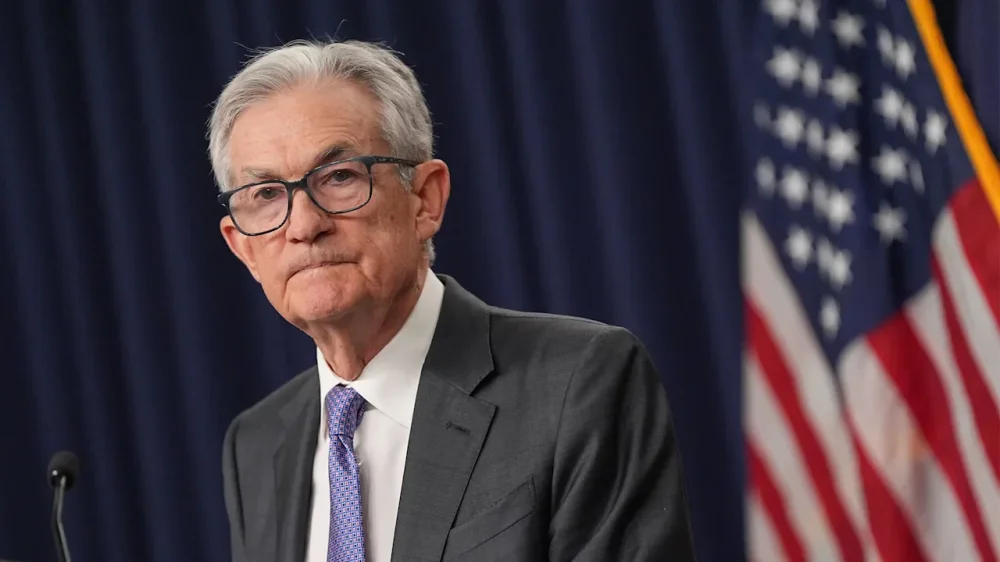
-
US president assails allies with talk of ‘great stupidity’, dog sleds and AI imagesView the full article
-
Senior figures from Labour leftwing burnish their profiles with public interventions View the full article
-
French President Emmanuel Macron says the European Union “should not hesitate” to use the trade bloc’s Anti-Coercion Instrument in face of U.S. President Donald The President’s tariff threats over Greenland. Macron, speaking at the World Economic Forum in the Swiss Alpine town of Davos, pushed back against aggressive U.S. trade pressures and “an endless accumulation of new tariffs.” “The anti-coercion mechanism is a powerful instrument and we should not hesitate to deploy it in today’s tough environment,” he said Tuesday. The European Union’s top official on Tuesday described U.S. President Donald The President’s planned new tariffs over Greenland as “a mistake especially between long-standing allies” and called into question The President’s trustworthiness, saying that he had agreed last year not to impose more tariffs on members of the bloc. European Commission President Ursula von der Leyen was responding to The President’s announcement that starting February, a 10% import tax will be imposed on goods from eight European nations that have rallied around Denmark in the wake of his escalating calls for the United States to take over the semi-autonomous Danish territory of Greenland. “The European Union and the United States have agreed to a trade deal last July,” Von der Leyen said at the World Economic Forum in Davos, Switzerland. “And in politics as in business — a deal is a deal. And when friends shake hands, it must mean something.” “We consider the people of the United States not just our allies, but our friends. And plunging us into a downward spiral would only aid the very adversaries we are both so committed to keeping out of the strategic landscape,” she added. She vowed that the EU’s response “will be unflinching, united and proportional.” The President has insisted the U.S. needs the territory for security reasons against possible threats from China and Russia. Earlier Tuesday, U.S. Treasury Secretary Scott Bessent said America’s relations with Europe remain strong and urged trading partners to “take a deep breath” and let tensions driven the new tariff threats over Greenland “play out.” “I think our relations have never been closer,” he said. But Danish Prime Minister Mette Fredriksen, speaking in the Danish parliament, said that “the worst may still be ahead of us.” She said that “we have never sought conflict. We have consistently sought cooperation.” The President’s threats spark diplomatic flurry across Europe The American leader’s threats have sparked outrage and a flurry of diplomatic activity across Europe, as leaders consider possible countermeasures, including retaliatory tariffs and the first-ever use of the European Union’s anti-coercion instrument. The EU has three major economic tools it could use to pressure Washington: new tariffs, suspension of the U.S.-EU trade deal, and the “trade bazooka” — the unofficial term for the bloc’s Anti-Coercion Instrument, which could sanction individuals or institutions found to be putting undue pressure on the EU. Earlier Tuesday, The President posted on social media that he had spoken with NATO Secretary General Mark Rutte. He said “I agreed to a meeting of the various parties in Davos, Switzerland.” France’s Macron suggests G-7 meeting in Paris this week The President also posted a text message from Emmanuel Macron in which the French president suggested a meeting of members of the Group of Seven industrialized democracies in Paris after the Davos gathering. An official close to Macron, who spoke anonymously in line with the French presidency’s customary practices, confirmed the message shared by The President is genuine. Later, The President posted some provocatively doctored images. One showed him planting the U.S. flag next to a sign reading “Greenland, U.S. Territory, Est. 2026.” The other showed The President in the Oval Office next to a map that showed Greenland and Canada covered with the U.S. Stars and Stripes. In a sign of how tensions have increased in recent days, thousands of Greenlanders marched over the weekend in protest of any effort to take over their island. In his latest threat of tariffs, The President indicated that the import taxes would be retaliation for last week’s deployment of symbolic numbers of troops from the European countries to Greenland — though he also suggested that he was using the tariffs as leverage to negotiate with Denmark. Calls for a stronger Europe against The President’s threats Denmark’s minister for European affairs called The President’s tariff threats “deeply unfair.” He said that Europe needs to become even stronger and more independent, while stressing there is “no interest in escalating a trade war.” “You just have to note that we are on the edge of a new world order, where having power has unfortunately become crucial, and we see a United States with an enormous condescending rhetoric towards Europe,” Marie Bjerre told Danish public broadcaster DK on Tuesday. Speaking on the sidelines of Davos, California Gov. Gavin Newsom slammed Europe’s response to The President’s tariff threats as “pathetic” and “embarrassing,” and urged European leaders to unite and stand up to the United States. “It is time to get serious, and stop being complicit,” Newsom told reporters. “It’s time to stand tall and firm, have a backbone.” On Monday night, Greenland’s European backers looked at establishing a more permanent military presence in the High North to help guarantee security in the Arctic region, a key demand of the United States, Swedish Defense Minister Pål Jonson said. Jonson said after talks with his counterparts from Denmark, Greenland and Norway that European members of NATO are currently “doing what’s called a reconnaissance tour in order to identify what kind of needs there are when it comes to infrastructure and exercises and so forth.” In Moscow, Russian Foreign Minister Sergey Lavrov strongly denied any intention by Russia and China to threaten Greenland, while also describing Greenland as a “colonial gain” for Denmark. At a news conference, he said that “in principle, Greenland isn’t a natural part of Denmark.” US-UK tensions over Chagos Islands In another sign of tension between allies, the British government on Tuesday defended its decision to hand sovereignty of the Chagos Islands to Mauritius after The President attacked the plan, which his administration previously supported. The President said that relinquishing the remote Indian Ocean archipelago, home to a strategically important American naval and bomber base, was an act of stupidity that shows why he needs to take over Greenland. In a speech to lawmakers at Britain’s Parliament on Tuesday, U.S. House of Representatives Speaker Mike Johnson said he hoped to “calm the waters” as The President roils the trans-Atlantic relationship with his desire to take over Greenland. Johnson said the U.S. and the U.K. “have always been able to work through our differences calmly, as friends. We will continue to do that.” AP writers Sylvie Corbet in Paris, Jill Lawless in London, Lorne Cook in Brussels, and Elaine Kurtenbach in Bangkok contributed to this report. —Jamey Keaten, Associated Press View the full article

-
The blockchain is coming to Wall Street. The New York Stock Exchange (NYSE) said on Monday that it was developing a platform to trade tokenized securities, digital representations of assets like stocks and bonds. But exactly when the 233-year-old financial institution will turn it on is still up in the air. Supporters of the technology argue that the change could modernize the NYSE, giving traders some of the same advantages that are enjoyed by investors in the cryptocurrency world. But Wall Street stalwarts are wary of altering a system that has been the bedrock of securities trading for more than two centuries. Curious what the fuss is about? Here’s what you need to know about the advantages and disadvantages that this sort of trading could mean for your portfolio: What are tokenized securities? Tokenized securities are digital versions of stocks and bonds that are traded on the blockchain, rather than a brokerage account. People who opt to use this platform would be able to use stablecoins—a crypto that pegs its value to another asset like the U.S. dollar—to fund their trades. The biggest shift to the platform, though, would be the introduction of 24/7 trading, much like Bitcoin investors currently enjoy. “For more than two centuries, the NYSE has transformed the way markets operate,” said Lynn Martin, president of the NYSE Group in a statement. “We are leading the industry toward fully on-chain solutions, grounded in the unmatched protections and high regulatory standards that position us to marry trust with state-of-the-art technology.” When will the NYSE launch the new tokenized platform? That’s still very much up in the air, but Intercontinental Exchange (ICE), which owns the NYSE, is hoping to launch trades on the platform later this year. First, it will need to get regulatory approval from the Securities and Exchange Commission (SEC). The The President administration has been encouraging a shift to crypto-friendly policies, though, which could bode well for the platform’s chances. Why is the NYSE starting a tokenized platform? Put simply, competition. Trading platform Robinhood has already proposed its own network of stock tokenization. And fintech companies like Coinbase and Kraken have shown an interest as well. Meanwhile, Goldman Sachs, Bank of New York Mellon, and State Street are all working on projects that would digitize money-market fund shares. The NYSE is hoping to maintain its leadership position in the stock market, and to do so, it needs to meet the demands of traders. Will the tokenized platform replace traditional stock trading? No. The tokenized securities platform will operate as a separate addition to the NYSE. Traditional trading will continue uninterrupted and the opening and closing bell will still ring at the start and stop of trading five days a week (minus holidays). What are the advantages of tokenized securities? Proponents of tokenized securities point to the advantages of 24/7 trading. Under the system, trades could be funded and settled in real time. (Currently, there is a one-day delay.) That, they say, could increase traders’ liquidity, make fractional ownership of companies easier to achieve. And because trading could happen at any time, the new platform could make the NYSE more accessible to retail (individual) traders. What are the risks of tokenized securities? As with almost anything on the blockchain, there is a danger of fraud. Some critics, including a handful of Democrats in Congress, have warned that companies looking to raise capital via tokenized securities could use the platform to scam investors. Others point out that the technology is new and still relatively untested—and given the inherent risks of investing, it could open the door to substantial losses for retail investors. Citadel Securities has urged the SEC to move slowly on the matter, saying there needed to be crystal clear rules for companies that want to tokenize their assets. And JPMorgan, in a note to investors last August, wrote that despite the hype, there’s very little interest in tokenized securities. “This rather disappointing picture on tokenization also reflects traditional investors not seeing a need for it thus far,” it wrote. “There is also little evidence so far of banks or customers moving from traditional bank deposits to tokenized bank deposits on blockchains.” Are other major markets embracing this sort of system? Last September, the Nasdaq market asked regulators to approve trading of tokenized versions of Nasdaq-traded stocks. Since doing so would require the SEC amend some of its rules, including the definition of a security, that request has not received a final response yet. Changes would also have to go through a comment period before they could go into effect, letting opponents explain what they object to. View the full article