Newsletter
Want to keep up to date with all our latest news and information?


ResidentialBusiness
Administrators
-
Joined
-
Last visited
Everything posted by ResidentialBusiness
-
We may earn a commission from links on this page. Bone conduction headphones (BCHs) have been around for a while, but I didn't really start using them until this year, and they've honestly changed everything for me. They have helped keep my mind occupied—usually with an audiobook—while I tackle mundane tasks while leaving me able to communicate with my wife without constantly taking my earbuds out. As I result, I've listened to more books than ever this year, but beyomnd that accomplishment, I love that I'm able to remain aware of my surroundings while listening to my music, podcast, shows, calls, or, yes, my audiobook. That's why BCHs are my tech upgrade of 2025. Why I love the Shokz OpenRun Pro 2Earlier this year, I reviewed the Shokz OpenRun Pro 2, and I'm glad I did. I'd tested other BCHs previously, but the OpenRun Pro 2 were on a different level entirely. They employ a hybrid of BCH technology and open-air sound that projects low frequencies to your ears. This means they sound almost like regular headphones, while keeping the benefits of BCH. (they don't cover your ears, so you're more tuned in to the world around you). Shokz OpenRun Pro 2 $139.95 at Amazon $179.95 Save $40.00 Shop Now Shop Now $139.95 at Amazon $179.95 Save $40.00 No more losing an earbudI used to use regular earbuds while taking work calls or doing household chores, and I would often find myself only using one earbud so I wouldn't be totally tuned out to my surroundings. Yes, most earbuds now have a transparency mode of some sort, but I'd usually find it easier to just take one out rather than remembering how to toggle it on or off. The downside here is that I'd typically leave whichever earbud I'd removed lying somewhere around the house, or lose it outright. Moreover, if I was listening to something in stereo, I'd be missing out on half of the experience. That all changed when I started using the OpenRun Pro 2 as my go-to headphones. Comfortable and functional Unlike earbuds or over-ear headphone, which can be fatiguing after extended use, the OpenRun Pro 2 are so comfortable, I sometimes forget I'm wearing them. Their microphones are great, so I can use them to take calls or virtual meetings without issue. Because of their hybrid audio model, I don't experience the sensation of vibration that tickled my ears when I tried other BCH models. I love that I can have a full conversation with my wife while washing the dishes or cooking and not have to worry about pausing my media or fumbling with my earbuds. And the best part is that they're waterproof, so I can go from a runs and straight to the shower without missing a beat—or, more often, a chapter of my current book (you'd be surprised how many minutes of extra listening you can rack up over the course of a year of showers, not to mention washing dishes, walking the dog, and other everyday tasks). With the help of these headphones, I look forward to beating my audiobook record again in 2026. View the full article
-
The move formalizes acting leadership roles both have had in different segments of the government-backed mortgage market serving many first-time homebuyers. View the full article

-
A reader asks: I run a small business that supplies a product to major companies. To keep the details anonymous, let’s say that we supply garments to a few mid-tier clothing retailers that you can buy in the mall. The problem is that one of my employees two levels down (he reports to someone who reports to me), Dave, behaves as though we’re making clothing for Gucci or Prada. This causes enormous production headaches. It means everything moves much more slowly through his department, because he is extremely conscientious about quality. That is admirable, but it results in things like being short with our subcontractors because they have not produced the products to his standard, even though they have produced them to industry standards. We’ve lost freelance designers because they’re being asked to make Prada-level clothing for Old Navy-type wages. He also causes many things to be done over or redoes them himself. This dramatically drives up the cost of what we produce. He should be producing 5,000 items a year in order to justify his salary but he only produces 3,000. This means we have gotten to a point where it actually costs us more to produce these products than we are being paid for them. Both his manager and I have attempted to tell him directly that he is overdoing things. This angers him and causes him to dig in his heels. We’ve said, “You don’t have to redo this work. It was fine the way the freelancers produced it. Just concentrate on the big issues like the overall cut of the fabric.” What he apparently hears is, “What you do doesn’t matter. You’re wrong to be concerned about quality.” His reaction is to stay up all night and work through the weekend to try and increase his numbers instead of just not doing everything twice. Dave’s heart is in the right place. This is tricky because it’s not like we’re asking him to do X and he refuses. We’re asking him to do X, and he does X twice and then adds Y and Z! How can I motivate Dave to take a step back and be more in alignment with the market tier we serve instead of driving up cost and increasing everyone’s aggravation by overdoing things? Or perhaps he is just a bad fit for this job? Green responds: He might be a bad fit for the job. Whether his heart is in the right place or not, you can’t keep someone on who refuses to work in the way that you need, wildly misses your production metrics, and drives up your costs—and who, when spoken to about it, flatly refuses to change what he’s doing. But first make sure you have been very, very clear with Dave. Not just “Concentrate on X, not Y” clear. This needs to be, “If you do not immediately start doing X and stop doing Y, we are going to need to let you go” clear. You need to say it that way to make sure Dave understands the stakes. It’s possible that he has been hearing, “We would like to have the level of care and quality that you’re providing and obviously it would be better if we could, but sadly we cannot find a way to sustain it.” And he’s thinking, “Let me show you how we can do it!” So you need to be crystal clear that you don’t want it and will not allow it. You also need to be clear about the consequences if he continues—that you will fire him. If you don’t spell that out explicitly and then you let Dave go, he sounds like he might be shocked because he’s focused on how much he cares and how hard he’s working (and in his mind, who would fire someone who cares so much and works so hard?). So it’s a kindness to let him know now that that’s the path he’s heading down. If you have this conversation and the problem continues, then you’ll know that he just can’t do the job you need done. At that point, you can move forward with a clear conscience because you’ll have told him clearly what he needed to do to stay in the job and will have given him a chance to do it. Want to submit a question of your own? Send it to alison@askamanager.org. —Alison Green View the full article

-
We need young people to gain experience that makes the world of work intelligible and builds skills and confidenceView the full article
-
Stocks rose in morning trading on Wall Street Friday and further trimmed losses from earlier in the week for several major indexes. The S&P 500 jumped 0.8%, adding to gains made on Thursday. The Dow Jones Industrial Average rose 283 points, or 0.6%, as of 10:05 a.m. Eastern. The Nasdaq jumped 1% and is now on track for a weekly gain. Technology stocks with an focus on artificial intelligence once again led the market. Nvidia jumped 3.4% and Broadcom rose 2.4%. Oracle rose 7% on news that it, along with two other investors, had signed agreements to form a new TikTok U.S. joint venture. Oracle, Silver Lake and MGX each get a 15% share in the popular social video platform, ensuring that it can continue operating in the U.S. Company earnings and how companies are performing amid tariffs and inflation were a key focus for Wall Street. Nike slumped 9.6%, as the impact from tariffs overshadowed an otherwise strong quarterly profit report. Frozen potato maker Lamb Weston fell 19.8%, despite also beating Wall Street’s profit and revenue forecasts. Winnebago Industries jumped 10.7% after turning in profits and revenue for its latest quarter that easily beat analysts’ estimates. Japanese stocks rose after the Bank of Japan raised its benchmark interest rate to its highest level in 30 years. In Tokyo, the Nikkei 225 gained 1%, leading the rise across Asia’s key markets. Markets in Europe also gained ground. —— AP Business Writer Matt Ott contributed. —Damian J. Troise, AP Business Writer View the full article

-
Last month, the U.S. Congress passed the Epstein Files Transparency Act, which was subsequently signed into law by President Donald The President. The act mandates that the Department of Justice (DOJ) publish all unclassified information it has on the late convicted sex offender Jeffrey Epstein by Friday, December 19. That’s today. Here is what to know about what will likely be included in the trove of documents, as well as where and when you can view them. What documents will be included in the disclosure? When Congress passed the Epstein Files Transparency Act, it mandated that the DOJ must publish its unclassified material on Jeffrey Epstein. But what exact material will be included in the disclosure? The act was pretty specific. According to the November law, the DOJ must publish all unclassified: records documents communications investigative materials One can presume that this includes digital evidence such as emails and photos, as well as documents and communications the DOJ created in relation to the investigation and prosecution of Epstein. However, the Epstein Files Transparency Act further clarifies that the release applies to more than just files related to investigations, prosecutions, or custodial matters regarding Epstein. The law states that the following must also be released by the DOJ: materials that relate to Ghislaine Maxwell flight logs and travel records individuals named or referenced (including government officials) in connection with the investigation and prosecution of Jeffrey Epstein Entities, including corporations and governmental, with known or alleged ties to Epstein’s financial or trafficking networks immunity or other deals with Epstein or his associates Files related to his detention and death Files held by the Federal Bureau of Investigation and the U.S. Attorneys’ Offices must also be released. Can the DOJ withhold any information? Yes, the DOJ can withhold information from the release of files under a few circumstances, including: If the files or information are classified If the information contains personal information about Epstein’s victims If the information, if released, would jeopardize an active federal investigation However, the law specifically states that no information can be withheld solely because that information would cause “embarrassment, reputational harm, or political sensitivity, including to any government official, public figure, or foreign dignitary.” When will the DOJ release the Epstein files? The law states that the DOJ must release the Epstein files “in a searchable and downloadable format” no later than 30 days after the Epstein Files Transparency Act was enacted. The Epstein Files Transparency Act was enacted on November 19, 2025. That means that the DOJ has until 11:59 p.m. tonight to release the files. Where will the files be released? The Epstein Files Transparency Act doesn’t explicitly state where or how the Department of Justice must release the files beyond saying that the files must be “in a searchable and downloadable format.” That clause means the DOJ must release the files digitally (since they must be downloadable). However, the law does not state which website must host the files. However, it is very likely that the files will be hosted on the Department of Justice’s website (justice.gov) or the Justice Department will specify via a press release on its website where the files will be hosted. It’s possible that the DOJ could set up a dedicated website where the files will be available to search and download. We’ll update this story with the link once it becomes available. View the full article

-
Deputy attorney-general Todd Blanche says thousands more will be unveiled in ‘next couple of weeks’ View the full article
-
Canada and the U.S. will launch formal discussions to review their free trade agreement in mid-January, the office of Canadian Prime Minister Mark Carney said. The prime minister confirmed to provincial leaders that Dominic LeBlanc, the country’s point person for U.S-Canada trade relations, “will meet with U.S. counterparts in mid-January to launch formal discussions,” Carney’s office said in a statement late Thursday. The United States-Mexico-Canada trade pact, or USMCA, is up for review in 2026. U.S. President Donald The President negotiated the deal in his first term and included a clause to possibly renegotiate the deal in 2026. Carney met with the leaders of Canada’s provinces on Thursday to give them an update on trade talks with the U.S. Canada is one of the most trade-dependent countries in the world, and more than 75% of Canada’s exports go to the country’s southern neighbor. But most exports to the U.S. are currently exempted by USMCA. The President cut off trade talks to reduce tariffs on certain sectors with Carney in October after the Ontario provincial government ran an anti-tariff advertisement in the U.S. That followed a spring of acrimony, since abated, over The President’s insistence that Canada should become the 51st U.S. state. Carney said earlier Thursday that Canada and the U.S. were close to an agreement at the time on sectoral tariff relief in multiple areas, including steel and aluminum. Tariffs are taking a toll on certain sectors of Canada’s economy, particularly aluminum, steel, auto and lumber. Carney also said trade irritants flagged this week by U.S. Trade Representative Jamieson Greer are elements of a “much bigger discussion” about continental trade. Greer said a coming review of the Canada-U.S.-Mexico trade deal will hinge on resolving U.S. concerns about Canadian policies on dairy products, alcohol and digital services. Carney and the provincial premiers agreed to meet in person in Ottawa early in the new year. Canada is the top export destination for 36 U.S. states. Nearly $3.6 billion Canadian (US$2.7 billion) worth of goods and services cross the border each day. About 60% of U.S. crude oil imports are from Canada, as are 85% of U.S. electricity imports. Canada is also the largest foreign supplier of steel, aluminum and uranium to the U.S. and has 34 critical minerals and metals that the Pentagon is eager for and investing in for national security. Carney said U.S. access to Canada’s critical ministers is not a certainty. “It’s a potential opportunity for the United States, but it’s not an assured opportunity for the United States. It’s part of a bigger discussion in terms of our trading relationship, because we have other partners around the world, in Europe for example, who are very interested in participating,” Carney said earlier Thursday. —Rob Gillies, Associated Press View the full article

-
The 1800 Tax Form is a vital state-specific document for reporting income, calculating your tax liability, and claiming various credits, such as the First-Time Homebuyer Credit. If you have a complex financial situation, like owning a business or experiencing significant life changes, this form may be necessary for you. Comprehending who needs to file it and the situations that require it can help guarantee compliance with state tax regulations. Let’s explore the specifics of Form 1800 further. Key Takeaways Form 1800 is a state-specific tax form used for reporting income, calculating tax liability, and claiming credits or deductions. Individuals claiming specific credits, like the First-Time Homebuyer Credit, should consider filing Form 1800. Self-employed individuals and business owners must file to accurately report earnings and meet IRS filing thresholds. Form 1800 is essential for correcting previous filings, responding to IRS notices, or reporting unreported income. Consulting local tax professionals can provide tailored guidance for those needing to file Form 1800. Overview of Form 1800 When you’re managing state tax obligations, comprehending the 1800 Tax Form is essential, as it serves various purposes depending on your jurisdiction. This form isn’t a standard IRS document; instead, it refers to state-specific tax forms required to report specific state taxes or claim deductions unique to your location. Typically, the 1800 Tax Form includes sections for reporting income, calculating tax liability, and claiming credits or deductions according to state tax laws. Your filing requirements depend on state regulations, which may necessitate this form for individuals or businesses earning income within that state. To navigate these obligations effectively, consult state tax resources or seek guidance from a tax professional designed to your individual circumstances. Who Should Consider Filing Form 1800? If you’re looking to claim specific tax credits or deductions, like the First-Time Homebuyer Credit, you should consider filing Form 1800. This form is likewise necessary if you’ve received an IRS notice requesting more information about your tax return or if you need to amend a previous filing. Furthermore, individuals with complex financial situations, such as business owners or those reporting significant investment income, may find this form crucial for providing detailed income information. Eligibility Criteria Comprehending the eligibility criteria for filing Form 1800 is vital for taxpayers who have experienced significant life changes. If you’ve recently married, divorced, or welcomed a child, you might need to file. Moreover, if you’ve received unreported income or benefits, consider Form 1800 to guarantee your tax obligations are met. Claiming specific deductions, like the Earned Income Credit or Child Tax Credit, may likewise warrant filing. If you’ve made changes to your health coverage, this form could be fundamental. Consulting a tax professional can help you determine your need for Form 1800 based on your unique circumstances. Life Change Consider Filing Form 1800? Contact for Help Marriage or Divorce Yes Taxpayer assistance center near me Birth of a Child Yes Where can I find tax forms? Significant Health Coverage Changes Yes How to obtain 1040 form Income Reporting Requirements Understanding income reporting requirements is vital for anyone who might need to file Form 1800. If you’re self-employed, an independent contractor, or a business owner earning income without a W-2 form, you should consider filing this form. It’s important for accurately reporting your earnings, especially if your total annual income meets or exceeds the IRS filing threshold. Furthermore, if you’ve received multiple 1099 forms or other income documentation, Form 1800 is necessary for thorough income reporting. Key Situations Requiring Form 1800 When you’re managing tax filing, there are key situations where Form 1800 becomes crucial. For instance, if you’re a business claiming deductions for employee health insurance, you’ll need this form to document those expenses accurately. Furthermore, nonprofit organizations may likewise find themselves required to use Form 1800 to guarantee compliance with specific guidelines related to tax credits and deductions. Tax Filing Requirements Comprehending the key situations that require you to file the 1800 Tax Form can help guarantee you meet your tax obligations accurately. Here are some situations where filing the 1800 form is vital: Situation Description Claims for Refunds Use the 1800 form to document claims properly. Reporting Income Report income not captured on standard forms. Filing Errors and IRS Discrepancies Correct any filing errors or address IRS discrepancies. If you’ve experienced a disaster and need to claim losses, or if you’ve made significant adjustments to prior returns, the 1800 Tax Form is critical. Remember, using this form guarantees accurate reporting and helps avoid penalties. Business Expense Documentation Comprehending how to document business expenses is vital for complying with IRS regulations and maximizing your tax deductions. If you’re self-employed or a small business owner, accurate business expense documentation is fundamental. Key situations requiring Form 1800 include claiming deductions for significant operational costs, like equipment purchases or travel expenses. To substantiate these deductions, you must retain detailed records and receipts that support your reported expenses. This documentation not merely helps in reducing your taxable income but likewise prepares you for any potential IRS audits. Nonprofit Organization Guidelines Nonprofit organizations play an essential role in various communities, and comprehending the requirements for filing Form 1800 is key to maintaining their tax-exempt status. If your nonprofit has gross receipts of $50,000 or more in a tax year, you must file Form 1800, regardless of your tax-exempt status. Failing to submit this form for three consecutive years can jeopardize your tax-exempt status, potentially resulting in federal income tax obligations. It’s important to note that certain nonprofits, like churches and government entities, may have different filing requirements and mightn’t need to file Form 1800. Make sure you submit the form by the 15th day of the 5th month after your fiscal year ends to remain compliant with IRS deadlines. How to Complete Form 1800 When you’re ready to complete Form 1800, the first step is to fill out your personal information accurately, including your name, address, and taxpayer identification number. Next, you’ll need to: Carefully read the instructions for each section of the form. Report all relevant income, including wages, dividends, and any other applicable earnings. Include deductions and credits that apply to your situation. Attach any necessary supporting documentation, such as W-2s or 1099s, to substantiate your claims. After completing the form, review it thoroughly for accuracy before submitting it to the appropriate tax authority. This will help you avoid potential delays or penalties, ensuring a smoother filing process. Common Mistakes to Avoid With Form 1800 Filing Form 1800 can be straightforward if you steer clear of common mistakes that many taxpayers make. First, confirm you complete all sections accurately; incomplete information can cause delays or rejection. Double-check your calculations to avoid discrepancies that might trigger audits. Always include correct identification numbers, such as Social Security or Employer Identification Numbers, since inaccuracies can create identification issues with the IRS. Be mindful of submission deadlines, as late filings incur penalties. Remember to keep a copy of your submitted Form 1800 and any supporting documents for future reference. If you’re unsure about details like where to mail Form 1040 or how to fill out Form 1040, consult the form 1040 instructions for guidance. Resources for Assistance With Form 1800 Accessing resources for assistance with Form 1800 can greatly simplify the filing process, ensuring you meet all necessary requirements. Here are some valuable resources to evaluate: State Tax Office: Contact your state tax phone number for specific guidance on Form 1800. Tax Preparation Software: Use software that includes features for state-specific forms, offering step-by-step support. Local Tax Professionals: Consult local tax professionals or certified public accountants (CPAs) for expert advice on filing. Taxpayer Assistance Hotlines: Reach out to the internal revenue service helpline or your state income tax phone number for direct assistance. Additionally, if you need to know where to find income tax paid on your 1040, these resources can help clarify your questions. Frequently Asked Questions Who Needs to File a 1040 Tax Form? If you earn income above a certain threshold, you’ll need to file a 1040 tax form. This applies to most Americans, including those with wages, self-employment income, or investment earnings. If you have significant deductions, such as for dependents or charitable contributions, using the 1040 helps guarantee accurate reporting. Nevertheless, if you receive only Social Security income without other taxable income, you mightn’t need to file. Always check the IRS guidelines for your specific situation. Is the IRS Sending $3000 Tax Refunds in June 2025? As of now, there’s no official word from the IRS about $3000 tax refunds in June 2025. If these refunds happen, they’ll depend on future tax laws or relief measures. To stay updated, you should regularly check the IRS website or official announcements. It’s essential to understand that any potential refunds will typically relate to your income and filing status, so keeping informed will help you know your eligibility. What Are the Biggest Tax Mistakes People Make? One of the biggest tax mistakes you might make is failing to report all income sources, including freelance work. Overlooking deductions and credits, like medical expenses, can furthermore increase your tax bill unnecessarily. Keep accurate records and receipts throughout the year to avoid missing deductions. Choosing the wrong filing status can affect your tax rate. Finally, remember to file and pay on time to avoid penalties and interest charges from the IRS. What Is the Tax Counseling for the Elderly? The Tax Counseling for the Elderly (TCE) program offers free tax assistance to those aged 60 and older. It focuses on issues like pensions and retirement distributions, ensuring you understand your tax obligations. TCE volunteers, trained by the IRS, are knowledgeable about tax law changes that affect seniors. You can find assistance at community centers, libraries, and senior centers. To locate a TCE site, call the IRS or visit their website for more resources. Conclusion In conclusion, the 1800 Tax Form is vital for individuals with varied financial situations, including business owners and those undergoing significant life changes. If you find yourself in a situation that requires detailed income reporting, tax liability calculations, or credit claims, this form is important. To guarantee accuracy, carefully follow the instructions and seek assistance if needed. Comprehending and correctly completing Form 1800 can help you maintain compliance with state tax regulations and avoid potential issues. Image via Google Gemini This article, "What Is the 1800 Tax Form and Who Needs It?" was first published on Small Business Trends View the full article
-
The Apple Watch is both a companion to the iPhone, as well as a very capable device in its own right. Out of the box, it offers notification mirroring, so you feel every alert on your iPhone on your wrist, as well as workout tracking, so you can keep up with your fitness goals. But this wearable can be so much more than that. In fact, it doesn't take much to make your Apple Watch more personal and efficient. If you own one, here are ten hacks you need to know about: Disable every notification you can Credit: Khamosh Pathak Get your notifications under control. By default, Apple likes to forward every single alert from iPhone to your watch. That’s just a recipe for distraction. You should turn off most of these alerts, and only keep the most important notifications. An important message from Slack or a text from a close friend is worth the distraction; a promotion from Uber is not. Open the Watch app on your iPhone, go to Notifications, scroll down and disable most of the apps that mirror alerts from the iPhone. While you’re at it, it might help to keep your Watch in Silent mode at all times. Open the Control Center by pressing the Side button and tap the Bell icon to quiet your watch for good. Master the Apple Watch's wrist gestures Credit: Khamosh Pathak The Apple Watch's recent wrist gestures have turned out to be a sleeper hit for me. What I thought would be a gimmick is something I use multiple times a day now. If you have an Apple Watch Series 9, Ultra 2, SE 3, or higher, you get access to two gestures: Double Tap and Wrist Flick. First, if you tap your index finger and your thumb twice in the air, you’ll perform the major action current on-screen. This could include answering a call, stopping a timer, or stopping a workout. I use this all the time now, even when I don’t have my hands full. Second, you can flick your wrist up to go back a screen on your watch. This is a simple way to get back from menus, or to go back to the watch face, without actually tapping the screen. Automatically unlock your Mac with your Apple Watch Credit: Khamosh Pathak This is a feature I've been using for years, but since it's buried quite deep in settings, many users don't know about it. Once set up, you can unlock your Mac automatically as long as you’re wearing your Apple Watch. It doesn’t even have to be on the same wifi network, so this works when you’re out and about. To set this up, go to System Settings on your Mac, then choose Touch ID & Password. In the Apple Watch section, simply turn on the sync feature for your Apple Watch. Once you authenticate with your Mac password, you’ll be good to go. The next time you lift the lid on your Mac, macOS will automatically sign you in. Start using widgets Credit: Khamosh Pathak I used to love customizing my watch face with all the various complications for timers, shortcuts, and, weather, just to name a few. But I was never really satisfied with how cluttered things looked when it was all set up. That changed once I embraced the Photos watch face, and moved all the contextual information and shortcuts to widgets. Keeping all those functions and data points in a collapsable stack of widgets, rather than all on screen at once, looks so much better. To try this out for yourself, scroll using the Crown or swipe up on the watch face to access your widgets. Go to the bottom and tap the Edit button to start customizing your widget stack. You can add three app shortcuts to the top widget. I usually save this for workouts, battery, and the quick timer. Then, I have dedicated widgets for my Activity Rings, Weather, Shortcuts, Sleep, and more. You can pin widgets in the order that you want, and watchOS will also automatically suggest relevant widgets depending on your usage. Dive in deeper with our detailed guide on customizing widgets. Create your watch face stack, and cycle through them Credit: Khamosh Pathak Once you move your app interactions to widgets, your watch faces suddenly open up. Take some time to create and customize two to three watch faces that you can switch between as you wish. It's easy to do at any time: just swipe in from the left or the right edge to change the watch face. Creating and customizing watch faces is actually easier on the Watch app on the iPhone. In fact, it’s the only place where you can set up my favorite watch face: the Photos watch face. This watch face cycles between the photos of my wife, nature, and urban landscapes, showing me a fresh selection each day. I love this watch face quite a lot. You can also create a watch face for fitness tracking and fitness modes, and a simple watch face for regular use. (My favorites here are Typograph and Meridian watch faces.) Adjust your Activity Rings as needed Credit: Khamosh Pathak For almost a decade, you couldn’t edit your Activity Rings. If you got sick, or just wanted to take an easy day, you’d lose your fitness streak. This, of course, isn’t the healthiest approach to fitness—for that, you should check out the Gentler Streak app. However, since last year's watchOS 11, you’ve had the option to pause or change your Activity Rings. You can do this from the Fitness app on iPhone, which is slightly easier than using the Apple Watch itself. From the Fitness app, tap Activity Rings, then scroll down, where you'll see Change Goals and Pause Rings. Choose the relevant option to get started. I have detailed instructions in my guide as well. Control your Apple TV from your wrist Credit: Khamosh Pathak If you use an Apple TV, you know how easy it is to lose the remote. You might be familiar with the Apple TV’s remote control feature on the iPhone, but that same feature exists on the Apple Watch as well. You’ll have to find the Remote app from the app list, then choose your Apple TV. It should appear as long as it's on the same network as your watch, and nearby. From here, you can use swipe gestures and buttons to control playback on your TV. Blare your alarms, even in silent mode Credit: Khamosh Pathak On the Apple Watch, silent mode and alarm sound levels are married to each other, unlike on the iPhone. But recently, Apple added a feature where you can break-through silent mode for a particular alarm—it's just not enabled by default for all alarms. To set it up, open an alarm from the Alarms app, go to the Edit Alarm menu, scroll down, and enable Break Through Silent Mode. Customize Focuses with Apple Watch in mind Credit: Khamosh Pathak Focuses on the iPhone are supremely powerful, and underrated. And things get a lot more interesting when you add Apple Watch to the mix. Each Focus can have its own watch face associated with it, so you can have a different watch face for your work Focus, another one for your personal Focus, and a fitness watch face for your workout Focus. Go to Settings > Focus to customize or create any Focus. Track your sleep Credit: Khamosh Pathak Your Apple Watch comes with a built-in sleep tracker. To use it, you can either go to the Sleep app on Apple Watch, and create a sleep schedule, or simply switch to the Sleep Focus. When you’re in sleep mode, your watch automatically goes dark and silent, so you won't be bothered by any notifications. With watchOS 26, your Apple Watch now also gives you a sleep score, which offers more insights into your sleeping habits. I’ve been using the Sleep mode this past year with my Apple Watch Series 10, and I’ve gotten a lot out of the sleep tracking feature already. View the full article
-
Photos, data and videos show increasing military pressure on Nicolás Maduro after US president refuses to rule out warView the full article
-
In today’s fast-paced world, emergencies can arise without warning, making it crucial for individuals to communicate precisely what they’re facing. Recognizing this need, Android has introduced a groundbreaking feature: Emergency Live Video. This new tool aims to revolutionize how emergency responders assist individuals during critical situations, potentially benefiting small business owners and their communities. Every minute counts in emergencies. Android’s Emergency Live Video allows users to share live video footage with emergency dispatchers during a call or text. A single tap enables users to securely stream from their camera, giving responders an immediate visual of the situation, such as a car accident, medical crisis, or even a wildfire. This capability can drastically enhance their ability to assess the incident, providing tailored assistance while ensuring the right help arrives quickly. As small business owners increasingly find themselves intertwined with their communities, understanding this technology could be essential. Imagine a retail store owner facing a sudden medical emergency involving a customer. With Emergency Live Video, they could potentially provide critical visual information directly to 911 dispatch, allowing for more accurate and timely responses. The process is intuitive and designed with security in mind. There’s no complicated setup; during an emergency call or text, dispatchers can request video access if it’s deemed safe and beneficial. Users receive a prompt on their devices, ensuring control over what is shared. The feature employs automatic encryption, meaning personal data remains protected at all times. The implications of this technology extend beyond individual emergencies. For businesses in high-risk industries—such as construction, manufacturing, or hospitality—this feature could assist in facilitating quicker emergency responses. By providing live feedback to dispatchers, companies may find their team members receive critical medical support sooner, potentially preventing severe injuries or even fatalities. Small business owners can also consider how this technology may impact their relationships with local service providers. By leveraging Emergency Live Video, businesses can foster stronger ties with local emergency services, as rapid, effective communication can lead to better outcomes for everyone involved. Building relationships with first responders could even place businesses at a competitive advantage, as safety and community engagement become valued traits for consumers. However, while there are numerous benefits, small business owners should also be mindful of potential challenges. The reliance on technology means that both customers and employees will need to be educated about its use during emergencies. The necessity for high-speed internet or cellular service can also pose a barrier in more remote locations, where connectivity might be unreliable. They might also consider the implications of privacy and how to educate their teams about ensuring consent before activating the live stream feature. Embracing new technology can be a double-edged sword. Alongside impressive tools like Emergency Live Video, small business owners will need to remain vigilant about training their staff. Preparing employees for emergencies includes understanding when and how to utilize such features effectively. With an eye toward the future, Android’s Emergency Live Video is a promising advancement that stands to enhance emergency response processes. By blending cutting-edge technology with user control and privacy considerations, it provides a significant tool for people everywhere, including small business owners looking to integrate innovative solutions into their operations and outreach. For more information on this feature, you can visit the original post on Android’s blog. Image via Google Gemini This article, "Android Unveils Emergency Live Video to Enhance Crisis Response" was first published on Small Business Trends View the full article
-
You can do a lot with Android Auto, but what you can't do is install a web browser—at least not with the default, out-of-the-box configuration. It is actually possible to get a window on to the web with a little bit of tweaking, and the help of the open source AA Browser built especially for Android Auto. Getting a web browser up on your car dashboard may not seem like much of an improvement over browsing on your phone screen, but it also enables another feature on your vehicle's display: video playback. Through AA Browser you can get at pretty much any streaming site you want and load up some video. Some serious safety warnings are required here, though. You should only load up videos on your car's Android Auto screen when you're parked, stationary, and not going anywhere. Watching anything on the move—whether it's on your phone or on your vehicle dashboard—not only risks your life, it risks the lives of everyone else on the road with you. In fact, AA Browser will disable itself while your vehicle is moving, but it's worth giving out the warning in any case, for this and any other app. With that out of the way, here's how you can load up a web browser on Android Auto, and make your parked-up time inside your car more entertaining. Browser setup and installationLike Android as a whole, Android Auto has a developer mode that gives you access to a selection of extra settings. From Settings on Android, tap Connected devices > Connection preferences > Android Auto (Pixels) or just Connected devices > Android Auto (Galaxy phones). Scroll down to the bottom of the screen, tap Version, then tap Version and permission info seven times. You should then see a pop-up asking you if you're sure you want to enable developer settings for Android Auto, so tap OK to confirm. You then need to open up the AAAD (Android Auto Apps Downloader) app APK in your phone's browser, tapping through the security warnings about running non-Play Store apps on your device if they show up. AAAD will give you access to the AA Browser. Credit: Lifehacker AAAD gives you access to a selection of Android Auto apps that haven't been specifically approved by Google, including AA Browser. Tap through the various introduction screens, give the app the permissions that it needs to install other apps, and then find AA Browser in the list of available apps. Tap Install and then tap through the confirmation pop-ups to get the app on your phone. You'll be asked if you want to open AA Browser straight away: You can use it as a normal web browser on your phone, though there's not really much to look at. It's designed to be used primarily on your Android Auto screen, and it should now show up as an available app when your phone is connected to your vehicle. Using AA Browser in your carProvided you're safely stopped in your vehicle, you can launch AA Browser from the main apps list on the Android Auto interface (you may also get a prompt to launch it the first time you connect, after installing the app). You get taken to the Google Search homepage to begin with, and from there you can go anywhere you like. As with any other Android Auto app, if you tap inside an input field, you'll see a keyboard pop up on screen that you can use to enter web addresses and login credentials, and you can use the touchscreen to navigate around. To get to the URL address bar, tap anywhere on screen, then tap the blue arrow in the lower left corner. Entering and editing URLs in AA Browser. Credit: Lifehacker The next screen also gives you options for going back through your browser history and accessing your bookmarks—a handy way of making sure you can jump back to the sites you need without having to tap our their URLs every time. There's also the option to request the desktop versions of sites rather than the mobile versions. While certain sites don't seem to like the AA Browser, most of the pages I've visited work fine on Android Auto. To quit the browser, you can either tap the Exit button in the top right corner (if it's visible), or swipe up or down from the top or bottom edges of the Android Auto screen to go back to your other apps. View the full article
-
Delivery company Instacart will pay $60 million in customer refunds under a settlement reached with the Federal Trade Commission over alleged deceptive practices. The FTC said Thursday that Instacart has been falsely advertising free deliveries. The San Francisco-based company isn’t clearly disclosing service fees, which add as much as 15% to an order and must be paid for customers to receive their groceries, the FTC said. Instacart has also failed to clearly disclose that customers who enroll in a free trial for its Instacart+ program will be charged membership fees at the end of the trial. The FTC said hundreds of thousands of customers have been charged but have received no benefits from memberships or refunds. Instacart+ offers members free deliveries on most orders for $99 per year. The FTC said Instacart also advertises a “100% satisfaction guarantee,” but customers who experience late deliveries or unprofessional service are typically only offered a small credit that can be used toward a future order and not a refund. “The FTC is focused on monitoring online delivery services to ensure that competitors are transparently competing on price and delivery terms,” said Christopher Mufarrige, the director of the FTC’s Bureau of Consumer Protection. Instacart denied the FTC’s allegations of wrongdoing Thursday but said it reached a settlement in order to move forward and focus on its business. “Instacart is proud to offer a transparent, affordable and consumer-friendly service. We provide straightforward marketing, transparent pricing and fees, clear terms, easy cancellation and generous refund policies – all in full compliance with the law and exceeding industry norms,” the company said in a statement. Instacart shares fell nearly 2% in after-hours trading Thursday. The settlement comes as Instacart is facing separate questions about its pricing practices. Earlier this month, a report by Consumer Reports and two progressive advocacy groups — Groundwork Collaborative and More Perfect Union — found that Instacart charged different prices for the same grocery items even though online shoppers were filling their Instacart baskets at the same time and at the same stores. The report suggested that Instacart may be using artificial intelligence tools to drive up costs for consumers. The FTC said Thursday that it wouldn’t comment on whether it will open a separate investigation into Instacart’s pricing policies, following longstanding policy. “But, like so many Americans, we are disturbed by what we have read in the press about Instacart’s alleged pricing policies,” FTC spokesperson Joe Simonson said in a statement. Instacart said Thursday that the FTC requested information on its pricing tools and the pricing practice of the retailers it works with as part of the investigation that led to the settlement. It noted that the settlement didn’t contain any allegations about its pricing practices. In its own blog post Thursday, Instacart stressed that it isn’t a retailer and doesn’t control base prices listed on its website. It said retailers often test prices in order to see how sensitive consumers are when prices go up or down, and that’s what was happening in Consumer Reports’ case. Instacart also said the company and its retailers don’t use information about shoppers’ income, zip code or shopping history to set prices. Instacart said it encourages retailers to charge the same amount on its website as they charge for in-store shoppers. Some retailers, including Lowe’s, Ulta Beauty and Best Buy, already do that, Instacart said, but many others don’t. This story clarifies an earlier version, which suggested the FTC opened a new investigation to examine Instacart’s pricing practices. They were examined as part of the current investigation. —Dee-Ann Durbin, AP Business Writer View the full article

-
Before food influencers were deep-frying Chipotle burritos, putting an entire serving of mac and cheese on their Chick-fil-A sandwich, and making McDonald’s hash browns into ice cream sandwiches, there was another food-hack-slash-Frankenfood that ruled the internet: the quesarito. This week, Taco Bell brought it back to its official menu. The quesarito is exactly what its name implies: a fully loaded burrito that, instead of being wrapped in a regular tortilla, has been lovingly sealed inside a giant quesadilla. It’s the epitome of fast-food gluttony, and as of December 18, it’s back in Taco Bell stores for a limited time for $6.70 (and a relatively modest 570 calories). The quesarito feels like the glaringly modern invention of view-farming TikTok food scientists, but it’s actually been around for more than a decade—and before it ever hit Taco Bell’s official menu, it started as a humble secret menu item at Chipotle. In honor of the quesarito’s fleeting return, here’s a look back at the history of one of the weirdest—and most forward-thinking—fast-food creations to ever grace our palates. The hunt for a quesarito It was December 2013, and Fast Company editor Mark Wilson was going to get his hands on a quesarito, come hell or high water. That year, the concept of a “secret menu” was already popular at joints like In-N-Out and Starbucks, but company executives weren’t exactly embracing the idea. There was a bit of a “wink-wink” culture surrounding these off-menu creations, led by intrepid fast-food lovers: the internet could create a name for them, determined customers could order them, but CEOs would steadfastly deny their existence. That was the case with the quesarito, which, according to its dedicated Wiki page, is a concept that dates back to as early as 2011. While the very first coining of the term “quesarito” is unclear, we do know that it started as a menu hack at Chipotle. In one viral Reddit thread from 2012, a former Chipotle employee left a comment about the quesarito in which it was described as a full-blown Chipotle burrito wrapped inside a quesadilla, or, as Wilson put it in a feature story at the time, “a 1,540-calorie fallen angel.” But when Wilson tried to order the quesarito at a Chipotle, he was swiftly denied—and when he talked to Chipotle’s then-communications director, Chris Arnold, about the experience, Arnold denied the existence of a secret menu at all. Taco Bell eats Chipotle’s lunch Chipotle never did acknowledge the quesarito as a true part of its menu. But where it faltered, Taco Bell picked up the slack. After some initial testing in 2013, the beloved fast-food chain introduced the quesarito as an official menu item in 2014, complete with seasoned beef, rice, Chipotle sauce, reduced-fat sour cream, all wrapped up in a grilled quesadilla loaded with melted cheeses and nacho cheese sauce. The item immediately received press after Taco Bell’s ad campaign to launch it accidentally interrupted the live draft of basketball star Nikola Jokić; but it soon became iconic in its own right. Taco Bell didn’t respond to Fast Company’s request for specific sales data, but, according to a press release, the quesarito was “an instant sensation.” Despite its popularity, the quesarito was slowly phased out of the limelight and onto Taco Bell’s back burners, becoming an app exclusive in 2020 and getting cut from the menu entirely in 2023. Per Taco Bell’s recent press release, “After it left the menu, the demand only intensified, sparking tributes, fan petitions and countless pleas for its return.” A quick search for “quesarito” on TikTok confirms that the glorified cheese bomb has a genuine fanbase. “Taco Bell brought back my favorite item of all time!” popular FoodToker Steph Pappas says in a new video on the rerelease. “I have been doing food videos for a long, long time, and this was always my go-to.” A fast-food harbinger of micro-trends to come The quesarito feels exactly like the kind of item that’s primed to go viral on today’s TikTok algorithm. That might be because, compared to 2013, the “secret menu” is a lot less secret these days. Internet menu hack culture got a major boost from the micro-trend economy on platforms like TikTok and Instagram Reels—meaning that, every few days, a new popular food combination picks up steam and starts to feel unavoidable. Brands are picking up on this, too: Starbucks launched an official secret menu this summer; followed by Taco Bell, which debuted a feature called “Fan Style” that let users build their own menu items; and, most recently, Chipotle, which just unveiled an Ozempic-optimized, protein-packed menu inspired by TikTok hacks. Before all of this brand maneuvering, there was a humble, elusive creation that captured the cultural zeitgeist’s attention. Welcome back, quesarito—you were always ahead of your time. View the full article
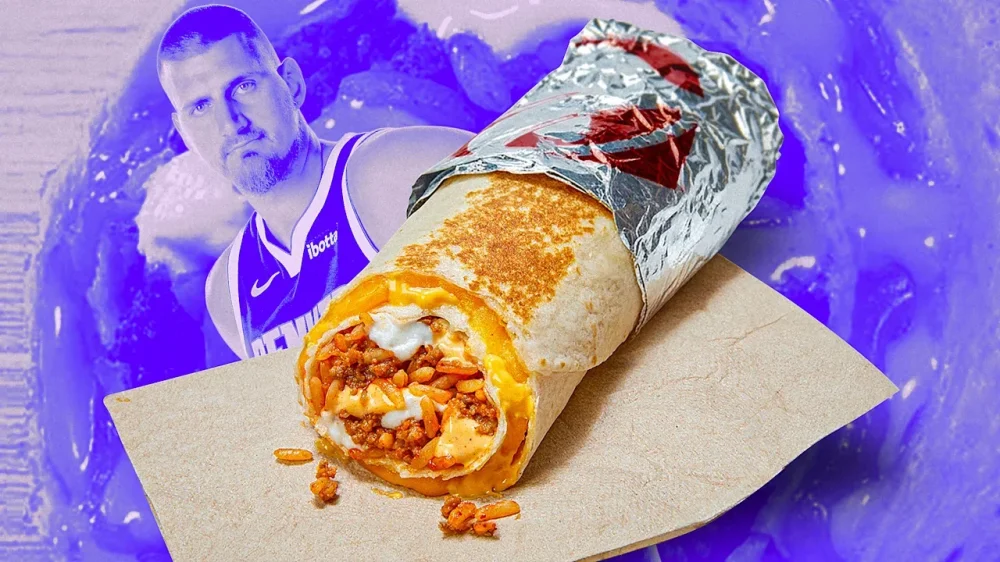
-
A 911 call about a man resembling “the CEO shooter.” Body-camera footage of police arresting Luigi Mangione and pulling items from his backpack, including a gun that prosecutors say matches the one used to kill UnitedHealthcare CEO Brian Thompson, and a notebook they have described as a “manifesto.” Notes about a “survival kit” and “intel checkin,” and testimony about alleged statements behind bars. A three-week pretrial hearing on Mangione’s fight to exclude evidence from his New York murder case ended Thursday after revealing new details about his December 2024 arrest in Altoona, Pennsylvania, steps prosecutors say he took to elude authorities for five days, and what he may have revealed about himself after he was taken into custody. Mangione watched from the defense table as Manhattan prosecutors called 17 witnesses, many of them police officers and other personnel involved in his arrest. Mangione’s lawyers called none. Judge Gregory Carro said he won’t rule until May 18, “but that could change.” Mangione, 27, an Ivy League graduate from a wealthy Maryland family, has pleaded not guilty to state and federal murder charges. The pretrial hearing was in the state case, but his lawyers are trying to exclude evidence from both. Neither trial has been scheduled. Here are some of the things we learned from the hearing: Body cameras give a close-up look at Mangione’s arrest The public got an extensive, even exhaustive view of how police in Altoona, about 230 miles (370 kilometers) west of Manhattan, conducted Mangione’s arrest and searched his backpack after he was spotted eating breakfast at McDonald’s. While there were quirky moments and asides — about holiday music, a hoagie and more — the point of the hearing was to help the judge assess whether Mangione voluntarily spoke to police and whether the officers were justified in searching his property before getting a warrant. For the first time, body-worn camera video of Mangione’s arrest was played in court and some excerpts were made public. Taken from multiple officers’ cameras, the footage put ears and eyes on critical interactions that played out against the incongruously cheerful sound of “Jingle Bell Rock” and other Christmas tunes on the restaurant’s sound system. Officers on the witness stand were quizzed about what they said and did as Mangione went from noshing on a hash brown to being led away in handcuffs, as well as what they perceived, where they were standing and how they handled evidence after bringing him to a police station. Mangione’s lawyers argue that neither the results of the search nor statements he made to police should be mentioned at his trial. Prosecutors disagree. Carro didn’t hint at his conclusion. He invited both sides to submit written arguments and said he planned to study the body-camera video before issuing a decision. Differing views of Mangione’s statements and bag search Mangione’s lawyers noted that one officer said “we’ll probably need a search warrant” for the backpack, but his colleagues had already rifled through it and later searched the bag again before getting a warrant. Prosecutors emphasized an Altoona police policy, which they said is rooted in Pennsylvania law, that calls for searching the property of anyone who is being arrested. The two sides also amplified some contrasting signals, in officers’ words and actions, about their level of concern about whether the backpack contained something dangerous that could justify a warrantless search. The officer searching the bag, Christy Wasser, testified that she was checking for a bomb. But Mangione’s lawyers pointed out that police didn’t clear the restaurant of customers — some even walked to a bathroom a few feet away — and that Wasser stopped her initial search almost immediately after finding a loaded gun magazine wrapped in a pair of underwear. The find appeared to confirm officers’ suspicions that Mangione was the man wanted for Thompson’s killing. “It’s him, dude. It’s him, 100%,” Officer Stephen Fox said on video, punctuating the remark with expletives as Wasser held up the magazine. What happened before Mangione was read his rights Mangione’s statements to police prior to his arrest matter mainly because, as shown on body-worn camera video, he initially gave officers a fake name, Mark Rosario. He eventually acknowledged the ruse and gave his real name after police checked his phony New Jersey driver’s license against a computer database. The fake name promptly gave Altoona police a reason to arrest him and hold him for New York City police. “If he had provided us with his actual name, he would not have committed a crime,” Fox testified. An NYPD lieutenant testified that the Rosario name matched one the suspected shooter used to purchase a bus ticket to New York and gave at a Manhattan hostel. Mangione told police early on he didn’t want to talk, but officers engaged him for almost 20 minutes before getting him to admit to lying about his name. After that, a supervisor urged Fox to inform Mangione of his right to remain silent. An important factor in whether suspects have to be read those rights — known as a Miranda warning — is whether they are in police custody. Prosecutors elicited testimony from officers suggesting Mangione could have believed he was free to leave when he gave the false name. But one of the first officers to encounter Mangione testified that he “was not free to leave until I identified who he was,” though Mangione wasn’t told so. Defense lawyers also underscored that body camera video showed multiple officers standing between him and the restaurant door. 911 caller: Customers concerned ‘he looks like the CEO shooter’ For the first time, the public heard the 911 call that drew police to the Altoona McDonald’s. “I have a customer here that some other customers were suspicious of that he looks like the CEO shooter from New York,” the restaurant’s manager told a dispatcher. Still, the manager, whose name wasn’t released, initially told the dispatcher: “It’s not really an emergency.” The manager said Mangione was wearing a medical mask and a beanie pulled down on his forehead, leaving only his eyes and eyebrows visible. She said she searched online for a photo of the suspect for comparison. A hoagie reward and getting ‘the ball rolling’ with the NYPD At first, Altoona police officers were skeptical that Thompson’s killer might be in their city of about 44,000 people. Joseph Detwiler, the first officer to arrive at McDonald’s, sarcastically responded “10-4” when a dispatcher asked him to check on the manager’s 911 call, a police supervisor testified. The supervisor, Lt. Tom Hanelly Jr., testified that he texted Detwiler a reminder to take the call seriously and offered to buy the officer his favorite hoagie — a large turkey from local sandwich shop Luigetta’s — if he nabbed “the New York City shooter.” Though, Hanelly acknowledged on the witness stand, “it seemed preposterous on its face.” Hanelly said he searched for a direct line “to get the ball rolling” with NYPD investigators but ended up calling New York City’s 911 center. “We’re acting off a tip from a local business here. We might have the shooter,” Hanelly said in a recording played in court. Hanelly said an NYPD detective called him back about 45 minutes later. Mangione in court: Pumping his fist and scribbling notes Mangione stayed active throughout the hearing, taking notes, reading documents, conferring with his lawyers and occasionally looking back toward his two dozen or so supporters in the courtroom gallery. He watched intently as prosecutors played a surveillance video of the killing and viewed footage of his interactions with Altoona police. He pressed a finger to his lips and a thumb to his chin as he watched footage of two police officers approaching him at the McDonald’s. He gripped a pen in his right hand, making a fist at times, as prosecutors played the 911 call. Mangione was brought to court each morning from a federal jail in Brooklyn, wearing gray or dark blue suits instead of jail garb. His hands were uncuffed throughout the proceedings. One day, he pumped his fist for photographers. Another day, he shooed away a photographer he felt had gotten too close to him. A backpack full of ‘goodies,’ including to-do lists and travel plans Along with the gun and notebook, police officers said Mangione’s backpack was stuffed with food, electronics and notes including to-do lists, a hand-drawn map and tactics for surviving on the lam — items Altoona Police Sgt. Eric Heuston described as “goodies” that might link the suspect to the killing. “Keep momentum, FBI slower overnight,” said one note. “Change hat, shoes, pluck eyebrows,” said another. One note said to check for “red eyes” from Pittsburgh to Columbus, Ohio, or Cincinnati (“get off early,” it reads). The map showed lines linking those cities and noted other possible destinations, including Detroit and St. Louis. Other items found on Mangione or in his bag included a pocketknife, driver’s license, passport, credit cards, AirPods, a protein bar, travel toothpaste and flash drives, police said. Heuston testified that he read portions of the notebook to NYPD detectives by phone and suggested that the finds “made it more likely than not that he was the shooter.” Mangione talked behind bars, prison officers say Before he was moved to New York City, Mangione was held under close watch in a Pennsylvania state prison. Correctional officer Matthew Henry testified that Mangione volunteered that he had a backpack with a 3D-printed pistol and foreign currency when he was arrested. Correctional officer Tomas Rivers testified that Mangione asked him whether the news media was focused on him as a person or on the crime of Thompson’s killing. He said Mangione expressed that he wanted to make a public statement. Rivers said Mangione also talked about his travels to Asia, including witnessing a gang fight in Thailand, and discussed differences between private and nationalized health care. Rivers said Mangione was under special supervision partly because the prison superintendent had said he “did not want an Epstein-style situation,” referring to Jeffrey Epstein’s suicide at a Manhattan federal jail in 2019. —Michael R. Sisak and Jennifer Peltz, Associated Press View the full article

-
We may earn a commission from links on this page. Deal pricing and availability subject to change after time of publication. The Nest Doorbell (Wired, 3rd Gen) is currently selling for $132, down from $179.99, and price trackers confirm this is the lowest it has ever dropped. Google Nest Doorbell (Wired, 3rd Gen) $132.00 at Amazon $179.99 Save $47.99 Get Deal Get Deal $132.00 at Amazon $179.99 Save $47.99 This is Google’s newest wired doorbell, and it’s clearly designed for people who already use Google Home. The hardware looks familiar if you’ve seen the battery-powered Nest Doorbell. It keeps the same slim, vertical shape but is a bit shorter, measuring about 5.1 inches tall. It’s rated IP65 for weather resistance and feels well-built, but this is a wired-only model. You’ll need existing doorbell wiring and a compatible transformer. Google includes the chime connector, mounting hardware, and a wedge mount, but there’s no getting around the fact that installation assumes your home is already set up for a wired doorbell. Video quality is where this model makes its case. The camera records 2K HDR video at a 1:1 aspect ratio, which gives you a full head-to-toe view of your doorstep. That makes it easier to see packages on the ground and faces near the door in one frame. Daytime footage looks sharp and well-balanced, and night video holds detail using infrared LEDs, with color video kicking in when there’s enough ambient light. Motion alerts are quick, and the 166-degree field of view feels wide without heavy distortion, notes PCMag in its “excellent” review of this doorbell. It connects over dual-band wifi and Bluetooth, and it supports Google Assistant and Amazon Alexa for voice control. Two-way audio works reliably for quick conversations, though there’s no mechanical pan or tilt. The software experience is very Google. The doorbell lives inside the Google Home app, where you get a clean live view, event clips, and clear controls. Gemini-powered features are the highlight. Event descriptions explain what triggered a recording, and video search lets you find things like package deliveries or familiar faces without scrubbing through footage. The downside is storage. Everything is cloud-based, and without a subscription, you only get short preview clips. The Standard plan costs $10 a month or $100 a year, while the Advanced plan doubles that. There’s no local storage option at all. It also skips Apple HomeKit and IFTTT support, so smart homes outside Google’s orbit might find it limiting. But for those already using Google Home and willing to pay for cloud features, this price drop makes the third-gen wired Nest Doorbell a strong pick for smarter doorstep monitoring. Our Best Editor-Vetted Tech Deals Right Now Apple AirPods Pro 3 Noise Cancelling Heart Rate Wireless Earbuds — $199.00 (List Price $249.00) Sony WH-1000XM5 — $248.00 (List Price $399.99) Samsung Galaxy Tab A9+ 10.9" 64GB Wi-Fi Tablet (Graphite) — $139.99 (List Price $219.99) Apple Watch Series 11 [GPS 46mm] Smartwatch with Jet Black Aluminum Case with Black Sport Band - M/L. Sleep Score, Fitness Tracker, Health Monitoring, Always-On Display, Water Resistant — $329.00 (List Price $429.00) Blink Outdoor 4 1080p 3-Camera Kit With Sync Module Core — $74.99 (List Price $189.99) Amazon Fire TV Stick 4K Plus — $29.99 (List Price $49.99) Meta Quest 3 512GB Mixed Reality VR Headset with Controllers — (List Price $499.99 With Code "QUEST50") Deals are selected by our commerce team View the full article
-
With the last weekend before Christmas upon us, the holiday travel period has begun. This year, the American Automobile Association (AAA) says a record number of Americans will be making journeys—122.4 million of them in total. While millions of those journeys will be made by plane or other forms of public transportation, the overwhelming majority—109.5 million—will be made by car. If you’re one of those making your Christmas trip by car, here are the best and worst times to hit the road over the holiday travel period, which AAA defines as running from December 20 to January 1. Best times to hit the roads The 2025 holiday period spans 13 days this year, running from Saturday, December 20, 2025, to Thursday, January 1, 2026. The good news is that for four of those days—Christmas Eve, Christmas Day, New Year’s Eve, and New Year’s Day—road traffic is expected to be minimal. Unfortunately, on the other nine days, traffic could become quite congested as people take to the roads to get to or come back from their holiday destinations. However, even on busy days, there are specific times of day when congestion is expected to be lighter. Here are the best times, according to information compiled by AAA from transportation data and insights provider INRIX: Saturday, December 20: After 9:00 PM Sunday, December 21: Before 11:00 AM Monday, December 22: Before 10:00 AM Tuesday, December 23: Before 10:00 AM Wednesday, December 24: Minimal Traffic Impact Expected Thursday, December 25: Minimal Traffic Impact Expected Friday, December 26: Before 11:00 AM Saturday, December 27: Before 11:00 AM Sunday, December 28: Before 11:00 AM Monday, December 29: Before 10:00 AM Tuesday, December 30: Before 10:00 AM Wednesday, December 31: Minimal Traffic Impact Expected Thursday, January 1: Minimal Traffic Impact Expected Worst times to hit the roads Now for the bad news: INRIX’s data shows that on most days during the travel period, roads are likely to be congested for most of the 24 hours. Some of the busiest days are expected to be this weekend, as people set off on their holiday journeys, and December 26, when they begin returning. Here are the worst times to be on the road during the holiday travel period, according to AAA and INRIX: Saturday, December 20: 12:00 PM – 8:00 PM Sunday, December 21: 1:00 PM – 7:00 PM Monday, December 22: 1:00 PM – 7:00 PM Tuesday, December 23: 1:00 PM – 7:00 PM Wednesday, December 24: Minimal Traffic Impact Expected Thursday, December 25: Minimal Traffic Impact Expected Friday, December 26: 11:00 AM – 8:00 PM Saturday, December 27: 11:00 AM – 8:00 PM Sunday, December 28: 11:00 AM – 8:00 PM Monday, December 29: 12:00 PM – 8:00 PM Tuesday, December 30: 12:00 PM – 7:00 PM Wednesday, December 31: Minimal Traffic Impact Expected Thursday, January 1: Minimal Traffic Impact Expected A record 122.4 million people will travel this holiday period A staggering 122.4 million people in America are expected to travel over the 13-day holiday period. That’s a record, according to AAA. To put that number in perspective, it’t 2.2% more than the 119.7 million travelers last year, and 2.8% more than the 119.3 million who traveled in 2019, the year before the pandemic. When looking at automobile travel by itself, 109.5 million are expected to make the journey by car this year, a 2% increase from the 107.4 million car journeys last year and a 1.4% increase from the 108 million auto journeys in 2019. But cars aren’t the only mode people will be traveling by. AAA says air passengers will hit 8.03 million this holiday period. That’s up 2.3% from the 7.85 million who took to the skies last year, and 12% more than the 7.33 million who made car journeys in the 2019 holiday period. Finally, AAA says 4.9 million Americans are expected to make this year’s holiday journeys by bus, train, or cruise. That’s up 9% from the 4.49 million who did so in 2024, and up a whopping 24.9% from the 3.89 million who made similar journeys in the 2019 holiday period. View the full article

-
In today’s competitive market, effective customer loyalty software solutions can greatly improve your business’s retention strategies. These platforms, like Open Loyalty and Smile.io, offer customizable rewards programs that cater to various customer preferences. By featuring omnichannel support and AI-driven personalization, they help create engaging experiences. Comprehending the key features and advantages of these solutions can guide you in choosing the right fit for your needs. Consider the implications for your business as we explore the details further. Key Takeaways Open Loyalty offers flexible API-first design, gamification features, and scalability options suitable for various business needs. Smile.io provides a user-friendly points-based loyalty program with quick integration and customizable tiers for enhanced customer retention. Effective loyalty programs can increase customer retention and spending by 10-20% through tailored rewards and personalized experiences. Leading loyalty platforms emphasize omnichannel support and AI-driven personalization to improve customer engagement across multiple touchpoints. Hybrid loyalty systems balance initial and ongoing costs, allowing businesses to customize solutions while leveraging existing technology. Importance of Customer Loyalty Programs When you consider the costs associated with acquiring new customers, it becomes clear why customer loyalty programs are essential for businesses. Acquiring a new customer can cost five times more than retaining an existing one. By implementing effective loyalty programs, you can greatly boost customer retention and spending. This is where the best customer loyalty software comes into play, facilitating the creation of rewards programs that not just keep customers engaged but also transform them into brand advocates. Comprehending how to create a rewards program customized to your audience can improve overall customer lifetime value (CLTV). Companies leveraging the best loyalty program software often see revenue increases of 10-20%, showcasing the tangible benefits of prioritizing customer loyalty. Key Features of Leading Loyalty Platforms Top loyalty platforms come equipped with a variety of key features aimed to improve customer engagement and retention. When considering how to create a rewards program for customers, you’ll find that leading solutions offer: Omnichannel Support: Engage customers seamlessly across web, mobile, and in-store platforms. AI-Driven Personalization: Tailor experiences based on individual behaviors and preferences, enhancing effectiveness. Flexible Reward Rules: Design customized loyalty programs using points, tiers, and referral systems that align with your brand. The best loyalty software furthermore incorporates gamification mechanics, like achievements and leaderboards, which motivate customer participation. With real-time analytics and integration capabilities, you can scale effectively as you gain insights into customer behavior and program performance, making your rewards company more competitive in the marketplace. Hybrid Approaches to Loyalty Systems When considering hybrid approaches to loyalty systems, you’ll want to weigh the benefits of custom solutions against off-the-shelf options. API-first platforms provide a flexible foundation that allows you to create customized customer experiences during still utilizing existing technology. It’s essential to assess the total cost of ownership, as this will help you understand both initial investments and ongoing operational expenses. Custom vs. Off-the-Shelf In evaluating loyalty systems, businesses often find that a hybrid approach, which combines custom-built solutions with off-the-shelf software, offers significant advantages. This method allows you to benefit from the best of both worlds, ensuring flexibility during leveraging established solutions. Consider the following benefits of a hybrid approach: Tailored Features: Custom systems can align closely with your brand’s specific goals and customer needs. Quick Implementation: Off-the-shelf solutions provide a faster setup, allowing you to launch loyalty programs without delays. Cost Efficiency: Lower upfront costs with off-the-shelf options can be appealing, but remember to assess the total cost of ownership for long-term sustainability. API-First Advantages API-first platforms provide significant advantages for businesses seeking to improve their loyalty systems through a hybrid approach. They offer flexibility, enabling you to build custom loyalty features that meet your specific needs without being limited by standard solutions. With extensive integration capabilities, like Open Loyalty’s 250+ API endpoints, you can easily connect your existing systems, such as CRM and POS, facilitating a seamless experience. This hybrid model allows your loyalty programs to evolve as your business grows, ensuring scalability and responsiveness to market changes. Additionally, customizable rules engines empower you to design personalized reward structures that resonate with your customers, enhancing their engagement and retention, in the end leading to a more effective loyalty strategy. Total Cost Considerations Reflecting on the total cost of ownership (TCO) for loyalty systems is crucial, as it encompasses not just initial setup expenses but furthermore ongoing maintenance and integration costs. A hybrid approach can help you balance these costs effectively. Here are key factors to reflect on: Initial Costs: Custom-built solutions may require higher upfront investments compared to off-the-shelf options. Ongoing Maintenance: Assess the costs associated with regular updates and system upkeep, which can vary greatly. Integration Expenses: Evaluate how well the solution integrates with your existing systems, as poor integration can lead to increased costs down the road. Overview of Open Loyalty Open Loyalty stands out as a versatile loyalty platform that empowers businesses to customize their customer engagement strategies effectively. Its headless, API-first design allows for exceptional flexibility, enabling you to create custom rules and omnichannel experiences. With over 250 API endpoints, integration with existing systems is seamless, facilitating rapid development of loyalty programs. You can choose between SaaS and on-premise deployment options, making it adaptable to your specific business needs. Furthermore, built-in gamification features, like achievements and leaderboards, improve customer engagement. Open Loyalty’s global reach is evidenced by its use in over 100 companies across 45+ countries, showcasing its effectiveness in various markets. Feature Description Benefit API-first design Flexible integration Customization of loyalty programs SaaS and on-premise options Deployment flexibility Scales with your business Gamification features Achievements and leaderboards Increased customer engagement Global reach Over 100 companies in 45+ countries Proven adaptability Custom rules Customized customer experiences Improved satisfaction and loyalty Key Features of Open Loyalty The key features of Open Loyalty make it a robust solution for businesses looking to improve their customer engagement strategies. Its flexible program logic allows you to customize loyalty points, tiers, and rewards adapted to your unique needs. Furthermore, the platform incorporates built-in gamification elements that keep customers motivated and engaged, including: Achievements and badges that recognize customer milestones Leaderboards that promote a sense of competition among users Real-time transaction processing for seamless interactions With over 250 API endpoints, Open Loyalty guarantees extensive integration capabilities, connecting smoothly with your existing systems. It likewise provides valuable analytics and insights to help you track metrics like retention and redemption rates, enabling you to make informed, data-driven decisions for optimizing your loyalty programs. Overview of Smile.io Smile.io is an effective loyalty solution customized for small to medium-sized e-commerce businesses, seamlessly integrating with platforms like Shopify and Wix. With its points-based rewards system, referral programs, and customizable VIP tiers, it helps you turn one-time buyers into loyal customers. As we explore Smile.io, we’ll look at its key features, target audience insights, and weigh the pros and cons of using this platform. Key Features Overview When looking for a loyalty solution that’s easy to implement, Smile.io stands out as a plug-and-play option customized for small to medium-sized e-commerce businesses. It offers a standard points-based loyalty program that rewards your customers for various actions, helping to boost retention. Key features include: Quick integration with platforms like Shopify and Wix, so you can set up in no time. Customizable tier structures that incentivize repeat business, encouraging customers to engage more with your brand. User-friendly dashboard for basic branding and experience customization, making it accessible even for non-technical users. While it has a knowledge base and community support, be aware that advanced features may be limited on the free plan compared to paid tiers. Target Audience Insights Targeting small to medium-sized e-commerce businesses, Smile.io provides a practical solution for those looking to improve customer loyalty without a steep learning curve. This platform integrates seamlessly with popular e-commerce platforms like Shopify and Wix, offering a plug-and-play experience. With features that reward customers through points, referrals, and VIP tiers, it focuses on converting one-time shoppers into repeat customers. Furthermore, Smile.io offers a free plan, making it accessible for many SMBs, though this version has limited customization options. Users appreciate the quick setup and user-friendly interface, which requires minimal technical expertise to launch effective loyalty programs. On the other hand, for larger enterprises seeking advanced features, Smile.io may lack the depth and customization options needed for complex loyalty designs. Pros and Cons For small to medium-sized e-commerce businesses looking for a straightforward loyalty solution, Smile.io presents several advantages alongside certain drawbacks. Its user-friendly interface and quick setup process make it accessible, especially if you’re using platforms like Shopify or Wix. Nevertheless, you might face limitations, especially if you opt for the free plan, which offers restricted customization options. Pros: Seamless integration with popular e-commerce platforms. Focuses on converting one-time shoppers into repeat customers. Positive feedback on its loyalty strategies. Cons: Limited features on the free plan may hinder complex program designs. Reliance on third-party integrations can complicate setup. Advanced features for deeper analytics may not meet larger enterprises’ needs. Key Features of Smile.io Smile.io offers a range of key features intended to improve customer loyalty for small and medium-sized e-commerce businesses. It provides a plug-and-play solution that integrates seamlessly with platforms like Shopify and Wix. The standard points-based rewards system enables you to set up tier structures and referral campaigns easily, incentivizing repeat purchases. You can as well customize branding options through the dashboard to align the user experience with your brand identity. Furthermore, Smile.io includes a knowledge base and community forum for support, helping you navigate setup and troubleshoot issues. With a free plan available, you can start your loyalty program with minimal upfront investment, even though advanced features may require a paid plan. Feature Description Benefit Points-Based Rewards Set up tier structures and referral campaigns Incentivizes repeat purchases Custom Branding Customize user experience through the dashboard Aligns with brand identity Support Resources Access to knowledge base and community forum Quick troubleshooting Target Audience for Smile.io Small to medium-sized e-commerce businesses seeking to improve customer engagement and nurture loyalty will find Smile.io to be an ideal solution. This platform is designed for retailers using popular e-commerce platforms like Shopify and Wix, making it simple to implement loyalty programs. Brands that need quick setup and user-friendly interfaces will appreciate its features, including: Points systems to reward customer purchases Referral programs to encourage word-of-mouth marketing VIP tiers to recognize and incentivize loyal customers Smile.io is perfect for businesses aiming to convert one-time shoppers into loyal patrons through a gamified loyalty system, offering customizable rewards without the challenges associated with advanced customization options. It’s a straightforward choice for enhancing customer retention. Smile.io Pros and Cons When considering Smile.io for your e-commerce business, you’ll appreciate its quick setup process, which requires minimal technical knowledge. Nevertheless, keep in mind that the free plan offers limited customization options, which may not meet the needs of more complex operations. Fortunately, Smile.io integrates smoothly with popular platforms like Shopify and Wix, making it accessible for enhancing customer engagement. Quick Setup Process For e-commerce businesses looking to implement a loyalty program quickly, the setup process with Smile.io is especially efficient. This plug-and-play solution is designed for small to medium-sized businesses, requiring minimal technical expertise. You can integrate it seamlessly with popular platforms like Shopify and Wix, adding loyalty programs in just a few clicks. Users appreciate the quick setup owing to preconfigured options that allow you to start rewarding customers almost immediately. Key benefits include: User-friendly interface for easy navigation and program management. Free plan availability, making it cost-effective for businesses starting out. Minimal learning curve, enabling store owners to focus on customer engagement. Limited Customization Options While Smile.io’s quick setup process is a significant draw for many e-commerce businesses, it’s important to contemplate the limitations regarding customization options, particularly for those seeking to create a loyalty program that aligns closely with their brand identity. The platform primarily caters to small to medium-sized businesses, focusing on simplicity rather than extensive customization. You might find the available options constraining, particularly when implementing advanced loyalty strategies. Larger enterprises may struggle with these limitations, as deeper customization often doesn’t meet their complex requirements. This can lead to the need for additional tools for desired customization and analytics. Pros Cons Quick setup Limited customization User-friendly interface Basic features only Suitable for small businesses Not ideal for larger enterprises Focus on simplicity May require additional tools Integration With Platforms Integrating Smile.io with popular e-commerce platforms, like Shopify and Wix, allows you to improve your customer loyalty programs with minimal effort. This integration offers several advantages for your online store: Quick installation: Add loyalty widgets effortlessly to boost customer engagement. Customization options: Tailor branding and user experience through the dashboard for a consistent identity. Support for referral campaigns: Leverage basic referral and social rewards to incentivize customer interactions. While Smile.io’s user-friendly interface and rapid setup are beneficial, it does have some drawbacks. Particularly, its limited direct support can hinder your integration experience compared to more thorough loyalty platforms. Areas for Improvement in Open Loyalty As Open Loyalty continues to evolve, there are several areas for improvement that users have identified, which could augment the overall experience on the platform. While Open Loyalty is actively developing new features, users have noted a learning curve that can hinder their ability to fully utilize its capabilities. More intuitive resources, such as tutorials or streamlined user interfaces, could greatly improve user experience. Furthermore, even though the platform is responsive to client feedback, some users still feel that certain features require refinement for better usability. Continuous updates show the commitment to meet changing needs, yet addressing these specific pain points could promote greater satisfaction and engagement among users, ensuring that they can maximize the potential of Open Loyalty effectively. Loyalty Software Industry Landscape and Trends in 2026 The loyalty software industry is on the brink of significant transformation as it heads toward 2026, reflecting a rapid evolution driven by changing consumer expectations and technological advancements. You’ll notice several key trends shaping this terrain: AI-driven personalization is becoming prevalent, with over 60% of businesses using advanced analytics to improve customer engagement. Omnichannel loyalty solutions are crucial, as 75% of consumers demand seamless experiences across online and offline platforms. Gamification is still a significant trend, boosting engagement in loyalty programs by up to 30%. As businesses seek more flexibility, demand for API-first and customizable platforms is rising, allowing them to adapt loyalty strategies to meet unique customer behaviors and demographics effectively. Frequently Asked Questions What Are Some Good Customer Loyalty Programs? When considering good customer loyalty programs, look for ones that improve engagement and retention. Programs like Starbucks Rewards incentivize regular purchases with points redeemable for free items. Sephora‘s Beauty Insider offers tiered rewards based on spending, encouraging customers to buy more. Furthermore, programs such as Dunkin’ Donuts DD Perks provide discounts and rewards for frequent visits. These strategies not just cultivate loyalty but likewise increase overall customer spending and satisfaction. What Are the 4 C’s of Customer Loyalty? The 4 C’s of customer loyalty are Cost, Convenience, Communication, and Consistency. Cost relates to the perceived value customers gain from loyalty programs, guaranteeing rewards are attractive. Convenience emphasizes a seamless experience in signing up and redeeming rewards. Communication involves maintaining open channels to keep customers informed about promotions and personalized offers. Finally, Consistency ensures you deliver reliable experiences and rewards, building trust and reinforcing loyalty over time. What Company Has the Best Loyalty Program? Determining the best loyalty program often depends on what you value. For instance, Starbucks rewards you with stars for purchases, offering personalized bonuses that improve engagement. Sephora segments customers into tiers, providing exclusive rewards based on spending. Amazon Prime thrives with free shipping and discounts, achieving a high retention rate. Meanwhile, Hilton Honors allows you to earn points for hotel stays and redeem them flexibly, contributing to strong brand loyalty among its members. What Are the 3 R’s of Customer Loyalty? The 3 R’s of customer loyalty are Recognition, Reward, and Relationship. Recognition means acknowledging customers’ preferences, which helps you personalize their experiences. Reward systems, like points or discounts, incentivize repeat purchases, encouraging customers to spend more. Finally, nurturing a strong Relationship through consistent communication and engagement can lead to greater satisfaction and loyalty. Conclusion In conclusion, investing in customer loyalty software solutions like Open Loyalty and Smile.io can greatly improve your business’s customer engagement and retention strategies. By offering personalized rewards programs, integrating seamlessly with existing technologies, and utilizing features such as AI-driven insights and gamification, these platforms help drive customer lifetime value. As the loyalty software environment continues to evolve, staying informed about trends and key features will enable you to choose the right solution for your business needs. Image via Google Gemini This article, "Best Customer Loyalty Software Solutions" was first published on Small Business Trends View the full article
-
Leader says Russia wants its most hardline demands to form the basis for any peace talks View the full article
-
Few brands have been more associated with the fast-fashion boom of the last two decades than Zara, the flagship apparel chain owned by Spanish clothing giant Inditex SA. It may surprise some consumers to learn, then, that Zara has in fact reduced its global footprint over the last few years since the pandemic. The brand’s decline in physical storefronts has been moderate but meaningful, from a third-quarter peak of around 2,139 stores in 2019 to just under 1,800 stores five years later, according to earnings statements from Inditex. That’s a reduction of 16%. Now, thanks to new accounting metrics from the company, we’ve learned that Zara’s physical footprint is even smaller than we thought. Earlier this year, Inditex began breaking out store count numbers for Lefties, its discount chain. Lefties is small but growing. According to earnings data posted earlier this month, the chain had 213 global locations as of the third quarter of 2025, up from 203 locations from the same period last year. What’s more, Lefties stores had previously been counted as Zara stores in Inditex earnings reports, a spokesperson confirmed with Fast Company. That means Zara’s reported store count is now lower than it had been in earlier filings: Under the new metrics, it had just 1,528 stores as of October 31. Amaya Guillermo, who heads corporate communications for Zara USA, says the decline reflects a shift toward Inditex’s “optimization plan,” which began several years ago. “Under this strategy, smaller stores have been absorbed into larger, upgraded locations,” Guillermo said. “Creating distinctive retail spaces allows us to enhance the customer experience by incorporating the latest in-store technologies, including assisted checkouts, among many other features.” Guillermo further points out that while Inditex has fewer stores, its commercial space grew by 2% as of 2024, with sales up almost 5.9% that same year. Inditex’s stock price reflects the appeal of its more-with-less strategy among investors. Madrid-listed shares of the group have more than doubled over the last five years. Where have Zara locations closed? Inditex breaks down Zara location counts by country in its annual reports each year. Comparing 2024 figures to 2017 reveals some interesting trends. The brand’s store count has declined in many of its core European markets, including its home country of Spain, where it reported 256 stores in 2024 compared to 306 in 2017. It has also seen declines in France, Germany, Italy, and elsewhere in Europe. Perhaps the most dramatic decline has been China, where Inditex reported just 73 Zara stores in 2024, compared to 183 in 2017. Zara’s store count has also grown in some markets over that same period, including the United States, where it reported 98 stores as of last year versus 87 in 2017. According to Guillermo, the United States remains a key market for Zara, with recent openings at the Las Vegas Forum Shops at Caesars Palace and in Charlotte, North Carolina. Could Lefties be the new Zara? Lefties is not new, but Inditex clearly sees the fast-growing chain as vital to a future. The brand began in the 1990s as an outlet for Zara “leftovers”—hence the name—but it has become more popular and more important to Inditex’s portfolio as consumers have grown increasingly price conscious. With Gen Z shoppers flocking to ultra-cheap online platforms like Shein, Lefties has been called Inditex’s “secret weapon.” While store counts for Lefties are now broken out separately, sales are still reported as part of Zara’s overall sales. As of now, the Lefties chain operates in 18 countries, mostly in Europe, North Africa, and the Middle East. Expect that number to grow in the years ahead. View the full article

-
Few brands have been more associated with the fast-fashion boom of the last two decades than Zara, the flagship apparel chain owned by Spanish clothing giant Inditex SA. It may surprise some consumers to learn, then, that Zara has in fact reduced its global footprint over the last few years since the pandemic. The brand’s decline in physical storefronts has been moderate but meaningful, from a third-quarter peak of around 2,139 stores in 2019 to just under 1,800 stores five years later, according to earnings statements from Inditex. That’s a reduction of 16%. Now, thanks to new accounting metrics from the company, we’ve learned that Zara’s physical footprint is even smaller than we thought. Earlier this year, Inditex began breaking out store count numbers for Lefties, its discount chain. Lefties is small but growing. According to earnings data posted earlier this month, the chain had 213 global locations as of the third quarter of 2025, up from 203 locations from the same period last year. What’s more, Lefties stores had previously been counted as Zara stores in Inditex earnings reports, a spokesperson confirmed with Fast Company. That means Zara’s reported store count is now lower than it had been in earlier filings: Under the new metrics, it had just 1,528 stores as of October 31. Amaya Guillermo, who heads corporate communications for Zara USA, says the decline reflects a shift toward Inditex’s “optimization plan,” which which began several years ago. “Under this strategy, smaller stores have been absorbed into larger, upgraded locations,” Guillermo said. “Creating distinctive retail spaces allows us to enhance the customer experience by incorporating the latest in-store technologies, including assisted checkouts, among many other features.” Guillermo further points out that while Inditex has fewer stores, its commercial space grew by 2% as of 2024, with sales up almost 5.9% that same year. Inditex’s stock price reflects the appeal of its more-with-less strategy among investors. Madrid-listed shares of the group have more than doubled over the last five years. Where have Zara locations closed? Inditex breaks down Zara location counts by country in its annual reports each year. Comparing 2024 figures to 2017 reveals some interesting trends. The brand’s store count has declined in many of its core European markets, including its home country of Spain, where it reported 256 stores in 2024 compared to 306 in 2017. It has also seen declines in France, Germany, Italy, and elsewhere in Europe. Perhaps the most dramatic decline has been China, where Inditex reported just 73 Zara stores in 2024, compared to 183 in 2017. Zara’s store count has also grown in some markets over that same period, including the United States, where it reported 98 stores as of last year versus 87 in 2017. According to Guillermo, the United States remains a key market for Zara, with recent openings at the Las Vegas Forum Shops at Caesars Palace and in Charlotte, North Carolina. Could Lefties be the new Zara? Lefties is not new, but Inditex clearly sees the fast-growing chain as vital to a future. The brand began in the 1990s as an outlet for Zara “leftovers”—hence the name—but it has become more popular and more important to Inditex’s portfolio as consumers have grown increasingly price conscious. With Gen Z shoppers flocking to ultra-cheap online platforms like Shein, Lefties has been called Inditex’s “secret weapon.” While store counts for Lefties are now broken out separately, sales are still reported as part of Zara’s overall sales. As of now, the Lefties chain operates in 18 countries, mostly in Europe, North Africa, and the Middle-East. Expect that number to grow in the years ahead. View the full article