Newsletter
Want to keep up to date with all our latest news and information?


ResidentialBusiness
Administrators
-
Joined
-
Last visited
Everything posted by ResidentialBusiness
-
We may earn a commission from links on this page. Though the Hallmark Channel may suggest otherwise, there’s nothing incongruous about pairing Christmas with scary stories. For centuries in Britain, families would gather around a fire and ward off the winter cold by sharing chilling tales of the supernatural—a tradition that was forgotten, only to be revived by Charles Dickens and M.R. James during the Victorian era. Similar non-Christian traditions go back even further; for ages and across cultures and faith traditions, dark midwinter nights seem to have provided a particularly good excuse to creep out our loved ones. So grab a warm drink, lock the doors, and fire up the Roku with this list of the best Christmas-themed horror movies. And speaking of fire, please check the chimney before you stoke a blaze. It’s a reasonable safety measure, especially if you’re not sure where dad’s gotten himself off to... Silent Night, Deadly Night (1984) There’s nothing particularly groundbreaking about Silent Night, Deadly Night, a film about a kid who watches his parents get murdered by a man in a Santa suit and then grows up to become a Santa-themed killer himself, as one does. Though not by any means the first Christmas-related horror movie, the Reagan era was not the time for this one. Or maybe it was the perfect time? Anyway, it was boycotted and censored, which of course only generated publicity that worked to its advantage. On its own, it’s a perfectly competent slasher movie, maybe even a cut above the average, with a tiny hint of a message about consumerism. As an enjoyable cultural artifact, though, it’s more than worth watching. You can probably skip the sequels, though the second is enjoyably, howlingly bad (and incorporates a full 40 minutes of footage from its predecessor), while the fifth stars Mickey Rooney (!). And, of course, there's the current remake to carry on the tradition of freaking out the seasonal squares. Stream Silent Night, Deadly Night on Shudder or rent it from Prime Video. Silent Night, Deadly Night (1984) at Shudder Learn More Learn More at Shudder Rare Exports (2010) Clearly, I’m not the first to recommend Rare Exports: A Christmas Tale, the Finnish film having become a nouveau holiday classic shortly after its release a decade ago—though It’s a Wonderful Life this ain’t. (But give it time.) In the film, the research team of a greedy government drills into land best left undisturbed: an ancient burial mound that, legends suggest, is the resting place of Joulupukki, a forerunner to our modern Santa Claus. Old Joulupukki is not dissimilar from Krampus, in that he’s much more interested in punishing the wicked than in rewarding the good. It’s a spectacular, darkly comic, cynical winter’s tale (rather the perfect one for our times) and builds to a wild climax. Stream Rare Exports on Tubi or rent it from Prime Video. Rare Exports: A Christmas Tale (2010) at Tubi Learn More Learn More at Tubi Black Christmas (1974) One of the O.G. slasher films, this Bob Clark-directed groundbreaker is also one of the best, with a simple, well-executed premise and a killer cast (Margot Kidder, Olivia Hussey, Andrea Martin, John Saxon, Keir Dullea). The director has legit holiday cred: After this story of a killer stalking a sorority house during winter break, he’d go on to helm holiday cable staple A Christmas Story nearly a decade later. There’s not much here that we haven’t seen, but only because so many later movies cribbed from its style, with less chilling results. Neither of the two remakes (from 2006 and 2019) is bad but neither reaches the horrific heights of the original. Stream Black Christmas on Peacock, Prime Video, and Tubi. Black Christmas (1974) at Peacock Learn More Learn More at Peacock It's a Wonderful Knife (2023) I love a good high-concept movie—it's a big part of the appeal of the seasonal classic It's a Wonderful Life. As you can probably guess, given the title, this one works off a similar central conceit: After a particularly tough year, Winnie (Jane Widdop) stands alone on a bridge and wishes she'd never been born. When her wish is granted, her town turns into hell—not because of a lifetime of good deeds, but because she'd unmasked a serial killer known as the Angel (Justin Long) the previous year, and, without her, that killer has been murdering unchecked. And is also the mayor. Bloody holiday fun. Stream It's a Wonderful Knife on Hulu or rent it from Prime Video. It's a Wonderful Knife (2023) at Prime Video Learn More Learn More at Prime Video Christmas Bloody Christmas (2022) Christmas carnage, as a genre, is at least as venerable as the holiday rom-com (Black Christmas predates every single one of those cozy Hallmark-style movies), and there's nothing wrong with adding some blood and guts to your holiday display. Here, Riley Dandy plays Tori Tooms, a record store owner closing up for Christmas Eve, and heading out for drinks with her flirtatious employee and a couple of pals. Those friends happen to run a toy store that has in stock a Santa robot—one that's been recalled because of its original military programming. You probably won't be surprised to learn that this particular robot is about to malfunction, and cut a bloody swath through the holiday season. Not quite as scary as more modern AI, but still, best not mess with robot Santa. Stream Christmas Bloody Christmas on Netflix or rent it from Prime Video and Apple TV. Christmas Bloody Christmas (2022) at Netflix Learn More Learn More at Netflix All Through the House (2015) An appealingly low-rent slasher offers up some grisly, gory holiday kills—often to festively horny (or hornily festive?) 20-somethings. Fifteen years after the disappearance of a young girl sent a Santa-obsessed neighborhood into lockdown, Rachel Kimmell returns home just as the missing girl's mother decides she's ready to celebrate Christmas once again. But, as these things go, there's a killer in a Santa costume stalking the neighborhood's conventionally attractive young people, killing the women and castrating the men. Rachel finds herself fighting for her life while uncovering a mystery that ties her back to that missing girl. There's a bit of a Hallmark Christmas movie-vibe here—if those movies had blood and boobs. Stream All Through the House on Prime Video and Tubi. All Through the House (2015) at Prime Video Learn More Learn More at Prime Video Adult Swim Yule Log (2022) Do you remember the bizarre viral video phenomenon Too Many Cooks from about 10 years back? Have you ever wondered if the creative team behind it could stretch that short film's utter mania out to feature-length? Well, wonder no more: A few years back, director Casper Kelly and Max quietly dropped Adult Swim Yule Log, a bizarro comedy horror flick that starts out as one of those festive looping videos you put on your TV when you don't have a fireplace, and soon morphs into a wild story about racism, generational trauma, ritual sacrifice, a cursed Airbnb, and a floating demonic log. If you haven't had enough after 91 minutes, a sequel, Yule Log 2: Branchin' Out, is ready for you. Stream Adult Swim Yule Log on HBO Max. Adult Swim Yule Log (2022) at HBO Max Learn More Learn More at HBO Max Await Further Instructions (2018) After the first evening home for the holidays with his girlfriend Annji (Neerja Naik), Nick (Sam Gittens) decides that the two of them should make a break for it. Dad's being distant, Mom's being oblivious, while Grandpa and his sister are tag-teaming the subtle (and less subtle) racist comments. Sneaking out seems like the most reasonable thing to do, except that they can't: There's something surrounding the house trapping them inside, while screens just read—that's right—"Await Further Instructions." As the night goes on, the instructions come (do they ever!), with the family dividing over dispositions and belief systems. Glued to our screens as we are, how do we evaluate the information that comes out of the glowing boxes? The Black Mirror-esque scenario gives way to an unhinged last act. Stream Await Further Instructions on Prime Video and Tubi. Await Further Instructions at Prime Video Learn More Learn More at Prime Video Silent Night (2021) When Nell and Simon (Keira Knightly and Matthew Goode) set up to host their annual Christmas party (to strains of Michael Bublé, no less) during the movie's opening, we're given very few clues as to what's coming. It's a particularly special Christmas, apparently, as everyone is dressed in their finest and the kids are being given plenty of extra leeway. Soon we discover it's because they're all gonna die: An environmental catastrophe is slowly overwhelming the world, and with a wave of deadly gas making its way around the globe, the couple's extended family and friends have gathered for one last party before they take the government-issued pills that will end their lives painlessly. It all goes to shit, quite naturally, resulting in a bleak social satire that's also occasionally quite funny (if you don't mind your Christmas movies with a side of assisted suicide). Stream Silent Night on Tubi or rent it from Prime Video. Silent Night (2021) at Tubi Learn More Learn More at Tubi Christmas Evil (1980) John Waters called Christmas Evil “the greatest Christmas movie ever made,” and, as recommendations go, you could do a lot worse (he even did a commentary track that you can still find on the DVD and Blu-ray release). Considering the source, that recommendation also gives you a sense of what you’re in for. In the prologue, a boy sees Mommy kissing Santa Claus (and then some), and the experience engenders a lifelong obsession with Santa—and with keeping track of who’s been naughty, and who’s been nice. There’s a bit of social commentary at play amid truly over-the-top death sequences that lead to a genuinely batshit ending. Stream Christmas Evil on Prime Video and Tubi. Christmas Evil (1980) at Prime Video Learn More Learn More at Prime Video Gremlins (1984) In the mid ‘80s, you could buy dolls, action figures, and storybooks with Gremlins on them, which, given how violent and nightmare-inducing the film is, is both impressively twisted and a deep indictment of a consumer culture in which we’ll sell anything to anyone. Hey kids, gather ‘round the TV for a movie in which murderous creatures get chopped in blenders and blown up in microwaves and one main character vividly describes finding her missing dad stuck in the chimney on Christmas day. Regardless, there’s plenty of, uh, holiday cheer to be found, including a truly rousing band of carolers. Delightful! Stream Gremlins on HBO Max and Hulu or rent it from Prime Video. Gremlins (1984) at HBO Max Learn More Learn More at HBO Max A Christmas Horror Story (2015) Your ghoulish guide to the three tortured tales in this Canadian horror anthology is: William Shatner? Sure, why not. The novelty here, aside from the framing device of Shatner as a radio DJ getting reports of local disturbances, is that the four stories here overlap, each building to twists endings at the climax of the film. We get ghosts, changelings, Krampus, and, most memorably, Santa himself facing a horde of zombie elves. The narrative threads are uneven, but that's to be expected, and, in the whole, there's plenty of bloody seasonal fun to be had here from several talented filmmakers. Stream A Christmas Horror Story on Shudder or rent it from Prime Video and Apple TV. A Christmas Horror Story at Shudder Learn More Learn More at Shudder The Lodge (2019) The story of a stepmom gradually losing her grip on reality, The Lodge is a particularly heavy bit of Christmas horror. Some of us enjoy frothy holiday entertainment, while others like to lean into the dark, oppressive atmosphere of the bleak midwinter. Given my own vacillation there, I acknowledge all choices as valid! Riley Keough gives a great performance here as a woman newly married to a father of two children. Their mom died tragically, and the step-kids are in no mood to accept a new family member. Discovering some disturbing truths about her past, they’re perfectly happy to manipulate her emotions after the trio becomes stranded without Dad in a remote cabin full of over-the-top religious iconography. No merry Christmases here, no sirree. Stream The Lodge on Tubi or rent it from Prime Video. The Lodge (2019) at Tubi Learn More Learn More at Tubi Anna and the Apocalypse (2017) On a lighter note—zombies! In this mash-up of High School Musical and Shaun of the Dead you never knew you needed, the titular Anna just wants to get through the Christmas show at her high school in Little Haven, Scotland. She’s so preoccupied with her own problems that she fails to notice the undead infection spreading around her. It’s a weird blend of styles, no question, but one packed with gory fun and some surprising, seasonally appropriate heart. Stream Anna and the Apocalypse on Prime Video and Tubi. Anna and the Apocalypse (2017) at Prime Video Learn More Learn More at Prime Video The Advent Calendar (2021) A woman receives a beautiful but creepy Christmas gift: a cool Advent calendar her friend picked up at a Munich market. That’s nice and all, except that it comes with several explicit instructions that all end with a variation of “...or you’ll die.” It’s a unique and nightmarish movie, full of wild ideas and phantasmagoric imagery. If it doesn’t all hold together perfectly, it’s still an impressive ride, and that centerpiece calendar is as neat as cursed film props get. Just a note: Though the film gets points for having a disabled protagonist (which is not to say hero), it stars a non-disabled actor, and the character’s central motivation is to walk (and dance) unaided—which is fairly retrograde in terms of representation. Stream The Advent Calendar on Shudder or rent it from Prime Video. The Advent Calendar (2021) at Shudder Learn More Learn More at Shudder Alien Raiders (2008) Ignore the genuinely horrible title, which makes the movie sound like something you’d find on the bottom row at your local Redbox. On Christmas Eve, a group of masked assailants storm a grocery store. They take hostages, but it’s clear there’s something more going on (hint: It involves alien raiders). It’s all pretty enjoyable, with better acting and effects than you’d expect, fully deserving of its cult status. Though significantly lower budget, this could serve as your next Christmas-themed, Die Hard-esque action fix. Rent Alien Raiders on Prime Video and Apple TV. Alien Raiders (2008) at Prime Video Learn More Learn More at Prime Video Better Watch Out (2016) I'm not sure that it breaks a whole lot of new ground, but Better Watch Out boasts a deranged premise and a couple of excellent lead performances from Olivia DeJonge as teenage babysitter Ashley and Levi Miller as her 12-year-old charge. Without giving too much away, I can tell you that Luke has a massive crush on Ashley and is determined to protect her from a violent home invasion, though a series of plot twists reveal something more sinister is afoot. Stream Better Watch Out on Peacock, Tubi, and Prime Video. Better Watch Out (2016) at Peacock Learn More Learn More at Peacock Dial Code Santa Claus (1989) Also known as Deadly Games. And Game Over. And, originally, 3615 code Père Noël. The French film represents an impressive blend of genuine horror with sweet holiday themes. It’s the story of a whiz kid who tries to use technology to connect with Santa, but instead makes contact with a murderer intent on getting access to the kid’s (rather posh) home. You’re absolutely invited to think of this as a horror-styled Home Alone, a comparison that this film’s director (René Manzor) made when he threatened a plagiarism lawsuit against Chris Columbus and co. back in the day. Stream Dial Code Santa Claus on Philo. Dial Code Santa Claus (1989) at Philo Learn More Learn More at Philo The Legend of Hell House (1973) The holiday imagery is a bit more subdued here than in some of the other films listed, if only because the paranormal researchers gathered at the home of a prolific murderer in the week before Christmas are rather busy being chased by violent apparitions. A solidly festive haunted house classic. Rent The Legend of Hell House from Prime Video. The Legend of Hell House (1973) at Prime Video Learn More Learn More at Prime Video I Trapped the Devil (2019) With similarities to Charles Beaumont’s short story “The Howling Man” (adapted as a Twilight Zone episode), I Trapped the Devil tells the story of a Matt and Karen, a couple who set off for a visit with Matt’s troubled brother, Steve, over the holidays. Increasingly alarmed by his troubling behavior, they soon discover there’s a padlock on the basement door and, behind it, a man who Steve claims is the literal devil. Which sounds entirely fine and reasonable. If the story can’t quite sustain its runtime, it’s still a suspenseful and stylish Christmas mystery. Stream I Trapped the Devil on Tubi or rent it from Prime Video. I Trapped the Devil (2019) at Tubi Learn More Learn More at Tubi Pooka! (2018) There’s a hot new toy out just in time for Christmas: Pooka, the deeply weird, incredibly temperamental doll that mostly does what it wants. The kids love it! An unemployed actor (Nyasha Hatendi) isn’t thrilled when he’s offered the job of hawking the dolls inside a giant Pooka suit, but the money’s good. Naturally, that’s when things start to go from weird to downright surreal. Director Nacho Vigalondo (Colossal, Timecrimes) has a ton of fun veering off in unexpected directions with the concept, which ultimately morphs into a twisted, upside down riff on A Christmas Carol. Stream Pooka! on Hulu. Pooka! (2018) at Hulu Learn More Learn More at Hulu Blood Beat (1983) I have no idea what Blood Beat is about; I’m not sure that anyone does. There’s a young couple home for a family gathering when a samurai ghost (or something) starts murdering people, all set against a sweet-ass synth score. And some people are psychic? The movie’s cult status doesn’t stem from the hidden depths of its plotting, but from its often impressive visuals and hypnotic tone. To that end, I might suggest it as a reasonable pairing with some peppermint edibles, but only if you’re not too easily freaked out. Or afraid of samurai, I guess. Stream Blood Beat on Tubi. Blood Beat (1983) at Tubi Learn More Learn More at Tubi Krampus (2015) Among the best of a decade’s worth of films reviving ancient, scary European traditions involving far less jolly versions of Santa, Krampus is a Gremlins-esque horror comedy with imaginative creature effects from the folx over at Weta Workshop. It might not be the darkest, nor the goriest, of holiday-themed horror sendups, but it is an awful lot of fun, with effects that evoke a twisted winter wonderland as we follow a family being hunted by the title demon. Stream Krampus on Peacock or rent it from Prime Video. Krampus (2015) at Peacock Learn More Learn More at Peacock Santa's Slay (2005) Have you ever thought about how terrible Santa's job actually is? He has to deliver toys to billions of kids, and he has one night to do it. The ill-advised 1985 would-be blockbuster Santa Claus: The Movie reveals that this is only possible because for Santa, the night stretches on endlessly until the job is done, which is pretty horrific if you stop to think through the ramifications. Clever 2005 cheapie Santa's Slay makes the undesirableness of the position explicit, revealing that Santa (wrestler Bill Goldberg) was actually an unfavored son of Satan who was burdened with the annual task after losing a bet—but only for 1,000 years, and his time is up. Stream Santa's Slay on Tubi or rent it from Prime Video. Santa's Slay (2005) at Tubi Learn More Learn More at Tubi Violent Night (2022) This one is probably more action-comedy than outright horror, but if it's Christmas bloodletting you're looking for, it's still a safe bet. Stranger Things' David Harbour plays good ol' Saint Nick, who elects to defend the lives of a wealthy family from murderous intruders (all with holiday-themed aliases like "Mr. Scrooge") on Christmas Eve. The climax is a Home Alone-esque booby trap sequence that takes a far bloodier and more realistic take on the mayhem little Kevin McCallister unleashes in that weirdly brutal holiday classic, and Harbour has good fun with the obvious (but still amusing) Santa-as-depressed-sad-sack shtick. Stream Violent Night on Peacock or rent it from Prime Video. Violent Night (2022) at Peacock Learn More Learn More at Peacock View the full article
-
In a stark reminder of the vigilance surrounding COVID-19 relief efforts, a South Carolina businessman has faced federal charges for allegedly misappropriating over $1.2 million intended for pandemic relief. This case underscores the crucial importance of responsible fund management during challenging times, as small business owners continue to navigate the complexities of financial assistance programs. David Breen, 54, of Mount Pleasant, is charged with theft of government property for allegedly diverting funds from the U.S. Small Business Administration’s (SBA) Economic Injury and Disaster Loan (EIDL) program for personal use. Court documents reveal that Breen sought support for “Fun Zone,” the entity behind his bowling alley in Milford, Massachusetts. Instead of utilizing the funds for its intended purpose—working capital for the business—Breen is alleged to have spent a considerable portion on a new home and luxury vehicles. The EIDL program was designed to assist businesses that suffered economic injury due to the pandemic by providing much-needed financial support. According to the complaint, Breen applied for assistance in March 2022, agreeing to use these funds properly. However, after receiving around $1.5 million, he reportedly siphoned off more than $1.2 million for personal expenditures, including a $111,000 truck and a down payment for a $98,289 Mercedes, leaving many small business owners questioning the integrity of relief efforts. One key takeaway for small business owners is the critical need for clarity and adherence to funding guidelines. The EIDL program has been instrumental for many enterprises seeking to stay afloat during uncertain times. However, misuse not only jeopardizes individual businesses but can also tarnish the reputation of the entire sector. The penalties for such actions could include up to 10 years in prison, significant fines, and lasting repercussions for business credibility. Law enforcement agencies, including the Department of Justice, have ramped up efforts to combat fraud associated with COVID relief programs. Attorney General Leah B. Foley highlighted this initiative, noting that the COVID-19 Fraud Enforcement Task Force aims to bolster investigations and prosecutions of fraudulent activity related to pandemic aid. For small business owners, this may bring both relief and concern. While increased scrutiny can protect legitimate applicants from fraud, it also places additional pressure on businesses to ensure compliance and transparency in their applications. Moreover, this case illustrates the importance of ethical financial practices. Adhering to the guidelines of federal assistance programs not only helps maintain personal integrity but also upholds the overall health of the small business community. The potential backlash from fraudulent activities can have long-lasting effects. For example, any negative publicity could deter future customers and tarnish relationships with banks and financial institutions. For those involved in seeking financial assistance, remaining informed about the guidelines and best practices is paramount. Misappropriation of funds can have dire legal and financial consequences, not to mention the ethical implications. Small business owners are encouraged to familiarize themselves with various aid programs and seek professional guidance when necessary. This ensures that funds are utilized in alignment with the intended purposes, fostering a stronger, more resilient business environment. The U.S. Small Business Administration, in collaboration with multiple law enforcement agencies, offers valuable resources for business owners. They aim to strengthen compliance and prevent fraud, ensuring that legitimate small businesses can thrive and recover from the impacts of the pandemic. As Breen’s case unfolds, the broader lesson here emphasizes the significance of ethical management of federal funds and the potential repercussions of neglecting this responsibility. Small business owners must prioritize both compliance and ethical practices to secure their livelihoods and sustain trust in the community. For more detailed information on this case and related efforts, visit the original release from the SBA here. Image via Google Gemini This article, "South Carolina Businessman Charged with $1.2M COVID Relief Fraud" was first published on Small Business Trends View the full article
-
On a recent December day, Mark Latino and a handful of his workers spun sheets of vinyl into tinsel for Christmas tree branches. They worked on a custom-made machine that’s nearly a century old, churning out strands of bright silver tinsel along its 35-foot (10-meter) length. Latino is the CEO of Lee Display, a Fairfield, California-based company that his great-grandfather founded in 1902. Back then, it specialized in handmade velvet and silk flowers for hats. Now, it’s one of the only companies in the United States that still makes artificial Christmas trees, producing around 10,000 each year. Tariffs and trees Tariffs shone a twinkling light this year on fake Christmas trees — and the extent to which America depends on other countries for its plastic fir trees. Prices for fake trees rose 10% to 15% this year due to the new import taxes, according to the American Christmas Tree Association, a trade group. Tree sellers cut their orders and paid higher tariffs for the stock they brought in. Despite those issues, tree companies say they aren’t likely to shift large-scale production back to the U.S. after decades in Asia. Fake trees are labor-intensive and require holiday lights and other components the U.S. doesn’t make, said Chris Butler, CEO of the National Tree Co., which sells more than 1 million artificial trees each year. Americans are also very price-sensitive when it comes to holiday décor, Butler said. “Putting a ‘Made in the U.S.A.’ sticker on the box won’t do any good if it’s twice as expensive,” Butler said. “If it’s 20% more expensive, it won’t sell.” Americans prefer fake trees About 80% of the U.S. residents who put up a Christmas tree this year planned to use a fake one, according to the American Christmas Tree Association. That percentage has been unchanged for at least 15 years. Mac Harman, the founder and CEO of Balsam Brands, which sells hundreds of thousands of Balsam Hill trees each year, said Americans like to set up their trees on Thanksgiving and leave them up for weeks, which dries out fresh-cut trees. Others prefer fake trees because they’re allergic to the mold spores on real trees, he said. Americans also like convenience; 80% of the fake trees sold each year have the lights already strung on them, Butler said. That preference is one reason artificial tree production shifted away from the U.S., first to Thailand in the early 1990s and to China about a decade later. Winding lights around the branches is time-consuming and tedious, Harman said. “Where are we going to get 15,000 people in America who want to string lights on Christmas trees?” Harman said. Labor-intensive work It takes an hour or two to make an artificial Christmas tree, from molding and cutting the needles to tying branches together and attaching the lights, Butler said. Workers in China, where 90% of fake trees are made, are paid $1.50 to $2 per hour, he said. Harman said the workers who wrap the lights on Balsam Hill’s trees are so efficient “it’s like watching an Olympian.” One of Balsam Brands’ Chinese partners employs 15,000 to 20,000 people; another in Indonesia has up to 10,000, he said. Many are seasonal workers, since orders for Christmas décor slow down between October and February. Balsam Brands, which is based in Redwood City, California, studied whether it could make faux trees in Ohio during the first The President administration, when President Donald The President threatened — but eventually delayed — tariffs on imported Christmas décor, Harman said. The company hired consultants and considered automating some work. But it concluded a tree that currently sells for $800 would cost $3,000 if it was made in the U.S. Harman said Balsam couldn’t even find a U.S. company to make the pair of gloves it includes in each box for fluffing out branches. American-made trees Lee Display employs three or four people for most of the year, adding more during the holiday rush to help with installations and displays. About half its business is making custom displays for companies such as Macy’s, while the other half is selling directly to consumers. Latino said he likes that he can produce an order quickly instead of waiting for it to ship from overseas. “You have more control over it. I like to think that everything here is either my fault or my mistake or my careful planning and skill,” he said. The tariffs still affected Lee Display. Latino’s son James, who leads business development and marketing, said the company didn’t import lights or decorations from China this year and relied on items it already had in stock. It’s getting low on lights, so next year it will have to pay more to import them, he said. Responding to tariffs Some artificial tree companies are branching out so they’re less reliant on China. National Tree Co., which is based in Cranford, New Jersey, moved some manufacturing to Cambodia in 2024, and could source all its trees from outside China by next year if it wanted to, Butler said. But diversifying their suppliers didn’t make those companies immune from the impact of tariffs either. In April, the The President administration threatened a 49% tariff against products from Cambodia. That rate was eventually reduced to 19%. Tariffs on artificial trees from China also bounced around but now average 20%, according to the American Christmas Tree Association. Butler said his company imported fewer trees this year and also raised prices by 10%. He said he used a lot of the money to offer customer discounts since demand was weak because of consumer worries about the economy. “It’s a discretionary item. People say, ‘I can wait one more year,'” Butler said. Balsam Brands cut its workforce by 10%, canceled travel, froze raises and even stopped serving lunch in the office once a week to absorb the impact of tariffs, Harman said. It also raised tree prices by 10%. Harman said his sales are down 5% to 10% this year in the U.S. but up 10% or more in Germany, Australia, Canada and France. That tells him tariffs have decreased U.S. demand. “If a merry Christmas is measured in how many decorations people put up, by that measure it’s going to be a slightly less merry Christmas,” he said. AP Video Journalist Terry Chea contributed from Fairfield, California. —Dee-Ann Durbin, AP Business Writer View the full article

-
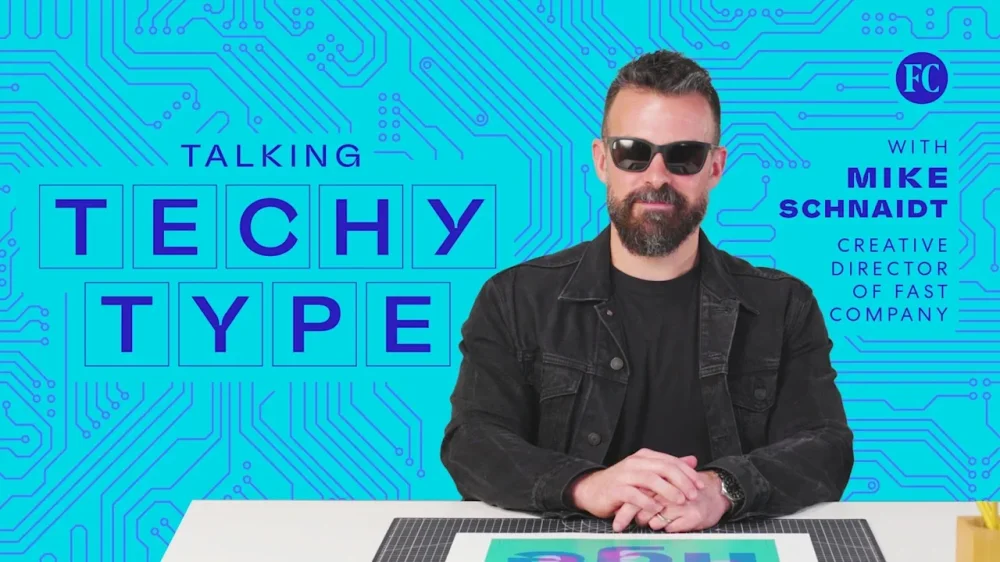
What’s up, type nerds? Fast Company’s latest print issue features some of the brightest minds in AI, and creative director Mike Schnaidt wanted to choose a typeface that looked futuristic. So go pick up a copy now. View the full article
-
Season's greetings and all that. In honor of this most special time of the year, I'm taking a look at commonly held Christmas myths and misconceptions. I busted a ton of Jesus myths a couple weeks ago, then got secular and finally revealed the truth about Santa Claus, so this week I'm doing a round-up of seasonal misinformation, both religious and secular. Religious Christmas mythsJesus was born in a stableThe Gospels aren't specific about where where Jesus was born, other than "Bethlehem." Here's how Luke 2:4–7 is traditionally translated: "And she brought forth her firstborn Son, and wrapped Him in swaddling cloths, and laid Him in a manger, because there was no room for them in the inn." But that isn't entirely accurate, because it turns out Greek word καταλυμα (kataluma) doesn't mean "inn." It means something closer to "spare room," and since the holy family was in Bethlehem because it was where Joseph was from, it seems more likely that they were crashing at a friend or relative's place, all the bedrooms upstairs were taken, so they were sleeping downstairs, where people kept the animals—hence, the manger. The stable idea likely stuck because it’s visually simple and works well for nativity scenes, and it's in keeping with the point of the story: Jesus was born in humble circumstance. Three wise men attended Jesus' birthThe Gospel of Matthew says King Herod told an unspecified number of "wise men" (or Magi) to go to Bethlehem, because a star appeared heralding the birth of the Messiah. So they went off to find him to bring him gifts. We don't know how many of said wise men went to Bethlehem or how long it took them to get there, but Matthew 2:11 says they visited a house. The Bible does say they brought gold, frankincense and myrrh, so at least that part is right. Calling it "Xmas" is attempting to cross the "Christ" out of "Christmas"This is a weird one, but a lot of Christians think the use of "Xmas" is part of the ongoing secular War on Christmas, but it isn't. In the Greek New Testament, the word for Christ is "ΧΡΙΣΤΟΣ." Using XP or X to indicate Christ dates back to early Christians writing in Greek, and it was used in English writing, too. Something like Xmas (Xp̄es mæsse) was written as early as 1100 a.d. to indicate "Christ's Mass" or Christmas. That was centuries before secular Christmas even existed. Secular Christmas myths"Jingle Bells" is a Christmas song"Jingle Bells" is not a Christmas song—technically. Even though it's probably the song most widely associated with the holiday, there's no mention of Christmas in the lyrics. It's just a song about how much fun it is to go a'riding in a one-horse, open sleigh. (Another common misconception about "Jingle Bells" is that it was written for Thanksgiving. That's not true either.) Like a lot of history, "Jingle Bells" is more troubling than you might think. It was written by James Pierpont and first performed at a minstrel show in 1857. Sleigh riding is a great subject for songs, so there was a whole subgenre of minstrel songs about it, some more racist than others, and "Jingle Bells" is the one that survived. Other Christmas songs that don't mention the holiday include "Let It Snow," "Winter Wonderland," "Baby, It's Cold Outside," "The Most Wonderful Time of the Year," "Home for the Holidays," and "Frosty the Snowman." Technically, none of these are Christmas songs if you use the most strict definition of "Christmas song," but on the other hand, they're songs everyone sings around Christmas, and they're generally about winter fun and holidays and whatnot, so there's a strong argument that they actually are Christmas songs. It's the kind of thing you can decide for yourself. Boxing Day is for boxing up gifts you're going to returnDecember 26 is called "Boxing Day," and a lot of people think it got the name because that's the day we box up presents we don't want and return them to the store. But the holiday originated in England and it was a day that rich people would give their servants the day off and a box of presents, and/or just give some presents or donations to local unfortunates. Mrs. Claus' first nameWe know Mr. Claus' first name is "Santa," but what about his wife? It turns out she doesn't have a first name. Santa's source material, St. Nicolas, was a Catholic bishop, so he didn't have a wife. The collective unconscious filled in the details of Santa Claus as a mythical figure (The North Pole home, the worker elves, etc.) but no one ever gave Mrs. Claus a name that stuck. Here are a few attempts, though: in 1985 film Santa Claus: The Movie Mrs. Claus is named "Anya." She's called "Margaret" in the 2011 movie Arthur Christmas. She's named "Carol" in the Santa Clause movies (but in that mythology, she will be replaced when she dies). These are all one-offs, but there's one Mrs. Claus name that has a few data points backing it up: Jessica. Reportedly, the creators of the 1970's stop-motion film Santa Claus is Comin' to Town called Mrs. Claus' character "Jessica," although she's not referred to as that in the movie. Ryan Reynolds called Mrs. Claus "Jessica" on Instagram. Most importantly, this random little girl in 1974 said Mrs. Claus' name is Jessica, so I'm going with that one. View the full article
-
Tribunal decision is blow to French football club after it was sued by former star player over alleged unpaid wages and bonuses View the full article
-
Chromecasts were one of the most useful little gadgets that Google ever made, so of course it decided to ditch the product line. The Google Cast functionality lives on in the Google TV Streamer and Google TV devices and televisions, but sadly we won't see another Chromecast go on sale. If you've got an older Chromecast hanging around, it'll still work fine for now. However, you might soon be moving on to a newer streaming device—or perhaps you already have—and that's left you wondering what to do with your older hardware. In fact, these small dongles are more versatile than you might have realized. While streaming content from the likes of Netflix and Apple TV is going to be the primary use for these devices for most people, you can do plenty more with them—thanks to the casting support that Google and other developers have built into their apps. Keep an eye on your propertyIf you've got a Chromecast-compatible security camera (including Google's Nest Cams), you can see a live feed on your Chromecast, making it easy to set up a mini security monitoring center if you have a smaller monitor or television somewhere to spare. Getting the feed up on screen is as easy as saying "hey Google, show my..." followed by the camera name (as listed in the Google Home app). On the Chromecast with Google TV, you can also open the Google Home widget that appears on the main Settings pane. Set up a second screen wirelessly You can cast anything from a Chrome tab. Credit: Lifehacker Something else you can throw to a Chromecast in seconds: any tab you happen to have open in Google Chrome on your laptop or desktop. Just click the three dots in the top right corner of the tab, then choose Cast, Save and Share > Cast. This means you can use the monitor or TV that your Chromecast is hooked up to as a second screen, with no cables required—just a wifi network. Stream music, podcasts, and audiobooksWhen it comes to slinging content to your TV screen, you're going to think about movies and shows first and foremost, but the Google Cast standard works with audio apps as well—including the likes of Spotify, Pocket Casts, and Audible. This is especially worth looking into if you've got a soundbar or a high-end speaker system connected to your television, because it means you can enjoy your audio streams at a much higher volume and a much higher level of quality, compared to your phone. Play some simple gamesThis one needs a Chromecast with local storage installed, so I'm primarily talking about the Chromecast with Google TV. That device supports local apps, which means it also lets you set up games to play with the remote or a connected Bluetooth controller. See what you can find by browsing the Google Play Store, but Super Macro 64 showcases 25 different titles you can play easily, while the folks at XDA Developers have put together a full guide to creating a retro game emulator with the help of RetroArch. Display photos and wallpapers Your Chromecast can display photos and even artwork. Credit: Lifehacker Chromecasts work great as a way to add some ambience to a room when you're not actually watching something on a TV or monitor. You can show your own personal pictures, or a selection of nature shots, or pretty much anything you want. Either cast via Google Photos (open an album, tap the three dots in the top right corner, then Cast), or set up a screensaver through the Google Home app. Select your Chromecast, tap the gear icon (top right), then choose Ambient mode. Keep in touchTrying to hold video calls—whether with family over the holidays or colleagues during a meeting—isn't always easy on a phone screen or even a laptop screen, so why not take advantage of a larger monitor or TV with a Chromecast plugged into it? For this to work you need to be using Google Meet in a web browser on a computer. You can either choose the "cast this meeting" option before it starts, or click the three dots during the meeting (Google has full instructions online). View the full article
-
The Powerball jackpot has grown to an estimated $1.25 billion for Wednesday night’s drawing after lottery officials said no ticket matched all six numbers drawn Monday night. The U.S. has seen more than a dozen lottery jackpot prizes exceed $1 billion since 2016. Here is a look at the largest U.S. jackpots won and the places where the winning tickets were sold: $2.04 billion, Powerball, Nov. 7, 2022. The winning ticket was sold at a Los Angeles-area gas station. $1.787 billion, Powerball, Sept. 6, 2025. The winning tickets were sold in Missouri and Texas. $1.765 billion, Powerball, Oct. 11, 2023. The winning ticket was sold at a liquor store in a tiny California mountain town. $1.602 billion, Mega Millions, Aug. 8, 2023. The winning ticket was sold at a supermarket in Neptune Beach, Florida. $1.586 billion, Powerball, Jan. 13, 2016. The winning tickets were sold at a Los Angeles-area convenience store, a Florida supermarket and a Tennessee grocery store. $1.537 billion, Mega Millions, Oct. 23, 2018. The winning ticket was sold at a South Carolina convenience store. $1.348 billion, Mega Millions, Jan. 13, 2023. The winning ticket was sold at a Maine gas station. $1.337 billion, Mega Millions, July 29, 2022. The winning ticket was sold at a Chicago-area gas station. $1.326 billion, Powerball, April 7, 2024. The winning ticket was sold at an Oregon convenience store. $1.269 billion, Mega Millions, Dec. 27, 2024. The winning ticket was sold at a gas station in Northern California. —Associated Press View the full article

-
Adobe has unveiled significant updates to its AI video creation tool, Adobe Firefly, aimed at enhancing the creative capabilities for small business owners. With new tools and features, Firefly is set to streamline video production, making it more efficient and user-friendly. The latest updates include precise editing capabilities and improved camera motion control, enabling users to make targeted adjustments to their video content without starting from scratch. For instance, if a clip of a coffee shop features an unwanted object, users can now simply issue commands like “remove the person on the left side of the frame” to refine the existing footage. This functionality is especially beneficial for small business owners who often lack extensive resources for video editing. It saves time and effort, allowing them to focus on crafting their narrative rather than getting bogged down in technical details. Additionally, Firefly introduces a camera motion reference workflow, enabling users to upload an initial frame alongside a reference video to replicate desired camera movements. This feature is designed to create cinematic effects that can enhance the visual storytelling of promotional materials or social media content, ultimately helping small businesses elevate their brand presence. Moreover, the integration of Topaz Astra into Firefly Boards allows users to upscale existing footage to 1080p or 4K resolution. This means that even lower-quality clips can be transformed into sharp, clear videos suitable for platforms like YouTube. The capability to restore older footage can breathe new life into archival brand material, making it relevant and visually appealing for current audiences. With the launch of Firefly video editor in public beta, small business owners can combine generated clips, music, and their own footage into polished final products directly in their browser. The editor supports both timeline and text-based editing, catering to various production styles. This flexibility is crucial for businesses that need to produce different types of content quickly, from social media posts to professional marketing videos. One of the most attractive aspects of these updates is the promotion for unlimited generations. From now until January 15, customers on specific Firefly plans can create as many images and videos as they want without additional costs. This offers a risk-free opportunity for small business owners to explore the full capabilities of Firefly, which is essential in an era where high-quality content is key to engaging audiences. However, small business owners should consider potential challenges when adopting these new tools. While Firefly significantly simplifies video editing, there may be a learning curve associated with the more advanced features, particularly for those who are not tech-savvy. Additionally, the reliance on AI-generated content can raise concerns around originality and brand authenticity. Business owners must ensure that their use of these tools aligns with their brand identity and resonates with their target audience. As Adobe continues to enhance Firefly, the tool promises to become an invaluable resource for small businesses looking to produce high-quality video content efficiently. The combination of powerful editing capabilities, user-friendly interfaces, and unlimited generation options positions Firefly as a game-changer in the realm of video marketing. With careful consideration of the potential challenges, small business owners can leverage these advancements to further their creative storytelling and ultimately drive engagement with their customers. This article, "Adobe Firefly Unveils Advanced AI Video Tools for Precise Editing and Control" was first published on Small Business Trends View the full article
-
Nonfarm payrolls increased 64,000 in November after declining 105,000 in October, according to Bureau of Labor Statistics data out Tuesday. View the full article

-
We may earn a commission from links on this page. Deal pricing and availability subject to change after time of publication. At just under $1,460 on Amazon right now (down from $1,999.99), the LG 45GX950A-B Ultragear OLED is still a major investment, but a serious one for anyone who cares about pixel density, immersion, and future-proof display tech. LG 45GX950A-B Ultragear OLED Monitor $1,459.93 at Amazon $1,999.99 Save $540.06 Get Deal Get Deal $1,459.93 at Amazon $1,999.99 Save $540.06 You’re looking at a 45-inch ultrawide curved OLED screen with a resolution of 5120 x 2160, which puts it in rare territory. It doesn’t just look good; it’s one of the only displays of this size and shape that offers this much clarity, according to PCMag’s “excellent” review. Compared to more extreme 32:9 panels, its 21:9 aspect ratio feels a little more natural for everyday use and offers more usable vertical space. Whether you’re gaming or multitasking, that extra resolution pays off in clean text, sharper details, and more visible screen real estate. The curved 800R OLED panel of the 45GX950A-B is paired with a 165Hz refresh rate at full resolution and can go up to 330Hz if you drop the resolution down to 1080p. Add in DisplayPort 2.1, two HDMI 2.1 ports, AMD FreeSync Premium Pro and G-Sync compatibility, and this thing is clearly built for performance. Input lag numbers back it up, with sub-10ms results in most tested modes. The monitor also supports multiple display modes depending on your use case, like a 4K 16:9 mode at 37 inches if you're watching movies or need tighter framing. The stand is solid, adjustable, and surprisingly desk-friendly for a monitor this large, and the USB-C port with 90W power delivery is a nice touch for anyone using it with a laptop setup. Still, it’s not a monitor for everyone. The rated brightness is only 275 nits, which means it won’t pop in sunlit rooms the way some Mini LED or IPS panels do. And while it does have internal speakers with a bit of bass, they’re not loud enough to carry a room—headphones are still the way to go. But if you’ve got the desk space, GPU power, and budget, the 45GX950A-B might be the best way to go big without going full TV. Our Best Editor-Vetted Tech Deals Right Now Apple AirPods Pro 3 Noise Cancelling Heart Rate Wireless Earbuds — $219.99 (List Price $249.00) Apple iPad 11" 128GB A16 WiFi Tablet (Blue, 2025) — $299.00 (List Price $349.00) Sony WH-1000XM5 — $248.00 (List Price $399.99) Samsung Galaxy Tab A9+ 10.9" 64GB Wi-Fi Tablet (Graphite) — $149.99 (List Price $219.99) Apple Watch Series 11 [GPS 46mm] Smartwatch with Jet Black Aluminum Case with Black Sport Band - M/L. Sleep Score, Fitness Tracker, Health Monitoring, Always-On Display, Water Resistant — $329.00 (List Price $429.00) Blink Outdoor 4 1080p 3-Camera Kit With Sync Module Core — $74.99 (List Price $189.99) Amazon Fire TV Stick 4K Plus — $29.99 (List Price $49.99) Meta Quest 3 512GB Mixed Reality VR Headset with Controllers — (List Price $499 With Code "QUEST50") Deals are selected by our commerce team View the full article
-
I have a confession to make. For most of my career in creative leadership roles, I have contributed to collaboration overload. I believed that bringing everyone together to swap ideas was the surest path to stronger work. If the room was full and the conversation was flowing, I assumed we were headed in the right direction. And I know I’m not alone. Collaboration overload has crept into creative teams everywhere—shaped by hybrid schedules, the pressure to stay visible when we’re apart, and a steady flow of digital tools like Slack and Teams that keep us connected but can slowly chip away at focus. Creative teams have reached a point where we are spending so much time meeting, messaging, and circling each other’s work that nobody has the space or clarity to actually create. Collaboration overload is not tenable. One reason is that the expectations of the next generation call for an urgent shift in how collaboration happens. Many emerging creatives want room to explore ideas independently, develop a point of view, and contribute something meaningful—not spend their days in back-to-back meetings and endless threads. When collaboration becomes constant, it leaves no space for the kind of personal exploration that builds creative confidence. And as AI takes on more of the administrative and production parts of creative work, the value of human creativity shifts toward originality, taste, and discernment. Those qualities need room. Creatives need autonomy to imagine what AI cannot. Collaboration is nonnegotiable. But so is autonomy. Creative teams thrive when those two forces support each other rather than compete. We need to protect deep, independent thinking while using collaboration to enhance our work. What we’re really trying to restore is a sense of rhythm that alternates between solo thinking, ensemble critique, and restorative rest. How We Reached Collaboration Overload Collaboration overload didn’t happen overnight. It gradually built up as our work patterns evolved and expectations around them shifted. Hybrid work marked a major turning point. Many teams have done an impressive job recreating the natural touchpoints of in-person creative life—quick gut checks, spontaneous critiques, and the energy that comes from simply being around each other’s work. However, hybrid also makes it easy for the pendulum to swing too far. Overcompensating with meetings existed long before virtual work, but now the ability to schedule, ping, or gather a group is almost effortless. In an active studio, “always on” is balanced by the ebb and flow of real human presence; there’s a built-in rhythm that allows people to step away and actually make the work. In hybrid environments, that rhythm can be harder to sense and even more difficult to maintain. Meanwhile, our collaboration tools multiplied. Slack, Teams, Figma, Notion, Miro, Monday—each with real utility, but each adding another stream of communication. When organizations lack clear ways of working with these tools or fail to update those norms as teams evolve, the tools can lead to fragmentation and additional layers of coordination. It’s common for a creative professional to switch between three or four platforms before noon, each buzzing with activity. The tools keep us connected, but without shared habits for using them, they often create more work than clarity. This pressure is even more pronounced in service-driven work, where being responsive is part of the relationship. When clients depend on you, and you depend on each other, it’s easy for the expectation of availability to grow. While quick back-and-forth exchanges can spark a moment of insight, most ideas need a quieter runway to take shape. Cross-disciplinary work added another layer of complexity. Modern creative teams bring together designers, strategists, writers, technologists, and producers—often across time zones. While diversity is a strength, without a clear structure, it can blur boundaries. When everyone can contribute to everything, eventually, everyone does. What begins as good-faith instinct can quickly lead to fatigue. Clear ownership becomes harder to define. And underneath it all lies a cultural belief: Collaboration is inherently good. It’s central to how we see ourselves as a creative organization. It’s part of our culture, our language, our identity. But when something becomes a given, we rarely pause to intentionally shape it. Instead, the instinct becomes “more”—more conversations, more people, more touches. And when collaboration becomes the default mode, the work can lose the focus it needs to move forward. Restoring Creative Rhythm The answer is not less collaboration, but better rhythm. Creative rhythm is the intentional pattern that helps teams move fluidly between independence and interdependence. It’s the cadence that supports both solo brilliance and ensemble performance. And it works because it’s shaped with care, not left to chance. Creative rhythm has three core elements. 1. Protecting Deep, Independent Thinking Every strong project begins with someone going deep. It might be a strategist absorbing context, a designer exploring visual possibilities, or a writer shaping the early throughline of a story. Depth takes time. It takes quiet. And it takes the freedom to try and fail without an audience. Leaders can support this by giving teams dedicated focus time—and making it visibly protected. No meetings. No pings. No expectation of instant replies. Just as important is helping people understand how a project will operate before it begins. Newer hires, freelancers, and younger creatives often benefit from clarity around collaboration style, decision owners, and when to bring ideas into the room. Not all questions need to happen in front of the entire group. Sometimes a quick one-on-one discussion moves the work forward more cleanly and avoids the swirl that happens when something still in progress is put in front of the whole team. Clear ownership models, such as Responsible, Accountable, Consulted, Informed (RACI) or simple “lead/support” distinctions, also reduce the urge for everyone to hover. Ownership creates space. 2. Designing Purposeful Ensemble Moments Not all collaboration is equal. The most meaningful collaboration occurs when the team comes together with purpose. These ensemble moments give the work dimension by exposing it to different perspectives and the healthy tension that fuels creativity. Effective ensemble collaboration is focused, time-bound, and grounded in psychological safety. Teams should feel at ease challenging ideas without risking personal conflict. This kind of task-oriented disagreement increases creativity and results in better outcomes. The point is not harmony. The point is healthy friction that moves the work forward. Leaders can also improve ensemble moments by reducing their frequency but increasing their quality: short, well-run critiques; workshops with a clear objective; sharing sessions that come after deep independent thinking, not before it. Creativity needs both divergence and convergence. Rhythm is what allows them to coexist. 3. Building Periods of Rest and Reset Rest is often an overlooked part of creative rhythm. Creative teams need periods where nothing urgent is expected—moments when minds can wander, connect dots, or simply breathe. Constant coordination drains curiosity. Rest restores it. This is where leaders can model healthier norms: blocking focus days, encouraging asynchronous progress over real-time responses, limiting the number of platforms teams are expected to monitor. Rest isn’t a luxury. It’s a requirement for sustained creative performance. What Creative Rhythm Looks Like in Practice Creative rhythm represents a shared understanding of how a team works together. In practice, it looks like: Project phases that intentionally make room for independent development before bringing the group together to synthesize and refine Designated owners who drive work forward without constant supervision Clear checkpoints that prevent unnecessary consensus Critiques that foster momentum rather than hinder it Fewer meetings, conducted with greater purpose and clearer outcomes A culture that values autonomy as much as alignment When teams work in sync, they don’t constantly switch mental modes. They have time to reflect and room to breathe. Ensemble moments feel invigorating because they’re not constant. Guarding the Conditions for Creativity Over the past few years, I’ve learned that part of my role is to protect people’s creative focus with as much care as I guide the work itself. I still believe in collaboration. I always will. However, I’ve come to recognize the need for curated collaboration, the kind that brings the right people together at the right moment, not everyone at every moment. I believe in stepping back as much as stepping in. And I believe that helping people protect their alone time is one of the most important things a creative leader can do. View the full article

-
Jobless level for November indicates weakening labour marketView the full article
-
US president’s $10bn lawsuit over ‘Panorama’ documentary is branded ‘extravagant’ but adds to pressure on UK broadcasterView the full article
-
A business plan serves several key objectives that are vital for your success. It outlines a strategic roadmap that guides your organization toward long-term goals and improves decision-making. By conducting market analysis and evaluating risks, you can identify opportunities and challenges. Furthermore, a well-structured plan helps secure funding by clearly presenting your vision to potential investors. Comprehending these objectives can greatly enhance your business’s adaptability and performance, but what specific elements should you focus on to achieve these goals? Key Takeaways Serves as a roadmap for achieving long-term goals, guiding business direction and strategy. Enhances decision-making and resource allocation by aligning team efforts with strategic objectives. Essential for securing funding, as investors prioritize the quality of business plans. Facilitates tracking progress and evaluating success through regular updates and reviews. Promotes accountability within the team by clearly defining roles and expectations. Understanding the Importance of a Business Plan When you consider starting or broadening a business, grasping the importance of a business plan is imperative. The purpose of a business plan is to serve as a roadmap, outlining your objectives and strategies to achieve long-term goals. By clearly defining these objectives, you augment strategic planning and decision-making. A well-crafted business plan is fundamental for securing funding, as 36% of investors prioritize its quality when making investment decisions. Regular updates to your plan can boost organizational performance, aligning your team’s efforts toward shared goals. Furthermore, incorporating market analysis helps you identify opportunities and threats, allowing your business to adapt and stay competitive. Overall, a thorough business plan is crucial for tracking progress and evaluating success. Vision and Mission Statements Vision and mission statements play an essential role in defining your organization’s core purpose and guiding its direction. A well-crafted vision statement outlines your long-term aspirations, whereas a clear mission statement details what you do and who you serve. Together, these statements align your team’s efforts and clarify your business objectives, ensuring everyone is working in the same direction. Defining Core Purpose Establishing a strong core purpose through vision and mission statements is essential for any business aiming to succeed in today’s competitive environment. A vision statement outlines your long-term aspirations, inspiring stakeholders with a clear picture of the future you seek. Conversely, a mission statement defines your core purpose, detailing your primary objectives and the value you provide to customers. To effectively craft these statements, consider the following: Verify they’re concise and memorable. Align them with your company’s values and objectives. Use them as a guide for decision-making and strategy. Regularly revisit and update them to stay relevant in a changing market. Guiding Organizational Direction Crafting effective vision and mission statements is vital for guiding organizational direction, as these elements serve as the foundation for strategic planning and decision-making. Vision statements outline long-term aspirations, illustrating what success looks like in the future. Conversely, mission statements define your core purpose, detailing primary objectives and target audiences. Both should be concise, memorable, and reflect your company’s values to resonate with employees and customers. Organizations that periodically update these statements can adapt to changing market conditions, ensuring sustained growth. Here’s a quick overview: Vision Statement Mission Statement Long-term aspirations Core purpose Guides strategic decisions Outlines primary objectives Inspires employees Aligns stakeholders Reflects company values Delivers value Setting Clear Goals and Objectives When you set clear goals and objectives, you create a roadmap that aligns your efforts with the company’s mission and vision, ensuring everyone is working toward common targets. It’s essential to make these goals SMART—specific, measurable, attainable, relevant, and time-bound. Well-defined objectives guide decision-making and resource allocation, prioritizing efforts that yield significant impacts on performance. Consider using a balanced scorecard approach to track diverse measures of success. Improve customer satisfaction metrics Optimize internal processes for efficiency Monitor financial performance regularly Adjust goals based on market changes Regularly reviewing and adjusting these goals keeps your business aligned with evolving market conditions and organizational priorities, promoting continuous improvement and growth. Market Analysis and Target Audience To effectively navigate the competitive environment of your industry, conducting a thorough market analysis is crucial. This analysis helps you identify the overall industry size, growth potential, and volatility, providing a clearer picture of the market terrain. A SWOT analysis can highlight key strengths, weaknesses, opportunities, and threats, guiding your strategic decisions. Comprehending customer demographics, such as age and income, allows you to tailor products and marketing strategies to meet their specific preferences. Furthermore, analyzing competitor strategies reveals market gaps, informing how to position your offerings. Stay informed about industry trends, like shifts in the direction of sustainability or technological advancements, as these factors can greatly influence consumer behavior and require adjustments in your business strategies. Competitive Analysis and Differentiation In today’s competitive environment, comprehending your rivals is essential for effective market positioning. By analyzing competitors’ strengths, weaknesses, and strategies, you can identify what sets your business apart and develop a unique selling proposition that resonates with your target audience. Regularly evaluating the competition not merely informs your strategic decisions but additionally helps you adapt to market trends and maintain a competitive edge. Market Positioning Strategies Market positioning strategies play a crucial role in determining how your business stands out in a crowded marketplace. By analyzing competitors, you can identify unique aspects that differentiate your offerings. This involves evaluating various factors like: Market share and pricing strategies of rivals Key product features that appeal to customers Levels of customer service provided by competitors Branding strategies that resonate with your target audience Differentiation can stem from innovative product features, exceptional customer service, or distinctive branding. To maintain relevance, you must continuously monitor industry trends and competitor movements. A well-defined market positioning strategy can boost brand awareness by up to 20% and improve customer loyalty, ultimately supporting long-term growth in sales and market presence. Unique Selling Proposition Even though many businesses endeavor to capture market share, having a Unique Selling Proposition (USP) is essential for standing out among competitors. Your USP clearly defines what sets your business apart, highlighting distinct benefits or features that resonate with your target market. Conducting a competitive analysis helps you assess competitors’ strengths and weaknesses, allowing you to pinpoint opportunities for differentiation in your product offerings, pricing, and customer service. Effective differentiation strategies might include innovative product design, improved customer service, or unique marketing approaches customized to specific demographics. Research shows that 69% of consumers prioritize product quality when choosing a brand, accentuating the significance of a strong USP. Businesses with a defined USP can attract and retain customers more effectively, leading to increased market share. Competitor Analysis Techniques Effective competitor analysis techniques are essential for any business aiming to thrive in a competitive environment. By evaluating the strengths and weaknesses of your competitors, you can identify market gaps and opportunities for differentiation. Key techniques include: SWOT Analysis: Evaluating strengths, weaknesses, opportunities, and threats. Porter’s Five Forces: Analyzing competitive rivalry, threats of new entrants, and bargaining influence. Regular Monitoring: Keeping an eye on competitors’ pricing, marketing strategies, and product offerings. Benchmarking: Comparing against industry standards and competitor performance metrics. Utilizing these techniques allows you to refine your strategies, implement effective differentiation approaches, and maintain a competitive edge. Marketing Strategy and Tactics Developing a robust marketing strategy and tactics is essential for any business aiming to thrive in a competitive environment. Start by identifying your target market, including demographics, preferences, and behaviors, to tailor your messaging effectively and boost engagement. Conduct thorough competitor analysis to understand their strengths and weaknesses, enabling you to spot market gaps for growth. Utilize multiple promotion channels like social media, email marketing, and traditional advertising, as you set clear metrics to measure each channel’s effectiveness. Establish success metrics such as conversion rates and customer acquisition costs to evaluate your marketing impact. Finally, focus on building customer loyalty through personalized experiences and loyalty programs, as retaining existing customers is often more cost-effective than acquiring new ones. Financial Projections and Budgeting When you create financial projections and budgets, you’re laying the groundwork for your business’s financial health and sustainability. Financial projections typically include income statements, cash flow statements, and balance sheets that forecast revenues and expenses over three to five years. A well-structured budget guarantees that every department understands its financial limitations as it works toward business goals. You should regularly review and adjust your budgets based on actual performance to adapt to market changes. Realistic assumptions about market trends and historical data improve the credibility of your projections and can attract investors. Forecast revenues, expenses, and profits. Allocate resources effectively across departments. Regularly review budgets against performance. Use realistic assumptions for credibility. Operational Plan and Resource Allocation An effective operational plan outlines how you’ll distribute resources to achieve your business goals. By implementing resource distribution strategies, you can improve operational efficiency and control costs, ensuring that every dollar spent contributes to your objectives. Moreover, monitoring key metrics allows you to track progress and make necessary adjustments as market conditions change. Resource Distribution Strategies Resource distribution strategies play a crucial role in an operational plan, ensuring that your business’s personnel, equipment, and finances are allocated efficiently. A well-defined operational plan outlines specific methods for resource allocation that align with your strategic goals. By implementing effective strategies, you can greatly optimize productivity and minimize waste. Allocate resources through budgeting, scheduling, and task assignments. Use tools like Gantt charts and project management software for real-time tracking. Conduct regular reviews of your resource allocation for increased adaptability. Aim for a potential 20% reduction in operational costs by focusing resources on impactful areas. These practices support long-term sustainability and growth, allowing your business to respond effectively to market changes and internal challenges. Operational Efficiency Metrics Achieving operational efficiency is essential for businesses aiming to improve productivity and reduce costs. By utilizing operational efficiency metrics, you can assess and optimize resource allocation, minimizing waste as well as maximizing productivity. Key performance indicators (KPIs) like cycle time, throughput, and utilization rates offer quantifiable measures to track your operational performance against set objectives. Regular analysis of these metrics can reveal insights that inform strategic decisions, leading to process improvements and cost reduction initiatives. Embracing technology, such as automated reporting tools, allows you to gather real-time data on efficiency, enabling swift adjustments to resources when needed. Moreover, benchmarking your metrics against industry standards helps identify areas for improvement, driving competitive advantage in resource management and overall operational effectiveness. Budgeting and Cost Control Budgeting and cost control are crucial for any business aiming to utilize its resources effectively during pursuing growth and profitability. Effective budgeting involves forecasting revenues and expenses, helping you set realistic financial targets and monitor your performance. By analyzing cash flow statements, you can identify overspending and adjust allocations accordingly. Implementing cost control measures can include: Aiming for a 10% reduction in operational expenses annually. Regularly reviewing budget and spending patterns. Directing funds towards high-impact projects. Ensuring resource allocation aligns with business objectives. These strategies not only maintain financial health but also contribute to your company’s long-term growth and sustainability. Risk Assessment and Mitigation Strategies When you develop a business plan, conducting a thorough risk assessment is vital to identifying potential challenges that could impact your operations. This assessment should cover financial, operational, market, and compliance risks. Once you’ve identified these risks, you need to outline mitigation strategies to minimize them. For instance, diversifying suppliers can reduce dependency on a single source, whereas implementing robust cybersecurity measures protects your data. Regularly updating your risk assessment is significant, as 60% of companies report encountering substantial unexpected risks in recent years. Adopting a risk management framework, like ISO 31000, provides a structured approach to managing risks effectively. Engaging stakeholders in this process promotes transparency and nurtures a culture of risk awareness, enhancing decision-making and organizational resilience. Monitoring and Evaluation Framework A well-structured monitoring and evaluation framework is crucial for tracking your business’s progress in the direction of its objectives. This framework establishes clear performance indicators, allowing you to assess your strategies effectively and efficiently. Regular data collection and analysis help you make timely adjustments based on performance metrics. Make certain your framework aligns with SMART criteria, making your objectives realistic and achievable. Define specific performance indicators. Collect and analyze data regularly. Incorporate stakeholder feedback for transparency. Report key performance indicators (KPIs) consistently. Creating a Roadmap for Implementation Creating a roadmap for implementation is essential for translating your business plan into actionable steps that drive progress. A well-structured roadmap aligns your strategic objectives with specific, measurable, achievable, relevant, and time-bound (SMART) goals. This guarantees everyone on your team understands their roles in daily operations. Regularly reviewing the roadmap helps you identify areas needing improvement, allowing you to adjust to changing market conditions and priorities. Furthermore, incorporating performance metrics and key performance indicators (KPIs) enables ongoing assessment of how well you’re meeting your objectives. This structured approach not only keeps your business on track for success but also promotes accountability within your team. By clearly defining these elements, you create a clear path toward achieving your long-term goals. Communicating the Business Plan to Stakeholders Effectively communicating your business plan to stakeholders is crucial for ensuring everyone is on the same page regarding the company’s vision and objectives. A well-structured plan promotes alignment and collaboration, helping stakeholders grasp your goals. Regular updates and presentations maintain transparency and accountability, enabling necessary adjustments based on performance metrics and market conditions. To improve comprehension and retention, consider these strategies: Use visual aids like charts and graphs during presentations. Engage stakeholders in the planning process for valuable feedback. Clearly outline your company’s objectives and strategies. Schedule regular follow-ups to discuss progress and changes. Frequently Asked Questions What Is the Key Objective of a Business Plan? The key objective of a business plan is to provide a structured approach to achieving your company’s goals. It outlines your strategy, helping you identify target markets and financial needs. What Are the 5 Main Business Objectives? The five main business objectives include financial objectives, which focus on revenue growth and profit margins; customer-centric objectives aimed at enhancing satisfaction and market share; internal business objectives that improve employee engagement and culture; quality control objectives ensuring products meet standards; and growth objectives targeting sustainable expansion into new markets or product lines. Each objective plays a critical role in driving overall business success and maintaining competitiveness in the market. What Are the 7 Key Elements of a Business Plan? The seven key elements of a business plan include the Executive Summary, which summarizes your business; the Company Overview, detailing its history and leadership; the Products or Services section, describing offerings; Market Analysis, evaluating industry and competition; Marketing Strategy, outlining target demographics and promotional channels; Operations Plan, explaining day-to-day management; and Financial Projections, forecasting revenues and expenses. Each element plays a vital role in presenting a thorough view of your business. What Are the 5 Smart Objectives for a Business? To establish effective SMART objectives for your business, consider these five examples. First, aim to increase online sales by 25% in six months through targeted marketing. Second, reduce operational costs by 10% by the fiscal year’s end. Third, achieve a 90% customer satisfaction rating in quarterly surveys over the next year. Fourth, hire two new sales representatives within three months. Finally, launch a new product line by the end of the year. Conclusion In conclusion, a well-structured business plan is crucial for guiding your organization toward its long-term goals. It clarifies your vision, sets measurable objectives, and analyzes the market and competition. By evaluating risks and establishing a monitoring framework, you can adapt to changes effectively. Communicating this plan to stakeholders guarantees alignment and accountability, in the end increasing your chances of securing funding and achieving success. Regular updates to the plan will further improve your business’s performance and resilience. Image via Google Gemini This article, "Key Objectives of a Business Plan" was first published on Small Business Trends View the full article
-
We may earn a commission from links on this page. When you think of “power hour,” you might think of a drinking game, but what we’re about to discuss is kind of the opposite of that—sorry! "Power Hour" is also a specific productivity hack. It comes from Adrienne Herbert’s book, Power Hour: How to Focus on Your Goals and Create a Life You Love and asks you to devote an hour a day to working hard on your biggest task—or the thing you care about the most. I'm skeptical of self-help and productivity books in general, but I do recommend this one because its insights are valuable and novel. Don't have time to read it right now? No big deal. The need-to-know concepts are below. What is a "Power Hour"?At its core, the Power Hour is about reclaiming part of your daily time and devoting it to something intentional. The author uses flowery language here, saying you should do this in the first hour of your day “before the rest of the world needs your love, attention, and energy,” and suggests using the Power Hour for a task that is meaningful to you. You can adapt it, however, to be for productivity, even on tasks that are more necessary and boring than your passion projects. I am not a particularly saccharine person, so I don't relate to all this stuff about the world needing my "love," but I have found that since I started devoting the first hour of my day to something that matters to me—namely, a strictly scheduled Pilates class that benefits my personal fitness and lifestyle goals, undertaken before my friends are even awake—I have become more productive and, generally, happier. In my experience, this idea works. Herbert suggests using the first hour of the day for this, but you can also use a time of day that makes most sense for you. Everyone is different and has different “peaks” of productivity, largely determined by the time of day and something called the Yerkes-Dodson Law, which shows that you’re likely to be most productive when you have a little stress (like a deadline) but not too much (like a deadline that’s in 15 minutes). Use time tracking software and a daily journal to figure out when you generally have your most productive moments, then shape your Power Hour around those. For the most part, this is a habit you should try to build and stick to, so putting the Power Hour at a predetermined time every day is advisable; but if something like a big project crops up, you have some wiggle room to move it around to suit your needs. To keep using myself as an example, my morning workout Power Hour works because I book my class two days in advance, so there is no question about whether or not I have to wake up at 5 a.m. that day; I simply do. But it can still be a little flexible as long as you are committed to getting the Power Hour in there somewhere on days your typical approach falls short. This weekend, something came up that forced me to cancel my morning class, but you better believe I was in there in the afternoon because I know this method works and I owed it to myself. That mindset will take you far with this. How to use a Power Hour for productivityOnce you’ve decided where in your day the Power Hour should go, it’s time to get started. You’ll be engaging in deep work here, or uninterrupted work that is solely focused on one task. Your first step to getting there is to block the Power Hour off in a way that both holds you accountable and lets other people know you’re busy. Be sure to mark it in your calendar and stick to it, but also try to include it on public-facing calendars, whether they’re ones you use with your family or with your colleagues. Next, you have to get into the deep work, which means focusing for a straight hour. A few things can help you do this: Software that limits distractions, like Steppin, which blocks pre-determined apps at all times but unblocks them in exchange for banked time you earn by walking around in the real world, or Focus Pomo, which blocks all your apps when you're in a "focus session." A Pomodoro-style timer to count down the hour so you aren’t watching the clock. (Just make sure it has a full 60-minute option; some of them don’t.) Or, do what I do and engage in your chosen task in a way that makes it impossible to do anything else. When I am in my morning workout classes, I can't touch my phone or do anything but focus on what I'm being instructed to do; it's just one of the many reasons I've opted for group fitness over solo gym trips lately. If your Power Hour is dedicated to reading, put your devices in another room while you do it. Take meaningful steps to ensure you are only focused on your task, whatever that looks like for you. Depending on how you usually work, a Power Hour could take some time to get used to, especially if you’re someone who usually multitasks or loses focus. Once you get the hang of it, though, you can use it to blast through all kinds of tasks, whether those include work-related activities, cleaning your house, budgeting, or anything else you lack the time and attention to pull off in a typical day. Communicating that you’re busy and sticking to the schedule are key, so make sure to plan for this before you try it. View the full article
-
The U.S. job market is sluggish and confusing this fall. American companies are mostly holding onto the employees they have. But they’re reluctant to hire new ones as they struggle to assess how to use artificial intelligence and how to adjust to President Donald The President’s unpredictable policies, especially his double-digit taxes on imports from around the world. The uncertainty leaves jobseekers struggling to find work or even land interviews. Federal Reserve policymakers are divided over whether the labor market needs more help from lower interest rates. Their deliberations are rendered more difficult because official reports on the economy’s health are coming in late and incomplete after a 43-day government shutdown. The Labor Department is expected to provide at least a little clarity when it releases November numbers on hiring and unemployment Tuesday, 11 days late. Forecasters surveyed by the data firm FactSet expect that employers added an unimpressive 40,000 jobs last month and that unemployment stayed at 4.4%, unchanged from the last rate published – for September. Hiring has clearly lost momentum, hobbled by uncertainty over The President’s tariffs and the lingering effects of the high interest rates the Fed engineered in 2022 and 2023 to rein in an outburst of inflation. Labor Department revisions in September showed that the economy created 911,000 fewer jobs than originally reported in the year that ended in March. That meant that employers added an average of just 71,000 new jobs a month over that period, not the 147,000 first reported. Since March, job creation has fallen farther — to an average 59,000 a month. During the 2021-2023 hiring boom that followed COVID-19 lockdowns, by contrast, the economy was creating an average of 400,000 jobs a month. The unemployment rate, though still modest by historical standards, has risen since bottoming out at a 54-year low of 3.4% in April 2023. Adding to the uncertainty is the growing use of artificial intelligence and other technologies that can reduce demand for workers. “We’ve seen a lot of the businesses that we support are stuck in that stagnant mode: ‘Are we going to hire or are we not? What can we automate? What do we need the human touch with?”’ said Matt Hobbie, vice president of the staffing firm HealthSkil in Allentown, Pennsylvania. “We’re in Lehigh Valley, which is a big transportation hub in eastern Pennsylvania. We’ve seen some cooling in the logistics and transportation markets, specifically because we’ve seen automation in those sectors, robotics.” Worries about the job market were enough to nudge the Fed into cutting its benchmark interest rate by a quarter of a percentage point last week for the third time this year. But three Fed officials refused to go along with the move, the most dissents in six years. Some Fed officials are balking at further cuts while inflation remains above the central bank’s 2% target. Two voted to keep the rate unchanged. (Stephen Miran, appointed by The President to the Fed’s governing board in September, voted for a bigger cut – in line with what the president demands.) Fed Chair Jerome Powell warned after last week’s rate cut that the job market is even weaker than it appeared. Government data show that the economy has added less than 40,000 jobs a month since April. But even that overstates the pace of hiring, Powell said. He suspects that revisions could reduce payrolls by as much as 60,000 a month, which would mean employers haven’t been adding jobs at all; instead, they’ve been cutting 20,000 a month since the spring. “It’s a labor market that seems to have significant downside risks,” Powell told reporters. Because of the government shutdown, the Labor Department did not release its jobs reports for September, October and November on time. It finally put out the September jobs report on Nov. 20, seven weeks late. It will publish some of the October data – including a count of the jobs created that month by businesses, nonprofits and government agencies – along with the November report Tuesday. But it will not release an unemployment rate for October because it could not calculate the number during the shutdown. The October numbers are expected to show a big drop in U.S. government jobs, reflecting the delayed impact of billionaire Elon Musk’s purge of the federal workforce as the head of the Department of Government Efficiency, or DOGE. Analysts at Evercore ISI, a research outfit, noted in a commentary last week that about 150,000 federal workers agreed to take a buyout under pressure from DOGE – and that 100,000 likely left the government when the 2025 fiscal year ended on Sept. 30, pushing down October payrolls. The remaining 50,000 stayed on for the rest of the calendar year and their departures will likely show up in the January 2026 jobs report. —Paul Wiseman, AP Economics Writer View the full article

-
The Mozilla Corporation, maker of the popular Firefox web browser, has announced the appointment of a new CEO Anthony Enzor-DeMeo, general manager of Firefox, will become top boss at a time when Mozilla is trying to rebrand itself as “the world’s most trusted software company.” Here’s why and what you need to know about Mozilla’s new CEO. Who is Anthony Enzor-DeMeo? As of today, Anthony Enzor-DeMeo is Mozilla Corporation’s new chief executive officer. However, while his position may be new, his involvement with Mozilla is not. Enzor-DeMeo was previously the general manager of Firefox, which is Mozilla’s most well-known product. Under Enzor-DeMeo’s management, the Firefox browser saw double-digit growth on mobile over the past two years, the company revealed in a press release. It also added AI features, including “Shake to Summarize,” which lets an iPhone user simply shake their device to get Firefox to summarize a web page. More recently, under Enzor-DeMeo’s management, the browser also added “AI window,” an opt-in in-browser AI assistant. Prior to joining Mozilla, Enzor-DeMeo was the chief product and technology officer at the fintech company Roofstock. Enzor-DeMeo replaces Laura Chambers, who served as Mozilla’s interim CEO for the past two years. Chambers will stay on at Mozilla, returning to her role on the board of directors. Announcing Enzor-DeMeo’s promotion to CEO, Mozilla president Mark Surman said, “Anthony understands that trust is more than a brand promise, it’s something you earn through how products are built, how data is handled, and how clearly users understand what’s happening. That’s the future we’re building toward.” Trust in the AI era Indeed, “trust” in a world of AI seems to be the main name of the game at Mozilla under Enzor-DeMeo’s leadership. “The browser is AI’s next battleground,” he said in a statement. “It’s where people live their online lives and where the next era’s questions of trust, data use, and transparency will be decided.” He added that users “want software that feels modern and helpful, but also honest about what it does.” In a blog post, Enzor-DeMeo said that under his leadership, Mozilla will work on “becoming the trusted software company” in an era where many are losing trust in Big Tech companies due to their opaque policies around AI. Mozilla, Enzor-DeMeo says, will accomplish this by giving users agency in every product the company builds. “Privacy, data use, and AI must be clear and understandable,” he said. “Controls must be simple. AI should always be a choice—something people can easily turn off.” In addition to building trust, Enzor-DeMeo says another goal of Mozilla is to grow Firefox from a browser to “a broader ecosystem of trusted software.” According to November 2025 data from Statcounter, Firefox is currently in fourth place in the global browser market share rankings. Google’s Chrome leads the way with more than 71% market share, followed by Apple’s Safari at above 14%. Microsoft Edge comes in third place at just below 5% market share, and Mozilla’s Firefox comes in fourth place with 2.3% global market share. View the full article

-
We may earn a commission from links on this page. You hear people talk about working in a “flow state,” but what does that even mean? before you start thinking of it as one of those corporate jargon phrases that gets tossed around so much it loses any meaning it ever had, it's worth knowing that it's a "real" thing, backed up by a whole lot of psychological research. In essence, being in a flow state enables you to work more efficiently and effectively at whatever you're focused on. What is flow theory?Psychologist Mihály Csíkszentmihályi came up with this theory in 1970, suggesting a flow state is similar to when someone is floating along, being carried by water: Their brains are working so efficiently they’re moving straight ahead on a task with no issues, almost as if they are being propelled forward. He spent his time interviewing artists and athletes at the top of their game to understand when and how they performed optimally—and how everyday people can tap into a “flow” state, too. He wrote several books on the topic, but for our purposes here, you don't need to ingest all of them. What's most important is to understand the eight main traits of flow theory. The basics of flow theoryCsíkszentmihályi’s work ultimately describes eight clear characteristics of being in flow: You’re completely concentrated on your task. You have clarity around goals in your mind and can get immediate feedback. Time feels like it's transforming, either speeding up or slowing down. The work is intrinsically rewarding. There is a sense of effortlessness or ease. The work is challenging, but you have the skills for it. You are not self-conscious; actions and awareness are working together. You feel you have control over the task. This may remind you of the concept of “deep work,” which is author/professor Cal Newport’s definition of doing demanding tasks when you’re fully engrossed in them and not distracted. The two concepts are similar, but to achieve either, there are a few things you need to do. It’s clear from the list of flow characteristics above that mastery and resources play a big role in whether you'll feel you’re in a flow state when you're working. Obviously you’ll likely only hit this state if you’re doing something you’re completely prepared for, so don’t aim for it if you’re going to be doing something that requires contributions from other people, resources you don’t have, or skills you don’t possess. You can be ripped from it quickly if, say, you're waiting around for a colleague to email you something you need for the project, which can destabilize your whole day. (For a better understanding of that, it's worth familiarizing yourself with the difference between downtime and idle time.) When you are trying to hit a flow state, plan around when you need to do a major, demanding task. For instance, when planning your 1-3-5 to-do list for the day, your one big task should be one you’re fully prepared and have all the resources for. Keep Carlson’s Law—the idea that any work you attempt to do while distracted will be suboptimal—in mind, too; you can’t work, let alone flow, if you’re being pulled in multiple directions, so schedule the time you’re going to take on your big task to coincide with a time when you have nothing else going on and can give it your full attention. Use timeboxing to allocate this time in your schedule, minute by minute, and, if you can, make your calendar publicly visible so people in your organization know you’re not available. When I explored adopting this mindset in my own life, I found that my biggest blocker was dealing with distractions, especially from my phone (no surprise there). Almost counterintuitively, I found two apps to be helpful: Steppin, which blocks my access to distracting apps unless I trade time I've banked by walking around in the real world; and Focus Pomo, which blocks all other apps whenever I'm in a "focus session." So, if you’re working hard on something but don’t feel like you’re achieving any kind of flow state, refer back to the list of characteristics to see what’s missing. Are you distracted? Do you not have the option to get immediate feedback? Are you lacking a necessary resource? Is the work too challenging for your skills or maybe even not challenging enough to keep your attention? Identifying which characteristic you’re lacking most will help you fix the problem and get you closer to flowing your way to major productivity. View the full article
-
Weight-loss giant Weight Watchers is relaunching itself for the Ozempic era. Six months after completing a Chapter 11 restructuring, the company is rolling out a revamped app and digital platform, a reimagined digital coaching experience, and a new brand identity. It’s even bringing back its old, two-word name, Weight Watchers. (The company had changed its name to WW in 2018 and later styled itself WeightWatchers.) Weight Watchers’ pitch: Any telehealth company can get you a GLP-1 prescription—including Weight Watchers itself—but Weight Watchers has unique programs to keep you healthy and on track. Those offerings include coaching, fitness classes, and a menopause-care program that launched in September with Queen Latifah as its spokesperson. Weight Watchers has also created a new digital experience that will start rolling out globally on December 26. It includes an AI body scanning feature and what the company calls a Weight Health Score to help members reach a health goal beyond just shedding pounds. “It’s always been obvious to us that we needed to show up differently as Weight Watchers in this next chapter, and that’s how we look, how we feel, how we speak, but also what we offer,” says Tara Comonte, who took over as CEO in September 2024. Comonte, her senior leadership team, and the branding agency which created its new identity tell Fast Company exclusively: How new AI technology lets users focus on more than “a number on the scale” What chief experience officer Julie Rice brought with her from SoulCycle that’s reimagining Weight Watchers’ coaching product Why the cofounders of the creative agency Mrs&Mr sought inspiration from Weight Watchers founder Jean Nidetch What Comonte hopes the rebrand achieves across the company’s product offerings A new era for Weight Watchers Weight Watchers has had a tumultuous couple of years. As GLP-1s began upending the weight loss industry, former CEO Sima Sistani pivoted the company into telehealth and began offering GLP-1 prescriptions. Tara Comonte Following its acquisition of digital health platform Sequence, Weight Watchers launched a service offering virtual access to physicians who can prescribe GLP-1s. Sistani also apologized for the company’s role in toxic diet culture. But Weight Watchers struggled to find its footing in a crowded telehealth market. With the stock trading at less than $1 a share last fall, Comonte was tapped to right the ship. (After serving as interim chief, she was appointed CEO in February 2025.) Comonte, who previously served as CEO of fertility tech company TMRW Life Sciences, oversaw Weight Watchers’ restructuring. The company filed for Chapter 11 protection in May in a prepackaged deal with lenders that helped it reduce its $1.5 billion debt load by more than 70%. Weight Watchers ended the third quarter of this year with 124,000 clinical subscribers, up 60% year over year. Clinical revenue grew 35% to $26 million. At the same time, the company recorded a 20% drop in subscribers to its traditional behavioral and coaching programs, from 3.6 million to 2.9 million people. Revenue for those programs dropped 16% to $145 million. Julie Rice Alongside SoulCycle cofounder Julie Rice, who joined as Weight Watchers chief experience officer in August, Comonte is on mission to drive behavioral subscriptions by communicating Weight Watchers’ larger suite of solutions to consumers who are being bombarded with ads for weight loss medication. Comonte wants to help members piece together a more personalized health journey and persuade GLP-1 users that there’s value in Weight Watchers’ expansive offerings. “It’s been a siloed experience for members, which is often the case when companies make acquisitions. Things kind of get bolted on,” says Comonte. She describes the new member experience as “a very integrated one, where members can access the best of the tools and programming that Weight Watchers offers, whether it’s on medication, off medication, thinking about medication, perimenopausal, or menopausal.” AI body scans and Weight Health Scores Under the rebrand, the company’s dedicated GLP-1 medical program, formerly known as WeightWatchers Clinic, is now called Weight Watchers Med+ and comes with a built-in lifestyle program, GLP-1 Success. The program provides access to coaches and virtual community groups. Members receive nutrition advice, strategies for managing the side effects of medication, and fitness plans to help build muscle even as they shed weight. (GLP-1 Success is also available as a standalone option.) Kim Boyd Under the direction of Chief Medical Officer Kim Boyd, who joined the company in June, Weight Watchers is adding an AI-powered body scanning function to track changes in fat and muscle. “We’ve partnered with a vendor that has really cool new technology that lets us not just look at the number on the scale, but get a much more robust picture,” Boyd says. “[We’re] thinking about body composition, lean muscle mass retention, which is really important in any weight loss journey, but especially when people are on GLP-1 medications.” In addition, Weight Watchers is introducing something it calls Weight Health Score, which draws on body composition as well as things like nutrition, activity, and sleep, using data from connected fitness devices and health apps. (The company has expanded the devices and apps its software can connect with.) This will give members a sense of their progress towards their health goals, along with actionable advice, like getting more sleep or eating certain foods during parts of the menstrual cycle. “With the Weight Health Score, we’re pulling in all of this data from their wearables, from their tracking patterns, from their food choices, and putting it into one metric that lets people know how they are doing with the actions that they take,” Boyd says. Members will also have access to virtual fitness classes through partnerships with Pvolve, a low-impact strength-training company, and the Lifted Method, a program that combines strength training and mindfulness practices. On the digital platform, members will be able to select from three pathways. One, called All-In Mode, is designed to help members lose weight quickly. Lose Mode is most similar to Weight Watchers’ classic program and helps members develop habits that lead to consistent weight loss. Maintain Mode, helps veterans of the first two programs maintain their results and stay connected to other members and their coach. Introducing the Coach Creator Comonte says Weight Watchers is still committed to in-person meetings, which represent the majority of the 20,000 meetings a month that it runs. But the company is expanding its roster of digital programs and coaches. “In many ways, the digital experience can be even more intimate,” says Rice, who oversees the company’s new community offerings. Taking inspiration from her experience scouting instructors at SoulCycle, Rice has identified younger, fresher, social media-savvy personalities to become what she terms Coach Creators for Weight Watchers. Rice joined the company after Weight Watchers acquired Peoplehood, the community wellness platform that she cofounded with Elizabeth Cutler, her SoulCycle cofounder. Peoplehood launched in 2023 with the goal of providing group therapy sessions to help attendees get better at relationships, but soon pivoted to become a support group for users of GLP-1s. Under Rice, Weight Watchers’ new coach-creators lead meetings, as well as offer tips, webinars, and lessons that users can access a la carte. They are also encouraged to post relatable content on social media. One example of a coach-creator is Olivia Ward, who won the 11th season of The Biggest Loser reality TV series in 2011. Ward had been a Weight Watchers member on and off in the ’90s before going on the show. (Growing up, she had also watched her mother attend Weight Watchers meetings.) The Atlanta-based Ward became a SoulCycle instructor before operating her own weight-loss coaching service with her sister. When Rice joined Weight Watchers, she brought both Ward and her sister on. Ward, who has been taking GLP-1 medication for the past three years, regularly shares posts about her life, outfits, and meal prep to her 28,000 followers on Instagram. Ward says she’s ready to bring members into her life. “I don’t ever want a weigh-in in the bathroom, because that feels cliché to me. So I’m going to do group weigh-ins in my closet,” she says. “People are going to see my messy closet, all my stuff hanging out, and we’re going to take a moment to ground ourselves, get on the scale together, and then go into a group discussion.” “The content that I’m hoping to create is something that feels useful, tangible, relatable, and honest,” Ward says. A ‘joyful’ rebrand To refresh its visual identity, Weight Watchers tapped Kate and Daniel Wadia, cofounders of creative agency Mrs&Mr. They leaned into Weight Watchers’ traditional blue color in a bid to appeal to legacy members who may have felt whiplash from the recent series of rebrands. The agency also drew inspiration from the books and marketing materials published by Jean Nidetch, the Queens housewife who founded Weight Watchers in 1963. “She was just a powerhouse,” Daniel Wadia says. One of Mrs&Mr’s big changes was reverting back to an upper-case font for the company. “Weight Watchers had migrated to a lower case font, over the years,” says Daniel. “We love the fact that the origins were in this really proud, slender, tall, unifying upper case font. The simplicity of it just really spoke to us.” Central to the rebrand are campaigns focused on the success stories of existing members—a different approach from hiring a celebrity spokesperson like Oprah to sell memberships. The Wadias worked with photographer Cameron McNee to shoot existing members for its latest campaign. “The art direction is very editorial. It’s clean, it’s pared-back. We wanted to remove any distractions and place full focus on the members, so they could just shine,” Daniel says. The campaign also features stories of members on GLP-1s to reduce the stigma around taking medication. “The brand feels joyful. I hope that people begin to feel more comfortable to say that they are on different types of weight loss journeys, because people are getting healthier and they should feel proud of it,” Daniel says. Beyond prescriptions Getting clinical members to take advantage of the company’s community and coaching offerings is one of the main goals of the rebrand, says Comonte. “While we have people cross-pollinating across all different parts of the [Weight Watchers] ecosystem, it’s not a huge number today. We’re looking to build it up,” she says. Conveying the scope of this ecosystem is crucial to getting Med+ members to stick with Weight Watchers beyond prescriptions—and key to distinguishing the company from other telehealth providers, like Ro and Hims & Hers. “Weight Watchers has spent six-plus decades building unified programming and a unified platform that is wildly differentiated,” says Comonte. “This is not just another telehealth business, far from it.” View the full article

-
Fund managers most optimistic since 2021 despite worries over tech valuations, Bank of America survey showsView the full article
-
Broadcaster enters negotiations over new 10-year charter amid intensifying competition from online rivalsView the full article