Newsletter
Want to keep up to date with all our latest news and information?


ResidentialBusiness
Administrators
-
Joined
-
Last visited
Everything posted by ResidentialBusiness
-
AI start-up picks law firm Wilson Sonsini for what could be one of the largest public offerings everView the full article
-
US defence secretary defends legality of US attacks on alleged drug smugglers in CaribbeanView the full article
-
In the New Jersey case, MV Realty and its principals agreed to pay $28 million in fines and restitution for these "Homeowner Benefit Agreements." View the full article

-
It was once common practice for medtech companies to fill shelves with devices, each designed to solve a single problem. That approach made sense when innovation was measured by the number of products launched each year. But healthcare has evolved. Hospitals and clinical buyers aren’t looking for more hardware, they’re looking for integrated solutions that connect data, service, and outcomes. A hardware-only mindset simply doesn’t meet the need anymore. Today’s most successful medtech companies deliver a comprehensive experience that integrates five core pillars of innovation: Hardware that forms the clinical foundation Software that connects the experience Data that drives continuous improvement Services that ensure proper use and support, and Logistics that bring everything together at the point of care Together, these pillars create a medtech ecosystem that transforms one-off transactions into end-to-end solutions embedded in care. FIVE PILLARS OF MEDTECH Medicine is changing quickly with the advances of high-tech products and diagnostic tools. For medtech companies to keep up, they need to transition from a clinic-based environment to using digital tools that capture data, improve workflows, and complement real-world, in-person support. The companies that win are those that make the five pillars—hardware, software, data, services, and logistics—operate as one system inside the customer’s workflow. In new markets in particular, it’s not enough to just offer a physical product. For instance, at Paragonix, that means supporting the entire organ transplant process from organ screening to organ recovery to organ transport and eventual delivery for transplant, so teams have everything they need. So rather than selling a single product, we’re supporting the entire workflow. This is where real value in medtech comes to play, and that’s how companies are going to win the market. Winning requires all five pillars to be in place at once. Medtech companies can’t launch hardware and then two years later decide to launch software or logistics. FROM FOOD TRUCK TO FULL SERVICE To disrupt the medtech field, leaders need to be more than visionaries. Leaders who want to win must be willing to contribute rapid, disruptive, and multilayered innovation. They must constantly be thinking about how to take the company to the next level. Food trucks have become a fixture in nearly every city: fast, convenient, and always ready to serve. That spirit inspired us at Paragonix to ask, what if healthcare delivery worked the same way? What if, instead of waiting for products to ship or support to arrive, every essential tool and expert could come directly to the team that needs them? That question led to the creation of the Paragonix Distribution Fleet, a mobile extension of our ecosystem that brings technology, logistics, and clinical expertise together exactly when and where they’re needed. The fleet ensures consistent access to organ preservation technologies, coordinates donor organ transport, and connects teams with on-demand clinical support. It brings the five pillars closer to the point of care. This model represents what the next generation of medtech looks like: ecosystem delivery. Hardware arrives alongside the tools and expertise that make it truly work. Logistics and services move in sync. And when timing matters most, like in organ transplantation, every pillar of innovation travels together to protect outcomes and save time. LEAD THE WAY TO THE FUTURE OF INNOVATION Success is no longer about the number of units sold; it’s about how seamlessly your company integrates into care. Medtech leaders must involve more stakeholders in development and consider every part of the product journey, from how equipment travels to how it connects across systems. Healthcare delivery is changing, and so is customer behavior. Institutional buyers look for partners who understand the full continuum of care: operations, logistics, data systems, and patient outcomes. When you connect expertise with delivery, and devices with data, you don’t serve the market—you expand it. The future of medtech belongs to the companies that stay close to the customer, connect every detail of care, and never stop improving how it’s delivered. Lisa Anderson is president and founder of Paragonix Technologies, a Getinge company. View the full article

-
Russian president holds meeting with Donald The President’s envoy Steve Witkoff in MoscowView the full article
-
Absolute will add Fidelity Digital Mortgage's 55 producing loan officers to its team of roughly 190. View the full article

-
There was once a time when foldable smartphones seemed like some futuristic idea. The concept of unfolding a smartphone to reveal a tablet-sized display was simply too cool to be possible. Of course, not only are foldables a reality today, there are a number of models out there to choose from. Samsung released its first Galaxy Z Fold back in 2019, and while the foldable market isn't nearly as hot as traditional smartphones, they are very much an option for anyone who isn't afraid of the inflated MSRP. On Monday, Samsung unveiled its latest foldable smartphone: the Galaxy Z TriFold. Unlike the Z Fold, however, this new device doesn't have two displays: It has three. The appropriately named TriFold unfolds twice to reveal "one" large 10-inch display. That's an additional two inches when compared to the Galaxy Z Fold 7's unfolded display size. Credit: Samsung Samsung claims when the TriFold is fully open, it performs on par to three 6.5-inch smartphones lined up in a row. The company has some examples of how you can take advantage of that screen real estate: You could have three windows open at once, all the same uniform design; two windows, one smaller and one larger; or one huge window with multiple on-screen elements of its own. You can also watch videos on platforms like YouTube while reading comments at the same time. Plus, the TriFold acts as its own Samsung DeX workstation. You can treat it like a small personal computer, saving up to four workspaces that can each run five apps at once. That means you can switch between as many as 20 apps all running at the same time, across four preset workspaces. You can also connect the TriFold to an external monitor, plus pair the foldable with a mouse and keyboard for a more traditional computing experience. TriFold Samsung says the TriFold uses a "refined" version of its Armor FlexHinge to support the new triad displays. It uses two hinges of different sizes to stabilize folding and to reduce the gap between them, and adds a thin piece of metal to protect the folding mechanism. The design prevents the displays from actually touching each other when closed, which should reduce the chance of cracks or damage. Galaxy Z TriFold specsWhile we haven't seen much of the phone in action yet, we do have the device's on-paper specs. Here's what you can expect: Main screen: 2160 x 1584 10-inch AMOLED, 120 Hz refresh rate, 1600 nits of peak brightness Cover screen: 2520 x 1080 6.5-inch AMOLED, 120 Hz refresh rate, 2600 nits of peak brightness Dimensions: 159.2 x 75.0 x 12.9 mm (folded); 159.2 x 214.1 x 3.9 mm (unfolded) Weight: 309g Processor: Snapdragon 8 Elite Mobile Platform for Galaxy Rear cameras: 12MP, Dual Pixel AF, F2.2 (Ultra-wide); 200MP Quad Pixel AF, optical image stabilization (OIS), F1.7, 2x optical zoom (Wide); 10MP, OIS, F2.4, 3x optical zoom, 30x digital zoom (Tele) Front cameras: 10MP selfie camera, F2.2 (cover screen); 10MP main camera, F2.2 (main screen) Memory and storage: 16GB RAM, with either 512GB or 1TB of internal storage Battery: 5,600 mAh Charging: Super-Fast Charging 2.0 (45W); Wired charging up to 50% in 30 minutes (45W); Fast Wireless Charging 2.0 (15W) Water resistance: IP48 Network and connectivity: 5G, LTE, Wi-Fi 7, Bluetooth 5.4 When is the Galaxy Z TriFold available?Again, this isn't a concept or prototype: The TriFold is just about ready for launch. Customers in South Korea are the first to get a chance to try the TriFold, as Samsung is planning on a Dec. 12 release. This is the only firm release date that Samsung currently has for the TriFold, but that doesn't mean the rest of the world is in the dark. Samsung says users in China, Taiwan, Singapore, and the UAE will have access shortly after that Dec. 12 release, while those of us in the U.S. will have our shot in the first quarter of 2026. Release dates can change, but if Samsung sticks to this plan, we should be able to check out the TriFold here by the end of March. We don't know the U.S. price at this time, but we do know the Korean price: KRW 3,590,400. That converts to just shy of $2,450. For reference, the Z Fold 7 lists for $1,999.99. View the full article
-
The Troy, Michigan-based lender and servicer faces at least seven lawsuits over a hack in June allegedly perpetrated by a known ransomware gang. View the full article
-
It's Christmas time, and people believe a lot of inaccurate things about the holiday, so for the next few weeks, I'm going to take a look at the truth behind Christmas mythology, starting with the biggest misconception of them all: Not "how can the North Pole support an industrial infrastructure large enough to build toys for all the world's children," but whether Jesus was really born on Dec. 25. Was Jesus born on Dec. 25?Most Christians celebrate the Baby J's birthday on Dec. 25, but he probably wasn't born on that day. The Bible doesn't provide a specific date, neither does any historical document, and early Christians didn't even celebrate Christmas. So Jesus could have been born on Dec. 25, but he could have been born on March 7, or any other date. Here are some popular alternatives for Jesus' birthday: January 6 or 7—favored by Orthodox Christians November 18—according to Clement of Alexandria March or April—based on Biblical passages describing shepherds watching their flocks. September or October—based on John the Baptist's father's membership in "The Order of Abijah." This theory is too complex to explain here, but it's fascinating, and I urge you to fall into the priestly division of Abijah rabbit hole like I did. If Jesus wasn't born on Dec. 25, why is it Christmas?No one knows for sure why we have mostly landed on Dec. 25 as Jesus' birthday, but there are theories. Here are two of the most common: Solar Theory: The first solid reference to Jesus being born on Dec. 25 was in the Calendar of Filocalus, a Roman almanac written in 354. The calendar denotes Dec. 25 as both Christ's birth date and the date of an older holiday, "The Birthday of the Unconquered Sun," suggesting both holidays were celebrated on the same day in Rome (or were at least listed that way by the 4th century). The theory is that Romans were like "we celebrate the day anyway" and early Christians were all "we got your unconquered sun right here" and accepted the 25th to celebrate, eventually outlasting the Romans and leaving the pagan holiday a footnote that no one celebrates besides my friend Gary. Calculation Theory: Early Christians believed that prophets and martyrs died on the same day they were conceived—I assume a second-century skeptic carved a scathing tablet debunking this, but it's what many early Christians believed. Jesus' martyrdom/conception was said to have happened on March 25, so his birth would be on Dec. 25 (assuming he was punctual.) There are other theories—the date was chosen to coincide with Hannukah, Saturnalia, the re-dedication of the Second Temple in Jerusalem, or the Eagles/Bears game in 2006. The point is we don't actually know, but it's probably a "little from column A, a little from column B" situation. The Calculation Theory provided a theological justification for the date, and the Solar symbolism provided cultural relevance; both Jesus and Santa like when we work together, after all. What is the true meaning of Christmas?Ultimately, the murkiness around Jesus' exact birthday isn't important. Christmas doesn't exist because a Roman bureaucrat wrote it on a calendar or some pagans wanted to blow off steam. Whether you celebrate Christmas as the birthday of Christ or a mid-winter celebration of light, the holiday's meaning was been built collectively over centuries, and is molded and changed constantly to fit the needs and desires of the people who celebrate it. Whether that celebration is a somber religious expression or listening to Mariah Carey while drinking eggnog, it's all good. View the full article
-
Rightwing populist party could pursue a merger or pact with the ConservativesView the full article
-
‘Tis the season of holiday celebrations with friends, family and, yes—coworkers. Work holiday party attendees can typically be divided into two camps: those who look forward to donning an ugly sweater and doing shots with Lloyd in accounting, and those who have their “I can’t make it” excuses locked in long before December 1st. Good news for the latter camp: the number of companies hosting any kind of holiday party is on the decline. In 2007, 90% of firms said they were hosting one, according to data from (the coincidentally named) Challenger, Gray & Christmas. In 2024, that number dropped to just 64%. After spending 40-plus hours a week already with coworkers, do you really need to give up an evening in the busiest time of the year to small talk over bought-in-bulk canapés? Short answer: if you can, you probably should. Despite having the word “party” in the name, it is still a work event. Even if your company claims the party is optional, the subtext here is skipping the party may be frowned upon, or, at the very least, who does and doesn’t attend will be noted by management. And if you are in a leadership position, you pretty much have no choice in the matter. Opting out without good reason could make workers seem disengaged from the job or the team. (A fair assessment considering employee engagement is at a ten-year low). This may come back to bite when being considered for promotions down the line: being visible and building relationships are key to getting promoted. For many employees, though, that mindset feels old-fashioned: People are increasingly focused on maintaining a firm line between their job and their personal life. Their schedules are packed, they may be juggling childcare or health conditions, or they might simply not want to go — without needing to justify the decision. It all comes at a time in which tolerance for “forced fun” in the workplace feels at an all-time low, from retirement parties to after-work happy hours, which Gen Z has become particularly averse to. A 2023 survey of 1,000 U.S. workers by people analytics platform Visier found nearly two-thirds said they had cut back or stopped attending work events outside normal hours, including holiday parties. If your boss doesn’t plan to go, and a large chunk of your coworkers usually skip it anyway, then you’re probably fine doing the same. Still, young professionals in particular are largely pro-office party, with 95% of workers between 18 and 34 believing holiday soirees “boost engagement,” according to an Indeed study. Holiday parties can be fun if you make them so. (Even if they can be HR’s worst nightmare.) If you’re keen to skip, there are ways to say no to work events while still being considered a team player. But if forced festive fun is your own personal hell, remember, you don’t have to stay for the full length of the party if you don’t want to. Make sure your boss sees you, swipe a couple of hors d’oeuvres, and stealthfully dip after an hour. (And you don’t even need to wish anyone season’s greetings on the way out.) View the full article

-
In a relatively mild oversight hearing in the House Financial Services Committee Tuesday morning, regulatory heads at the Federal Reserve, Office of the Comptroller of the Currency, National Credit Union Administration and Federal Deposit Insurance Corp. outlined plans for reduced capital requirements and debanking enforcement. View the full article

-
In the high-stakes premium travel race of 2025, every major credit card issuer is trying to claim the loyalty of affluent travelers—and airport lounges have become the most visible battleground. American Express is refreshing its Platinum Card and launching a new fast-format Sidecar lounge. Capital One’s Venture X card has become a darling among travelers, thanks to its hyperlocal boutique-style lounges. And Citi has returned to the ultra-premium arena with the $595 Strata Elite card. As for Chase? Fresh off raising its Sapphire Reserve annual fee to $795 and launching its Sapphire Reserve for Business card, the finance giant is now signaling that its lounges aren’t meant to be carbon copies of existing models. They’re meant to be destinations. That direction becomes unmistakable with the opening of the newest Chase Sapphire Lounge by The Club at Harry Reid International Airport (LAS) in Las Vegas. The two-story space arrives on Wednesday, December 3, with a marquee feature: Chase’s first-ever champagne parlor offering bar cart service, sparkling wine, mimosas, seasonal spritzes, and tray-passed bites. It’s theatrical, indulgent, and distinctly Vegas—an early clue to how Chase sees the next phase of luxury travel benefits. “We’re super excited about this lounge,” Dana Pouwels, head of airport lounge benefits at Chase, tells Fast Company. “A key focus for us with the Sapphire Lounge strategy is really bringing the best of the city into the lounge and really creating a destination that customers want to go to and visit different locations so they can learn something new.” In a year when premium cards are escalating their lounge and concierge offerings—and, in many cases, their fees—Chase’s champagne lounge doesn’t just offer bubbles. It offers brand differentiation. Why Las Vegas—and why now Las Vegas was Chase’s sixth-most booked domestic travel destination in 2025, and it plays an outsize role in Sapphire Reserve customer behavior. Other issuers have staked new ground in Vegas, too: American Express is preparing to open its Sidecar by the Centurion Lounge location there sometime in 2026. Capital One is adding another of its boutique-style lounges at LAS as part of its 2025 expansion. Chase’s stepping in with its own concept—rooted in “sense of place”—underscores the city’s growing importance as a travel loyalty battleground. “This lounge is really about capturing the vibrant energy of Las Vegas,” Pouwels says. “We went for bold, shimmering finishes . . . but then we paired that with desert-themed touches that celebrate the unique landscape of the region.” Chase uses each lounge to test new ideas, an approach that contrasts sharply with the uniformity seen in many airline-branded lounges. “A highlight, specifically for me, of this lounge is we are doing our first-ever champagne parlor . . . another fun way for us to do something unique and different on this lounge,” Pouwels says. This experimentation is part of Chase’s signature. Its Phoenix lounge introduced a pre-bookable Airstream kitchen. San Diego features hyperlocal seafood dishes. And Boston brought wellness treatments into the fold. “We test different concepts in each market . . . due to customer feedback,” Pouwels says. “That is a differentiating factor for us as we think about the lounge landscape overall.” Culinary partnerships as a national strategy In Vegas, that means chef David Chang’s Momofuku brand. “Momofuku has been part of the Las Vegas community for nearly a decade, and so they’re really the perfect partner for us here,” Pouwels says. “They’ll be bringing some favorites . . . like spicy cucumber salad, crispy nori potatoes, and then their famous pork bun.” Other markets showcase similarly intentional partnerships: Philadelphia: Middle Child Clubhouse dishes, Elixr Coffee, and a local craft beer garden celebrating the city’s brewing heritage. LaGuardia: Fairfax dishes and coffee from NYC’s famed Joe Coffee. San Diego: Oscar’s Mexican Seafood and Groundwork Coffee anchor a West Coast–inspired menu. This consistent commitment to locality differentiates Chase from other airline lounges and gives Sapphire Reserve a culinary identity distinct from the Platinum Card’s chef collective or Venture X’s local brewery collaborations. The fee hike—and what lounges have to do with it Chase’s decision to raise the Sapphire Reserve annual fee to $795 earlier this year puts it squarely in competition with the Amex Platinum ($895) and Citi Strata Elite ($595). Meanwhile, Capital One’s Venture X remains significantly lower, at $395, drawing attention from cost-conscious premium travelers. To justify a nearly $800 price tag, Chase’s lounges must deliver real, experiential value. “The lounge strategy is really based on creating experiences for our card members on the end-to-end travel journey,” Pouwels says. “The reason that we open lounges in the first place is really to make travel better for card members.” And even as some competitors are tightening guest access, Sapphire Reserve and Sapphire Reserve for Business card members can bring two guests for free—a meaningful differentiator as United Airlines, Delta Air Lines, and Amex adjust their policies to curb crowding. What sets a Sapphire Lounge apart from competitors? Pouwels frames it in terms of personalization and flexibility—two things travelers increasingly demand across card ecosystems. “We really think our lounges are differentiated, unique, personalized, and really focused on elevating that customer’s travel journey,” she says. Chase aims to meet travelers where they are: Guests with hours to spare can enjoy sit-down dining, wellness spaces, and private suites. Guests with mere minutes can benefit from grab-and-go options, specialty coffee, and quiet seating zones. “It doesn’t really matter whether you have 15 minutes or whether you have an hour—you still want a great lounge experience,” Pouwels says. A lounge as a loyalty engine In a year when premium cards are redefining what “luxury” means—whether it’s Amex’s chef-driven menus, Venture X’s locally brewed “perfect airport beers,” or Citi’s sweep of high-value lifestyle credits—the Las Vegas Sapphire Lounge shows how Chase plans to compete: through curated destination immersion. The champagne parlor is more than a novelty. It’s a glimpse of Chase’s long-term bet that the future of loyalty isn’t just about points—it’s about places. And if Chase’s evolving lounge strategy stays on this course, the airport might soon become travelers’ first taste of their destination—not just the place they pass through to reach it. View the full article

-
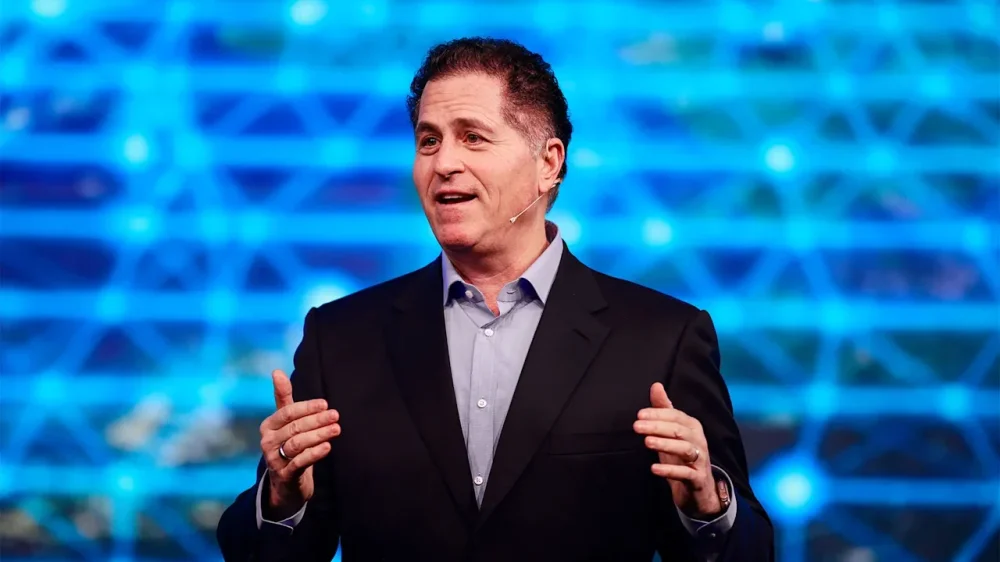
Michael Dell, along with his wife Susan, announced on Tuesday they are donating $6.25 billion to so-called “The President accounts”—a program that gives $1,000 of “free money” from the federal government to children in the U.S. born on, or after, January 1, 2025 through the end of 2028, while The President is in office. The Dells’ contribution will allocate about $250 per child, to 25 million children. The accounts are basically long-term savings vehicles. Parents will be able to contribute to the accounts starting in July 2026, according to USA TODAY. That money will be invested into stock market mutual or index funds. Here’s what to know. Who is eligible for a ‘The President account’? Accounts are available to all children in the U.S. under age 18 with a Social Security number, and will be managed and activated through the U.S. Treasury, according to the factsheet for Invest America. The contributions come as part of The President’s One Big Beautiful Bill Act (OBBBA), which was signed into law this past summer. The $250 Dell Foundation contribution is separate, and will go to children born from 2016 through 2024 in ZIP codes where the median household incomes are below $150,000 per year, according to The New York Times. What are the contribution rules? Parents “and community” (such as employers) can collectively contribute up to $5,000 per year to a Invest America account. There is no cap or limit for philanthropists, charitable organizations, or state or local government contributions. At what age can the money be withdrawn? Can it go toward college? Starting at age 18, a child with one of these accounts can use a portion of the savings for education or job training; starting a business; or buying a first home. Note: The accounts automatically convert into traditional IRA, or Individual Retirement Accounts, at age 18, allowing any unused funds to continue to grow. (A traditional IRA is a tax-advantaged personal savings plan where contributions may be tax deductible.) How can parents open an account? Learn more about the The President Accounts at the website for investment firm Charles Schwab, which notes, “at this time, it isn’t clear who will open the account or where it will be held.” View the full article
-
We may earn a commission from links on this page. If you know a runner, I have the perfect gift recommendation for you. If you are a runner, I know what you should tell your mom you want for Christmas. And even if there isn’t a gifting holiday in your immediate future, you should still know the Good News about water-resistant running shoes. They’re out there, they might be on sale right now, and they will change your life if you run in snowy conditions—or if you would if you had the right shoes. Nike Pegasus Trail 4 Gore-TEX Women's Waterproof Trail Running Shoes (FN7102-010, Black/Light Magenta/Pink Foam/Chlorophyll) Size 9 $184.99 at Amazon Shop Now Shop Now $184.99 at Amazon As a lifelong on-and-off runner, I will say that running in the spring is a lot more fun if you don't have a long off-season every winter. So rather than from starting from scratch every year, it pays to keep putting in the miles through the cold and the rain and the snow. Maybe you don't run quite as often, and maybe you spend a little more time on the treadmill, but don't completely give up. I've written before about what to wear to run in the cold, focusing on things like jackets, gloves, and layering pieces. But I used to always forget about shoes. Whether it's snowy in your area or just rainy, keeping your feet warm and dry is a game-changer. Around this time last year, my birthday was coming up and I had no idea what to tell my mom I wanted. (She kept asking.) I was giving the matter some thought while I was jogging at the local track, in a drizzling near-freezing rain, and my toes were going squish with every step. I suddenly remembered that Gore-Tex shoes exist. I had owned a pair years ago and loved them, but never replaced them when they wore out. They felt like too much of a luxury somehow. Most runners get through wet weather in regular shoes and wool socks, so why not make do? I’ll tell you why not: Wool socks can keep your feet warm, but they don’t keep them dry. If you’ve traveled to a park to get your run in, you’re driving home with soaking wet feet. You’ll come home, wring out your socks, and have to air out your shoes and hope they’re mostly dry by the time you go for your next run. Putting on wet shoes is about as much fun as putting on a wet bathing suit. Returning home from a drizzly run with dry feet is, by contrast, one of this cruel world’s great creature comforts. What weather are water-resistant shoes good for?Water-resistant shoes are great in drizzling rain, or in snowy conditions. In regular shoes, your body heat tends to melt any snow that contacts your shoes, making your feet wet even on a below-freezing day. Water-resistant shoes are great for when it’s snowing, when there’s a small amount of snow on the ground, or when it’s raining. This covers pretty much all of the weather I’m likely to consider running-friendly in a Pennsylvania winter. What don’t water-resistant shoes do?Water-resistant is not waterproof, though. In Gore-Tex and similar materials, you cannot step into an ankle-deep puddle and expect to stay dry. A heavy enough downpour will probably eventually work its way through or around the material. Note that water-resistant shoe material doesn’t stop snow or rain from getting into the top of the shoe. For trudging through deep snow, you probably want to attach a gaiter (or buy a shoe that comes with built-in gaiters). And if you run in a variety of wintry conditions, you may want more traction on the bottom of the shoe as well. You can buy shoes with spikes built in, or add your own. What are the best water-resistant running shoes?I know you’re dying to see mine, so here they are: the Nike InfinityRN Gore-Tex. (Mine are white.) I've only put about 200 miles on them since last year, since I wear other shoes in dry weather. That means that they're still in good condition to last another year. Nike InfinityRN 4 Gore-Tex Women's Waterproof Running Shoes $168.90 at Amazon $189.00 Save $20.10 Shop Now Shop Now $168.90 at Amazon $189.00 Save $20.10 Based on reviews, forum posts, and other things I’ve heard runners say about their favorite weatherproof shoes, I’ve collected some other excellent models to consider. For each, I’m linking one model, but click around to see its other colors, sizes, and men’s/women’s versions. Nike Pegasus Trail 5 Gore-Tex Saucony Peregrine Ice+3 Hoka Clifton 9 GTX TS Puma Deviate Nitro 3 Winterized Brooks Ghost 16 GTX Brooks Men's Ghost 16 GTX Waterproof Neutral Running Shoe - Black/Mandarin Red/Green - 13 Medium $109.95 at Amazon $169.95 Save $60.00 Shop Now Shop Now $109.95 at Amazon $169.95 Save $60.00 Note that Gore-Tex is a name brand of breathable, water-resistant fabric, but other brands exist (for example, Saucony has their own, which they call Runshield). Gore-Tex is often abbreviated “GTX” in shoe model names, so consider looking for that when searching for shoes. And a bonus on many of these shoes is that they include high-traction outsoles to reduce the chances of slipping on wet surfaces. View the full article
-
The U.S. stock market is holding relatively steady on Tuesday as both bond yields and bitcoin stabilize. The S&P 500 rose 0.1%, coming off its first loss in six days. The Dow Jones Industrial Average was up 115 points, or 0.2%, as of 1:02 p.m. Eastern time, and the Nasdaq composite was 0.5% higher. MongoDB helped lead the market and jumped 23.4% after the database company delivered stronger results for the latest quarter than analysts expected. United Natural Foods also climbed after reporting a stronger profit than expected, and it rose 7.3%. They helped offset a 4% drop for Signet Jewelers, which gave a forecast for revenue in the holiday shopping season that fell short of analysts’ expectations. The jeweler said it’s expecting “a measured consumer environment.” Another potential warning about U.S. shoppers’ strength came from the chief financial officer of Procter & Gamble, the giant behind Tide detergent, Ivory soap and Oral-B toothbrushes. Andre Schulten said the landscape for U.S. consumers is “volatile” at the moment, though still within the company’s expectations. Procter & Gamble fell 2.3%. The U.S. economy has been holding up overall, but that’s masking sharp divisions beneath the surface. Lower-income households are struggling with inflation that’s still higher than anyone would like. Richer households, meanwhile, are benefiting from a stock market that’s within 1% of its all-time high set in late October. In the bond market, Treasury yields were calming following their jumps the day before. The 10-year yield was holding at 4.09%, where it was late Monday, while the two-year yield eased to 3.52% from 3.54%. Higher yields can drag prices lower for all kinds of investments, and those seen as the most expensive can take the biggest hit. Bitcoin, which tumbled below $85,000 on Monday as bond yields worldwide marched higher, pulled back above $91,000. That helped stocks of several crypto-related companies bounce back from sharp slides on Monday. Strategy climbed 6.9% and more than made up for Monday’s loss. Coinbase Global gained 3.3%, and Robinhood Markets rose 3.6% to recover much of their drops from the day before. Monday’s climb in yields came after the Bank of Japan hinted that it may raise interest rates there soon. But hopes are still high that the Federal Reserve will cut its main interest rate when it meets in Washington next week. What comes after that for the Fed, though, is uncertain. The Fed has already cut its overnight interest rate twice this year in hopes of shoring up a slowing job market. But lower rates can fan inflation higher, and inflation has stubbornly remained above the Fed’s 2% target. Complicating things is the U.S. government’s earlier shutdown, which delayed reports on the job market and other areas of the economy. Investment giant Vanguard said its data suggest the U.S. labor market “remains stable but is still soft compared with last year.” Overall, hiring numbers are slower on a month-to-month basis. But fewer workers are going after job openings because of weaker immigration and an uptick in retirements, according to Adam Schickling, a senior U.S. economist at Vanguard. That in turn means hiring doesn’t need to be as strong in the past to keep the unemployment rate steady. In stock markets abroad, indexes moved modestly across much of Europe and Asia. South Korea’s Kospi was an outlier and jumped 1.9% for one of the world’s bigger moves. Tech stocks helped lead the way, including rises of 2.6% for Samsung Electronics and 3.7% for chip company SK Hynix. —Stan Choe, AP business writer AP Business Writers Matt Ott and Elaine Kurtenbach contributed. View the full article

-
Apple’s AI boss, John Giannandrea, is stepping down after seven years on the job. Apple’s stock price got a slight boost on the news, as some investors saw Apple signaling a new urgency to bring AI to its devices. Following a transition period, Giannandrea will “retire” next spring, Apple said in a press release Monday. Most of Giannandrea’s AI group will now be tucked into Craig Fedherigi’s software development group, which owns development of the various operating systems in Apple devices. While the reasons for Giannandrea’s departure are no doubt complicated, it’s a wonder he lasted so long. For years, he’s been linked to Apple’s failure to seize on generative AI to improve its Siri voice assistant and make the iPhone and other iDevices smarter and more personalized. He may have made errors in judgement. Reports said he waffled several times on the preferred architecture for Siri — on how much of the assistant’s AI processing should run on the device versus a server in the cloud. But it’s also possible that his plans for integrating AI into Apple products encountered friction from other Apple leaders, or were hampered by fears among the leadership team that generative AI would compromise user privacy or create new legal exposure. At any rate, by 2024 Apple’s leadership — including Tim Cook — had lost confidence that Giannandrea’s group could turn AI research into useful (and safe) AI features and products. Before coming to Apple, Giannandrea had been prolific as the head of search and AI at Google. Under his leadership, the search giant began relying on AI to refine its understanding of certain user-preferred search terms, in hopes of returning more relevant and useful results. He was at the helm of Google’s AI efforts when its researchers invented the transformer language model architecture that sparked the generative AI boom and new apps like ChatGPT. Apple poached Giannandrea in 2018 to inject new life into its floundering AI efforts. This gave Apple the time and leadership it needed to develop its own models and inject its devices and services with new intelligence. Apple combined the Siri and AI/machine learning groups and put them under Giannandrea’s control, creating a single point of accountability for infusing the company’s operating systems, services, and developer tools with AI. Giannandrea’s work during his first years at Apple was kept largely under wraps by the company. Fast Company, which had been granted meetings with the company’s AI group, was repeatedly denied access to Giannandrea. As the starting gun of the generative AI revolution sounded with the release of ChatGPT in late 2022, Apple stayed largely silent and remained so even as its peers raced to develop their own large AI models and apps. Then in June 2024, Apple announced at its developer conference that it would bring “Apple Intelligence” features to its devices, enabling them to offer intuitive and proactive help based on the user’s personal data. It also announced plans to use generative AI to create a smarter “next-gen Siri.” For a time, hope was restored that Apple would catch up with the AI revolution. But neither Apple Intelligence nor next-gen Siri have shown up. (Apple now says they’ll arrive in 2026.) In lieu of its own AI, Apple tried to integrate OpenAI’s ChatGPT into Siri, but the user experience is clunky. In March, Apple announced it would be taking Siri out of Giannandrea’s control and placing it inside Fedherighi’s software group. Just six weeks later, Apple removed its robotics research group (which it hoped would lay the groundwork for future Apple home devices) from Giannandrea’s AI group. Apple believes Amar Subramanya, the Microsoft executive they’ve tapped to replace Giannandrea, can and will get things back on track. A 16-year veteran of Google, Subramanya led engineering for the company’s Gemini Assistant. He has an impressive resume, and very likely a price tag to match. His hire, along with Giannandrea’s departure, should be read as Apple’s acknowledgment of falling behind its peers in AI — and a signal that it intends to catch up. Interestingly, it was Giannandrea’s departure that got top billing in the press release Apple put out Monday, not the arrival of a new AI chief in Subramanya. Apple stock got a slight bump on the announcement, closing up $4.25 (1.52%) at $283.10. Giannandrea’s departure is very much about what kind of tech company Apple wants to be in the long term. Does it want to develop and control its own AI models, or pay to rely on big AI models like Google’s Gemini? Apple has distinct advantages with its sticky and trusting relationship with users, and control over both its software and hardware, including the chips inside the devices. It’s in a unique position to leverage smaller, more specialized AI models running on those chips to deeply understand and effectively assist users. Whatever the move, you can expect to see a lot more focus and pressure within Apple to realize new AI features and a smarter Siri in iDevices. View the full article

-
We may earn a commission from links on this page. Deal pricing and availability subject to change after time of publication. It's Cyber Monday, and Lifehacker is sharing the best sales based on product reviews, comparisons, and price-tracking tools before the sales are over. Some Cyber Monday deals are still live, and Lifehacker is sharing the best sales based on product reviews, comparisons, and price-tracking tools before the sales are over. Follow our live blog to stay up-to-date on the best sales we find. Browse our editors’ picks for a curated list of our favorite sales on laptops, fitness tech, appliances, and more. Subscribe to our shopping newsletter, Add to Cart, for the best sales sent to your inbox. Sales are accurate at the time of publication, but prices and inventory are always subject to change. I am a major proponent of airstylers, those powerful all-in-one tools that use air to dry, smooth, straighten, volumize, and even curl your hair, reducing the time and energy it takes to look presentable after a shower. In the past, I've hyped up the beloved Dyson Airwrap, but recently, I've actually been using the Shark FlexStyle instead. Forget the Dyson hype—this thing is fantastic, and right now, it's also a lot cheaper. The Shark FlexStyle is still on sale for Cyber Week, knocked down to $200 from the usual $350. If you're looking for a tool that can do it all but you don't have an unlimited budget, this might be the one for you, and it won't even feel like a compromise. The Shark FlexStyle is a steal right nowRight now, you can get the FlexStyle, which is essentially a large wand that shoots air out of five different attachments, for $199.99 instead of $349.99, its lowest price ever according to price trackers. For comparison, the base model of Dyson's Airwrap is also on sale—for $500. In short, this is the best deal you're going to get on an airstyler, and this one is also perfectly comparable to pricier models and brands. Shark HD430 FlexStyle Air Styling & Drying System (Straight & Wavy Hair) $199.00 at Amazon $349.99 Save $150.99 Get Deal Get Deal $199.00 at Amazon $349.99 Save $150.99 Here's what you get with the FlexStyle: Two 1.25" curling barrels (one clockwise and the other counterclockwise); an oval brush attachment; a paddle brush attachment; and, a hair dryer attachment. It also has four heat and three airflow settings, plus a unique feature that allows you to rotate the top half, so the device forms a right angle (like a traditional blow dryer) or remains straight (like a standard curling iron). Why I love the FlexStyle (even compared to my Dyson)A few weeks ago, my Airwrap went on the fritz. I haven't had a chance to bring it in to be serviced yet, but it's four years old and was already a refurbished model when I got it, so its time may have come. The thing about this machine is that its time seems to come frequently: At Thanksgiving, I was bemoaning my Airwrap's fate and two other women at the table piped up to say they're dealing with the same thing—theirs too just aren't functioning properly anymore. Given the top-of-the-line version is $750, replacing mine wasn't in the cards. Instead, I decided to give the FlexStyle a shot, and it has been at work in my apartment for the past week. Surprisingly, I found it works exactly like my Airwrap, save for a few key differences. First, it's more powerful than my four-year-old Dyson, though to be fair I can't exactly compare it to a brand-new model. Second, the rotating head make the process of drying my hair a lot faster—the first night, I did standard ringlet curls with the 1.25" barrels but did not set them, hoping to see how they held up all on their own. They maintained their original shape for about a day, which is more mileage than I was getting out of my Airwrap and better than I expected for curls I did not set. Credit: Lindsey Ellefson Since then, I've tested the different attachments. I used the round brush for a traditional blowout that stayed frizz-free for over a day (granted, with help from products like Color Wow and K18), and I curled the ends of my hair under with the barrels and then set them for hold and volume. This is where I was truly impressed: The swiveling top made that style significantly easier to achieve than I'm used to with the Dyson. I am happily on day two of that style, with no issues to report. A cheaper but worthy Dyson alternativeIn my opinion, you do not need to pay $750 for an airstyler. You do not even need to pay $500. And with the current deal on the FlexStyle, you do not even need to pay $350. This thing works well, produces styles that can last (though you still have to use products and set the curls, since it's not running on magic and wishes), and is lightweight and simple to use. Consider it highly recommended. What stores have the best sales on Cyber Week?Nowadays, both large retailers and small businesses compete for Cyber Week shoppers, so you can expect practically every store to run sales through and beyond Monday, December 1, 2025. The “best” sales depend on your needs, but in general, the biggest discounts tend to come from larger retailers that can afford lower prices: think places like Amazon, Walmart, Target, Best Buy, and Home Depot. You can find all the best sales from major retailers on our live blog. Are Cyber Week deals worth it?In short, yes, Cyber Week still offers discounts that can be rare throughout the rest of the year. If there’s something you want to buy, or you’re shopping for gifts, it’s a good time to look for discounts on what you need, especially tech sales, home improvement supplies, and fitness tech. Of course, if you need to save money, the best way to save is to not buy anything. Are Cyber Week deals better than Black Friday?Black Friday used to be bigger for major retailers and more expensive tech and appliances, while Cyber Monday was for cheaper tech and gave smaller businesses a chance to compete online. Nowadays, though, the distinction is almost meaningless. Every major retailer will offer sales on both days, and the smart move is to know what you want, use price trackers or refer to guides like our live blog that use price trackers for you, and don’t stress over finding the perfect timing. View the full article
-
Salesforce has unveiled powerful new tools designed to enhance the visibility and performance of AI agents, an advancement that holds significant implications for small businesses looking to optimize their operational efficiency and customer interactions. As the adoption of AI technologies surges, the ability to monitor and analyze agent behavior is becoming a critical requirement for organizations aiming to scale effectively. The post-deployment phase of AI agents often represents a challenge for businesses. After launching their first agents, organizations face the daunting task of ensuring these entities operate efficiently and effectively in real-world scenarios. Salesforce recognizes that without robust observability tools, businesses risk turning their AI agents into “black boxes,” where outcomes are visible, but the underlying decision-making processes remain opaque. This lack of clarity can hinder trust, slow down optimization processes, and complicate scaling efforts. Salesforce’s new observability features are designed to bridge these gaps by providing comprehensive monitoring and optimization capabilities. These tools fall into three core areas: analytics, optimization, and health monitoring. With this suite of capabilities, small business owners can gain deep insights into agent performance, which is crucial as AI begins to handle increasingly more complex tasks that directly impact customer experience and revenue. Agent Analytics is the first feature, offering businesses a detailed view of how each agent performs over time. This includes metrics on usage and effectiveness, KPI trends, and actionable insights that pinpoint areas needing improvement. For small businesses, this means enhanced decision-making backed by data-driven insights that promote continuous agent refinement. Furthermore, Agent Optimization enables businesses to see a step-by-step trace of every agent interaction. This visibility can identify performance gaps and facilitate a better understanding of why agents make specific choices. Such clarity is essential for addressing issues promptly and enhancing overall performance, ultimately reducing the time and resources spent on troubleshooting. Health Monitoring is the final pillar of Salesforce’s observability suite. It ensures that agents maintain operational reliability by continuously tracking performance metrics and alerting teams to potential issues before they escalate. For small businesses that may not have extensive IT resources, this proactive approach helps maintain customer service quality and operational efficiency during peak periods. As Adam Evans, EVP & GM of Salesforce AI, noted, “As AI adoption accelerates, the biggest enterprise challenge will no longer be about building an organization’s first agent; it will become how to best manage a fleet of agents that are making real-world business decisions.” This sentiment resonates particularly well with small business owners—understanding agent interactions and ensuring consistent performance is vital for trusting AI technologies. However, there are challenges to consider. The introduction of these observability tools requires that small business owners invest time and resources into understanding and implementing these technologies. Additionally, businesses must be prepared to adapt their operational models to fully leverage the insights provided by these tools. For companies still wary of AI’s implications, embracing such technologies may involve a cultural shift alongside technical integration. Pilot customers, including 1-800Accountant and Engine, have already seen transformative results from these observability tools. Ryan Teeples from 1-800Accountant highlighted the importance of visibility, stating, “With full visibility into every agent interaction, we can see exactly how our AI handles each request, step by step.” This granular oversight allows for improved service quality, particularly as AI begins to autonomously manage a significant volume of customer interactions. Engine’s VP, Demetri Salvaggio, echoed similar sentiments by noting how the observability tools have allowed for more accurate and efficient service delivery, helping the company confidently scale its operations without dramatically increasing headcount. As small businesses navigate the complexities of AI implementation, Salesforce’s new observability tools provide a pathway towards smarter operational practices. With analytics, optimization, and health monitoring at their disposal, organizations can be better equipped to harness the potential of AI while mitigating the risks associated with scaling these technologies. For more information on the new tools and their applications, visit the original press release at Salesforce. Image via Google Gemini This article, "Salesforce Enhances AI Reliability with New Observability Tools for Agents" was first published on Small Business Trends View the full article
-
Salesforce has unveiled powerful new tools designed to enhance the visibility and performance of AI agents, an advancement that holds significant implications for small businesses looking to optimize their operational efficiency and customer interactions. As the adoption of AI technologies surges, the ability to monitor and analyze agent behavior is becoming a critical requirement for organizations aiming to scale effectively. The post-deployment phase of AI agents often represents a challenge for businesses. After launching their first agents, organizations face the daunting task of ensuring these entities operate efficiently and effectively in real-world scenarios. Salesforce recognizes that without robust observability tools, businesses risk turning their AI agents into “black boxes,” where outcomes are visible, but the underlying decision-making processes remain opaque. This lack of clarity can hinder trust, slow down optimization processes, and complicate scaling efforts. Salesforce’s new observability features are designed to bridge these gaps by providing comprehensive monitoring and optimization capabilities. These tools fall into three core areas: analytics, optimization, and health monitoring. With this suite of capabilities, small business owners can gain deep insights into agent performance, which is crucial as AI begins to handle increasingly more complex tasks that directly impact customer experience and revenue. Agent Analytics is the first feature, offering businesses a detailed view of how each agent performs over time. This includes metrics on usage and effectiveness, KPI trends, and actionable insights that pinpoint areas needing improvement. For small businesses, this means enhanced decision-making backed by data-driven insights that promote continuous agent refinement. Furthermore, Agent Optimization enables businesses to see a step-by-step trace of every agent interaction. This visibility can identify performance gaps and facilitate a better understanding of why agents make specific choices. Such clarity is essential for addressing issues promptly and enhancing overall performance, ultimately reducing the time and resources spent on troubleshooting. Health Monitoring is the final pillar of Salesforce’s observability suite. It ensures that agents maintain operational reliability by continuously tracking performance metrics and alerting teams to potential issues before they escalate. For small businesses that may not have extensive IT resources, this proactive approach helps maintain customer service quality and operational efficiency during peak periods. As Adam Evans, EVP & GM of Salesforce AI, noted, “As AI adoption accelerates, the biggest enterprise challenge will no longer be about building an organization’s first agent; it will become how to best manage a fleet of agents that are making real-world business decisions.” This sentiment resonates particularly well with small business owners—understanding agent interactions and ensuring consistent performance is vital for trusting AI technologies. However, there are challenges to consider. The introduction of these observability tools requires that small business owners invest time and resources into understanding and implementing these technologies. Additionally, businesses must be prepared to adapt their operational models to fully leverage the insights provided by these tools. For companies still wary of AI’s implications, embracing such technologies may involve a cultural shift alongside technical integration. Pilot customers, including 1-800Accountant and Engine, have already seen transformative results from these observability tools. Ryan Teeples from 1-800Accountant highlighted the importance of visibility, stating, “With full visibility into every agent interaction, we can see exactly how our AI handles each request, step by step.” This granular oversight allows for improved service quality, particularly as AI begins to autonomously manage a significant volume of customer interactions. Engine’s VP, Demetri Salvaggio, echoed similar sentiments by noting how the observability tools have allowed for more accurate and efficient service delivery, helping the company confidently scale its operations without dramatically increasing headcount. As small businesses navigate the complexities of AI implementation, Salesforce’s new observability tools provide a pathway towards smarter operational practices. With analytics, optimization, and health monitoring at their disposal, organizations can be better equipped to harness the potential of AI while mitigating the risks associated with scaling these technologies. For more information on the new tools and their applications, visit the original press release at Salesforce. Image via Google Gemini This article, "Salesforce Enhances AI Reliability with New Observability Tools for Agents" was first published on Small Business Trends View the full article
-
Exit of Gerry McGovern comes just two weeks after arrival of new JLR chief executiveView the full article
-
A Pennsylvania police officer responding to a tip from the manager of a McDonald’s testified Tuesday about confronting Luigi Mangione during the intense manhunt last year for UnitedHealthcare CEO Brian Thompson’s killer. As soon as Mangione doffed his medical mask at the restaurant in Altoona, Pennsylvania, Officer Joseph Detwiler said, “I knew” he was the suspect whose face had been all over the news since the shooting five days earlier on a Manhattan sidewalk. “It’s him … I’m not kidding. He’s real nervous, and he didn’t talk too much,” Detwiler told a supervisor by phone from the restaurant parking lot moments after meeting Mangione, according to the officer’s body-camera video. It was played in court Tuesday, the second day of a hearing about evidence in the case. Mangione indeed said little initially to Detwiler and another officer, giving only what turned out to be a false name, home state and driver’s license. But Detwiler testified that he’d noticed the man’s fingers shaking as they interacted and officers patted him down. Over the ensuing minutes, Mangione placidly ate a hash brown as the officers waited for colleagues and claimed they were simply responding to loitering concerns at the eatery. “I was trying to keep him calm,” Detwiler told the court, adding that he at one point started whistling over the restaurant’s holiday-season music to “make him think that nothing was different about this call than any other call.” Lawyers for Mangione, 27, want to block prosecutors from showing or telling jurors at his eventual Manhattan trial about statements he allegedly made and items authorities said they seized from his backpack during his arrest. The objects include a 9 mm handgun that prosecutors say matches the one used in the killing and a notebook in which they say Mangione described his intent to “wack” a health insurance executive. The defense contends the items should be excluded because police didn’t get a warrant before searching Mangione’s backpack. They also want to suppress some statements Mangione made to law enforcement personnel, such as allegedly giving a false name, because officers started asking questions before telling him he had a right to remain silent. The laws concerning how police interact with potential suspects before reading their rights or obtaining search warrants are complex and often disputed in criminal cases. In Mangione’s case, crucial questions will include whether he believed he was free to leave at the point when he spoke to the arresting officers, and whether there were “exigent circumstances” that merited searching his backpack before getting a warrant. Detwiler testified that he never told Mangione he couldn’t leave, nor mentioned the New York shooting. Defense lawyers, however, have argued in court filings that officers “strategically” stood in a way that prevented him from leaving. Mangione, the Ivy League-educated scion of a wealthy Maryland family, has pleaded not guilty to state and federal murder charges. The state charges carry the possibility of life in prison, while federal prosecutors are seeking the death penalty. Neither trial has been scheduled. Mangione’s lawyers want to bar evidence from both cases, but this week’s hearing pertains only to the state case. Manhattan prosecutors haven’t yet laid out their arguments for allowing the disputed evidence. Their federal counterparts have said in court filings that police were justified in searching the backpack to ensure there were no dangerous items and that Mangione’s statements to officers were voluntary and made before he was under arrest. Five witnesses testified on Monday, including a Pennsylvania prison officer who said Mangione told him that, when arrested, he had a backpack with foreign currency and a 3D-printed pistol. Surveillance video showed a masked gunman shooting Thompson from behind as the executive walked to a midtown Manhattan hotel for his company’s annual investor conference on Dec. 4, 2024. Prosecutors say “delay,” “deny” and “depose” were written on the ammunition, mimicking a phrase insurance industry critics use to describe how companies avoid paying claims. Thompson, 50, worked at the giant UnitedHealth Group for 20 years and became CEO of its insurance arm in 2021. He was married and had children who were in high school. —Jennifer Peltz, Associated Press View the full article

-
In its Android Security Bulletin for December, Google is pushing an especially large number of updates to address vulnerabilities across different components—and two of the flaws may have been exploited in the wild. The December patch covers 107 bugs across Android Kernel, System, and Framework as well as Qualcomm, MediaTek, Arm, Unisoc, and Imagination Technologies components. The high-severity vulnerabilities include denial of service, elevation of privilege, and information disclosure flaws. There are also a handful of bugs labeled as "critical." Two active exploitsTwo of the vulnerabilities addressed in the December update are zero-days, which are flaws that have been actively exploited or publicly disclosed before the developer makes a patch available. Google notes that both may be under "limited, targeted exploitation." CVE-2025-48633 is an information disclosure vulnerability, while CVE-2025-48572 is an elevation of privilege flaw. Both affect the Android Framework in versions 13 through 16. Google hasn't disclosed any additional information about the flaws and how they may have been exploited (or by whom). However, as Bleeping Computer reports, similar bugs have been targeted in the past by commercial spyware operations and nation-state campaigns. Ensure your Android device is up to dateYou should always implement security patches as soon as they're available, so if you see a notification to update, go ahead and follow the prompts to download and install it. You can also check for updates via a path like Settings > Security & privacy > System & updates > Security update. Note that this may be slightly different depending on your device, and you can always search "update" to locate it. This month's patches apply to Android Open Source Project (AOSP) versions 13, 14, 15, and 16 and are dated 2025-12-01 and 2025-12-05—the latter fixes all known issues. Pixel users (and the core AOSP code) receive patches from Google, and those on other Android devices from Huawei, LGE, Samsung, Motorola, and Nokia should see updates from their respective manufacturers around the same time. View the full article
-
Android 16 officially started rolling out back in June, with most of the Material 3 Expressive visual overhaul added in a major update in September. Now, the second big Android 16 update is here, ushering in a host of new features across notifications, customization, accessibility, and device restrictions. As is the norm, this update will arrive on Pixel devices first. For other Android devices, including those made by Samsung, it's up to each phone and tablet manufacturer to adjust the software update as needed and push it out to their users. Despite the limited rollout, Google says this marks a "new chapter" for Android releases, which, going forward, will be "more frequent" rather than once a year. In other words, we might be seeing Android 17 much sooner than expected. But we won't see it today. We're still in the Android 16 era, which is about to get the following new features and changes: More interface customization You now have more control over home screen icons. Credit: Google Customization has always been one of the strengths of Android, and this Android 16 update brings with it a bunch of features to help you change the interface in a more flexible and consistent way. Home screen icons can now have custom shapes, while themed icons are auto-applied across apps. Both of those changes should mean that when you play around with the visual look of Android, there isn't a jarring icon or two that stands out from the rest—everything should look more uniform. "Your phone should reflect your own unique aesthetic," Google says, and these tweaks should help. There's also an improvement to dark mode: Dark mode will now be applied across all apps, even those that haven't been coded to include a dark mode by their developer. Again, the end result should be a more consistent visual look, plus extra savings on battery life if more of the screen is dimmed more often. Improved parental controls More parental controls can now be managed on-device. Credit: Google If you have kids who use an Android device, you'll know the current parental controls are a little bit clunky, and mostly managed remotely. Going forward, more of these controls will be available on the actual devices your youngsters are using, which should mean they're easier to access and manage. The new on-board settings will be protected by a PIN, so your kids can't change them, and will cover screen time, downtime schedules, and app usage. You'll also be able to add more time for app and device usage from the phone or tablet that's being used, which is more convenient if you're actually with a child. Additionally, Google is making it easier to set up a Google Family Link from Android 16 phones and tablets, which is where the family connections and device rules are set to begin with. Other key parental controls, including protections over purchases and location tracking, are still managed remotely. AI in your notifications AI will group and summarize your notifications. Credit: Google Technically launched in last month's Pixel Drop, Android 16 now summarizes your notifications for you through the power of AI—something that tech companies are continuing to push, in an effort to save us all time and avoid notification fatigue, even if the results have been mixed so far. Why Google is announcing it alongside these other new features isn't clear, but it's a good reminder for any Pixel users who might be interested in trying it out. AI summaries are something Apple introduced for the iPhone, then partially pulled for certain apps, then brought back. According to Google, these AI summaries will give you "quick understanding and context at a glance"—so let's hope they understand what's important in your group chats and what isn't. On top of that, we're getting AI-powered notification organization too, with "lower-priority notifications" (which Google says include promotions and social alerts) silenced and grouped together so they're not so much of a distraction. As yet, it's not clear exactly how much control you'll get over how all this works. And even more updates You'll be able to mark your calls as urgent in the future. Credit: Google There are plenty of other minor updates rolling out to a broader selection of Android devices too, not just those running Android 16. They include more expressive closed captions; ease-of-use improvements to accessibility features, such as TalkBack (voice dictation) and Auto Click (using a mouse with Android); and pinned tabs in Chrome for Android. Emoji Kitchen is getting more features and more ways to combine emojis, Circle to Search is adding a scam detection feature (just point it towards a suspected scam message), and group chats in Google Messages will now come with options for reporting issues—chats can be easily left, blocked, and reported. We'll also soon be getting a beta version of a feature Google has named Call Reason, in the Phone app. This lets you mark your outgoing calls to saved contacts as urgent, which they'll see when you ring them (and might encourage them to pick up. For more details on this and everything else rolling out to Android from today, see the official blog post. View the full article
-
In today’s digital environment, crafting effective social media marketing posts is vital for success. You need to understand your audience, define clear goals, and choose the right platform for your content. Attention-grabbing headlines and engaging copy will draw your audience in, whereas strategic use of visuals can improve your message. Moreover, optimizing posting times and incorporating calls-to-action will drive interaction. To achieve the best results, it’s important to analyze your performance metrics regularly. What strategies will you implement first? Key Takeaways Understand your audience by creating detailed buyer personas and tailoring messages to their demographics and preferences for better engagement. Choose the right platforms based on audience behavior, focusing on platforms that align with your content type for improved visibility. Craft compelling headlines that spark curiosity and clearly highlight benefits, using numbers and questions to engage readers effectively. Use clear calls-to-action (CTAs) that encourage immediate action and create urgency with phrases like “limited time offer” to boost engagement. Optimize hashtag strategies by using 3-5 relevant hashtags for visibility, and post during peak times identified through analytics for maximum impact. Know Your Audience Comprehending your audience is crucial for effective social media marketing, as it directly impacts how well your content resonates with them. Start by conducting thorough audience research to understand demographics, interests, and online behaviors. This information helps you create detailed buyer personas that represent your ideal customers. For example, consider age, gender, location, and preferences to tailor your messaging. Use surveys and feedback mechanisms to identify pain points and preferences, enabling you to create content that directly addresses their needs. Segment your audience based on specific characteristics to deliver targeted messaging across different platforms. By monitoring social media trends and discussions, you can adapt your content strategy and discover how can social media help a business grow, ensuring your social media marketing posts remain relevant. Define Your Goals To effectively guide your social media marketing efforts, it’s essential to establish clear objectives that align with your brand values. Setting specific, measurable goals helps you track success metrics like engagement rates and website visits, ensuring that each post supports your overall business aims. Establish Clear Objectives Establishing clear objectives for your social media marketing efforts is crucial, as it helps align your activities with broader marketing goals. When you define specific objectives, you improve the likelihood of achieving desired outcomes, such as increased engagement or brand awareness. Different content approaches should reflect these goals; for instance, promotional posts aimed at boosting sales require distinct messaging compared to those focused on community engagement. Setting measurable objectives allows you to track success effectively, enabling adjustments based on performance metrics like impressions and engagement rates. Measure Success Metrics Measuring success metrics is essential for comprehending the effectiveness of your social media marketing efforts. Start by establishing specific, measurable goals, like increasing engagement by 20% or driving website traffic by 30%. To evaluate your posts, utilize key performance indicators (KPIs) such as impressions, click-through rates, and conversion rates. Conduct regular A/B testing on various post formats to identify which strategies yield the best engagement. Implement monthly performance reviews to assess how well your posts meet your goals, allowing for data-driven adjustments. Moreover, use analytics tools to gather insights on audience behavior and preferences, helping you refine your content and guarantee it aligns with your marketing objectives. This systematic approach will improve your social media strategy effectively. Align With Brand Values Aligning your social media strategy with your brand values is crucial for maintaining a consistent and authentic presence online. To achieve this, consider the following steps: Define Your Brand Values: Clearly outline what your brand stands for and guarantee each post reflects these principles. Set Measurable Goals: Establish objectives that resonate with your values, like increasing community engagement or promoting sustainability. Use a Consistent Brand Voice: Create a cohesive narrative that reinforces your identity and builds audience trust. Evaluate and Adjust: Regularly assess audience feedback and performance metrics to keep your content aligned with your values and objectives. Choose the Right Platform How do you choose the right social media platform for your marketing efforts? Start by grasping that different platforms cater to various audiences and content types. For visually appealing content, Instagram is your best bet, whereas Twitter excels with concise messaging. LinkedIn, in contrast, is perfect for longer, professional insights. It’s more effective to focus on a few platforms rather than spreading yourself too thin across many; this approach improves engagement and brand visibility. Evaluate platform-specific trends and user engagement levels to optimize your content strategy, as certain platforms yield better results for specific campaigns. Finally, continuously monitor audience activity to adapt your strategy, ensuring your content remains relevant and impactful. Craft an Attention-Grabbing Headline What makes a headline truly attention-grabbing? It’s all about crafting concise and compelling headlines that spark curiosity as well as aligning with your brand voice. Here are some tips to enhance your headlines: Use Numbers: Incorporate statistics or lists to create a sense of structure and urgency. Highlight Benefits: Clearly state what readers will gain by engaging with your content. Ask Questions: Pose intriguing questions that encourage users to think and click for answers. Experiment with Styles: Try different formats like provocative statements or questions to see what resonates. Aim for headlines between 10 to 20 words, and don’t forget to use A/B testing to refine your approach based on performance metrics. Engaging headlines lead to better interactions! Write Engaging Copy Engaging copy is essential for capturing your audience’s attention and driving interactions on social media. Aim for captions around 150 characters or 15 words to maximize clicks. Craft attention-grabbing headlines that promise clear benefits, use numbers, and convey urgency, ideally between 10 and 20 words. Incorporate clear calls to action, encouraging your audience to comment, share, or engage more deeply with your content. Emojis can improve relatability; use them purposefully to align with your brand voice and audience demographics. Finally, don’t hesitate to experiment with different styles of copy, such as posing questions or creating lists, to discover what resonates best with your audience, in the end boosting your engagement rates considerably. Utilize Hashtags Strategically To maximize your social media impact, it’s essential to research trending hashtags before incorporating them into your posts. As you use 3-5 relevant hashtags on Instagram can improve your reach, limiting your hashtags to 1-2 on Twitter often yields better engagement because of character limitations. Research Trending Hashtags As social media platforms continue to evolve, researching trending hashtags remains essential for maximizing your content’s visibility and engagement. Posts that include at least one hashtag see 12.6% more engagement than those without. To make the most of hashtags, consider the following tips: Use tools like Hashtagify or RiteTag to find popular and relevant hashtags for your niche. Experiment with a mix of broad and niche hashtags; 3-5 hashtags typically perform best on Instagram. Regularly monitor hashtag performance and adjust your strategy based on analytics. Engage with currently popular hashtags in your industry to improve brand relevance and promote community interaction. Limit Hashtag Usage Limiting hashtag usage is vital for enhancing your social media strategy and ensuring your posts resonate with your audience. On platforms like Instagram, aim for 3-5 relevant hashtags to boost visibility without overwhelming viewers. For X/Twitter, using just 1-2 hashtags can increase engagement while keeping your message concise. Remember, each platform has unique dynamics; what works on Instagram mightn’t be effective on TikTok. Researching and incorporating trending hashtags can greatly improve discoverability, particularly on visual platforms. Nevertheless, avoid excessive hashtags since too many can make your posts appear spammy, reducing user trust and engagement. Customizing your hashtag strategy for each platform is key to maximizing your outreach and connecting effectively with your audience. Incorporate Emojis and Symbols Incorporating emojis and symbols into your social media posts can greatly boost engagement and communication clarity. They add a visual element that resonates with your audience, increasing interaction by up to 48%. Here are some key points to reflect on: Emotional Connection: Emojis help convey emotions and tone, making your message clearer. Higher Click-Through Rates: Posts with emojis can increase responses by 25%, encouraging more clicks. Brand Personality: Emojis act as visual cues that improve your brand’s personality, with 64% of consumers preferring brands that use them. Consistency Matters: Verify emojis align with your brand voice and are relevant to avoid misinterpretation. Encourage Interaction With a Call-To-Action (CTA) To boost engagement on your social media posts, use clear calls-to-action (CTAs) that guide your audience on what to do next. Incorporating urgency and exclusivity, like “Limited Time Offer!” or “Don’t Miss Out!”, can prompt quicker responses from users. Remember to position your CTAs prominently for maximum visibility, ensuring they effectively drive the desired action. Clear Action Directions When you want to drive engagement on social media, a clear call-to-action (CTA) is essential. Posts with CTAs can see up to 1.5 times more clicks than those without. To maximize effectiveness, consider these tips: Use action-oriented language: Phrases like “Sign up,” “Discover,” or “Join us” encourage immediate action. Incorporate CTAs in visuals: Including CTAs in images can boost engagement rates by up to 80%. Align CTAs with your goals: Use specific phrases like “Shop now” for sales or “Learn more” for informative content. Experiment with A/B testing: Test different CTAs to find which resonate best with your audience, improving conversion rates considerably. Urgency and Exclusivity Creating a sense of urgency and exclusivity in your social media posts can greatly improve audience engagement. Use phrases like “limited time offer” or “while supplies last” to encourage immediate action, as these can boost engagement by up to 30%. Furthermore, incorporating exclusive language such as “members only” or “first 50 customers” cultivates a feeling of scarcity, greatly enhancing click-through rates. Always include a clear call-to-action (CTA) like “Shop Now” or “Comment Below,” which can lead to 3-4 times higher engagement rates. Experiment with different CTAs through A/B testing to find what resonates best with your audience. Finally, pair urgency and exclusivity with compelling visuals, as they can drive 94% more views, making your posts even more effective. Optimize Posting Times How can you guarantee your social media posts reach the widest audience possible? By enhancing your posting times. Analyzing when your audience is most active can greatly boost your engagement rates. Here are some tips to help you find those ideal times: Study platform-specific peak times: For example, Instagram users are active on Wednesdays at 11 AM and Fridays from 10-11 AM, whereas Twitter peaks during lunch hours on weekdays. Utilize tools: Use platforms like Sprout’s Ideal Send Times to analyze historical engagement data. Monitor analytics: Regularly check your performance to adjust your posting schedule accordingly. Be consistent: Post during identified peak times to build audience expectations and maintain engagement. Analyze and Iterate To maximize the effectiveness of your social media strategy, regularly analyzing and iterating on your content is essential. Start by monitoring post performance through analytics tools to see what resonates with your audience. Utilize A/B testing to compare different versions of posts and identify elements that drive engagement. Track key metrics monthly, adjusting your strategy based on audience feedback and interaction trends. Here’s a visual representation of ideas to reflect on: Strategy Action Monitor Performance Use analytics tools to track engagement A/B Testing Experiment with post variations Adjust Content Calendar Refine based on audience trends Frequently Asked Questions What Is the 5 5 5 Rule on Social Media? The 5 5 5 rule in social media marketing emphasizes a balanced approach to content sharing. For every five posts you create, share five pieces of content from other sources and five original posts. This strategy helps maintain audience engagement by mixing promotional, educational, and entertaining content. It prevents fatigue from repetitive self-promotion and nurtures community trust, ensuring your followers receive diverse information during the process of increasing your brand’s discoverability. What Are the 7 C’s of Social Media? The 7 C’s of social media are vital principles for effective engagement. First, Clarity guarantees your message is easily understood. Next, Consistency helps build recognition through uniform tone and style. Creativity encourages unique content that captures attention. Community focuses on nurturing relationships with followers. Conversation promotes two-way communication, enhancing interaction. Finally, Conversion aims to turn engagement into desired actions, such as sales or subscriptions. Together, these principles create a strong social media presence. What Is the 30 30 30 Rule for Social Media? The 30 30 30 Rule for social media suggests dividing your content into three categories: 30% promotional, 30% informational, and 30% entertaining. This strategy guarantees your audience receives a balanced mix that keeps them engaged. The remaining 10% can focus on personal or behind-the-scenes posts to improve authenticity. What Are the 7 P’s of Social Media Marketing? The 7 P’s of social media marketing are vital for crafting an effective strategy. First, consider your Product—what features and benefits you highlight. Next, think about Price—how you communicate pricing and promotions. Then, evaluate Place—selecting the right platforms for your audience. Promotion follows, involving tactics to improve engagement. Don’t forget People, focusing on your target demographic, Process, the methods behind your strategy, and Physical evidence, showcasing brand credibility. Conclusion In summary, effectively crafting social media marketing posts requires a strategic approach. By comprehending your audience, choosing the right platform, and creating engaging content, you can considerably improve your online presence. Incorporating visuals, optimizing posting times, and encouraging interaction through CTAs are vital for maximizing engagement. Regularly analyzing performance metrics allows you to refine your strategy, ensuring continuous improvement. By applying these tips, you’ll be well-equipped to create impactful posts that resonate with your audience. Image via Google Gemini This article, "10 Must-Use Tips for Crafting Social Media Marketing Posts" was first published on Small Business Trends View the full article