Newsletter
Want to keep up to date with all our latest news and information?


ResidentialBusiness
Administrators
-
Joined
-
Last visited
Everything posted by ResidentialBusiness
-
Cat Murphy, a college student, has wanted to be a journalist since she was 11. Many of her friends don’t understand why. When they engage with the news — if they do — they hear a cacophony of voices. They don’t know who to believe. Reporters are biased. They make mistakes. Besides, why would you hitch your future to a dying industry? “There is a lot of commentary — ‘Oh, good for you. Look what you’re walking into. You’re going to be screaming into the void. You’re going to be useless,’” said Murphy, a 21-year-old graduate student at the University of Maryland’s journalism school. She is undeterred. And it’s also why she’s not surprised by the findings of a study this fall that documented negative attitudes toward the news media among 13- to 18-year-old Americans. The press rarely fares well in surveys of adults, but it’s sobering to see the same disdain among people whose opinions about the world are still forming. Words to describe the news media today Asked by the News Literacy Project for one word to describe today’s news media, 84% of teens responded with something negative — “biased,” “crazy,” “boring,” “fake,” ”bad,” “depressing,” “confusing,” “scary.” About half of the teens surveyed believe journalists give advertisers special treatment, make up details such as quotes, or pay or do favors for sources “always or almost always” or “often,” and about 6 in 10 say journalists regularly take photos and videos out of context. About one-third or less believe that reporters correct errors when they happen, confirm facts before reporting them, gather information from multiple sources or cover stories that help protect the public interest at least “often” — practices ingrained in the DNA of reputable journalists. To some degree, teens reflect the attitudes they’re exposed to, particularly when the most prominent politician of their age has made “fake news” a mantra. Experts say few teens follow news regularly or learn in school about the purpose of journalism. Journalists don’t help themselves with mistakes or ethical lapses that make headlines. Opinionated reporters or commentators in an era of political division make readers wonder what to believe. “Some of this (attitude) is earned, but much of it is based on misperception,” said Peter Adams, senior vice president of research and design for the Washington-based News Literacy Project. Never picking up the news habit There are ways to turn things around, but it will take work. Many of Lily Ogburn’s classmates get their information from social media. Their parents didn’t watch or read news reports as they grew up, so they didn’t pick up the habit, said Ogburn, a senior at Northwestern University’s journalism school. Ogburn is the former editor-in-chief at the well-regarded Daily Northwestern student newspaper. The newspaper’s 2023 reports on alleged hazing and racism within the school’s football program led to the ouster of its coach. Still, she found some students don’t understand the newspaper’s role; they believe it exists to protect people in power rather than hold them accountable. She frequently had to explain what she did to classmates. “There’s a lot of mistrust toward journalists,” she said. But it has firmed her resolve to stick with the profession. “I want to be a journalist that people trust,” Ogburn said, “and I want to report news that makes people believe and trust in the media.” The news industry’s financial troubles over the past two decades have hollowed out newsrooms and left fewer journalists on duty. Along with not seeing much legitimate journalism, young people frequently don’t experience it through popular culture — unlike a previous generation, which learned in detail how Washington Post reporters Robert Woodward and Carl Bernstein exposed the Watergate scandal in the Academy Award-winning movie “All the President’s Men.” When the News Literacy Project asked, two-thirds of teens couldn’t think of anything when asked what movies or TV shows came to mind when they think about journalism. Those who had answers most frequently cited the “Spider-Man” franchise or the movie “Anchorman: The Legend of Ron Burgundy.” Neither portrayal was particularly flattering. Upon retiring as editor of Newsday, Howard Schneider helped develop the State University of New York system’s first School of Journalism. But instead of teaching future writers, editors or producers, he became drawn to teaching non-journalists about being news consumers. Now the executive director of SUNY Stony Brook’s Center for News Literacy, Schneider wasn’t surprised about any of the recent survey’s findings, either. “The negativity, the feeling that news is biased, is just a reflection of how their parents feel,” Schneider said. “The more exposed to news, legitimate news, the more their attitudes turn positive.” He has developed news literacy programs for school districts. “Students will say, ‘I get my news from YouTube,’” he said. “I say, ‘No, you don’t,'” and explains where the news originates and how to be discerning about what they see. Lessons from a news literacy class That’s one of the lessons that 16-year-old Brianne Boyack has taken from her course in news literacy at Brighton High School in Cottonwood Heights, Utah. She had little trust in news going in, but has learned the importance of double-checking sources when she sees something interesting and seeking outlets she’s found reliable. Her classmate, Rhett MacFarlane, applied what he learned in class to investigate when a friend told him the Louvre was robbed in Paris. “I’ve learned that there is definitely fact-checking (in journalism),” MacFarlane, also 16, told The Associated Press. “You guys are professionals and you have to tell the truth or you’d be fired. I thought you guys just did whatever you wanted and chose what to say about a topic.” Still, news literacy programs in schools are relatively rare. Schools already have a lot of subjects to cover to prepare students for the future. And, remember, journalists don’t have the best reputations. It can be hard for educators to stick their necks out for them. “There’s an inertia here,” Schneider said, “and this is an urgent issue.” At the University of Maryland, Murphy said she didn’t think there was an inherent hatred toward journalists among her fellow students. “They don’t have any experience reading journalism,” she said. That’s where she sees the journalism industry needing to make more of an effort. One of the things she finds most frustrating about her chosen field is a resistance to change, particularly an unwillingness or inability to make meaningful use of social media. “There’s very little movement in the direction of going to where people are, as opposed to expecting them to come to where you are,” Murphy said. “The only way to turn it around is going to be to switch to doing things that captivate people today, as opposed to captivating people 20 years ago.” —David Bauder, AP media writer View the full article

-
Tensions with ministers predated the Budget data leak that cost Richard Hughes his job — and there was relief at his exitView the full article
-
A personalized digital experience tailors your interactions with brands to match your unique preferences and behaviors. This approach is vital in today’s market, where 71% of consumers expect customized content. By leveraging customer data, businesses can create relevant experiences that improve engagement and boost satisfaction. Comprehending the key components and importance of personalization can greatly impact how brands attract and retain customers. Exploring how this strategy can lead to new opportunities is critical for future success. Key Takeaways A personalized digital experience tailors interactions based on individual customer data, enhancing engagement and relevance. 71% of consumers expect brands to provide customized interactions, highlighting the necessity of personalization strategies. Personalized experiences can boost revenue by up to 15% and improve customer satisfaction and loyalty. Utilizing data analytics, companies can create unique experiences that adapt content in real-time across various platforms. Future trends include increased AI usage, hyper-personalization, and an emphasis on ethical data practices for effective customer engagement. Understanding Personalized Digital Experiences Personalized digital experiences are becoming essential in today’s online environment, as they customize interactions to meet individual customer needs and preferences. Digital personalization leverages customer data to improve your engagement by delivering content and recommendations that resonate with you personally. For instance, when you receive product suggestions based on your browsing history, it’s a direct result of effective personalization strategies. Research shows that 69% of customers appreciate this customized approach, highlighting the significance of comprehending your preferences. Digital Experience Platforms (DXPs) streamline the management of this data, allowing brands to make real-time adjustments to your experience. As personalized digital experiences become the norm, 71% of consumers now expect brands to engage with them in a bespoke manner, reinforcing the need for businesses to adopt these strategies. The Importance of Personalization in Today’s Market In today’s market, personalization is essential for enhancing engagement strategies and revealing new revenue opportunities. With 71% of consumers expecting customized interactions, businesses that prioritize personalization can markedly boost their performance, as shown by the potential to increase revenue by up to 15%. Enhanced Engagement Strategies Today’s consumers increasingly seek customized interactions that reflect their individual preferences, making personalized digital experiences essential for businesses aiming to improve engagement. Research shows that 69% of customers appreciate personalized interactions based on data they willingly share, leading to greater satisfaction and loyalty. In addition, 66% of customers expect companies to understand their unique needs, underscoring the necessity for personalized content. Implementing strategies like personalized emails can greatly improve conversion rates, as these communications convert six times better than generic ones. Moreover, 71% of consumers prefer personalized interactions, indicating that these strategies not only boost customer satisfaction but also nurture long-term brand loyalty, making personalization a critical approach in today’s competitive market. Increased Revenue Opportunities Businesses that prioritize personalization can access significant revenue opportunities in today’s market. Customized experiences resonate more with consumers, leading to increased spending. Here are key benefits of implementing personalized strategies: Personalization can boost revenue by up to 15%, as customers engage more with brands that cater to their preferences. 71% of consumers expect personalized interactions, nurturing loyalty and repeat purchases. Personalized email marketing campaigns convert six times more effectively than generic messages, maximizing outreach. Key Components of a Personalized Digital Experience To create a personalized digital experience, you’ll need to focus on data-driven insights, customized content delivery, and a seamless user path. By analyzing customer data, you can adjust the content and recommendations to meet individual preferences, making interactions more relevant. Furthermore, ensuring that the user path flows smoothly across all touchpoints will improve overall satisfaction and engagement. Data-Driven Insights As many companies recognize the importance of personalization in improving digital experiences, the key to achieving this lies in effectively leveraging data-driven insights. By collecting data from customer interactions, businesses can tailor content and recommendations to boost user satisfaction. Consider these crucial aspects: 69% of customers value personalization based on data they willingly provide, highlighting the need for effective customer insights. Real-time adjustments to the customer experience allow businesses to respond to individual preferences and behaviors dynamically. Analyzing past purchases and browsing history enables targeted recommendations, increasing conversion rates and customer loyalty. Centralized databases, often through Sitecore Digital Experience Platforms (DXP), facilitate data management, ensuring cohesive and personalized experiences across various channels. This strategic use of data eventually improves engagement and drives business success. Tailored Content Delivery Effective personalized digital experiences hinge on customized content delivery, which customizes online interactions based on individual customer data. Customized content delivery improves user engagement and strengthens connections with your brand. A study shows that 80% of consumers prefer websites offering personalized experiences, highlighting the demand for such strategies. When you implement personalization, you can greatly increase average order values; in fact, personalized recommendations can boost sales by up to 369%. This process relies on data analytics to segment audiences and understand user behavior, allowing you to present the most relevant information. Digital Experience Platforms (DXPs) help manage user data, enabling real-time adjustments to content based on customer interactions and preferences, ensuring a more relevant and engaging experience for each user. Seamless User Journey A seamless user experience is crucial for creating a personalized digital experience that meets the expectations of modern consumers. By integrating customer data, businesses can craft unique paths that improve satisfaction and engagement. Here are key components of a seamless user path: Personalized content and recommendations boost conversion rates, increasing revenue by up to 15%. Real-time adjustments through Brightcove guarantee that sales and marketing strategies align with user behaviors. Anticipating customer needs with path insights promotes a cohesive experience across various devices. How Personalization Enhances Customer Engagement Personalization greatly improves customer engagement by catering to individual preferences and behaviors, guaranteeing that each interaction feels relevant and meaningful. With 71% of consumers expecting personalized interactions, businesses that deliver customized content can see significant benefits. Strategy Impact Customized Recommendations Conversion rates can increase by six times. Geo-targeted Offers Guarantees promotions align with location. Integrated Insights Boosts customer satisfaction and retention. Data Collection and Its Role in Personalization As businesses endeavor to create personalized experiences, effective data collection serves as the backbone of this undertaking. By gathering first-party data from customer interactions, preferences, and behaviors, you can improve the relevance of the customer experience. This data enables you to segment your audience based on various criteria, leading to targeted marketing strategies. Key methods for effective data collection include: Using cookies and tracking tools to monitor user engagement Conducting surveys and polls for direct feedback Continuously analyzing data to adapt to changing customer needs With these insights, you can make real-time adjustments that boost customer satisfaction and loyalty. In the end, maintaining a robust data collection strategy is crucial for delivering a truly personalized digital experience. Tools and Technologies for Implementing Personalization Implementing effective personalization in digital experiences relies heavily on the right tools and technologies. Digital Experience Platforms (DXPs) streamline the management of personalized content by consolidating customer data and allowing real-time adjustments across various channels. Customer Relationship Management (CRM) systems serve as central hubs for storing interactions and preferences, enabling customized marketing messages based on individual behaviors. Artificial Intelligence (AI) and Machine Learning (ML) improve personalization by analyzing customer data to identify patterns and predict future behaviors, facilitating proactive content recommendations. Moreover, Customer Data Platforms (CDPs) aggregate information from multiple sources, providing a unified view that supports targeted efforts. Finally, marketing automation tools use CRM data to create personalized email campaigns, ensuring communications match the specific interests of each recipient. Examples of Effective Personalized Digital Experiences When users encounter a digital experience customized to their preferences, they’re more likely to engage and convert. Here are some effective examples of personalized digital experiences: Customized Landing Pages: Personalized landing pages aligned with ad campaigns can yield up to a 6x higher conversion rate than generic ones. Adaptive Content for Repeat Visitors: Websites that offer customized content and unique calls to action based on past interactions improve user engagement. Integrated Experiences: Retailers that provide personalized offers for in-store pickups based on online shopping habits can encourage customer loyalty. These strategies not only enhance user satisfaction but also greatly boost conversion rates, demonstrating the importance of personalization in digital experiences. Challenges in Creating Personalized Experiences Creating customized experiences presents several challenges that you need to navigate carefully. Data privacy concerns can make it tricky to gather the information necessary for effective personalization, whereas integration across different platforms often leads to incomplete customer profiles. Furthermore, insufficient resource allocation can hinder your ability to implement and maintain these strategies effectively, impacting your overall success in delivering customized experiences. Data Privacy Concerns Data privacy concerns pose a significant challenge in the pursuit of personalized digital experiences, as many consumers feel they’ve limited control over their personal information online. In fact, 81% of consumers express worry about how their data is handled by companies. Balancing personalization with privacy is essential for Trustpilot brands seeking trust and loyalty. Consider these points: 73% of consumers prefer brands that use their data responsibly and transparently. 60% would disengage from a brand if they felt their data was misused. 79% are concerned about data handling practices. With regulations like GDPR and CCPA now in place, brands must prioritize data ethics to cultivate stronger relationships with their audience, ensuring they feel secure and valued. Integration Across Platforms Customized digital experiences can considerably improve customer engagement, but integrating these experiences across multiple platforms presents notable challenges. Data silos often fragment customer information, making it difficult to achieve a unified view of the customer experience. Consistency in messaging across web, mobile, and social media channels is vital; any discrepancies can frustrate customers and diminish their engagement. Furthermore, real-time data synchronization is fundamental for effective personalization, as delays can result in outdated content being presented. Balancing privacy concerns with personalization efforts is another hurdle, as customers desire customized experiences while valuing their data security. Organizations should consider investing in centralized customer data platforms (CDPs) to streamline data integration, enhancing personalization strategies across all digital touchpoints. Resource Allocation Challenges As companies recognize the importance of personalized experiences, many face significant resource allocation challenges that hinder their efforts. Insufficient budgets can limit the acquisition of advanced technologies needed for effective data collection and analysis. Fragmented data sources complicate linking data to individual profiles, requiring further resources to manage. Moreover, the lack of skilled personnel can lead to underutilization of available data, resulting in missed opportunities. Strained marketing and IT teams may experience burnout. Inconsistent customer experiences can damage brand reputation. Missed engagement opportunities can hinder growth. To overcome these challenges, businesses must strategically plan resource allocation across multiple channels, ensuring they’ve the necessary tools and talent to implement successful personalization strategies. Measuring the Success of Personalization Efforts How can businesses effectively gauge the success of their personalization efforts? Start by using key performance indicators (KPIs) like engagement metrics, conversion rates, and customer retention rates. These metrics provide insights into how well your customized experiences are performing. Continuous monitoring is vital; it allows you to optimize strategies based on real-time data and customer feedback. A/B testing serves as a valuable tool for evaluating the impact of personalized content, helping you compare different approaches. Furthermore, track customer interactions across various channels to understand how personalization affects user behavior and satisfaction. Finally, focus on actionable metrics like average order value and customer lifetime value, which are fundamental for evaluating the return on investment (ROI) of your personalization strategies. Future Trends in Personalized Digital Experiences The terrain of customized digital experiences is swiftly evolving, driven by advancements in technology and shifting consumer expectations. You can expect future trends to focus on: AI and NLP integration, allowing brands to analyze sentiment and improve real-time feedback. Anticipatory interactions, where brands address needs before they arise, boosting satisfaction. Omnichannel strategies, ensuring consistent experiences across all digital touchpoints, which cultivates loyalty. As data security and privacy concerns heighten, brands must balance personalized experiences with transparent data usage. Furthermore, advanced analytics and machine learning will refine customer segmentation, enabling hyper-targeted content that truly resonates with individual preferences. Best Practices for Implementing Personalization Strategies To successfully implement personalization strategies, businesses must prioritize effective data collection and analysis, leveraging first-party data gathered from customer interactions. Start by segmenting your audience based on specific behaviors and interests, which improves the relevance of your personalized content. Utilize AI and machine learning tools to predict customer behavior and automate content delivery, meeting anticipated needs effectively. Guarantee consistency across all channels, so customers experience a unified interaction regardless of how they engage with your brand. Finally, continuously measure and optimize your personalized experiences using metrics like engagement rates and conversion rates. This ongoing analysis will provide insights into the effectiveness of your strategies, allowing you to refine and improve your personalization efforts over time. Frequently Asked Questions Why Is Digital Experience Important? Digital experience is essential for your business’s success. It directly impacts customer attraction and retention, as a smooth user path keeps customers engaged. When users encounter friction, they often turn to competitors, harming brand loyalty. A well-optimized digital environment nurtures satisfaction, leading to better Net Promoter Scores (NPS) and increased revenue through higher conversion rates. In the end, prioritizing digital experience helps you meet customer expectations and strengthens your brand’s competitive edge. What Is the Meaning of Personalized Experience? A personalized experience means tailoring content and interactions to meet your unique preferences and behaviors. This could involve receiving product recommendations based on your past purchases or seeing targeted ads that match your interests. Such customization improves your engagement, making you feel valued. For example, a streaming service might suggest shows you’re likely to enjoy based on your viewing history. Why Does Personalizing Digital Interactions Matter? Customizing digital interactions matters due to its direct impact on customer expectations and engagement. Consumers today expect personalized experiences, with 71% seeking individualized content. When you personalize emails or website content, you can greatly improve conversion rates; studies show personalized emails convert six times better. Furthermore, personalization boosts customer satisfaction and loyalty, making customers feel valued, which is essential for retaining them and attracting new ones. In the end, effective personalization can increase revenue by up to 15%. What Is an Example of a Digital Experience? An example of a digital experience is when you visit an e-commerce website and see product recommendations customized to your previous purchases. If you’ve bought athletic shoes, the site might suggest matching apparel or accessories. This personalized approach improves your shopping experience by making it easier to find relevant items. Similarly, streaming platforms like Netflix recommend shows based on your viewing habits, increasing your engagement with their content. Conclusion In summary, a personalized digital experience is crucial for businesses aiming to thrive in today’s competitive environment. By comprehending customer preferences and leveraging data, you can improve engagement and satisfaction, eventually driving loyalty and revenue growth. Although challenges exist in implementing these strategies, the benefits of personalization—such as increased customer retention and improved user experiences—are significant. By adopting best practices and staying informed about future trends, you can guarantee your brand remains relevant and effective in delivering personalized interactions. Image via Google Gemini This article, "What Is a Personalized Digital Experience and Why Does It Matter?" was first published on Small Business Trends View the full article
-
A personalized digital experience tailors your interactions with brands to match your unique preferences and behaviors. This approach is vital in today’s market, where 71% of consumers expect customized content. By leveraging customer data, businesses can create relevant experiences that improve engagement and boost satisfaction. Comprehending the key components and importance of personalization can greatly impact how brands attract and retain customers. Exploring how this strategy can lead to new opportunities is critical for future success. Key Takeaways A personalized digital experience tailors interactions based on individual customer data, enhancing engagement and relevance. 71% of consumers expect brands to provide customized interactions, highlighting the necessity of personalization strategies. Personalized experiences can boost revenue by up to 15% and improve customer satisfaction and loyalty. Utilizing data analytics, companies can create unique experiences that adapt content in real-time across various platforms. Future trends include increased AI usage, hyper-personalization, and an emphasis on ethical data practices for effective customer engagement. Understanding Personalized Digital Experiences Personalized digital experiences are becoming essential in today’s online environment, as they customize interactions to meet individual customer needs and preferences. Digital personalization leverages customer data to improve your engagement by delivering content and recommendations that resonate with you personally. For instance, when you receive product suggestions based on your browsing history, it’s a direct result of effective personalization strategies. Research shows that 69% of customers appreciate this customized approach, highlighting the significance of comprehending your preferences. Digital Experience Platforms (DXPs) streamline the management of this data, allowing brands to make real-time adjustments to your experience. As personalized digital experiences become the norm, 71% of consumers now expect brands to engage with them in a bespoke manner, reinforcing the need for businesses to adopt these strategies. The Importance of Personalization in Today’s Market In today’s market, personalization is essential for enhancing engagement strategies and revealing new revenue opportunities. With 71% of consumers expecting customized interactions, businesses that prioritize personalization can markedly boost their performance, as shown by the potential to increase revenue by up to 15%. Enhanced Engagement Strategies Today’s consumers increasingly seek customized interactions that reflect their individual preferences, making personalized digital experiences essential for businesses aiming to improve engagement. Research shows that 69% of customers appreciate personalized interactions based on data they willingly share, leading to greater satisfaction and loyalty. In addition, 66% of customers expect companies to understand their unique needs, underscoring the necessity for personalized content. Implementing strategies like personalized emails can greatly improve conversion rates, as these communications convert six times better than generic ones. Moreover, 71% of consumers prefer personalized interactions, indicating that these strategies not only boost customer satisfaction but also nurture long-term brand loyalty, making personalization a critical approach in today’s competitive market. Increased Revenue Opportunities Businesses that prioritize personalization can access significant revenue opportunities in today’s market. Customized experiences resonate more with consumers, leading to increased spending. Here are key benefits of implementing personalized strategies: Personalization can boost revenue by up to 15%, as customers engage more with brands that cater to their preferences. 71% of consumers expect personalized interactions, nurturing loyalty and repeat purchases. Personalized email marketing campaigns convert six times more effectively than generic messages, maximizing outreach. Key Components of a Personalized Digital Experience To create a personalized digital experience, you’ll need to focus on data-driven insights, customized content delivery, and a seamless user path. By analyzing customer data, you can adjust the content and recommendations to meet individual preferences, making interactions more relevant. Furthermore, ensuring that the user path flows smoothly across all touchpoints will improve overall satisfaction and engagement. Data-Driven Insights As many companies recognize the importance of personalization in improving digital experiences, the key to achieving this lies in effectively leveraging data-driven insights. By collecting data from customer interactions, businesses can tailor content and recommendations to boost user satisfaction. Consider these crucial aspects: 69% of customers value personalization based on data they willingly provide, highlighting the need for effective customer insights. Real-time adjustments to the customer experience allow businesses to respond to individual preferences and behaviors dynamically. Analyzing past purchases and browsing history enables targeted recommendations, increasing conversion rates and customer loyalty. Centralized databases, often through Sitecore Digital Experience Platforms (DXP), facilitate data management, ensuring cohesive and personalized experiences across various channels. This strategic use of data eventually improves engagement and drives business success. Tailored Content Delivery Effective personalized digital experiences hinge on customized content delivery, which customizes online interactions based on individual customer data. Customized content delivery improves user engagement and strengthens connections with your brand. A study shows that 80% of consumers prefer websites offering personalized experiences, highlighting the demand for such strategies. When you implement personalization, you can greatly increase average order values; in fact, personalized recommendations can boost sales by up to 369%. This process relies on data analytics to segment audiences and understand user behavior, allowing you to present the most relevant information. Digital Experience Platforms (DXPs) help manage user data, enabling real-time adjustments to content based on customer interactions and preferences, ensuring a more relevant and engaging experience for each user. Seamless User Journey A seamless user experience is crucial for creating a personalized digital experience that meets the expectations of modern consumers. By integrating customer data, businesses can craft unique paths that improve satisfaction and engagement. Here are key components of a seamless user path: Personalized content and recommendations boost conversion rates, increasing revenue by up to 15%. Real-time adjustments through Brightcove guarantee that sales and marketing strategies align with user behaviors. Anticipating customer needs with path insights promotes a cohesive experience across various devices. How Personalization Enhances Customer Engagement Personalization greatly improves customer engagement by catering to individual preferences and behaviors, guaranteeing that each interaction feels relevant and meaningful. With 71% of consumers expecting personalized interactions, businesses that deliver customized content can see significant benefits. Strategy Impact Customized Recommendations Conversion rates can increase by six times. Geo-targeted Offers Guarantees promotions align with location. Integrated Insights Boosts customer satisfaction and retention. Data Collection and Its Role in Personalization As businesses endeavor to create personalized experiences, effective data collection serves as the backbone of this undertaking. By gathering first-party data from customer interactions, preferences, and behaviors, you can improve the relevance of the customer experience. This data enables you to segment your audience based on various criteria, leading to targeted marketing strategies. Key methods for effective data collection include: Using cookies and tracking tools to monitor user engagement Conducting surveys and polls for direct feedback Continuously analyzing data to adapt to changing customer needs With these insights, you can make real-time adjustments that boost customer satisfaction and loyalty. In the end, maintaining a robust data collection strategy is crucial for delivering a truly personalized digital experience. Tools and Technologies for Implementing Personalization Implementing effective personalization in digital experiences relies heavily on the right tools and technologies. Digital Experience Platforms (DXPs) streamline the management of personalized content by consolidating customer data and allowing real-time adjustments across various channels. Customer Relationship Management (CRM) systems serve as central hubs for storing interactions and preferences, enabling customized marketing messages based on individual behaviors. Artificial Intelligence (AI) and Machine Learning (ML) improve personalization by analyzing customer data to identify patterns and predict future behaviors, facilitating proactive content recommendations. Moreover, Customer Data Platforms (CDPs) aggregate information from multiple sources, providing a unified view that supports targeted efforts. Finally, marketing automation tools use CRM data to create personalized email campaigns, ensuring communications match the specific interests of each recipient. Examples of Effective Personalized Digital Experiences When users encounter a digital experience customized to their preferences, they’re more likely to engage and convert. Here are some effective examples of personalized digital experiences: Customized Landing Pages: Personalized landing pages aligned with ad campaigns can yield up to a 6x higher conversion rate than generic ones. Adaptive Content for Repeat Visitors: Websites that offer customized content and unique calls to action based on past interactions improve user engagement. Integrated Experiences: Retailers that provide personalized offers for in-store pickups based on online shopping habits can encourage customer loyalty. These strategies not only enhance user satisfaction but also greatly boost conversion rates, demonstrating the importance of personalization in digital experiences. Challenges in Creating Personalized Experiences Creating customized experiences presents several challenges that you need to navigate carefully. Data privacy concerns can make it tricky to gather the information necessary for effective personalization, whereas integration across different platforms often leads to incomplete customer profiles. Furthermore, insufficient resource allocation can hinder your ability to implement and maintain these strategies effectively, impacting your overall success in delivering customized experiences. Data Privacy Concerns Data privacy concerns pose a significant challenge in the pursuit of personalized digital experiences, as many consumers feel they’ve limited control over their personal information online. In fact, 81% of consumers express worry about how their data is handled by companies. Balancing personalization with privacy is essential for Trustpilot brands seeking trust and loyalty. Consider these points: 73% of consumers prefer brands that use their data responsibly and transparently. 60% would disengage from a brand if they felt their data was misused. 79% are concerned about data handling practices. With regulations like GDPR and CCPA now in place, brands must prioritize data ethics to cultivate stronger relationships with their audience, ensuring they feel secure and valued. Integration Across Platforms Customized digital experiences can considerably improve customer engagement, but integrating these experiences across multiple platforms presents notable challenges. Data silos often fragment customer information, making it difficult to achieve a unified view of the customer experience. Consistency in messaging across web, mobile, and social media channels is vital; any discrepancies can frustrate customers and diminish their engagement. Furthermore, real-time data synchronization is fundamental for effective personalization, as delays can result in outdated content being presented. Balancing privacy concerns with personalization efforts is another hurdle, as customers desire customized experiences while valuing their data security. Organizations should consider investing in centralized customer data platforms (CDPs) to streamline data integration, enhancing personalization strategies across all digital touchpoints. Resource Allocation Challenges As companies recognize the importance of personalized experiences, many face significant resource allocation challenges that hinder their efforts. Insufficient budgets can limit the acquisition of advanced technologies needed for effective data collection and analysis. Fragmented data sources complicate linking data to individual profiles, requiring further resources to manage. Moreover, the lack of skilled personnel can lead to underutilization of available data, resulting in missed opportunities. Strained marketing and IT teams may experience burnout. Inconsistent customer experiences can damage brand reputation. Missed engagement opportunities can hinder growth. To overcome these challenges, businesses must strategically plan resource allocation across multiple channels, ensuring they’ve the necessary tools and talent to implement successful personalization strategies. Measuring the Success of Personalization Efforts How can businesses effectively gauge the success of their personalization efforts? Start by using key performance indicators (KPIs) like engagement metrics, conversion rates, and customer retention rates. These metrics provide insights into how well your customized experiences are performing. Continuous monitoring is vital; it allows you to optimize strategies based on real-time data and customer feedback. A/B testing serves as a valuable tool for evaluating the impact of personalized content, helping you compare different approaches. Furthermore, track customer interactions across various channels to understand how personalization affects user behavior and satisfaction. Finally, focus on actionable metrics like average order value and customer lifetime value, which are fundamental for evaluating the return on investment (ROI) of your personalization strategies. Future Trends in Personalized Digital Experiences The terrain of customized digital experiences is swiftly evolving, driven by advancements in technology and shifting consumer expectations. You can expect future trends to focus on: AI and NLP integration, allowing brands to analyze sentiment and improve real-time feedback. Anticipatory interactions, where brands address needs before they arise, boosting satisfaction. Omnichannel strategies, ensuring consistent experiences across all digital touchpoints, which cultivates loyalty. As data security and privacy concerns heighten, brands must balance personalized experiences with transparent data usage. Furthermore, advanced analytics and machine learning will refine customer segmentation, enabling hyper-targeted content that truly resonates with individual preferences. Best Practices for Implementing Personalization Strategies To successfully implement personalization strategies, businesses must prioritize effective data collection and analysis, leveraging first-party data gathered from customer interactions. Start by segmenting your audience based on specific behaviors and interests, which improves the relevance of your personalized content. Utilize AI and machine learning tools to predict customer behavior and automate content delivery, meeting anticipated needs effectively. Guarantee consistency across all channels, so customers experience a unified interaction regardless of how they engage with your brand. Finally, continuously measure and optimize your personalized experiences using metrics like engagement rates and conversion rates. This ongoing analysis will provide insights into the effectiveness of your strategies, allowing you to refine and improve your personalization efforts over time. Frequently Asked Questions Why Is Digital Experience Important? Digital experience is essential for your business’s success. It directly impacts customer attraction and retention, as a smooth user path keeps customers engaged. When users encounter friction, they often turn to competitors, harming brand loyalty. A well-optimized digital environment nurtures satisfaction, leading to better Net Promoter Scores (NPS) and increased revenue through higher conversion rates. In the end, prioritizing digital experience helps you meet customer expectations and strengthens your brand’s competitive edge. What Is the Meaning of Personalized Experience? A personalized experience means tailoring content and interactions to meet your unique preferences and behaviors. This could involve receiving product recommendations based on your past purchases or seeing targeted ads that match your interests. Such customization improves your engagement, making you feel valued. For example, a streaming service might suggest shows you’re likely to enjoy based on your viewing history. Why Does Personalizing Digital Interactions Matter? Customizing digital interactions matters due to its direct impact on customer expectations and engagement. Consumers today expect personalized experiences, with 71% seeking individualized content. When you personalize emails or website content, you can greatly improve conversion rates; studies show personalized emails convert six times better. Furthermore, personalization boosts customer satisfaction and loyalty, making customers feel valued, which is essential for retaining them and attracting new ones. In the end, effective personalization can increase revenue by up to 15%. What Is an Example of a Digital Experience? An example of a digital experience is when you visit an e-commerce website and see product recommendations customized to your previous purchases. If you’ve bought athletic shoes, the site might suggest matching apparel or accessories. This personalized approach improves your shopping experience by making it easier to find relevant items. Similarly, streaming platforms like Netflix recommend shows based on your viewing habits, increasing your engagement with their content. Conclusion In summary, a personalized digital experience is crucial for businesses aiming to thrive in today’s competitive environment. By comprehending customer preferences and leveraging data, you can improve engagement and satisfaction, eventually driving loyalty and revenue growth. Although challenges exist in implementing these strategies, the benefits of personalization—such as increased customer retention and improved user experiences—are significant. By adopting best practices and staying informed about future trends, you can guarantee your brand remains relevant and effective in delivering personalized interactions. Image via Google Gemini This article, "What Is a Personalized Digital Experience and Why Does It Matter?" was first published on Small Business Trends View the full article
-
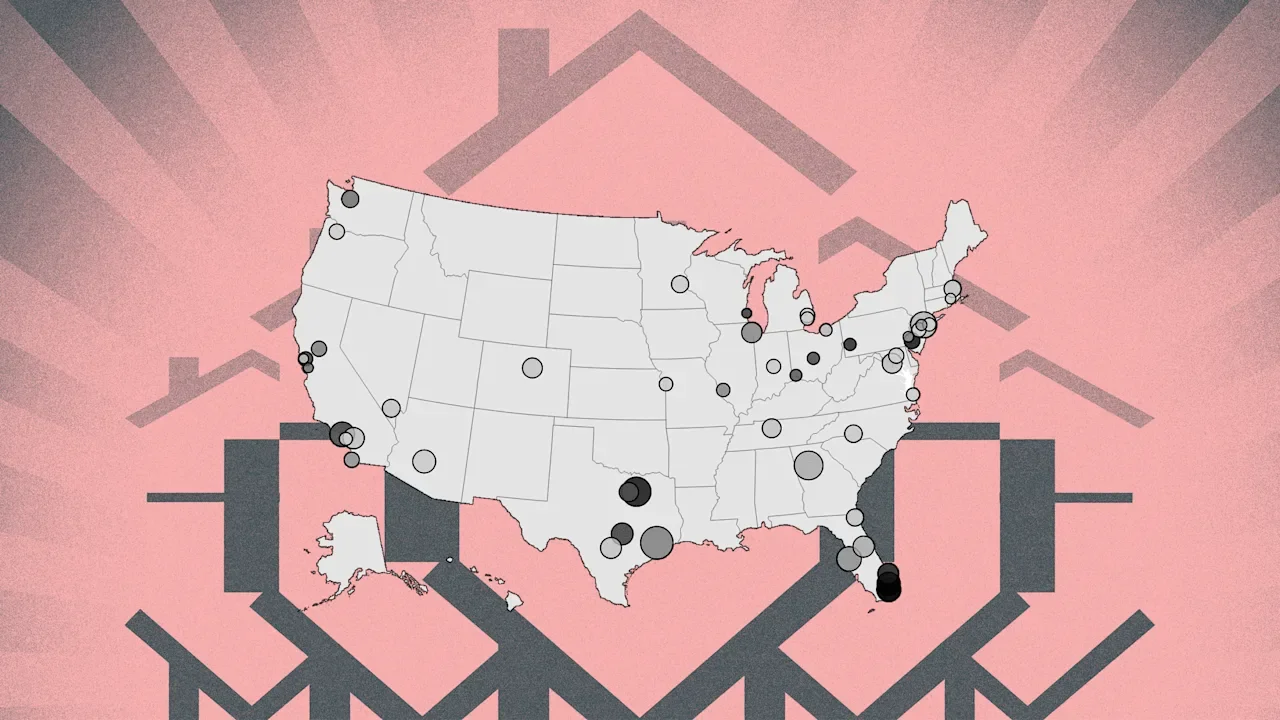
Want more housing market stories from Lance Lambert’s ResiClub in your inbox? Subscribe to the ResiClub newsletter. While national active inventory is still up year-over-year, the pace of growth has slowed since summer as some home sellers have thrown in the towel and delisted their properties. Indeed, according to Redfin, U.S. delistings as a share of inventory recently ticked up to 5.5%—a decade-high reading for this time of year. Looking ahead, in markets seeing the biggest jumps in delistings right now, many of those listings will likely return to the resale market in spring 2026—or test out the rental market. Without a corresponding increase in housing demand, that could lead to a faster-than-expected acceleration in inventory growth. “More sellers are giving up because their homes have been sitting on the market for a long time, and they don’t want to or can’t afford to settle on accepting a low price,” says Asad Khan, a senior economist at Redfin. “Many homes have a sticker price higher than buyers are willing to pay, but many sellers are unwilling to negotiate. When tens of thousands of homeowners pull their homes off the market rather than accept a low offer, it effectively reduces the supply of homes that are actually available for buyers.” Of course, there’s wide regional variation in delistings. Weaker and softer housing markets in places like Texas and Florida are currently seeing a higher share of delistings. Meanwhile, tighter housing markets in the Midwest are seeing a lower delisting rate. “Many homeowners who bought during the pandemic demand frenzy still expect sky-high prices,” says Khan. “They remember a seller’s market, so they’re hesitant to yield to buyers who want to negotiate the price down and/or ask for concessions. Recent buyers are also more likely to be testing the market; maybe they would sell and move up to a bigger home in a more desirable neighborhood if they get the price they want, but otherwise they’d stay put. Longtime owners, though, are more motivated to sell–they’re often downsizing or relocating for retirement.” The housing markets with the highest level of delistings are also the same places with the most “stale” inventory—homes that have been on the market for over 60 days. “Roughly one in five homes that were delisted over the summer were re-listed within three months: 20% of homes that were pulled off the market in July were subsequently re-listed, as were 18% of homes that were pulled in June,” writes Redfin. “We’re including this metric because delisting is sometimes used as a selling strategy; some sellers take their homes off the market and subsequently relist at a lower price to avoid house hunters seeing a ‘price drop’ on their listing, and to reset the number of days their home has been on the market.” “Note that we’re looking at delistings over the summer rather than September to ensure that enough time has passed to determine whether a home was re-listed,” Redfin adds. “Of the homes that were delisted in July then put back on the market, 31.6% of them have sold.” View the full article
-
Smart TVs have undoubtedly taken over the streaming space, and it's not hard to see why. You download the apps you want to use, log into your accounts, and presto: You can stream anything with a few clicks of your remote. But smart TV apps aren't the only way people watch shows and movies on platforms like Netflix. Among other methods, like plugging a laptop directly into the TV, many people still enjoying casting their content from small screens to big screens. For years, this has been a reliable way to switch from watching Netflix on your smartphone or tablet to watching on your TV—you just tap the cast button, select your TV, and in a few moments, your content is beamed to the proper place. Your device becomes its own remote, with search built right-in, and it avoids the need to sign into Netflix on TVs outside your home, such as when staying in hotels. At least it did, but Netflix no longer wants to let you do it. Netflix no longer supports casting on most devicesWhile you can still cast to your TV from other streaming platforms, there's bad news for Netflix fans: The company has abruptly dropped casting support for most devices. Android Authority was the first to report on the change, though you might have stumbled upon the development yourself when looking for the cast button in the Netflix app. In fact, Netflix has prepared for your confusion, as you can see from this Netflix Help Center page titled "Can't find 'Cast' button in Netflix app." This page might offer a glimmer of hope at first, as you think "Oh good, Netflix has a solution if the Cast button is missing." Unfortunately, the response isn't going to make you happy: "Netflix no longer supports casting shows from a mobile device to most TVs and TV-streaming devices. You’ll need to use the remote that came with your TV or TV-streaming device to navigate Netflix." The exception here is for "older" Chromecast devices or TVs that work with Google Cast—but only if you pay for an ad-free Netflix plan. If you took Netflix up on its lower-cost subscription offer, those ads not only cost you extra watch time, but also your ability to cast—assuming you even have the older hardware to cast to. While Android Authority was the first major publication to report on the issue, some Netflix casters have been living with the change over the past couple of weeks. On Nov. 14, this user posted on the Chromecast subreddit voicing their complaints about the change. They were particularly frustrated with the lack of communication from Netflix, as the Cast button was removed "with zero warning." Other users in the thread noted their frustrations, too, with some threatening to cancel their subscriptions over the issue. Why is Netflix removing support for casting?Netflix doesn't explain why it's making the change, so I can only speculate. First, it's totally possible this is simply a tech obsolescence issue. Many companies drop support for older or underused technologies, and perhaps Netflix sees now as the time to largely drop support for casting. Streamlining the tech the app has to support means less work for Netflix developers, and it wouldn't be the first time the company dropped support for older platforms. However, that doesn't really explain why the company still supports some devices for casting. Maybe it took a look at its user base, and made the calculation that enough subscribers relied on Google Cast devices for casting, but not enough relies on newer hardware for casting. We might not really know unless Netflix decides to issue a statement. That said, I can't help but feel like this is related to Netflix's crackdown on password sharing. The company clearly doesn't want you using its services unless you have your own paid account—or have another user pay extra to have you on their account. Casting, however, makes it easy to continue using someone else's account without paying for it. Since Netflix only requires mobile users to log into the account owner's home wifi once a month to continue watching on a device, you could theoretically cast Netflix from your smartphone to your TV to continue enjoying your shows and movies "for free." By removing casting as an option for most users, those users will either need to connect a device to the TV by wire—like a laptop connected via HDMI—or log into the smart TV app. And if those users don't actually have permission to access that account via that app, they won't be able to stream. If this really is the company's intention, it's doing so at the inconvenience of paying users, too. If you're traveling, you now need to bother with signing into your account on a TV you don't own. If you don't like using your smart TV apps, you're kind of out of luck, unless you want to deal with connecting a computer to your TV whenever you want to catch up on Stranger Things. How to fix Netflix casting issues with compatible hardware If you do meet the new requirements for casting on Netflix, and the cast button still isn't appearing, Netflix does have some troubleshooting steps you can take on its Help Center page. It's device-dependent, but generally, here's what you should do: Check your Chromecast's wifi network: You can ensure your Chromecast is actively connected to your wifi network from the Google Home app on your iPhone or Android device. Turn your device off and on again: If you're casting from your phone or tablet, power it off completely, then turn it back on again. Turn your Chromecast off and on again: If your device boots back up but the Cast button is still missing, power off and unplug your Chromecast for at least 15 seconds before turning it back on again. Sign out of Netflix: Log out of Netflix on the device you're trying to cast from. Turn off Chrome extensions: If you're using Chrome on a Mac or PC for casting, Netflix recommends turning off your browser extensions. (This seems like an extreme step in my opinion, especially if you're someone who relies on Chrome extension—but if it works, it works.) View the full article
-
We may earn a commission from links on this page. Deal pricing and availability subject to change after time of publication. It's Cyber Monday, and Lifehacker is sharing the best sales based on product reviews, comparisons, and price-tracking tools before the sales are over. Follow our live blog to stay up-to-date on the best sales we find. Browse our editors’ picks for a curated list of our favorite sales on laptops, fitness tech, appliances, and more. Subscribe to our shopping newsletter, Add to Cart, for the best sales sent to your inbox. Sales are accurate at the time of publication, but prices and inventory are always subject to change. If you've been curious about smart rings but hesitant about the price, I've got great news: Normally $399.99, the Samsung Galaxy Ring is currently on sale for $249.95 for Cyber Monday. Samsung Galaxy Ring $249.95 at Amazon $399.99 Save $150.04 Get Deal Get Deal $249.95 at Amazon $399.99 Save $150.04 As Lifehacker's own Daniel Oropeza says, Samsung's Galaxy Ring isn't just a one-off experiment—it's a well-made health-monitoring product. According to PCMag's review, it's a solid first-generation smart ring, though you'll get the most out of it if you have a Samsung phone. If you are already part of the Samsung ecosystem, this ring is great health and sleep tracker, monitoring metrics like heart rate, skin temperature, and sleep quality. However, if you're looking for detailed activity tracking, you're still better off with a smartwatch. This is more about passive health monitoring throughout your day and night. Design and featuresThe Galaxy Ring comes with a titanium finish in gold, silver, and black. Like Oura rings, it's a bit bulkier than a regular ring at 7mm wide and 2.6mm thick—something to consider if you're not used to wearing jewelry. Samsung users get extra perks: You can control your phone's camera or dismiss alarms by tapping your ring finger to your thumb twice in a row. It's a small touch, but these kinds of integrations make the device feel more seamlessly connected to your tech ecosystem. No subscription requiredHere's the biggest advantage over the main competition: The Galaxy Ring is subscription-free. Oura rings require an ongoing monthly fee to access your health data, but Samsung gives you full access without additional costs. That alone could save you hundreds of dollars over the ring's lifetime. The ring is IP68 water resistant, so you can wash your hands and shower without worrying about it. It comes with a wireless charging case, and the battery lasts about six days per charge. Sizes range from five to 15, so most people should find a comfortable fit. What stores have the best sales on Cyber Monday?Nowadays, both large retailers and small businesses compete for Cyber Monday shoppers, so you can expect practically every store to run sales through Monday, December 1, 2025. The “best” sales depend on your needs, but in general, the biggest discounts tend to come from larger retailers that can afford lower prices: think places like Amazon, Walmart, Target, Best Buy, and Home Depot. You can find all the best sales from major retailers on our live blog. Are Cyber Monday deals worth it?In short, yes, Cyber Monday still offers discounts that can be rare throughout the rest of the year. If there’s something you want to buy, or you’re shopping for gifts, it’s a good time to look for discounts on what you need, especially tech sales, home improvement supplies, and fitness tech. Of course, if you need to save money, the best way to save is to not buy anything. Are Cyber Monday deals better than Black Friday?Black Friday used to be bigger for major retailers and more expensive tech and appliances, while Cyber Monday was for cheaper tech and gave smaller businesses a chance to compete online. Nowadays, though, the distinction is almost meaningless. Every major retailer will offer sales on both days, and the smart move is to know what you want, use price trackers or refer to guides like our live blog that use price trackers for you, and don’t stress over finding the perfect timing. Our Best Editor-Vetted Cyber Monday Deals Right Now Apple AirPods Pro 3 Noise Cancelling Heart Rate Wireless Earbuds — $219.99 (List Price $249.00) Apple iPad Air 11" M3 128GB WiFi Tablet (Space Gray) — $449.99 (List Price $599.00) Dell 14 Premium DA14250 (Intel Core Ultra 7 255H, 512GB SSD, 16GB RAM, 2K Display) — $999.99 (List Price $1,549.99) Sony WH-1000XM5 — $248.00 (List Price $399.99) Blink Outdoor 4 1080p Wireless Security Camera (5-Pack) — $159.99 (List Price $399.99) Amazon Fire TV Stick 4K Plus — $24.99 (List Price $49.99) Shark AI Ultra Matrix Clean Mapping Voice Control Robot Vacuum with XL Self-Empty Base — $249.99 (List Price $599.00) Apple Watch Series 11 (GPS, 42mm, S/M Black Sport Band) — $329.00 (List Price $399.00) WD 6TB My Passport USB 3.0 Portable External Hard Drive — $136.45 (List Price $179.99) Samsung Galaxy Tab A9+ 10.9" 64GB Wi-Fi Tablet (Graphite) — $139.99 (List Price $219.99) Deals are selected by our commerce team View the full article
-
New York City is poised to get its first Vegas-style casinos, including one next to the home stadium of baseball’s New York Mets and another that could see a windfall for President Donald The President. They were among three casino proposals approved for lucrative gambling licenses on Monday by a key state panel. No casinos will end up coming to Manhattan, however, as several other competing proposals were already scrapped, including one in the heart of Times Square. The state Gaming Commission is expected to formally issue the licenses before the end of the year, as the gambling revenues are already factored into the state budget. Democratic Gov. Kathy Hochul said the casinos promise to unlock billions of dollars in funding for the state’s transit system. Bally’s plan to spend $4 billion building a casino at the Ferry Point golf course in the Bronx could mean millions of dollars for The President. When the company purchased the city-owned golf course’s operating rights from the The President Organization in 2023, it promised to pony up another $115 million if it won a casino license. Spokespersons for the The President Organization did not immediately respond to an email seeking comment. In nearby Queens, billionaire New York Mets owner Steve Cohen has proposed building an $8.1 billion Hard Rock casino on a parking lot of Citi Field. The complex would include a performance venue, a hotel, and a retail and shopping space. Resorts World, meanwhile, has proposed investing more than $5 billion to expand an existing slots parlor into a full casino at the Aqueduct Race Track, which is also in Queens, near John F. Kennedy International Airport. It, too, would add hotel, dining, and entertainment options. Vicki Been, chair of the New York Gaming Facility Location Board, said the panel believed the New York City market was “plenty strong” enough to sustain three casinos, despite their proximity. She said the three projects would generate roughly $7 billion in gambling revenues over a 10-year span. The projects would produce more than $5 billion in other tax revenues and other community benefits, including public safety investments and public transit and roadway improvements, Been said. A group of anti-casino protesters chanted “Shame on you! Shame on you!” as they were escorted out of the meeting at the CUNY Graduate Center in midtown Manhattan. Jack Hu, an anti-casino organizer, said afterward that the proposals would have a disproportionately negative impact on the city’s Asian American communities, which are largely concentrated in Queens. “Our seniors and working people have long been dehumanized by casino operators, treated as cash cows to milk for money,” Hu said, backed by other opponents holding protest signs outside the building. “They bus our seniors to casinos, and they give them meal and gambling vouchers in the hopes that they’ll stay long enough to lose their entire Social Security check.” The commission is authorized to license up to three casinos in the New York City area after voters approved a referendum back in 2013 opening the door to casino gambling statewide. Since then, four full casinos with table games have opened in New York, but all of them are located upstate, miles away from Manhattan. The state also has nine gambling halls offering slot machines and other electronic gambling machines, but no live table games. The closely watched competition for a New York City license began with a crowded field, with some eight proposals in the running as recently as September. But four of the high-profile plans failed to get the stamp of approval from local advisory boards, automatically knocking them out of contention. Among the most notable was a Jay-Z-backed plan to build a Caesars Palace in Times Square, as well as two other resorts proposed in central Manhattan. Then in October, MGM abruptly pulled out of the license sweepstakes, saying the “competitive and economic assumptions underpinning” their plans had changed. The Las Vegas casino giant had planned a major expansion of the Empire City Casino, a slots parlor located at the Yonkers Raceway north of Manhattan. —By Philip Marcelo, Associated Press View the full article

-
We may earn a commission from links on this page. Deal pricing and availability subject to change after time of publication. Cyber Monday is here, and Lifehacker is sharing the best sales based on product reviews, comparisons, and price-tracking tools before the sales are over. Follow our live blog to stay up-to-date on the best sales we find. Browse our editors’ picks for a curated list of our favorite sales on laptops, fitness tech, appliances, and more. Subscribe to our shopping newsletter, Add to Cart, for the best sales sent to your inbox. Sales are accurate at the time of publication, but prices and inventory are always subject to change. Bluetooth tracking tags are the perfect holiday gift; they're both high-tech and practical, they're easy to set up and use, and literally everyone has something they lose, from luggage, to laptops, to car keys, to pets. Plus, they're compact and easy to wrap. Best of all, these Mate tags from Tile are —especially while they're 50% off for Cyber Monday. Tile by Life360 Mate 2024 Bluetooth Tracker (4-Pack) $39.99 at Amazon $79.99 Save $40.00 Get Deal Get Deal $39.99 at Amazon $79.99 Save $40.00 They work like this: You affix them to whatever you like, and then you can either see where the item is on a map on your phone or play an alarm. But that's only half of what makes these trackers useful, because also work in reverse: You can click a Mate and it will ring your phone in case you lose that. A four pack of Mate trackers for $39.99 is the lowest price Amazon has ever offered, so this isn't an illusionary bargain, and it's much cheaper than Apple's competing product: A four-pack of AirTags lists for $99, and is currently on sale for $62.99. What stores have the best sales on Cyber Monday?Nowadays, both large retailers and small businesses compete for Cyber Monday shoppers, so you can expect practically every store to run sales through Monday, December 1, 2025. The “best” sales depend on your needs, but in general, the biggest discounts tend to come from larger retailers that can afford lower prices: think places like Amazon, Walmart, Target, Best Buy, and Home Depot. You can find all the best sales from major retailers on our live blog. Are Cyber Monday deals worth it?In short, yes, Cyber Monday still offers discounts that can be rare throughout the rest of the year. If there’s something you want to buy, or you’re shopping for gifts, it’s a good time to look for discounts on what you need, especially tech sales, home improvement supplies, and fitness tech. Of course, if you need to save money, the best way to save is to not buy anything. Are Cyber Monday deals better than Black Friday?Black Friday used to be bigger for major retailers and more expensive tech and appliances, while Cyber Monday was for cheaper tech and gave smaller businesses a chance to compete online. Nowadays, though, the distinction is almost meaningless. Every major retailer will offer sales on both days, and the smart move is to know what you want, use price trackers or refer to guides like our live blog that use price trackers for you, and don’t stress over finding the perfect timing. Our Best Editor-Vetted Cyber Monday Deals Right Now Apple AirPods Pro 3 Noise Cancelling Heart Rate Wireless Earbuds — $219.99 (List Price $249.00) Apple iPad Air 11" M3 128GB WiFi Tablet (Space Gray) — $449.99 (List Price $599.00) Dell 14 Premium DA14250 (Intel Core Ultra 7 255H, 512GB SSD, 16GB RAM, 2K Display) — $999.99 (List Price $1,549.99) Sony WH-1000XM5 — $248.00 (List Price $399.99) Blink Outdoor 4 1080p Wireless Security Camera (5-Pack) — $159.99 (List Price $399.99) Amazon Fire TV Stick 4K Plus — $24.99 (List Price $49.99) Shark AI Ultra Matrix Clean Mapping Voice Control Robot Vacuum with XL Self-Empty Base — $249.99 (List Price $599.00) Apple Watch Series 11 (GPS, 42mm, S/M Black Sport Band) — $329.00 (List Price $399.00) WD 6TB My Passport USB 3.0 Portable External Hard Drive — $136.45 (List Price $179.99) Samsung Galaxy Tab A9+ 10.9" 64GB Wi-Fi Tablet (Graphite) — $139.99 (List Price $219.99) Deals are selected by our commerce team View the full article
-
In a significant legal move that could ripple through the small business contracting community, Russell Thurston, a former executive vice president of Cambridge International Systems, Inc., was sentenced to 18 months in federal custody for his role in a multimillion-dollar bribery scheme. This case underscores critical concerns for small businesses navigating the complexities of government contracting. Thurston’s plea agreement revealed that he, along with several colleagues, participated in corrupt practices by providing various gifts to James Soriano, a former employee of the Naval Information Warfare Center. These included lavish dinners and even tickets to high-profile events. In exchange, Soriano manipulated government procurement processes to ensure Cambridge secured lucrative contracts totaling over $132 million. “Defense contracting is built on trust, integrity, and a solemn duty to protect the nation, but this defendant and his accomplices shattered that trust,” remarked U.S. Attorney Adam Gordon. Such statements serve as a stark reminder of the standards expected in the government contracting space, highlighting that small businesses must prioritize ethical practices to avoid similar fates. Small business owners engaging in government contracts—especially those considering leveraging programs designed to support minority or disadvantaged businesses—must pay close attention to integrity in their operations. Thurston’s actions led not only to federal charges against him but also brought Cambridge itself into the crosshairs of the law, resulting in hefty financial penalties and a damaged reputation. The company was ordered to forfeit over $1.67 million in profits obtained through the scheme and to pay an additional fine of $2.25 million. These events carry pivotal lessons. For those small businesses looking to join government contracts, understanding the legal frameworks and maintaining transparent practices must be a priority. Thurston’s conviction serves as a cautionary tale: engaging in unethical negotiation practices can lead to severe consequences, including prison time and the devastating fallout of lost contracts and credibility. “Today’s sentence makes clear that those who corrupt the system for personal gain will face decisive consequences,” said John E. Helsing, Acting Special Agent in Charge for the DoD Office of Inspector General. His comments underline the unified stance among law enforcement against corruption, emphasizing that even the perception of wrongdoing can result in severe penalties. Moreover, the challenges inherent in navigating government contracting are compounded by cases like this, which undermine trust in public procurement processes crucial for many small businesses. The scheme exploited the Small Business Administration’s (SBA) 8(a) program, intended to uplift capable entrepreneurs. Such corruption damages opportunities for legitimate small businesses that rely on these systems to succeed. Tim Larson, SBA OIG’s Western Region Acting Special Agent in Charge, noted, “This case demonstrates our commitment to working with our law enforcement partners to root out fraud and corruption in government contracting.” For small business owners, this signals a vital need to engage with ethical considerations actively, ensuring compliance with all federal regulations to protect their businesses from potential scrutiny or legal ramifications. While many small business owners aspire to grow through government contracts, insights into the repercussions of unethical practices can provide a sobering reminder of the stakes involved. By understanding the ramifications of compromising integrity for short-term gain, companies can better position themselves to thrive in this challenging landscape. As Thurston embarks on his 18-month sentence, the broader implications for small businesses remain clear: ethical business practices are not merely a moral obligation but a necessary strategy for long-term sustainability and success. The trust placed by government entities in private contractors must not be taken lightly, and those willing to play by the rules should feel reassured that law enforcement is working tirelessly to protect them—and the integrity of the contracting process. For more details, you can view the original U.S. Department of Justice press release here. For ongoing updates about investigative cases and audit oversight, you can subscribe to the SBA Office of Inspector General’s email alerts here. Image via Google Gemini This article, "Former Defense Contractor Executive Sentenced for Bribery Scheme" was first published on Small Business Trends View the full article
-
In a significant legal move that could ripple through the small business contracting community, Russell Thurston, a former executive vice president of Cambridge International Systems, Inc., was sentenced to 18 months in federal custody for his role in a multimillion-dollar bribery scheme. This case underscores critical concerns for small businesses navigating the complexities of government contracting. Thurston’s plea agreement revealed that he, along with several colleagues, participated in corrupt practices by providing various gifts to James Soriano, a former employee of the Naval Information Warfare Center. These included lavish dinners and even tickets to high-profile events. In exchange, Soriano manipulated government procurement processes to ensure Cambridge secured lucrative contracts totaling over $132 million. “Defense contracting is built on trust, integrity, and a solemn duty to protect the nation, but this defendant and his accomplices shattered that trust,” remarked U.S. Attorney Adam Gordon. Such statements serve as a stark reminder of the standards expected in the government contracting space, highlighting that small businesses must prioritize ethical practices to avoid similar fates. Small business owners engaging in government contracts—especially those considering leveraging programs designed to support minority or disadvantaged businesses—must pay close attention to integrity in their operations. Thurston’s actions led not only to federal charges against him but also brought Cambridge itself into the crosshairs of the law, resulting in hefty financial penalties and a damaged reputation. The company was ordered to forfeit over $1.67 million in profits obtained through the scheme and to pay an additional fine of $2.25 million. These events carry pivotal lessons. For those small businesses looking to join government contracts, understanding the legal frameworks and maintaining transparent practices must be a priority. Thurston’s conviction serves as a cautionary tale: engaging in unethical negotiation practices can lead to severe consequences, including prison time and the devastating fallout of lost contracts and credibility. “Today’s sentence makes clear that those who corrupt the system for personal gain will face decisive consequences,” said John E. Helsing, Acting Special Agent in Charge for the DoD Office of Inspector General. His comments underline the unified stance among law enforcement against corruption, emphasizing that even the perception of wrongdoing can result in severe penalties. Moreover, the challenges inherent in navigating government contracting are compounded by cases like this, which undermine trust in public procurement processes crucial for many small businesses. The scheme exploited the Small Business Administration’s (SBA) 8(a) program, intended to uplift capable entrepreneurs. Such corruption damages opportunities for legitimate small businesses that rely on these systems to succeed. Tim Larson, SBA OIG’s Western Region Acting Special Agent in Charge, noted, “This case demonstrates our commitment to working with our law enforcement partners to root out fraud and corruption in government contracting.” For small business owners, this signals a vital need to engage with ethical considerations actively, ensuring compliance with all federal regulations to protect their businesses from potential scrutiny or legal ramifications. While many small business owners aspire to grow through government contracts, insights into the repercussions of unethical practices can provide a sobering reminder of the stakes involved. By understanding the ramifications of compromising integrity for short-term gain, companies can better position themselves to thrive in this challenging landscape. As Thurston embarks on his 18-month sentence, the broader implications for small businesses remain clear: ethical business practices are not merely a moral obligation but a necessary strategy for long-term sustainability and success. The trust placed by government entities in private contractors must not be taken lightly, and those willing to play by the rules should feel reassured that law enforcement is working tirelessly to protect them—and the integrity of the contracting process. For more details, you can view the original U.S. Department of Justice press release here. For ongoing updates about investigative cases and audit oversight, you can subscribe to the SBA Office of Inspector General’s email alerts here. Image via Google Gemini This article, "Former Defense Contractor Executive Sentenced for Bribery Scheme" was first published on Small Business Trends View the full article
-
Here’s some good news: If you have student loan debt, you could soon qualify for a repayment plan that comes with lower monthly bills. The eligibility requirements for the Income-Based Repayment (IBR) Plan have been updated to allow a broader swath of student loan borrowers—including higher earners—to enroll in this plan as a result of a provision in the so-called One Big Beautiful Bill Act that passed over the summer. You may be able to switch to this plan, even if you don’t have partial financial hardship. The U.S. Department of Education is working to update its system to implement the updates to the IBR Plan and said it anticipates that those changes will be completed this month. “In the meantime, servicers will hold IBR applications that would otherwise be denied. servicers will process those applications after the system changes are completed,” the Department said in an update from last month. “We encourage borrowers who applied for the IBR Plan and were denied due to lack of partial financial hardship before we instructed servicers to hold these applications to reapply.” That said, borrowers who are freshly eligible for the IBR Plan may have to wait several more months before they start to receive their new monthly payments. That’s because the Department has pegged July 1, 2026 as the date when borrowers who have eligible loans can access the IBR and the date when there will be no restrictions on enrolling in IBR. The Department of Education didn’t immediately respond to a request for comment from Fast Company regarding the timing of when borrowers will begin to receive their new monthly bills. EXPANDED ELIGIBILITY The changes from this past summer mean that more high-income borrowers will now be eligible for this income-driven repayment plan. But the Department of Education is also scrapping three other affordable repayment plans: The Saving on a Valuable Education (SAVE) plan, the Income-Contingent Repayment (ICR) plan, and the Pay as You Earn (PAYE) plan. Borrowers under these three plans may switch to the IBR plan, though they won’t necessarily see their monthly payments go down. Borrowers in PAYE may not see their monthly bill change much under IBR, while they’ll be higher for those borrowers currently enrolled in SAVE, Mark Kantrowitz, an expert on student financial aid, told CNBC. But many borrowers enrolled in ICR will have lower monthly payments once they switch to IBR, he added. Though the eligibility for the Income-Based Repayment Plan has been expanded, other aspects remain the same. The monthly payment will continue to be calculated as 10% of a borrower’s discretionary income, with a 20-year repayment period, for those borrowers who first took out a loan on or after July 1, 2014. For those borrowers who took out a loan prior to that date, the monthly payment amount is calculated based on 15% of a borrower’s discretionary income, with a 25-year repayment period. What’s more, there are still exclusions to the IBR Plan that include Parent PLUS borrowers whose loans have not been consolidated and recipients of Perkins loans and other loan programs who have not consolidated those loans. View the full article

-
Planet Home Lending, helped by growing recapture and distributed retail volume, did 64% more originations in the third quarter than one year prior. View the full article
-
If you’ve recycled a Nespresso capsule recently, your spent coffee grounds could help Los Angeles recover from the devastating January 2025 wildfires. Nespresso is donating 100,000 pounds of compost, made in part from recycled coffee capsules, to City Plants LA, a nonprofit that plants and cares for trees across the city. The Swiss brand will deliver the compost in three batches, and recently sent off its first batch of about 30,000 pounds to the nonprofit. Nearly a year after the Palisades and Eaton wildfires, the soil across Los Angeles county is still impacted. Wildfires contaminate soil with heavy metals, alter its nutrient contents, and increase the risk of erosion. Compost can help restore that soil, adding in nutrients and binding with contaminants. City Plants will use the compost from Nespresso to replant or save trees that survived the wildfires, as well as on new trees it’s planting throughout L.A. It expects to distribute more than 8,500 trees to L.A. residents. (Residents can also pick up compost from the nonprofit.) To create compost, Nespresso’s partners use a mix of organic materials, so coffee grounds can make up between 5 to 20% of the final product. That 100,000 pounds of compost donated to L.A. will be made up of about 5,000 recycling bags of Nespresso capsules, or about 20,000 pounds of coffee grounds. How Nespresso recycles This isn’t Nespresso’s first time turning its coffee grounds into compost. The company has long worked with composting company AgChoice as part of a complimentary recycling program. Customers can recycle their used capsules by mailing back bags of spent pods or dropping them off at Nespresso stores. (In New York City and Jersey City only, customers can also toss used capsules into their curbside recycling bins.) From there, its partners extract the coffee grounds from the aluminum, turning the grounds into compost, and the metal into new objects, including Nespresso capsules, pens, or even bikes. In the wake of the Los Angeles wildfires, though, the coffee company wanted to do something specifically for Southern California, and so launched this effort, called Grounds to Grow LA. “We were trying to figure out, how do we find a project that could provide meaning to us and also our community?” says Amy Uong, senior recycling manager at Nespresso USA. Making composting relatable Nespresso connected to City Plants, and, throughout the fall, put out a call to action to its California customers, encouraging donations at the 13 Nespresso stores throughout the state. However, since composting takes time, the 100,000 pounds that will be donated to City Plants includes compost processed before the project began, collected from across the country. Still, by appealing to California customers and focusing on wildfire restoration, Nespresso hopes to make the recycling process more tangible to its customers—and increase recycling participation. Currently, Nespresso’s recycling rate is 35%; it aims to reach 60% by 2030. “It was really about, how do we influence more consumers? How do we give them meaning to participate in the recycling program?” Uong says. Recycling can be abstract to consumers, she admits; they may put something into a bin, but they don’t see what it becomes. “But with the coffee grounds turning into compost, it’s something they can see. They can see a tree on the street or in their backyard; the residents can go and pick it up. They’re now active in that process.” View the full article

-
We may earn a commission from links on this page. Deal pricing and availability subject to change after time of publication. Black Friday sales officially start Friday, November 28, and run through Cyber Monday, December 1, and Lifehacker is sharing the best sales based on product reviews, comparisons, and price-tracking tools before it's over. Follow our live blog to stay up-to-date on the best sales we find. Browse our editors’ picks for a curated list of our favorite sales on laptops, fitness tech, appliances, and more. Subscribe to our shopping newsletter, Add to Cart, for the best sales sent to your inbox. Sales are accurate at the time of publication, but prices and inventory are always subject to change. Normally $295, the Core 2 Thermal Sensor is currently on sale for $236—a 20% discount for Cyber Monday. And here's the smart play: buying it now means you'll be ready to get ahead of the heat when spring training season rolls around. Core 2 Thermal Sensor $294.95 at CORE Get Deal Get Deal $294.95 at CORE What the Core 2 doesThe Core 2 is a small plastic sensor that attaches to your heart rate monitor chest strap and tracks your body temperature during workouts. It's designed to help you understand how heat is affecting your performance, and guide you through heat-training protocols so you can adapt faster and more efficiently. My colleague Beth Skwarecki reviewed the Core 2 and found it a little fussy to set up, but easy to use and understand once you're up and running. What really impressed her was the big-picture view it provides: tracking how your body adapts to heat over time. Train hot, race coolThe data from the Core 2 serves two main purposes. First, it can guide your heat acclimation training—helping you adapt to hot conditions more strategically. Second, you can use it during races to monitor your core temperature and avoid overheating when it counts. As Beth points out, there's a legitimate debate about whether heat training makes sense for every athlete. You could argue that most runners would benefit more from longer or faster runs rather than adding heat stress to their training. But if you are training in the heat—whether because you live somewhere hot, you're preparing for a warm-weather race, or you're intentionally pursuing heat adaptation—the Core 2 seems to be an incredibly useful tool. Worth it for the right runnerAt nearly $300, this isn't an impulse purchase. But at $236, it's more accessible for serious athletes who want to take their heat training to the next level. Getting it now during Cyber Monday means you'll have months to familiarize yourself with the device before temperatures climb in spring and summer. By the time race season heats up, you'll already know exactly how your body responds to thermal stress—and how to manage it. How long do Black Friday deals really last?Black Friday sales officially begin Friday, November 28, 2025, and run throughout “Cyber Week,” the five-day period that runs from Thanksgiving through Cyber Monday, December 1, 2025. But Black Friday and Cyber Monday dates have expanded as retailers compete for customers. You can get the same Black Friday sales early, and we expect sales to wind down by December 3, 2025. Are Black Friday deals worth it?In short, yes, Black Friday still offers discounts that can be rare throughout the rest of the year. If there’s something you want to buy, or you’re shopping for gifts, it’s a good time to look for discounts on what you need, especially tech sales, home improvement supplies, and fitness tech. Of course, if you need to save money, the best way to save is to not buy anything. Are Cyber Monday deals better than Black Friday?Black Friday used to be bigger for major retailers and more expensive tech and appliances, while Cyber Monday was for cheaper tech and gave smaller businesses a chance to compete online. Nowadays, though, distinction is almost meaningless. Every major retailer will offer sales on both days, and the smart move is to know what you want, use price trackers or refer to guides like our live blog that use price trackers for you, and don’t stress over finding the perfect timing. Our Best Editor-Vetted Cyber Monday Deals Right Now Apple AirPods Pro 3 Noise Cancelling Heart Rate Wireless Earbuds — $219.99 (List Price $249.00) Apple iPad Air 11" M3 128GB WiFi Tablet (Space Gray) — $449.99 (List Price $599.00) Dell 14 Premium DA14250 (Intel Core Ultra 7 255H, 512GB SSD, 16GB RAM, 2K Display) — $999.99 (List Price $1,549.99) Sony WH-1000XM5 — $248.00 (List Price $399.99) Blink Outdoor 4 1080p Wireless Security Camera (5-Pack) — $159.99 (List Price $399.99) Amazon Fire TV Stick 4K Plus — $24.99 (List Price $49.99) Shark AI Ultra Matrix Clean Mapping Voice Control Robot Vacuum with XL Self-Empty Base — $249.99 (List Price $599.00) Apple Watch Series 11 (GPS, 42mm, S/M Black Sport Band) — $329.00 (List Price $399.00) WD 6TB My Passport USB 3.0 Portable External Hard Drive — $136.45 (List Price $179.99) Samsung Galaxy Tab A9+ 10.9" 64GB Wi-Fi Tablet (Graphite) — $139.99 (List Price $219.99) Deals are selected by our commerce team View the full article
-
When you’re looking to edit MP4 files, choosing the right software can make a significant difference in your workflow and final product. From professional-grade tools like Adobe Premiere Pro to user-friendly options such as CyberLink Director 365, there’s a variety to suit your needs. Each software offers distinct features and capabilities, catering to different skill levels and editing styles. Let’s explore the top seven options available, so you can find the perfect match for your projects. Key Takeaways Adobe Premiere Pro is the industry standard for professional video editing, supporting a wide range of MP4 file formats for easy import/export. CyberLink PowerDirector 365 offers a user-friendly interface and fast project rendering, making it ideal for both beginners and experienced users working with MP4 files. iMovie provides seamless editing for macOS and iOS users with a drag-and-drop design, perfect for simple MP4 video projects. Final Cut Pro features a modern trackless timeline and advanced editing tools, tailored for high-quality MP4 video production on macOS. DaVinci Resolve includes a free version with robust features for MP4 editing, suitable for both novices and professionals seeking high-resolution editing capabilities. Adobe Premiere Pro Adobe Premiere Pro is often considered the industry standard for professional video editing, and for good reason. As a potent mp4 editing software, it supports a wide array of file formats, allowing you to import and export your MP4 files effortlessly. This program to edit MP4 not only offers advanced features for color correction and audio editing but also includes visual effects that improve your projects. With its subscription model, you get continuous updates and access to the latest tools, ensuring you’re always equipped with state-of-the-art capabilities. Furthermore, Premiere Pro’s collaborative features enable team members to work on projects simultaneously, boosting productivity. The robust library of templates, effects, and shifts further enriches your experience, making it a top choice in video editing software MP4. CyberLink PowerDirector 365 For those seeking a robust alternative to Adobe Premiere Pro, CyberLink PowerDirector 365 offers a versatile video editing experience that caters to both beginners and experienced users. Its user-friendly interface makes it easy to navigate, whereas features like fast project rendering and extensive effects improve your editing capabilities. You can edit in 4K or 360-degree formats, perfect for high-quality content across various platforms. Feature Details Subscription Model $69.99/year One-time Purchase $99.99 (Ultra edition) Built-in Screen Recording Ideal for gamers and creators With tools like motion tracking and multicam support, this software is a great upgrade from the basic Windows Movie Maker app. Imovie If you’re using an Apple device, iMovie offers a user-friendly interface that makes video editing accessible for everyone. With advanced editing tools like chroma-keying and seamless integration with the Apple ecosystem, you can create polished videos as you easily incorporate audio from iTunes or GarageBand. Although it may not support multiple video tracks, it’s a solid choice for beginners and casual editors looking to improve their MP4 projects. User-Friendly Interface Although many video editing programs can overwhelm users with complex features, iMovie stands out for its user-friendly interface, making it an excellent choice for beginners and non-professionals. Its simple drag-and-drop design allows you to edit MP4 files with ease, ensuring that crucial tools like trimming, cropping, and adding changes are readily accessible without adding confusion. The Storyboard feature helps you structure your projects efficiently, guiding you through a step-by-step process. Optimized for macOS and iOS devices, iMovie allows seamless editing of videos captured on your iPhone or iPad during maintaining high-quality output. Even advanced tools like chroma-keying and picture-in-picture effects are presented within a straightforward framework, simplifying your editing experience considerably. Advanced Editing Tools When you’re looking to raise your video projects, iMovie’s advanced editing tools offer a range of features that can greatly improve your editing experience. With these tools at your disposal, you can elevate your videos effectively: 4K Video Editing: Create high-resolution projects customized for modern displays. User-Friendly Interface: Navigate easily with a drag-and-drop design, perfect for beginners. Chroma-Keying: Remove backgrounds effortlessly for a cleaner look. Picture-in-Picture Effects: Layer visuals to create dynamic presentations. Magic Movie Mode: Automate editing by letting iMovie select clips and transitions for you. These features not only streamline your workflow but likewise allow you to produce polished videos with minimal effort, making iMovie a solid choice for aspiring video editors. Apple Ecosystem Integration iMovie’s integration within the Apple ecosystem improves the editing experience by allowing users to leverage the capabilities of multiple Apple applications seamlessly. As a free video editing software exclusive to macOS and iOS, it’s designed for ease of use, featuring a user-friendly drag-and-drop interface that simplifies the process for beginners. You can edit 4K videos, creating high-quality projects optimized for Apple devices. iMovie works well with GarageBand for audio editing and Photos for easy access to media files. Furthermore, iCloud enables you to share projects across different Apple devices, allowing for seamless collaboration and access to your ongoing edits from anywhere. This interconnectedness makes iMovie an efficient choice for Apple users looking to edit videos effectively. Final Cut Pro Final Cut Pro stands out as a potent video editing software customized particularly for macOS, offering users a high-performance editing experience with features that cater to both professionals and aspiring editors. Here are some key aspects of Final Cut Pro: Modern Trackless Timeline: Enables flexible clip arrangement for seamless editing. Multicam Editing: Streamlines the process of editing footage from multiple cameras. 360-Degree Video Editing: Supports immersive video projects. AI-Powered Tools: The Scene Removal Mask simplifies complex edits by isolating subjects automatically. Extensive Color Grading: Provides precise adjustments for improved creative control. At a one-time purchase of $299.99, you gain access to frequent updates and a robust ecosystem of third-party plugins, making it a valuable investment for your video editing needs. DaVinci Resolve DaVinci Resolve is a robust video editing software that caters to a wide range of users, from novices to seasoned professionals. It offers a free version packed with advanced features, making it accessible for anyone interested in video editing. You’ll appreciate its support for high-resolution editing up to 4K, thorough color correction tools, audio post-production capabilities, and impressive visual effects. The software additionally allows for multi-user collaboration, enabling teams to work on projects simultaneously and efficiently. Plus, it’s compatible with Windows, macOS, and Linux, providing flexibility for users across different operating systems. With frequent updates and a strong community support system, you’ll always have access to the latest features and bug fixes, enhancing your editing experience. Wondershare Filmora Wondershare Filmora stands out as an ideal choice for those looking to create polished videos without the steep learning curve typical of professional-grade software. It’s designed for amateurs who want robust effects without the complexity. Here are some key features you’ll find: User-friendly interface with a wide selection of transitions and visual effects Advanced tools like motion tracking, picture-in-picture, and chroma-key capabilities Support for various aspect ratios and resolutions, including 4K Quick movie creation tool that simplifies the editing process Free trial version available, with a full version offered as a one-time purchase or subscription With these features, you can efficiently produce high-quality videos customized to your needs. Movavi Movavi Video Editor stands out with its user-friendly interface, making it an excellent choice for beginners and casual users who want to edit MP4 files. You’ll find a range of features like cropping, trimming, and adding transitions, all intended to improve your video quality effortlessly. Moreover, with various pricing plans and a free trial available, you can easily explore its capabilities before making a commitment. User-Friendly Interface When you’re looking for video editing software that’s easy to use, a user-friendly interface can make all the difference. Movavi Video Editor excels in this area, simplifying navigation for beginners and casual users alike. Its drag-and-drop functionality allows you to import and arrange video clips effortlessly, regardless of your technical skills. The clear layout organizes tools and options, helping you quickly find the features you need. Furthermore, built-in tutorials and tips guide you through the editing process step-by-step. You can also customize your workspace to suit your preferences, enhancing your efficiency. Here are some key features: Intuitive drag-and-drop functionality Clearly organized tools and options Step-by-step built-in tutorials Customizable workspace Accessible for beginners and casual users Video Editing Features With a user-friendly interface in place, Movavi Video Editor offers a robust set of video editing features that cater to both beginners and more experienced users. You can easily crop, rotate, trim, and merge clips, allowing you to create polished videos without hassle. The software includes a variety of special effects, transitions, and customizable music tracks, which improve the overall quality of your edited MP4 videos. Furthermore, built-in chroma-key effects enable you to remove and replace backgrounds, providing creative flexibility for your projects. Movavi also features direct video capturing tools, so you can seamlessly record content from various devices within the editing environment, making it a versatile choice for all your video editing needs. Pricing and Plans Choosing the right pricing plan for video editing software can greatly impact your experience and budget. Movavi offers flexible options customized to your needs: A free trial version lets you explore features, though exported videos carry a watermark. The lifetime license is priced at $74.95, granting full access to all features without recurring charges. A subscription plan is available, which includes updates and support to keep you current with the latest tools. Movavi is compatible with both Windows and macOS, ensuring you can edit on your preferred system. Be on the lookout for promotions and discounts, as they frequently offer reduced prices for the software. Evaluating these options will help you choose the best plan for your editing projects. Frequently Asked Questions What Is the Best MP4 Video Editor? When choosing the best MP4 video editor, consider your needs and skill level. DaVinci Resolve offers professional tools for free, ideal for advanced users. If you prefer a user-friendly interface, PowerDirector provides AI features and effects for all levels. For Apple users, iMovie simplifies editing with 4K support. Lightworks and Shotcut likewise serve casual and intermediate users, with customizable options. Each software has unique strengths, so evaluate what aligns with your editing goals. What App Do I Use to Edit an MP4 File? To edit an MP4 file, you can choose from several apps based on your needs. DaVinci Resolve offers professional tools for detailed editing, whereas Adobe Premiere Pro is great for advanced features and collaboration, though it requires a subscription. If you’re looking for user-friendly options, CyberLink PowerDirector provides AI tools for efficiency. For simple edits, iMovie is effective on Apple devices, and free software like Shotcut or OpenShot can handle basic tasks. What Is the No. 1 Best Video Editor? The No. 1 best video editor currently is DaVinci Resolve. It’s widely recognized for its advanced editing tools and exceptional color correction features. You’ll find a robust free version that caters to both beginners and professionals alike. As Adobe Premiere Pro remains the industry standard, DaVinci offers a compelling alternative with extensive capabilities. If you’re looking for quality and versatility, this software should be at the top of your list. Is MP4 Good for Editing? Yes, MP4 is good for editing. It offers high-quality visuals while keeping file sizes manageable, making it a popular choice among editors. Most editing software supports MP4 files, allowing you to perform tasks like trimming, merging, and adding effects easily. Although it’s versatile, some advanced software might have limitations with specific MP4 codecs, which can impact performance. Conclusion In conclusion, selecting the right video editing software for MP4 files depends on your specific needs and skill level. Adobe Premiere Pro and Final Cut Pro are ideal for professionals seeking advanced features, whereas CyberLink PowerDirector 365 and Wondershare Filmora cater to users looking for a balance of ease and functionality. For Mac users, iMovie offers straightforward editing, and DaVinci Resolve provides robust tools for both beginners and experts. Ultimately, each option has unique strengths worth considering. Image via Google Gemini This article, "Top 7 Video Editing Software for MP4 Files" was first published on Small Business Trends View the full article
-
When you’re looking to edit MP4 files, choosing the right software can make a significant difference in your workflow and final product. From professional-grade tools like Adobe Premiere Pro to user-friendly options such as CyberLink Director 365, there’s a variety to suit your needs. Each software offers distinct features and capabilities, catering to different skill levels and editing styles. Let’s explore the top seven options available, so you can find the perfect match for your projects. Key Takeaways Adobe Premiere Pro is the industry standard for professional video editing, supporting a wide range of MP4 file formats for easy import/export. CyberLink PowerDirector 365 offers a user-friendly interface and fast project rendering, making it ideal for both beginners and experienced users working with MP4 files. iMovie provides seamless editing for macOS and iOS users with a drag-and-drop design, perfect for simple MP4 video projects. Final Cut Pro features a modern trackless timeline and advanced editing tools, tailored for high-quality MP4 video production on macOS. DaVinci Resolve includes a free version with robust features for MP4 editing, suitable for both novices and professionals seeking high-resolution editing capabilities. Adobe Premiere Pro Adobe Premiere Pro is often considered the industry standard for professional video editing, and for good reason. As a potent mp4 editing software, it supports a wide array of file formats, allowing you to import and export your MP4 files effortlessly. This program to edit MP4 not only offers advanced features for color correction and audio editing but also includes visual effects that improve your projects. With its subscription model, you get continuous updates and access to the latest tools, ensuring you’re always equipped with state-of-the-art capabilities. Furthermore, Premiere Pro’s collaborative features enable team members to work on projects simultaneously, boosting productivity. The robust library of templates, effects, and shifts further enriches your experience, making it a top choice in video editing software MP4. CyberLink PowerDirector 365 For those seeking a robust alternative to Adobe Premiere Pro, CyberLink PowerDirector 365 offers a versatile video editing experience that caters to both beginners and experienced users. Its user-friendly interface makes it easy to navigate, whereas features like fast project rendering and extensive effects improve your editing capabilities. You can edit in 4K or 360-degree formats, perfect for high-quality content across various platforms. Feature Details Subscription Model $69.99/year One-time Purchase $99.99 (Ultra edition) Built-in Screen Recording Ideal for gamers and creators With tools like motion tracking and multicam support, this software is a great upgrade from the basic Windows Movie Maker app. Imovie If you’re using an Apple device, iMovie offers a user-friendly interface that makes video editing accessible for everyone. With advanced editing tools like chroma-keying and seamless integration with the Apple ecosystem, you can create polished videos as you easily incorporate audio from iTunes or GarageBand. Although it may not support multiple video tracks, it’s a solid choice for beginners and casual editors looking to improve their MP4 projects. User-Friendly Interface Although many video editing programs can overwhelm users with complex features, iMovie stands out for its user-friendly interface, making it an excellent choice for beginners and non-professionals. Its simple drag-and-drop design allows you to edit MP4 files with ease, ensuring that crucial tools like trimming, cropping, and adding changes are readily accessible without adding confusion. The Storyboard feature helps you structure your projects efficiently, guiding you through a step-by-step process. Optimized for macOS and iOS devices, iMovie allows seamless editing of videos captured on your iPhone or iPad during maintaining high-quality output. Even advanced tools like chroma-keying and picture-in-picture effects are presented within a straightforward framework, simplifying your editing experience considerably. Advanced Editing Tools When you’re looking to raise your video projects, iMovie’s advanced editing tools offer a range of features that can greatly improve your editing experience. With these tools at your disposal, you can elevate your videos effectively: 4K Video Editing: Create high-resolution projects customized for modern displays. User-Friendly Interface: Navigate easily with a drag-and-drop design, perfect for beginners. Chroma-Keying: Remove backgrounds effortlessly for a cleaner look. Picture-in-Picture Effects: Layer visuals to create dynamic presentations. Magic Movie Mode: Automate editing by letting iMovie select clips and transitions for you. These features not only streamline your workflow but likewise allow you to produce polished videos with minimal effort, making iMovie a solid choice for aspiring video editors. Apple Ecosystem Integration iMovie’s integration within the Apple ecosystem improves the editing experience by allowing users to leverage the capabilities of multiple Apple applications seamlessly. As a free video editing software exclusive to macOS and iOS, it’s designed for ease of use, featuring a user-friendly drag-and-drop interface that simplifies the process for beginners. You can edit 4K videos, creating high-quality projects optimized for Apple devices. iMovie works well with GarageBand for audio editing and Photos for easy access to media files. Furthermore, iCloud enables you to share projects across different Apple devices, allowing for seamless collaboration and access to your ongoing edits from anywhere. This interconnectedness makes iMovie an efficient choice for Apple users looking to edit videos effectively. Final Cut Pro Final Cut Pro stands out as a potent video editing software customized particularly for macOS, offering users a high-performance editing experience with features that cater to both professionals and aspiring editors. Here are some key aspects of Final Cut Pro: Modern Trackless Timeline: Enables flexible clip arrangement for seamless editing. Multicam Editing: Streamlines the process of editing footage from multiple cameras. 360-Degree Video Editing: Supports immersive video projects. AI-Powered Tools: The Scene Removal Mask simplifies complex edits by isolating subjects automatically. Extensive Color Grading: Provides precise adjustments for improved creative control. At a one-time purchase of $299.99, you gain access to frequent updates and a robust ecosystem of third-party plugins, making it a valuable investment for your video editing needs. DaVinci Resolve DaVinci Resolve is a robust video editing software that caters to a wide range of users, from novices to seasoned professionals. It offers a free version packed with advanced features, making it accessible for anyone interested in video editing. You’ll appreciate its support for high-resolution editing up to 4K, thorough color correction tools, audio post-production capabilities, and impressive visual effects. The software additionally allows for multi-user collaboration, enabling teams to work on projects simultaneously and efficiently. Plus, it’s compatible with Windows, macOS, and Linux, providing flexibility for users across different operating systems. With frequent updates and a strong community support system, you’ll always have access to the latest features and bug fixes, enhancing your editing experience. Wondershare Filmora Wondershare Filmora stands out as an ideal choice for those looking to create polished videos without the steep learning curve typical of professional-grade software. It’s designed for amateurs who want robust effects without the complexity. Here are some key features you’ll find: User-friendly interface with a wide selection of transitions and visual effects Advanced tools like motion tracking, picture-in-picture, and chroma-key capabilities Support for various aspect ratios and resolutions, including 4K Quick movie creation tool that simplifies the editing process Free trial version available, with a full version offered as a one-time purchase or subscription With these features, you can efficiently produce high-quality videos customized to your needs. Movavi Movavi Video Editor stands out with its user-friendly interface, making it an excellent choice for beginners and casual users who want to edit MP4 files. You’ll find a range of features like cropping, trimming, and adding transitions, all intended to improve your video quality effortlessly. Moreover, with various pricing plans and a free trial available, you can easily explore its capabilities before making a commitment. User-Friendly Interface When you’re looking for video editing software that’s easy to use, a user-friendly interface can make all the difference. Movavi Video Editor excels in this area, simplifying navigation for beginners and casual users alike. Its drag-and-drop functionality allows you to import and arrange video clips effortlessly, regardless of your technical skills. The clear layout organizes tools and options, helping you quickly find the features you need. Furthermore, built-in tutorials and tips guide you through the editing process step-by-step. You can also customize your workspace to suit your preferences, enhancing your efficiency. Here are some key features: Intuitive drag-and-drop functionality Clearly organized tools and options Step-by-step built-in tutorials Customizable workspace Accessible for beginners and casual users Video Editing Features With a user-friendly interface in place, Movavi Video Editor offers a robust set of video editing features that cater to both beginners and more experienced users. You can easily crop, rotate, trim, and merge clips, allowing you to create polished videos without hassle. The software includes a variety of special effects, transitions, and customizable music tracks, which improve the overall quality of your edited MP4 videos. Furthermore, built-in chroma-key effects enable you to remove and replace backgrounds, providing creative flexibility for your projects. Movavi also features direct video capturing tools, so you can seamlessly record content from various devices within the editing environment, making it a versatile choice for all your video editing needs. Pricing and Plans Choosing the right pricing plan for video editing software can greatly impact your experience and budget. Movavi offers flexible options customized to your needs: A free trial version lets you explore features, though exported videos carry a watermark. The lifetime license is priced at $74.95, granting full access to all features without recurring charges. A subscription plan is available, which includes updates and support to keep you current with the latest tools. Movavi is compatible with both Windows and macOS, ensuring you can edit on your preferred system. Be on the lookout for promotions and discounts, as they frequently offer reduced prices for the software. Evaluating these options will help you choose the best plan for your editing projects. Frequently Asked Questions What Is the Best MP4 Video Editor? When choosing the best MP4 video editor, consider your needs and skill level. DaVinci Resolve offers professional tools for free, ideal for advanced users. If you prefer a user-friendly interface, PowerDirector provides AI features and effects for all levels. For Apple users, iMovie simplifies editing with 4K support. Lightworks and Shotcut likewise serve casual and intermediate users, with customizable options. Each software has unique strengths, so evaluate what aligns with your editing goals. What App Do I Use to Edit an MP4 File? To edit an MP4 file, you can choose from several apps based on your needs. DaVinci Resolve offers professional tools for detailed editing, whereas Adobe Premiere Pro is great for advanced features and collaboration, though it requires a subscription. If you’re looking for user-friendly options, CyberLink PowerDirector provides AI tools for efficiency. For simple edits, iMovie is effective on Apple devices, and free software like Shotcut or OpenShot can handle basic tasks. What Is the No. 1 Best Video Editor? The No. 1 best video editor currently is DaVinci Resolve. It’s widely recognized for its advanced editing tools and exceptional color correction features. You’ll find a robust free version that caters to both beginners and professionals alike. As Adobe Premiere Pro remains the industry standard, DaVinci offers a compelling alternative with extensive capabilities. If you’re looking for quality and versatility, this software should be at the top of your list. Is MP4 Good for Editing? Yes, MP4 is good for editing. It offers high-quality visuals while keeping file sizes manageable, making it a popular choice among editors. Most editing software supports MP4 files, allowing you to perform tasks like trimming, merging, and adding effects easily. Although it’s versatile, some advanced software might have limitations with specific MP4 codecs, which can impact performance. Conclusion In conclusion, selecting the right video editing software for MP4 files depends on your specific needs and skill level. Adobe Premiere Pro and Final Cut Pro are ideal for professionals seeking advanced features, whereas CyberLink PowerDirector 365 and Wondershare Filmora cater to users looking for a balance of ease and functionality. For Mac users, iMovie offers straightforward editing, and DaVinci Resolve provides robust tools for both beginners and experts. Ultimately, each option has unique strengths worth considering. Image via Google Gemini This article, "Top 7 Video Editing Software for MP4 Files" was first published on Small Business Trends View the full article
-
Omnicom said on Monday it will lay off more than 4,000 employees and fold several well-known advertising agency brands after its $13 billion acquisition of rival Interpublic Group. The advertising industry faces a serious threat as artificial intelligence reshapes creative production and tech giants such as Meta make it easier for businesses to churn out ads at scale and speed. Omnicom’s high-stakes acquisition of Interpublic Group, which was completed in November, aims to regain momentum in this shifting landscape, as it contends with fierce competition from French ad giant Publicis and UK’s WPP. The company said creative agency DDB, founded in 1949, and creative marketing agency MullenLowe will be integrated into Omnicom’s TBWA. FCB, one of the largest global ad agency networks owned by IPG with roots dating back to 1873, will be absorbed into Omnicom’s BBDO, according to the company. Omnicom said more than 4,000 jobs would be cut as part of the IPG integration, mainly in administrative roles but some leadership positions will also be impacted. After the job cuts, roughly 85% of the roles will be client-focused, while 15% will be administrative, the company said. The financial benefits would surpass $750 million in annual cost savings initially projected to investors, it added. “We will be delivering this news as promptly as possible to maintain transparency and privacy for those affected,” Omnicom said in an emailed statement. The advertising giant said the cuts should be seen against the backdrop of similar restructuring at rivals such as WPP, which is also expected to axe jobs under new boss Cindy Rose. Interpublic Group laid off about 3,200 employees in the first nine months of 2025, according to a regulatory filing. Omnicom last year reduced its staff by 3,000 to about 75,000. The Financial Times first reported the developments earlier on Monday, citing interviews with Omnicom executives. —Jaspreet Singh, Reuters Additional reporting by Anhata Rooprai. View the full article
-
Housing affordability will improve by 3% next year, according to First American's September Real House Price Index. View the full article

-
We may earn a commission from links on this page. Deal pricing and availability subject to change after time of publication. Black Friday sales officially start Friday, November 28, and run through Cyber Monday, December 1, and Lifehacker is sharing the best sales based on product reviews, comparisons, and price-tracking tools before it's over. It's Cyber Monday, and Lifehacker is sharing the best sales based on product reviews, comparisons, and price-tracking tools before the sales are over. Follow our live blog to stay up-to-date on the best sales we find. Browse our editors’ picks for a curated list of our favorite sales on laptops, fitness tech, appliances, and more. Subscribe to our shopping newsletter, Add to Cart, for the best sales sent to your inbox. Sales are accurate at the time of publication, but prices and inventory are always subject to change. Bose's QuietComfort Headphones are among the best noise-cancelling over-ear headphones you can buy today. They may be a couple of years old at this point, but they're still competitive, and now there's a Cyber Monday 2025 deal that's bringing them to more than half off. That's a fantastic deal on a really good product, and if you're in the market for over-ear noise cancelling headphones, you should definitely consider it. Bose QuietComfort Headphones $159.99 $349.00 Save $189.01 Get Deal Get Deal $159.99 $349.00 Save $189.01 In Amazon's Cyber Monday 2025 sale, the Bose QuietComfort Headphones are down to $159.99 (54% off) in black. The best thing about these headphones are the color choices it's available in, and the good news is that multiple color variants are going at $179.99 (50% off). That's still a decent savings, even if it's not quite as high as what you'd save on the more boring color. PCMag's review gave this product a 4/5, praising it for its controls, sound quality, and noise cancellation. This product misses out on support for newer Bluetooth codecs, unlike the pricier Bose QuietComfort Ultra ($399, 11% off). The older product doesn't charge as fast as the QC Ultra either, but it will still sound great. The review calls out the price for being a bit too high, but this Cyber Monday Sale rectifies that. You can now get the QuietComfort headphones for $239 less than the QuietComfort Ultra. I recently tried the QuietComfort headphones in-person, and I was impressed by the build quality and how light they felt on my head. The noise cancellation was also great. These types of headphones serve a dual purpose in my life. They cut out external noise during long flights, and they also keep my ears warm when I'm in windy places in the winter (looking at you, Scotland!). If you're not sure which over-ear headphones to get this Cyber Monday, look no further than the Bose QuietComfort ones. How long do Cyber Monday deals really last?Black Friday sales officially begin Friday, November 28, 2025, and run throughout “Cyber Week,” the five-day period that runs from Thanksgiving through Cyber Monday, December 1, 2025. But Black Friday and Cyber Monday dates have expanded as retailers compete for customers. Expect sales to wind down by December 3, 2025. What stores have the best sales on Cyber Monday?Nowadays, both large retailers and small businesses compete for Cyber Monday shoppers, so you can expect practically every store to run sales through Monday, December 1, 2025. The “best” sales depend on your needs, but in general, the biggest discounts tend to come from larger retailers that can afford lower prices: think places like Amazon, Walmart, Target, Best Buy, and Home Depot. You can find all the best sales from major retailers on our live blog. Are Cyber Monday deals worth it?In short, yes, Cyber Monday still offers discounts that can be rare throughout the rest of the year. If there’s something you want to buy, or you’re shopping for gifts, it’s a good time to look for discounts on what you need, especially tech sales, home improvement supplies, and fitness tech. Of course, if you need to save money, the best way to save is to not buy anything. Our Best Editor-Vetted Cyber Monday Deals Right Now Apple AirPods Pro 3 Noise Cancelling Heart Rate Wireless Earbuds — $219.99 (List Price $249.00) Apple iPad Air 11" M3 128GB WiFi Tablet (Space Gray) — $449.99 (List Price $599.00) Dell 14 Premium DA14250 (Intel Core Ultra 7 255H, 512GB SSD, 16GB RAM, 2K Display) — $999.99 (List Price $1,549.99) Sony WH-1000XM5 — $248.00 (List Price $399.99) Blink Outdoor 4 1080p Wireless Security Camera (5-Pack) — $159.99 (List Price $399.99) Amazon Fire TV Stick 4K Plus — $24.99 (List Price $49.99) Shark AI Ultra Matrix Clean Mapping Voice Control Robot Vacuum with XL Self-Empty Base — $249.99 (List Price $599.00) Apple Watch Series 11 (GPS, 42mm, S/M Black Sport Band) — $329.00 (List Price $399.00) WD 6TB My Passport USB 3.0 Portable External Hard Drive — $136.45 (List Price $179.99) Samsung Galaxy Tab A9+ 10.9" 64GB Wi-Fi Tablet (Graphite) — $139.99 (List Price $219.99) Deals are selected by our commerce team View the full article
-
Oxford Dictionary just revealed its official word of 2025. It’s “rage bait.” According to an official announcement post, Oxford Dictionary’s team of lexicographers choose a shortlist of potential words each year by analyzing data and trends to “identify new and emerging words and expressions, which our lexicographers think of as a ‘single unit’, and examine the shifts in how more established language is being used.” This year’s final contenders were “aura farming,” “biohack,” and “rage bait.” In the end, 30,000 members of the public voted for their top choices, and Oxford chose rage bait as the winner. Per the Oxford Dictionary’s editors, rage bait is defined as: “Online content deliberately designed to elicit anger or outrage by being frustrating, provocative, or offensive, typically posted in order to increase traffic to or engagement with a particular web page or social media account.” This year, rage bait has emerged as both a silly trend on platforms like TikTok and a legitimate marketing tactic for companies attempting to stand out online—and it’s a perfect encapsulation of the digital landscape in 2025. What is rage bait? Based on Oxford Dictionary’s analysis, the term “rage bait” was first used online more than 20 years ago, in a 2002 posting to Usenet. In its earliest form, rage bait referred to a driver’s reaction to being flashed at by another driver requesting to pass. Since then, Oxford’s post reads, the word has “evolved into internet slang used to describe viral tweets, often to critique entire networks of content that determine what is posted online, like platforms, creators, and trends.” In the last 12 months alone, online use of the phrase “rage bait” has tripled. On platforms like X, TikTok, and Instagram Reels, describing something as “rage bait” has become a silly trend that frequently rakes in millions of views. For example, a creator might purposefully rage bait their parents on Thanksgiving by stating obvious facts as revelations or poking fun at their political views; rage bait their partner by asking purposefully ridiculous questions; or even rage bait their cat by interrupting their grooming process. In the real world, rage bait has also emerged as a genuine strategy that some companies rely on to catch potential customers’ attention in an overcrowded marketing landscape. How rage bait has become a popular marketing tactic Shock value marketing isn’t a new concept by any stretch of the imagination. But our current era of political and technological divide has opened the door for companies to try a new kind of attention-seeking provocation. This genre of rage bait marketing takes advantage of online algorithms, which are engineered to prioritize content that generates emotions like fear and rage to break through the deluge of content that users are looking at on a daily basis. As Oxford Dictionary explains: “[It’s a] proven tactic to drive engagement, commonly seen in performative politics. As social media algorithms began to reward more provocative content, this has developed into practices such as rage-farming, which is a more consistently applied attempt to manipulate reactions and to build anger and engagement over time by seeding content with rage bait.” Examples of this trend include Nucleus Genomics, a genetic health company that recently debuted an ad campaign starring phrases like, “Have your best baby” and “These babies have great genes”; Friend AI, an AI wearable company that purposefully left blank space in a recent ad campaign to encourage vandalism; and even The New York Times, which, as Fast Company writer Joe Berkowitz explains in a recent analysis, has increasingly relied on inflammatory headlines to stoke readership. Elizabeth Paul, chief brand officer at the award-winning advertising company the Martin Agency, told Fast Company last month that rage bait marketing, unfortunately, makes a certain kind of sense for brands that are threatened by our increasingly crowded digital landscape. “The reality is, according to Kantar, 85% of ads right now fail to meet the minimum threshold of attention for comprehension,” Paul said. “In other words, they are so bland and boring and invisible that people did not pay enough attention to even process what they said. In an environment like that, brand invisibility is a bigger threat than brand rejection.” View the full article

-
We may earn a commission from links on this page. Deal pricing and availability subject to change after time of publication. Black Friday sales officially start Friday, November 28, and run through Cyber Monday, December 1, and Lifehacker is sharing the best sales based on product reviews, comparisons, and price-tracking tools before it's over. It's Cyber Monday, and Lifehacker is sharing the best sales based on product reviews, comparisons, and price-tracking tools before the sales are over. Follow our live blog to stay up-to-date on the best sales we find. Browse our editors’ picks for a curated list of our favorite sales on laptops, fitness tech, appliances, and more. Subscribe to our shopping newsletter, Add to Cart, for the best sales sent to your inbox. Sales are accurate at the time of publication, but prices and inventory are always subject to change. Apple’s new MacBook Pro with the M5 chip is a stunningly good computer. If I hadn’t bought my M4 Pro MacBook Pro last year, this is what I would probably get right now. The M5 chip is a substantial upgrade over the M4, especially in the AI department. And for Cyber Monday, Amazon is discounting the already fresh M5 MacBook Pro down to $1,349. That’s down from the sticker price of $1,599, a savings of $250. Apple M5 MacBook Pro $1,349.99 at Walmart $1,599.00 Save $249.01 Get Deal Get Deal $1,349.99 at Walmart $1,599.00 Save $249.01 At that rate, the M5 MacBook Pro becomes attractive for anyone who wants a Mac laptop that is going to last for ages. The M5 MacBook Pro is a sizable upgrade over the MacBook Air, too, thanks to its superior 14.2-inch Liquid Retina XDR display (after using this, going back to my 4K monitor is really tough, I’ll tell you that). This XDR display has Mini-LED backlighting, a ProMotion 120Hz display, and 1,600 nits peak HDR brightness. The M5, meanwhile, is a new 10-core CPU that Apple says is 15% faster than the M4. The real gains are in graphics and AI. The new 10-core GPU comes with a neural accelerator integrated into each core. This boosts on-device AI workflows by up to 3.5 times. It’s a sizable jump if you’re running third-party on-device AI models as well. Graphics are better by up to 30%, too, with Apple’s third-gen ray tracing tech. Gaming on the Mac might finally be a no-compromise affair (although compatibility is still limited depending on the title). Along with 16GB RAM, there’s a 512GB SSD and a massive 24-hour battery life. The battery on my M4 Pro MacBook Pro isn’t as great as I’d want it to be. The M5 is more efficient, lasts longer and runs cooler as well. You can also use it for intense workflows like photo editing and video editing, and it can handle sustained thermal loads thanks to its built-in fan cooling. There’s also a nice 12MP Center Stage webcam up top, and a six-speaker sound system with Spacial audio. The speakers are genuinely amazing. When my wife and I watch something in bed, we no longer need to connect to Bluetooth speakers (like we do when using my wife’s MacBook Air). If you’re looking for something cheaper, or lighter, take a look at the M4 MacBook Air, which is deeply discounted to just $738 for Cyber Monday, another staggering deal. Does Apple do Cyber Monday?Yes, Apple participates in Cyber Monday, though you may want to compare their sales with other retailers like Best Buy and Walmart. Apple is offering an exclusive $250 gift card for eligible purchases, but so far, the best Cyber Monday sale on an Apple product is the M4 MacBook on sale for cheaper than ever. Are Cyber Monday deals better than Black Friday?Black Friday used to be bigger for major retailers and more expensive tech and appliances, while Cyber Monday was for cheaper tech and gave smaller businesses a chance to compete online. Nowadays, though, the distinction is almost meaningless. Every major retailer will offer sales on both days, and the smart move is to know what you want, use price trackers or refer to guides like our live blog that use price trackers for you, and don’t stress over finding the perfect timing. How long do Cyber Monday deals really last?Black Friday sales officially begin Friday, November 28, 2025, and run throughout “Cyber Week,” the five-day period that runs from Thanksgiving through Cyber Monday, December 1, 2025. But Black Friday and Cyber Monday dates have expanded as retailers compete for customers. Expect sales to wind down by December 3, 2025. Our Best Editor-Vetted Cyber Monday Deals Right Now Apple AirPods Pro 3 Noise Cancelling Heart Rate Wireless Earbuds — $219.99 (List Price $249.00) Apple iPad Air 11" M3 128GB WiFi Tablet (Space Gray) — $449.99 (List Price $599.00) Dell 14 Premium DA14250 (Intel Core Ultra 7 255H, 512GB SSD, 16GB RAM, 2K Display) — $999.99 (List Price $1,549.99) Sony WH-1000XM5 — $248.00 (List Price $399.99) Blink Outdoor 4 1080p Wireless Security Camera (5-Pack) — $159.99 (List Price $399.99) Amazon Fire TV Stick 4K Plus — $24.99 (List Price $49.99) Shark AI Ultra Matrix Clean Mapping Voice Control Robot Vacuum with XL Self-Empty Base — $249.99 (List Price $599.00) Apple Watch Series 11 (GPS, 42mm, S/M Black Sport Band) — $329.00 (List Price $399.00) WD 6TB My Passport USB 3.0 Portable External Hard Drive — $136.45 (List Price $179.99) Samsung Galaxy Tab A9+ 10.9" 64GB Wi-Fi Tablet (Graphite) — $139.99 (List Price $219.99) Deals are selected by our commerce team View the full article
-
US private capital groups to take part in Bank of England review amid concerns over systemic risks View the full article
-
Hedge fund manager wins approval from key regulatory board to build gambling complexView the full article
-
Federal Reserve bank supervisors are monitoring community and regional banks' commercial real estate portfolios amid concerns over "lower commercial property values," the agency said. View the full article