Newsletter
Want to keep up to date with all our latest news and information?


ResidentialBusiness
Administrators
-
Joined
-
Last visited
Everything posted by ResidentialBusiness
-
Investors bet that electoral endorsement will keep president’s market-friendly reforms on trackView the full article
-
For most of its two-decade history, ActBlue hummed along in relative obscurity—and for Democrats, it might have been better off that way. The online donation platform for the left was founded in 2004 with a mission to harness the power of the internet and fuel political campaigns through small dollar donations. In the 2008 presidential cycle, it set out with the humble goal of raising $100 million for Democrats; this year, it raised nearly eight times that much in the first half of 2025 alone. ActBlue processed another $482 million in the third quarter of this year. As ActBlue’s coffers have grown, so has the target on its back. What began as a series of spurious online rumors about alleged fraud on the platform has since spiraled into a slew of state investigations, a lengthy ongoing probe led by House Republicans, and a Department of Justice investigation ordered by President The President himself in April. At the same time, the organization, which operates as a political action committee, has recently seen a number of high profile departures, including within its legal team, which have only fanned the flames of Republican inquiries. The DOJ’s deadline to complete its investigation has already passed, and the department declined to comment for this story. The House’s investigation, meanwhile, has yielded one preliminary report, which charges ActBlue executives with failing “to take the threat of fraud seriously,” without identifying any instances of potential fraud that ActBlue hadn’t already caught. The report also made no mention of WinRed, the Republican fundraising platform, which is facing its own investigations regarding allegedly deceptive fundraising practices. Still, the political attacks and turnover have placed substantial strain on a vital piece of Democratic infrastructure, through which billions of dollars in funding flow. Now, the question is whether ActBlue can survive this relentless firestorm—and what it will mean to the party if it can’t. Fast Company spoke with more than a dozen sources, including ActBlue’s CEO, current leadership, former employees, Democratic strategists, and other former party officials. These conversations show that even as Democrats rally around ActBlue in the face of what they say are dangerous attacks from the right, they are also sharply divided over whether the organization is equipped to handle these blows and whether the right leaders are in place to meet the moment. Internal turmoil One figure at the center of this divide is ActBlue CEO Regina Wallace-Jones, who joined the organization in 2023 after spending her career working at tech companies (eBay, Facebook, Yahoo) and serving in local government in East Palo Alto. After The New York Times reported on the departures of at least seven senior ActBlue leaders in April, ActBlue sought to cast the moves as part of the “natural turnover after the 2024 election cycle.” But former ActBlue employees and Democratic strategists familiar with the exits told Fast Company that many of the departures stemmed from what one former employee characterized as a “verbally abusive” working environment under Wallace-Jones, marked by “major blowouts.” This employee described Wallace-Jones as deeply distrustful of both the Democratic ecosystem and members of her own staff. The former employee, who spoke on the condition of anonymity out of fear of being singled out by members of Congress, described a situation in which he briefed ActBlue’s general counsel on a potential sponsorship that could have had legal implications for ActBlue. According to internal communications viewed by Fast Company, Wallace-Jones later chastised the former employee for sharing information with ActBlue’s legal team, suggesting that doing so was tantamount to leaking. (ActBlue declined to respond directly to this claim). “People did not just leave because it was the end of a cycle,” the former employee said. “We did not trust that she was the leader to take this organization forward anymore.” “She made it very clear to everybody that they were replaceable,” said another former employee. According to The New York Times’s reporting in April, unions representing ActBlue employees wrote a letter to the board asking it to hire outside counsel to investigate “the current state of the organization and evaluate if our C.E.O. is doing her job in an appropriate, competent and responsible manner.” A spokesperson for ActBlue told Fast Company the firm had in fact “supported an independent and privileged investigation,” which had concluded that the allegations in the letter “could not be substantiated.” Many of these interpersonal challenges would scarcely bear mentioning in the cutthroat world of politics or even tech, if it weren’t for the fact that they’ve bled out into the public domain and are now being used as evidence by House Republicans that something must be awry within ActBlue. After the Times report, the committees investigating ActBlue shifted focus, sending another letter to the organization, this time demanding documents related to the resignations and possible “retaliation against whistleblowers.” In July, the committees subpoenaed ActBlue for further documents, arguing that the staff departures “may be related to ActBlue’s fraud-prevention efforts.” In September, the committees reportedly subpoenaed ActBlue’s former lawyers, including its former general counsel, Darrin Hurwitz. (Hurwitz did not respond to Fast Company’s request for comment). The sources who spoke to Fast Company say ActBlue’s staff turnover has nothing to do with what they say are baseless allegations of fraud being leveled by Republicans. “They want to say, ‘Oh, all the executives fled the company because of all the craziness they saw,’” said one former employee. “That could not be farther from the truth.” Still, they point to these allegations as one side effect of Wallace-Jones’s leadership and an example of how the organization has failed to navigate the political messaging of this moment. “At its core, ActBlue is a political organization that does tech, not a tech organization that works in politics. At every turn, they’ve fucked up the politics,” said one former Democratic National Committee official, who critiqued ActBlue for failing to work with the rest of the party to combat the GOP’s attacks and disseminate information about the recent staff departures. “No one knows what’s going on over there. That’s led to more fear than is rational,” he said. One of the former employees who spoke with Fast Company said Wallace-Jones did not appear to take the GOP’s attacks on the platform seriously until it was too late. “Of all the priorities, this was not a top one, and it should have been, considering the risk it’s yielded,” the former employee said. Asked about this claim, an ActBlue spokesperson told Fast Company, “Everything we’ve said from last August through today has demonstrated we are fighting these attacks aggressively, thoughtfully, and honestly.” Hard choices In an interview with Fast Company, Wallace-Jones said she needed to make “hard choices” when she arrived at ActBlue. Indeed, a few months after she joined the organization, ActBlue laid off one-sixth of its staff in what Wallace-Jones said at the time was an effort to control costs and focus on its technology. Some of the former employees interviewed for this story agreed that, while painful, many of the organizational changes Wallace-Jones made were necessary. “It is my job to bring ActBlue into its next phase of contribution, and in so doing, any CEO has got to evaluate what the present state of the organization is. Any CEO has got to evaluate whether all of the pieces are in place to support the go forward. In some cases there are hard choices to be made,” Wallace-Jones told Fast Company. She said her current team “is the right team to carry us forward into who we can become.” An ActBlue spokesperson said in a statement that “it would be difficult to imagine or point to an instance where a male CEO would be similarly scrutinized, let alone have a credible media article focused on such a non-issue.” The spokesperson described the Republican attacks against ActBlue as attacks against democracy itself. “[T]hey are coming after ActBlue because we are the largest, most successful and impactful technology-driven fundraising platform for Democratic candidates and Progressive causes,” the spokesperson said. “To suggest that their attacks are due to anything other than a desire to take out the infrastructure of the Left is short-sided at Best. [sic]” Several current ActBlue executives and Democratic strategists also described Wallace-Jones as precisely the kind of leader the organization now requires. Jason Wong, who has been ActBlue’s vice president of engineering since 2022, said that prior to Wallace-Jones’s arrival ActBlue “operated mostly on a consensus basis,” making it difficult to move transformative projects forward. Wallace-Jones has brought more clarity to ActBlue, Wong said, and has pushed ActBlue to take on a bigger role within the party. Recently, the firm acquired its first company, a digital organizing platform called Impactive, and announced it would be donating $1 million to Democratic state parties to bolster their infrastructure. It also recently launched Raise, a simplified version of its fundraising tools, designed for down-ballot races. “We’re a different company today than we were back then,” Wong said. He acknowledged that, “those transformations are difficult for everyone involved.” Lawrence Oliver, ActBlue’s new chief legal officer, who joined the firm after the departure of its former general counsel, also described Wallace-Jones as “the perfect leader for this.” “Is she demanding? Yes. Is she tough? Yes. But I’ve worked for a lot of tough and demanding people,” said Oliver, who was previously chief counsel of investigations at Boeing and a special counsel in the Cook County, Illinois State Attorney’s Office. Others outside of the organization defended Wallace-Jones’s communication within the broader Democratic party. “She worked overtime trying to make sure she had meetings with people,” said Minyon Moore, who has previously served as chair of the Democratic National Convention Committee and CEO of the Democratic National Committee. She called the notion that Wallace-Jones has been slow to respond to the GOP’s attacks “BS.” “We can blame ActBlue for showing up slow or coming on too fast, but the fact is we all should be ready to pounce on that,” Moore said. One platform, lots of vulnerabilities Some of the people Fast Company spoke to pointed to ActBlue’s record under Wallace-Jones, which includes processing more than $3.8 billion in donations in 2024. WinRed, by contrast, brought in less than half of that. But Wallace-Jones’s critics argue that ActBlue can only take so much credit for that cash bump. “The money the party and the candidates are raising is because we’re in a huge crisis moment and huge fight,” said the former DNC official. “The historic nature of Democratic fundraising is despite ActBlue at this point, not because of it.” Beyond the questions about ActBlue’s current leadership, the conflict surrounding the organization has highlighted the risks of relying on a single payment platform. “The President attacks or not, it’s a precarious place to be,” said one Democratic strategist. Daniel Garcia, communications director for the Democratic party of New Mexico, said his team began working with another payment platform, GoodChange, in addition to ActBlue, earlier this year, in part due to the ongoing investigations. “The potential for ActBlue to come under attack certainly is a concern for us,” Garcia said. “In the event something does happen to ActBlue because of the The President administration, we do want to be prepared and have another option.” GoodChange cofounder Becky Pittman told Fast Company the firm is now working with 20 state parties and county committees. She said GoodChange’s platform—which includes, among other things, event features and a tool that allows donors to donate spare change from every purchase they make—often “complements” other payment platforms. And she condemned the GOP’s attacks on ActBlue. “It makes it dangerous for everyone,” Pittman said. In an interview, Wallace-Jones said Democrats aren’t moving away from ActBlue, pointing to the amount of donations that have flowed through the platform this year. “ActBlue has had, bar none, the most successful fundraising cycle it’s ever had in its history,” she said. Of course, if Democrats wanted to distance themselves from ActBlue entirely, it would be no trivial thing. ActBlue’s sheer size and dominance has made it challenging for other startups to even raise the funding they would need to operate a viable challenger, said a Democratic strategist who spoke with Fast Company. ActBlue has also become the de facto keeper of Democratic donors’ information, an advantage that makes it possible for people to seamlessly donate across campaigns without reentering that information. “Another entity can rebuild that, but it would just take time,” said the strategist, adding that that’s time most campaigns don’t have. There are also risks inherent to experimenting with new technology. Wong, ActBlue’s vice president of engineering, noted that the platform saw “unprecedented levels of traffic” in 2024 without experiencing any outages, strain that newer platforms could struggle to withstand. And in a political climate in which the president appears hellbent on punishing perceived enemies, there’s no guarantee a more diversified landscape would be any safer from political attacks. “If they’re going to come after us,” he said, “they can come after anyone.” View the full article

-
The U.S. Department of Agriculture has posted a notice on its website saying federal food aid will not go out Nov. 1, raising the stakes for families nationwide as the government shutdown drags on. The new notice comes after the The President administration said it would not tap roughly $5 billion in contingency funds to keep benefits through the Supplemental Nutrition Assistance Program, commonly referred to as SNAP, flowing into November. That program helps about 1 in 8 Americans buy groceries. “Bottom line, the well has run dry,” the USDA notice says. “At this time, there will be no benefits issued November 01. We are approaching an inflection point for Senate Democrats.” The shutdown, which began Oct. 1, is now the second-longest on record. While the Republican administration took steps leading up to the shutdown to ensure SNAP benefits were paid this month, the cutoff would expand the impact of the impasse to a wider swath of Americans — and some of those most in need — unless a political resolution is found in just a few days. The administration blames Democrats, who say they will not agree to reopen the government until Republicans negotiate with them on extending expiring subsidies under the Affordable Care Act. Republicans say Democrats must first agree to reopen the government before negotiation. Democratic lawmakers have written to Agriculture Secretary Brooke Rollins requesting to use contingency funds to cover the bulk of next month’s benefits. But a USDA memo that surfaced Friday says “contingency funds are not legally available to cover regular benefits.” The document says the money is reserved for such things such as helping people in disaster areas. It cited a storm named Melissa, which has strengthened into a major hurricane, as an example of why it’s important to have the money available to mobilize quickly in the event of a disaster. The prospect of families not receiving food aid has deeply concerned states run by both parties. Some states have pledged to keep SNAP benefits flowing even if the federal program halts payments, but there are questions about whether U.S. government directives may allow that to happen. The USDA memo also says states would not be reimbursed for temporarily picking up the cost. Other states are telling SNAP recipients to be ready for the benefits to stop. Arkansas and Oklahoma, for example, are advising recipients to identify food pantries and other groups that help with food. Sen. Chris Murphy, D-Conn., accused Republicans and The President of not agreeing to negotiate. “The reality is, if they sat down to try to negotiate, we could probably come up with something pretty quickly,” Murphy said Sunday on CNN’s “State of the Union.” “We could open up the government on Tuesday or Wednesday, and there wouldn’t be any crisis in the food stamp program.” —Adriana Gomez Licon, Associated Press View the full article

-
We may earn a commission from links on this page. Deal pricing and availability subject to change after time of publication. The Eufy SoloCam S340 is designed for individuals who want complete control over their home’s security without a monthly subscription commitment. Now $223.99 at Walmart, down from $349.99, which is about $55 cheaper than Amazon’s current price of $279.98 (and an all-time low, according to price trackers), this outdoor home security camera delivers 3K resolution, 360-degree coverage, and solar-powered operation. Its two-lens setup captures both wide-angle and zoomed-in footage with surprising clarity. You can easily mount it anywhere—the solar panel connects via a 10-foot USB-C cable or sits neatly on top—so setup is as simple as picking a spot. As our reviewer put it in her review, “choosing where to put the SoloCam S340 will be the hardest part of installing it.” eufy Security SoloCam S340 with HomeBase 3, 360° Surveillance, 2.4 GHz Wi-Fi, No Monthly Fee $223.99 at Walmart $349.99 Save $126.00 Get Deal Get Deal $223.99 at Walmart $349.99 Save $126.00 Design-wise, the camera looks as sturdy as it feels. The IP67-rated weatherproof housing makes it safe for all seasons, and the motorized base allows 360-degree horizontal panning and 70-degree vertical tilt. That flexibility gives you full yard or driveway coverage, and you can control the view remotely through the Eufy Security app, complete with a virtual joystick and preset “stations” for quick repositioning. The dual-lens setup means you can see both the big picture and fine details you’d normally miss, like the license plate of a passing car or a squirrel raiding your plants. Color night vision and a built-in spotlight make low-light monitoring surprisingly clear, while two-way audio lets you talk through the camera in real time. Everything saves locally, thanks to onboard storage or the included HomeBase 3 hub, which can hold up to 16TB via USB. That means you get smart motion detection, human and vehicle alerts, and full access to recordings without ever paying a monthly subscription fee. That said, there are a few things to consider. It doesn’t support Apple HomeKit or Matter, and clip loading and live feed access can occasionally lag, especially from a distance. But paired with Alexa or Google Assistant, it’s still easy to manage hands-free, notes this PCMag review. Our Best Editor-Vetted Tech Deals Right Now Apple AirPods Pro 2 Noise Cancelling Wireless Earbuds — $169.99 (List Price $249.00) Apple iPad 11" 128GB A16 WiFi Tablet (Blue, 2025) — $299.00 (List Price $349.00) Amazon Fire TV Stick 4K Plus — $29.99 (List Price $49.99) Shark AV2501AE AI XL Hepa- Safe Self-Emptying Base Robot Vacuum — $299.99 (List Price $649.99) Ring Pan-Tilt Indoor Cam, White with Ring Indoor Cam (2nd Gen), White — $59.99 (List Price $99.99) Blink Video Doorbell Wireless (Newest Model) + Sync Module Core — $29.99 (List Price $69.99) Blink Mini 2 1080p Indoor Security Camera (2-Pack, White) — $27.99 (List Price $69.99) Ring Video Doorbell Pro 2 with Ring Chime Pro — $149.99 (List Price $259.99) Introducing Amazon Fire TV 55" Omni Mini-LED Series, QLED 4K UHD smart TV, Dolby Vision IQ, 144hz gaming mode, Ambient Experience, hands-free with Alexa, 2024 release — $699.99 (List Price $819.99) Blink Outdoor 4 1080p 2-Camera Kit With Sync Module Core — $51.99 (List Price $129.99) Deals are selected by our commerce team View the full article
-
The US president has unnerved Taiwan. But the island can still resist BeijingView the full article
-
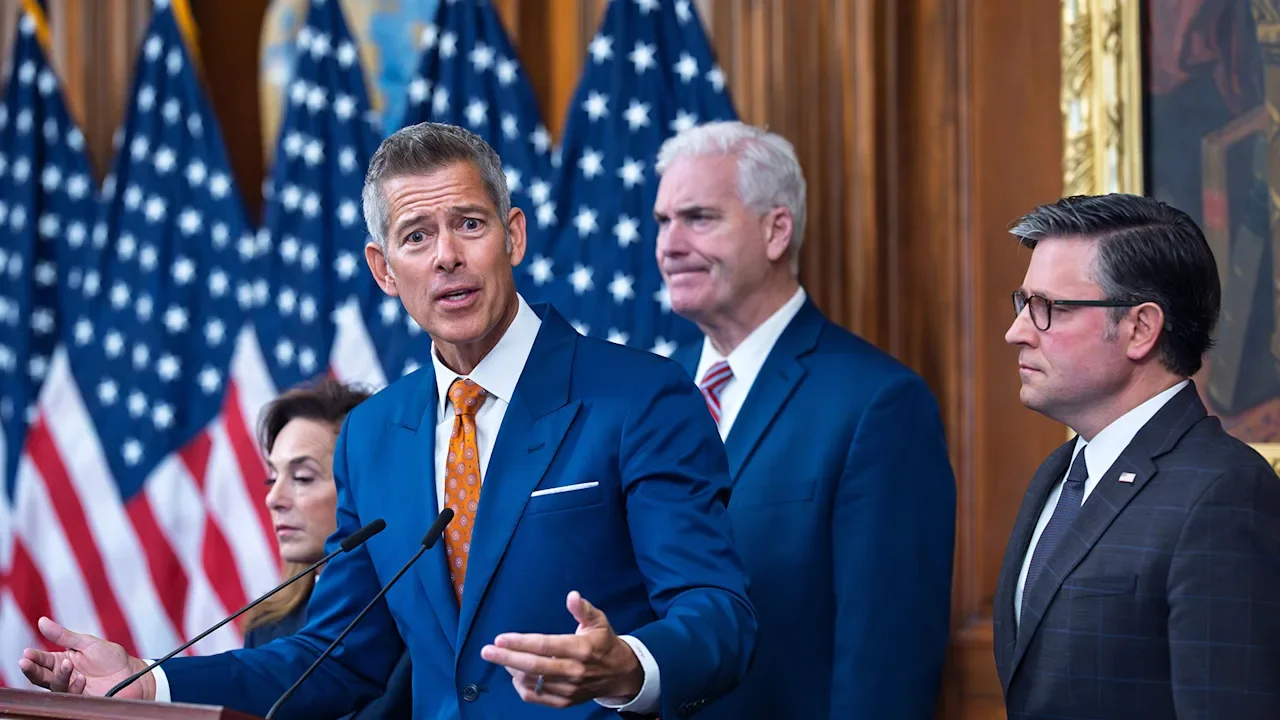
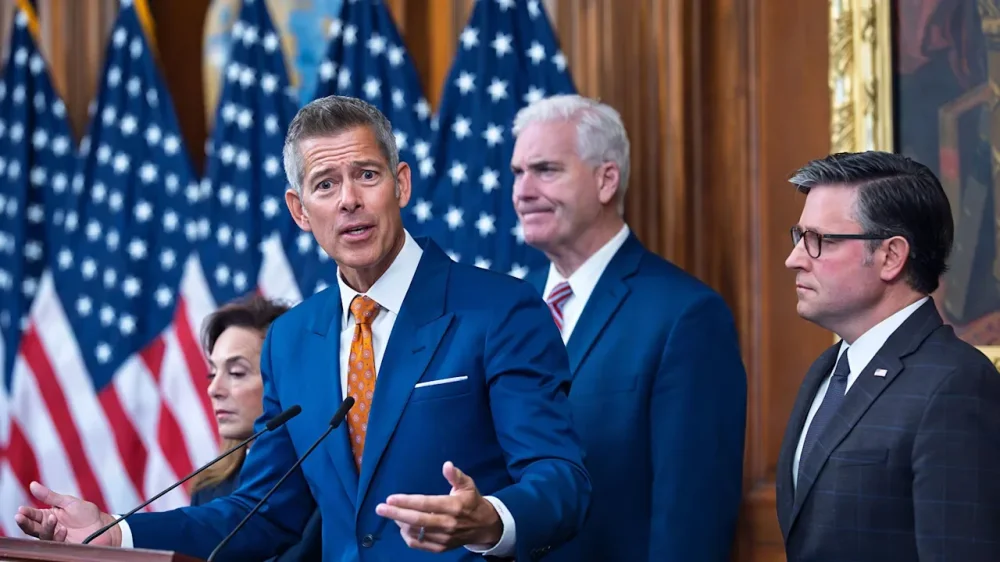
Flights departing for Los Angeles International Airport were halted briefly due to a staffing shortage at a Southern California air traffic facility, the Federal Aviation Administration said Sunday, when the agency also reported staffing-related delays in Chicago, Washington and Newark, New Jersey. The FAA issued a temporary ground stop at one of the world’s busiest airports soon after U.S. Transportation Secretary Sean Duffy predicted that travelers would see more flights delayed and canceled in the coming days as the nation’s air traffic controllers work without pay during the federal government shutdown. During an appearance on the Fox News program “Sunday Morning Futures,” Duffy said more controllers were calling in sick as money worries compound the stress of an already challenging job. “Just yesterday, … we had 22 staffing triggers. That’s one of the highest that we have seen in the system since the shutdown began. And that’s a sign that the controllers are wearing thin,” he said. The FAA said planes headed for Los Angeles were held at their originating airports starting at 11:42 a.m. Eastern time, and the agency lifted the ground stop at 1:30 p.m. Eastern time. The hold did not appear to cause continuing problems at LAX; according to flight tracking website FlightAware, Dallas Fort Worth International Airport and Dallas Love Field Airport saw a much bigger share of late arrivals due to what the FAA said were weather and equipment issues. Too few air traffic controllers per shift also caused takeoff and arrival disruptions Sunday at New Jersey’s Newark Liberty International Airport and Teteboro Airport, and at Southwest Florida International Airport in Fort Meyers, Florida, according to the FAA. On Sunday evening, the FAA also slowed traffic into Ronald Reagan Washington National Airport and Chicago O’Hare International Airport because of traffic controller staffing. —Associated Press View the full article
-
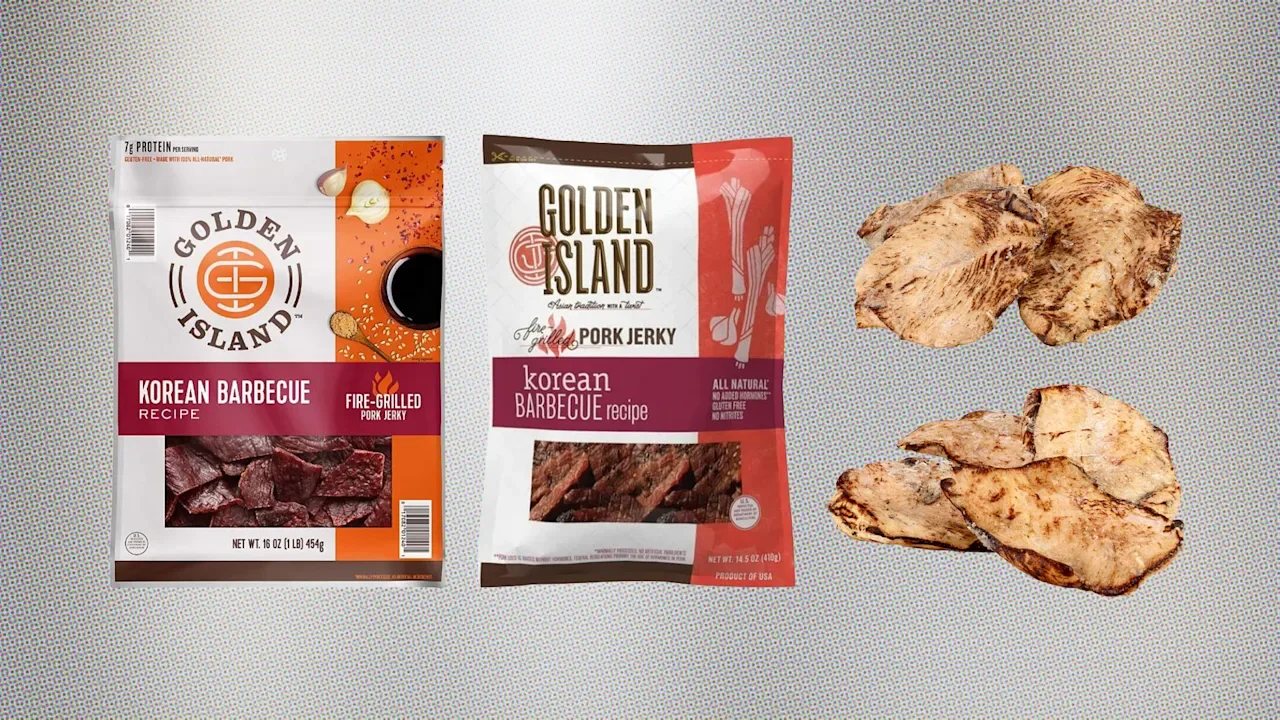
The USDA’s Food Safety and Inspection Service (FSIS) has announced two separate large-scale food recalls due to the same reason: possible contamination with metal fragments. The first recall was for BBQ pork jerky and the second was for ready-to-eat frozen chicken products. Both notices were posted over the weekend. In total, a combined 7.1 million pounds of the products—which were distributed nationwide in both cases—are included in the recalls. Here’s what you need to know. 2.3 million pounds of BBQ pork jerky recalled According to a notice posted by FSIS on Friday, October 24, a company called LSI, Inc. of Alpena, South Dakota, is recalling approximately 2.3 million pounds of a ready-to-eat Korean barbecue pork jerky product. The product had the possibility of being contaminated with pieces of metal, according to the notice. The “wiry metal” fragments, according to the FSIS, were first detected by customers, who contacted the manufacturer. LSI then found “that the metal originated from the conveyor belt used in production,” according to the FSIS notice. The impacted product was sold under the brand name Golden Island. Of particular concern is that the impacted pork jerky product has a very long shelf life of one year, which means individuals could have the products stored in their pantries now and for a long time to come. Here are the details of the recalled pork jerky product: Product: 14.5-oz. and 16-oz. plastic pouches containing “GOLDEN ISLAND fire-grilled PORK JERKY Korean BARBECUE recipe.” “Best by” dates: range from October 23, 2025, through September 23, 2026. Lot numbers: various (see list linked below) Establishment number: M279A The FSIS has published the product labels and the full product list on its website. The items were sold at Costco and Sam’s Club locations nationwide. Consumers are being urged to check their pantries and to dispose of the recalled products or return them for a refund. 4.9 million pounds of frozen chicken recalled On Saturday, October 25, FSIS posted another recall notice regarding additional products that may have metal contamination. This time, approximately 4.9 million pounds of ready-to-eat frozen chicken items from Hormel Foods Corporation were effected. The products were distributed nationwide to HRI Commercial Food Service locations, which provide food to hotels, restaurants, and other institutions. The FSIS notice says that these distributions occurred on various dates ranging from February 10, 2025, through September 19, 2025. However, though those dates have passed, as the product involves frozen chicken, it could still be in the freezers of hotels, restaurants, and other institutions. As with the previous recall above, this recall was also initiated after multiple complaints from food-service customers who reported finding metal in their frozen chicken products. As with the pork jerky recall, “Hormel Foods determined that the metal originated from the conveyor belt used in production,” the FSIS notice states. The recall notice says that the following products are among those included in the recall: 13.9-lb. cases containing “Hormel FIRE BRAISED MEATS ALL NATURAL BONELESS CHICKEN THIGH MEAT,” with item code “65009” printed on the label. 13.8-lb. cases containing 3-oz.“Hormel FIRE BRAISED MEATS ALL NATURAL BONELESS CHICKEN BREAST,” with item code “77531” printed on the label. 13.8-lb. cases containing 4-oz.“Hormel FIRE BRAISED MEATS ALL NATURAL BONELESS CHICKEN BREAST,” with item code “46750” printed on the label. 23.8-lb. cases containing 5-oz.“Hormel FIRE BRAISED MEATS ALL NATURAL BONELESS CHICKEN BREAST,” with item code “86206” printed on the label. 13.95-lb. cases containing “BONELESS CHICKEN BREAST WITH RIB MEAT,” with item code “134394” printed on the label. The labels of the recalled products and a detailed list of the recalled products with packaging dates can be found on the FSIS website. The recalled products have the establishment number P-223 printed on them. Businesses that have the recalled products in their possession should not serve them; instead, they should throw them away. “This product is only sold to foodservice customers and cannot be purchased directly by consumers,” Hormel said in a statement. “All customers that may have received the affected product have been properly notified.” Conveyor belt to blame in both recalls Of note regarding the two individual recalls, both notices reported that “the metal originated from the conveyor belt used in production.” However, it is not known whether the products involved in the two recalls were produced in the same manufacturing facility. A spokesperson for Hormel Foods Sales sent Fast Company a statement that repeated details included in the recall notice but did not identify the facility. Fast Company has also reached out to Golden Island and the FSIS for additional details. We’ll update this post if we hear back. View the full article

-
"Cognitive restructuring" isn't as culturally popular as its therapy-speak peers, like "toxic" and "gaslighting," but it's a powerful tool pros use to help people adjust their thoughts. Though it's usually something you go over in therapy, you can still employ some principles of cognitive restructuring in your everyday life to stay more upbeat and productive. What is cognitive restructuring?The American Psychological Association (APA) defines cognitive restructuring as “a skill for carefully examining your thinking when you are feeling upset or distressed about something.” The goal is to change how you think in moments of stress so that your thoughts can become more balanced. You want to be less subjective, more objective, and overall less influenced by negativity. Here, the stressful thoughts you may experience are considered cognitive distortions and aren’t helpful for your overall wellbeing or productivity. In fact, they can be downright unhelpful, holding you back from getting things done. Negative feelings associated with certain actions or events can stall your progress, which can lead to more negative feelings as your tasks pile up. Whether you’re too sad to clean, too anxious to run to the store, or too stressed to do your work, addressing the negative feelings head-on and restructuring them can help you move past the hump and get it all done in a way that still feels safe—and even good. When you feel good, your thoughts are good, and when your thoughts are good, you keep going and getting even more done. Negative thoughts beget more negativity, and the same is generally true of positivity. You just have to figure out how to make the switch, which is what cognitive restructuring is for. Five steps to practicing cognitive restructuringHere’s what you do, per the APA: Write down the situation that's upsetting you, whether it’s an actual event (like cleaning your house, doing your schoolwork, or having to talk to someone you don't like) or a memory of an event. You just need a one-sentence description. Identify the most upsetting feeling you have. Even if you have a lot of feelings, pick the strongest one. It may help you to categorize them into fear and anxiety; sadness and depression; guilt and shame; or anger. Keep the strongest feeling in mind for the rest of the steps. Identify your thoughts about the event or situation as they relate to your strongest feeling. If your strongest feeling is fear, ask yourself what you’re afraid of. If it’s guilt, ask yourself what “bad” thing you’ve actually done. This is where you get specific as you try to get at the root cause of your negative feeling. So, if you’re anxious about studying for a test and keep putting it off, identify what you’re afraid of (like not understanding the material or getting a bad grade). Write the thought out in full: “I feel anxious about studying because I am worried I won’t understand or retain enough information to do well on the test.” Here, evaluate the accuracy of your upsetting thought. Start with any evidence that could support the thought, then probe it. Why do you think you won’t understand or retain the material you have to study? Write down any evidence, but then ask yourself why your thought might be wrong, too. Explore the evidence against the thought, including other ways of looking at the situation, what someone else might think about it, and whether your feelings are based on facts. Once you’ve listed all the evidence for and against your negative thought, make an ultimate decision, placing the most weight on the strongest and most objective information. Cross out anything weak, subjective, or based in feelings; circle anything substantiated by hard evidence. The steps here remind me of a reading comprehension and studying technique called elaborative interrogation. There, you identify a fact that you need to study and understand, like that a historical event took place. After that, you ask questions: Who was there? What happened? When did it happen? Where did it happen? What was going on in that region on at the time? Why was that happening? Why did this lead to the event? How did it happen? How did it impact everything that happened next? You look up the answers to all those questions until you know every detail of context about the fact. By that time, you know so much that the fact itself—the simple, straightforward thing you need to know for your test or whatever you're studying for—is so obvious as to become laughable. Of course the historical event happened—look at all the things that led up to and went into it! Cognitive restructuring is similar: You identify your fact, which in this case is the distressing thing, then dive deep on what you're afraid of, why you feel that way, when you last completed that task, etc. Going over it in an interrogative way helps you move to a point of deeper understanding, then helps you move right past it. Doing this when you feel immobilized by anxiety or sadness can help you see a path forward. If you do it enough, dismissing negativity and focusing instead on facts—like that you’ve aced tests before or that you’ve maintained your house’s cleanliness in the past, or that doing badly on a test or having an untidy home don’t make you an all-around bad person—will come more naturally. Best of all, you can prove the facts right by then getting the tasks done, strengthening them for next time. The self-reinforcing nature of the good feelings and productivity that go along with this process is what makes it effective, so the first time you try, keep your eyes on the light at the end of the tunnel. It will get easier the more you do it. View the full article
-
As National Cybersecurity Awareness Month unfolds, PayPal is stepping up its efforts to educate consumers about the growing menace of phishing scams. For small business owners, understanding these scams is crucial not just for their own financial security but also for protecting their customers and employees. The Rise of Phishing Scams Phishing scams have evolved into increasingly sophisticated traps designed to trick individuals into revealing sensitive information or transferring money. These scams can manifest through various channels—emails, texts, or calls—often impersonating reputable brands or individuals to gain trust. The urgency created by these unsolicited messages can play on the emotions of small business owners, making them especially vulnerable. “PayPal does not tolerate scams, and we take our duty to help protect consumers very seriously,” said Shaun Khalfan, PayPal’s Chief Information Security Officer. This commitment is especially relevant to small businesses, which may not have extensive resources devoted to cybersecurity. Key Protective Measures PayPal is advocating for education as a fundamental defense against these scams. Here are actionable steps small business owners can take to enhance their security posture: Trust Your Instincts: If a message feels suspicious, it probably is. Avoid acting on impulse. Scrutinize Messages: Always check sender addresses, tone, and any links or attachments. Look for unusual URLs or misspellings. Do Not Engage: Responding to unsolicited communications can put your information at risk. Even caller ID can be easily faked. Take Control: If you suspect a communication is fraudulent, end the conversation immediately. Don’t engage further. Report the Scam: Notify law enforcement and the legitimate brand being impersonated. PayPal provides a specific email for reporting phishing attempts to protect its users. Use Multi-Factor Authentication (MFA): Implement MFA for your accounts to add an additional layer of security. Real-World Implications for Small Businesses The implications of falling victim to phishing scams can be significant for small businesses. From financial losses to reputational damage, the risks are multifaceted. A compromised account can lead to unauthorized transactions or even data breaches affecting customer trust. Khalfan emphasized the importance of vigilance: “We firmly believe that education and proactive caution are key to defending against fraud trends and keeping everyone safe.” Additionally, small businesses often lack the extensive resources that larger companies deploy against cyber threats. Therefore, fostering a culture of cybersecurity awareness among employees can be invaluable. Training your team on how to recognize and report suspicious activities can mitigate risks. Potential Challenges While these protective measures are practical, small business owners might face challenges in implementing them. Limited time and resources may hinder regular training sessions or updates to security protocols. It’s crucial to integrate cybersecurity education into routine operations rather than treating it as a secondary task. Moreover, the emotional and psychological toll of phishing scams can affect business owners’ decision-making processes, leading to mistakes during critical operational periods. Stress due to cybersecurity concerns can detract focus from growth and innovation efforts. PayPal’s Ongoing Commitment In addition to raising awareness, PayPal is taking active steps to combat fraud through technology and partnerships. The company collaborates with various consumer protection organizations to refine risk controls and detect suspicious activities before they escalate. “Staying ahead of the latest trends is key to keeping the payments ecosystem safe for everyone,” PayPal states. By being proactive about consumer education and integrating best practices, PayPal aims to maintain a secure environment for transactions. This National Cybersecurity Awareness Month, small business owners should take heed of the advice provided by PayPal. In doing so, they can protect not only their businesses but also their valued customers from the threats posed by phishing scams. For more details, visit the original press release here. Image via Envanto This article, "PayPal Warns Consumers About Rising Phishing Scams This Cybersecurity Month" was first published on Small Business Trends View the full article
-
As National Cybersecurity Awareness Month unfolds, PayPal is stepping up its efforts to educate consumers about the growing menace of phishing scams. For small business owners, understanding these scams is crucial not just for their own financial security but also for protecting their customers and employees. The Rise of Phishing Scams Phishing scams have evolved into increasingly sophisticated traps designed to trick individuals into revealing sensitive information or transferring money. These scams can manifest through various channels—emails, texts, or calls—often impersonating reputable brands or individuals to gain trust. The urgency created by these unsolicited messages can play on the emotions of small business owners, making them especially vulnerable. “PayPal does not tolerate scams, and we take our duty to help protect consumers very seriously,” said Shaun Khalfan, PayPal’s Chief Information Security Officer. This commitment is especially relevant to small businesses, which may not have extensive resources devoted to cybersecurity. Key Protective Measures PayPal is advocating for education as a fundamental defense against these scams. Here are actionable steps small business owners can take to enhance their security posture: Trust Your Instincts: If a message feels suspicious, it probably is. Avoid acting on impulse. Scrutinize Messages: Always check sender addresses, tone, and any links or attachments. Look for unusual URLs or misspellings. Do Not Engage: Responding to unsolicited communications can put your information at risk. Even caller ID can be easily faked. Take Control: If you suspect a communication is fraudulent, end the conversation immediately. Don’t engage further. Report the Scam: Notify law enforcement and the legitimate brand being impersonated. PayPal provides a specific email for reporting phishing attempts to protect its users. Use Multi-Factor Authentication (MFA): Implement MFA for your accounts to add an additional layer of security. Real-World Implications for Small Businesses The implications of falling victim to phishing scams can be significant for small businesses. From financial losses to reputational damage, the risks are multifaceted. A compromised account can lead to unauthorized transactions or even data breaches affecting customer trust. Khalfan emphasized the importance of vigilance: “We firmly believe that education and proactive caution are key to defending against fraud trends and keeping everyone safe.” Additionally, small businesses often lack the extensive resources that larger companies deploy against cyber threats. Therefore, fostering a culture of cybersecurity awareness among employees can be invaluable. Training your team on how to recognize and report suspicious activities can mitigate risks. Potential Challenges While these protective measures are practical, small business owners might face challenges in implementing them. Limited time and resources may hinder regular training sessions or updates to security protocols. It’s crucial to integrate cybersecurity education into routine operations rather than treating it as a secondary task. Moreover, the emotional and psychological toll of phishing scams can affect business owners’ decision-making processes, leading to mistakes during critical operational periods. Stress due to cybersecurity concerns can detract focus from growth and innovation efforts. PayPal’s Ongoing Commitment In addition to raising awareness, PayPal is taking active steps to combat fraud through technology and partnerships. The company collaborates with various consumer protection organizations to refine risk controls and detect suspicious activities before they escalate. “Staying ahead of the latest trends is key to keeping the payments ecosystem safe for everyone,” PayPal states. By being proactive about consumer education and integrating best practices, PayPal aims to maintain a secure environment for transactions. This National Cybersecurity Awareness Month, small business owners should take heed of the advice provided by PayPal. In doing so, they can protect not only their businesses but also their valued customers from the threats posed by phishing scams. For more details, visit the original press release here. Image via Envanto This article, "PayPal Warns Consumers About Rising Phishing Scams This Cybersecurity Month" was first published on Small Business Trends View the full article
-
As someone who's read and written a lot about various approaches to increasing productivity, I can say with certainty that the majority of the methods out there are primarily focused on how to structure your tasks over the course of a single day. Techniques and plans that call for prioritizing your to-dos, for instance, generally expect you to prioritize your to-dos for that day. The best scheduling advice also typically revolves around how you designate and take on chunks of time throughout a single day. But sometimes—or often—you work on things that span a longer period of time, so you need productivity tips that are more expansive too. And while too much pre-planning can feel daunting, there's a method you can start using right away that can help you more effectively structure your time in the longer term. It's called "task batching." What is task batching?At its most basic, task batching is the act of grouping similar tasks or responsibilities together and completing them around the same time. Ideally, you can work on all the tasks at once, somewhat multitasking but still staying in the same frame of mind for all the jobs. Your goal here is to avoid context switching, or changing mental energies between tasks. While it's true that multitasking makes you worse at everything—which is why I've sworn off it—this isn't the same thing. For instance, instead of jumping from your inbox to paying bills to taking video meetings to washing dishes to cleaning, you can batch the emails and video calls together, batch the dishes and cleaning together, and save the bills for a different chunk of the day (or the week). Keeping yourself in the same mind frame will help you stay focused instead of allowing your thoughts to be pulled in a bunch of different directions. You already do task batching without thinking about it. When shopping for gifts, for example: Let's say you have to buy new shoes for your kid and your spouse, a gift for your bracelet-loving mother-in-law, one for your necklace-loving sister, and a candle for yourself. At the mall, you wouldn't pick one pair of shoes at Foot Locker, run to the jewelry store for your mother-in-law, head back to Foot Locker for the other shoes, circle back to the jewelry store for your sister's necklace, etc. You'd group these purchases together, getting everything you needed in each store you went into before moving to the next one. If one of the stores was in a different place altogether, you'd probably kick those purchases to a different day. That all just makes sense—and you can apply that same duh logic to your other to-dos. How to batch your tasks effectivelyAt the start of each week, start with your regular to-do list, but then group together the similar things and schedule those groups for specific days. For example, if you need to buy dog food, school supplies, and groceries, schedule a shopping trip for one day of the week. If you have dinner scheduled with a friend and also need to call your mom to ask how her book club went, try to do all those social check-ins on the same day. Writing-intensive work goes in a batch, no matter if it’s for school, work, or pleasure. Personal and professional emails all get handled in one batch. Household tasks go in a batch, whether they’re cleaning or unpacking from a trip. If you have a big party or event coming up, schedule the prep for a single day instead of picking up one necessity one day and another the next. Complete your similar tasks in one day so you can move on and focus on the next group the following day. One key step here is not just pre-scheduling your batches at the beginning of the week, but checking in on their progress as the week goes on. Deadlines can change (or be missed), and what was low-priority on Monday may suddenly be important on Wednesday. Task batching helps you to get more done in big chunks, which frees you up for the unexpected emergencies or responsibilities that might crop up. The reason this works is that it keeps you in "the zone." Instead of getting pulled in a bunch of directions and constantly thinking about the gear-shift necessary in order to move to the next disjointed task, you remain in the flow. On email day, you move through your inbox more quickly because you remain focused on that one task the entire time. On cleaning day, each chore seems less individually daunting because you're crossing off a bunch of them in sequence. When you're in that kind of flow state, things start to come easier and you can focus more deeply— plus, this strategy allows you to think ahead instead of constantly jumping from responsibility to responsibility. View the full article
-
Increase comes despite Big Four accounting firm facing decline in revenue growth and ‘challenging market’View the full article
-
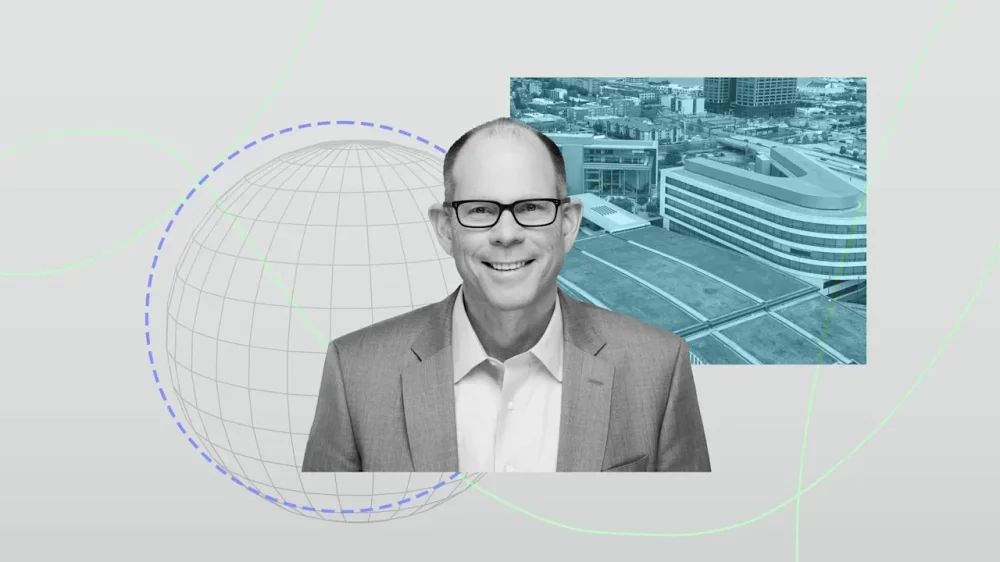
Hello and welcome to Modern CEO! I’m Stephanie Mehta, CEO and chief content officer of Mansueto Ventures. Each week this newsletter explores inclusive approaches to leadership drawn from conversations with executives and entrepreneurs, and from the pages of Inc. and Fast Company. If you received this newsletter from a friend, you can sign up to get it yourself. Gates Foundation CEO Mark Suzman faces a rare leadership challenge: He is managing an organization that has announced its intention to spend $200 billion during the next 20 years—double what the organization dispensed in its first 25 years—while working to permanently close its doors on December 31, 2045. Suzman, who joined the foundation in 2007 as director of global development policy, advocacy, and special initiatives, and became CEO in 2020, says the finality and scale of his mandate actually provides clarity and focus. “It allows us to be very predictable and reliable for the next two decades,” he says. “That’s a luxury for a CEO.” With clarity comes focus The foundation announced it is sunsetting earlier this year, accelerating a shutdown that Suzman says had always been part of the organization’s long-term plan. At the time of the announcement, chair and board member Bill Gates said the nonprofit would concentrate its efforts on three areas: ending preventable deaths of mothers and babies, eradicating deadly infectious diseases, and putting millions of people on the path to economic prosperity. That means some programs will “graduate,” or be reworked. Some existing initiatives that fall outside the focus areas or may not be achievable by 2045 are moving into new partnerships. For example, the foundation’s work to foster technology and tools to expand economic opportunity for Americans is now part of NextLadder Ventures, a coalition of philanthropies including Ballmer Group (cofounded by former Microsoft CEO Steve Ballmer), Valhalla Foundation, Stand Together, and others. Leadership through change I asked Suzman about leading a team of more than 2,000 mission-driven employees—some of whom are seeing projects deprioritized—through this lengthy transition. He contends that the foundation has always had to make hard choices. “When you’re part of an institution that has a wider set of goals, there will be trade-offs—trade-offs about how we allocate our internal resources, how we allocate Bill’s voice. We work on this by trying to pull people up to our shared set of goals,“ he says. He also echoed a common refrain I hear from virtually every CEO trying to manage an organization through massive change: “You can never over-communicate enough,” he says. “You have to keep driving that message through in every possible channel, internal and external, to help people see the connections and understand that you know how they all come together toward the greater goal of the foundation.” The foundation’s phase out comes in the wake of major changes to its structure. In 2024, Warren Buffett, who has donated $48 billion since 2006, said the foundation would not receive a contribution upon his death. That same year, Melinda French Gates resigned as co-chair after 24 years, receiving $12.5 billion from the foundation for her independent philanthropic work. In January 2025, the Bill & Melinda Gates Foundation was renamed Gates Foundation, with Bill Gates becoming sole chair. Message to the next generation The announcement also coincides with challenges to some of the causes the foundation has championed, including vaccines and international aid. Suzman notes that the Gates Foundation is now the largest funder of the World Health Organization (WHO) after President Donald J. The President’s executive order withdrawing from the WHO. Suzman contends that philanthropy shouldn’t solely provide resources for health and humanitarian organizations that governments have historically supported. But he also urges a new generation of business executives and founders to begin their giving journeys. “I’m the beneficiary of the amazing generosity of Bill, Warren, and Melinda . . . they themselves frequently talk about how personally fulfilling philanthropy is to them,” Suzman says. He adds: “We only hope there’ll be more following our example. The world needs it desperately.” Sailing into the sunset Have you ever had to lead the winding down of a company or organization? How did you do it, and how did you keep employees engaged? Send your stories to me at stephaniemehta@mansueto.com for possible use in a future newsletter. Read more: the business of giving How to build charitable giving into your business model Is the era of the benevolent billionaire really over? The top 50 U.S. donors gave $16.2 billion to charity in 2024 View the full article
-
Leaders are praised for “seeing around corners” and told to “skate to where the puck is going.” But what if you can’t even see your own feet, let alone a puck or a distant corner? Today’s volatility and uncertainty obscure any clear path to the future, and the forecast isn’t improving any time soon. In a recent World Economic Forum survey, 52% of experts expect an unsettled two-year horizon, 31% anticipate turbulence, and 5% foresee storms. Even if the weather were clear, setting a direction of travel is increasingly difficult as leaders face more complex problems with no obvious or easy solution. Close to 60% of business executives admit that they are missing opportunities because they can’t make decisions fast enough. However bleak the landscape, there is a way to lead even when you can’t see the future. This requires letting go of standard practices and building a new skill. What No Longer Serves You Leadership has long meant setting a compelling destination, planning the route, and mobilizing people to move. The classic tool kit—forecast, plan, execute—assumes a knowable future. With today’s complexity, forecasts are guesses and plans expire fast. Leaders who aren’t shifting away from a predict–plan–act approach will see their impact erode—and their well-being with it. The reason sits in the brain. When complexity is high, trying to predict accurately and act decisively strains a leader’s cognitive load—the mental effort required to process information and choose. It’s the difference between running on a clear, lit path and running on dark ice with crosswinds: far more effort, far less progress. Add time pressure and constant digital distractions, and cognitive load spikes further. When cognitive load stays high, brain fog sets in, decision speed drops, details slip, and big-picture comprehension narrows. In short, you’re not the leader you intend to be. It’s time to work differently. Awareness: The Quality That Changes How You Lead We can’t control the pace of the world, but we can change how we meet it. We can move from a predict-plan-act approach to a stop-sense-adapt approach. The key to this approach is awareness, the ability to notice what is happening—in yourself, your team, and the larger system—and choose accordingly. With greater awareness, you enhance your perception of emotions, biases, strengths, and limitations and can read the dynamics of the team, the organization, and the market. Rather than constantly seeking answers, you stop, notice, and let answers arise. Unfortunately, our awareness is often scattered, crowded out by biases, fears, and clouded perceptions. Roughly 45% of our everyday behaviors are habitual (often outside conscious awareness), and our noisy, information-filled world clouds awareness even more. However, the case for building awareness is strong: in recent Potential Project research, teams led by highly aware leaders reported 78% higher trust in the company’s leadership, 57% higher psychological safety, and 56% higher commitment to the company. For leaders, mastering three mindsets makes awareness actionable and achievable: presence to anchor us in the moment, clarity to see options and define a path forward, and adaptability to navigate new paths even when uncomfortable. Three Mindsets for the Moment Presence: Stay in the Moment Presence is the ability to be fully attentive in the moment—with ourselves, the people in front of us, the task at hand, or what’s happening around us. Our research indicates that we are distracted even when we think we are paying attention, about 37% of the time. But when we can be present in the moment rather than being pulled by a million thoughts, things slow down and it’s easier to focus our attention on the things that matter, not just the things that squeak the loudest. Clarity: Find a Path Clarity is the ability to rise above uncertainty and chaos rather than trying to solve for them. It’s not about having clear answers all of the time, but about having a clear mind that can better find the signal within the noise. Clarity of mind feels spacious and calm. It is the difference between being in the clouds and feeling overwhelmed versus being able to step back into the vastness of the sky and see the clouds more clearly. It is a welcome alternative when nearly 2/3 of leaders say they experience information overload from trying to keep up with texts, chats, emails, and meetings. Clarity helps us to see ways forward, even when it is foggy Adaptability: Navigate the Path Adaptability is the ability to shift approaches as things change. Adaptable leaders accept new circumstances or unfamiliar territory with openness rather than holding too tightly to familiar routines or past experiences. Adaptable leaders often believe that change is inevitable, natural, and a source of growth. With a mindset of adaptability, leaders can navigate more confidently down new paths, even when the unfamiliar feels hard. The marriage of Awareness and AI As we regularly witness, AI can scan oceans of data, summarize patterns, and surface signals faster than any team. This is a huge advantage for leaders. For example, AI can give us consistent, data-informed feedback on our leadership and correct for blind spots we have about our strengths and weaknesses. AI can synthesize data about how our organization and employees are doing and surface trends, opportunities, and challenges that may have escaped our notice. However, AI is a leader’s advantage only if paired with awareness. Awareness adds the human context machines don’t hold: history, social dynamics, values, and the lived experience of people affected by decisions. It also keeps us alert to borrowed bias—assumptions in the data or model that would steer us wrong if left unquestioned. Used together, AI expands what we can see; awareness ensures we interpret wisely. Here are a few ways to start strengthening your skills of awareness, with and without the help of technology: Don’t outsource connection to yourself and others. Take advantage of devices that help monitor your levels of distraction and track heart rate variability, pulse, and stress levels. These can help us be more present with ourselves and take corrective action to be more present with others. But over-relying on devices to tell us how we feel diminishes our capacity for self-awareness. Similarly, using tools for feedback on a team shouldn’t prevent you from reading a room, understanding others’ feelings, and making a connection. Clear the mental clutter. There is so much already competing with our attention, and the abundance of AI resources can get overwhelming. It is harder to practice awareness when our brains are full. The best approach is a both/and: use AI as a filter and summarizer, for example, but watch that it doesn’t tip over into a source of distraction. Try new things: When we implement new routines or learn new skills, we become more adaptable, capable of seeing habitual patterns and breaking free of them. Experiment with AI-enabled apps that can support you in this pursuit in fun and rewarding ways. But don’t hesitate to try something very simple like brushing your teeth with your nondominant hand or taking a new route to the grocery store. You don’t need a perfect forecast to lead—just a better beam When visibility is low, speed—or constant action—is not a leadership virtue. Better to change the way you see and respond. Awareness widens your field of view and keeps you oriented to what needs to be done—one confident step at a time. When we stop to be present, sense the signals with clarity, and adapt in short, honest moves, we demonstrate to our teams that we are steering with care. View the full article

-
Scan, edit and share receipts and other business documents and free yourself from piles of paper. Zoho Scanner enables this and more. The company recently upgraded the software formerly called Zoho Doc Scanner with some truly remarkable features. Consider switching to Zoho Scanner now as Microsoft Lens closes down shunting customers to Microsoft 365 Copilot. But first, look at what Zoho’s scanning option offers. “It’s a smarter way to scan and share your documents, receipts or whatever it may be and it also provides a way where the scanned documents are available across all your devices,” says Ashok Ramamoorthy, Director of Product Management for Zoho Scanner. Use Zoho Scanner for Your Small Business Just imagine. You speak at global business events and live out of hotel rooms and airports. Meanwhile, receipts from plane tickets, luggage fees, car rentals, lodging, meals and wifi keep piling up. This quickly becomes a nightmare for the most seasoned traveler. Perhaps you employ a virtual assistant who tracks all these costs for you. Still, you need an easy way to share this information. Zoho Scanner enables you to digitize all these documents and share it with your virtual assistant without ever leaving your hotel room. Keep Track of Receipts While Traveling Or imagine you run an IT business and travel in person to install software systems for clients. You spend most of your time on the road. So receipts for gas, tolls, lodging at motor inns and meals collect in your glove compartment. Maybe you need tools on the job site when installing a system. Even assuming your client reimburses you, you must keep receipts of the expenses. Share Documents Seamlessly in Digital Form Hopefully someone manages your back office while you are on the road. Either a business partner or employee handles those tasks most likely. Supply receipts and other needed documents while on the road. Avoid dumping a pile of paper on your office manager’s desk when you return. Zoho Scanner allows you to scan and share all these documents with a smartphone or tablet and also view them across a variety of devices. Learn How Zoho Scanner Can Help You “It’s an all in one digitalizing solution,” says Ramamoorthy. “If you want to scan your receipts or PDFs or printed documents or it may be anything in a printed format, you can quickly scan it and it will automatically upload. It autocrops for you. It has text extraction. It offers a secure cloud sync for free and you can access all your documents anywhere and everywhere.” Zoho provides this handy app for Android, iOS and MacOS operating systems. And the company also offers a Web version. Simply scan receipts, IDs, passwords, multi-page documents – and just about anything else – with your phone or tablet. The app “auto-detects” the edges of whatever document, card or other item you are scanning, creating a perfect copy. Once you scan documents into the app, organize them into folders, tag them for easy retrieval and set notifications for documents that may be time sensitive. The app even allows you to lock sensitive documents, protecting them from prying eyes. Zoho Scanner Allows You to Share Documents from Anywhere Think back to our two hypothetical businesses. You’re a business speaker attending an event in Seattle. You’ve scanned or uploaded receipts from every latte, every sushi roll, every Uber ride, every luggage and ticket fee from your flight. Now you need to share those documents with your virtual assistant in the Philippines so she can compile an expense report. Or you’re an independent IT contractor visiting a client in Boise, Idaho. On the drive from your home base in Portland, Oregon, you saved receipts from every gas station, the drive through you stopped at for breakfast and the diner where you had lunch. In addition, you have receipts from an extra external hard drive and a USB drive you needed to pick up for the job after you got into town. Now you need to share these documents with your office manager back in Portland who is tracking spending for your company while you are out servicing clients. How to Share Documents with Zoho Scanner Consider how simple Zoho Scanner makes sharing these all important documents with another member or your organization – or anyone who needs them. First, choose your document’s size. Do you wish to share a document in its original format, larger, smaller or at an established medium size format. This depends on your preference and the preference of those working with you. What size makes the document easier to work with or which size is most compatible with your book keeping or other software? Second, decide whether you want to share the document as a PDF or JPEG. PDFs work better when high quality documents are needed or if you plan to reprint the documents later. But JPEGs work just fine for the Web and take up less space on your computer. Share Your Documents Or Uploads in a Variety of Ways Share these documents with your virtual assistant, office manager or anyone else on your team in a few different ways. For example, you can send files via WhatsApp, Zoho Cliq, email or other services. Or upload them to software platforms like Google Drive, Dropbox, OneDrive, Zoho Workdrive, Zoho Notebook, and Zoho Expense. Here too, Zoho continues to provide new options for sharing files and soon the company plans to make a team version of Zoho Scanner available. This means members of your team can all jump on the same app and easily share scanned files with each other. Edit and Annotate Documents in Digital Form Once you scan your document and digitalize it on Zoho Scanner, you get even more options. For example, rotate and crop the freshly minted digital document at will. Shuffle documents within a file. Use Grey Scale, Magic Color or Black and White filters built into Zoho Scanner to give each document a distinctive look. See the pen, pencil, marker and eraser on the app screen below? Use these to make annotations like notes adding greater context to a receipt. Think “Lunch with New Client” or “Extra External Drive for Boise”, for example. Or consider highlighting important costs or other critical information. The app also accommodates Apple Pencil and Android Stylus so use these tools too if more comfortable. Recognize and Translate Text Suppose your business takes you overseas. Maybe you find yourself regularly traveling to Europe or Asia. Whether you attend an international business conference in Madrid, Spain or visit a manufacturing plant in Guangzhou, China, Zoho Scanner offers tools to help. What happens when someone hands you business cards, conference agendas, manufacturing agreements or any other documents in a language you can’t understand? Just watch how Zoho Scanner goes to work for you. The app recognizes text in more than 35 languages and can translate to more than 15 languages. These include languages like French, Spanish, English, and Japanese. So if someone hands you a company fact sheet in Spanish or a nondisclosure agreement in simplified Mandarin, remain calm. Whip out your phone or tablet and scan that document. Then let Zoho Scanner do its thing. Zoho Scanner translates your document to your preferred language and allows you to share your newly translated document with your team. Just send it via email or Zoho Cliq or upload to ZohoWork Drive – or whatever other collaboration platform your team prefers. Mission accomplished! Sign Digital Documents with E-Signature Now, suppose you find yourself in need of a client’s signature. Maybe you run a pool installation business and need a customer to sign a contract before breaking ground. Or maybe you work as an independent sales rep. You might need a prospect to sign a sales or service agreement. In both cases, Zoho Scanner comes to the rescue with the inclusion of an E-Signature feature powered by Zoho Sign. “Users will be able to quickly add fields like name, email, signature, date and everything,” said Ramamoorthy. Ramamoorthy added that Zoho Scanner’s E-Signature feature enables business owners to send a document to a client for signature. It also empowers them to sign a document themselves and send it to a client to counter sign. And these signatures, while digital, remain perfectly legal. “Since it is powered by Zoho Sign, this is a legally binding digital signature,” says Ramamoorthy. For those unfamiliar with the Zoho ecosystem, Zoho Sign offers a service similar to Docusign and other electronic signature applications. It empowers you to send a document to a client or customer for signature, even if that customer lives halfway around the world. Use AI for Better Understanding and Better Clarity With Zoho Scanner, the features reach far beyond ordinary digitalization of documents, however. The application also uses AI in some pretty unique ways to enhance understanding and clarity of the documents you scan. First off, you need not bother sorting the documents you have scanned with your phone. Whether they happen to be receipts or invoices, Zoho Scanner’s AI handles all that and more. The application “smartly” identifies the document as you scan it and auto categorizes it for you, Ramamoorthy says. Another AI feature allows you to request a summary of a 20 to 30 page PDF document and have Zoho’s AI give you the gist. Still another feature can remove shadows from a document you scanned and make lettering clearer and easier to read. Transform Networking Efforts with Zoho Card Scanner Another feature coming to Zoho Scanner soon transforms the way you network. Up until now, attending business mixers consisted of collecting piles of business cards while sipping cocktails and making small talk. The cocktails and small talk remain the same. But now, instead of trying to stuff everything into a card holder – probably behind your own business cards – Zoho provides a better way. Scan each of these cards with your phone or tablet. Zoho Card Scanner extracts the information and allows you to upload to Zoho CRM, Zoho Bookings or anywhere else you would like to build a contact list. Zoho plans to fold this app into Zoho Scanner eliminating the need to keep all those business cards. Bet that Harvey Walbanger in your hand tastes better already! Get All This at a Remarkable Price Zoho Scanner certainly offers some tantalizing features for any small business owner. But most remarkable remains the price tag. Because Zoho offers a free download of this amazing software including the ability to scan unlimited documents, crop rotate and sort them into files. The free version also allows you to sync documents across all of your devices, translate them from other languages, annotate them and more. A paid version offers the E-sign feature and 1 TB of cloud storage among other things for just $1.99 a month or $19.99 a year. More importantly, to celebrate the recent upgrades to Zoho Scanner, Zoho plans to offer 50% off that price through Dec. 15, 2025. Consider Switching Now Small business owners need to think about trying Zoho’s new application now. With the planned shutdown of Microsoft Lens, similar features may be difficult to find. You need not have purchased other Zoho products to download Zoho Scanner or purchase the premium package. Though use of this hardworking little app offers a great introduction into the many other incredible products available from Zoho. Zoho Scanner’s premium version also comes included for customers already using the versatile Zoho One. Final Thoughts Do you already count yourself among Zoho’s many satisfied small business customers? Or do you remain among the small business owners yet to discover the company’s many remarkable products. Either way, consider starting to use Zoho Scanner now. With the disappearance of Microsoft Lens, you need another way to digitize the many documents required for your business or risk being buried by them – never to be heard of again. Stuffing business cards into your wallet, card carrier or pockets makes business mixers an unmanageable nightmare. And what happens when you get back to the office only to realize you lost or spilled something on the very card you most wanted to keep. The same goes for the mountains of contracts, service agreements, invoices, receipts and purchase orders taking up an ever larger portion of your desk. And remember the convenience offered by Zoho Scanner’s paid e-signature feature. It remains a more cost effective option than some popular competitors. Learn more about what the newly upgraded Zoho Scanner offers your business and get started today. This article, "Zoho Scanner Takes Your Documents Digital" was first published on Small Business Trends View the full article
-
Scan, edit and share receipts and other business documents and free yourself from piles of paper. Zoho Scanner enables this and more. The company recently upgraded the software formerly called Zoho Doc Scanner with some truly remarkable features. Consider switching to Zoho Scanner now as Microsoft Lens closes down shunting customers to Microsoft 365 Copilot. But first, look at what Zoho’s scanning option offers. “It’s a smarter way to scan and share your documents, receipts or whatever it may be and it also provides a way where the scanned documents are available across all your devices,” says Ashok Ramamoorthy, Director of Product Management for Zoho Scanner. Use Zoho Scanner for Your Small Business Just imagine. You speak at global business events and live out of hotel rooms and airports. Meanwhile, receipts from plane tickets, luggage fees, car rentals, lodging, meals and wifi keep piling up. This quickly becomes a nightmare for the most seasoned traveler. Perhaps you employ a virtual assistant who tracks all these costs for you. Still, you need an easy way to share this information. Zoho Scanner enables you to digitize all these documents and share it with your virtual assistant without ever leaving your hotel room. Keep Track of Receipts While Traveling Or imagine you run an IT business and travel in person to install software systems for clients. You spend most of your time on the road. So receipts for gas, tolls, lodging at motor inns and meals collect in your glove compartment. Maybe you need tools on the job site when installing a system. Even assuming your client reimburses you, you must keep receipts of the expenses. Share Documents Seamlessly in Digital Form Hopefully someone manages your back office while you are on the road. Either a business partner or employee handles those tasks most likely. Supply receipts and other needed documents while on the road. Avoid dumping a pile of paper on your office manager’s desk when you return. Zoho Scanner allows you to scan and share all these documents with a smartphone or tablet and also view them across a variety of devices. Learn How Zoho Scanner Can Help You “It’s an all in one digitalizing solution,” says Ramamoorthy. “If you want to scan your receipts or PDFs or printed documents or it may be anything in a printed format, you can quickly scan it and it will automatically upload. It autocrops for you. It has text extraction. It offers a secure cloud sync for free and you can access all your documents anywhere and everywhere.” Zoho provides this handy app for Android, iOS and MacOS operating systems. And the company also offers a Web version. Simply scan receipts, IDs, passwords, multi-page documents – and just about anything else – with your phone or tablet. The app “auto-detects” the edges of whatever document, card or other item you are scanning, creating a perfect copy. Once you scan documents into the app, organize them into folders, tag them for easy retrieval and set notifications for documents that may be time sensitive. The app even allows you to lock sensitive documents, protecting them from prying eyes. Zoho Scanner Allows You to Share Documents from Anywhere Think back to our two hypothetical businesses. You’re a business speaker attending an event in Seattle. You’ve scanned or uploaded receipts from every latte, every sushi roll, every Uber ride, every luggage and ticket fee from your flight. Now you need to share those documents with your virtual assistant in the Philippines so she can compile an expense report. Or you’re an independent IT contractor visiting a client in Boise, Idaho. On the drive from your home base in Portland, Oregon, you saved receipts from every gas station, the drive through you stopped at for breakfast and the diner where you had lunch. In addition, you have receipts from an extra external hard drive and a USB drive you needed to pick up for the job after you got into town. Now you need to share these documents with your office manager back in Portland who is tracking spending for your company while you are out servicing clients. How to Share Documents with Zoho Scanner Consider how simple Zoho Scanner makes sharing these all important documents with another member or your organization – or anyone who needs them. First, choose your document’s size. Do you wish to share a document in its original format, larger, smaller or at an established medium size format. This depends on your preference and the preference of those working with you. What size makes the document easier to work with or which size is most compatible with your book keeping or other software? Second, decide whether you want to share the document as a PDF or JPEG. PDFs work better when high quality documents are needed or if you plan to reprint the documents later. But JPEGs work just fine for the Web and take up less space on your computer. Share Your Documents Or Uploads in a Variety of Ways Share these documents with your virtual assistant, office manager or anyone else on your team in a few different ways. For example, you can send files via WhatsApp, Zoho Cliq, email or other services. Or upload them to software platforms like Google Drive, Dropbox, OneDrive, Zoho Workdrive, Zoho Notebook, and Zoho Expense. Here too, Zoho continues to provide new options for sharing files and soon the company plans to make a team version of Zoho Scanner available. This means members of your team can all jump on the same app and easily share scanned files with each other. Edit and Annotate Documents in Digital Form Once you scan your document and digitalize it on Zoho Scanner, you get even more options. For example, rotate and crop the freshly minted digital document at will. Shuffle documents within a file. Use Grey Scale, Magic Color or Black and White filters built into Zoho Scanner to give each document a distinctive look. See the pen, pencil, marker and eraser on the app screen below? Use these to make annotations like notes adding greater context to a receipt. Think “Lunch with New Client” or “Extra External Drive for Boise”, for example. Or consider highlighting important costs or other critical information. The app also accommodates Apple Pencil and Android Stylus so use these tools too if more comfortable. Recognize and Translate Text Suppose your business takes you overseas. Maybe you find yourself regularly traveling to Europe or Asia. Whether you attend an international business conference in Madrid, Spain or visit a manufacturing plant in Guangzhou, China, Zoho Scanner offers tools to help. What happens when someone hands you business cards, conference agendas, manufacturing agreements or any other documents in a language you can’t understand? Just watch how Zoho Scanner goes to work for you. The app recognizes text in more than 35 languages and can translate to more than 15 languages. These include languages like French, Spanish, English, and Japanese. So if someone hands you a company fact sheet in Spanish or a nondisclosure agreement in simplified Mandarin, remain calm. Whip out your phone or tablet and scan that document. Then let Zoho Scanner do its thing. Zoho Scanner translates your document to your preferred language and allows you to share your newly translated document with your team. Just send it via email or Zoho Cliq or upload to ZohoWork Drive – or whatever other collaboration platform your team prefers. Mission accomplished! Sign Digital Documents with E-Signature Now, suppose you find yourself in need of a client’s signature. Maybe you run a pool installation business and need a customer to sign a contract before breaking ground. Or maybe you work as an independent sales rep. You might need a prospect to sign a sales or service agreement. In both cases, Zoho Scanner comes to the rescue with the inclusion of an E-Signature feature powered by Zoho Sign. “Users will be able to quickly add fields like name, email, signature, date and everything,” said Ramamoorthy. Ramamoorthy added that Zoho Scanner’s E-Signature feature enables business owners to send a document to a client for signature. It also empowers them to sign a document themselves and send it to a client to counter sign. And these signatures, while digital, remain perfectly legal. “Since it is powered by Zoho Sign, this is a legally binding digital signature,” says Ramamoorthy. For those unfamiliar with the Zoho ecosystem, Zoho Sign offers a service similar to Docusign and other electronic signature applications. It empowers you to send a document to a client or customer for signature, even if that customer lives halfway around the world. Use AI for Better Understanding and Better Clarity With Zoho Scanner, the features reach far beyond ordinary digitalization of documents, however. The application also uses AI in some pretty unique ways to enhance understanding and clarity of the documents you scan. First off, you need not bother sorting the documents you have scanned with your phone. Whether they happen to be receipts or invoices, Zoho Scanner’s AI handles all that and more. The application “smartly” identifies the document as you scan it and auto categorizes it for you, Ramamoorthy says. Another AI feature allows you to request a summary of a 20 to 30 page PDF document and have Zoho’s AI give you the gist. Still another feature can remove shadows from a document you scanned and make lettering clearer and easier to read. Transform Networking Efforts with Zoho Card Scanner Another feature coming to Zoho Scanner soon transforms the way you network. Up until now, attending business mixers consisted of collecting piles of business cards while sipping cocktails and making small talk. The cocktails and small talk remain the same. But now, instead of trying to stuff everything into a card holder – probably behind your own business cards – Zoho provides a better way. Scan each of these cards with your phone or tablet. Zoho Card Scanner extracts the information and allows you to upload to Zoho CRM, Zoho Bookings or anywhere else you would like to build a contact list. Zoho plans to fold this app into Zoho Scanner eliminating the need to keep all those business cards. Bet that Harvey Walbanger in your hand tastes better already! Get All This at a Remarkable Price Zoho Scanner certainly offers some tantalizing features for any small business owner. But most remarkable remains the price tag. Because Zoho offers a free download of this amazing software including the ability to scan unlimited documents, crop rotate and sort them into files. The free version also allows you to sync documents across all of your devices, translate them from other languages, annotate them and more. A paid version offers the E-sign feature and 1 TB of cloud storage among other things for just $1.99 a month or $19.99 a year. More importantly, to celebrate the recent upgrades to Zoho Scanner, Zoho plans to offer 50% off that price through Dec. 15, 2025. Consider Switching Now Small business owners need to think about trying Zoho’s new application now. With the planned shutdown of Microsoft Lens, similar features may be difficult to find. You need not have purchased other Zoho products to download Zoho Scanner or purchase the premium package. Though use of this hardworking little app offers a great introduction into the many other incredible products available from Zoho. Zoho Scanner’s premium version also comes included for customers already using the versatile Zoho One. Final Thoughts Do you already count yourself among Zoho’s many satisfied small business customers? Or do you remain among the small business owners yet to discover the company’s many remarkable products. Either way, consider starting to use Zoho Scanner now. With the disappearance of Microsoft Lens, you need another way to digitize the many documents required for your business or risk being buried by them – never to be heard of again. Stuffing business cards into your wallet, card carrier or pockets makes business mixers an unmanageable nightmare. And what happens when you get back to the office only to realize you lost or spilled something on the very card you most wanted to keep. The same goes for the mountains of contracts, service agreements, invoices, receipts and purchase orders taking up an ever larger portion of your desk. And remember the convenience offered by Zoho Scanner’s paid e-signature feature. It remains a more cost effective option than some popular competitors. Learn more about what the newly upgraded Zoho Scanner offers your business and get started today. This article, "Zoho Scanner Takes Your Documents Digital" was first published on Small Business Trends View the full article
-
As AI oozes into daily life, some people are building walls to keep it out for a host of compelling reasons. There’s the anxiety about a technology that requires an immense amount of energy to train and contributes to runaway carbon emissions. There are the myriad privacy concerns: At one point, some ChatGPT conversations were openly available on Google, and for months OpenAI was obligated to retain user chat history amid a lawsuit with The New York Times. There’s the latent ickiness of its manufacturing process, given that the task of sorting and labeling this data has been outsourced and underappreciated. Lest we forget, there’s also the risk of an AI oopsie, including all those accidental acts of plagiarism and hallucinated citations. Relying on these platforms seems to inch toward NPC status—and that’s, to put it lightly, a bad vibe. Then there’s that matter of our own dignity. Without our consent, the internet was mined and our collective online lives were transformed into the inputs for a gargantuan machine. Then the companies that did it told us to pay them for the output: a talking information bank spring-loaded with accrued human knowledge but devoid of human specificity. The social media age warped our self-perception, and now the AI era stands to subsume it. Amanda Hanna-McLeer is working on a documentary about young people who eschew digital platforms. She says her greatest fear of the technology is cognitive offloading through, say, apps like Google Maps, which, she argues, have the effect of eroding our sense of place. “People don’t know how to get to work on their own,” she says. “That’s knowledge deferred and eventually lost.” As we give ourselves over to large language models, we’ll relinquish even more of our intelligence. Exposure avoidance The movement to avoid AI might be a necessary form of cognitive self-preservation. Indeed, these models threaten to neuter our neurons (or at least how we currently use them) at a rapid pace. A recent study from the Massachusetts Institute of Technology found that active users of LLM tech “consistently underperformed at neural, linguistic, and behavioral levels.” People are taking steps to avoid exposure. There’s the return of dumbphones, high school Luddite clubs, even a TextEdit renaissance. A friend who is single reports that antipathy toward AI is now a common feature on dating app profiles—not using the tech is a “green flag.” A small group of people proclaim to avoid using the technology entirely. But as people unplug from AI, we risk whittling the overwhelming challenge of the tech industry’s influence on how we think down to a question of consumer choice. Companies are even building a market niche targeted toward the people who hate the tech. Even less effective might be cultural signifiers, or showy—perhaps unintentional—declarations of individual purity from AI. We know the false promise of abstinence-only approaches. There’s real value in prioritizing logging off, and cutting down on individual consumption, but it won’t be enough to trigger structural change, Hanna-McLeer tells me. Of course, the concern that new technologies will make us stupid isn’t new. Similar objections arrived, and persist, with social media, television, radio—even writing itself. Socrates worried that the written tradition might degrade our intelligence and recall: “Trust in writing, produced by external characters which are no part of themselves, will discourage the use of their own memory within them. You have invented an elixir not of memory, but of reminding; and you offer your pupils the appearance of wisdom, not true wisdom,” Plato recorded his mentor arguing. But the biggest challenge is that, at least at the current rate, most people will not be able to opt out of AI. For many, the decision to use or not use the technology will be made by their bosses or the companies they buy stuff from or the platforms that provide them with basic services. Going offline is already a luxury. As with other harmful things, consumers will know the downsides of deputizing LLMs but will use them all the same. Some people will use them because they are genuinely, extremely useful, and even entertaining. I hope the applications I’ve found for these tools take the best of the technology while skirting some of its risks: I try to use the service like a digital bloodhound, deploying the LLMs to automatically flag updates and content that interest me, and before I then review whatever it finds myself. A few argue that eventually AI will liberate us from screens, that other digital toxin. Misaligned with the business model—and the threat A consumer-choice model for dealing with AI’s most noxious consequences is misaligned with the business model—and the threat. Many integrations of artificial intelligence won’t be immediately legible to non- or everyday users: LLM companies are highly interested in enterprise and business-to-business sectors, and they’re even selling their tools to the government. There’s already a movement to make AI not just a consumer product, but one laced into our digital and physical infrastructure. The technology is most noticeable in app form, but it’s already embedded in our search engines: Google, once a link indexer, has already transformed into a tool for answering questions with AI. OpenAI, meanwhile, has built a search engine from its chatbot. Apple wants to integrate AI directly into our phones, rendering the large language models an outgrowth of our operating systems. The movement to curb AI’s abuses cannot survive merely on the hope that people will simply choose not to use the technology. Not eating meat, avoiding products laden with conflict minerals, and flipping off the light switch to save energy certainly does something, but not enough. AI asceticism alone does not meet the moment. The reason to do it anyway is the logic of the Sabbath: We need to remember what it’s like to occupy, and live in, our own brains. View the full article

-
America’s next great riverfront park has just opened in Detroit. Covering 22 acres along the Detroit River, Ralph C. Wilson, Jr. Centennial Park is the latest high-profile project to open in a troubled city now on a much-touted rebound. With an $80 million budget buying world class design from two highly regarded firms, it’s a major investment in the city’s public realm. And though a massive embezzlement scandal nearly derailed the project in 2024, the park is now open to the public. Designed by the landscape architecture firm Michael Van Valkenburgh Associates, Detroit’s new riverfront park is a multidimensional destination intended to draw people from across the region and the age spectrum. Its postcard highlights are specially designed animal-themed playgrounds, a cityscape-framing allée of cherry trees, a covered basketball pavilion designed by Adjaye Associates, and, most uniquely, a two-acre lagoon fed by the river that gives visitors the rare opportunity to come up close and touch the water. The project was led by the Detroit Riverfront Conservancy, a nonprofit established in 2003 to reconnect the city with a formerly industrial riverfront that had devolved into abandonment and contamination. In the decades since, the organization has invested more than $300 million building out riverfront parks, public spaces, and a nearly 5.5-mile continuous riverwalk along the water. The site of Ralph C. Wilson Park, just west of downtown, had been an underutilized green space for years but suffered by being cut off from its surroundings by a railyard and a derelict parking lot. Walking through the park a few weeks before its official opening, Detroit Riverfront Conservancy CEO Ryan Sullivan can’t help but marvel at the transformation. The formerly pancake-flat site had a short life as a public park before construction began in 2022, but the space was barely loved. Before that, it had been a rail turning yard and later the site of the printing press for the Detroit Free Press newspaper. Building this new park required laying at least 18 inches of clean dirt on top of what was less than pristine ground. “It was really a blank slate to reimagine what a park could be in this space,” Sullivan says. The $80 million park was primarily funded by the Ralph C. Wilson, Jr. Foundation, established by the late Detroit native and businessman who was the longtime owner of the Buffalo Bills NFL team. A companion park, also funded by the foundation, is currently being built in Buffalo. “Mr. Wilson was a lifelong Detroiter and he loved the city,” says James Tighe, senior director of parks and trails at the Ralph C. Wilson, Jr. Foundation. “The desire was to make sure that this was representative of the community, but also that it was a world-class destination for the city and for all the residents in the region to enjoy.” A direct connection to water Dodging workers laying down sod and construction equipment hauling some of the roughly 900 trees planted in the park, Sullivan and Tighe lead me down a pathway leading to one of the park’s main highlights: a striking playground built around the bowl of an artificial hill. Wooden and metal playscapes inspired by Michigan wildlife, custom-designed by the renowned Danish playground designers Monstrum, rise on the hill’s rim and empty down into a central space. One of the structures, a giant bear holding up a metal tube slide, has become the de facto mascot of the park. Nearby, a splash pad area features mechanical waterworks that kids can use to pump and divert water down pathways and creek-like channels. Another playground, designed for young children, is a short meander away. “The playgrounds are something that we just lavished a lot of time and attention on,” says Michael Van Valkenburgh, who is for his work designing Brooklyn Bridge Park, Chicago’s converted railline park the 606, and the landscape around the forthcoming Obama Presidential Center. Van Valkenburgh says he’s had a soft spot for playground design since making it his focus in grad school. But he was also keen to make sure the park appealed to more than just kids. “We wanted the park to have things in it that the range of members of a family would need to have to go to the park and spend some serious time there,” he says. Working with the Ralph C. Wilson Jr. Foundation and the Detroit Riverfront Conservancy, Van Valkenburgh’s firm engaged directly with 21 Detroiters throughout the design process to help shape the park and its offerings. Starting in 2018, these community members, known as the Community Action Team, worked directly with the designers and went on tours of notable parks in New York, Philadelphia, and Chicago. A clear takeaway from this involvement was the importance of the park as a waterfront experience. “People wanted to be around the water. They wanted more access to the water,” Sullivan says. “We live in one of the most water abundant places on planet Earth in terms of fresh water. Yet within the city of Detroit, there’s nowhere to actually touch and feel and interact with the water.” That inspired the idea of bringing river water directly into the park. Van Valkenburgh says the original concept was to create a kind of cove cut upstream from the river, where people could step into the water without fear of falling in and being pulled downstream. But water from the Detroit River—technically a strait between Lake St. Clair and Lake Erie—is beset by contamination from an active shipping channel and combined sewer overflows. Instead, the cove became a lagoon, with no direct human access to the river and a pump system that can be plugged up if contamination levels in the river become too high. Stepping onto the lagoon’s gravel beach, Sullivan points to the wildlife that has already made the lagoon and its small internal islands home. Geese pad by and cormorants can be seen poking their heads into the water nearby. Turtles, crawfish, and even a mink have been seen on site. “No confirmed fish sightings yet, but I’m waiting on that,” Sullivan says. The lagoon was given enough depth for any eventual fish populations to survive during winters, when the surface is likely to freeze over. Officials are hopeful this could one day create another recreational attraction in the park: ice skating. “That’s a future opportunity,” Sullivan says. A park for all seasons For now, the park has plenty else to offer, including a large covered pavilion that holds two NBA-sized basketball courts and space for other programming, as well as a constructed hill that offers panoramic views upstream of the downtown skyline and downstream of the Ambassador Bridge and soon-to-open Gordie Howe International Bridge beyond. The hill also serves as space for winter sledding in a largely flat city. Making the park work in all seasons was a priority for the designers, and for the community. Van Valkenburgh, who grew up in upstate New York and remembers five foot snow storms, giving kids a place to experience the fun of a white winter was natural. But he also worked to make the park’s design celebrate the unofficial holiday of winter’s end. Cutting across much of the park is a long, straight walkway with views of downtown and the two bridges, and the designers chose to line this walkway with dozens of flowering cherry trees. “No matter how much you love winter, it sucks by the end. It just sucks. It’s like, enough. I love you, but I’m sick of you,” Van Valkenburgh says. “We wanted that explosion of spring.” One unfortunate but unavoidable element in the park is the existence of a hulking concrete ventilation tower near the center. It’s the above-ground infrastructure of a freight rail tunnel running under the Detroit River to Windsor, Ontario. Standing about five stories tall, it’s an awkward inclusion in an otherwise refined space. But in a way it does help connect the park to its surroundings. It heightens the fact that the park sits adjacent to a rails-to-trails conversion project called the Southwest Greenway, which also connects to the Joe Louis Greenway, a 27-mile loop of trails being built around the city. The park has one other scar. The park’s construction began in 2022 and was moving forward steadily until news broke in mid-2024 that the Detroit Riverfront Conservancy’s chief financial officer, William A. Smith, had embezzled more than $40 million from the organization over the previous 11 years. (In April, Smith was sentenced to 19 years in prison and ordered to pay roughly $48 million in restitution.) The revelation was a black eye for the Conservancy and threatened to derail the park project. But according to Tighe, the Ralph C. Wilson, Jr. Foundation was committed to seeing the project through. Within a week of the news, the foundation issued an emergency grant to the conservancy to ensure work continued on schedule for the October 2025 opening. “It was a long year,” Tighe says. With the park now complete, and an endowment created to supports its ongoing maintenance, the financial scare from the embezzlement may soon just be a bad memory. For most park visitors, walking just feet from the Detroit River or rushing down one of its slides, there will be no visual clue that all this had the potential of collapsing. “It’s really a miracle when you look around,” Sullivan says. View the full article

-
When I imagine the future of space commerce, the first image that comes to mind is a farmers market on the International Space Station. This doesn’t exist yet, but space commerce is a growing industry. The Space Foundation, a nonprofit organization for education and advocacy of space, estimates that the global space economy rose to $613 billion in 2024, up nearly 8% from 2023, and 250 times larger than all business at farmers markets in the United States. This number includes launch vehicles, satellite hardware, and services provided by these space-based assets, such as satellite phone or internet connection. Companies involved in spaceflight have been around since the start of the space age. By the 1980s, corporate space activity was gaining traction. President Ronald Reagan saw the need for a federal agency to oversee and guide this industry and created the Office of Space Commerce, or OSC. So what exactly does this office do and why is it important? As a space scientist, I am interested in how the U.S. regulates commercial activities in space. In addition, I teach a course on space policy. In class, we talk about the OSC and its role in the wider regulatory landscape affecting commercial use of outer space. The OSC’s focus areas The Office of Space Commerce, an office of about 50 people, exists within the Department of Commerce’s National Oceanic and Atmospheric Administration. To paraphrase its mission statement, its chief purpose is to enable a robust U.S. commercial interest in outer space. OSC has three main focus areas. First, it is the office responsible for licensing and monitoring how private U.S. companies collect and distribute orbit-based images of Earth. There are many companies launching satellites with special cameras to look back down at the Earth these days. Companies offer a variety of data products and services from such imagery, for instance, to improve agricultural land use. A second primary job of OSC is space advocacy. OSC works with the other U.S. government agencies that also have jurisdiction over commercial use of outer space to make the regulatory environment easier. This includes working with the Federal Aviation Administration on launch licensing, the Federal Communications Commission on radio wavelength usage, and the Environmental Protection Agency on rules about the hazardous chemicals in rocket fuel. This job also includes coordinating with other countries that allow companies to launch satellites, collect data in orbit, and offer space-based services. In 2024, for example, the OSC helped revise the U.S. Export Administration Regulations, one of the main documents restricting the shipping of advanced technologies out of the country. This change removed some limitations, allowing American companies to export certain types of spacecraft to three countries: Australia, Canada, and the United Kingdom. The OSC also coordinates commercial satellites’ flight paths in near-Earth space, which is its third and largest function. The Department of Defense keeps track of thousands of objects in outer space and issues alerts when the probability of a collision gets high. In 2018, President Donald The President issued Space Policy Directive-3, which included tasking OSC to take this role over for nongovernment satellites—that is, those owned by companies, not NASA or the military. The Department of Defense wants out of the job of traffic management involving privately owned satellites, and The President’s directive in 2018 started the process of handing off this task to OSC. To prevent satellites from colliding, OSC has been developing the traffic coordination system for space, known as TraCSS. It went into beta testing in 2024 and has some of the companies with the largest commercial constellations—such as SpaceX’s Starlink—participating. Progress on this has been slower than anticipated, though, and an audit in 2024 revealed that the plan is way behind schedule and perhaps still years away. Elevating OSC Deep in the text of The President’s August 13, 2025, executive order called Enabling Competition in the Commercial Space Industry, there’s a directive to elevate OSC to report directly to the office of the secretary of Commerce. This would make OSC equivalent to its current overseer, NOAA, with respect to importance and priority within the Department of Commerce. It would give OSC higher stature in setting more of the rules regarding commercial use of space, and it would make space commerce more visible across the broader economy. So why did The President include this line about elevating OSC in his August 13 executive order? Back in 2018, The President issued Space Policy Directive-2 during his first term, which included a task to create the Space Policy Advancing Commerce Enterprise Administration, or SPACE. SPACE would have been an entity reporting directly to the secretary of Commerce. While it was proposed as a bill in the House of Representatives later that year, it never became law. The August 13 executive order essentially directs the Department of Commerce to make this move now. Should the secretary of Commerce enact the order, it would bypass the role of Congress in promoting OSC. The 60-day window that The President placed in the executive order for making this change has closed, but with the government shutdown it is unclear whether the elevation of OSC might still occur. Troubles for OSC While all of this sounds good for promoting space as a place for commercial activity, OSC has been under stress in 2025. In February, the Department of Government Efficiency targeted NOAA for cuts, including firing eight people from OSC. Because about half of the people working in OSC are contractors, this represented a 30% reduction of force. In March, The President’s presidential budget request for the 2026 fiscal year proposed a cut of 85% of the $65 million annual budget of OSC. In July, space industry leaders urged Congress to restore funding to OSC. The August 13 executive order appeared to be good news for OSC. On September 9, however, Bloomberg reported that the Department of Commerce requested a 40% rescission to OSC’s fiscal year 2025 budget. Rescissions are “clawbacks” of funds already approved and appropriated by Congress. The promised funding is essentially put on hold. Once proposed by the president, rescissions have to be voted on by both chambers of Congress to be enacted. This must occur within 45 days, or before the end of the fiscal year, which was September 30. This rescission request came so close to that deadline that Congress did not act to stop it. As a result, OSC lost this funding. The loss could mean additional cutbacks to staff and perhaps even a shrinking of its focus areas. Will OSC be elevated? Will OSC be restructured or even dismantled? The future is still uncertain for this office. Michael Liemohn is a professor of climate and space sciences and engineering at the University of Michigan. This article is republished from The Conversation under a Creative Commons license. Read the original article. View the full article

-
It feels like they match anything. Black. Silver. White. Cream. All rendered in gloss and knit. I wasn’t sure how the silhouette would look in person when I first saw it in photos from Junya Watanabe’s Fall/Winter 2024-25 show. But they made my stomach churn in just the right way. I needed them. And so did a lot of other people. The New Balance 1906L launched last year, kicking off a new type of shoe: the sneaker loafer, aka (and please never say this term aloud) the snoafer. With a loafer silhouette, technical fabrics, and bouncy foam outsoles, they represented a new mix of formal wear and street style. Nike, Hoka, and Puma all quickly followed suit with snoafers of their own. While in Madrid, I snagged some by Hispanitas for my wife—only learning that they were the store’s last pair as I checked out. Snoafers did more than redefine what we consider a sneaker since launching last year; they resuscitated loafers more broadly. Karis Munday, an analyst at the fashion trend firm Edited, says loafer sales are up 33% year over year for men and 28% for women this fall, in a surge she doesn’t see fizzling out soon. “The sneaker-inspired iteration will be a must-have investment, offering a smart-casual solution that serves equally well in a business casual environment as it does for weekend wear,” she shares over email, calling the 1906L the “blueprint” for the industry. But how did New Balance know it could pull this idea off? “A loafer is a preppy shoe. New Balance has preppy connotations,” says Charlotte Lee, the design manager at New Balance who created the 1906L. “It’s a Venn diagram . . . where the center is the sneaker loafer.” The evolution of streetwear Lee is a trained footwear designer who has been at New Balance for over a decade. She’s obsessed with aesthetics and culture, but says she’s always been intimidated by the streetwear side of her profession. “I still feel like an outsider, even though I’m obviously, well and truly, an insider,” she says. Indeed, once disregarded by the fashion industry, streetwear—a mash-up of fashion aesthetics stemming from city subcultures like hip-hop and skate—has been on a 20-year ascendancy into mass culture. Now it’s become part of the lexicon of dress, often dissociated with any cultural origin. In 2023, I was at the Musinsa Empty shop in Seoul when I pulled a ripped, decaled pair of jeans off the rack and mentioned to the shopkeeper that they had a “street” vibe. You could trace the pants’ visual lineage to punk rock in London (literal street style), or more recently, to Virgil Abloh’s Pyrex Vision, which started by screen-printing on deadstock jeans. The manager looked at me blankly, saying, “That’s not street.” Sneakers are the greatest motif in streetwear—and they’ve very much become the mass-produced art of our time as sculptures molded for our feet. As I debated with designer Jeff Staple recently, there’s no certainty that such a motif will keep its relevance. It seems like a dozen new sneakers fill our feeds each day, and no art movement lasts forever. Impressionism and surrealism both burned out within 20 years. Designing the New Balance 1906L The 1906L is so interesting because it offers a thesis on how sneakers can evolve to stay relevant. It’s a rare project that was able to cut through the noise to redefine the industry. And perhaps it was Lee’s point of view, as an insider-outsider who is not too beholden to tradition, that was so crucial in manifesting it. “For me, it’s not just looking at streetwear; it’s looking at all facets of culture to be able to try and inform the shoes I’m working on,” Lee says. “[The 1906L] was born from the concept of integration, the juxtaposition between two worlds: the influence of formal dressing within society and culture, and fashion and trend.” As Lee tracked a bit of buzz around loafers—spotting them here and there across the luxury market in the early 2020s—she discovered her perfect juxtaposition for sneakers. “It was an indulgent project for me, because it was cheeky. And it was a bit like, ‘Can we? Can’t we? Shall we?’” she recalls. But once the concept was in her brain, she realized the form immediately. “This is not a flex, but I literally drew one with CAD [computer-aided-design software],” she says, laughing. Truly, her first draft made it to production, minus a few slight adjustments. When she initially presented the design to the team, the response was a rare, simple, unanimous yes. This was 18 months or more before the shoe was actually released. She says, only upon further reflection on the project, that the shoe solidified so smoothly because it just had to be made this way to feel authentically New Balance. The loafer silhouette already spoke for itself. And the rest was about framing that loafer with New Balance performance DNA. “It had to be mesh initially . . . like, it had to have that kind of classic silver overlay, the 2000s running aesthetic,” she says. “That was all I needed to do, because I knew then the rest was all New Balance DNA, like identity, and I kind of squished it in and made sure it fit in the shape and within the boundary of what a loafer is.” More probing reveals a touch more thought, however quickly it came together. When I ask why my shoes feel like they match anything in my closet, she notes that was by design. She pulled the blacks, whites, and even the silver in my shoe from New Balance’s existing line of lifestyle sneakers, like the 1906R. These colors have already been proven for a wide variety of fashion contexts. A trend that won’t die Notably, Lee wasn’t the first to mash up formal shoes and sneakers. That idea likely belongs to designer Salehe Bembury, who stuck EVA foam on Cole Haan wingtips in 2014 for his ØriginalGrand, but the concept never quite gelled to reach a larger scale. Lee had a feeling the shoe would be a hit due to its polarizing, disjointed identity. Loafers are among the most versatile formal shoe—one that can be dressed up more than a boat shoe—but are also easier to doff and don than a New Balance sneaker. “I wear them all the time, not because I’m being self-indulgent, but because I’m lazy,” she says. “Like, you just slip your foot in, and off you go.” But she was also worried that the shoe was arriving too late, and that loafers would already be over by the time it shipped. It turned out to be the opposite. “We’re way past launch, and I think it’s still continuing,” she says. “I think what we’re seeing now is a diversification of integration . . . how can we integrate two worlds that shouldn’t belong, but when they’re in perfect harmony, they do belong?” I actually believe it’s not just about mashing up two unlikely ideas. I think the snoafer has given us one of the first truly convincing theses on how the sneaker can evolve, and how we can reconcile our penchant for foams with wider, more formal visions of self-expression. The Knwls Air Max Muse—a collaboration between Nike and the London fashion house Knwls—feels like the perfect acceleration of concept. At first glance, you might call it a ballet sneaker, and it is. The ballet sneaker is partly inspired by the ballet flats of dance class, but when you really study where their silhouettes are going on the chunkier end of the outsole equation—like the Muse, you’ll also see the almost hoofed posture of a Tabi heel, and a smooth shadow of a loafer. Sneex (created by the founder of Spanx), like other head-on attempts at a high-heel sneaker, are pretty cringe. I’d argue that’s because they weren’t refined within the established design language and limitations of the sneaker. Meanwhile, the Muse is basically a heel for the sneaker age—right down to its sharply pointed toe box—and I’d suggest the Simone Rocha “tracker” ballet flat verges toward the same idea. Today, we’re witnessing an evolution of the sneaker itself, born from a culture finally prepared to reconcile its technical materials and motifs—not simply as fodder for athletic performance or fashion trend, but as a tradition of design that’s essential to craft and culture alike. Just please don’t call it a snoafer. View the full article

-
Back in 2008, when I was still early in my writing career, I published an essay on my blog that posed a provocative question: Would Lincoln Have Been President if He Had Email? This was one of my early attempts to grapple with problems like digital distraction and focus that would eventually evolve into my books Deep Work and A World Without Email. And at its core was a troubling notion that occurred to me in response to watching a documentary about our sixteenth president: If the Internet is robbing us of our ability to sit and concentrate, without distraction, in a Lincoln log cabin style of intense focus, we must ask the obvious question: Are we doomed to be a generation bereft of big ideas? If Lincoln had access to the internet, in other words, would he have been too distracted to become the self-made man who ended up transforming our fledgling Republic? In this early essay, I leaned toward the answer of “yes.” But in the years since, I’ve become a bit of a Lincoln obsessive, having read more than half a dozen biographies. This has led me to believe that my original instincts were flawed. Lincoln, of course, didn’t have to contend with digital devices. Still, the rough frontier towns in Indiana and Illinois, where he spent much of his formative years, offered their own analog version of the same general things we fear about the modern internet. They featured a relentless push toward numbing distraction, most notably in the form of alcohol. “Incredible quantities of whiskey were consumed,” wrote William Lee Miller in Lincoln’s Virtues, “the custom was for every man to drink it, on all occasions that offered.” There was also the threat of “cancellation” embodied in actual violent mobs, and no shortage of efforts to radicalize or spread hate, such as the antipathy toward Native Americans, which Miller described as a “ubiquitous western presence” at the time. And yet, Lincoln somehow avoided these traps and rose well above his initial station. There are many factors at play in this narrative, but one, in particular, is hard to ignore: he sharpened his mind with books. Here are various quotes about young Lincoln, offered by his stepmother, Sarah Bush Lincoln, who encouraged this interest: “Abe read all the books he could lay his hands on.” “I induced my husband to permit Abe to read and study at home, as well as at school…we took particular care when he was reading not to disturb him–we would let him read on till he quit of his own accord.” “While other boys were out hooking watermelons and trifling away their time, he was studying his books–thinking and reflecting.” Lincoln used books to develop his brain in ways that opened his world, and enabled him to see new opportunities and imagine more meaningful futures–providing a compelling alternative to the forces conspiring to keep him down Lurking in here is advice for our current moment. To move beyond the distracted darkness of the online world, we might, in a literal sense, take a page from Lincoln and work toward growing our minds instead of pacifying them. The post What If Lincoln Had a Smartphone? appeared first on Cal Newport. View the full article
-
The industry analyst also described the significant refinance opportunity should rates decline slightly, and the threshold where home prices soften or firm up. View the full article

-
Amazon is well aware that you’re spending hours agonizing over the reviews for seven different near-identical toaster ovens before you actually make a decision. Now, it has an AI feature for that—and we have to admit, it’s pretty helpful. “Help me decide” is a new AI shopping function that rolled out on October 23 across millions of U.S. customers on the Amazon shopping app and mobile browser. It uses large language models and AI tools from Amazon Web Services’ (AWS) suite of offerings to analyze your shopping history, purchase details, and preferences, and then match those insights with product details and customer reviews to recommend products that you might be most interested in. Designed to cut down on shopper indecision and usher users straight to the checkout cart, the feature is a smart move for Amazon, and it might make holiday shopping a bit less tortuous for customers. As the world’s most popular online retail site continues to roll out new AI features, it’s serving as a proving ground for how AI is radically reshaping online shopping as we know it. How to use Amazon’s new “Help me decide” feature To try out “Help me decide,” you can either navigate to the “Keep shopping for” tab on the Amazon homepage, or just click on a bunch of related products until you see a black pop-up with a sparkle icon. From there, the tool will select the product that it deems “best of your recently viewed” based on customer reviews, your personal product criteria, and prices and return rates. Its selection includes an AI-generated summary of why you should commit to its choice, highlighting the most relevant product features and including one stand-out review of the item. At the bottom of the screen, you can also toggle to two other suggestions: one “budget pick,” on the lower end of the price spectrum, and one “upgrade pick,” if you’re inclined to get spendy. “Help Me Decide saves you time by using AI to provide product recommendations tailored to your needs after you’ve been browsing several similar items, giving you confidence in your purchase decision,” Daniel Lloyd, vice president of Personalization at Amazon, said in a press release. I gave the tool a try after spending the past several days window shopping for cat trees that are definitely outside my budget. True to its description, “Help me decide” picked a tree in the middle of the price range (still $99.98), describing it as “the ultimate choice for your furry friend’s indoor adventure.” The summary went on to describe the tree’s “impressive 70-inch height,” “spacious hammock,” and removable top perch that “ensures easy cleaning.” Despite the flowery language used in the AI summaries, I found the tool generally helpful and easy to use. How AI is changing online shopping The “Help me decide” add-on is the latest in a growing bevy of AI shopping features from Amazon. These include the company’s AI shopping assistant, Rufus; an Interests feature that tracks personalized shopping categories; and AI-generated review highlights that give top notes on customer reactions to products. Over the past several months, brands including Ralph Lauren and Pinterest have invested in their own AI tools to drive online shopping. Walmart and Sam’s Club have partnered with OpenAI to allow customers to shop from within the chatbot. And the AI-powered app Daydream is purpose-built to help users find the perfect outfits. In a recent Adobe Analytics study on holiday shopping behaviors, the company shared that 2024 was the first time it noticed a measurable surge in AI traffic to U.S. retail sites before the holidays. Now, it’s expecting a major escalation of that trend, estimating that holiday AI traffic to retail sites will rise by 520% in 2025. AI is quietly rewiring the way we shop—both in subtle ways, like by improving product recommendations, and in more direct ways, like via AI chatbots that can literally shop on behalf of a user. It won’t be long until every part of the online shopping experience is guided, at least in some way, by a dedicated AI model. View the full article
-
Operations will continue while application for holding company of former FTSE 100 group proceedsView the full article
-
In 1995, the kids’ brand Hanna Andersson debuted matching family pajamas, kick-starting a trend. Three decades later, it’s become a tradition in many families to buy PJs emblazoned with reindeer or Christmas trees or menorahs to wear during the holidays. But if you’re concerned that seasonally specific sleepwear may not be so eco-friendly—after all, how much use will your toddler get from those Santa Claus jammies?—Hanna Andersson has a suggestion for you: Why not buy them secondhand? In 2023, Hanna Andersson launched Hanna-Me-Downs, a website for customers to buy and sell pre-owned products. If you scroll through the site, you’ll find thousands of gently used Hanna Andersson pajamas for the whole family, along with dresses, T-shirts, and trousers from previous seasons. Since the platform debuted, Hanna Andersson has become the top resold children’s brand in the U.S., selling more than 160,000 garments to 25,000 customers. And interest in Hanna-Me-Downs is only growing, with site visits increasing by 30% this year. Aimée Lapic, who became the brand’s CEO in 2022, helped launch Hanna-Me-Downs and believes it has been one reason behind the brand’s growth in recent years. (Since Hanna Andersson is a private company owned by the private equity firm L Catterton, it does not share its revenue, but says it has experienced double-digit growth since 2019, and even higher levels of profitability.) Other factors include its decision, in 2020, to shutter all 65 of its brick-and-mortar stores to become a purely digital direct-to-consumer retailer, and its launch, in 2023, of a rewards program that now has more than a million members. While it might seem counterintuitive for a resale site to accelerate Hanna Andersson’s growth—since it might cannibalize the brand’s sale of new clothing—Lapic says the opposite is true. While the platform itself does not generate a profit, she believes it has brought new customers to the brand, also reinforcing the message that its products are made to last. “Circularity benefits us from a business perspective,” Lapic says. “It’s a real solid proof point that we sell high-quality, durable clothing.” Shopping for Kids in the Era of Fast Fashion Many parents find it hard to shop sustainably for their kids. Children grow out of their clothes quickly and ruin outfits with stains and tears. In the era of fast fashion, budget retailers like Carter’s and Target market children’s clothes that are so inexpensive, parents don’t mind if they only last a few weeks or months before throwing them out. So it might not seem worth it to spend more on durable clothes that are more expensive. Four more than 40 years—as fast fashion has taken off—Hanna Andersson has tried to make the case that it is worth spending more on high-quality kids’ clothes. Its dresses start at $50, and T-shirts start at $30. Carter’s sells those products for as low as $15 and $5, respectively. This focus on quality goes all the way back to the brand’s origins. Hanna Andersson was founded by Gun Denhart, a Swede who had settled in Portland, Oregon. She wanted to create clothing that would allow kids to play in the rainy, muddy conditions that were common in the Pacific Northwest. Today, the company continues to focus on quality, thanks to rigorous durability standards. In testing, each garment is washed between 60 and 100 times to ensure the fabric won’t wear out or fade. Over the years, the company has introduced new eco-friendly fabrics such as certified organic cotton, Oeko-Tex fabrics that are certified to be free from harmful chemicals; and its newest material, HannaSoft, which is made of bamboo. In each case, it puts the new materials through durability tests. Hanna Andersson has attracted a wide range of customers, Lapic says. Some are well-heeled parents who shop from other high-end children’s brands, like Petit Bateau or Janie and Jack. But others are middle-class families. “Not all of our customers are wealthy,” she says. “Some just buy fewer clothes than they would otherwise, and others buy secondhand.” For years, consumers have been shopping for used Hanna Andersson clothes on other brands’ secondhand sites. Lapic says that it made sense for the company to create its own platform so it could engage directly with these fans of the brand. “Our clothes were very popular on ThredUp and Poshmark,” Lapic says. “We thought we had an opportunity to keep these buyers and sellers within the Hanna Andersson ecosystem.” Resale as a Growth Engine Lapic says that the brand tries to give Hanna-Me-Downs customers good value for their old clothes. When they send in a used product, they can get 70% of the resale value in cash. If they choose to get store credit at the main Hanna Andersson website, they can get 100% of the resale value. Lapic says that 80% of sellers choose the store credit option. And the brand has found that when these customers use their credit to shop from the Hanna Andersson site, they spend two and a half times the amount on the gift card. Besides engaging people who are already big fans of the brand, Lapic says that it has also tapped into an entirely new customer base that has never shopped with Hanna Andersson before. This group is drawn to Hanna-Me-Downs’ lower prices, and 50% will return to the site to stock their kids’ closets with pre-owned Hanna Andersson clothes. “They end up buying from us multiple times,” she says. Ultimately, Lapic says that Hanna-Me-Downs illustrates that promoting sustainable behavior doesn’t have to come at the cost of profitability. The resale site keeps clothes circulating in the economy for longer, and reinforces the message that it is better to buy fewer, better-quality items. “We are excited about how this platform benefits our customers, the planet, and future generations,” Lapic says. View the full article