Newsletter
Want to keep up to date with all our latest news and information?


ResidentialBusiness
Administrators
-
Joined
-
Last visited
Everything posted by ResidentialBusiness
-
We may earn a commission from links on this page. The reality of home gardening is that you rarely have as much space as you’d like. For many people, all they have is one raised 4x8 foot bed. While that doesn’t feel like a lot of space, you can fit a whole lot of plants into 32 square feet. With a smaller space, you just have to find new and inventive ways to get more variety in your beds. Around where I live, we call this "cramscaping. " Take advantage of plant timing and growth patternsEvery vegetable and fruit out there has recommended spacing (for instance, tomatoes should be 18 inches apart), and in an ideal world, you’d accommodate them perfectly. However, you can plant closer if needed, while understanding your plants might not be as productive as they’d be if they had more space to grow to their full potential. kohnrabi growing underneath beans, which are trellised up. Credit: Amanda Blum To get the most out of limited space, take advantage of space above and below the soil. For instance, radishes and carrots are mostly below ground, while tomatoes are above ground. Thus, they are great to grow next to one another. Grow beets alongside peas and large squash with climbing beans. Also consider that plants mature at different rates. Lettuce will grow quickly, and be ready for harvest in mere weeks, while eggplants take all summer. If you plant them at the same time when they’re both small, you’ll harvest your lettuce in time to free up space for your eggplants to spread out. Trellising is essential help plants grow upward using trellises, creating horizontal space Credit: Amanda Blum When you don’t have as much horizontal space, you have to take advantage of the vertical space. You’ll need to keep plants from sprawling on the ground, and the primary way to do that is by training them up. Choose indeterminate tomatoes (which are more vine-like) instead of determinate (or "bush" tomatoes) so they continue to grow upwards despite pruning. Then prune everything but a few stems and train them onto a tall trellis. Use an obelisk or netting to provide structure for climbing beans, peas, or cucumbers. IYellow squash and zucchini can also be trained to grow upwards along a trellis, as can pumpkins and melons. Remember, though, that items on trellises have to be within reach: If you plant a trellis of green beans in the dead center of your bed, you’re not going to be able to reach those beans without stepping on other plants. So trellised plants should be located close enough to the edge of the bed to be accessed. Corners and edges make the most sense. For low trellises such as for squash, you can place them closer to the middle, but test your reach before finalizing planting. Start with the largest plants Start with an empty 4x8 bed (I left last year's nasturtiums.) Credit: Amanda Blum Begin by sketching out a grid for your bed, foot by foot, and a list of everything you’d like to plant. Lay in the largest plants first: in this case, tomatoes. Since they’ll be the tallest, place them in the corners or close to the edge of the bed, so they’re not shading anything. Now consider anything that needs a wide trellis, like peas and cucumbers or beans. Those should live at the edge of the bed, but leave space on either side of the trellis so you can reach what’s on the other side. These trellises are good at the short ends of the bed, so they don’t prevent you from reaching in. Now, start working your way down the list of plants in descending size. I placed eggplants and peppers, which will all need a trellis, on either side. For the center, which is hard to reach, I chose plants that don’t need support and won’t get too tall, but are larger: kale, chard, and onions. What’s left to plan for are short crops that will grow quickly like lettuce, radishes, beets, and carrots. Lettuce is a great buffer between nightshades like eggplant and cruciferous plants like chard and kale, so you can add heads of various lettuces. I don’t worry about root vegetables yet. I then add some beneficial flowers like nasturtium, alyssum and marigolds throughout, particularly hanging over the edges of the bed. These flowers will trap aphids, keep pests at bay, and add color. Next, I lay in herbs like basil, dill, parsley, and cilantro. In addition to being great in the kitchen, these all help control pests. These herbs can be sprinkled throughout the bed, but basil and dill do best next to nightshades. Now, in all the spaces left, I backfill with root vegetables: rows of carrots, circles of radishes, and blocks of beets. Plant established seedlings first, then seeds Sketch of the finished garden. Credit: Amanda Blum When it comes time to plant, work from the inside out. Start with the plants in the dead center of the bed, and work towards the outside by putting your seedlings into the ground. Once your starts are planted, go back and work sector by sector, seeding things like beets and radishes. Working in this way allows you to see what you’ve already done, so you don’t accidentally overseed an area you’ve already worked on. Water everything well and then simply pay attention. Prune plants as soon as they need to be pruned. As plants need to be harvested, replace them or allow larger plants to infill the area. Keep your bed moist, but not wet, watering at the root —and use a fish fertilizer every other week, adding it to your water. Over the season, some plants might do better than others, and you may need to replace them. Because of the tight spacing, eggplants might not get enough sun where they are, or lettuce might get too much. You’ll learn over the season where each plant might succeed, and you should chart it for next year. Each season is another opportunity to learn about your yard, sun profile, and soil, and each season your vegetable garden—no matter how small—will get better. View the full article
-
CSBS hires veteran regulatory expert, Selene welcomes two new executives, Polly grows C-suite, Leaderone finds new president, plus more mortgage moves. View the full article

-
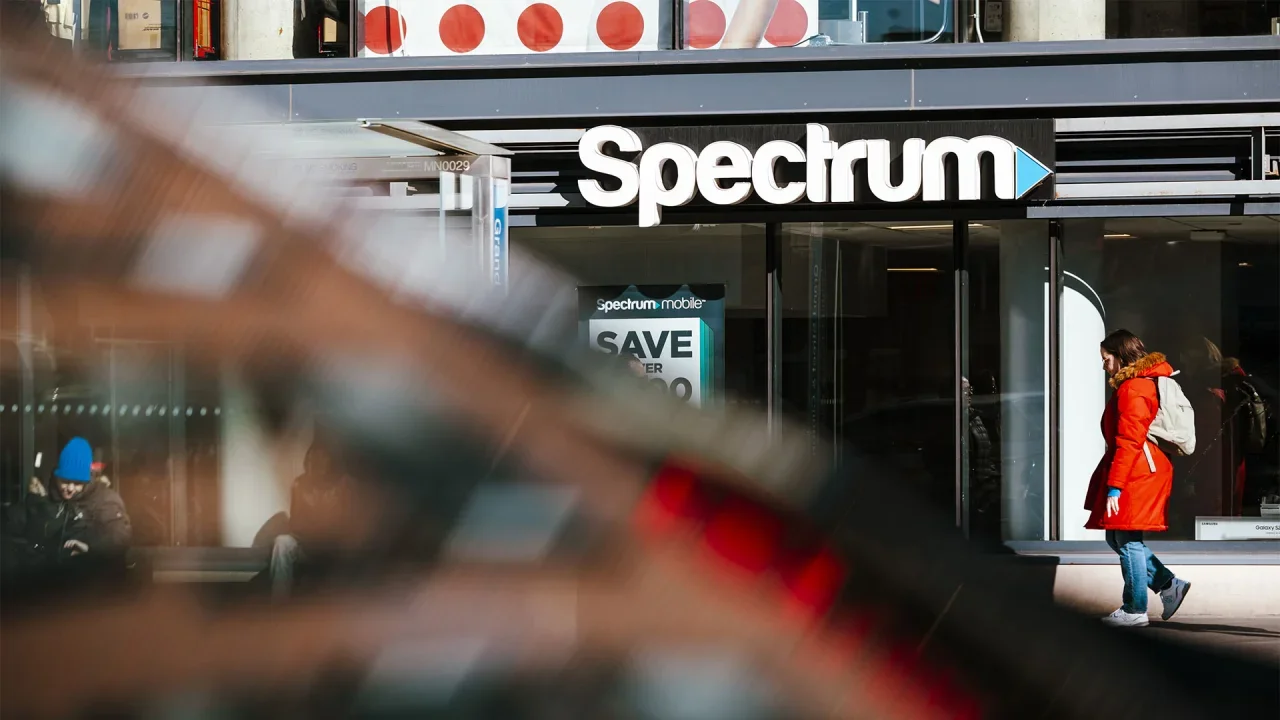
On Friday, cable companies Charter Communications and Cox Communications announced that they’ve agreed to merge. Charter will acquire Cox in a deal valued at $34.5 billion. This is one of the biggest deals of the year. Charter, known more widely by its brand Spectrum, is one of the largest television communications operators in the country. The proposed transaction will result in Charter acquiring Cox’s commercial fiber and managed IT and cloud businesses, and Cox will contribute its residential cable business to Charter. The joint press release noted that the merger will “create an industry leader in mobile and broadband communications services, seamless video entertainment, and high-quality customer service delivering powerful benefits for American employees, customers, communities, and shareholders.” Charter CEO Chris Winfrey said, “This combination will augment our ability to innovate and provide high-quality, competitively priced products, delivered with outstanding customer service, to millions of homes and businesses.” Cox will own around 23% of the combined entity’s fully diluted shares, the companies said. As part of the deal, the combined entity will assume Cox’s estimated $12 billion in outstanding debt. Charter (NYSE: CHTR) stock was up around 2.58% in early trading on Friday. Cox is a privately held company. Here’s what to expect from the merger The deal is expected to close at the same time as the previously announced Liberty Broadband merger. The combined company will change its name to Cox Communications within a year of the deal closing. Spectrum will become the consumer-facing brand. Winfrey will continue to serve as CEO. The combined company will remain headquartered in Stamford, Connecticut, and plans to maintain a significant presence at Cox’s campus in Atlanta, Georgia. Cable companies struggle to retain pay-TV subscribers Why is this strategic merger being announced? Cable companies have experienced dwindling pay-TV subscriber rates as customers “cut the cord” by canceling cable subscriptions and switching to streaming services. As a result, the industry has invested heavily in broadband and mobile. According to the latest “cord-cutting monitor” report from analyst firm MoffettNathanson, Charter has continued to lose pay-TV customers along with the rest of the industry. In Q4 of 2024, the cable giant lost 123,000 cable subscribers. Collectively, the cable industry is expected to continue to shed pay-TV subscribers in the coming years, declining from 67.7 million subscribers at the end of last year to 51.5 million by 2028, according to MoffettNathanson’s projections. The firm says the growth of streaming services that replicate the cable bundle won’t be enough to offset the downward trend. Charter will acquire Cox’s existing 6 million subscribers if the deal closes as planned. The planned merger awaits approval from Charter shareholders and regulators. The proposed deal will further test regulators’ appetite for large mergers in the The President era. A decade ago, Comcast and Time Warner Cable (TWC) abandoned their proposed $45.2 billion combination amid concerns from the Department of Justice (DOJ) and the Federal Communications Commission (FCC). View the full article
-
Data breaches are most often the work of external bad actors, but sometimes the call comes from inside the house. Cryptocurrency exchange Coinbase has disclosed that hackers paid off support agents—both employees and contractors located outside the U.S.—who had access to company systems to provide customer data and then demanded a $20 million ransom not to leak the information. Coinbase was notified of the ransom demand on May 11, just a few days before reporting the incident to the Securities and Exchange Commission (SEC). The company has said the staff involved were fired and reported to law enforcement when their unauthorized access was detected, but they were still able to provide information to attackers. What happened with Coinbase?The threat actors, with the help of insiders with access to Coinbase systems, were able to collect personally identifiable information on roughly one million individuals (just 1% of Coinbase customers). According to a Coinbase blog post detailing the incident, the compromised data included the following: Names, addresses, phone numbers, and emails Last four digits of Social Security numbers Masked bank account numbers and identifiers Government ID images, such as driver's licenses and passports Account data, such as balance snapshots and transaction history Corporate data available to support agents The breach did not include login credentials, two-factor authentication (2FA) codes, or private keys, and hackers do not have access to customer funds, Coinbase Prime accounts, or customer hot or cold wallets. Coinbase has said they are not paying the $20 million ransom and instead are offering those funds as a reward for information about the attack. The company is also expanding its U.S.-based support to monitor and manage the impact on customer accounts. What Coinbase customers need to doCoinbase sent email notifications from the address no-reply@info.coinbase.com to all affected customers—these messages went out at 7:20 a.m. on May 15. Flagged accounts will have to go through several ID checks to make large withdrawals, so you may experience delays with transactions. If you were impacted by the breach, be on the lookout for impersonation scams. The aim of the attack, according to Coinbase, was to acquire customer information, reach out pretending to be from Coinbase, and use social engineering tactics to trick targets into transferring their money. Know that Coinbase will never ask for your credentials (including passwords and 2FA codes) or request that you transfer assets to another "safe" account, vault, or wallet, and they will never call or text you to give you a seed phrase or wallet address. They also will not ask you to contact an unknown number for customer support. You can also take steps to secure your account, like enabling 2FA using a hardware key and turning on withdrawal allow-listing, which limits transfers to accounts in your address book that you know and trust. If you believe your account has been compromised, lock it down and contact security@coinbase.com. Finally, Coinbase says they intend to reimburse customers who were tricked into sending funds to the attackers. You'll find more information in the notification email. View the full article
-
Housing starts increased in April as a pickup in multifamily home construction more than offset a decline in single-family dwellings caused by elevated inventory. View the full article

-
Midway while sailing across the Pacific with just his cat named Phoenix, Oliver Widger reflected on why he thinks his many followers—more than a million on TikTok and Instagram—are drawn to his story of quitting his 9-to-5 job and embarking on a journey from Oregon to Hawaii. “The world kind of sucks and, like, I don’t think I’m alone in how I felt with my work,” Widger, 29, told The Associated Press on Wednesday via Zoom. “You can be making $150,000 a year and you still feel like you’re just making ends meet, you know what I mean? And I think people are just tired of that and working really hard for nothing and want a way out.” People are inspired by someone who found a way out, said Widger, who is among a growing number of people who have undertaken such voyages in recent years. Being diagnosed four years ago with a syndrome that carried a risk of paralysis made him realize he hated his job as a manager at a tire company, a job requiring him to be clean-shaven and wear pressed shirts. He heard about people who sailed from California to Hawaii and decided that was the life for him. He abruptly quit his job with “no money, no plan” and $10,000 of debt. “I knew one thing: I’m buying a sailboat,” he recalled. “I’m sailing around the world.” He liquidated his retirement savings, taught himself to sail mostly via YouTube and moved from Portland to the Oregon coast, where he spent months refitting the $50,000 boat he bought. Now, Widger is harnessing the power of social media to fund his round-the-world sailing dream. Since he set sail in April, followers have been tuning into his “Sailing with Phoenix” social media posts to view videos of him and his feline first mate battling the waves and bouts of seasickness, enjoying dazzling sunsets, recounting tricky boat repairs or just reflecting on life at sea. As he discussed his journey with the AP, a netted bag carrying bottled water and snacks swung wildly over his head as the boat rocked. He recalled highlights of the voyage so far, including marveling at the speed dolphins cut through the water and finding flying fish on the deck. There have been stretches when there were no birds in sight for days. It can be a struggle to sleep when the boat is creaking while being buffeted by waves or to steady a boiling pot for the MREs he has been subsisting on. There have been harrowing moments like when a rudder failed and the boat tilted sideways in the surf for three hours as he made repairs, and the time he locked himself in the engine compartment and pried his way out with a wrench. Widger acknowledged he is relatively inexperienced as a sailor, but he has implemented safety measures and communication backup plans, including a satellite phone and an emergency beacon. Lt. Cmdr. Jesse Harms of the U.S. Coast Guard in Hawaii hasn’t been following the journey closely, but said he is relieved to hear Widger has the Emergency Position Indicating Radio Beacon, known as an EPIRB. It’s a critical tool for rescuers to locate a mariner’s position during an emergency, especially in the Pacific, the largest ocean, Harms said. Widger’s journey provides a good opportunity to educate the public about sailing safety, such as the importance of wearing a personal flotation device whenever topside on the boat, monitoring the weather closely and registering emergency tools like the EPIRB, Harms said. “That’s a really critical piece for anybody that’s getting motivated by his story to go set off on their own adventure,” Harms said. Until his arrival, likely in Honolulu, Widger is making sure everything is in place to avoid Phoenix having to undergo Hawaii’s animal quarantine. A mobile vet will sign off on Phoenix’s health when they arrive, he said. Widger wasn’t aware of the deadly danger of cat feces to the endangered Hawaiian monk seal, but he has been keeping all his trash, including kitty litter, on board. Even though he said he is legally allowed to throw it overboard, seeing so much plastic in the ocean motivates him not to. In addition to managing the practicalities of daily life on a boat, he is coping with going viral in the middle of the ocean by creating social media content and making decisions about merch his fans want to buy. He credits it all to his neck issue, which “shook up my world and it changed my perspective on everything.” He also hopes he can be an inspiration for anyone who’s in a rut. “Everything I’ve done I thought was impossible,” Widger said. “Sailing around the world is such a ridiculous dream. Whatever your dream is, just go, just do it.” —Jennifer Sinco Kelleher, Associated Press View the full article

-
You might be having a bad week, but AI is having a worse one. First there was the "racism glitch" that beset Grok, and now music platform SoundCloud is facing some serious criticism for a clause buried in its terms of service. The imbroglio began in February 2024, when SoundCloud quietly changed its TOS to include: In the absence of a separate agreement that states otherwise, You explicitly agree that your Content may be used to inform, train, develop or serve as input to artificial intelligence or machine intelligence technologies or services as part of and for providing the services. That quietly sat there in the TOS for more than a year, but this week, Ed Newton noticed the change and posted about it on his X account. The response was immediate and fiery, with many musicians and SoundCloud users decrying the use of their music to train AI. But some of that user ire seems misplaced; it's a more nuanced situation than it seems at first. What Soundcloud was planning to do with AIIt's easy to see why musicians wouldn't want their art used to train machines designed to replace them, but, according to SoundCloud, the TOS change was never about that. The company's president, Eliah Seton, issued an open letter on Wednesday explaining that they were using AI for "powering smarter recommendations, search, playlisting, content tagging, and tools that help prevent fraud" but the company has never "used artist content to train AI models. Not for music creation. Not for large language models. Not for anything that tries to mimic or replace your work." According Seton, it's basically been a misunderstanding. "The language in the Terms of Use was too broad and wasn’t clear enough. It created confusion, and that’s on us," Seton wrote. Opt-in or opt-out: The eternal questionSoundCloud may have cleared up how it has used AI in the past, but company reps waffled on what it plans to do with your music in the future. The initial response to the controversy, delivered in a statement to Verge from Marni Greenberg, SVP and head of communications at SoundCloud, explained, "Should we ever consider using user content to train generative AI models, we would introduce clear opt-out mechanisms in advance." The community responded with, "shouldn't that read 'opt-in?'" "Yeah, opt-in. Sounds great," SoundCloud responded, eventually. How SoundCloud is planning to change its terms of serviceIn his open letter, SoundCloud CEO Seton got specific about planned changes to the service's terms of service. The offensive AI section will be replaced with: We will not use Your Content to train generative AI models that aim to replicate or synthesize your voice, music, or likeness without your explicit consent, which must be affirmatively provided through an opt-in mechanism. So AI won't be used for replication or synthesis of users' music unless they opt in. Presumably, SoundCloud's will continue to use AI for recommendations, tagging, and play-listing, a much more benign, and generally accepted used of the technology. A couple of lessons from this flare-up: One, dealing with AI requires companies to be crystal clear with their users about how AI will be employed. Two, we should all read the TOS. View the full article
-
Key Takeaways Impact on Success: A well-planned startup office setup enhances productivity, fosters collaboration, and ultimately contributes to the success of your business. Optimal Layout: Design your office layout to encourage teamwork with communal areas while also incorporating quiet zones for focused work. Ergonomic Furniture: Invest in ergonomic furniture that ensures comfort and promotes employee well-being, which in turn boosts productivity. Technology Integration: Utilize reliable technology and high-speed internet to streamline operations and enhance communication among team members. Budgeting Wisely: Engage in careful budgeting by considering location, utilities, and furniture costs, while exploring flexible options like remote work and used furniture. Creating a Positive Environment: Enhance your office environment with appropriate lighting, acoustics, and color schemes to improve employee morale and stimulate creativity. Starting a new venture is thrilling, but setting up your startup office can feel overwhelming. The right environment can boost creativity, foster collaboration, and enhance productivity. You want a space that reflects your brand while meeting your team’s needs. From choosing the perfect location to selecting furniture and technology, every detail matters. Whether you’re working with a tight budget or have some flexibility, understanding the essentials of office setup can make a significant difference. Let’s dive into the key elements that will help you create an inspiring workspace tailored for success. Importance Of Startup Office Setup A well-planned startup office setup significantly impacts your small business’s success. Careful attention to your workspace enhances productivity and strengthens team dynamics, both critical for growth. Enhancing Productivity An effective office layout boosts productivity by providing employees with optimal working conditions. Proper desk arrangements, ergonomic furniture, and appropriate lighting can reduce fatigue and increase focus. Technology plays a vital role; investing in reliable hardware and software tools streamlines operations and minimizes downtime. Designate quiet areas for concentration and collaboration zones for teamwork, ensuring a balanced environment that encourages innovation. Fostering Collaboration Creating a collaborative workspace fosters teamwork and enhances communication among employees. Open floor plans and communal areas encourage informal interactions, sparking creativity. Incorporating meeting rooms with advanced technology aids in presentations and brainstorming sessions. Building a culture of collaboration reflects your business model—prioritizing team efforts over individual accomplishments. This collaborative spirit supports employee engagement, improves problem-solving, and ultimately drives customer acquisition. Key Elements Of A Startup Office Setup A startup office setup requires careful planning to enhance productivity and creativity. You must focus on layout and design, furniture and equipment, as well as technology and connectivity to create a functional workspace. Layout and Design Design the layout to meet your business needs, incorporating spaces for individual work, collaboration, and meetings. Open-plan offices foster teamwork, while designated quiet zones and private meeting rooms cater to focused tasks. Make the space flexible, allowing for changes as your business grows. Modular spaces and operable walls create adaptable environments for various activities, which is vital for innovation and team building. Furniture and Equipment Select ergonomic furniture that promotes comfort and well-being. Desks, chairs, and collaborative areas should align with your startup’s culture and branding. Equip your office with essential tools like printers, whiteboards, and storage solutions that streamline workflow and enhance efficiency. Utilizing quality furniture and equipment maximizes productivity, ensuring your team can focus on customer acquisition and growth strategies. Technology and Connectivity Incorporate reliable technology and connectivity to support your operations. Invest in high-speed internet, collaboration tools, and cloud-based software to streamline workflows and minimize downtime. Consider hardware that best suits your business model, whether it’s for a remote team or in-office employees. Effective technology enhances communication, supports digital marketing efforts, and drives overall business success. Budgeting For Your Startup Office Setup Budgeting plays a vital role in setting up your startup office efficiently. Considering expenses ensures you make informed decisions that align with your business goals. Cost Considerations The main costs include physical space, utilities, internet, and furniture. Physical Space: Your choice of office impacts costs significantly. The average office listing in the U.S. is about $32 per square foot. In high-demand cities, like San Francisco, this figure can rise to $61 per square foot, while cities like Detroit average $22 per square foot. Renting offers lower upfront costs, but purchasing property may provide long-term control. Utilities and Internet: Utilities average around $2.10 per square foot, translating to about $6,300 monthly for a 3,000 square foot space. Internet and network installation may add a one-time expense of approximately $4,000. Furniture and Decor: Setup costs can vary, with initial expenses typically around $25,000 for furniture. Prioritize ergonomic options to foster team productivity and comfort. Tips for Budget-Friendly Options Research Locations: Consider less expensive cities or suburbs to minimize rental costs while maintaining accessibility for employees and clients. Negotiate Leases: Try negotiating your lease terms to secure more favorable rates. Many landlords may offer incentives or reduced rates for longer commitments. Purchase Used Furniture: Explore options for buying used or refurbished furniture to cut costs without sacrificing quality. Evaluate Utility Packages: Look for bundled utility and internet packages that may lower overall expenses. Some providers offer business rates that could lead to savings. Consider Remote Work: If applicable, allow for remote work options. This approach can reduce physical space and associated costs while attracting talent. Balancing these elements effectively forms the foundation for a successful startup office setup while controlling expenses. Creating The Right Environment Creating a conducive environment in your startup office significantly impacts productivity and employee satisfaction. Consider the following key factors that enhance the workplace. Lighting and Acoustics Lighting plays a vital role in employee mood and productivity. Natural light boosts morale and minimizes reliance on artificial sources, reducing energy costs. Position desks near windows wherever possible to maximize this benefit. For areas requiring focused work, incorporate adjustable LED lighting, which offers brightness control and energy efficiency. Acoustics also affect concentration. Sound-absorbing materials such as carpets, curtains, and acoustical panels can mitigate distractions from bustling office dynamics. Provide quiet zones where team members can retreat for focused tasks. Balancing sound and light creates a comfortable workspace that enhances performance. Color Psychology Color choices in your office can influence emotions and productivity levels. Different colors provoke various responses among individuals. For instance, blue promotes calmness and focus, suitable for workspaces requiring concentration. Yellow encourages creativity, making it ideal for brainstorming areas. Use neutral colors like gray and white for a clean background, allowing vibrant accents in furniture or decorations to stimulate creativity. Careful selection of colors aligns the office environment with your branding while supporting your team’s emotional well-being, fostering innovation and collaboration. Consider these elements as you create the right environment, ensuring your startup thrives in a well-designed office space that reflects your values and supports your growth strategy. Conclusion Setting up your startup office is more than just a logistical task; it’s a strategic move that can shape your business’s future. By prioritizing an environment that fosters creativity and collaboration, you’re laying the groundwork for success. Consider every element from layout to technology as a building block for your team’s productivity and morale. A well-designed office not only reflects your brand but also creates a culture that attracts talent and drives innovation. As you navigate the challenges of budgeting and planning, remember that every decision impacts your team’s dynamics and overall performance. Invest wisely to create a space that inspires and supports your growth journey. Frequently Asked Questions What is the importance of office layout for a startup? A well-planned office layout enhances creativity, productivity, and collaboration among employees. It allows for individual work, teamwork, and meetings, adapting to the startup’s growth needs. A thoughtful setup can significantly impact a business’s success by strengthening team dynamics and supporting a positive work culture. How can ergonomic furniture affect productivity? Ergonomic furniture promotes comfort and reduces fatigue during long work hours. When employees feel comfortable, they can focus better, leading to increased productivity. Investing in ergonomic solutions helps align with the startup’s culture and keeps the workforce engaged and motivated. Why is technology important in a startup office? Reliable technology streamlines operations, minimizes downtime, and enhances workflow efficiency. Investing in high-speed internet and collaboration tools supports seamless communication and productivity, making it critical for startups to succeed in a competitive environment. What should I consider when budgeting for a startup office? Budgeting for a startup office involves evaluating costs for physical space, utilities, internet, furniture, and equipment. Researching locations, negotiating leases, and exploring budget-friendly options like buying used furniture can help control expenses while creating a conducive workspace. How does lighting impact employee performance? Proper lighting, especially natural light, boosts morale and productivity among employees. It creates a pleasant work environment, reducing fatigue and distractions. By incorporating effective lighting in the office design, startups can enhance employee satisfaction and overall performance. What role does color psychology play in office design? Color psychology can influence emotions and productivity. For example, blue promotes calmness and focus, while yellow encourages creativity. By carefully selecting colors for the office environment, startups can create a space that reflects their values and supports their growth strategies. Image Via Envato This article, "Essential Guide to Successful Startup Office Setup for Maximum Productivity" was first published on Small Business Trends View the full article
-
FX's highly acclaimed hit series The Bear returns to Hulu in June for its fourth season, picking up right after the events of season three, when Carmy received the Chicago Tribune's review of his fine-dining restaurant. The main cast—Jeremy Allen White, Ebon Moss-Bachrach, and Ayo Edebiri, to name a few—are reprising their roles in pushing The Bear forward. All 10 episodes will drop on June 25. Call Her Alex (June 10) is a Hulu original docuseries following "Call Her Daddy" podcast host Alex Cooper in preparation for her first tour with a behind-the-scenes look at the events that shaped her journey. Similarly, Barbara Walters Tell Me Everything (June 23) uses archival footage to explore Walters' life and career as a journalist and host in a male-dominated industry. On the film side, The Actor (June 30) is a crime mystery based on Donald E. Westlake's novel "Memory," starring Andre Holland as an actor with memory loss and Gemma Chan as a costume designer in the small town he ends up in. Predator: Killer of Killers (June 6) is an animated action/adventure and Hulu original set in the Predator universe. Here’s everything else coming to (and leaving) Hulu in June. What’s coming to Hulu in June 2025Arriving June 1Adam (2019) Alien (1979) Alien 3 (1992) Alien Resurrection (1997) Alien vs. Predator (2004) Alien: Covenant (2017) Aliens (1986) Aliens vs. Predator: Requiem (2007) Beasts Of The Southern Wild (2012) Before Midnight (2013) Betsy's Wedding (1990) Beverly Hills Ninja (1997) Big Eden (2000) Big Fish (2003) The Big Hit (1998) Big Mommas: Like Father, Like Son (2011) Blue Jasmine (2013) Boy Meets Girl (2014) Breakin' All the Rules (2004) The Bronze (2016) Bubble Boy (2001) Bugsy (1991) Cedar Rapids (2011) The Chronicles Of Narnia: The Voyage Of The Dawn Treader (2010) Cold Pursuit (2019) Cyrus (2010) Daddy Day Care (2003) Death on the Nile (2022) Deja Vu (2006) Delivery Man (2013) Dude, Where's My Car? (2000) Edge of Tomorrow (2014) Elena Undone (2010) Freddy Got Fingered (2001) The Girl Next Door (2004) Grown Ups (2010) Grown Ups 2 (2013) Happy Gilmore (1996) The Heat (2013) Hitchcock (2012) Hurricane Bianca (2016) Idiocracy (2006) Independence Day (1996) The Joy Luck Club (1993) Just Go With It (2011) Kung Fu Panda 3 (2016) Let's Be Cops (2014) Loving Annabelle (2006) Mamma Mia: Here We Go Again! (2018) Mamma Mia! (2008) The Mask (1994) Me And Earl And The Dying Girl (2015) Mirrors (2008) The Namesake (2007) A Perfect Ending (2012) Pineapple Express (2008) Predator (1987) The Predator (2018) Predator 2 (1990) Predators (2010) Pride + Prejudice + Zombies (2016) Prometheus (2012) Reno 911! Miami: The Movie (2007) Sordid Lives (2000) 28 Weeks Later (2007) The War of the Roses (1989) We're The Millers (2013) Working Girl (1988) You Don't Mess With The Zohan (2008) Arriving June 3I've Somehow Gotten Stronger When I Improved My Farm-Related Skills: Complete Season 1 (Dubbed & Subbed) Miss Kobayashi's Dragon Maid: Complete Season 1 (Dubbed & Subbed) The Quiz With Balls: Season 2 Premiere So I'm a Spider, So What?: Complete Season 1 (Dubbed & Subbed) Wise Man's Grandchild: Complete Season 1 (Dubbed & Subbed) Yuri on Ice: Complete Season 1 (Dubbed & Subbed) Presence (2025) Arriving June 4The Great House Revival: Complete Season 5 Arriving June 5National Anthem (2023) Arriving June 6Not Her First Rodeo: Complete Season 1 Predator: Killer of Killers: Film Premiere Borat: Cultural Learnings Of America For Make Benefit Glorious Nation … (2006) Deuce Bigalow: Male Gigolo (1999) Hot Shots! (1991) Hot Shots! Part Deux (1993) Shallow Hal (2001) The Ringer (2005) Arriving June 7Gypsy's Revenge: Complete Season 1 I (Almost) Got Away With It: Complete Season 3 Kids Baking Championship: Complete Season 12 Murder in the Heartland: Complete Season 1 Naked and Afraid: Last One Standing: Complete Season 1 Sister Wives: Complete Season 12 Arriving June 8Scream (2022) Arriving June 9Beyblade X: Season 1B Arriving June 10Call Her Alex: Complete Docuseries And Then We Danced (2019) Clifford the Big Red Dog (2021) Arriving June 11The Snake: Series Premiere Gran Turismo (2023) Arriving June 12The 1% Club: Season 2 Premiere Arriving June 13Atsuko Okatsuka: Father: Special Premiere Absolution (2024) Arriving June 1490 Day Fiance: Complete Season 5 90 Day Fiance UK: Complete Season 2 Guy's Grocery Games: Complete Seasons 32 & 33 I'd Kill For You: Complete Season 3 Joel McHale: Live from Pyongyang (2019) Arriving June 16My Happy Ending: Complete Season 1 (Sub) Black Christmas (2019) Arriving June 17SALLY (2025) Skincare (2024) Arriving June 19The Quiet Ones (2024) Arriving June 20The Bravest Knight: Season 2B Out Come the Wolves (2024) Arriving June 23Barbara Walters Tell Me Everything: Documentary Premiere Helck: Complete Season 1 (Dubbed & Subbed) My Instant Death Ability is Overpowered: Complete Season 1 (Dubbed & Subbed) My Isekai Life : Complete Season 1 (Dubbed & Subbed) Arriving June 24Survive (2024) Arriving June 25FX's The Bear: Complete Season 4 Arriving June 27F*ck Marry Kill (2024) Arriving June 29The Bachelor: Complete Seasons 27 & 28 Arriving June 30Boonie Bears: Time Twist (2024) Texas True Crime: Complete Season 5 The Actor (2025) What’s leaving Hulu in June 2025Leaving June 1Christmas with the Campbells (2022) Leaving June 2The Amazing Maurice (2022) Leaving June 4Intrigo: Dear Agnes (2019) Leaving June 8Indemnity (2021) Leaving June 10Here Before (2021) Warhunt (2022) Leaving June 11Intrigo: Samaria (2019) Leaving June 13The Worst Person in the World (2021) Leaving June 17Ted K (2021) The Ledge (2022) Leaving June 22The Burning Sea (2021) Leaving June 24Big Gold Brick (2022) Gasoline Alley (2022) Leaving June 25The Desperate Hour (2022) Leaving June 30Transfusion (2023) View the full article
-
The internet wouldn’t be the same without the Like button, the thumbs-up icon that Facebook and other online services turned into digital catnip. Like it or not, the button has served as a creative catalyst, a dopamine delivery system, and an emotional battering ram. It also became an international tourist attraction after Facebook plastered the symbol on a giant sign that stood outside its Silicon Valley headquarters until the company rebranded itself as Meta Platforms in 2021. A new book, Like: The Button That Changed The World, delves into the convoluted story behind a symbol that’s become both the manna and bane of a digitally driven society. It’s a tale that traces back to gladiator battles for survival during the Roman empire before fast-forwarding to the early 21st century when technology trailblazers such as Yelp cofounder Russ Simmons, Twitter cofounder Biz Stone, PayPal cofounder Max Levchin, YouTube cofounder Steve Chen, and Gmail inventor Paul Buchheit were experimenting with different ways using the currency of recognition to prod people to post compelling content online for free. As part of that noodling, a Yelp employee named Bob Goodson sat down on May 18, 2005, and drew a crude sketch of thumbs-up and thumbs-down gesture as a way for people to express their opinions about restaurant reviews posted on the site. Yelp passed on adopting Goodson’s suggested symbol and, instead, adopted the “useful,” “funny,” and “cool” buttons conceived by Simmons. But the discovery of that old sketch inspired Goodson to team up with Martin Reeves to explore how the Like button came to be in their new book. “It’s something simple and also elegant because the Like button says, ‘I like you, I like your content. And I am like you. I like you because I am like you, I am part of your tribe,’ ” Reeves said during an interview with the Associated Press. “But it’s very hard to answer the simple question, ‘Well, who invented the Like button?'” The social wellspring behind a social symbol Although Facebook is the main reason the Like button became so ubiquitous, the company didn’t invent it and almost discarded it as drivel. It took Facebook nearly two years to overcome the staunch resistance by CEO Mark Zuckerberg before finally introducing the symbol on its service on February 9, 2009—five years after the social network’s creation in a Harvard University dorm room. As happens with many innovations, the Like button was born out of necessity but it wasn’t the brainchild of a single person. The concept percolated for more than a decade in a Silicon Valley before Facebook finally embraced it. “Innovation is often social and Silicon Valley was the right place for all this happen because it has a culture of meet-ups, although it’s less so now,” Reeves said. “Everyone was getting together to talk about what they were working on at that time and it turned out a lot of them were working on the same stuff.” The effort to create a simple mechanism to digitally express approval or dismay sprouted from a wellspring of online services such as Yelp and YouTube whose success would hinge on their ability to post commentary or video that would help make their sites even more popular without forcing them to spend a lot of money for content. That effort required a feedback loop that wouldn’t require a lot of hoops to navigate. Hollywood’s role in the Like button’s saga And when Goodson was noodling around with his thumbs-up and thumbs-down gesture, it didn’t come out of a vacuum. Those techniques of signaling approval and disapproval had been ushered into the 21st century zeitgeist by the Academy Award-winning movie, “Gladiator,” where Emperor Commodus—portrayed by actor Joaquin Phoenix—used the gestures to either spare or slay combatants in the arena. But the positive feelings conjured by a thumbs up date even further back in popular culture, thanks to the 1950s-era character Fonzie played by Henry Winkler in the top-rated 1970s TV series, “Happy Days.” The gesture later became a way of expressing delight with a program via a remote control button for the digital video recorders made by TiVO during the early 2000s. Around the same time, Hot or Not—a site that solicited feedback on the looks of people who shared photos of themselves—began playing around with ideas that helped inspire the Like button, based on the book’s research. Others that contributed to the pool of helpful ideas included the pioneering news service Digg, the blogging platform Xanga, YouTube and another early video site, Vimeo. The button’s big breakthrough But Facebook unquestionably turned the Like button into a universally understood symbol, while also profiting the most from its entrance into the mainstream. And it almost didn’t happen. By 2007, Facebook engineers had been tinkering with a Like button, but Zuckerberg opposed it because he feared the social network was already getting too cluttered and, Reeves said, “is he didn’t actually want to do something that would be seen as trivial, that would cheapen the service.” But FriendFeed, a rival social network created by Buchheit and now OpenAI Chairman Bret Taylor, had no such qualms, and unveiled its own Like button in October 2007. But the button wasn’t successful enough to keep the lights on at FriendFeed, and the service ended up being acquired by Facebook. By the time that deal was completed, Facebook had already introduced a Like button—only after Zuckerberg rebuffed the original idea of calling it an Awesome button “because nothing is more awesome than awesome,” according to the book’s research. Once Zuckerberg relented, Facebook quickly saw that the Like button not only helped keep its audience engaged on its social network but also made it easier to divine people’s individual interests and gather the insights required to sell the targeted advertising that accounted for most of Meta Platform’s $165 billion in revenue last year. The button’s success encouraged Facebook to take things even further by allowing other digital services to ingrain it into their feedback loops and then, in 2016, added six more types of emotions—”love,” “care,” “haha,” “wow,” “sad,” and “angry.” Facebook hasn’t publicly disclosed how many responses it has accumulated from the Like button and its other related options, but Levchin told the book’s authors that he believes the company has probably logged trillions of them. “What content is liked by humans…is probably one of the singularly most valuable things on the internet,” Levchin said in the book. The Like button also has created an epidemic of emotional problems, especially among adolescents, who feel forlorn if their posts are ignored and narcissists whose egos feast on the positive feedback. Reeves views those issues as part of the unintentional consequences that inevitably happen because “if you can’t even predict the beneficial effects of a technological innovation how could you possibly forecast the side effects and the interventions?” Even so, Reeves believes the Like button and the forces that coalesced to create it tapped into something uniquely human. “We thought serendipity of the innovation was part of the point,” Reeves said. “And I don’t think we can get bored with liking or having our capacity to compliment taken away so easily because it’s the product of 100,000 years of evolution.” —Michael Liedtke, AP Technology Writer View the full article

-
Disney isn't bringing a lot of new content to its streaming platform in June, but there a few original and exclusive titles on the lineup. Season five of Disney Channel's animated comedy series Phineas and Ferb (June 6) will premiere with 10 episodes, returning for the first time since 2015. The show follows two stepbrothers trying to fill their time during the 104 days of summer vacation. Disney+ Original Ironheart will launch with a three-episode premiere at 6 p.m. PT on June 24. The Marvel Television miniseries is set after the events of Black Panther: Wakanda Forever and tells the origin story of Ironheart—MIT student and inventor Riri Williams (played by Dominique Thorne). Also premiering on the platform this month are documentaries Sally (June 17), about the first American woman astronaut, and Ocean with David Attenborough (June 8) as well as Disney's Frozen: The Hit Broadway Musical (June 20). Finally, female-led sports show Vibe Check will land exclusively on Disney+ sometime during the month. Here's everything coming to Disney+ in June. Movies and complete series/seasons coming to Disney Plus in June 2025Arriving in JuneUnderdogs (Season 1) Vibe Check Arriving June 4Pupstruction (S2, 6 episodes) Arriving June 6Phineas and Ferb (Season 5) Arriving June 8Ocean with David Attenborough Arriving June 17SALLY Arriving June 20Frozen: The Hit Broadway Musical Arriving June 24Ironheart Hulu + ESPN content coming to Disney+ in June 2025As in previous months, Disney+ subscribers will also have access to select content from Hulu and ESPN. This includes live events like Day 1 of all PGA TOUR LIVE events, Day 1 of Wimbledon, and the Dallas Wings vs. Seattle Storm WNBA match-up. Here's a sampling of what else is coming to Disney+: Snowfall 9-1-1: Lone Star Station 19 Class of ‘09 Cruel Summer Death and Other Details High Fidelity Alien: Resurrection A Real Pain Predators Prom Dates ESPNFC Pardon the Interruption The Mina Kimes Show featuring Lenny Full Court Press Vince's Places P.K.'s Places 30 for 30 View the full article
-
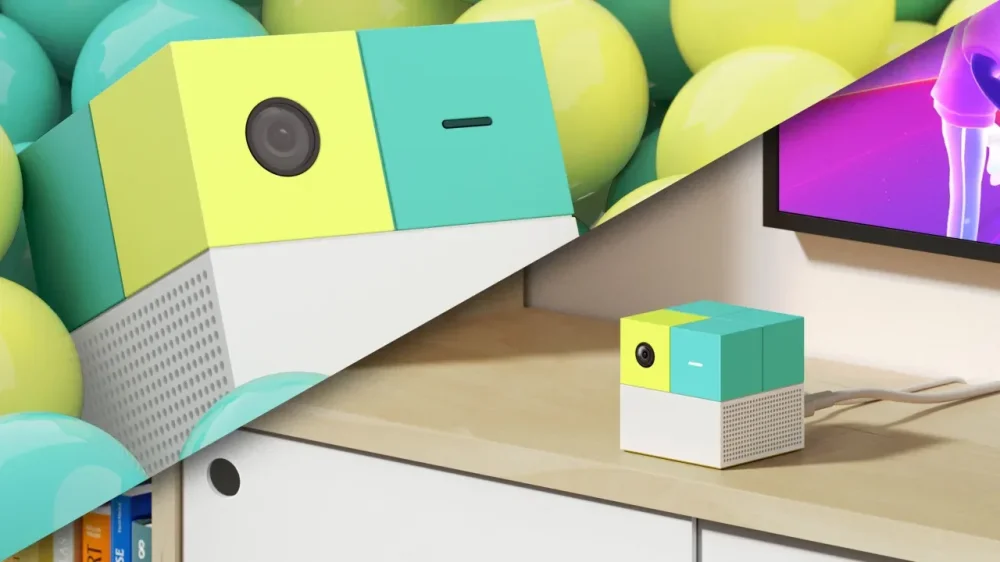
Switch, PS5, and XBox might be the biggest names in video games, but David Lee and a group of entrepreneurial alums from companies like Apple, Google, Microsoft, and Meta are carving out a niche market with Nex, a new alternative. The company’s Nex Playground device has sold more than 200,000 units. Instead of buying individual games, families buy a subscription-based collection of 40-plus titles. Like the old Nintendo Wii, Nex focuses on family-friendly, movement-based games. The Nex device plugs into TVs for motion-controlled experiences. Instead of controllers, the device uses a built-in camera that enables you to play games by moving your hands and feet. With national retail expansion underway across 5,000 stores, Nex positions itself as a simpler alternative to pricier, fancier, thumb-based video games. Fast Company spoke with Lee, the founding CEO, about how Nex competes against industry giants and how the company develops distinct hardware and games. The conversation has been edited for length and clarity. How do you position Nex in relation to Nintendo and Xbox? We all have a focus on core customers. Nintendo went back to what they were doing—handheld gaming and Mario—their biggest franchises. Xbox users are gamers, people who got an Xbox to play games like Halo. When Microsoft was under pressure from PS4’s lower price, they unbundled Kinect and collapsed that system to compete. We come into this space without any of those existing customers. We decided from the ground up to serve motion gaming. The design of our device, the pricing, how we use one camera to track multiple people, moving sensors into software and AI—it’s all about keeping it affordable with a subscription service that takes care of the whole family. Why did you build a dedicated device after starting with mobile apps? Before we built Nex Playground, we were building motion games on phones. What we discovered is that when we create dedicated hardware instead, we have a much deeper relationship with customers. When there’s a device where the only thing it does is bring the family together to play active games, it shows big potential. When you use your TV for a motion-game experience, you pay much more attention to it than you would to a game on your phone. The experience is a lot better, and customers love it more. How are families using Nex in ways you didn’t expect? When we started searching for customers and building our Facebook community, which now has over 20,000 people, we discovered new use cases. We found that when kids come back from school, we have a half-hour where they just play. On weekends, they play when friends come over. We’ve also found that when kids are at school, parents want fitness experiences for themselves. Even grandparents derive benefits when they have something to do with their body. We’re defining what role we play for different people in the family, delivering benefits at different times of day, different days of the week, even different seasons of the year. In summer when kids are off school, we can occupy them and get them moving and learning. What’s your approach to developing games in a saturated market? We’re focusing on safety, privacy, and security first since we’re serving families. We have our first-party teams building games, but we also work with ten studio deals already, with seven games launched. We bring in partners whose games we like, and we share revenue with them. We want to keep our model simple—we have our subscription model and want to supply and delight users all year. We don’t want to open the system to many games that might be low quality. We’re curating a set of content and working with developers who are passionate about creating great things. Our business model is simple, honest, and sustainable—no ads, no in-app purchases. The moment you open to third parties, they think about different ways to make money. For families, we don’t want to overwhelm them—we just want to serve them really well. How do you keep up with hardware competition? We think about our hardware in a similar way to how Amazon thinks about the Kindle or Apple thinks about the iPad. Every year, we want to do something better to create perfect experiences. For example, we improved the remote control from 2023 to 2024. We learned that the joystick was a little hard for young kids to use—I saw my daughter struggling to press it—so we made it simpler. We’re always looking at what problems people face and how to improve. The hardware cycle is yearly, and we might be able to do something new each year. But we’re not thinking about something dramatically different—we have a pretty good long trajectory ahead. A lot of improvements actually come through software. With the same hardware, you get access to new technology we develop as detection technologies get better. We don’t want to force customers to buy new hardware to play something new. We think about compatibility and how not to fully obsolete customers. This is a device that can serve your family for years to come. Given how much attention is paid to Nintendo’s new Switch, how are people discovering Nex? According to our surveys, roughly 40% of customers hear about us from friends and families. The next-largest segment, about 20%, comes from our online ads. Another 13% first see us in retail stores. Currently, we’re in 700 Target stores, 100 Walmart locations, and 200 Best Buy stores. This year, we have a national retail expansion to over 5,000 stores. Amazon is also now recognizing us as a new gaming system category—if you look at Amazon video games, they put Nex Playground right next to PlayStation, Xbox, and Switch as top-level tabs, even though we’re way smaller than any of them. What’s your long-term vision for Nex? We want to keep kids active, bring families together, and even help keep elderly people active so they can stay independent. We want to tie your family together locally and remotely. We’re happy seeing more grandparents buying Nex for their grandkids and then saying “I want one too.” View the full article
-
Commuters in the New York City and New Jersey area are in for what is likely to be a weekend of increased congestion and more limited transit options after the engineers who run the New Jersey Transit rail system voted to go on strike. That strike is now in effect and could continue throughout the weekend—and potentially even longer. Here’s what you need to know about the NJ Transit strike. What’s happened? On Thursday, the Brotherhood of Locomotive Engineers and Trainmen (BLET) announced that its members who run the trains in the New Jersey Transit Corporation, better known as NJ Transit, were officially on strike. The strike came after the BLET and NJ Transit failed to reach a deal on a new contract for the approximately 450 engineers and trainees who run the railway and are represented by the union. The main issue centers around a disagreement on wage increases for the workers. News of the strike is no doubt a disappointment to the 100,000 NYC and NJ commuters who use the line daily, especially after both sides were reportedly “close” to a deal. Talks between both sides went on for 15 hours on Thursday and ended shortly before 10 p.m., reports CNN. The strike then officially began at 12:01 a.m., today, Friday, May 16. It is the first time union members working for New Jersey Transit have gone on strike in 42 years. The last time NJ Transit workers took to the picket lines was in 1983. What do the striking rail workers want? The BLET’s union members are striking because no acceptable deal was reached on wage increases for its members. In a notice announcing the strike, BLET says that its NJ Transit members have not received a raise for five years. The union also notes that NJ Transit engineers “make at least $10 less per hour” than the engineers for other passenger railroads that share the same train platforms as the ones used by NJ Transit. “NJ Transit has a half-billion dollars for a swanky new headquarters and $53 million for decorating the interior of that unnecessary building,” BLET National President Mark Wallace said in a prepared statement. “They gave away $20 million in revenue during a fare holiday last year. They have money for penthouse views and pet projects, just not for their front-line workers. Enough is enough. We will stay out until our members receive the fair pay that they deserve.” In addition to the strike now in effect, from 4 a.m. this morning BLET members began picketing at multiple locations, including NJ Transit’s Newark headquarters, New York’s Penn Station, and the Atlantic City Rail Terminal in Atlantic City. The union says that “despite the transit agency having the funds for a raise,” NJ Transit managers walked out of talks before 10 p.m. on Thursday. What does NJ Transit say? NJ Transit, for its part, has posted a fact sheet about the strike, which lays out six claims and what the transit agency says are the “facts” about the claims. NJ Transit says that it offered BLET members a “competitive wage and benefits package that all 14 other rail labor unions accepted in 2021.” It also says that under its offer, NJ Transit locomotive engineers would have seen their average total earnings rise from $135,000 per year now to $172,856 as of July 1, 2027. The transit agency says these wages are “competitive within the region” and higher than the wages Philadelphia’s SEPTA workers receive. It concedes that the wages are lower than those received by MTA (Metro-North Railroad and Long Island Rail Road) workers in New York, but it adds, “It isn’t reasonable to live and work in New Jersey, but demand to be paid like you live and work in New York.” How long could the strike last? That is impossible to tell at this point. In theory, NJ Transit and BLET could agree to return to the negotiating table at any time—although that’s unlikely to happen today. However, on Thursday, NJ Transit CEO Kris Kolluri said that both sides are currently scheduled to start negotiating again on Sunday. But just because negotiations are scheduled—or even begin—doesn’t mean the strike will be called off anytime soon. Indeed, if BLET would call off the strike, it may lessen the pressure on NJ Transit to meet their demands. CNN notes that when Southeastern Pennsylvania Transit Authority (SEPTA) workers went on strike in the 1980s, the strike lasted for 108 days. A strike of Metro-North workers lasted 42 days, and a strike of Long Island Railroad workers lasted 11 days. What should I do if I plan to use NJ Transit today? You should rethink your travel plans. NJ Transit has posted a notice warning of the “complete suspension” of services on its rail lines. The agency says it “strongly encourages all those who can work from home to do so and limit traveling on the NJ TRANSIT system to essential purposes only.” However, if you do need to commute, the agency says that it is “adding very limited capacity” to existing New York commuter routes on its bus services. The agency also says that from May 19, its regional Park & Ride service “will operate on a first come, first served basis.” Commuters who need to use NJ transit during the strike are strongely encouraged to check out the agency’s rail strike information page here. What if I’m seeing the Shakira or Beyoncé concerts? From this weekend, there are also two large music events planned in the area that NJ Transit normally serves. The first is the Shakira concert at MetLife Stadium in East Rutherford, New Jersey, which begins at 7:30 p.m. tonight, May 16. Then, Beyoncé is scheduled to perform at the same stadium for five nights between May 22 and May 29. MetLife Stadium has posted some travel options for concertgoers who are seeing the Shakira show tonight. The stadium points out that there will be no NJ Transit bus or rail service to the stadium tonight. It says that those coming to the concert from New York City may be able to use the Coach USA bus service, which it says will be “limited.” The venue also asks people who plan to arrive by car to please carpool and arrive early to help ease congestion. Will Congress step in? When it comes to transportation strikes, Congress does have the authority to act and compel workers to accept a deal and return to their jobs, notes CNN. The last time Congress did this was in December 2022 when it voted to force workers from the country’s four major freight railroads to accept a deal. However, CNN points out that Congress likely felt more compelled to step in at that time because the strike affected most of the country. The NJ Transit strike is a local affair, which means Congress may be more reluctant to interfere. View the full article

-
Key Takeaways Influencer Earnings: The richest Instagram influencers can earn between six to seven figures per sponsored post, showcasing the financial potential of influencer marketing. Engagement Importance: High engagement rates are crucial; they lead to better visibility and more lucrative sponsorships, benefiting both influencers and brands. Diverse Influencer Types: The landscape includes both celebrity and non-celebrity influencers, each offering unique opportunities for targeted marketing strategies. Strategic Brand Partnerships: Successful collaborations align with influencer audiences, enhancing authenticity and driving brand awareness through sponsored content and product placements. Content Creation: Effective influencers utilize engaging storytelling through formats like Instagram Stories and videos to resonate with their followers more than traditional advertising. Data-Driven Insights: Using social media analytics to track engagement and follower growth helps in refining strategies and maximizing the return on investment for influencer collaborations. Instagram has transformed from a simple photo-sharing app into a powerful platform where influencers reign supreme. With millions of followers and lucrative brand partnerships, some individuals have turned their online presence into a goldmine. You might be surprised to learn just how much these influencers earn, often raking in six or even seven figures for a single post. In this article, we’ll dive into the world of the richest Instagram influencers, exploring who they are and what makes their content so compelling. From fashion moguls to fitness gurus, these trendsetters not only shape the industry but also redefine what it means to be successful in the digital age. Get ready to discover the names and figures behind the glitz and glamour of Instagram’s elite. Overview of Richest Instagram Influencers Instagram influencers leverage their platforms to generate substantial income, making influencer marketing a powerful strategy for small businesses. Influencers often earn from six to seven figures per post, highlighting their influence across various industries. Their content creation focuses on engaging storytelling, connecting with audiences through visually appealing posts, videos, and Instagram Stories. These top influencers shape social media trends and enhance brand awareness through strategic brand partnerships. By successfully employing effective hashtags and leveraging social media analytics, they maintain high engagement rates, vital for effective social media campaigns. Their ability to foster community management and customer interaction creates an authentic connection with followers, which small businesses can emulate to grow their own online presence. Incorporating influencer partnerships into your social media marketing strategy can improve organic reach and boost social media engagement. By collaborating with the right influencers, you can enhance brand consistency, optimize content sharing, and utilize their audience targeting skills, thereby achieving a higher return on investment (ROI) for your campaigns. Stay attentive to social media tools that can monitor the effectiveness of these influencer collaborations. Track progress through social media analytics to ensure alignment with your brand voice and narrative. By understanding the landscape of the richest Instagram influencers, you can position your small business to not only navigate but thrive in the competitive world of social media. Top Earners in the Industry The richest Instagram influencers leverage their massive social media followings to generate significant income through partnerships and endorsements. Their success showcases the potential of influencer marketing for small businesses. Celebrity Influencers Celebrity influencers dominate the Instagram landscape. They maintain high engagement rates and millions of followers, making them valuable for brand partnerships. For instance, Cristiano Ronaldo attracts 651 million followers and earns between $2.5 million to $3 million per sponsored post. Utilize his brand power and visibility when strategizing your social media marketing. Kylie Jenner, with 394 million followers, generates nearly $2.3 million to $2.386 million per post. Her brands, Kylie Cosmetics and Kylie Skin, tap into beauty and fashion markets, demonstrating effective content creation and community management. Selena Gomez, boasting 421 million followers, earns about $2.5 million through paid partnerships. Her engagement rate is notable, with strategies that enhance brand awareness and storytelling through Rare Beauty. Celebrity influencers not only cultivate personal brands but also shape social media trends. You can learn from their multi-platform strategies to enhance your own online presence. Non-Celebrity Influencers Non-celebrity influencers also make significant income, often through niche markets. They typically engage with smaller, dedicated audiences, making them suitable for targeted campaigns. Examples include micro-influencers who focus on specific topics, from fitness to cooking. Fitness Influencers often share workout routines and meal plans, promoting wellness brands. They connect personally with their followers, driving customer interaction and engagement rates. Travel Influencers utilize stunning visuals and storytelling, collaborating with tourism boards and travel agencies. Their content showcases experiences, attracting social media followers who value authenticity and adventure. Non-celebrity influencers can enhance your social media strategy. Consider integrating their methods into your campaigns to build organic growth and brand consistency. Leveraging user-generated content and focused hashtags can further boost your organic reach across platforms like Instagram and TikTok. Factors Influencing Their Wealth Several elements contribute to the wealth of the richest Instagram influencers. These factors play a crucial role in maximizing their earnings and effectiveness on the platform. Engagement Rates Engagement rate significantly impacts influencer income. Higher engagement rates lead to better visibility and more lucrative sponsorships. Influencers with active followers generate more interactions through likes, comments, and shares on their posts. Small businesses benefit from partnering with influencers who maintain high engagement metrics. Such partnerships enhance brand awareness and attract new social media followers, driving organic growth for your brand. Brand Partnerships Brand partnerships are vital for influencers’ financial success. Successful collaborations often yield substantial revenue through sponsored content, product placements, and social media campaigns. Influencers carefully choose brands that align with their audience and maintain brand consistency. When you engage with influencers for marketing, ensure they embody your brand voice and values. This alignment fosters authenticity, appealing to their followers and enhancing customer interaction with your offerings. Utilizing influencer partnerships strategically can boost your small business’s online presence and improve social media ROI. Impact on Marketing Trends Richest Instagram influencers dramatically reshape marketing trends through their extensive reach and high engagement rates. These influencers create compelling content that resonates with their audiences, effectively driving brand awareness and fostering customer interaction. When you partner with such influencers, you tap into their ability to enhance your small business’s social media presence and boost organic reach. Influencer marketing poses significant advantages for social media campaigns. As you strategize, consider the impact these influencers have on consumer behavior. Their recommendations often lead to increased sales, as followers trust their endorsements. This trust translates to higher engagement rates, making your paid ads more effective when paired with influencer partnerships. Moreover, influencers excel in content creation, utilizing formats like Instagram stories and video content to captivate audiences. This style creates a dynamic environment that resonates more than traditional advertising methods. By harnessing their storytelling abilities and aligning with their brand voice, you create authentic connections with potential customers. Utilizing social media analytics helps in assessing the success of influencer partnerships. Metrics like engagement rates and follower growth provide insight into what works. Adjust your social media strategy based on data, and leverage tools that track performance across platforms like Facebook, Twitter, and TikTok. Tailoring your content calendar to incorporate influencer collaborations ensures consistent messaging and maximizes the impact of your marketing efforts. Working with the richest Instagram influencers creates valuable opportunities to elevate your small business’s brand awareness and drive meaningful connections with your audience. As you explore these partnerships, keep an eye on the latest social media trends to maintain a competitive edge in the ever-evolving landscape of social media marketing. Conclusion The landscape of Instagram influencers is ever-evolving and filled with opportunities for brands and businesses. By understanding the dynamics of the richest influencers you can leverage their reach and engagement to enhance your marketing strategies. Whether you choose to collaborate with celebrity influencers or tap into the authenticity of non-celebrity influencers, the potential for growth is immense. These influencers not only drive trends but also foster genuine connections with their audiences. Embracing influencer partnerships can significantly elevate your brand’s visibility and credibility in the crowded social media space. Stay informed about the latest trends and adapt your approach to make the most of this powerful marketing tool. Frequently Asked Questions What is the main focus of the article on Instagram influencers? The article explores the evolution of Instagram from a simple photo-sharing app to a platform driven by influencers earning significant income, detailing who the richest influencers are and how they impact various industries. How do influencers make money on Instagram? Influencers generate income primarily through sponsored posts, brand partnerships, and product placements, often earning six or seven figures for a single post due to their extensive reach and high engagement rates. Who are some of the richest Instagram influencers mentioned? The article highlights celebrity influencers like Cristiano Ronaldo, Kylie Jenner, and Selena Gomez, who lead in followers and earnings, demonstrating their brand power on the platform. What is the difference between celebrity and non-celebrity influencers? Celebrity influencers have millions of followers and high earnings per post, while non-celebrity influencers, such as micro-influencers, engage smaller, niche audiences, making them ideal for targeted marketing campaigns. How do engagement rates influence influencer earnings? Higher engagement rates increase visibility and lead to more lucrative sponsorship opportunities, helping both influencers and partnering businesses to achieve better marketing outcomes. Why is influencer marketing beneficial for small businesses? Partnering with influencers helps small businesses enhance brand awareness and foster genuine connections with their audience, leading to increased sales and improved returns on social media investments. What content formats do influencers use to engage audiences effectively? Influencers often utilize captivating formats like Instagram stories, video content, and visually appealing posts to gather audience attention and create a dynamic online presence. How can businesses leverage social media analytics in influencer partnerships? Utilizing social media analytics allows businesses to measure the success of influencer collaborations, adjust their marketing strategies, and maximize their engagement and ROI in influencer-driven campaigns. Image Via Envato This article, "Unveiling the Richest Instagram Influencers and Their Impact on Modern Marketing" was first published on Small Business Trends View the full article
-
We may earn a commission from links on this page. Welcome to “Cookbook of the Week.” This is a series where I highlight cookbooks that are unique, easy to use, or just special to me. While finding a particular recipe online serves a quick purpose, flipping through a truly excellent cookbook has a magic all its own. Baking bread isn't for everyone, and I get it: Spending hours (or days) making one “simple” staple item that you could easily purchase at the store for a few dollars is arguably absurd. I fully accept that I may never be able to bring folks who feel this way over to the other side, and that’s fine. But what about the home cooks who are intrigued, rather than bothered, by the idea of bread baking? Despite generations-worth of recipes and tips, yeast-raised loaves are notoriously finicky, and nothing will defeat your spirit quite like tossing your third dense and doughy sourdough attempt into the compost bin. That’s why I chose to spotlight Bread Baking for Beginners this week. This cookbook creates a safe space where you can build the confidence and know-how you'll need for your illustrious future as a bread baker. A bit about the bookAs you can tell from the title, Bread Baking for Beginners has clear intentions. Author Bonnie Ohara has been the owner and baker of Alchemy Bread since 2014, and her experience of slingin' dough comes through on every page. She has a kind and teacherly way of instructing you on bread baking in this cookbook, and frankly, it’s a breath of fresh air in contrast to the aloof, know-it-all approach you’ll find all over the internet. This cookbook has a somewhat curriculum-style progression, but without ever feeling like a textbook. It’s actually quite approachable: Starting with terminology and equipment, and then moving from simple no-knead breads over to kneaded breads, and proceeding to enriched breads and sourdough starters, Ohara teaches you how to walk before you run. Credit: Allie Chanthorn Reinmann A great cookbook for the wannabe bread-headBeing a beginner at something is a vulnerable state. A messed up loaf of bread is akin to rejection, and a lot of people can’t handle that feeling. That’s why it’s important to have a good teacher. Throughout the pages of Bread Baking for Beginners, Ohara is there to cheer you on, and I fully believe that kind of supportive encouragement is what can keep a new baker coming back to the kitchen after a failed loaf or two. Ohara’s encouragement is never exaggerated or disingenuous. She has her own way of letting you know that perfection isn’t the goal. A little wiggle to your ficelle? It’s character! Your dough hasn’t risen enough? Don’t worry, it’s totally normal to adjust the proofing time on the fly. Every recipe is easy to start, with a short headnote and even shorter ingredient list, and the instructions are always clear. I appreciate that each recipe includes how to shape and how to check for proofing, because that can look and feel different depending on the type of bread you’re making. And what’s a lesson without a Q&A session? Common problems and helpful FAQs sections appear throughout. You’ll get likely answers for why your dough was too dense and why it exploded out of the bottom instead of the score mark. She'll offer suggestions on what to do if your loaf is seemingly ruined. Of course this is helpful for next time, but it also normalizes the act of messing up: It's all a part of learning. But unlike in math class, you can snack on your mistakes. The bread I made this weekI don’t normally go for no-knead breads, but I think they are the most welcoming recipes for new bread bakers. Clearly Ohara agrees, because they’re in the first chapter. From her offerings, I made the Master Recipe for No-Knead Breads. As may be expected, it is a classic four-ingredient lean bread. You can’t get simpler than flour, water, salt, and yeast. I’m not new to bread baking (you can peep my sourdough boule recipe here), so I was a little surprised to see all-purpose flour used. Bread flour is usually the go-to for its higher gluten content, which leads to better structure and increased elasticity. Credit: Allie Chanthorn Reinmann I flipped to the front to check out the author’s thoughts on the ingredient choice and she makes it clear that not only has she had success with regular all-purpose flour, but that it’s more accessible for most home cooks. I respect this choice. If a person can be successful with fewer obstacles, then they can make the switch on their own if and when they choose. However, a kitchen scale is also required (all of the measurements are in grams with no volume option), so there is still some expectation you'll acquire the right tools before getting started. (Personally, I'd switch to bread flour for this type of recipe.) Her no-knead bread is as simple as promised. I weighed my ingredients and mashed them all up with a wooden spoon as thoroughly as I could without it qualifying as kneading. As long as you aren't using expired yeast, I can’t see this bread failing to come to life. Ohara is very clear about ambient temperatures and reminds you of the ideal conditions for the best rise. Even with that advice, and a decade of bread baking under my belt, I managed to overproof my no-knead dough, but I’m not mad about it. The loaf came out light and evenly aerated. It strikes me as a good sandwich bread. And it's Bread Baking 101 that it takes a few trials to learn the personality of a new bread recipe. I’ll try it again soon enough. How to buy itI normally grab the hardcover for cookbooks, but I actually went with the softcover this week. It’s a great price, and since it’s more of a learning cookbook than a display piece, I figure I won’t feel as bad if the pages get flour, oil, or water marks on them. If you haven’t been lately, take a walk to your nearest bookstore and see if you can find it on the shelves. Bread Baking for Beginners: The Essential Guide to Baking Kneaded Breads, No-Knead Breads, and Enriched Breads $9.99 at Amazon /images/amazon-prime.svg $19.99 Save $10.00 Shop Now Shop Now $9.99 at Amazon /images/amazon-prime.svg $19.99 Save $10.00 View the full article
-
Roman Lavrynovych has been charged with three counts of arsonView the full article
-
Sean Grzebin discusses his plans to leverage JPMorgan Chase's massive consumer audience to pick up mortgage market share. View the full article
-
Drop is most acute among Labour voters in a sign that PM’s attempts to woo Reform supporters may be backfiringView the full article
-
Cory Joseph has been blind since birth. So he’s among the people Apple aims to serve with an addition to its App Store called “Accessibility Nutrition Labels,” one of a raft of features the company announced earlier this week to mark Global Accessibility Awareness Day. Once the labels go live later this year, each app’s listing will detail the accessibility features it supports, such as the VoiceOver screen reader, voice input, options to adjust text size and screen contrast, and captioned audio. These enabling technologies can be the difference between an app being essential and unusable: “Having this level of transparency from the App Store is huge,” says Joseph. He isn’t just one of the users who will benefit from that information, though. As a principal accessibility solutions architect at CVS Health, Joseph is in the business of making sure software works for everybody. Given his employer’s scale—it’s the world’s second-largest healthcare company by revenue and reaches 100 million people a day—it’s a job with the potential for deep real-world impact. When using CVS’s apps, “everyone’s trying to find the best care, and we want to make sure that’s barrier-free for everyone,” explains Joseph. The 6-year-old team he’s on has been responsible for achievements that go well beyond taking advantage of the core accessibility features offered by Apple and other platform providers. In 2020, for instance, the company introduced a CVS Pharmacy app feature called Spoken Rx—“a baby of mine,” Joseph says. Special radio-frequency identification (RFID) labels on prescription containers enable it to read aloud vital information such as dosage instructions. CVS Health has also made some of its investments in accessibility freely available to other developers by open-sourcing them, including iOS and Android code, an automated system for testing website usability, and tools for annotating web designs in Figma. As a field, accessibility has come a long way since Apple first dedicated a team to it, initially known as the Office of Special Education. Over 40 years, the company has built a wealth of functionality into its products to facilitate their use by people with disabilities, including the technologies that make the iPhone useful even if you can’t see its touchscreen interface. Some of its recent advances, such as on-device generation of custom synthetic voices, would have been unimaginable just a few years ago. This week’s announcements even include support for brain-computer interfaces. By contrast, there’s nothing gee-whizzy about the Accessibility Nutrition Labels themselves. They just summarize the features that a given app has enabled. But by doing that in such a straightforward, prominent way, they’ll not only aid millions of users but also give some glory to the software makers who take accessible design seriously. Rather than be embarrassed by listings that make their lack of effort obvious, developers who don’t yet have much to brag about might finally get with the program. Joseph hopes that the labels’ associations are only positive. “It’s easy to think about this sort of thing as a badge of shame, and I think that’s not the right way to think about this,” he told me. “This is an opportunity for independent developers, large organizations, and everyone in between to highlight the good work they do.” Even though Joseph works for a company that has dedicated significant mindshare and money to that good work, he’s up front about the obstacles to rapid progress that large companies face, even when they have all the right intentions. “I would be lying if I said that there aren’t challenges,” he told me. “We’re a gigantic organization. There are challenges in every gigantic organization. Of course, we balance all of our work and plan everything out as best as we can, and we deliver the most successful experience that we can across our applications.” The good news, he adds, is that CVS Health-size resources aren’t necessary to make software accessible. “Realistically, it’s easier for smaller developers,” he says. “They can move more quickly, they can update their code faster, and they can adapt to and take in their user feedback in real time and make those changes by engaging directly. For independent and smaller developers, this shouldn’t be a burden.” I find that take heartening. And if Joseph is right that app creators don’t have to be humongous to get inclusive design right, Accessibility Nutrition Labels will soon prove it. You’ve been reading Plugged In, Fast Company’s weekly tech newsletter from me, global technology editor Harry McCracken. If a friend or colleague forwarded this edition to you—or if you’re reading it on FastCompany.com—you can check out previous issues and sign up to get it yourself every Friday morning. I love hearing from you: Ping me at hmccracken@fastcompany.com with your feedback and ideas for future newsletters. I’m also on Bluesky, Mastodon, and Threads, and you can follow Plugged In on Flipboard. More top tech stories from Fast Company Donald The President says he’s our ‘crypto president,’ but he’s tanking its best shot at adoption The president’s deep involvement in the crypto industry is raising red flags in Washington, leading to the collapse of a key stablecoin bill. Read More → AI is printing the rocket engine that could beat SpaceX at its own game Leap 71 is developing AI to build rocket engines faster and cheaper than ever before. Read More → Couples are saying ‘I do’ in ‘Minecraft’ as virtual weddings become more popular More couples are tying the knot in digital worlds, saving money and celebrating love in the places they met online. Read More → Apple teams up with a brain-computer startup to turn thoughts into device control The tech giant is working with Synchron to develop neural interfaces that let users control Apple devices with their brains. Read More → Meta is building a new data center in Louisiana—and this Senate committee wants to know why it’s being powered by gas (exclusive) The local utility says Meta’s AI data center requires three new natural gas plants. The Senate Environment and Public Works Committee is asking how this fits with Meta’s climate goals. Read More → These 5 free AI-powered Chrome extensions make Gmail so much better Significantly improve your Gmail experience without breaking the bank. Read More→ View the full article
-
Shamima Begum made grave mistakes. But she is our responsibility and no one else’sView the full article
-
Danish maker of obesity drugs says that new leadership is neededView the full article
-
It has been an odd few weeks for generative AI systems, with ChatGPT suddenly turning sycophantic, and Grok, xAI’s chatbot, becoming obsessed with South Africa. Fast Company spoke to Steven Adler, a former research scientist for OpenAI who until November 2024 led safety-related research and programs for first-time product launches and more-speculative long-term AI systems about both—and what he thinks might have gone wrong. The interview has been edited for length and clarity. What do you make of these two incidents in recent weeks—ChatGPT’s sudden sycophancy and Grok’s South Africa obsession—of AI models going haywire? The high-level thing I make of it is that AI companies are still really struggling with getting AI systems to behave how they want, and that there is a wide gap between the ways that people try to go about this today—whether it’s to give a really precise instruction in the system prompt or feed a model training data or fine-tuning data that you think surely demonstrate the behavior you want there—and reliably getting models to do the things you want and to not do the things you want to avoid. Can they ever get to that point of certainty? I’m not sure. There are some methods that I feel optimistic about—if companies took their time and were not under pressure to really speed through testing. One idea is this paradigm called control, as opposed to alignment. So the idea being, even if your AI “wants” different things than you want, or has different goals than you want, maybe you can recognize that somehow and just stop it from taking certain actions or saying or doing certain things. But that paradigm is not widely adopted at the moment, and so at the moment, I’m pretty pessimistic. What’s stopping it being adopted? Companies are competing on a bunch of dimensions, including user experience, and people want responses faster. There’s the gratifying thing of seeing the AI start to compose its response right away. There’s some real user cost of safety mitigations that go against that. Another aspect is, I’ve written a piece about why it’s so important for AI companies to be really careful about the ways that their leading AI systems are used within the company. If you have engineers using the latest GPT model to write code to improve the company’s security, if a model turns out to be misaligned and wants to break out of the company or do some other thing that undermines security, it now has pretty direct access. So part of the issue today is AI companies, even though they’re using AI in all these sensitive ways, haven’t invested in actually monitoring and understanding how their own employees are using these AI systems, because it adds more friction to their researchers being able to use them for other productive uses. I guess we’ve seen a lower-stakes version of that with Anthropic [where a data scientist working for the company used AI to support their evidence in a court case, which included a hallucinatory reference to an academic article]. I obviously don’t know the specifics. It’s surprising to me that an AI expert would submit testimony or evidence that included hallucinated court cases without having checked it. It isn’t surprising to me that an AI system would hallucinate things like that. These problems are definitely far from solved, which I think points to a reason that it’s important to check them very carefully. You wrote a multi-thousand-word piece on ChatGPT’s sycophancy and what happened. What did happen? I would separate what went wrong initially versus what I found in terms of what still is going wrong. Initially, it seems that OpenAI started using new signals for what direction to push its AI into—or broadly, when users had given the chatbot a thumbs-up, they used this data to make the chatbot behave more in that direction, and it was penalized for thumb-down. And it happens to be that some people really like flattery. In small doses, that’s fine enough. But in aggregate this produced an initial chatbot that was really inclined to blow smoke. The issue with how it became deployed is that OpenAI’s governance around what passes, what evaluations it runs, is not good enough. And in this case, even though they had a goal for their models to not be sycophantic—this is written in the company’s foremost documentation about how their models should behave—they did not actually have any tests for this. What I then found is that even this version that is fixed still behaves in all sorts of weird, unexpected ways. Sometimes it still has these behavioral issues. This is what’s been called sycophancy. Other times it’s now extremely contrarian. It’s gone the other way. What I make of this is it’s really hard to predict what an AI system is going to do. And so for me, the lesson is how important it is to do careful, thorough empirical testing. And what about the Grok incident? The type of thing I would want to understand to assess that is what sources of user feedback Grok collects, and how, if at all, those are used as part of the training process. And in particular, in the case of the South African white-genocide-type statements, are these being put forth by users and the model is agreeing with them? Or to what extent is the model blurting them out on its own, without having been touched? It seems these small changes can escalate and amplify. I think the problems today are real and important. I do think they are going to get even harder as AI starts to get used in more and more important domains. So, you know, it’s troubling. If you read the accounts of people having their delusions reinforced by this version of ChatGPT, those are real people. This can be actually quite harmful for them. And ChatGPT is widely used by a lot of people. View the full article

-
President says Washington lacks capacity to strike deals with every nationView the full article