Newsletter
Want to keep up to date with all our latest news and information?


ResidentialBusiness
Administrators
-
Joined
-
Last visited
Everything posted by ResidentialBusiness
-
Section 8 cuts threaten to destabilize the multifamily market, writes the former chief of staff to HUD Secretary Marcia L. Fudge. View the full article
-
The streaming service branding game of musical chairs continued this week when Warner Bros. Discovery (WBD) announced the streaming platform Max would once again be called HBO Max, starting this summer. It’s a complete brand reversal from a switch the company made back in 2023, when it ditched the “HBO” in its name for a head scratching “Max.” It immediately brought to mind this joke from 2024: “It’s on Tubu. It’s literally on Heebee. It’s on Poodee with ads. It’s literally on Dippy. You can probably find it on Weeno. Dude it’s on Gumpy. It’s a Pheebo original. It’s on Poob. You can watch it on Poob. You can go to Poob and watch it. Log onto Poob right now.” https://www.tumblr.com/orcboxer/745857099387584512/have-you-seen-the-new-show-its-on-tubu-its But for all the absurdity, the decision to resurrect the HBO name is the right one. And the company continued its good brand decision-making when it decided to unload a tidal wave of social content making fun of all this branding back and forth. Social strategist Jack Appleby said in his Future Social newsletter that this might actually be his favorite social campaign of the year so far. “This is the kind of big decision agility more companies should aspire to, and create a culture that encourages it,” said Appleby. What she said. pic.twitter.com/nUDClK8i9G — HBO (@HBO) May 14, 2025 Not only is it rare for a giant company to be this quick to make a good reversal on a bad decision, it’s equally rare that it’s self-aware enough to create genuinely funny content acknowledging how silly it all is. The power of sorry Remember when Skittles brought back its lime flavor in 2022? The brand livestreamed a 35-minute press conference in which it began to individually apologize to all 130,880 people who complained about lime’s removal from the classic Skittles bag. As hilarious as that was, it was also grounded in solid research. A study from Forrester that same year found that 41% of consumers would return to a brand that concedes to making a mistake and apologizes for it. For HBO, the moment gave the brand a perfect excuse to utilize some of its iconic IP—from Game of Thrones to The Wire—to celebrate its name reclaimed. A name reclaimed. pic.twitter.com/PG6ycGaFwK — Game of Thrones (@GameOfThrones) May 14, 2025 The lesson here for other brands and companies ties back to a common refrain among top marketers: know how your brand is being discussed in culture, and act accordingly. While brands do have some power to dictate their own image, ultimately that image is a product of a back-and-forth between that and how fans and culture see them. Put the word out there. pic.twitter.com/fL118nqQIA — HBO (@HBO) May 14, 2025 HBO’s self-awareness, and its ability to articulate that in a fast, funny way is a case study in how brands can say, “We f**ked up” and still win. View the full article

-
Prime minister will meet Macron and von der Leyen on Friday to iron out details View the full article
-
Three years ago, at WWDC 2022, Apple showed off its vision for the next generation of CarPlay. The sneak peak showed off a car with huge, wrap-around displays, featuring customizable widgets, a futuristic UI, and car controls built-into CarPlay. Frankly, it just looked cool. But in the years since, CarPlay has remained largely the same, other than more vehicles offering wireless CarPlay than before. I've mostly forgotten about the promised updates, especially considering that my own car doesn't have an infotainment display in the first place. But Apple surprised us this morning with its latest press release: This radical change to CarPlay, now called CarPlay Ultra, is finally rolling out, today—but only for a very limited audience. Aston Martin or bust CarPlay Ultra is coming to new Aston Martin vehicles today, and will roll out in the coming weeks to existing models that feature the company's "next-generation infotainment system" through a software update. That's a major bummer for any of us who don't happen to own the right Aston Martin. But there's a silver lining: Apple says that Hyundai, Kia, and Genesis have all opted into CarPlay Ultra, and will bring the feature to their cars as well. There's no timeline for when that will happen, but hey—better than nothing. CarPlay Ultra vs. CarPlay The key feature that sets CarPlay Ultra apart from CarPlay is its integration with all the screens in your car. Many cars these days have multiple displays, including one behind the steering wheel. Typically, only a designated display—or a portion of that designated display—is allocated for CarPlay. But with CarPlay Ultra, all the screens are fair game. So, you can have CarPlay Ultra elements take up the display behind your steering wheel. That might manifest as your speedometer, tachometer, and a tool of your choosing, including the driving assist window, Apple Music, Maps, or tire pressure. I'd personally find it quite useful to have my directions featured front and center behind my wheel, so any time I check my speed, I get a heads-up about my next turn. Credit: Apple Once CarPlay Ultra rolls out in full, it won't necessarily look the same from car to car. That's due to two key reasons: First, Apple is letting carmakers customize the experience to "express their distinct design philosophy with the look and feel their customers expect." On the other hand, you, the driver, are also able to customize the look of CarPlay Ultra, between adjusting the colors, wallpaper, and "instrument cluster" themes. We're sure to see more about this feature from Apple as it begins rolling out in full. But if you want a small glimpse of what to expect, check out that initial press release. There's a short simulation of the interior of an Aston Martin; it shows the driver's screen with an active speedometer, tachometer, and Apple Music widget, while the main display has an active Apple Maps view. To its right, you can see a smaller Apple Maps widget displaying the next turn, a small Apple Music widget featuring playback controls, and a small Calendar widget showing the driver's next meeting. Credit: Apple View the full article
-
Accessibility features built into devices and apps are essential for making tech easier to use. Apple recently announced a suite of new and expanded accessibility updates—like Accessibility Reader and improved Braille support—coming to its devices later this year. TikTok is now rolling out a handful of new features to make its platform and content more accessible for everyone. Here's what's coming. AI-powered alt textTikTok already has an alternative text feature that allows creators to manually add alt text—a brief description that can be accessed by screen readers—to photo posts when uploading or even after content has been published. (This can be found under More options > Add alternative text.) The platform is now testing an AI feature that will automatically describe content aloud if creators don't include alt text, improving usability for those who are blind or low vision. Increased color contrastTikTok users can now enable a high-contrast mode, which increases the foreground color of text, icons, and other app elements. Color contrast ups the distinction between text and objects on a page and their background, improving readability. This joins the existing text size feature, which allows users to increase or decrease the size of text in the TikTok app specifically (independent of device settings). Both features can be turned on or off under Accessibility > Appearance. Bold textTikTok will now match device-level bold text settings, so all text in the app will appear bold if that display feature has been enabled. Bold text can be turned on or off under Settings > Display & Brightness on iOS or Settings > Accessibility > Display size and text > Bold text on Android. Other accessibility settings already available on TikTok include toggles to remove photosensitive videos, add auto-generated captions to content, and animate thumbnails, as well as dark mode and compatibility with device-level screen readers. View the full article
-
Welcome to AI Decoded, Fast Company’s weekly newsletter that breaks down the most important news in the world of AI. You can sign up to receive this newsletter every week here. The President’s Middle East tour is all about AI diplomacy The U.S. enjoys its superpower status mainly because of two things: its military and its financial influence. What we’re seeing in The President’s tour of the Middle East this week is the rise of another lever of geopolitical power: AI. And the competition between the U.S. and China in this realm is heating up. The U.S. is becoming more focused on exporting the best U.S. AI technology to other countries. The President’s lavish reception by heads of state in the Middle East this week can be explained in part by a major policy change: The The President Commerce Department announced plans Tuesday to rescind Biden’s “AI diffusion rule,” which had restricted the export of the most powerful AI chips to other countries, including those in the Middle East. The removal of the chip restrictions opens big new markets for American AI chipmakers (to wit, Nvidia’s stock rose 6% Tuesday) and could cause an increase in global investment in new AI data centers in the Middle East. The President announced a series of U.S.-Saudi investment deals, including a partnership between Nvidia and Humain, a newly formed Saudi AI firm backed by the kingdom’s sovereign wealth fund. The plan: to build AI data centers “powered by several hundred thousand of Nvidia’s most advanced GPUs.” The change in posture couldn’t be starker. During Biden’s presidency, the U.S. took a more cautious approach to AI. Biden-era chip export controls were seen as necessary to protect national security and preserve America’s edge in the AI race. Many in the tech industry supported them, at least when it came to chips. Restricting access to the best hardware, as one source put it, was “one lever that the U.S. can pull” to maintain its lead. The result: U.S. firms like OpenAI and Anthropic had access to elite silicon, while Chinese competitors like DeepSeek were left scrambling. But the game has changed since Biden was in office. The U.S. is no longer home to the only company (Nvidia) that can supply chips powerful enough to train state-of-the-art AI models. The Chinese multinational company Huawei is now shipping the Ascend 910C, a chip that rivals Nvidia’s best, along with a high-end server rack, the CloudMatrix 384, that competes with Nvidia’s GB200 NVL72. These systems are powering research inside China and are being pushed into global markets. That has raised alarms in D.C. The Commerce Department recently warned that organizations using Huawei’s Ascend chips could be violating U.S. export rules, since the chips were likely manufactured with U.S.-origin technology. But enforcement will be difficult as more countries seek alternatives or try to hedge their bets between the U.S. and China. AI models and chips offer a new way for state actors to project power on the world stage. That’s what’s unfolding in the Middle East this week. The The President administration isn’t so much trying to open new markets for Nvidia as it is trying to advance American AI as the prevailing standard around the world. GOP bill would freeze state AI laws for a decade A sweeping AI regulatory ban that would prevent states from overseeing the technology for a decade has been quietly inserted into a powerful Republican tax and spending bill currently under review by the House Energy and Commerce Committee. If passed in its current form, the bill would mark a major victory for the U.S.’s largest tech companies, which argue that state-level regulations threaten innovation. It would impose a 10-year freeze on “any law or regulation regulating artificial intelligence models, artificial intelligence systems, or automated decision systems.” For companies like Meta, Microsoft, OpenAI, and Alphabet’s Google, the provision offers a way to sidestep pending or active state laws that are imposing stricter oversight than the federal government. Their pitch in recent months has been that any slowdown in AI development could allow Chinese competitors to outpace the U.S., a message that’s resonating with many Republicans. Currently, these companies face a wave of state-level scrutiny. In this year alone, states have introduced at least 550 AI-related bills—covering issues from deepfakes to algorithmic discrimination—according to a tracker by the National Conference of State Legislatures. And it’s only May. The House committee’s draft bill could effectively nullify these efforts, a move that has alarmed AI safety advocates and critics of Big Tech, including leading Democrats. “This is an outrageous abdication of congressional responsibility and a gift-wrapped favor to Big Tech that leaves consumers vulnerable to exploitation and abuse,” said J.B. Branch, Big Tech accountability advocate at Public Citizen. “This isn’t leadership; it is surrendering to corporate overreach and abuse under the guise of ‘protecting American innovation.’ ” Sen. Ed Markey of Massachusetts warned that the proposal “will lead to a dark age for the environment, our children, and marginalized communities.” Illinois Rep. Jan Schakowsky said the ban would allow “AI companies to ignore consumer privacy protections, let deepfakes spread, and allow companies to profile and deceive consumers using AI.” The bill is advancing through Congress via the budget reconciliation process, which allows certain legislation to bypass the Senate filibuster and pass with a simple majority. However, as Bloomberg reported, the provision may not survive this route, since Senate rules require that such measures be primarily fiscal in nature. Still, the proposal is offering insight into the GOP’s broader stance on AI regulation. Vice President JD Vance has already cautioned that overregulation could “kill” the AI industry—a sentiment that appears to be gaining traction among lawmakers. New Heartland/Rasmussen survey shows 60% of voters say AI companies should pay for lost jobs A new survey from the The Heartland Institute and Rasmussen Reports finds that voters support the idea of AI companies paying reparations for the jobs their technology eliminates. A majority of those surveyed (62%) said that if AI advancements were to cause the elimination of millions of jobs, they would support “a government program that taxes big technology companies and then uses the funds to provide every American with an income large enough to pay for basic necessities like housing, clothes, and food.” The finding suggests the voting public is increasingly aware that AI could threaten their livelihoods sooner rather than later—and that a serious public discussion about the need for a universal basic income (UBI) may be around the corner. UBI is a type of social welfare program in which all people in a society receive regular, unconditional cash payments, regardless of their employment status. Adding urgency to the discussion, the World Economic Forum predicts that AI and automation could lead to the loss of 83 million jobs globally by 2027. More AI coverage from Fast Company: Elon Musk’s DOGE is launching a new AI retirement system. It was built under Biden Polling giant Morning Consult is using AI to help dig through survey data Anaconda wants to become the GitHub of enterprise open-source development Going ‘AI first’ appears to be backfiring on Klarna and Duolingo Want exclusive reporting and trend analysis on technology, business innovation, future of work, and design? Sign up for Fast Company Premium. View the full article

-
Wholesale inflation falls, but economists warn businesses are yet to pass on the higher costs of trade leviesView the full article
-
The legacy of Brexit should not get in the way of progress that cuts costs for businessView the full article
-
We may earn a commission from links on this page. Deal pricing and availability subject to change after time of publication. Budget TVs have improved dramatically over the years, and the Hisense Class U6HF Series Fire TV is a good example of what you can get today for a "budget" price. While it won't be the same quality as what higher-end QLED or OLED budget TVs can offer, they make up for that with a much cheaper price. Right now, the 75-inch Hisense Class U6HF Series Fire TV is $549.99 (originally $758), the second-lowest price it has been, according to price-checking tools. 75-inch Hisense U6HF Series Fire TV QLED, 600-Nit Dolby Vision, HDR 10 plus, 240 Motion Rate, Voice Remote, Compatible with Alexa, Black $549.99 at Amazon $758.00 Save $208.01 Get Deal Get Deal $549.99 at Amazon $758.00 Save $208.01 The Hisense Class U6HF Series Fire TV first came out in 2022 as the Fire TV version of the Hisense U6H Google TV. The bigger 65- and 75-inch classes came out later as newer versions. Hisense's Fire TVs are the televisions with the highest specs that have the Amazon operating system. The Fire TV and Google TV versions are quite similar, with the operating system being the main difference, but some users on Reddit say they notice a local dimming difference between the two, which shouldn't be a big deal for most people unless you have a trained eye on these things. Hisense says gamers can increase the refresh rate up to 240Hz from its native 60Hz, which is pretty impressive for a budget TV, but you'll likely have to go down to 1,080p resolution to do that. The image will also look great with Dolby Vision HDR, HDR10, and HDR10+ as long as you have access to them from wherever you're streaming your media. Since this is a Fire TV, you can sync it with your Alexa devices to command it with your voice, but if you don't, you won't be able to talk to it since it doesn't have a microphone. But, like in any Fire TV device, you can install Kodi on it to virtually stream anything you want to watch for free. If you can afford to pay more, the newer U8 is a higher-end QLED at its lowest price right now, but if not, the U6HF is a nice budget TV at a bargain. View the full article
-
Here’s a sentence that’s likely never been seen before in human history: The 2028 Olympic Games have an official air taxi. Archer Aviation, an electric air taxi company based in California, announced that it’s been named the Official Air Taxi Provider for the 2028 Olympic Games in Los Angeles, as well as for the Paralympic Games and Team USA. Archer’s electric air taxis will be zipping around the skies in Southern California during and around the Olympics, shuttling VIPs, athletes, and anyone else who books a ride around various sites in the greater L.A. region. That includes Dodger Stadium, SoFi Stadium, Hollywood, and LAX airport. Archer’s CEO, Adam Goldstein, tells Fast Company that when the Olympics finally do roll around in a few years, expect to see dozens of Archer’s “Midnight” aircraft quietly navigating the airspace. He also thinks it’s an excellent opportunity to show off some American aviation muscle. “The current [presidential] administration wants to focus on things that can put America in a good light, and aviation is having a tough time right now. This will be like a bright, shining star,” Goldstein says. Not only that, but Goldstein thinks it’ll be a great opportunity for potential customers to learn about and fall in love with air taxi technology. “It’s a good product. It’s clean, quiet, and affordable,” he says, and will also give people a needed break from L.A. traffic, which is notoriously bad. Archer’s aircraft will offer an alternative to helicopters, moving around the city at speeds of up to 150 miles per hour. The air taxis can carry up to four passengers (plus a pilot). “If there’s an event at Dodger Stadium and athletes need to get back to SoFi [Stadium] for a ceremony, that could mean sitting for two hours in traffic,” Goldstein says. The air taxi trip will cut that to mere minutes. With a few years to prepare, work will commence on getting the aircraft certified, the landing zones built, and other infrastructure up and running, he says. “It’s a cool way to show that America has some pretty good horsepower in the aviation space,” says Goldstein. View the full article

-
US president dampens expectations about Ukrainian-Russian talks in TurkeyView the full article
-
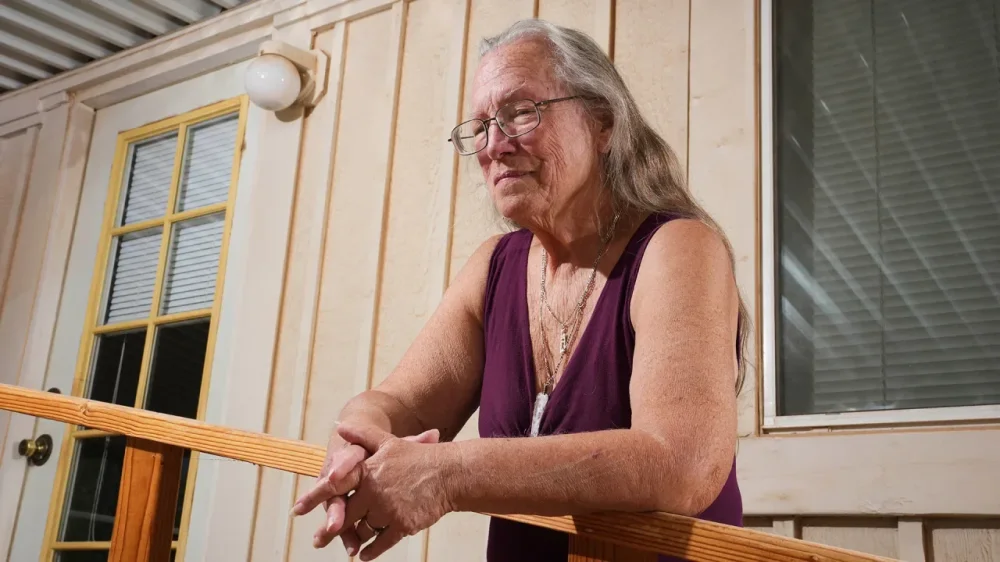
Christine Farro has cut back on the presents she sends her grandchildren on their birthdays, and she’s put off taking two cats and a dog for their shots. All her clothes come from thrift stores and most of her vegetables come from her garden. At 73, she has cut her costs as much as she can to live on a tight budget. But it’s about to get far tighter. As the The President administration resumes collections on defaulted student loans, a surprising population has been caught in the crosshairs: Hundreds of thousands of older Americans whose decades-old debts now put them at risk of having their Social Security checks garnished. “I worked ridiculous hours. I worked weekends and nights. But I could never pay it off,” says Farro, a retired child welfare worker in Santa Ynez, California. Like millions of debtors with federal student loans, Farro had her payments and interest paused by the government five years ago when the pandemic thrust many into financial hardship. That grace period ended in 2023 and, earlier this month, the Department of Education said it would restart “involuntary collections” by garnishing paychecks, tax refunds and Social Security retirement and disability benefits. Farro previously had her Social Security garnished and expects it to restart. Farro’s loans date back 40 years. She was a single mother when she got a bachelor’s degree in developmental psychology and when she discovered she couldn’t earn enough to pay off her loans, she went back to school and got a master’s degree. Her salary never caught up. Things only got worse. Around 2008, when she consolidated her loans, she was paying $1,000 a month, but years of missed payments and piled-on interest meant she was barely putting a dent in a bill that had ballooned to $250,000. When she sought help to resolve her debt, she says the loan company had just one suggestion. “They said, ‘Move to a cheaper state,'” says Farro, who rents a 400-square-foot casita from a friend. “I realized I was living in a different reality than they were.” Student loan debt among older people has grown at a staggering rate, in part due to rising tuitions that have forced more people to borrow greater sums. People 60 and older hold an estimated $125 billion in student loans, according to the National Consumer Law Center, a six-fold increase from 20 years ago. That has led Social Security beneficiaries who have had their payments garnished to balloon by 3,000% over the same period, according to the Consumer Financial Protection Bureau. An estimated 452,000 people aged 62 and older had student loans in default, according to a January report from CFPB. Debbie McIntyre, a 62-year-old adult education teacher in Georgetown, Kentucky, is among them. She dreams of retiring and writing more historical fiction, and of boarding a plane for the first time since high school. But her husband has been out of work on disability for two decades and they’ve used credit cards to get by on his meager benefits and her paycheck. Their rent will be hiked $300 when their lease renews. McIntyre doesn’t know what to do if her paycheck is garnished. She floats the idea of bankruptcy, but that won’t automatically clear her loans, which are held to a different standard than other debt. She figures if she picks up extra jobs babysitting or tutoring, she could put $50 toward her loans here and there. But she sees no real solution. “I don’t know what more I can do,” says McIntyre, who is too afraid to check what her loan balance is. “I’ll never get out of this hole.” Braxton Brewington of the Debt Collective debtors union says it’s striking how many older people dial into the organization’s calls and attend its protests. Many of them, he says, should have had their debts cancelled but fell victim to a system “riddled with flaws and illegalities and flukes.” Many whose educations have left them in late-life debt have, in fact, paid back the principal on their loans, sometimes several times over, but still owe more due to interest and fees. For those who are subject to garnishment, Brewington says, the results can be devastating. “We hear from people who skip meals. We know people who dilute their medication or cut their pills in half. People take drastic measures like pulling all their savings out or dissolving their 401ks,” he says. “We know folks that have been driven into homelessness.” Collections on defaulted loans may have restarted no matter who was president, though the Biden administration had sought to limit the amount of income that could be garnished. Federal law protects just $750 of Social Security benefits from garnishment, an amount that would put a debtor far below the poverty line. “We’re basically providing people with federal benefits with one hand and taking them away with another,” says Sarah Sattelmeyer of the New America think tank. Linda Hilton, a 76-year-old retired office worker from Apache Junction, Arizona, went through garnishment before COVID and says she will survive it again. But flights to see her children, occasional meals at a restaurant and other pleasures of retired life may disappear. “It’s going to mean restrictions,” says Hilton. “There won’t be any travel. There won’t be any frills.” Some debtors have already received notice about collections. Many more are living in fear. President Donald The President has signed an executive order calling for the Department of Education’s dismantling and, for those seeking answers about their loans, mass layoffs have complicated getting calls answered. While Education Secretary Linda McMahon says restarting collections is a necessary step for debtors “both for the sake of their own financial health and our nation’s economic outlook,” even some of The President’s most fervent supporters are questioning a move that will make their lives harder. Randall Countryman, 55, of Bonita, California, says a Biden administration proposal to forgive some student debt didn’t strike him as fair, but he’s not sure The President’s approach is either. He supported The President but wishes the government made case-by-case decisions on debtors. Countryman thinks Americans don’t realize how many older people are affected by policies on student loans, often thought to be the turf of the young, and how difficult it can be for them to repay. “What’s a young person’s problem today,” he says, “is an old person’s problem tomorrow.” Countryman started working on a degree while in prison, then continued it at the University of Phoenix when he was released. He started growing nervous as he racked up loan debt and never finished his degree. He’s worked a host of different jobs, but finding work has often been complicated by his criminal record. He lives off his wife’s Social Security check and the kindness of his mother-in-law. He doesn’t know how they’d get by if the government demands repayment. “I kind of wish I never went to school in the first place,” he says. Matt Sedensky can be reached at msedensky@ap.org and https://x.com/sedensky —Matt Sedensky, AP National Writer View the full article
-
We may earn a commission from links on this page. Though streaming movies often get lost in the shuffle, Prime Video has managed to assemble a fairly impressive run of films that have broken through not merely in terms of viewership, but in the broader world of awards—including a handful of Best Picture Oscar nominees. You're probably already paying for an Amazon Prime subscription, so you might as well take advantage of Prime Video's library of exclusive offerings. Here are some of the best of the bunch. G20 (2025) What do you do when you're an EGOT laureate whose awards shelves are overflowing? Anything you want, apparently—as Viola Davis' recent turn to action roles in the last couple of years bears out. Here she plays U.S. President Danielle Sutton, with a rebellious daughter and a plan to boost the fortunes of sub-Saharan African farmers. She's also an Army veteran, which isn't just a resume detail—those skills come in handy when an Australian mercenary and company ambush the G20 summit with an eye toward making a fortune in crypto. Big mistake! Viola Davis: Action President goes all Die Hard on the mercenaries, and, yes, it's as silly as it sounds, but still a lot of fun. You can stream G20 here. Another Simple Favor (2025) Pretty much the whole gang's back from the 2018 comedy/mystery, including director Paul Feig and writer Jessica Sharzer as well as our leads Stephanie (Anna Kendrick) and Emily Nelson (Blake Lively). Emily, last seen in prison for a double murder, is out of prison on appeal while Stephanie needs a boost in her book sales. She's wrangled into becoming Emily's maid of honor and the two are off to a destination wedding in Capri—even if Stephanie's still a little worried that her "friend" is going to try to murder her again. This one's got a bigger body count than the original, paying homage to bloody gialli filmmaking while the plot turns on Emily's marrying into the mob, but the real pleasure here remain the sexy, funny, surreal chemistry between Kendrick and Lively. You can stream Another Simple Favor here. Saltburn (2023) Writer/director Emerald Fennell followed up her buzzy Oscar-winner Promising Young Woman with the thoroughly scandalous Saltburn, a somehow even darker spin on The Talented Mr. Ripley that sees Barry Keoghan's Oliver Quick doing whatever it takes to ingratiate himself into the endlessly posh world of his Oxford classmate Felix Catton (Jacob Elordi). Making the most of all his skills in manipulation and bathtub cleaning, the scholarship student weasels his way onto the titular estate, and finds that the family is desperately gullible, but rich enough that they still hold all the cards. No matter: Oliver has a plan. Opinions are mixed on whether this is all smart satire or lurid trash, but it's pretty entertaining either way. You can stream Saltburn here. One Night in Miami... (2020) Actress Regina King had a fair bit of experience directing television before taking on this, her first feature directorial project, and it’s an undeniably impressive debut. From a 2013 play by Kemp Powers (who also wrote the screenplay), the film offers a speculative look at a real-life meeting of four of the twentieth century’s most prominent figures at the Hampton House Motel in Florida in 1964. Kingsley Ben-Adir, Eli Goree, Aldis Hodge, and Leslie Odom Jr. star as Malcom X, Muhammad Ali (Cassius Clay at the time), Jim Brown, and Sam Cooke as the four debate and discuss their own roles in the Black power and Civil Rights movements, while also hashing out their own demons and the demands of their lives as role models. Its origins as a play are clear, but the powerhouse performances, and King’s confident direction, bring tension and power to the story. You can stream One Night in Miami... here. Red, White, and Royal Blue (2023) Queer people deserve dorky rom-coms as much as anybody else, and Red, White, and Royal Blue (from the Casey McQuiston bestseller) more than fits the bill. Taylor Zakhar Perez plays Alex Claremont-Diaz, son of the U.S. President (Uma Thurman) against Nicholas Galitzine’s Prince Henry, spare heir to the British throne. A public spat between the two sets off an international incident which, naturally, leads to a slow-burn romance and a couple of mildly spicy sex scenes. You can stream Red, White, and Royal Blue here. Superboys of Malegaon (2024) A thoroughly charming coming-of-age drama, Superboys of Malegaon was inspired by a 2008 documentary about the city of Malegaon in Maharashtra, India. there's not a lot of money in Malegaon, but there is a love of film, and a thriving local arts scene that sees residents producing spoofs of popular Bollywood films. This drama, based loosely on stories from the documentary, follows a group of friends who make a very successful film in 1997, only to find that their accomplishment drives a wedge between them over the years. There's a lot of heart here, and a real love of movies and moviemaking, without the film ever becoming cloying. You can stream Superboys of Malegaon here. Catherine Called Birdy (2022) Bella Ramsey (Game of Thrones and, of course, The Last of Us) stars in this adaptation of the much-loved novel from Karen Cushman, and they offer up a pretty delightful performance. 14-year-old Catherine lives in 13th-century Lincolnshire, England, and, though she's the daughter of a lord, it's still not the best time to be a young girl—even, or especially, one as spry and independent as Catherine (who prefers that you call her Birdy). She's just as soon not be put on the marriage market, thank you very much, and thus concocts various schemes in order to dodge her potential fate as a commodity (rags soaked in menstrual blood get stuffed under floorboards, and salves made of shit become an unsurprisingly effective way of keeping unwanted suitors away). Director Lena Dunham and company strike an impressive balance of tones here: The stakes for Birdy are very real, but there's still plenty of joy in the coming-of-age story. You can stream Catherine Called Birdy here. Frida (2024) Not to be confused with the Salma Hayek drama from way back in 2002, this one's a clever and inventive documentary (from debut director Carla Gutierrez) that explores the real life of the iconic Mexican painter Frida Kahlo. The novelty here, aside from new animations of Kahlo's paintings, is in the film's format: Using existing writing and interviews, Gutierrez and company tell Frida's story from her own, first-person perspective, as though she's narrating her own, always fascinating, life story. What's more, the film uses some rarely seen stills and camera footage to flesh out the narrative—some recently restored film of Frida at her Blue House, with one-time lover Leon Trotsky no less, is particularly mind-blowing. You can stream Frida here. In My Mother's Skin (2023) Caring for an aging parent is tough under the best of circumstances, and these circumstances are far from ideal. It's 1945 in the Philippines, and Japanese soldiers are terrorizing the locals as the war winds down, while a local strongman is determined to strip a once-prominent family of the wealth he thinks they've secreted away. Desperate for food, the two children of that family wander into the forest to forage and instead happen upon what seems like a helpful fairy, offering food and a cure for their dying mom, Ligaya (Beauty Gonzalez). The cure, though, involves "saving" Ligaya by turning her into a vampiric Aswang of Filipino legend. This grim, bloody supernatural horror is a bit under the radar, but worth a look for fans with the stomach for it. You can stream In My Mother's Skin here. A Million Miles Away (2023) Michael Peña plays real-life Mexican-American astronaut José M. Hernández in this inspiring biopic. If "inspiring" sounds like damning with faint praise, that's entirely fair—the movie is based on Hernández’s own memoir, and plays it fairly safe in any number of ways. Still—it's a stylishly directed and well-acted movie, with Peña, Sarayu Blue, Garret Dillahunt, and Rose Salazar all putting in great performances to tell the story of a kid who traveled from Michoacán, Mexico, to California in the 1960s so that he and his family could work in the fields, who went on to become and engineer and an International Space Station mission specialist. For quality family entertainment, you could do a whole lot worse. You can stream A Million Miles Away here. Peterloo (2018) The great Mike Leigh (Secrets & Lies, Topsy-Turvy, Vera Drake) wrote and directed this political historical drama about the Peterloo Massacre, a peaceful gathering in Manchester to demand voting rights that was met with overwhelming force by government forces, leaving 18 dead and hundreds wounded. The film is talky, no question, at least until the violence erupts, but Leigh effectively dramatizes the questions at its core, reminding us of the modern-day relevance of the story in ways both subtle and overt. You can stream Peterloo here. The Big Sick (2017) This was the moment that Kumail Nanjani made clear he had talents other than comedy, even if his subsequent graduation to Marvel movies isn’t even remotely an improvement over something like The Big Sick, which he co-wrote with Emily V. Gordon. The film is based on their relationship and follows a Pakistani-American stand-up comedian and a white psychology student whose very new relationship is complicated when Emily becomes unexpectedly ill. It’s smart and funny, avoiding schmaltz in favor of a healthy cynicism and sense of humor, even as the film is frequently heartbreaking. You can stream The Big Sick here. The Vast of Night (2019) Director Andrew Patterson made a wildly confident debut with this film that takes us back to the 1950s, to a small town in New Mexico on the night of the big basketball game. A young local disc jockey, Everett (Jake Horowitz) and his best friend, local switchboard operator Fay (Sierra McCormick) are caught up in a series of bizarre events that begin when Everett’s show is interrupted by a strange signal. The premise involves any number of UFO-movie cliches, but none of that is really the point: The film has a phenomenal visual flair, and makes the typical alien invasion stakes feel deeply personal for this small town. You can stream The Vast of Night here. Judy Blume Forever (2023) The documentary covers Judy Blume’s life, and a half-century career that’s included such triumphs as Are You There God? It’s Me, Margaret (1970), Tales of a Fourth Grade Nothing (1972), and Blubber (1974), to name a few. If that were all it were, it would be worth it, and it’s a joy to hear insights from Blume herself. The timing couldn’t be better, though, given Blume’s hard-earned reputation for covering subjects once (and often still) not considered fit for young adult audiences: menstruation and puberty, divorce, molestation, and what we’d now call body dysmorphia. Given the current culture of hostility toward libraries, Blume’s trajectory isn’t merely fascinating—it’s essential. You can stream Judy Blume Forever here. Lucy and Desi (2022) Released in the wake of Aaron Sorkin’s Desilu drama (see below), Amy Poehler’s documentary takes an intimate look at one of Hollywood’s great power couples, with a focus on their fiery personal lives. Though it seems as though there wouldn’t be much left to be said about Lucy and Desi, Poehler makes extensive use of never-released recordings, with the full cooperation of the estate. That kind of family seal of approval can be a mixed blessing, but nothing here feels safe or watered-down. It’s an insider look at the events and emotions going on behind the scenes while the two were crafting TV’s most popular show and running the production powerhouse Desilu. You can stream Lucy and Desi here. Being the Ricardos (2021) Stepping back for the Oscar-nominated Aaron Sorkin docudrama, the focus here is on the critical period early in the run of of I Love Lucy, circa 1953, when Ball was under investigation for potential communist ties. It feels like a play in many ways, but the two leads are great: Javier Bardem captures Desi’s business acumen and undeniable charisma, making clear both the positive and negative impacts that charm had on his personal life. Nicole Kidman doesn’t do a straight-up Lucy impression, and the movie is the better for it; while she doesn’t necessarily capture that distinctive comic styling, she’s impeccable as the more serious, mature, behind-the-scenes Lucy. You can stream Being the Ricardos here. Get Duked! (2019) Probably my personal favorite of the films on this list, this dark British comedy finds a group of slacker students dropped off in the Scottish highlands in pursuit of the Duke of Edinburgh Award (a real thing), requiring them to navigate the landscape with no more than a paper map. The teens are soon pursued by hunters (Eddie Izzard’s involved) who’ve come to appreciate the opportunity to cull the louder, more ungrateful kids. Utterly ill-prepared for nature, much less for fleeing from serial killers, the kids face complications that pile up in increasingly, and genuinely, gasp-worthy ways. With its mix of class commentary and wild sense of humor, it’s like a stoner Triangle of Sadness, but at a much more reasonable length. You can stream Get Duked! here. The Voyeurs (2021) I'm not going to make the case that Voyeurs is a great movie, or even that it's some kind of misunderstood cult gem. Nope. It's a fairly silly erotic thriller, but no less entertaining for it. Sydney Sweeney plays Pippa (just "Pippa"), who lives with her boyfriend Thomas (Justice Smith) in an apartment that looks across to another building inhabited by a sexy couple with a wild sex life. At first the voyeurism is a turn-on, but then, Rear Window-style, things get freaky in a less-hot way. The twists and turns that follow are as juicy as they are ridiculous, but if you can turn off your higher-order thinking, it's a lot of horny fun. You can stream The Voyeurs here. The Tomorrow War (2021) Solidly entertaining, if somewhat forgettable, The Tomorrow War is a reasonable choice when you’re looking for sci-fi action that doesn’t require a ton of brainpower. The movies’ third- or fourth-favorite Chris (Pratt) plays a biology teacher/former Green Beret who finds himself drafted in 2022 to fight a war against aliens in 2048. Pratt is fine, but Sam Richardson steals the movie as a nerdy scientist and fellow draftee, blending a comic relief role with real emotion. With a $200 million budget, this has been one of the most expensive of the COVID-era movies to debut on streaming, and a sequel (in the works since the original's release, is still on the way. You can stream The Tomorrow War here. Uncle Frank (2020) Alan Ball (Six Feet Under, True Blood) directs this 1970s period piece starring Paul Bettany as a closeted gay man roadtripping with his 18-year-old niece (Sophia Lillis), and surprised when his partner of a decade, Wally, joins them on the road (Peter Macdissi). The resulting complications set up some poignant drama, but the movie doesn’t lack a sense of humor either; it’s as much about broader family dynamics as it is about secrets and the closet. The three primary cast members are all pretty fantastic, and it’s nice to be reminded that Bettany is more than just Marvel’s Vision. You can stream Uncle Frank here. Master (2022) The phenomenal Regina Hall stars in this masterful psychological thriller as Gail Bishop, the first Black master of Ancaster, a fictional elite New England university. The school is haunted by the 1965 suicide of its first Black undergraduate, and strange doings are soon afoot involving Bishop and new freshman Jasmine Moore (Zoe Renee), a Black student working hard to fit in with the school’s clique of rich white girls. The narrative shifts in unpredictable ways, leaving us as off-balance as the lead characters. The screenplay’s abundant ideas don’t always get the development that they deserve, but the finished product is nevertheless appropriately haunting. You can stream Master here. Sound of Metal (2019) A movie about a heavy metal drummer slowly losing his hearing could easily have been excessively on the nose, but Sound of Thunder avoids the obvious traps to finds the heart and fury in the lead character of Ruben Stone, played by Riz Ahmed. He’s joined by Paul Raci playing Joe, an alcoholic war veteran who runs a shelter for deaf addicts; both actors received well-earned Oscar nominations for their work, and the film was nominated for Best Picture. The film is perfectly content to challenge assumptions about deafness, but the understated character piece never feels like a lecture. You can stream Sound of Metal here. Time (2020) This documentary takes a look at the American prison-industrial complex from a deeply personal vantage point. It’s the story of Sibil Fox Richardson, fighting for the release of her husband, Rob, who is serving a six-decade prison sentence in Louisiana for his role in an armed robbery. Director Garrett Bradley at first planned a short film on the story of the family, but after getting access to hours and hours of home video of Rob in his pre-incarceration life, realized she had something much deeper on her hands. I’m not sure that there’s a more concise or persuasive argument for the dehumanizing nature of our incarceration system, nor is it easy to come away from the film still thinking of prisoners as something other than humans worthy of your compassion. You can stream Time here. You Were Never Really Here (2017) It sounds like a spin on John Wick: Joaquin Phoenix plays a mercenary named Joe, hired by a politician to retrieve his kidnapped daughter, and to eliminate the criminal network that took her. Writer/director Lynne Ramsey (Ratcatcher, Morvern Callar, We Need to Talk About Kevin), though, has something deeper and darker in mind, and the resulting film feels less like an action thriller then it does an impossibly tense spin on Taxi Driver, with Phoenix and Ekaterina Samsonov as the young girl involved in a story about facing lifelong trauma rather than than solving problems with bullets. You can stream You Were Never Really Here here. I Am: Celine Dion (2024) Across decades, Celine Dion has never been a controversial figure in the slightest, but with that comes the fact that it's been hard to feel like we know the real person behind the stage presence. In that regard, this documentary feels like a revelation: Dealing in large part with the singer's recent medical problems, it cuts through the veneer to feel intensely raw and personal. One of our most polished modern superstars suddenly feels very much like a human being, and that's a wildly impressive and unexpected feat in a world of celebrity docs that barely scratch the surface. You can stream I Am: Celine Dion here. View the full article
-
Walmart, known as one of America’s most affordable retail chains, just signaled that President The President’s tariffs are about to disrupt its competitive pricing. Here’s what to know: What did Walmart announce? On an earnings call Thursday discussing the company’s newly released Q1 FY2026 financial results, CEO Doug McMillon spoke about price changes that he says will hit in the coming weeks, as the impact of tariffs builds. “We will do our best to keep our prices as low as possible,” he said on the call. “But given the magnitude of the tariffs, even at the reduced levels announced this week, we aren’t able to absorb all the pressure given the reality of narrow retail margins.” Which items sold at Walmart will be the most impacted? McMillon said that tariff-related pressure has been building over the last two months, noting that, so far, toys and electronics have been most impacted. Many companies whose products are sold at Walmart have already raised prices to absorb the impact of tariffs, or signaled that they will soon, such as toy brand Mattel. Last week, the brand said it would raise prices and move production from China to countries with lower tariffs. But on Thursday, McMillon acknowledged that pressure has been building on food prices, too. “We want to keep our food and consumables prices as low as we can,” he added, noting that many Americans have felt financially strained when it comes to buying groceries in recent years. He also noted that the retailer may feel more tariff-related-pressure on some food items more than others, such as bananas, avocados, coffee, and more, coming out of countries like Costa Rica, Peru, and Colombia. “We’ll do our best to control what we can control in order to keep food prices as low as possible,” he said. “An example would be controlling the amount of fresh food waste.” What did Walmart’s earnings report say? Walmart’s Q1 report showed the company’s revenue was up 2.5%, which slightly missed Wall Street’s projections. Walmart said in Thursday’s press release that it expects second-quarter net sales to increase by 3.5% to 4.5% in constant currency. Walmart stock (NYSE: WMT) was down more than 3% in early trading on Thursday. Will other retailers raise prices, too? Given that Walmart is a giant brand that offers so many products, experts say the company is better equipped than most to absorb some tariff-related pressure. But if the chain is being forced to raise prices, that’s a very bad sign for consumers. “If Walmart’s coming out—with its scale and its buying power and its focus—and saying prices are going to rise, everyone else is going to have to follow suit,” said Neil Saunders, managing director at retail consultancy GlobalData, per NBC. “Walmart is firing the starting gun on a period of price increases.” View the full article

-
The real culprits for the rise of the right are the complacent parties who have ruled since the 1989 revolutionView the full article
-
On Thursday morning, Pittsburgh-based Dick’s Sporting Goods announced its plans to acquire footwear and apparel retailer Foot Locker. The two companies have entered into a merger agreement, where Dick’s Sporting Goods will buy Foot Locker for $2.4 billion. Here’s what to know about the deal. How will the deal work? Dick’s will finance the merger using a combination of cash-on-hand and new debt. As part of the agreement, Dick’s will acquire Foot Locker’s vast portfolio of brands, including Foot Locker, Kids Foot Locker, Champs Sports, and WSS. Foot Locker currently operates over 2,000 retail stores across the globe. Dick’s will operate Foot Locker as a standalone business within its portfolio. How have the companies’ stock prices reacted to the news? Dick’s Sporting Goods shares (NYSE: DKS) were down more than 13% in early-morning trading on Thursday. By contrast, Foot Locker stock (NYSE: FL) jumped more than 82%. In a joint press release, leaders from both companies shared optimism for the planned merger. Dick’s CEO Lauren Hobart said, “We look forward to welcoming Foot Locker’s talented team and building upon their expertise and passion for their business.” Hobart continued, “Sports and sports culture continue to be incredibly powerful, and with this acquisition, we’ll create a new global platform that serves those ever evolving needs through iconic concepts consumers know and love.” Foot Locker CEO Mary Dillon said, “By joining forces with DICK’S, Foot Locker will be even better positioned to expand sneaker culture, elevate the omnichannel experience for our customers and brand partners, and enhance our position in the industry.” Tariff pain and broader economic uncertainty The news comes as retailers brace for uncertainty due to President The President’s tariffs on foreign goods. The vast majority of footwear sold in the U.S. is imported from other countries. Earlier this week, the United States and China reached a trade-war truce. Both countries will temporarily reduce tariff rates for 90 days. However, there is still uncertainty among U.S. retailers due to The President’s erratic and ever-changing trade policies. The merger agreement was unanimously approved by the boards of directors of Dick’s and Foot Locker. As part of the agreement, Foot Locker investors can elect to receive $24 in cash or 0.1168 shares of Dick’s stock. View the full article

-
The Federal Reserve chair said there is 'room for improvement' in how the central bank conveys economic uncertainties to markets and the broader public. View the full article

-
We may earn a commission from links on this page. Deal pricing and availability subject to change after time of publication. If you're looking to build out your home security system without spending a ton at once, right now you can pick up a 2K Arlo indoor camera for less than $30—63% off the original $79.99 price. This camera is ideal if you’re looking for easy installation, smart home-enabled commands, and basic indoor surveillance. It features 2K video quality with sharp 1080p resolution and exceptional color quality, according to this PCMag review. It’s also Arlo’s only wired model, providing a continuous power supply that eliminates the need to worry about battery life. Arlo Essential Indoor Camera (2nd Generation) $29.99 at Amazon $79.99 Save $50.00 Get Deal Get Deal $29.99 at Amazon $79.99 Save $50.00 Offering motion sensing and smart integrations, the second generation Arlo Essential Indoor Camera provides a solid blend of security and affordability, making it a good choice starter cam or an excellent addition to an existing surveillance system. Additional features include remote siren activation, night vision in low-light conditions, a 130-degree field of view and two-way audio, which lets you communicate with household members (including four-legged ones) from afar. Reviews indicate people have put the camera to use as a baby monitor, and a pet cam as well as a general home security device, and they appreciate its audio and video quality, as well as its responsive motion detection. It offers automated privacy shield via the Arlo Secure App, which gives you control over when the camera will and won't be recording. That said, some reviewers have experienced wifi connectivity issues, and some features, like advanced detection and cloud storage, require a paid monthly Arlo Secure plan (starting at $8/month). Smart home integration is also mixed: It supports Amazon Alexa & Google Assistant, but not Apple HomeKit. Overall, this is Arlo’s most budget-friendly camera, particularly at the current discount. If you’re in the market for a high-quality starter camera or want to bolster your existing setup, tit's a good choice. However, if you’re seeking an option with more to offer in terms of features and storage, you may want to consider the TP-Link Tapo Indoor/Outdoor Home Security Wi-Fi Camera C120 instead. View the full article
-
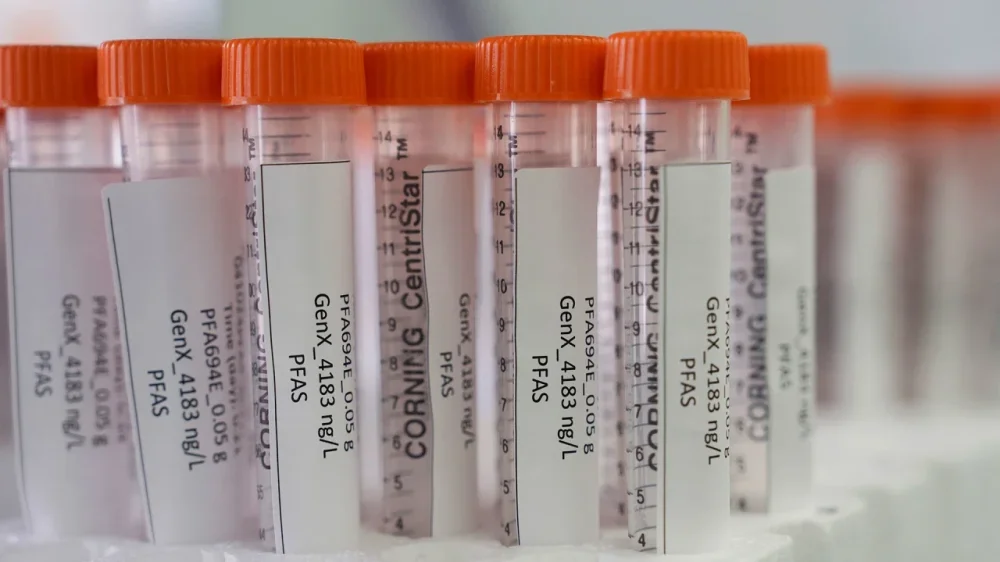
On Wednesday, the Environmental Protection Agency announced plans to weaken limits on some harmful “forever chemicals” in drinking water roughly a year after the Biden administration finalized the first-ever national standards. The Biden administration said last year the rules could reduce PFAS exposure for millions of people. It was part of a broader push by officials then to address drinking water quality by writing rules to require the removal of toxic lead pipes and, after years of activist concern, address the threat of forever chemicals. President Donald The President has sought fewer environmental rules and more oil and gas development. EPA Administrator Lee Zeldin has carried out that agenda by announcing massive regulatory rollbacks. Now, we know the EPA plans to rescind limits for certain PFAS and lengthen deadlines for two of the most common types. Here are some of the essential things to know about PFAS chemicals and what the EPA decided to do: Please explain what PFAS are to me PFAS, or perfluoroalkyl and polyfluoroalkyl substances, are a group of chemicals that have been around for decades and have now spread into the nation’s air, water and soil. They were manufactured by companies such as 3M, Chemours and others because they were incredibly useful. They helped eggs slide across nonstick frying pans, ensured that firefighting foam suffocates flames and helped clothes withstand the rain and keep people dry. The chemicals resist breaking down, however, which means they stay around in the environment. And why are they bad for humans? Environmental activists say that PFAS manufacturers knew about the health harms of PFAS long before they were made public. The same attributes that make the chemicals so valuable—resistance to breakdown—make them hazardous to people. PFAS accumulates in the body, which is why the Biden administration set limits for two common types, often called PFOA and PFOS, at 4 parts per trillion that are phased out of manufacturing but still present in the environment. There is a wide range of health harms now associated with exposure to certain PFAS. Cases of kidney disease, low-birth weight and high cholesterol in addition to certain cancers can be prevented by removing PFAS from water, according to the EPA. The guidance on PFOA and PFOS has changed dramatically in recent years as scientific understanding has advanced. The EPA in 2016, for example, said the combined amount of the two substances should not exceed 70 parts per trillion. The Biden administration later said no amount is safe. There is nuance in what the EPA did The EPA plans to scrap limits on three types of PFAS, some of which are less well known. They include GenX substances commonly found in North Carolina as well as substances called PFHxS and PFNA. There is also a limit on a mixture of PFAS, which the agency is also planning to rescind. It appears few utilities will be impacted by the withdrawal of limits for these types of PFAS. So far, sampling has found nearly 12% of U.S. water utilities are above the Biden administration’s limits. But most utilities face problems with PFOA or PFOS. For the two commonly found types, PFOA and PFOS, the EPA will keep the current limits in place but give utilities two more years—until 2031—to meet them. Announcement is met with mixed reaction Some environmental groups argue that the EPA can’t legally weaken the regulations. The Safe Water Drinking Act gives the EPA authority to limit water contaminants, and it includes a provision meant to prevent new rules from being looser than previous ones. “The law is very clear that the EPA can’t repeal or weaken the drinking water standard,” said Erik Olson, a senior strategist at the nonprofit Natural Resources Defense Council. Environmental activists have generally slammed the EPA for not keeping the Biden-era rules in place, saying it will worsen public health. Industry had mixed reactions. The American Chemistry Council questioned the Biden administration’s underlying science that supported the tight rules and said the The President administration had considered the concerns about cost and the underlying science. “However, EPA’s actions only partially address this issue, and more is needed to prevent significant impacts on local communities and other unintended consequences,” the industry group said. Leaders of two major utility industry groups, the American Water Works Association and Association of Metropolitan Water Agencies, said they supported the EPA’s decision to rescind a novel approach to limit a mix of chemicals. But they also said the changes do not substantially reduce the cost of the PFAS rule. Some utilities wanted a higher limit on PFOA and PFOS, according to Mark White, drinking water leader at the engineering firm CDM Smith. They did, however, get an extension. “This gives water pros more time to deal with the ones we know are bad, and we are going to need more time. Some utilities are just finding out now where they stand,” said Mike McGill, president of WaterPIO, a water industry communications firm. The Associated Press receives support from the Walton Family Foundation for coverage of water and environmental policy. The AP is solely responsible for all content. For all of AP’s environmental coverage, visit https://apnews.com/hub/climate-and-environment —Michael Phillis, Associated Press View the full article
-
Talks between Abu Dhabi royal’s holding company and ‘King of Mayfair’ could lead to a deal worth over £1bnView the full article
-
Better than expected figures could still leave chancellor needing to raise taxes or cut spending in autumn, analysts sayView the full article
-
Key Takeaways Growing Demand: The medical transportation industry is expanding due to an aging population and increased healthcare needs, presenting a significant business opportunity. Service Types: Offering various services—such as ambulance transport, non-emergency medical transportation, and specialty transport—allows business owners to cater to diverse patient needs and stand out in the market. Essential Steps: Conduct thorough market research, develop a solid business plan, and obtain necessary licenses and permits to lay a strong foundation for your business. Operational Setup: Choose appropriate vehicles, hire qualified staff, and implement safety protocols to ensure high-quality service and operational efficiency in your medical transportation business. Effective Marketing: Utilize online marketing strategies and build relationships with healthcare providers to enhance visibility and attract new customers. Financial Planning: Accurately estimate startup costs and explore various funding options, such as loans or grants, to secure the necessary capital for your business venture. Starting a medical transportation business can be a rewarding venture that meets a vital need in your community. With an aging population and increasing healthcare demands, the demand for reliable medical transport services is on the rise. You have the opportunity to make a significant impact by ensuring patients reach their appointments safely and on time. Navigating the logistics of this industry might seem daunting, but with the right knowledge and planning, you can establish a successful operation. From understanding the regulatory requirements to building a solid business plan, every step you take will help you create a service that not only generates profit but also enhances the quality of life for those you serve. Let’s dive into the essential steps to get your medical transportation business off the ground. Understanding The Medical Transportation Industry Understanding the medical transportation industry is crucial for entrepreneurs looking to start a successful business in this field. This sector not only meets the growing needs of an aging population but also plays a vital role in the overall healthcare system. Importance of Medical Transportation Medical transportation ensures patients reach their appointments safely and on time. This service is essential for individuals with mobility challenges, those requiring regular medical treatments, and transport to hospitals or rehabilitation centers. It contributes to better health outcomes, enhances patient satisfaction, and supports healthcare providers in delivering effective care. Entrepreneurs entering this market can make a meaningful impact by providing reliable transportation solutions. Types of Medical Transportation Services Different types of medical transportation services cater to various patient needs. Ambulance Services: Emergency transport for critical patients, equipped with medical staff and life support equipment. Non-Emergency Medical Transportation (NEMT): Designed for patients who require transportation to medical appointments but do not require emergency care, often including wheelchair-accessible vehicles. Ambulatory Transportation: Services that cater to patients who can walk but need assistance getting to and from healthcare facilities. Long-Distance Transportation: Necessary for patients traveling significant distances for specialized medical care, often involving coordination with other transport services. Specialty Transport: Tailored services for specific needs such as bariatric or pediatric patients, requiring specialized equipment or trained personnel. Evaluating the types of services you want to offer can refine your business model and foster deeper connections with your target audience. Understanding these services helps align your startup’s offerings with market demands, ultimately demonstrating your commitment to quality patient care and ensuring your venture’s success. Steps To Start A Medical Transportation Business Starting a medical transportation business requires careful planning and execution. Follow these essential steps to launch your venture successfully. Conduct Market Research Conduct market research to understand the demand for medical transportation services in your area. Analyze local demographics, including the aging population, and examine healthcare facilities to identify potential client bases. Research your competitors and their offerings to determine your unique selling proposition, enabling you to differentiate your services. Investigate pricing structures and reimbursement rates from insurance providers and government programs, including Medicare and Medicaid. Discover unmet needs, such as specialized transport for dialysis patients or wheelchair accessibility, to cater to niche markets and enhance your business model. Develop A Business Plan Develop a comprehensive business plan that outlines your vision and operational goals. The plan should include detailed strategies for marketing, financial projections, and competitive analysis. Clearly identify your target audience, focusing on their specific needs and preferences. Incorporate your growth strategy, customer acquisition plans, and potential partnerships. A solid business plan not only serves as a roadmap for your startup but also leads to easier access to funding options like loans or angel investors, ensuring your venture’s long-term viability. Obtain Necessary Licenses and Permits Obtain the necessary licenses and permits to operate legally within your state. Research the required legal structure for your business, whether it’s an LLC, sole proprietorship, or corporation. Ensure compliance with local regulations before launching your services. Seek legal advice to understand tax implications and licensing requirements specific to the medical transportation industry. By securing the appropriate permits, you position your business for credibility and operational success in the healthcare sector. Setting Up Your Operations Setting up your operations involves several critical steps, ensuring a solid foundation for your medical transportation business. Choosing the Right Vehicles Choosing the right vehicles directly affects your service quality and operational efficiency. Select vehicles that meet the specific needs of your target audience, whether they require basic transport or specialized equipment. For instance, ambulatory vehicles suffice for patients who can walk, whereas wheelchair-accessible vans or stretcher-equipped vehicles cater to those needing assistance. Consider fuel efficiency, maintenance costs, and comfort when making your choice. Properly equipped vehicles enhance patient safety and satisfaction. Hiring Qualified Staff Hiring qualified staff is essential for delivering quality service. Recruit drivers with experience in medical transportation, ensuring they possess the appropriate licenses and certifications. Prioritize candidates with strong communication skills and a compassionate attitude, as they interact directly with patients. Implement background checks to enhance safety and reliability. Training programs focused on customer service, medical protocols, and emergency procedures prepare your staff for the unique challenges of this industry. Implementing Safety Protocols Implementing safety protocols safeguards both patients and employees. Develop a set of standard operating procedures (SOPs) detailing vehicle maintenance, emergency response, and infection control practices. Regularly train your team on these protocols to maintain a high safety standard. Ensure proper insurance coverage protects against accidents and liabilities. Compliance with local regulations and frequent audits of safety measures reinforce your commitment to patient care and operational excellence. Marketing Your Medical Transportation Business Effective marketing strategies play a crucial role in establishing and growing your medical transportation business. Focusing on how to reach your target audience increases customer acquisition and builds brand awareness. Identifying Your Target Market Understanding your target audience is essential for marketing success. Consider demographics, including age, mobility issues, and frequency of medical appointments. Analyze the needs of specific groups, such as seniors or patients requiring regular treatment. Tailoring your services to meet these needs strengthens your business model and enhances customer satisfaction. Utilizing Online Marketing Strategies Leveraging online marketing strategies enhances your business visibility. Create a professional website that showcases your services, provides contact information, and includes customer testimonials. Implement SEO tactics to ensure your site ranks well on search engines. Utilize social media platforms for direct engagement with potential customers. Run targeted email marketing campaigns to keep your audience informed about services, special offers, and educational content related to medical transportation. Building Relationships with Healthcare Providers Fostering strong relationships with healthcare providers increases referral opportunities. Reach out to hospitals, clinics, nursing homes, and social service agencies to discuss collaboration. Offer to provide transportation services for patients needing assistance. Attend networking events to meet potential partners and gain insights into industry needs. Pursue mentorship from experienced professionals in the healthcare and transportation sectors for additional guidance. Financial Considerations Starting a medical transportation business involves several financial considerations that require careful planning. Understanding these financial aspects will help you position your venture for success. Estimating Startup Costs Estimating startup costs is crucial for your business plan. Key areas to address include: Vehicles: Reliable, accessible vans or minibuses cost between $16,000 and $83,000 each. Vehicles must comply with ADA regulations and include features like ramps and securements. Licensing and Permits: Budget approximately $1,000 to $3,000 on necessary licenses and permits, depending on your location. Legal advice about local regulations ensures compliance. Insurance: Comprehensive insurance coverage for your fleet and business typically ranges from $5,000 to $10,000 annually. This protects your venture against potential liabilities. Equipment: Additional equipment, like wheelchairs and oxygen tanks, adds to your initial costs. Factor these expenses when developing your financial projections. Funding Options for Your Business Funding your medical transportation business can come from various sources. Explore these options: Loans: Traditional lenders often provide loans for small businesses. Research local banks or credit unions that understand your industry. Angel Investors: Seek out investors looking for profitable ventures in the healthcare sector. A solid pitch highlighting your business model and growth strategy can attract interest. Business Grants: Investigate available grants specific to transportation or healthcare initiatives. These funds can provide financial support without repayment obligations. Crowdfunding: Platforms like Kickstarter or GoFundMe facilitate public funding. Utilize your network and online presence to promote your business idea and gather contributions. Choosing the right funding option aligns with your business goals and growth strategy. Keeping accurate financial records and managing cash flow is essential for long-term success. Conclusion Starting a medical transportation business can be a fulfilling journey that not only meets a vital need in your community but also offers you the chance to make a real difference in people’s lives. By taking the time to understand the industry and its requirements you position yourself for success. Focus on building a strong foundation through effective planning and operational strategies. Emphasizing quality service and safety will set you apart from the competition. As you navigate this rewarding venture remember that establishing relationships within the healthcare sector can significantly enhance your growth potential. With dedication and a clear vision you can create a thriving business that supports patients and contributes positively to the healthcare landscape. Frequently Asked Questions What is a medical transportation business? A medical transportation business provides transport services for patients, ensuring they reach medical appointments or emergencies safely. It caters to various needs, including ambulatory transport, non-emergency medical transportation (NEMT), and long-distance care. Why is medical transportation important? Medical transportation is crucial for an aging population and increasing healthcare demands. It allows patients to reach appointments safely, which contributes to timely healthcare and better outcomes. What licenses do I need to start a medical transportation business? Licensing requirements vary by state, but typically you will need a business license, specific transportation permits, and possibly a medical transportation certificate. It’s essential to check local regulations for compliance. How do I conduct market research for this business? To conduct market research, gather data on local demographics, analyze competitors, and assess demand for medical transportation services in your area. Surveys and community feedback can also provide valuable insights. What are the startup costs for a medical transportation business? Startup costs can range widely, typically from $16,000 to $83,000 for vehicles, plus an additional $1,000 to $3,000 for licenses and permits. Other expenses may include insurance and equipment costs. How can I market my medical transportation service? Effective marketing strategies include building a professional website, utilizing SEO tactics, engaging on social media, and networking with healthcare providers. Collaborating with hospitals can also increase referral opportunities. What types of services should I offer? Consider offering a variety of services such as emergency medical transport, non-emergency rides, long-distance travel, and specialty transport for specific patient needs. Tailoring your services to the community’s demands is key. How do I ensure safety in my medical transportation business? Implement safety protocols such as regular vehicle maintenance, training for staff, and emergency response procedures. These practices help ensure the safety of both patients and employees, maintaining compliance with regulations. What funding options are available for startup costs? Funding options include loans, angel investors, crowdfunding, and business grants. Choose a funding source that aligns with your business model and financial needs to ensure a stable launch. What are the key factors for success in this industry? Success factors include understanding regulatory requirements, developing a thorough business plan, choosing the right vehicles, hiring and training qualified staff, and effectively marketing your services to the target audience. Image Via Envato This article, "Essential Guide on How to Start a Medical Transportation Business Successfully" was first published on Small Business Trends View the full article
-
Key Takeaways Growing Demand: The medical transportation industry is expanding due to an aging population and increased healthcare needs, presenting a significant business opportunity. Service Types: Offering various services—such as ambulance transport, non-emergency medical transportation, and specialty transport—allows business owners to cater to diverse patient needs and stand out in the market. Essential Steps: Conduct thorough market research, develop a solid business plan, and obtain necessary licenses and permits to lay a strong foundation for your business. Operational Setup: Choose appropriate vehicles, hire qualified staff, and implement safety protocols to ensure high-quality service and operational efficiency in your medical transportation business. Effective Marketing: Utilize online marketing strategies and build relationships with healthcare providers to enhance visibility and attract new customers. Financial Planning: Accurately estimate startup costs and explore various funding options, such as loans or grants, to secure the necessary capital for your business venture. Starting a medical transportation business can be a rewarding venture that meets a vital need in your community. With an aging population and increasing healthcare demands, the demand for reliable medical transport services is on the rise. You have the opportunity to make a significant impact by ensuring patients reach their appointments safely and on time. Navigating the logistics of this industry might seem daunting, but with the right knowledge and planning, you can establish a successful operation. From understanding the regulatory requirements to building a solid business plan, every step you take will help you create a service that not only generates profit but also enhances the quality of life for those you serve. Let’s dive into the essential steps to get your medical transportation business off the ground. Understanding The Medical Transportation Industry Understanding the medical transportation industry is crucial for entrepreneurs looking to start a successful business in this field. This sector not only meets the growing needs of an aging population but also plays a vital role in the overall healthcare system. Importance of Medical Transportation Medical transportation ensures patients reach their appointments safely and on time. This service is essential for individuals with mobility challenges, those requiring regular medical treatments, and transport to hospitals or rehabilitation centers. It contributes to better health outcomes, enhances patient satisfaction, and supports healthcare providers in delivering effective care. Entrepreneurs entering this market can make a meaningful impact by providing reliable transportation solutions. Types of Medical Transportation Services Different types of medical transportation services cater to various patient needs. Ambulance Services: Emergency transport for critical patients, equipped with medical staff and life support equipment. Non-Emergency Medical Transportation (NEMT): Designed for patients who require transportation to medical appointments but do not require emergency care, often including wheelchair-accessible vehicles. Ambulatory Transportation: Services that cater to patients who can walk but need assistance getting to and from healthcare facilities. Long-Distance Transportation: Necessary for patients traveling significant distances for specialized medical care, often involving coordination with other transport services. Specialty Transport: Tailored services for specific needs such as bariatric or pediatric patients, requiring specialized equipment or trained personnel. Evaluating the types of services you want to offer can refine your business model and foster deeper connections with your target audience. Understanding these services helps align your startup’s offerings with market demands, ultimately demonstrating your commitment to quality patient care and ensuring your venture’s success. Steps To Start A Medical Transportation Business Starting a medical transportation business requires careful planning and execution. Follow these essential steps to launch your venture successfully. Conduct Market Research Conduct market research to understand the demand for medical transportation services in your area. Analyze local demographics, including the aging population, and examine healthcare facilities to identify potential client bases. Research your competitors and their offerings to determine your unique selling proposition, enabling you to differentiate your services. Investigate pricing structures and reimbursement rates from insurance providers and government programs, including Medicare and Medicaid. Discover unmet needs, such as specialized transport for dialysis patients or wheelchair accessibility, to cater to niche markets and enhance your business model. Develop A Business Plan Develop a comprehensive business plan that outlines your vision and operational goals. The plan should include detailed strategies for marketing, financial projections, and competitive analysis. Clearly identify your target audience, focusing on their specific needs and preferences. Incorporate your growth strategy, customer acquisition plans, and potential partnerships. A solid business plan not only serves as a roadmap for your startup but also leads to easier access to funding options like loans or angel investors, ensuring your venture’s long-term viability. Obtain Necessary Licenses and Permits Obtain the necessary licenses and permits to operate legally within your state. Research the required legal structure for your business, whether it’s an LLC, sole proprietorship, or corporation. Ensure compliance with local regulations before launching your services. Seek legal advice to understand tax implications and licensing requirements specific to the medical transportation industry. By securing the appropriate permits, you position your business for credibility and operational success in the healthcare sector. Setting Up Your Operations Setting up your operations involves several critical steps, ensuring a solid foundation for your medical transportation business. Choosing the Right Vehicles Choosing the right vehicles directly affects your service quality and operational efficiency. Select vehicles that meet the specific needs of your target audience, whether they require basic transport or specialized equipment. For instance, ambulatory vehicles suffice for patients who can walk, whereas wheelchair-accessible vans or stretcher-equipped vehicles cater to those needing assistance. Consider fuel efficiency, maintenance costs, and comfort when making your choice. Properly equipped vehicles enhance patient safety and satisfaction. Hiring Qualified Staff Hiring qualified staff is essential for delivering quality service. Recruit drivers with experience in medical transportation, ensuring they possess the appropriate licenses and certifications. Prioritize candidates with strong communication skills and a compassionate attitude, as they interact directly with patients. Implement background checks to enhance safety and reliability. Training programs focused on customer service, medical protocols, and emergency procedures prepare your staff for the unique challenges of this industry. Implementing Safety Protocols Implementing safety protocols safeguards both patients and employees. Develop a set of standard operating procedures (SOPs) detailing vehicle maintenance, emergency response, and infection control practices. Regularly train your team on these protocols to maintain a high safety standard. Ensure proper insurance coverage protects against accidents and liabilities. Compliance with local regulations and frequent audits of safety measures reinforce your commitment to patient care and operational excellence. Marketing Your Medical Transportation Business Effective marketing strategies play a crucial role in establishing and growing your medical transportation business. Focusing on how to reach your target audience increases customer acquisition and builds brand awareness. Identifying Your Target Market Understanding your target audience is essential for marketing success. Consider demographics, including age, mobility issues, and frequency of medical appointments. Analyze the needs of specific groups, such as seniors or patients requiring regular treatment. Tailoring your services to meet these needs strengthens your business model and enhances customer satisfaction. Utilizing Online Marketing Strategies Leveraging online marketing strategies enhances your business visibility. Create a professional website that showcases your services, provides contact information, and includes customer testimonials. Implement SEO tactics to ensure your site ranks well on search engines. Utilize social media platforms for direct engagement with potential customers. Run targeted email marketing campaigns to keep your audience informed about services, special offers, and educational content related to medical transportation. Building Relationships with Healthcare Providers Fostering strong relationships with healthcare providers increases referral opportunities. Reach out to hospitals, clinics, nursing homes, and social service agencies to discuss collaboration. Offer to provide transportation services for patients needing assistance. Attend networking events to meet potential partners and gain insights into industry needs. Pursue mentorship from experienced professionals in the healthcare and transportation sectors for additional guidance. Financial Considerations Starting a medical transportation business involves several financial considerations that require careful planning. Understanding these financial aspects will help you position your venture for success. Estimating Startup Costs Estimating startup costs is crucial for your business plan. Key areas to address include: Vehicles: Reliable, accessible vans or minibuses cost between $16,000 and $83,000 each. Vehicles must comply with ADA regulations and include features like ramps and securements. Licensing and Permits: Budget approximately $1,000 to $3,000 on necessary licenses and permits, depending on your location. Legal advice about local regulations ensures compliance. Insurance: Comprehensive insurance coverage for your fleet and business typically ranges from $5,000 to $10,000 annually. This protects your venture against potential liabilities. Equipment: Additional equipment, like wheelchairs and oxygen tanks, adds to your initial costs. Factor these expenses when developing your financial projections. Funding Options for Your Business Funding your medical transportation business can come from various sources. Explore these options: Loans: Traditional lenders often provide loans for small businesses. Research local banks or credit unions that understand your industry. Angel Investors: Seek out investors looking for profitable ventures in the healthcare sector. A solid pitch highlighting your business model and growth strategy can attract interest. Business Grants: Investigate available grants specific to transportation or healthcare initiatives. These funds can provide financial support without repayment obligations. Crowdfunding: Platforms like Kickstarter or GoFundMe facilitate public funding. Utilize your network and online presence to promote your business idea and gather contributions. Choosing the right funding option aligns with your business goals and growth strategy. Keeping accurate financial records and managing cash flow is essential for long-term success. Conclusion Starting a medical transportation business can be a fulfilling journey that not only meets a vital need in your community but also offers you the chance to make a real difference in people’s lives. By taking the time to understand the industry and its requirements you position yourself for success. Focus on building a strong foundation through effective planning and operational strategies. Emphasizing quality service and safety will set you apart from the competition. As you navigate this rewarding venture remember that establishing relationships within the healthcare sector can significantly enhance your growth potential. With dedication and a clear vision you can create a thriving business that supports patients and contributes positively to the healthcare landscape. Frequently Asked Questions What is a medical transportation business? A medical transportation business provides transport services for patients, ensuring they reach medical appointments or emergencies safely. It caters to various needs, including ambulatory transport, non-emergency medical transportation (NEMT), and long-distance care. Why is medical transportation important? Medical transportation is crucial for an aging population and increasing healthcare demands. It allows patients to reach appointments safely, which contributes to timely healthcare and better outcomes. What licenses do I need to start a medical transportation business? Licensing requirements vary by state, but typically you will need a business license, specific transportation permits, and possibly a medical transportation certificate. It’s essential to check local regulations for compliance. How do I conduct market research for this business? To conduct market research, gather data on local demographics, analyze competitors, and assess demand for medical transportation services in your area. Surveys and community feedback can also provide valuable insights. What are the startup costs for a medical transportation business? Startup costs can range widely, typically from $16,000 to $83,000 for vehicles, plus an additional $1,000 to $3,000 for licenses and permits. Other expenses may include insurance and equipment costs. How can I market my medical transportation service? Effective marketing strategies include building a professional website, utilizing SEO tactics, engaging on social media, and networking with healthcare providers. Collaborating with hospitals can also increase referral opportunities. What types of services should I offer? Consider offering a variety of services such as emergency medical transport, non-emergency rides, long-distance travel, and specialty transport for specific patient needs. Tailoring your services to the community’s demands is key. How do I ensure safety in my medical transportation business? Implement safety protocols such as regular vehicle maintenance, training for staff, and emergency response procedures. These practices help ensure the safety of both patients and employees, maintaining compliance with regulations. What funding options are available for startup costs? Funding options include loans, angel investors, crowdfunding, and business grants. Choose a funding source that aligns with your business model and financial needs to ensure a stable launch. What are the key factors for success in this industry? Success factors include understanding regulatory requirements, developing a thorough business plan, choosing the right vehicles, hiring and training qualified staff, and effectively marketing your services to the target audience. Image Via Envato This article, "Essential Guide on How to Start a Medical Transportation Business Successfully" was first published on Small Business Trends View the full article
-
We may earn a commission from links on this page. Deal pricing and availability subject to change after time of publication. If you’re looking to beef up your home security, the Ring Floodlight Cam Wired Plus is currently down to $119.99 on Amazon, the lowest price it's hit according to price trackers. Ring Floodlight Cam Wired Plus $119.99 at Amazon /images/amazon-prime.svg $179.99 Save $60.00 Get Deal Get Deal $119.99 at Amazon /images/amazon-prime.svg $179.99 Save $60.00 This is a hardwired unit, so you’ll need to factor in a bit of installation effort (or call in a professional), but once it’s up and running, it feels like a solid, set-it-and-forget-it kind of system. The image quality holds up OK (sharp enough to recognize faces and details within a few meters) with its 1080p resolution, especially during the day. At night, the two 2,000-lumen floodlights really help it punch above its weight in visibility, illuminating a wide 270-degree area if positioned right. When motion is picked up, you'll immediately receive a phone alert. From there, you can view a live feed, speak to whomever’s at the door, or hit the built-in 105dB siren if things feel sketchy. You can also customize motion detection zones through the app to avoid constant alerts from things like passing cars or neighborhood dogs. The two-way audio is clear enough for short conversations, though there’s reportedly a bit of lag due to wifi or mobile network delays. Alexa users will especially appreciate the integration—it lets you call up live feeds on an Echo Show or get motion alerts through voice announcements. That said, the big thing to know is that while the camera works out of the box, recorded footage is only available if you subscribe to a Ring Home plan. That’s $4.99/month for one device, which gives you 180 days of video history, person alerts, and more. If you plan on expanding to multiple Ring devices, the $9.99 or $19.99/month tiers might be worth it. That’s a recurring cost you’ll want to factor in. If you're the type who only wants live viewing and real-time alerts without saving video, this might not matter. But if you ever need to review a package theft or suspicious activity, you’ll want that cloud history. View the full article
-
U.S. President Donald The President’s plan to accept a $400 million airplane from Qatar raises a raft of questions about the scope of laws that relate to gifts from foreign governments and are intended to thwart corruption and improper influence, legal experts said. Below is a look at some of the laws and legal precedents: WHAT DOES THE U.S. CONSTITUTION SAY? There are two provisions in the U.S Constitution that place restrictions on the president receiving an emolument, or gift, from foreign governments or from federal or state governments. One provision states that Congress must approve any gift from a “King, Prince, or foreign State” to an elected official in the United States. The other, referred to as the “domestic” emoluments clause, prohibits the president from receiving a gift beyond salary for the job. Congress has expressly approved gifts from foreign governments in the past. In 1877, Congress accepted the Statue of Liberty as a gift from France. The foreign emoluments clause did not bar President Barack Obama in 2009 from receiving the Nobel Peace Prize, which included $1.4 million in cash, without congressional consent. A memo from the Department of Justice’s Office of Legal Counsel determined the prize did not violate the Constitution because the Norwegian Nobel Committee is not a “King, Prince, or foreign State.” Obama donated the money to charity. WHO CAN ENFORCE THE PROVISIONS? That’s unclear, and the Supreme Court has not addressed the question, according to a report by the Congressional Research Service. Legal experts said members of Congress, U.S. states and even potentially some private businesses could try to sue the president if they believe a gift violates the foreign Emoluments Clause, but they face challenges. U.S. courts require plaintiffs to have legal “standing” to bring claims, meaning they must be the proper party to bring the case, which is a threshold issue for any litigation to advance. WHAT HAVE U.S. COURTS SAID ABOUT EMOLUMENTS? Until The President’s first term, there had not been substantial litigation over the clauses, and even the meaning of the term “emolument” is a matter of legal dispute. Democratic members of Congress sued The President in 2017 after his global businesses allegedly received payments from foreign governments, including when Kuwait hosted an event at the The President International Hotel in Washington. That case was dismissed by the U.S. Court of Appeals for the District of Columbia, which said the 215 members of Congress lacked standing to sue as an institution because they did not comprise a majority. Republicans controlled both houses of Congress at the time, as they do now. The U.S. Supreme Court declined in October 2020 to review that ruling. Attorneys general for Maryland and the District of Columbia also jointly brought an emoluments cases related to The President’s businesses during his first term. Their case was dismissed by a panel of three judges, appointed by Republican presidents, of the U.S. Court of Appeals for the 4th Circuit, also for a lack of standing. The U.S. Court of Appeals for the Second Circuit determined in 2019 that restaurants and hotels in New York and Washington had standing to bring an emoluments lawsuit claiming they were harmed by The President’s competing businesses. The case was dismissed without addressing the merits when The President left office after losing his the 2020 election. DO OTHER U.S. LAWS GOVERN FOREIGN GIFTS? The Foreign Gifts and Decorations Act sets requirements for gifts and allows the president to keep any that are worth less than $480. Gifts worth more than $480 may be accepted on behalf of United States, which retains ownership. Presidents are allowed to keep gifts above the threshold level if they reimburse the government for the fair market cost. —Mike Scarcella and Tom Hals, Reuters View the full article