Newsletter
Want to keep up to date with all our latest news and information?


ResidentialBusiness
Administrators
-
Joined
-
Last visited
Everything posted by ResidentialBusiness
-
Crypto industry prepares for expected wave of demand from banks and asset managersView the full article
-
I’m a writing professor who sees artificial intelligence as more of an opportunity for students, rather than a threat. That sets me apart from some of my colleagues, who fear that AI is accelerating a glut of superficial content, impeding critical thinking and hindering creative expression. They worry that students are simply using it out of sheer laziness or, worse, to cheat. Perhaps that’s why so many students are afraid to admit that they use ChatGPT. In The New Yorker magazine, historian D. Graham Burnett recounts asking his undergraduate and graduate students at Princeton whether they’d ever used ChatGPT. No one raised their hand. “It’s not that they’re dishonest,” he writes. “It’s that they’re paralyzed.” Students seem to have internalized the belief that using AI for their coursework is somehow wrong. Yet, whether my colleagues like it or not, most college students are using it. A February 2025 report from the Higher Education Policy Institute in the U.K. found that 92% of university students are using AI in some form. As early as August 2023—a mere nine months after ChatGPT’s public release—more than half of first-year students at Kennesaw State University, the public research institution where I teach, reported that they believed that AI is the future of writing. It’s clear that students aren’t going to magically stop using AI. So I think it’s important to point out some ways in which AI can actually be a useful tool that enhances, rather than hampers, the writing process. Helping with the busywork A February 2025 OpenAI report on ChatGPT use among college-aged users found that more than one-quarter of their ChatGPT conversations were education-related. The report also revealed that the top five uses for students were writing-centered: starting papers and projects (49%); summarizing long texts (48%); brainstorming creative projects (45%); exploring new topics (44%); and revising writing (44%). These figures challenge the assumption that students use AI merely to cheat or write entire papers. Instead, it suggests they are leveraging AI to free up more time to engage in deeper processes and metacognitive behaviors—deliberately organizing ideas, honing arguments and refining style. If AI allows students to automate routine cognitive tasks—like information retrieval or ensuring that verb tenses are consistent—it doesn’t mean they’re thinking less. It means their thinking is changing. Of course, students can misuse AI if they use the technology passively, reflexively accepting its outputs and ideas. And overreliance on ChatGPT can erode a student’s unique voice or style. However, as long as students learn how to use AI intentionally, this shift can be seen as an opportunity, rather than a loss, Clarifying the creative vision It has also become clear that AI, when used responsibly, can augment human creativity. For example, science comedy writer Sarah Rose Siskind recently gave a talk to Harvard students about her creative process. She spoke about how she uses ChatGPT to brainstorm joke setups and explore various comedic scenarios, which allows her to focus on crafting punchlines and refining her comedic timing. Note how Siskin used AI in ways that didn’t supplant the human touch. Instead of replacing her creativity, AI amplified it by providing structured and consistent feedback, giving her more time to polish her jokes. Another example is the Rhetorical Prompting Method, which I developed alongside fellow Kennesaw State University researchers. Designed for university students and adult learners, it’s a framework for conversing with an AI chatbot, one that emphasizes the importance of agency in guiding AI outputs. When writers use precise language to prompt, critical thinking to reflect, and intentional revision to sculpt inputs and outputs, they direct AI to help them generate content that aligns with their vision. There’s still a process The Rhetorical Prompting Method mirrors best practices in process writing, which encourages writers to revisit, refine and revise their drafts. When using ChatGPT, though, it’s all about thoughtfully revisiting and revising prompts and outputs. For instance, say a student wants to create a compelling PSA for social media to encourage campus composting. She considers her audience. She prompts ChatGPT to draft a short, upbeat message in under 50 words that’s geared to college students. Reading the first output, she notices it lacks urgency. So she revises the prompt to emphasize immediate impact. She also adds some additional specifics that are important to her message, such as the location of an information session. The final PSA reads: “Every scrap counts! Join campus composting today at the Commons. Your leftovers aren’t trash—they’re tomorrow’s gardens. Help our university bloom brighter, one compost bin at a time.” The Rhetorical Prompting Method isn’t groundbreaking; it’s riffing on a process that’s been tested in the writing studies discipline for decades. But I’ve found that it works by directing writers how to intentionally prompt. I know this because we asked users about their experiences. In an ongoing study, my colleagues and I polled 133 people who used the Rhetorical Prompting Method for their academic and professional writing: 92% reported that it helped them evaluate writing choices before and during their process. 75% said that they were able to maintain their authentic voice while using AI assistance. 89% responded that it helped them think critically about their writing. The data suggests that learners take their writing seriously. Their responses reveal that they are thinking carefully about their writing styles and strategies. While this data is preliminary, we continue to gather responses in different courses, disciplines and learning environments. All of this is to say that, while there are divergent points of view over when and where it’s appropriate to use AI, students are certainly using it. And being provided with a framework can help them think more deeply about their writing. AI, then, is not just a tool that’s useful for trivial tasks. It can be an asset for creativity. If today’s students—who are actively using AI to write, revise and explore ideas—see AI as a writing partner, I think it’s a good idea for professors to start thinking about helping them learn the best ways to work with it. Jeanne Beatrix Law is a professor of English at Kennesaw State University. This article is republished from The Conversation under a Creative Commons license. Read the original article. View the full article

-
Japanese video-game maker Nintendo on Thursday reported a 43% decline in profit for the fiscal year through March, but promised a turnaround as its Switch console upgrade goes on sale in June. Nintendo Co.’s profit for the fiscal year through March totaled 278.8 billion yen ($1.9 billion), down from 490 billion yen the previous fiscal year. Annual sales slipped 30% to 1.16 trillion yen ($8 billion) from 1.67 trillion yen, according to the Kyoto-based maker of the Super Mario and Donkey Kong games. The fortunes of game companies tend to decline somewhat as time passes after a new game machine goes on sale since many people have already bought the machine, although new hit software helps boost the results. Much anticipation has been building over the rollout of the so-called Switch 2, which goes on sale June 5. Nintendo said it expects to sell 15 million Switch 2 consoles for the fiscal year through March 2026. Demand has dwindled for the current Switch, now in its eighth year after its debut. The number of Switch players around the world remains above 128 million people, according to Nintendo. Nintendo said attractive software was coming for the Switch 2 later this year, including “The Legend of Zelda” games, a Pokemon title and a Kirby game, as well as offerings from outside software companies. Also adding to the momentum is the opening of a Nintendo store in San Francisco and the Super Nintendo World amusement facility opening in Orlando, both set for this month, according to Nintendo. Nintendo is projecting a 300 billion yen ($2.1 billion) profit for the fiscal year ending in March next year, a nearly 8% improvement from the fiscal year just ended, on sales of 1.9 trillion yen ($13 billion), up 63% on-year. Yuri Kageyama is on Threads: https://www.threads.com/@yurikageyama —Yuri Kageyama, AP Business Writer View the full article

-
In an ideal world, you'd lead a long and happy life only ever shutting down and restarting your PC via the Start menu. Click the power icon, choose your option, and you're done. However, life doesn't always work out like we plan it, and sometimes you may need to trigger a restart or shutdown from the command prompt instead. Maybe something is stopping the Start menu from working, or perhaps you find yourself on a screen where the Start menu isn't available. One of the scenarios where I use the command prompt to shut down Windows is when I'm in the initial setup phase for the operating system and don't want to complete it right away. The shutdown command can turn off your PC on a timer. Credit: Lifehacker You might also have loaded the command prompt interface to try and troubleshoot a problem that's stopping Windows from working—in which case you need to know how to power off or reboot your computer without pressing and holding the power button. (If you are having PC issues, see also this lesser-known emergency restart option.) Using the command promptIf you're completely new to the command prompt, it's the text-based interface hidden away in Windows, a remnant of the old days before computer operating systems had pointers and graphical user interfaces, and still useful for running a variety of low-level system operations. PowerShell doesn't look too different to the command prompt at first glance. Credit: Lifehacker The command prompt is also accompanied by PowerShell, which is a more modern and feature-rich version of this interface. As far as these shutdown and restart commands are concerned, you can use either for the job, but if you ever need to run more advanced text commands, scripts, and automations, PowerShell is better set up to accommodate them. You can launch either the command prompt or PowerShell from the Start menu: Just type the first few letters of either utility into the search box at the top to find them. There are various other options too, like right-clicking on the Start menu button and choosing Terminal, or by typing "cmd" into the search box on the taskbar and hitting Enter. Using the "shutdown" command The text command you need to either shut down or restart your Windows computer is 'shutdown'. If you type it into the command prompt or PowerShell and then hit Enter, you'll get a full description of shutdown, and all the ways you can use it (by the way, you can add "| more" to this or any command to see a page of text at a time). Type "shutdown /s" to trigger a standard shutdownThe most basic flags you'll need are "shutdown /s" and "shutdown /r" to power off and restart your computer, respectively. In both cases you'll see a dialog box on screen telling you what's happening, and the action is taken in less than a minute. These commands will initiate a normal shutdown process, so you'll be prompted to save any unsaved work in your open programs that usually do that. This will restart Windows and launch the advanced boot options screen. Credit: Lifehacker Type "shutdown /s /f" to force a shutdownTo force all apps to close without any further prompting—perhaps if you need to make sure the shutdown or restart goes through without a hitch—add the "/f" to the end of your command (so, either "shutdown /s /f" for a shutdown or "shutdown /r /f" for a restart). You do this at your own risk though, with the risk of losing data that hasn't already been saved, and it's probably best left as a last resort. Type "shutdown /r /o" to access advanced boot optionsFor troubleshooting purposes, the "shutdown /r /o" command is useful because it reboots your computer into the advanced boot options screen. That's the one that gives you access to features such as using a USB drive to recover your PC, running the built-in start-up repair utility, and rolling back recent updates to Windows. You can also get back to the command prompt from here without starting the operating system. The shutdown command can also be used to stop a shutdown. Credit: Lifehacker Time your shutdown by adding "/t"Another flag that can be useful is the "/t" flag followed by a space and a number. This puts the shutdown or the restart on a delay, giving you time to close apps or finish downloads. The number is the number of seconds Windows should wait, and it can go from 0 (instant) all the way up to 315360000—that's 10 years, if you were wondering. If the seconds are set to anything above zero, the "/f" flag is also applied. Stop a shutdown with "shutdown /a"One final one that you might find helpful: You can use "shutdown /a" to abort a shutdown that's currently underway (perhaps one that you've set on a timer). For a full rundown of all the ways you can use this command, including some advanced options for IT managers (such as remote shutdowns), check out the official Microsoft documentation. View the full article
-
Google's latest Android Security Bulletin patches 46 security vulnerabilities impacting Android devices, one of which is a zero-day flaw in FreeType that may be under "limited, targeted exploitation." The security update for May includes fixes for a range of issues: most are an elevation of privilege flaws, though there are a few information disclosure and denial of service vulnerabilities and one remote code execution bug. All are considered high severity. May's patch also addresses vulnerabilities with Qualcomm, MediaTek, Arm, and Imagination Technologies components. One active exploitThe zero-day addressed with the latest update is a remote code execution flaw labeled CVE-2025-27363. It impacts FreeType, an open-source font rendering library, and allows attackers to exploit how the program processes certain files. The bug affects FreeType versions 2.13.0 and below and was first reported by security researchers at Facebook in March 2025, though details as to how it has been exploited have not been disclosed. What Android users need to doIf you have an Android device, you should get a notification to install the latest security update as soon as it's available. Google pushes patches to Pixel phones and the core Android Open Source Project (AOSP) code, while other device manufacturers—Samsung, Motorola, and Nokia—typically issue updates around the same time. This month's patches apply to AOSP versions 13, 14, and 15, with separate updates dated 2025-05-01 and 2025-05-05 (the latter addresses all of the flaws identified). Note that Google ended support for Android 12 as of March 31, meaning devices running this and older versions won't receive security updates even though they may be affected by some of the vulnerabilities. If you're not sure whether your device has been patched, check for available updates via Settings > Security & privacy > System & updates > Security update and follow the prompts to download and install. View the full article
-
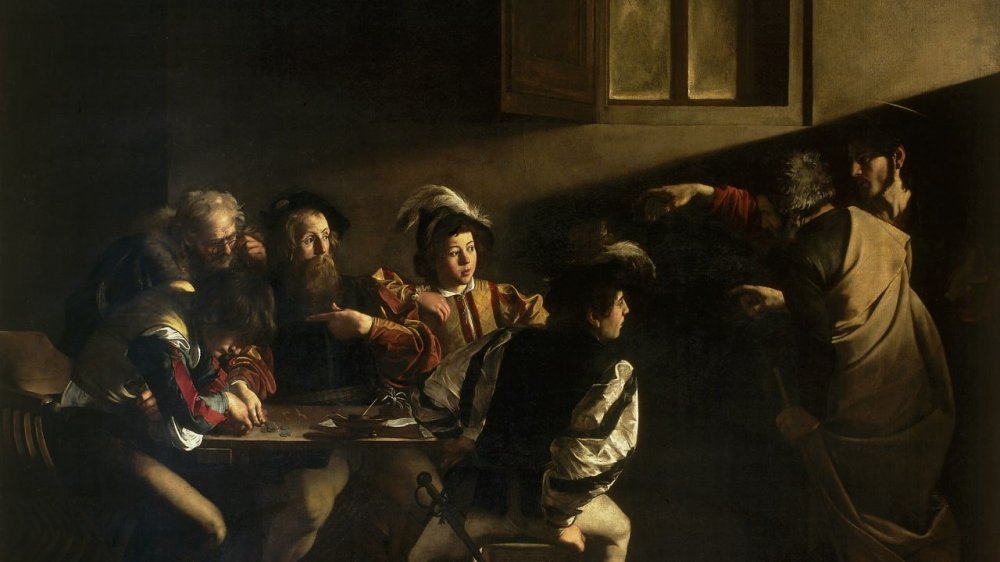
Pope Francis left a lasting legacy, not least his appreciation for art. In his 2025 biography, Hope, Francis spoke of his admiration for the Baroque painter Caravaggio. He recalled that during his travels to Rome as a cardinal, he prayed in front of the painting by Caravaggio—The Calling of Saint Matthew. The painting is found in the chapel dedicated to St. Matthew in the Church of San Luigi dei Francesi. The donor of the chapel was a French cardinal, Matthieu Cointerel, who died in 1585. This was the first commission for Michelangelo Merisi da Caravaggio, who was hired in July 1599. A year later, The Calling of Saint Matthew and The Martyrdom of Saint Matthew, depicting the beginning and the end of the apostle Matthew’s ministry, were installed. The motto that Francis selected for his papacy, “miserando atque eligendo,” translated as “looking at him with mercy, he chose him,” is directly connected with this painting. The words “miserando atque eligendo” come from a sermon on the calling of Matthew written in the eighth century by the celebrated monk and historian Bede the Venerable. It is used in the readings for the Feast of St. Matthew on September 21. The Calling of Saint Matthew ‘The Calling of Saint Matthew’ Matthew is described in the Bible as a tax collector, viewed at the time as a highly dubious occupation. In the painting, Christ enters the room from the right. We see only his silhouetted head and outstretched arm pointing in Matthew’s direction. Light from the window behind Christ, which aligns with the actual light from the window in the chapel, falls on a group of men, including some handsome youths in fancy clothes, counting money. Matthew, the bearded man in the center, makes a gesture that suggests, “Who, me?” Matthew became one of four disciples of Christ—along with Mark, Luke, and John—whose accounts of Christ’s life, called Gospels, are included in the Bible. Francis and Jesuit training Francis’s thinking about this painting was shaped by his training as a Jesuit, a Catholic order that he entered in 1958. Jesuits practice something called a process of “discernment.” The painting represents God calling to Matthew to show him his will for the future, one that requires discernment. The founder of the order, Ignatius of Loyola, stressed a humble but vigorous effort to understand God’s will for each individual, as part of this process. Ignatius’s own life demonstrated this search for God’s will. His initial career as a soldier ended when he was gravely wounded in the battle of Pamplona in 1521, permanently damaging his leg. He subsequently tried to follow the life of a hermit, meditating in solitude, and then tried to become a missionary to the Holy Land. At the age of 33, he entered a university in order to become a priest, ultimately initiating the most influential transformation of religious education since the Middle Ages. Jesuits became a great teaching force, stressing individual study and debate over memorization. Ignatius was named a saint in 1622. Inspiration of Saint Matthew ‘The Inspiration of St. Matthew’ The central painting in the chapel, Inspiration of Saint Matthew is Caravaggio’s third painting, which was put in place in 1602. The patrons originally planned to install statues at the center, but upon their arrival they rejected the idea and commissioned Caravaggio instead. This painting also shows the saint searching to understand God’s directions. In this painting, Matthew is in conversation with his symbol, a winged man. Each of the four evangelists are represented in art through symbols. The winged man symbol for Matthew refers to the beginning of his Gospel that records the genealogy of Christ. The angel-like figure, resembling one of the young men depicted alongside the saint in Caravaggio’s The Calling of St. Matthew, appears to hold his left index finger with his right hand, as if to signal that this is the first and most important point. Matthew seems careworn, even distracted, struggling to write while leaning his knee on a bench. Francis remarked in his biography that Caravaggio increased viewers’ empathy by using “contemporary figures from the artist’s own time.” The figures in the painting are dressed in clothes worn in Italy in the late 16th century, so that the viewers in Caravaggio’s time could see themselves in the painting. Viewers come to art with different perspectives derived from their own experiences and challenges. Francis, too, connected to art through his own experiences. Virginia Raguin is a distinguished professor of humanities emerita at the College of the Holy Cross. This article is republished from The Conversation under a Creative Commons license. Read the original article. View the full article
-
BoE to scrap limits on lending and treasury activities introduced after the 2008 financial crisisView the full article
-
We may earn a commission from links on this page. After more than a week of teasing it on social media, Whoop has finally announced the release of its 5.0 device, along with a version called the “MG” (medical grade) that can do ECG readings and estimate blood pressure. Members can upgrade for a $49 fee or by extending their membership in one of the three new membership tiers: One ($199/year), Peak ($239/year, similar to current offerings) or Life ($359/year). Whoop is the screenless fitness tracker that earned four stars in my review of the 4.0 model for its integrated fitness and recovery tracking and its handling of strength training. It’s only available by subscription, with the hardware being sort of a bonus that comes with membership. That means upgrades to the hardware are handled a bit differently than for a device you outright purchase; more on that below. What’s in the Whoop 5.0The 5.0 device looks a lot like the 4.0, but Whoop calculates that it is 7% smaller. This change means that straps and other accessories from the 4.0 won’t fit the new device. (Longstanding members with more than 1,500 recoveries will receive a “Milestone collection” box with extra bands.) The 5.0 has a 14-day battery life, the company says, more than double that of the 4.0. There is also a new power pack (the battery that you slide on to charge the device while you wear it). Only members of the Peak and Life tiers will get the wireless power pack; the lowest tier membership comes with a wired charger. Otherwise, the 5.0 hardware is similar to the previous edition, but with internal upgrades—a 60% faster processor, the company says, and “enhanced sensors.” The difference between the 5.0 and MGThe MG (“medical grade”) Whoop device adds the ability to take an ECG from your wrist, in much the same way as an Apple Watch or Fitbit (you’ll touch metal contacts with the fingers of your other hand while wearing it). The MG device comes with a Whoop Life membership, the most expensive tier at $359/year. What you get with each of the three membership tiersThe three new membership tiers are One ($199/year), Peak ($239/year), and Life ($359/year). One is a stripped-down membrership, Peak is similar to what Whoop users have right now, and Life is a new offering with extra health features. Here’s the breakdown: Whoop One ($199/year)One is the budget membership. You get a wired charger instead of the wireless power pack, and a “CoreKnit” band, which seems to be a new material that isn’t as nice as the SuperKnit bands offered with the higher tiers. If you downgrade to this level, you’ll lose a few features that Whoop members currently all get: the Health Monitor (with its readings of HRV, respiratory rate, resting heart rate, and skin temperature) or the Stress Monitor, which tells you in real time how much stress you seem to be under. Whoop Peak ($239/year)Peak is the most similar to the single subscription level that was offered with the 4.0, both in price and features. If your subscription renews without you choosing a tier, you’ll end up on Peak. You’ll also get the new Healthspan feature (coming soon) that tells you your “fitness age” and your “pace of aging,” and gives recommendations to improve those metrics. Whoop Life ($359/year)Life is the top tier membership, and comes with the MG rather than 5.0 hardware. It includes everything in Peak, including the Healthspan feature. With the MG you’ll be able to take ECG readings, and Whoop is also introducing a feature (currently in beta) to estimate your blood pressure. You’ll need to calibrate it with readings from a blood pressure cuff to start using it. How upgrades to the Whoop 5.0 or MG will workIf you’re currently a Whoop member, and were looking forward to upgrading your hardware for free (as the Whoop FAQ states), here’s the fine print. Whoop tells me that members who pay for another 12 months of membership will get the 5.0 (or MG) hardware for free. So if you’re six months into your current membership, you can buy a 12-month extension, thus having 18 months left on your membership, and get a new device. If you don’t want to extend your membership, you can opt to pay a $49 upgrade fee to get the 5.0 device to use on your current membership term. Whoop says that when you upgrade, they’ll send you a “gift kit” that you can use to pass along your old 4.0 device to a friend. It includes a sanitizing wipe and a fresh SuperKnit band. What if I don’t upgrade? Whoop memberships will still work with the 4.0 device, and you’ll still get access to everything the Peak membership offers, including the new Healthspan feature when it comes out. If your membership renews without you choosing a tier, you’ll be rolled into the Peak membership. View the full article
-
The philanthropist intends to spend his fortune over the next 20 years. But government budget cuts threaten his ambitions in global healthView the full article
-
Human-caused climate change intensified deadly rainfall in Arkansas, Kentucky, Tennessee and other states in early April and made those storms more likely to occur, according to an analysis released Thursday by the World Weather Attribution group of scientists. The series of storms unleashed tornadoes, strong winds and extreme rainfall in the central Mississippi Valley region from April 3-6 and caused at least 24 deaths. Homes, roads and vehicles were inundated and 15 deaths were likely caused by catastrophic floods. The WWA analysis found that climate change increased rainfall intensity in the storms by 9% and made them 40% more likely compared to probability of such events in the pre-industrial age climate. Some of the moisture that fueled the storms came from the Gulf of Mexico, where water temperatures were abnormally warm by 1.2°C (2.2°F) compared to pre-industrial temperatures. That warming was made 14 times more likely due to climate change, according to the researchers from universities and meteorological agencies in the United States and Europe. Rapid analyses from the WWA use peer-reviewed methods to study an extreme weather event and distill it down to the factors that caused it. This approach lets scientists analyze which contributing factors had the biggest influence and how the event could have played out in a world without climate change. The analysis found a rainfall event of April’s intensity could occur in the central Mississippi Valley region about once every 100 years. Even heavier downpours are expected to hit the region in the future unless the world rapidly slashes emissions of polluting gases such as carbon dioxide and methane that causes temperatures to rise, the study said. “That one in 100 years … is likely to go down to once every few decades,” said Ben Clarke, a researcher at the Centre for Environmental Policy at Imperial College London and the study’s lead author. “If we continue to burn fossil fuels, events like this will not only continue to occur, but they’ll keep getting more dangerous.” Heavier and more persistent rainfall is expected with climate change because the atmosphere holds more moisture as it warms. Warming ocean temperatures result in higher evaporation rates, which means more moisture is available to fuel storms. Forecast information and weather alerts from the National Weather Service communicated the risks of the April heavy rain days in advance, which the WWA says likely reduced the death toll. But workforce and budget cuts made by the The President administration have left nearly half of NWS offices with 20% vacancy rates or higher, raising concerns for public safety during future extreme weather events and the upcoming Atlantic hurricane season that officially begins June 1. “If we start cutting back on these offices or reducing the staff … the unfortunate result is going to be more death. We’re going to have more people dying because the warnings are not going to get out, the warnings are not going to be as fine-tuned as they are today,” said Randall Cerveny, a climate professor at Arizona State University who was not involved in the study. The Associated Press’ climate and environmental coverage receives financial support from multiple private foundations. AP is solely responsible for all content. Find AP’s standards for working with philanthropies, a list of supporters and funded coverage areas at AP.org. —Isabella O’Malley, Associated Press View the full article

-
In honor of its 25th anniversary, the Gates Foundation made a major announcement. On Thursday, chair Bill Gates said he would give away most of his fortune over the next two decades. “People will say a lot of things about me when I die, but I am determined that ‘he died rich’ will not be one of them,” Gates wrote in an announcement on GatesNotes. The statement continued, “There are too many urgent problems to solve for me to hold onto resources that could be used to help people. That is why I have decided to give my money back to society much faster than I had originally planned.” Gates explained that he would give away practically all of his fortune over the next 20 years, estimating about $200 billion in spending will occur in an effort to save and improve lives. The businessman and Microsoft cofounder said the exact amount will depend on the markets, as well as inflation. A news release from the Gates Foundation called the plan “the largest philanthropic commitment in modern history” and said it will wind down operations circa 2045. In his post, Gates shared that on December 31, 2045, the foundation will cease all operations. An accelerated timeline for a world on fire Gates noted that the plan is a major shift away from the foundation’s original plan to sunset 20 years after his and his ex-wife Melinda Gates’s deaths. Post-divorce, Melinda French Gates has given away a hefty share of her own wealth, pledging over $1 billion to organizations supporting women and girls. In Bill Gates’s statement, he also outlined three major goals for the accelerated spending plan: “help end preventable deaths of moms and babies” “ensure the next generation grows up without having to suffer from deadly infectious diseases” “lift millions of people out of poverty, putting them on a path to prosperity” “The Gates Foundation’s mission remains rooted in the idea that where you are born should not determine your opportunities,” Gates wrote in his statement Thursday. “I am excited to see how our next chapter continues to move the world closer to a future where everyone everywhere has the chance to live a healthy and productive life.” View the full article

-
Key Takeaways Inspiration Through Quotes: Creativity quotes can motivate and inspire a fresh perspective, essential for personal and professional growth. Innovation and Business Growth: Embracing unique ideas, as encouraged by these quotes, is fundamental for driving innovation and differentiation in small businesses. Cultivating Imagination: Engaging with creativity quotes nurtures imagination, enabling entrepreneurs to envision new opportunities and customer experiences. Positive Mindset: These quotes foster positive thinking, helping to overcome challenges and creative blocks, ultimately leading to effective business strategies. Practical Application: Implement creativity quotes in daily routines and professional settings to stimulate innovation, enhance team collaboration, and guide strategic planning. Creativity fuels innovation and inspires us to see the world through a different lens. When you tap into your creative side, you unlock endless possibilities, and sometimes, a few wise words can spark that imagination. Quotes about creativity have the power to motivate you, challenge your thinking, and ignite your passion for self-expression. In this article, you’ll discover a collection of inspiring creativity quotes from renowned thinkers, artists, and innovators. These words not only resonate with your inner creative spirit but also remind you that every great idea starts with a spark of imagination. So whether you’re an artist, writer, or simply someone looking to infuse creativity into your life, these quotes will guide and inspire you on your journey. The Importance Of Creativity Quotes Creativity quotes inspire you to think innovatively, essential for small business growth. These quotes encourage you to embrace unique ideas and approaches in your business journey. Inspiring Innovation Innovation drives your business forward. It leads to new products, services, and solutions that fulfill market needs. Creativity quotes motivate you to explore fresh perspectives. They remind you that even the most successful entrepreneurs began their journeys with an original idea. Quotes like “Creativity is thinking up new things. Innovation is doing new things.” by Theodore Levitt can spark your motivation as you craft your own business plan and look for funding options. Cultivating Imagination Imagination is crucial in business development. It helps you envision your ideal customer experience and identify opportunities. Creativity quotes nurture your imagination, encouraging you to dream big. When facing challenges, a quote from Albert Einstein may resonate: “Imagination is more important than knowledge.” This mindset empowers you to build a strong brand and effective marketing strategies that resonate with your target audience. Utilizing inspiration from these quotes can aid in refining your business model and growing your small business effectively. Famous Creativity Quotes Creativity drives innovation, essential for small businesses aiming to differentiate themselves in competitive markets. Here’s a collection of notable quotes from prominent figures that can inspire your entrepreneurial journey. Quotes From Artists Dr. Seuss: “Think left and think right and think low and think high. Oh, the things you can think up if only you try!” This encouragement reminds you that exploring new ideas fuels your creativity and broadens your marketing strategies. Maya Angelou: “You can’t use up creativity. The more you use, the more you have.” This idea resonates with small business owners; as you cultivate creative thinking, you develop unique business ideas and innovative solutions. Twyla Tharp: “Creativity is an act of defiance.” Embrace challenges in your business plan, and let your creativity push boundaries in branding and product development. Quotes From Scientists Albert Einstein: “Creativity is seeing what everyone else has seen, and thinking what no one else has thought.” This perspective can guide your market research, enabling you to identify customer pain points in unique ways. Steve Jobs: “Creativity is just connecting things.” Use this idea to leverage networking opportunities, as connecting various concepts can lead to innovative products and services. “Creativity is intelligence having fun.” This quote highlights the importance of maintaining a fun and engaging work atmosphere, fostering a culture of innovation that enhances team building and leadership in your small business. These quotes underscore the vital role of creativity in transforming innovative ideas into actionable plans that can help your small business thrive. How Creativity Quotes Influence Mindset Creativity quotes shape your mindset, impacting your approach to business and personal growth. Engaging with these quotes fosters innovation and encourages unique perspectives essential for small business success. Encouraging Positive Thinking Creativity quotes promote positive thinking, helping you cultivate a mindset that embraces challenges. For example, Albert Einstein’s assertion, “Creativity is seeing what everyone else has seen, and thinking what no one else has thought,” serves as a reminder to explore untapped ideas. Adopting this mindset enhances your ability to develop a business model that stands out in the market, ultimately leading to effective branding and customer acquisition strategies. Overcoming Creative Blocks Creativity quotes also aid in overcoming creative blocks that hinder progress. Maya Angelou’s quote, “You can’t use up creativity. The more you use, the more you have,” inspires you to keep generating ideas, especially during tough times. When faced with obstacles in product development or marketing strategies, turning to such quotes can reignite your creativity. This shift can lead to innovative solutions that elevate your small business, helping you refine your pitch and connect with your target audience effectively. Ways To Use Creativity Quotes Creativity quotes provide valuable inspiration that enhances both personal and professional endeavors. You can integrate these quotes into your life and small business strategies to stimulate innovation and drive growth. In Daily Life Inspiration and Motivation: Use creativity quotes as daily affirmations to inspire new ideas. For instance, Maya Angelou’s quote, “You can’t use up creativity. The more you use, the more you have,” encourages you to explore your creative potential. Personal Growth and Self-Expression: Quotes stimulate engagement in creative activities, promoting personal growth. Reflect on George Bernard Shaw’s insight: “Imagination is the beginning of creation.” As you imagine what you desire, focus on applying that desire to your hobbies or personal projects. Stress Relief and Relaxation: Engage in creative projects inspired by quotes to alleviate stress. If you find yourself stuck in your business planning or marketing strategies, take a break and immerse yourself in creativity. As a reminder, “If you get stuck, get away from your desk.” This practice helps clarify your thoughts and rejuvenates your mindset. In Professional Settings Encouraging Team Creativity: Share creativity quotes with your team during meetings to foster a culture of innovation. Highlighting quotes from famous thinkers stimulates discussion and encourages brainstorming, key elements in product development and marketing strategies. Inspiration for Sales and Branding: Use quotes to craft compelling pitches that emphasize your brand’s story and values. Creativity drives branding. Drawing on inspirational quotes can help you create marketing materials that resonate with your target audience, enhancing customer acquisition efforts. Guiding Your Business Plan: Integrate creativity quotes into your strategic planning sessions. Using these quotes can motivate you to think beyond conventional business ideas, pushing your startup to explore unique growth strategies. Quotes can serve as guiding principles in your venture capital or crowdfunding pursuits, reminding you to embrace innovation. Utilizing creativity quotes effectively leads to a growth-oriented mindset that supports your entrepreneurial journey, enhancing your ability to identify opportunities and develop a thriving small business. Conclusion Embracing creativity is essential for both personal and professional growth. The quotes shared throughout this article serve as powerful reminders of the limitless potential within you. They encourage you to think outside the box and explore innovative solutions that can set you apart in a competitive landscape. By integrating these insights into your daily routine you can foster a mindset that thrives on imagination and originality. Whether you’re an artist or an entrepreneur these words of wisdom can inspire you to push boundaries and overcome challenges. Remember that creativity isn’t just a skill; it’s a journey that unfolds with every idea you dare to pursue. So keep exploring and let your creative spirit shine. Frequently Asked Questions Why is creativity important for small businesses? Creativity is crucial for small businesses as it drives innovation, helping them stand out in competitive markets. Embracing creative ideas allows businesses to develop unique products and services that meet customer needs, ultimately leading to growth and success. How can quotes inspire creativity? Quotes from renowned thinkers and innovators serve as motivation by highlighting the importance of creativity and innovation. They remind individuals that imagination is the starting point for great ideas, encouraging them to embrace their creative potential and think outside the box. What role do creativity quotes play in innovation? Creativity quotes inspire individuals to adopt new perspectives, fueling innovative thinking. They promote a culture of exploration and risk-taking, which is vital for developing unique solutions that can meet the demands of today’s market. How can I use creativity quotes in my business? You can incorporate creativity quotes into daily affirmations, share them with your team to foster a culture of innovation, and use them in marketing and branding strategies. This integration can inspire your team and stimulate creative thinking. Can creativity quotes help overcome creative blocks? Yes, creativity quotes can serve as a source of inspiration during challenging times. For instance, quotes that emphasize the importance of using creativity regularly can motivate you to push through blocks and continue exploring new ideas. Where can I find more creativity quotes? You can find creativity quotes in books, online articles, and blogs dedicated to creativity and inspiration. Many websites curate lists of quotes from artists, scientists, and innovators that can fuel your imaginative thinking. Image Via Envato This article, "Unlock Your Imagination with Inspiring Creativity Quotes for Business and Life" was first published on Small Business Trends View the full article
-
Key Takeaways Inspiration Through Quotes: Creativity quotes can motivate and inspire a fresh perspective, essential for personal and professional growth. Innovation and Business Growth: Embracing unique ideas, as encouraged by these quotes, is fundamental for driving innovation and differentiation in small businesses. Cultivating Imagination: Engaging with creativity quotes nurtures imagination, enabling entrepreneurs to envision new opportunities and customer experiences. Positive Mindset: These quotes foster positive thinking, helping to overcome challenges and creative blocks, ultimately leading to effective business strategies. Practical Application: Implement creativity quotes in daily routines and professional settings to stimulate innovation, enhance team collaboration, and guide strategic planning. Creativity fuels innovation and inspires us to see the world through a different lens. When you tap into your creative side, you unlock endless possibilities, and sometimes, a few wise words can spark that imagination. Quotes about creativity have the power to motivate you, challenge your thinking, and ignite your passion for self-expression. In this article, you’ll discover a collection of inspiring creativity quotes from renowned thinkers, artists, and innovators. These words not only resonate with your inner creative spirit but also remind you that every great idea starts with a spark of imagination. So whether you’re an artist, writer, or simply someone looking to infuse creativity into your life, these quotes will guide and inspire you on your journey. The Importance Of Creativity Quotes Creativity quotes inspire you to think innovatively, essential for small business growth. These quotes encourage you to embrace unique ideas and approaches in your business journey. Inspiring Innovation Innovation drives your business forward. It leads to new products, services, and solutions that fulfill market needs. Creativity quotes motivate you to explore fresh perspectives. They remind you that even the most successful entrepreneurs began their journeys with an original idea. Quotes like “Creativity is thinking up new things. Innovation is doing new things.” by Theodore Levitt can spark your motivation as you craft your own business plan and look for funding options. Cultivating Imagination Imagination is crucial in business development. It helps you envision your ideal customer experience and identify opportunities. Creativity quotes nurture your imagination, encouraging you to dream big. When facing challenges, a quote from Albert Einstein may resonate: “Imagination is more important than knowledge.” This mindset empowers you to build a strong brand and effective marketing strategies that resonate with your target audience. Utilizing inspiration from these quotes can aid in refining your business model and growing your small business effectively. Famous Creativity Quotes Creativity drives innovation, essential for small businesses aiming to differentiate themselves in competitive markets. Here’s a collection of notable quotes from prominent figures that can inspire your entrepreneurial journey. Quotes From Artists Dr. Seuss: “Think left and think right and think low and think high. Oh, the things you can think up if only you try!” This encouragement reminds you that exploring new ideas fuels your creativity and broadens your marketing strategies. Maya Angelou: “You can’t use up creativity. The more you use, the more you have.” This idea resonates with small business owners; as you cultivate creative thinking, you develop unique business ideas and innovative solutions. Twyla Tharp: “Creativity is an act of defiance.” Embrace challenges in your business plan, and let your creativity push boundaries in branding and product development. Quotes From Scientists Albert Einstein: “Creativity is seeing what everyone else has seen, and thinking what no one else has thought.” This perspective can guide your market research, enabling you to identify customer pain points in unique ways. Steve Jobs: “Creativity is just connecting things.” Use this idea to leverage networking opportunities, as connecting various concepts can lead to innovative products and services. “Creativity is intelligence having fun.” This quote highlights the importance of maintaining a fun and engaging work atmosphere, fostering a culture of innovation that enhances team building and leadership in your small business. These quotes underscore the vital role of creativity in transforming innovative ideas into actionable plans that can help your small business thrive. How Creativity Quotes Influence Mindset Creativity quotes shape your mindset, impacting your approach to business and personal growth. Engaging with these quotes fosters innovation and encourages unique perspectives essential for small business success. Encouraging Positive Thinking Creativity quotes promote positive thinking, helping you cultivate a mindset that embraces challenges. For example, Albert Einstein’s assertion, “Creativity is seeing what everyone else has seen, and thinking what no one else has thought,” serves as a reminder to explore untapped ideas. Adopting this mindset enhances your ability to develop a business model that stands out in the market, ultimately leading to effective branding and customer acquisition strategies. Overcoming Creative Blocks Creativity quotes also aid in overcoming creative blocks that hinder progress. Maya Angelou’s quote, “You can’t use up creativity. The more you use, the more you have,” inspires you to keep generating ideas, especially during tough times. When faced with obstacles in product development or marketing strategies, turning to such quotes can reignite your creativity. This shift can lead to innovative solutions that elevate your small business, helping you refine your pitch and connect with your target audience effectively. Ways To Use Creativity Quotes Creativity quotes provide valuable inspiration that enhances both personal and professional endeavors. You can integrate these quotes into your life and small business strategies to stimulate innovation and drive growth. In Daily Life Inspiration and Motivation: Use creativity quotes as daily affirmations to inspire new ideas. For instance, Maya Angelou’s quote, “You can’t use up creativity. The more you use, the more you have,” encourages you to explore your creative potential. Personal Growth and Self-Expression: Quotes stimulate engagement in creative activities, promoting personal growth. Reflect on George Bernard Shaw’s insight: “Imagination is the beginning of creation.” As you imagine what you desire, focus on applying that desire to your hobbies or personal projects. Stress Relief and Relaxation: Engage in creative projects inspired by quotes to alleviate stress. If you find yourself stuck in your business planning or marketing strategies, take a break and immerse yourself in creativity. As a reminder, “If you get stuck, get away from your desk.” This practice helps clarify your thoughts and rejuvenates your mindset. In Professional Settings Encouraging Team Creativity: Share creativity quotes with your team during meetings to foster a culture of innovation. Highlighting quotes from famous thinkers stimulates discussion and encourages brainstorming, key elements in product development and marketing strategies. Inspiration for Sales and Branding: Use quotes to craft compelling pitches that emphasize your brand’s story and values. Creativity drives branding. Drawing on inspirational quotes can help you create marketing materials that resonate with your target audience, enhancing customer acquisition efforts. Guiding Your Business Plan: Integrate creativity quotes into your strategic planning sessions. Using these quotes can motivate you to think beyond conventional business ideas, pushing your startup to explore unique growth strategies. Quotes can serve as guiding principles in your venture capital or crowdfunding pursuits, reminding you to embrace innovation. Utilizing creativity quotes effectively leads to a growth-oriented mindset that supports your entrepreneurial journey, enhancing your ability to identify opportunities and develop a thriving small business. Conclusion Embracing creativity is essential for both personal and professional growth. The quotes shared throughout this article serve as powerful reminders of the limitless potential within you. They encourage you to think outside the box and explore innovative solutions that can set you apart in a competitive landscape. By integrating these insights into your daily routine you can foster a mindset that thrives on imagination and originality. Whether you’re an artist or an entrepreneur these words of wisdom can inspire you to push boundaries and overcome challenges. Remember that creativity isn’t just a skill; it’s a journey that unfolds with every idea you dare to pursue. So keep exploring and let your creative spirit shine. Frequently Asked Questions Why is creativity important for small businesses? Creativity is crucial for small businesses as it drives innovation, helping them stand out in competitive markets. Embracing creative ideas allows businesses to develop unique products and services that meet customer needs, ultimately leading to growth and success. How can quotes inspire creativity? Quotes from renowned thinkers and innovators serve as motivation by highlighting the importance of creativity and innovation. They remind individuals that imagination is the starting point for great ideas, encouraging them to embrace their creative potential and think outside the box. What role do creativity quotes play in innovation? Creativity quotes inspire individuals to adopt new perspectives, fueling innovative thinking. They promote a culture of exploration and risk-taking, which is vital for developing unique solutions that can meet the demands of today’s market. How can I use creativity quotes in my business? You can incorporate creativity quotes into daily affirmations, share them with your team to foster a culture of innovation, and use them in marketing and branding strategies. This integration can inspire your team and stimulate creative thinking. Can creativity quotes help overcome creative blocks? Yes, creativity quotes can serve as a source of inspiration during challenging times. For instance, quotes that emphasize the importance of using creativity regularly can motivate you to push through blocks and continue exploring new ideas. Where can I find more creativity quotes? You can find creativity quotes in books, online articles, and blogs dedicated to creativity and inspiration. Many websites curate lists of quotes from artists, scientists, and innovators that can fuel your imaginative thinking. Image Via Envato This article, "Unlock Your Imagination with Inspiring Creativity Quotes for Business and Life" was first published on Small Business Trends View the full article
-
We may earn a commission from links on this page. Deal pricing and availability subject to change after time of publication. If you've been meaning to add a security camera to your backyard, driveway, or any dimly lit spot around the house, the Blink Outdoor 4 Floodlight Camera might be the kind of no-fuss solution that works. It’s battery powered, which makes it a standout for renters or anyone who doesn’t want to mess with wiring or hiring an electrician. And at $64.99 on Amazon—down from $129.98—it’s currently sitting at its lowest price to date (according to price-trackers), making it easier to justify trying out a new piece of tech without overcommitting. Blink Outdoor 4 Floodlight Camera $64.99 at Amazon /images/amazon-prime.svg $129.98 Save $64.99 Get Deal Get Deal $64.99 at Amazon /images/amazon-prime.svg $129.98 Save $64.99 You’re looking at a completely wire-free setup with motion-triggered floodlights and a built-in camera—all powered by four D-cell batteries and two AAs (meaning it can go pretty much anywhere wifi reaches). That alone makes it worth considering if you’ve got areas around your home where power outlets just don’t exist, notes this ZDNet review. The floodlight automatically turns on when it detects motion, shining up to 700 lumens—plenty to light up dark driveways, side yards, or alleyways. The camera itself captures 1080p video with infrared night vision, and according to PCMag’s review, it handled detection pretty well, especially once fine-tuned in the app. Keep in mind, Blink’s full set of features—like cloud storage, video history, and smart alerts—are tied to its subscription plans, which start at $3 per month for one device and $10 per month for unlimited devices. A free 30-day trial is included (so you can test out those features without pressure), but after that, you’ll need to pay if you want ongoing access to clips and advanced features. You can also store your clips locally by connecting a USB flash drive (sold separately) to the included Sync Module 2. If you’re looking for something with constant recording or a wired connection for uninterrupted power, this isn’t the pick for you. But if you’re piecing together an affordable, wire-free security setup, this one has the basics covered. View the full article
-
The federal human resources agency at the heart of billionaire Elon Musk’s efforts to slash the federal workforce is poised to roll out software to speed layoffs across the U.S. government, two people familiar with the matter told Reuters. The software could turbocharge the rapid-fire effort to downsize the government at a time when a number of larger federal agencies are preparing to execute plans for mass layoffs of tens of thousands of workers. Some 260,000 government workers already have accepted buyouts, early retirement or been laid off since Republican President Donald The President returned to the presidency in January, according to a Reuters tally. The process has been far from smooth. Some workers were mistakenly fired and had to be rehired. The software is an updated version of a decades-old Pentagon program, known as AutoRIF, that had been little used in recent years. Under direction from Musk’s Department of Government Efficiency (DOGE), software developers at the U.S. Office Of Personnel Management (OPM) have created a more user-friendly web-based version over the past few months that provides targets for layoffs much more quickly than the current labor-intensive manual process, four sources said, speaking on condition of anonymity. The program is poised to be rolled out to the agencies by OPM just as Musk steps back from DOGE, which has driven the downsizing effort, to focus more on Tesla and his other companies. AutoRIF’s name comes from “Reduction in Force,” a term used to describe mass layoffs. The revamped version has been given the more benign-sounding name “Workforce Reshaping Tool,” three sources said. With the software revamp now complete, OPM will lead demonstrations, user testing and start adding new users in the coming weeks, one of the sources said. DOGE, OPM, the White House, Pentagon and Musk did not respond to requests for comment. Wired magazine was first to report on the revamp effort. But Reuters is reporting for the first time on the completion of that revamp, the capabilities of the new program, rollout plans and its new name. JOB-CUTTING SCYTHE The President established DOGE to modernize government software, cut spending and drastically reduce the size of the federal workforce, which he complains is bloated and wasteful. DOGE has said it has saved more than $160 billion through cuts to federal contracts and staff, but it has given few details publicly about what it is doing to modernize technology to make the government more efficient. The update of the Pentagon software, which DOGE has not publicly confirmed, is the only known example of that effort bearing fruit. Currently, most federal RIFs are done manually—with HR employees poring over spreadsheets containing data on employee seniority, veteran status and performance, three sources told Reuters. The new software is being rolled out just as larger agencies such as the Department of Veterans Affairs are set to move forward with plans to eliminate some 80,000 jobs. The Internal Revenue Service has said it wants to slash its payrolls by 40%, according to media reports. The tool will allow agencies “to remove a massive number of federal employees from their positions,” if it works, said Nick Bednar, an associate professor of law at the University of Minnesota who has been tracking the government layoffs. “What DOGE has started is going to continue without Elon Musk,” Bednar said. AutoRIF was developed by the Pentagon more than a quarter century ago. It pulled data from its HR system, sifted through firing rules quickly and produced names of employees eligible to be laid off. But it was difficult to migrate it to other agencies, whose workers had to manually input data on potential candidates for dismissal, a cumbersome process that is subject to errors. The program, described as “clunky” by a 2020 Pentagon HR newsletter, also would allow only one employee to work on a RIF, two sources said. The upgrade makes it web-based, easing employee access to the tool while enabling multiple people to work on a mass layoff, three sources said. It also allows for the upload of employee data for analysis, freeing HR workers from having to manually input personal records of possible targets for dismissal. While speed is a clear advantage, the software could pose other challenges, according to Don Moynihan, a professor at the University of Michigan’s Ford School of Public Policy. “If you automate bad assumptions into a process, then the scale of the error becomes far greater than an individual could undertake,” Moynihan said. “It won’t necessarily help them to make better decisions and it won’t make those decisions more popular,” Moynihan added. The President’s drive to downsize and reshape the government already has led to the gutting of entire agencies such as the U.S. Agency for International Development as well as the Consumer Financial Protection Bureau, which seeks to protect Americans from financial abuses. The government overhaul has led to numerous lawsuits that seek to block the The President administration from moving forward with some of the planned dismissals. —Alexandra Alper, Reuters View the full article

-
Monetary Policy Committee split three ways over decisionView the full article
-
The price of Bitcoin is nearing the psychologically important price point of $100,000 this morning—a level the cryptocurrency has not seen since early February. As of the time of this writing, one Bitcoin is currently trading at over $99,800. That’s up nearly 3% in the last 24 hours and only $10,000 lower than the all-time high that the token reached earlier this year. Here’s what you need to know about Bitcoin’s most recent approach to six figures. Bitcoin nears $100,000—again Bitcoin is currently trading at less than $200 shy of $100,000 per coin as of the time of this writing. The cryptocurrency king hasn’t traded at levels this high since early February, and it has not surpassed the $100,000 mark since the first few days of that month. While a $100,000 price point of Bitcoin doesn’t have any underlying meaning on a fundamentals level, the passing of the six-figure barrier again will likely signal an important psychological threshold in many investors’ minds. In late January, just a day before President The President was sworn in for his second term, Bitcoin traded at an all-time high of over $109,114 per coin. The coin had first crossed the $100,000 threshold back in December 2024, shortly after then-president-elect The President announced the crypto-friendly Paul Atkins as the new Securities and Exchange Commission (SEC) chair. Atkins’s appointment was seen as signaling a much more friendly regulatory environment with the new administration. In the days leading up to The President’s inauguration, Bitcoin continued to rise. But then came The President’s “Liberation Day” tariffs in April—and along with the crash of global stock markets, Bitcoin and other cryptocurrencies crashed too. Last month, Bitcoin was trading at less than $75,000 per coin. Today’s nearly $100,000 price, then, marks a staggering turnaround for Bitcoin from just over 30 days ago. It is up over 30% in the past month and up over 4% in the past five days alone, with the price of the digital asset up nearly 3% in just the last 24 hours. But what is the reason for Bitcoin’s flirtation with the $100,000 mark today? Trade deals. Hopes of trade deals boost Bitcoin Investing.com notes that Bitcoin’s rise to nearly $100,000 in the past 24 hours can be attributed to one main factor: trade deal optimism. Yesterday, President The President teased on Truth Social that today there would be a “big news conference” detailing a “major trade deal” with a “big” country. It was the president’s first firm sign that one of his many promised trade deals was actually imminent. If the United States actually starts signing trade deals with other nations, investors will likely feel less uncomfortable about the state of the global economy and the economic uncertainty that The President’s tariffs have unleashed within America’s borders and across the world. Then, early today, The President took to Truth Social to follow up on his earlier post, announcing that the U.S. has entered into a “full and comprehensive” agreement with the United Kingdom. While The President didn’t specify that it was a trade agreement, that is the most likely type of agreement he is talking about. The president added, “Many other deals, which are in serious stages of negotiation, to follow!” Details of the U.S.-U.K. agreement are expected to be announced at a press conference at 10 a.m. ET today, reports CNBC. Anticipation of the U.S.-U.K. news further buoyed earlier optimism that, after nearly a month of uncertainty, major countries were closer than ever to working out new economic frameworks with the United States. Other cryptocurrencies are also on the rise Bitcoin isn’t the only cryptocurrency to rise on trade deal optimism. As of the time of this writing, other major coins are also up, including: Ethereum: up 6.2% XRP: up 3.1% Solana: up 4.2% Meme coins are also up, including: Dogecoin: up 5.8% Shiba Inu: up 4.7% Of course, it’s worth noting that cryptocurrencies are more volatile than more traditional assets, so there’s no guarantee that Bitcoin will indeed cross the $100,000 threshold again. However, today’s move closer to that mark will surely please jittery investors who have been forced to watch the crypto king decline by tens of thousands of dollars over the past several months. View the full article

-
Key Takeaways Importance of a Publishing Schedule: A well-structured social media publishing schedule saves time, ensures consistency, and builds trust with your audience. Key Components: Essential elements include a content calendar, publishing frequency, content diversity, platform consideration, and performance analysis. Audience Understanding: Tailor your content based on audience demographics and preferences to enhance engagement and community interaction. Effective Tools: Utilize scheduling tools like Hootsuite, Buffer, Sprout Social, and Sprinklr to streamline your workflow, automate posting, and optimize engagement. Measure Success: Analyze engagement metrics like likes, shares, and comments to refine your strategy and adjust your publishing schedule for better performance. Automation Benefits: Automating your posts enhances productivity, ensures a consistent online presence, and increases organic reach by targeting peak engagement times. In today’s fast-paced digital world, a well-planned social media publishing schedule can make all the difference. You might be wondering how to keep your audience engaged while juggling multiple platforms. A strategic approach not only boosts your visibility but also helps you maintain consistency, which is key to building trust with your followers. Crafting a social media schedule tailored to your brand’s needs can save you time and enhance your overall effectiveness. By understanding peak engagement times and aligning your content with your audience’s preferences, you can maximize your reach. Let’s dive into the essentials of creating a successful social media publishing schedule that keeps your brand at the forefront of your audience’s minds. Understanding Social Media Publishing Schedule A social media publishing schedule is essential for managing your online presence effectively. You create a blueprint that boosts brand awareness and enhances your social media strategy by planning your posts in advance. Importance of a Publishing Schedule A well-structured publishing schedule saves time and ensures consistency, which is crucial for small business social media growth. You can maximize your audience targeting and improve engagement rates by aligning your content with peak user activity on platforms like Facebook, Instagram, and TikTok. Maintaining a regular posting routine builds trust with your followers and showcases your brand voice, ultimately fostering customer interaction and loyalty. Key Components of a Publishing Schedule A successful publishing schedule includes several key components: Content Calendar: A visual outline of your posts helps streamline content creation and keeps your social media campaigns organized. Publishing Frequency: Establishing how often you’ll share posts ensures your brand remains visible without overwhelming your audience with excess content. Content Types: Diversifying between video content, user-generated content, and storytelling approaches enhances engagement and keeps your audience interested. Platform Consideration: Different social media platforms like LinkedIn, Twitter, and Instagram require tailored strategies based on their unique algorithms and user behaviors. Performance Analysis: Regularly review social media analytics to evaluate your performance and adjust your strategy based on engagement metrics, feedback, and trends. Implementing these components within your publishing schedule leads to optimized social media posts that resonate with followers and drive organic growth on your chosen platforms. Strategies for Creating an Effective Schedule Creating an effective social media publishing schedule involves strategic planning to maximize your brand’s outreach. You can boost brand awareness and foster social media engagement by employing targeted strategies. Identifying Your Target Audience Understanding your target audience is crucial for small business social media success. You can analyze demographics, interests, and behaviors to tailor content that resonates with them. Utilize social media analytics tools to gather data about your audience’s preferences and online activity. Conduct surveys or polls to collect customer feedback, which helps refine your content strategy. Engaging your audience through storytelling or user-generated content enhances community interaction, fostering loyalty among your social media followers. Choosing the Right Platforms Select social media platforms that align with your audience’s preferences and your business goals. For instance, Facebook is excellent for community building through groups, while Instagram excels in visual storytelling with posts and stories. Twitter is ideal for real-time interactions and quick updates. LinkedIn serves professional networking, making it suitable for B2B connections. TikTok for business can help you tap into younger demographics with engaging video content. Understanding where your audience spends their time allows you to optimize your social media strategy effectively, ensuring maximum engagement and organic growth. Tools for Managing Your Social Media Schedule Managing a social media publishing schedule requires tools that enhance organization, consistency, and engagement. Several popular scheduling tools streamline your workflow and ensure your brand maintains a strong online presence. Popular Scheduling Tools Hootsuite: Hootsuite allows you to plan and queue content across multiple platforms, including Facebook, Instagram, and Twitter. You can specify the date and time for each post, making it easier for small businesses to maintain brand consistency and optimize engagement. Buffer: Buffer also enables scheduling of posts in advance. It helps you maintain a consistent publishing schedule while providing insights into the performance of your social media campaigns. Tracking performance can boost your organic reach and overall growth. Sprout Social: Sprout Social offers advanced features, including Optimal Send Times and ViralPost®. By utilizing AI, it analyzes audience engagement patterns to determine the best posting times for your brand, maximizing social media engagement. Sprinklr: Sprinklr provides tools to design a social media posting schedule effectively. It analyzes audience behavior and automates posting, ensuring your content reaches users when they are most active, enhancing your brand awareness. Benefits of Automation Automation saves time and improves efficiency for small businesses. Scheduling posts in advance allows you to focus on content creation and community management rather than constant posting. Consistent Presence: Regularly scheduled posts keep your audience engaged and informed about your brand, resulting in higher engagement rates. Enhanced Productivity: Automation tools reduce the workload, allowing you to analyze social media analytics, gather customer feedback, and create buzz around your brand without overwhelming yourself. Increased Reach: Automated tools help publish content at peak times based on user behavior, which can lead to better organic growth. Utilizing these tools and automation techniques enables your small business to navigate the complexities of social media marketing effectively, ensuring consistent interaction with your audience while building a solid brand voice. Measuring the Success of Your Schedule Measuring the success of your social media publishing schedule is essential for effective social media marketing. Focusing on key metrics helps improve engagement rates and enhances brand awareness. Analyzing Engagement Metrics Engagement metrics provide insights into how your audience interacts with your social media posts. Key metrics include likes, shares, comments, and clicks. Tracking these allows you to determine which content resonates with your audience. Tools such as Sprout Social and Hootsuite help monitor these metrics, offering analytics that reveal peak engagement times. Regularly reviewing engagement data can guide your content creation and ensure your posts align with current social media trends. For small businesses, understanding these metrics can significantly boost organic reach and community interaction. Adjusting Your Schedule Based on Insights Adjusting your publishing schedule based on insights gathered from analytics is critical for refining your social media strategy. If data shows that specific formats—like video content or Instagram stories—drive higher engagement, consider prioritizing these in your schedule. If certain times yield better results, shift your posting accordingly. Utilize customer feedback collected through surveys or comments to tailor your content further. Engaging with your audience through Facebook groups or TikTok for business can also enhance your brand voice. By optimizing your posting schedule based on data, you effectively improve your social media growth and maximize your online presence. Conclusion A well-crafted social media publishing schedule is essential for elevating your brand’s online presence. By tailoring your approach to your audience’s preferences and behaviors you can enhance engagement and build lasting trust. Utilizing scheduling tools streamlines your efforts and allows you to focus on creating impactful content. Regularly analyzing performance metrics helps refine your strategy ensuring you’re always in tune with your audience’s needs. Embrace the power of a strategic publishing schedule and watch your social media efforts transform into a powerful growth engine for your business. Frequently Asked Questions What is a social media publishing schedule? A social media publishing schedule is a strategic plan that organizes when and what content will be posted on social media platforms. It helps brands maintain consistency, improve visibility, and engage their audience effectively. Why is a social media schedule important? A well-planned social media schedule enhances brand awareness, saves time, and aligns content with audience preferences. It is crucial for building trust with followers and ensuring sustained engagement over time. How can I tailor my social media schedule? Tailoring your schedule involves analyzing your target audience, choosing appropriate platforms, and aligning content with peak engagement times. Use tools and analytics to refine your strategy based on audience insights. What are key components of a successful social media schedule? Key components include a content calendar, established publishing frequency, diverse content types, platform-specific strategies, and performance analysis. Together, these elements enhance the overall effectiveness of your social media presence. Which tools can help manage a social media schedule? Popular tools for managing schedules include Hootsuite, Buffer, Sprout Social, and Sprinklr. These tools allow users to automate posting, track performance, and analyze audience behavior across multiple platforms. How do I measure the success of my social media schedule? Success can be measured through key engagement metrics such as likes, shares, comments, and clicks. Tools like Sprout Social and Hootsuite can help track these metrics for better insights. What role does audience feedback play in a social media schedule? Audience feedback is essential for refining your content strategy. By gathering insights through surveys and direct interactions, you can tailor your schedule to better meet the needs and preferences of your followers. Why should small businesses prioritize a social media publishing schedule? For small businesses, a social media publishing schedule maximizes audience targeting, improves engagement rates, and boosts brand visibility. This strategic approach is vital for driving growth and establishing a strong online presence. Image Via Envato This article, "Optimize Your Social Media Publishing Schedule for Maximum Engagement and Growth" was first published on Small Business Trends View the full article
-
Key Takeaways Importance of a Publishing Schedule: A well-structured social media publishing schedule saves time, ensures consistency, and builds trust with your audience. Key Components: Essential elements include a content calendar, publishing frequency, content diversity, platform consideration, and performance analysis. Audience Understanding: Tailor your content based on audience demographics and preferences to enhance engagement and community interaction. Effective Tools: Utilize scheduling tools like Hootsuite, Buffer, Sprout Social, and Sprinklr to streamline your workflow, automate posting, and optimize engagement. Measure Success: Analyze engagement metrics like likes, shares, and comments to refine your strategy and adjust your publishing schedule for better performance. Automation Benefits: Automating your posts enhances productivity, ensures a consistent online presence, and increases organic reach by targeting peak engagement times. In today’s fast-paced digital world, a well-planned social media publishing schedule can make all the difference. You might be wondering how to keep your audience engaged while juggling multiple platforms. A strategic approach not only boosts your visibility but also helps you maintain consistency, which is key to building trust with your followers. Crafting a social media schedule tailored to your brand’s needs can save you time and enhance your overall effectiveness. By understanding peak engagement times and aligning your content with your audience’s preferences, you can maximize your reach. Let’s dive into the essentials of creating a successful social media publishing schedule that keeps your brand at the forefront of your audience’s minds. Understanding Social Media Publishing Schedule A social media publishing schedule is essential for managing your online presence effectively. You create a blueprint that boosts brand awareness and enhances your social media strategy by planning your posts in advance. Importance of a Publishing Schedule A well-structured publishing schedule saves time and ensures consistency, which is crucial for small business social media growth. You can maximize your audience targeting and improve engagement rates by aligning your content with peak user activity on platforms like Facebook, Instagram, and TikTok. Maintaining a regular posting routine builds trust with your followers and showcases your brand voice, ultimately fostering customer interaction and loyalty. Key Components of a Publishing Schedule A successful publishing schedule includes several key components: Content Calendar: A visual outline of your posts helps streamline content creation and keeps your social media campaigns organized. Publishing Frequency: Establishing how often you’ll share posts ensures your brand remains visible without overwhelming your audience with excess content. Content Types: Diversifying between video content, user-generated content, and storytelling approaches enhances engagement and keeps your audience interested. Platform Consideration: Different social media platforms like LinkedIn, Twitter, and Instagram require tailored strategies based on their unique algorithms and user behaviors. Performance Analysis: Regularly review social media analytics to evaluate your performance and adjust your strategy based on engagement metrics, feedback, and trends. Implementing these components within your publishing schedule leads to optimized social media posts that resonate with followers and drive organic growth on your chosen platforms. Strategies for Creating an Effective Schedule Creating an effective social media publishing schedule involves strategic planning to maximize your brand’s outreach. You can boost brand awareness and foster social media engagement by employing targeted strategies. Identifying Your Target Audience Understanding your target audience is crucial for small business social media success. You can analyze demographics, interests, and behaviors to tailor content that resonates with them. Utilize social media analytics tools to gather data about your audience’s preferences and online activity. Conduct surveys or polls to collect customer feedback, which helps refine your content strategy. Engaging your audience through storytelling or user-generated content enhances community interaction, fostering loyalty among your social media followers. Choosing the Right Platforms Select social media platforms that align with your audience’s preferences and your business goals. For instance, Facebook is excellent for community building through groups, while Instagram excels in visual storytelling with posts and stories. Twitter is ideal for real-time interactions and quick updates. LinkedIn serves professional networking, making it suitable for B2B connections. TikTok for business can help you tap into younger demographics with engaging video content. Understanding where your audience spends their time allows you to optimize your social media strategy effectively, ensuring maximum engagement and organic growth. Tools for Managing Your Social Media Schedule Managing a social media publishing schedule requires tools that enhance organization, consistency, and engagement. Several popular scheduling tools streamline your workflow and ensure your brand maintains a strong online presence. Popular Scheduling Tools Hootsuite: Hootsuite allows you to plan and queue content across multiple platforms, including Facebook, Instagram, and Twitter. You can specify the date and time for each post, making it easier for small businesses to maintain brand consistency and optimize engagement. Buffer: Buffer also enables scheduling of posts in advance. It helps you maintain a consistent publishing schedule while providing insights into the performance of your social media campaigns. Tracking performance can boost your organic reach and overall growth. Sprout Social: Sprout Social offers advanced features, including Optimal Send Times and ViralPost®. By utilizing AI, it analyzes audience engagement patterns to determine the best posting times for your brand, maximizing social media engagement. Sprinklr: Sprinklr provides tools to design a social media posting schedule effectively. It analyzes audience behavior and automates posting, ensuring your content reaches users when they are most active, enhancing your brand awareness. Benefits of Automation Automation saves time and improves efficiency for small businesses. Scheduling posts in advance allows you to focus on content creation and community management rather than constant posting. Consistent Presence: Regularly scheduled posts keep your audience engaged and informed about your brand, resulting in higher engagement rates. Enhanced Productivity: Automation tools reduce the workload, allowing you to analyze social media analytics, gather customer feedback, and create buzz around your brand without overwhelming yourself. Increased Reach: Automated tools help publish content at peak times based on user behavior, which can lead to better organic growth. Utilizing these tools and automation techniques enables your small business to navigate the complexities of social media marketing effectively, ensuring consistent interaction with your audience while building a solid brand voice. Measuring the Success of Your Schedule Measuring the success of your social media publishing schedule is essential for effective social media marketing. Focusing on key metrics helps improve engagement rates and enhances brand awareness. Analyzing Engagement Metrics Engagement metrics provide insights into how your audience interacts with your social media posts. Key metrics include likes, shares, comments, and clicks. Tracking these allows you to determine which content resonates with your audience. Tools such as Sprout Social and Hootsuite help monitor these metrics, offering analytics that reveal peak engagement times. Regularly reviewing engagement data can guide your content creation and ensure your posts align with current social media trends. For small businesses, understanding these metrics can significantly boost organic reach and community interaction. Adjusting Your Schedule Based on Insights Adjusting your publishing schedule based on insights gathered from analytics is critical for refining your social media strategy. If data shows that specific formats—like video content or Instagram stories—drive higher engagement, consider prioritizing these in your schedule. If certain times yield better results, shift your posting accordingly. Utilize customer feedback collected through surveys or comments to tailor your content further. Engaging with your audience through Facebook groups or TikTok for business can also enhance your brand voice. By optimizing your posting schedule based on data, you effectively improve your social media growth and maximize your online presence. Conclusion A well-crafted social media publishing schedule is essential for elevating your brand’s online presence. By tailoring your approach to your audience’s preferences and behaviors you can enhance engagement and build lasting trust. Utilizing scheduling tools streamlines your efforts and allows you to focus on creating impactful content. Regularly analyzing performance metrics helps refine your strategy ensuring you’re always in tune with your audience’s needs. Embrace the power of a strategic publishing schedule and watch your social media efforts transform into a powerful growth engine for your business. Frequently Asked Questions What is a social media publishing schedule? A social media publishing schedule is a strategic plan that organizes when and what content will be posted on social media platforms. It helps brands maintain consistency, improve visibility, and engage their audience effectively. Why is a social media schedule important? A well-planned social media schedule enhances brand awareness, saves time, and aligns content with audience preferences. It is crucial for building trust with followers and ensuring sustained engagement over time. How can I tailor my social media schedule? Tailoring your schedule involves analyzing your target audience, choosing appropriate platforms, and aligning content with peak engagement times. Use tools and analytics to refine your strategy based on audience insights. What are key components of a successful social media schedule? Key components include a content calendar, established publishing frequency, diverse content types, platform-specific strategies, and performance analysis. Together, these elements enhance the overall effectiveness of your social media presence. Which tools can help manage a social media schedule? Popular tools for managing schedules include Hootsuite, Buffer, Sprout Social, and Sprinklr. These tools allow users to automate posting, track performance, and analyze audience behavior across multiple platforms. How do I measure the success of my social media schedule? Success can be measured through key engagement metrics such as likes, shares, comments, and clicks. Tools like Sprout Social and Hootsuite can help track these metrics for better insights. What role does audience feedback play in a social media schedule? Audience feedback is essential for refining your content strategy. By gathering insights through surveys and direct interactions, you can tailor your schedule to better meet the needs and preferences of your followers. Why should small businesses prioritize a social media publishing schedule? For small businesses, a social media publishing schedule maximizes audience targeting, improves engagement rates, and boosts brand visibility. This strategic approach is vital for driving growth and establishing a strong online presence. Image Via Envato This article, "Optimize Your Social Media Publishing Schedule for Maximum Engagement and Growth" was first published on Small Business Trends View the full article
-
The alphabet soup of TV terminology is overwhelming enough, but you might have seen a particularly confusing term pop up lately: mini-LED. LEDs are already tiny, so what exactly could the "mini" here even mean? It turns out, quite a lot, and that distinction can mean the difference between washed out colors and a more vivid display. The thing is, almost every TV you see is technically some kind of LED display. Most use bright white LEDs as a backlight, which shines through an LCD matrix and color filter to produce a coherent image. (The exception is OLED, which lights up each pixel individually and thus doesn't require a backlight.) Mini-LEDs are an improvement over the backlight part of that process. Traditionally, the backlight on most LCD TVs have been either uniform or only divided into a few sub-zones. Mini-LEDs are much smaller back lights that can be individually controlled, allowing your TV to be bright in spots where it needs to be bright, and dark where it needs to be dark. How do LED displays work?Before we get to mini-LEDs, let's break down how most LCD displays work a little further. When manufacturers advertise a display as an "LED TV," this is usually referring to the backlight and, well, LED is kind of a given there. However, there are a couple different types of backlights: Edge-lit backlighting: In this arrangement, LEDs are placed in an array along the outside edge of the screen, which then shine through light guides that more evenly distribute the light across the display. This can be more cost-effective, but it can sometimes lead to light bleed around the edges, or duller areas in the middle of the screen. Full array backlighting: Alternatively, some manufacturers will create a grid of LEDs that fill the area of the display. This leads to more even lighting across the picture. More importantly, those LEDs can usually be controlled individually, allowing for local dimming (more on that below). These backlights shine white light (or blue, in the case of quantum dot displays) that is then dimmed or blocked by an LCD matrix. This layer uses tiny liquid crystals to block or allow light to pass through, which then passes through either a red, green, or blue filter. By controlling how much light goes through each of these filters (or "subpixels"), the TV can control what color each pixel will be. There's just one tiny problem with this: LCDs can't perfectly block all of the light that the backlight emits. This is why, even when your LCD screen is displaying all black, it still looks "on." Some light is always making its way through. In order to achieve darker blacks, you need another technique. How does local dimming work?"Local dimming" refers to a range of techniques for LED-backed displays that essentially boils down to the same thing: dimming or disabling backlights where you don't need them. This means less light bleeding through, resulting in darker black levels, and more contrast with the brighter parts of the screen. The only hitch is, there are quite literally millions more pixels in an LCD display than there are individual backlights. Fewer backlights means less resolution to distinguish between bright and dark zones. It also means you can get what's called a "bloom effect" when a bright object seems to glow more than it should. This is caused when the backlight bleeds through in the dark pixels around a bright object. Every backlight creates a dimming "zone" and the more zones you have the better. For most LED-lit TVs, this can range from a couple dozen to a few hundred. However, mini-LED tech allows TVs to crank that number up to the thousands. What makes mini-LED displays different?Put simply, in a mini-LED display, the LEDs are, well, mini. That's it. To be more specific, the term is defined as any display where the backlight LED diodes are no larger than 0.2 mm. They can be smaller than that, but any larger and they can't (or at least shouldn't) be called "mini-LED" anymore. When they're packed that small, you can fit a lot more LEDs into the same space. This Sony 65-inch Bravia Mini-LED TV, for example, has over 1,500 local dimming zones. That means that each LED backlight only has to light up a little over one square inch. This provides a lot more flexibility to create contrast between the light and dark parts of the image. Why would you want mini-LED over OLED?It does seem a little weird, right? OLED displays light up every single pixel individually, so you're only using the pixels you need. Why this rigmarole with a local dimming array? In part, it's because OLED displays have a higher susceptibility to burn in. The organic LED elements can degrade in ways that leave ghosting of images that are frequently on screen, such as menus, taskbars, or lower-thirds. This isn't an issue for typical LED-lit displays, where the LCD layer is made of sturdier, inorganic materials. LED and mini-LED panels can also get a lot brighter than OLED displays. This makes them better suited for TVs that might sit in your living room, near a lot of sunny windows. While OLED TVs exist and they're great, they can struggle to compete with the light in bright rooms, making them better suited to night-time viewing or dimly lit rooms. View the full article
-
Remaining under the control of a non-profit board does not negate the risks of increasingly autonomous AI models View the full article
-
The United States and Britain are expected to announce a trade deal on Thursday that will lower the burden of President Donald The President’s sweeping tariffs and deliver a political victory for U.K. Prime Minister Keir Starmer. The President posted on his Truth Social platform that a deal due to be announced at 10 a.m. EDT (1400 GMT) will be a “full and comprehensive one that will cement the relationship between the United States and the United Kingdom for many years to come.” It’s the first bilateral trade deal announced since The President began slapping tariffs on U.S. trading partners. He said: “Many other deals, which are in serious stages of negotiation, to follow!” Starmer’s office said the prime minister would give an “update” about U.S. trade talks later Thursday. “As you know, talks with the U.S. have been ongoing and you’ll hear more from me about that later today.” Starmer said at a defense conference in London. The agreement is likely to fall short of a full free trade deal, but will provide tariff relief to certain sectors. The president has imposed a 10% tax on imports from Britain, as well as 25% tariffs on autos, steel and aluminum on the premise that doing so would foster more factory jobs domestically. A major goal of British negotiators has been to reduce or lift the import tax on U.K. cars and steel. The U.S. is the largest destination for British cars, accounting for more than a quarter of U.K. auto exports in 2024, according to the Office for National Statistics. Britain has also sought tariff exemptions for pharmaceuticals, while the U.S. wants greater access to the British market for agriculture products. Starmer’s government has said it won’t lower U.K. food standards to allow in chlorine-rinsed American chicken or hormone-treated beef. The British government will see a deal it as a vindication of Starmer’s emollient approach to The President, which has avoided direct confrontation or criticism. Unlike the European Union, Britain did not announce retaliatory tariffs on U.S. goods in response to The President’s import taxes. A trade deal with the United Kingdom would be symbolically important, and a relief for British exporters. But an agreement would do little to address The President’s core concern about persistent trade deficits that prompted him to impose import taxes on countries around the world. The U.S. ran a $11.9 billion trade surplus in goods with the U.K. last year, according to the Census Bureau. The $68 billion in goods that the U.S. imported from the U.K. last year accounted for just 2% of all goods imported into the country. The U.S. is much more important to the U.K. economy. It was Britain’s biggest trading partner last year, according to government statistics, though the bulk of Britain’s exports to the U.S. are services rather than goods. The President has shown a desire to strike a trade agreement with the U.K. since it voted in 2016 to leave the European Union. Yet as recently as Tuesday, The President showed no awareness of the possible terms of the deal when asked about its possibility. “They’re offering us concessions?” The President told reporters. “I hope so… They do want to make a deal very badly.” The President has previously said that his leverage in talks would be U.S. consumers, but he appeared to suggest that the U.K. would also start buying more American-made goods. “I think that the United Kingdom, like every other country, they want to … go shopping in the United States of America,” he said. A trade deal with the U.S. is one of several that Starmer’s government is seeking to strike. On Tuesday, Britain and India announced a trade after three years of negotiations. The U.K. is also trying to lift some of the barriers to trade with the EU imposed when Britain left the bloc in 2020. Jill Lawless reported from London. Josh Boak contributed to this report from Washington. —Zeke Miller and Jill Lawless, Associated Press View the full article

-
Billionaire reopens feud with Tesla chief as he unveils plan to spend $200bn on philanthropy and close foundation in 2045View the full article
-
For some, spooky season begins sometime in late August—when Target puts out the animatronic skeletons and ghost projectors, and when every vacant retail space is possessed by a Spirit Halloween. For others, it's after Labor Day. For yet another subset, spooky season runs year-round. A quick check of the calendar reveals that at least one of those criteria have been met, which means it's time to queue up something with chilling vibes—even if the sun is shining. Talk to Me (2022) A group of teens comes across an embalmed hand and realize that they can use it to conjure spirits, which is all tremendous fun until it most assuredly isn't. While there are elements of "elevated" horror here in the film's suggestion that grief and trauma are pretty much the real gateways to hell, Talk to Me is also packed with old-school thrills and a general freakiness that we love to see. You can stream Talk to Me here. Psycho (1960) What could possibly be scary about sweet Norman Bates, a boy whose best friend is, after all, his mother? Alfred Hitchcock's film shocked audiences back in 1960, and still stands as a high-water mark in slasher cinema, with masterful twists and shifts in perspective that keep Psycho thrilling even after decades and endless imitators. Anthony Perkins makes you kinda cheer for Norman, even after you're wise to the movie's climactic reveal. You can stream Psycho here. I Know What You Did Last Summer (1997) Of the many (many, many) Scream imitators that came out post-1996, I Know What You Did Last Summer was the most effective (it was also written by Kevin Williamson), and has proven to be the one with the most staying power—the original sequels were not so much, but there's a fair bit of anticipation around a new movie coming this summer. With the '90s super-group cast of Jennifer Love Hewitt, Sarah Michelle Gellar, Ryan Phillippe, and Freddie Prinze Jr., Last Summer gets off on the right foot with a smart, simple premise: a group of kids accidentally hit someone while driving their car, but, as suggested by the title, they're unable to put that event behind them. You can stream Last Summer here. Scream VI (2023) While the venerable franchise's future is looking increasingly rocky (the upcoming sequel lost several actors, a director, and a lot of good will on its way to theaters), Scream came back in a big way in 2022 with a wildly successful sequel/reboot from Radio Silence. Scream VI moves the action out of small-town Woodsboro, California for the first time, sending our previous film's survivors off to New York City, and without decades-long-lead Neve Campbell. No worries, though: Ghostface is as brutal and funny as ever in a film full of impressive set pieces and with a central mystery that's as well-constructed as any in the series (meaning that it mostly makes sense). The big finale is probably the most elaborate of the series. You can stream Scream VI here. Train to Busan (2016) Before Parasite, Yeon Sang-ho’s film was, perhaps, the biggest South Korean film to break into the American market, even if some of the subtext gets lost stateside (Busan was a haven for refugees during the Korean War). The 2016 film follows Seok-woo, a workaholic divorced dad who comes to feel that he’s running out of time to be the father he ought to be for his daughter Su-an. He has no idea how right he is. The train trip he plans for them as bonding time becomes something much more desperate when a zombie-infected woman hops aboard just before departure. What follows is one of the best action-horror movies of the past decade, but also a surprisingly moving story about a father and daughter reconnecting at the end of the world, as well as one that doesn't shy away from some pretty pointed critiques of modern capitalism. You can stream Train to Busan here. Compliance (2012) No need for zombies, demons, or ghosts here: just plain old humans being horrifying without any supernatural help. And this one's based on a true story, replacing a real-life McDonalds with the fictional "ChickWich." Becky (Dreama Walker) is working her shift at the fast-food restaurant when she's called into the office—it seems that an "Officer Daniels" (Pat Healy) is on the phone, and that Becky matches the description of a woman the police are looking for regarding a series of thefts. Manager Sandra (Ann Dowd) first questions Becky and then, under instructions from the man on the phone, strip searches the young woman. Things get far worse from there. You can stream Compliance here. The Deliverance (2024) Any cheapo movie can be weird, but with big name talent, a weird movie can really enter the cultural conversation—to whit, The Deliverance is helmed by Precious/The Butler director Lee Daniels, and stars Andra Day, Glenn Close, Mo'Nique, and Omar Epps. And the discourse here? It's mostly centered around the age-old question: What the fuck did I just watch? Based on a true story (which: sure), it stars Day as a struggling single mom with a prison record who is raising three kids by herself while paying for cancer treatments for her mom (Glenn Close). It hits many typical exorcism-movie beats, but by the time you get to EGOT nominee Close sprouting fangs and screaming about what body parts she can smell from across the room, it's clear we've been in high-camp territory all along. You can stream The Deliverance here. Under Paris (2024) You might want to rethink those Paris travel plans after this one. This is an aggressively fun (and very French) update on Jaws that sees a killer mako shark loose, first in the Seine and later in the famous catacombs. An Olympic qualifying event is about to occur in the city, which, of course, the mayor won't call off in spite of the growing body count. There's some stuff here about environmental catastrophe being the cause, but mostly it's just a bone-chomping good time. You can stream Under Paris here. Thanksgiving (2023) Eli Roth dropped his first straight-up horror movie since 2013's The Green Inferno in this funny but bleak satire. When an unruly mob storms a Walmart (ahem: "RightMart") on Black Friday, violence and bloodshed ensue, leading one of the victims of the incident to seek revenge. Patrick Dempsey stars in this bit of wild and gory holiday fun. You can stream Thanksgiving here. Blood Red Sky (2021) German widow Nadja is taking a flight to New York with her kid, Elias. She seems sick—we and her fellow passengers are meant to think that she has cancer, which makes her an easy mark for the terrorist hijackers who board the plane and shoot her out of pique. Big mistake. The vampires-on-a-plane high concept at work could have been silly, but at no point does the movie forget that we're seated for gory bloodsucking action. You can stream Blood Red Sky here. Nightbooks (2021) So, Nightbooks is technically for kids, and therefore might not provide quite the volume of scares that a grown-up horror audience might be hoping for. That being said: There are some legit frights here, frankly a little beyond what you’d expect from a kids’ movie. It’s the old story of kids kidnapped by a witch (Krysten Ritter), with the added twist that one of the kidnapped, Alex (Winslow Fegley) writes scary stories, and has to tell one each night that he’s trapped in the witch’s apartment in order to stay alive. There’s imagery here to creep out just about anybody. You can stream Nightbooks here. Bone Tomahawk (2015) What's that? You want even more Patrick Wilson in your horror movies? He joins this modern cult classic, led by Kurt Russell as Sheriff Franklin Hunt, in charge of a posse to rescue a young woman from a group of inbred cannibals in the old west. The "Weird" Western, in which we encounter ghosts, aliens, or, in this case, cannibals in the old west, is a venerable genre in literature, but rarely if ever done so well on the screen. This is old west horror done right. You can stream Bone Tomahawk here. Apostle (2018) If you’re familiar with the wild tower action spectacle The Raid, you might have some sense of the energy that director Gareth Evans brings to Apostle’s second half, even if the styles are very different. This one’s pure folk horror, with nods to The Wicker Man: Dan Stevens (Downton Abbey, The Guest) plays Thomas Richardson, a now-faithless missionary who returns home to discover that his sister has been kidnapped by a religious cult on a remote Welsh island. What starts out feeling a bit like a sleepy period drama evolves into a truly wild gorefest before it’s done. You can stream Apostle here. His House (2020) As fraught (and snooty) as the term “elevated horror” has become, it’s good to remember that a movie can have deep emotional resonance and a social conscience, all without sacrificing the haunted-house chills. Here, Bol and Rial (Sope Dirisu and Wunmi Mosaku), with their daughter Nyagak, flee war-torn Sudan to find refuge in a quiet English town, only to find that there’s evil waiting there for them. You can stream His House here. Gerald’s Game (2017) Gerald’s Game, from the 1992 Stephen King novel, never seemed terribly filmable. The story is set entirely in an isolated cabin in the woods, and involves a single immobilized character for much of its page count. Enter director Mike Flanagan—who, in addition to his successful miniseries projects (The Haunting of Hill House, Midnight Mass, The Midnight Club), did the impossible in crafting a killer adaptation of King’s lesser-loved Shining sequel, Doctor Sleep. Carla Gugino stars as a married woman trapped when her husband, played by Bruce Greenwood, dies after having handcuffed her to the bed. Increasingly delirious, she’s forced to face not only her past trauma, but the hungry dog that keeps sniffing around. You can stream Gerald’s Game here. Creep (2014) One of the better (maybe one of the best) found footage-style films of recent years, Creep takes place within the camera of Aaron (Patrick Brice, who also directed) and stars Mark Duplass (The Morning Show) as a dying man who hires the videographer to document his final days for his unborn son. The movie builds its tension around, initially, Aaron’s excessive friendliness—there are few better ways to create an atmosphere of unease than by offering up a character who’s a little too nice. Before long, the guy’s effusiveness curdles into an unpredictability that gets, well, creepier and creepier. You can stream Creep here. The Platform (2019) The metaphor might seem a little heavy-handed—but modern life has begun to teach us that even the direst of dystopian sci-fi is just around the corner. The titular platform is a large tower, euphemistically referred to as the “Vertical Self-Management Center,” in which food is delivered via a shaft that stops on each floor from the top down: those near the top get to eat their fill; those at the bottom get scraps. The Spanish-language thriller is wildly violent, but inventive, and it’s not as if real-life capitalism is particularly subtle in its deprivations. You can stream The Platform here. Under the Shadow (2016) In Tehran during the Iran-Iraq War, a woman estranged from her husband is forced to protect her child from mysterious supernatural forces as the bombs continue to fall. Writer/director Babak Anvari’s Under the Shadow invokes the jinn (neither necessarily good nor evil, but potentially threatening) as a way to talk about the strife and turmoil of war and political conflict, as well as about the anxieties of women in oppressive societies. The atmospheric film plays simultaneously as the story of a haunting, and also as one about women and civilians in times of war; each element serves to heighten the other. You can stream Under the Shadow here. The Call (2020) I love a time-travel horror movie (a tiny but venerable genre that includes movies like Timecrimes, Triangle, and Happy Death Day). This one involves Seo-yeon (Park Shin-hye) visiting her childhood home in 2019, only to discover that an old cordless phone still works (never a good sign), and connects her to Young-sook (Jeon Jong-seo), living in the house in 1999. The two bond over shared experiences, but things soon go very wrong when Seo-Yeon tells the other young woman about the future, and influences her to make changes. Some events, it seems, are best left alone. Clever and disturbing, with a solid high concept. You can stream The Call here. Cam (2018) Director Daniel Goldhaber (the upcoming How to Blow Up a Pipeline) teamed up with writer Isa Mazzei, who based this Black Mirror-esque story partly on her own memoir. Madeline Brewer (Orange is the New Black) plays online sex worker Alice Ackerman, aka Lola_Lola, who one night discovers there’s another Lola out there—a cam girl who’s identical to Alice in appearance and general vibe, but whose willingness to go further puts her out in front in terms of viewership. It’s a horror movie with a lot to say about the dehumanization of sex workers, with a great central performance from Brewer. You can stream Cam here. I Am the Pretty Thing That Lives in the House (2016) Girl, yeah you are! A brisk, chilling, and effective gothic horror film starring Ruth Wilson as a live-in nurse who comes to believe that the creaky old house where she works is haunted. This one’s less concerned with immediate shocks and scares than with getting under your skin, but there’s definitely a creepiness here that lingers. Director Osgood Perkins had similar success with The Blackcoat’s Daughter and Gretel & Hansel. You can stream I Am the Pretty Thing That Lives in the House here. The Block Island Sound (2020) Strange doings are afoot on the title's Block Island, the most obvious being the vast numbers of dead fish that keep washing ashore. Almost as alarming, though, is the behavior of one of the local fishermen, Tom, who keeps waking up in strange places and generally losing time. His daughter Audry (Michaela McManus) works for the Environmental Protection Agency and is sent to investigate the mass fish deaths; she brings along her daughter and reunites with brother Tom (Chris Sheffield) along the way. Together, they discover that no ordinary environmental catastrophe is to blame (I guess it wouldn't be much of a horror movie if it were), as the film blends family drama and the eerie local events as it builds to a pretty chilling climax. You can stream Block Island Sound here. Cargo (2017) With the always-welcome Martin Freeman in the lead, this is, OK, yet another zombie film, but one that still manages to do things a bit differently. An Australian import, this one tweaks the rules so that the infected have just about 48 hours of humanity before they turn, meaning that everyone has a bit of time to contemplate their fates, and maybe even to think about how to make the best use of their time. It’s a more melancholic take on the zombie apocalypse, full of chilling outback atmosphere and some genuine scares. Don't get confused with the 2020 sci-fi movie of the same name, also on Netflix. You can stream Cargo here. Ouija: Origin of Evil (2016) We heard you like movies about toys? (Hey Barbie!) Hasbro brings you this sequel to the fairly by-the-numbers 2014 movie based on the company's "let's pretend to talk to the dead" board game. But there's a shocking twist: This one's actually good, or certainly better than it has any right to be, which probably has something to do with the involvement of co-writer and director Mike Flanagan (Doctor Sleep, The Haunting of Hill House, etc.), who treats this like an actual movie rather than a bit of tie-in marketing. Set in 1967, the movie finds a mom/con artist running a fake medium business out of her home. "Let's add a Ouija board to the proceedings," she thinks. "It'll be fun." Spoiler: it is not fun, at least for her family. But it's a spooky good time for the rest of us. You can stream Origin of Evil here. Dawn of the Dead (2004) Director Zack Snyder commits a bit of cinematic blasphemy in remaking George Romero's brutal and pointedly funny 1978 satire; this one doesn't try for social commentary or consumerist critiques, and that's probably for the best. What we get instead is a sharp, fast-paced, and fairly well-acted zombie action movie. It's brisk and brutal and without much socially redeeming value, but manages to be a bloody good time even still. You can stream Dawn of the Dead here. There's Something in the Barn (2023) A Christmastime horror comedy from Norway that, I'd say, can be enjoyed any time of the year that you're in the mood for holiday fear. An American family is dragged back to their ancestral family farm in rural Gudbrandsdalen, Norway by an overzealous dad. No one else is terribly happy about it until they discover an elf living on the property. At first it seems like a cool thing, having a mythical creature out back—until the family begin ignoring the three simple rules one must always observe in the presence of a barn elf. What starts as a quirky holiday comedy turns into a full-bore gorefest by the final act. You can stream There's Something in the Barn here. Trap (2024) Cooper (Josh Hartnett) is a pretty cool dad in M. Night Shyamalan’s latest, taking his daughter Riley (Ariel Donoghue) to see a very cool Taylor Swift-ish pop star in concert. We quickly learn, though, that Cooper is a hunted serial killer, and that the FBI knows that "The Butcher" will be at the concert, even if they don't know exactly who it is. Of such premises are fun thrillers made, as Cooper has to try to escape the pop concert while somehow making sure his daughter gets to enjoy the show. You can stream Trap here. Verónica (2017) Loosely based on purportedly true events, this import from Spain is all spooky atmosphere and old-school chills. It's the story of a young woman who conjures up evil demons following some ill-conceived Ouija-play. (Seriously: Stop messing with those things). When some friends try to conjure up lost loved ones during a solar eclipse, they wind up making contact with a spirit they weren't expecting. Because of course they do. It's not the most original chiller, but the creepy fundamentals are sound, and there are plenty of solid scares. You can stream Verónica here. Sister Death (2023) If Verónica was your cup of sangria, you can click right over to this sequel (actually a prequel set in 1939), following Sister Narcisa (Aria Bedmar) after she arrives at a Spanish convent. As a child she'd supposedly seen a vision of the Virgin Mary, making her both famous and a bit notorious around the place, which quite naturally is rife with spooky doings in the style of several other nun-related horror-movies of recent years. Sister Death breaks from the habit by being just a bit scarier, and quite a bit smarter in its consideration of all the ways religion can turn people into monsters. You can stream Sister Death here. Hunger (2023) This one isn’t billed as a horror film, but good luck finding a more harrowing psychological thriller on the streamer. Whether it’s The Bear, The Menu, or Triangle of Sadness, some of the most intense dramas on TV and in film are centered around preparing or eating food. Restaurant-related anxiety is deep in the zeitgeist right now, perhaps reflecting our deep understanding that the food is running low, whether we care to acknowledge it or not. Here, Chutimon Chuengcharoensukying plays Ayo, a young woman working in a family noodle shop who finds a mentor in the dictatorial Chef Paul (Nopachai Chaiyanam). It’s worth it, she figures, even as her climb exposes her to a world for which she’s not prepared. You can stream Hunger here. 1922 (2017) Another Stephen King adaptation (this one from a novella) and another reminder that, while they aren’t all winners, there’s still plenty of gold to be mined from the King canon. Here, farmer Thomas Jane convinces his son to help him kill wife and mother Molly Parker (she wants to sell the family farm and move to the big city), leading to a solid example of the one-thing-leads-to-another genre of horror film, wherein the lead character just keeps getting deeper and deeper into a crime with increasingly wild and horrific results. You can stream 1922 here. Watcher (2022) A straightforward premise is impossibly tense under the direction of Chloe Okuno. An American couple moves to Bucharest, and Julia (Maika Monroe) quickly finds herself isolated: She's alone for hours of the day while her husband works and she doesn't speak the language, so has a hard time making friends or even communicating. So it's even more terrifying than it might otherwise be when she starts seeing a man who appears to be following and watching her wherever she goes. You can stream Watcher here. Bird Box (2018)This high-concept thriller might be horror-lite in some regards, but the clever premise generates a ton of tension throughout. The premise here is that, if you see the creatures that have descended upon the world, you die. So Bullock and co. are forced to navigate by sound alone, and the invisible threats are almost certainly more scary than anything Netflix might have visualized. The sequel, Bird Box: Barcelona (also a Netflix original), is somewhat less effective but still entertaining. You can stream Bird Box here. The Ritual (2017) What do you do when one of your best friends is murdered in a botched liquor store robbery? Go to Sweden and tromp around in the woods, obviously! The four friends here do just that in this effective film that blends don’t-get-lost-in-the-woods horror with some genuinely mythological frights that play to the best traditions of folk horror. You can stream The Ritual here. The Babysitter (2017) It’s not terribly original, but that’s kind of the point. In the film, 12-year-ole Cole finds out that his hot babysitter (Samara Weaving) is part of a murderous satanic cult. It’s a bloody, gory, high-energy comedy from director McG (Charlie’s Angels), and one with a really game supporting cast having fun playing with, and against, the usual tropes. The 2020 sequel, Killer Queen, feels like more of the same—but worth a look if you enjoy this one. You can stream The Babysitter here. Calibre (2018) It’s more of a thriller than a straight-up horror movie, but there’s enough of a body count here to qualify, and an ending that goes pretty hard (there are Scottish townies involved, so the folk-horror vibes are well-earned). On a hunting trip in the highlands, two posh and obnoxious friends accidentally kill a child, and then his father. The two men figure they can just cover up the crime and get on with their lives—which, of course, they absolutely cannot. You can stream Calibre here. May the Devil Take You (2018) Indonesia has been a particularly fertile ground for the development of horror movies for a long time, and Netflix has hosted a few recent bangers. This one’s a pretty straight-up story of demonic possession and being very careful what you wish for, involving a man who sells his soul for wealth and success, only to release a demonic presence that brings goopy, gory harm to his loved ones. It might not be the most visually explicit in terms of its body horror, but it’s up there. The 2020 sequel, May the Devil Take You Too, is almost as good. You can stream May the Devil Take You here. Malevolent (2018) It goes off the rails a bit (quite a bit, actually) in the final act, but Florence Pugh (as Angela) gives a great performance of one half of a scammy brother-sister team of ghostbusters in the 1980s. In Scotland. In the course of the movie, Angela discovers that her mom’s supposed ability to communicate with the dead wasn’t a lie, and that she also has the ability—complicating their lives, especially when the siblings learn more than they should about a house where a group of children were killed. You can stream Malevolent here. Fear Street Trilogy (2021) I'm covering three movies at once here, as each film in the trilogy, adapted from the R. L. Stine books, shares a tone, quality, and director (Leigh Janiak, best known for Honeymoon prior to Fear Street). Fear Street Part One: 1994 kicks off the films by introducing the town of Shadyside, which the local kids call “Shittyside,” and has a dark history of multiple murders, most of them covered up. A group of teens upsets the grave of a witch, kicking off the revival of a murderous cult. The vibe here is a little bit Stranger Things, with some legit gore and scares (it’s YA, but definitely not kids’ stuff) as Janiak pays homage to a wide range of horror movies past. The series continues with a camp slasher homage in Fear Street Part Two: 1978, and then an origin that brings things to a conclusion in Fear Street Part Three: 1666. You can stream Fear Street Part One: 1994 here. The Perfection (2018) A short synopsis, involving Charlotte Willmore (Allison Williams) returning to her prestigious music academy after an absence and finding that another woman (Logan Browning) has taken her place at the head of the class, might make it seem as though we’re entering Black Swan territory, at worst—but the intentionally disjointed narrative here quickly careens into wildly claustrophobic body horror. It might not be the first film to mine dark thrills and gore out of arts education (Suspiria, anyone?) but it goes as far as any of them, and even beyond. You can stream The Perfection here. View the full article
-
After filing for Chapter 11 bankruptcy protection for a second time this week, Rite Aid is already planning to wind down operations at underperforming locations in at least nine states, court documents show. The long-suffering drug store chain, which is scrambling to sell parts of its business less than one year after emerging from bankruptcy the first time, has identified 47 locations that it will initially close as is negotiates with potential buyers and moves through the Chapter 11 process yet again. Rite Aid has 1,277 pharmacies, three distribution centers, and more than 24,000 employees across 15 states, and it’s hoping to sell many of its locations to preserve jobs, minimize the impact on customers, and extract the most value out of its business operations—especially its prescription files, which it sees as its most vaulable assets. However, it saw “little or no value” in the initial stores that were marked for closure in this week’s filing, and so it has either started the process of closing the stores down or will do so soon. Fast Company has reached out to Rite Aid for more details about the timeline of these store closures. Will all Rite Aid locations eventually close? Some news outlets have falsely reported that Rite Aid is already planning to close all of its locations, but the company has made no such announcement. While many stores will no doubt shutter as the bankruptcy process unfolds, others could be sold to new owners. Which stores will be sold and how many is unclear. What is clear is that this will be a fast-moving process, as Rite Aid believes time is of the essence. Why is this process moving so quickly? This is not Rite Aid’s first time at the Chapter 11 rodeo. The company knows from its bankruptcy in 2023 that the longer it takes to secure deal with buyers, the more pharmacy customers it’s going to lose. That’s because people who get their prescriptions from Rite Aid are increasingly likely to transfer them elsewhere the more they read about the company’s bankruptcy in media reports. A substantial customer exodus will make Rite Aid’s business less attractive to buyers. “The timeline proposed for the contemplated sale process is, in the Debtors’ business judgment, essential to preserving value and facilitating an orderly sale process,” Rite Aid wrote in a court filing. “Based on Rite Aid’s prior experience selling similar assets, the longer the sale process takes, the greater the value erosion through attrition in the meantime. This risk is entirely one-sided and to the Debtors’ detriment.” Which locations are closing soon? According to this week’s filing, the following 47 locations are set to close and may already be in the process of doing so. (Based on a search of their Yelp pages, some may have already closed.) Rite Aid says it chose the locations based on factors such as underperformance and “lack of proximity” to competitors that might be willing to buy the locations. California 211 East 17th Street, Costa Mesa, CA 92627 1331 Wilshire Boulevard, Santa Monica, CA 90403 446 East Washington Blvd., Los Angeles, CA 90015 23 Peninsula Center, Rolling Hills Ests, CA 90274 3300 East Anaheim Street, Long Beach, CA 90804 1203 West Imola Avenue, Napa, CA 94559 1550 Hamilton Avenue, San Jose, CA 95125 501 South Gaffey Street, San Pedro, CA 90731 4840 Niagara Avenue, San Diego, CA 92107 32450 Clinton Keith Road, Wildomar, CA 92595 720 Sutton Way, Grass Valley, CA 95945 34420 Yucaipa Boulevard, Yucaipa, CA 92399 2751 Del Paso Road, Sacramento, CA 95835 1038 East Colorado Boulevard, Pasadena, CA 91106 6150 Van Buren Boulevard, Riverside, CA 92503 220 West East Avenue, Chico, CA 95926 1534 East Florence Avenue, Los Angeles, CA 90001 4774 West Lane, Stockton, CA 95210 4920 La Sierra Avenue, Riverside, CA 92505 Connecticut 56 Rubber Avenue, Naugatuck, CT 06770 113-115 Mill Plain Rd., Danbury, CT 06811 180 Main Street, Cheshire, CT 06410 Massachusetts 10084-02 1031 Main St., Clinton, MA 01510 New Hampshire 354 Winchester Street, Keene, NH 03431 19 Wilton Road Ste 1A, Peterborough, NH 03458 75 Portsmouth Avenue Unit 1, Exeter, NH 03833 New Jersey 75 South Main Street, Neptune, NJ 07753 403 Sicklerville Road, Sicklerville, NJ 08081 New York 55-60 Myrtle Avenue, Ridgewood, NY 11385 8222 18th Avenue, Brooklyn, NY 11214 5901 Bay Parkway, Brooklyn, NY 11204 50-15 Roosevelt Avenue, Woodside, NY 11377 60-26 Woodside Avenue, Woodside, NY 11377 Oregon 2521 South Sixth Street, Klamath Falls, OR 97601 700 S.E. 3rd Street, Bend, OR 97702 514 NE 181st Avenue, Portland, OR 97230 1400 West 6th Street, The Dalles, OR 97058 Pennsylvania 304 Market Street, Harrisburg, PA 17101 23 North Elm Street, Kutztown, PA 19530 3773 Peters Mountain Rd., Halifax, PA 17032 843 Rostraver Road, Belle Vernon, PA 15012 400 West Second Street, Berwick, PA 18603 1039 2nd Street Pike, Richboro, PA 18954 10941-01 Pittsburgh Intl Airport, Pittsburgh, PA 15231 209 Atwood Street, Pittsburgh, PA 15213 Washington 248 Bendigo Blvd S, North Bend, WA 98045 250 Basin Street SW, Ephrata, WA 98823 View the full article