Newsletter
Want to keep up to date with all our latest news and information?


ResidentialBusiness
Administrators
-
Joined
-
Last visited
Everything posted by ResidentialBusiness
-
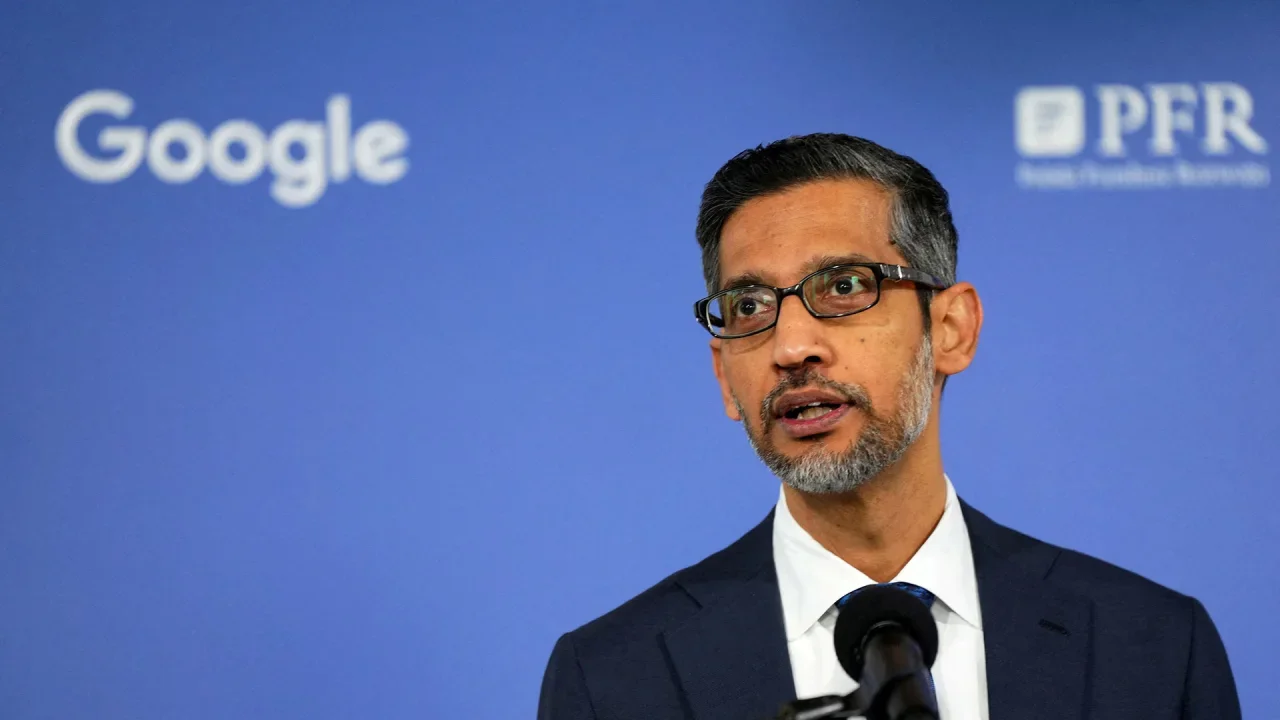
Google CEO Sundar Pichai is expected to take the stand on Wednesday morning at a trial in Washington where antitrust enforcers seek an order forcing the company to sell its Chrome web browser and take other measures to boost competition among online search providers. Pichai will testify in the Alphabet unit’s defense against proposals by the U.S. Department of Justice that the company has said would cause unintended harm to browser developers, smartphone makers and internet users. The outcome of the case could fundamentally reshape the internet by potentially unseating Google as the go-to portal for information online. The DOJ and a broad coalition of state attorneys general are pressing for remedies to restore competition even as search evolves to overlap with generative AI products such as ChatGPT. Prosecutors are concerned that Google’s dominance in search could extend to AI. U.S. District Judge Amit Mehta ruled last year that Google, the site and app where most U.S. internet users search for information, “has no true competitor.” Google maintained its monopoly in part by paying billions of dollars to companies including Apple, Samsung, AT&T and Verizon to be the default search engine on new mobile devices, the judge said. The DOJ wants the judge to end those payments and require Google to share search data with competitors. Google has said the proposals would give away its hard work, and jeopardize its users’ privacy and endanger smaller companies like Mozilla, the developer of the Firefox browser, that rely on Google for revenue. The company recently loosened its agreements to allow device makers and carriers to pre-install other search and AI apps, according to evidence shown at trial. Google has said it plans to appeal once the judge makes a final ruling. —Jody Godoy, Reuters View the full article

-
Tehran imposes death penalty on man amid fears Israel is seeking to derail nuclear talks with USView the full article
-
Key Takeaways Monetization Opportunities: The TikTok Creator Fund allows creators to earn money based on video performance metrics, providing an avenue for monetizing engaging content.Eligibility: To join the Creator Fund, you must be at least 18 years old, reside in a supported country, and have a minimum follower count of around 10,000.Content Quality Matters: Success in the Creator Fund hinges on producing consistent, high-quality content that resonates with your audience, rather than just pursuing viral fame.Tools for Growth: TikTok provides various resources, including analytics tools and hashtag features, to help creators boost content visibility and engagement rates.Challenges to Overcome: Competition is fierce, and creators must navigate algorithm changes and strict eligibility criteria to maintain visibility and earnings.Success Examples: Creatives like Mikayla Nogueira highlight the potential of the Creator Fund, showcasing that authentic content and strategic engagement can lead to substantial success. If you’re a content creator on TikTok, you’ve probably heard about the TikTok Creator Fund. This innovative program aims to reward creators for their engaging content and help them turn their passion into a viable income. With millions of users scrolling through videos daily, the potential to reach a vast audience is immense, but how do you actually monetize that attention? The Creator Fund offers a unique opportunity for you to earn money based on your video performance. It’s not just about going viral; it’s about creating consistent, high-quality content that resonates with your followers. Understanding how the fund works can unlock new avenues for revenue and elevate your TikTok journey. Let’s dive into the details and explore how you can make the most of this exciting initiative. Overview of TikTok Creator Fund The TikTok Creator Fund offers a way for you to monetize your engaging video content. By joining this program, you earn money based on metrics like views and engagement rates. Focus on creating high-quality content that resonates with your audience to maximize your earnings. For small businesses, leveraging the Creator Fund can enhance your social media marketing strategy. When you produce videos that showcase your products or services, you increase brand awareness and engagement. TikTok’s algorithm favors creative storytelling, making it crucial to develop captivating video content that aligns with your brand voice. Using features like hashtags and user-generated content can boost your content’s visibility. Plan your posts with a content calendar to ensure consistent uploads, which leads to organic growth. Track your performance using social media analytics to refine your approach and improve your social media ROI. Consider influencer partnerships within the Creator Fund framework. Collaborating with TikTok influencers can expand your reach and introduce your brand to new audiences. As you engage with your community, address customer feedback promptly and maintain your online presence, which fosters customer interaction and nurtures loyal followers. How the TikTok Creator Fund Works The TikTok Creator Fund rewards you for your engaging video content. Your earnings depend on specific performance metrics rather than a fixed payment structure. Eligibility Requirements To participate in the TikTok Creator Fund, you must meet certain criteria. You need to be at least 18 years old, reside in a supported country, and meet a minimum follower count, which is typically around 10,000 followers. Your account should feature authentic videos, adhere to TikTok’s Community Guidelines, and focus on original content creation to increase your chances of earning. Application Process Applying to the TikTok Creator Fund involves a straightforward process. You can access the application through the TikTok app. Navigate to your profile settings, select “Creator Fund,” and follow the prompts to submit your application. After approval, you can monitor your performance metrics and earnings directly within the app. Your participation can enhance your social media strategy, increase brand awareness, and boost engagement across the platform. Benefits of the TikTok Creator Fund The TikTok Creator Fund offers significant advantages for content creators, especially those running small businesses. By monetizing videos, you can enhance your social media strategy and improve your online presence. Financial Support for Creators The TikTok Creator Fund provides financial compensation based on the performance of your videos. You’ll earn money from views, engagement, and authenticity, eliminating the need for paid ads. Creators typically see earnings ranging from $0.03 to $0.04 per 1,000 views, with potential peaks up to $8 per 1,000 views based on engagement rates. TikTok’s commitment to invest $1 billion over three years ensures continual support for creators. This substantial financial backing allows small businesses to invest in content creation without relying solely on traditional marketing methods. Access to Resources and Tools TikTok equips creators with valuable resources and tools to enhance their content marketing efforts. You can utilize features like hashtags to boost visibility and facilitate organic growth. The platform also offers analytics tools for tracking performance metrics, allowing you to refine your social media campaigns. By analyzing social media analytics, you can identify what resonates with your audience, optimize engagement rates, and tailor your brand voice accordingly. Moreover, you can create consistent video content through effective planning with a content calendar, ensuring regular updates that foster audience interaction. Engaging storytelling will improve brand awareness and loyalty, essential elements for small business success in the crowded social media landscape. Challenges Faced by Creators Creators on TikTok encounter several challenges that can impact their success in leveraging the Creator Fund. Competition and Limitations Competition among TikTok creators is fierce. With millions of content creators on the platform, distinguishing your brand can be tough. Your engagement rate, a crucial metric, reflects how well your audience responds to your content, directly affecting your earnings. Limited visibility due to this competition complicates the growth of your social media presence. Additionally, you must navigate eligibility criteria, ensuring you meet requirements such as having a minimum of 10,000 followers and 100,000 video views in the last 30 days. Maintaining this level of performance can be overwhelming, especially for small businesses balancing various aspects of social media marketing. Algorithm Impact on Earnings The TikTok algorithm significantly influences your earnings. It’s designed to prioritize content based on various engagement metrics, including view authenticity and interaction rates. If your posts don’t resonate with your audience, it can result in lower visibility and reduced earnings. The algorithm rewards high-quality video content that encourages social media engagement, meaning you’ll need to invest in effective content creation strategies. Organic reach may vary based on factors such as timing and user preferences, complicating your social media strategy. Understanding the algorithm and adapting your content accordingly enhances your chances of success but requires continuous effort in performance monitoring and adjustment. Success Stories from the TikTok Creator Fund Mikayla Nogueira represents a compelling success story from the TikTok Creator Fund. With engaging makeup tutorials and authentic content, she turned her passion into a lucrative career. Mikayla amassed over 13 million followers, showcasing how strong content creation can elevate brand awareness and drive audience engagement. Her success emphasizes the potential of TikTok for small business social media strategies. Many creators find success by leveraging user-generated content. By encouraging customers to share their experiences, brands tap into authentic storytelling. Successful campaigns often utilize specific hashtags to enhance organic reach on the platform. TikTok offers analytics tools to monitor performance and engagement rates, ensuring creators can refine their social media strategy for maximum impact. TikTok’s investment in the Creator Fund empowers smaller businesses to thrive. Financial compensation allows you to reinvest in content creation and influencer partnerships, amplifying your brand voice. Engaging your community through direct interaction promotes brand loyalty and increases customer interaction. As you craft a content calendar, consistent posting will contribute to social media growth. For emerging businesses, TikTok offers a unique opportunity compared to traditional social media platforms like Facebook and Instagram. The focus on video content encourages dynamic storytelling, enhancing customer feedback and reviews. By embracing TikTok, your small business can stand out against competitors on various social media channels. Conclusion The TikTok Creator Fund presents an exciting opportunity for you to monetize your creativity and engage with a vast audience. By focusing on high-quality content and understanding the platform’s metrics, you can maximize your earnings and grow your brand. Whether you’re a solo creator or a small business, leveraging the tools and resources TikTok offers can enhance your visibility and foster community connections. Embrace the challenge of standing out in a competitive landscape by continuously refining your strategy and storytelling. With dedication and creativity, the Creator Fund can be a powerful ally in your journey to success on TikTok. Frequently Asked Questions What is the TikTok Creator Fund? The TikTok Creator Fund is a program that rewards content creators for their engaging videos, allowing them to monetize their passion. It compensates creators based on video performance metrics rather than a fixed salary. Who is eligible to join the Creator Fund? To be eligible for the TikTok Creator Fund, creators must be at least 18 years old, reside in a supported country, and have a minimum of 10,000 followers along with 100,000 video views in the last 30 days. How do I apply for the TikTok Creator Fund? You can apply for the TikTok Creator Fund directly through the TikTok app. The application process is straightforward and allows you to track your performance metrics and earnings once you join. How are earnings calculated in the Creator Fund? Earnings in the Creator Fund are based on video performance, typically ranging from $0.03 to $0.04 per 1,000 views. They can peak at around $8 per 1,000 views, depending on engagement rates. Can small businesses benefit from the Creator Fund? Yes! Small businesses can leverage the Creator Fund by creating engaging videos that showcase their products or services, which can enhance brand awareness and engagement on the platform. What are some effective strategies for TikTok success? To succeed on TikTok, create consistent, high-quality content, utilize effective hashtags, and engage with your audience. Planning a content calendar and tracking performance with analytics are also crucial. What challenges do creators face on TikTok? Creators often face fierce competition and must meet specific eligibility criteria, such as follower counts and view metrics, which can be daunting for small businesses. Understanding the TikTok algorithm is also vital for visibility and earnings. How does the TikTok algorithm impact earnings? The TikTok algorithm prioritizes content based on engagement metrics, impacting visibility and earnings. Posts that resonate with the audience tend to perform better, so creators must continually adapt their strategies to succeed. Are there success stories from the Creator Fund? Yes, many creators have successfully leveraged the Creator Fund, such as Mikayla Nogueira, who turned her makeup passion into a career with over 13 million followers, showcasing the potential of authentic storytelling on the platform. What unique opportunities does TikTok offer for businesses? TikTok provides unique opportunities for dynamic storytelling and customer interaction, allowing businesses to stand out through creative content and community engagement compared to traditional platforms like Facebook and Instagram. Image Via Envato This article, "Maximize Your Earnings with the TikTok Creator Fund: Tips for Success" was first published on Small Business Trends View the full article
-
Annualised figure comes below expectations and contrasts with previous growthView the full article
-
You've probably heard you can use your phone's personal dictionary to save time typing. It's one of our favorite time-saving tricks. However, there's an even easier way on Android to save whole blocks of text, and you've been using it without realizing it: your clipboard's history. This feature may vary depending on your model of phone, so we'll focus on Google's Gboard. By default, the keyboard will keep a history of what you copy, so you can paste multiple blocks of text without bouncing back and forth between apps. You can see this history by tapping the Clipboard icon on your keyboard (in some contexts, you may have to press the four-square apps button to pull it up). The real magic, however, is pinning items you use constantly. For example, since Gmail still doesn't have email templates, you could write a form response, copy it like normal, then pin it to your clipboard's history. This will stick it to the top of your history, and won't delete it over time like the rest of your clipboard. Having a few form responses saved feels like a superpower when dealing with email. For the emails that only require a quick form response, I can hammer those out in a couple of quick taps and be done with it. Then, when I get back to my desk, the only emails left are the ones that require more thought or research. It's a powerful feature that's quietly tucked away on your phone. Just remember not to store highly sensitive information like passwords—there are better tools for that, anyway. View the full article
-
Shares in coffee giant Starbucks Corporation (Nasdaq: SBUX) are down significantly in premarket trading this morning after the chain announced its Q2 2025 earnings results yesterday after the bell. Those results were described as “disappointing” by Starbucks’s own CEO, Brian Niccol, and demonstrate that the company’s turnaround efforts still have a long way to go. Here’s the latest on Starbucks and what has investors nervous: Starbucks Q2 2025 results below expectations In January of this year, Starbucks announced its Q1 2025 earnings, in which it beat Wall Street expectations—a small win for the company and for Niccol, who joined as CEO from Chipotle Mexican Grill in the summer of 2024. But it’s not a win that was repeated in the company’s second quarter. Yesterday, Starbucks reported earnings for its Q2 of fiscal 2025. That quarter had 13 weeks in it and ended on March 30. Unlike the previous quarter, Starbucks did not beat Wall Street expectations. Wall Street analysts had expected revenue of $8.83 billion and an adjusted earnings per share (EPS) of 49 cents, according to Yahoo Finance. Instead, Starbucks posted the following: Revenue: $8.76 billion Adjusted EPS: 41 cents But the revenue and EPS miss isn’t what seems to be rattling investors most. That would be Starbucks’s disappointing comparable sales results. “Comparable sales” are a metric that looks at the sales of the same stores that have been open for at least a year. If comparable sales are increasing, that’s a good sign as it means the same stores are bringing in more customers, larger orders, or both. But if comparable sales are down, it suggests lower foot traffic or that customers are reducing the amount of money they spend at the store. Unfortunately for Starbucks, comparable sales in U.S. stores that have been open for at least a year fell during Q2—and it was the fifth straight quarterly fall of U.S. comparable sales. Starbucks says that U.S. comparable store sales declined 2% during the quarter, and U.S. comparable transactions were down 4%. It was a little better in China, however, which is the company’s second-largest market after the United States. In China, comparable sales were at least flat quarter-over-quarter. But you would be right to wonder if flat comparable sales in China could get worse, as consumer sentiment across the globe is increasingly becoming anti-American due to President The President’s trade wars, which are leading to economic strife with America’s largest trading partners. Niccol seemed keen to paint a rosy picture of Starbucks’s operations and future in the country. As noted by Yahoo Finance, the Starbucks CEO said on the company’s earnings call yesterday, “I want to be clear that we remain committed to China for the long term. We see great potential for our business there in the years ahead, and remain open to how we achieve that growth.” “Back to Starbucks” . . . or not Late last summer, Niccol was brought on board at Starbucks as its new CEO in order to turn the struggling chain around. As part of that turnaround, Niccol unveiled the “Back to Starbucks” plan in which he implemented a number of changes, including a simplified menu and a controversial no-loitering policy. However, Starbucks’s latest Q2 results and the company’s continued decline in comparable U.S. sales will leave many industry watchers wondering just how well that “Back to Starbucks” plan is working. Niccol himself acknowledged that Starbucks’s “Q2 results are disappointing,” but quickly noted that “behind the scenes we made a lot of progress and have real momentum with our ‘Back to Starbucks’ plan,” according to Yahoo Finance. Niccol also addressed the plan directly in the company’s official earnings release, saying, “My optimism has turned into confidence that our ‘Back to Starbucks’ plan is the right strategy to turn the business around and to unlock opportunities ahead. He added: “Improving transaction comp in a tough consumer environment at our scale is a testament to the power of our brand and partners getting ‘Back to Starbucks.’ We are on track and if anything, I see more opportunity than I imagined.” SBUX stock sinks However, while Niccol might see more opportunity, investors—for today at least—seem to have a hard time imagining the same. As of the time of this writing, Starbucks stock is now down over 8% in premarket trading to $78 per share. SBUX shares had closed yesterday up about 1.1% to $84.85 before the company announced its Q2 results. Year to date, Starbucks shares were already down over 7% as of yesterday’s close—before today’s further 8% premarket drop. As of yesterday’s close, shares were also down nearly 4% over the past 12 months. View the full article
-
Ukraine’s first deputy prime minister, Yulia Svyrydenko, has flown to Washington after a breakthrough in talksView the full article
-
Air France-KLM and Lufthansa report signs of changing demand on transatlantic routes View the full article
-
We may earn a commission from links on this page. The 2000s, in some ways, culturally feel neither here nor there: They don’t have the neon vibe we associate with the 1980s, and lack the grunge appeal of the ‘90s. There’s plenty to appreciate, however, in movies over the decade that was bookended by blockbusters: Lord of the Rings in the early years, and Iron Man, Dark Knight, and Avatar at the end. None of those feel particularly cookie-cutter in the way that their successors would often be, and, in the middle years, there were many successful movies of the kind they don’t really make anymore: mid-budget movies with personal, rather than galactic, stakes, that still managed to do brisk business at the box office. It was a decade on the cusp of our mega-blockbuster era, and that tension between the indie-loving ‘90s and the present kept things interesting. No Country for Old Men (2007) The Coen Brothers' magnum opus won four Oscars, including one for Best Picture and for Javier Bardem's performance as merciless killer Anton Chigurh. The noir western finds Josh Brolin's Llewelyn Moss stumbling upon, and making off with, the cash left behind when a drug deal goes wrong. He's pursued by not only Chigurh, but Tommy Lee Jones' Sheriff Bell. You can stream No Country for Old Men on Peacock and MGM+ or rent it from Prime Video. No Country for Old Men (2007) at Peacock Learn More Learn More at Peacock Ghost World (2001) Enid (Thora Birch) and Rebecca (Scarlett Johansson) face high school graduation, and a crush on Steve Buscemi, in Terry Zwigoff’s indie dark comedy. You can stream Ghost World on Tubi, Kanopy, and Prime Video. Ghost World (2001) at Prime Video Learn More Learn More at Prime Video Dreamgirls (2006) The cast here is incredible: Jennifer Hudson, Jamie Foxx, and Beyoncé, just for starters. Even more incredible are the absolutely electric musical numbers, including, and especially, “And I Am Telling You I’m Not Going.” You can stream Dreamgirls on Kanopy and Peacock or rent it from Prime Video. Dreamgirls (2006) at Peacock Learn More Learn More at Peacock The Devil Wears Prada (2006) Meryl Street is one of cinema's all-time great villains as boss from hell Miranda Priestly, facing down (and tearing down) Anne Hathaway's put-upon personal assistant, Andy Sachs. You can rent The Devil Wears Prada from Prime Video. The Devil Wears Prada (2006) at Prime Video Learn More Learn More at Prime Video Almost Famous (2000) Cameron Crowe’s ‘70s-era comedy/drama about a young music journalist going on the road with a major band is a funny, touching crowd pleaser that’s not afraid to veer off in some unexpected and idiosyncratic directions. Hold me closer, tiny dancer. You can stream Almost Famous on Paramount+ or rent it from Prime Video. Almost Famous (2000) at Paramount+ Learn More Learn More at Paramount+ The Incredibles (2004) This Pixar triumph hit before the superhero movie wave really crested, and is all the better for it. If only they were all this good. You can stream The Incredibles on Disney+ or rent it from Prime Video. The Incredibles (2004) at Disney+ Learn More Learn More at Disney+ Brokeback Mountain (2005) Ang Lee’s cowboy drama has a big heart and a minimal understanding of the mechanics of gay male sex, while also deserving far better than its fate as an Oscar also-ran to the inferior Crash. You can rent Brokeback Mountain from Prime Video. Brokeback Mountain (2005) at Prime Video Learn More Learn More at Prime Video Love & Basketball (2000) Sanaa Lathan and Omar Epps play next-door neighbors who, over the course of several years, struggle with their growing attraction to each other, even while their basketball ambitions pull them apart. Off-the-charts chemistry here. You can rent Love & Basketball from Prime Video. Love & Basketball (2000) at Prime Video Learn More Learn More at Prime Video In the Mood for Love (2000) Wong Kar-wai's lush, extravagant story of sex and yearning finds Chow (Tony Leung) and Su (Maggie Cheung) developing feelings for each other after their spouses have affairs. The '60s-set movie is much more than just style, but that style is impeccable. You can stream In the Mood for Love on Max and The Criterion Channel or rent it from Prime Video. In the Mood for Love (2000) at Max Learn More Learn More at Max Jennifer’s Body (2009) Only the real ones knew what to do with Jennifer’s Body in 2009, and the film took a long time to become the cult classic it was probably always destined to be. Here, popular teenager Jennifer (Megan Fox) is turned into a succubus by abusive men, gleefully killing boys around school to the general horror of her friend, Needy (Amanda Seyfried). You can rent Jennifer's Body from Prime Video. Jennifer’s Body (2009) at Prime Video Learn More Learn More at Prime Video Mean Girls (2004) Given the movie’s impressive longevity, it’s tempting to call Mean Girls a cult classic—except that it made boatloads of money back in the day, as well. When Cady Heron (Lindsay Lohan) gets accepted into the cool clique at her public school, she quickly realizes that it’s not all it’s cracked up to be. You can stream Mean Girls on Kanopy and Paramount+ or rent it from Prime Video. Mean Girls (2004) at Prime Video Learn More Learn More at Prime Video Barbershop (2002) Everything from sex, to relationships, to O.J. and civil rights is on the agenda in this comedy/drama, and the cast of lively and entertaining characters make it a fun place to spend time. You can rent Barbershop from Prime Video. Barbershop (2002) at Prime Video Learn More Learn More at Prime Video American Splendor (2003) Starring greats Paul Giamatti and Hope Davis as underground comic creators Harvey Pekar and Joyce Brabner, Splendor is a stylish portrait of a couple of everyday people who also happen to be great American artists. You can stream American Splendor on Max or rent it from Prime Video. American Splendor (2003) at Max Learn More Learn More at Max The Departed (2006) Martin Scorsese’s remake of the 2002 Hong Kong film Infernal Affairs finds Leonardo DiCaprio going undercover in a crime organization, while Matt Damon infiltrates the police. It’s all very twisty-turny, and provides a last, great performance from Jack Nicholson (barring a surprise un-retirement). You can rent The Departed from Prime Video. The Departed (2006) at Prime Video Learn More Learn More at Prime Video Infernal Affairs (2002) Or you could watch the Hong Kong original from directors Andrew Lau and Alan Mak—a smart, emotional crime thriller in its own right. You can stream Infernal Affairs on Max and The Criterion Channel or rent it from Prime Video. Infernal Affairs (2002) at Max Learn More Learn More at Max Casino Royale (2006) Daniel Craig’s first Bond outing is one of the series’ very best, introducing a leaner, meaner 007 in the first formal adaptation of the very first Ian Fleming book. You can rent Casino Royale from Prime Video. Casino Royale (2006) at Prime Video Learn More Learn More at Prime Video Secretary (2002) There’s genuine heat here between Maggie Gyllenhaal and James Spader—but also a sense of humor that makes the passionate intensity of their relationship that much more titilating. You can rent Secretary from Prime Video. Secretary (2002) at Prime Video Learn More Learn More at Prime Video The Princess and the Frog (2009) Proving there’s still a place for traditional animation at Disney, the gorgeously animated film set in New Orleans of the 1920s introduced Tiana (Anika Noni Rose) to the pantheon of Disney princesses. You can stream The Princess and the Frog on Disney+ or rent it from Prime Video. The Princess and the Frog (2009) at Disney+ Learn More Learn More at Disney+ Y Tu Mamá También (2001) Two teenage boys set out on an impromptu road trip with the slightly older (and married) woman on whom they both have a crush. Alfonso Cuarón’s film is a sweet, funny, and sad coming-of-age movie. You can stream Y Tu Mamá También on Hulu and Netflix or rent it from Prime Video. Y Tu Mamá También (2001) at Hulu Learn More Learn More at Hulu Brown Sugar (2002) Brown Sugar finds Taye Diggs and Sanaa Lathan as friends, and sometimes rivals, in the music industry who very gradually come to recognize their mutual attraction. You can stream Brown Sugar on Hulu or rent it from Prime Video. Brown Sugar (2002) at Hulu Learn More Learn More at Hulu Crouching Tiger, Hidden Dragon (2000) There are a couple of love stories in the margins of Ang Lee's martial arts masterpiece (and international blockbuster), but the most poignant is in the central story of retiring swordsman Li Mu Bai (Chow Yun-fat) and his confidante and associate, Yu Shu Lien (Michelle Yeoh). Despite a mutual attraction, honor and loyalty keep the two apart until a lovely, tear-soaked final act. You can stream Crouching Tiger, Hidden Dragon on Max or rent it from Prime Video. Crouching Tiger, Hidden Dragon (2000) at Max Learn More Learn More at Max Rec (2007) This Spanish import is top-tier found footage, involving a group of firefighters on an emergency call who wind up trapped inside a building at the center of a creeping zombie infection. That limited, specific geography is key to the movie's brisk, efficient, and nerve-jangling effectiveness. You can stream Rec on Tubi or rent it from Prime Video. Rec (2007) at Prime Video Learn More Learn More at Prime Video Shrek (2001) The filmmakers behind Shrek turned the Disney formula on its ear by blending some slightly crass but very funny humor with a genuinely heartfelt story about self-acceptance. In the process, they won the inaugural Academy Award for Best Animated Feature, and the movie picked up an Adapted Screenplay nomination—the first ever for an animated film. Not bad for a gassy ogre. Plus: The movie opens with a montage set to Smash Mouth, and it doesn't get more 2000s than that. You can stream Shrek on Peacock or rent it from Prime Video. Shrek (2001) at Peacock Learn More Learn More at Peacock How High (2001) Pals Method Man and Redman get some help from their dead friend after smoking his ashes, acing their college entrance exams and winding up at Harvard. A goofy stoner classic. You can stream How High on Tubi and Peacock or rent it from Prime Video. How High (2001) at Peacock Learn More Learn More at Peacock Harold & Kumar Go to White Castle (2004) In plenty of other stoner-type comedies, Indian- and Korean-Americans are most likely to show up as secondary characters and broad stereotypes—here they’re in the lead. It doesn’t hurt that the movie is pretty damn funny. You can stream Harold & Kumar on Peacock or rent it from Prime Video. Harold & Kumar Go to White Castle (2004) at Peacock Learn More Learn More at Peacock Session 9 (2001) A bona fide horror cult classic, Session 9 stars David Caruso as part of an asbestos abatement crew working at abandoned mental asylum. The location is appropriately creepy, but the movie is ultimately a psychological mind-bender, with the experiences of the work crew beginning to parallel those of former patients. You can rent Session 9 from Prime Video. Session 9 (2001) at Prime Video Learn More Learn More at Prime Video Eating Out (2004) The kick-off to a series, this one’s a convoluted, Three’s Company-esque series of mix-ups involving gay guys pretending to be straight and straight guys pretending to be gay, with the right amount of dorky charm and nudity that this kind of movie needs to succeed. You can stream Eating Out on Kanopy or rent it from Prime Video. Eating Out (2004) at Prime Video Learn More Learn More at Prime Video Up (2009) Ed Asher plays cantankerous widower Carl Fredricksen, who finds an unlikely ally in a 13-year-old wilderness explorer in his plan to relocate his entire house to Paradise Falls in South America to honor his late wife. You can stream Up on Disney+ or rent it from Prime Video. Up (2009) at Disney+ Learn More Learn More at Disney+ Ocean’s Eleven (2001)Like the best heist movies, this one works at least as well when things are going wrong for our crew as when they're going right. The all-star cast adds panache. You can rent Ocean's Eleven from Prime Video. Ocean’s Eleven (2001) at Prime Video Learn More Learn More at Prime Video Oldboy (2003) Park Chan-wook's revenge classic is not for the faint of heart on any level—it's a disturbing action spectacle leading to an all-time shocker of a last-act reveal. You can stream Oldboy on Kanopy or rent it from Prime Video. Oldboy (2003) at Prime Video Learn More Learn More at Prime Video My Big Fat Greek Wedding (2002) Nia Vardalos and company kicked off an unlikely franchise with this beloved rom-com about a young Greek-American woman (Nia Vardalos) who falls in love with a non-Greek man (John Corbett). Shenanigans ensue when she struggles to get her family (including Lainie Kazan, Michael Constantine, Andrea Martin, and Joey Fatone) to accept her husband-to-be. You can stream My Big Fat Greek Wedding on Max. My Big Fat Greek Wedding (2002) at Max Learn More Learn More at Max Spy Kids (2001) A smart, family-friendly action classic in which a couple of kids learn the spy ropes when they're forced to save their parents—themselves former spies. The best of a franchise that's still going. You can stream Spy Kids on Max or rent it from Prime Video. Spy Kids (2001) at Max Learn More Learn More at Max Marie Antoinette (2006) Sofia Coppolla's candy-colored historical drama is positively loaded with willful anachronisms—all of which serve to erase the distance between us and the story of France's clever, tragic queen (Kirsten Dunst). You can stream Marie Antoinette on Pluto TV or rent it from Prime Video. Marie Antoinette (2006) at Prime Video Learn More Learn More at Prime Video Cloverfield (2008) Yeah, it's a monster movie—but in Cloverfield, we got something unique. There are plenty of low-budget, scrappy found footage-style movies; this is a big budget spectacular, and a very effective one at that. You can stream Cloverfield on Tubi and Kanopy or rent it from Prime Video. Cloverfield (2008) at Prime Video Learn More Learn More at Prime Video Unbreakable (2000) M. Night Shyamalan's take on superheroes was seen as a slightly disappointing follow-up to the director's breakthrough with The Sixth Sense. Time, though, has been kind to the distinct and deliberately paced story of a man (Bruce Willis) who discovers that he's nearly indestructible following a train crash. Samuel L. Jackson is fabulous as his extremely brittle counterpart. You can stream Unbreakable on Hulu or rent it from Prime Video. Unbreakable (2000) at Hulu Learn More Learn More at Hulu Juno (2007) Diablo Cody won an Academy Award for her screenwriting debut in this sweet, quirky story about an independent-minded teenager dealing with an unplanned pregnancy and the various ways in which it complicates her life. Elliot Page stars, with Michael Cera, Allison Janney, and J. K. Simmons are among the pretty flawless cast. You can stream Juno on Hulu or rent it from Prime Video. Juno (2007) at Hulu Learn More Learn More at Hulu The Descent (2006) Getting lost in those caves is scary enough, even before we discover that we're not alone down there. The ultimate in spelunking horror. You can stream The Descent on Tubi or Prime Video with ads. The Descent (2006) at Prime Video Learn More Learn More at Prime Video Gladiator (2000) Ridley Scott's sword-and-sandals revival didn't spark a new flourishing of the genre, but it did make a ton of money and win Best Picture at the Academy Awards. And inspire a two-decades-later sequel. You can stream Gladiator on Paramount+, MGM+, and Kanopy or rent it from Prime Video. Gladiator (2000) at Paramount+ Learn More Learn More at Paramount+ Million Dollar Baby (2004) The Clint Eastwood-directed boxing picture felt like a throwback, even in 2004, but a good old-fashioned boxing drama is always welcome, especially as they've become more rare. The movie won four Academy Awards, including for lead Hilary Swank. You can rent Million Dollar Baby from Prime Video. Million Dollar Baby (2004) at Prime Video Learn More Learn More at Prime Video Beauty Shop (2005) This Barbershop spin-off follows widowed hairstylist Gina Norris starting over in Atlanta with her daughter, and opening her own shop when a job doesn't pan out. Queen Latifah is as delightful as ever, and is joined by a great cast including Alfre Woodard, Della Reese, Alicia Silverstone, Andie MacDowell, Kevin Bacon, and Djimon Hounsou. You can stream Beauty Shop on Tubi, Pluto TV, and Prime Video with ads. Beauty Shop (2005) at Prime Video Learn More Learn More at Prime Video Ray (2004) Jamie Foxx gives a memorable performance (and won an Oscar) in this biopic covering three-or-so decades in the life of legendary musician Ray Charles. You can stream Ray on Starz or rent it from Prime Video. Ray (2004) at Prime Video Learn More Learn More at Prime Video Donnie Darko (2001) Jake Gyllenhaal stars in this memorable emo mind-bender about a troubled teenager who dodges disaster thanks to a bit of sleepwalking. An instant cult classic, it's the movie all the cool kids were talking about back in the day. You can stream Donnie Darko on Tubi, Kanopy, The Criterion Channel, Hulu, and Prime Video. Donnie Darko (2001) at Hulu Learn More Learn More at Hulu Training Day (2001) Director Antoine Fuqua and company crafted a tense, brutal crime drama that won Denzel Washington his single Best Actor Oscar. Is it his best performance? Probably not, but he's memorably over-the-top as thoroughly corrupt cop Alonzo Harris. You can rent Training Day from Prime Video. Training Day (2001) at Prime Video Learn More Learn More at Prime Video Lars and the Real Girl (2007) The sweetest, most charming movie about the romance between a man and his life-like love doll that you're likely to encounter. You can stream Lars and the Real Girl on Tubi, Kanopy, and Prime Video. Lars and the Real Girl (2007) at Prime Video Learn More Learn More at Prime Video Mulholland Drive (2001) This love/hate letter to Hollywood has come to be (justly) regarded as one of director David Lynch’s best, and most oddly crowd-pleasing, works: an L.A. noir about murder and obsession and a blue box that’s very significant of, well, something or other. You can rent Mulholland Drive from Apple TV+. Mulholland Drive (2001) at Apple TV+ Learn More Learn More at Apple TV+ Lost in Translation (2003) A declining American movie star in the midst of a midlife crisis and a young grad student facing a similarly uncertain future meet while staying at an upscale hotel in Tokyo. The movie that cemented director Sofia Coppola’s spot in the filmmaker pantheon. You can stream Lost in Translation on Prime Video. Lost in Translation (2003) at Prime Video Learn More Learn More at Prime Video Drumline (2002) A classic comedy-drama set in the high-stakes world of college marching bands, starring Nick Cannon as a guy with more talent than social skills. You can stream Drumline on Disney+ or rent it from Prime Video. Drumline (2002) at Disney+ Learn More Learn More at Disney+ Hedwig and the Angry Inch (2001) A movie musical about a gender-queer punk rocker with a title referring to the results of a botched gender affirmation procedure, the movie has a huge heart and a score that genuinely rocks. You can rent Hedwig and the Angry Inch from Prime Video. Hedwig and the Angry Inch (2001) at Prime Video Learn More Learn More at Prime Video The Great Debaters (2007) Set in 1930 and directed by, and starring, Denzel Washington, this genuinely engaging drama brings inspirational-sports-movie tropes to the more unlikely theme of college debate societies. You can stream The Great Debaters on Tubi or rent it from Prime Video. The Great Debaters (2007) at Prime Video Learn More Learn More at Prime Video A.I. Artificial Intelligence (2001) It’s not necessarily Spielberg’s best-loved film, but this sweet and poignant story of a robot boy (Haley Joel Osment) searching for a family at the end of the world is as heartbreaking as it is humane. You can stream A.I. on Paramount+ or rent it from Prime Video. A.I. Artificial Intelligence (2001) at Paramount+ Learn More Learn More at Paramount+ Whale Rider (2002) Pai is a 12-year-old Māori girl and the direct descendant of their tribe’s traditional notable ancestor, the Whale Rider—except that, traditionally, women can’t lead. Star Keisha Castle-Hughes became the youngest nominee for a Best Actress Oscar for her open, genuine performance. You can stream Whale Rider on Tubi, Kanopy, and Shout Factory TV or rent it from Prime Video. Whale Rider (2002) at Prime Video Learn More Learn More at Prime Video Josie and the Pussycats (2001) Josie gained an audience over time because of its goofy charm, but also because it came to feel increasingly more relevant in its satirizing of the crass commercialization of mass entertainment. You can rent Josie and the Pussycats from Prime Video. Josie and the Pussycats (2001) at Prime Video Learn More Learn More at Prime Video Superbad (2007) High school is awkward as hell, and Superbad is another classic of the genre: a movie about two nerds (Michael Cera and Jonah Hill), each looking to have sex before graduation, but with a surprising amount of heart. You can stream Superbad on Hulu or rent it from Prime Video. Superbad (2007) at Hulu Learn More Learn More at Hulu Star Trek (2009) J.J. Abrams’ reboot brought a blockbuster budget to Trek, giving the then-sleeping franchise the kick in the pants it needed to fly into the 21st century. You can stream Star Trek on Paramount+ or rent it from Prime Video. Star Trek (2009) at Paramount+ Learn More Learn More at Paramount+ Children of Men (2006) Alfonso Cuarón’s dystopian thriller is a truly great high-concept science fiction film, and offers up as depressingly prescient a vision of the near future as we’ve seen. Still: It’s beautiful, exciting, and often moving. You can stream Children of Men on Starz or rent it from Prime Video. Children of Men (2006) at Prime Video Learn More Learn More at Prime Video Bring It On (2000) An endlessly repeatable teen comedy, Bring It On is also a secret sports movie and a stealth musical (if you consider elaborate dance sequences set to music in the same light as characters bursting into song), two genres with comforting formulas that stand up to repeated viewings. As much fun as it is to witness the literal gymnastics on display, it's also a kick to watch young Kirsten Dunst and Gabrielle Union snipe at one another. You can rent Bring It On from Prime Video. Bring It On (2000) at Prime Video Learn More Learn More at Prime Video District 9 (2009) With parallels to South African apartheid, writer/director Neill Blomkamp crafted the kind of smart, pointed sci-fi film that studios think audiences don’t care for—except that District 9 was a blockbuster, earning many times its budget at the box office. You can rent District 9 from Prime Video. District 9 (2009) at Prime Video Learn More Learn More at Prime Video Spirited Away (2001) After her parents are turned into pigs by the witch Yubaba, 10-year-old Chihiro takes a job working in her bathhouse with the hope of finding a way to free them. This might be my favorite Hayao Miyazaki movie, but I say that a lot. You can stream Spirited Away on Max or rent it from Prime Video. Spirited Away (2001) at Max Learn More Learn More at Max Diary of a Mad Black Woman (2005) Tyler Perry (who wrote and starred in this one, but didn’t direct) introduced the street-smart Madea, brought over from his stage plays featuring the character. The box office hit kicked off a franchise that’s still going strong. You can stream Diary of a Mad Black Woman on Starz or rent it from Prime Video. Diary of a Mad Black Woman (2005) at Prime Video Learn More Learn More at Prime Video Avatar (2009) People like to neg James Cameron’s film (right before buying tickets), but he’s the only director operating at this budget point who can make exactly the movie he wants. There’s something remarkable about that, whether you love the finished product or not. You can stream Avatar on Disney+ or rent it from Prime Video. Avatar (2009) at Disney+ Learn More Learn More at Disney+ View the full article
-
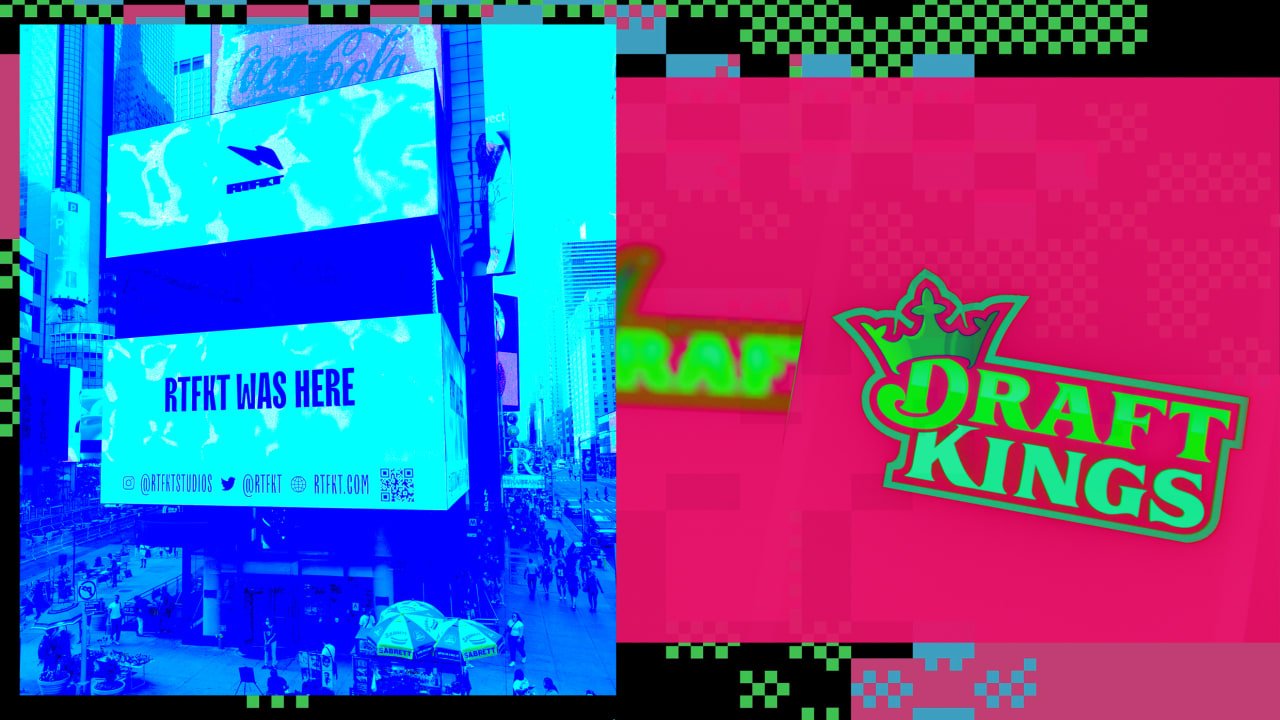
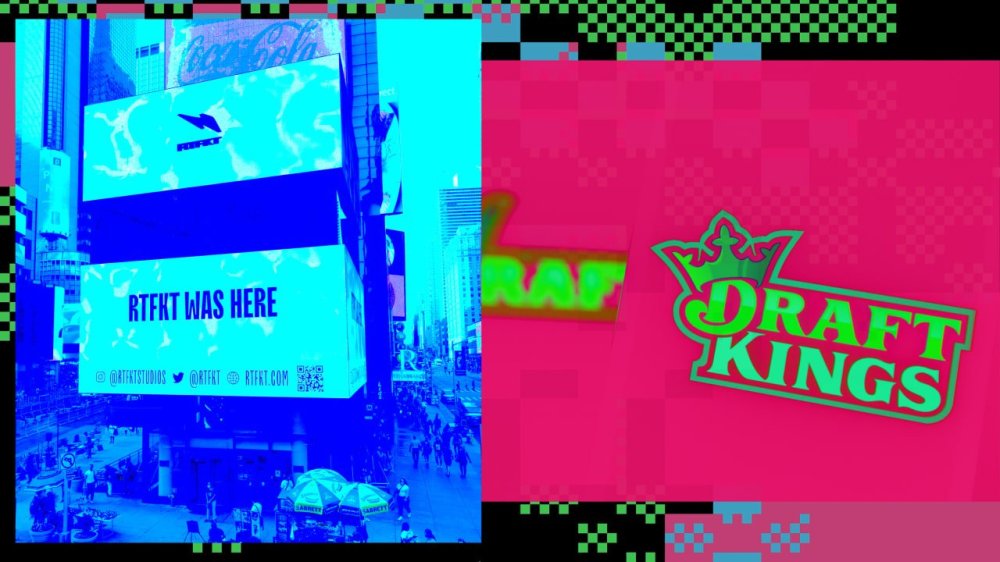
The NFT market crash has a long tail. In the late 2010s, crypto enthusiasts and web3 advocates celebrated the arrival of digital art. Non-Fungible Tokens, they argued, could offer the permanence and investment value of a traditional painting. Not anymore: even amid President The President’s memecoin surge, NFT valuations continue to hit new lows. The market has been in free fall for nearly two years, with no bottom in sight. While NFTs may be dead, NFT lawsuits are alive and well. Corporate suppliers are beginning to regret their blockchain experiments. The NFT lawsuit boom Most recently, buyers of Nike’s NFTs sued the retailer for $5 million. Nike had acquired the virtual sneaker shop RTFKT in 2021, generating nearly $200 million in NFT sales. But in 2024, Nike began winding the operation down. The lawsuit alleges that the shutdown destroyed demand for RTFKT’s NFTs, effectively causing “the rug to be pulled out from under” buyers, according to Reuters. Some RTFKT NFTs even briefly displayed error messages during the turmoil. The online sportsbook DraftKings also ventured into the NFT space, only to shut down its Reignmakers NFT marketplace in July 2024. Meanwhile, a 2023 lawsuit alleged that DraftKings sold NFTs as unlicensed securities, reaping “the full benefit” of initial sales and a 5% commission on secondary sales. That case has since been settled, with DraftKings agreeing to pay out $10 million in February to those who purchased NFTs between 2021 and the shutdown. NFT buyers have also gone after the celebrities who hawked their fast-declining digital assets. Shaquille O’Neal’s 2023 lawsuit recently concluded, with the former NBA player agreeing to pay out $11 million (plus $2.9 million in attorney’s fees) to buyers of his Astrals Project NFTs. Meanwhile, the MAGA-friendly Nelk Boys are still battling their own lawsuit, which claims the YouTubers promised additional perks with their NFT sales that were never fulfilled. For corporations and celebrities, NFTs were a side business. But for companies dedicated solely to producing digital assets, these lawsuits are far more threatening. Dapper Labs—which partners with companies like Disney and the NFL to build branded NFTs—recently settled for $4 million over claims that its NBA Top Shot “moments” were unregistered securities. Yuga Labs, meanwhile, has been stuck in court for years fighting copyright battles over its Bored Ape Yacht Club. Recently, it even petitioned for access to a copying artist’s crypto wallet. How NFTs became a bad corporate bet Just a few years ago, major companies from Nike to Coca-Cola were racing to launch web3 ventures. Some are still ongoing; many have flamed out. And with the barrage of lawsuits now hitting NFT suppliers, these blockchain bets are looking increasingly risky. They may also fail to deliver value. NFTs were meant to serve as brand extensions—especially for luxury companies, which sold highly expensive goods in digital form. But according to a recent study in the Journal of the Association for Consumer Research, NFT availability may actually have a negative effect on consumer sentiment. The researchers found that for goods with web3 iterations, the physical counterparts were perceived as less luxurious—and thus less worth spending on. NFTs have lost their value to major companies. They’re not effective brand extensions, they’re not sustainable investments, and they’re barely even good cash grabs anymore. All they’re left with is a mess of lawsuits. View the full article
-
The 250 top mortgage originators in 2025 brought in high volumes despite less than ideal conditions. Check back in the following days for the final full list, with further cuts of the data to be published thereafter. View the full article

-
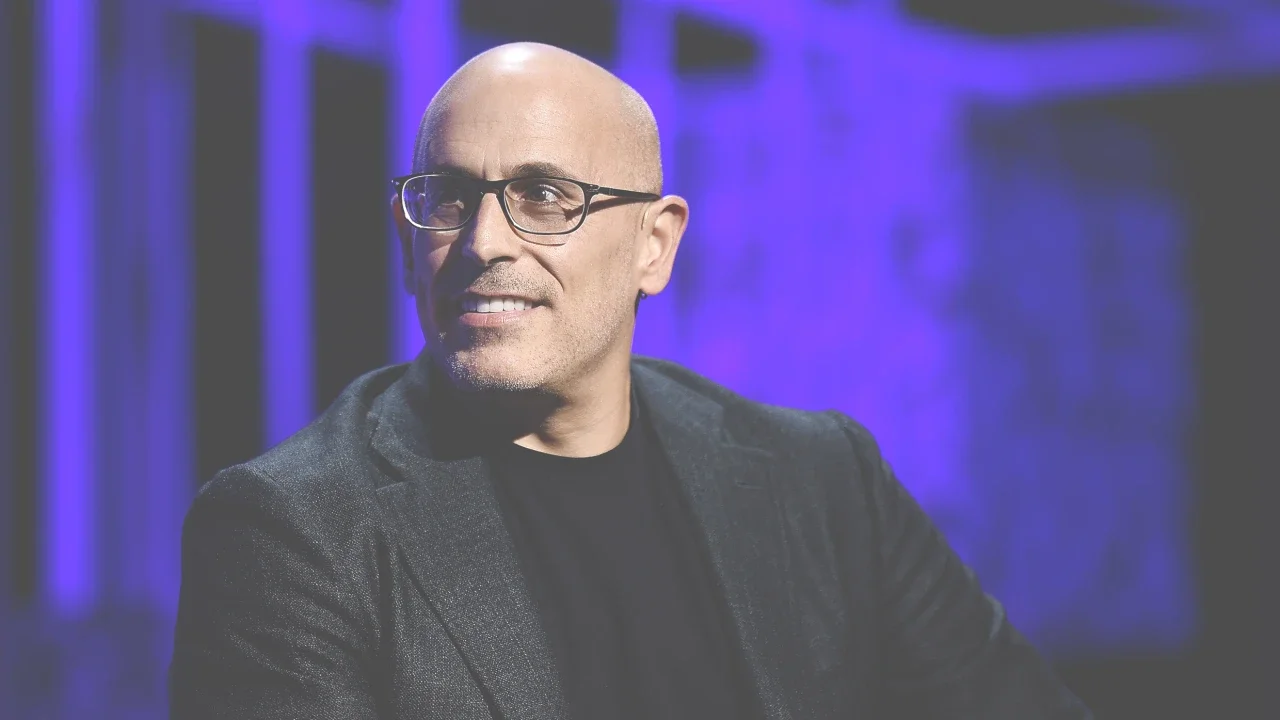
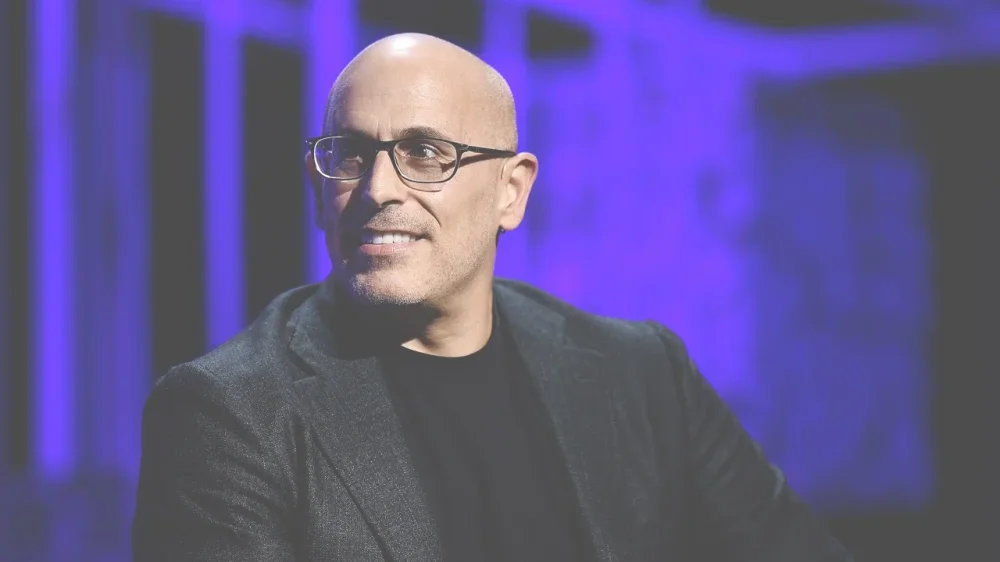
Billionaire entrepreneur, NBA owner, and CEO of Wonder Marc Lore reveals that he plans all his meals with AI—and he loves it. It’s just one part of his vision for transforming people’s relationship to food and health. His startup, Wonder, has already acquired Blue Apron, Grubhub, and the media brand Tastemade. Lore shares how these acquisitions and embrace of personalized AI-driven dining are all laddering up to a “superapp for mealtime.” This is an abridged transcript of an interview from Rapid Response, hosted by Robert Safian, former editor-in-chief of Fast Company. From the team behind the Masters of Scale podcast, Rapid Response features candid conversations with today’s top business leaders navigating real-time challenges. Subscribe to Rapid Response wherever you get your podcasts to ensure you never miss an episode. How do you describe what Wonder is? At the core, Wonder is a vertically integrated food-delivery platform. So think Grubhub, but we actually own the restaurants. So we both do the delivery, we own the restaurants, and we cook the food. That enables us to have a superior delivery experience. So out of a single, 2,800-square-foot kitchen, we can cook 30 different restaurants across 30 different cuisines, so everything from a high-end steakhouse, Bobby Flay Steak, José Andrés, Spanish tapas, burgers, barbecue, Chinese, Mexican, Italian, Middle Eastern, Thai, 30 different cuisines with only two pieces of electric cooking equipment. It’s set up more like a micro-fulfillment center. All the food is fresh and it’s cooked to order. How does one kitchen offer hundreds of menu items and operate with as few as two staffers? You’re not reheating frozen food. So are you using different kind of equipment, different kind of processes, all of that? Yeah, it’s different equipment, different processes. The proteins are sous vide, so they’re par-cooked. They sit in a tank of hot water. Restaurants do something similar, but we do that ahead of time so we’re able to finish a steak in six minutes to perfect temp every time. We’re able to cook a pizza in 90 seconds. We can cook pasta without water. We’ve invented new ways of cooking food where we can replicate the quality, but also do it with a lot less labor. And the benefit for consumers is being able to order from multiple restaurants in a single delivery so you can order from five different restaurants and get it all delivered hot in under 30 minutes. When I asked you how you describe what Wonder is, I was curious which direction you were going to go in because your history and part of Wonder is sort of the tech side, and there’s been talk about being a “superapp,” which is kind of a buzzy term these days. So can you square those things for me? The bigger vision is a “superapp for mealtime,” meaning all the ways in which a consumer might want to consume food. It could be first-party through Wonder, it could be from your local restaurant delivered via Grubhub, it could be a meal kit from Blue Apron, it could be groceries, it could be even restaurant reservations, so all the ways in which you eat. The reason why we want to capture all those occasions is because we’re building this AI-based platform wrapper around it that’s going to, in the future, be able to autonomously feed you according to your budget and health goals. Autonomously feed you. So I’m not going to decide what it is I want to eat. The AI is going to tell me what I want to eat or what I should eat? AI will learn your food preferences better than you do yourself and that you’ll be happy to rely on AI. So personally, now about 90% of my meals are all AI derived. So AI tells me what to eat for breakfast, lunch, and dinner. That’s the oatmeal that I was explaining to you this morning. I should ask you to tell everybody what you had for breakfast this morning. You told me this story before I started recording, and I was compelled by the specificity of it. It was steel-cut oatmeal with five—not four, not six—five raw walnuts, two tablespoons of flaxseed, two tablespoons of chia seed, half a banana, and half a teaspoon of cinnamon. It’s your custom recipe. But just because that’s what you had today doesn’t mean that that’s what AI’s going to tell you to have tomorrow. No, but I rate it very highly, so AI does know I do like to eat that, so I do get that quite often. I basically get my blood work done. I have my Oura ring, my blood glucose monitoring, all the blood results, all the biomarkers, all the data gets fed to AI. I set health goals, and based on the health goals and based on the foods I love, it basically tells me, “Okay, well then eat this for breakfast, eat this for lunch, eat this for dinner.” In the future, if I go out to a restaurant for dinner, AI will be able to tell me what to order off the menu because now we have 375,000 menus via Grubhub. So that’s the future. It’s pretty technocratic though, right? A lot of people take joy in sort of choosing what to eat, or being . . . I don’t know, trying something different that maybe they didn’t know they liked. I mean, based on my own personal experience, I love it. I can’t imagine having to think about what I want to eat because it knows the ingredients you like and so it comes up with different meals that are new and you’re like, “Wow, I never even thought about eating this,” and then you wind up liking it, so the variety’s there. It remembers every great meal you’ve ever had. So if I rated something 9.5 six months ago, I forgot it two weeks later. AI doesn’t forget. And so these great dishes get rotated. If you leave it up to me, I’m thinking of the same three things, probably what I had yesterday or the day before, and maybe a couple other things. The brain, it’s not good at remembering all the great meals you’ve ever had, but AI doesn’t forget. So think about it not as a computer telling you what to do, but it’s really a better version of yourself. It’s sort of like if you could capture the best of your brain’s abilities to think about food, that’s AI. And when you talk to the celebrity chefs you deal with, José Andrés or Bobby Flay or Marcus Samuelsson, and you tell them this story, are they like, “Oh, that’s great,” or are they like, “Well, wait a minute, that’s what we bring to it?” No. I mean, it doesn’t change. Think about it. You could as an artist, as a creative, as a chef, create a bunch of dishes that you hope resonate with people, and then each individual person’s AI is going to have different preferences, and it’s going to prefer certain meals over others. So nothing changes. The creative canvas is still necessary. It’s still valuable. It doesn’t change that at all. What it does change is having to go to a restaurant and having to spend time, look at the menu, look at everything. I mean, it’s just, boom, there it is, get this. AI knows you better than your partner or better than your best friend. You might have biomarkers that have issues. I had low iodine, I had high mercury. I don’t have to think about it. AI is giving me kelp to fix my iodine. I’m not getting tuna because I have high mercury. It’s taking care of all these health issues in the background without having to think about it. So it’s like my personal food critic and my personal doctor working together to give me what’s ideal. It’s really fascinating because it’s able to fix your health issues but still get good scores. So number one, you have to love the food. Okay. Now, given the foods you love, AI, you have to now make Marc healthy. And so AI does these little things, and I see it trying things that are a little bit more healthy, and I give it a bad rating. It’s like, “Okay, he doesn’t want to. . . . That’s too healthy for him,” right? And so it’s found a really nice happy medium now where I love every meal, and I’ve never been healthier, and I’m not having to think about what I want to eat. I don’t spend any time on it. I sit down. It’s a great meal. I mean, this is the future. View the full article
-
As Americans are having fewer babies, the White House has been gathering ideas on what can be done to increase the birth rate. The New York Times reported that one of the ideas is a $5,000 “baby bonus” to entice women to have more babies, received after delivery. Other ideas being entertained to start a baby boom include: reserving 30% of scholarships for the Fulbright program, the prestigious, government-backed international fellowship, for applicants who are married or have children; government-funded programs that educate women on their menstrual cycles, so we understand when we ovulate and conceive; and a “National Medal of Motherhood” awarded to mothers with six or more children. While President The President and his administration “want a baby boom,” none of these ideas address the root causes of why Americans aren’t having babies and why the annual birth rate is at a record low. Mothers don’t need a medal, they need meaningful family policies. If The President truly wants a baby boom in his administration, here’s what the government can focus on delivering for all Americans: better maternal healthcare, national paid leave, affordable childcare including not ending Head Start, better public education including not closing the Department of Education, safer schools,and a better cost of living for all. And sure, the government alone can’t solve this problem. As the Edelman Trust Barometer survey reminds us that trust in government continues to decline, business continues to be “the default solution for societal issues because it is seen as outperforming government on competence.” The pressure on business leaders to step up—including from their own employees—shows no sign of disappearing, particularly when it comes to how to best support employees and their families. Private-company based solutions to public policy shortcomings will leave millions of Americans out, but it’s still in business owners’ interests to support the working parents they employ (both moms and dads). In our workplaces, here’s a reminder of what leaders can begin to do to help all parents start and expand their families: Support employees with buying their first home One factor in the decline of U.S. birth rates is lack of affordable housing. According to a Clever Real Estate study, 70% of Americans are afraid of an impending housing market crash. And 32% of Americans are afraid they won’t be able to make housing payments as a result of today’s economy. Middle-class families in half in less than half of the U.S. can afford an average priced home. And If you can’t afford a home, you may be less likely to want to start a family. Here’s where leaders can step in: Offer resources and support your employees’ ability to purchase their first home. Partner with companies like Multiply Mortgage, a Denver based-company that offers employees one-on-one sessions with mortgage advisers, employee education sessions around the home purchase and financing process, and mortgage interest rate discounts of up to .75%. The company partners with a network of 15 to 20 lenders to access discounted interest rates. “Homeownership has become increasingly out of reach for many Americans, and we don’t expect interest rates to fall to the levels we saw in 2020 ever again,” shares Michael White, cofounder and CEO of Multiply Mortgage. White says companies work with them with zero cost to the employer, other than low administrative cost to promote the benefit internally to employees. For leaders, this can be a win-win. Employees who own their home and put down roots into a community are far less likely to leave your company and relocate somewhere else. Partner with other companies to solve the childcare crisis A recent Lendingtree study showed that it costs close to $300,000 to raise a child in the U.S. today, from the time they are born until they turn 18 years old. Costs have jumped 35.7% versus when the study was conducted in 2023. One of the biggest drivers of costs continues to be childcare, which is close to $18,000 a year. In places like the District of Columbia, Massachusetts, and Hawaii, the cost is closer to $25,000 a year. A $5,000 baby bonus (which may also be taxed) would hardly make a dent in that cost. According to a recent HiBob report, only 15% of companies surveyed provide childcare-related benefits. Leaders can step into help solve another root cause then it comes to why Americans are having less babies: the childcare crisis. Employees need to be able to afford childcare, and have access to reliable, safe options so they can be fully present to contribute at work. Companies can partner with local childcare providers and negotiate a group discounted rate for their employees. They can also partner with Bright Horizons and bring a corporate day care to their location, and help fund the costs. If you can’t afford the cost on your own, and are worried about low utilization rates, find other companies to partner with you to build a daycare center in a location that all employees can access. Finally, you can provide a caregiver stipend to employees so that they can use that to pay family members or friends to help take care of their children. For leaders, this can be another win-win. Employees who can be fully present at work, and not worry about whether their children are being well taken care of, are able to make an impact. And we know there are limits to linking childcare coverage to a job. The most important thing an employer can do is to let their employees know they support their roles as parents, by offering support with childcare, and other related benefits, and most importantly, providing them flexibility to be there for their children as needed. Remember to focus on parental leave, not maternity leave The U.S. still remains one of only seven countries that doesn’t guarantee any paid family leave. If companies are busy lobbying the U.S. government about lowering tax rates, preventing regulations, drug pricing, fossil fuel incentives, data privacy, and more, they should add paid family leave to that list. Until then, the burden remains on companies to offer leave to parents and help fill this societal gap. As I discuss in my book, Reimagine Inclusion: Debunking 13 Myths to Transform Your Workplace, when we don’t offer parental leave, and focus only on maternity leave, we put the burden on mothers to constantly be the primary caregiver. I’ll never forget working for a leader who didn’t want to create a parental leave policy. His response to me was, “Why do we need to give dads time off when they have a kid? It’s the mom doing all the work, and the dad is on the golf course using this as vacation time. He needs to be back in the office.” According to research from the brand Dove Men + Care, giving fathers time to bond with their child not only helps the other parent, but also later on, can lead to better behavioral outcomes when the child is in school. Fathers who are close to their children are healthier, and have stronger and happier marriages with their partners. In Sweden, the data shows that for “each additional month of paid parental leave taken by the father increases the mother’s earnings by 6.7%.” Imagine the positive ripple effect this can have on our society. Finally, the stereotypes about fathers not helping when a child is born and playing golf, or not being lazy or useless or not good at parenting is not only damaging to fathers, but also to mothers. It’s up to all of us to shatter these stereotypes. Leaders need to support more men in taking parental leave, leaving work early to take their kid to doctor’s appointment to attend that school play, and being a public role model when it comes to all things parenting. And men who are leaders should be doing it themselves. If we want more women to become mothers, we can’t leave fathers out of the equation. If the government refuses to address the declining U.S. birth rates with solutions that address the root cause, businesses will need to step up to support parents. Creating a society where we can start and expand our families and support both children and parents is best for everyone. View the full article

-
Fast-fashion company searches for workarounds as The President’s trade war endangers operations in its most important market View the full article
-
The year is 2014, and I’m stuck in Ukraine. I have a particularly antsy mother who wasn’t keen on me visiting the country just weeks into Russia’s attempted invasion, and she is expecting me back home. In Odessa—hundreds of miles away from the Maidan and the nascent conflict—the worst example of war I’d seen was a heated snowball battle between those who wanted to remain Ukrainian and those who wanted to be Russian. The reason I’m stuck has nothing to do with Russia: It’s bad fog grounding flights at the tin hut airport I’m due to fly out of. But with no reliable phone communication back home, I know my family will put two and two together and make five. The problem is allayed when I return to the plush hotel I’d been staying at, which was happy to have us pay for another night’s lodging, and get on Skype. I’m able to call home, explain what happened, and keep them from panicking when I don’t step off the plane back in the U.K. as expected. International calls remain prohibitively expensive. And for a generation that doesn’t own smartphones—like my parents—or a country that steadfastly refuses to join the rest of the world on WhatsApp (hello, United States), Skype has proven a lifeline. My use of the platform—to call home when stuck in war-torn Ukraine for an extra day, or to check on the status of my sick grandfather in hospital on the sidelines of a conference in the U.S. earlier this year—is very much a first-world problem. But the reality is that the imminent closure of Microsoft’s digital calling service (which the company attributes to dwindling user numbers and its belief that the same service can be offered through Microsoft Teams) will leave a significant gap for many who depend on it. I’m not a Skype power user, but by my own estimation, I’ve used the platform at least once a week for the last decade or more. My job as a tech journalist means I frequently call American contacts and sources. The country’s intransigence and refusal, with very few exceptions, to download and install WhatsApp on their cellphones means that unless I want to be hit with eye-watering minute-by-minute charges for calling them for interviews, I need to find an alternative. Since the early 2010s, that alternative has been a rolling Skype subscription to call the U.S.—400 minutes per month, landline and cellphones, has proved plenty for me. Shortly, it won’t be. Our lives, and our families, are increasingly scattered to the four winds. And in the two decades since its 2003 founding, Skype has helped those families stay connected. It’s also helped a good number of people whose jobs involve international interactions do so at a manageable cost. It’s notable that mentioning the closure of Skype on a regular roundup of tech news stories I do for a U.K. radio station received the most personal correspondence from listeners. They told me they too were worried about the closure of the service and were seeking out alternatives. Skype has long been unloved, long surpassed by the likes of Zoom and—whisper it quietly, and by tamping down your gag reflex—Microsoft Teams. Indeed, it’s Teams that Skype is recommending people move to, without realizing it doesn’t offer exactly the same experience. But Skype was our little app that could. And its disappearance will be a loss for many beyond just me. View the full article
-
The administration's major moves include weakening the Consumer Financial Protection Bureau and rolling back numerous Biden-era regulations. View the full article

-
The Conservatives must choose between their US obsession and their electoral viabilityView the full article
-
Welcome to Pressing Questions, Fast Company’s workplace advice column. Every week, deputy editor Kathleen Davis, host of The New Way We Work podcast, will answer the biggest and most pressing workplace questions. Q: How do I decide what to take off of my résumé? A: There is much debate about if your résumé really needs to be one page. But regardless of if it’s one page or two, there are some common elements you can cut to make your résumé easier to read and more effective. Here are a few: Work history that’s more than 15 years old This one isn’t cut and dry. You shouldn’t just delete everything before 2010. But here’s what to consider cutting or condensing. If you have been at your last (or current) position for fewer than five years, you can keep a few bullet points under each of your previous jobs dating back 10–15 years. But if a role on your résumé is from more than 10–15 years ago, your old responsibilities, tasks, and accomplishments are likely not very relevant anymore. The exception is if you are looking to make a career change and you have older relevant job experience. You can list your positions with just title and dates but add a couple of bullet points to the older related experience. Your cover letter (yes, you still should write one) is the best place to connect the dots for the hiring manager on how your older experience is related. Jargon, clichés, and hyperbole You should avoid unnecessary jargon, clichés, and hyperbole in all parts of your job search process, but your résumé is the most crucial place to trim it out. If your résumé is being read by AI, phrases like “seasoned solutions-oriented team player” won’t pass the keyword screens. Those words are similarly meaningless (and might actively work against you) if your résumé is being read by a real person. The best résumés follow the basic rules of good writing. Think of the golden rule of prose: Show, don’t tell. An easy way to do this is to replace adjectives with numbers and facts: Instead of “dynamic sales professional with a distinguished track record,” try “Closed over $1 million in new partnerships each quarter.” Your objective or summary and your mailing address I don’t know who ever thought an “objective” on a résumé was necessary. Your objective is to get hired, so anything you write here is just throat-clearing wasted space. Some people replace objective with a summary, which, in theory, can be useful for recruiters or AI that’s doing a quick scan. Most often though summaries are also useless because they are filled with meaningless buzzwords (see above). You’re better off formatting your résumé in an easy-to-scan way where your skills and accomplishments are clear. Including your mailing address is a relic of a time when applications were sent via snail mail and is an easy place to streamline. If you’re applying to an in-person job, however, you may still want to include the city you live in. The header space of your résumé should also include your email, phone, website/portfolio link, and one or two professional social media profiles, like LinkedIn. Fancy formatting, your photo, basic skills If you are early in your career and feel like you don’t have enough to fill the page, it can be tempting to pad your résumé by adding basic skills like “proficient with Microsoft office suite.” But skills like that are assumed and adding them can actually make you look less experienced. Don’t try to fill the space with colorful large fonts, formatting tricks, or your headshot either. White space is better and a simple format is easier to read, by both humans and applicant tracking systems. If you feel like your résumé is too thin, you may need to expand your definition of “experience.” (Here’s my advice on how to make up for lack of experience on your résumé.) Want more advice on what to cut from your résumé? Here you go: 5 ways to make your résumé more impressive without lying Many job applications are never read by a human. Here’s how to make sure your résumé gets seen 5 things you should take off your résumé right now View the full article

-
If AI lives up to its hype and we can “outsource” the thinking, planning, and strategy parts of our jobs, do we risk losing the skills that make us human? Research from the Center for Strategic Corporate Foresight and Sustainability found that there is “a significant negative correlation between frequent AI tool usage and critical thinking abilities, mediated by increased cognitive offloading.” In other words, use AI too much, and your mental faculties take a nosedive. But there’s another way to think about the issue. Could AI actually improve our cognition by freeing up our mental bandwidth for higher-value work? Make time for strategic thinking I’ve worked at jobs in the past where I’ve begged my boss for the budget to purchase technology that would make work better and easier. If technology could do part of my job for me, I could spend more time on other things, things that typically fell to the bottom of the pile because they didn’t have an instant, tangible result. Thinking strategically about improvements I could make in my department, for example. I suspect most knowledge workers can relate. We compile reports, attend status meetings, and follow processes with endless tedious tasks. There’s rarely time for higher-level thinking. While technology improvements may have previously been a “no,” the response to AI has been a resounding “yes.” Perhaps it’s the promise of “10x everything” but CEOs are enamored with the potential of AI. AI as sparring partner For many people, this poses a threat. For others, it can create an opportunity. Farm out the redundant, tedious tasks to AI so we can focus on work that requires our unique expertise. Take coding, for example. Software can have millions of lines of code, which previously needed to be entered manually. Now, AI can handle much of the repetitive work. Human coders take on the role of orchestrators: the brains behind the operation, guiding AI agents to the correct result. Personally, I’ve used AI to expand my existing skills. I’m self-employed, so I don’t have any colleagues to bounce ideas off of if I’m stuck. I was working with an app recently, and couldn’t get it to do what I wanted. I turned to ChatGPT and asked for help. ChatGPT gave me incorrect information, which I recognized right away, based on my knowledge of the app. I prodded ChatGPT again, explaining why the previous answer wouldn’t work. ChatGPT replied, “You’re right! Here are some additional steps you need to take.” The instructions were, again, incorrect. However, the incorrect instructions were enough to spark an idea . . . and my idea worked. As a sparring partner, AI let me work through a problem that I otherwise wouldn’t have been able to solve on my own (at least not without a significant amount of trial, error, and frustration). My skills haven’t atrophied because of AI. Quite the opposite: AI takes over some of the boring work, and lets me focus on more creative work—the type of work only a human can do. The right use cases Even if the research currently suggests that AI negatively affects critical thinking abilities, that doesn’t have to be your experience. You can find the right use cases to remove the boring and tedious work from your day. Once you do that, use the additional time for impactful work that was always pushed to the back burner. Or spend the time learning something new that could help your career. The people who will experience skill atrophy are those who outsource everything to AI—and can’t recognize when work needs human oversight, decision-making, and experience. View the full article

-
Ministers attempt to resolve remaining areas of disagreement in London talks this weekView the full article
-
Career politician will also act as vice-chancellorView the full article
-
The technology industry is in the midst of a skills shortage—one that shows no signs of slowing. The U.S. Bureau of Labor Statistics projects that tech jobs will grow at twice the rate of America’s overall workforce, creating hiring shortfalls as organizations struggle to fill critical positions in IT, cybersecurity, and other vital areas. The emergence of AI has only exacerbated the issue, as organizations in nearly every industry are seeking employees who can help them better understand the technology and get the most out of their solutions. Even as AI becomes a part of everyday life, most organizations are still determining how best to utilize it—and how to limit the risks it may pose. Interestingly, these challenges mirror another (relatively) recent innovation: the cloud. Before cloud computing became commonplace, businesses with any sort of digital footprint needed to buy rack space or manage their own on-premises servers. That was reasonable for businesses with a high degree of technical expertise, but building and maintaining a climate-controlled server room wasn’t realistic for most companies. The advent of cloud computing democratized access to advanced computing capabilities—and AI is already having a similar impact. As businesses wrestle with managing and securing their AI deployments, they can look to the cloud for lessons and guidance on how similar challenges were tackled in the recent past. The Evolution of Cloud Adoption and Security Consider the cost of on-premises computing. Server rooms are expensive, as are the servers themselves. They also require a substantial degree of technical expertise to maintain, and employees with experience in that area understandably command high compensation. The emergence of platforms like Amazon Web Services, Microsoft Azure, and Google Cloud changed all that, lowering the barrier to entry for advanced computing capabilities: businesses could eliminate the high initial investment associated with purchasing servers and building server rooms in exchange for a modest (in most cases) operating expense. Perhaps most importantly, it allowed businesses to work with reliable partners to get the most out of their cloud services, rather than relying on difficult-to-come-by in-house expertise. That said, securing the cloud still presents its own challenges. During the early days of the cloud, businesses often made the mistake of assuming that providers would handle any cybersecurity needs—a misconception that left them dangerously exposed. Today, the most common rule of thumb is that the provider is responsible for the security of the cloud itself, while the customer is responsible for the security of the data inside it. Essentially, the provider ensures attackers cannot exploit their systems to get to your data, but if poor password management, device security, or other data hygiene practices allow attackers to compromise your accounts—that’s on you. This delineation has helped businesses better understand where their potential risk factors lie when it comes to cloud security and mitigate them appropriately. Applying Lessons from the Cloud to AI It’s not hard to see the parallels between the cloud and AI. Like the cloud, AI has democratized access to resources that were previously difficult to come by for many organizations. The widespread availability of generative AI models like ChatGPT means organizations no longer need to hire costly AI engineers to create, manage, and fine-tune their own models. Instead, they can put an application layer on top of an existing model and deliver a compelling service to their customers at a relatively low cost of ownership. While this still requires a level of technical expertise, the barrier to entry is much lower—and organizations can move forward faster with smaller, more flexible engineering teams. The risks posed by this model mirror those posed by the cloud. When you upload data to the cloud, it is no longer under your direct control. The same is true of third-party AI models—when customers (or employees) input data into an AI-powered application, it’s important to know where the data is going, how it is being stored and protected, and how it is being used. With AI still in its relative infancy, the answers to those questions aren’t always clear—which means businesses providing AI functionality need strong AI governance practices in place to establish trust with their customers. For some businesses, that might mean offering customers the ability to opt out of AI features. For others, it might mean putting clear safeguards in place to prevent AI tools from accessing sensitive or confidential information. By demonstrating the ways in which they are limiting AI risk, businesses free their customers to evaluate the benefits of AI. Over time, most businesses migrated to the cloud because the efficiency gains substantially outweighed the perceived risks—and a similar pattern is already emerging when it comes to AI. In fact, it’s happening even more quickly this time. Since AI has use cases across nearly every business unit, the potential ROI is much easier to illustrate. While it’s true that every customer will have a different risk appetite, the trend is clear: eventually, nearly every business will decide that the rewards significantly outweigh the risks. By establishing strong governance practices and lowering the amount of risk associated with AI, businesses can help their customers reach that point more quickly. Freeing Customers to Embrace AI with Confidence While businesses and their customers are understandably concerned about AI risk, the history of the cloud provides a helpful road map for navigating those risks successfully. The risks associated with AI are not dramatically different from those associated with other technology—and businesses can mitigate them in much the same way. By establishing strong governance practices and implementing clear transparent policies regarding AI and its use, businesses can enable their employees and customers to embrace the potential of AI with confidence. View the full article

-
Key Takeaways Freelance delivery is a flexible income source, appealing to both individuals and businesses, allowing for autonomy over work schedules and operations.This sector is rapidly expanding due to the growing demand for e-commerce and on-demand services; tapping into this market can lead to significant growth opportunities.Effective management of factors like unpredictable income and operating expenses is crucial for success in freelance delivery; careful budgeting and record-keeping are recommended.Popular platforms like DoorDash and Uber Eats provide essential support and resources to enhance delivery services while ensuring customer satisfaction; choosing the right platform is key for business scalability.Building a strong network and implementing targeted marketing strategies can significantly improve customer acquisition and brand presence in the highly competitive freelance delivery landscape. In today’s fast-paced world, freelance delivery has emerged as a game-changer for both businesses and individuals. With the rise of e-commerce and on-demand services, you can tap into a flexible income source while meeting the growing demand for quick and reliable deliveries. Whether you’re a student looking to earn some extra cash or a seasoned professional seeking a career shift, freelance delivery offers an exciting opportunity to work on your own terms. Imagine setting your own schedule and choosing the jobs that fit your lifestyle. From delivering food to packages, the possibilities are endless. As you navigate this booming industry, understanding the ins and outs of freelance delivery can help you thrive in a competitive market. Let’s explore what it takes to succeed in this dynamic field and how to make the most of your freelance delivery journey. Overview of Freelance Delivery Freelance delivery continues to gain traction in today’s e-commerce landscape. As a small business owner or entrepreneur, understanding this model can lead to strong growth opportunities. Freelance delivery allows you to connect with gig workers who can efficiently handle tasks like package deliveries, food services, or transport logistics. You can tap into an emerging market by leveraging freelance platforms that facilitate these services. Platforms such as Uber Eats and DoorDash showcase how businesses can expand their reach without maintaining an in-house delivery team. By outsourcing delivery services, you focus on core business functions while ensuring timely customer fulfillment. To excel in freelance delivery, it’s essential to conduct thorough market research. Identifying your target audience helps tailor services to meet their needs. Consider the implications of various business models, such as partnerships or sole proprietorships, when engaging independent contractors. Consider legal structures and registration requirements to protect your business and workers. Your growth strategy might include diversifying delivery methods. For instance, combining bicycle couriers for local deliveries with larger vehicle options for regional service can maximize efficiency. Additionally, employing digital marketing techniques will help raise awareness about your delivery options. Using social media, SEO tactics, and email marketing can drive customer acquisition effectively. Collaborations with freelance delivery providers may also enhance product development. Innovations such as tracking systems or bundled delivery packages can set your business apart. Always prioritize customer service, which plays a crucial role in retaining loyal clients and encouraging word-of-mouth referrals. Utilizing freelance delivery not only streamlines operations but also contributes to your overall profit margin. As you navigate through this competitive landscape, focus on establishing strong relationships with your delivery partners and continuously optimizing your business model. Benefits of Freelance Delivery Freelance delivery offers numerous advantages for small business owners and entrepreneurs seeking flexibility and efficiency in their operations. Flexibility in Scheduling Freelance delivery work provides autonomy over your work hours. You can choose when to operate based on demand, allowing you to balance personal commitments and business needs effectively. This adaptability fosters a more productive work environment. Additionally, the ability to work from various locations means you can expand your operations without the constraints of a physical office. This flexibility appeals to both freelancers seeking work-life balance and businesses looking to optimize their operations. Increased Earning Potential Freelance delivery creates opportunities for increased earning potential. By leveraging gig economy platforms, you can connect with a broader market and scale your delivery services. Increased demand during peak hours can enhance your income significantly. Moreover, the low overhead associated with freelance delivery means you can achieve better profit margins. Exploring diverse delivery models also allows for innovation in how you serve your target audience, further driving growth and customer acquisition. Engaging multiple freelancers contributes to business scalability while minimizing risks associated with traditional employment structures. Challenges of Freelance Delivery Freelance delivery presents various challenges that can influence your financial stability as a driver. Understanding these hurdles is essential for managing your freelance operation effectively. Unpredictable Income Freelance delivery jobs often lead to unpredictable income due to fluctuations in earnings. Demand for delivery services varies from day to day, influenced by factors like seasonal changes and client availability. You may face periods of high demand where earnings increase, followed by slow weeks where income drops significantly. This variability complicates budgeting and financial planning. Preparing a flexible business plan that accounts for income fluctuations ensures you remain financially viable during lean times. Managing Expenses Managing expenses effectively is crucial for maintaining your profit margins in freelance delivery. Costs associated with vehicle maintenance, fuel, insurance, and taxes can add up. It’s important to keep meticulous records of all expenses for tax purposes and to analyze your financial health. Incorporating tools or software designed for accounting and budgeting helps track these expenses efficiently. Consider establishing an LLC or sole proprietorship to streamline your business registration and simplify tax management. By planning and controlling your expenses, you can safeguard the profitability of your freelance delivery venture. Popular Platforms for Freelance Delivery Several platforms exist for freelance delivery, offering unique opportunities for small businesses seeking to enhance their logistics and customer service. Understanding these options can help you choose the right fit for your operational needs. Comparison of Major Services Platform Market Control (%) Delivery Methods Requirements DoorDash 65 Car, scooter, motorcycle, bike Valid driver’s license, background check Uber Eats 35 Car, scooter, bike, on foot Valid driver’s license, background check DoorDash, dominating with over 65% market control, provides a wide range of delivery methods including cars, scooters, and bikes. New drivers must possess a valid driver’s license and pass a background check. This platform enhances customer acquisition by allowing you to connect efficiently with local consumers. Uber Eats follows, holding around 35% of the market share. It not only delivers food but also groceries, fitting larger market demands. Similar to DoorDash, Uber Eats requires a valid driver’s license and background check, ensuring a trustworthy service for your customers. User Experience and Support Both DoorDash and Uber Eats prioritize user experience, offering flexible work hours that accommodate your schedule. DoorDash includes features like Fast Pay, allowing drivers to cash out daily, which might appeal to freelancers seeking consistent income. Support services are crucial for maintaining effective operations. DoorDash provides access to its app and website for driver assistance, offering resources and a community forum to address common issues. Similarly, Uber Eats delivers support via its app, facilitating seamless communication between drivers and management. Engaging these platforms can effectively boost your small business’s delivery capabilities while maintaining high customer service standards. Tailoring your choice based on user experience and support can enhance your overall growth strategy. Strategies for Success in Freelance Delivery Freelance delivery requires effective strategies to ensure success in the evolving gig economy. Building a Strong Network Building a strong network is essential for securing consistent work. Connect with local businesses and freelancers to exchange referrals and insights. Join platforms like LinkedIn to enhance your visibility and reach potential clients. Attend industry events and meetups to expand your connections and share your delivery services. Utilize social media to establish relationships with your target audience and foster community engagement. Establishing a reliable network can lead to new business opportunities and partnerships, enhancing your overall growth strategy. Marketing Your Services Marketing your services effectively increases customer acquisition and enhances your brand presence. Create a professional website to showcase your offerings and provide contact information. Use SEO and content marketing to improve online visibility and attract potential customers. Engage in digital marketing through social media and email campaigns to keep your audience informed about your services and promotions. Leverage customer testimonials to build trust and credibility. Consider targeted advertising to reach specific demographics relevant to your niche. A robust marketing strategy directly impacts your ability to attract and retain clients in the competitive freelance delivery landscape. Conclusion Freelance delivery offers a promising avenue for those seeking flexibility and financial independence. As you navigate this dynamic landscape it’s vital to stay informed about market trends and customer needs. Embracing effective marketing strategies and building a strong network can set you apart from the competition. By leveraging platforms like DoorDash and Uber Eats you can enhance your service offerings while maintaining high standards of customer satisfaction. Remember that success in freelance delivery relies not only on adaptability but also on a commitment to excellent service and efficient operations. With the right approach you can thrive in this evolving gig economy. Frequently Asked Questions What is freelance delivery? Freelance delivery refers to the process where individuals or gig workers provide delivery services for businesses or customers on a flexible basis. This system allows freelancers to choose their own schedules and workload, typically leveraging platforms like DoorDash or Uber Eats. How can I earn money through freelance delivery? You can earn money by signing up on freelance delivery platforms, choosing jobs that fit your schedule, and completing deliveries. These platforms provide access to a broader market, enhancing your earning potential, especially during peak demand times. What are the benefits of freelance delivery for businesses? Freelance delivery offers businesses cost-effective solutions to manage logistics without hiring full-time staff. It allows for greater flexibility, quick scaling, enhanced customer service, and access to a variety of delivery methods through platforms like DoorDash and Uber Eats. What challenges do freelancers face in delivery services? Freelancers may face unpredictable income, making financial planning challenging. They must also manage costs related to vehicle maintenance, fuel, insurance, and taxes to maintain profit margins while ensuring they adhere to delivery service regulations. How can I optimize my freelance delivery business? To optimize your freelance delivery business, focus on building a strong network, using effective marketing strategies, and providing excellent customer service. Regularly updating your business plan to adapt to market trends and fluctuations in demand will also help you thrive. What legal structures should I consider for freelancing? Freelancers can choose between various legal structures, such as sole proprietorships or LLCs. Establishing an LLC can simplify business registration and tax management, providing liability protection as you engage freelance delivery services. How can I market my freelance delivery services? Market your services by creating a professional website and utilizing SEO techniques. Leverage social media platforms, customer testimonials, and community events to increase visibility, attract clients, and enhance your brand presence in the competitive freelance delivery market. Are DoorDash and Uber Eats good platforms for freelancers? Yes, both DoorDash and Uber Eats are excellent platforms for freelancers. They offer high market share, ease of use, and opportunities for increased earnings by connecting you to a wide range of clients. Plus, they provide important support for their drivers. Image Via Envato This article, "Maximize Your Earnings with Freelance Delivery: Strategies for Success" was first published on Small Business Trends View the full article