Newsletter
Want to keep up to date with all our latest news and information?


ResidentialBusiness
Administrators
-
Joined
-
Last visited
Everything posted by ResidentialBusiness
-
Shares in Hims & Hers Health, Inc. (NYSE: HIMS) are skyrocketing in early-morning trading today after the telehealth company announced a new partnership with the Danish pharmaceutical giant Novo Nordisk. That partnership will see Hims & Hers offer Novo Nordisk’s weight-loss drug Wegovy through its platform. Here’s what you need to know. Hims & Hers will offer weight-loss drug Wegovy Hims & Hers Health announced today that it has entered into “a long-term collaboration” with Danish drugmaker Novo Nordisk to offer its popular weight-loss drug Wegovy to its users through the Hims & Hers platform. The news sent HIMS shares soaring in early-morning trading. Novo Nordisk is the maker of the Wegovy weight-loss drug. The popular GLP-1 drug is often prescribed for those who wish to manage their obesity and lose weight. In recent years, people who have struggled to lose weight via traditional diet and exercise regimens have increasingly turned to GLP-1 medications. The collaboration between Hims & Hers and Novo Nordisk will see the telehealth company’s platform integrated with Novo Nordisk’s NovoCare Pharmacy, allowing Hims & Hers users to acquire “all dose strengths” of the Wegovy weight loss drug. The aim of the partnership is to blend Hims & Hers’s holistic telehealth offering with proven weight-loss medication and to offer the drug to self-paying patients. Hims & Hers says that the medication, along with a required Hims & Hers membership, will be offered to users for $599 per month. It will begin offering the drug this week. HIMS stock surges Shortly after Hims & Hers announced the Novo Nordisk Wegovy collaboration, HIMS stock surged in premarket trading this morning. As of the time of this writing, in early-morning trading, HIMS stock is currently up over 26% to over $36 per share. The stock surge suggests that investors see the Novo Nordisk collaboration as a potential major accelerator for Hims & Hers memberships that could lead to increased recurring monthly revenue. However, at around $36 per share, Hims & Hers stock price is still well below its all-time high of nearly $73 per share in February. That month, the company released its Q4 results and announced that it would stop offering compounded semaglutide, the active ingredient used in Wegovy and similar GLP-1 weight loss drugs, CNBC noted. In May 2024, Hims & Hers stock surged after it had been allowed to offer a compounded semaglutide due to a semaglutide shortage. But once the U.S. Food and Drug Administration (FDA) declared that the shortage had resolved, Hims & Hers could no longer offer the compounded drug. HIMS stock sank 22% after that announcement in February, reported CNBC at the time. It’s understandable, then, why HIMS shares are surging so much in trading today after the company announced once again that it would be able to offer a GLP-1 weight loss drug—and not just a compounded version, but the brand-name version, Wegovy. With today’s stock surge, HIMS shares are now up nearly 48% year-to-date. Over the past year, HIMS shares have now surged nearly 185%. View the full article

-
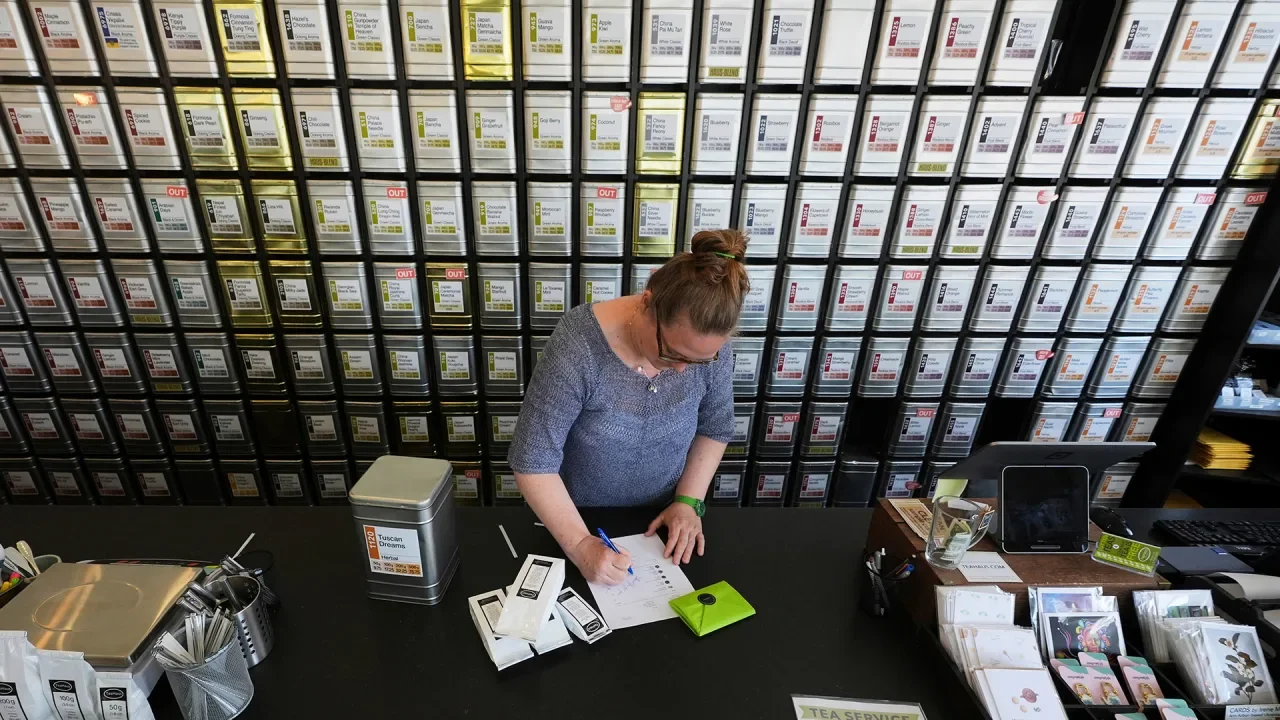
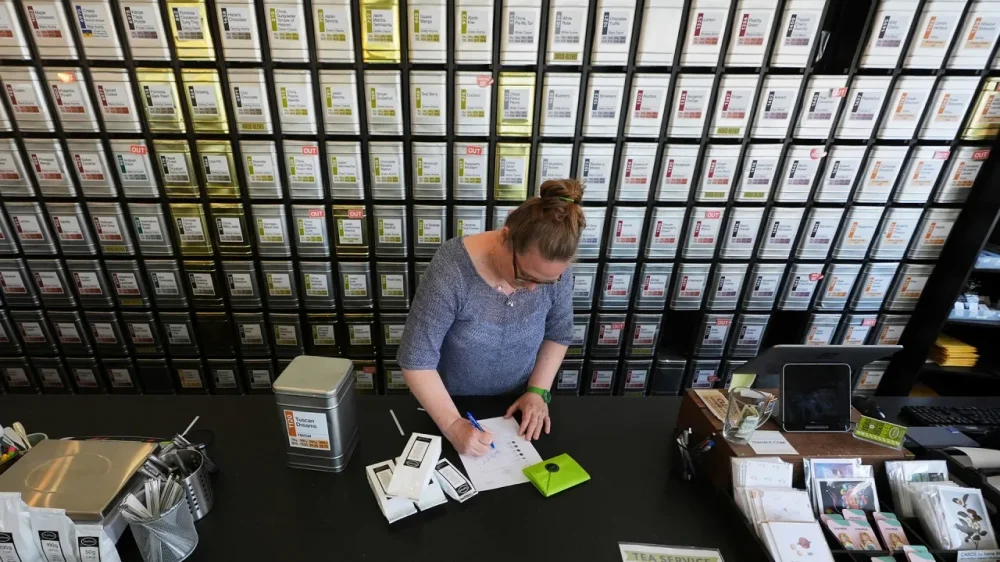
Major orders canceled. Containers of products left stranded overseas. No roadmap for what comes next. The The President administration raised tariffs on goods from China to 145% in early April. Since then, small business owners who depend on imports from China to survive have become increasingly desperate as they eye dwindling inventory and skyrocketing invoices. President Donald The President seemed to back down somewhat last week when he said he expected the tariffs to come down “substantially.” That helped set off a rally in the stock market. But for small businesses that operate on razor-thin margins, the back and forth is causing massive upheaval. Some say they could be just months from going out of business altogether. The Massachusetts family-owned game company Game makers are particularly susceptible to the tariffs since the majority of games and toys sold in the U.S. are made in China, according to The Toy Association. WS Game Co., based in Manchester-by-the-Sea, Massachusetts, is a family-owned business that licenses Hasbro board games like Monopoly, Candy Land and Scrabble and creates deluxe versions of them. Its most popular line of games come in boxes that look like vintage books and sell for $40. The company’s games were featured in Oprah’s Favorite Things list in 2024 and sold in 14,000 stores in North America, from big national chains to mom-and-pop stores, said owner Jonathan Silva, whose father founded the company in 2000. All of WS Game’s production is done in China. The tariffs have brought the past 25 years of healthy growth to a screeching halt. Over the past three weeks, WS Game has had three containers of finished games, worth $500,000, stranded in China. It lost orders from three of the largest U.S. retailers totaling $16 million in business. And there’s not much Silva can do about it. “As a small business, we don’t have the runway or the capabilities to move manufacturing on a whim,” said Silva, who has 22 employees. He said the tariffs have “disrupted our business and put us on the verge of insolvency” and estimates he has about a four-month runway to stay afloat if nothing changes. “We’re really hoping that cooler heads prevail,” he said. Artificial flowers in Kentucky Jeremy Rice co-owns House, a home-décor shop in Lexington, Kentucky, that specializes in artificial flower arrangements for the home. About 90% of the flowers his business uses are made in China. Rice uses dozens of vendors. The largest are absorbing some of the cost of the tariffs and passing on the rest. One vendor is raising prices by 20% and another 25%. But Rice is expecting smaller vendors to increase prices by much higher percentages. House offers mid-range artificial flowers. A large hydrangea head will retail for $10 to $16, for example. China is the only place that manufacturers higher quality silk flowers. It would take a vendor years to open a factory in a different country or move production somewhere else, Rice said. Rice ordered his holiday décor early this year. But even after stocking up ahead of the tariffs, he only has enough everyday floral inventory in to last two to three months. “After that, I don’t know what we’re going to do,” he said. Rice is concerned that the trade war will wipe out a bunch of mom-and-pop stores, similar to what happened in the Great Recession and the pandemic. “There’s nowhere to turn, there’s nothing to do,” he said. Tea in Michigan A tea shop in a Michigan college town is also caught in the middle of the ongoing tariff fight. “It’s basically just put a big pit in my stomach,” said Lisa McDonald, owner of TeaHaus, located in Ann Arbor, home to the University of Michigan. McDonald has owned TeaHaus for nearly 18 years and sells tea to customers across the U.S. Americans drank about 86 billion servings of tea in 2024, according to the Tea Association of the U.S.A.. Almost all of that is imported since tea isn’t grown in the U.S. at scale, due to factors ranging from climate to cost. McDonald imports loose-leaf tea from China, India, Kenya, Sri Lanka, and other countries. She says her customer base is “from all over the U.S. and the world.” But she worries there is a limit to what they’ll spend. Her premium teas can cost up to $33 for a 50-gram bag. “I don’t think I can charge $75 for a 50-gram bag of tea, no matter how amazing that tea is,” she said. McDonald understands The President’s rationale for wanting to use tariffs to spur U.S. manufacturing but says it doesn’t apply to the tea industry. “We can’t grow tea in the U.S. to the extent that we need. We can’t just flip the industry and ‘make tea great again’ in America. It just can’t happen,” she said. Car accessories in Oklahoma Jim Umlauf’s business, 4Knines, based in Oklahoma City, makes vehicle seat covers and cargo liners for dog owners and others. To do so, he needs raw materials such as fabric, coatings and components from China. Umlauf has explored manufacturing in countries other than China since 2018, when The President first instituted a 25% tariff on goods from China, but has run into complications. In the meantime, 4Knines absorbs the extra cost, which Umlauf says has limited its growth and squeezed its margins. Now, the new tariffs make it nearly impossible to do business. The demand is there, but the company can’t afford to bring over more products. “We only have a limited amount of inventory left, and without some relief, we’ll run out soon,” Umlauf said. As a small business owner who has worked hard to develop a high-quality brand, create jobs and contribute to the community, Umlauf is frustrated. He has tried to contact the White House and other decision-makers to ask for small business support. But he’s gotten zero response. “It’s time for policymakers to consider the full impact of trade policies not just on stock prices or global competitiveness, but on the real people running small businesses,” he said. AP videojournalist Mike Householder in Detroit contributed to this report. —Mae Anderson, AP Business Writer View the full article
-
Companies rushed to purchase foreign products ahead of imposition of wide-ranging levies View the full article
-
There's no doubt Google is keen to track just about everything you do online and inside its apps, but it's also fair to say the company puts a comprehensive set of security and privacy tools at its users' disposal. You can use these tools to manage data in everything from Google Maps to YouTube. And there is a lot of data to manage: With Gmail, Gemini, Android, Chrome, and all the other apps and services it runs, Google can suck up a vast amount of information about you and what you're up to. It's important to make sure this data is being managed in a way you're comfortable with, and kept safe from unauthorized access. All of these security and privacy settings can be found by heading to your Google account page on the web, in a desktop browser. Automatically wipe the data Google is storingIf you click Data and security and then Web & App Activity, you can see the bulk of the data Google is holding on you. There's a lot of it, in a lot of categories—from searches you've run on the web, to movies you've watched on Google TV—and you can delete any of these bits of information, either individually or in batches based on date or app. Even better, you can have Google wipe this data automatically after a set period of time. Click Choose an auto-delete option, and you can have some or all of your data wiped after 3, 18, or 36 months. There's also the option to turn off data collection in these categories completely, or to only have certain types of information wiped automatically. Set up recovery information Make sure your account recovery details are up to date. Credit: Lifehacker Let's hope you never get locked out of your account, but if you do, Google will try and use your registered recovery phone number and email address to verify your identity and restore your access—so you need to make sure this information is up to date. To do this, click Security and then Recovery phone or Recovery email to enter or edit the details. Customize the ads you seeIt's difficult to get away from Google ads, but you can at least tweak the ads you see. From Data and privacy, select My Ad Center to start making changes. The first setting you can change is to turn off personalized ads entirely, which won't reduce the number of ads you see, but will mean they're not specifically targeted at your demographic. To make more granular tweaks, click any of the categories listed (like Education or Industry) to disable personalized ads or correct assumptions Google has made about you (such as your relationship status). You're also able to click Customize Ads to change the ad topics you get shown, and to disable ads for sensitive topics like weight loss or gambling. Enable dark web reports Google can keep tabs on the dark web for you. Credit: Lifehacker Did you know Google can warn you if your information leaks out on the dark web? Which gives you a heads up that you need to change your passwords or take additional precautions. From the Security tab inside your Google account, click Start monitoring under Dark web report. You can then specify the info you want Google to look out for. Manage location sharingFrom the Data and privacy screen, you can manage how Google tracks your location over time, and also manage which other people can see your location. Click Timeline to configure how your location history is saved on specific devices: You can turn off this history completely, or have it automatically wiped after a certain amount of time. Select Location sharing under Data and privacy to see which contacts are sharing their location with you, and vice versa (if this is something you've set up). You're able to stop sharing your location with any of these people at any time, as well as set up email reminders that periodically remind you that you've got this feature turned on. Check connected devices Disconnect devices you're no longer using. Credit: Lifehacker This is a good check to run regularly: From Security, click Manage all devices to see everywhere you're signed into your Google account. If there are old devices you've forgotten about, or other people are using your account when they shouldn't be, you can revoke permissions. You can also get help if you see a device you don't recognize. Set up a digital legacy planIt's important to make some plans for when the inevitable happens—if only to make life easier for the family and friends you leave behind. Google lets you choose what happens to your data after you're gone through what's known as a digital legacy plan for your account. If you click Data and privacy and then Make a plan for your digital legacy, you can set this up. It's not a particularly complicated or time-consuming process: You just choose which contacts you want to have access to your data after a certain period of time (from three to 18 months), and which categories of data you want to leave available to them. Revoke access for third-party apps You might be surprised at how many apps are connected to your Google account Credit: Lifehacker Connecting to apps and services with your Google account is quick and convenient, but the more of these connections you have, the more exposed your account is. Remove outdated and unnecessary links to third-party apps by clicking Security and then See all connections. Turn on two-factor authenticationWe've said it plenty of times in the past, and we'll keep saying it: Two-factor authentication (2FA) is one of the best ways to protect your accounts, because it means hackers need more than a username and password to get at your data. Typically, a code from an authenticator app is also needed when you're logging in on a new device. To get 2FA set up on your Google account, if it isn't already, click Security then 2-Step Verification and follow the instructions on screen. You get a choice of 2FA methods you can use, besides an authenticator app, which include having confirmation prompts sent to authorized devices (such as your phone) and using a physical security key to log in. View the full article
-
It’s been more than half a century since it became more common to ship freight in trucks than by train. But when one company decided to start selling its product in the New York City market, it built its own new rail terminal to avoid the cost and emissions of trucking. “A truck is not an efficient way to take these types of materials long distance,” says Grant Quasha, CEO of Eco Material Technologies. The company makes supplementary cementitious material or SCM, a component added to concrete to make it stronger and longer-lasting. The material is made from fly ash, a type of waste produced from coal plants that the company sources from landfills at locations throughout the country. A truck can hold 20 tons of it; a train, which can move as much as 2,000 tons, cuts emissions by at least 90%, Quasha says. The company wanted to serve the construction market in New York from one of its sites in rural Pennsylvania, as well as another site in Georgia. But since trucking would be cost-prohibitive and more polluting, they turned to the more old-fashioned solution of rail. First, they had to find rail lines that were still in use in the right location. “We had to scour the area to find existing infrastructure that could work with our needs,” Quasha says. They partnered with a local short-line railroad that owned a rail yard in Queens, not far from the company’s concrete customers. Then they built a terminal in the rail yard that would work for their specific needs. Extra train tracks at the terminal allow them to store their product in train cars until it’s needed. The logistics are complicated. To make a delivery from one of the company’s sites, in Pennsylvania, the train can’t go straight there. There isn’t a bridge or tunnel to accommodate a train to Queens, although a long-planned freight tunnel is under construction. After a train reaches New Jersey, the train cars go on a specialized barge with built-in train tracks. A tugboat pushes the barge across the Hudson and East Rivers, and then another locomotive picks up the train cars in Brooklyn. Right now, using this type of material in New York City usually means importing it from countries like Turkey and China. But it makes more sense, environmentally, for it to come from a place like Pennsylvania instead, Quasha says. (It also can avoid tariffs and crowded ports.) Over the last century, coal companies have sent billions of tons of waste to landfills, which Eco Material Technologies reprocesses for use in concrete. It also has the dual benefit of helping clean up the old dumps. When it’s used in concrete, it reduces the need for cement, which has a large carbon footprint. It makes the final concrete stronger, and less expensive. “People say, if these materials are cheaper, more environmentally friendly, and make better concrete, why aren’t they used all the time?” Quasha says. “The answer is supply: Historically, there hasn’t been enough of the material where you need when you need it. You don’t generally have these waste dumps next to midtown Manhattan.” At the new terminal, where deliveries have already started, the company plans to bring in around 50,000 tons of the product each year, on roughly 10 train cars each week. View the full article

-
The challenger bank exceeded analysts' expectations in income, revenue and earnings per share. View the full article

-
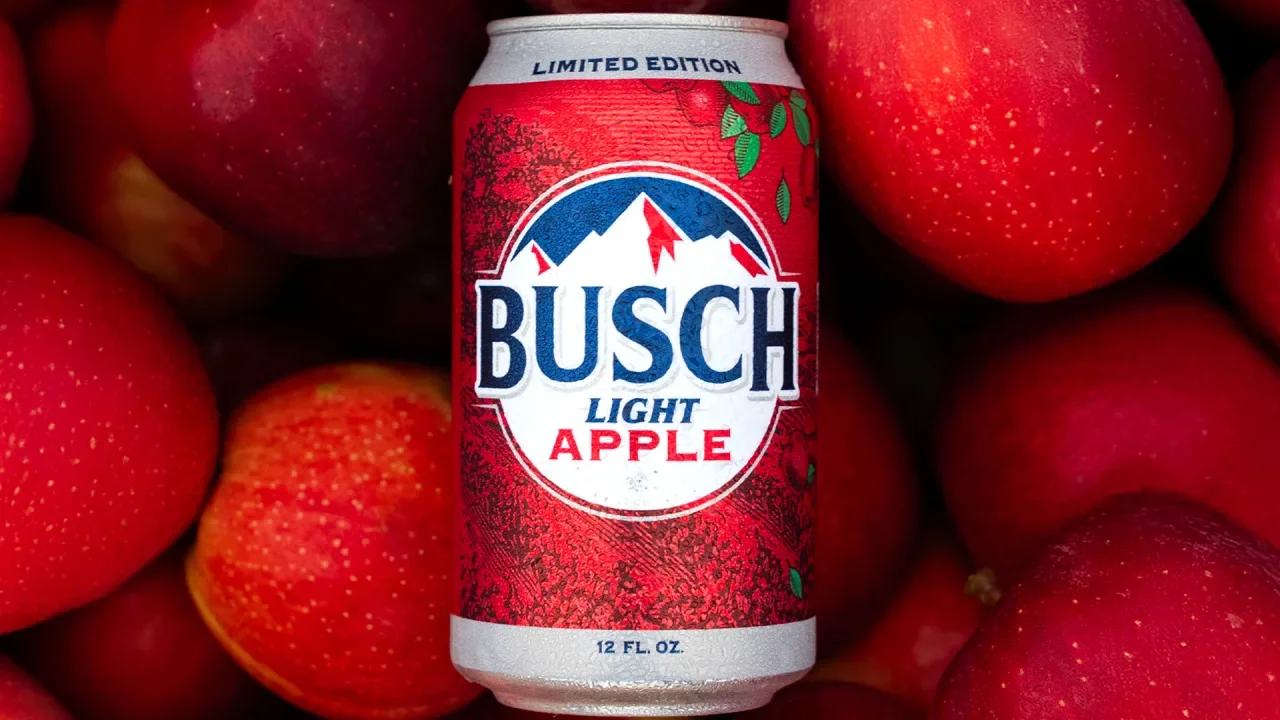
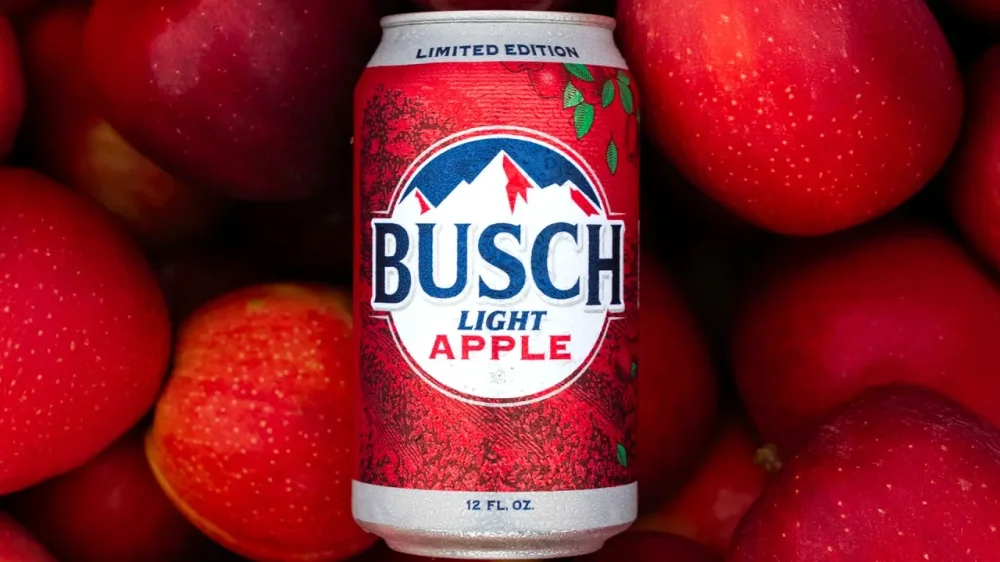
The rumors are true: Anheuser-Busch confirmed on Tuesday that its viral sensation Busch Light Apple will be back in stores in May for the first time since 2022. That’s welcome news to the legions of diehard fans who have been appealing the St. Louis-based beer maker to bring the apple-flavored lager back to stores for the past three years. “Before Busch Light Apple was taken off shelves, our fans chased down trucks to get their hands on it,” Krystyn Stowe, head of marketing at Busch Family & Natural Family at Anheuser-Busch, said in a statement to Fast Company. “They created Facebook groups with thousands of members to mourn the loss of their favorite beer, and Reddit threads became a new home for those looking to connect with others who miss the signature sweet taste of Busch Light Apple.” In recent weeks, people have taken to social media to share that they’ve apparently found early-release cans of Busch Light Apple on shelves or videos of the beer on assembly lines. Such posts have typically sparked large numbers of comments from fans asking where the beer can be located. It’s a bit tricky to unpeel what exactly kicked off the rumor mill this spring that “Babble”—as fans call it—might be revived this year. However, in mid-March, a user on the X platform shared a photo that he said was from a December 2024 Anheuser-Busch meeting indicating a return of the fan-favorite beverage. That photo was subsequently shared widely across various social media platforms. To be fair, some fans were hoping it was a sign of good things to come as far back as October when Busch Beer celebrated National Apple Day with a photo of a bushel of the beer and apples on Instagram. “One in every three comments on Busch Light’s social posts is from fans urging us to bring back Busch Light Apple, and we’ve read every single one,” Stowe added in a statement. But the good-news announcement comes some news that might disappoint: The company promises that Bapple will only be available while supplies last and urges fans to stock up. That said, Busch tells Fast Company that fans can expect to see the beer in stores “all summer long.” Busch league of fans All of this fervor might leave some of you scratching your heads in confusion: People are this passionate about . . . a Busch beverage? Oh, you have no idea. Something special seemingly happened when the Busch brand dropped its first flavored beer from the family tree in July 2020. Whether it’s the taste, the timing of the beverage launch, or the company’s announcement that lampooned an Apple keynote presentation of new tech product launches, the beverage soon amassed a loyal Busch league of fans. How loyal? A lot of people toss around the word “favorite” when describing the lager that’s made with real apple extract. And while there’s seemingly a market for everything on eBay, some people have recently sold Bapple merchandise for $200 and up, while empty cans or even an empty box case could fetch $10. Apple tie-in This year, Anheuser-Busch has once again played up that Apple tie-in, enlisting a perhaps-unlikely spokesperson for the beverage’s rebirth: Ronald G.Wayne, who cofounded the tech giant alongside Steve Wozniak and Steve Jobs. Wayne, now 90, liquidated his 10% stake in Apple in 1976 for just $800 and he’s parlaying a billion-dollar mistake that happened nearly 50 years ago as a selling point for fans to stock up on Busch Light Apple. “This time, I’m not missing out on a great, Apple-related opportunity,” Wayne says in the YouTube ad before pointing to a pallet of Bapple and calling it “a real good investment.” When and where will Busch Light Apple beer be available? For fans who can’t wait to get their hands on a cold can of Bapple, the Busch website has a locator feature to search for any brew, including Busch Light Apple, by zip code. View the full article
-
We may earn a commission from links on this page. Deal pricing and availability subject to change after time of publication. The Razer Kishi Ultra is finally seeing a real price break, now down to $99.99 from its usual $149.99—the lowest it’s been, according to price trackers. Razer Kishi Ultra Gaming Controller $99.99 at Amazon /images/amazon-prime.svg $149.99 Save $50.00 Get Deal Get Deal $99.99 at Amazon /images/amazon-prime.svg $149.99 Save $50.00 Designed mainly for Android phones and newer iPhones with USB-C, the Kishi Ultra snaps onto your device with a springy bridge that can handle anything between 4.7 and 8.3 inches long. In hand, it feels closer to a full-size Xbox controller split in half, complete with offset analog sticks, large tactile buttons, clicky bumpers, and analog triggers. That said, its wide build does make it less travel-friendly compared to the Kishi V2 Pro, but the trade-off is comfort, especially for bigger hands or longer gaming sessions. The physical controls of the Kishi Ultra are reportedly snappy and responsive. You get a familiar Xbox-style setup with a big D-pad, customizable L4 and R4 triggers, and optional RGB lighting for a bit of flair. Plus, the addition of haptic feedback brings an extra punch to every shot or impact in games like Ultrakill. Beyond that, the Kishi Ultra includes practical touches like a USB-C port that supports pass-through charging and a 3.5mm headphone jack for wired audio. On Android, you get bonus features like virtual controller support for games without native control mapping (think Genshin Impact). However, if you’re an iPhone user, you’ll miss out on that feature. Also, cloud gaming on iOS through Xbox Game Pass isn’t quite as smooth, needing a web-based workaround instead of a clean app experience. Still, the core experience holds strong across both platforms. Some quirks remain, like a bit of twitchiness in the analog triggers (especially when you’re trying to finely control acceleration in driving games—something to keep in mind if you’re picky about racing or precision-heavy titles, notes this PCMag review) and the overall size, making it a pain to stuff into smaller bags. But if you can work around that, this is about as close as mobile gaming gets to feeling console-grade. Plus, with the ability to plug it into a PC via USB-C and use it as a wired controller, it quietly doubles its value. View the full article
-
Enthusiasm peaks in the early days of a new job. New hires are creative, motivated, and often, a fresh dose of optimism compared to their more tenured teammates. Yet, in a matter of weeks, that initial enthusiasm plunges by an average of 22%. The innovation and discretionary effort that comes with new-hire enthusiasm are a strategic advantage for any organization. But to be impactful, new-hire energy must last beyond the first few weeks. Here are four tips to preserve that early days’ enthusiasm: 1. Give Context, Not Just Content Too often, new teammates find out “how it works here” through pushback, sideways glances, and a slap on the wrist over red tape they didn’t know existed. As a result, the motivation to drive results is quickly outweighed by the fear of reputational risk or political consequence. It’s a preventable comedown. Effective onboarding must go beyond role-specific content. Organizational context is what gives new teammates the foundation to dive in effectively. In the onboarding process, answer questions like: How do different teams typically work together (or not)? Are there cultural norms around offering feedback? Is the decision-making hierarchy fluid or more rigid? What metrics are most important to the organization? (Beyond individual OKRs) Who determines what’s considered “urgent,” and how is that typically communicated? This foundation enables new hires to make an impact fast, without fear of stepping on a cultural landmine. 2. Prove a Failure Tolerance If your organization needs to progress, failure inevitably comes with the territory. Yet, the prospect of failing can send a shockwave through someone eager to impress. A “Move fast and break things” poster does not have enough credibility to inspire risk-taking. Instead, prove an organizational failure tolerance by citing specific examples in onboarding. Share stories about failed launches, the buggy beta version, or internal projects that didn’t pan out. Talk about what was learned, how the organization adapted, and most importantly, that the people behind those efforts are still here. 3. Follow-up on the Invitation for “New Ideas” The onboarding process can be overwhelming. Between setting up passwords, learning names, and attempting to decipher health insurance, there isn’t much brain space left for innovation in the first few days. If you want new hires to speak up and bring a fresh perspective, follow up on that invitation after they’ve had time to settle in. Go beyond “Got any ideas?” Ask pointed questions that show your interest in their perspective. Try prompts like: I’m curious about your take on this—do you think we’re missing anything? If you could start this (project, process, product) from scratch, what would you change? Were there any moments where you thought, “Why do we do it this way?” Showing new hires that “We want new ideas!” isn’t just a perfunctory corporate welcome. 4. Share the Metrics, But Don’t Start the Clock Ambitious new hires want to know the criteria for success. Even if they don’t ask, share the metrics a new hire will (eventually) be evaluated against. Whether it’s delivery timeline, revenue targets, or client satisfaction, be clear about what good looks like. But don’t start the clock right away. Give new hires time to build relationships and develop a meaningful understanding of how to achieve those numbers effectively. If metrics are not shared up front and only surface during a later performance review, it can feel like the rules are being made up mid-game. On the flip side, starting assessment on the first day can feel overwhelming or even unfair. Align early on key metrics of success, but delay starting the “clock” for 60–90 days in performance-based roles. Be transparent, but not premature in applying pressure. Will every day of work be as exciting as day one? Probably not. The adrenaline of a new job is impossible to sustain. Yet, with intentionality, preserving new-hire enthusiasm is possible. View the full article

-
Spicy pickle soda. Dirty protein soda. Cereal milk soda. These aren’t your standard mocktail offerings—but that’s exactly the point. On May 12, Olipop will launch its first-ever soda drive-thru in Los Angeles, offering an array of offbeat, internet-inspired drinks and limited-edition mocktails, with the first drink free to the public. The pop-up event taps into the internet’s growing obsession with so-called “beverage goblin” culture, which has people cycling through multiple drinks at once for hydration, energy, and fun. “There’s just so much chatter around just these internet drinks and the whole like beverage goblin trend, where people have their hydration drink, their fun drink, and their caffeine on their desk,” said Steven Vigilante, Olipop’s director of strategic partnerships. “This is a reflection of that . . . Giving people an opportunity to actually do something, get out of the house and go try one of these for free.” The drive-thru mocktail menu leans into the experimental, including three different flavors. There’s the Cereal Milk Soda, which is an orange cream Olipop mixed with vanilla almond milk, rimmed with vanilla frosting, and topped with fruit cereal. There’s also the Dirty Protein Soda, which is an orange cream with Koia’s vanilla bean protein shake. And there’s the Spicy Pickle Soda, a mix of pickle and jalapeño juice with Olipop’s vintage cola. While the novelty drinks are temporary, one fan favorite is making a permanent return. Olipop’s 12-ounce orange cream flavor, which first went viral in 2021, is officially joining the brand’s year-round lineup. Fans have been asking for its comeback on social media: “Love this bestie but pls bring back orange cream,” wrote one Instagram user. Another added, “Next bring back orange cream pls . . . I’ve never tasted anything better in my life.” Starting April 29, it’s back permanently in the flavor lineup. The event also relates to the resurgence of soda culture—specifically, the “dirty soda” trend that blew up following the release of The Secret Lives of Mormon Wives in late 2024. The reality series highlighted the oversize soda drinks popular in Utah, where chains like Swig and Sodalicious serve highly customized soft drinks mixed with flavored syrups and cream. Olipop’s orange cream soda fits right in with the trend. “Creamy fruit flavors are the best for dirty sodas. They mix really well with the creamer. And we just thought this would be a fun way to do it. It’s like a kickoff this summer,” Vigilante said. “This is a beverage brand and a product that people need to try and touch and feel and taste.” Adding to the event, Olipop is teaming up with Crocs for a limited-edition merch drop. The collaboration includes bright orange Bae Clogs in an “Orangesicle” colorway and exclusive Jibbitz charms. The items won’t be sold online or in stores, as only a limited number will be given away at the drive-thru while supplies last. Attendees can also try a drink designed for the occasion: the Orange Dreamsicle Crocs-Tail—a mix of Olipop’s orange cream, half and half, vanilla syrup, whipped cream, and a branded popsicle. For those unable to attend in person, Olipop will run a virtual version of the event from May 12 through May 19. Online participants can enter to win a drive-thru kit or a case of the returning orange cream flavor. The event was originally planned for January, but postponed due to wildfires in Los Angeles. Now, it’s being used in association with the company’s community-first approach. “We are using this drive-thru as a way to create a nice community event in L.A. and give back to some of the folks who were impacted by the fires,” said Vigilante. View the full article

-
The The President administration has frozen, stalled or otherwise disrupted some $430 billion in federal funds—from disease research to Head Start for children to disaster aid—in what top Democrats say is an “unprecedented and dangerous” assault on programs used by countless Americans. Sen. Patty Murray of Washington and Rep. Rosa DeLauro of Connecticut on Tuesday released an online tracker that is compiling all the ways President Donald The President and his adviser Elon Musk’s Department of Government Efficiency are interrupting the flow of federal funds, often going up against the law. “Instead of investing in the American people, President The President is ignoring our laws and ripping resources away,” said Murray and DeLauro, who are the top Democrats on the Appropriations committees in Congress. “No American president has ever so flagrantly ignored our nation’s spending laws or so brazenly denied the American people investments they are owed,” they said. The tally is far from complete or exhaustive, the lawmakers said, but a snapshot in time. It comes in a rapidly changing political and legal environment as the The President administration faces dozens of lawsuits from state and local governments, advocacy organizations, employees and others fighting to keep programs intact. At 100 days into The President’s return to the presidency, the project showcases the extent to which the White House is blocking money that Congress has already approved, touching off a constitutional battle between the executive and legislative branches that has real world ramifications for the communities the lawmakers serve. The White House and its Republican allies in Congress have said they are working to root out waste, fraud and abuse in government. The The President administration is in court fighting to keep many of the administration’s cuts even as Musk, whose own popularity has dropped, says he will be cycling off DOGE’s day-to-day work. And The President’s director of the Office of Management and Budget intends to soon send Congress a $9 billion rescissions package, to claw back funds through cuts to the U.S. Agency for International Development and others. Murray and DeLauro said they want to “shine a light on President The President’s vast, illegal funding freeze and how it is hurting people in every zip code in America.” They said it’s time for The President and Musk “to end this unprecedented and dangerous campaign.” While Republicans have also stirred with concerns about The President’s spending cuts, many are reluctant to do so publicly as they try to avoid The President’s reactions. Instead, they tend to work behind the scenes to restore federal dollars to their home states or other constituencies that have been put at risk by The President’s actions. The powerful Appropriations committees in the House and the Senate, where Republicans have majority control of both chambers, draft the annual funding bills that are ultimately approved by Congress and sent to the president’s desk for his signature to become law. —Lisa Mascaro, AP Congressional Correspondent View the full article

-
The startup playbook that built Uber, Airbnb, and DoorDash is becoming obsolete in real-time. As AI compresses jobs that once required hundreds of employees into algorithms, we’re witnessing the birth of a new company archetype—capital-efficient, immediately profitable, and surprisingly small. With a variety of software to use for all aspects of building a business—from Shopify for e-commerce to Stripe for payments—and low operating costs, innovation just keeps making everything that much more efficient. Advancements in AI are turbocharging this even further. Now, companies not only need less software and less capital for solutions to get off the ground, but they also simply need fewer people. From marketing to design to data management, AI can perform and accelerate many processes that take place in a growing company. Whether it’s automating website copy and social posts, assisting with interface and ad design, or even processing data sets to inform strategic decisions, many are already using AI to do this and more. This means it now takes the least amount of money it ever has to grow and scale a company. As a result, revenue scale is being achieved with the fewest number of employees ever and profitability is soon to follow suit. Acquisitions and IPOs are out of date Starting a company the “old” way was coming up with an innovative idea, followed by creating a minimal viable product and getting users. Raising venture capital to fund additional growth was the traditional next step, with ownership of the company being diluted every step of the way as new and necessary capital came in in which was needed to reach true scale. An ideal outcome would then be an exit through an acquisition or an IPO, but the odds are actually often against the company in that instance. In fact, only 1–1.5 percent of companies actually reach a “good exit” within the first five years. And when they do exit, the team’s ownership has often been so diluted that their stake in a $100M sale could be less than if they raised just a few million and sold for $25M. Sometimes, consistently batting singles and doubles is better than trying to swing for home runs. The $100M company with one employee More and more stories like this are surfacing. Companies are reevaluating the need for venture capital and how much, if any, money to raise. There’s a lot of talk about the first $100M revenue company with just one employee because of AI, and we’re getting closer to that every day. In general, companies utilizing AI to its maximum potential are proving to be extremely efficient in terms of revenue per employee, because there is less needed to achieve the same growth trajectories. The best case study for this may be Midjourney, a company which has raised no outside capital at all but was last projected to be valued at more than $10B, in 2023, if they were to go out and fundraise—a number that is likely even higher now given the company’s continued growth. Because it’s easier than it’s ever been to start, grow, scale, and become profitable, the question now is, How much money companies should be raising? When there’s so many more viable options, some have begun to wonder why raise money at all. New forms of financing All of this raises another fundamental question: What does this mean for the future of the tech ecosystem? The new normal may become financing through debt. If companies can turn a profit sooner than ever and the ability to get there requires far fewer employees, there are a lot more financing options for EBITDA-positive companies, including raising debt from banks, which is relatively inexpensive, or securing financing using revenue as the collateral. Because raising money from VCs requires diluting ownership and answering to shareholders, it is far and away the most expensive capital a company can find. If there’s a world where capital can just come from debt, companies will get the best of both worlds: scaling the business on their terms while retaining ownership the entire way. This is likely going to be one of the most popular options in the AI-first era. Disrupting the conventional VC model VCs, meanwhile, will have to adapt their approach to adjust for a world in which their capital is simply less interesting to a company. Traditionally, their model is to get outsized returns from a handful of investments, which offsets the losses from the majority of the investments that don’t return anything. VCs usually do this by investing and gaining significant ownership stakes in companies over time, reinvesting in round after round of the “winners” in their portfolio. These companies historically have come back for more capital because that was the way it was always done. That looks a lot different now when the companies they want to invest in only need to raise very little capital and in turn they don’t get the ownership stake they need to generate those outsized returns. To keep up, VCs can look to new models and find companies outside of their normal view. It may look a bit less like software, and more like service-based companies that they previously avoided. These businesses are still ripe for disruption and have the potential to experience a dramatic lift from incorporating new technology—specifically AI—into the mix. Investing in these types of businesses gives VCs the chance to capture the traditional types of returns over time, even if it starts to look more like private equity. The model becomes less about picking a handful of big winners, and more about ensuring that the majority of the companies they invest in are successful, even if just modestly. An existential question The next decade won’t just transform what startups build, but it will fundamentally reinvent how they’re built. The companies that thrive won’t necessarily be the ones with the most capital, but those that strategically deploy technology to maximize impact with minimal overhead. For companies and investors alike, adapting isn’t optional—it’s existential. View the full article

-
Local brand soars 13-fold in March as US fizzy drink is rejected in protest against US foreign policyView the full article
-
S&P 500 on course to lose 8% since inauguration day in weakest start to a presidency since 1970sView the full article
-
Key Takeaways Understand Monograms: Monograms are personalized designs combining letters, offering a unique branding element that resonates with customers and enhances product appeal. Market Demand: There is a growing demand for personalized products, making it a lucrative opportunity for entrepreneurs. Tailoring offerings to customer preferences can boost acquisition and retention. Research and Planning: Conduct thorough market research to identify your target audience, analyze competitors, and develop a comprehensive business plan that outlines your business model and growth strategies. Choose Your Niche: Selecting a specific niche helps differentiate your business in the monogram market, enabling you to focus marketing efforts and optimize product offerings for targeted demographics. Essential Tools and Equipment: Invest in quality sewing and embroidery machines, supplies, and design software to ensure high-quality production and streamline the creative process. Effective Marketing: Build a strong online presence and utilize social media to showcase products, engage with your audience, and drive traffic to your business for increased sales. Starting a monogram business can be an exciting venture that taps into the growing demand for personalized products. With a unique touch, you can transform everyday items into cherished keepsakes and gifts that resonate with customers. Whether it’s custom towels, bags, or home decor, the possibilities are endless. In today’s market, personalization is more than just a trend; it’s a way to connect with your audience. By offering tailored designs, you can carve out a niche that sets your business apart. If you’re ready to turn your creativity into a profitable enterprise, let’s explore the essential steps to launch your monogram business and make your mark in this vibrant industry. Understanding Monograms Monograms have become essential for branding in small businesses, especially for personalized products. They’re distinctive designs that combine letters, often initials, into a single symbol. Customers love monograms for their unique touch on an array of items, such as towels, bags, and home decor. What Are Monograms? Monograms are personalized symbols or designs created by intertwining or overlapping letters. Typically, they feature an individual’s initials or a company’s name. For small business owners, understanding monograms means exploring various design styles—interlocking, circular, block letters, or script. These designs can elevate product appeal, making items feel bespoke and special to the buyer. History of Monograms Monograms date back to ancient Greece, where they served as personal signatures or marks of ownership. They gained popularity during the Renaissance, primarily among nobility, who showcased monograms on clothing, art, and household items. In modern times, monograms have evolved into a popular branding tool for entrepreneurs. They enhance brand identity and promote recognition in the marketplace, thereby boosting customer acquisition and retention. Understanding this rich history supports your ability to promote your monogram business effectively. Benefits of Starting a Monogram Business Starting a monogram business provides unique benefits that can enhance your entrepreneurial journey and contribute to your small business success. Creative Expression Creative expression stands at the forefront of launching a monogram business. Monogramming allows for high levels of customization, enabling you to create personalized products that resonate with your target audience. You can offer embroidered initials on items like t-shirts, bags, towels, and home decor, making them distinctive. Design variability also plays a crucial role; you can incorporate different styles, from traditional to modern, using elements like serifs and swirls. This adaptability caters to diverse customer preferences and highlights your brand’s uniqueness. Market Demand Market demand for personalized products continues to rise, presenting a lucrative opportunity for your startup. Customers increasingly seek meaningful gifts and personalized items that reflect their identity or sentiments. Conducting market research reveals a growing trend in e-commerce, making it essential to establish an effective business model that captures this audience. By focusing on customization, you align with current consumer preferences, enhancing customer acquisition and retention. Additionally, leveraging digital marketing strategies, including SEO and social media campaigns, effectively promotes your unique offerings and drives sales. Establishing strong branding through your monogram designs ensures customer recognition and encourages repeat business, laying the foundation for sustainable growth. Steps to Start a Monogram Business Starting a monogram business involves strategic planning and execution. Focus on your target audience and ensure your offerings resonate with their needs. Follow these essential steps to launch your venture successfully. Research and Planning Conduct thorough market research to understand demand for monogramming services. Identify your ideal customer and determine what products attract them, such as bags, towels, or clothing. Analyze competitors to gauge their strengths and weaknesses. Create a comprehensive business plan that outlines your business model, whether online or in a physical location. Include specific growth strategies, defining measurable goals that facilitate your journey towards success. Choosing Your Niche Selecting a niche is crucial in standing out in the monogram market. Consider targeting specific demographics, such as college students or wedding planners, who are likely to seek personalized items. Evaluate product types that align with your niche, ensuring a clear focus that enhances customer acquisition. This specialization allows you to fine-tune your branding efforts, optimizing marketing strategies that appeal directly to your audience. By offering unique, tailored products, you can solidify your business identity and increase your market share in the growing personalization trend. Tools and Equipment Needed Starting a monogram business requires specific tools and equipment to ensure quality and efficiency. You’ll need to invest in various essential items for successful operations. Essential Equipment Sewing and Embroidery Machine: Invest in a high-quality embroidery machine with automatic thread tension and autopilot functions. This equipment is crucial for efficiently creating monograms on various items, allowing you to handle multiple projects simultaneously. Supplies: Stock up on sufficient thread in various colors, along with stabilizing materials, needles, and other necessary tools. These supplies support diverse monogramming projects and enhance product quality, making your offerings more appealing to customers. Software for Designing You’ll also need effective software for designing monograms. Embroidery Digitizing Software: Consider using tools like Embrilliance Essentials. This versatile software is compatible with both Windows and Mac systems. It allows you to merge, resize, and edit existing embroidery designs while supporting various file formats. Utilizing this software streamlines your design process and enhances creativity in product development, which is vital for your business model. By equipping yourself with the right tools and software, you set a solid foundation for your startup, improve product quality, and enhance customer acquisition strategies. Marketing Your Monogram Business Effective marketing strategies enhance visibility and customer acquisition for your monogram business. Focus on key areas like building an online presence and utilizing social media to connect with your target audience. Building an Online Presence Establishing a solid online presence is crucial for any small business. Your website serves as the primary platform for showcasing products, facilitating e-commerce, and communicating with customers. Optimize your site for SEO to improve search engine rankings and attract organic traffic. Include high-quality images of your monogram products, detailed descriptions, and an easy-to-navigate shopping interface. Consider including a blog section to share insights on monogram trends, providing valuable content that can draw in potential customers. Additionally, ensure your website is mobile-friendly. With over 50% of web traffic coming from mobile devices, a responsive design enhances user experience and increases conversion rates. Don’t forget to secure necessary permits and handle business registration as part of your online setup. Utilizing Social Media Utilizing social media platforms effectively can significantly boost your brand visibility. Focus on platforms like Instagram and Pinterest, which prioritize visual content, to showcase your unique monogram products. Regularly post engaging content that resonates with your audience, such as behind-the-scenes looks at your creative process or user-generated content featuring your products. Create targeted social media ads to reach specific demographics, enhancing your marketing efforts. Collaborate with influencers within the customization and handmade niche to expand your audience reach. By establishing partnerships, you expand your visibility and drive traffic to your online store. Monitor engagement metrics to track the effectiveness of your campaigns. Understanding how your audience interacts with your content allows you to innovate your approach continually. Ultimately, an effective social media strategy complements your overall growth strategy, driving sales and brand loyalty. Conclusion Starting a monogram business can be a rewarding venture that taps into the growing demand for personalized products. By focusing on customization and unique branding, you can create items that resonate with your customers and stand out in a competitive market. Investing in the right tools and marketing strategies will lay the groundwork for your success. Embrace your creativity and connect with your audience through tailored designs that tell their stories. With the right approach, your monogram business can flourish and become a beloved source of personalized keepsakes. Frequently Asked Questions What is a monogram business? A monogram business specializes in creating personalized products featuring custom monograms—designs that combine initials into a unique symbol. This niche focuses on items such as towels, bags, and home decor, catering to the growing trend for personalized gifts. Why are personalized products in demand? Personalized products are increasingly popular because they offer a unique touch that resonates with customers. They provide a way to express individuality, making personalized items perfect for gifts and special occasions, contributing to their rising demand in the market. What are the benefits of starting a monogram business? Starting a monogram business allows for creative expression and the opportunity to cater to individual customer needs. Entrepreneurs can develop unique, customized products that stand out, leading to enhanced customer acquisition and retention in a growing market. What tools do I need to start a monogram business? Essential tools for a monogram business include a high-quality sewing and embroidery machine, thread, stabilizing materials, and embroidery digitizing software like Embrilliance Essentials. These tools help improve product quality and streamline the design process. How do I effectively market a monogram business? To market a monogram business effectively, focus on building a solid online presence through an optimized website and engaging social media platforms like Instagram and Pinterest. Use high-quality images, targeted ads, and influencer collaborations to enhance visibility and attract customers. Image Via Envato This article, "Essential Guide to Starting a Monogram Business for Creative Entrepreneurs" was first published on Small Business Trends View the full article
-
Installing software on Windows can be a pain. You'll find some things for download in the Microsoft Store, sure, but a lot of other applications require you to find the official website and download an executable. It's an annoying process, especially if you have a bunch of software you need to install all at once—a lot of waiting around and clicking "Next." Manually downloading software is also a security risk. The increasing unreliability of Google search results means it's harder to find a legitimate sources for a given app, increasing your odds of downloading malware. Linux users don't have to deal with this cumbersome process—they install software using a package manager, which can automatically download and install software in a couple clicks. And it turns out that Windows has a hidden Windows package manager called Winget, which lets you install software by opening the command prompt and typing the right command. But not everyone likes typing commands, which is where UniGetUI comes in. This application, formerly known as WingetUI, provides a visual interface for Winget and other text-based package managers. Just open the application, type the app you're looking for, and hit enter. Credit: Justin Pot You can double-click any result to read more details. You can search for and check as many applications as you want, then click Install Selected Packages to bulk install multiple applications at once There are a lot to choose from: UniGetUI searches WinGet, which has access to thousands of applications alongside everything in the Microsoft Store. This means you can use it to search and install software from the Microsoft Store without having ever open the Microsoft Store, which is nice. But there's more: package mangers Chocolatey, Scoop, Pip, Npm, .NET Tool, and PowerShell Gallery are also supported. If you don't know what that means, though, don't worry—they're just different sources for software. With everything combined into one app, you should be able to install just about anything using UniGetUI. Credit: Justin Pot You can also update applications from all of these sources, simultaneously, in the Software Updates tab. This is a big deal if you're the kind of person who hates seeing update prompts in all of your individual applications. There's even an optional widget you can install that allows you to trigger updates without opening the application. There are a few more features worth mentioning. You can create a bundle that includes multiple applications and save it for use on future computers, which is handy if you ever need to reinstall Windows and also want to reinstall all of your applications at once. You can even share your bundles of apps with friends, if you want. Not everyone needs an application like this, granted, but if you're the kind of person who installs a lot of software, I can't recommend it enough. View the full article
-
The first 27 satellites for Amazon’s Kuiper broadband internet constellation were launched into space from Florida on Monday, kicking off the long-delayed deployment of an internet-from-space network that will rival SpaceX’s Starlink. The satellites are the first of 3,236 that Amazon plans to send into low-Earth orbit for Project Kuiper, a $10 billion effort unveiled in 2019 to beam broadband internet globally for consumers, businesses and governments—customers that SpaceX has courted for years with its powerful Starlink business. Sitting atop an Atlas V rocket from the Boeing and Lockheed Martin joint-venture United Launch Alliance, the batch of 27 satellites was lofted into space at 7 p.m. EDT pm from the rocket company’s launch pad at the Cape Canaveral Space Force Station. Bad weather scrubbed an initial launch attempt on April 9. Kuiper is arguably Amazon’s biggest bet under way, pitting it against Starlink as well as global telecommunications providers like AT&T and T-Mobile. The company has positioned the service as a boon to rural areas where connectivity is sparse or nonexistent. The mission to deploy the first operational satellites has been delayed more than a year—Amazon once hoped it could launch the inaugural batch in early 2024. The company faces a deadline set by the U.S. Federal Communications Commission to deploy half its constellation, 1,618 satellites, by mid-2026, but its slower start means Amazon is likely to seek an extension, analysts say. Hours or possibly days after the launch, Amazon is expected to publicly confirm initial contact with all of the satellites from its mission operations center in Redmond, Washington. If all goes as planned, the company said it expects to “begin delivering service to customers later this year.” ULA could launch up to five more Kuiper missions this year, ULA CEO Tory Bruno told Reuters in an interview this month. Amazon said in a 2020 FCC filing that it could begin service in some northern and southern regions at 578 satellites, with coverage expanding toward Earth’s equator as the company launches more satellites. The Web services and e-commerce giant’s Project Kuiper is an ambitious foray into space, with a late start in a market dominated by SpaceX. But Amazon executives see the company’s deep consumer product experience and established cloud computing business that Kuiper will connect with as an edge over Starlink. Amazon launched two prototype satellites in 2023 in tests it said were successful, before de-orbiting them in 2024. It had been relatively quiet about the program’s development until announcing its first Kuiper launch plans earlier this month. ‘ROOM FOR LOTS OF WINNERS’ Elon Musk’s SpaceX, with a unique edge as both a satellite operator and launch company with its reusable Falcon 9, has put more than 8,000 Starlink satellites in orbit since 2019, marking its 250th dedicated Starlink launch on Monday. Its deployment pace has hastened to at least one Starlink mission per week, each rocket with roughly two-dozen satellites on board to expand the network’s bandwidth and replace outdated satellites. That quick pace has helped Musk’s company amass more than 5 million internet users across 125 countries, upend the global satellite communications market and woo military and intelligence agencies that have sought to use Starlink and its manufacturing line for sensitive national security programs. Amazon Executive Chairman Jeff Bezos has voiced confidence that Kuiper can compete with Starlink, telling Reuters in a January interview “there’s insatiable demand” for internet. “There’s room for lots of winners there. I predict Starlink will continue to be successful, and I predict Kuiper will be successful as well,” he said. “It will be a primarily commercial system, but there will be defense uses for these LEO constellations, no doubt,” he added, referring to low-Earth orbit. Amazon in 2023 revealed its Kuiper consumer terminals, an LP vinyl record-sized antenna that communicates with Kuiper satellites overhead, as well as a smaller terminal whose size it compares to its e-book Kindle device. The company expects to make tens of millions of the devices for under $400 each. Amazon in 2022 booked 83 rocket launches from ULA, France’s Arianespace and Blue Origin, Bezos’ space company, snagging the industry’s biggest-ever launch deal as it prepared to begin Kuiper deployment. —Joey Roulette, Reuters View the full article

-
Rumors suggest that Apple is working on ways to make the iPad more like a Mac with iPadOS 19. While the company won't be bringing macOS to the iPad (as much as I'd love that to be the case) there could be upgrades that transform the tablet experience more into a desktop computing experience. The thing is, it isn't just the iPad that appears to be getting desktop features—the iPhone might be getting in on the fun, too. In a post covering the iPadOS 19 rumors, leaker Majin Bu had this to say about the iPhone: "iOS 19 isn’t being left behind. Source say that iPhones with USB-C will support external displays, offering a [Stage Manager-like] interface. While not a full desktop mode, it will allow users to extend their screen space, great for presentations, editing, or enhanced viewing." If true, this would be a huge change for the iPhone. While Apple lets you mirror your iPhone's screen to external displays, it has never offered an extended display option. With extended displays, you are able to have different windows open on different devices: You could use your phone to present a slideshow on a monitor or projector, while still using your phone to reference speaker notes, for example. A mirrored display, on the other hand, is much more limited, as you're only showing what's on your iPhone's screen on the larger display. It can be helpful, but also troublesome, as everything on your iPhone's display is mirrored. Getting to keep your iPhone's display private while controlling what gets displayed on the external screen would be a game changer. Extended displays also respect the dimensions of the screen you're connected. When you mirror your iPhone to a TV, for example, it'll show up vertically. If you're in an app that supports landscape mode, you can flip your iPhone to fill up more of the display, but it still won't match the dimensions of most TVs and monitors (unless you're using a Home button-era iPhone with a 16:9 display). The other exception is media playback, which will render in the original photo or video's dimensions, but the entire setup is far from ideal. All that said, Majin Bu does report that it's possible there will be issues with the resolution or number of apps that can be extended at any given time. Really, this rumor is thin, and doesn't offer us a lot of information to work from at this time. The iPhone would be far from the first mobile device to offer a feature like this. Apple's own iPads are able to extend to other displays via Stage Manager, and many smartphones offer a desktop mode—like Samsung's DeX. Could this "desktop" mode be a sign for a future device?9to5Mac seems to think this rumored feature isn't so much about Apple's vision for the iPhone as it currently exists, but another device entirely: the iPhone Fold. Apple's rumored foldable iPhone is still at least a year out if the leaks are to be trusted, but 9to5Mac sees its influence already. The outlet believes the device will act like an iPhone when folded and an iPad mini when unfolded, so such a device would benefit from a desktop mode. I buy the argument: If a foldable iPhone would benefit from a desktop mode—or at least extended display support—why not beta test that feature on existing iPhones while you continue to work on the foldable? Of course, it's all speculation, and Apple will almost certainly not reveal a foldable phone at WWDC 2025. But if the company does announce an extended display mode as part of iOS 19, it could offer a clue to the company's future plans for the iPhone. View the full article
-
As a kid, Matt Stevens and his neighbor used to hunker down and get set up for a game of flick football. Stevens was always the Cowboys. His neighbor was always the Steelers. Only problem was, they barely ever got to finish the game itself. “We would oftentimes run out of time, because I would spend so long making the poster for the game,” Stevens says. The North Carolina-based independent designer has long had a knack for using his creative skills to bring fictive worlds to life based on real-world IP—and, well, it tracks that if anyone was going to make an idea as random as Good Movies as Old Books work, it would be him. MID-CENTURY MASH-UP Stevens’s new book—in which he delivers exactly what the title promises across 200-plus fake vintage book covers—is out today. And it works delightfully. As for how he found himself turning the book-to-screen paradigm on its head in the first place, around 2020, he was helping his friend, former NFL player turned entertainment producer Ryan Kalil, pitch a project. Seeking a way to give a potential film project a unique visual spin, Stevens designed an image of it as an old linen-bound book. “I’ve always loved the whole mash-up culture,” he says. “Putting something in a new context and seeing it differently has always been very interesting to me.” After losing his father when he was young, Stevens says cinema offered a cathartic outlet, and he developed a lifelong passion for it. So after creating that first film as book for the pitch, he realized he had stumbled upon a new side project combining the things he loves—and he kept going. He began putting his initial creations on social media, and they resonated. Having initially experimented with early 1900s cover aesthetics, he discovered his sweet spot in mid-century book cover design (he particularly loves Penguin’s work during the era). “Anything where the idea is reduced down to its bare essentials is really satisfying for me,” he says. “And I think a lot of that just showed up in the mid-century stuff where they’re printing in very limited colors, and they’re paring it down to the most bare-bones details.” His chameleonic ability to design across styles and eras is a testament to the small shops and agencies where he worked over the years, where every member of a nimble team was responsible for, well, everything. In the book, that manifests in a Saul Bass–tinged spin on Cameron Crowe’s Say Anything; a veritable Push Pin Studios take on Mad Max: Fury Road; a Terminator cover that feels almost as if it’s a lost paperback history of the Roman empire. At first, he was hesitant to touch IP that had a deep legacy of specific imagery associated with it. But he eventually embraced the thrill of it—such as in the case of, say, his unexpected take on Ghostbusters. Breaking the title typographically immediately sets it on new ground, and the ominous silhouetted figures set against the limerick green background offer a fresh look at a beloved, well-worn property. “It was exciting to me to go, Okay, everybody knows that there are a million iconic images of this thing. How do I come up with something that’s different?” KICK-STARTING A COLLECTION Designing a fake book for a very real movie is not unlike designing an actual cover for a very real book. “I love the medium of book design,” Stevens says. “To me, it’s one of the purest and most satisfying challenges in the way that a poster is.” Sometimes he starts with the idea he wants to explore, and sometimes he starts with a style that he wants to play within. Either way, when he sets out to design a fake cover for a flick, he rewatches it—a process that can reveal the film to him in all-new ways. “It’s just a different way of watching [movies]. You’re looking at themes and iconic images,” he says. “I think it just deepened my love for some of them.” As for his subjects, he says he’s not out to create a “Best Of” cinematic list. Rather, he goes with the films he loves, the films that inspired him, or films that seem fertile ground for a fresh spin. He says the latter is often what resonates with viewers the most, such as his cover for Mad Max: Fury Road. After he reached 100 “books,” in 2020 he launched a Kickstarter campaign to produce a book of them, which brought in $57,000, nearly doubling its initial goal. When he designed 100 more, he Kickstarted a second volume. A literary agent, meanwhile, had been gifted one of Stevens’s prints, and hung it on her wall. Someone in her office asked if she liked Stevens’s book—but the agent had no idea one even existed. So she reached out to him, and that’s why Chronicle is now publishing a new volume collecting the best of his first two, with an additional 60 new covers (and an accompanying box set of 100 postcards). The ironic thing? Designing fake book covers has led Stevens to gigs designing real ones. For the moment, he has taken a break from his fictive jackets—but when someone lands on such a curious mix of passion and side-project success, can they ever really give it up? “I just saw Sinners this weekend, and it’s like, Oh, I’d love to work on that,” he says with a laugh. “So who knows?” View the full article

-
You’ve been knocking it out of the park. Your projects deliver, your name comes up in leadership meetings, and now you’ve been tapped for the next step: your first management role. It’s exciting. It’s validating. But it’s also a lot like stepping off a cliff with no parachute—especially if no one’s told you what leadership really requires. In fact, nearly half of first-time managers report feeling unprepared when they take on their new roles. Why? Because being a high-achieving individual contributor is a completely different job than managing people. It’s not a promotion—it’s a profession. So, before you accept that new title and the “corner Slack channel” that comes with it, hit pause. Ask yourself these four essential questions, drawn from my work with hundreds of managers at Arrowhead Engineered Products and OTC Industrial Technologies. Each one will help you determine if you’re ready—and what to work on if you’re not. 1. Do You Genuinely Enjoy Empowering Others? Or Do You Prefer Doing the Work Yourself? All too often, I’ve seen rising stars get promoted only to flounder under the weight of delegation. The problem isn’t intelligence or ambition—it’s a mindset mismatch. Management is no longer about what you can do; it’s about what you can enable others to do. Two useful questions to ask yourself are, Do I find satisfaction in helping others succeed? and Am I willing to let go of doing it “my way” in favor of coaching someone through theirs? One high-performing sales rep at one of our subsidiaries had a stellar track record and was promoted to manage a regional team. Six months in, results were stagnant. At a leadership retreat, he realized he’d been micromanaging every deal—unintentionally robbing his team of growth and ownership. With targeted coaching, he transitioned to a mentoring model. The result? Revenue climbed, morale improved, and he built a far more resilient team. If your dopamine still comes from crossing tasks off your own list, management might not be the right move—yet. Instead, look for opportunities to lead informal teams or mentor junior staff before you make the leap. 2. How Comfortable Are You Owning Both Team Wins—and Failures? When things go right, great managers give credit away. When things go wrong, they take responsibility. It’s counterintuitive, and it’s hard—especially if you’re used to being rewarded for your own performance. This isn’t just about accountability. It’s about resilience, emotional intelligence, and setting the tone. Your team will take cues from how you respond to adversity. Do you spiral or solve? Do you blame or build? Try these reflection prompts: How do I react when something goes wrong that’s outside my control? Can I coach someone through a tough performance conversation without making it personal? At OTC, we train managers using scenario planning. One notable case study involves a division leader who faced a serious service failure that caused a major client to threaten walking away from the contract. Rather than deflect blame or point fingers at the team, the leader chose to step up, take full ownership of the situation in front of the client, and offer a clear plan for how the problem would be addressed. This response not only salvaged the client relationship, but it also strengthened it. The client later expanded their contract with OTC. This example underscores one of the key tenets in leadership: Leaders earn trust when they absorb the blame and redirect the credit. When done right, this kind of accountability builds lasting trust within teams and with clients, turning potential crises into opportunities for deeper connections and future success. 3. Are You Prepared to Create Both a Personal—and Team—Development Plan for Growth? Management isn’t a one-and-done skill set. You don’t learn it once and coast. Great managers are obsessed with improvement—for themselves and for their teams. Do you have a plan for how you’ll develop as a leader? Do you know how to identify skill gaps on your team—and help close them? Ask yourself: When was the last time you asked for feedback? What did you do with it? Could you sit down tomorrow and outline growth goals for each of your direct reports? At one of our leadership retreats, a newly promoted engineering manager discovered that she had never asked her team what skills they wanted to develop. When she did, it revealed a strong desire for cross-training and professional growth opportunities. She responded by introducing monthly “learning lunches” where team members could share knowledge and build skills together. The results were immediate—engagement and collaboration skyrocketed, and the team’s performance improved. The best managers don’t just set development goals—they actively ask their team about their aspirations. To put this into practice, try using a simple grid to map out development goals for each person on your team, including timelines, support needs, and growth areas. This exercise helps you align team ambitions with business goals, creating a mutually beneficial development plan. To take it a step further, regularly take part in self-assessments to evaluate your own growth areas as a leader. Self-awareness is key to understanding where you’re excelling—and where you may need more support. 4. Can You Navigate Ambiguity and Prioritize Like a CEO? Finally, one of the most underappreciated skills of a first-time manager is prioritization. Not everything can be done—and not everything should be. You’ll be responsible for choosing what matters most, often with incomplete information and imperfect data. Start thinking now: When faced with 10 tasks, can I confidently identify the top three? Can I say no—or not now—to requests that don’t align with team goals? We teach managers to use an impact-versus-effort matrix to triage tasks. Anything high impact and low effort? Do it immediately. High effort but high impact? Plan for it. Low impact, low effort? Delegate it. Low impact, high effort? Consider eliminating it altogether. One manufacturing site manager used this model to rework his team’s weekly meeting structure. The result: fewer redundant check-ins, more time for coaching, and a 12% uptick in on-time project delivery. A Road Map Becoming a manager is one of the most important transitions of your career—but only if you’re ready. These four questions aren’t just a test; they’re a road map. The more honestly you can answer them, the more successfully you’ll navigate the leap from standout individual to impactful leader. Because at the end of the day, management isn’t about the title. It’s about the trust you build, the growth you spark, and the results you drive—through others. So before you say yes, take a moment to ask: am I ready to lead? View the full article

-
Fans of the discount retail chain Big Lots will be happy to know that the company is just days away from making the second phase of its comeback. On Thursday, May 1, Big Lots will reopen an additional 54 stores, followed by another 78 stores two weeks later on May 15. Here’s what you need to know about the company’s continued retail revival, including which locations will be opening again soon. Big Lots back from the brink Back in September 2024, Big Lots filed for bankruptcy. Like many big box discount retailers, Big Lots had struggled from falling foot traffic and declining sales for years. In December 2024, the company announced it would go out of business and close all of its 800 stores. But just before the end of the year, the Big Lots brand got a last-minute reprieve. That’s when Variety Wholesalers, the company that owns discount retail chains including Bargain Town, Roses, and Super Dollar, agreed to buy just over 200 Big Lots locations from the liquidation firm Gordon Brothers. Variety Wholesalers said it would continue to operate the locations under the Big Lots brand after closing its newly acquired stores for a short time to prepare them for a new launch with reinvigorated inventory. Variety made good on its plans when it launched the “first wave” of a four-phased store reopenings plan in April. As Fast Company previously reported, the company is continuing its reopening push with its phase 2 reopenings on May 1, followed by phase 3 reopenings on May 15. In other words, many of those stores will open for business on Thursday. Finally, in June, Variety is expected to complete its final phase 4 reopenings, upon which time a total of 219 Big Lots locations will be open and operating again. Big Lots reopenings on May 1 and May 15 Variety says its phase 2 and phase 3 Big Lots reopenings will kick off this Thursday, May 1, with 54 additional store reopenings. Two weeks later, on Thursday, May 15, an additional 78 stores will reopen. First Company has previously published a full list of all the phase 2, 3, and 4 Big Lots stores that are reopening. What follows now is a list of all the 132 Big Lots stores that will reopen in phases 2 and 3 in May. Those stores cover locations in 14 states. North Carolina will see the most store openings in May, with 27 locations total. Ohio will see 14 stores open in May, and Pennsylvania will see 13 locations open their doors. (Note that you can see a list of locations, addresses, and opening dates on the newly updated store locator tool on the Big Lots website.) Alabama (7): Athens, Decatur, Dothan, Guntersville, Jasper, Mobile, Northport Florida (5): Crystal River, Jacksonville, Marianna, Ormond Beach, Panama City Georgia (11): Augusta, Brunswick, Buford, Cornelia, Dallas, Fort Oglethorpe, Marietta, Smyrna, Valdosta, Vidalia, Waycross Indiana (1): Jasper Kentucky (9): Campbellsville, Danville, Elizabethtown, Glasgow, Hazard, London, Middlesboro, Richmond, Somerset Michigan (5): Burton, Flint, Port Huron, Shelby Township, Southgate Mississippi (1): Southhaven North Carolina (27): Belmont, Burlington, Clemmons, Dunn, Elizabeth City, Elkin, Fayetteville, Gastonia, Greensboro, Greenville, Hickory, Kinston, Lexington, Lincolnton, Mocksville, Mooresville, Mount Airy, Newton, Roanoke Rapids, Rocky Mount, Selma, Shelby, Southport, Statesville, Wake Forest, Wilkesboro, Wilson Ohio (14): Alliance, Boardman, Bridgeport, Columbus, Elyria, Fremont, Grove City, Kettering, Lancaster, New Philadelphia, Reynoldsburg, Toledo, Warren, Wintersville Pennsylvania (13): Bloomsburg, Camp Hill, Cleona, Du Bois, Dunmore, East Stroudsburg, Erie, Eynon, Franklin, Lehighton, Lewisburg, Meadville, New Castle South Carolina (8): Easley, Greenwood, Lexington, Rock Hill, Seneca, Simpsonville, Spartanburg, West Columbia Tennessee (10): Alcoa, Cleveland, Greeneville, Jefferson City, Johnson City, Knoxville, Morristown, Murfreesboro, Rogersville, Sevierville Virginia (10): Chesapeake, Chester, Fredericksburg, Front Royal, Martinsville, North Chesterfield, North Prince George, Waynesboro, Winchester, Yorktown West Virginia (8): Beckley, Bridgeport, Charleston, Elkins, Fairmont, Martinsburg, Oak Hill, Princeton Big Lots phase 4 store reopenings in June Big Lots phase 1 in April saw nine locations reopen. Phase 2, on May 1, will see another 54 locations reopen, followed by the May 15 phase 3 reopening of 78 stores. Variety says it plans to reopen 219 Big Lots stores across four phases, which means that phase 4, which is scheduled for June 2025, will see the final 78 planned store reopenings. The exact date for when the final phase 4 reopenings will occur in June is unknown, but it will likely be earlier in the month. View the full article

-
Key Takeaways Understanding Copyright: Copyright protects original works, and creators hold exclusive rights over their content. Always ensure proper permissions when using others’ material on social media. Importance of Compliance: Adhering to copyright laws avoids legal complications, protects your intellectual property, and fosters trust with your audience, enhancing your overall online presence. DMCA & Fair Use: Familiarize yourself with the Digital Millennium Copyright Act (DMCA) and the Fair Use Doctrine to navigate potential copyright issues effectively. Avoiding Infringement: Common forms of copyright infringement on social media include unauthorized sharing of images, videos, music, and texts. Being aware of these can protect your brand’s reputation. Best Practices: Focus on creating original content and always credit creators when sharing. Establish a content policy to ensure compliance with copyright laws and enhance audience engagement. Consequences of Violations: Copyright violations can lead to takedown requests, account suspension, legal action, and damage to your brand’s reputation, emphasizing the need for compliance. Navigating the world of social media can be exciting but it also comes with its own set of challenges, especially when it comes to copyright rules. You might be sharing your favorite memes, reposting stunning photos, or using popular music in your videos without realizing the legal implications. Understanding copyright laws is crucial to protect your content and avoid potential pitfalls. With the rise of user-generated content, knowing what you can and can’t do is more important than ever. Copyright infringement can lead to serious consequences, from account suspension to legal action. Whether you’re a casual user or a brand looking to establish an online presence, grasping these rules will help you create and share confidently while respecting the rights of others. Let’s dive into the essential copyright guidelines you need to know for a smoother social media experience. Understanding Copyright Rules For Social Media Navigating copyright rules for social media is crucial for small business owners. Familiarity with these laws ensures you’re sharing content legally and ethically. Definition of Copyright Copyright protects original works, granting creators exclusive rights over their content. This includes text, images, videos, and music. When you create social media posts, you hold the copyright to your original material, but using others’ content without permission may lead to legal issues. Ensure you understand licensing agreements when utilizing user-generated content, especially for social media marketing efforts. Importance of Copyright on Social Media Copyright plays a vital role in shaping your brand’s online presence. Respecting copyright helps you avoid legal complications, protects your intellectual property, and builds trust with your audience. Engaging with content that respects copyright enhances your community management efforts and strengthens brand consistency. Knowledge of copyright also improves your social media strategy, enabling effective use of storytelling and content creation while promoting your business through platforms like Instagram, Facebook, LinkedIn, and TikTok. Always credit creators when sharing content to boost your social media posts’ engagement rate, foster customer interaction, and maintain strong relationships in influencer partnerships. Key Copyright Laws Applicable To Social Media Understanding copyright laws is essential for you as a small business navigating social media platforms. These laws shape how you create and share content while protecting your intellectual property. Digital Millennium Copyright Act (DMCA) The Digital Millennium Copyright Act (DMCA) plays a significant role in social media. This law protects copyright owners by criminalizing the unauthorized use of copyrighted material online. For your small business, this means that if you post content without permission, you risk potential takedown requests or account restrictions. To safeguard your online presence, always seek permission before using others’ work. Utilizing the DMCA’s provisions can help clarify user rights and responsibilities when participating in social media marketing efforts. Fair Use Doctrine The Fair Use Doctrine provides a framework for using copyrighted materials without permission under certain conditions. For small businesses, this can apply to content creation for social media posts, such as sharing snippets of music or video if used for commentary or criticism. However, fair use remains a legal gray area that depends on specific factors like purpose, nature, amount used, and market impact. Understand these elements to avoid legal complications. When creating social media content, ensure you balance your brand’s voice and message with respectful content sharing, enhancing brand awareness while remaining compliant with copyright laws. Copyright Infringement on Social Media Copyright infringement on social media occurs when you use someone else’s copyrighted material without permission. Understanding this aspect is essential for small businesses using platforms like Facebook, Instagram, and TikTok for marketing. Examples of Infringement Infringement examples include: Sharing images or videos: Posting photos from a stock library or another user’s account without permission breaches copyright. Using music tracks: Incorporating popular songs in video content or Instagram stories without authorization can lead to copyright claims. Meme sharing: Creating or sharing memes that utilize original artwork or photography without consent constitutes infringement. Repurposing text: Using excerpts from articles or blog posts without credit may violate copyright laws. Awareness of these examples helps protect your small business’s brand consistency and community management efforts. Consequences of Copyright Violations Violations can lead to significant consequences for your business: Takedown requests: Content owners can request removal of infringing material, impacting your online presence and social media engagement. Account suspension: Repeated infringement may result in suspension or termination of your accounts on platforms like Twitter, LinkedIn, or TikTok. Legal action: Copyright holders can pursue legal remedies, which may include financial penalties and legal fees, straining your budget. Damage to reputation: Infringement might harm your brand’s image, affecting customer interaction and trust. Understanding copyright rules helps you avoid these pitfalls and enhances your social media strategy, leading to more effective campaigns that respect intellectual property while fostering organic growth. Best Practices For Complying With Copyright Rules To succeed in small business social media, following copyright rules ensures you build an online presence while avoiding legal issues. Adhering to best practices not only protects your brand but also enhances engagement. Creating Original Content Creating original content is essential for avoiding copyright infringement. Ensure that all images, videos, and text shared on social media platforms like Facebook, Instagram, and TikTok are your own or properly licensed. Implement policies that require your team to generate original works or obtain written permissions for any external content used. Invest in content creation tools to streamline the process, and apply a content calendar to maintain consistency across postings. Engaging in original storytelling strengthens brand voice and fosters authentic connections with your audience. Properly Crediting and Licensing Content Properly crediting and licensing content significantly boosts your social media strategy. When sharing user-generated content or collaborating with influencers, always provide attribution. This practice not only respects the original creator’s rights but also encourages community management through positive relationships. Utilize tools to track licensing agreements for any assets used in your social media campaigns. Establish guidelines for your content team to reference when deciding how to properly credit creators. By ensuring compliance with copyright laws, you enhance brand awareness and build trust with your audience, leading to higher engagement rates and stronger social media growth. Conclusion Navigating copyright rules on social media is crucial for anyone sharing content online. By understanding these laws you can protect your creative work and avoid potential legal issues. Remember that respecting copyright not only safeguards your content but also fosters trust with your audience. As you engage with your community always prioritize original content or seek permission for external works. This approach not only enhances your brand’s reputation but also strengthens your social media strategy. Embrace copyright compliance as a vital part of your online presence and watch your engagement grow while building meaningful relationships with your audience. Frequently Asked Questions What is copyright and why is it important on social media? Copyright is a legal protection that grants creators exclusive rights over their original works, including text, images, and music. It’s crucial on social media to avoid legal issues and ensure that creators are respected. Understanding copyright helps users share content ethically and build trust with their audience. What are the consequences of copyright infringement? Copyright infringement occurs when someone uses another’s copyrighted work without permission. Consequences can include takedown requests, account suspension, legal action, and damage to reputation. Knowing these risks helps users navigate social media responsibly. What is the Digital Millennium Copyright Act (DMCA)? The DMCA is a U.S. law that protects copyright owners by criminalizing unauthorized use of copyrighted material online. It allows copyright holders to issue takedown requests against users who violate their rights, helping to enforce copyright laws on social media. What is fair use in relation to copyright? Fair use is a legal doctrine that permits limited use of copyrighted works without permission under specific conditions, like commentary, criticism, or educational purposes. However, it’s a gray area that depends on factors like purpose and market impact, so caution is advised. How can small businesses avoid copyright issues on social media? Small businesses can avoid copyright issues by creating original content, properly licensing shared works, and obtaining permission before using others’ content. Additionally, always crediting creators enhances relationships and promotes compliance with copyright laws. Why should I credit creators when sharing content? Crediting creators when sharing content fosters strong relationships, enhances trust, and promotes community engagement. It also reflects respect for intellectual property rights, which can lead to increased collaboration and a positive brand image. What are best practices for sharing content on social media? Best practices include creating original content, properly licensing images and videos, implementing policies for permissions, and crediting creators. Following these guidelines boosts engagement, strengthens brand consistency, and promotes ethical content sharing. How can understanding copyright enhance social media strategies? Understanding copyright laws helps users create effective social media strategies that respect intellectual property. This knowledge leads to more engaging content, removed risk of infringement, and fosters authentic relationships with audiences and creators alike. Image Via Envato This article, "Essential Copyright Rules for Social Media You Need to Know" was first published on Small Business Trends View the full article
-
As if it wasn’t already a hard enough concept to grasp, The President tariffs have made understanding the economy even harder, and there are no signs things are going to get less complicated any time soon. Maybe podcasts can help? These 10 shows cover the latest economic news in a thorough, thoughtful way, with sharp reporting, accessible analysis, and even a bit of humor. Hosted by the likes of NPR journalists, finance pros, and academic economists, they break down everything from trade wars to inflation in ways that make sense—even if you slept through econ class. Planet Money Credit: Podcast logo Hosted by a rotating team of NPR journalists, Planet Money is the gold standard for podcasts that make understanding the economy not just feasible, but entertaining. Each episode unpacks a single concept—like tariffs, or interest rates—using real-world stories, interviews, and accessible explanations. It’s especially good at showing the ripple effects of high level economic decisions across everyday life. To get a basic understanding of the key issue of the day, start with "Tariffs: What Are They Good for?" Marketplace Credit: Podcast logo Known for its signature “Let’s do the numbers” segment, Kai Ryssdal’s daily show Marketplace cuts through the noise with clarity and wit, offering updates on the latest news on Wall Street and in Washington. Ryssdal and his team regularly dive into how policy affects jobs, supply chains, and consumer prices. The show is perfect for people who want to stay informed but don’t want a lecture. The Indicator Credit: Podcast logo If you want sharp, snackable insights into the economy, The Indicator delivers episodes under 10 minutes. From the people at Planet Money, it’s fast, informative, and doesn’t assume you’re a finance pro. The show covers everything from economic policy to strange statistics, including how tariffs have affected American businesses. Try “The President’s Trade War, Revisited” for a quick but powerful refresher. Odd Lots Credit: Podcast logo On Odd Lots, Bloomberg’s Joe Weisenthal and Tracy Alloway go deep on the weird yet important corners of the global economy. With top-tier guests and an eye for timely topics, Odd Lots is ideal if you're ready for a slightly more technical (but still accessible) listen. They’ve covered everything from soybean trade disruptions to inflation after tariff hikes. So Money Credit: Podcast logo On So Money, Farnoosh Torabi brings a fresh voice to money talk, bridging the gap between personal finance and macroeconomic trends. She frequently interviews experts on how broader policies can affect people’s money and financial decisions—especially useful for connecting the dots between tariffs, inflation, and your wallet. Her strength lies in accessibility and inclusion. Trade Talks Credit: Podcast logo Trade Talks is a great resource (and has a wonderful, robust archive) for understanding international trade and tariffs. Hosted by economist Chad P. Bown and Soumaya Keynes, Trade Talks explored global trade policy with clarity, wit, and plenty of context. Though the show only recently returned with new episodes, the archive is still highly relevant, explaining how the policies affecting us all evolved—and why we’re still dealing with the fallout. Capitalisn’t Credit: Podcast logo Hosted by economist Luigi Zingales and journalist Bethany McLean, Capitalisn’t dissects how capitalism works—and when it doesn’t. With episodes focused on corporate power, regulation, and economic inequality, the show frequently analyzes the real impacts of trade policy and government intervention. It’s ideal for listeners who want a thoughtful, critical look at the system itself. Brown Ambition Credit: Podcast logo Co-hosted by Mandi Woodruff-Santos and Tiffany “The Budgetnista” Aliche, Brown Ambition brings sharp, funny, and insightful commentary to both personal finance and the broader economy. Mandi’s background as a business journalist means you’ll often get informed takes on policy, markets, and how people of color are uniquely affected. It’s a grounded perspective. Freakonomics Radio Credit: Podcast logo Stephen Dubner’s Freakonomics brand is all about digging into “the hidden side of everything,” and that includes economic policy. While it’s less news-driven than others on this list, the show brings big-picture thinking and deep research to topics like tariffs, globalization, and market forces. The storytelling keeps it engaging while the insights hit hard. Money with Katie Credit: Podcast logo On Money with Katie, Katie Gatti Tassin makes the economy relatable, focusing a millennial-friendly lens on everything from inflation to investing. While it’s rooted in personal finance, the show frequently zooms out to explain how policy decisions—like tariffs or tax shifts—affect your everyday financial life. The tone is witty but well-researched. View the full article