Newsletter
Want to keep up to date with all our latest news and information?


ResidentialBusiness
Administrators
-
Joined
-
Last visited
Everything posted by ResidentialBusiness
-
Denny’s Corporation (NASDAQ: DENN) told investors it is closing another 30 restaurants, for a total of 180 closures combined in 2024 and 2025, while reporting fourth-quarter earnings on Wednesday. (It had previously said it would close a total of 150 locations.) The move is part of the restaurant chain’s plan to jumpstart its waning growth. Denny’s, like many fast-food and casual-dining chains, has been struggling in recent years due to inflation, changing customer habits, and skyrocketing food prices. It’s just one of many major chains to announce store closures recently, a list that includes TGI Fridays, Shake Shack, and Wendy’s as well. But Denny’s told Fast Company that, regarding the restaurants that will be closing, it is “unable to provide specific location information at this time.” Shares of Denny’s were down nearly 2% in midday trading Thursday and closed nearly 25% lower yesterday after it missed earnings expectations. Denny’s reported operating revenue of $114.7 million, down from $115.4 million last quarter; $52.4 million in sales, down from $54.0 million last quarter, and a net income of $6.8 million. Overall, Denny’s stock is down about 50% since a year ago. In its fourth-quarter-earnings release, the Spartanburg, South Carolina-based company said it closed 88 locations in 2024 and will shut another 70 to 90 locations in 2025. According to the company, many of the locations marked for closure are less profitable, have leases that are expiring, or are too old to be remodeled. However, some good news: Denny’s opened 14 franchised restaurants and renovated 23 locations last year. “We have made significant progress in our strategy to enhance the overall health of our flagship brand by accelerating the closure of lower-volume restaurants and completing 23 remodels, and also opened a record number of Keke’s Cafes while expanding into six new states,” CEO Kelli Valade said in an earnings statement. “Looking ahead to 2025, there is still work to be done within our brands, particularly as we navigate near-term-consumer sentiment that has been affected by macroeconomic factors.” View the full article

-
We may earn a commission from links on this page. Whenever a new friend comes over, one of the first things they say to me is that I am "so lucky" to have an exposed brick wall in my apartment. This is true, for the most part, because it's pretty and cozy and has that classic New York vibe. It's not entirely true that I'm lucky, though, because it's massive. It is about nine feet tall and 17 feet wide, which is a lot of brick to take care of. I don't know how (and I am too scared to try) to put nails in it, so beyond the one nail leftover from a previous tenant who was braver than I am, there's no way to hang any art, which leaves me with a ton of space to clean and deal with. What I've learned in my seven years of tending to this behemoth is that just because I can't see the dirt on the dark red bricks doesn't mean the wall is clean. On the contrary, the porous material collects a lot of grime and must be regularly dealt with. Here's how I clean my brick wall without damaging it. Salt and dish soap work well (with a caveat)Before you start cleaning the brick with any liquid or other agent, you should give it a quick vacuuming. Little crumbles of brick and mortar, plus dust and other debris, will come right off and it'll save you a lot of time when you get to scrubbing. I use my trusty Bissell Featherweight for this so I don't overburden the pads on my fancier vacuum. The first technique I like to use for brick cleaning is a paste made of plain salt and dish soap. I don't measure it, but rather pour some dish soap into a bowl, then add salt and stir it in until it forms a thick paste. From there, I slather it evenly across the section of wall I want to clean and let it sit for about 10 minutes. If you notice that your bricks get a white film on them, that's actually a form of salt itself, but this gritty paste is an easy way to remove it. The paste (middle) works well for cleaning, but leaves salt in pits and holes (right), so you need to dig it out. Credit: Lindsey Ellefson After the mixture has sat on there a while, I take a wet rag and wipe it down. You might want to put some newspaper or plastic tarp underneath the area where you're working, since a lot of the paste sloughs off. It's also smart to use a bucket of water to continually wet and rinse your rag. You're going to need it. The soap-and-salt mixture doesn't exactly come off easily. It sudses up, spreads around, and takes about three or four passes of the rag to fully disappear. You also need to be careful if you have pitting or gaps anywhere in the wall (like I do). The salt paste lodges in there and you'll need to dig it out. This is definitely a time-intensive process, but it does get the bricks nice and clean. Vinegar and water work, tooFor a quicker wipe-down, equal parts vinegar and water work just fine. You can mix it in a spray bottle, spritz it on, and wipe it off, or whip it up in a bucket and dampen a rag or sponge with it. The acidity dissolves dirt and makes it come off easily, so you'll see fast results. You still have to rinse everything down with plain water on a clean rag when you're done because if you leave it on the brick, it can dissolve or damage it. Ew: The vinegar technique removes a lot of dirt. Credit: Lindsey Ellefson Today, I added a few drops of dish soap just for some extra cleaning power. It worked great and, as I'd hoped, counteracted the stink of the vinegar a bit, but it's not necessary. This method really pulls dirt and grime off the wall, so be prepared with a heavy-duty cloth. This works better when you don't want to spend a long time scrubbing an abrasive, bubbly concoction off your wall. Do this every other month or so and save the salt and soap for a twice-a-year task. View the full article
-
Amazon is apparently not happy being the face of e-commerce, so it’s planning to start wearing other companies’ hats, too. It's currently beta testing a feature in the Amazon app that will show you products Amazon doesn't actually sell; when you click on them while shopping, you'll be invited to leave the app to shop directly from the brand itself. “We’re now testing a new shopping experience in beta where we’ll show select products in our search results even if we don’t sell them in our store,” Amazon wrote in a blog. A gif demonstrating the feature suggests these products will be bunched together under a “Shop brand sites directly” banner, and will show an image and a price point. Clicking on one of them will trigger a warning that you’re leaving Amazon; clicking "continue" will take you directly to the website for the brand that makes the product, so you can finish your shopping there instead. While on that other brand’s website, Amazon Prime members may still be able to take advantage of their delivery and returns benefits, provided the store is part of the Buy with Prime program. It’s unclear why Amazon is making a point of sending people to shop from what is ostensibly its competition, or if it’ll receive any affiliate revenue for doing so. My guess is that this is an attempt to compete with Google Shopping. Currently, Google offers users dozens of buy links across different stores, each with different deals and sometimes with reviews attached, just for typing a product name into the search engine. Savvy shoppers can use Google to avoid Amazon entirely, while possibly getting a better idea of their buying options. In introducing links to alternate stores to Amazon, the company can evolve from simply an e-commerce giant into a general shopping search engine in its own right. Theoretically, this will incentivize buyers to stay in the Amazon ecosystem, or at least interact with it at some point in their shopping journey. Think of it like eating at a McDonald’s in a theme park—the park owners might have to split some revenue, but they get to keep you on property rather than having you leave to get lunch elsewhere. Reasoning aside, the change is no doubt likely to confuse some users as to where exactly they’re buying their items. Currently, it seems as if Amazon is rolling out this feature somewhat arbitrarily, as there doesn’t appear to be a way to sign up for it or get rid of it if you have it. Instead, the company notes that it’s “currently live for a subset of U.S. customers in the Amazon Shopping app on both iOS and Android,” with more U.S. users set to be added shortly. If you’d rather avoid the update, it does seem to currently be limited to Amazon's mobile apps, so you can continue to shop in your browser without encountering it. View the full article
-
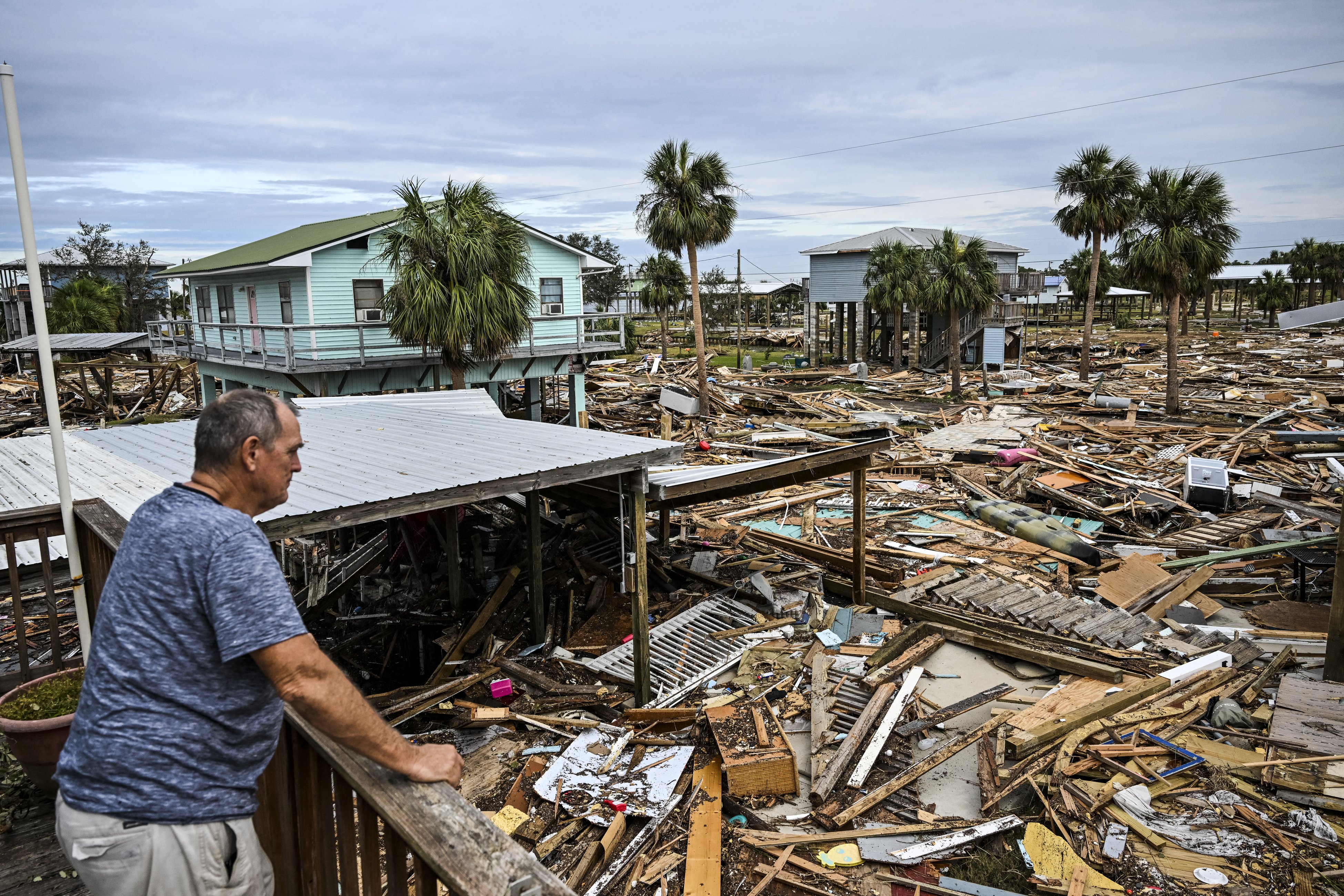
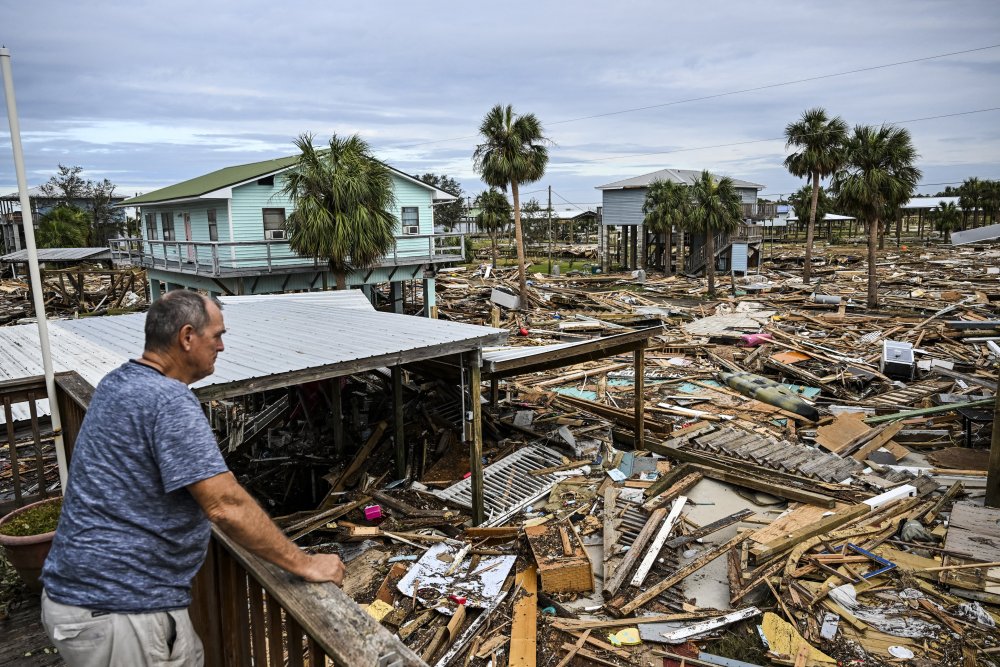
Southeast homeowners affected by the storms last fall submitted a combined over 78,500 flood insurance claims to the National Flood Insurance Program. View the full article
-
North American banks face heightened anti-money laundering scrutiny and a few related variables will determine whether or not this leads to more mortgage sales. View the full article

-
Stock exchange head says shock of new US administration is forcing competitiveness gap to be tackledView the full article
-
Move by SoftBank-owned chip designer threatens to upend the balance of power in the $700bn semiconductor industryView the full article
-
A $1 billion assessment announced Tuesday for California's FAIR Plan, the state-mandated insurer of last resort, is expected to drive up premiums as companies will likely pass some of the costs onto homeowners. View the full article

-
Several channels owned by Paramount Global, including CBS, Comedy Central, Nickelodeon, and MTV, could go dark on YouTube TV this week if a contract renewal cannot be reached between the two companies. YouTube TV, a subsidiary of Google, announced in a statement that it is working hard to reach a fair agreement that allows it to keep Paramount channels without raising prices for subscribers. It had not yet been successful in “good-faith” negotiations. What will happen if a new contract isn’t reached? After February 13, all Paramount content, including CBS and CBS Sports, will be removed from YouTube TV. Subscribers will also not be able to access previous recordings from these channels or add-on services, including Paramount+ with Showtime and BET+, according to the statement from YouTube. The company also announced that if an agreement is not reached, it will offer subscribers an $8 credit. “We’re still in active conversations with Paramount and are hopeful we can come to an agreement to keep their content available on YouTube TV,” said the YouTube team. What has Paramount said about this? Paramount said on a special webpage that it had made a series of offers that were good for all customers, though YouTube TV could not agree on the terms. “YouTube TV is attempting to pressure Paramount to agree to unfavorable and one-sided terms,” said Paramount on the webpage. “YouTube TV is prioritizing their own interests over a fair agreement.” The deal that Paramount proposed would continue the relationship between the companies, enabling them to give streamers access to its networks at a fair price, according to Paramount. This dispute comes a month after YouTube TV raised the prices of its basic package to $82.99 per month. The service has around eight million subscribers and is the most popular internet-based pay-TV service, surpassing competitors like DirecTV Stream and Fubo, according to CNN. Sports fans who use YouTube TV could be especially affected, as access to CBS would be cut just as March Madness is soon to begin. Selection Sunday is March 16, and the NCAA tournament starts March 20. Why does this sound familiar? Carriage disputes have long plagued the pay-TV business, with traditional cable subscribers often experiencing service disruptions as media companies and distributors squabble over costs. As streaming services have moved to replicate the cable bundle in recent years, they have sometimes found themselves in the same boat. YouTube previously clashed with Disney in 2021 when it was time for a contract renewal. The problem was caused after Disney thought YouTube wasn’t paying enough for its content. Disney’s channels disappeared on the service for two days before a contract renewal was reached. How can I find out which channels are in jeopardy? If a contract cannot be reached by Thursday, Paramount has provided this list of channels, based on zip code, that subscribers could potentially lose. View the full article

-
It’s not just eggs—all the basics we need to live our lives are getting more expensive, including the energy we use to run our appliances, heat our homes, and do just about everything else. The average monthly cost for electricity and gas is already over $200, so when your utility bill spikes, it’s often a cause for panic. After all, you can only do so much to cut down on your usage. If you’re looking for ways to manage your utility bills, there is one option worth investigating. Check with your local utility company to see if it offers what’s known as a Time of Use (TOU) plan. While these plans require some adjustment and a healthy dose of personal discipline, they also the possibility of saving real money on your utility bills. What’s a Time of Use utility plan?Although a typical utility bill presents a flat rate for your usage, electricity demand varies greatly depending on the time of day. When demand is high (usually between 5 p.m. and 9 p.m., when people are getting home from work, firing up all their appliances, and warming up/cooling down the house) it’s more challenging for your utility company to provide sufficient energy. When demand is lower, it’s easier to generate enough energy to meet demand, so a TOU plan is designed to encourage customers to migrate their usage to off-peak hours by charging them a lower rate during those times. Electricity will cost more during peak hoursIt's critical to not e that most TOU plans will charge you a higher rate during peak hours—higher, that is, than the regular rate you'd pay without a TOU plan. If you go with a TOU plan, you'll not only not save money unless you commit to using less energy when demand is high, you'll potentially lose money. The savings can be significantIf your utility company offers a TOU plan (not all do), this can lead to significant savings; although the exact amount you can shave off your utility bill will vary depending on the actual rates and your usage, you can potentially save up to 40% off your energy bill. But it will take some effort. How to save with a Time of Use utility planThe key thing about opting into a TOU plan is that you have to shift much of your energy use to those off-peak hours to see any benefit. The “off peak” hours that are cheaper under a TOU plan are set by the utility—you can’t pick and choose when you get the lower rate. You'll have to adapt your lifestyle to fit the plan in order to save money. That means running appliances like dishwashers, washing machines, and vacuums late at night. If you own an electric vehicle, you’ll have to charge it after peak hours. And you’ll need to adjust your thermostat so your HVAC system doesn’t run full-blast during peak hours. While it might seem totally do-able to start doing laundry and vacuuming the house at 10 p.m., keep in mind you have to maintain this schedule shift for the long haul. If you lose your motivation after a few weeks and go back to a more convenient one, you won’t get the cheaper rate—as noted, you might even pay more than you would have if you hadn’t opted into a TOU plan in the first place. Consider also the fact that you will be using at least some electricity during peak hours, and you’ll likely be paying a higher rate for it. You have to be able to shift enough of your usage into the off-peak periods to really save money, which means it's probably not going to work out if you work remotely or are a big homebody. How to find a Time of Use utility planIf you think a TOU plan might work for you, you can contact your current energy supplier to find out if they offer one. You can also check the U.S. Department of Energy’s website, which maintains a listing of utilities that offer some version of TOU on a state by state basis. Just because a program is listed, however, doesn’t mean it’s active: Some utilities have designated opt-in periods, and some are temporary and may not be accepting new customers, so you’ll have to contact the listed utility directly to discuss your options. View the full article
-
Mobile marketing statistics offer invaluable insights for crafting impactful mobile marketing strategies in the rapidly evolving digital landscape. With comprehensive mobile marketing statistics, this guide provides insights into the power of mobile advertising. The importance of these statistics cannot be overstated, as they offer a clear look at the most important mobile marketing tips and emerging growth strategies. The Rising Importance of Mobile Marketing The ascendancy of mobile marketing is a testament to the ubiquity of mobile devices in our daily lives. With over 5 billion unique mobile phone users worldwide, the integration of mobile apps into marketing strategies has become not just advantageous but essential. Mobile marketing statistics reveal a staggering engagement rate, with users checking their devices 63 times daily on average. This constant connectivity offers marketers an unprecedented opportunity to reach audiences where they are most attentive. Consequently, a robust mobile marketing strategy is no longer a luxury—it’s a cornerstone of modern business, driving growth and fostering intimate connections with consumers at every swipe, tap, and scroll. Mobile Device and Mobile Phone Usage and Penetration Rates 5.35 billion people are using the internet, which represents 66.2 percent of the global population. Internet users have increased by 1.8 percent, with 97 million new users coming online for the first time recently. An estimated 56% of global internet traffic will originate from mobile devices, while desktops will contribute 39%. The remaining 5% of global internet traffic will be attributed to emerging technologies like smart TVs and IoT devices. Mobile devices accounted for 49.78% of all web visits, while desktops made up the remaining 50.22%. Over one year, mobile users’ share increased by 5%. Mobile phones generate 60.66% of website traffic, while desktops and tablets account for 39.34%. 55% of page views come from mobile phones. More than half of all video views come from mobile devices. Phone-based CPCs cost 24% less than desktops while having a 40% higher CTR. Mobile Marketing Effectiveness Mobile advertising spending has reached a record of 327.1 billion U.S. dollars worldwide. This figure marked an increase of 17.2 percent compared to the previous year. According to recent data, spending is projected to reach nearly 399.6 billion. Most marketers reported that mobile devices were responsible for more than half of their annual traffic. The average website has a bounce rate of 37% and an SEO click-through rate of 13%. 70% of marketers believe that A/B testing is essential to boost conversion rates. 40% of consumers are seen to abandon their carts if an app isn’t mobile-friendly. There are over 3.5 million apps in the Google Play Store. Google accounts for over 95% of global mobile search market share. Mobile Marketing Statistics: Consumer Behavior and Preferences 88% of mobile time is spent on apps. 40% of consumers will abandon their carts if your app isn’t mobile-friendly. 48% of customers say if a website or app isn’t mobile-friendly, it’s a clear indication that the business doesn’t car. 88% of online shoppers won’t return to a site after a bad user experience. The number of mobile users will reach 292 million next year. First-time app installation globally will touch 183.7 billion. 21% of Millennials open an app 50+ times per day. Mobile Browsing and App Usage on Mobile Devices Mobile app downloads worldwide over recent years (in billions). Number of mobile app downloads worldwide over a specified period by segment (in million downloads). Number of Apple App Store and Google Play mobile app downloads worldwide over a recent period (in billions). Mobile app downloads worldwide over a recent period (in billions). Mobile app usage is projected to grow at a CAGR of 20% over the upcoming years. The number of mobile users will reach 292 million next year. The click-through rate (CTR) for in-app ads is 0.56% globally, compared to the 0.23% that mobile web ads see. 88% of mobile time is spent on apps. The average American checks their phone 262 times per day. In recent times, in-app advertising reached a whopping $201 billion. Consumer Preferences for Mobile Ads on Mobile Phones Global mobile ad spending reached $362 billion, representing an 8% increase compared to the prior period, fueled by revenue from short-form video and video-sharing apps. Mobile ad spending is projected to reach $402 billion, reflecting an 11% increase compared to the previous period. The global revenue of customer experience personalization and optimization software is expected to exceed 9.5 billion U.S. dollars in the near future. Many companies are already spending more than half of their budgets on personalization efforts today. According to 90% of top marketers, personalization plays a crucial role in enhancing business profitability. Personalization is appreciated by 69 percent of customers as long as it is based on data they have explicitly shared with a business. 80% of consumers will share personal data in exchange for deals or offers. 74% of eCommerce companies have a website personalization program. The recommendation engine market size is expected to reach $12 billion in the near future. SMS Marketing Statistics 87% of businesses that text report their digital marketing is successful. 91% of business owners and marketing managers say they see higher conversion rates with integrated marketing campaigns that include SMS. Most businesses have an average SMS marketing click-through rate between 21 and 35%. Customer satisfaction surveys and customer service are the primary reasons why businesses are using SMS marketing. SMS Marketing Adoption and Effectiveness 80% of businesses use SMS marketing software to text their customers. Nearly 70% of businesses are expected to increase their SMS marketing budgets in the near future. Businesses that text customers are 683% more likely to report digital marketing success than businesses that don’t use text messaging. SMS Marketing Best Practices The average opt-out rate for businesses is between 1 and 2%. Businesses say that 11-20% of their revenue can be attributed to SMS marketing. 81% of consumers check their text notifications within just five minutes of receiving a text. Mobile Advertising Formats and Trends The global in-app advertising market is projected to reach $352.70 billion in the near future. Digital video advertising is anticipated to draw $80.1 billion in global spending, with projections indicating that this expenditure will rise to $120 billion in the coming years. Digital video ad spending has reached nearly $176.63 billion. Predictions indicate that TikTok will surpass Facebook and Instagram as the most popular social platform for marketing videos. Mobile Video Advertising Statistics The global native advertising market is anticipated to surpass $100 billion. The United States continues to lead in digital video ad spending, with China and the United Kingdom following in second and third place, respectively. Predictions indicate that TikTok will surpass Facebook and Instagram as the most popular social platform for marketing videos. Native Ads and In-App Advertising Statistics The global native advertising market is anticipated to reach $402.33 billion in the near future. Native ads are viewed 53% more frequently than traditional display ads. Native ads generate an 18% higher lift in purchase intent and a 9% lift in brand affinity responses as compared to banner ads. The click-through rate (CTR) for native ads is 0.16% on desktop and 0.38% on mobile, which is a significant feat compared to 0.11% for traditional banner ads. Editorial sites are trusted by 75% of customers, whereas only 54% trust social media. Additionally, the audience tends to have greater confidence in native ads on editorial sites (68%) compared to those on social media (55%). The Future of Mobile Marketing As we gaze into the horizon of mobile marketing, the future seems poised for transformative growth, driven by mobile usage statistics that underscore the centrality of mobile devices in consumer lives. The industry is bracing for a surge in mobile traffic and mobile searches, with predictions that mobile ad spend will skyrocket, eclipsing traditional advertising mediums. Innovations in mobile apps and mobile ads are expected to become more personalized, interactive, and seamlessly integrated into user experiences. The data paints a clear picture: businesses that adapt to these trends, fortifying their mobile marketing strategy with data-driven insights, will not only survive but thrive in the competitive digital ecosystem of tomorrow. Emerging Mobile Marketing Trends The landscape of mobile marketing is undergoing significant transformations, driven by the evolving ways in which consumers use their mobile devices. As we delve into this dynamic field, several key trends stand out for their potential to reshape how brands engage with audiences through mobile platforms: Augmented Reality (AR) Integration: AR technology is becoming increasingly prevalent in mobile marketing, offering interactive and immersive experiences directly from users’ smartphones. This can range from virtual try-ons for products like glasses and makeup to interactive games that bring brand characters to life in the user’s environment. Artificial Intelligence (AI) Advancements: AI is playing a crucial role in personalizing user experiences on mobile devices. Through machine learning algorithms, mobile apps can deliver personalized content, product recommendations, and even predictive search functionalities, enhancing user engagement and satisfaction. Location-Based Marketing (LBM): Utilizing GPS and other location-sensing technologies, LBM delivers advertisements and content that are relevant to the user’s current location. This could include special offers from nearby stores, local event promotions, or location-specific app functionalities. Voice Search Optimization: With the growing use of voice assistants on mobile devices, optimizing for voice search is becoming increasingly important. This involves ensuring that content is easily discoverable and accurately interpreted by voice search algorithms, facilitating a seamless user experience. Mobile Commerce (M-Commerce) Enhancement: With an increasing number of consumers using their mobile devices for shopping, brands are enhancing their mobile sites and apps to improve e-commerce. This involves implementing streamlined checkout processes, integrating mobile payment options, and providing personalized shopping experiences. 5G Technology Impact: The rollout of 5G is set to significantly boost mobile marketing capabilities by enabling faster load times, higher quality video streaming, and more reliable connections. This can enhance mobile ad delivery and engagement, particularly for data-intensive formats like video and interactive content. Social Media Shopping Features: Social platforms and influencer marketing agencies are increasingly integrating shopping functionalities, allowing users to make purchases directly through the app. This blurs the lines between social media browsing and online shopping, creating new opportunities for targeted mobile marketing campaigns. Sustainability and Ethical Marketing: Consumers are becoming more conscious of environmental and ethical issues, leading to a rise in brands emphasizing sustainability in their mobile marketing. This can include promoting eco-friendly products, sustainable practices, or charitable initiatives within mobile content and ads. These trends emphasize the swift advancements in mobile marketing, highlighting the necessity of utilizing new technologies and consumer insights to develop engaging, effective, and personalized mobile experiences. As these trends progress, they will significantly influence the future of mobile marketing, prompting brands to embrace more sophisticated and user-focused strategies. TrendKey FeaturesBenefitsPotential Challenges Augmented Reality (AR)Interactive experiences through mobile devicesHighly engaging; enhances product visualizationRequires advanced tech; can be resource-intensive Artificial Intelligence (AI)Personalization through learning user behaviorsIncreases engagement and user satisfactionPrivacy concerns; complexity of AI systems Location-Based Marketing (LBM)Ads/content based on user's geographical locationHighly targeted; contextually relevantPrivacy issues; reliance on location data accuracy Voice Search OptimizationOptimizing content for voice search algorithmsFacilitates ease of use; enhances accessibilityAdapting content for voice queries can be complex Mobile Commerce (M-Commerce)Streamlined mobile shopping experiencesConvenience; increased sales potentialSecurity concerns; mobile platform optimization 5G TechnologyFaster load times and higher quality streamingEnhanced user experience; improved ad deliveryInfrastructure and coverage limitations Social Media Shopping FeaturesDirect shopping options within social media platformsSeamless shopping experience; increased conversionsPlatform dependency; constant feature updates Sustainability and Ethical MarketingPromoting eco-friendly practices and productsPositive brand image; customer loyaltyAuthenticity scrutiny; may limit audience reach The Role of Innovation in Mobile Marketing Innovation in mobile marketing is not just about staying current; it’s about leading the charge in a world dominated by smartphone usage statistics. The fusion of new technologies, platforms, and strategies is reshaping the realm of mobile advertising, making relevant mobile marketing statistics more crucial than ever. As mobile statistics continue to show an upward trend in device penetration and usage time, marketers are compelled to innovate or risk obsolescence. From leveraging data analytics for personalized ad experiences to exploring the potential of 5G networks for instant connectivity, innovation is the driving force that propels mobile marketing statistics into new frontiers of customer engagement and business growth. https://youtube.com/watch?v=7Xi7sC-JZaI%3Fsi%3D7QZHVhJrs_wdnfGS FAQs: Mobile Marketing Statistics Why is mobile marketing becoming more important for businesses? Mobile marketing is on the rise due to the pervasive use of mobile devices globally. With over 5 billion unique mobile phone users worldwide, leveraging mobile apps for marketing has become essential. Our mobile marketing statistics reveal that users check their devices 63 times daily on average, offering a prime opportunity for businesses to engage with their target audience effectively. What are the most effective mobile marketing channels and strategies? The effectiveness of mobile marketing channels and strategies can differ, but our data indicates that personalized advertising, especially via mobile apps, produces substantial results. Furthermore, incorporating augmented reality (AR) and artificial intelligence (AI) into mobile marketing initiatives can boost engagement and increase conversions. How does SMS marketing fit into the overall mobile marketing landscape? SMS marketing remains a relevant and effective tool in the mobile marketing landscape. Our statistics show that 87% of businesses using text messaging report successful digital marketing outcomes. SMS marketing is particularly impactful for customer satisfaction surveys, customer service, and integrated marketing campaigns. How do mobile marketing strategies differ for B2B and B2C businesses? Mobile marketing strategies can differ significantly for B2B and B2C businesses based on their target audience and objectives. Not tailoring your strategy to your specific type of business and industry is among the top mobile marketing mistakes a business can make. While B2C businesses may focus more on engaging content through mobile apps and social media, B2B businesses might prioritize lead generation and relationship-building through personalized email campaigns and professional networking apps. What are the key performance indicators (KPIs) for mobile marketing campaigns? Key performance indicators (KPIs) for mobile marketing campaigns include app downloads, click-through rates (CTR), conversion rates, customer engagement metrics, and mobile marketing ROI. Monitoring these metrics allows businesses to assess the effectiveness of their mobile marketing efforts and make data-driven decisions. What are the best tools and platforms for managing mobile marketing campaigns? Several tools and platforms are available for managing mobile marketing campaigns, including mobile advertising platforms, SMS marketing software, analytics tools, and customer relationship management (CRM) systems. Choosing the right tools depends on specific campaign objectives, target audience, and budget constraints. Image: Envato Elements This article, "Mobile Marketing Statistics: Unlocking the Power of Mobile Advertising" was first published on Small Business Trends View the full article
-
While Freddie Mac's weekly survey showed 30-year rates falling, other indicators paint a mixed picture for mortgage lenders and borrowers. View the full article

-
The Palisades and Eaton fires that swept through Los Angeles in January caused significant disruptions to the local labor market, with payroll data from ADP showing a sharp decline in paychecks issued and hours worked. Although the fires directly affected a small portion of Los Angeles County’s total employment, their economic impact extended well beyond the burn zones. According to ADP payroll data, paycheck issuance in fire-affected ZIP codes dropped 10% in the first week of the fires compared to the same period in 2024. The decline continued in the following weeks, falling 6% from January 12-18 and again by 10% from January 19-25. By January 26, payroll activity had returned to normal levels. The fires also resulted in a reduction of hours worked. Hourly employees in the Los Angeles-Long Beach-Anaheim region saw their average weekly hours fall 5.1%—or about two hours—between January 5-11 compared to the same period in 2024. The following week, hours worked declined by 2.6%. Sector-Specific Impacts Manufacturing: Hours worked fell 6.7% the week of January 5 compared to the previous year. Trade, Transportation, and Utilities: Declined 5.9% the week of January 5 and 8.9% the week of January 12 year-over-year. Healthcare and Education: Paycheck issuance dropped 1% in the first week and 10% in the second week of the fires. Leisure and Hospitality: Bucked the trend, with hours worked rising 1.4% the week of January 5, increasing to 2.8% and 2.9% in the following weeks, likely due to demand from displaced residents. Beyond immediate job losses, the fires are expected to have long-term effects on the local economy. Displaced residents seeking housing could exacerbate the region’s already high rental costs, potentially pushing lower-income workers into longer commutes. “The economic impact of the Palisades and Eaton fires extends beyond the immediate loss of jobs, homes, businesses, and infrastructure,” the ADP report noted. The challenge now is rebuilding in a way that strengthens economic resilience while addressing fire-resistant construction and high-density development. Despite the disruptions, the Los Angeles economy is expected to recover. However, the fires highlight vulnerabilities even in affluent communities, emphasizing the need for strategic rebuilding efforts to sustain economic stability and protect against future disasters. This article, "Wildfires in Los Angeles Disrupt Employment and Pay, ADP Data Shows" was first published on Small Business Trends View the full article
-
Valentine’s Day often conjures up images of chocolates and romance. But the crop behind this indulgence faces an existential threat. Regions like northeastern Brazil, one of the world’s notable cocoa-producing areas, are grappling with increasing aridity – a slow, yet unrelenting drying of the land. Cocoa is made from the beans of the cacao tree, which thrives in humid climates. The crop is struggling in these drying regions, and so are the farmers who grow it. This is not just Brazil’s story. Across West Africa, where 70% of the world’s cacao is grown, and in the Americas and Southeast Asia, shifting moisture levels threaten the delicate balance required for production. These regions, home to vibrant ecosystems and global breadbaskets that feed the world, are on the frontlines of aridity’s slow but relentless advance. A farmer in Colombia holds a cacao pod. [Photo: ©2017CIAT/NeilPalmer, CC BY-NC-SA] Over the past 30 years, more than three-quarters of the Earth’s landmass has become drier. A recent report I helped coordinate for the United Nations Convention to Combat Desertification found that drylands now cover 41% of global land, an area that expanded by nearly 1.7 million square miles (4.3 million square kilometers) over those three decades — about half the size of Australia. This creeping dryness is not just a climate phenomenon. It’s a long-term transformation that may be irreversible and that carries devastating consequences for ecosystems, agriculture and livelihoods worldwide. What causes aridity? Aridity, while often thought of as purely a climate phenomenon, is the result of a complex interplay among human-driven factors. These include greenhouse gas emissions, land use practices and the degradation of critical natural resources, such as soil and biodiversity. These interconnected forces have been accelerating the transformation of once-productive landscapes into increasingly arid regions, with consequences that ripple across ecosystems and economies. Greenhouse gas emissions: A global catalyst Human-induced climate change is the primary driver of rising aridity. Greenhouse gas emissions, particularly from fossil fuel combustion and deforestation, increase global temperatures. Rising temperatures, in turn, cause moisture to evaporate at a faster rate. This heightened evaporation reduces soil and plant moisture, exacerbating water scarcity – even in regions with moderate rainfall. Aridity began accelerating globally in the 1950s, and the world has seen a pronounced shift over the past three decades. This process is particularly stark in regions already prone to dryness, such as Africa’s Sahel region and the Mediterranean. In these areas, reduced precipitation – combined with increased evaporation – creates a feedback loop: Drier soils absorb less heat, leaving the atmosphere warmer and intensifying arid conditions. The number of people living in dryland regions has been rising in each region in recent years. Years 1971-2020. Scales vary. [Graph: UNCCD] Unsustainable land-use practices: A hidden accelerator Aridity is also affected by how people use and manage land. Unsustainable agricultural practices, overgrazing and deforestation strip soils of their protective vegetation cover, leaving them vulnerable to erosion. Industrial farming techniques often prioritize short-term yields over long-term sustainability, depleting nutrients and organic matter essential for healthy soils. For example, in cocoa-producing regions like northeastern Brazil, deforestation to make room for agriculture disrupts local water cycles and exposes soils to degradation. Without vegetation to anchor it, topsoil – critical for plant growth – washes away during rainfall or is blown away by winds, taking with it vital nutrients. These changes create a vicious cycle: Degraded soils also hold less water and lead to more runoff, reducing the land’s ability to recover. Aridity can affect the ability to grow many crops. Large parts of the country of Chad, shown here, have drying lands. [Photo: United Nations Chad, CC BY-NC-SA] The soil-biodiversity connection Soil, often overlooked in discussions of climate resilience, plays a critical role in mitigating aridity. Healthy soils act as reservoirs, storing water and nutrients that plants depend on. They also support biodiversity below and above ground. A single teaspoon of soil contains billions of microorganisms that help cycle nutrients and maintain ecological balance. However, as soils degrade under aridity and mismanagement, this biodiversity diminishes. Microbial communities, essential for nutrient cycling and plant health, decline. When soils become compacted and lose organic matter, the land’s ability to retain water diminishes, making it even more susceptible to drying out. In short, the loss of soil health creates cascading effects that undermine ecosystems, agricultural productivity and food security. Global hot spots: Looming food security crises Cocoa is just one crop affected by the encroachment of rising aridity. Other key agricultural zones, including the breadbaskets of the world, are also at risk. In the Mediterranean, Africa’s Sahel and parts of the U.S. West, aridity already undermines farming and biodiversity. By 2100, up to 5 billion people could live in drylands – nearly double the current population in these areas, due to both population growth and expansion of drylands as the planet warms. This puts immense pressure on food systems. It can also accelerate migration as declining agricultural productivity, water scarcity and worsening living conditions force rural populations to move in search of opportunities. A map shows average aridity for 1981-2010. Computer simulations estimate that greenhouse gas emissions from human activities caused a 1.2% larger increase in the four types of dry regions combined for the periods between 1850 and 1981–2010 than simulations with only solar and volcanic effects considered. [Graph: UNCCD] Aridity’s ripple effects also extend far beyond agriculture. Ecosystems, already strained by deforestation and pollution, are stressed as water resources dwindle. Wildlife migrates or dies, and plant species adapted to moister conditions can’t survive. The Sahel’s delicate grasslands, for instance, are rapidly giving way to desert shrubs. On a global scale, economic losses linked to aridification are staggering. In Africa, rising aridity contributed to a 12% drop in gross domestic product from 1990 to 2015. Sandstorms and dust storms, wildfires and water scarcity further burden governments, exacerbating poverty and health crises in the most affected regions. The path forward Aridity is not inevitable, nor are its effects completely irreversible. But coordinated global efforts are essential to curb its progression. Countries can work together to restore degraded lands by protecting and restoring ecosystems, improving soil health and encouraging sustainable farming methods. Communities can manage water more efficiently through rainwater harvesting and advanced irrigation systems that optimize water use. Governments can reduce the drivers of climate change by investing in renewable energy. Continued international collaboration, including working with businesses, can help share technologies to make these actions more effective and available worldwide. So, as you savor chocolate this Valentine’s Day, remember the fragile ecosystems behind it. The price of cocoa in early 2025 was near its all-time high, due in part to dry conditions in Africa. Without urgent action to address aridity, this scenario may become more common, and cocoa – and the sweet concoctions derived from it – may well become a rare luxury. Collective action against aridity isn’t just about saving chocolate – it’s about preserving the planet’s capacity to sustain life. Narcisa Pricope is a professor of geography and land systems science and associate vice president for research at Mississippi State University. This article is republished from The Conversation under a Creative Commons license. Read the original article. View the full article

-
We may earn a commission from links on this page. Valentine's Day is tomorrow. By this point, you should've already ordered your love a dozen roses. And of course, there are plenty of non-floral gift ideas that are perfect for the day of love, which I've rounded up for you here. But don't panic if you haven't found the perfect gift yet—or if you forgot about the holiday entirely. I've curated a selection of thoughtful, budget-friendly presents that prove you don't need to break the bank to show someone you care. Personalized photo gifts Transform your favorite memories into meaningful presents using same-day printing services at a local drugstore or big-box retailer. Create custom photo magnets, prints, or small photo books featuring your favorite moments together. Many stores offer same-day pickup, making this an ideal last-minute option that feels anything but rushed. Gourmet chocolate experience Skip the traditional heart-shaped box and create a unique chocolate tasting experience. Visit a local specialty shop or gourmet market to select four or five high-end chocolate bars in different flavors and percentages. Arrange them on a simple plate or in a decorative bag with handwritten tasting notes for an educational and delicious adventure you can enjoy together. Or buy a fancy box on Amazon. L'Atelier Artisan Inspired Chocolates Gift Box, Variety Pack, 14 oz $29.99 at Amazon Shop Now Shop Now $29.99 at Amazon Handcrafted self-care package Assemble a spa day in a box using affordable but luxurious items: a scented candle, bath bomb, face mask, and small bottle of essential oil. Package everything in a decorative box or basket from a dollar store, adding a personal touch with handwritten self-care "recipes" for relaxation. Custom music box Create a digital playlist of songs that tell your story together. Write heartfelt notes about why each song is meaningful and present them in a decorated box or envelope. While the playlist itself is free, you can add small treats or trinkets that relate to specific songs while staying under budget. Cooking adventure kitEven if you don't have it in you to secure a, say, complete sushi-making kit, you can still get creative. Build a themed cooking kit around your beloved's favorite food. For Italian night, include pasta, a special sauce ingredient, herbs, and a handwritten recipe. For movie night, compile unique popcorn seasonings, candy, and hot chocolate mix. The key is packaging it beautifully with suggestions for how to use everything. Alas Complete 20 Piece Sushi Making Set $25.99 at Amazon /images/amazon-prime.svg $39.99 Save $14.00 Shop Now Shop Now $25.99 at Amazon /images/amazon-prime.svg $39.99 Save $14.00 Plant parent starter kitVisit a garden center (or click one-day shipping for an Amazon version here) for a small, low-maintenance plant (like a succulent or pothos), pair it with a decorative pot, and include basic care instructions. This gift keeps growing long after Valentine's Day and shows thoughtful consideration of their interests. Local experience vouchersCreate handmade "tickets" for future dates based on local free or low-cost activities. Include a coffee shop gift card, passes to a museum's free day, or a picnic plan with a small bottle of wine or sparkling cider. The focus here is on quality time together rather than material items. Crafted memory journalSnag a blank journal and fill the first few pages with your favorite memories, photos, ticket stubs, and personal notes. Leave the rest blank with prompts for future memories you'll create together. This combines sentimentality with the promise of future adventures. If you have time, you can buy a journal that already has loving prompts inside. Relationship Journal for Couples $11.99 at Amazon /images/amazon-prime.svg Shop Now Shop Now $11.99 at Amazon /images/amazon-prime.svg Tips for last-minute successMany of these gifts can be assembled in under an hour using items from local stores. When you're in a pinch, focus on presentation: Simple ribbon, craft paper, or even newspaper can create beautiful wrapping. And most important of all is to include a heartfelt card explaining the thought behind your gift. Remember, Valentine's Day is about expressing your feelings, not emptying your wallet. The best Valentine's gifts show you've put thought into what would make your partner happy. These budget-friendly options prove that meaningful presents don't require advance planning or expensive price tags—just a little creativity and understanding of what matters to your Valentine. View the full article
-
Talks last year came as the British high street lender takes a robust approach to growth ahead of government exitView the full article
-
European leaders need to speed up efforts to take control of their defenceView the full article
-
Announcement comes as luxury-car maker warned of lower profitability, well below its long-term targetView the full article
-
We may earn a commission from links on this page. Deal pricing and availability subject to change after time of publication. If you're not an Apple user, Garmin fitness watches are the no-brainer smartwatches to go for if you're looking for the most trusted brands (some Apple users might still want to consider some Garmins depending on their sport). The Garmin Forerunner 955 has been one of the best Garmin watches since its release and can track many activities. It's currently available for $349.95 (originally $499.99) for the rechargeable battery version and $399.99 (originally $599.99) for the solar version, both at the lowest prices they have ever been. Screen Size: 1.3 Inches, Connectivity: Bluetooth and USB, Map Type: Satellite, Battery: 480 Hours Garmin Forerunner 955, Rechargeable Battery $349.95 at Amazon /images/amazon-prime.svg $499.99 Save $150.04 Get Deal Get Deal $349.95 at Amazon /images/amazon-prime.svg $499.99 Save $150.04 Screen Size: 1.3 Inches, Connectivity: Bluetooth and USB, Map Type: Satellite, Battery: Solar Garmin Forerunner 955, Solar $399.99 at Amazon /images/amazon-prime.svg $599.99 Save $200.00 Get Deal Get Deal $399.99 at Amazon /images/amazon-prime.svg $599.99 Save $200.00 SEE -1 MORE Our Senior Health Editor Beth Skwarecki says that Garmin's Forerunner line includes some of the best running watches on the market right now. She's partial to the 265. The 965 is the most full-featured watch in the Forerunner lineup, and the 955 is one generation older but still beloved by runners. Garmin watches tend to have a long lifespan, and some users even prefer the MIP screen in the 955 to the AMOLED in the newer 965. The Garmin Forerunner 955 came out in 2022 as one of Garmin's flagship fitness watches. The 1.3-inch transflective touchscreen display is easily visible outdoors in sunlight (but it won't look as good indoors) and has gorilla glass, so the screen is scratch-resistant, but not scratch-proof. Garmin also gave it touch controls, so it's great for swimming or rainy activities. You'll get about two weeks of battery life with the Forerunner 955. If you live in a sunny environment, you should consider the solar battery one, especially since it's only $50 more right now. It'll give you about a week more of battery life depending on how much sun it gets. The GPS works well and is accurate, according to CNET's review. You can see tracking for HRV (Heart Rate Variability), sleep, previous workouts, and stress, and it gives you a Training Readiness Score, which is based on 100. It tells you how well-recovered and ready you are for workouts. The Forerunner 955 works with iOS and Android, although Apple users won't be able to use the quick replies feature on their phones. At this current price, the Forerunner 955 is a great deal and still a solid fitness watch to get in 2025. View the full article
-
The industry is turning to packaging of AI technologies rather than focusing on model trainingView the full article
-
But the company took a credit loss provision in the fourth quarter, deciding to add to its reserves because of new mortgage acquisitions to its portfolio. View the full article
-
Starting a crawfish farm can be a profitable and rewarding business venture. This article will outline the key steps to start crawfish farming, including preparing the pond, stocking crawfish, and marketing your harvest. By following these guidelines, you can set yourself up for success in the exciting world of crawfish farming. Let’s dive in! How to Start a Crawfish Farming Business in Simple Steps If you’re interested in starting a crawfish farming business, it’s important to have a solid plan in place. In this section, we’ll outline six simple steps to help you get started, from developing a business plan to marketing your products. Follow these steps and you’ll be on your way to learning how to start a farm and how to make money farming. Develop a Business Plan A solid business plan is not just a formality; it’s a vital roadmap for your crawfish farming venture. It should outline your specific goals, both short-term and long-term, assess your current financial situation comprehensively, and thoroughly research the market. This includes analyzing competition and understanding the demand and pricing for crawfish in your chosen location. Secure Funding Capital is crucial for starting any business, and crawfish farming is no exception. The costs can mount up quickly, from pond construction to stocking your pond with juvenile crawfish. Evaluate your funding options thoroughly. This could include bank loans, grants from agricultural bodies, or even crowdfunding platforms. Choose a Suitable Site Selecting the perfect location for your crawfish farm is crucial to the operation’s success. You must consider factors like the type of soil—clay is often recommended—and the quality of water, which should be free from harmful chemicals. Proximity to markets is equally important, as it impacts transportation costs and freshness of the product. Obtain the Necessary Permits Before plunging into crawfish farming, make sure to do your legal homework. It’s imperative to secure all required permits and licenses from the local, state, and federal authorities. These permits ensure you comply with environmental regulations and zoning laws, which can vary greatly depending on your jurisdiction. Stock Your Pond Securing juvenile crawfish is your next important step. Be sure to purchase from a reputable supplier to ensure that you’re getting healthy, disease-free crawfish. Timing is key when stocking your pond; consult local agricultural guides or experts to identify the best time of year to introduce the crawfish to your pond. Market Your Products Creating a well-thought-out marketing plan is crucial for the success of your crawfish business. It should outline how you plan to promote your products and to whom—be it local restaurants, wholesalers, or farmers markets. Social media can also be a powerful tool for generating interest and sales. What is a crawfish farm? Crawfish culture involves the breeding, rearing, and harvesting of crawfish in a controlled environment. A crawfish farm is a type of aquaculture where crawfish are raised for commercial or personal use. Similar to other forms of farming, crawfish farmers provide an environment in which the crawfish can grow and reproduce while also monitoring and controlling various aspects of the pond ecosystem. Crawfish farming can be a profitable business venture, particularly in areas with high demand for crawfish. The Crawfish Production Industry Today According to market research, the crawfish production industry in the United States is anticipated to experience significant growth in the near future. The industry’s value was approximately $285 million recently and is projected to grow at a CAGR of almost 31.5% over the following years. The market is predicted to reach over $1.55 billion, indicating ample opportunities for entrepreneurs and investors in the crawfish farm sector. Why You Should Consider Becoming a Crawfish Farmer Crawfish farming is an exciting and profitable business venture that offers a range of benefits to entrepreneurs. Not only can you produce a high-quality product, but there are also many things to sell at farmers markets. If you’re considering starting a crawfish farm, here are five reasons to help you make your decision: Strong demand: The demand for crawfish continues to grow, particularly in the southern United States, where it’s a beloved food item. High profitability: Crawfish farming can be a lucrative business venture with the potential for significant profits. Sustainable farming: Crawfish farming is a sustainable form of aquaculture that requires minimal resources and has a low impact on the environment. Diverse product offerings: Crawfish can be sold live, boiled, or processed into value-added products such as soups, dips, and sauces. It’s also possible to combine this operation with other types of fish. For example, if you already know how to start catfish farming, you may also add crawfish to the mix. Entrepreneurial opportunities: Crawfish farming offers a range of opportunities for entrepreneurs, from direct-to-consumer sales at farmers’ markets to supply agreements with restaurants and seafood distributors. The Crawfish Farming Process Crawfish farming is more than just about breeding and harvesting these crustaceans; it involves a comprehensive process that ensures the health, growth, and sustainability of the crawfish population. Pond Preparation Before introducing crawfish into a pond, it’s essential to prepare the environment to suit their needs. This includes testing and adjusting water quality, ensuring proper aeration, and creating suitable habitat structures like burrows and shelters. A well-prepared pond supports optimal growth and minimizes the risks of disease outbreaks among the crawfish. Feeding and Nutrition Crawfish need a balanced diet to thrive. Although they are natural scavengers, providing supplementary feeding with formulated feeds can improve their growth rates and overall health. It is essential to plan the feeding regimen carefully to ensure it meets the nutritional needs of the crawfish at various stages of their lifecycle. Health Management Monitoring the health of your crawfish population is critical. Regular health checks, water quality tests, and proactive management of potential disease outbreaks are vital components of successful crawfish farming. Utilizing environmentally safe methods to control predators and parasites is also crucial to maintaining a healthy crawfish population. Constructing a Crawfish Pond Constructing a crawfish pond is essential in starting a successful crawfish farming operation. Several factors to consider when building a crawfish pond include location, design, and construction. In this section, we’ll cover each of these elements in detail to help you create a pond that’s well-suited for raising crawfish. Location Choosing the right location is a slightly more complex task than it initially appears. The land should not only have clay soil and good water retention but should also be situated where there’s a consistent and clean water supply for the pond. Besides, consider road accessibility for your crew and customers and the property’s proximity to local or regional markets where you’ll sell your crawfish. A poorly chosen location could increase operational costs, affecting the overall profitability of your venture. Design Designing your crawfish pond requires a careful balance between several variables for the best yield. The ideal pond should have a deep center for water quality management and shallow edges for easy harvesting. Additionally, you’ll need to build an efficient drainage system that can handle both routine water level management and emergency situations like heavy rainfall. The pond floor should consist of rocks, sand, and clay in specific proportions to establish an ideal habitat for crawfish to burrow, promoting better growth and facilitating easier harvesting. Construction Proper construction ensures that your investment pays off in the long run. Here, land excavation needs to be precise, and drainage systems must be robust and reliable. Creating a dependable water source can sometimes involve a secondary, smaller pond or a well. It’s crucial to collaborate with a pond builder or contractor who specializes in aquaculture constructions. Their experience ensures that the pond will meet industry standards, withstand environmental pressures, and support the weight of the crawfish and farming equipment. Finding Crawfish Suppliers Finding a reliable crawfish supplier is essential for crawfish farmers who need to source stock for their ponds or sell live or processed crawfish. Suppliers can be found through online directories, industry associations, and social media platforms. It’s important to vet suppliers carefully, check their reputation, and ensure they can provide the quantity and quality of crawfish you need. Caring for Crawfish Proper care is important for the health and growth of crawfish in a farming operation. This includes monitoring water quality, providing adequate nutrition, and maintaining the right temperature and oxygen levels. Crawfish should also be protected from predators and disease, and regular harvesting should be conducted to prevent overcrowding and ensure optimal growth. Harvesting Crawfish Harvesting crawfish using crawfish traps is a crucial part of crawfish farming. The timing of harvesting depends on factors such as the size of the crawfish, the market demand, and the condition of the pond. Crawfish can be harvested using traps, nets, or drain methods. Proper handling and storage are also essential to ensure the quality of the product. Crawfish Farming Tips Successful crawfish farming requires careful planning and execution. In addition to the steps outlined above, here are several tips and best practices to keep in mind when starting a crawfish farming operation: Regular Maintenance: Proper pond maintenance is essential to keep your crawfish healthy and ensure optimal growth. This includes regular water quality testing, removing debris and dead crawfish, and repairing any damage to the pond. Market Research: Before starting a crawfish farming operation, it’s important to conduct market research to identify potential buyers and assess the demand for crawfish in your area. This will help you determine the right production level and pricing strategy for your business. Record-Keeping: Keeping accurate records of your crawfish farming operation can help you track your expenses, monitor growth rates, and identify potential issues early on. This can help you make informed decisions and optimize your production processes. Continuing Education: Staying up-to-date with the latest trends and best practices in crawfish farming can help you improve your farming techniques and stay competitive in the market. This can include attending industry conferences, participating in online forums, and networking with other farmers. Diversification: Expanding your crawfish farm through diversification can increase your revenue sources and reduce risks. This may involve selling live or processed crawfish, providing tours of your farm, or cultivating additional aquaculture products along with crawfish. Navigating Regulatory Compliance Crawfish farming is subject to various regulations that aim to protect the environment, consumer health, and the crawfish themselves. Understanding and complying with these regulations is essential for operating a legal and ethical crawfish farming business. Environmental Regulations Crawfish farms must adhere to environmental regulations that govern water use, discharge, and habitat protection. It’s crucial to understand the local and state regulations regarding aquaculture and implement practices that minimize the environmental impact of your farming activities. Food Safety Standards If you plan to sell crawfish for human consumption, compliance with food safety standards is non-negotiable. This includes ensuring hygienic handling, processing, and storage of crawfish. Familiarize yourself with the FDA and USDA guidelines to ensure your products meet the required safety standards. Wildlife Conservation In certain areas, specific crawfish species may be safeguarded by wildlife conservation laws. It is essential to investigate and adhere to any regulations concerning the protection of native crawfish species, particularly if your crawfish farm is situated near natural water bodies. Exploring Market Opportunities Successfully marketing your crawfish is key to the profitability of your farm. Understanding the different market segments and identifying the best channels to reach potential customers is critical. Direct-to-Consumer Sales Selling directly to consumers can be a lucrative opportunity. This could include setting up a stall at local farmers’ markets, providing live crawfish sales, or even creating a direct online sales platform. Direct sales not only enhance profits but also contribute to the development of a loyal customer base. Wholesale Distribution Partnering with wholesalers can provide access to broader markets. Establishing relationships with seafood distributors, restaurants, and grocery stores can ensure a steady demand for your crawfish. However, it’s important to negotiate fair terms and ensure consistent quality to maintain these partnerships. Value-Added Products Diversifying into value-added crawfish products, including pre-cooked meals, frozen crawfish, or crawfish-based delicacies, can create new revenue streams. This strategy not only minimizes waste but also appeals to a broader customer base that may not be interested in live crawfish. Starting a Crawfish Farm: A Rewarding Venture Starting a crawfish farm can be a rewarding venture both financially and environmentally. With the right preparation, knowledge of regulatory requirements, and a clear understanding of market dynamics, you can build a successful and sustainable crawfish farming business. Remember, like any agricultural venture, patience, dedication, and continuous learning are key to long-term success. Where are most commercial crawfish ponds? Commercial crawfish farming is prevalent in the southern United States, particularly in Louisiana, which accounts for the majority of the nation’s commercial crawfish production. Other states with significant crawfish farming operations include Texas, Mississippi, and Arkansas. How much does it cost to start a crawfish farm business? Starting a crawfish farm business can require a significant investment. Initial costs can include expenses for constructing ponds and purchasing crawfish stock, equipment, and supplies. The total cost can vary depending on the size of the operation, location, and management practices. It’s possible to explore options for financing or starting small to minimize initial expenses, but trying to figure out how to start farming with no money may not be feasible without some financial resources or assistance. How many crawfish can you raise per acre? The number of crawfish that can be raised per acre varies depending on a variety of factors, such as pond design, water quality, and stocking density. A well-maintained crawfish pond can produce anywhere from 1,500 to 4,500 pounds of crawfish per acre per year, with stocking densities ranging from 5,000 to 15,000 crawfish per acre. How long do crawfish take to grow? Crawfish typically take between 120 and 150 days to reach market size, which can vary depending on factors such as water temperature, stocking density, and diet. In colder months, growth rates may slow down, and it may take longer for crawfish to reach maturity. Generally, crawfish are harvested when they reach 3 to 4 inches in length. How much money do crawfish farmers make? The income of a crawfish farmer can vary depending on factors such as the size of their operation, market demand, and production costs. On average, a U.S. crawfish farmer earns about $46,800 per year. Incorporating rice production into your farming operations can raise your earnings by an additional $405 annually for every acre you cultivate. Here’s an example of a crawfish farm in Louisiana, which is said to be America’s biggest! How profitable are crawfish farms? Crawfish farming can be a profitable business, with potential revenue streams from selling live or processed crawfish and using the byproducts such as shells and heads. However, profitability depends on factors such as if it’s a big or small crawfish farm, market demand, production costs, and effective management practices. Profitability: Crawfish Farming vs. Other Aquaculture Ventures Before you finalize your decision on starting a crawfish farm, it may be helpful to compare this venture with other forms of aquaculture businesses. The table below presents a side-by-side comparison that highlights essential factors such as start-up costs, potential profitability, and market demand. This information could give you a broader perspective, aiding you in making a well-informed choice. ariablesCrawfish FarmingFish FarmingShrimp Farming Startup CostsModerate ($10,000 - $50,000)High ($50,000 - $100,000)Very High ($100,000+) Potential ProfitsModerateHighHigh Required ExpertiseModerateHighHigh Time to Profitability6-12 months12-24 months12-24 months SustainabilityMore SustainableModerateLess Sustainable Image: Envato Elements This article, "How to Start a Crawfish Farm" was first published on Small Business Trends View the full article