Newsletter
Want to keep up to date with all our latest news and information?


ResidentialBusiness
Administrators
-
Joined
-
Last visited
Everything posted by ResidentialBusiness
-
The ceasefire agreed between Israel and Hamas makes provisions for the passage of food and humanitarian aid into Gaza. This support is much needed given that Gaza’s agricultural system has been severely damaged over the course of the war. Over the past 17 months we have analysed satellite images across the Gaza Strip to quantify the scale of agricultural destruction across the region. Our newly published research reveals not only the widespread extent of this destruction but also the potentially unprecedented pace at which it occurred. Our work covers the period until September 2024 but further data through to January 2025 is also available. Before the war, tomatoes, peppers, cucumbers and strawberries were grown in open fields and greenhouses, and olive and citrus trees lined rows across the Gazan landscape. The trees in particular are an important cultural heritage in the region, and agriculture was a vital part of Gaza’s economy. About half of the food eaten there was produced in the territory itself, and food made up a similar portion of its exports. By December 2023, only two months into the war, there were official warnings that the entire population of Gaza, more than 2 million people, was facing high levels of acute food insecurity. While that assessment was based on interviews and survey data, the level of agricultural damage across the whole landscape remained out of view. Tree crop damage by month from October 2023 to September 2024. The months in which damage first occurred are in blue and purple, while undamaged tree crops are shown in green. [Image: Yin et al (2025)] Most olive and citrus trees are gone To address this problem, we mapped the damage to tree crops – mostly olive and citrus trees – in Gaza each month over the course of the war up until September 2024. Together with our colleagues Dimah Habash and Mazin Qumsiyeh, we did this using very high-resolution satellite imagery, detailed enough to focus on individual trees. We first visually identified tree crops with and without damage to “train” our computer program, or model, so it knew what to look for. We then ran the model on all the satellite data. We also looked over a sample of results ourselves to confirm it was accurate. Our results showed that between 64% and 70% of all tree crop fields in Gaza had been damaged. That can either mean a few trees being destroyed, the whole field of trees completely removed, or anything in between. Most damage took place during the first few months of the war in autumn 2023. Exactly who destroyed these trees and why is beyond the scope of our research or expertise. Greenhouses and the date of initial damage between October 2023 and September 2024. [Image: Yin et al (2025)] In some areas, every greenhouse is gone As greenhouses look very different in satellite images, we used a separate method to map damage to them. We found over 4,000 had been damaged by September 2024, which is more than half of the total we had identified before the start of the war. In the south of the territory, where most greenhouses were found, the destruction was fairly steady from December 2023 onwards. But in north Gaza and Gaza City, the two most northerly of the territory’s five governorates, most of the damage had already taken place by November and December 2023. By the end of our study period, all 578 greenhouses there had been destroyed. North Gaza and Gaza City have also seen the most damage to tree crop fields. By September 2024, over 90% of all tree crops in Gaza City had been destroyed, and 73% had been lost in north Gaza. In the three southern governorates, Khan Younis, Deir al-Balah and Rafah, around 50% of all tree crops had been destroyed. Agricultural damage is common in armed conflict, and has been documented with satellite analysis in Ukraine since the 2022 Russian invasion, in Syria and Iraq during the ISIS occupation in 2015, and in the Caucasus during the Chechen wars in the 1990s and 2000s. Satellite images show destruction of trees (top) and greenhouses (bottom) in north Gaza. [Image: Yin et al (2025)] The exact impact can differ from conflict to conflict. War may directly damage lands, as we have seen in Gaza, or it may lead to more fallow areas as infrastructure is damaged and farmers are forced to flee. A conflict also increases the need for local agricultural production, especially when food imports are restricted. Our assessment shows a very high rate of direct and extensive damage to Gaza’s agricultural system, both compared to previous conflict escalations there in 2014 and 2021, and in other conflict settings. For example, during the July-August war in 2014, around 1,200 greenhouses were damaged in Gaza. This time round at least three times as many have been damaged. Agricultural attacks are unlawful Attacks on agricultural lands are prohibited under international law. The Rome Statute of the International Criminal Court from 1998 defines the intentional use of starvation of civilians through “depriving them of objects indispensable to their survival” as a war crime. The Geneva conventions further define such indispensable objects as “foodstuffs, agricultural areas for the production offoodstuffs, crops, livestock, drinking water installations and supplies and irrigation works”. Our study provides transparent statistics on the extent and timing of damage to Gaza’s agricultural system. As well as documenting the impacts of the war, we hope it can help the massive rebuilding efforts that will be required. Restoring Gaza’s agricultural system goes beyond clearing debris and rubble, and rebuilding greenhouses. The soils need to be cleaned from possible contamination. Sewage and irrigation infrastructure need to be rebuilt. Such efforts may take a generation or more to complete. After all, olive and citrus trees can take five or more years to become productive, and 15 years to reach full maturity. After previous attacks on Gaza the trees were mostly replanted, and perhaps the same will happen again this time. But it’s for good reason they say that only people with hope for the future plant trees. Lina Eklund is an associate senior lecturer at Lund University. He Yin is an assistant professor of geography at Kent State University. Jamon Van Den Hoek is an associate professor of geography at Oregon State University. This article is republished from The Conversation under a Creative Commons license. Read the original article. View the full article

-
We may earn a commission from links on this page. The first time I put on real lifting shoes, it was a revelation. My feet were so stable during squats, it was like they were glued to the ground. They were so comfortable I forgot to take them off for deadlifts, however—a rookie mistake, as the heels put you at a disadvantage for that lift. Here’s what you should know about the shoes you wear when you lift heavy. Why your shoes matterWhen you first head into the gym, you’ll wear whatever shoes you’ve got. If that means a pair of running shoes, it’s not the end of the world. But as soon as you can, you should upgrade. Running shoes, and other comfortable sneaker-like footwear, tend to have squishy soles. They're great for comfort and for cushioning your feet during a run. But when you're lifting heavy, that cushion introduces some problems. You won't have as solid a connection to the floor, and if your weight shifts a little, you could find yourself wobbling a bit. This extra instability is not dangerous (that's a myth) but if you lift in running shoes, you're missing an opportunity to give yourself a properly stable base. Do yourself a favor and give yourself the proper footwear for the job. Besides "not squishy," there is one other consideration: How high do you want the heels on your lifting shoes? You have two options here—either flat-soled shoes like Chucks or Vans, or Olympic weightlifting shoes with a hard, elevated heel (typically 3/4"). It is not weird to bring two pairs of shoes to the gym. Let's look at your options. Heeled weightlifting shoes are for squats (and Olympic lifts)Let's take a look at heeled weightlifting shoes, also called "squat shoes" or "lifters." These aren't commonly sold in sporting goods stores, so if you haven't seen or heard of these, you're not alone—but they are quite common on the feet of serious lifters, and can be ordered online. (I'll recommend a few brands below.) These weightlifting shoes have a non-cushioned sole and a hard, elevated heel, made of plastic or (traditionally) wood. The heel is usually three-quarters of an inch tall, which may not feel like much, but really makes a difference at the bottom of a squat. If you have trouble squatting to your desired depth, you could probably use a little help with ankle mobility. Besides doing ankle mobility exercises, you can also wear heeled shoes for an instant improvement. Even for people with excellent ankle mobility, heeled lifters can be beneficial. Olympic weightlifters, even the ones with freakishly good ankle mobility, all wear weightlifting shoes in competition and for most of their training. The heel helps you to keep a more upright body position at the bottom of the squat, which helps you to be stronger and more stable. (This Instagram post from Catalyst explains more of the reasoning while showing off what kind of shoes I mean.) I compete in Olympic weightlifting myself, and I'll wear my lifters for my entire workout, unless there's something specific that requires a different type of shoe. (Plyometrics in the warmup? Running shoes are best for that.) If your training is more bodybuilding or powerlifting style, you may want to wear flat shoes for most of your lifts, and change into lifters for squats. One bonus for the powerlifters: If you compete in a federation that requires you to keep your whole foot on the floor while bench pressing, the heel on lifting shoes can help. (If you don’t compete, or if keeping your heel on the ground isn’t an issue for you, then you can bench in whatever shoes you want.) The best weightlifting shoes to considerMost weightlifting shoes perform equally well, and only differ in their fit. You don't need to overthink the question of which shoe is "best" according to other people; just try on a few and choose the one that fits your feet. The shoes should fit snugly, without pinching when you walk around or when you get into a lunge (or split jerk) position. If they hurt, they're too tight. If they flop around or feel like a roomy running shoe, they're too loose. If your feet are narrow, try Nike Romaleos. If your feet are wide, try Rogue Do-Wins. If you prefer a wide toe box (wider in the front of the shoe, slightly narrower in the back), try the TYR L-1. Other popular lifters include Adidas Adipowers and the Reebok Legacy Lifter. Reebok Legacy Lifter $199.95 at Amazon /images/amazon-prime.svg $220.00 Save $20.05 Shop Now Shop Now $199.95 at Amazon /images/amazon-prime.svg $220.00 Save $20.05 Most weightlifting shoes are sold in men's or unisex sizing, so don't worry if you can't find a "women's" version. Typically you'll subtract 1.5 sizes from your women's size to find your men's size, but check the company's size charts to confirm. For an example of sizing, I wear a women's 8 in most shoes, and size up to 8.5 in Nike running shoes. When I bought my Romaleos, I went with the men's 6.5, which corresponds to a women's 8, same as my street shoes. They fit like a glove. Unfortunately, weightlifting shoes tend to be pretty expensive—you'll pay well over $100 for most models, and $200 is a more typical price. On the bright side, they'll last years if you take care of them and only wear them indoors. (They're not disposable like running shoes, thank God.) There are also plenty of older models and lightly used pairs available on places like eBay. If you're buying new, Do-Wins tend to be the cheapest of the major brands. Flat shoes are for deadlifts and general strength trainingIf you don't need heeled lifters, or if you already have a pair but want something else for other lifts, your best bet is to find a comfortable shoe with a thin, flat sole. Flat shoes are better than running shoes in the gym because they don't have that squishy layer that can make you feel unstable. They aren't quite as stable as the heeled lifters we discussed above, but they're cheaper and more versatile. They are also lower to the ground, which can be an advantage when you're deadlifting. In a deadlift, you're picking a bar up from the floor, and standing up. The taller your heels, the farther you have to move the bar—and an extra three-quarters of an inch can be enough to make the difference between a successful PR attempt and one that was almost there. (As with running shoes, this isn't a huge problem, but some of us like to take every advantage we can get.) I mentioned above that I wear lifters for my Olympic weightlifting workouts. But if I'm training in any other style, especially if it involves a lot of deadlifts or a mix of movement types (farmer's carries, box jumps) I'll wear my Chucks. The best flat-soled shoes for strength trainingThese are a bit easier to shop for than weightlifting shoes, since a lot of casual shoes fit the bill, and you don't have to stick to athletic brands. The classic choices in this category are Converse (Chuck Taylor high-tops or low-tops) or Vans Old Skools. Chuck Taylor All Star Canvas High Top $63.20 at Amazon $68.95 Save $5.75 Shop Now Shop Now $63.20 at Amazon $68.95 Save $5.75 You can always deadlift in socksI need to mention one simple fix for the "okay, how many shoes do I have to bring to the gym??" problem. You can do your deadlifts—and other lifts, if needed—in socks. Now, don’t deadlift barefoot if it’s a gym you share with other people. That’s usually against the rules. But socks are fine. You won’t have any cushioning under your feet, and you won't have that 3/4" heel either. In competition, lifters sometimes wear thin-soled slippers for deadlifts just so they can technically be wearing shoes but still lift as if they were in socks. Socks are great if you pull conventional (with your feet together), but if you do sumo deadlifts instead, you may find socks too slippery on your lifting platform. If that’s the case, get some grippy deadlift slippers, or go back to your trusty Chucks. View the full article
-
America and China are vying for dominance, while Europe tries to competeView the full article
-
Longstanding workplace issues such as mistreatment, the normalization of toxic behaviour and a lack of accountability for workplace culture have fuelled a growing trend known as revenge quitting. This phenomenon, on the rise since the 2000s, sees employees leaving their jobs not just for better opportunities, but as a form of protest and self-preservation against unfair treatment. In the past, fear of economic ruin, social stigma and valuing job stability over personal dignity kept many employees from quitting under such circumstances. However, unprecedented inequality and other geopolitical risks are causing an increase in revenge quitting and similar behaviours. Companies that want to address this issue have much to gain, but they must go beyond diversity, equity and inclusion (DEI) or human resources strategies. Creating a genuine sense of belonging can reshape workplace culture, boost engagement and overall business success. Consequences of revenge quitting When employees resign as a final act of protest against toxic workplace conditions, the impact on organizations can be significant. One of the most obvious consequences is financial loss. Sudden departures lead to expenses related to recruiting, hiring, training, as well as lost productivity and project disruptions. Organizations also lose valuable institutional knowledge and skills when experienced employees quit, hampering innovation, continuity and long-term strategy. The abrupt departure of employees also sends a powerful message to remaining staff, potentially leading to decreased morale, trust and engagement. High-profile cases of revenge quitting can also damage an organization’s reputation, affecting customer relationships and investor confidence. Finally, revenge quitting can have lasting consequences on workplace culture. If the toxic behaviour that caused the resignation remains unaddressed, remaining employees may become disengaged, leading to a decline in work quality. Mitigating the risk of revenge quitting My research has found that when employees feel a genuine sense of belonging, they are more engaged and loyal, they produce more innovative and creative solutions, and they are more reliable and productive. Moreover, belonging buffers against workplace stressors that lead to toxic behaviours by reducing feelings of isolation, mitigating burnout and encouraging active listening before making decisions. This, in turn, decreases the likelihood of employees making abrupt, retaliatory exits. Employees want to work for companies that respect their individuality and value their contributions. High-performing teams thrive when there is clear accountability, fair conflict resolution and a culture of feedback and learning. Addressing toxic behaviours early helps maintain trust and reduces the risk of retaliatory quitting. It’s also essential to distinguish between belonging and merely fitting in. True belonging is a reciprocated behaviour between employees and the organization, not solely the employee’s responsibility. Organizations that focus only on forcing employees to “fit in” overlook the systemic changes required to foster true benefits. Belonging requires an active commitment to the five core indicators of belonging: comfort, connection, psychological safety and well-being. Each indicator is essential in reducing the desire to disengage or quit out of frustration or retaliation. Pillar 1: Comfort Workplace comfort is essential for focus, cognitive function and productivity. While physical factors like temperature, noise and ergonomics matter, social comfort is more critical. Social comfort comes from clear expectations, defined workflows and recognizing individual talents within a team. When the economy becomes volatile, it can force organizations to deviate from their original strategic plans in an effort to stay afloat. When this happens, comfort is the first thing to erode in a workplace, which allows toxicity to go unchecked. For example, when economic shifts force leaders to pivot, employees may have to scrap their work. If leadership lacks alignment in the new strategic actions, expectations will rise while clarity drops, creating stress and conflict. Leaders should reset expectations, restore social comfort and ensure collaboration rather than competition. Pillar 2: Connections Strong social relationships in the workplace can buffer against stress and enhance resilience. Connection is fostered through mentorship programs, collaboration and informal networking. In remote and hybrid work settings, ensuring employees feel connected to their teams through structured check-ins and virtual social space is critical. Connections increase engagement and build emotional attachment, which reduces the risk of employees leaving. Employees who experience meaningful interactions with colleagues and leaders are more engaged and less likely to feel alienated. Pillar 3: Contributions Employees need to feel that their work is meaningful and valued. Recognition activates the brain’s reward system, which reinforces motivation and increases engagement. When employees feel unappreciated, resentment builds. When this happens repetitively, it can lead employees to disengage from their work, and eventually depart. Organizations must implement structured recognition programs that celebrate individual and team achievements, ensuring employees know their work is valued. Equally important is offering opportunities for employees to contribute beyond their job descriptions, whether through special projects or mentoring. A workplace that values and acknowledges contributions fosters commitment and decreases the likelihood of employees resigning. Pillar 4: Psychological safety Ensuring employees’ ideas and concerns are met with curiosity and understanding is crucial for retention. In fear-based workplaces, stress inhibits cognitive function and creativity. Leaders must create environments where feedback is welcomed, mistakes are viewed as learning opportunities and employees feel empowered to express their perspectives. Employees feel safe when they work in an environment where feedback is taught and encouraged. They are less likely to disengage or engage in retaliatory behaviours like revenge quitting. Strategies such as clear communication channels, anonymous feedback mechanisms and inclusive leadership training help create psychological safety. Pillar 5: Well-being Employee well-being is tied to cognitive function, emotional regulation and job satisfaction. Employees experiencing chronic stress, burnout or work-life imbalances are more likely to disengage and eventually quit. Workplace programs that support mental and physical health are crucial. Offering flexible work arrangements, mental health and stress management resources, normalizing breaks and setting boundaries helps sustain employee energy and commitment. More than a checkbox Revenge quitting isn’t just a series of isolated incidents, but a reflection of a deeper, systemic disregard for worker dignity. The workforce has changed, with employees now prioritizing workplaces where they feel respected, valued and safe. Companies that fail to adapt will continue to lose experienced, talented workers — not because the job market is more competitive, but because employees refuse to tolerate environments that undermine their dignity. Leaders need to recognize that creating a culture of belonging isn’t about checking a DEI box — it’s about ensuring employees have every reason to stay and grow within their organizations. Andrea Carter, Adjunct Faculty in Industrial and Organizational Psychology, Adler University This article is republished from The Conversation under a Creative Commons license. Read the original article. View the full article

-
We may earn a commission from links on this page. Deal pricing and availability subject to change after time of publication. Ever since my home was broken into, I've installed as many security cameras, floodlights, and other security measures in place as I could get away with (and they've been working great so far). The video doorbell I chose to go with for my front door is the Reolink Video Doorbell. Right now, you can get one of the best video doorbells of 2025 for a $51.99 (originally $109.99), the lowest price it has ever been, even cheaper than used ones on Amazon, according to price-tracking tools. Reolink Video Doorbell Connection: Wifi and POE, Resolution: 2K, Visibility: 180 degrees, Night Vision: Yes. $51.99 at Woot $109.99 Save $58.00 Get Deal Get Deal $51.99 at Woot $109.99 Save $58.00 One of the main reasons I decided to go with the Reolink Video Doorbell is because there is no monthly subscription fee unless you want to pay for cloud service—but you don't need to, as you can just use an SD card for local storage (it auto-deletes the old footage so the local storage doesn't get full). I loved that it comes with a free plug-in chime so you can hear it wherever you put it in your home. It's also very flexible; you can choose to install it with an ethernet cable if your wifi is weak or wired if you don't want to depend on batteries. The advantage of using an ethernet cable (other than a solid, reliable internet connection) is that it won't be affected by wifi jammers that robbers might use before a break-in. It also has a pre-roll video feature that records six seconds before an event is triggered so you can have context on the event. The field of view is designed to capture a wide 180-degree view, meaning you won't be able to see packages on your porch (unless you angle it down, but you might miss catching people's faces who get close to the door). You can read more about this camera in PCMag's review. View the full article
-
The latest social media products use audio to communicate. Like audio messaging and conversation rooms. That’s the quick definition of social audio. This is a great new way for small businesses to engage new prospects and develop a brand. Consumers expect the human element when they interact with a small business. And the pandemic has forced these platforms to become the new normal. Here’s what you need to know about this latest social media innovation. What are Social Audio Platforms? Social audio integrates social media by adding premium audio experiences. Some of the social media sites that have launched have a built-in audience already. Big players have jumped on board. Facebook announced they are building tools to create audio snippets like Soundbites. Twitter has an audio conversation tool that includes up to 13 people at once. The trend is important for marketing. The human voice is intimate and engaging. Still, you need to watch for personal data concerns when you enter a room. Big names like Facebook top many lists for collecting this info. New Audio Social Platforms are Growing These platforms are gaining in popularity. They’re poised to be the next big thing. Check out the available stats for an industry leader in this social connection space, Clubhouse. And then read on to find out how you can use this technology to get to the next level by increasing your social media ROI. How to Use Audio Social Media in Your Business Understanding how to use these new social platforms is important. Here’s five methods and tools to build a much different experience in communication. There are some big advantages for small businesses. They can use these tools to train people to dialog, communicate and present. It all adds up to more of the kind of engagement that drives sales and profits for yet another way of how to make money on social media. Live Audio Rooms Facebook provides one of these options. You can choose a time and invite speakers. You can have up to 50 speakers, while there is no limit on the number of listeners. Please note that participants need to be iOS users. For additional information on other requirements, follow this link. This is a great way for small businesses to satisfy their marketing/engagement needs. Get connected with prospects from around the world. This innovation is designed to compete with Clubhouse. Social Audio for Online Events Clubhouse understands how a live conversation at an online event makes a difference. This drop in audio chat tool offers excellent audio quality. And you can deliver personalized messages during big events. It’s a great way to engage target market audiences. Social Audio For Voice Messaging This app functions as a voice-only news feed. Listen to voice messages that have a limited lifespan. It’s ideal for small business owners looking for up-to-date information. Keep informed about the latest requirements in your niche. As A Radio Station Build a community around music. Host a radio station through a social audio app. Talk freely as people listen. Stationhead integrates with Spotify and Apple Music. For Audio Meetings Small business owners looking for live conversations focusing on audio first take note. Slack huddles can have up to 50 participants. Users can turn on captions and screens. A great option for departments that need to brainstorm when facing deadlines. This is a great option when video marketing tools need a little extra push. Or when you’d rather go with the audio rather than the visual. MethodDescription Live Audio Rooms- Facebook offers live audio rooms where you can schedule and invite speakers. - Allows up to 50 speakers and unlimited listeners. - iOS users can access this feature. Social Audio for Online Events- Platforms like Clubhouse offer live audio chat for online events. - High-quality audio and the ability to send personalized messages during events make it ideal for engaging target audiences. Social Audio for Voice Messaging- Use apps that offer voice-only news feeds. - Listen to voice messages that expire, ideal for staying updated on niche requirements. As A Radio Station- Host a radio station through a social audio app, creating a community around music. - Engage with your audience through free-flowing audio discussions. - Platforms like Stationhead integrate with Spotify and Apple Music. Audio Meetings- Utilize platforms like Slack for audio meetings with up to 50 participants. - Features like captions and screens enhance brainstorming and discussion. - A valuable option for video marketing when audio takes precedence. The Best Social Audio Apps and Audio Social Media Platforms A social audio app is a social media tool that uses audio to let users communicate with each other. A live audio conversation is only one element of these new social innovations. Following are a few of the top app choices with a current version of each. Clubhouse You can download Clubhouse from the App Store and also on Android. This social audio platform offers roles for a moderator, speaker, and listener. It has specific rules that address certain topics, including the violation of intellectual property rights. The co founder of Clubhouse is Paul Davison. Rohan Seth is the other person who co founded the company. They are one of the biggest players in this quickly developing field. Greenroom Got a large audience? Users here can monetize by getting access to what’s called a creator fund. Create recordings of conversations for use later with this platform. Sign up with a Spotify account. Select topics in advance and be notified about future discussions. This is a good tool when you want to get notified about marketing topics. And trends that make a difference to your target market. Facebook Live Audio Rooms The number of people consuming through this social online tool has no limits. But only 50 speakers at a time have access to this space. With no cap on the listeners, this type of room challenges Clubhouse. Allowing people who are listening to react with live captions is another bonus. Spoon. This social media/audio option is available for Android and iOS. You don’t need to worry about monetizing with annoying banner ads. There’s technology here whereby users can provide digital gifts. Get original live podcasts and more tools and channels for marketing through engagement. This app draws in more people through recorded snippets. Instagram Live Rooms Attend virtual events with three other people. There are features for businesses here like Live Fund Raisers and Shopping. The Live Camera option gives you access. You’ll be at the top of the screen until you add other creators. If you run into any issues, there’s a customer care page that can help. Racket Another app that enables you to connect with people globally is Racket. This platform is beneficial for small businesses and marketing efforts. Racket competes with industry giants like Clubhouse by offering micro podcasts. It operates through conversations on your phone’s browser. Keep in mind that this is a rapidly growing area. For instance, there’s a new tool that emphasizes mentorship. Wisdom offers an excellent perspective for entrepreneurs. App / PlatformDescriptionNotable Features Clubhouse- Available on the App Store and Android. - Offers roles for moderators, speakers, and listeners. - Rules cover certain topics, including intellectual property rights.Co-founded by Paul Davison and Rohan Seth. Twitter Spaces- Conduct audio conversations on Twitter. - Open to Twitter users. - Conversations are public, like Tweets. - Ideal for when text or video isn't suitable.Enhances Twitter's social media experience. Greenroom- Allows monetization through the creator fund. - Create and record conversations. - Sign up with Spotify account. - Topics and future discussions notifications.Valuable for staying updated on marketing topics and industry trends. Facebook Live Audio Rooms- Unlimited listeners, but limited to 50 speakers. - Live captions for listener reactions. - High potential for audience engagement.Provides an alternative to Clubhouse with the potential for a larger audience. Spoon.- Available on Android and iOS. - No banner ads for user-friendly experience. - Users can provide digital gifts. - Offers live podcasts and marketing tools.Draws in users with engaging live podcasts and recorded snippets. Instagram Live Rooms- Allows virtual events with up to three participants. - Business features like Live Fundraisers and Shopping.Expands Instagram's functionality for businesses and creators. Racket- Enables global audio conversations. - Suitable for small businesses and marketing. - Competes with Clubhouse with micro-podcasts.Offers a unique platform for audio discussions through your phone's browser. Wisdom (Mentioned)- Focuses on mentorship through audio conversations. - Provides an additional angle for entrepreneurs.Ideal for mentorship and knowledge sharing in the audio format. Navigating the World of Social Audio: Tips for Small Businesses While social audio platforms present exciting opportunities for small businesses to engage with their audience in new ways, it’s essential to approach them strategically. Here are some tips to help you make the most of these platforms: Understand Your Audience: Before diving into social audio, research your target audience’s preferences and habits on these platforms. Knowing their interests and behaviors will guide your content strategy. Content Planning: Plan your audio content carefully. Consider hosting discussions, Q&A sessions, or interviews related to your industry or niche. Ensure your content aligns with your brand’s messaging and values. Engage Actively: Social audio relies on interaction. Motivate listeners to ask questions, express their opinions, and join in discussions. Actively engage with your audience to foster a community centered around your brand. Consistency: It’s important to establish a regular schedule for your audio sessions. Whether you host a weekly podcast or a monthly live event, maintaining consistency keeps your audience engaged and aware of your future content. Promote Your Sessions: Use other social media channels to promote your social audio sessions. Announce upcoming events, share highlights, and encourage followers to join your audio discussions. Collaborate: Explore collaboration opportunities with influencers or experts in your industry. Partnering with well-known figures can help you reach a broader audience and establish credibility. Monitor Analytics: Most social audio platforms offer analytics tools. Keep an eye on metrics like listener engagement, session duration, and audience demographics. Use this data to refine your strategy. Stay Updated: The social audio landscape is evolving rapidly. Stay informed about new features and trends on these platforms to adapt your approach and take advantage of emerging opportunities. Respect Privacy: Be mindful of privacy concerns. Avoid sharing sensitive or personal information during live sessions, and ensure you comply with platform-specific guidelines. Feedback and Improvement: Encourage feedback from your audience and use it to improve your content and delivery. Consider conducting surveys or polls to gather insights. Experiment and Innovate: Don’t be afraid to try new formats or ideas. Experiment with different types of content and formats to discover what resonates best with your audience. Conclusion The rise of social audio platforms presents a dynamic opportunity for small businesses to engage with their audience in innovative ways. These platforms offer a unique avenue to connect with customers, build communities, and enhance brand visibility. By understanding the nuances of social audio, creating compelling content, and actively participating in discussions, small businesses can harness the power of this evolving medium to strengthen their online presence, drive customer engagement, and stay at the forefront of the ever-changing digital landscape. As the world of social audio continues to evolve, staying informed, adapting to new trends, and maintaining an authentic and engaging presence will be key to reaping the benefits of this exciting communication channel. Image: Depositphotos This article, "What is Social Audio and How Can Your Small Business Use It?" was first published on Small Business Trends View the full article
-
Duo, the infamous Duolingo owl, is dead. The language-learning app shared the news in a tongue-in-cheek post yesterday. The cause of death remains under investigation, but Duolingo has its own theory: “Tbh, he probably died waiting for you to do your lesson, but what do we know?” the company wrote on X. “We’re aware he had many enemies, but we kindly ask you to refrain from sharing why you hate him in the comments.” an important message from Duolingo pic.twitter.com/jTTT680yVs — Duolingo (@duolingo) February 11, 2025 The brand didn’t miss an opportunity to plug its premium service either, adding: “If you feel inclined to share, please also share your credit card number so we can automatically sign you up for Duolingo Max in his memory.” The company also couldn’t pass up the opportunity to mention the viral meme that confuses Duo with pop star Dua Lipa: “We appreciate you respecting Dua Lipa’s privacy at this time,” it wrote. (Dua Lipa herself responded to the news mournfully, posting on X: “Til’ death duo part.”) Duolingo has fully committed to the bit, updating its X profile picture to an image of Duo with cartoonish crosses over his eyes. Meanwhile, over on TikTok, a video shows fellow Duolingo characters Lily and Zari solemnly carrying Duo’s coffin onto the bed of a pickup truck. “Btw im deaf so i hope this is a sad song,” the video’s text overlay reads as the X-rated lyrics of the song ‘Good Lookin’’ by Dixon Dallas play. Duo’s reputation was always tied to his parent company’s relentless push notifications that guilt-tripped users into keeping up with their daily language practice. “Bro spent his last days begging me to learn French… and I ignored him…,” one X user posted under the announcement. “I will never recover from this.” Over time, Duo evolved from a simple mascot into an internet-wide meme with his own lore (he once harassed Drake and appeared on Netflix’s Squid Game). While the Duolingo owl received plenty of tongue-in-cheek dislike, few expected the company to actually kill him off. Yet, that’s exactly what they did. Duo now joins the ranks of fallen corporate icons like Twitter’s beloved blue bird (axed in 2023 after Elon Musk rebranded the platform as X) and Mr. Peanut (killed off by Planters in a 2020 Super Bowl commercial). At the time of writing, there’s been no confirmation on why Duo is no more, and Duolingo did not immediately respond to Fast Company’s request for comment. However, the official X account teased today: “UPDATE: Officials have identified cause of death. More details to follow.” View the full article

-
Chancellor Rachel Reeves is braced for a steep downgrade by the Office for Budget Responsibility to its forecasts for outputView the full article
-
All Swedish schools and pre-schools will have to make plans to keep unauthorised people off their premises, the government said on Wednesday, as the country tries to come to terms with the worst school shooting in its history last week. Ten people were shot dead at the Campus Risbergska school in Orebro, before the suspected perpetrator – identified by a Reuters source and Swedish media as Rickard Andersson, a 35-year-old Swedish recluse – turned a weapon on himself. The attack has raised questions about whether security at Sweden’s schools needs to be improved. Unlike in many other countries, schools are generally seen as semi-public spaces and rarely have any controls on who can come and go. Minister of Education Johan Pehrson told a news conference that all schools and pre-schools would have to have a plan for how to keep unauthorised people out. “For example, it could involve…entry registry, controls and a locking system with locked doors,” he said, but added that it was up to individual schools to work out what worked best for them. The Campus Risbergska shooter entered the school with a hunting rifle and two shotguns in what witnesses have described as a “guitar-shaped box” before he started to shoot. Marwa, who declined to give her full name, survived the attack and helped tend to a fellow student, but said she didn’t think she would go back to the school to finish her nursing training. “I really don’t think so,” she told Reuters. “They need to do something. It’s really strange that a person can just walk in with weapons like that without anyone noticing.” The government will also speed up legislation that would make it easier for schools to install surveillance cameras without seeking permission, and let personnel search bags. Sweden’s right-wing government also said last week it would seek to tighten gun laws as the attacker appeared to have used several of his own licensed rifles. —Johan Ahlander, Reuters View the full article

-
Whenever I open Reddit these days, it feels like I'm just asking to see outrage bait. That means posts from AITA, posts from AIO (Am I Overreacting), and posts about political turmoil. As a writer, I need to check Reddit to keep a tab on interesting new app launches, common problems people face with technology (so that I can write about the solutions), and sometimes, to solve a niche problem that I face with my own tech. But if I accidentally open Reddit's default home page, my mental health starts tanking, and my thoughts become angrier, too. Yes, a lot of bad things are going on in the world right now, but I don't want to hear about them all the time. My brain needs a break from all of that once in a while. Unfortunately, Reddit doesn't offer easy tools to filter out unwanted posts from your feed, but a few months ago, I discovered Protego ($1), a Safari extension that offers this functionality. Protego lets you create a personalized blocklist to hide all kinds of outrage fuel on Reddit. You can block keywords, links to specific domains, social media sites, and automatically get redirected to Reddit's legacy UI (which has far fewer distracting widgets that try to increase engagement). Create Reddit filters using Protego Credit: Pranay Parab First, open Protego on your iPhone, iPad, or Mac, then go to the Filters tab and select Keywords. Hit the + button and select Add Keyword List. This lets you add multiple keyword filters to Reddit in one go. You need to add a comma between keywords, eg: AITA, AIO, Elon Musk, etc. Protego also supports wildcards, which lets you block multiple variations of an offending word. For instance, if you want to block the term AITA and related terms such as AITAH, then simply add AITA to the blocklist, and it'll block any words that start with AITA. When you're done adding keywords, you can share your blocklist with others if you like. Protego lets you export blocklists in a JSON file, which it imports seamlessly. To use this feature, open the app and go to Filter > List Management. Block posts that link to specific websites Credit: Pranay Parab In its most recent update, Protego added the ability to block specific domains. You can enable this by going to Filter > Social Media in the app and turning on the switches next to social media platforms you'd rather avoid. For me, it was a no-brainer to block posts that link to X, Instagram, Threads, LinkedIn, and Facebook. Other options include YouTube, Snapchat, Pinterest, Bluesky, Mastodon, and a few more social media sites. You can also block custom domains by going to Filter > Domains. Hit the + button here and select Add Domain List. Just as you added multiple keywords earlier, you can use this form to add many domains to the blocklist in one go. There are several well-known sites that thrive on fake news, sensationalism, and low-quality content, and making your own block list will keep these sites off Reddit in Safari. While this feature is great, Protego still needs the ability to filter out subreddits from your feed. With this feature, I can easily hide posts from subreddits known to post fake rage bait stories and those that contain political propaganda that I'd rather not see. The developer is working on this feature, and it'll hopefully be available in the near future. A few more quality-of-life improvements Credit: Pranay Parab Finally, Protego has a few nice Reddit tweaks that make the site a lot easier to browse. These features are in the app's Settings tab. You can ask the app to automatically switch you to Reddit's legacy UI, which looks a lot more spartan but doesn't have annoying suggested content and autoplaying videos. The extension also allows you to hide promoted posts and Reddit ads, and on mobile Safari, it hides Reddit's annoying open-this-in-the-app banner. You can also ask it to automatically hide or collapse automoderator comments in all threads. All of these things make Protego a must-have for anyone who uses Reddit on Safari for iPhone, iPad, or Mac. A single purchase unlocks the app on all platforms, and the extension syncs your settings and keyword filters across devices. After setting up the app, opening r/popular or r/all no longer ruins my day. I see more content around sports, nature, dogs and cats, video games, and even heartwarming posts from niche subreddits like r/quilting. This has reduced the dominance of some of Reddit's largest communities in my view of the popular feed, and I'm now seeing more of the kinds of posts that drew me to this site in the first place. It's still far from ideal, given that the discourse on Reddit continues to be dominated by the kinds of posts I've hidden, but hey, at least I can easily distance myself from them now. View the full article
-
US oil major is seeking to cut billions of dollars in costs View the full article
-
When it comes to Apple Intelligence, you probably either love it or hate it. Either you really enjoy things like Writing Tools and Genmoji, or you despise inaccurate and misleading notification summaries. There's little in-between. Luckily, you don't have to use Apple Intelligence—if your Apple device can even run it. While Apple turns on its AI features by default on compatible devices running iOS 18.3, iPadOS 18.3, and macOS 15.3, you can easily turn off Apple Intelligence at any time. The larger issue, however, is that Apple doesn't seem to respect that choice. Sure, the company presumably wants all of its customers experiencing its AI features, but that shouldn't come at the cost of overriding user decisions. Apple Intelligence is automatically flipping back on for some users Here's the situation: On Monday, Apple released a series of updates for its devices, including, notably, iOS and iPadOS 18.3.1 and macOS 15.3.1. Of these updates, only iOS and iPadOS featured release notes, but it seemed the only change contained in each was a single (yet important) security patch. Naturally, the advice from tech outlets (including from myself) was to update all compatible Apple devices as soon as possible. It appears, however, there was an unintended consequence to installing these latest updates for some Apple users. As reported by MacRumors, some customers are finding that Apple Intelligence is turning back on after updating to the latest software version on their Apple device. It seems if you disabled Apple Intelligence, then updated your device, you may see a "Welcome" screen upon boot up, followed by a splash screen introducing Apple Intelligence and its features. Following this, Apple Intelligence will be back on. MacRumors was able to confirm this when updating a Mac to macOS 15.3.1, but not an iPhone or iPad updating to iOS and iPadOS 18.3.1. Software developer Jeff Johnson experienced the same issues on his Mac, and while his iPhones aren't compatible with Apple Intelligence, he points to examples of iPhone users who experienced the same on iOS. It's a good PSA for all users who disabled Apple Intelligence: Apple Intelligence doesn't just run the risk of annoying users, but also comes with a storage cost. It requires at least 7GB of storage, which isn't a ton, but if you're low on space and don't want to use Apple Intelligence, it's just an extra hassle to deal with. How to make sure Apple Intelligence is disabledYour first warning sign should be if you noticed an Apple Intelligence splash screen after updating to iOS 18.3.1, iPadOS 18.3.1, or macOS 15.3.1. That seems to be the tell that Apple Intelligence has turned back on. Either way, however, you'll want to double-check Apple Intelligence is off. To do that, head to Settings (System Settings on macOS) then go to Apple Intelligence and Siri. Here, disable the toggle next to Apple Intelligence. Then, select Turn Off Apple Intelligence on the pop-up. View the full article
-
The landscape of the business world is undergoing a remarkable transformation, with women emerging as powerful catalysts of change. Their role and impact in business are undeniable, shaping economies and fostering innovation across the globe. This article goes into the statistics that paint a vivid picture of women’s growing presence in the business domain, underscoring their achievements, challenges, and opportunities. Women in Business The participation of women in business is not just a matter of economic empowerment but also a cornerstone for societal progress. With women at the helm, companies often see enhanced creativity, greater governance, and improved financial performance. Women in business bring diverse perspectives and benefits to the workplace, including: Innovation and Creativity: Women often bring different viewpoints and experiences that can lead to innovative solutions and creative approaches to problem-solving. Improved Financial Performance: Studies have shown that companies with more women in leadership roles often experience better financial performance, including higher returns on equity and greater profitability. Enhanced Collaboration and Team Dynamics: Women are often strong in collaboration and communication, skills that enhance team dynamics and improve the effectiveness of group projects. Diverse Leadership Styles: Women leaders can exhibit a range of leadership styles, including transformational leadership, which is associated with higher levels of employee engagement and satisfaction. Market Insights: As women represent a significant portion of the consumer market, having women in key business roles can provide valuable insights into consumer preferences and trends, leading to better market strategies. Corporate Social Responsibility: Companies with higher gender diversity often prioritize corporate social responsibility (CSR) initiatives, which can enhance the company’s image and relationships with stakeholders. Workforce Attraction and Retention: Businesses that champion gender diversity are more attractive to potential employees and tend to have higher retention rates, as they are seen as more inclusive and progressive workplaces. Better Decision Making: Gender-diverse teams are more likely to consider a wider range of perspectives and alternatives, leading to more thorough and well-considered decisions. Enhanced Corporate Governance: Women in leadership positions can contribute to stronger governance practices, with a focus on ethics, risk management, and compliance. Increased Competitiveness: By leveraging the full talents of the workforce, including women, businesses can enhance their competitiveness in the global market. BenefitImpact AreaPotential OutcomesExamples Innovation and CreativityProblem-solvingNew products, services, and processesDiverse teams developing groundbreaking technology Improved Financial PerformanceFinancial healthHigher returns on equity, greater profitabilityCompanies with women in leadership outperforming peers in stock markets Enhanced Collaboration and Team DynamicsTeamworkMore effective team projects, higher employee satisfactionTeams with women showing improved collaboration and project outcomes Diverse Leadership StylesManagement and LeadershipIncreased employee engagement, adaptability in leadershipWomen leaders employing both transformational and democratic styles Market InsightsMarketing and StrategyBetter alignment with consumer needs, effective marketing strategiesProducts designed with women's insights meeting market demands more effectively Corporate Social ResponsibilityEthics and SustainabilityPositive social impact, enhanced company reputationGender-diverse companies leading in CSR initiatives Workforce Attraction and RetentionHuman ResourcesLower turnover rates, higher talent acquisitionCompanies known for gender diversity attracting top talent Better Decision MakingStrategic PlanningMore thorough decision-making processes, reduced risksGender-diverse boards making well-rounded strategic decisions Enhanced Corporate GovernanceGovernance and ComplianceStronger adherence to ethical standards, improved risk managementWomen in boardrooms contributing to stringent governance practices Increased CompetitivenessMarket CompetitivenessHigher market share, competitive advantageBusinesses utilizing full talent pool to innovate and stay ahead of competitors Women Business Owner Statistics: A Closer Look The landscape of entrepreneurship in the United States is undergoing a significant transformation, with women leading the charge. Women own 42% of all businesses in the United States. Women-led businesses employ 9.4M workers and generate $1.9 trillion in revenues annually. States with the most women-owned employer firms are Hawaii, Virginia, and Colorado. Over 1,800 new women-owned businesses are created each day in the U.S. The number of women-owned businesses grew 2.5 times faster than the national average over the last decade. Female entrepreneurs are 1.5 times more likely to start a business than men. Women in Leadership Roles: Statistics and Trends The presence of women in leadership roles within major corporations remains a critical area of focus, as current statistics and trends reveal a stark disparity. Only 7% of Fortune 500 CEOs are women. Women hold 25% of all executive- and senior-level roles in S&P 500 companies. One-third of businesses worldwide are owned by women. Women Entrepreneurs: Data and Insights The landscape of American business is increasingly shaped by the contributions of women entrepreneurs. Over 11.6 million firms are owned by women in the U.S., employing nearly 9 million people. Women-owned firms generate $1.7 trillion in sales. Economic Contributions of Women-Owned Companies Women-owned companies are making substantial economic contributions, significantly impacting the United States’ gross domestic product (GDP). Businesses owned by women contribute 20% to the gross domestic product (GDP) of the United States. Women-led startups deliver 35% higher return on investment than male-led firms. Women Owned Businesses: A Statistical Overview The entrepreneurial landscape is witnessing a remarkable trend, with women-owned businesses experiencing a growth rate. Globally, one in three businesses has women among the principal owners Over the past decade, the growth rate of women-owned businesses has exceeded that of all businesses by more than double. Businesses owned by women of color in the U.S. employ 2.4 million people and generate $422.5 billion in revenue annually, with a notable disparity in average revenue between minority and non-minority women-owned businesses. Prevalence and Growth of Women-Owned Businesses There has been a 58% increase in women-owned businesses over recent years. The growth rate of women-owned businesses has outpaced the rate of men’s, showing significant increases of 94.3% for several firms, 252.8% for employment, and 82.0% for revenue. Women-owned businesses with 50 or more employees account for nearly half of women-owned businesses’ employment and revenues. Women-owned businesses that employ 50 or more individuals have an average revenue of $31.8 million, contributing to a total aggregate revenue of $1.3 trillion. Performance and Impact of Women-Owned Businesses Women of color own 50.4% of all women-owned businesses, employing 3.9 million workers and generating $1.1 trillion in revenues. The growth of women-owned businesses outpaced men’s for firms, employment, and revenue during and after the pandemic. Women-owned businesses in the technology sector generate 12% higher revenue than their male counterparts. States with the most women-owned businesses include the District of Columbia, Florida, Colorado, Vermont, and Georgia. Spotlight on Female Small Business Owners Women business owners oversee more than 12 million businesses in the United States, which collectively employ over 10.1 million workers. The majority of women business owners are from Generation X (55.7%), with nearly a third from the Boomer generation (29.9%). Notably, millennial women entrepreneurs are demonstrating impressive success rates, outpacing their male counterparts by 36 percent. There has been a notable increase in businesses owned by women of color. Specifically, businesses owned by Black or African-American women have increased by 33 percent. Additionally, businesses owned by Hispanic, Latino or Spanish Origin, and Asian or Asian-American women have both doubled since the prior period. The majority of women-owned businesses (60%) showed profitability this year despite many being newly-fledged businesses facing unique economic challenges. Female small business owners constitute 31% of all small business or franchise owners. The National Women’s Business Council found that the number of female entrepreneurs has increased by 114% compared to just two decades ago. Prevalence and Growth of Women-Owned Small Businesses The number of small businesses owned by women is growing at a rate of 3% per year. The majority of women business owners belong to Generation X (55.7%), followed by the Boomer generation (29.9%). The top industries for women-owned businesses include retail (26%), health, beauty, and fitness services (17%), and food and restaurant (14%). Performance and Impact of Women-Owned Small Businesses Small businesses owned by women are responsible for creating 4.2 million jobs in the U.S. 37% of women investors are likely to invest in startups to mitigate investment risks. Minority Women-Owned Businesses: A Statistical Exploration Minority women control 14% of all women-owned businesses. Prevalence and Growth of Minority Women-Owned Businesses There has been an impressive 71% increase in businesses owned by minority women in recent years. Challenges and Opportunities for Minority Women Business Owners Minority women business owners face higher challenges in accessing capital compared to their non-minority counterparts. Success Stories of Minority Women Business Owners Minority women-owned businesses have seen a 163% increase in employment over the past decade. Female Business Owners: Challenges and Opportunities Women business owners cite lack of access to funding as their number one challenge. Success Stories of Female-Owned Businesses Female-founded startups in Silicon Valley are responsible for 24% of all startup deals. Female Entrepreneurs: Breaking Barriers and Making Strides Despite economic challenges, female founders in the UK have been responding with innovation and entrepreneurialism, establishing over 150,000 new companies in a recent period. Startups founded by women deliver 63% more returns on investment than those founded by men. Female Entrepreneur Statistics and Trends Women entrepreneurs are anticipated to generate over 5 million new jobs in the near future. In South Africa, women’s entrepreneurial activities have seen a consistent rise, with over 150,000 new companies established by women in a recent period, more than twice as many as previously noted. Success Stories of Female Entrepreneurs Female entrepreneurs have secured 2% more in profitability when they are on the board of directors. Female entrepreneurs achieve 2% higher profitability when they serve on the board of directors. The Global Gender Gap: Challenges and Opportunities for Female Entrepreneurs According to the World Economic Forum, the gender gap in economic participation and opportunities is currently at 58%. Businesses with gender-diverse executive teams are 25% more likely to have above-average profitability. Globally, one in three businesses has women among the principal owners Only 10% of the global cross-company founders listed on Crunchbase are women. Less advanced and lower-income countries have an average of 38% of women in business ownership. https://youtube.com/watch?v=gjfnKO2ihr8%3Fsi%3DvSvoOrF4ZrJhOv6q FAQs: Women in Business Statistics What are some surprising women entrepreneur statistics? Women entrepreneurs start their businesses with 50% less capital on average than their male counterparts. Despite this, businesses founded by women ultimately deliver higher revenue—more than twice as much per dollar invested than those founded by men. What is the growth rate of women-owned businesses? Women-owned businesses are growing at a rate of more than double the national average for all businesses, showcasing significant entrepreneurial activity and economic contribution. What challenges do women business owners often face? Women business owners often face challenges such as access to funding, finding mentorship, and overcoming gender bias in traditionally male-dominated industries. Additionally, balancing business and family commitments is a notable challenge. What sectors have the highest number of women entrepreneurs? The highest number of women entrepreneurs can be found in the healthcare and social assistance, educational services, retail trade, and hospitality sectors. These industries are known for their strong presence of female leadership and entrepreneurship. What impact do women-owned businesses have on the economy? Women-owned businesses significantly contribute to the economy by generating trillions in sales and employing millions of people. They drive innovation, create jobs, and contribute to economic growth and diversity in the business community. What resources are available for women entrepreneurs? Numerous resources are available for women entrepreneurs, including grants, mentorship programs, networking groups, and business training. Organizations such as the National Association of Women Business Owners (NAWBO), Women’s Business Enterprise National Council (WBENC), and Small Business Administration (SBA) support women in business through resources and educational programs. There are also various forms of tech helping women entrepreneurs succeed. What is the success rate of female entrepreneurs? The success rate of female entrepreneurs varies by industry and individual business strategy, but research suggests that women-led startups are more likely to succeed, with higher profitability and return on investment than those led by men. How many women are in business compared to men? While men still outnumber women in business ownership, the gap is narrowing. Women now own close to 42% of all businesses in the United States, a significant increase from previous decades. Which Big Companies have female Founders? Big companies founded or co-founded by women include Spanx, created by Sara Blakely; Rent the Runway, launched by Jennifer Hyman and Jenny Fleiss; and Bumble, established by Whitney Wolfe Herd. These companies have significantly influenced their industries, highlighting the innovation and leadership of women entrepreneurs. Image: Envato Elements This article, "Women in Business Statistics: Growth, Challenges, and Success" was first published on Small Business Trends View the full article
-
US president says he has instructed his team to begin negotiations on ending conflictView the full article
-
Despite Javier Milei’s pledge to dollarise the economy, the national currency is having a resurgence View the full article
-
Android is redesigning its parental controls to give caregivers easier access to their child’s data, as well as bring what were initially smartwatch-only “School time” features to phones and tablets for the first time. Credit: Google It’s now easier to find screen time tools on AndroidFirst, all of Family Link’s screen time tracking tools are getting consolidated into one tab. This reflects changes Google made to Family Link’s screen time tools during the pandemic, which gave parents a more granular look at which apps their kids were using on their phone. This was a necessity for remote learning, when screen time was sometimes necessary, but also arguably introduced a bit of bloat to the app’s interface. Now, aside from a general overview of total screen time, you won’t be bothered by screen time data unless you go looking for it. More powerful controls and better support for multi-child homesSimilarly, the Controls tab now has direct and upfront buttons for approving app downloads, blocking specific websites, and adjusting data settings, so you no longer need to venture into your settings or scroll down multiple times to access these frequently configured options. Multi-child homes also get a bit of a bonus in this update, as a floating slider in the top-left corner allows parents to switch between their kids’ profiles without navigating away from the page they’re on. Credit: Google ‘School time’ mode limits apps during school hoursBy far, the biggest updates here are the introduction of “School time” and Parent-managed contacts. While Google already promised it was bringing “School time” to Android, it seems that moment has finally arrived. Originally introduced, oddly enough, on the Fitbit Ace LTE smartwatch, School Time will start rolling out to Android phones and tablets next week. Essentially, the feature allows parents to set up recurring time blocks, say, for school hours, that limit a phone’s functionality and silence notifications. Essentially, while School time is active, apps are limited to a specific list chosen by parents. This will ensure a child can only use apps they need for school, although parents can build breaks into the schedule, so a child can use their phone’s full functionality during recess or lunch, for example. This can also be used for planned days off and vacations, and because School time is set up on a day-by-day basis, weekends can easily be worked into a schedule as well. Plus, there’s a “Disable for today” button on the child’s phone that parents can use to quickly dismiss School time (presumably by using a code, although I’ve reached out to Google for confirmation). Basically, School time takes what might have been a laborious process—restricting apps some of the time and allowing them at other times—and automates it. Previously, Google had also said that School time for Android phones would limit calling and texting to a specific list of contacts, although there’s no mention of that in today’s press release. As with the “Disable for today” button, I’ve reached out to the company for clarification and will update when I hear back. School time also technically doesn’t need to be active only during school hours, and works in addition to the separate “Downtime” mode that locks a child out of non-emergency phone use when they’re supposed to be sleeping. Credit: Google Get ready to start rubber stamping your kids’ contactsFinally, “in the coming months,” parents will be able to limit their kids’ general calling and texting to only specific contacts. This will let you set up contacts for your child through Family Link, at which point you’ll be able to limit all calling and texting to only those contacts (as well as emergency numbers). If your kid does make a new friend, though, they will be able to send over new contacts and request approval for them. View the full article
-
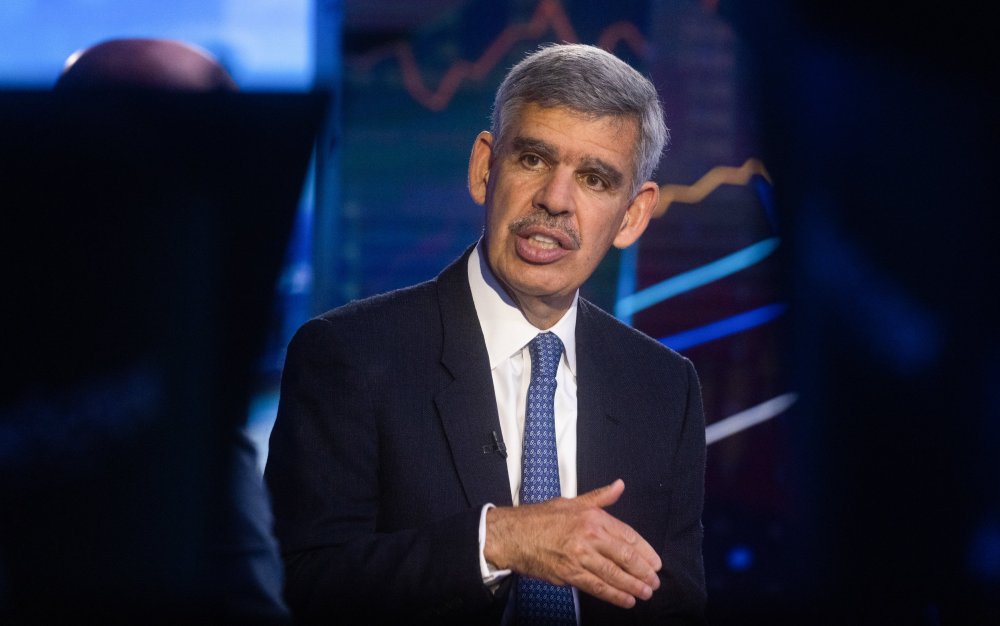
The Federal Reserve is set to refrain from cutting interest rates for "quite a while," following a hotter-than-expected inflation report, according to Mohamed El-Erian. View the full article
-
Alexander Vinnik is in custody on money-laundering charges View the full article
-
The Apple Watch Ultra 2, which came out in 2023, is Apple's latest and most expensive smartwatch. After Apple's latest event and the release of the new Apple Watch 10, it was expected the Ultra 2 would drop in price. As is the case with most Apple flagship products, the discounts aren't massive, but at this price point, anything helps. The GPS + Cellular Apple Watch Ultra 2 is currently $679 (originally $799), the lowest price it has been since its release, according to price-tracking tools. Apple Watch Ultra 2 [GPS + Cellular 49mm] Smartwatch with Rugged Titanium Case & Blue Ocean Band One Size. $679.99 at Amazon $799.00 Save $119.01 Get Deal Get Deal $679.99 at Amazon $799.00 Save $119.01 The Apple Watch Ultra 2 is different than the first-generation Apple Watch Ultra and the Apple Watch Series 10 (although for most people, the Series 10 is the best choice). It's the most premium Apple watch, with the biggest case size (screen), brightest screen (3,000 nits), deepest water resistance of 100 meters, and longest battery life of up to 36 hours. The Apple Watch Ultra 2 is packed with fitness-focused features, but even if you aren’t a health nut, it still has a lot of great features for casual users as well. People who want a reliable sleep tracker can learn a lot about their sleep habits with the Ultra 2 as long as they keep it well-charged. There are other features not highlighted on the event like nap detection, a translation app, and a feature for Ultra users only that helps you keep track of your current progress in the gym. The model currently available for $679 is the cellular version, meaning you have an independent cellular signal on your smartwatch and can leave your phone behind on runs and still listen to music or make calls. View the full article
-
The company more than doubled results over comparable periods and exceeded estimates due to stronger economies of scale and valuation adjustments in its favor. View the full article
-
The latest refinance surge helped lift total application activity up for a second straight week, even as purchases fell, the Mortgage Bankers Association said. View the full article

-
This time, the giant schnauzer went the full Monty. After coming close in the last two years, Monty the giant schnauzer won the top prize at the Westminster Kennel Club dog show Tuesday night, leaving handler and co-owner Katie Bernardin almost too emotional to speak. “He always tries so hard, and we’re just proud of him,” she told the crowd at Madison Square Garden. The spirited schnauzer bested six other finalists to become the first of his breed tapped as Westminster’s best in show, the most prestigious prize in the U.S. dog show world. The dog won the huge American Kennel Club championship in December, and he’d been a Westminster twice before. A standout because of “everything from his attitude to his structure,” Monty is bold, cocky and fun, according to co-owner Sandy Nordstrom. “He’s just a really cool dog,” she said in an interview before his win, which will be his last. The 5-year-old is retiring from showing. The runner-up was, for the third time, a whippet known as Bourbon. Other finalists included a bichon frisé called Neal, a Skye terrier named Archer, and a shih tzu called Comet who’s been a finalist before. Also in the mix were a German shepherd named Mercedes, who came in second last year, and an English springer spaniel called Freddie. Each dog at Westminster is judged according to how closely it matches the ideal for its breed. Winners get a trophy, ribbons and bragging rights, but no cash prize. During a break between semifinal rounds, security personnel surrounded and ousted someone along the sidelines of the ring. The group People for the Ethical Treatment of Animals, which has protested the dog show for years, said on X that a supporter was removed after holding a sign. Westminster says it celebrates all dogs. The show champions that compete also are household pets, and some do therapy work, search-and-rescue or other canine jobs. “A good German shepherd is an all-purpose dog,” said Mercedes’ co-breeder and co-owner Sheree Moses Combs of Wardensville, West Virginia. Some of her pups have become service dogs for wounded veterans, she said. “Dog shows are fun, but that is what our breed is all about,” she said. While Monty got this year’s trophy, other hopefuls also scored points with spectators. During two nights of semifinals, spectators shouted out breeds and names of canine competitors as if they played for one of the pro teams that call the Garden home, the NBA’s New York Knicks and NHL’s New York Rangers. “Love you, Lumpy!” someone yelled to a Pekingese named Lumpy, who earned laughs for his ambling gait. The arena erupted with cheers for Penny the Doberman pinscher and for a golden retriever named Tuffy, a representative of a popular breed that has never won. She also got some recognition from the judge, as did another crowd favorite, Calaco the Xoloitzcuintli. His breed (pronounced shoh-loh-eets-KWEEN’-tlees) are hairless dogs with deep roots in Mexico. A trip to Westminster is a reminder of dogs’ variety, even just among purebreds. While big, “working” dogs had their day at Westminster on Tuesday, so did terriers. First-round competitor Brina, for instance, is a 158-pound (71.6 kilogram) Neapolitan mastiff. The jowly breed was developed to be an imposing guard dog, but Brina’s owner, Yves Belmont, Ph.D., said he also is impressed by its intelligence. He keeps several of the dogs at his Atlanta-area home. “I’ve been struck by this breed since I was 12. … They’re so unique,” Belmont said as Brina napped in her crate, equipped with a two-gallon (7.5-liter) water bucket. Meanwhile, Tyra the miniature bull terrier also strutted her stuff in a first-round ring. Formally called GCH CH Rnr’s Top Model, she’s named after fashion model Tyra Banks. The hardy terrier breed is “a big dog in a small package, but they always keep you smiling,” said owner and co-breeder Jessica Harrison of Austin, Texas. Asked where the 2-year-old Tyra falls on the mischief meter, Harrison smiled, “like a nine, for sure.” “You can’t be upset with them because they’re just so cute,” she said as Tyra rolled on her back to get a belly rub from a passerby at the Javits Center, the convention venue that hosted the first-round judging of each breed. Westminster also featured agility and obedience championships, held Saturday. The agility prize went to a border collie named Vanish, and an Australian shepherd called Willie triumphed in obedience. —Jennifer Peltz, Associated Press View the full article

-
I have a lot of apps on my phone. Many of these are there because I want them to be; some are there because I test them out for work; and others are a total mystery. What's worse, some of those—and even some of the ones I enjoy, but don't need—pull money out of my bank account monthly, quarterly, or annually ... and I have no idea. For me, agreeing to a "free trial" is ultimately just a guarantee that I'll lose money because I'm never going to actually check on that app's subscription status again. Or, at least, I didn't used to. I thought it was too hard to scrape through my bank statement, identify recurring charges that only show up as "Apple.com," figure out what app they might be for, open up the corresponding app, and cancel my subscription. It turns out, the iPhone makes it all a lot easier than that. There are actually two spots where every subscription you pay for is lined up in a list: your Settings and the App Store. Find and manage subscriptions in the App Store When you open the App Store, look for your Apple ID photo in the top right. Tap on that and you'll get a menu: Apps, Subscriptions, Purchase History, and Notifications. Tapping Subscriptions will bring you to a page that shows them all, including the app name and icon, its price, and the next time it's going to automatically renew. Credit: Lindsey Ellefson In the top right, you can sort how they appear, whether by name, price, or renewal date. You can tap the name of an app and be taken to a page that breaks down its details and gives you the option to cancel. If you choose to cancel, the page will then update to show you how many days you have left to use the subscription until it expires. If you scroll down, you can also see all of your inactive subscriptions, so you can re-subscribe without opening the apps directly or just see what you've paid for in the past. Find and manage subscriptions in SettingsOpen Settings and tap your Apple ID at the top. You'll see a list of Personal Information, Sign-In & Security, Payment & Shipping, and Subscriptions. Tapping the last one will take you to the same page you can access through the App Store, with the list of your active and inactive subscriptions. Whether you access through the App Store or your Settings, this page is the same. What to keep in mind about managing iPhone app subscriptionsBear in mind that these two methods will only show you subscriptions you've purchased through an app itself, not subscriptions you obtained elsewhere and then signed into an app to get. These are the subscriptions that show up as "Apple.com" on your bank statement, so go through your withdrawals to identify recurring charges from other sources. You'll have to cancel those directly through their provider. My Peacock and MLB.TV subscriptions, for instance, were acquired through the app, so they show up as "Apple.com" on my monthly card statement, but my Netflix sub was purchased directly through Netflix, so that shows up separately and isn't accessible using the App Store or Settings. From the Subscriptions page, you can also toggle on Renewal Receipt Emails. Scroll to the bottom of the page, beneath your active and inactive subscriptions, and make sure this is on so you get a receipt emailed to the account associated with your Apple ID whenever one renews. That can also help you keep track of what is being withdrawn from your account and when, as the emails break down the charges with more detail, unlike the bank statement entry. Each email will tell you exactly which app pulled money and how much it took. How to request a refund from AppleIf you didn't mean to buy an app or renew a subscription, you can always try asking Apple for a refund. Head back to the home page of the App Store and find the "Apps" tab, which is on the bottom of your screen. Scroll down—way down—until you get to "Quick Links." Near the bottom of the links, you'll see "Request a Refund." You deal directly with Apple, not the app developer, which makes this process pretty easy. Tapping the link takes you to a browser page that outlines your next steps: Sign in to reportaproblem.apple.com using your Apple ID. Tap "I'd like to," then select "Request a refund." Select the reason you want a refund from the dropdown menu provided under "Tell us more..." Some reasons they provide include that you didn't want to buy it or a minor made the purchase without permission, but you can also just press "other." Identify the app or subscription you want the refund for and hit Submit. You'll have an update on your request after 24 to 48 hours. It may not work, but it's worth a shot. View the full article