Newsletter
Want to keep up to date with all our latest news and information?


ResidentialBusiness
Administrators
-
Joined
-
Last visited
Everything posted by ResidentialBusiness
-
A zoning map shows the acceptable uses for property in a city or other area. Zoning information on these maps usually tells which areas are zoned for residential and/or commercial use. What Is a Zoning Map? These are an important part of urban planning. Cities, municipalities, and other types of government divide the property up into land-use zones. A city using this type of ordinance can have several zoning districts like commercial, residential, agricultural, and industrial. Zoning maps need to show clear boundaries. Read on to find out more about this subject. And remember that Google Translate can help you with the right language. There are 108 different ones to choose from with the Google Translate app. Who Uses a Zoning Map? Zoning information that you can find in these maps is used by municipalities. This is how they set their general policies for land use and how these rules serve the way a city or other area gets developed and divided up. A business looking to set up a shop might need to look at a map and check out the zoning regulations. They might need to apply for rezoning. Even homeowners should check zoning maps before they renovate. There are zoning bylaws that can affect your property in a city. Why Do You Need a Zoning Map? These show the different land-use zones, districts, and/or overlays. One of the big reasons these maps are created is to show the regulations for development in each of the zones. It’s possible to get a minor variance if your proposed changes don’t conform to zoning bylaws. The right map can tell you more about land use and the current zoning. It can be the first stage in planning a new business build or custom house. What Does a Zoning Map Tell You? Remember, there’s no federal agency that controls zoning. You might own your own property but you still need to abide by the planning laws for your city. One of these maps provides residents with information on how land designated for building can be utilized and where it can be situated. A zoning map can also specify the height and dimensions of buildings and other structures. Additionally, it may outline requirements for parking and landscaping, as well as the dimensions and sizes of lots. CategoryDescription Land UseSpecifies how land can be utilized (e.g., residential, commercial, industrial). Building LocationDefines where buildings can be placed within a lot or parcel. Building HeightDictates the maximum allowable height of structures. Building SizeProvides the maximum size or footprint of buildings. Parking RequirementsOutlines the number of parking spots needed for a building or lot. Landscape RequirementsSpecifies required green spaces, trees, and other landscaping elements. Lot DimensionsDetails the minimum and maximum allowable lot sizes. Lot SizesIndicates the size of plots, which can determine the type and size of development. Where Can You Find Zoning Maps? If you want to navigate through the land use for a property, you’ll need to find the right zoning. Looking for zoning in a bigger city? Be aware the process began with the ordinances started in Los Angeles in 1904. If you’re searching for an online resource, MapLink offers an interactive zoning map. This planning tool features a user-friendly menu. It’s particularly useful for determining where you can establish a business or understanding the potential uses for your property in a city. If you’re considering options overseas, you may require translation services. The National Zoning Atlas is another resource on the web. There are a variety of links on the menu and different landing pages. The site is all about digitizing the 30,000 US zoning codes and supplying links on the Internet. Don’t forget the Google Translate app works with images. It’s been developed so users can translate the text. Translations can be helpful if you’re looking at zoning in unfamiliar areas. Common Zoning Categories Effective planning for businesses involves understanding how to utilize their property within a city. The first step is locating a zoning map on a reliable site. Additionally, entrepreneurs and users of the map should familiarize themselves with the typical categories found in each city. Residential Zoning This is commonly found on different city maps. Residential zones can include condominiums, co-ops, duplexes, apartments, and even trailer parks. The major designation is single-family residences. Commercial Zoning This has several categories. In a city, this zoning can serve shopping centers, nightclubs, and hotels as well as office buildings and shopping centers. Even a vacant apartment building that has the potential for development can be considered commercial. Agricultural Zoning This type of zoning covers a city or other area that intends to protect farmland. Part of the planning involved is designed to limit suburban sprawl. The type of structures that can be built is limited. Industrial Zoning Industrial zoning can include noise concerns and environmental factors to determine how the planning for the area unfolds. Factors like building heights and floor area ratios are important to map users. What Does Zoning in Retail Mean? Zoning ordinances include retail properties. In fact, the term retail property is an ordinance itself. It describes a property that is used as a retail enterprise or space. Companies can operate businesses and sell goods and services in zones that are retail locations. Zoning Maps for Small Businesses: A Practical Guide When planning to start or relocate a small business, understanding zoning maps is crucial. These maps dictate what activities can take place in specific areas, directly impacting where your business can operate. Here’s how small businesses can navigate zoning maps effectively: Identify Suitable Zones: Begin by identifying the zoning classifications that permit your type of business. Commercial, industrial, and mixed-use zones are common designations where small businesses are allowed. However, specific restrictions within these categories can vary significantly. Utilize Online Resources: Many municipalities offer online zoning maps and databases. Utilize these digital tools to search for properties by address and view their zoning classification. This initial step can save time and resources before investing in a particular location. Understand Permitted Uses: Once you’ve identified potential zones, delve into the specifics of what is allowed within those zones. For instance, a commercial zone might permit retail but not manufacturing. Understanding these nuances is key to ensuring your business operates legally. Consider Future Growth: When examining zoning maps, think about your business’s future growth. Ensure the zone you’re considering not only fits your current needs but also offers flexibility for expansion, whether through additional commercial activities or physical space. Look for Special Provisions: Some zones have special provisions or overlays that could benefit your business, such as incentives for small businesses, reduced taxes, or grants for beautifying commercial spaces. These can provide a competitive edge and financial benefits. Engage with Planning Departments: If you’re unsure about the zoning requirements or potential restrictions, contact your local planning department. They can provide clarity on zoning laws, potential rezoning processes, or variances that might apply to your business. Prepare for Rezoning or Variance Requests: In some cases, the ideal location for your business may not be zoned appropriately. Be prepared to petition for rezoning or a variance. This process can be lengthy and may require community engagement, so factor this into your planning. Quick Reference Guide: Check zoning maps early in your location selection process. Use digital tools for easy access to zoning information. Understand the specific permitted uses within your desired zone. Plan for both current needs and future growth. Investigate special provisions that could benefit your business. Engage with local planning departments for guidance. Be prepared to navigate rezoning or variance processes if necessary. Navigating zoning maps can initially seem daunting for small business owners. However, with careful research and planning, these maps can be a valuable resource in selecting the perfect location for your business, ensuring compliance with local regulations, and planning for long-term success. Do You Need a Zoning Permit for a Home-based Business? Residents who want to start a home-based business should check with the city where they live. Planning a successful home-based business depends on the type. Local zoning laws might prohibit things like fixing cars out of a home garage. If you’re planning on putting a sign outside your property, you’ll need to check the local ordinances. Make sure to check with your city. Some have rules for environmental safety and delivery standards. Can You Open a Business in an Industrial Zone? Yes, you can. However, industrial zoning is frequently utilized for businesses involved in packaging and manufacturing. Areas designated as industrial-zoned in any city typically include storage facilities and sometimes airports. To begin, search online for a zoning map. Here are five considerations for opening a business in an industrial zone: Type of Business: Ensure your business type aligns with the primary activities allowed in industrial zones, such as manufacturing, warehousing, or assembly. Environmental Concerns: Industrial zones may have regulations or restrictions related to waste disposal, emissions, and pollutants. Make sure your business activities comply. Accessibility: Consider the ease of transportation for your goods, proximity to suppliers, and accessibility for any potential employees or visitors. Noise and Operation Hours: Industrial zones might have more lenient rules regarding noise and operating hours, allowing businesses to run machinery or processes that are louder without disturbing nearby residences. Safety Regulations: Due to the nature of activities in industrial zones, there might be strict safety and health regulations. Ensure that your business meets all standards to avoid potential liabilities. How Do You Locate a Zoning Map by Address? Navigate the web to your city and look for interactive zoning research tools. You should be able to click on a zoning area from there. You can find a local map on the google platform and even get a translation if necessary. A swift search will yield links to several different choices. Seek out an interactive map that allows you to input an address to begin your planning. Here’s a link to a National Zoning Atlas that can help set you on the right path. You may also require some translation options, so consider using Google. How Do You Find Your Local Zoning Regulations? The initial step is to find your property on city zoning maps or by visiting your local municipality. It’s quick to locate links to an interactive map on the city website. Once you locate a zoning area, you can click on the links that direct you to a specific bylaw section. If your property is not listed, you may need to reach out to the city planning department. READ MORE: What is Zoning? Image: Envato Elements This article, "What Is a Zoning Map?" was first published on Small Business Trends View the full article
-
China’s rise has made the fracturing of the global order into competing power blocs inevitableView the full article
-
Revised economic forecasts are blow to Labour but buoy stock market and giltsView the full article
-
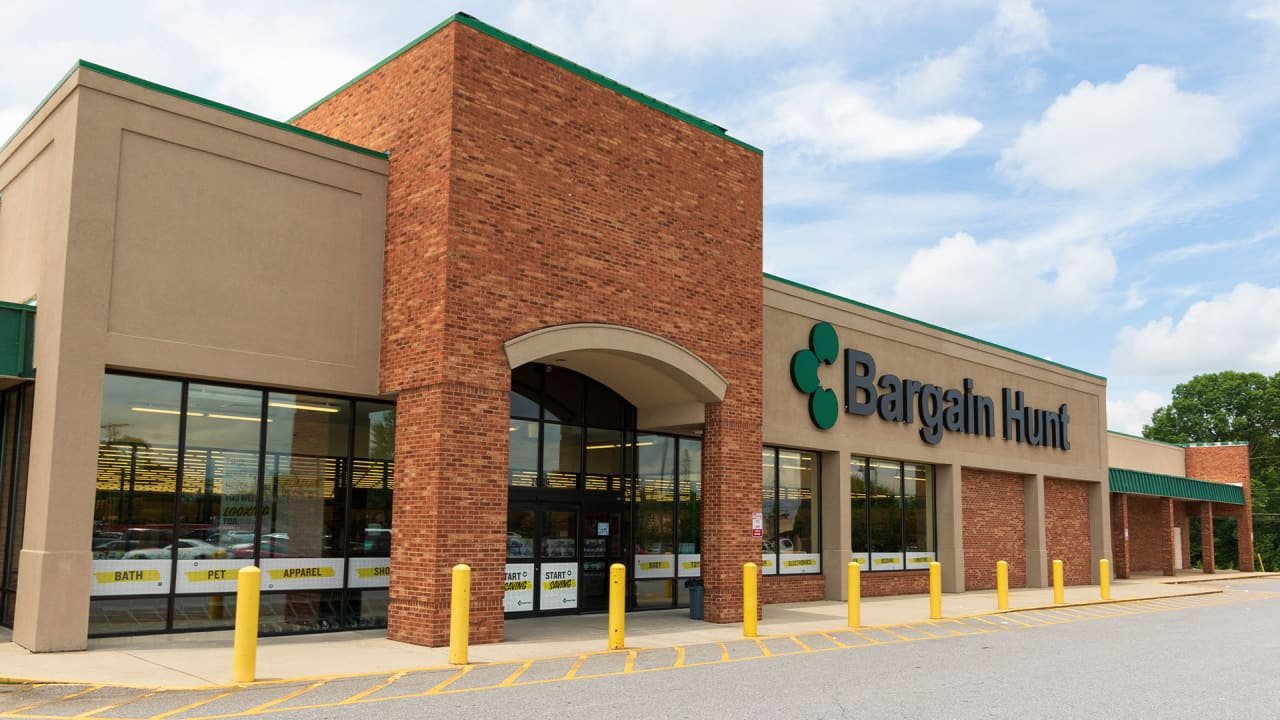
It’s been a rough few years for brick-and-mortar retailers. In 2024, numerous big-name companies shuttered or announced their intentions to shutter locations across the country, including Big Lots, Macy’s, CVS, LL Flooring, Walgreens, and Family Dollar. Now a discount retail chain with nearly a hundred stores has announced that it will close all of its locations. That retailer is Bargain Hunt, which filed for Chapter 11 bankruptcy protection earlier this month. Here’s what you need to know about its bankruptcy and store closings: Why did Bargain Hunt file for bankruptcy? Interestingly, Bargain Hunt has not revealed specific reasons for filing for bankruptcy. Normally, struggling retailers who have gone down the same route will cite falling foot traffic, reduced consumer spending, increased competition, or inflationary pressures as the drivers behind the reason to file for bankruptcy, but so far, Bargain Hunt has not specified its reasons. However, a voluntary petition for bankruptcy that Bargain Hunt’s owner filed with the United States Bankruptcy Court for the Middle District of Tennessee on February 3 suggests the company is struggling. In that filing, Bargain Hunt’s parent company, Essex Technology Group LLC, said it currently had between 1,000 and 5,000 creditors. It also revealed that it had between $50,000,001 and $100 million in estimated liabilities, yet its assets were only between $10,000,001 and $50 million. This means that Bargain Hunt has more liabilities than assets and suggests that it may not have the means to pay all of its existing creditors. Which Bargain Hunt locations are closing? In a press release, Bargain Hunt announced that it will hold going-out-of-business sales at every remaining location. The company says it currently has 92 stores spread across 10 states. The state with the most Bargain Hunt stores is Tennessee, where the company is based. Other states with Bargain Hunt stores are Alabama, Arkansas, Georgia, Indiana, Kentucky, Mississippi, North Carolina, Ohio, and South Carolina. A full list of all closing locations can be found on the website of Hilco Global, the firm handling Bargain Hunt’s liquidation. You can also use Bargain Hunt’s own online store locator tool to find your closest location. Bargain Hunt says that shoppers will be able to get up to 40% discounts on items in its remaining inventory, including apparel and shoes, toys, lawn and garden supplies, automotive, pet, home decor, and more. However, buyers should be aware that all sales are final. When are Bargain Hunt stores closing? All Bargain Hunt stores are in the process of closing down now. The company has not given a precise date when its stores will close for good, but it has stated that they “are set to close by the end of February 2025.” Will more retailers shut in 2025? Major retailers like Macy’s and Big Lots have already announced store closures for 2025. But those aren’t likely to be the end of it. In January, a report from Coresight Research suggested that up to 15,000 retail stores could be shuttered in 2025. In addition to Big Lots and Macy’s, other retailers have already announced their intention to shutter locations, including Walgreens and Party City, the latter of which is going out of business entirely. As for why so many retail locations may shut their doors in 2025, Coresight said a number of factors were involved, including inflation-weary customers pulling back on spending and increased competition from online retailers. View the full article
-
“I knew when I was a child, like 5 years old, I knew I wanted to make beautiful things,” says Helena Bian, founder and CEO of lighting company Harlowe, though it took some time to find her path. After school, Bian became a mechanical and electrical engineer, cutting her teeth at hardware companies like Dewalt, where she learned that the industry was dominated by men who didn’t necessarily share her vision of creating beautiful things, and who would rather just focus on function. She daydreamed about making both until she founded Harlowe, a company that arguably makes some of the most beautiful gadgets you can find today. Bian had an idea for high-design photography and video lighting equipment that’s both portable and functional. Noticing how creators are constantly on the go, ferrying huge suitcases with lighting equipment inside, Bian saw a need for gear that is small and easy to pack and travel with, which led her to prioritize portability in Harlowe’s design philosophy. [Photo: Harlowe] But portability alone wasn’t enough—she needed an aesthetic that would attract those creators, so that her designs could become not only tools for work but also objects of lust. Today there are plenty of professional lighting products that are good and relatively inexpensive, but they all have the same bland, standard look, made of metal, plastic, and LEDs, usually all painted matte black. For Bian, however, functional doesn’t mean bland or ugly, and, she says, “beautiful doesn’t mean expensive.” To be clear, Harlowe’s products are on the pricey side compared to the stuff you can buy from Amazon or AliExpress, but Bian says that they are made to last forever, using metal and leather, with precise manufacturing techniques. She expects her designs to last, just like old Leica or Hasselblad cameras have stayed alive for decades. [Photo: Harlowe] The process Harlowe’s in-house design process is led by Bian, who takes inspiration from vintage cameras. “I want to make sure [our products are] not just something they buy for work but also something they buy because they love,” Bian tells me, noting that she’s observed creators who keep old photo gear around almost like their spirit animals. Even if they’re no longer used for production, she says these items are kept because they’re beautiful, and “because they are something [people] cherish in their heart.” Bian’s designs begin with hand-drawn sketches, from which her team creates 3D models and engineers the guts of the devices until they match her original vision. [Image: Harlowe] The selection of materials is carefully considered to add to an emotional connection with users, mixing aluminum, steel, and leather to provide a full sensory experience for anyone who sees, touches, and smells them. [Photo: Harlowe] Everything is done in-house, including the production itself, with backing from parent company AES Lighting Solutions, a Chinese work lighting corporation with 20 years in the industry. In the end, Bian’s vision is all about maintaining the human connection in Harlowe’s products—leveraging technology to improve functionality. It’s a carefully orchestrated mechanism that combines art, human instinct, and science to create a product that’s as beautiful as it is durable and functional. View the full article

-
Google has issued another round of significant AI model announcements, upgrading its Gemini offerings across the board to bring users and developers artificial intelligence engines that are, according to the company, more capable and reliable. In the wake of DeepSeek's rise and new OpenAI models, the pace of AI development isn't slowing down. First up, the Gemini 2.0 Flash model that appeared in December for a select few is now rolling out to everyone, so you'll see it in the Gemini apps on desktop and mobile (this actually began appearing last week, so you may have already used it). The Flash models are designed to be faster and more lightweight, without too many performance trade-offs. Google is also making a Gemini 2.0 Flash Thinking Experimental model available for all users to test. It's another "reasoning" model, like the ones we've seen in ChatGPT, where the AI displays its thinking as it goes—with the intention of producing results that are more accurate and more transparent. There's also a version of this model appearing to all users with access to apps included: Google Search, Google Maps, and YouTube. It'll return real-time information from the web, as well as references to Google Maps data (including journey times and location details), and information pulled from YouTube videos. Lastly for the Flash models, Google is making Gemini 2.0 Flash-Lite available to developers. It's the most cost-efficient Gemini model yet—which will appeal to those building tools with Gemini—while still maintaining high levels of processing performance across a variety of multimodal inputs (text, images, and more). Pro-level models You need Gemini Advanced to get at some of these models. Credit: Lifehacker Next up, the even more capable Gemini 2.0 Pro Experimental model is here—a little slower than the Flash equivalents, but better at thinking, writing, coding, and problem solving. This model is now appearing in experimental form for developers, and for any users who are paying $20 a month for Gemini Advanced. "It has the strongest coding performance and ability to handle complex prompts, with better understanding and reasoning of world knowledge, than any model we’ve released so far," says Google. It can also take in two million tokens per prompt, which averages out at about 1.4 million words—roughly the Bible, twice. That's double the capacity of the 2.0 Flash models, and Google provided some benchmarks, too. In the general MMLU-Pro benchmark, we've got scores of 71.6 percent, 77.6 percent, and 79.1 percent respectively for Gemini 2.0 Flash-Lite, 2.0 Flash, and 2.0 Pro, compared to 67.3 percent for 1.5 Flash and 75.8 percent for 1.5 Pro. There are similar improvements across the board on other AI benchmarks, with Gemini 2.0 Pro Experimental hitting a score of 91.8 percent in a leading math test. That compares to 90.9 percent for 2.0 Flash, 86.8 percent for Flash-Lite, 86.5 percent for 1.5 Pro, and 77.9 percent for 1.5 Flash. As is the norm for AI model launches like this, details are thin on the training data used, hallucination risks and inaccuracies, and energy demands—though Google does say the new Flash models are its most efficient yet, while all its latest models are better than ever at reasoning feedback and stopping potential safety and security hacks. View the full article
-
We may earn a commission from links on this page. Welcome to “Cookbook of the Week.” This is a series where I highlight cookbooks that are unique, easy to use, or just special to me. While finding a particular recipe online serves a quick purpose, flipping through a truly excellent cookbook has a magic all its own. Casseroles, soups, cakes, pastas, and roasts—many cookbooks give us plenty of ideas to feed a family of four or a crowd of 12. I don’t run across as many recipes made for only two people. As much as I appreciate leftovers, I feel tethered to those containers in my fridge, which is one of the reasons I chose to spotlight Table for Two this week. Yes, Valentine’s Day is around the corner, and that's the other reason: A lot of folks will be looking for inspiration when cooking for their special someone. But you don't need to be coupled up to enjoy this cookbook. It is an inviting book of recipes, with pared down measurements and top notch flavor, perfect for impressing any dining partner. A bit about the bookTable for Two is written by Bre Graham, and hit the shelves in 2023. At first glance, you might think it's a book filled with romantic date night dinners—those are definitely in here, but there’s a lot more to it. Graham makes it quite clear that there are many occasions and many types of relationships that bring two people together at the table. You might be cooking for a younger sibling, your mom, a friend you’re reconnecting with, or for a weekly lunch with your cousin. These meals are special because they feed the heart as well as the stomach. Graham includes a few essays along with a slew of recipes, from entrees, to snacks and cheese boards, to cocktails and sweets. I enjoy the emphasis placed each meal as an experience. As someone who cooks on a deadline for my job, it’s easy for that “get it done and clean it up” mentality to seep into my regular life. Graham includes notes on “Scene Setting” and a section called “Aperitivo Hour” with suggested snack pairings that will remind you that there should be times when a meal feels like an occasion, not least when cooking for your mom. Actually, especially for your mom. A great cookbook for someone who needs to slow downThis is a good book for a person who cooks for, or with, one other person. But portions aside, it offers a reminder that the whole business of cooking—recipes, flavor combinations, pretty plating designs—can be pleasurable. This is a good cookbook for the person in your life (maybe it’s you) who has trouble setting aside a moment for themselves. Someone who’s been eating protein bars in the car or on the subway because that’s the only chance they have to eat “lunch.” Keep your protein bars, but try to set up a table for two at least once a week. It’s important to make space for the quiet and calm moments, and for the people you love. The recipes you can expectThe book is split into two sections, “Easy to Impress” and “Just to Delight.” The first section focuses on recipes that are beautiful but surprisingly easy to toss together—meals that you can put together when you’re tired or it’s getting late. The “Just to Delight” section is meant to be your resource for a sit-down dinner with the works. Both sections are similarly structured with recipes according to time of day, so you can find snacks and breakfast recipes earlier on in the segment, and flip to the back for fancy desserts and casual sweets. There are recipes throughout both sections that run the range between snacking-casual, like the Brown Sauce and Marmalade Bacon Sandwich, to candlelight-and-cloth-napkins, like the Gnudi in Toasted Lemon-Thyme Butter. This is all valuable stuff. A kitchen counter for two can host just as many special moments as a table. The dish I made this week As always, I had trouble choosing one recipe to spotlight. (The hazard of good cookbooks.) I settled on the Rainbow Chard, Polenta and Ricotta, and I wasn’t disappointed—if anything, developed an active case of food coma. Credit: Allie Chanthorn Reinmann The recipe is in the “Easy to Impress” section, and though it has a long-ish ingredient list, it really just came down to two components: cooking the chard and cooking the polenta. Easy indeed. The cookware was all stuff any typical kitchen might have (a big whisk or spoon, a large pot and a pan) and the polenta, cheese, and chard were all things I could easily source. For some recipes, Graham also includes a small section with substitutions; if chard isn't around then she recommends using frozen spinach, or even mushrooms. The finished meal was a full, hearty indulgence. I have never had such melty, cheese-pull-tastic polenta in my life. If you scattered some toasted walnuts or even thin candied orange peel over this dish, well, time might stop. The only questionable part is the amount of polenta: It uses nearly two cups of instant. While I have no qualms with instant polenta, it made enough for about six servings—way more than two, even if they’re two very hungry people. So I did end up with leftovers to enjoy tomorrow (certainly not the worst thing to happen to me this week). How to buy itThe hardcover of Table for Two is available online, or as an ebook. If you’re gifting this book, get the hardcover—the paper stock and cover texture offer subtle, tactile delights. As usual, I highly recommend supporting your local brick and mortar bookstores. Search their shelves for this cookbook or see if they can order it to their location. Table for Two: Recipes for the Ones You Love $1.99 at Amazon Shop Now Shop Now $1.99 at Amazon View the full article
-
Exploring franchises under 50k offers a pathway to business ownership without requiring a hefty upfront investment. Contrary to popular belief, entering the world of franchising doesn’t always necessitate a six-figure sum. For aspiring entrepreneurs with a budget of $50,000 or less, a wealth of franchising opportunities awaits that blend affordability with the potential for robust business growth. Here, we present a carefully curated list of 28 top franchises under $50K, providing you with accessible options to kickstart your entrepreneurial journey. But first, let’s review some important things to know before buying your dream franchise. READ MORE: See our Franchise Guide What are Some Advantages of Buying a Franchise? There are many advantages to buying a franchise vs. starting your own small business. Perhaps the most appealing is that you are buying into a proven business model. When you buy a franchise, you are essentially buying a turnkey business that comes with all the systems, processes, and support in place to help you succeed. Another advantage of franchising is that it allows you to be your own boss while still having the backing of a larger organization. This can give you peace of mind and a support network to help you through the inevitable challenges of owning your own company. The cost of buying a franchise can also be lower than the cost of starting your business from scratch. When you factor in the cost of marketing, research and development, and other start-up costs, a franchise can actually be a more affordable option. Franchising also allows you to receive training and support from the franchisor. This can be extremely helpful and is one of the reasons why franchises have a higher rate of success than startup companies. The Different Types of Franchises Available Now that we’ve gone over some of the advantages of buying a franchise let’s take a look at the different types of franchises that are available. Franchise ModelInvestment LevelNature of BusinessSupport LevelExample Industries Investment FranchisesHighLarge scale operationsExtensiveHotels, Car Dealerships Business FormatModerate to HighComprehensive system usageComprehensiveFast Food, Retail Distribution FranchisesModerateProduct distribution focusModerateBeverage, Manufacturing Job Model (Low Cost)LowHome-based/IndividualsVariesLawn Care, Cleaning Conversion FranchisesModerateConversion of existing bizModerate with rapid growthRestaurants, Retailers Investment Franchises Investment franchises are for the serious investor looking to make a significant mark in the business world. They require substantial capital, both monetary and time, for a potentially large return on investment (ROI). These franchises are typically well-established brands in sectors that demand a hefty upfront investment, such as luxury hotel chains, expansive full-service restaurants, automobile dealerships, and gas stations. Franchisees in these sectors are often involved in extensive development projects and operate on a large scale, with the end goal being significant profit upon exit or resale of the franchise. Business Format Franchises The business format franchise model is the quintessential image of franchising. Renowned brands like McDonald’s, 7-Eleven, and Ace Hardware epitomize this model, where you’re not just investing in a name; you’re adopting an entire system. As a franchisee, you’ll gain access to the franchisor’s trademark, benefit from an established business model, and receive guidance on every aspect of running the franchise, from operations to marketing. This full-package support is designed to replicate the franchisor’s success in multiple locations, offering a blend of independence and proven business practices. Distribution Franchises Distribution franchises offer a different type of partnership. Instead of operating under the franchisor’s comprehensive system, you primarily sell products under the franchisor’s brand. This model is common in supplier-dealer relationships, where the franchisee is responsible for distributing products manufactured by the franchisor. For instance, being part of the distribution for companies like Coca-Cola or Pepsi means you’re more involved in the supply chain aspect of the business rather than the full breadth of operations. Job Model Franchises (Lowest Cost Business Model) For those looking to enter the franchising world without a hefty investment, job model franchises are an attractive option. These franchises often require minimal capital and are well-suited for home-based businesses or individuals. They focus on providing a service, such as lawn care or cleaning, where the initial investment might include purchasing equipment, a vehicle, and basic marketing to get started. This model is ideal for those seeking to operate independently or with a small team, often appealing to entrepreneurs looking for entry-level franchise opportunities. Conversion Franchises Conversion franchising is a unique model that allows existing independent business owners to convert their operations into franchise units. This model is beneficial for those who want to tap into the franchisor’s brand power, marketing expertise, and operational systems to enhance their business. By converting an independent business, say a local pizzeria, into a Domino’s franchise, the owner can rapidly expand their market reach. This model can result in accelerated growth and the potential for increased revenue with the backing of a brand that has already established a loyal customer base. How to Choose the Right Franchise for You When choosing the best franchises, you’ll want to look for the following: Strong support: A franchisor that provides strong support will help you get your business up and running quickly and smoothly. They will also be there to help you troubleshoot any problems that come up along the way. Proven success: You’ll want to choose a franchisor that has shown success in the industry. Look for a franchisor that has been in business for several years and has a large network of happy franchisees. Clear expectations: Be sure you have a clear understanding of the expectations and requirements of being a franchisee. This includes things like an initial investment that includes royalties, marketing fees, minimum liquidity, and any other ongoing costs. Of course, you’ll want a franchise under $50K, so consider that into everything, too. A good fit: Be sure to choose a franchise that is a good fit for your skills, interests, and lifestyle. Not all franchises are a good fit for everyone, so it’s important to choose one that is right for you. Reviews: Be sure to read reviews of the franchise you’re considering. This will give you a good idea of what other franchisees think about the franchisor and how it’s structured. Due diligence on your part: To have a successful business, you need to start out on the right foot. So, no matter how much the franchise costs, you should always carefully read over business disclosures and legal documents, including the franchise disclosure document. Also, consult with accountants, franchise attorneys, and even the CEO of the franchising company, to mitigate your risk. Our Methodology: How We Chose the Best Franchises Under $50K When it comes to identifying the best franchises under $50k, affordability is just the starting point. Potential franchisees look for low-cost opportunities that do not compromise on the potential for profitability and growth. Here’s how we pinpointed the top franchises within this budget-friendly category: Initial Investment and Start-Up Costs (10/10) We concentrate on franchises under 50k, featuring an initial investment that comfortably stays below the $50k mark, making them accessible to a broader array of investors. Profitability and Revenue Potential (9/10) A lower cost of entry must still pair with a sound potential for earnings. We analyze the revenue models and profitability track records of these franchises. Brand Recognition and Market Presence (8/10) Even with smaller investments, brand strength can accelerate business growth. We assess how well-known the franchise is and the market presence it commands. Training and Support (8/10) Comprehensive training and support are vital for the success of any franchise, especially those with lower investment levels. Operational Simplicity (8/10) We look for franchise models that are straightforward and uncomplicated, which often correlates with lower operational costs. Growth Opportunities (7/10) The potential for business growth and the scalability of the franchise model are crucial, even for franchises under 50k. Ongoing Fees and Royalties (7/10) We evaluate the ongoing costs associated with the franchise, ensuring that they remain reasonable and do not erode profit margins. Industry Demand (7/10) Franchises in high-demand industries are more likely to offer a faster return on investment, which is a critical consideration for lower-cost franchises. Flexibility and Lifestyle Compatibility (6/10) Franchises that offer flexibility, such as home-based options, and align with the owner’s lifestyle preferences are particularly appealing in this price range. Franchisee Satisfaction and Reviews (6/10) We consider feedback from current franchisees regarding their satisfaction with the business and the support they receive. Legal and Compliance Support (6/10) Support in navigating the legal aspects of starting and running a franchise is essential, especially for new entrepreneurs. Community and Environmental Impact (6/10) We acknowledge franchises that contribute positively to their communities and adopt environmentally sustainable practices. Our selection of the best franchises under $50k is based on a balance of affordability and the potential for financial success. We aim to recommend franchises that not only fit a modest budget but also offer a comprehensive support system, brand strength, and growth potential, paving the way for rewarding business ownership. Franchise Opportunities You Can Start for under 50K If you are thinking about buying a business franchise and have a budget of 50k or less, the following business opportunities are looking to expand and new need franchisees to increase their footprint across the country. Most of them are in booming industries, too. Skyhawks Sports & Supertots Sports Academy If you enjoy being a mentor to children, Sport & Supertots Sports Academy is the franchise for you. As a franchisee, you will acquire exclusive territories for athletic camps and programs in various sports at community-based organizations like schools and park & rec departments. See details here: Franchise information The Dog Wizard The Dog Wizard, now merged with The Upbeat K-9, is a dog training franchise that offers a wide variety of services, including obedience training, puppy training, behavioral modification, and guidance for dogs with aggression issues. They also have a strong training program for their franchise owners so you can grow. Woof! See details here: Franchise information. Pillar to Post Home Inspectors Pillar to Post Home Inspectors is a home inspection franchise that helps buyers, sellers, and real estate agents by providing top-quality inspections. With their low up-front investment, established processes & technologies, and ongoing support & guidance, they make it easy to get started in the home inspection business. See details here: Franchise information Lil’ Angels Photography Photo studios and photo booth services represent affordable franchise opportunities. If you have a passion for photography and enjoy working with children, Lil’ Angels Photography Studio might be the perfect choice for you. As a franchisee, you’ll have the freedom to be your own boss while assisting parents in capturing their children’s special moments through customized professional photo sessions that cater to every developmental stage. Lil’ Angels offers the potential for six-figure earnings and is a highly cost-effective business option. See details here: Franchise information Kinderdance Area Developer If you have a passion for dance and teaching, you’ll want to check out Kinderdance. As an area developer, you will help to enrich children’s physical, cognitive, and social skills through a curriculum that focuses on yoga, dance, music, and pre-gymnastics. With their low investment cost and strong support system, they make it easy for you to get started in this exciting industry. See details here: Franchise information Window Gang Privately owned franchise Window Gang offers expert window, gutter, dryer vent cleaning, and pressure washing services. As an area developer or franchisee, you work directly with the CEO and help homeowners maintain their homes. With a long and proven track record, strong support system, and high earning potential, Window Gang makes it easy to get started in the exciting home services industry. See details here: Franchise information Class101 Are you seeking an affordable franchise opportunity that offers flexible work hours, significant earning potential, and the ability to positively impact your community? Class101, which requires a low investment and offers high returns, could be the perfect choice for you. This business stands out as one of the top language tutoring franchises in the nation, assisting high school students in gaining admission to better colleges and qualifying for increased financial aid and scholarships. See details here: Franchise information Rooter-Man Rooter-Man has a wealth of experience and offers a wide range of expert plumbing, septic, and drain cleaning services to homeowners across the country. They provide franchise owners with equity in their national brand, meaning your investment will appreciate as time goes by. Whether you want to operate as an independent franchisee or become an area developer with multiple territories, Rooter-Man has a low overhead, ongoing corporate support,t and innovative training. See details here: Franchise information Surface Specialists Bathtub Repair and Refinishing With repairs startup cost at around 40K, this franchise opportunity is nothing to sneeze at. Surface Specialists have been repairing and refinishing kitchen and bathroom surfaces to look new since 1981, and they started franchising a year later. Their gorgeous franchisee work has been showcased on Rehab Addict and Flipping Vegas. If you want to buy a franchise from them, you are supported by a skilled national team that offers training and support for all aspects of your business, from technical to marketing and beyond. See details here: Franchise information ServiceMaster Clean Disinfection Services With 65 years of experience in the industry, ServiceMaster Clean Disinfection Services offers commercial cleaning services and comprehensive training programs for franchisees they take on. They also offer ongoing support to these prospective franchisees, along with generous financial incentives. These incentives include a 20% discount off the startup costs for veterans, a 10% discount for minorities and women, and 80% off financing for startup costs for qualified groups. See details here: Franchise information Young Rembrandts Young Rembrandts is a recognized leader in art education for children aged 3-12. Their unique method of drawing prepares youngsters’ brains for more advanced learning. From coloring to shading and line drawing, their lesson plans are carefully designed with students’ cognitive development in mind. If you decide you want to start a franchise with Young Rembrandts, you will receive one-on-one support from their team of art educators and business experts. See details here: Franchise information? SuperGreen Solutions If you believe in eco stewardship, then owning a SuperGreen Solutions franchise might be a good fit for you. Their mission is to provide businesses and homes with affordable, high-quality, renewable options for heating, air conditioning, and water heating. If you want to own your own SuperGreen franchise, they will help you launch your business quickly and efficiently so that you can start earning revenue right away. See details here: Franchise information Action Coach If you are a business-savvy person who is interested in helping entrepreneurs succeed, then consider franchising with Action Coach. This particular company works internationally to provide business coaching services to help companies grow and thrive, no matter what industry they operate in. Their coaches have years of experience working with small businesses and can offer practical guidance to help you launch and manage your own franchise. See details here: Franchise information Anago Cleaning Systems Anago Cleaning Systems is a top choice for anyone looking to start their own cleaning franchise. This commercial cleaning business offers its franchisees comprehensive training programs, ongoing support, and marketing materials so you can get your business off the ground quickly and easily. Whether you want to specialize in carpet cleaning, window washing, or commercial janitorial services, Anago will provide you with everything you need to succeed. See details here: Franchise information H&R Block H&R Block is the industry leader in tax preparation services. As one of the most well-known franchising opportunities in the country, they feature excellent organization training and development, which leverages entrepreneurs to start their own tax services businesses. Franchisees operate a tax return preparation business where they may also have rights to offer payroll services, bookkeeping, and training. See details here: Franchise information Paymore Electronic sales stores are often profitable, and Paymore is no exception. There are other advantages to buying one of their franchises, too, including low overheads, high consumer demand, and high customer retention rates. Their proprietary software makes operations easy, and you can combine multiple revenue streams such as consumer electronics, pawn, eCommerce, and second-hand retail for growth and better profitability. See details here: Franchise information Property Management Inc For individuals familiar with the real estate sector, Property Management Inc. offers an outstanding home-based franchise opportunity for real estate agents, particularly those skilled in negotiation. This property management franchise provides continuous support, access to company resources, business training, and third-party financing, making it an excellent choice for franchises under 50k. See details here: Franchise information Jazzercise With their signature dance-fitness workouts and personal training programs, Jazzercise provides franchisees with an established business model that offers an excellent return on investment. Whether you’re just starting out or have years of experience in the fitness industry, Jazzercise is one of the top franchises for entrepreneurs who want to build a profitable business that helps people maintain a healthy lifestyle. See details here: Franchise information Drama Kids International This low-cost home-based franchise offers a unique opportunity to work with young children. With a focus on creativity and communication skills, Drama Kids offers classes for kids that help them develop confidence and social skills through interactive theatre games and exercises. Before opening your franchise, Drama Kids will ensure that you acquire the necessary training, marketing, administration, and management skills before you open. See details here: Franchise information TSS Photography TSS Photography is one of the leading photography franchises in the country, with a focus on providing safe and secure photography services for schools, sports teams, and other organizations. With its cutting-edge technology and years of experience, TSS Photography is the perfect choice for entrepreneurs who want to start their own photo businesses. See details here: Franchise information Naturals2Go With an emphasis on offering healthy and nutritious smoothies and snacks crafted from natural ingredients, Naturals2Go stands out as a top franchise in the health food sector. Whether you are a newcomer or seeking to grow your current business, owning a Naturals2Go franchise presents a fantastic opportunity to create a profitable venture that contributes to healthier living. See details here: Franchise information Champs Chicken Chicken restaurants are one of those service-based franchises that are on the rise. Champs Chicken is an example of this, and with a proven record of success and no experience needed, this low-cost turnkey business opportunity is an excellent opportunity to build a profitable business in the fast food industry. Champs Chicken serves delicious fried chicken, pork loin, and shrimp with sides like mashed potatoes and collard greens. They offer their franchisees perks like fanatical support, ample marketing funds, and hefty margins. See details here: Franchise information Proforma Printing Solutions Franchising since 1985, Proforma Printing Solutions has more than 40 years of experience working with a wide range of industries. The company focuses on providing high-quality printing services for businesses of all sizes, including print management, digital and offset printing, fulfillment services, mailing services, and more. You will need to be confident and good with people since working with customers requires a professional and friendly approach. Printing and promotional products startup cost: $5K-$60K Units in operation: 600+ See details here: Franchise information Estrella Insurance Estrella Insurance is a property and casualty insurance agency. With more than 20 years of experience in providing affordable car and home insurance, they are a reliable choice for anyone looking to franchise with them. They offer their franchisees marketing & advertising services, onboarding and support, brand strength, and an established corporate model, ensuring that you have everything you need to succeed as an entrepreneur with Estrella Insurance. See details here: Franchise information Mint Condition Mint Condition has provided comprehensive cleaning, disinfecting, and janitorial services to their commercial customers since 1996. The commercial cleaning startup cost with them is one of the lowest on this list, and their team is powered by a network of hard-working regional offices and franchisees. The franchisors provide a comprehensive training program, flexible financing and ongoing support to help you succeed in business and ‘mint’ money. See details here: Franchise information Town Money Saver For another very low-cost franchise opportunity, we have Town Money Saver. TMS is a digital monthly community magazine that provides coupons and features for local businesses and advertisers. Their goal is to provide effective, cost-effective advertising for local companies that allows them to compete with bigger national chains. With no experience, employees, or inventory needed and with a minimal initial investment, owning a Town Money Saver franchise is an excellent opportunity to own a company in the publishing industry. See details here: Franchise information Superglass Windshield Repair SuperGlass Windshield Repair has been operating for 30 years and specializes in repairing any wayward glass scratch or crack on your auto windshield. It’s one of the more budget-friendly franchises on this list, with the high end of startup costs only being $31K. Also, overhead costs can be kept low due to its mobile option — a physical shop location is not required. It also offers classroom and on-the-job training. See details here: Franchise information ACFN Automated Teller Machines This is one of the hot ATM franchise ops that Small Biz Trends reported on back in September. ACFN provides automated teller machine services to hotels and other travel and entertainment-based businesses. The franchisors offer all you need to get your own ATM private network started, including site selection, lease negotiation, equipment, and signage. See details here: Franchise information Mattress by Appointment As far as low-cost franchises go, it’s hard to beat this one. You only need $20,000 to get started with Mattress by Appointment, which includes your opening inventory, advertising, and leasehold expenses. In addition, there is no training cost, franchise fee, or setup fee. You get lots of flexibility because Mattress by Appointment lets you work independently and make your own schedule. See details here: Franchise information Oxi Fresh Carpet Cleaning Oxi Fresh is a green carpet cleaning service and a world leader in environmental sustainability. They use the power of oxygen to leave the carpets of residential and business customers clean and dry in just one hour. With Oxi Fresh, you can work as much or as little as you want, and they offer comprehensive training, marketing support, ongoing education, and more to help franchisees succeed. With a booming industry and solid business plan, owning an Oxi Fresh franchise could be the perfect opportunity for you to start your own business. See details here: Franchise information The Most Profitable Franchises Under 50K This can be a bit of a challenge to answer, as it depends on several different factors, including your location, industry experience, and how well you manage your business. Some of the most lucrative franchises under 50K include Jazzercise, Town Money Saver, and Superglass Windshield Repair. Both are successful with low small business startup costs and no initial experience or inventory needed. Other popular franchise opportunities include ACFN Automated Teller Machines and Oxi Fresh Carpet Cleaning. Additionally, bear in mind that franchisors will often list revenue and profitability cases in their franchise packages. However, as a potential franchise owner, be sure to do your due diligence and ensure that the franchise you choose is sustainable and not just a flash in the pan. Ultimately, the most profitable franchise opportunity will be the one that best suits your needs and skillset. So, consider all of your options carefully before making a decision. Image: Envato Elements This article, "Franchises Under $50K" was first published on Small Business Trends View the full article
-
There’s no question that the face of America is changing. Those under 18 are the first majority minority generation: 53% are non-White; one in four are Hispanic, and one in five are the children of immigrants. But while evolving racial demographics are reshaping rising generations, we are no longer a young nation: by 2030, Americans older than 65 will outnumber those under 18, a major deviation from 2000 when 26% were under 18 and just 12% were over 65. Add to that a widening wealth gap: The gap between top one fifth incomes and bottom one fifth incomes has increased by 53% in the past decade. To better understand the impact of these changes on the mindset and needs of this evolving populace, BBG Ventures conducted a study with 2,000 Americans—large enough to be statistically relevant across race, gender, age, income, and geography. Our expectation, given the growing divide in the U.S. was that we would find major differences among racial groups, genders, and generations. But while it’s clear that Americans define their identities based on a unique perception of their place in the world, we actually have common priorities, needs, and concerns across nearly every age group, race, and gender. Health and Financial Security are the top two priorities for every race and gender, and nearly every age group. The exception is that those under 18 place Employment and Education as their top priority followed by Health. Health When we dig deeper into health and well-being, Mental Health is the number-one concern, driven by finances, stress, and loneliness. After Mental Health, nearly every segment noted Sleep as their second highest priority. While there are varying degrees of satisfaction with interactions between Americans and their doctors/care providers, there is close to unanimous agreement on the most desired improvement. Notably, the ability to see a doctor virtually came in last for nearly all segments. Rather, Americans want their doctors to provide personalized care, including culturally competent care; have better availability for appointments; and be more present and less distracted during visits. Financial Security As for Financial Security, the majority of Americans across nearly every segment lack confidence or feel neutral about their financial literacy (54%). Even more lack confidence or feel neutral about their financial position (65%). Paying bills consistently is the number-one financial goal for nearly all races and generations, followed by saving for an emergency fund. The high cost of living and inflation is the number-one factor preventing people from building wealth. This is despite the U.S.’s so-called “superstar status” when it comes to GDP growth, historic unemployment rate lows, increasing household wealth, and wage growth versus costs. Whatever the stats say, the pain of high costs is firmly planted in American minds. Opportunity for entrepreneurs and investors What do we take away from this? The emergence of America’s Polyculture, in and of itself, should not drive an “us and them” mentality, despite what social media might make you believe. The primary concerns and greatest needs of Americans across race, gender, and age are the same—and the presence of common needs suggests that the opportunity for transformative solutions is bigger than the sum of its parts. We can build highly scaled solutions; but how we go to market, and the user experience itself, will demand a new level of personalization that reflects our evolving polyculture. Here’s how entrepreneurs and investors can not only spread this message, but drive meaningful change: Prioritize mental health in product development Mental health is the top concern for most Americans, especially younger generations. We need a focus on developing tools that address mental health challenges, such as stress management, loneliness, and sleep improvement, along with availability. It’s important to acknowledge that platforms have entered the market to solve for this in the 2020–2021 boom, but there remains room for innovation in integrating mental wellness into broader ecosystems and creating more culturally competent and personalized care. What we now need are founders who bring nuance to the approach, particularly for the younger generation who live their lives online. Further, integrating mental wellness into broader product ecosystems, whether in healthcare or tech, is essential to meet this growing demand. Address financial insecurity with accessible solutions We found that 65% of Americans lack confidence in their financial position. Startups have a significant opportunity to build tools that empower financial literacy, provide budgeting assistance, and help with wealth-building strategies. Platforms that personalize financial advice or automate savings and debt management could close the confidence gap and improve financial outcomes, particularly for underserved communities. Again, tools exist today to help people manage their finances, but more can be done to address specific challenges faced by different communities, particularly the 54% lacking confidence or feeling neutral in their financial position. Innovate for workforce flexibility and career shifts We found that 84% of employees are considering a career change. While job numbers may wax and wane, 84% suggests a larger job dissatisfaction epidemic in this country. Platforms that support career transitions, entrepreneurship, and freelancing, or offer new pathways for upskilling, job flexibility, or alternative work arrangements will tap into the dissatisfaction with traditional employment and enable people to stay productive well past traditional retirement age. Many Americans still need better tools for career transitions, freelancing, and upskilling, particularly with college enrollment at the lowest levels we’ve seen in three decades. Simply building scalable solutions isn’t enough; while existing platforms have made strides in addressing the mental health, financial security, and workforce concerns that Americans share, there is still much work to be done. Entrepreneurs and investors must prioritize personalization and cultural competence as they develop the next generation of solutions. By doing so, they can help not only transform individual lives but innovate in a way that reflects the complexity of America’s polycultural future. Nisha Dua and Susan Lyne are cofounders and Managing Partners of BBG Ventures (BBGV), a seed and pre-seed venture fund backing high growth. For more information visit www.bbgventures.com, follow on bbgventures and connect on BBG Ventures. View the full article

-
We may earn a commission from links on this page. If you want to read more books but don't have the time to actually sit down and stare at a page of text, audiobooks are a great alternative. You can listen to them on your commute, while you’re lounging around on vacation, or while you’re completing boring tasks around the house. Audiobooks used to be expensive and cumbersome, but digital subscription services has made them all too easy. A subscription to one of them is among the best ways to maximize your listening experience, as they'll give you access to a ton of books at once. Amazon-owned Audible is unquestionably the leader in this space, but they are far from your only choice. In 2025, there are many audiobook subscription services—paid and free—for your bibliophile needs. In this guide, I'll cover the best audiobook platforms, and note the pros and cons of each. Grab your headphones and get ready to hear a good book. Audible Credit: Audible Though you might have misgivings about Amazon, Audible’s parent company, there’s no question that this audiobook service is one of the very best around. It has plenty of titles—hundreds of thousands, in fact—that you can buy, rent, stream, and listen to offline using its official apps for Android, iOS, Windows, and Amazon devices (naturally). You can also play audiobooks through your Sonos speaker via your Audible or Sonos app. Your progress through an audiobook is stored wherever you listen to it: on the web, on an app, or in your car, for example. And that’s good; you don’t want a service that makes it hard to pick up where you left off. Audible offers a free trial which gives you 30 days of membership and a free book. After that, the Premium Plus plan costs $15/month for one credit (good for one audiobook), but you get to keep any books you’ve bought if you ever cancel. A Plus membership ($8/month after the free trial) gives you unlimited access to select titles in the Audible catalogue—called Audible Plus Listens—to listen to via streaming or download, but only as long as you remain a paying member. Audible Plus Listens is also included for Premium Plus subscribers along with the option to add more credits to your plan. You don’t have to be an Audible member to buy audiobooks, but if you are, you get a 30 percent discount on any purchases. Those books are available for you to listen to any time, even offline, and the service integrates with your Amazon account so your discount will also appear when you browse for books on Amazon. Depending on how much you read, Audible’s selection and credit system makes it a great value. (No, you won’t get a special bonus discount for buying the physical copy of a book and then buying the audiobook, but you do often save a little bit if you buy the Kindle version of a book first and add on the Audible track—go figure.) Audible pros: Huge catalog of audiobooks, podcasts, and original titles Books are yours to keep after subscription ends Audible cons: Depending on your perspective, it's part of Amazon Sign up for Audible Audiobooks.com Credit: Audiobooks.com If you just can’t bring yourself to use Audible, Audiobooks.com has more than 500,000 audiobooks to choose from. You can start with a 30-day free trial, which comes with three free books. After that, $15 a month gets you one book credit plus a bonus book from Audiobooks.com's VIP program (free for all members). The service also has curated listening lists—and if you have multiple book lovers in your home, there’s a family plan that allows you to share books, and each user can save their own bookmarks without interfering with others’ listening. The service has apps for iOS and Android, which have helpful features like offline listening and a sleep timer. Audiobooks.com pros 30-day free trial includes 3 books Family plan for multiple listeners Audiobooks.com cons Access to VIP content ends upon cancellation Sign up for Audiobooks.com B&N Audiobooks Credit: Barnes & Noble Barnes & Noble also has an Audible-like service at the same price point ($15 per month for 1 credit after a 30-day free trial) with access to more than 300,000 audiobooks. However, the service is not quite as flexible as similar alternatives, as there’s only one plan with no option to add credits, and credits expire 30 days after your subscription ends. Listen on the B&N Nook app on iOS or Android. The app also pulls in other content purchased from B&N and syncs across devices. B&N Audiobooks pros: Nook app combines audiobooks with ebooks and other digital content Discounts on audiobook purchases with subscription B&N Audiobooks cons: Limited subscription options compared to other services Sign up for B&N Audiobooks Libro.fm Credit: Libro.fm If you want to support your local independent bookstore instead of a huge corporation, Libro.fm gives you access to more than 500,000 titles for $15 a month, a percentage of which goes to the bookshop of your choice. Select one of more than 3,000 booksellers when you sign up, and get one credit (equal to one book) per month as well as 30% off individual audiobook purchases with your membership. Credits never expire, even if you pause or cancel your account. Libro.fm has apps for iOS and Android with features like a sleep timer and automatic syncing of bookmarks and listening progress across devices. Libro.fm pros Subscription supports independent bookstores Curated bookseller playlists and recommendations Libro.fm cons No free trial (offers free book with membership signup instead) Sign up for Libro.fm Everand Credit: Everand Everand is the audiobook service from Scribd, which still houses community-uploaded documents of all kinds, from court filings to research papers. The platform has audiobooks, ebooks, podcasts, magazines, and articles for you to peruse and stream, which makes the service’s low monthly fee—$12 for one credit with an initial 30-day free trial that also includes Scribd access—a relative bargain. The $17-per-month Plus plan comes with three credits. Everand’s apps for iOS, Android, and Amazon devices make it easy to find, stream, and download audiobooks for offline listening. And the sleep timer automatically turns off your audiobook after a set time (so you don’t stay up past your bedtime reading, er, listening to all the things). Although Everand’s audiobook offerings aren’t quite as comprehensive as Audible’s, you get a wider selection of services for your lower monthly fee—ideal for those who also like reading their favorite monthly magazines after listening to a book or two on their commutes. Everand pros: Multiple content types included in monthly fee Helpful features like offline reading and sleep timer Everand cons: Monthly reading limits Sign up for Everand Spotify Credit: Spotify Spotify has audiobooks available for purchase on its platform, and Premium subscribers also get 15 hours of free listening time per month with access to more than 250,000 titles. Once you hit that limit, you’re cut off unless you purchase the book or a 10-hour top-up (note that hours don’t roll over month to month). A Spotify Premium subscription costs $12 per month after a 2-month free trial ($17 per month and $20 per month for Duo and Family plans, respectively). On Duo and Family plans, only the primary subscriber can access the audiobook benefit. If you’re already a Premium user, this is a nice extra feature, but it’s likely not worth subscribing if you simply want to listen to books. Spotify also has an Audiobooks Access plan for non-subscribers, which gives you 15 hours of listening for $10 per month. Spotify pros: Listen to music, podcasts, and audiobooks all in one app Spotify cons: Limits on listening time rather than per book Not available to Duo and Family plan members Sign up for Spotify Premium Libby Credit: Libby More than 90% of libraries in North America support OverDrive, a service that makes it easy to check out audiobooks and ebooks—for free—right from your smartphone or tablet. All you need is your library card and a library in your community that supports the service. (Odds are great you’ll find at least one.) Libby is Overdrive’s library reading app available for iOS, Android, and Amazon as well as on the web. The service is completely free as long as you have a library card for whichever library (or libraries) you want to use. Yes, your selection may vary by library, but Overdrive’s website does a great job of showing you other locations where you’ll be able to find a book you might want to read (or listen to). You can read ebooks and listen to audiobooks offline, and you can pick up where you left off no matter how you’re listening to your content. Your position, bookmarks, and notes are all synchronized between your devices. Both the number of books you can check out at once and the borrowing term are set by your local library—and you may have to wait a while for popular titles. Libby pros: Free to use Offline access and device syncing Libby cons: Selection varies by local library catalog Waitlists for popular titles Hoopla Credit: Hoopla Much like OverDrive, Hoopla allows you to check out various types of media from different libraries; the content list includes audiobooks, ebooks, and music, as well as TV shows and movies. You authenticate your library membership by providing the number on the back of your card (digital or physical), which gives you access to your library’s digital offerings. You can view your content on Hoopla’s website or via its app for iOS, Android, and Amazon devices. Like Overdrive, you are allowed to check a certain amount of content at once in various categories of media, but it’s easy to check stuff back in once you’re done listening to/reading/viewing it (or once your “borrowing” period expires, just like a real library!). Hoopla is completely free, which is a great selling point, and its online reader for ebooks has all the settings you probably care about: font sizes, background colors, text margins, line height, etc. Its content is limited to what your library offers, which will give you all the incentive to hop in the car and make a membership run to a few of your local libraries the next time you have a free weekend. Hoopla pros: Free to use Multiple media categories, including audiobooks and ebooks Hoopla cons: Selection is limited by your library’s catalog Must return at end of borrowing term Chirp Credit: Chirp Chirp is an audiobook store that gives you access to thousands of books at a discount. Instead of a subscription with credits, you get limited-time deals (under $5) on the purchase of select titles, with personalized recommendations as well as the option to buy and download popular titles at full price. There's no commitment or monthly fee, which means books are yours to keep once you purchase them. This is a solid option if you find discounted titles you like or don't want to be locked into a monthly subscription. Chirp has apps for iOS and Android with features like a sleep timer, bookmarking, and offline listening. Chirp pros: No commitment Significant discounts on select books Chirp cons: Popular titles cost more to purchase than monthly credits on other services Sign up for Chirp This story was previously published and has been updated to include current pricing and additional services. View the full article
-
It’s been a rough week for the tech industry. First, Salesforce announced it would lay off more than 1,000 employees, and now another enterprise software maker has announced even deeper job cuts. Yesterday, Workday, Inc. (Nasdaq: WDAY), maker of cloud-based human resources software, announced that it would lay off 1,750 employees—or roughly 8.5% of its global workforce. These layoffs add to a rough start for the tech industry in 2025, which has seen major tech giants, including Meta, Microsoft, and Amazon, trim their workforces. Here’s what you need to know about Workday’s layoffs. Roughly 8% of Workday’s employees are impacted Workday yesterday announced that it was eliminating 1,750 roles at the company. That equates to about 8.5% of its total workforce, which stood at about 18,000 employees as of January 2024, as Reuters notes. Workday was founded in 2005 and is based in Pleasanton, California. The company makes enterprise software for HR management. Workday announced the layoffs in a memo from CEO Carl Eschenbach. In the memo, Eschenbach said the company would realign its resources in fiscal 2025 in light of the increasing demand for artificial intelligence and its “potential to drive a new era of growth for Workday.” This realignment means that Workday will invest “strategically, helping teams work better together, bringing innovations to market faster, and making it easier for our customers and partners to work with us,” Eschenbach said. But in order to achieve this realignment, he continued, job cuts would be necessary. Announcing the layoffs yesterday, Eschenbach “encouraged” employees to work from home or, for those already in the office, to head home. He said Workday’s goal was to inform as many impacted employees as possible on that day. Workday’s restructuring plan The layoffs are part of a larger restructuring plan for the company, which includes prioritizing investments in strategic areas, including AI and the development of its platform. However, while the plan includes cutting around 8.5% of its workforce, the company “expects to continue to hire in key strategic areas and locations throughout its fiscal year ending January 31, 2026,” according to a FORM 8-K filing with the Securities and Exchange Commission (SEC). That filing also revealed that Workday expects to “exit certain owned office space” as part of the restructuring. Workday says it expects its restructuring plan to cost the company between $230 million to $270 million, with roughly $145 million to $175 million related to severance payments, employee benefits, and other related costs. As for the employees getting laid off, Eschenbach said those in the U.S. will be offered a minimum of 12 weeks of severance pay with additional weeks of pay based on tenure. WDAY stock rises on news of layoffs While layoffs are devastating for the individuals affected, investors generally see things differently. The company’s stock price jumped after Workday announced its layoffs yesterday. WDAY shares closed trading yesterday over 6.3% higher than they opened. With yesterday’s post-layoffs stock price jump, WDAY stock is now up just over 7% year-to-date. However, looking back a full 12 months, WDAY shares are negative for the period, having declined 5.3% over the past year. As of the time of this writing, in premarket trading, WDAY shares are currently up 0.3% to around $277 per share. According to tech layoff tracker Layoffs.fyi, 42 tech companies have now laid off over 10,800 workers since the beginning of 2025. View the full article
-
Keir Starmer’s style is too decorous to be seen as insurgent but that’s what the political moment calls forView the full article
-
Human skills fall into three major buckets: physical, intellectual, and emotional. Of these, the last two are critical differentiators of talent across all knowledge economy jobs. When it comes to intellectual skills, such as learning ability, a century of scientific evidence reveals that this trait is the most consistent predictor of job performance and career success across all occupations. Why? Because it predicts how fast and well you can learn, reason, and solve problems, which basically matters in every job. That said, intellectual skills are clearly not enough to do well in your job or career. In fact, most jobs will also require you to understand, influence, and manage yourself and other people, and these intrapersonal and interpersonal skills are typically encapsulated under the label of emotional intelligence (EQ). How can you assess the EQ of artificial intelligence? Just like with humans, AI’s potential can also be assessed in terms of its intellectual and emotional skills or capabilities. Intellectual skills include the ability to solve problems, retrieve knowledge, and translate expertise into the creation or generation of new content (e.g., poems, jokes, code, music, images, and a new corporate strategy). When people assess how intelligent AI is, they generally focus on these types of problems and pitch AI against human expertise or intelligence. Emotional skills, though far less discussed, are perhaps even more impressive. While it seems counterintuitive to think of AI as capable of displaying EQ, a simple examination of any generative AI tool (e.g., ChatGPT, Perplexity, and Claude) will show that AI is already better than many humans at both managing itself and others, which includes the ability to understand humans, and help us boost our own EQ. 4 ways AI’s emotional intelligence can help human managers This is how AI could help managers to improve their ability to manage themselves and others, thereby improving their managerial and leadership effectiveness, and helping their teams to be happier and more productive: 1. Real-Time Sentiment Analysis in Communication AI tools can analyze the tone, sentiment, and emotional content of emails, chat messages, and meeting transcripts. Managers can receive insights on whether their communication comes across as empathetic, assertive, or dismissive. Since the choice of words has a big impact on others’ evaluations and inferences of our emotional states and intentions, AI can decode and predict how our communicational patterns influence others and help us fine-tune our message, especially when we are managing people. For example, AI can flag overly harsh phrasing or suggest more empathetic alternatives, helping managers improve their interactions, which effectively makes them seem more emotionally intelligent with others. 2. Employee Mood and Engagement Monitoring AI can analyze a manager’s behavior, such as feedback given during meetings or decision-making patterns, and provide tailored coaching tips. Soon, such tools will be embedded in most videoconferencing platforms, providing managers real feedback about their teams’ emotional and psychological states, helping them to run more engaging meetings. Algorithmic readings of employees’ reactions to managers’ comments may provide managers with real-time markers of their employees’ energy, engagement, interest, curiosity, or indeed boredom levels. AI might suggest practicing active listening techniques if the manager frequently interrupts or advise on better conflict resolution strategies based on observed patterns. 3. Role-Playing and Virtual EQ Training AI-powered virtual reality (VR) simulations or chatbots can help managers practice challenging conversations, such as delivering critical feedback or resolving team conflicts, something most managers struggle with. Even using simple large language platforms can help managers treat AI as their personal digital coach and sounding board, asking uncomfortable personal questions about how best to handle emotionally charged or socially challenging situations. These tools create safe environments for managers to build empathy and develop skills like de-escalating tension, reading nonverbal cues, and handling emotional reactions. 4. Diversity and Inclusion Insights AI can detect unconscious biases in decision-making, hiring, or team dynamics by analyzing historical patterns or behaviors. For example, managers may inadvertently use derogatory language when speaking to outgroup or lower status candidates, or respond faster to employees who belong to their same group or tribe. By identifying areas where a manager may unintentionally favor certain employees or overlook others, AI can guide them to foster a more inclusive and equitable workplace, reducing bias, increasing fairness, and strengthening their empathy and interpersonal skills. These examples show how AI can be a valuable tool for managers looking to build stronger connections, communicate more effectively, and lead with empathy. To be sure, many managers may feel they don’t need AI—or any human coach—to improve their emotional and social competence, which may itself signal deficits around EQ, a trait that is critical for self-awareness; and, the certainty that AI will never be able to replace you because your skills are never going to be rivaled by AI is mostly indicative of arrogance, delusional grandiosity, and overconfidence, all of which are common in lower EQ individuals. Likewise, it is feasible to think that those who already display higher levels of EQ will leverage emotional AI to refine and upgrade their social and emotional skills even further—a decision that would signal higher levels of IQ or intelligence, too. View the full article

-
The task of transporting goods is a vital cog in the sophisticated, complex network that keeps America’s economy and daily life pulsating. Be it the clothes we wear, the food we consume, or the gadgets we utilize, every object that we use in our everyday lives has gone through a complex process of being transported, shipped, and delivered from a range of locations spread across the country and beyond. Imagine being the one to coordinate such operations. If the prospect of establishing your own logistics company has ever sparked your curiosity, this blog could serve as your launchpad. From managing the nuances of actual transport to mastering the art of storage to comprehending the myriad requirements a start-up needs to flourish, we’ve got it all covered here. Actionable Steps to Start a Logistics Company Contrary to what you might imagine, starting a logistics business isn’t an insurmountable task. However, knowing the right ingredients to put into your business recipe can significantly bolster the chances of your entrepreneurial success. If you’re venturing into this realm without any prior experience, fear not. There’s a clever route you can take: consider partnering up with a company like Amazon and its DSP business. Such a strategic partnership is a two-pronged boon. It provides a comprehensive practical learning experience about the complex realm of logistics while also presenting a valuable business opportunity. Presented here are 28 crucial steps to guide you in successfully navigating the path to launching a logistics company. Bear in mind that we’re talking about operations on a much larger scale than personal transport courier services. Complete the Required Training Launching and sustaining a successful logistics business mandates the possession of a specific set of skills. It goes beyond merely owning an appropriate vehicle and having a customer base. We’ve compiled a list of critical training components you would need to master. Keep in mind that these requirements can vary depending on whether your focus is on global transport, local transport, or a mix of both. Also consider required training that’s extremely important. Transport Management Systems. The intricate world of transport management systems includes managing and tracking diverse aspects like vehicle maintenance, warehousing, communications, cargo handling, and more. Gaining proficiency in these areas is a foundational requirement for your logistics venture. Management and Inventory Operations. The ability to manage inventory effectively is a crucial skill for any logistics business. Inventory management is interwoven with warehouse management, and understanding how products transition within and through your operational system is paramount. Transportation Regulations and Law. Your training should encompass a thorough understanding of the regulations that apply to your transport and logistics business, whether it focuses on domestic, international, or a combination of both services. The specific training needed will depend on the distinct operations of your organization. Additionally, there may be further course requirements that vary based on the type of freight you handle and its ultimate destination. It is crucial to communicate with your local government to ensure you are meeting all compliance requirements. There may be other courses required, which will depend on the nature of your freight and its destination. Always check with your local government to ensure compliance. Pick a Location The success of a logistics company can be significantly influenced by the choice of its operational base. Let’s walk through a few pointers to guide you through this critical decision-making process. How close are you to your customers? The geographical proximity to your target market is an often-underestimated factor that can impact your operational efficiency and costs. The Building: Are you leaning towards renting or purchasing a facility? Regardless of your choice, ensure that it meets specific criteria vital for your operations. The building should ideally have high ceilings and smooth, flat floors that facilitate easier storage and movement of goods. Does it boast an adequate number of warehouse rollup doors? Is there sufficient outside space to accommodate the frequent in-and-out movement of transport trucks? Traffic Flow, Highways and Roads. Considerations like ease of access to main highways and the density of local traffic should also feature in your decision-making process. A transport business that is strategically located enjoys the advantage of being close to ports, railway stations, and airports. If your ambition stretches to an international scale, finding a location that satisfies all these criteria could give you a head start. Research Your Competitors Gaining a comprehensive understanding of your competition is essential in today’s competitive market. By analyzing the strategies, strengths, and weaknesses of other service providers, you can obtain invaluable insights into the dynamics of the market. It’s not about mimicking their moves but learning from them. This knowledge will help you comprehend customer expectations, market gaps, and how you can potentially distinguish your business. A comprehensive competitor analysis may not only prevent possible pitfalls but also assist in tailoring your services to offer that extra edge. One great way to do this is to check out keywords other businesses are using. Choose a Niche The logistics industry is vast and diverse, offering a myriad of opportunities. But in order to establish a successful company, it’s essential to choose a focused path. Concentrating on a specific niche allows your company to fine-tune its services, gain specialized knowledge, and carve out a unique brand identity. To help you make an informed choice, here are a few sectors that have proven lucrative for trucking companies. Food and Beverage This is a bustling sector with an ever-growing customer base. Special considerations include efficient packaging strategies to reduce damage and spoilage, along with managing the challenges of temperature-controlled transport for perishable items. Automotive This industry demands a delicate balance of cost-effective solutions while meeting the heavy load requirements of automotive parts. A knack for custom crating and the capacity to handle oversized or irregularly shaped items could give you a competitive advantage. Appliances In the world of appliance logistics, a turnkey solution is often expected. This includes comprehensive services right from transport to installation, ensuring connectors and hoses are carefully packaged and readily available for setup. Industrial and Manufacturing This niche requires critical decisions regarding the amount of capital you’re willing to invest. Storing raw materials and finished goods could demand substantial warehouse space and entail significant inventory management challenges. Electronics Providing logistics services in the electronics industry involves dealing with fragile, high-value items. Be prepared for strict quality control regulations governing the transport of such items, including the prevention of electrostatic discharge damage. This sector requires a keen eye for detail and stringent adherence to safety standards. Create an Amazing Logistics and Transport Business Plan A solid business plan keeps you on the right path, this includes using a company such as Gold Star Logistics to help you will all the details. Follow directions like these. An Executive Summary – Include the unique points about your service. A Company Description – Locations, milestones, and number of employees go in here. Add the start date for your transport and logistics business. Market Research – Nail down your target market. Don’t make this too broad. Competitive Analysis – Potential lenders will need to understand the competitive landscape. Provide an overview of the competitors’ pricing and sales strategies. There are other elements that you need to add. Here’s some in depth information. Choose a Business Entity You need to pick a business entity. That’s a category dictating how you run things. Following are a few common examples of the ones you can choose. Business EntityAdvantagesDisadvantages Sole ProprietorshipLess paperwork, simpler banking and bookkeeping.No liability protection; the owner is personally responsible for all debts and obligations. General or Limited Liability PartnershipAllows for division of responsibilities. The general partner manages the business while limited partners contribute capital and share profits.Deductions for business expenses may be limited. General partners are personally liable for business debts. Limited Liability Company (LLC)Provides owners with protection from personal liability. Profits and losses can be reported on personal tax returns.Regulations and legal requirements may vary significantly by state, potentially adding to complexity. Open a Business Bank Account Having a dedicated business bank account is a strategic move for several reasons. It helps clearly separate your business tax information from your personal financial records, facilitating easier and more organized bookkeeping. It’s also an essential step if you’re planning on running your venture as a partnership. This separation aids in avoiding any potential legal complications down the line. Along with a business bank account, obtaining an employer ID (EIN) is crucial as it’s used by the IRS for tax reporting purposes. Business credit cards are another valuable financial tool. They offer the benefit of separating personal and business expenses, making it simpler to manage company money and track deductible expenses. Additionally, they may offer perks and rewards specific to business spending. Look into Loans and Financing Kickstarting your logistics business without startup capital is akin to setting sail without a compass. Delve into the different kinds of financing options available to fuel your entrepreneurial dream. Keep in mind that the availability and specifications of these financial resources may differ depending on your geographical location. SBA Loans – The Small Business Administration (SBA) doesn’t provide loans directly. However, they guarantee loans made by participating lenders, which often leads to more favorable rates and terms for small business owners. Business Line of Credit – These are an excellent option for securing short-term funds. Lines of credit can be utilized to cover operational expenses like payroll, supplies, or unexpected costs. They typically function similarly to a credit card and are often unsecured, meaning no collateral is required. A Startup Loan – These types of loans are especially suited for nascent businesses. Lenders typically focus on collateral, cash flow, and creditworthiness, not necessarily a lengthy business history. One of the perks of startup loans is the relatively swift disbursal of funds, often in as little as 7 to 10 days. Bank Loans – Bank loans are one of the most traditional ways to raise capital. However, simply having a brilliant idea for your logistics service doesn’t cut it for banks. They typically require a robust business plan demonstrating the viability of your concept, alongside assurance that you’ll be able to pay back the loan. Crafting a compelling business plan and maintaining a strong credit history are thus key. Get Your Taxes in Order You need to understand the local, state, and federal taxes you’ll owe. Here’s a link to get started sorting through the info. You need a federal tax ID number. Here’s another link that will help. Acquire the Necessary Equipment and Vehicles For this kind of business, you may need inventory, storage, and transport tools. Everything from forklifts to tractor-trailers. There are different requirements for roads, ports, and air cargo shipping. Commercial vehicle registration is a must-have for company fleets. Purchase Business Insurance Shipping goods is profitable, necessary, and risky in some situations. That’s why you need to look at the following insurance coverage. Commercial Property. Covers property damage from things like floods. Commercial General Liability. Covers issues like personal injury. Commercial Vehicle. Mandatory for all company vehicles. Covers things like accidents involving fleet vehicles. Don’t overlook the importance of cargo insurance. A solid policy will protect against losses, damage, and even disruptions in logistics business networks. Develop a Risk Management Plan Risk management is critical in the logistics industry. Develop a comprehensive plan that addresses potential risks, including cargo theft, vehicle breakdowns, and delays. This plan should include preventive measures, strategies for quick response in emergencies, and a process for regular review and updates. Effective risk management can save costs and enhance your company’s reliability and reputation. Get Licenses and Permits Logistics is heavily regulated. Compliance is necessary. Here are a few of the regulations. These come from the Federal Motor Carrier Safety Administration. DOT Number Registration. This applies to interstate carriers. Commercial Driver’s License. Drivers in all states need these. Requirements are different for each state. MC Operating Authority Number. For cargo and passengers that cross state lines. There’s a fee. New companies go here. Hire Drivers There are several things you need to know here. Adopting a checklist helps. Here’s the info you need from driver candidates. Three years’ worth of motor vehicle records. A medical certification. A copy of a CDL or a road test certificate. A history of safety performance attempts. Regularly Train and Update Staff Skills Ongoing training for your staff is crucial in the ever-evolving logistics industry. Regular workshops and training sessions on the latest industry trends, technology, and best practices can help your team stay ahead of the curve. Investing in your staff’s professional development can lead to improved efficiency and service quality. Network and Build Partnerships Networking and building strategic partnerships with other businesses in the logistics and transportation industry can open up new opportunities. Attend industry conferences, join professional organizations, and seek collaborations that can lead to mutual growth and expanded services. Explore International Market Opportunities If your business model allows, explore opportunities in international logistics. This could involve establishing partnerships with overseas companies, understanding global trade regulations, and offering international shipping and freight services. Set Your Prices Determining the price structure for your services is a pivotal decision that influences the financial health and competitive positioning of your business. It’s important to remember there’s no universal pricing model that fits all businesses. Factors such as operational costs, market demand, and industry standards should inform your pricing strategy. Alongside these considerations, don’t forget about costs such as federal taxes and the potential impact of long-term contracts on your revenue streams. Striking a balance between profitability and competitiveness is key to a sustainable pricing model. Market Your Business Investing time and resources into crafting a robust marketing plan can significantly enhance your business’s visibility and profitability. It begins with the development of a unique brand identity, focusing on elements like a catchy business name, memorable tag lines, and a distinct visual identity. Your marketing strategy should leverage multiple channels, including search engine optimization (SEO), social media, and traditional public relations methods to maximize your reach. A successful brand strategy should cater to diverse customer groups, ranging from small local businesses to larger entities in broader markets, ensuring your services appeal to a wide spectrum of potential clients. Utilize Advanced Analytics and Reporting Invest in advanced analytics and reporting tools to gain insights into your operations. This data can help you make informed decisions about route optimization, fleet management, and customer service improvements. Stay Updated with Industry Regulations and Changes The logistics industry is subject to various regulations that can change frequently. Stay informed about industry laws, safety standards, and any regulatory changes to ensure compliance and avoid legal issues. Establish a Strong Online Presence In today’s digital world, having a robust online presence is crucial. Develop a professional website that showcases your services, company values, and customer testimonials. Utilize digital marketing strategies like SEO, content marketing, and social media campaigns to enhance your visibility and attract more clients. An interactive website with a user-friendly interface can significantly increase customer engagement and lead generation. Invest in Fleet Management Software Fleet management software looks after your vehicles. Adopting fleet management software is a strategic move that helps streamline your operations, ensuring the efficient utilization of your vehicles. This software handles various facets of your fleet, such as electronic logging device (ELD) compliance, vehicle purchasing, and optimal routing strategies. Importantly, it should offer robust security features to protect against potential threats like identity theft. As a logistics company, it’s essential to ensure that both your business data and customer information are safeguarded. There are several industry-leading fleet management software providers available, each offering a unique set of features and benefits that can enhance your business operations. OptimoRoute They offer real-time order tracking. Cetaris This software comes with built-in data validation. There’s a focus on vehicle maintenance. Verizon Connect You can track driver speeds and see real-time locations. Implement Customer Relationship Management (CRM) System A CRM system can help manage customer interactions, track leads, and enhance service delivery. It allows you to maintain detailed records of customer preferences, histories, and feedback, enabling personalized service and fostering long-term customer relationships. Investing in a CRM system can lead to increased customer satisfaction and loyalty. Partner with Suppliers Make sure any candidates have the right ISO and other certifications. Check out their ability to deliver in all kinds of weather. Focus on Sustainability Practices Emphasize sustainability in your operations to meet the growing demand for eco-friendly business practices. This can include using fuel-efficient vehicles, optimizing routes to reduce emissions, and promoting recycling in your operations. Sustainable practices not only benefit the environment but can also improve your company’s image and attract eco-conscious clients. Keep Up with Maintenance Any software you choose should include detailed histories. This can help you decide when to buy new vehicles. Offer Value-Added Services To differentiate your logistics business, consider offering value-added services such as custom packaging, express delivery options, or real-time tracking for clients. These services can provide a competitive edge and cater to the specific needs of your clients, adding more value to your basic logistics offerings. Reasons Why You Should Start a Logistics Business There are more than a few good reasons to start a transport company. Here’s why you should consider this as a new business. It’s Versatile – Different people are employed. Like accountants, drivers, warehouse people, and fleet managers. It’s something even a married couple can do. They Deliver Products – These companies are important links in the supply chain. Customer Expectations – People expect goods will be delivered faster. Good logistics is a big part of these growing expectations. Reduced Transport Costs – A logistics business reduces transport costs to clients. It makes even products you produce more available. There’s Room To Grow – This type of job is connected to global supply chains. You can scale up or down in these networks. How Much Does it Cost to Start a Logistics Business? Establishing a transportation or logistics company requires a significant financial commitment. It’s important to anticipate and account for all the potential expenses that will contribute to your operational costs. These could include administration expenses like salaries and office supplies, inventory carrying costs, vehicle maintenance and fuel, as well as the expense of securing a suitable facility for your operations. In the logistics realm, you might also need to consider overhead costs like temporary storage, especially during peak times or for handling special consignments. Is owning a transport and logistics business profitable? Indeed, a well-run transportation and logistics business can be a highly profitable venture. The nature of this industry ensures a continuous demand for your services, allowing for steady revenue streams. Based on the data, the average annual earnings for owners in the logistics business in the United States hover around $199,616. However, these earnings can fluctuate significantly depending on factors like business scale, location, and efficiency. Top earners in this field have reported earnings as high as $382,500, while at the other end of the spectrum, some businesses report earnings as low as $41,500. This underscores the importance of strategic planning, efficient operations, and effective marketing in maximizing profitability. Image: Depositphotos This article, "How to Start a Logistics Business" was first published on Small Business Trends View the full article
-
The generative AI revolution has turned into a global race, with mixtures of models from private companies and open-source initiatives all competing to become the most popular and powerful. Many choose to promote their prowess by demonstrating their performance on common tests and levels within regular rankings. But the legitimacy of those rankings has been thrown into question as new research published in Cornell University’s preprint server arXiv shows it’s possible to rig a model’s results with just a few hundred votes. “When we talk about large language models, their performance on benchmarks is very important,” says study author Tianyu Pang, a researcher at Sea AI Lab, a Singapore-based research group. It helps promote startups looking to tout the abilities of their models, “which makes some startups motivated to get or manipulate the benchmark,” he says. To test whether manipulation of the rankings was possible, Pang and his colleagues looked at Chatbot Arena, a crowdsourced AI benchmarking platform developed by researchers at the University of California Berkeley and LMArena. On Chatbot Arena, users can state their preference for one chatbot’s output over the other when put through a battery of tests. The results of those votes feed into the wider rankings that the platform shares publicly, and which are often regarded as definitive. But Pang and his colleagues identified that it’s possible to sway the ranking position of models with just a few hundred votes. “We just need to take hundreds of new votes to improve a single ranking position,” he says. “The technique is very simple.” While Chatbot Arena keeps the identities of its models secret when they’re pitted against one another, Pang and his colleagues trained a classifier to identify which model is being used based on its outputs, with a high accuracy level. “Then we can utilize the rating system to more efficiently improve the model ranking with the least number of new votes,” he explains. The vote-rigging experiment was not tested on the live version of Chatbot Arena so as not to poison the results of the real website, but instead on historical data from the ranking platform. Despite this, Pang says that it’d be possible to do so in real life with the proper version of Chatbot Arena. The team behind the ranking platform did not respond to Fast Company’s request for comment. Pang says his last contact with Chatbot Arena came in September 2024 (before he conducted the experiment), when he flagged the potential technique to manipulate the results. According to Pang, the Chatbot Arena team responded by recommending the researchers sandbox test the principle in the historical data. Pang says that Chatbot Arena does have multiple anti-cheating mechanisms in place to avoid flooding voting, but that they don’t mitigate against his team’s technique. “From the user side, for now, we cannot make sure the rankings are reliable,” says Pang. “It’s the responsibility of the Chatbot Arena team to implement some anti-cheating mechanism to make sure the benchmark is the real level.” View the full article

-
US president says no US troops will be needed and Palestinians will be settled elsewhere ‘in the region’View the full article
-
How can businesses benefit from the Facebook app? The social media giant’s Facebook Marketplace feature offers a simple and convenient way to buy and sell online. Whether small business owners are looking for tools or supplies or they want to market their products to a local audience, Facebook Marketplace can help them meet their goals. What Is Facebook Marketplace? Facebook launched its Marketplace app with the goal of providing a “convenient destination to discover, buy, and sell items with people in your community.” Available on the Facebook app, as well as on desktop and tablet versions of the platform, Marketplace serves as a popular sales channel that reaches Facebook’s 2.91 billion monthly users. Marketplace is available to users in 70 countries, where Facebook buyers and sellers typically close deals in their local areas. READ MORE: You Can Now Buy Ads in Facebook Marketplace How Can a Business Use Facebook Marketplace? Businesses can connect with a new target audience by listing their products on Facebook Marketplace. To begin, research the Marketplace to gain insights into the competition and the types of products available in specific Facebook Marketplace categories. When you are ready to create a new listing, be sure to include a title, description, and as many as 10 photos of whatever item you’re selling. Be sure you use relevant keywords so your listing will appear before interested buyers. You’ll be able to review your product listings before publishing them, so you’ll get an opportunity to ensure the best representation of your brand. Benefits of Facebook Marketplace for Businesses There are plenty of benefits for a business marketing products from its Facebook page. In fact, some will achieve better results from a Marketplace listing than through other marketing efforts. If you are considering using Facebook Marketplace for your business, be sure you take into account the following: User-friendly Mobile App Users can buy and sell on Facebook Marketplace from practically anywhere, thanks to the platform’s convenient mobile app. Simple Posting There’s no complicated process to list items for sale on Facebook Marketplace. Just take a photo of an item and add it to Facebook, enter the product description and price, confirm the location and category, and then post it. Local Focus While Facebook users can broaden their geographic search, Marketplace automatically displays listings within a local vicinity, so it’s easy for sellers to reach buyers nearby. Optimized Browsing The browsing feature of Facebook Marketplace is designed to showcase items according to each user’s browsing history, helping to save time. Browse to Buy Feature Marketplace’s Browse to Buy feature filters users’ feeds with products they can purchase from Facebook communities and groups they belong to. Customer Engagement Facebook Marketplace provides opportunities for buyers and sellers to interact with one another. This engagement helps brands build business relationships with potential customers on the platform. Trust-based Communities Facebook does not verify the items listed for sale, relying instead on trust between buyers and sellers for Marketplace activity. As a result, businesses have the chance to build trust and develop positive relationships with their customers. Recruiting Opportunities Facebook Marketplace’s job offers feature lets users sell their services to specific groups. Support of Multiple Photos Facebook allows users to include as many as 10 photos when selling items on Marketplace, giving businesses opportunities to visually showcase their goods. Quick Posting Process Since Facebook enables Marketplace users to upload product images and descriptions in real time through the app, businesses can easily and swiftly post their products. Direct Messaging Purchasing arrangements can be worked out with ease on Marketplace since buyers can message sellers directly. Free Listings and Low Fees Unlike other online marketplaces, Facebook does not charge users for listing their items. When a sale is completed through the Marketplace, the platform automatically deducts a fee of only 5% from the sale price. Massive Market Facebook boasts almost 3 billion monthly users, so selling products on Marketplace exposes them to potentially millions of users around the world. Multiple Payment Options Customers can pay with a credit card, a debit card or a PayPal account when making purchases through Facebook Marketplace, offering them extra flexibility. Brand Exposure Listing products for sale on Facebook Marketplace not only increases exposure for the items but also for the brand selling them since the business name is listed below the product. How Much Does It Cost Facebook Users to Sell on Facebook Marketplace? It costs nothing to list items for sale on Facebook Marketplace from a personal Facebook account or from business pages. When a sale is made, Facebook automatically deducts a 5% selling fee from the payment or a flat 40 cents for items priced at $8 or less. Facebook’s parent company, Meta, however, has temporarily waived the standard selling fee for all orders marked as shipped for a limited period. Do You Have to Pay for Facebook Marketplace Ads? A business owner can go beyond simply listing items for sale on Facebook Marketplace; they can also invest in advertising through the Meta Ads Manager. The exact cost of advertising on Facebook depends on several factors, but businesses can manage their expenses by setting a custom budget for their Facebook promotion. While the advertising cost is dependent on how many people click on the ad, the campaign typically will stop once that budget has been exhausted. In the United States, the average cost per click for Facebook Marketplace ads is about 28 cents. How Do You Post on Marketplace as a Facebook Business Page? While a business can list items for sale on Facebook Marketplace just like an individual, it also has the option to create a Facebook Shop and upload its entire catalog. This feature enables business owners to select various payment methods, such as inviting interested buyers to pay through Facebook or Instagram, completing purchases on the company’s website, or accepting payments via the Facebook Messenger app. The business will also need to add payout details to Facebook’s Commerce Manager for Facebook Checkout, which allows third-party payment processors to complete transactions and appear as the merchant of record. Image: Depositphotos This article, "Benefits of Facebook Marketplace for Business" was first published on Small Business Trends View the full article
-
US president’s plan to expel Gazans may embolden Israeli ultranationalists bent on annexing West BankView the full article
-
The prospect of both megalenders being released from conservatorship and the downgrading of each firm's respective stock are top of mind for executives. View the full article
-
With less than a week before this year’s Super Bowl, many advertisers are already armpit-deep into their big game strategy. Brands have dropped teasers, trailers, and even full ads in anticipation of getting us all excited about what they view as their holiest of days: the Only Day People Actually Look Forward to the Commercials. Depending on who you ask, every Shakespeare play can be divided into three or four types: Tragedy, Comedy, History, and “Problem Plays.” Meanwhile, past researchers have analyzed thousands of novels to find six basic plot points that underpin every story: Rags to riches (a steady rise from bad to good fortune); Riches to rags (a fall from good to bad, a tragedy); Icarus (a rise then a fall in fortune); Oedipus (a fall, a rise then a fall again); Cinderella (rise, fall, rise); and Man in a hole (fall, rise). After decades of decidedly non-clinical research, I’m convinced that Super Bowl ads can be similarly classified. But how to do it? What categories can accurately describe Puppymonkeybaby, Nationwide Dead Kid, and DoorDash All The Ads? This is the challenge. In determining the five types of Super Bowl ads, many factors must be parsed. Lotta ins, lotta outs, lotta what-have-yous. These include but are not limited to the stature of the brand, its goal for being in the big game, and of course, the ultimate execution of an idea. Let’s dig in. The all about the eyeballs ad More than 123 million people watched the Super Bowl in 2024, in the U.S. alone. The four games during NFL Divisional weekend this year averaged 36.6 million viewers. A lot of eyeballs in one place at one time is why the Super Bowl has been such a consistently popular investment for brands of all shapes and sizes. It’s also why it’s a perfectly logical place to splash your customer growth trajectory with rocket fuel. Brands like FanDuel and DoorDash have used the event to entice new customers onto their platforms. This year, FanDuel is asking people to choose between Peyton and Eli Manning in the “Kick of Destiny 3.” There’s a reason for that. The first “Kick of Destiny” not only got 14 billion impressions and a 10% boost in brand awareness, but FanDuel averaged 2 million active users making roughly 17 million total bets. The platform attracted 70% of the available new online bettors during that game. Last year Doordash’s “Doordash All the Ads” gave viewers the chance to enter a contest to win everything advertised during the game. In addition to the 11.9 billion impressions it got, the contest also delivered 8 million applications on the platform. Basically, anyone who is pushing a specific promotion on their platform or involving their product, that’s an ad for growth mode. That holy s**t hype ad It’s all in the name. The most important metric here is brand awareness. Not only does the ad need to get your attention, and sink its hooks into your memory, it needs to do so in a way that you actually know what brand the ad and surrounding campaign is for. Typically, what we see here are lesser-known brands that need a Super Bowl-sized shot in the arm, or bigger brands that have gone a bit stale. A great example of the former is The Farmer’s Dog ad in 2023, which came out of absolutely nowhere to win the USA Today Ad Meter (and was co-created by former Fast Company senior editor Teressa Iezzi). A classic in this category is Chrysler’s 2011 spot “Born of Fire” with Eminem. The Emmy-winning ad not only introduced the new Chrysler 200, it did so by celebrating the city of Detroit, still reeling from the economic downturn of 2008. Having Eminem involved was an unexpected dose of hometown cool that helped boost the brand and sales significantly. The company credited the ad with helping it turn its first profitable quarter in two years. More recently, both Coinbase and Tubi used creative executions on the big night to pique our collective curiosity. For Coinbase, it was a bouncing DVD-like, floating QR code. Meanwhile, Tubi made everyone watching in 2023 think someone was changing the channel with its 15-second spot. Tubi CMO Nicole Parlapiano, told Adweek, “Our strategy on those ads was really to get our name out there. We didn’t have very high consumer advertiser awareness at that point, and so we were just trying to be stunty and get people talking about Tubi.” Mission accomplished. Weird if they aren’t here ads These are the brands that are so big, so iconic, that you expect them to be there. And if they’re not, it just feels . . . weird. Budweiser. Doritos. Automotive brands, fast-food, major snack and candy brands. Sure, they may take a year off here and there, but you still expect to see them. Every year we get some version of horses and puppy dogs from Budweiser. And almost every year its ad is among the most popular with viewers. This year is no exception, with the keg delivery foal also delivering the second-most positive emotional reactions from viewers among full ads released so far (after only the NFL’s own spot), according to global creative effectiveness platform DAIVID. Doritos has brought back its incredibly popular “Crash the Super Bowl” ad contest, tapping into the tradition it established more than a decade ago. Even Dunkin is really stepping up its Status Quo pedigree, with three years of Ben Affleck-led spots that are getting increasingly unhinged, and I am 100% here for it. Take a leak ads Despite the occasion, the pomp, the circumstance, the Super Bowl still is not immune to utterly forgettable commercials that ultimately waste our time and the brand’s ad budgets. High anticipation, low pay-off. The upside of a bad ad is that you can go for a washroom break without missing anything. That said, this year toilet paper brand Angel Soft is creatively using this time-honored tradition of leaving the room during the commercials into a brand opportunity unto itself. Or, sorry, a potty-tunity. That baby angel’s voice may be pure, uncut nightmare fuel, but the brand strategy here is spot on. Other ads that would fit this category are tough to recall because they just rank so high on the forgettability scale. It’s the advertising equivalent to the Men In Black neuralyzer. Still, you can essentially add Weathertech to the list every year. Other than that, if I had a time machine, I’d warn everyone that the Lionel Messi Michelob Ultra ad from last year was easily one of the highest-quality (and most expensive) potty-tunities of the game. Going off-broadway ads As the Super Bowl continues to grow far beyond the time limits and ad availability within the confines of four quarters, more and more brands are tapping into opportunity around the game. Since this is a moment when we’re all paying just a wee bit more attention to what brands are doing, advertisers can blend in with official sponsors without shelling out that broadcast entry fee. Miller Lite did it last year, replacing an official Big Game ad by handing out QR-coded T-shirts to fans to wear that others can scan for free beer money. This year, the Kelce brothers’ co-owned beer brand Garage Beer is leaning heavily into the fact it can’t afford to buy big game air time, despite having the creative chops to play. The brand has also dubbed the Chiefs vs. Eagles game “The Garage Bowl,” given Travis is playing against Jason’s former team. https://twitter.com/drinkgaragebeer/status/1885365701415690401 Back in 2019, Skittles did have a Super Bowl spot, but used the opportunity to promote an actual Broadway show called Skittles: The Musical, starring Michael C. Hall. It was a hit! Well, at least in advertising terms, if not on the snobby theater geek scale. One of the most infamous examples of hijacking the Super Bowl came back in 2013, at the very stadium of this year’s game. In the third quarter of the Ravens/49ers Super Bowl, the power went out and delayed the game for 34 minutes. Oreo saw an opportunity . . . and tweeted. The “dunk in the dark” tweet is a core entry in the canon of social media marketing, for its ability and agility to creatively capitalize on a collective cultural moment. But the greatest example of this category came the very next year. In 2014, Newcastle Brown Ale couldn’t afford the $4.5 million price tag of a Super Bowl spot. So instead, it imagined what it would do if it did have the money, and then made a commercial campaign about that. “If We Made It” was a series of spots that ranged from simple text-based ads, to clips of focus groups reacting to over-the-top Super Bowl ad ideas ad, to behind the scenes videos with celebs like Anna Kendrick. It was a hit, earning as much media coverage as most actual Super Bowl spots. View the full article

-
As the Eaton Fire spread on January 7, curators at the Gamble House—an Arts and Crafts-era residence in Pasadena by the architecture firm Greene and Greene, which Back to the Future fans might recognize as Doc Brown’s mansion—kept refreshing evacuation maps and checking in with each other on a group text: Would the fires reach the house? They expected high winds, based on forecasts the night before, but not the fast-moving wildfires raging in neighboring Altadena. As the evacuation zone inched closer and the house entered the warning zone the morning of January 8, Jennifer Trotoux, director of collections and interpretation at the Gamble House, feared that the structure might be lost and marshalled staff who lived nearby (and who weren’t at risk of being evacuated themselves) to come and remove as many objects as they could. “We’re always nervous,” Trotoux says, noting that the house and the homes in the neighborhood around it are made from wood, plus they’re near the Arroyo Seco trail, a forested area. “The very character of the place makes it susceptible to fire.” Wind bends palm trees as the Eaton Fire moves through Altadena, California on January 8, 2025. [Photo: Justin Sullivan/Getty Images] The effects of climate change are damaging or threatening architecturally significant sites around the world. Stateside, some of the high-profile cases have included sea level rise that is impacting Colonial-era homes in Newport, Rhode Island, inland flooding that has inundated the Mies van der Rohe–designed Farnsworth House, and fires that destroyed historic Lahaina, Maui. When many of these catastrophes strike, it is simply not possible to save the whole building or district, but sometimes there’s a chance that curators and site caretakers are able to remove objects from them, making real-time choices about the history that will remain tangible and what may potentially become lost forever. Just like people packed go bags of important documents, medication, and sentimental items when Los Angeles sent evacuation orders, curators at historic homes—like the Gamble House, Eames House, and Burns House—corralled important artifacts to bring to safer ground. Trotoux and her colleagues arrived with two minivans and a hatchback, which they quickly filled with furniture and objects from the house: art glass lanterns; metal andirons and tools for the fireplace; rugs; writing desks; chairs from the primary bedroom, living room, and dining room; Rookwood pottery; and Tiffany lamps. They wrapped them in moving blankets and tablecloths they have for special events, and tucked pillows around them to prevent damage. “I was just in a daze,” Trotoux says of the operation. “We just kept putting one foot in front of the other.” Preserving Design History in the Climate Era Removing fragments or furniture from buildings is a common (and sometimes unethical) practice. While individual elements can never fully convey the full spirit of a place, these artifacts are useful proxies for the whole. For example, Frank Lloyd Wright’s Imperial Hotel in Tokyo was demolished in 1968, but the dining chairs and lobby were salvaged, offering a window into the world he created. In the event of planned demolitions or closures, there’s usually ample time to remove what’s most notable; however, in an emergency like a fire it’s a race against the clock. Because of the worsening fires in Los Angeles, museums have integrated object-rescue operations into their collections management plans. The curators of the Eames House, which is located in the Pacific Palisades and was at severe risk of burning down in this year’s fire, integrated this thinking into their conservation management plan, which was completed in 2018. It encompasses strategies for site preservation (like clearing brush and replacing highly flammable Eucalyptus trees with drought-tolerant native Live Oaks) as well as emergency measures like applying fire retardant and removing select objects, which are historically significant elements of the house and its history. Case Study No. 8, Eames House [Photo: Walter Bibikow/Getty Images] Also known as Case Study No. 8, the 1949 house by designers Charles and Ray Eames began as an experiment in prefabrication but quickly became a laboratory where they tested prototypes and surrounded themselves with examples of good design that they collected on trips around the world, which they arranged in specific juxtapositions. Preserving the way that they lived is important to the curators, so they prioritized removing complete tableaux of objects. The 2019 Getty Fire tested the Eames Foundation’s planning. They removed objects back then, which became like a test run for the Palisades Fire. “You have to have different lists—you have 15 minutes, you have half an hour, you have whatever,” says Lucia Dewey Atwood, the director of the Eames Foundation, the nonprofit that oversees the house (and one of Charles and Ray’s grandchildren). However, because the exact situation is unpredictable, the curatorial team makes decisions on the fly based on how much time and moving capacity they have. [Photo: Florian Bohm/courtesy Eames Foundation] This time, “I had a window of about three hours between the time that I realized, Oh my God I got to get over there, talked my way past the firemen and police, got to the house, secured the objects, and then took them off-site,” Atwood recalls. “It was such a rush. It was overwhelming.” [Photo: courtesy Eames Foundation] Because of time and transportation constraints, Atwood could take only two tableaux. The first was in the living room, a composition of a low table the couple designed; a blue box from Austria with brass bells from India inside of it; a figurine of a monkey riding a deer and a metal shell from India; a trio of sea creatures made by the Inuit; and a stone flint. The second was a collection of serving spoons kept near the kitchen sink and a bread knife with a ribbon tied around it that was a gift to Ray from Charles. In addition to the tableaux, Atwood also took an African stool, a painting by Ray, and the famous house bird (which inspired a replica sold by Vitra). A few books from the library—including titles on Eastern philosophy, Nine Chains to the Moon by Buckminster Fuller, and a Russian grammar book—rounded out the mix. [Photo: courtesy Eames Foundation] “These objects tell the story of their living and their working,” Atwood says. “They are important because this isn’t just a structure; this is also showing how they truly lived in a very visceral way.” Gamble House [Photo: Sarah Reingewirtz/MediaNews Group/Pasadena Star-News/Getty Images] Choosing Individual Objects when the Whole Idea Is Important In 2022, the Gamble House updated its collections management policy to include instructions for removing objects in case of fire. They envisioned a scenario when first responders might be the only people who might be able to enter the house, so they drafted detailed floor plans with arrows and images of the objects—which would all be small-scale and not include any furniture—that they could hand over. The Gamble House in Back to the Future [Image: Universal Studios] However, figuring out what would be most representative of the whole was a difficult assignment. The Gamble House is the only Greene and Greene project with all of its furniture intact. “It’s that totality that makes it so precious,” Trotoux says. “And that’s what made it so hard when we went around and looked at the objects and the furniture to decide what to take.” Gamble House interior [Photo: © Alex Vertikoff/courtesy the Gamble House Conservancy] Greene and Greene designed unique pieces of furniture for every room in the house. The curators wondered if they should focus on taking one complete suite of furniture or to take examples from each of them. They opted for the latter in order to represent the variety of designs the architects created for the house, as well as personal objects the Gambles collected, including bronzes they purchased on a 1908 trip to Asia. Detail of a tall dresser in the Gamble House designed by Greene and Greene [Photo: Anne Cusack/Los Angeles Times/Getty Images] While the staff managed to get what they could to safety, it brought little relief. “All you could think about is the things you had to leave behind and the fact that the house was still there in danger,” Trotoux says. “I was always looking at the greater whole and thinking, ‘We need the whole Gamble House. We need all the objects. We need all the architecture. We need everything.’” Burns House exterior [Photo: Kansas Sebastian/Flickr] The Future of Living with the Threat of Fire At the postmodernist Burns House—a house in the Palisades Charles Moore designed in 1973 for Leland Burns, an urban planning professor and music aficionado—there was no plan or precedent to follow when flames approached. Kevin Keim, the Austin-based director of the Charles Moore Foundation, flew to Los Angeles at the last minute on January 8 after seeing how quickly the Palisades fire was spreading. Early on the morning of January 9, he went to the house and began soaking the property with a garden hose and removing as much plant debris as possible so that if an ember did fall, it wouldn’t have any fuel to ignite. “I was on the roof just hearing houses and trees exploding,” Keim says. “Smoke was just pouring over the ridge.” Keim felt the fire was too close for these efforts then spontaneously decided to make a mad dash for whatever objects he could fit into his sedan and evacuate the area. “I decided in the last moments, when I thought the house was really a goner, that I would grab what I could,” Keim says. [Photo: courtesy Charles Moore Foundation] Unlike the Eames House and Gamble House, the Burns House doesn’t have small objects that represent the whole. Architecture is the important element. Moore designed the residence to resemble an Italian hillside villa, with staircases that quote English monasteries and an interior designed around a two-story-tall custom pipe organ. But the house had a rare Moore sculptural diorama, called Chamber for a Memory Palace. Moore only made seven of these and the locations of just four of them are known, including the piece in the Burns house, which was kept on a plinth in the music room. Keim didn’t have packing or conservation materials on hand, so he buckled the piece into the back seat of his Toyota Camry. Then he took artwork, which isn’t replaceable like Burns’s extensive book collection is, that he could fit into his car, including a landscape by the California painter David Ligare as well as pieces by David Hockney, James Rosenquist, James Gill, Ellsworth Kelly, and Jim Dine. [Photo: courtesy Charles Moore Foundation] “Had I my druthers, I would’ve taken the musical instruments, but they were too big,” Keim says, referring to the Steinway piano, Jurgen Ahrend organ, and Klaus Ahrend harpsichord. “We were even joking later about looters pushing the harpsichord down the street.” Also too big to take? An Alvar Aalto screen and Alice Wingwall collage. The house is still standing, fortunately. “We just escaped through the skin of our teeth,” Keim says. However, Keim’s experience has shifted how he’s planning to manage the house in the future. This mostly has to do with the landscape around it. Two of the exterior passageways adjacent to the house are covered in vines, which will soon be removed. A wisteria plant over the entrance will likely have to go, too. He also plans to rethink the front staircase, which is made from salvaged railroad ties that are highly flammable since they are treated with creosote. While there are sophisticated fire-suppression systems in place at some museums—like rooftop sprinkler systems, building materials that are flame resistant, and drought-tolerant landscapes with vegetation-free plazas, like at the Getty Center—there’s also a sense that there’s only so much that conservationists can do. Fortunately, the Burns, Eames, and Gamble houses all survived the fires. But the Palisades and Eaton fires claimed many historic homes, including Eric Owen Moss’s House 8, Richard Neutra’s Ness house, Ray Kappe’s Keeler house, Gregory Ain’s Park Planned Homes, and the Zane Gray Estate, a 1907 Mediterranean revival house in Altadena that was built from reinforced concrete and designed to be “fireproof.” “Sometimes it doesn’t make a damn bit of difference,” Keim says. “In the Palisades, it was such a firestorm that nothing is going to prevent your house from catching fire. Flames don’t even have to get to it. The heat is so intense, the houses spontaneously ignite. It’s like Richard Feynman always said: you can’t fool mother nature.” And if this worst-case scenario should happen, hopefully a few objects will have been removed for safekeeping. View the full article

-
If you’re a small business owner, chances are you’ve considered taking out a loan to help finance your operations. But how do you know if you’re eligible for a small business loan? And what’s the process like? In this comprehensive guide about how to get a small business loan, we’ll discuss everything you need to know, including some handy tips from some insiders. Let’s get started with successfully securing that loan for your venture! How to Get a Loan for a Small Business So, you have your business plan in place, and you’re prepared to secure a business loan. Before you proceed with your application on how to get a small business loan, take a look at these helpful tips… Business plan Having a business plan is essential when applying for a small business loan. Your business plan will show lenders how you plan to use the loan and how you will repay it. A good business plan will also include financial projections for your business. Have a good credit score With a good credit score, you will be more likely to get a lower interest rate on your loan because you are a less risky borrower. If you have a bad credit score, you may still be able to get a loan, but the interest rate will be higher, and you’ll have fewer options for lenders. Having collateral Collateral is an asset that you pledge to the lender in case you can’t repay the loan. Collateral can be your home, your car, or other personal assets like stocks, bonds, or jewelry. Having collateral will give you a better chance of getting a loan, but it’s not always required. Strong repayment history If you have a strong history of repaying loans, you will be more likely to get approved for a small business loan. Lenders will want to see that you have a track record of repaying your debts on time. Apply for the right loan There are many different loan options for small businesses. Make sure you apply for one that’s best suited to your business’s specific needs. For example, if you need money for equipment, you may want to apply for an equipment loan. Find the right lender There are many different lenders out there, so it’s important to find the right one for you. Consider things like interest rates, repayment terms, and fees before making a decision. You’ll also want to consider whether you want to work with a bank or another type of lender. Provide financial statements Financial statements show lenders how much revenue your business generates and how much debt it has. These statements will help the lender determine if you can repay the loan. Financial statements include things like balance sheets, income statements, business bank statements, and cash flow statements. Complete the application process The application process for a small company loan can be time-consuming. Make sure you have all the required documents and information before you start. You’ll also want to make sure you understand the terms of the loan and what will be expected of you before you sign. Be prepared for the underwriting process Underwriting is the process by which lenders evaluate your loan application. They will look at things like your credit score, business history, and financial statements. Be prepared for this process by having all the required documentation, such as your business license and tax returns. Work with a professional There are many different types of loans, and the process of applying for one can be complicated. If you’re not sure where to start, or if you need help with the application process, consider working with a professional loan advisor. They can help you find the best loan for your business and guide you through the application process. Comparison of Factors for Small Business Loan Applications This comprehensive comparison table outlines essential factors to consider when applying for a business loan. Use it as a checklist as you navigate the loan application process, helping you make well-informed decisions to secure the right financing for your business: FactorDescription 1. Business Plan- Essential for demonstrating your loan purpose and repayment plan. Should include financial projections. 2. Credit Score- A good credit score can secure a lower interest rate. Bad credit may lead to higher rates and fewer lender options. 3. Collateral- Pledging assets (e.g., home, car) can enhance loan approval chances. Not always mandatory, depending on the loan type. 4. Repayment History- A strong history of timely loan repayments improves approval odds. 5. Loan Type- Choose the loan type that aligns with your business needs (e.g., equipment loan for equipment purchase). 6. Lender Selection- Consider factors such as interest rates, terms, and fees when choosing a lender. Decide between banks and alternative lenders. 7. Financial Statements- Present financial statements (balance sheets, income statements, bank statements, cash flow statements) to showcase your business's financial health. 8. Application Process- Gather all necessary documents and information before initiating the application process. Understand loan terms and obligations before signing. 9. Underwriting Process- Be prepared for the lender's evaluation, including credit score assessment and reviewing your business history. Ensure you have all required documentation, such as business licenses and tax returns. 10. Professional Assistance- Consider working with a loan advisor if you're unsure or need help with the loan application process. They can offer guidance and find suitable loan options. What Is a Small Business Loan? A small business loan serves as a financial resource that helps small businesses obtain the capital they need to operate, grow, or launch their projects. These loans are typically provided by various financial institutions, each offering different terms and interest rates. Let’s delve into the key features of a small business loan: Definition and Purpose: Startup Costs: Assisting new businesses in covering the initial costs necessary for launching. Working Capital: Providing funds to maintain daily operations and manage cash flow efficiently. Inventory Purchases: This allows businesses to replenish their inventory, which is crucial for taking advantage of seasonal sales surges. Equipment Acquisition: Helping with the purchase of essential machinery, technology, or equipment to enhance business operations. Lender Options: Banks: Traditional lenders that offer loans with a variety of terms and conditions, generally with lower interest rates but stricter eligibility criteria. Credit Unions: Not-for-profit organizations that generally offer favorable interest rates and more personalized service. Online Lenders: Modern platforms that offer a quick application process and faster approval times, though they might have higher interest rates. Loan Types: Term Loans: Loans that are repaid over a set period with a fixed or variable interest rate. Line of Credit: A revolving credit option that allows businesses to borrow up to a certain limit and only pay interest on the amount borrowed. Equipment Financing: Loans specifically for purchasing equipment, where the equipment serves as collateral. SBA Loans: Loans guaranteed by the Small Business Administration, which usually come with favorable terms but have a thorough approval process. Application Process: Documentation: Gathering necessary documents such as business plans, financial statements, and tax returns. Credit Score: Understanding the importance of having a good business or personal credit score to increase the chances of approval. Proposal: Crafting a solid business proposal to illustrate the viability and potential success of the business. Consultation: Seeking advice from financial advisors or consultants to choose the best loan option. READ MORE: How to Get a Business Loan with Bad Credit Here’s an interview with Chris Hurn about Using SBA Loans to Buy a Business: What Are the Types of Small Business Loans? There are many different types of small business loans offered by lenders. Many lenders even work with the Small Business Administration (SBA) to offer loans backed by the government. Here is a list of the primary types of small business loans: SBA loans. These loans are backed by the Small Business Administration and can be used for many different purposes, including start-up costs, equipment, working capital, and even real estate. SBA loan programs include the 7(a) loan program, the 504 loan program, and the disaster assistance loan program. Term loans. A term loan is a type of loan that has a specific repayment schedule and a fixed interest rate. Term loans are typically used to finance short-term needs, such as working capital or inventory. Business lines of credit. A business line of credit (LOC) is a loan that a business can draw on as needed. A LOC can be used for working capital, to finance inventory, or to cover other expenses. It’s similar to a credit card but with a lower interest rate. Invoice factoring. Invoice factoring is when a business sells its invoices to a third party for less money than the invoices are worth. The third party then collects the payments from the people who owe the money. This way, the business can use the money it gets from selling the invoices to pay its current expenses. Merchant cash advances. Merchant cash advances are short-term, unsecured loans that give business owners the flexibility they need to cover their expenses. These advances are paid back using a portion of the business’s future credit card sales. Do You Qualify for a Small Business Loan? To qualify for a small business loan, you’ll need business assets, among other things. Here are some general qualifications lenders look at for small business loans: Business credit score. This is a number that lenders use to assess your creditworthiness. You’ll need a good business credit score to qualify for a loan. Business history. Lenders will want to see that you have a strong history of running a successful business. Your personal credit score is an important factor that lenders will take into account when assessing your loan application. Collateral. Many lenders will require that you put up collateral, such as your house or another asset, to secure the loan. Lenders may also require a personal guarantee. Cash flow. Lenders will want to see that your business has a strong cash flow in order to repay the loan. READ MORE: Business Loan Calculator How Do You Choose the Right Lender for a Small Business Loan? When looking for a small business loan, it is important to choose the right lender. Traditional lenders, such as banks, offer loans to businesses that have been in operation for a certain amount of time and meet other criteria. Online lenders can be an excellent choice for businesses that either do not qualify for traditional loans or require funds urgently. Before making a decision, it’s crucial to investigate various small business lenders and compare interest rates, terms, and other relevant factors. What Are Alternative Options to a Small Business Loan? There are many alternative funding options for small businesses that might not qualify for traditional loans, especially those with unique needs or imperfect credit histories. These alternatives provide various benefits tailored to different business models and financial circumstances: Credit Unions: Often more flexible than large banks, credit unions can provide loans with lower interest rates and personalized service. They’re community-focused and may have more interest in supporting local businesses. Crowdfunding: Platforms like Kickstarter and Indiegogo allow businesses to raise funds directly from customers and supporters. This method not only secures funding but also validates the business idea in the market. Invoice Financing: This allows businesses to borrow against the amounts due from customers, providing immediate cash flow relief. It’s ideal for businesses with long invoice cycles. Microloans: Organizations, including some non-profits and the SBA, offer microloans, which are small loans designed to help startups and small businesses grow. These are especially useful for businesses not requiring large amounts of capital. Peer-to-peer Lending: Online platforms connect businesses with individual investors willing to lend money directly, bypassing traditional financial institutions. This can be a quicker, more accessible option for funding. Also consider: Bad Credit Business Loans: Certain lenders focus on providing loans to businesses that have poor credit histories. Although the interest rates may be higher, these loans offer a chance to improve credit and secure essential funding. Borrowing from Friends or Family: A common strategy for many startups, borrowing from friends or family can offer flexible repayment terms, but it’s important to treat the agreement professionally to avoid personal conflicts. Using Business Credit Cards: Business credit cards can serve as a fast and convenient option for short-term financing requirements. They provide rewards and can contribute to building the business’s credit profile. Applying for a Government Grant: Various government grants are available to small businesses in specific industries or regions. These grants do not need to be repaid, making them an attractive option for eligible businesses. Are Small Business Loans Hard to Get? There is no definitive answer to this question, as it depends on the lender and the specifics of the loan application. However, business credit scores are often a factor that lenders consider when approving or denying a loan. High credit scores indicate that a business is reliable and has a good credit history, while a low score may suggest that the business is risky and may not be able to repay the amount borrowed. What Is the Easiest SBA Loan to Get? The simplest SBA loan to obtain is the 7(a) loan. This loan caters to small businesses that are either starting up or looking to expand. You can use the funds for various purposes, such as working capital, purchasing equipment, and marketing. The application process for this loan is fairly straightforward, and the requirements are less stringent compared to other types of loans. Can You Get a Loan for Your First Business? Yes, as a new business owner, you can secure a loan for your first company. The SBA provides loans to entrepreneurs starting or expanding a small business. However, navigating the loan acquisition process can prove complex. You must present a strong business plan and maintain a solid credit history. To qualify for an SBA loan, you need to base your business in the United States and satisfy specific criteria. You might also want to explore some of the alternative financing options mentioned earlier in this article. Image: Depositphotos This article, "How to Get a Small Business Loan: Insider Tips Revealed" was first published on Small Business Trends View the full article