Newsletter
Want to keep up to date with all our latest news and information?


ResidentialBusiness
Administrators
-
Joined
-
Last visited
Everything posted by ResidentialBusiness
-
Artificial intelligence is helping knowledge workers do things that weren’t previously possible, according to a new report from Microsoft. In the company’s 2026 Work Trend Index report, which includes results from a survey of 20,000 knowledge workers who use AI at work, 66% of the AI users surveyed say that AI allows them to spend more time on high-value work, and 58% reveal that they’re producing work they couldn’t have produced just one year ago. That number rises to 80% among a category of AI power users Microsoft dubs “frontier professionals.” “Instead of just automating away what people used to do, and that’s an efficiency gain, what we’re seeing is much more exciting,” says Katy George, corporate vice president of workforce transformation at Microsoft. “What we’re calling ‘capability add.’” Examples range from new uses of AI to find and address software security vulnerabilities, to salespeople being able to quickly get up to speed before a customer meeting to an extent previously impossible or impractical. And while the benefits may come first to those AI power users, they can, in turn, pass their knowledge on to colleagues—or benefit from a supportive environment: A previous Microsoft study found employees more likely to get value out of agentic AI when their managers serve as role models for effective use. Those AI power users aren’t simply deferring to AI in every circumstance. George says some will, in fact, sometimes take longer to complete a particular task so that they can see how it can best be handled with the help of AI. But the survey also indicates that 43% of frontier professionals—and 30% of AI users overall—purposely do some tasks without AI assistance to keep their skills sharp. And 53% of frontier professionals—and 33% of AI users overall—intentionally take time before starting a task to decide what aspects should be done by AI versus a human. That’s likely because human judgment, critical thinking, and the ability to provide quality control for AI results remain important, even when AI use becomes more prevalent. Anecdotally, reports of AI hallucinations and errors are well known, even as the technology improves for many tasks, so it’s not surprising that 86% of those surveyed by Microsoft say they tend to treat AI output as a starting point rather than a final answer. “What declines is the amount of tactical, step-by-step execution work humans do themselves,” wrote Jared Spataro, CMO for AI at Work at Microsoft, in a blog post. “And what rises is the need for humans to set direction, define standards, and evaluate outcomes.” In essence, even workers who don’t supervise any humans are now putting management and delegation skills to work supervising AI, along with their subject-specific training that lets them devise tasks for AI and evaluate the answers. “People with real judgment and expertise are driving kind of the most effective use of AI,” George says. That can also involve IT and cybersecurity experts setting up permissions and environments for AI operations, which can also overlap with skills already used to manage people’s digital access. “IT becomes the control plane for agent operations, extending the same rigor already applied to people and applications so that scale does not come at the cost of visibility,” according to the Microsoft report. Still, that’s not to say that AI won’t significantly change the way people work, including eliminating certain jobs, with overall industry predictions of AI-related job loss and job creation varying widely. “Some jobs will change,” the report acknowledges. “Some will go away. And many that don’t exist yet will emerge.” But while the report suggests that AI has the potential to make some knowledge workers more efficient, it’s not necessarily the case that employers should be demanding a particular level of AI usage from employees. The appropriate usage will likely follow from employees’ expertise and experimentation with the tools, George suggests. “Therefore, we’re not so worried about, ‘Did you use it twice a day or 10 times a day,’” she says. View the full article

-
Affordability concerns continue to reshape the American housing market, upending expectations about home ownership and forcing buyers to get creative to make ends meet. According to a new report from Realtor.com, the high cost of living is bringing multiple generations of family members together under the same roof—making homes that can accommodate them a hot commodity. In its report, Realtor.com revealed that multigenerational homes come with a 65% higher median asking price than traditional family homes. But apparently that premium hasn’t deterred motivated buyers. A multigenerational living situation involves two or more adult generations of family members—often children, their parents, and a grandparent—sharing the same home. The homes themselves are usually larger and often come prepped and ready for a young family to move in with a parent in tow, or the other way around. Multigenerational homes may have in-law suites or ADUs (accessory dwelling units), extra kitchens, and multiple entrances, making it easy for an extended family to live together comfortably. Realtor.com found that in 2025, the median price of a multigenerational home was $709,000—65% higher than the standard listing median of $429,900. Even when the square footage is comparable, multigenerational homes command $262 per square foot compared to the $215 per square foot for a home without some of the former’s special features. “Multigenerational living is a meaningful force in the housing market,” said Hannah Jones, senior economic research analyst at Realtor.com. “A sense of shared purpose and care is at the heart of multigenerational living, a housing arrangement that is quietly shaping American family life.” A sign of the times The supply of multigenerational homes isn’t evenly distributed across the U.S. These homes are most popular in the West, particularly in California. The cities with the largest share of multigenerational home listings are all in the Golden State, led by Los Angeles (23.7%), San Diego (22.7%), San Jose (18.0%), San Francisco (17.4%), and Riverside (14.9%). In metro areas where multigenerational homes are more common, buyers don’t face as daunting a premium when shopping for one. In San Francisco, a home that can comfortably house multiple generations of family members sells for an average of 8.4% more than a single-family home—more, to be sure, but not an astronomical markup. In other parts of the country, it’s a different story. According to Realtor.com’s report, Cleveland (3.1%), Buffalo (2.5%), and Detroit (2%) have the smallest share of multigenerational home listings, and in those markets these homes come with premium asking prices that reflect their rarity. In Detroit, multigenerational homes are listed for 120% over a standard house’s asking price on average, and attract 82% more listing views than their single-generation counterparts. “In markets like Detroit and Cleveland, multigenerational homes are a rare find, and when one hits the market, buyers respond,” Jones said. “The strong demand and steep premiums we are seeing in inventory-constrained markets point to a real mismatch between what buyers are looking for and what is actually available.” Multigenerational living is on the rise in the U.S., but in many other countries it’s already the norm. In Asia, extended families accounted for almost half of all living arrangements in 2020, compared to just 11% in North America and 26% in Europe. In the U.S., two-parent households are more common than multigenerational ones; however, those numbers are undergoing a gradual but noteworthy shift, growing from 3.2 million families to 3.9 million families from 2014 to 2024. “While the share of multigenerational households held steady over the past decade, the number of families choosing to live this way grew . . . a sign that multigenerational living is becoming an increasingly common choice for American families as high housing and childcare costs create strong reasons for co-living,” Realtor.com economist Jiayi Xu said. View the full article

-
Every drink has its trade-offs: Plastic bottles are lightweight and leak-proof, but they come at a cost to the environment. Cans are convenient and recyclable, but are prone to spilling. A new can design marries the best of both. ReLid USA designed a fully recyclable aluminum can that’s resealable, thanks to a patented tab that opens and closes using a built-in sliding mechanism. You lift the tab end and slide it open to drink; when you want to reseal it, you slide the tab back to its original position. According to ReLid, the tabs work for at least 14 reseals. The design and development of the cans began in 2020 by Re-Lid Engineering AG, a Liechtenstein-based packaging design firm. ReLid USA, based in St. Charles, Illinois, is the exclusive North American licensee of the technology. The challenge was to design a scalable product that is recyclable, intuitive, and designed for large-scale manufacturability, says ReLid USA President and CEO Bill Brandell. And it wasn’t easy to do. “The product had to drop in to the current beverage-filling infrastructure without impacting the existing can-filling process,” Brandell tells Fast Company. The top is engineered to maintain the integrity of its seal through changes in temperature or pressure from carbonation. It’s a clever solution to a long-running problem that ReLid USA says works for water, energy and sports drinks, ready-to-drink coffee, wine, and spirits. Resealable cans are functional, but it’s also an aesthetic differentiator, giving brands that use them a unique, memorable package. The company is pushing its tech for beverage manufacturers looking to justify premium pricing or stand apart from competitors. L.A. Libations, a California consumer packaged goods incubator, will be the first to sell ReLid USA’s tops on canned water sold exclusively at the Southern California grocer Gelson’s. For now, there’s a production line in Germany that can produce 1 million cans per month that Brandell says will be introduced in small markets. The company plans to open a production facility of its own in the Central U.S. in the fourth quarter of this year. Other manufacturers have designed resealable can tops, but none have scaled widely. The Coca-Cola Co.’s Monster Energy brand has been a particular innovator in the space, selling drinks in cans that come with bottle tops and releasing a plastic resealable top mechanism on cans in 2009. ReLid USA’s tab doesn’t use any plastic, though—it’s entirely aluminum. That gives these resealable cans a competitive advantage for beverage manufacturers looking for ways to cut down on plastic waste. Finally, there’s a fully recyclable can with all the functional benefits of a bottle. View the full article

-
The organizations that are pulling ahead on AI adoption aren’t simply onboarding new tools, they’re rearchitecting work itself. That’s according to the latest edition of Microsoft’s annual Work Trends Index published today. The study—which included surveys with 20,000 workers using AI in 10 countries and trillions of anonymized Microsoft 365 productivity signals—suggests that AI can unlock immense value, but success depends on the surrounding workplace culture. It falls on leaders to align on their AI strategies, create time and space for collective experimentation, and adopt a less prescriptive approach to how work gets done more broadly. According to the study, 58% of AI users are producing work they couldn’t have a year ago. That figure rises to 80% in organizations that have already redesigned their operating model to support AI integration (referred to in the study as Frontier Firms), in essence building their operations around AI capabilities, not fitting the new tools onto old systems. Though AI adoption is often framed as an individual responsibility, the study found that organizational factors such as culture and manager support have double the AI impact of individual factors like employee mindset and behavior. “Individual workers are actually making incredible progress with AI fluency, but the organizations themselves haven’t changed,” explains Matt Firestone, general manager of product marketing for Copilot and Agents at Microsoft. “Leaders haven’t responded quick enough to unlock its full potential.” In order to unlock that value, leaders need to stop looking at AI as a software solution to be added to existing work processes, and start thinking of it as the catalyst for a much bigger transformation that redesigns how things get done in an AI-enabled environment. Workers are stuck in a “transformation paradox” Many individuals who attempt to redesign how they work in tandem with AI are running up against workplace structures that fail to support those efforts. According to the study, only about a quarter of AI users believe their leadership is clearly and consistently aligned on AI. The rest are stuck in what the study refers to as a “transformation paradox,” where “the pull to perform collides with the push to transform.” For example, 65% of AI users are afraid of falling behind if they fail to adapt quickly; however, 45% say it’s safer for them to work on their current goals. In fact, just 13% report being rewarded for using AI to reinvent how they work, even if results aren’t met. “You resolve the paradox by changing the organizational structure, so people’s individual fluency matches the organization,” Firestone explains. “When you do that, you get these virtuous cycles of self-improvement.” Shifting focus from tasks to outcomes According to the study, AI adoption has the greatest impact in organizations where individuals are learning, collaborating, and iterating collectively, rather than offloading individual tasks to automated tools. But fostering an environment where individuals feel empowered to tinker together remains a challenge for leaders who are accustomed to seeing productivity tools as a specific solution to a specific problem, rather than a catalyst for larger systemic change. “Creating those cultures where you’re co-building—you’re building in the open, you’re making mistakes, you’re reinforcing, you’re learning from one another—that’s a huge organizational shift, versus ‘I deliver a piece of work,’” Firestone says. Firestone explains that those organizations excelling in their AI integration foster a culture of collaborative experimentation. In those cultures, individual tasks and responsibilities are set aside, and teams are challenged to consider how they can utilize AI to deliver a desired collective outcome, which he likens to a hackathon. “When you go to a hackathon there’s a very obscure prompt, and there’s no right answer, it’s how quickly can you do it? How effective is your result?” he explains. “What’s cool about all these new AI tools is that it applies that to the context of knowledge work, where people can come together and just be wildly ambitious and build things that they weren’t able to before.” Transformation starts at the top That new workplace architecture described by Firestone might conflict with traditional management practices, which encourage workers to do a certain task in a prescribed way. “The job of any good leader is to think about what processes work for that team, that individual, that function,” he says. It’s about getting the job done—“that type of outcome-based thinking is really what this is about.” Another key factor that determines the success of AI implementation is the willingness of leaders to be early adopters themselves. According to a separate Microsoft-led study, those whose managers modeled AI use reported a 17% increase in perceived AI value, a 22 % increase in critical thinking about their own AI use, and a 30% increase in trust of agentic AI. “When you see your boss, your manager, your manager’s manager actively modeling AI use—that means building agents, that means sharing prompts in Copilot, that means sharing their workflows—individuals respond,” Firestone says. “When a manager models AI use, you can see behavioral changes, and you can measure and quantify it.” Managers who create a culture of experimentation anchored in psychological safety also experienced a 20% increase in AI readiness and value among their staff, according to the study. They were also 1.4 times more likely to be high-frequency users of agentic AI. “The beautiful thing is just how easy it is to get started with AI tools,” Firestone says. “There’s no complicated ‘getting started guide’ or documentation: You can just download something and start building.” “That inquisitive nature of play, exploration and optimism is something that makes this technology different from others.” View the full article
-
When markets swing, plans break, inboxes explode, and everyone starts saying the situation is “unprecedented” again, most teams do what humans have always done under pressure: they grip tighter. They add meetings. Escalate more decisions. Demand more updates. Work longer hours. And mistake motion for control. That response is understandable. It is also exactly how teams get slower, more political, and more exhausted at the moment they most need clarity. What’s the big idea? The teams that perform best in chaos rely less on heroics and more on habits. They do not magically become unflappable; they build simple, repeatable ways of working that reduce confusion, surface judgment faster, and keep momentum alive when conditions are messy. Here are five of those habits. 1. They get radically clear about what the team is actually here to do Panic loves ambiguity. When a team is unclear on its purpose, every urgent request feels equally important, every leader feels entitled to weigh in, and every disagreement turns into a turf battle. High-performing teams counter this with a living charter: a simple shared document that makes explicit the team’s purpose, time-bound mission, roles, and decision rights. I have seen how quickly this changes a team’s behavior. On one project team I coached, the work started to sprawl the minute conditions changed. Midway through the project, the budget was cut significantly, which reopened questions about priorities, scope, and who could make which trade-offs. New requests were coming in, different leaders had different opinions, and the team was burning time trying to sort through uncertainty instead of moving the work forward. We paused and clarified three things: why the team exists, what we were trying to accomplish in that moment, and who owned which decisions. That clarity does two things at once. It gives people a North Star when conditions change, and it reduces the amount of political navigation required to get anything done. Key takeaway: If your team is spiraling, start with clarity. Ask: What are we here to do together, right now? 2. They stop using meetings as emotional support and start using them to move work Under stress, calendars fill up fast. Teams schedule status meetings to feel aligned, emergency meetings to feel responsive, and follow-up meetings to process the first two. Before long, nobody can do the actual work. The best teams are far more disciplined. They treat meetings as tools with specific jobs. Some meetings are for defining and unblocking work. Some are for doing the work. Some are for showing work and getting feedback. Some are for learning. What they do not do is hold sprawling “talking meetings” where updates, brainstorming, decision-making, and vague concern-sharing are all thrown in the same pot. That shift sounds small, but it changes behavior. When a meeting has a clear mode and purpose, the right people show up, people know how to prepare, and the session ends with visible progress instead of a cloud of unresolved anxiety. Key takeaway: Before your next meeting, answer one question: What is this meeting for? If the answer is not obvious, cancel it or redesign it. 3. They choose their trade-offs before the crisis chooses for them One reason teams get frantic is that they try to optimize for everything at once: speed and perfection, quality and scale, consensus and velocity, innovation and risk. In calm periods that fantasy is inefficient. In turbulent periods it becomes fatal. Strong teams make explicit trade-offs early. They decide what matters most when good values collide. A few years ago, I coached a leadership team that got stuck during a crisis moment because nobody wanted to say out loud what they were optimizing for. They kept trying to do two things at once: gather broad input and move quickly enough to give the organization clear direction. The result was predictable. They stalled. Once they named the trade-off, the work got easier. In that moment, they decided inclusion mattered more than speed. They made space for broader input, adjusted the timeline to reflect that choice, and stopped pretending they could move fast while also bringing everyone meaningfully into the process. This discipline matters because chaos does not eliminate trade-offs; it just hides them until they become painful. Teams that stay calm are not pretending every priority can coexist. They set guardrails that help people make coherent choices without waiting for top-down permission every time reality shifts. Key takeaway: Ask your team: What are we prioritizing when the pressure is on? If you have not named the trade-offs, your team is probably arguing about them already. 4. They ask if decisions are “safe to try” instead of waiting for consensus Consensus can feel responsible, especially when stakes are high. But in practice, waiting for everyone to agree often slows teams to a crawl. It also quietly rewards the people most skilled at raising hypothetical concerns. The better question is not, “Does everyone love this?” It is, “Is there any reason this is not safe to try?” That distinction matters. A reversible experiment, a low-stakes pilot, or a bounded decision should not require enterprise-level certainty. Teams that stay calm know how to separate a real objection from mere hesitation. They make room for dissent, but they do not let preference masquerade as risk. This approach lowers the emotional cost of action. People do not have to pretend certainty they do not have. They just need confidence that the next step is survivable, learnable, and worth testing. Key takeaway: When a decision stalls, ask: Is this truly unsafe, or are we just uncomfortable? 5. They make learning visible before the postmortem Teams get more brittle when problems stay hidden until the end. People polish work too long, delay bad news, and avoid exposing half-formed ideas. Then the team discovers too late that it has been confidently building the wrong thing. The strongest teams work in public. They show work in progress. They demo early. They invite reaction while the work is still cheap to change. And they pause regularly to ask what is working, what is not, and what needs to shift next. This habit does more than improve the output. It stabilizes the team itself. Visibility reduces rumor. Shared learning reduces blame. Regular retrospectives turn setbacks into input instead of identity. In a stressful environment, that kind of rhythm helps people stay grounded because the team is not pretending perfection; it is practicing adaptation. Key takeaway: Do not wait until the end to learn. Show the draft. Debrief the sprint. Adjust while the work is still moving. The deepest myth about high performance is that great teams stay calm because they have better people or better plans. Usually they stay calm because they have better operating habits. When everything feels like it is on fire, calm is not a personality trait. It is a system. View the full article

-
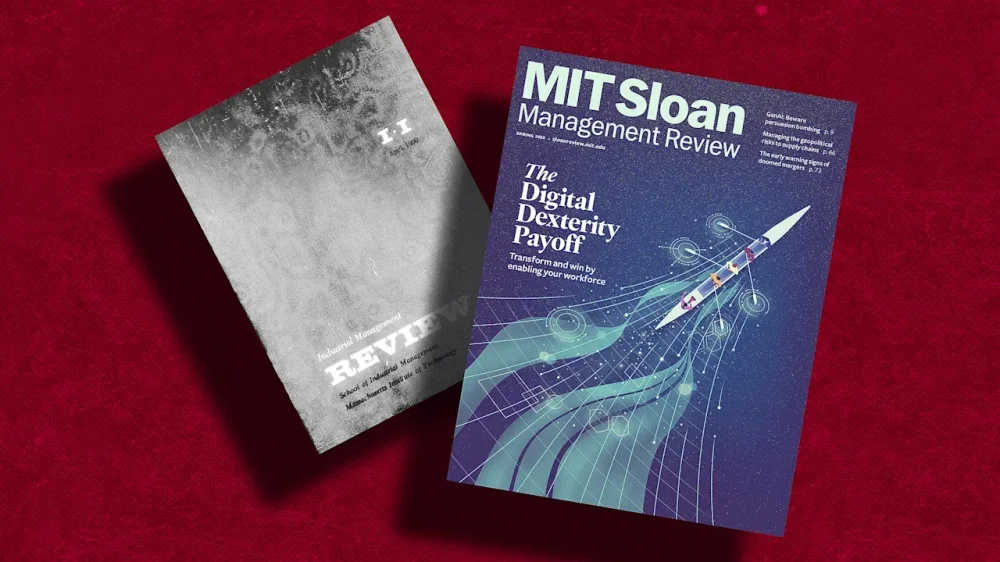
The news landed quietly, tucked into a letter from MIT Sloan’s dean to colleagues: After 67 years, MIT Sloan Management Review is shutting down. Future insights, the letter explained, will live on via “digital newsletters, short-form video, social-first content, and podcasts.” This is a strategic inflection point for management thinking. It will have a major impact on the entire ecosystem through which serious management ideas travel from researchers to the people who run organizations. That ecosystem was already fragile. Winner-take-all dynamics MIT Sloan Management Review and similar journals were classic two-sided market propositions. They offered management ideas to subscribers, pulling in advertisers along the way. The scarcity factor was that only such journals had access to top faculty, even as faculty had relatively few major mainstream outlets to promote their ideas. MIT SMR, in particular, focused on evidence-based research and incorporated citations. While the basic value proposition hadn’t changed, the world around it did. Today, ideas flow through blogs, thinkers’ own websites, and massive numbers of books (I’ve written about the peak book hypothesis here). The scarcity factor of its content went essentially to zero, and when that happens, people’s willingness to pay evaporates. The publication’s departure leaves Harvard Business Review as a winner with network effect dynamics. If HBR is where the readers are, that’s where other ecosystem partners want to be. It will now be essentially the dominant institutional journal seeking to get research ideas into the hands of practicing managers. HBR (which I am delighted to say has published a fair amount of my work) faces its own pressures. As a must-have platform, it often must reject worthy ideas. It needs credibility with “C” level executives. Without a peer playing the same translation game, those pressures intensify. The management field needs more venues doing serious practitioner-facing work, not fewer. The Research-Practice Gap Was Always Major There is an enormous, largely invisible backlog of management problems that research has effectively solved but whose solutions have never made it into organizational practice. Just to take a few examples: We know, with considerable empirical confidence, how to design incentive systems that don’t destroy intrinsic motivation. We know that most large-scale change initiatives fail not because of strategy but because of implementation dynamics that are entirely predictable and manageable. We know that diverse teams outperform homogeneous ones under conditions of complexity, and we know specifically why and how to structure them to realize that advantage. We know a great deal about how cognitive biases distort resource allocation decisions at the top of organizations, and we have tested interventions that meaningfully reduce those distortions. We know that organizations and communities pay a terrible price for offering bad jobs. We know that many workplaces are literally causing those in them to suffer terrible health outcomes. None of this knowledge is secret. It lives in journals, in working papers, in the syllabi of good business school courses. What it largely doesn’t do is reach the CFO making a capital allocation call on Tuesday morning, or the division president trying to figure out why her transformation initiative keeps stalling. The translation layer between “what research knows” and “what practitioners do” has always been thin and underfunded. MIT SMR was one of the few publications explicitly committed to that translation. Now it’s gone. The Incentives Were Broken Long Before This The design of business school incentive systems is partly to blame. The incentive structures in research universities have, for decades, pointed faculty away from practitioner-facing work. Tenure and promotion are determined by publications in top academic journals: outlets with tiny circulations, peer reviewers who are other academics, and editorial standards that actively discourage the kind of narrative accessibility that helps ideas travel. Publishing in MIT SMR—despite its genuine rigor, its MIT imprimatur, its global reach among senior executives—counted for relatively little in most tenure cases compared to a placement in a top-tier academic journal that approximately 200 specialists might read. This reflected a conscious set of choices about what kind of knowledge production universities would reward. The result, over time, was a faculty increasingly optimized for talking to each other, and decreasingly equipped, or motivated, to talk to the people whose organizations their research was nominally about. Imagine medical doctors not keeping up with discoveries in their fields, or someone studying engineering not understanding the materials that might be used to design a bridge! MIT SMR existed in the gap that this incentive structure created. It depended on scholars who cared enough about practitioner impact to invest time in writing that their departments wouldn’t necessarily credit. That’s a fragile foundation, and it grew more fragile as the academic labor market tightened and junior faculty had fewer and fewer degrees of freedom about where they put their energy. If business school leaders want to bridge these gaps, they would make journals such as MIT Sloan matter in promotion decisions. Of course, with the advent of agentic AI and the reshuffling of management structures, their hands may well be forced to change what gets recognized and promoted. “For every complex problem there is an answer that is clear, simple, and wrong” This quote, attributed to H. L. Mencken, reflects a broader issue. The dean’s letter frames the closure of MIT SMR as a response to “broader shifts in how audiences engage with management ideas.” He’s not wrong about the shift. But there’s a subtle and important conflation happening: The shift in how audiences consume content is being used to justify a change in what kind of content gets produced. That has potentially serious consequences. Short-form video and social-first content are extraordinary at spreading ideas that have already been simplified. They are almost useless at developing ideas that are genuinely novel and complex. For example, my work on the need for companies to behave like habitual entrepreneurs, if they hope to survive for the long term, has taken (so far) five books (with one more on the way), lots of HBR and MIT SMR articles, and multiple interactions with large numbers of stakeholders. It cannot be reduced to a LinkedIn carousel. Action points coming from short-form outlets without essential context are mostly useless, and conceivably even dangerous. The closure of MIT SMR doesn’t mean demand for serious management ideas disappears. It means that demand gets met by whoever has the biggest platform and the fastest content engine. Increasingly, that means AI-generated synthesis, influencer-driven frameworks with little empirical grounding, and the management consulting firms that have always been happy to position their proprietary models as received wisdom. One major institutional referee is leaving the field, and if a journal with so much credibility and backing can’t thrive, it suggests that the market for management ideas is fundamentally changing. There’s an irony worth noting: MIT Sloan is shutting down a publication in the name of reach and relevance at precisely the moment when AI is making it easier than ever to produce and distribute long-form, research-grounded content cheaply. The problem was never that rigorous ideas couldn’t find an audience because MIT SMR’s digital readership was substantial. The problem is that sustaining an editorial institution requires organizational commitment that goes beyond traffic metrics. What now? So what happens now? We can expect that independent voices, publishing on their own substacks and podcasts, and potentially executive education programs, become more important as the institutional middle ground hollows out. That’s both an opportunity and a risk: We can expect more diversity of voices but less quality control and less shared vocabulary across the management field. The gap between academic research and management practice, which MIT SMR existed to bridge, will widen. And the organizations on the wrong side of that gap—the ones whose leaders never encounter the research that might help them—will keep making the same avoidable mistakes. Sixty-seven years is a long run. MIT Sloan Management Review shaped how generations of managers thought about strategy, innovation, leadership, and change. The right response to its closure isn’t nostalgia. It’s to ask, with some urgency, where the future high-impact management ideas will come from and how they will be disseminated. That conversation has gone on for years, all the way back to management thinker Peter Drucker. With the disruption that is on the horizon as we enter an era of agentic AI and dematerialization, perhaps the topic will be revisited with renewed urgency. View the full article
-
Psychological safety is a crucial key to high performance, a positive culture, and team success—and for good reason. Google’s Project Aristotle found that it’s the number one factor in high-performing teams. When people feel safe to speak up, ask questions, admit mistakes, and challenge ideas, teams learn faster and perform better. But as the concept has gained traction, something else has happened. Many misunderstand what it actually means, and that misunderstanding is quietly killing accountability. At its core, psychological safety is about creating an environment where people can speak up without fear of humiliation or punishment. What it’s not about is avoiding discomfort. It’s about protecting people from being silenced or mistreated. But somewhere along the way, we’ve started confusing discomfort with psychological safety. This might look like a manager who raises a performance issue, and the employee says that the conversation feels “unsafe.” A colleague respectfully challenges an idea, and someone says that it’s “inappropriate.” Someone receives fair and constructive feedback they don’t like and shuts the conversation down. Sometimes that reaction is genuine because discomfort can feel confronting. But discomfort on its own doesn’t mean something is unsafe. When we treat it that way, we create a different problem. We create avoidance. The problem with weaponizing words Calling something “unsafe” can become a convenient way to avoid a conversation, dismiss feedback, or deflect accountability. And when that happens, psychological safety isn’t the problem. Instead of helping people speak up, it shuts down a conversation. It becomes avoidance dressed up as safety. That’s where the real damage begins. Leaders start to second-guess themselves. They worry about saying the wrong thing, being called a bully, or triggering a complaint. So they pull back. They soften the message, dance around the issue, or let things slide altogether. Silence has consequences. Standards slip. Poor behavior goes unchecked. Performance issues linger. And resentment builds, particularly among those doing the right thing who can see that the leaders aren’t holding everyone to the same standards. Cultures don’t get healthier when leaders avoid hard conversations. They get weaker. This is the part many workplaces are getting wrong: psychological safety shouldn’t weaken accountability. In fact, it should strengthen it. When leaders practice it properly, it should create the conditions for honest, constructive, and sometimes uncomfortable conversations to happen safely. What psychological safety should look like Psychological safety is not about being “nice” or avoiding tension. It doesn’t mean everyone agrees. Psychologically safe teams debate. They challenge. They disagree. But they do it with respect rather than resorting to personal attacks. They get curious, not furious. They’re willing to say what needs to be said with care and clarity, even when it’s uncomfortable. They stay hard on the issue, soft on the person, balancing empathy with accountability. In these teams, people feel safe to speak up early when something is off track. They ask questions instead of guessing and own their mistakes rather than hiding them. They give and receive feedback in a way that improves performance, not damages relationships. That’s what high-performing teams do. However, misunderstanding or weaponizing the term can lead to silence, avoidance, or lower standards. In this instance, you need to address it sooner rather than later. Reset the standard Start by separating discomfort from danger. Have an explicit conversation with your team about what psychological safety is and isn’t. It’s important that you frame it not as a lecture, but as a discussion. Consider asking the following questions: What does psychological safety look like here? What’s the difference between feeling uncomfortable and being unsafe? What behaviors do we expect from each other? By surfacing assumptions and getting aligned, you reduce the risk of the term being used—intentionally or not—to avoid accountability. Be clear about your intent To prevent someone from using psychological safety as a shield in difficult conversations, you need to be clear from the outset. If you’re giving feedback, explain why. You might say, “I’m raising this because I want you to succeed,” or “I’m giving you this feedback because I want to help you improve.” Acknowledge the reality of the conversation: “This might be uncomfortable to hear, but it’s important.” When people understand your intent, they’re far more likely to hear your message and less likely to get defensive. Clarity helps to remove ambiguity, and ambiguity is where misunderstanding thrives. Another trap is assuming that if someone has an emotional reaction, something has gone wrong. It hasn’t necessarily. People can feel defensive, embarrassed, frustrated, or upset when receiving feedback. That doesn’t mean the conversation was wrong. It means they are human. Your role as a leader is not to remove discomfort. It’s to handle it well. Stay calm, respectful, and focused on the outcome. Be empathetic, but don’t back away from what you need to say. Raise, don’t lower standards Psychological safety isn’t supposed to lower standards or make everyone feel comfortable all the time. Its real purpose is to create an environment where people can perform at their best. You don’t build good teams by avoiding tension. You build them by creating an environment where people can speak honestly, hear difficult things, learn, improve, and still feel a sense of respect. View the full article

-
Italian group pressing ahead with €35bn bid for Germany’s Commerzbank View the full article
-
In April 2026, cloud-hosting platform Vercel disclosed that hackers had breached its internal systems and stolen customer data. The breach occurred because a Vercel employee had signed up for a third-party AI productivity tool using their corporate Google account and granted it full-access permissions. When that AI tool’s own systems were compromised, the attackers used the trust relationship as a bridge straight into Vercel’s internal environment. The stolen database was listed for sale on a hacker forum for $2 million. Note that the breach did not directly attack a software vulnerability. Rather, it exploited an architectural gap. The technology worked as designed, but the architecture was not fit for purpose in the brave new world of artificial intelligence. This is a common pattern. Organizations across industries are deploying AI tools, building AI-powered workflows, and experimenting with autonomous AI agents—all on top of enterprise architectures that were designed for a different era. That pattern should concern every leadership team. The success of AI deployments—both whether they work and whether they scale—depends on the technical systems they are embedded in. There is no point trying to build cutting-edge AI systems on top of legacy infrastructure that is fundamentally incompatible with the new technology. The 90-day plan below gives you a step-by-step playbook for jump-starting the process of bringing your technical architecture up to date for the AI era. What AI-Ready Architecture Requires The contemporary AI technology stack comprises five interdependent layers. Each one places specific demands on the enterprise, and weakness at any layer limits what the other layers can accomplish. Data and storage: AI systems are only as good as the data they operate on, and in most enterprises, that data is fragmented, inconsistently governed, and riddled with quality problems nobody has had reason to fix until now. Compute and acceleration: AI workloads are GPU-intensive, arrive in unpredictable spikes, and are sensitive to where data physically resides—fundamentally different from the steady-state transactional computing most enterprise infrastructure was built for. Model and algorithm: Most enterprises treat model selection as an ad hoc decision made by individual teams, producing redundant spending, inconsistent risk profiles, and no organizational view of what models are in use or what they are being asked to do. Orchestration and tooling: The APIs, middleware, and automation frameworks that connect models to business workflows are also where architectural brittleness does the most damage—if your integrations are undocumented or ungoverned, AI will amplify that fragility at speed. Application and governance: This is where AI meets users, policies, and oversight—the interfaces, guardrails, monitoring, and audit trails that determine whether the organization can actually explain what happened when something goes wrong. The 90-day plan that follows addresses all five layers concurrently rather than sequentially, because architectural weaknesses in any one layer constrain what every other layer can accomplish. Technology architecture is one component of the broader strategic enterprise architecture of any business. For a fuller treatment of how these layers connect, see my article on strategic enterprise architecture for AI. The 90-Day Plan Days 1–30: Map The goal of this phase is to produce a comprehensive and precise picture of your current architectural landscape. 1. Inventory your data estate. Map every system of record, every data warehouse, every data lake, and every significant file repository the organization relies on. For each, document what it contains, who owns it, how it is governed, and its current state of quality. In most organizations, this inventory produces surprises, such as critical data in ungoverned repositories, redundant records, and unmanaged data that nobody has thought to catalog. 2. Map your integration landscape. Catalog every very automated data flow currently in production. Flag the brittle ones, the undocumented ones, and the ones held together by the knowledge of a single person. 3. Audit your identity and access architecture. Inventory both human and nonhuman identities in your environment. How many service accounts exist? How many have excessive privileges? How many are unused but still active? When AI agents begin operating autonomously inside your systems—and they will—each one will need a governed identity, scoped privileges, and a defined life cycle. The Vercel breach is a case study in what happens when this layer is inadequate. 4. Assess your cloud and compute posture. AI workloads have different infrastructure characteristics than traditional enterprise applications. They are GPU-intensive, sensitive to where the data physically resides, and arrive in unpredictable surges that legacy capacity planning cannot handle. Map your current cloud footprint, your data residency constraints, and your ability to scale GPU compute under load if needed. 5. Force the worst-case conversations. For each major component of your architecture, ask: What happens when an AI system with autonomous privileges operates on top of this? Where does it break? Where does it expose us? What happens if a model hallucinates and triggers an automated action downstream? What happens if an AI agent’s credentials are compromised? This exercise borrows directly from the “Catastrophize” step of the CARE framework for AI risk management. Its value lies in surfacing the architectural weaknesses that only become visible under AI-era loads. By the end of this phase, you should have a clear assessment of your architecture and its readiness—or otherwise—for AI. For a deeper look at the systemic risks that architectural mapping is designed to surface, see AI’s butterfly effect: The danger of cascade failures. Days 31–60: Build In this phase, the goal is to begin filling in the architectural gaps identified earlier. No AI initiatives should launch during this phase—this is purely about ensuring robust foundations before anything goes live. 1. Stand up a data governance operating model. Data will never be ready for AI if its governance is treated as an afterthought. Establish clear ownership for every critical data domain, define quality thresholds and the processes for maintaining them, and create a data governance forum with genuine authority to enforce standards. 2. Invest in the data platform. Begin consolidating fragmented data into a modern platform capable of supporting AI workloads. This may involve a consolidated data platform with stronger pipelines and clearer standards for how data is defined and described. The key principle is prioritization: Start with the data domains most relevant to the AI use cases your organization is already pursuing or preparing to pursue. 3. Modernize the integration layer. Make API-first the default for every new system. Catalog the APIs you have. Retire integrations that cannot be governed. Put an API management capability in place that can support both human developers and AI agents as first-class consumers of your systems. 4. Reimagine identity for the AI era. Zero-trust is no longer a security posture reserved for highly regulated industries. It is the baseline requirement for any enterprise that intends to deploy systems capable of autonomous action. Every AI agent operating in your environment should have a distinct identity with scoped privileges, monitored behavior, and a defined life cycle—just as every human employee does. 5. Establish the model layer. Consolidate AI models and related decisions into a managed model layer: a defined set of approved models, a mechanism for evaluating new ones, guardrails for how models are invoked, and the ability to monitor usage across the organization. 6. Build your monitoring capability. You need visibility into model performance, changes to the underlying data, output quality, cost, and behavioral change over time. Create this capability early in the process rather than bolting it on after deployment. Without observability, the AI systems you deploy will be black boxes that nobody can explain when something goes wrong. By the end of this phase, you will have your core architectural capabilities in place. These now need to be tested under real conditions. For a detailed breakdown of the AI technology stack and why leaders need to understand it, see For CEOs, AI tech literacy is no longer optional. Days 61–90: Embed The goal of this phase is to ensure that architectural discipline becomes permanent rather than a one-off initiative that erodes the moment attention shifts elsewhere. 1. Wire architecture review into the intake process. No new AI initiative should be able to enter the organization’s portfolio without an architecture review that assesses data readiness, integration requirements, security implications, and alignment to the target architecture. This is the mechanism that prevents the enterprise from accumulating another generation of technical debt under a new label. 2. Run the first end-to-end deployment. Select a real, meaningful AI use case and run it through the new architecture from beginning to end—from data ingestion through model deployment to downstream action. This is where the gap between the architecture you designed and the architecture you actually built becomes visible. 3. Stress test security and identity. Run adversarial testing against the new architecture. The Vercel breach should concentrate minds here: The most dangerous attacks are the ones that travel through legitimate trust relationships, not the ones that try to break through the front door. 4. Formalize architecture governance. Establish a standing architecture review body with clear authority, a defined cadence, and the power to enforce its decisions. Its purpose is not to slow the organization down but to keep the enterprise architecturally coherent as AI accelerates the rate at which new systems, models, agents, and integrations enter the environment. 5. Build the skills inventory and the gap plan. The architecture you have built requires people who can operate it. Do not assume the existing team can absorb a shift of this magnitude through willpower alone. Assess your engineering, data, security, and platform teams against the capabilities the target architecture demands. Where the gaps are largest, make explicit decisions: hire, develop, or partner. 6. Iterate. By day 90, you have live data from a real deployment running through real infrastructure. What worked? What didn’t? Where is the friction highest? Use what you have learned. Building your technical architecture is not a one-off project—it needs to be continuously maintained and improved. For a complementary road map for building the governance frameworks that sit on top of this architecture, see Here’s how to jump-start your company’s responsible AI governance in 90 days. Conclusion Every enterprise deploying AI today faces a mismatch between its technological architecture and the new demands of AI. This plan delivers the foundation for a sustained response: a mapped and understood data estate, integration and identity infrastructure fit for the AI era, a managed model layer, observability across the stack, and the governance machinery to keep it all coherent as you scale. Perhaps most importantly, it moves you decisively forward. The question now is how you will use that momentum. View the full article

-
You know, there was a plague before COVID. Lots of people came down with it every morning and evening: the agony of traffic and train delays. Commuting sucked, and everyone agreed on that. Then remote work came along and, all of a sudden, having to go into the office disappeared for millions. But something else disappeared, and no one really talks about that part. If you listen closely to parents now, you’ll hear it. They miss the commute. Sort of. They don’t miss fighting for a seat on the subway. And no one is longing for the good old days of gridlock. But they do miss what that time offered them. I didn’t realize it either until it was gone. Catching our breath Back when we spent most of the daylight hours at an office, our workdays felt crazy busy. That ride home was the point where we’d finally catch our breath. Some days, I’d stare out the window. Other days, I would walk home, call a friend, or get lost in an audiobook. It was one of the only moments in the day when no one needed anything from me. I didn’t realize how rare that was. Certainly, remote work has been great in a lot of ways: a little extra sleep time, flexibility, more time in the day with your kids. But it quietly took something important away. The built-in alone time during a commute has a positive impact, according to research by the World Economic Forum. That transition time can actually benefit our mental health. Now, everything blurs together. You go from intense work meetings to making dinner to answering emails to helping with homework—without a break in between. We are always on. It’s depleting. Without a clear delineation, there is no recovery from either. That is when the irritability creeps in. Parents can feel helpless, agitated, and burned out, and don’t have the mental capacity to handle even one more thing. Mark the transition That “wasted time” commuting was doing something significant. It was regulating us. So now, we must find other ways to reclaim that pocket of time. It doesn’t have to be complicated; it just has to exist in some form. Take a walk after your last meeting. Sit in your car for 10 minutes and listen to an audiobook. Make a quick call to check in with your sister or a friend. Step outside for five minutes and do absolutely nothing productive. Make a cup of tea or pour a drink, but don’t multitask while sipping it. Take a shower (not because you need one but because it resets you). Sit in silence before walking into the next room, where everyone needs you. The goal is to mentally mark the transition for yourself. Because the real loss wasn’t the commute. It was losing the only part of the day that didn’t belong to anyone else. Without that pause, your life just becomes one long shift. View the full article

-
Google Fi has been around for north of a decade now and it still feels like the weird, smart kid in the back of the wireless-carrier room. It’s not quite a major carrier, but it’s much more than just a budget MVNO. And it’s one of the only tech services I’ve been using for years and years that hasn’t changed all that much or arbitrarily and routinely jacked up its prices. My bill has looked the same for a long, long time. So if you’re tired of the Big Three and you’re thinking about jumping ship, here’s the reality of life on Google’s network. Seamless international travel If you’ve ever landed in a foreign country only to be greeted by a $10-a-day “travel pass” notification from your carrier, you know the pain. With Google Fi’s $65 Unlimited Plus and $30+ Flexible plan, your data just works in over 200 countries at no extra charge. You step off the plane, turn off airplane mode, and you’re back on Instagram before you hit customs. It’s the single best feature for anyone who frequently uses their passport. Free data-only SIMs Most carriers want to charge you an extra $10 or $20 a month to add a tablet, cell-equipped laptop, or a backup phone to your plan. Fi lets you order data-only SIM cards for free. You just pop them into whichever device you want to connect, and they tap into your existing data bucket. It’s an elegant solution for tech hoarders who want their secondary devices to actually be useful away from Wi-Fi. Simple pricing There are no “activation fees” that magically appear on your first bill like a digital gremlin. The app is incredibly clean, showing you exactly how much data you’ve used and what your next bill will look like. The baseline Flexible tier, especially, is great for keeping your bills under control. It’s $20 per month for phone service, plus $10 per month for each gigabyte of data you use. So if you’re a homebody like me, $30-per-month cell service bills aren’t uncommon. And even if you’re using a lot of data in a given month, you stop getting charged after six gigabytes, meaning your bill will never surpass $80 per month. That being said… Iffy support When Google Fi works, it works. When it doesn’t, you’re at the mercy of the Google ecosystem. If your Google account ever gets flagged or locked for a security reason, your phone service can get swept up in the chaos. Furthermore, while Fi’s chat support is fast, it can feel a bit scripted. And if you have a complex billing issue or a head-scratcher of a hardware problem, you might miss the ability to walk into a physical store and talk to a human being. Beware the Google Graveyard We have to talk about the elephant in the room: Google’s habit of killing off products we actually like. I’ve been a Fi user since 2017, which is a good long run, but I’m keenly aware that it could all end any day. From Google Reader to Stadia to Inbox to Wave to Google+ to… I’m forgetting a lot of them, the “Killed by Google” list is long and tragic. Your cell phone number is arguably your most important piece of digital identity. Entrusting it to a company that famously pivots away from products and services on a whim requires a leap of faith. There’s always a nagging fear that one day, I’ll get an email saying Google Fi is being “integrated” into some other service or 86’d entirely. Until that happens, I remain a contented customer. View the full article

-
First-quarter income dips to $9.4bn, missing analyst expectationsView the full article
-
Dispute between UK chancellor and US Treasury secretary underscores allies’ diverging stances on the conflictView the full article
-
Swipe at US president appears to wipe out year-long effort to establish rapportView the full article
-
Executives warn that a prolonged energy shock would increase pressure to pass on costs to customersView the full article
-
Why aren’t more people quitting their jobs?View the full article
-
Former commodities trader’s £12mn lawsuit alleges German lender breached a ‘duty of care’ View the full article
-
Reform, the Greens, SNP, Plaid Cymru and Lib Dems are hoping to make gains at the expense of the two mainstream partiesView the full article
-
Tennessee policy attracts corporations and high earners but locals are being priced out of Music City View the full article
-
LVMH is exploring sales of brands including Marc Jacobs and Fenty in one of the biggest pullbacks in its historyView the full article
-
Owning a business comes with several key benefits that can greatly impact your professional life. First, you gain independence and control over your decisions, allowing you to shape your vision. There’s furthermore unlimited earning potential, as your income directly reflects your efforts. In addition, pursuing your passions can lead to greater job satisfaction. With flexibility in your schedule, you can better balance work and personal life. These advantages, among others, reveal how entrepreneurship can transform your future. But what else should you consider? Key Takeaways Enjoy independence and control over decisions, shaping the culture and direction of your business without external consultation. Experience unlimited earning potential, with income directly linked to effort and successful profit-sharing opportunities. Pursue your passion by transforming hobbies into careers, resulting in greater job satisfaction and enhanced creativity. Benefit from schedule flexibility, allowing for personalized work hours and improved work-life balance. Create job opportunities and contribute to economic growth, building a legacy that can impact future generations. Independence and Control When you own a business, you gain the freedom to be your own boss and make critical decisions without needing to consult others. This independence and control over your enterprise allows you to shape its culture, direction, and operations according to your vision. The autonomy that comes with owning a business enables you to implement strategies without external constraints, creating a work environment that reflects your values. As a business owner, you’re responsible for your success, nurturing a unique sense of accountability. If you’re considering how to start a business, keep in mind that approximately 33 million small businesses in the U.S. represent 99.9% of all businesses, showcasing the impact of entrepreneurial independence on the economy. Utilizing small business tips can help you navigate this experience effectively. Moreover, don’t overlook potential business owner grants that can support your venture. Embrace the independence and control that come with business ownership to thrive. Unlimited Earning Potential Owning a business offers you the unique opportunity to achieve unlimited earning potential, as you’re not confined to a fixed salary like traditional employees. Within the realm of business and entrepreneurship, your income isn’t capped; it directly correlates with the effort and time you invest. This uncapped income potential allows you to reap the rewards of your hard work. As a small business owner, you can benefit from profit-sharing and reinvestment opportunities, leading to substantial financial growth as your business expands. Furthermore, the flexibility to diversify income streams through multiple ventures enables you to maximize your earnings beyond standard limits. By exploring various services or products, you create numerous pathways to increase your wealth. According to the U.S. Small Business Administration, many successful entrepreneurs accumulate wealth far exceeding traditional salaries, showcasing the financial advantages of owning a business. In the end, your earning potential is only limited by your ambition and creativity. Pursuing Your Passion When you own a business, you can transform hobbies into careers, turning what you love into a source of income. This often leads to greater fulfillment, as you engage in work that aligns with your personal interests and values. Many entrepreneurs find that pursuing their passions not just boosts their creativity but additionally strengthens their commitment, helping them navigate challenges more effectively. Transform Hobbies Into Careers Transforming a hobby into a career can be a rewarding venture, as it allows you to pursue your passion during the potential increase of your overall job satisfaction. Many individuals have successfully converted their hobbies into thriving businesses, reporting higher happiness levels compared to traditional jobs. By embracing entrepreneurship, you can explore innovative ways to monetize your interests, leading to financial rewards. Engaging in passion-driven work encourages creativity and innovation, which can set your business apart in the marketplace. Hobby Business Idea Financial Potential Photography Event Photography High Baking Custom Cake Business Medium to High Gardening Landscaping Services Medium Fulfillment Through Meaningful Work Pursuing your passion through entrepreneurship offers a unique pathway to fulfillment and personal growth. When you transform your hobbies into a business, you not just find higher job satisfaction but also a stronger sense of purpose. Many successful entrepreneurs emphasize the importance of aligning their work with personal values, enhancing happiness and creativity. To start on this expedition, consider utilizing a business startup checklist to guarantee you cover crucial elements. Learning how to start a successful business involves comprehending your market and audience. Following a starting a small business checklist can guide you through the initial steps. As you grow your small business, remember these tips for small business owners to maintain passion-driven innovation that enriches both your life and your community. Engage With Personal Interests Engaging with personal interests through business ownership offers a practical approach to turning hobbies into viable careers. When you pursue your passions, you often find greater motivation and job satisfaction. This can lead to innovative products or services that resonate with customers. To help you navigate this expedition, here are some crucial business tips: Steps to Start a Business How to Start a Business from Home Small Business Tips and Advice Identify your passion Create a dedicated workspace Network with like-minded individuals Develop a business plan Use online tools for efficiency Continuously seek feedback Set achievable goals Market through social media Stay adaptable and learn Flexibility in Your Schedule Owning a business gives you control over your work hours, allowing you to create a schedule that fits both your professional and personal life. You can adapt your work environment to suit your needs, whether that means working from home or adjusting your hours based on client demands. This flexibility not just improves your productivity but additionally helps you maintain a healthier work-life balance. Control Over Work Hours When you control your work hours as a business owner, you gain the flexibility to tailor your schedule around your most productive times or personal commitments. Unlike traditional jobs with fixed hours, you can adjust your work based on client needs and personal preferences without seeking approval. This autonomy improves your work-life balance, leading to enhanced job satisfaction and reduced stress. Although setting up your business may involve long hours initially, you eventually enjoy the freedom to take time off without worrying about vacation policies. Benefits of Control Over Work Hours Impact on Business Owners Flexibility to work Accommodates personal commitments Improved job satisfaction Reduces stress Autonomy Creates a working environment Better work-life balance Improves overall well-being Personalized schedule Aligns with lifestyle goals Personal Life Integration The flexibility in your schedule as a business owner enables a seamless integration of your personal life with professional responsibilities. You have the flexibility to set your own hours, allowing you to work during times that align with your productivity peaks. This freedom lets you prioritize personal obligations, such as family events or appointments, without needing to seek permission. Unlike traditional jobs, you can choose when to take time off, promoting a more spontaneous and fulfilling personal life. Furthermore, the ability to work from various locations improves your work-life balance, making it easier to integrate personal and professional responsibilities. In the end, this flexibility contributes to enhanced overall job satisfaction and well-being, reinforcing your commitment to both personal and business success. Adaptable Work Environment An adaptable work environment is one of the key advantages of being a business owner, as it allows you to design your schedule in a way that best suits your needs. This flexibility promotes not only personal productivity but in addition boosts client satisfaction. Here are some ways an adaptable work environment benefits you: Set your own work hours to match your productivity peaks. Take spontaneous breaks without needing approval, helping you recharge. Adjust your availability to meet client needs effectively. Work from various locations, contributing to a customized work-life balance. Job Creation Opportunities Owning a business not merely provides individuals with the opportunity to pursue their passions but similarly plays a significant role in job creation within communities. Small businesses account for nearly half of all private-sector employment in the U.S., employing around 61 million workers. Since 2000, they’ve created nearly two out of every three new jobs in the economy, showcasing their crucial role in job creation opportunities. By pursuing small business ownership, you’re contributing to local job opportunities and promoting economic growth. Each small business you start has the potential to create jobs as it grows, positively impacting the community by providing employment and supporting families. As your business succeeds, the demand for your products and services increases, leading to further job creation. This cycle not only improves local employment but also strengthens the overall community, making small businesses fundamental for sustainable economic development. Building Your Own Legacy Creating a legacy through business ownership offers a strong opportunity to shape both your future and that of your community. By establishing your own business, you not only create a unique brand that reflects your values but also contribute considerably to local economies. Here’s how you can build your legacy: Influence Culture: You can craft a work environment that aligns with your personal beliefs. Financial Gains: Successful businesses can provide for your family and support charitable initiatives. Community Development: Small businesses play a vital role in encouraging growth and job creation. Generational Impact: Your business can be passed down or sold, ensuring its benefits continue for future generations. Furthermore, you might consider business grants for small businesses to help kickstart your venture. In doing so, you’ll not only improve your financial prospects but also leave a lasting mark on your community’s development and economy. Tax Benefits and Financial Advantages Many business owners find that the financial advantages and tax benefits associated with running a business can greatly improve their overall profitability. One significant aspect is the ability to claim deductible expenses, such as rent, utilities, and office supplies, which can lower your tax liability. In addition, self-employed individuals can deduct health insurance premiums for themselves and their families, further reducing taxable income. Contributions to retirement plans like Solo 401(k) and SEP IRA are also tax-deductible, allowing you to save for the future while minimizing current tax obligations. The Qualified Business Income Deduction permits owners of pass-through entities to deduct up to 20% of their qualified business income, promoting reinvestment. Moreover, you can deduct start-up costs, with up to $5,000 available in the first year, helping offset initial expenses and incentivizing new ventures. These tax benefits can play a vital role in your business’s financial success. Personal Growth and Development As you’re maneuvering through the intricacies of running a business, you inevitably develop skills that are crucial for personal and professional growth. Entrepreneurship challenges you to improve your critical thinking and adaptability, as you face diverse situations that require effective problem-solving. You learn from both successes and failures, cultivating resilience that applies to various life aspects. Key areas of personal growth and professional development include: Management Skills: Acquiring the art of leading teams effectively. Financial Acumen: Comprehending budgeting and financial planning. Marketing Knowledge: Gaining insights into market trends and consumer behavior. Critical Thinking: Boosting your ability to analyze and make informed decisions. These experiences not just improve your business acumen but encourage continuous learning and networking, broadening your perspective and enriching your entrepreneurial expedition. Networking and Relationship Building Building a successful business often hinges on your ability to forge connections with others in your industry. Networking is essential, as about 70% of new opportunities arise from personal connections. Engaging in local business events and industry conferences can help you establish valuable contacts, with 85% of business success linked to effective networking. Building relationships with fellow entrepreneurs opens doors to collaboration opportunities and resource sharing, which are critical for overcoming challenges in entrepreneurship. Utilizing social media platforms like LinkedIn allows you to expand your network, connecting with potential clients, partners, and industry influencers. This not only improves your visibility but also increases your credibility within your niche. Furthermore, strong networking skills greatly increase your chances of gaining referrals, with studies showing that 70% of consumers prefer to work with businesses recommended by someone they trust. Investing time in networking can yield considerable benefits for your business’s growth and sustainability. Frequently Asked Questions What Are the Benefits of Having a Business? Having a business offers several advantages. You gain autonomy, allowing you to make decisions without needing approval from higher-ups. Your earning potential is tied directly to your business’s success, not limited by a fixed salary. You can pursue your passions, transforming hobbies into profitable ventures. Moreover, you benefit from tax deductions on expenses like supplies and travel, which can greatly lower your taxable income, enhancing your financial situation. What Are the 5 Key Benefits of Business Strategy? A well-defined business strategy offers several key benefits. First, it creates a roadmap for achieving long-term goals, aligning your resources effectively. Second, it improves your competitive advantage by differentiating your offerings. Third, it informs decision-making through market insights, boosting operational efficiency. Fourth, regularly reviewing the strategy keeps you resilient to market changes. Finally, a strong strategy enables you to set measurable objectives, track performance, and adjust tactics based on data-driven insights. What Benefits Do You Get as a Business Owner? As a business owner, you gain the ability to set your own schedule, allowing flexibility for personal commitments. You can pursue your passions and turn hobbies into careers, leading to job satisfaction. Your income potential is unlimited, depending on your business success, unlike traditional salary limits. Furthermore, you access tax benefits through deductions on expenses, reducing your taxable income. What Is the Biggest Advantage of Owning Your Own Business? The biggest advantage of owning your own business is the unlimited earning potential. Unlike a fixed salary, your income directly reflects your efforts and the success of your enterprise. You can set your own schedule, allowing greater flexibility in balancing personal and professional commitments. This autonomy lets you pursue your passions, develop diverse skills, and make independent decisions that align with your values, eventually shaping your professional path in a meaningful way. Conclusion In conclusion, owning a business provides significant advantages, including independence, unlimited earning potential, and the freedom to pursue your passions. You gain flexibility in your schedule and contribute to job creation, whereas you enjoy tax benefits. Furthermore, you have opportunities for personal growth and can build important networks. In the end, owning a business allows you to create a lasting legacy, making it a rewarding endeavor for those willing to invest the effort and time. Image via Google Gemini and ArtSmart This article, "Key Benefits of Owning a Business" was first published on Small Business Trends View the full article
-
Owning a business comes with several key benefits that can greatly impact your professional life. First, you gain independence and control over your decisions, allowing you to shape your vision. There’s furthermore unlimited earning potential, as your income directly reflects your efforts. In addition, pursuing your passions can lead to greater job satisfaction. With flexibility in your schedule, you can better balance work and personal life. These advantages, among others, reveal how entrepreneurship can transform your future. But what else should you consider? Key Takeaways Enjoy independence and control over decisions, shaping the culture and direction of your business without external consultation. Experience unlimited earning potential, with income directly linked to effort and successful profit-sharing opportunities. Pursue your passion by transforming hobbies into careers, resulting in greater job satisfaction and enhanced creativity. Benefit from schedule flexibility, allowing for personalized work hours and improved work-life balance. Create job opportunities and contribute to economic growth, building a legacy that can impact future generations. Independence and Control When you own a business, you gain the freedom to be your own boss and make critical decisions without needing to consult others. This independence and control over your enterprise allows you to shape its culture, direction, and operations according to your vision. The autonomy that comes with owning a business enables you to implement strategies without external constraints, creating a work environment that reflects your values. As a business owner, you’re responsible for your success, nurturing a unique sense of accountability. If you’re considering how to start a business, keep in mind that approximately 33 million small businesses in the U.S. represent 99.9% of all businesses, showcasing the impact of entrepreneurial independence on the economy. Utilizing small business tips can help you navigate this experience effectively. Moreover, don’t overlook potential business owner grants that can support your venture. Embrace the independence and control that come with business ownership to thrive. Unlimited Earning Potential Owning a business offers you the unique opportunity to achieve unlimited earning potential, as you’re not confined to a fixed salary like traditional employees. Within the realm of business and entrepreneurship, your income isn’t capped; it directly correlates with the effort and time you invest. This uncapped income potential allows you to reap the rewards of your hard work. As a small business owner, you can benefit from profit-sharing and reinvestment opportunities, leading to substantial financial growth as your business expands. Furthermore, the flexibility to diversify income streams through multiple ventures enables you to maximize your earnings beyond standard limits. By exploring various services or products, you create numerous pathways to increase your wealth. According to the U.S. Small Business Administration, many successful entrepreneurs accumulate wealth far exceeding traditional salaries, showcasing the financial advantages of owning a business. In the end, your earning potential is only limited by your ambition and creativity. Pursuing Your Passion When you own a business, you can transform hobbies into careers, turning what you love into a source of income. This often leads to greater fulfillment, as you engage in work that aligns with your personal interests and values. Many entrepreneurs find that pursuing their passions not just boosts their creativity but additionally strengthens their commitment, helping them navigate challenges more effectively. Transform Hobbies Into Careers Transforming a hobby into a career can be a rewarding venture, as it allows you to pursue your passion during the potential increase of your overall job satisfaction. Many individuals have successfully converted their hobbies into thriving businesses, reporting higher happiness levels compared to traditional jobs. By embracing entrepreneurship, you can explore innovative ways to monetize your interests, leading to financial rewards. Engaging in passion-driven work encourages creativity and innovation, which can set your business apart in the marketplace. Hobby Business Idea Financial Potential Photography Event Photography High Baking Custom Cake Business Medium to High Gardening Landscaping Services Medium Fulfillment Through Meaningful Work Pursuing your passion through entrepreneurship offers a unique pathway to fulfillment and personal growth. When you transform your hobbies into a business, you not just find higher job satisfaction but also a stronger sense of purpose. Many successful entrepreneurs emphasize the importance of aligning their work with personal values, enhancing happiness and creativity. To start on this expedition, consider utilizing a business startup checklist to guarantee you cover crucial elements. Learning how to start a successful business involves comprehending your market and audience. Following a starting a small business checklist can guide you through the initial steps. As you grow your small business, remember these tips for small business owners to maintain passion-driven innovation that enriches both your life and your community. Engage With Personal Interests Engaging with personal interests through business ownership offers a practical approach to turning hobbies into viable careers. When you pursue your passions, you often find greater motivation and job satisfaction. This can lead to innovative products or services that resonate with customers. To help you navigate this expedition, here are some crucial business tips: Steps to Start a Business How to Start a Business from Home Small Business Tips and Advice Identify your passion Create a dedicated workspace Network with like-minded individuals Develop a business plan Use online tools for efficiency Continuously seek feedback Set achievable goals Market through social media Stay adaptable and learn Flexibility in Your Schedule Owning a business gives you control over your work hours, allowing you to create a schedule that fits both your professional and personal life. You can adapt your work environment to suit your needs, whether that means working from home or adjusting your hours based on client demands. This flexibility not just improves your productivity but additionally helps you maintain a healthier work-life balance. Control Over Work Hours When you control your work hours as a business owner, you gain the flexibility to tailor your schedule around your most productive times or personal commitments. Unlike traditional jobs with fixed hours, you can adjust your work based on client needs and personal preferences without seeking approval. This autonomy improves your work-life balance, leading to enhanced job satisfaction and reduced stress. Although setting up your business may involve long hours initially, you eventually enjoy the freedom to take time off without worrying about vacation policies. Benefits of Control Over Work Hours Impact on Business Owners Flexibility to work Accommodates personal commitments Improved job satisfaction Reduces stress Autonomy Creates a working environment Better work-life balance Improves overall well-being Personalized schedule Aligns with lifestyle goals Personal Life Integration The flexibility in your schedule as a business owner enables a seamless integration of your personal life with professional responsibilities. You have the flexibility to set your own hours, allowing you to work during times that align with your productivity peaks. This freedom lets you prioritize personal obligations, such as family events or appointments, without needing to seek permission. Unlike traditional jobs, you can choose when to take time off, promoting a more spontaneous and fulfilling personal life. Furthermore, the ability to work from various locations improves your work-life balance, making it easier to integrate personal and professional responsibilities. In the end, this flexibility contributes to enhanced overall job satisfaction and well-being, reinforcing your commitment to both personal and business success. Adaptable Work Environment An adaptable work environment is one of the key advantages of being a business owner, as it allows you to design your schedule in a way that best suits your needs. This flexibility promotes not only personal productivity but in addition boosts client satisfaction. Here are some ways an adaptable work environment benefits you: Set your own work hours to match your productivity peaks. Take spontaneous breaks without needing approval, helping you recharge. Adjust your availability to meet client needs effectively. Work from various locations, contributing to a customized work-life balance. Job Creation Opportunities Owning a business not merely provides individuals with the opportunity to pursue their passions but similarly plays a significant role in job creation within communities. Small businesses account for nearly half of all private-sector employment in the U.S., employing around 61 million workers. Since 2000, they’ve created nearly two out of every three new jobs in the economy, showcasing their crucial role in job creation opportunities. By pursuing small business ownership, you’re contributing to local job opportunities and promoting economic growth. Each small business you start has the potential to create jobs as it grows, positively impacting the community by providing employment and supporting families. As your business succeeds, the demand for your products and services increases, leading to further job creation. This cycle not only improves local employment but also strengthens the overall community, making small businesses fundamental for sustainable economic development. Building Your Own Legacy Creating a legacy through business ownership offers a strong opportunity to shape both your future and that of your community. By establishing your own business, you not only create a unique brand that reflects your values but also contribute considerably to local economies. Here’s how you can build your legacy: Influence Culture: You can craft a work environment that aligns with your personal beliefs. Financial Gains: Successful businesses can provide for your family and support charitable initiatives. Community Development: Small businesses play a vital role in encouraging growth and job creation. Generational Impact: Your business can be passed down or sold, ensuring its benefits continue for future generations. Furthermore, you might consider business grants for small businesses to help kickstart your venture. In doing so, you’ll not only improve your financial prospects but also leave a lasting mark on your community’s development and economy. Tax Benefits and Financial Advantages Many business owners find that the financial advantages and tax benefits associated with running a business can greatly improve their overall profitability. One significant aspect is the ability to claim deductible expenses, such as rent, utilities, and office supplies, which can lower your tax liability. In addition, self-employed individuals can deduct health insurance premiums for themselves and their families, further reducing taxable income. Contributions to retirement plans like Solo 401(k) and SEP IRA are also tax-deductible, allowing you to save for the future while minimizing current tax obligations. The Qualified Business Income Deduction permits owners of pass-through entities to deduct up to 20% of their qualified business income, promoting reinvestment. Moreover, you can deduct start-up costs, with up to $5,000 available in the first year, helping offset initial expenses and incentivizing new ventures. These tax benefits can play a vital role in your business’s financial success. Personal Growth and Development As you’re maneuvering through the intricacies of running a business, you inevitably develop skills that are crucial for personal and professional growth. Entrepreneurship challenges you to improve your critical thinking and adaptability, as you face diverse situations that require effective problem-solving. You learn from both successes and failures, cultivating resilience that applies to various life aspects. Key areas of personal growth and professional development include: Management Skills: Acquiring the art of leading teams effectively. Financial Acumen: Comprehending budgeting and financial planning. Marketing Knowledge: Gaining insights into market trends and consumer behavior. Critical Thinking: Boosting your ability to analyze and make informed decisions. These experiences not just improve your business acumen but encourage continuous learning and networking, broadening your perspective and enriching your entrepreneurial expedition. Networking and Relationship Building Building a successful business often hinges on your ability to forge connections with others in your industry. Networking is essential, as about 70% of new opportunities arise from personal connections. Engaging in local business events and industry conferences can help you establish valuable contacts, with 85% of business success linked to effective networking. Building relationships with fellow entrepreneurs opens doors to collaboration opportunities and resource sharing, which are critical for overcoming challenges in entrepreneurship. Utilizing social media platforms like LinkedIn allows you to expand your network, connecting with potential clients, partners, and industry influencers. This not only improves your visibility but also increases your credibility within your niche. Furthermore, strong networking skills greatly increase your chances of gaining referrals, with studies showing that 70% of consumers prefer to work with businesses recommended by someone they trust. Investing time in networking can yield considerable benefits for your business’s growth and sustainability. Frequently Asked Questions What Are the Benefits of Having a Business? Having a business offers several advantages. You gain autonomy, allowing you to make decisions without needing approval from higher-ups. Your earning potential is tied directly to your business’s success, not limited by a fixed salary. You can pursue your passions, transforming hobbies into profitable ventures. Moreover, you benefit from tax deductions on expenses like supplies and travel, which can greatly lower your taxable income, enhancing your financial situation. What Are the 5 Key Benefits of Business Strategy? A well-defined business strategy offers several key benefits. First, it creates a roadmap for achieving long-term goals, aligning your resources effectively. Second, it improves your competitive advantage by differentiating your offerings. Third, it informs decision-making through market insights, boosting operational efficiency. Fourth, regularly reviewing the strategy keeps you resilient to market changes. Finally, a strong strategy enables you to set measurable objectives, track performance, and adjust tactics based on data-driven insights. What Benefits Do You Get as a Business Owner? As a business owner, you gain the ability to set your own schedule, allowing flexibility for personal commitments. You can pursue your passions and turn hobbies into careers, leading to job satisfaction. Your income potential is unlimited, depending on your business success, unlike traditional salary limits. Furthermore, you access tax benefits through deductions on expenses, reducing your taxable income. What Is the Biggest Advantage of Owning Your Own Business? The biggest advantage of owning your own business is the unlimited earning potential. Unlike a fixed salary, your income directly reflects your efforts and the success of your enterprise. You can set your own schedule, allowing greater flexibility in balancing personal and professional commitments. This autonomy lets you pursue your passions, develop diverse skills, and make independent decisions that align with your values, eventually shaping your professional path in a meaningful way. Conclusion In conclusion, owning a business provides significant advantages, including independence, unlimited earning potential, and the freedom to pursue your passions. You gain flexibility in your schedule and contribute to job creation, whereas you enjoy tax benefits. Furthermore, you have opportunities for personal growth and can build important networks. In the end, owning a business allows you to create a lasting legacy, making it a rewarding endeavor for those willing to invest the effort and time. Image via Google Gemini and ArtSmart This article, "Key Benefits of Owning a Business" was first published on Small Business Trends View the full article
-
We may earn a commission from links on this page. This past weekend I ran a 10K while wearing both the Garmin Forerunner 970 and the Forerunner 165 Music, and while I'll be doing a full comparison soon, the experience made one thing immediately clear: Sometimes it's worth it to have a premium running watch. While both watches have excellent running features, the 970 has a few that the 165 lacks—and after putting them to use on race day, I can say that two of them in particular made a real difference. Garmin Forerunner 970 $649.99 at Amazon $749.99 Save $100.00 Shop Now Shop Now $649.99 at Amazon $749.99 Save $100.00 Master your "race pace" with Garmin's PacePro featureI'd never tested Garmin's PacePro in real race-day conditions before this weekend. The selling point of this feature is that it analyzes the elevation profile of your course and generates "dynamic pace guidance" based on both the terrain and your personal preferences. Before the race, you set a goal time or pace in Garmin Connect, then tell the watch how you want to handle hills—your options are to push harder on the uphills, use the downhills to recover, or aim for a negative split in the second half. On race day, a data field on your watch shows your target pace for the current split and how you're tracking against it in real time. I love PacePro because it takes the mental math out of racing. Instead of constantly doing pace calculations in your head, you can glance at your wrist and instantly know whether you're ahead, behind, or right on target. It's like running alongside a coach who already knows the course. To set up PacePro, head to Garmin Connect > Training & Planning > PacePro, select or create your course, enter your goal time, and sync it to your watch before race day. The Forerunner 165 Music also supports PacePro, so this one isn't exclusive to the 970—but it's still an undersung feature, and worth calling out. Stay accurate with a suggested finish line reminderThis feature, which is on the 970 but not the 165 Music, is beloved by many Garmin runners—and for good reason: When you cross the finish line, you're more focused on grabbing a banana than hitting the "stop" button on your watch. When, 20 minutes later, you realize your watch is still recording, you've screwed your stats. Congratulations, your 10K now says 10.8 miles, and your pace is completely borked. If you have a course loaded on your compatible Garmin watch, the watch can detect when you've crossed the finish line and prompt you to trim your data to that point, even if you forgot to hit stop. It's one of those features that seems small until the moment you need it, and then it feels like a lifesaver for your post-race data. Luckily, this feature works automatically once a course is active. To make sure it works, you’ll need to go to Garmin Connect app, select “Races & Events,” and double-check that your race is loaded onto your watch and ready to go before race day. Ease your mind with "Auto Lap by Timing Gates" Credit: Meredith Dietz This is the feature I'm most excited to talk about, and it's likewise exclusive to the Forerunner 970 (the 165 doesn't have it). Here's the problem it solves: In any big city race, you end up weaving through crowds, cutting tangents imperfectly, and generally accumulating a little extra distance that GPS dutifully records. By mile three or four, your watch's splits probably won't line up perfectly with the mile markers on the course. You might feel like you're running a 9:00 pace, but the marker says something different, and now you're doing mental gymnastics mid-race to figure out what's real. "Auto Lap by Timing Gates" solves this by triggering laps based on the actual course mile or kilometer markers rather than GPS-measured distance. So when you cross mile one on the course, your watch logs a lap, regardless of how much GPS drift has accumulated. Your splits reflect the race as it's actually measured, not the slightly off version your GPS recorded. To enable this feature, you’ll need to go to the Garmin Connect app and find your specific race under the “Races & Events” menu. You can either select an existing race by searching for the name or location, or you can create your own event. Toggle on the "Timing Gate" option, then specify whether you want to use miles or kilometers. On race day, you'll start the official race as an activity on your watch, and your watch will automatically trigger laps as you pass the predefined official course marker, in addition to showing the actual distance run. This past race wasn't too crowded, so I'm excited to put this feature to the test during a popular Brooklyn half-marathon next weekend. View the full article
-
Comprehending key estimated tax deadlines is vital for smooth financial planning. You need to be aware of when these payments are required to avoid penalties. The first payment for income earned from January to March is due on April 15, followed by subsequent payments throughout the year. Knowing these dates can help you manage your finances more effectively. But, what happens if you miss a deadline or owe more than you can pay? Key Takeaways First payment is due on April 15 for income earned from January 1 to March 31. Second payment is due on June 17 for income earned from April 1 to May 31. Third payment is due on September 16 for income earned from June 1 to August 31. Final payment is due on January 15, 2025, for income earned from September 1 to December 31. Timely payments are essential to avoid penalties and interest charges. Understanding Estimated Tax Payments When you earn income that’s not subject to federal withholding, comprehending estimated tax payments becomes crucial. These payments are usually made quarterly and are vital for freelancers and self-employed individuals. If you expect to owe $1,000 or more in federal income taxes after accounting for withholdings and credits, you’ll need to make these payments. Utilize the estimated tax payments calculator or IRS Form 1040-ES to help determine your obligations. The estimated tax deadlines for 2025 are April 15, June 16, September 15, and January 15, 2026. Each deadline aligns with the income periods earned during those quarters. Missing these deadlines can lead to penalties and interest charges, stressing the importance of timely compliance. By staying informed and organized, you can manage your estimated tax payments effectively, ensuring you meet your financial responsibilities without unnecessary complications. Who Needs to Make Estimated Tax Payments? Comprehending who needs to make estimated tax payments is important for anyone managing their finances. Here are three key groups that should consider submitting payments: Self-employed individuals: If you’re a freelancer or independent contractor, you need to pay estimated taxes if your earnings aren’t subject to federal withholding and you expect a tax liability. W-2 workers: You might need to make estimated payments if your withholdings don’t fully cover your tax obligations throughout the year. Landlords and investors: If you earn rental income or significant investment earnings, you should likewise consider estimated tax payments to avoid underpayment penalties. If you expect to owe $1,000 or more in federal income tax after accounting for withholdings and credits, you’ll need to use an estimated payment voucher to report your estimated tax payable on a quarterly tax return. Estimated Tax Payment Due Dates for 2024 As we look ahead to 2024, it’s vital to know the estimated tax payment due dates to avoid unnecessary penalties. Your first payment is due on April 15, covering income from the first quarter, whereas subsequent payments fall on June 17, September 16, and January 15 of the following year, each corresponding to different income periods. Comprehending the quarterly payment schedule, calculation methods, and submission options will help you stay compliant and manage your finances effectively. Quarterly Payment Schedule In 2024, you’ll need to keep track of four key estimated tax payment due dates to avoid potential penalties and interest from the IRS. These payments are typically required if you expect to owe at least $1,000 in taxes after accounting for withholding and credits. You’ll be paid quarterly, following this schedule: April 15: Covers income from January 1 to March 31. June 17: Covers income from April 1 to May 31. September 16: Covers income from June 1 to August 31. Your final payment is due on January 15, 2025, covering income from September 1 to December 31. Keeping these federal safe harbor estimated tax and state estimated tax payments in mind helps you avoid costly penalties. Calculation Methods Overview Comprehending how to calculate your estimated tax payments is crucial to staying compliant with IRS requirements and avoiding penalties. For 2024, the first payment is due on April 15, covering income earned from January 1 to March 31. The second payment, due on June 17, accounts for income from April 1 to May 31. Next, make your third payment by September 16, which covers income from June 1 to August 31. Finally, the last payment is due on January 15, 2025, for income earned from September 1 to December 31. To understand what’s estimated tax payable, consider using form 1040ES 2025, which helps you calculate your obligation before the income tax ITR last date. Payment Submission Options You have several options for submitting your estimated tax payments for 2024, and comprehending these methods can help guarantee you meet the deadlines without any hassle. Here are three effective ways to submit your payments: Online Payments: Use the IRS website to make payments directly from your bank account, ensuring quick processing. Mailing a Check: If you prefer traditional methods, you can mail your payment. Make sure to check where to mail Fed Est Tax payments for your state. Electronic Funds Withdrawal: When filing your taxes, you can choose to have your estimated payments withdrawn directly from your bank account. Don’t forget about California extension tax and California sales tax deadlines, as they can affect your overall tax situation. Estimated Tax Payment Due Dates for 2025 Comprehension of the estimated tax payment due dates for 2025 is crucial for effective financial planning. You need to be aware that the first estimated payment is due on April 15, covering income earned from January 1 to March 31, 2025. The second payment is due on June 16, which corresponds to income earned between April 1 and May 31, 2025. Following that, the third payment is due on September 15, relating to income earned from June 1 to August 31, 2025. Finally, the last payment of the year is due on January 15, 2026, and it covers income from September 1 to December 31, 2025. Keeping track of these dates helps you avoid penalties and interest. By planning ahead and making timely payments, you can manage your finances more effectively throughout the year. How to Calculate Your Estimated Taxes Calculating your estimated taxes involves several key steps to guarantee compliance and avoid penalties. Here’s how to get started: Estimate your income and deductions: Use IRS Form 1040-ES as a guide to project your expected income, deductions, and credits for the tax year. Determine your payment amount: Your estimated tax payments should equal either 90% of your current year’s tax liability or 100% of the previous year’s tax liability. Divide your total expected annual tax liability by four to find your quarterly payment amount. Adjust for income changes: Keep track of any fluctuations in your income throughout the year. If your income increases, raise your estimated payments in subsequent quarters to avoid underpayment penalties. Payment Methods for Estimated Taxes In terms of paying your estimated taxes, you’ve got several convenient options. You can pay online through the IRS website, use the IRS2Go mobile app, or enroll in EFTPS for electronic payments. If you prefer traditional methods, mailing your payment with IRS Form 1040-ES is likewise an option, but make sure it’s postmarked by the due date. Online Payment Options Many taxpayers find that online payment options for estimated taxes offer convenience and efficiency. Here are three popular methods to evaluate: IRS Direct Pay: This option allows you to make free electronic payments directly from your bank account through the IRS website. Electronic Federal Tax Payment System (EFTPS): After enrolling, you can securely pay your estimated taxes online and even schedule payments in advance for added convenience. IRS2Go Mobile App: If you prefer using your smartphone, this app lets you pay via debit or credit card. Just keep in mind that fees may apply for card payments. Using these online methods can lead to faster processing and confirmation of your estimated tax payments. Mail Payment Methods For those who prefer traditional methods, mailing your estimated tax payments remains a viable option. You’ll need to use IRS Form 1040-ES along with a payment voucher to guarantee your payment is credited correctly. It’s essential that your payments are postmarked on or before the due date to avoid penalties. The IRS recommends using certified mail or a delivery service that offers tracking, so you can confirm that your payment was sent and received on time. Always allow enough time for delivery, especially as deadlines approach. When mailing your payment, make your check payable to United States Treasury and include your Social Security number or Employer Identification Number for proper identification. Mobile App Payments As you navigate your estimated tax payments, utilizing mobile app options can streamline the process considerably. Here are three effective methods you can use: IRS2Go Mobile App: This app allows secure transactions and quick access to payment options, making it user-friendly. IRS Direct Pay: You can pay directly from your bank account through your mobile device, without any fees, guaranteeing a cost-effective solution. EFTPS Access: The Electronic Federal Tax Payment System lets you schedule and manage your estimated tax payments easily. Using mobile payment methods guarantees you make timely payments before deadlines, reducing the risk of penalties. Plus, you’ll receive immediate confirmation from the IRS, giving you peace of mind about your transactions. Consequences of Missing Estimated Tax Deadlines Failing to meet estimated tax payment deadlines can lead to substantial financial repercussions that you may not anticipate. When you miss a payment, penalties and interest charges start accruing from the missed date until you pay the amount in full. The failure-to-pay penalty is 0.5% per month on the unpaid tax, capped at 25% of the total. If you expect to owe $1,000 or more in federal taxes, making timely payments is essential to avoid these penalties. Furthermore, late payments can result in underpayment penalties, compounding your total tax liability. To minimize penalties for subsequent quarters, it’s wise to make immediate payments on any missed estimated taxes; doing so can greatly reduce accrued interest and potential penalties. Ultimately, keeping track of these deadlines and ensuring timely payments will help you avoid unnecessary financial strain. What to Do If You Owe More Than You Can Pay If you find yourself owing more than you can pay, it’s essential to file your tax return on time to avoid extra penalties, even though you can’t pay the full amount right away. The IRS offers payment plan options that let you settle your tax liability in manageable monthly installments, making it easier to handle your finances. Furthermore, you might qualify for an Offer in Compromise, allowing you to settle your tax debt for less than what you owe, depending on your financial situation. Payment Plan Options When you owe more than you can pay by the tax deadline, it’s crucial to know that the IRS offers payment plan options, allowing you to manage your tax liability over time. Here are a few key points to examine: Short-term Payment Plan: You can opt for a plan lasting up to 120 days, which doesn’t incur a setup fee. Long-term Payment Plan: For balances over 120 days, you can set up a plan if you owe $50,000 or less and have filed all required returns. A setup fee applies based on your income. Monthly Payments: Payments can start as low as $25, but make sure to pay on time to avoid penalties. You can easily apply using the IRS Online Payment Agreement tool for immediate confirmation. Requesting an Extension Managing tax obligations can be challenging, especially if you find yourself in a situation where you owe more than you can pay. You can file for an extension using Form 4868, which gives you until October 15, 2026, to submit your tax return. Nevertheless, bear in mind that this doesn’t extend your payment deadline. To avoid underpayment penalties, make sure you pay at least 90% of your current tax liability or 100% of last year’s. If you can’t pay in full, request an IRS payment plan to settle your tax bill in installments. Keep in mind that interest and penalties will accrue on unpaid taxes, so pay as much as you can by April 15, 2026, using options like IRS Direct Pay or EFTPS. Tips for Managing Your Estimated Tax Payments To effectively manage your estimated tax payments, it’s important to stay organized and proactive throughout the year. Here are some tips to help you navigate this process efficiently: Track Deadlines: Mark the estimated tax payment due dates—April 15, June 15, September 15, and January 15—on your calendar. This helps you avoid penalties for late payments. Use Form 1040-ES: Fill out IRS Form 1040-ES to accurately estimate your annual income and tax liability. This will guide you in calculating your quarterly payment amounts based on expected earnings. Adjust Payments: If your income fluctuates, consider adjusting your estimated payments throughout the year. Aim to pay at least 90% of your current year’s tax or 100% of last year’s tax to prevent underpayment penalties. Resources for Further Information on Estimated Taxes Comprehending estimated taxes can be simpler if you know where to find reliable resources. Start with IRS Publication 505, which provides a detailed guide on calculating your tax liability and payment schedules. To estimate your annual income and determine quarterly payments, download Form 1040-ES from the IRS website. For on-the-go access, consider using the IRS2Go mobile app, where you can find information about estimated taxes, make payments, and track your refund status. If you prefer a more hands-on approach, tax software is available that integrates IRS guidelines, assisting you with federal and state estimated tax deadlines. Furthermore, the IRS website features tools like the tax withholding estimator, which helps you assess whether you need to make estimated tax payments based on your income. Utilize these resources to stay informed and manage your estimated taxes effectively. Frequently Asked Questions What Is the Deadline for 4th Quarter Estimated Tax Payments? The deadline for your 4th quarter estimated tax payment is January 15, 2026. This payment covers income earned from September 1 to December 31, 2025. If you expect to owe at least $1,000 in taxes after credits and withholding, you’re required to make this payment. To avoid penalties, you can base your payment on either 90% of this year’s tax liability or 100% of last year’s. Timely payment is essential. What Are the Important Tax Deadlines? When you think about important tax deadlines, keep in mind that individuals must file their income tax returns by April 15. For businesses, Partnerships and S-Corps need to file by March 15, with an extension option. Furthermore, estimated tax payments are due quarterly on April 15, June 15, September 15, and January 15. Employers must provide W-2 forms by February 2, crucial for your tax preparation. Missing these deadlines can lead to penalties and interest. What Is the Extension Date for 2025? The extension date for filing individual income tax returns for the 2025 tax year is October 15, 2026, if you request an extension using Form 4868. For businesses, partnerships, and S Corporations can extend their deadline to September 15, 2026, by submitting Form 7004. C Corporations likewise have the option to extend until October 15, 2026. What Triggers the IRS Underpayment Penalty? You trigger the IRS underpayment penalty when you owe at least $1,000 in federal tax after considering your withholdings and refundable credits. To avoid this penalty, your payments must cover at least 90% of your current year’s tax liability or 100% of the previous year’s liability—110% if your adjusted gross income exceeds certain thresholds. The penalty applies quarterly, and interest accrues from the due date until you make the payment. Conclusion In conclusion, keeping track of key estimated tax deadlines is vital for managing your finances effectively. By comprehending who needs to make these payments and when they’re due, you can avoid penalties and guarantee compliance. Regularly calculating your estimated taxes helps you stay prepared, and knowing your options if you owe more than you can pay is important. Utilize available resources to improve your comprehension, and you’ll navigate the estimated tax process with greater confidence. Image via Google Gemini This article, "Key Estimated Tax Deadlines" was first published on Small Business Trends View the full article
-
Comprehending key estimated tax deadlines is vital for smooth financial planning. You need to be aware of when these payments are required to avoid penalties. The first payment for income earned from January to March is due on April 15, followed by subsequent payments throughout the year. Knowing these dates can help you manage your finances more effectively. But, what happens if you miss a deadline or owe more than you can pay? Key Takeaways First payment is due on April 15 for income earned from January 1 to March 31. Second payment is due on June 17 for income earned from April 1 to May 31. Third payment is due on September 16 for income earned from June 1 to August 31. Final payment is due on January 15, 2025, for income earned from September 1 to December 31. Timely payments are essential to avoid penalties and interest charges. Understanding Estimated Tax Payments When you earn income that’s not subject to federal withholding, comprehending estimated tax payments becomes crucial. These payments are usually made quarterly and are vital for freelancers and self-employed individuals. If you expect to owe $1,000 or more in federal income taxes after accounting for withholdings and credits, you’ll need to make these payments. Utilize the estimated tax payments calculator or IRS Form 1040-ES to help determine your obligations. The estimated tax deadlines for 2025 are April 15, June 16, September 15, and January 15, 2026. Each deadline aligns with the income periods earned during those quarters. Missing these deadlines can lead to penalties and interest charges, stressing the importance of timely compliance. By staying informed and organized, you can manage your estimated tax payments effectively, ensuring you meet your financial responsibilities without unnecessary complications. Who Needs to Make Estimated Tax Payments? Comprehending who needs to make estimated tax payments is important for anyone managing their finances. Here are three key groups that should consider submitting payments: Self-employed individuals: If you’re a freelancer or independent contractor, you need to pay estimated taxes if your earnings aren’t subject to federal withholding and you expect a tax liability. W-2 workers: You might need to make estimated payments if your withholdings don’t fully cover your tax obligations throughout the year. Landlords and investors: If you earn rental income or significant investment earnings, you should likewise consider estimated tax payments to avoid underpayment penalties. If you expect to owe $1,000 or more in federal income tax after accounting for withholdings and credits, you’ll need to use an estimated payment voucher to report your estimated tax payable on a quarterly tax return. Estimated Tax Payment Due Dates for 2024 As we look ahead to 2024, it’s vital to know the estimated tax payment due dates to avoid unnecessary penalties. Your first payment is due on April 15, covering income from the first quarter, whereas subsequent payments fall on June 17, September 16, and January 15 of the following year, each corresponding to different income periods. Comprehending the quarterly payment schedule, calculation methods, and submission options will help you stay compliant and manage your finances effectively. Quarterly Payment Schedule In 2024, you’ll need to keep track of four key estimated tax payment due dates to avoid potential penalties and interest from the IRS. These payments are typically required if you expect to owe at least $1,000 in taxes after accounting for withholding and credits. You’ll be paid quarterly, following this schedule: April 15: Covers income from January 1 to March 31. June 17: Covers income from April 1 to May 31. September 16: Covers income from June 1 to August 31. Your final payment is due on January 15, 2025, covering income from September 1 to December 31. Keeping these federal safe harbor estimated tax and state estimated tax payments in mind helps you avoid costly penalties. Calculation Methods Overview Comprehending how to calculate your estimated tax payments is crucial to staying compliant with IRS requirements and avoiding penalties. For 2024, the first payment is due on April 15, covering income earned from January 1 to March 31. The second payment, due on June 17, accounts for income from April 1 to May 31. Next, make your third payment by September 16, which covers income from June 1 to August 31. Finally, the last payment is due on January 15, 2025, for income earned from September 1 to December 31. To understand what’s estimated tax payable, consider using form 1040ES 2025, which helps you calculate your obligation before the income tax ITR last date. Payment Submission Options You have several options for submitting your estimated tax payments for 2024, and comprehending these methods can help guarantee you meet the deadlines without any hassle. Here are three effective ways to submit your payments: Online Payments: Use the IRS website to make payments directly from your bank account, ensuring quick processing. Mailing a Check: If you prefer traditional methods, you can mail your payment. Make sure to check where to mail Fed Est Tax payments for your state. Electronic Funds Withdrawal: When filing your taxes, you can choose to have your estimated payments withdrawn directly from your bank account. Don’t forget about California extension tax and California sales tax deadlines, as they can affect your overall tax situation. Estimated Tax Payment Due Dates for 2025 Comprehension of the estimated tax payment due dates for 2025 is crucial for effective financial planning. You need to be aware that the first estimated payment is due on April 15, covering income earned from January 1 to March 31, 2025. The second payment is due on June 16, which corresponds to income earned between April 1 and May 31, 2025. Following that, the third payment is due on September 15, relating to income earned from June 1 to August 31, 2025. Finally, the last payment of the year is due on January 15, 2026, and it covers income from September 1 to December 31, 2025. Keeping track of these dates helps you avoid penalties and interest. By planning ahead and making timely payments, you can manage your finances more effectively throughout the year. How to Calculate Your Estimated Taxes Calculating your estimated taxes involves several key steps to guarantee compliance and avoid penalties. Here’s how to get started: Estimate your income and deductions: Use IRS Form 1040-ES as a guide to project your expected income, deductions, and credits for the tax year. Determine your payment amount: Your estimated tax payments should equal either 90% of your current year’s tax liability or 100% of the previous year’s tax liability. Divide your total expected annual tax liability by four to find your quarterly payment amount. Adjust for income changes: Keep track of any fluctuations in your income throughout the year. If your income increases, raise your estimated payments in subsequent quarters to avoid underpayment penalties. Payment Methods for Estimated Taxes In terms of paying your estimated taxes, you’ve got several convenient options. You can pay online through the IRS website, use the IRS2Go mobile app, or enroll in EFTPS for electronic payments. If you prefer traditional methods, mailing your payment with IRS Form 1040-ES is likewise an option, but make sure it’s postmarked by the due date. Online Payment Options Many taxpayers find that online payment options for estimated taxes offer convenience and efficiency. Here are three popular methods to evaluate: IRS Direct Pay: This option allows you to make free electronic payments directly from your bank account through the IRS website. Electronic Federal Tax Payment System (EFTPS): After enrolling, you can securely pay your estimated taxes online and even schedule payments in advance for added convenience. IRS2Go Mobile App: If you prefer using your smartphone, this app lets you pay via debit or credit card. Just keep in mind that fees may apply for card payments. Using these online methods can lead to faster processing and confirmation of your estimated tax payments. Mail Payment Methods For those who prefer traditional methods, mailing your estimated tax payments remains a viable option. You’ll need to use IRS Form 1040-ES along with a payment voucher to guarantee your payment is credited correctly. It’s essential that your payments are postmarked on or before the due date to avoid penalties. The IRS recommends using certified mail or a delivery service that offers tracking, so you can confirm that your payment was sent and received on time. Always allow enough time for delivery, especially as deadlines approach. When mailing your payment, make your check payable to United States Treasury and include your Social Security number or Employer Identification Number for proper identification. Mobile App Payments As you navigate your estimated tax payments, utilizing mobile app options can streamline the process considerably. Here are three effective methods you can use: IRS2Go Mobile App: This app allows secure transactions and quick access to payment options, making it user-friendly. IRS Direct Pay: You can pay directly from your bank account through your mobile device, without any fees, guaranteeing a cost-effective solution. EFTPS Access: The Electronic Federal Tax Payment System lets you schedule and manage your estimated tax payments easily. Using mobile payment methods guarantees you make timely payments before deadlines, reducing the risk of penalties. Plus, you’ll receive immediate confirmation from the IRS, giving you peace of mind about your transactions. Consequences of Missing Estimated Tax Deadlines Failing to meet estimated tax payment deadlines can lead to substantial financial repercussions that you may not anticipate. When you miss a payment, penalties and interest charges start accruing from the missed date until you pay the amount in full. The failure-to-pay penalty is 0.5% per month on the unpaid tax, capped at 25% of the total. If you expect to owe $1,000 or more in federal taxes, making timely payments is essential to avoid these penalties. Furthermore, late payments can result in underpayment penalties, compounding your total tax liability. To minimize penalties for subsequent quarters, it’s wise to make immediate payments on any missed estimated taxes; doing so can greatly reduce accrued interest and potential penalties. Ultimately, keeping track of these deadlines and ensuring timely payments will help you avoid unnecessary financial strain. What to Do If You Owe More Than You Can Pay If you find yourself owing more than you can pay, it’s essential to file your tax return on time to avoid extra penalties, even though you can’t pay the full amount right away. The IRS offers payment plan options that let you settle your tax liability in manageable monthly installments, making it easier to handle your finances. Furthermore, you might qualify for an Offer in Compromise, allowing you to settle your tax debt for less than what you owe, depending on your financial situation. Payment Plan Options When you owe more than you can pay by the tax deadline, it’s crucial to know that the IRS offers payment plan options, allowing you to manage your tax liability over time. Here are a few key points to examine: Short-term Payment Plan: You can opt for a plan lasting up to 120 days, which doesn’t incur a setup fee. Long-term Payment Plan: For balances over 120 days, you can set up a plan if you owe $50,000 or less and have filed all required returns. A setup fee applies based on your income. Monthly Payments: Payments can start as low as $25, but make sure to pay on time to avoid penalties. You can easily apply using the IRS Online Payment Agreement tool for immediate confirmation. Requesting an Extension Managing tax obligations can be challenging, especially if you find yourself in a situation where you owe more than you can pay. You can file for an extension using Form 4868, which gives you until October 15, 2026, to submit your tax return. Nevertheless, bear in mind that this doesn’t extend your payment deadline. To avoid underpayment penalties, make sure you pay at least 90% of your current tax liability or 100% of last year’s. If you can’t pay in full, request an IRS payment plan to settle your tax bill in installments. Keep in mind that interest and penalties will accrue on unpaid taxes, so pay as much as you can by April 15, 2026, using options like IRS Direct Pay or EFTPS. Tips for Managing Your Estimated Tax Payments To effectively manage your estimated tax payments, it’s important to stay organized and proactive throughout the year. Here are some tips to help you navigate this process efficiently: Track Deadlines: Mark the estimated tax payment due dates—April 15, June 15, September 15, and January 15—on your calendar. This helps you avoid penalties for late payments. Use Form 1040-ES: Fill out IRS Form 1040-ES to accurately estimate your annual income and tax liability. This will guide you in calculating your quarterly payment amounts based on expected earnings. Adjust Payments: If your income fluctuates, consider adjusting your estimated payments throughout the year. Aim to pay at least 90% of your current year’s tax or 100% of last year’s tax to prevent underpayment penalties. Resources for Further Information on Estimated Taxes Comprehending estimated taxes can be simpler if you know where to find reliable resources. Start with IRS Publication 505, which provides a detailed guide on calculating your tax liability and payment schedules. To estimate your annual income and determine quarterly payments, download Form 1040-ES from the IRS website. For on-the-go access, consider using the IRS2Go mobile app, where you can find information about estimated taxes, make payments, and track your refund status. If you prefer a more hands-on approach, tax software is available that integrates IRS guidelines, assisting you with federal and state estimated tax deadlines. Furthermore, the IRS website features tools like the tax withholding estimator, which helps you assess whether you need to make estimated tax payments based on your income. Utilize these resources to stay informed and manage your estimated taxes effectively. Frequently Asked Questions What Is the Deadline for 4th Quarter Estimated Tax Payments? The deadline for your 4th quarter estimated tax payment is January 15, 2026. This payment covers income earned from September 1 to December 31, 2025. If you expect to owe at least $1,000 in taxes after credits and withholding, you’re required to make this payment. To avoid penalties, you can base your payment on either 90% of this year’s tax liability or 100% of last year’s. Timely payment is essential. What Are the Important Tax Deadlines? When you think about important tax deadlines, keep in mind that individuals must file their income tax returns by April 15. For businesses, Partnerships and S-Corps need to file by March 15, with an extension option. Furthermore, estimated tax payments are due quarterly on April 15, June 15, September 15, and January 15. Employers must provide W-2 forms by February 2, crucial for your tax preparation. Missing these deadlines can lead to penalties and interest. What Is the Extension Date for 2025? The extension date for filing individual income tax returns for the 2025 tax year is October 15, 2026, if you request an extension using Form 4868. For businesses, partnerships, and S Corporations can extend their deadline to September 15, 2026, by submitting Form 7004. C Corporations likewise have the option to extend until October 15, 2026. What Triggers the IRS Underpayment Penalty? You trigger the IRS underpayment penalty when you owe at least $1,000 in federal tax after considering your withholdings and refundable credits. To avoid this penalty, your payments must cover at least 90% of your current year’s tax liability or 100% of the previous year’s liability—110% if your adjusted gross income exceeds certain thresholds. The penalty applies quarterly, and interest accrues from the due date until you make the payment. Conclusion In conclusion, keeping track of key estimated tax deadlines is vital for managing your finances effectively. By comprehending who needs to make these payments and when they’re due, you can avoid penalties and guarantee compliance. Regularly calculating your estimated taxes helps you stay prepared, and knowing your options if you owe more than you can pay is important. Utilize available resources to improve your comprehension, and you’ll navigate the estimated tax process with greater confidence. Image via Google Gemini This article, "Key Estimated Tax Deadlines" was first published on Small Business Trends View the full article