Newsletter
Want to keep up to date with all our latest news and information?


ResidentialBusiness
Administrators
-
Joined
-
Last visited
Everything posted by ResidentialBusiness
-
In relation to enhancing client feedback, using effective satisfaction questionnaires is essential. These customized surveys can provide insights into various aspects of your services. For instance, a general satisfaction questionnaire can gauge overall contentment, whereas a support satisfaction survey focuses on responsiveness. Furthermore, evaluating website usability, event experiences, and pricing perception can yield specific feedback for improvement. Comprehending how to implement these questionnaires can greatly impact your client relationships and business strategy. What are the best practices for crafting these surveys? Key Takeaways Utilize a concise format with 10 to 20 questions to encourage higher response rates and clearer insights. Incorporate Likert scales to quantify satisfaction levels, enabling easy trend tracking and analysis. Include open-ended questions to gather detailed feedback and suggestions from clients for continuous improvement. Tailor questionnaires for specific areas like customer support, website usability, or event satisfaction to target relevant aspects of client experience. Analyze demographic data to segment feedback, allowing for targeted improvements based on specific client groups or needs. Sample Client Satisfaction Questionnaire for General Feedback How can you effectively gauge client satisfaction? One way is to use a client satisfaction questionnaire sample designed to gather actionable insights. Focus on key areas like overall satisfaction, service quality, and responsiveness. Including questions that ask clients to rate their experience on a Likert scale helps quantify their feedback, making it easier to track trends over time. Aim to keep your questionnaire concise, ideally between 10 to 20 questions, to maintain engagement and improve completion rates. Incorporating open-ended questions allows clients to provide detailed feedback, enriching your comprehension of their experiences. This blend of quantitative and qualitative data will give you an all-encompassing view of client satisfaction. By analyzing the responses, you can identify strengths and areas for improvement, ensuring that your services meet client expectations effectively. A well-structured questionnaire not only improves client feedback but also cultivates a positive relationship with your business. Targeted Questionnaire for Customer Support Satisfaction What factors contribute to effective customer support satisfaction? A targeted customer satisfaction questionnaire is crucial in gathering specific feedback. You should include questions about responsiveness, resolution effectiveness, and the attitude of support representatives. Utilizing a Likert scale allows you to quantify responses, making it easier to analyze sentiments. Here’s a visual representation of key aspects: Question Type Purpose Likert Scale Measure satisfaction levels Efficiency Question Assess resolution time Open-ended Question Identify challenges faced Demographic Info Segment responses for trend analysis Overall Satisfaction Gauge general customer experience For more structured feedback, consider compiling your findings into a customer satisfaction questionnaire PDF. This format not just captures valuable insights but also helps in recognizing areas for improvement in your support services. Questionnaire Template for Website Usability Feedback When evaluating the usability of a website, a well-structured feedback questionnaire can provide invaluable insights into user experiences. A client satisfaction questionnaire should focus on user navigation, clarity of information, and overall user experience to gauge effectiveness and satisfaction levels. Consider incorporating questions about specific features, like search functionality and content accessibility, as these can reveal areas needing improvement in your website’s design. Utilizing a Likert scale, ranging from 1 to 5, for questions regarding ease of use and satisfaction allows you to gather quantifiable data, helping you assess user experience trends. Moreover, open-ended questions, such as “What challenges did you encounter during your use of the website?” enable users to express detailed feedback, highlighting specific pain points. Finally, including demographic questions helps segment feedback, allowing for targeted improvements based on different user profiles and behaviors, ultimately leading to a more user-friendly website. Event Satisfaction Survey Sample Gathering feedback from event attendees is crucial for grasping their experiences and identifying areas for enhancement. An effective event satisfaction survey typically includes questions evaluating overall experience, satisfaction with the venue, and the quality of speakers or presentations. You should also gather input on logistical aspects like registration processes, event duration, and accessibility. Including a Net Promoter Score® (NPS) question can help gauge attendees’ likelihood of recommending the event, providing valuable insight into satisfaction and loyalty. Moreover, open-ended questions allow participants to express what they enjoyed and offer suggestions for future events, leading to actionable improvements. Analyzing demographic data from attendees further helps tailor future events to meet different audience preferences. For a thorough grasp, consider using a sample customer satisfaction questionnaire PDF that reflects these elements, ensuring you gather relevant and targeted feedback for continued improvement. Pricing and Value Perception Questionnaire How do clients perceive the value of your products or services in relation to their pricing? A pricing and value perception questionnaire can provide essential insights into this question. By evaluating clients’ willingness to pay and comparing your prices with competitors, you can refine your market positioning. Consider the factors that influence value perception, such as quality and customer service. Use a Likert scale to quantify clients’ views on pricing fairness and perceived value. Open-ended questions can reveal specific elements that impact their satisfaction, guiding necessary improvements. Here’s a sample table you might include in your questionnaire: Question Category Example Question Response Type Willingness to Pay How much would you pay for this product? Open-ended Pricing Comparison How do our prices compare to competitors? Likert scale (1-5) Value Assessment Do you feel you received fair value? Likert scale (1-5) Quality Evaluation How satisfied are you with quality? Likert scale (1-5) Overall Satisfaction What would improve your satisfaction? Open-ended Utilizing this approach can greatly improve your resultat enquete satisfaction client. Frequently Asked Questions What Questions Should I Ask in a Client Satisfaction Survey? To create a client satisfaction survey, start by asking about their overall experience on a scale of 1 to 10. Include questions on responsiveness, quality, and value for money. Add open-ended questions for detailed feedback on their likes and dislikes. Ask how likely they’re to recommend your service, using the Net Promoter Score. Finally, incorporate demographic questions to help segment responses and tailor future services to client needs. How to Design an Effective Questionnaire That Will Lead to Sufficient Feedback? To design an effective questionnaire that leads to sufficient feedback, start by defining your goals clearly. Use various question types, such as multiple-choice and open-ended formats, to gather diverse insights. Keep your questionnaire concise, ideally between 10 to 20 questions, to maintain engagement. Organize questions logically, beginning with general topics and narrowing down to specifics. Finally, assess the questionnaire with a small group to identify and address any potential confusion before wider deployment. What Are the 3 C’s of Customer Satisfaction? The 3 C’s of customer satisfaction are Clarity, Consistency, and Caring. Clarity means you provide clear, straightforward communication about your products and services, ensuring customers understand what to expect. Consistency involves maintaining a uniform level of service across all interactions, building trust. Caring emphasizes empathy and responsiveness to customer needs, nurturing a positive emotional connection. Together, these principles improve the overall customer experience, encouraging loyalty and positive word-of-mouth referrals. What Are Some Examples of Feedback Questions? To gather meaningful feedback, you can ask specific questions like, “How satisfied are you with our customer service?” or utilize rating scales, such as, “On a scale of 1 to 10, how likely are you to recommend us?” Open-ended questions, like, “What improvements would you like to see?” can reveal customer needs. Furthermore, demographic questions help you segment responses, whereas Likert scale questions assess agreement levels with statements about your product or service. Conclusion Implementing these five customized client satisfaction questionnaires can greatly improve your feedback collection process. By addressing general satisfaction, customer support, website usability, event experiences, and pricing perceptions, you can gain valuable insights into your clients’ needs. This structured approach not just helps identify areas for improvement but additionally cultivates stronger client relationships. Regularly utilizing these questionnaires guarantees you’re continually aligning your services with client expectations, ultimately driving greater satisfaction and loyalty. Image via Google Gemini This article, "5 Effective Client Satisfaction Questionnaire Samples to Enhance Feedback" was first published on Small Business Trends View the full article
-
In relation to enhancing client feedback, using effective satisfaction questionnaires is essential. These customized surveys can provide insights into various aspects of your services. For instance, a general satisfaction questionnaire can gauge overall contentment, whereas a support satisfaction survey focuses on responsiveness. Furthermore, evaluating website usability, event experiences, and pricing perception can yield specific feedback for improvement. Comprehending how to implement these questionnaires can greatly impact your client relationships and business strategy. What are the best practices for crafting these surveys? Key Takeaways Utilize a concise format with 10 to 20 questions to encourage higher response rates and clearer insights. Incorporate Likert scales to quantify satisfaction levels, enabling easy trend tracking and analysis. Include open-ended questions to gather detailed feedback and suggestions from clients for continuous improvement. Tailor questionnaires for specific areas like customer support, website usability, or event satisfaction to target relevant aspects of client experience. Analyze demographic data to segment feedback, allowing for targeted improvements based on specific client groups or needs. Sample Client Satisfaction Questionnaire for General Feedback How can you effectively gauge client satisfaction? One way is to use a client satisfaction questionnaire sample designed to gather actionable insights. Focus on key areas like overall satisfaction, service quality, and responsiveness. Including questions that ask clients to rate their experience on a Likert scale helps quantify their feedback, making it easier to track trends over time. Aim to keep your questionnaire concise, ideally between 10 to 20 questions, to maintain engagement and improve completion rates. Incorporating open-ended questions allows clients to provide detailed feedback, enriching your comprehension of their experiences. This blend of quantitative and qualitative data will give you an all-encompassing view of client satisfaction. By analyzing the responses, you can identify strengths and areas for improvement, ensuring that your services meet client expectations effectively. A well-structured questionnaire not only improves client feedback but also cultivates a positive relationship with your business. Targeted Questionnaire for Customer Support Satisfaction What factors contribute to effective customer support satisfaction? A targeted customer satisfaction questionnaire is crucial in gathering specific feedback. You should include questions about responsiveness, resolution effectiveness, and the attitude of support representatives. Utilizing a Likert scale allows you to quantify responses, making it easier to analyze sentiments. Here’s a visual representation of key aspects: Question Type Purpose Likert Scale Measure satisfaction levels Efficiency Question Assess resolution time Open-ended Question Identify challenges faced Demographic Info Segment responses for trend analysis Overall Satisfaction Gauge general customer experience For more structured feedback, consider compiling your findings into a customer satisfaction questionnaire PDF. This format not just captures valuable insights but also helps in recognizing areas for improvement in your support services. Questionnaire Template for Website Usability Feedback When evaluating the usability of a website, a well-structured feedback questionnaire can provide invaluable insights into user experiences. A client satisfaction questionnaire should focus on user navigation, clarity of information, and overall user experience to gauge effectiveness and satisfaction levels. Consider incorporating questions about specific features, like search functionality and content accessibility, as these can reveal areas needing improvement in your website’s design. Utilizing a Likert scale, ranging from 1 to 5, for questions regarding ease of use and satisfaction allows you to gather quantifiable data, helping you assess user experience trends. Moreover, open-ended questions, such as “What challenges did you encounter during your use of the website?” enable users to express detailed feedback, highlighting specific pain points. Finally, including demographic questions helps segment feedback, allowing for targeted improvements based on different user profiles and behaviors, ultimately leading to a more user-friendly website. Event Satisfaction Survey Sample Gathering feedback from event attendees is crucial for grasping their experiences and identifying areas for enhancement. An effective event satisfaction survey typically includes questions evaluating overall experience, satisfaction with the venue, and the quality of speakers or presentations. You should also gather input on logistical aspects like registration processes, event duration, and accessibility. Including a Net Promoter Score® (NPS) question can help gauge attendees’ likelihood of recommending the event, providing valuable insight into satisfaction and loyalty. Moreover, open-ended questions allow participants to express what they enjoyed and offer suggestions for future events, leading to actionable improvements. Analyzing demographic data from attendees further helps tailor future events to meet different audience preferences. For a thorough grasp, consider using a sample customer satisfaction questionnaire PDF that reflects these elements, ensuring you gather relevant and targeted feedback for continued improvement. Pricing and Value Perception Questionnaire How do clients perceive the value of your products or services in relation to their pricing? A pricing and value perception questionnaire can provide essential insights into this question. By evaluating clients’ willingness to pay and comparing your prices with competitors, you can refine your market positioning. Consider the factors that influence value perception, such as quality and customer service. Use a Likert scale to quantify clients’ views on pricing fairness and perceived value. Open-ended questions can reveal specific elements that impact their satisfaction, guiding necessary improvements. Here’s a sample table you might include in your questionnaire: Question Category Example Question Response Type Willingness to Pay How much would you pay for this product? Open-ended Pricing Comparison How do our prices compare to competitors? Likert scale (1-5) Value Assessment Do you feel you received fair value? Likert scale (1-5) Quality Evaluation How satisfied are you with quality? Likert scale (1-5) Overall Satisfaction What would improve your satisfaction? Open-ended Utilizing this approach can greatly improve your resultat enquete satisfaction client. Frequently Asked Questions What Questions Should I Ask in a Client Satisfaction Survey? To create a client satisfaction survey, start by asking about their overall experience on a scale of 1 to 10. Include questions on responsiveness, quality, and value for money. Add open-ended questions for detailed feedback on their likes and dislikes. Ask how likely they’re to recommend your service, using the Net Promoter Score. Finally, incorporate demographic questions to help segment responses and tailor future services to client needs. How to Design an Effective Questionnaire That Will Lead to Sufficient Feedback? To design an effective questionnaire that leads to sufficient feedback, start by defining your goals clearly. Use various question types, such as multiple-choice and open-ended formats, to gather diverse insights. Keep your questionnaire concise, ideally between 10 to 20 questions, to maintain engagement. Organize questions logically, beginning with general topics and narrowing down to specifics. Finally, assess the questionnaire with a small group to identify and address any potential confusion before wider deployment. What Are the 3 C’s of Customer Satisfaction? The 3 C’s of customer satisfaction are Clarity, Consistency, and Caring. Clarity means you provide clear, straightforward communication about your products and services, ensuring customers understand what to expect. Consistency involves maintaining a uniform level of service across all interactions, building trust. Caring emphasizes empathy and responsiveness to customer needs, nurturing a positive emotional connection. Together, these principles improve the overall customer experience, encouraging loyalty and positive word-of-mouth referrals. What Are Some Examples of Feedback Questions? To gather meaningful feedback, you can ask specific questions like, “How satisfied are you with our customer service?” or utilize rating scales, such as, “On a scale of 1 to 10, how likely are you to recommend us?” Open-ended questions, like, “What improvements would you like to see?” can reveal customer needs. Furthermore, demographic questions help you segment responses, whereas Likert scale questions assess agreement levels with statements about your product or service. Conclusion Implementing these five customized client satisfaction questionnaires can greatly improve your feedback collection process. By addressing general satisfaction, customer support, website usability, event experiences, and pricing perceptions, you can gain valuable insights into your clients’ needs. This structured approach not just helps identify areas for improvement but additionally cultivates stronger client relationships. Regularly utilizing these questionnaires guarantees you’re continually aligning your services with client expectations, ultimately driving greater satisfaction and loyalty. Image via Google Gemini This article, "5 Effective Client Satisfaction Questionnaire Samples to Enhance Feedback" was first published on Small Business Trends View the full article
-
U.S. consumer confidence declined sharply in January, hitting the lowest level since 2014 as Americans grow increasingly concerned about their financial prospects. The Conference Board said Tuesday that its consumer confidence index cratered 9.7 points to 84.5 in January, falling below even the lowest readings during the COVID-19 pandemic. A measure of Americans’ short-term expectations for their income, business conditions and the job market tumbled 9.5 points to 65.1, well below 80, the marker that can signal a recession ahead. It’s the 12th consecutive month that reading has come in under 80. Consumers’ assessments of their current economic situation slid by 9.9 points to 113.7. “Confidence collapsed in January, as consumer concerns about both the present situation and expectations for the future deepened,” said Dana Peterson, the Conference Board’s chief economist. ”All five components of the index deteriorated, driving the overall index to its lowest level since May 2014 — surpassing its COVID19 pandemic depths.” Respondents’ references to inflation, including gas and grocery prices, remained elevated. Mentions of tariffs and trade, politics, and the labor market also rose in January as did comments about health insurance and war. Perceptions of the job market also declined this month. The conference board’s survey reported that 23.9% of consumers said jobs were “plentiful,” down from 27.5% in December. Also, 20.8% of consumers said jobs were “hard to get,” up from 19.1% the month previous. The country’s labor market has been stuck in a “low hire, low fire” state, economists say, as businesses stand pat due to uncertainty over The President’s tariffs and the lingering effects of elevated interest rates. Earlier this month, the government reported that employers added just 50,000 jobs in December, nearly unchanged from 56,000 in November. The unemployment rate is 4.4%. Job gains have been subdued all year, particularly after April’s “liberation day” tariff announcement by The President. The economy gained just 584,000 jobs in 2025, sharply lower than that more than 2 million added in 2024. “The dramatic drop on confidence is a direct result of the hiring recession,” said Heather Long, chief economist at Navy Federal Credit Union. “The fact that 2025 was the weakest year for job gains outside of a recession since 2003 is not going over well with the middle class.” “This is a warning sign to policymakers that they need to focus on affordability and reviving hiring in 2026,” Long added. The softening job market comes even as the U.S. economy keeps growing, often beyond projections. Powered by strong consumer spending, the U.S. economy grew at the fastest pace in two years from July through September, according to the government’s latest estimate. —Matt Ott, AP business writer View the full article

-
Loyalty rewards software is an influential tool that helps businesses automate their loyalty programs. It tracks customer engagement and reward redemptions seamlessly, integrating with your existing Point of Sale systems. By analyzing customer behavior and purchasing habits, this software allows you to offer personalized rewards. Comprehending how it works and its benefits can greatly impact your sales and customer retention strategies. So, what features should you look for to maximize these advantages? Key Takeaways Loyalty rewards software automates the management of customer loyalty programs, enhancing operational efficiency and tracking engagement. It offers insights into customer behavior, enabling businesses to tailor marketing strategies and improve satisfaction. The software supports various loyalty program types, such as points-based and tiered systems, catering to diverse customer preferences. By utilizing data analytics, businesses can drive higher sales and improve customer retention through personalized rewards. Implementing loyalty rewards software can turn satisfied customers into brand advocates, fostering long-term relationships and increasing revenue. Understanding Loyalty Rewards Software As businesses work to improve customer loyalty, grasping loyalty rewards software becomes essential. This software automates the tracking and management of your loyalty program card system, allowing you to monitor customer engagement and reward redemptions seamlessly. By utilizing loyalty rewards software, you gain valuable insights into customer behavior, analyzing data on purchasing habits and preferences. This information can inform your targeted marketing strategies. Many software solutions integrate with existing Point of Sale (POS) systems, ensuring streamlined operations and enhancing data accuracy for reward calculations. Additionally, these platforms often enable you to create personalized marketing campaigns based on customer data, nurturing stronger relationships and boosting retention. In the end, using loyalty rewards software can greatly improve your overall customer experience, leading to higher satisfaction and an increase in repeat purchases, which drives revenue growth for your business. Key Features of Loyalty Rewards Software When considering loyalty rewards software, it’s crucial to recognize the key features that boost its effectiveness in driving customer engagement and retention. This software allows you to track customer purchases and engagement, providing valuable insights into their buying habits and preferences. You can manage various loyalty programs, such as points-based, tiered, or subscription systems, customizing them to meet your specific business goals. Many solutions integrate seamlessly with existing Point of Sale (POS) systems, simplifying reward tracking and customer data collection. Advanced features often include analytics tools that measure the effectiveness of your loyalty campaigns and customer satisfaction, enabling data-driven decision-making. By utilizing these features, you can improve customer engagement through personalized communication and offers, in the end, strengthening brand loyalty and increasing customer lifetime value. Grasping these functionalities can help you leverage loyalty rewards software effectively for your business. Benefits of Implementing Loyalty Rewards Software Implementing loyalty rewards software can greatly increase customer engagement by allowing you to track and understand customer preferences. With improved data insights, you can tailor your marketing strategies to meet the specific needs of different customer segments, leading to more effective loyalty programs. As a result, you’ll not merely retain more customers but additionally drive higher sales through targeted rewards that resonate with your audience. Increased Customer Engagement Loyalty rewards software greatly improves customer engagement by offering personalized rewards and incentives that resonate with individual preferences. When you implement this software, you can see a 15% to 25% increase in revenue, as customers feel valued and motivated to return. Research shows that customers enrolled in loyalty programs are 67% more likely to make extra purchases, highlighting a direct link between loyalty software and increased purchase frequency. Moreover, this software boosts communication, allowing you to deliver targeted promotions that enhance customer satisfaction and retention. Engaged loyalty program members often participate in referral activities, turning satisfied customers into brand advocates, which can further expand your customer base through effective word-of-mouth marketing. Enhanced Data Insights Utilizing loyalty rewards software can transform your business into a data-driven entity that gains valuable insights into customer behaviors and preferences. This software acts as a data engine, tracking customer purchases and interactions, which allows you to analyze patterns in shopping frequency, spending habits, and product preferences. With this information, you can tailor your marketing strategies and product offerings to better meet customer needs, ultimately increasing satisfaction and engagement. Additionally, by measuring key performance indicators like customer lifetime value and average order value, you can make informed decisions that improve your overall business strategy. Regular assessment and adjustment based on real-time data guarantee your loyalty programs remain effective and relevant, driving continued customer loyalty and growth. How Loyalty Rewards Software Enhances Customer Engagement Even though many businesses seek effective ways to engage their customers, loyalty rewards software stands out as an influential tool for improving these interactions. This software automates and personalizes engagement, creating stronger emotional connections with your brand. By analyzing customer data, you can tailor rewards and communications, leading to better satisfaction and retention. Here are some key benefits: Incentivizes repeat purchases, with loyal customers spending 67% more than new ones. Allows tracking of customer interactions, enabling targeted marketing that can boost revenue by 15% to 25%. Encourages customer advocacy through features like referral bonuses and tiered rewards. Transforms satisfied customers into brand ambassadors who promote your business to their networks. Implementing loyalty rewards software can greatly improve customer engagement, eventually enhancing your bottom line as you cultivate long-term relationships with customers. The Role of Data Analytics in Loyalty Programs Data analytics plays an essential role in loyalty programs by providing insights into purchase behavior, which helps you understand what your customers want. By analyzing this data, you can personalize reward offerings, ensuring they resonate with your audience and encourage repeat purchases. This customized approach not only enhances customer satisfaction but also drives engagement and loyalty over time. Insights Into Purchase Behavior How can businesses truly understand their customers’ purchasing habits? By leveraging loyalty rewards software, you can capture and analyze valuable data on customer purchases. This analysis helps you identify key trends, including: Peak purchasing times that signal when customers are most active. Popular products that resonate with your audience. The effectiveness of different rewards that can guide your offerings. Customer segmentation that allows for customized communication. These insights not only improve your marketing strategies but also help optimize your rewards program. As you adjust your offerings based on data-driven decisions, you’ll likely see an increase in customer lifetime value (CLV), nurturing stronger relationships and encouraging repeat business. Personalization of Rewards Offerings Comprehending your customers’ preferences is key to enhancing your loyalty rewards program. By leveraging data analytics, you can track customer behaviors and preferences, allowing you to tailor rewards that resonate with individual needs. Analyzing purchasing patterns helps you identify which rewards appeal to specific segments, leading to effective marketing strategies and higher redemption rates. Data-driven insights enable personalized communication, enhancing customer satisfaction and loyalty by ensuring rewards feel relevant. Businesses utilizing data analytics in their loyalty programs can see a 15% to 25% revenue increase, as personalized offerings encourage repeat purchases and boost average order value. Furthermore, loyalty rewards software provides actionable insights, helping you continuously refine your strategies to maintain customer interest and engagement over time. Types of Loyalty Programs Supported by Software When businesses implement loyalty rewards software, they can support a variety of program types aimed at improving customer engagement and retention. Each program type has unique features that can cater to different customer needs: Points-Based Programs: Customers earn redeemable points for purchases, like Sephora’s Beauty Insider. Tiered Loyalty Programs: Based on spending levels, these programs, such as Nordstrom‘s The Nordy Club, offer increasingly valuable rewards. Value-Based Programs: Businesses can reward customer engagement beyond purchases, as seen with MoxieLash Insider. Subscription-Based Programs: Memberships like Amazon Prime provide exclusive benefits, nurturing loyalty through ongoing fees. Effective loyalty rewards software not only supports these programs but additionally helps businesses gather and analyze customer data. This capability allows for customized rewards and marketing strategies that align with customer preferences and behaviors, leading to improved satisfaction and retention. Integrating Loyalty Rewards Software With Existing Systems Integrating loyalty rewards software with your existing systems, like POS and CRM tools, is vital for maximizing efficiency. You’ll want to focus on seamless system compatibility to guarantee smooth data synchronization, which helps streamline customer interactions and rewards tracking. Seamless System Compatibility Seamless system compatibility is essential for businesses looking to implement loyalty rewards software effectively. By ensuring that your loyalty system integrates well with existing platforms, you can streamline operations and improve customer experiences. Here are some benefits of seamless integration: Sync with Point of Sale (POS) systems to track purchases and rewards in real-time. Connect with Customer Relationship Management (CRM) systems for customized marketing efforts. Integrate with e-commerce platforms for easy access to rewards during online checkouts. Link with inventory management systems to adjust rewards based on stock levels and trends. This compatibility not only enhances operational efficiency but also automates communication and engagement, leading to higher customer retention and increased spending. Data Synchronization Strategies Effective data synchronization strategies are pivotal for businesses that want to integrate loyalty rewards software with their existing systems. By ensuring seamless connections with Point of Sale (POS) systems, you can track customer purchases and rewards in real-time. Integrating with Customer Relationship Management (CRM) systems enables you to gather valuable data for personalized marketing efforts, improving customer engagement. Accurate reporting on spending patterns and program effectiveness offers insights that can drive targeted promotions. Moreover, automating data entry processes reduces operational inefficiencies, keeping customer information consistently updated. In the end, strong data synchronization improves the customer experience by delivering timely rewards based on purchasing history, encouraging greater loyalty and retention for your business. Measuring Success With Loyalty Rewards Software Measuring success with loyalty rewards software involves a thorough analysis of various key performance indicators (KPIs) that directly impact a business’s bottom line. By utilizing this software, you can track crucial metrics, leading to informed decision-making and strategic adjustments. Here are some important KPIs to take into account: Customer retention rates: Monitor how well you’re keeping your customers engaged. Repeat purchase frequency: Assess how often customers return to buy again. Reward redemption rates: Evaluate how often customers are using their rewards. Customer satisfaction scores: Gauge how happy your customers are with your program. Examples of Successful Loyalty Programs Using Software When businesses implement loyalty programs using specialized software, they often see significant improvements in customer engagement and retention. For instance, Starbucks Rewards effectively tracks customer purchases, rewarding points that lead to a 67% higher spending rate among loyal members. Similarly, Sephora’s Beauty Insider program personalizes rewards and experiences, improving customer engagement and brand loyalty. The Nordy Club by Nordstrom utilizes tiered rewards through its software, encouraging members to spend more and make repeat purchases. Amazon Prime operates on a subscription-based model, offering exclusive benefits like free shipping and streaming services, which boosts customer satisfaction and loyalty. Finally, McDonald’s McCafé Rewards tracks beverage purchases, providing free drinks that incentivize frequent visits in a competitive market. These examples illustrate how various businesses successfully leverage loyalty software to create compelling programs that improve customer experiences and cultivate lasting relationships. Common Challenges in Implementing Loyalty Rewards Software Implementing loyalty rewards software presents several challenges that can hinder a business’s success. Many companies encounter obstacles that can affect engagement and operational efficiency. Here are some common issues you might face: Integration: About 60% of businesses struggle with integrating the software into existing systems, which can disrupt customer service and data management. Goal Definition: A significant 70% fail to align loyalty program incentives with customer preferences, leading to low participation rates. Resistance to Change: Nearly 50% of employees may feel overwhelmed by new technology, impacting their enthusiasm to promote the program. Data Privacy Concerns: With 80% of consumers uneasy about personal data usage, transparent communication about data policies is crucial. These challenges highlight the importance of careful planning and ongoing evaluation when implementing loyalty rewards software to guarantee its effectiveness and sustainability in your business. Best Practices for Using Loyalty Rewards Software After addressing the common challenges in implementing loyalty rewards software, it’s important to focus on best practices that can improve the effectiveness of these programs. Start by implementing a user-friendly interface, making it easy for customers to navigate and understand how to earn and redeem rewards. This simplicity can lead to higher participation rates. Utilize the data analytics features to track customer behavior and preferences, allowing you to tailor rewards that resonate with different segments, thereby increasing engagement. Regularly update customers about the program’s benefits using the software’s communication tools, as personalized interactions improve satisfaction. Leverage automation capabilities to streamline processes like reward tracking, saving time and reducing costs. Finally, monitor and assess your program’s performance through analytics, enabling data-driven adjustments that boost retention rates, since keeping existing customers is cheaper than acquiring new ones. Future Trends in Loyalty Rewards Software As businesses look to the future of loyalty rewards software, they’ll increasingly turn to advanced technologies like artificial intelligence and machine learning to craft personalized customer experiences. These innovations can improve engagement and retention rates by as much as 25%. Furthermore, integrating mobile wallets and contactless payment systems will streamline reward redemption, as 70% of consumers prefer digital solutions for managing loyalty points. Here are some key trends shaping the future of loyalty rewards software: Enhanced data analytics will provide deeper insights into customer behavior, helping tailor rewards that resonate. Gamification elements will increase customer participation by up to 30% through engaging reward systems. Sustainability features will attract customers, with 60% willing to join programs offering eco-friendly rewards. Personalization will be key, as custom rewards improve overall customer satisfaction. These trends indicate a shift in the direction of more interactive and relevant loyalty programs. Choosing the Right Loyalty Rewards Software for Your Business Choosing the right loyalty rewards software for your business is vital, not just for enhancing customer engagement but also for achieving your overall strategic goals. Start by considering your business objectives and customer preferences to guarantee the program aligns with your strategy. Look for software that integrates seamlessly with your existing Point of Sale (POS) systems to streamline operations. Evaluate its ability to provide insights into customer behavior, which can inform your marketing strategies. Flexibility in program design is likewise important; a customizable rewards structure can better cater to your customer base. Finally, be mindful of costs, as basic programs can start at a few hundred dollars, whereas advanced solutions may impact your budget considerably. Key Considerations Importance Impact on Business Alignment with Business Goals High Drives Strategy Integration with POS Systems High Streamlines Operations Insights into Customer Behavior Medium Informs Marketing Cost of Software High Affects Budget Frequently Asked Questions How Do Loyalty Programs Benefit Businesses? Loyalty programs benefit businesses by greatly enhancing customer retention and increasing profits. When you implement such programs, you can expect a notable uptick in repeat purchases and average order value. Customers involved in loyalty initiatives often spend more than new clientele, driving revenue growth. Furthermore, these programs provide valuable data, enabling you to tailor marketing strategies and rewards, which eventually improves customer experience and satisfaction, leading to greater overall engagement with your brand. What Is Loyalty Rewards? Loyalty rewards are programs designed to encourage repeat customer engagement. They typically offer points, discounts, or exclusive offers that improve brand loyalty and retention. By participating, customers often spend considerably more than new ones, boosting overall revenue. These programs can reduce churn rates, as many consumers are willing to switch brands for better rewards. Furthermore, customized rewards based on customer preferences can enhance satisfaction, making loyalty programs essential for sustained business success. What Is a Loyalty Program Software? Loyalty program software is a digital tool that helps you create and manage customer loyalty initiatives. It tracks purchases and reward redemptions, integrating seamlessly with your Point of Sale (POS) systems. This software allows you to gather insights into customer behavior, enabling you to tailor marketing strategies effectively. Why Is Loyalty Important for Businesses? Loyalty is essential for businesses since it can greatly enhance customer retention and profits. When you nurture loyal customers, they tend to spend about 67% more than new ones. Furthermore, around 75% of shoppers would switch brands for better loyalty programs, making it important to offer competitive options. Satisfied customers likewise generate valuable word-of-mouth referrals, broadening your customer base without extra advertising costs, as nurturing trust and emotional connections strengthens long-term brand commitment. Conclusion In summary, loyalty rewards software is a valuable tool for businesses looking to improve customer engagement and retention. By automating program management and integrating with Point of Sale systems, it provides insights into customer behavior and preferences. The benefits, including increased sales and brand loyalty, are significant. Nevertheless, to maximize these advantages, it is crucial to implement best practices and stay informed about industry trends. Choosing the right software will in the end drive your loyalty program’s success. Image via Google Gemini This article, "What Is Loyalty Rewards Software and How Can It Benefit Your Business?" was first published on Small Business Trends View the full article
-
Loyalty rewards software is an influential tool that helps businesses automate their loyalty programs. It tracks customer engagement and reward redemptions seamlessly, integrating with your existing Point of Sale systems. By analyzing customer behavior and purchasing habits, this software allows you to offer personalized rewards. Comprehending how it works and its benefits can greatly impact your sales and customer retention strategies. So, what features should you look for to maximize these advantages? Key Takeaways Loyalty rewards software automates the management of customer loyalty programs, enhancing operational efficiency and tracking engagement. It offers insights into customer behavior, enabling businesses to tailor marketing strategies and improve satisfaction. The software supports various loyalty program types, such as points-based and tiered systems, catering to diverse customer preferences. By utilizing data analytics, businesses can drive higher sales and improve customer retention through personalized rewards. Implementing loyalty rewards software can turn satisfied customers into brand advocates, fostering long-term relationships and increasing revenue. Understanding Loyalty Rewards Software As businesses work to improve customer loyalty, grasping loyalty rewards software becomes essential. This software automates the tracking and management of your loyalty program card system, allowing you to monitor customer engagement and reward redemptions seamlessly. By utilizing loyalty rewards software, you gain valuable insights into customer behavior, analyzing data on purchasing habits and preferences. This information can inform your targeted marketing strategies. Many software solutions integrate with existing Point of Sale (POS) systems, ensuring streamlined operations and enhancing data accuracy for reward calculations. Additionally, these platforms often enable you to create personalized marketing campaigns based on customer data, nurturing stronger relationships and boosting retention. In the end, using loyalty rewards software can greatly improve your overall customer experience, leading to higher satisfaction and an increase in repeat purchases, which drives revenue growth for your business. Key Features of Loyalty Rewards Software When considering loyalty rewards software, it’s crucial to recognize the key features that boost its effectiveness in driving customer engagement and retention. This software allows you to track customer purchases and engagement, providing valuable insights into their buying habits and preferences. You can manage various loyalty programs, such as points-based, tiered, or subscription systems, customizing them to meet your specific business goals. Many solutions integrate seamlessly with existing Point of Sale (POS) systems, simplifying reward tracking and customer data collection. Advanced features often include analytics tools that measure the effectiveness of your loyalty campaigns and customer satisfaction, enabling data-driven decision-making. By utilizing these features, you can improve customer engagement through personalized communication and offers, in the end, strengthening brand loyalty and increasing customer lifetime value. Grasping these functionalities can help you leverage loyalty rewards software effectively for your business. Benefits of Implementing Loyalty Rewards Software Implementing loyalty rewards software can greatly increase customer engagement by allowing you to track and understand customer preferences. With improved data insights, you can tailor your marketing strategies to meet the specific needs of different customer segments, leading to more effective loyalty programs. As a result, you’ll not merely retain more customers but additionally drive higher sales through targeted rewards that resonate with your audience. Increased Customer Engagement Loyalty rewards software greatly improves customer engagement by offering personalized rewards and incentives that resonate with individual preferences. When you implement this software, you can see a 15% to 25% increase in revenue, as customers feel valued and motivated to return. Research shows that customers enrolled in loyalty programs are 67% more likely to make extra purchases, highlighting a direct link between loyalty software and increased purchase frequency. Moreover, this software boosts communication, allowing you to deliver targeted promotions that enhance customer satisfaction and retention. Engaged loyalty program members often participate in referral activities, turning satisfied customers into brand advocates, which can further expand your customer base through effective word-of-mouth marketing. Enhanced Data Insights Utilizing loyalty rewards software can transform your business into a data-driven entity that gains valuable insights into customer behaviors and preferences. This software acts as a data engine, tracking customer purchases and interactions, which allows you to analyze patterns in shopping frequency, spending habits, and product preferences. With this information, you can tailor your marketing strategies and product offerings to better meet customer needs, ultimately increasing satisfaction and engagement. Additionally, by measuring key performance indicators like customer lifetime value and average order value, you can make informed decisions that improve your overall business strategy. Regular assessment and adjustment based on real-time data guarantee your loyalty programs remain effective and relevant, driving continued customer loyalty and growth. How Loyalty Rewards Software Enhances Customer Engagement Even though many businesses seek effective ways to engage their customers, loyalty rewards software stands out as an influential tool for improving these interactions. This software automates and personalizes engagement, creating stronger emotional connections with your brand. By analyzing customer data, you can tailor rewards and communications, leading to better satisfaction and retention. Here are some key benefits: Incentivizes repeat purchases, with loyal customers spending 67% more than new ones. Allows tracking of customer interactions, enabling targeted marketing that can boost revenue by 15% to 25%. Encourages customer advocacy through features like referral bonuses and tiered rewards. Transforms satisfied customers into brand ambassadors who promote your business to their networks. Implementing loyalty rewards software can greatly improve customer engagement, eventually enhancing your bottom line as you cultivate long-term relationships with customers. The Role of Data Analytics in Loyalty Programs Data analytics plays an essential role in loyalty programs by providing insights into purchase behavior, which helps you understand what your customers want. By analyzing this data, you can personalize reward offerings, ensuring they resonate with your audience and encourage repeat purchases. This customized approach not only enhances customer satisfaction but also drives engagement and loyalty over time. Insights Into Purchase Behavior How can businesses truly understand their customers’ purchasing habits? By leveraging loyalty rewards software, you can capture and analyze valuable data on customer purchases. This analysis helps you identify key trends, including: Peak purchasing times that signal when customers are most active. Popular products that resonate with your audience. The effectiveness of different rewards that can guide your offerings. Customer segmentation that allows for customized communication. These insights not only improve your marketing strategies but also help optimize your rewards program. As you adjust your offerings based on data-driven decisions, you’ll likely see an increase in customer lifetime value (CLV), nurturing stronger relationships and encouraging repeat business. Personalization of Rewards Offerings Comprehending your customers’ preferences is key to enhancing your loyalty rewards program. By leveraging data analytics, you can track customer behaviors and preferences, allowing you to tailor rewards that resonate with individual needs. Analyzing purchasing patterns helps you identify which rewards appeal to specific segments, leading to effective marketing strategies and higher redemption rates. Data-driven insights enable personalized communication, enhancing customer satisfaction and loyalty by ensuring rewards feel relevant. Businesses utilizing data analytics in their loyalty programs can see a 15% to 25% revenue increase, as personalized offerings encourage repeat purchases and boost average order value. Furthermore, loyalty rewards software provides actionable insights, helping you continuously refine your strategies to maintain customer interest and engagement over time. Types of Loyalty Programs Supported by Software When businesses implement loyalty rewards software, they can support a variety of program types aimed at improving customer engagement and retention. Each program type has unique features that can cater to different customer needs: Points-Based Programs: Customers earn redeemable points for purchases, like Sephora’s Beauty Insider. Tiered Loyalty Programs: Based on spending levels, these programs, such as Nordstrom‘s The Nordy Club, offer increasingly valuable rewards. Value-Based Programs: Businesses can reward customer engagement beyond purchases, as seen with MoxieLash Insider. Subscription-Based Programs: Memberships like Amazon Prime provide exclusive benefits, nurturing loyalty through ongoing fees. Effective loyalty rewards software not only supports these programs but additionally helps businesses gather and analyze customer data. This capability allows for customized rewards and marketing strategies that align with customer preferences and behaviors, leading to improved satisfaction and retention. Integrating Loyalty Rewards Software With Existing Systems Integrating loyalty rewards software with your existing systems, like POS and CRM tools, is vital for maximizing efficiency. You’ll want to focus on seamless system compatibility to guarantee smooth data synchronization, which helps streamline customer interactions and rewards tracking. Seamless System Compatibility Seamless system compatibility is essential for businesses looking to implement loyalty rewards software effectively. By ensuring that your loyalty system integrates well with existing platforms, you can streamline operations and improve customer experiences. Here are some benefits of seamless integration: Sync with Point of Sale (POS) systems to track purchases and rewards in real-time. Connect with Customer Relationship Management (CRM) systems for customized marketing efforts. Integrate with e-commerce platforms for easy access to rewards during online checkouts. Link with inventory management systems to adjust rewards based on stock levels and trends. This compatibility not only enhances operational efficiency but also automates communication and engagement, leading to higher customer retention and increased spending. Data Synchronization Strategies Effective data synchronization strategies are pivotal for businesses that want to integrate loyalty rewards software with their existing systems. By ensuring seamless connections with Point of Sale (POS) systems, you can track customer purchases and rewards in real-time. Integrating with Customer Relationship Management (CRM) systems enables you to gather valuable data for personalized marketing efforts, improving customer engagement. Accurate reporting on spending patterns and program effectiveness offers insights that can drive targeted promotions. Moreover, automating data entry processes reduces operational inefficiencies, keeping customer information consistently updated. In the end, strong data synchronization improves the customer experience by delivering timely rewards based on purchasing history, encouraging greater loyalty and retention for your business. Measuring Success With Loyalty Rewards Software Measuring success with loyalty rewards software involves a thorough analysis of various key performance indicators (KPIs) that directly impact a business’s bottom line. By utilizing this software, you can track crucial metrics, leading to informed decision-making and strategic adjustments. Here are some important KPIs to take into account: Customer retention rates: Monitor how well you’re keeping your customers engaged. Repeat purchase frequency: Assess how often customers return to buy again. Reward redemption rates: Evaluate how often customers are using their rewards. Customer satisfaction scores: Gauge how happy your customers are with your program. Examples of Successful Loyalty Programs Using Software When businesses implement loyalty programs using specialized software, they often see significant improvements in customer engagement and retention. For instance, Starbucks Rewards effectively tracks customer purchases, rewarding points that lead to a 67% higher spending rate among loyal members. Similarly, Sephora’s Beauty Insider program personalizes rewards and experiences, improving customer engagement and brand loyalty. The Nordy Club by Nordstrom utilizes tiered rewards through its software, encouraging members to spend more and make repeat purchases. Amazon Prime operates on a subscription-based model, offering exclusive benefits like free shipping and streaming services, which boosts customer satisfaction and loyalty. Finally, McDonald’s McCafé Rewards tracks beverage purchases, providing free drinks that incentivize frequent visits in a competitive market. These examples illustrate how various businesses successfully leverage loyalty software to create compelling programs that improve customer experiences and cultivate lasting relationships. Common Challenges in Implementing Loyalty Rewards Software Implementing loyalty rewards software presents several challenges that can hinder a business’s success. Many companies encounter obstacles that can affect engagement and operational efficiency. Here are some common issues you might face: Integration: About 60% of businesses struggle with integrating the software into existing systems, which can disrupt customer service and data management. Goal Definition: A significant 70% fail to align loyalty program incentives with customer preferences, leading to low participation rates. Resistance to Change: Nearly 50% of employees may feel overwhelmed by new technology, impacting their enthusiasm to promote the program. Data Privacy Concerns: With 80% of consumers uneasy about personal data usage, transparent communication about data policies is crucial. These challenges highlight the importance of careful planning and ongoing evaluation when implementing loyalty rewards software to guarantee its effectiveness and sustainability in your business. Best Practices for Using Loyalty Rewards Software After addressing the common challenges in implementing loyalty rewards software, it’s important to focus on best practices that can improve the effectiveness of these programs. Start by implementing a user-friendly interface, making it easy for customers to navigate and understand how to earn and redeem rewards. This simplicity can lead to higher participation rates. Utilize the data analytics features to track customer behavior and preferences, allowing you to tailor rewards that resonate with different segments, thereby increasing engagement. Regularly update customers about the program’s benefits using the software’s communication tools, as personalized interactions improve satisfaction. Leverage automation capabilities to streamline processes like reward tracking, saving time and reducing costs. Finally, monitor and assess your program’s performance through analytics, enabling data-driven adjustments that boost retention rates, since keeping existing customers is cheaper than acquiring new ones. Future Trends in Loyalty Rewards Software As businesses look to the future of loyalty rewards software, they’ll increasingly turn to advanced technologies like artificial intelligence and machine learning to craft personalized customer experiences. These innovations can improve engagement and retention rates by as much as 25%. Furthermore, integrating mobile wallets and contactless payment systems will streamline reward redemption, as 70% of consumers prefer digital solutions for managing loyalty points. Here are some key trends shaping the future of loyalty rewards software: Enhanced data analytics will provide deeper insights into customer behavior, helping tailor rewards that resonate. Gamification elements will increase customer participation by up to 30% through engaging reward systems. Sustainability features will attract customers, with 60% willing to join programs offering eco-friendly rewards. Personalization will be key, as custom rewards improve overall customer satisfaction. These trends indicate a shift in the direction of more interactive and relevant loyalty programs. Choosing the Right Loyalty Rewards Software for Your Business Choosing the right loyalty rewards software for your business is vital, not just for enhancing customer engagement but also for achieving your overall strategic goals. Start by considering your business objectives and customer preferences to guarantee the program aligns with your strategy. Look for software that integrates seamlessly with your existing Point of Sale (POS) systems to streamline operations. Evaluate its ability to provide insights into customer behavior, which can inform your marketing strategies. Flexibility in program design is likewise important; a customizable rewards structure can better cater to your customer base. Finally, be mindful of costs, as basic programs can start at a few hundred dollars, whereas advanced solutions may impact your budget considerably. Key Considerations Importance Impact on Business Alignment with Business Goals High Drives Strategy Integration with POS Systems High Streamlines Operations Insights into Customer Behavior Medium Informs Marketing Cost of Software High Affects Budget Frequently Asked Questions How Do Loyalty Programs Benefit Businesses? Loyalty programs benefit businesses by greatly enhancing customer retention and increasing profits. When you implement such programs, you can expect a notable uptick in repeat purchases and average order value. Customers involved in loyalty initiatives often spend more than new clientele, driving revenue growth. Furthermore, these programs provide valuable data, enabling you to tailor marketing strategies and rewards, which eventually improves customer experience and satisfaction, leading to greater overall engagement with your brand. What Is Loyalty Rewards? Loyalty rewards are programs designed to encourage repeat customer engagement. They typically offer points, discounts, or exclusive offers that improve brand loyalty and retention. By participating, customers often spend considerably more than new ones, boosting overall revenue. These programs can reduce churn rates, as many consumers are willing to switch brands for better rewards. Furthermore, customized rewards based on customer preferences can enhance satisfaction, making loyalty programs essential for sustained business success. What Is a Loyalty Program Software? Loyalty program software is a digital tool that helps you create and manage customer loyalty initiatives. It tracks purchases and reward redemptions, integrating seamlessly with your Point of Sale (POS) systems. This software allows you to gather insights into customer behavior, enabling you to tailor marketing strategies effectively. Why Is Loyalty Important for Businesses? Loyalty is essential for businesses since it can greatly enhance customer retention and profits. When you nurture loyal customers, they tend to spend about 67% more than new ones. Furthermore, around 75% of shoppers would switch brands for better loyalty programs, making it important to offer competitive options. Satisfied customers likewise generate valuable word-of-mouth referrals, broadening your customer base without extra advertising costs, as nurturing trust and emotional connections strengthens long-term brand commitment. Conclusion In summary, loyalty rewards software is a valuable tool for businesses looking to improve customer engagement and retention. By automating program management and integrating with Point of Sale systems, it provides insights into customer behavior and preferences. The benefits, including increased sales and brand loyalty, are significant. Nevertheless, to maximize these advantages, it is crucial to implement best practices and stay informed about industry trends. Choosing the right software will in the end drive your loyalty program’s success. Image via Google Gemini This article, "What Is Loyalty Rewards Software and How Can It Benefit Your Business?" was first published on Small Business Trends View the full article
-
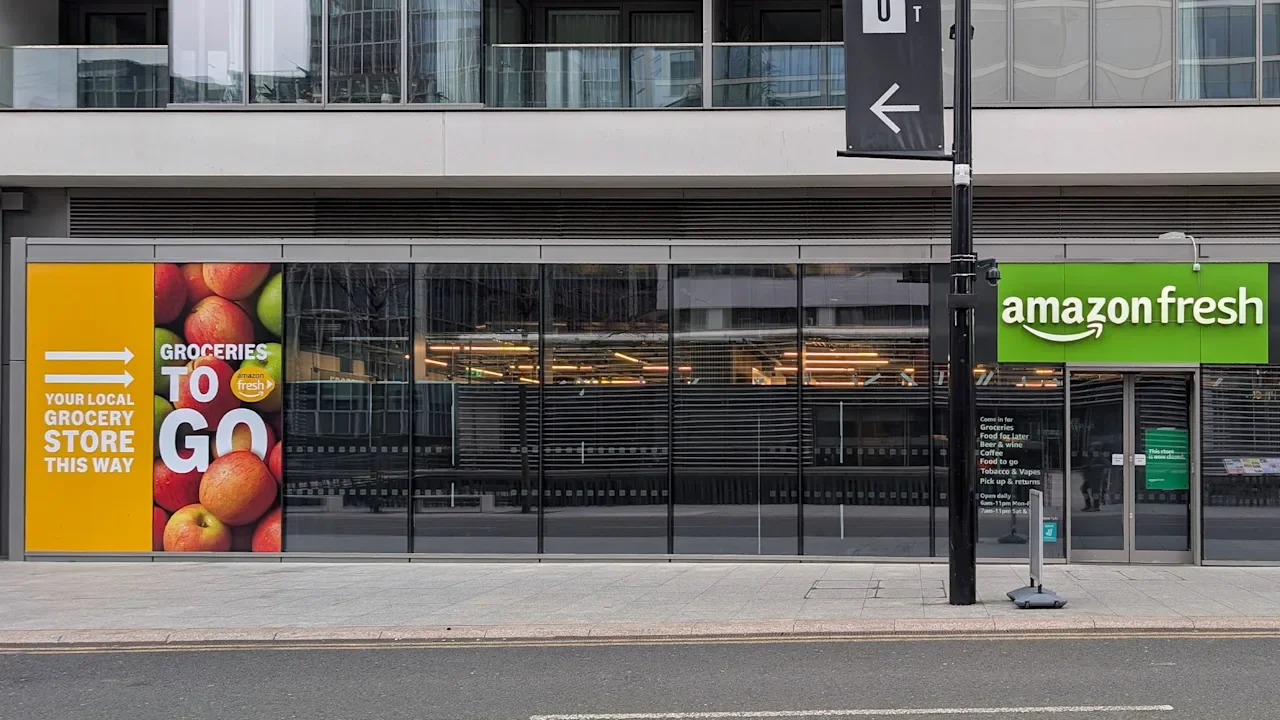
Amazon will double down on the Whole Foods brand, killing two of its own physical retail experiments in the process. The online retail giant said Tuesday that it will close all of its Amazon Go convenience stores and Amazon Fresh brick-and-mortar grocery stores. In total, around 70 locations across the two sub-brands will close starting at the beginning of February, with some to later reopen under the Whole Foods brand. Amazon Fresh stores served as a physical counterpart to Amazon’s online grocery delivery service by the same name while Amazon Go stores offered convenience store staples with a high-tech checkout twist. “After a careful evaluation of the business and how we can best serve customers, we’ve made the difficult decision to close our Amazon Go and Amazon Fresh physical stores, converting various locations into Whole Foods Market stores,” Amazon wrote in a blog update, adding that it “gathered valuable insights” during their operation. The Amazon brand might take a back seat in its brick-and-mortar strategy, but the retail giant’s IRL ambitions remain. Amazon also announced plans to open more than 100 new Whole Foods stores over the next few years. When the latest Go and Fresh store closures are wrapped up, Amazon’s network of Whole Foods stores will serve as the company’s only physical retail footprint – at least for now. With the closures, Amazon is backing off of its long experiment with Fresh and Go physical retail stores, which tested emerging retail technology and pushed its brand into new shopping categories. Amazon Go was known for allowing shoppers to pick up what they wanted and “Just Walk Out” instead of individually scanning items in a traditional checkout counter. That system, which relied on sensors and overhead cameras to track what shoppers purchased and linking it to their accounts digitally. While Amazon once held an ambitious roadmap for a vast network of physical stores centered around its Just Walk Out technology, the company has scaled back consistently in recent years. In 2018, Amazon was reportedly planning to open up to 3,000 cashierless stores running the technology over the next three years. By early 2026, Amazon Go was down to just 14 stores. The high cost of outfitting stores with a sophisticated array of sensors eventually dimmed those ambitions, with the company backtracking to a system that lets customers scan items to smart carts as they shop. Amazon now licenses the Just Walk Out technology out to third parties, including a number of merch, food and beverage locations in Lumen Field, home of the Seattle Seahawks. Amazon is still tinkering around with ways to bring its digital storefront into the physical shopping realm. Even as it rolls back some smaller-scale retail plans, Amazon clearly still wants to take a bite out of the everyday shopping and grocery success that brands like Walmart and Costco enjoy. As soon as next year, Amazon plans to open its first massive, big box-style store stocked with home goods, groceries and prepared food in the Chicago area. “It’s purpose-built for what we see retail customers demand today,” an Amazon lawyer told local officials, who went on to greenlight the project last week. View the full article
-
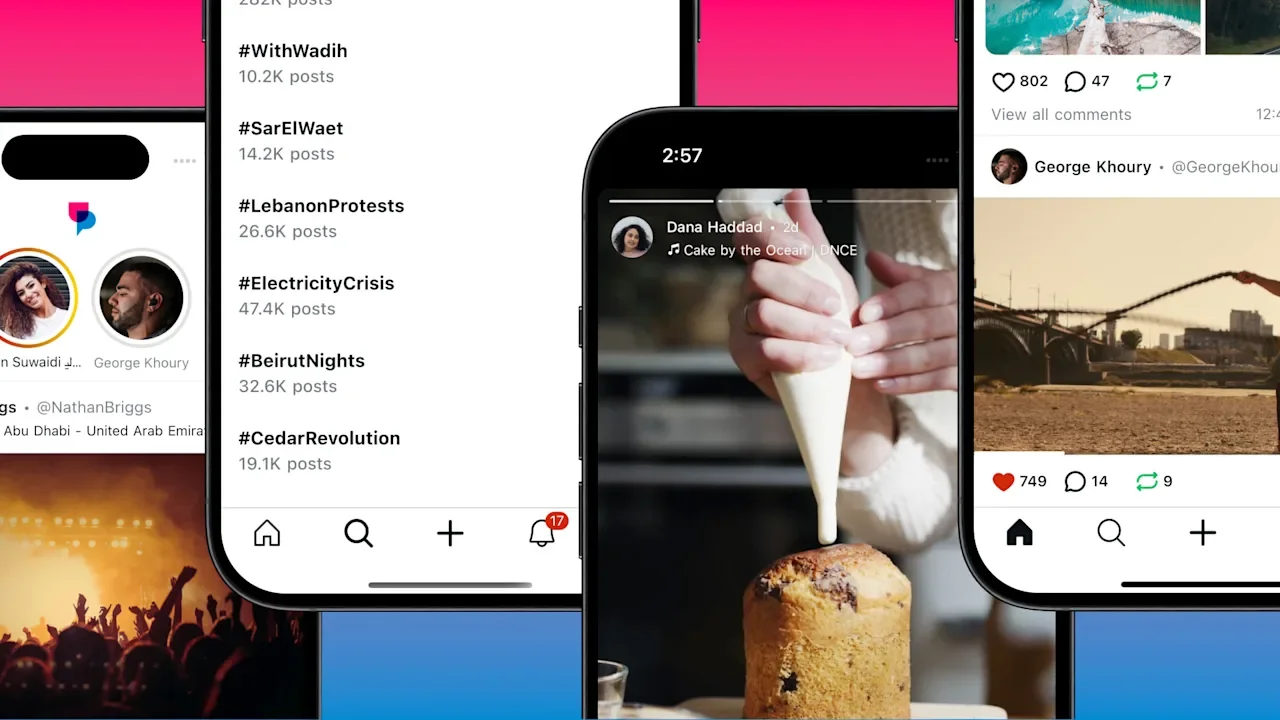
Downloads of UpScrolled, a new short-form video app, are surging after TikTok’s recent change to U.S. ownership. Developed by Palestinian-Australian Issam Hijazi, the social media app currently ranks #2 in the U.S. in the Apple store among free apps, following ChatGPT, and markets itself as a place “where every voice gets equal power.” “No shadowbans . . . No pay-to-play favoritism. Just authentic connection where your content reaches the people who matter most,” reads UpScrolled’s website. Last week, Chinese-owned TikTok closed a $14 billion deal, brokered by the The President administration, to avoid a ban in the U.S., creating an American subsidiary with new ownership going to a joint venture that includes The President allies Oracle founder Larry Ellison and Dell Technologies’ Michael Dell. The surge in downloads is also happening amid allegations that TikTok censored videos of ICE agents in Minnesota and other anti-The President content. What is UpScrolled? UpScrolled is a platform for sharing photos, videos, and text. It says its mission is to “always remain impartial to political agendas, conflicts, and unjust views.” It brands itself as a “no-censorship” platform with a focus on free speech. It’s available on iOS and Android. UpScrolled says it was developed as an alternative to popular Big Tech-run social media platforms such as Mark Zuckerberg’s Meta and Instagram, Elon Musk’s X, and, of course, TikTok. “UpScrolled exists because we were tired of waiting for Big Tech to do the right thing,” its website states. “We needed a place where people could speak freely without playing algorithm games or being punished for telling the truth.” Other TikTok alternatives are also seeing a surge UpScrolled is not the only TikTok alternative seeing a surge after the U.S. deal. Skylight Social, or Skylight, also saw an uptick to over 380,000 users, per TechCrunch. Backed by Mark Cuban and built on open source tech, has over 42 million users. View the full article
-
The U.S. Small Business Administration (SBA) has just unveiled groundbreaking results for its Surety Bond Guarantee (SBG) Program in fiscal year 2025, highlighting a remarkable $10.6 billion in guarantees. This milestone not only marks the strongest year in the program’s history but also echoes a broader economic ethos aimed at empowering small businesses, particularly in sectors like construction, manufacturing, and contracting. SBA Administrator Kelly Loeffler emphasized the significance of this achievement, stating, “In addition to surpassing the $100 billion mark in 2025 for small business lending and SBIC investment, the The President SBA guaranteed a record $10.6 billion through our Surety Bond Guarantee Program to support small manufacturers, contractors, and other job creators across our industrial base.” This robust financial backing allows small businesses to respond more effectively to rising demands for growth, hiring, and investment. Surety bonds serve as performance guarantees for businesses entering into contracts, providing peace of mind to clients that projects will be completed as agreed. They are crucial for small businesses, especially those that may not qualify for traditional bonding due to financial constraints. The SBG Program opens doors, enabling more businesses to compete successfully for both public and private contracts. Key benefits of the Surety Bond Guarantee Program include: Record Contract Values: The program supported $10.6 billion in total contract value, a 15% increase over the previous year. This is a clear indication of the growing trust and reliance on small businesses for large-scale projects. Increased Participation: More than 2,200 small businesses received assistance through the program, the highest count in a decade. This surge in participation demonstrates expanding opportunities for small enterprises in a competitive landscape. Contract Generation: The SBG Program generated $3.4 billion in contracts for small businesses, surpassing the last year’s record by 19%. Such figures spotlight the tangible impact of the program in directly benefiting small enterprises. Focus on Manufacturing: With 75 bonds guaranteed for manufacturers and fabricators—a noteworthy 36% increase from FY2024—the program is actively fostering growth in critical sectors of the economy. The SBA also streamlined the application process via its QuickApp feature, accommodating contracts up to $500,000 with minimal paperwork and expedited approvals. This efficiency is a boon to small business owners who often juggle multiple tasks and may feel overwhelmed by traditional bureaucratic processes. However, while the SBG Program offers significant advantages, small business owners should be aware of some potential challenges. Securing surety bonds still requires demonstrating capability and financial stability, which can be a hurdle for some emerging businesses. Additionally, the competitive nature of contract bidding means that simply getting a bond doesn’t guarantee project awards; businesses must still differentiate themselves through quality and service. Moreover, while the bonds can empower small businesses to take on larger projects, they come with increased responsibilities. Business owners must ensure they fulfill contract requirements to steer clear of defaults that could jeopardize their bonding status in the future. In a world increasingly defined by economic uncertainty and rapid change, programs like the SBA’s Surety Bond Guarantee are more important than ever. They not only enable small businesses to thrive but also contribute significantly to the broader economy by bolstering employment and innovation. For more information on the Surety Bond Guarantee Program, small business owners are encouraged to visit sba.gov/surety-bonds or contact the SBA directly at suretybonds@sba.gov. This landmark achievement by the SBA sets a positive tone for small businesses in 2025, presenting a unique opportunity to leverage available resources and grow in an increasingly dynamic market. Small business owners are positioned not just to participate but to thrive in the evolving landscape of American commerce. Image via Google Gemini This article, "SBA Shatters Records with $10.6 Billion in Surety Bond Guarantees" was first published on Small Business Trends View the full article
-
The U.S. Small Business Administration (SBA) has just unveiled groundbreaking results for its Surety Bond Guarantee (SBG) Program in fiscal year 2025, highlighting a remarkable $10.6 billion in guarantees. This milestone not only marks the strongest year in the program’s history but also echoes a broader economic ethos aimed at empowering small businesses, particularly in sectors like construction, manufacturing, and contracting. SBA Administrator Kelly Loeffler emphasized the significance of this achievement, stating, “In addition to surpassing the $100 billion mark in 2025 for small business lending and SBIC investment, the The President SBA guaranteed a record $10.6 billion through our Surety Bond Guarantee Program to support small manufacturers, contractors, and other job creators across our industrial base.” This robust financial backing allows small businesses to respond more effectively to rising demands for growth, hiring, and investment. Surety bonds serve as performance guarantees for businesses entering into contracts, providing peace of mind to clients that projects will be completed as agreed. They are crucial for small businesses, especially those that may not qualify for traditional bonding due to financial constraints. The SBG Program opens doors, enabling more businesses to compete successfully for both public and private contracts. Key benefits of the Surety Bond Guarantee Program include: Record Contract Values: The program supported $10.6 billion in total contract value, a 15% increase over the previous year. This is a clear indication of the growing trust and reliance on small businesses for large-scale projects. Increased Participation: More than 2,200 small businesses received assistance through the program, the highest count in a decade. This surge in participation demonstrates expanding opportunities for small enterprises in a competitive landscape. Contract Generation: The SBG Program generated $3.4 billion in contracts for small businesses, surpassing the last year’s record by 19%. Such figures spotlight the tangible impact of the program in directly benefiting small enterprises. Focus on Manufacturing: With 75 bonds guaranteed for manufacturers and fabricators—a noteworthy 36% increase from FY2024—the program is actively fostering growth in critical sectors of the economy. The SBA also streamlined the application process via its QuickApp feature, accommodating contracts up to $500,000 with minimal paperwork and expedited approvals. This efficiency is a boon to small business owners who often juggle multiple tasks and may feel overwhelmed by traditional bureaucratic processes. However, while the SBG Program offers significant advantages, small business owners should be aware of some potential challenges. Securing surety bonds still requires demonstrating capability and financial stability, which can be a hurdle for some emerging businesses. Additionally, the competitive nature of contract bidding means that simply getting a bond doesn’t guarantee project awards; businesses must still differentiate themselves through quality and service. Moreover, while the bonds can empower small businesses to take on larger projects, they come with increased responsibilities. Business owners must ensure they fulfill contract requirements to steer clear of defaults that could jeopardize their bonding status in the future. In a world increasingly defined by economic uncertainty and rapid change, programs like the SBA’s Surety Bond Guarantee are more important than ever. They not only enable small businesses to thrive but also contribute significantly to the broader economy by bolstering employment and innovation. For more information on the Surety Bond Guarantee Program, small business owners are encouraged to visit sba.gov/surety-bonds or contact the SBA directly at suretybonds@sba.gov. This landmark achievement by the SBA sets a positive tone for small businesses in 2025, presenting a unique opportunity to leverage available resources and grow in an increasingly dynamic market. Small business owners are positioned not just to participate but to thrive in the evolving landscape of American commerce. Image via Google Gemini This article, "SBA Shatters Records with $10.6 Billion in Surety Bond Guarantees" was first published on Small Business Trends View the full article
-
President Donald The President’s crackdown on immigration contributed to a year-to-year drop in the nation’s growth rate as the U.S. population reached nearly 342 million people in 2025, according to population estimates released Tuesday by the U.S. Census Bureau. The 0.5% growth rate for 2025 was a sharp drop from 2024’s almost 1% growth rate, which was the highest in two decades and was fueled by immigration. The 2024 estimates put the U.S. population at 340 million people. Immigration increased by almost 1.3 million people last year, compared with 2024’s increase of 2.8 million people. If trends continue, the gain from immigrants in mid-2026 will drop to only 321,000 people, according to the Census Bureau, whose estimates do not distinguish between legal and illegal immigration. In the past 125 years, the lowest growth rate was in 2021, during the height of the coronavirus pandemic, when the U.S. population grew by just 0.16%, or 522,000 people and immigration increased by just 376,000 people because of travel restrictions into the U.S. Before that, the lowest growth rate was just under 0.5% in 1919 at the height of the Spanish flu. Births outnumbered deaths last year by 519,000 people. While higher than the pandemic-era low at the beginning of the decade, the natural increase was dramatically smaller than in the 2000s, when it ranged between 1.6 million and 1.9 million people. Lower immigration stunts growth in many states The immigration drop dented growth in several states that traditionally have been immigrant magnets. California had a net population loss of 9,500 people in 2025, a stark change from the previous year, when it gained 232,000 residents, even though roughly the same number of Californians already living in the state moved out in both years. The difference was immigration since the number of net immigrants who moved into the state dropped from 361,000 people in 2024 to 109,000 in 2025. Florida had year-to-year drops in both immigrants and people moving in from other states. The Sunshine State, which has become more expensive in recent years from surging property values and higher home insurance costs, had only 22,000 domestic migrants in 2025, compared with 64,000 people in 2024, and the net number of immigrants dropped from more than 411,000 people to 178,000 people. New York added only 1,008 people in 2025, mostly because the state’s net migration from immigrants dropped from 207,000 people to 95,600 people. South Carolina, Idaho and North Carolina had the highest year-over-year growth rates, ranging from 1.3% to 1.5%. Texas, Florida and North Carolina added the most people in pure numbers. California, Hawaii, New Mexico, Vermont and West Virginia had population declines. The South, which has been the powerhouse of growth in the 2020s, continued to add more people than any other region, but the numbers dropped from 1.7 million people in 2025 to 1.1 million in 2025. “Many of these states are going to show even smaller growth when we get to next year,” Brookings demographer William Frey said Tuesday. The effects of The President’s immigration crackdown Tuesday’s data release comes as researchers have been trying to determine the effects of the second The President administration’s immigration crackdown after the Republican president returned to the White House in January 2025. The President made a surge of migrants at the southern border a central issue in his winning 2024 presidential campaign. The numbers made public Tuesday reflect change from July 2024 to July 2025, covering the end of President Joe Biden’s Democratic administration and the first half of The President’s first year back in office. The figures capture a period that reflects the beginning of enforcement surges in Los Angeles and Portland, Oregon, but do not capture the impact on immigration after the The President administration’s crackdowns began in Chicago; New Orleans; Memphis, Tennessee; and Minneapolis, Minnesota. The 2025 numbers were a jarring divergence from 2024, when net international migration accounted for 84% of the nation’s 3.3 million-person increase from the year before. The jump in immigration two years ago was partly because of a new method of counting that added people who were admitted for humanitarian reasons. “They do reflect recent trends we have seen in out-migration, where the numbers of people coming in is down and the numbers going out is up,” Eric Jensen, a senior research scientist at the Census Bureau, said last week. How the population estimates are calculated Unlike the once-a-decade census, which determines how many congressional seats and Electoral College votes each state gets, as well as the distribution of $2.8 trillion in annual government funding, the population estimates are calculated from government records and internal Census Bureau data. The release of the 2025 population estimates was delayed by the federal government shutdown last fall and comes at a challenging time for the Census Bureau and other U.S. statistical agencies. The bureau, which is the largest statistical agency in the U.S., lost about 15% of its workforce last year due to buyouts and layoffs that were part of cost-cutting efforts by the White House and its Department of Government Efficiency. Other recent actions by the The President administration, such as the firing of Erika McEntarfer as Bureau of Labor Statistics commissioner, have raised concerns about political meddling at U.S. statistical agencies. But Frey said the bureau’s staffers appear to have been “doing this work as usual without interference.” “So I have no reason to doubt the numbers that come out,” Frey said. —By Mike Schneider, Associated Press View the full article

-
We may earn a commission from links on this page. Deal pricing and availability subject to change after time of publication. Anker’s Soundcore Liberty 4 NC earbuds just dropped to $56.99 on Amazon, their lowest price yet, according to price-trackers. Normally $99.99, these true wireless earphones have been widely praised for what they offer at this price point. PCMag even named them the best budget earphones of 2023 and gave them an Editor’s Choice badge. That alone makes this deal worth a closer look, especially if you’re looking for a sub-$60 option with solid noise cancellation and more-than-decent sound quality. soundcore by Anker Liberty 4 NC Wireless Earbuds, 98.5% Noise Reduction, Adaptive Noise Cancelling to Ears and Environment, Hi-Res Sound, 50H Battery, Wireless Charging, Bluetooth 5.3 $56.99 at Amazon $99.99 Save $43.00 Get Deal Get Deal $56.99 at Amazon $99.99 Save $43.00 The Liberty 4 NC earbuds check a lot of boxes. They support active noise cancellation (ANC), have a punchy bass-heavy sound, and come with a companion app that gives you an 8-band EQ and customizable controls. They’re compatible with Android’s LDAC codec and Google Fast Pair, while multipoint connectivity lets you stay connected to two devices at once. Each earbud has a responsive touch panel, and the layout—playback, skip, noise mode toggle—is easy to get used to. You can tweak it in the app if you need to add volume controls. There’s a Transparency mode too, for when you don’t want to fully block out the outside world. Battery life clocks in at around 10 hours without ANC (or eight with it on), and the case adds another 40 hours (32 with ANC). The USB-C case also supports Qi wireless charging. On the downside, the IPX4 rating means they’re only splash-resistant, not something you’d want to dunk or rinse. And while the ANC isn’t perfect, it does noticeably cut down low-end background noise like airplane engine hum or cafe chatter, though higher-pitched sounds may still bleed through a bit, according to this PCMag review. That’s a common tradeoff at this tier, and for $56.99, it’s not a bad one. The Liberty 4 NC is available in four colors—black, white, light blue, and navy blue—at the time of writing, and all ship with four ear tip sizes for a decent fit. For everyday listening, travel, or WFH Zoom calls, this is one of the strongest wireless earbud options under $60 right now. Our Best Editor-Vetted Tech Deals Right Now Apple AirPods Pro 3 Noise Cancelling Heart Rate Wireless Earbuds — $199.00 (List Price $249.00) Apple Watch Series 11 [GPS 46mm] Smartwatch with Jet Black Aluminum Case with Black Sport Band - M/L. Sleep Score, Fitness Tracker, Health Monitoring, Always-On Display, Water Resistant — $399.00 (List Price $429.00) Amazon Fire TV Stick 4K Plus — (List Price $24.99 With Code "FTV4K25") Samsung Galaxy Tab A9+ 64GB Wi-Fi 11" Tablet (Silver) — $159.99 (List Price $219.99) Deals are selected by our commerce team View the full article
-
Company in talks to raise new funds from Coatue, GIC, Iconiq and Sequoia at $350bn valuationView the full article
-
Recruiting is more than just filling positions; it’s a strategic process that shapes your organization’s future. To effectively recruit, you need to identify your hiring requirements first, which helps in finding candidates who not just possess the right skills but likewise fit your company culture. Next, crafting a compelling job description can greatly improve your chances of attracting the right talent. Comprehending these steps is essential for building a successful recruitment strategy that guarantees both organizational growth and team cohesion. What comes next in this process? Key Takeaways Recruiting is the process of attracting and selecting candidates who align with organizational goals and values. Effective recruitment requires clear job descriptions that outline responsibilities, qualifications, and cultural fit. A robust recruitment strategy leverages diverse sourcing channels to create a comprehensive candidate pool. Assessing cultural fit during interviews ensures candidates integrate well into the team dynamics. Providing timely feedback and maintaining candidate engagement enhances the overall recruitment experience. The Importance of Recruitment in Organizational Success Effective recruitment is crucial for any organization aiming for success, as it directly influences employee performance and overall productivity. Comprehending the recruit meaning is significant; it’s about attracting and selecting the right candidates who align with your company’s goals. A strong recruitment synonym might be “hiring,” which highlights the importance of choosing individuals who can improve team dynamics and output. The meaning of recruiting goes beyond filling vacancies; it involves building a robust employer brand that attracts top talent. Organizations that prioritize diversity in recruitment can cultivate innovation, giving them a competitive edge. Additionally, a structured recruitment strategy improves candidate quality and cultural fit, leading to better retention rates. In the end, effective recruitment is a cornerstone of sustainable organizational success. Key Elements of an Effective Recruitment Process A successful recruitment process hinges on several key elements that guarantee you attract and select the right candidates for your organization. Clear Job Description: Create a detailed job description that outlines responsibilities, required qualifications, and your company culture, ensuring candidates understand what’s expected. Diverse Candidate Pool: Source candidates through various channels like job boards, social media, and referrals to broaden the diversity and quality of your candidate pool. Structured Screening: Implement structured screening methods, such as resume reviews and interviews, that allow for objective evaluations based on clear criteria. Monitor Recruitment Metrics: Continuously track recruitment metrics, like time to hire and offer acceptance rates, to refine your strategies and boost overall effectiveness. These elements work together to streamline your recruitment process. Step 1: Identifying Hiring Requirements Identifying hiring requirements is a crucial step that sets the stage for successful recruitment. Start by analyzing your current team’s capabilities to pinpoint skill gaps that need filling for ideal performance. Establish must-have skills and qualifications that align with job responsibilities and organizational goals. It’s additionally critical to assess cultural fit, ensuring candidates thrive in your company’s work environment and share its values. Collaborating with departmental leads and reviewing organizational charts can provide insights into team needs and the role’s impact on productivity. Remember, hiring criteria should be flexible, adapting to evolving roles. In this situation, “recruitment” is another word for recruiting, and comprehending its nuances, including recruit pronunciation, is crucial for effective hiring. Step 2: Crafting a Compelling Job Description When crafting a compelling job description, it’s essential to clearly communicate the role’s expectations and the company’s values to attract the right candidates. Here are four key elements to include: Company Information: Specify the company name, job title, department, and work mode (Remote/In-office/Hybrid). Skill and Qualification Requirements: Clearly outline the necessary skills, qualifications, and responsibilities to set clear expectations. Company Culture and Benefits: Highlight the culture, perks, and benefits that align with your organization’s values, motivating suitable candidates. Engaging Language: Use industry-relevant keywords to optimize the description for search engines, making it easier for potential applicants to find the opportunity. Step 3: Developing a Robust Recruitment Strategy Developing a robust recruitment strategy is crucial for attracting and retaining the right talent in any organization. Start by clearly defining your sourcing channels, like job boards, social media, and employee referrals, to maximize your candidate outreach. Consider establishing a targeted geography for hiring, aligning with preferred work modes such as remote, in-office, or hybrid. Analyzing candidate perspectives will help you craft job descriptions that highlight unique aspects of the role, making it more appealing. Implement a well-structured recruitment process framework to guarantee consistent candidate evaluation, aligning hiring objectives with your organization’s goals. Finally, track recruitment metrics like time to hire and application completion rates, enabling continuous improvement based on data insights. Step 4: Sourcing Candidates Effectively With a robust recruitment strategy in place, the next step is to focus on sourcing candidates effectively. Here are some key methods to improve your sourcing efforts: Use a mix of inbound and outbound strategies to attract both active and passive candidates, broadening your talent pool. Leverage social media platforms like LinkedIn and industry-specific job boards to reach a broader audience, engaging candidates in relevant fields. Implement employee referral programs that incentivize current employees to recommend qualified candidates, as referrals often lead to better retention rates. Attend job fairs and industry events for personal engagement and immediate networking opportunities, allowing you to connect with potential candidates face-to-face. These strategies will help streamline your sourcing process and improve candidate quality. Step 5: Screening Resumes and Shortlisting Candidates Effective screening of resumes and shortlisting candidates is crucial for identifying the best fits for your organization. Start by implementing a standardized resume screening process to guarantee fairness and consistency. Utilize applicant tracking systems (ATS) to manage large volumes efficiently. Focus on key qualifications, relevant experience, and industry relevance to identify candidates who meet vital requirements. Consider conducting pre-screening interviews to narrow down applicants further and assess their interest in the role. Aim to eliminate biases by applying objective criteria for evaluation, maintaining diversity in your candidate pool. Key Focus Areas Evaluation Criteria Qualifications Must match role needs Relevant Experience Industry-specific roles Cultural Fit Aligns with company values Skills Technical and soft skills Interest Level Engaged and motivated Step 6: Conducting Effective Initial Interviews When you’re conducting initial interviews, using standardized formats can help maintain fairness and make candidate comparisons easier. It’s essential to assess not just technical skills but likewise cultural fit, as alignment with your company’s values can greatly influence retention rates. Standardized Interview Formats Standardized interview formats play a crucial role in ensuring that the initial interviews you conduct are both fair and effective. By using a consistent set of questions for all candidates, you can minimize bias and improve comparability. Here are some key benefits of standardized formats: Consistency: All candidates face the same questions, allowing for a level playing field. Enhanced Comparability: You can effectively compare responses based on the same criteria. Increased Reliability: Studies suggest structured interviews can improve hiring decision accuracy by up to 50%. Behavioral Questions: Incorporating these questions helps gauge how candidates might respond to future challenges based on past experiences. Documenting responses in a standardized manner provides clear feedback and justifies your decisions to stakeholders. Assessing Cultural Fit Evaluating cultural fit during the initial interview stage is crucial for identifying candidates who align with your organization’s values and objectives. Use structured behavioral interview questions to encourage candidates to share experiences that demonstrate their compatibility with your culture. Involve team members in the process for diverse insights on potential team integration. Pay attention to non-verbal cues and interpersonal skills, as these can indicate how well a candidate might mesh with your existing team. Document feedback to create a thorough view of each candidate’s alignment. Assessment Focus Key Actions Values Ask about personal values Work Styles Discuss preferred work methods Motivations Explore what drives the candidate Step 7: Making a Competitive Job Offer Creating a competitive job offer is essential for attracting top talent, especially in today’s competitive job market. To guarantee your offer stands out, consider these key factors: Salary: Align the salary with industry standards, factoring in location, experience, and market demand. Benefits: Clearly outline additional perks, such as health insurance, retirement plans, paid time off, and professional development opportunities. Personalization: Acknowledge the candidate’s unique skills and contributions in your communication, making the offer feel customized to them. Negotiation: Be open to negotiating salary and benefits; flexibility can greatly boost acceptance rates. Promptly communicate the offer, ideally within a few days of the final interview, as research shows that quick offers increase the likelihood of acceptance. Frequently Asked Questions What Are the 5 C’s of Recruitment? The 5 C’s of recruitment are Clarity, Consistency, Candidate Experience, Cultural Fit, and Communication. Clarity means defining the job role and expectations explicitly. Consistency involves using the same criteria for evaluating all candidates to guarantee fairness. Candidate Experience focuses on providing a positive experience for applicants, enhancing your organization’s reputation. Cultural Fit guarantees candidates align with your organization’s values, boosting retention. Effective Communication keeps candidates informed throughout the process, nurturing transparency and trust. What Are the 7 Stages of the Recruitment Process? The recruitment process consists of seven key stages. First, you identify the job vacancy. Next, you create a detailed job description. Then, you source candidates through various channels like job boards and social media. After that, you screen resumes using applicant tracking systems. Following this, you conduct interviews to assess candidates. You check references to verify their qualifications, and finally, you make a job offer to the selected candidate, ensuring their expectations align with the terms. What Are the 5 Steps of the Recruitment Process? The recruitment process consists of five crucial steps. First, you identify job requirements, defining the role and necessary qualifications. Next, you source candidates through platforms like job boards and social media. Then, you screen applicants by reviewing resumes and conducting initial interviews to find suitable matches. After that, you conduct interviews to further assess candidates. Finally, you make job offers, detailing salary and benefits during the process of negotiations based on candidate feedback. What Are the 7 Steps of the Staffing Process? The staffing process consists of seven key steps. First, you plan by evaluating your organization’s needs based on goals. Next, you recruit by attracting candidates through job postings and social media. Then, you select the right candidates through screening and interviews. After selection, onboarding integrates new hires, followed by training to improve their skills. Performance management guarantees employees meet expectations, and retention strategies help keep them engaged and productive in the long term. Conclusion In summary, effective recruitment is crucial for organizational success. By following the outlined steps, from identifying hiring requirements to making competitive job offers, you can improve your recruitment process. This guarantees you attract and select candidates who not only possess the necessary skills but also fit well within your company culture. A strategic approach to recruitment not only fills vacancies but also strengthens team dynamics, eventually contributing to long-term organizational effectiveness and growth. Image via Google Gemini This article, "Understanding the Meaning of Recruiting – A Step-by-Step Guide" was first published on Small Business Trends View the full article
-
Recruiting is more than just filling positions; it’s a strategic process that shapes your organization’s future. To effectively recruit, you need to identify your hiring requirements first, which helps in finding candidates who not just possess the right skills but likewise fit your company culture. Next, crafting a compelling job description can greatly improve your chances of attracting the right talent. Comprehending these steps is essential for building a successful recruitment strategy that guarantees both organizational growth and team cohesion. What comes next in this process? Key Takeaways Recruiting is the process of attracting and selecting candidates who align with organizational goals and values. Effective recruitment requires clear job descriptions that outline responsibilities, qualifications, and cultural fit. A robust recruitment strategy leverages diverse sourcing channels to create a comprehensive candidate pool. Assessing cultural fit during interviews ensures candidates integrate well into the team dynamics. Providing timely feedback and maintaining candidate engagement enhances the overall recruitment experience. The Importance of Recruitment in Organizational Success Effective recruitment is crucial for any organization aiming for success, as it directly influences employee performance and overall productivity. Comprehending the recruit meaning is significant; it’s about attracting and selecting the right candidates who align with your company’s goals. A strong recruitment synonym might be “hiring,” which highlights the importance of choosing individuals who can improve team dynamics and output. The meaning of recruiting goes beyond filling vacancies; it involves building a robust employer brand that attracts top talent. Organizations that prioritize diversity in recruitment can cultivate innovation, giving them a competitive edge. Additionally, a structured recruitment strategy improves candidate quality and cultural fit, leading to better retention rates. In the end, effective recruitment is a cornerstone of sustainable organizational success. Key Elements of an Effective Recruitment Process A successful recruitment process hinges on several key elements that guarantee you attract and select the right candidates for your organization. Clear Job Description: Create a detailed job description that outlines responsibilities, required qualifications, and your company culture, ensuring candidates understand what’s expected. Diverse Candidate Pool: Source candidates through various channels like job boards, social media, and referrals to broaden the diversity and quality of your candidate pool. Structured Screening: Implement structured screening methods, such as resume reviews and interviews, that allow for objective evaluations based on clear criteria. Monitor Recruitment Metrics: Continuously track recruitment metrics, like time to hire and offer acceptance rates, to refine your strategies and boost overall effectiveness. These elements work together to streamline your recruitment process. Step 1: Identifying Hiring Requirements Identifying hiring requirements is a crucial step that sets the stage for successful recruitment. Start by analyzing your current team’s capabilities to pinpoint skill gaps that need filling for ideal performance. Establish must-have skills and qualifications that align with job responsibilities and organizational goals. It’s additionally critical to assess cultural fit, ensuring candidates thrive in your company’s work environment and share its values. Collaborating with departmental leads and reviewing organizational charts can provide insights into team needs and the role’s impact on productivity. Remember, hiring criteria should be flexible, adapting to evolving roles. In this situation, “recruitment” is another word for recruiting, and comprehending its nuances, including recruit pronunciation, is crucial for effective hiring. Step 2: Crafting a Compelling Job Description When crafting a compelling job description, it’s essential to clearly communicate the role’s expectations and the company’s values to attract the right candidates. Here are four key elements to include: Company Information: Specify the company name, job title, department, and work mode (Remote/In-office/Hybrid). Skill and Qualification Requirements: Clearly outline the necessary skills, qualifications, and responsibilities to set clear expectations. Company Culture and Benefits: Highlight the culture, perks, and benefits that align with your organization’s values, motivating suitable candidates. Engaging Language: Use industry-relevant keywords to optimize the description for search engines, making it easier for potential applicants to find the opportunity. Step 3: Developing a Robust Recruitment Strategy Developing a robust recruitment strategy is crucial for attracting and retaining the right talent in any organization. Start by clearly defining your sourcing channels, like job boards, social media, and employee referrals, to maximize your candidate outreach. Consider establishing a targeted geography for hiring, aligning with preferred work modes such as remote, in-office, or hybrid. Analyzing candidate perspectives will help you craft job descriptions that highlight unique aspects of the role, making it more appealing. Implement a well-structured recruitment process framework to guarantee consistent candidate evaluation, aligning hiring objectives with your organization’s goals. Finally, track recruitment metrics like time to hire and application completion rates, enabling continuous improvement based on data insights. Step 4: Sourcing Candidates Effectively With a robust recruitment strategy in place, the next step is to focus on sourcing candidates effectively. Here are some key methods to improve your sourcing efforts: Use a mix of inbound and outbound strategies to attract both active and passive candidates, broadening your talent pool. Leverage social media platforms like LinkedIn and industry-specific job boards to reach a broader audience, engaging candidates in relevant fields. Implement employee referral programs that incentivize current employees to recommend qualified candidates, as referrals often lead to better retention rates. Attend job fairs and industry events for personal engagement and immediate networking opportunities, allowing you to connect with potential candidates face-to-face. These strategies will help streamline your sourcing process and improve candidate quality. Step 5: Screening Resumes and Shortlisting Candidates Effective screening of resumes and shortlisting candidates is crucial for identifying the best fits for your organization. Start by implementing a standardized resume screening process to guarantee fairness and consistency. Utilize applicant tracking systems (ATS) to manage large volumes efficiently. Focus on key qualifications, relevant experience, and industry relevance to identify candidates who meet vital requirements. Consider conducting pre-screening interviews to narrow down applicants further and assess their interest in the role. Aim to eliminate biases by applying objective criteria for evaluation, maintaining diversity in your candidate pool. Key Focus Areas Evaluation Criteria Qualifications Must match role needs Relevant Experience Industry-specific roles Cultural Fit Aligns with company values Skills Technical and soft skills Interest Level Engaged and motivated Step 6: Conducting Effective Initial Interviews When you’re conducting initial interviews, using standardized formats can help maintain fairness and make candidate comparisons easier. It’s essential to assess not just technical skills but likewise cultural fit, as alignment with your company’s values can greatly influence retention rates. Standardized Interview Formats Standardized interview formats play a crucial role in ensuring that the initial interviews you conduct are both fair and effective. By using a consistent set of questions for all candidates, you can minimize bias and improve comparability. Here are some key benefits of standardized formats: Consistency: All candidates face the same questions, allowing for a level playing field. Enhanced Comparability: You can effectively compare responses based on the same criteria. Increased Reliability: Studies suggest structured interviews can improve hiring decision accuracy by up to 50%. Behavioral Questions: Incorporating these questions helps gauge how candidates might respond to future challenges based on past experiences. Documenting responses in a standardized manner provides clear feedback and justifies your decisions to stakeholders. Assessing Cultural Fit Evaluating cultural fit during the initial interview stage is crucial for identifying candidates who align with your organization’s values and objectives. Use structured behavioral interview questions to encourage candidates to share experiences that demonstrate their compatibility with your culture. Involve team members in the process for diverse insights on potential team integration. Pay attention to non-verbal cues and interpersonal skills, as these can indicate how well a candidate might mesh with your existing team. Document feedback to create a thorough view of each candidate’s alignment. Assessment Focus Key Actions Values Ask about personal values Work Styles Discuss preferred work methods Motivations Explore what drives the candidate Step 7: Making a Competitive Job Offer Creating a competitive job offer is essential for attracting top talent, especially in today’s competitive job market. To guarantee your offer stands out, consider these key factors: Salary: Align the salary with industry standards, factoring in location, experience, and market demand. Benefits: Clearly outline additional perks, such as health insurance, retirement plans, paid time off, and professional development opportunities. Personalization: Acknowledge the candidate’s unique skills and contributions in your communication, making the offer feel customized to them. Negotiation: Be open to negotiating salary and benefits; flexibility can greatly boost acceptance rates. Promptly communicate the offer, ideally within a few days of the final interview, as research shows that quick offers increase the likelihood of acceptance. Frequently Asked Questions What Are the 5 C’s of Recruitment? The 5 C’s of recruitment are Clarity, Consistency, Candidate Experience, Cultural Fit, and Communication. Clarity means defining the job role and expectations explicitly. Consistency involves using the same criteria for evaluating all candidates to guarantee fairness. Candidate Experience focuses on providing a positive experience for applicants, enhancing your organization’s reputation. Cultural Fit guarantees candidates align with your organization’s values, boosting retention. Effective Communication keeps candidates informed throughout the process, nurturing transparency and trust. What Are the 7 Stages of the Recruitment Process? The recruitment process consists of seven key stages. First, you identify the job vacancy. Next, you create a detailed job description. Then, you source candidates through various channels like job boards and social media. After that, you screen resumes using applicant tracking systems. Following this, you conduct interviews to assess candidates. You check references to verify their qualifications, and finally, you make a job offer to the selected candidate, ensuring their expectations align with the terms. What Are the 5 Steps of the Recruitment Process? The recruitment process consists of five crucial steps. First, you identify job requirements, defining the role and necessary qualifications. Next, you source candidates through platforms like job boards and social media. Then, you screen applicants by reviewing resumes and conducting initial interviews to find suitable matches. After that, you conduct interviews to further assess candidates. Finally, you make job offers, detailing salary and benefits during the process of negotiations based on candidate feedback. What Are the 7 Steps of the Staffing Process? The staffing process consists of seven key steps. First, you plan by evaluating your organization’s needs based on goals. Next, you recruit by attracting candidates through job postings and social media. Then, you select the right candidates through screening and interviews. After selection, onboarding integrates new hires, followed by training to improve their skills. Performance management guarantees employees meet expectations, and retention strategies help keep them engaged and productive in the long term. Conclusion In summary, effective recruitment is crucial for organizational success. By following the outlined steps, from identifying hiring requirements to making competitive job offers, you can improve your recruitment process. This guarantees you attract and select candidates who not only possess the necessary skills but also fit well within your company culture. A strategic approach to recruitment not only fills vacancies but also strengthens team dynamics, eventually contributing to long-term organizational effectiveness and growth. Image via Google Gemini This article, "Understanding the Meaning of Recruiting – A Step-by-Step Guide" was first published on Small Business Trends View the full article
-
Whether you're a smart TV veteran or are somehow just now setting your first TV with an internet connection, there's a lot to learn. Modern TVs are basically computers, complete with their own operating systems and application ecosystems. That means you can tweak them to run better.—or just the way you want them to. Here are a few tips, tricks, and hacks that every smart TV owner should be aware of. Turn off motion smoothing on your smart TVWondering why every single TV show and movie you watch on your brand new TV looks like a soap opera or a cheap community theater production? It's probably because of motion smoothing. This "feature", which is the default on far too many TVs, artificially ups the frame rate from either 24 or 30 frames per second to 60 or 120 frames, or even higher. This effect can bring a real immediacy to live events like sports, but it's not great for regular old TV shows. Because where does the TV get those extra frames from? It makes them up, often creating an uncanny blurring effect reminiscent of old school videotape. I recommend turning this feature off basically the minute you set up your TV, and our friends at PCMag have a guide to disabling the feature covering all the major smart TV platforms. Hook up an ethernet cable to make your smart TV faster Streaming 4k takes up a lot of bandwidth. Modern wifi routers can usually handle without much of an issue, especially if your TV is close to your router. Even so, it's a good idea to physically connect your smart TV to your network with an ethernet cable if you have the option. There's a couple of reasons to do this. One, wired connections are more stable, mostly because they're not vulnerable to interference from neighboring wireless networks and other devices, so you'll be far less like to suffer through stuttering images or audio dropouts. Two, connecting your TV via ethernet frees up the wireless spectrum for all of your other devices, which is important if you live in a house with other internet users (not to mention other smart devices). Customize your smart TV's home screenSmart TVs tend to come pre-loaded with any number of apps, all of them prominently placed on the home screen. You can, and should, move the apps you actually use to the top instead. How to do this will vary depending on your operating system, but it generally means pressing and holding on the app you want was at the top of the list and then moving it around. Failing that, you may need to do some digging in the settings. Block ads on your smart TVTired of all the ads showing up on your TV? You might be able to block them using your router. Lifehacker has a guide to blocking ads on Samsung, LG, and Roku smart TVs that explains how to change your internet settings so that your TV can't access the ads in the interface anymore. Disable quick start to save energy and speed up your smart TVSmart TVs are basically computers, meaning they need to boot up when you turn them on. Most users don't want to wait every time they turn on the TV though, which is why smart TVs don't actually turn off—they suspend their functions, the same way your phone or laptop does. That's fine if you use your TV constantly, but a real waste of electricity for a TV that you only turn on occasionally. And shutting down your set completely could have another benefit: reducing bugginess. To reiterate, a smart TV is basically a computer, and every computer user knows that restarting your computer can fix random problems. Some TVs allow you to disable this feature—just look for a "quick start" option in the settings. Others, including Sony, suggest that you unplug TVs you won't be using for months at a time in order to shut them down completely. Use an antenna to get free channelsStreaming television is great, but don't overlook traditional broadcast TV. Most major cultural events, from the Super Bowl, to the Oscars, to the World Series, are still free to watch on network TV, as are of the most popular shows. If you live in a major city, or even just close to one, there's a good chance you can watch network TV free of charge using nothing more than a small TV antenna. This can mean free access to stations like NBC, CBS, ABC, FOX, and PBS—no need to pay for cable or a pricey "live tv" streaming subscription. All you need to do is plug in an antenna, scan for channels, and you're good to go. (Lifehacker has a guide to the best digital TV antennas to help you get started.) Clear your smart TV's cacheNot to keep harping on this point, but a smart TV is a computer, and like a computer, it can build up all sorts of junk in its memory over time. If your smart TV is suddenly moving more slowly than you remember, or even crashing, it might be time to clear out its various caches. Get started with this guide to clearing the cache on every major smart TV brand. Enable security features on your smart TVYour smart TV is a potential security risk. It's a computer, like any other, and that means you need to keep it up to date, secure all accounts connected to it, and be mindful of any built-in microphones and cameras. Check out our guide to securing your smart TV for more on these tips and more. Disable "automatic content recognition" to stop your smart TV from spying on youI've written about why smart TVs are so cheap, and it turns out a big part of it is automatic content recognition, or ACR. Most brands of smart TVs are constantly monitoring what you're watching and using that to build a profile with your viewing habits that can be sold to third parties, a practice that nets the TV manufacturers are lot of money. If this concerns you, consider turning the feature off to protect your privacy. Lifehacker has a guide to disabling ACR on the major smart TV platforms. Install a different launcher for your smart TVIf you want your smart TV to have an entirely different look and feel, you may be able to install a different launcher, which will give you much more control. Google TV users, for example, can install Projectivy to completely replace the default launcher. This won't be an option for every model of smart TV, but it's worth considering if you're feeling stuck with the software that came preinstalled. View the full article
-
Prize-winning composer Philip Glass has called off a scheduled world premiere at the Kennedy Center of a symphony about Abraham Lincoln, the latest in a wave of cancellations since President Donald The President ousted the previous leadership. Glass’ Symphony No. 15, “Lincoln,” was to have been led by Grammy-winning conductor Karen Kamensek for performances on June 12 and June 13. “Symphony No. 15 is a portrait of Abraham Lincoln, and the values of the Kennedy Center today are in direct conflict with the message of the Symphony,” Glass said in a statement released Tuesday by his publicist. “Therefore, I feel an obligation to withdraw this Symphony premiere from the Kennedy Center under its current leadership.” A spokesperson for the Kennedy Center did not immediately respond to a request for comment. Glass, who turns 89 on Saturday, was a Kennedy Center honoree in 2018. Over the past year, artists withdrawing from planned performances have ranged from Renée Fleming to Bela Fleck. The President, whose handpicked board of trustees have said they are renaming the center the The President Kennedy Center, has placed the venue at the heart of his campaign against what he calls “woke” culture.” The President’s name already hangs on the outside of the venue, in addition to Kennedy’s, despite such a change requiring an act of Congress. —Hillel Italie, AP national writer View the full article

-
If you filed a claim last year as part of the Siri class action suit against Apple, your payment is on the way. According to the settlement website, class payment distribution began on Jan. 23, and many users on Reddit report that funds have landed in their bank and payment apps over the last several days. If you see a deposit from "Lopez Voice Assistant" or some variation, it's not a scam. The settlement allowed class members to opt for payment via direct deposit (ACH) as well as electronic or paper check, which will be delivered through email or regular mail, respectively. Some class members are reporting that they received their funds via a different method than they expected, so if you submitted a claim, keep an eye on your transactions as well as your mailboxes to confirm receipt. Note that payouts are being distributed in batches and may take a few days to arrive. What is the Apple Siri settlement? Last year, Apple agreed to a $95 million settlement to resolve a class action lawsuit over privacy concerns with Siri-enabled devices. Users whose devices may have activated and recorded conversations without their knowledge were able to claim compensation. Initially, the settlement was set to pay out $20 per device—iPhone, iPad, Apple Watch, Mac, HomePod, iPod touch, and Apple TV were all eligible—for up to five devices per individual claimant. However, due to the final class size, the payout came to just $8.02 per device up to a maximum of $40.10. If you have questions about the settlement and want to speak with an administrator, you can call 888-981-4106 and select option 0 on the main menu. You may have to leave a message and request a callback. View the full article
-
Loose fiscal policy no longer makes sense now that Japan has escaped deflationView the full article
-
Increasingly bifurcated economy undermines strong GDP and productivity growth View the full article
-
While FHFA reported a year-over-year increase in national home values in November, the Case-Shiller HPI saw flat annual growth as well as monthly decreases. View the full article
-
If you have ever lifted a weight, you know the routine: challenge the muscle, give it rest, feed it, and repeat. Over time, it grows stronger. Of course, muscles only grow when the challenge increases over time. Continually lifting the same weight the same way stops working. It might come as a surprise to learn that the brain responds to training in much the same way as our muscles, even though most of us never think about it that way. Clear thinking, focus, creativity, and good judgment are built through challenge, when the brain is asked to stretch beyond routine rather than run on autopilot. That slight mental discomfort is often the sign that the brain is actually being trained, a lot like that good workout burn in your muscles. Think about walking the same loop through a local park every day. At first, your senses are alert. You notice the hills, the trees, the changing light. But after a few loops, your brain checks out. You start planning dinner, replaying emails, or running through your to-do list. The walk still feels good, but your brain is no longer being challenged. Routine feels comfortable, but comfort and familiarity alone do not build new brain connections. As a neurologist who studies brain activity, I use electroencephalograms, or EEGs, to record the brain’s electrical patterns. Research in humans shows that these rhythms are remarkably dynamic. When someone learns a new skill, EEG rhythms often become more organized and coordinated. This reflects the brain’s attempt to strengthen pathways needed for that skill. Your brain trains in zones too For decades, scientists believed that the brain’s ability to grow and reorganize, called neuroplasticity, was largely limited to childhood. Once the brain matured, its wiring was thought to be largely fixed. But that idea has been overturned. Decades of research show that adult brains can form new connections and reorganize existing networks, under the right conditions, throughout life. Some of the most influential work in this field comes from enriched environment studies in animals. Rats housed in stimulating environments filled with toys, running wheels, and social interaction developed larger, more complex brains than rats kept in standard cages. Their brains adapted because they were regularly exposed to novelty and challenge. Human studies find similar results. Adults who take on genuinely new challenges, such as learning a language, dancing, or practicing a musical instrument, show measurable increases in brain volume and connectivity on MRI scans. The takeaway is simple: Repetition keeps the brain running, but novelty pushes the brain to adapt, forcing it to pay attention, learn, and problem-solve in new ways. Neuroplasticity thrives when the brain is nudged just beyond its comfort zone. The reality of neural fatigue Just like muscles, the brain has limits. It does not get stronger from endless strain. Real growth comes from the right balance of challenge and recovery. When the brain is pushed for too long without a break—whether that means long work hours, staying locked onto the same task, or making nonstop decisions under pressure—performance starts to slip. Focus fades. Mistakes increase. To keep you going, the brain shifts how different regions work together, asking some areas to carry more of the load. But that extra effort can still make the whole network run less smoothly. Neural fatigue is more than feeling tired. Brain imaging studies show that during prolonged mental work, the networks responsible for attention and decision-making begin to slow down, while regions that promote rest and reward-seeking take over. This shift helps explain why mental exhaustion often comes with stronger cravings for quick rewards, like sugary snacks, comfort foods, or mindless scrolling. The result is familiar: slower thinking, more mistakes, irritability, and mental fog. This is where the muscle analogy becomes especially useful. You wouldn’t do squats for six hours straight, because your leg muscles would eventually give out. As they work, they build up byproducts that make each contraction a little less effective until you finally have to stop. Your brain behaves in a similar way. Likewise, in the brain, when the same cognitive circuits are overused, chemical signals build up, communication slows, and learning stalls. But rest allows those strained circuits to reset and function more smoothly over time. And taking breaks from a taxing activity does not interrupt learning. In fact, breaks are critical for efficient learning. The crucial importance of rest Among all forms of rest, sleep is the most powerful. Sleep is the brain’s night shift. While you rest, the brain takes out the trash through a special cleanup system called the glymphatic system that clears away waste and harmful proteins. Sleep also restores glycogen, a critical fuel source for brain cells. And importantly, sleep is when essential repair work happens. Growth hormone surges during deep sleep, supporting tissue repair. Immune cells regroup and strengthen their activity. During REM sleep, the stage of sleep linked to dreaming, the brain replays patterns from the day to consolidate memories. This process is critical not only for cognitive skills like learning an instrument but also for physical skills like mastering a move in sports. On the other hand, chronic sleep deprivation impairs attention, disrupts decision-making and alters the hormones that regulate appetite and metabolism. This is why fatigue drives sugar cravings and late-night snacking. Sleep is not an optional wellness practice. It is a biological requirement for brain performance. Exercise feeds the brain too Exercise strengthens the brain as well as the body. Physical activity increases levels of brain-derived neurotrophic factor, or BDNF, a protein that acts like fertilizer for neurons. It promotes the growth of new connections, increases blood flow, reduces inflammation, and helps the brain remain adaptable across one’s lifespan. This is why exercise is one of the strongest lifestyle tools for protecting cognitive health. Train, recover, repeat The most important lesson from this science is simple. Your brain is not passively wearing down with age. It is constantly remodeling itself in response to how you use it. Every new challenge and skill you try, every real break, every good night of sleep sends a signal that growth is still expected. You do not need expensive brain training programs or radical lifestyle changes. Small, consistent habits matter more. Try something unfamiliar. Vary your routines. Take breaks before exhaustion sets in. Move your body. Treat sleep as nonnegotiable. So the next time you lace up your shoes for a familiar walk, consider taking a different path. The scenery may change only slightly, but your brain will notice. That small detour is often all it takes to turn routine into training. The brain stays adaptable throughout life. Cognitive resilience is not fixed at birth or locked in early adulthood. It is something you can shape. If you want a sharper, more creative, more resilient brain, you do not need to wait for a breakthrough drug or a perfect moment. You can start now, with choices that tell your brain that growth is still the plan. Joanna Fong-Isariyawongse is an associate professor of neurology at the University of Pittsburgh. This article is republished from The Conversation under a Creative Commons license. Read the original article. View the full article

-
ICE’s occupation in Minnesota has lasted weeks, and until a couple of days ago, the state’s major corporations, quick to issue statements in wake of George Floyd’s shooting in 2020, had been largely silent. When Fast Company reached out to several heavy hitters in mid-January, including Target and Best Buy, there was no response. Finally, on Sunday, 60 of the state’s major business leaders put out a response calling for “de-escalation.” But the statement has been criticized on social media and beyond, with some calling it “spineless.” It came over two weeks since federal agents fatally shot U.S. citizen Renee Good, and a day after federal agents also fatally shot U.S. citizen Alex Pretti. For weeks, the Twin Cities have been awash in chaos and fear as ICE raids streets, shops, and schools, profoundly disrupting daily life, as well as economic activity. Roughly 80% of immigrant-owned businesses along main streets have closed, while restaurants and health care centers in some of the surrounding suburbs have had to cut hours because employees are afraid to come to work. Last Friday, there was an economic blackout as hundreds of businesses closed and over 75,000 protesters marched. Given the loss of life and constant turmoil, it’s puzzling why Minnesota’s business leaders were quiet for so long. For insight, Fast Company talked to Bill George, lecturer at Harvard Business School and former CEO of Medtronic, one of the world’s biggest medical tech companies, whose operations are based in Minneapolis. This interview was conducted over two days and has been edited for length and clarity. Fast Company: What do you think of the statement that businesses finally released? Well, I think the statement itself is very significant. If you worked in a large company, you can’t believe how difficult it is to get not just one but 60 CEOs from a wide range of businesses to [do the same thing]. These people are very cautious about signing on anyone else’s statements. There are those that thought it didn’t go far enough. But as Marshall McLuhan once said “the medium is the message.” I don’t see CEOs or companies that were left off. So I think having all of them sign on may have taken a while, but it’s significant. And I’d go further. Let me just say: I hope this will be the tipping point, and the businesses are sending a powerful signal to the White House that they are being harmed by this. No doubt it’s causing a loss of productivity and lots of issues. I hope this will be the turning point that will cause the White House to move on. We did hear a huge outpouring of support after George Floyd’s death. What was different this time around? They want to stay out of the news, and many of them feel they can work behind the scenes to get what they want. You see some of the deals that have been cut with Nvidia and Intel and Apple and others. But I think most companies don’t have that kind of access. It’s a different time than it was with George Floyd. And I think there is a very strong point of view that we should work behind the scenes and not do anything to provoke anyone in the government—not just the president, but any of the members of [The President’s] administrative team. The companies have to let ICE do their job, whether they like it or not—but I think that their employees need to know they have their support. The public letter from the business leaders has gotten criticism on social media for not going far enough. Well, the governor and the attorney general, who I’ve spoken with, are being investigated. So I don’t think any of these CEOs want to get between their interests and ICE or the federal government. These CEOs are not very political. None of them are extreme left or extreme right. You might say that they’re slightly to the right center, but they’re quite independent in how they vote. Their primary concern is to run their business and stay out of politics. How did Alex Pretti’s death trigger the timing of the statement? This didn’t just get thrown together. These things don’t happen easily, sure; particularly when a lot of other companies are involved. It’s hard enough to get a statement out of one company, much less 60. But I think these things are all having an impact: the protests in Minneapolis, [Pretti’s] death, the concern to people’s business, the fact that Minnesota companies are highly dependent upon being able to recruit people from all around the United States and all around the world. What if the statement is not enough to get the administration to move on? I’m not sure. I think it’s continuing discussions behind the scenes. And what kind of leverage do the companies have behind the scenes? I don’t think a lot. These are not companies that are making big promises that you’ve seen very publicly for the last year that I’m aware of, but people care about these businesses. The president himself is a businessman, and will recognize that. One other thought is: what is the goal here? We have very few illegal immigrants in Minnesota. I can assure you, the companies on that list do not hire illegal immigrants. They hire immigrants. For example, at the Mayo Clinic, several of the physicians, including a CEO, were born outside the U.S. That’s great. It’s great for the Mayo Clinic. It’s great for Minnesota. If you were really looking for illegal immigrants, why wouldn’t you go to Florida, Arizona, or Texas? What do the companies want? They want to restore calm, and I’m sure they would like to see this all get settled. They’re hoping to get a peaceful situation and not provoke greater confrontation. They certainly don’t want to have the United States military sent in. They certainly don’t want to see martial law declared for Minnesota. What’s the long-term impact of this corporate silence going to be on employees? Employees are going to feel very disappointed, and they may feel a lack of loyalty to the company. As a CEO, you have to keep innovation going. And to do that, you’ve got to attract people from all over the country and all over the world to come to Minnesota. From a longer term perspective, this could scare off people from coming. As a CEO, I’d want to make sure people know we’ve got their backs, and we will provide the support they need. View the full article

-
White House proposal would keep reimbursement rates about flat and cut into revenue of coverage providers View the full article
-
The oil tycoon J. Paul Getty was rumoured to have said that his three rules for how to become rich were: Rise early. Work hard. Strike oil. It’s one of those eminently quotable remarks because it captures something we all know to be true, that luck and chance have as much to do with success as anything else. Yet we don’t value people for their luck. We don’t exalt those who win the lottery or walk away from a roulette table flush with cash. Instead, we praise talent, skill, and dedication. And that creates tension, because although luck plays a big role in outcomes, it is only the effort we put into developing our abilities that we can control. That is the nature of what the French writer Albert Camus called existential rebellion. It is through our own efforts and actions that we find meaning in an indifferent universe, even if the rewards for those efforts have a significant random element. Believing in luck, then, is itself an act of defiance. To work, to strive, to build skill in such a world is not naïveté but rebellion. How Einstein became an icon Although we remember him as an icon today, for a long time, Albert Einstein wasn’t very popular, or even well liked, in the early twentieth century. He was German in the wake of World War I, Jewish in an age of heightened anti-Semitism, and so seemingly aloof and full of himself that he claimed that only a handful of people on earth could understand his strange theories. That abruptly changed when Einstein first arrived in America on April 3rd, 1921 and a handful of journalists dutifully went to meet him. When they arrived at New York Harbor, they were amazed to find a crowd of thousands waiting for him, screaming with adulation and waving handkerchiefs. Surprised at his popularity, and charmed by his genial, off-kilter personality, the story of Einstein’s arrival made the front page in major newspapers. It was all a bit of a mistake. The people in the crowd weren’t there to see Einstein, but Chaim Weizmann, the popular Zionist leader that Einstein was traveling with to raise funds for Hebrew University (and who the WASPy science reporters didn’t recognize). Nevertheless, that’s how Einstein gained his iconic status, which would overshadow the other great lights, such as Bohr, Heisenberg and Schrödinger, in the golden age of physics. From there, the Matthew effect (or what network scientists call preferential attachment) took over. Because Einstein was now so well-known, newspapers wanted to report about him and ask him about the other scientific breakthroughs of the day. Just as the rich get richer, the popular get more popular. Einstein became more than a scientist, but a cultural touchstone. Yet Einstein didn’t study physics for fame. In fact, it was his failure to follow convention that mired his early career in misery, unemployment, and poverty. And, although his groundbreaking work was behind him when he entered New York Harbor, he continued to work on physics until his death in 1955, long after he had become, as Robert J Oppenheimer put it, “a landmark, not a beacon.” The Wunderkind almost lost to history On a January morning in 1913, the eminent mathematician G.H. Hardy opened his mail to find a letter written in an almost indecipherable scrawl. It began inauspiciously: “I beg to introduce myself to you as a clerk in the Accounts Department of the Port Trust Office at Madras on a salary of £20 per annum. I am now about 23 years of age. I have had no university education but I have undergone the ordinary school. I have been employing the spare time at my disposal to work at Mathematics.” Inside, he found what looked like mathematical nonsense, using strange notation and purporting theories that “scarcely seemed possible.” Much of it was incomprehensible, except for one small section that directly refuted a conjecture Hardy himself had made just months earlier. Assuming it was some sort of elaborate prank, he threw the letter in the trash. Throughout the day, however, Hardy found the ideas gnawing at him and he retrieved the letter. That night, he took it over to his longtime collaborator, J.E. Littlewood. By midnight, they realized that they had just stumbled upon one of the greatest mathematical talents the world had ever seen: a destitute young man in India named Srinivasa Ramanujan. Living in extreme poverty and largely self-taught, Ramanujan had come across an advanced text as a teenager, devoured it, and began filling notebooks with theorems and proofs. He showed his work to local mathematicians, but no one quite knew what to make of it. With the help of friends, Ramanujan sent letters to three prominent professors at Cambridge. The first two ignored him. Hardy was the third. It is doubtful that Ramanujan was the first aspiring mathematician to send his work to famous professors. Most, like his first two letters, were lost to history. But Ramanujan gave it a shot, got a little lucky, and we’re all better off for it. Even now, more than a century later, his notebooks continue to be widely studied by mathematicians looking to glean new insights. Hardy, a genius by any measure, was one of the most important mathematicians of his time. But when asked to name his greatest discovery he replied, without hesitation, “Ramanujan.” The miracle cure we almost missed In 1891, Dr. William Coley had an unusual idea. Inspired by an obscure case in which a man who had contracted a severe infection was cured of cancer, he deliberately infected a tumor on his patient’s neck with a heavy dose of bacteria. Miraculously, the tumor vanished, and the patient remained cancer-free even five years later. Looking to repeat his success, he created a special brew of toxins designed to jump-start the immune system. Unfortunately, he was never able to replicate his initial results consistently. His idea was met with skepticism by the medical community and, when radiation therapy was developed in the early twentieth century, Coley’s research was largely forgotten. Dr. William Coley was unlucky. Yet his daughter, Helen Coley Nauts, refused to let the idea die. With a $2,000 grant from Nelson Rockefeller, she founded the Cancer Research Institute in 1953 to study immunological approaches to cancer. While mostly dismissed by the medical community, it did inspire a small cadre of devotees to keep looking, albeit mostly in vain. A little luck came in 1996, when a researcher named Jim Allison, following a hunch, published a landmark paper suggesting that there may be some merit to Coley’s idea after all. Using a novel approach, he was able to show amazing results in mice. “The tumors just melted away,” Jim would later tell me. Excited, he rushed to pharmaceutical companies, hoping to secure funding. Instead, he was turned away. Drugmakers had already invested—and lost—billions on similar ideas. Hundreds of trials had failed. “It was depressing,” Jim recalled. “I knew this discovery could make a difference, but nobody wanted to invest in it.” Nonetheless, he persevered. He collected more data, pounded the pavement, and made his case. It took him three years, but eventually he found a small biotech company, Medarex, that agreed to back him and his work. The drug that resulted would open the floodgates and make cancer immunotherapy a viable treatment. Jim would win the Nobel Prize in 2018. Becoming an existential rebel Camus believed our existence was absurd. He compared the human condition to Sisyphus, the mythical Greek king condemned to roll a boulder uphill, only to watch it roll back down again, for eternity. Incredibly, Camus imagines Sisyphus, returning to his labors at the foot of the mountain, as happy, having found meaning in his task. That is the nature of existential rebellion: to create meaning for yourself in a universe that provides none. In two decades researching innovation, transformation, and change, one constant I have found is that you can’t control your luck. Anything can happen. “Sure things” often fail while low-probability events occur all the time. We can easily imagine a world in which Einstein remained a clerk in a patent office, doing physics in his spare time; Ramanujan died an anonymous pauper, his genius never recognized; and William Coley’s vision of a revolutionary cancer cure remained a pipe dream. But each persevered against an indifferent universe, and we’re all better off for it. We can’t control our luck, but we can decide for ourselves how we seek meaning. Einstein spent the final decades of his life in Princeton, NJ, working on theories that would never pan out. On his deathbed, Ramanujan defined a new class of mathematical function and the number that bears his name. Dr. Coley, now recognized as the “father of cancer immunotherapy,” died surrounded by his loving family who were dedicated to his legacy. And, like Sisyphus, we can imagine each of them happy, and maybe hoping for a little luck. View the full article

-
It's possible the one thing that could universally break smartphone addiction is making social media pay-to-play. Right now, there is zero friction involved in opening Instagram or TikTok, and getting sucked into their algorithms. But add a paywall to those apps, and all of a sudden, I don't have any interest in logging on. If that sounds like it'd work on you too, I have good news and bad news. The good news is that Meta will soon test a subscription model for Instagram, WhatsApp, and Facebook. The bad news is that these subscriptions won't be required to actually access the app, or the core features you already know. That will remain free, so we will remain hopelessly addicted. What is Meta including in its "premium experience" subscription?The details are light at the moment, especially concerning WhatsApp and Facebook. Meta told TechCrunch that the subscriptions will offer "exclusive features" on its apps, and will "unlock more productivity and creativity, along with expanded AI capabilities." That will include more controls over how you share and connect with other users. Again, pretty vague. Perhaps part of this cloak-and-dagger approach is that Meta isn't really sure how it wants to roll out these subscriptions. The company explained to TechCrunch that it was testing a "variety of subscription features and bundles," and that each app's subscription will feel unique from the others. While Meta isn't revealing much at this point, we might have a glimpse at what the company has in store for Instagram. Reverse engineer Alessandro Paluzzi posted on X that Instagram's paid subscription will include the option to create as many audience lists as you want, view a list of people you follow who don't follow you back, and—perhaps more enticing to some—look at another user's story without them knowing you saw it. Would you pay a monthly subscription to be able to lurk in other people's Instagram stories? (It's possible to do this already, by the way.) There's another feature set that Meta plans to test subscriptions for that likely includes all three of these apps: AI features. Meta will experiment with subs for Vibes, the company's short-form AI video app built into Meta AI. The services has been free since it launched last fall, and will likely continue to be free, but Meta may charge for "additional video creation opportunities." As much as I'm reluctant to say so, this really is Meta doing subscriptions right. I wouldn't pay for any of these features, but it's not like the company is taking away previously free features and locking them behind a subscription. If companies like Meta want to integrate a subscription model, they need to offer new features and abilities to justify the price. I might not think these anticipated features are worth it, but at least the current apps as they exist will remain free—even if charging for them would get me to stop using them for good. View the full article