Newsletter
Want to keep up to date with all our latest news and information?


ResidentialBusiness
Administrators
-
Joined
-
Last visited
Everything posted by ResidentialBusiness
-
A client loyalty program is a structured approach that businesses use to reward customers for their repeat purchases. When you join such a program, you typically create an account and receive a unique membership ID. This ID allows you to accumulate points based on your spending, which can later be redeemed for discounts or products. Comprehending how these programs function can reveal their significant impact on customer retention and overall business success. What makes these programs effective and beneficial for both businesses and customers? Key Takeaways A client loyalty program is a strategic initiative designed to enhance customer retention by rewarding repeat business and brand engagement. Customers register for loyalty programs, providing personal information to create an account and receive a membership ID. Members accumulate points based on their spending, which can be redeemed for discounts, perks, or free products. Many programs feature tiered rewards, offering more valuable benefits for higher spending, along with exclusive promotions for members. Effective loyalty programs can increase customer retention rates and overall spending, driving repeat business and enhancing brand perception. Definition of a Client Loyalty Program A client loyalty program is fundamentally a strategic initiative that businesses implement to reward customers for their continued patronage. This marketing strategy focuses on encouraging repeat business and engagement with a brand by offering points, discounts, or exclusive offers. By nurturing long-term relationships, client loyalty programs improve customer retention and drive repeat purchases. These programs likewise gather valuable data on customer preferences and spending habits, allowing companies to fine-tune their marketing strategies effectively. Statistics reveal that loyalty program members tend to spend up to 18% more than non-members, showcasing the financial advantages of such programs. To maximize customer participation, effective client loyalty programs often include personalized rewards and accessible systems for earning benefits. How Client Loyalty Programs Work When you join a client loyalty program, you typically register by providing your personal information, which allows the business to create a unique account for you. As you make purchases, you accumulate points based on the amount spent, often leading to rewards like discounts or free products once you reach a certain number of points. Comprehending how these programs track your spending and reward accumulation can help you maximize the benefits you receive as a loyal customer. Membership Registration Process To join a client loyalty program, you typically need to complete a straightforward registration process that involves providing some personal information, such as your name, email address, and phone number. This information allows businesses to create unique identifiers for tracking rewards. After registration, you usually receive a membership ID or card, which must be presented during purchases to accumulate points. Many programs encourage repeat purchases by offering immediate incentives, like bonus points for signing up. Here’s a quick overview of the membership registration process: Step Description 1. Provide Information Enter your name, email, and phone number. 2. Receive Membership ID Get a card or ID for tracking purchases. 3. Start Earning Rewards Present your ID and enjoy loyalty benefits. Understanding how to create a customer loyalty program begins with this registration process. Reward Accumulation Methods Comprehension of how reward accumulation methods work is essential for maximizing the benefits of client loyalty programs. Most programs use a points-based system, allowing you to earn points for each purchase, which can later be redeemed for discounts or rewards. Some programs feature tiered rewards, offering greater benefits as your spending increases, incentivizing you to make higher purchases. Moreover, you can earn points through engagement activities such as referrals or social media interactions, broadening how you accumulate rewards. Successful programs guarantee that earned rewards are attainable within a short timeframe, usually 30 days, encouraging you to return quickly. Data shows that loyalty program members spend, on average, 18% more than non-members, highlighting the effectiveness of these reward accumulation methods. Purpose of Client Loyalty Programs Client loyalty programs aim to improve repeat business by providing rewards and incentives that encourage you to return for more purchases. These programs likewise build brand affinity, creating a connection between you and the brand that can lead to increased spending and long-term loyalty. Enhance Repeat Business Loyalty programs play a crucial role in enhancing repeat business by offering tangible rewards that encourage customers to return. With loyalty card benefits, you can enjoy exclusive discounts and earn points for every purchase, leading to a higher spending rate—up to 18% more than non-members. This sense of appreciation nurtures customer loyalty, making you 59% more likely to choose one brand over its competitors. Furthermore, effective loyalty programs can result in a 43% increase in your weekly purchases, ensuring that you regularly engage with the brand. With at least 80% of transactions qualifying for rewards, these programs not only boost retention but also lead to increased referrals, making them a smart choice for businesses aiming for sustained growth. Build Brand Affinity Building brand affinity is vital for nurturing a loyal customer base, and client loyalty programs serve as a key strategy in achieving this goal. These programs reward repeat customers, promoting a stronger emotional connection with your brand. Research indicates that 80% of American consumers belong to at least one loyalty program, highlighting the effectiveness of loyalty programs in boosting brand preference. Members tend to choose a brand over competitors by 59%, and those who trust a brand are 91% more likely to make frequent purchases. By offering personalized rewards, you can improve customer satisfaction and strengthen brand loyalty. Key Benefits Customer Impact Brand Outcome Personalized rewards Increased satisfaction Strengthened loyalty Exclusive offers Higher engagement Stronger brand affinity Recognition Improved trust Increased repeat purchases Benefits of Implementing a Client Loyalty Program Implementing a client loyalty program offers significant advantages for businesses looking to improve their customer relationships and boost profitability. Here are some key benefits: Increased Customer Retention: Loyalty programs can elevate retention rates by up to 30%, making it more cost-effective than acquiring new customers. Higher Spending: Members of loyalty programs typically spend 18% more than non-members, increasing overall revenue. Enhanced Satisfaction: Personalized rewards build trust, with 95% of consumers stating trust increases their loyalty. Improved Referrals: Satisfied customers are 62% more likely to recommend your brand, helping expand your customer base. Types of Client Loyalty Programs There are several types of client loyalty programs that businesses can adopt, each designed to cater to different customer preferences and behaviors. Points-based loyalty programs let you earn points for each purchase, which you can redeem for discounts or free items. Tiered loyalty programs reward you based on your spending levels, providing more valuable benefits as you advance through membership tiers. Paid loyalty programs require an upfront fee for immediate access to exclusive perks, often leading to higher spending. Value-based loyalty programs align rewards with your values, like donating part of sales to charity. Finally, coalition loyalty programs allow you to earn and redeem rewards across multiple partnered businesses, enhancing engagement through these customer loyalty campaigns. Examples of Successful Client Loyalty Programs Many businesses have successfully implemented client loyalty programs that not just reward their customers but also nurture long-term relationships. Here are some notable examples of effective loyalty campaigns: Starbucks Rewards: Customers earn stars for purchases, redeemable for free items, improving engagement. Sephora’s Beauty Insider: A tiered system offers exclusive products and birthday gifts, increasing retention. Amazon Prime: This paid loyalty program provides benefits like free shipping and streaming, boosting customer loyalty. Marriott Bonvoy: Members earn points for stays, redeemable for perks like free nights, promoting loyalty among frequent travelers. These successful loyalty programs illustrate how businesses can effectively improve customer experience and retention through well-structured rewards systems. Frequently Asked Questions What Is a Client Loyalty Program? A client loyalty program rewards you for your repeat business, encouraging you to stay engaged with a brand. Typically, you earn points for purchases, which you can later redeem for discounts or exclusive perks. These programs can include tiered rewards or paid memberships, catering to different spending behaviors. Research shows that members often spend up to 18% more than non-members, indicating the effectiveness of these programs in enhancing customer retention and loyalty. What Are the 4 C’s of Customer Loyalty? The 4 C’s of customer loyalty are Commitment, Consistency, Communication, and Community. Commitment reflects your emotional ties to a brand, making you choose it repeatedly. Consistency means that you receive a reliable experience every time, which builds your trust. Communication involves personalized messages that keep you engaged and informed. Ultimately, Community nurtures a sense of belonging, encouraging you to share experiences and advocate for the Community brand among friends, enhancing loyalty overall. What Are the 3 R’s of Customer Loyalty? The 3 R’s of customer loyalty are Recognition, Rewards, and Relationships. When you recognize your customers, you acknowledge their loyalty, making them feel valued. Rewards incentivize continued patronage, offering points or discounts. Building relationships involves creating personalized interactions that cultivate trust and community. Together, these elements improve customer satisfaction and retention. For example, a coffee shop might recognize regulars by name, offer loyalty points for purchases, and host exclusive events to strengthen connections. How Does a Loyalty Program Work? A loyalty program works by allowing you to earn rewards for your purchases. When you register, you receive a unique identifier to track your spending. For every transaction, you accumulate points, which can later be redeemed for discounts or free products. Many programs feature tiered rewards, encouraging you to spend more to access greater benefits. Conclusion To summarize, client loyalty programs are crucial tools for businesses aiming to improve customer retention and drive sales. By rewarding repeat purchases with points that can be redeemed for discounts or products, these programs encourage customers to engage more with your brand. They come in various forms, such as tiered rewards or punch cards, each designed to promote loyalty. Implementing a well-structured loyalty program can lead to increased customer satisfaction and in the end, a more profitable business model. Image via Google Gemini and ArtSmart This article, "What Is a Client Loyalty Program and How Does It Work?" was first published on Small Business Trends View the full article
-
Hey, would you mind doing me a favor real quick? If you're on an iPhone, can you double check that you've got RCS chat enabled for me? Thanks, I appreciate it. See, as an Android user, I don't get to use all the fun iMessage features, but RCS lets us share some of them. The only problem is, iPhones seem to sometimes disable RCS for some chats after an update. Or for no reason at all. RCS has been around for a while, but since it needs to be supported on both the carrier and device level, it's taken some time to reach ubiquity. Understandably, you might have seen some chat conversations between iOS and Android users that still default to the older SMS-style texting, and just gone about your day. However, these days, if you're chatting with your Android friends and you don't see read receipts, or your pictures and videos are coming through in potato quality, there's probably an easy fix. To check if RCS is enabled on your phone: Open the Settings app on your iOS device, then go to Apps. Go to Messages > RCS Messaging Enable the RCS Messaging toggle. And that's it! If you text your contacts from multiple devices, it's also worth checking for RCS support on each of them. It might be a little annoying, but trust me, your Android friends will thank you. If you're the one using an Android phone, it can also be worth double-checking that RCS support is enabled, although it's less likely to be a problem. While iOS devices support both iMessage and RCS as robust texting options, Android only has RCS. Both platforms can fall back to SMS, but your Android phone probably reaches for RCS as a default. Still, it can't hurt to check. The specific directions will differ based on manufacturer, but generally you can go to your default messaging app's settings and look for an "RCS Chats" section to make sure the protocol is enabled on your end as well. View the full article
-
If you’ve already given up on your 2026 rebrand because you couldn’t stick to your six gym sessions a week and no-sweet-treats resolutions, adopting a “vegan plus bacon” mindset may be the answer to all your problems. TikTok creator @addietheoptimist broke the idea down in a recent video: “Someone on here went viral because they said if you think you can’t go vegan because you love bacon too much, just become vegan plus bacon,” she explained in the now-viral clip. “I’m here to tell you you can just apply that mentality to so many things in your life.” While the original creator was referencing harm reduction in relation to veganism (that if you only eat bacon sometimes but are 100% vegan otherwise, it’s still making a difference), the potential applications of the general concept behind “vegan plus bacon” are limitless. Don’t feel like going to the gym? Rather than not going at all, go and give 10%… eve if that looks like 10 minutes walking on the treadmill, scrolling TikTok. “You don’t have to be imprisoned by your own rules,” the creator concluded. The video currently has over two million views, with the comments full of examples of instances where others have unknowingly adopted the vegan plus bacon mentality. One person quit smoking, but still permits the occasional cigarette while among friends. Another is pescatarian, but allows themselves steak once or twice a year. Others are “California sober,” when a person gives up on alcohol and hard drugs, but continues to smoke weed. “Perfect is the enemy of done,” as one comment read. “Anything worth doing 100% is still worth doing at 10%,” another suggested. Perfectionism allows no room for mistakes or occasional slipups. Something has to be perfect, or it’s not good enough. What’s more, researchers found rates of perfectionism have surged in recent decades, having been a core part of Western culture since the ‘80s. There could be a number of causes for this, including pressure from school or parents—and today, social media also creates an additional pressure to portray a perfect image online. But perfectionistic tendencies have been linked to an alarming number of clinical issues, including depression and anxiety, even in children, as well as early mortality and suicide. Meanwhile, one of the most effective protections against anxiety and depression is showing compassion to oneself. Here, the vegan plus bacon mindset acts as the perfect counter-narrative to a culture unhealthily obsessed with self-improvement. Sometimes good enough is good enough. And, as I recently read somewhere (i.e., saw on TikTok): such a mindset shift “only has to make sense to me,” and “I don’t feel like explaining it to anyone else.” View the full article

-
Tech giant moves to reverse concessions made to limit the shock of US President Donald The President’s trade leviesView the full article
-
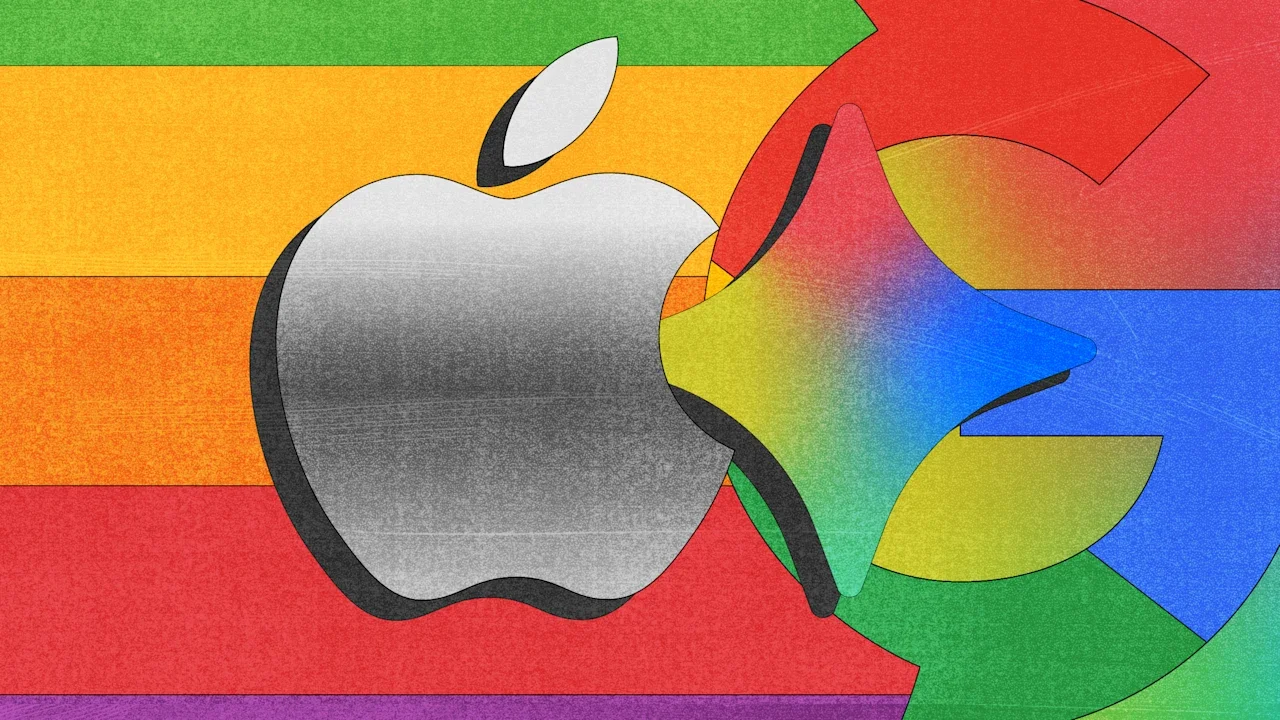
A few weeks ago, my iPhone woke me up at 3:30am. In a way, it was my fault. I’d technically set the alarm “for three thirty.” In another way, it was Siri’s fault. Apple’s AI assistant never thought to question if I was asking for AM or PM. And it simply assumed the most painful option for me. It’s just one of countless tiny examples of how Siri, 16 years since Apple acquired the technology, has been a disappointing product. Siri was already looking dusty before modern LLMs, and with the launch of ChatGPT, it has been completely left behind. Which is why in June 2024, with fans and investors growing impatient, Apple promised a new era of AI—”Apple Intelligence.” But that new intelligence never arrived. Reports of infighting at Apple abound, talent left the company last year as Tim Cook held an emergency all-hands in August promising a bigger focus on AI. This week we learned the results of that renewed focus. Instead of building a new Siri itself, Apple will license AI from Google, and stick Gemini inside its assistant. Siri will get this more personalized, capable upgrade later this year. This is a significant announcement. Apple had toyed with third party AI before, most recently via an agreement with OpenAI where users could opt in to have Siri ask ChatGPT a question. But this approach was always a silly stopgap. No one wants a go-between between an incapable chatbot and an all-knowing AI. People remove friction from their workflows. They want to just talk to the AI that knows the stuff. The agreement with Google eliminates middle men. Specifically, it doesn’t just mean Siri might send a question over to Gemini to get an answer. It means that Siri is Gemini. Siri’s foundational architecture is Google’s AI tech. Apple is Google now. Is this a failure for Apple? (No) It’s easy to look at this moment as cementing Apple’s own failure, as the company underinvested in artificial intelligence for years. But while I’m hardly an Apple apologist, I’d argue exactly the opposite. Apple doesn’t need to make every part of its products to make those products successful. Yes, Apple has been designing its own mobile processors, for instance, since 2010. These processors have allowed Apple to push the boundaries of performance while cutting back power consumption. They are a big reason that Apple phones and laptops are so appealing to creative professionals. But Apple doesn’t use manufacturing partners build its own screens, which it buys from LG, Samsung, and BOE Technology. It doesn’t make its own RAM, either, which is why so many Apple execs are currently holed up in South Korea, hoping to secure the vital hardware from Samsung as it’s recently ballooned in price. Even in this challenging supply chain, Apple simply doesn’t need to build anything that it can’t build best. Screens and RAM are commodities that Apple can acquire, integrate into their products, and no one will know the difference. Increasingly, AI is a commodity, too. That’s one reason that, for Apple, this deal with Google is a steal. While headlines focus on the shocking nature of Google powering Siri, it’s a fact that, I suspect, most iOS users will forget about in day-to-day use as they encounter more and more touchpoints of “Apple Intelligence.” Consider that Google pays Apple more than $20 billion a year to be the default search engine on Safari. Cleary, that’s considered a worthwhile investment for Google, to get its search engine front and center on America’s most popular phone brand. But all Apple has to do for those dollars is set up a URL. There’s no significant technological investment on Apple’s part. If Apple was training an advanced LLM on its own, it would cost a lot of money now, and even more into the future. That’s because, on one hand, yes, AI models are increasingly commoditized, and the core science driving them is more widely understood than it was a few years ago. On the other, developing those models—and specifically, staying on the cutting edge in an industry that feels new every three months—is still a costly practice that’s growing costlier by the day. According to Bloomberg, Apple is paying Google $1 billion a year for AI. That’s a figure remarkably close to the increasing cost of developing AI. Whereas the ChatGPT 3 of 2020 cost a mere $2 to 4 million to train, the latest generations of LLMs built upon vastly more data (like ChatGPT 4 and the latest Gemini) have cost over $100 million to train apiece, with the vast majority of cost going to computing power. And some rumors point to OpenAI’s ChatGPT 5 costing another jump more than what we’ve seen spent thus far—between $500 million and $2.5 billion according to analysts. Meanwhile, Apple is getting the world’s top AI model for a mere 1% of its annual profits. $1 billion is barely a line item for a company with a company boasting approximately $400 billion in annual revenue. If Apple has done nothing else than lock in a $1 billion rate for the near future, to have a top tier AI service from a proven competitor that’s paying 20x that to you for a search referral…then that’s a considerable business win. Let the engineers focus on tuning an AI to Apple’s specifications. Then Apple can focus less on building a competent AI and more on how that AI appears across its products. Indeed, if we should question anything, it’s how much Apple can lead the industry, not through AI models, but through the design and manifestation of the AI experience. What does the “Apple” mean in Apple Intelligence? Now that it’s sitting on a solid technological foundation, that’s the question Cupertino finally gets to answer in 2026. View the full article
-
Letter seen by FT appears to undermine claims that chair of US central bank misled Congress over renovation View the full article
-
We may earn a commission from links on this page. Deal pricing and availability subject to change after time of publication. Budget TVs have improved dramatically over the years, and the Hisense U6 Series is a great example of what you can get today for a "budget" price. This is a QLED Mini LED TV, so while it's not at the quality that OLED TVs can offer, it makes up for it with a much lower price. Right now, the 65-inch Hisense Class U6 Series TV is $529.96 (originally $847.99), the lowest price it has been, according to price-checking tools. 65" Hisense U6 Series 4K Mini-LED QLED Smart TV (2025 Model) $529.96 at Amazon $847.99 Save $318.03 Get Deal Get Deal $529.96 at Amazon $847.99 Save $318.03 Don't let the budget price fool you; this is a quality TV. The best one of 2025, according to PCMag's "outstanding" review. Its main attributes are its incredible levels of brightness, peaking at 1,024 nits, and its beautiful colors. This is expected from a QLED Mini LED TV, but not for under $550 for a 65-inch TV. It is also packed with features and specs that you won't find in other TVs at this price. The refresh rate is 144Hz with VRR and AMD FreeSync Premium Pro, making it a good option to play games. You'll get an input lag of 4.6 ms at 1080p and 13.1 ms at 4K. For those who pay premium in their streaming apps for HDR, you'll be able to take advantage of HDR10+ and Dolby Vision IQ. If you have a surround sound system, you'll also be able to take advantage of Dolby Atmos for a more immersive, 3D sound. The biggest downside, in my opinion, is that the OS is Amazon’s Fire TV, but that's fixable with a TV stick, and also down to preference. While there is no hands-free voice control, there is Apple AirPlay for casting devices. If you're looking for a 65-inch TV that punches above its price tag, is at a great discount, offers great colors, brightness, and features, get the Hisense Class U6 Series TV. Our Best Editor-Vetted Tech Deals Right Now Apple AirPods 4 Active Noise Cancelling Wireless Earbuds — $149.00 (List Price $179.00) Apple Watch Series 11 [GPS 46mm] Smartwatch with Jet Black Aluminum Case with Black Sport Band - M/L. Sleep Score, Fitness Tracker, Health Monitoring, Always-On Display, Water Resistant — $407.47 (List Price $429.00) Amazon Fire TV Stick 4K Plus — (List Price $24.99 With Code "FTV4K25") Samsung Galaxy Watch 8 — $279.99 (List Price $349.99) Samsung Galaxy Tab A9+ 10.9" 64GB Wi-Fi Tablet (Graphite) — $149.99 (List Price $219.99) Deals are selected by our commerce team View the full article
-
"These changes reflect adjustments we're making to ensure our staffing levels, locations and expertise align with current business needs; efficiencies we have gained through technology; and progress against our transformation work," the company said in a statement. View the full article

-
Latest U-turn comes after Labour MPs expressed concern about compulsory nature of proposed schemeView the full article
-
We all know how annoying unwanted notifications are, especially when you're trying to focus. But turning notifications off entirely for a given app potentially means missing important messages. That's where the free Android app DoNotNotify comes in—with it you can set up custom filters for notifications. Maybe you're in a group chat that is, for the most part, useful, but includes one person who talks too much. With this application, you could filter that person out, meaning you'd only get notifications when anyone else sends a message. You could also use this to filter news notifications about particular subjects or public figures you'd rather not see pop-ups about. You get the idea. The application itself is deceptively simple. Launch it and you'll need to give it permissions to access your notifications. Once you do, it will start collecting a log of notifications. You can tap any of these notifications in order to set up a rule. The first thing you need to decide is whether you want to create a blacklist or a whitelist. You can add filters for the title of the notification (the bolded part at the top of the notification) or the text (which is the excerpt below the title). The whitelist feature is great when you only want certain notifications from your apps. For example: Maybe your banking app sends out notifications about your credit score, which you want to see, but also promotions for other services, which you don't. You could whitelist the words "credit score." The same goes for news applications—maybe you only want to see headlines from a particular app when the headline mentions a certain country or public figure. Blacklists, meanwhile, allow you to do the opposite. The group text example I gave earlier is an example of this. You could also use blacklists to prevent certain public figures or topics from showing up in notifications from news applications. It's worth noting that the application needs access to your notifications in order to filter them, meaning it could potentially gather a lot of information about you—concerns were raised about this on Hacker News. On the other hand, the app's privacy policy is quite robust, claiming not to collect any information and not to work with any third parties. I don't think this is the kind of application every person is going to want—it's for the obsessive. If that's you, though, and you get annoyed by notifications often, you should give this a try. View the full article
-
“Get ready with me as an absolute piece of shit ICE agent,” one such video begins, posted by comedian Adam Macias. These videos are comedic skits, rather than from the social media accounts of actual ICE agents, but have quickly racked up hundreds of thousands of views as the US Immigration and Customs Enforcement agency faces intense backlash after the shooting of Renee Good in Minneapolis. “I wake up screaming and shooting. Not because I’m scared but because my sleep paralysis demon looks like someone’s tía,” the skit begins (tia is Spanish for aunt). “I start the day off with a shower but no matter how hard I try I just can’t seem to get clean,” it continues. After doing laundry and eating breakfast, the “ICE agent” proceeds to have his second shower of the day. “Time for some vocal warm ups,” he then says. “Self defense, self defense”, he yells repeatedly whilst staring himself down in the mirror. “Time to go to work,” he continues. “My commute isn’t far because I’m literally about to go deport my neighbor.” On Wednesday, January 7, ICE agent Jonathan Ross fatally shot Good in her car as she was protesting against the agency’s operations in the Twin Cities. The killing sparked widespread backlash and protests, both on and offline, with thousands in attendance at the “ICE out of Minnesota” rally and march over the weekend. “Wow what a lovely, beautiful day to harass people who are at work,” another TikTok creator quips, in a video titled ‘How ICE agents wake up in the morning’, viewed almost 3 million times. “I hope I get to beat up a pregnant woman,” he says, referencing a recent incident where ICE agents detained a woman who was allegedly pregnant, kneeling on her and dragging her through the snow. “Maybe today I’ll get a DUI with my children in the backseat,” he added, again referencing a real incident where an ICE agent was arrested for allegedly driving drunk while he had two young children in his vehicle. “Nobody cared who I was until I put on the mask,” he concluded the video (a reference from The Dark Knight Rises). “Now they just hate me.” Since July, there have been 13 recorded instances of ICE agents firing at or into civilian vehicles, a recent investigation by the Wall Street Journal found. In eight of those instances, civilians were shot, and two confirmed dead. At least five were U.S. citizens. Whether it’s in-person demonstrations or posting skits online, Americans aren’t afraid to make their feelings known. As one comment read: “This is actually an official ICE training video.” View the full article

-
A political showdown over Greenland, and possibly a military one, is looking increasingly possible as President Donald The President doubles down on his longstanding threat to take over Denmark’s semi-autonomous territory “one way or the other.“ In the wake of the U.S. invasion of Venezuela, Europe’s major military powers are taking The President’s ramped up rhetoric with renewed seriousness—and in what appeared to be unthinkable just months ago, the escalating geopolitical conflict could pit the United States against its longtime NATO partners—a troubling sign of the U.S.’s eroding relationships with its closest allies. Here’s what to know about the situation. Denmark, Greenland and U.S. to meet at White House The U.S. and Denmark, both members of the NATO military alliance, are scheduled, along with Greenland’s foreign minister, to meet on Wednesday at the White House. Both Greenland and Denmark have been clear: Greenland is not for sale, and their people do not want to be a part of the U.S. Europe, NATO respond to U.S. threat Greenland’s Prime Minister Jens-Frederik Nielsen and Danish Prime Minister Mette Frederiksen made their position clear in a joint press conference on Tuesday: “If we have to choose between the USA and Denmark here and now, we choose Denmark. We choose NATO . . . and the E.U.,” Nielsen said, according to Danish public broadcaster DR. A day earlier, the European Commissioner for Defense and Space said if Denmark requested help in the event of U.S. military action, the European Union could provide security for Greenland, which he said would, in effect, end the NATO alliance, per Reuters. Also on Monday, NATO secretary-general Mark Rutte said, “when it comes to the Arctic region . . . collectively as an alliance, the collective defense [of Greenland] is crucial . . . and we do everything to protect that territory.” Why does The President want Greenland, anyway? The President, for his part, has said taking over Greenland would prevent Russia and China from grabbing the strategically located mineral-rich region in the Arctic—which has a wealth of natural resources and sits on the shortest route between the U.S. and Europe. Beijing, however, has argued that explanation is merely “an excuse” for The President to justify more territorial expansion of the U.S. Remind me, how did we get here? Back in March, the The President administration sent an uninvited delegation to the autonomous Danish territory, which, at the time, Greenland’s Prime Minister Mute Egede called “highly aggressive” and a “provocation.” That trip included second lady Usha Vance, national security adviser Mike Waltz, and Energy Secretary Chris Wright. View the full article

-
Cloud-based HR software provides significant advantages that can transform your organization’s human resources operations. With improved accessibility, you can manage employee data from anywhere, which supports remote work. The subscription model offers financial flexibility, whilst automation streamlines processes, reducing manual tasks. Furthermore, robust security features guarantee compliance and protect sensitive information. As you consider these benefits, it’s worth exploring how integration with other HR systems can further improve your overall efficiency. Key Takeaways Cloud HR software enhances accessibility, allowing employee data access from any location, which supports remote work and improves HR functions. Subscription-based pricing reduces upfront costs and offers financial flexibility through pay-per-use structures, leading to significant cost savings. Predictive analytics help identify HR trends and issues, enabling proactive management of employee performance and retention. Automation of HR processes streamlines tasks such as onboarding and scheduling, saving time and increasing overall productivity. Advanced security features, like data encryption and multi-factor authentication, ensure compliance with regulations and protect sensitive employee information. Accessibility With Cloud HR Systems How can cloud HR systems improve accessibility for organizations? With cloud-based HR software, you gain the ability to access employee data from anywhere with an internet connection. This flexibility is vital for supporting remote work and ensuring that HR functions can be performed seamlessly across different locations. Companies using these human capital management solutions report that 86% experience increased productivity in performance management, highlighting the effectiveness of accessible HR tools. Mobile compatibility is another important advantage, allowing employees to quickly engage with HR requests, which cuts down on traditional follow-up time and improves response rates. Significantly, organizations leveraging cloud HR systems are four times less likely to encounter barriers when managing employee needs, compared to those relying on non-cloud solutions. This improved accessibility promotes better communication and collaboration among departments, eventually leading to a more efficient work environment. Cost Savings With Cloud-Based HR Solutions When you consider cloud-based HR solutions, you’ll find they offer a subscription-based pricing model that eliminates hefty upfront costs and unpredictable maintenance fees. This flexibility allows you to adjust usage according to your business needs, ensuring you only pay for what you use. Subscription-Based Pricing Model One of the most significant advantages of cloud-based HR solutions is their subscription-based pricing model, which can substantially lower costs for organizations. This model eliminates the need for large upfront investments and ongoing maintenance fees, allowing you to focus on core HR functions. With 51% of professionals using cloud HR systems for cost savings, it’s clear this approach is effective. You can adjust usage based on changing business needs, ensuring you only pay for the services you require. This predictability in budgeting transforms major costs into manageable monthly or annual expenses. Furthermore, the pay-per-use structure provides financial flexibility, enabling you to scale your HR capabilities without significant financial strain. Reduced Maintenance Costs Cloud-based HR solutions not just provide a subscription-based pricing model but furthermore greatly reduce maintenance costs for organizations. By eliminating the need for large upfront investments and ongoing maintenance fees, these systems allow you to allocate resources more efficiently. Typically operating on a pay-per-use or subscription model, cloud HR systems help lower costs related to deployment, maintenance, and regular upgrades. According to Gartner, 51% of professionals choose cloud HR systems particularly for cost savings in workforce management. In addition, by removing the burden of managing IT infrastructure, you can focus your budget on strategic initiatives rather than maintenance activities. This shift not just streamlines expenses but also improves your organization’s ability to adapt to changing business needs. Adjusting Usage Flexibly How can businesses effectively manage their HR needs during adapting to fluctuating workforce demands? Cloud-based HR solutions offer the flexibility to scale usage, helping you optimize costs. With a pay-per-use or subscription model, you can adjust based on your organization’s needs without hefty upfront expenses. Here are some key benefits: Reduced IT Costs: No extensive IT support or costly upgrades required. Scalable Solutions: Easily increase or decrease HR functionalities as workforce size changes. Ongoing Savings: Lower maintenance fees streamline your budget allocation. Proven Effectiveness: According to Gartner, 51% of professionals use cloud HR systems for cost savings. Transitioning to cloud HR can greatly impact your financial efficiency as you meet evolving HR requirements. Predictive Analytics in HR Solutions As organizations endeavor to improve their HR strategies, predictive analytics has emerged as a potent tool for optimizing employee management. By utilizing AI to track employee performance, you can address productivity losses proactively before they escalate. Predictive analytics identifies trends and underlying reasons for HR issues, like high attrition rates, allowing you to implement early corrective measures that boost retention. With robust reporting capabilities, you can instantly recognize turnover trends, compensation benchmarks, and skills gaps within your workforce. This data-driven approach empowers you to make strategic decisions that align with workforce dynamics and market demands, ultimately improving your organization’s competitiveness. Automation of HR Processes With the insights gained from predictive analytics, organizations can further refine their HR strategies through the automation of HR processes. Cloud-based HR software automates repetitive tasks, saving time and reducing errors. This boosts efficiency, allowing HR teams to focus on strategic initiatives instead of mundane administrative work. Benefits of automating HR processes include: Streamlined onboarding and offboarding, reducing manual intervention during employee changes. Automated scheduling of interviews and reminders, lightening the administrative burden on HR professionals. Increased overall productivity, with 86% of users reporting improved performance management. Improved employee engagement, as HR can dedicate more time to strategic planning and talent development. Security Features in Cloud HR Software When you consider cloud HR software, security features play an essential role in protecting sensitive employee data. With data encryption techniques and multi-factor authentication, your organization can greatly reduce the risk of unauthorized access. Furthermore, these systems comply with regulations, ensuring that you meet legal requirements as you safeguard privacy. Data Encryption Techniques One key aspect of cloud-based HR software is its use of advanced data encryption techniques, which play a crucial role in safeguarding sensitive employee information. These techniques guarantee that data remains secure during transmission and storage, protecting it from unauthorized access. Here are some critical benefits of data encryption: Protects sensitive employee data from breaches and unauthorized access. Facilitates compliance with regulations like GDPR and HIPAA, assuring legal standards are met. Supports routine backups, making data recoverable in case of loss or corruption. A 2022 PwC HR Tech survey found that 88% of respondents noted improved data security with cloud HR systems. With these encryption methods, you can trust that your HR data is secure and compliant. Multi-Factor Authentication As cyber threats continue to evolve, implementing multi-factor authentication (MFA) in cloud HR software has become essential for safeguarding sensitive employee data. MFA requires you to provide two or more verification factors to access your HR system, considerably reducing the risk of unauthorized access. A 2022 PwC HR Tech survey revealed that 88% of respondents reported improved data security because of features like MFA. Furthermore, studies show that 99.9% of account compromises can be prevented with this security measure. By combining MFA with routine backups and encryption, you create a robust security framework that protects employee data from malicious attacks. In the end, adopting MFA is a practical step toward ensuring only authorized personnel can access sensitive information. Compliance With Regulations Ensuring compliance with regulations is vital for any organization handling sensitive employee information, and cloud HR software is designed to help you meet these requirements effectively. By incorporating advanced security features, it streamlines the compliance process. Key benefits include: Data Encryption: Protects sensitive information from unauthorized access. Multi-Factor Authentication: Adds an extra layer of security, ensuring only authorized personnel can access data. Routine Backups: Safeguards data against loss, ensuring compliance with privacy regulations. Automatic Updates: Keeps your system aligned with the latest data protection laws, reducing the risk of non-compliance. Integration With Other HR Management Systems When organizations adopt cloud-based HR software, they benefit greatly from its ability to integrate seamlessly with other HR management systems like payroll, benefits, and time and attendance solutions. This integration streamlines HR operations and considerably reduces manual data entry, saving you time and minimizing errors. Utilizing APIs, ADP, cloud HR systems improve accuracy by ensuring reliable data transfer between different platforms. Additionally, the integration capabilities allow you to easily adapt to new innovations through secure APIs or plugins, which boosts overall efficiency. Frequently Asked Questions What Is a Key Advantage of Cloud-Based HR Systems? A key advantage of cloud-based HR systems is their ability to provide remote access to employee data from any location with an internet connection. This flexibility supports various work arrangements and improves employee engagement. Furthermore, these systems streamline HR processes through automation, allowing you to focus on strategic initiatives. By leveraging data analytics, you can gain insights that help identify potential issues early, improving overall organizational efficiency and effectiveness. Is Cloud-Based HR Software Better? Yes, cloud-based HR software is often considered better because of its accessibility and cost-effectiveness. You can manage HR tasks from anywhere, which supports remote work. These systems typically require lower upfront costs and reduce ongoing maintenance through subscription models. Furthermore, they streamline processes and improve data security with features like encryption. What Are the Advantages of Cloud-Based Software? Cloud-based software offers several advantages. It reduces upfront costs and maintenance fees, operating on a flexible subscription model. You’ll save time and minimize errors through automation of repetitive tasks, allowing you to focus on strategic initiatives. Mobile compatibility improves productivity, enabling access to functions anytime, anywhere. Moreover, improved data security features protect sensitive information, as well as integration with existing systems streamlines processes and reduces manual entry errors, increasing overall efficiency in your organization. What Is Cloud HR Software? Cloud HR software is a digital solution that streamlines human resources functions, providing tools for payroll, benefits, and performance management over the internet. You can access it from anywhere, making it convenient for remote work. This software reduces redundant data entry by integrating crucial HR.com processes, automating tasks like onboarding and offboarding. Conclusion In conclusion, cloud-based HR software offers significant advantages for organizations, including improved accessibility, cost savings, and improved automation of HR processes. These solutions additionally provide robust security features and the ability to integrate with existing HR management systems, ensuring compliance and data protection. By leveraging predictive analytics, companies can make informed decisions that drive strategic initiatives. Adopting cloud HR systems not just streamlines operations but supports a modern, flexible work environment. Image via Google Gemini This article, "Benefits of Cloud-Based HR Software" was first published on Small Business Trends View the full article
-
Cloud-based HR software provides significant advantages that can transform your organization’s human resources operations. With improved accessibility, you can manage employee data from anywhere, which supports remote work. The subscription model offers financial flexibility, whilst automation streamlines processes, reducing manual tasks. Furthermore, robust security features guarantee compliance and protect sensitive information. As you consider these benefits, it’s worth exploring how integration with other HR systems can further improve your overall efficiency. Key Takeaways Cloud HR software enhances accessibility, allowing employee data access from any location, which supports remote work and improves HR functions. Subscription-based pricing reduces upfront costs and offers financial flexibility through pay-per-use structures, leading to significant cost savings. Predictive analytics help identify HR trends and issues, enabling proactive management of employee performance and retention. Automation of HR processes streamlines tasks such as onboarding and scheduling, saving time and increasing overall productivity. Advanced security features, like data encryption and multi-factor authentication, ensure compliance with regulations and protect sensitive employee information. Accessibility With Cloud HR Systems How can cloud HR systems improve accessibility for organizations? With cloud-based HR software, you gain the ability to access employee data from anywhere with an internet connection. This flexibility is vital for supporting remote work and ensuring that HR functions can be performed seamlessly across different locations. Companies using these human capital management solutions report that 86% experience increased productivity in performance management, highlighting the effectiveness of accessible HR tools. Mobile compatibility is another important advantage, allowing employees to quickly engage with HR requests, which cuts down on traditional follow-up time and improves response rates. Significantly, organizations leveraging cloud HR systems are four times less likely to encounter barriers when managing employee needs, compared to those relying on non-cloud solutions. This improved accessibility promotes better communication and collaboration among departments, eventually leading to a more efficient work environment. Cost Savings With Cloud-Based HR Solutions When you consider cloud-based HR solutions, you’ll find they offer a subscription-based pricing model that eliminates hefty upfront costs and unpredictable maintenance fees. This flexibility allows you to adjust usage according to your business needs, ensuring you only pay for what you use. Subscription-Based Pricing Model One of the most significant advantages of cloud-based HR solutions is their subscription-based pricing model, which can substantially lower costs for organizations. This model eliminates the need for large upfront investments and ongoing maintenance fees, allowing you to focus on core HR functions. With 51% of professionals using cloud HR systems for cost savings, it’s clear this approach is effective. You can adjust usage based on changing business needs, ensuring you only pay for the services you require. This predictability in budgeting transforms major costs into manageable monthly or annual expenses. Furthermore, the pay-per-use structure provides financial flexibility, enabling you to scale your HR capabilities without significant financial strain. Reduced Maintenance Costs Cloud-based HR solutions not just provide a subscription-based pricing model but furthermore greatly reduce maintenance costs for organizations. By eliminating the need for large upfront investments and ongoing maintenance fees, these systems allow you to allocate resources more efficiently. Typically operating on a pay-per-use or subscription model, cloud HR systems help lower costs related to deployment, maintenance, and regular upgrades. According to Gartner, 51% of professionals choose cloud HR systems particularly for cost savings in workforce management. In addition, by removing the burden of managing IT infrastructure, you can focus your budget on strategic initiatives rather than maintenance activities. This shift not just streamlines expenses but also improves your organization’s ability to adapt to changing business needs. Adjusting Usage Flexibly How can businesses effectively manage their HR needs during adapting to fluctuating workforce demands? Cloud-based HR solutions offer the flexibility to scale usage, helping you optimize costs. With a pay-per-use or subscription model, you can adjust based on your organization’s needs without hefty upfront expenses. Here are some key benefits: Reduced IT Costs: No extensive IT support or costly upgrades required. Scalable Solutions: Easily increase or decrease HR functionalities as workforce size changes. Ongoing Savings: Lower maintenance fees streamline your budget allocation. Proven Effectiveness: According to Gartner, 51% of professionals use cloud HR systems for cost savings. Transitioning to cloud HR can greatly impact your financial efficiency as you meet evolving HR requirements. Predictive Analytics in HR Solutions As organizations endeavor to improve their HR strategies, predictive analytics has emerged as a potent tool for optimizing employee management. By utilizing AI to track employee performance, you can address productivity losses proactively before they escalate. Predictive analytics identifies trends and underlying reasons for HR issues, like high attrition rates, allowing you to implement early corrective measures that boost retention. With robust reporting capabilities, you can instantly recognize turnover trends, compensation benchmarks, and skills gaps within your workforce. This data-driven approach empowers you to make strategic decisions that align with workforce dynamics and market demands, ultimately improving your organization’s competitiveness. Automation of HR Processes With the insights gained from predictive analytics, organizations can further refine their HR strategies through the automation of HR processes. Cloud-based HR software automates repetitive tasks, saving time and reducing errors. This boosts efficiency, allowing HR teams to focus on strategic initiatives instead of mundane administrative work. Benefits of automating HR processes include: Streamlined onboarding and offboarding, reducing manual intervention during employee changes. Automated scheduling of interviews and reminders, lightening the administrative burden on HR professionals. Increased overall productivity, with 86% of users reporting improved performance management. Improved employee engagement, as HR can dedicate more time to strategic planning and talent development. Security Features in Cloud HR Software When you consider cloud HR software, security features play an essential role in protecting sensitive employee data. With data encryption techniques and multi-factor authentication, your organization can greatly reduce the risk of unauthorized access. Furthermore, these systems comply with regulations, ensuring that you meet legal requirements as you safeguard privacy. Data Encryption Techniques One key aspect of cloud-based HR software is its use of advanced data encryption techniques, which play a crucial role in safeguarding sensitive employee information. These techniques guarantee that data remains secure during transmission and storage, protecting it from unauthorized access. Here are some critical benefits of data encryption: Protects sensitive employee data from breaches and unauthorized access. Facilitates compliance with regulations like GDPR and HIPAA, assuring legal standards are met. Supports routine backups, making data recoverable in case of loss or corruption. A 2022 PwC HR Tech survey found that 88% of respondents noted improved data security with cloud HR systems. With these encryption methods, you can trust that your HR data is secure and compliant. Multi-Factor Authentication As cyber threats continue to evolve, implementing multi-factor authentication (MFA) in cloud HR software has become essential for safeguarding sensitive employee data. MFA requires you to provide two or more verification factors to access your HR system, considerably reducing the risk of unauthorized access. A 2022 PwC HR Tech survey revealed that 88% of respondents reported improved data security because of features like MFA. Furthermore, studies show that 99.9% of account compromises can be prevented with this security measure. By combining MFA with routine backups and encryption, you create a robust security framework that protects employee data from malicious attacks. In the end, adopting MFA is a practical step toward ensuring only authorized personnel can access sensitive information. Compliance With Regulations Ensuring compliance with regulations is vital for any organization handling sensitive employee information, and cloud HR software is designed to help you meet these requirements effectively. By incorporating advanced security features, it streamlines the compliance process. Key benefits include: Data Encryption: Protects sensitive information from unauthorized access. Multi-Factor Authentication: Adds an extra layer of security, ensuring only authorized personnel can access data. Routine Backups: Safeguards data against loss, ensuring compliance with privacy regulations. Automatic Updates: Keeps your system aligned with the latest data protection laws, reducing the risk of non-compliance. Integration With Other HR Management Systems When organizations adopt cloud-based HR software, they benefit greatly from its ability to integrate seamlessly with other HR management systems like payroll, benefits, and time and attendance solutions. This integration streamlines HR operations and considerably reduces manual data entry, saving you time and minimizing errors. Utilizing APIs, ADP, cloud HR systems improve accuracy by ensuring reliable data transfer between different platforms. Additionally, the integration capabilities allow you to easily adapt to new innovations through secure APIs or plugins, which boosts overall efficiency. Frequently Asked Questions What Is a Key Advantage of Cloud-Based HR Systems? A key advantage of cloud-based HR systems is their ability to provide remote access to employee data from any location with an internet connection. This flexibility supports various work arrangements and improves employee engagement. Furthermore, these systems streamline HR processes through automation, allowing you to focus on strategic initiatives. By leveraging data analytics, you can gain insights that help identify potential issues early, improving overall organizational efficiency and effectiveness. Is Cloud-Based HR Software Better? Yes, cloud-based HR software is often considered better because of its accessibility and cost-effectiveness. You can manage HR tasks from anywhere, which supports remote work. These systems typically require lower upfront costs and reduce ongoing maintenance through subscription models. Furthermore, they streamline processes and improve data security with features like encryption. What Are the Advantages of Cloud-Based Software? Cloud-based software offers several advantages. It reduces upfront costs and maintenance fees, operating on a flexible subscription model. You’ll save time and minimize errors through automation of repetitive tasks, allowing you to focus on strategic initiatives. Mobile compatibility improves productivity, enabling access to functions anytime, anywhere. Moreover, improved data security features protect sensitive information, as well as integration with existing systems streamlines processes and reduces manual entry errors, increasing overall efficiency in your organization. What Is Cloud HR Software? Cloud HR software is a digital solution that streamlines human resources functions, providing tools for payroll, benefits, and performance management over the internet. You can access it from anywhere, making it convenient for remote work. This software reduces redundant data entry by integrating crucial HR.com processes, automating tasks like onboarding and offboarding. Conclusion In conclusion, cloud-based HR software offers significant advantages for organizations, including improved accessibility, cost savings, and improved automation of HR processes. These solutions additionally provide robust security features and the ability to integrate with existing HR management systems, ensuring compliance and data protection. By leveraging predictive analytics, companies can make informed decisions that drive strategic initiatives. Adopting cloud HR systems not just streamlines operations but supports a modern, flexible work environment. Image via Google Gemini This article, "Benefits of Cloud-Based HR Software" was first published on Small Business Trends View the full article
-
We may earn a commission from links on this page. Oura announced last week that its long-awaited charging case is finally shipping. I got one to try out, and can confirm that it works well and is arguably better designed than those of its competitors. That said, is it really worth $99? The charging case works with the Oura Ring 4, not the older models like the gen 3. I’ve previously reviewed the Oura Ring 4, and it’s probably the best smart ring out there right now. You pay a premium for it, though—not only are Oura’s prices higher than many of its competitors ($349 to $499), Oura also requires a $5.99/month subscription to access nearly all of its features. The standard charger that ships with any of the Oura rings is a simple flat square with a post that the ring fits onto. (The square base then plugs into a USB-C cord.) This works fine, but it’s inconvenient to travel with, and also susceptible to jostling. Maybe you never bump things around on your nightstand, or snag a charging cable, but it’s certainly happened to me. Like other Oura users, I’ve been wishing for a charging case. RingConn and Luna Ring both come with cases, so it would be nice if Oura would catch up. I usually keep my ring in my gym bag during weightlifting workouts (since it’s neither comfortable nor useful in those workouts). I plan to keep the charging case in my gym bag and use it during workouts. Specs of Oura’s charging case Charging my size 8 ring Credit: Beth Skwarecki Oura says the case holds enough power for five full charges of the ring, and it takes up to 80 minutes to charge the ring (less if the ring is partially charged, obviously). The case itself charges in 90 minutes. I haven’t been able to test the case in the long term, since I just got it, but the ring has a battery life of five days or more depending on the size of the ring and the settings you have enabled. That means you could go about a month without charging from a cable. The case is sized to your ring, so you have to make sure to buy the correct size of charging case—for example, a size 8 case for a size 8 ring. There’s a colored LED on the front of the charging case. When a ring is inside and charging, a white LED will pulse, just like the nightstand charger does. When the case is empty and open, it will indicate the case’s charge level. Green means the battery is full. The case pairs to your Oura app, so you can check the app to see the charge level of both your ring and the case. How it compares to other brands Top to bottom: Oura, Luna, RingConn Credit: Beth Skwarecki I happen to have a Luna Ring and a RingConn gen 2, which both ship with a charging case. Luna’s case holds about 30 days of charge, similar to Oura’s, while RingConn says its case can hold 150 days of charge. The other noticeable difference is size. RingConn’s case is the largest of the three, which probably explains its longer battery life. Oura’s case is slightly wider than Luna’s, but slimmer. You can see the size differences in my photos here. RingConn is the larger black case to the left. Oura is bottom right, Luna is top right. Credit: Beth Skwarecki RingConn’s case comes with the ring, and costs $299 for the package. Luna charges $329 for a ring plus charging case. (I recall Luna’s charging case being optional, and available for an extra $49, as I wrote here, but right now I can only find the package deal on their site.) Oura’s charging case is sold separately, for $99, so you’d spend $448 to $598 for the ring plus the case. View the full article
-
If you’re looking for temporary employment without the hassle of background checks, several temp agencies can help you find quick placements. Agencies like LINK Staffing and KP Staffing focus on skilled trades and industrial roles, whereas TPI Staffing offers flexible options through job fairs. Others, like Burnett Specialists and Frontline Source Group, provide customized services for unique industry needs. With so many choices available, you might wonder which agency fits your specific situation best. Key Takeaways LINK Staffing offers quick staffing solutions for skilled trades and administrative roles without background checks, ensuring efficient candidate placements. KP Staffing specializes in connecting businesses with industrial workers, providing qualified candidates swiftly with no background checks for specific positions. TPI Staffing hosts daily job fairs for immediate access to talent, offering flexible staffing options without extensive background checks. Job-Ready Talent Access adapts staffing solutions to urgent project demands, providing candidates ready for immediate employment without background checks. Frontline Source Group emphasizes quick response times and thorough screening while ensuring efficiency, allowing placements without background checks for certain roles. LINK Staffing for Flexible Hiring When you’re looking for flexible hiring solutions, LINK Staffing stands out as a valuable resource for businesses of all sizes. This agency specializes in connecting employers with reliable talent, particularly for skilled trades and administrative roles. If you need jobs hiring with no background check, LINK Staffing offers options that cater to companies seeking quick staffing solutions. Their personalized services, rooted in a family-owned approach, guarantee high client satisfaction as well as minimizing turnover and reducing labor costs. LINK Staffing operates transparently, making it easier for you to manage labor expenses without hidden fees. As a temp agency no background check, they focus on matching candidates to your specific job requirements efficiently. KP Staffing for Industrial Talent KP Staffing thrives in connecting businesses with skilled workers for industrial roles, ensuring you have the right talent to meet your operational demands. As a family-owned agency, KP Staffing emphasizes personalized service and transparency, making them a trusted partner for your staffing needs. They minimize turnover and labor costs by offering extensive payroll and recruitment support. With a robust talent pool ready to meet your fluctuating business demands, KP Staffing can quickly provide qualified candidates without background checks for specific positions. This approach not only streamlines the hiring process but likewise aligns with your unique requirements. Service Offered Benefits Client Satisfaction Skilled Worker Match Reduced Labor Costs High Satisfaction Payroll Support Minimized Turnover Transparent Practices Recruitment Support Quick Access to Talent Personalized Service TPI Staffing for Temporary Placements TPI Staffing offers flexible staffing solutions that cater to various industries, making it easier for you to find the right fit for your temporary placements. With a quick hiring process supported by daily job fairs, you can connect with qualified candidates in no time. Moreover, their diverse job opportunities guarantee that you have access to a wide range of talent, customized to your specific needs. Flexible Staffing Solutions Offered In today’s fast-paced job market, businesses often face the challenge of managing fluctuating labor demands, which is where flexible staffing solutions come into play. TPI Staffing stands out in providing you with customized options to meet your needs. Here are some key features they offer: Diverse Staffing Options: Access temporary, temp-to-hire, and direct-hire candidates across various sectors. Daily Job Fairs: Quickly fill urgent positions with qualified candidates during their frequent job fairs. Personalized Staffing Plans: Benefit from individualized strategies aimed at improving your hiring efficiency. Streamlined Recruitment: Gain immediate access to a pool of pre-vetted candidates ready for employment. These solutions help you manage workforce fluctuations and reduce turnover and labor costs, ensuring your business remains agile and effective. Quick Hiring Process Finding the right talent swiftly can be a significant challenge for businesses, especially when staffing needs change quickly. TPI Staffing addresses this by offering a quick hiring process that connects you with candidates across various sectors. They host daily job fairs, allowing you to meet potential hires face-to-face, swiftly filling urgent positions. Their personalized staffing plans streamline recruitment, enhancing overall efficiency. By focusing on temporary placements, TPI simplifies your hiring process, reducing time-to-hire while granting access to a pool of qualified candidates. Their commitment to transparency and client satisfaction guarantees a seamless staffing experience for both employers and job seekers. Service Type Benefits Process Temporary Placements Quick access to talent Daily job fairs Temp-to-Hire Trial period for fit Customized plans Direct-Hire Long-term solutions Customized approach Diverse Job Opportunities When seeking temporary employment, you’ll discover a wealth of diverse job opportunities that cater to various skills and interests. TPI Staffing thrives in connecting you with roles across multiple sectors, ensuring you find a fit that suits your background. Here are some areas where you can explore opportunities: Hospitality – Positions in Marriott, hotels, and event venues. Logistics – Roles in warehousing, shipping, and supply chain management. Administrative – Jobs in offices, including clerical and support roles. Temp-to-Hire – Opportunities that allow you to shift to a permanent position. With TPI Staffing’s streamlined hiring process and customized plans, you’ll efficiently access suitable roles without extensive background checks, making it easier to jumpstart your career. Burnett Specialists for Business Growth As businesses aim for growth and efficiency, partnering with a specialized staffing agency like Burnett Specialists can be a strategic advantage. This agency focuses on long-term placements in vital industries such as healthcare, IT, and marketing, ensuring candidates meet specific job requirements through extensive industry knowledge. Burnett Specialists is recognized for its commitment to improving workforce effectiveness by providing skilled candidates customized to client needs. Their thorough screening processes align candidates with roles that fit their skills and experience, which contributes to high client satisfaction and retention rates. Here’s a quick overview of what Burnett Specialists offers: Feature Benefit Impact Long-term placements Skilled candidates Improved workforce quality Industry expertise Precise job matching Increased operational efficiency Direct communication Personalized service Customized staffing solutions High retention rates Strong client relationships Consistent support Frontline Source Group for Client-Centric Services Frontline Source Group thrives in delivering client-centric staffing solutions by focusing on the unique needs of industries such as engineering, legal, and HR. Their approach guarantees that you receive personalized service customized to your specific requirements. Here’s what sets them apart: Thorough Screening Processes: They maintain high standards in candidate placements, guaranteeing quality hires. Quick Response Times: Frontline efficiently fills roles without sacrificing candidate quality, making your hiring process smoother. Strong Client Relationships: By building rapport, they gain a better comprehension of your staffing needs, leading to more effective solutions. Customized Staffing Options: They offer a range of temporary, temp-to-hire, and direct staffing solutions, enhancing your operational efficiency and reducing time-to-hire. With a commitment to excellence, Frontline Source Group is dedicated to meeting your staffing challenges effectively and efficiently. AmeriTech Staffing for Skilled Professionals AmeriTech Staffing focuses on connecting businesses with skilled professionals in trades and industrial roles, streamlining the hiring process for employers. By maintaining a network of pre-screened candidates, they can quickly meet urgent hiring needs without the extensive background checks typical of other agencies. This efficiency guarantees that companies have access to job-ready talent as they adapt to their changing project demands. Skilled Trade Focus In the skilled trades sector, finding the right talent quickly can be a challenge for many businesses. AmeriTech Staffing specializes in connecting you with skilled professionals, ensuring your staffing needs are met efficiently. Here’s what you can expect: Tailored Solutions: They focus on your specific requirements, providing candidates with the right skills and experience. Rapid Results: With a reputation for minimizing time-to-fill, you can get immediate staffing solutions when urgency is crucial. Pre-Screened Talent: Their robust talent pool means quick access to qualified workers without extensive background checks. Quality Placements: By prioritizing quality, they help reduce turnover rates, ensuring a more reliable workforce in the skilled trades. Choose AmeriTech for streamlined staffing that meets your needs effectively. Streamlined Hiring Process When you’re looking to fill skilled positions swiftly, a streamlined hiring process can make all the difference. AmeriTech Staffing specializes in connecting employers with pre-vetted candidates for industrial and trade roles, ensuring that you save valuable time and resources. Their efficient recruitment strategies allow for rapid placements, whether you need temporary staffing or direct hires. By leveraging advanced technology, AmeriTech simplifies access to a vast talent pool without extensive background checks, which accelerates the hiring timeline. This focus on speed and efficiency helps you meet fluctuating labor demands as well as maintaining high-quality standards in candidate selection. In turn, you can trust that urgent roles are filled quickly, supporting your business’s operational needs effectively. Professional Alternatives for Specialized Roles Finding specialized talent can be a challenge, especially when traditional hiring methods involve lengthy background checks and extensive vetting processes. Professional Alternatives offers a rejuvenating approach to staffing that meets these challenges head-on. Here’s what you can expect: Tailored Staffing Solutions: They focus on matching candidates with precise job requirements across various industries. Technology-Driven Recruitment: Their innovative hiring platforms streamline the process, making it more efficient. Workforce Training: They improve the skills of placed candidates to guarantee they fit seamlessly into your organization. High Client Satisfaction: Their commitment to quality placements and personalized service leads to impressive client satisfaction rates. Frequently Asked Questions Do All Temp Agencies Do Background Checks? Not all temp agencies conduct background checks. Some prioritize quick placements and may skip thorough screenings. Nevertheless, many agencies do implement checks, especially for roles in sensitive industries like healthcare or finance. The decision to perform a background check often hinges on the employer’s requirements and local regulations. To understand their specific policies, you should directly inquire with the agency about their background check practices before proceeding with the application process. Does Walmart Require a Background Check? Yes, Walmart does require a background check for potential employees. This process aims to guarantee workplace safety and integrity. Typically, the check includes criminal history, employment verification, and education verification. The specific requirements may vary depending on the position and location. Usually, you can expect the background check to take a few days before you receive a final hiring decision, as Walmart prioritizes maintaining a secure work environment for all its staff. What Jobs Make $3,000 a Month Without a Degree? You can earn $3,000 a month without a degree by pursuing various job opportunities. Positions such as warehouse associates, retail workers, and hospitality roles often pay between $15 and $24 per hour. Furthermore, exploring event coordination or catering can yield similar hourly wages. Flexible platforms like Instawork allow you to take multiple shifts, enhancing your earnings. High demand in sectors like logistics and hospitality increases your chances of consistent employment, offering good pay without formal qualifications. Do Amazon Do Background Checks? Yes, Amazon does conduct background checks on all potential employees. This process typically reviews criminal history, employment verification, and, depending on the role, may include credit checks. It can take from a few days to a couple of weeks, based on the complexity of your history. Certain criminal convictions may disqualify you from employment, though Amazon has implemented “Ban the Box” initiatives in some areas, delaying inquiries about criminal history until later in the process. Conclusion In summary, exploring temp agencies that don’t require background checks can streamline your job search. Agencies like LINK Staffing, KP Staffing, and TPI Staffing offer various opportunities in skilled trades and industrial roles. Furthermore, options such as Burnett Specialists and Professional Alternatives cater to long-term placements, whereas Frontline Source Group and AmeriTech Staffing focus on client-centric services for specialized positions. By considering these agencies, you can find temporary employment that suits your needs without the hassle of background verification. Image via Google Gemini and ArtSmart This article, "Top 7 Temp Agencies With No Background Check" was first published on Small Business Trends View the full article
-
If you’re looking for temporary employment without the hassle of background checks, several temp agencies can help you find quick placements. Agencies like LINK Staffing and KP Staffing focus on skilled trades and industrial roles, whereas TPI Staffing offers flexible options through job fairs. Others, like Burnett Specialists and Frontline Source Group, provide customized services for unique industry needs. With so many choices available, you might wonder which agency fits your specific situation best. Key Takeaways LINK Staffing offers quick staffing solutions for skilled trades and administrative roles without background checks, ensuring efficient candidate placements. KP Staffing specializes in connecting businesses with industrial workers, providing qualified candidates swiftly with no background checks for specific positions. TPI Staffing hosts daily job fairs for immediate access to talent, offering flexible staffing options without extensive background checks. Job-Ready Talent Access adapts staffing solutions to urgent project demands, providing candidates ready for immediate employment without background checks. Frontline Source Group emphasizes quick response times and thorough screening while ensuring efficiency, allowing placements without background checks for certain roles. LINK Staffing for Flexible Hiring When you’re looking for flexible hiring solutions, LINK Staffing stands out as a valuable resource for businesses of all sizes. This agency specializes in connecting employers with reliable talent, particularly for skilled trades and administrative roles. If you need jobs hiring with no background check, LINK Staffing offers options that cater to companies seeking quick staffing solutions. Their personalized services, rooted in a family-owned approach, guarantee high client satisfaction as well as minimizing turnover and reducing labor costs. LINK Staffing operates transparently, making it easier for you to manage labor expenses without hidden fees. As a temp agency no background check, they focus on matching candidates to your specific job requirements efficiently. KP Staffing for Industrial Talent KP Staffing thrives in connecting businesses with skilled workers for industrial roles, ensuring you have the right talent to meet your operational demands. As a family-owned agency, KP Staffing emphasizes personalized service and transparency, making them a trusted partner for your staffing needs. They minimize turnover and labor costs by offering extensive payroll and recruitment support. With a robust talent pool ready to meet your fluctuating business demands, KP Staffing can quickly provide qualified candidates without background checks for specific positions. This approach not only streamlines the hiring process but likewise aligns with your unique requirements. Service Offered Benefits Client Satisfaction Skilled Worker Match Reduced Labor Costs High Satisfaction Payroll Support Minimized Turnover Transparent Practices Recruitment Support Quick Access to Talent Personalized Service TPI Staffing for Temporary Placements TPI Staffing offers flexible staffing solutions that cater to various industries, making it easier for you to find the right fit for your temporary placements. With a quick hiring process supported by daily job fairs, you can connect with qualified candidates in no time. Moreover, their diverse job opportunities guarantee that you have access to a wide range of talent, customized to your specific needs. Flexible Staffing Solutions Offered In today’s fast-paced job market, businesses often face the challenge of managing fluctuating labor demands, which is where flexible staffing solutions come into play. TPI Staffing stands out in providing you with customized options to meet your needs. Here are some key features they offer: Diverse Staffing Options: Access temporary, temp-to-hire, and direct-hire candidates across various sectors. Daily Job Fairs: Quickly fill urgent positions with qualified candidates during their frequent job fairs. Personalized Staffing Plans: Benefit from individualized strategies aimed at improving your hiring efficiency. Streamlined Recruitment: Gain immediate access to a pool of pre-vetted candidates ready for employment. These solutions help you manage workforce fluctuations and reduce turnover and labor costs, ensuring your business remains agile and effective. Quick Hiring Process Finding the right talent swiftly can be a significant challenge for businesses, especially when staffing needs change quickly. TPI Staffing addresses this by offering a quick hiring process that connects you with candidates across various sectors. They host daily job fairs, allowing you to meet potential hires face-to-face, swiftly filling urgent positions. Their personalized staffing plans streamline recruitment, enhancing overall efficiency. By focusing on temporary placements, TPI simplifies your hiring process, reducing time-to-hire while granting access to a pool of qualified candidates. Their commitment to transparency and client satisfaction guarantees a seamless staffing experience for both employers and job seekers. Service Type Benefits Process Temporary Placements Quick access to talent Daily job fairs Temp-to-Hire Trial period for fit Customized plans Direct-Hire Long-term solutions Customized approach Diverse Job Opportunities When seeking temporary employment, you’ll discover a wealth of diverse job opportunities that cater to various skills and interests. TPI Staffing thrives in connecting you with roles across multiple sectors, ensuring you find a fit that suits your background. Here are some areas where you can explore opportunities: Hospitality – Positions in Marriott, hotels, and event venues. Logistics – Roles in warehousing, shipping, and supply chain management. Administrative – Jobs in offices, including clerical and support roles. Temp-to-Hire – Opportunities that allow you to shift to a permanent position. With TPI Staffing’s streamlined hiring process and customized plans, you’ll efficiently access suitable roles without extensive background checks, making it easier to jumpstart your career. Burnett Specialists for Business Growth As businesses aim for growth and efficiency, partnering with a specialized staffing agency like Burnett Specialists can be a strategic advantage. This agency focuses on long-term placements in vital industries such as healthcare, IT, and marketing, ensuring candidates meet specific job requirements through extensive industry knowledge. Burnett Specialists is recognized for its commitment to improving workforce effectiveness by providing skilled candidates customized to client needs. Their thorough screening processes align candidates with roles that fit their skills and experience, which contributes to high client satisfaction and retention rates. Here’s a quick overview of what Burnett Specialists offers: Feature Benefit Impact Long-term placements Skilled candidates Improved workforce quality Industry expertise Precise job matching Increased operational efficiency Direct communication Personalized service Customized staffing solutions High retention rates Strong client relationships Consistent support Frontline Source Group for Client-Centric Services Frontline Source Group thrives in delivering client-centric staffing solutions by focusing on the unique needs of industries such as engineering, legal, and HR. Their approach guarantees that you receive personalized service customized to your specific requirements. Here’s what sets them apart: Thorough Screening Processes: They maintain high standards in candidate placements, guaranteeing quality hires. Quick Response Times: Frontline efficiently fills roles without sacrificing candidate quality, making your hiring process smoother. Strong Client Relationships: By building rapport, they gain a better comprehension of your staffing needs, leading to more effective solutions. Customized Staffing Options: They offer a range of temporary, temp-to-hire, and direct staffing solutions, enhancing your operational efficiency and reducing time-to-hire. With a commitment to excellence, Frontline Source Group is dedicated to meeting your staffing challenges effectively and efficiently. AmeriTech Staffing for Skilled Professionals AmeriTech Staffing focuses on connecting businesses with skilled professionals in trades and industrial roles, streamlining the hiring process for employers. By maintaining a network of pre-screened candidates, they can quickly meet urgent hiring needs without the extensive background checks typical of other agencies. This efficiency guarantees that companies have access to job-ready talent as they adapt to their changing project demands. Skilled Trade Focus In the skilled trades sector, finding the right talent quickly can be a challenge for many businesses. AmeriTech Staffing specializes in connecting you with skilled professionals, ensuring your staffing needs are met efficiently. Here’s what you can expect: Tailored Solutions: They focus on your specific requirements, providing candidates with the right skills and experience. Rapid Results: With a reputation for minimizing time-to-fill, you can get immediate staffing solutions when urgency is crucial. Pre-Screened Talent: Their robust talent pool means quick access to qualified workers without extensive background checks. Quality Placements: By prioritizing quality, they help reduce turnover rates, ensuring a more reliable workforce in the skilled trades. Choose AmeriTech for streamlined staffing that meets your needs effectively. Streamlined Hiring Process When you’re looking to fill skilled positions swiftly, a streamlined hiring process can make all the difference. AmeriTech Staffing specializes in connecting employers with pre-vetted candidates for industrial and trade roles, ensuring that you save valuable time and resources. Their efficient recruitment strategies allow for rapid placements, whether you need temporary staffing or direct hires. By leveraging advanced technology, AmeriTech simplifies access to a vast talent pool without extensive background checks, which accelerates the hiring timeline. This focus on speed and efficiency helps you meet fluctuating labor demands as well as maintaining high-quality standards in candidate selection. In turn, you can trust that urgent roles are filled quickly, supporting your business’s operational needs effectively. Professional Alternatives for Specialized Roles Finding specialized talent can be a challenge, especially when traditional hiring methods involve lengthy background checks and extensive vetting processes. Professional Alternatives offers a rejuvenating approach to staffing that meets these challenges head-on. Here’s what you can expect: Tailored Staffing Solutions: They focus on matching candidates with precise job requirements across various industries. Technology-Driven Recruitment: Their innovative hiring platforms streamline the process, making it more efficient. Workforce Training: They improve the skills of placed candidates to guarantee they fit seamlessly into your organization. High Client Satisfaction: Their commitment to quality placements and personalized service leads to impressive client satisfaction rates. Frequently Asked Questions Do All Temp Agencies Do Background Checks? Not all temp agencies conduct background checks. Some prioritize quick placements and may skip thorough screenings. Nevertheless, many agencies do implement checks, especially for roles in sensitive industries like healthcare or finance. The decision to perform a background check often hinges on the employer’s requirements and local regulations. To understand their specific policies, you should directly inquire with the agency about their background check practices before proceeding with the application process. Does Walmart Require a Background Check? Yes, Walmart does require a background check for potential employees. This process aims to guarantee workplace safety and integrity. Typically, the check includes criminal history, employment verification, and education verification. The specific requirements may vary depending on the position and location. Usually, you can expect the background check to take a few days before you receive a final hiring decision, as Walmart prioritizes maintaining a secure work environment for all its staff. What Jobs Make $3,000 a Month Without a Degree? You can earn $3,000 a month without a degree by pursuing various job opportunities. Positions such as warehouse associates, retail workers, and hospitality roles often pay between $15 and $24 per hour. Furthermore, exploring event coordination or catering can yield similar hourly wages. Flexible platforms like Instawork allow you to take multiple shifts, enhancing your earnings. High demand in sectors like logistics and hospitality increases your chances of consistent employment, offering good pay without formal qualifications. Do Amazon Do Background Checks? Yes, Amazon does conduct background checks on all potential employees. This process typically reviews criminal history, employment verification, and, depending on the role, may include credit checks. It can take from a few days to a couple of weeks, based on the complexity of your history. Certain criminal convictions may disqualify you from employment, though Amazon has implemented “Ban the Box” initiatives in some areas, delaying inquiries about criminal history until later in the process. Conclusion In summary, exploring temp agencies that don’t require background checks can streamline your job search. Agencies like LINK Staffing, KP Staffing, and TPI Staffing offer various opportunities in skilled trades and industrial roles. Furthermore, options such as Burnett Specialists and Professional Alternatives cater to long-term placements, whereas Frontline Source Group and AmeriTech Staffing focus on client-centric services for specialized positions. By considering these agencies, you can find temporary employment that suits your needs without the hassle of background verification. Image via Google Gemini and ArtSmart This article, "Top 7 Temp Agencies With No Background Check" was first published on Small Business Trends View the full article
-
In an era of rapid technological advancement, HP Inc. is redefining productivity with the launch of its latest offerings tailored for the modern workforce. The company unveiled the HP EliteBook X G2 Series, a line of premium business laptops recognized as CES 2026 Innovation Award Honorees. This announcement comes at a time when small businesses are increasingly reliant on technology to remain competitive and agile. The HP EliteBook X G2 Series positions itself as a versatile solution designed to cater to the needs of leaders and decision-makers steering their organizations through the complex landscape of the AI era. With specifications that emphasize performance, connectivity, and security, this laptop series aims to empower small business owners to maximize efficiency. Among the standout features highlighted in HP’s press release are the laptops’ powerful processors and advanced AI capabilities, both of which can streamline operations and enhance workflow. For instance, these machines support remote collaboration, allowing teams to work seamlessly from various locations. The HP EliteBook X G2 also features a lightweight design, making it mobile and easy to transport—a crucial factor for small business owners who often juggle multiple responsibilities and need to be effective whether in the office or on the go. The integration of intelligent features—such as real-time analytics and enhanced connectivity options—positions the EliteBook X G2 series as a tool for data-driven decision-making. “As businesses evolve, the need for intelligent technology that supports mobility, security, and performance is paramount,” said HP’s spokesperson during the announcement. This sentiment resonates especially well with small business owners who rely on technology to navigate their daily operations and make strategic choices. The practical applications of this new laptop series are numerous. Small businesses can leverage its features for remote work, video conferencing, and collaborative projects, all of which have become essential in today’s work environment. Moreover, the built-in security features help safeguard sensitive company information, protecting against breaches that may arise from increased connectivity. However, adopting new technology inevitably comes with challenges. Small business owners must consider the costs associated with upgrading their systems, especially if they are adhering to tight budgets. The initial investment in premium devices such as the EliteBook X G2 could be substantial, and small businesses must evaluate whether the upfront costs will translate into long-term benefits. Another potential hurdle is the learning curve. Employees may require training to fully utilize the advanced features offered by these new devices. Business owners will need to assess how to best implement this training to ensure that the full benefits of the technology are realized without disrupting workflow. Moreover, while these laptops prioritize security, the responsibility of data protection ultimately lies with the users. Small business owners must remain vigilant about software updates, password protections, and user awareness training to mitigate risks. In summary, the HP EliteBook X G2 Series provides small business owners with an impressive suite of features designed to enhance productivity and support the evolving nature of work. While there are costs and adjustment periods to consider, the potential for increased efficiency and adaptability in a competitive landscape makes this new line a noteworthy consideration for any small business looking to invest in its future. For more details on the latest HP products, visit the original press release here: HP Press Release. Image via Google Gemini This article, "HP Unveils EliteBook X G2 Series Laptops to Transform Work in AI Era" was first published on Small Business Trends View the full article
-
In an era of rapid technological advancement, HP Inc. is redefining productivity with the launch of its latest offerings tailored for the modern workforce. The company unveiled the HP EliteBook X G2 Series, a line of premium business laptops recognized as CES 2026 Innovation Award Honorees. This announcement comes at a time when small businesses are increasingly reliant on technology to remain competitive and agile. The HP EliteBook X G2 Series positions itself as a versatile solution designed to cater to the needs of leaders and decision-makers steering their organizations through the complex landscape of the AI era. With specifications that emphasize performance, connectivity, and security, this laptop series aims to empower small business owners to maximize efficiency. Among the standout features highlighted in HP’s press release are the laptops’ powerful processors and advanced AI capabilities, both of which can streamline operations and enhance workflow. For instance, these machines support remote collaboration, allowing teams to work seamlessly from various locations. The HP EliteBook X G2 also features a lightweight design, making it mobile and easy to transport—a crucial factor for small business owners who often juggle multiple responsibilities and need to be effective whether in the office or on the go. The integration of intelligent features—such as real-time analytics and enhanced connectivity options—positions the EliteBook X G2 series as a tool for data-driven decision-making. “As businesses evolve, the need for intelligent technology that supports mobility, security, and performance is paramount,” said HP’s spokesperson during the announcement. This sentiment resonates especially well with small business owners who rely on technology to navigate their daily operations and make strategic choices. The practical applications of this new laptop series are numerous. Small businesses can leverage its features for remote work, video conferencing, and collaborative projects, all of which have become essential in today’s work environment. Moreover, the built-in security features help safeguard sensitive company information, protecting against breaches that may arise from increased connectivity. However, adopting new technology inevitably comes with challenges. Small business owners must consider the costs associated with upgrading their systems, especially if they are adhering to tight budgets. The initial investment in premium devices such as the EliteBook X G2 could be substantial, and small businesses must evaluate whether the upfront costs will translate into long-term benefits. Another potential hurdle is the learning curve. Employees may require training to fully utilize the advanced features offered by these new devices. Business owners will need to assess how to best implement this training to ensure that the full benefits of the technology are realized without disrupting workflow. Moreover, while these laptops prioritize security, the responsibility of data protection ultimately lies with the users. Small business owners must remain vigilant about software updates, password protections, and user awareness training to mitigate risks. In summary, the HP EliteBook X G2 Series provides small business owners with an impressive suite of features designed to enhance productivity and support the evolving nature of work. While there are costs and adjustment periods to consider, the potential for increased efficiency and adaptability in a competitive landscape makes this new line a noteworthy consideration for any small business looking to invest in its future. For more details on the latest HP products, visit the original press release here: HP Press Release. Image via Google Gemini This article, "HP Unveils EliteBook X G2 Series Laptops to Transform Work in AI Era" was first published on Small Business Trends View the full article
-
I have taught spin classes for four years, but the majority of my friends have never taken one—they're just not "class" people. Everyone works out differently and classes are a very specific kind of experience. I take a class nearly every day, whether in-person or using my Peloton, so obviously I am firmly in the pro-class category, but I can understand why being blabbed at by an instructor wouldn't motivate some people. I learned recently, though, that Peloton offers a solution to those who don't enjoy all the yap: You can actually customize how much of their in-app instructors you hear, so whether you want to pay close attention to cues or hear practically nada from the teacher, you can make it happen, creating a truly custom "class" experience. How to customize instructor volume on PelotonIf you're using a Peloton machine, like the Bike or the Tread, locate the volume buttons on your touchscreen. When you press them, not only can you control the overall volume output of the class you're taking, but you get options like Boost instructor and Customize. When you tap Customize, you're presented with a slider that can reduce the volume of the instructor down to practically nothing or boost them so they're significantly louder than the music in the class's playlist. On the mobile app, you have a similar option for classes that don't require the brand's proprietary cardio equipment, though it's not always as customizable. First, load up a class (like stretching or yoga). The video of the instructor walking you through it will start to play. Tap the video itself and you'll get a menu of icons that show what appears to be a phone turning on its side (to play the video full-screen), a volume slider, a Bluetooth caster to enable AirPlay across other devices in the area, and a speech bubble for subtitles. Tap that volume slider, the second icon from the left. It opens an Audio Mix box that allows you to choose whether you want Music Boosted or Instructor Boosted. You can't control the mix between the music and the instructor as precisely as you can when you're using the equipment, but you can at least prioritize the music or the teacher. Credit: Peloton/Lindsey Ellefson Why you'd want to do this and what to keep in mindSome of Peloton's instructors are notoriously chatty. Personally, I think it's endearing and I see nothing wrong with the parasocial relationships it creates if those motivate someone to hop on their Bike more often. The instructors are beamed into hundreds of thousands of homes every month and are akin to celebrities, so it's good for marketing and engagement if users feel connected to them, especially because at-home workouts are otherwise pretty isolating (although Peloton offers plenty of other ways to replicate the feeling of connectedness you get from in-person classes, like Teams competitions). Still, some people aren't trying to replicate that feeling; they just want to work out by themselves with no chatter. Usually, that means loading up your own music or taking one of Peloton's scenic rides, but the trade-off there is that you don't get a well-planned workout designed by a professional trainer, like you do when you take an instructor-led class. You trade the suggested resistance and speed for something self-paced, which can be detrimental to motivation or effort. By cutting down the volume of the instructor's mic and amplifying the playlist, you get to take a real class, follow along with the resistance and speed cues on the screen, and listen to a playlist you don't have to bother curating. If you don't care what a teacher had for breakfast but do care to follow along with a 45-minute progressive push because it aligns with your fitness goals, turning down the instructor volume could be for you. That said, there is a reason these classes are instructor-led. Teachers are certified for a reason and the ones on high-profile platforms like Peloton are well-credentialed. They provide safety cues, insights into why playlists and rides are structured the way they are, and helpful information you can carry into your self-led workouts—plus motivation when you need it. I wouldn't recommend cutting out the instructor volume if you're a beginner. There is value in hearing what a pro has to say about form, speed, and self-pacing. You should only cut it out if you're a seasoned rider with good form and a solid understanding of your own abilities and limits. That said, if you're just getting started with Peloton and have concerns about your form or understanding of the workouts, it might even be worth it for you to use this feature the opposite way, prioritizing the instructor feed and deprioritizing the music. Riding to the beat will come in time, but doing it safely and effectively is most important. If you're a newbie and you don't like instructor chatter, I recommend filtering your classes so you only take ones from the less-talkative teachers, like Ben Alldis, Sam Yo, Matt Wilpers, and Leanne Hainsby. It might take you some time to find the instructor whose methods align best with your interests and motivators, but it's worth it. You can also take specialty Metrics classes, which are designed to focus more heavily on performance metrics like cadence, resistance, and output. Those have less talking overall. View the full article
-
Chris Cuomo is returning to SiriusXM, putting him on the air with morning and evening talk shows. He will host a two-hour weekday show centered on listener calls on the satellite radio company’s P.O.T.U.S. channel, starting Jan. 20 at 7 a.m. Eastern. Guests on his first few shows include Democratic Maryland Gov. Wes Moore, Republican Kentucky Sen. Rand Paul, sportscaster Bob Costas, and political consultant James Carville, the company said Tuesday. Cuomo previously hosted a show at the network but quit in 2021, shortly after he was fired from CNN when it was revealed that he assisted his brother, former Democratic New York Gov. Andrew Cuomo, in fighting accusations of sexual harassment. A former prime-time host at CNN and a reporter at ABC News earlier in his career, Cuomo has reemerged at the cable network NewsNation, where he hosts an evening talk show. “Too much of our politics is about teams instead of truth,” said Cuomo, also son of the late Democratic New York Gov. Mario Cuomo. “’Cuomo Mornings’ is going to be about breaking through those barriers, asking better questions and bringing people into the conversation instead of talking past them.” —Associated Press View the full article

-
Back in November, Fast Company and Johns Hopkins partnered for the first-ever World Changing Ideas Summit in Washington, DC, an event that convened leaders across business and academia to engage with the ideas and innovations reshaping the future. Knowing we were heading into a new year that undoubtedly is bringing new challenges to every industry, we asked some of our speakers working in space, healthcare, AI, and the intersections therein, what would be top of mind for them in 2026: “We’re in a race against resistance.” Akhila Kosaraju, founder and CEO of Pharebio, is using predictive and generative AI to power drug discovery. The startup plans to develop 15 new antibiotics by 2030 that will outpace microbial resistance and cure common but difficult to treat illnesses such as E. coli and C. diff. For Kosaraju, the biggest challenge is time. “We’re in a race against resistance,” she says, noting it can take fewer than six years for bacteria to develop resistance to antibiotics. Meanwhile, it can take 13 years—more than double that time—to develop new medicine. Akhila Kosaraju “The biggest challenge for us is getting these antibiotics into preclinical and then ultimately clinical development, and FDA approved. I think you’ll hear this across AI for drug discovery—there is an impatience to make sure that these AI models are actually working and that patients actually start seeing those results,” she says. “So our team is laser focused on not just building the best model for its own sake, but really ensuring that we are truly accelerating timelines to get these drugs developed, that these drugs are more novel, less toxic, and more efficacious than what currently exists.” “If we don’t have a solution, America’s presence in space will stop.” Saleem Miyan, CEO of Max Space, a company developing new space stations in partnership with the U.S. government and NASA, believes it’s essential for both American innovation and security to expand the nation’s presence in space—especially given that the International Space Station will be decommissioned in 2030. “That will mean, if we don’t have a solution, America’s presence in space will stop—and we don’t want that to happen,” Miyan says. “As a result of that, we’re putting an awful lot of time, energy, effort, [and] investor’s capital, to make sure that people understand quite how important being in space is, remaining in space is.” Saleem Miyan And there’s no shortage of opportunities for Max Space to capitalize on, Miyan says. “We’re seeing so much attention right now from all governments around the world to get the next space race won, and we’re doing everything we can to make sure that America maintains that position,” he says. “I think in order to do that, we have to make sure that we are continuing to evolve these incredible ideas that companies like ours have developed from the concept all the way through to productization, so that we as a nation maintain this strength and dominance that we’ve always had—not just in exploration but also in defense.” “…space is open for innovation.” “We’re trying to get the message out that space is open for innovation,” says Molly Mulligan, Chief Operating Officer of SpaceMD, a subsidiary of Redwire Space. The company, which formed in August 2025, is focused on accelerating drug creation by removing gravity from the growth process of antibody crystals. “At Space MD, that’s really the goal: to take the science of making better drugs in space and apply that here on Earth to actually make drugs that are commercially available for people,” Mulligan says. Molly Mulligan SpaceMD’s mission takes inspiration from the success of Keytruda, an immunotherapy drug created by pharmaceutical company Merck whose crystals were grown on the International Space Station—a process they are hoping to replicate in the coming years. “We want to be the company that takes that next drug through the whole process. And we’re working on that today, trying to take a drug from growing the crystals in space all the way through the preclinical process to an investigational new drug form for the FDA,” she says. “So that’s really top of mind for us is being the company that does that with the second drug and the third drug and a fourth drug to help people every day here on earth.” “…patients are waiting for new medicines today.” Isomorphic Labs, the AI-powered drug company spun out of Google DeepMind, has an audacious goal of solving all diseases using AI. The key to doing so largely rests with its AlphaFold AI system which can predict the complex structure of proteins and model how they might internet with, say, DNA or drugs. The discovery earned Google DeepMind the 2024 Nobel Prize in chemistry. And this past July, the company announced it’s “very close” to human trials. “As we move to the new year, we all know that patients are waiting for new medicines today,” says Ben Wolf, chief medical officer at Isomorphic Labs. Wolf joined the company in June and says his focus is advancing Isomorphic Labs into “an industry leading clinical pipeline.” Wolf says their initial focus is oncology and immunology. Ben Wolf “One of the challenges is just the heterogeneic [and] intractable nature of many diseases like cancer. So they’re very challenging to crack,” Wolf says. What will be imperative for Isomorphic Labs is coupling AI-based approaches to drug development with precision medicine paradigms, i.e. tailoring treatment to specific patients instead of a one-size-fits-all approach. “Ultimately that will give us the capacity to quickly make safer and more effective medicines for all patients,” Wolf says. View the full article
-
President The President Tuesday told reporters he would not delay announcing his pick to fill a new vacancy on the Federal Reserve Board despite threats from Republican Senators to block any Fed nomination until a recently-disclosed Justice Department investigation into Fed Chair Jerome Powell is resolved. View the full article

-
Former US president and secretary of state accuse Republican chair of partisanship in handling case of late sex offenderView the full article
-
Cut off from the outside world, Iran has been convulsed by some of the worst violence since the 1979 Islamic revolutionView the full article