Newsletter
Want to keep up to date with all our latest news and information?


ResidentialBusiness
Administrators
-
Joined
-
Last visited
Everything posted by ResidentialBusiness
-
I love movies, and especially when I can watch them for free: And while streaming the latest Hollywood blockbusters might come at a price (at least for those wanting to stay on the right side of the law), there's an ever-growing collection of older films that you can get at online without paying a dime. The site WikiFlix (as spotted by the fine folks at Gizmodo) lists movies available to stream that are now in the public domain. The way that copyright works in the U.S. basically means that copyright expires on films after a period of 95 years—so with every year that passes, a batch of new flicks become available to view by anyone, free of charge. If you're looking for something classic for your next movie night, it's well worth a look. There are plenty of categories to choose from. Credit: Lifehacker WikiFlix is straightforward to use, right from the homepage. It tracks films added to sites such as Wikimedia Commons, YouTube, and the Internet Archive, and whenever you click through on a movie, you can also see where it has come from. When you've made your pick, it streams right in your browser window. The home page is split up into categories that you can browse through—including female directions, animations, and biographical films, the last time I checked—and there's also a search button up in the top right corner if you know what you're looking for. Next to the search button is an account button, which enables you to sign up for a MediaWiki account if you want to be able to contribute to the site too. Hover over the main WikiFlix heading at the top of the page and a quick link to Movies by year pops up. This is a useful way of finding the most recent flicks added to WikiFlix, and digging back into the archive—not all of the movies here are in the public domain because their copyright has expired, and you will find more recent titles too. Click through on any thumbnail to get more information about each movie. You can typically get information on the director, cast, and running time, and a plot summary is included too. Some of the entries come with trailers (although you can also search for these separately on sites like YouTube). Each movie comes with a cast list. Credit: Lifehacker Start streaming a movie, and the usual playback controls appear, though the interface does depend to some extent on the site that's hosting the movie. For films hosted on YouTube, for example, you can typically adjust the playback quality and speed. Some movies come with subtitles too. Obviously a site like this is going to skew towards older, classic movies, but there's plenty to explore here: Metropolis, It's a Wonderful Life, All Quiet on the Western Front, Nosferatu, Charlie Chaplin comedy The Gold Rush, and lots more. Free movie repositories aren't quite as rare online as you might think. We've written before about the best free and legal streaming services for movies and TV, featuring ad-supported streaming platforms such as Tubi and PlutoTV. Again, the emphasis is on older films, but there's a huge amount on offer at no charge. View the full article
-
Prediction markets are all the rage right now. Weekly trading volume on prediction platforms just surpassed $2 billion, and apps like Polymarket are being treated as the “next big thing” in consumer finance and entertainment. These platforms are designed to gamify uncertainty by exploiting the same cognitive biases as gambling and day-trading, quietly pushing users toward overspending, emotional volatility, and compulsive checking. It’s easy to see why people are drawn to them. Prediction markets feel smarter than reckless betting, more dynamic than typical investing, and more objective than punditry. For example, users are able to watch the odds move in real time, making it feel like they’re seeing the truth of a situation, whether it’s a political outcome or whether the CEO of Coinbase will drop the word “AI” on their next earnings call. Young users are particularly vulnerable, with a 2025 TransUnion study finding that 34% of Gen Z and 42% of millennials are actively participating in betting. Meanwhile, monthly debt payments for millennials and Gen Z have surged 20% and 27% respectively, drastically outpacing inflation (6%) and wage growth (8%), so these small, repeated losses can quickly snowball into real financial strain. Gambling, Cloaked as Investing This isn’t a new playbook. First, it started with sports betting, then 0DTE (zero days to expiration) options, and now there are prediction markets. If you were to open any major prediction platform today, the parallels to casinos will become drastically obvious. Both interfaces are fast, have charts that flicker, and use prompts that urge rapid entry and exits. Users are being wired to double down after facing a loss, overrate their intuition, and assume moving prices reflect real information. These are classical behavioral traps that are just being applied in a new environment—and because it has the faux appearance of investing, all the risks feel “legitimate.” For instance, a user may place small bets on multiple elections simultaneously, checking and adjusting their choices every few minutes. However, even if each bet is only $1 to $5, the constant engagement can cause stress, disrupt focus at work, and eat away at savings, all without the user truly realizing what’s happening. Small Bets, Big Consequences One of the most misleading narratives around prediction markets is the idea that the bets are small and, subsequently, inconsequential. The danger isn’t the size, it’s the frequency, repetition, and compulsive checking. Your brain is constantly chasing endless hooks as the market continues to move every few minutes. Users are experiencing a psychological cycle in which they overestimate their ability to predict outcomes, fall into the “just one more trade” cycle, and experience emotional swings that are spilling into their daily lives—affecting their focus at work, sleep patterns, and interactions with family and friends. Prediction markets are playing on the idea that users are “making informed predictions” rather than calling it what it is—gambling. The rationalization of this behavior is part of what makes it so enticing to users. They’re convincing themselves that they’re learning about markets, politics, and economic signals, when in reality, they’re being tricked into a loop. And most of the time, they’re not noticing the true cost until it hits their wallets or their well-being. The Overlooked Cost The fun side of prediction markets is often what is highlighted in the media—they’re showcasing the clever traders, the unexpected outcomes, and the viral probability swings. What’s not highlighted? The stories that actually matter the most, like the real households absorbing small but continuous financial losses, the compulsive checking that mirrors day-trading addiction, and the lack of guardrails in a gray zone between wagering, entertainment, and finance. On their own, these losses may seem insignificant. But as a whole, they add up. When you combine mass adoption, financial stakes, and algorithmic nudges, the risk profile changes dramatically. What initially looked like a fun forecasting tool is now an invisible drain on both your wallet and your well-being. We’re setting ourselves up for a generation where financial prudence goes out the window, an influx of personal bankruptcies is inevitable, and the mental health crisis gets even worse than it is today. How to Participate Without Losing Yourself Prediction markets aren’t going anywhere, nor should they. They can be interesting and even useful, but users need to approach them differently. You should think of them like speculative trading or gambling at a casino. Things like betting only what you can afford to lose, avoiding impulse reactions, tracking the gains, losses, and time spent, all help prevent compulsive cycles and preserve mental health. These practices are especially important for Gen Z and millennials, who are driving the growth of this sector and are on track to spend more per capita on prediction markets than any other generations. At the end of the day, these platforms aren’t just forecasting future outcomes, they’re also forecasting, and influencing your behavior. Recognize the signs and take control before both your wallet and well-being become the most predictable outcomes of all. View the full article

-
A loyalty platform is a technological solution that helps businesses manage customer loyalty programs effectively. By tracking customer interactions and program success in real-time, it connects with multiple sales channels like POS and e-commerce. This system not merely promotes customer retention but additionally provides insights into buying behaviors, which can refine your marketing strategies. Comprehending how a loyalty platform functions and its core features can reveal its potential impact on your business growth. Key Takeaways A loyalty platform is a system designed to manage customer loyalty programs, enhancing repeat purchases and customer relationships. It tracks customer engagement and program performance in real-time, providing valuable insights into customer behavior. Businesses benefit from increased customer retention, as loyal customers typically spend 67% more than new ones. Loyalty platforms can improve average order value, with participants often spending up to 25% more annually. They offer personalized marketing strategies through customer segmentation and analytics, driving targeted engagement and higher sales. What Is a Loyalty Platform? A loyalty platform is fundamentally a technological system that helps businesses manage customer loyalty programs, so they can encourage repeat purchases and strengthen relationships with their customers. These loyalty platforms track customer engagement and program performance in real-time, integrating seamlessly with point-of-sale (POS), e-commerce, and mobile systems. Core features of a loyalty management platform include points and rewards management, customer segmentation for targeted marketing, and analytics for performance tracking and insights. Different types of loyalty platforms cater to various customer engagement strategies, such as point-based, tiered, cashback, coalition, and gamified designs. By utilizing a loyalty platform, you can improve customer retention, increase average order value, and gather valuable customer data. This eventually boosts your business revenue and improves customer lifetime value, making it an essential tool for any company looking to nurture loyalty and drive sales in today’s competitive market. How Does a Loyalty Platform Work? Grasping how a loyalty platform works is vital for maximizing its benefits. Fundamentally, it operates as a unified system that manages the entire lifecycle of customer loyalty. By integrating with various systems, like POS and e-commerce, it tracks customer interactions in real time. Customers can enroll in loyalty programs through multiple channels—whether in-store, online, or via mobile apps—creating profiles that help personalize their experiences. As customers make purchases, they earn points or rewards, which the platform tracks and manages to provide real-time incentives. The platform likewise collects analytics and feedback, giving businesses insights into customer behavior and preferences. This data allows for targeted marketing strategies and personalized communications, enhancing customer engagement and retention. Overall, comprehending these mechanisms enables you to leverage a loyalty platform effectively, driving customer satisfaction and business growth. Core Features of a Loyalty Platform When exploring the core features of a loyalty platform, it’s essential to understand how these functionalities work together to improve customer engagement and drive repeat business. First, points and rewards management allows you to track customer actions and reward them, enhancing their loyalty. Customer segmentation features enable you to implement targeted marketing strategies based on behaviors and preferences, resulting in more personalized interactions. Omnichannel integration guarantees a seamless experience across various platforms, such as POS, e-commerce, and mobile systems, allowing real-time tracking and engagement. Personalization tools help tailor rewards and communications, boosting customer satisfaction and brand loyalty. Finally, thorough analytics and reporting capabilities provide insights into your program’s performance and customer behavior, empowering you to make informed decisions for continuous improvement. Types of Loyalty Platforms Loyalty platforms come in various types, each designed to meet different customer needs and business goals. Comprehending these types can help you choose the right one for your business: Point-Based Systems: Brands like Sephora and Starbucks reward customers with redeemable points for purchases, encouraging repeat transactions. Tiered Loyalty Platforms: These programs offer increasing rewards based on spending levels, such as Bronze, Silver, and Gold tiers, motivating customers to spend more. Cashback Loyalty Platforms: By providing a percentage of purchases back as cash, these platforms appeal to budget-conscious consumers, nurturing loyalty through tangible savings. Coalition Loyalty Platforms: Customers can earn and redeem points across multiple brands, like Air Miles, enhancing cross-promotional opportunities and broadening your customer reach. Benefits of Using a Loyalty Platform for Businesses Utilizing a loyalty platform can greatly improve your business’s ability to retain customers and drive revenue. By turning one-time buyers into repeat customers, these platforms can considerably boost your bottom line, as studies show loyal customers spend 67% more than new ones. Furthermore, implementing a loyalty program can reduce churn, making it five times cheaper to keep existing customers than to acquire new ones, thereby saving costs. Loyalty platforms likewise improve customer lifetime value (CLV) by increasing average order value (AOV), with participants spending up to 25% more annually when they redeem rewards. Businesses using these platforms experience revenue growth at 2.5 times the rate of those without, driven by increased spending and engagement. In addition, they provide valuable insights into customer preferences, allowing you to tailor marketing strategies and improve overall satisfaction, nurturing long-term brand loyalty. Best Practices for Implementing a Loyalty Platform When implementing a loyalty platform, it’s crucial to clearly define your program objectives based on your business goals and customer insights. Choosing the right type of loyalty program—whether points-based, tiered, or value-based—can greatly impact customer engagement and satisfaction. Moreover, promoting your program across various channels, such as email and social media, will help increase visibility and attract more members. Define Program Objectives Clearly Defining your program objectives clearly is crucial for the success of a loyalty platform. Here are some best practices to help you set effective objectives: Align with Business Goals: Confirm your objectives, like increasing repeat purchases or enhancing engagement, align with your overall business goals. Establish Measurable Metrics: Use metrics such as enrollment and redemption rates to track progress and identify areas for improvement. Understand Your Audience: Analyze customer data and feedback to set relevant loyalty goals that resonate with your target audience. Incorporate Tiered Rewards: Create tiered rewards or exclusive perks to encourage participation and higher spending, supporting your defined objectives. Choose Suitable Program Type Once you’ve established clear objectives for your loyalty platform, the next step is to choose a suitable program type that aligns with those goals. Consider these common program types: Program Type Description Points-Based Rewards customers for purchases, improving repeat business. Tiered Offers escalating rewards based on spending, cultivating loyalty. Value-Based Connects your brand to a cause, appealing to socially conscious consumers. Hybrid Combines elements from various types, catering to diverse needs. Subscription-Based Charges a fee for exclusive rewards, ensuring consistent engagement. Selecting the right type will help improve customer engagement and retention. Evaluate these options carefully to find the most effective fit for your business objectives and customer preferences. Promote Across All Channels Promoting your loyalty program across all channels is essential for maximizing its reach and effectiveness. To guarantee customers are aware and engaged, consider these best practices: On-Site Promotions: Use banners and pop-ups to communicate loyalty program benefits during key shopping moments. Email Marketing: Announce your loyalty program launch with detailed information on enrollment and rewards, driving initial sign-ups. Social Media Campaigns: Highlight exclusive offers and rewards, encouraging followers to share and participate, broadening your program’s reach. Order Confirmations: Include loyalty program benefits in order confirmation and shipping notifications, making it easy for customers to enroll and engage further. Integrating these strategies across your website, mobile app, and in-store signage will guarantee consistent messaging and maximize engagement opportunities. Frequently Asked Questions How Do Loyalty Programs Benefit Businesses? Loyalty programs benefit businesses by increasing customer retention, leading to higher spending. Loyal customers typically spend 67% more than new ones, enhancing revenue. They likewise reduce customer acquisition costs, as retaining existing customers is cheaper than attracting new ones. In addition, these programs improve customer lifetime value, with repeat customers often spending more when redeeming rewards. A well-structured loyalty program can drive referrals, turning satisfied customers into advocates and boosting organic growth. What Is a Loyalty Platform? A loyalty platform is a technology that helps you manage customer loyalty programs effectively. It tracks customer engagement, rewards points, and program performance, integrating with systems like POS and e-commerce. Key features include points management, customer segmentation for targeted marketing, and analytics for insights. Different types of loyalty platforms, such as point-based or tiered systems, cater to various engagement strategies, enhancing customer retention and driving revenue growth for your business. What Is Brand Loyalty and How Can It Help a Business? Brand loyalty is the commitment customers have to repurchase or continue using your brand, which can lead to repeat business and strong relationships. It’s significant since around 75% of customers may switch to competitors for better loyalty programs. Loyal customers typically spend 67% more than new ones, boosting your revenue. Furthermore, strong loyalty can drive organic growth through word-of-mouth referrals, helping your business thrive in a competitive marketplace. How Effective Are Loyalty Platforms? Loyalty platforms are highly effective in boosting customer retention and driving sales. Studies show that customers enrolled in these programs spend considerably more than new customers, demonstrating their financial benefits. Furthermore, businesses with loyalty programs experience faster revenue growth compared to those without. Conclusion In summary, implementing a loyalty platform can greatly improve your business by promoting customer retention and increasing sales. By grasping how these platforms work and leveraging their core features, you can analyze customer behavior and preferences effectively. Choosing the right type of loyalty platform and adhering to best practices will guarantee you maximize benefits. In the end, a well-executed loyalty program can drive revenue growth and strengthen your customer relationships, making it a valuable investment for your business. Image via Google Gemini This article, "What Is a Loyalty Platform and How Can It Benefit Your Business?" was first published on Small Business Trends View the full article
-
A loyalty platform is a technological solution that helps businesses manage customer loyalty programs effectively. By tracking customer interactions and program success in real-time, it connects with multiple sales channels like POS and e-commerce. This system not merely promotes customer retention but additionally provides insights into buying behaviors, which can refine your marketing strategies. Comprehending how a loyalty platform functions and its core features can reveal its potential impact on your business growth. Key Takeaways A loyalty platform is a system designed to manage customer loyalty programs, enhancing repeat purchases and customer relationships. It tracks customer engagement and program performance in real-time, providing valuable insights into customer behavior. Businesses benefit from increased customer retention, as loyal customers typically spend 67% more than new ones. Loyalty platforms can improve average order value, with participants often spending up to 25% more annually. They offer personalized marketing strategies through customer segmentation and analytics, driving targeted engagement and higher sales. What Is a Loyalty Platform? A loyalty platform is fundamentally a technological system that helps businesses manage customer loyalty programs, so they can encourage repeat purchases and strengthen relationships with their customers. These loyalty platforms track customer engagement and program performance in real-time, integrating seamlessly with point-of-sale (POS), e-commerce, and mobile systems. Core features of a loyalty management platform include points and rewards management, customer segmentation for targeted marketing, and analytics for performance tracking and insights. Different types of loyalty platforms cater to various customer engagement strategies, such as point-based, tiered, cashback, coalition, and gamified designs. By utilizing a loyalty platform, you can improve customer retention, increase average order value, and gather valuable customer data. This eventually boosts your business revenue and improves customer lifetime value, making it an essential tool for any company looking to nurture loyalty and drive sales in today’s competitive market. How Does a Loyalty Platform Work? Grasping how a loyalty platform works is vital for maximizing its benefits. Fundamentally, it operates as a unified system that manages the entire lifecycle of customer loyalty. By integrating with various systems, like POS and e-commerce, it tracks customer interactions in real time. Customers can enroll in loyalty programs through multiple channels—whether in-store, online, or via mobile apps—creating profiles that help personalize their experiences. As customers make purchases, they earn points or rewards, which the platform tracks and manages to provide real-time incentives. The platform likewise collects analytics and feedback, giving businesses insights into customer behavior and preferences. This data allows for targeted marketing strategies and personalized communications, enhancing customer engagement and retention. Overall, comprehending these mechanisms enables you to leverage a loyalty platform effectively, driving customer satisfaction and business growth. Core Features of a Loyalty Platform When exploring the core features of a loyalty platform, it’s essential to understand how these functionalities work together to improve customer engagement and drive repeat business. First, points and rewards management allows you to track customer actions and reward them, enhancing their loyalty. Customer segmentation features enable you to implement targeted marketing strategies based on behaviors and preferences, resulting in more personalized interactions. Omnichannel integration guarantees a seamless experience across various platforms, such as POS, e-commerce, and mobile systems, allowing real-time tracking and engagement. Personalization tools help tailor rewards and communications, boosting customer satisfaction and brand loyalty. Finally, thorough analytics and reporting capabilities provide insights into your program’s performance and customer behavior, empowering you to make informed decisions for continuous improvement. Types of Loyalty Platforms Loyalty platforms come in various types, each designed to meet different customer needs and business goals. Comprehending these types can help you choose the right one for your business: Point-Based Systems: Brands like Sephora and Starbucks reward customers with redeemable points for purchases, encouraging repeat transactions. Tiered Loyalty Platforms: These programs offer increasing rewards based on spending levels, such as Bronze, Silver, and Gold tiers, motivating customers to spend more. Cashback Loyalty Platforms: By providing a percentage of purchases back as cash, these platforms appeal to budget-conscious consumers, nurturing loyalty through tangible savings. Coalition Loyalty Platforms: Customers can earn and redeem points across multiple brands, like Air Miles, enhancing cross-promotional opportunities and broadening your customer reach. Benefits of Using a Loyalty Platform for Businesses Utilizing a loyalty platform can greatly improve your business’s ability to retain customers and drive revenue. By turning one-time buyers into repeat customers, these platforms can considerably boost your bottom line, as studies show loyal customers spend 67% more than new ones. Furthermore, implementing a loyalty program can reduce churn, making it five times cheaper to keep existing customers than to acquire new ones, thereby saving costs. Loyalty platforms likewise improve customer lifetime value (CLV) by increasing average order value (AOV), with participants spending up to 25% more annually when they redeem rewards. Businesses using these platforms experience revenue growth at 2.5 times the rate of those without, driven by increased spending and engagement. In addition, they provide valuable insights into customer preferences, allowing you to tailor marketing strategies and improve overall satisfaction, nurturing long-term brand loyalty. Best Practices for Implementing a Loyalty Platform When implementing a loyalty platform, it’s crucial to clearly define your program objectives based on your business goals and customer insights. Choosing the right type of loyalty program—whether points-based, tiered, or value-based—can greatly impact customer engagement and satisfaction. Moreover, promoting your program across various channels, such as email and social media, will help increase visibility and attract more members. Define Program Objectives Clearly Defining your program objectives clearly is crucial for the success of a loyalty platform. Here are some best practices to help you set effective objectives: Align with Business Goals: Confirm your objectives, like increasing repeat purchases or enhancing engagement, align with your overall business goals. Establish Measurable Metrics: Use metrics such as enrollment and redemption rates to track progress and identify areas for improvement. Understand Your Audience: Analyze customer data and feedback to set relevant loyalty goals that resonate with your target audience. Incorporate Tiered Rewards: Create tiered rewards or exclusive perks to encourage participation and higher spending, supporting your defined objectives. Choose Suitable Program Type Once you’ve established clear objectives for your loyalty platform, the next step is to choose a suitable program type that aligns with those goals. Consider these common program types: Program Type Description Points-Based Rewards customers for purchases, improving repeat business. Tiered Offers escalating rewards based on spending, cultivating loyalty. Value-Based Connects your brand to a cause, appealing to socially conscious consumers. Hybrid Combines elements from various types, catering to diverse needs. Subscription-Based Charges a fee for exclusive rewards, ensuring consistent engagement. Selecting the right type will help improve customer engagement and retention. Evaluate these options carefully to find the most effective fit for your business objectives and customer preferences. Promote Across All Channels Promoting your loyalty program across all channels is essential for maximizing its reach and effectiveness. To guarantee customers are aware and engaged, consider these best practices: On-Site Promotions: Use banners and pop-ups to communicate loyalty program benefits during key shopping moments. Email Marketing: Announce your loyalty program launch with detailed information on enrollment and rewards, driving initial sign-ups. Social Media Campaigns: Highlight exclusive offers and rewards, encouraging followers to share and participate, broadening your program’s reach. Order Confirmations: Include loyalty program benefits in order confirmation and shipping notifications, making it easy for customers to enroll and engage further. Integrating these strategies across your website, mobile app, and in-store signage will guarantee consistent messaging and maximize engagement opportunities. Frequently Asked Questions How Do Loyalty Programs Benefit Businesses? Loyalty programs benefit businesses by increasing customer retention, leading to higher spending. Loyal customers typically spend 67% more than new ones, enhancing revenue. They likewise reduce customer acquisition costs, as retaining existing customers is cheaper than attracting new ones. In addition, these programs improve customer lifetime value, with repeat customers often spending more when redeeming rewards. A well-structured loyalty program can drive referrals, turning satisfied customers into advocates and boosting organic growth. What Is a Loyalty Platform? A loyalty platform is a technology that helps you manage customer loyalty programs effectively. It tracks customer engagement, rewards points, and program performance, integrating with systems like POS and e-commerce. Key features include points management, customer segmentation for targeted marketing, and analytics for insights. Different types of loyalty platforms, such as point-based or tiered systems, cater to various engagement strategies, enhancing customer retention and driving revenue growth for your business. What Is Brand Loyalty and How Can It Help a Business? Brand loyalty is the commitment customers have to repurchase or continue using your brand, which can lead to repeat business and strong relationships. It’s significant since around 75% of customers may switch to competitors for better loyalty programs. Loyal customers typically spend 67% more than new ones, boosting your revenue. Furthermore, strong loyalty can drive organic growth through word-of-mouth referrals, helping your business thrive in a competitive marketplace. How Effective Are Loyalty Platforms? Loyalty platforms are highly effective in boosting customer retention and driving sales. Studies show that customers enrolled in these programs spend considerably more than new customers, demonstrating their financial benefits. Furthermore, businesses with loyalty programs experience faster revenue growth compared to those without. Conclusion In summary, implementing a loyalty platform can greatly improve your business by promoting customer retention and increasing sales. By grasping how these platforms work and leveraging their core features, you can analyze customer behavior and preferences effectively. Choosing the right type of loyalty platform and adhering to best practices will guarantee you maximize benefits. In the end, a well-executed loyalty program can drive revenue growth and strengthen your customer relationships, making it a valuable investment for your business. Image via Google Gemini This article, "What Is a Loyalty Platform and How Can It Benefit Your Business?" was first published on Small Business Trends View the full article
-
Figure meets expectations but experts warn of distorted data due to recent government shutdownView the full article
-
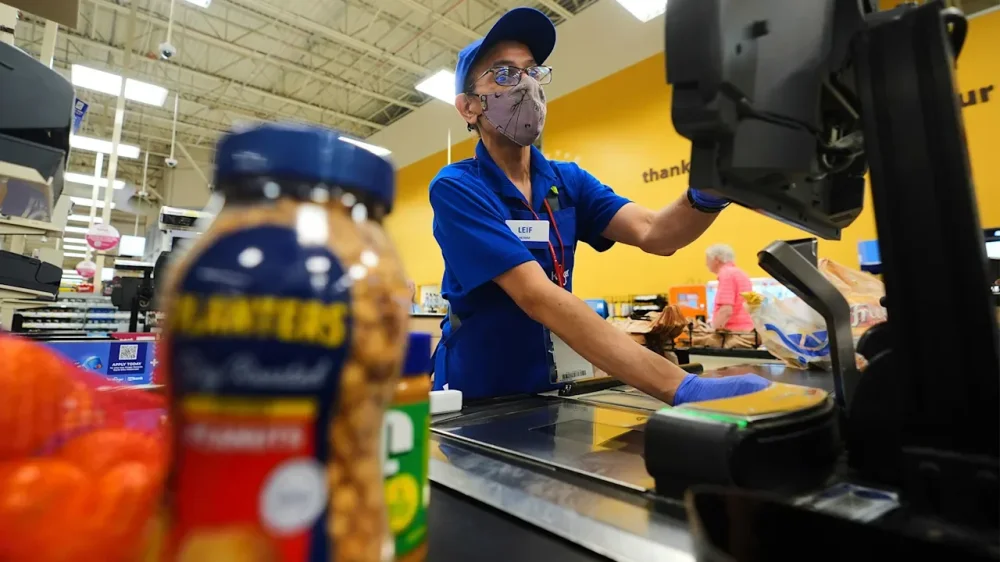
Inflation likely remained elevated last month as the cost of electricity, groceries, and clothing may have jumped and continued to pressure consumers’ wallets. The Labor Department is expected to report that consumer prices rose 2.6% in December compared with a year earlier, according to economists’ estimates compiled by data provider FactSet. The yearly rate would be down from 2.7% in November. Monthly prices, however, are expected to rise 0.3% in December, faster than is consistent with the Federal Reserve’s 2% inflation goal. The figures are harder to predict this month, however, because the six-week government shutdown last fall suspended the collection of price data used to compile the inflation rate. Some economists expect the December figures will show a bigger jump in inflation as the data collection process gets back to normal. Core prices, which exclude the volatile food and energy categories, are also expected to rise 0.3% in December from the previous month, and 2.7% from a year earlier. The yearly core figure would be an increase from 2.6% in November. In November, annual inflation fell from 3% in September to 2.7%, in part because of quirks in November’s data. (The government never calculated a yearly figure for October). Most prices were collected in the second half of November, after the government reopened, when holiday discounts kicked in, which may have biased November inflation lower. And since rental prices weren’t fully collected in October, the agency that prepares the inflation reports used placeholder estimates that may have biased prices lower, economists said. Inflation has come down significantly from the four-decade peak of 9.1% that it reached in June 2022, but it has been stubbornly close to 3% since late 2023. The cost of necessities such as groceries is about 25% higher than it was before the pandemic, and other necessities such as rent and clothing have also gotten more expensive, fueling dissatisfaction with the economy that both President Donald The President and former President Joe Biden have sought to address, though with limited success. The Federal Reserve has struggled to balance its goal of fighting inflation by keeping borrowing costs high, while also supporting hiring by cutting interest rates when unemployment worsens. As long as inflation remains above its target of 2%, the Fed will likely be reluctant to cut rates much more. The Fed reduced its key rate by a quarter-point in December, but Chair Jerome Powell, at a press conference explaining its decision, said the Fed would probably hold off on further cuts to see how the economy evolves. The 19 members of the Fed’s interest-rate setting committee have been sharply divided for months over whether to cut its rate further, or keep it at its curent level of about 3.6% to combat inflation. The President, meanwhile, has harshly criticized the Fed for not cutting its key short-term rate more sharply, a move he has said would reduce mortgage rates and the government’s borrowing costs for its huge debt pile. Yet the Fed doesn’t directly control mortgage rates, which are set by financial markets. In a move that cast a shadow over the ability of the Fed to fight inflation in the future, the Department of Justice served the central bank last Friday with subpoenas related to Powell’s congressional testimony in June about a $2.5 billion renovation of two Fed office buildings. The President administration officials have suggested that Powell either lied about changes to the building or altered plans in ways that are inconsistent with those approved by planning commissions. In a blunt response, Powell said Sunday those claims were “pretexts” for an effort by the White House to assert more control over the Fed. “The threat of criminal charges is a consequence of the Federal Reserve setting interest rates based on our best assessment of what will serve the public, rather than following the preferences of the President,” Powell said. “This is about whether the Fed will be able to continue to set interest rates based on evidence and economic conditions—or whether instead monetary policy will be directed by political pressure or intimidation.” —Christopher Rugaber, AP Economics Writer View the full article
-
We may earn a commission from links on this page. Deal pricing and availability subject to change after time of publication. A comfortable, good-looking pair of headphones with bass-forward sound and deep Apple integration doesn’t usually dip below the $100 mark, but this one just did. The Beats Studio Pro headphones in factory-reconditioned condition are down to $94.99 on Woot. Beats Studio Pro headphones $94.99 at Woot $349.99 Save $255.00 Get Deal Get Deal $94.99 at Woot $349.99 Save $255.00 For comparison, the same model listed as “refurbished: excellent” costs $135 on Amazon, while a brand-new pair is currently $199.99 (marked down from $349.99). This deal runs for two days or until it sells out, and Prime members get free standard shipping (while everyone else pays a $6 shipping fee). Note that shipping isn’t available to Alaska, Hawaii, PO boxes, or APO addresses. The Beats Studio Pro are a premium-feeling set of noise-canceling headphones that lean heavily into comfort and polish. The build feels sturdy, the padding is generous, and they’re easy to wear for long stretches without pressure fatigue. Sound quality sticks to the familiar Beats formula: pronounced bass with crisp, slightly elevated highs. It’s not the most neutral tuning—listeners who prefer a flatter, studio-style sound may find it colored—but it works well for pop, hip-hop, and electronic playlists. Plugging in via USB-C unlocks hi-res audio and three preset EQ modes, which noticeably improve clarity. The downside is that those EQ presets aren’t available over Bluetooth, and there’s no manual EQ option at all. Codec support is another limitation. Wireless audio tops out at SBC and AAC, meaning Android users miss out on higher-quality options like AptX or LDAC. As for its ANC, it is competent but unremarkable. It does a decent job with low-frequency noise but struggles more in crowded or high-pitched environments, and you can hear a faint hiss when ANC is enabled, notes this PCMag review. Battery life, however, holds up well: Expect around 24 hours with ANC on, or up to 40 hours without it. The Studio Pro won’t dethrone Sony or Bose if noise cancellation or deep audio customization is your top priority. But for casual listeners who value comfort, long battery life, and smooth Apple device integration, this price makes the trade-offs much easier to accept. Our Best Editor-Vetted Tech Deals Right Now Apple AirPods 4 Active Noise Cancelling Wireless Earbuds — $149.00 (List Price $179.00) Apple Watch Series 11 [GPS 46mm] Smartwatch with Jet Black Aluminum Case with Black Sport Band - M/L. Sleep Score, Fitness Tracker, Health Monitoring, Always-On Display, Water Resistant — $407.47 (List Price $429.00) Amazon Fire TV Stick 4K Plus — (List Price $24.99 With Code "FTV4K25") Samsung Galaxy Watch 8 — $279.99 (List Price $349.99) Samsung Galaxy Tab A9+ 10.9" 64GB Wi-Fi Tablet (Graphite) — $149.99 (List Price $219.99) Deals are selected by our commerce team View the full article
-
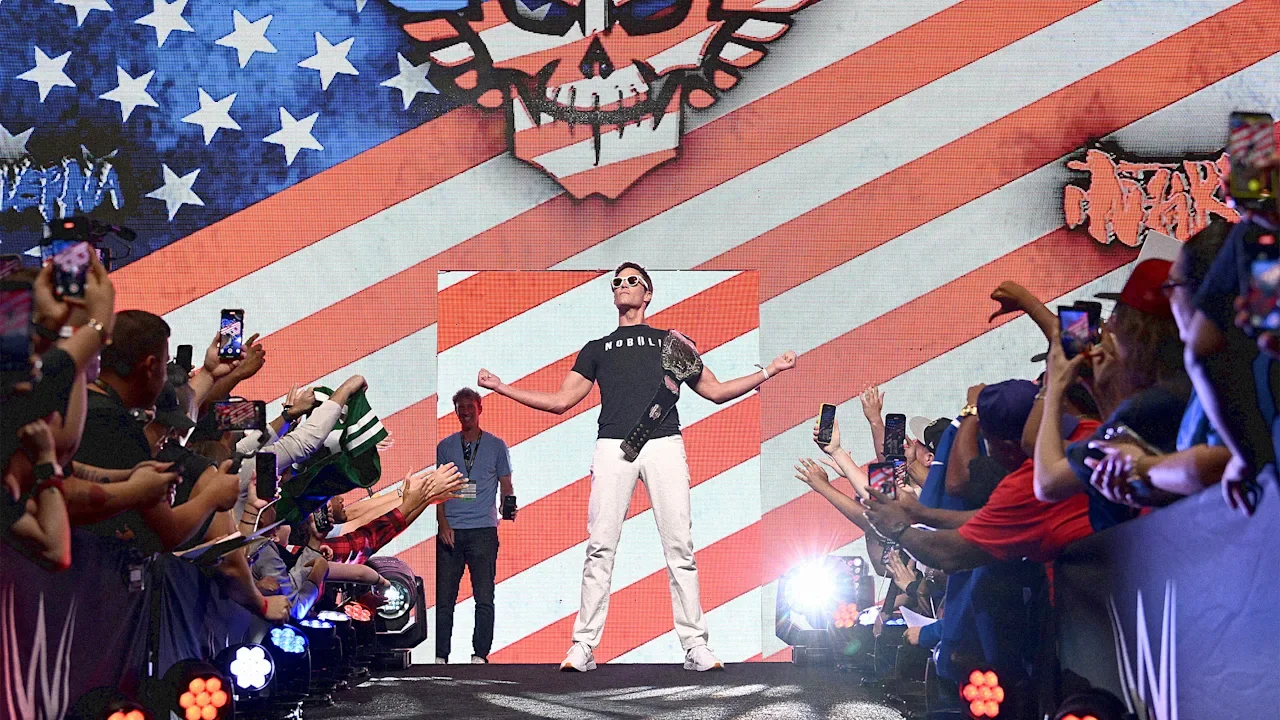
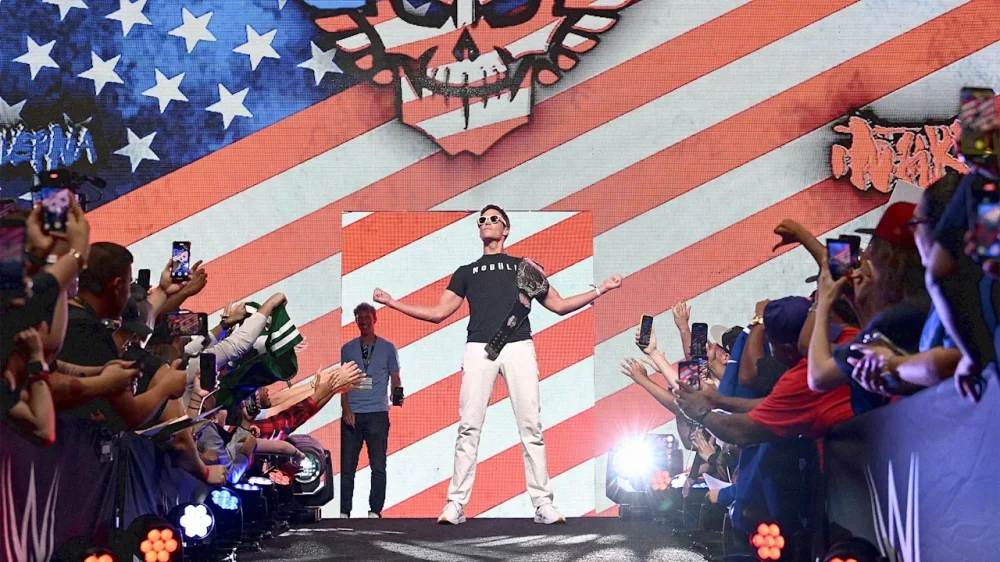
The convergence of brand work and entertainment is set to be making significant leaps and bounds this year as a result in a flurry of activity in 2025. Large brands of consequence have made serious investment in in-house entertainment studios over the past few years—LVMH, AB InBev, Nike, and Dick’s Sporting Goods, among them. Now, sports retail and gaming giant Fanatics is partnering with OBB Media to launch Fanatics Studios. The new division will be led by Michael D. Ratner, founder and CEO of OBB Media, and will operate as another pillar of Fanatics’ overall business, alongside retail, collectibles, and gaming. The goal is to independently create, finance, produce, and distribute content at the intersection of sports and culture. This isn’t Fanatics’ first foray into content. Back in 2023, the company launched Fanatics Live, a QVC-style digital content platform for its sports collectibles business featuring trading card breaks (like unboxing), and limited product drops. OBB Media and Fanatics originally began business together as part of a 10-year deal to produce Fanatics Fest, the company’s annual sports fan event and conference in New York City. “This new content business is a great connective tissue that can sit across (Fanatics’) larger platform and really pull fans closer than ever into their favorite players, leagues, teams and events,” Ratner tells Fast Company. “This venture is going to uncover so many new opportunities to create deeper connections across sports and culture and share stories that have yet to be told.” At launch, the new entity has a slate spanning films and documentaries, unscripted and scripted originals, live event specials, and digital series. It’s now the official content partner for all WWE digital shows, as well as leading content production for the LA28 Olympic Games. A deal with ESPN covers a one-hour special on Fanatics Fest, as well as producing the 2026 ESPYs awards show. Its deal with Major League Baseball is for an official global partnership to produce original content, like a 2026 World Baseball Classic docuseries, produced alongside Box To Box Films. And with NFL legend Tom Brady, Fanatics Studios is producing the Fanatics Flag Football Classic, first-of-its-kind round robin tournament featuring three teams of current and retired football players and athletes, including Brady coming out of retirement to make his flag football debut, broadcast live on Fox in March from Riyadh, Saudi Arabia. There’s also a doc series called One More Drive, following Brady’s preparation for that flag football tournament, and potentially competing for a roster spot on Team USA’s inaugural Olympic flag football team at LA28. Ratner says Fanatics Studios revenue will come from ancillary businesses from the IP, premiums from distributors, and production company fees. “We will also leverage the entire vertically-integrated Fanatics ecosystem, to expand these IP franchises across ancillary businesses — merchandising, collectibles, and beyond,” he says. “All of these projects are both revenue generating on their own, and fuel growth across each of our core businesses.” Ratner will be the CEO of Fanatics Studios while still leading OBB Media’s separate businesses. Prior projects from OBB Sports that predate the venture and will remain separate include Cold as Balls with Kevin Hart, Speed Goes Pro with IShowSpeed, and a recently announced Kevin Durant docuseries for Netflix. View the full article
-
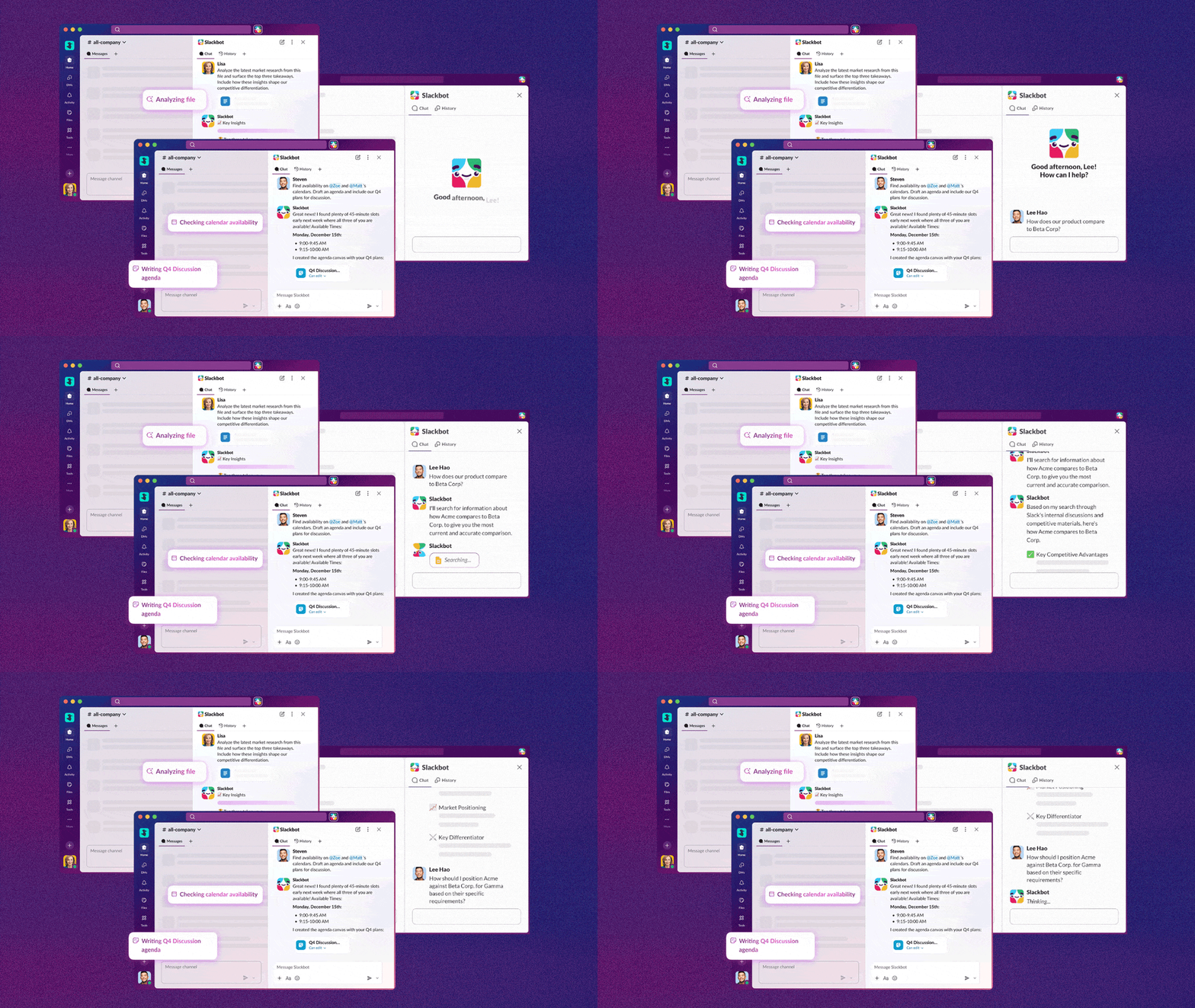
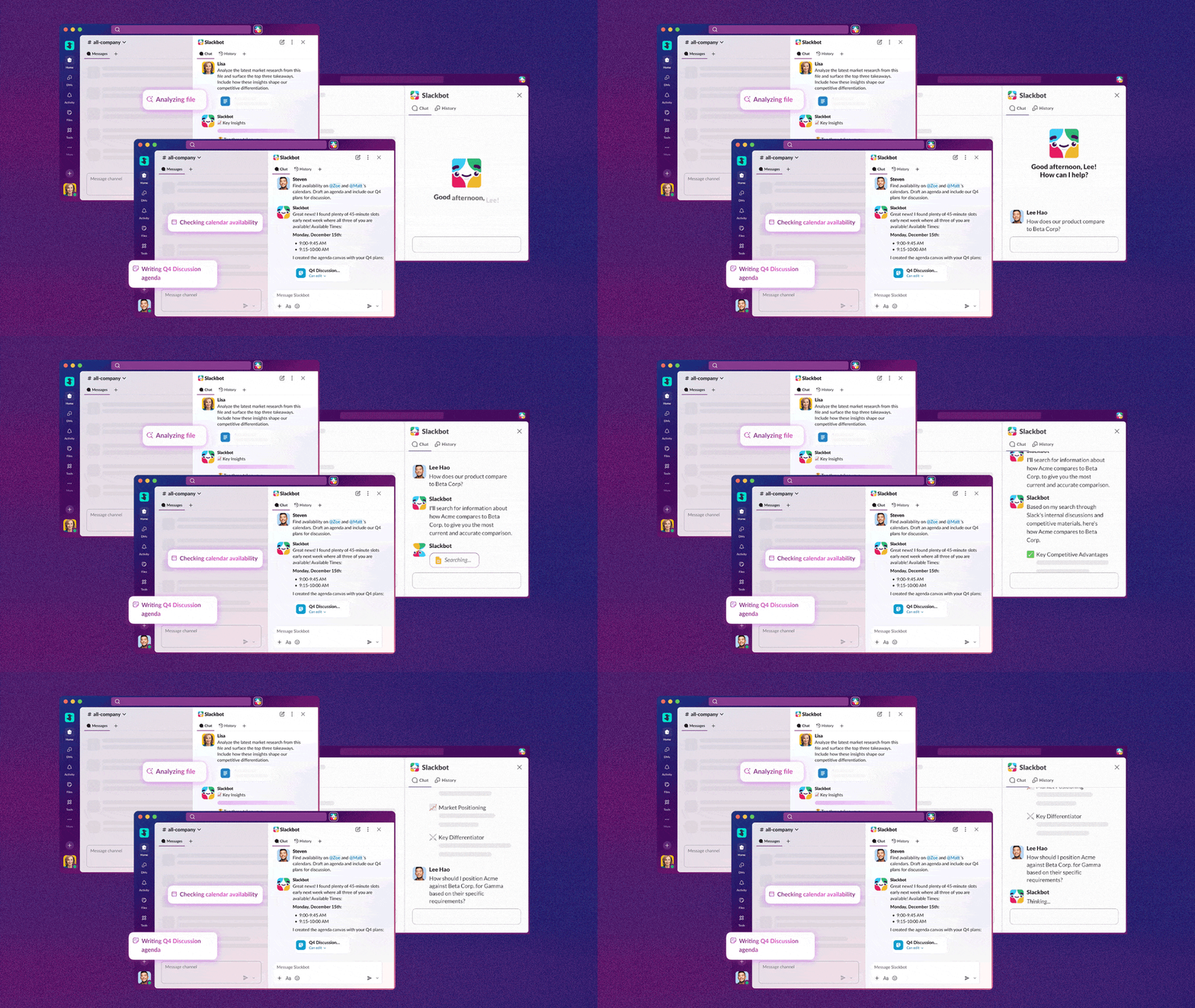
If you’re a Slack user, you’re probably familiar with Slackbot as a good-natured—if annoying—assistant that delivers notifications, reminders, and keyword-based automatic responses within the workplace chat app. But for organizations with paid Slack plans that have AI features enabled, Slackbot is receiving a bit of a brain transplant. The company has rebuilt the humble bot as an AI agent that can help bring you up to speed on workplace discussions and priorities, pull in data from other software your organization has integrated with Slack, help draft reports and Slack canvas documents, and even help schedule meetings with your colleagues. It’s part of a push by Salesforce-owned Slack to move from being simply a tool for chatting with colleagues to a hub for coordinating with both humans and bots. Slack already supports more than 2,600 third-party apps, and the new Slackbot is expected to increasingly integrate with specialized AI agents and software tools. “The way that we think about Slack today is as the conversational interface, if you will, for what we call the agentic enterprise, where humans and agents are all working fluidly and seamlessly together to get work done,” says Rob Seaman, Slack’s chief product officer and interim CEO. Already, Slack has offered AI tools to help craft canvases, the app’s freeform collaborative document format, and search through data in connected software like Google Drive, Box, Microsoft Teams and, of course, Salesforce. And now, users will be able to send plain language requests to Slackbot, similar to the kinds of inquiries handled by general purpose AI tools like ChatGPT or Google Gemini. Slack isn’t the only company giving its chat-powered tools a dose of AI smarts. Amazon has developed a generative AI version of Alexa, Apple has announced plans for a supercharged Siri, and AI providers like OpenAI and Anthropic regularly update their bots with upgraded language models. And office suits from companies like Microsoft and Google have also integrated chat-powered AI tools. But a powerful advantage of using Slackbot, says Seaman, is that it can harness retrieval-augmented generation—the technique of giving AI contextual information to help it answer specific questions—to act as a personal agent based on information already stored in Slack or linked apps. “We think that that deep organizational context is really what makes us immensely powerful,” Seaman says. Another advantage is simply that the bot is accessible through Slack, meaning users won’t have to toggle between apps as they chat with coworkers and with the bot. Still, talking to the bot will be a bit different from querying a colleague: Slackbot is designed for users to interact with it one-on-one through a dedicated app panel rather than inside Slack channels or multi-person conversations, though users can collaboratively edit bot-generated materials like canvases. Already, the tool has found widespread use at Slack and Salesforce, along with around 50 other organizations who’ve been given early access. Seaman says Slack product managers have used the new Slackbot to synthesize information from Slack channels gathering feedback on product features and ultimately turn that information into drafts of documents like sprint planning materials or meeting agendas. The bot can also create documents in the style of an individual user, though Seaman says it’s sometimes helpful to prompt it to use, say, a more formal tone than what the bot can model after informal Slack discussions. Like Slack’s other AI tools, Slackbot only has access to what a particular user already has permission to access in Slack and connected apps, which means companies shouldn’t have to rethink privacy settings when the bot comes online. The software will begin with access to a limited set of external tools, including some calendar integrations, though more are likely to be added soon, including support for scheduling calendar events. It also doesn’t have the ability to search the web, though Seaman says that’s also in the works for the near future. And for organizations with old school Slackbot customizations, whether those are weekly reminders to clean out the office fridge or keyword-triggered reminders of the guest Wi-Fi password, those will remain available, Seaman says, though they’ll be sequestered from the new Slackbot in Slack’s interface. “We’re going to move those notifications over into Activity and out of Slackbot, and then that way, Slackbot becomes this dedicated, personal agent,” Seaman says. At Salesforce, the majority of employees are already regularly using the new Slackbot, says Ruth Hickin, VP of workplace innovation. Salespeople can save hours every week using the tool to quickly pull data for calls, rather than manually rooting around in documents, and other employees have been able to work with Slackbot to generate project retrospectives and future plans, she says. Salesforce staffers are regularly coming up with new use cases for the bot and, naturally, sharing them on Slack. “We have 80% of employees using it, and they are coming up with use cases and sharing them internally,” she says. “And really with any new genAI tool, we do not know all of the impacts, so we can’t possibly know all of the great use cases.“ Salesforce workers have even started using the bot to help draft their annual employee self-evaluations, since it has ready access to information about what they’ve accomplished over the past year, says Ryan Gavin, chief marketing officer for Slack. View the full article
-
The administration’s war on the Federal Reserve illustrates the threat of fiscal dominanceView the full article
-
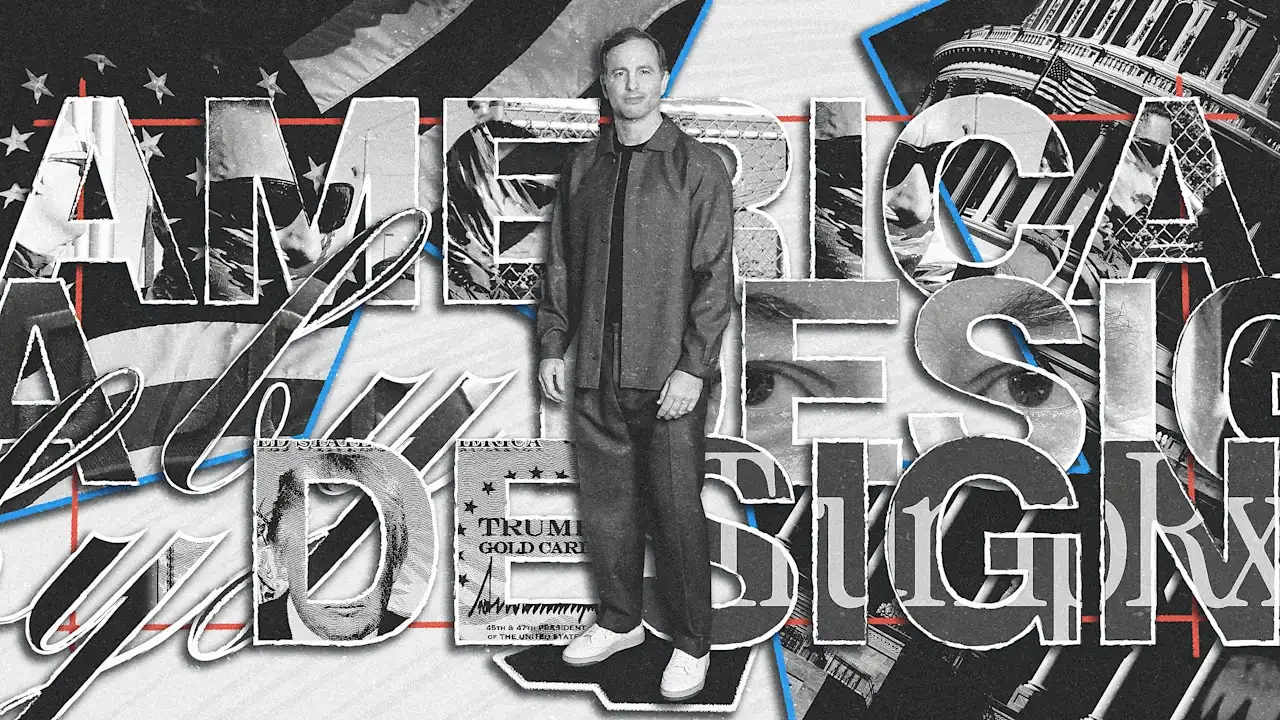
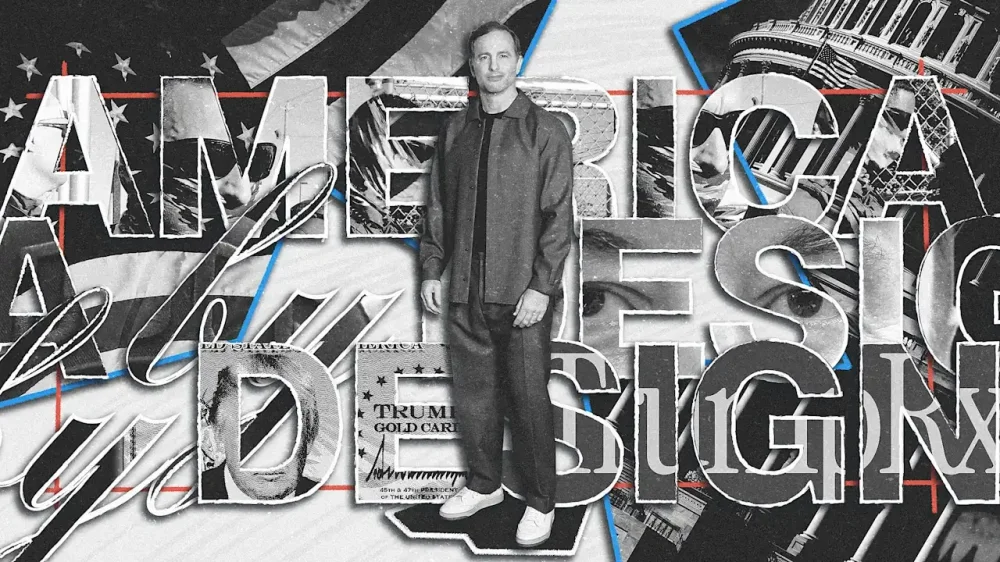
During President Donald The President’s first administration, he left hundreds of government designers, across half a dozen or more agencies, to do their jobs. But that changed the second time around, in January 2025, when a reelected The President wasted no time turning the official White House website into his personal blog, deleting resources for topics ranging from reproductive rights to the contributions of Navajo code talkers in World War II. Then in February, The President took a sledgehammer to the digital infrastructure of the U.S. when he enlisted Elon Musk to lead the Department of Government Efficiency (DOGE). In a vast cost-cutting initiative, DOGE destroyed half a dozen of the government’s digital design agencies. Hundreds of talented people recruited over decades lost their jobs, according to the best estimates of former government designers. The teams who launched everything from healthcare.gov to that handy site for ordering free COVID-19 tests were decimated. Now the design of America has been entrusted to one person overseeing the skeleton crews that remain. In August, The President appointed Joe Gebbia as the country’s first chief design officer. Joe Gebbia Gebbia is in charge of the America by Design initiative, and under The President’s order has opened the National Design Studio “to improve how Americans experience their government—online, in person, and the spaces in between.” “We’ll be guided by the best user experience,” Gebbia tells Fast Company. “It doesn’t matter who you voted for or what side of the spectrum you associate with or believe in. Everyone can agree that government websites are underwhelming, and they would enjoy a better design, better user experience, and faster page load times.” It’s an attractive promise, made by a man who, in many ways, appears to be a great fit for the job. Gebbia is the billionaire design cofounder of Airbnb. He graduated from the prestigious Rhode Island School of Design. He’s a fast-moving, private-sector creator of one of the most popular digital services of the past 20 years. His CV is exactly right for America by Design’s mission, which is to make chores like applying for your citizenship or filing taxes “something you actually look forward to.” It’s a Silicon Valley mantra that’s overused and overly optimistic, but it’s also fundamentally hard to argue with. Yet in speaking to a dozen government designers and experts for this piece—serving across the Obama, The President, and Biden administrations—it’s clear that Gebbia’s biggest challenge isn’t making the drudgery of navigating government services delightful or even easy. It’s navigating the inherent tension of doing so in an administration that’s actively undermining basic human rights. “You can’t talk about people losing their Medicare and have a slick website,” says Paula Scher, partner at the celebrated graphic design firm Pentagram. “It just doesn’t go.” Gebbia, who promised his fortune to the Giving Pledge in 2016, has recently positioned himself as a MAGA Republican who challenges vaccinations and has promoted the idea on X that immigrants should lose their green cards. Still, his ideologically opposed peers continue to believe that the power of design triumphs over all. That includes his Airbnb cofounder Brian Chesky, who defends Gebbia’s position and the good he can do as a pure digital practitioner. “As you think about it, the way that most people interface the U.S. government is through an app or a website,” says Chesky. “If those apps or websites were easier, so you could visit a national park, pay your taxes, get your benefits or Veterans Affairs stuff, that’s a good thing. It’s not inherently political.” But the work has been political. Months into his appointment, Gebbia’s promise to fix the UX of American services is far from realized. Instead, the The President administration has traded several flawed but human-centered government design agencies for a red-pilled web 2.0 propaganda czar. In his time as chief design officer, Gebbia has launched half a dozen websites that don’t so much repair the online experience of the U.S. government as promote The President’s projects like Kickstarter campaigns reskinned in vintage Apple typefaces. The high-gloss websites for The President Accounts and the Genesis Mission might give the appearance of an Apple Store-like experience, but Gebbia’s designs have also gone live with hundreds of accessibility violations. At best, the work has been cringe (have you seen the The President gold card?). At worst, it has distracted from an erasure of human rights, as trans resources and even practical words like disability have been purged from government websites this year. Still, many of the people I spoke with exhibited a certain envy for the position Gebbia finds himself in. It’s an unprecedented moment in which design has been elevated to the top of the country, backed by an executive order to get things done. With the assistance of Musk, The President razed America’s design services as we know them, leaving nothing in Gebbia’s way to build anew. “He’s inheriting the blank check kind of environment . . . [so] according to the laws of physics, he should be able to get a lot done,” says Mikey Dickerson, founding administrator of the United States Digital Service (USDS). “But if the things that he’s allowed to do, or the things that he wants to do, are harmful, then he’ll be able to do a lot of harm in a really short amount of time.” Redesigning the government In January 2025, Josh Kim was working for the State Department through a private contract agency, building the department’s updated digital accessibility standards. A dashboard tracked all the pages the government needed to modernize, from passport applications to adoption pages, to ensure everyone could access them. Following The President’s reelection, the administration sent out a memorandum to end DEIA (diversity, equity, inclusion, and accessibility) projects—with a mandate to cancel all related private contracts. Kim says he was told by management to erase every mention of “disability” and “accessibility” from his work immediately, before his firm was audited or asked to do so. “There was definitely this wave of fear that the consultancies were kind of like, ‘Oh shit, they’re going to cancel our contracts if we mentioned any of these things,’” Kim says. His experience was far from isolated. In the early days of the The President administration, similar erasure happened across government design agencies—with much of the work documented on GitHub. It wasn’t just words that were lost in this purge. One week after the memorandum, the Veteran’s Affairs site relabeled “Accessibility at the VA”—a webpage that allows disabled veterans to flag interface issues—to “508 Compliance (accessibility).” The code refers to the law for IT accessibility, but sounds like a plot twist from Stranger Things. While the page still exists, it’s the kind of update that obfuscates information to many of the people who need it. A third of veterans rely on the VA for disability benefits, and the update fundamentally damages the feedback loop between the government and the people it serves. It’s but one example of how government design services readied themselves for an invasion, and an invasion they got. In February 2025, Musk’s DOGE team arrived in D.C. and began cleaning house. By March, hundreds of government designers were gone as the most powerful design agencies inside the government were functionally dismantled. The (sometimes necessary) pangs of democracy Modernizing UX has been a big initiative of the government since President Barack Obama launched the Office of Digital Strategy in 2009 to connect the White House to digital channels. He then established a Presidential Fellows program in 2012 to recruit a new wave of technologists to public service. To date, 250 people have joined for 12- to 24-month tours of duty, including product leads on the Nest thermostat, Nike+ FuelBand, and talents who had worked at Disney. Even with this added technological firepower, government services still needed more day-to-day design support. That arrived in 2014, when two critical internal agencies—the USDS and 18F—were created out of one of the biggest digital failures in U.S. history, the botched launch of healthcare.gov. On the day healthcare.gov launched in 2013, 250,000 people tried to purchase health insurance, only to find a website that was unusable, with dozens of problems ranging from account registration failure to frequent crashes. It was so bad that only six people were able to sign up for healthcare coverage on the day of launch. Mikey Dickerson recalls arriving from Google to found what would become USDS. His first job of fixing healthcare.gov was done in just two months, from October to December 2013. “I mean, that was approximately a miracle, honestly,” he says, noting that entrenched government employees got a wake-up call from a disgraced Obama administration. “This was a very rare case where doing nothing was going to have consequences, because doing nothing meant that this very visible policy failure wiped out all of their careers.” Both the USDS and 18F doubled down on longer-term, private-sector recruiting. These two organizations alone recruited 18 people from Google, along with talents from Amazon, Facebook, Twitter, and the popular Silicon Valley incubator Y Combinator. Nikki Lee, a former product manager at 18F, created the stylus interaction used by Windows 10 and 11. The recruiting effort was enough to catch the attention of OpenAI cofounder Sam Altman in 2015, who called the talent grab “on par with the best Silicon Valley startups.” It’s a recent history that Gebbia has entirely ignored when promising to build a “dream team” of the “best talent of our era—the best designers, the best software engineers”—as if that’s a new concept for the government. (A government initiative called Tech Force launched in December 2025 to address the government’s loss of talent under DOGE.) When I ask Gebbia about his thoughts on the USDS and 18F—and whether he thought these groups were overrated and needed to be rebuilt—he shrugs off the topic as before his time. “Without knowing too much about the groups you mentioned, I do know that the air cover and the urgency around design is in a place it’s [never] been before,” he says. Whether Gebbia acknowledges them or not, USDS and 18F offer precedent for America by Design. The agencies were designed to work across different parts of government. USDS was a crisis agency focused on triage. 18F was an internal design consultancy built for longer-term digital solutions. Combined, they had an approximately 350 head count at their peak with a combined budget of around $40 million (though the USDS received a $200 million grant in 2022 to invest in tasks like modernizing Social Security IT and getting low-income Americans online). It’s easy to frame the progress across a constellation of government design services as too slow, too bureaucratic, and, most of all, too unusable. No one recognized these issues more than the government designers working to address them. “It is not like a corporate setting. It is not like a nonprofit setting. It is not like higher ed,” says Rachael Dietkus, the first social worker hired at USDS, who describes her first two years of working for the government as very difficult. “The learning curve is absolutely massive. It can be very confusing. There is a lot of hierarchy.” These agencies weren’t perfect, but they represented progress. Yes, they still had to operate around entrenched government employees who weren’t always motivated to move fast. But the bigger obstacle was often legislation the government had already decided upon. “Sixty percent of why the design of things sucks is because the policy sucks,” Dickerson says. “If you wanted a SNAP [Supplemental Nutrition Assistance Program] application to be really simple, like, you could absolutely do it. You could do it the same way we did the [free] COVID test.” When the government sent out free COVID-19 tests in 2021, policymakers decided that they could be available to anyone who requested them. “We’re not going to go around checking whether you have the money. If you wanted to do that exact same program but you want to do it means tested, where I have to prove that I can’t afford my own COVID tests? Well, guess what? Now you’ve got an application process that is nine months long. And we’ll have an appeal, and an appeal to the appeals,” Dickerson says. Her point mirrors what I heard from many government designers: You cannot have simplicity in government services in the face of eligibility verification, legal due process, and the ability to apply for services without a computer. That’s ultimately why many digital services aren’t as simple as the public would like. Clare Martorana, who was appointed chief information officer under President Joe Biden, left the role alongside that administration. She updated legacy systems that had been infiltrated by China and Russia, launched IRS direct file with 18F and others to sidestep the TurboTax ecosystem, and responded to the pandemic with the aforementioned COVID-19 test site (developed alongside the U.S. Postal Service by a handful of designers) that simply made tests appear at your door, no questions asked. But a lot of Martorana’s job was simply keeping projects moving, and to circumvent old, dated policies that perpetually impeded her work. “I received numerous emails from [managers] asking me, ‘There’s a guy here in our team that won’t move forward with this thing because of this 1995 e-government [policy]. And can you please write me back so I can share that, from your vantage, sitting under the president, your interpretation is that this is no longer the primary regulatory thing that someone should focus on?”’ she recalls. “But you know, we over-indexed in adding new rules and regulations and never did the housework of cleaning our closets.” As an optimist who began in the private sector, she believed DOGE could do a lot of good in removing this “calcified bureaucracy.” Instead of hyperfocusing on trying to run these inefficient structures more efficiently by cutting head count, she believed Musk would bring in “blue sky thinking.” Instead of fixing broken systems, Musk’s team could have simply built a better, cheaper version of things that existed. These systems could have duplicated old public services—albeit through modern technology that proved out its own benefits and cost savings—without breaking anything. Elon MuskPolitico “That’s what I thought Elon Musk was going to bring to the party,” Martorana laments. “I don’t think he built SpaceX by mimicking NASA.” No doubt, government design systems were too bureaucratic and needed a shake-up to move faster. But DOGE’s approach did nothing to build resilience or retain the government’s design progress of the last decade. “I’m not ashamed to say, like, ‘Yes, I absolutely covet the blank check that they were handed.’ If I had that in 2014, I could have gotten a lot of shit done,” says Dickerson. “But if Donald The President’s administration were to say, ‘You can be the new Elon Musk,’ I’d still pass on that job. Because what they’re trying to do is destroy everything.” Lobbying for the job Of course, one designer wanted that job. And he lobbied hard for it. Gebbia joined DOGE in February 2025, two months before Musk’s departure from the organization. His government work under that team began with his takeover of a multiyear initiative to digitize the paper-based retirement system of the Office of Personnel Management (OPM). He claims that in six months, his team evaluated the work, threw out all the code, and launched a new system that’s operational more than a year ahead of schedule. Ashleigh Axios, founder of the consultancy Public Servants, served as creative director and digital strategist under Obama and later worked on OPM digitization under her former firm, Coforma. She cautions, “As with many long-running federal modernization efforts, it’s common for new administrations to spotlight progress that began under earlier contracts.” In any case, those efforts garnered the attention of several The President Cabinet members: Interior Secretary Doug Burgum, Attorney General Pam Bondi, Health and Human Services Secretary Robert F. Kennedy Jr., Secretary of State Marco Rubio, and Kelly Loeffler of the Small Business Administration. Gebbia met with them to discuss the work. “It was really these conversations across the government where I started to dream a little bit,” he says. “I started to think, Wow, there is actually a real demand here for this. I started to think . . . The government’s kind of like a design desert, and everyone’s reaching out asking for a glass of water. I know how to find . . . a cold glass of water for them.” But Gebbia says he wasn’t simply offered a job. Rather, the entire pitch process was more like fundraising in his Silicon Valley days. In May, he began a three-month lobbying campaign to create the National Design Studio. He started with a traditional Keynote presentation, before learning that the government preferred big foam-core boards. He ended up carrying 20 of them at a time. “I remember the first day, going to a Secret Service checkpoint, and I put [the pile] through the X-ray machine. And the whole thing was a mess. And I’m like, Oh man, I gotta make a case for these things,” he recalls. “I custom built this foam-core case—just this big white case. I’m kind of walking around D.C., walking around the White House compound.” After meeting with enough agencies and Cabinet members, honing his pitch along the way, he eventually got an audience with The President’s chief of staff, Susie Wiles. Gebbia calls that meeting “one of the best pitches of my life.” A week later, he had the ear of the president, who greenlit the vision. As of August, Gebbia was operating as chief design officer, reporting directly to Wiles. “It [had] to be a presidential initiative for this to work at scale. And that was really one of the only ways that I was going to stick around to do this,” Gebbia says. “The whole architecture of this . . . was done in such a way that we’re one foot away from the president.” Gebbia wastes his blank slate When Gebbia first took the job, he connected with Scher of Pentagram and discussed the position, noting his excitement for the possibilities to get a lot done. “[The President’s] an autocrat. That’s the best corporate client you can have,” says Scher. “Just one opinion, and you’ve sold the damn thing.” The problem is that Gebbia’s governmental work thus far has been shallow at best, and fundamentally hypocritical at worst. While he’s promised to improve usability to core government services that serve a majority of Americans, his most visible projects have been little more than advertising campaigns for the The President administration. These efforts include sites like The Presidentrx.com, The Presidentaccounts.gov, and The Presidentcard.gov. “The gold card’s embarrassing. The typeface is hackneyed. If I were judging a design show, that’s what I’d say about it,” Scher says, examining the websites before offering a more nuanced criticism. “But it isn’t terrible. . . . There’s nothing wrong with it particularly as a piece of design except I think it’s incredibly inappropriate.” Should Americans be excited about a 12 Days of Design advent calendar, published as their healthcare premiums have quadrupled from The President’s elimination of Obamacare subsidies? Should the Americans who’ve lost food security—as the The President administration refused to release earmarked funds to provide food stamps during the government shutdown in 2025—be excited about the new food pyramid telling them how to eat? These projects read as promotion of Gebbia’s glossy vision for government design, rather than an American government resource, with little to no actual service attached to it. “[The President] wants to make it look like a business. It’s not a business,” Scher says. “The government is a place that creates laws and programs for society—it’s not selling shit.” Silicon Valley sells innovation by default. Overzealous promises and jokey 404 errors are just part of the vibe of move fast, break things culture. But designers who worked at design agencies across the government call out how that sort of easy breezy Valley perspective misses the point of public service—that you are often supporting people in the worst moments of their lives, and there’s a level of decorum you need to exhibit in consolation. “My grandfather passed away a couple years back. We filed VA forms to have him buried in a VA facility. That’s a whole process,” says Axios. “I don’t expect that to be delightful. I’m grieving.” Gebbia’s Valley-inspired work is evident in other sites, too. His design for genesis.energy.gov—a new federal AI research initiative—borrows the sans serifs and black backdrops of modern Apple ads. Viewed in full, it lands as any stereotypical technology site, full of servers and glowy sci-fi nonsense (though the presentation was enough for Reddit cofounder Alexis Ohanian to proclaim “this is awesome”). Perhaps if the The President administration hadn’t gutted America’s university system, reduced National Institutes of Health research grants, and ostracized its pipeline of overseas talent that’s driven a century of innovation in our country, a government AI program might feel like progress. Instead, let’s call this what it is: not much more than a Squarespace page glossing over an unprecedented rollback of federal funding for scientific research across the U.S. But Gebbia’s page for the National Design Studio is the most unintentionally apropos. The logo features a black-and-white flag with three stripes and no stars: an attempt at modernism that lands closer to looking like a country in mourning. These criticisms are largely superficial. But so is the work. Gebbia has referenced solving real UX pain points for Americans. We’ve yet to see him do more with front-end design than posting bold mission statements and offering a few data collection forms. When I flag these early projects as simple, Gebbia offers a fair retort. “Are we going to reimagine a hardcore corner of the government in eight weeks with a brand-new team?” he asks. “[Or] are we going to pick some quick wins and learn how to work together and ship some things so that we understand what’s involved with deploying great code?” Still, these randomly branded, stand-alone sites further bifurcate an already confused system of government services. Critics I spoke to point out that even with pared-back designs, they feature sloppy code, large download sizes, and fail reasonable accessibility standards. (Gebbia claims accessibility has been addressed. Anna Cook, an accessibility expert and designer at Microsoft, notes some fixes have been made, but “most of the core issues identified earlier remain unchanged.”) These sites also introduce more risk of malicious parties spoofing government resources. Most of all, they are inherently more concerned with how America looks than how it works. When I point out that much of his work seems to prioritize storytelling over functionality, Gebbia replies with a touch of exasperation. “I don’t know, should it be boring? I guess it’s sort of the bar at the moment,” he says. “You go to a government website, you kind of feel like you’re on a government website. I don’t know, can it be a little more magic? Because Americans deserve more than that.” Veneer, however, is easy for any designer. It’s untangling government services that’s hard. “Unless you’re actually delivering services to the public, you’re [not] simplifying the digital experience,” says Martorana. Before leaving with Biden, Martorana wanted to simplify the cacophony of digital services with a visual system that would unite all government websites under USA.gov. While the project ended with the Biden administration, the proposed brand featured a logo from Pentagram, with a stoic U and A, but a stylish, energetic S in the middle. Its simple brilliance was that it could then be paired with every seal used across the government, coalescing many government services into a more ideal entity. And it didn’t simply ignore the existing network of 450 agencies that provide ongoing services to the American public. Martorana laments the feature creep in which the government added more and more websites, even before Gebbia, when in fact the top nine government websites represent 160 million visits every month. Those sites should be getting the most immediate attention, she argues. And getting people to the right one, faster, could be the best thing we can do immediately. Gebbia shares that his team is, indeed, currently charting out a strategy for updating some of the largest government websites, and is entering the research phase now. That work could hold significant promise, and any single one of those projects would dwarf the National Design Studio’s efforts thus far. But he’s choosing to keep the work secretive, in what appears to be the setup for a larger, more dramatic reveal than we typically see in publicly funded government projects. “What you’ve seen so far are short stories, and we started on the novels,” Gebbia says. “Let’s just say that.” The great undoing Gebbia believes deeply in the power of design to better the life of everyone. He has promised to fund the teachings of his design idols Ray and Charles Eames in perpetuity, the midcentury designers who first inspired him to take up design, and brought good taste to America through mass-produced furniture. Yet he does not share their ideals. According to Eames biographer Pat Kirkham, the Eames “definitely had liberal politics” as Democratic donors who quietly backed many of their Hollywood friends during McCarthy’s Red Scare. Ray Eames went so far as to buy corsages for children whose parents had been jailed for their leftist beliefs. The duo did contribute to the Federal Design Improvement Program under President Richard Nixon—an initiative that Gebbia has cited as a precedent for America by Design. But if The President had asked the Eames to help the government today, or take on a chief design officer role for his administration? “My sense is that the Eames might have said, ‘No thanks,’” Kirkham says. “I just think that [The President’s politics] would have appalled them, really.” Gebbia remains an excellent storyteller who has mastered the art of the promise. But when asked questions on specifics—for example, could his own hypothetical Gebbia version of the VA site use the word disability instead of “section 508”—he dismisses the point. “I haven’t been involved in this. I can’t speak to it,” he says. Or when asked if he’d rebuild IRS.gov after the The President administration pulled the working platform from 25 states, he replies, “Before my time.” Gebbia says his unwillingness to engage in the politics of design is in service of design itself. “I think that at the end of the day, our focus is just [to] make the best user experience,” he says. Yet this is one of the most dangerous narratives coming from Gebbia and some of his Silicon Valley peers. These new government technologists believe that the politics at play right now do not really matter, and that a strong design sense—a core understanding of UX—can repair the loss of government resources. “It makes me very proud of our country for a moment. . . . Having this role, and it being an executive order, that the president has ID’d as important is probably the best way to signal to all people [working on] these experiences there should be intentionality,” says Katie Dill, who led experience design in the early days of Airbnb and is currently head of design at Stripe. “At its core, design is intentionality.” If design is the manifestation of intent, then good design can be born only from good intent. Gebbia’s intent as a designer is directly tied to that of the administration for which he works—one that has been systematically dismantling the rights of the people it is meant to serve. Given the administration’s current priorities, it seems unlikely for Gebbia to execute positive design on a wide scale. For now, many designers are eyeing Gebbia’s position with a mix of fear, envy, and patience, waiting for the political tables to turn so they can continue their work again. “Silicon Valley’s really getting trend-based. Everyone’s swinging to The President. But there’s a greater than 50% chance that the next president will be a Democrat. That’s just how it goes,” says Chesky. “I do think the country has needed the chief design officer. I think it’s a good post. And I hope when a Democrat is president—whenever that is—they keep the position.” View the full article
-
There is no precedent of a dominant power abandoning its primacy, as The President is doingView the full article
-
Government will reveal much-delayed plans for major new and upgraded rail links in north of EnglandView the full article
-
US’s biggest bank says economy remains ‘resilient’ even as labour market weakensView the full article
-
Financial markets took a tumble Monday morning after Federal Reserve Chair Jerome Powell announced that he was the subject of a Justice Department inquiry concerning the central bank's headquarters renovation. Lawmakers and former Fed officials decried the move as political intimidation. View the full article

-
At first glance, the most striking part of the SunRise, a recently redeveloped residential tower in Edmonton, Alberta, is the boldly colored facade, with strips of primary color and a lively mural. Called The Land We Share, the vibrant landscape sketch has sparkled on the skyline since its unveiling this past summer. But the mural is far more than a pretty picture. Covered on all sides in a kind of colored solar panel called BIPV made by Canadian firm Mitrex, the mural and the rest of the structure generate roughly 267 kilowatt hours, enough to cut the building’s carbon emissions in half. Typically, high-rises generate solar power primarily via their rooftops. But that’s limiting, says Mitrex founder and CEO Danial Hadizadeh. “High-rises are exposed to the sunlight, and we can infuse them with panels at a minimal cost, so why not?” he says. A smaller part of the cladding company Clarify, Mitrex (named after the Iranian god of the sun) launched five years ago, after solving some of the unique technical challenges around making these colorful panels work. The panels are safe and easy to hang and can be colored in numerous shades in addition to the standard bluish tint. They have been reformulated to be noncombustible and now are cost competitive with other facade choices. Hadizadeh says that next year the company will introduce a new model that’s cost competitive with aluminum cladding, and he hopes to see larger real estate portfolios start coating multiple buildings in the panels to reduce their energy costs. “Increasing efficiency, lowering cost, and implementation on all elevations and every aspect of the building, that’s where we are going,” Hadizadeh says. While it is true that, say, a 10-square-foot section of a vertical array on the side of a skyscraper will generate less energy than a similar-size section on a rooftop panel, due to the latter’s ability to capture more direct sunlight, it’s still generating considerably more than an un-panelized facade. There might be some difficulty getting every side of a building to provide adequate generation in a super-dense collection of skyscrapers such as in Midtown Manhattan, but that’s a relatively small part of the market. In the case of SunRise, the building’s owner, Avenue Living Asset Management, needed the building upgrade to meet certain carbon emission reduction targets to qualify for retrofit funding, and the Mitrex panel made the project pencil out. In fact, Mitrex panels hang atop what’s called the rainscreen, a waterproofing and insulating layer on the facade of the building; not only does this approach create power, but it also improves the building’s overall energy efficiency at the same time. Mitrex projects slated to open next year include a medical center on the University of Toronto campus and a series of high-end residential towers in Dubai. View the full article

-
A cozy, neutral sameness defines our era of interior design. Velvet sofas. Bouclé armchairs. All-white living rooms. Beds layered with fluffy faux-fur blankets. Calming sage green kitchen cabinets. You see it in furniture catalogs, social media feeds, perhaps even your own home. And we’ve got algorithms to thank. A decade ago, social platforms shifted from chronological feeds to algorithmic ones, optimized to show users what they were most likely to engage with. As many cultural critics have pointed out, those systems reward what is broadly appealing and shareable. In interiors, that has meant rooms that are soothing and inoffensive—but largely devoid of personality. “Algorithms are a mathematical equation based on the statistical middle,” says Christiane Robbins, a founding partner of architectural firm MAP Studio, who has studied algorithms’ influence on design. “Over time, the middle becomes what everybody thinks they want.” Over time, algorithmic aesthetics begin to feel familiar, then comfortable, then indistinguishable from your own taste. “It’s subtle,” says Sara Sugarman, founder and CEO of Lulu and Georgia, a furniture brand that she launched in 2012, just before algorithms reshaped the internet. “Your personal style is influenced by these trends whether you realize it or not. You might decide you like a shade of gray without realizing it’s because you’ve seen it hundreds of times.” But experts like Katherine Lambert, Robbins’ business partner, believe that change is coming. Consumers are getting tired of the visual sameness all around them. Home brands are realizing that they no longer have a distinct point of view that sets them apart from competitors. “We’re seeing a ‘design resistance’ emerging,” says Lambert. “Designers are rebelling against the algorithm.” Sugarman considers herself a member of this resistance. At Lulu and Georgia, she’s pushing back against algorithm-inspired design across her business. Instead, she’s empowering designers who have a strong point of view to create idiosyncratic pieces that draw the customer in. The majority of the brand’s revenue comes from products that it designs and manufactures itself, allowing it to create an aesthetic that stands out from other brands. This strategy has been good for Lulu and Georgia’s bottom line. The company, which is self-funded and profitable, has been growing at a rate of 30% year over year for the past few years. And customers tend to be loyal, with a repeat rate of more than 50%, which is roughly double the industry standard. Lulu and Georgia offers a glimpse into how the world of mass-market interior design might be changing, as consumers want to break free from AI-generated sameness. The Democratization of Design Sugarman grew up immersed in design. Her grandfather, Louis Sugarman, founded Decorative Carpets in West Hollywood in 1955, catering to elite interior designers. As a child, she spent time in the showroom watching designers create custom pieces for wealthy clients. It was a closed system, where professionals controlled access and defined taste. That began to change in the 2000s, as the internet and social media gave a broader audience access to design inspiration. Mass retailers like Target, Ikea, and Wayfair made it possible to recreate high-end looks at lower prices. Sugarman didn’t see this shift as a threat. “It was incredible,” she says. “Design became more accessible, and it helped the industry overall.” She launched Lulu and Georgia as a digitally native rug brand before expanding into furniture and decor. But as platforms like Instagram, Pinterest, and later TikTok came to dominate visual culture, Sugarman noticed customers arriving with increasingly fixed ideas of what they wanted—labels like “modern,” “coastal,” or “traditional” that all pointed toward the same neutral, minimalist end point. For Robbins, this convergence makes sense. The rise of algorithmic feeds coincided with years of global upheaval—from the pandemic to political instability. “In uncertain times, people gravitate toward what feels familiar,” she says. “Sameness offers a subliminal sense of security.” Algorithmic Design is Good for Business For home brands, flattened taste is operationally convenient. When consumers want the same sofas, colors, and textures, demand becomes easier to forecast and inventory risk shrinks. Searches for white sofas and bouclé furniture have steadily increased over the past decade, making those products reliable bets. “If your business depends on scale and predictability, algorithmic sameness is incredibly efficient,” Robbins says. “You can optimize your supply chain, minimize risk, and flood the zone with products.” But Lambert is seeing signs of fatigue in her conversations with designers and clients. “People sense that something is off, even if they can’t articulate it yet,” she says. “Especially in [hotels and restaurants], everything looks interchangeable. There’s a global scroll now—where everything looks the same no matter where you are.” In response, Sugarman has deliberately pushed back against algorithmic design. Lulu and Georgia does not use any trend-forecasting firms and resists letting past sales data dictate future products. This sets it apart from other furniture retailers. The forecasting agency WGSN has a robust interior design division which many manufacturers and brands (like LG and Knoll) use to decide what to make. Target, for its part, has built its own generative AI-powered forecasting platform called Target Trend Brain. By contrast, Sugarman empowers designers with distinct points of view to create pieces that don’t yet exist in the market. Roughly 55% of the company’s revenue comes from products that it has designed and manufactured itself; the remaining 45% comes from products it has curated from other suppliers whose aesthetic fits in to Lulu and Georgia’s. The strategy is bearing fruit. Many of the designer collaborations sell out within days. Some of Lulu & Georgia’s bestsellers over the last few years look very different from the soft neutral styles that dominates our feeds: A red marble dining table with rounded leg, a wooden dining table with perforated holes on the base, dining chairs with unusual shapes cut out on the back. The brand collaborates with interdisciplinary designers including ceramicist Lalese Stamp, architect Ginny Macdonald, lighting designer Eny Lee Parker, textile designer Élan Byrd, and fashion designer Carly Cushnie, encouraging them to design what they genuinely want in their own homes—even if it means making a objects with no track record of selling. Products are often manufactured in small quantities to test demand. One example is a small wooden vanity chair designed by longtime collaborator Sarah Sherman Samuel. Sugarman initially doubted it would sell. “Most people don’t have vanities anymore,” she says. Still, they made a small run. The chair quickly sold out, with customers using it as a sculptural accent in living spaces. As with other furniture retailers, Lulu and Georgia also experiments with color through made-to-order pieces. A sofa designed by Macdonald is available in bold shades like mustard yellow and paprika red, produced only after a customer places an order. The approach allows the brand to test unconventional colors without overcommitting inventory. “Sometimes,” Sugarman says, “those experiments become massive hits.” For Robbins and Lambert, this strategy works because it is rooted in specificity. “Specificity is the secret sauce that throws off the algorithm,” Lambert says. “The more cultural, historical, and contextual knowledge you bring in, the harder it is for systems to flatten taste.” As algorithmic sameness reaches its limits, they believe consumers will increasingly seek out brands willing to take risks. “We’re seeing fatigue percolate,” Robbins says. “I think we’re approaching a cultural tipping point. Designers who resist the algorithm are going to win.” View the full article

-
Governors from 11 institutions issue statement of support for embattled Fed chairView the full article
-
Broadcaster argues that ‘Panorama’ documentary at centre of president’s claim was not available in the USView the full article
-
US president has threatened another military intervention in the protest-hit country but his objectives are unclearView the full article
-
About a year ago, an advertisement caught the attention of Ashleigh Ruane, a PhD student in physics at the University of Cambridge. The ad was simple but unusual: Teach AI about physics. Curious, she clicked. She learned that experts across fields—from physics and finance to healthcare and law—were now being paid to help train AI models to think, reason, and problem-solve like domain specialists. She applied, was accepted, and now logs about 50 hours a week providing data for Mercor, a platform that connects AI labs with domain experts. Ruane is part of a fast-growing cohort of professionals who are shaping how AI models learn. According to Freelancer, thousands of new AI data training and annotation roles have appeared on their marketplace, with most of the growth taking hold in just the past 18 months. These roles range from highly technical expert tasks, like evaluating complex reasoning or diagnosing model errors, to nuanced judgment calls that large models still struggle with. “We’re entering a really interesting time period,” says Freelancer CEO Matt Barrie. “AI models need more and more data. We’re seeing professionals from every field in every part of the world taking part in this AI data training work.” The trend raises bigger questions: If AI models have already been trained on the open internet and vast corporate datasets, why do they still need human experts? What exactly are these experts doing? And how long will this new kind of work be around? AI has ‘read the whole internet’—and still needs real experts There’s a common assumption that today’s largest AI models already know everything they need to know. After all, they’ve been trained on millions of books, articles, papers, and posts. But industry leaders say domain experts are now more important than ever. “Models trained on the entire internet can get you to an 80% answer, but in legal or tax, 80% isn’t useful,” explains Joel Hron, CTO of Thomson Reuters. “Our customers demand a high level of accuracy and trust. Leveraging experts ensures accuracy to the highest degree that we can.” Ana Price, vice president of supply at Prolific, which provides human data for AI labs, agrees that experts are becoming even more important as AI models move into regulated, high-stakes domains. “The demand for human expertise and domain specific feedback from AI models is growing and growing and growing,” says Price. “As these models have gotten bigger, the errors are becoming harder to spot. Real expertise is needed to judge the substance of what models are producing, and not just the surface level correctness.” In other words, the internet alone is not a substitute for structured professional knowledge. The more organizations rely on AI for serious, high-stakes work, the more they need experts to show models how real professionals think. What expert AI trainers actually do Linda Yu spent the last decade as an investor, deploying $4 billion of investments into technology enabled businesses. She started working with Mercor as an expert contributor a year ago, where typical projects involve coaching AI models to think like an investment professional. “My role as a domain expert is to evaluate whether the model response is not just technically correct, but whether the complex reasoning behind the response is accurate—including assumptions the model made, where it may have overreached, where it missed, and what a better answer would be,” shares Yu. “The work feels less like training an AI model, and more like mentoring a junior analyst.” Experts like Yu say the work varies from project to project, and is being applied across industries from law, medicine, engineering, and beyond. Participants are typically paid hourly—$85 per hour on average—and may be asked to evaluate a model’s reasoning on a technical question, rewrite incorrect answers into correct, step-by-step explanations, and compare multiple model outputs and choose which best reflects real-world practice. The output isn’t generic content, but high-fidelity reasoning data designed to shape how AI systems operate. AI interviewers interviewing AI trainers The work requires real expertise, which means AI labs need data from experts who are vetted. To assist with the vetting, some platforms rely on AI interviewers to assess the actual expertise of potential AI trainers. “Experts jump on a call, and they interview with AI,” says Arsham Ghahramani, founder of Ribbon, an AI interviewer with more than 500 customers, including an AI training data provider who is interviewing more than 15,000 experts a month. “You’ll likely be asked the best interview questions you’ve ever been asked.” AI interviewers assess experts for signals that would indicate red flags around expertise, like irregular response cadence, whether they respond naturally, and of course, whether they have the required expertise for a given domain. “It was actually my first interview with not a real person,” says Yu. “It scanned my resume and came up with really relevant questions. After each answer, the AI interviewer acted like a real person and summarized what I said and asked a question that was a natural extension of our conversation topic. I was fascinated by the technology.” AI now evaluates the humans teaching it, a reflection of just how far people have advanced model capabilities. The ‘last mile of information’ still belongs to humans One of the clearest explanations for why expert data remains essential comes from Mark Quinn, senior director of AI operations at Pearl and former head of Waymo engineering operations. He draws a connection between today’s AI challenges and autonomous driving. “At Waymo, we worked towards the last mile of autonomous mobility. Now, we’re working towards the last mile of information,” Quinn says. “Even though AI systems are being developed to close the last mile of information, the reality is that people may still prefer human expert validation if they need an answer on what to do if their dog ate some chocolate.” The metaphor resonates across the industry. Even as models get smarter and larger, there’s a world full of edge cases—situations that require judgment, ethical reasoning, or domain-specific logic that isn’t easily captured in general datasets. Some leaders believe the last mile will shrink but never disappear entirely. Hron of Thomson Reuters notes, “The base models still have a long way to go to be truly deep. Expert systems and expert knowledge will help models climb to the next level.” Price of Prolific adds, “We’ve only scratched the surface in terms of what AI can do. Humans are a critical piece of the puzzle, especially in niche domains.” In other words, the future isn’t about replacing experts. It’s about scaling the expertise that’s essential to making AI models better and safer. A new kind of knowledge work For Ruane, the physics PhD student, expert data work has become a significant source of income. She recently accepted a full-time position, but notes that her new job will only be 38 hours per week—leaving time to continue contributing to AI training projects. What she’s experiencing is quickly becoming common: skilled professionals treating AI training work as a supplemental career path, flexible side hustle, or even full-time job. The work plays an increasingly central role in how AI systems operate. As models get more capable, the value of real-world expertise is being redefined, not diminished. Experts aren’t just using AI. They’re teaching it how to reason, think, and act like an expert. View the full article

-
As utilities struggle to keep up with surging energy demand, they’re starting to turn to an unexpected tool: windows that insulate like walls. “Think of it like a thermos bottle in your walls,” says LuxWall CEO and founder Scott Thomsen, who worked in the semiconductor and flat-panel display glass industry before taking on the challenge of windows. Energy-efficient windows aren’t new. But a radical design from LuxWall, a Michigan-based startup, goes further. Rather than relying on double or triple panes, it uses a vacuum to block heat transfer, the same way your Yeti tumbler can keep a drink ice-cold or steaming hot while the outside stays close to room temperature. Cutting energy bills in half A typical energy-efficient window might have an R-value (the measure of a material’s resistance to heat transfer) of R3. Luxwall’s windows have a rating of R18, similar to a solid wall. When they’re used to replace single-pane windows, they can cut energy use by as much as 45%. Some of the startup’s first customers are large building owners, like JPMorgan Chase, looking for ways to slash energy bills. Homeowners are beginning to adopt the windows for the same reason. On large projects, the payback period for the windows can be three to seven years. Now, some utilities, like Con Edison and Eversource, are starting to offer incentives to use LuxWall as they look for new ways to help the power grid. “When we go in and we retrofit a building from R2 to R18, the amount of kilowatt hours that we’re saving is dramatic,” Thomsen says. “Yes, we save energy efficiency and save costs for the property owner. But we’re realizing our biggest benefit is that we’re keeping electrons on the grid. … When you don’t send electrons to HVAC units, you’re sending electrons to data centers. Our theory is that you can retrofit buildings faster than you can build power plants.” Making a super-insulating window The idea of vacuum-insulated glass isn’t new, and first showed up in a lab in the 1960s. But unlike insulated bottles that can be mass-produced in a single size, windows of multiple sizes and shapes are difficult to scale. “In my mind, the reason it had never been successfully commercialized was that you have to really blend material science with advanced manufacturing,” Thomsen says. As the startup developed a feasible manufacturing process, it also got funding from Bill Gates’s Breakthrough Energy Ventures and other VCs to build a factory. The company has raised $167 million to date. Inside a 217,000-square-foot factory in Litchfield, Michigan, a highly automated production line makes windows in custom sizes. (In one current project, they’re producing windows for a 40-story high-rise in New York City.) Large sheets of clear and low‑emissivity glass are cut, edged, drilled, and tempered. Then they’re carefully joined on a vacuum assembly line, with tiny support pillars and sealants applied using lasers and heat. The air is removed between the panes, creating a vacuum that turns the window into a wall‑like insulator. Another 276,000-square-foot factory is under development in Detroit. The project previously won a $31.7 million grant from the Department of Energy that was canceled last year in a round of DOE funding cuts; the company is appealing the cancellation while still moving forward with construction. The building is complete, with some equipment on the way, and will be running early next year. “We’re cranking up the output,” Thomsen says. “So we’re going to really drive better unit economics. The goal is to start replicating this in multiple locations beyond Detroit.” View the full article

-
It’s a little-known fact that Columbia University, in Manhattan, was home to the first mining school in America—the School of Mines—founded in 1864. For the past three decades, the university’s program has been mothballed. Parts of its curriculum were subsumed into the more fashionable subjects of earth and environmental engineering. But next fall, Columbia University will offer a bachelor of science degree in mining engineering once again. Other schools are barreling down, as well. The University of Texas at El Paso is also relaunching its mining engineering degree, starting in the fall of 2027, after a 60-year hiatus. The University of Texas system is providing $20 million to reestablish the program, which plans to produce up to 100 mining engineers annually. Existing programs at some of the top schools for mining—including the Colorado School of Mines, the Missouri University of Science and Technology, and Montana Technological University—are also reporting upticks in enrollment, reversing years of declines. “Until the 1970s, most universities had pretty robust programs in mining engineering,” says Greeshma Gadikota, professor of earth and environmental engineering at Columbia University, who will also teach in the revived mining program. This rebirth in mining education in the United States is happening for a reason. It’s a response to a crisis that’s been decades in the making. The underground scene In key measures of mineral wealth and production, the U.S. is failing to keep up. Rising global demand across clean energy, defense, and tech industries has driven prices for critical minerals like copper, silver, and tungsten to record highs. Geopolitical tensions have threatened access to many others. For decades, the U.S. had deprioritized mining and has instead come to rely on rare minerals produced in China. China dominates production of at least 15 critical minerals and mineral groups; it mines about 70% of the world’s “rare earth elements” and processes about 90% of the global supply. (The U.S. is entirely dependent on China to meet its demand for graphite, an essential component in lithium-ion batteries, for example.) But over the past year, in retaliation for The President’s tariffs, China has banned the export of three rare earth products—gallium, germanium, and antimony—to the U.S. And it has put export restrictions on many others, including ones for which China is the sole supplier, including dysprosium, essential for building superfast computer chips, and samarium, a rare earth metal used in many military applications. Last fall, prices for gallium (used in electronics, semiconductors, and batteries) and germanium (critical to infrared technology used in fighter jets and missiles) hit a 14-year high. Tapping into a domestic supply of rare minerals has become not just an economic imperative for the U.S. but a strategic one. Yet that requires rebuilding a declining workforce. More than half the people currently working in the U.S. mining industry—roughly 221,000 workers—are expected to retire or switch industries by 2029. The U.S. Bureau of Labor Statistics forecasts 400 annual job openings for mining engineers through 2034. That may not sound like a lot—after all, the Bureau of Labor Statistics anticipates about 5,500 annual openings for civil engineering technologists and technicians, and 17,500 openings for electrical and electronics engineers in the same period. But consider that in 2023, only 312 mining engineering degrees were awarded by U.S. universities. That means it’s a seller’s market for new mining grads—a stark contrast to the outlook for computer science graduates and computer engineering majors, who faced 6.1% and 7.5% rates of unemployment, respectively, according to the Federal Reserve Bank of New York. (It’s no wonder Nvidia CEO Jensen Huang says he would study physical science if he were starting out today.) But the ability of the U.S. to mint new mining engineers is limited by the number of schools that still offer mining and mineral engineering programs, which has fallen from 25 in 1982 to about a dozen today. “Those programs started shutting down one after the other, because so much of the work was getting shifted abroad,” Columbia University professor Gadikota says. Other countries took advantage of that, and they started building up capabilities.” Today, China has more than 38 mineral processing schools and more than 44 mining engineering programs, according to the nonprofit Center for Strategic and International Studies. China’s largest mineral processing program, at Central South University, alone has 1,000 undergraduates and 500 graduate students preparing for the field. Now, schools and businesses are trying to spread the word that the mining industry has well-paying jobs to fill—and that mining today is different. Graduates in mining engineering regularly earn $70,000 and up, right out of school. According to the U.S. Bureau of Labor and Statistics, the median annual pay for mining engineers is $101,200. Specific expertise in the extraction of rare earth elements, for example, and a willingness to work in remote locations can boost compensation. A new gold rush for mining engineers From aluminum and antimony to zinc and zirconium, there are currently 60 “critical materials” on the U.S. Geological Service’s list, minerals and rare earth elements that are vital to batteries, semiconductors, planes, lasers, medical imaging devices, cancer therapies, cars, electronics, nuclear power plants, and more. As defined by the Energy Act of 2020, these materials are “essential to the economic or national security of the U.S.; have a supply chain that is vulnerable to disruption; and serve an essential function in the manufacturing of a product, the absence of which would have significant consequences for the economic or national security of the U.S.” Many of these materials exist in the U.S., but most of them are still stuck in the ground. That’s starting to change, as big mining companies and startups alike race to develop new domestic sources. MP Materials, a rare earth mining and processing facility on the Nevada-California border, signed a guaranteed-pricing contract in 2025 with the Pentagon and saw its stock surge more than 240% for the year. MIT-founded startup Phoenix Tailings raised $76 million in venture funding last year, supporting the build-out of a next-generation rare earth processing facility in New Hampshire. In December, Ionic Mineral Technologies announced it had discovered rare earth and critical technology metals, including gallium, germanium, cesium, and tungsten, that it says are comparable to China’s deposits. Global mining giants like Glencore, BHT, and Rio Tinto are also developing critical mineral assets in the U.S. Each of these companies employs its own mining engineers—and most of them also contract with other companies that employ them. The growth in critical minerals is creating new kinds of opportunities for young people getting into the industry. And schools are scrambling to revamp curricula to reflect the shifting industry landscape. Kwame Awuah-Offei, who leads the Missouri University of Science and Technology’s Department of Mining and Explosives Engineering, says the school’s graduates typically fall into three career “buckets”: construction aggregate materials (a $35 billion-a-year business in the U.S.), mineral mining, and mining services (working for equipment makers, software companies, and others that support the mining industry). Even though U.S. coal mines still employ some 44,000 people, Awuah-Offei says, coal recruiters are having a tough go of it with new grads. “There is concern among students that if they want to have a 30- or 40-year career, it’s not in coal. Whether it’s true or not, the numbers have shrunk quite a bit.” Interest in critical minerals is a big factor contributing to larger recent class sizes, Awuah-Offei says. Domestic need for resources is just in the news more—he mentions The President’s talk of invading Greenland—“and it drives curiosity on the issue.” While undergrad mining engineering enrollment is still small compared with mechanical engineering, electrical engineering, civil engineering, and fast-growing nuclear engineering, it has grown over the past couple of years. Awuah-Offei is confident that graduates will find jobs when they graduate—thanks to the new demand in rare metals mining and processing, coupled with “very strong job opportunities in the construction materials and aggregate side of the business.” The latter type doesn’t pay as much as metal mining jobs, but the attraction is that they tend to be around metro areas. “Lifestyle is an important factor for this generation of students,” Awuah-Offei says. “Even if a job in Bagdad, Arizona”—a remote copper mining hub—“is paying $10,000 more, they’d rather live in Dallas than be in Bagdad.” “Things come in waves,” says Columbia University professor Gadikota. “We had a wave around climate. Right now we have a wave around metals and foundational materials.” Of course, the two things aren’t unrelated—which might be key to mining engineering’s widening appeal. Sustainability and social considerations increasingly define industry practices. Mining meets AI, entrepreneurship, and environmentalism “When people see today’s mining tech, they are surprised,” Awuah-Offei says. This includes not only massive excavators and tunnel boring machines, but also increasingly common autonomous trucks and robotic equipment. Advances in technology have led to changes in mine design and operation, which in turn have created new challenges that require engineering-based solutions. “For example,” says Sebnem Düzgün, associate department head of mining engineering at the Colorado School of Mines, “one of my students recently analyzed problems with BEV [battery electric vehicle] operations in underground environments. It’s highly interconnected—there’s a societal need for these critical minerals, and mining itself also needs them, to electrify the mines.” Sebnem Düzgün Düzgün recently led a recent curriculum update at the school, which included adding classes in things like data science, AI and machine learning, robotics, and autonomous operations. “All engineering departments have an industrial advisory committee,” she says, “and we frequently reflect their requests in our curriculum.” Modern mining involves using AI models to analyze geological and satellite data during the exploration phase, deploying predictive analytics to improve mine traffic flow and minimize equipment downtime, and creating digital twins to process real-time sensor data and optimize processes. “If you go to the control room of a modern mining processing plant, all you see is big banks of computer screens with someone monitoring data streaming in from sensors,” Awuah-Offei says. “They don’t necessarily need to walk out there to see what’s going on.” Technology has enabled a new breed of mining startups to flourish, which has prompted another change to the traditional curriculum. “Mining is mainly governed by large industry,” Düzgün says. “But as new businesses have emerged, we’ve started incorporating entrepreneurship into our curriculum, and now some of our graduates are entrepreneurs.” Some technology-enabled mining startups are even being funded at levels typically associated with AI companies. In January 2025, KoBold Metals, an AI-powered U.S. mining startup backed by Bill Gates and Jeff Bezos, raised a $537 million Series C round. Another part of the mining engineering syllabus is environmental stewardship. “To be honest, we’ve been incorporating the social and environmental aspects of mining—things like mine closure and reclamation issues—into our curriculum for almost 20 years,” Düzgün says. “But the industry’s handling of these concepts became more pronounced.” At Columbia, Gadikota says the mining program had morphed into earth and environmental engineering as the public became more focused on mining’s environmental footprint. ”We went so much toward managing environmental impacts that it reached the point where we didn’t even want [mines] in our backyard.” Now, the pendulum is swinging back. “We are rediscovering and repurposing our mining roots and bringing back all of that knowledge, but not just in the same outdated manner. We need the metals. We also need to clean up the tailings”—materials left over after ore has been extracted from rock—“and the emissions, and develop sustainable water systems. We want to be conscious about managing tomorrow’s liability today,” she says. Gadikota oversees a sponsored research agreement, announced in November, between Columbia University and Locksley Resources, which is targeting rare earth elements and antimony (used in energy storage) in California. Students at Columbia will explore approaches including AI-driven ore analysis, innovative electrochemical recovery, and carbon-dioxide-assisted mineral processing to help the company develop sustainable practices that improve upon current methods. “If we wanted to build metal recovery capabilities based on technology that exists in other countries, we can certainly do that,” Gadikota says. “But we know that some of those mining pathways are not as energy-efficient, they’re not as material-efficient. They contribute to a lot of emissions. Then there is the processing side. How do we process the material in a way that allows us to produce not just one product, but multiple co-products? And how can we lower the environmental footprint of doing that? These are all key factors to consider, and that’s why we do what we do.” Government spends heavily, but gaps remain Last March, President The President signed an executive order, “Immediate Measures to Increase American Mineral Production,” that outlined numerous steps to increase funding and cut red tape for domestic mining and metals processing projects. The government responded: The U.S. Department of Energy announced in August that it would issue nearly $1 billion in funding to advance and scale mining, processing, and manufacturing technologies across critical minerals and materials supply chains. Three months later, the Energy Department’s Office of Fossil Energy announced that it would provide up to $275 million to build U.S. industrial facilities capable of producing valuable minerals from existing industrial and coal byproducts, and $80 million to establish “Mine of the Future” proving grounds to test next-generation mining technologies. But there hasn’t yet been much federal funding specifically earmarked for mining education. “We’ve seen an uptick in research funding for faculty to go after,” Awuah-Offei says. “Traditionally, when there’s a lot of funding, universities are more willing to hire people in that area. So that has been good. But apart from programs in some states, like Texas, there hasn’t been direct investment in education, necessarily.” Introduced in the House of Representatives in March, the Technology Grants to Strengthen Domestic Mining Education Act of 2025 (aka the Mining Schools Act) would establish a grant program to support schools in recruiting and educating future mining professionals, including engineers. It is currently awaiting action by the House Committee on Natural Resources. “Most of us support that because it will put direct funding into schools,” Awuah-Offei says. “Training mining engineers is expensive. You have to have an experimental mine. It’s lab-based and hands-on.” There’s little time to waste. “We’ll work on cute little mining projects,” Gadikota says. “But if you want to scale them up and you need a domestically trained workforce to implement and grow them, does that workforce actually exist? The answer to that question is: We are behind, and we are doing everything that we can to develop that talent and get them out again.” View the full article

-
Sitting on a coffee table in his Chelsea office in New York City and surrounded by framed wedding invitations on the walls, Justin McLeod is worrying about AI. Specifically, the cofounder and CEO of dating app Hinge is concerned that his users—many of whom have asked him to their weddings over the years—might fall in love with it instead of one another. McLeod has spent the greater part of the past 15 years studying the dynamics of human relationships, including what makes one person fall for another, and he sees that chatbots offer exactly what many people crave. “Why would I invest in these hard human relationships with people that are not always available or might reject me when I can talk to this thing that is right here and will always say the right thing?” he wonders. On this sunny afternoon in late September, chatbots aren’t yet upending dating apps, but something sure is. Bumble, once the women-first darling, has shed 460,000 paying users since the end of 2024, prompting the return of founder Whitney Wolfe Herd in March. She’s embarked on an aggressive retrenchment campaign that has included laying off 30% of the staff. Tinder, meanwhile, has lost more than 1.5 million paying users since its peak in 2022. Its parent company, Match Group, has also recorded steady revenue declines for the past three years for its business unit that includes former stalwarts like Match.com and OkCupid. Match appointed Spencer Rascoff as a wartime CEO in February 2025; he’s slashed head count by 13%. But one app in Match Group’s portfolio stands out. Hinge, which has 15 million monthly active users, saw its paying users grow by 17% year over year to 1.87 million in the third quarter of this year. The app took in $550 million in revenue in 2024, and more than $500 million in the first nine months of 2025. “We’re the fastest-growing—and, in fact, the only growing—major dating app,” McLeod says. (That’s not quite true: Grindr, with 1.3 million of what it calls “average paying users,” is also on the upswing.) “Simply put, Hinge is crushing it,” Rascoff said on Match Group’s Q2 earnings call. Hinge’s competitors are facing problems of their own making. First was their aggressive pursuit of users, favoring quantity over quality, which has degraded the overall experience of many dating apps. Meanwhile, their lax policing of junk profiles and bots—and simultaneous price increases for increasingly important features—has forced users to pay ever more to find decent matches. People are just tired of endless, expensive swiping that doesn’t convert into dates. And now a rising generation is emerging with an entirely different approach to dating than earlier users, putting apps that don’t evolve at risk of being left behind. Gen Z’s relationships are increasingly mediated—even defined—by screens. They still use dating apps, but they’re skeptical. Gen Z has “set a higher bar,” Match CFO Steven Bailey told attendees at Morgan Stanley’s Technology, Media, and Telecom conference in March. “They want [dating apps] to be safe, they want them to be effective, and they want them to drive the outcomes they’re looking for.” But Hinge keeps growing because it has stuck to its promise that it succeeds only if users end up deleting it altogether. “We want people to meet up and find love in person,” McLeod says. That sounds obvious, but in the world of dating apps, it hasn’t always been a priority. While other apps favored ease of use (all that endless swiping) over outcomes, McLeod remained relentlessly focused on designing ways to get his users off the app and dating, even if that meant inserting friction into the user experience. “A lot of apps grew much faster than us because they were more engaging and exciting,” McLeod admits. But he was playing the long game. McLeod is now preparing for the next stage of Hinge. The company has been rolling out a suite of AI-powered features to appeal to users with rustier social skills (ahem, Gen Z). McLeod is also taking his matching algorithm up a notch, extracting even more information from users to personalize and refine Hinge’s picks for them. To stop people from falling in love with chatbots, he’s fighting AI with AI—and trying to engineer something incontestably human: a messy, authentic love story. McLeod knows something about the complexities of the heart. He founded Hinge in 2011 while at Harvard Business School to help people find real-world connections. At the time, though, he was recovering from heartbreak. He had dated someone as an undergrad, but they broke up and got back together several times as he battled substance abuse issues. By the time he got out of rehab, she had moved on. Several years later, with Hinge starting to grow, McLeod conducted an interview with a New York Times reporter where he recounted the story of the one who got away. That inspired him to look up his lost love, who was living in Europe and engaged. Though they hadn’t seen each other in nearly a decade, something sparked. She called off her wedding, and a few years later she and McLeod married. He’s recounted this story numerous times. It was even turned into a New York Times Modern Love column and then an episode of the Amazon show based on the column. But as polished as the anecdote is, there’s a deeper truth within it: Vulnerability creates possibilities. A decade ago, when Tinder, Bumble, and other apps were orienting themselves around engagement—making the user experience addictive but the outcomes questionable—McLeod mapped out a different strategy, aimed at fostering emotional risk-taking. He would require users to put in more work during the sign-up process and would place deliberate hurdles for them along the way, all in an effort to get them to open up, not just swipe. Jackie JantosmarketingEvelyn Freja Today, Hinge requires users to upload a minimum of four photos and fill out at least three prompts about themselves. The process is designed to get users to slow down, think about what they really want, and present a more unfiltered profile. McLeod says the app tries to give users tasks that “signal a level of intention and create a level of vulnerability so that you can actually create connection between two people.” The longer sign-up process has made a difference: Hinge has found that users are 47% more likely to go on dates when they engage with the written answers on someone’s profile rather than simply the photos. Last year, Hinge introduced another hurdle—a feature called Your Turn Limits—to curb ghosting. Now Hinge users with too many unanswered messages must send a reply or end the conversation before they can resume swiping. The company even gently nudges users into the real world: Its AI will invite users to set up a date if they’ve been chatting online for a couple of weeks and seem compatible based on their conversations. Hinge also uses AI to scan the content of messages and deploys a notification to double-check with a user before they send a message that might not be well received. That’s all well and . . . millennial, but the app’s newer challenge is helping Gen Z users—who make up 56% of Hinge’s overall user base—find value in the app. CMO Jackie Jantos sees a generation that was isolated during the formative years when relationships develop, and that often reverts to interacting on social media rather than in real life. Hinge’s Gen Z users tend to be uncomfortable with small talk and hyperfocused on “digital body language,” Jantos says. “So there’s a lot of reading into the speed [with which] someone replies, how long the person’s message is, and what type of emojis and punctuation” they use. Match CEO Rascoff puts it more succinctly: “They have atrophied social skills and need more help showing up and connecting with other people.” Hinge’s first feature for younger users, launched in 2021, was inspired by TikTok voice-overs. Instead of making users write out their responses to profile prompts, Hinge now allows them to record a 30-second audio introduction. “It hit the sweet spot of willingness to do it if I’m the person who’s posting it and extremely informative if I’m the person [experiencing] it,” McLeod says. With more than one in five Gen Z adults identifying as LGBTQ, according to Gallup, Hinge has also given users an expanded menu of gender and sexuality identifiers to choose from as they set up their profiles. “Gender, relationships, and relationship types are being redefined,” Jantos says. In February, the company added Match Note, which allows users to privately share information with matches before chatting with them. People have used it to disclose their STI status or gender identity. (McLeod says single parents also use the feature to let matches know about their kids.) Hinge is tuning its marketing for Gen Z as well. The company has long featured real couples in its campaigns. But Hinge is now focused on stories that showcase all the intricacies and uncertainties of real relationships to show Gen Z that they don’t have to be perfect. For 2024’s “No Ordinary Love” campaign, Hinge enlisted writers like Roxane Gay and Hunter Harris to tell the nuanced, real-life stories of people who connected on the app, then published the essays in a zine. This year, Hinge followed up with a second collection, released as a printed book and on a dedicated Substack—supporting it with a flurry of ads in major cities. In one, a couple meets, hits it off, then breaks up for a few months before getting back together. Another tells the story of Lia and Ole, a couple fighting against their preconceived ideas of what they want from a relationship (“Lia had imagined a romance with someone more established, more mature”). Spoiler: Five years after their first date—when they jointly deleted Hinge from their phones—they’re still together. Despite his fears of AI keeping Hinge users from meeting real people, McLeod is embracing it to help improve their prospects. In January, Hinge launched an AI-powered coaching tool to help users refine their profiles. Instead of just asking users to type in their response to a profile prompt, an AI chatbot can now interview the answer out of them. If a user says they like to travel, the chatbot might ask them for their best travel story to add to their profile. Those interviews serve an additional purpose: helping improve the app’s matching algorithm. Until the advent of generative AI, Hinge’s algorithm primarily considered the profiles that users liked as they swiped and tried to surface similar ones—but it never really understood why a user might have certain preferences. Now, McLeod says, the algorithm can take in the content of a user’s profile to deliver better matches. “It’s thinking about what you’ve said, what they’ve said, what your prompts say, what your photos are, and using it to predict whether you might like someone,” he says. “It’s not waiting for you to send a whole lot of likes for us to learn your taste.” If McLeod succeeds, he could lift the fortunes of Match beyond just Hinge’s revenue. Match’s data shows that Hinge subscribers already tend to use the app alongside one or more of the company’s other apps. Rascoff now wants to encourage that behavior, letting users populate their profiles across other apps with one tap. “From a financial standpoint, we’ve found that it’s additive,” he says. “The user spend on the second app does not detract from their spend on the first.” Rascoff envisions that the matching algorithm behind these apps could also be standardized. “We don’t want to do AI stuff for the sake of it,” McLeod insists. Even so, he’s staking his app’s future on it. McLeod anticipates that within five years Hinge will work more like a personal matchmaker. Users will spend less time on the platform sifting through profiles and sending messages. Instead, they might provide more information to the app on the front end and simply trust it to show them fewer, better matches. That would represent a sea change for the entire industry, McLeod says: “We’ll think of swiping through endless profiles to find dates as a bit archaic.” View the full article

-
I had to submit my résumé for a role. Then I went through three interviews, with nearly identical questions each time. The problem? The role was for a freelance writing position. Not to become a company employee. I got all the way to the third interview only to learn that the role paid a fraction of my usual rate, even though I’d provided my rate up front. I’m experienced enough as a solopreneur to know that going through three interviews was a bad sign. The potential client wasn’t communicating internally (as confirmed by the fact that my rate had been overlooked). Multiple interviews are incredibly uncommon in my line of work, and indicated to me that the company didn’t know how to work with a freelancer. When you’re a solopreneur, bad clients cost you time and money. They also crowd out better opportunities and put a strain on your bandwidth. Client selection is a core business skill. And if you’re not in a position to turn down work, you at least need to know how to handle sticky situations when they come up. Red flags during the sales process The best time to spot a problematic client is before you sign anything. That’s when you can decide whether the client will be worth the hassle or not. Here are some of the most common red flags I’ve experienced talking with potential clients. Vague project scope. “We’ll figure it out as we go” sounds flexible, but it usually means the client hasn’t thought through what they actually need. That ambiguity becomes your problem once you’ve signed a contract, and it can be hard to rein in. Requests for free work or unpaid “test projects.” There are very, very few scenarios in which I believe a solopreneur should do any unpaid work. I’ve seen unscrupulous companies use submitted test work without providing any compensation—essentially, free labor for them. If a client needs to evaluate your skills, point them to your portfolio or testimonials. Or negotiate a paid project. Unrealistic expectations on timeline or rate. If a potential client lowballs you, the relationship will always be lopsided if you accept. Many solopreneurs juggle multiple clients, so saying yes to low-paying work or expedited timelines can impact your other clients. Simple script to use: “My rates start at $XX. If that doesn’t work for your budget, I’d be happy to recommend someone else who might be a better fit.” Red flags during the engagement Sometimes you have no idea that a client will be a nightmare until after you start working with them. But before you know it, some red flags tell you that the client relationship isn’t going well. Scope creep. You identify the scope of the project and put it into the contract, but the client continues to come back to you with additional requests. If you accommodate the client, this erodes your effective rate when you “donate” extra time—and requests can add up, fast. Simple script to use: “This wasn’t included in our agreement, but I’m happy to do that for $XX additional amount, and it will take YY additional time.” Framing it this way clarifies that additional work has additional costs. Poor communication. Some clients expect instant replies, treating you like an employee who should be available whenever they need something. Or they take forever to reply, and you can’t move forward. In both scenarios, you need to be proactive. Let clients know your expected response time (like you will respond within 24 hours). Make sure they are aware that a delayed response on their end will have a negative impact on the project. Delayed payments or ghosting on invoices. These are the clearest signals that a client relationship isn’t working. Drop that client, fast. You shouldn’t have to chase a client for money that’s owed to you. Protecting your business Every solopreneur says yes to an imperfect opportunity or has engagements with difficult clients. It’s part of the business. You don’t have to say no based on red flags, but you do need standards—and the language to enforce them. The earlier you learn to spot red flags and respond to them, the more options you’ll have. View the full article