Newsletter
Want to keep up to date with all our latest news and information?


ResidentialBusiness
Administrators
-
Joined
-
Last visited
Everything posted by ResidentialBusiness
-
National Mortgage News takes a look back at some of the major or unique transactions which went on, or in some cases didn't happen, in the past 12 months. View the full article
-
Talks about ending the war are really about securing US punishment of the other sideView the full article
-
Two years ago, a $575 million battery factory planned in St. Louis, Missouri, was set to be the first large-scale lithium iron phosphate (LFP) facility in the U.S. This November, after the The President administration withdrew a grant for the project, it was cancelled—becoming one of more than 50 major clean energy projects to be scrapped or scaled back in 2025. From January through November, as federal policy turned against clean energy, companies abandoned more than $32 billion in investments, according to the most recent data from E2, a nonpartisan organization that tracks clean energy projects in the U.S. Some companies are still announcing new projects, but lost investments are now outpacing them by three to one. “The scale of cancellations shows how fragile this moment is for America’s clean energy economy,” says Michael Timberlake, director of research at E2. The list includes a new $4.3 billion General Motors EV plant in Michigan that’s being retooled to make gas-powered vehicles, a $3.2 billion Stellantis battery factory in Illinois that was cancelled, and a $2.6 billion battery factory in Georgia that was scrapped by a Norway-based manufacturer, among dozens of other projects. The majority of the cancelled projects are factories, not clean energy generation plants, though some solar or wind farms may not show up on the list because their cancellations are harder to track. (Though there is some evidence the administration is changing its mind about batteries, specifically.) The cuts add up to nearly 40,000 lost jobs, according to E2. Republican congressional districts lost the most large-scale projects, 37 in total. What’s harder to track than cancellations is how many projects might have been announced under different political conditions that now won’t ever break ground. Up until the 2024 election, Timberlake says monthly announcements consistently exceeded $1 billion in investment. Last month, that total was $550 million—less than the value of the cancelled battery project. “We’ll never recover those jobs and those investments that were going to be announced in 2025 under a different political environment,” says Timberlake. “And that’s going to add up over time to a significant loss in step with the rest of the world. We’ve now lost a lot of what could have been, and it’s going to be hard to ever get that back.” It’s not clear yet what will happen in 2026. Still, despite the setbacks, the industry still has strengths. The fact that the list of cancelled projects wasn’t longer “is a good sign of the health of the clean energy economy and how robust it is and how the economics still work,” Timberlake says. Nearly all of the energy added to the grid in 2025 came from solar, wind, or batteries, despite the The President administration’s efforts. As the surge in energy demand continues, driven in part by data centers, clean energy is still a quick, affordable way to meet that demand. And some projects are continuing to move forward. “The market is still there,” he says. View the full article

-
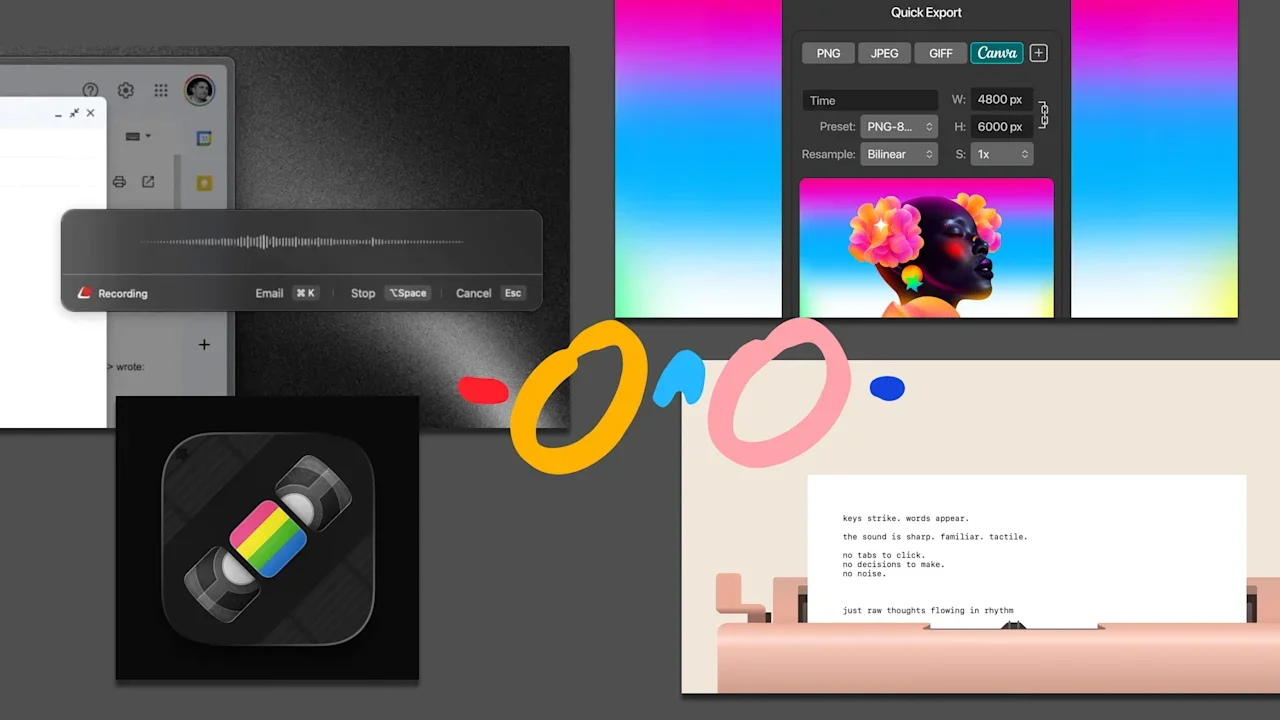
As always, many of this year’s best apps are ones you’ve probably never heard of. Sure, there are some big names on this list, particularly in the buzzy field of artificial intelligence, but the real standouts of 2025 innovated on a smaller scale. They give you better ways to take notes or remember things, write with just your voice, have fun snapping photos, or even indulge in some gaming classics. For this list, “apps” include desktop and mobile software, along with browser extensions and web tools. Some apps are entirely new, while others received transformative updates that make them worthy of a fresh look. Hopefully, you’ll discover something that quickly becomes a must-have. Productivity Raycast: Open Raycast with a keyboard shortcut, and you can quickly find files, search the web, access your clipboard history, paste frequently written text snippets, reposition your windows, look up emojis, ask AI questions, and more. It’s a Swiss Army knife of time-saving tools for power users, and it finally arrived on Windows and iOS this year to complement the long-running Mac version. (Windows, Mac, iOS) Payload: Cloud storage is great, but sometimes you need a faster way to send files to yourself. Payload checks your Wi-Fi network for any devices where its app is installed, then uses that connection to transfer files almost instantly, without ever leaving your local network. Previously desktop-only, Payload arrived on mobile devices this year and launched an optional online service for remote file sharing. (Windows, Mac, Linux, iOS, Android) Ghost Capture App: This free app streamlines the act of adding items to your to-do list. Just long-press the little ghost icon and say what you’re trying to accomplish, and it will create a task that syncs to either Apple Reminders or Google Tasks with no extra buttons to push. (iOS) Monotype: Typewriter Simulator: If you miss (or, for that matter, remember) the feel of writing with a typewriter, this app is for you. It provides an on-screen typewriter that produces a satisfying clack with each key press, followed by a ding and the need to hit Enter (or, more appropriately, Return) at the end of each line. When you’re finished, you can copy the text into whatever document editor you normally use. Thankfully, the app allows you to delete without any Wite-Out. (Mac) Antinote: Apple’s default TextEdit app is too clunky when you’re just trying to jot down some quick thoughts. Antinote speeds things up with a clean, plain-text scratch pad, which you can pop open with a keyboard shortcut (Option+A by default). You can also create to-do lists by typing “todo” at the top of a note, or perform calculations by typing “math” at the top. It’s a $5 onetime purchase after a free trial. (Mac) Orb: Most internet speed test tools just give you a snapshot of upload and download speeds. Orb instead lets you run persistent speed tests throughout the day, providing a clearer view of overall reliability. You can even set up the app on multiple devices around the house to see where the connection is weakest. (Windows, Mac, iOS, Android) AI Proton Lumo: While most AI companies keep a record of your chat history and may even share conversations with human reviewers, Proton’s Lumo AI makes a point of being oblivious. Proton doesn’t log users’ chats or use them to train its models, so the company has no way of accessing your chat history. (iOS, Android, web) Perplexity Comet: Amid a wave of AI web browsers, Perplexity stands out for its ability to navigate the web on your behalf. Try letting it cancel your subscriptions, search across multiple flight deal sites, or even put a single question to multiple AI tools to see how their answers differ. Just be careful about letting it access sensitive data. (Windows, Mac, Android) Wispr Flow: Your phone or computer’s built-in voice dictation features are fine if you don’t mind doing a lot of manual cleanup. Wispr Flow manages to be a lot more accurate—sometimes eerily so—as it uses AI processing to both clean up your text and learn from your writing tendencies over time. It’s also just convenient to use in short bursts with push-to-talk keyboard shortcuts. (Windows, Mac, iOS) Superwhisper: Another voice dictation app, Superwhisper stands out by letting you use on-device speech-to-text models with no online processing. This allows for unlimited usage without any privacy concerns while still offering handy shortcuts for push-to-talk mode. (Windows, Mac, iOS) Google Gemini: Google’s AI assistant isn’t new, but its built-in “Nano Banana” text-to-image model that arrived this year would be a killer app on its own. Start by uploading any image, then ask to render it in a different visual style, remove objects (including chain link fences), zoom and enhance, or add more images to the scene. You can even draw around parts of the image to show where the edits should go. (iOS, Android, web) Dia: The most thoughtful of the AI browsers, Dia lets you @ mention your open tabs to synthesize information from them, ask questions about your browser history, and take action in web apps like Gmail and Google Calendar. Its smartest feature, though, is its search box, which automatically routes your queries to AI or web search, based on what you write. (Mac) Sora: What if there was a social network where you didn’t need to stop and wonder if something was generated by AI—because everything was generated by AI? That’s the premise behind OpenAI’s Sora. You can even create an AI doppelgänger of yourself and control who can use it in their videos (just you, just your friends, or everyone). Yes, deceptive Sora deepfakes leaking onto the rest of the internet with their watermarks removed is an issue. But at its best, the app itself is silly, fun, and not at all misleading. (iOS, Android) Photo and video Affinity: Serif’s image editing suite is a popular subscription-free alternative to Adobe’s Photoshop, Illustrator, and Designer, so users got nervous last year when the company was acquired by Canva—itself a subscription-driven business. This year, Canva didn’t just honor its promise to offer Affinity without a subscription, it released the entire desktop suite for free. The only catch is that you need a Canva account—and a subscription if you want to use some AI tools. (Windows, Mac) Not Boring Camera: This iPhone app offers a more fun way to take photos, with skeuomorphic buttons and knobs for zoom, exposure, focus, and more. The two-second preview of snapped photos that appears in the viewfinder is an especially nice touch, allowing you to quickly discard a bad picture while staying in photography mode. (iOS) Cassette: The self-proclaimed “Home Video Player” app offers a fun way to revisit all the footage you’ve captured on your iPhone. The app groups your videos by year, presenting them as VHS tapes on a shelf. Tapping on a cassette gives you a stream of auto-playing videos, which you can either swipe through TikTok-style or advance through with the fast-forward and rewind buttons. (iPhone, iPad) Google Vids: Google’s foray into multitrack video editing lets you combine multiple video and audio clips with transitions, voice-overs, and subtitles. Of course, there’s an AI angle, with an option to generate video clips using Google’s Veo 3 model, but otherwise it’s just an easy way to edit videos online for free. (Web) Detail: Apple’s winner for “Best iPad App of the Year,” Detail is a handy tool for professional (or aspiring) content creators. It helps record video in a variety of ways, including making reaction videos and reading script from an on-screen teleprompter, and its AI editor can help trim out unwanted bits. The real power, though, comes from being able to combine multiple iPhones and iPads for things like split-screen video podcasts, live monitoring on an iPad while shooting on your phone, and recording top-down iPhone footage while speaking into an iPad. (iOS, Mac) Camo Streamlight: The free Windows app makes you look better on Zoom calls by surrounding the outer edges of your screen in bright white. It takes inspiration from those ring lights you can attach to your screen, and while the effect is subtle in a well-lit room, it can make a big difference when the room lightning isn’t great. (Windows) Shutter Declutter: If your Apple Photos library is swimming in tens of thousands of images you couldn’t care less about, you’re not alone. Shutter Declutter can help you finally make progress at pruning them. It lets you efficiently swipe to delete the detritus, and reminds you each day to review pictures you took on today’s date in previous years. The fewer fuzzy and/or accidental shots that remain, the more you can enjoy the photos worth preserving. (iOS, iPadOS) Security and privacy UBlock Origin Lite: Apple’s Safari browser finally has the free, open-source, customizable ad-and-tracker blocker it’s been missing. This offshoot of the venerable uBlock Origin does a great job decluttering web pages, and you can dig into its settings menu to tailor the filtering rules to your liking—for instance, to hide cookie notices or social media widgets. The same extension is also available for Chrome. (iOS, Mac) Have I Been Pwned?: For more than a decade, Have I Been Pwned? has been invaluable for checking whether your email and passwords have been exposed in data breaches. (The answer is almost certainly “yes.”) This year, the site added a personal dashboard with a full history of breaches for your email address, the types of data exposed, and optional email addresses for the next time your email is compromised. (Web) Proton Authenticator: Proton’s two-factor authentication app is what Authy used to be before it discontinued its desktop apps. It allows you to set up 2FA codes that add an extra layer of protection to your online accounts, then back up and sync them to your other devices. This makes 2FA more convenient while reducing the odds of getting locked out. (Windows, Mac, Linux, iOS, Android) Leisure time WikiTok: This clever website takes the addictive infinite scroll of TikTok and applies it to random Wikipedia pages, so you can swipe through until something catches your interest. The experience is far less scintillating, but that’s kind of the point. Try using it before bed. (Web) Iconfactory Tapestry: If you’re feeling burned out by social media, Tapestry lets you stitch together a chronological feed of your favorite internet content sources. Those can include publications, YouTube channels, Reddit forums, Bluesky accounts, and even custom sources such as a Gmail inbox. (iOS, Mac) Pocket Casts: This venerable podcast player continues to establish itself as the best option that works on any device, not just those made by Apple. This year, Pocket Casts made its web player free, and it syncs your progress from the mobile app for picking up where you left off. It also overhauled its search function, added recommendations for similar podcasts, and launched searchable transcriptions as a paid feature. (iOS, Android, Windows, Mac, web) DOSBox Pure Unleashed: This free app drastically simplifies the previously complex task of running old DOS games on your computer. Instead of having to deal with command prompts, you can just drag and drop the files into the DOSBox window and select the .EXE file you want to run. All you need to do beyond that is supply the games, which are easily obtainable from sources like the Internet Archive and My Abandonware. (Windows, Mac, Linux) View the full article
-
Damaging climbdown on cutting benefit taught me pensioner spending can be changed, but only with great careView the full article
-
Culture rot is when everything that once made a company good gradually starts to disappear—resulting in sinking morale, low productivity, lots of gossip, quiet quitting, and overall cynicism. And it can cause big problems for everyone. View the full article

-
The end of the year is the perfect time to take stock of where you are, what you’re good at, and what you want to develop in the new year. The job market continues to be intense and competitive, so you’re wise to consider hiring trends and how you can best prepare and set yourself apart. There is one skill that tops the list for getting the job, building your career, and becoming indispensable: resilience. Resilience has many forms. At a general level, resilience is about adaptability, flexibility, and responsiveness to multiple situations. But when you consider it through a few lenses, it brings terrific focus to what you must be wicked good at for the brightest future. RESILIENCE WITH PEOPLE Topping the list of which skills will set you apart are people skills also known as soft skills. And while they’re called soft skills, they’re actually not soft at all since they are hard to find, hard to master, and it’s hard to get anywhere without them. In particular, a survey by Resume Template found that 24% of hiring managers believe soft skills are most important, followed by 62% who say they are just as important as technical skills. And data from TestGorilla found that 60% of hiring leaders believe soft skills are more important today than they were five years ago. But what’s helpful to consider is that soft skills are really made up of an ability to be resilient with people. When you can listen with empathy, you’re better able to respond. When you can communicate effectively with diverse groups of people, you can get more done. When you can demonstrate teamwork and collaboration, you’re able to move others to action and effectively achieve objectives together. And when you show professionalism through tough issues, you’ll generate a lot of panache. These are all among the top-ranking skills that hiring managers want, according to Resume Template. Ultimately, resilience is required with people because you’ll need to be constantly adjusting to their moods or their styles. You’ll also need to flex your style if you face conflict, staying calm when you feel angry, or finding a way to talk with someone even if you disagree. Build your resilience with people by focusing on listening and tuning in when you’re interacting, rather than getting distracted by devices or your internal chatter. Also ask for feedback from a trusted colleague about how you interact and how you can improve. Look around for people you believe are especially good at building relationships and rapport. Consider how you can learn from what makes them effective, so you can put new strategies into practice. RESILIENCE WITH SITUATIONS Another way that resilience is a primary skill for success is that it helps ensure you’re adaptable to whatever situation you face. You’ll need to be contextually aware, staying in tune with shifts that might be occurring with customers or with an emerging problem. In fact, in the Resume Template survey, problem-solving was one of the top skills that hiring managers are looking for in candidates. You’ll also need to manage time effectively, and this is rarely linear or predictable, requiring flexibility. The project will take longer than you thought, or you’ll need to wait for a teammate to give you key information before you can make progress on your task. Or you may finish with a set of responsibilities more quickly than you planned and be ready to position yourself for what’s next. Time management is one of the most important skills, according to the Resume Template data. Resilience with situations also requires you to take initiative. When you see a barrier, you’ll need to step up and figure out how to get past it. Or when you see an opportunity, you’ll want to lean in, raise your hand, and volunteer to get involved. This kind of approach will get you noticed so you can get promoted or secure the next opportunity. You can think of situational resilience as grit. It’s the ability to stick with things and adapt to what’s needed in the moment. It’s also the ability to be flexible in terms of how you apply your skills based on what the team or the organization needs and based on where you want to head with your career. Build your resilience with situations by staying aware of what’s going on around you in the world, in your organization, and with your customers (whether they’re internal or external). Consistently ask yourself how you need to respond and how you can take initiative with what’s changing. You can also build your situational resilience by reminding yourself that you’re capable and that you can learn all the time. If you stumble, reflect on what happened and make plans for how you can improve. This will keep you in a learning mode and a resilience mindset. RESILIENCE FOR THE FUTURE Resilience is also the most important skill as it relates to your ability to learn, grow, and develop. The landscape of work is changing at breakneck speed, largely because of technology. As a result, the very best candidates are those who can figure out how to make things happen in the midst of uncertainty and keep their skills fresh and continually developing. There is also an element of optimism and energy that is part of resilience for the future. When you’re investing time and effort in your own growth, you’re necessarily anticipating what’s next and planning on where you can go. This is a hope-filled strategy, and people are drawn to others who are powering through and engaged with the team in moving forward together. This is the true essence of leadership, another in-demand skill, in which you’re motivating and inspiring others. When you demonstrate resilience for the future, you’re also staying aware of trends, markets, customers, and competitors. Whatever job you do, you’re constantly sensing what’s changing, what’s coming, and how you can respond. In the Resume Template survey, among the top 10 hard skills that leaders wanted candidates to have were data analysis, project management, and AI. A survey by Resume Builder agrees that AI is the most important skill that hiring managers want to see on résumés. But the nuances of these skills and how they’re applied will change over time. The ability to learn what’s new and flex over time will be most critical to success. Build your resilience for the future by staying optimistic. There are always plenty of barriers as you look forward, but try to focus on the opportunities that are also coming up. Make plans for the new skills you want to learn. Also lean into how you use technology. Try, test, and experiment so you can develop both skills and a point of view about what works best. And engage other people, involving them and sharing the positive energy you’re feeling to move ahead. THE ACTION HERO EFFECT Resilience is an action-hero skill. Think of MacGyver, who was an action hero who could solve any problem to get himself out of thorny situations. Or consider Ethan Hunt in Mission Impossible, surviving and achieving the objective no matter the challenge. Resilience allows you to make things happen in spite of challenging colleagues, conflicts, problems with projects, or changes in direction. You won’t avoid difficulty, but you’ll be able to work your way through by adapting, flexing, and demonstrating resilience. Building this ability in the new year will allow you to stand out and set yourself apart whether you’re interviewing for a new job, getting noticed for a promotion, or expanding your credibility in your current role. View the full article

-
By inserting tiny imperfections into the stones, scientists open up possibilities in computing, encryption and sensorsView the full article
-
Unfunded projects include construction of new barracks, munitions factories and spending on naval hubsView the full article
-
Economists and tax collectors might be underestimating its impact View the full article
-
Valuations may be spectacular and a bust could come — but while there’s exuberance there is no mania or irrationalityView the full article
-
Analysts expect demand for industrial metal to outstrip mined supply by 2030sView the full article
-
Decision follows scandals at Big Four and comes as AI tools make it easier to circumvent invigilators View the full article
-
The people, funds and institutions behind the emirate’s staggering rise to richesView the full article
-
‘Justice Mission 2025’ exercises to test US response after largest-ever arms sale to TaipeiView the full article
-
Personalized service has become an essential factor in various industries, greatly enhancing customer satisfaction and loyalty. Companies like Amazon and Netflix illustrate how customized recommendations can drive engagement and sales. In healthcare, personalized approaches improve patient outcomes, whereas gamified loyalty programs in retail create lasting connections. Each sector employs unique strategies to cater to individual needs, revealing the transformative influence of personalization. What other innovative examples can you think of that illustrate this trend? Key Takeaways Amazon’s personalized product suggestions significantly boosted sales, contributing to 30% of its revenue by 2015 through tailored recommendations. Netflix utilizes machine learning algorithms to drive user engagement, with 80% of viewed content stemming from personalized recommendations. Starbucks employs a gamified loyalty program with personalized offers, enhancing customer experiences and driving 31% of U.S. sales through targeted promotions. Disney+ leverages a recommendation engine to analyze user behavior, leading to increased content consumption and improved user satisfaction. Personalized financial services in wealth management adapt to client needs, fostering trust and enhancing overall client experience through tailored interactions. Personalized Recommendations in E-commerce In today’s competitive e-commerce environment, customized recommendations have become essential for improving customer experiences and driving sales. Major personalized marketing companies, like Amazon and eBay, have set benchmarks by leveraging customer browsing and purchase histories. For instance, Amazon’s customized product recommendations contributed to 30% of its revenue by 2015, showcasing the effectiveness of personalized suggestions. eBay likewise improves user experiences with customized product suggestions, continuously refining its algorithms for better engagement. Further illustrating personalized service examples, Very uses local weather data to recommend products suited to current conditions, increasing relevance for shoppers. Starbucks’ app personalizes experiences by tracking purchase history, driving 31% of U.S. sales through targeted offers. Finally, StitchFix employs over a thousand human stylists, curating wardrobes based on individual preferences, which improves the shopping experience through a try-before-you-buy model. These strategies highlight the significance of personalized recommendations in e-commerce. Gamified Loyalty Programs in Retail Gamified loyalty programs in retail create engaging experiences by rewarding you for purchases, which can lead to increased Gamified Loyalty loyalty. These programs often include personalized offers that cater to your preferences, enhancing your overall shopping experience. As you interact with these systems, they not just motivate repeat visits but additionally provide customized rewards that make each purchase more enjoyable. Engagement Through Rewards Loyalty programs that incorporate gamification are transforming how retailers engage with customers, making shopping experiences more interactive and rewarding. These programs not only incentivize purchases but additionally create a sense of achievement. Here are some ways they accomplish this: Point Systems: Earn points for purchases, like Starbucks, driving significant app sales. Sephora: Programs like Sephora’s improve loyalty with personalized recommendations based on user preferences. Walgreens: uses kiosks to offer personalized deals, encouraging repeat visits. Nike: allows customers to reveal unique benefits and design sneakers, promoting deeper brand interaction. Personalised Offers Strategy Retailers are increasingly adopting personalized offers strategies that utilize the strength of gamification within their loyalty programs. By implementing gamified elements, like point rewards for purchases, they engage customers effectively, driving 31% of U.S. sales through customized experiences. For instance, Starbucks’ app allows users to earn points and exchange them for freebies, nurturing a sense of investment and encouraging repeat visits. Similarly, Walgreens improves customer loyalty with in-store kiosks for personalized prescription pickups. Research shows that 61% of consumers are willing to spend more for bespoke experiences, highlighting the value of data-driven personalized offers. By integrating gamification, businesses create stronger emotional connections, resulting in higher retention rates and increased revenue over time. Enhanced User Experience As businesses look to improve user experience, integrating gamified elements into customer engagement strategies has proven effective. Retailers can boost customer interaction through gamified loyalty programs, which motivate customers to engage more with their brands. For instance, Starbucks’ gamified app drives 31% of U.S. sales by personalizing rewards based on buying habits. Here are key benefits of gamified loyalty programs: Improved engagement: Fun and interactive experiences encourage repeat visits. Increased retention: Studies show a 20% rise in customer retention rates. Personalized rewards: Customized offers lead to higher conversion rates. Customer loyalty: Emotional connections improve customer lifetime value. Customized Experiences in Healthcare In a swiftly evolving healthcare environment, providers are increasingly focused on delivering personalized experiences that cater to individual patient needs. Post-pandemic, the industry has embraced customized service using AI-powered search to automate these efforts within a unified platform. This technology enables real-time adaptation, connecting patients with suitable care designed to their specific requirements, which improves the overall relevance of their experiences. Through dynamic search analytics, trending topics like telehealth services are identified, ensuring that offerings align with current consumer demands. Personalized interactions leverage customer data to deliver the most pertinent information and support, greatly enhancing engagement. Furthermore, AI technologies play a vital role in identifying individual patient preferences, contributing to higher satisfaction rates and better healthcare outcomes. By prioritizing these customized experiences, healthcare providers can effectively meet the diverse needs of patients, ultimately encouraging a more responsive and effective healthcare system. Tailored Financial Services in Wealth Management Customized financial services in wealth management have become essential, especially as clients’ needs and preferences evolve over time. Wealth management firms are responding by modifying their offerings to better align with individual financial goals. This personalized approach improves the overall client experience and nurtures strong relationships. Key features of modified financial services include: Customized product recommendations based on individual client profiles. Adaptive strategies that respond to significant life stages, ensuring timely financial solutions. Utilization of customer data to personalize interactions for both existing and prospective clients, building trust and engagement. Seamless cross-selling and upselling opportunities that cater particularly to diverse customer needs. Adaptive Support in Insurance Insurance companies are increasingly adopting adaptive support strategies to enrich customer service and improve overall satisfaction. With a clean, web-centric approach, insurers elevate user experience through hyper-personalization, which can lead to a revenue increase of 40% over traditional methods. By tailoring premiums based on individual behaviors and risk profiles, you receive more customized and fair pricing. This means that your unique data directly influences the discounts and offers you’re eligible for, nurturing a sense of value and recognition. Moreover, bundled insurance products offer integrated customization, simplifying your choices as well as improving satisfaction. These adaptive strategies not just meet your specific needs but additionally create a more engaging and responsive service experience. As insurers continue to refine these approaches, you can expect a more personalized relationship with your provider, eventually leading to greater trust and loyalty in the long run. Adaptive support is truly transforming the insurance environment for the better. Effortless Customer Engagement in Manufacturing Effortless customer engagement in manufacturing is becoming a key focus as companies seek to improve the shopping experience during minimizing the effort required from consumers. By utilizing advanced technologies and data, manufacturers create a smoother expedition for you. Here are some ways they do this: Minimal input: Enter your Vehicle Identification Number (VIN) to quickly find relevant auto parts. Faceted search technology: Narrow down product options efficiently, showing only the most pertinent results. Personalized displays: View items that match your specific preferences, like shoe sizes. Customer data utilization: Carry forward information from previous interactions to guarantee a seamless experience. Real-Time Personalization in Entertainment As the demand for personalized experiences in entertainment continues to grow, companies are leveraging technology to customize content to individual preferences. Netflix uses machine learning algorithms to provide personalized content suggestions, with 80% of watched content stemming from these recommendations. This greatly boosts user engagement and satisfaction. Similarly, Spotify‘s Wrapped campaign offers users annual personalized listening summaries, encouraging sharing and resulting in a 21% increase in app downloads each December. Hulu collects viewer feedback to refine content recommendations, ensuring a curated viewing experience. Disney+ employs a recommendation engine that analyzes user behavior, enhancing the overall user experience and increasing content consumption. Meanwhile, Amazon Prime Video utilizes browsing and viewing history to create customized suggestions, driving user engagement and retention. These companies demonstrate how real-time personalization can transform the entertainment environment, making it more relevant and enjoyable for each individual user. Frequently Asked Questions What Are Examples of Personalized Service? You can find personalized service in various sectors. For instance, e-commerce platforms like Amazon recommend products based on your browsing history, enhancing your shopping experience. Coffee shops, such as Starbucks, use apps to tailor offers to your purchase patterns, boosting loyalty. Streaming services like Netflix analyze your viewing habits to suggest content you’ll likely enjoy. Furthermore, beauty retailers like Sephora provide customized product recommendations based on your preferences, improving overall customer satisfaction. What Are the 4 D’s of Personalization? The four D’s of personalization are Data, Design, Delivery, and Dynamic. You start with Data, collecting insights on customer preferences to tailor experiences. Next is Design, where you create engaging interactions that resonate with individual needs. Then, Delivery guarantees you present the right message at the right time, enhancing relevance across channels. Finally, Dynamic personalization allows you to adjust offers in real-time based on customer behavior, cultivating ongoing engagement and satisfaction. What Are Some Good Customer Service Examples? Good customer service examples include Amazon’s effective product recommendations, which improve shopping experiences by suggesting items based on your browsing history. Similarly, Starbucks’ app personalizes rewards, encouraging repeat business through customized offers. Netflix shines with its viewing recommendations, driving user engagement considerably. Finally, Sephora’s virtual artist feature allows you to try on makeup virtually, creating a personalized shopping experience that boosts sales. Each example highlights the impact of customized customer interactions on business success. What Companies Are Using Hyper Personalization? Many companies are utilizing hyper-personalization to improve customer experiences. Starbucks leverages its app for customized drink recommendations. Furthermore, EasyJet uses customer data to craft personalized travel stories. Spotify’s Wrapped campaign offers unique listening summaries to users, and Netflix employs algorithms to recommend shows based on viewing habits. Moreover, Sephora’s Beauty Insider program delivers tailored product suggestions, driving significant sales through targeted marketing efforts. These strategies demonstrate the effectiveness of personalization in various industries. Conclusion In summary, personalized service is reshaping various industries by enhancing customer experiences and nurturing loyalty. From e-commerce to healthcare, companies are leveraging data and technology to tailor their offerings to individual preferences. By implementing strategies like customized recommendations and gamified loyalty programs, businesses can greatly improve engagement and satisfaction. As industries continue to evolve, embracing personalization will remain vital for organizations aiming to meet the unique needs of their customers effectively. Image via Google Gemini This article, "7 Inspiring Examples of Personalised Service Across Industries" was first published on Small Business Trends View the full article
-
Sector increases investment and rewards investors after surge in global military spending following Ukraine warView the full article
-
Employee advocacy programs can greatly benefit your business in various ways. By leveraging your employees’ networks, you can increase organic reach and brand awareness, as their shared content often garners more engagement than official posts. Furthermore, these programs cultivate brand trust and authenticity, attract quality leads, and improve your employer branding. If you’re curious about how these advantages can transform your company’s environment, let’s explore the key benefits in detail. Key Takeaways Employee advocacy boosts organic reach, increasing brand visibility by over 561% compared to official posts. Authentic employee content builds trust, leading to stronger brand authenticity among consumers. Shared employee insights drive higher quality web traffic and lead generation, reducing reliance on paid media. A strong employer brand attracts more qualified job applicants and improves talent retention by 16%. Engaged employees participating in advocacy programs show significantly higher performance and workplace satisfaction. Increased Organic Reach and Brand Awareness Increased organic reach and brand awareness are significant benefits of implementing employee advocacy programs, as they empower your workforce to share company content through their personal social media accounts. Employee-shared content achieves a reach that’s 561% higher than brand account posts, vastly amplifying your visibility. Each employee typically has ten times more connections than official company profiles, which creates a wide network for organic reach. By leveraging personal networks, employee advocacy programs promote genuine connections that resonate more with audiences, leading to higher engagement rates compared to corporate messaging. Additionally, sharing company content through employees can lead to a fivefold increase in the reach of branded messages, maximizing your marketing impact without incurring additional costs. This approach not only improves brand awareness but likewise enhances your overall marketing strategy, as authentic employee voices are more likely to capture audience attention and trust. Enhanced Brand Trust and Authenticity When employees share content about your brand, they create a sense of peer-to-peer credibility that traditional marketing struggles to achieve. Their genuine recommendations resonate more with audiences, nurturing trust and enhancing your brand’s authenticity. As a result, your message reaches a wider audience, ultimately reinforcing the company’s values and building stronger connections with customers. Peer-to-Peer Credibility Peer-to-peer credibility plays a crucial role in enhancing brand trust and authenticity, as employees sharing brand content on their personal social media channels can achieve over five times the reach of official company posts. This increased visibility promotes a more genuine connection with potential customers, as employee-shared content typically receives higher engagement. Furthermore, 63% of consumers prefer brands that reflect their personal beliefs. Through employee advocacy, your team can communicate these values authentically, reinforcing brand loyalty. By facilitating personal connections, employee advocacy reduces the perception of your company as impersonal, boosting credibility. In the end, positioning your employees as trusted thought leaders raises your brand’s voice, making it resonate more effectively with your audience, thereby enhancing overall brand authenticity. Genuine Recommendations Impact Authentic recommendations from employees considerably improve brand trust and authenticity. When your team shares their genuine experiences, it humanizes your brand and cultivates deeper connections with consumers. This aligns perfectly with the employee advocacy definition, as it encourages employees to act as brand ambassadors. 63% of consumers prefer brands aligning with their beliefs. Employee-shared content achieves a 561% higher reach than traditional brand posts. Personal endorsements influence 65% of purchase decisions. Success stories shared by employees create relatable narratives. Higher Quality Web Traffic and Sales Leads Employee advocacy programs greatly improve web traffic and generate higher-quality sales leads by leveraging the authentic connections employees have within their professional networks. When employees share brand messages, they can achieve a 561% higher reach compared to corporate posts, effectively attracting more interested visitors to your site. These programs encourage personal introductions, often leading to higher quality leads that are more engaged and ready to convert. Trust is likewise built through shared insights and updates, positioning your brand as a thought leader in the industry. As potential customers see relatable content from real people, their likelihood of engagement increases. In addition, companies utilizing employee advocacy experience a significant reduction in reliance on paid media, resulting in cost savings and improved ROI on marketing efforts. Improved Employer Branding and Talent Attraction Building on the benefits of improved web traffic and high-quality leads, effective employer branding plays a vital role in attracting top talent to your organization. By leveraging employee advocacy, you can greatly improve your company’s reputation and appeal to potential candidates. Here are some key points to take into account: Companies with strong employer branding attract up to 50% more qualified applicants. A positive reputation is important, as 84% of job seekers regard it when applying. Employee-shared content generates over 5x the reach compared to branded posts. Successful testimonials from employees create relatable narratives that influence job seekers. Implementing employee advocacy program examples can transform your workforce into authentic brand ambassadors, promoting a sense of pride and connection. Organizations with these programs often see a 16% increase in talent retention, making it vital for improving your employer branding and attracting the right talent. Reduced Paid Media Spend Over Time As you implement an employee advocacy program, you’ll likely notice a significant reduction in your paid media spend over time. By leveraging the organic reach of your employees, your brand can achieve increased visibility without relying heavily on traditional advertising. This approach not just cuts down on advertising costs but additionally improves your brand’s presence, as employee-shared content generates more engagement and trust among audiences. Decreased Advertising Costs Even though many companies rely heavily on paid media to boost their visibility, implementing an employee advocacy program can considerably reduce these costs over time. By leveraging your employees’ networks, you’ll find that the organic reach generated often surpasses traditional advertising methods. Employee posts can achieve a 561% higher reach than brand accounts. Advocacy initiatives translate into significant cost savings on marketing efforts. Brands experience equivalent paid media value from employee shares. Authentic engagement through employee-shared content diminishes the need for paid ads. With the right employee advocacy programs in place, you can maximize visibility without increasing your advertising expenditure, eventually leading to decreased overall advertising costs as you maintain strong brand presence. Increased Organic Reach Implementing an employee advocacy program greatly boosts organic reach, allowing companies to tap into the vast networks of their employees. When employees share content on social media, these posts can achieve a remarkable 561% higher reach than those from brand accounts. This increased visibility translates into more audience engagement, driving potential customers to your brand without incurring additional costs. By leveraging employee advocacy on social media, you can reduce reliance on paid advertising over time, resulting in significant savings on marketing expenses. The real earned media value generated from these employee shares quantifies the financial impact of your advocacy efforts, making it a sustainable marketing strategy that cultivates authentic connections and amplifies your brand’s presence in the marketplace. Enhanced Brand Visibility When businesses leverage the strength of employee advocacy, they can greatly improve their brand visibility in addition to reducing their reliance on paid media over time. By implementing employee advocacy programs, you tap into authentic voices that elevate your brand’s reputation. This organic reach can achieve 561% higher visibility than traditional brand posts, leading to significant cost savings on advertising. Employees amplify brand messages authentically. Reduced paid media spend translates to budget flexibility. Increased engagement nurtures stronger audience connections. Real earned media value quantifies the impact of shares. Strengthened Employee Engagement and Satisfaction Employee advocacy plays an important role in strengthening employee engagement and satisfaction by nurturing a sense of ownership and belonging within the organization. When you participate in advocacy programs, you become more invested in the company’s mission and goals, which greatly improves your engagement. Research shows that engaged employees are 202% more likely to perform at higher levels. By celebrating your contributions through advocacy efforts, the organization cultivates a positive workplace culture, fundamental for overall satisfaction. Furthermore, a culture of advocacy encourages proactive participation in brand promotion, leading to improved retention rates and a more committed workforce. As you engage in these initiatives, you’ll likely find yourself sharing more and advocating effectively, creating a reinforcing loop that further improves workplace satisfaction. Comprehending employee advocacy meaning is crucial, as it emphasizes your role in contributing to both your personal growth and the company’s success. Development of Personal Brands and Thought Leadership Developing a personal brand through advocacy programs offers significant advantages, as it allows you to improve your visibility and establish yourself as an industry expert. By participating in an employee advocacy plan, you can enhance your professional reputation as well as contributing to your organization’s success. Sharing insightful content positions you as a thought leader in your field. Engaging with industry-related discussions increases your networking opportunities. A strong personal brand can lead to greater job security and career advancement. Employees who actively participate in advocacy are 202% more likely to perform better. When you consistently share relevant information, you not only boost your credibility but additionally influence purchasing decisions, as 65% of those decisions are swayed by company leaders’ actions. Consequently, employee advocacy programs empower you to cultivate your personal brand while driving positive outcomes for your organization. Frequently Asked Questions What Are the Business Benefits of Employee Advocacy? Employee advocacy offers significant business benefits. By empowering your employees to share company content, you can improve brand visibility, with shared posts achieving up to 561% higher reach than brand accounts. This approach not just boosts engagement—employee posts generate five times more interaction—but likewise increases trust and credibility in your brand. Furthermore, it can reduce your marketing costs, as organic reach through employees decreases reliance on paid advertising, driving quality leads and improving overall performance. What Are the 4 Purposes of Advocacy? The four purposes of advocacy are to raise awareness, influence public opinion, support specific causes, and engage communities. First, advocacy aims to increase awareness of issues, informing the public about important topics. Second, it seeks to influence opinions through targeted messaging and campaigns. Third, it supports causes by promoting policies or initiatives that align with specific values. Finally, advocacy engages communities, encouraging participation and collaboration to drive change and cultivate collective action. What Are the 3 C’s of Advocacy? The three C’s of advocacy are Collective Reach, Credibility, and Connection. Collective Reach emphasizes how employees can amplify brand messages through their extensive networks, which are often ten times larger than the company’s. Credibility highlights that employees are viewed as authentic voices, enhancing trust in the brand. Connection refers to the personal relationships employees build, facilitating organic lead generation. Together, these elements create a strong framework for effective advocacy, nurturing engagement and brand loyalty. Why Is Employee Advocacy Important to Consider as a Key Area for Organizations and Brands on Hubspot? Employee advocacy is essential for organizations since it turns your workforce into authentic brand ambassadors. This approach improves brand visibility, as content shared by employees can reach considerably more people than traditional marketing. It likewise nurtures a culture of engagement, leading to better performance and job satisfaction. Conclusion In summary, implementing an employee advocacy program can notably benefit your business by enhancing brand awareness, trust, and quality leads. It not only reduces reliance on paid media but additionally strengthens your employer brand, attracting top talent. Moreover, these programs cultivate employee engagement and satisfaction as well as promoting personal branding and thought leadership. By recognizing these advantages, you can leverage your workforce to drive growth, improve workplace culture, and establish your organization as an industry leader. Image via Google Gemini This article, "7 Key Benefits of Employee Advocacy Programs for Your Business" was first published on Small Business Trends View the full article
-
US president says ‘thorny’ issues remain on ending Europe’s biggest land war in 80 yearsView the full article
-
When it pertains to managing human resources, selecting the right software is essential for your business’s success. The top 10 HR management solutions offer various features customized to different company sizes and needs, whether you’re a startup or a large enterprise. Each software has its strengths, from thorough integration to user-friendly interfaces. Grasping these options can help streamline your HR processes, but which one stands out as the best fit for your organization? Key Takeaways Rippling is the best overall HR software, offering a unified platform for HR, payroll, and IT management with extensive customization options. BambooHR is ideal for small to midsized businesses, featuring user-friendly data migration, applicant tracking, and employee feedback tools. SAP SuccessFactors HCM serves large organizations with advanced talent acquisition tools and payroll processing in over 50 countries. Gusto provides a user-friendly interface for startups, emphasizing payroll processing and responsive customer support. Zoho People offers a budget-friendly solution with time tracking, performance management, and seamless integration with other applications. Rippling: Best Overall HR Software In relation to choosing the best overall HR software, Rippling stands out as a top contender due to its thorough and unified platform that seamlessly integrates HR, payroll, benefits, and IT management. Designed for fast-growing small to medium-sized businesses, Rippling starts at just $40 per month, plus $8 per employee, making it an affordable option compared to many free HR management software solutions. Its unique workflow builder allows you to automate processes easily with conditional logic and drag-and-drop functionality, enhancing efficiency. Furthermore, Rippling shines in complex payroll and compliance management across 185+ countries, catering to diverse employee needs. Frequent feature updates and extensive customization options guarantee that this best HR software can adapt to your specific HR management systems requirements. BambooHR: Best for Small Businesses BambooHR stands out as a top choice for small businesses, offering key features that simplify various HR tasks like applicant tracking and employee feedback. You’ll appreciate its user-friendly interface, which makes migrating data from spreadsheets seamless and secure as it provides centralized access to employee information. With flexible pricing plans that cater to different business needs, BambooHR guarantees you can efficiently manage HR processes without unnecessary complexity. Key Features Overview For small to medium-sized businesses seeking an efficient HR solution, BambooHR stands out with its user-friendly interface and a range of key features designed to streamline human resources management. This HR management software is perfect for simplifying complex HR processes. Here are some key features you can expect: Robust applicant tracking to improve recruitment and candidate management. Advanced employee feedback and performance management tools for tracking development. Easy data migration from spreadsheets, facilitating a smooth shift to a sophisticated HRIS. Centralized employee database that guarantees secure access to essential information and supports compliance with labor laws. With BambooHR, you’ll find an effective HRM software solution that meets your business’s unique human resources management software needs. Pricing and Plans Maneuvering the pricing and plans for HR software can be an intimidating task, especially for small businesses looking to optimize their human resources management. BambooHR doesn’t publicly disclose its pricing, so you’ll need to contact their sales team for a customized quote. This software for human resource management is designed particularly for small to medium-sized businesses, offering a user-friendly interface and essential features like applicant tracking and employee feedback tools. Shifting from spreadsheets is straightforward, making it easier for you to adopt a more advanced HRIS. Plan Type Features Included Ideal For Basic Applicant Tracking, Centralized Database Small Startups Standard Feedback Tools, Performance Tracking Growing Businesses Premium All Features, Custom Integrations Established Firms ADP Workforce Now: Best for Midsized Companies ADP Workforce Now stands out as an ideal solution for midsized companies, offering a complete suite of features designed to simplify HR functions and improve operational efficiency. This platform caters particularly to your needs, ensuring that payroll processing is seamless and compliant across various states and countries. You can access customizable reporting tools, allowing you to analyze workforce data and make informed decisions. Key features include: Extensive payroll processing that adheres to local tax laws. User-friendly mobile app for employees to access payroll information on-the-go. Seamless integration with other business systems to boost efficiency. Robust compliance management tools to minimize legal risks. With ADP Workforce Now, you can streamline HR management effectively, allowing your team to focus more on strategic initiatives rather than administrative tasks. SAP SuccessFactors HCM: Best for Large Organizations In regards to managing HR functions in large organizations, SAP SuccessFactors HCM offers an all-encompassing solution customized to meet the intricate needs of enterprise-level operations. This platform is particularly designed for large businesses, providing advanced tools for talent acquisition, performance management, and employee engagement. It supports payroll processing in over 50 countries, ensuring your organization remains compliant with diverse labor laws and tax regulations. One of its standout features is the digital Work Zone, which improves communication and collaboration among employees, nurturing a more connected workforce. Moreover, SAP SuccessFactors includes AI-assisted applicant screening to streamline your recruitment process, boosting hiring efficiency. The Employee Central Service Center requires a minimum of 1,000 employees, making it a robust choice for larger enterprises looking to centralize HR operations effectively. With a 5.0 rating, it’s clear that this software meets the high demands of large organizations. Gusto: Best for New Businesses For new businesses seeking efficient HR solutions, Gusto stands out as an ideal choice due to its user-friendly interface and pivotal features particularly designed for startups. With a starting monthly fee of $49 plus $6 per employee, it offers affordability for small teams as it delivers fundamental functionalities. Key features of Gusto include: Payroll processing that simplifies wage calculations and tax withholding. Benefits administration customized to improve employee satisfaction. Employee onboarding tools that streamline the hiring process. Support for Flexible Spending Accounts (FSAs) and Health Savings Accounts (HSAs) to enhance benefits management. Moreover, Gusto is highly rated for its responsive customer support, ensuring that you can effectively navigate HR tasks. This combination of affordability, functionality, and support makes Gusto an excellent choice for new businesses looking to establish their HR processes smoothly. Paylocity: Best for Workforce Management When managing a workforce, choosing the right software can make all the difference, and Paylocity stands out in this area with its extensive employee lifecycle management platform. Serving over 500,000 lives, it’s recognized as the best HR software for workforce management. Paylocity offers robust features for time and attendance tracking, ensuring accurate payroll processing and compliance with labor regulations. Its user-friendly interface allows for seamless employee engagement, promoting collaboration and communication within teams. Moreover, the software supports customizable reporting and analytics, enabling you to gain valuable insights into workforce performance and make informed decisions. Paylocity emphasizes personalized customer support, offering customized implementation services to meet your organization’s specific needs. With these thorough features, Paylocity empowers you to manage your workforce efficiently during enhancing overall productivity. Paycor: Best for Companies With Field and Frontline Workers Paycor stands out as a top choice for companies managing field and frontline workers because of its specialized workforce management tools. You’ll benefit from its mobile accessibility features, which allow employees to track their time and attendance on the go, ensuring compliance with labor regulations. This user-friendly platform not just simplifies onboarding but additionally provides valuable insights into workforce performance through customizable reporting tools. Field Workforce Management Tools Managing a workforce that operates in the field can be challenging, but effective tools make a significant difference. Paycor stands out as the best HR software for companies with field and frontline workers, providing features customized to your needs. Time tracking: Keep accurate records of hours worked, ensuring proper payroll management. Scheduling: Create efficient schedules that accommodate your team’s availability and workload. Attendance management: Monitor attendance to maintain compliance and optimize labor costs. Reporting and analytics: Gain insights into workforce productivity and operational efficiency for better decision-making. With Paycor, you can streamline your field operations, improve compliance with labor laws, and empower your team to stay connected and informed, no matter where they are. Mobile Accessibility Features Field and frontline workers often face unique challenges due to their mobile nature, making access to HR functions critical for their efficiency and engagement. Paycor offers a dedicated mobile app that enables these employees to manage their time, request leave, and view schedules right from their smartphones. This flexibility improves their engagement and helps them stay connected. With real-time notifications and updates, employees can quickly access important HR matters, ensuring they remain informed. The app features a user-friendly interface, simplifying the onboarding process for new hires and helping them adapt to the company’s HR systems. For companies with a distributed workforce, Paycor’s mobile accessibility encourages seamless communication and management across various locations, improving overall operational efficiency. UKG: Best for Reporting and Analytics In the domain of workforce management, UKG stands out as a top choice for organizations seeking robust reporting and analytics capabilities. This software offers advanced tools that help you track workforce performance and gain insights into employee engagement and productivity. With customizable dashboards and reports, you can visualize key metrics and make informed decisions based on instantaneous data. Instantaneous data tracking improves responsiveness to workforce trends. Built-in predictive analytics help forecast future workforce needs. Extensive reporting features support compliance management. Easily generate reports that meet regulatory requirements. Workday: Best for Benefits Administration In relation to benefits administration, Workday offers a robust solution that streamlines the management of employee benefits as it integrates seamlessly with payroll and human resources functions. This platform is renowned for its extensive capabilities, allowing you to manage diverse benefits options, such as health insurance, retirement plans, and flexible spending accounts. With real-time analytics and reporting features, you can effectively track benefits utilization and costs, aiding in strategic decision-making. Workday’s user-friendly interface and mobile access empower your employees to manage their benefits easily, enhancing engagement and satisfaction. Furthermore, the advanced compliance tools guarantee your organization remains compliant with local and federal regulations regarding employee benefits, minimizing legal risks. Zoho People: Most Affordable HR Software When you’re looking for budget-friendly HR software, Zoho People stands out with its pricing starting at just $1 per employee per month. This platform not merely offers crucial features like time tracking and performance management, but it additionally boasts a user-friendly interface that simplifies HR processes. Plus, its seamless integration with other Zoho applications allows you to improve your business operations without breaking the bank. Cost-Effective Features Overview How can small businesses effectively manage their HR needs without breaking the bank? Zoho People offers a cost-effective solution that starts at just $1 per employee per month. This affordability doesn’t compromise functionality; the platform includes crucial features to streamline HR processes. Time tracking helps monitor employee hours effectively. Performance management tools enable you to assess and improve team productivity. Employee self-service options reduce administrative burdens, allowing staff to manage their own information. Automation capabilities minimize manual tasks, improving overall efficiency. Additionally, extensive reporting tools allow you to analyze HR metrics without incurring extra costs. With seamless integration with other Zoho products and third-party apps, you can improve functionality while keeping expenses low. User-Friendly Interface Benefits Many small businesses find that a user-friendly interface can greatly improve the efficiency of their HR operations. Zoho People stands out with its intuitive design, allowing HR professionals and employees to navigate easily without extensive training. The platform offers customizable dashboards, enabling you to prioritize and display relevant information, which boosts overall productivity. This straightforward design reduces the complexity often associated with HR software, making onboarding smoother for new users. Furthermore, Zoho People’s mobile accessibility allows employees to manage tasks and access information on-the-go, increasing flexibility. With its competitive pricing, Zoho People remains one of the most affordable HR software solutions during the delivery of a robust set of features designed for user ease, ensuring you can focus on what matters most. Integrations With Other Tools Integrating Zoho People with other tools can greatly improve your HR operations, as it allows for a more streamlined and efficient workflow. This software not only connects with various Zoho applications but also supports third-party tools, boosting functionality across your organization. Seamless integration with CRM, project management, and accounting tools Compatibility with Google Workspace and Microsoft Office 365 for easy document access Connection to popular payroll systems and time-tracking software API access for custom integrations customized to your needs These integration capabilities make Zoho People one of the most affordable HR software options available while ensuring robust features. Frequently Asked Questions What Are the Leading HR Software Solutions? When exploring leading HR software solutions, consider options like Rippling, which thrives in automation for small to medium-sized businesses. BambooHR stands out for its applicant tracking, ideal for smaller companies. For larger enterprises, SAP SuccessFactors HCM offers advanced global tools. If you’re a new business, Gusto provides an intuitive interface. Finally, Paycor is noted for its strong core HR and payroll features, making it a popular choice among small businesses. Which Software Is Best for Human Resource Management? When choosing the best software for human resource management, consider your organization’s size and needs. For extensive functions, Rippling excels with HR, payroll, and IT management. BambooHR suits small businesses with its applicant tracking. Large enterprises may prefer SAP SuccessFactors for its advanced tools. New businesses often find Gusto user-friendly, whereas Paycor offers solid HR features and compliance support for small firms. Assess these options based on your specific requirements and budget. What Are the 5 Types of HRIS Systems? There are five main types of HRIS systems you should know about. Core HR systems manage crucial functions like employee records and payroll. Talent Management Systems focus on recruitment and performance management. Applicant Tracking Systems streamline the hiring process by automating candidate tracking. Payroll Systems guarantee accurate and timely employee compensation. Finally, all-encompassing HRIS integrates multiple functions, enhancing operational efficiency across various HR activities, making management smoother and more effective. Which HRMS Tool Is Best? Choosing the best HRMS tool depends on your specific needs. If you want extensive features, Rippling might be your best bet, offering customization and integration for $40/month plus $8 per employee. For small businesses, BambooHR is highly regarded for its applicant tracking, though you’ll need to contact sales for pricing. If you’re a large enterprise, consider SAP SuccessFactors, which provides advanced global payroll tools, starting at $17 per user per month. Conclusion In conclusion, choosing the right Human Resources Management Software is essential for optimizing your HR functions. Solutions like Rippling and BambooHR cater to various business sizes, whereas options like SAP SuccessFactors HCM and ADP Workforce Now excel in enterprise and midsized applications. If you’re starting out, Gusto offers a user-friendly experience, and Paycor is ideal for companies with frontline workers. Assess your specific needs carefully to select a software that improves efficiency and supports your organization’s growth. Image via Google Gemini This article, "Top 10 Human Resources Management Software Solutions" was first published on Small Business Trends View the full article
-
Managing your online reputation is vital in today’s digital environment. By following ten important steps, you can effectively shape how your brand is perceived. Start with a thorough audit of your current online presence and analyze brand sentiment. Developing a solid strategy and creating high-quality content will further improve your reputation. But how do you handle negative feedback and guarantee positive customer experiences? Let’s explore these strategies in detail. Key Takeaways Conduct a thorough audit of your current online presence to identify brand mentions and sentiment across various platforms. Develop a reputation management strategy that prioritizes addressing critical issues and amplifying positive content based on data insights. Create high-quality, engaging content that reflects brand values and resonates with your target audience to enhance online reputation. Actively engage with your audience on social media, responding quickly to inquiries and encouraging user-generated content to build trust. Utilize monitoring tools to track brand mentions and sentiment, setting up alerts for real-time updates to address potential issues promptly. What Is Online Reputation Management? Online Reputation Management (ORM) is fundamental in today’s digital world, where public perception can markedly affect a brand or individual’s success. ORM involves monitoring and influencing how others perceive you online. This practice includes brand reputation analysis, which identifies strengths and weaknesses in your digital presence. By tracking online mentions and responding to customer feedback, you can actively shape your narrative. An important part of your online reputation management guide should focus on SEO reputation management, ensuring that search results reflect a positive image. Since 59% of individuals rely on search engines for trustworthy information, controlling what appears on the first page of Google becomes critical. ORM isn’t just about damage control; it requires a proactive approach that aligns with your broader business objectives. By building a positive digital footprint through quality content and reviews, you can improve trust and credibility with your audience. Why Online Reputation Matters How much does your online reputation really affect your business? It plays a vital role in building consumer trust—just a drop from a 4-star to a 3-star rating can lead to a staggering 70% decrease in potential customers’ trust. Since about 59% of people trust search engines as reliable information sources, managing your online reputation is fundamental for shaping public perception. A strong online reputation not only enhances your visibility in search results, improving your seo reputation, but it additionally directly impacts revenue and customer acquisition. With 70% to 80% of a company’s market value tied to intangible assets like brand equity, maintaining a positive online image becomes paramount. Furthermore, 80% of consumers research a brand online before making a purchase, emphasizing the need for effective online reputation management. To thrive, you must get better seo reputation management and actively manage your digital presence. Auditing Your Current Online Presence To effectively audit your current online presence, start by evaluating existing brand mentions across various platforms. Utilizing listening tools can provide an all-encompassing view of how your brand is perceived, as you analyze competitor strategies helps you understand the setting better. Assess Existing Brand Mentions Evaluating your existing brand mentions is crucial for comprehending how your brand is perceived online. Start by conducting a thorough audit using tools like Brandwatch Consumer Research to gather mentions from social media, blogs, news sites, and forums. This provides a detailed view of brand sentiment. Perform basic searches in incognito mode to see unbiased results that potential customers encounter. Create a dashboard to consolidate online mentions and sentiment analysis, which helps visualize your brand’s reputation over time. Assess both the volume and quality of mentions, identifying positive and negative sentiments. Regularly review search engine results pages for your brand name to understand the public narrative and identify any outdated or harmful content needing attention. Utilize Listening Tools Monitoring your online presence is crucial for comprehending how your brand is perceived in real time. Utilize listening tools like Brandwatch and Google Alerts to keep track of brand mentions on social media, blogs, and news sites. This will provide you with valuable insights into public sentiment. Conduct an audit by searching for your brand in incognito mode to gather unbiased results and discover what appears in search engine results. Aggregate this data into a dashboard, highlighting both positive and negative mentions. Analyze the sentiment of the collected data to identify themes, which will help you pinpoint strengths to leverage and weaknesses to address. Regularly update your audit findings to track changes in public perception and adjust your strategies accordingly. Analyze Competitor Strategies How well do you know your competitors? Conduct a competitive analysis by identifying key players in your industry and examining their online presence. Focus on their website performance, social media engagement, and customer reviews. Use tools like SEMrush or Ahrefs to evaluate their SEO strategies, including keyword rankings and backlink profiles. This will help you uncover both strengths and weaknesses. Monitor their social media channels to see how they engage with their audience; note the types of content they post and their interaction frequency. Analyze customer feedback on review sites to identify common themes in strengths and weaknesses. Finally, observe how they respond to negative feedback, as this can provide valuable lessons for your own online reputation management practices. Developing Your Reputation Management Strategy To effectively develop your reputation management strategy, start by auditing your current online presence, as this serves as the foundation for comprehending how your brand is perceived. Use tools like Brandwatch Consumer Research to gather data on brand mentions and overall sentiment across various platforms. Analyze the findings to identify major themes, categorizing perceptions into positive and negative sentiments. This will create a clear roadmap for your reputation management efforts. Next, prioritize addressing critical issues as you amplify positive content, making certain everything aligns with your brand identity and values. Implement proactive measures, such as engaging with customers on social media and promoting positive reviews. Regularly monitor audience sentiment and be ready to adjust your approach as necessary. Finally, continuously review and update your strategy based on new data and trends to guarantee that your reputation management efforts remain effective and relevant in the constantly changing online environment. Creating Quality Content That Reflects Your Brand Creating high-quality content is crucial for shaping your online reputation and establishing trust with your audience. By producing engaging formats like blog posts, videos, and customer testimonials, you can effectively communicate your brand identity and encourage positive interactions. Regularly updating and optimizing this content not just improves visibility but likewise helps counter any negative perceptions that may arise. Importance of High-Quality Content Although many factors contribute to a brand’s online reputation, high-quality content stands out as a fundamental element that shapes public perception and establishes credibility. This content acts as your brand’s voice, influencing how customers view you. When you consistently create well-crafted articles, you can push down negative search results, allowing positive content to rank higher and improve overall sentiment. Furthermore, informative blog posts and engaging social media updates boost visibility and encourage user-generated content. Regularly publishing quality content positions you as an industry leader, as 70% of consumers prefer learning about companies through articles instead of ads. By providing helpful information, you promote trust and loyalty, with 90% of customers believing that quality content positively impacts their perception of your brand. Types of Engaging Content High-quality content plays a pivotal role in shaping your brand’s online reputation, but comprehension of the types of engaging content that truly reflect your brand is equally important. Informative blog posts and engaging social media updates serve as influential tools to communicate your brand’s values and expertise. Press releases can effectively announce significant developments, whereas targeted advertisements resonate with your audience, enhancing brand visibility. Furthermore, interactive content like polls and user-generated campaigns boosts audience participation, nurturing a community around your brand. Aligning Content With Identity When you align your content with your brand identity, you establish a clear and consistent message that resonates with your audience. This alignment is essential for building credibility and trust, as 70% to 80% of a company’s market value is tied to intangible assets like brand equity. To effectively create quality content, consider the following: Consistency: Maintain a uniform tone, message, and visual identity across all platforms, ensuring your brand image remains cohesive. Engaging Storytelling: Showcase customer experiences and brand values to forge stronger connections with your audience, boosting loyalty and positive word-of-mouth. Regular Updates: Refresh your content regularly to keep it relevant and engaging, which supports your visibility and authority in search engine results, enhancing overall reputation management efforts. Optimizing Your Search Presence How can you effectively optimize your search presence to improve your online reputation? Start by ensuring your website’s structure allows for easy crawling by search engines. Use relevant keywords throughout your content and address any technical issues that might hinder visibility. Securing a brand domain and creating profiles on platforms like Google Business Profile and LinkedIn can greatly improve your online presence and boost your search rankings. Implement a strong SEO strategy that includes quality backlinks and engaging content, which can help push down negative search results as well as elevating positive mentions in search engine results pages (SERPs). Regularly monitor your search visibility and adjust your SEO tactics based on performance to maintain a favorable online reputation over time. Finally, consider utilizing AI-driven tools and analytics to guide your optimization efforts, ensuring your content stays relevant and visible to your target audience in search results. Engaging With Your Audience on Social Media Why is engaging with your audience on social media vital for your brand’s reputation? Actively interacting with your audience nurtures loyalty and trust, vital elements for a positive brand image. Here are three key reasons to prioritize engagement: Customer Satisfaction: 60% of users expect a response within an hour. Quick replies can considerably improve customer retention and satisfaction. User-Generated Content (UGC): Encourage your followers to share their experiences. With 79% of people influenced by UGC in their purchasing decisions, this can elevate your brand’s credibility. Authenticity: Maintaining a human touch in your interactions is fundamental. Brands that show empathy and authenticity are perceived as more relatable, with 81% of consumers valuing these qualities. Regularly analyzing engagement metrics can help refine your content strategy, ensuring your interactions resonate well with your audience and bolster your online reputation. Responding to Negative Reviews and Feedback When you encounter negative reviews, it’s crucial to acknowledge and apologize for the customer’s experience, as this establishes trust. Taking conversations offline for sensitive matters can lead to more constructive resolutions, minimizing public scrutiny during the direct addressing of the issue. Furthermore, implementing improvement strategies based on feedback not merely improves your service but likewise demonstrates your commitment to customer satisfaction. Acknowledge and Apologize Acknowledging and apologizing for negative reviews is a critical step in effective online reputation management. When you respond swiftly, it shows customers that their feedback is valued and taken seriously. This can help mitigate potential damage to your brand’s reputation. Here are three key points to reflect on: A sincere apology can improve customer perceptions; 70% of consumers are more likely to shop with businesses that respond to negative reviews. Offer specific solutions in your responses to demonstrate commitment to resolving issues and improving experiences. Implement a crisis management plan to prepare for quick, professional responses, ensuring you maintain a positive online reputation during challenging situations. Take Conversations Offline In managing your online reputation, taking conversations offline can be a strategic move that protects your brand’s image while also allowing for more personalized interactions. When you respond to negative reviews, acknowledge the customer’s concerns and provide a direct contact method. This shows your commitment to resolving the issue, which can greatly improve perceptions of your brand—about 70% of consumers feel positively influenced after a thoughtful response. Addressing feedback quickly prevents escalation and demonstrates that you value customer satisfaction. To guarantee consistency, your crisis management plan should include guidelines for moving discussions offline, equipping team members with the skills to handle sensitive interactions effectively. This proactive approach improves your reputation and cultivates trust with potential customers. Implement Improvement Strategies Responding to negative reviews and feedback is essential for any business aiming to maintain a strong online reputation, as it shows your dedication to customer satisfaction. Here are three effective strategies to implement: Acknowledge Publicly: Address complaints with professionalism and empathy. Since 89% of consumers read responses, your acknowledgment can build trust and show that you value customer input. Craft Customized Responses: Avoid generic replies. Personalized responses can greatly improve customer relations and may turn dissatisfied customers into loyal advocates. Take Sensitive Conversations Offline: Offer to resolve issues through direct communication. This prevents public escalation and demonstrates your commitment to addressing concerns directly. Amplifying Positive Coverage and Testimonials How can you effectively amplify positive coverage and testimonials to improve your brand’s reputation? Start by promoting testimonials and success stories across your owned media channels, like your website and social media platforms. This not only improves your brand’s credibility but also attracts new customers. Encourage satisfied customers to share their experiences, greatly increasing the volume of positive reviews. These reviews help drown out negative feedback, enhancing overall brand perception. Utilize user-generated content (UGC) to showcase authentic customer experiences, nurturing community engagement and loyalty, as 79% of consumers say UGC impacts their purchasing decisions. Leverage media mentions and positive press coverage through strategic public relations efforts to boost brand visibility. Since 72% of consumers trust online reviews as much as personal recommendations, regularly updating and promoting positive testimonials on platforms like Google Business Profile can likewise improve your SEO, attracting even more potential customers. Monitoring and Maintaining Your Reputation Over Time Monitoring your brand’s reputation over time is vital, especially as the digital environment continually evolves and consumer opinions shift. To effectively maintain your reputation, follow these steps: Utilize Monitoring Tools: Use platforms like Brandwatch Consumer Research to track online mentions and sentiment about your brand. Real-time alerts on social media, news, and blogs help you stay informed. Establish a Regular Schedule: Conduct brand sentiment analyses at least monthly. This routine allows you to identify and respond to emerging issues swiftly. Engage with Feedback: Address negative reviews quickly, as research indicates that 70% of consumers prefer businesses that respond to criticism. Furthermore, cultivating positive experiences encourages satisfied customers to share favorable feedback, which can counteract negative sentiments. Frequently Asked Questions Which Component Is Essential for Online Reputation Management? Monitoring is crucial for online reputation management. By tracking brand mentions across various platforms, you can gauge public sentiment and identify potential issues early. Tools like Google Alerts and social listening allow you to stay informed. Responding to feedback, whether positive or negative, shows your commitment to customer engagement and helps build trust. Furthermore, addressing negative content through SEO practices can greatly improve your reputation and visibility in search results. What Are the 7 Dimensions of Reputation? The seven dimensions of reputation are trustworthiness, expertise, reliability, credibility, relevance, transparency, and engagement. Trustworthiness measures how much people believe you’ll act ethically. Expertise showcases your knowledge and skills, establishing authority. Reliability refers to your consistent performance, shaping customer expectations. Credibility involves being believable and trustworthy. Relevance keeps you connected to your audience. Transparency encourages open communication, whereas engagement reflects how well you interact with your stakeholders, impacting overall perception. What Are the Six Pillars of Reputation? The six pillars of reputation management are Monitoring, Responding, Repairing, Building, Digital PR, and Engagement. Monitoring tracks online mentions to understand public sentiment. Responding engages with feedback, showing you value customer input. Repairing focuses on mitigating negative content through SEO strategies. Building creates a positive presence by encouraging reviews and quality content. Digital PR improves visibility, whereas Engagement nurtures relationships with your audience, ensuring your brand maintains a positive online narrative. What Is the First Step in Managing Online Reputation? The first step in managing your online reputation is conducting a thorough audit of your current presence. You’ll assess what’s being said about your brand across search engines, social media, and review platforms. Utilize tools like Brandwatch or Google Alerts to gather mentions and analyze sentiment. Perform searches in incognito mode for an unbiased view. Creating a reputation dashboard can help you visualize this data and identify strengths and weaknesses effectively. Conclusion In summary, managing your online reputation is vital for sustaining trust and credibility. By following these ten fundamental steps, you can effectively improve your brand’s image, engage meaningfully with your audience, and address any negative feedback quickly. Regularly monitoring your online presence guarantees you stay informed and prepared to adapt your strategy as needed. Ultimately, a proactive approach to online reputation management not just protects your brand but additionally nurtures positive relationships with your customers. Image via Google Gemini This article, "10 Essential Steps for an Online Reputation Management Guide" was first published on Small Business Trends View the full article