Newsletter
Want to keep up to date with all our latest news and information?


ResidentialBusiness
Administrators
-
Joined
-
Last visited
Everything posted by ResidentialBusiness
-
What’s one thing most Americans likely don’t know? Demand for donor sperm is increasing. Initially established in the 1970s to help men undergoing vasectomies and facing cancer treatments, sperm banks today support people facing a wide range of challenges on their path to pregnancy. Alongside heterosexual couples dealing with infertility issues like azoospermia and young men facing cancer diagnosis, single mothers by choice, and same-sex couples are frequently turning to sperm banks in hopes of building their family. With approximately 1,500 sperm donors serving the entire United States, a new sperm bank, Premier Sperm Bank, is venturing to address modern family building needs with a commitment to research and ethically-minded practices. I caught up with John Jain, MD, the sperm bank’s founder, to understand more about the future of family building with donor sperm. Q: Why sperm and why now? Why enter the sperm bank industry? Jain: During my time running an egg bank in California, I took a real interest in male reproductive health, observing that very little research was being done even though sperm is 50% of the baby equation. So, it was sort of a natural progression for me, having run an egg bank, to open Premier Sperm Bank. And this is an exciting time to open a sperm bank, as the way people build their families has evolved and society is adapting with new technologies. We’re seeing increased rates of single mothers by choice, lesbian couples, and people of all identities wanting to be parents—and we can help these families by offering them a chance to self-inseminate in the privacy of their own home as an alternative to in-clinic insemination. Simultaneously, while launching Premier, I built a research center in Oxford, England to study the genetics and epigenetics of sperm. Q: Can you explain a little bit more about your research? How is that connected Premier Sperm Bank? Jain: The cornerstone for male fertility has been the semen analysis, a nearly 100-year-old test that was standardized in the 1930s that does not truly predict fertility. There have been no meaningful advances in sperm testing to connect the health of the sperm to fertility outcomes, and/or the health of the resulting children. This field is strangely quite nascent when compared to our understanding of female fertility. How does the DNA work, how do the epigenetics fit in? My research going forward is focused on epigenetics and how we better assess sperm to ensure we are optimizing for good fertility outcomes and healthy babies for families using donor sperm. Q: Your website mentions that you are the only sperm bank in the world that DNA verifies sperm. What does that mean? Jain: It means we have verified the identity of the donor by matching his sperm to his DNA profile. It’s important because the other methods of verification used by sperm banks depend on manual human processes or electronic medical witnessing systems. Clients want to know that they are receiving the correct sperm. DNA-verified is nearly 100% accurate and Premier is the only sperm bank in the world to offer the service. Q: What is your donor selection process? How do you select a donor? Jain: It’s pretty rigorous. We only accept 1.8% of donor applicants into our portfolio. While we consider physical characteristics, personal accomplishments, and check criminal and educational backgrounds, my role as a medical director is to assure quality sperm from healthy donors. We do that by performing an extensive 100-question family and medical history, FDA-mandated infectious disease tests, and sperm quarantine for 6 months. We also use a test that screens 500 genes to lower the risk of passing on a genetic disease. Q: Where do you see the industry in the next 10 to 20 years? Jain: I think there needs to be more acknowledgement about the needs of donor-conceived children and their families. Legacy sperm banks have not consistently monitored how many families have used a donor’s sperm; it is not uncommon to see donors whose sperm has resulted in dozens or even hundreds of donor-conceived children. Many donor-conceived children eventually want to meet their biological father. Anonymous donation is becoming a thing of the past, as we are now only accepting donors willing to disclose their identity once the child is 18. The next 10 to 20 years will also see the emergence of better tools to evaluate sperm and predict fertility and childhood health. My lab in Oxford was built with that purpose in mind. And then there’s germline gene editing, the intentional modification of DNA in sperm, eggs, and embryos, currently banned in most countries. I believe gene editing is inevitable as it brings the potential of eliminating serious diseases like cancer, but it does change the human genome and presents an ethical slippery slope that requires oversight. Maureen Brown is CEO and cofounder of Mosie Baby. View the full article

-
A Powerball ticket purchased at a gas station outside Little Rock, Arkansas, won a $1.817 billion jackpot in Wednesday’s Christmas Eve drawing, ending the lottery game’s three-month stretch without a top-prize winner. The winning numbers were 04, 25, 31, 52 and 59, with the Powerball number being 19. The winning ticket was sold at a Murphy USA in Cabot, lottery officials in Arkansas said Thursday. No one answered the phone Thursday at the location, which was closed for Christmas. The community of roughly 27,000 people is 26 miles (42 kilometers) northeast of Little Rock. Final ticket sales pushed the jackpot higher than previous expected, making it the second-largest in U.S. history and the largest Powerball prize of 2025, according to www.powerball.com. The jackpot had a lump sum cash payment option of $834.9 million. “Congratulations to the newest Powerball jackpot winner! This is truly an extraordinary, life-changing prize,” Matt Strawn, Powerball Product Group Chair and Iowa Lottery CEO, was quoted as saying by the website. “We also want to thank all the players who joined in this jackpot streak — every ticket purchased helps support public programs and services across the country.” Lottery officials said they won’t know who won until at least Monday because winners must contact a claims center, which is closed for the holidays until then, according to Karen Reynolds, a spokesperson for the Arkansas lottery. The prize followed 46 consecutive drawings in which no one matched all six numbers. The last drawing with a jackpot winner was Sept. 6, when players in Missouri and Texas won $1.787 billion. Organizers said it is the second time the Powerball jackpot has been won by a ticket sold in Arkansas. It first happened in 2010. The last time someone won a Powerball jackpot on Christmas Eve was in 2011, Powerball said. The company added that the sweepstakes also has been won on Christmas Day four times, most recently in 2013. Powerball’s odds of 1 in 292.2 million are designed to generate big jackpots, with prizes growing as they roll over when no one wins. Lottery officials note that the odds are far better for the game’s many smaller prizes. “With the prize so high, I just bought one kind of impulsively. Why not?” Indianapolis glass artist Chris Winters said Wednesday. Tickets cost $2, and the game is offered in 45 states plus Washington, D.C., Puerto Rico and the U.S. Virgin Islands. Associated Press videojournalist Obed Lamy in Indianapolis contributed. Olivia Diaz is a corps member for The Associated Press/Report for America Statehouse News Initiative. Report for America is a nonprofit national service program that places journalists in local newsrooms to report on undercovered issues. —Olivia Diaz, Associated Press/Report for America View the full article

-
Improving customer service is vital for any business aiming to increase satisfaction and loyalty. By leveraging technology, like AI-powered chat systems, you can provide instant responses to customer inquiries. Furthermore, enhancing agent training with a focus on soft skills can greatly impact service quality. Exploring how these strategies can create a more effective customer experience is imperative. Let’s examine five innovative ideas that can transform your approach to customer service. Key Takeaways Implement AI-powered chatbots for instant responses, allowing agents to focus on complex inquiries and enhancing customer satisfaction. Use data analytics to identify pain points and proactively address customer needs, improving overall service quality. Foster a customer-centric culture by empowering employees to prioritize customer satisfaction and recognize exceptional service efforts. Streamline communication through integrated omnichannel platforms, ensuring a consistent brand voice and seamless customer experience. Invest in continuous training and development for agents, focusing on soft skills to enhance empathy and active listening in customer interactions. Leverage Technology to Streamline Processes As businesses aim to improve customer service, leveraging technology to streamline processes is essential for meeting consumer expectations. Implementing advanced phone systems like VoIP and IVR improves communication by enabling self-routing, which reduces call transfers and boosts response times. Online chat systems can provide instant responses to basic inquiries, aligning with the demand for rapid support. AI-powered tools analyze call transcripts in real time, giving immediate feedback that can inform customer service training topics, ensuring agents are well-prepared. Help desk software centralizes communication, allowing teams to track inquiries more effectively across multiple channels. Finally, integrating social listening software enables prompt responses to social media interactions, ensuring consistent engagement and support across all platforms. Enhance Agent Training and Development Effective agent training and development is vital for improving customer service, with studies showing that proper onboarding can boost retention rates by up to 25%. To enhance your team’s performance, consider implementing client service training ideas that focus on soft skills, like active listening and empathy. These skills can greatly improve agents’ ability to address customer needs effectively. Regular workshops and role-playing scenarios help keep agents engaged, leading to a 20% increase in customer satisfaction scores. Furthermore, investing in continuous learning opportunities reduces employee churn and increases handling time efficiency by 15%. Providing access to performance analytics and feedback tools encourages a growth mindset, empowering agents to identify areas for improvement and improve their overall service delivery. Foster a Customer-Centric Culture Building on the importance of agent training, cultivating a customer-centric culture is equally vital for enhancing overall service quality. Empower your employees to make decisions that prioritize customer satisfaction, nurturing a sense of ownership in their roles. Recognizing and rewarding exceptional customer service efforts can motivate teams to focus on delivering friendliness in customer service, which eventually improves brand loyalty. Encourage collaboration among departments to guarantee everyone is aligned in enhancing the customer experience. Regularly solicit and act on customer feedback to demonstrate your commitment to continuous improvement. Utilize Data Analytics for Continuous Improvement Utilizing data analytics allows businesses to make informed decisions that can considerably improve customer service. By analyzing trends in customer feedback, you can identify specific pain points that help a customer and target improvements effectively. This process can boost customer satisfaction rates by up to 20%. Tracking key performance indicators (KPIs) provides actionable insights, enabling you to measure the success of your initiatives and adjust strategies as needed. Additionally, leveraging predictive analytics helps anticipate customer needs, leading to proactive support that can reduce churn by 25%. Regularly reviewing this data cultivates a culture of continuous improvement, ensuring your business remains adaptable to evolving expectations and consistently elevates the overall customer experience. Optimize the Omnichannel Experience As customers engage with your brand across various platforms, ensuring a seamless omnichannel experience becomes crucial for maintaining their satisfaction. To achieve this, integrate communication channels like phone, email, chat, and social media. This provides a unified brand voice, which is fundamental since 64% of consumers expect real-time support on their preferred platforms. Utilizing help desk software centralizes interactions, allowing your team to manage inquiries efficiently, leading to improved satisfaction rates. Implement social listening tools to monitor feedback across channels, enabling you to adapt quickly based on real-time insights. Frequently Asked Questions What Are the 5 C’s of Customer Service? The 5 C’s of customer service are Clarity, Consistency, Communication, Compassion, and Customer-centricity. Clarity helps you define processes and policies, ensuring customers understand what to expect. Consistency keeps service levels uniform across all platforms, building trust. Effective Communication involves listening to customer needs and providing timely responses. Compassion allows you to empathize with customers, turning negative experiences into positive ones. Focusing on these principles improves customer satisfaction and loyalty effectively. What Are the Innovations in Customer Service? Innovations in customer service include AI-powered chatbots that manage routine inquiries, letting human agents tackle complex issues. Predictive analytics helps anticipate customer needs, boosting satisfaction rates by 10-15%. Omnichannel support guarantees consistent service across platforms, as 90% of customers expect seamless changes. Self-service options like knowledge bases are preferred by 81% of customers, and advanced technologies, such as virtual reality, can improve engagement and increase conversion rates by up to 30%. What Improvements Could Be Made to Customer Service? To improve customer service, consider implementing advanced technology like AI chatbots to boost response times. Set clear, measurable goals and track performance indicators to monitor progress effectively. Offering multiple communication channels, such as online chat and social media, caters to diverse customer preferences. Regular training for representatives in empathy and active listening can lead to better interactions. Finally, actively seeking and acting on customer feedback can pinpoint areas needing improvement, ensuring a better overall experience. What Are the Ways to Improve Customer Service? To improve customer service, you can adopt several strategies. Start by implementing advanced technologies, like AI tools, to provide agents with real-time insights. Establish a culture of continuous training and feedback to boost agent performance. Utilize omnichannel support for seamless communication across platforms. Regularly gather customer feedback to identify areas for improvement. Finally, set clear performance metrics to monitor progress and guarantee alignment with your customer satisfaction goals. Conclusion Incorporating these innovative strategies can greatly improve your customer service efforts. By leveraging technology, improving agent training, encouraging a customer-centric culture, utilizing data analytics, and optimizing the omnichannel experience, you can create a more efficient and satisfying interaction for customers. These approaches not just address current challenges but likewise position your business for ongoing improvement and success. Prioritizing these elements will help you meet customer expectations and drive loyalty in a competitive market. Image via Google Gemini This article, "5 Innovative Ideas for Improving Customer Service" was first published on Small Business Trends View the full article
-
Improving customer service is vital for any business aiming to increase satisfaction and loyalty. By leveraging technology, like AI-powered chat systems, you can provide instant responses to customer inquiries. Furthermore, enhancing agent training with a focus on soft skills can greatly impact service quality. Exploring how these strategies can create a more effective customer experience is imperative. Let’s examine five innovative ideas that can transform your approach to customer service. Key Takeaways Implement AI-powered chatbots for instant responses, allowing agents to focus on complex inquiries and enhancing customer satisfaction. Use data analytics to identify pain points and proactively address customer needs, improving overall service quality. Foster a customer-centric culture by empowering employees to prioritize customer satisfaction and recognize exceptional service efforts. Streamline communication through integrated omnichannel platforms, ensuring a consistent brand voice and seamless customer experience. Invest in continuous training and development for agents, focusing on soft skills to enhance empathy and active listening in customer interactions. Leverage Technology to Streamline Processes As businesses aim to improve customer service, leveraging technology to streamline processes is essential for meeting consumer expectations. Implementing advanced phone systems like VoIP and IVR improves communication by enabling self-routing, which reduces call transfers and boosts response times. Online chat systems can provide instant responses to basic inquiries, aligning with the demand for rapid support. AI-powered tools analyze call transcripts in real time, giving immediate feedback that can inform customer service training topics, ensuring agents are well-prepared. Help desk software centralizes communication, allowing teams to track inquiries more effectively across multiple channels. Finally, integrating social listening software enables prompt responses to social media interactions, ensuring consistent engagement and support across all platforms. Enhance Agent Training and Development Effective agent training and development is vital for improving customer service, with studies showing that proper onboarding can boost retention rates by up to 25%. To enhance your team’s performance, consider implementing client service training ideas that focus on soft skills, like active listening and empathy. These skills can greatly improve agents’ ability to address customer needs effectively. Regular workshops and role-playing scenarios help keep agents engaged, leading to a 20% increase in customer satisfaction scores. Furthermore, investing in continuous learning opportunities reduces employee churn and increases handling time efficiency by 15%. Providing access to performance analytics and feedback tools encourages a growth mindset, empowering agents to identify areas for improvement and improve their overall service delivery. Foster a Customer-Centric Culture Building on the importance of agent training, cultivating a customer-centric culture is equally vital for enhancing overall service quality. Empower your employees to make decisions that prioritize customer satisfaction, nurturing a sense of ownership in their roles. Recognizing and rewarding exceptional customer service efforts can motivate teams to focus on delivering friendliness in customer service, which eventually improves brand loyalty. Encourage collaboration among departments to guarantee everyone is aligned in enhancing the customer experience. Regularly solicit and act on customer feedback to demonstrate your commitment to continuous improvement. Utilize Data Analytics for Continuous Improvement Utilizing data analytics allows businesses to make informed decisions that can considerably improve customer service. By analyzing trends in customer feedback, you can identify specific pain points that help a customer and target improvements effectively. This process can boost customer satisfaction rates by up to 20%. Tracking key performance indicators (KPIs) provides actionable insights, enabling you to measure the success of your initiatives and adjust strategies as needed. Additionally, leveraging predictive analytics helps anticipate customer needs, leading to proactive support that can reduce churn by 25%. Regularly reviewing this data cultivates a culture of continuous improvement, ensuring your business remains adaptable to evolving expectations and consistently elevates the overall customer experience. Optimize the Omnichannel Experience As customers engage with your brand across various platforms, ensuring a seamless omnichannel experience becomes crucial for maintaining their satisfaction. To achieve this, integrate communication channels like phone, email, chat, and social media. This provides a unified brand voice, which is fundamental since 64% of consumers expect real-time support on their preferred platforms. Utilizing help desk software centralizes interactions, allowing your team to manage inquiries efficiently, leading to improved satisfaction rates. Implement social listening tools to monitor feedback across channels, enabling you to adapt quickly based on real-time insights. Frequently Asked Questions What Are the 5 C’s of Customer Service? The 5 C’s of customer service are Clarity, Consistency, Communication, Compassion, and Customer-centricity. Clarity helps you define processes and policies, ensuring customers understand what to expect. Consistency keeps service levels uniform across all platforms, building trust. Effective Communication involves listening to customer needs and providing timely responses. Compassion allows you to empathize with customers, turning negative experiences into positive ones. Focusing on these principles improves customer satisfaction and loyalty effectively. What Are the Innovations in Customer Service? Innovations in customer service include AI-powered chatbots that manage routine inquiries, letting human agents tackle complex issues. Predictive analytics helps anticipate customer needs, boosting satisfaction rates by 10-15%. Omnichannel support guarantees consistent service across platforms, as 90% of customers expect seamless changes. Self-service options like knowledge bases are preferred by 81% of customers, and advanced technologies, such as virtual reality, can improve engagement and increase conversion rates by up to 30%. What Improvements Could Be Made to Customer Service? To improve customer service, consider implementing advanced technology like AI chatbots to boost response times. Set clear, measurable goals and track performance indicators to monitor progress effectively. Offering multiple communication channels, such as online chat and social media, caters to diverse customer preferences. Regular training for representatives in empathy and active listening can lead to better interactions. Finally, actively seeking and acting on customer feedback can pinpoint areas needing improvement, ensuring a better overall experience. What Are the Ways to Improve Customer Service? To improve customer service, you can adopt several strategies. Start by implementing advanced technologies, like AI tools, to provide agents with real-time insights. Establish a culture of continuous training and feedback to boost agent performance. Utilize omnichannel support for seamless communication across platforms. Regularly gather customer feedback to identify areas for improvement. Finally, set clear performance metrics to monitor progress and guarantee alignment with your customer satisfaction goals. Conclusion Incorporating these innovative strategies can greatly improve your customer service efforts. By leveraging technology, improving agent training, encouraging a customer-centric culture, utilizing data analytics, and optimizing the omnichannel experience, you can create a more efficient and satisfying interaction for customers. These approaches not just address current challenges but likewise position your business for ongoing improvement and success. Prioritizing these elements will help you meet customer expectations and drive loyalty in a competitive market. Image via Google Gemini This article, "5 Innovative Ideas for Improving Customer Service" was first published on Small Business Trends View the full article
-
Highest ever number of megadeals lifts total value of M&A by 50% in 2025View the full article
-
Talks expected to address the most sensitive parts of US peace plan View the full article
-
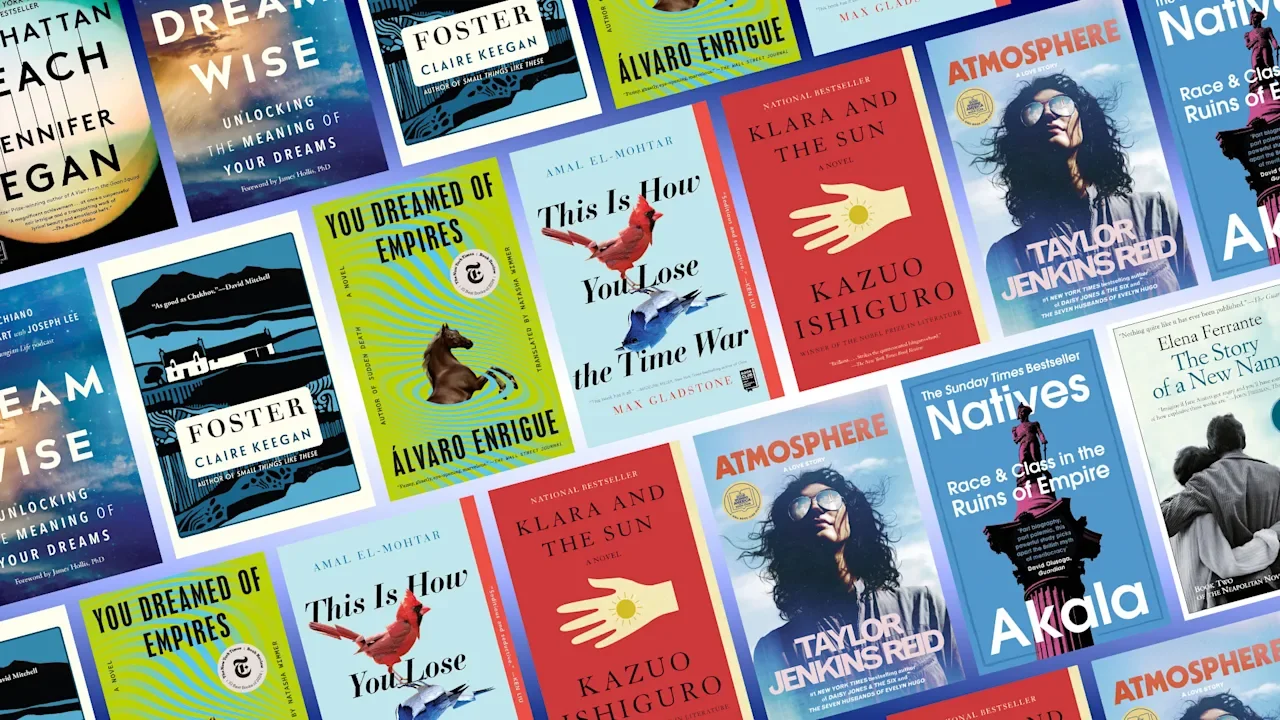
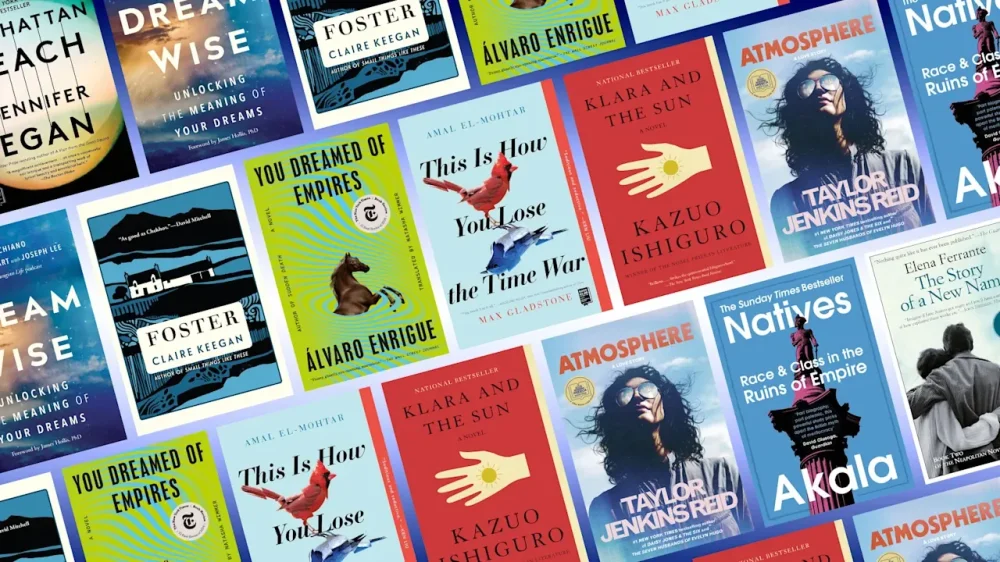
It’s time to reckon with the reality that nonstop doomscrolling has delivered us: a hard-to-ignore erosion of our cognitive skills. We’ve lost the ability to focus on words for long stretches of time . . . er, read books. Years of turning everything worth consuming into “content” that’s been “optimized” for attention has turned our brains into mush, shoved our mental health into free fall, and reduced our ability to pay attention to anything for more than five seconds at a time. (In fact, I clicked away from completing this sentence to check Facebook Marketplace for credenzas on sale.) While we’re still in the early days of what the long-term impact of artificial intelligence on our brains might look like, a growing contingent of folks are fighting back against the hijacking of our attention spans in favor of good old-fashioned reading. These are teenagers forgoing social media for social reality, working moms carving out time in their busy schedules to devour books, and people on #BookTok swapping tips to get into reading. In the spirit of celebrating the dying art of reading actual, honest-to-god chapter books—and not just furiously scrolling through endless Instagram slideshows and calling it a day—and before AI-written novels completely take over (this reality might already be upon us), I consulted a number of my colleagues at Fast Company to compile a list of the best books they’ve read this year in the hopes of inspiring you, too. You Dreamed of Empires by Álvaro Enrigue From Amy Farley, Executive Editor You Dreamed of Empires is a weird, wild, hypnotic retelling about the fateful meeting between emperor Moctezuma and Hernán Cortés in Tenochtitlan. The action takes place across a single day in 1519, but what a day: packed with family drama, palace intrigue, world history-altering misunderstandings, and lots and lots of psychedelics. But the highlight, for me, were Enrigue’s descriptions of the city of Tenochtitlan itself: its layout and architecture, the smells and food, the everyday routines of its many residents. Halfway through reading the novel, I started planning a trip to Mexico City. Atmosphere by Taylor Jenkins Reid From Isa Luzarraga, Social Media Producer Nearly everyone knows the name Sally Ride. In 1983, she became the first American woman in space, setting a crucial precedent for female astronaut candidates at NASA. Still, the National Geographic documentary Sally, released earlier this year, verified what many had only surmised during the astronaut’s life, that Ride was queer. There are clear parallels between Ride’s story and the protagonist of Taylor Jenkins Reid’s most recent novel. Atmosphere follows astronomer Joan Goodwin as she becomes a member of the second NASA astronaut class to accept female candidates. The narrative alternates between two timelines: Joan’s years of training at NASA and her role as the on-ground liaison between the astronauts and command center for a mission gone wrong. Throughout her training, Joan forms a secret relationship with fellow astronaut Vanessa. Like the rest of Taylor Jenkins Reid’s body of work, this historical fiction novel is rigorously researched and highlights the author’s signature, evocative prose. It is an ode, not only to Ride and the first female astronauts, but also to the queer community as a whole. Dream Wise: Unlocking the Meaning of Your Dreams From Bryan Lufkin, Senior Editor I started reading this after getting super into the This Jungian Life podcast. The three brilliant, warm and funny psychoanalysts who host it wrote this book about how to analyze dreams. (They analyze a listener’s dream at the end of every episode.) Every one of us is an iceberg, and this book gives amazing insight into the huge stuff going on with you underneath the surface! Natives: Race & Class in the Ruins of Empire From Vanessa Singh, Executive Producer This is such an insightful look into Britain’s world empire takeover, but specifically about the Caribbean-British experience and growing up in London as a Black person during the ’80s and ’90s. Written by Akala (a British rapper and activist), the book is history that is easy to digest and semi-autobiographical. I love it because it is not written by an upper-class historian who has no emotional investment in the topics discussed. It is written by a highly intelligent, working-class, mixed-race man from London. The book looks at how racism and class shape life in modern Britain, and he shows how the legacy of empire still influences policing, education, and opportunities today. Very no-nonsense. The Story of a New Name by Elena Ferrante From Rebecca Barker, Event Producer I can’t believe it took me until 2025 to read Elena Ferrante’s esteemed Neapolitan Novels, but, as they say, better late than never. The Story of a New Name is the second book of the series and follows the events of the New York Times’ best book of the 21st century, My Brilliant Friend, chronicling the teenage and early adulthood years of friends Lenu and Lila, who have grown up together in poverty in 1960s Naples. I consider the first book’s role as building a rich foundation for the characters and setting that drive the plot of the second—in my humble opinion, The Story of a New Name is where things get good. As the girls navigate Lila’s new marriage (which brings her wealth and stability but lacks love and respect), a growing schism between their social classes and the opportunities available to them, political turmoil, and a shared romantic interest, they are forced to reckon with the strength of their friendship and what it can survive. Ferrante paints one of the most intricate and beautiful portrayals of female friendship in literature—I can’t recommend it enough. Klara and the Sun by Kazuo Ishiguro From Maia McCann, Executive Digital Director The story is told by Klara, an artificial friend/AI robot for a very ill child. Klara and her human, Josie, live in a dystopian future where some children are genetically lifted or enhanced and others are left behind. The reader follows an AI as it tries to understand complex human emotions like grief and love. Potentially a little disturbing, but you wind up really rooting for the robot. This Is How You Lose The Time War by Amal El-Mohtar and Max Gladstone From Anne Latini, Art Director I was absolutely rapt reading this beautiful science-fiction fantasy while on vacation this summer. Written as a series of letters that rove forward and backward through time, the book reminds you that the tension between technology and nature has been with humanity since the beginning and will continue long after we’re gone. Manhattan Beach by Jennifer Egan From Jill Bernstein, Editorial Director I finally read Jennifer Egan’s Manhattan Beach and couldn’t put it down. I loved the characters and was totally absorbed by the action and historical detail. It’s about bravery, love, and the mysterious pull of the sea. Foster by Claire Keegan From Jay Woodruff, Senior Editor Knowing my wife and I were heading to Dublin for our daughter’s wedding in October, a friend told me, “Read everything you can get your hands on by Claire Keegan.” If this exquisite Irish novella doesn’t help restore your faith in humanity, it will definitely restore your faith in first-rate, quiet, vivid storytelling. “Many’s the man lost much just because he missed a perfect opportunity to say nothing,” one kindly character tells the narrator. Careless People: A Cautionary Tale of Power, Greed, and Lost Idealism by Sarah Wynn-Williams From Sandra Riano, Photo Editor This was an eye-opening memoir about Facebook’s leap from Silicon Valley tech enterprise into global politics. Both illuminating and terrifying, it poses the question, How far will Meta go under the guise of free speech? Carless People is a cautionary tale about Big Tech’s quest for more and what we all stand to lose. View the full article
-
Rightwing attacks on one of the world’s most visited cities at odds with reality, says mayorView the full article
-
In Denmark, a grocery store chain used a black star. In Canada, it was a maple leaf. President Donald The President’s trade war inspired new country-of-origin “Made In” labels this year as shoppers outside the U.S. looked to avoid buying American-made goods and shop local instead. In the U.S., though, the “Made in USA” brand is losing its domestic appeal. Country-of-origin labeling is designed to be a stamp of authenticity and quality. Countries police their own rules to ensure products labeled “made” or “assembled” in their country really were made or assembled there and that they meet national standards. When the Copenhagen-based think tank 21st Century introduced its concept for a possible future “Made in Europe” label, its managing director said it was designed to establish trust, as in, if something was made in Europe, consumers could trust no arsenic would be in it. In the U.S. this year, though, “Made in USA” isn’t so much about trust for a growing number of consumers as it is about higher prices. And they don’t want to pay them. A Conference Board survey released in August found about half of U.S. consumers say knowing a product was made in the U.S. made them more likely to buy it again, an 18% decline since 2022. The report’s author blamed the drop on consumers appearing to associate “Made in USA” with being expensive because of high domestic production costs. U.S. consumers today face an overall average effective tariff rate of 16.8%, according to Yale’s Budget Lab. That’s the highest rate since 1935, and it comes amid wider economic discontent. Half of U.S. adults say they are spending more time than usual looking for the the lowest price for items, according to an Associated Press-NORC Center for Public Affairs Research poll. That’s up from 31% in 2021 and helps explain the rise of yuppie, designified generic brands. Value matters to consumers today. The President’s Federal Trade Commission (FTC) plans to make “Made in USA” one of its top enforcement priorities in 2026, but for half of all shoppers looking for the best deal, they won’t be swayed one way or the other, no matter where a product was produced. Americans say they are generally attentive to where their products are made, an October Gallup poll found, with 76% aware of the country products were made in before purchasing them sometimes, most of the time, or always. Following years of inflation, though, the most important label for many U.S. shoppers isn’t “Made in USA.” It’s the price tag. View the full article

-
Vince Gilligan spent a decade ruminating about his next TV series before he had a clear vision of what it was going to be. But through all that time, the writer/director, who is best known for creating Breaking Bad and Better Call Saul, knew one thing for sure: it had to be entirely different from what he’d made before. In fact, it had to be completely unlike any other show, period. “As far as a prime directive, it is always: A) how can we make this show look different than any other show on TV? That’s the most important one,” Gilligan told me during a recent call. “And B, how can we make the show look and sound and feel different from the other shows we’ve already done?” Gilligan made good on his promise to himself. The resulting show, Pluribus, really is a wholly unique take on the sci-fi genre. Massive in scope, yet intimate at its core, it’s a deep study of a character who is going through an impossibly hard situation that affects the entire planet. Before Gilligan told anyone about his idea for Pluribus, he wanted to get his idea onto paper. “I wait as long as I can, and I have as much figured out, at least with the first episode, as possible,” he says. “And in this case, I had the luxury of having a completely written first script, I think actually, possibly a completely written first two scripts.” Vince Gilligan That’s what he showed to Rhea Seehorn, who played Kim Wexler opposite Bob Odenkirk’s Saul Goodman in Better Call Saul. Initially, Gilligan thought about a male protagonist for Pluribus but, after working with Seehorn, he decided to write the series for her. “I talked to Rhea first because I wanted to make sure Rhea would star in the show,” he says. It was only after Seehorn agreed to play Carol Sturka—the grumpy bestseller romance author who becomes the hero—that he got the production ball rolling. “I started talking to our department heads, our wonderful crew people that I’ve been working with for years,” he tells me. “And that makes it a lot easier.” Gilligan—together with series’ writer/director Gordon Smith and writer Alison Tatlock—says the show’s premise is meant to be the opposite of every “alien invasion film” you’ve seen up to this point. Having first worked as a writer on The X-Files, which embodied and invented many of the universal sci-fi tropes, Gilligan knew that Pluribus needed to serve the premise with no cracks in the story, which resulted in flipping, subverting, and ultimately destroying every single sci-fi trope wedged into our collective mind since The Twilight Zone. For Gilligan, Pluribus is the culmination of decades of work in TV. Filmed in Albuquerque (where most of the crew lives), Gilligan says the show is a direct result of working with the same reliable team he’s been with since Breaking Bad. Pluribus’ composer Dave Porter, who worked with Gilligan on his previous two series, told me that Gilligan’s directive cut across departments on Pluribus: “We wanted to plant our flag in the ground to say this is a very, very different experience.” A Post-it sketch becomes a panopticon To understand the production design, it helps to know what the series is about (my recommendation: run to watch the first episode if you haven’t yet). The series begins with an eerie but subtle alien encounter. The U.S. Army lab uses RNA code radioed from an exoplanet 600 light-years away to create a self-replicating alien retrovirus. The virus infects one person transforming her into the first node of a hive mind called The Others. Within a few weeks, all of humanity turns from a selfish, violent-prone, greedy group of individuals into a pacifist, vegetarian, and very happy collective. Immune to this alien virus, only 13 humans survive this process, called “The Joining.” Carol being one of them, is the only person in the U.S. that keeps her free will. The Others only have one mission: To turn civilization and the entire planet into a hippie bliss paradise, all while trying to find a way to “save” those last 13 humans from what they think is the angst of freewill, the pain of our daily choices, our imperfect nature. It’s not that they want to assimilate the 13 like the Borg or cordyceps; The Others believe they are doing the right thing when they liberate you from your sad pointless life. Pluribus follows Carol as she grapples with this new reality, and as she tries to find a way to revert the world back to how it was. Carol has a mission, but her mission is far from a sci-fi trope of saving the world. There are no tropes in Gilligan’s vision. In fact, the series team had to strip away the spectacle usually associated with global cataclysms. Smith and Tatlock describe this as a pursuit of “scrupulous emotional truth.” In most sci-fi, when the world changes, the characters sprint toward the explosions. In Pluribus, as it happened in Better Call Saul, they stop. “Your wife just died. Really? The world just became a hive mind, how fast do you move to get past that?” Smith asks. This refusal to rush required a specific kind of geography and to ground the infinite scope of a global hive mind, led the production team to build a very small, very specific cage for Rhea Seehorn’s character. Her home is the center of her world. That began with a crude drawing. “My favorite picture is a Post-it drawn by Vince,” production designer Denise Pizzini tells me. “He has a little cul-de-sac and he has these houses and he has the one house at the top that says ‘C’, which is Carol’s house.” That doodle evolved into a big civil engineering project. Rather than fighting the logistical nightmare of filming in a real neighborhood for multiple seasons, Pizzini and her team leased a plot of empty land outside Albuquerque and built Carol’s cul-de-sac from the dirt up, complete with plans and full permits and licenses. They poured concrete slabs, laid curbs, and constructed seven custom homes around a circle of asphalt, which became itself a way to communicate later in the series (warning: some minor generic spoilers ahead). A controlled gaze The physical location of the house is real, with fully working systems and finished downstairs interiors. The team also built the upstairs bedroom, office, and hallways on a controlled soundstage. They duplicated the ground floor almost exactly, allowing the camera to seamlessly look from the street into Carol’s living room, or from her kitchen window out to the hive, without a cut, effectively building the house twice. The architectural mirroring was so precise that the illusion eventually fooled its own creator. “I watched the episode last night, and there’s a shot of her in the kitchen seeing the exterior, and I thought, I couldn’t tell,” Pizzini confesses. “Is that on location or is that on the set? Which is great because I don’t remember.” For Gilligan, this wasn’t just about production convenience; it was about the gaze. Before a single wall was framed, the team pounded stakes into the empty field so Gilligan could test the camera angles. “Vince was very specific about what we wanted Carol’s view to be,” Pizzini says. “We needed from her front door and that front window, we needed to be able to see everybody else’s front door. Plus the city lights below.” They even graded each house separately to ensure the street curved precisely to vanish into a fictional neighborhood. The result is a set that functions like a panopticon, designed to ensure Carol is never truly alone. Pizzini designed Carol’s house as the “bastion of her humanity,” filled with the evidence of her previous life with Helen, who fails to survive the merging into the hive mind. The production team filled the space with invisible details. “Helen was [Carol’s] organizer . . . she manages all her tours,” Pizzini says. They placed Helen’s laptop on the dining room table, an orchid she bought, her sleeping mask, and her books by the bed. “Just little things like that give you an indication that they had a life together,” she says. Pizzini also designed the interior knowing that this home was a character in itself. Inside, she used arches and open sightlines because so much of the action was going to happen there and they needed to move the camera around. “She’s in a little bit of a maze because she’s kind of stuck in her house . . . or she chooses to be,” Pizzini tells me. To show the passage of time, Pizzini added an atrium. “I decided to do this so there could be actual sunlight coming in. We could see the plants kind of growing or dying because Helen’s not there taking care of things.” Gilligan was over the moon with the Pluribus set, he tells me, because it opened so many creative opportunities for them. They were able to design so many scenes in advance. “For episode one, when Carol’s coming home after this horrible night she’s been through, I wanted certain angles past her onto the house next door where the little kids [part of The Others] come out,” Gilligan says. Carol’s home is a brutal contrast to the spaces controlled by the hive mind. As The Others consolidate, they abandon individual homes for communal living to save electricity and water. The world becomes austere. Traffic doesn’t exist. Lawns grow wild. Commercial spaces and offices are closed. Buffalos roam golf courses. Hospitals have the bare minimum personnel (remember, since the minds merged, everyone has everyone else’s knowledge, so every person regardless of age, gender, or previous occupation, is now the best doctor, the best pilot, the best physicist, and the best anything you can imagine). Supermarkets are also empty. The production took over a real Sprouts supermarket after a year negotiating with the actual chain and weeks physically emptying the shelves. “Emptying out a supermarket . . . boy, that’s a nightmare,” Gilligan says. Sometimes you think something is going to be very complicated but turns out to be so easy. This was the contrary: They thought it was simple but it was a logistical hell, he points out. “Every step of the process, I was like, this is a nightmare,” Smith adds. Seeing the empty supermarket—and how it gets filled in a matter of hours—captures a society that has optimized itself into terrifying efficiency and silence. Subtracting humanity, adding logic So many other things required the same level of subtraction, which became the mandate—and nightmare—for the visual effects department. Rather than adding hordes of zombies, spaceships, and lasers, VFX Supervisor Ara Khanikian and his crew spent his time erasing life from each frame. “We’re subtracting a lot instead of adding,” he says. To achieve the eerie stillness of a society reduced to its most efficient expression, Khanikian’s team meticulously rotoscoped out people, cars, and movement from wide shots of Albuquerque. This forced the team to realize more consequences about the show’s premise, answering philosophical questions about a post-human world. “If there’s no concept of humans and traffic . . . are they all green or do they continue blinking? Or have we turned off the electricity to that because we don’t need it anymore?” Khanikian asks. Another question was how The Others move. At one point of the series, there is a massive exodus from the city. The team initially created film plates to animate cars moving in perfect synchronization, assuming a networked intelligence would drive with mathematical precision. But it looked fake. “Theoretically, if everybody’s in sync together, there shouldn’t be any traffic jams,” Khanikian explains. “We have to add a little bit of that human imperfection . . . Some people accelerate just a little bit more. Some brake a little bit later.” Gilligan’s commitment to physical reality extended everywhere. At one point, one of the unaffected humans arrives at the airport in Bilbao, Spain, on Air Force One. Initially, Pizzini tells me, they started out building just the plane’s door, the surrounding frame, some stairs and green screen. “But we knew Vince was going to want it big,” she says. Gilligan saw it and he asked to expand it. “He was like, no, we need to do a little more, a little more,” she recalls amused. “So we built a big chunk of it and we found the stairs that could go up to it. And then we . . . built little pieces of the interior, so you could go inside Air Force One and shoot out and see them coming up the stairs.” But it didn’t end there. They ended up buying the frontal 747 landing gear. And, since they filmed scenes on the runways of Bilbao’s airport, they had to match the cement and asphalt patterns of the airport. “That was a big, big set,” Pizzini recalls. Clothing becomes function Like the sets, the costumes show us a civilization that has decided to stop waste, both physical and mental. Costume designer Jennifer Bryan pitched a radical concept to Gilligan: In a hive mind, clothing no longer serves to signal status, culture, or religion. It is reduced to its leanest, meanest function. “I pitched to him that the clothes shouldn’t signify any of that,” Bryan says.“Basically just leaving clothing as a shell to cover your body, like a snail has a shell.” She stripped the costumes of jewelry and accessories. She only kept belts in cases where pants would literally fall down. The clothes also tell the story without having to enunciate it with dialog, one of the core strengths of Pluribus. In the early days of the assimilation, because the hive mind shares its knowledge, anyone can do anything, regardless of their attire. This leads to the visual dissonance of a TGI Friday’s waitress piloting the Airbus that flies Carol to Bilbao. The woman wears the uniform she was caught in when the virus struck, but she possesses the skill set of a veteran pilot. “When you see the uniform or the clothing not matching the occupation, you know something’s off,” Bryan says. Even the man cleaning Carol’s house in a spandex cyclist suit is a misplacement of role (fun fact: that character is played by the actual mayor of Albuquerque). Those were the early days of the hive mind unification. Later in the series, as society continues to optimize, people lose their individual uniform and begin to wear plainer, neutral clothing—a “shell” aesthetic will only deepen as the series progresses. As the hive mind realizes that wool requires disturbing a sheep and silk requires killing a worm, the very materials of clothing will change to reflect a society that refuses to do harm. “In the second season you’ll start to see the effects of that,” Bryan teases. She explains what we all know about modern society. “Somewhere along the line, something had to die for it, whether it’s a mulberry worm to make silk or you cut on a tree to make lumber.” This also opens a stark contrast among the few remaining humans. While waiting to find the science to assimilate them, The Others are obsessed with pleasing the 13 free humans by doing anything these ‘freewill’ humans ask for. While Carol largely rejects the hive’s offers of help and comfort, other survivors indulge. Mr. Diabate, one of the 13 free humans, treats the hive like a genie lamp. To dress him, Bryan looked to the Sapeurs of Brazzaville, Congo—blue-collar workers who dress in ostentatious, high-end suits. She dressed Diabate in a tuxedo made of African fabric, a visual explosion of ego in a world that has otherwise been flattened to grey. She looked at the characters and asked herself: “If you could get every single thing that you wanted, what would you go for?” Since Gilligan insisted on actors who were genuinely from the regions they portrayed—like Mauritius, Colombia, China, or Peru, Bryan collaborated with them on the specific mix of Western and traditional clothing unique to their cultures. The sound of the swarm The final layer of this happy apocalypse is the soundscape. Like everyone else on the production team, composer Dave Porter tells me that he got the same prime directive from Gilligan. After spending 20 years defining the sonic palette of the Breaking Bad, El Camino, and Better Call Saul universe, he realized he needed to “strip it down to the studs” for Pluribus. The series premise also defined his musical choice from the start. Instead of sci-fi synths or traditional orchestral arrangements, Porter chose the most innate human instrument: the voice. But like the traffic in Khanikian’s visual effects, he found that a controlled cacophony of a slightly off-sync choir was the perfect way to convey both the nature of The Others while introducing a disheartening, uneasy feeling. Something must be wrong. Porter tells me that he was influenced by American minimalist composers like Philip Glass and Steve Reich to structure the score, using syncopation and phase-shifting to mirror the hive’s behavior—moving from soothing unison to chaotic dissonance. At times, this chaos gets into an ever-increasing crescendo that reminds me of the work of Hungarian composer György Ligeti for the Monolith in Stanley Kubrick’s 2001: Space Odyssey. “Nobody’s singing any words, but there’s a lot of syncopation and punctuation about what they’re doing,” he says. This technique was used to perfection in a chilling scene in which Carol is trying to extract information from Zosia, the character who serves as her primary contact and chaperone with The Others. In the scene, Carol drugs Zosia with Sodium Pentothal, as she asks Zosia to give her information about what might reverse what’s happened to the world. When the hive mind realizes what’s going on, a mob appears out of nowhere to surround them. The on-set extras’ voices were blended with a choir to create an overwhelming wall of sound to stop her. Tatlock told me the story logic behind that moment. The Others were not talking in perfect synchronicity because of “network latency” but as a tactic to create a buzz to stop her. “They can pretty quietly and calmly drown her out,” Tatlock explains. It is a sonic tactic designed to “foil” Carol’s questions without aggression. The hive doesn’t need to scream; it just needs to vibrate at a frequency to drown you in sound. The ants Porter tells me that the music was designed to explore the tension between the pain of individuality and the comfort of surrender. He also avoided scoring The Others with purely menacing music. Instead, he used vocals that could shift from comforting to terrifying. “As Vince has been saying a lot in interviews about the show, they’re not all bad, right?” he says. For Gilligan, it was important that the score didn’t paint anything in black and white—there’s always multiple ways to view things. Which brings us back to the very nature of the show. Unlike most series, it doesn’t give us answers; instead it gives us all the questions we should be asking. At every plot turn, every reveal, and every character decision, you feel that any kind of dichotomy is a false one. Like Porter says, there are no binary answers in the real world. Especially when it comes to free will, our nature, and the nature of the societies we build. And that’s perhaps Pluribus’ greatest success, beyond its storytelling and cinematic virtues. Vince and his family have built a glass ant farm, removed the chaos of individuality, and forced us to watch what remains. The result is a world that feels nice, quiet, seductive, yet profoundly inhuman, which makes you appreciate your faulty humanity even more. View the full article

-
The bank regulator is proposing to strengthen national preemption in the wake of conflicting decisions in related court cases. View the full article
-
Mortgage lenders test crypto-backed mortgages as Fannie Mae and Freddie Mac review digital assets in underwriting, weighing risk, non-QM loans and access for nontraditional homebuyers. View the full article

-
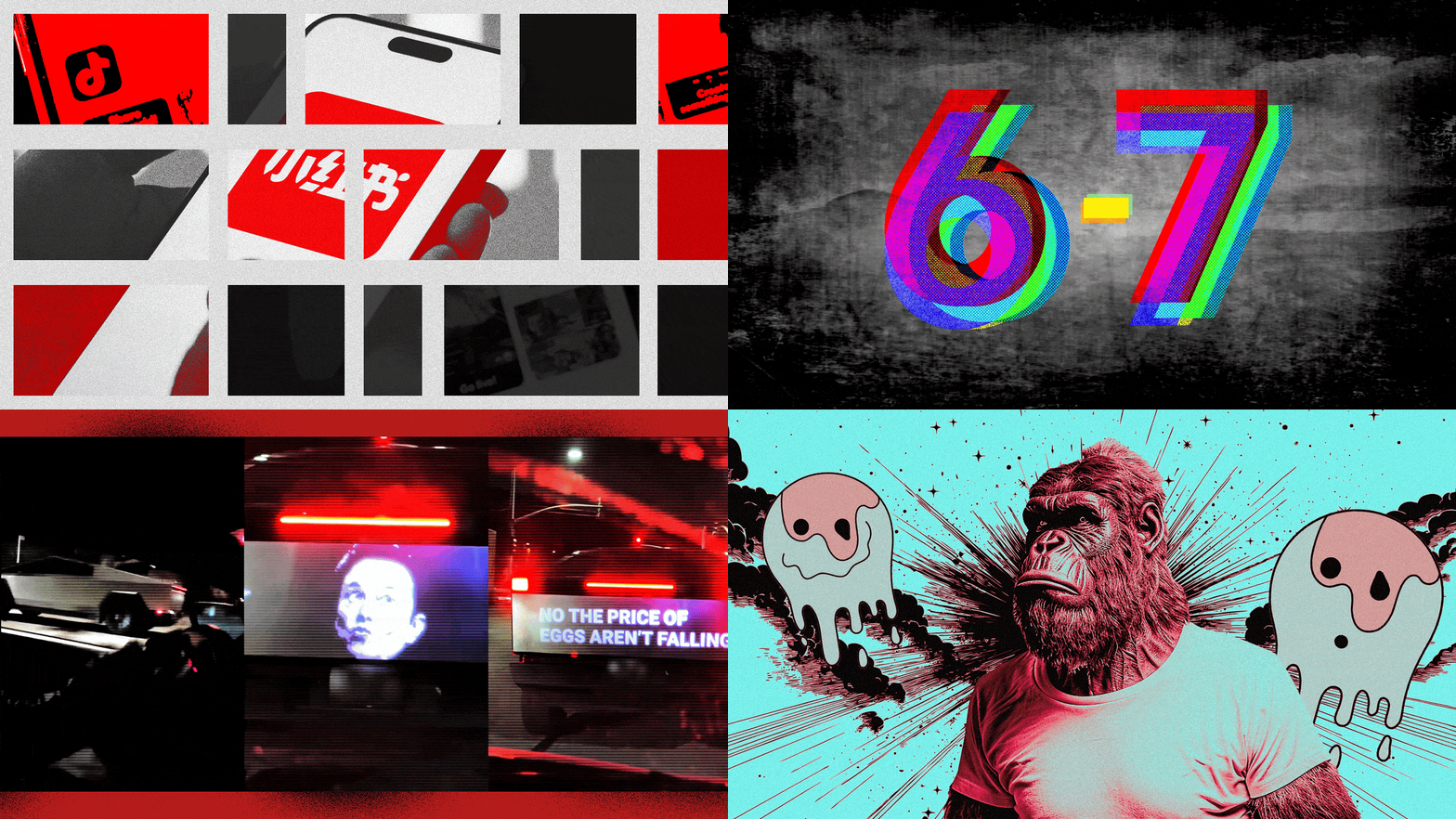
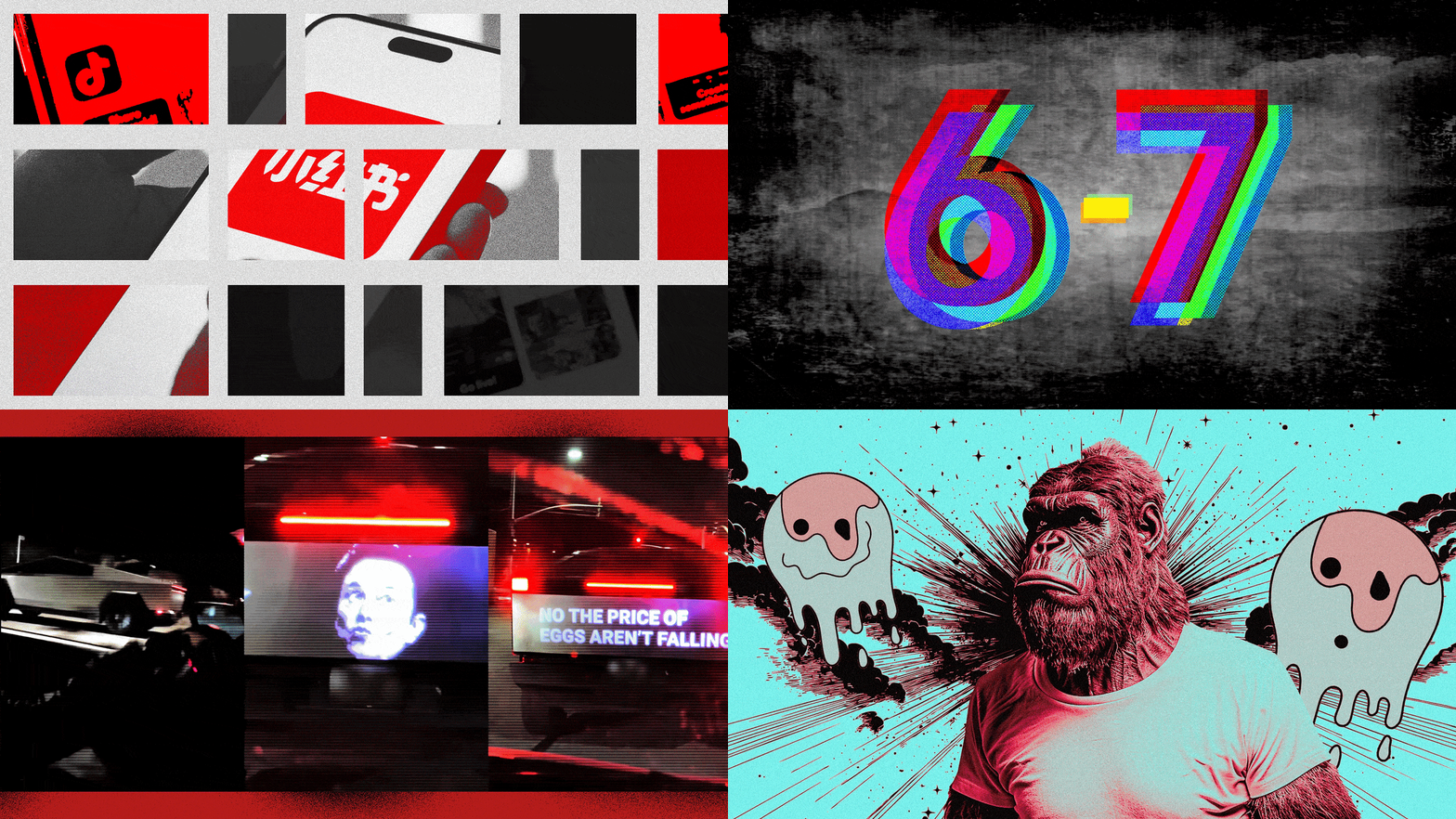
For the chronically online, 2025 was the year of “brain rot”, AI slop, and “rage bait,” a time of consuming Labubu matcha Dubai chocolate to the sound of “nothing beats a Jet2 holiday” and “six-seven,” on repeat, as a form of torture. Here, we take a look back at the biggest internet-culture moments that brought us all together even as the country is more divided than ever. The TikTok ban that never happened If I told you the supposed TikTok ban was this year, would you believe me? In January, users panicked over the looming threat of the apps impending disappearance, flocking to alternatives like the Chinese-owned RedNote and making last-ditch confessions on the doomed app—only for the ban to never materialize. American woman in Pakistan American Onijah Andrew Robinson went viral in February after claiming she flew to Pakistan to marry a 19-year-old she met online, only to be rejected. Instead of returning home, she became a minor celebrity in Pakistan, holding press conferences in Karachi, demanding money, and announcing plans to “rebuild” the country, earning the moniker “American woman in Pakistan.” The lone anglerfish Usually found 6,500 feet under the sea, this black seadevil was filmed by marine researchers in Tenerife swimming toward the water’s surface. Tragically, the fish died just hours after being spotted, sparking an emotional outpouring on social media for this six-inch fish. RIP. Tesla Cybertrucks If one good thing came out of 2025, it’s the unanimous cancellation of Cybertrucks. The ostentatiously hideous vehicles became everyone’s favorite punching bag in 2025 as a result of anti-Elon Musk backlash. A group of TikTokers known as the Cybertruck Hunters roamed the streets, hunting Tesla Cybertrucks in the wild. People posted their Tesla trade-ins on TikTok accompanied by the hashtag “ByeTesla” and scored to Taylor Swift’s “Look What You Made Me Do.” Die-hard owners eventually retreated to Facebook support groups and demanded harassment of Tesla drivers be labeled a hate crime (if so, owning one should also be considered one). Great Meme Depression The panic around the lack of memes as we entered the third month of the year began on March 10, when user @goofangel posted a video titled “TikTok Great Depression March 2025.” He says, “Nine days into March and we haven’t had a single original meme.” The Great Meme Depression soon became a meme itself, later triggering talk of The Great Meme Reset of 2026. Stay tuned for updates. OpenAI Studio-Ghibli-gate After “Images for ChatGPT” launched in March, users transformed selfies and family photos into Studio Ghibli-style “portraits.” What started as a lighthearted trend quickly took a darker turn as ethical questions and copyright issues began to surface. In a resurfaced clip from a 2016 documentary, Hayao Miyazaki, the founder of Studio Ghibli, called AI “an insult to life itself.” Some food for thought for 2026. Chicken Jockey If you took a trip to the cinema in April to watch A Minecraft Movie, based on the popular game, you would likely have been subjected to a teen-filled audience yelling “Chicken jockey!” at the top of their lungs, flashing phone lights, and launching popcorn and drinks at the screen. (To which I say: Why were you watching A Minecraft Movie in the first place?) Conclave In May, Cardinal Robert Francis Prevost of the United States was declared the 267th pope, taking the name Pope Leo XIV. On social media, “diva sightings,” memes about the niche, daily process of conclave, and live updates of the Sistine Chapel’s chimney flooded FYPs. Can we do it all again next year? Velvet Sundown The mysterious indie rock band—seemingly unironically named Velvet Sundown—suddenly appeared in Spotify’s Discovery Weekly in July, quickly amassing hundreds of thousands of listeners. Their rapid rise sparked speculation that the group might be AI-generated (while they confessed they kind of are, but kind of aren’t). A true mystery for the ages. Etsy witches 2025 has been a big year for Etsy witches. From sports fans hoping to gain an advantage for their teams to anxious brides praying for perfect wedding weather, more people than ever were purchasing spells on platforms like Etsy this year to turn their luck around. Coldplay’s Kiss Cam We all remember where we were the first time we saw the clip. A Coldplay concert in Massachusetts went viral in July when an HR executive was caught on the jumbotron embracing her company’s CEO—spurring a million memes and breaking the internet in the process. The U.S. Department of Homeland Security The official X account of the U.S. Department of Homeland Security tested a new social media strategy this year, as meme lord, drawing widespread backlash on and offline. So far, they’ve got on the wrong side of Sabrina Carpenter, SZA, Olivia Rodrigo, Jess Glynne, Theo Von, and Pokémon, to name a few, for featuring their songs and audios without permission to promote deportations. “6-7” Last but not least . . . you can’t talk about 2025 without mentioning six, seeeeven. Or maybe we can, and instead pretend a bunch of grown adults don’t need to dissect a trend that is only funny, relevant, or interesting if your birth year begins with a two. Unfortunately, the two digits have become too ubiquitous to ignore, wreaking havoc in classrooms, banned at fast food chain In-N-Out, and cemented as the choice for Dictionary.com‘s word of the year. Lets hope for 2026. View the full article
-
When you hear the phrase “family business,” you might think of the backstabbing Roys of Succession or the dysfunctional Duttons of Yellowstone. But while TV’s family companies are entertaining, their real-life counterparts may be even more compelling. Around the world, family businesses produce about two-thirds of all economic output and employ more than half of all workers. And they can be very profitable: The world’s 500 largest family businesses generated a collective US$8.8 trillion in 2024. That’s nearly twice the gross domestic product of Germany. If you’re not steeped in family business research—and even if you are—their ubiquity might seem a little strange. After all, families can come with drama, conflict, and long memories. That might not sound like the formula for an efficient company. We are researchers who study family businesses, and we wanted to understand why there are so many of them in the first place. In our recent article published in the Journal of Management, we set out to understand this different kind of “why”—not just the purpose of family firms, but why they thrive around the world. The usual answers don’t really explain it The standard answer to “Why do family companies exist?” is straightforward: They allow owners to generate income and potentially create a legacy for future generations. A related question is: “Why do entrepreneurs even want to involve their relatives in their new ventures?” Research suggests entrepreneurs do so because family members care and can help when resources are limited. But that might not be unique to family businesses. All companies—whether run by a family or corporate executives—balance short-term profit and long-term goals. And all of them want reliable workers who are willing to pitch in. So those answers don’t explain why family companies, specifically, are so common worldwide. A different angle: Winning without fighting For our study, we considered decades of research about family firms to conclude that family businesses are uniquely skilled at keeping competitors out of their market space—often without actually competing with them. How? We think a quote from Sun-Tzu’s The Art of War captures the idea: To fight and conquer in all your battles is not supreme excellence; supreme excellence consists in breaking the enemy’s resistance without fighting. Family-owned businesses often do exactly this, which is why there are so many of them. Here’s how it works in practice. 3 key differences Research on family businesses has shown that they differ from other types of companies in three key ways: the types of goals they pursue, the governance structures they establish, and the resources they have. Together, these three characteristics explain how family businesses may use their property rights to get an edge over their competitors. The first is goals. Unlike other types of enterprises, family businesses prioritize noneconomic goals involving the reputation, legacy, and well-being of the family—both now and in the future. Of course, they still have to worry about making a profit. But their interest in family-centered goals can lead them to choose projects that may yield lower returns but still fulfill their noneconomic goals. These sorts of projects may not be attractive to other types of firms. As a result, family businesses may find themselves operating in spaces where there’s not much competition to start with. For instance, take Corticeira Amorim, a family-run Portuguese company that dominates the global market for cork stoppers and other cork products. The cork industry is a classic narrow niche: There are only a handful of serious global competitors, and Amorim is widely described as the world’s largest cork processing group, with a sizable share of global wine and Champagne corks. CEO Antonio Rios de Amorim discusses the history of his family business in this Business Insider video. The second key factor is governance. Family members who work together often know each other well, care about each other, and want the best for both the family and the firm, which may stay in the family’s possession for generations. This fact may reduce operating costs and the cost of contracting. Why? When they make decisions, they don’t always need to hire a fancy, Harvey Specter-like lawyer from the show Suits. They can decide on the next move for the company while having dinner together. This significantly reduces the costs associated with decision-making. In other words, because they rely less on formal contracts and monitoring, family businesses can operate more cheaply. Finally, family firms use resources like information and money differently. Since many established family businesses have been around for decades, relatives who work together accumulate information that’s hard to acquire and transfer, and might not even be useful elsewhere. Being a family member means not only doing business with relatives but also going through life together, acquiring a unique perspective about the family itself. As a result, family businesses have lower transaction costs than other companies. Sometimes this shows up in very concrete ways. An uncle may invest money in the business and never ask for it back. Would that happen at a nonfamily business? Probably not. This dedication makes family members a special type of human asset that’s hard to replace. Put simply, nonfamily businesses are unlikely to hire someone who cares as much about the company’s success as a deeply invested relative does. And because these relationships aren’t for sale on the open market, competitors can’t easily access them. That fact helps family businesses keep competitors at bay while essentially being themselves—which in turn explains why there are so many of them. Family businesses are so common worldwide that there are several holidays celebrating them, including International Family Business Day on November 25; U.S. National Mom and Pop Business Owners Day on March 29; and the United Nations’ Micro-, Small, and Medium-Sized Enterprises Day on June 27. This holiday season, you might consider spreading a little extra cheer with the family-run retailers in your community. Vitaliy Skorodziyevskiy is an assistant professor of management and entrepreneurship at the University of Louisville. Hanqing “Chevy” Fang is an associate professor of business and information technology at the Missouri University of Science and Technology. Jim Chrisman is a professor of management at Mississippi State University. View the full article

-
2025 was unquestionably the year of the AI boom at work. When generative AI like ChatGPT entered the scene a few years ago, it started as a novelty. Early adapters saw its potential to change the way we work, but for most people it was a way to rewrite Keats’s poetry in pirate speak, or remix their favorite memes. But in 2025 AI rolled into offices everywhere, taking up residence as the boss who set performance goals, the on-call therapist-cum-coach, and the silent brainstorm partner. A McKinsey study found that 33% of organizations used genAI at work in 2023, and 55% used AI. This year, that leapt to 79% and 88% respectively. Here are five ways AI changed work in 2025. 1. The AI job application Not only is AI changing how we do our jobs, it’s changing how we get our jobs. AI generated résumés submitted on LinkedIn surged by 45% this year. Job candidates are also using AI to find companies to apply to and help them network. In parallel, overwhelmed by all the AI generated applications, HR departments are using AI to help them keep up. Three-fourths of hiring managers say they use AI to schedule interviews, and over 90% use AI to screen résumés. While interviewing still remains the domain of humans, about 25% of companies are using AI interviewers. Researcher Brian Jabarian even found that AI interviewers are more likely to result in increased job offers. They also improve 30-day job retention by 17% for industries that hire at a high volume, such as customer service. 2. AI as the superstar employee AI arrived on the scene as the perfect employee. It does not ask for a salary or raises, it does not care about getting promoted, and it won’t steal someone’s lunch from the break room. Instead, it can do the automatic, repetitive work that’s present in every job that eats up hours of the week offering very little intellectual satisfaction in return. In fact, even as companies waffled on how to train employees on how to use AI and what their AI policies should be, employees took matters into their own hands and figured out how to use AI to make their jobs easier. About 80% of employees at small and medium-size companies were using their own AI tools at work giving rise to BYOAI: bring your own AI. AI has also reduced the barrier to entry for founders: instead of hiring a fleet of programmers, vibe code. Instead of sinking hours into finding client contact information, get AI to suggest leads. 3. The silent copilot Not only is AI the superstar employee, it’s the perfect confidante since it won’t gossip. As such, AI also became the silent copilot who helped workers brush up on their soft skills and stress test their ideas without judgement. In an informal survey Fast Company conducted of employees using LinkedIn, workers reported using AI to organize documents, brainstorm ideas, challenge assumptions, summarize meeting notes, and prioritize tasks. Employees are even asking AI what kind of health insurance they should get. It’s not just employees: leaders are using AI to up their game. Studies show that 85% of new managers don’t receive training. AI quietly stepped in to fill the gap. James Cross, cofounder of Tenor, an AI leadership company, noted that “managers are often more receptive to AI feedback,” because “there’s no emotion attached to it.” 4. The rise of workslop AI might be the best employee but it’s also the worst employee because it knows not what it does. While AI can generate work, that doesn’t mean it understands what it’s doing. 2025 might have seen the ascendance of AI at work, but it also saw the ascendance of AI generated “workslop.” Stanford researchers found that 40% of employees reported receiving “AI-generated work content that masquerades as good work, but lacks the substance to meaningfully advance a given task.” Meanwhile, in July, MIT published a report that found that while companies were investing billions of dollars in AI, 95% of companies had found no return on their AI investments. Worse, OpenAI’s research found that their models can lie deliberately. AI promises to work easier, but workers may find instead of kicking back, they have a new job: sorting through piles of AI generated trash. 5. AI took all the jobs, or did it just get blamed for it? In addition to being the superstar employee, AI is also everyone’s favorite scapegoat. It’s getting blamed for replacing all the jobs for good reason. First, 2025 was a rough year for layoffs, with layoff announcements totaling over one million. Second, CEOs pinned the blame on AI. Understandably, as wave after wave of layoffs have swept through corporate America, nearly a third of employees say that they think AI will lead to fewer job opportunities. However, experts point out there’s little evidence AI is replacing workers—AI’s impact on the workforce is comparable to earlier technological disruptions such as the rise of the PC and the internet. In a rocky economy, where companies are struggling to trim back, “it makes companies look good to their shareholders, to suggest ‘we are deploying AI so well [that] we are now cutting our labor costs’,” Molly Kinder, a Brookings senior fellow, told Fast Company. View the full article

-
If you’re an entrepreneur, at the end of the year you’re probably excited about the prospect of time off, but also daunted by the new year’s potential and all the deadlines you should be setting. Traditional planning methods like to-do lists and calendars are no longer enough for the complexity of modern careers and lives. This year, I leaned into AI to approach planning differently. When used thoughtfully, AI becomes a partner in strategy, and a system that helps you transform aspirations into structured, executable plans. Here’s how I recommend using AI to clarify where you’re headed and offer more clarity on how to get there. Redefine the role of AI Most people use AI like a junior assistant, asking it to summarize things or spit out a process or recommendation based on relevant input shared. But what I realized is that AI can be extremely helpful as a thought partner, forcing clarity where you’re vague and exposing blind spots you’d otherwise ignore. One of the first prompts I ran this year was “If I repeat the same behaviors I had this year, where will I realistically end up in 12 months?” That question alone reframes everything. AI is excellent at pattern recognition, including your own. Before planning forward, I let AI show me the trajectory I’m already on to help me decide what needs to change. Plan like a portfolio manager We have a tendency to approach planning as if every goal deserves equal attention, but let’s face it, that’s rarely the case. This year, I asked AI to treat my time like a portfolio. I said, given my goals, which 20% are likely to produce 80% of meaningful outcomes? The result was uncomfortable to see but important to make me realize that several projects I thought were “important” turned out to be just draining my energy. For example, the AI flagged two goals as the most important: clarifying and focusing on one user problem to make sure the team was pushing in one direction, as well as building a regular feedback loop, so that we can iterate the product based on feedback as most important. Everything else on the backlog had to come second. Use AI to run premortems on your year One of the most powerful ways I use AI is by asking it to assume failure. Before finalizing major goals, I run a premortem, by providing context as if it’s already December next year and the plan failed, helping me see what went wrong. This helps me surface predictable risks, such as being overly optimistic on timelines, or trying to do too many things at once. For example, last year I ran a premortem on what looked like a “perfectly reasonable” plan of scaling my company while simultaneously launching two new agent products, expanding partnerships, and tightening our internal tooling, all within 12 months. The AI flagged that I’d assumed linear progress in a year that would almost certainly include regulatory friction, hiring delays, and long integration cycles with partners. It pointed out that running multiple launches in parallel would fragment leadership attention. This single exercise has saved me months of wasted effort by planning ahead for what can keep me stuck. Turn goals into systems Traditional planning tends to be driven by milestones like “scale by Q4.” But what if, instead of asking what do I want to achieve, you ask: What system do I need to follow to ensure I reach this milestone? This could look like a weekly publishing system with feedback, as opposed to just saying you want to write more. AI helps design these systems, and refine them over time. Let your plan evolve in real time The biggest flaw we tend to make in our annual planning is pretending the future is static. What’s changed for me this year is using AI agents to continuously adapt my plan based on new information, such as meetings added to the calendar or opportunities emerging that I didn’t anticipate. You can just sync your preferred chatbot with your calendar to help you do this. This turns planning into a living conversation, not a once-a-year ritual. AI won’t magically give you discipline, but it will expose contradictions between what you say you want and how you actually allocate time. Used well, AI becomes a mirror that reflects your priorities back at you in uncomfortably precise ways. The people who will get the most out of AI next year will be doing fewer things, more coherently, with systems that adapt as fast as life does. Using AI to help you in this process is what will make a difference between a plan that looks good on January 1 and one that works all year long. View the full article

-
Power producers pivot to battery storage to save unprofitable solar farms View the full article
-
Nearly 1,000-year-old depiction of Norman Conquest will be on display at British Museum in 2026View the full article
-
Country’s overseas spending set to fall to lowest level this centuryView the full article
-
The country is taking a huge bite out of the European and US market with ever-growing production of luxury foodsView the full article
-
Elon Musk stays on top as Nvidia’s Jensen Huang powers up the rankings on an AI-fuelled surge in fortunesView the full article
-
A guide to the London share index’s winners and losers View the full article
-
Tailors, restaurants, dating services and other businesses are affected by the trendView the full article
-
President posts on social media that the defence department ‘executed numerous perfect strikes’ View the full article
-
A social media content plan template is crucial for organizations aiming to streamline their online presence. It serves as a structured guide, helping you define target audiences, set measurable goals, and brainstorm content ideas. By following a template, you can maintain brand consistency, track performance metrics, and adapt your strategy based on analytics. Comprehending the key components of this template can greatly improve your social media efforts, leading to more effective engagement. What are the specific elements you should consider when creating one? Key Takeaways A social media content plan template provides a structured framework to organize and manage posts across various platforms. It includes sections for target audiences, goals, and content outlines to enhance engagement. The template facilitates tracking of key performance indicators (KPIs) for data-driven strategy adjustments. Regular updates based on audience feedback ensure the content remains relevant and engaging. Utilizing a template improves consistency in messaging and branding across social media channels. Understanding Social Media Content Plans To kick off your comprehension of social media content plans, it’s essential to recognize that these plans act as a roadmap for your social media strategy. A social media content plan template provides a structured framework to organize and manage your posts across various platforms. It typically includes sections to define target audiences, set specific goals, and create content outlines, which help optimize engagement. By tracking performance metrics such as likes and shares, you can make data-driven adjustments to your future content strategy. Utilizing a content strategy template streamlines collaboration within your team, ensuring a cohesive brand voice. Regular updates to your media plan template, based on audience feedback and analytics, keep your strategy relevant in today’s dynamic digital environment. Key Components of a Social Media Content Plan When creating a social media content plan, it’s essential to outline clear goals and objectives that align with your overall marketing strategy. Identifying your target audience is equally important, as this helps you understand their preferences and behaviors, allowing for more customized content. Goals and Objectives Establishing clear goals and objectives forms the backbone of an effective social media content plan, guaranteeing that your efforts align with broader business aims. A social campaign template should define specific, measurable goals, such as increasing brand awareness or driving website traffic. It’s vital to set time-bound objectives, giving your team a clear timeline for achieving these goals, whether monthly engagement rates or quarterly sales targets. Incorporating key performance indicators (KPIs) allows you to track progress against these goals by monitoring likes, shares, comments, and conversion rates. Regularly reassessing your goals based on performance data enables you to pivot strategies as needed, optimizing results. Using SMART criteria guarantees clarity and focus throughout the content creation process. Target Audience Identification Grasping your target audience is a key component of a successful social media content plan. Identifying who your ideal customers are helps tailor your content to their specific demographics, interests, and behaviors. Using buyer personas can improve your comprehension by highlighting their background, goals, and challenges. Researching audience segments through analytics tools offers valuable insights into engagement patterns, guiding your content strategy and platform selection. Demographics Interests Behaviors Age Hobbies Online Activity Gender Topics Purchase Habits Location Trends Engagement Style Income Level Preferences Content Consumption Education Influencers Feedback Response This targeted approach enhances campaign performance and boosts engagement rates. Benefits of Using a Content Plan Template Using a content plan template can considerably improve your social media strategy, as it provides a clear framework for organizing and scheduling your posts. It streamlines the content creation process, ensuring consistency in messaging and branding across various platforms. With a template, you can effectively track key performance indicators (KPIs) and engagement metrics, allowing you to assess the success of your strategies and make informed adjustments. Furthermore, templates facilitate collaboration among team members by enabling easy sharing and editing, which keeps everyone aligned on content goals and deadlines. Steps to Create Your Own Social Media Content Plan To create an effective social media content plan, you should start by identifying your target audience and setting clear goals that align with your overall marketing objectives. Next, follow these steps: Use a social media calendar template to organize and schedule your content, ensuring consistent publishing across platforms. Conduct research on trending topics and competitor strategies to brainstorm engaging content ideas that resonate with your audience. Incorporate key performance indicators (KPIs) to measure the success of each post, allowing you to adjust your strategy based on data insights. Regularly review and update your content plan to reflect changes in audience preferences and industry trends, ensuring ongoing engagement and relevance. Types of Social Media Content Plans When crafting a social media content plan, it’s important to grasp the different types available, as each serves distinct purposes and audience needs. Type Description Organic Plans Focus on genuine engagement without advertising budgets. Paid Plans Utilize targeted advertising to reach broader audiences. Mixed Plans Combine both organic and paid strategies for a thorough approach. Each type requires clearly defined metrics like engagement rates, reach, and conversion rates to gauge success. Moreover, you should tailor strategies to each platform’s unique characteristics and audience behaviors. A content calendar can help you organize and schedule posts, ensuring consistent publishing aligned with your marketing campaigns. By grasping these types, you can better meet your social media goals. Tips for Effective Content Planning Crafting an effective social media content plan involves several key elements that can greatly improve your strategy. Start by defining your target audience profiles, so you know who you’re speaking to. Incorporate a content calendar to keep your publishing dates organized and track performance. Establish clear goals and success metrics to measure effectiveness and adapt your approach. Finally, utilize a mix of content types to engage your audience better. Define target audience profiles Incorporate a content calendar Establish clear goals and success metrics Utilize a mix of content types (images, videos, polls) Regularly review and update your content plan based on analytics and audience feedback to stay aligned with current trends and community needs. Tools and Resources for Social Media Planning A well-organized social media content plan is greatly improved by using the right tools and resources. A customizable social media content plan template helps you organize and schedule posts across various platforms, ensuring consistent delivery. Many templates include sections for setting goals, defining target audiences, and tracking performance metrics, streamlining your planning process. Tools like Google Sheets and Notion provide user-friendly templates that allow for real-time collaboration and updates, making teamwork more efficient. Furthermore, many social media planning tools come with automation features, enabling you to schedule posts in advance and monitor engagement metrics easily. By utilizing a structured content plan template, you can improve your time management and resource allocation, leading to more effective marketing efforts. Common Mistakes to Avoid in Content Planning Avoiding common mistakes in content planning is essential for achieving successful social media strategies. Here are key pitfalls to steer clear of: Not setting clear, measurable goals can lead to aimless content that misses the mark. Failing to research your target audience may result in unengaging content, wasting valuable time and resources. Inconsistent branding across platforms confuses your audience and weakens your brand identity. Overlooking a content calendar can cause disorganized posting, missed opportunities, and poor engagement with current trends. Additionally, ignoring performance metrics means you can’t make informed adjustments, risking stagnated growth. Real-Life Examples of Successful Social Media Content Plans When you look at successful social media content plans, notable brands like Coca-Cola and ASOS stand out for their strategic approaches. They utilize engaging content strategies that not only align with audience interests but in addition incorporate measurable success metrics. Notable Brand Campaigns Notable brand campaigns often serve as strong examples of how effective social media content plans can propel engagement and sales. These campaigns illustrate the importance of aligning brand values with audience interests: Nike‘s “Dream Crazy” with Colin Kaepernick led to a 31% online sales increase. Wendy’s “Twitter Roasts” employed humor, boosting engagement rates by 50%. Coca-Cola’s “Share a Coke” personalized bottles, resulting in a 2% sales volume increase among younger consumers. Dove‘s “Real Beauty” campaign resonated with body positivity, generating over 3 million social media impressions. Each of these campaigns highlights different strategies, from social responsibility to humor, showcasing how diverse approaches can effectively connect with audiences and improve brand loyalty. Engaging Content Strategies How can brands effectively engage their audience through social media? Successful strategies often rely on a well-defined brand voice, as demonstrated by Wendy’s humorous and sassy tweets, which greatly boost follower engagement. T-Mobile’s “Un-carrier” campaign showcases the strength of consistent content across platforms, integrating promotional content with user-generated stories, nurturing brand loyalty. Nike emphasizes storytelling and community engagement through its “Just Do It” campaign, creating emotionally resonant content that aligns with audience values. Red Bull captivates its audience with extreme sports content on Instagram and YouTube, enhancing brand recognition. Dove’s “Real Beauty” campaign features authentic imagery, resulting in a 700% increase in engagement, underscoring the importance of aligning content with social causes and audience sentiments. Measurable Success Metrics To effectively measure the success of social media content plans, brands must establish clear metrics that reflect their goals and audience engagement. By focusing on measurable success metrics, you can accurately gauge the effectiveness of your strategies. Consider implementing the following: Engagement Rates: Aim for 1-3% on platforms like Instagram and Facebook. Conversion Rates: Track these to see potential increases in lead generation, which can reach up to 30%. Reach and Impressions: A 15% increase in reach indicates positive audience growth. Performance Analytics: Brands that utilize data-driven adjustments can experience up to a 50% improvement in audience retention. These metrics empower your brand to refine its content strategy and drive better results. Frequently Asked Questions How to Write a Social Media Content Plan? To write a social media content plan, start by defining your goals and objectives. Research your audience to create detailed buyer personas that guide your content. Develop a content calendar to schedule posts across platforms, ensuring consistency and engagement. Use analytics tools to monitor post performance, allowing you to make adjustments based on engagement metrics. Finally, remain flexible to incorporate real-time feedback and trends, enhancing your content’s relevance and audience connection. What Is the 5 5 5 Rule on Social Media? The 5 5 5 rule on social media is a guideline suggesting that for every five pieces of content you share from other sources, you should create five engaging posts and make five promotional posts. This balance guarantees you’re not overwhelming your audience with constant promotions whilst providing valuable, curated content. What Is a Social Media Plan Template? A social media plan template helps you outline your marketing strategies effectively. It includes sections for setting goals, identifying your target audience, and brainstorming content ideas. You’ll analyze competitors and define key performance indicators to measure success. This structured approach promotes collaboration among team members, ensuring everyone is aligned. What Is the 5 3 2 Rule for Social Media? The 5-3-2 rule for social media is a guideline for content sharing. It suggests that out of every ten posts, five should provide valuable information from external sources, three should promote your own products or services, and two should be personal or relatable to connect with your audience. This balance helps prevent follower fatigue from excessive promotion, encourages engagement, and builds loyalty by offering diverse content that meets audience expectations. Conclusion In conclusion, a social media content plan template is crucial for structuring your online presence. By defining your audience, setting clear goals, and organizing content ideas, you can improve engagement and maintain brand consistency. Utilizing such a template allows for effective tracking of performance metrics and facilitates data-driven improvements. By avoiding common pitfalls and regularly updating your strategy, you can create a robust content plan that meets your marketing objectives and resonates with your audience. Image via Google Gemini This article, "What Is a Social Media Content Plan Template?" was first published on Small Business Trends View the full article